
Features

Gallery 1
Front-wheel drive has been in the news recently, thanks to the acerbic comments of a certain four-time F1 world champion who may or may not be called Max Verstappen.
Verstappen labelled front-wheel as “the worst thing ever”, “really boring” and “like anti-driving”. With respect to one of the greatest drivers who has ever lived, that’s rubbish.
To prove our point, here are 10 front-wheel drive machines that are guaranteed to put a massive smile on your face, presented in chronological order.
And once again we’re sticking to one car per manufacturer to give a bit of variety (and prove there are plenty of options out there!).
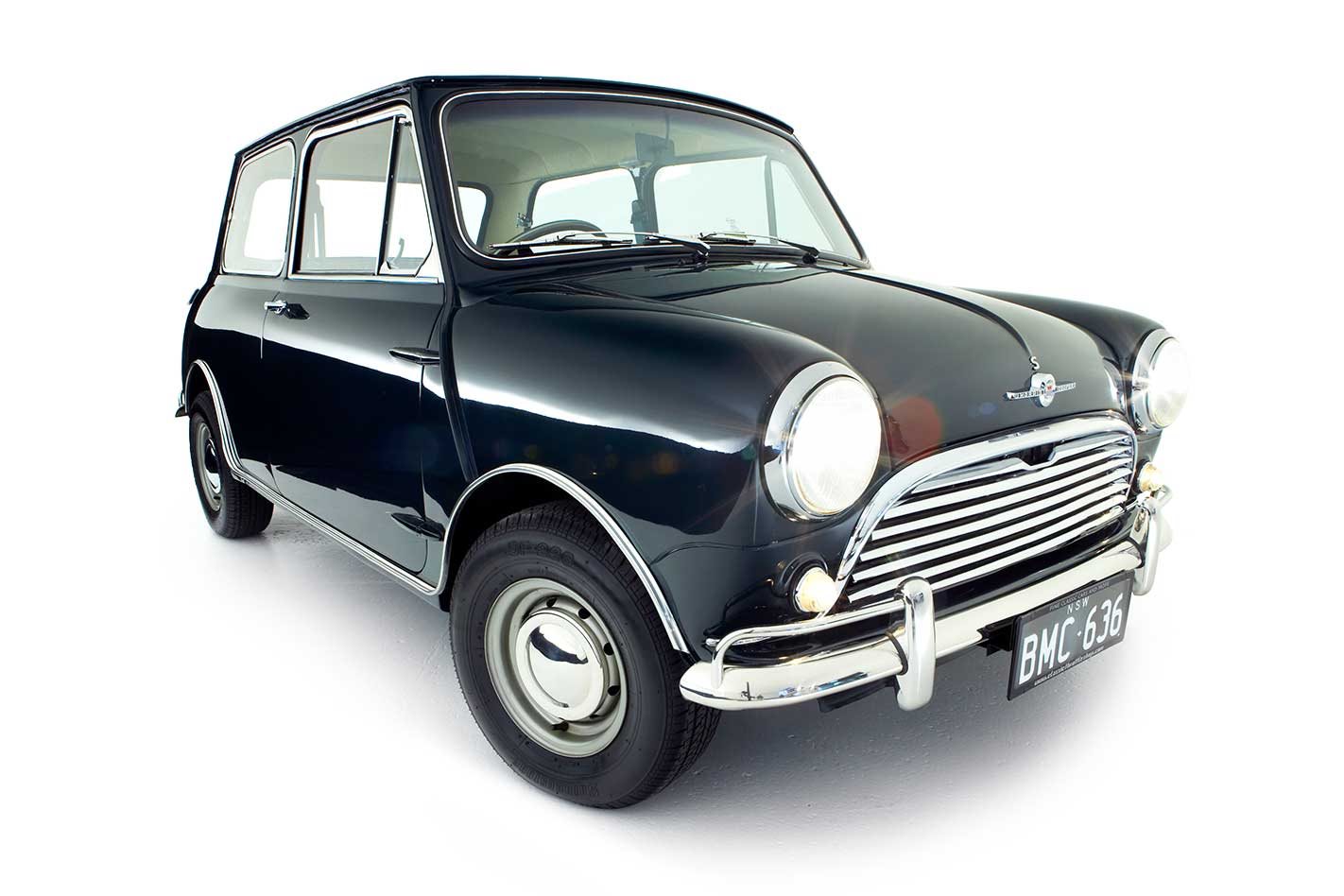
1966 Mini Cooper S
There’s some disagreement about which car was the first hot hatch, but can we just all agree it was the Mini Cooper S?
It might have mustered just 56kW/107Nm from its 1275cc four-cylinder engine, but there were just 635kg to shift for a healthy power-to-weight ratio of 88kW/tonne.
It was sufficient to make it a star in rallying and circuit racing, but drive one and you’ll realise it’s the only car that can realistically claim to offer go kart handling. It’s a joy.
1
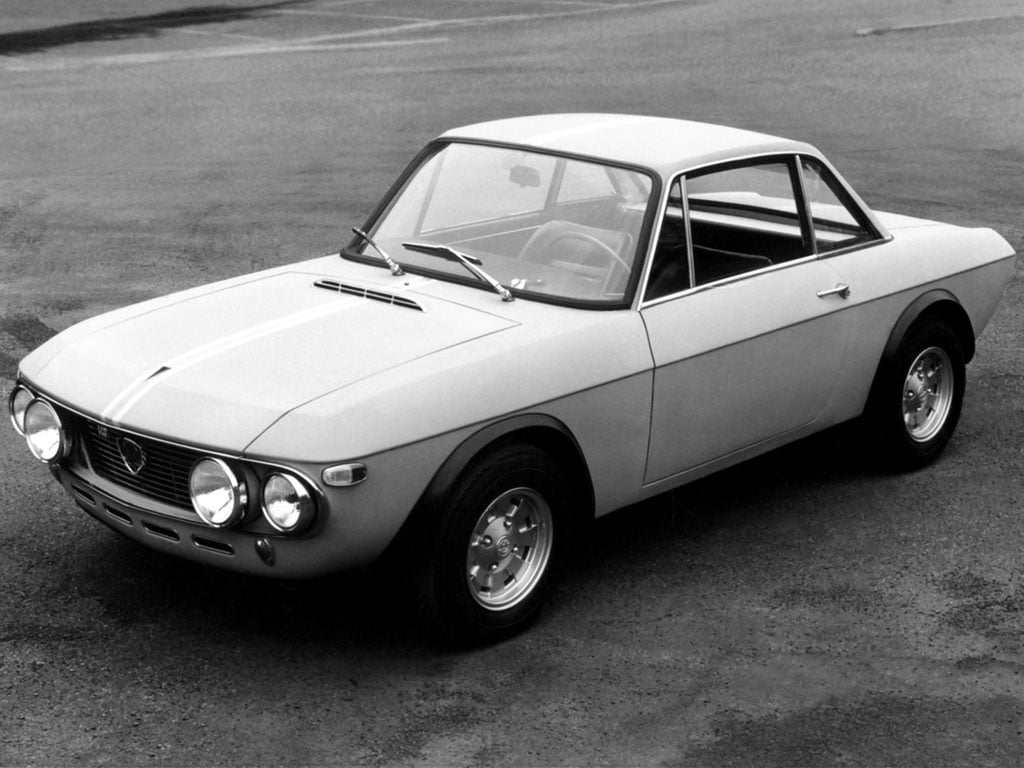
1969 Lancia Fulvia Rallye HF
A sensible four-sedan in standard guise, the coupe version of the Lancia Fulvia not only added plenty of style but injected a healthy dose of performance into the equation, too.
Continually updated from its introduction in 1965, it reached its zenith in the Rallye 1.6 HF, the new 1.6-litre engine producing 85kW (though the works rally cars managed up to 97kW) along with a close-ratio five-speed gearbox and revised suspension geometry.
Thus configured, it became an outstanding rally car, winning the 1970 RAC Rally and the 1972 Monte Carlo Rally, Rallye du Maroc and Rallye Sanremo.
1
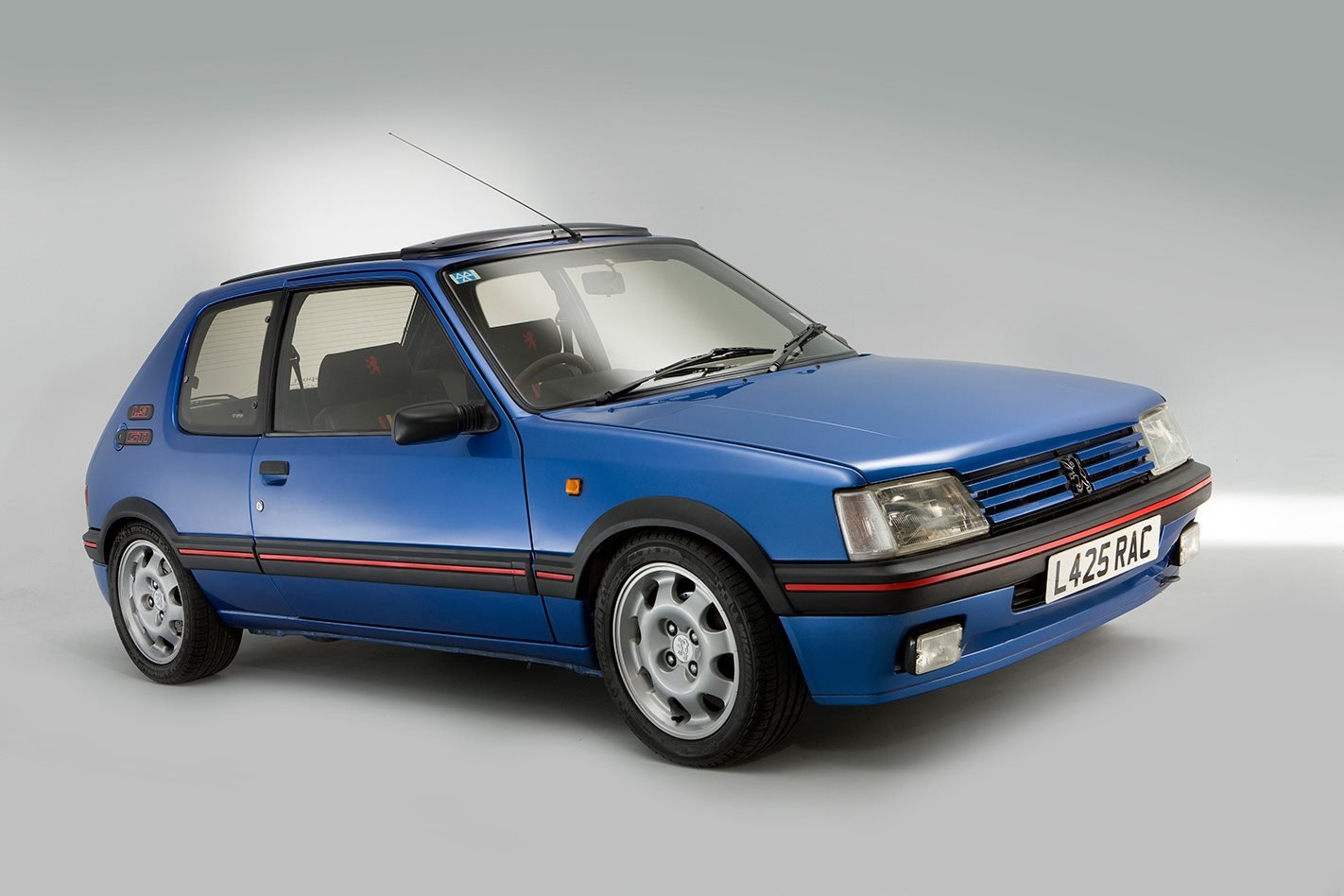
1984 Peugeot 205 GTI
There are plenty of Peugeots that warrant inclusion on a fun front-driver list, but no countdown would be complete without the car that, even 40 years on, is widely regarded as the benchmark for hot hatch dynamics, the 205 GTI.
Of course, that’s on the understanding you have more than a passing familiarity with lift-off oversteer, as 205 GTIs were notorious for disappearing off the road backwards in inexpert hands.
When mastered, however, its light weight and adjustability made it the perfect tool for carving back roads. Let’s not get into the 1.6 vs 1.9 debate, though.
1
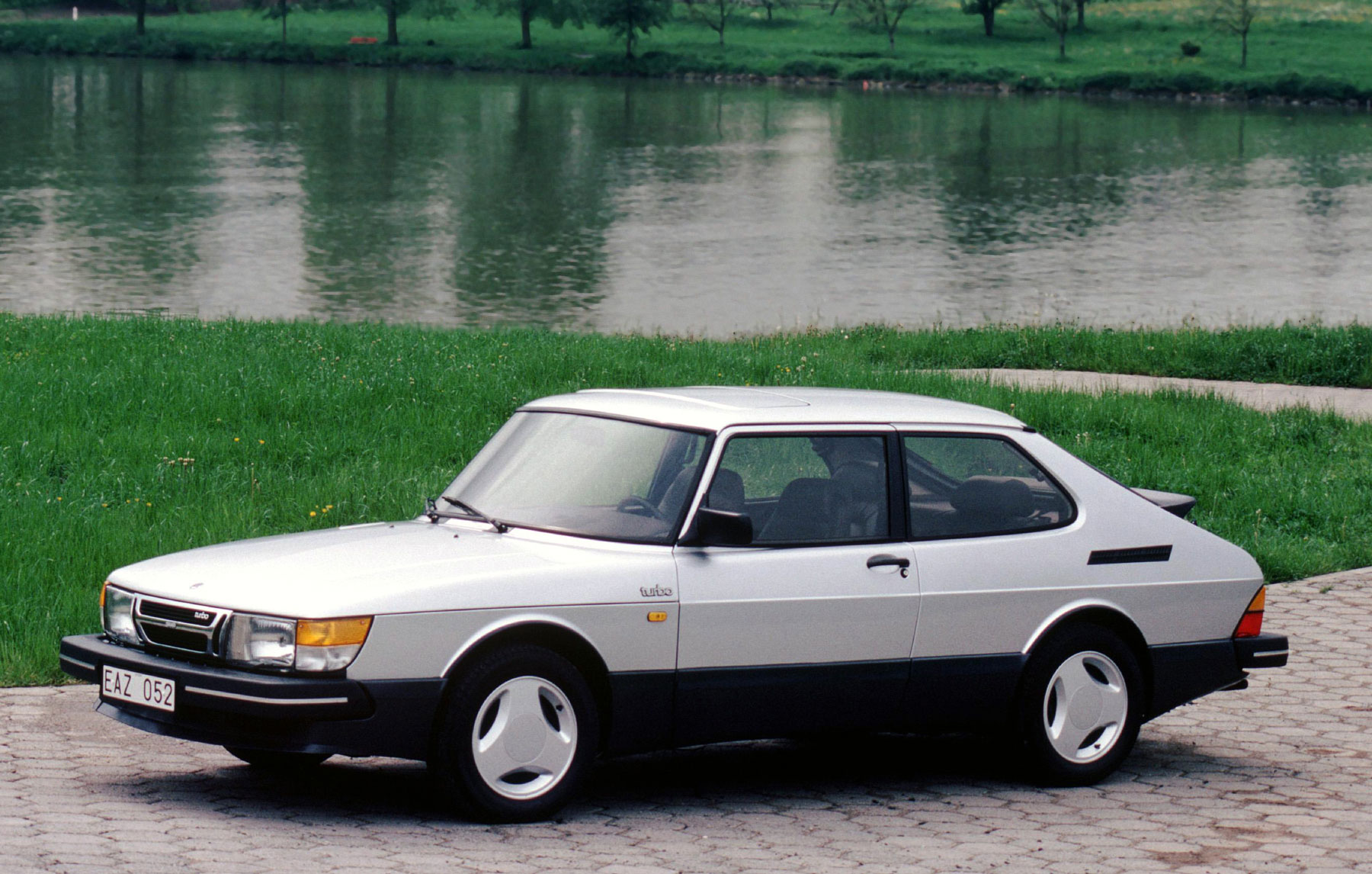
1984 Saab 900 Turbo 16 S
Fun doesn’t have to mean cornering on your doorhandles. Saab was certainly successful in motorsport, winning the 1977 and ’79 Swedish Rallies thanks to Stig Blomqvist, but the 900 Turbo road car offered a more relaxed definition of performance.
The pre-catalyst 2.0-litre 16-valve turbocharged engine offered 129kW/255Nm, good enough for 0-100km/h in 8.5sec and a 217km/h top speed – heady stuff for the mid-1980s and perfect for dispatching long distances at speed and in comfort.
1
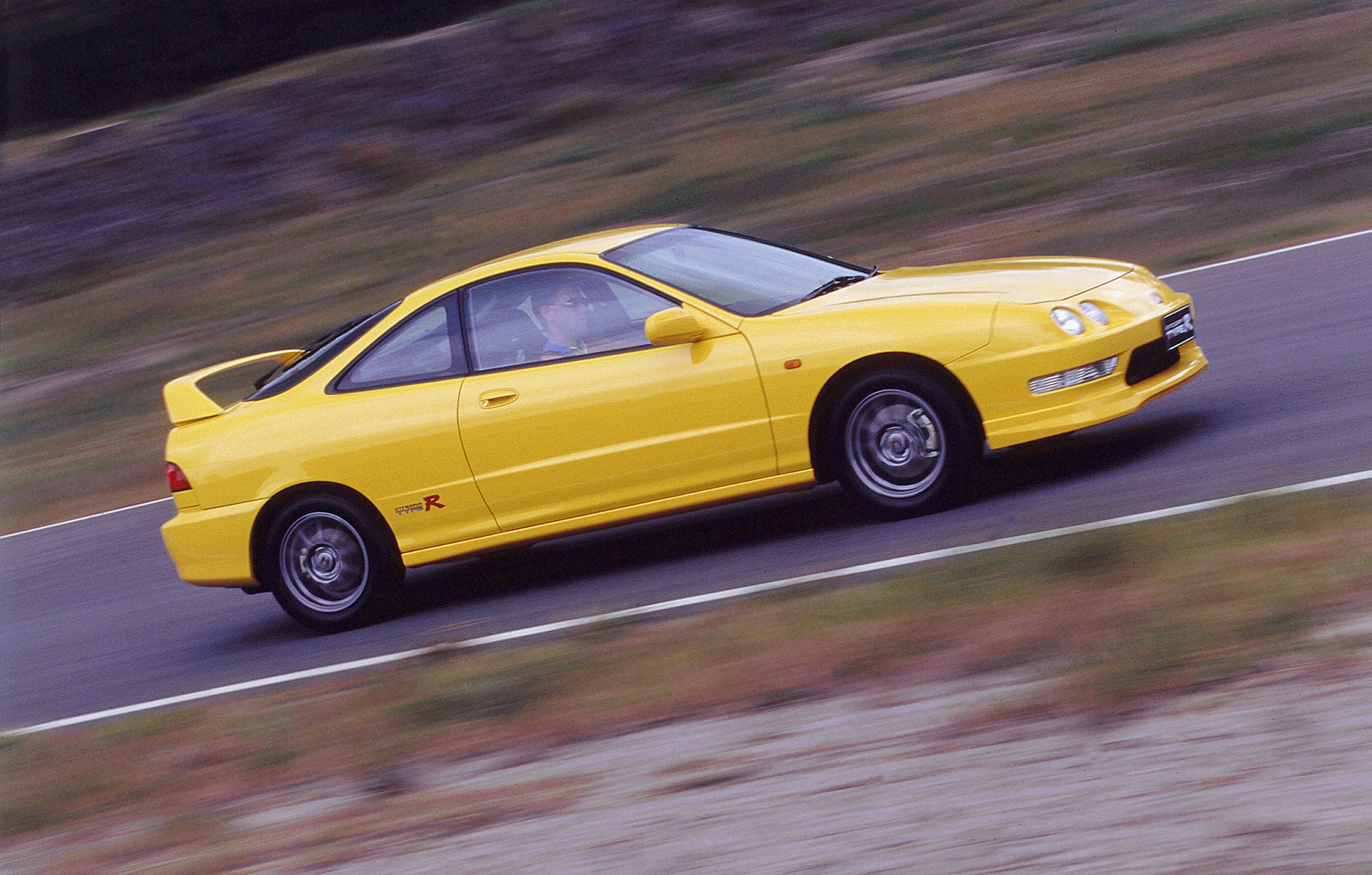
1995 Honda Integra Type R
Too often these lists are focused on hot hatches, which leaves the Integra Type R out in the cold. A bona-fide sports car from an era when Honda was synonymous with engineering integrity, it was as honed and focused in its own way as anything from Porsche’s GT department.
A reinforced body shell, thinner glass, a screaming 8600rpm 1.8-litre engine producing 147kW (though slightly less for export markets) through a close-ratio five-speed ’box and a helical-type limited-slip differential.
Light and agile, it was a very different approach to performance than the turbocharged, all-wheel drive WRX STis and Lancer Evos that were starting to proliferate but no less effective.

1
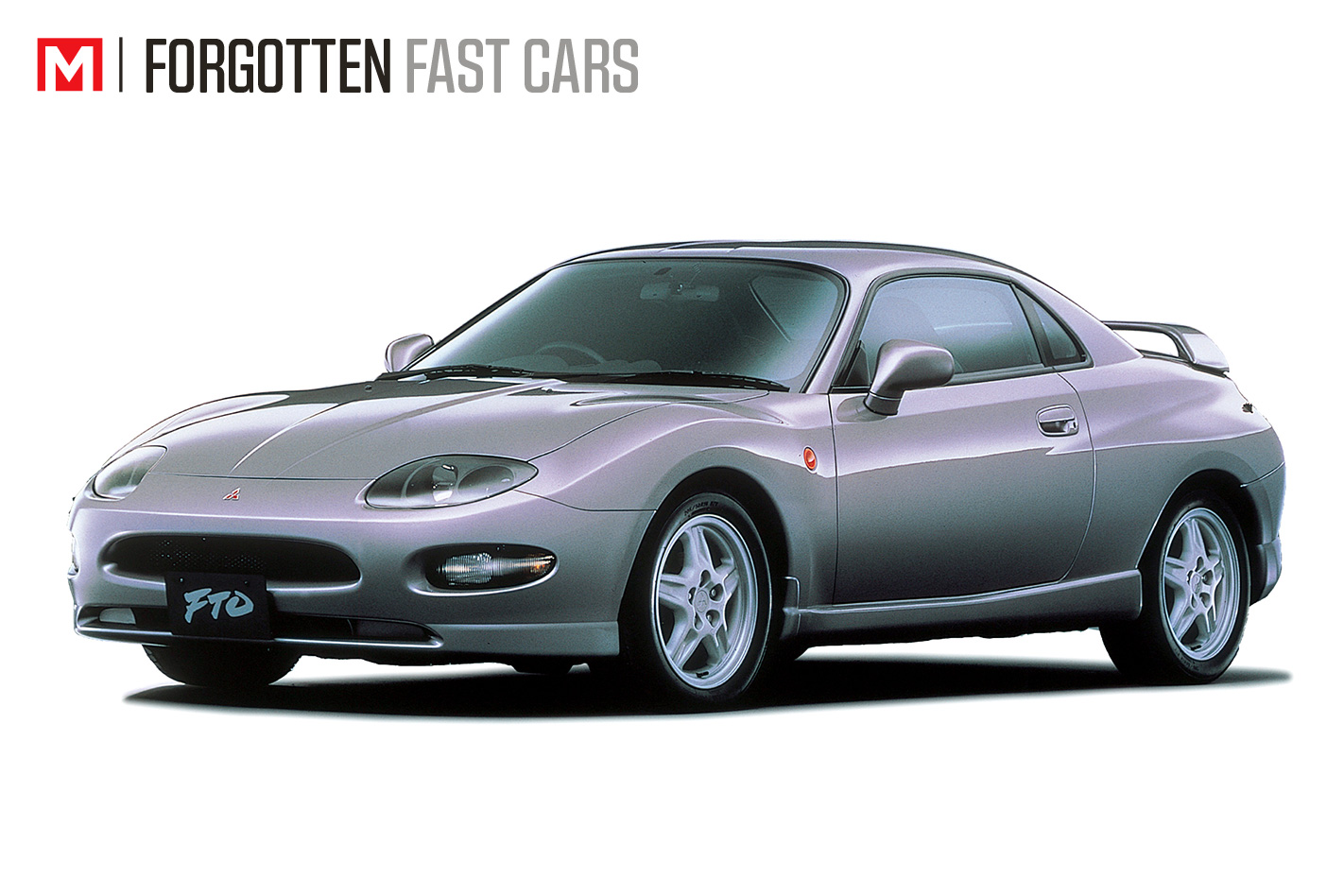
1997 Mitsubishi FTO GP Version R
It’s very possible that the only time you’ve seen a Mitsubishi FTO is rotating slowly on a Gran Turismo menu screen. With only 36,805 built in total from 1994-2000 it’s a relatively rare car to begin with, but only 9859 of those were manual.
By the time you get to the GP Version R, with its rev-happy 147kW (at 7500rpm!) 2.0-litre V6, Torsen limited-slip diff, thicker anti-roll bars and revised aero kit, you’re down to a choice of 240 cars, making for a rare and engaging alternative to the more commonly feted Integra.
1
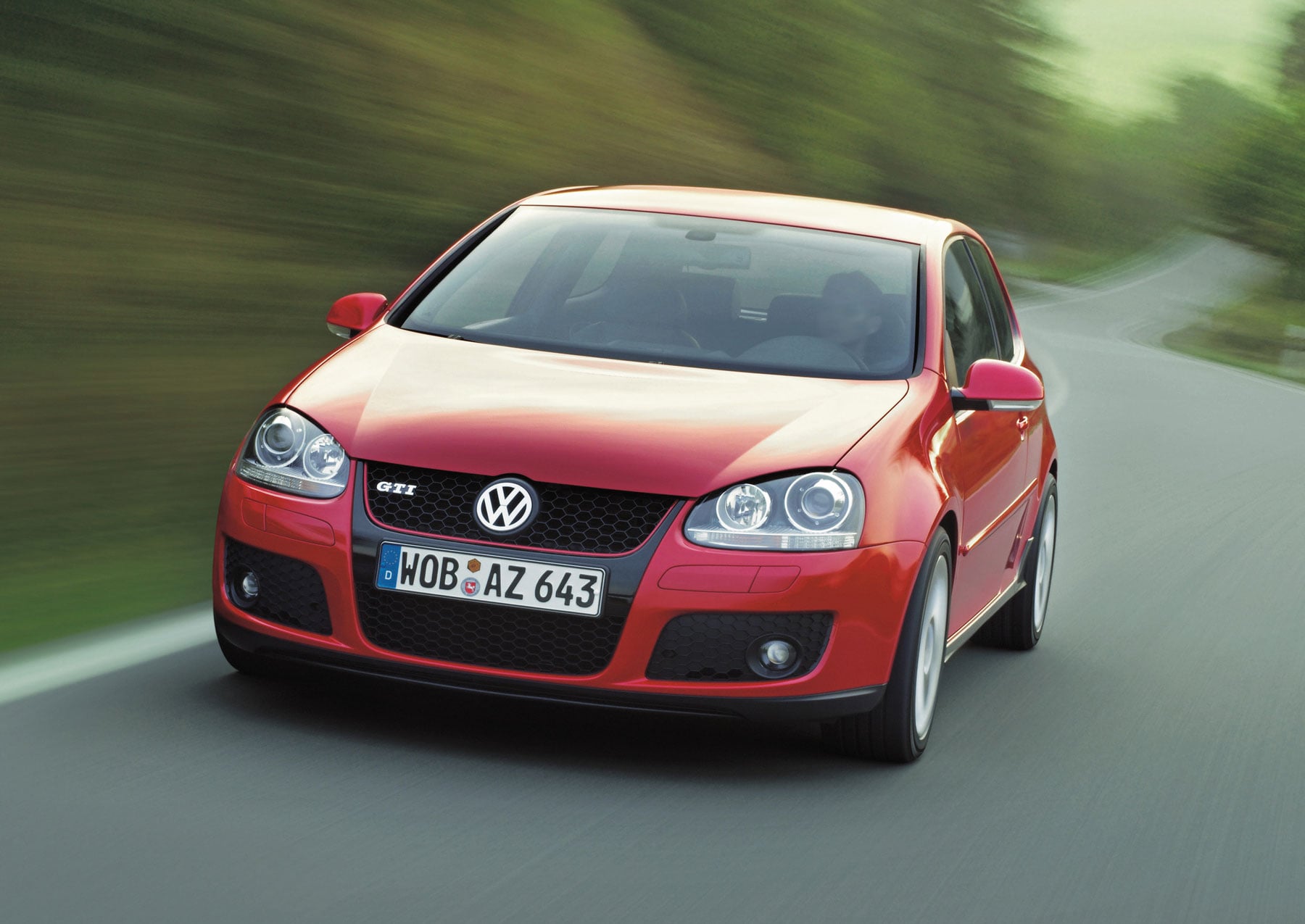
2005 Volkswagen Golf GTI
There’s a strong case for the ground-breaking original Golf GTI to be on this list, but that sort of machine is represented by cars you’ve already read about. Instead, we’re going with the MK V, which reversed the GTI’s seemingly inexorable descent into mediocrity.
Following the well-built but performance-absent Mk IV, the MK V was a revelation and vaulted back to the top of the hot hatch class, teaming its predecessor’s quality with much more lively dynamics and a strong 2.0-litre turbo engine.
1
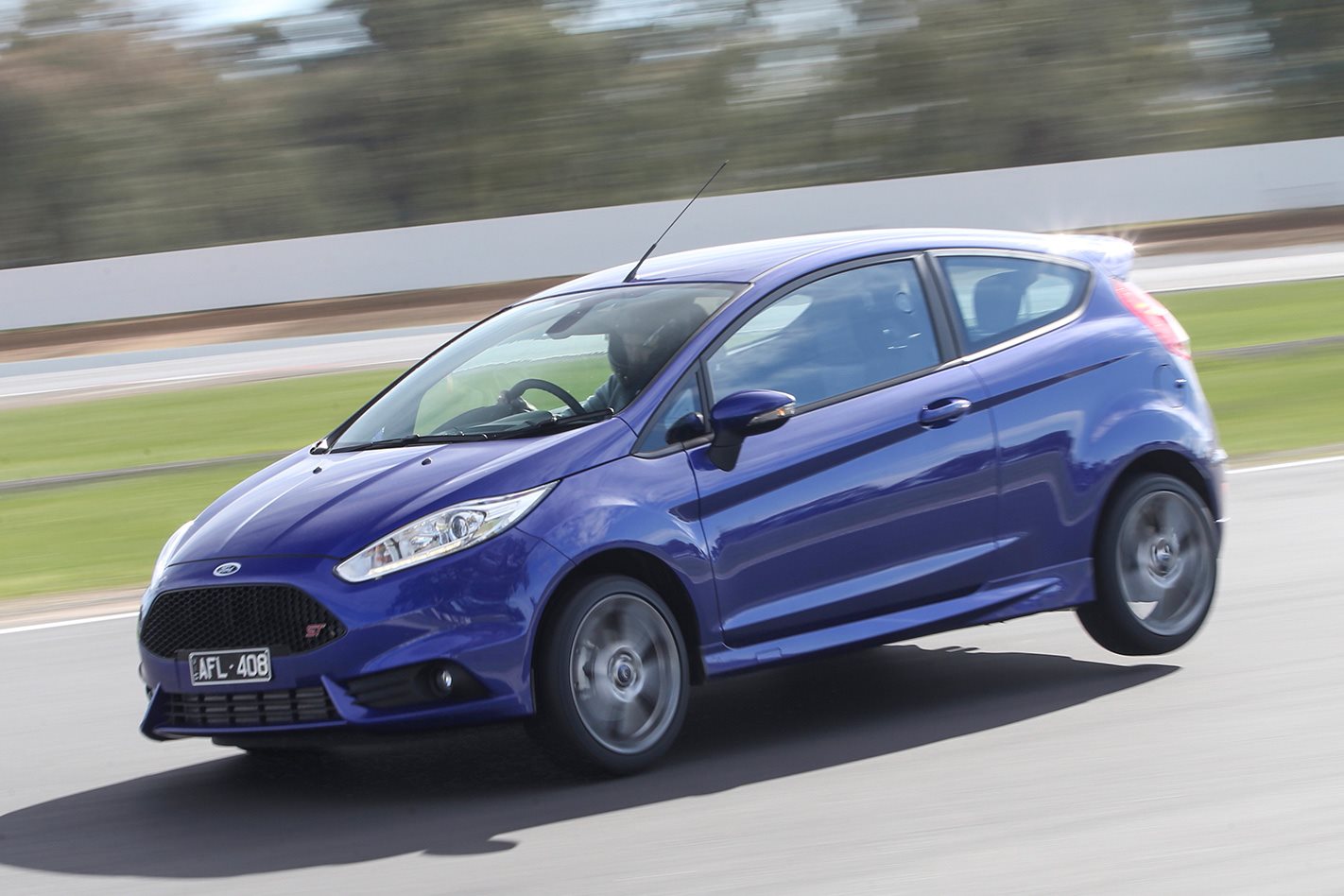
2013 Ford Fiesta ST
When it comes to pure driving fun, the Ford WZ Fiesta ST is almost in a class of its own. It was as playful and exuberant as an excited puppy, keen to wag its tail at the slightest provocation.
It wasn’t a perfect car by any means and its more grown-up predecessor rectified some of the flaws, but when you remember it wore a $25,990 price tag any complaints fade into irrelevance. On road or track, few cars would put a bigger smile on your face, regardless of price.
1
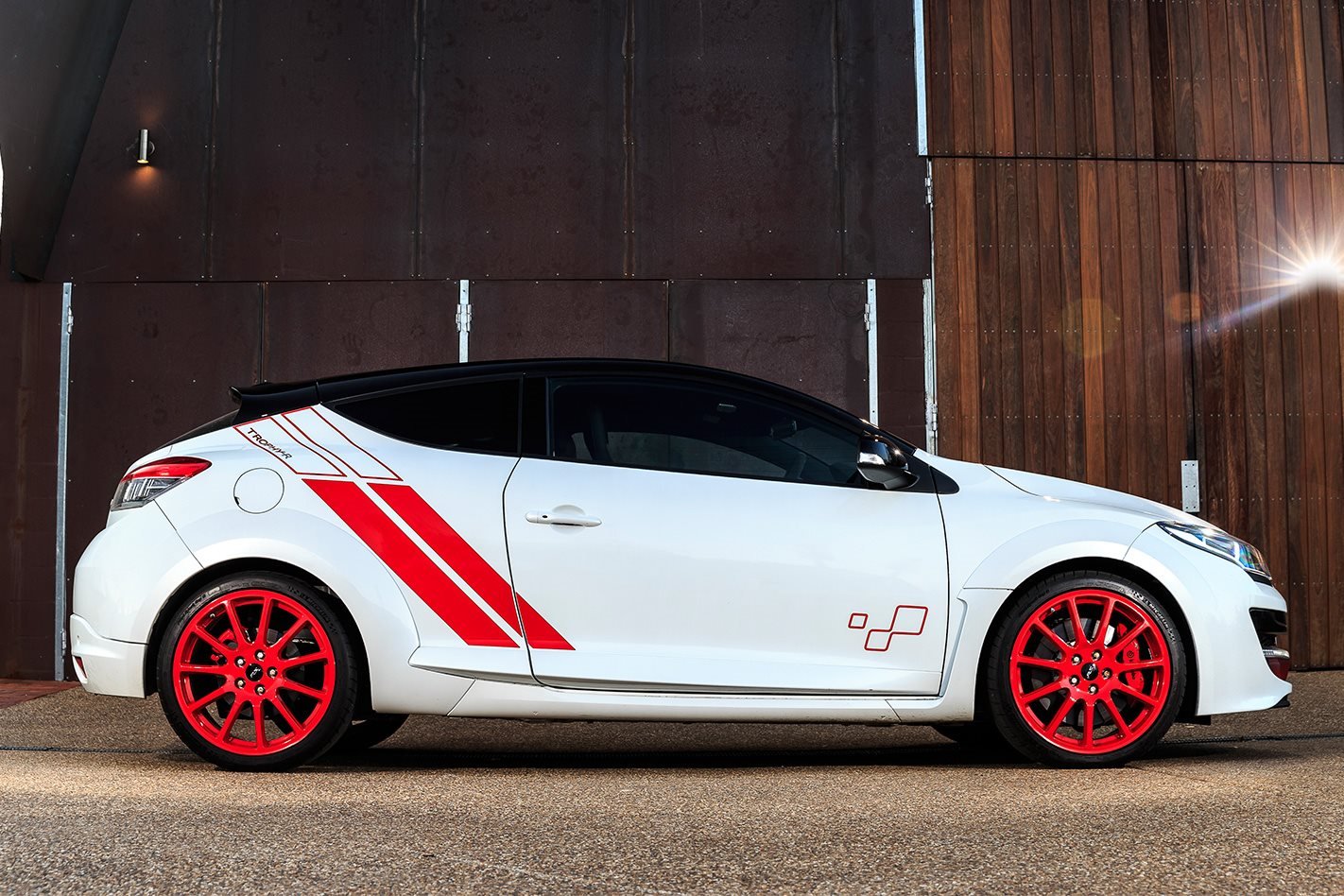
2015 Renault Megane RS275 Trophy-R
Picking the best front-wheel drive Renault is like choosing the best ice cream flavour, there are so many to choose from. From the 8 Gordini to the 5 GT Turbo to half a dozen hot Clios, all stake a strong claim, but the Megane RS deserves the limelight and the RS275 Trophy-R was the pinnacle.
To be honest, the regular RS275 Trophy was at least 95 per cent of the car with less cost and compromise, but on the right road, with temperature in the semi-slick tyres, the Trophy-R delivered an unadulterated hit of driving adrenaline that no other front-driver at the time – and few since – could match.
1
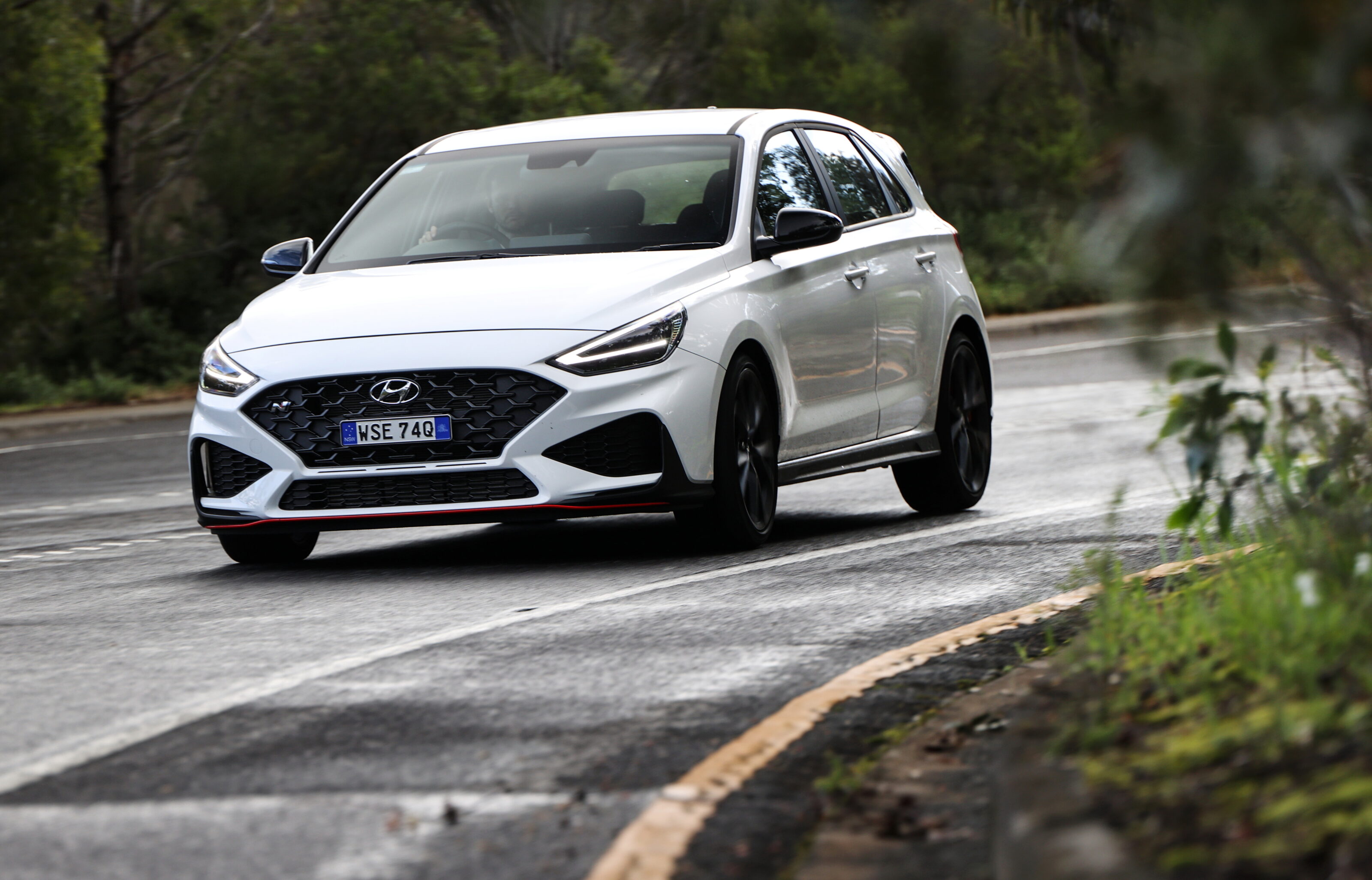
2021 Hyundai i30 N
Hyundai was late to the hot hatch scene, but with the establishment of the N Division it pushed all its chips in, recruiting former M Division boss (was the name really about its Namyang base?) Albert Biermann to spearhead its performance push.
The original i30 N was a cracker, putting a South Korean cat amongst the established hot hatch pigeons. Despite starting from such a high base, the facelift was even better, with the introduction of an excellent dual-clutch option, a slicker manual and stronger engine. It’s a modern performance hero.
1
Follow WhichCar/Wheels on Google
Click the button below to make WhichCar by Wheels a preferred source for your news.

We recommend
-
 Features
Australia’s 10 Greatest Cars
While it's still sad Australia no longer creates cars from concept to roadgoing, we can at least remember how good they once were. Here's the 10 we think were Australia's greatest ever homegrown cars...
-
 Features
Top 10 modern Australian muscle cars
Part II of our series on homegrown muscle cars focuses on the modern marvels, from Holden's VN SS Group A to the Ford FG X Falcon Sprints.
-
 Features
Top 10 Australian modified cars: From the Dick Johnson Grand Prix to the Walkinshaw E2 Supercar
Turbocharged Falcons, V8-stuffed MX-5s, bespoke Monaros and limited-run Mustangs: these are 10 Australian-built modified cars that reimagined factory metal into icons.
