News

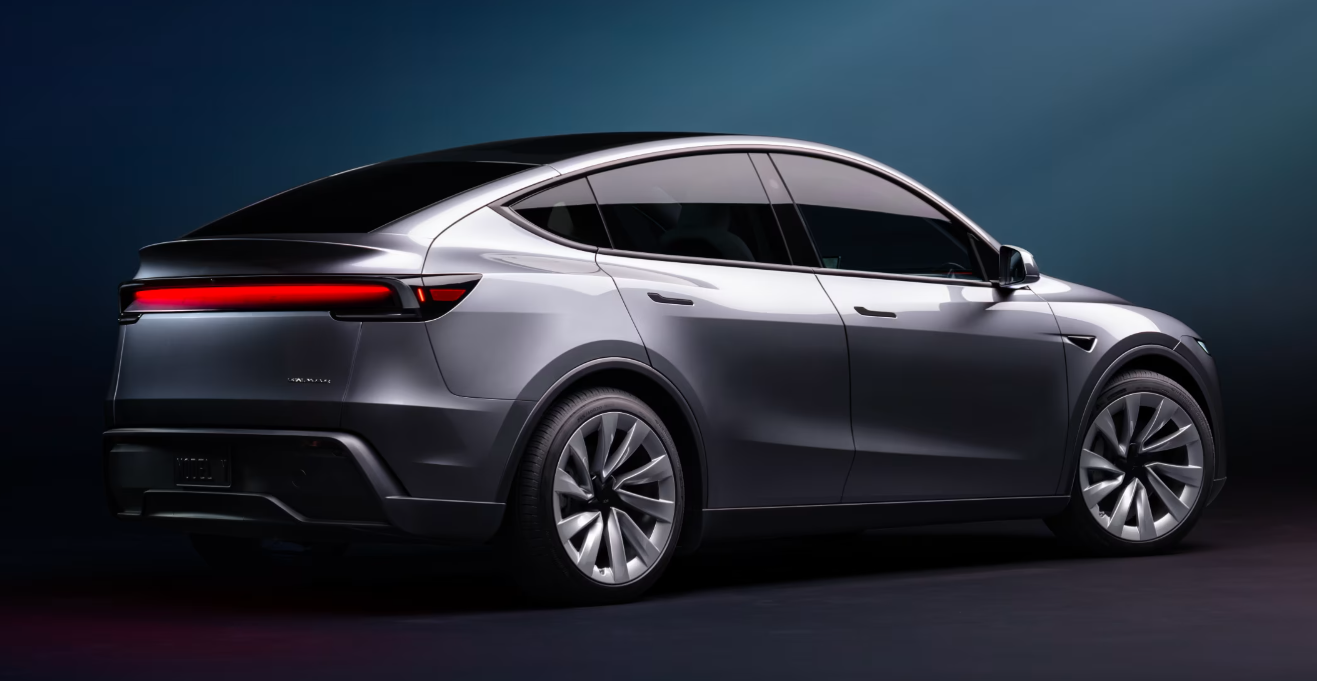
Gallery 1
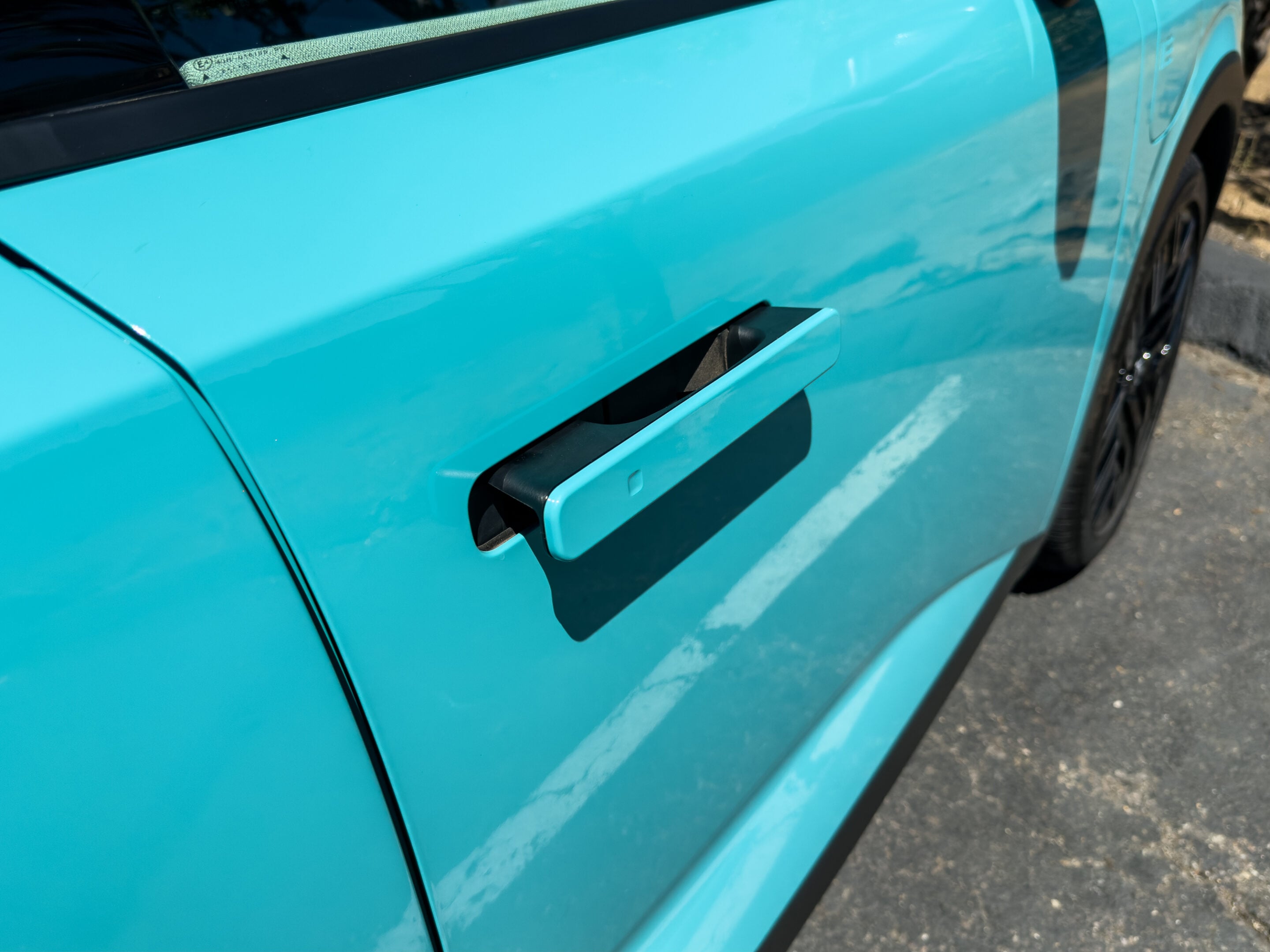
As reported by WhichCar by Wheels earlier this month, China has moved to ban flush fitting, electronic door handles, after incidents in China raised fears that occupants could be trapped following a crash.
Now, analysts have warned, the regulation change, which might seem minor in real terms could lead to a seismic shift in the design plans for EVs globally. Officials in China, cited two fatal incidents involving Xiaomi vehicles, where failure of the electronic systems prevented the opening of the doors when the vehicles were on fire.
The system, made popular by the likes of EV manufacturer Tesla, has enabled designers to come up with a clean, uncluttered exterior look once the handles retract, but it appears the technology is a little bit too heavy on form rather than function.
1
According to a report in the China Daily newspaper earlier in February, “only cars with a mechanical mechanism, for releasing the door, both from the outside and the inside, will be allowed to be sold from as soon as January 2027”.
With that in mind, focus now shifts to how that requirement in a market as large and commercially significant as China will impact global EV design. Wards Auto in the United States reported that it’s likely to have a significant effect.
Alexandre Parente, head of global analysis and reporting at Jato Dynamics, told the outlet the net effect will be tangible. “I think China’s decision is going to create some real work for EV makers,” Parente said. “Anyone relying on electric-only handles will have to revisit their designs pretty quickly to meet the 2027 deadline, and that inevitably adds cost and pressure, especially for cars already on the market or close to launch.”
The next link in the chain is Euro NCAP, with manufactures potentially wanting to streamline their model lines and processes to best access the highest safety rating possible. “It wouldn’t surprise me if automakers increasingly start to align designs across markets to avoid region-specific variants,” Parente said.
The opposite side of the argument, though, according to Parente is the opportunity that this shift presents for mechanically-savvy manufacturers. “There’s going to be renewed interest in mechanical systems, so companies with strong mechanical know-how may suddenly find themselves in demand again,” he said.
Follow WhichCar/Wheels on Google
Click the button below to make WhichCar by Wheels a preferred source for your news.

We recommend
-
 Reviews
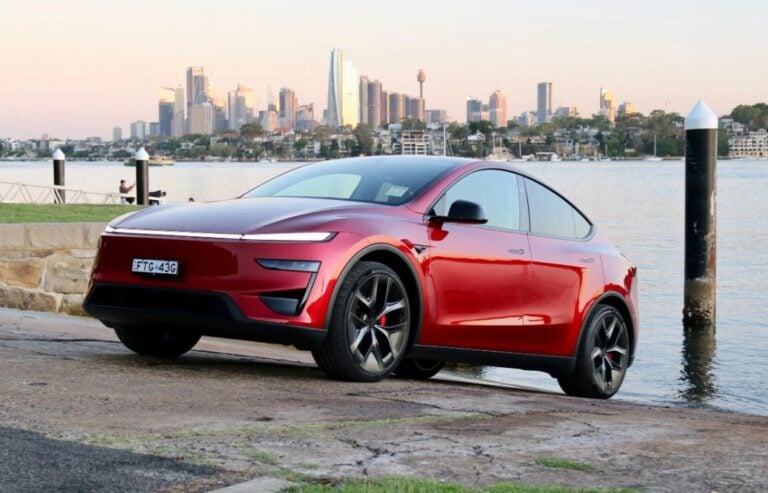
Tesla Model Y Performance review: If only all mid-life facelifts were this good
The Performance variant of the hugely successful Tesla Model Y has landed in Australia with even more power and attitude. Will it appeal to Tesla fans and the Tesla-curious?
-
 Features
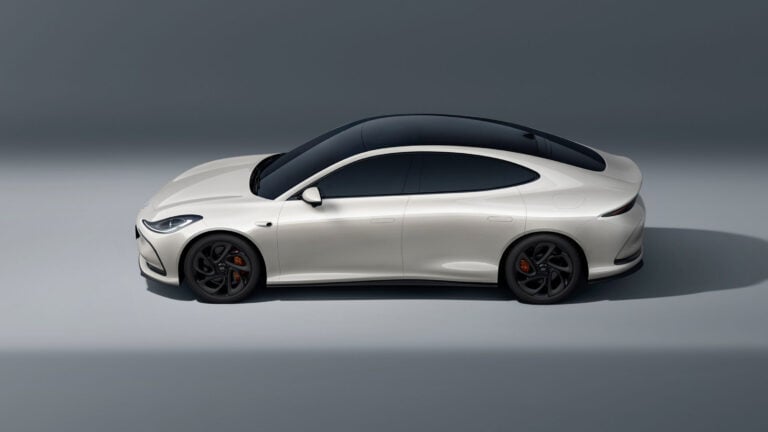
IM’s game-changing digital chassis explained
Rewriting the automotive rule book is no easy task. There’s a reason things have been done the same way for so long – if it ain’t broke, don’t fix it. After impressing the judges at Wheels COTY testing, Trent Nikolic has taken a closer look at the potentially revolutionary technology powering the chassis beneath the IM range