News
Gallery 1
China is set to outlaw retractable and flush-fitting door handles on new vehicles, following growing safety concerns that electrically operated systems can prevent occupants or emergency services from opening doors after a crash.
The ban will come into effect from 1 January 2027 and applies to passenger vehicles weighing under 3.5 tonnes. Under the new rules, cars must be fitted with clearly identifiable physical door handles on both the inside and outside, each incorporating a mechanical emergency release that can operate independently of the vehicle’s electrical systems.
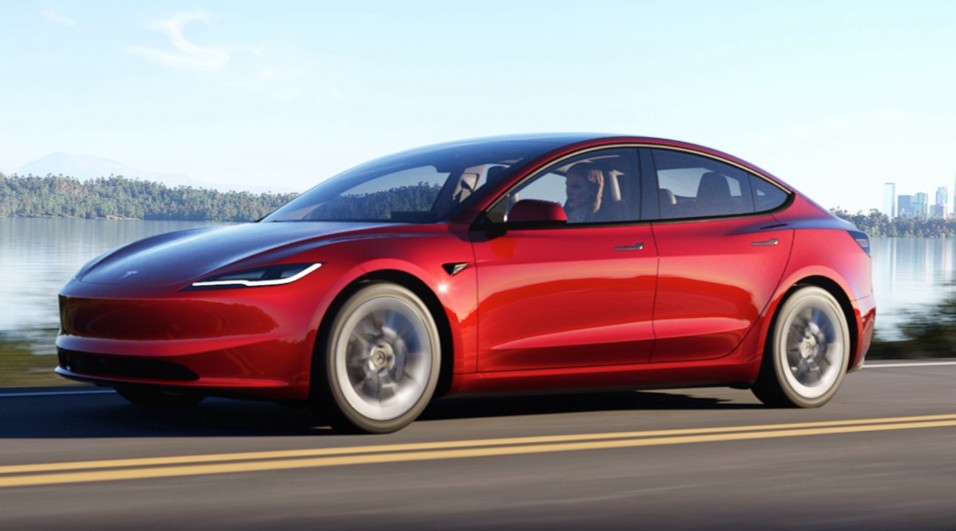
The move follows a series of high-profile incidents worldwide involving vehicles with electronic door mechanisms. In the United States, Tesla has faced multiple lawsuits linked to crashes in which doors allegedly failed to open due to power loss. US safety regulators have been assisting investigations into several fatal incidents where occupants were unable to exit vehicles after collisions.
1
China has seen similar cases. Last year, domestic manufacturer Xiaomi was scrutinised after a driver reportedly died when he could not escape his SU7 electric sedan following a crash. These incidents prompted China’s Ministry of Industry and Information Technology (MIIT) to conduct a wide-ranging safety review covering more than 230 vehicle models equipped with electronically operated door handles.
Following that review and a public consultation process, the government decided regulatory intervention was necessary. The new standards specify that at least one interior door handle must be mechanically released and easily recognisable to occupants. Exterior handles must also allow sufficient hand clearance to operate a mechanical release and must be positioned no more than 300mm from the door’s edge.
The decision could have implications beyond China, which remains the world’s largest automotive market. Carmakers may be reluctant to engineer separate door-handle designs for China and other regions, potentially accelerating a broader shift back to conventional handles globally.
1
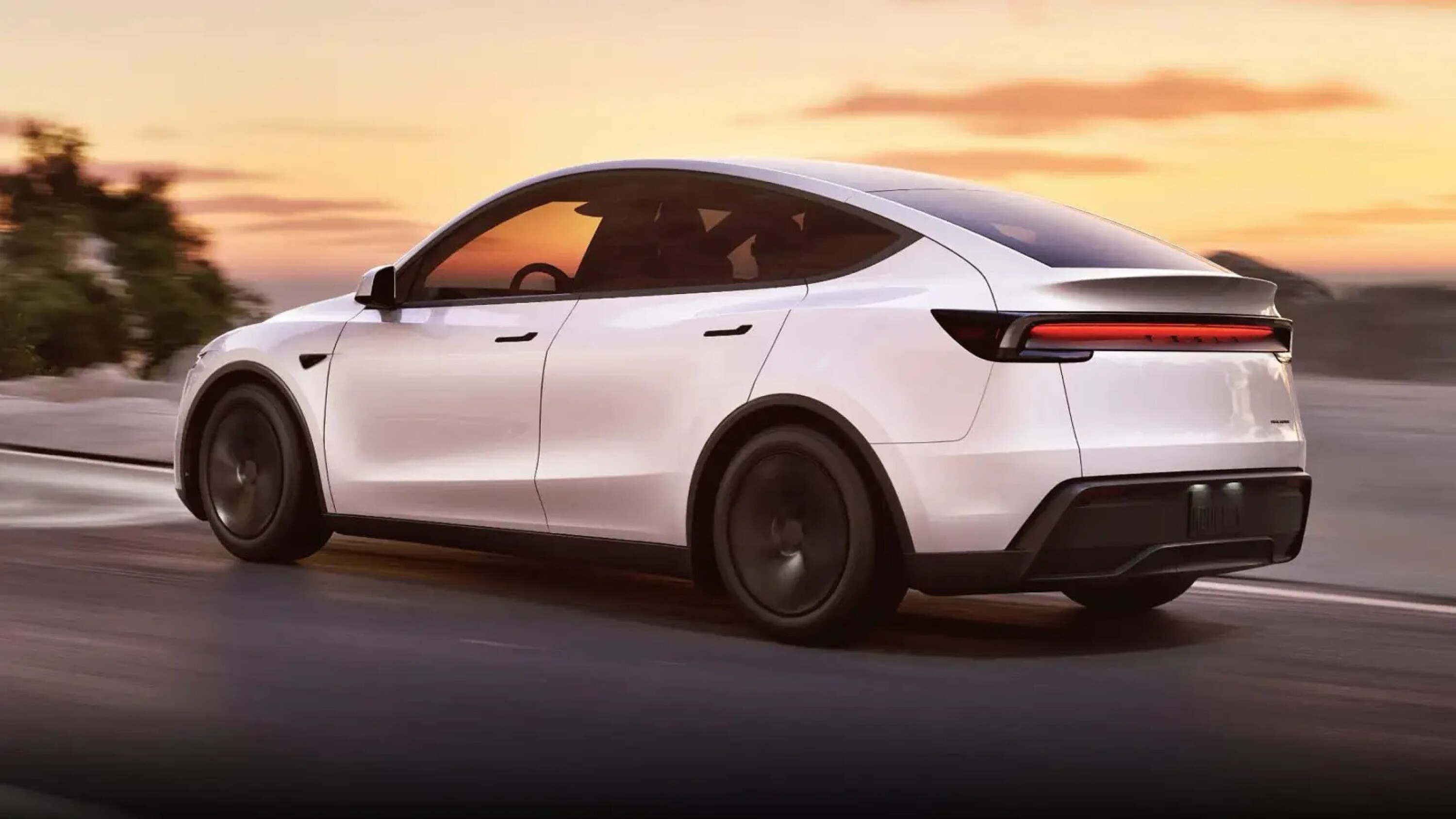
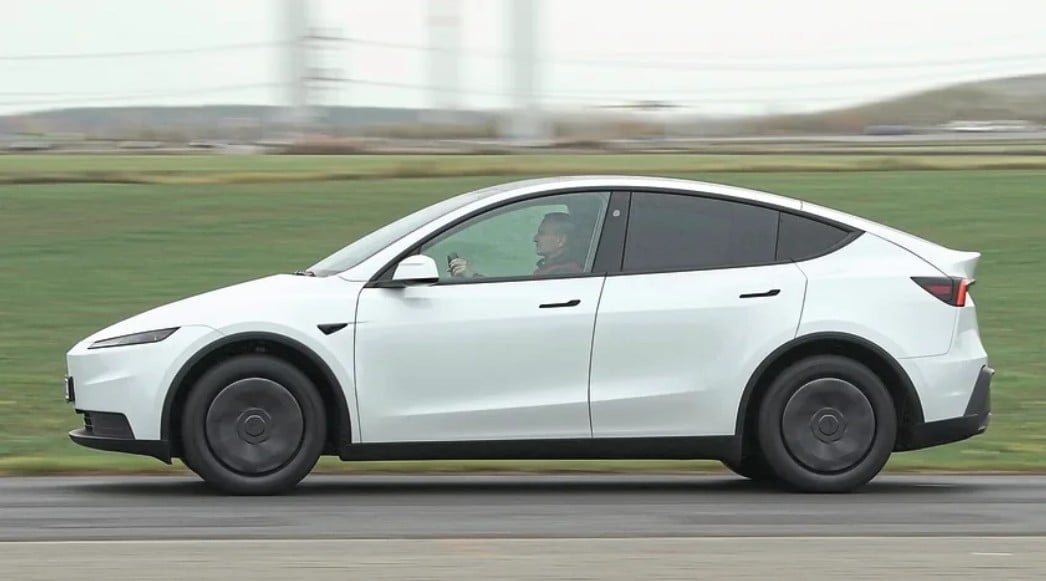
Flush and retractable handles have become increasingly common over the past decade. Popularised by Tesla and high-end brands such as Aston Martin, the design has since spread across a wide range of European and Chinese manufacturers. The handles are often used to reduce aerodynamic drag, making them particularly attractive for electric vehicles seeking greater driving range.
Every Tesla model currently on sale uses electronically operated handles, though the company has previously indicated it is working on solutions to meet upcoming regulations.
While the new rules will apply immediately to newly approved models from 2027, vehicles already in production will be granted a transition period of just over two years to comply. As a result, drivers may soon see a noticeable design shift as manufacturers prioritise mechanical simplicity over flush aesthetics in the name of safety.
Follow WhichCar/Wheels on Google
Click the button below to make WhichCar by Wheels a preferred source for your news.

We recommend
-
 News
NewsTesla will kill the Model S and Model X to make way for robot production
Production of Tesla's trailblazing Model S and Model X will end later in 2026 to make way for the company's new Optimus robots.
-
 News
NewsTesla quietly kills some standard safety features in North America; Australia unaffected
Tesla to charge monthly subscription for safety and driver assist features previously regarded as standard.
-
 News
NewsWhat’s your dream car? New research reveals which rides Australians crave
The world's most desired cars have been revealed through a survey of the most popular Google searches over the past five years.