News

Gallery 1
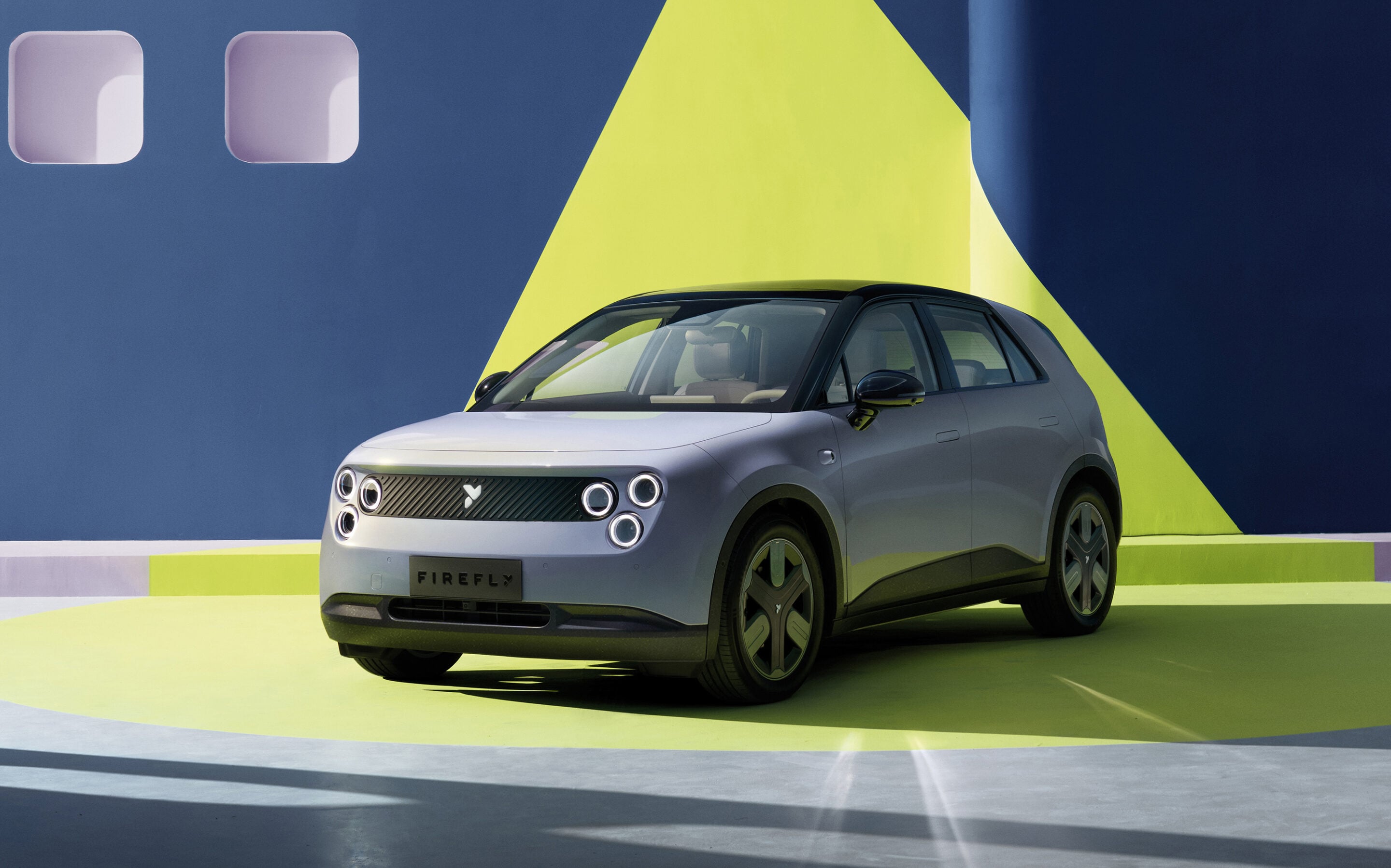
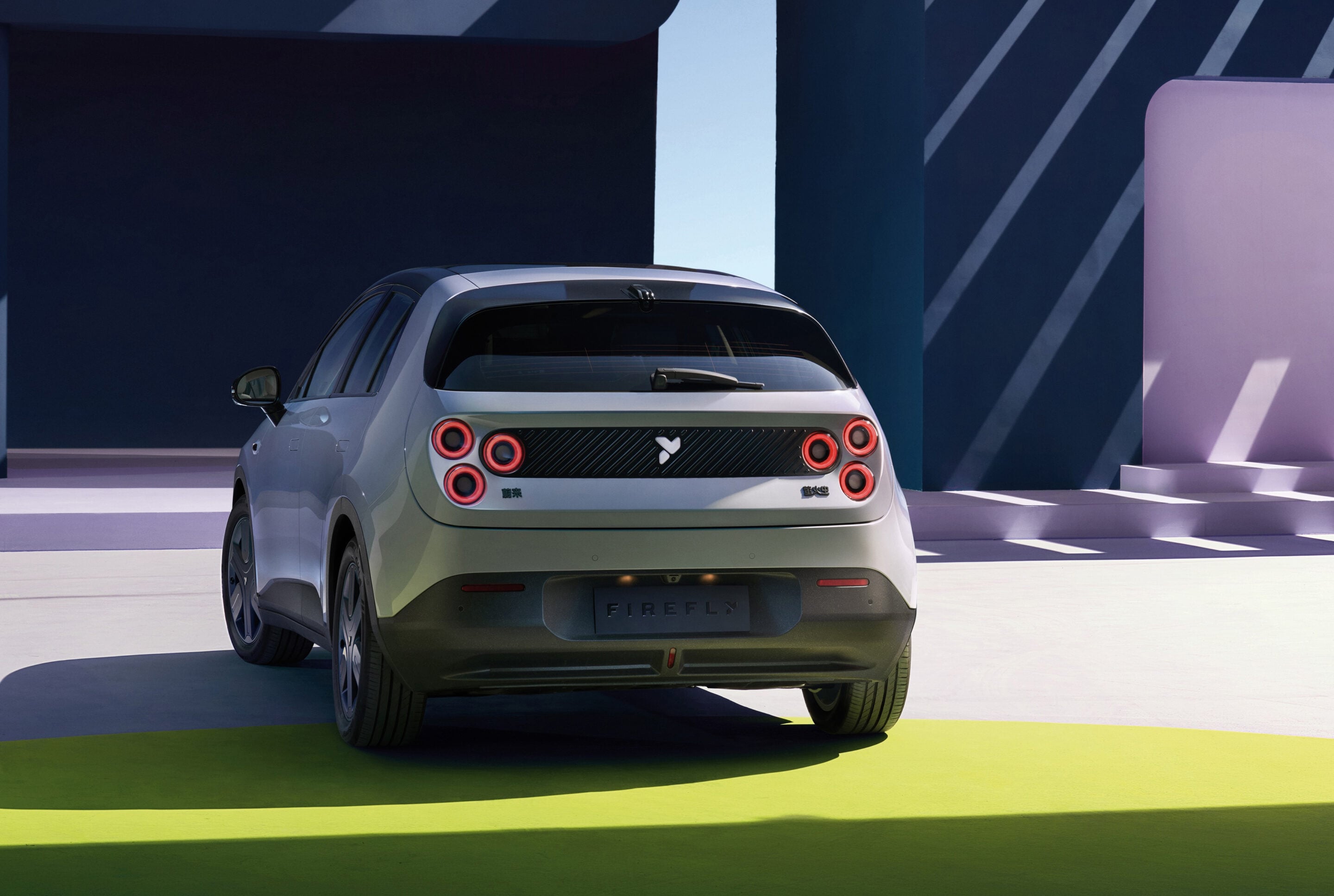
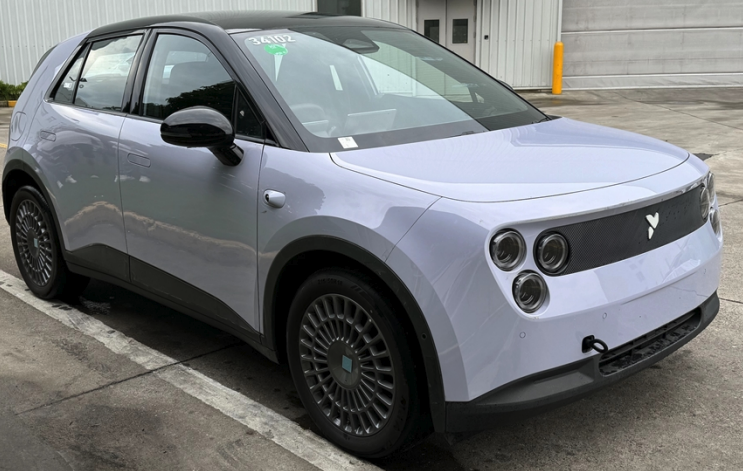
The Nio Firefly, a cute as punch city-sized hatchback, has been approved for sale in Australia.
The compact four-door hatchback is the the latest in a long line of EV brands from China and while there has been no announcement on when it will land in local showrooms, it has received the all-important Australian Design Rules approvals to allow it to go on sale here in Australia.
4
Australian government-issued documents reveal a single electric motor, with outputs of 105kW and 200Nm driving the rear wheels. In Europe, where the Firefly has already gone on sale, a 41.2kWh battery pack provides a WLTP-tested 330km of driving range. DC charging is capped at a maximum rate of 100kW, replenishing the battery from 10-80 per cent in a claimed 29 minutes.
Pitched as a premium offering in Europe, the Firefly is priced from €29,900 translating to around AU$50,000. That would make it extremely uncompetitive in a market where similar offerings such as the BYD Atto 1 starts from $23,990. It’s worth noting, however, that Chinese cars have been heavily taxed in Europe in a bid to ensure European car makers remain competitive.
2
In its home market of China, the Nio Firefly is priced at around ¥120,000 or around AU$25,000.
Its compact dimensions – 4003mm long, 1781mm wide and 1557mm tall, sitting on a 2615mm wheelbase – place it firmly in the light, or city, car category where it would go up against the likes of the battery-electric BYD Atto 1 hatchback (from $23,990) and a smattering of petrol-hybrid cars including the MG3 (from $27,888 for the entry-level hybrid Excite), and Toyota Yaris (from $28,990).
Equipment levels for Chinese market cars include a 13.2-inch infotainment touchscreen, 6.0-inch digital instrument display, a panoramic glass roof, seat heating and a comprehensive suite of active safety systems that contributed to a five-star Euro NCAP safety score issued in 2025.
Nio began making the Firefly for right-hand drive markets late last year, with Singapore the first RHD market to receive the compact hatchback in January 2026 with the UK set to follow later this year.
Follow WhichCar/Wheels on Google
Click the button below to make WhichCar by Wheels a preferred source for your news.

We recommend
-
 News
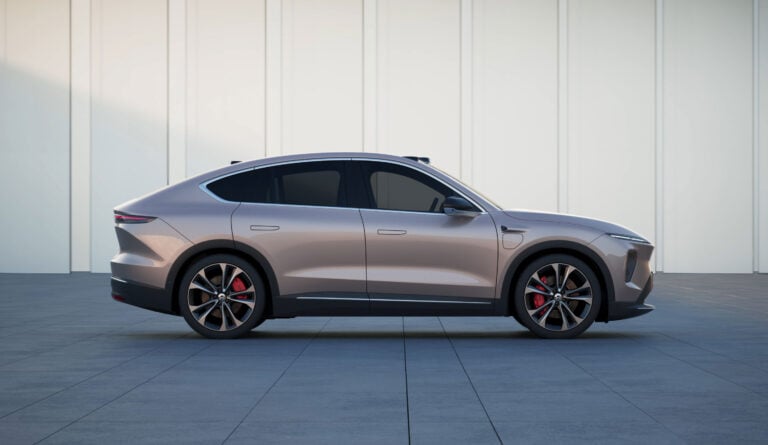
NewsNio unveils sleek luxury electric SUVs
High-end Chinese electric automaker Nio has shown-off two new electric SUVs with slick looks, large batteries and a posh interior
-
 News
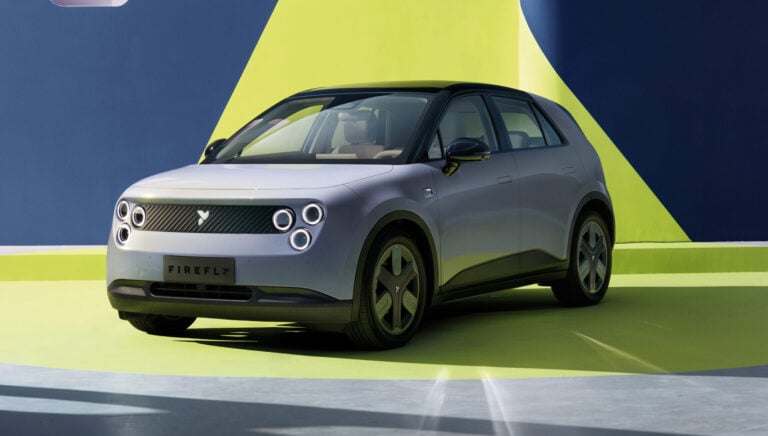
NewsNio Firefly: Budget 'supermini' electric hatch confirmed for Europe, headed for Australia?
The runabout 'supermini' will soon debut in the UK with a right-hand model - meaning the affordable EV hatchback could later be headed for Australia.
-
 Features
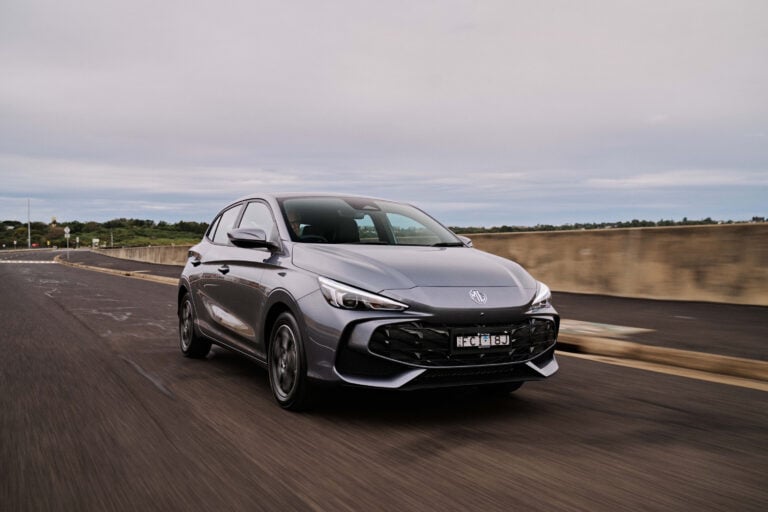
Keen to save fuel? Here are the 10 cheapest hybrid models in Australia
While they still use fuel in some capacity, hybrid cars can also drastically reduce your overall consumption in energy-challenged times. So which are the 10 cheapest hybrids in Australia?