
News
Gallery 1
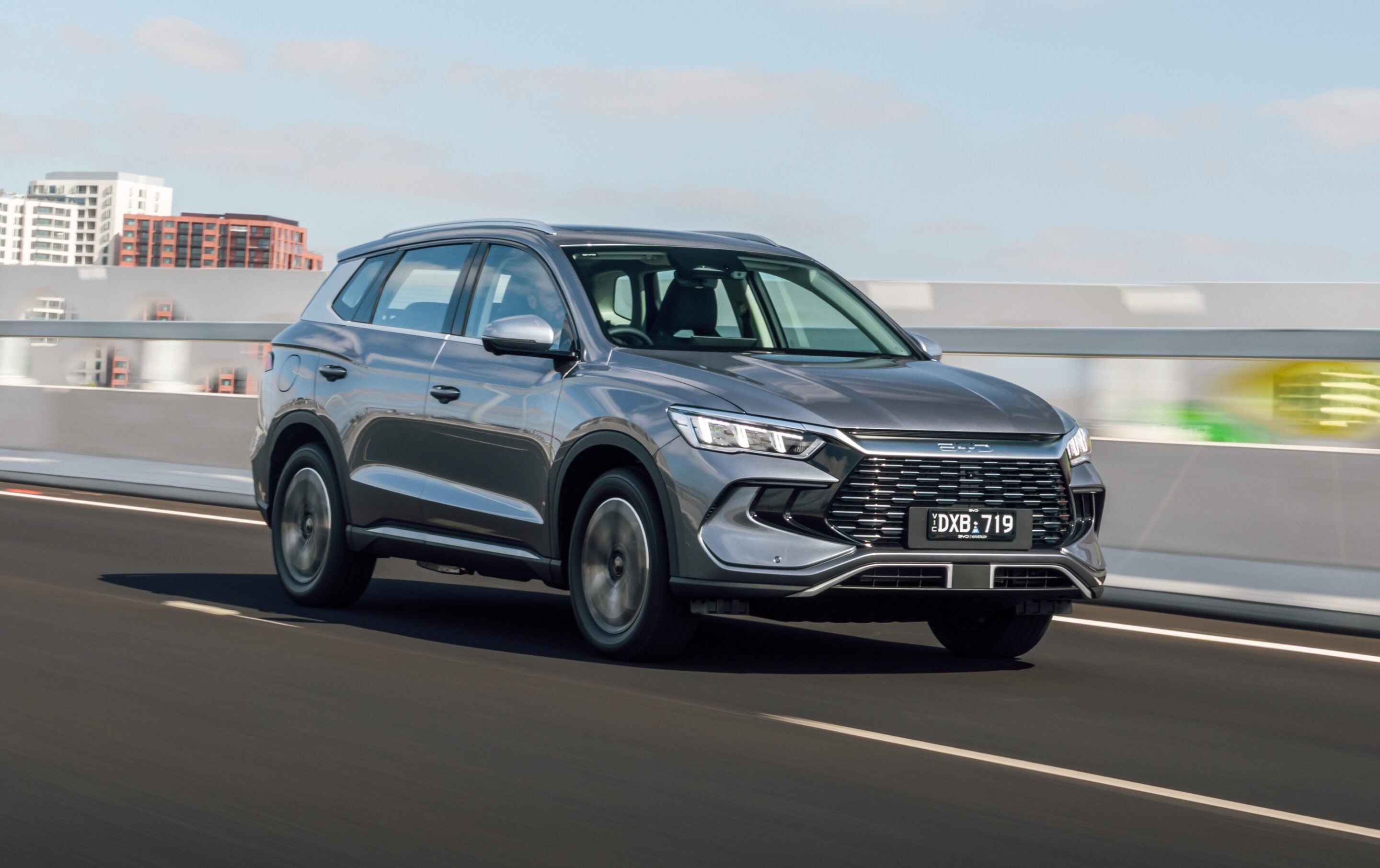
Interest in electric vehicles is accelerating in Australia, with new data pointing to a sharp spike in consumer activity as fuel prices rise and supply concerns persist.
Figures from NRMA Insurance show EV insurance quote requests jumped 42 per cent in March 2026 alone, and are up 81 per cent compared with the same time last year. The surge coincides with global oil price volatility and ongoing uncertainty around fuel availability.
The increase has been most pronounced in New South Wales, Queensland and South Australia – states where driving distances and fuel dependency remain high.
1
NRMA’s head of automotive research, Shawn Ticehurst, said the data reflects a shift in how Australians are thinking about vehicle ownership.
“It’s clear consumer sentiment towards EVs is shifting,” he said, pointing to the current fuel situation as a catalyst for change.
Price shocks in the oil market have historically influenced long-term behaviour, and the latest spike appears to be having a similar effect. As petrol prices climb, more drivers are weighing the potential savings offered by electric vehicles, particularly in day-to-day running costs.
The shift is also being supported by changes within the EV market itself. Compared to just a few years ago, buyers now have access to a broader range of models across different price points, as well as a growing second-hand market.
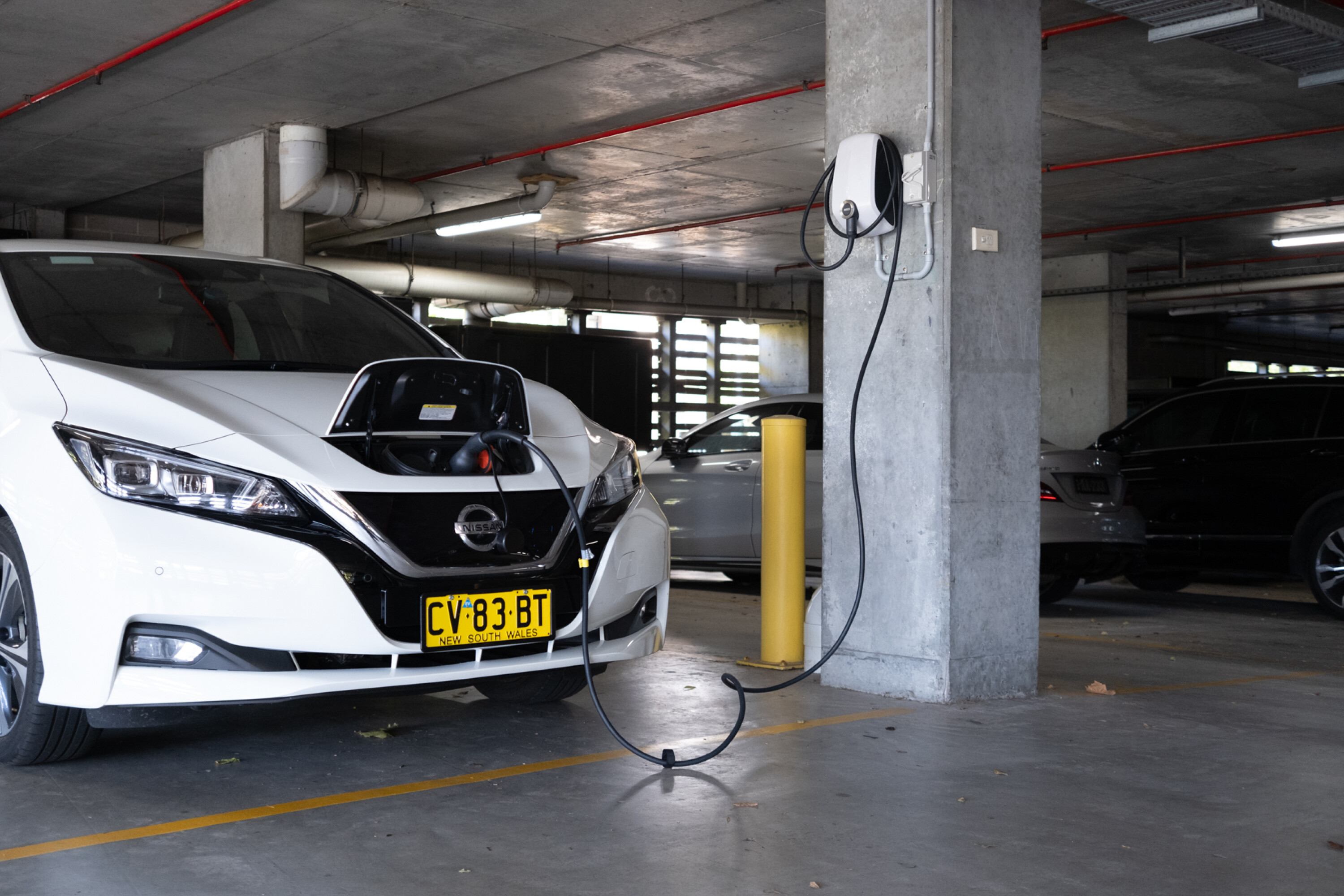
Earlier research in 2024 suggested only a small proportion of Australians were seriously considering an EV, largely due to concerns around cost, driving range and charging infrastructure. Those barriers now appear to be easing, with improved charging networks and greater familiarity helping build confidence.
1
While EVs still make up a relatively small share of insured vehicles – around 2 per cent within NRMA’s broader portfolio – that figure is expected to rise significantly over the next decade.
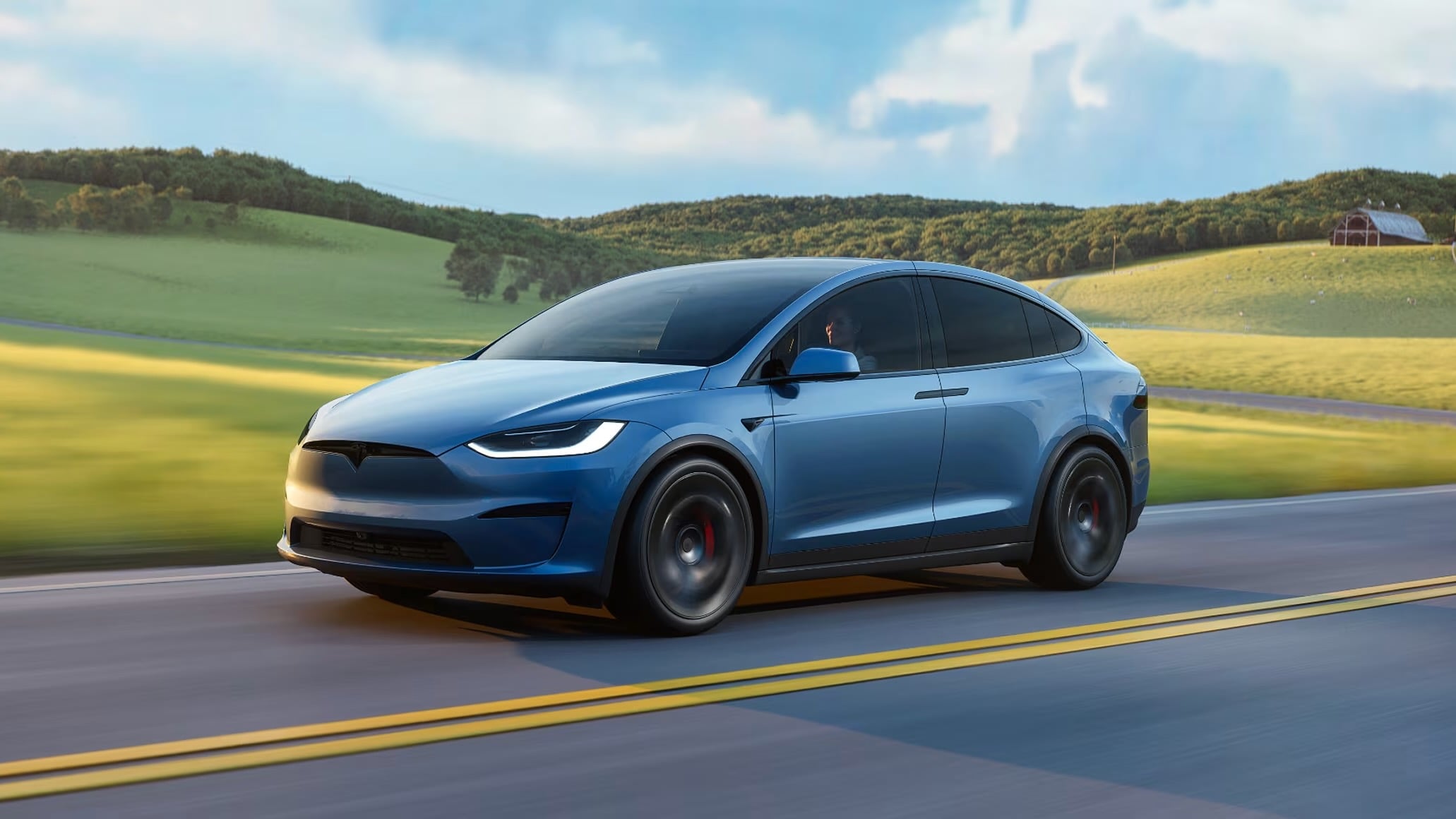
Tesla currently dominates the electric vehicles insured by the group, accounting for the majority of policies, though newer brands such as BYD, MG and BMW are gaining traction.
The data adds to growing evidence that Australia’s fuel crisis is not only impacting short-term driving habits, but may also be accelerating a longer-term shift toward electrification.
Follow WhichCar/Wheels on Google
Click the button below to make WhichCar by Wheels a preferred source for your news.

We recommend
-
 News
NewsFuel restrictions loom after Easter as supply fears deepen
Experts warn limits may follow Easter as shortages caused by the latest Middle East conflict begin to bite.
-
 News
NewsFuel excise halved as government moves to ease pressure
National plan unveiled by Prime Minister Anthony Albanese as Australians face rising fuel costs.
-
 News
NewsCan Australia’s EV charging network possibly hope to replace the humble petrol station?
With sales of EVs expected to surge thanks to the conflict in the Middle East, is Australia's charging infrastructure ready to meet increased demand?
