News

Gallery 1
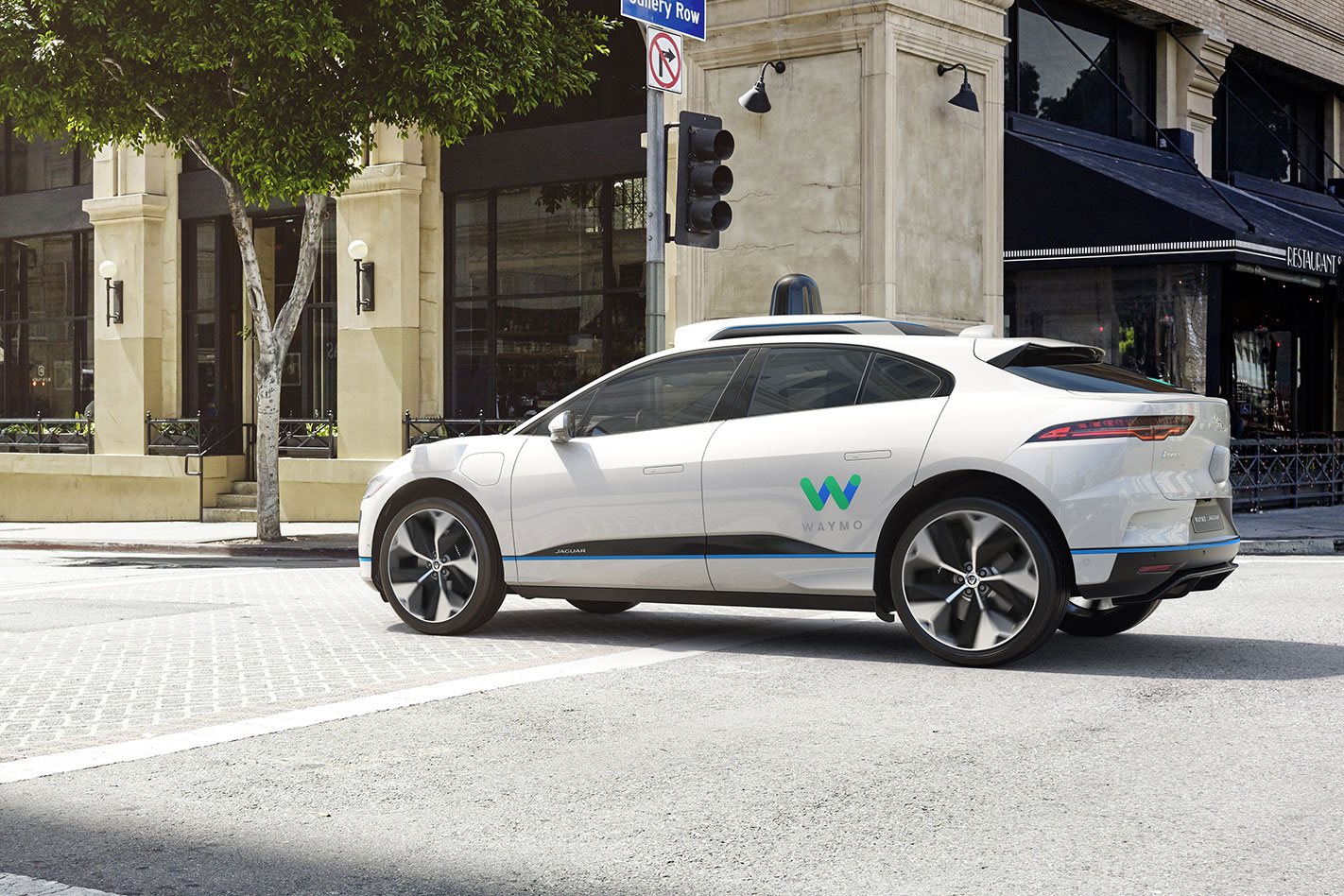
JAGUAR and Google’s self-driving tech offshoot Waymo will team together to turn up to 20,000 of the British car-maker’s electric I-Pace compact SUVs into “driverless transportation” drones.
The “Project Liberty” partnership, announced overnight, will launch its first driverless I-Pace later this year, with the rest of the cars joining Waymo’s fleet by 2020.
“This long-term strategic collaboration will further Waymo and Jaguar Land Rover’s shared goals: to make cars safer, free up people’s valuable time and improve mobility for everyone,” the company said in a statement. “Waymo Jaguar I-Paces, equipped with Waymo’s self-driving technology, will start testing later this year. On-road testing and capturing real-world data will allow Waymo and Jaguar Land Rover engineers to refine technology and deliver optimum safety and reliability.”
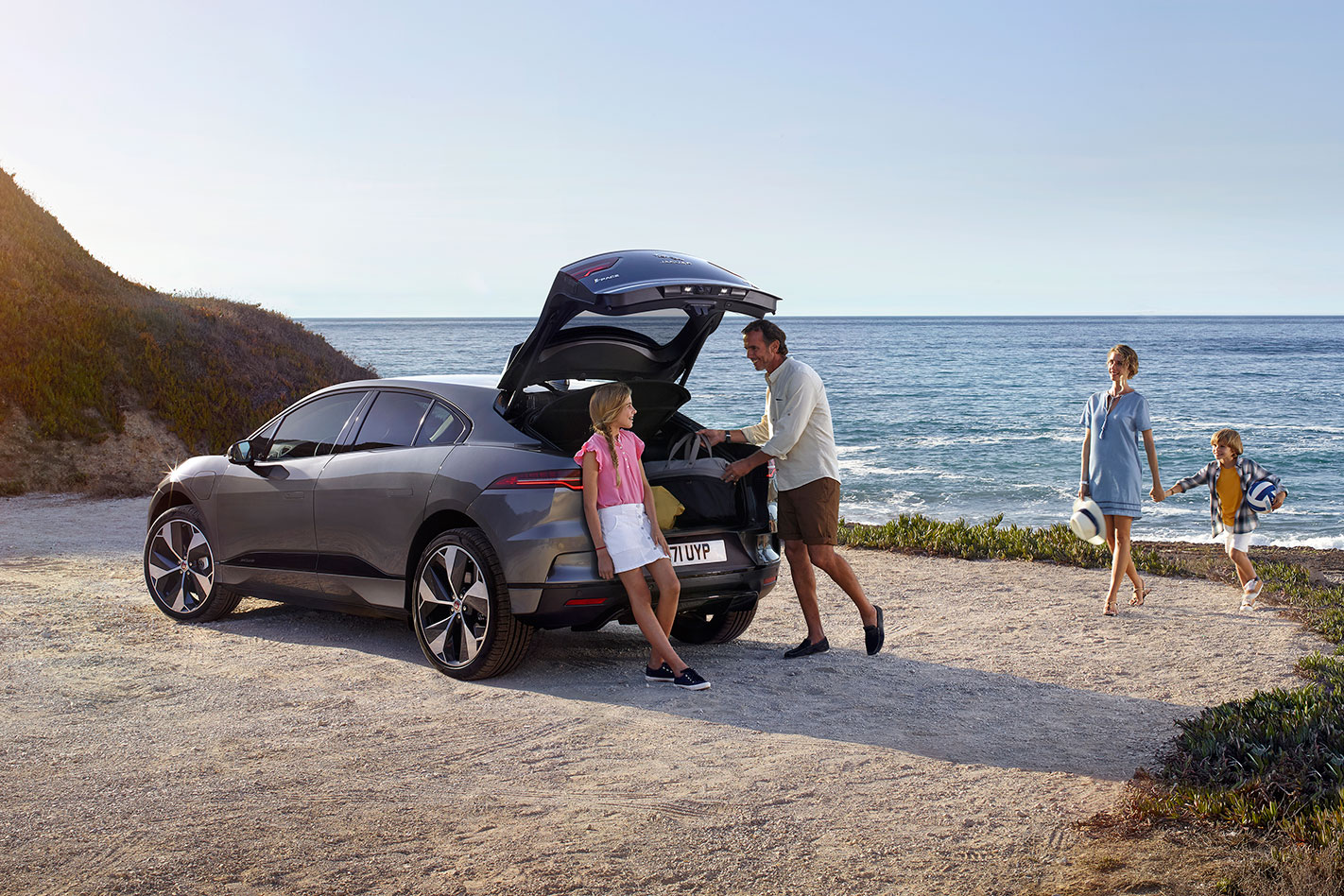
“While we’ve been focused at Waymo on building the world’s most experienced driver, the team at Jaguar Land Rover has developed an all-new battery-electric platform that looks to set a new standard in safety, design and capability,” John Krafick, Waymo’s chief executive, said. “We’re sure Waymo riders will enjoy the safe, premium and delightful experience that the self-driving I-PACE will provide.”
Waymo’s head-first dive into self-driving tech comes in contrast to rival Uber, which has suspended all real-world autonomous testing in the wake of the death of a pedestrian last week, killed after she was struck by a test vehicle. It also comes as high-end computer graphics specialist Nvidia announced it would suspend all trials of its self-driving systems deployed in vehicles – the Uber car involved in the fatal crash was using hardware provided by the company.
An inquiry into a 2016 crash of a Tesla Model S that failed to sense that a truck was turning in front of it – at the time believed to be the first death behind the wheel of a self-driving vehicle – found the driver, not the technology, was at fault.
Toyota announced in the wake of the Uber crash that it would voluntarily suspend public trials of its self-driving car program.
Follow WhichCar/Wheels on Google
Click the button below to make WhichCar by Wheels a preferred source for your news.