News

Gallery 1
Australia’s new car market continues to show remarkable resilience in 2025, with July posting the strongest monthly result for the month on record, according to the latest VFACTS data released today.
A total of 103,097 vehicles were delivered across the country in July – up 3.6 per cent compared with the same month last year – as renewed consumer confidence drives sustained demand.
Federal Chamber of Automotive Industries (FCAI) chief executive Tony Weber said the robust numbers reflect a positive mindset among new car buyers.
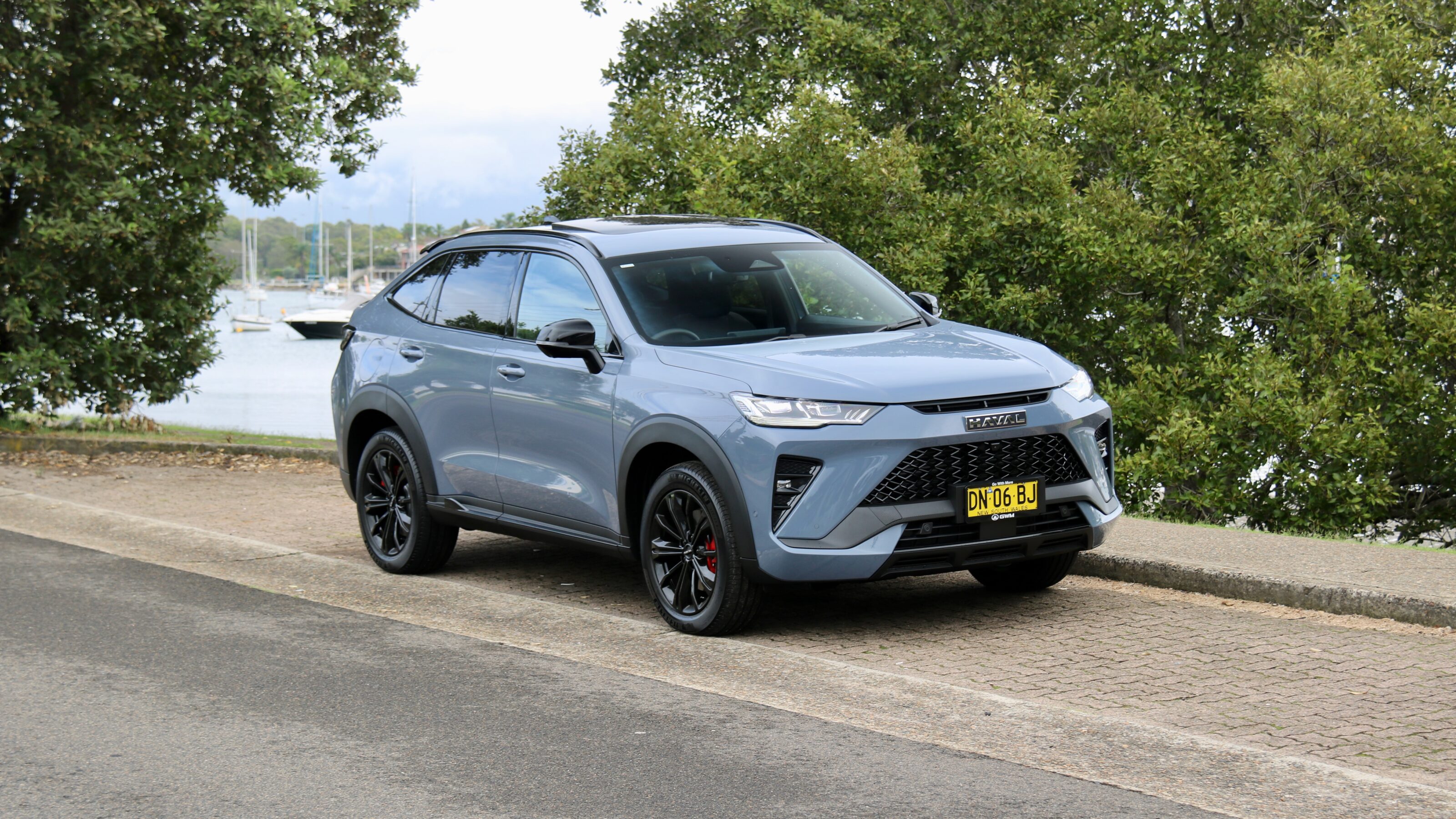
“We are now seeing confidence return to the market, supported by a recent interest rate reduction and anticipation of further easing,” Weber explained. “Consumers are responding with interest across most segments, particularly utes and SUVs.”
Among the most notable trends in the 2025 market is the explosive growth in plug-in hybrid electric vehicle (PHEV) sales, up a staggering 183 per cent year-to-date. With more than 50 PHEV models now available locally, they are proving to be an appealing middle ground for drivers who want a taste of electric power without fully giving up the traditional internal combustion engine
“They offer the ability to drive short distances on electric power while retaining the flexibility and range of a conventional engine,” Weber added.
In contrast, sales of fully electric vehicles (EVs) have plateaued in 2025, holding below 8 per cent of total market share despite increasing choice and investment in infrastructure.
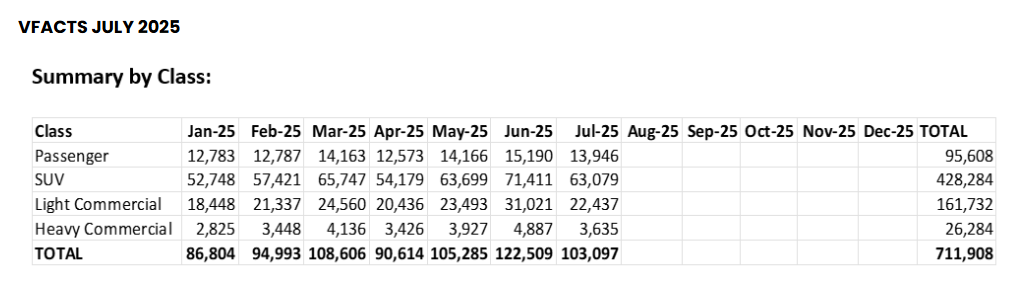
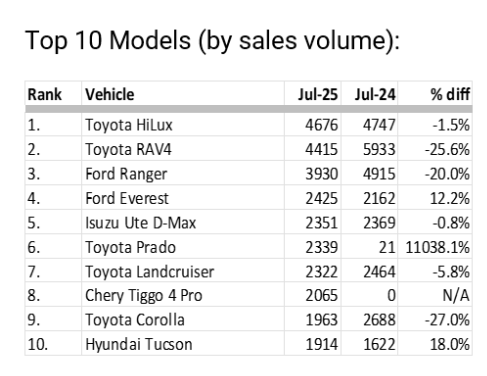
SUVs continue to dominate over passenger cars, with sedan sales plunging 27 per cent year-to-date. For every two passenger vehicles sold so far in 2025, Australians bought around nine SUVs. In July, the Toyota Corolla was the only sedan to make the top 20 list.
Toyota held onto its position as market leader with 21,722 sales, ahead of Mazda (7,452), Kia (7,402), Ford (7,279) and Hyundai (6,687).
Most states and territories posted year-on-year sales increases, with the Northern Territory leading gains at +10.6 per cent, followed by Queensland (+8.9 per cent) and New South Wales (+1.9 per cent). Only South Australia (-1.4 per cent) and Tasmania (-1.0 per cent) recorded minor declines.
Follow WhichCar/Wheels on Google
Click the button below to make WhichCar by Wheels a preferred source for your news.