News
Gallery 1
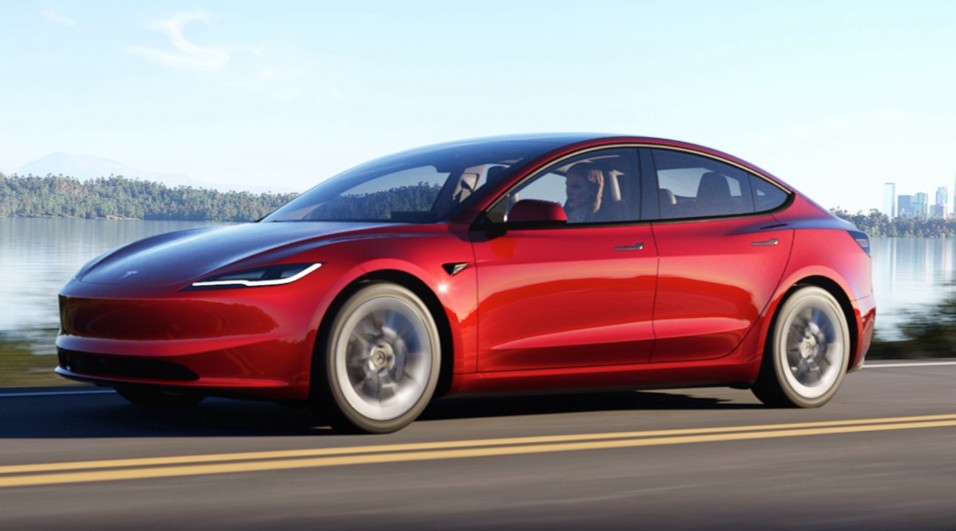
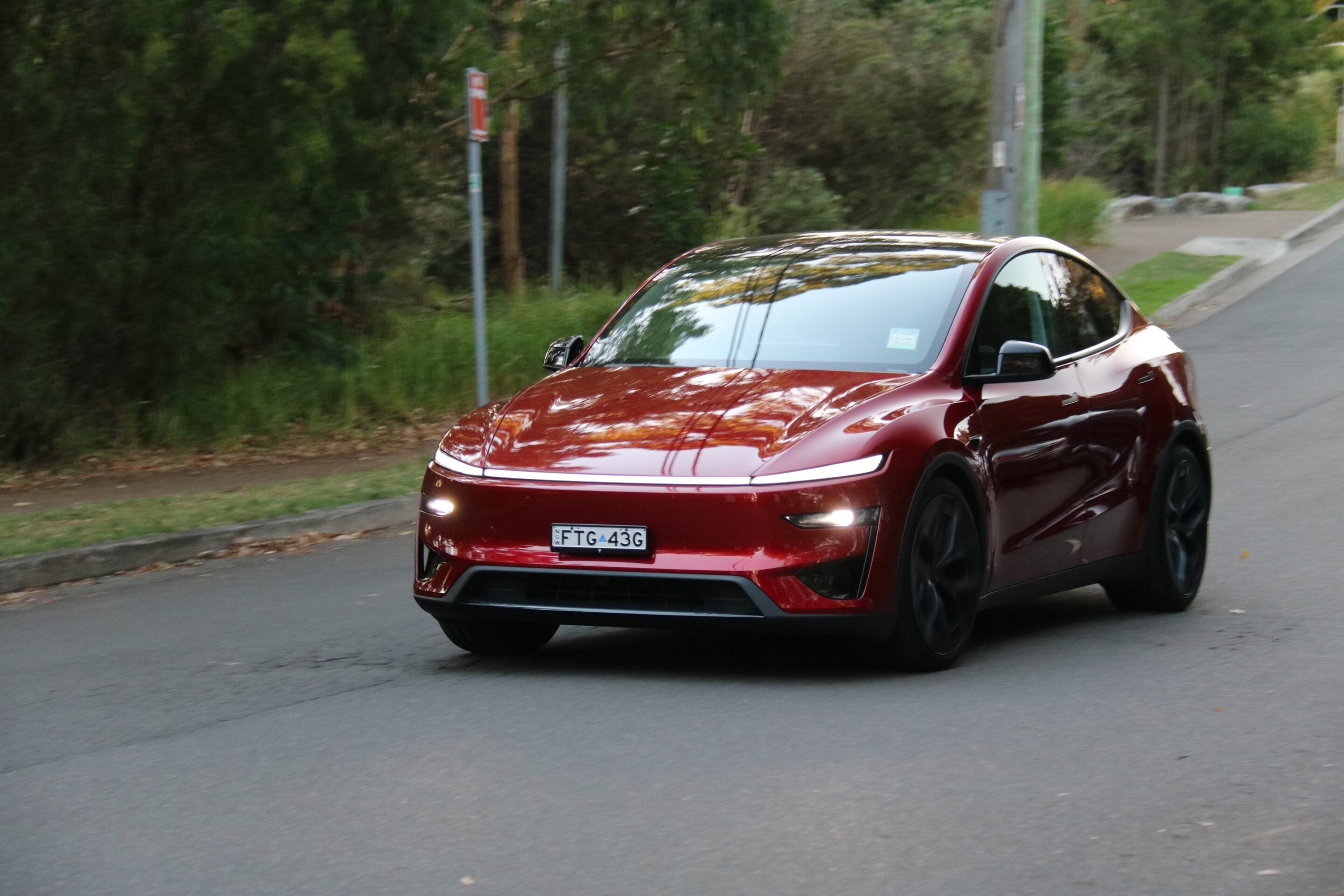
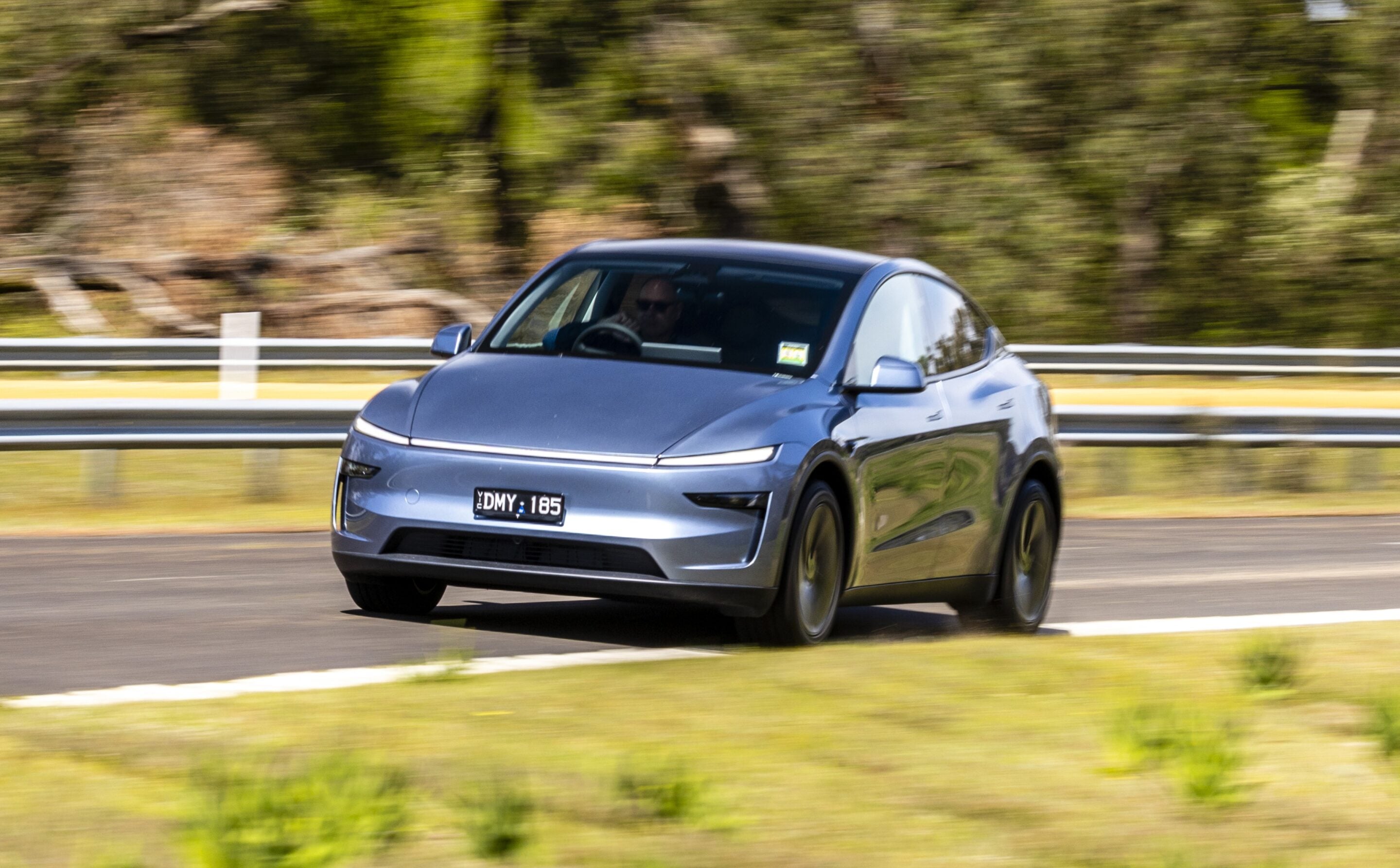
Tesla has moved to strengthen its position in Australia’s increasingly competitive electric vehicle market by significantly upgrading its new-car warranty coverage. From January 1, 2026, customers taking delivery of a new Tesla Model 3 or Model Y will benefit from a five-year, unlimited-kilometre vehicle warranty – a notable improvement on the brand’s previous offering.
Until now, Tesla’s local warranty sat at four years or 80,000 kilometres, one of the shortest cover periods in the Australian new-car market. The revised policy brings Tesla into line with mainstream manufacturers such as BMW, Mercedes-Benz, Volkswagen, Volvo, Mazda and Polestar, all of which offer five-year coverage as standard.
2
Tesla says the change represents a global first for the brand and reflects the need to better meet local customer expectations. For buyers using their vehicle for commercial purposes, coverage is capped at five years or 150,000 kilometres, whichever comes first.
“Tesla Australia and New Zealand is thrilled to pioneer global firsts that redefine the driving experience for our customers,” said Tesla Australia and New Zealand country director Thom Drew. “Introducing a five-year, unlimited-kilometre new vehicle warranty for 2026 aligns with local market expectations and instils lasting confidence in Tesla ownership.”
2
While the headline vehicle warranty has been extended, Tesla’s high-voltage battery and electric drive unit coverage remains unchanged. Rear-wheel-drive versions of the Model 3 and Model Y continue to be covered for eight years or 160,000 kilometres, while higher-spec variants receive eight years or 192,000 kilometres of coverage. In all cases, Tesla guarantees a minimum of 70 per cent battery capacity retention during the warranty period.
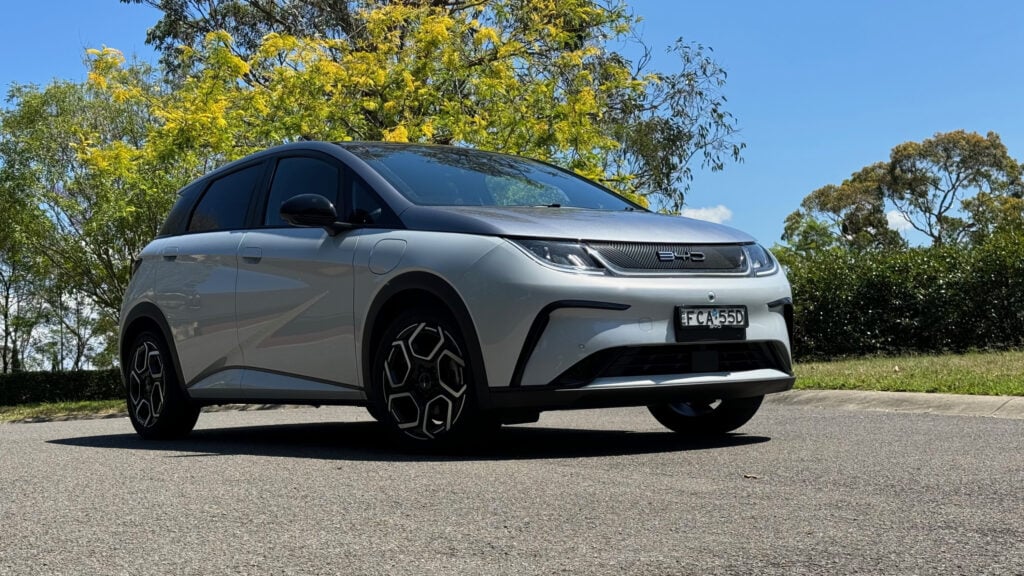
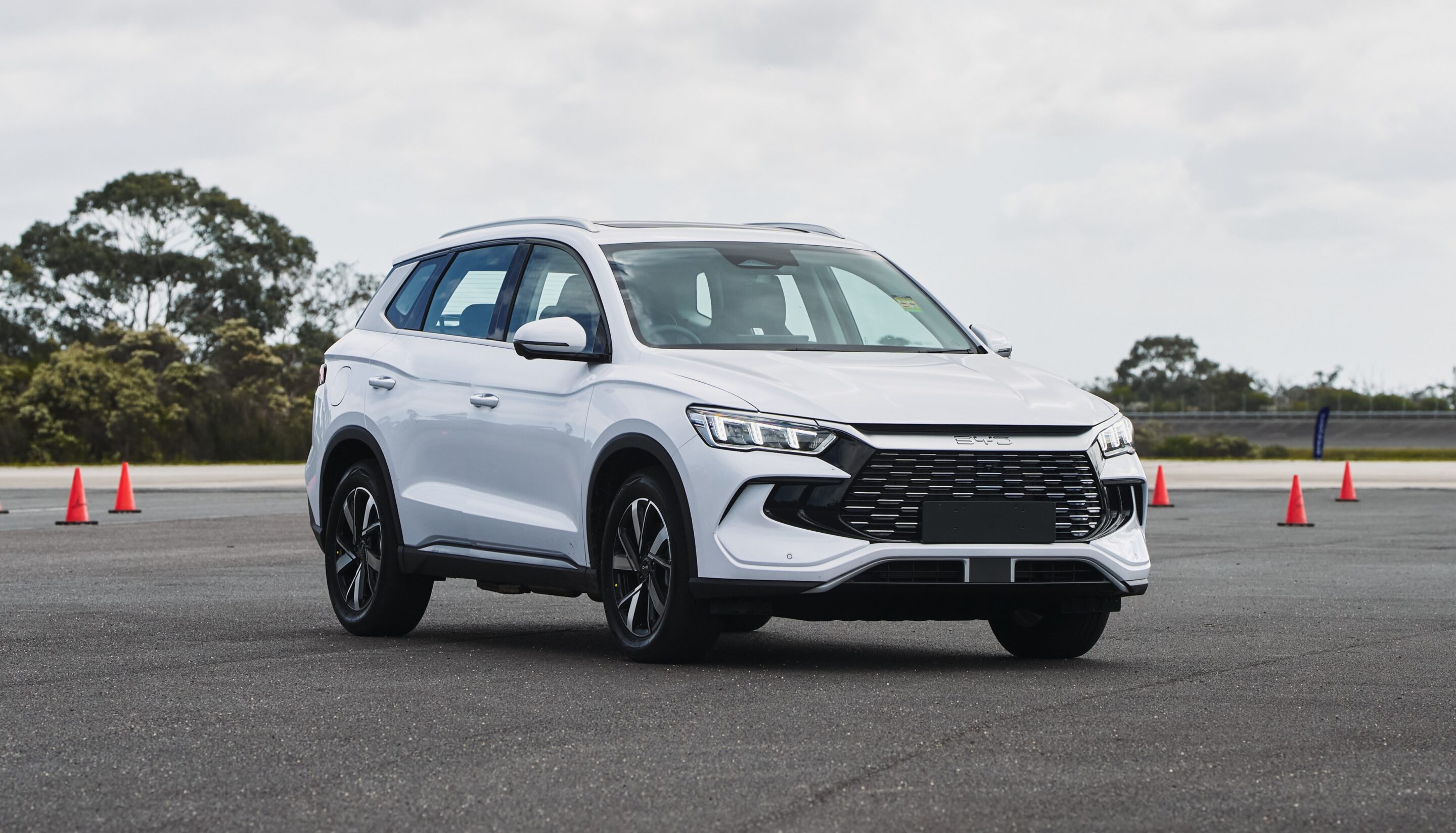
The move comes as competition from Chinese EV brands intensifies, particularly from BYD (below), which has gained traction in Australia with sharp pricing, expanding model ranges and generous warranty terms. Several newer brands now offer seven- or even 10-year warranties, increasing pressure on established players to respond.
Tesla’s decision to extend its warranty may also be aimed at reinforcing buyer confidence as the brand’s local sales face growing headwinds. While the Model Y remains Australia’s best-selling electric vehicle, sales of the older Model 3 have softened as buyers increasingly favour SUVs and new competitors enter the market.
1
Tesla first arrived in Australia in 2011 with the original Roadster, later adding the premium Model S and Model X. Today, its local line-up is focused solely on the more affordable Model 3 sedan and Model Y SUV, which now form the backbone of the brand’s Australian sales.
With improved warranty coverage now in place, Tesla is clearly signalling it intends to defend its market position by matching – and in some areas exceeding – mainstream ownership expectations, not just leading on technology and performance.
Follow WhichCar/Wheels on Google
Click the button below to make WhichCar by Wheels a preferred source for your news.

We recommend
-
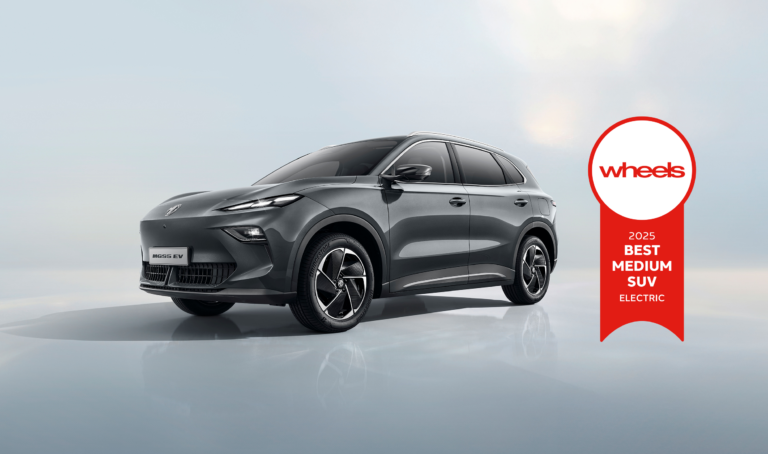 Best Medium SUVs
Best Medium SUVs 2025: Electric
Combining zero-emissions driving with family-friendly practicality, these electric medium SUVs showcase the latest in efficiency, technology and performance.
-
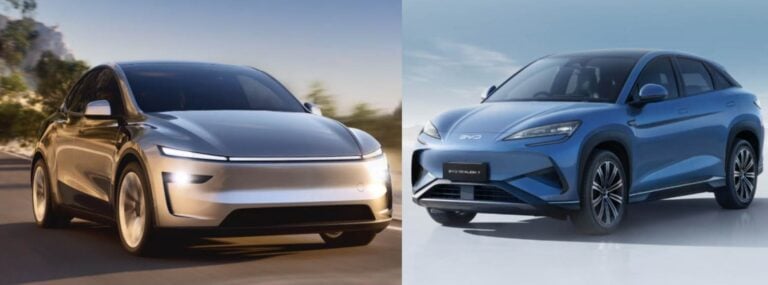 Reviews
Tesla Model Y vs BYD Sealion 7: Who comes out on top in head-to-head spec battle?
Both have plenty of features, plenty of tech and plenty of range... but which is the overall better car when two of Australia's best-selling all-electric mid-size SUVS are compared head-to-head?