Best Medium SUVs


Gallery 1
Contenders
- MGS5 EV
- Tesla Model Y
- Kia EV5
- Zeekr 7X
- Geely EX5
- Volkswagen ID.4
- BYD Sealion 7
- Nissan Ariya
- Ford Mustang Mach-E
- Porsche Macan Electric
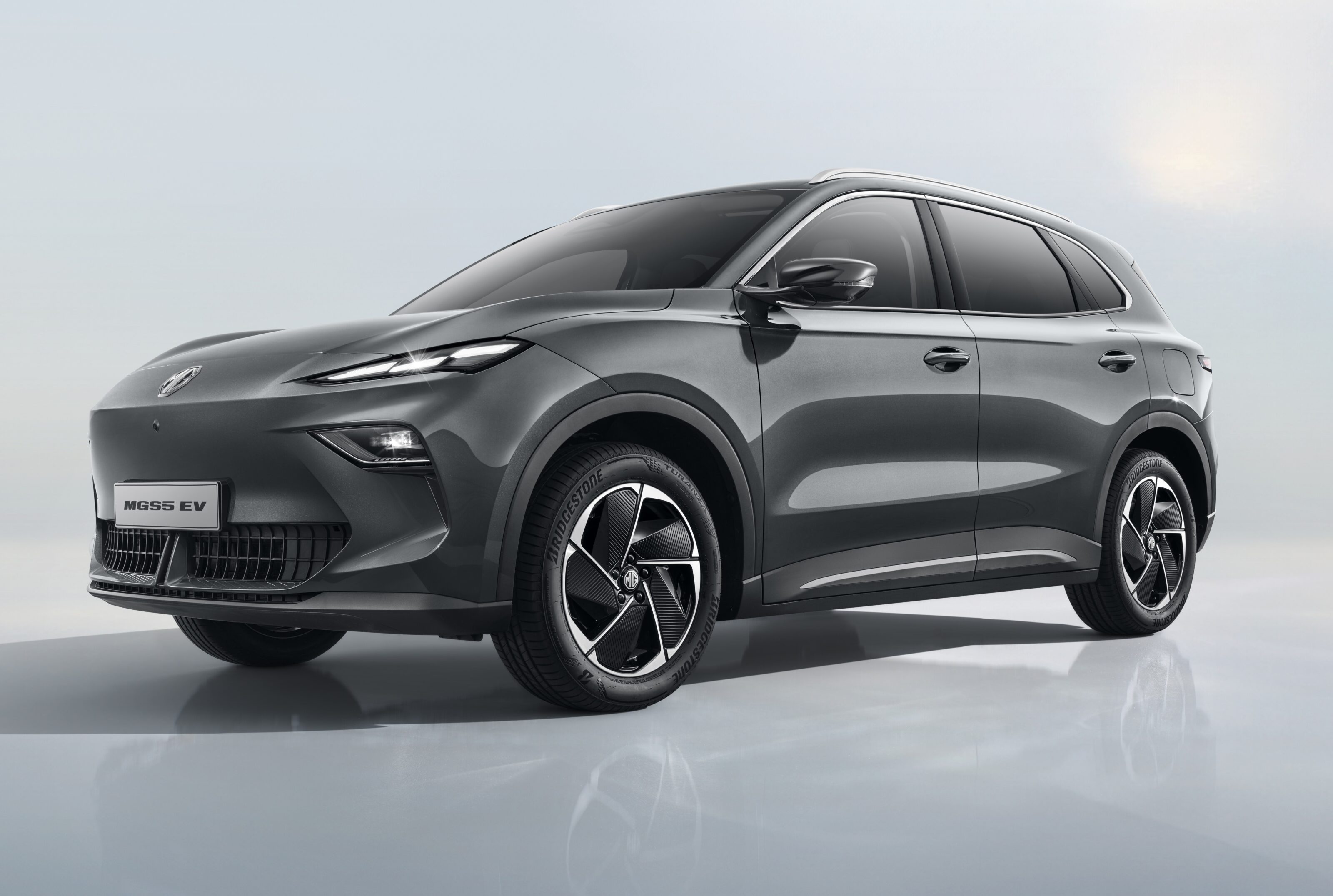
Winner: MGS5 EV
1
Price: $40,490 (Excite 49kWh); $42,990 (Essence 49kWh); $44,990 (Excite 62kWh); $47,990 (Essence 62kWh)
Battery size/claimed range: 49kWh, 340km WLTP (Excite 49kWh); 49kWh, 335km WLTP (Essence 49kWh); 62 kWh, 430km WLTP (Excite 62kWh); 62kWh, 425km WLTP (Essence 62kWh)
Power/torque: 125kW, 250Nm
Dimensions (L/W/H/WB): 4476mm/ 1849mm/ 1621mm/ 2730mm
Bootspace: 453L; 1441L with seats folded.
Warranty/roadside assistance/service intervals: 10-year/250,000km warranty with roadside assistance for the same length of time; servicing occurs once-yearly/every 25,000km (whichever comes first) and the five-year/125,000km service cost is $1,967 or $393 on average annually.
| Driving | |
| Interior | |
| Practicality | |
| Overall value | |
Things we like
- Good charging speeds
- Decent range
- Super practical
Not so much
- Outright power lacking against some rivals
- Firmish ride
- Extended range option needed
MG’s latest EV launched into Australia this year offers an attractive mix of practicality, impressive range options, modern safety tech and a much-improved interior.
It’s at the ‘compact crossover’ end of the medium segment (some people would insist it be called ‘small) but its dimensions put it on par with rivals listed here.
Buyers can choose between two trim levels – the entry-level Excite and the more premium Essence – and both are offered with either a 49kWh or a 62kWh battery. The larger pack is capable of delivering up to 430km of driving range under WLTP conditions when paired with the Excite and its smaller wheels, while the Essence fitted with the 49kWh setup manages around 335km due to its bigger wheels and additional features.
Charging is competitive, with the smaller battery able to accept up to 120kW and the larger unit up to 150kW, allowing a 30 to 80 per cent top-up in as little as 19 minutes under ideal conditions. Power comes from a rear-mounted motor producing 125kW and 250Nm, which enables the car to sprint from zero to 100 km/h in around eight seconds before topping out at 170 km/h.
On the road, the MGS5 EV benefits from MG’s new Modular Scalable Platform, shared with the MG4 hatchback, giving the SUV a more grown-up feel. Ride quality is smooth once up to speed, though the suspension feels a little firmer at lower speeds over bumps. Drivers can select from multiple regenerative braking modes, including low, medium, high, one-pedal and an adaptive setting, each altering responsiveness to suit preference.
The interior represents a clear step forward from MG’s earlier EVs. Materials are softer to the touch, storage spaces are better thought out, and the overall layout is more intuitive. A 12.8-inch touchscreen sits at the centre of the cabin and introduces wireless smartphone mirroring for the first time in an MG electric model sold in Australia, while a large digital driver’s display provides key information directly ahead. The Essence grade adds further comfort and convenience through heated and electrically adjustable front seats, synthetic leather trim, a panoramic glass roof and a 360-degree camera system.
Practicality is another strength, with generous rear-seat space that offers good legroom and headroom, complemented by wide-opening doors and ISOFIX mounting points. The boot measures 453 litres with the seats upright, expanding considerably when folded flat, making it well suited to family duties.
Overall, the MGS5 EV is a significant improvement over its predecessor, offering range flexibility, modern technology and a noticeably more upmarket interior. It may leave enthusiasts wishing for more power or an extended-range version, but for Australians wanting a practical and well-rounded electric SUV, it fits the bill.
Tesla Model Y
1
Price: From $58,900 drive-away (RWD version); from $68,900 (Long Range AWD)
Battery size/claimed range: 62.5 kWh LFP, 466 km WLTP (RWD); 84.85 kWh (NMC), 551 km (Long Range AWD)
Drivetrains/power/torque: RWD 220kW, 350Nm; Long Range AWD 393kW, 690Nm. AWD Performance 397 kW, 690 Nm
Dimensions (L/W/H/WB): 4792mm/ 1982mm/ 1624mm/ 2890mm
Bootspace: Up to 822L behind second row, expanding to 2022L with seats folded.
Warranty/roadside assistance/service intervals: 4-year/80,000 km vehicle warranty; battery 8 years/192,000 km.
| Driving | |
| Interior | |
| Practicality | |
| Overall value | |
Thing we like
- Class-leading charging infrastructure
- Swift acceleration
- OTA updates and practical cargo capacity
Not so much
- Shorter warranty than rivals
- Some rivals offer better interior refinement for high price
- Cheaper rivals catching up
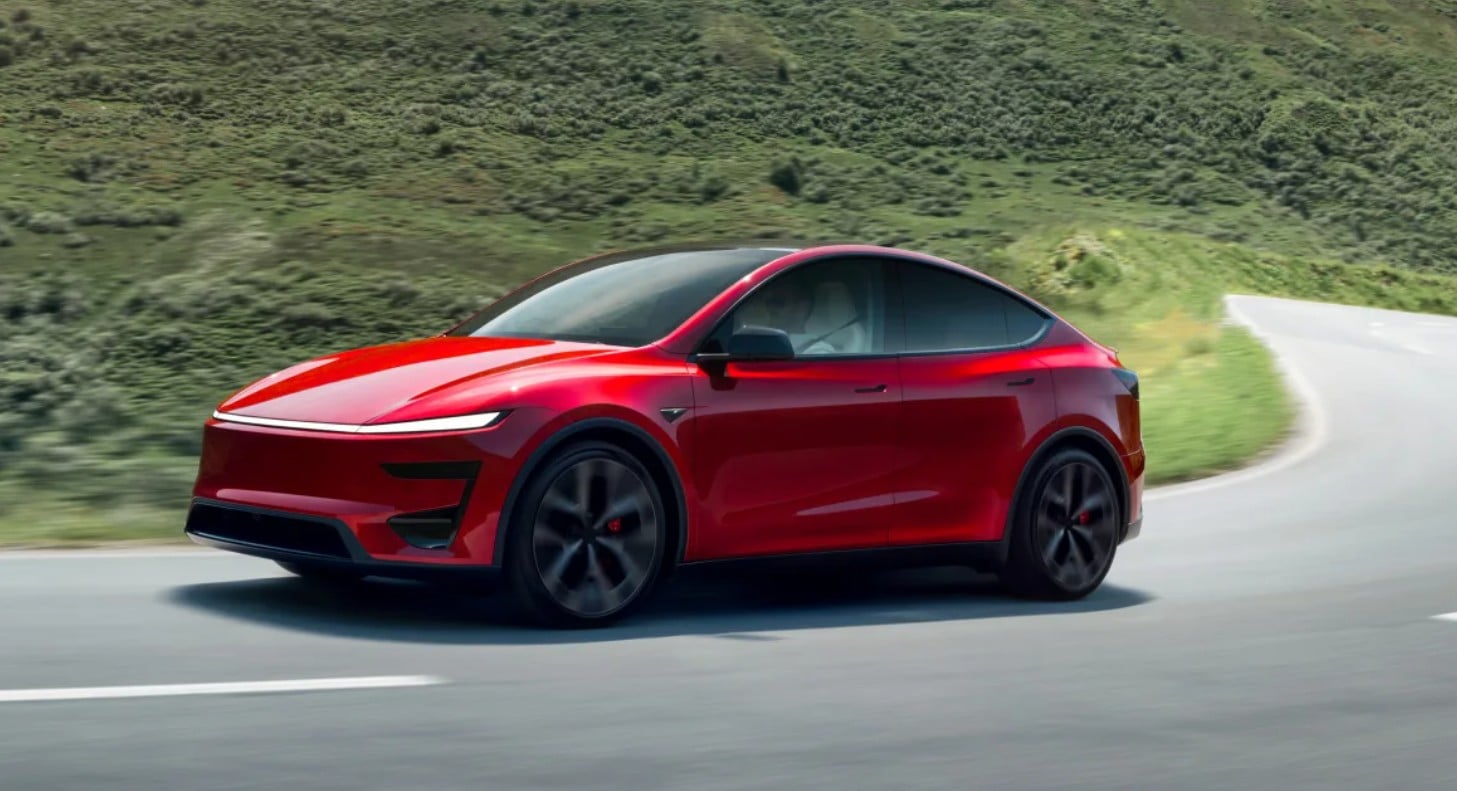
Tesla’s overall appeal may have been dented by Elon’s bizarre right-turn into US politics but the Model Y continues to feature prominently in charts for Aussie EV sales, its blend of cutting-edge tech, everyday practicality and enhanced range still an attraction.
This year’s ‘Juniper’ update brought styling tweaks, updated tech and longer range. We’re also expected to see the new Tesla Model Y Performance before the end of 2025.
What remains is that driving the Model Y is like wielding an electric arrow – instant acceleration, a smooth, silent glide, and smart handling. The suspension has been refined in the Juniper version, delivering a quieter cabin and supple ride over Aussie roads. The updated turn stalk, replacing previous touch controls, is a welcome tactile upgrade. That said, the minimalist interface means most operations happen through the touchscreen – it becomes intuitive but it’s also potentially distracting.
Inside, the split-first-class, minimalist cabin is anchored by a huge 15‑inch central touchscreen, now larger and more responsive. The update adds a rear 8‑inch screen for backseat passengers, ventilated front seats, ambient lighting, and a panoramic glass roof – features rare at its price.
There’s a surprising amount of storage, too, including a front trunk (frunk) and a cavernous rear boot that swallows daily gear or weekend haul.
Available in Rear-Wheel‑Drive and Long Range AWD formats, the Model Y offers up to 331 kW and 590 Nm in top trims. The RWD model delivers around 466 km WLTP range, while the AWD Long Range stretches to 551 km. The RWD accelerates from 0–100 km/h in 5.9 seconds, while the AWD unleashes a 4.3‑second sprint.
The 2025 (Juniper) Tesla Model Y’s strengths lie in spacious practicality, impressive range, rapid charging, and an immersive, futuristic interior, keeping it on pace as more and more competition emerges.
Kia EV5
1
Price: From $56,770 drive-away Air (Standard Range): $61,170 Air (Long Range); $64,770 Earth AWD; $71,770 GT‑Line AWD
Battery size/claimed range: 64.2 kWh, 400 km WLTP (Air Standard); 88.1 kWh, 555 km WLTP (Air Long Range): 88.1Kwh 500 km (Earth), 470km (GT‑Line AWD)
Power and torque: Air Standard:160 kW/310 Nm; Air Long Range 160 kW/310Nm; Earth / GT‑Line AWD: 230 kW/480 Nm
Dimensions (L/W/H/WB): 4615mm/ 1875mm/ 1715mm/ 2750mm
Bootspace: 513L boot, expands to 1714L
Warranty/roadside assistance/service intervals: 7 years/unlimited km warranty
| Driving | |
| Interior | |
| Practicality | |
| Overall value | |
Things we like
- Sharp pricing
- Roomy cabin
- Strong range options
Not so much
- Kia Connect infotainment is dated
- Android Automotive upgrade delays to 2026
- Interior not quite as strong as some rivals
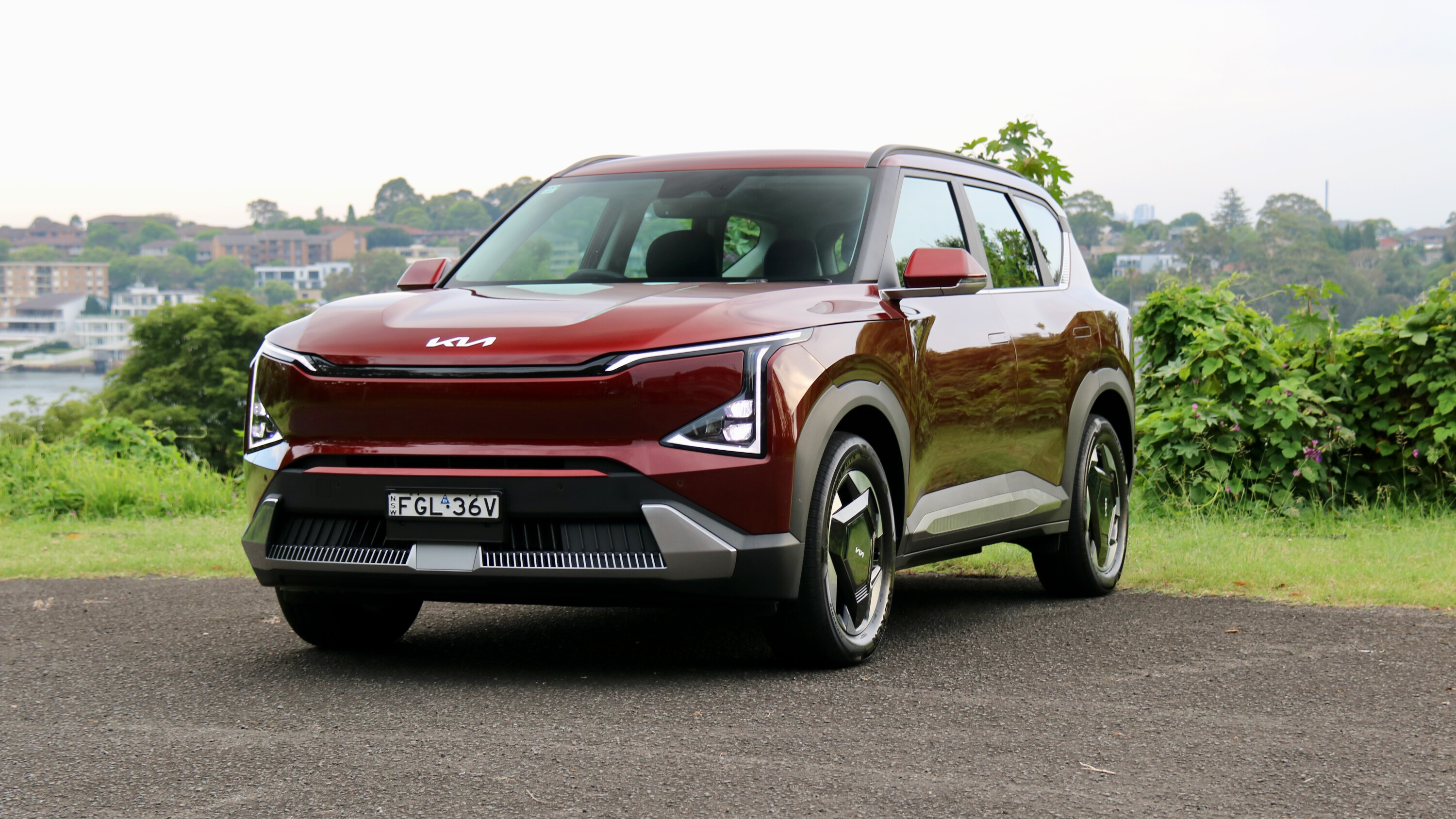
The Kia EV5 arrived on Australia’s mid-size electric SUV scene earlier this year as a strong new contender, offering sharp pricing, a focus on practicality and genuinely long EV range – exactly what makes a family-friendly electric crossover stand out.
At roughly Model Y dimensions, the EV5 maximises interior space. Rear passengers enjoy excellent legroom and headroom, comfortably seating three across the back. Clever details add to its practicality: rear USB ports sit above seatback pockets, and a centrally placed pull‑down cup‑holder includes in‑seat phone storage. The front cargo frunk provides 67 litres, and the boot holds a commendable 513 L – expandable with the seats folded. Hidden under-floor compartments offer bonus storage for those essential on-the-go bits.
EV5’s styling echoes Kia’s EV9 and EV6, though more compact and accessible. Its hard-edged yet refined lines, plus a standout light signature, give it a contemporary, head-turning look without being polarising. Inside, the triple-screen dashboard (two 12.3″ displays plus a 5″ climate screen) convey a high-tech feel, though cabin materials lean toward the practical rather than plush.
Entry-level Air Standard Range carries a 64.2 kWh battery delivering about 400 km WLTP. Opting for the Air Long Range jumps you to an 88.1 kWh pack and up to 555 km WLTP, while the mid-spec Earth AWD and hi-spec GT-Line AWD offer dual-motor AWD setups with 230 kW/480 Nm output,. Charging tops at 102 kW on base models and 140 kW on others – fast enough for daily life but a shade behind the segment’s quickest.
The EV5 delivers a refined, composed ride. Most editions feel quiet and comfortable – suited for family duties and long trips. AWD trims add reassuring grip and extra push, while the RWD versions stay light and efficient. The steering is smooth, the ride compliant, though high-speed wind noise creeps in on open roads. Kia’s longstanding 7-year unlimited warranty and affordable servicing underscore its value.
Kia EV5’s long-range, versatile cabin space, and streamlined performance make it a compelling rival to Tesla’s Model Y. While interior presentation could be sharper and charging faster, the EV5 treads a well-balanced line between functionality, comfort, and affordability.
Zeekr 7X
1
Pricing: $57,900 (RWD); $63,900 (Long Range RWD); $72,900 (Performance AWD)
Battery size/claimed range: RWD: 75kWh, 480km range (WLTP); Long Range RWD: 100kWh, 615km (WLTP); Performance AWD: 100kWh; 543km (WLTP)
Power/torque: RWD variants: 310kW/440Nm. AWD Performance: 475kW/710Nm
Dimensions (L/W/H/WB): 4825mm/ 1930mm/ 1666mm/ 2925mm
Bootspace: 765L boot, expands to 1978L; 62L front trunk
Warranty/roadside assistance/service intervals: 5 years, unlimited km warranty; 8 years/160,000km battery warranty; 5 rears roadside assistance
| Driving | |
| Interior | |
| Practicality | |
| Overall value | |
Things we like
- Ultra-fast charging
- Luxurious high-tech interior
- Strong WLTP-ish range
Not so much
- Driving dynamics feel less polished
- Tech interface refinements still needed
- In-house nav not as sharp as Google-based apps
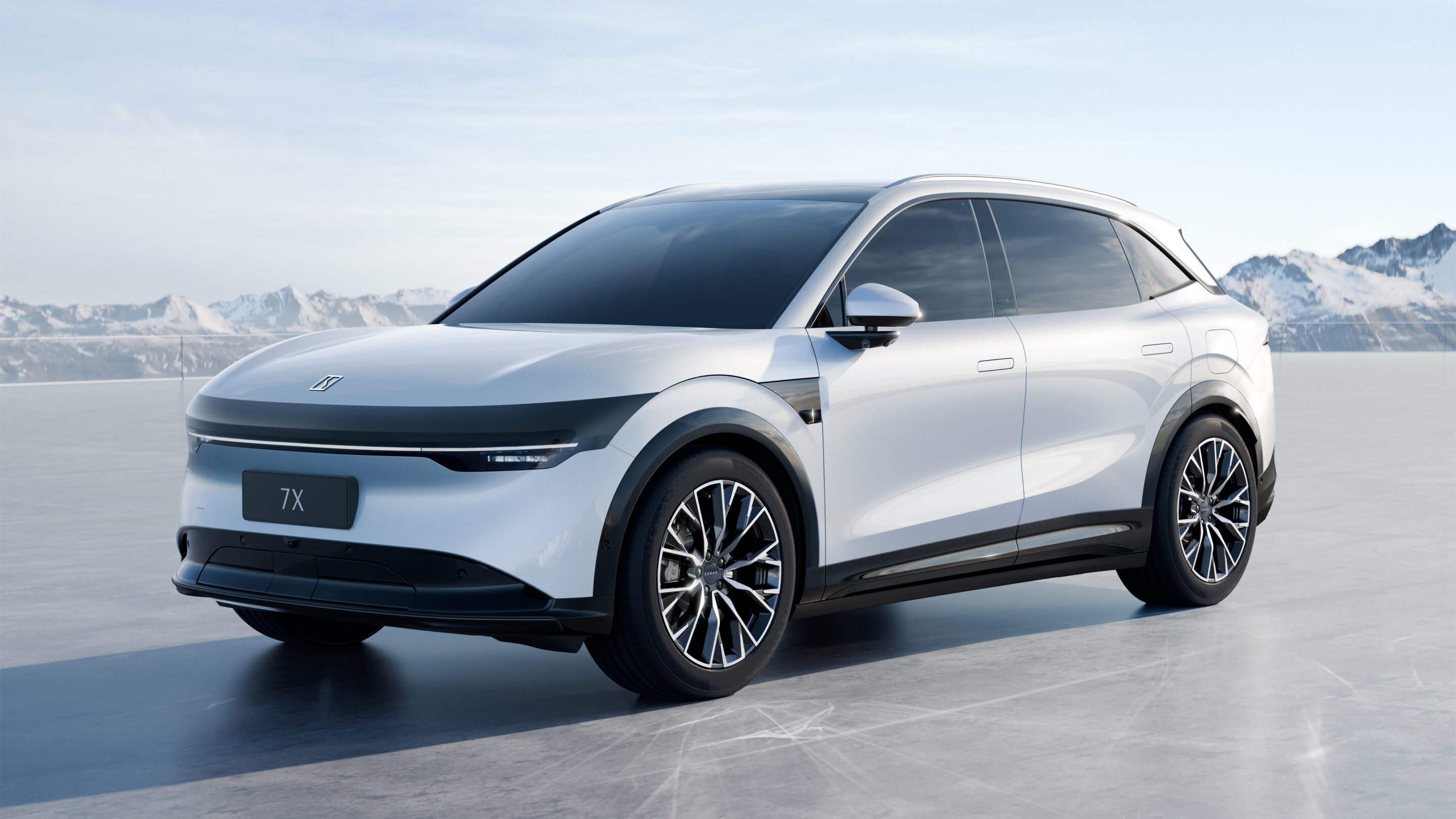
The Zeekr 7X arrives on the Australian scene with all the flair and ambition of a Tesla Model Y rival – but with longer range, lightning-fast charging, and a luxurious cabin that signals it’s here to shake up the premium EV compact SUV category.
The Zeekr 7X impresses with a lavish, tech-forward cabin. Nappa leather trim on seats, which offer heating, ventilation, and six massage modes. Rear passengers get adjustable leg rests, a fold-down armrest with screen controls, and bonus entertainment via OLED screens. The dashboard is dominated by a sleek 16-inch infotainment panel, paired with a 13.5-inch instrument display and an optional 36-inch augmented-reality head-up display. Practicalities include a capacious boot and a 62 L front trunk. The experience is sumptuous and comfortable.
Visually, the 7X balances clean, sculpted lines with advanced detailing. It adopts the “Hidden Energy” design ethos: a streamlined front, frameless doors, and touchless handles for refined minimalism. Its eye-catching light bar façade also doubles as an interactive LCD, reinforcing its tech-heavy appeal. Built on Geely’s SEA 800V architecture – the same platform behind Polestar models – the Zeekr delivers aerodynamic polish and future-ready engineering.
The RWD base model runs a 310 kW motor for 480 km WLTP range, while the Long Range RWD variant steps up to a 100 kWh battery and extends the range to 615 km. The top-tier Performance AWD treats drivers to 475 kW and 710 Nm of torque, along with a brisk 0–100 km/h in 3.8 seconds. Despite the dual-motor setup, it still delivers 543 km of range. An industry-first “Golden Battery” enables 10–80 per cent DC fast charging in just 13 minutes (RWD) or 16 minutes for larger packs – all thanks to its 800 V system and 450 kW charging compatibility.
Australian testing reveals a vehicle that’s smooth, quiet, and confident. The 7X manages bumps thanks to its adaptive air suspension. Steering is light and precise, making it feel nimble in both city streets and open highways – though not quite as dynamically sharp as BMW or Porsche rivals. Another minor gripe: the in-house navigation system falls short of the slickness found in Google-based systems.
The Zeekr 7X packs premium design, long range, fast charging speeds and refined comfort at a price below many European rivals. Though not the sportiest to drive, it is exceptionally smooth, tech-laden, and family-friendly.
Geely EX5
1
Price: From $40,990 before on-road costs (Complete); $44,990 (Inspire)
Battery size/claimed range: 60.2 kWh, 430 km (Complete); 410 km (Inspire) (WLTP)
Power/torque: 160kW, 320Nm
Dimensions (L/W/H/WB): 4615mm/ 1901mm/ 1670mm/ 2750mm
Bootspace: 302L, 410L (expanded), 1877L (2nd row down)
Warranty/roadside assistance/service intervals: 7 Year Unlimited KM Vehicle Warranty; 8 Year Unlimited KM Battery Warranty; Up to 7 Years Free Roadside Assist
| Driving | |
| Interior | |
| Practicality | |
| Overall value | |
Things we like
- Exceptional value for money
- Quiet, refined at pace, with excellent ride comfort
- Practical cabin with ample space and good-quality materials
Things we like
- Soft suspension that blunts handling edge
- Touchscreen systems feel dated
- Limited charging speed and range variants available initially
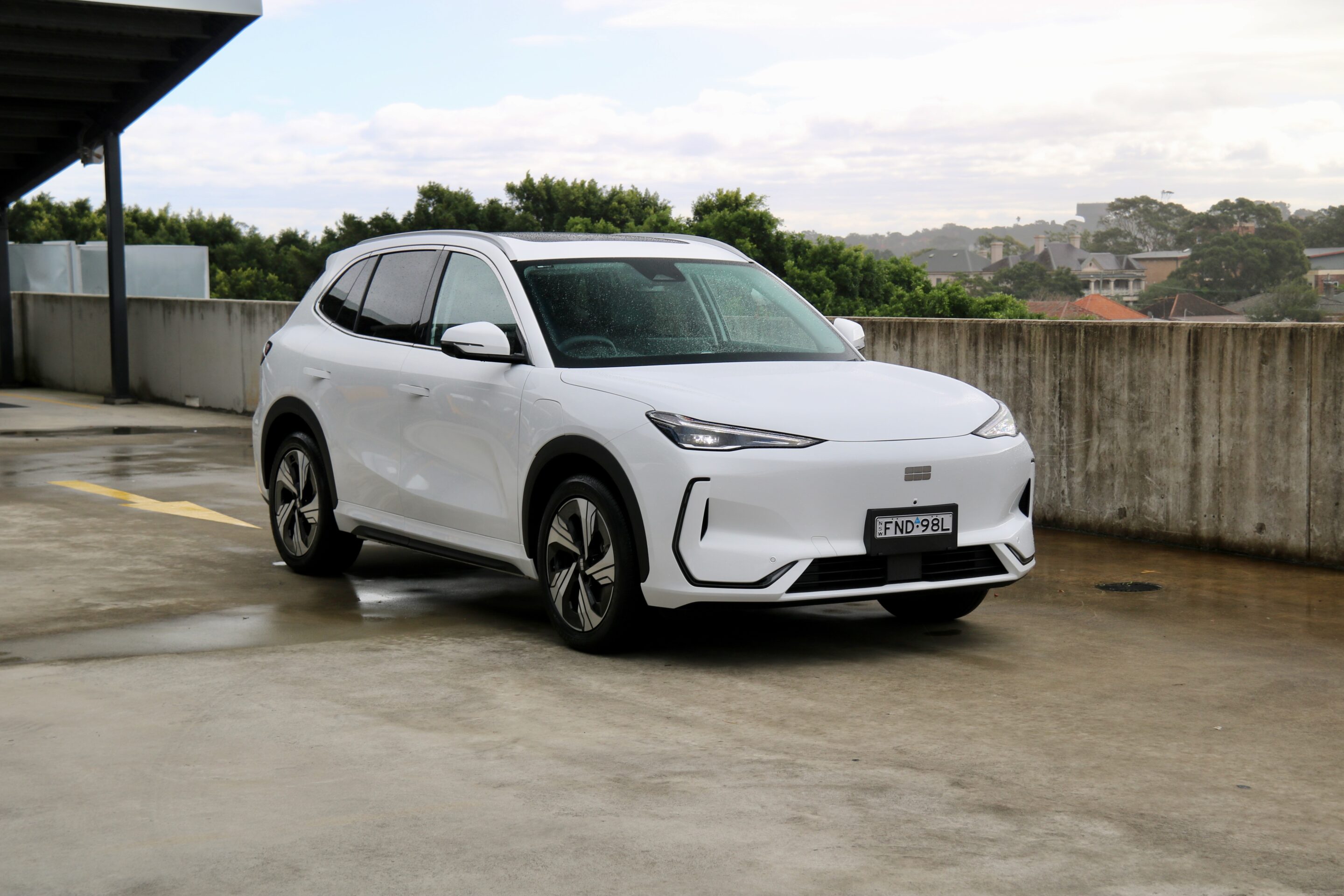
Positioned as a practical alternative to expensive rivals like the Tesla Model Y, the EX5 brings sharp pricing, modern tech, and solid performance, all wrapped in unassuming yet premium packaging.
With dimensions comparable to a Toyota RAV4, it ticks the right boxes for families. The 2750 mm wheelbase ensures ample rear-seat legroom and headroom thanks to its flat floor design. Though the cabin materials lean more practical than luxurious, features like a 15.4‑inch touchscreen infotainment system, 10.2‑inch digital instrument cluster and ADAS suite elevate the experience, especially in the higher Inspire model, which adds a panoramic sunroof and head-up display.
The EX5 operates on a front-wheel-drive setup, powered by a single electric motor producing 160 kW and 320 Nm – enough for a smooth and responsive urban drive. Buyers can choose between two LFP battery options: 49.5 kWh for 430 km WLTP range and 60.2 kWh stretching that to up to 430 km or higher, depending on conditions. Charging tops out at 100 kW DC, while onboard AC charging handles up to 11 kW.
The EX5 impresses with smooth handling, confident steering, and a calm, road‑friendly ride – traits honed during Australian tuning, which benchmarked it against the Tesla Model 3 and BYD Atto 3. With a 0–100 km/h sprint time of 6.9 seconds, it delivers enough punch for most scenarios.
It also significantly undercuts rivals like the Tesla Model Y and Kia EV5 on price, starting from $40,990 before on-road costs for the base Complete model – or around $44,400 drive-away – and $44,990 for the Inspire (about AU$48,500 drive-away. Geely also offers a 7‑year/150,000 km warranty, along with limited complimentary servicing and charging credits – boosting its appeal for cost-conscious buyers.
Its spacious practicality and solid performance mean the EX5 will appeal to budget-driven EV buyers. While its interior trim isn’t as polished as premium European rivals, its tech-forward features and decent warranty make it a smart choice.
Volkswagen ID.4
1
Price: From $59,990 (Pro RWD); $69,990 (GTX AWD)
Battery size/claimed range: 82 kWh, 544 km WLTP (Pro); 82kWh, 511 km WLTP (GTX)
Power/torque: 210kW, 545Nm (Pro); 250kW, 545 Nm (GTX)
Dimensions (L/W/H/WB): 4585mm/ 1852mm/ 1640mm/ 2766mm (Pro); 4583mm/ 1852mm/ 1624mm/ 2769mm (GTX)
Bootspace: 543L; 1575L (rear seat folded)
Warranty/roadside assistance/service intervals: 5 year unlimited kilometre new vehicle warranty; 12 months (petrol, diesel and plug-in hybrid vehicles) or up to 24 months (electric vehicles) of roadside assistance; 6-year care plan, $1,785
| Driving | |
| Interior | |
| Practicality | |
| Overall value | |
Things we like
- Undercuts Tesla Model Y on price
- Impressive performance with strong range
- Comfortable, refined cabin with user-friendly tech
Not so much
- Lags behind in software and charging network
- Pricing across variants can climb quickly
- Drive is comfortable rather than dynamic
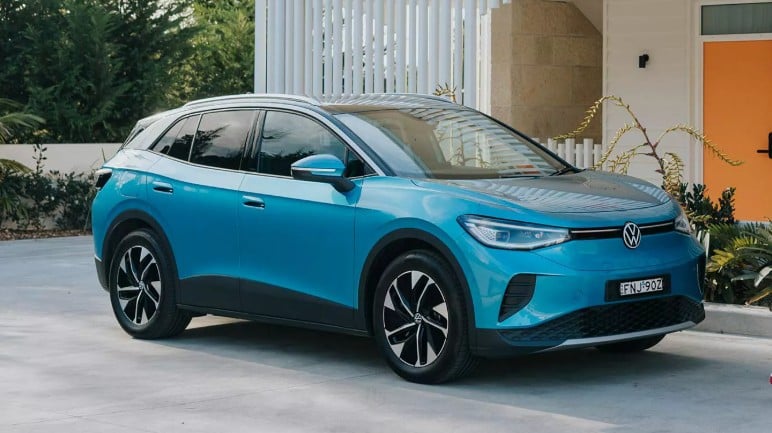
:Still unmistakably Volkswagen, the ID.4 delivers soft curves and subtle design updates. The updated Pro version sports a new front electric motor of 210 kW and 545 Nm in rear-wheel drive form, adding presence and class. A refreshed interior features a 12.9‑inch infotainment screen with illuminated sliders, adaptive ambient lighting, and the sleek new ‘Progressive’ steering—elevating the visual appeal without straying far from familiarity.
Spaciousness is a strong suit – plenty of room for rear passengers, easy access, and impressive practicality. The tailgate opens to a 543L boot that swells to 1575L when seats fold – ideal for weekend runarounds. Supported by tri-zone climate control, ergo-active seats, and a sunroof, the interior is decidedly comfortable.
The ID.4 fleet in Australia comprises the Pro (RWD) with a 210 kW motor paired to a battery with 77 kWh of useable power and claimed range of 550 km, while the GTX all-wheel drive version adds a second motor for a total of 250 kW and ups DC fast charging to 175 kW.
The Pro feels smooth and relaxed, more suited for longer distances, while the GTX adds zip with a 0–100 km/h time of 5.4 seconds.
The ID.4 impresses as a daily drive, offering a refined, composed experience behind the wheel. Even with updated steering tuning and adaptive dampers, it leans toward ease over sportiness. The tech integration is neat, with VW’s digital cluster and new menu systems feeling intuitive after a short learning curve.
The Volkswagen ID.4 brings a dependable, value-packed option to the mid-sized EV SUV class. It may not be the flashiest, but it delivers practicality, comfort, and a build quality that aligns with VW’s legacy.
BYD Sealion 7
1
Price: From AU$54,990 (Premium single-motor) to AU$63,990 (Performance dual-motor) before on-road costs
Battery size/claimed range: 82.5 kWh, 482km WLTP (Premium); 82.5 kWh, 456km WLTP (Performance)
Power/torque: 230kW, 380Nm (Premium); 390kW, 690Nm (Performance)
Dimensions (L/W/H/WB): 4830mm/ 1925mm/ 1620mm/ 2930mm
Bootspace: 500L
Warranty/roadside assistance/service intervals: 6 years/150,000kms; 12 months of complimentary roadside assistance from delivery date (after July 22, 2025); first scheduled service at 5,000km or 3 months; regular service intervals every 20,000km/12 months\.
| Driving | |
| Interior | |
| Practicality | |
| Overall value | |
Things we like
- Bang for buck with equipment levels
- Quiet, comfortable ride
- Luxury touches and strong value
Not so much
- Driving experience is underwhelming
- Safety alerts a little excessive
- Hefty kerb weight
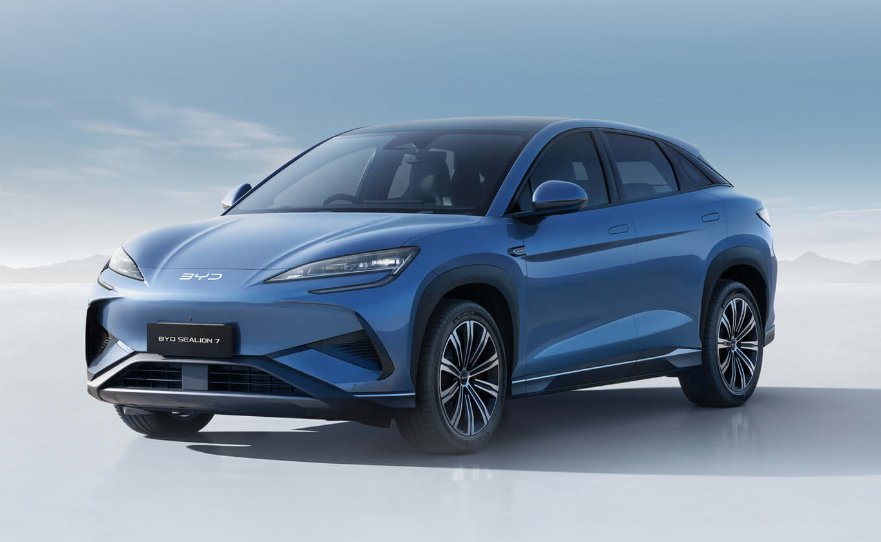
Another mid-size electric SUV aimed at de-throning Tesla’s Model Y and taking on Kia’s EV5, the Sealion 7 undercuts Tesla with its single-motor Premium RWD starting at $54,990 and the twin-motor Performance AWD from $63,990.
The Premium variant packs a rear-wheel drive motor kicking out 230 kW and 380 Nm. This delivers smooth acceleration and a solid 482 km WLTP range, while the Performance model pushes the total output to 390 kW / 690 Nm, with a spritely 0–100 km/h sprint in just 4.5 seconds and a claimed range of 456 km.
Inside, the Sealion 7 offers a considered, thoughtfully designed cabin. Both trims come with a rotating 15.6-inch infotainment screen, a 10.25-inch driver display, and an optional head-up display. Premium touches include 19-inch alloys, LED lighting, a panoramic sunroof, and a powered tailgate. The Performance adds 20-inch alloys, a heated steering wheel, and heated rear seats for added comfort.
Interior space is generous and the build quality is solid. Rear seat legroom is commendable, and the panoramic roof keeps things bright.
On the road, the Premium performs in an assured, relaxed fashion. The Performance brings more urgency but its kerb weight and less-than-tailored dynamics work against it during some manoeuvres. Nevertheless, the ride is quite compliant and refined.
In a crowded segment, the BYD Sealion 7 stands out with its competitive pricing, generous features and spacious cabin. Minor quibbles such as firm seats and a muted driving experience don’t distract from the fact it’s worthy of serious consideration by families and EV enthusiasts alike.
Nissan Ariya
1
Price: From $55,840 (Engage); $59,840 (Advance); $63,840 (Advance+); $71,840 (Evolve e-4orce)
Battery size/claimed range: 63kWh, 385km WLTP (Engage, Advance); 87kWh, 504km WLTP (Advance+, Evolve)
Power/torque: 160kW and 300Nm (Engage, Advance); 178kW, 300Nm (Advance+); 160kW (front), 160kW (rear), 600Nm (Evolve e-4orce)
Dimensions (L/W/H/WB): 4595mm/ 2172mm/ 1660mm/ 2775mm
Bootspace: 466L (seats up); 1350L (seats down); 408L (seats up); 1280L (seats down) (Evolve)
Warranty/roadside assistance/service intervals: 10-year or 300,000 km, provided you service your vehicle at authorised Nissan dealers under the Nissan MORE program; separate Lithium-Ion Battery Capacity Warranty covers the vehicle’s battery against excessive capacity loss for 96 months or 160,000 km, whichever comes first; up to 10 years of 24-hour roadside assistance
| Driving | |
| Interior | |
| Practicality | |
| Overall value | |
Things we like
- Sleek design, premium finish
- Comfortable ride
- Variety of battery and drivetrain options
Not so much
- Pricing may struggle against cheaper rivals
- New nameplate will take time to establish
- Ride is unexciting
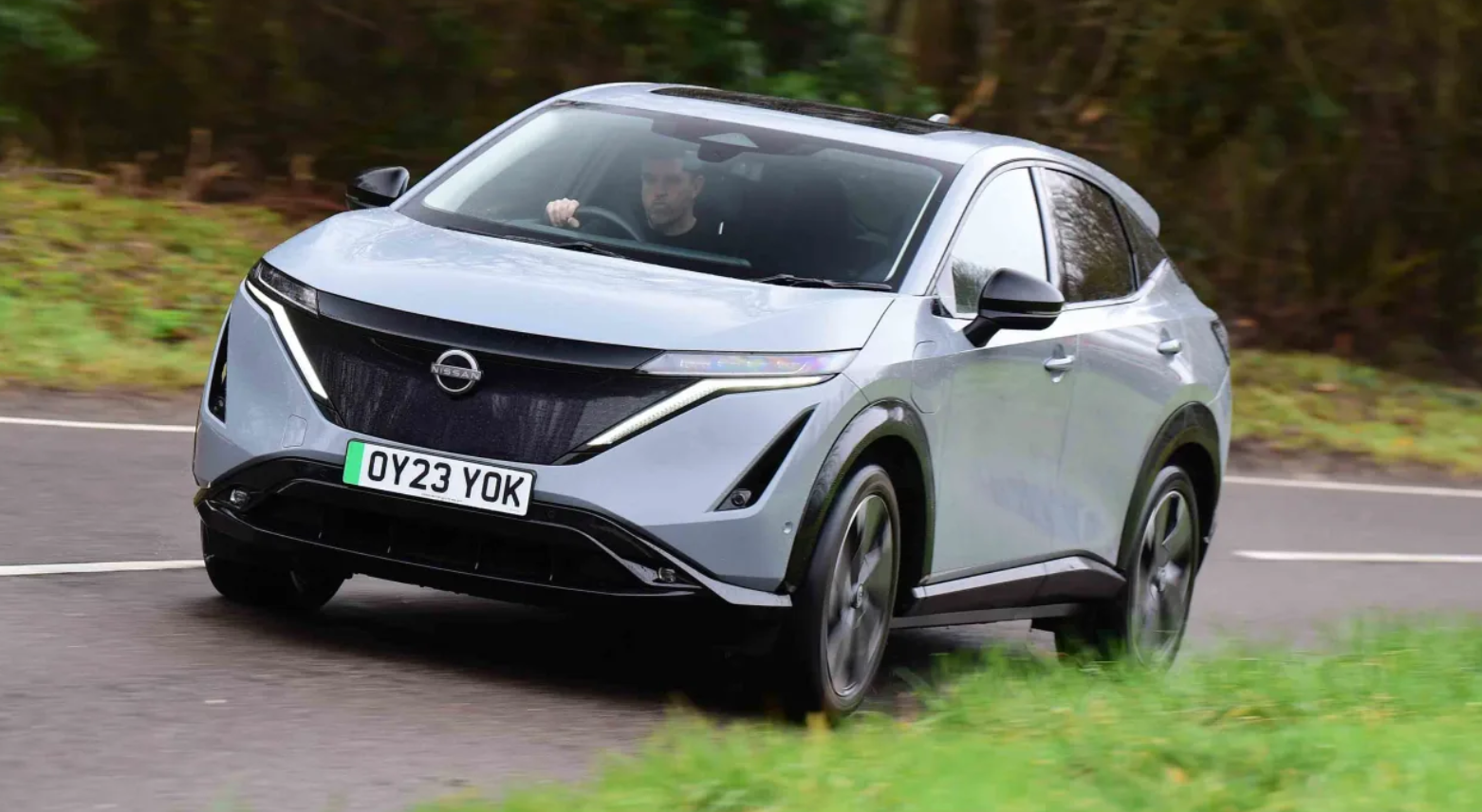
Nissan’s long-awaited Ariya mid-size electric SUV has finally arrived in Australia with four grades available from early September. All trims offer front-wheel drive or Nissan’s new e‑4ORCE dual-motor AWD.
International reviews suggest the Ariya seeks to strike a balance between luxury and function. All models come equipped with dual 12.3-inch screens, wireless Apple CarPlay, navigation, climate control, and a wireless charger. Higher trims introduce amenities like a panoramic roof, heated front and rear seats, a Bose 10‑speaker audio system, and a head-up display. The cabin is ‘lounge-like’ thanks to generous the car’s generous length and wheelbase proportions.
On the road, the Ariya delivers a composed, compact drive with its advanced AWD offering enhanced stability in the top grade Evolve. Adaptive drive modes tailor performance well to road conditions, but let’s not pretend it’s sporty in the handling sense – this is bread-and butter medium SUV territory for shops-school-run-occasional roadtrip missions, prioritising comfort and refinement over agility.
The pricing challenges rivals like Tesla and BYD by offering premium comfort and class-competitive range, while the conditional 10-year warranty ups the attractiveness.
With nice design, a good standard equipment list and assured drive, it enters this crowded segment promising reliability over bells-and-whistles flashness, with solid electric capability for the energy-conscious buyer.
Ford Mustang Mach-E
1
Price: From $63,000 drive-away (Select); $77,000 (Premium); $94,000 (GT)
Battery size/claimed range: 71kWh, 470 km WLTP (Select); 91 kWh, 600km WLTP (Premium); 91 kWh, 490km WLTP (GT)
Power/torque: 198kW, 430Nm (Select RWD); 216kW, 430Nm (Premium RWD); 358kW, 860Nm (GT AWD)
Dimensions (L/W/H/WB): 4728 mm/ 1881 mm/ 1634 mm/ 2984mm
Bootspace: 402L boot with an additional 134L frunk
Warranty/roadside assistance/service intervals: Five-year, unlimited-kilometre New Vehicle Warranty; battery – eight years or 160,000 kilometres; up to seven years roadside assistance; five years approx. $785.
| Driving | |
| Interior | |
| Practicality | |
| Overall value | |
Things we like
- Price cuts have made it more attractive
- Quality interior
- Proper power in top spec
Not so much
- Premium price tag still high
- Connection to Mustang heritage a bit tenuous
- SUV heft works against the badge
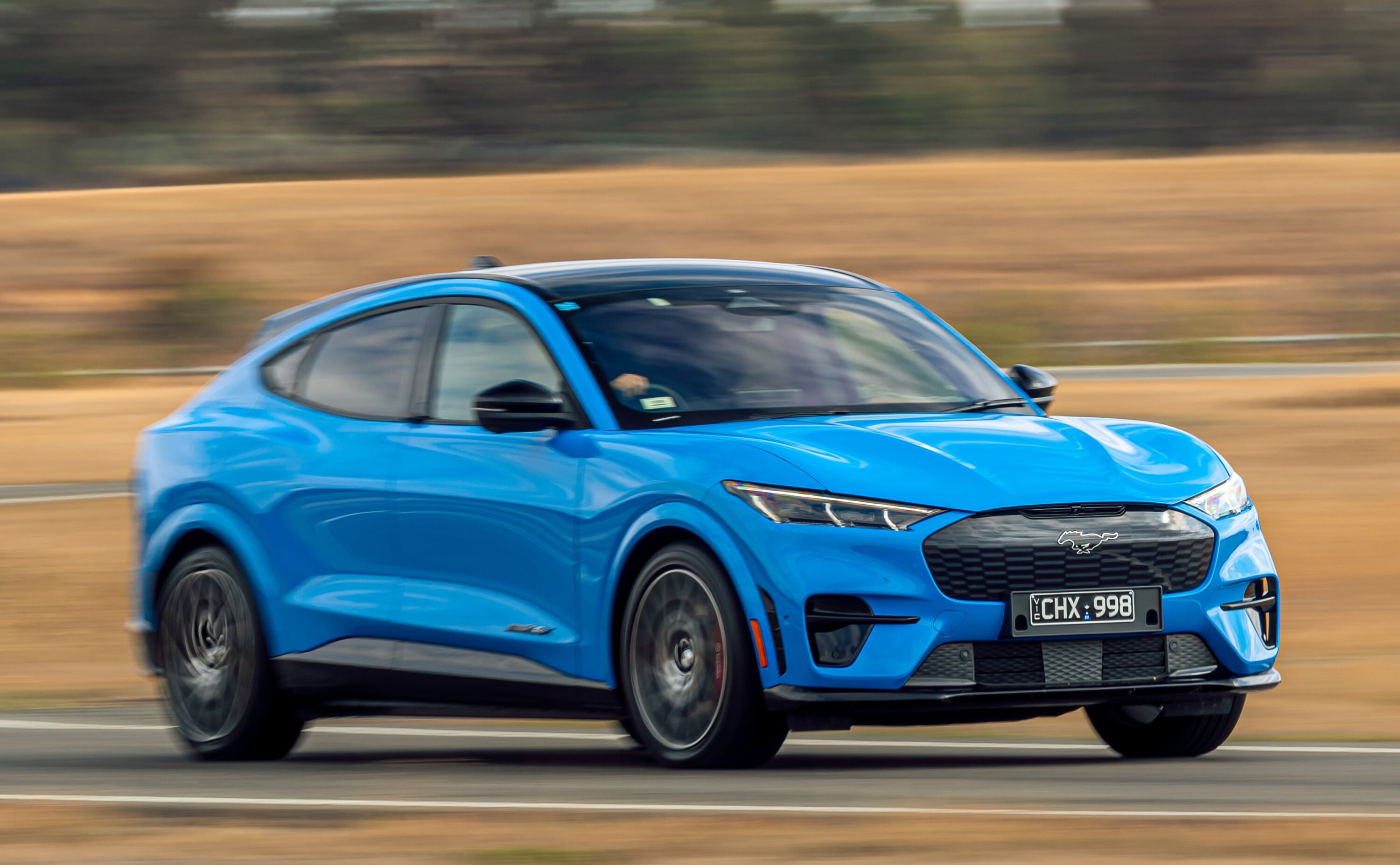
Introduced to Australian in 2023, the Mach-E is offered in three trims in Australia: Select RWD, Premium RWD and the dual-motor GT AWD, delivering between 470 km and 600 km (WLTP) of driving range depending on model. Acceleration ranges from a leisurely 6.6 seconds in base trims to a blistering 3.7 seconds 0–100 km/h in the GT.
The Mach-E presents with clean, modern cabin featuring an upright centre touchscreen and a digital driver’s display in a space recalling Scandinavian minimalism, along with quality leather surfaces and intuitive controls.
Does it behave like a Mustang, but in SUV form? The entry-level Select is certainly keen and responsive, and the GT is a firmer ride but the model in general is adaptive and forgiving. While bendy roads will expose its SUV size, general cruising is smooth and quiet.
Having said that, it’s not a traditional Mustang but a more-than-capable midsize EV for drivers who want tech and Ford character but also fuel efficiency and a reliably comfortable daily driver.
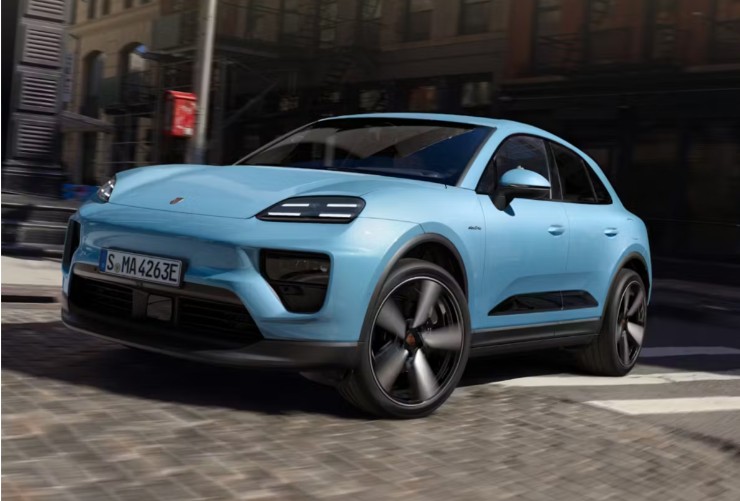
Porsche Macan Electric
1
Price: $128,400 plus orc (Porsche Macan RWD); $134,400 plus orc (Porsche Macan 4 Electric); $149,300 plus orc (Porsche Macan 4S Electric); $184,400 plus orc (Porsche Macan Turbo Electric)
Battery size/claimed range: 100kWh (95 kWh useable), 516 km WLTP (Macan 4), up to 591 km (Macan Turbo)
Power/torque: 250 kW, 563 Nm (max, with launch control)
Dimensions (L/W/H/WB): 4784mm/1938mm/1623 mm/ 2893mm
Bootspace: 510L; 1318L (rear seats down)
Warranty/roadside assistance/service intervals: 3 years, unlimited kms; 8-year/160,000km warranty for the high-voltage (HV) battery; roadside assist for duration of warranty; 24 months or 30,000km, $2995 over 5 years
| Driving | |
| Interior | |
| Practicality | |
| Overall value | |
Things we like
- Electric version maintains Porsche’s rep for dynamic drives
- Great build quality
- Fast charging
Not so much
- Price jump for electric was significant
- Weight increase reduces overall agility
- Entered crowded premium EV market
Porsche’s fully electric version of its popular Macan rides on the brand’s advanced PPE (Premium Platform Electric), utilising a standard 100 kWh battery (95 kWh usable) and delivering power via single or dual motors, depending on the trim.
There are currently four variants: RWD base, Macan 4 (AWD), Macan 4S (performance AWD) and range-topping Macan Turbo Electric. Performance scales briskly – with the 4S reportedly covering 0–100 km/h in just 4.1 seconds and the Turbo Electric in 3.3 seconds.
The line-up offers WLTP ranges up to 613 km – though real-world testing may deliver more modest results. Thanks to fast 800‑volt architecture, 270 kW DC fills the battery from 10-80 per cent in just over 20 minutes.
It’s unmistakeably Porsche inside – a sweeping dashboard with dual digital displays (12.6″ digital cluster, 10.9″ infotainment) plus optional 10.9″ front‑passenger display, haptic controls, and generally high build quality with premium materials. The electric iteration keeps the minimalist aesthetic of the original Macan but update the tech offering. Adaptive air suspension and driver aids ensure both comfort and practicality.
Faithful to the badge, the electric version retains the iconic Macan silhouette – muscular yet aerodynamic, with active cooling vents and sleek LED lighting. It also drives with precision, poise and agility despite the weight of the electric drivetrain.
The high-end turbo variant also offers head-up display, performance sound tuning, and advanced driver tech.
The Porsche Macan Electric delivers on its promise as a luxury electric SUV but it’s far from a bargain and you’ll need to be a committed EV advocate to invest in this more efficient and energy responsible example of Porsche’s renowned driving dynamics.
Best Medium SUVs in Australia
Looking to get into a brand-new mid-size SUV? Our stories below will guide you to the model that best suits your needs:
Follow WhichCar/Wheels on Google
Click the button below to make WhichCar by Wheels a preferred source for your news.

We recommend
-
 Best Medium SUVs
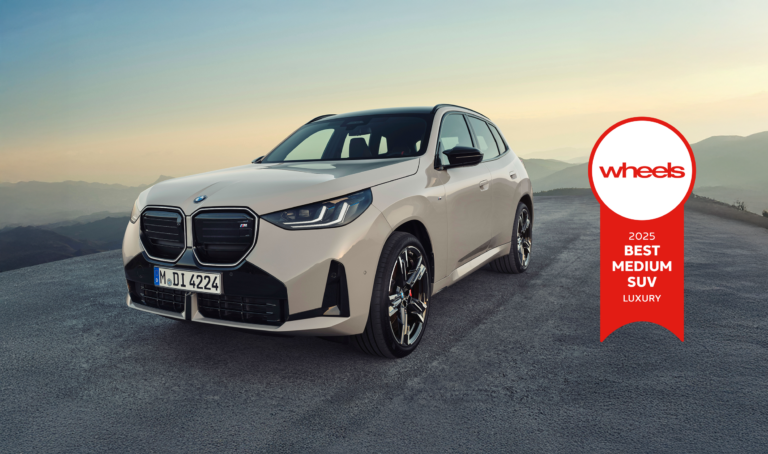
Best Medium SUVs 2025: Luxury
Luxury, where the quality of the cabin and the drive experience are as important as day-to-day practicality for what is often the default family vehicle.
-
 Best Medium SUVs
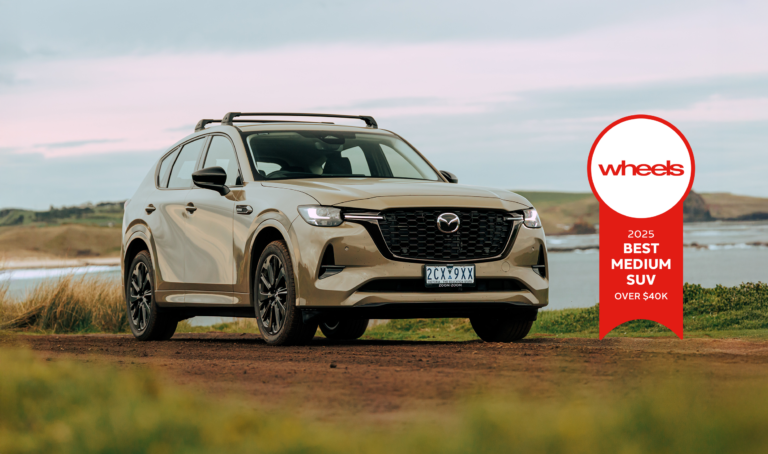
Best Medium SUVs 2025: Over $40K
From premium hybrids to tech-packed family haulers, these medium SUVs priced above $40K deliver the best balance of space, efficiency, features and driving refinement for 2025.
-
 Best Medium SUVs
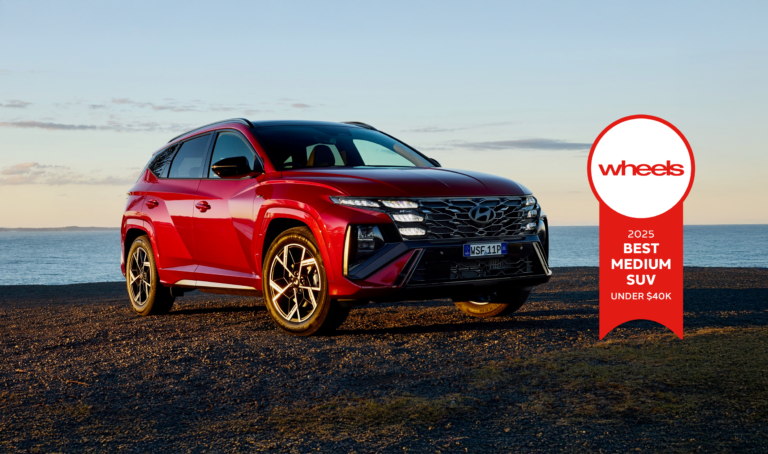
Best Medium SUVs 2025: Under $40K
Affordable yet capable, these medium SUVs priced under $40K demonstrate that Aussie families don’t need to compromise on space, efficiency, safety or comfort when car shopping in 2025.
-
 Best Medium SUVs
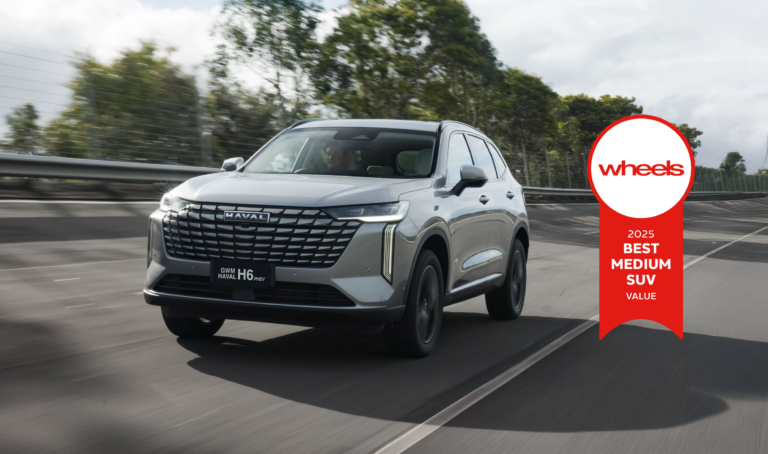
Best Medium SUVs 2025: Value
Blending affordability with substance, these SUVs are accessibly priced and deliver generous features, advanced safety and everyday practicality.