News

Gallery 1
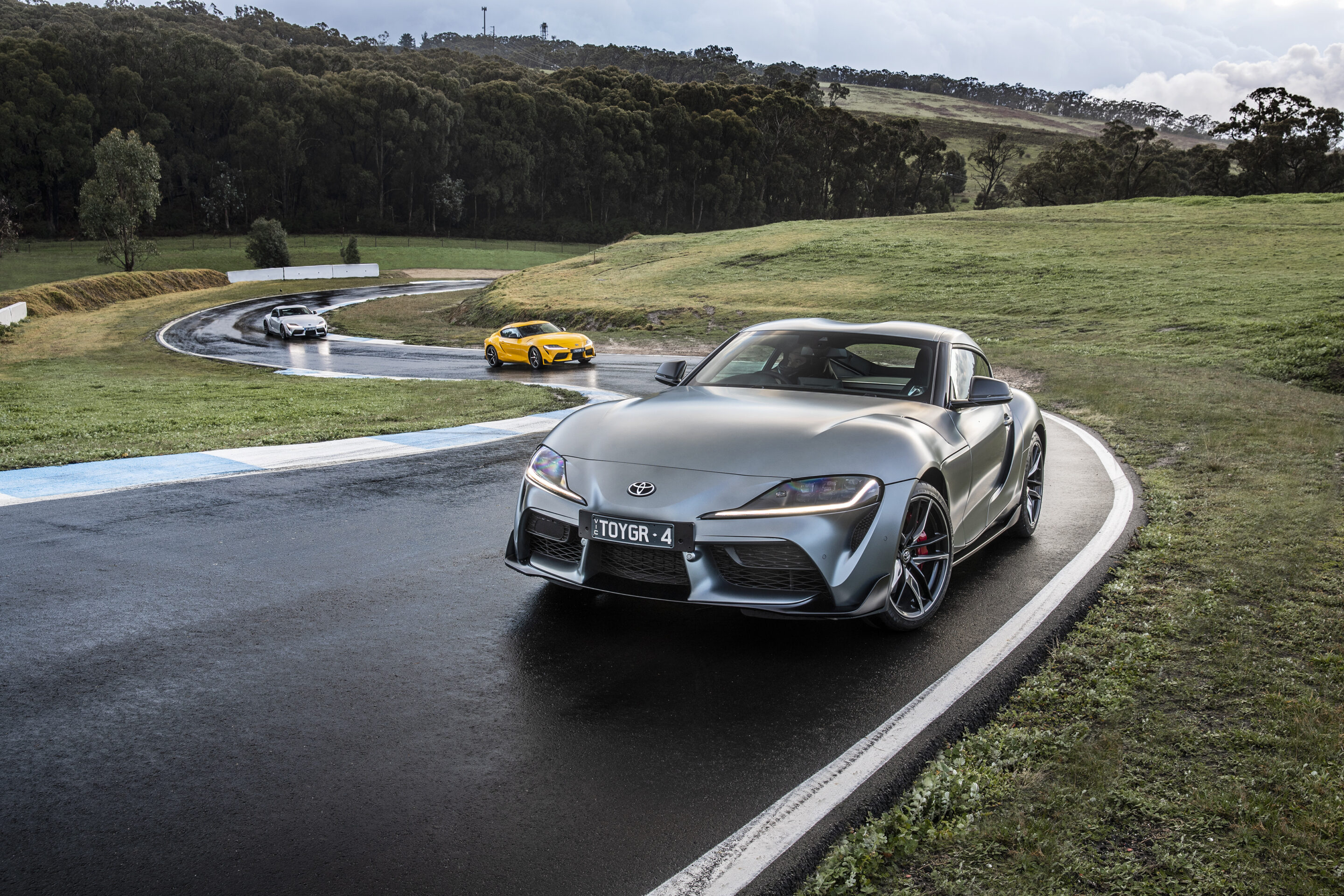
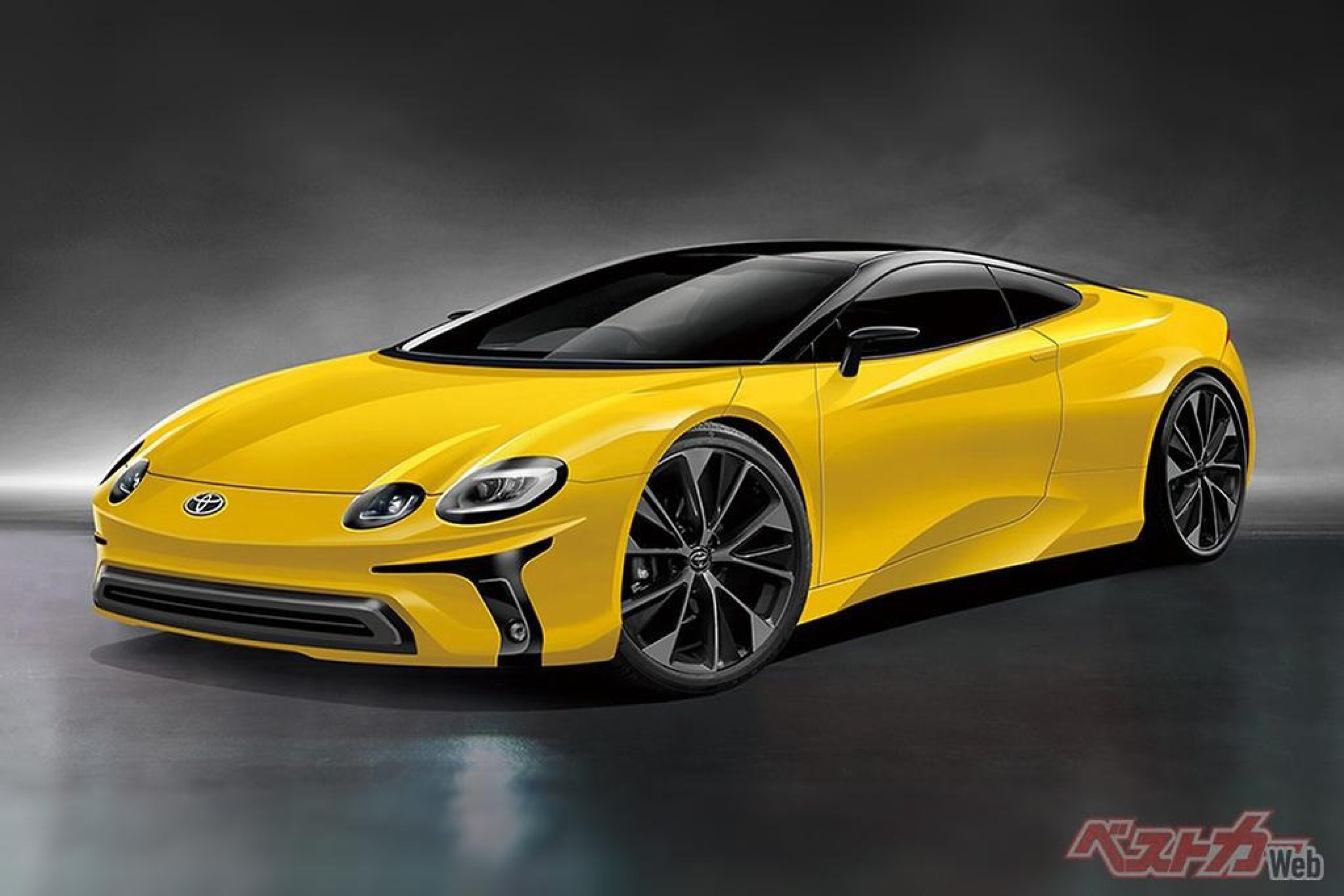
Toyota chairman Akio Toyoda has told journalists more than once in the last few years that he wanted a return of what he calls the manufacturer’s ‘three brothers’ – Supra (main), Celica and MR2. Now we know that the Celica is ready to make a comeback.
Autocar has now reported that Toyota will consider a 2.0-litre hybrid powertrain for it’s highly anticipated Celica reboot, with the British outlet also reporting it is likely to be called Celica Sport. Whichcar by Wheels first reported the return of the Celica nameplate in November 2024, when Toyoda told journalists at Rally Japan, “I’m not sure if it’s ok to say this in a public forum, but we’re doing the Celica!”
Earlier in March 2026 what appeared to be the new sports coupe was spotted in shakedown testing in Portugal ahead of the 2027 World Rally Championship. Now Autocar has been told of the likely naming convention, while Toyota has confirmed that it will be AWD.
Gazoo Racing marketing manager Mikio Hayashi told the outlet that the powertrain is taking shape.
1
“The displacement of 1.6 litres, used in the GR Yaris, for example, cannot meet emission regulations,” he said. “So we have to consider the possibility of a 2.0-litre.”
More detail on the engine wasn’t offered, more the timeframe it is likely to follow. “We are thinking about various sizes, but we are not at a stage where we can tell you exactly what size it is. Nothing has been decided yet about whether it will be a standard hybrid or a plug-in hybrid,” Hayashi said. “We are continuing to develop that (the drivetrain), and we have high expectations,” he said. “We cannot point to a timeline, but we can say we are making steady progress.”
Previous reports have suggested that Toyota would have to move to a new hybrid powertrain for GR models in order to allow them to sell in markets with increasingly strict emissions regulations.
That is likely to take the form of a new, turbocharged four-cylinder engine, with hybrid technology, that could also find it’s way into the GR Yaris or Corolla, in order to make those two cars feasible in markets where the current powertrain doesn’t meet emissions.
Follow WhichCar/Wheels on Google
Click the button below to make WhichCar by Wheels a preferred source for your news.

We recommend
-
 News
NewsToyota Supra lives on as the brand begins huge Supercars campaign
Toyota locks in Supra for five Supercars seasons, with GR GT concept tipped as future halo model as brand ramps up biggest-ever Australian motorsport push.
-
 News
NewsNext-generation Toyota Yaris to offer petrol, hybrid and electric options
New small car due around 2027–28 as Toyota adopts multi-energy strategy for global markets.