News
Gallery 1
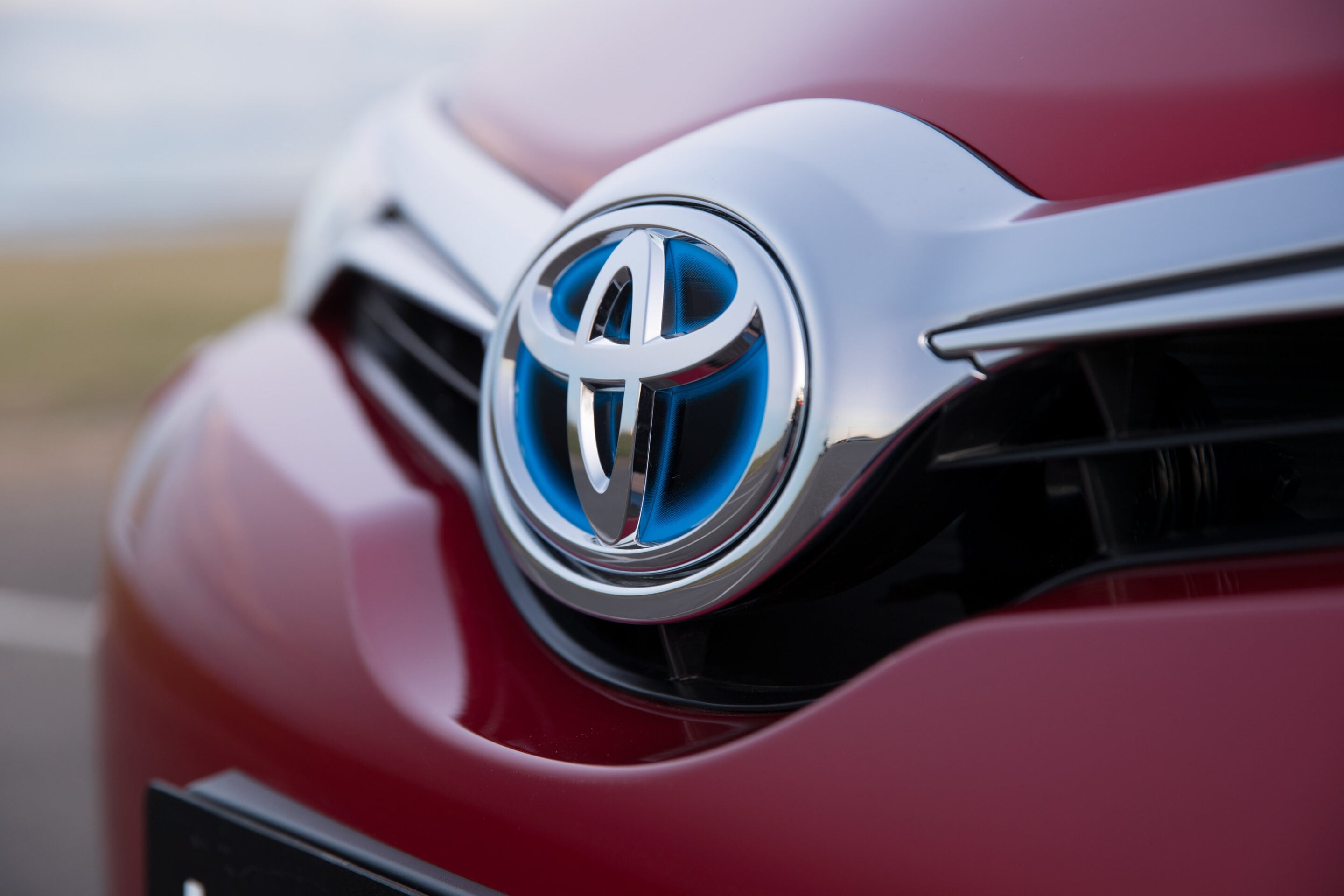
Toyota supplier Denso has approached Japanese semiconductor manufacturer Rohm with a proposal to acquire the company in a deal that could be worth about US$8.3 billion, according to reports.
The potential takeover would significantly expand Denso’s presence in power management semiconductors, an increasingly important technology used in electric vehicles, industrial systems and data centres. Rohm confirmed the approach in a statement, but said discussions were still ongoing and no decision had been made.
The proposal was first reported by Japan’s Nikkei business newspaper, with Reuters later confirming details of the possible transaction.

1
If completed, the acquisition would represent a major consolidation move in Japan’s semiconductor industry, where government officials have long argued that companies need to combine resources to remain globally competitive.
Denso is one of the world’s largest automotive parts suppliers and a core member of the Toyota Group. The company already holds a stake of roughly 4.8 per cent in Rohm, according to financial data provider LSEG.
The two companies strengthened their relationship earlier this year when they agreed to form a strategic semiconductor partnership, focusing on integrated circuits used in electric vehicles. Since then, they have discussed several options for deeper cooperation, including a potential share acquisition.
Both companies said discussions remain preliminary.
Financial markets reacted quickly to the news. Rohm shares surged to their daily trading limit, rising 18 per cent, amid heavy buying interest, while Denso shares fell 3.4 per cent during the same trading session.
Rohm is a major manufacturer of power semiconductors, which regulate and control the flow of electricity in electronic systems. These chips are critical components in electric vehicles, where they help manage battery output, motor control and charging systems.
1
Japan remains relatively strong in the specialised field of power chips, even as its broader semiconductor industry has lost global market share in recent decades. Demand for these components has grown rapidly as automakers shift toward electrified vehicles, while the expansion of data centres and artificial intelligence infrastructure has also increased the need for efficient power management.
Car manufacturers have become particularly focused on securing semiconductor supplies following the global chip shortages that disrupted production during and after the COVID-19 pandemic.
More recently, supply concerns were highlighted again when issues at European chipmaker Nexperia forced production adjustments at several automakers.
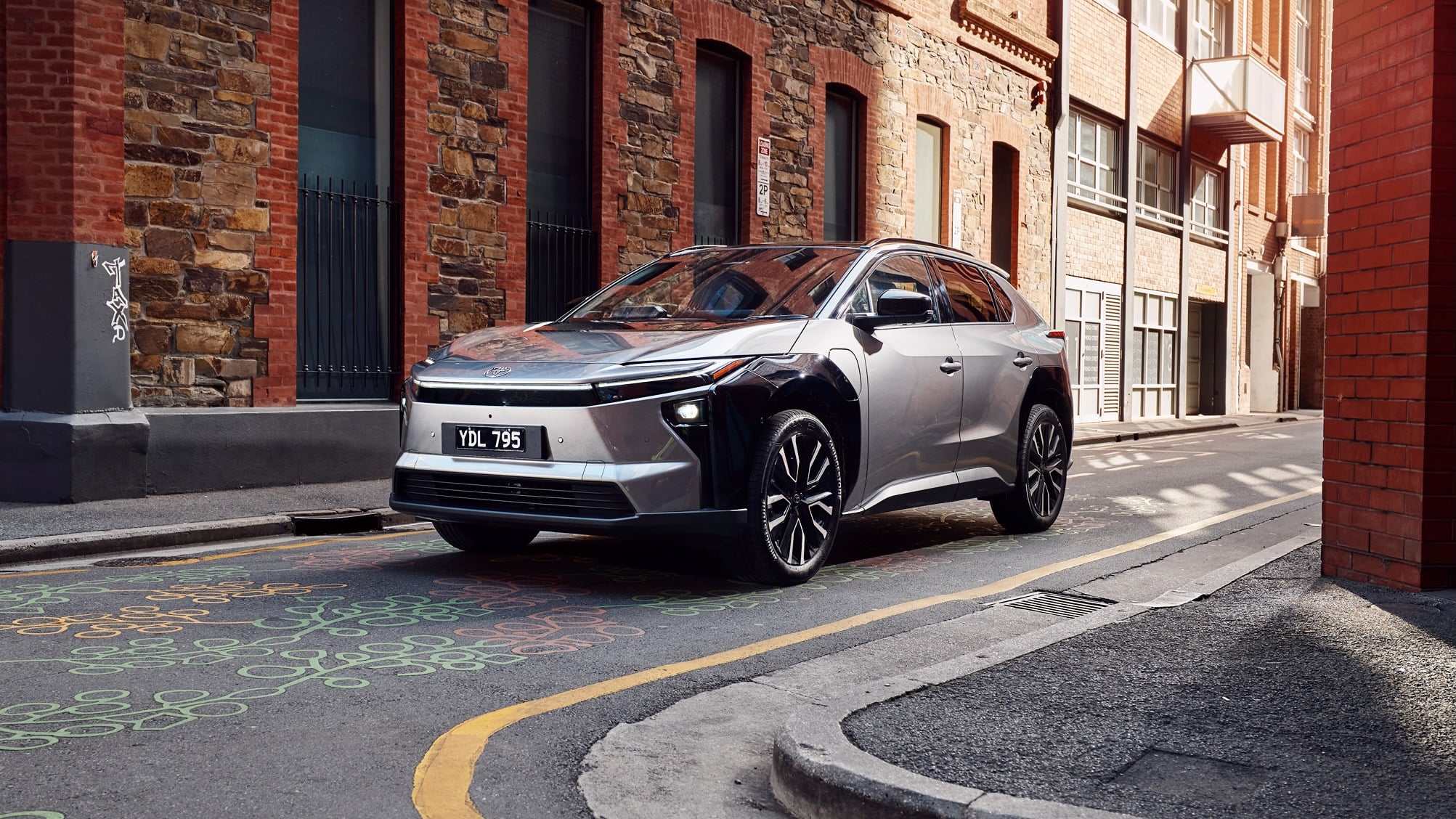
A successful takeover of Rohm would give Denso greater control over a key part of the EV supply chain while strengthening its semiconductor capabilities at a time when the automotive industry is becoming increasingly reliant on advanced electronics.
Follow WhichCar/Wheels on Google
Click the button below to make WhichCar by Wheels a preferred source for your news.

We recommend
-
 Reviews
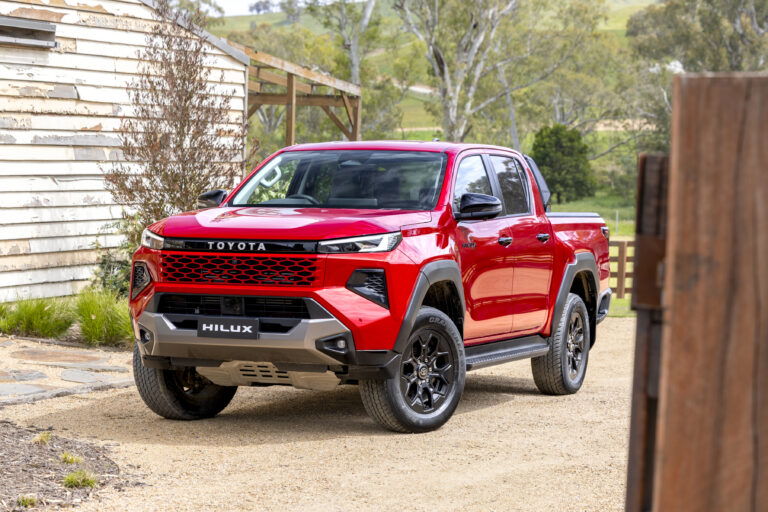
2026 Toyota HiLux in-depth review: New, or just improved?
Toyota’s ninth-gen HiLux sticks closely to a proven formula, mixing modest structural tweaks, mild-hybrid tech and cabin updates with familiar underpinnings to keep Australia’s top-selling ute on track.
-
 News
NewsThe worrying trend for Japanese car brands in Australia
Sales of cars from Japanese brands in Australia are trending downwards in the face of a new-brand-and-model onslaught from China.