News
Gallery 1
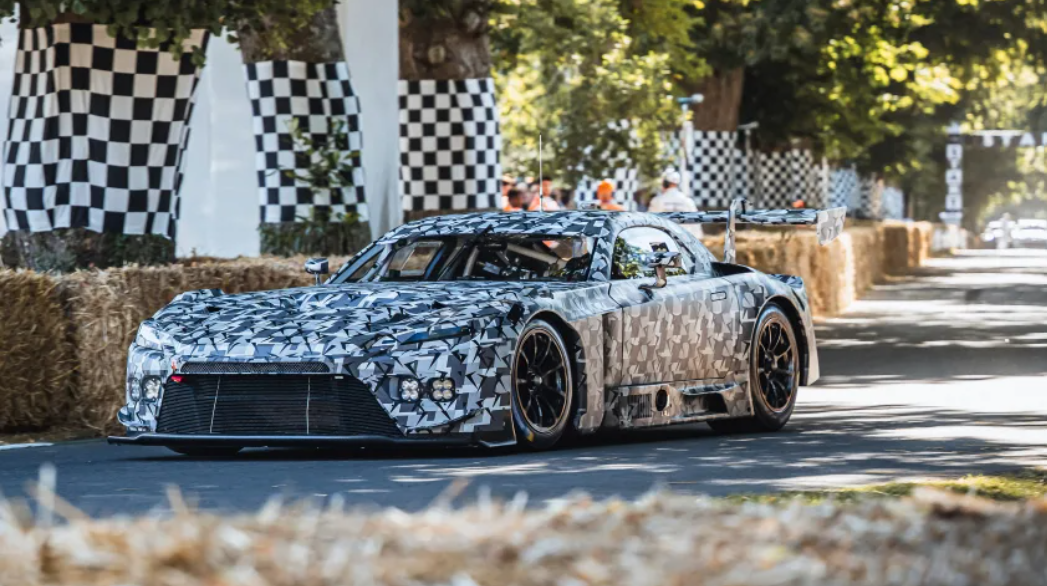
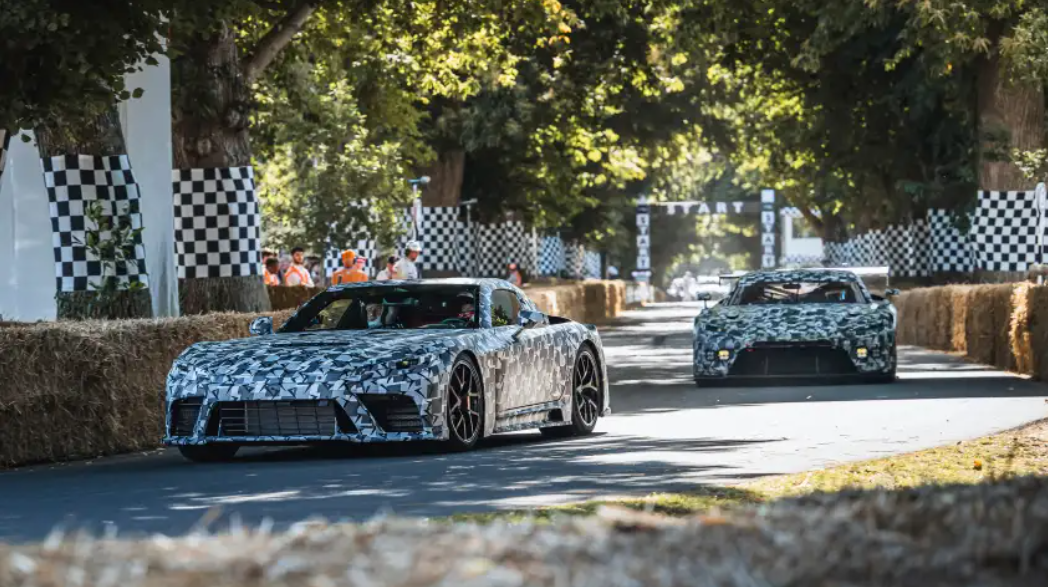
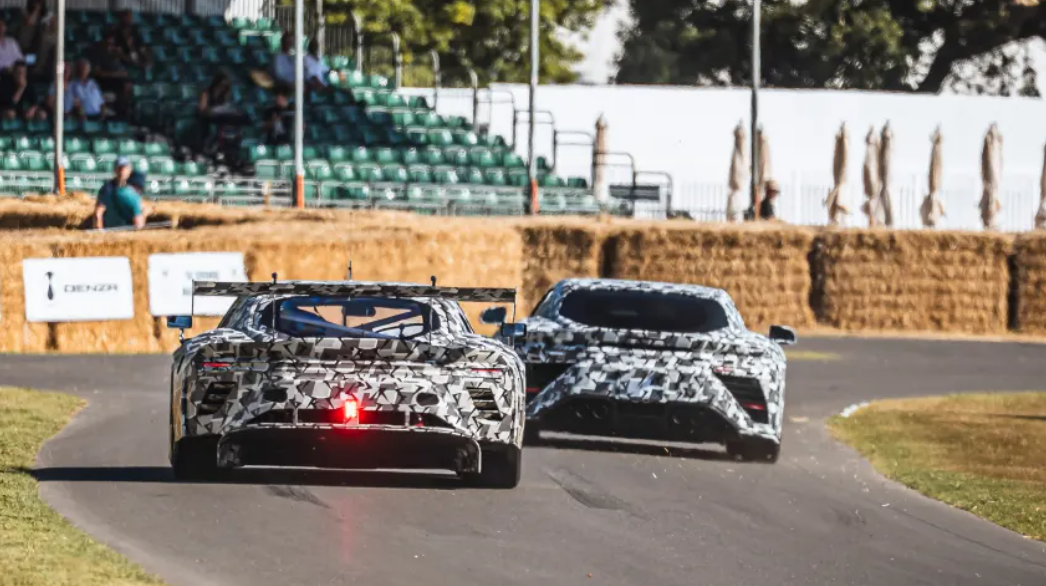
Toyota has offered the most revealing glimpse yet of its long-rumoured next-generation supercar, with a disguised prototype making a dramatic appearance at the UK’s recent 2025 Goodwood Festival of Speed.
The vehicle marks Toyota’s first foray into true supercar territory since the revered Lexus LFA, and it appears the Japanese giant is aiming high once again – on both the road and the racetrack.
Appearing alongside its GT3-class racing sibling, the camouflaged prototype hints at Toyota’s dual-pronged approach to performance: a halo road car and a purpose-built motorsport contender. While official details remain scarce, the Festival appearance confirmed one major development – the new Toyota supercar is powered by a V8 engine, likely turbocharged, and possibly supported by a hybrid system in the road-going version.
1
Although exact performance figures are under wraps, Toyota is undoubtedly targeting the 700bhp benchmark now typical among supercar rivals. Visually, the car’s sleek and aggressive stance suggests a front-mid-engine layout, with the engine sitting behind the front axle – echoing the design of the previous-generation Mercedes-AMG GT.
Additional clues point to a transaxle drivetrain setup, potentially housing a limited-slip differential and fast-shifting automatic transmission. Whether this will be a dual-clutch system, torque converter, or something new remains to be seen. The chassis is believed to be constructed from carbon fibre, offering lightweight strength and rigidity – much like the Lexus LFA before it.
1
Of equal importance is the GT3 racing variant, which will serve as Toyota’s entry into one of the most hotly contested categories in motorsport. With rivals including Porsche, Ferrari, Lamborghini, and Aston Martin, the GT3 version is expected to play a key role in Toyota’s Gazoo Racing program.
Whether the final product will wear a Toyota, Gazoo Racing, or even Lexus badge remains unclear. What is certain, however, is that both the road and race versions are edging closer to full unveiling – likely within the next 12 months.
Follow WhichCar/Wheels on Google
Click the button below to make WhichCar by Wheels a preferred source for your news.