
Aussies who are keen on the Dolphin Essential are now being offered a price drop of as much as $4400 as BYD follows up on this week’s stunning discount for the Atto 1, which has now become the nation’s cheapest new car.
BYD has reduced the price from $29,990 plus on-roads to $28,888 driveaway, meaning you can save from approximately $2900 to $4400 depending on which state or territory you’re in. The offer takes in cars ordered between September 15 and December 15, and delivered by December 31.
The price cut comes just days after BYD slashed the cost of the Atto 1 Essential to $19,990 driveaway nationally, down from $23,990 plus on-roads. That dropped it below the Kia Picanto Sport Manual and means an EV is Australia’s most affordable new car for the first time ever.
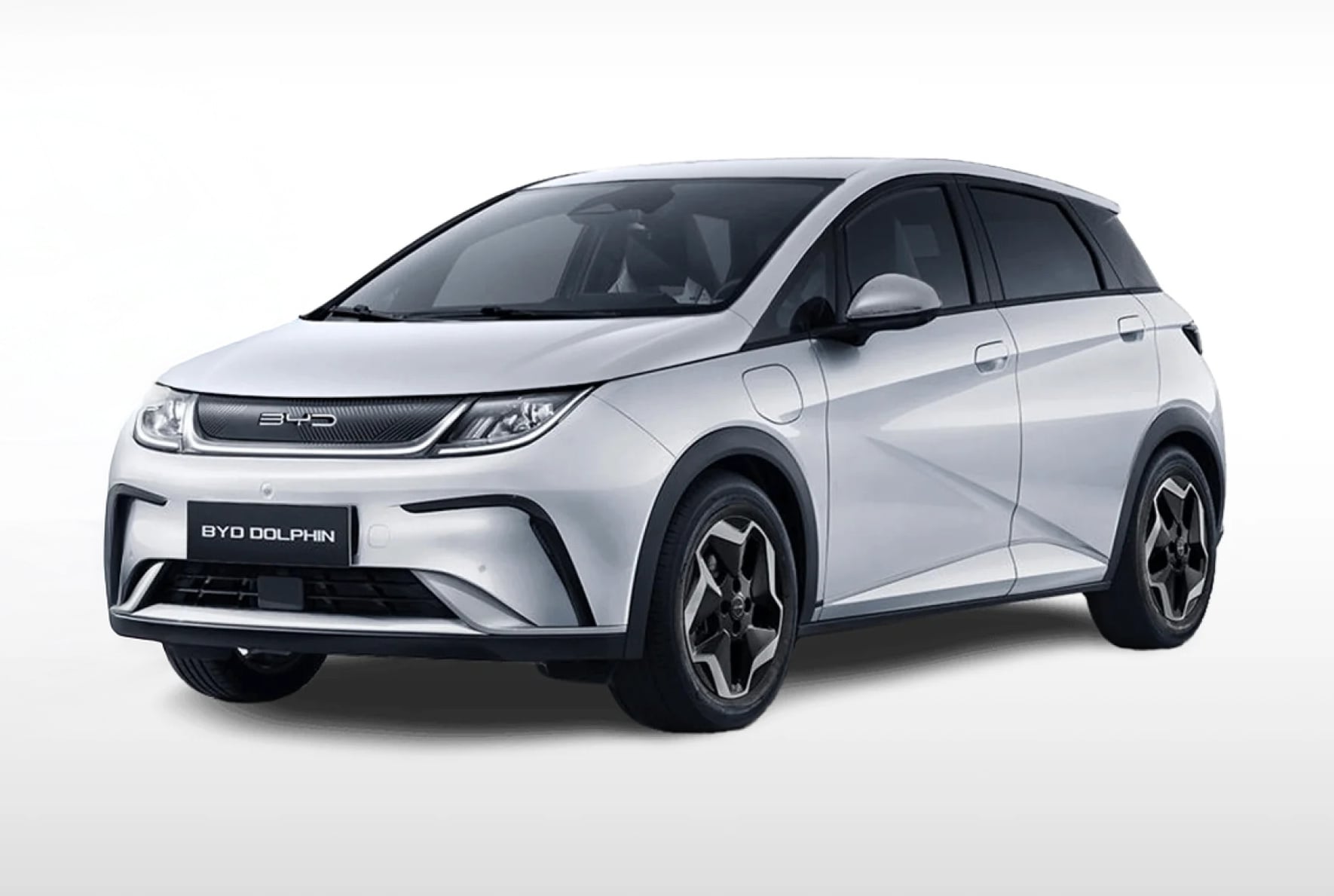
Aimed at rivals like the Toyota Corolla, the Dolphin Essential has a 44.9kWh Blade lithium iron phosphate battery good for a claimed 340km of range. It feeds a single 70kW/180Nm front-mounted electric motor.
Standard equipment includes a 5.0-inch digital instrument cluster, 12.8-inch touchscreen infotainment system with Apple CarPlay and Android Auto, keyless entry and start, leatherette upholstery, tyre pressure monitoring and adaptive cruise control. Buyers will also get front, front-side, side curtain and front centre airbags.
Compared to the more premium Dolphin variants, the Essential loses power-folding exterior mirrors, the panoramic glass sunroof, wireless phone charger, heated front seats and rear privacy glass.
The two big discounts from BYD come shortly after the Chinese government brought in a raft of new rules governing how the country’s carmakers compete in overseas markets. The manufacturers have been warned against getting involved in price wars due to the risk that could lead to the imposition of tariffs to combat anti-competitive behaviour.
The rules – which seek to “promote orderly and healthy international development of China’s automotive industry” – are headlined by a directive that brands must price their products based on production costs and the state of the market instead of engaging in drastic discounts that hammer traditional carmakers.
Mercedes-AMG will bring just five examples of its new G 63 Two-Finish Edition to Australia, combining a distinctive hand-painted exterior with a specially trimmed cabin and the familiar twin-turbo V8 powertrain.
Priced from $425,327 before on-road costs and dealer delivery, the limited edition’s defining feature is its unusual two-tone black finish, applied by hand at the G-Class factory in Graz, Austria.
The greenhouse, bonnet and spare-wheel cover are finished in high-gloss non-metallic black, contrasting with MANUFAKTUR night black magno across the lower body and roof. Mercedes-Benz says creating the dividing line between the gloss and matte finishes requires several hours of masking, with only one Two-Finish vehicle passing through the paint shop each day.
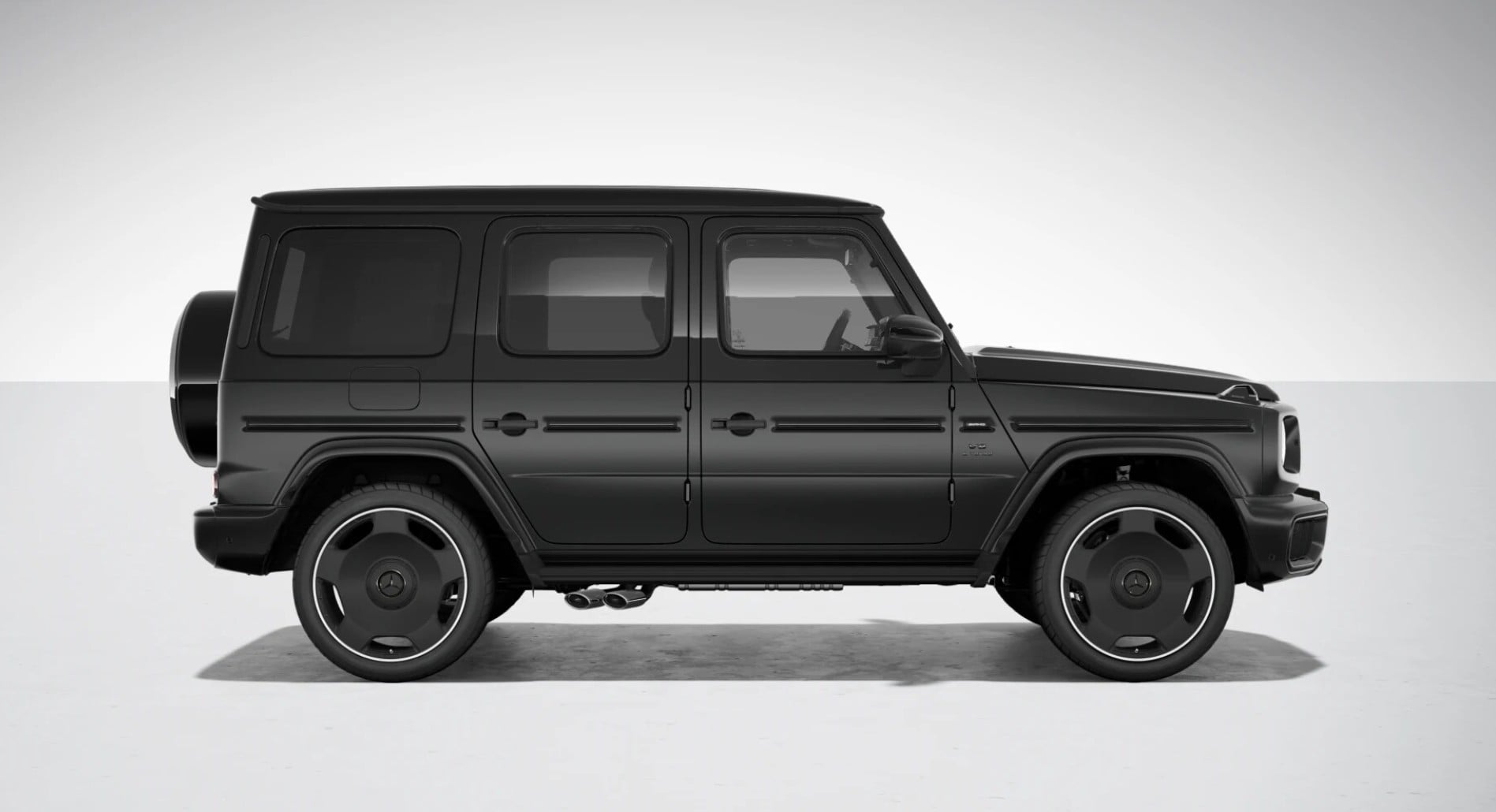
The dark theme extends to the standard AMG Night Package II, which adds a dark-chrome AMG grille and black exhaust system. The Two-Finish Edition also receives 22-inch five-hole forged wheels, black MANUFAKTUR running boards and door handles, a black spare-wheel ring and darkened exterior detailing.
Inside, titanium grey pearl and black upholstery is combined with a two-tone nappa leather dashboard, AMG carbon-fibre trim and an AMG Performance steering wheel finished in carbon-fibre and MICROCUT microfibre.
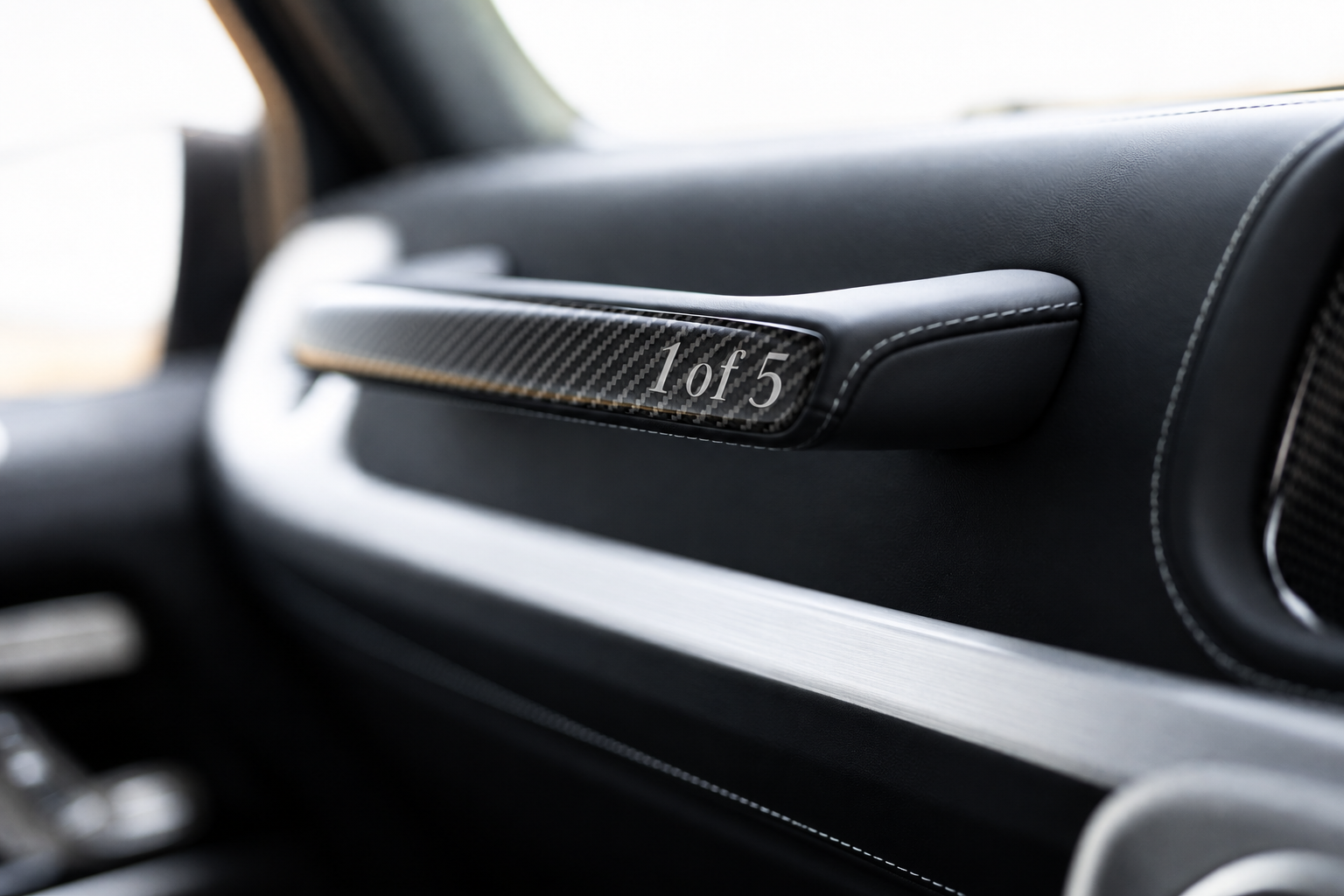
Each of the five Australian vehicles also receives an individual MANUFAKTUR passenger grab handle carrying “1 of 5“ silver lettering across its carbon-fibre trim.
Mechanically, the limited edition retains the specification of the regular Mercedes-AMG G 63. Its 4.0-litre twin-turbo V8 produces 430kW and 850Nm, enough to accelerate the large off-roader from 0-100km/h in a claimed 4.4 seconds.
Its off-road hardware includes three locking differentials, adaptive damping suspension and AMG DYNAMIC SELECT. A transparent bonnet function uses the vehicle’s cameras to provide a virtual view beneath the front of the vehicle when negotiating difficult terrain.
Standard equipment also includes a 360-degree camera, Active Distance Assist DISTRONIC, Active Steering Assist, Multibeam LED headlights and KEYLESS-GO.
The cabin retains MBUX infotainment and augmented-reality navigation, wireless smartphone connectivity and a Burmester 3D surround-sound system.
With only five allocated locally, the Two-Finish Edition sits as an especially limited variation of AMG’s long-running performance G-Class.
Nissan Australia has announced more specs for the new Y63-generation Nissan Patrol, including its cargo capacity and extra details about its towing ability. Available to order now ahead of first deliveries landing in the first quarter of 2027, the new Patrol is priced from $98,990 plus on-road costs, extending to $145,990 +ORC for the top-spec Ti-L Reserve.
According to Nissan, the new Patrol is more spacious than before with upgraded cargo capacity thanks to engineers “placing a strong emphasis on interior packaging”. As a result, there’s additional space in every row, including a claimed 75mm more hip room and 66mm more headroom in the third row of seating compared to the Y62. Nissan also claims that the third row of seats offer 844mm more heel gap for outboard occupants, which creates a more comfortable seating position.
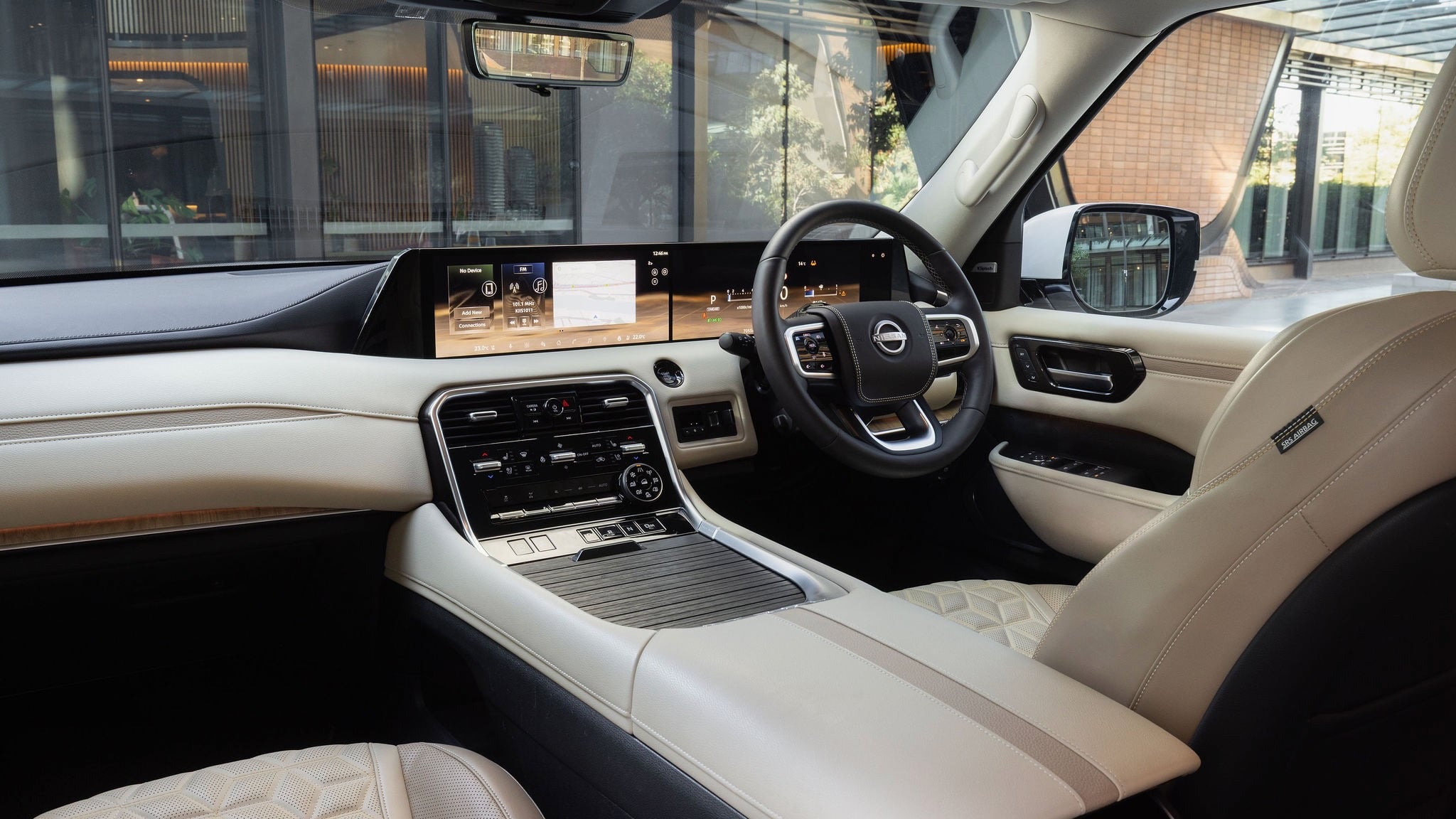
The second row gets up to 250mm more leg space than the previous model, while both the first and second rows feature new ‘Zero Gravity’ pews with a more comfortable design. The second row also uses a new tilt and glide function for passengers to access the third row, which replaces the previous model’s mechanical tumble arrangement.
Nissan says there is 577 litres of cargo space behind the third row of seating, which expands to 1594L with the third row folded and a massive 2749L with the second row folded as well. Those figures are increases of 110L, 181L and 127L respectively compared to the Y62 Patrol. There’s a “near flat” floor with the seats folded, as well as adaptive air suspension that can lower the vehicle to improve access in the Pro-4X and Ti-L Reserve grades.
Most notably, the new Patrol swaps out the previous model’s 298kW/560Nm 5.6-litre V8 engine for a notably gruntier 317kW/700Nm twin-turbocharged 3.5-litre V6, a move that has also increased its braked towing capacity by 200kg to 3700kg.
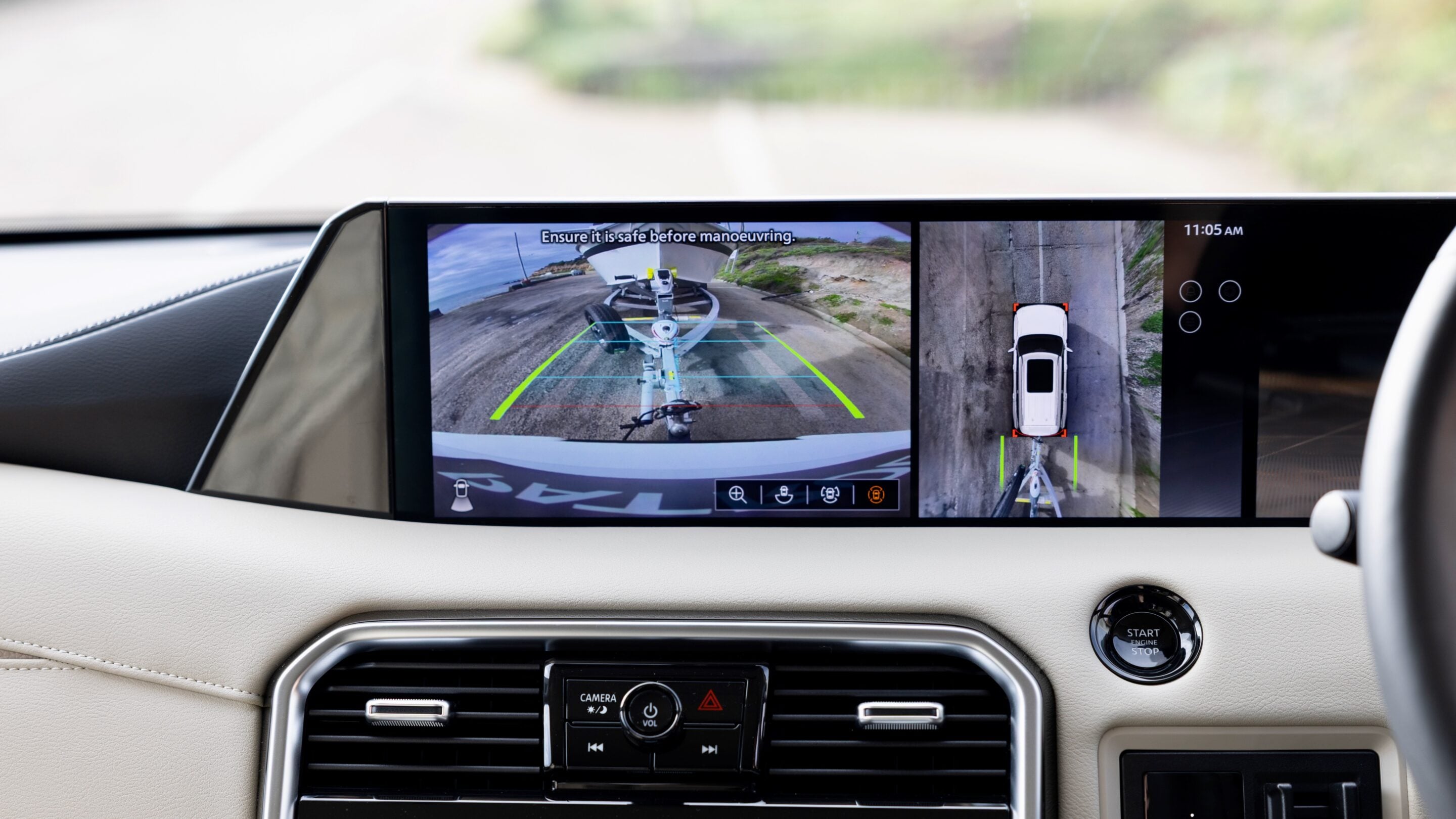
All Patrol grades feature trailer blind-spot warning in addition to trailer sway control for added confidence when towing. The Pro-4X and Ti-L Reserve grades get a new ‘Trailer Docking Support’ feature that makes connecting a trailer easier by helping the driver align the vehicle’s tow bar with the trailer coupling, reducing the need to repeatedly exit the vehicle to check positioning.
Nissan Oceania Managing Director Steve Milette said: “The all-new Patrol’s improvements extend beyond its exterior design and powertrain, with particular attention given to the needs of passengers and families.
“From significantly increased third-row space and greater second-row legroom to more usable cargo capacity and 3,700kg braked towing capability across the range, the all-new Patrol has been engineered to be even more capable of meeting the demands of Australian families.”
2027 Nissan Patrol pricing (excluding on-road costs):
- Ti: $98,990
- Ti+: $109,480
- Ti-L: $122,690
- Ti-L+: $134,690
- Pro-4X: $137,590
- Ti-L Reserve: $145,990
The new Nissan Patrol will land at local dealerships in the first quarter of 2027, and is available to order now.
Former Geelong mayor and famed paparazzo Darryn Lyons is auctioning off his Lamborghini Diablo as part of a seven-phase sale of his “extraordinary” estate, which also features a Ferrari, luxury items and a raft of memorabilia with ties to celebrities.
The 1998 Diablo only has 22,874km on the clock and has been in Lyons’ garage for almost three decades, but looks to be in extremely good nick in the videos posted by the Lloyds auction house.
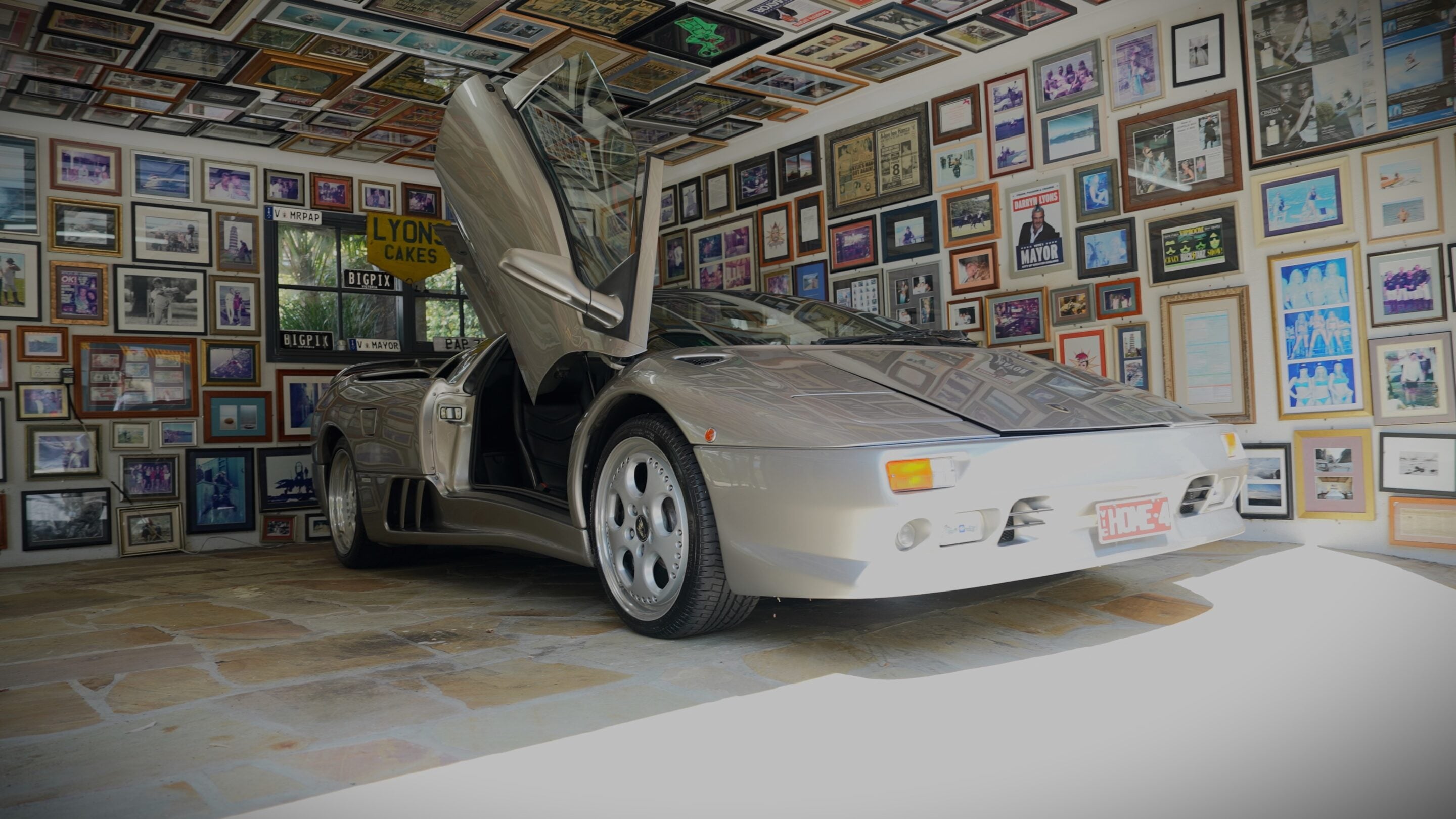
Lyons’ Lambo VT Roadster is finished in metallic silver and the interior, which is covered in black leather, shows no signs of wear and tear, and Lloyds say it’s so pristine the Pirelli rubber is still “showing substantial tread depth”.
All the switchgear and instrumentation is original, and it comes with full service records, documentation, the owner’s manual and logbook. Bidding started at just $1, but had increased to $220,000 at the time of writing.
The VT Roadster made its debut at the 1995 Bologna Motor Show with revised styling including the completely redesigned removable hard roof, all-new rear bumper, restyled exhaust cover, enlarged air intakes over the rear wheel arches and original OZ wheels. It also runs a Viscous Traction system that transfers some power to the front wheels when the rears lose grip.

Lyons – who made his mark as a leading member of the paparazzi before serving as Geelong’s mayor from 2103 to 2016 – also starred on TV shows like Celebrity Big Brother and even Top Gear, in which he competed in a double-decker bus race.
He calls the subjects of the auction his “living estate”. Lloyds calls the items on offer “an eclectic, glamorous and unapologetically larger-than-life time capsule of 1990s and 2000s celebrity culture, curated from decades of global travel, luxury living and unforgettable encounters around the world”.
The items, which will be sold in seven parts, also include rare antiques, signed memorabilia, luxury watches, designer fashion and fine wines. If you’re interested in making a bid, more details can be found here.
The Australian Electric Vehicle Association is campaigning for drivers of petrol and diesel vehicles to effectively be taxed twice as it calls for a new across-the-board charge to be paid by all motorists.
The AEVA wants all road users to pay up based on the weight of their vehicles and the distance they travel, with the new slug to come on top of the federal government’s fuel excise tax. With sales of EVs and hybrids absolutely booming, the idea is to make sure drivers whose cars use no petrol or diesel, or a substantially reduced amount, cough up for their share of road costs.
Rather than replacing the fuel excise – which was the subject of a large but short-lived cut soon after the start of the Iran war – the group wants the new per-kilometre charge to be brought in on top of it, with the resulting hit to petrol and diesel drivers branded a “pollution tax”.
“If two vehicles weigh the same, and are driven the same distance each year, it’s only fair that they pay the same road user charge. But if one of those vehicles burns petrol or diesel, they should pay for the cost of that pollution too,” AEVA policy convenor Dr Chris Jones said in a statement.
Dr Jones highlighted what the group sees as the unfairness of the NSW government’s EV-specific road user charge, which is due to come into effect next year.
“The NSW model means an EV would pay more per kilometre than a conventional petrol hybrid. It also means an electric motorcycle would pay the same rate as a 3-tonne electric SUV, despite having a negligible impact on infrastructure,” he said.
“We’re not after a free ride, but we are asking for policy which encourages EV adoption and motivates better choices.”
Mercedes-Benz Australia has officially opened its first brand Studio in the heart of Sydney’s CBD. Sydney is the latest city to showcase the new concept that Mercedes-Benz says is a “place where culture, innovation and urban life intersect”.
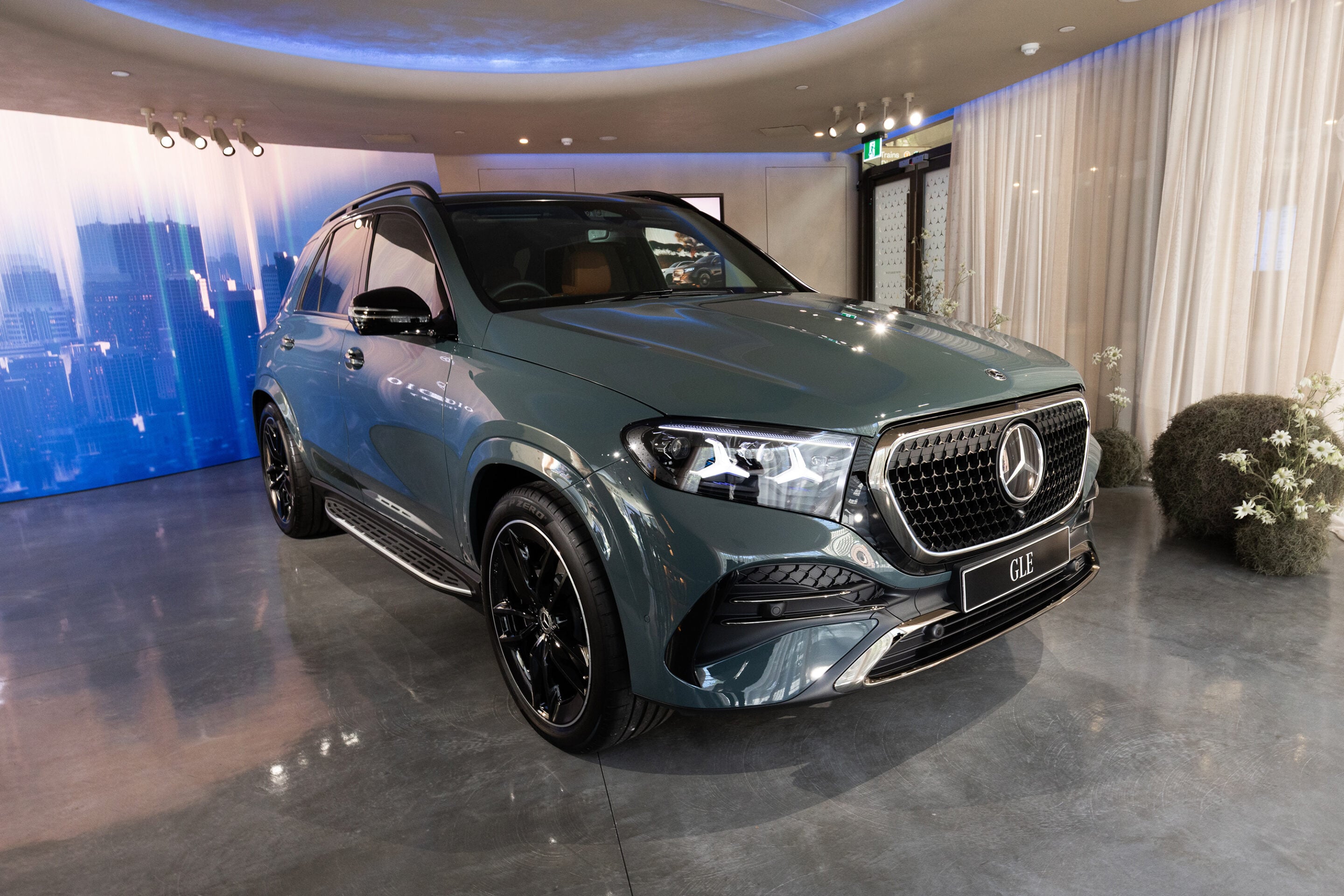
The state-of-the-art Studio, located at 39 Martin Place in the heart of Sydney’s financial district, hasn’t been designed as a traditional car dealership, although it will feature a rotating line-up of new Mercedes-Benz models. Guests at the official opening of the Studio this week were given a first look at the all-new GLE 350d, the new diesel-powered $142,300 entry into the range, set to hit dealerships later this year.
Mercedes-Benz Australia’s CEO and managing director Homero Becerra said at the official opening that Sydney was the obvious choice for the new concept store, calling it a global city immediately recognisable around the world.
“Sydney is a very international city,” he said, adding, “It’s a place where there’s business, there’s art, there’s passion, there’s creativity.”
The Studio, which is open to the public, will focus on events and exhibitions covering a broad spectrum including innovation, design, culture and sport in a relaxed environment.
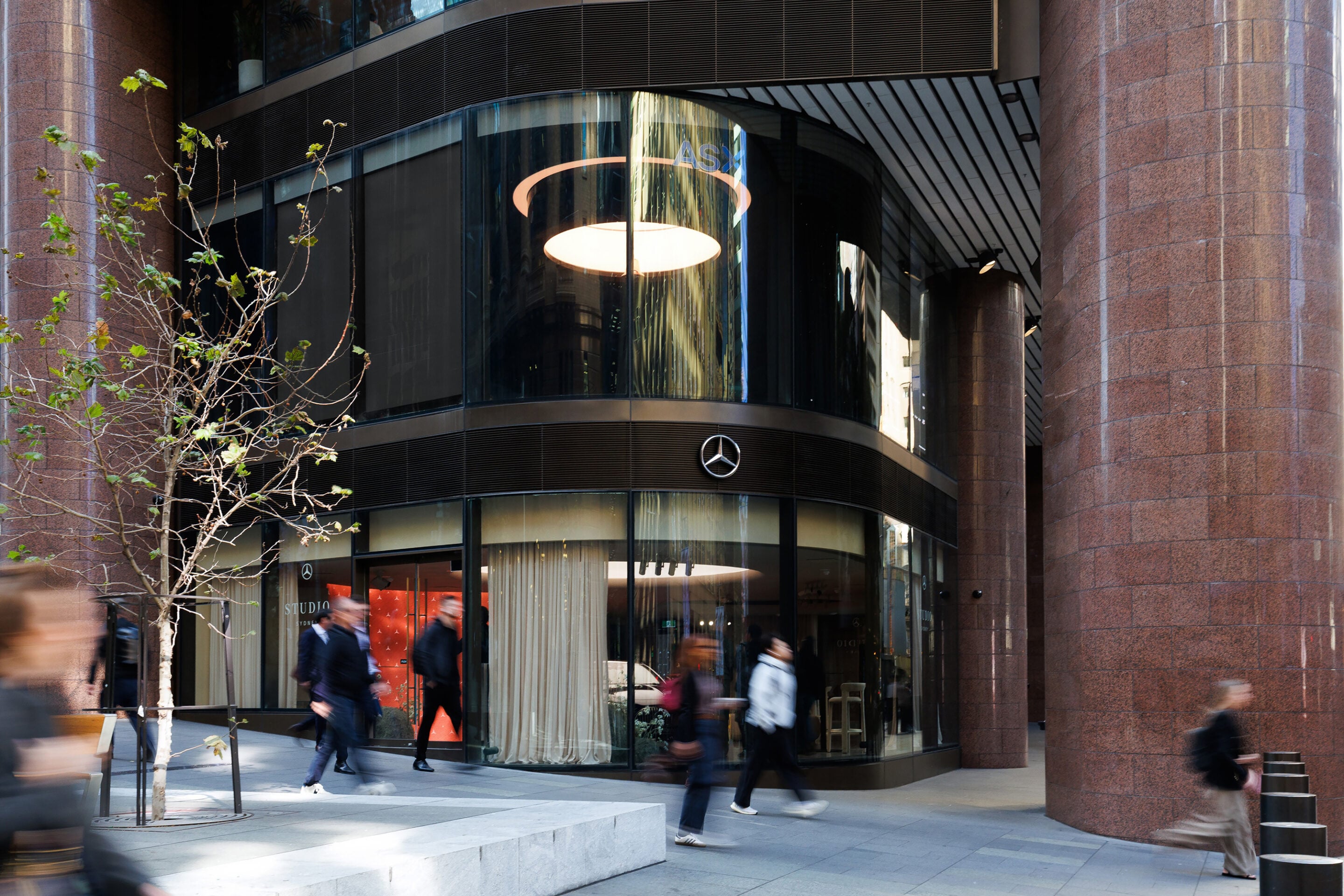
The Studio forms part of Mercedes-Benz’s global strategy to bring “our newest and most exciting cars right into the heart of the city so customers can experience them up close, in a relaxed and inspiring setting,” according Christina Schenck, Vice President Digital & Communications and Investor Relations at Mercedes-Benz. “It’s about creating places people enjoy spending time in; discovering our products, connecting with the brand, and feeling at home with Mercedes-Benz.”
Sydney joins an expanding number of Studios located across North America, Europe and Asia that have been designed to a offer a welcoming experience and connect people with the Mercedes-Benz brand and its products “in a more accessible way”.
McLaren has confirmed it will launch its first SUV by 2030, with the high-performance hybrid officially announced more than four years after it was first rumoured – and the marque is promising that its first crack at the huge market segment will remain true to its philosophy of razor-sharp, lightweight vehicles.
The new model will be part of a major expansion of McLaren’s road-car operations, backed by an investment worth approximately $943 billion. The program will also include new supercars, in-house engine production, expanded carbon-fibre manufacturing and a second assembly plant in the UK.
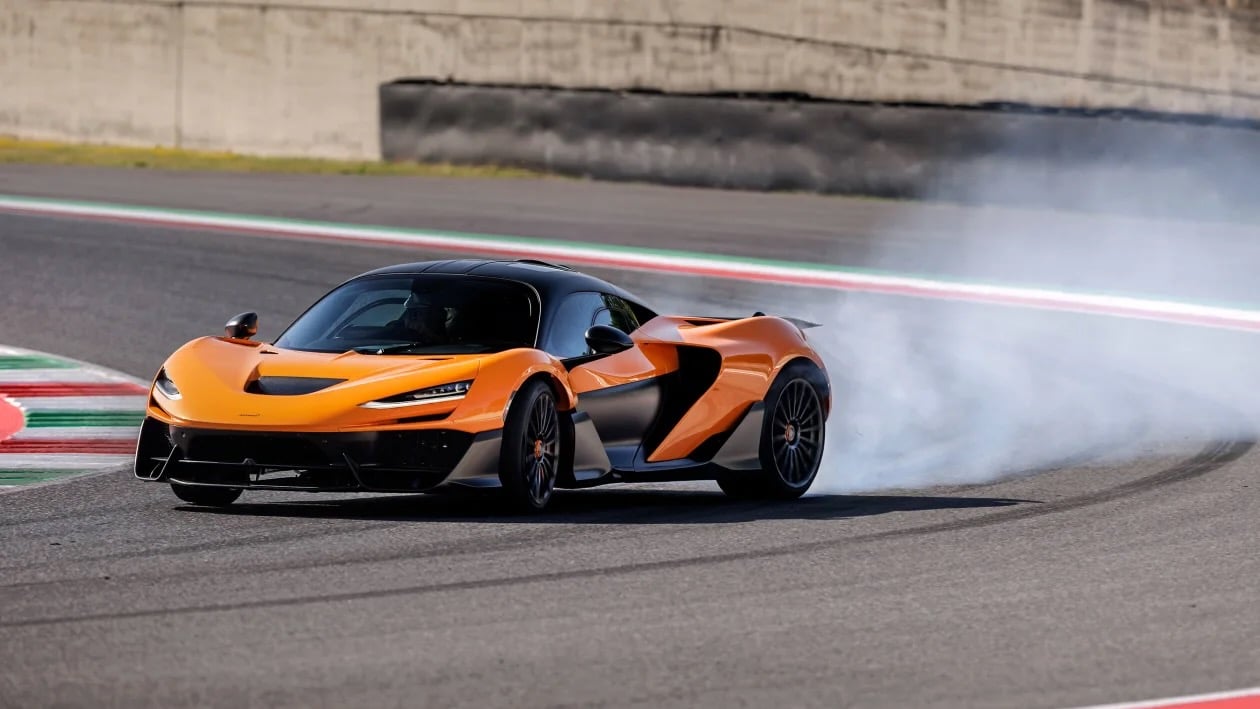
Unlike previous McLarens, the SUV will feature two conventional rows of seats and four doors. It will target high-performance luxury rivals including the Lamborghini Urus and Aston Martin DBX rather than following the more unconventional approach taken by the Ferrari Purosangue.
McLaren chief operating officer Michael Straughan said the vehicle absolutely must remain unmistakably a McLaren, with particular attention being paid to creating a rear passenger compartment suitable for an extremely high-performance vehicle.
New chief design officer Kemal Curic is overseeing the clean-sheet design, while McLaren has ruled out sharing the SUV’s architecture with another manufacturer. Instead, the newcomer will sit on a bespoke McLaren platform, despite the company previously exploring potential partnerships with other carmakers.
Carbon-fibre construction is being investigated. McLaren has extensive experience with the lightweight material and plans to expand its composites facility in South Yorkshire, but using carbon fibre for a large SUV presents challenges involving manufacturing costs and repairs. If those hurdles cannot be overcome, McLaren could instead use aluminium for the vehicle’s structure.
The SUV will use a hybrid powertrain and all-wheel drive, although detailed specs have yet to be announced. McLaren is developing two new engines and transmissions to eventually replace its existing twin-turbo V8 and hybrid V6 powertrains.
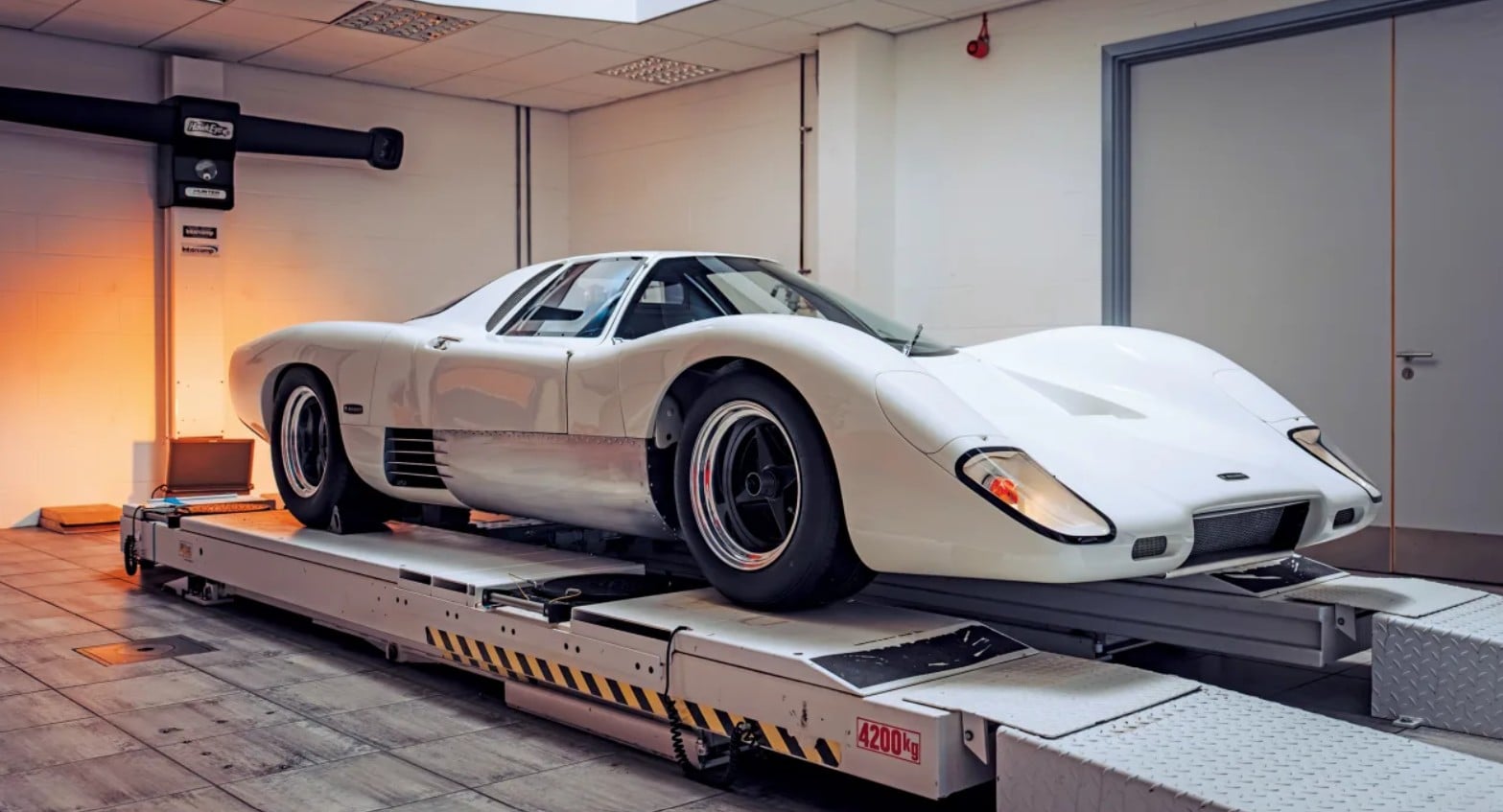
Performance will need to place the SUV in the same territory as its rivals. The Lamborghini Urus SE produces 588kW, while the Aston Martin DBX S cranks out 542kW, with both capable of reaching 100km/h in less than four seconds. McLaren says power-to-weight ratio will remain a crucial consideration despite the additional size and mass that comes with an SUV.
An electric version isn’t part of the initial plan. McLaren has repeatedly said it intends to retain multiple powertrain options rather than become an EV-only manufacturer, although the new architecture could accommodate electric propulsion downt the track.
Production will remain in Britain. McLaren’s existing Woking factory may handle early examples, but the company is searching for a second UK manufacturing site capable of supporting the additional volumes once SUV production reaches full capacity.
New research from the US has provided fresh insight into how electric vehicle battery fires should be tackled, finding that contrary to widespread perceptions about EV blazes, they are not significantly more intense, large or hard to put out than fires in internal combustion cars.
The Fire Safety Research Institute (FSRI), part of leading American independent safety science organisation UL Research Institutes, has released findings from a research program examining EV fires and the effectiveness of different firefighting techniques. During the study, the FSRI conducted tests using six electric vehicles and three internal-combustion cars, with the EV batteries fully charged before the fires were started.
Researchers measured factors including fire growth, heat release, burn duration and the contaminants firefighters could be exposed to, with each vehicle burning out within approximately 90 minutes. The fires were found to be similar in growth rate, peak size and duration, regardless of whether they were from an EV or an ICE car.
Because of that, researchers recommend that firefighters continue using water as their first-choice suppression method with no specialised equipment or additional suppression agents necessary for the initial response. However, researchers found that the vehicles’ construction can make it difficult for water to reach the battery cells undergoing thermal runaway.
The research from FSRI has also raised questions about the use of specialised EV fire blankets. Testing identified a potential explosion hazard when blankets are used on vehicles experiencing an active battery fire, particularly indoors or within confined spaces.
Researchers also detected elevated levels of substances including nickel, manganese, cobalt and copper, which led them to advise firefighters to approach EV fires from upwind, maintain distance where possible and wear full protective equipment and breathing apparatus.
Extinguishing the visible flames doesn’t necessarily mean the danger is over. FSRI recommends treating an EV battery as a continuing re-ignition risk unless it has clearly burned out. A minimum five-metre quarantine distance is recommended once the vehicle reaches a tow yard.
“Lithium-ion battery-powered devices and EVs are already changing how we move, communicate, and enjoy our leisure time,” said Adam Barowy, principal research engineer for the Fire Safety Research Institute.
“This research moves us closer to understanding how batteries change the fire environment and helps equip first responders to adequately address fires involving this new source of fuel. Our findings demonstrate that when it comes to EVs, first responders can effectively manage the hazard with familiar tools and tactics.”
Ram Trucks Australia has revealed the Hemi V8 engine is set to return to its line-up in a new 2500 Warlock model, with deliveries beginning from next month. Pricing starts at $157,950 plus on-road costs for the new model, which features off-road equipment such as Bilstein shocks, 20-inch wheels with all-terrain tyres and black-themed off-road styling.
The last Hemi V8 Ram – a 5.7-litre 1500 – was locally remanufactured in December 2024 before the ‘Hurricane’ twin-turbocharged 3.0-litre inline-six engine was made standard in 1500 variants, with the Cummins 6.7-litre diesel continuing for 2500 and 3500 variants.
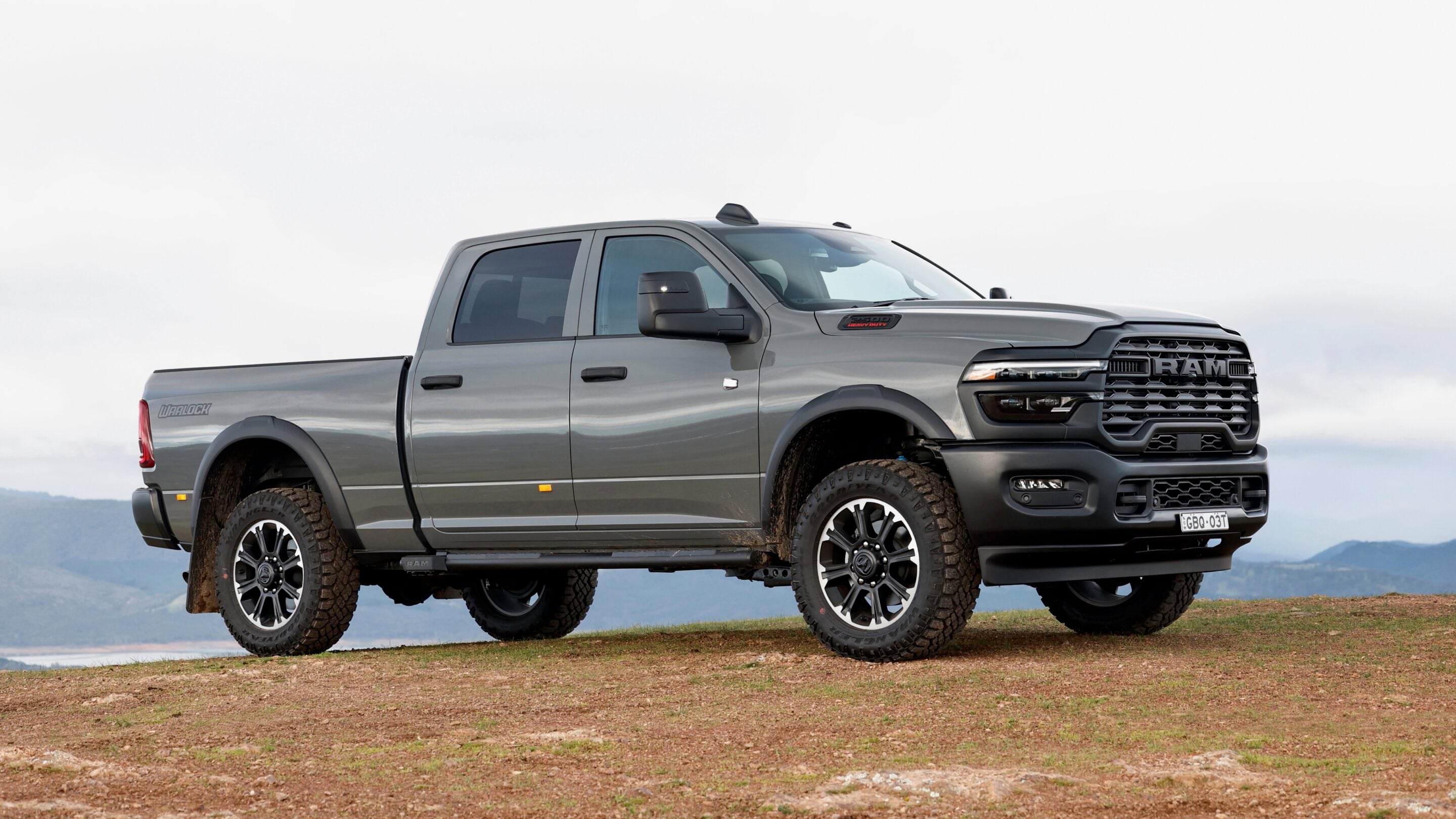
The Hemi V8 engine in the 2500 Warlock is a larger 6.4-litre unit, this time making 306kW of power and 582Nm of torque. It’s mated to an eight-speed automatic transmission and a part-time four-wheel drive system with 2WD high, 4WD high and 4WD low modes.
With the Hemi V8, the Warlock offers buyers a 10,001kg gross combination mass (GCM), which is 2750kg less than the 2500 equipped with the Cummins diesel engine. Still, its braked towing capacity (with a genuine ‘goose neck’ accessory and air brakes) increases to 6700kg, or up to 4500kg with a 70mm tow ball. Its total payload is 1275kg, and for off-road capability, its approach, departure and rampover angles are 22.9, 25.8 and 22 degrees respectively.
In addition to the Hemi, the Warlock adds a number of off-road-themed features to the Ram 2500 range, including black styling for the front fascia, fender flares, side steps and mirror scalps, as well as Warlock decals, 20-inch alloy wheels (up from 18 inches in the Laramie) with all-terrain tyres and Bilstein off-road shock absorbers.
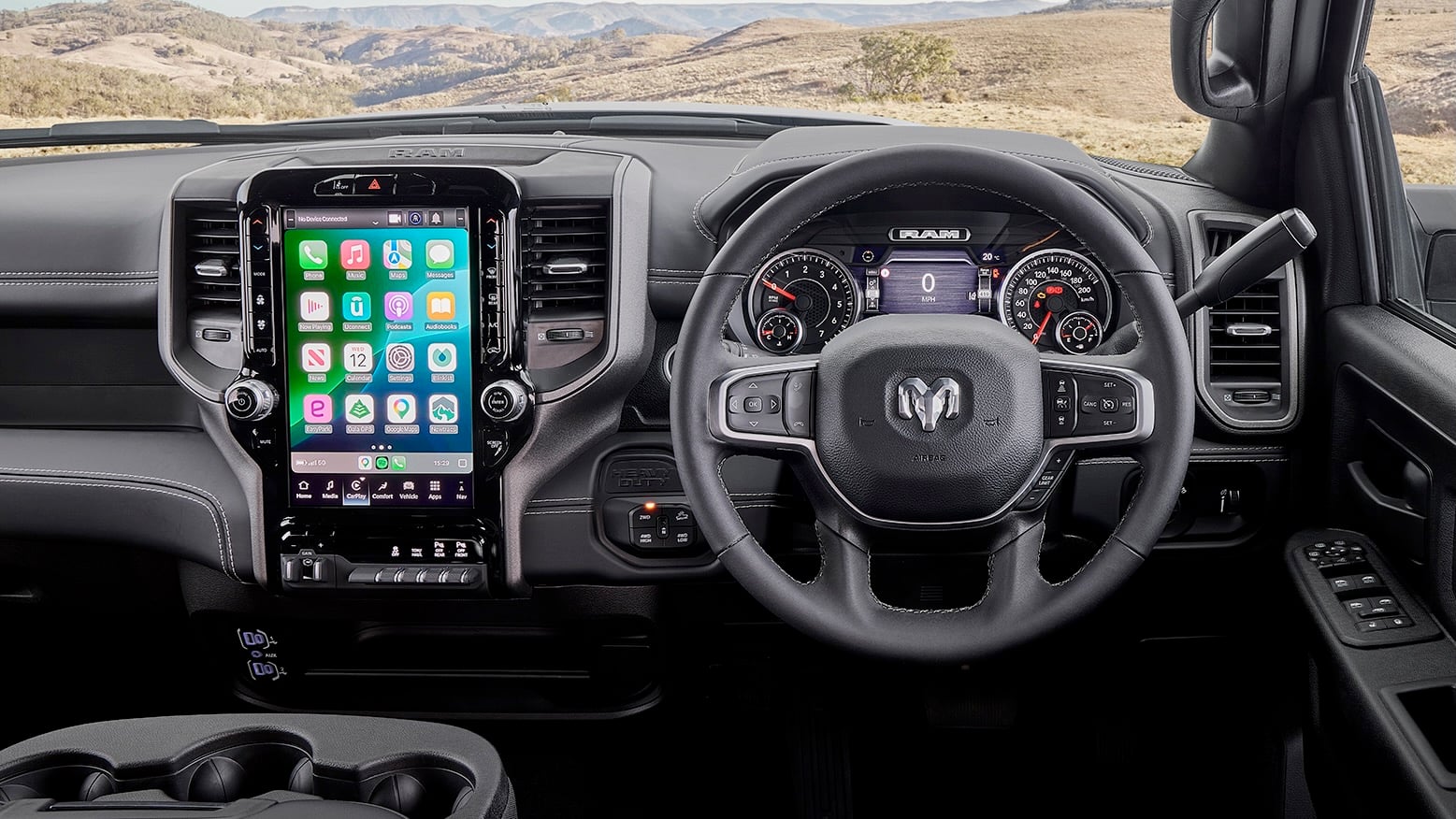
That’s on top of its other standard features, including automatic LED headlights, a six-seat layout, cloth seat upholstery, a leather-wrapped steering wheel, 12-inch touchscreen, Apple CarPlay and Android Auto, autonomous emergency braking with pedestrian and cyclist detection, adaptive cruise control, speed sign recognition, blind-spot monitoring with rear cross-traffic alert, lane keeping assistance, driver fatigue monitoring, front and rear parking sensors and a reversing camera.
“Australian customers told us loud and clear they wanted the Hemi V8 to come back, and the Warlock was our first opportunity to do so,” said Ram Trucks Australia general manager Jeff Barber.
“We had also been exploring the option of an off-road inspired Ram 2500 Heavy Duty model for some time, so the Warlock was the perfect opportunity to bring the Hemi V8 back and deliver customers a broader choice.
The first units of the Ram 2500 Warlock rolled off the production line in Melbourne earlier this month and will make their way to dealers from October.
The owners of some of Australia’s most iconic touring cars are campaigning for an exemption from laws governing tobacco advertising after cigarette signage on vehicles resulted in Foxtel’s Kayo streaming service dropping a race from its coverage recently.
A Touring Car Masters Trophy Race was axed by Kayo on August 29, with the broadcaster telling viewers the move was made for legal reasons. Driver David Hender took to Facebook to explain that the presence of two “cigarette advertising cars” – one of which was his – was behind Kayo’s move.
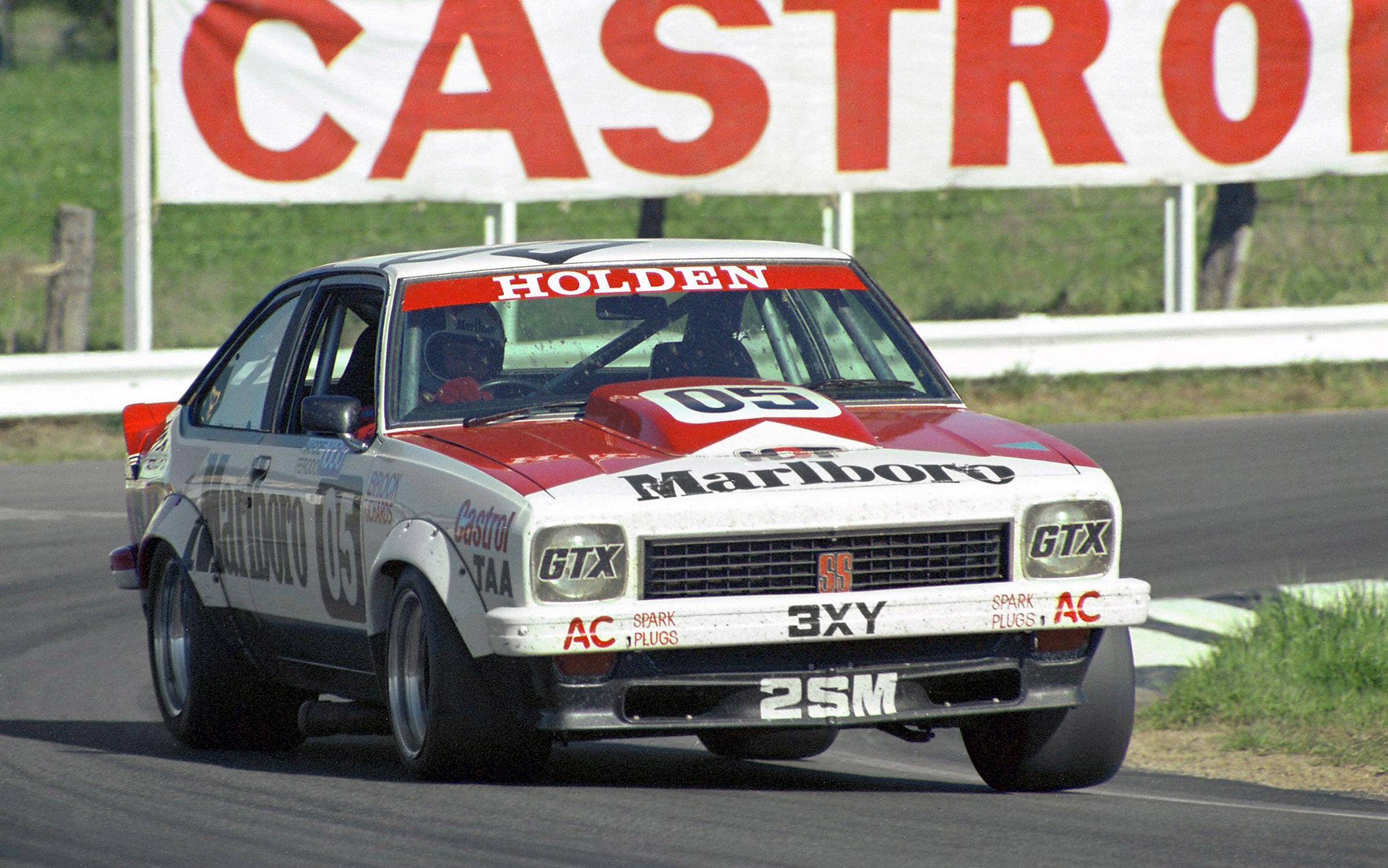
All tobacco and e-cigarette advertising is currently banned in Australia under the Public Health (Tobacco and Other Products) Act of 2023. Cigarette sponsorship was subject to sweeping restrictions in legislation passed in 1992, but that act contained loopholes that let cars race with cigarette logos provided they met certain criteria.
Motorsport Australia responded to the race being dropped from TV by updating its rules on tobacco advertising on September 8, with a new section stating that all cars must comply with the 2023 Act. It also says “any Automobile livery that promotes or is likely to promote a regulated tobacco product must be removed or covered”.
The governing body had to make the change because the previous regulations were based on the 1992 Act, according to SpeedCafe. The site also reported that several competitors in the recent Heritage Touring Cars event at Sydney Motorsport Park were forced to cover up their tobacco sponsorship.
One of the drivers affected, David Towe, hit out after he had to cover the John Player Special signage on his BMW. “Motorsport Australia are now enforcing the ruling again and they’re taking it a step further,” he said.
“We’re not to be seen in public, not only on the track, but not in public with any cigarette sponsorship on our cars. That brings up an interesting point… Does that then extend to my jumper? It’s got the JPS logo on it … this looks kind of ridiculous.”
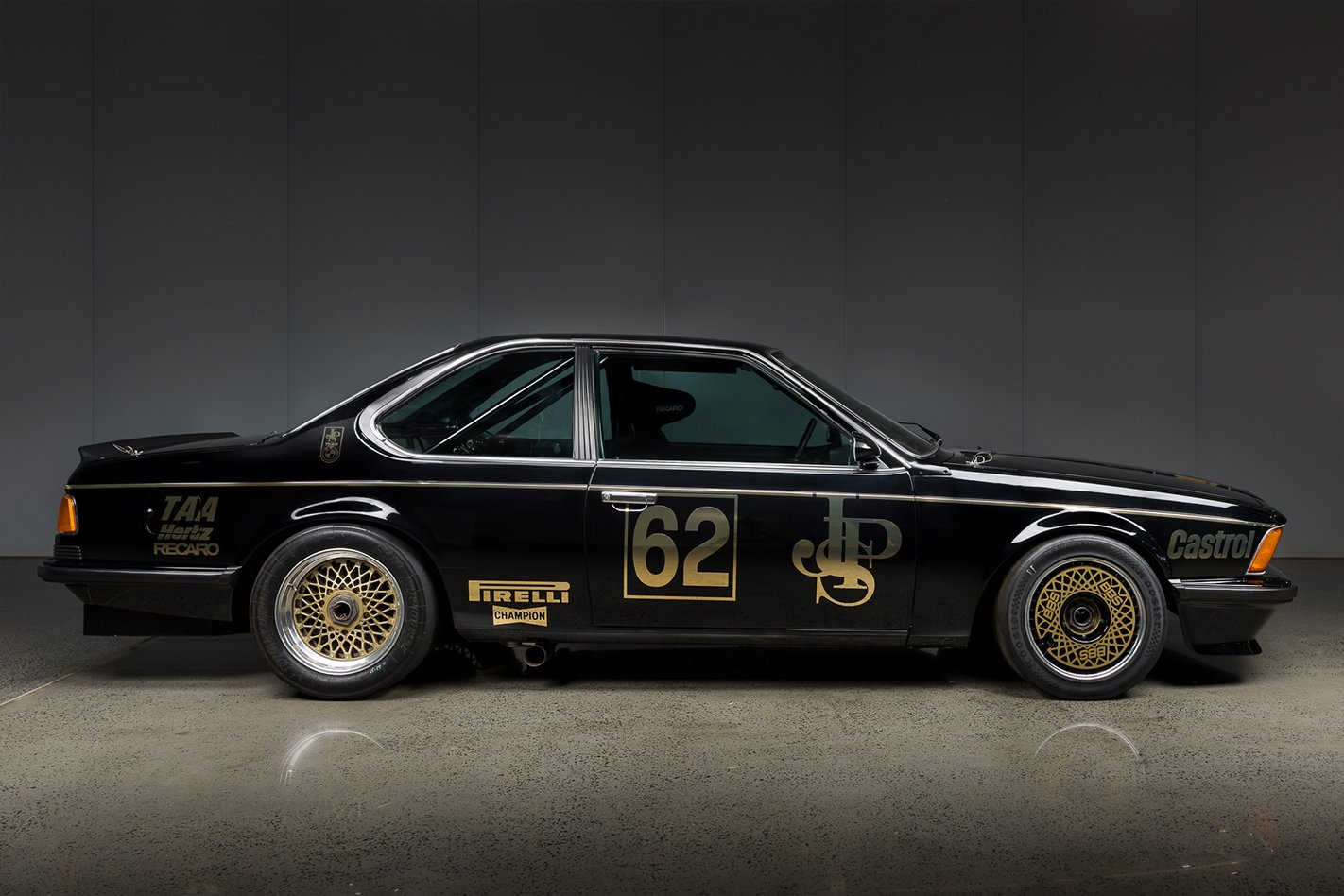
Towe has also started a petition at change.org as he campaigns for historic racing cars to be made exempt from the ban. It has received almost 7000 signatures.
Heritage Touring Cars (HTC) organisers are also after a dispensation from Motorsport Australia. Former HTC boss and current advisor Terry Lawlor told SpeedCafe, “Motorsport Australia are not the villains here, it’s really the broadcasters … You can’t just erase history. Everywhere around the world, they don’t have these crazy rules that you’ve gotta cover up any of the original livery.
“I understand if it’s a new build or a replica, but when they’re the original cars I just don’t see how you can erase history like that.”
