Features

Gallery 1
The Subaru WRX has been a Wheels hero since its Australian introduction in 1994.
With Subaru Australia recently celebrating 70,000 local sales of the WRX and WRX STI and the Performance-B Concept suggesting the brand’s flagship performance icon is set for a return, now seems a good time to count down the Top 10 WRX and WRX variants.
We’re approaching this list thus: imagine you’re starting a dedicated collection; what are the 10 examples you absolutely must have?
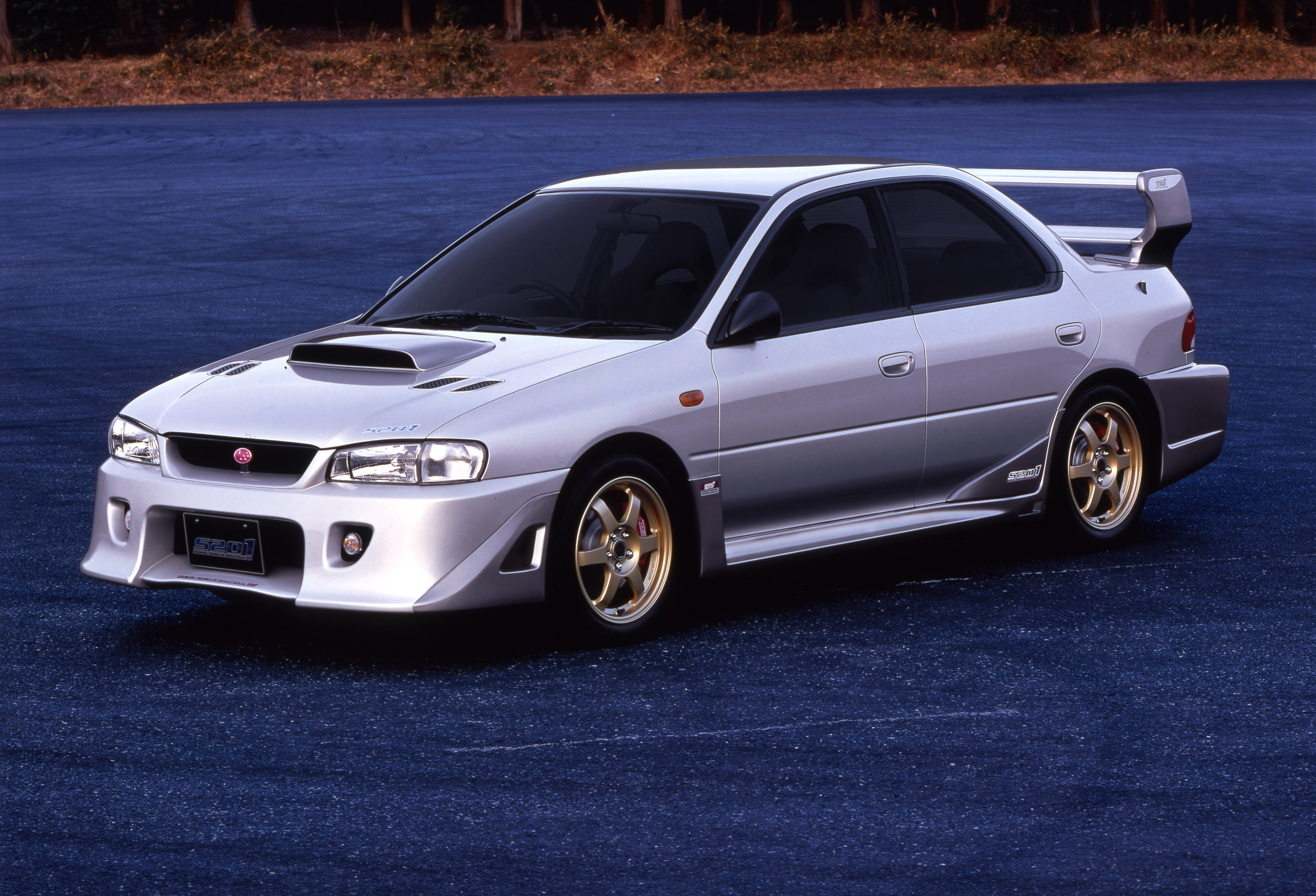
10. 2000 Impreza S201 STI version
1
In terms of specification and rarity, the S201 deserves a higher ranking on this list but, well, it isn’t a looker, is it? The first of STI’s ‘Complete Car’ S models (more of which later), just 300 of these wild-looking sedans were built, with their bulging aero bumpers front and rear, aero mirrors, rear door spats and double-decker rear spoiler.
Outputs increased to 221kW/353Nm and a front LSD was added along with height-adjustable suspension, pillow-ball links and forged aluminium wheels.
9. 1997 Impreza WRX STI Version IV Wagon
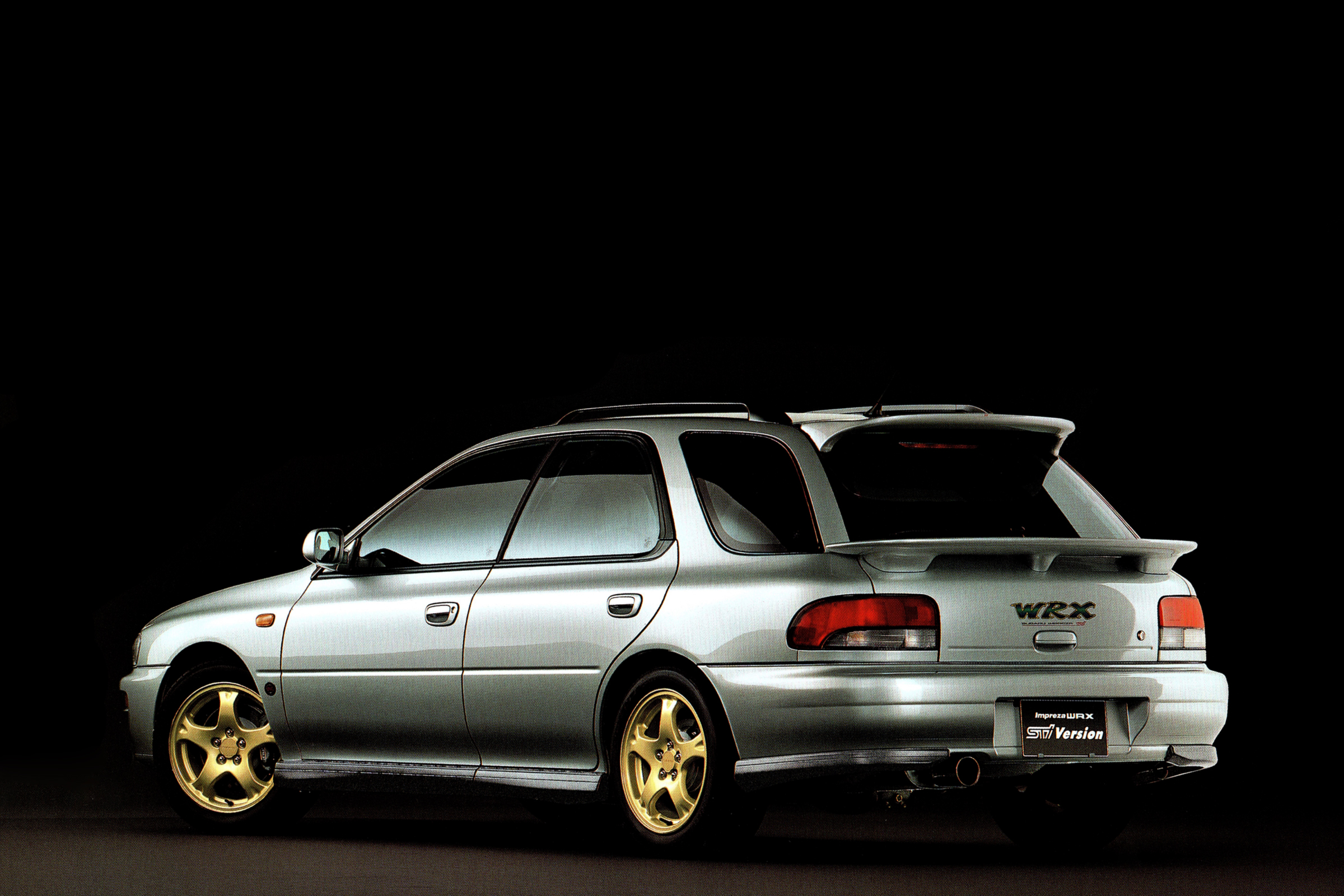
1
Though they were never sold here, Japanese buyers could choose from a five-door wagon version of the WRX STI. They weren’t the purist’s choice, being slightly heavier, not as rigid and with a narrower front track, but having rally-spec mechanicals in a family-friendly bodyshell makes up the difference in cool factor.
8. Impreza Turbo RB5
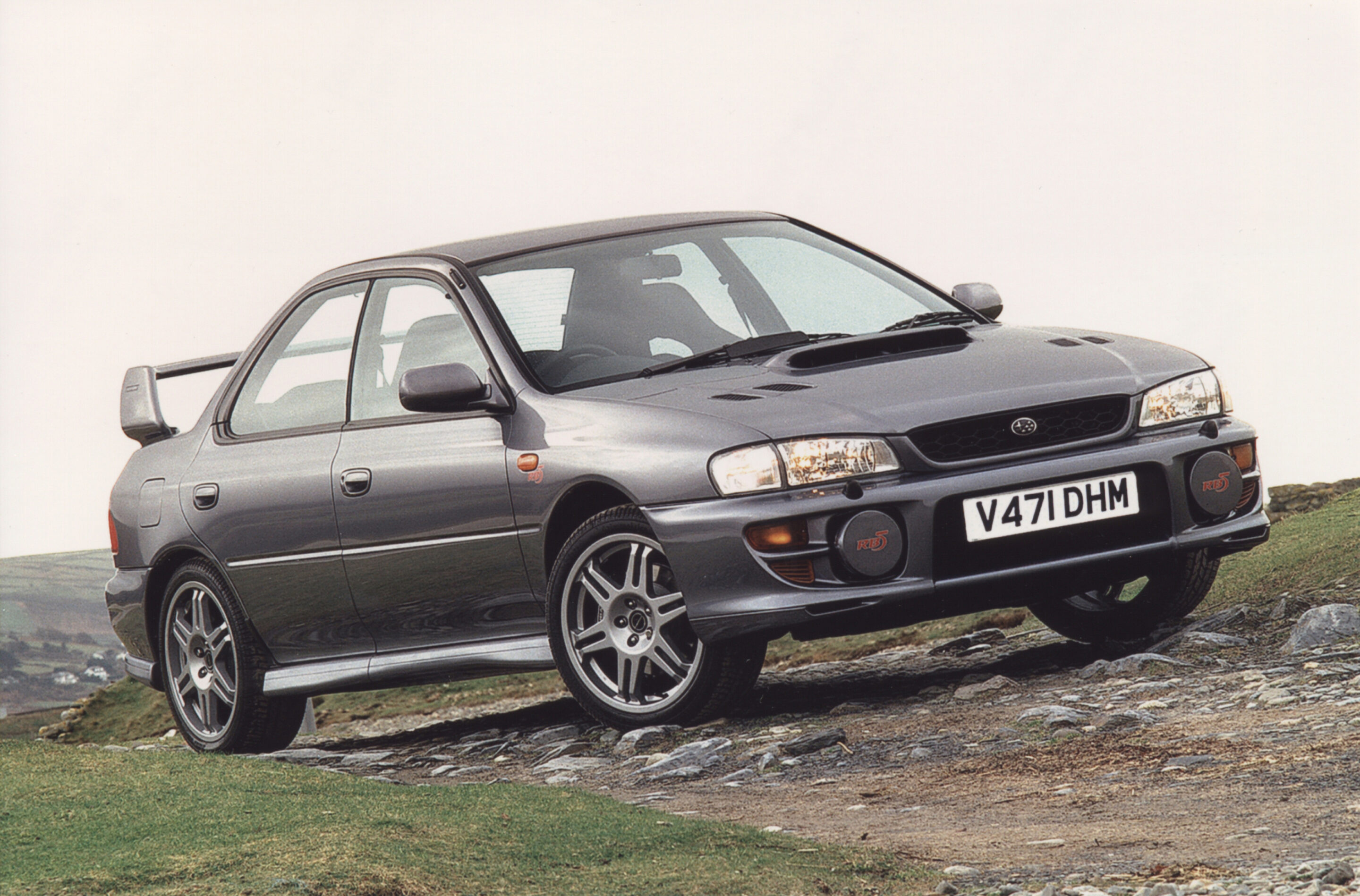
1
The Brits didn’t even call it a WRX, preferring ‘Impreza Turbo’ instead. The RB5 is viewed as one of the finest driving examples of the first-generation WRX…sorry, Impreza Turbo, thanks to some fettling by Prodrive, the folks who ran Subaru’s World Rally Championship program.
RB stood for Richard Burns, 444 examples of this special edition built to celebrate his return to the Subaru fold in 1999. There was a standard version with slightly wider rubber and a short-shift gearbox, but ticking the options boxes really made it sing, including the ‘WR Sport’ pack – which lifted outputs from 163kW/290Nm to 177kW/350Nm – and the Prodrive suspension package.
7. 2006 Impreza WRX STI
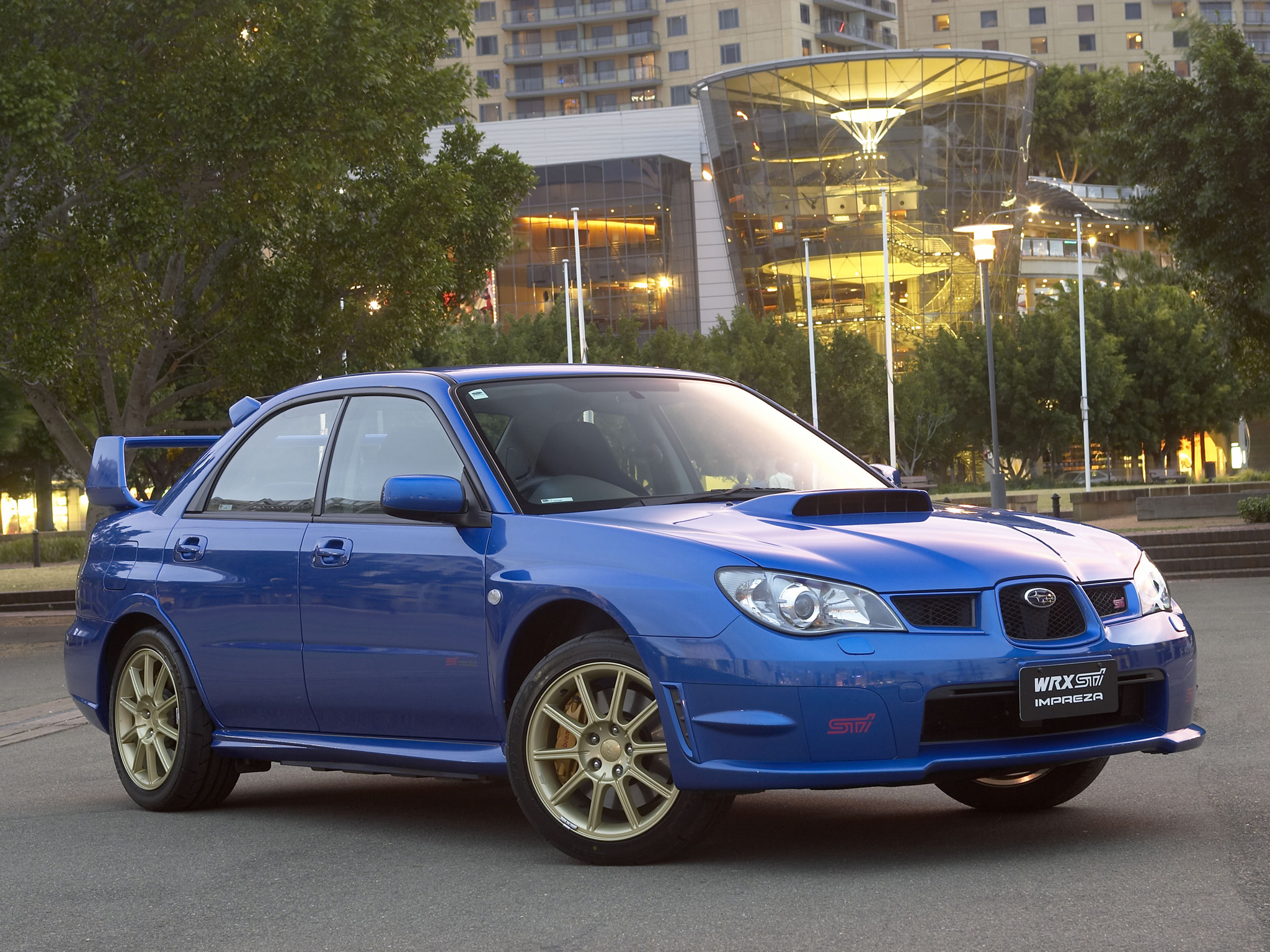
2
This is probably a good way to start an argument, but for our money the standard WRX STI peaked at the MY06 facelift. Subaru called it the GDB-F; enthusiasts dubbed it the ‘hawk eye’ if they were being kind or the ‘pig nose’ if they weren’t.
The larger 2.5-litre engine made it more flexible (if not faster against the clock) but the electronically controlled centre diff and semi-slick Bridgestone Potenza tyres made it more responsive, more adjustable and more potent.
6. 1992 Impreza WRX
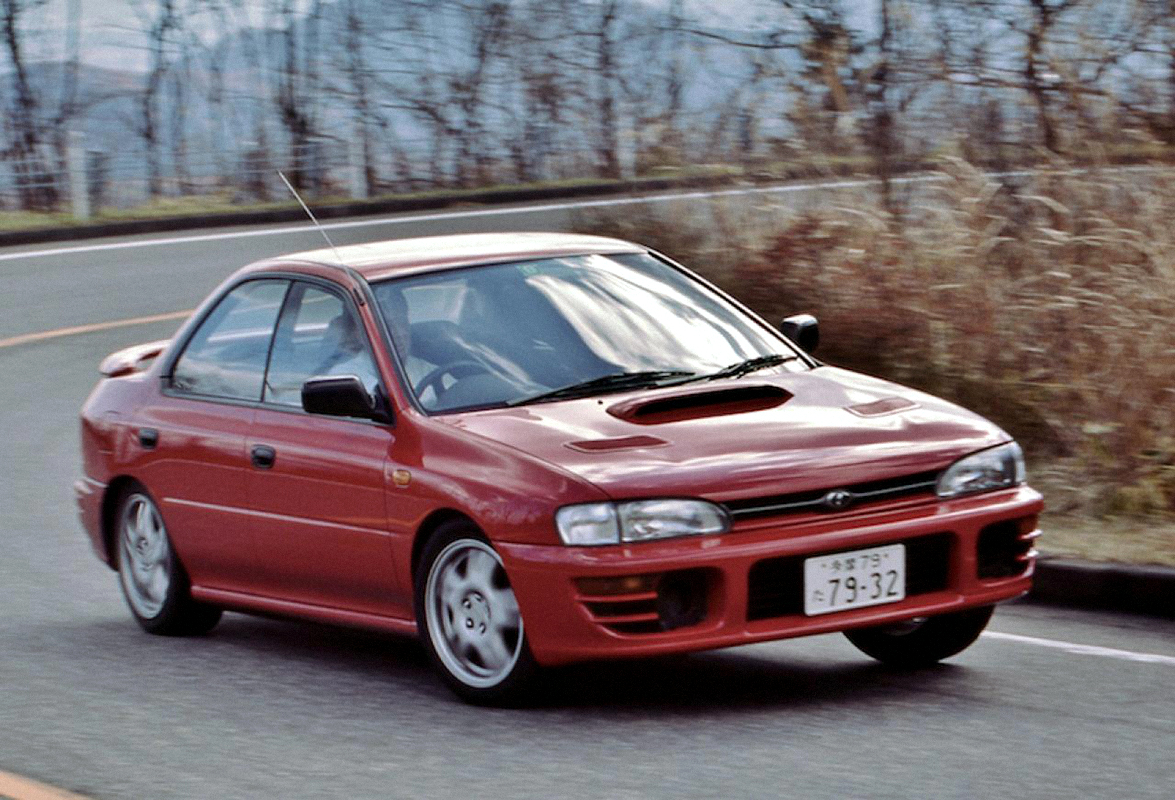
1
If you’re going to have a collection of the most important WRXs then you have to have an original. One of the first Australian-delivered cars from 1994 would be an option, but you might as well go right back to the start and score a 1992-build Japanese-spec example.
These had the wick turned up, producing 177kW/300Nm compared to the local car’s 155kW/270Nm, which is plenty when these early cars weighed just 1220kg! Viewed as a performance bargain in the day, it’s worth remembering that the original Aussie WRX’s $41,990 sticker is the equivalent of almost $100,000 today!
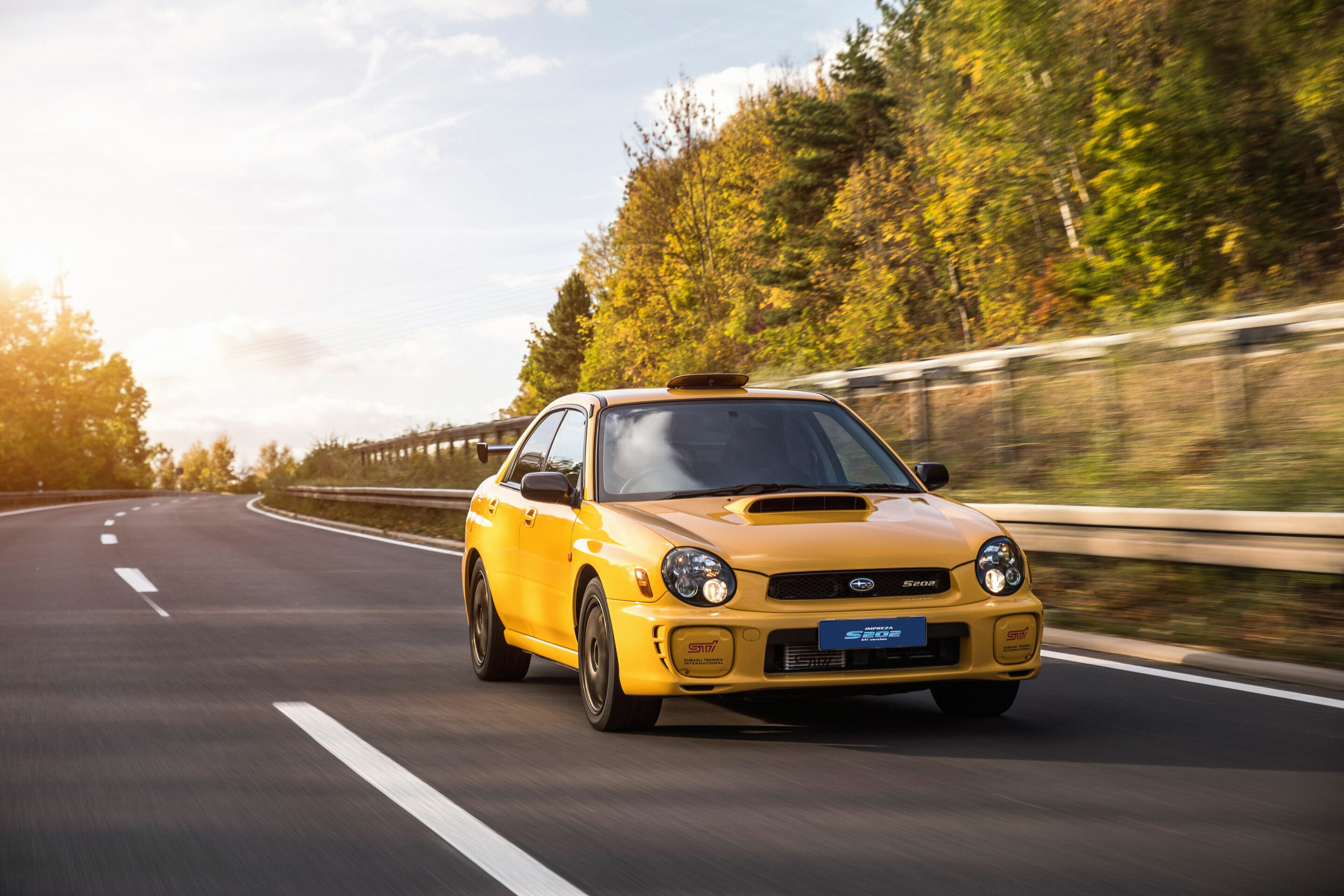
5. Impreza STI S202 version
1
The second S car was a serious weapon, dripping with motorsport cool. Based on the already focused Spec C Type RA homologation car, the S202 scored a revised intake, titanium muffler and new ECU to produce 235kW/384Nm in a 1330kg car.
Add to this pillow ball linkages in the suspension, forged aluminium wheels and slotted brake discs and it’s little wonder that it knocked off the Porsches to win the 2004 Targa Tasmania.
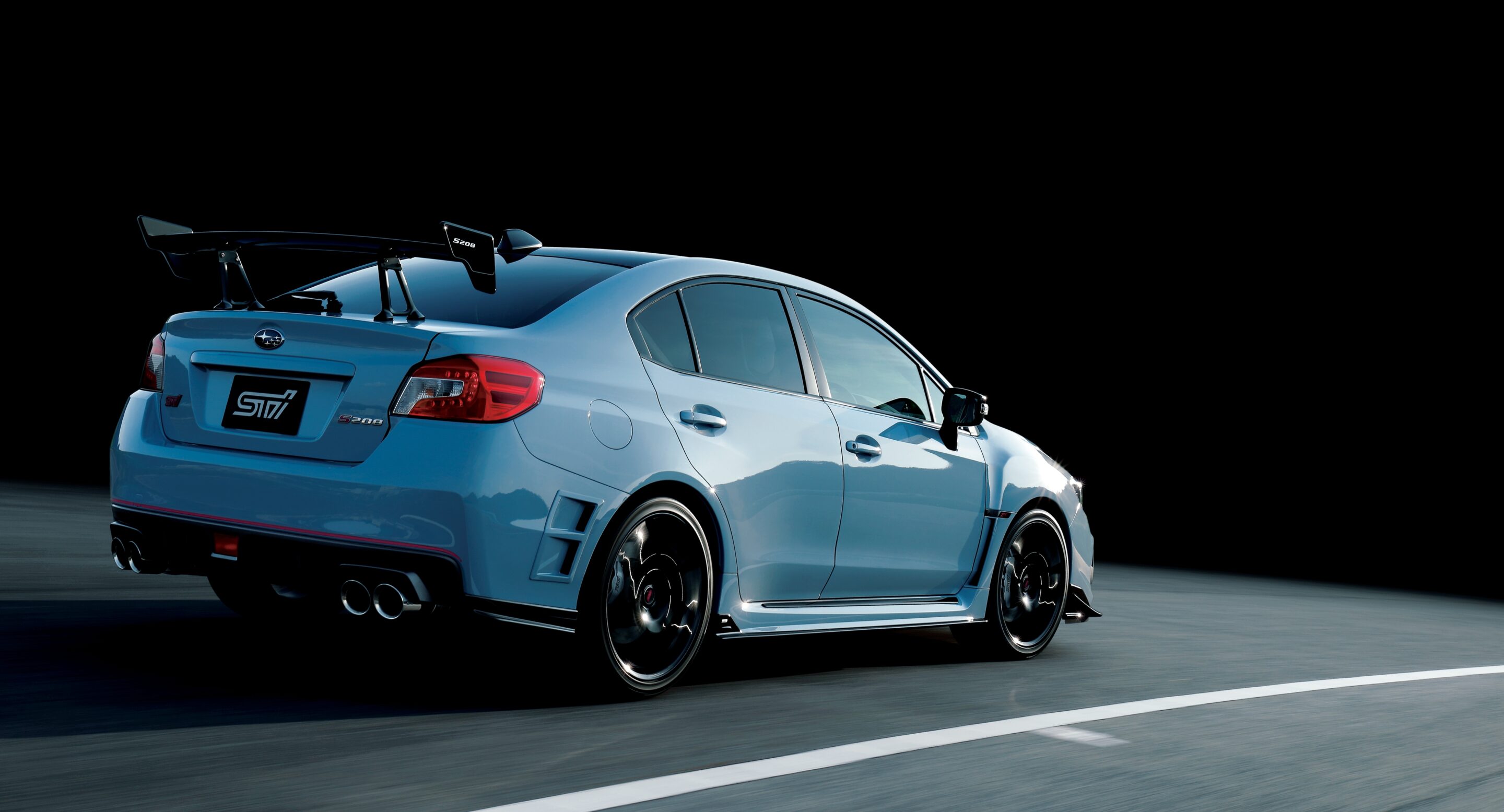
4. WRX STI S208 NBR Challenge
2
There aren’t too many later cars on this list; in fact, this is the only one. This doesn’t mean the base WRX and WRX STI aren’t still enjoyable performance machines, but they aren’t the icons the earlier versions are.
A succession of S variants peaked with the S208, which produces 242kW/432Nm, has quick-ratio steering, variable damping suspension, front and rear torque vectoring and BBS forged alloys wrapped in sticky tyres.
Choosing the NBR Challenge Package, celebrating the WRX STI’s success at the Nurburgring 24-Hour race, added a carbon roof and proper high flying rear spoiler.
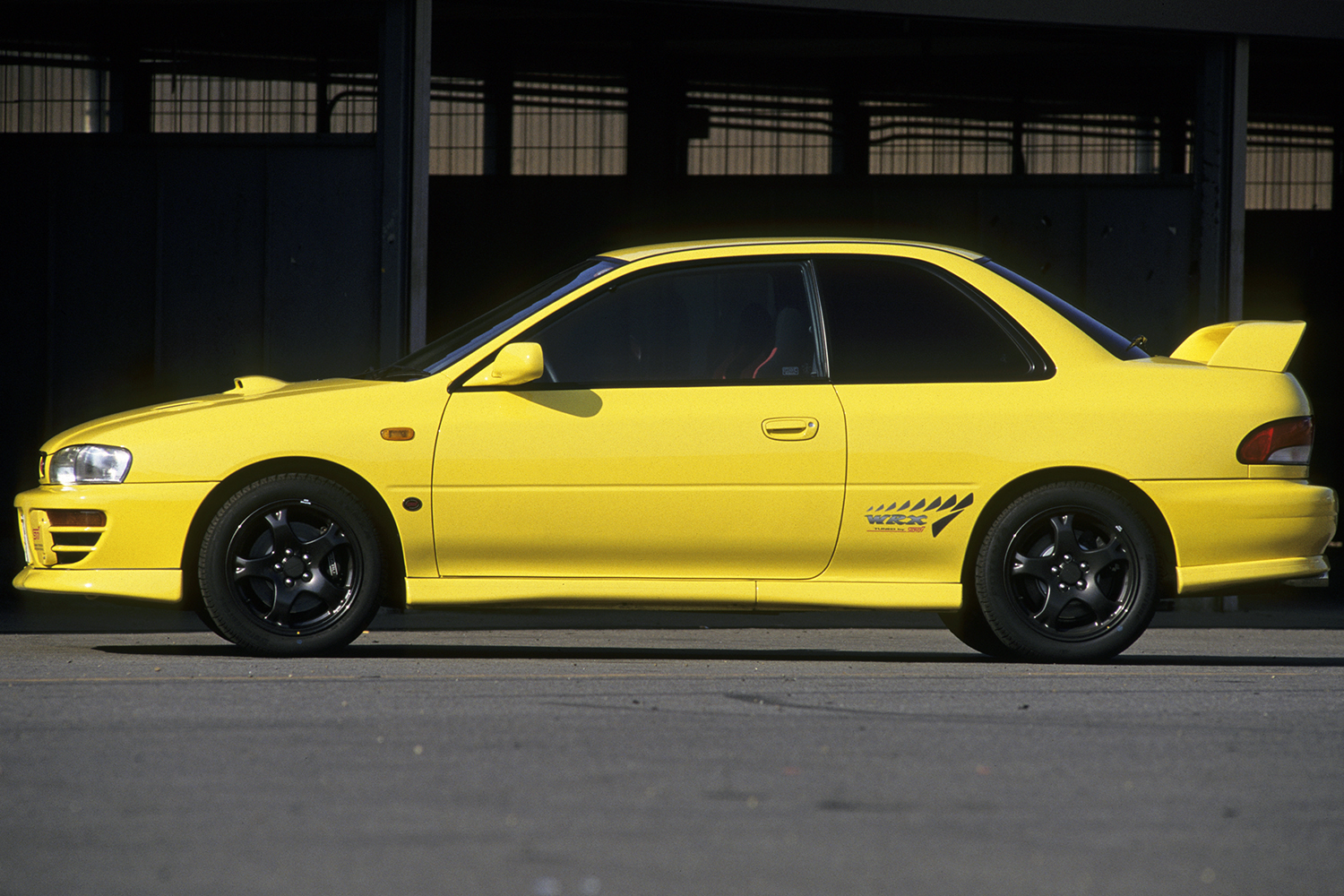
3. 1996 WRX STi Type R Version III
2
In 1996 a coupe version of the WRX STI was produced with a lighter, stiffer body shell stuffed with all the good bits. Close gear ratios, no ABS, intercooler water spray and, most importantly, the driver-controlled centre differential (DCCD), if it was a Porsche 911 it would’ve worn an RS badge.
This is the ultimate example of the early generations of WRX and if you really want a collector’s item, the pictured Chase Yellow is the one to, well, chase, as just 228 are reported to have been built.
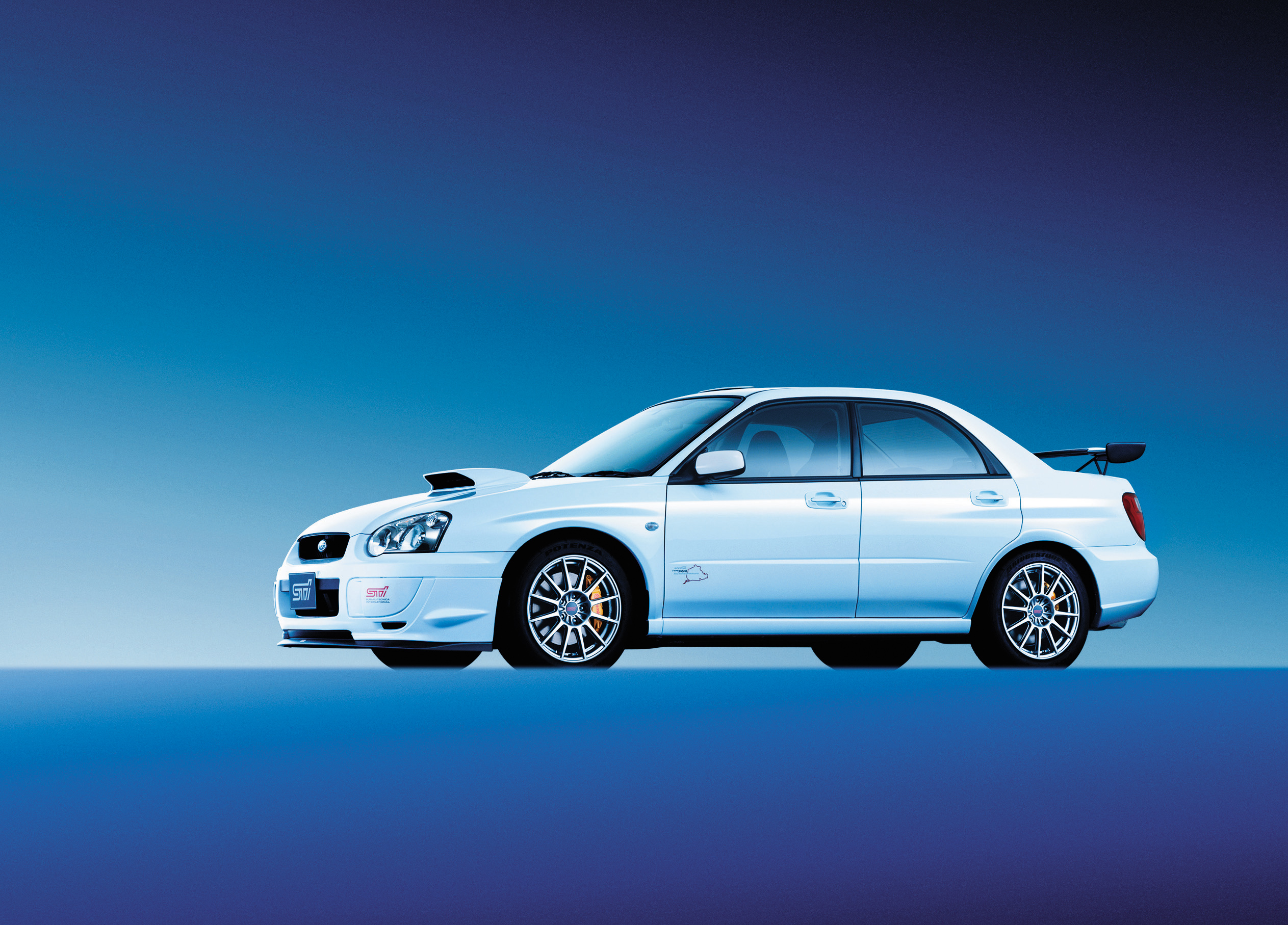
2. 2004 WRX STi Spec C Type RA
1
From its very inception Subaru was releasing homologation versions of the WRX in order to keep it competitive in rallying. Initially dubbed the Type RA, these were lighter thanks to reduced sound deadening, manual windows, no air-con or ABS and also had shorter gearing among other upgrades.
Each iteration introduced further improvements and there’s a case to be made that this is the ultimate driver’s WRX. Not as light and raw as early examples, perhaps, but incorporating all the knowledge Subaru had gleaned from the previous decade in terms of body stiffness and turbo technology and suspension geometry and more. It’s almost the greatest of the lot.
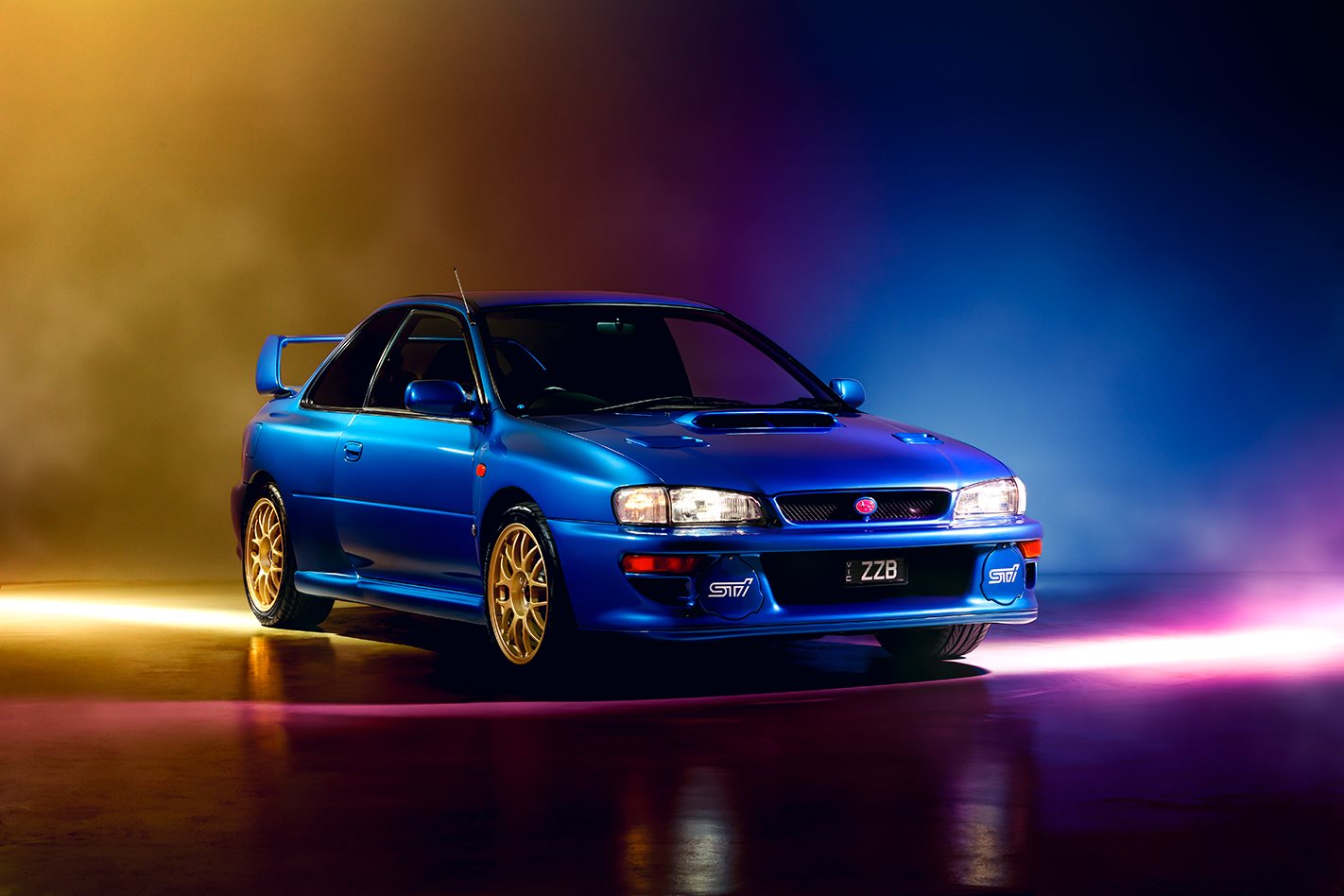
1. WRX STi 22B
2
It was never going to be anything else, was it? Contrary to popular belief, the 22B was not a homologation car, despite its swollen bodywork making it look like a road-going World Rally Car.
This article isn’t the place to go through the substantial changes Subaru made to the powertrain, chassis and bodywork, but no stone was left unturned in creating one of the most special Japanese production cars ever.
Having been lucky enough to drive one, the whole is at least equal to the sum of the parts, with the feeling that this is a WRX STI turned up to 12. Values were static for many years but are starting to climb exponentially as the generational shift in the collector car market takes place.
Follow WhichCar/Wheels on Google
Click the button below to make WhichCar by Wheels a preferred source for your news.

We recommend
-
 News
NewsSubaru WRX’s major milestone in Australia as iconic ‘Rex’ turns 30
The rally-bred hero celebrates three decades on Australian roads during which time it has established itself as a performance favourite...
-
 News
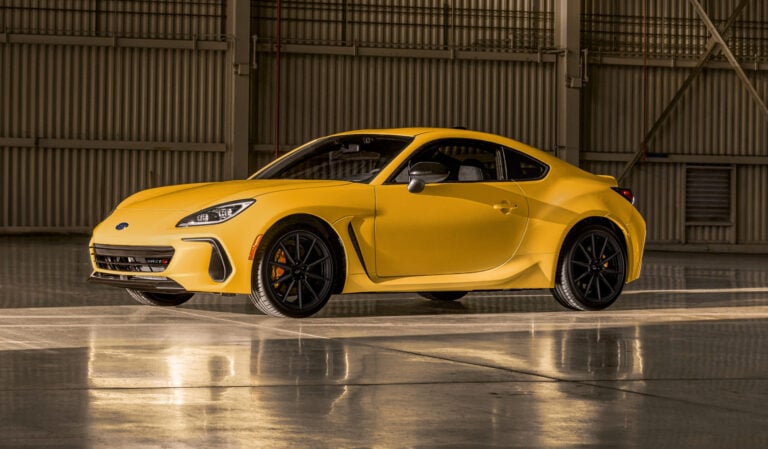
NewsSubaru unveils limited-edition WRX and BRZ Series
Bright Sunrise Yellow returns for 2026 as Subaru reveals exclusive WRX and BRZ variants, each capped at just 350 units worldwide with STI-tuned performance upgrades.
-
 News
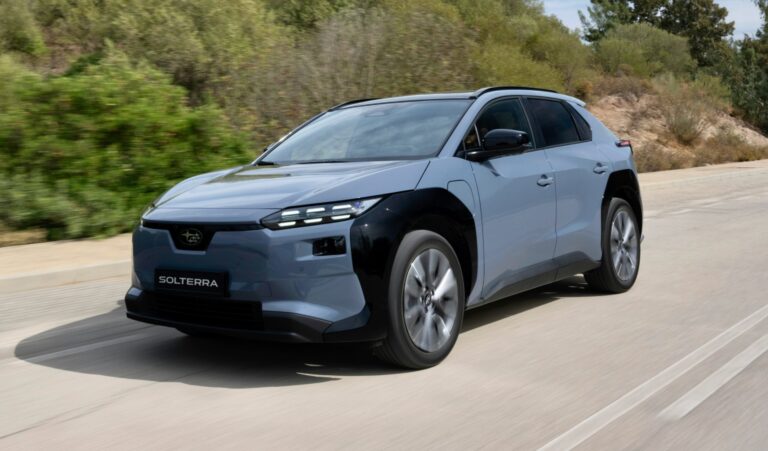
News2026 Subaru Solterra: Updated electric mid-size SUV lands in Australia with more power and range
Subaru's first electric vehicle has been updated for 2026 with updated styling, a larger battery and more power.