Features

Gallery 1
With fuel prices rising and global supply under pressure, many drivers are looking for practical ways to reduce their reliance on petrol and keep running costs under control. While small changes in driving habits can help, choosing a more efficient vehicle can make a far greater long-term difference.
For those considering a switch, the current market offers plenty of options – from hybrids to fully electric vehicles – each designed to deliver meaningful savings at the bowser while maintaining everyday usability. The right choice will depend on your lifestyle, driving patterns and budget, but the goal is the same: using less fuel and gaining greater efficiency.
With that in mind, here are some standout models available now that can help lower fuel consumption and ease the impact of rising costs.
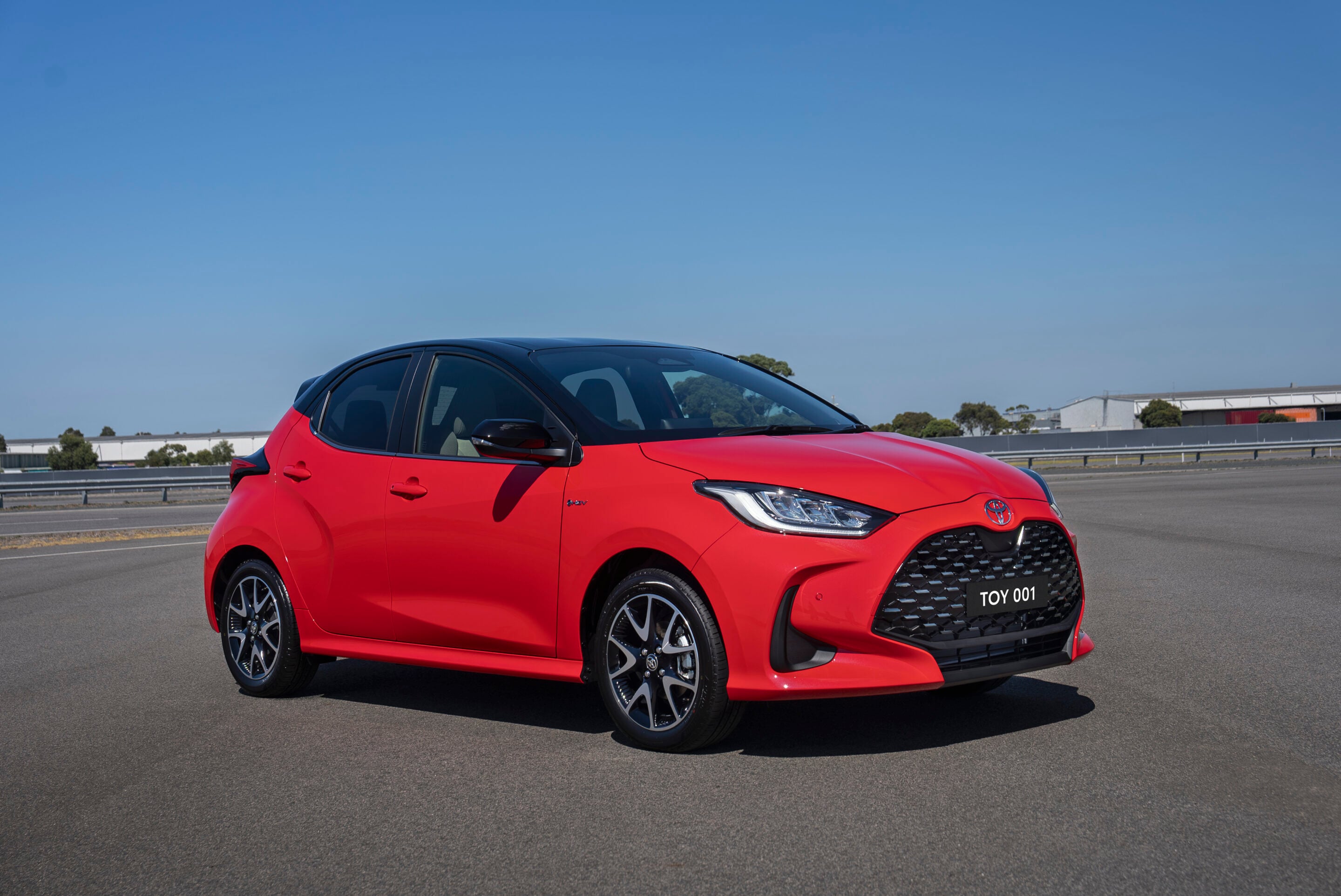
Toyota Yaris Hybrid: From $28,990 plus on-road costs
3
Drivetrain: 1.5-litre three-cylinder hybrid, 85kW, eCVT, front-wheel drive
Combined fuel economy: 3.3L/100km
The Toyota Yaris, which uses a 1.5-litre three-cylinder hybrid system making a peppy 85kW of power, is Australia’s most fuel efficient car without a plug, providing claimed combined fuel consumption of just 3.3L/100km. The Yaris is also good to drive, well equipped with safety features and reasonably practical as well.
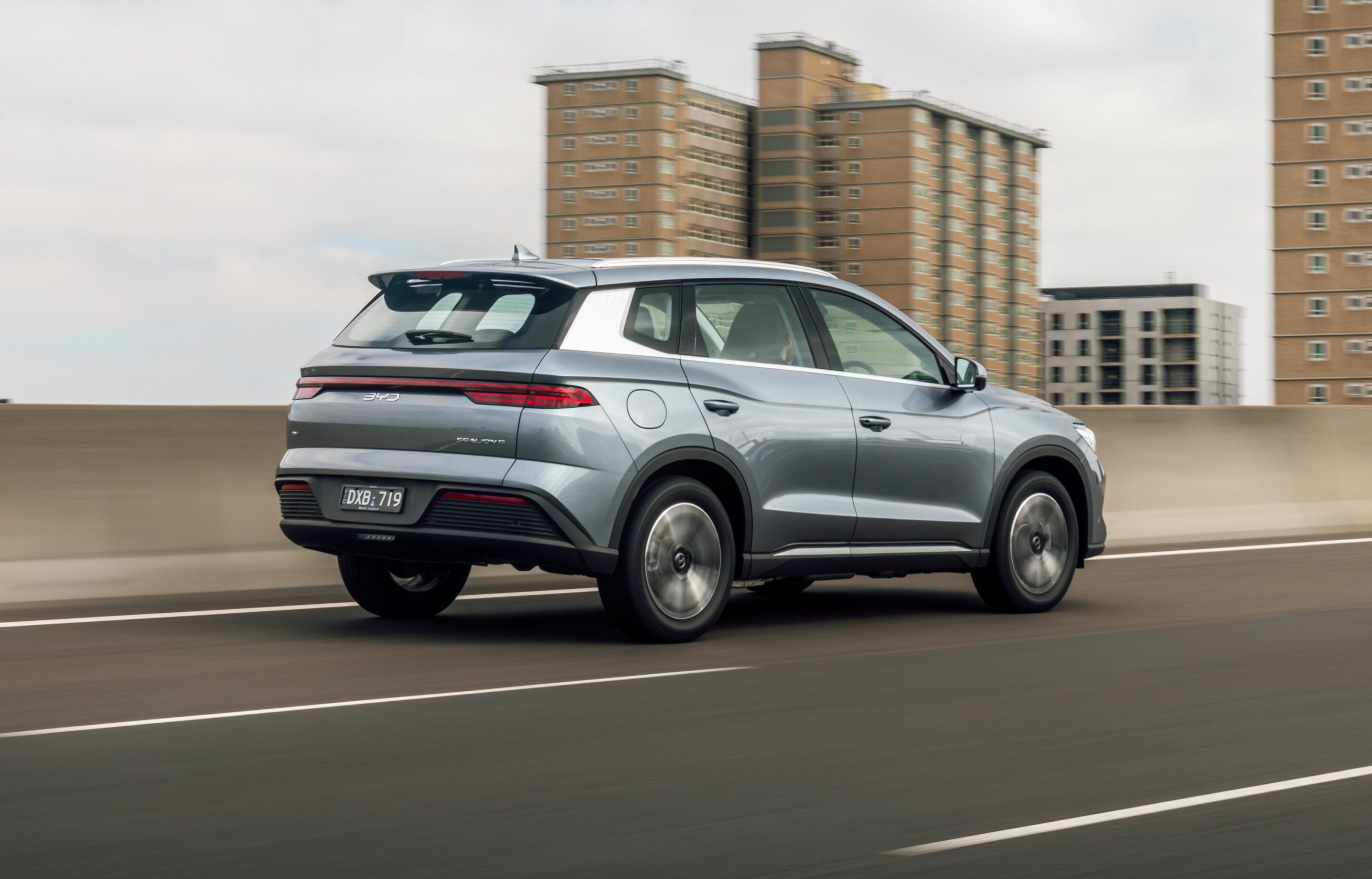
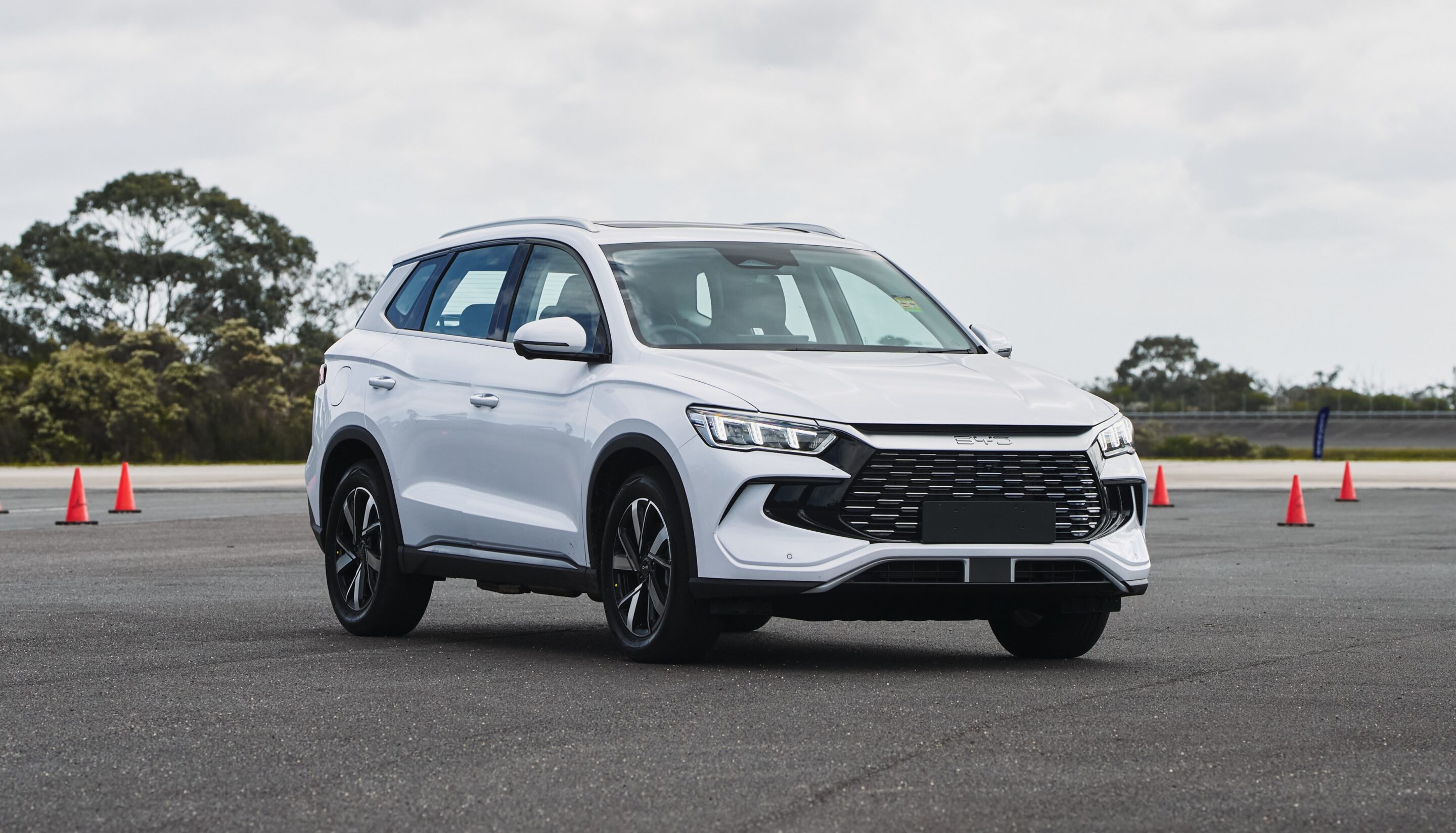
BYD Sealion 5: From $33,990 +ORC
3
Drivetrain: 1.5-litre four-cylinder plug-in hybrid, 156kW, DHT, front-wheel drive
Battery size, electric range: 12.9kWh or 18.3kWh, 71-100km (NEDC)
Combined fuel economy: 1.2-1.3L/100km (full charge), 4.5-4.6L/100km (low charge)
The BYD Sealion 5 is new to the Australian market but is well priced from $33,990 +ORC. It also features an efficient plug-in hybrid drivetrain making 156kW of power with up to 100km of electric driving range and a practical, in-vogue mid-size SUV body. It currently holds the title of Australia’s cheapest plug-in hybrid, and there’s also plentiful stock available for you to take delivery soon.
Chery Tiggo 7 Super Hybrid: From $34,990 driveaway

3
Drivetrain: 1.5-litre four-cylinder turbocharged plug-in hybrid, 255kW, DHT, front-wheel drive
Battery size, electric range: 18.4kWh, 93km (NEDC)
Combined fuel economy: 1.4L/100km (fully charged)
The Chery Tiggo 7 Super Hybrid, priced at just $34,990 driveaway, is impressively fuel efficient with a claimed 93km EV range and a total range of 1200km. The Tiggo 7 is also quite practical and well equipped for a small-medium SUV, and its stunning value for money is exactly what we expect from Chery.
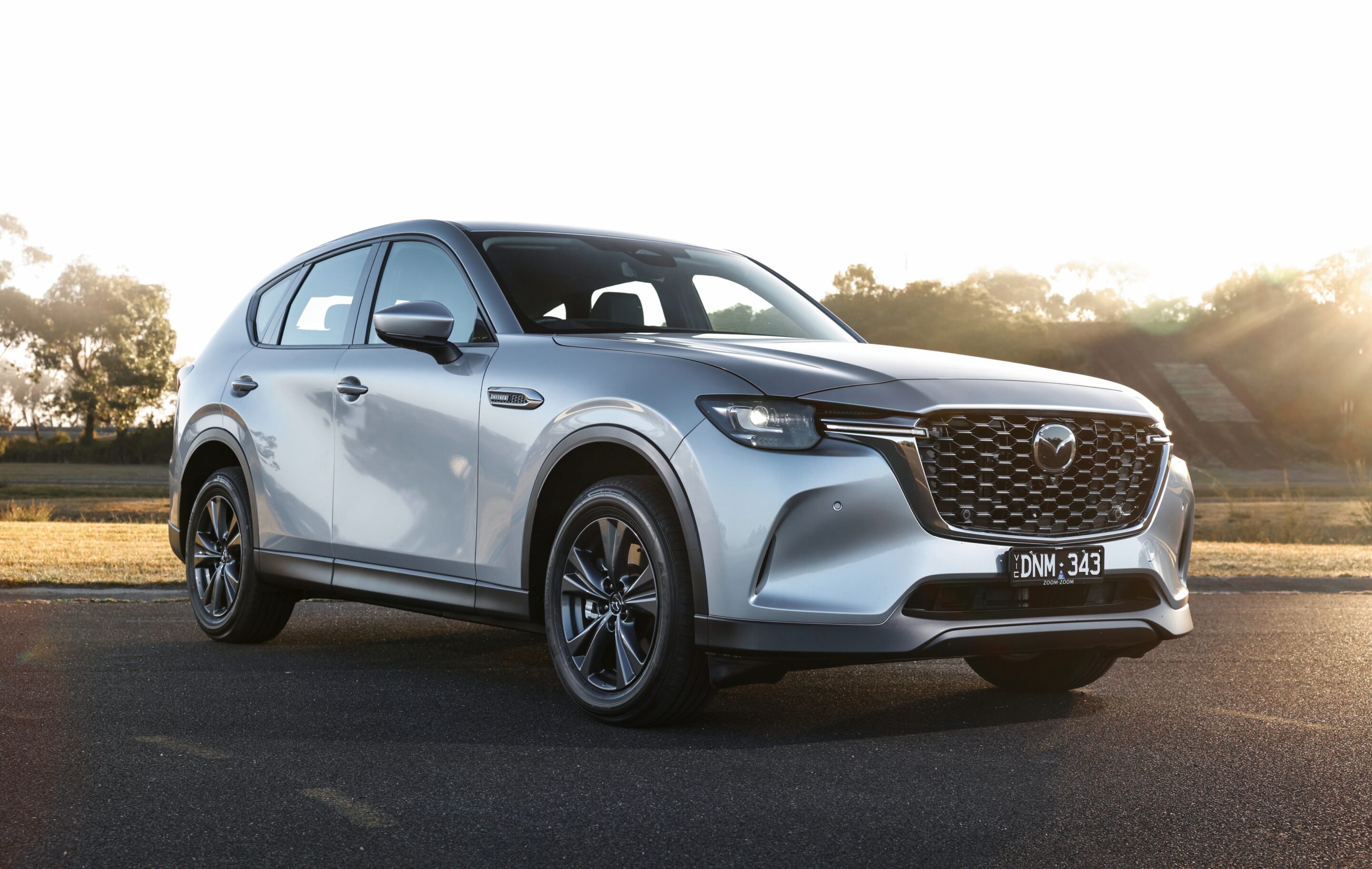
Mazda CX-60 plug-in hybrid: From $63,790 +ORC
3
Drivetrain: 2.5-litre four-cylinder plug-in hybrid, 241kW, eight-speed auto, all-wheel drive
Battery size, electric range: 17.8kWh, 78km (NEDC)
Combined fuel economy: 2.1L/100km (fully charged)
Mazda’s first plug-in hybrid in Australia is the mid-size CX-60 and it features a strong 241kW 2.5-litre plug-in hybrid drivetrain with up to 78km of electric driving range that’s also capable of a low 2.1L/100km combined fuel consumption. There are also mild-hybrid versions of the CX-60, including a 187kW diesel that returns just 5.0L/100km on the combined cycle, giving buyers plenty of options to save fuel at the bowser.
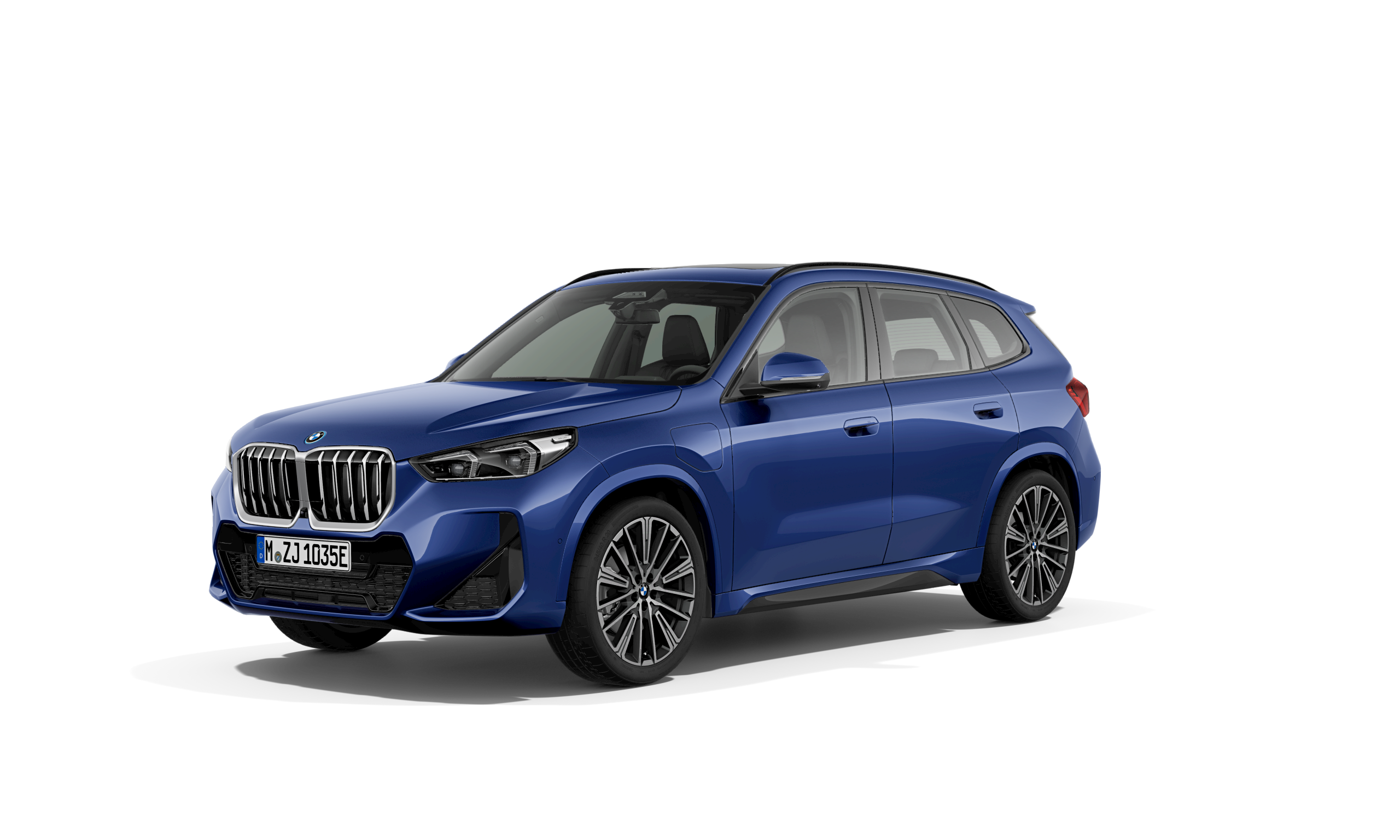
BMW X1 xDrive25e: From $79,500 +ORC
3
Drivetrain: 1.5-litre turbocharged three-cylinder plug-in hybrid, 180kW, seven-speed dual-clutch, all-wheel drive
Battery size, electric range: 14.2kWh, 76km (WLTP)
Combined fuel economy: 2.8L/100km (fully charged)
The BMW X1 is one of the best small SUVs available thanks to its roomy cabin – check out that headroom! – great driving experience and long list of features. While the electric iX1 has been on sale for a while now, the plug-in hybrid X1 xDrive25e is now available with a claimed WLTP electric driving range of 76km. Its 180kW PHEV drivetrain is strong, and if kept charged, will return just 2.8L/100km of fuel useage.
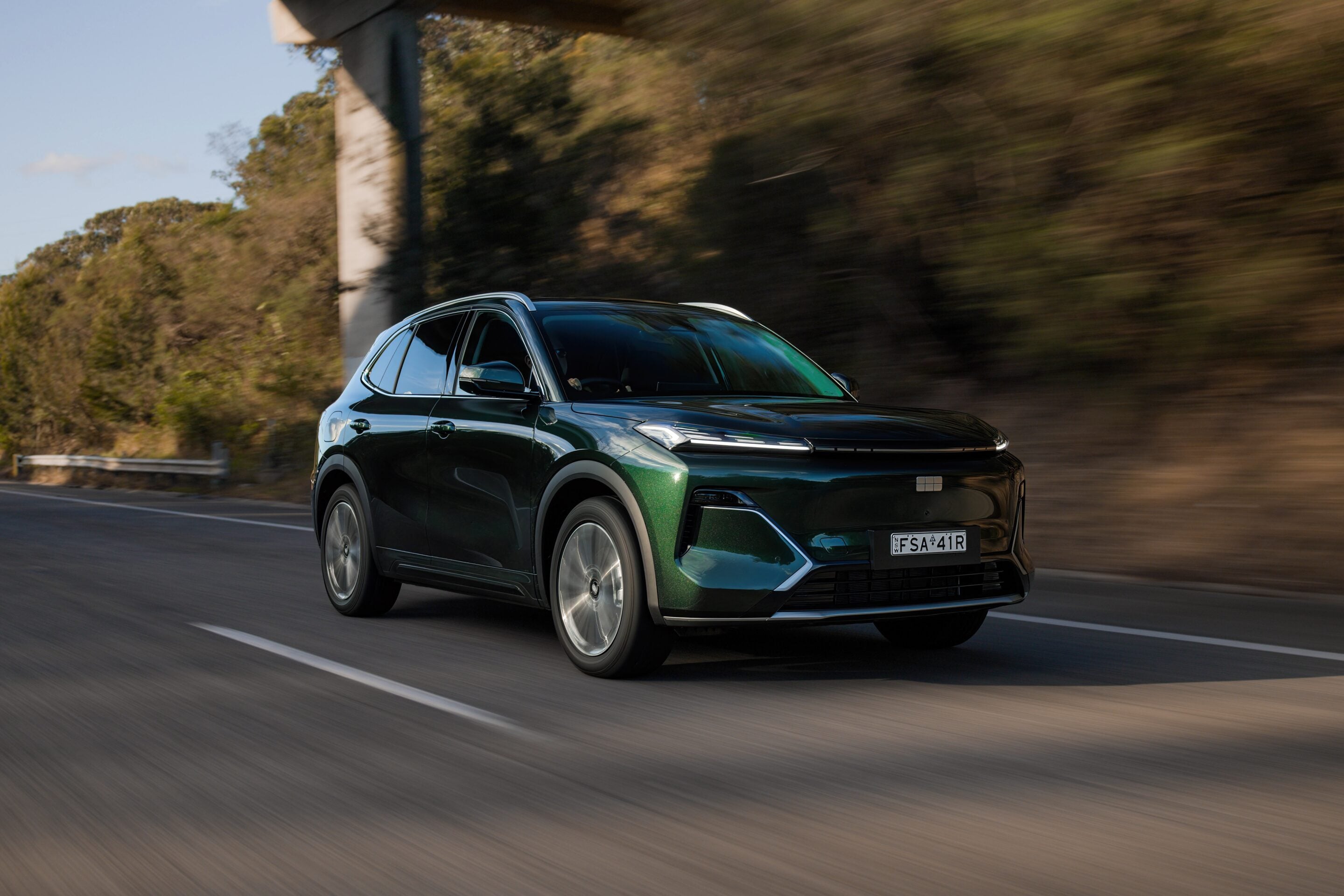
Geely Starray EM-i: From $37,490 +ORC
3
Drivetrain: 1.5-litre plug-in hybrid, 193kW, 18.4kWh battery, DHT, front-wheel drive
Claimed combined fuel consumption: 2.4L/100km
EV range: 83km
The Geely Starray entered the Australian market in late 2025 but is already selling well thanks to its impressive 83km electric-only range and combined fuel consumption of only 2.4L/100km (if fully charged). The Starray is also well equipped, practical and its cabin quality is excellent, too. Like all plug-in hybrids, if you charge the Starray regularly, it has the potential to significantly reduce your fuel bills.
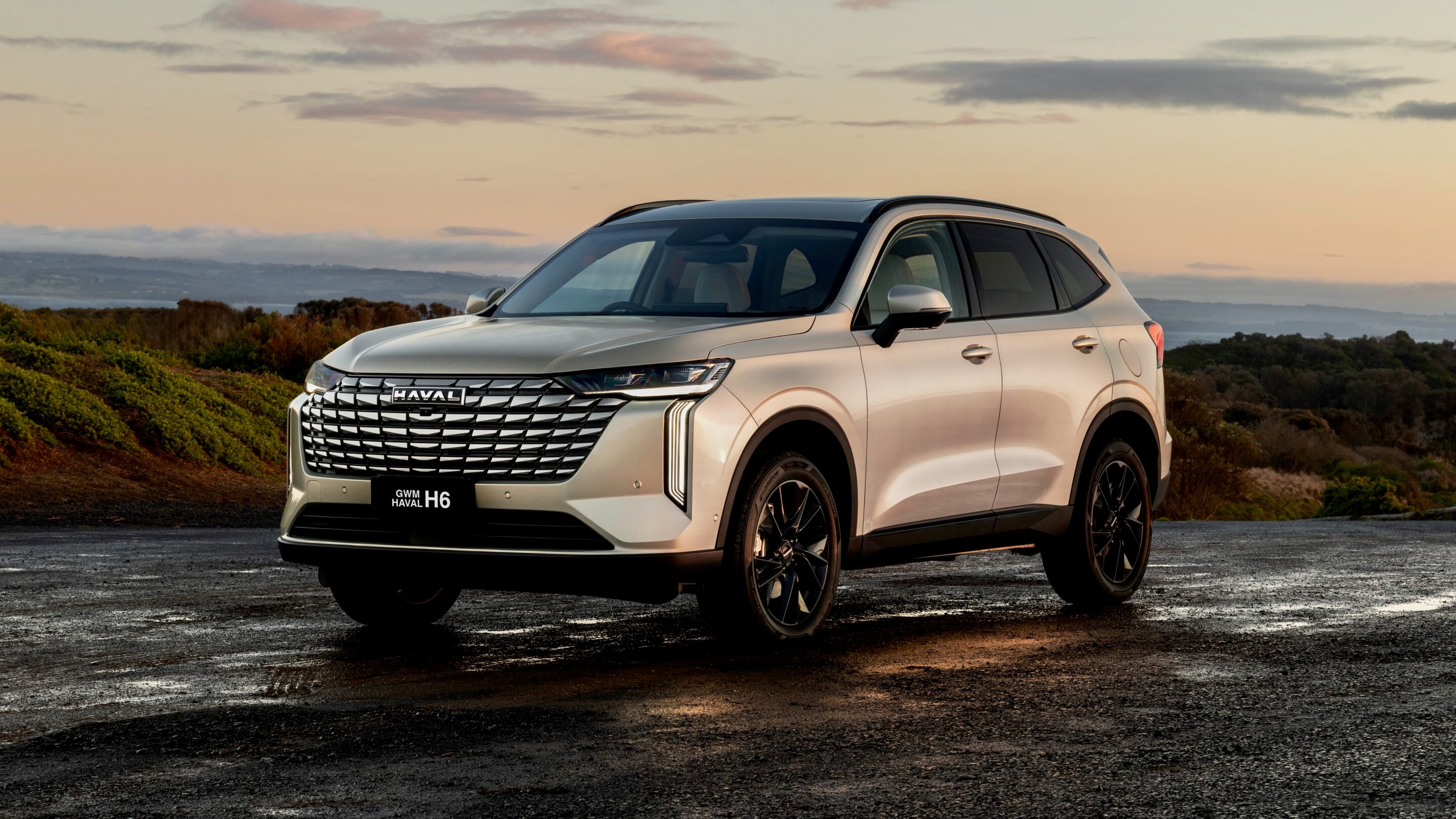
GWM Haval H6 hybrid: From $40,990 driveaway
3
Powertrain: 1.5-litre four-cylinder turbo hybrid, 179kW, two-speed auto, front- or all-wheel drive
Fuel efficiency: 5.2L/100km
The GWM Haval H6 was given a comprehensive update in the second half of 2025 which improved its styling and dynamics, gave it a new touchscreen system and improved its value further. The base Lux hybrid is available from just $40,990 driveaway but is often discounted further (currently it’s priced at $36,990 driveaway). Its hybrid system is quite punchy and gives good performance, but it’s rated at just 5.2L/100km on the combined cycle, giving potential for a significant fuel use cut. A plug-in hybrid with 100km of electric range is also available.
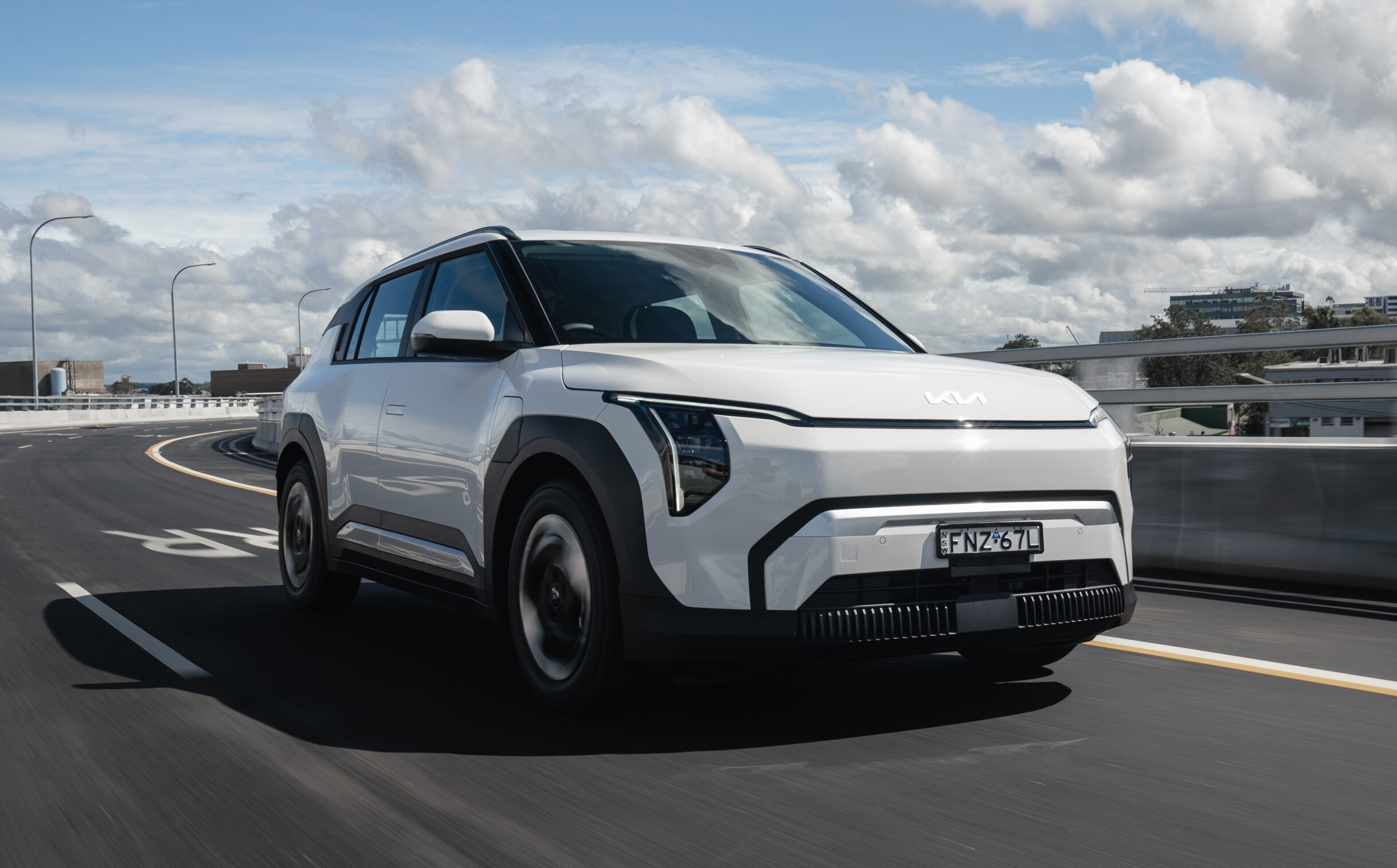
Kia EV3: From $46,990 driveaway
3
Powertrain: Single-motor electric, 150kW, single-speed, front-wheel drive
Battery size: 58.3kWh – 81.4kWh
Claimed WLTP range: 436km (Air Standard Range) – 604km (Air Long Range)
The Kia EV3 is the brand’s cheapest electric vehicle in Australia, but it’s also one of its best. Prices currently start at $46,990 driveaway for the entry-level Air, and its 58.3kWh battery gives it a claimed WLTP range of 436km, which is more than enough for city driving, though the Air Long Range’s 604km rating is a lot more. It’s well equipped across the range, and a seven-year pre-paid service plan costs $1929 or just $275 per year.
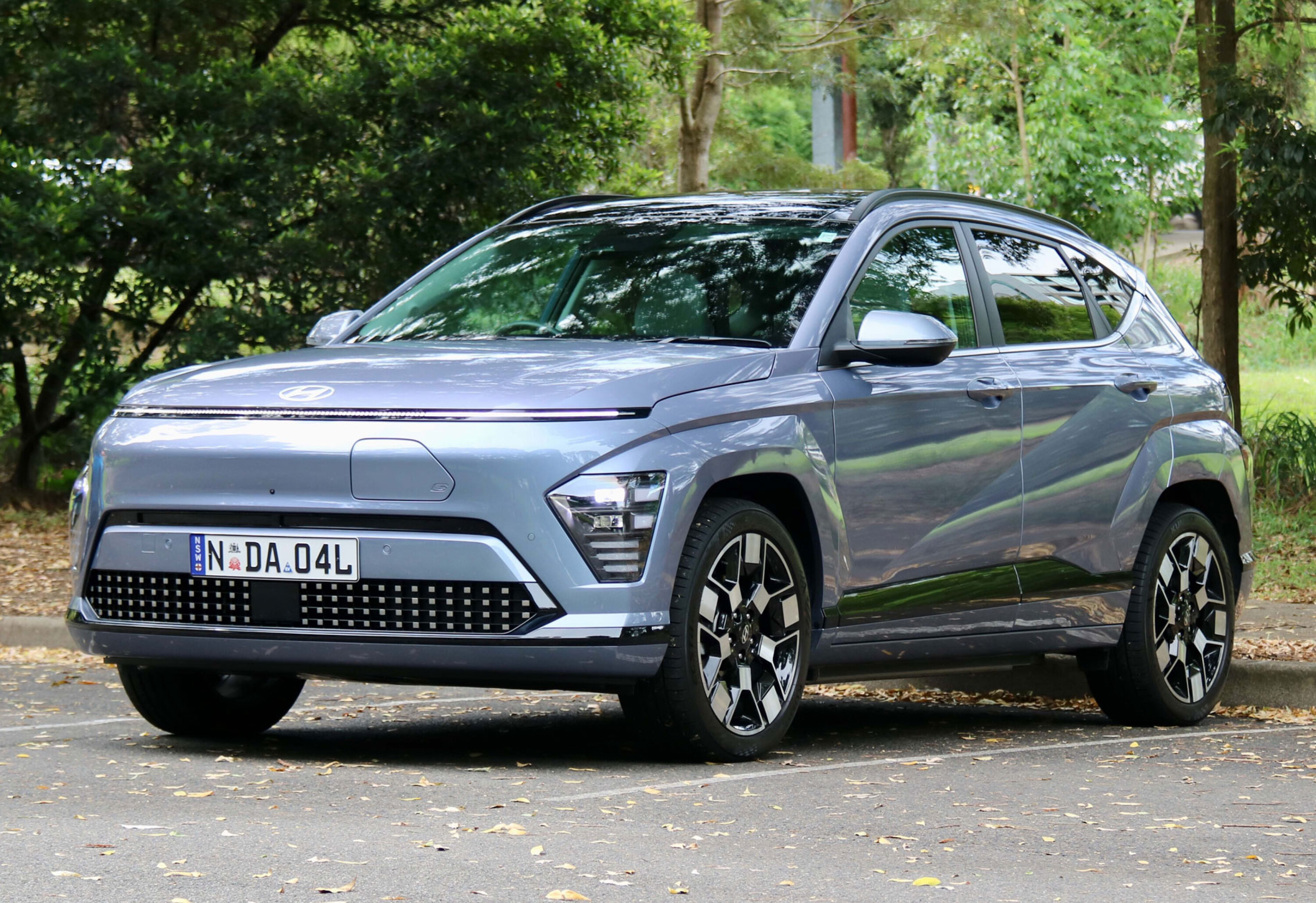
Hyundai Kona Electric: From $54,000 +ORC
3
Powertrain: Single-motor electric, 99kW or 150kW, single-speed, front-wheel drive
Battery size: 48.6kWh – 64.8kWh
Claimed WLTP range: 370km – 505km
The first-generation Hyundai Kona Electric was one of the first mainstream EVs that was sold in Australia, with the second model building onto that with a more sophisticated and more practical package. Prices start at $54,000 plus on-road costs, though at the time of writing, Hyundai is offering the entry-level model for just $45,990 drive away, suggesting that there’s plentiful stock around. If electric power isn’t your thing, the Kona Hybrid is also on offer, with fuel consumption of just 3.9L/100km.
MG ZS Hybrid+: From $30,990 driveaway
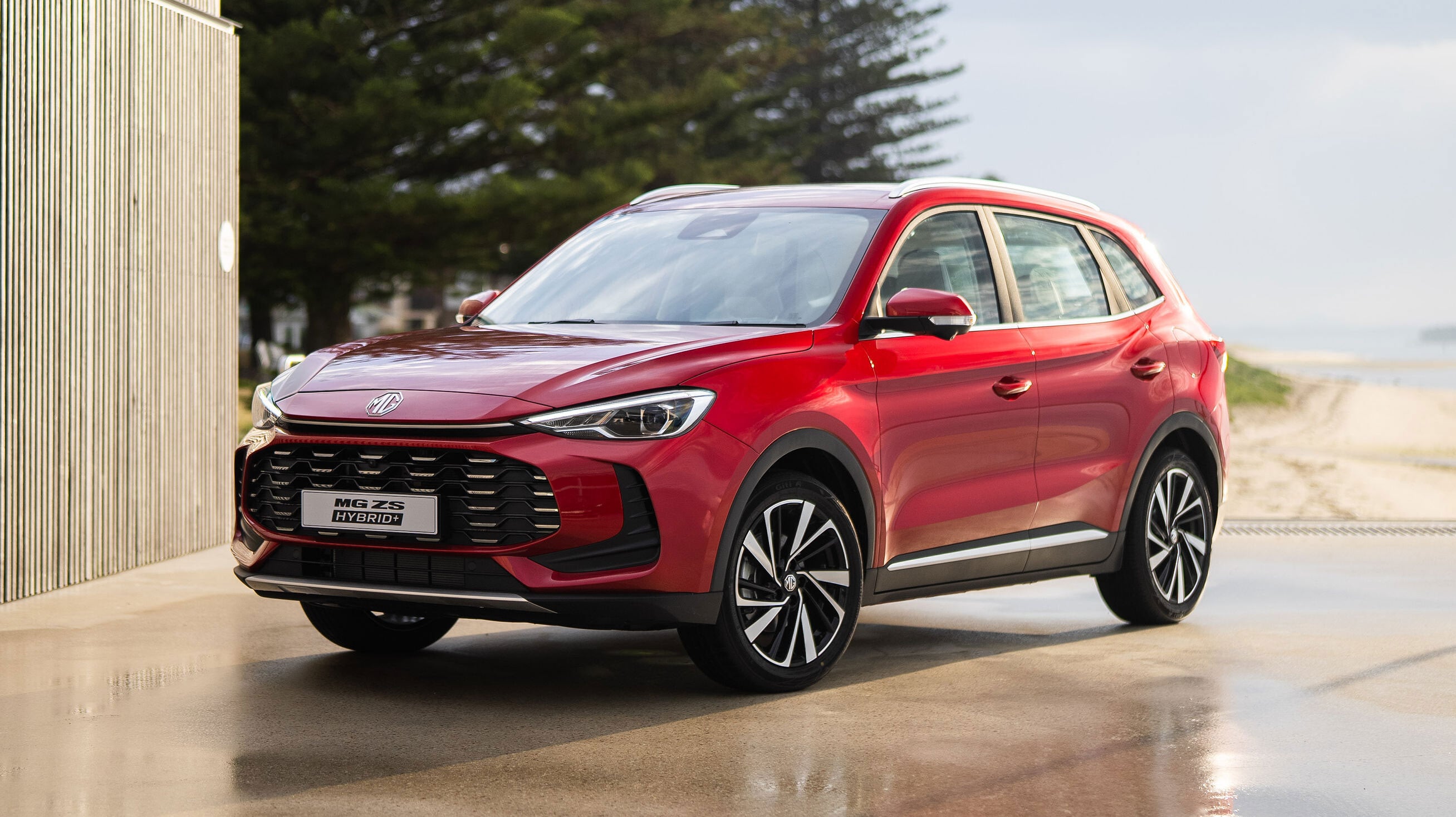
3
Drivetrain: 1.5-litre four-cylinder hybrid, 155kW, three-speed auto, front-wheel drive
Combined fuel economy: 4.7L/100km
The MG ZS Hybrid+ is one of Australia’s cheapest hybrid vehicles and was awarded Wheels Best Small SUV for 2025. Priced from $30,990 driveaway, even the entry-level Excite is well equipped. Under the bonnet is a powerful 155kW 1.5-litre hybrid system that is capable of just 4.7L/100km combined fuel consumption, which is impressively low. In addition, the ZS Hybrid+ is practical, good to drive and covered by a long warranty.
Honda HR-V e:HEV: From $39,900 driveaway
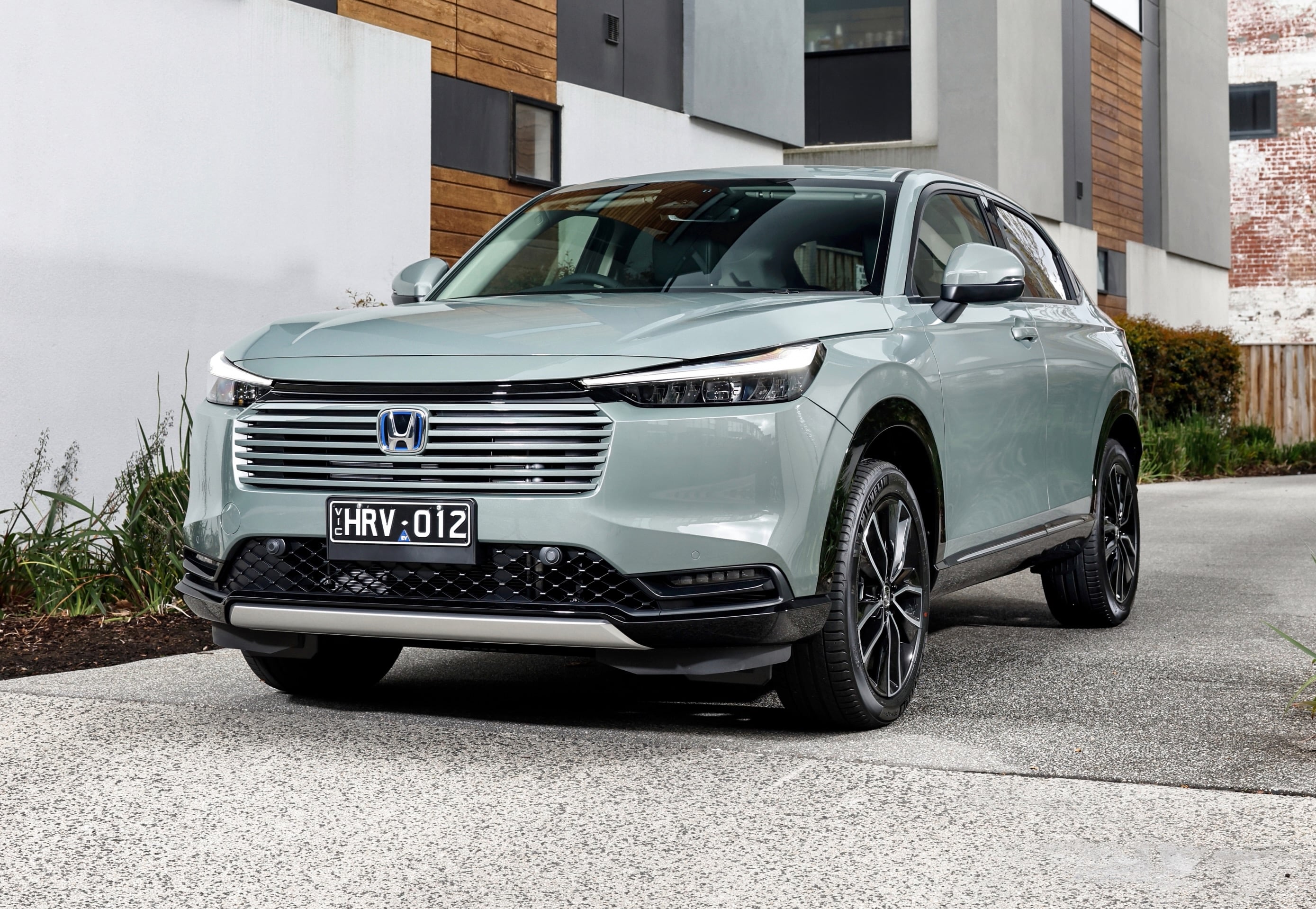
3
Drivetrain: 1.5-litre four-cylinder hybrid, 96kW, CVT, front-wheel drive
Claimed combined fuel consumption: 4.3L/100km
The Honda HR-V e:HEV hybrid is one of the best small SUVs you can buy and with combined fuel consumption of just 4.3L/100km, it’s also one of the cheapest to run. Using a peppy 1.5-litre hybrid drivetrain making 96kW of power, the HR-V hybrid is also more than grunty enough for most. It’s also extremely practical thanks to Honda‘s Magic Seats, it drives well and is also well equipped across its two-model range.
Mercedes-Benz EQB 250+: From $90,000 +ORC
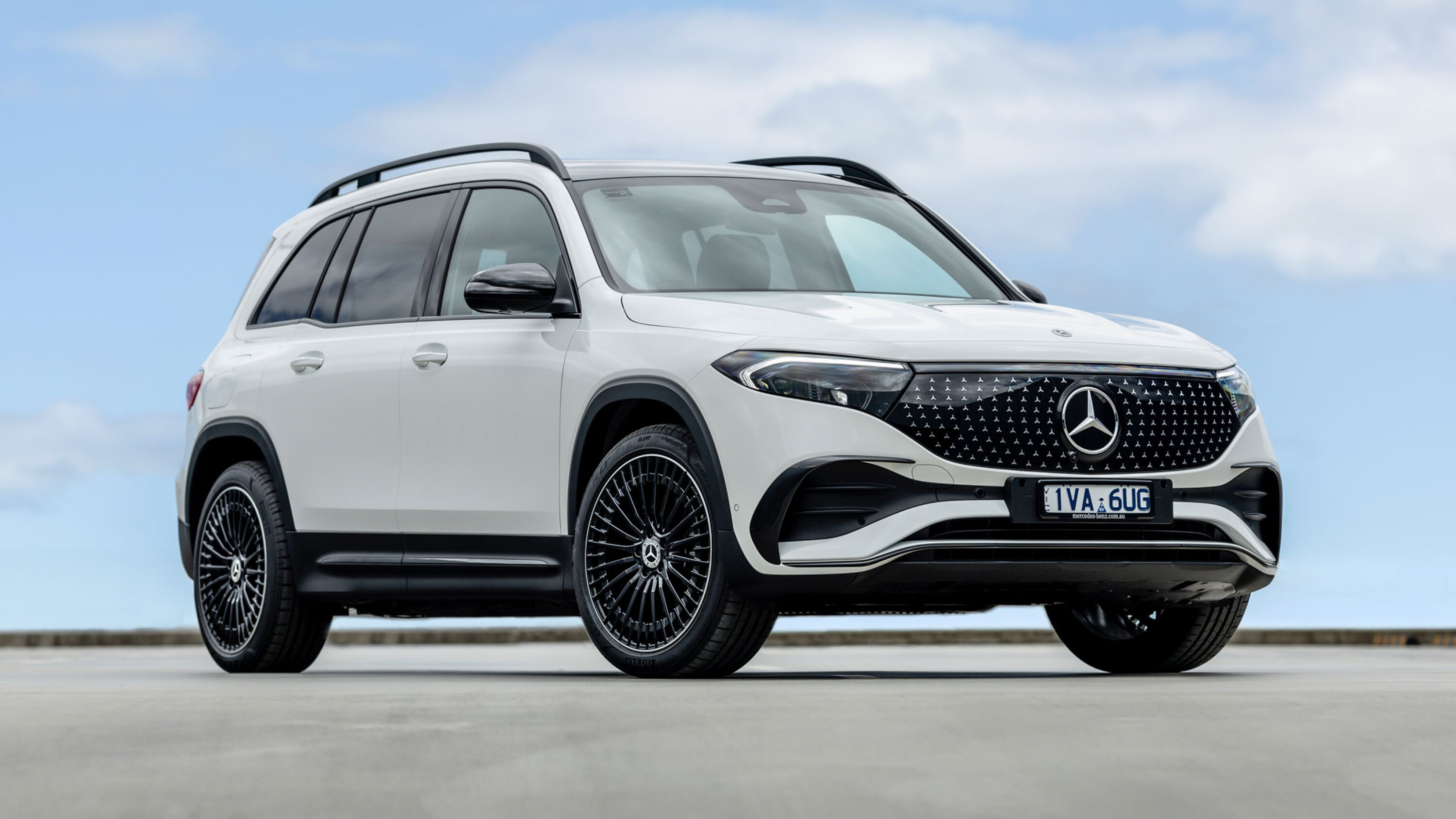
3
Powertrain: Single-motor electric, 140kW, single-speed, front-wheel drive
Battery size: 70.5kWh
Claimed NEDC range: 564km
The Mercedes-Benz EQB 250+ is one of the only seven-seat electric SUVs you can buy in Australia, and there is plentiful stock available, at least according to the brand’s local website. Using a 70.5kWh battery for a healthy 564km claimed range, the EQB 250+ is cheap to run and offers plenty of performance at 140kW. Its cabin is high quality, as you’d expect for a Mercedes-Benz product, and it’s capable of seating seven – though keep the third row to kids as it’s not huge.
Follow WhichCar/Wheels on Google
Click the button below to make WhichCar by Wheels a preferred source for your news.

We recommend
-
 Features
Keen to save fuel? Here are the 10 cheapest hybrid models in Australia
While they still use fuel in some capacity, hybrid cars can also drastically reduce your overall consumption in energy-challenged times. So which are the 10 cheapest hybrids in Australia?
-
 Opinion
Own a plug-in hybrid? Then you already own an EV provided you're doing one crucial thing...
An ABC study on hundreds of thousands of plug-in hybrid electric vehicles (PHEV) showed that most users don’t regularly charge. With fuel costs soaring, and shortages on the cards, now is the time to understand everything about your PHEV.
-
 Features
Which plug-in hybrids offer the longest electric driving range?
A plug-in hybrid can offer the best of both worlds for some, so which ones offer the longest electric driving range? The answer may surprise you.