
Features

Gallery 1
With hybrid and electric powertrains becoming increasingly common across the new car market, buyers looking for a straightforward petrol or diesel medium SUV are finding their options shrinking. Yet there remains a sizeable group of motorists who simply aren’t interested in any form of electrification, albeit for cost, complexity or personal preference.
We’ve rounded up the 10 most fuel-efficient non-electrified medium SUVs on sale in Australia, proving you can still keep fuel bills low without plugging in or relying on a battery.
10) Subaru Forester: 7.9L/100km
1
Price: From $43,490 plus on-road costs
Drivetrain: 2.5-litre naturally aspirated four-cylinder petrol, 136kW/247Nm, CVT automatic, all-wheel drive
Fuel type: 91 RON regular unleaded
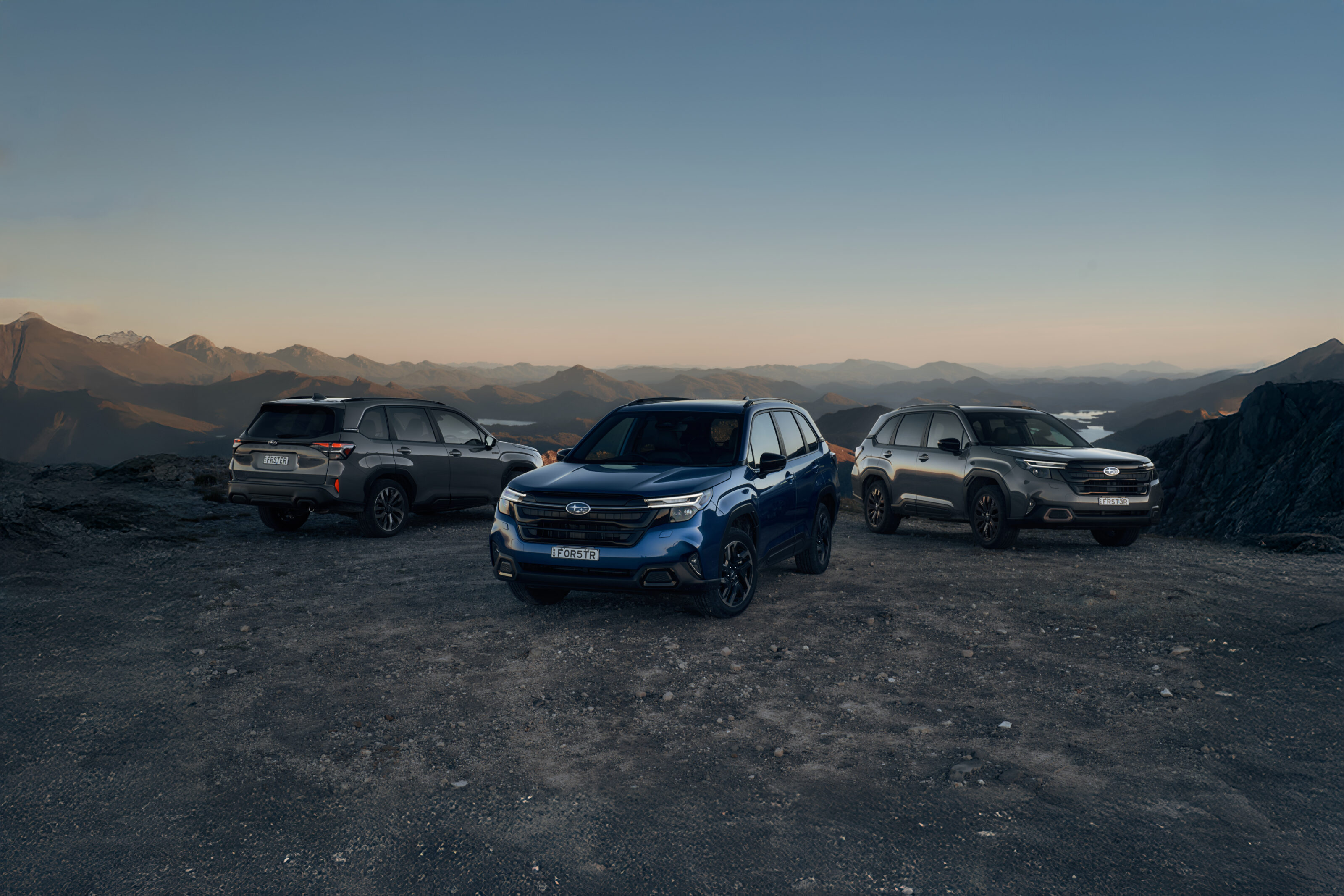
Starting off the 10 most fuel efficient non-electrified medium SUVs in Australia is the Subaru Forester, which uses a 2.5-litre petrol engine mated to a CVT automatic transmission and the brand’s ‘symmetrical’ all-wheel drive system as standard. The latest Forester also doesn’t lose the reasonable off-road ability of the previous generations of the car, and can easily handle sand and mud thanks to its cool ‘X-Mode’ off-road system. Even if you never touch a speck of dirt, the Forester is a comfortable, spacious and really practical medium SUV.
9) Volkswagen Tiguan 110TSI and 150TSI: 7.6L/100km
1
Price: From $45,650 plus on-road costs (110TSI), from $56,850 plus on-road costs (150TSI)
Drivetrain: 1.4-litre four-cylinder turbo-petrol, 110kW/250Nm, seven-speed dual-clutch, front-wheel drive (110TSI); 2.0-litre four-cylinder turbo-petrol, 150kW/320Nm, seven-speed dual-clutch, all-wheel drive (150TSI)
Fuel type: 95 RON premium unleaded
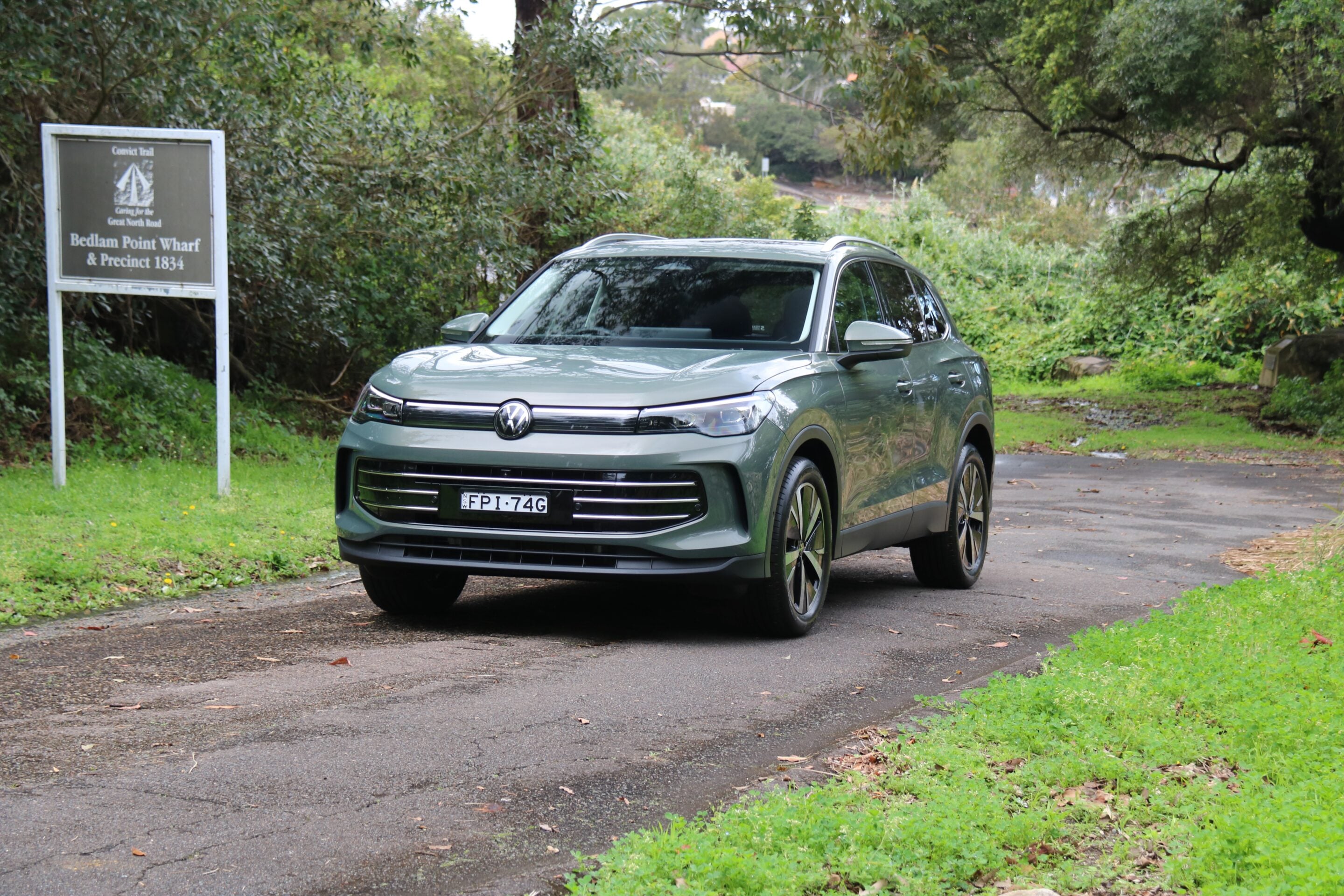
Interestingly, we have not one but two drivetrains in the Volkswagen Tiguan range rated at exactly the same combined fuel consumption figure. That’s right, both the 110kW 1.4-litre front-wheel drive 110TSI and the 150kW 2.0-litre all-wheel drive 150TSI versions of the Tiguan use the same 7.6L/100km. That’s a surprise and gives those wanting the maximum efficiency reasons to feel less guilty about wanting the more powerful engine that’s also equipped with all-wheel drive. The 150TSI is also quicker by around two seconds to hit 100km/h (low 7s versus low 9s) and punchier in the mid range too.
8) Mitsubishi Outlander ES 2WD and Mazda CX-60 G25: 7.5L/100km
2
Price: From $39,990 plus on-road costs (Outlander); $44,740 plus on-road costs (CX-60)
Drivetrain: 2.5-litre naturally aspirated four-cylinder petrol, 135kW/244Nm, CVT automatic, front-wheel drive (Outlander); 2.5-litre naturally aspirated four-cylinder petrol, 138kW/250Nm, eight-speed automatic, rear-wheel drive (CX-60)
Fuel type: 91 RON regular unleaded
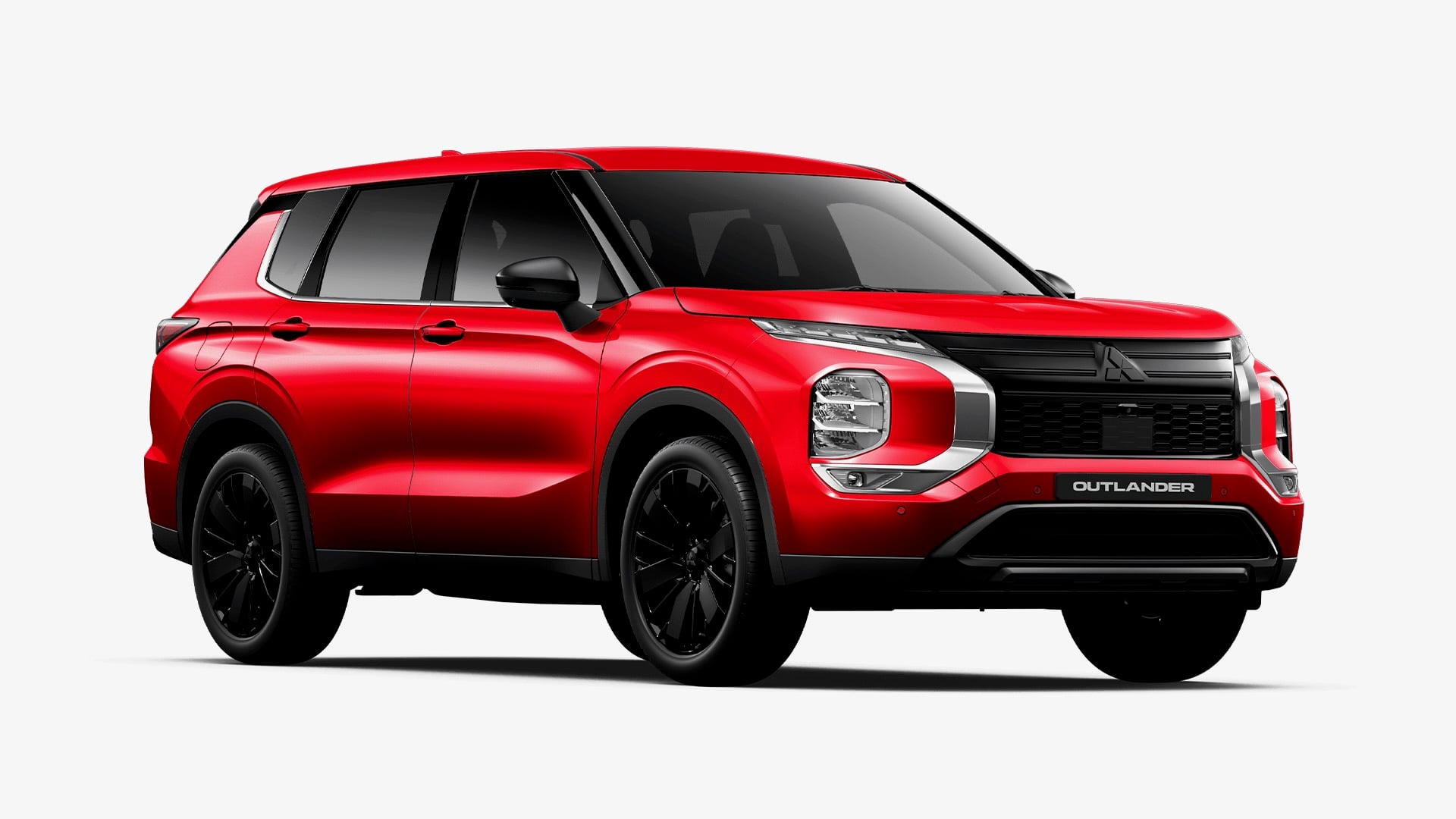
Next up are two Japanese medium SUVs that both use naturally aspirated 2.5-litre petrol engines, though that’s where their similarities end. The Outlander is a well-rounded offering and in base ES 2WD form, is at its most fuel efficient in non-electrified form, while the CX-60 G25 is actually the thirstiest CX-60 model as all the other available drivetrains feature some sort of electrification. But the G25 is also the only rear-wheel drive CX-60 model offered locally, and features an engaging dynamic set up. Both the Outlander and CX-60 are spacious and good quality inside too.
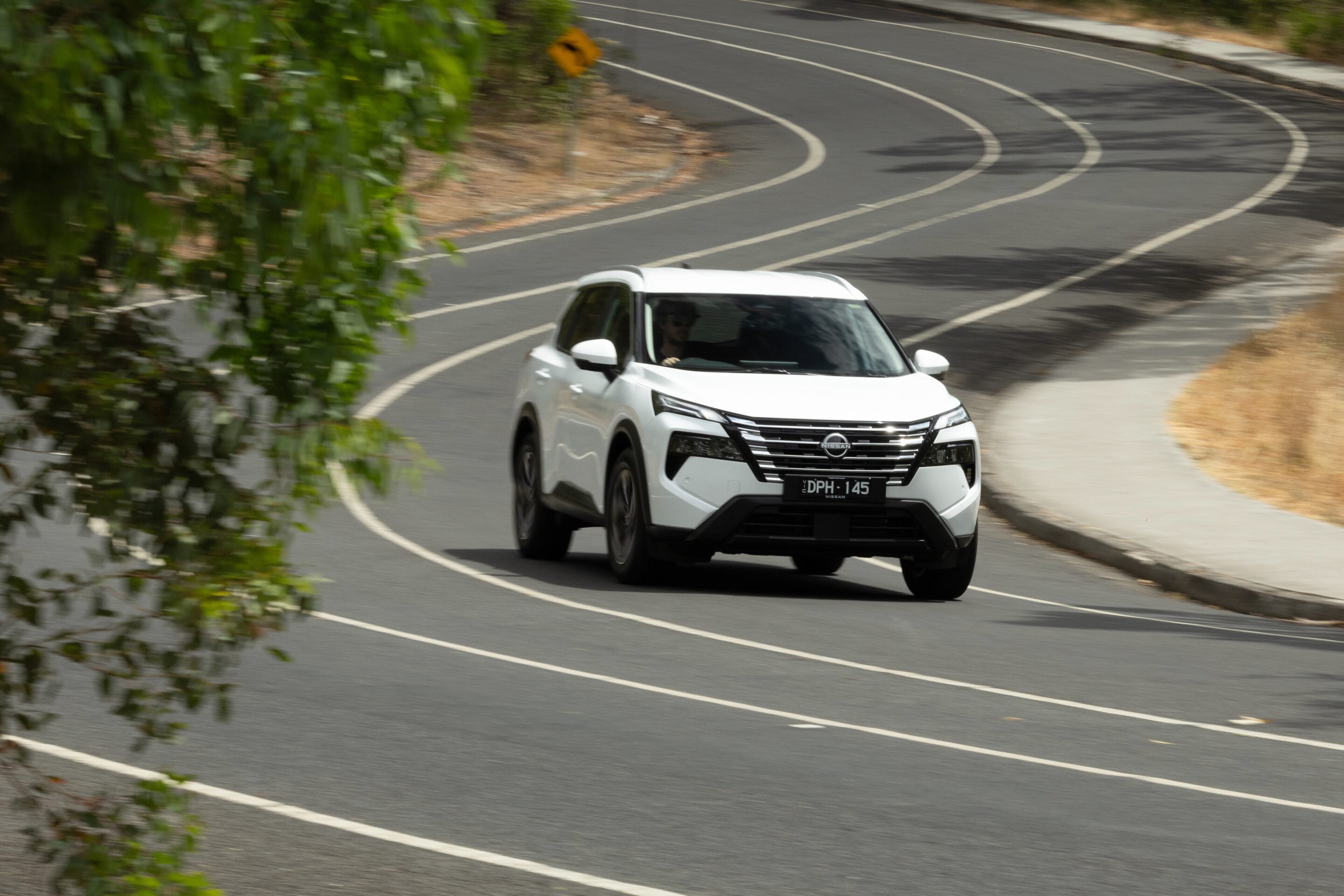
7) Nissan X-Trail 2.5L 2WD 5-seat, Haval H6 2.0T and new Mazda CX-5 G25: 7.4L/100km
3
Price: From $38,140 plus on-road costs (X-Trail), $35,990 driveaway (H6); $39,990 plus on-road costs (CX-5)
Drivetrain: 2.5-litre naturally aspirated four-cylinder petrol, 135kW/244Nm, CVT automatic, front-wheel drive (X-Trail); 2.0-litre four-cylinder turbo-petrol, 170kW/380Nm, nine-speed dual-clutch, front-wheel drive (H6); 2.5-litre naturally aspirated four-cylinder petrol, 132kW/242Nm, six-speed automatic, all-wheel drive (CX-5)
Fuel type: 91 RON regular unleaded
Using just 0.1L/100km less than its Outlander twin, the Nissan X-Trail is also a well-rounded and practical medium SUV that can be quite efficient in the real world – in our testing, we’ve seen comfortably under 6L/100km on highway runs. The entry-level 2.0-litre turbo-petrol engine in the GWM Haval H6 is its only non-electrified drivetrain but is actually quite punchy, making 170kW/380Nm outputs. Mazda’s new CX-5 uses the same G25 engine from the previous model, though detuned to 132kW/242Nm meet new emissions standards – though use premium unleaded fuel and it apparently makes 138kW/257Nm, which is only 1kW less but 5Nm more than the previous model.
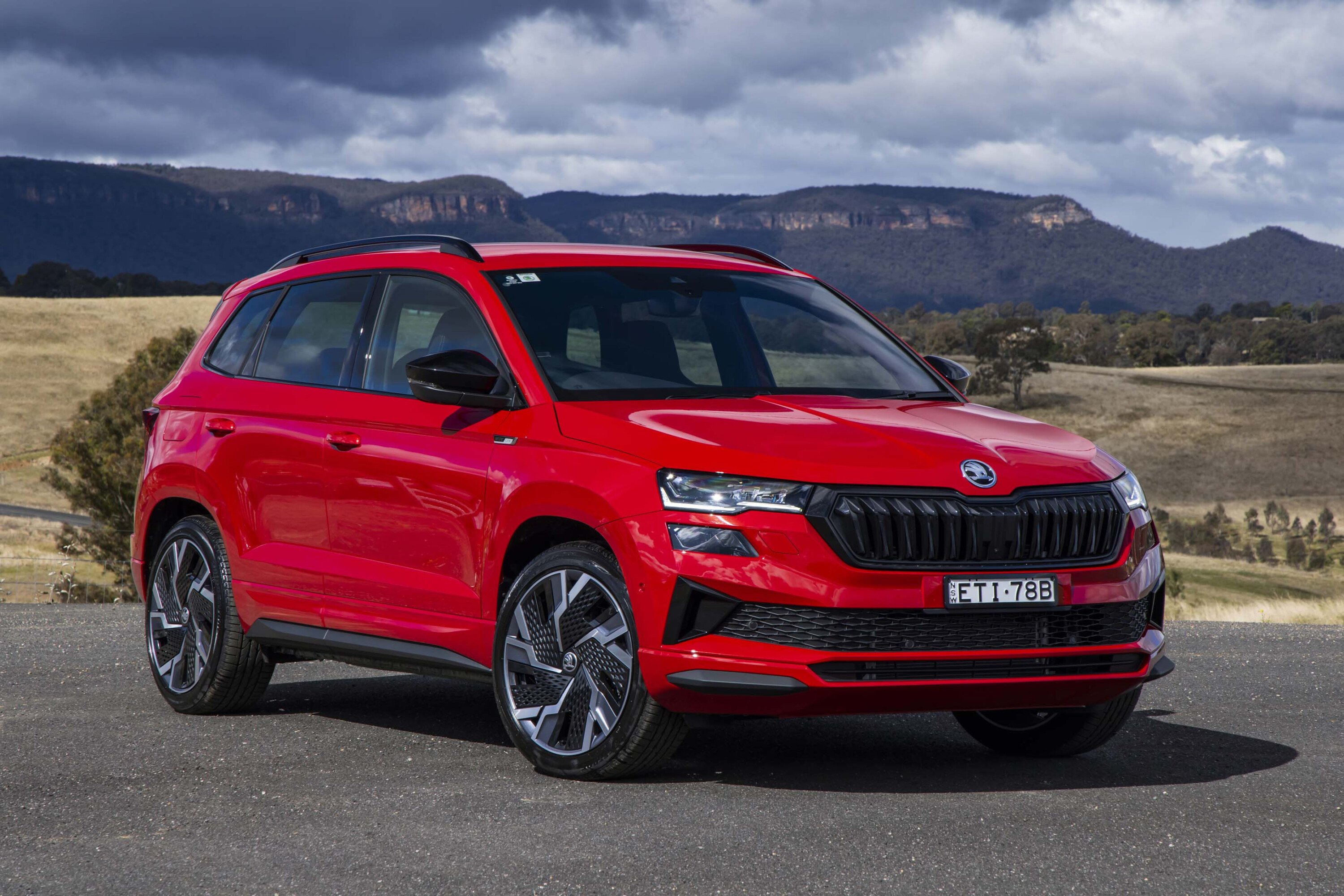
6) Skoda Karoq 140TSI: 7.2L/100km
1
Price: From $54,990 driveaway
Drivetrain: 2.0-litre four-cylinder turbo-petrol, 140kW/320Nm, seven-speed dual-clutch, all-wheel drive
Fuel type: 95 RON premium unleaded
The Skoda Karoq doesn’t feature any electrification in Australia, but that doesn’t mean that it can’t be fuel efficient. The 140TSI 4×4 variant features a 140kW/320Nm 2.0-litre turbo-petrol engine mated to an all-wheel drive system as standard, which is enough grunt for a claimed 0-100km/h time in just 7.0 seconds. But its combined rating of 7.2L/100km is relatively low for a sporty medium SUV.
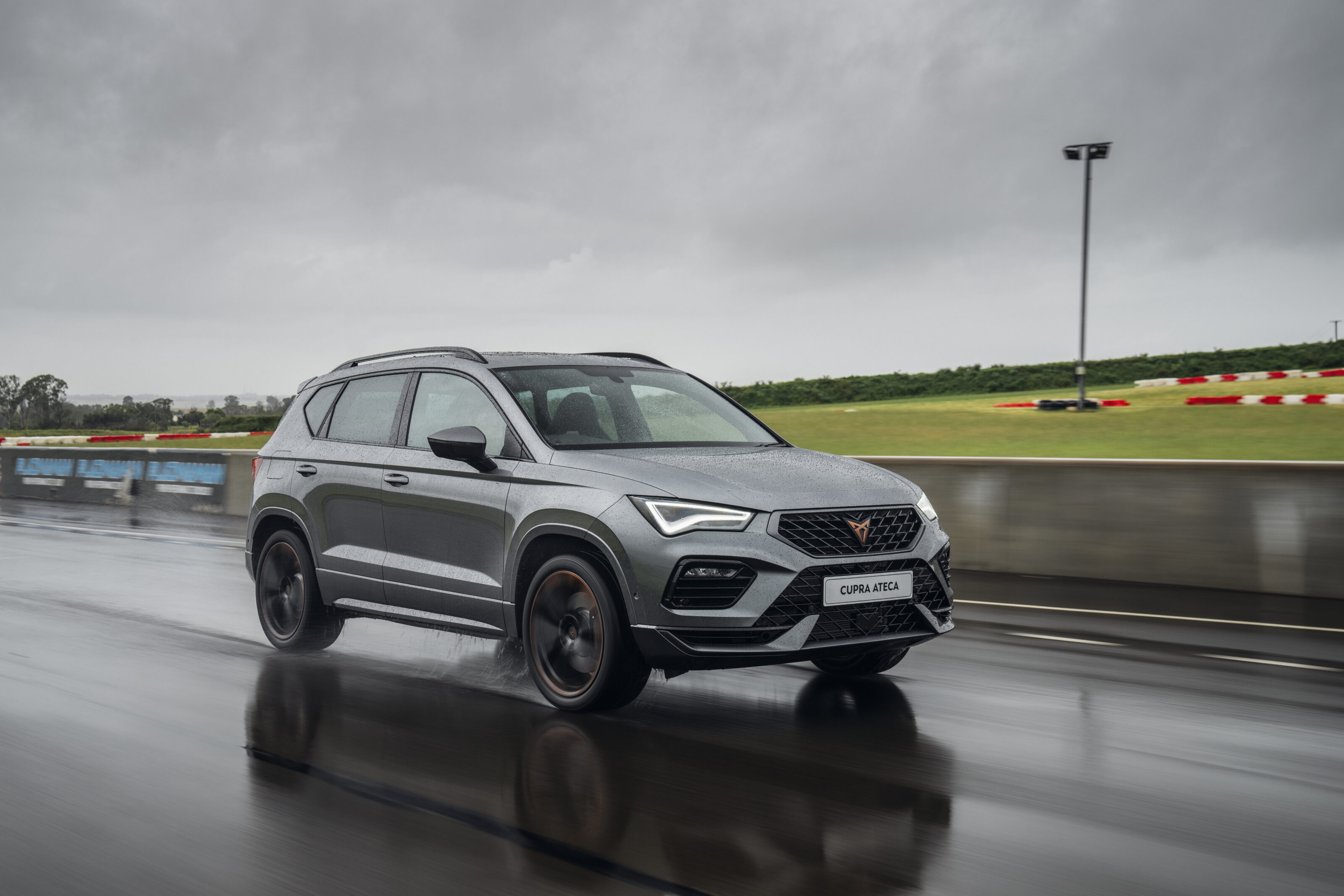
5) Cupra Ateca V and Honda CR-V VTi X: 7.1L/100km
2
Price: From $51,990 plus on-road costs (Ateca), $45,900 driveaway (CR-V)
Drivetrain: 2.0-litre four-cylinder turbo-petrol, 140kW/320Nm, seven-speed dual-clutch, all-wheel drive (Ateca); 1.5-litre four-cylinder turbo-petrol, 140kW/240Nm, CVT automatic, front-wheel drive (CR-V)
Fuel type: 95 RON premium unleaded (Ateca), 91 RON regular unleaded (CR-V)
The Cupra Ateca V uses the exact same drivetrain as the Karoq 140TSI, though somehow it’s rated at 0.1L/100km less at 7.1L/100km. You’re unlikely to see even that difference in the real world, but like the Karoq, the Ateca V can fuel efficient for a sporty-leaning medium SUV. The Honda CR-V was recently given an update and its 1.5-litre turbo-petrol engine is now only available at the bottom of the range with a 2.0-litre hybrid featuring in the other models. It’s a fine engine and capable of good fuel economy if hybrids aren’t your thing.
4) Chery Tiggo 7 and Honda ZR-V VTi X: 7.0L/100km

2
Price: From $29,990 driveaway (Tiggo 7); from $39,900 drive away (ZR-V)
Drivetrain: 1.5-litre four-cylinder turbo-petrol, 108kW/210Nm, six-speed dual-clutch, front-wheel drive (Tiggo 7); 1.5-litre four-cylinder turbo-petrol, 131kW/240Nm, CVT automatic, front-wheel drive (ZR-V)
Fuel type: 91 RON regular unleaded
While there’s a plug-in hybrid ‘Super Hybrid’ variant of the Chery Tiggo 7 range that gets all the fanfare, the petrol models use a 1.5-litre turbo-petrol engine making 108kW of power and mated to a six-speed dual-clutch transmission. It’s a reasonable performer with good low end torque, though the same-sized engine in the ZR-V makes 23kW/30Nm more grunt, yet is rated at the same 7.0L/100km rating. Like the CR-V, the ZR-V was recently updated and there’s now only one model available with the petrol engine – every other model is hybridised, but the petrol engine is still capable of good efficiency.
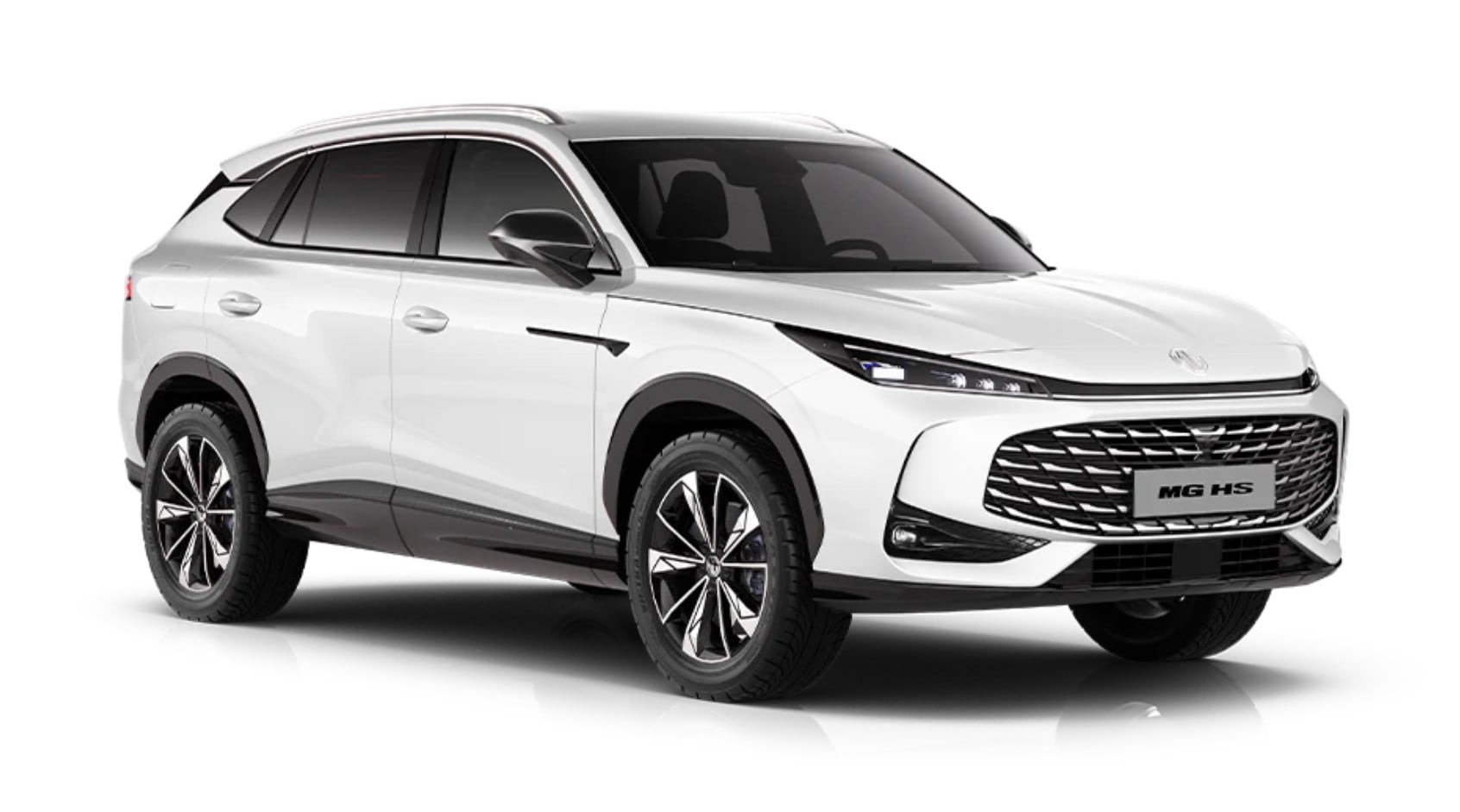
3) MG HS: 6.9L/100km
1
Price: From $33,990 driveaway
Drivetrain: 1.5-litre four-cylinder turbo-petrol, 119kW/275Nm, seven-speed dual-clutch, front-wheel drive
Fuel type: 95 RON premium unleaded
Like the Tiggo 7 above, the MG HS is another medium SUV whose petrol engine option is overshadowed by hybrid models, in this case both the Hybrid+ and the plug-in hybrid Super Hybrid. But as its 6.9L/100km combined rating shows, the 119kW/275Nm 1.5-litre turbo-petrol engine that sits as the entry-level engine in the HS range is capable of good fuel efficiency.
2) Skoda Karoq 110TSI: 6.6L/100km
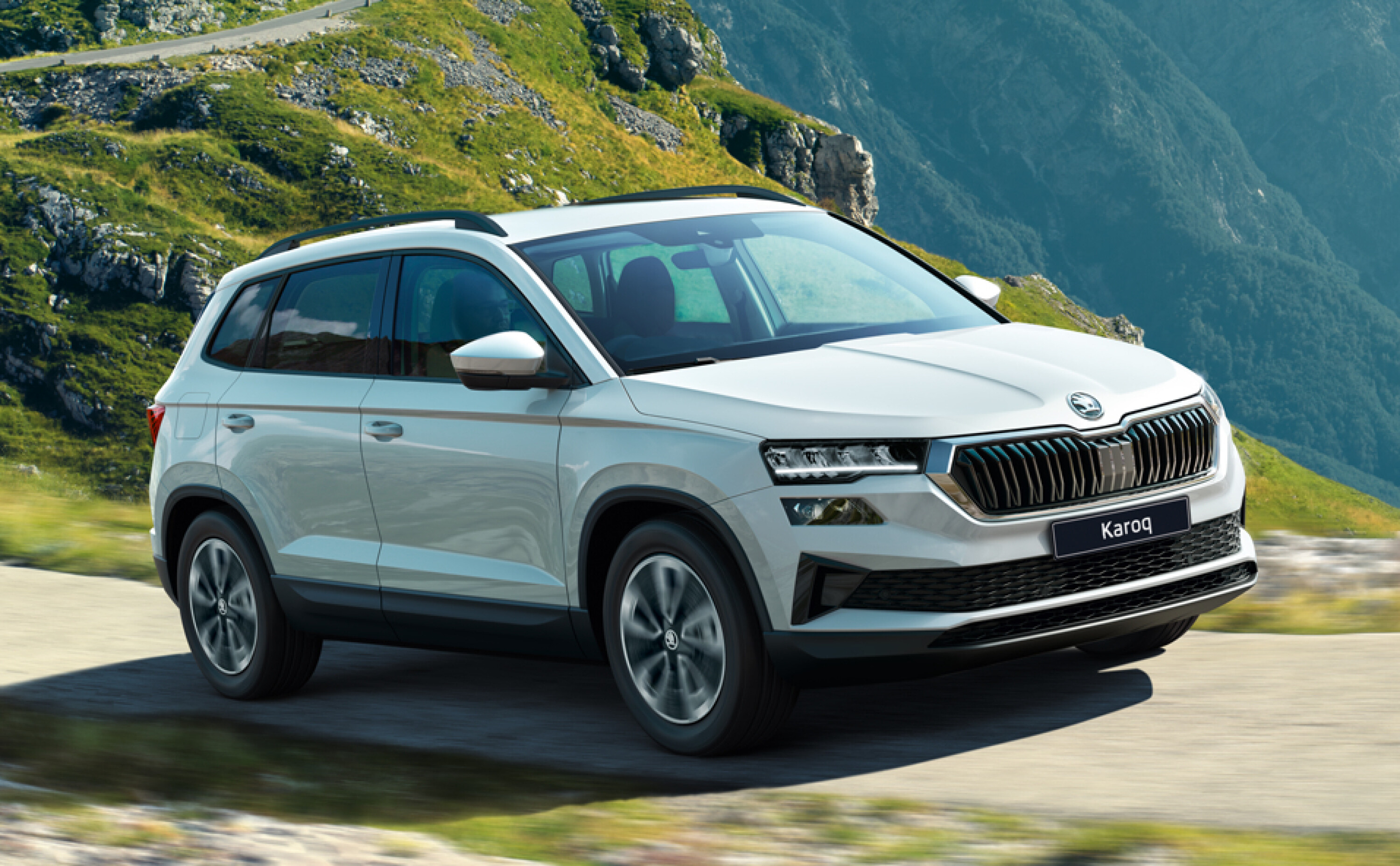
1
Price: From $40,990 driveaway
Drivetrain: 1.4-litre four-cylinder turbo-petrol, 110kW/250Nm, eight-speed automatic, front-wheel drive
Fuel type: 95 RON premium unleaded
The Volkswagen Group was one of the first brands to shun larger naturally aspirated engines for smaller, turbocharged replacements with both superior fuel economy and more low-end torque and the Skoda Karoq 110TSI is a great example of that as it’s the second most fuel efficient non-electrified medium SUV on the Australian new car market. Making reasonable 110kW/250Nm outputs and using an eight-speed torque converter automatic transmission, the Karoq 110TSI uses just 6.6L/100km on the combined cycle but can also launch to 100km/h in under nine seconds.
1) Kia Sportage diesel: 6.3L/100km
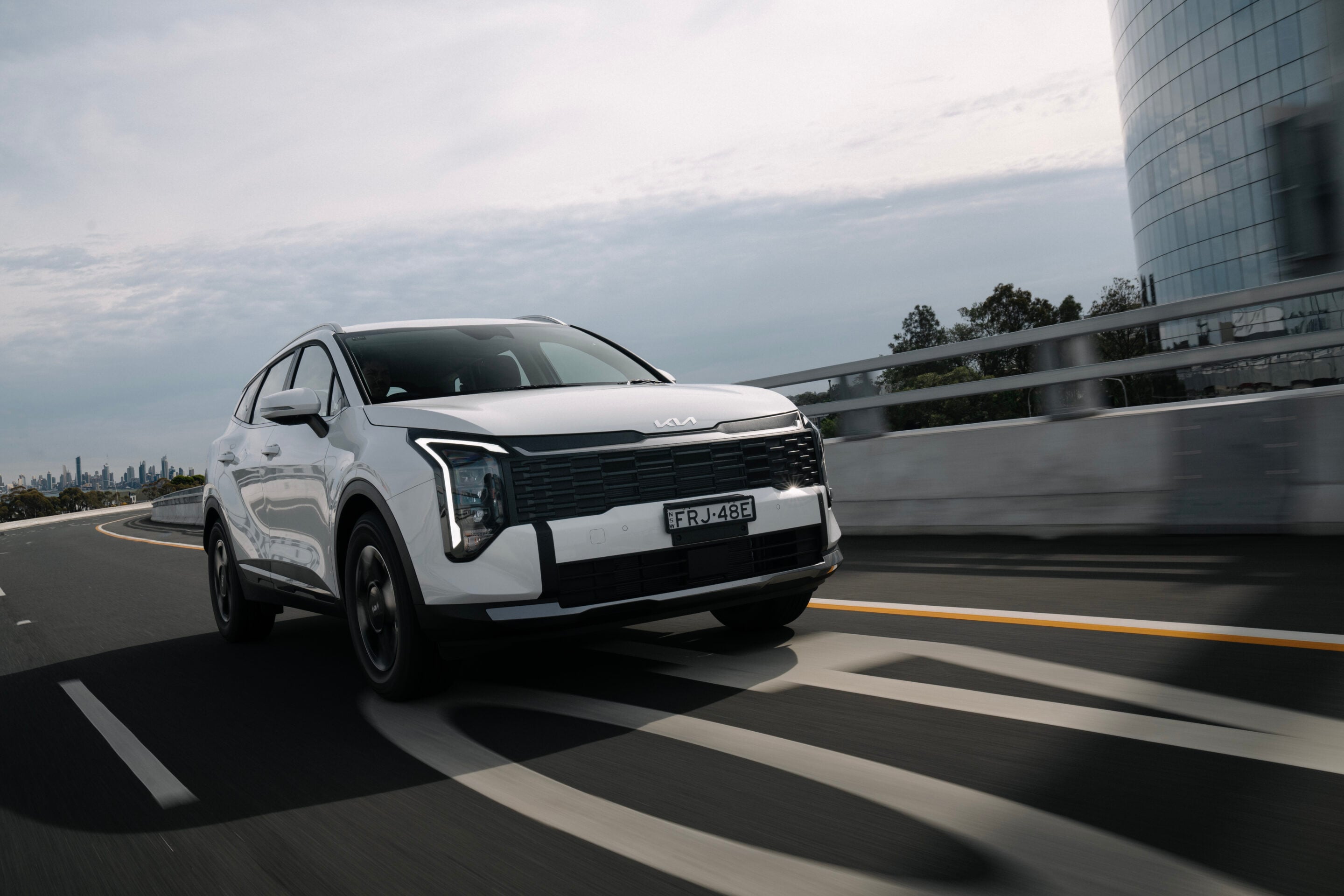
1
Price: From $43,890 plus on-road costs
Drivetrain: 2.0-litre four-cylinder turbo-diesel, 137kW/416Nm, eight-speed automatic, all-wheel drive
Fuel type: Diesel
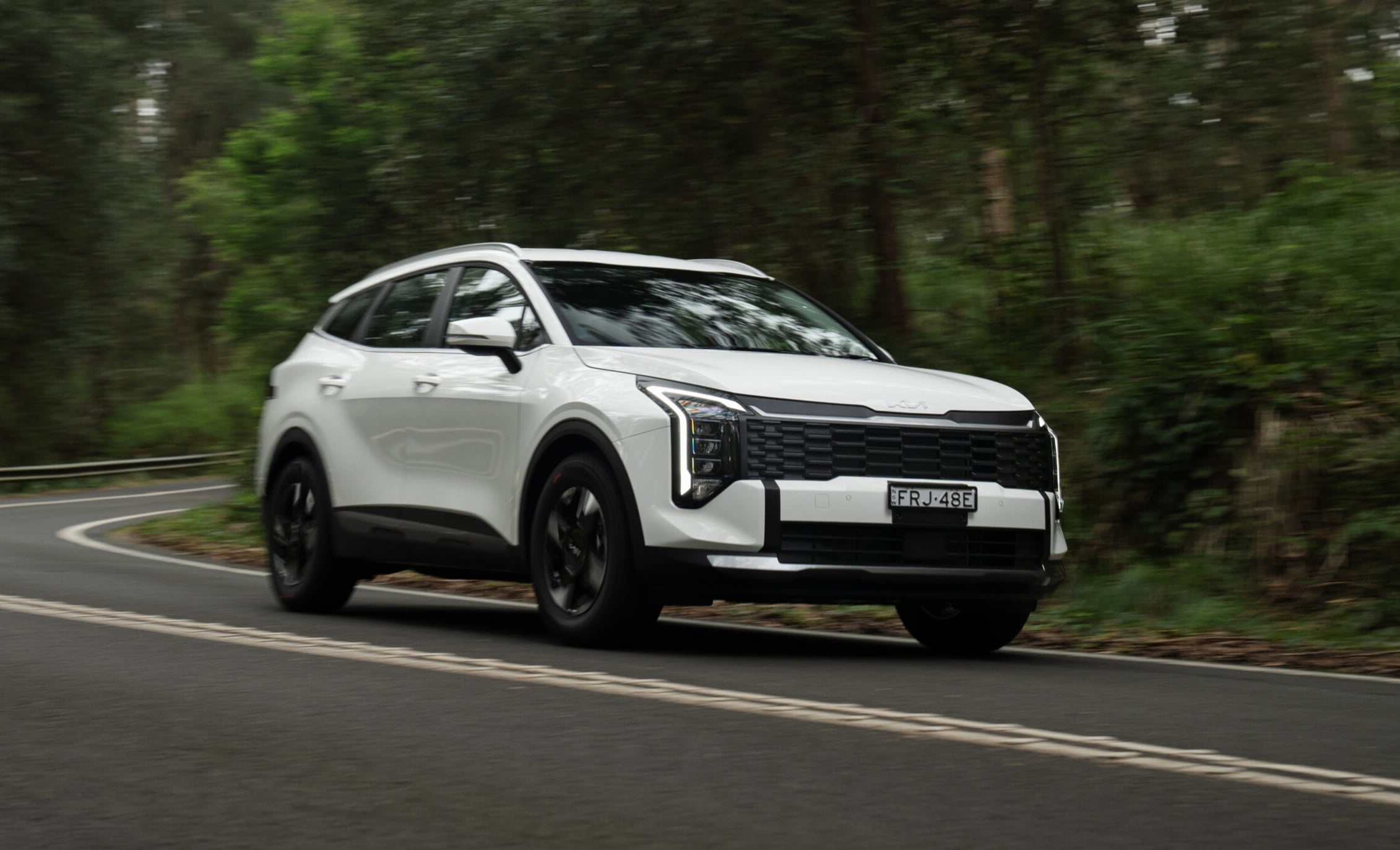
At number one for the most fuel efficient medium SUV with no electrification is the diesel-powered Kia Sportage. One of the few diesel offerings left on the market, and the only diesel on this list, the Sportage’s punchy 137kW/416Nm outputs use just 6.3L/100km on the combined cycle and doing lots of highway driving will reduce that even further. Diesel power doesn’t suit everybody, but particularly for those in country areas not doing start-stop traffic driving, it can still make a lot of sense. Both hybrid (from 4.7L/100km) and pure petrol (8.1L/100km) variants also exist in the Sportage range, but we think that the diesel provides a unique option for medium SUV buyers not wanting electrification.
Follow WhichCar/Wheels on Google
Click the button below to make WhichCar by Wheels a preferred source for your news.

We recommend
-
 News
NewsEOFY offers 2026: Deals from Kia, BYD, BMW, Toyota, Mazda, MG and more – updated
It's approaching the end of the 2026 financial year, which means that car manufacturers are sharpening their pencils. Here are the best EOFY offers.
-
 News
NewsLuxury Car Tax changes offer modest discounts this year ahead of significant upheaval for 2027
Luxury Car Tax thresholds have been given a minor bump in 2026, indexed to inflation, but buyers may want to hold off until a massive overhaul of the system due next year.
-
 Comparisons
Nissan X-Trail v Mazda CX-5: Medium-size SUVs go head-to-head in hard-fought segment
Upgraded for 2026, the Nissan X-Trail is primed to take the fight to one of the segment favourites, the Mazda CX-5, which is nearing the end of its life as a new model looms on the horizon
