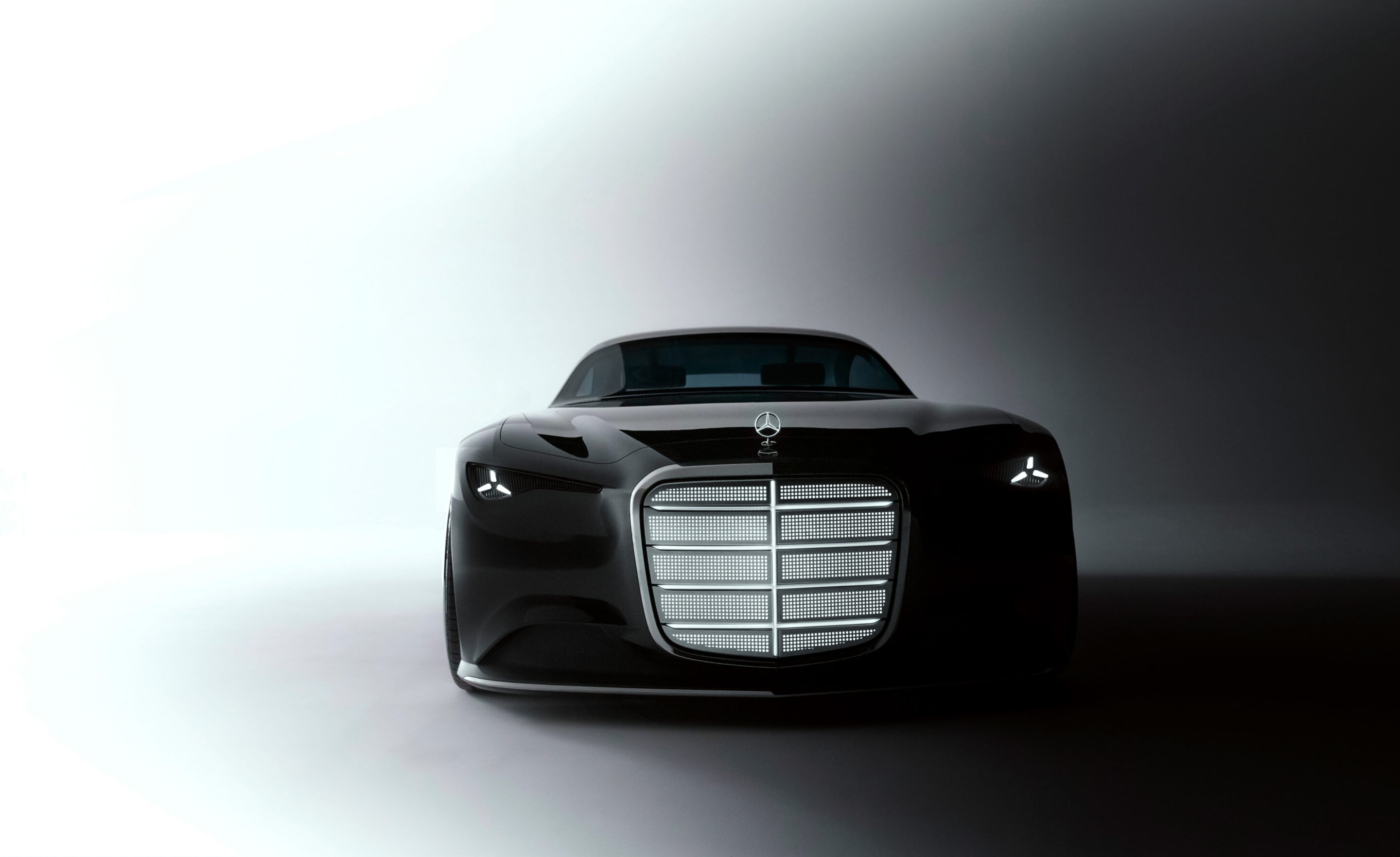
Mercedes-Benz has unveiled its most ambitious design statement yet – the Vision Iconic, a sculptural electric show car that bridges more than a century of heritage with a bold technological future.
Described by Mercedes as “a sculpture in motion,” the Vision Iconic embodies both opulence and innovation. It reinterprets one of the brand’s most recognisable hallmarks – the Mercedes-Benz radiator grille – into a modern, illuminated “digital status front.”
Inspired by classic models such as the W108, W111 and 600 Pullman, the new iconic grille combines a chrome frame, smoked-glass lattice and integrated contour lighting, with a glowing three-pointed star crowning the bonnet.
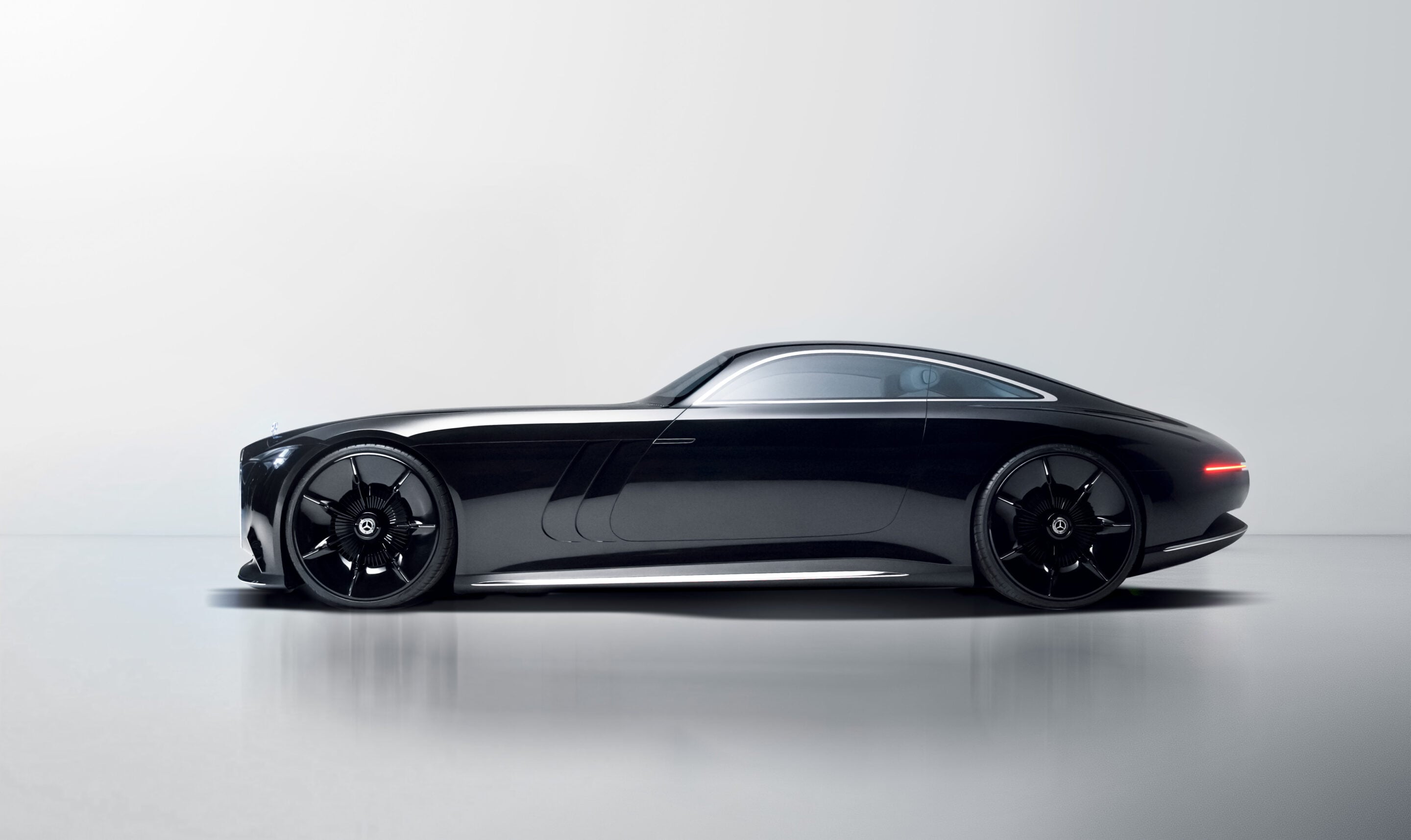
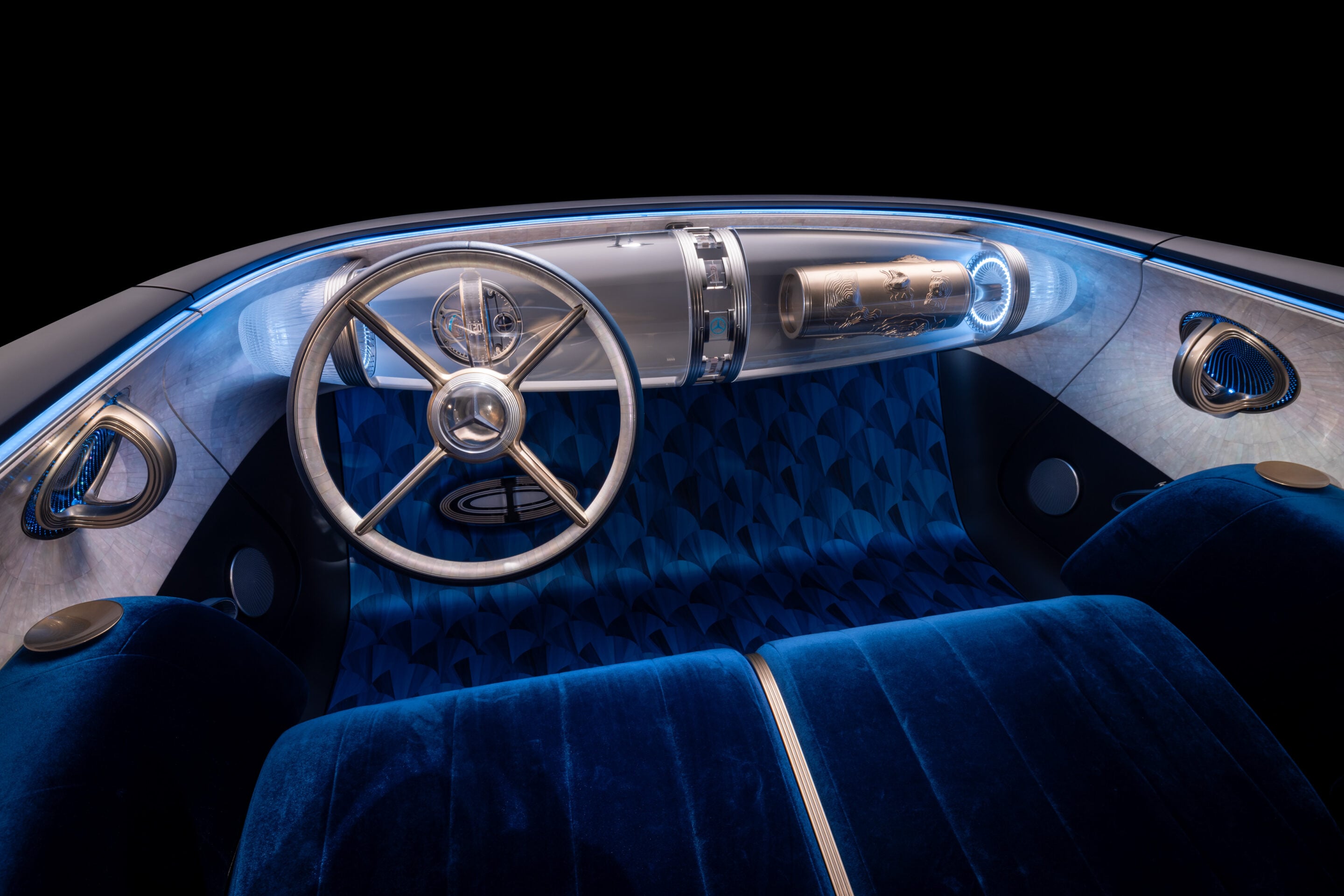
According to Chief Design Officer Gorden Wagener, the Vision Iconic channels the “pure essence of Mercedes-Benz,” with sweeping Art Deco lines, a flowing silhouette, and craftsmanship reminiscent of the marque’s golden age. Inside, the car transforms into a lounge-like sanctuary, merging hyper-analogue artistry with digital luxury.
The centrepiece is a floating glass structure known as the “Zeppelin,” complemented by mother-of-pearl marquetry, brass accents, and deep blue velvet seating. The cabin evokes an atmosphere of timeless refinement, with the Mercedes-Benz logo suspended in glass within a four-spoke steering wheel.
Technologically, the Vision Iconic serves as a showcase for next-generation systems. It introduces neuromorphic computing, mimicking the human brain to boost processing speed and reduce energy consumption in autonomous driving by up to 90 per cent. The concept also supports Level 4 highly automated driving, allowing occupants to relax or stream media while the vehicle handles traffic and parking independently.
A pioneering solar paint adds to its innovation, capturing sunlight to generate energy and potentially extending driving range by up to 12,000 kilometres per year under ideal conditions. Complementing this is steer-by-wire technology for enhanced agility and interior flexibility.
To celebrate the concept’s debut, Mercedes-Benz also revealed a capsule fashion collection, reflecting the Vision Iconic’s blue and silver-gold tones with 1930s-inspired detailing – in keeping with the brand’s fusion of style, art and advanced mobility.
MG Motor Australia has unveiled the HS Hybrid+, a new hybrid version of its popular mid-size SUV that combines a turbocharged petrol engine with upgraded electric power for improved performance and efficiency.
Priced from $40,990 driveaway, the HS Hybrid+ enters the growing hybrid SUV segment as one of the most affordable options on the Australian market. The model introduces a new hybrid system that blends everyday practicality with stronger electric assistance for urban and highway driving.
Under the bonnet, the HS Hybrid+ pairs a 1.5-litre turbocharged petrol engine with a 146kW electric motor, producing a combined output of 165kW and 340Nm. Power is delivered through a two-speed transmission, designed to enhance responsiveness at low speeds and efficiency during cruising. MG claims this makes it one of the most powerful hybrids in its class.
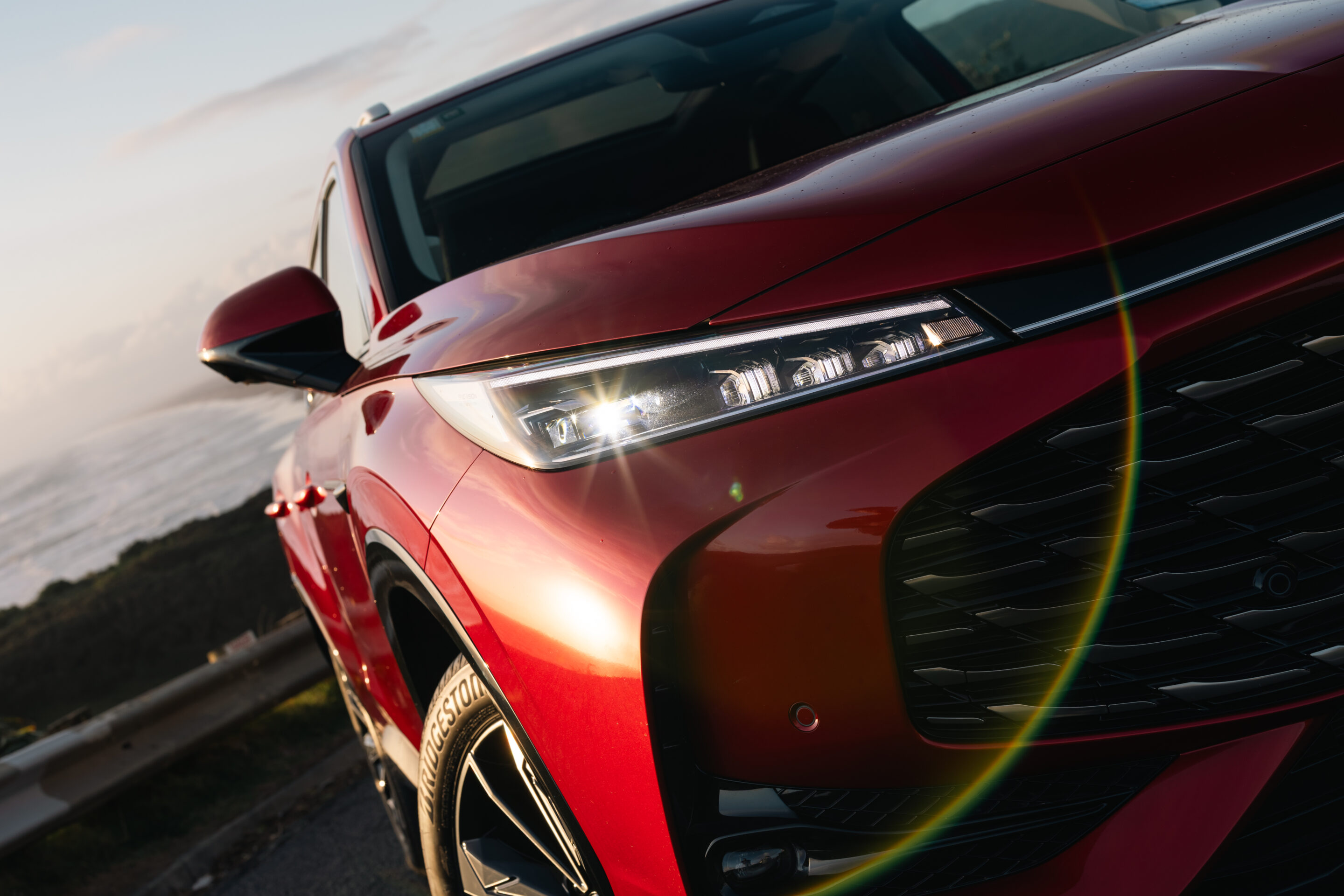
Fuel economy is rated at 5.2L/100km (combined) and 4.2L/100km in urban conditions on the NEDC cycle, with the hybrid system’s regenerative braking and thermal management further improving efficiency.
A key innovation is the vehicle’s 1.83kWh liquid-cooled battery, which MG says provides better heat management than traditional air-cooled systems, offering improved performance and reliability in hot Australian conditions.
Beyond its hybrid technology, the HS Hybrid+ carries a series of comfort and design upgrades. The model features 19-inch alloy wheels, a 2765mm wheelbase, and revised exterior styling. Inside, the cabin includes premium materials, a 12.3-inch touchscreen, wireless Apple CarPlay and Android Auto, and a spacious layout offering 507 litres of boot space, expanding to 1484 litres with the rear seats folded.
The HS Hybrid+ continues MG’s move toward electrification while maintaining the brand’s focus on value and practicality. It sits alongside the company’s growing hybrid and electric lineup, which includes the ZS EV and MG4.
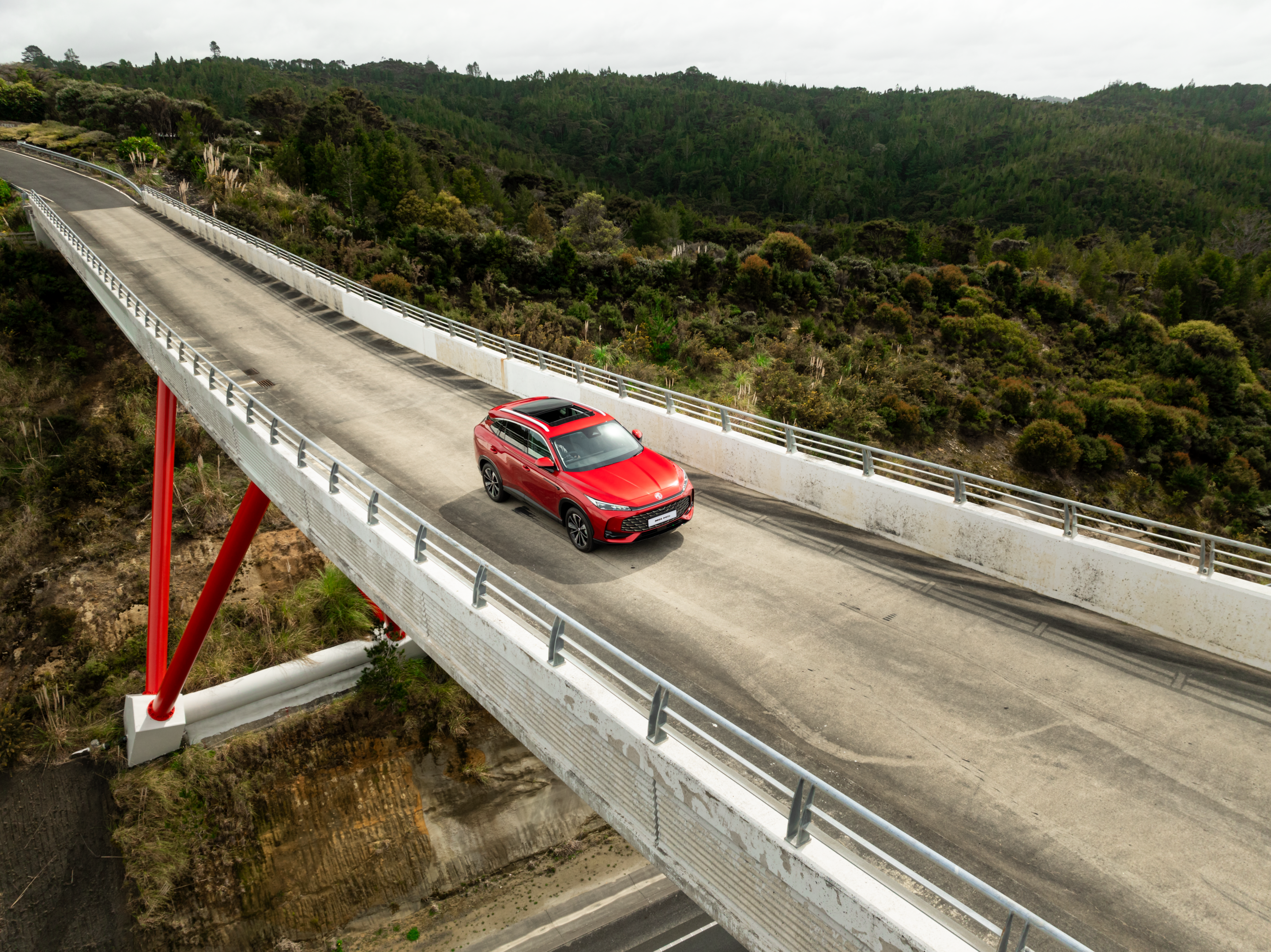
The vehicle is covered by MG’s 10-year warranty when serviced through its national dealer network and includes roadside assistance for the warranty’s duration.
The MG HS Hybrid+ is available now through MG dealerships across Australia, marking another step in the brand’s transition toward more efficient, electrified vehicles tailored to local conditions.
Toyota has revealed an eye-catching glimpse of what could be the next-generation Corolla, and it’s unlike any version of the world’s best-selling car seen before. The Corolla Concept, set to debut at the Japan Mobility Show on October 30, showcases a bold new design language and signals the brand’s next step in its electrification journey.
While Toyota hasn’t released full details yet, a charging port on the front fender makes one thing clear – the new Corolla will feature plug-in hybrid or full-electric power. Given Toyota’s recent acceleration in electric vehicle development, including models such as the bZ4X SUV and Prius Plug-in Hybrid, industry watchers believe this futuristic concept is most likely an electric Corolla.
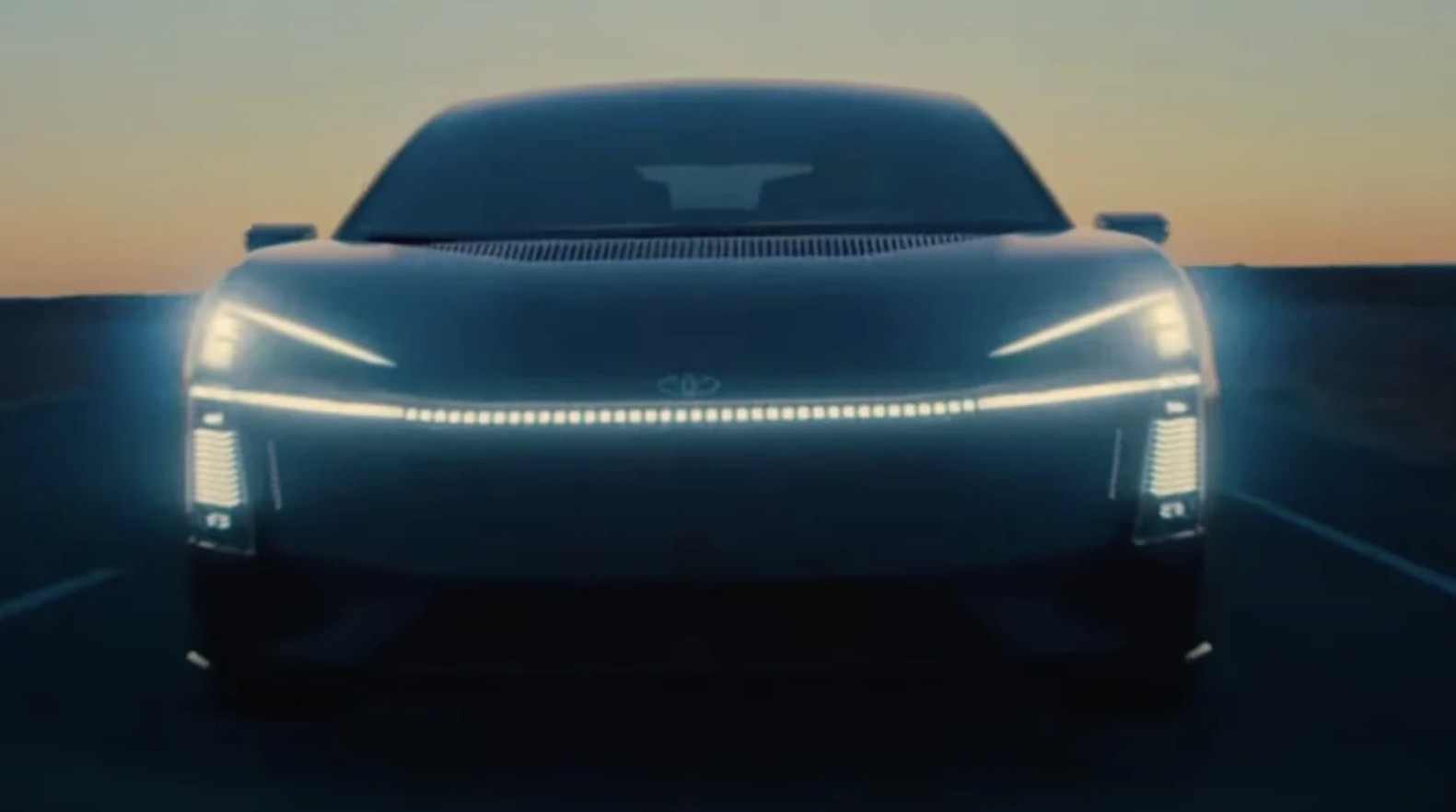
If confirmed, the new EV could join Toyota’s local lineup alongside the existing hybrid Corolla, much like how the C-HR Hybrid and all-electric C-HR+ are sold together in global markets. The move would give Toyota a strong rival to emerging compact EVs such as the Volkswagen ID.3, Kia EV4, and Volvo EX30 – all of which are expected to target mainstream buyers seeking efficient electric mobility.
The concept’s sleek, coupe-like silhouette departs dramatically from the current Corolla hatch, featuring a streamlined fastback shape designed for aerodynamic efficiency and maximum interior space. Distinctive styling cues include a sharp, angular nose with a full-width LED light bar, vertical headlights, and a pixel-inspired rear lighting signature with a subtle ducktail spoiler reminiscent of the Hyundai Ioniq 6.
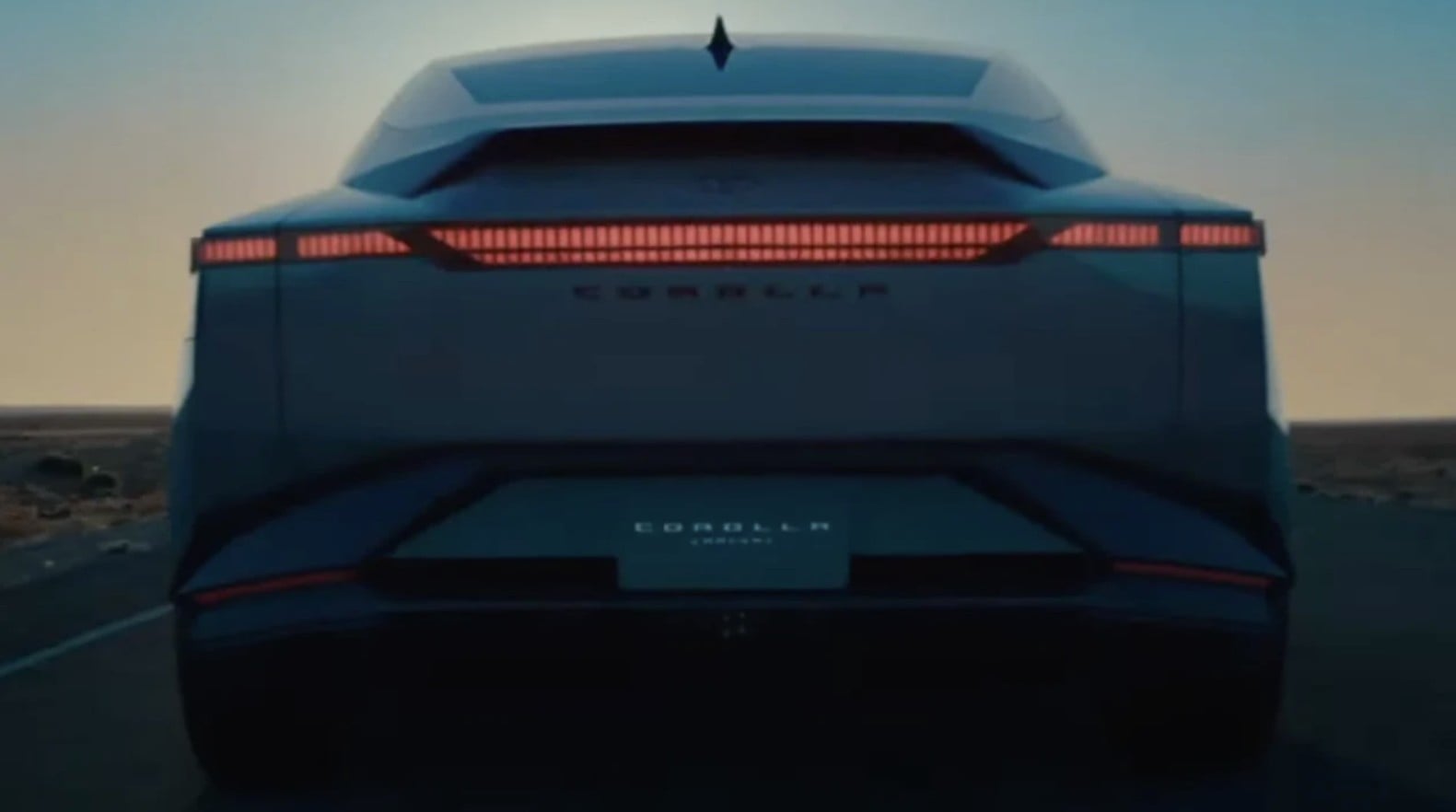
This design evolution suggests Toyota is intent on redefining the Corolla’s identity for an era of electric mobility – from practical commuter to stylish, tech-focused EV.
The futuristic Corolla will share the spotlight in Tokyo with several other concept vehicles, including a six-wheeled luxury MPV from Lexus, Toyota’s premium sibling brand, underscoring the group’s broader push toward innovative, electrified design across its portfolio.
Lexus is no stranger to turning heads, but its latest concept might be its most audacious creation yet – a six-seat, six-wheeled luxury people mover that reimagines what the brand’s flagship model could become in the electric age.
Set to be unveiled at the Japan Mobility Show later this month, the new Lexus LS Concept takes the familiar badge once meaning “Luxury Sedan” and redefines it as “Luxury Space”. The move signals Lexus’s ambition to evolve beyond traditional sedans and into the realm of futuristic mobility lounges on wheels.
The LS Concept’s dramatic proportions and distinctive layout – with a single large set of wheels up front and two smaller pairs at the rear – have already sparked intrigue. According to Toyota’s Chief Branding Officer, Simon Humphries, the unusual wheel configuration allows for greater interior space without compromising the smoothness and stability expected of a Lexus.
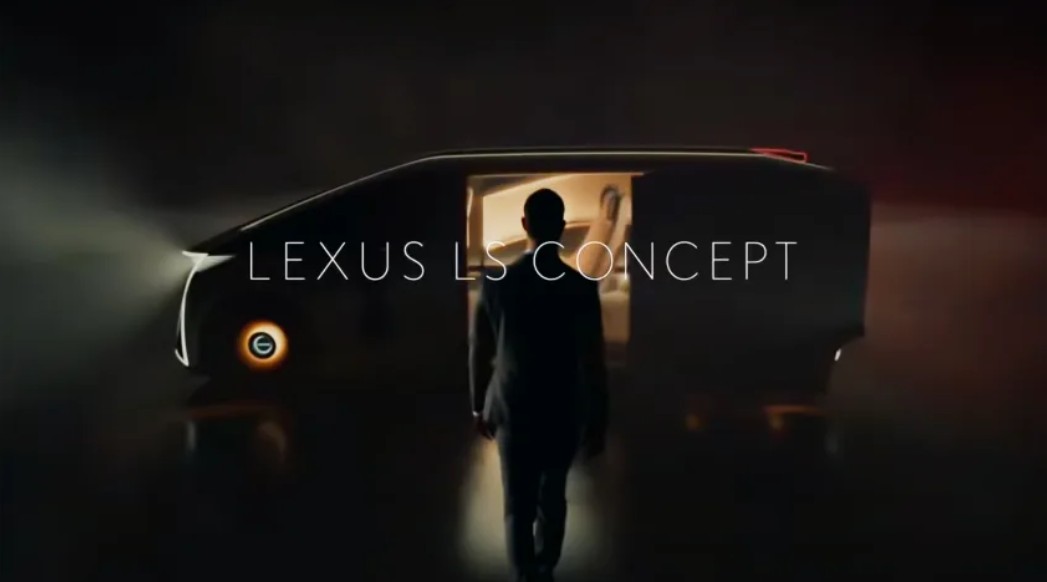
Interestingly, the wheels appear to glow in official teaser images, suggesting the vehicle could feature individual electric motors for each wheel, delivering silent, precise power and enhanced control. This multi-motor electric platform would align with Lexus’s push toward fully electric luxury mobility, offering whisper-quiet performance and seamless ride refinement.
The concept’s name deliberately recalls the original Lexus LS 400, the 1990s luxury sedan that helped establish Lexus as a global competitor to Mercedes-Benz and BMW. Back then, the LS 400 won acclaim for offering superior comfort and reliability at a far lower price. Now, Lexus is using that same pioneering spirit to explore what ultra-premium travel could look like in the near future.

While the six-wheeled LS Concept is unlikely to reach production, Lexus insiders suggest the design could inspire future models, particularly in the brand’s expanding electric people mover lineup. For now, customers seeking a luxurious multi-passenger experience can look to the Lexus LM, the brand’s plush, chauffeur-driven van, priced from around $180,000 in Australia.
Whether the LS Concept is a glimpse of tomorrow’s high-end mobility or simply a wild design experiment, it’s clear Lexus continues to challenge convention in the luxury segment.
A nest of vipers is about to be unleashed on Australian roads as the latest Shelby GT 350 Mustang arrives down under.
More than a dozen 2025-model GT 350s are set for customers with the promise of 357 kiloWatts of V8 muscle and a range of Shelby performance upgrades. The GT 350s follow the Shelby Super Snake, the current headliner from the US performance company, complete with 600 kiloWatts of supercharged power.
Further down the road, likely before the end of the year, there will also be the first Super Snake R (below). Shelby cars for Australia are built using a package of upgrade parts shipped from Shelby American in Las Vegas, through the local agent, Mustang Motorsport in Melbourne. The differences between the GT 350 and Super Snake are obvious, including the number of cars and the bottom line.
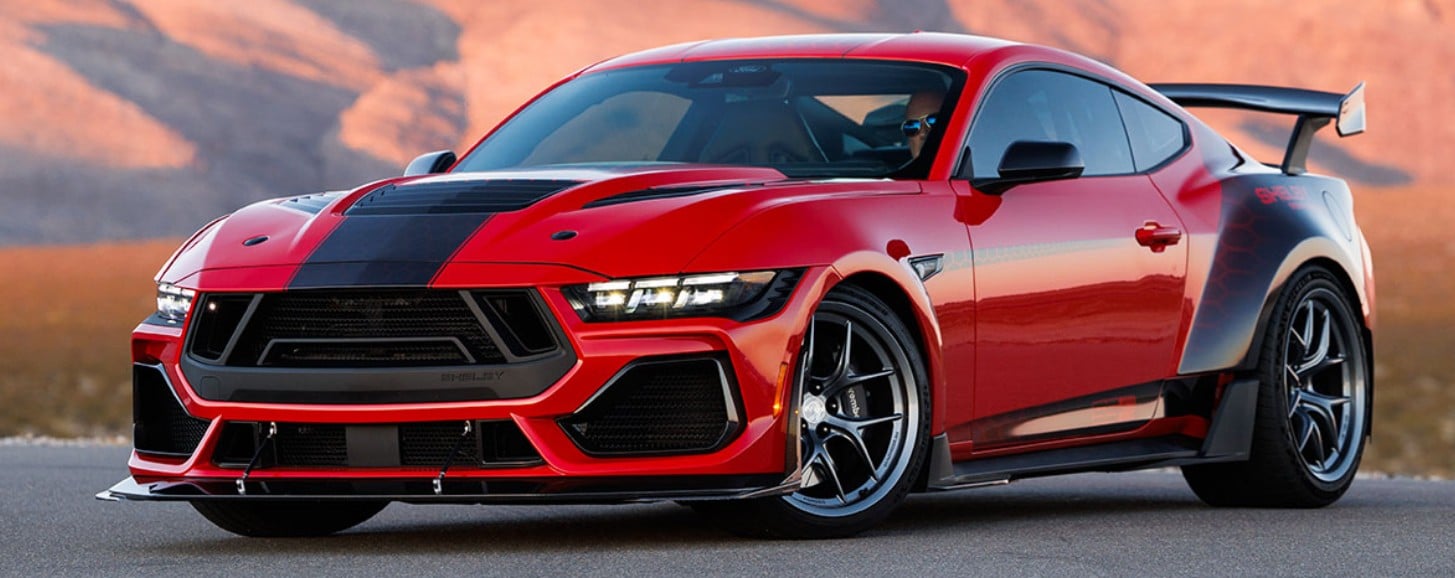
“We’re going to be building our first GT 350s next month. It’s $45,000 on top of the cost of the donor car,” the co-owner of Mustang Motorsport in Ferntree Gully, James Johnson, tells Wheels. “But most people will add the supercharger on top, which is $70,000. It’s Shelby’s 810-horsepower (604kW) package.”
The flagship takes a big step up.
“The Super Snake package here is $170,000 on top of the car. We call it the hamburger with the lot,” says Johnson. “It’s drive-in, drive-out We do second stage manufacturing engineering work, so it’s all road legal in Australia.”
But that’s not the end of the Shelby story, or even the beginning.
“We have our first order for a Super Snake R. That’s a wide-body car that can only be built on a Mustang Dark Horse. That’s the top tier car. It’s four inches wider in the rear, wider in the front, and runs on 12.5-inch rear wheels. I’m still getting the final sign-off, but I have one pre-order and he has the donor car and his cheque book.”
According to Johnson, there is strong demand for the Shelby cars based on their performance and the history of the brand with the Cobra badge.
“We were the first Shelby mod shop outside America. It was in ’07 or 08,” he says. “We’ve been doing more business now we had the (factory) right-hand drive vehicles. It’s a continuous flow.
“Shelby brings out a new model every couple of years. And we build them if people want them. It’s a small-volume niche model.”
Johnson says the production total for the Super Snake is growing quickly.
“We’ve been allocated 20 cars a year. In America they are limited to 200 a year. By the end of this year we will have finished cars. It’s a big package. It’s got magnesium wheels and runs a carbon fibre front end. New bonnet, carbon fibre wings. It’s a fully body upgrade, with leather on the interior trim. And 305 tyres all around.”
He says the difference for the GT 350 is less reliance on power.
“It’s more about handling and styling. It’s a new bonnet, suspension, wheels, spoiler and body design.
It can be done without a supercharger. But every angle is covered.”
Johnson says there has been a slight delay in the arrival of GT 350 packages, after a sell-out in the USA, but local deliveries will ramp-up in 2026.
Car modifications are a hot topic among Australian motorists – and social media is adding fuel to the fire. From lifted suspensions to tinted windows, thousands of TikTok videos debate what’s legal and what could get you fined.
But according to Astor Legal lawyer Avinash Singh, many drivers don’t realise how strict the laws around vehicle alterations actually are. Singh warns that “any modification of a vehicle which is not approved by the relevant state’s transport authority is considered illegal.”

“Drivers should be especially cautious about changes that affect the body, engine, suspension, brakes or chassis,” Singh says. “Even common tweaks like wheel spacers, under-glow lighting, or overly dark window tinting can be unlawful if not approved.”
According to 4wheelHouse, other prohibited modifications may include removing mud guards or altering safety features that were part of the original vehicle design.
Each Australian state and territory has its own vehicle modification rules — and the fines vary significantly.
- New South Wales: Under Regulation 84 of the Road Transport (Vehicle Registration) Regulation 2017, it’s illegal to use or permit use of an unlawfully modified vehicle. The maximum fine is $2200.
- Victoria: Regulation 257 of the Road Safety (Vehicles) Regulation 2009 carries a penalty of just over $1000 for driving a non-compliant vehicle.
- Tasmania: Regulation 138 of the Vehicle and Traffic (Driver Licensing and Vehicle Registration) Regulations 2021 sets fines at around $2000.
- Queensland: Under Regulation 19 of the Transport Operations (Road Use Management—Vehicle Standards and Safety) Regulation 2021, owners who allow illegal modifications face fines of up to $10,000 — the highest in the country.
- Western Australia: Regulation 235 of the Road Traffic (Vehicles) Regulations 2014 prohibits unapproved alterations from manufacturer specifications, with fines up to $800.
- South Australia: The Road Traffic (Light Vehicle Standards) Rules 2018 impose penalties of around $1000, depending on the modification.
Singh notes that “there are exemptions for vehicles that are not driven on public roads or road-related areas,” and that owners can apply for approval through their state’s road transport authority.
Drivers wishing to challenge a fine or defect notice will need expert evidence, Singh says – such as a mechanic’s report comparing the car’s specifications to legal standards.
“Ultimately,” he adds, “knowing the law before you modify your car can save you a great deal of money and trouble.”
GWM has marked a major milestone in its Australian journey with the launch of the new Tank 500 Hi4-T Plug-in Hybrid, unveiled shortly before the brand detailed an ambitious growth strategy at the company’s recent 2025 Tech Day event.
The Tank 500 Hi4-T arrives as GWM’s most powerful and luxurious SUV yet — priced from $79,990 driveaway, or $77,990 with an early-bird launch offer. It is the brand’s fourth plug-in hybrid this year and the second to feature GWM’s innovative Hi4-T hybrid technology, combining dual electric motors with a 2.0-litre turbo petrol engine and mechanical four-wheel drive. The result is a formidable 300kW and 750Nm, a 6.9-second 0–100km/h sprint, and fuel consumption of just 2.1L/100km.
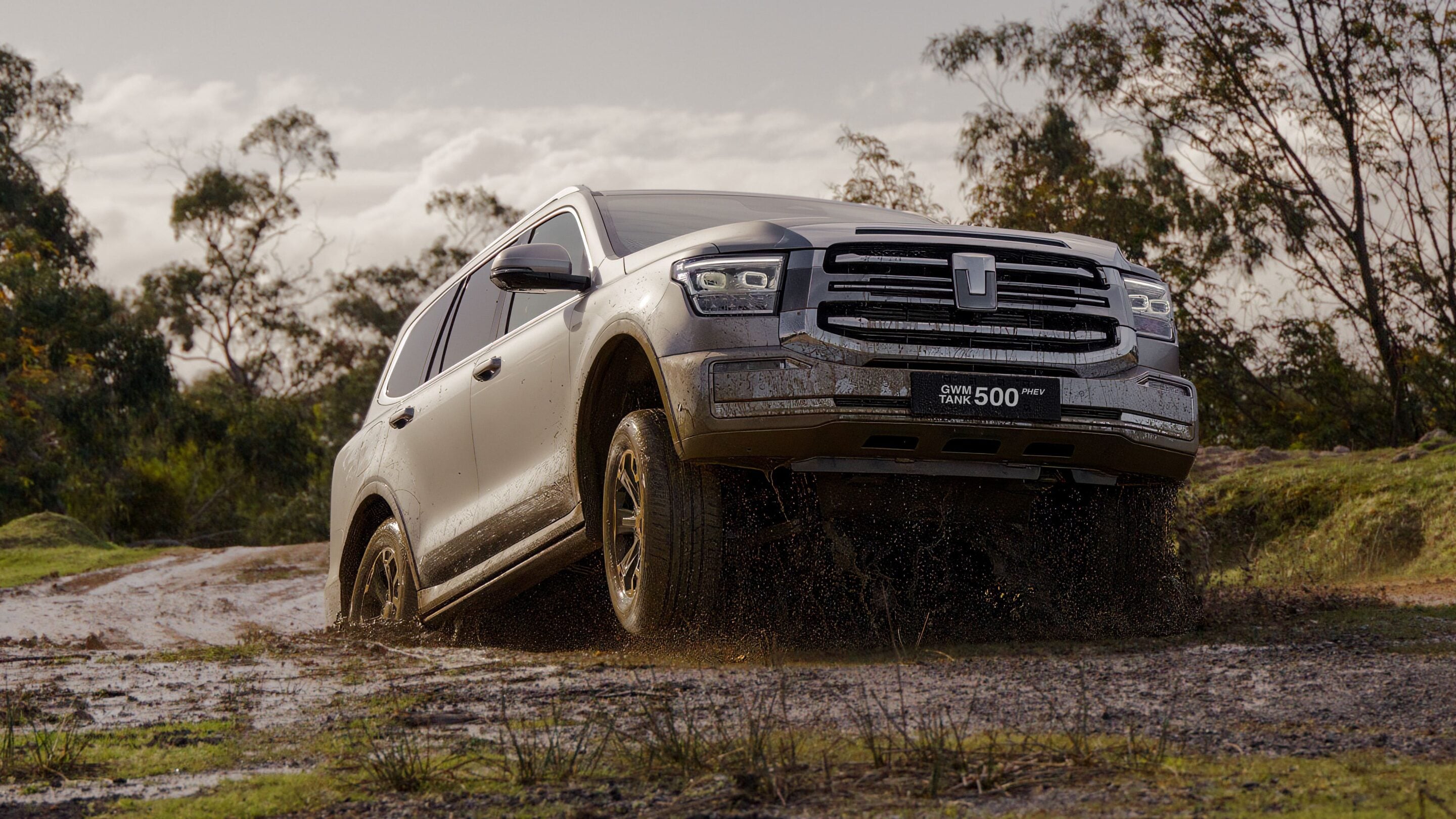
Built to deliver luxury as well as off-road muscle, the Tank 500 Hi4-T boasts locking front, centre and rear differentials, 800mm wading depth, and 3-tonne towing capacity, keeping faith with the Tank brand’s rugged roots. Inside, premium features include Nappa leather-accented seats with heating, cooling and massage, a 14.6-inch infotainment screen, and Infinity premium audio. A 37.1kWh battery supports Vehicle-to-Load (V2L) functionality, providing 6kW of off-grid power for adventurous owners.
At Tech Day 2025, GWM also confirmed the Haval H6 AWD PHEV (Hi4) as another new addition to its expanding hybrid portfolio, underscoring its vision of high-performance, low-emission mobility for both urban and off-road drivers. Over three days, the brand showcased its Hi4 and Hi4-T hybrid systems, alongside new technologies and its Australian-Tuned Driving Dynamics (AT-1) program, led by local expert Rob Trubiani. The AT-1 program’s refined suspension and steering calibrations for Australian conditions will enter production in November 2025.
GWM’s Chief Technology Officer Nicole Wu also announced that Australia will be the global debut market for a new 3.0-litre diesel engine, due mid-2026, broadening the brand’s powertrain options.
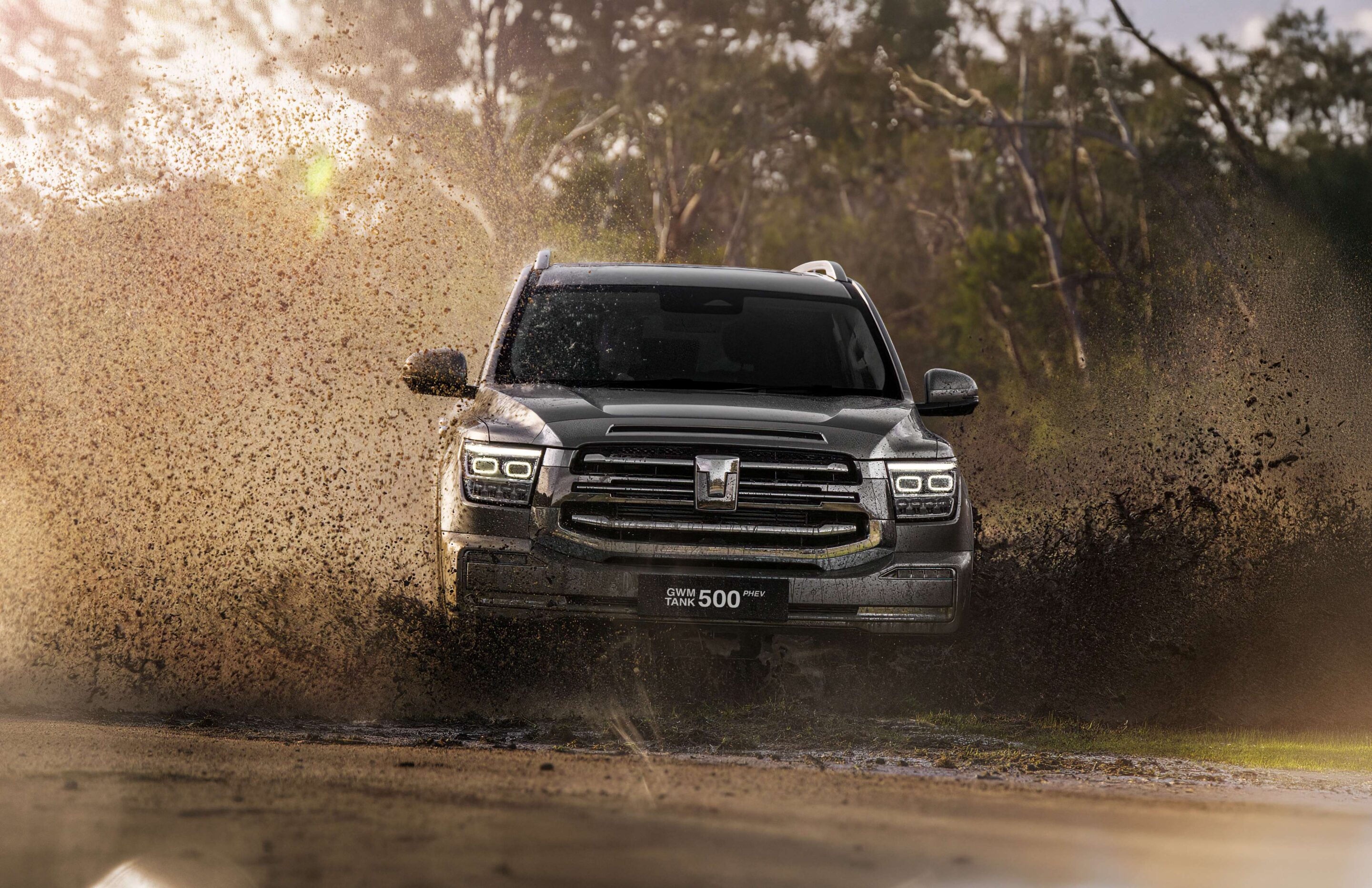
Looking ahead, GWM plans to expand its national dealer network to 125 and is targeting 75,000 annual sales and a Top 5 market position by 2025. The company also revealed plans to launch its premium WEY brand locally, previewed with the WEY G9 SUV.
Head of Marketing and Communications Steve Maciver said the “Be More Tank” campaign for the new Tank 500 symbolises GWM’s refreshed brand identity — one built on attitude, aspiration and relevance for the Australian market.
Tank 500 Hi4-T Plug-in Hybrid Specs
| HYBRID | Hi4-T PHEV | |
|---|---|---|
| Engine Size | 1998 | 1998 |
| Gearbox | 9-Speed Hybrid Automatic Transmission(9HAT) | 9-Speed Hybrid Automatic Transmission(9HAT) |
| Combined kW | 255 | 300 |
| Combined Nm | 648 | 750 |
| Engine kW | 180Kw @ 5,500-6,000 | 180Kw 5,500-6,000 |
| Engine Nm | 380Nm @ 1,700-4,000 | 380Nm @ 1,700-4,000 |
| Motor kW | 78kW | 120kW |
| Motor Nm | 268Nm | 400Nm |
| 0-100 kmph (seconds) | 8.5 | 6.9 |
| Combine range (L/100km) (NEDC) | 8.5L/100 | 2.1L/100 |
| Combine range (km) (NEDC) | – | 950 |
| Co2 g/km | 199 | 47 |
| EV range kms (NEDC) | – | 120 |
| Battery capacity | 1.76 kWh | 37.11kWh |
| Battery chemistry | – | Nickel Manganese Cobalt |
| Fuel (RON) | 91 | 91 |
| Fuel Tank | 80 | 70 |
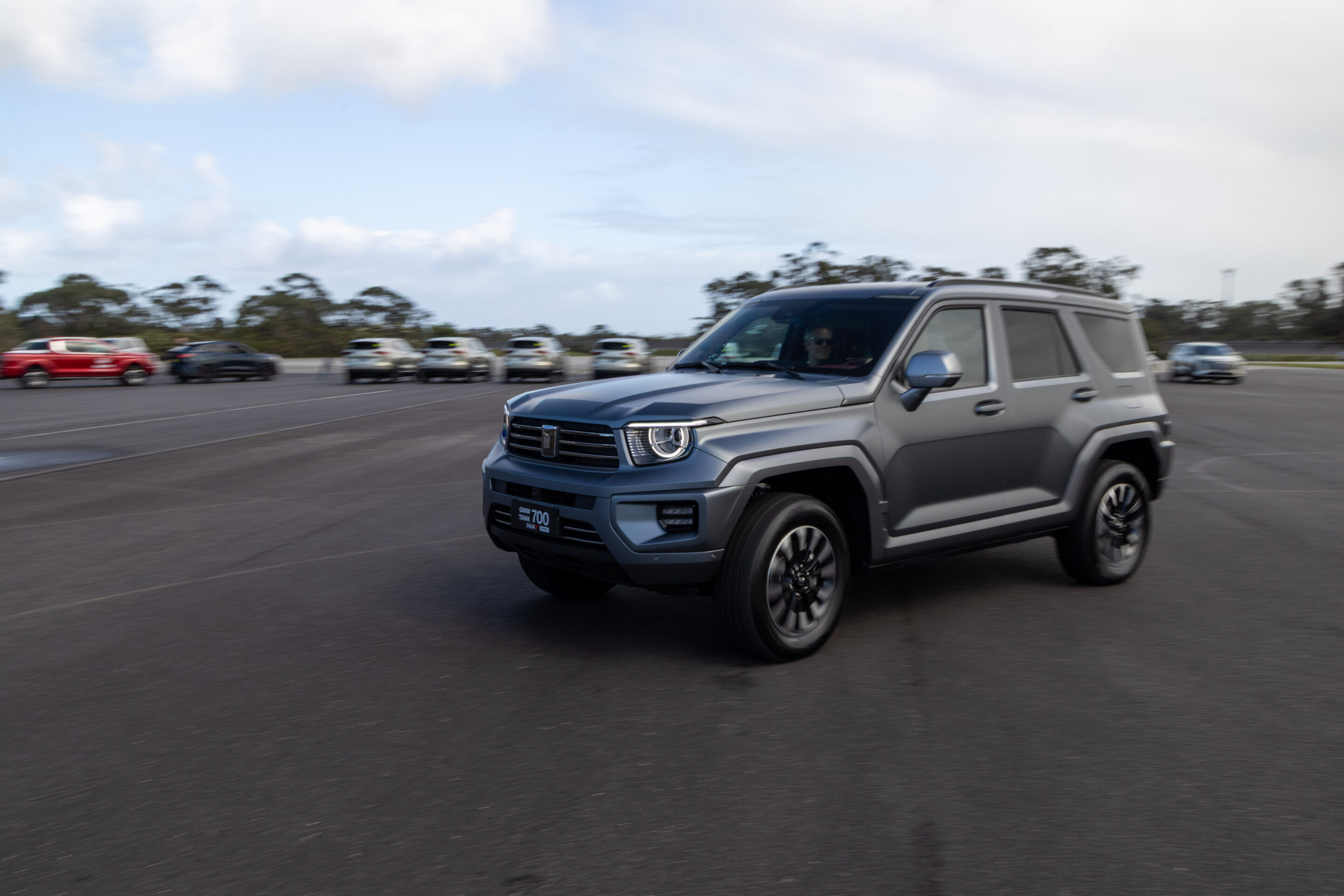
Wheels was in Maranello to test the new 296 Speciale and take a close look at the architecture that will underpin Ferrari’s first fully-electric vehicle, and the following day at the manufacturer’s presentation and investor update, the share price took a significant hit – down 15 per cent.
That hit came despite Ferrari continuing to sell strongly in key markets around the world, the brand lifting annual guidance and laying out even more ambitious long-term revenue and profit targets. Interestingly, it would appear that investors have reacted negatively to Ferrari’s revised expectations for the transition to electric production, where it has cut its 2030 target from 40 per cent down to 20 per cent.
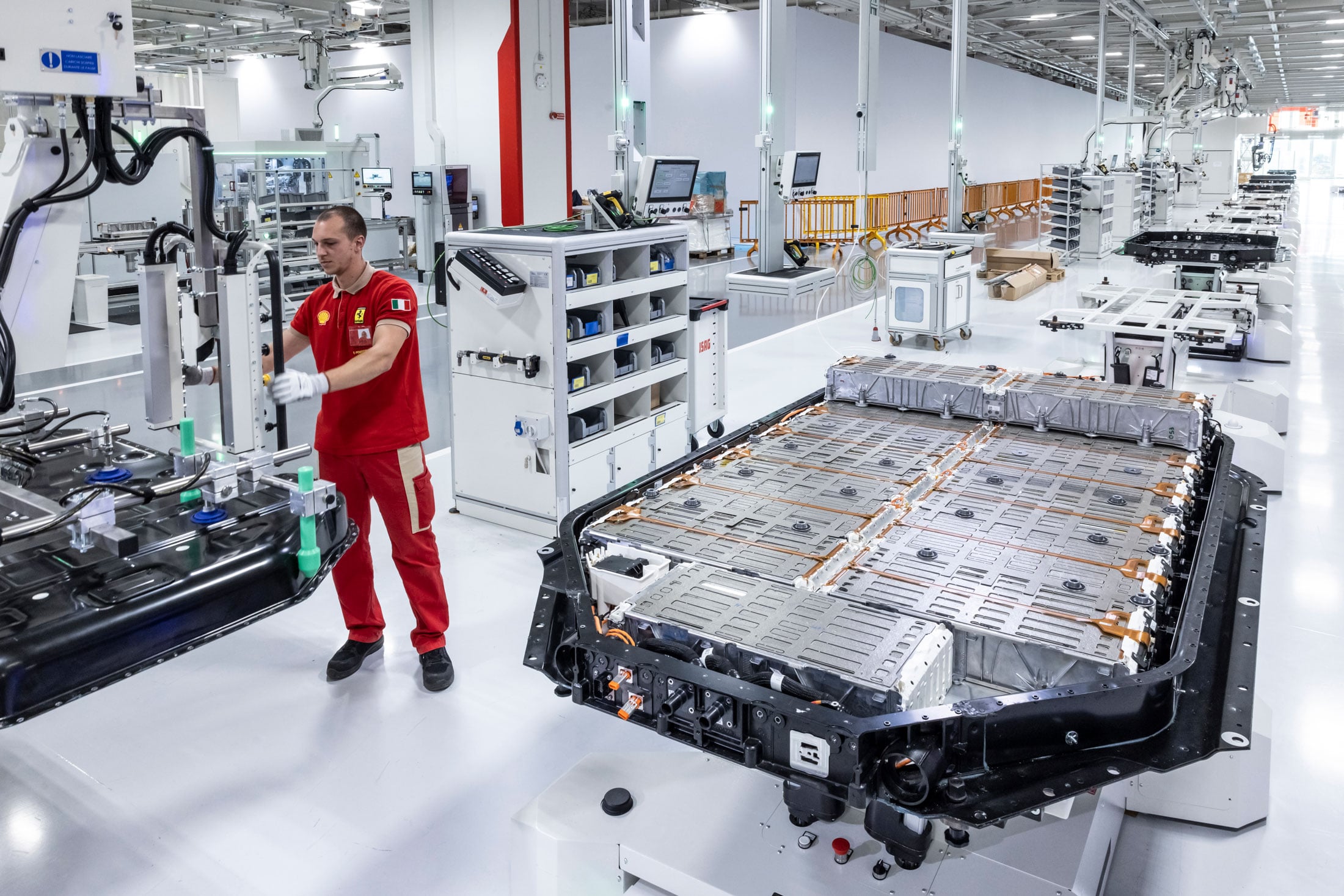
The share price hit came hot on the heels of the global first drive of the 2026 Ferrari 296 Speciale, with its hybrid powertrain, that the brand used as the opportunity to tell global media it would continue to focus on internal combustion combined with hybrid technology.
As part of that strategy, Ferrari has halved its fully-electric model mix.
Ferrari is just one of the brands caught in the crosshairs of government demands that vehicles should be electric, customers who don’t want electric electric vehicles in the numbers that governments want, and development and production costs, which remain prohibitive. In an investment market where some investors are heavily and aggressively EV-focused, the move by Ferrari might be seen as sitting on the fence.
Ferrari CEO Benedetto Vigna, who had presented the first electric Ferrari to the world’s media the day before, effectively admitted that Ferrari is caught between a rock and a hard place, stating that Ferrari customers still largely wanted the emotional connection provided by an internal combustion engine.
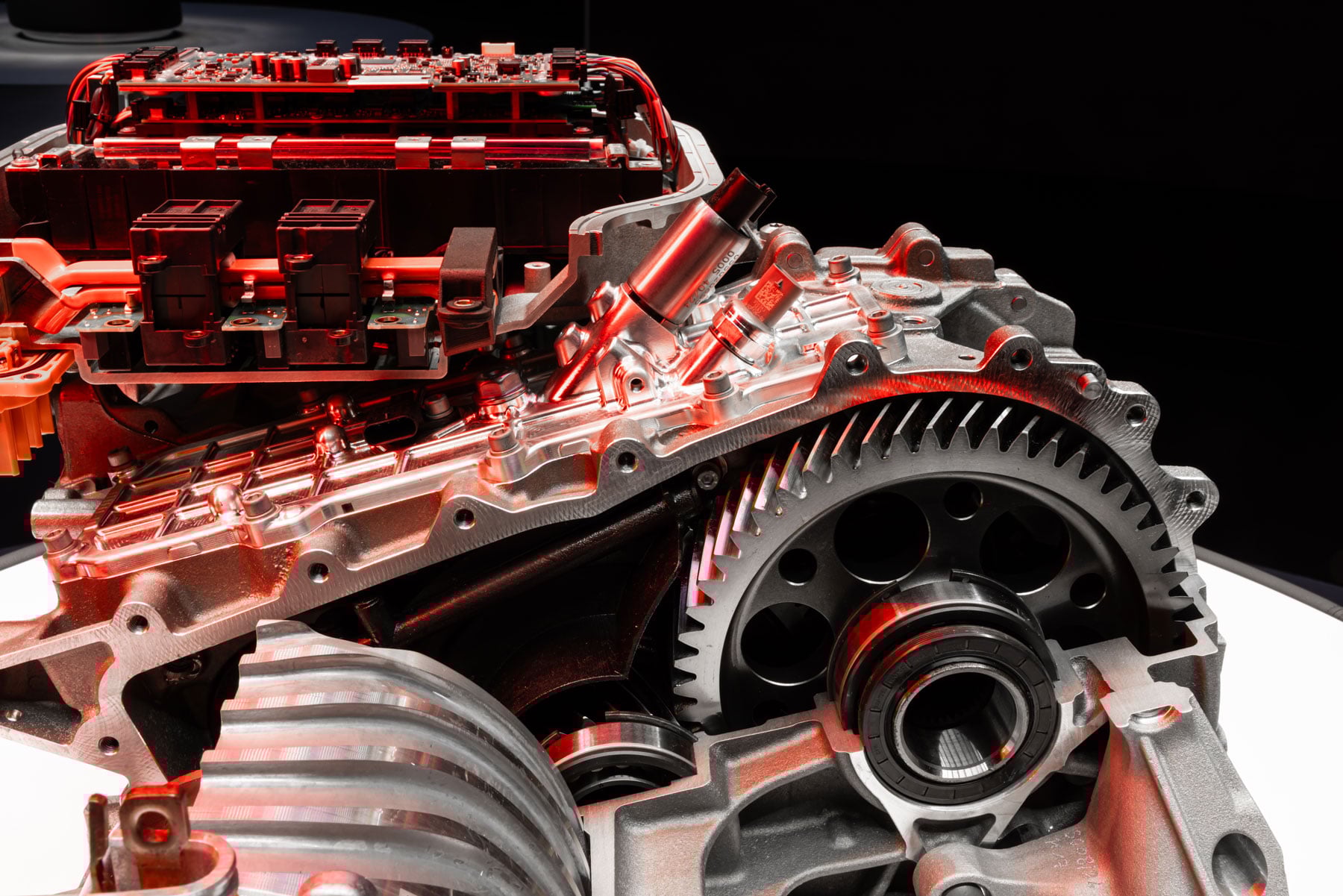
“There are still many opportunities to make internal combustion engines more efficient,” Vigna said. “We are investing in all technologies that can bring more emotion and more performance. This is not a revolution for Ferrari. It is the next chapter of the same story and we have always been driven by innovation, but we never forget where we came from.”
The fascinating part of the next period for Ferrari, is that it enters the next phase in a stronger position financially than it ever has before. Profit per vehicle sold is at a record high, money spent by customers on the personalisation element of the business is at record levels, and demand for wildly expensive one-off models is also high. And yet, investors remain sceptical of where the brand sits in regard to the transition to electric.
Two days before a planned trip up and over the Stelvio Pass we learn that we’d managed to pick the exact weekend of the 200th anniversary celebrations for the famous road, Italy’s highest and the third highest in Europe.
That news had ‘recipe for disaster’ written all over it, and commonsense should have told us to change our plans and create another route – but the Stelvio Pass is something special. It’s universally known by even those not even interested in cars as one of the most spectacular roads to drive on earth. As such, we don’t even bother coming up with a Plan B. Traffic jams, 200th anniversary celebrations or not – the famous pass has too much pull.
Our chosen steer for the occasions? Well, we pick a SUV. Ahh yes, SUVs and the Wheels reader, what do I even say here – there’s some love, some hate and thankfully a fair dose of commonsense.
Then again, this isn’t any normal SUV. Sitting somewhere between performance four-seater sedan and, well, an SUV, is the Ferrari Purosangue. Yes, it’s a significant departure from what we know a Ferrari to be. It’s by no means Ferrari’s first production AWD vehicle (that was the FF of 2011) but it is their first play at producing something so high sitting on the road. Not that the brand refers to the Purosangue as an SUV. Ferrari insists that it’s a four-door, four-seater sports car. With a 6.5-litre naturally aspirated V12 producing 533kW, you could say they have a point.
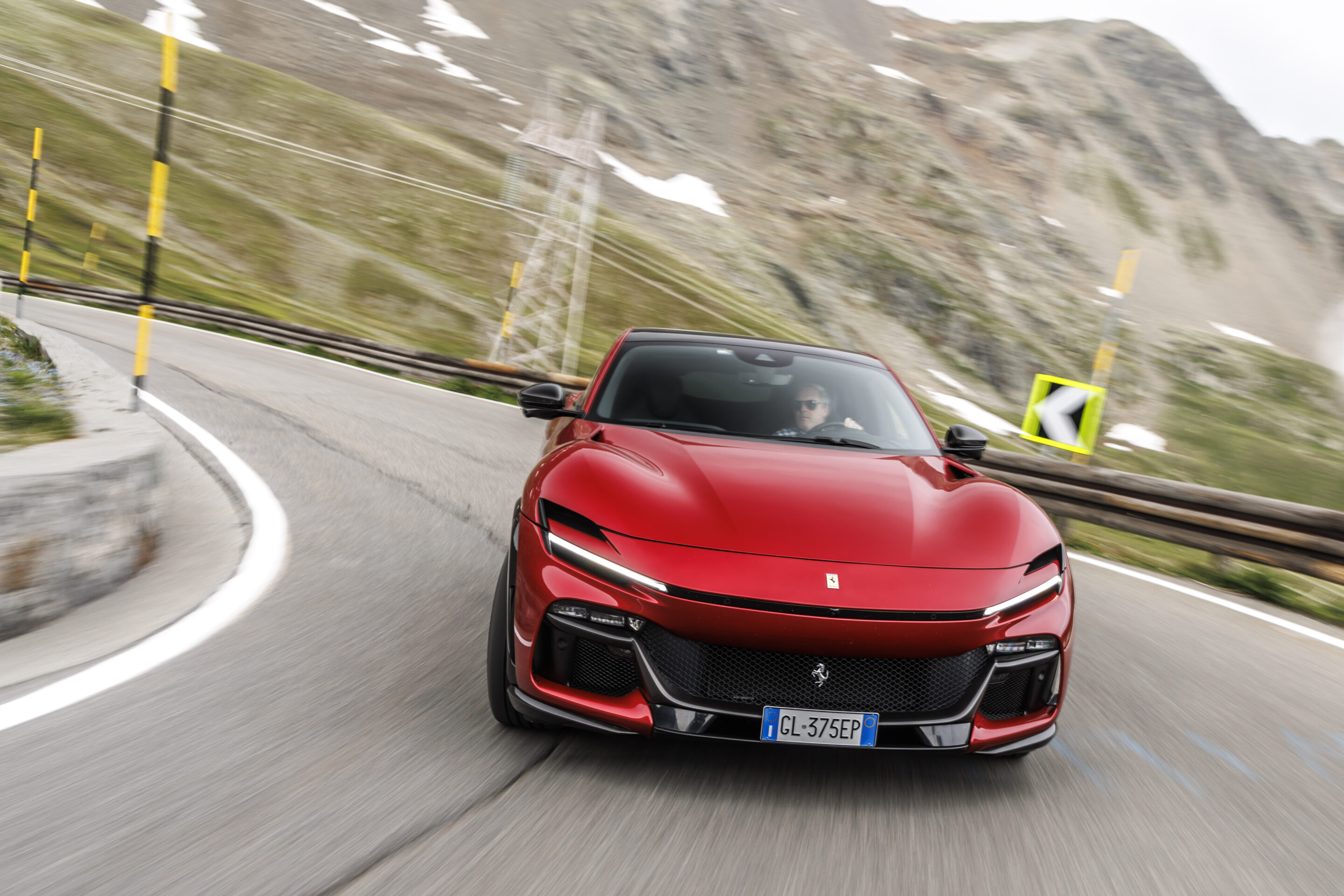
The proportions are generous, but the footprint isn’t overly excessive. Compared with rivals, it measures 130mm less in length than Lamborghini’s Urus and sits more than 30mm shorter than Aston Martin’s DBX. Its width, however, surpasses both, giving the car a planted, muscular look that’s reinforced by compact overhangs. Standing 1589mm tall, it rides nearly 100mm lower than those competitors. In fact, it looks more Porsche Macan-sized to my eyes – which is no bad thing.
For a four-door, four-seat machine, the figures are staggering: 533kW is delivered at 7750rpm, with 80 per cent of its 716Nm torque (573Nm) available from just 2100rpm, while peak torque is achieved at 6250rpm. The V12 sits in a front-mid position within the wheelbase, paired with an eight-speed dual-clutch transmission mounted at the rear axle, which channels power rearward and also works with a revised PTU (borrowed from the AWD GTC4 Lusso) that drives the front wheels.
The gearbox shares its seven lower ratios with the SF90 Stradale and 296 GTB, while the final eighth gear is tuned for cruising. Although there’s no hybridisation in the system, the engine and transmission can disengage to allow the car to coast.
This engineering layout achieves a 49:51 front-to-rear weight balance. The performance claims are equally aggressive: 0-100km/h in 3.3 seconds and a top speed beyond 310km/h. Kerb weight is 2180kg.
Beneath the skin lies a fresh aluminium structure offering 30 per cent greater torsional rigidity and 25 per cent more beam stiffness than the GTC4’s platform, all while shedding weight. Each wheel is managed by an advanced suspension set-up developed in partnership with Multimatic, the same engineering firm that collaborated with Ferrari on the SF90 Assetto Fiorano, the 296 GTB Assetto Fiorano, and the GT3 racer derived from the latter.
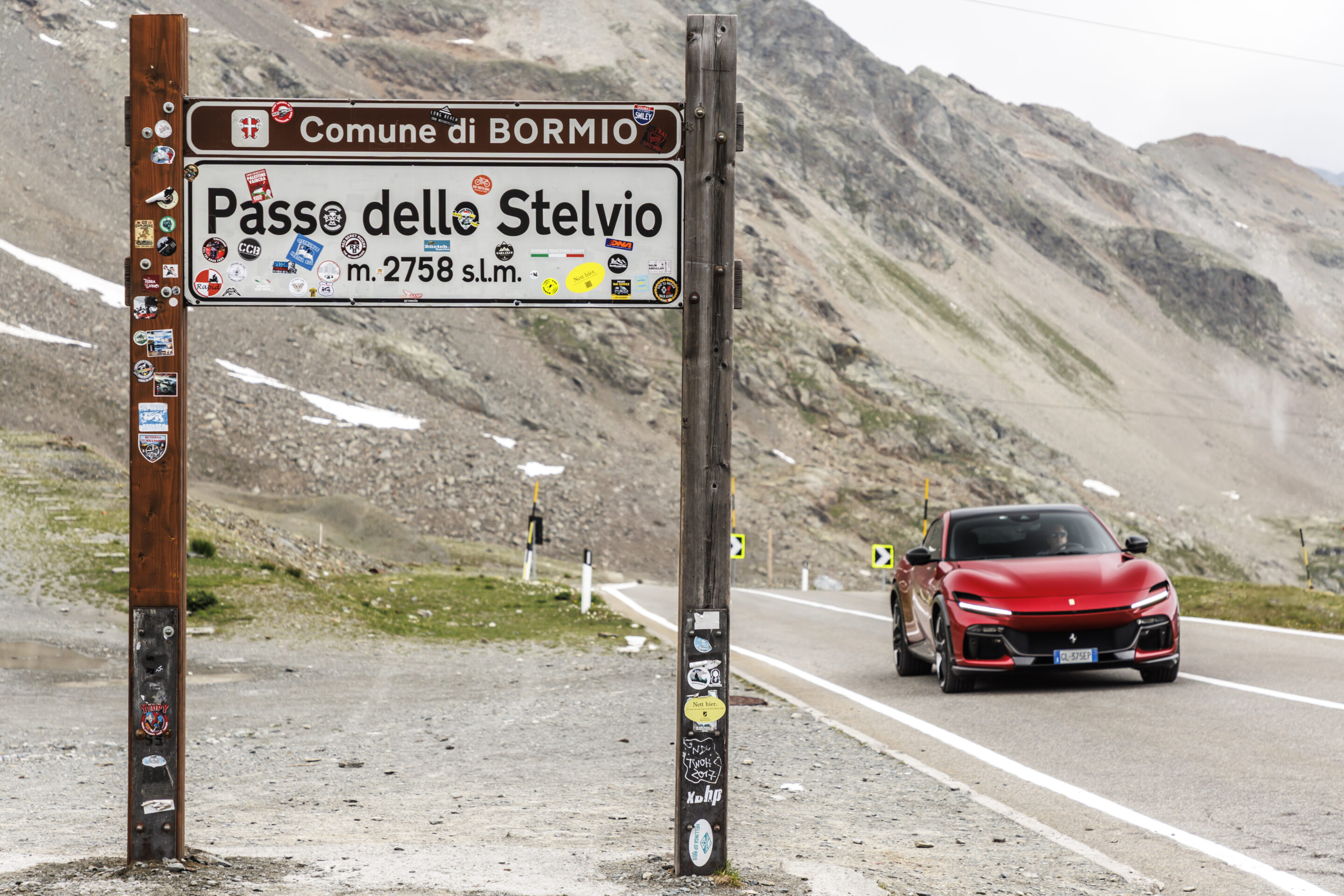
The system combines a conventional spring with an adaptive damper that incorporates Multimatic’s innovative ‘True Active Spool Valve’. By integrating a 48-volt electric motor into the hydraulic damper’s spool valve, significantly higher levels of force and frequency response are achievable than with standard adaptive or semi-active solutions. As a result, roll stiffness can be varied seamlessly, allowing the body to drop by 10mm under load, and eliminating the need for traditional anti-roll bars altogether.
Ferrari has also refined its all-wheel-drive architecture, evolving the system used in the GTC4 Lusso with new control software derived from the SF90. Complementing this is the independent four-wheel steering innovation first seen on the 812 Competizione.
So, to recap, this is no ordinary SUV…
To complete our crossing we also have something a little more traditionally Ferrari in tow in the form of a 12 Cilindri – a car Andy Enright drove back in March. Between the two of us we have 24 cylinders and 1143 kW and 1434 Nm of torque. Plenty enough to be noticed. To add to the fun, the day before departure we discover that the roads would be closed at 9am sharp. Anyone who has experienced European bureaucracy knows 9am sharp could also mean 7am. So we set our alarms early and depart our hotel at 6am.
The Stelvio Pass starts almost as a non-descript turn-off just outside of the northern Italian alpine town of Bormio. In fact, there’s next to nothing to indicate that by turning onto it you are about to be treated to one of the most – if not the most – picturesque roads known to man. I’ve been lucky enough to have been here a few times before, yet every time is just as impressive as the time before – it certainly doesn’t lose any of its capacity to awe, in fact it gets better. Just like your favourite driving road, you begin to know what to expect as each corner approaches. Sadly, if you pick the wrong day (say perhaps the upcoming 200th anniversary of its opening), you could find yourself in a 20-kilometre long traffic jam behind Dutch caravans and large guys on Vespas. Regardless of the state of the traffic, it’s certainly not the fastest way to get from Italy to Germany, but it’s hands down the most spectacular.
From my perched position in the Purosangue I’m looking down at the 12 Cilindri with envy. Am I wishing I was guiding it via rear wheels instead of my all four? Well, at first, yes. But once we hit a bunch of hairpin turns not even wide enough for a Abarth 695 I’m more than happy to be where I am, because our added height gives the advantage to the Purosangue.
Unfortunately as we start our climb we discover the local police are just ahead of us, meaning the fun appears to be over before it even starts… however this is Italy, so while they don’t pull us over with a warning to behave, they appear to encourage us to go for it by pulling over and letting us pass. Only in Italy.
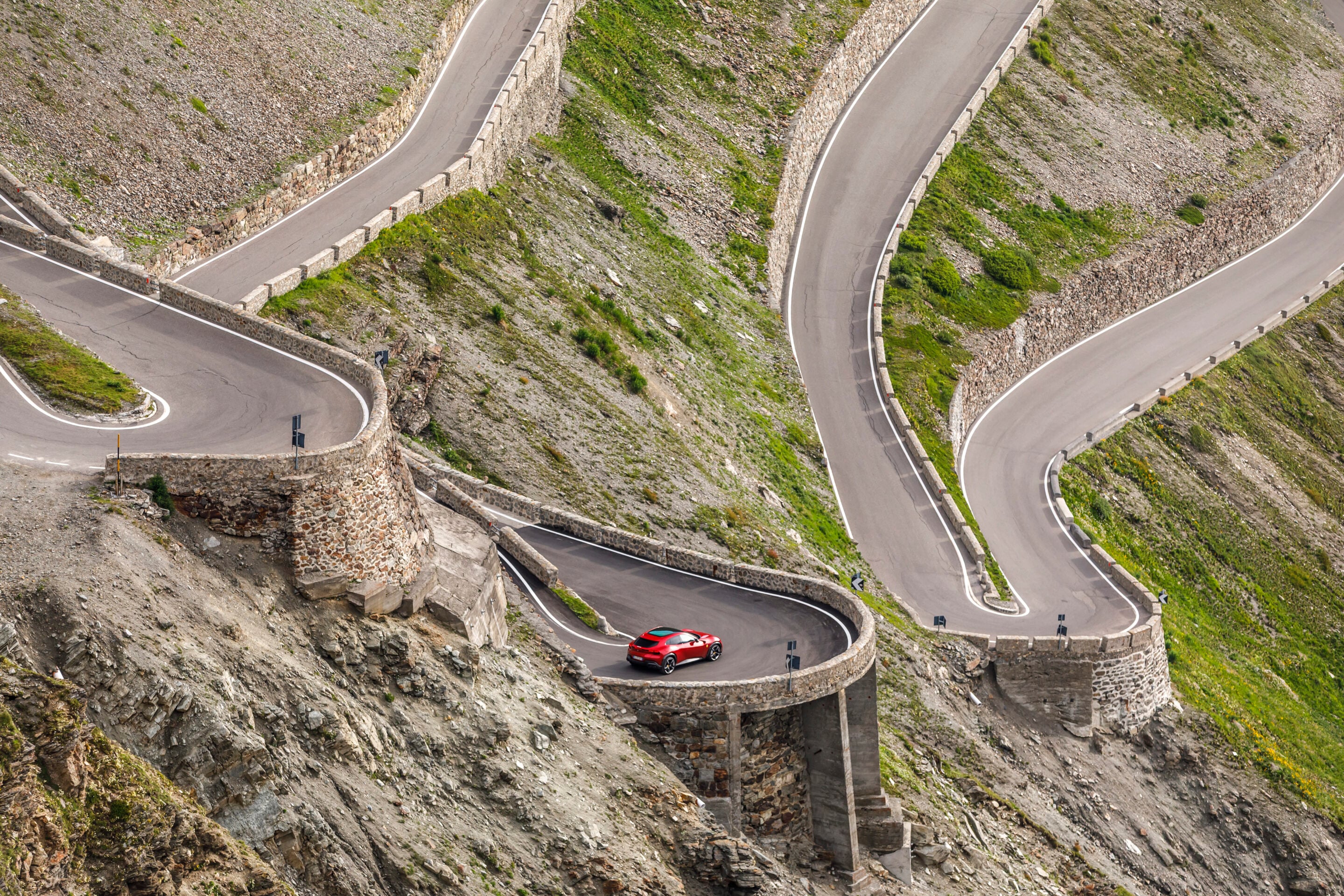
Full of confidence from what we take to be a Carabinieri ‘green light’, we simply floor it. Wow. Besides a few rather blind one-lane tunnels, this is the definition of a driver’s road. Used regularly for Giro d’Italias, it’s definitely been resurfaced since I was last here. Does that matter to the all-wheel drive Purosangue? Not at all, it’s made to absorb all that is aimed at it – the fresh road surface just heightens the impression of the genuine four-seater as more performance sports car than SUV.
The Purosangue leans into corners reserved for the likes of an ultra-light Lotus 7 with such surefooted commitment it really shouldn’t make sense. It just holds the road.
And the noise. Dear Lord, does it sounds good, and that occurs long before any of the change-up lights start to appear on the top of the steering wheel. The fact it grabs gears as hard as any top tier sports bike at full flight defies belief – push it hard and it punches you back into the seat on every upshift… and it just keeps surging forward. If you find a road long enough, it will top out at 311 km/h. The Purosangue feels like it’s designed to lift off from the end of a runway.
Even though we aren’t getting airborne today, we still manage to cover the 21 kilometres and 1632-metre elevation from Bormio to the top of the pass scarcely 25 minutes after leaving our hotel garage in Bormio. I have a chuckle to myself when I realise that I was still fast asleep in bed less than 45 minutes ago. We all get to the top and look at each other a little speechless. We find ourselves, in fact, on the literal and emotional top of the automotive world… and to our surprise the place is empty. The gamble has more than paid off.
From here we can see far into the distance, taking in the incredible peaks of Switzerland, Austria and Italy all at once. But there’s precious little time to take in nature – at least, no time to take it in while sitting still. An empty Stelvio Pass never happens so we quickly make the decision to take advantage of the empty pass by doing what comes naturally – driving.
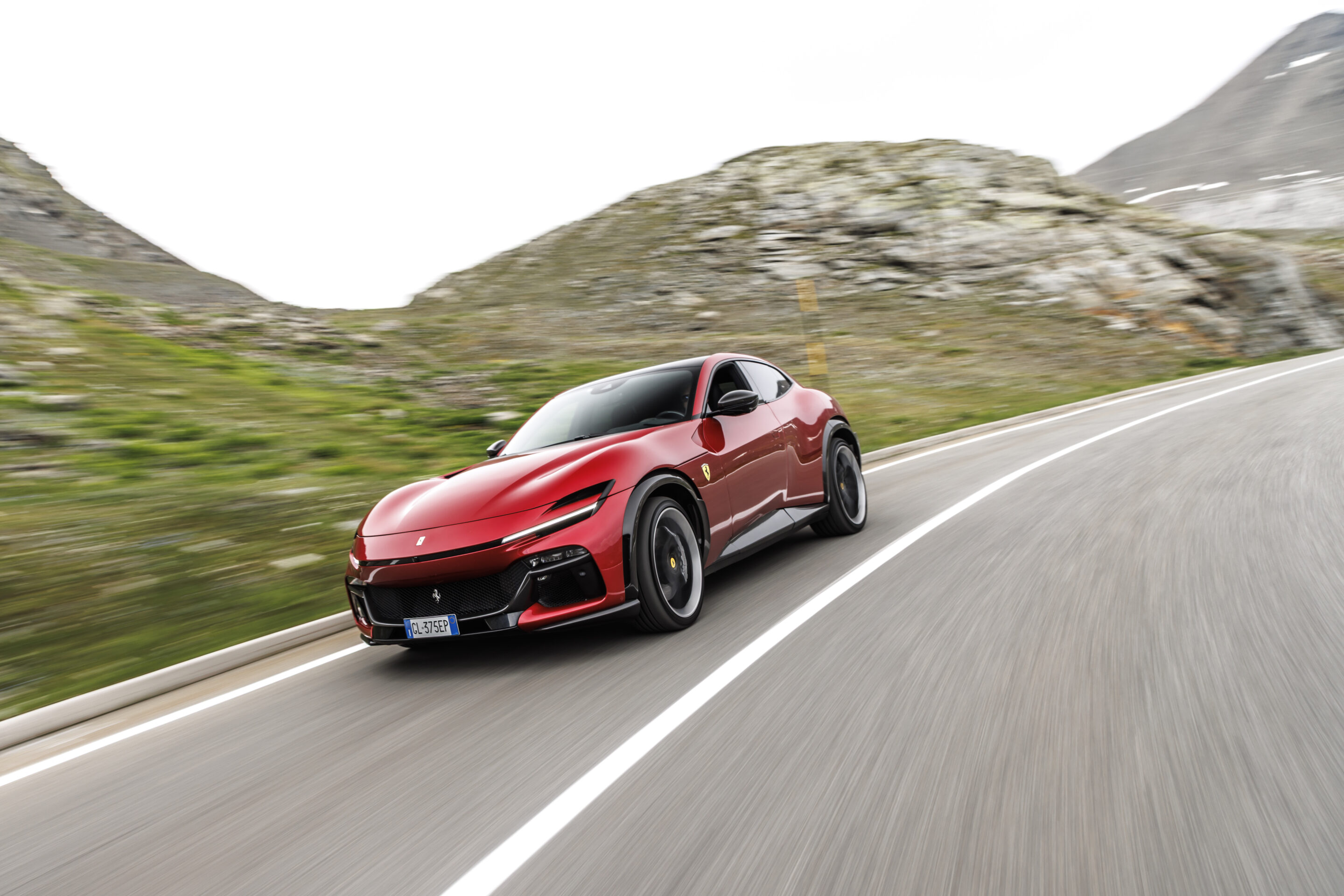
Now for a reality check. While they make for some incredible images, those famous 48 hairpin turns you see in these pictures are actually a bit of an anticlimax to drive. In fact, they can be downright stressful as the vast majority need to be taken blind. The southern side of the pass is the pick for rapid driving. It’s just as tight in places, but a clear line of sight is with you (minus those tunnels) pretty much the whole way up. All of the car-to-car tracking images you see here are on that side of the pass. By accident, however, we discover a trick to the ‘famous’ hairpin side of the pass.
While taking the images you see here, I had Ferrari Australia’s PR head Ryan Lewis on the phone, acting as both guide and translator for our photographer. From his position 500 metres above Ryan, he became my ‘spotter’ (just like the blokes in NASCAR have) advising if there was any traffic approaching from the opposite direction. Now we’re talking. Hard through the gears, the Purosangue comes into its own on the short straights between each of the 48 hairpins, only this time I can commit to using the full width of the road to carry speed into, and thus out of, each one. The Purosangue just holds the road – period.
Childish comments like ‘it corners on rails’ don’t belong here – because it doesn’t need them. With its massive Michelins superglued to the road, this Ferrari redefines what a performance SUV – and a performance four-seater – is all about.
When I reach the bottom I sadly have no choice but to turn around and climb the pass all over again. The noise bounces back and forth through the valley, potentially setting off an avalanche in some distant part of Austria. I can hear Ryan, a good kilometre and a half away and above, laughing at the spectacle.
It’s tempting to stay here longer – for a clear Stevio Pass is something I’ll never likely experience again, but our deadline approaches to get off the pass before it’s closed on us and we are stuck up here for the rest of the day. If we don’t get over, we have to go back the way we came, missing some incredible roads ahead.
We get through the closing of the pass with three minutes to spare, and only then because our photographer Lorenzo waves his arms around in true Italian style to make the official at the pass move a barricade erected ahead of schedule.
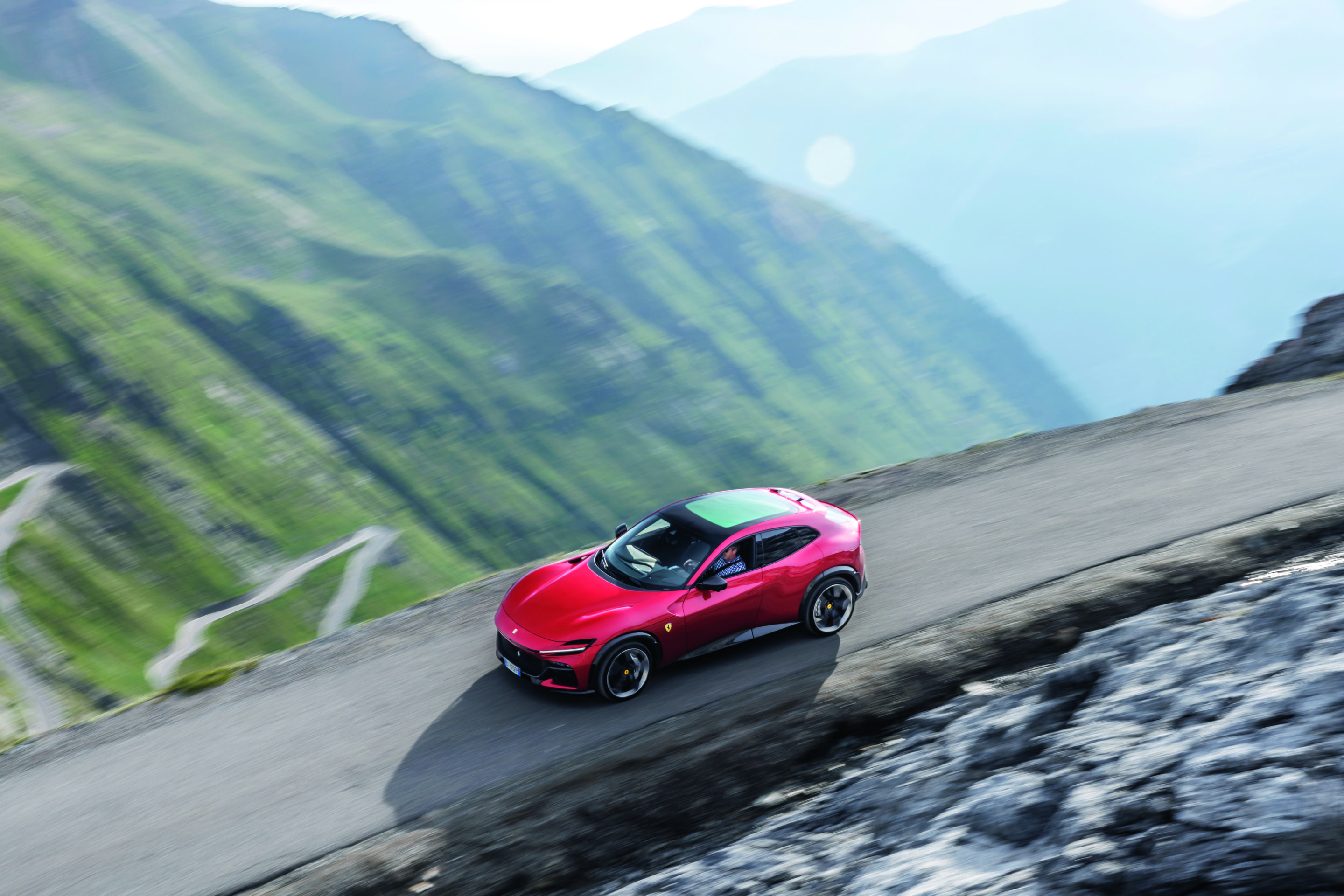
As we leave I just want to take the Purosangue on a cross continent blast, and am secretly hoping we receive an emergency call from Ferrari HQ saying both cars are required at the Silverstone GP and need to make the Channel train in eight hours. No such call comes. It’s time to head back to Maranello the long way.
Money no object, would I have a Purosangue in the garage? You betcha, I would. I’ll go one further. If I were only allowed one car (or let’s live large and say I happened to live in Monaco, did a lot of cross-continent driving and only had a single parking spot), the Purosangue would be the only car I’d have in the garage. Period.
One criticism – and I’m being seriously picky here almost for the sake of it – the steering wheel has a bit of an annoying scrolling function required by your right thumb for the menu that’s void of feel and never seems to achieve the same result twice. Let’s be honest though, all cars have a quirk like that and if I lived with the car longer than the 48 hours it was ‘mine’, I would have mastered it.
Recently becoming a father has changed my view on pretty much everything in the world. So much so that the only thing that would make the experience of driving a Purosangue over the Stelvio Pass that touch more complete would be looking in the rear view mirror to see my daughter, already a little rev head, in a baby seat looking back at me.
It’s easily the most accomplished car of any configuration – rear, front, four wheel or upside down drive – that I’ve ever driven. Ferrari has thrown everything at the Purosangue. Sure, it’s a departure from what a Ferrari ‘should be’, but they have managed to show everyone else how to play their own game on an entirely different level.
Pick-up and drop-off
In theory, a fully fuelled Ferrari Purosangue could get you the 277 kilometres from Sydney Airport to Canberra Airport in 54 minutes. Adding some reality to an unrealistic scenario, you could (also in theory) drop someone off at check-in and be at the arrivals gate at the other end before they have even left the tarmac. Yes, there are plenty of cars on sale now that can do that, but none will do it with three other passengers and their luggage in tow like a Purosangue.
Front-wheel drive has been in the news recently, thanks to the acerbic comments of a certain four-time F1 world champion who may or may not be called Max Verstappen.
Verstappen labelled front-wheel as “the worst thing ever”, “really boring” and “like anti-driving”. With respect to one of the greatest drivers who has ever lived, that’s rubbish.
To prove our point, here are 10 front-wheel drive machines that are guaranteed to put a massive smile on your face, presented in chronological order.
And once again we’re sticking to one car per manufacturer to give a bit of variety (and prove there are plenty of options out there!).
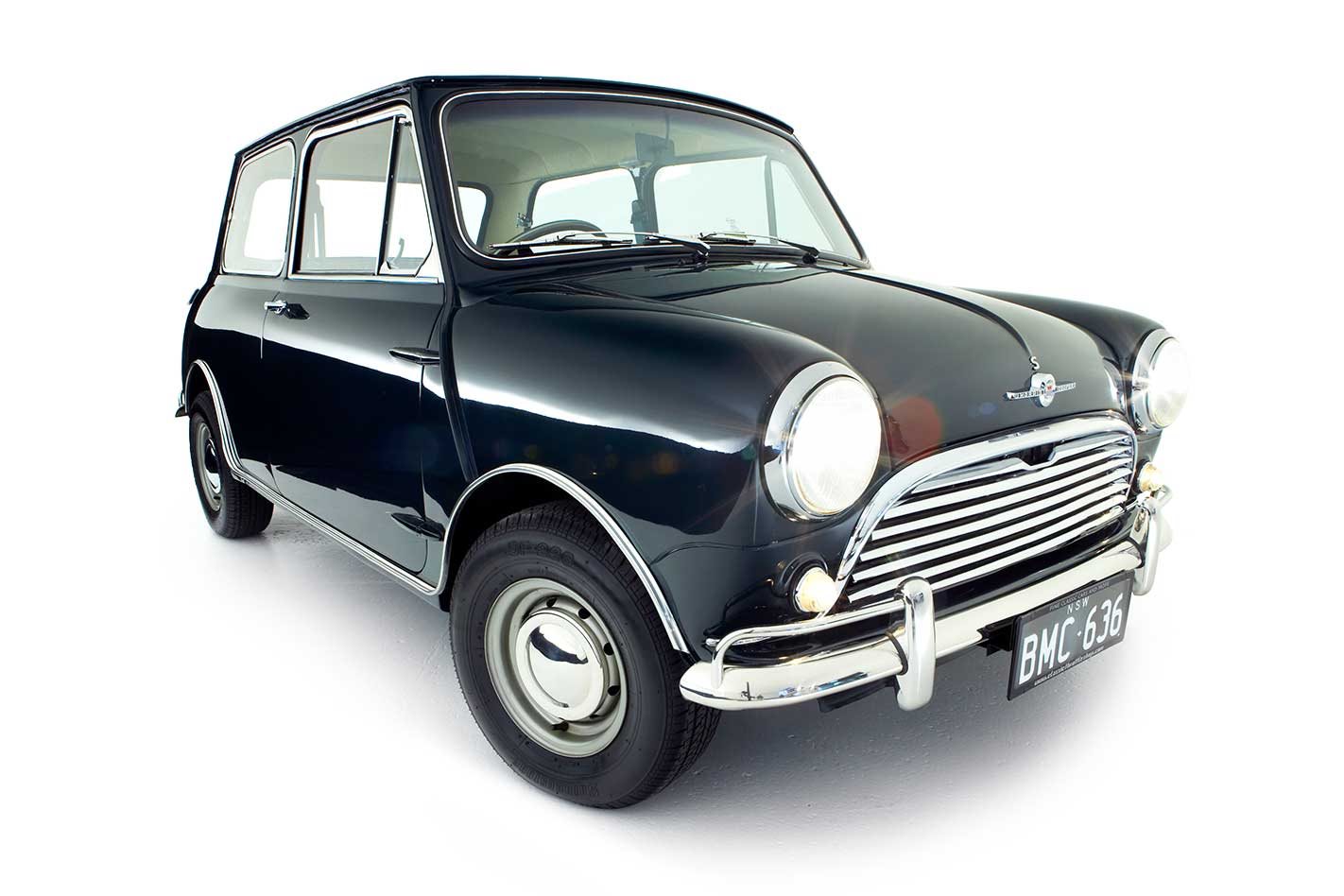
1966 Mini Cooper S
There’s some disagreement about which car was the first hot hatch, but can we just all agree it was the Mini Cooper S?
It might have mustered just 56kW/107Nm from its 1275cc four-cylinder engine, but there were just 635kg to shift for a healthy power-to-weight ratio of 88kW/tonne.
It was sufficient to make it a star in rallying and circuit racing, but drive one and you’ll realise it’s the only car that can realistically claim to offer go kart handling. It’s a joy.
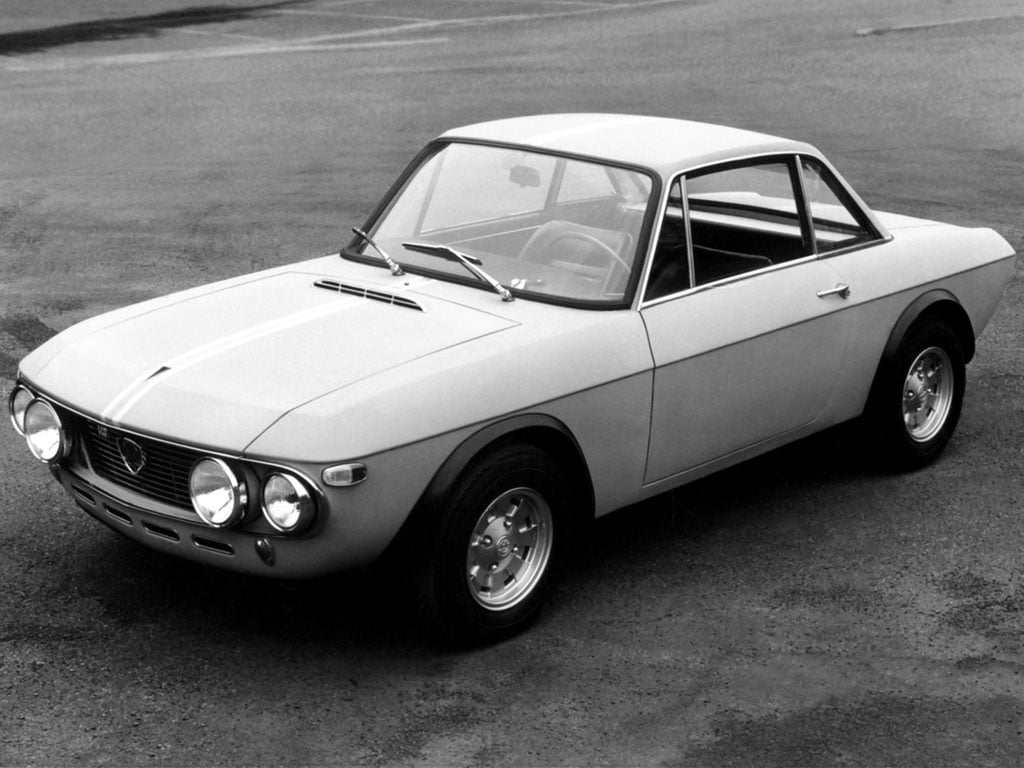
1969 Lancia Fulvia Rallye HF
A sensible four-sedan in standard guise, the coupe version of the Lancia Fulvia not only added plenty of style but injected a healthy dose of performance into the equation, too.
Continually updated from its introduction in 1965, it reached its zenith in the Rallye 1.6 HF, the new 1.6-litre engine producing 85kW (though the works rally cars managed up to 97kW) along with a close-ratio five-speed gearbox and revised suspension geometry.
Thus configured, it became an outstanding rally car, winning the 1970 RAC Rally and the 1972 Monte Carlo Rally, Rallye du Maroc and Rallye Sanremo.
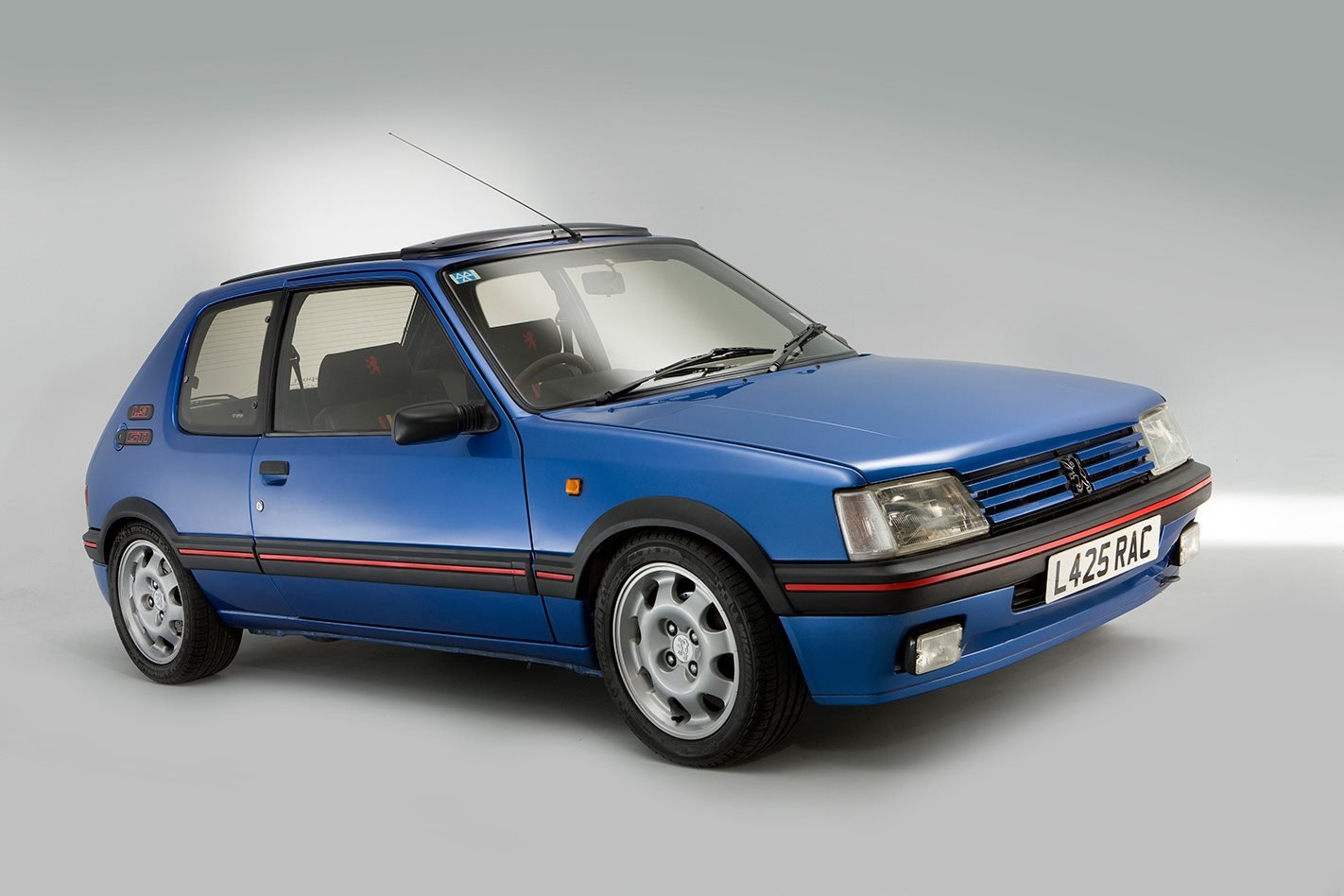
1984 Peugeot 205 GTI
There are plenty of Peugeots that warrant inclusion on a fun front-driver list, but no countdown would be complete without the car that, even 40 years on, is widely regarded as the benchmark for hot hatch dynamics, the 205 GTI.
Of course, that’s on the understanding you have more than a passing familiarity with lift-off oversteer, as 205 GTIs were notorious for disappearing off the road backwards in inexpert hands.
When mastered, however, its light weight and adjustability made it the perfect tool for carving back roads. Let’s not get into the 1.6 vs 1.9 debate, though.
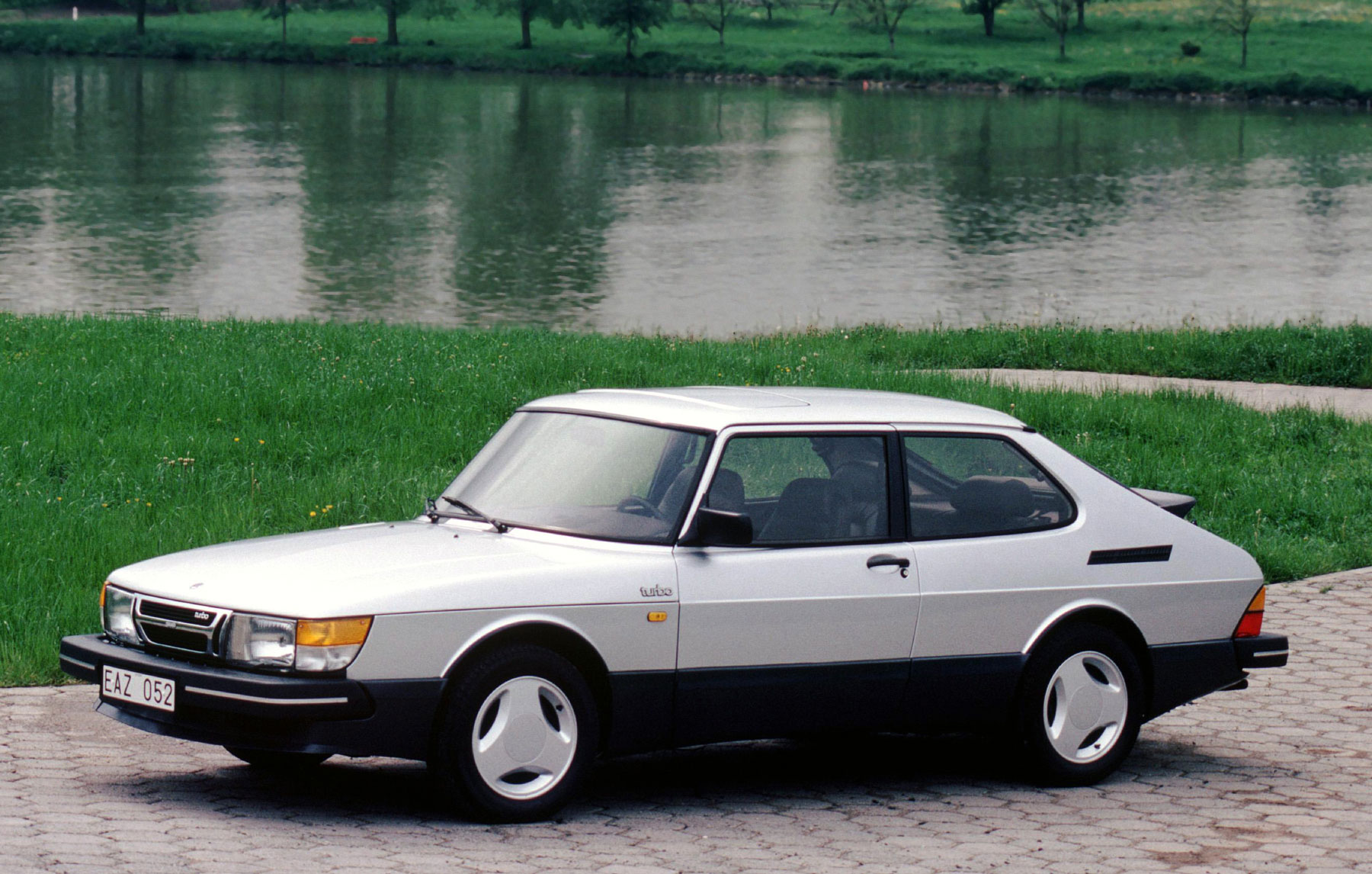
1984 Saab 900 Turbo 16 S
Fun doesn’t have to mean cornering on your doorhandles. Saab was certainly successful in motorsport, winning the 1977 and ’79 Swedish Rallies thanks to Stig Blomqvist, but the 900 Turbo road car offered a more relaxed definition of performance.
The pre-catalyst 2.0-litre 16-valve turbocharged engine offered 129kW/255Nm, good enough for 0-100km/h in 8.5sec and a 217km/h top speed – heady stuff for the mid-1980s and perfect for dispatching long distances at speed and in comfort.
1995 Honda Integra Type R
Too often these lists are focused on hot hatches, which leaves the Integra Type R out in the cold. A bona-fide sports car from an era when Honda was synonymous with engineering integrity, it was as honed and focused in its own way as anything from Porsche’s GT department.
A reinforced body shell, thinner glass, a screaming 8600rpm 1.8-litre engine producing 147kW (though slightly less for export markets) through a close-ratio five-speed ’box and a helical-type limited-slip differential.
Light and agile, it was a very different approach to performance than the turbocharged, all-wheel drive WRX STis and Lancer Evos that were starting to proliferate but no less effective.

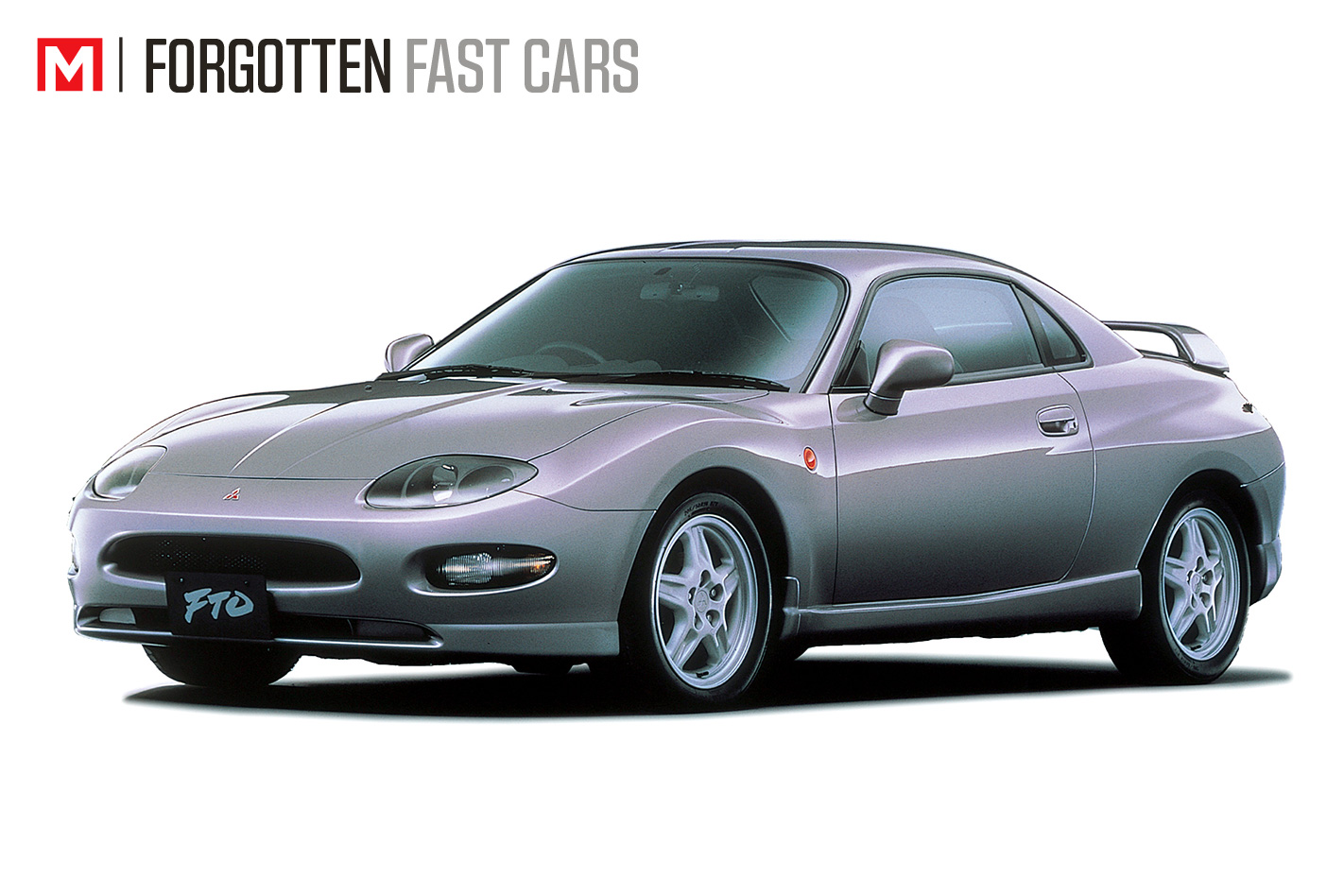
1997 Mitsubishi FTO GP Version R
It’s very possible that the only time you’ve seen a Mitsubishi FTO is rotating slowly on a Gran Turismo menu screen. With only 36,805 built in total from 1994-2000 it’s a relatively rare car to begin with, but only 9859 of those were manual.
By the time you get to the GP Version R, with its rev-happy 147kW (at 7500rpm!) 2.0-litre V6, Torsen limited-slip diff, thicker anti-roll bars and revised aero kit, you’re down to a choice of 240 cars, making for a rare and engaging alternative to the more commonly feted Integra.
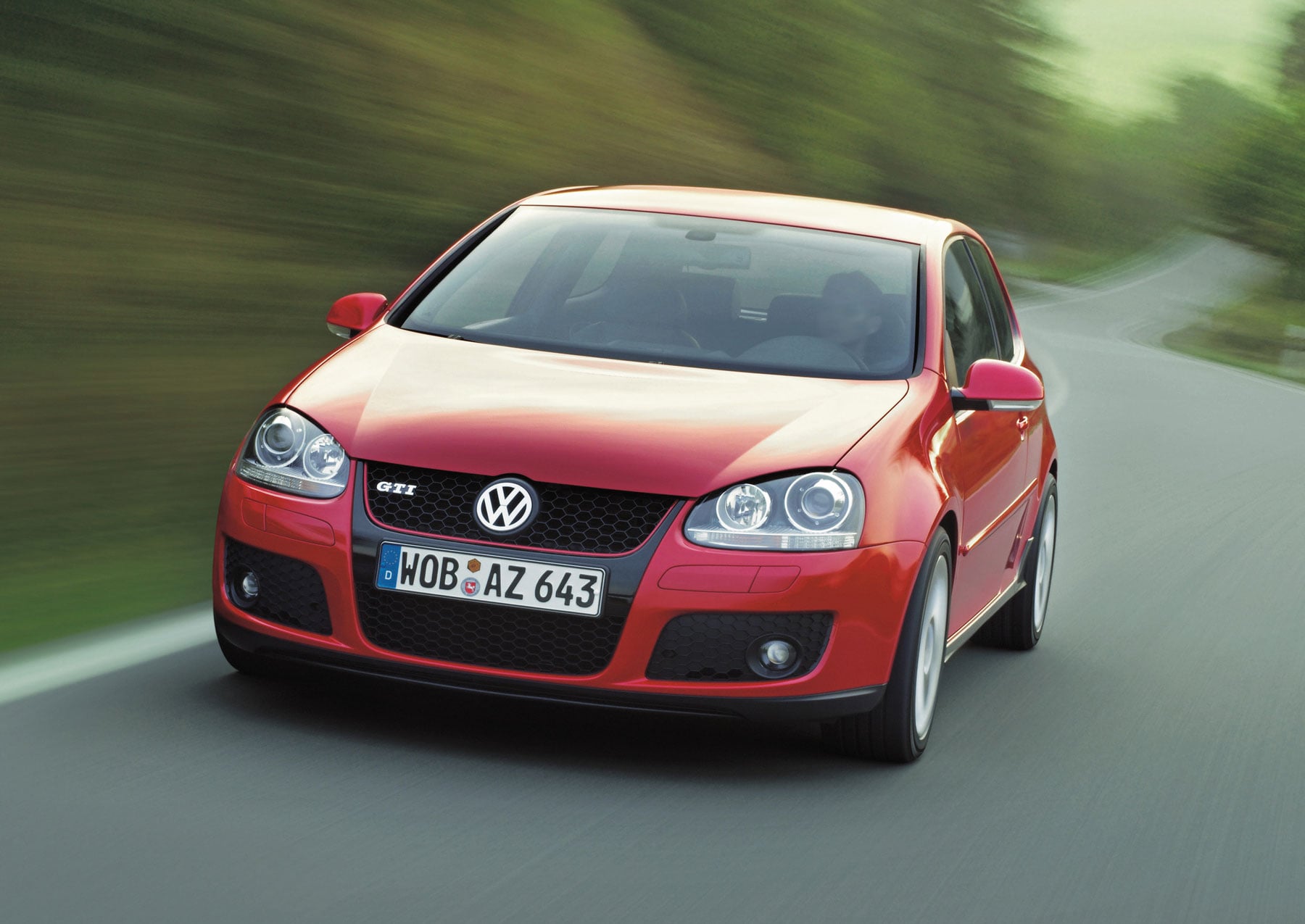
2005 Volkswagen Golf GTI
There’s a strong case for the ground-breaking original Golf GTI to be on this list, but that sort of machine is represented by cars you’ve already read about. Instead, we’re going with the MK V, which reversed the GTI’s seemingly inexorable descent into mediocrity.
Following the well-built but performance-absent Mk IV, the MK V was a revelation and vaulted back to the top of the hot hatch class, teaming its predecessor’s quality with much more lively dynamics and a strong 2.0-litre turbo engine.
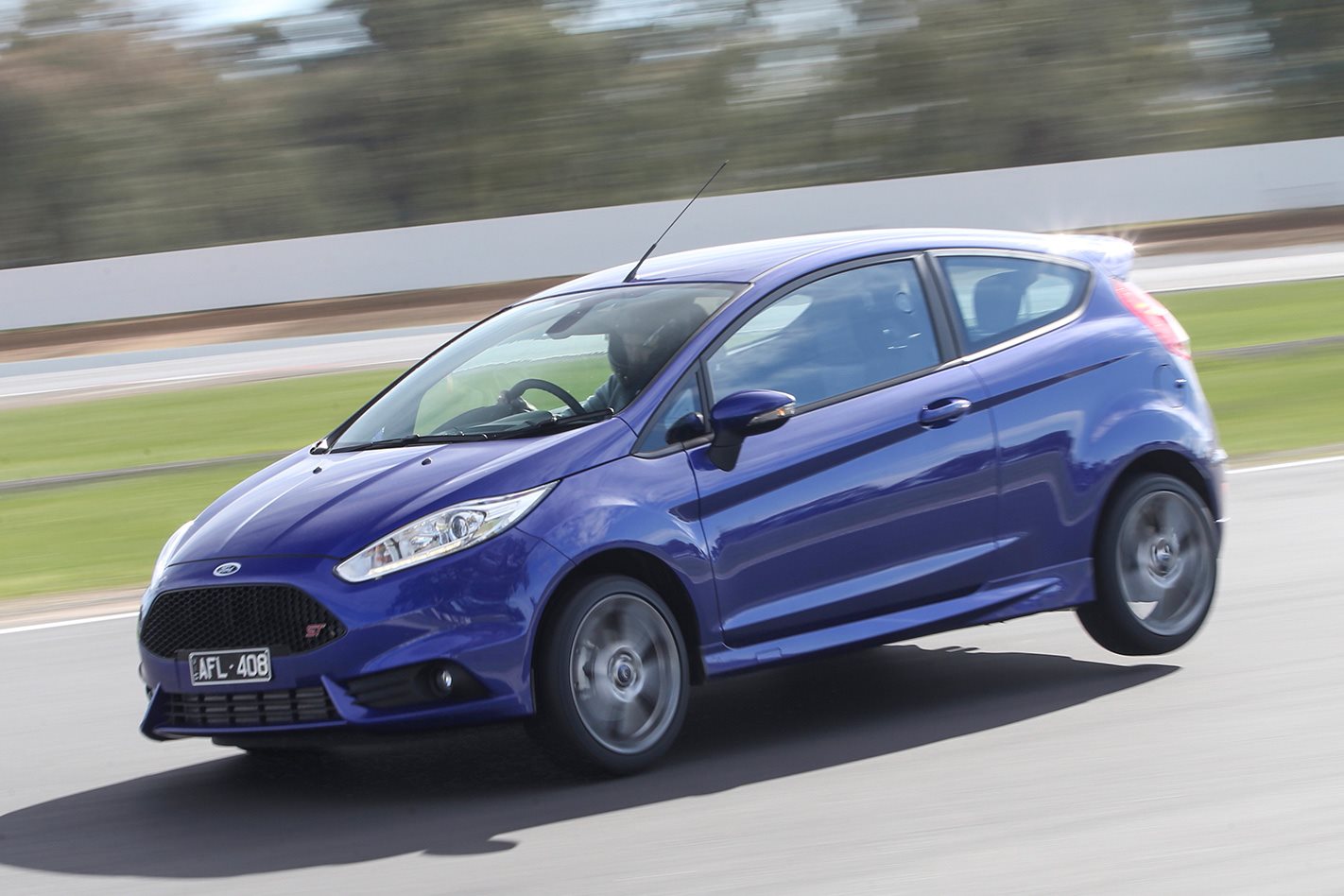
2013 Ford Fiesta ST
When it comes to pure driving fun, the Ford WZ Fiesta ST is almost in a class of its own. It was as playful and exuberant as an excited puppy, keen to wag its tail at the slightest provocation.
It wasn’t a perfect car by any means and its more grown-up predecessor rectified some of the flaws, but when you remember it wore a $25,990 price tag any complaints fade into irrelevance. On road or track, few cars would put a bigger smile on your face, regardless of price.
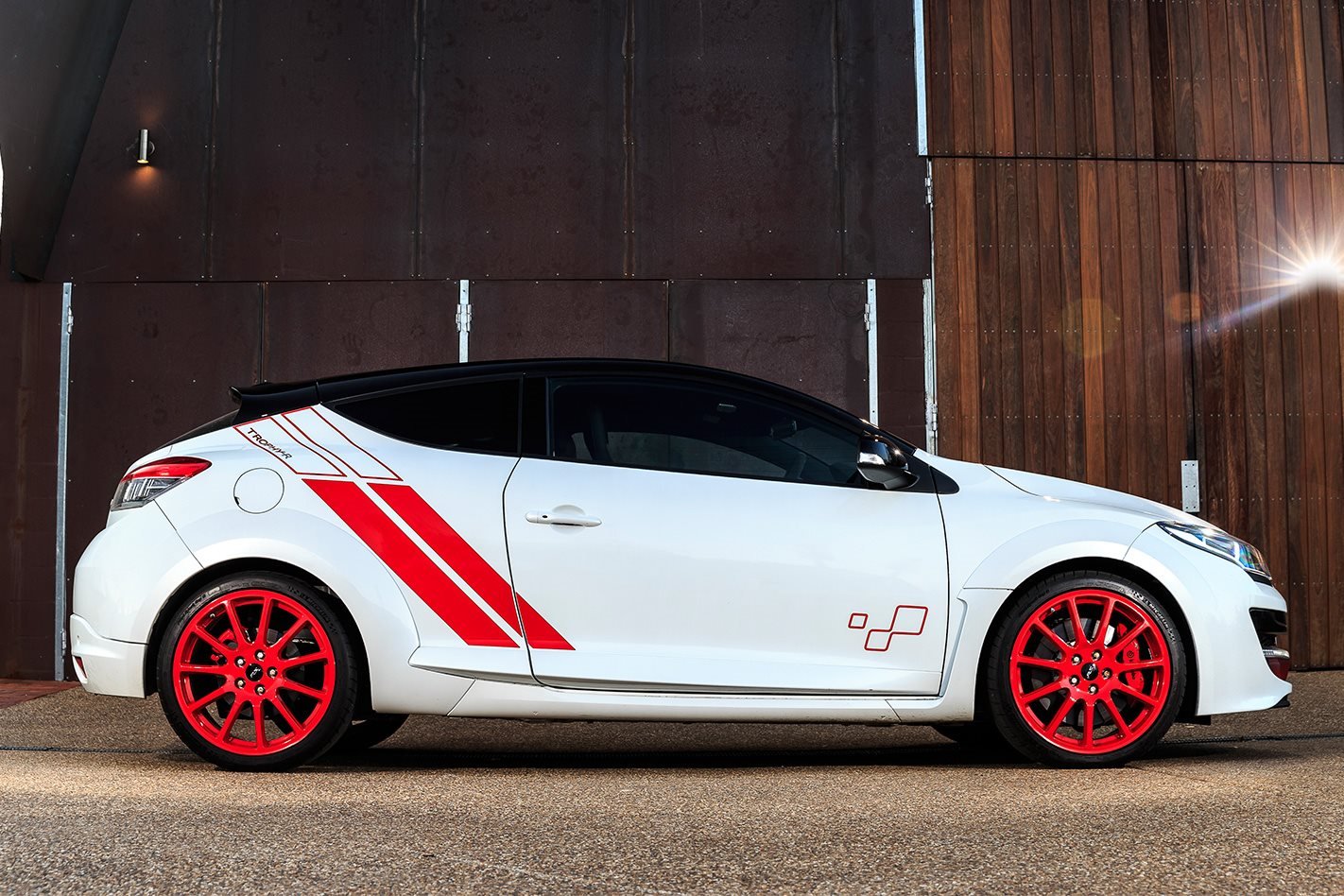
2015 Renault Megane RS275 Trophy-R
Picking the best front-wheel drive Renault is like choosing the best ice cream flavour, there are so many to choose from. From the 8 Gordini to the 5 GT Turbo to half a dozen hot Clios, all stake a strong claim, but the Megane RS deserves the limelight and the RS275 Trophy-R was the pinnacle.
To be honest, the regular RS275 Trophy was at least 95 per cent of the car with less cost and compromise, but on the right road, with temperature in the semi-slick tyres, the Trophy-R delivered an unadulterated hit of driving adrenaline that no other front-driver at the time – and few since – could match.
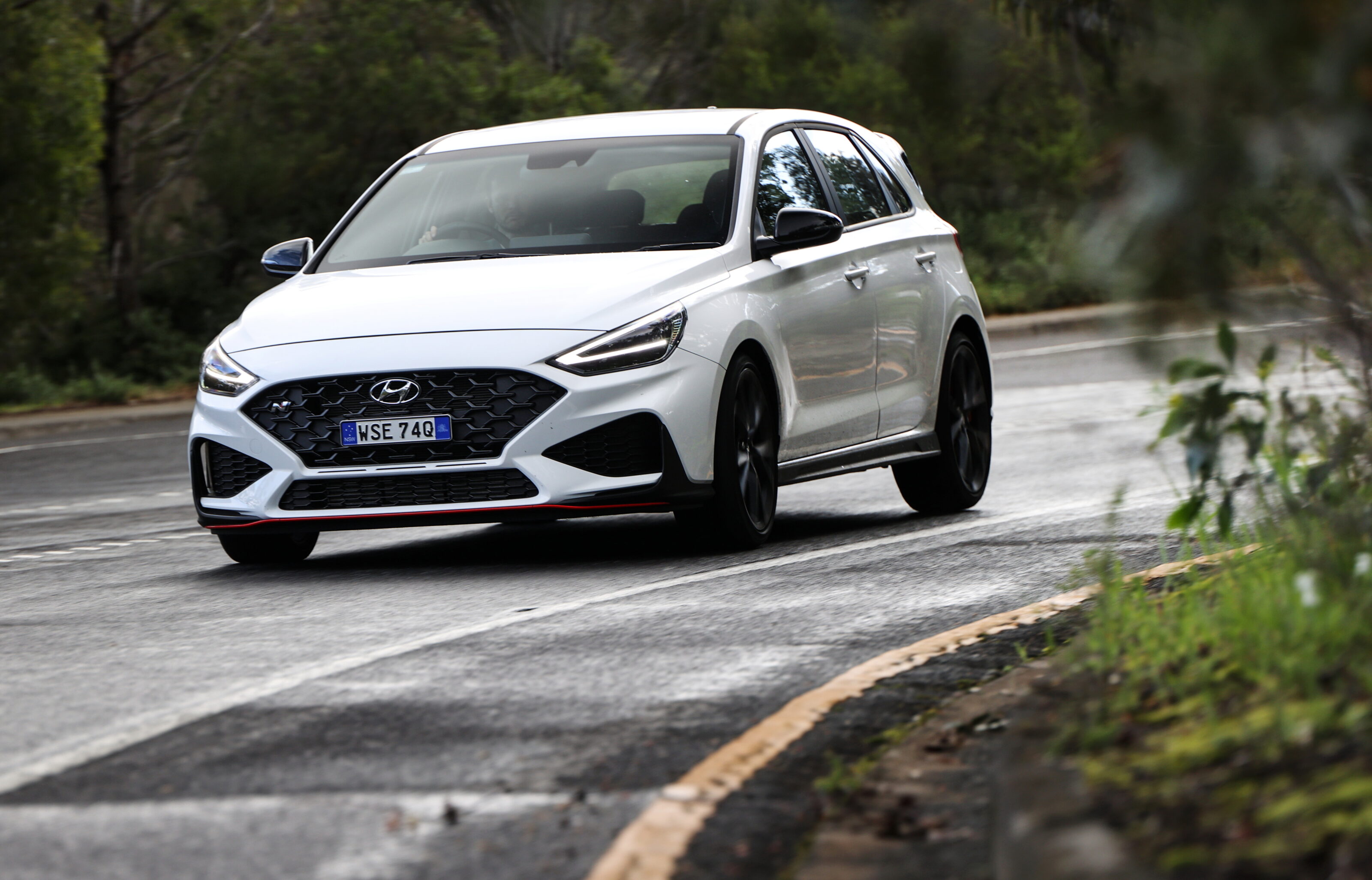
2021 Hyundai i30 N
Hyundai was late to the hot hatch scene, but with the establishment of the N Division it pushed all its chips in, recruiting former M Division boss (was the name really about its Namyang base?) Albert Biermann to spearhead its performance push.
The original i30 N was a cracker, putting a South Korean cat amongst the established hot hatch pigeons. Despite starting from such a high base, the facelift was even better, with the introduction of an excellent dual-clutch option, a slicker manual and stronger engine. It’s a modern performance hero.