New pricing: (until December 31, 2024)
- MG4 Excite 51: $32,990 driveaway
- MG4 Excite 64: $34,990 driveaway
- ZS EV Essence: $36,990 driveaway
- ZS EV Long Range: $42,990 driveaway

While the MG4 Excite 51 will remain priced at $32,990 driveaway, the MG4 Excite 64 offering an additional 100km range is now priced at $34,990 driveaway. In an end-of-year offer ending on 31 December, the deal represents up to $8,000 off the MG4 Essence 64 and 77 variants, along with the XPOWER.
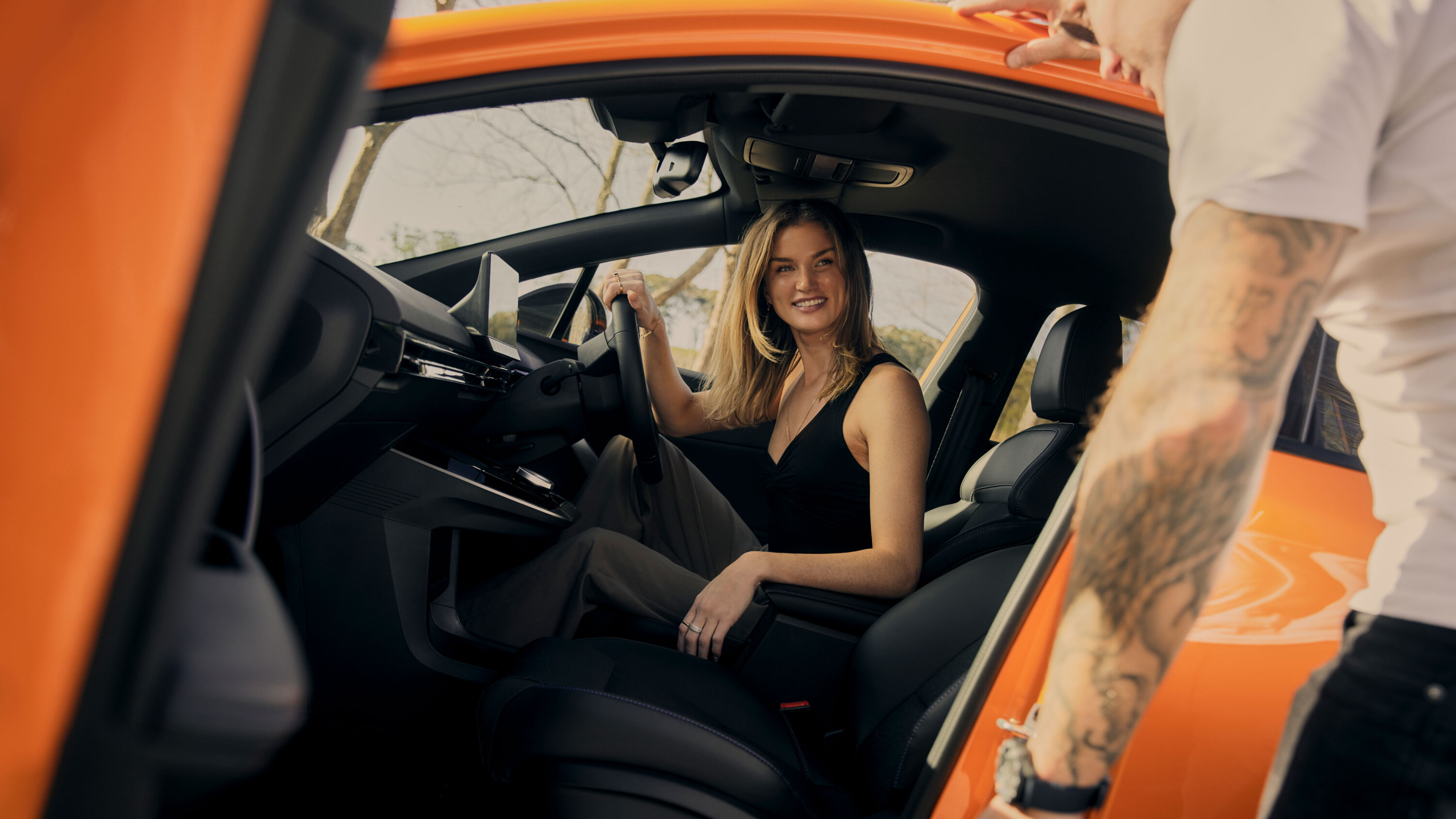
The company also announced revised pricing for its compact electric SUV, the ZS EV, also available until December 31, 2024. The driveaway price of the ZS EV Essence will now be $36,990, with the ZS EV Long Range priced at $42,990.
Key features of the best-selling MG4 include:
In promoting the offer MG Motor Australia’s Chief Commercial Officer, Giles Belcher said: “MG saw an incredible response to the pricing offers on the MG4 in October. Our dealerships across the country were able to help Australians switch to EV driving with the MG4.”
“For those Australians who have solar panels, they can make the most of summer and charge their car at home from the sun’s rays. Charging costs can be minimal as a result and you’ll love getting around to catch up with friends and family this holiday season.”
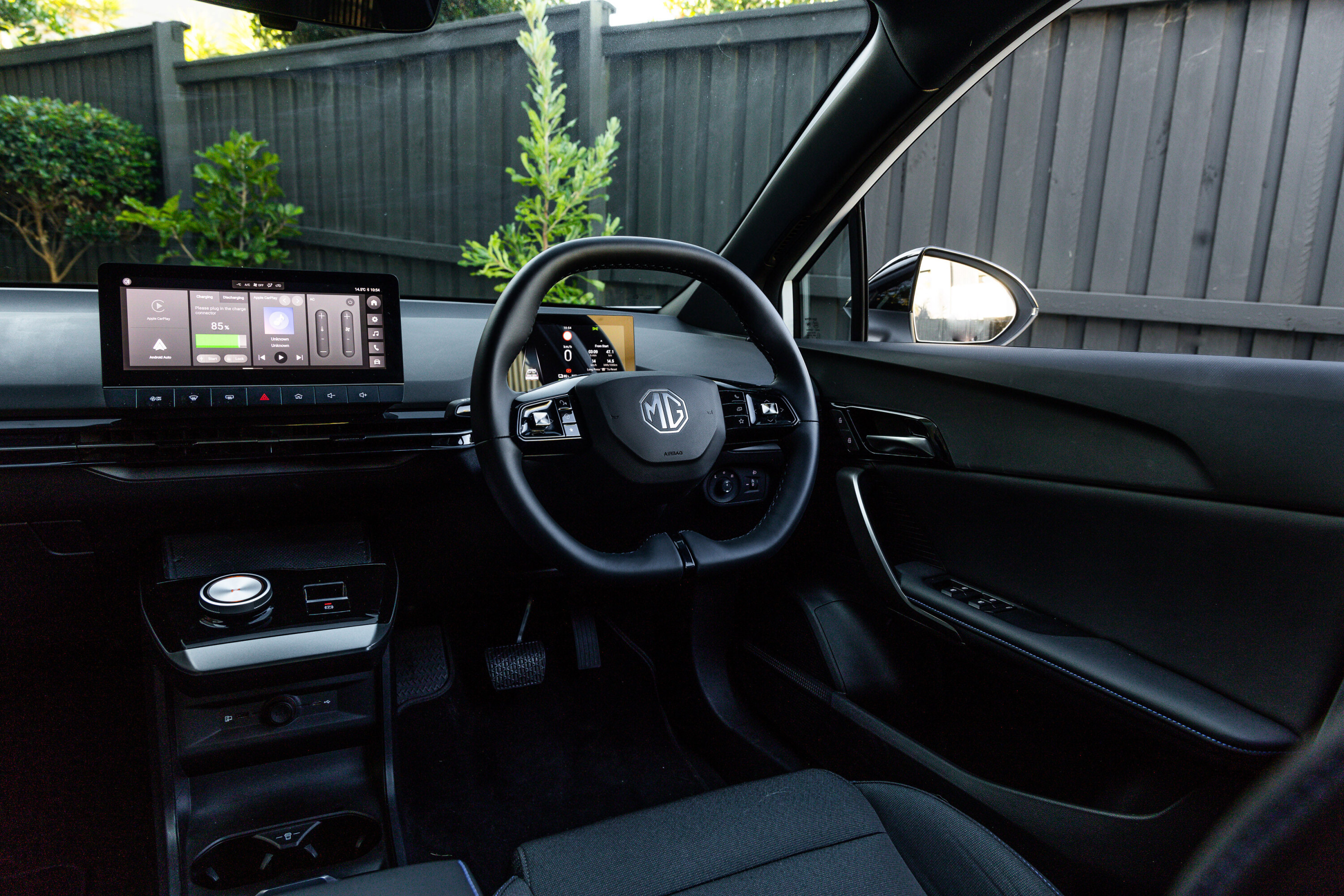
While Australia will miss out on those special ‘A90 Final Edition’ cars, we’ll get our own Track Edition sometime in the middle of 2025.
The announcement of our local Track Edition includes a number of quotes from Toyota Australia’s long-time sales boss Sean Hanley, but it curiously does not acknowledge the news from head office that Model Year 2025 will be the fifth-generation Supra’s final season.
But, with pricing and full specifications not being revealed until the Track Edition’s mid-2025 launch draws closer, we’ll likely see an official retirement speech delivered around then.
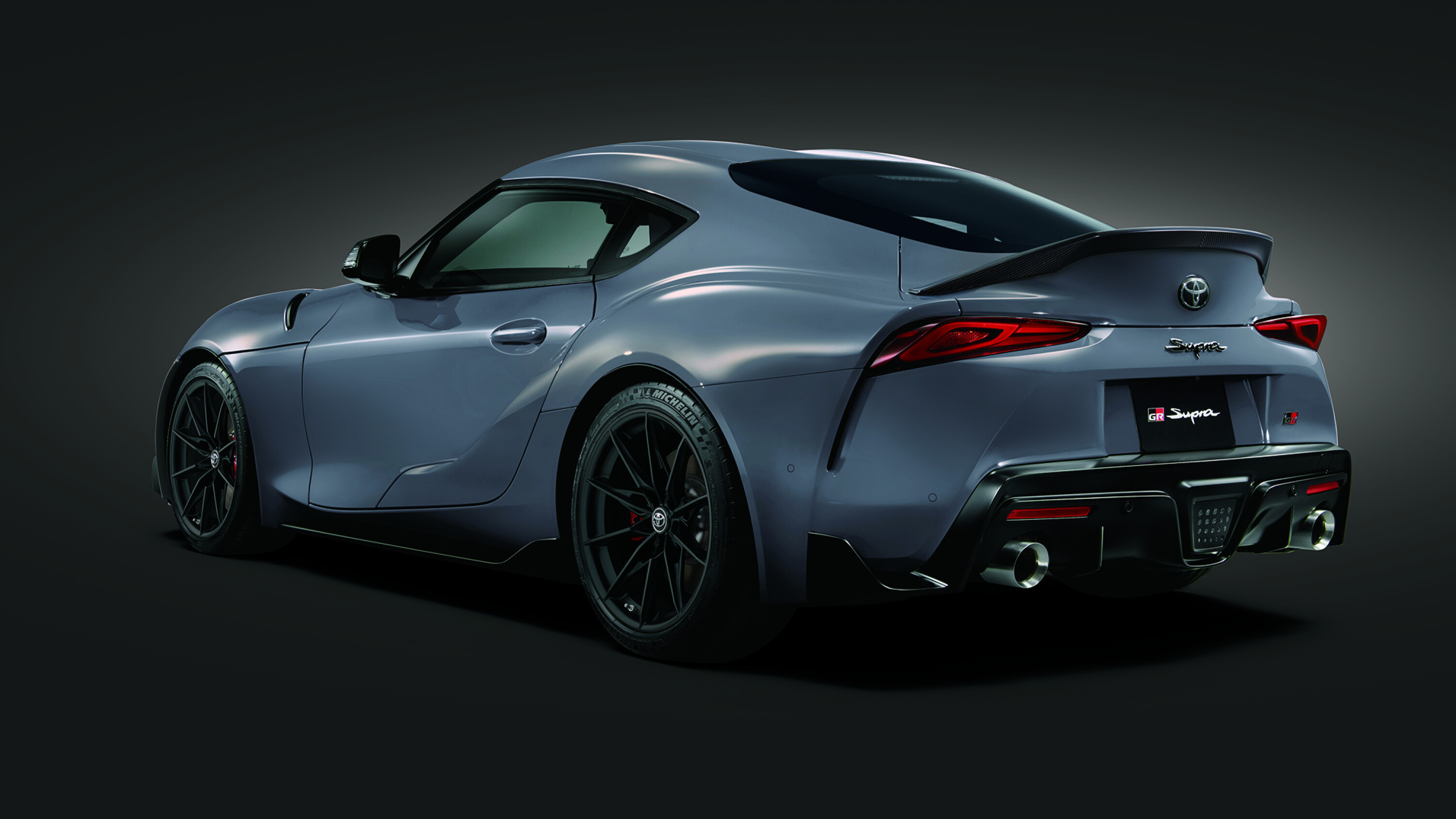
That news might be a little depressing once you’ve read more about the Final Edition below, but Australia’s Track Edition will at least gain most of the requisite upgrades to justify its name.
Those include a larger front anti-roll bar, aluminium front and rear anti-roll bar brackets, and a carbon-fibre ducktail rear spoiler. (A proper track-oriented wing might have suited it better, but we digress.)
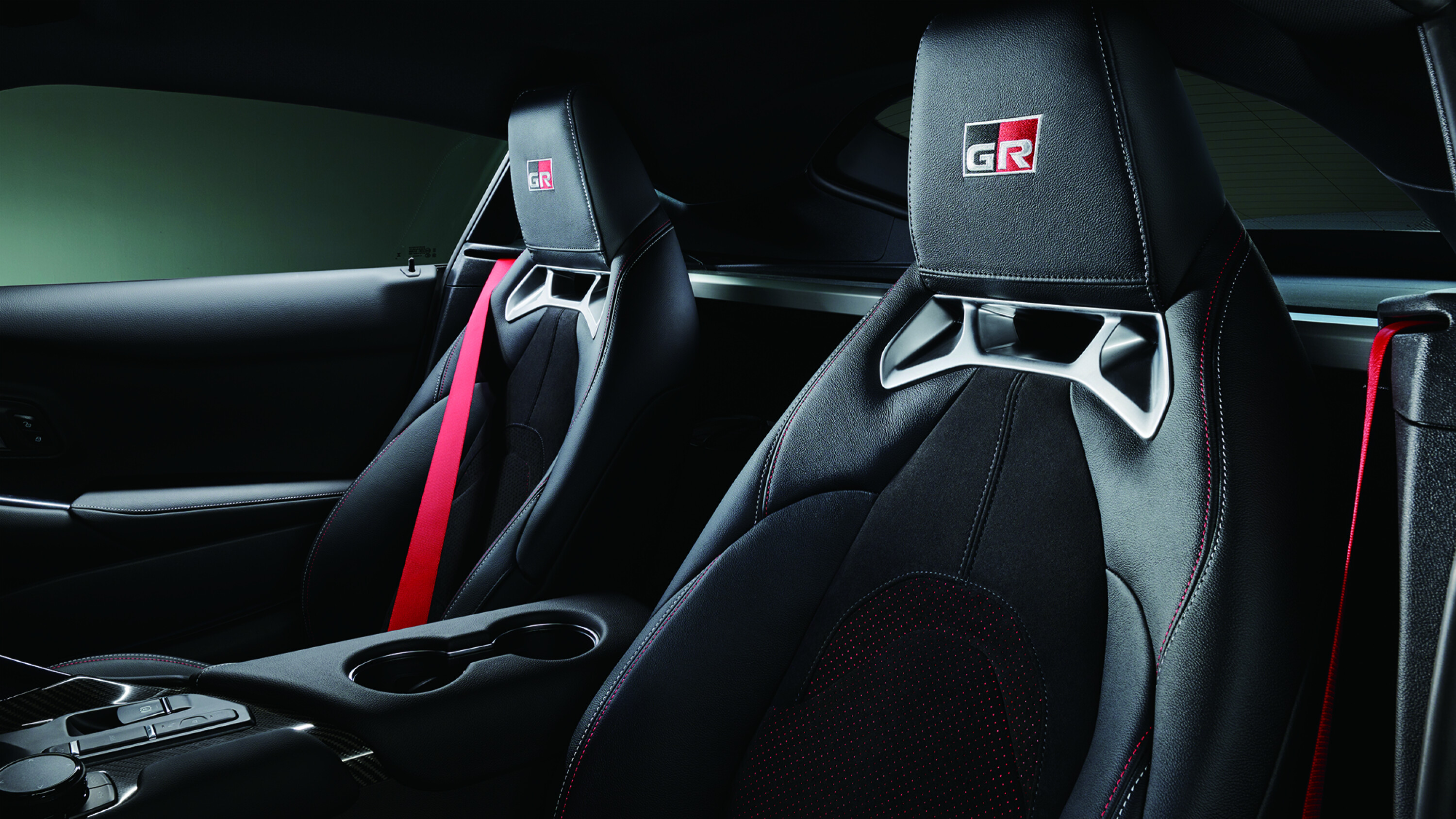
Sean Hanley, Toyota Australia’s Vice President of Sales, Marketing, and Franchise Operations, said the GR Supra Track Edition complements Toyota’s upcoming participation in the 2026 Repco Supercars Championship with the GR Supra. 
The fifth-generation ‘A90’ Supra has been on sale since 2019, achieving success in various motorsport events, including NASCAR and GT4 races.
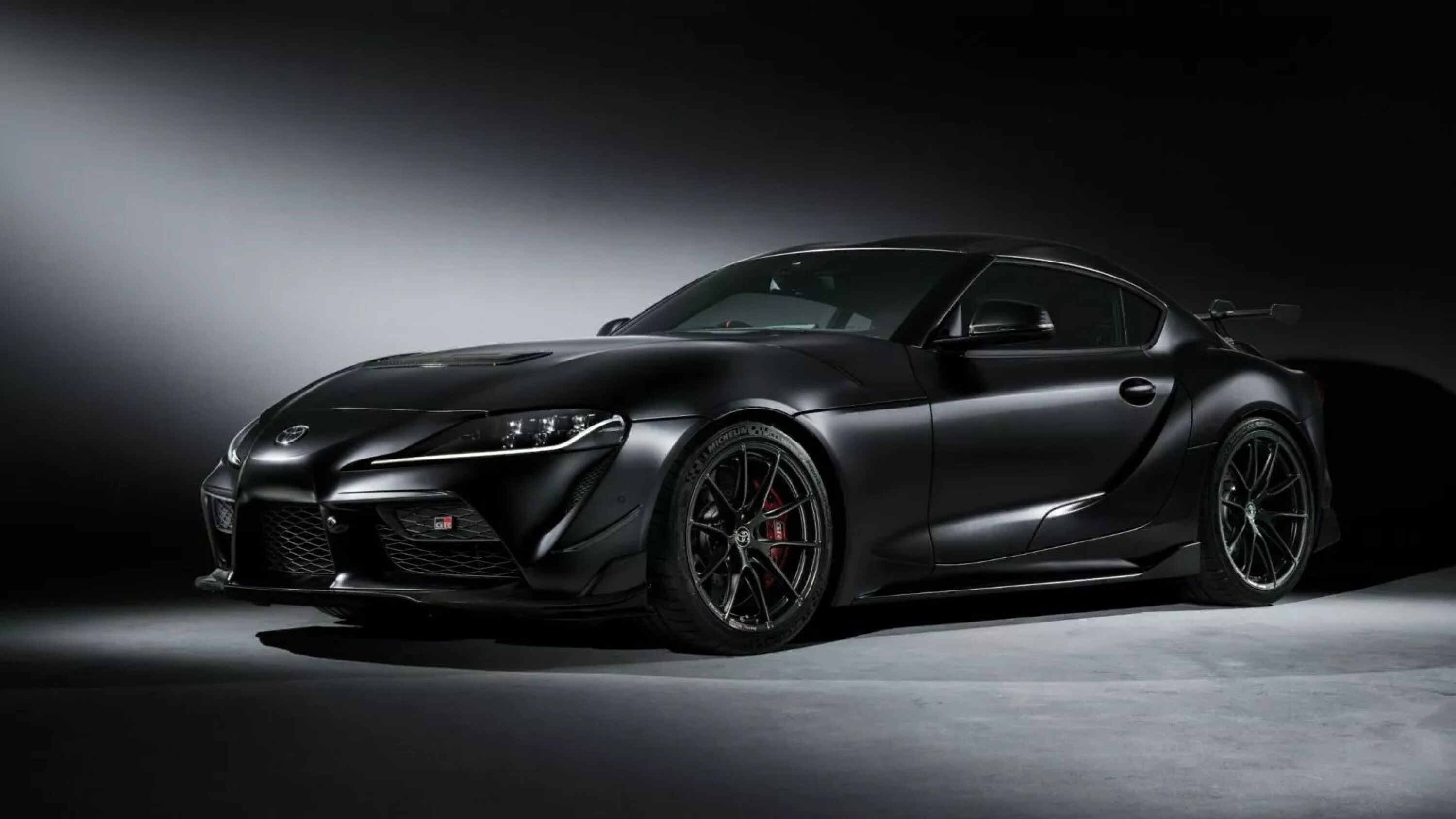
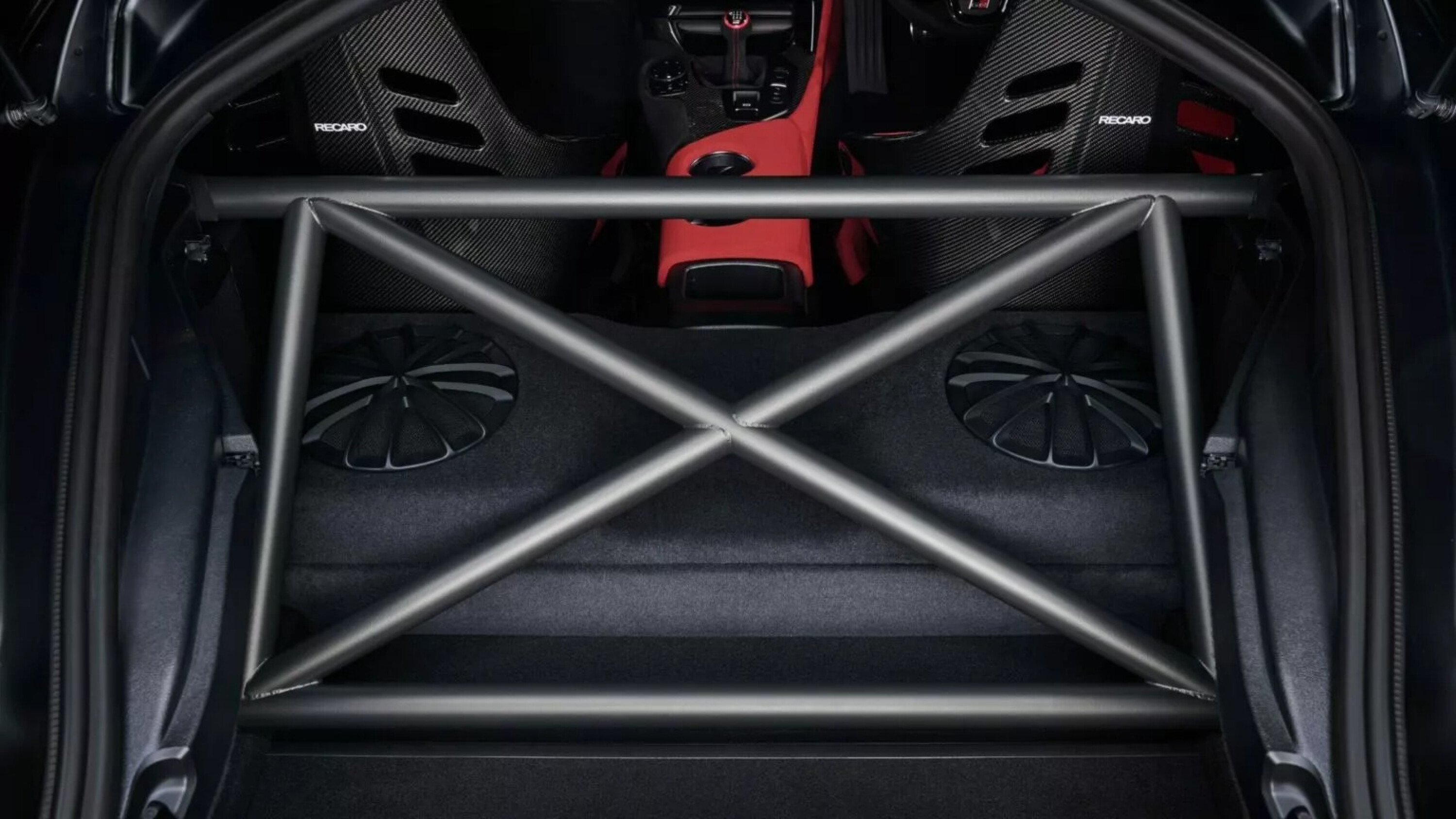
This version will also get bigger Brembo brakes, race-oriented KW suspension, more bracing, and a greater focus on aero.
A carbon-fibre front spoiler, front canards, and front centre flap are featured, along with a carbon-fibre swan-neck rear wing reminiscent of that on the GR Supra GT4. (As befits a Track Edition car…)
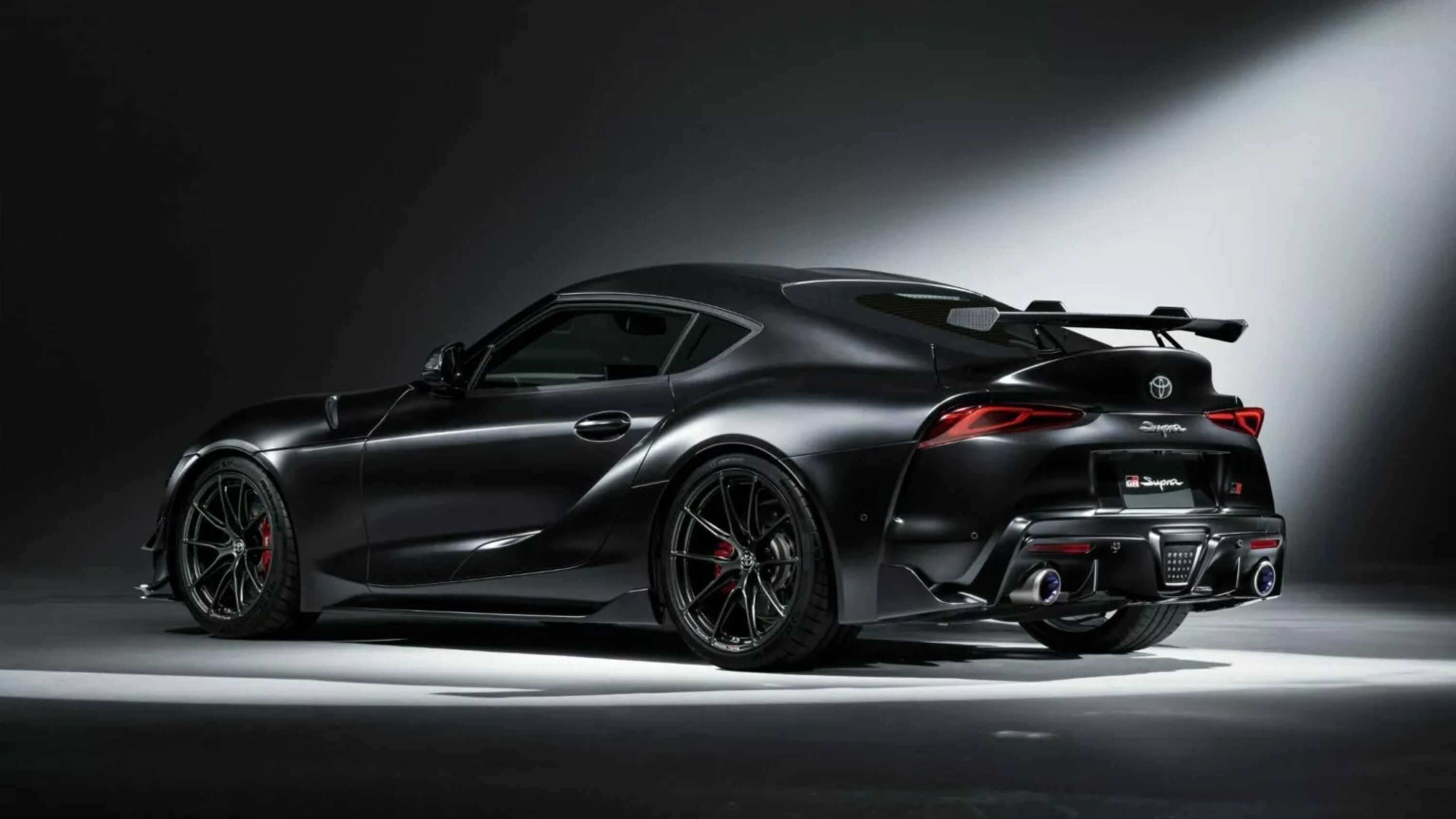
The overseas Final Edition will also roll on 265/35Z1R19 front and 285/30ZR20 rear Michelin Pilot Super Sport Cup 2 rubber, compared to 255/35ZR19 front and 275/35ZR19 rear Pilot Super Sport tyres on the Track Edition.
See a specs comparison outlined below, as provided by Toyota.
| Partially Upgraded Supra 3.0 | A90 Final Edition | |
|---|---|---|
| Weight (kg) | 1520 (6M) / 1530 (8A) | 1528 (6M) |
| Engine | Inline 6-cylinder | Inline 6-cylinder |
| Type | B58B30O1 | B58B30O1 |
| Bore x stroke (mm) | 82.0 x 94.6 | 82.0 x 94.6 |
| Displacement (litres) | 2.997 | 2.997 |
| Max. output (kW / rpm) | 285 / 5800 | 320 / 6000 |
| Max. torque (Nm / rpm) | 500 / 1800-5000 | 570 / 4500 |
| Partially Upgraded Supra 3.0 | A90 Final Edition | |
|---|---|---|
| Transmission | 6-speed manual / 8-speed automatic | 6-speed manual |
| Driveline | Rear-wheel drive | Rear-wheel drive |
| Differentials | Active differential | Active differential |
| Suspension | MacPherson strut | MacPherson strut |
| Multilink | Multilink | |
| Brakes | Brembo 18-inch, aluminum opposed 4-pot calipers and 374 mm-diameter disc | Brembo 19-inch, aluminum opposed 4-pot calipers and 395 mm-diameter drilled floating disc |
| Floating caliper and 345 mm-diameter disc | Floating caliper and 345 mm-diameter drilled floating disc | |
| Wheels | 19-inch forged aluminum wheels | Front: 19-inch forged aluminum wheelsRear: 20-inch forged aluminum wheels |
| Tires (front / rear) | 255/35ZR19 / 275/35ZR19Michelin Pilot Super Sport | 265/35Z1R19 / 285/30ZR20Michelin Pilot Super Sport Cup 2 |
| Fuel tank capacity | 52 | 52 |
EV sales there have grown significantly, reaching around 1.9 million units between November 2023 and October 2024 – but, given the size of the Indian market, EVs still only represent about 2% of its 4 million annual car sales.
The Indian government aims to increase this share to 30% by 2030.
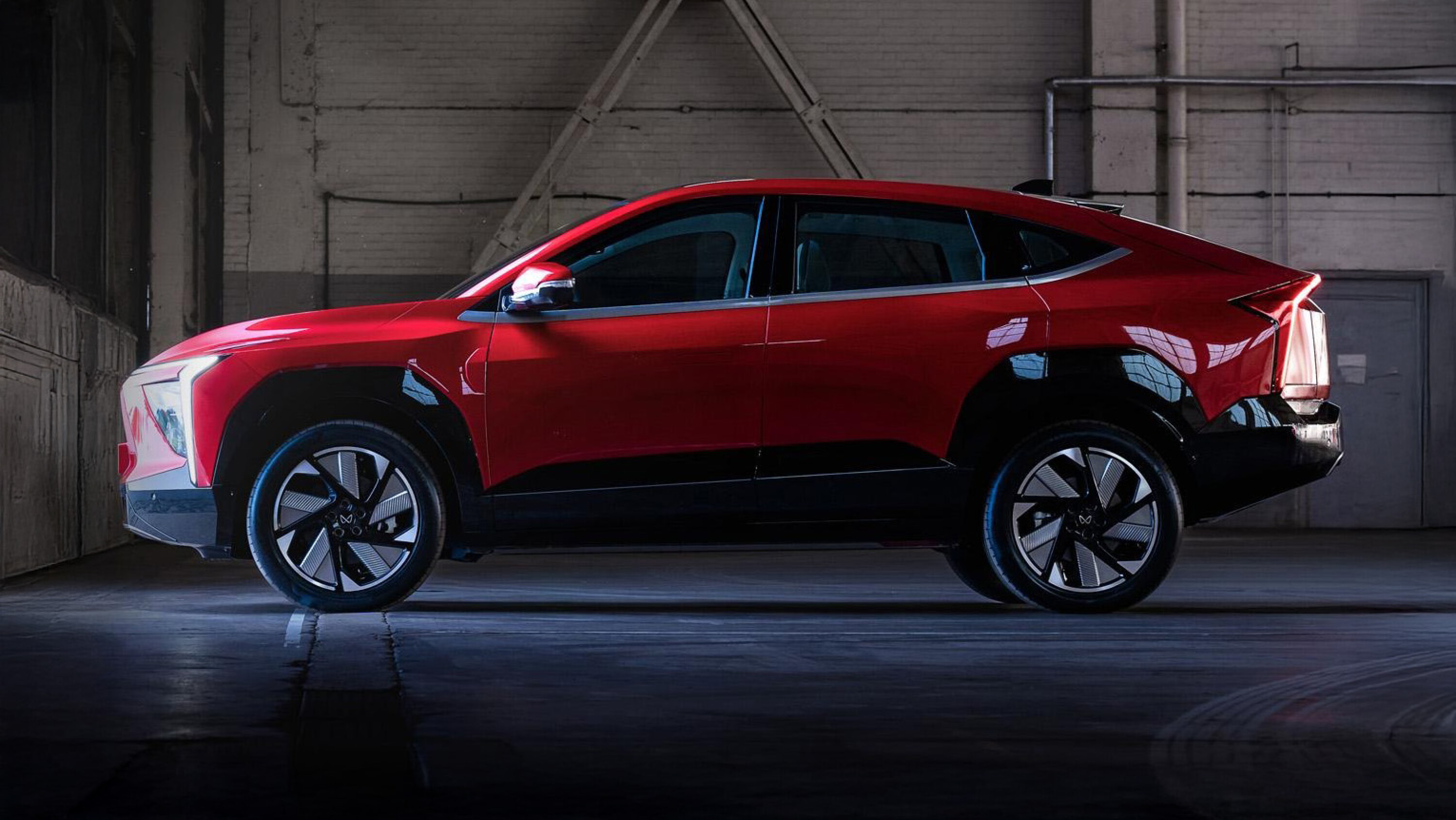
The XEV 9e measures 4789mm in length and 1694mm in height, while the BE 6e is 4371mm long and 1627mm tall.
For local context, the Hyundai Ioniq 5, a midsize-to-large electric SUV, has a wheelbase of 3000mm, a length of 4635mm, a width of 1890mm, and a height of 1605mm. 
The Tesla Model Y, another competitor, features a wheelbase of 2875mm, a length of 4694mm, a width of 1933mm, and a height of 1443mm.
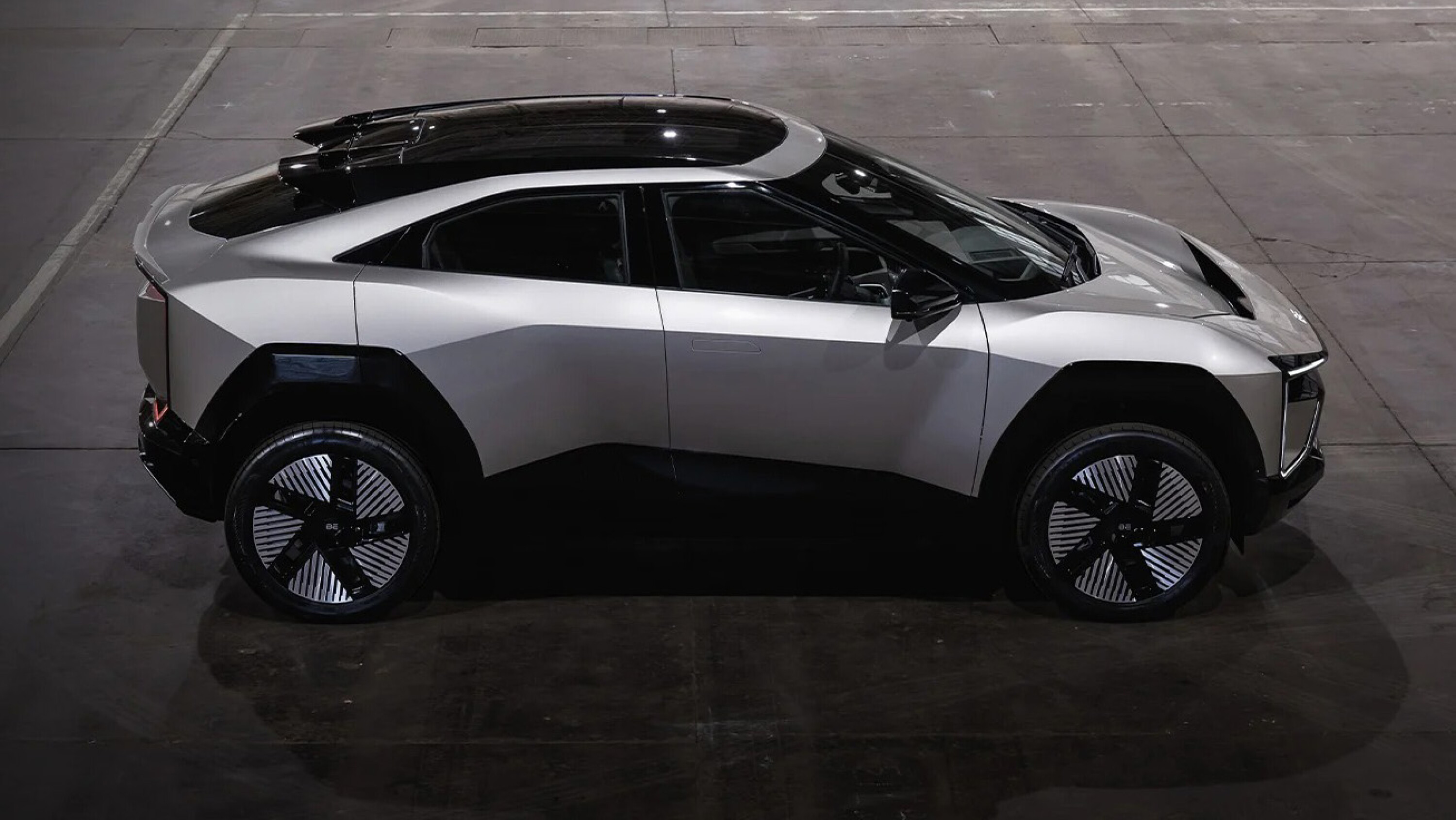
Battery options include 59kWh and 79kWh packs.
Mahindra says the BE 6e will rip from zero to 100 km/h in 6.7 seconds, followed closely by the XEV 9e at 6.8 seconds.
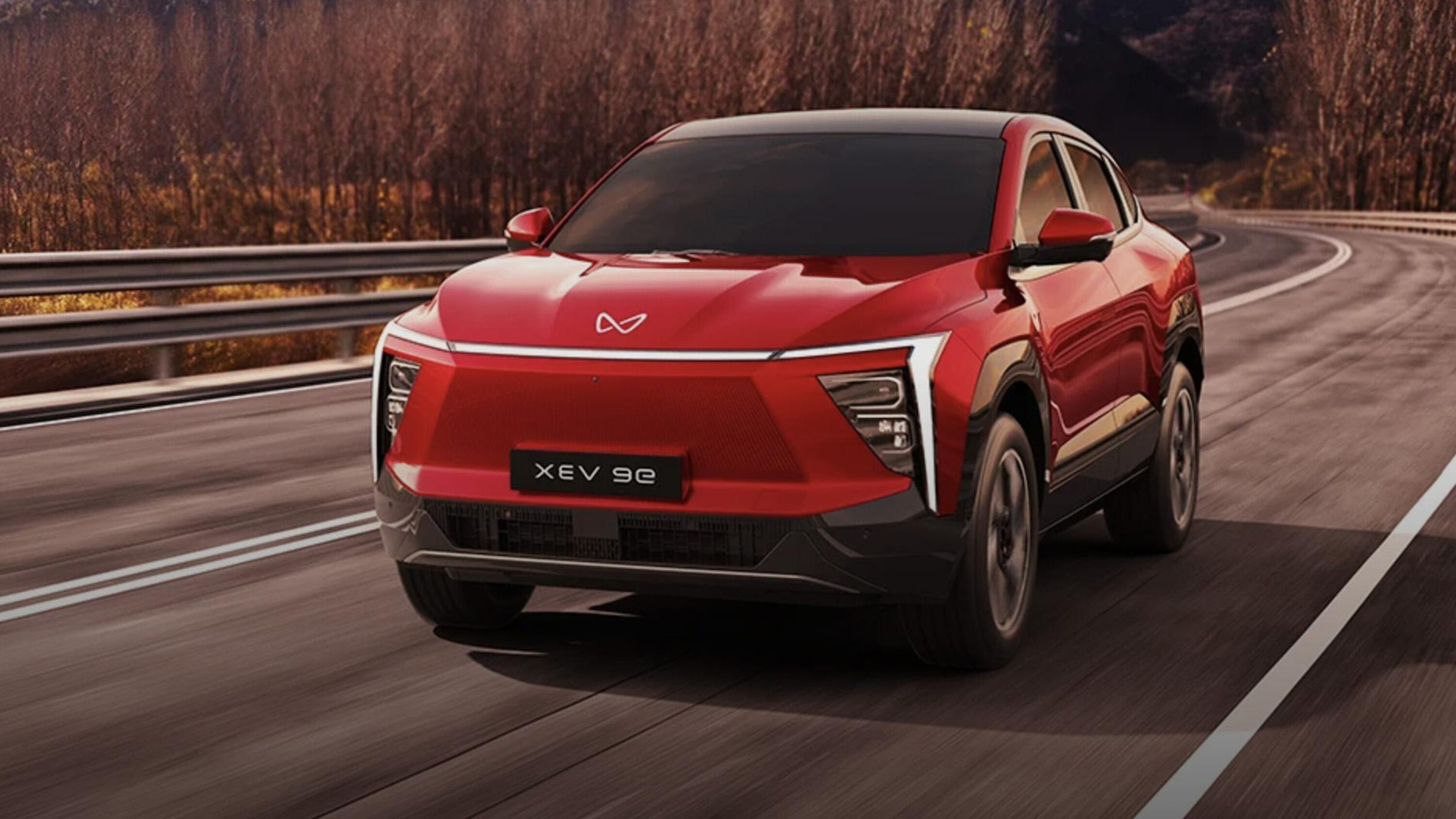
It should be noted that these figures are based on India’s MIDC combined test cycle, which is generally considered less stringent and thus more generous than the WLTP system used in Europe – and increasingly promoted in new-model marketing for Australian-delivered cars.
Both models support AC charging up to 11kW and DC fast charging up to 175kW.
Laboratory-Based: Like other test cycles, MIDC figures are derived under controlled lab conditions, which often result in optimistic efficiency and range claims.
Urban Focus: The test cycle simulates urban and suburban driving scenarios, making it less comprehensive for high-speed or long-distance driving conditions.
Higher Claims: Vehicles tested under MIDC often show higher fuel efficiency or electric range figures than real-world performance due to its less demanding parameters.
WLTP: Introduced to replace the older NEDC, the WLTP provides more realistic figures by accounting for various driving conditions, including urban, suburban, and highway scenarios.
EPA: Used primarily in the United States, the EPA test is considered among the most stringent and reflective of real-world usage.
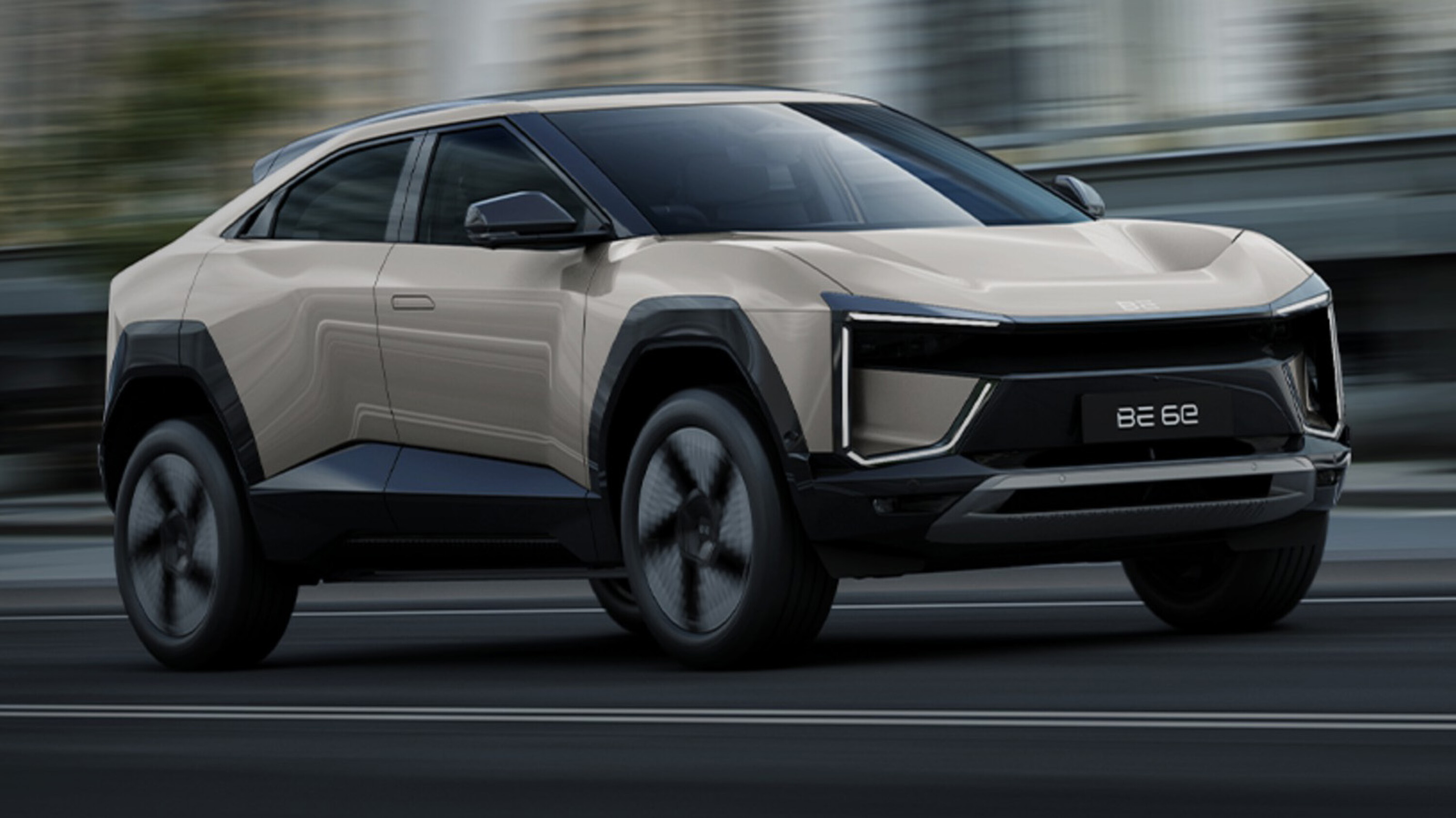
The XEV 9e and BE 6e are equipped with MacPherson struts up front and five-link independent rear suspension with semi-active dampers to automatically adjust for ride comfort.
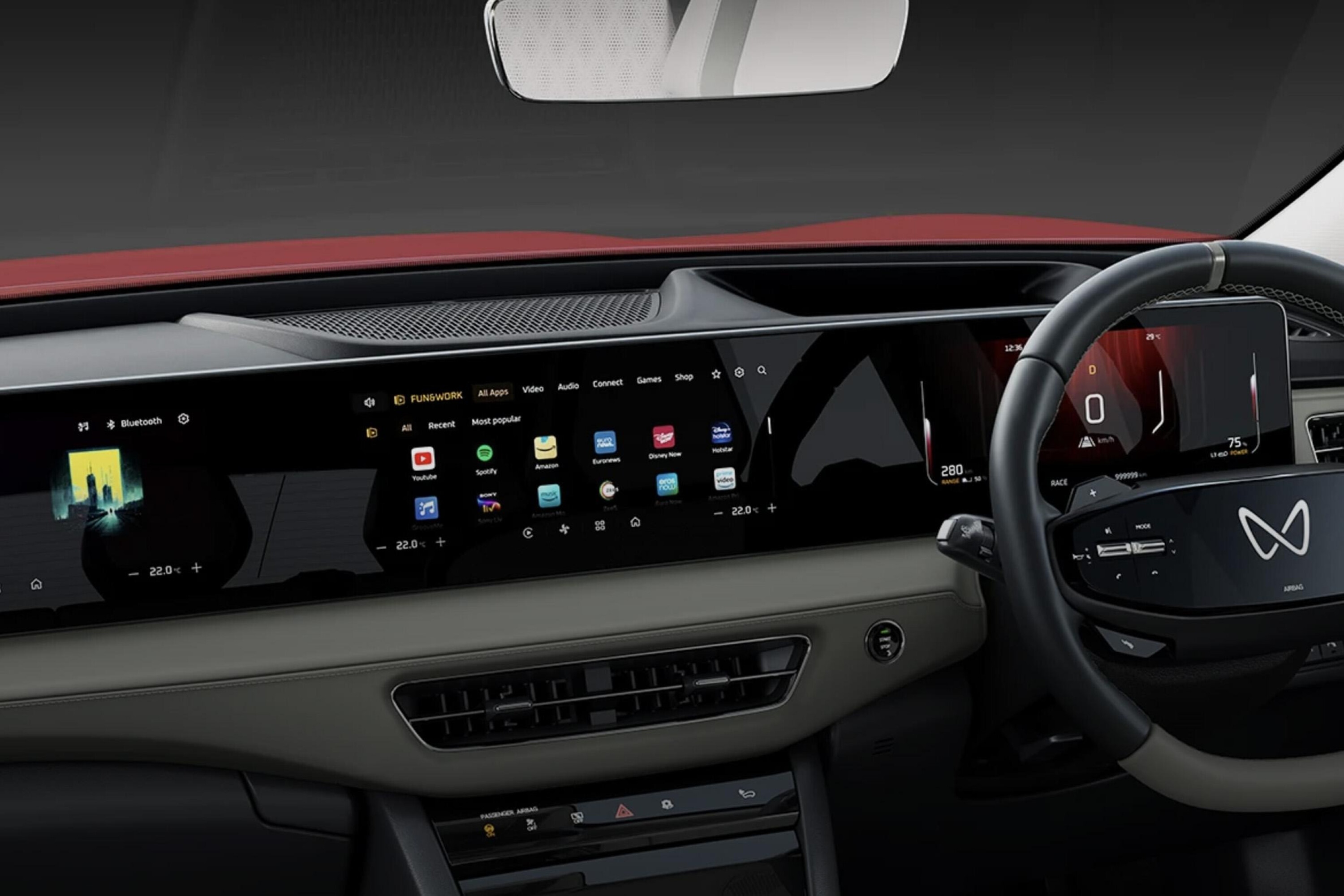
The BE 6e sticks with ‘just’ two screens, again measuring 12.3 inches each.
Both models offer a 16-speaker Harman Kardon sound system and three interior themes: calm, cozy, and club.
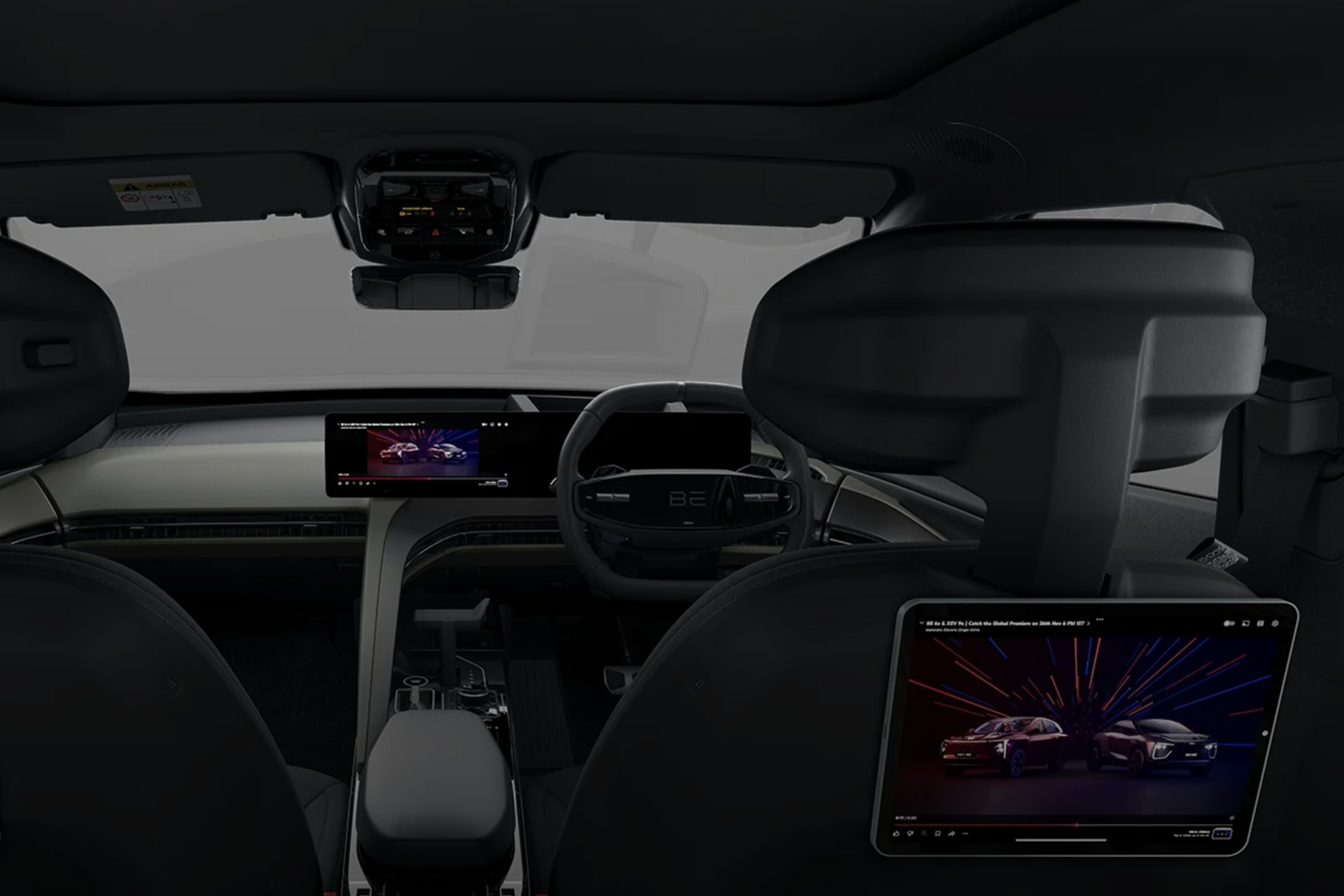
They feature a surround-view camera system capable of recording the vehicle’s exterior surroundings, with footage accessible via a mobile app.
Additionally, twelve ultrasonic sensors enable autonomous parking functions.
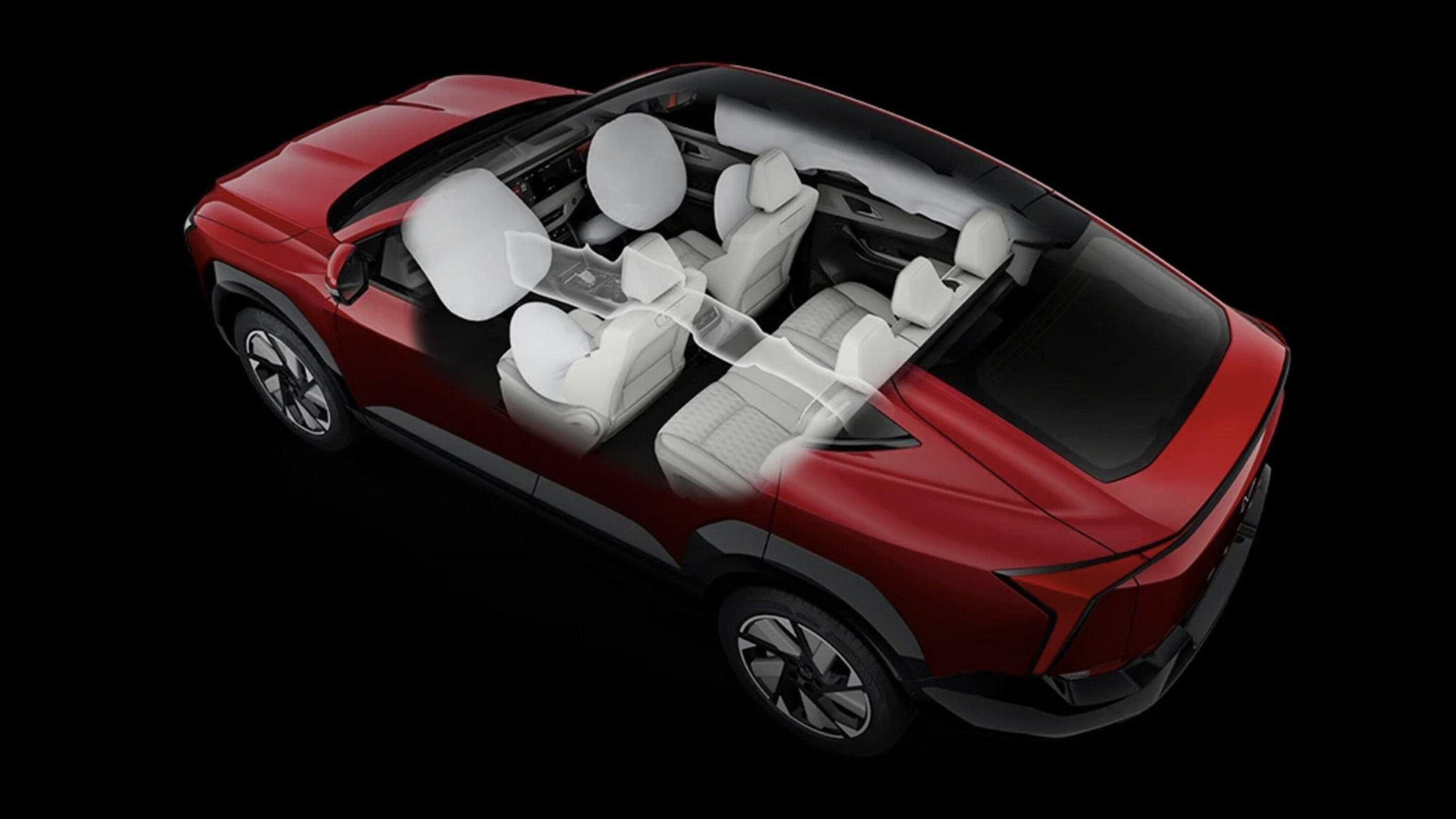
The company has not yet offered word on local plans, but the local office is keen to see them here and has said it will provide updates as soon as they become available.
Deliveries to Indian customers are expected to begin in late February or early March 2025. The BE 6e is priced from approximately AUD $35,000, and the XEV 9e starts at around AUD $40,000.
Mahindra’s current line-up in Australia consists of the Scorpio and XUV700 SUVs, and the S11 4X4 PIKUP ute.
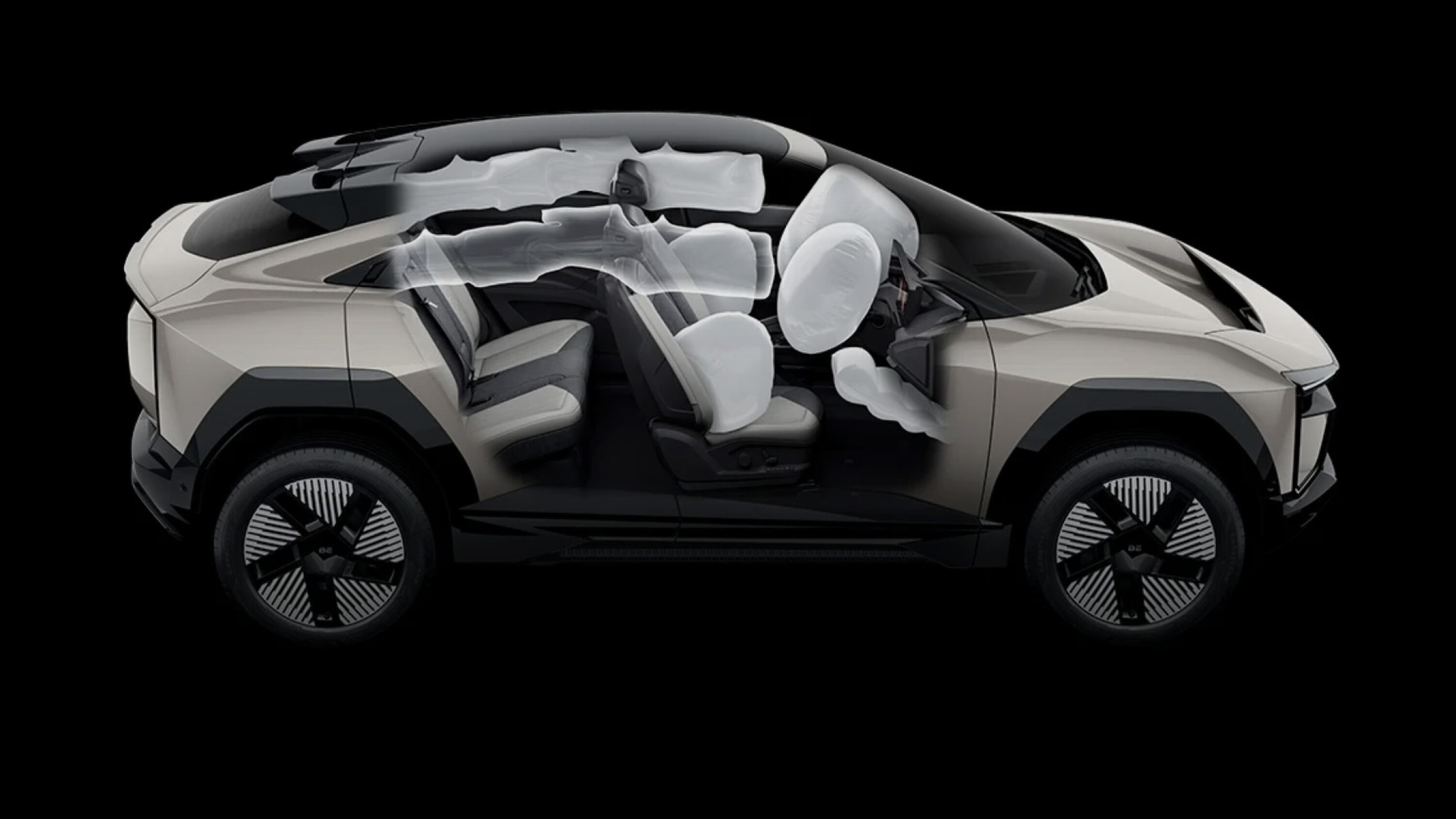
Driving range for both models: BE 6e (535–682km), XEV 9e (542–656km), based on India’s MIDC combined cycle.
Charging capacities: AC (up to 11kW) and DC fast charging (up to 175kW).
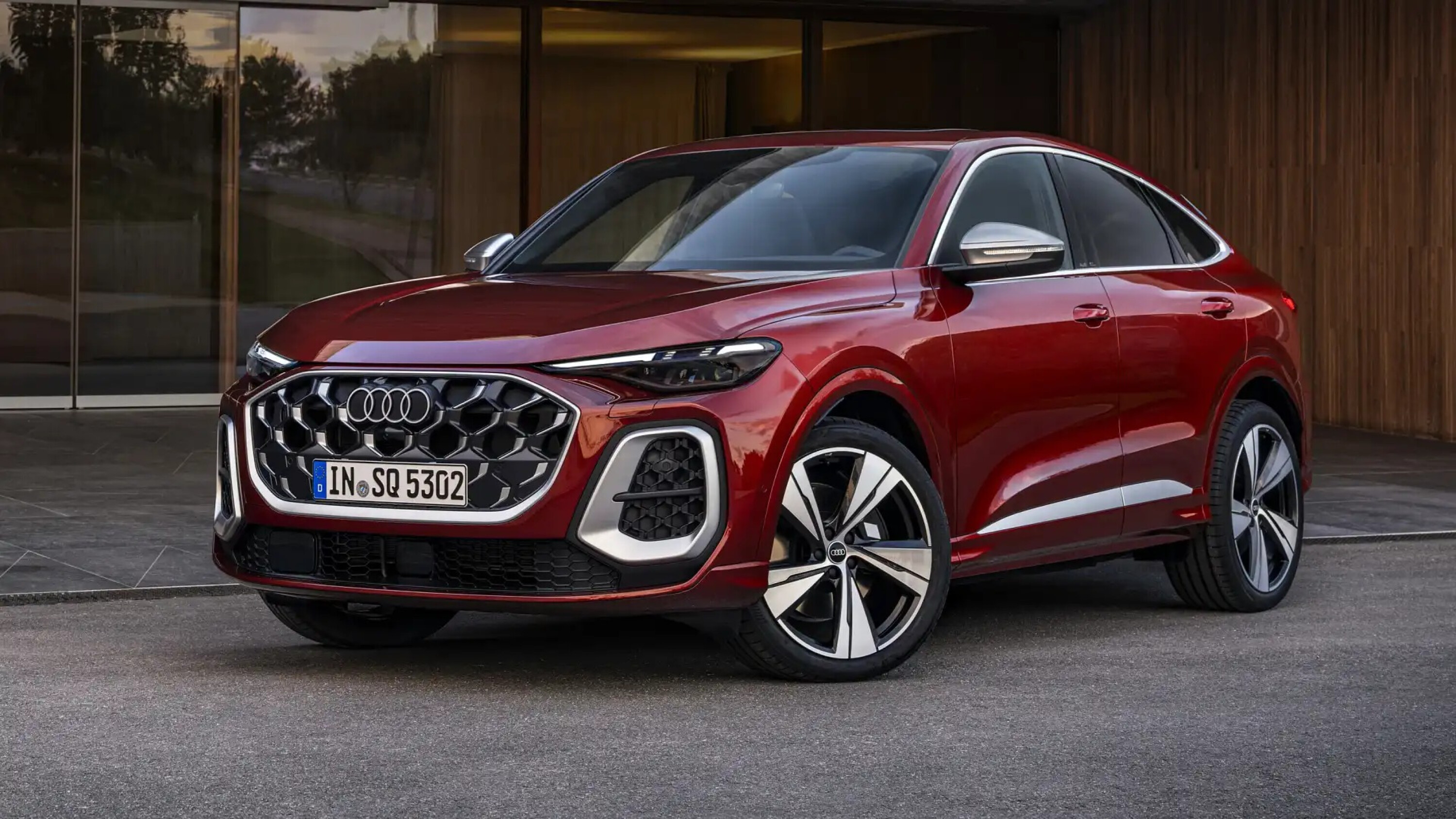
Despite their familiar coupe-like roofline, he Sportback models again share much of their core architecture, technology, and powertrains with the regular Q5.
Both the Sportback and standard Q5 are built on Audi’s Premium Platform Combustion (PPC), with powertrain options including the same 2.0-litre four-cylinder petrol and diesel engines, both producing 150 kW (204 PS).
These are paired with a 48-volt mild-hybrid system that provides an additional 18 kW (24 PS) through a 1.7 kWh battery.
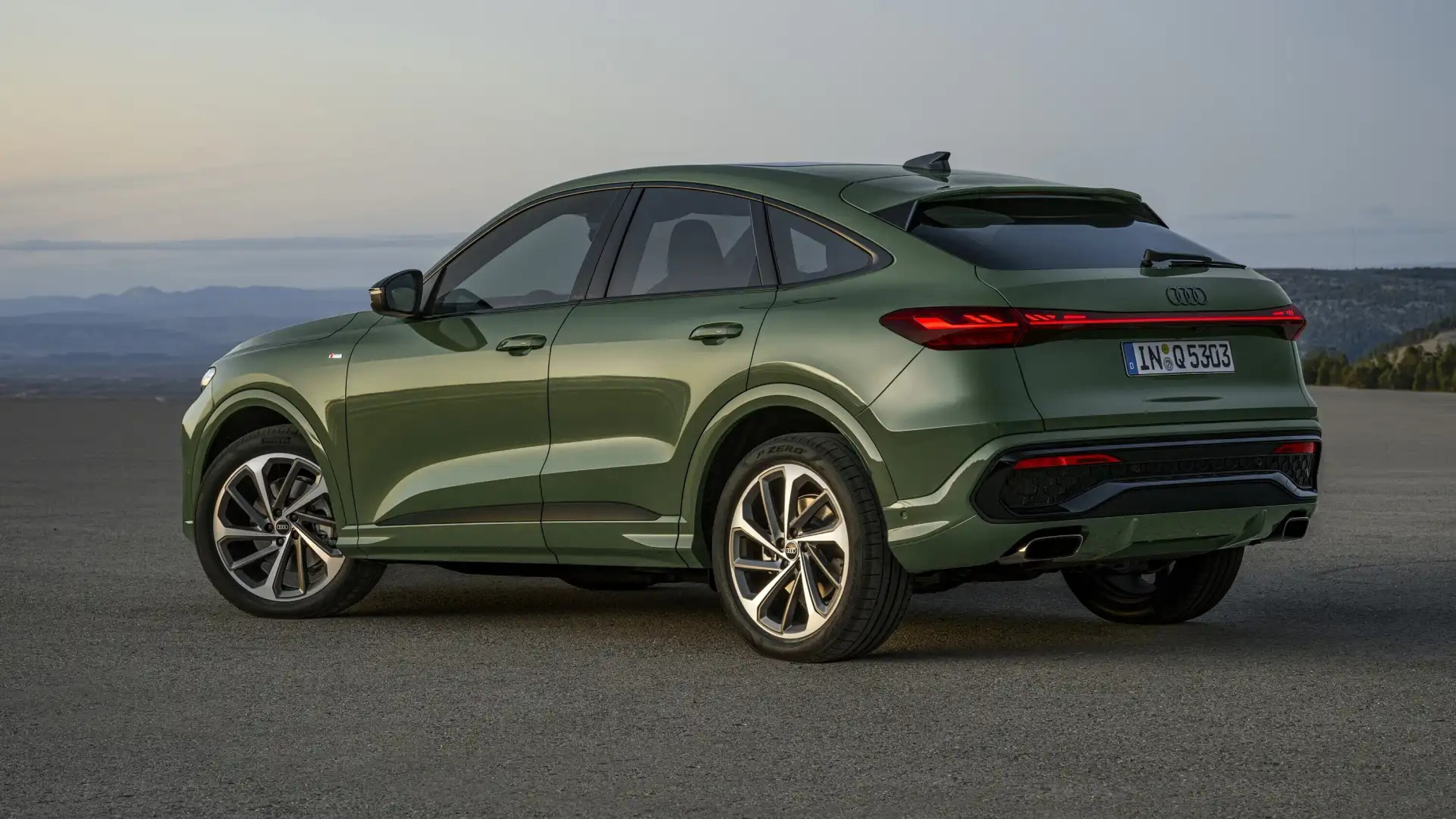
Inside, the Sportback models carry over the Q5’s digital cockpit and infotainment suite, including an 11.9-inch driver display and 14.5-inch central touchscreen.
Options such as a 10.9-inch passenger display and sustainable materials like Cascade fabric and Dinamica microfibre are also available, mirroring the standard Q5’s offerings.
The main difference lies in the Sportback’s exterior design, with a sloping roofline and revised rear end that create a sportier silhouette.
Despite the change in shape, practicality is minimally affected, with 515 litres of cargo space compared to the regular Q5’s 550 litres. Folding the rear seats expands capacity to 1415 litres.
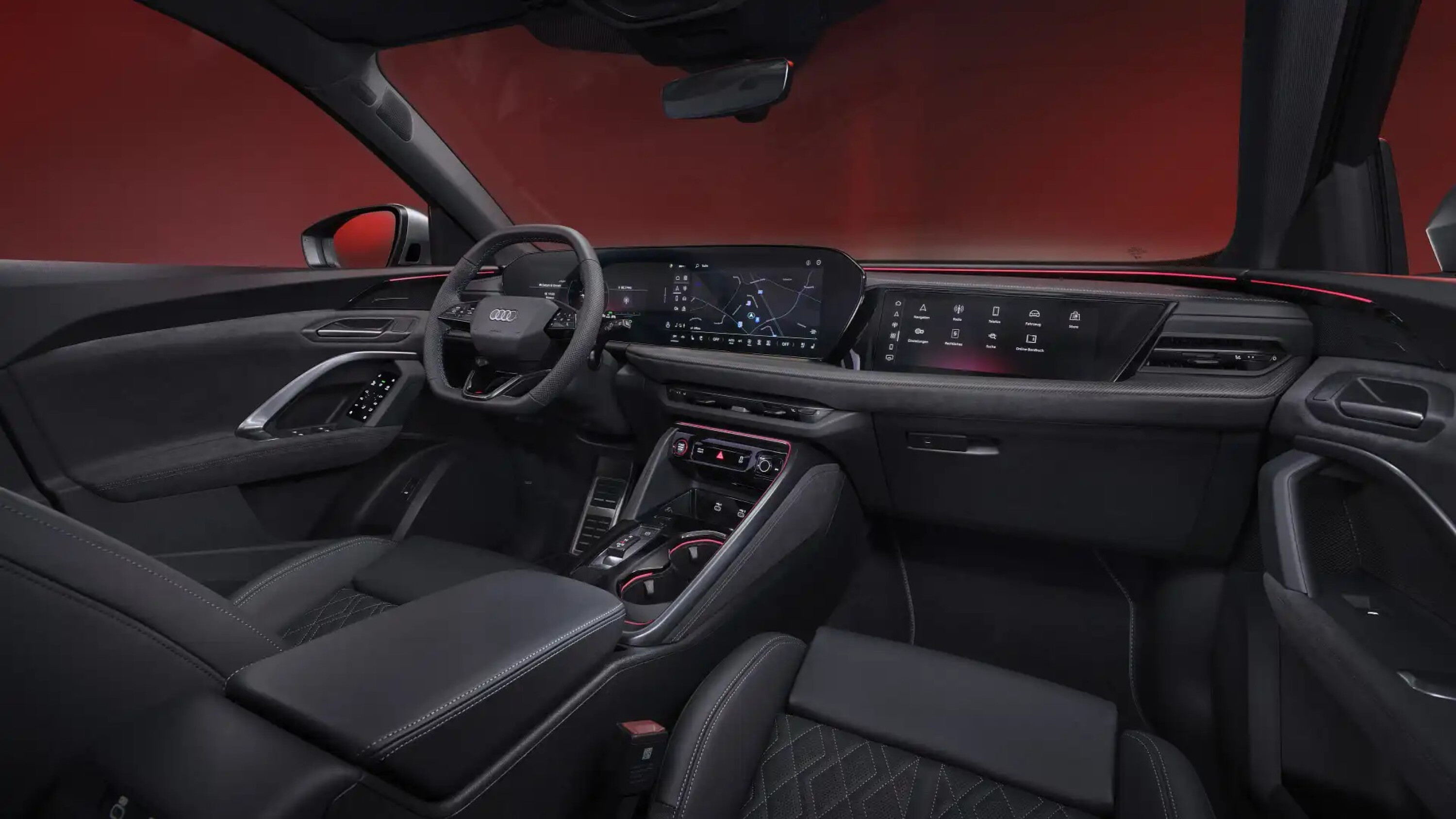
It remains to be seen how much ‘heritage’ is in the design themes, then, because while the ID.2all concept looked more like a conventional VW, it is still clearly a modern design.
According to Autocar, VW design chief Andreas Mindt confirmed recently that the production version of the ID.2 has evolved from the original concept, describing the final design as “even better.”
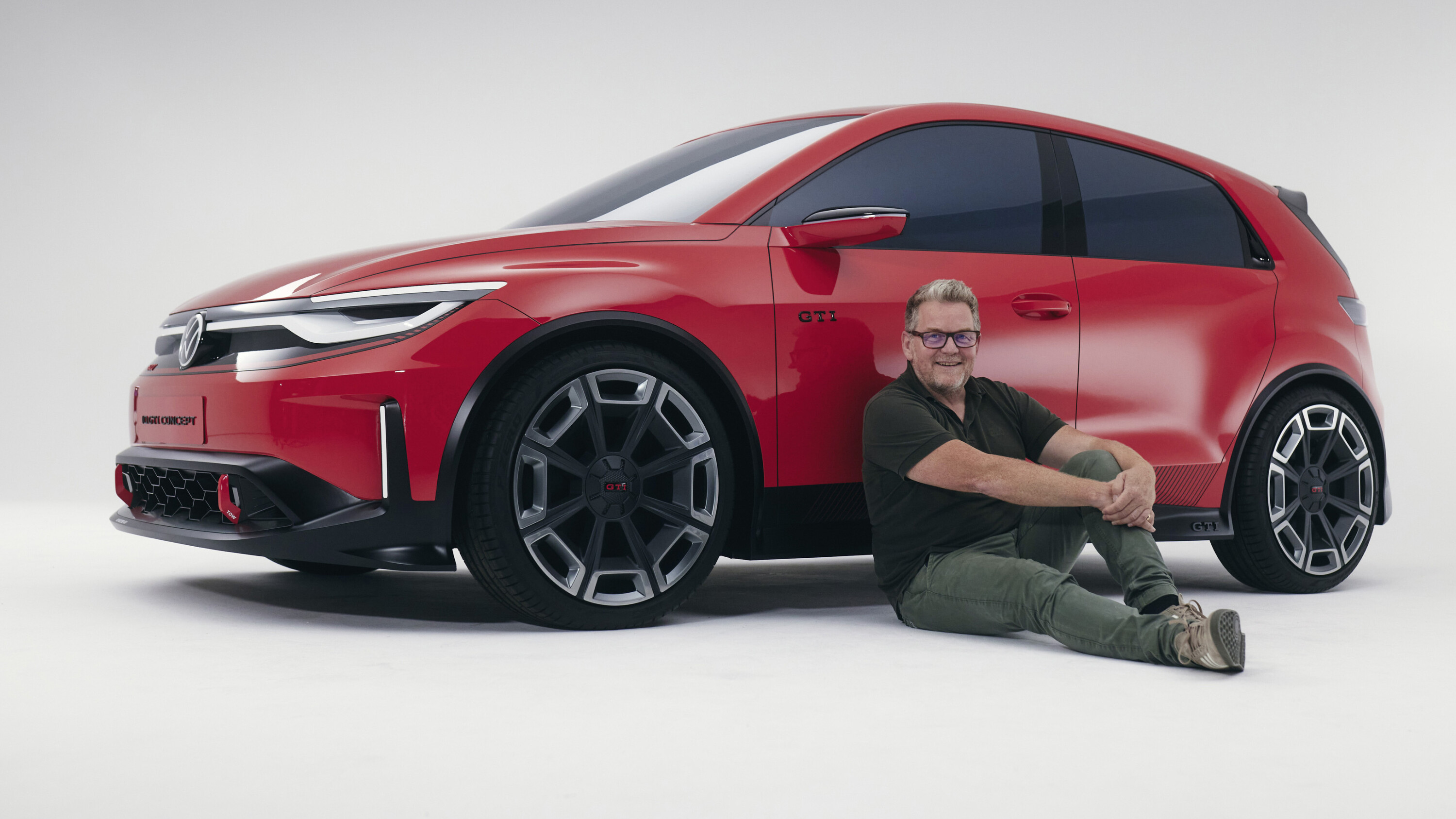
All of this likely reinforces that the ID brand’s future look will skew more towards conventional VW rather than the more curvaceous styling we’ve seen applied so far.
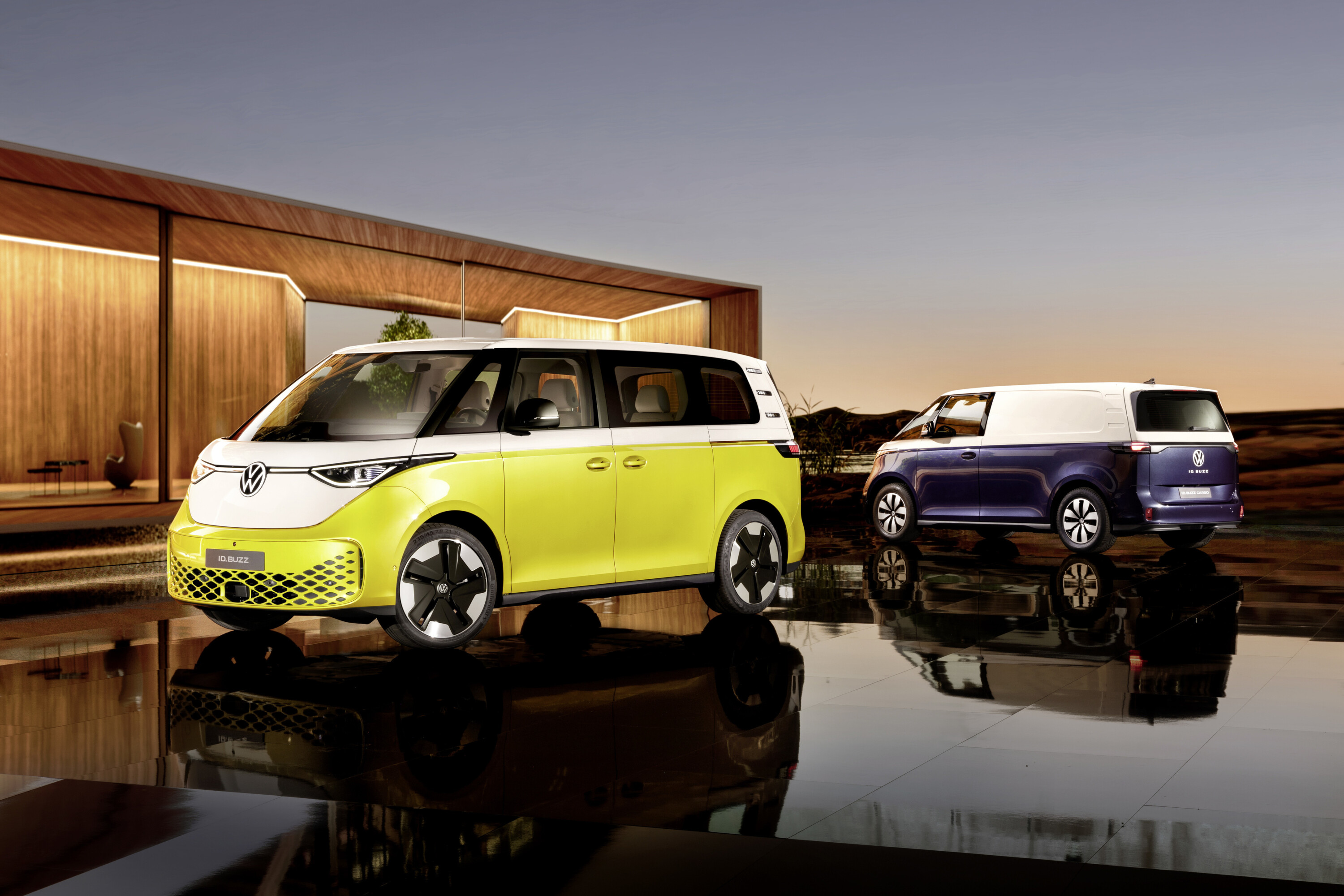
Early MEB-based models such as the ID.3 hatchback and the ID.4 and ID.5 SUVs will be among the first to adopt the updated design language, according to comments by Kai Grünitz, Volkswagen Brand Board Member for Technical Development, to Autocar. While the ID.7 sedan is also expected to receive updates, the ID.Buzz van is likely to retain its already retro-themed current styling.
These upgrades will include improved performance, reduced battery costs, and new functionality, ensuring the platform remains competitive until the introduction of the next-generation Scalable Systems Platform (SSP).
Volkswagen also plans to expand its over-the-air software update capabilities, a development Grünitz attributed in part to inspiration from Rivian. He highlighted Rivian’s agility in software development as a model Volkswagen aims to follow.
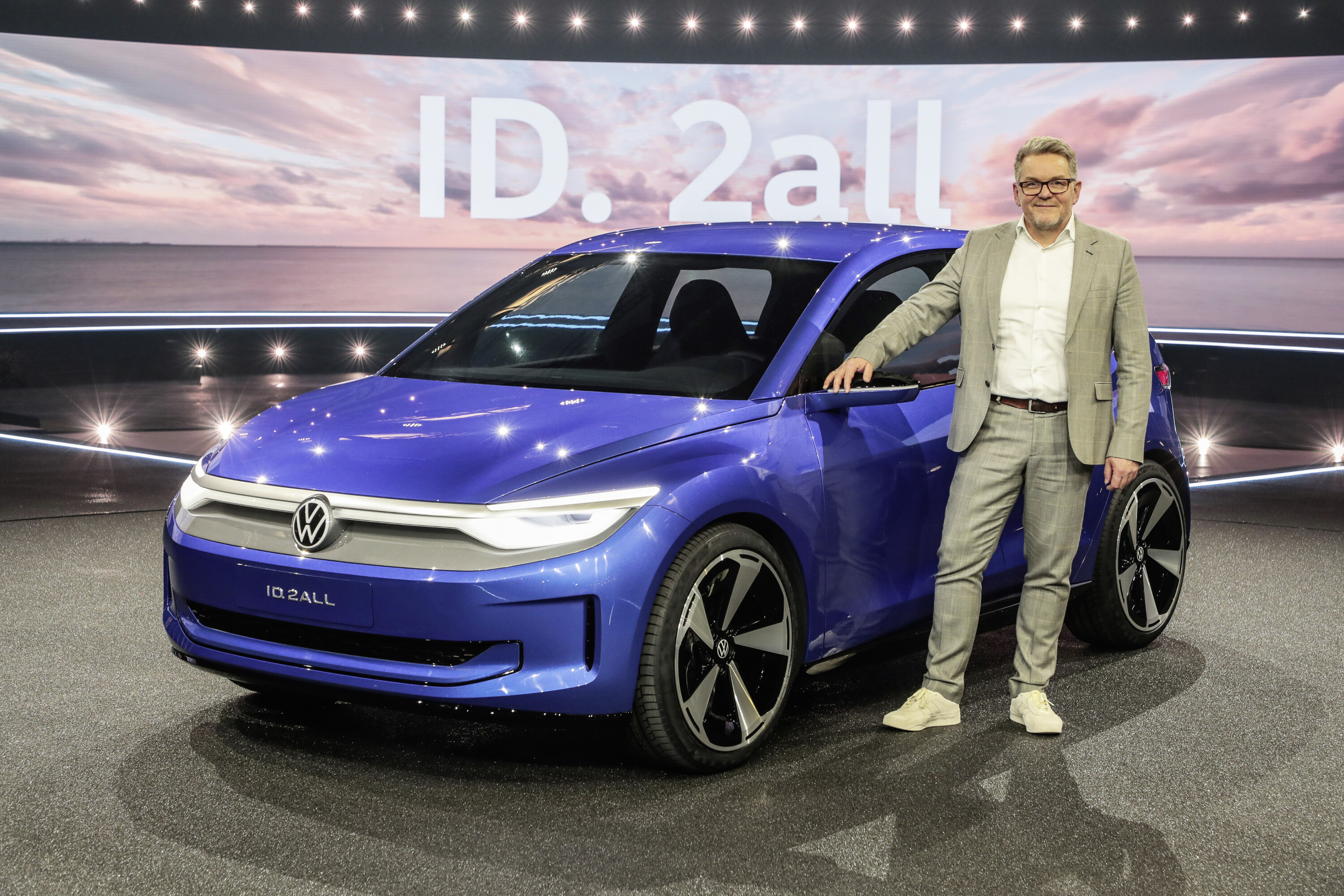
Volkswagen has confirmed it will feature a 57kWh battery, offering a claimed driving range of 450km. Pricing is expected to start below €25,000 ($40K AUD) in Europe, with production scheduled to begin in late 2025.
Following this, Volkswagen will introduce an ID.2-based electric GTI and a compact SUV on the same MEB Entry platform.
Last week, patent drawings revealed the upcoming BMW iX3, providing a closer look at the electric SUV’s design ahead of its expected 2025 release.
Now, thanks to Russian artist Kolesa, we have a clearer look at how the patent images could evolve into the final production model, still clearly inspired by the Vision Neue Klasse X concept.
The iX3 adopts a vertically oriented double kidney grille, paired with slim headlight units that emphasise the brand’s latest design language. Its proportions feature short overhangs and a long wheelbase, contributing to its modern silhouette.
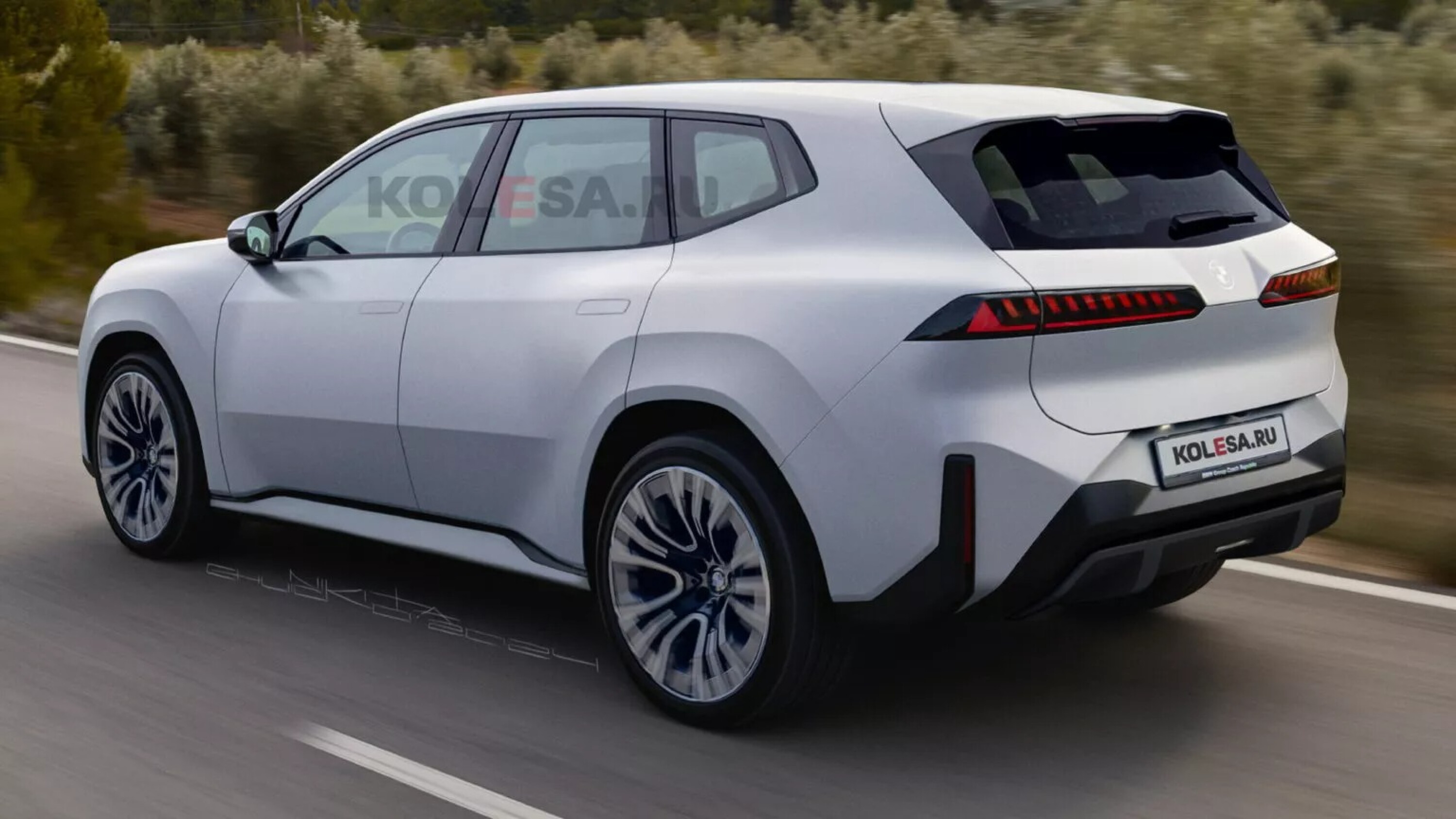
Practical details such as pop-out door handles and traditional side mirrors replace more experimental elements seen in earlier concepts.
Distinctive features like the Y-shaped element in the rear side windows carry over, maintaining continuity with the concept’s styling cues. These visual touches suggest a focus on blending futuristic design with functional elements.
BMW has not revealed interior details through these filings, leaving speculation open regarding the final execution of its cabin design and technological features. Further details are expected as the iX3 moves closer to its production debut.
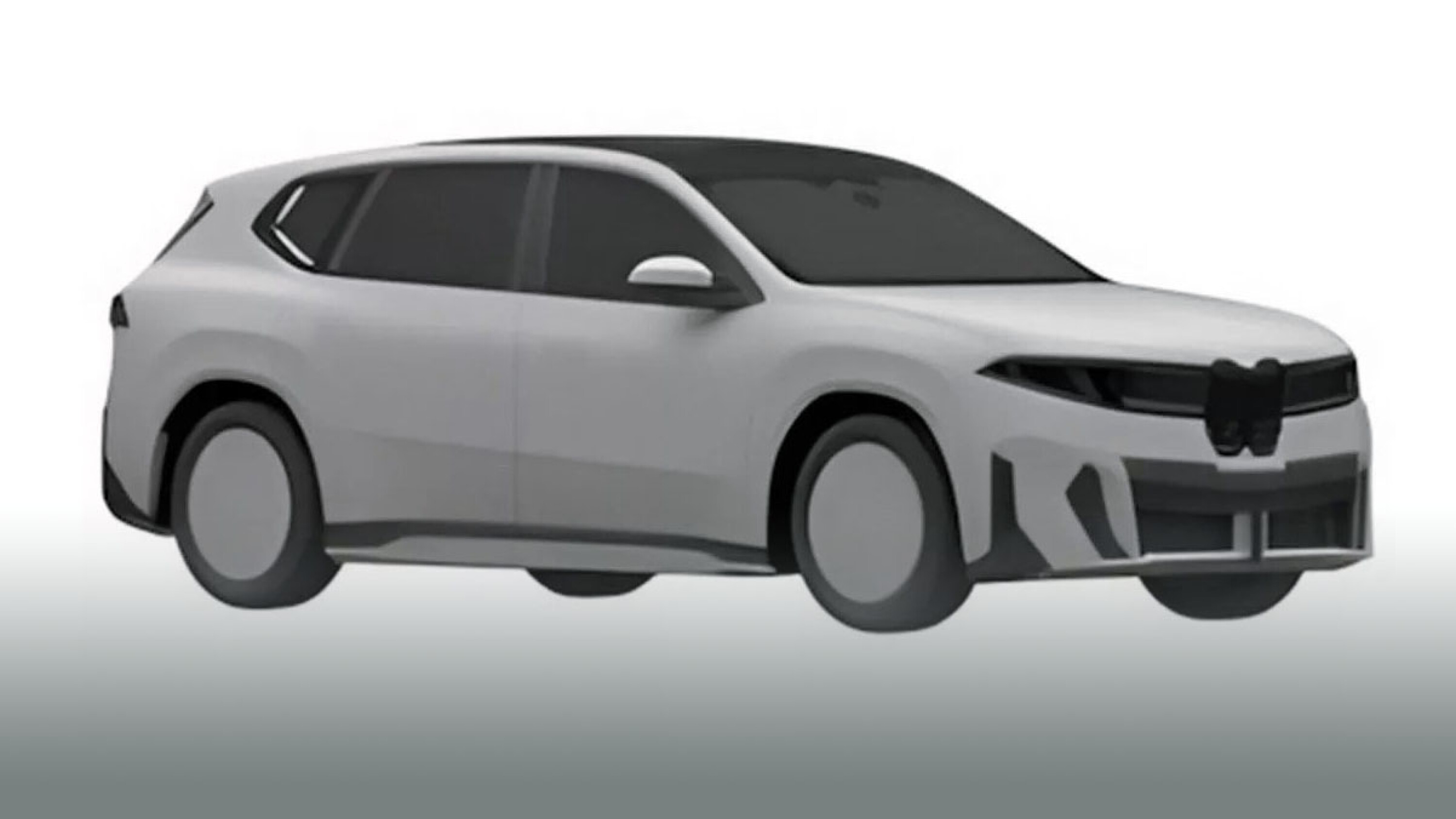
The next-generation 2026 BMW iX3 has made an unscheduled debut this week, revealed in design patent files — usually required to be publicly accessible as part of any standard trademark and patent search.
While the current iX3 is largely identical to the regular G01 X3 that launched in 2017, this new generation of the popular electric SUV will stand apart with its own unique styling and platform, moving away from the new G45 X3 range that launched with petrol, diesel and PHEV powertrains this year.
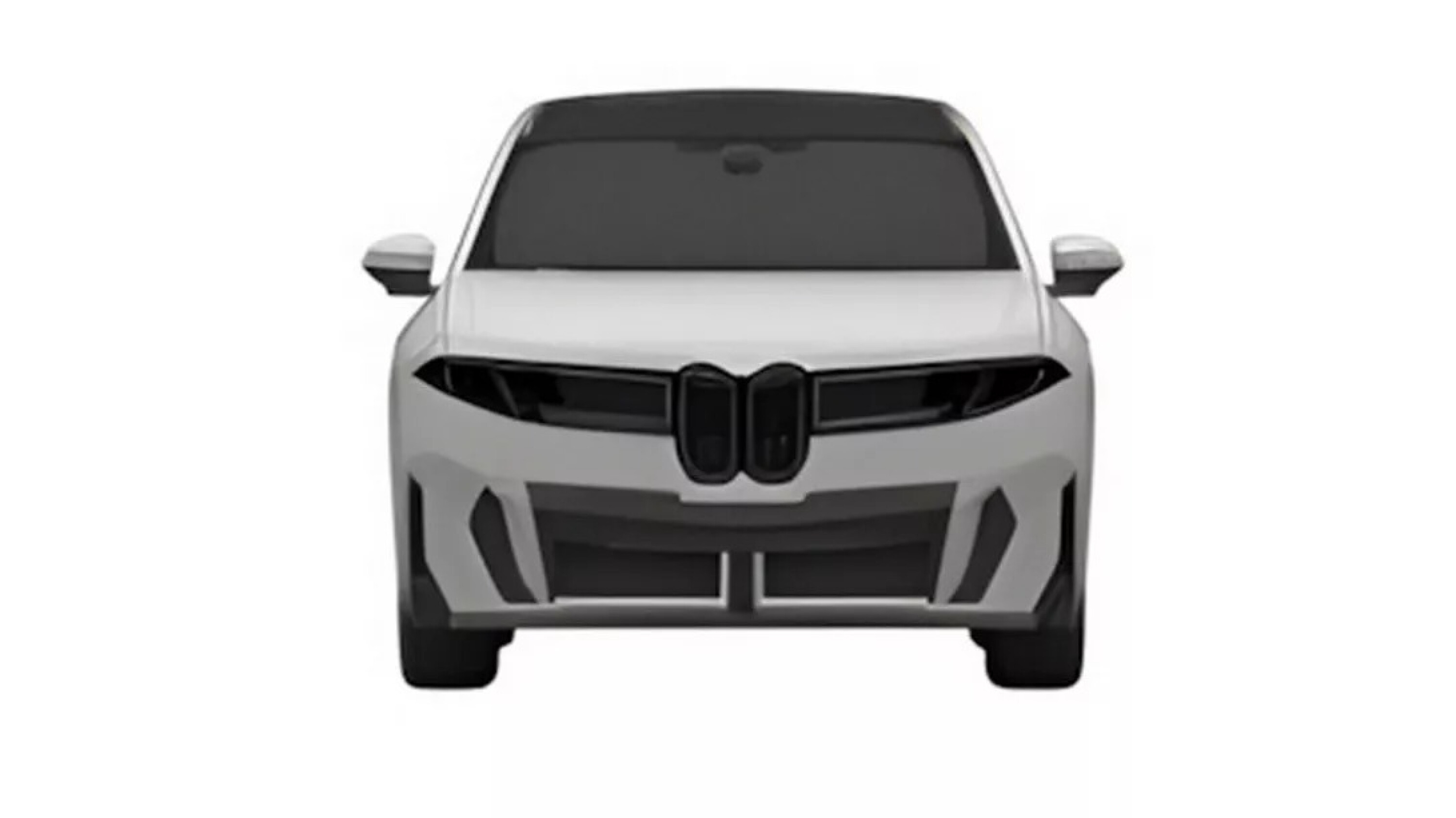
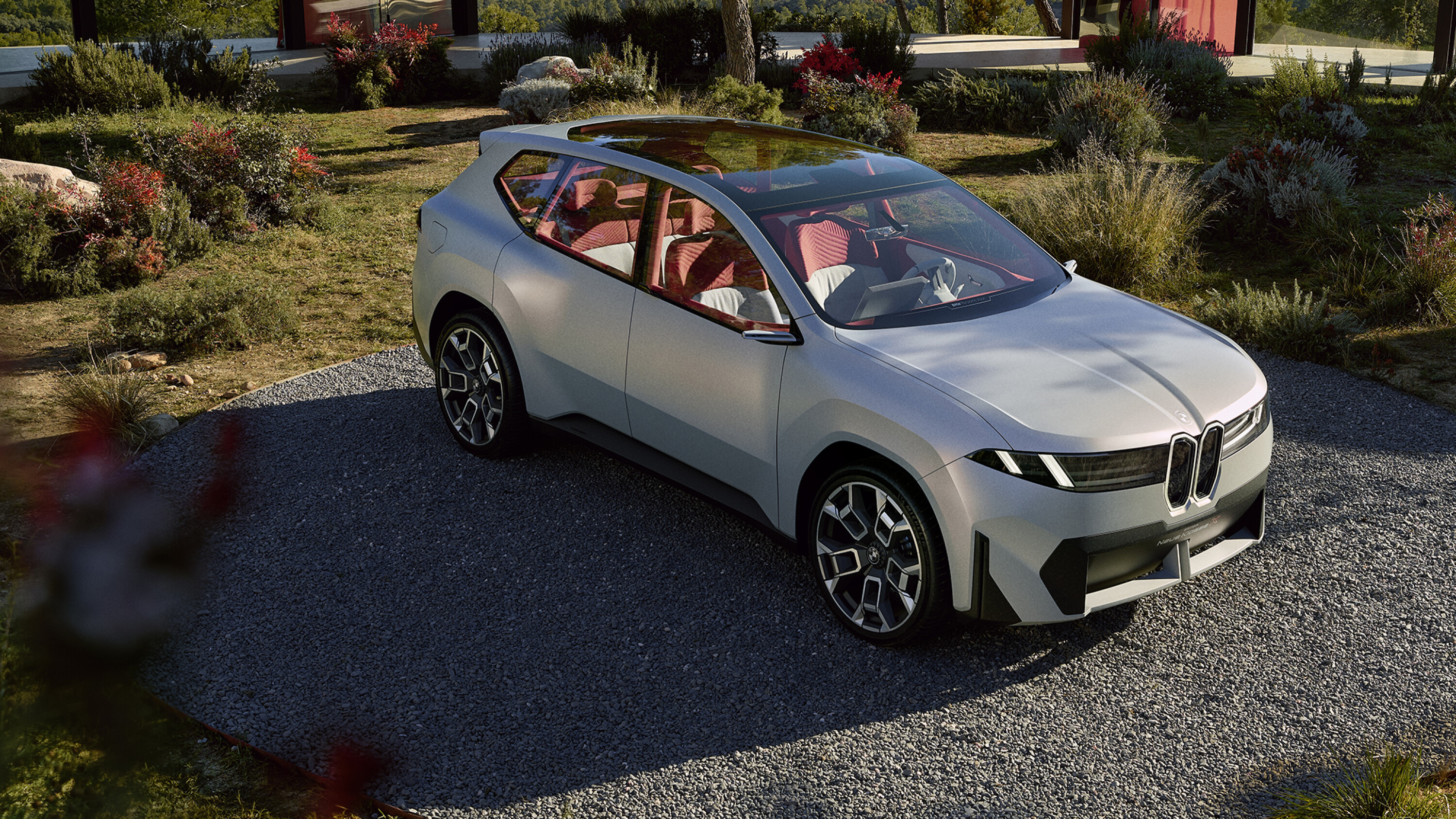
The Neue Klasse X concept showcases another reimagined take on BMW’s iconic split grille layout (known colloquially in the past as a ‘kidney’ design), this time referencing early BMW models with a smaller and narrower design than we’ve seen in recent years.
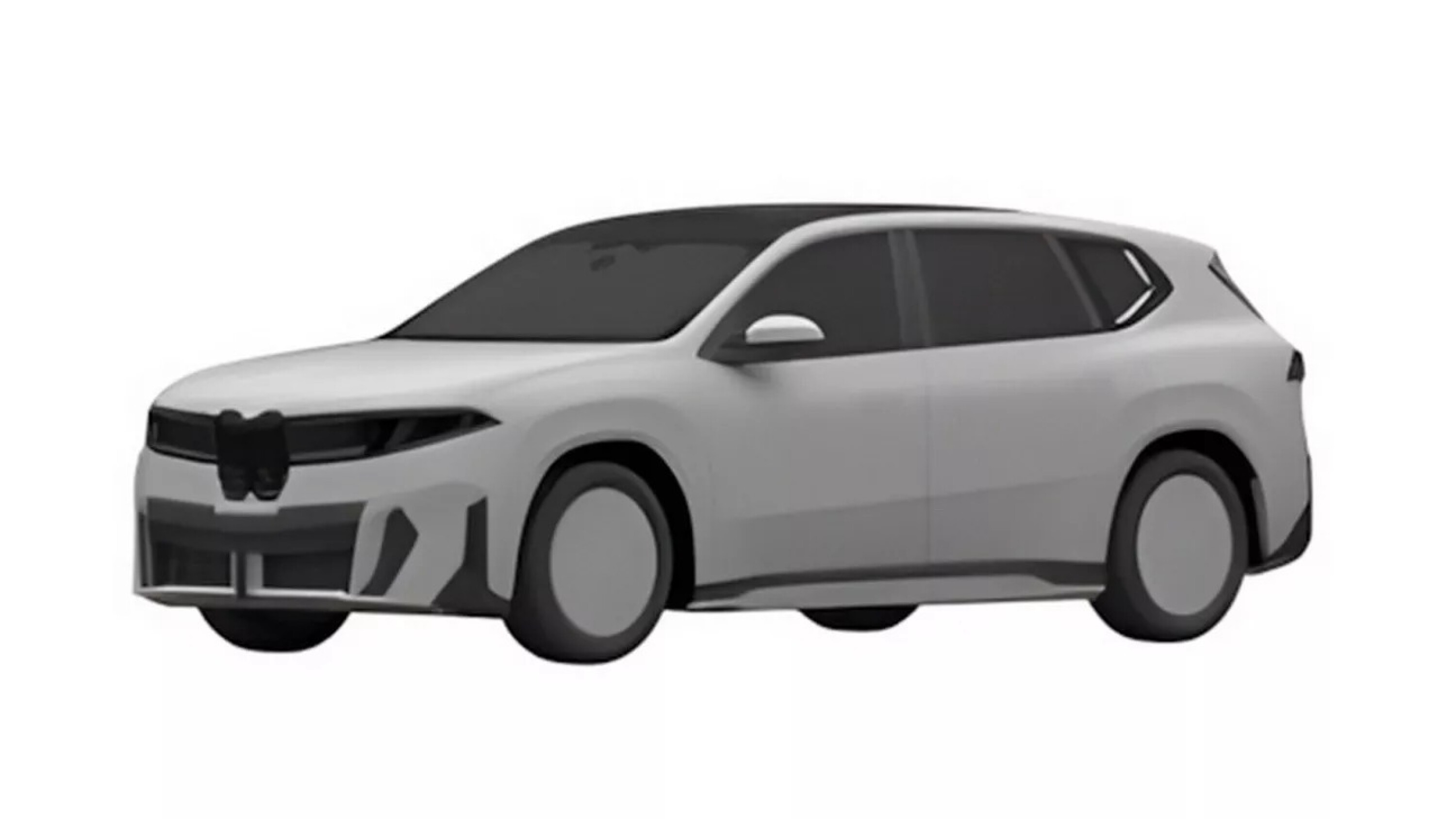
Indeed, even the Neue Klasse sedan concept revealed in 2023 has its own distinct grille design, with a wing-like shape spreading out across the boxy sedan’s face. The X concept features the same ‘wings’, but with that new compact grille at their centre. It’s a look that quickly evokes thoughts of the iconic 2002.
In its upcoming iX3 production form, the X concept’s compact ‘grille’ appears to carry over largely unchanged — if more as a signature faceplate now than an actual functional opening.
The broader design themes of the concept can likewise be identified in the patent image, but without the overall muscly lines and proportions of the show car, as is often the way with any concept’s transition to production.
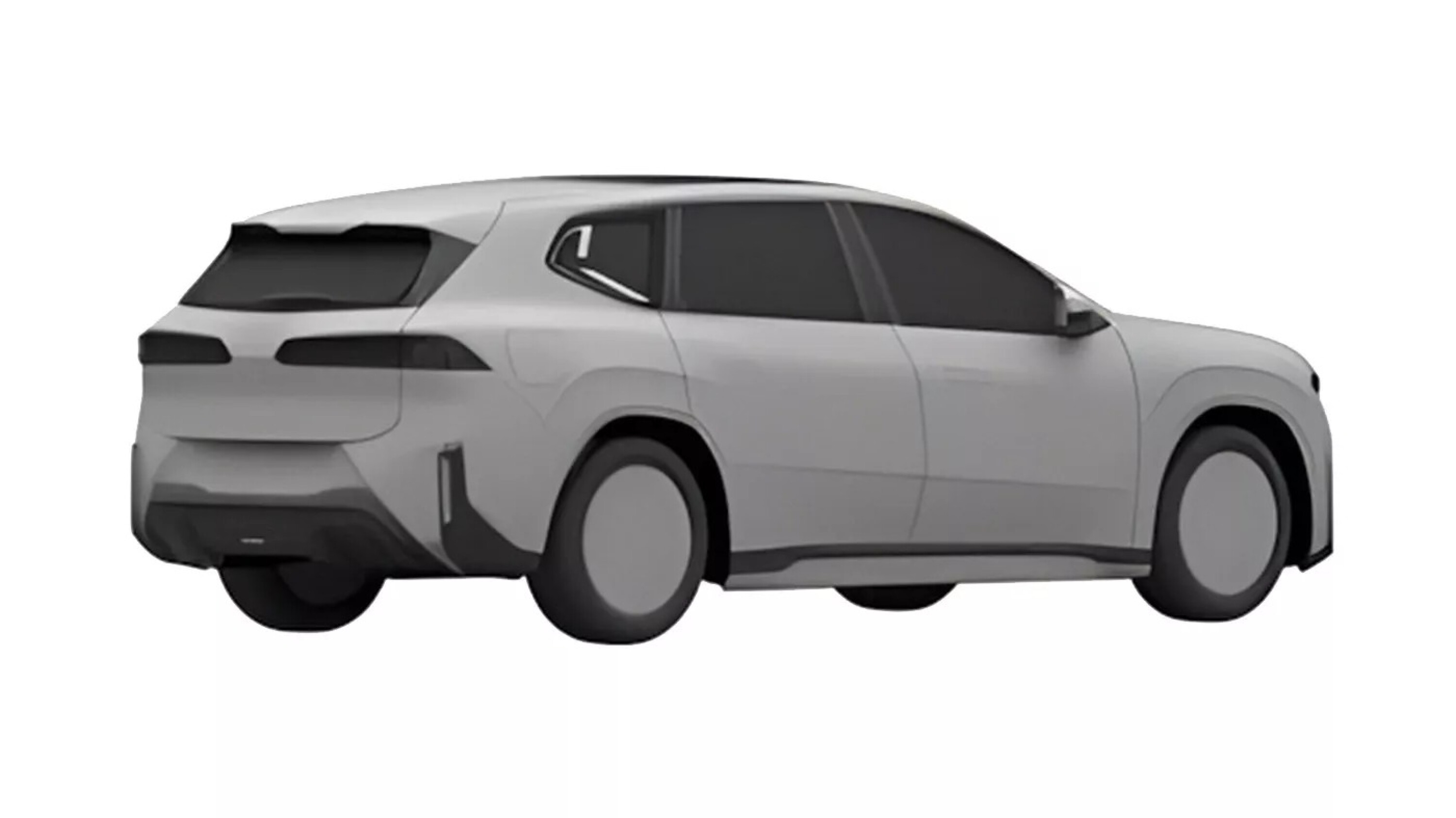
Patent images, necessarily dull and unflattering, should never be taken as a fully accurate depiction of a final production, of course.
With that in mind, tell us in the comments below if you think it’s a good look or a fail!
But, as the year’s end closes in, a 2025 reveal for a ’25 or ’26 model year seems likely. Any Australian launch after mid-year is likely to come badged as a 2026 model.
Georg Kacher
This raises the question of whether the X-badged Neue Klasse SUVs will share the horizontal front-end grille design with the sedan – or whether there is a new SUV-specific signature in the making.
While the iX3 taps the NK tech cluster, the next X3 remains loyal to the CLAR WE DNA. The different underpinnings suggest different dash-to-axle ratios, but the styling between ICE and EV will again be almost identical – repeating the strategy chosen for the new 7 Series & i7, and the upcoming three-door Mini.
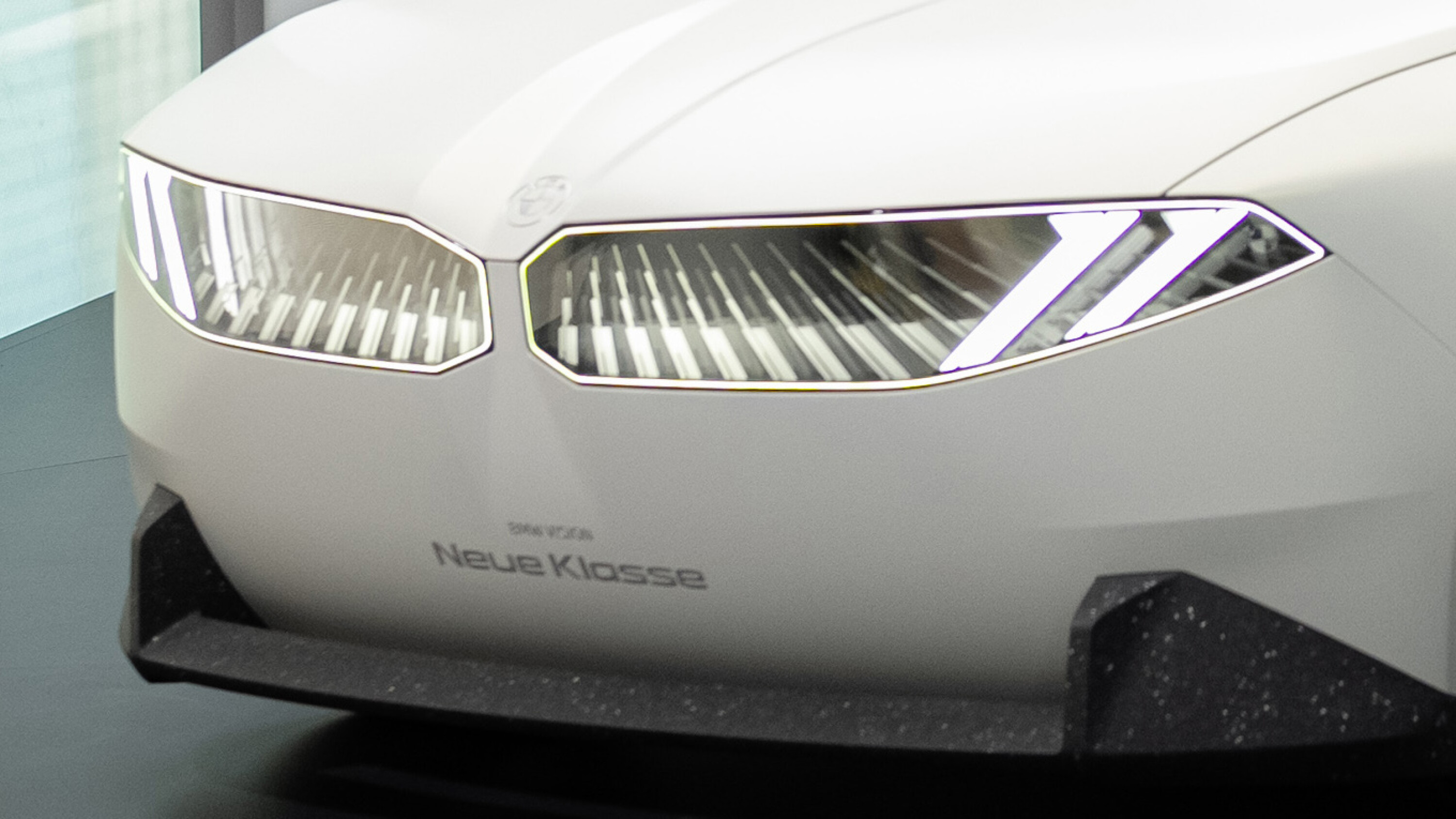
“Design can speed up change,” states the man in charge, styling boss Adrian van Hooydonk. “The Vision Neue Klasse is so progressive it looks like we skipped one model generation.”
The new mid-liner still displays must-have design elements like big 21-inch aero wheels, set-back greenhouse, monolithic proportions and extra-clean surfaces.
While we can understand that BMW does not want to create a two-class society like Mercedes has done with the combustion-based E-Class and electric-only EQE, the cab-backward silhouette of Vision NK does not seem to be the logical first choice for an EV which has no need for an engine bay.
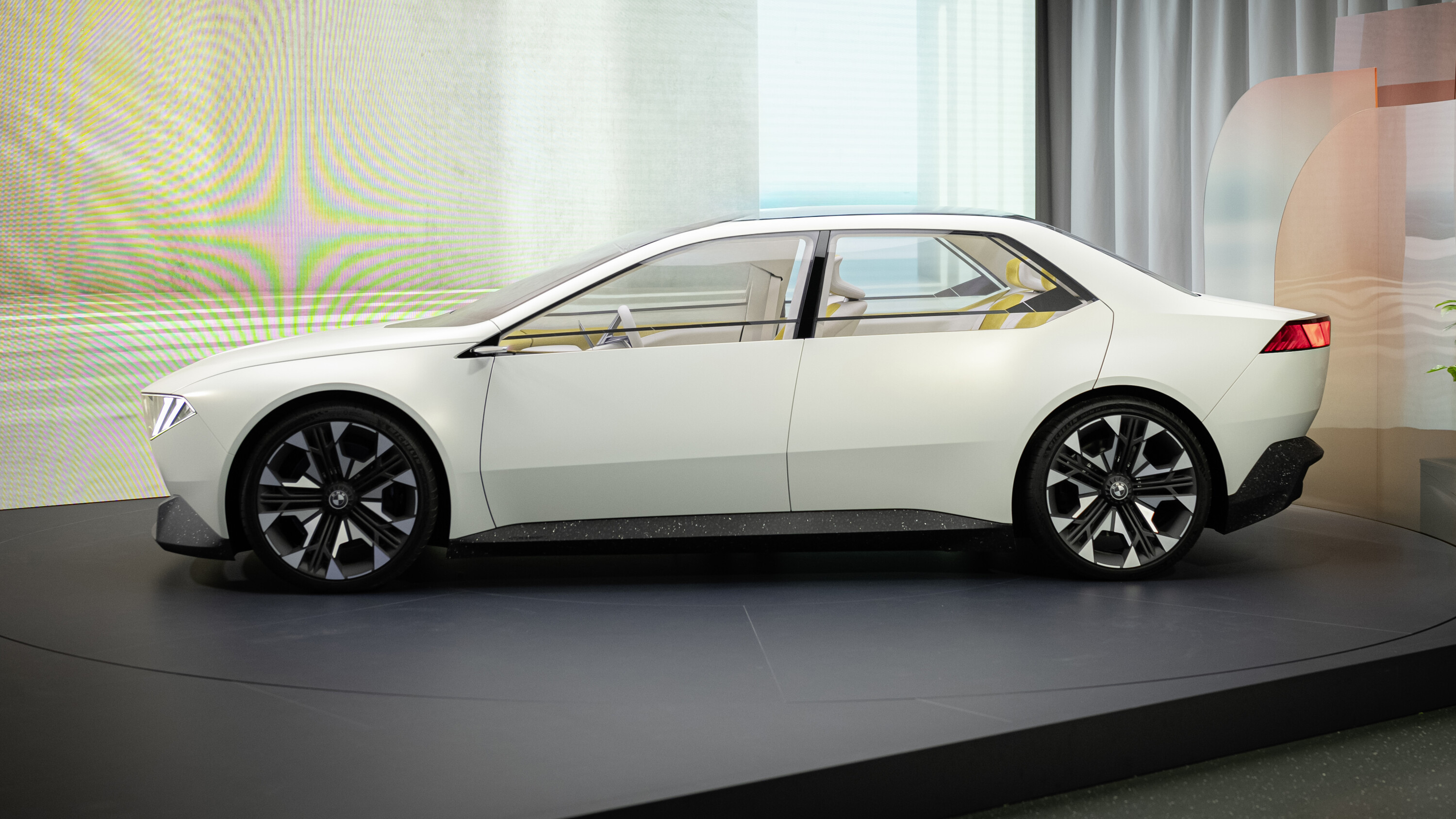
To which extent, and where exactly, does the identikit design have a negative effect on cabin space? And how does the saloon fare in this respect vis-à-vis the stacked iX3?
While the X3 will reportedly be badged X320 and X330, the iX3 goes on sale as iX330, iX340 and iX350.
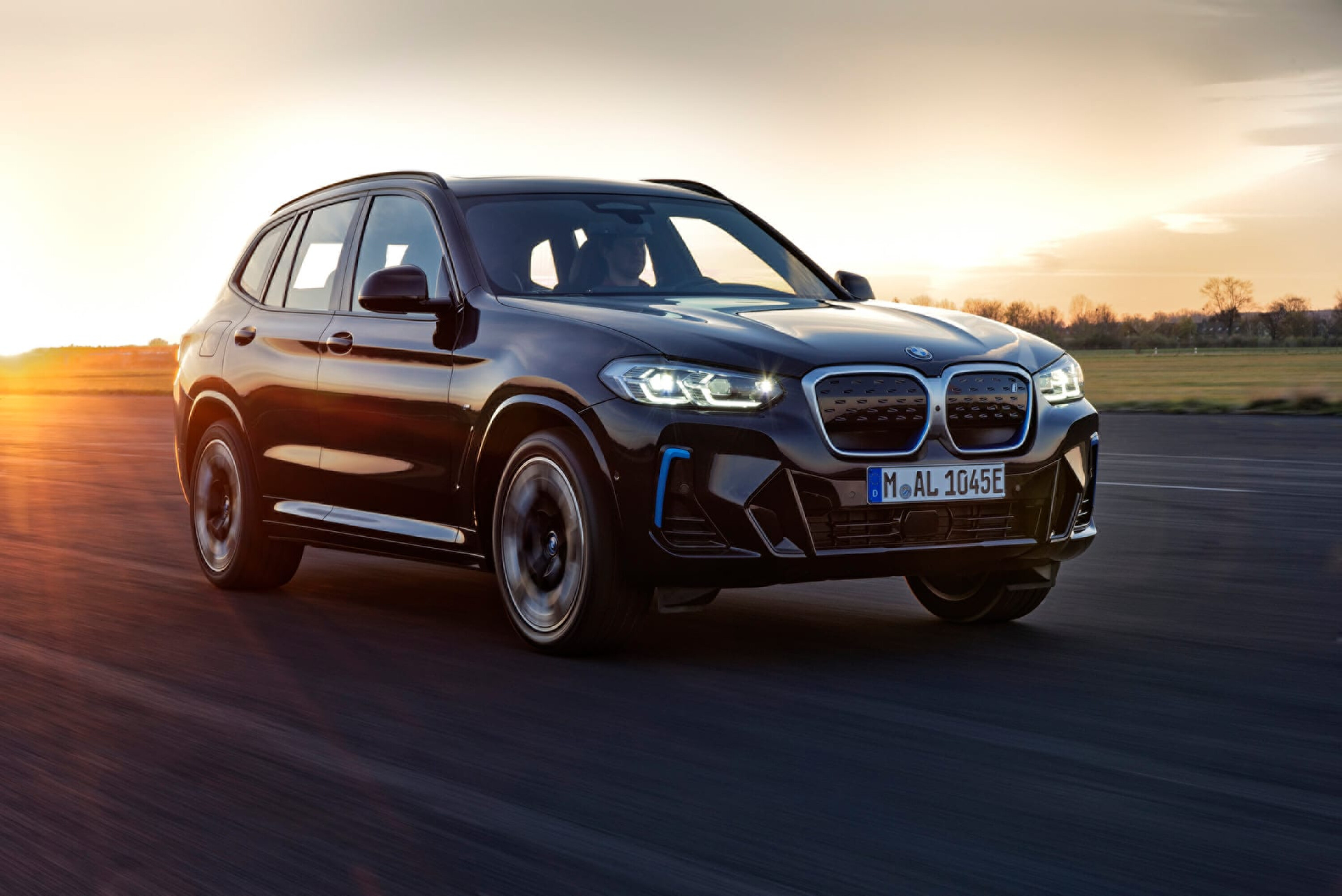
According to the unofficial launch schedule, the new iX4 will be introduced at the same time as the i3. In the third quarter of 2027, insiders expect the second-edition iX1, one more Neue Klasse offspring.
Towards the end of the same calendar year, the fully electric i1 five-door hatchback is due to see the light, filling the void left wide open by the departing A-Class.
While the future of the 2 Series coupé is said to be iffy, the 2 Series GranCoupé prevails as i2 only in long-wheelbase guise which suggests it will be sold exclusively in China.
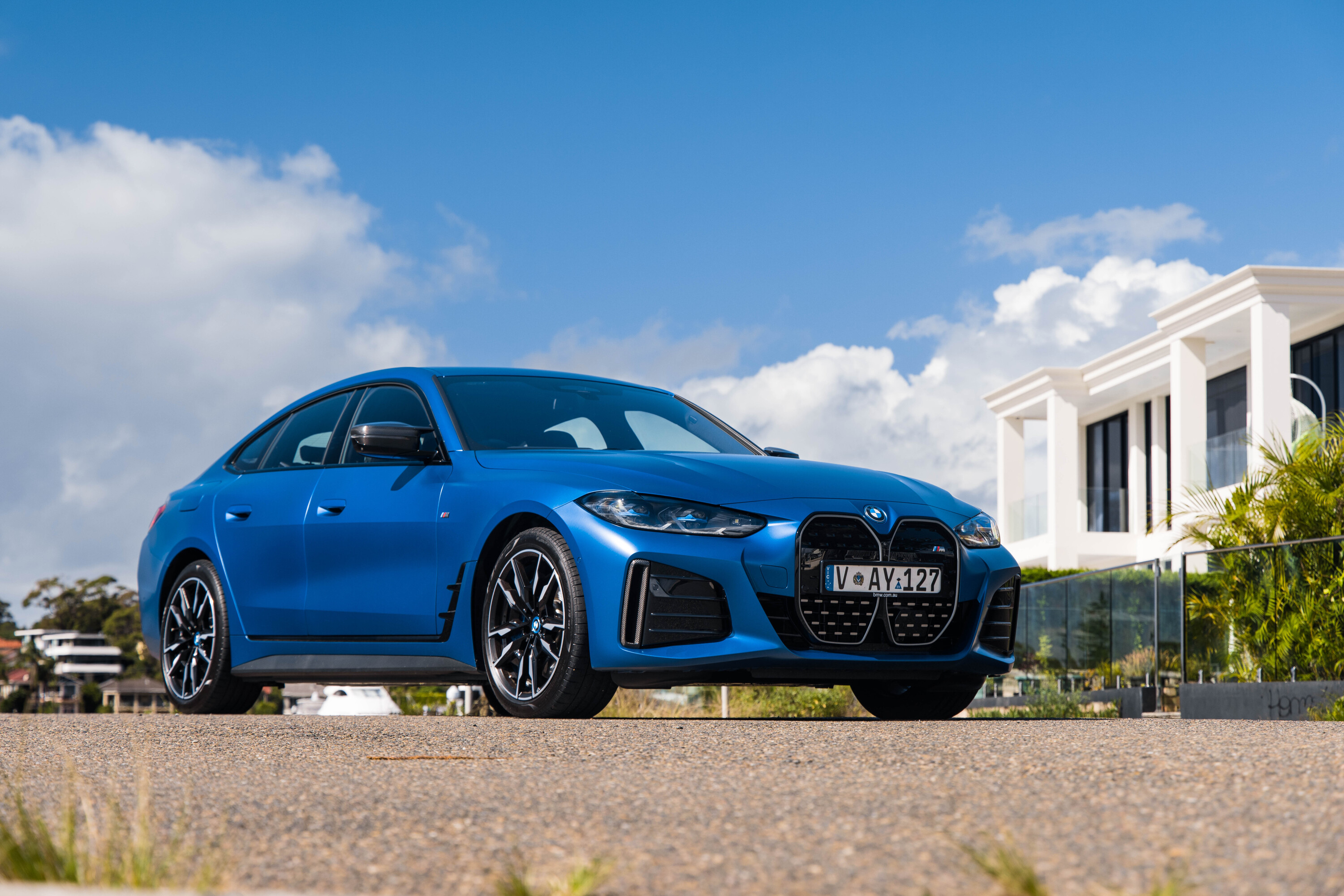
Rounding off the first wave of NK entries is the i7 replacement informants pencil in for 2029. In the sequel to this piece, we are going to tell you what the M division and the new Alpina subbrand have up their high-voltage sleeves.
While it is not clear whether Mini will at some point also join the NK faction, the mould-breaking lead car of the Bavarian electric revolution – the full-size iX – will almost certainly bite the dust at the end of its first and only life cycle in 2028.
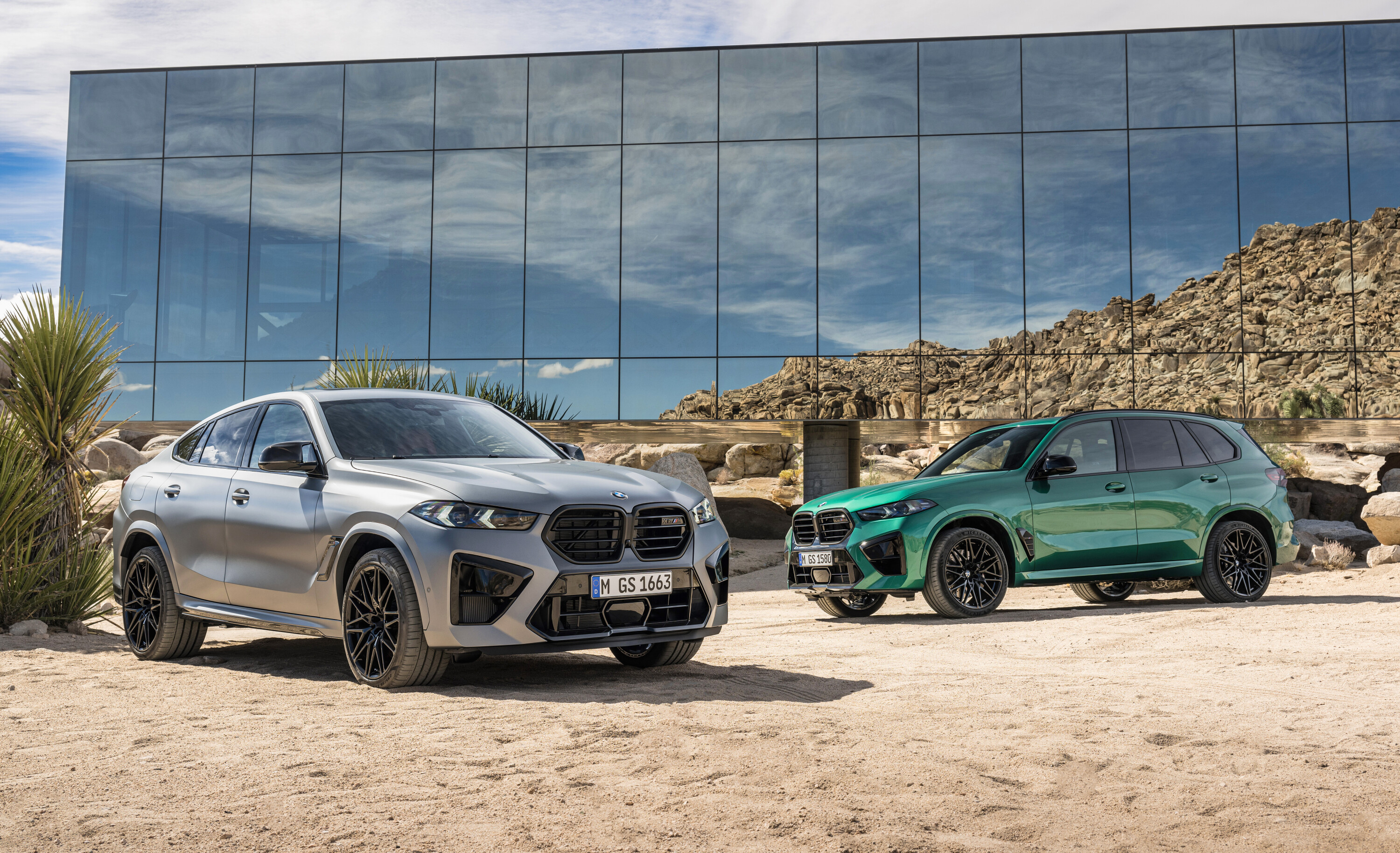
Instead, the large SUVs continue to ride on the CLAR WE components set in ECE and EV guise well into the next decade.
How come? Because packing constraints are not such a big issue for full-size models and because it is logistically wiser to roll out the transformation in two waves.
Speaking with the Financial Times, Jaguar brand boss Rawdon Glover said the response online has been filled with “vile hatred” and “a blaze of intolerance”. Extreme words, but also not far off the truth, from what we’ve seen.
“We need to reestablish our brand and at a completely different price point, so we need to act differently,” Glover said, insisting that the brand has to “move away from traditional automotive stereotypes”.


Indeed, as former F1 racer now commentator Martin Brundle said: “I have no idea what this is all about, but it’s genius. Everyone is talking about Jaguar in a moment of time when they’re not actually making cars.”
Tesla owner and retroactively inserted ‘founder’ Elon Musk, who can’t resist a minute of the day that doesn’t include a tweet of his, posted: “Do you sell cars?” – which, well, touché.
Moving away from Elon and the varied experts of social media, Lee Rolston, an actual design expert and head of branding agency Jones Knowles Ritchie, suggested the response online was predictable – given it has so far brought an unusual logo campaign but no new cars.

“Unless you want that response. Maybe Jaguar did actually want this kind of response.”
He concluded: “They have taken a very brave route – it’s one that very, very few brands ever do take because it’s very risky, but time will tell.”
In the meantime, Jaguar has asked people online to “trust and reserve judgement” until its first new concept car is unveiled on December 3.
For its coming all-electric era, that’s what.
As it teased early last year and then revealed in some detail this past March, the company has dumped its elderly line-up of combustion models (and the seven-year-old, once revolutionary I-Pace EV) in favour of three new electric models. To start with.
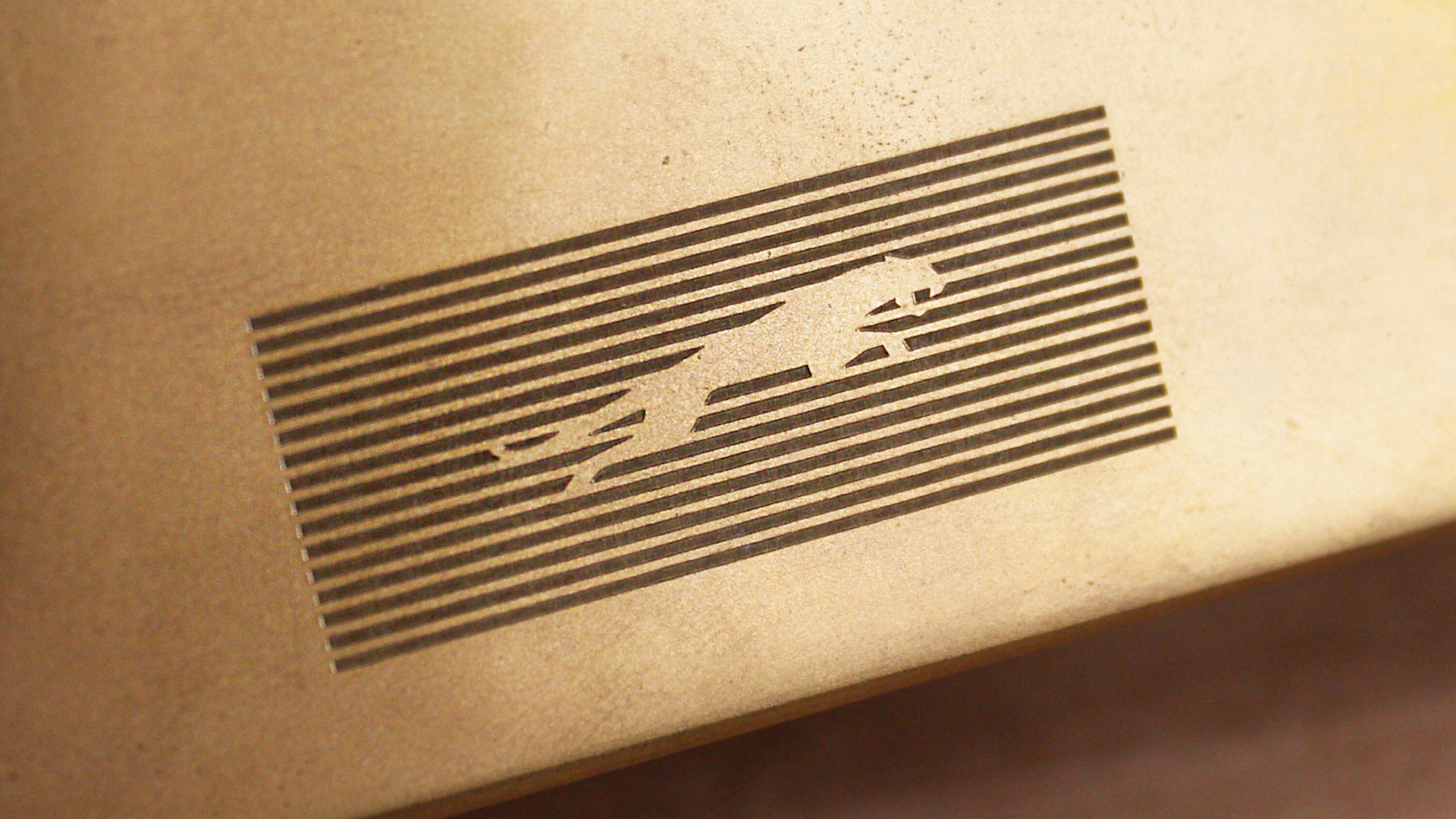
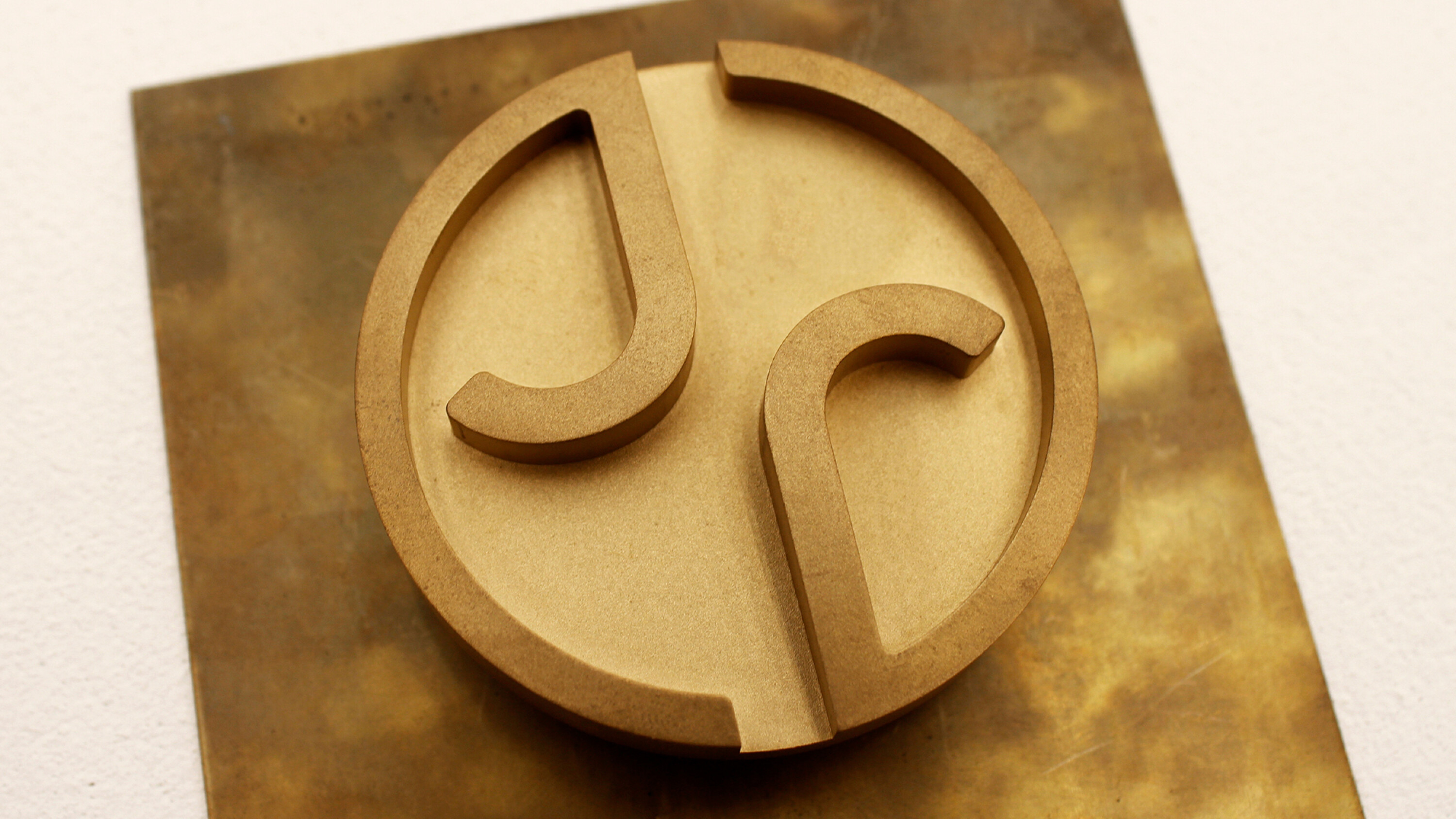
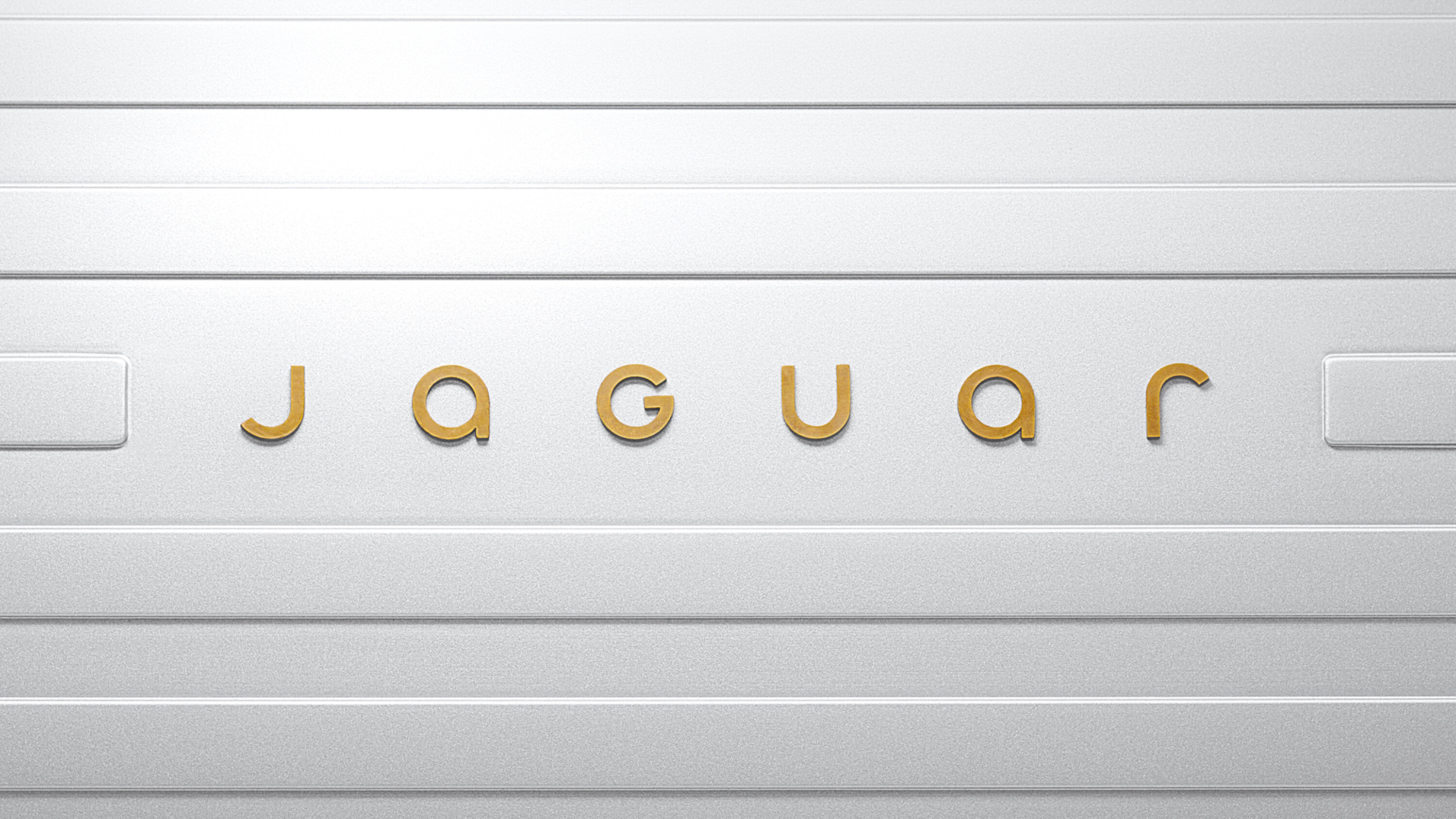
Carmakers can’t just reveal everything at once, of course, and so our first introduction to the new Jaguar is its new JaGUar wordmark and two new “Maker’s Marks” – a fresh take on the classic ‘leaper’ cat, and a new JR monogram that looks ready to seal a royal decree in hot wax.
Up next will be the reveal of an actual car, albeit in Design Vision concept form, on December 3 at the Miami Art Week.

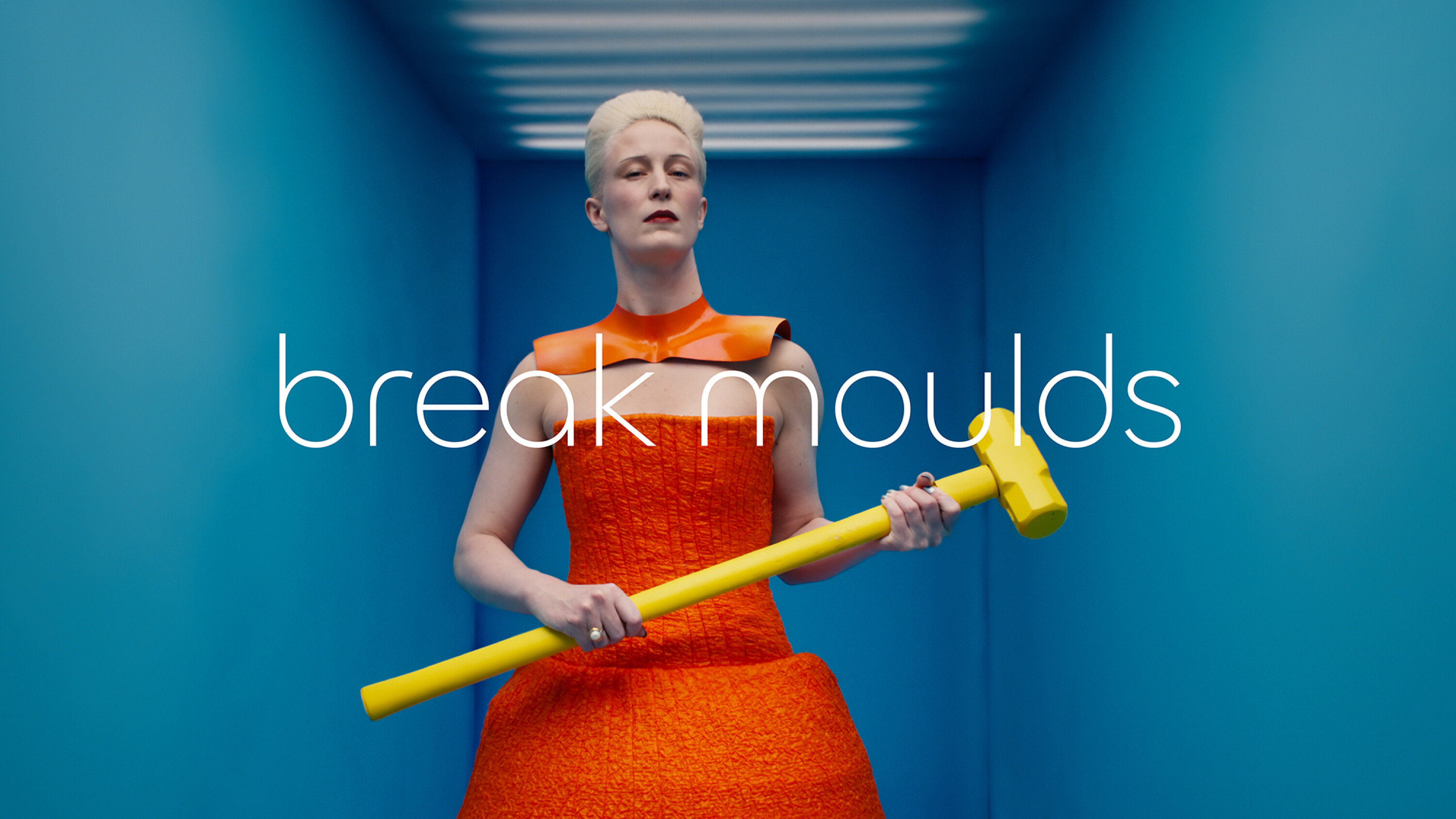
Did you spy the one with the sledgehammer? Jobs would be flattered, if the ‘Think Different’ line weren’t already another way of saying ‘A copy of nothing’.
Like something out of The Hunger Games, the campaign’s commercially diverse models are draped in ostentatious statement garb with haircuts to match, leaving one to wonder what this means on the actual product end of it all.
Time will tell, whether on December 3 or later, although this piece by Car Dealer Magazine UK‘s James Baggott suggests the brand is all-in on a seemingly Balenciaga-inspired level of extravagance and chic excess.
Baggott writes:
“Jaguar’s passionate team spoke for most of the day about how they plan to ‘delete ordinary’ and ‘live vivid’. Whatever that means…
“In what, at times, felt like a drunken dream, Jaguar personnel walked journalists through its plans to ‘reimagine’ the much-loved brand over the next few years.“Calling it a ‘complete reset’, McGovern at one point told journalists that his team had ‘not been sniffing the white stuff – this is real’.”
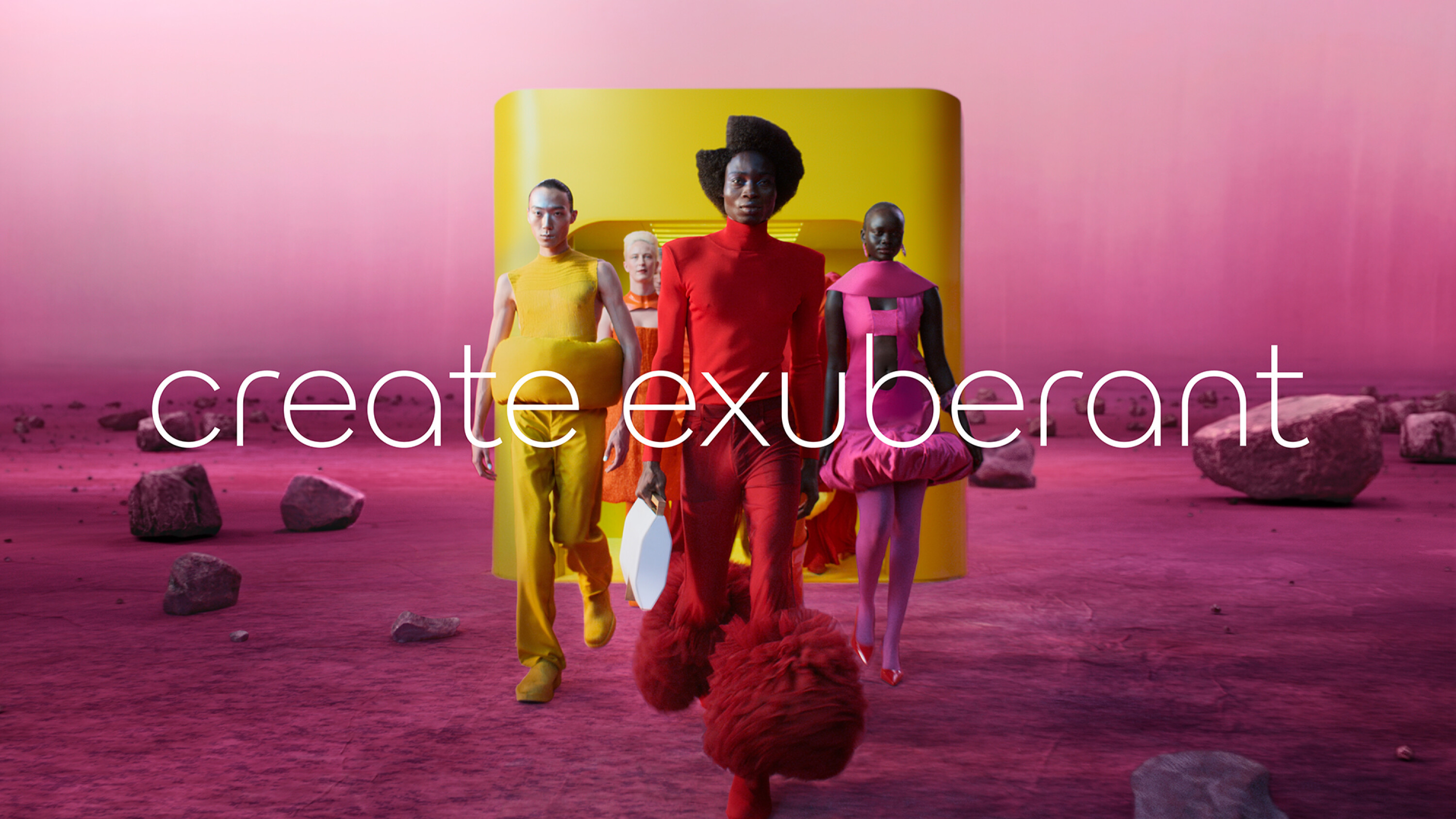
The Germans can have minimalism; Jaguar is here for the hedonistic maximalists? If nothing else, it’s probably goodbye to Jaguar’s traditional buyers. But, hey, maybe the classic Jaguar buyer is coming into their experimental era?
In all, it’s a bold rebrand that looks to the bleeding edge of fashion for its cues. Legacy luxury auto brands have arguably been fairly stagnant in their approach to brand, trapped, as McGovern describes. He says Jaguar has “not been allowed to be unique,” but its new look will “stir the emotions once again” – and “make you feel uncomfortable”.
Presumably he means uncomfortable in a more encouraging way than the strange feelings that mixed-case JaGUar logo is giving me…
This SE replaces the previous petrol-only Urus and is now available for order, with the 2025 allocation fully booked and deliveries extending into 2026.
The Urus SE is powered by a 4.0-litre twin-turbocharged V8 engine producing 456kW and 800Nm, paired with a 141kW electric motor delivering 483Nm.
Combined, the system outputs 588kW and 950Nm, claiming acceleration from 0-100km/h in 3.4 seconds and a top speed of 312km/h. The hybrid system also facilitates a 0-200km/h sprint in 11.2 seconds. 
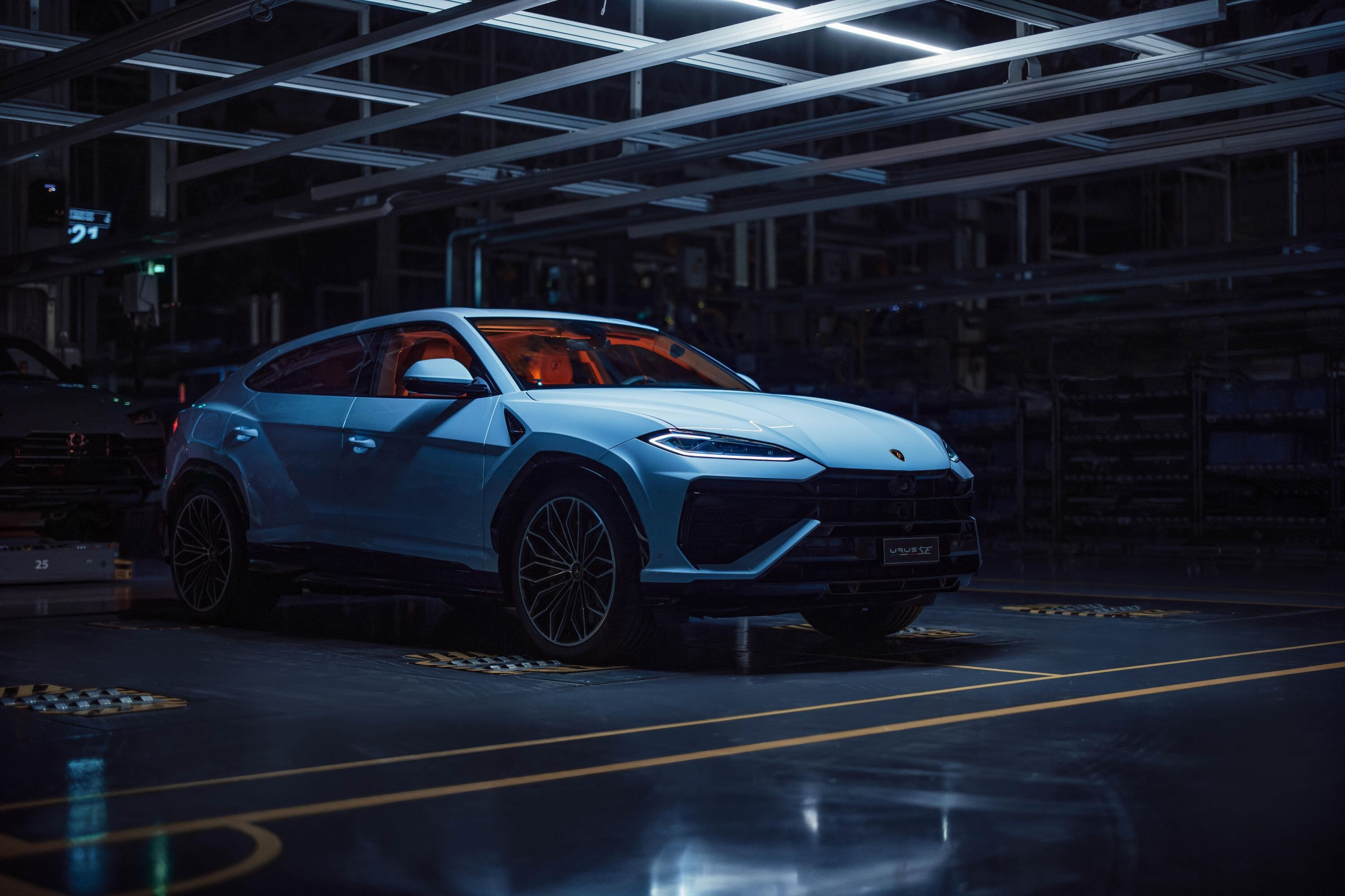
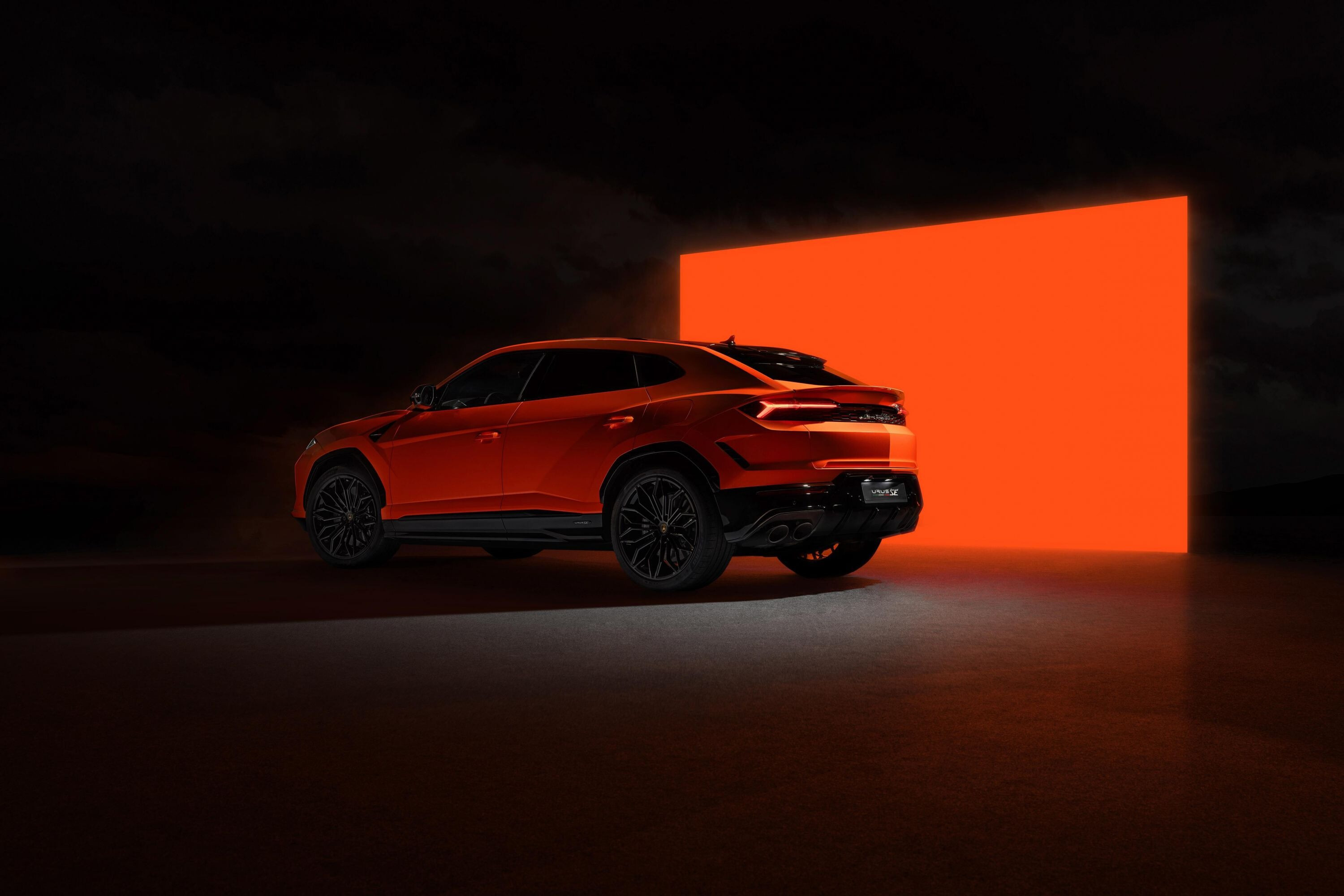
The exterior design retains the distinctive aesthetic of its predecessor while incorporating updated body panels, headlights, and taillights.
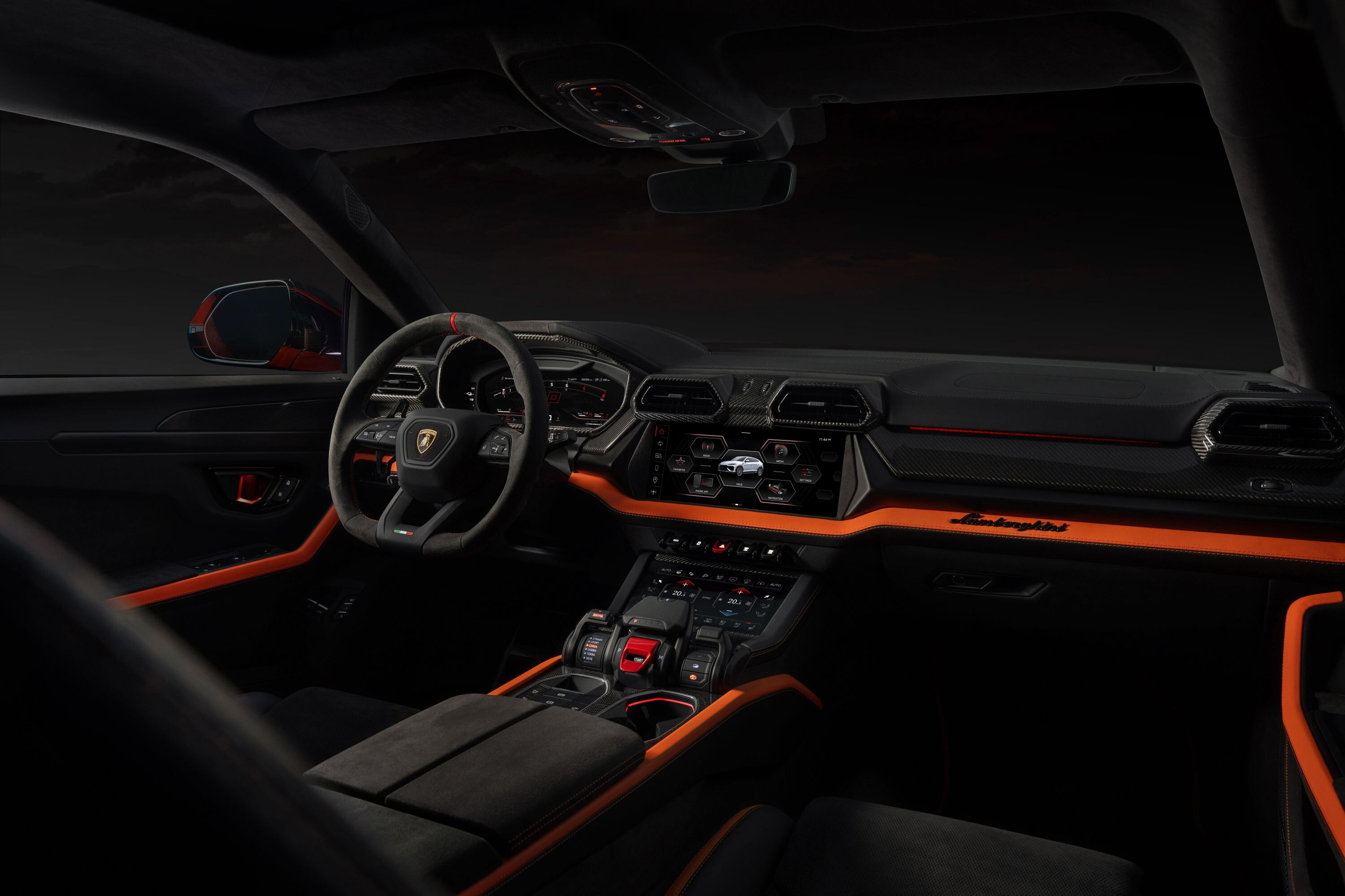
Inside, the Urus SE offers seating for up to five occupants, with options for customisation to suit individual preferences.
The company aims to electrify its entire model range, with each vehicle featuring distinct hybrid technologies tailored to its specific performance and design objectives.
Prospective buyers should note that the 2025 allocation for the Urus SE is fully subscribed, with new orders being scheduled for delivery in 2026. This reflects strong demand for the model in the Australian market.
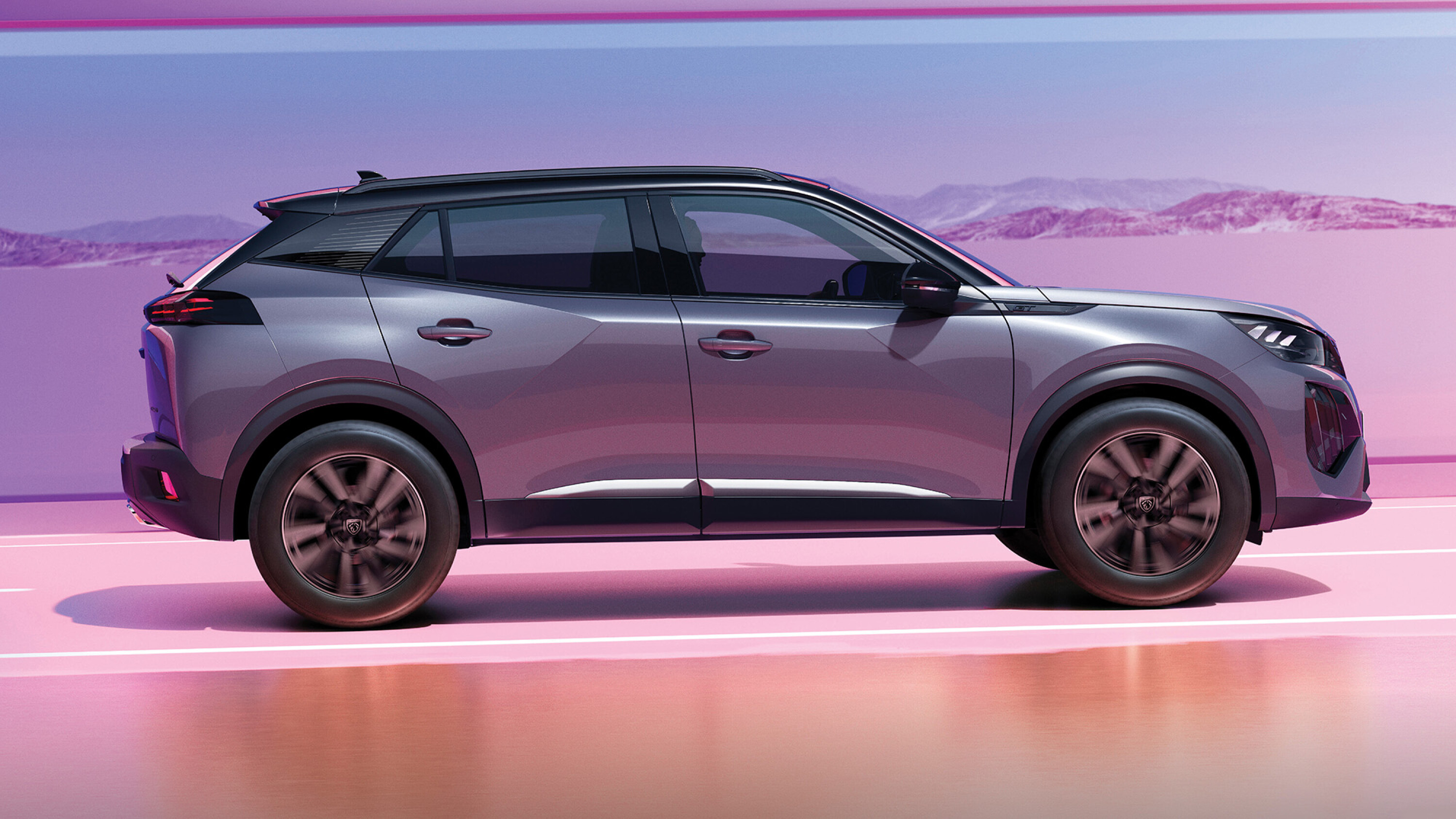
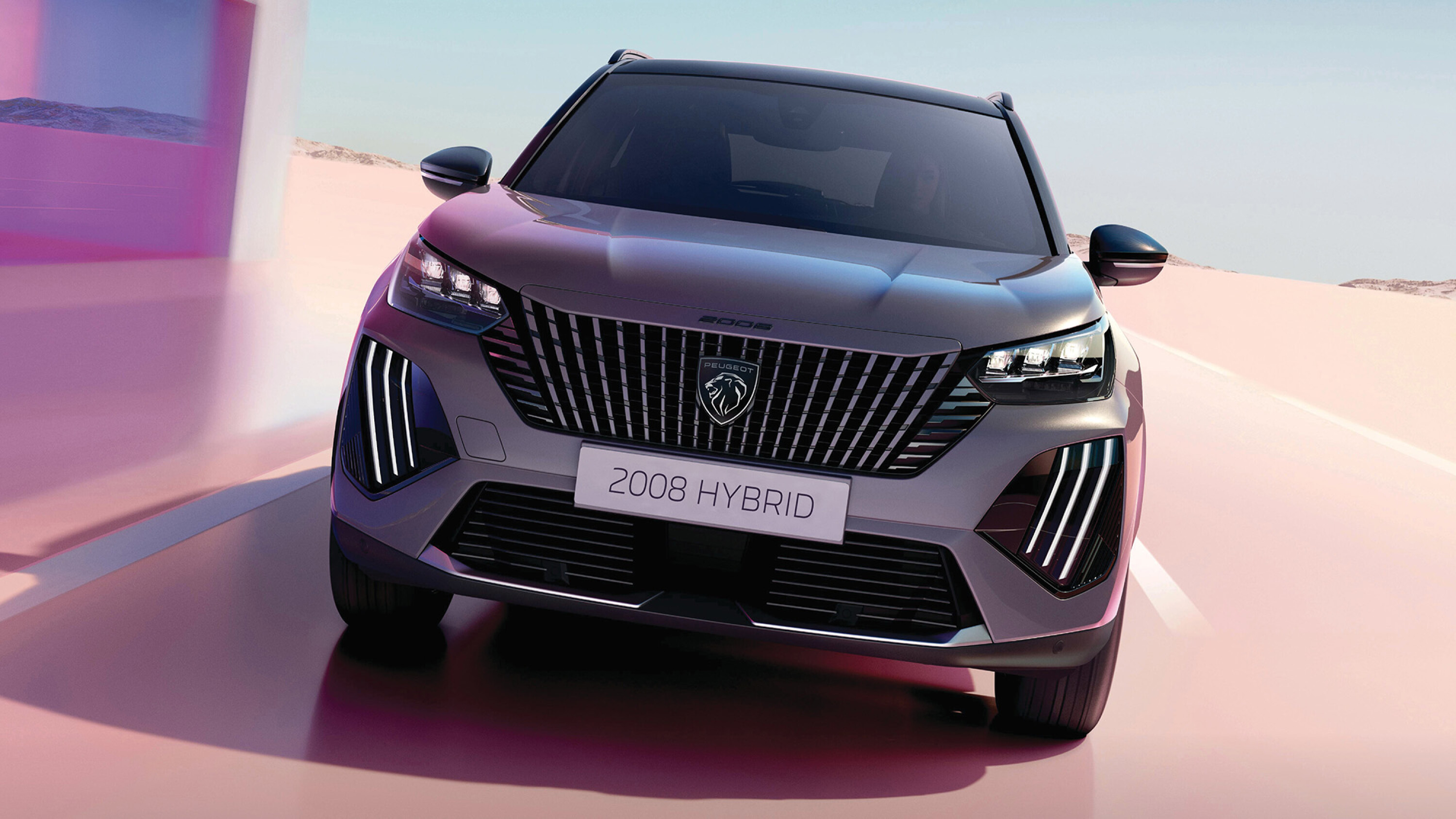
This compact SUV offers two trims: Allure and GT, with deliveries expected to commence in the first quarter of 2025.
Pricing starts from $42,490 for the Allure and $49,490 for the GT, excluding dealer delivery and statutory charges.
The Hybrid joins the wider 2008 range that went on sale earlier this year.
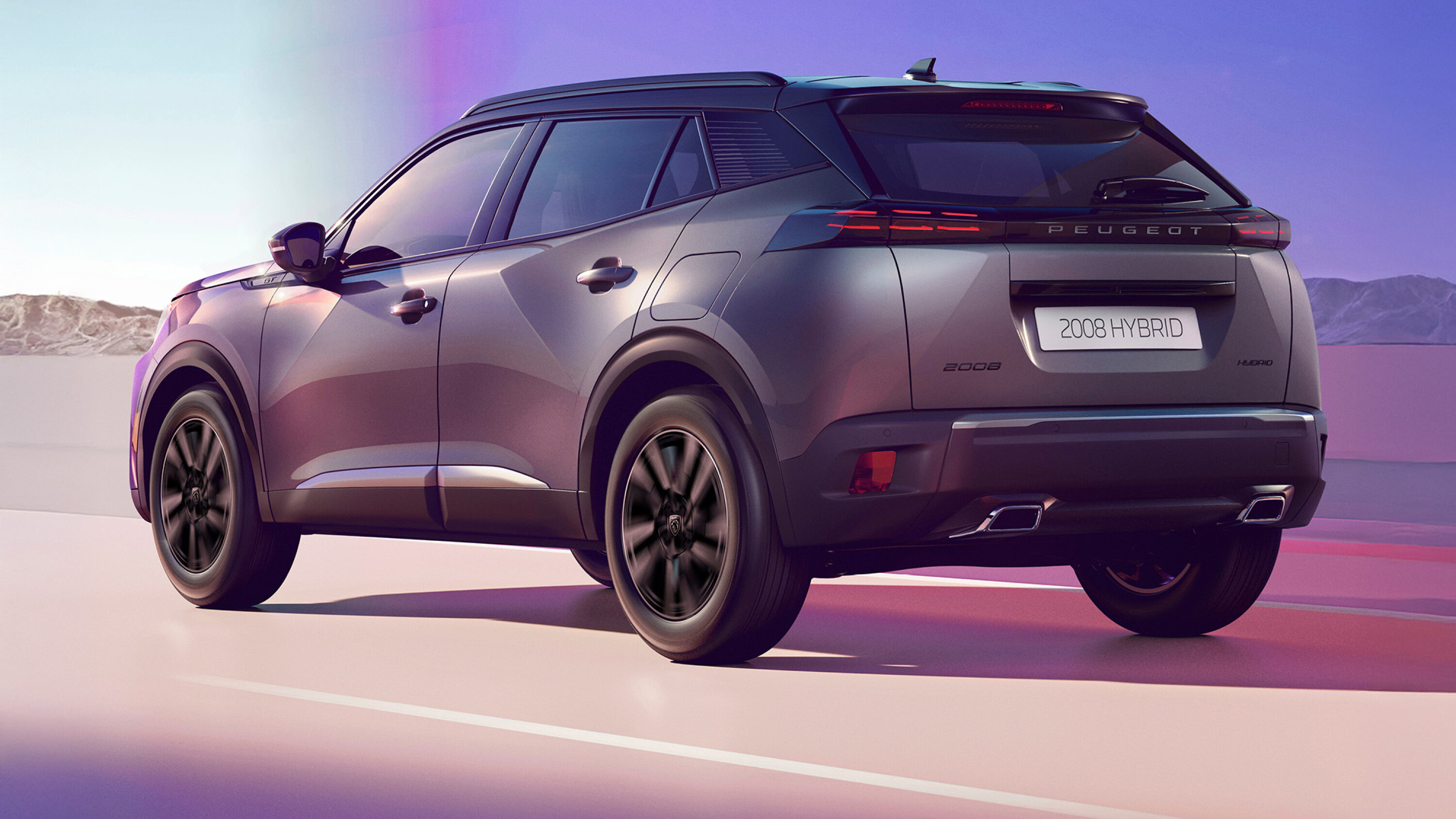
A six-speed dual-clutch automatic transmission is standard. Fuel efficiency is claimed at 4.4L/100km, with CO2 emissions rated at 99g/km, reflecting significant reductions compared to Peugeot’s outgoing ICE-powered 2008 models.
The system also incorporates regenerative braking technology, allowing the battery to recharge during deceleration.
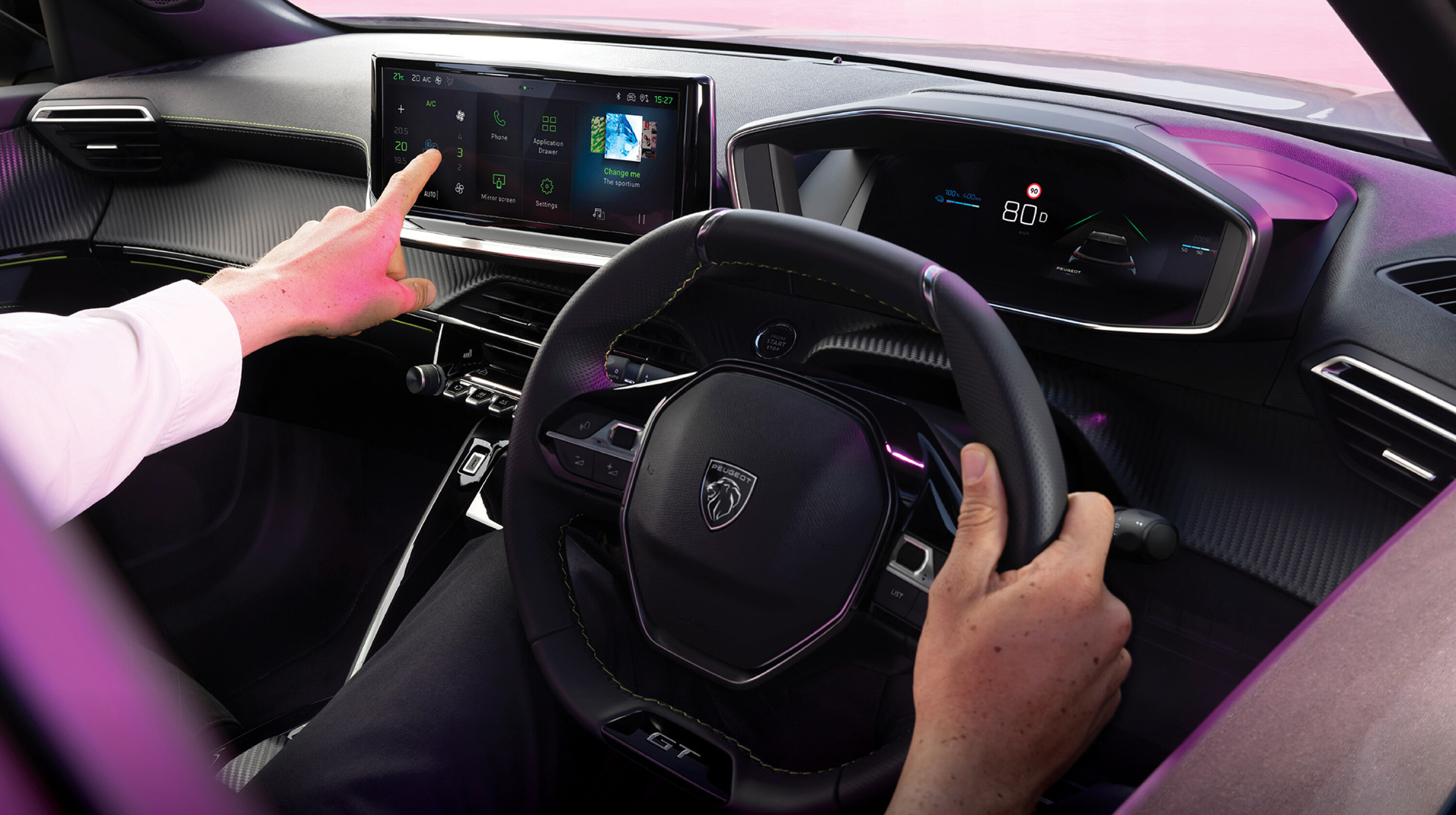
The GT adds premium features such as:
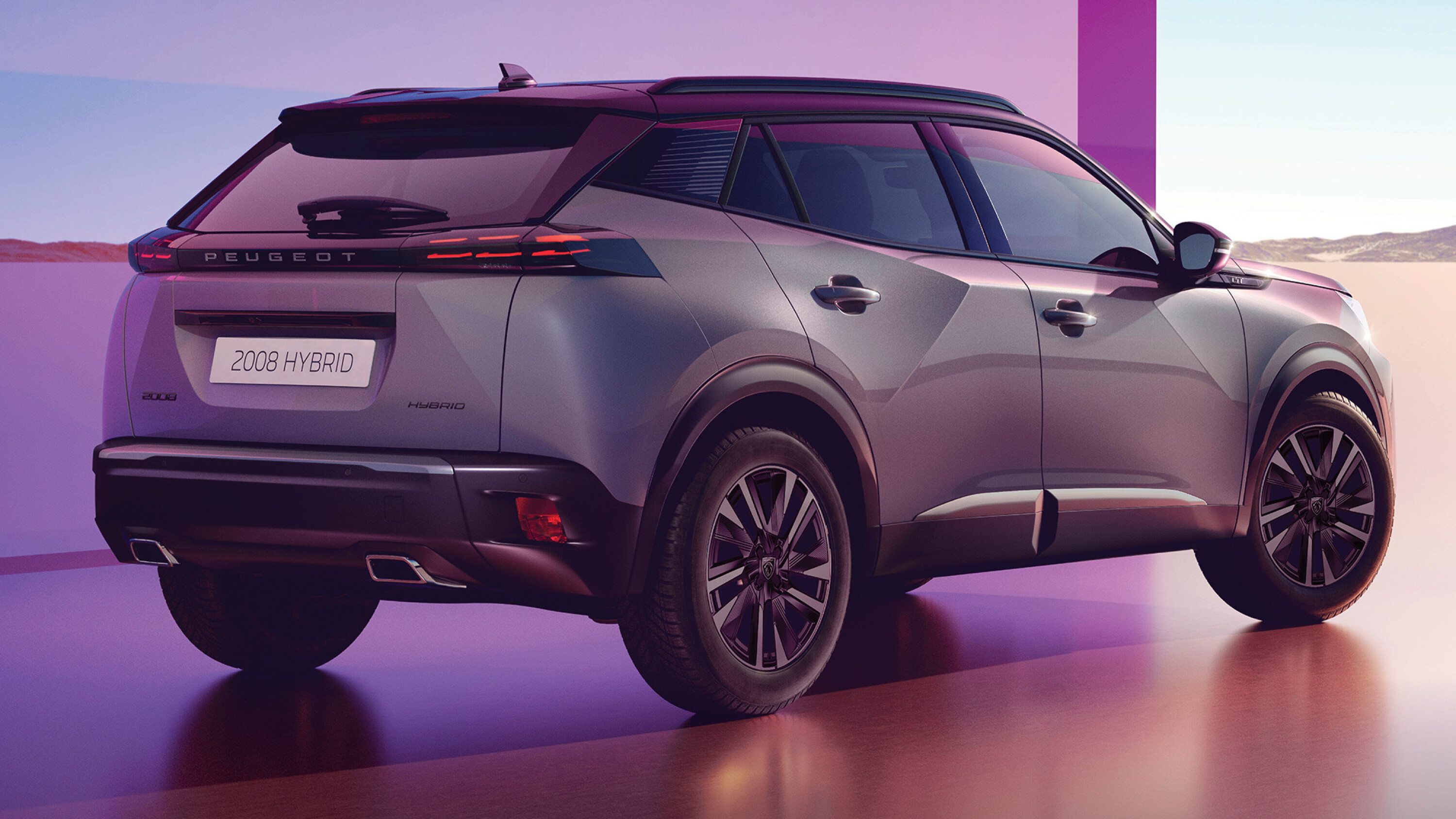
Pre-paid service plans are available in three- and five-year packages, offering a structured approach to scheduled maintenance.
Shortly after revealing its F-Pace 90th Anniversary model in May, Jaguar’s Castle Bromwich plant had already assembled the very final examples of not only the F-Type but also the XF Sportbrake and the car you see here, the pert XE sedan.
JLR’s CEO, Adrian Mardell, went on to inform analysts that Jaguar would axe everything but the F-Pace SUV within the year with the withering comment: “none of those are vehicles on which we made any money.” Indeed, in the most recent quarter, 86 percent of JLR group sales were accounted for by the LR bit, Jaguar contributing a paltry 14 percent.
The plan is to push upmarket towards Bentley with an all-electric line-up based on the long-wheelbase JEA EV platform. The company is targeting a production figure of less than 50,000 per year, ditching what Mardell described as “lower-end products”.
For a lower-end product, the Jaguar XE was certainly conceived with some ambition. Targeting the BMW 3 Series, the Audi A4 and the Mercedes- Benz C-Class, the XE featured expensive aluminium suspension componentry and a bonded and riveted aluminium unitary chassis, making its rivals appear somewhat proletarian.
“AT LAST! A Jaguar good enough to rival the Germans” screeched our July 2015 headline on our first full test of the XE. John Carey was clearly taken with the Ian Callum-styled car: “Now that we know that the XE drives as well as it looks, we’re ready to call this car the beginning of a bright new era for Jaguar. It’s simply too good to ignore.”
Carey was both right and wrong. The XE was a gem of a premium sedan, finishing second at COTY 2016. Heck, with a better-finished interior it might well have pipped the Mazda MX-5 for the crown that year. It deserved better than it got, and the sales figures make for some fairly sorry reading. Take 2018 as an example. With just 524 registrations here in Australia, the XE was outsold by the Alfa Romeo Giulia. The Audi A4 sold 1625 units, the 3 Series 3079 units and the C-Class a whopping 5055 units.
Like many of Jaguar’s products, it benefited from a huge initial investment, but then somewhat withered on the vine. Ingenium engines replaced the Ford-based units in 2017, but otherwise it enjoyed little in the way of updates. Vanity projects like the 300-unit SV Project 8 weren’t the answer. The XE’s best year was 2016, when it registered 44,095 global sales. By 2022, it was selling less than 600 units annually in Europe and 12 brave punters stepped up that year in the US.
Why did it fail? It tried to take on the industry’s biggest players with a fraction of their development budgets. It looked and drove brilliantly, but then Jaguars always did. Doing that while providing great ergonomics, reassuring build quality and electronic architectures that stayed ahead of the pack is an altogether tougher brief. Ultimately, it’s one that Castle Bromwich could never hope to answer.
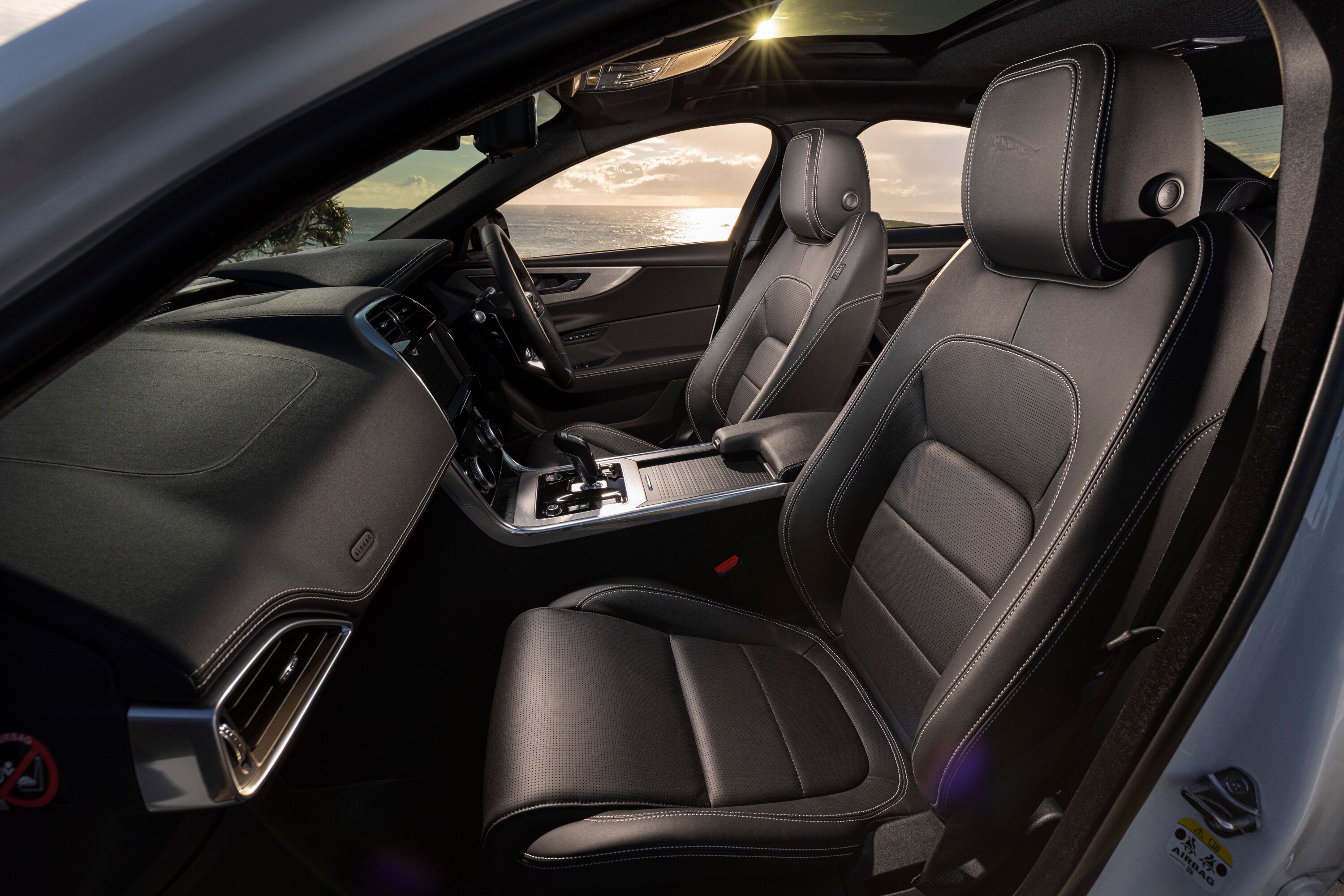
There are some COTY runners-up where the judges can barely point to a single shortcoming. The Jaguar XE was not one of them. John Carey’s report spoke of an underwhelming interior, awkward access through the rear doors, an underwhelming and thirsty 3.0-litre V6 that spoilt the handling balance, a lack of interior storage, cruise control that would overspeed downhill, short service intervals on the four-cylinder engines and so on. Perhaps we really wanted to believe.
