
NOTE: The data below includes total sales for 2023, not individual months.
Toyota has treated the GR Yaris to a heavy update with more power, a sharper chassis and an optional auto. Is it now the pick over the bigger GR Corolla?
JUMP AHEAD
If you felt your pulse quicken slightly at the news that Toyota is building an updated version of the GR Yaris, trust us, you aren’t alone.
The rally-bred Yaris has been one of our favourite hot hatches since it launched back in 2020, so the prospect of a facelifted model with more power, a sharper chassis and the addition of an optional eight-speed automatic is quite enticing.
You can read all of the nerdy details around what’s changed for the 2024 GR Yaris here but the upshot is this is no ordinary facelift.
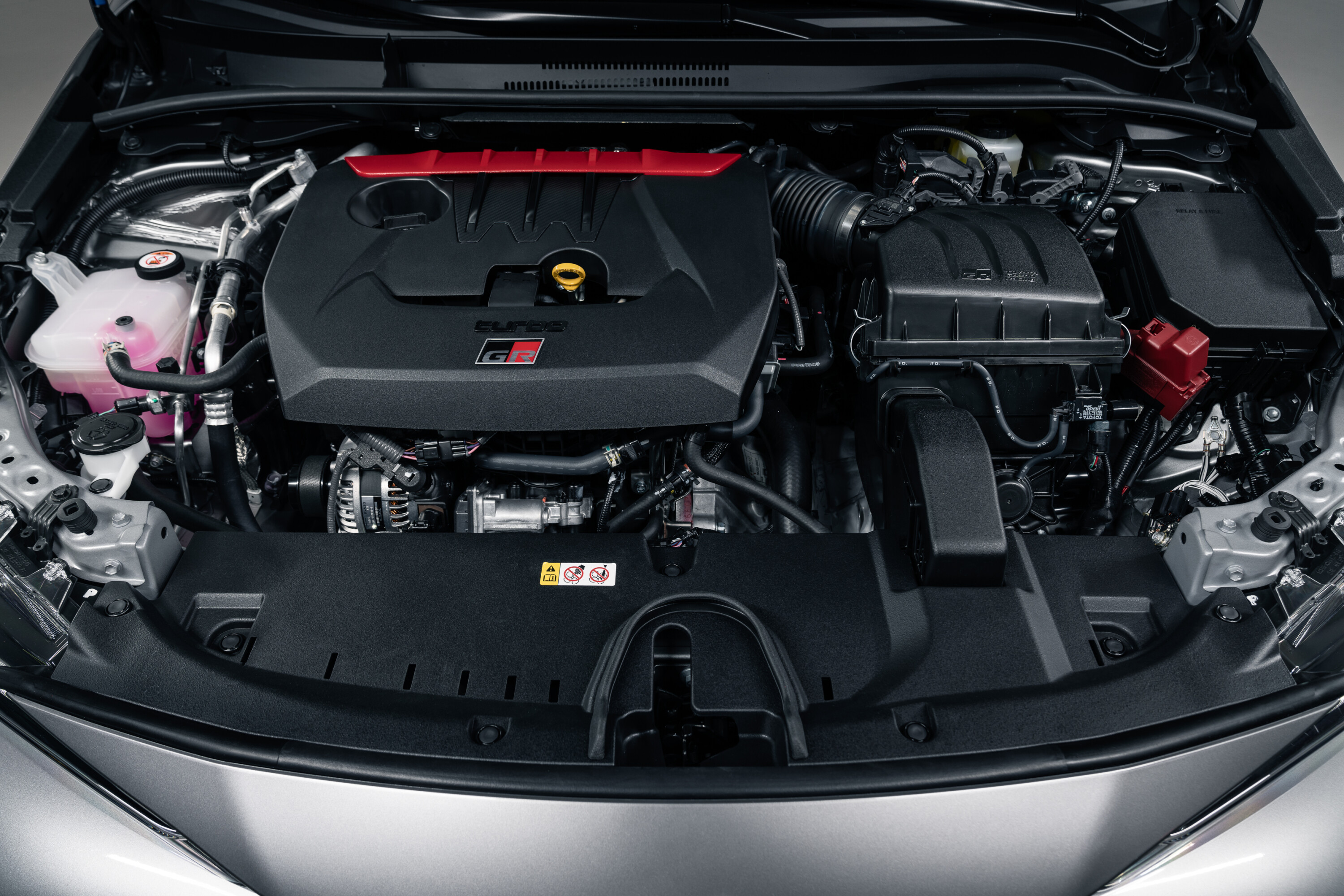
There’s more power, of course, thanks to meaningful increases to both power and torque (+24kW/30Nm) that take total outputs to a Honda Civic Type R-rivalling 224kW/400Nm. The 1.6-litre three-cylinder engine benefits from a host of internal changes, too, like new, lightweight pistons, a revised valve train and an increase in fuel pressure.
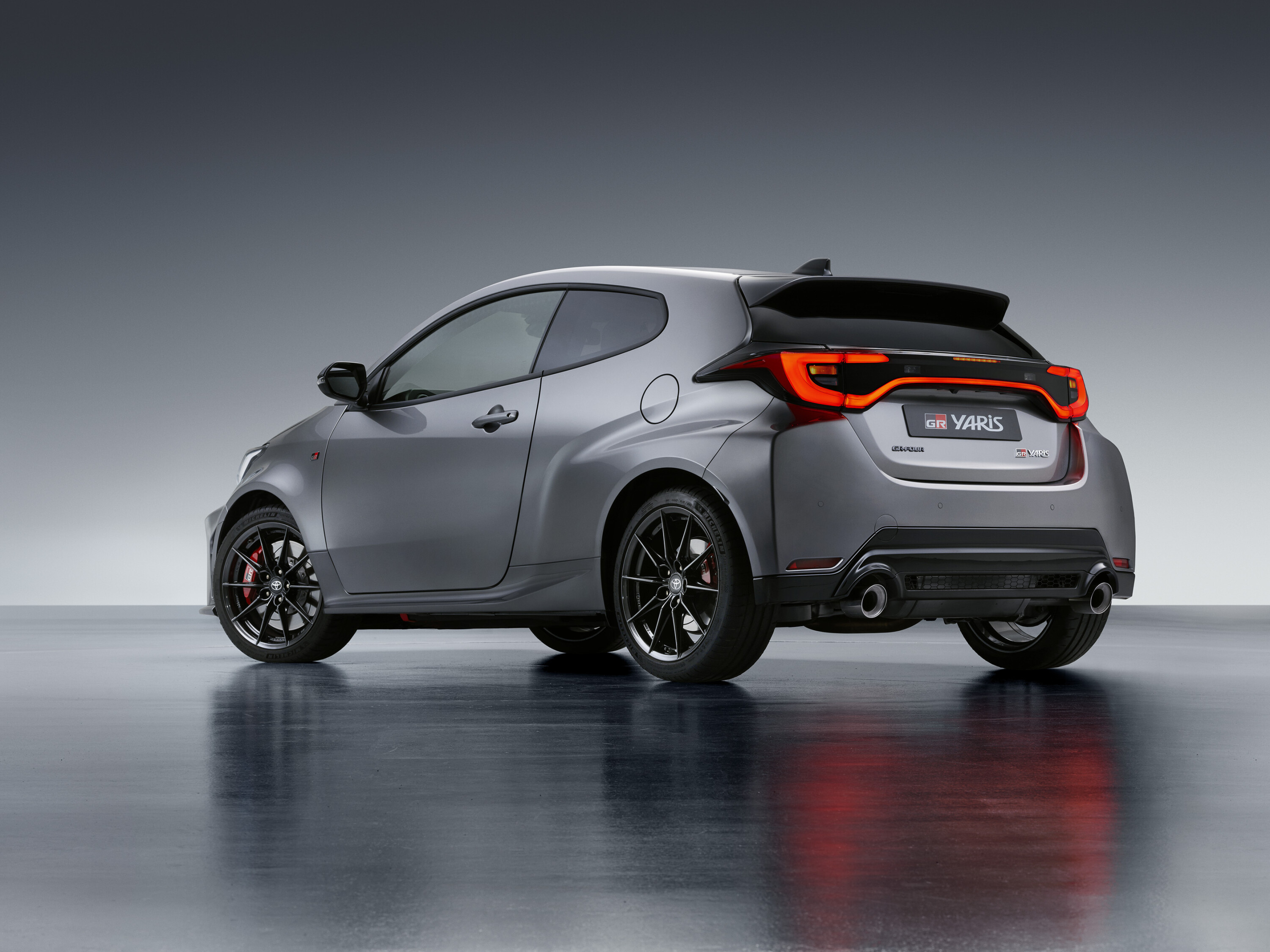
1
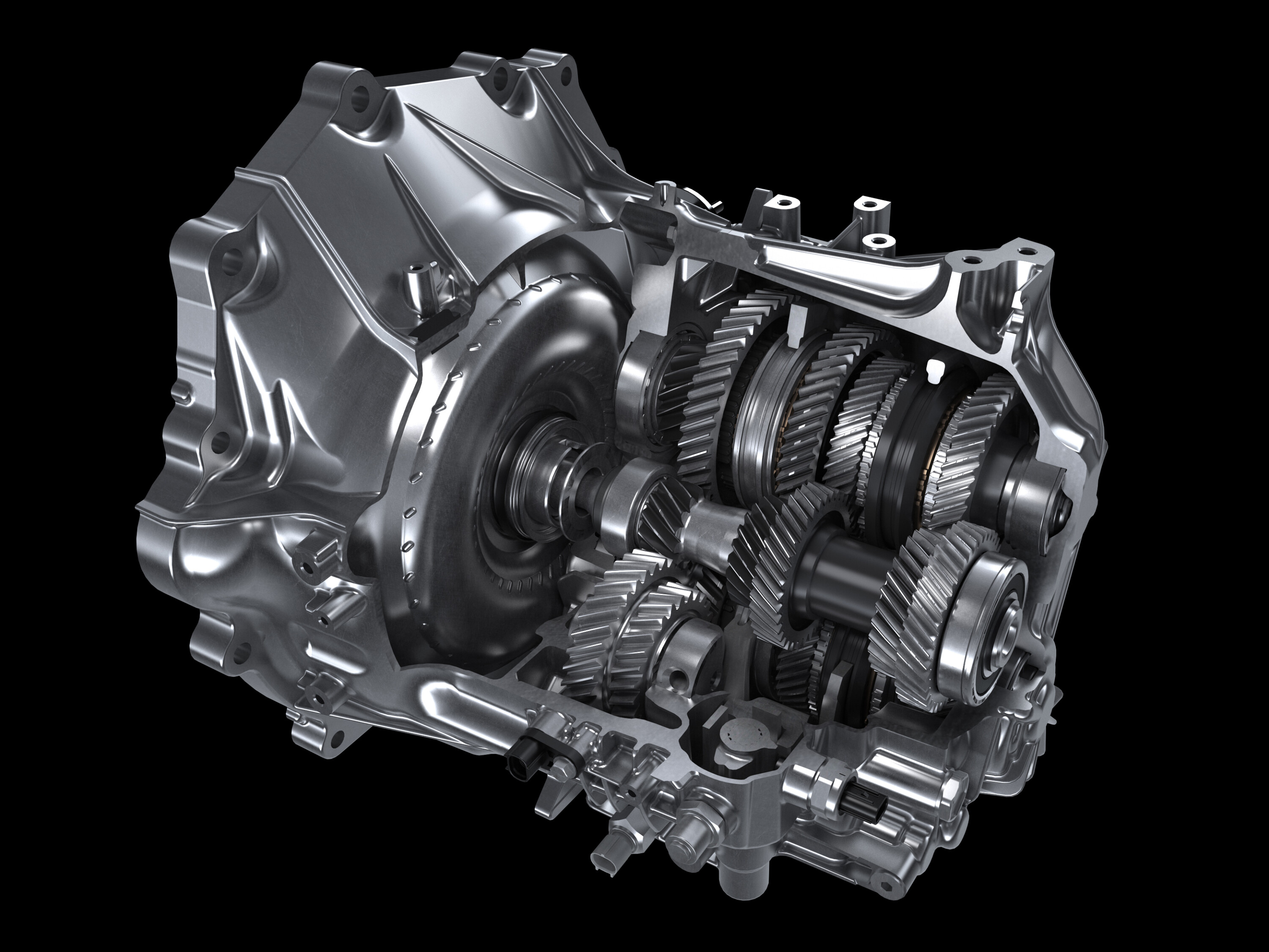
And then there’s the addition of a freshly developed eight-speed torque converter auto that won’t only broaden the GR Yaris’s appeal (and resulting sales volumes) but includes a manual-control function that shifts the right way: forwards for downshifts and backwards for upshifts.
Think automatics in performance cars are lame? Toyota says the auto isn’t only quicker to 100km/h but is also faster around a circuit when compared with the pre-facelift manual car.
The chassis has copped some heavy revisions as well, including a stiffer body, revised spring and damper rates and new mounting points for the suspension.
Perhaps the biggest change, however, is the new cabin which features an all new (and controversial) dash design, improved ergonomics and a seating position that’s 25mm lower.
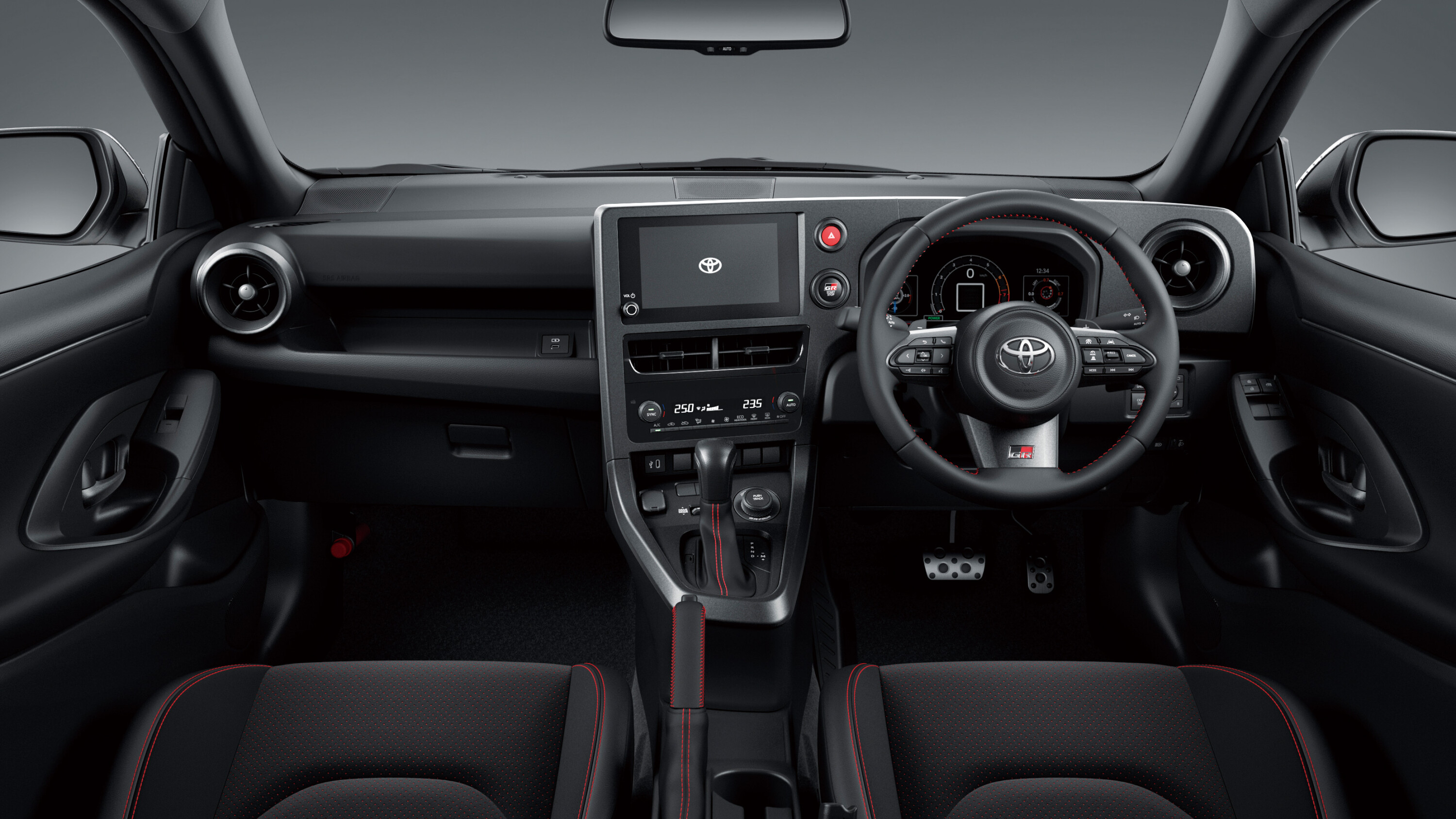
1
It’s all good stuff and crucially Toyota says many of the changes are a direct result of feedback from customers and car reviewers. A car company that actually listens to criticism? Notch that up as a win.
In fact, the changes sound so promising that the updated GR Yaris is now an even more tantalising alternative to its bigger brother, the GR Corolla.
So if you’re in the market for a Toyota hot hatch in 2024 which way should you jump: the faster and more powerful GR Yaris Rallye or the bigger and roomier GR Corolla GTS? Let’s see how they stack-up for performance, cabin space and value.
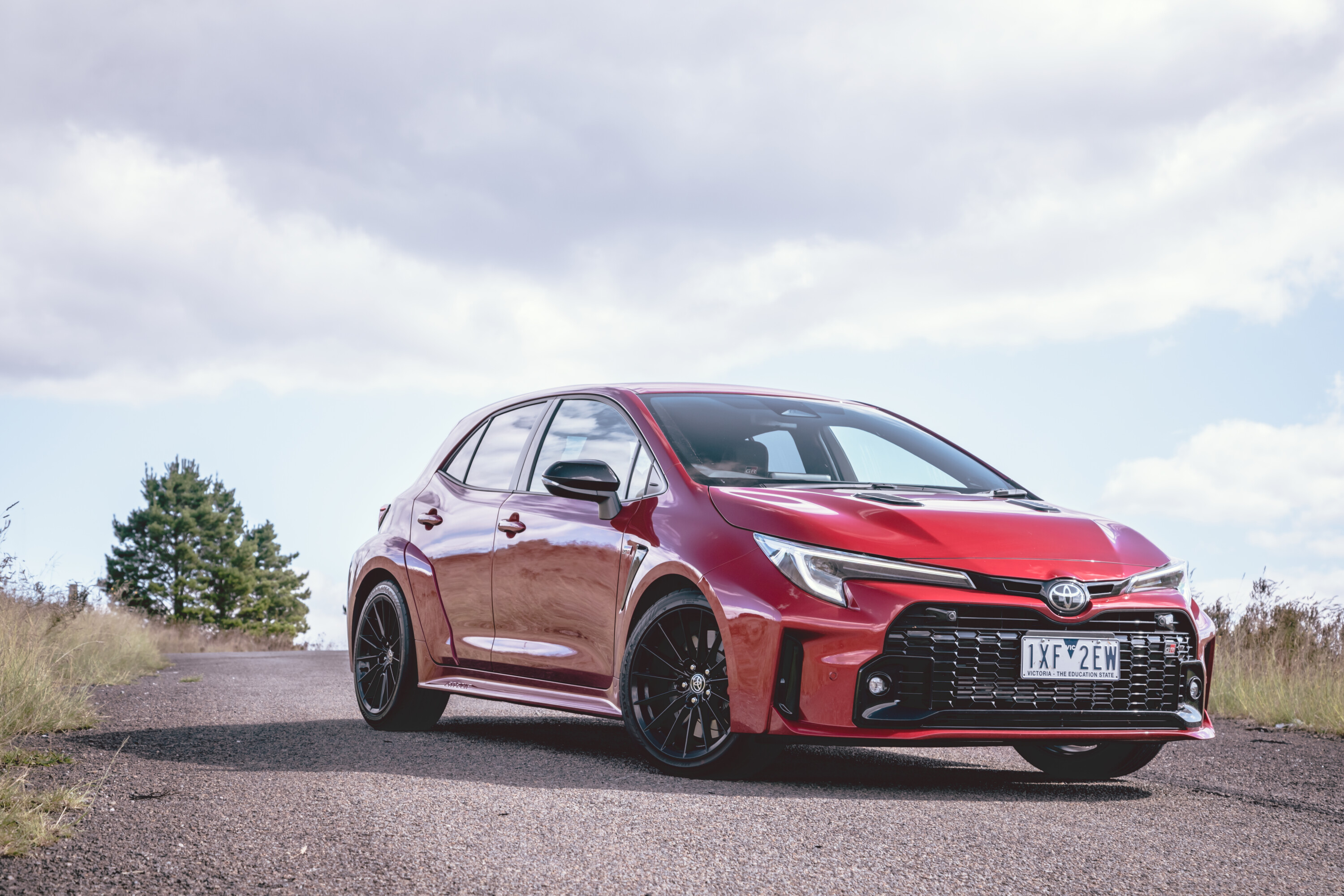
1
POWER & PERFORMANCE
Before we dive into their differences, let’s address what these two cars have in common because there’s significant crossover. Both are all-wheel drive, for example, and they both share the same gutsy 1.6-litre three-cylinder turbo engine, codenamed G16E-GTS. They also use the same torque-splitting all-wheel-drive hardware, which can send up to 70 percent of the available torque to the rear axle.
1
It’s the updated GR Yaris that holds the outright performance advantage, however. With 224kW and 400Nm on tap, the facelifted Yaris outguns the GR Corolla GTS by 3kW/30Nm. The Yaris is also smaller and lighter, which gives it the upper hand when it comes to the all-important power-to-weight ratio.
With an official kerb weight of 1280kg for the manual, the GR Yaris is a whopping 205kg lighter than the GR Corolla, which carries a kerb weight figure of 1485kg. Opting for the automatic version of the Yaris brings a 20kg penalty but it’s still a much lighter car than the manual-only GR Corolla.
| 2023 GR Yaris Rallye (pre-facelift) | 2024 GR Yaris Rallye | 2023 GR Corolla GTS | |
|---|---|---|---|
| Power | 200kW @ 6500rpm | 224kW @ 6500rpm | 221kW @ 6500rpm |
| Torque | 370Nm 3000-4600rpm | 400Nm @ 3250-4600rpm | 370Nm @ 3000-5550rpm |
| Power-to-weight | 156kW/tonne | 175kW/tonne | 149kW/tonne |
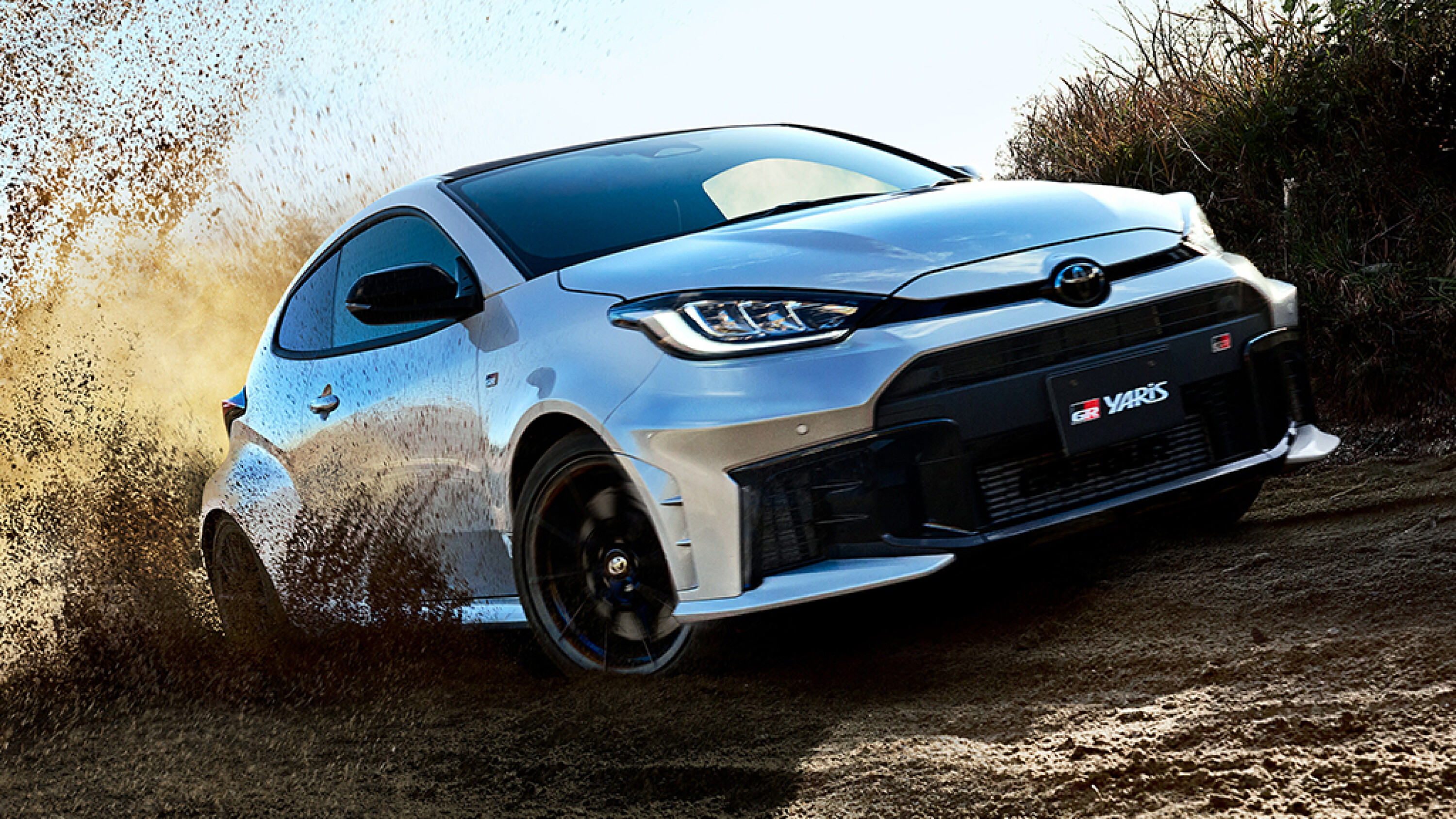
Being lighter and more powerful should also give the 2024 GR Yaris a useful advantage in straight-line performance. Toyota is yet to release official 0-100km/h figures for the facelifted car, however we can make some educated guesses.
The existing GR Yaris has a 0-100km/h claim of 5.2 seconds, which is fractionally quicker than the GR Corolla’s 5.29sec official claim. Logic dictates the updated GR Yaris will be quicker again — could a figure in the high 4.0sec bracket be possible?
1
For reference CarWow recently compared the pre-facelifted GR Yaris against the new version and found the updated car to be substantially quicker. In CarWow’s hands, the pre-facelift GR Yaris hit 0-100km/h in 6.3sec, while the new car managed 5.7sec for the six-speed manual and 5.4sec for the eight-speed automatic.
Our testing of the pre-facelift Yaris saw us hit 0-100km/h in 5.2sec, so you can expect the new car to better that time and possibly dip into the fours.
RIDE & HANDLING
It’s trickier to split the GR Yaris and GR Corolla when it comes to outright dynamics and driver involvement. Both cars offer precise, well-weighted steering, superb brakes and a handling balance that’s fun and adjustable, especially in Sport mode which splits the torque 30:70 front-to-rear.
1
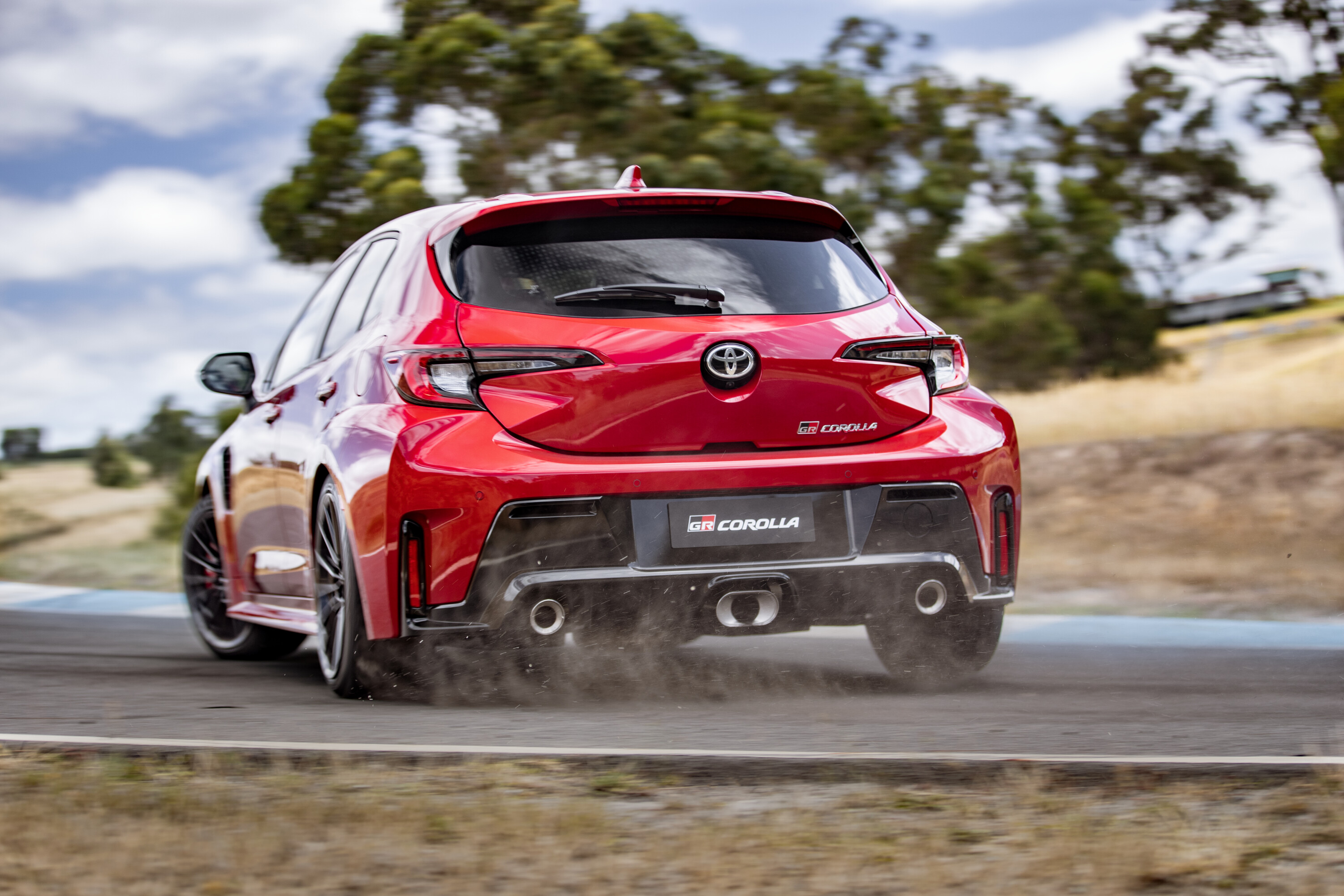
They do have distinct personalities, however. The GR Corolla is bigger and rolls on a longer wheelbase which makes it feel more stable and confidence inspiring on the limit. It also has a lower driving position than the pre-facelift GR Yaris which locates the driver in a more familiar position and aids with outward visibility.
1
By contrast, the GR Yaris has always been trickier to operate thanks to a seating position that was way too high and outward visibility that was overly compromised. Yet it was also more exciting on the limit thanks to its shorter, more ‘four square’ wheelbase and greater throttle adjustability.
As for which was ‘better’? There really wasn’t a winner between the two; just different flavours.
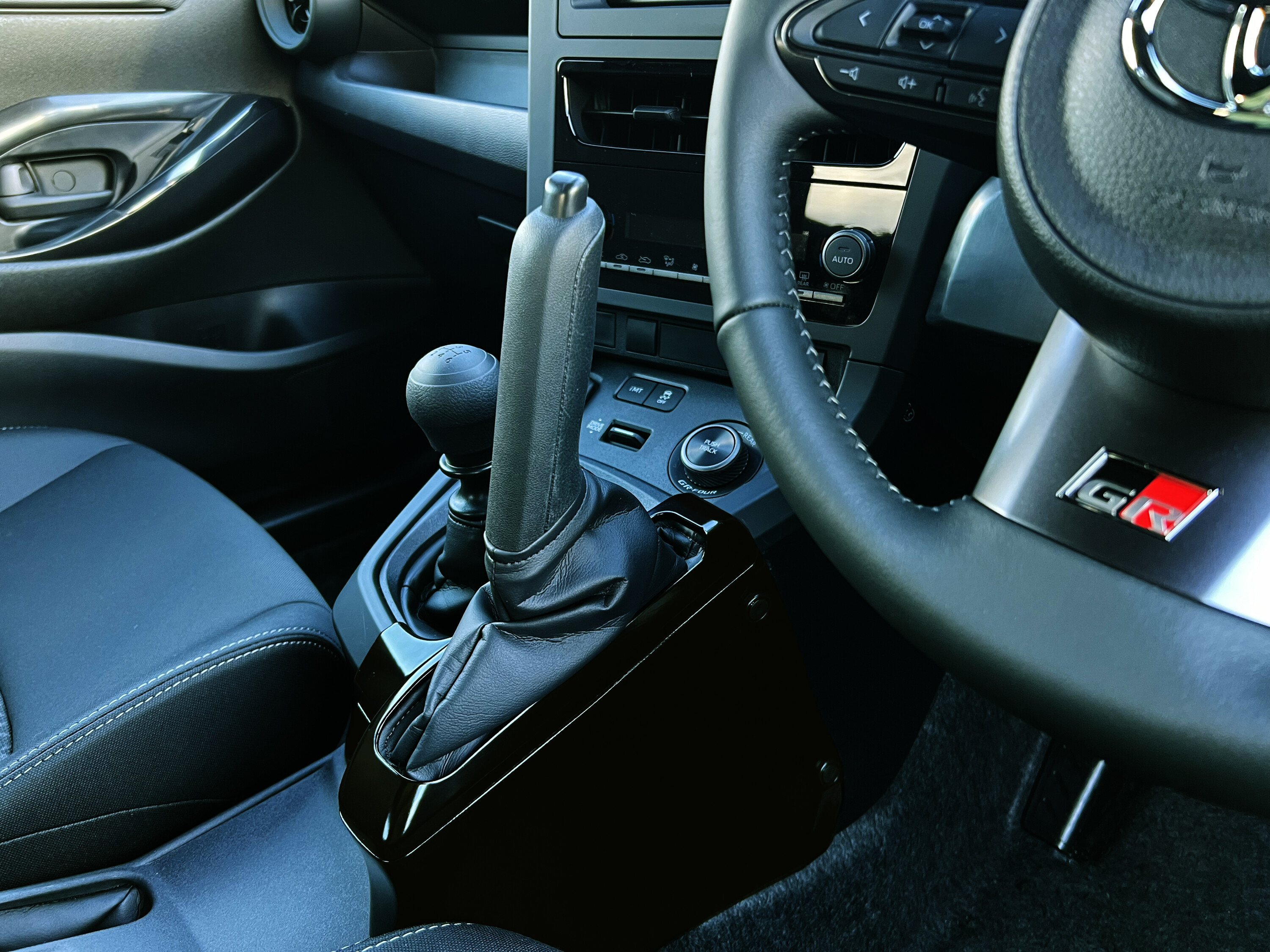
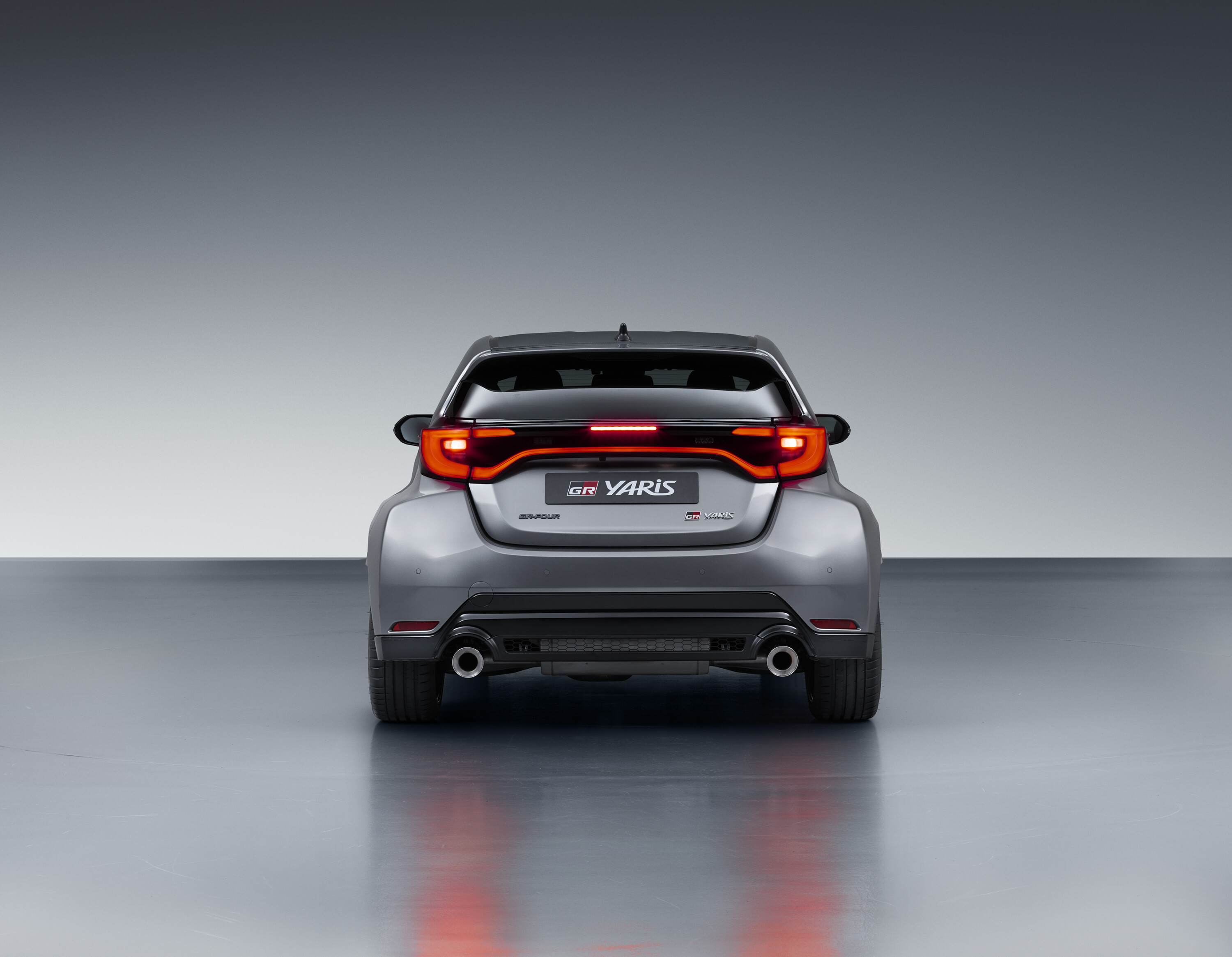
That could change with the facelifted GR Yaris, however. It now boasts a seating position that’s 25mm lower than before, which should go a long way to addressing our chief criticism of the original car. Toyota has also worked to improve outward visibility by lowering the height of the centre touchscreen by 50mm and changing the position of the rear-view mirror.
1
Structural rigidity is also improved and the spring rates for the suspension (MacPherson struts up front, double A-arms out back) have been tweaked, meaning the facelifted GR Yaris should feel more direct and engaging to drive hard than before.
And like the GR Corolla, the GR Yaris can now adjust its drive modes separately to the torque split for the all-wheel-drive system. So you can have the torque split set toTrack, for example, but have the engine, steering and throttle response in Sport.
We won’t know for sure which of this pair has the dynamic upper hand until we test them back-to-back, of course, but the on-paper changes are encouraging for the new Yaris.
INTERIOR DESIGN & SPACE
For all its strengths, the cabin of the original GR Yaris was a bit of a letdown. The seating position was too high, the ergonomics were awful, it was difficult to heel-and-toe in, and it was difficult to see out of.
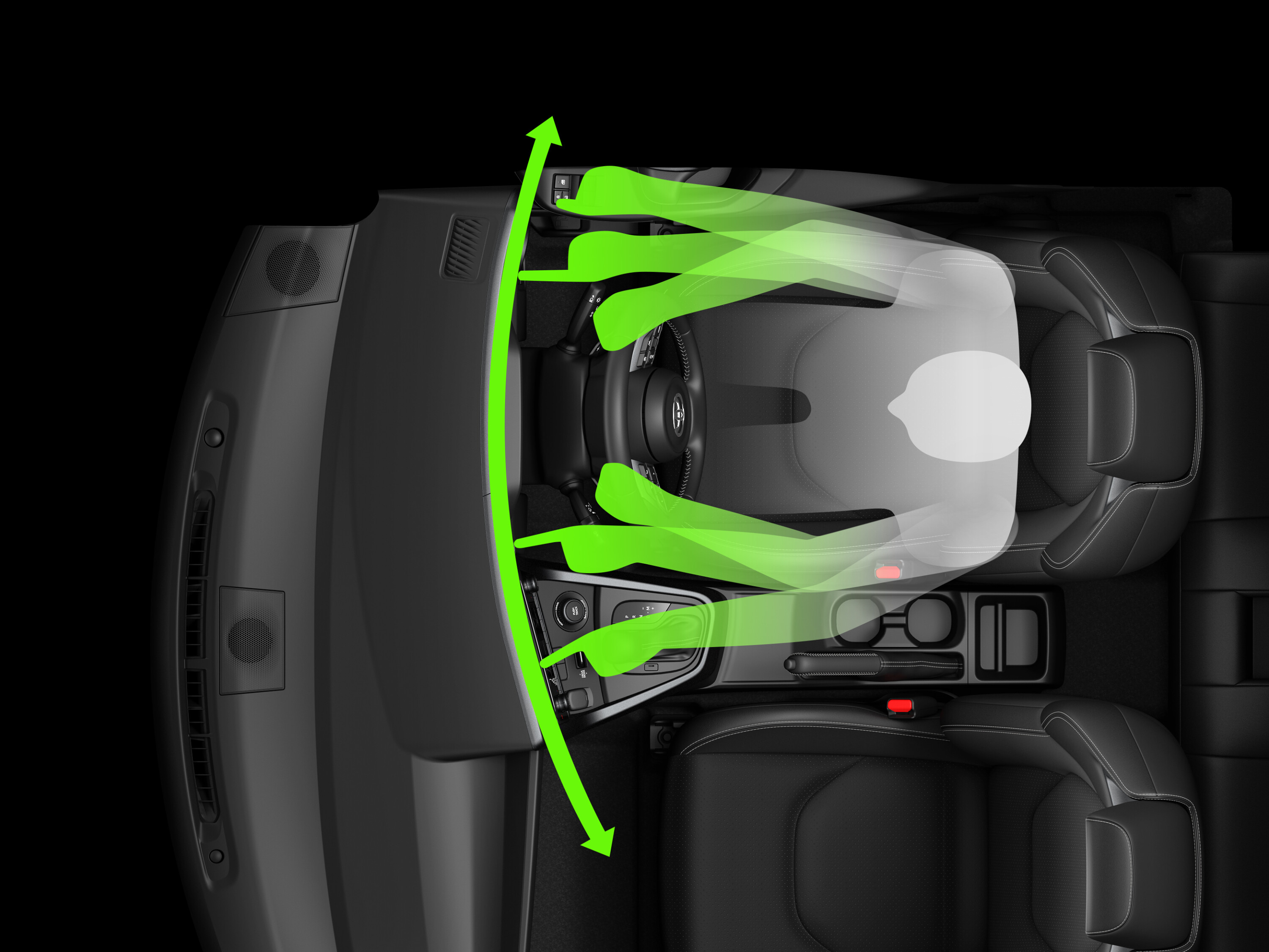
The new car promises to be a huge improvement. The dash design is all new and while its chunky design has proven to be polarising online, it’s clear it will be a much easier car to use.
1
Most of the key buttons are now closer to the driver, meaning they’re easier to reach while strapped in at a track day, and visibility is much improved thanks to the lower centre screen and relocated rear-view mirror. Connectivity has been improved, too, courtesy of USB-C outlets than replace the old car’s USB-A ports and a new digital driver display.
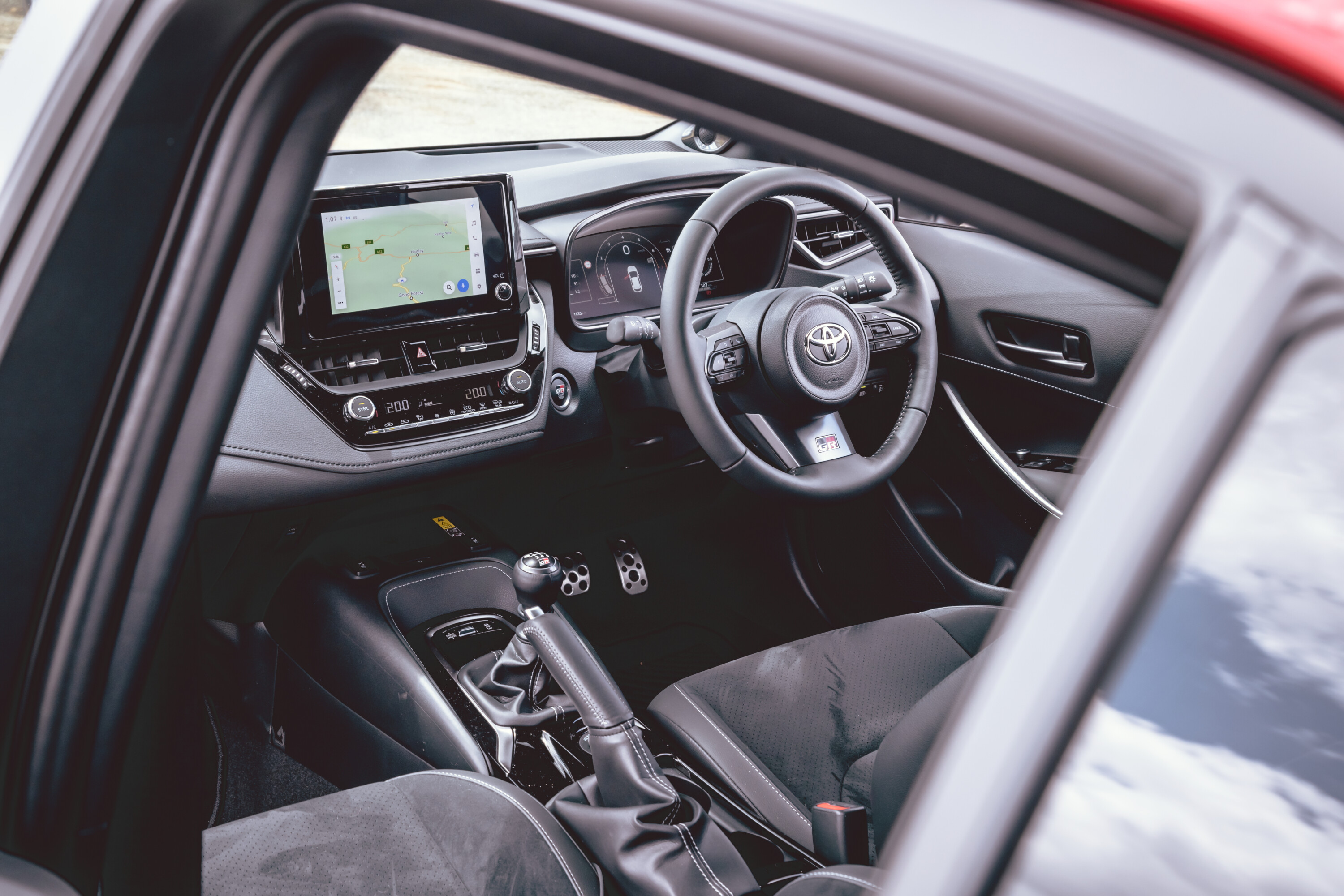
Despite the Yaris’s improvements, however, this is one area where the GR Corolla holds an indisputable advantage. It’s a larger car, so the cabin feels roomier and unlike the Yaris, the GR Corolla pretty much nailed its interior ergonomics the first time round. The driving position is bang on, outward visibility is decent and all of the key touchpoints are trimmed in leather.
1
And unlike the backseat in the GR Yaris, which only has seats for two adults and is short on head-room and knee-room, the GR Corolla can carry five in relative comfort. The Corolla’s boot is also much larger at 213L versus the Yaris’s 141L, although both are disappointingly small.
IS THE GR YARIS OR GR COROLLA BETTER VALUE?
Toyota is yet to announce pricing for the 2024 GR Yaris, however it should be less than the current asking price of the GR Corolla when it arrives in Australia towards the end of the year.
The current, pre-facelift GR Yaris costs $61,189 drive-away while the GR Corolla carries drive-away pricing of $69,379.
It’d be fair to assume the 2024 GR Yaris will sit in the middle of those two prices, suggesting a starting price around the $65K drive-away mark.
VERDICT
There’s always been an easy way to decide between the GR Yaris and GR Corolla: if we need a usable backseat and a bigger boot, opt for the Corolla. That logic still applies, however there’s a new convenience feature that could swing things back in favour of the Yaris: it’s now available as an automatic.
The GR Corolla is only offered with a six-speed manual, so if you or your significant other prefer the ease of an automatic — especially in the grind of daily traffic — that could seal the deal. It’s likely Toyota will soon introduce many of the Yaris’s updates in the GR Corolla come facelift time, but for now, it’s a key way to distinguish between this pair.
1
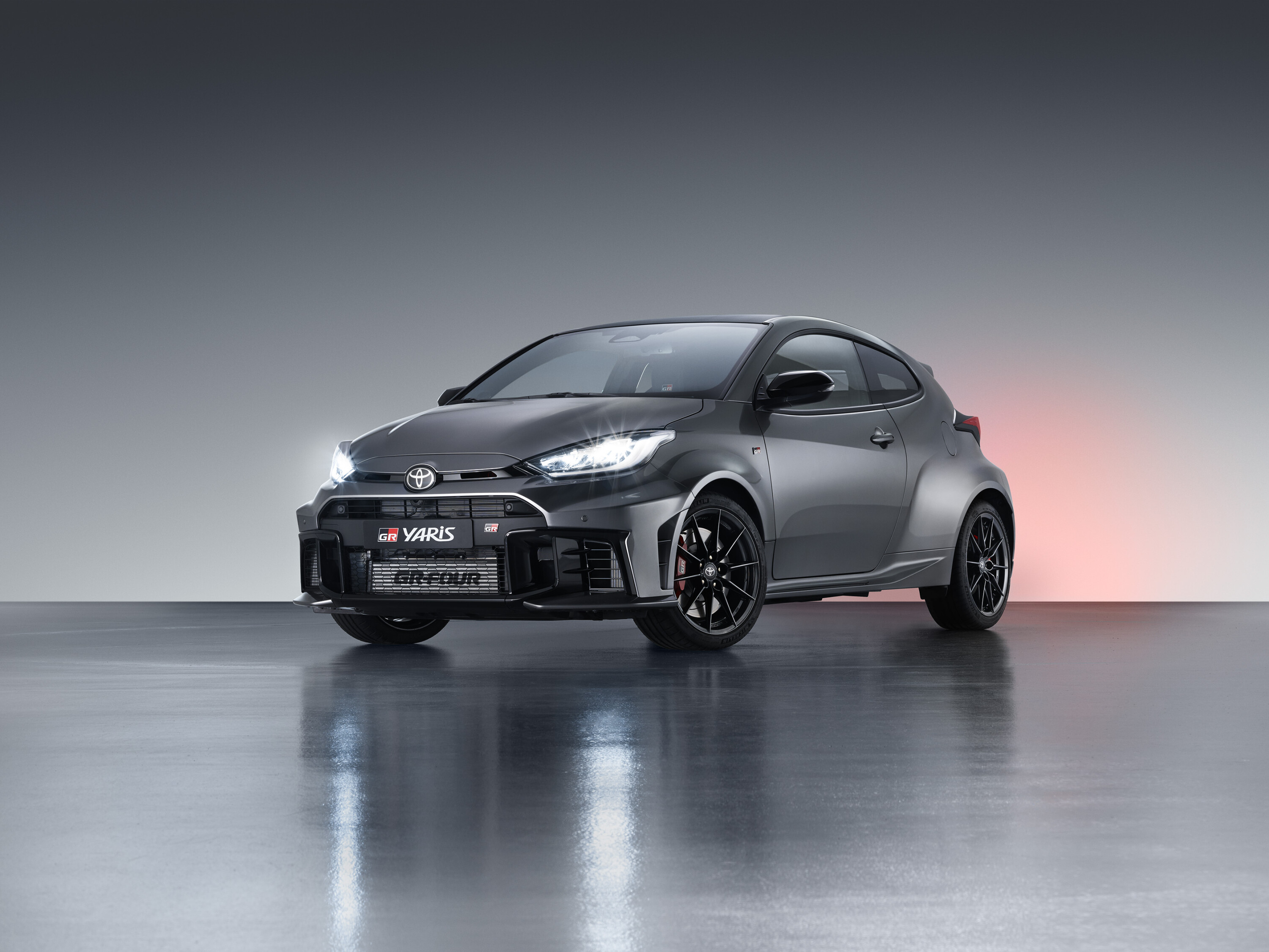
As for which wins when it comes to outright performance, we’d wager the facelifted Yaris currently has its nose in front. It has a stronger engine, a better power-to-weight ratio, is quicker in a straight line and promises sharper dynamics thanks to its stiffer body and revised suspension.
1
Of course, a definitive verdict on whether the GR Yaris can deliver on its on-paper promise remains to be seen. We can’t wait to drive this pair back-to-back later this year.
| 2023 GR Yaris Rallye (pre-facelift) | 2024 GR Yaris | 2023 GR Corolla GTS | |
|---|---|---|---|
| Body | Three-door, four-seat hatch | Three-door, four-seat hatch | Five-door, five-seat hatch |
| Drive | All-wheel drive | All-wheel drive | All-wheel drive |
| Engine | 1.6-litre 3cyl turbo | 1.6-litre 3cyl turbo | 1.6-litre 3cyl turbo |
| Power @rpm | 200kW @ 6500rpm | 224kW @ 6500rpm | 221kW @ 6500rpm |
| Torque @rpm | 370Nm 3000-4600rpm | 400Nm @ 3250-4600rpm | 370Nm @ 3000-5550rpm |
| Transmission | 6-speed manual | 6-speed manual or 8-speed automatic | 6-speed manual |
| 0-100km/h | 5.2sec (claimed) | TBC | 5.29sec (claimed) |
| Top speed | 230km/h | TBC | 230km/h |
| L/W/H | 3995/1805/1455mm | 3995/1805/1455mm | 4407/1851/1479mm |
| Wheelbase | 2560mm | 2560mm | 2640mm |
| Track width | 1535/1565mm | 1535/1565mm | 1589/1624mm |
| Boot space | 141L | 141L | 213L |
| Weight | 1280kg | 1280kg/1300kg (man/auto) | 1485kg |
| Economy | 7.6L/100km | TBC | 8.4L/100km |
| Brakes | 356mm ventilated discs, 4-piston calipers (f); 297mm ventilated discs, 2-piston calipers | 356mm ventilated discs, 4-piston calipers (f); 297mm ventilated discs, 2-piston calipers | 356mm ventilated discs, 4-piston calipers (f); 297mm ventilated discs, 2-piston calipers |
| Wheels | 18-inch forged BBS alloy | 18-inch forged BBS alloy | 18-inch Enkei alloy |
| Tyres | 225/40 R18 Michelin Pilot Sport 4S | 225/40 R18 Michelin Pilot Sport 4S | 235/40R18 Yokohama ADVAN Apexu00ae5u00a0V601 |
| Price | $61,189 (drive-away) | TBC | $69,379 (drive-away) |
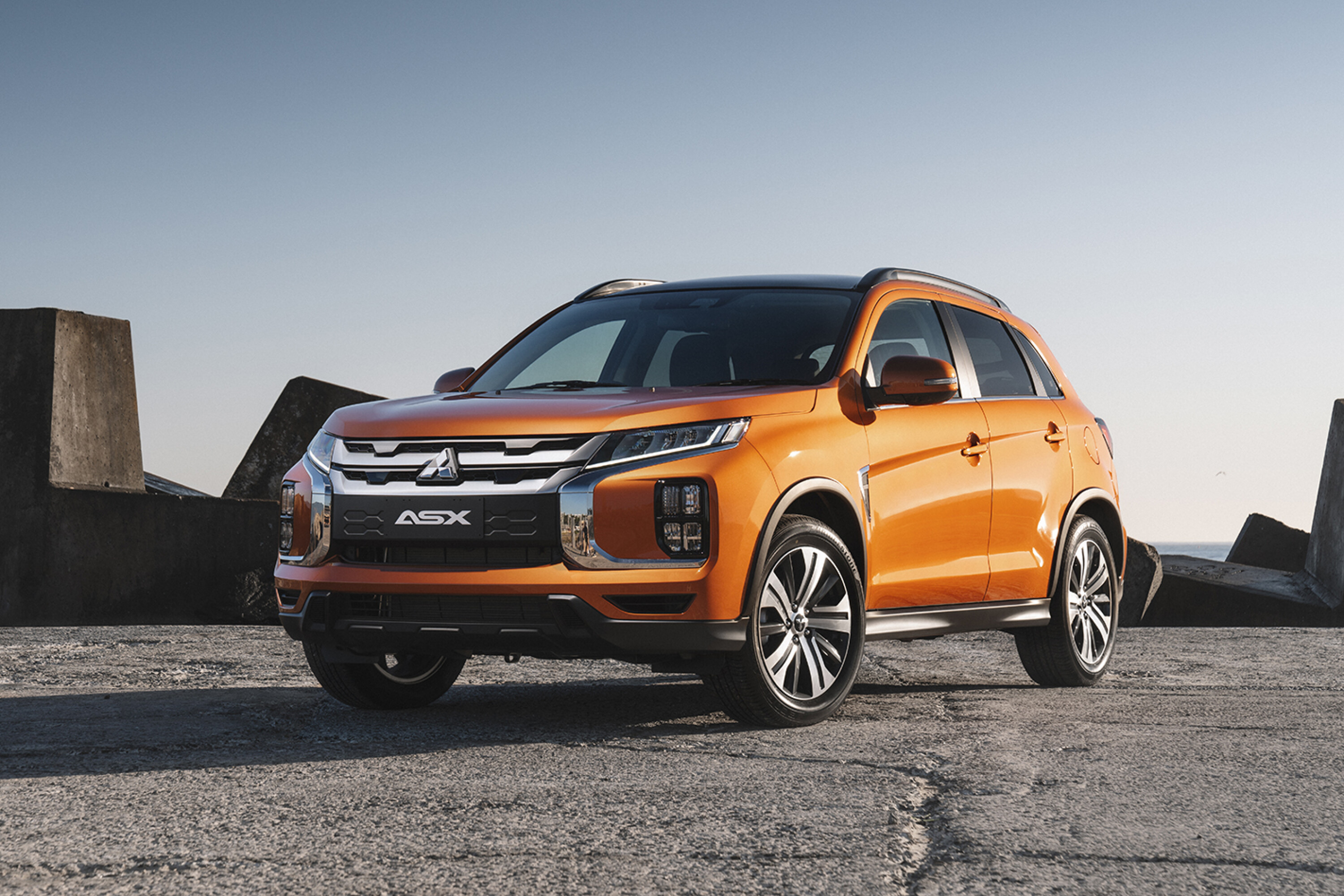
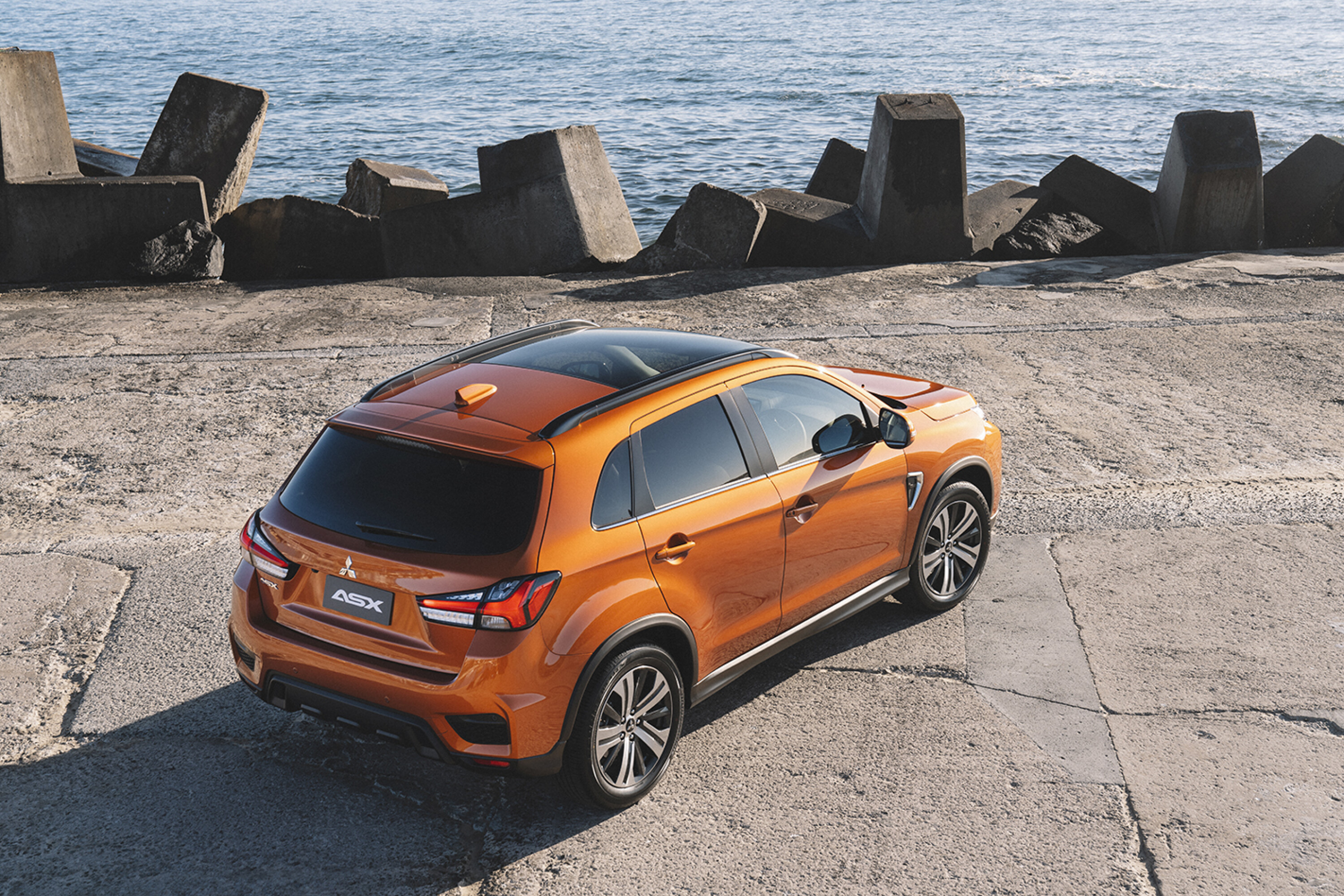
The 2024 Mitsubishi ASX maintains its stance as an affordable option in the compact SUV category, starting at a price of $24,490 for the entry manual GS model.
Within the ASX lineup, the Exceed variant stands as the most premium option and has remained a constant presence for more than a decade, consistently delivering an attractive value proposition.
Amidst an already crowded segment, let’s explore the features and offerings that the top-tier ASX variant provides.
Pricing & Features
The top-tier Exceed model is available as an automatic only and can be picked up for $35,240 plus on-road costs.
It’s powered by a 2.4-litre petrol engine giving 13kW and 25Nm more power and torque than all other variants bar the GSR.
Standard specs include two-tone 18-inch alloy wheels, an 8.0-inch touchscreen infotainment system with Bluetooth and voice control, Wired Apple CarPlay and Android Auto and two front USB ports.
1
You’ll be treated to a heated and power-adjustable drivers seat, a panoramic roof and nine premium speakers.
All colours besides the standard white carry a $740 premium, other than White and Red Diamond which add $940.
Safety
The Mitsubishi ASX Exceed has a comprehensive set of standard safety features, including forward collision mitigation, automatic high beam, and hill start assist.
It’s crucial to be aware that the current ASX lacks a safety rating from the crash-test authority ANCAP. The most recent evaluation conducted on this model dates back to 2014, surpassing the six-year validity period now applied for vehicle assessments. Before this, the ASX had previously held a five-star safety rating.
Standard features on the Exceed include reverse parking sensors, blind spot warning, lane change assist, lane-departure warning and rear cross-traffic alert.
1
Key Rivals
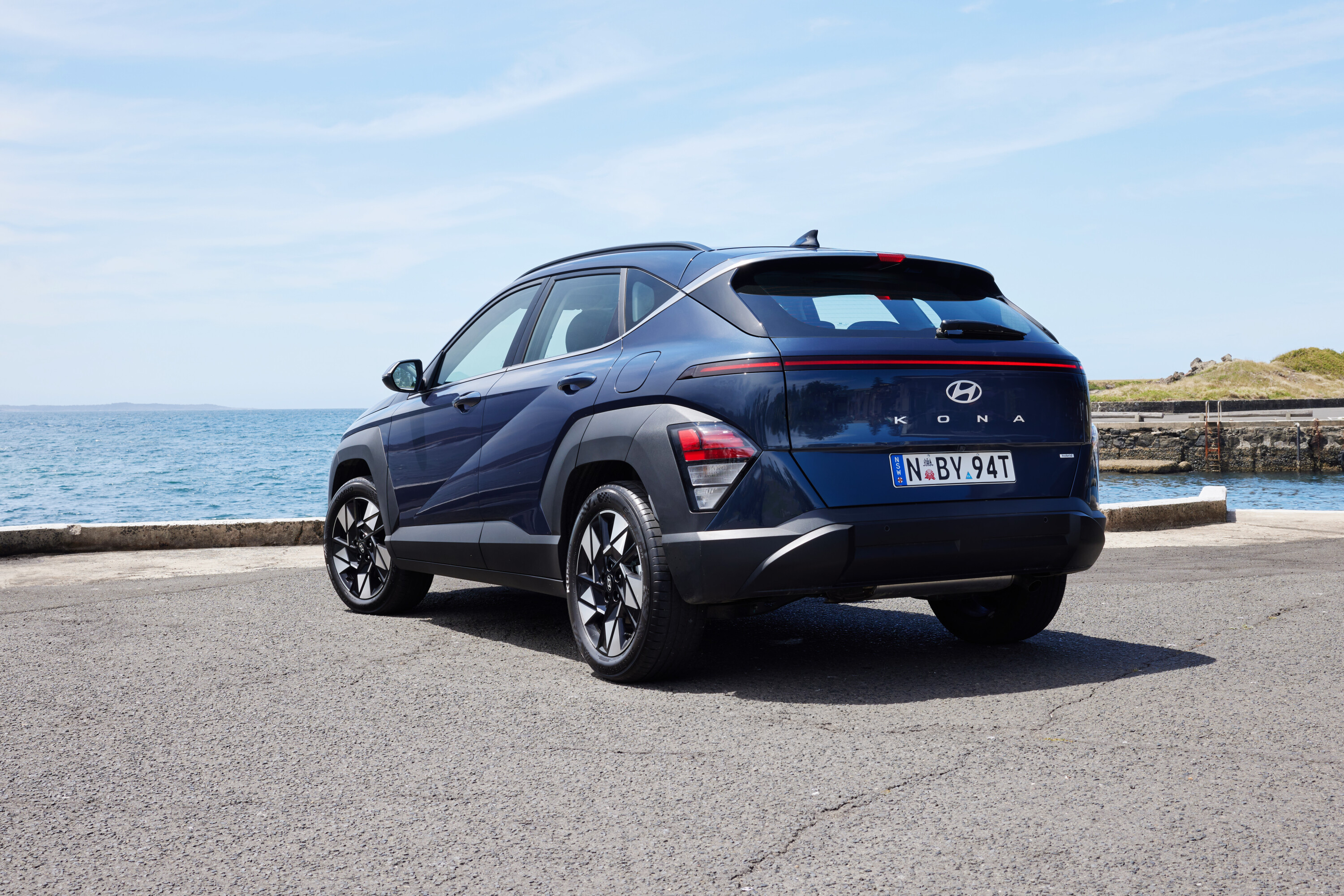
One of Austraia’s fastest growing markets is where the ASX plays, against other key small SUVs.
1
Should I put it on my shortlist?
In a highly competitive segment, the ASX remains a strong contender by offering exceptional value, particularly with its feature-packed top-tier Exceed.
Despite being categorised as a compact SUV, it provides significant space and size, making it one of the more spacious options within its segment.
While the vehicle has been around for over 13 years, the possibility of an entirely new model on the horizon remains uncertain. Although signs of ageing are apparent in the interior, the exterior design continues to captivate many potential buyers.
At at its price, it’s easy to see why the ASX remains a popular choice for buyers.
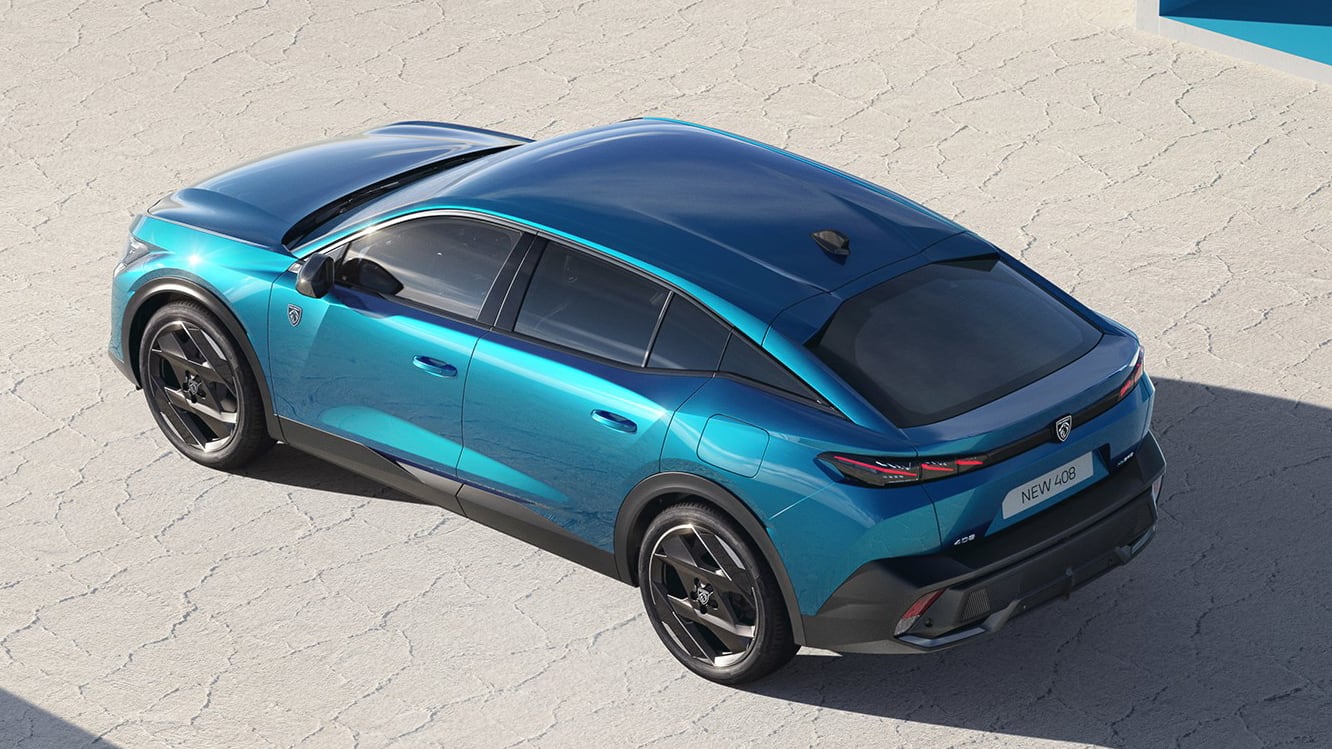
The Peugeot 408 will take on the Cupra Formentor in 2024, though its Australian arrival has been delayed until the third quarter.
Peugeot’s plug-in hybrid crossover was due here by Christmas last year, though the French brand revealed a long delay when today announcing pricing and specifications.
The 408 will cost from $67,990 before on-road charges, with the main option a $2000 sunroof.
A choice of four colours costs either $690 for white, grey or black metallics, or it’s $1050 for a ‘premium’ red.
The Peugeot 408 will be offered in a single GT Fastback spec and powered by a plug-in hybrid (PHEV) drivetrain that couples a 1.6L turbo petrol engine with an electric motor.
Combined outputs are 165kW and 360Nm, and the PHEV is quoted with a 60km electric-only WLdriving range and official combined-cycle fuel consumption of 1.5 litres per 100km.
Recharging the 12.4kWh lithium-ion battery takes about 3.5 hours via a single-phase or three-phase wallbox, or about six hours using a domestic power socket.
The GT’s standard features include 20-inch alloy wheels, 10.0-inch digital instrument cluster, 10.0-inch infotainment touchscreen, wireless Apple CarPlay and Android Auto, keyless entry/start, hands-free auto tailgate, LED ‘matrix’ headlights, electric front seats with heating and massage function, heated steering wheel, and Nappa leather upholstery.
Driver aids include adaptive cruise, driver-attention monitoring, ‘long range’ blind-spot monitoring, and front/rear parking sensors.
Capped-price servicing costs between $425 and $900 every year or every 20,000km, or decent savings are possible by opting for multi-year plans.
Peugeot’s 408 will become a natural rival to the VZe PHEV version of the Cupra Formentor crossover that has found early popularity in Australia. The VZe costs from $64,990 and has outputs of 180kW and 400Nm from its 1.4L turbo petrol and electric motor combination. Its electric-only driving range is similar, with 58km.
Read our overseas drive of the Peugeot 408 below.
May 15, 2023: Peugeot 408 to be PHEV-only in Australia, here by Christmas.
The 2023 Peugeot 408 crossover will arrive in Australia by Christmas, the brand has confirmed.
At launch, the 408 will be exclusively offered in single-variant plug-in hybrid variant guise – likely badged GT.
Peugeot Australia has opened expressions of interest on its consumer website, with local details – including pricing – expected in the coming months.
Our earlier update, below, continues unchanged.
1
January 19: 2023 Peugeot 408 details firm for Australia, plug-in hybrid likely
The upcoming 2023 Peugeot 408 part-sedan, part-SUV has inched closer to its Australian launch – and a plug-in hybrid option is looking likely.
Government homologation documents reveal the Peugeot 408 crossover will be offered in two trims – Allure and GT – with identical powertrains to the related 308 hatch.
This includes a 97kW/230Nm 1.2-litre three-cylinder turbo-petrol, and a 1.6-litre four-cylinder plug-in hybrid. The documents reveal the petrol mill will be available in Allure and GT grades, while the PHEV will be limited to the flagship GT.
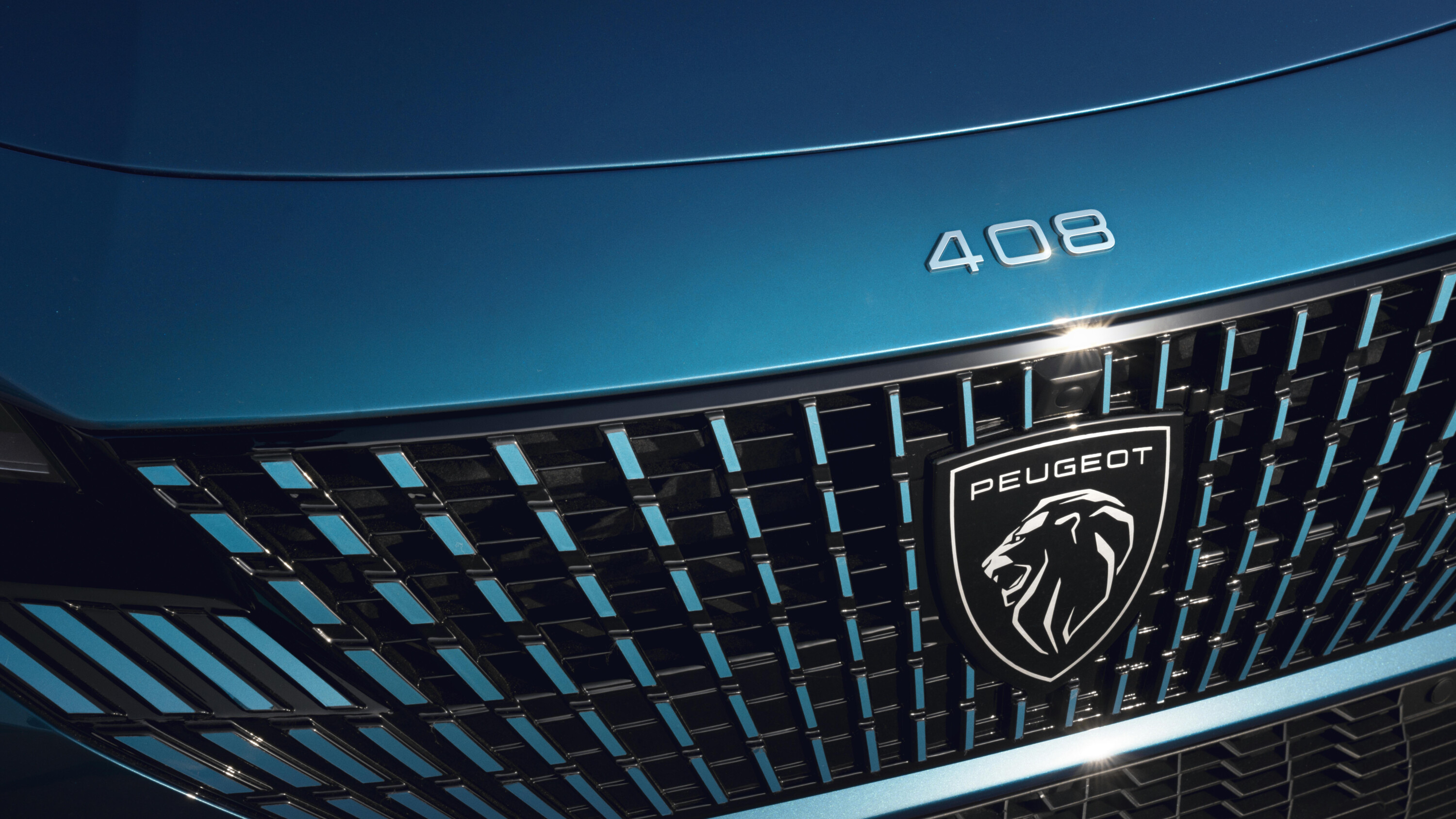
1
As detailed below, the hybrid features a 12.4kWh lithium-ion battery pack and an electric motor, with a 132kW/360Nm total system output and a WLTP-rated 67-kilometre electric-only driving range.
A fully-electric e-408 variant is also set to launch next year – but it has yet to be locked in for Australia.
The 2023 Peugeot 408 is expected to launch locally in the second half of the year, with exact timing to be announced closer to its arrival.
Our earlier story, below, continues unchanged.
June 22, 2022: 2023 Peugeot 408 revealed, Australian launch confirmed
Snapshot
- Peugeot 408 revealed for international market
- High-riding fastback will come to Australia
- Local launch likely to take place next year
The 2023 Peugeot 408 has been revealed, with the French manufacturer’s latest electrified model confirmed for an Australian debut.
A hybrid in more ways than one, the 408 blends fastback sedan design with SUV-like ground clearance, putting it into the crossover category – despite being longer and lower than other Peugeot offerings such as the 3008.
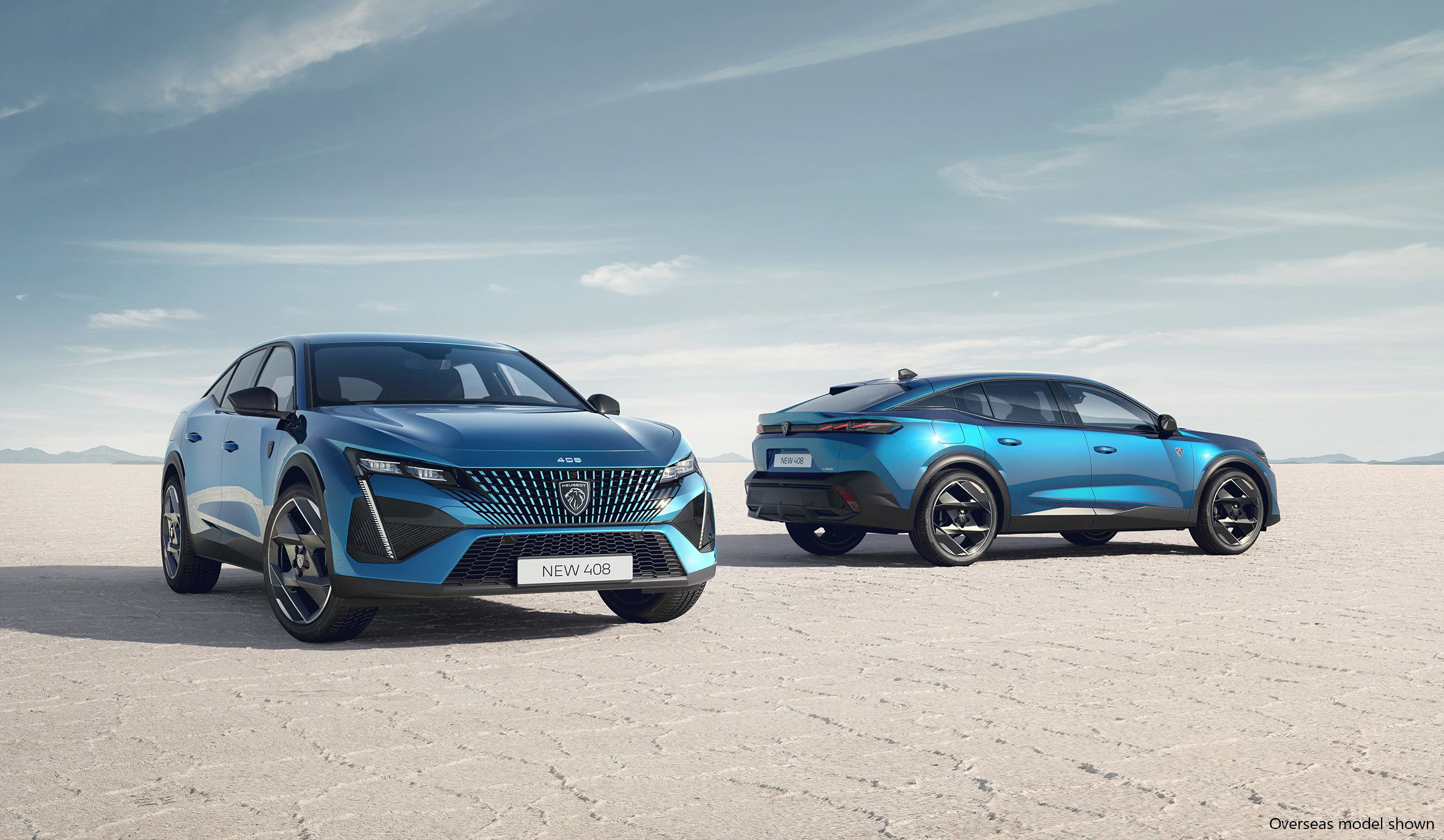
1
Riding on the Stellantis EMP2 platform, the architecture can also be found under the 308, 508, 3008 and 5008, as well as the new Citroën C4, although Peugeot has gone a bit more radical with the 408’s design than its French counterpart.
A body-coloured grille mimics the design of many of its other models, while its fang-shaped LED light signature gives a striking image – as the 408’s daytime running lights run vertically down from the bottom edge of its headlights to the lower air intakes.
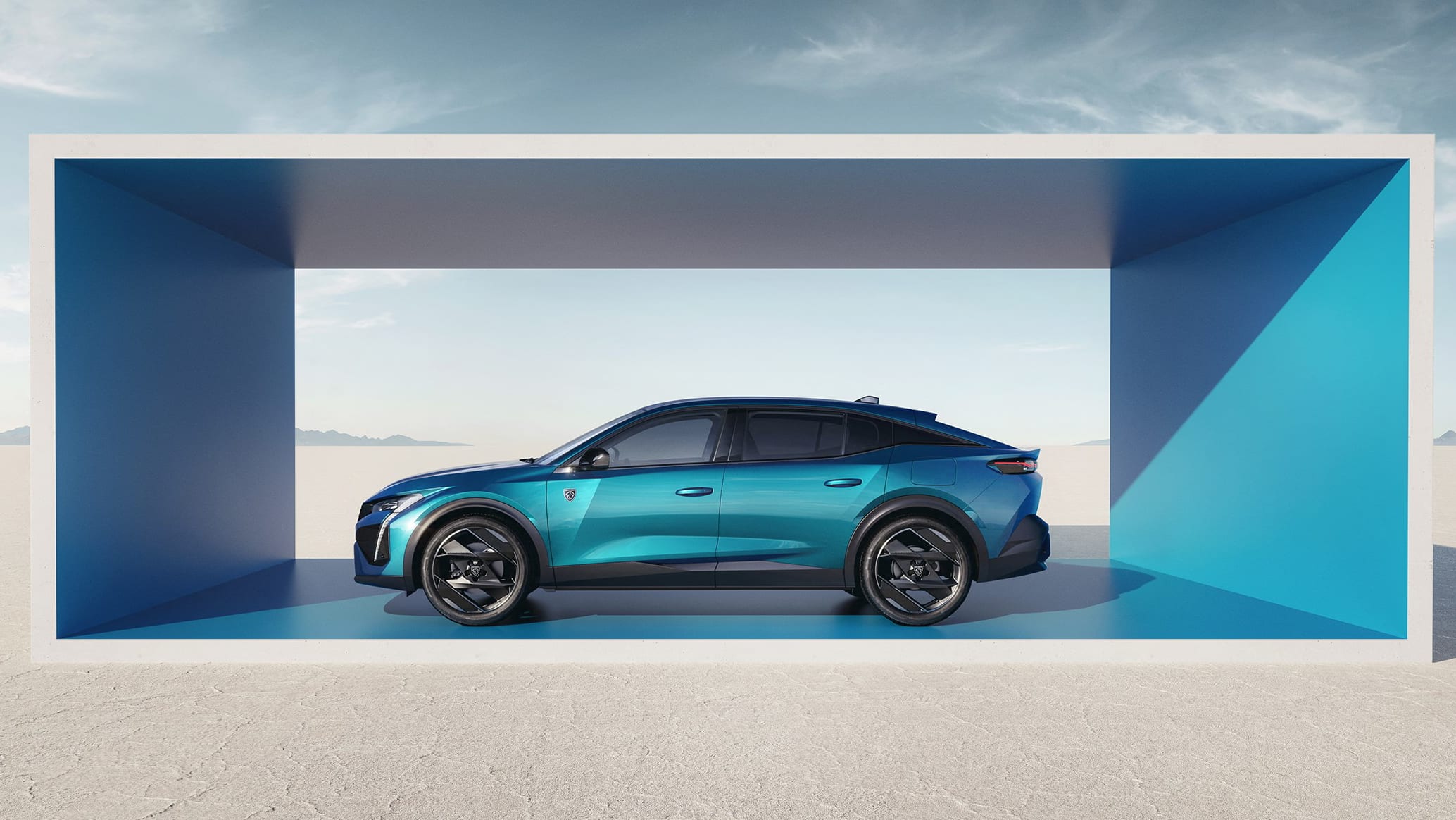
Minor plastic cladding lines the wheel arches, filled with 20-inch wheels which feature a unique and undoubtedly busy design to keep even the best detailers occupied for a decent length of time.
At the rear, a two-part spoiler on either side of the window leads down to a lipped hatch, incorporating three-claw LED lights on both sides.
1
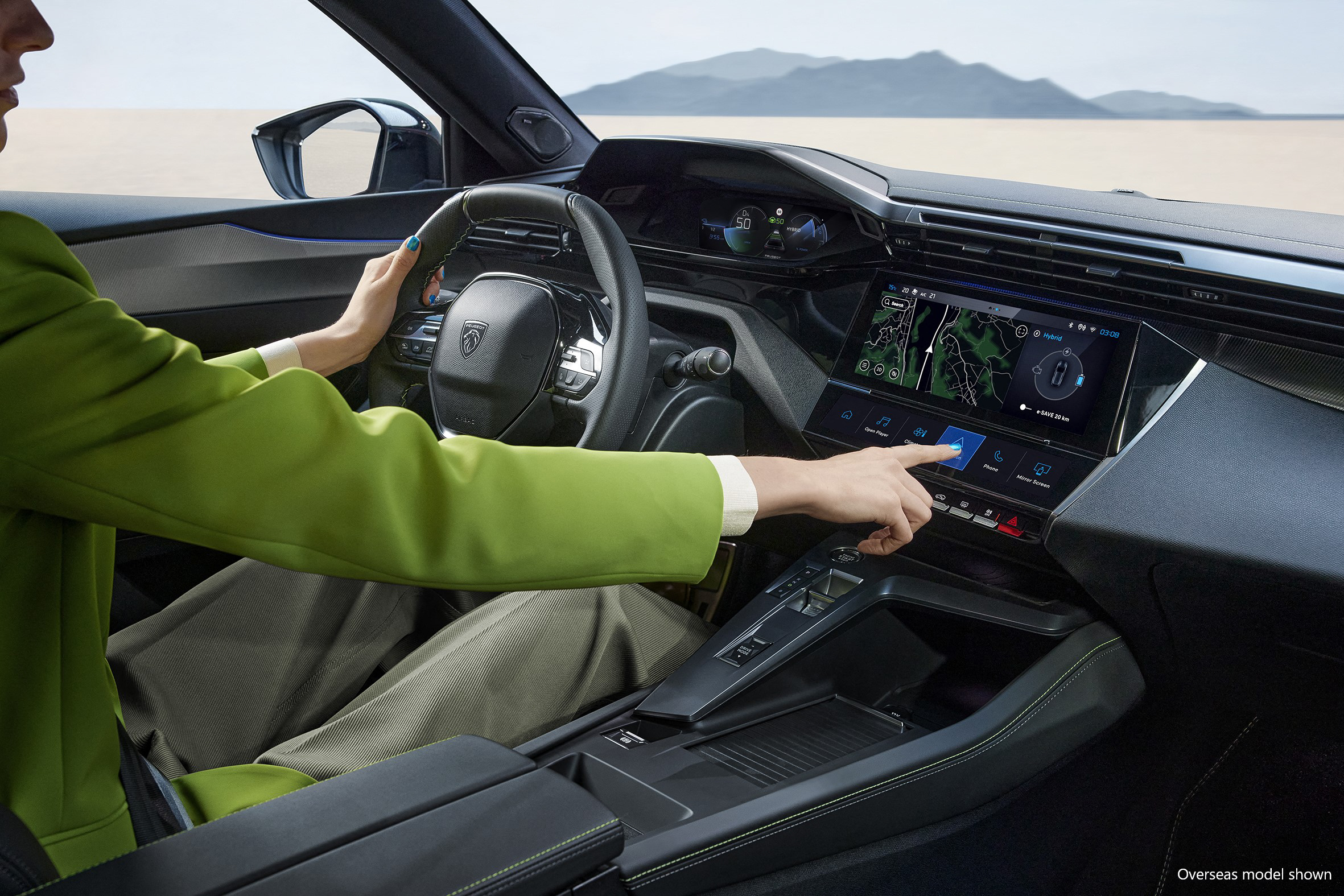
Inside the cabin, occupants are met with the latest generation of the Peugeot i-Cockpit, highlighted by its relatively small steering wheel, thin 10-inch digital guage cluster and controls angled towards the driver.
A 10-inch infotainment screen is paired with a 10+1 Focal sound system, which was developed over a three-year period for the 408 specifically, while safety tech such as adapative cruise control with stop and go, night vision, long-range blind-spot monitoring and rear traffic alert are fitted as standard.
The 408’s boot measures up at 536 litres and can expand to 1611 litres with the rear seats folded down. When the back seats are up, rear occupants can enjoy 188 millimetres of leg room thanks to its 2.79-metre wheelbase.
1
Boasting a kerb weight of just under 1400 kilograms (1396kg to be exact), three powertrains coupled to an eight-speed automatic transmission will be offered in the 408 globally – a 1.2-litre 97kW petrol engine, a 134kW plug-in hybrid and the range-topping 168kW plug-in hybrid.
Both hybrids will feature electric motors and 12.4kWh batteries, while a fully-electric variant is also set to also launch in the future – likely adopting the e-408 moniker.
1
“It is with great excitement I can confirm that the new Peugeot 408 will launch in Australia,” said Peugeot Australia’s Managing Director, Kate Gillis.
“We are currently working closely with the factory on launch timings for our market and look forward to sharing more information in due course.”
European production of the 408 will begin early next year in Mulhouse, France, with Australian-bound models expected to come from its home factory rather than the Chengdu plant in China.
MORE
All Peugeot
The battle between the HiLux and Ranger to become Australia’s top-selling vehicle was neck-and-neck in 2023.
VFACTS new-car sales data showed the Ford Ranger finally topped the sales charts in 2023, pushing the HiLux into second place after seven years on top.
In the final month, it was a strong lead for the Ranger, with 7767 sales – deliveries, not orders – for the 4×2 and 4×4 models, versus 5143 overall for the HiLux. This allowed it to overtake the HiLux to become the nation’s top-seller.
While attention is always focused on the top players in the Australian new-vehicle market, there’s plenty of competition elsewhere – especially in the top 10.
The all-electric Tesla Model Y proved strong, becoming Australia’s best-selling electric vehicle – and the sixth-highest car overall – with 28,263 registrations.
What were the most popular cars in Australia in 2023?
Here’s the top 10 at a glance. Continue reading for a more detailed explainer!
- ? Ford Ranger
- ? Toyota HiLux
- ? Isuzu D-Max
- ? MG ZS
- ? Toyota RAV4
- ? Tesla Model Y
- ? Mitsubishi Outlander
- ? Mazda CX-5
- ? Hyundai Tucson
- ? Toyota LandCruiser Prado
The rundown
Here is a broad look at the top-10 vehicles sold in Australia in 2023, and a table for the top-20 vehicles.
1
MORE
Ute Buyers Guide
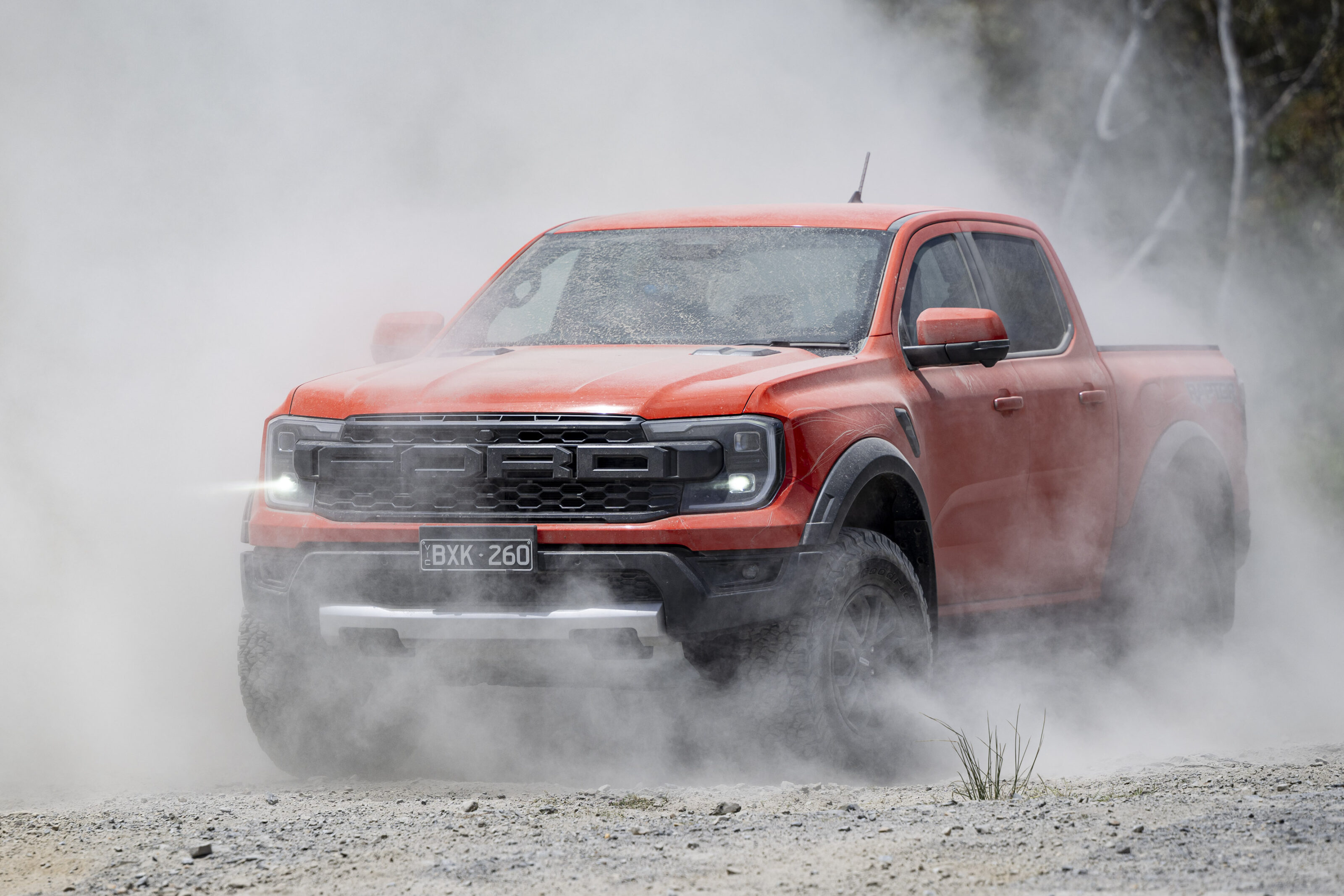
Ford Ranger
The third-generation Ford Ranger – launched in mid-2022 – proved a hit with buyers.
It overtook the Toyota HiLux as Australia’s top-selling vehicle in the final month of 2023 with a margin of 2245 units.
It was already the top-selling 4×4, with 58,261 units shifted in 2023 – rising to 63,356 when 4×2 and 4×4 sales are combined.
1
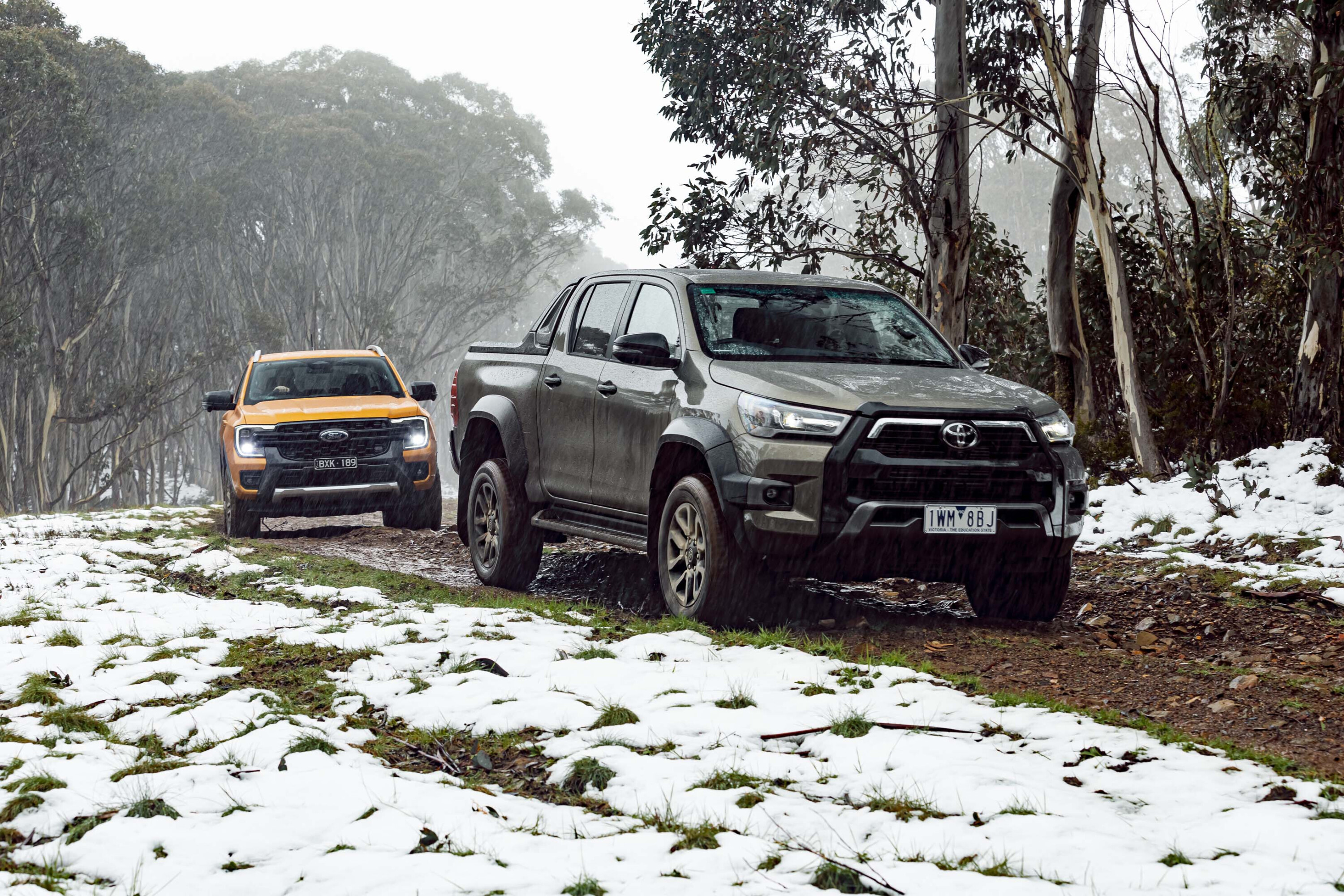
Toyota HiLux
Australia’s top-selling vehicle between 2016 and 2022, the HiLux, was pushed to second following a record-breaking December for the Ranger.
In 2023, 4×4 examples accounted for 48,995 sales of 61,111 in total.
1
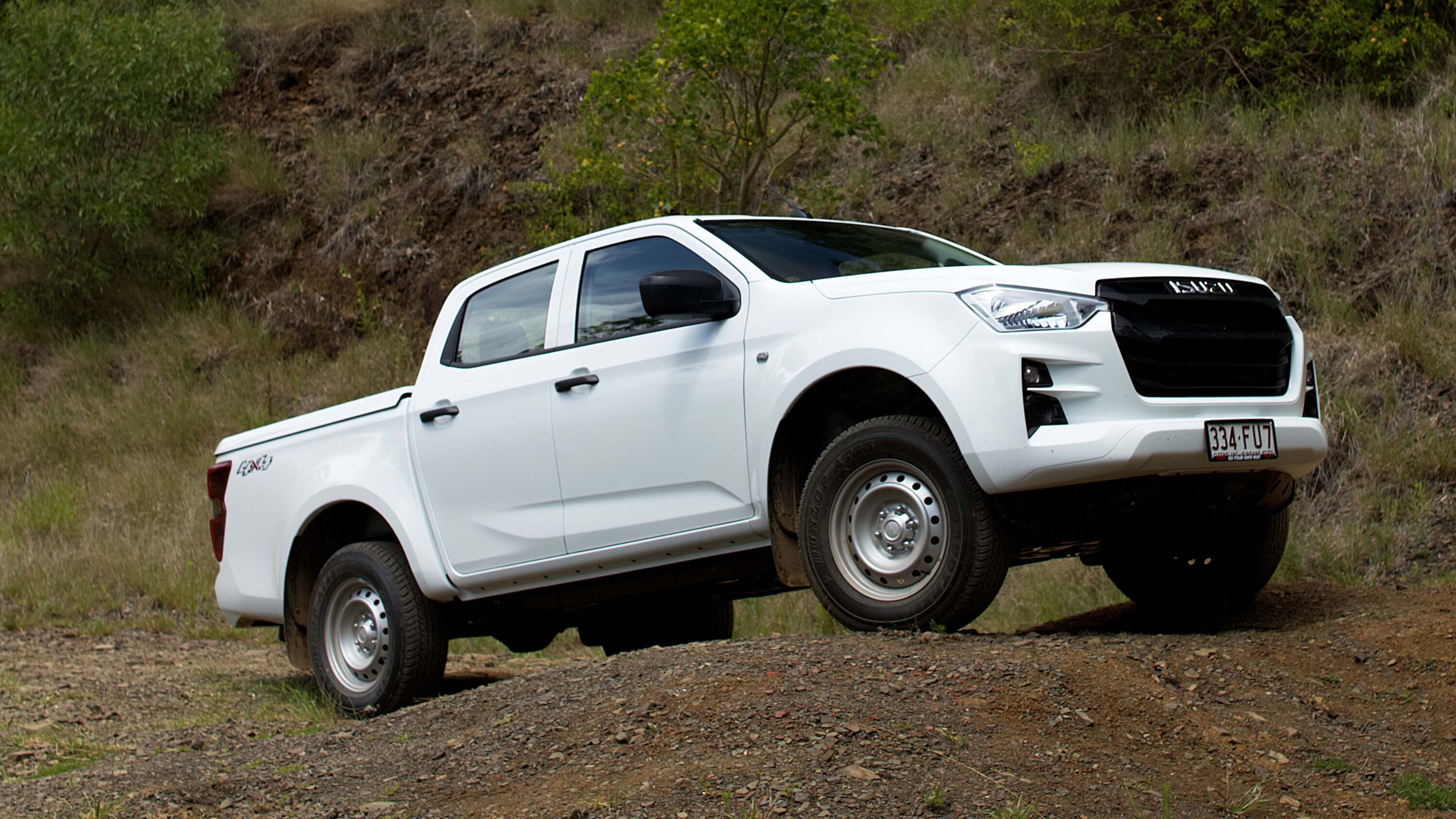
Isuzu D-Max
The latest-generation Isuzu D-Max rose to third with 31,202 sales (▲ from 24,336).
The D-Max and MU-X ranges have benefited from MY23 updates, which you can learn about here for D-Max and here for MU-X.
1
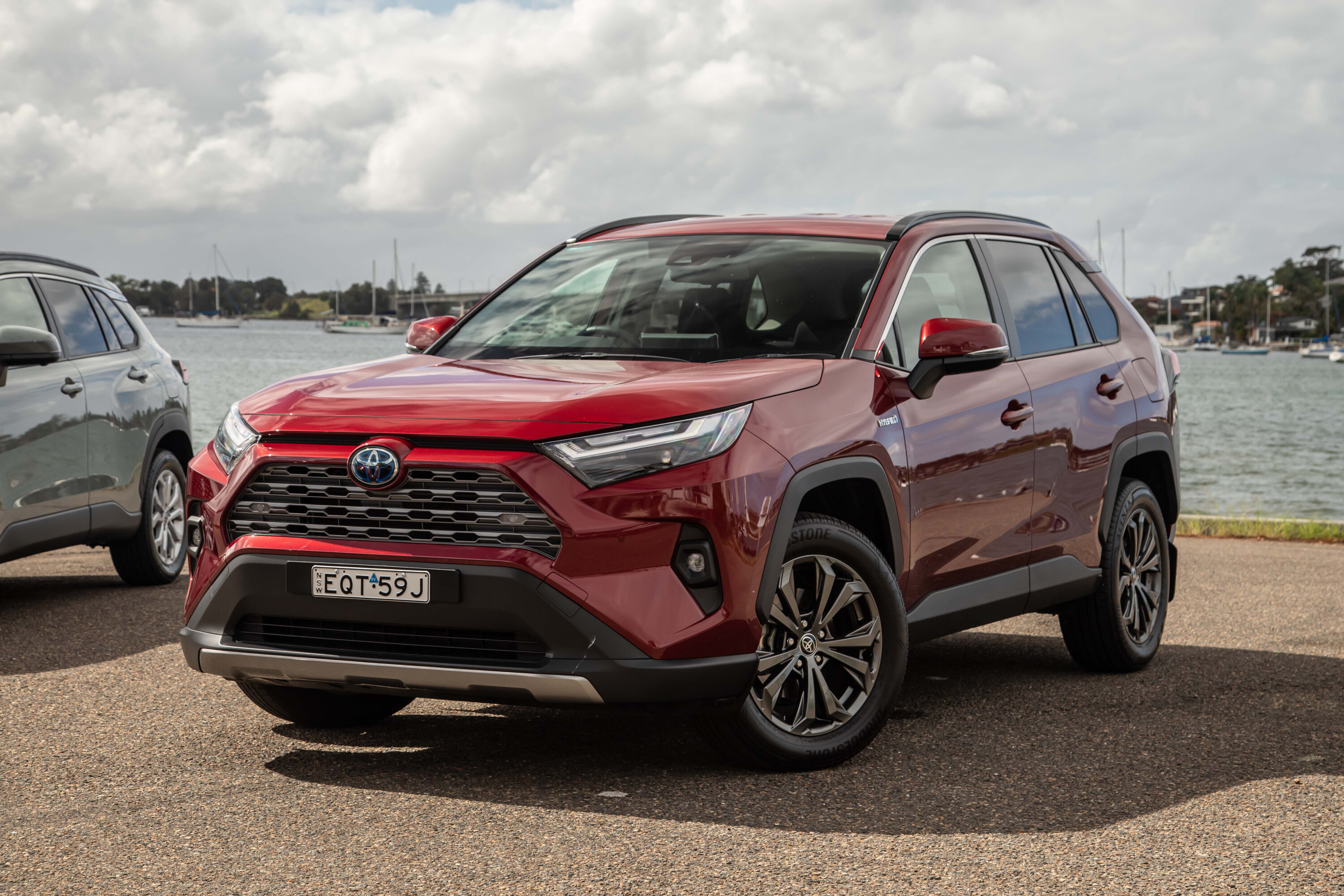
Toyota RAV4
The Toyota RAV4 was held back by supply constraints, but a production boost in the second half allowed it to places fourth with 29,627 sales (▼ from 34,845).
While the RAV4 retained its position as Australia’s best-selling SUV, it had a narrow lead over the smaller MG ZS and all-electric Tesla Model Y.
1
MG ZS
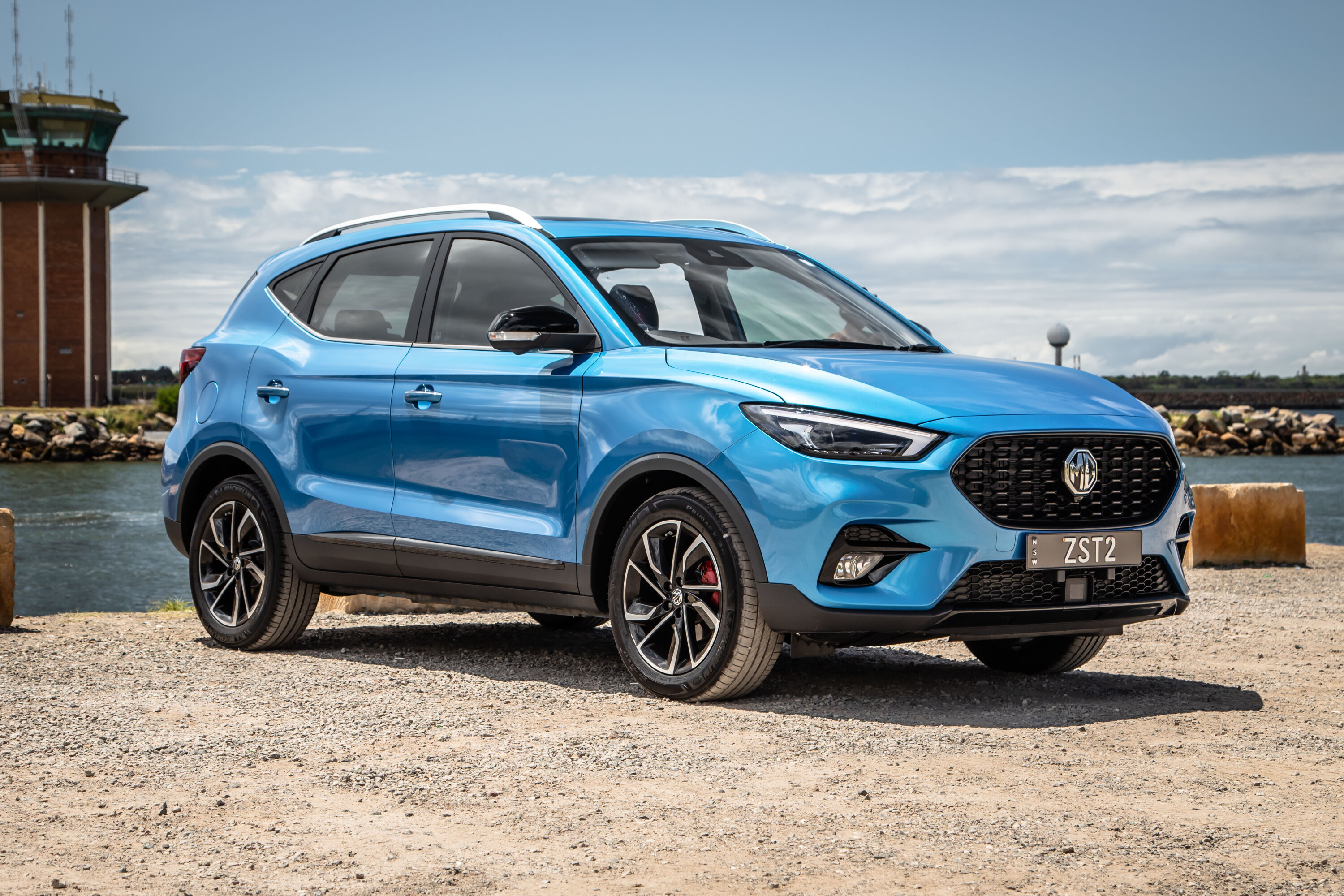
China’s MG ZS led the popular small SUV segment due to its popularity with fleet companies and affordable pricing.
In 2023, 29,258 examples of the ZS – including the ZST and ZS EV – were been registered in Australia (▲ from 22,466).
1
Tesla Model Y
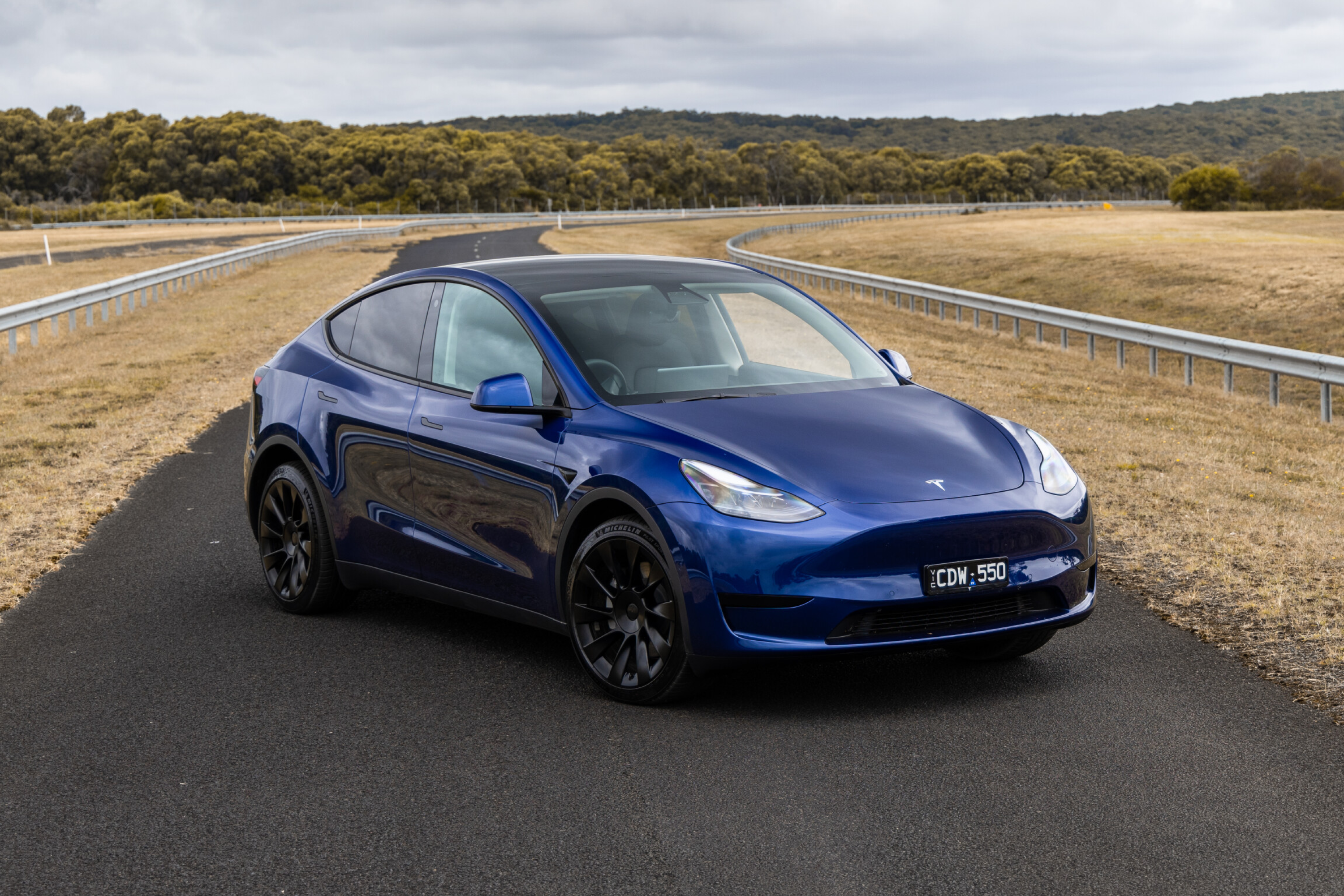
The all-electric Tesla Model Y had a bumper year, beating its Model 3 sedan sibling to become Australia’s top-selling electric vehicle.
In 2023, the mid-size electric SUV was Australia’s sixth best-selling car with 28,769 sales (▲ from 8717) – beating the popular Mitsubishi Outlander and Mazda CX-5.
1
Mitsubishi Outlander
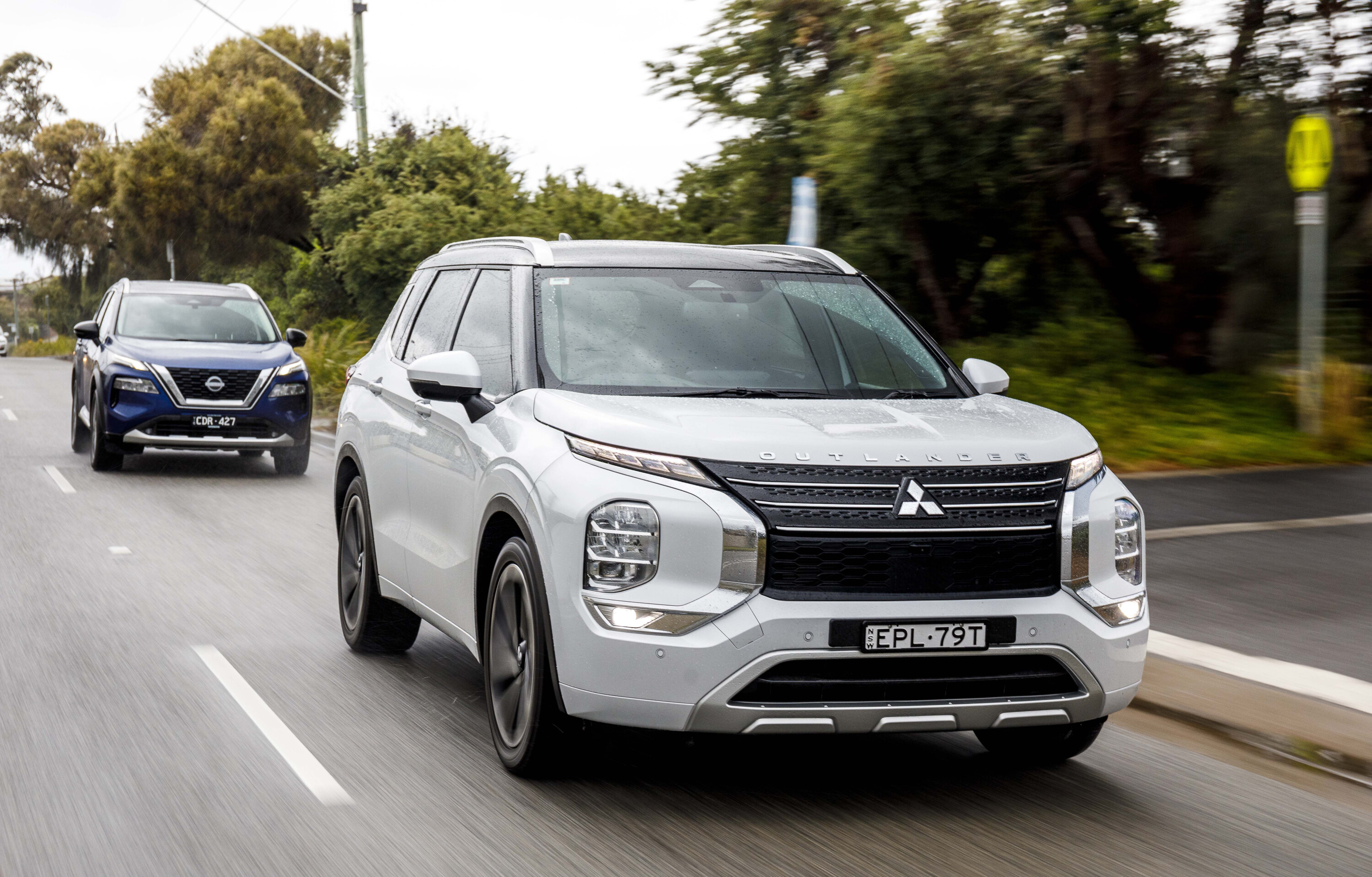
Mitsubishi’s latest-generation Outlander – first launched in 2021 – followed with 24,263 registrations (▲ from 19,546).
It was updated recently for model-year 2024 with a new paint colour, a permanent Black Edition variant, and a few safety improvements – but price rises up to $1800.
1
Mazda CX-5
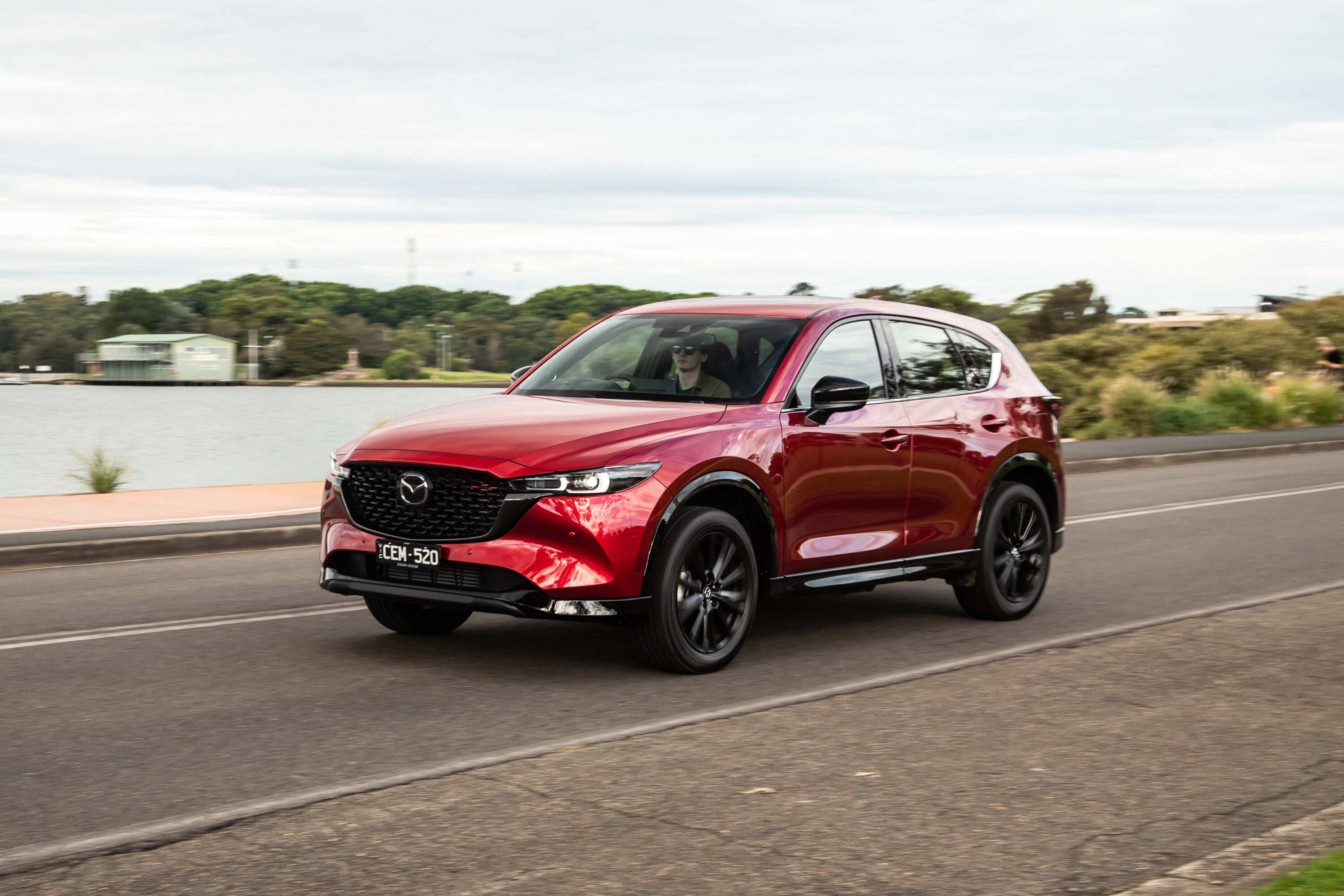
The Mazda CX-5 medium SUV followed with 23,083 sales (▼ from 27,062).
While a boost in unallocated supply at the start of 2023 helped the CX-5 to reclaim its former number-one spot in the mid-size SUV segment, it fell behind the supply-constrained Toyota RAV4 and Mitsubishi Outlander.
1
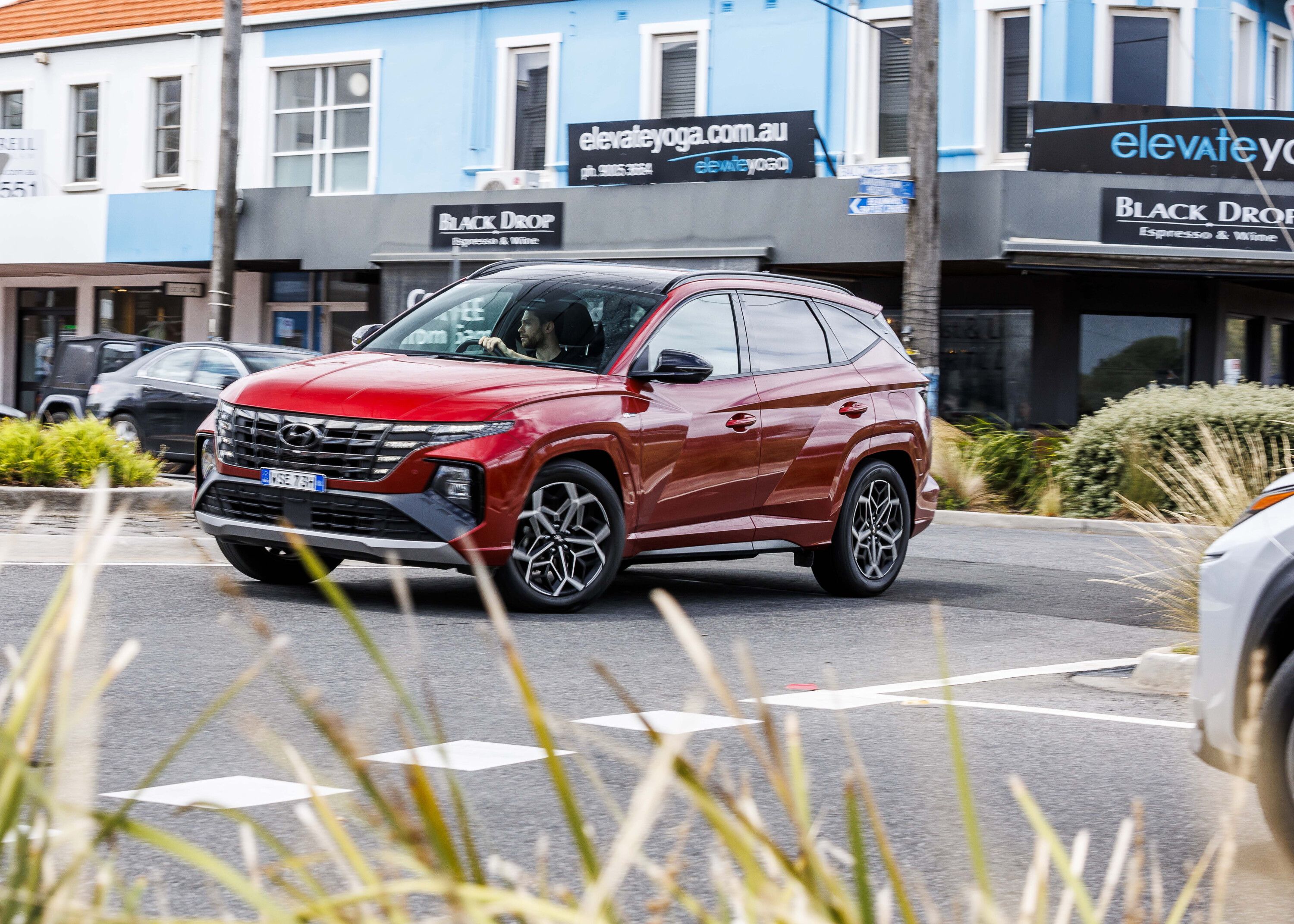
Hyundai Tucson
The Hyundai Tucson mid-size SUV placed ninth with 21,224 sales (▲ from 17,870).
It was outplaced by the Tesla Model 3 earlier in 2023, but a drop in sales for the electric sedan yet consistent demand for Hyundai’s RAV4 rival has seen it remain in the top 10 in Australia.
Currently available in petrol FWD, turbo-petrol AWD and diesel AWD forms, Hyundai has confirmed a hybrid Tucson will join the local line-up in mid-2024 at the same time as its mid-life facelift.
1
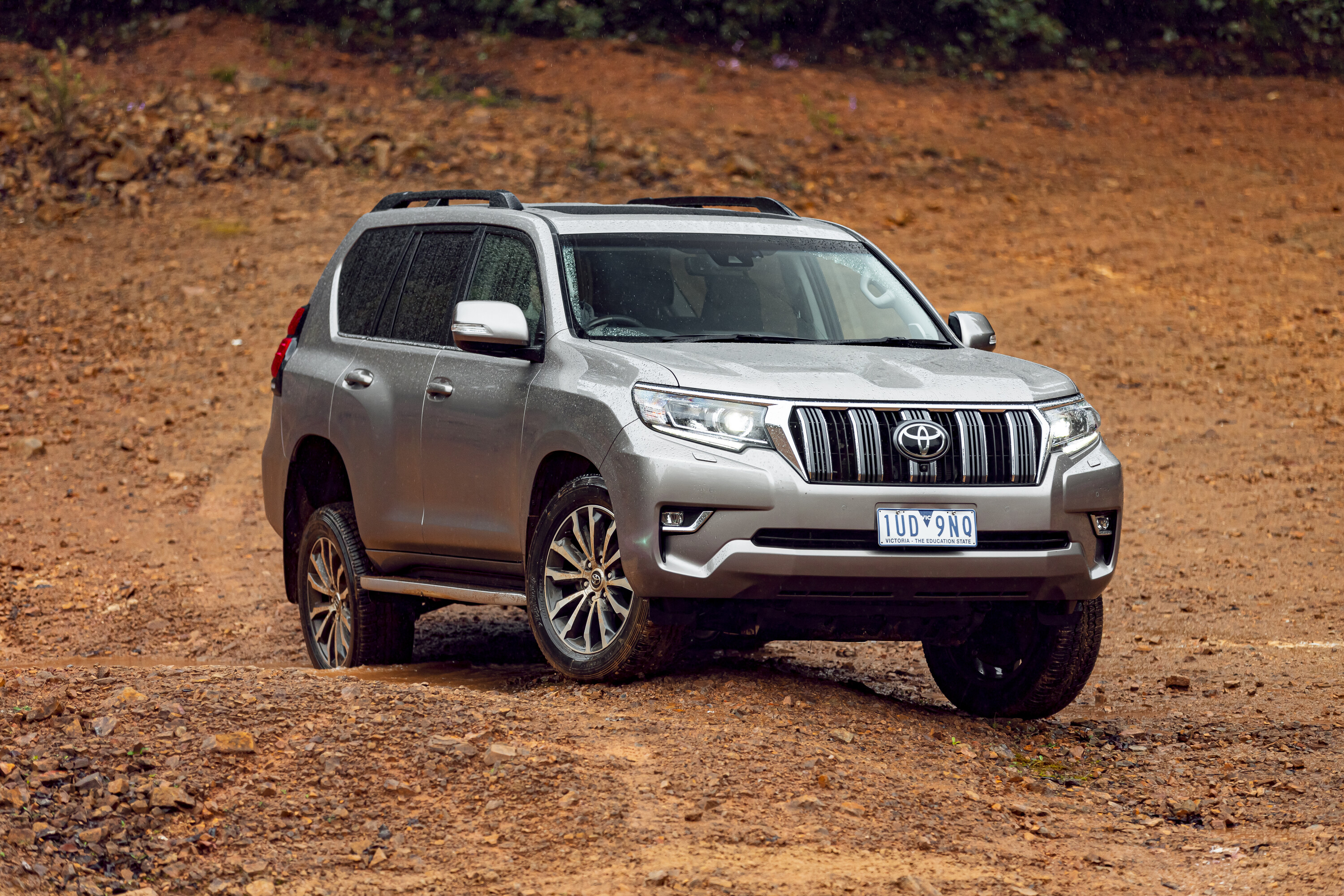
Toyota LandCruiser Prado
Australia’s top-selling large SUV, the Toyota Prado, kicked the Hyundai i30 out of 10th place in the final month of 2023.
It marks the first time a passenger vehicle hasn’t appeared in the Top 10 for annual sales in Australia, as buyers continue to favour larger SUVs.
Toyota sold 20,710 examples of the soon-to-be-replaced Prado in 2023, with the brand having high hopes the all-new model due in mid-2024 will further boost its success in Australia.
Snapshot
- Hyundai Kona receives four stars in ANCAP safety testing
- Result translated from December 2023 Euro NCAP test
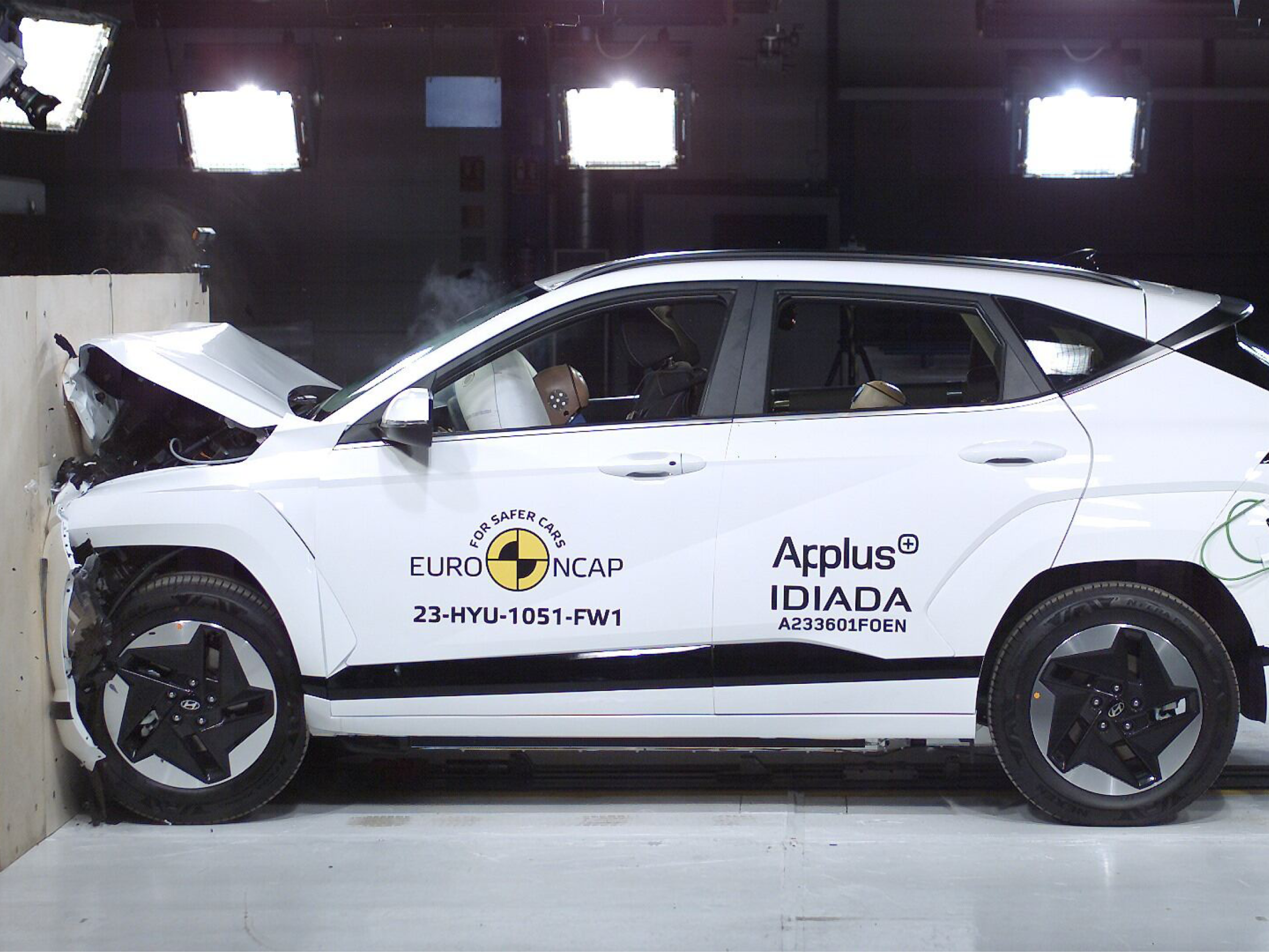
The Hyundai Kona has been awarded four stars by ANCAP, based on local active safety features and crash test results adopted from partner Euro NCAP.
The four-star rating applies to all Kona variants, including petrol, hybrid and electric, though it was the EV that was subject to destructive testing.
Its rating is derived from the four-star result published by European NCAP in December 2023, when executives said it was “lucky” not to get three stars.
ANCAP notes that the Kona’s test results were mixed, achieving five-star levels of Adult and Child Occupant Protection, but falling short against Safety Assist and Vulnerable Road User criteria.
The latest 2023 ANCAP protocols include heightened requirements for five stars. Penalty points have increased for vehicle-vehicle compatibility, higher scores are needed in Vulnerable Road User protection, and new features including a submergence check (in which the Kona was deemed non-compliant) are required.
Hyundai Australia declined to comment on the Kona’s four-star result.
1
Breaking down the score
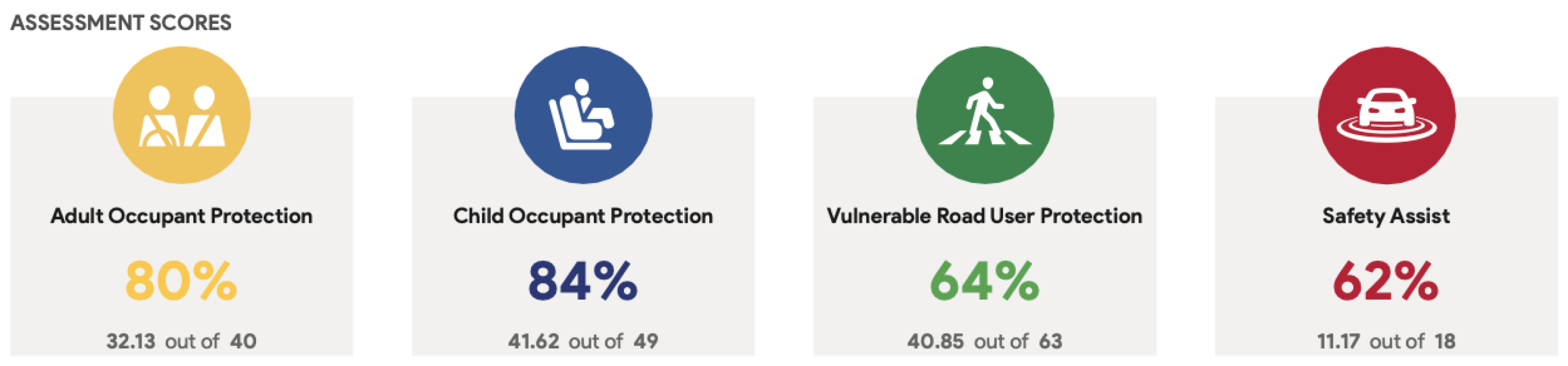
The Kona scored 80 per cent in Adult Occupant and 83 per cent in Child Occupant Protection, meaning its crashworthiness falls above the minimum standard (80%) for a five-star rating.
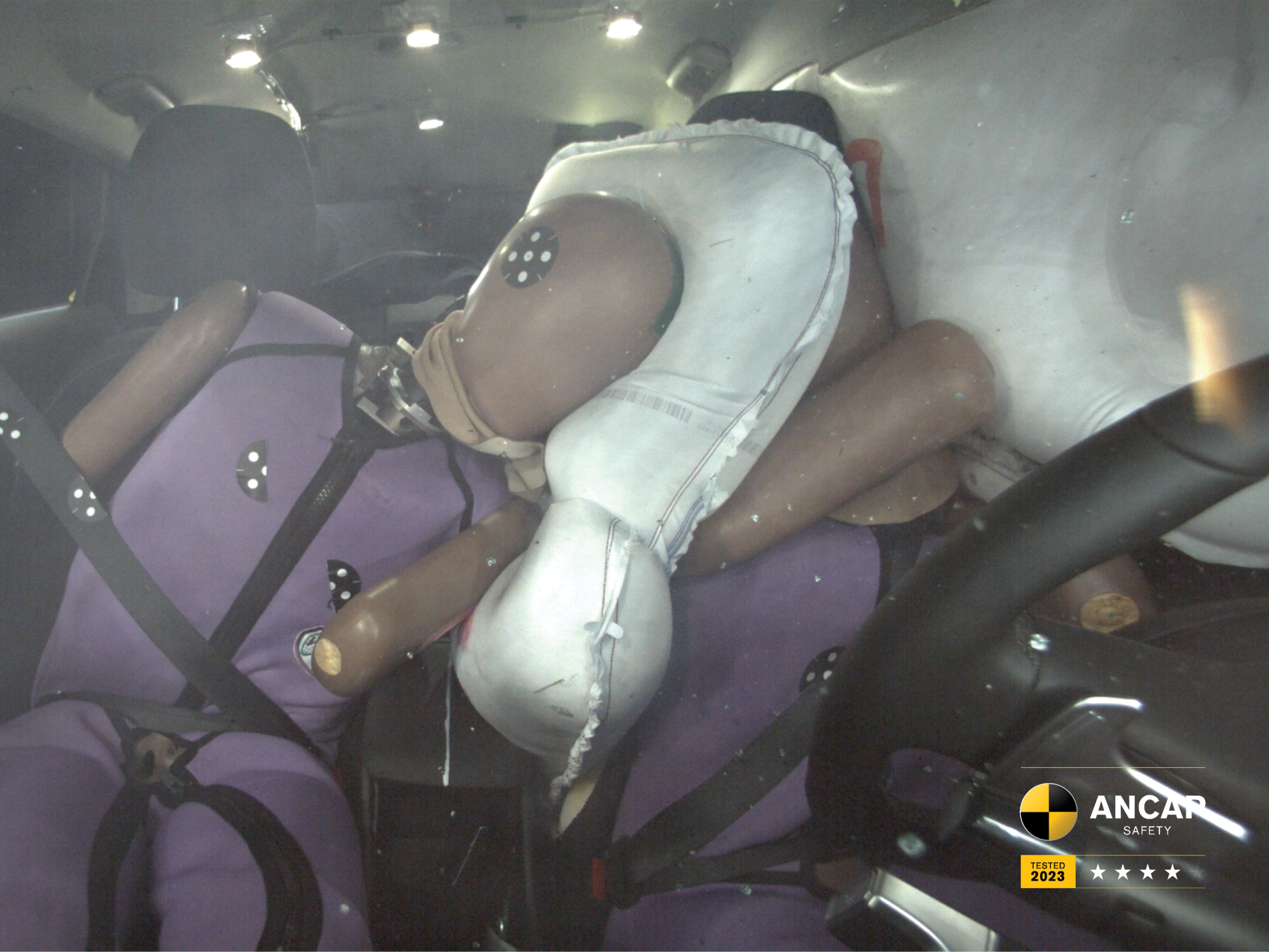
ANCAP noted that the Kona performed well in vehicle-vehicle crash compatibility, posing a low threat to other cars. It also scored highly in oblique pole and side impact destructive testing.
However, there were shortcomings for the driver, according to ANCAP’s report: “Protection of the driver’s chest in the full width frontal test was assessed as Weak.”
“The driver dummy was also observed to slip beneath the lap portion of the seatbelt in the full width test with crash forces transferred across the abdomen, and a scoring penalty applied for higher abdominal injury risk”, reads ANCAP’s report.
1
3
Ultimately it was the active safety systems that brought the Kona below ANCAP’s five-star threshold, with a 64 per cent rating against Vulnerable Road User criteria (the five-star minimum was upgraded from 60 to 70 per cent minimum for 2023 protocols) and 62 per cent in the Safety Assist area.
There was no single failure point knocking the Kona down in these tests. Instead, a number of ‘adequate’ scores in individual Safety Assist and Vulnerable Road User tests are what pushed the Kona into the four-star zone.
For Euro NCAP, a four-star safety rating is defined as: “Overall good performance in crash protection and all-round; additional crash avoidance technology may be present”.
ANCAP takes a stricter view, however, describing a four-star vehicle as one that “Provides an adequate level of safety performance yet fell short in one or more key assessment areas. May present a higher injury risk to occupants and/or other road users in certain scenarios or have a reduced ability to avoid a crash.”
The Kona is the latest in a series of less-than-five-star ratings from ANCAP under tighter testing protocols and follows zero-star results for the Mahindra Scorpio and MG 5 in December 2023.
Toyota says it will have good supply of its incoming BZ4x electric car, measured against what it expects of local interest – and it’ll be able to get more quickly if demand outpaces those expectations.
Speaking with Wheels Media, Toyota Australia sales boss Sean Hanley was upfront in saying that the BZ4x’s sales potential is “not going to be massive volume in year one”.
Asked for a number, Hanley said “I think around 1500, but we have the capacity and capability to increase that if the demand’s there”.
That number is a few hundred units shy of Kia’s 1831 EV6 sales in 2023, but well behind Tesla’s 28,769 Model Y sales.
Hanley expanded on the company’s view that, even though the BZ4x is coming later than planned, it will “enter that market in the phase of growth”. In 2023, EVs represented just over 7 per cent of all new car sales, and Toyota expects that to grow to 10 per cent in 2024.
| 2023 New car sales by fuel type | ||
|---|---|---|
| Diesel | 379,512 | 32.57% |
| Electric | 87,217 | 7.40% |
| Hybrid | 98,439 | 8.44% |
| Hydrogen | 6 | 0.00% |
| Petrol | 588,622 | 50.52% |
| PHEV | 11,212 | 0.96% |
| Table includes Passenger, SUV, Light Commercial segments | ||
“They’re growing (EVs). No doubt. They grew from three to seven per cent. It’ll probably go from seven to 10 per cent in the new year, right? No doubt,” Hanley said. “The great news is that we’re entering that market in the phase of growth.”
Hanley said the BZ4x will be a crucial step into a new space for Toyota in Australia, along with even more hybrids and – finally – plug-in hybrids (PHEV) “probably by the second half of the decade”. The company also has the Mirai hydrogen fuel cell vehicle (FCEV), although it remains a strictly limited, lease-only offering to approved customers.
“So our multi-pathway strategy has not altered. We’ll just have a choice and we’ll be able to provide cars to customers that are capable, affordable, and practical,” Hanley said. We detailed the company’s position on hybrids in this earlier story.
RAV4 Hybrid to BZ4x EV: The obvious upgrade?
Maybe, but not especially so, says Hanley
Asked if the BZ4x represents an obvious upgrade for RAV4 Hybrid owners, on its green credentials and cost-saving potential, Hanley said “I think there are (BZ4x buyers in the RAV4 Hybrid market), “but there’s a very different price and positioning structure to both those vehicles and ultimately that will play a role”.
One obvious barrier is that the BZ4x will likely start somewhere around $65-$70k, like most rivals in the segment, whereas the RAV4 Hybrid kicks off from just over $40k – although buyers tend to opt for the higher-grade XSE and Cruiser trims at close to and just over the $50k mark.
To address that, Hanley says the brand is “looking at [BZ4x] slightly different to the norm,” with plans to offer a full-service lease model to those who want such a package, beyond the basic option to buy the vehicle outright.
Toyota Finance Australia will provide the all-inclusive lease – not its Kinto car-rental service – and cover “rego, insurance, service, roadside assist and [Toyota Connected Services] connectivity” for the life of the lease. The lease, to be paid monthly, will also include tyre replacement.
“We’re looking at the whole of life costing and the risks involved in buying a BEV and offering customers a solution that takes that risk of resale, and what it’s worth after two or three years, out of the equation,” he said.
“Because one of the things we’re seeing in Europe, China and to some degree in the US, is resale values for BEV is becoming quite challenging and it’s getting very difficult to sell second hand BEVs.”
Buyers should note that resale values vary by market, but it’s true that in general, EVs generally depreciate faster than conventional vehicles – but some EV values are on par with petrol and diesel models, if not better. We’ve covered this in detail in the story linked below.
“This is an education piece.”
“It takes a long time to educate a market,” Hanley said, explaining why the brand is taking this step.
“It’s incumbent on us to educate the market. But also to show the market, what are the benefits of BEV and how do we take the risk out of BEV? One of the greatest risks they have now is around [charging] infrastructure, range, practicality and affordability. How do we, in the short term, get rid of that risk as best we can?”
Current EV owners would argue that while frustrating at times, Australia’s public charging infrastructure is only growing, while home charging means most buyers – those with access to such an option – rarely need to charge anywhere else.
“A BEV, in the whole, is still far more expensive to make”
Detractors, those who need or prefer vehicle types not currently catered to in the EV space, would obviously agree with Hanley.
“But you’ve got to understand that a BEV, in the whole, is still far more expensive to make than a hybrid vehicle or conventional vehicle, so when you asked the question about movement from RAV4 Hybrid to BEV, yes there will be some. It won’t be big, though, because the position is quite different.”
The big question, of course, is whether Toyota will ever dominate EV sales the way it currently dominates the overall market through its petrol and petrol-electric range.
Hey, we get it. With dozens of news and review stories published each week, it can be hard to keep up with all the latest in the automotive world.
Obviously we reckon every story we run is a banger, but if you’re looking for the highlights reel, this is it. Read on and click away!
The New Large SUVs Coming in 2024
Toyota Prado, Hyundai Santa Fe and Skoda Kodiaq are among the new-generation large-SUV big-hitters for 2024.
Toyota caught between a hybrid and a hard place
Toyota has repeatedly said it will have a strong EV line-up available in the next few years, but hybrids remain a top priority – will it stay on top of the market?
Guide: Are EVs good for towing?
Towing with an EV is certainly possible, but there are some compromises and challenges.
Last-ish HSV GTS-R W1 sells for $350k!
One of the last great V8 HSVs has sold for $350,888 at auction.
Hyundai’s Kona EV gets solid pricing
Hyundai Australia delivers a sharper entry price for larger, second-generation Kona Electric, available in two grades with standard or extended-range options.
Isuzu D-Max getting a hybrid option?
48-volt mild-hybrid power is on its way to D-Max and MU-X, according to a Thai magazine.
Chery adds more power for Omoda 5
China’s Chery Omoda 5 small SUV receives more equipment, plus promised 1.6-litre turbo and AWD options.
REVIEW: Peugeot’s compact E-2008 SUV driven
Peugeot’s fully electric compact SUV comes at a premium price.
Australia’s favourite EVs in 2023
The results are in: Australians purchased more EVs than ever in 2023 and Tesla ruled the roost.
The rise of Chinese cars in Australia
The remarkable rise of Chinese-built cars continues, courtesy of MG, GWM, LDV … though also Tesla and Volvo.
New recall notices have been issued, affecting Nissan, Land Rover and Volvo vehicles.
The details of each recall, as published, are posted below.
1
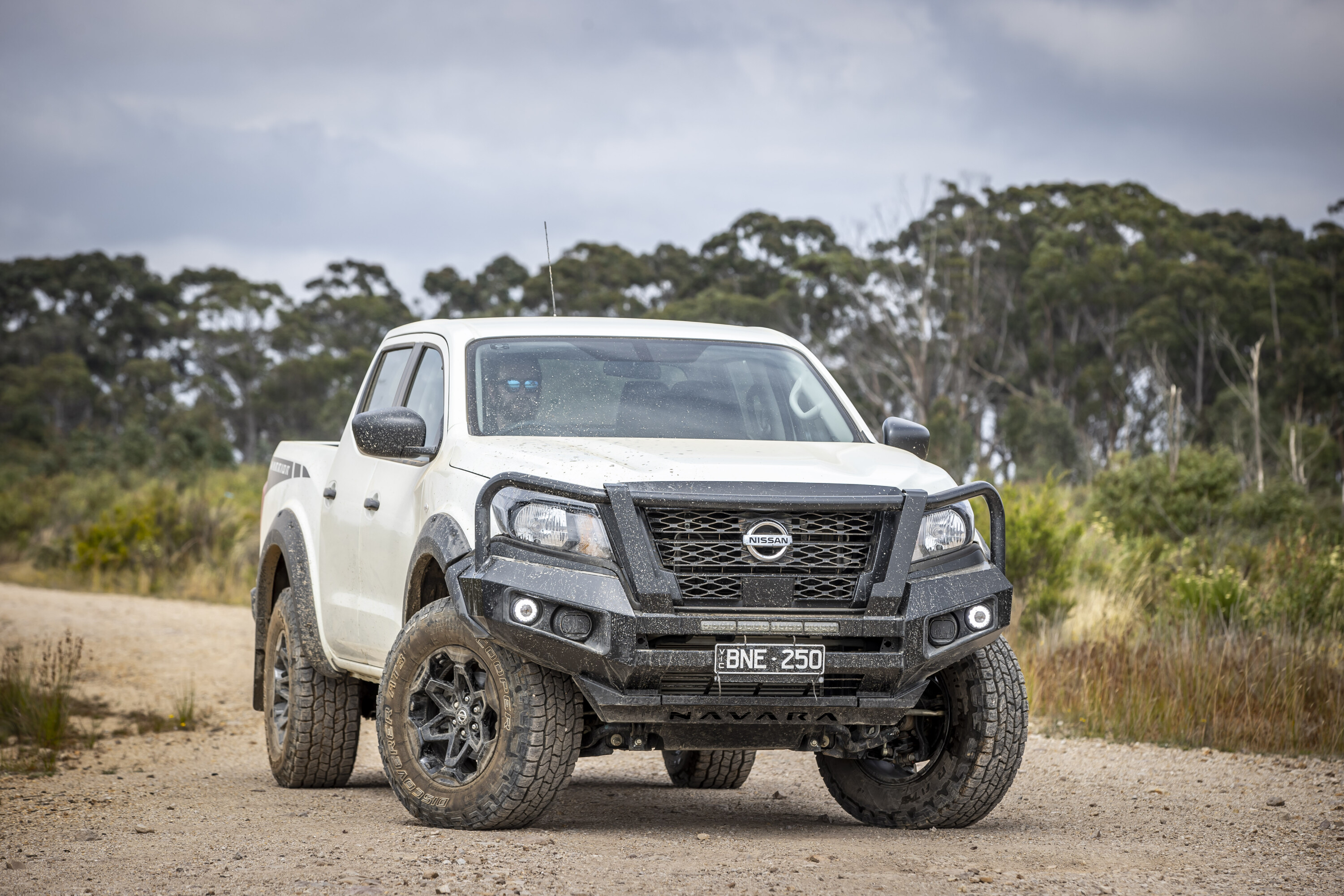
Recalls: 2021-23 Nissan Navara SL Warrior and Pro-4X Warrior
- Recall number: REC-005863
- Campaign number: PW231
- Original published date: 9 January 2024
- Year range: 2021 – 2023
- Variants: All variants within this model
- Affected units: 4337
- List of affected VINs (.csv file) [↗]
What are the defects?
The jack provided with the vehicle does not meet the Australian Consumer Product Safety Standard and may fail to lift the front axel high enough to change the tyres.
What are the hazards?
There is no safety hazard and the defect will not affect the performance of the vehicle.
What should consumers do?
The owners / operators should contact their local Nissan dealer for instructions of action to be taken, including rectification of the issue.
Supplier details
PREMCAR PTY LTD
Who should owners/operators contact for more information?
Nissan Australia
- Contact phone: 1800 035 035
- Contact website: premcarwarrior.com.au/ [↗]
- Contact email: [email protected] [↗]
1
- Contact phone: 1800 035 035
- Contact website: premcarwarrior.com.au/ [↗]
- Contact email: [email protected] [↗]
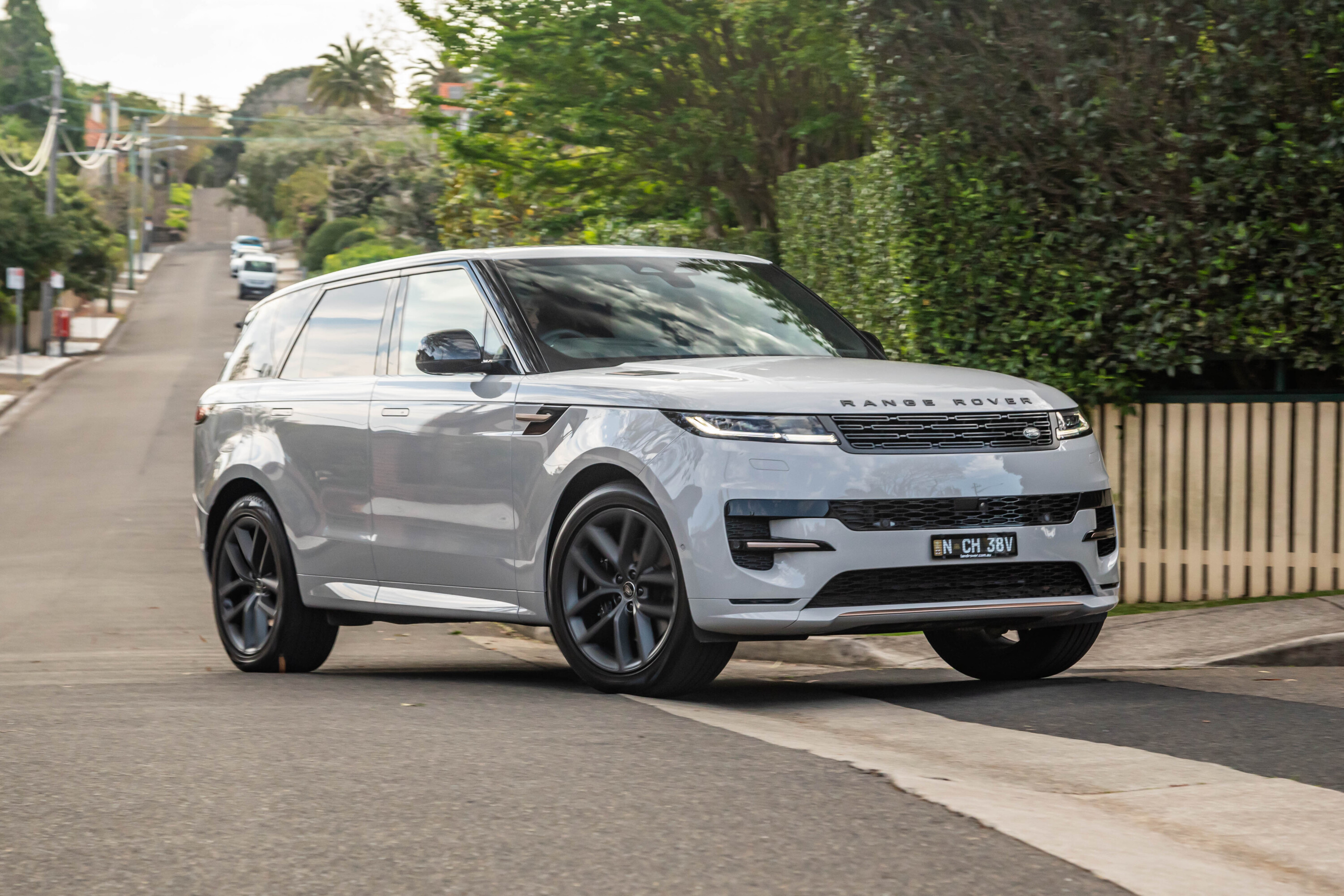
Recalls: 2022 Range Rover Sport
- Recall number: REC-005870
- Campaign number: N830
- Original published date: 11 January 2024
- Year range: 2022
- Affected units: 465
- List of affected VINs (.csv file) [↗]
What are the defects?
Due to a manufacturing defect, the right-hand tailgate and body mounted rear lamps may not be sealed sufficiently allowing moisture to enter the lamps. As a result, the reverse, brake/stop and indicator lamps may not illuminate as intended.
What are the hazards?
Loss of reverse, brake/stop and indicator lamp system functionality could increase the risk of an accident, causing serious injury or death to vehicle occupants and/or other road users.
What should consumers do?
Owners of affected vehicles will be contacted by Jaguar Land Rover, and are asked to take their vehicle to an authorised Jaguar dealer and have the right-hand tailgate and body mounted lamps replaced, free of charge.
Supplier details
JAGUAR LAND ROVER AUSTRALIA PTY LTD
Who should owners/operators contact for more information?
Land Rover Customer Relationship Centre
- Contact phone: 1800 625 642
- Contact email: [email protected] [↗]
- Contact phone: 1800 625 642
- Contact email: [email protected] [↗]
Recalls: 2023 Range Rover and Range Rover Sport
- Recall number: REC-005871
- Campaign number: N837
- Original published date: 11 January 2024
- Year range: 2023
- Affected units: 11
- List of affected VINs (.csv file) [↗]
What are the defects?
Due to a manufacturing defect, the vehicle body frame may have poor adhesion with the fixed panels. As a result, it may lead to a reduction of structural integrity.
What are the hazards?
In the event of a rear end collision there is a risk the fuel system will be damaged and fuel may leak. A fuel leak will increase the risk of a vehicle fire increasing the risk of injury or death to vehicle occupants or bystanders and/or damage to property.
What should consumers do?
Owners of affected vehicles should contact their preferred Jaguar Land Rover authorised dealer to have the repair carried out, free of charge.
Supplier details
JAGUAR LAND ROVER AUSTRALIA PTY LTD
Who should owners/operators contact for more information?
Land Rover Customer Relationship Centre
- Contact phone: 1800 625 642
- Contact email: [email protected] [↗]
1
- Contact phone: 1800 625 642
- Contact email: [email protected] [↗]
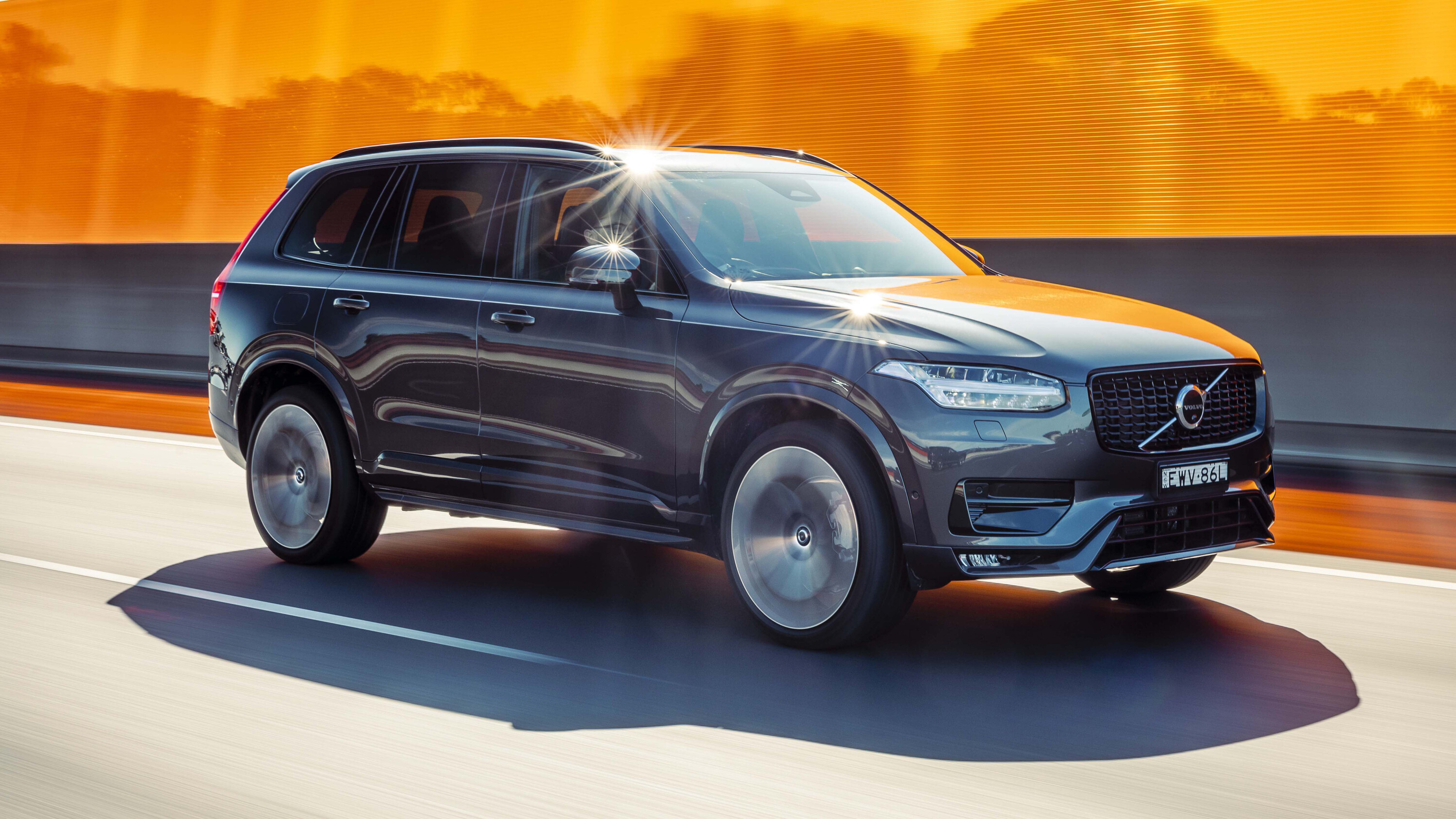
Recalls: 2015-23 Volvo XC90
- Recall number: REC-005861
- Campaign number: R10259
- Original published date: 3 January 2024
- Year range: 2015 – 2023
- Variants: All variants within this model
- Affected units: 115
- List of affected VINs (.csv file) [↗]
What are the defects?
Due to a manufacturing defect, the second-row seat belt buckle and lower anchor screw may become loose. As a result, the seat belt may not operate as intended.
What are the hazards?
In the event of a collision if the seat belt does not operate as intended, the occupant of that seat may not receive the full protection of the seatbelt system and this could increase the risk of injury or death to vehicle occupants.
What should consumers do?
Volvo Australia will contact owners of affected vehicles in writing. Owners can also contact their authorised Volvo dealer and make an appointment to have the repairs carried out, free of charge.
A list of Volvo dealers can be found at https://www.volvocars.com/au/dealers/find-dealer [↗].
Supplier details
Volvo Car Australia
Who should owners/operators contact for more information?
Volvo Car Australia Customer Care Centre
- Contact phone: 1300 787 802
- Contact website: volvocars.com.au/ [↗]
- Contact email: [email protected] [↗]
- Contact phone: 1300 787 802
- Contact website: volvocars.com.au/ [↗]
- Contact email: [email protected] [↗]
More links to help you with your car recall
- What is a recall?
- What to do if your car is recalled
- Why a car recall isn’t all bad news
- What is a vehicle identification number (VIN)?
- All ANCAP & vehicle safety stories
Lexus has revealed a high-power concept version of its new LBX light SUV at Tokyo Auto Salon 2024.
Snapshot
- Lexus reveals high-performance light SUV with GR Yaris powerplant
- Not for production just yet, says Lexus, but crazier cars have been built
Though typically associated with value-oriented luxury and reliability, Toyota’s luxury spin-off has had a few massive performance hits over the years – the IS F, GS F, and stunning V10 LFA all come to mind.
On show at Auto Salon is a concept version of the brand’s new LBX light SUV fitted with GR-Four all-wheel drive and the 224kW ‘G16E-GTS’ turbo three-cylinder heart of the facelifted GR Yaris.
That’s more than twice the power of the 100kW hybrid LBX, so if the Morizo RR ever does come to fruition it’ll need a serious chassis and body makeover.
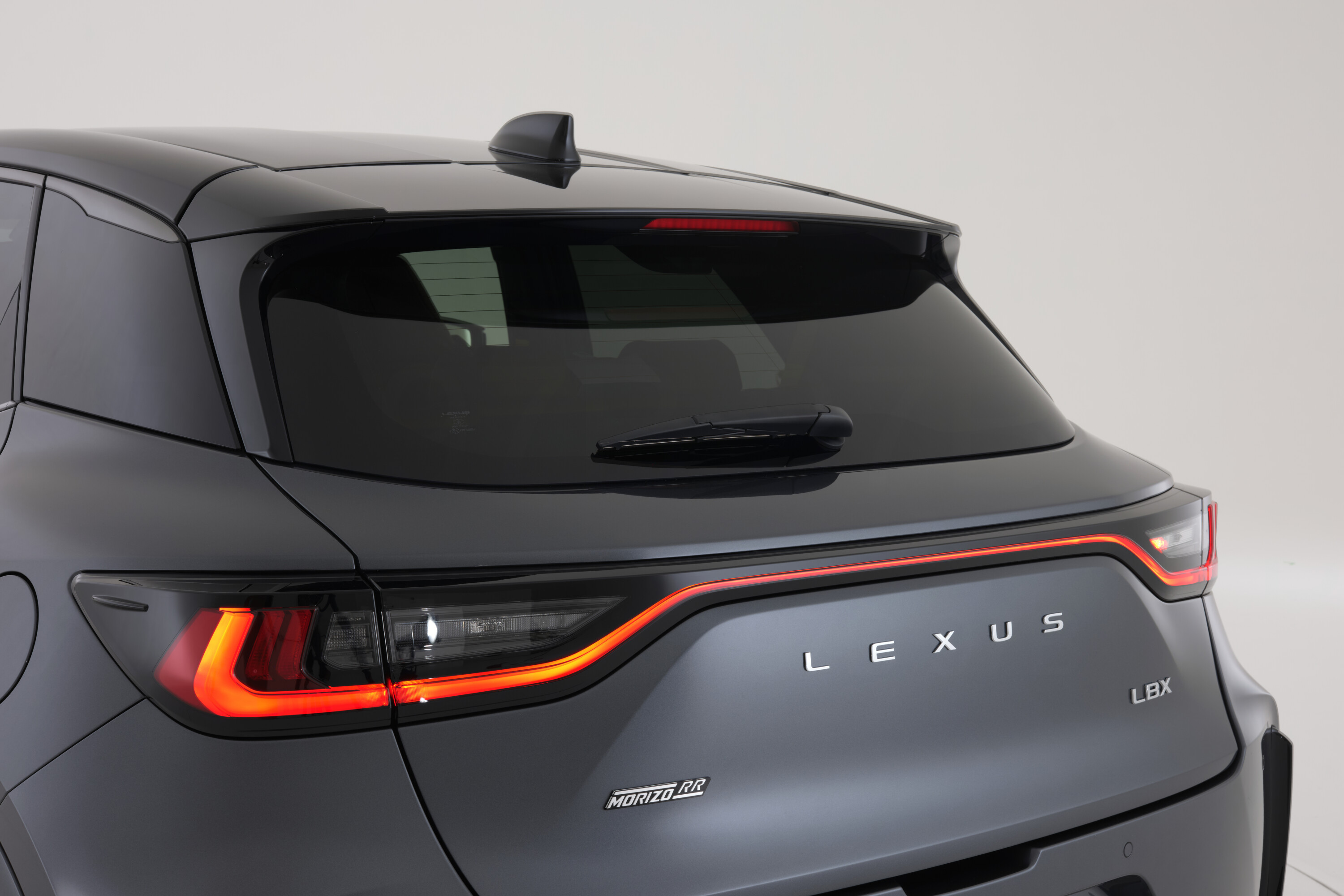
1
While the LBX Morizo RR remains a concept for now, rival manufacturers including Audi with the RSQ3, BMW with the X1 M35i, and Mercedes-AMG with the GLA 45 have proven this recipe can be successful.
The Sonic Chrome-coloured LBX RR Morizo was the brainchild of Akio Toyoda (his nickname being Morizo) who wanted a practical, luxurious Lexus in his garage that was still fun to drive.
It wears bespoke front and rear clips with larger intakes to feed the powerful three-cylinder engine and cool its new eight-speed automatic transmission.
The wheel arches have been pumped to house the 19-inch alloy wheels which hide yellow brake calipers. The Morizo RR sits 10mm lower than a standard LBX to improve handling and aero.
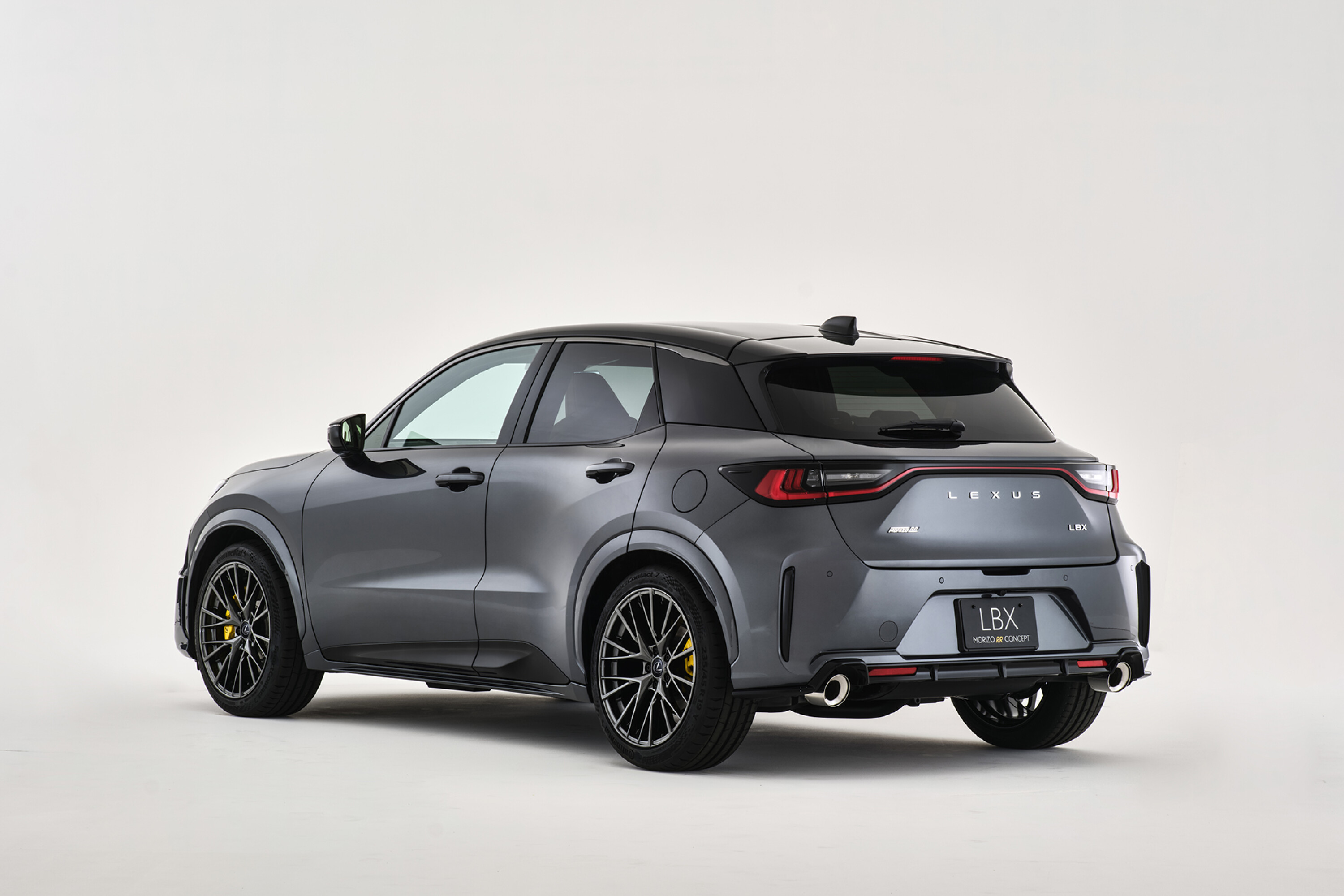
1
Like the GR Yaris, the LBX Morizo RR concept uses double wishbone rear suspension design rather than the base front-drive car’s torsion beam setup.
Lexus has not confirmed the LBX for production, but it has produced more outlandish vehicles in the past.
Leave your thoughts on the high-performance Lexus SUV in the comments below.
MORE
Everything Lexus
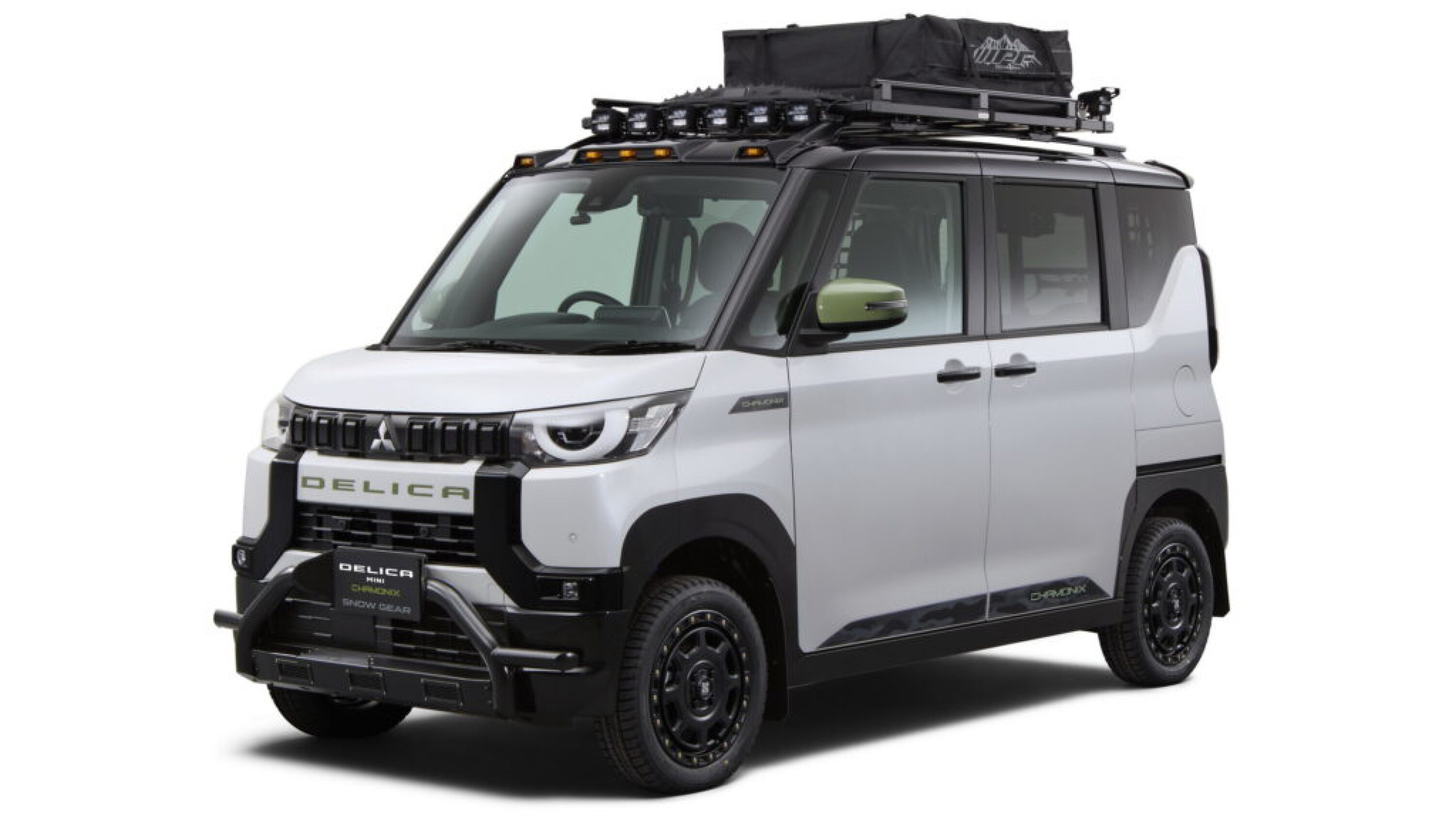
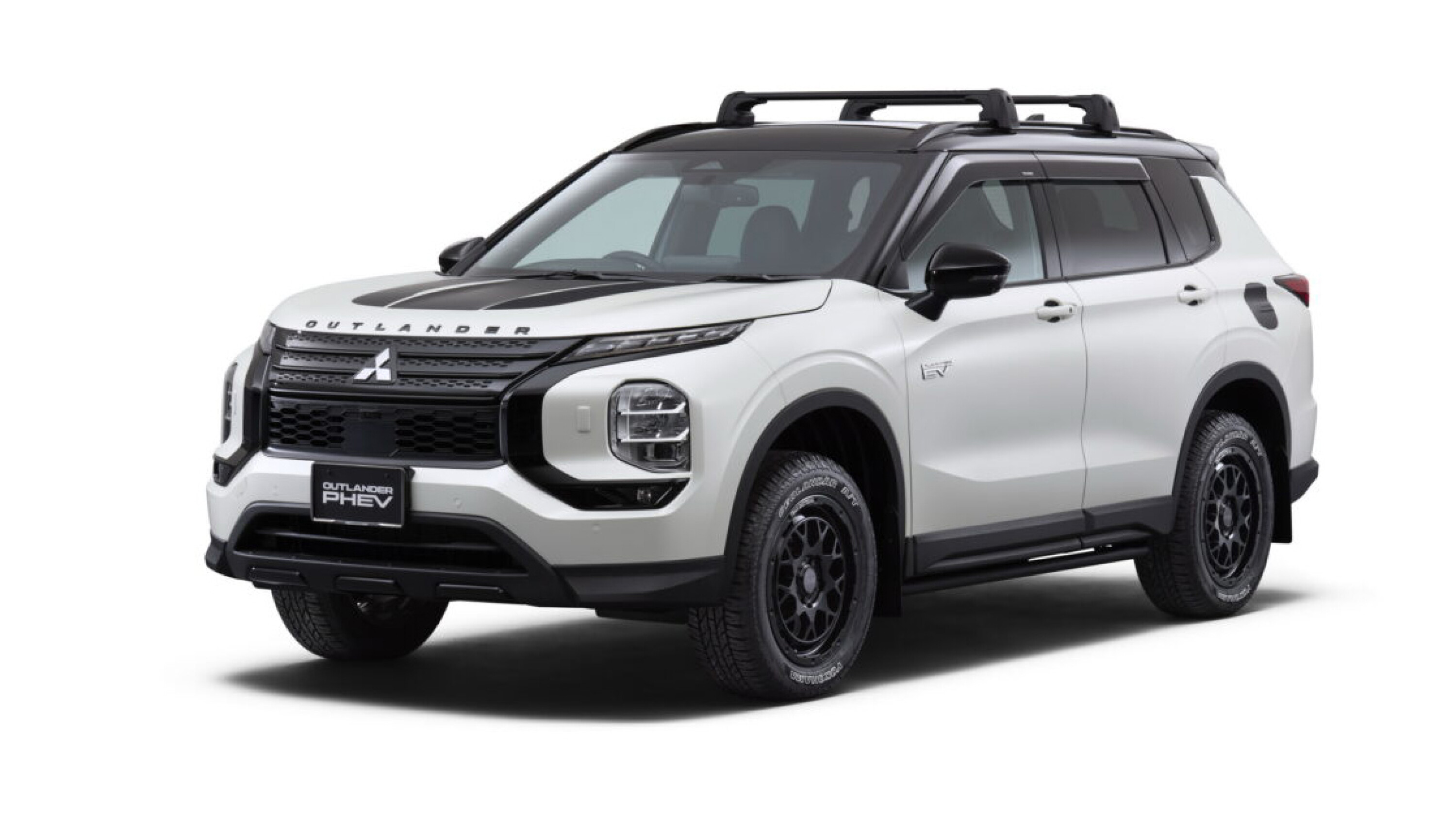
A mean Mitsubishi ‘Triton Snow Shredder’ has debuted at this week’s Tokyo Auto Salon, offering aspiring buyers a look at how their new hero ute could be made to look after it arrives in the coming weeks.
There aren’t many details, or even any more official photos, but the obvious tweaks include a snorkel, LED light bar, a steel bumper up front with a bash plate beneath, rock sliders at the sides, a cargo unit at the rear, bead-lock wheels and largely cosmetic wheel flares above slightly wider guard cladding.
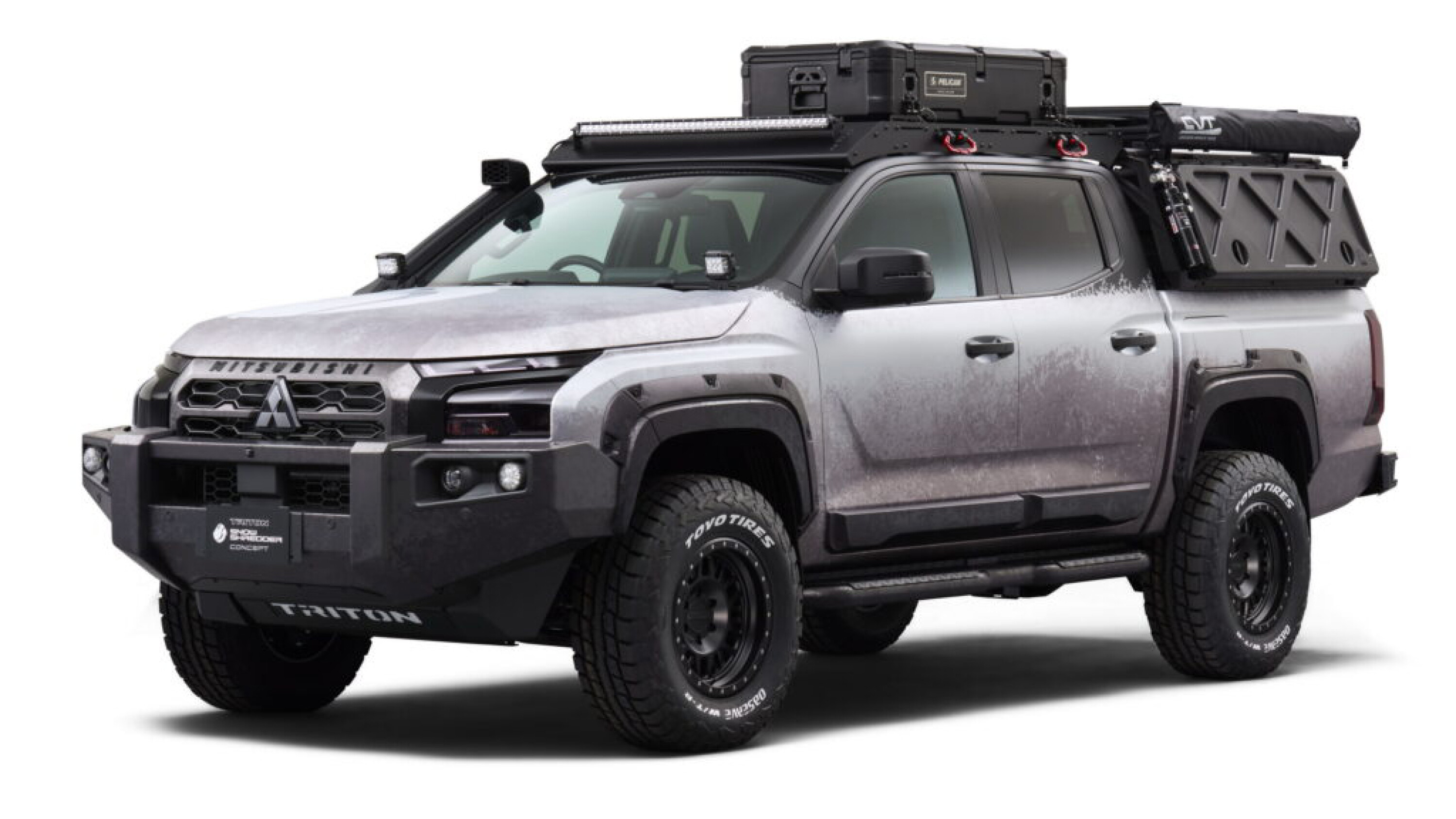
1
The brand hasn’t made any comment on whether any of these items will appear as genuine accessories, but we’d be keen to see just about all of it in the Mitsubishi catalogue.
Of course, plenty of TJM accessories have already been showcased, so there’s always that option.
A number of other off-road-styled Mitsubishis have been shown as well, with the Delica unquestionably the most capable in the pack – although I’m very into that Delica Mini.
Check them out below. Which do you like the most?
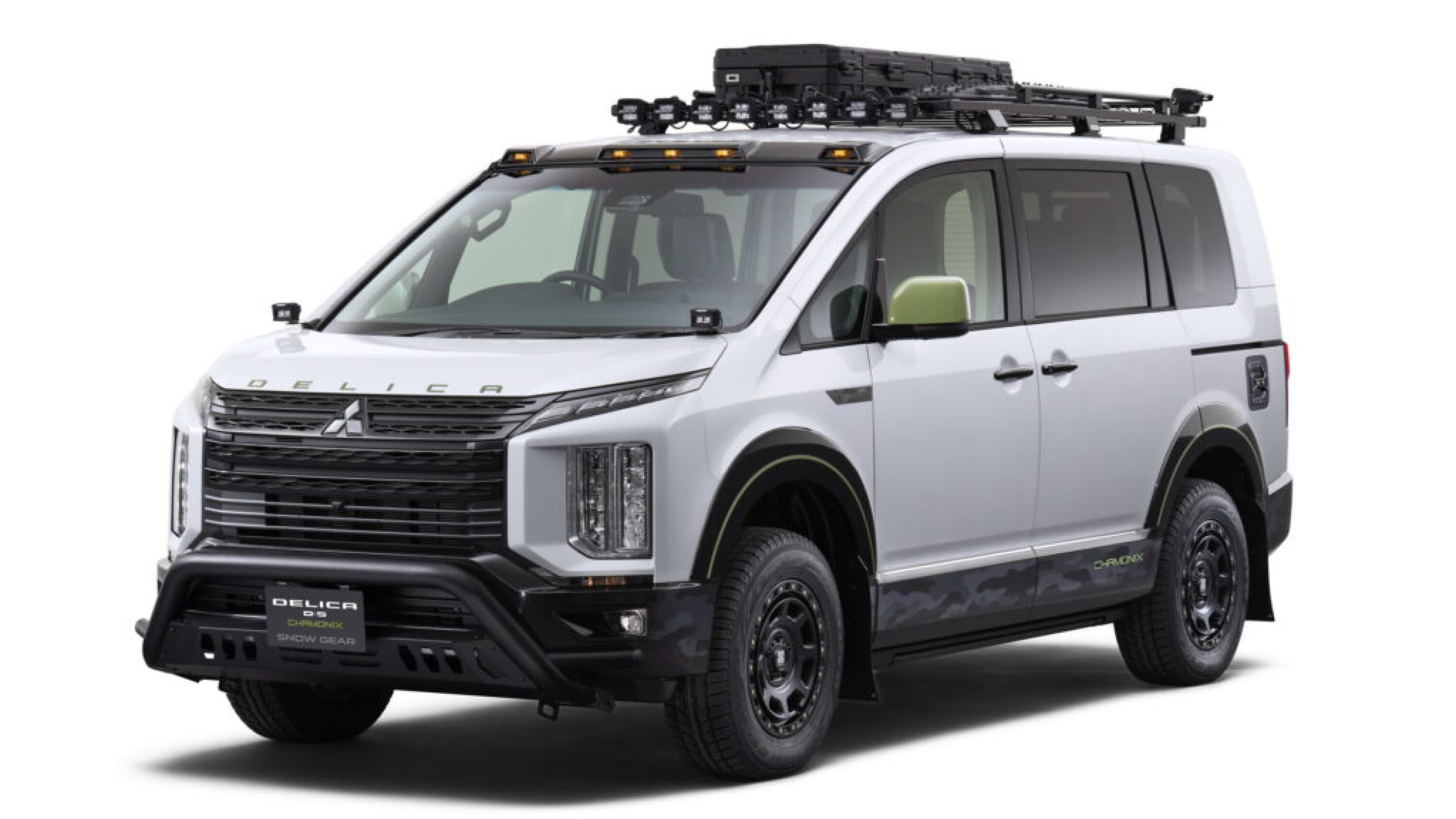
1
1
1
