
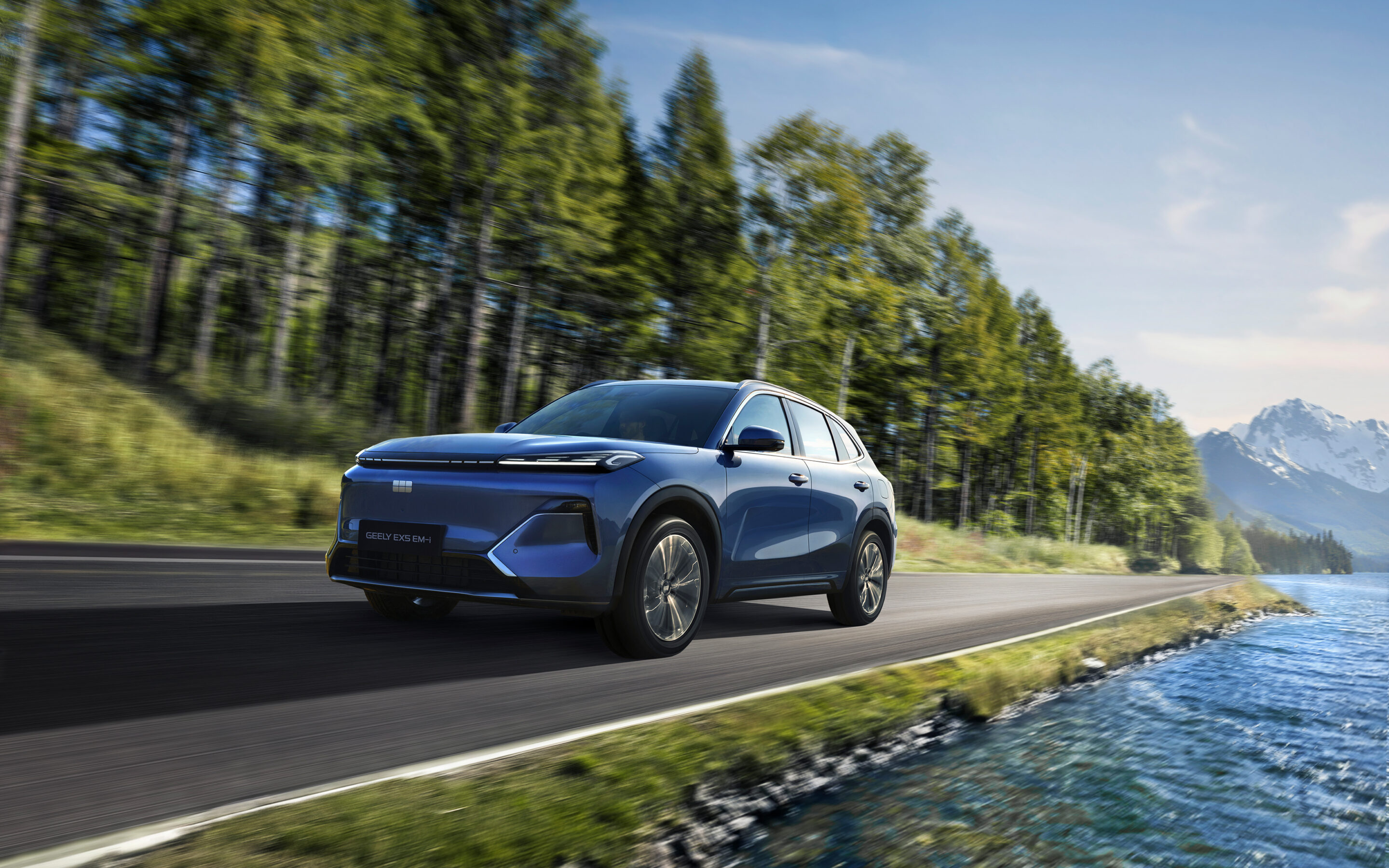
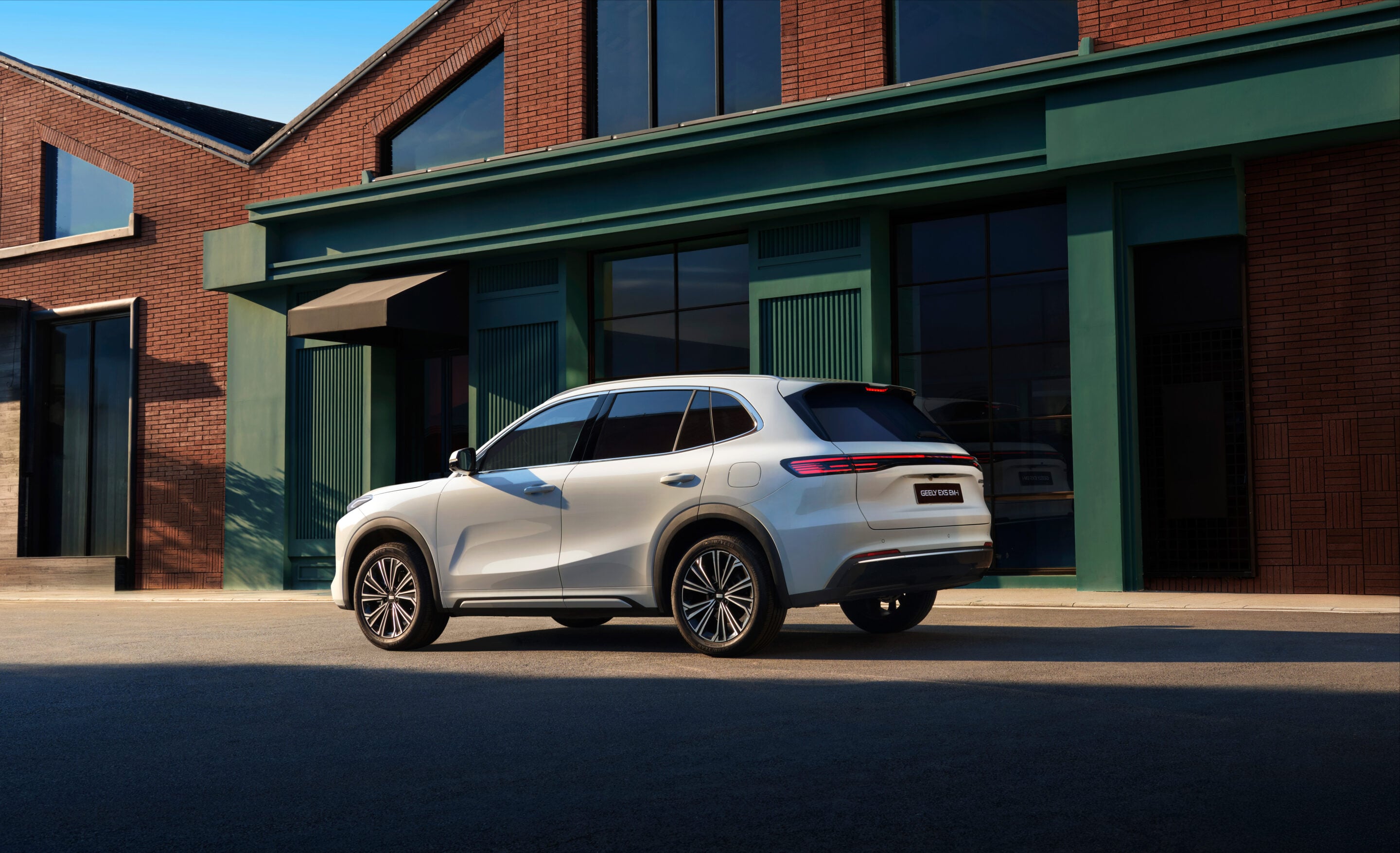
Geely has launched its one of the cheapest plug-in hybrid SUVs in Australia, unveiling the EX5 EM-i – marketed in Australia as the Starray EM-i.
Deliveries will begin on October 1, 2025, with the entry-level Complete grade priced from $37,490 before on-road costs.
To entice early buyers, Geely is rolling out a ‘Premium Offer’, which includes either a 3.88 per cent comparison finance rate or three years (45,000km) of complimentary scheduled servicing. The deal also bundles a Mode 2 home charging cable and premium paint at no extra cost.
Customers who finalise their orders by September 30 and take delivery before November 30 will receive an additional incentive: a discount matching their deposit contribution of up to $1,000.
The debut marks the beginning of a global rollout, with launches confirmed for Poland, Indonesia, Thailand and Mexico before the end of 2025.
Powered by Geely’s EM-i Super Hybrid System, the Starray EM-i pairs a 1.5-litre petrol engine with a 160 kW electric motor. Together, they deliver up to 943 kilometres of total range (NEDC) and 83 kilometres of pure electric driving (WLTP). With a combined fuel consumption of 2.4L/100km and electricity use of 14.7kWh/100km, the system is engineered to minimise running costs while maximising efficiency.
Built on the company’s new Global Intelligent Electric Architecture (GEA), the SUV features a lightweight, highly efficient 11-in-1 hybrid drive unit – the first of its kind – along with a thermal efficiency rating of 46.5%.
Inside, the Starray EM-i highlights space and versatility. A long 2755mm wheelbase and 84.3 per cent space efficiency allow for a roomy cabin, complemented by more than 30 smart storage solutions. Boot capacity starts at 428 litres, expanding to 2065 litres with the rear seats folded. Comfort is enhanced with ergonomic nine-layer seat cushions offering heating and ventilation.
Geely’s design has already drawn global recognition, with the Starray EM-i winning the Red Dot Design Award, the Italian A’ Design Award, and the MUSE Design Platinum Prize.
Technology takes centre stage with the Flyme Auto intelligent cockpit, featuring a tri-screen setup that includes a 15.4-inch central display, a 10.2-inch instrument cluster, and a 13.8-inch head-up display. A premium 16-speaker Flyme Sound system with a 1000W amplifier and headrest speakers delivers cinema-grade audio, while dedicated modes adapt sound profiles for different driving situations.
Safety remains central to Geely’s pitch. The SUV integrates active driver-assist features such as lane departure warning, collision mitigation, lane-change assist and rear cross-traffic warning. A reinforced battery safety system and six-airbag configuration further bolster occupant protection.
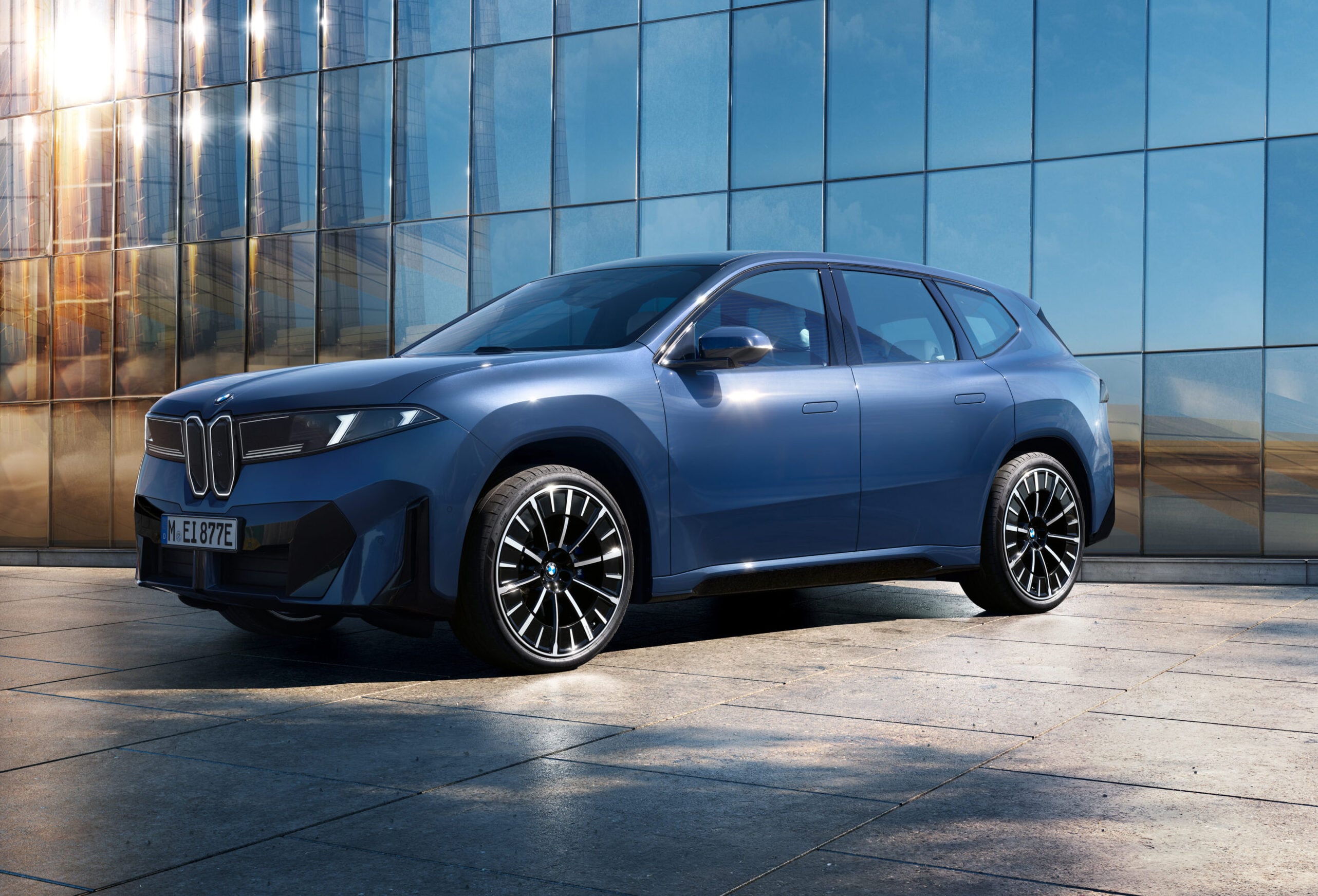
BMW is moving into the final phase before launching its Neue Klasse lineup, with series production of the new all-electric BMW iX3 scheduled to begin in late October at the company’s state-of-the-art facility in Debrecen, Hungary.
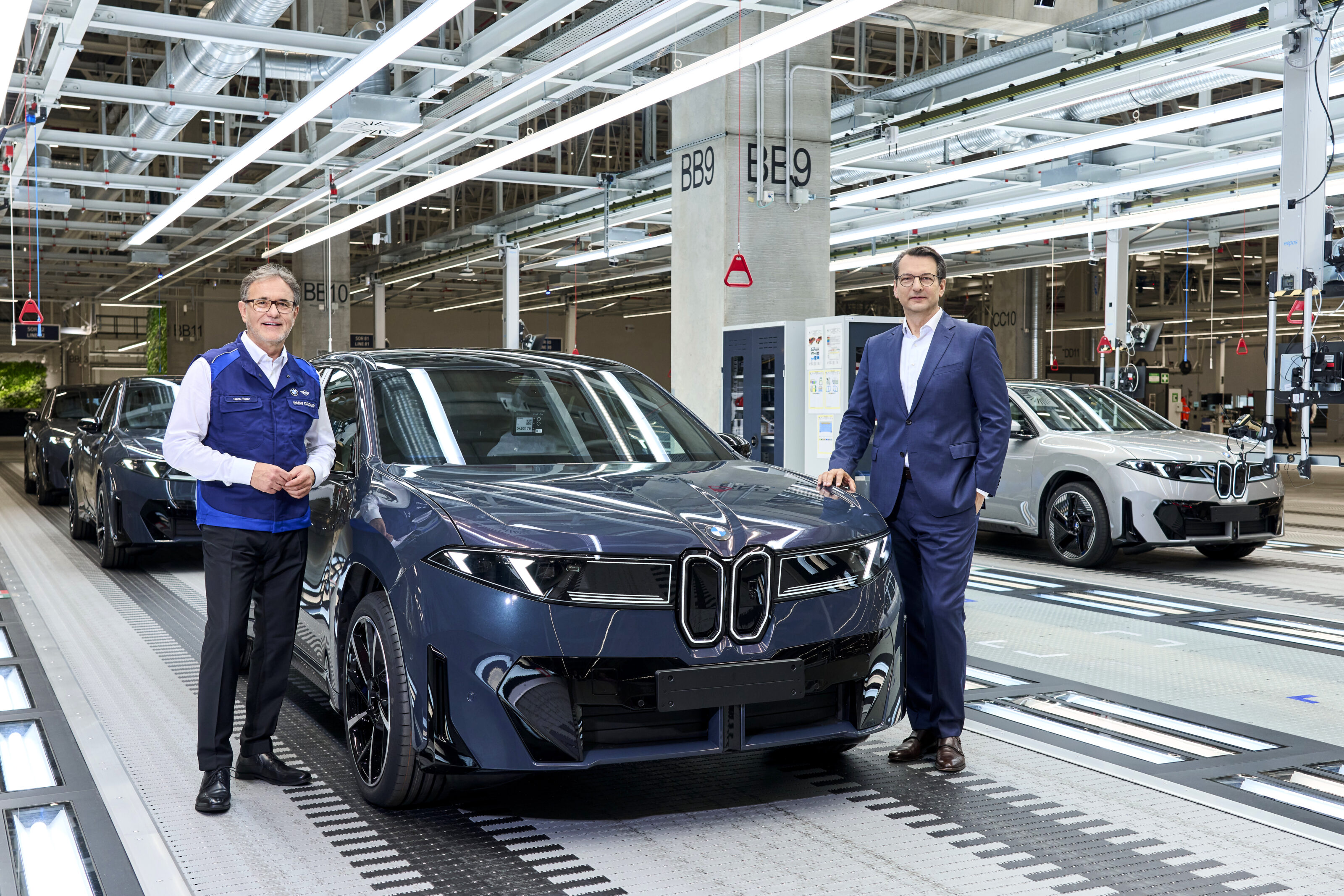
Milan Nedeljković (below, right), BMW’s board member for Production, said the milestone signals “a new era of automotive manufacturing,” noting that the plant is the first in the brand’s global network to be designed from the outset under the iFACTORY concept. That framework prioritises fully digital processes, fossil-free operations, and streamlined efficiency.
Hans-Peter Kemser (below, left), head of Plant Debrecen, said building both a new model and a new plant simultaneously was an unprecedented challenge. “We have simplified processes, reduced complexity, digitally validated each operation and leveraged global expertise. The result is a plant with efficient production and the flexibility to integrate additional models.”
The iX3 will spearhead BMW’s next-generation electric vehicles, with Neue Klasse technologies set to roll out across 40 models and updates by 2027.
Plant Debrecen was planned and tested virtually, enabling exact installation of production lines. In the body shop, more than 1,000 robots were optimally placed using digital simulations, while the press shop uses standardised tooling across BMW’s global network. Artificial intelligence further drives efficiency, with the in-house AIQX platform automating quality checks and feeding real-time feedback to workers.
Debrecen is BMW’s first car plant powered entirely by renewable electricity, with a 50-hectare on-site solar farm supplying a quarter of its energy needs. The paint shop, a major energy consumer, now operates without fossil fuels, cutting annual CO₂ emissions by up to 12,000 tonnes. Thermal storage systems and waste heat recovery deliver further efficiency.
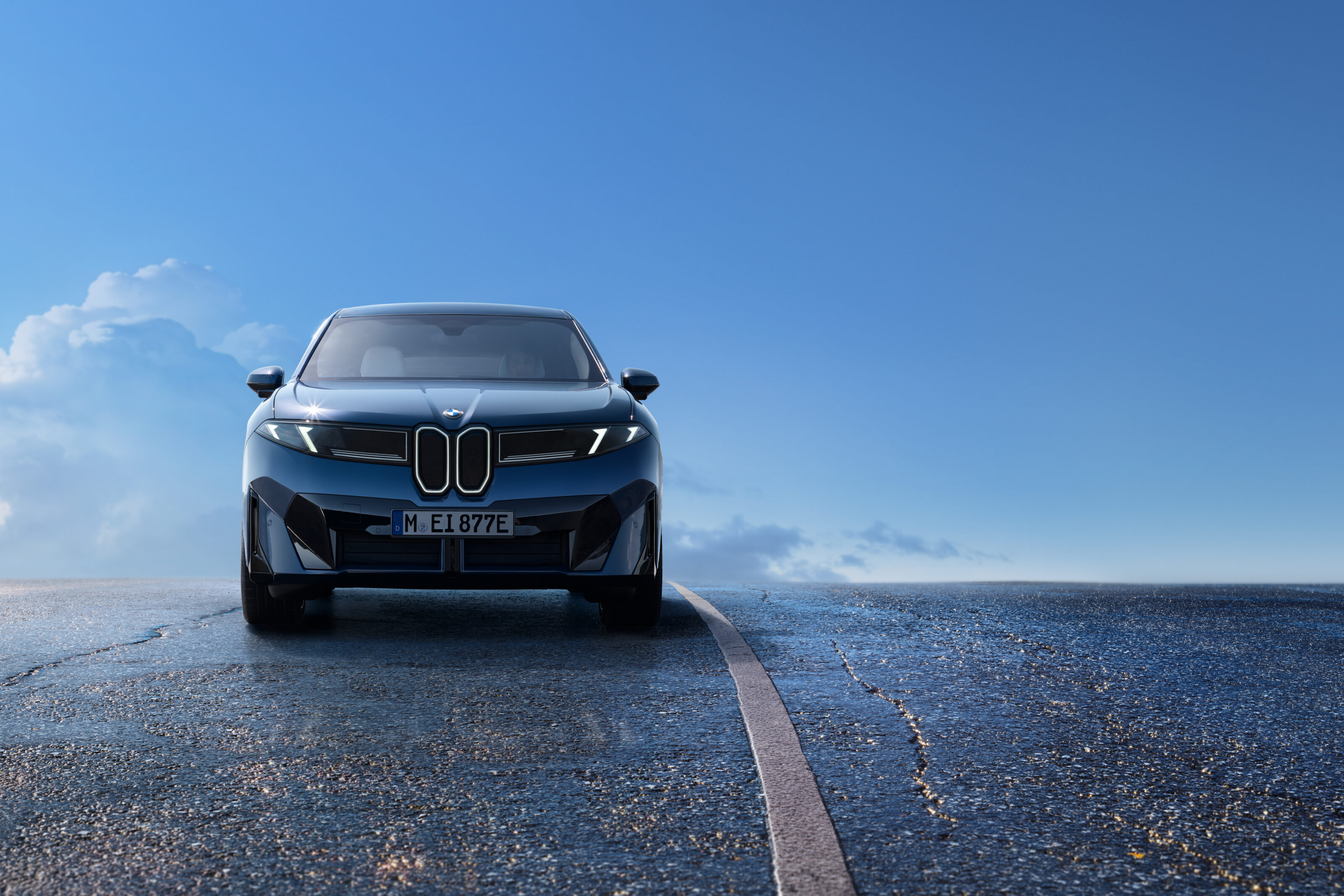
The Hungarian facility will also be the first to assemble BMW’s Gen6 high-voltage batteries. Production processes were refined in pilot plants and are supported by digital twins and AI databases, ensuring zero-defect quality monitoring and efficient local assembly.
With more than 2,000 employees and a design that integrates best practices from BMW plants worldwide, Debrecen will serve as a model factory for the brand’s global transition into the Neue Klasse era.
The long-rumoured BYD Seagull has been confirmed for New Zealand, though it will carry the name Atto 1 when it lands before Christmas, New Zealand’s Autocar reports.
BYD New Zealand country manager Warren Willmot confirmed that not only is the Atto 1 locked in for launch, but it will be joined by the upcoming Atto 2 EV SUV and the Sealion 5 plug-in hybrid SUV. While specifications are still being finalised, he said key details are already clear.
The Atto 1 will arrive in two variants – Essential and Premium. Both models seat four passengers in a compact 3990mm body, with synthetic leather upholstery and a width of 1590mm designed to suit tight urban environments.
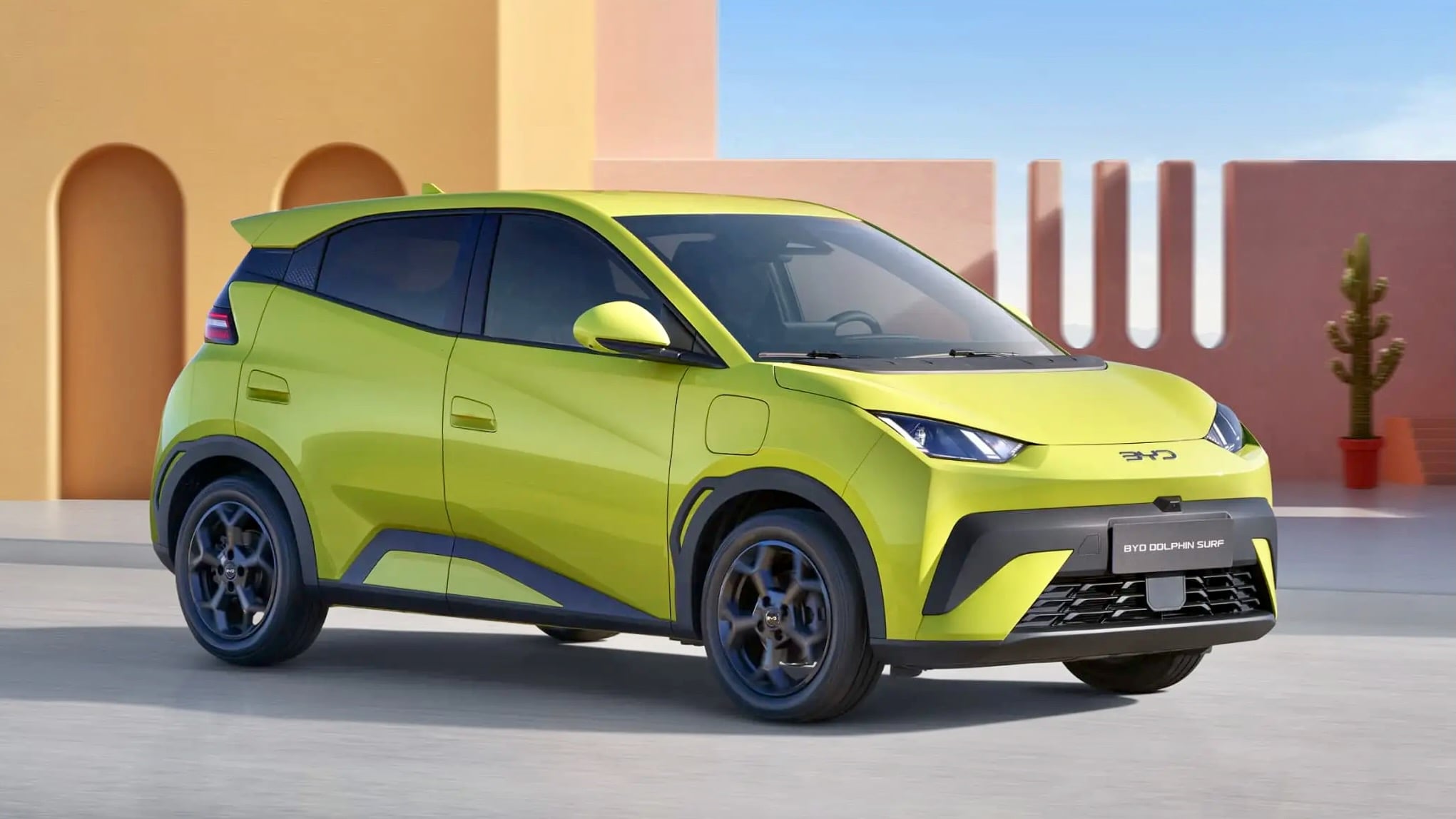
The Essential grade is powered by a 65kW motor producing 175Nm, paired with a 30.08kWh lithium iron phosphate (LFP) battery. This setup promises a range of 220km under the WLTP standard, a 0–100km/h time of 13 seconds, and support for 65kW DC fast charging and 11kW AC charging. Vehicle-to-load (V2L) capability is also included.
Equipment highlights in the Essential include a 10.1-inch infotainment screen, seven-inch digital cluster, reverse camera, keyless entry with NFC functionality, and 308 litres of luggage space.
Stepping up to the Premium introduces a 115kW motor with 43.2kWh LFP battery, extending range to 310km WLTP and improving acceleration to 9.1 seconds. Charging capacity rises to 85kW DC.
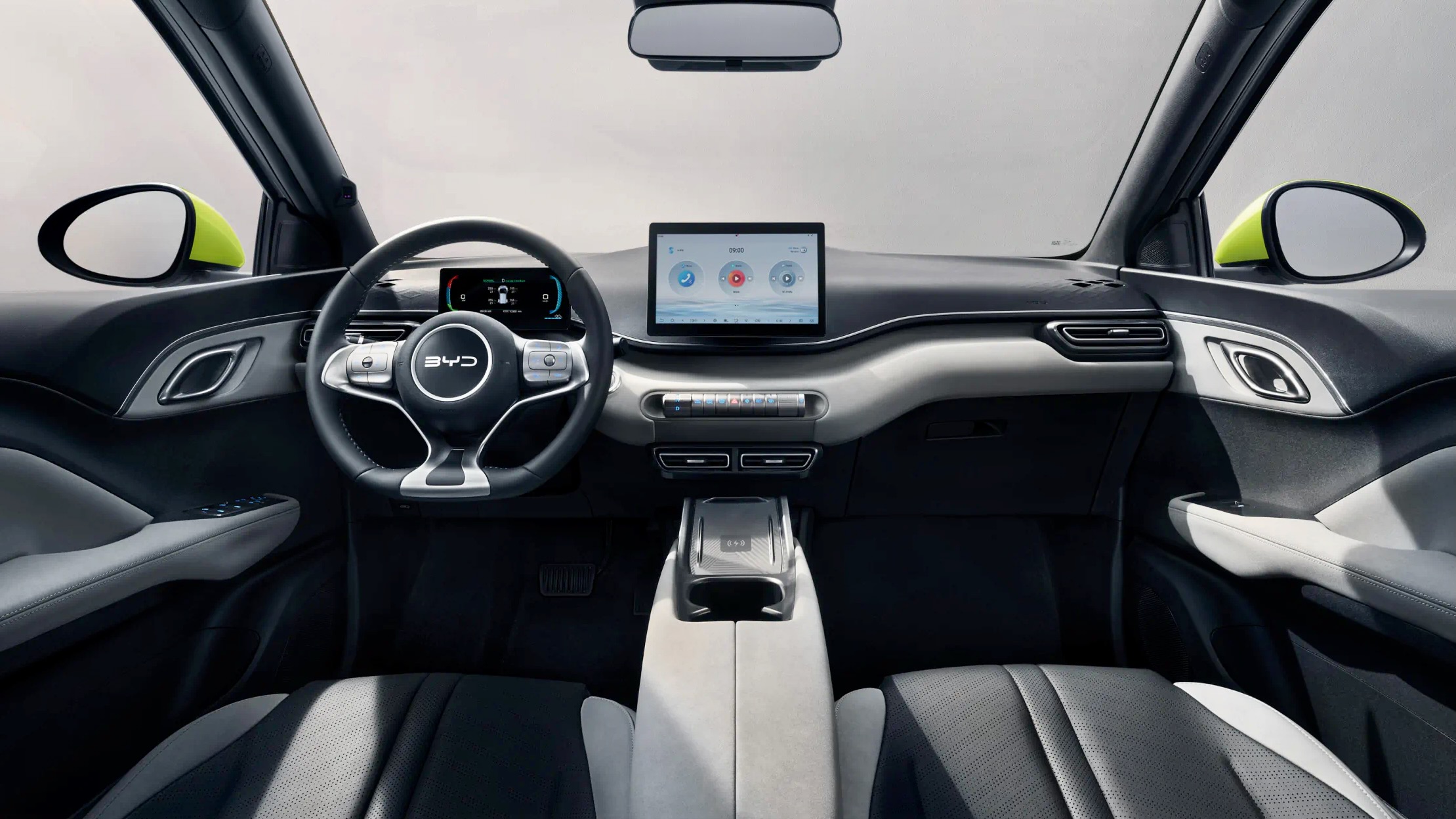
Premium features add LED headlights, 16-inch alloys, heated front seats, a 360-degree camera, wireless phone charging, and electric folding mirrors. Rear privacy glass, rain-sensing wipers, and six-way electric seat adjustment are also included.
Both grades will be available in Arctic Blue, Apricity White, Cosmos Black, and Sprout Green, with interior trim in black and grey.
According to Willmot, presales for the Atto 1, Atto 2, and Sealion 5 will begin in November, with first deliveries expected before Christmas. Pricing is yet to be confirmed.
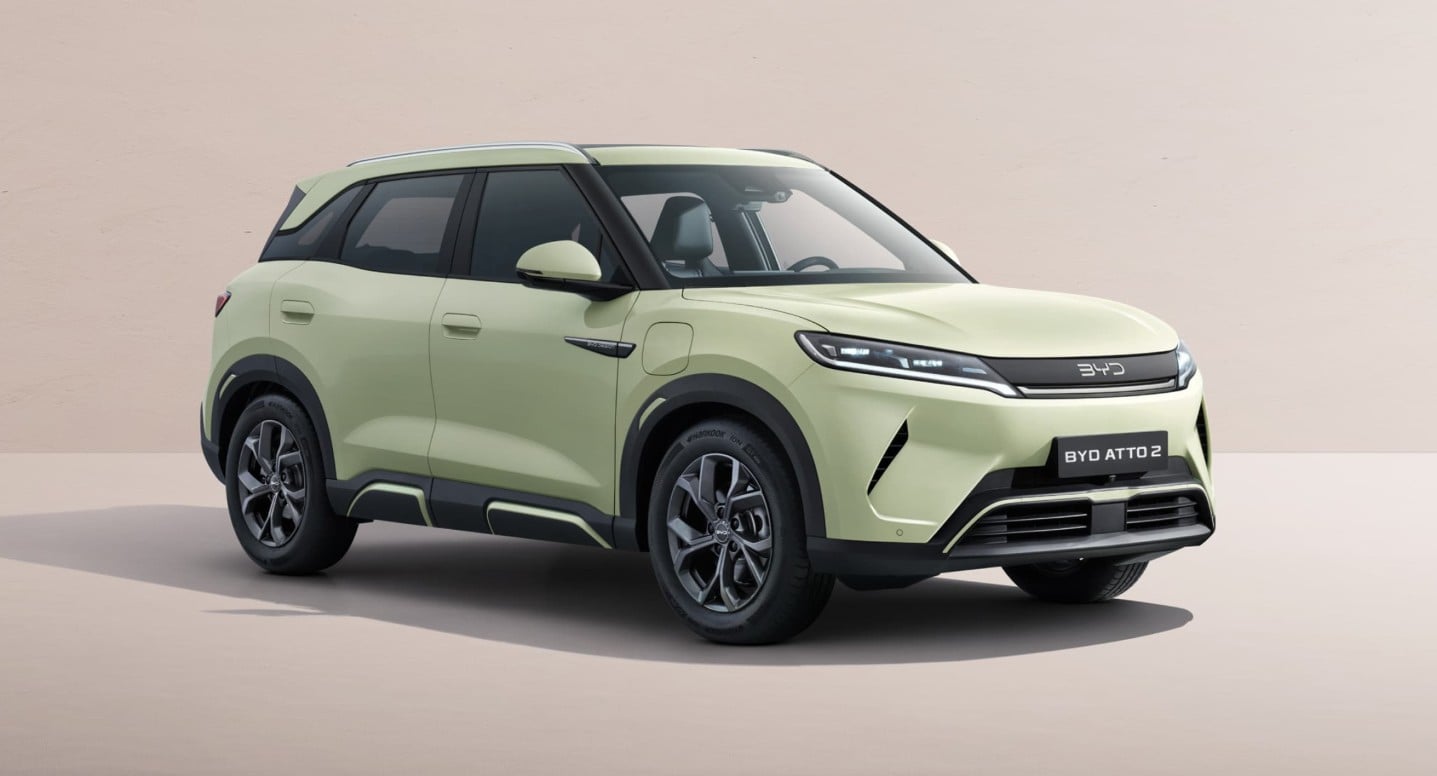
The model could be sold in Australia after a change in product strategy from the brand when it took back factory distribution after July 1 this year.
It had been ruled out by the company’s previous distributor, EVDirect, because of its likely four-star ANCAP rating, but now that it is made in right-hand drive form for the UK market, chances it will debut in Australia have increased. It would likely be the cheapest EV on sale in Australia.
Korean manufacturer KGM is preparing to unveil an all-new diesel-powered pick-up truck, with teaser footage suggesting the model will complement the recently introduced Musso EV.
The truck appeared this week in a corporate advertisement, wearing the word “expectations” in Korean script along its side. Early images hint at a tough new look, with a bold, Ranger-style front fascia, segmented LED light bar, and distinctive daytime running lights. The design suggests the model will compete directly with established dual-cab rivals such as the Toyota HiLux, Ford Ranger, and Volkswagen Amarok.

The double-cab silhouette confirms its workhorse positioning, though details on payload and towing capacities are still under wraps. Notable features in the teaser include fresh alloy wheel designs with unusual reflectors or indicators set into the wheelarches, robust bumpers, and heavy cladding along the sills – all pointing to a focus on durability and road presence.
At the rear, the new ute takes design cues from the Musso EV, showcasing vertical LED tail-lights and bold “KGM” lettering stamped across the tailgate. The company says the vehicle introduces a “new movement that exceeds expectations,” though has stopped short of explaining what this philosophy means in practice.

Industry observers believe the new model will succeed the existing Musso when it arrives in 2026, giving KGM a way to maintain a traditional diesel option alongside its growing electrified range. This move would allow the brand to cater to buyers not yet ready to transition to fully electric utes, while still modernising its line-up with cutting-edge styling and features.
KGM is yet to confirm official specifications, release timing, or market availability for the new diesel pick-up, but further announcements are expected in the coming months as development nears completion.
Nissan is preparing to reinvent one of its most celebrated performance icons, the GT-R, as the company shifts deeper into its electric era. The move will coincide with the expansion of its performance sub-brand Nismo, which has already been applied to the Ariya electric SUV, Patrol Nismo, and Z Nismo, with a hot-hatch Micra Nismo tipped to follow.
Hints of the GT-R’s electric future first emerged with the Hyper Force Concept revealed in 2023. Speaking recently, Nissan Europe product planner Xavier Tesson stressed that the new model must offer more than raw speed.
“GT-R is the toughest product in the line-up. It’s not just about a sports car – GT-R is about bringing something different. Do we really want to bring technology that already exists? That’s where the whole effort is concentrated, where do we find the edge?” he told Auto Express.
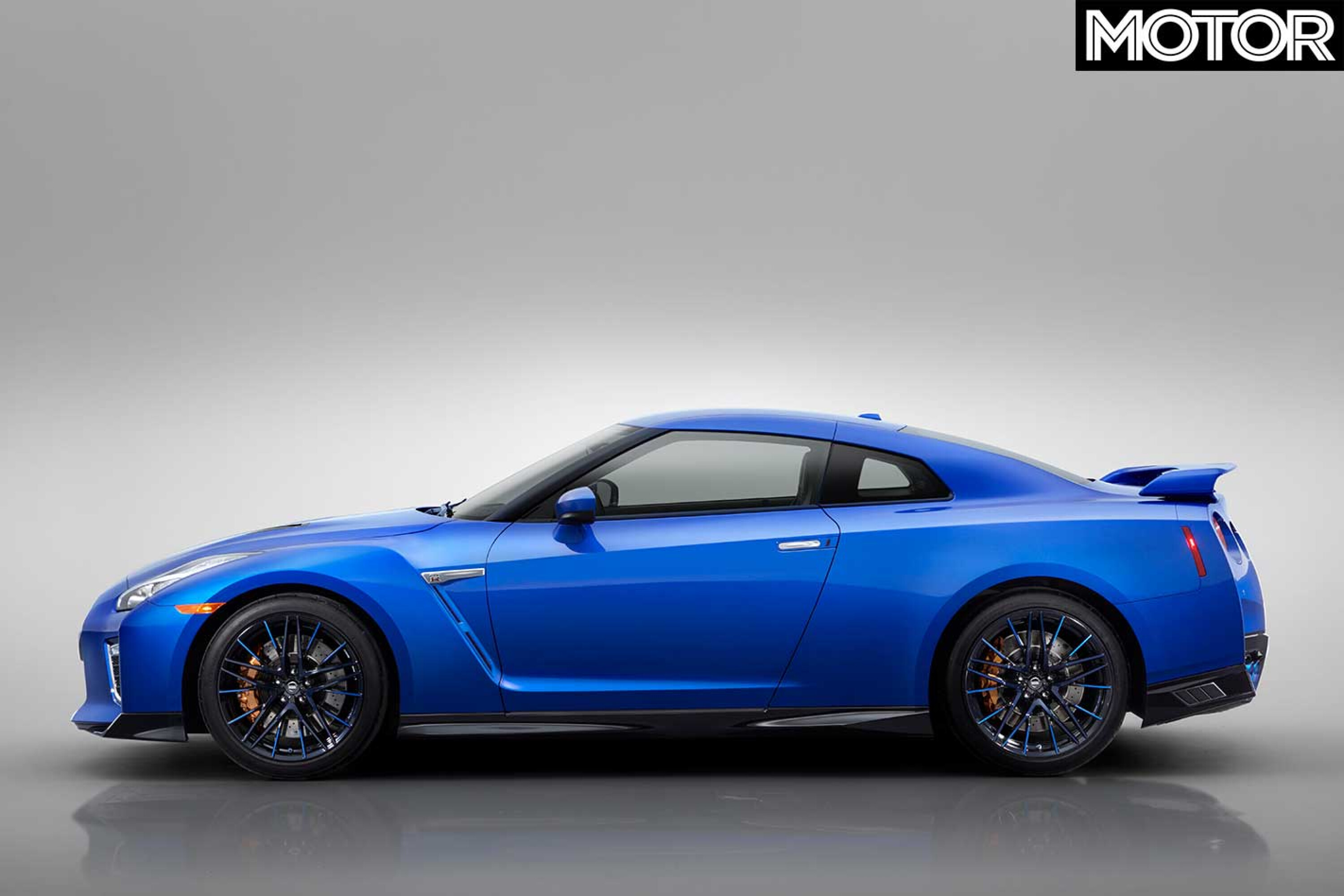
Recreating the aura of the R35 GT-R will be a greater challenge in the EV age, where rapid acceleration and high outputs are now relatively accessible. Nissan executives have acknowledged the need for distinction. Arnaud Charpentier, Nissan’s regional vice president of marketing and mobility, said: “If it is electric or electrified, it needs to remain a sports car. [But] if you end up with the same performance as an EV SUV, this is an issue… We need to reinvent the notion of a sports car.”
The Hyper Force concept suggested extraordinary figures, with its dual-motor powertrain producing around 1,000 kilowatts and driving all four wheels via Nissan’s e4ORCE system. But similar outputs are already being achieved by rivals employing multi-motor set-ups, highlighting the need for Nissan to look elsewhere for uniqueness.
One possible differentiator lies in solid-state battery technology. Nissan confirmed earlier this year that its first production vehicle equipped with the advanced cells will arrive in 2028. Solid-state batteries promise faster charging, greater range, and sharper power delivery than today’s lithium-ion packs. Aligning the GT-R’s relaunch with this breakthrough could cement its status as a pioneer once again.
For now, the timeline for the new GT-R remains under wraps. But if Nissan succeeds in marrying its motorsport heritage with cutting-edge electric technology, the next GT-R could redefine what a performance EV means in the years ahead.
Headed off on a road trip now the weather is warming up? A new study has identified the most dangerous parts of Australia to suffer a breakdown, while an ex-military survivalist has offered life-saving advice to motorists.
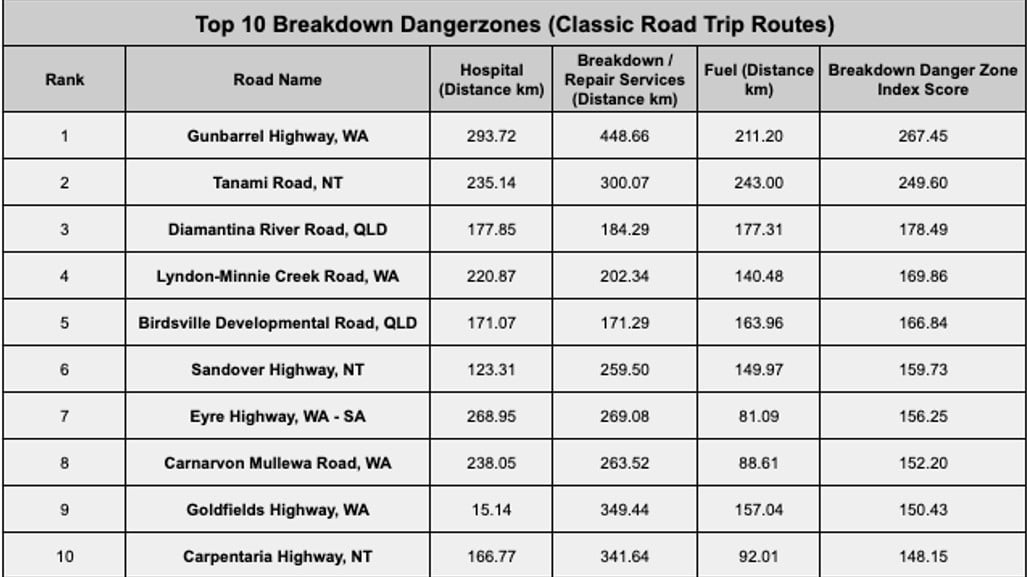
Car hire comparison site VroomVroomVroom analysed the coordinates of popular road-trip routes against the locations of fuel stations, mechanics, and hospitals. The findings reveal Australia’s 10 most remote and risky areas for breakdowns, where help is often hundreds of kilometres away
The Gunbarrel Highway in Western Australia topped the list as the most unforgiving place to break down, with long stretches of desert and few support services nearby. The Tanami Road, crossing the Northern Territory into WA, was also flagged, with stranded drivers often more than 200km from help. In Queensland, the Diamantina River Road and Birdsville Developmental Road ranked highly, placing travellers deep in outback territory with scarce resources.
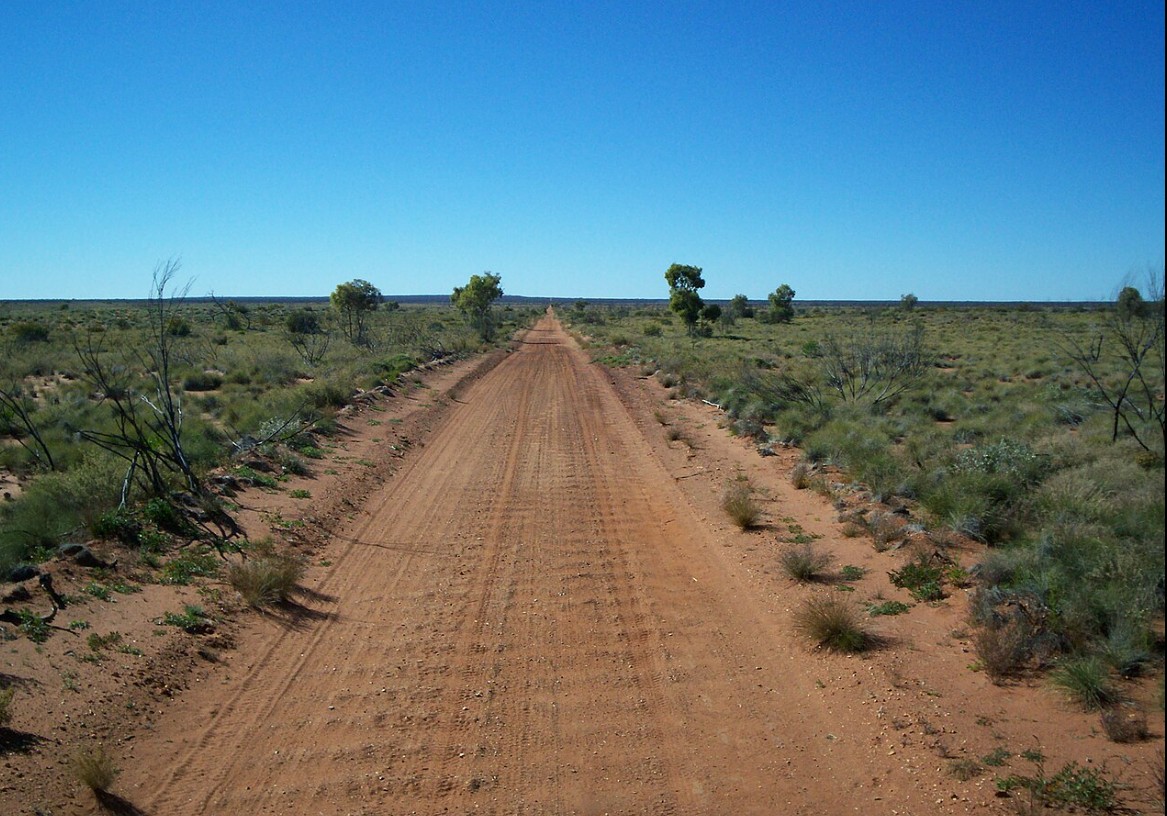
Military survivalist Ryan Wilson, founder of Working Paws Australia, said the findings were a timely reminder of the dangers. “Breakdowns happen, and when they do, especially in remote areas, you need more than luck to get through them,” he said.
Wilson, who served in the SASR, shared key survival tips for motorists heading into remote regions:
Survivalist’s Road-Trip Checklist
- Pack essentials: maps, GPS, repair kit, food, water, first aid, multitool, sunscreen, hat, mosquito repellent, snake-bite bandages, emergency contacts, and ID details.
- Stay calm and plan ahead: prepare mentally, check routes and weather, and always tell someone your plans.
- Don’t abandon the vehicle: use its materials for shade or shelter unless leaving is unavoidable.
- If walking away: carry water, sun protection, navigation tools, and stick to visible, open areas.
- Signal for rescue: mirrors, foil, or rocks can create visible signals; smoke from a controlled fire can also attract attention.

Mike Boyd, CEO of VroomVroomVroom, said the study underlines how critical preparation is for safe travel. “Our data highlights how quickly things can turn serious if your vehicle breaks down in a remote region and you’re not adequately prepared,” he said.
Boyd also cautioned renters to read their agreements carefully, as many hire firms prohibit driving on unsealed roads such as the Gunbarrel or Tanami, and breaking these terms could void insurance.
Joe Rogan has added another standout machine to his already impressive garage with the delivery of a custom-built Porsche 911 RSR tribute, constructed by New York-based specialists The RSR Project.
The one-off car, based on a 1985 Carrera tub, reflects Rogan’s passion for high-performance driving and the builder’s obsessive approach to Porsche’s motorsport-inspired heritage.
Founder Richard Schickman personally oversaw the project, which began with a complete teardown and bare-metal restoration. The centerpiece is a reengineered 3.5-litre flat-six producing 310 kW, fitted with twin-plug heads, GT3 intake plenum, Clewett throttle bodies, Elgin cams, Lucas injectors, Bosch coil packs, and managed by an Emtron SL ECU. A fully rebuilt transmission and refreshed suspension complete the drivetrain, ensuring reliability alongside performance.


“Our goal with every build is to honour Porsche’s motorsport heritage while elevating performance to meet modern expectations,” Schickman said. “For Joe, we wanted to create something stunning to look at and thrilling to drive.”
The RSR Project transforms each 1984–89 Carrera tub into a longhood-style shell, widened with steel flares and finished through a Pebble Beach–level paint process. Rogan’s example rolls on 15×9” and 15×11” Braid Fuchs wheels wrapped in Michelin TB15 vintage tyres, complemented by a ducktail spoiler, fiberglass bumpers, and Carrera striping.

Inside, the build mirrors the exterior’s detail. The stripped cabin was reupholstered with a new Porsche Classic dash, RS-style panels, and Perlon carpeting, staying true to its motorsport roots. Rogan opted for bespoke bucket seats trimmed in woven leather with nickel grommets reminiscent of 1960s GT40s, paired with a Momo Prototipo steering wheel and Wevo short shifter for mechanical precision. Unlike many customers, Rogan declined modern infotainment, requesting a minimalist, distraction-free cockpit, with only an electric air conditioning unit added for comfort.
Each car undergoes more than 700 miles of real-world testing before delivery. “Every RSR we create is built to be driven and enjoyed thoroughly,” Schickman said, noting Rogan’s car was extensively tuned and road-proven.
Builds from The RSR Project start at US$375,000 (approx. A$580,000), with typical delivery times of 12–18 months. Customers can commission additional performance upgrades, braking systems, or comfort features, but Rogan’s car remains a purist expression of Porsche’s golden era.

A Melbourne driver’s query about a strange electronic device spotted beneath the number plate of a vehicle at a red light has been answered. The commuter shared an image online showing the device, which displayed the car’s speed as it moved.
“What are these used for exactly?” the driver asked.
According to the Department of Justice and Community Safety (DoJ), the answer is straightforward. A spokesperson confirmed to Yahoo News that the display is part of Victoria’s road camera testing program, used to verify the accuracy of the state’s speed enforcement network.
“All road safety cameras are tested and maintained regularly by independent officers to ensure accuracy of offence detection and integrity of equipment,” the spokesperson said.

The vehicle in the photo bore an “SGS” plate, referencing the independent company contracted by the DoJ to conduct these checks. Officials explained the system compares the displayed speed to the measurements taken by in-road sensors, ensuring both the images and readings produced by safety cameras are correct.
The method has been used for more than 15 years, with Victoria’s testing regime said to “exceed” the standards required by law. “Victoria’s road safety camera program plays a critical role in changing driver behaviour and saving lives,” the spokesperson said.
Speeding remains one of the leading contributors to crashes nationwide. Dr Chris Stokes, a researcher at the University of Adelaide, told Yahoo News that speed is a factor in “99 per cent of crashes.” “The faster you hit an object, the harder the impact is going to be,” he said.
Authorities say robust testing of cameras is vital as part of efforts to halve road deaths by 2030 and eliminate them entirely by 2050.
Ram has officially scrapped plans to launch its first fully electric pickup, the Ram 1500 REV, first revealed at the 2023 New York Auto Show. The company announced it will discontinue development of the battery-electric truck, citing slowing demand for full-size EVs in North America.
Instead, the “REV” name will live on through the Ram 1500 Ramcharger, a plug-in hybrid with a range-extender powertrain, which will now carry the REV badge. The decision follows several delays for the electric 1500 project, which was originally slated for release in 2024 before being pushed to 2026.
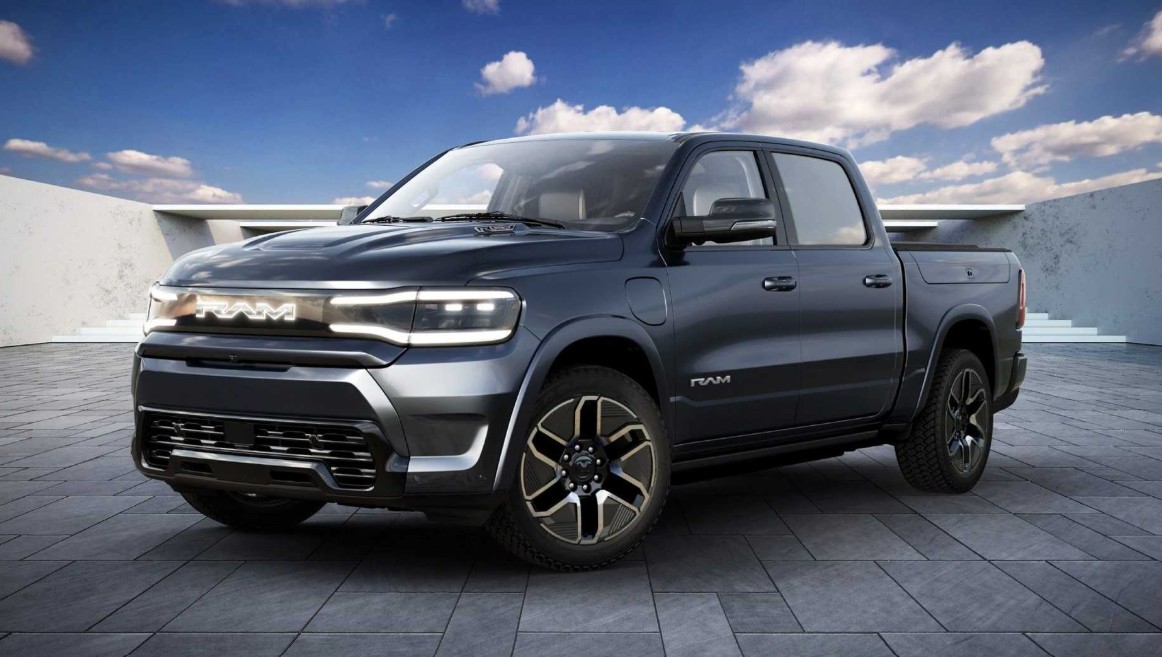
“As demand for full-size battery-electric trucks slows in North America, Stellantis is reassessing its product strategy and will discontinue development of a full-size BEV pickup,” the company said in a statement.
While the fully electric truck has been shelved, Ram is doubling down on powertrain diversity. The company recently brought back the much-loved Hemi V-8 engine in its 1500 line-up, reversing an earlier decision to phase it out. New CEO Tim Kuniskis admitted the initial move was a misstep: “We screwed up,” he told reporters. The return of the V-8 has already proven popular with buyers.
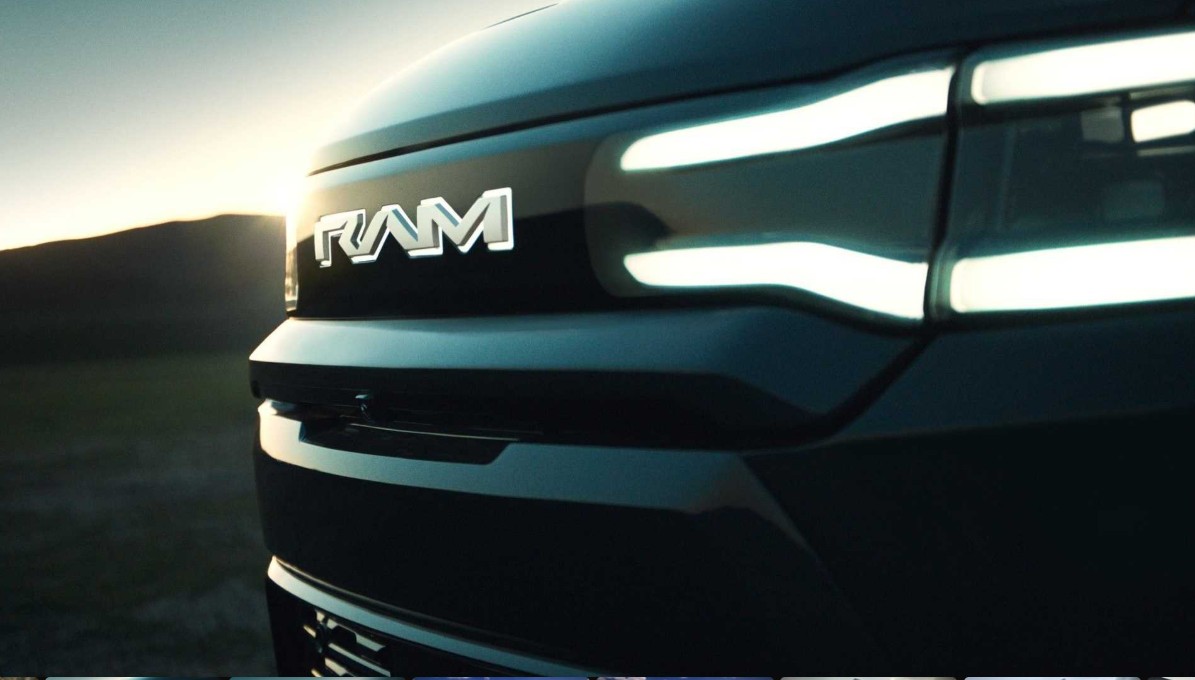
Ram’s decision reflects a broader industry trend. Several major carmakers have scaled back EV projects in response to shifting market conditions. Reports suggest Audi has canceled its upcoming RS6 EV, Honda has abandoned development of a large electric SUV, and Lamborghini is reconsidering its long-planned entry into the EV market.
For Ram, the pivot ensures the brand stays competitive against rivals like Ford and Chevrolet while acknowledging consumer demand for hybrids and traditional engines. The Ramcharger hybrid, now rebranded as the 1500 REV, will carry forward the company’s ambition to blend innovation with practicality.
Subaru has pulled the wraps off two new limited-production models, the 2026 WRX Series.Yellow and 2026 BRZ Series.Yellow, each restricted to 350 units. Both cars will make their public debut on September 14 at the annual Boxerfest gathering in York, Pennsylvania, USA ahead of a wider market launch next year.
The headline feature is the striking Sunrise Yellow paintwork, a hue that has appeared on past Subaru specials such as the 2015 XV Crosstrek Special Edition and Japan-only WRX STI S207. Inside, the theme continues with yellow contrast stitching across seats, dashboards, and door panels, distinguishing the cars from their standard counterparts.
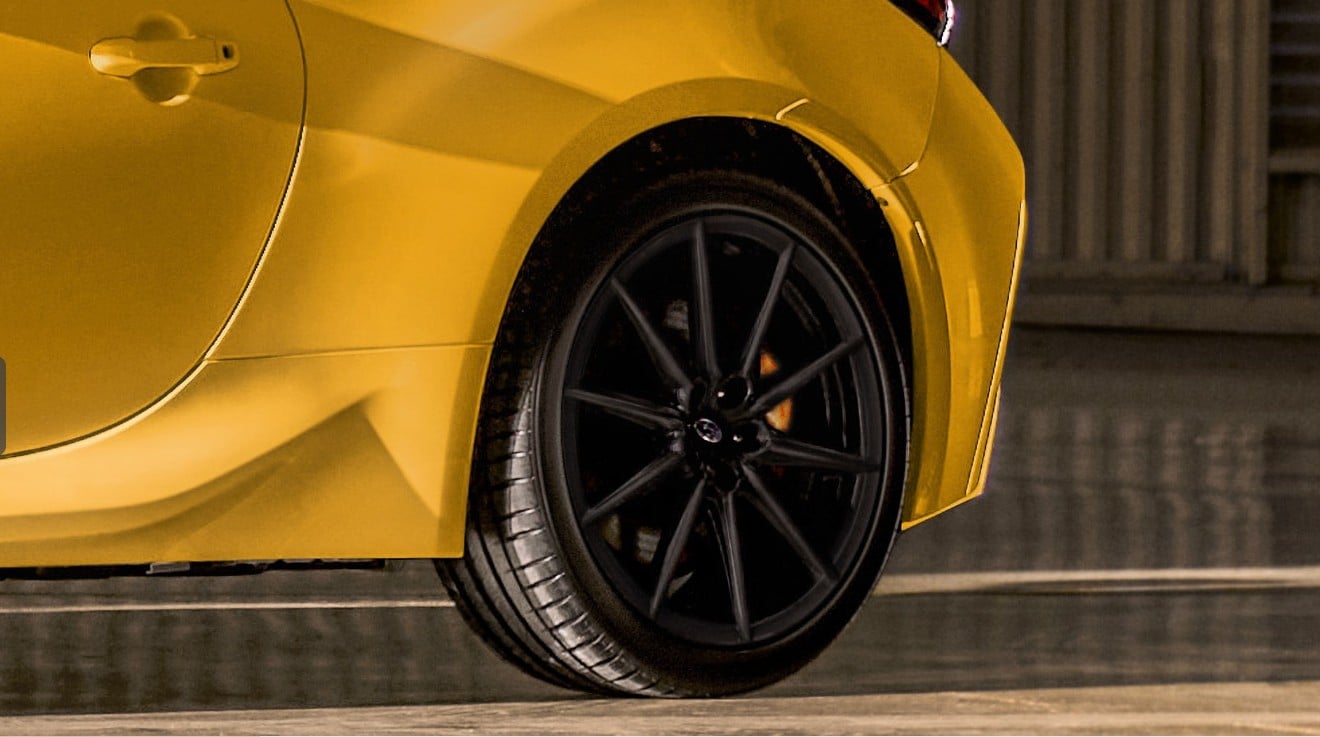
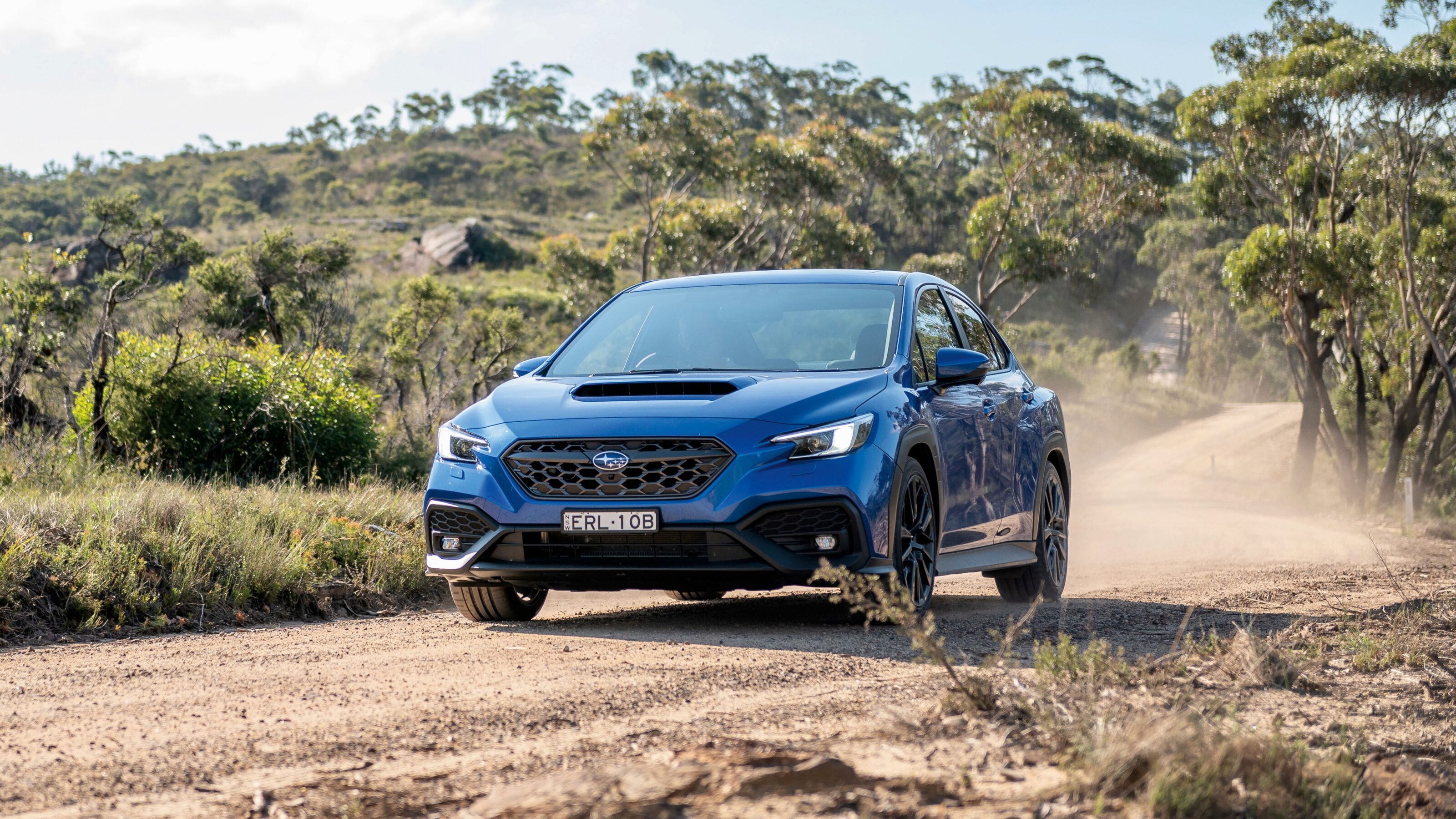
Based on the WRX tS grade, the new WRX Series.Yellow combines Subaru’s 271 hp (202 kW) 2.4-litre turbocharged BOXER engine with a 6-speed manual transmission and Symmetrical All-Wheel Drive. Subaru Tecnica International has retuned the adaptive dampers, while stopping power is delivered by Brembo brakes. The package is rounded out with 19-inch matte black alloy wheels wrapped in Bridgestone Potenza S007 tyres.
The interior adds Recaro Performance Design seats trimmed with yellow accents, plus Subaru’s latest 11.6-inch infotainment display and a 12.3-inch fully digital driver cluster.
The BRZ variant offers a purist, rear-drive experience powered by a 170 kW 2.4-litre naturally aspirated BOXER engine paired to a 6-speed close-ratio manual gearbox. STI-tuned Hitachi dampers sharpen handling, while Brembo brakes and 18-inch matte black wheels with Michelin Pilot Sport 4 tyres ensure precise cornering performance.
Inside, the cabin is finished in black upholstery with yellow stitching throughout the front seats, steering wheel, shifter boot, and parking brake boot, giving it a purposeful yet premium feel.
Only 350 examples of each Series.Yellow model will be produced, making them among the most exclusive Subarus in recent memory. Pricing details will be confirmed closer to their on-sale date, though demand is expected to outstrip supply.
By reviving Sunrise Yellow and pairing it with performance-focused upgrades, Subaru has crafted two standout sports cars that are equal parts collectible and driver’s machine.
