Australians love to tinker. It doesn’t matter how good the base product is, there’ll be people out there – blokes mostly, let’s be honest – that think they can build a better mouse trap.
Sometimes, they can. Here is our list of the Top 10 Australian Modified Cars but it’s important to put that in context. We’re not talking Summernats-style one-off art pieces here; the cars on this list were effectively low-volume production cars (or intended to be) but based on a mass-produced model. Optimised, let’s call them.
1982 Ford Falcon Dick Johnson Grand Prix
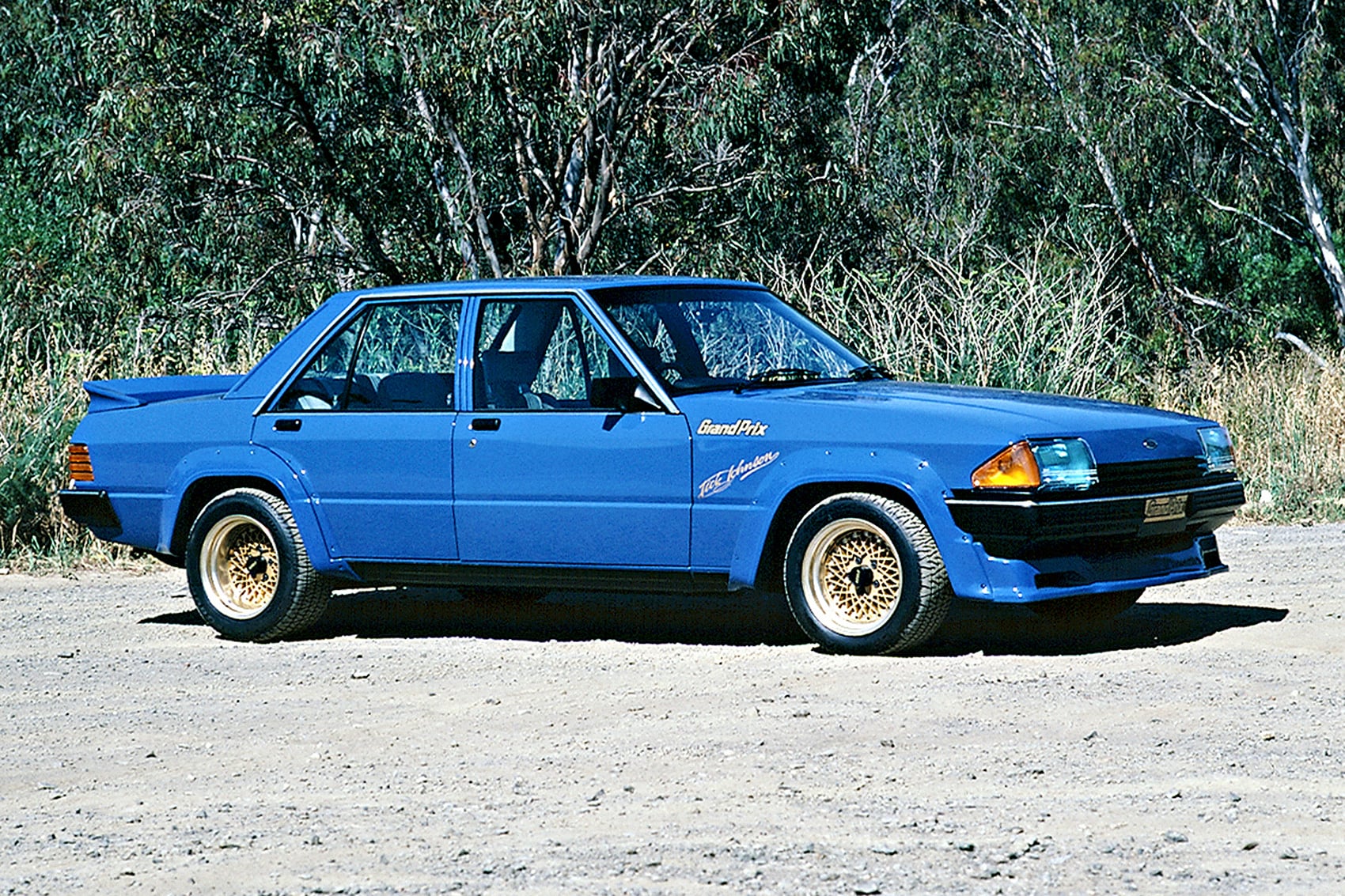
Following Ford’s decision to can the V8 there was a scramble to fill the fast Falcon void. A number of projects never made it past the prototype stage – such as the wild twin-turbo, all-wheel drive AAT XF – but one that did was the Dick Johnson Grand Prix.
It was originally intended to be offered in official showrooms – potentially with a view to homologating the car for touring car racing – before Ford pulled the pin due to warranty concerns, but reportedly 43 examples were finally sold.
All had the body kit, but only some cars got the full treatment, the 4.1-litre inline-six boosted to 190kW thanks to a Garrett turbocharger. It gave the world a look at an XR6 Turbo 20 years before it would eventually be introduced as a series production car.
1985 Giacattolo Group B
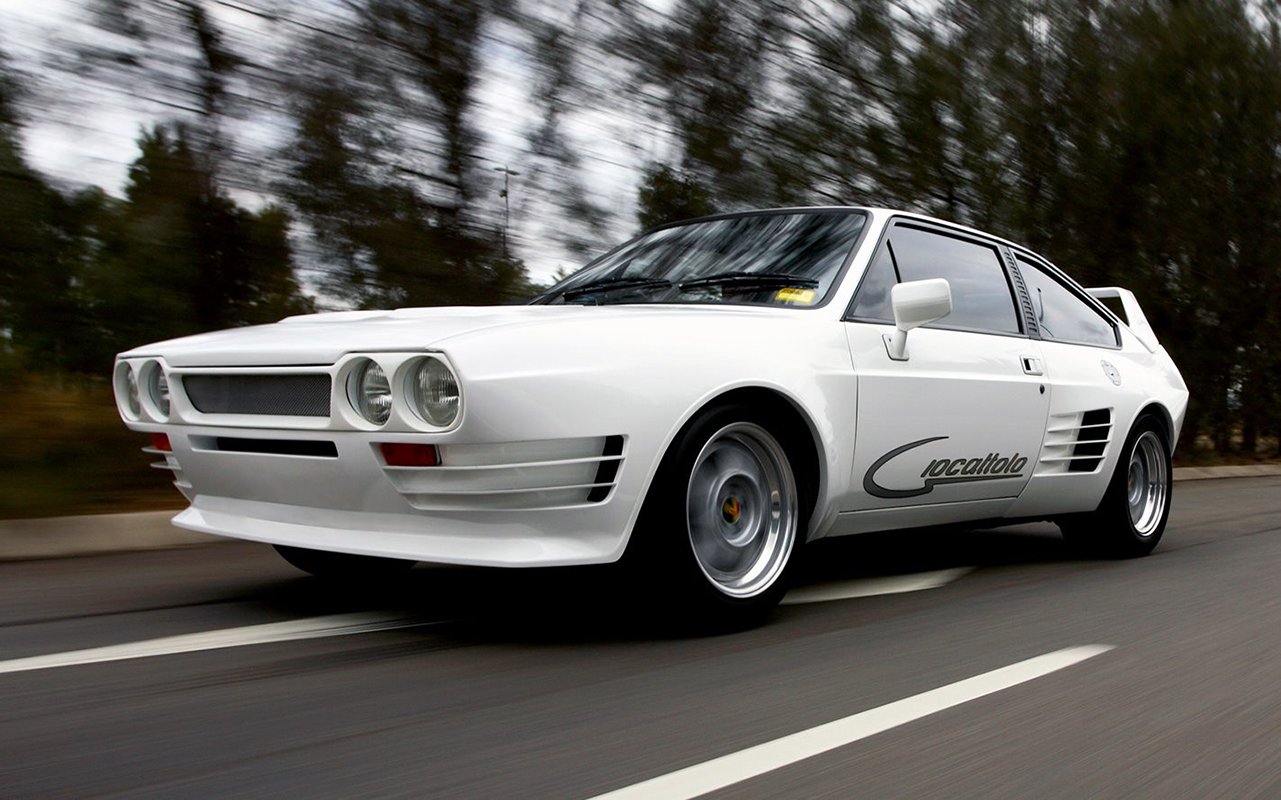
Australian businessman Paul Halstead loved the DeTomaso Pantera. Having become an exotic car dealer with the local distribution rights to the Pantera, he decided to have a go at creating his own fusion of Italian sporting elegance and muscle car brawn.
Originally, the Giocattolo was to mirror the tillborn Alfa Romeo 6C, with a mid-mounted Busso V6, but despite Alfa making sourcing engines (and cars) almost impossible, Halstead was undeterred.
Importing fully built Sprints from New Zealand, Halstead turned to HSV and tuned 5.0-litre V8s were soon nestled in the back of the Giocattolo, supported by a ZF transaxle and custom rear suspension.
Only 15 were built (and three prototypes), but with 220kW pushing just 1100kg it offered proper supercar speed by the standards of the late-1980s.
2000 Bullet Roadster
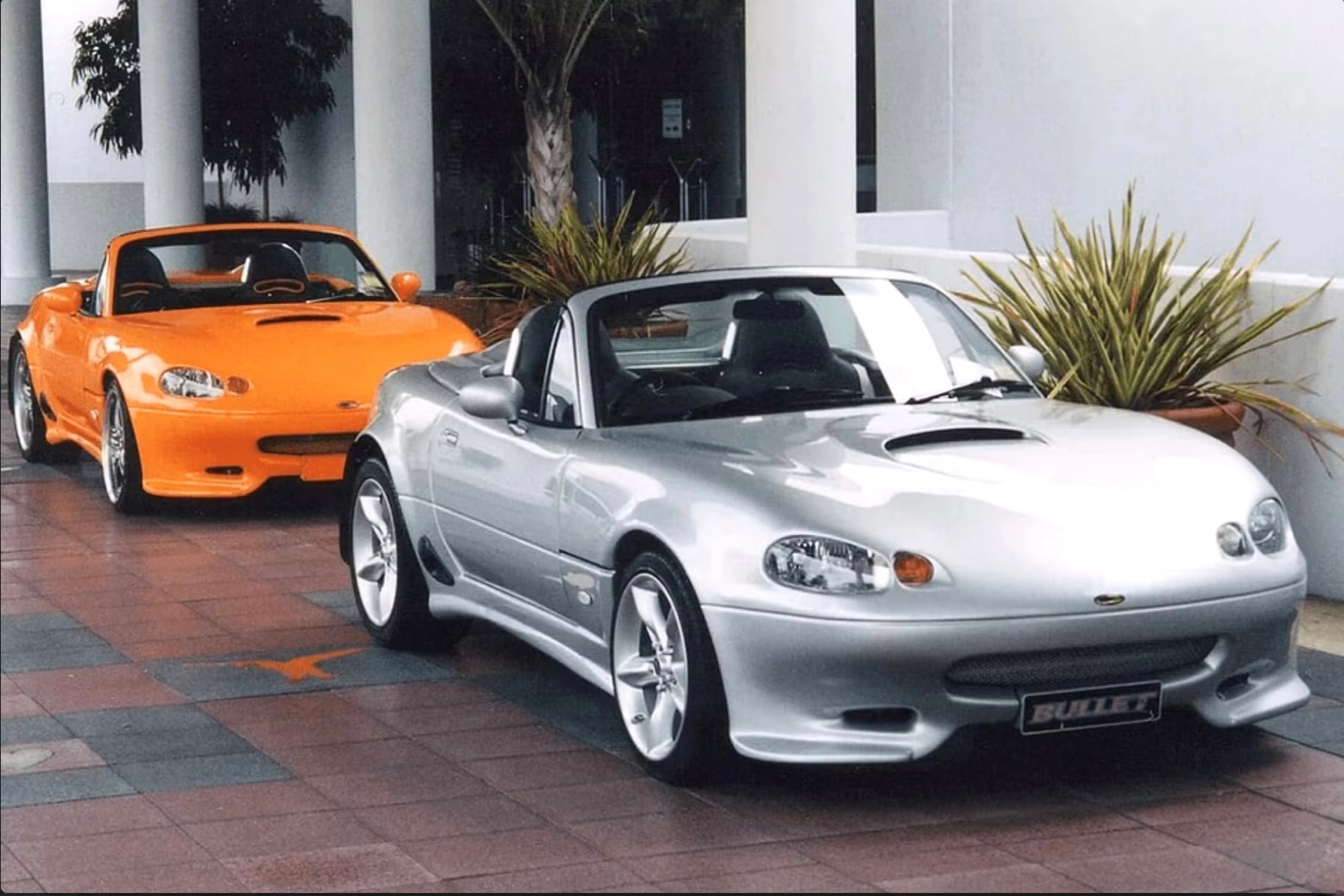
Of all the cars to wedge a V8 into, not many would have a Mazda MX-5 high on the list. The first Bullet Roadster was appropriately Mazda-powered – a 13B rotary – but from then on, the Toyota-Lexus 1UZ-FE 4.0-litre V8 quickly became the engine of choice.
Despite its looks, however, there is virtually no MX-5 in a Bullet. The chassis is a custom space frame with only the doors and boot lid shared with Mazda’s sports car – all other panels are made from fibreglass reinforced plastic.
By the time the Bullet became a fully compliant production car there was a 320kW supercharged SS version, which at $118,000 was perfect for the sports car enthusiast who found a Porsche Boxster a bit dull.
2002 Ford AU Falcon Coupe
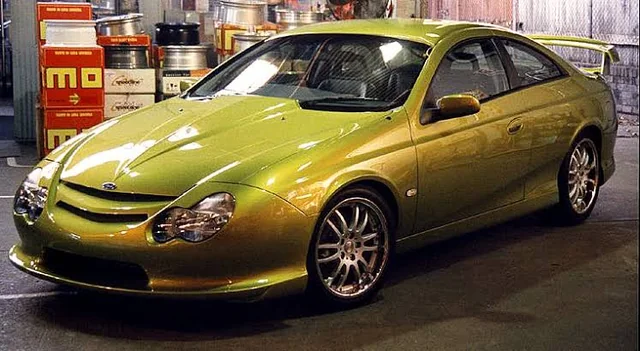
In the early 2000s there was constant speculation Ford would produce a two-door AU Falcon to match the new Monaro that was going gangbusters. And if you wanted a two-door AU, you turned to the hearse-building Hillier brothers.
Having built a six-cylinder AU Coupe for Summernats 2000, Troy and Clayton Hillier then helped their apprentice Mark Rovera build a red XR8-based coupe. Their original car then became Ford’s official 300+ concept, unveiled at the 2001 Melbourne Motor Show.
The final example was the Arrow, which took the styling to the extreme and with a 370kW/610Nm 6.4-litre V8 and six-speed Tremec manual, had the performance to match.
2004 Ford BA Falcon DJR 320
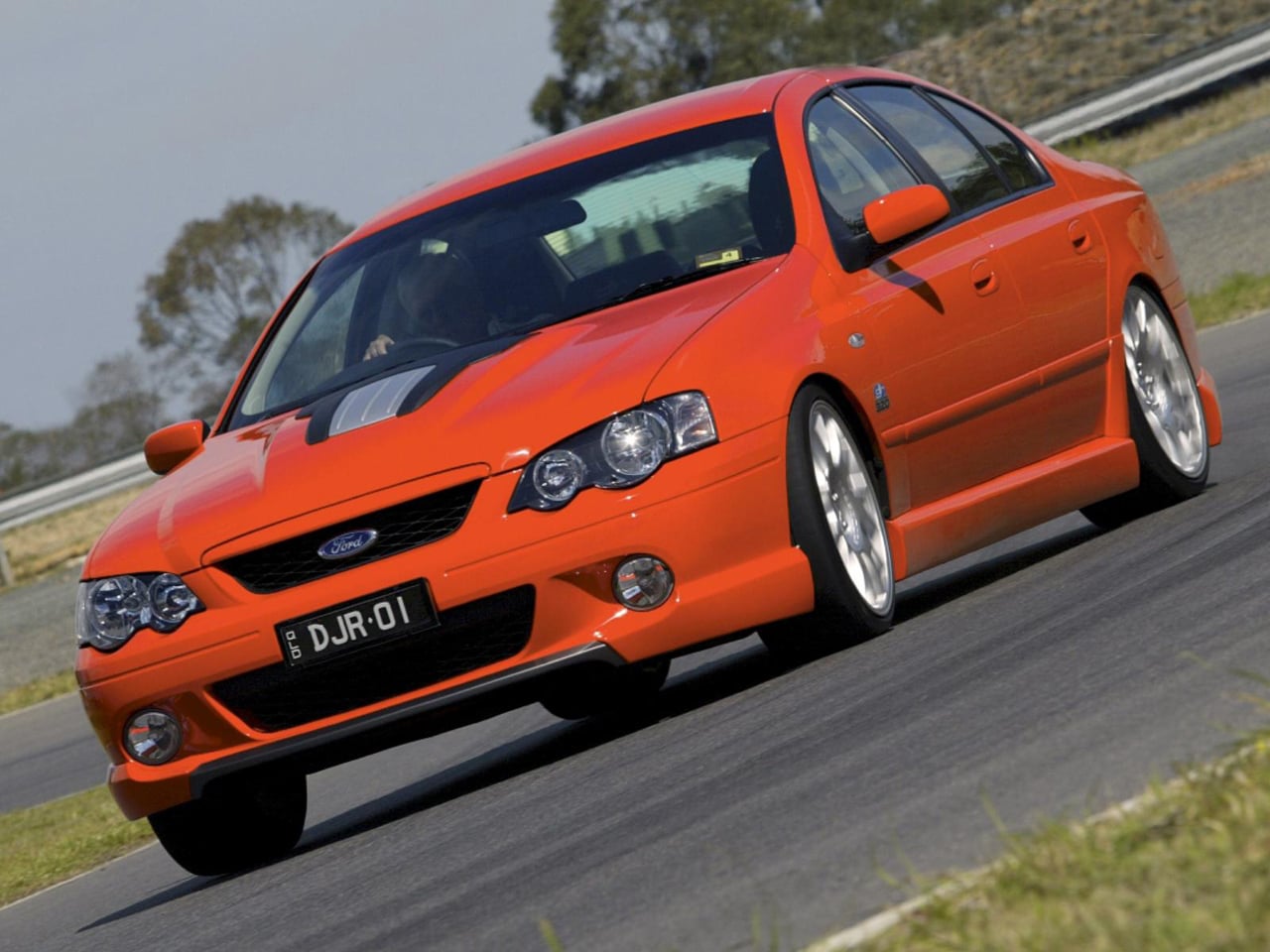
Great minds think alike, so when it transpired that both Dick Johnson and Rob Herrod had plans to create a hotter version of the new BA XR8 it made sense that they joined forces.
The result was the DJR 320, a relatively subtle machine that hid FPV-plus levels of performance under the skin. New cams, intake and exhaust lifted the Boss 5.4 from 260kW/500Nm to 320kW/540Nm but the whole car scored an overhaul.
Adjustable Koni dampers, progressive-rate springs, wider low-profile tyres and enormous Alcon brakes completed a package that was designed to be as happy on track at the weekend as on the road of a weekday.
2004 CSV Mondo GT
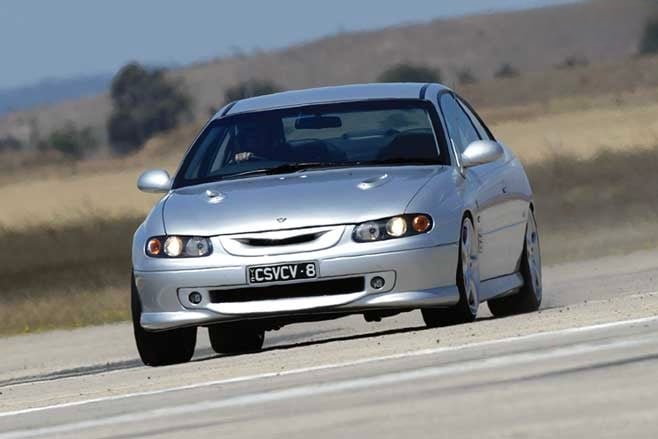
Peter Dichiera’s Corsa Specialised Vehicles was a staple of the modern muscle car scene throughout the 1990s and early-2000s. CSV quickly became renowned for offering ADR-compliant cars that could give the equivalent HSVs a bloody nose in a fair fight.
Power outputs swelled over the years but the peak of Dichiera’s ambition and efforts was the wild Mondo GT, a Monaro-based monster with a 370kW/580Nm 6.5-litre V8 capable of vaporising the rear tyres at will.
At MOTOR’s 2004 Performance Car of the Year it clocked 282km/h, which was only 62km/h off the clock (the speedo stopped at 220), and scared the pants off everyone who drove it. As relaxing as swimming with sharks but just as exhilarating.
2010 Mitsubishi Lancer Evolution X TMR Bathurst Edition
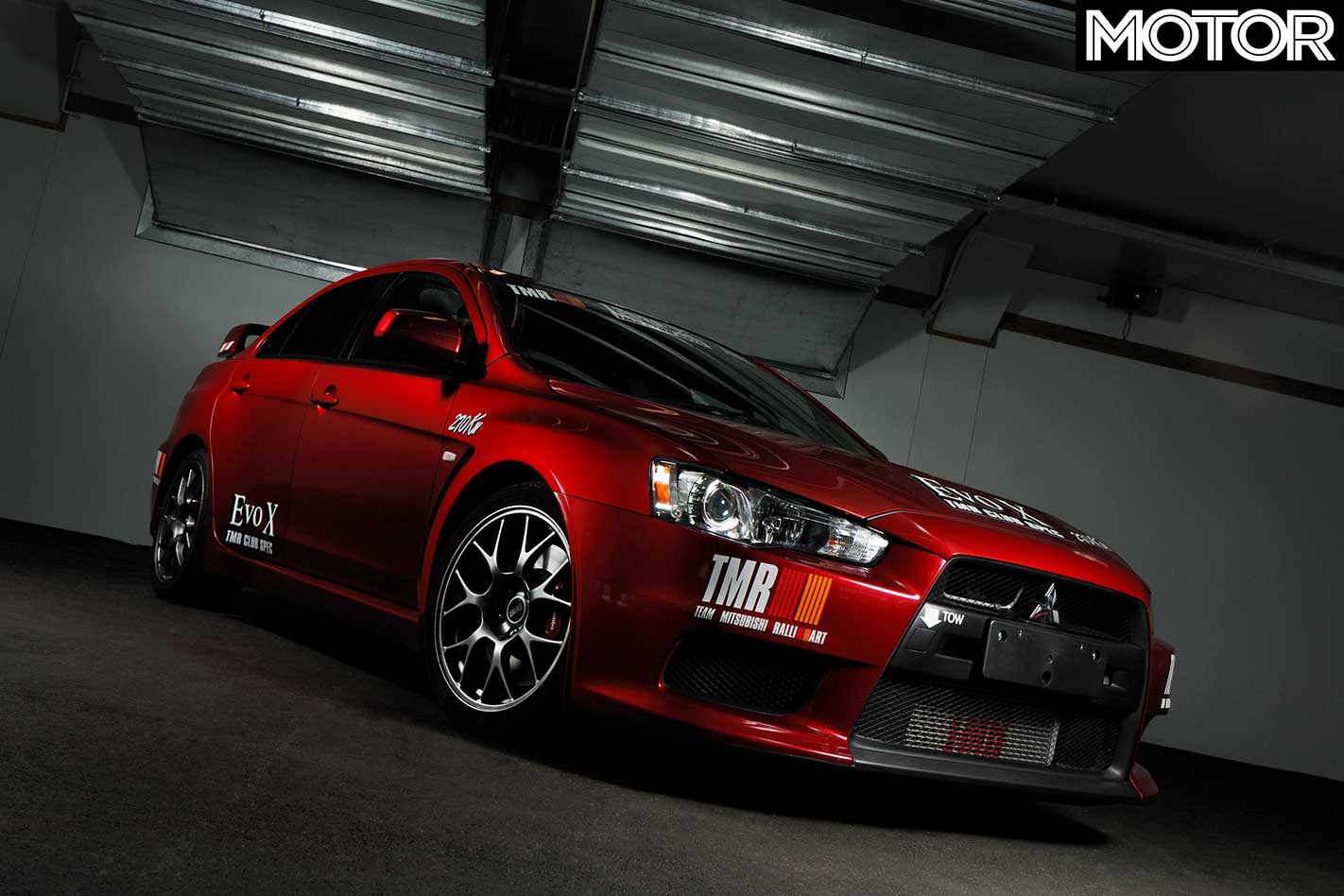
Alan Heaphy might not be a household name in Australian performance circles, but he should be. Heaphy was an integral part of Nissan Europe’s Touring Car, WRC and Le Mans programs before returning Australia to manage the GT-R touring car program.
Eventually he jumped from Nissan to Mitsubishi and created turn-key go-faster packages for the Lancer Evolution. The Evo IX TMR 220 was the first fruit, scoring an upgraded engine, bigger brakes and wheels and plenty of aero, but due to most of it being sourced from the Ralliart parts catalogue, the car retained the full factory warranty.
It was a similar story with the Evo X Bathurst Edition, built to celebrate back-to-back victories in the Bathurst 12-Hour. The upgrades didn’t go as far this time, but 247kW/436Nm – increases of 30kW/70Nm – and new progressive-rate springs made it one of the fastest things on four wheels.
2010 Walkinshaw E2 Supercar
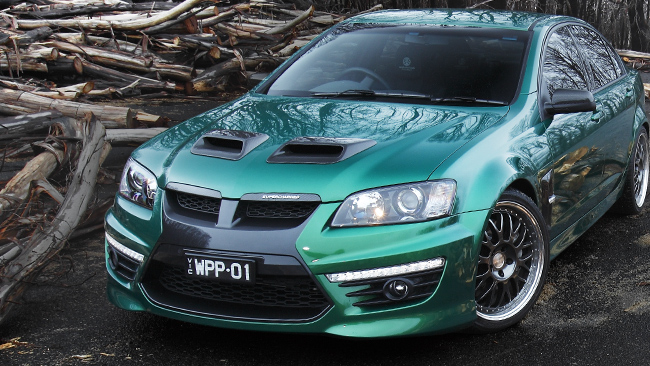
Walkinshaw Performance had a long history of tweaking Holden Commodores and did it better than most thanks to its close relationship with the factory, turning up the wick for customers who found even HSV’s offerings a little tame.
Over the years it bolted together some impressive packages, but the stars really aligned with the HSV E2 GTS-based Walkinshaw E2 Supercar. A supercharger on the 6.2-litre LS3 V8 boosted outputs to 480kW/803Nm, but unlike many mega-power modified cars it could exploit the grunt.
Recorded figures were 4.25sec to 100km/h and a 12.48sec quarter mile but thanks to the standard Magnetic Ride Control suspension (with Walkinshaw’s own springs), HSV’s big brakes (with Walkinshaw calipers) and wider rear wheels and tyres it did corners as well as straights. It even came with the balance of new car warranty.
2019 Premcar Holy Grail
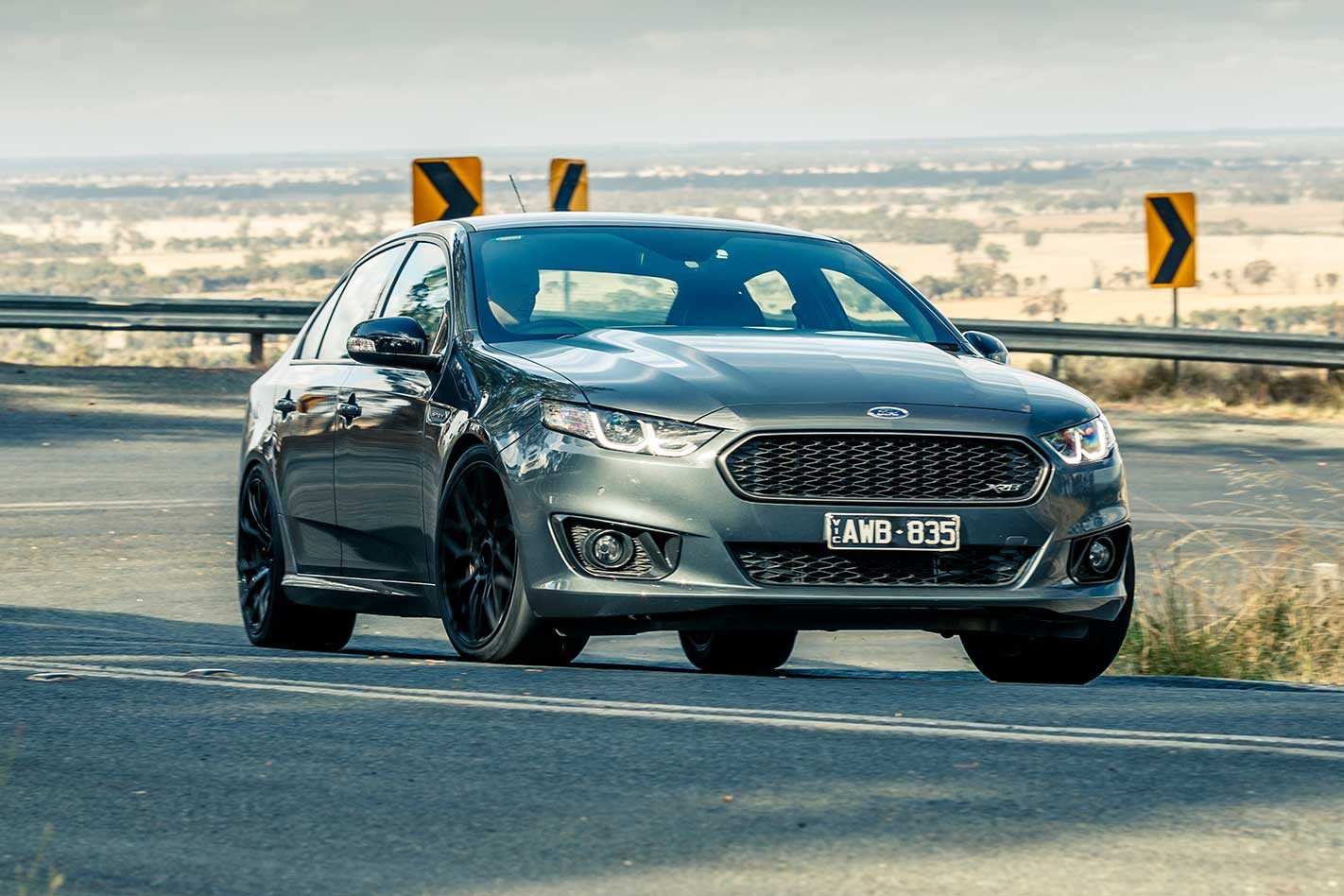
If Ford had built a modern-day GT-HO, the Premcar Holy Grail would be it. Premcar was the ideal outfit to hot-rod the supercharged Miami engine, as it developed the thing in the first place.
Adding an intercooler and lifting the rev limit to 7000rpm liberated 483kW/753Nm, but the true beauty of the engine – and the reason the upgrade cost $25K – was it was OE-spec in terms of its development and certification.
Adjustable Shockworks coilovers and wider wheels wearing Michelin Cup 2 tyres helped make the Holy Grail 10sec a lap quicker around Winton than a stock FPV GT, according to Premcar.
While 100 examples were planned, just 45 ended up being created, the arrival of COVID not exactly helping demand. Critics often point out that similar power can be had much cheaper, but if you want the ultimate OE-level modern Falcon, this is it.
2020 Ford Mustang Dick Johnson Edition
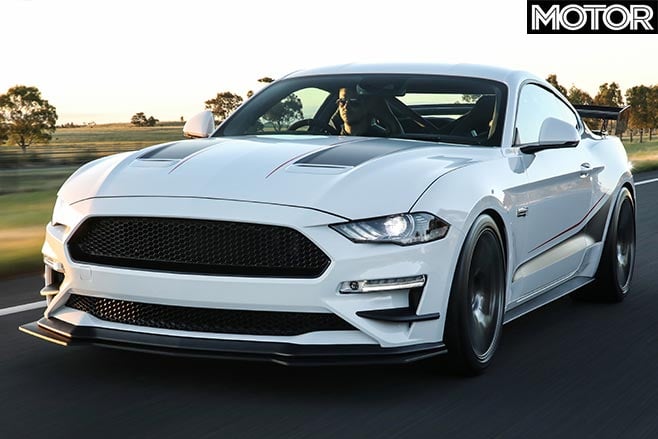
There’s a bit of a Dick Johnson theme to this list, but then that makes sense when you consider he has been a Ford hero for almost 50 years. His most recent collaboration with Herrod Performance was the Mustang Dick Johnson Edition, which didn’t so much have the kitchen sink thrown at it as the entire ground floor.
Herrod had just finished the factory-backed R-Spec, so the DJE was a chance to unleash the Mustang’s full potential. A 3.0-litre Whipple supercharger was installed atop the 5.0-litre V8, stronger internals required to handle the 635kW/949Nm produced.
It was a full package, with a bigger radiator and coolers for the diff and transmission, stronger driveshafts, a carbon fibre tail shaft, a complete suspension overhaul and monster wheels and brakes. Your author was lucky enough to briefly drive one and the 30 owners have an absolute weapon.
A spate of viral TikToks has suggested Australians don’t need to pay parking fines unless they’re issued by a council. While the videos have gained traction, legal experts warn the reality isn’t so simple.
According to Principal Criminal Lawyer Avinash Singh from Astor Legal, it’s crucial to distinguish between council fines and private parking fines.
Council-issued fines are backed by government authorities. Failure to pay can result in serious consequences, including suspension of your driver’s licence until the debt is resolved.
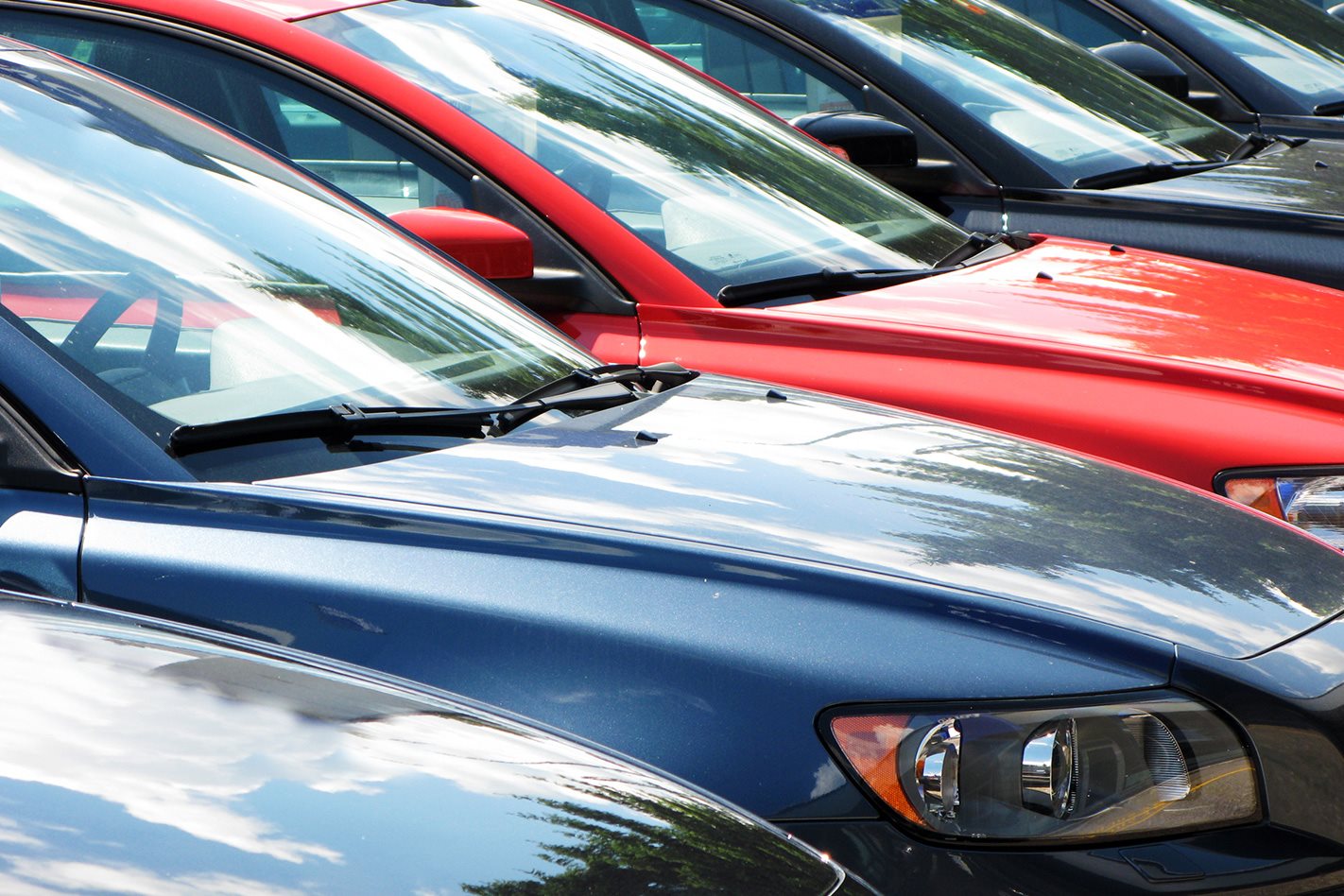
Private parking fines, however, are issued by commercial car park operators and are not enforced by state transport agencies. Not paying won’t lead to licence suspension – but that doesn’t mean they can be ignored.
Singh explains: “A company could sue you and have a court order you to pay the fine, plus interest and part of their legal costs. In practice, many don’t pursue small fines as the cost of suing often outweighs the fine itself.”
Typically, non-payment leads to debt collector contact, followed by a letter of demand. If the matter escalates, the operator may file a claim in court.

Some suggest private fines amount to a breach of contract – agreed to upon entering a car park. Singh confirms this is correct, but stresses it is a civil matter, not criminal. Recovery still requires court action.
Importantly, clamping or towing a car without consent is illegal under the Local Government Act 1993, with penalties of up to $2200.
Drivers can dispute private fines in court by challenging unclear signage, lack of proper consent, or claiming the contract was unfair.
The Toyota Corolla, long regarded as one of the world’s best-selling vehicles, appears set for another significant update, with new government filings from China offering the clearest look yet at a redesigned version of the sedan.
Photographs released by China’s Ministry of Industry and Information Technology (MIIT) reveal a more aggressive and streamlined appearance that draws clear inspiration from Toyota’s most recent designs. The upcoming Corolla sedan features slimmer headlights, a sharply contoured nose and a cleaner, simplified bumper design with a more compact grille.
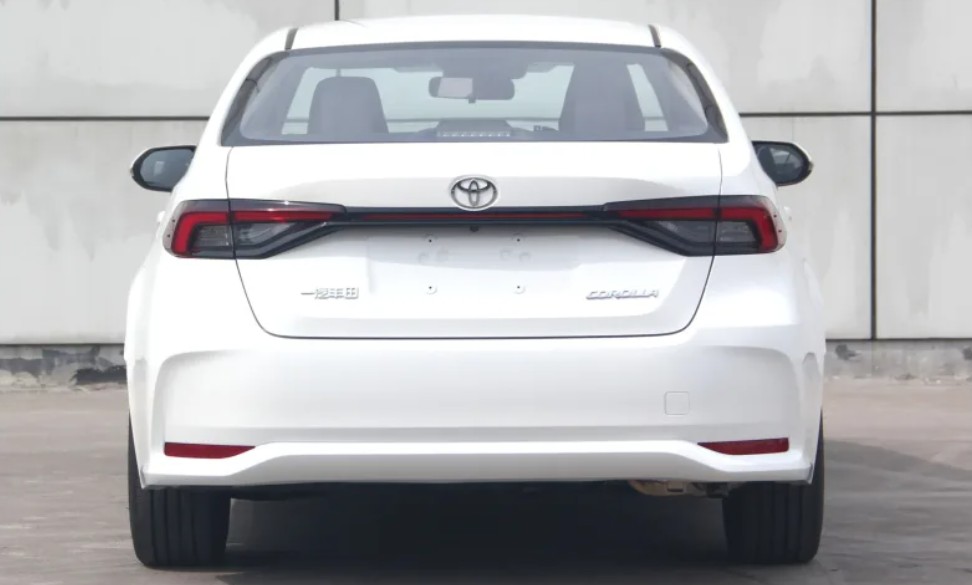
The styling aligns the model more closely with Toyota’s new-generation hybrids and EVs such as the Prius, C-HR+, and bZ4X. Subtle changes appear at the rear, too, with tweaked tail-lights and likely refreshed wheel designs expected to complement the update.
Toyota has introduced 12 generations of Corolla since the model’s debut in the 1960s. The current 12th-generation Corolla launched globally in 2019 and has undergone several incremental updates, including a facelift in 2023 and a further hybrid system revision earlier in 2024.
While this latest sighting suggests a more comprehensive refresh, it remains uncertain whether the updated sedan will be confined to China or distributed more widely. Toyota has not yet provided official details on global rollout, nor has it confirmed if or when this version may be offered in Australia.
The Corolla’s consistent success worldwide makes a successor to the current model highly likely. With the existing version now six years old, industry watchers suggest that a 13th-generation Corolla may not be far away. Toyota has yet to announce a formal timeline, but the redesign seen in these images could foreshadow broader changes to the range in the near future.
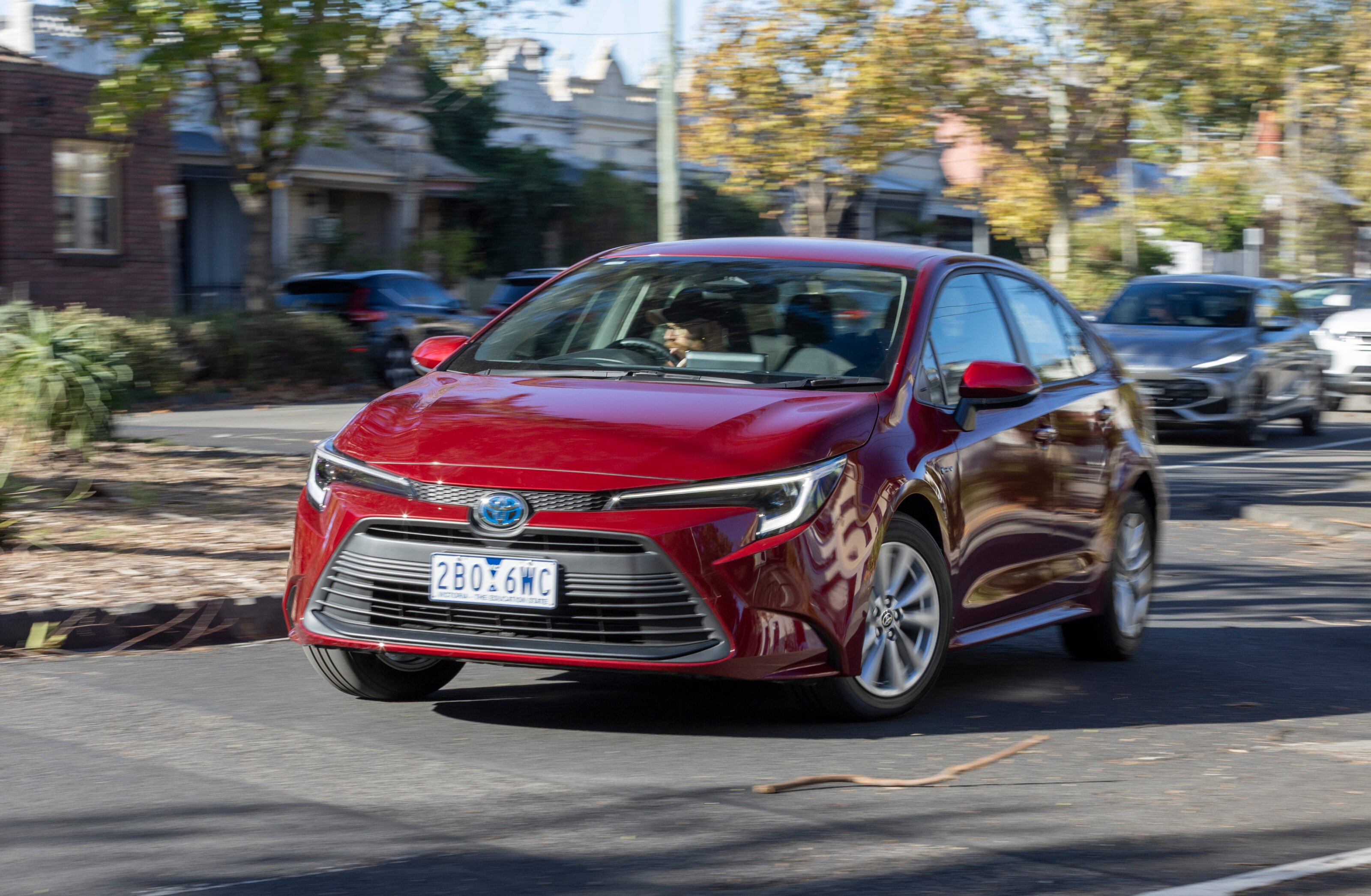
One thing Toyota has confirmed is the future of the high-performance Corolla. Production of the GR Corolla hot hatch is scheduled to begin in 2026, retaining its rally-inspired, all-wheel-drive setup and a turbocharged three-cylinder engine producing around 220 kW. Although the GR is a niche model compared with the mainstream Corolla sedan and hatch, it highlights Toyota’s commitment to maintaining performance alongside its more efficiency-focused offerings.
For now, Australian buyers will have to watch closely. The updated Corolla sedan shows Toyota’s intent to keep its global bestseller fresh and competitive, but it remains unclear whether this new version will reach local showrooms.
MG Motor Australia has announced a major reduction in servicing costs for its new QS seven-seat SUV, a move set to save owners thousands of dollars across the vehicle’s lifetime.
The revised costs apply immediately, with MG Motor Business Director Kevin Gannon saying the decision reflects the brand’s focus on value. “We always look to provide leading value, and these changes will ensure the QS provides unmatched value to motorists,” he said.
Launched in June, the QS has quickly gained traction with families thanks to its spacious interior and flexible third row. MG says the updated servicing structure not only benefits customers but also supports its dealer service centres.
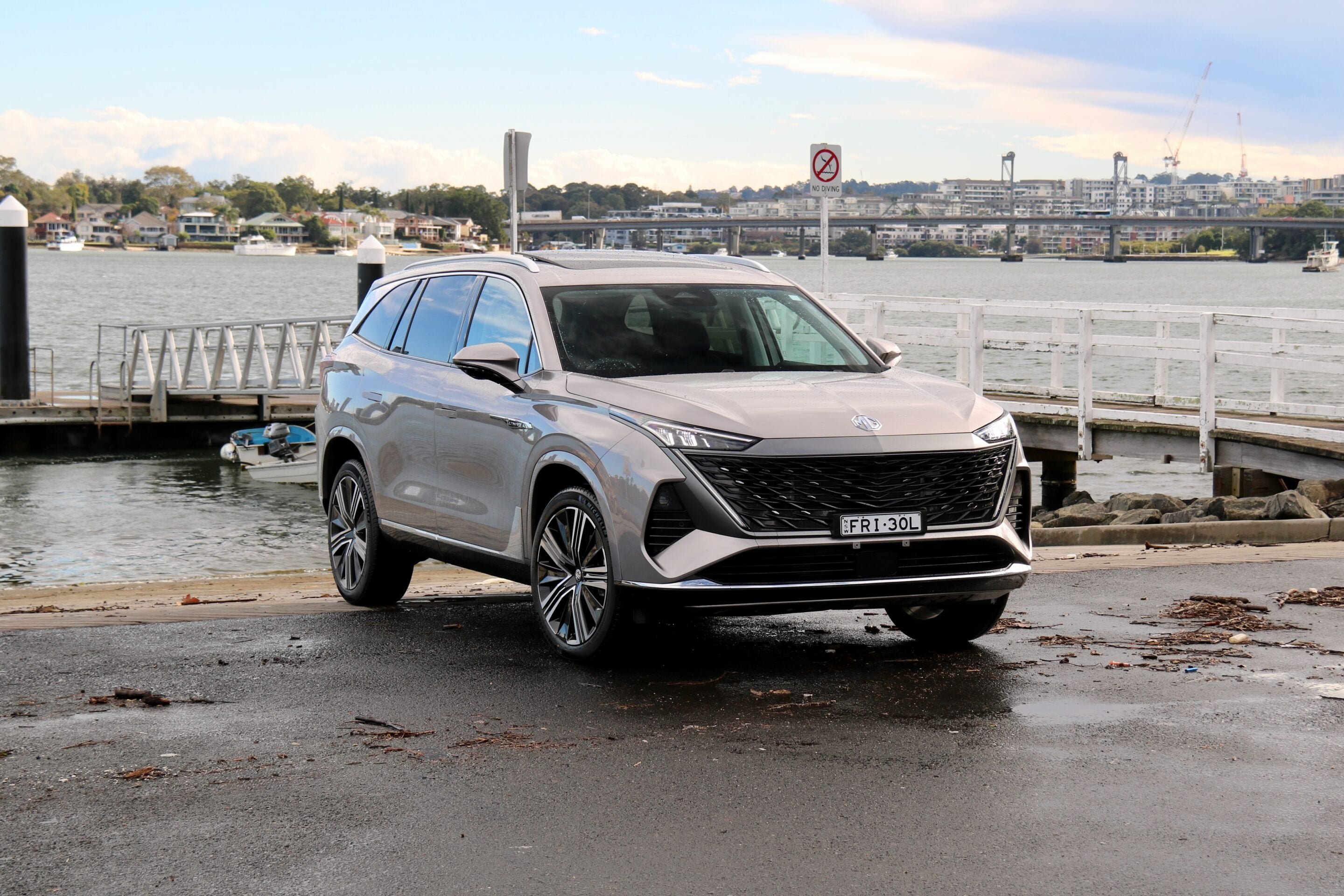
The QS remains MG’s flagship family SUV, and the lower service costs are expected to strengthen its appeal further in Australia’s competitive seven-seat market.
For the MG QS Excite, the first year service is priced at $299, followed by $399 in the second year. Over five years, servicing totals $1,995, climbing to $2,693 across seven years.
For the MG QS Essence, the costs are identical in the first two years – $299 in year one and $399 in year two. The five-year total is also $1,995, with the seven-year figure reaching $2,893 due to slightly higher later service charges.
The sight of a $3 million hypercar dangling from a crane over Melbourne’s CBD was enough to stop the city in its tracks. When billionaire entrepreneur Adrian Portelli arranged for his McLaren Senna GTR to be hoisted 57 storeys into his luxury penthouse, no-one was sure what would happen next, but now we know….
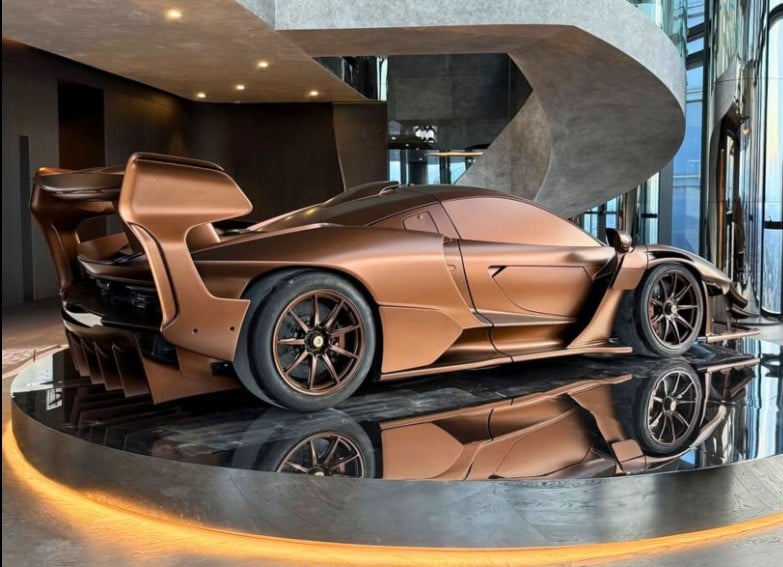
Now sitting inside his $39 million two-level apartment, the track-only McLaren has been transformed into an installation piece. Portelli, well-known for his high-profile purchases and appearances on The Block, has made the GTR the centrepiece of his home – bronze-wrapped, displayed on a rotating turntable, and framed by floor-to-ceiling glass looking out across Melbourne’s skyline.
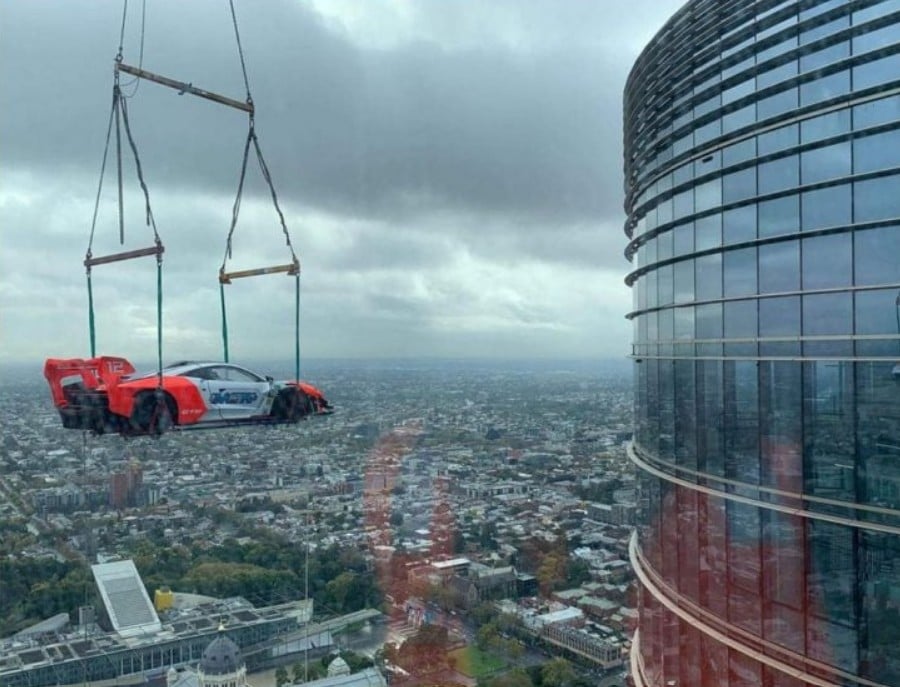
When asked why he went to such extraordinary lengths, Portelli’s answer was disarmingly simple: “Why wouldn’t I want my car in my penthouse?”
The process of placing the McLaren at such dizzying heights was an engineering accomplishment in its own right, which Portelli documented on his social media accounts. Specialist cranes and crews were tasked with lifting the car, a three-million-dollar machine weighing more than a tonne, hundreds of metres into the air. Each stage required exacting precision – any slip could have spelled disaster.
The McLaren Senna GTR is among the rarest hypercars on earth. Only 75 examples exist, each one stripped of creature comforts in pursuit of speed and downforce. Its twin-turbocharged V8 engine generates over 800 horsepower, and the sculpted body is a masterclass in aerodynamics.
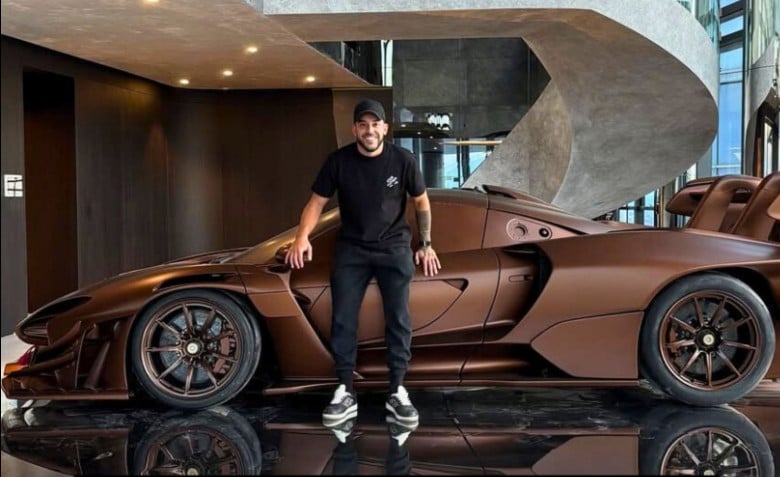
Designed exclusively for the racetrack, the car isn’t legal for Australian roads. Portelli has foregone the need to drive it and reimagined it as art – a metallic sculpture in bronze, set high above the city like a prize on a pedestal.
The spectacle has a dual purpose. Portelli admits it’s partly indulgence, but it also serves as a statement piece for his LMCT Plus platform. Branded and broadcast across social media, the car has become a symbol of his empire as much as a personal indulgence.
Portelli has built his name on headline-grabbing moves – whether buying multimillion-dollar homes, growing a fleet of exotic cars, or staging promotions that blend lifestyle with spectacle. Yet even by his standards, lifting a hypercar into a penthouse is a gesture few would even imagine attempting.
Whether you view it as ridiculous extravagance, ambition, or performance art, the result is the same: a rare McLaren Senna GTR, bronzed and gleaming, rotating high above Melbourne.
Ferrari has pulled the covers off the 849 Testarossa Spider, an open-top plug-in hybrid that replaces the SF90 Spider and reclaims one of Maranello’s most storied badges. Marrying a re-engineered twin-turbo V8 with three electric motors, the new range-topper delivers a combined 1,050 cv—50 cv more than its predecessor—while promising genuine everyday usability and the sensory hit only a roof-down Ferrari can provide.
At the core is Ferrari’s latest evolution of its award-winning 3.9-litre V8 (project code F154FC). Extensively revised with a larger turbo, new cylinder heads and lightweight hardware, the engine alone produces 830 cv and a class-leading 208 cv/litre specific output. A rear-mounted MGU-K motor teams with two front-axle units to create on-demand e-AWD with torque vectoring, sharpening both traction and turn-in. Power flows from a 7.45 kWh lithium-ion battery, yielding up to 25 km of silent running in eDrive and supplemented by Hybrid, Performance and Qualify modes selected via the e-Manettino.
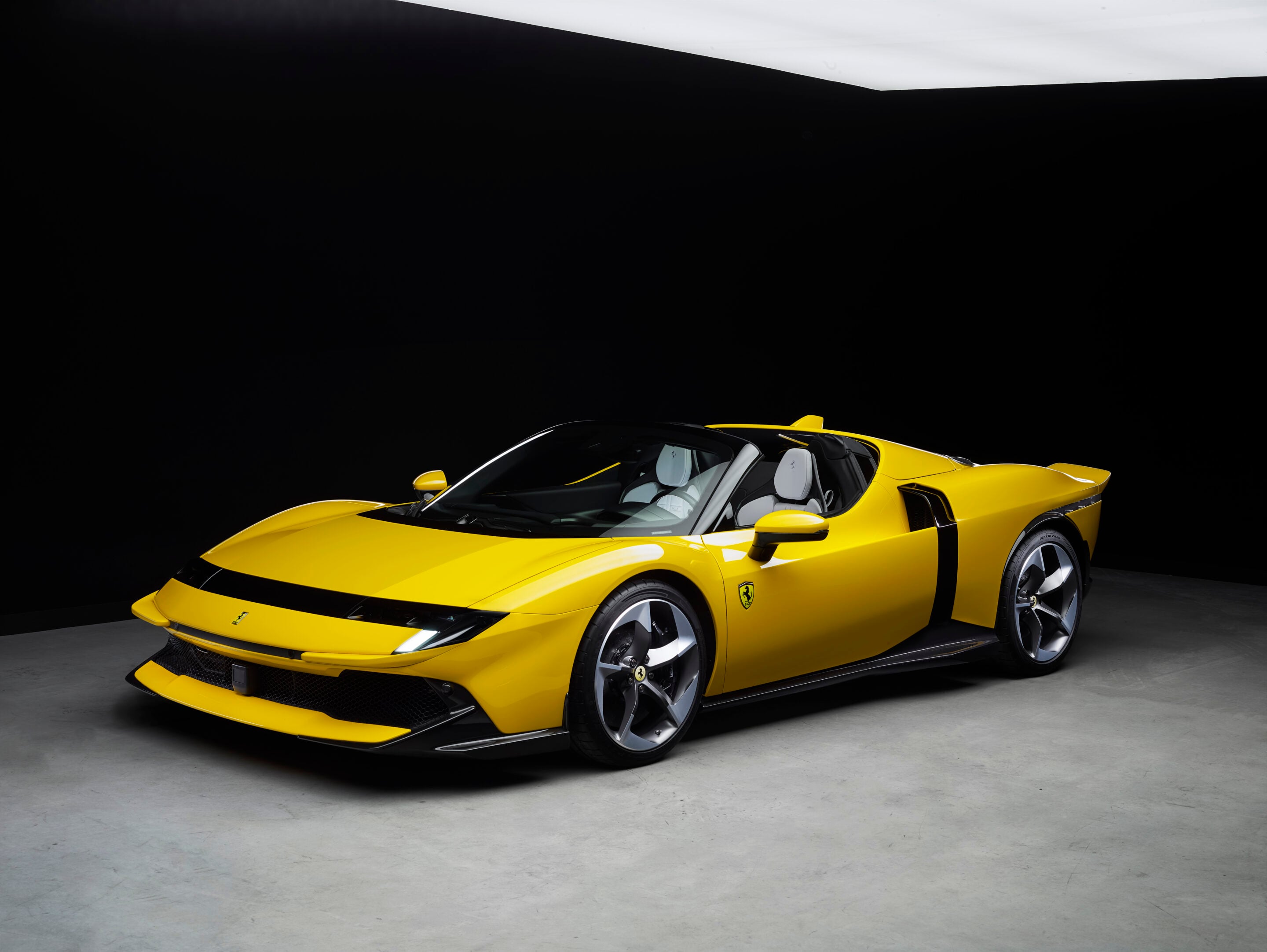
The Spider pairs its headline performance with signature Ferrari tactility. Brake-by-wire hardware and the ABS Evo controller improve precision and repeatability, while a redesigned spring and damper package enhances grip at the limit without sacrificing ride quality. Ferrari’s FIVE (Ferrari Integrated Vehicle Estimator) digital twin estimates key dynamics such as yaw and speed in real time, allowing finer control of traction, differential and e4WD systems. Despite additional hybrid complexity, extensive light-weighting—down to titanium fasteners and recycled-aluminium castings—helps the Spider match the SF90 Spider’s mass and achieve the best power-to-weight ratio of any current series Ferrari.
As a Spider, it had to deliver drama top-down. The retractable hardtop opens or closes in 14 seconds at up to 45 km/h, effectively giving owners both a coupé and a roadster in one. A patented “wind stop” system—ducting integrated behind the seats that captures airflow and redeploys it low in the cabin—cuts turbulence, so occupants can enjoy the V8’s intensified soundtrack without buffeting. Ferrari has tuned the exhaust timbre and revised upshift calibration (inspired by the SF90 XX Stradale) for crisper, racier acoustic fireworks, especially in Race mode as the engine climbs toward its 8,300 rpm limiter.
Design-wise, the 849 Testarossa Spider channels 1970s Sports Prototypes and the 512 S, blending sharp graphic lines with sculptural surfacing. The double-tail rear architecture integrates an active spoiler that flips between low-drag and high-downforce settings in under a second. Aerodynamic performance is serious: 415 kg of total load at 250 km/h—25 kg up on the SF90 Spider—alongside a 15% cooling boost for the powertrain and brakes. Underneath, a redesigned front underfloor with cascading vortex generators contributes 35% of the total downforce, while a multi-level rear diffuser trims drag by 10% relative to its predecessor.
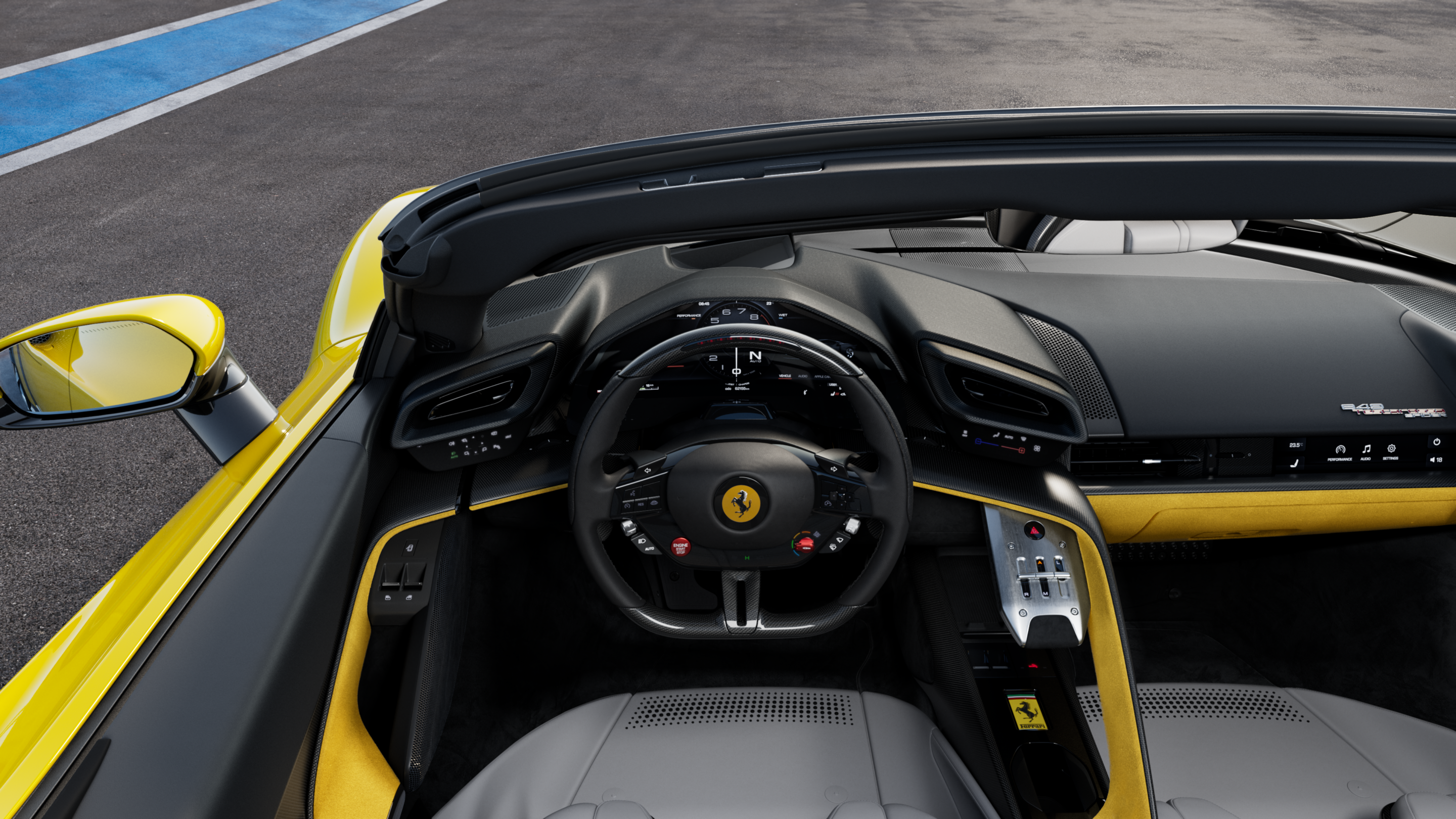
Inside, the cockpit wraps around the driver with a horizontal dash, mechanical switchgear on a new steering wheel (yes, a proper red start button), and Ferrari’s signature gated-style selector integrated into a “central sail” motif. A new HMI simplifies interaction, and connectivity includes Apple CarPlay, Android Auto and wireless charging, backed by the MyFerrari Connect app.
For track-leaning clients, the Assetto Fiorano package sheds about 30 kg via composite and titanium components, adds stiffer Multimatic dampers and larger aero elements—including twin rear wings that can triple vertical load versus the standard twin-tail setup. Bespoke colours (Rosso Fiammante, Giallo Ambra), a new Giallo Siena Alcantara interior, and forged or carbon wheels expand personalisation options.
With ferocious hybrid power, roof-down theatre and meticulous aero, the 849 Testarossa Spider crowns Ferrari’s open-top range—and ensures the Testarossa name roars anew in the modern era.
Performance
| Maximum speed | >330 km/h |
|---|---|
| 0-100 km/h | <2.3 s |
| 0-200 km/h | 6.5 s |
| 100-0 km/h | 28.5 m |
| Fiorano lap time | 1′ 18″ 100 |
Engine
| Layout | Twin-turbo V8 – dry sump |
|---|---|
| Total displacement | 3,990 cc |
| Bore & stroke | 88 x 82 mm |
| Maximum power* | 830 cv @ 7,500 rpm |
| Maximum torque | 842 Nm @ 6,500 rpm |
| Maximum speed | 8,300 rpm |
| Compression ratio | 9.54:1 |
| Specific power | 208 cv/l |
Red light cameras have been operating in New South Wales for more than 40 years, yet new figures show they are catching more drivers than ever before.
According to 9 News, the state’s 247 cameras, placed at high-risk intersections, continue to record thousands of offences each year despite hefty fines and the dangers of ignoring traffic signals.
Centre for Road Safety chief Bernard Carlon told the outlet that the consequences of running a red light can be catastrophic. “If that crash happens at 70km/h, you’ll only have a 20 per cent chance you’ll survive that crash,” he said. “If it happens at 50km/h, there’s a 90 per cent chance you’ll survive. Just think about the consequences of tragically taking someone’s life and slow down, obey the signals, stop the red light running.”
The dangers are reflected in the state’s road toll. Each year, more than 100 people are seriously injured due to red light offences. Last year, three people lost their lives in such crashes.
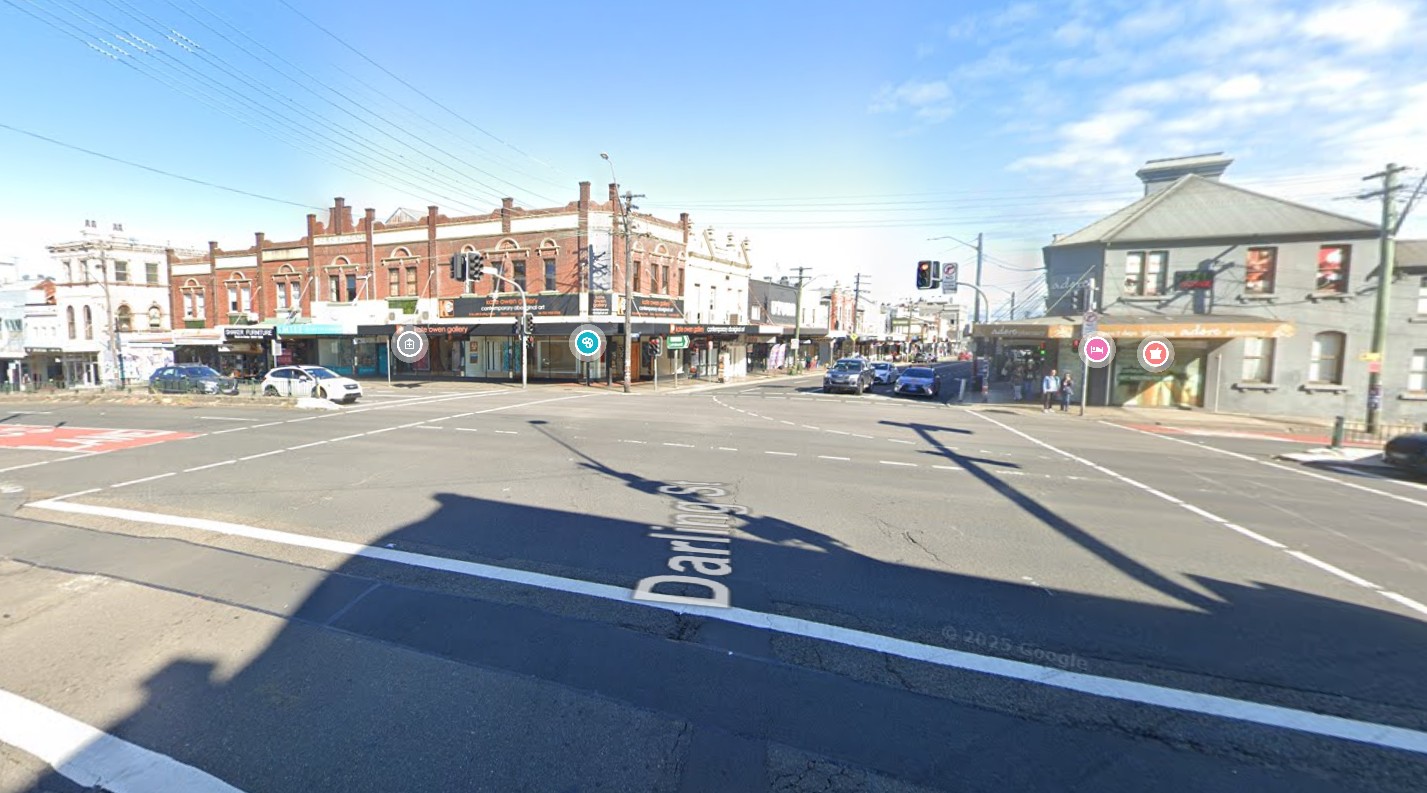
The latest statistics show Sydney’s most notorious black spots. The Victoria Road and Darling Street intersection in Rozelle recorded almost 3000 fines since January. The Stacey Street and Hume Highway junction in Bankstown was close behind, with 2799 drivers booked. Meanwhile, the Elizabeth and Park streets intersection in the city saw 2490 infringements.
Officials say the cameras are making a measurable difference. Figures reveal that red light cameras have reduced deaths at intersections and cut serious injuries by more than 50 per cent since being introduced.
Despite this, thousands of motorists are still willing to take the risk. Running a red light attracts a minimum fine of $562 and three demerit points.
Carlon told 9 News the message is simple: “Just stop. That few seconds you think you’re saving isn’t worth the cost of someone’s life, or your own.”
Authorities hope the latest data will serve as a reminder that while technology can help reduce risk, driver behaviour remains the key to preventing avoidable tragedy on NSW roads.
A new global study by Scrap Car Comparison names the United States the most affordable place to buy and run a car, after analysing ownership costs across 98 countries and benchmarking them against average earnings. Australia and Canada complete the podium, while the Philippines emerges as the least affordable market, where total costs equate to nearly five times the average annual salary.
Researchers combined the average price of two mainstream new cars (VW Golf and Toyota Corolla) with annual fuel, insurance, breakdown cover and repair costs, then expressed the total as a share of each country’s average yearly income. The results reveal stark disparities between regions – and clear advantages for higher-income, developed markets with robust vehicle supply and finance options.
In the United States, the combined cost of purchase and running a car amounts to 56.4 per cent of the average salary. Australia follows at 61.8 per cent, and Canada at 69.9 per cent. Northern Europe also fares well: the Netherlands (83.5 per cent), Norway (88.1 per cent), Germany (89.1 per cent), Sweden (90.5 per cent) and Finland (95.5 per cent) all place in the top ten. The UK rounds out the list in tenth, at 105.2per cent.
By contrast, affordability collapses in parts of Latin America and the Philippines, where high import duties, taxes, weaker local currencies and limited financing elevate the cost burden dramatically. Seven of the ten least affordable countries are in Latin America; in the Philippines, the all-in cost reaches 470.7 per cent of average annual income.
“While car ownership can be prohibitively expensive in many developing countries – due to high import duties, taxes, and limited financing options – the picture is far more optimistic in much of Europe and the western world,” said Matt Clamp, Customer Service Manager at Scrap Car Comparison.
“Access to locally manufactured vehicles, competitive financing, and a strong used-car market makes ownership more attainable, while scrappage and recycling programmes support a cleaner, cost-effective vehicle lifecycle.”
Top 10 Most Affordable Countries to Own a Car
| Rank | Country | % of average yearly salary required to buy and run a car |
|---|---|---|
| 1 | United States | 56.4% |
| 2 | Australia | 61.8% |
| 3 | Canada | 69.9% |
| 4 | Netherlands | 83.5% |
| 5 | Norway | 88.1% |
| 6 | Germany | 89.1% |
| 7 | Sweden | 90.5% |
| 8 | Finland | 95.5% |
| 9 | Ireland | 105.0% |
| 10 | United Kingdom | 105.2% |
Top 10 Most Expensive Countries to Own a Car
| Rank | Country | % of average yearly salary required to buy and run a car |
|---|---|---|
| 1 | Philippines | 470.7% |
| 2 | Colombia | 466.1% |
| 3 | Brazil | 461.9% |
| 4 | Turkey | 444.3% |
| 5 | Ecuador | 412.1% |
| 6 | Peru | 373.5% |
| 7 | Argentina | 363.0% |
| 8 | Uruguay | 338.9% |
| 9 | Costa Rica | 304.1% |
| 10 | India | 289.0% |
Methodology: Costs for purchase (VW Golf/Toyota Corolla average), fuel, insurance, breakdown cover and repairs were totalled and compared with each country’s average salary to derive affordability. Data current to June 2025.
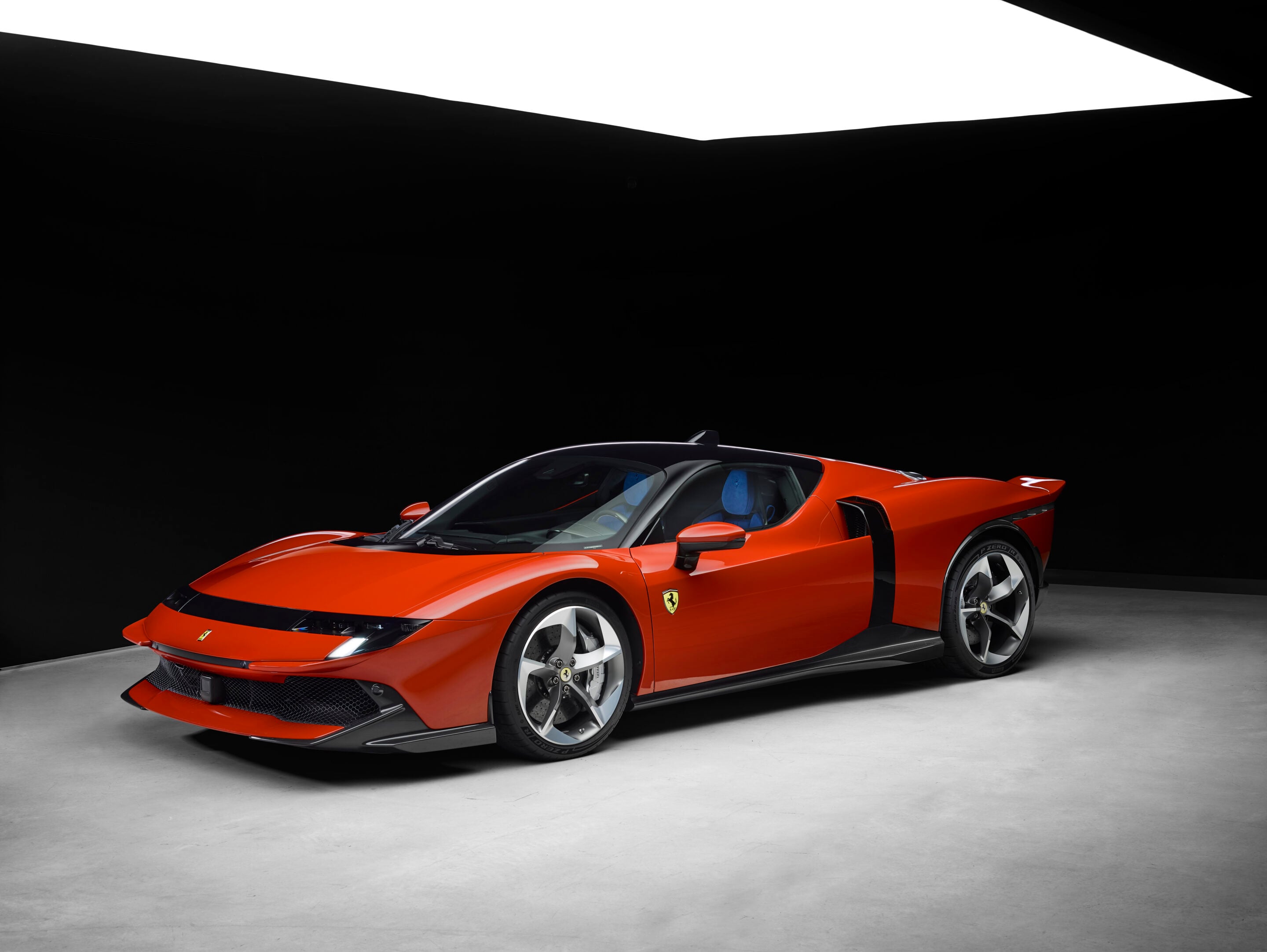
Ferrari has unveiled the 849 Testarossa, a radical new flagship that blends cutting-edge hybrid technology with a name steeped in Maranello history. The new model replaces the SF90 Stradale at the top of the range and introduces a modern interpretation of Ferrari’s iconic 1980s Testarossa while delivering unprecedented performance for a road car.
At the heart of the 849 Testarossa is Ferrari’s re-engineered twin-turbo V8, producing 830 cv on its own. Combined with three electric motors, the plug-in hybrid system raises total output to 1050 cv, 50 more than the outgoing SF90. The layout includes two electric motors on the front axle for torque vectoring and four-wheel drive, and one motor on the rear axle derived from Formula 1 technology.
A 7.45 kWh battery enables up to 25 km of pure electric driving, while four modes – eDrive, Hybrid, Performance and Qualify – optimize output for different conditions.
Ferrari’s engineering team has focused on reducing weight while increasing performance. Titanium components, recycled aluminium castings, and machining techniques inspired by racing engines help deliver the best power-to-weight ratio ever in a Ferrari range model.
The 849 Testarossa features a host of dynamic upgrades. A new ABS Evo controller sharpens braking precision, while revised suspension geometry, lighter springs, and recalibrated dampers enhance agility and comfort. Ferrari’s advanced digital control system, FIVE (Ferrari Integrated Vehicle Estimator), creates a real-time “digital twin” of the car to improve traction, braking distribution, and stability.
Together, these systems allow the 849 to stop harder, accelerate quicker, and corner with greater precision than the SF90, all while retaining daily drivability. Tyres co-developed with Michelin, Pirelli, and Bridgestone further tailor the handling for track or road use.
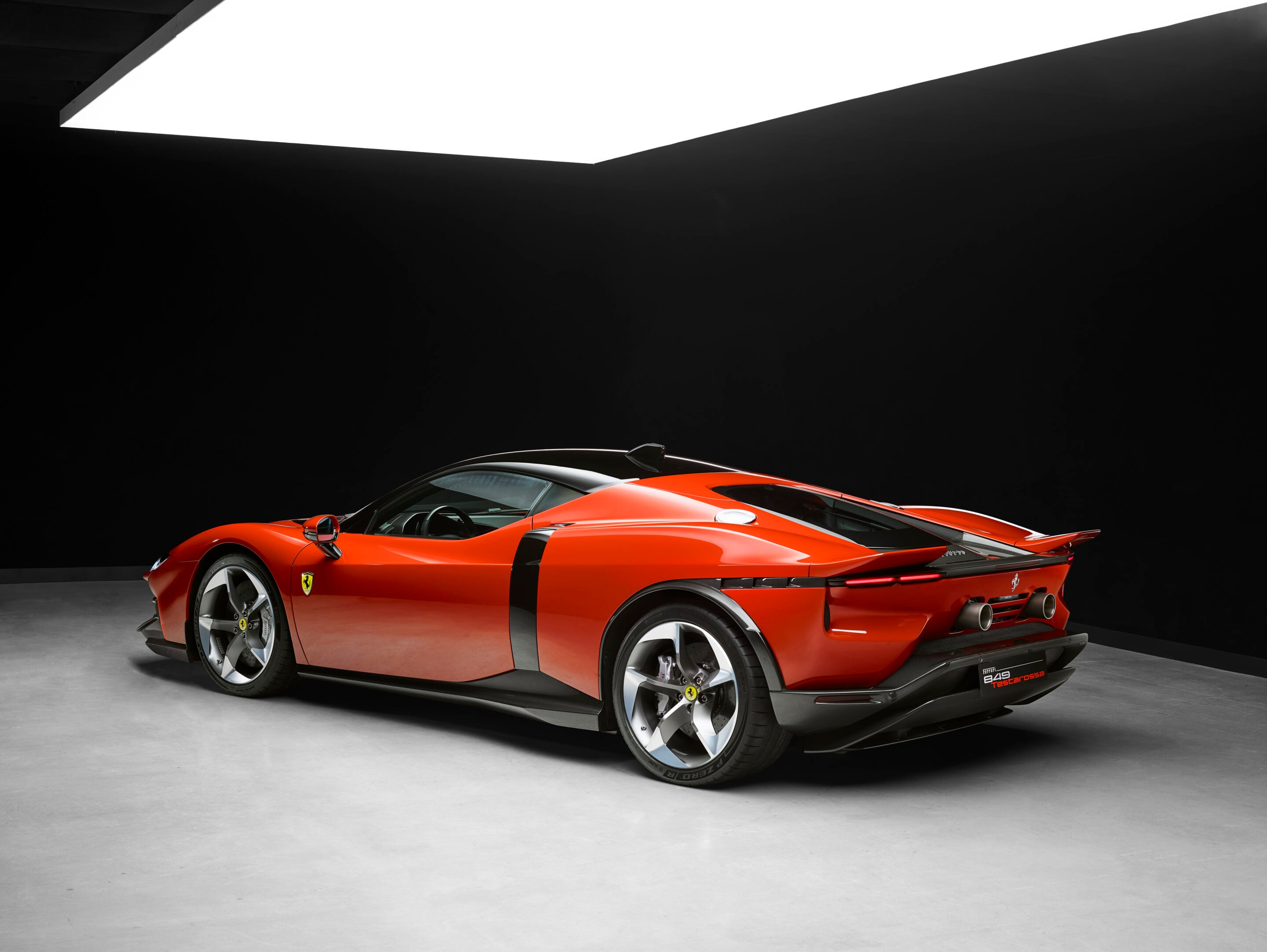
The design, overseen by Flavio Manzoni, draws inspiration from Ferrari’s 1970s Sports Prototypes and the legendary 512 S, combining sharp, geometric lines with functional aero. The car generates 415 kg of downforce at 250 km/h, a 25 kg increase over the SF90. Active elements, including a lightweight rear spoiler that switches between low-drag and high-downforce modes in under a second, balance stability with efficiency.
The sculpted doors double as aerodynamic ducts, feeding the intercoolers and brakes, while the twin-tail rear architecture integrates seamlessly with the active wing. Cooling capacity has been improved by 15 per cent, vital for both the uprated V8 and hybrid system.
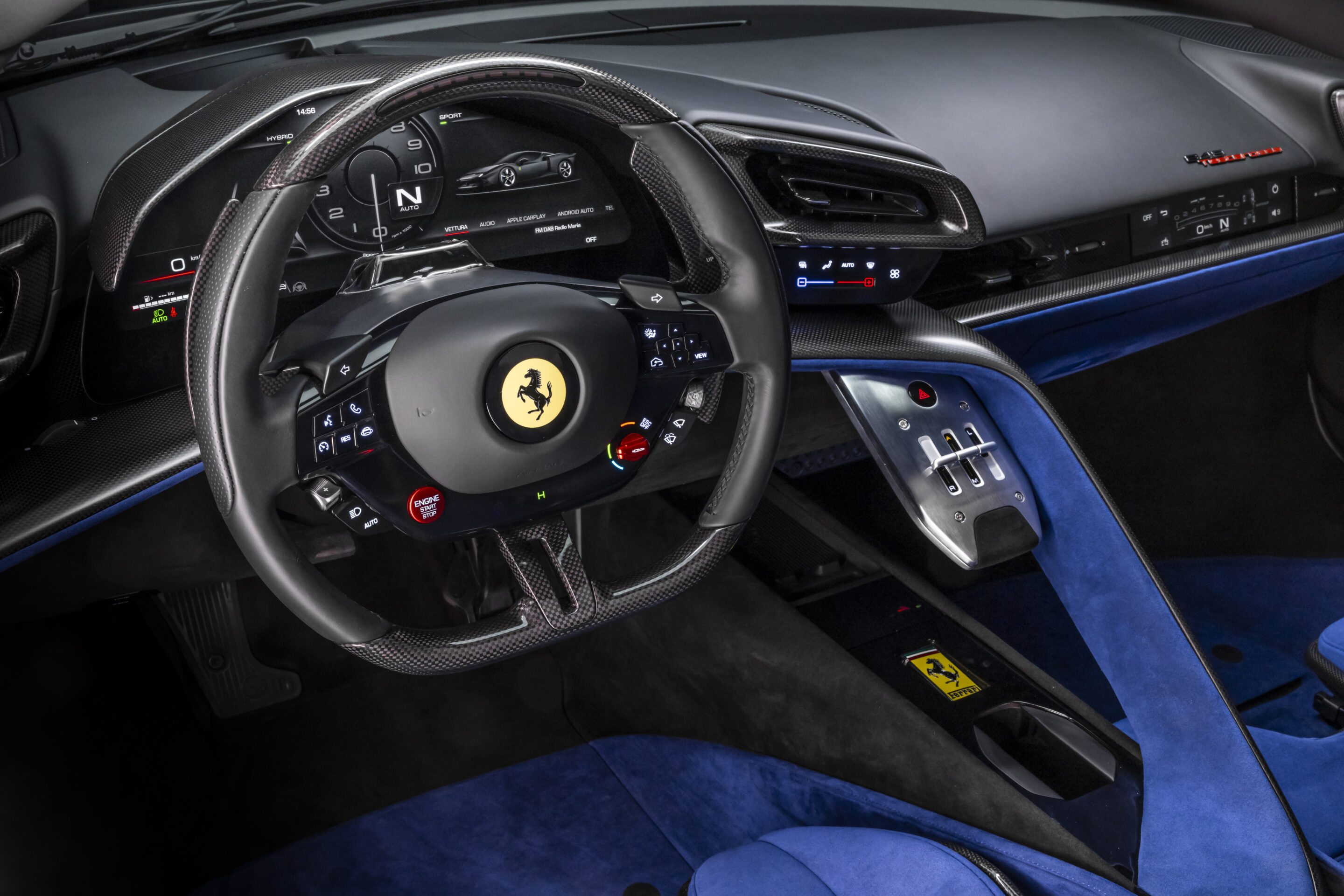
The interior continues Ferrari’s driver-focused philosophy, featuring an enveloping cockpit layout and a new steering wheel with mechanical controls, including the iconic red start button. A redesigned gear-change gate, inspired by the F80, sits in the central sail motif, while the new HMI system simplifies interaction. Connectivity includes Apple CarPlay, Android Auto, and wireless charging, supported by the MyFerrari Connect app.
For clients seeking even greater performance, the optional Assetto Fiorano package cuts weight by 30 kg using carbon fibre and titanium, adds stiffer suspension, and introduces aggressive aero elements. Exclusive liveries and bespoke wheel options expand Ferrari’s personalisation programme.
The revival of the Testarossa name pays homage to Ferrari’s racing heritage. First used in 1956 to describe the red cam covers of competition engines, the badge later defined one of Ferrari’s most recognisable road cars of the 1980s. The new 849 Testarossa continues that lineage, combining tradition with the most advanced technology ever fitted to a Ferrari.
With blistering performance, striking design, and cutting-edge hybrid innovation, the 849 Testarossa cements its place as Ferrari’s new benchmark supercar – and a worthy bearer of a legendary name.
Performance
| Maximum speed | >330 km/h |
|---|---|
| 0-100 km/h | <2.3 s |
| 0-200 km/h | 6.35 s |
| 100-0 km/h | 28.5 m |
| Top speed | 250 km/h |
| Range (WLTP) | 670 km |
Engine
| Layout | Twin-turbo V8 – dry sump |
|---|---|
| Total displacement | 3,990 cc |
| Bore & stroke | 88 x 82 mm |
| Maximum power* | 830 cv @ 7,500 rpm |
| Maximum torque | 842 Nm @ 6,500 rpm |
| Maximum speed | 8,300 rpm |
| Compression ratio | 9.54:1 |
| Specific power | 208 cv/l |
Hyundai is preparing to expand its Ioniq electric line-up with a new compact hatchback, previewed by the striking Concept Three unveiled in Europe. If production follows the path set by earlier Hyundai show cars, the finished model will arrive as the Ioniq 3, targeting rivals such as the Volkswagen ID.3 when it launches in mid-2025.
Although the concept features dramatic touches such as rear-hinged coach doors, oversized wheels and a full pixel-screen front grille, the underlying proportions closely mirror the eventual production model. At 4288mm long, Concept Three is slightly larger than the ID.3 and only 52mm shorter than Hyundai’s i30 petrol hatch, hinting at a roomy, practical interior.
Hyundai is expected to price the Ioniq 3 from around £28,000 (A$54,000), positioning it between the upcoming Inster city EV and the larger Kona Electric SUV in the brand’s range.
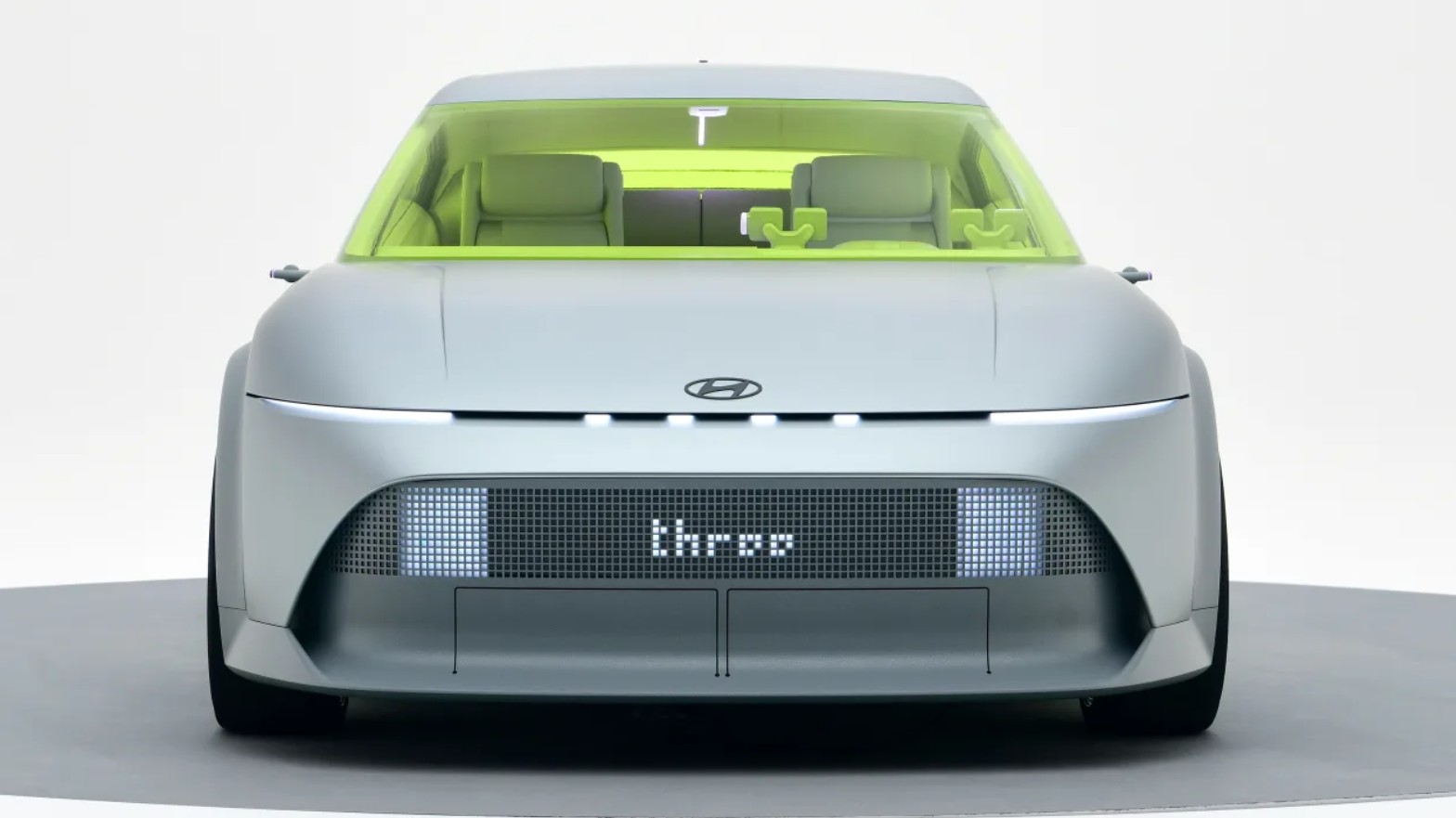
Hyundai Design Europe’s chief designer Eduardo Ramirez told AutoExpress that the goal was a “very sporting stance with a clear silhouette defined by aero hatch profile and EV-specific proportions with the low front.” The pixel lighting theme already seen on the Ioniq 5, 6 and 9 is carried through, with animated parametric pixels giving the rear light bar a 3D effect.
Up front, the pixel grille can display animations of a digital mascot dubbed Mr Pix. While unlikely to reach production, head of design Simon Loasby suggested it could be feasible: “We can do it, but it’s about adding cost. There is a fun factor and it’s memorable,” he said.
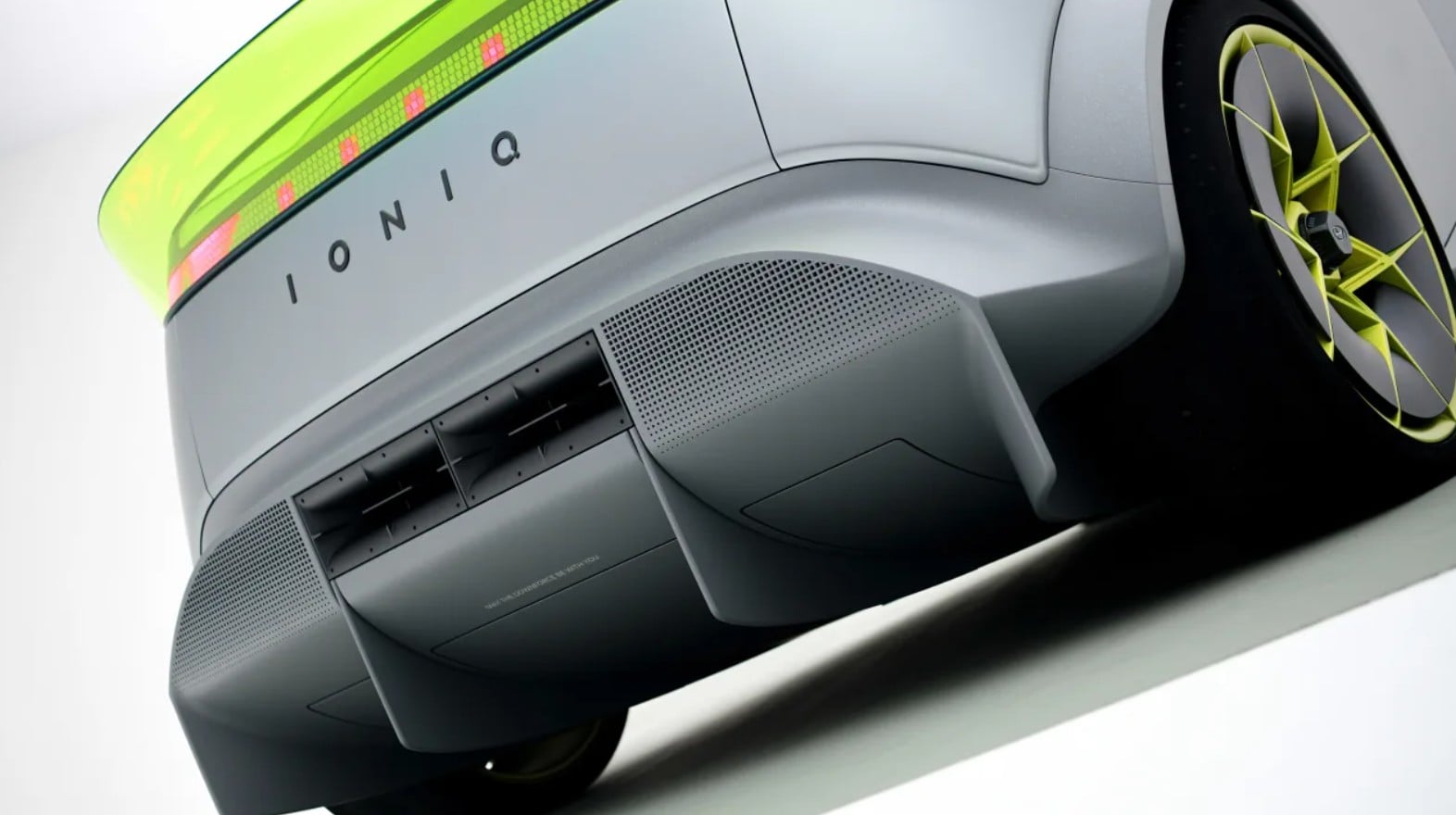
Other styling flourishes include what appear to be twin exhaust outlets but are in fact speakers to deliver an ‘emotive experience through sound’, plus playful touches such as “May the downforce be with you” etched into the oversized rear diffuser. That diffuser, like the coach doors, will be dropped for production.
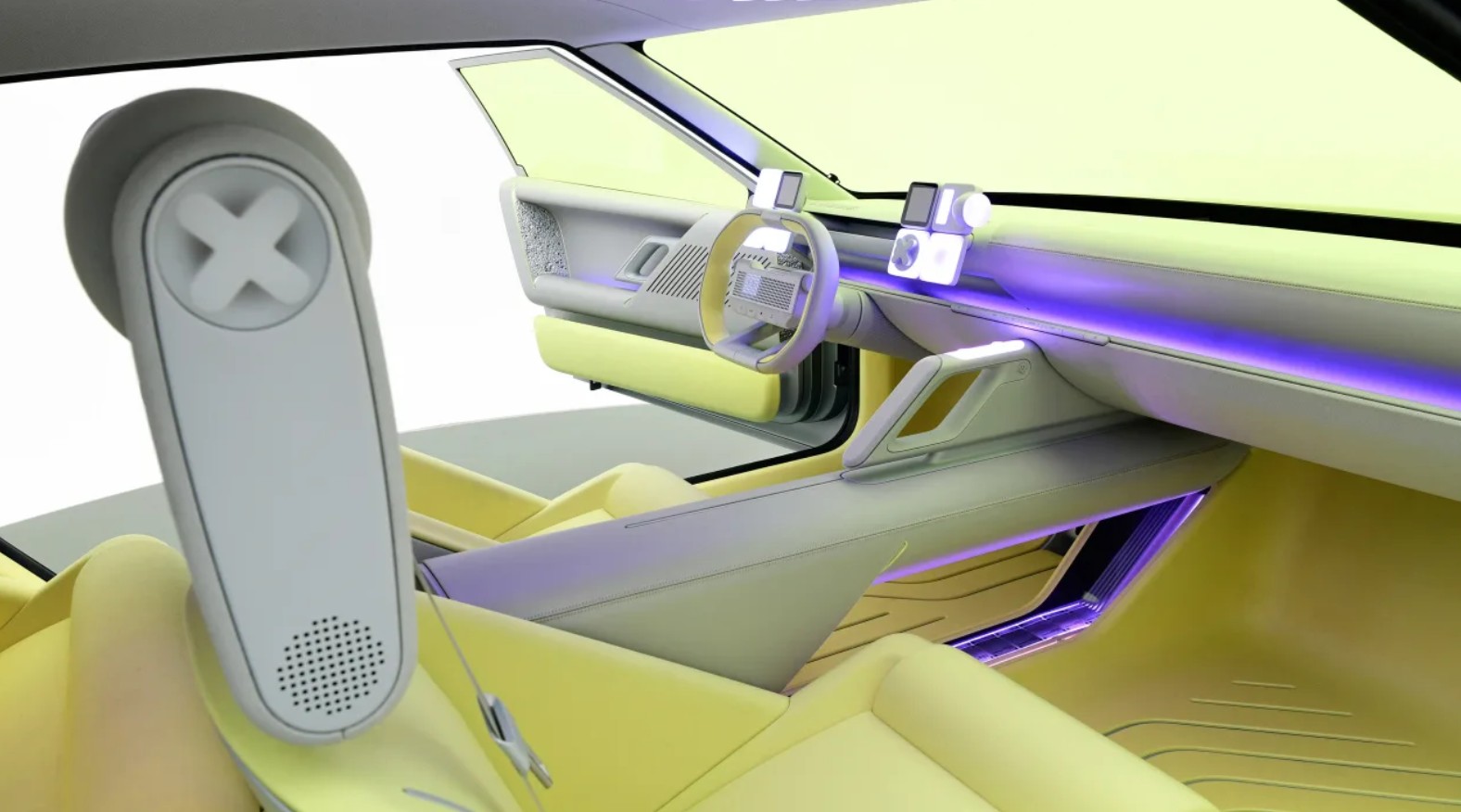
The concept’s cabin was designed to feel like a living room, with each element imagined as a piece of furniture. While the production car will adopt a more conventional interior, Hyundai Europe boss Xavier Martinet told AutoExpress the exterior will remain close to the concept: “The dimensions are very, very close to what you’ll have with the final vehicle… the interior will be more traditional, although don’t expect it to be boring.”
Though the Concept Three is purely a styling exercise, the production Ioniq 3 is expected to share the Hyundai Group’s 58kWh battery, offering around 150kW (201bhp) and a range of more than 440 kilometres (WLTP). Higher-performance or longer-range versions are likely to follow.
As AutoExpress concluded, Concept Three not only signals Hyundai’s intent to challenge the Volkswagen ID.3 head-on but also showcases the brand’s growing confidence in delivering compact EVs that are practical, distinctive and fun.