
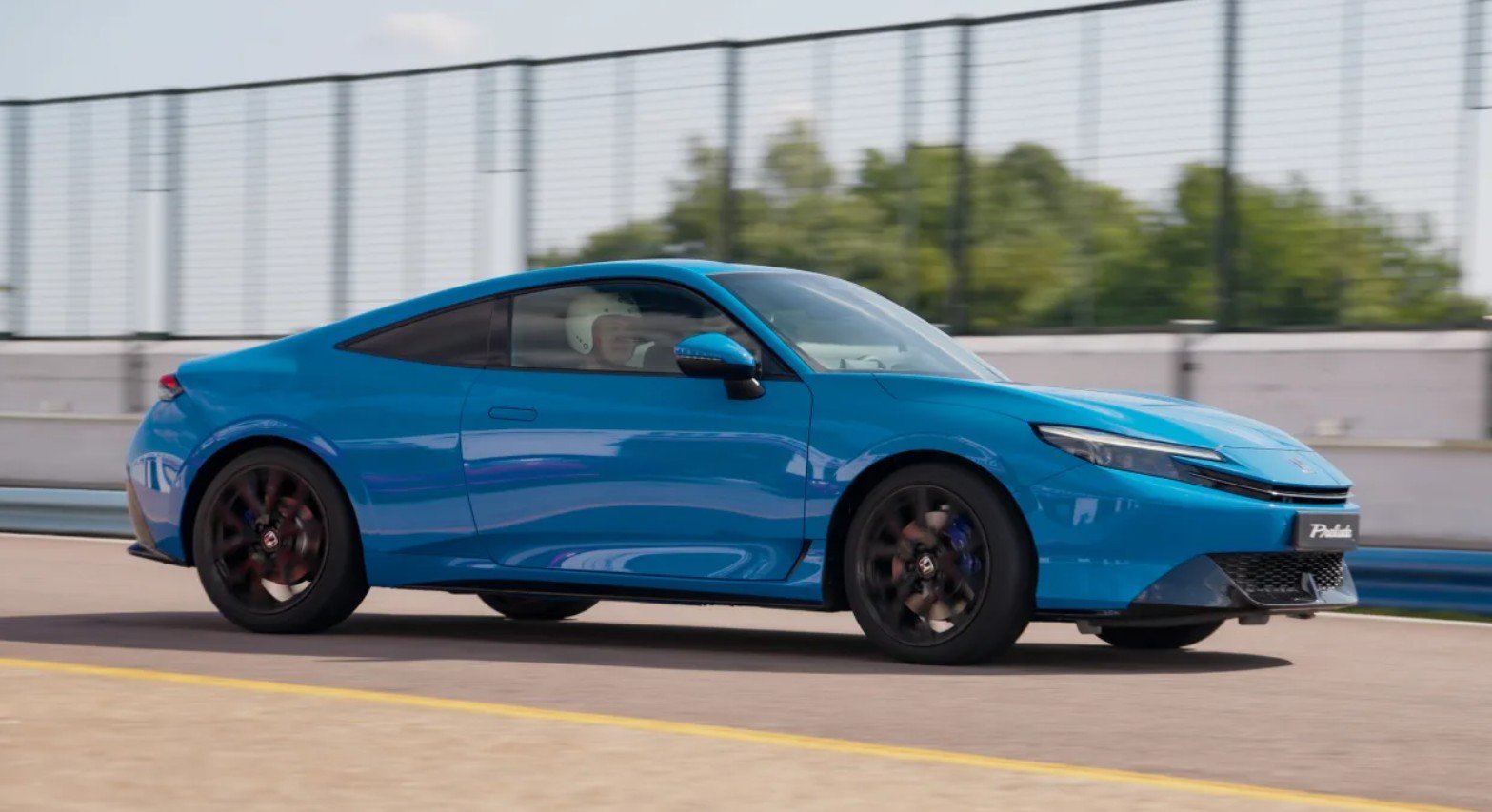
After more than two decades off the market, Honda’s famed Prelude badge is set to return in the first half of 2026 – this time as a sleek, two-door coupé that blends modern hybrid power with classic grand-touring proportions. Slotting above the Civic in size and price, the new model gives Honda loyalists a sporty alternative to crossovers without treading on the Civic Type R’s hardcore territory.
Familiar platform, bespoke tuning
Built on the same architecture as the current Civic, the Prelude employs Honda’s proven 2.0-litre Atkinson-cycle petrol engine paired with an electric motor. While the basic hardware mirrors the Civic Hybrid, engineers have retuned the system for sharper throttle response and a more engaging soundtrack. Combined system output is expected to mirror the Civic’s 181 bhp (135 kW) electric motor, with total power estimated around 200 bhp (149 kW) once final figures are confirmed.
A headline addition is S+ Shift: an eight-step simulated gear programme accessed via wheel-mounted paddles. Though the transmission itself remains a single-speed e-CVT, the virtual ratios allow drivers to “upshift” and “downshift,” raising or lowering engine revs to mimic the feel of a traditional gearbox. The effect is supported by an enhanced cabin sound profile that amplifies engine notes through the speakers up to a 6,000 rpm redline.
Chassis and handling
Compared with its four-door sibling, the Prelude adopts a shorter wheelbase, wider tracks and broader tyres for added grip. Beneath the coupe body sits suspension hardware borrowed from the Civic Type R, but spring and anti-roll-bar rates have been softened to deliver day-to-day compliance. The result, Honda claims, is a ride/handling balance that splits the difference between mainstream Civic comfort and Type R aggression – ideal for spirited weekend drives without sacrificing long-distance refinement.
Early engineering targets put kerb weight at roughly 1,450 kg, on par with the Civic Hybrid, so performance should remain brisk even if the Prelude isn’t chasing outright Type R lap times. Expect 0–100 km/h in the high-sevens, with instant electric torque giving lively real-world acceleration.
Design cues
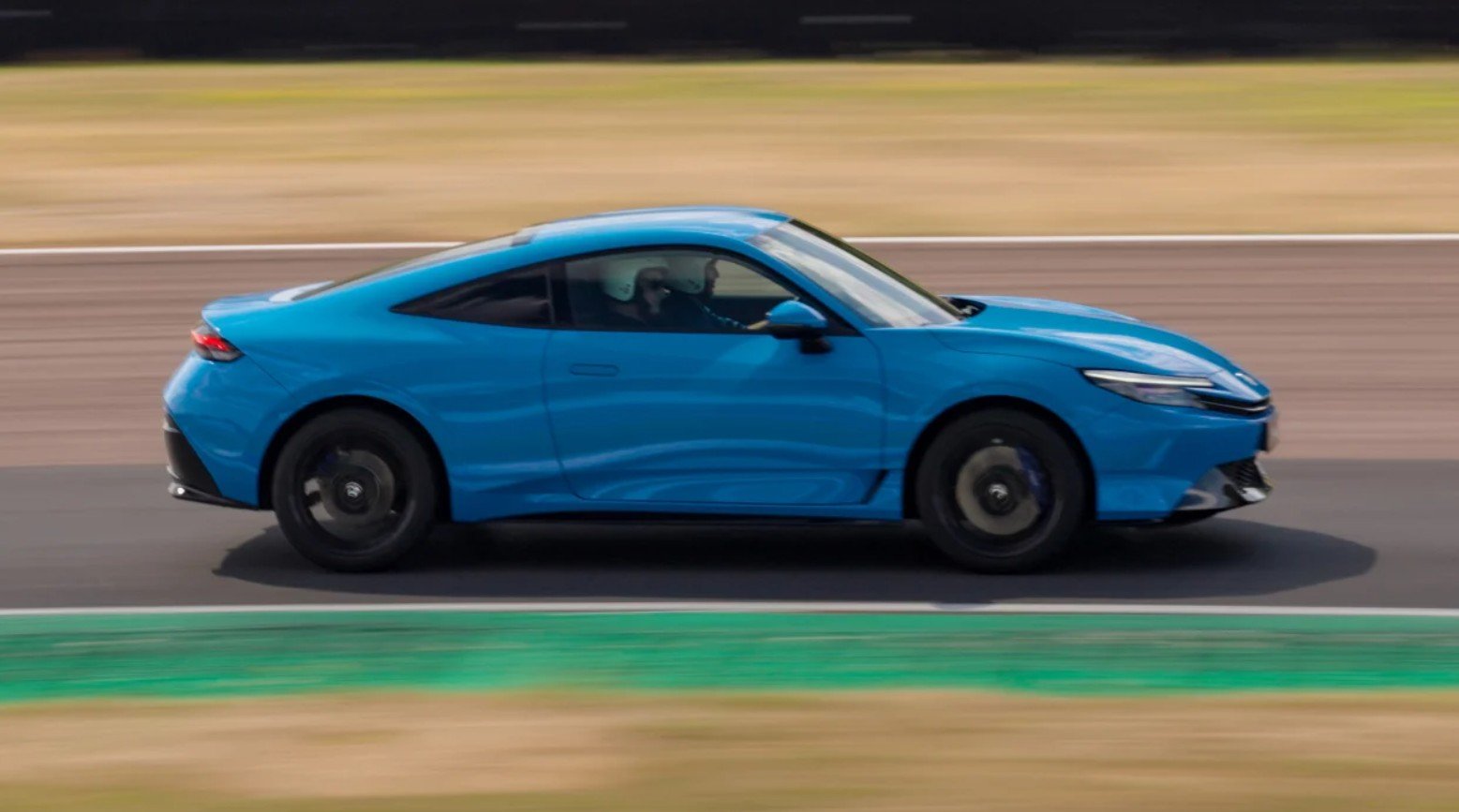
The production car stays remarkably close to the concept first shown in Tokyo: a long bonnet, tapered fastback roofline and full-width LED tail-light bar nod to past Preludes while embracing modern aero efficiency. Up front, slim headlights frame a low grille, and large alloy wheels (likely 19-inch) fill flared arches for a planted stance.
Inside, expect the latest Honda infotainment suite, digital instruments and minimalist switchgear. Sports seats, contrasting stitch patterns and a low driving position should set the Prelude apart from the more family-oriented Civic.
Positioning and pricing
Honda has not released final pricing, but industry chatter suggests the Prelude will sit just above the hybrid Civic. In Australian terms that would equate to a sticker a little north of A$60,000, offering a rare electrified choice in a shrinking compact-coupe segment.
With the NSX discontinued and the Civic Type R catering to track-day enthusiasts, the Prelude becomes Honda’s sole sporty two-door with everyday usability. By pairing electric efficiency with engaging dynamics and a nostalgic nameplate, Honda aims to entice buyers who want sustainable performance without sacrificing style – or the reassuring range of a hybrid powertrain.
Full technical details and local pricing will be confirmed closer to launch, but one thing is clear: the Prelude’s comeback adds a welcome dash of excitement to Honda’s electrified roadmap and breathes life into a corner of the market that’s been short on choice.
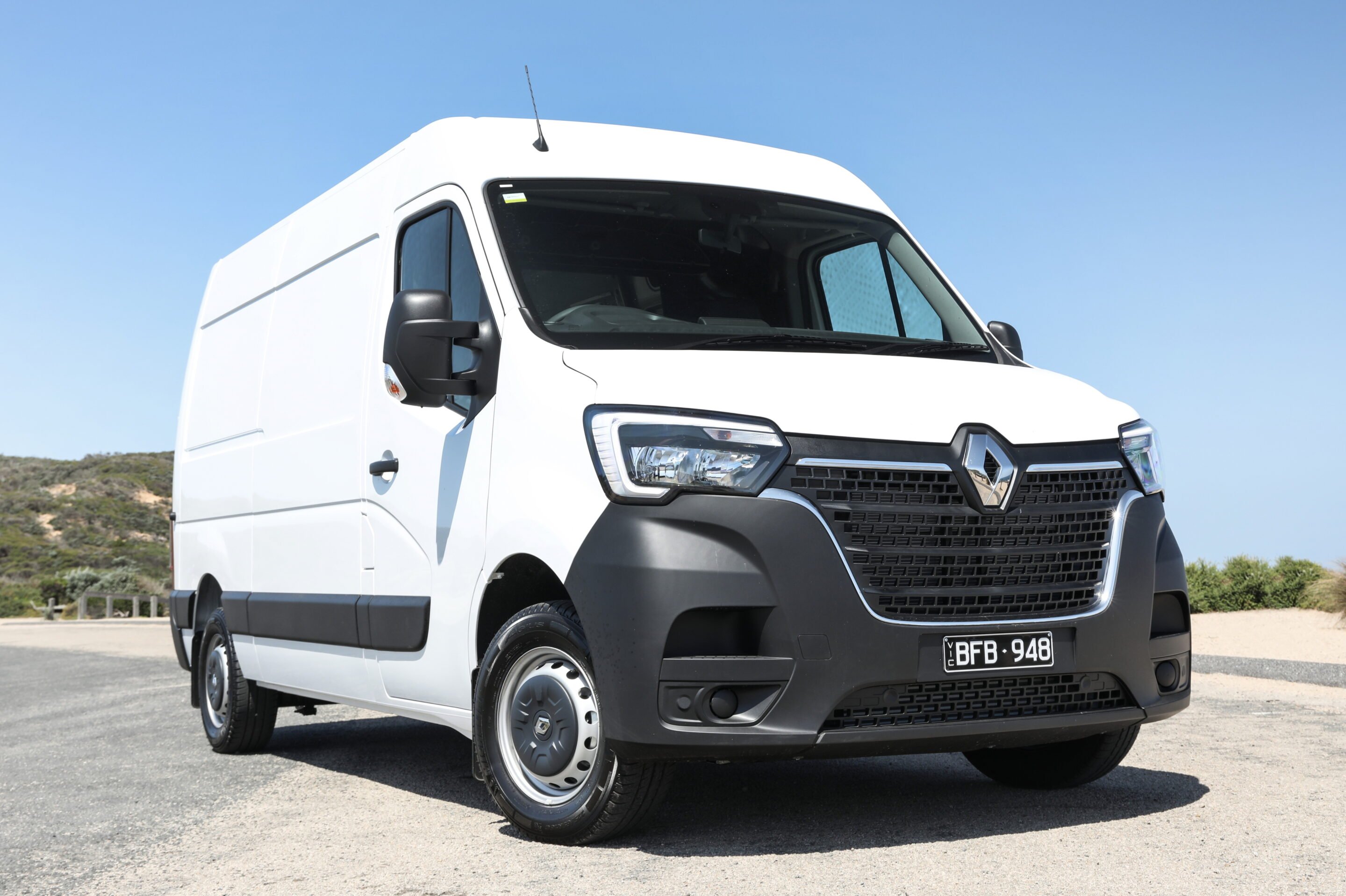
The MY25 Renault Master large van is now on sale in Australia with a newly-streamlined range and a special new drive away price until September 30 for the Pro mid-wheelbase variant.
Competing against other large vans such as the Ford Transit, the Master was Renault’s best-selling product in Australia in 2024.
All Renault Master models use a turbocharged 2.3-litre four-cylinder diesel engine with a six-speed automated manual transmission (AMT). The engine makes 110kW of power and 350Nm of torque, while its long annual/30,000km service intervals and 100-litre fuel tank will help owners keep operating costs down, according to Renault.
Renault Master pricing (plus on-road costs):
- Pro mid-wheelbase AMT: $55,200 ($57,990 drive away until 30 September 2025)
- Pro long-wheelbase AMT: $57,200
Master standard features:
- 16-inch steel wheels
- Dusk-sensing automatic halogen exterior headlights with LED front daytime running lights
- Rain-sensing automatic wipers
- Remote central locking
- Height, reach and lumbar adjustable driver’s seat with armrest
- Dual passenger bench seat with fold-down centre seat and seat back table
- Air-conditioning with pollen filter
- 7.0-inch touchscreen with sat-nav
- Apple CarPlay and Android Auto
- USB audio input and 3.5mm auxiliary port
- Glazed rear barn doors
- Unglazed left-side sliding door
- Glazed steel bulkhead
- Cargo tie down points and 12V socket
- Cruise control with a speed limiter
- Lane departure warning
- Blind-spot monitoring
- Auto high beam
- Rear parking sensors
- Reversing camera
Master options:
- Trade Pack with timber floor with anti-slip finish, full height ply side protection lining, LED cargo bay lighting
- Business Pack with premium dashboard with chrome trims, exterior chrome trims, front fog lights and keyless entry with push button start
- Left and right glazed sliding doors (not available with Trade Pack)
- Right sliding door
The updated Renault Master range is now on sale in Australia, with stock now available.
If you were to spool the clock back just eight years and were shopping for a car with over 200kW, which drove solely the rear treads, came with a manual gearbox and a price of less than six figures, you had 20 options open to you. And 17 of them were variants of a Ford Falcon or a Holden Commodore. So when these two domestic models were shuffled off into retirement, it looked like the writing was on the wall for this class of car. Your choices back then ran to a BMW M2, a Nissan 370Z or the Ford Mustang.
Yet here we are 10 years later, in an era when $100k buys you a whole lot less, and there’s still three model lines that fit the bill. Toyota bring us something more affordable in the shape of the GR Supra which rides on the bones of the G29 BMW Z4. The Mustang, in its relatively new S650 guise, makes the numbers in both 2.3-litre Ecoboost or 5.0-litre V8 guises, while the Nissan 370Z has morphed into the sleek but distinctly retro Z coupe.
All three carry the weight of some serious heritage. The Mustang nameplate dates back to 1964, Nissan’s Z-car line debuted in 1969, and the Supra badge first appeared in 1978, so even the youngest of these lineages is almost half-a-century old. It made sense, therefore, for Wheels to gather these three iconic manual holdouts together to see how the Mustang shapes up in the face of two well-known quantities.
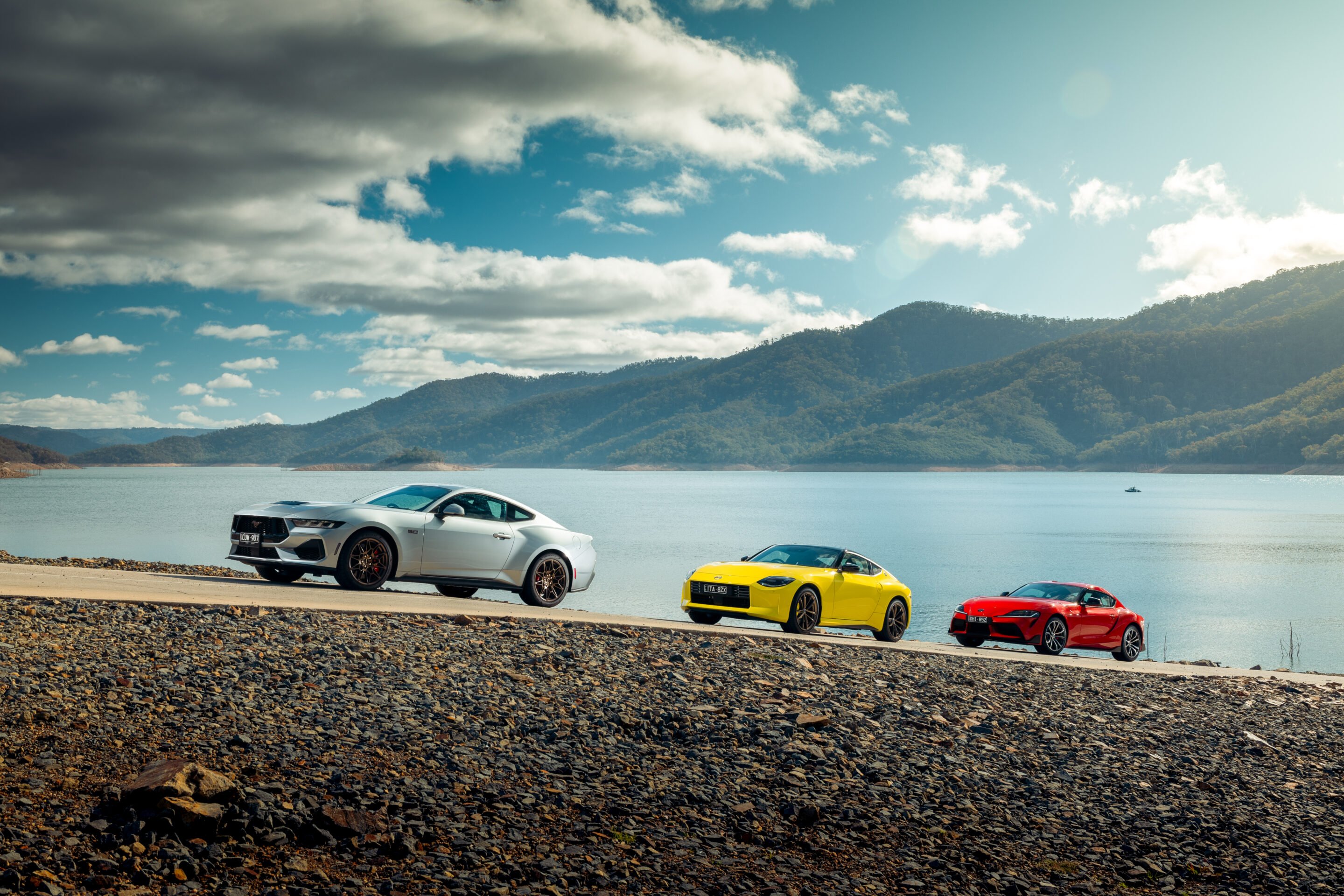
We hesitate to say it’s the last time we’ll be able to do that, because many have made that point over the last decade and, well, here we still are. Yet there appear no firm plans for either Toyota or Nissan to extend the life of the Supra or the Z in these current guises. Any putative replacement would likely arrive in a very different form. The Mustang may be the best bet to continue this bloodline, and it’s perhaps ironic that the US market has become the global driver of manual coupe sales. Yee – and indeed – haw.
The executions and origins vary between these three coupes, and although there are commonalities, they have far from reverted to a homogenous mean. The Supra has been with us the longest – the A90 generation car launching here in 2019, when we pitted it against the Audi TT S and the BMW M2 Competition in a comparo. It easily saw off the Audi, and came within a squeak of toppling the talented M2. Back then the Supra GTS and the M2 were within $5k of each other, but times change. The GT version of the Supra you see here carries an $87,380 RRP whereas the cheapest M2 has now sailed up to over $126,000. In other words, it’s not hard to figure out where the value is. Yes, the baby BMW has become larger and more powerful, but the Supra’s latterly engorged 285kW and 500Nm isn’t to be sniffed at, the additional 35kW arriving with a mid-life update at the tail end of 2020.
You’ll pay even less if you want a Nissan Z with three pedals and a stick. At $75,800, the price has inflated by a mere 3.4 per cent since it launched in Australia in September 2022. It sticks with the same gutsy 298kW and 475Nm 3.0-litre VR30DDTT twin-turbo unit that had seen service in the long-departed Infiniti Q50 and Q60 models. The eagle-eyed amongst you will know that the car you see here is the Z Proto, which wears some dress-up parts not fitted to the cooking Z, but it was the only manual Z that Nissan Australia had available, so we took the liberty. Hope you don’t mind.
Then there’s the Ford Mustang. Has it got a bit above its station? After all, when we first got our hands on the Nissan Z, a Ford Mustang GT V8 was a $65,290 proposition. It’s now soared to $78,990, fully 21 per cent more expensive. Naturally, Ford will answer that criticism by pointing to the fact that this is a new model, with a stack more equipment, and the signature V8 now cranks out a hale and hearty 347KW and 550Nm. It swaggers in with an air of superiority that’s hard to deny.
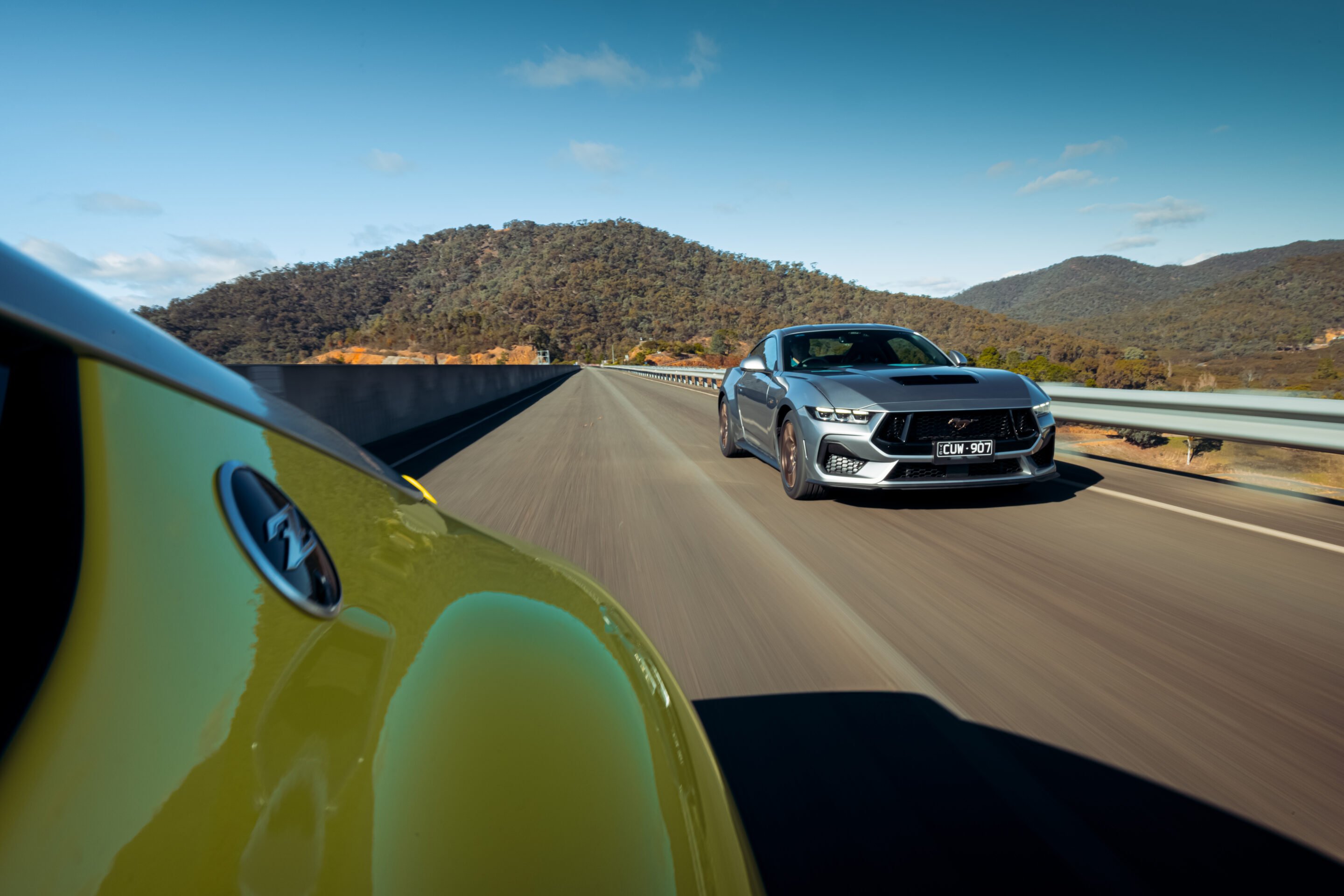
Cold Comfort
The Nissan Z does without a lot of things. You’ll search in vain for a wireless phone charger, a head-up display, wireless Android Auto or Apple CarPlay, or anything in the way of drive modes. There’s another apparently benign omission from the pert Nissan: an outside temperature gauge. The reason this was brought to my attention is that on an early start along the notoriously twisty Gembrook-Launching Place Road, I encountered the devilish combination of thick fog and black ice, which posed an unexpected challenge to the Nissan’s stability control system and may have caused random and involuntary gibbering noises from your scribe.
I don’t think I’ve ever encountered such a heavy-handed stability control installation as the Z’s. It is, ultimately and thankfully, effective but there’s none of that gentle backing off of power or torque vectoring wizardry. Instead, there’s a big clamp of brakes to drag the car back in line accompanied by the sort of agonised graunching noises that usually precede the destruction of a Bond villain’s lair. Better that than a pirouette into the scenery though.
Feeling a little less brave than before, I continue at a more pedestrian pace towards our meeting place at Eildon. As ever the weather improves on the far side of the Black Spur, feathery threads of noctilucent clouds starting to light the pre-dawn sky over the spectacular Cathedral Range. Settled into a steady lope along the Maroondah Highway, the Nissan feels rangy and on-side. Ride comfort is more than acceptable, sixth gear is a relaxed 2000rpm at 100km/h and refinement is impressive.
I’m not quite so thrilled by the USB cable to my phone that keeps making like a python and throwing coils at the gear lever, while the digital dash is so bright I wonder if I’m going to get arc-eye from it. I’d also benefit from my fundament being a couple of inches closer to the ground, as my head is brushing against the headlining. Fortunately I’ve brought a hat so I won’t have to inflict my static-charged guinea-pig hair on the rest of my colleagues today.
Nearing Eildon, I turn up Jerusalem Creek Road. A pair of close-set headlamps appears in the gloaming behind. It can only be a Supra. Arriving at the boat ramp, it’s bright Plasma Orange, undoubtedly the most extrovert choice in the six-colour Supra paint palette. While the Supra can’t hold a candle to the Z in terms of exterior aesthetics, the shape has aged reasonably well, even if all the fake grilles still grate. The aggressive haunches, cab-back profile and just-so relationship between tyres and wheel arches give it a sense of purpose. It looks fast standing still, and there are overtones of a contemporary Shelby Daytona Coupe in its basic proportioning.
We can hear the Mustang GT (below) long before we see it. We’re busy watching a team trying to launch a C2 Speartooth drone submarine into Lake Eildon when we hear the V8 coming across the dam. Even the sub’s remote operator pauses to scan the horizon to see what’s making the noise. Some things just put a smile on your face, and unless you’re standing outside a cars-and-coffee event facing the wrong way, the sound of an approaching Mustang V8 is certainly one of them.
Cards on table time. I didn’t like the look of the S650 when I first saw it. I thought it looked gawky and overly angular, especially around the rear end. I’ve warmed to it since, but I remain to be convinced it’s a better-looking car than its predecessor. This one, however, is a choice piece of configurator jockeying. Iconic Silver with the Bronze appearance pack, MagneRide dampers and Recaro chairs, all-up this one’s just squeaking under six-figures drive away and not by much.
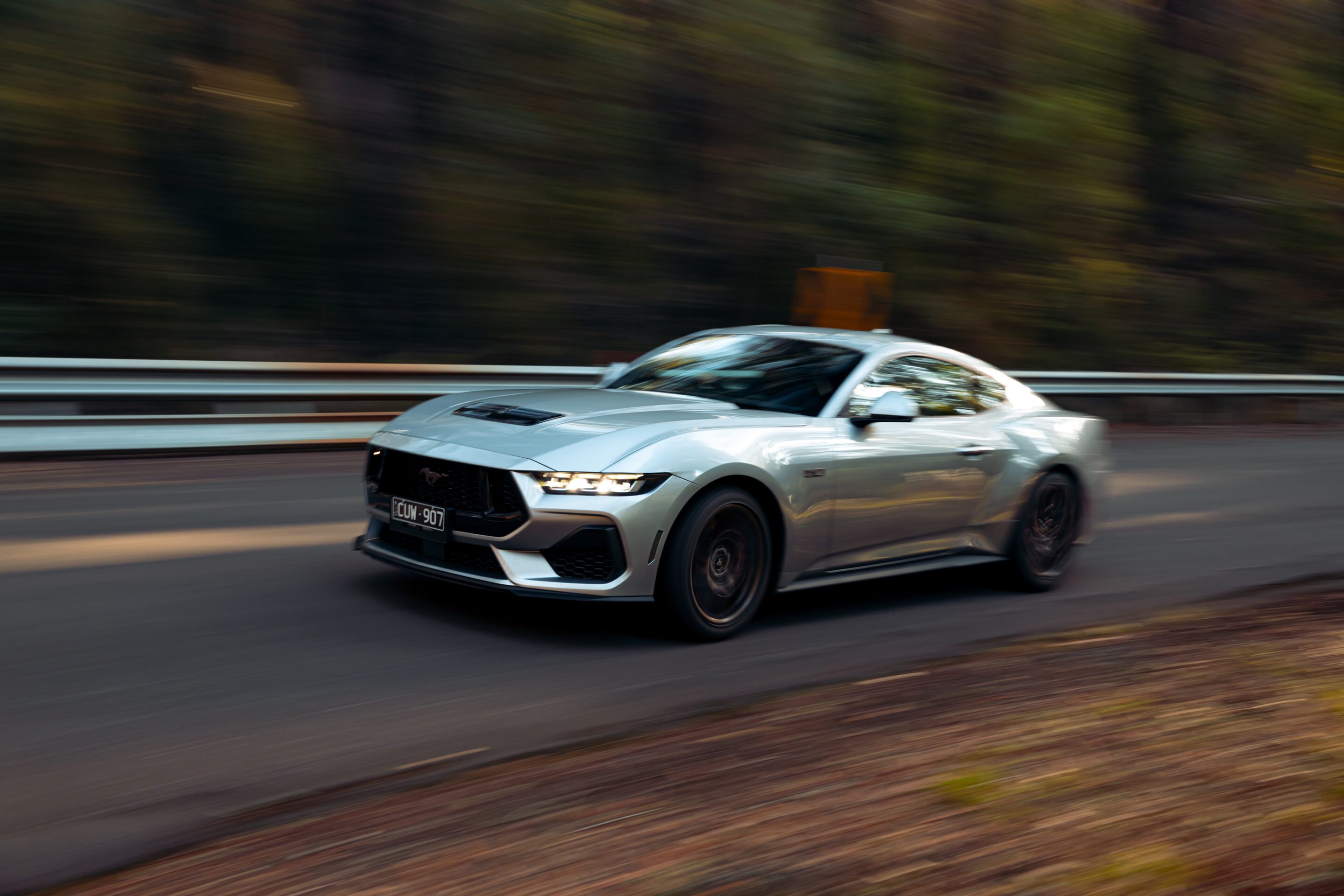
Testing times
Static photography duties done and dusted, we retire for lunch. I ask what the team would take if given the choice now, and everyone nominates the Supra.
I didn’t see that one coming. I have a little excursion planned for the afternoon, however, which may well change a few opinions. It’s called the Eildon-Jamieson Road, and it served for years as the queen stage of Targa High Country. If anything’s going to shake up pre-conceived ideas it’s this amazing 58.5km stretch of virtually deserted road.
The 1465kg Supra is sharp. It’s a proper flexed biceps of a car, this one. It’s also the finest example of this trio for leveraging the best out of its manual transmission because it feels so alert, agile and willing to be grabbed by the scruff. The shift action of its ZF S6-53 transmission is the finest of this trio too, agreeably short of travel and not too knuckly. It’s just a shame that driving the stick forward leaves so little space for your hands. It’s easy to punch the air-con controls. Likewise, the awkward position of the cupholders right where your elbow sits betrays the fact that this manual conversion was something of a late afterthought. The rev-matching function is also a little slow on the uptake. Best to take care of that yourself.
It’s a feel-good car, though. The cabin is snug and while rear three-quarter vision is a disaster, the double-bubble roof gives a decent amount of headroom. It rides acceptably and steers the best of all the cars here. Scribe one arc into a corner and one out and the Supra tracks cleanly. The bump-steer issues that afflicted early cars has been addressed, with rigidity fixes giving you more faith to lean into its front end grip. It’s the rear end that needs managing under power or, correspondingly, sharply off throttle. Peak torque is available from 1800rpm all the way through to 5000rpm. Plunder the top end and while it holds well, with peak power arriving at 5800rpm, a little more acoustic reward wouldn’t go amiss.
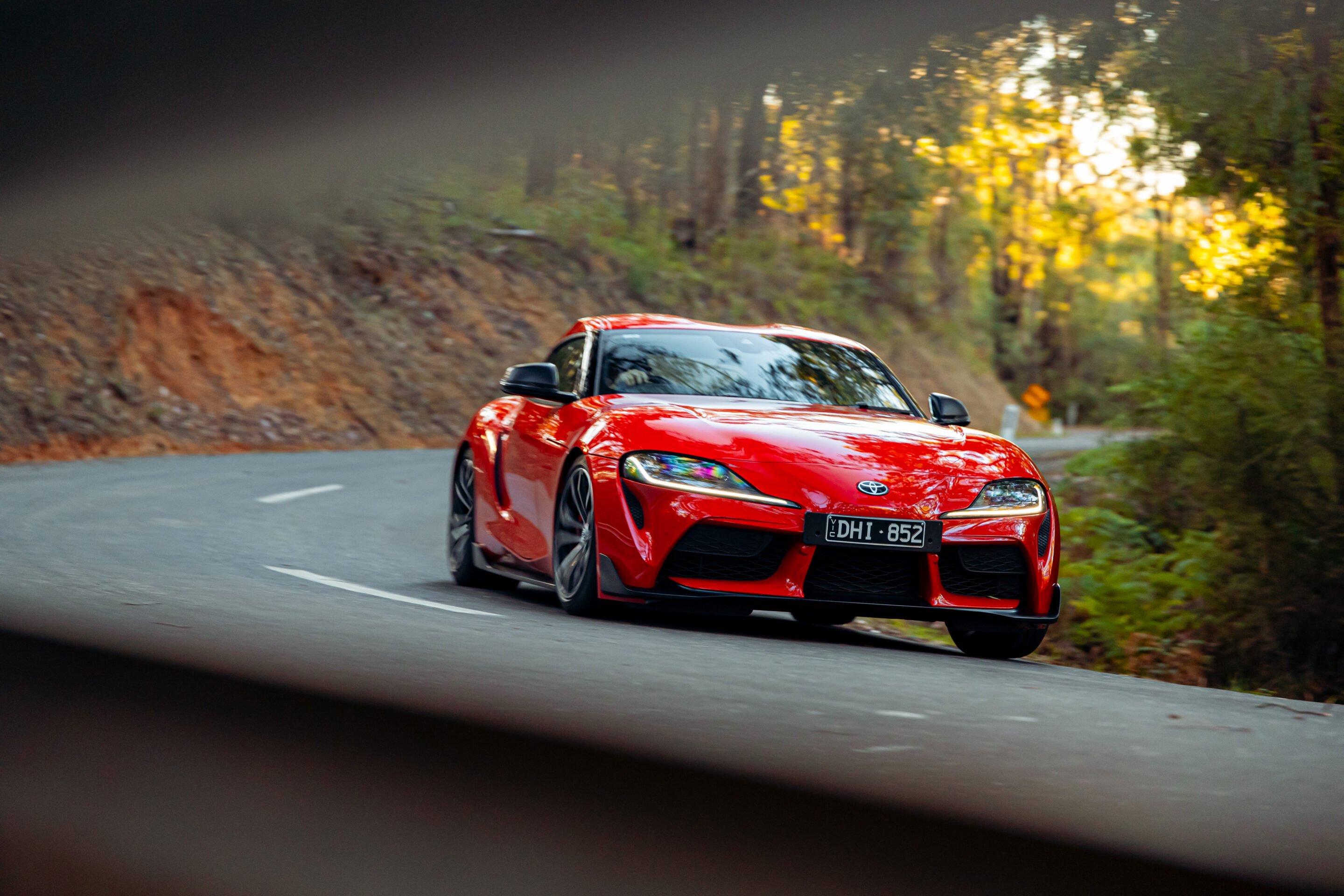
With the shortest wheelbase here and the broadest front track width, the Supra (above) has an oversquare footprint that lends it that agility and initial bite but, unlike the other pair, it has a narrower rear track. It’s on a good tyre, the Michelin Pilot Super Sport (255/40 ZR18 up front and 275/45 ZR18 aft) and the Supra is one of those cars that feels all of a piece until it oversteps the limit of rear grip and reminds you that you need to be on your game. Sport mode wicks up the aggression of the throttle map and disables idle stop but there’s a more progressive and linear feel to the pedal without it engaged.
Step from the Supra into the Mustang and it feels like you’ve climbed out of an F-18’s cockpit and are now settling in to watch Top Gun Maverick at Gold Class instead. The big Recaros are about as comfortable as La-Z-Boy recliners and the woofle of the V8 firing up lulls you into thinking this is going to be a largely boofy and unsubtle driving experience. Wrong.
This is a very different proposition to the old S550. Body control is leagues better, and while front end bite can’t match that of the Toyota, lateral grip is impressive and the car’s ability to clearly communicate the transition from grip to slip engenders a bond of trust that’s never quite there with the spikier Supra. Aussie cars get the Performance Pack that includes six-piston Brembo brakes up front and four-pot calipers at the back, and they do a manful job of shucking off 1813kg of physics, but a road like this can even have them protesting. The Pirelli P Zero tyres work well on these surfaces, the bronze wheels shod in rubber measuring 255/40 R19 up front and 275/40 R19 at the rear.
The sheer cornucopia of drive modes takes some working out and shuffling between Normal, Sport and Track modes shows that Normal is perfectly linear, Sport front-loads the throttle map a little too keenly, whereas Track backs it off to a more linear map that works better on a road like this. It also firms the MagneRide suspension (+45 per cent over Normal) which isn’t quite so desirable, and backs off both traction control and stability control, akin to BMW’s M Dynamic Mode. It also switches the steering into Sport mode, which adds heft but not a lot extra in terms of feedback. Of the three modes, Sport seems to work best with a 25 per cent increase in ride stiffness that doesn’t cross the line into nervousness.
The Getrag six-speed gearbox isn’t quite as slick as the Toyota’s – or, for that matter, the Tremec unit you get in the Mustang Dark Horse – and its vertical planes feel closer together, which means that it can be easy to wrong-slot fifth as you snick up from second to third. It’s also geared slightly longer than the Supra in the ratios that matter, the Japanese car hitting its redline in second at 110km/h and the Mustang making 117km/h. No matter. The auto hold feature is a welcome touch when driving in town.
The Coyote engine remains the showstopper here though. It’s the only one of this group with genuine charisma, from fire-up right through its long arc until it hits its 7250rpm redline. There’s a lovely progression in timbre too, hardening at 3000rpm and introducing a swelling top note of intake as the needle soars past 6000. I usually find loud exhausts obnoxious, but can’t help switching the Mustang’s into its most vocal mode here. There’s nobody out here to annoy.
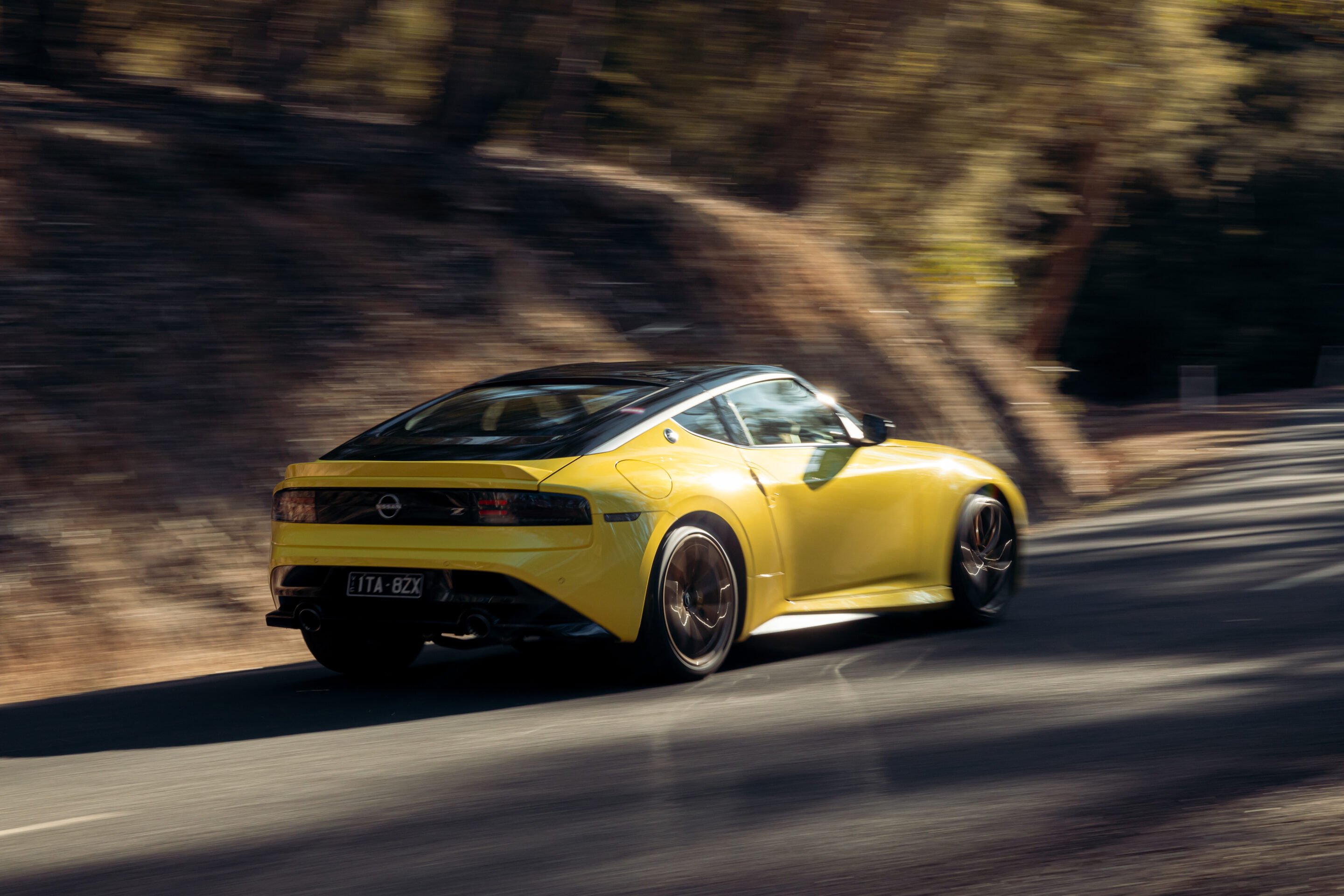
After the Mustang, the Nissan (above) feels about a tonne lighter. The spec sheets tell me I’ve stepped into a car with a mere 252kgs less to haul about and the cabin is comfortably the smallest of the lot. The controls are lighter in feel too, but the Z doesn’t want for outright pace. The engine is significantly boostier than that of the Supra, and feels more muscular despite the power and torque peaks being further around the tacho, its 298kW arriving at 6400rpm and 475Nm chiming in at 5600rpm.
There’s little in the way of aural return from this powerplant, but the Z engages in other ways. The body control is the most relaxed of this group, and the Bridgestone Potenza S007 tyres (255/40 R19 front and 275/35 R19 rear) have the softest sidewalls of the bunch. Couple that with what feels the slowest steering rack and you have a vehicle that’s a little more approximate in its initial reactions than the Ford or the Toyota. As a result, you’re working a little harder to keep up, managing the weight transfers a little more diligently, finessing the gearshifts so as not to shock the driveline, picking your moment to get the most from the Nissan’s turbocharged grunt. It’s good fun.
The brake pedal is delightful, with strong initial bite, but a cultured progression of force, allowing you to bleed caliper pressure off with minute gradation. On dry bitumen, you’ll find yourself gaining tens of metres on the Ford as you approach a hairpin, braking late and long in towards the apex, confident that you can load the front end without the rear misbehaving. It’s at corner exit that you need to be more measured, this time with the throttle, if you’re to avoid the Z’s stability control steaming in with characteristic heavy-handedness. Switch it off and it can be a bit of a wild ride.
The gearchange is good, paired with a sharpish Exedy racing clutch and beefed-up check-springs giving it a purposeful feel. The S-Mode rev matching function is good, although the pedal spacing, control weights and engagement points are well calibrated for heel and toeing down the box yourself.
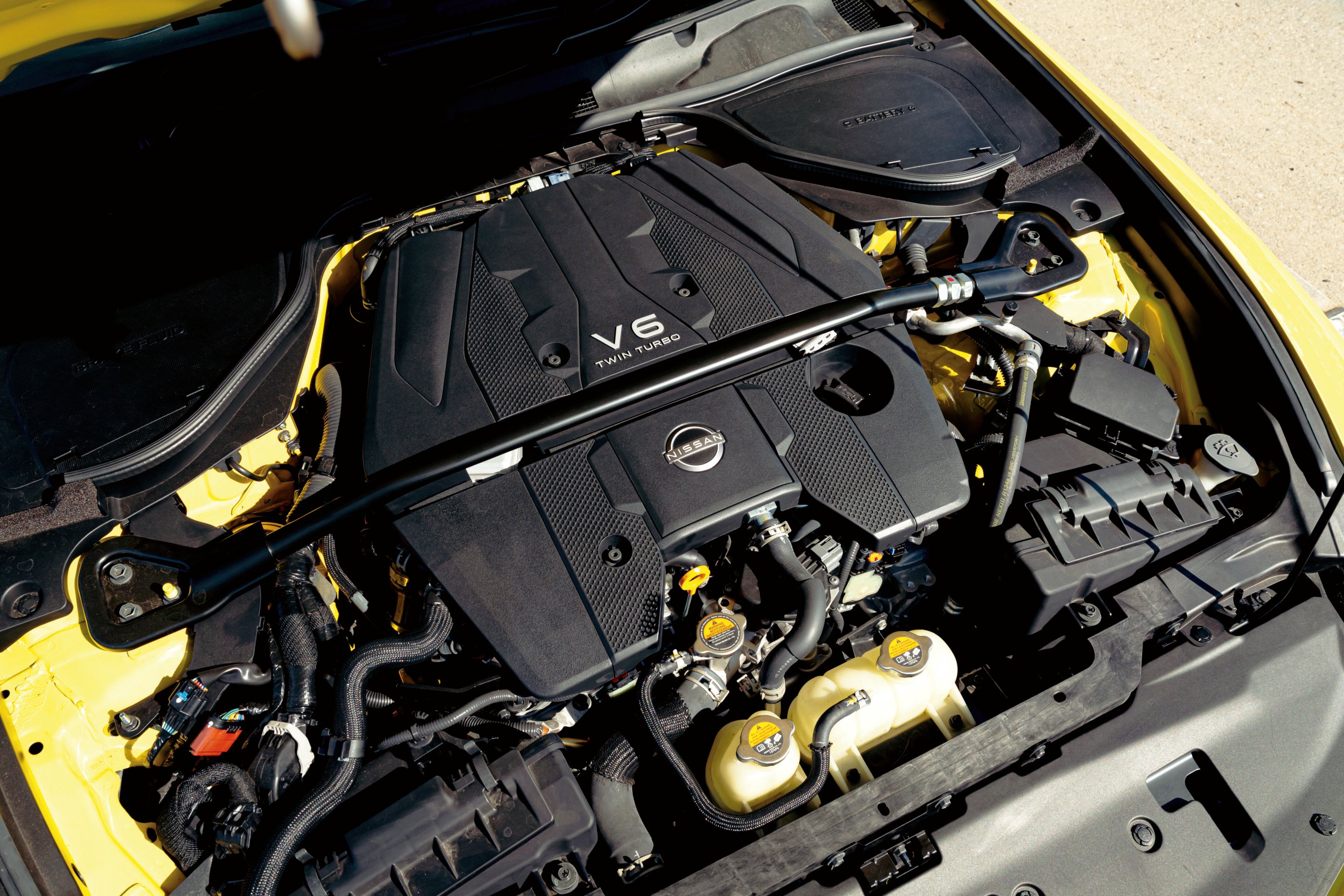
Graveyard Shift
As we roll back to Eildon, with the cars in their most benign settings, an instant verdict is not leaping out at me. I hate horses for courses decisions so, after some consideration, it’s hard not to conclude that the Mustang GT is the most broadly talented car here. It offers an intriguing duality of character and this car, with the Bronze appearance pack, MagneRide dampers and Recaro seats, carries three options that I’d certainly be ticking were I shopping for a Mustang. For many buyers, the fact that this is the only car of its ilk with a big atmo V8 instantly seals the deal.
The GR Supra is an enigma. Keen drivers will love it. It’s undoubtedly the most focused option here and would provide the biggest sense of achievement to find yourself really getting to master. Perhaps its mongrel genesis and deification of its predecessor unfairly took the shine off its reputation, but six years after launch, it feels more special, and more undervalued, than ever. Of the three cars here, it feels the most natural fit for a manual transmission, yet its engine has such a panoramic torque plateau that you could virtually pick any gear and you’d get a result.
Then we come to the Z. The formula initially seems enticing. It’s almost as if we’re sitting in some sort of Noughties ‘peak car’ throwback, but have been able to add a few modern conveniences. Drive it against the Supra and the Mustang and its shortcomings are seen in sharp relief. It feels old and loose by comparison.
Yet despite this, there’s an endearing aspect about the Z that escapes the other two. Maybe it’s a personal thing, but it’s the only car of the trio that I’d get out of and look back at every single time. And here we get to the heart of this comparison. Because if we are talking about pure competence, you wouldn’t buy any of these particular coupes. The autos are faster, more economical, and just, well, better in most objective regards.
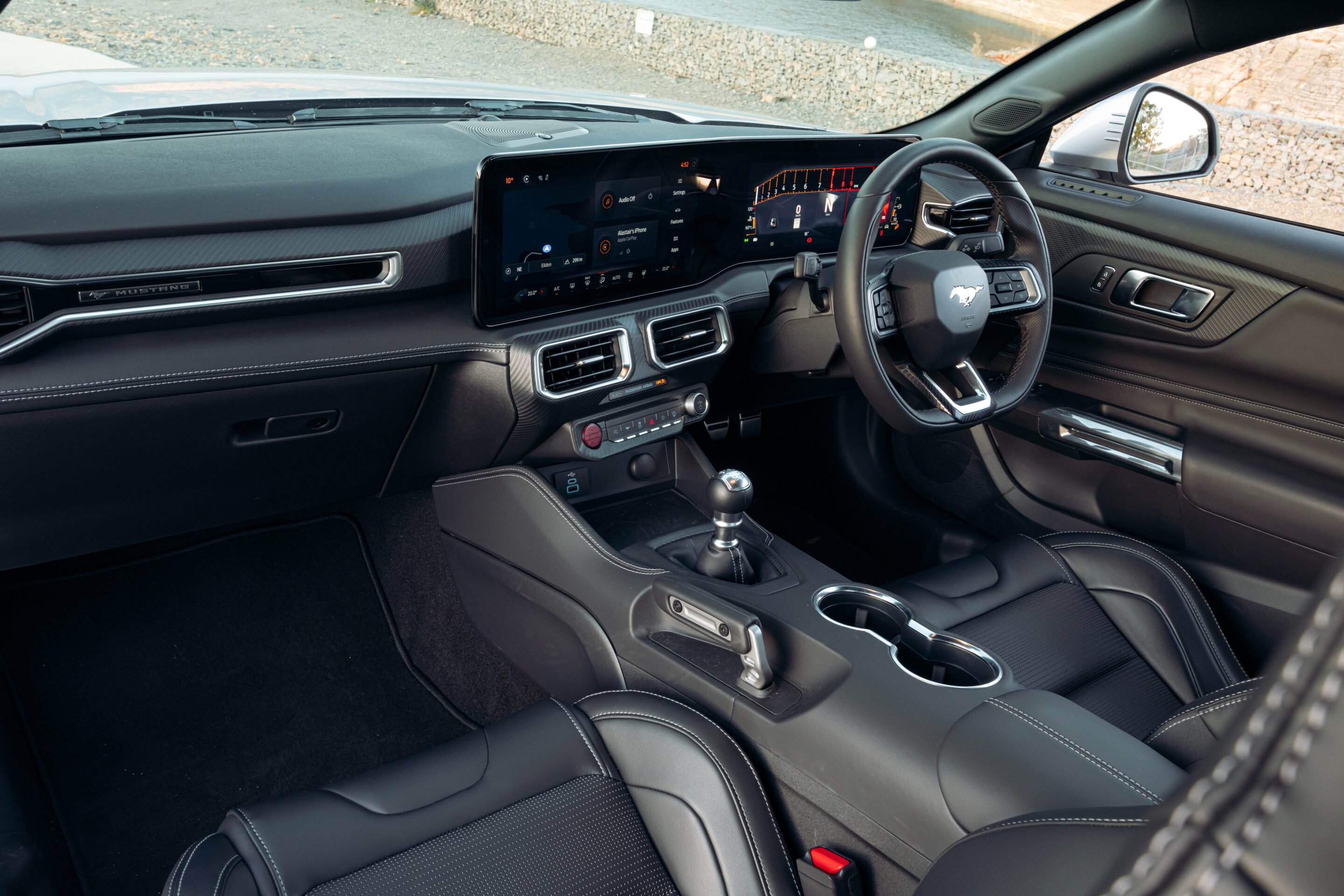
We choose manual gearboxes for entirely esoteric reasons. We want to feel a connection, a purely mechanical reward. We want to feel part of the machine. That’s not predicated on ultimate pace or anything quite so measurable. There’s something deeply subjective about how you engage with cars such as these. For me, the most flawed car here, the Nissan Z, most unerringly sparks that connection. For a car that seems so straightforward in its appeal, it’s one that requires a certain subtlety of feel and a hard-won understanding of its far from transparent dynamics to get the best from. Plus it’s the most beautiful, by some margin, which counts when shopping for a coupe.
There are very defensible reasons for picking any of these three. I’m just glad they still exist; that we can enjoy days like these on great roads in three cars that will never fail to show you a fun time. They won’t be here for ever. Consider this your call to action.
Specs
| Model | Nissan Z |
|---|---|
| Engine | 2997cc V6, DOHC, 24v, twin-turbo |
| Power | 298kW @ 6400rpm |
| Torque | 475Nm @ 1600-5600rpm |
| Transmission | 6-speed manual |
| PWR | 191kW/tonne |
| L/W/H/WB | 4380/1845/1315/2550mm |
| Weight | 1561kg |
| Fuel consumption | 10.8L/100km |
| Boot size | 241L |
| Tyres | Bridgestone Potenza S007 tyres 255/40 R19 (f) 275/35 R19 (r) |
| 0-100km/h | 4.5sec |
| Warranty | Five years / unlimited km |
| Price | $75,800 (non-Proto) |
| Model | Toyota GR Supra GT |
|---|---|
| Engine | 2998cc inline-6, DOHC, 24v, turbo |
| Power | 285kW @ 5800-6500rpm |
| Torque | 500Nm @ 1800-5000rpm |
| PWR | 194.5kW/tonne |
| Transmission | 6-speed manual |
| L/W/H/WB | 4380/1865/1295/2470mm |
| Weight | 1465kg |
| Fuel consumption | 7.9L/100km |
| Boot size | 290L |
| Tyres Michelin Pilot Super Sport | 255/40 ZR18 (f) 275/45 ZR18 (r) |
| 0-100km/h | 4.4sec |
| Warranty | Five years / unlimited km |
| Price | $87,380 |
| Model | Ford Mustang GT |
|---|---|
| Engine | 5037cc V8, DOHC, 32v |
| Power | 347kW @ 7250rpm |
| Torque | 550Nm @ 4850rpm |
| Transmission | 6-speed manual |
| PWR | 191.4kW/tonne |
| L/W/H/WB | 4811/1915/1397/2720mm |
| Weight | 1813kg |
| Fuel consumption | 13.6L/100km |
| Boot size | 408L |
| Tyres Pirelli P Zero | 255/40 R19 (f) 275/40 R19 (r) |
| 0-100km/h | 4.6sec |
| Warranty | Five years / unlimited km |
| Price | $78,990 |
Have modern engines killed the manual transmission?
As we touched on when discussing the Supra, modern engines might just be too competent. Time was when the only way to get the best out an engine was to wring its neck via a manual ‘box. Modern dual-clutch transmissions arrived in the Noughties and torque converter autos upped their game as a result, but the introduction of technology such as variable geometry turbos, multivalve engines, variable inlet tracts and such-like have made modern engines so inherently flexible that manual gear changing has almost come to be seen as an irrelevance. Who’d have thought we’d one day come to feel wistful for a peaky power delivery?
The Lucid Air, a large electric luxury electric sedan, has set a new world record for the longest drive on a charge in an electric vehicle.
Achieving 1205km on a single charge, the Air beat the previous title holder – the Nio ET7 – by over 160km.
The latest record-breaking journey took place starting from St. Moritz in Switzerland and travelling to Munich in Germany in the Lucid Air Grand Touring. Featuring a large 112kWh battery, the Air’s claimed WLTP driving range is 960km, but thanks to careful driving from Umit Sabanci, a London-based entrepreneur, it travelled 1205km on a single charge.
Thanks to its excellent aerodynamics, Lucid claims that the Air is capable of energy consumption of just 13.5kWh/100km. That’s despite the Air Grand Touring’s massive 610kW/1200Nm outputs, claimed 3.2-second 0-100km/h acceleration time and 270km/h top speed.
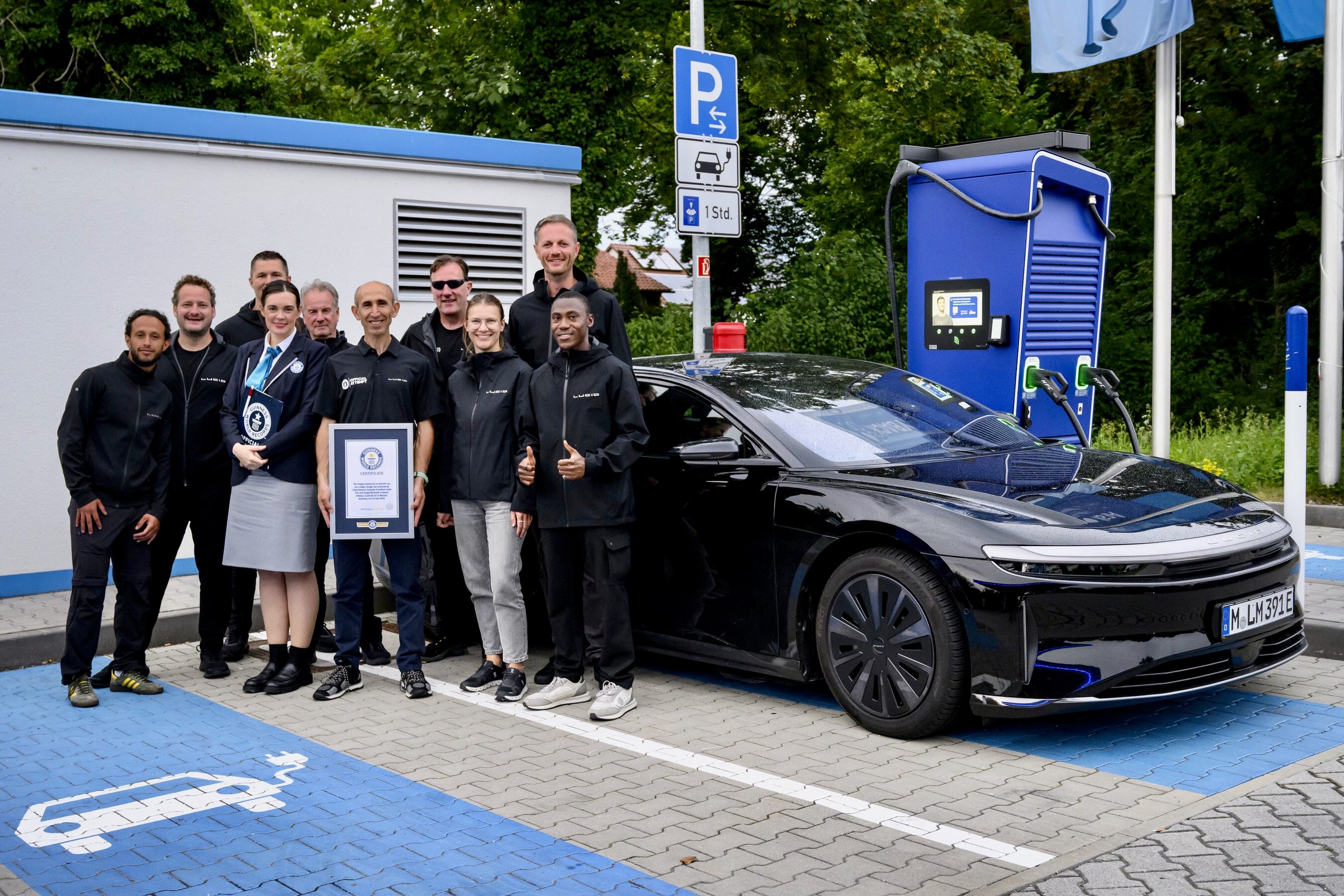
It’s not the first time that Sabanci, nor Lucid, has set a world record for EV driving. In 2024, both set another record for the most countries visited on a single EV battery charge, having driven to nine in Europe in another Lucid Air.
While Lucid may be familiar to those in the US, Australians will likely not yet be familiar with the brand. Lucid Motors is a Silicon Valley-based EV maker that started producing the Air sedan in 2021, and recently added to its line-up with the Gravity SUV. While Australian sales plans are yet to be announced, Lucid is sold in select markets in North America, European and the Middle East.
The most powerful version of the Air is called the Sapphire, and uses a tri-motor all-wheel drive drivetrain making 920kW of power and 1939Nm of torque. It sprints to 60mph (97km/h) in just 1.89 seconds, making it one of the quickest cars in the world.
BMW Group has confirmed major leadership appointments aimed at driving continued growth and transformation both in Australia and internationally.
Vikram Pawah (below), currently CEO of BMW Group India, will return to lead BMW Group Australia from September 1, 2025. Pawah previously held the same position between 2018 and 2020 and is credited with significantly advancing the Group’s strategic direction during his tenure. His reappointment is seen as a move to leverage his strong track record in market growth and electrification.
Under Pawah’s leadership in India, BMW and MINI have seen consistent year-on-year sales growth, with BMW establishing itself as a front-runner in the premium electric vehicle segment. He introduced the company’s electrification roadmap in India, spearheading the launch of BMW’s first fully electric vehicle in the market and expanding the EV lineup. Additionally, BMW Motorrad became one of India’s fastest-growing premium motorcycle brands during his tenure.

Meanwhile, current BMW Group Australia CEO Wolfgang Buechel (below) has been promoted to Vice-President, Head of MINI Global Sales. Based at BMW Group headquarters in Munich, Buechel will be responsible for shaping MINI’s global sales strategy, overseeing market performance, and identifying new growth opportunities for the brand.
Buechel’s five-year term in Australia, beginning in 2020, has seen BMW achieve notable success. In 2023, the brand reclaimed its top spot as Australia’s leading premium automotive marque after more than a decade. His focus on electrification paid off, with BMW’s EV sales share reaching 22 per cent – more than double the national industry average – cementing the brand’s leadership in the premium electric segment.
Under Buechel, BMW and MINI grew sales volumes and market share, and also enhanced customer satisfaction and brand value. His leadership extended beyond commercial achievements, with key partnerships formed across arts, culture, education, and sport, including with Opera Australia, the PGA, WPGA, RMIT, and the University of Melbourne.
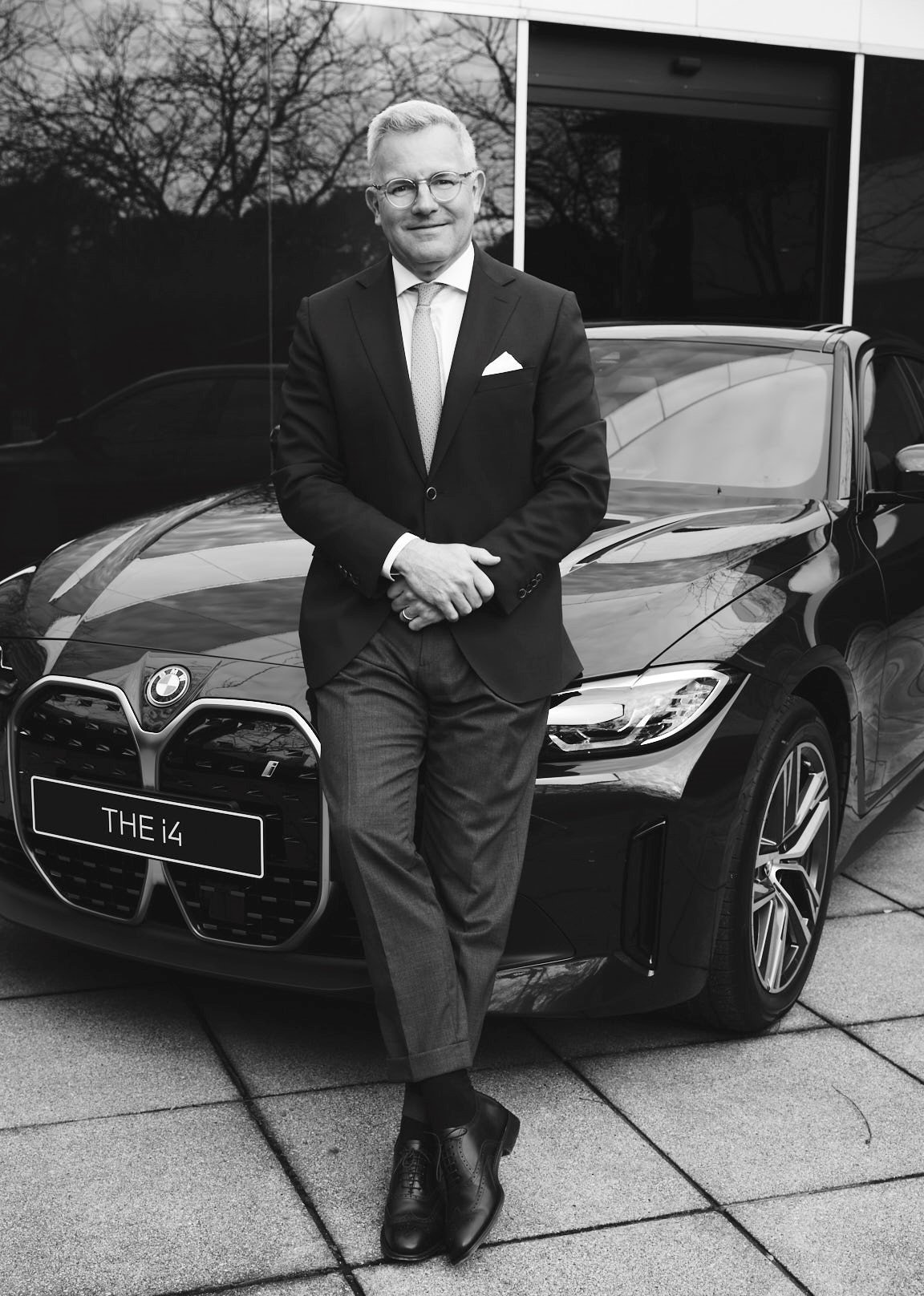
Jean-Philippe Parain, Senior Vice President for BMW’s Region Asia-Pacific, Eastern Europe, Middle East and Africa, welcomed the appointments: “Innovation and transformation are central to our global strategy. Both Vikram and Wolfgang have delivered exceptional results, and I am confident they will continue to drive success in their new roles.”
For more than 50 years, Fishermans Bend was a dream factory.
The dowdy industrial suburb in the working-class Melbourne docklands was the home to Holden – the cars and the brand and the people – as it produced the vehicles that put Australia on wheels.
The long honour roll at Holden began with Laurence Hartnett, who helped plan the car that would become the original 48-215, and includes managing director Chuck Chapman, legendary designer Leo Pruneau, suspension guru and then managing director Peter Hanenburger, and Tony Hyde on the engineering side.
It was into this hotbed of local innovation that Peter Hughes arrived in 1990 after a personal invitation from Michael Simcoe – now the outgoing global head of design for General Motors – to come in for a chat.
“The first couple of months were terrifying,” Hughes begins. “I just thought I was totally out of my league. There were so many talented people going in and out of that joint. I was trying not to be embarrassed by what I was doing. But you soon realise the other young guys are no worse than you.
“There were a lot of talented people in that era, but no more talented than the people who came before us. We wanted to make a difference and make Holden great again. I adored Holden and felt part of it.”
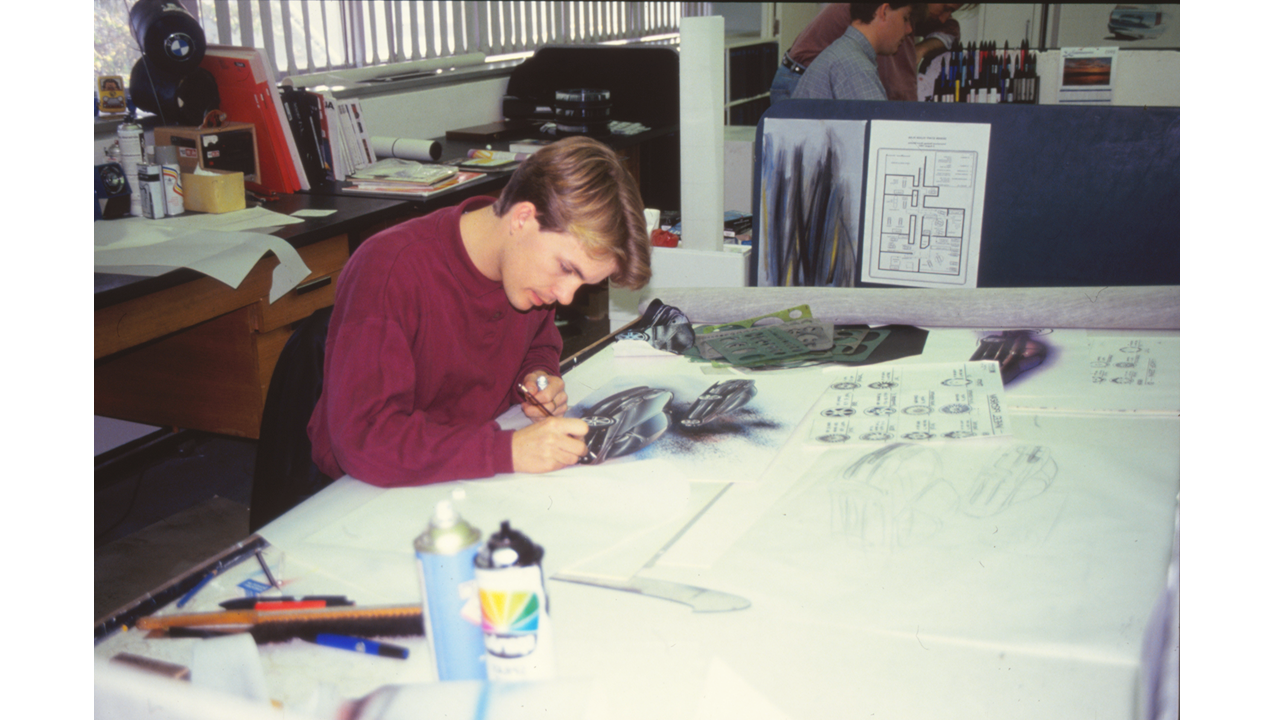
But Hughes didn’t begin that way.
Born in Melbourne in 1966, to Bill and Carol, his father was a talented rally driver who worked in aeronautical engineering. Young Peter had a replica race suit at age four and would go to events to watch his dad. The family had a Valiant Safari wagon as a daily driver, and there was interest in Alfa Romeos and BMWs, but not Holden.
“Holden, for me, was the brand I would never be seen in,” Hughes laughs. Little did he know.
“I loved drawing at school so you put two and two together. I did Year 12 and then went straight into industrial design at RMIT. A lot of Holden Design people went through there, like Richard Ferlazzo and Jenny Morgan. Every project I did was automotive.”
But not everyone was a fan.
“One of the first lecturers was ex-Holden and he told me to stop drawing cars, because it was too hard to get into and I was not good enough. That really pissed me off.”
It lit a fire that still burns today.
Out of college he got a job at CS Tooling, which was doing a bunch of stuff on the aftermarket for cars including the Commodore. When Peter Brock parachuted out of the Holden Dealer Team, the new owners got Hughes to work on an ‘Aero’ package for the VN Commodore in 1988 and it was a star car at the Melbourne Motor Show.
“That’s how I met Brock for the first time,” Hughes recalls. “I was having a Winfield Blue and an instant coffee out the back and Brock said ‘Who’s designing this?’
“I came in, shook his hand, and within 30 seconds he captivated me. I was lost. Mike Simcoe and Phil Zmood also saw it. Simcoe used to wander upstairs at CS and look at my sketches but he was just another guy with long hair, like me. Then I got a phone call and he told me to come in for an interview.”
It was the start of a giant love affair.
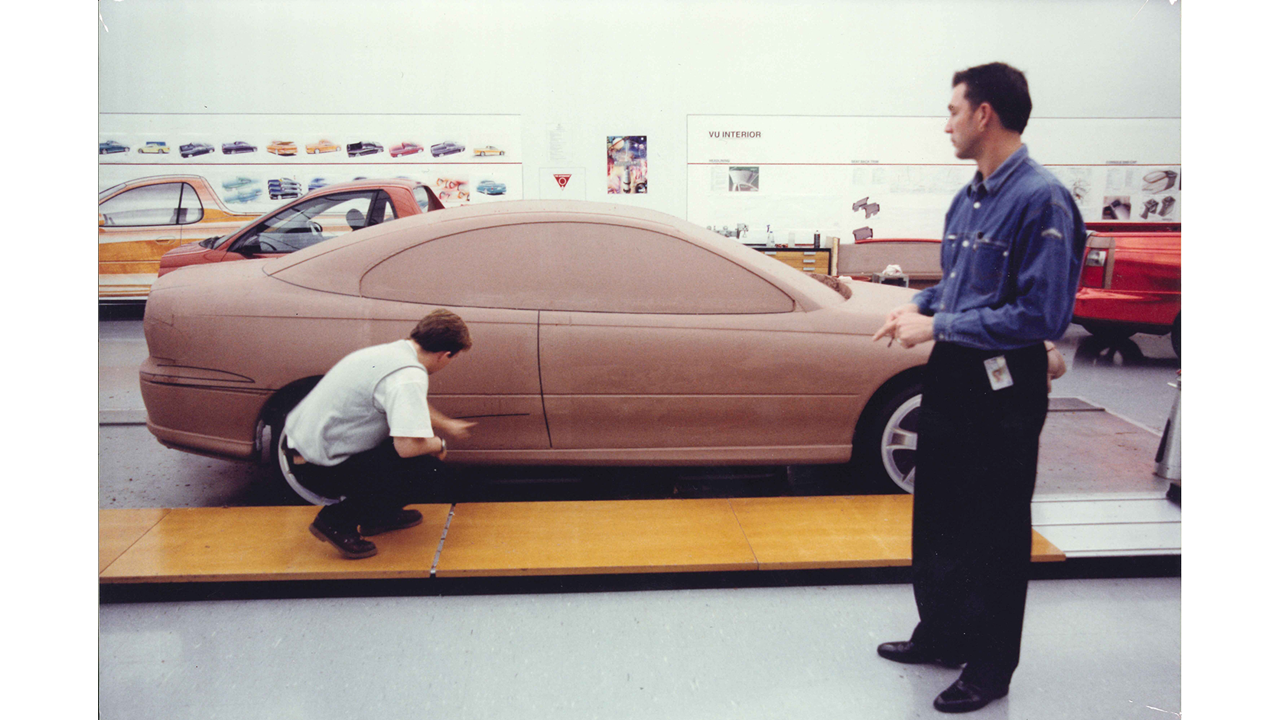
“I was there for 30 years exactly, from 1990 to 2020. It was fantastic. We were very, very, very fortunate to go through the place at that particular time. For one thing, we ended up having Mike in charge and he was very driven. So we got to work on some very special programs. He was driven to succeed and a great leader, so we all followed him along that path.”
He began at the bottom, however, working on the back-end styling of the VR Commodore.
“I had some understanding of the Australian landscape, but I loved Alfa and Lotus, I cannot lie about it. I was looking at the VL on the road so the drive was to make Holden cool.
“I wasn’t a big fan of looking backwards. I never looked into Holden’s history. We were looking at what Audi and BMW and Mazda were doing.”
What was it like, day-to-day?
“You can only reflect on it later. The place was about doing more with less. And we were proud of that. All Holden’s programs were driven by budget and a business case based on volume. On the flipside of that, we always revealed cars that looked a lot more expensive than they were. We were pretty proud of that side of it.”
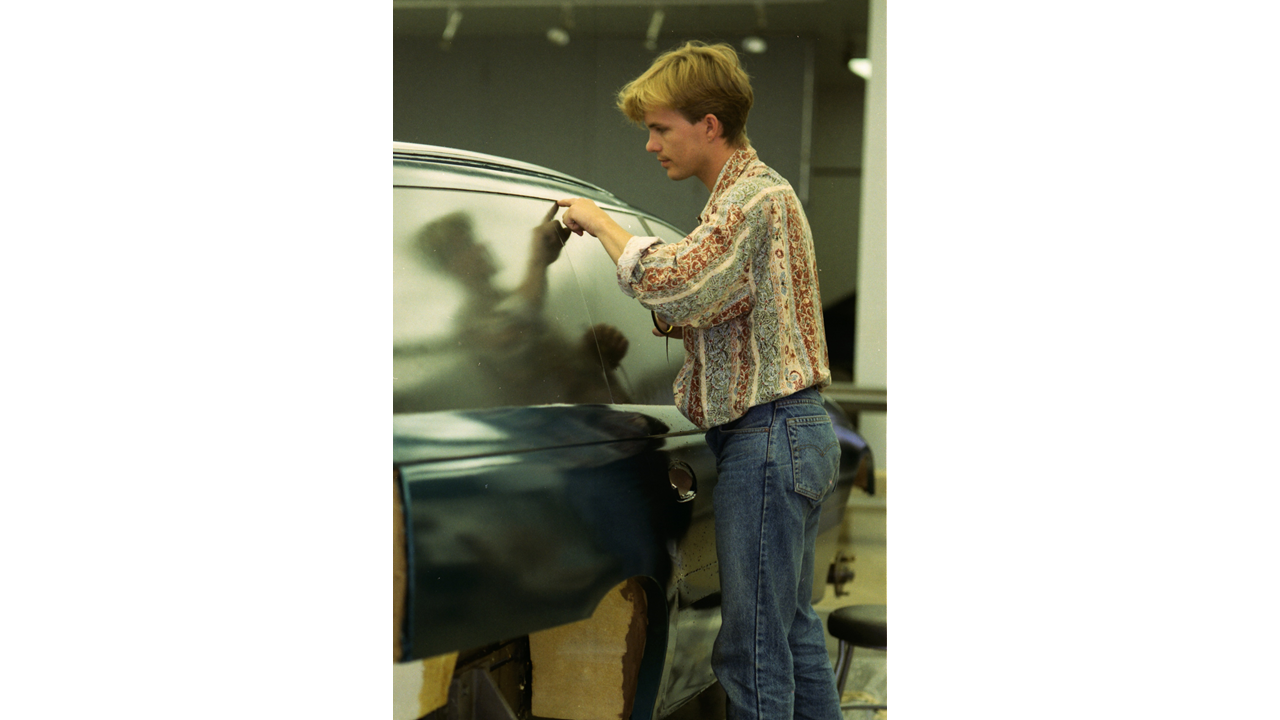
The leadership of Simcoe was key.
“Mike wouldn’t say how great a car was. He would let others say that. That’s the sign of a great leader – one confident enough not to take the limelight.”
But so was Hyde, who helped with Simcoe to lay the foundation for the born-again Monaro, codenamed V2.
“That project was done on Sundays, in my own time, in the studio with some other guys. It was never designed as a show car. It was a rolling concept car. Tony gave Mike $300,000 to do a rolling prototype. Imagine doing a Holden Coupe again.”
But there were also everyday Holdens, and some side work on Elfin sports cars, as well as the hero cars for shows – Holden Coupe, Utester, Sandman, Coupe 60 and even a Suzuki that became the Holden Cruze.
“That was a great time. It’s a wonderful feeling. It was addictive. You went back into the studio and tried to come up with the next one.”
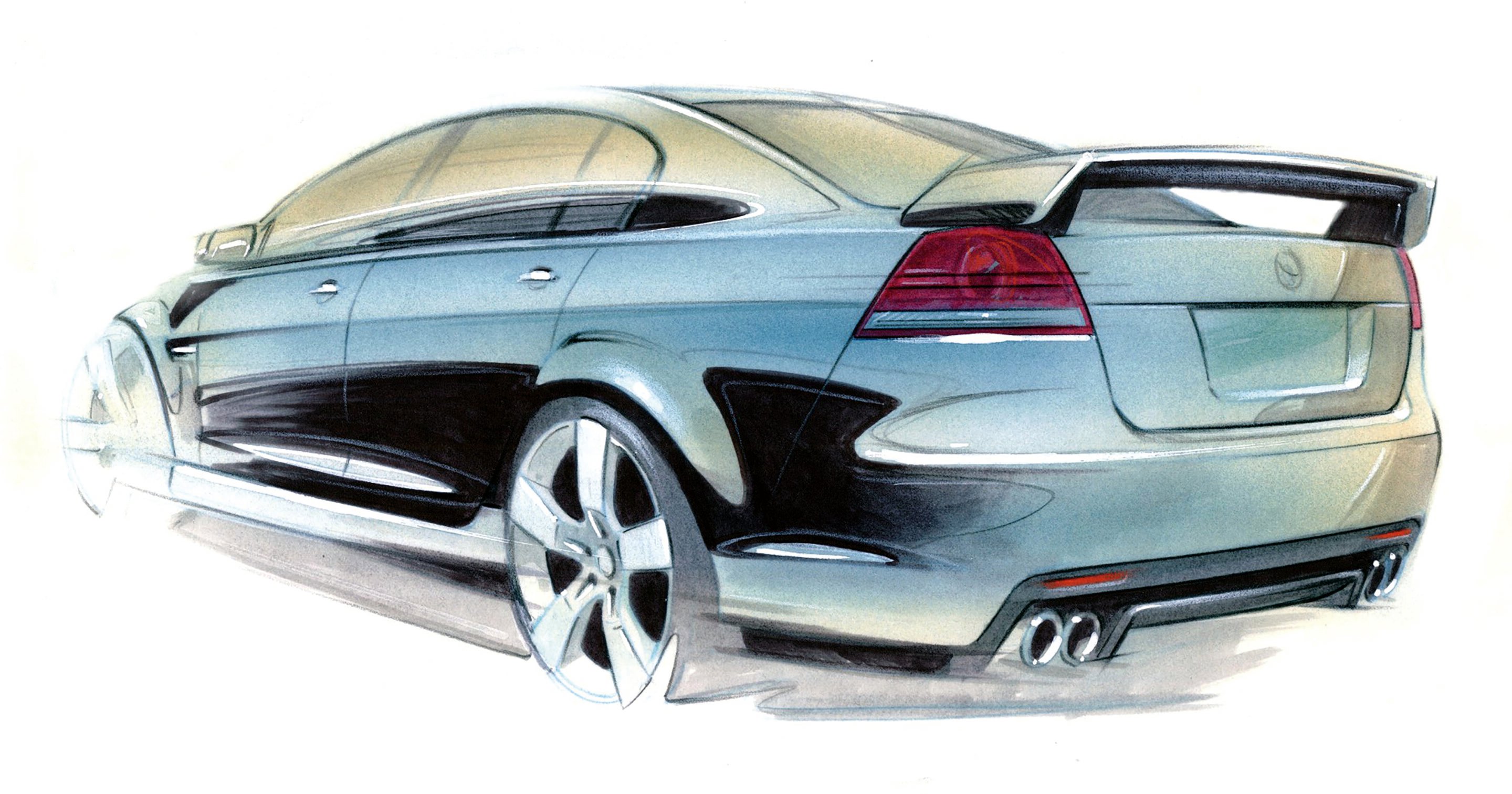
“You get tagged to cars. I’m obviously tagged to VT, VT Monaro and VE. The most influence I had on any one car would be VE. By that stage I was old enough to play the game, so I knew what Mike would like. I had quite a big ego, so by the time VE came around I made sure I would not lose the pitch.”
But Hughes was not just hidden behind the security screen at Fishermans Bend.
“I did many stints in Japan, including a couple with Suzuki on shared programs. Later on, also at Isuzu on a next-generation Colorado that never happened.
“I had big blocks of time at Korea. Mike used to call me ‘Mr fixit’. I was walking into Korean studios and upsetting people. But within the first couple of days you would hack into something and make it better, and you got them onboard. It was nice to help people get their designs come to life. And there were lots of noodle dinners in the back streets of Seoul.”
There were trips to the USA as well, but Hughes never craved a full-time overseas gig.
“Every time a posting came up it was bad timing. I wasn’t wired like guys who were unconditional on career. I valued lifestyle and keeping my wife happy.”
But the good times could not go on forever and, when there was growing pushback on projects including a next-generation Colorado, Hughes could see the end at Holden.
“That was when I knew it was over. They didn’t want us to survive. I was putting a plastic bumper and a set of wheels onto a car that was already behind. I was spiteful and angry. I knew the end was coming. The only thing we didn’t know was how quickly.”
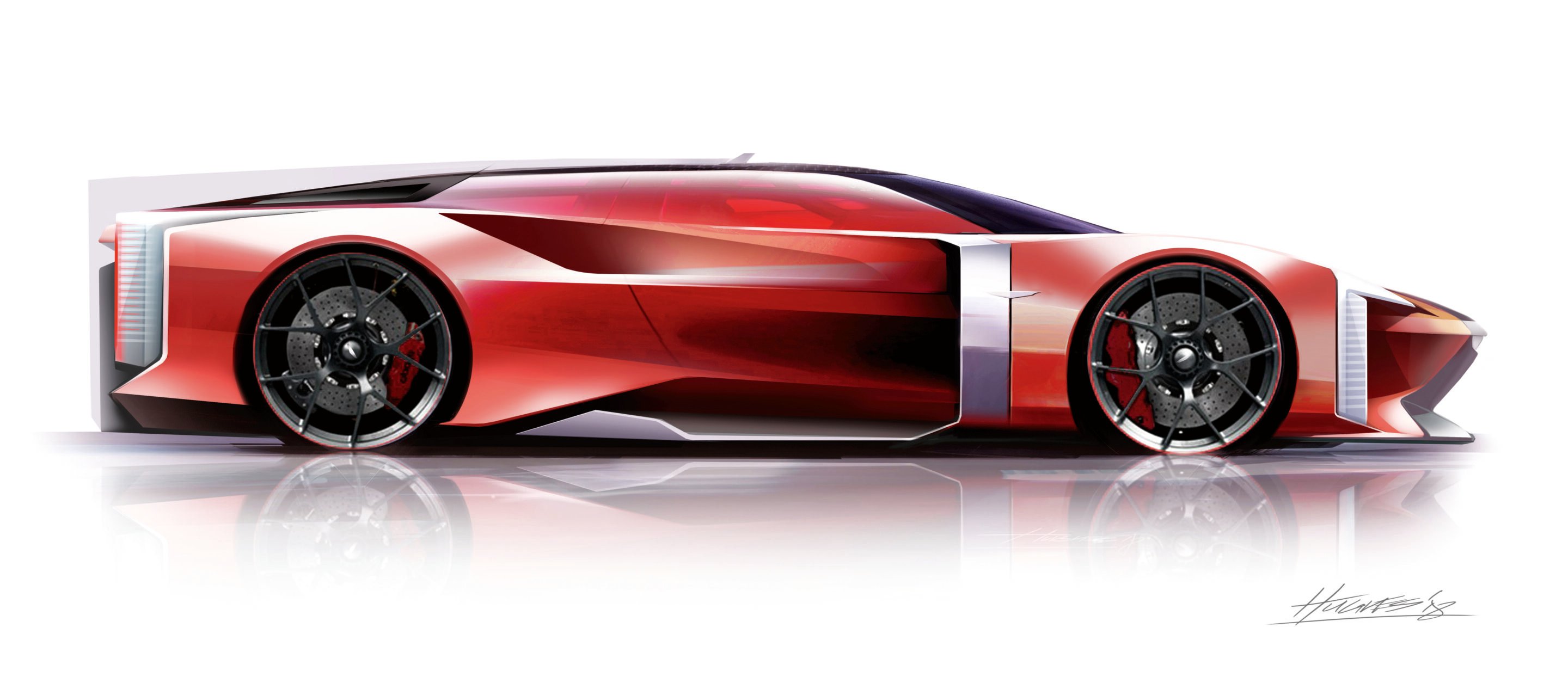
There was still some hope, but Hughes was one of those who could not stay to the end. “There are all different stories. You had the crew who honestly believed it would never shut. After production ended we were still viable, doing Cadillacs, and Buicks. We were doing lots of things. We were an outlet for overflow. Most people within Holden Design honestly believed we would have a future.
“There was a section who were more sceptical, and I was one of those. So I organised Plan B, which was to go out on my own. Because of my attitude, I was in the first group to leave. I wasn’t helping anyone. I was happy to say goodbye. I didn’t want to hold on for any longer.”
The end of Holden Design was just another challenge for Hughes, who pivoted into designing and production of limited-edition posters of classic road and race cars – Holden at first, then Ford and even Mazda – and a growing amount of livery work for race teams.
He is the one charged with making an impact on track and on television, while also satisfying the dizzying and conflicting requirements for sponsors of racing teams in Supercars – led by Triple Eight and Walkinshaw Andretti United – and even NASCAR in the USA.
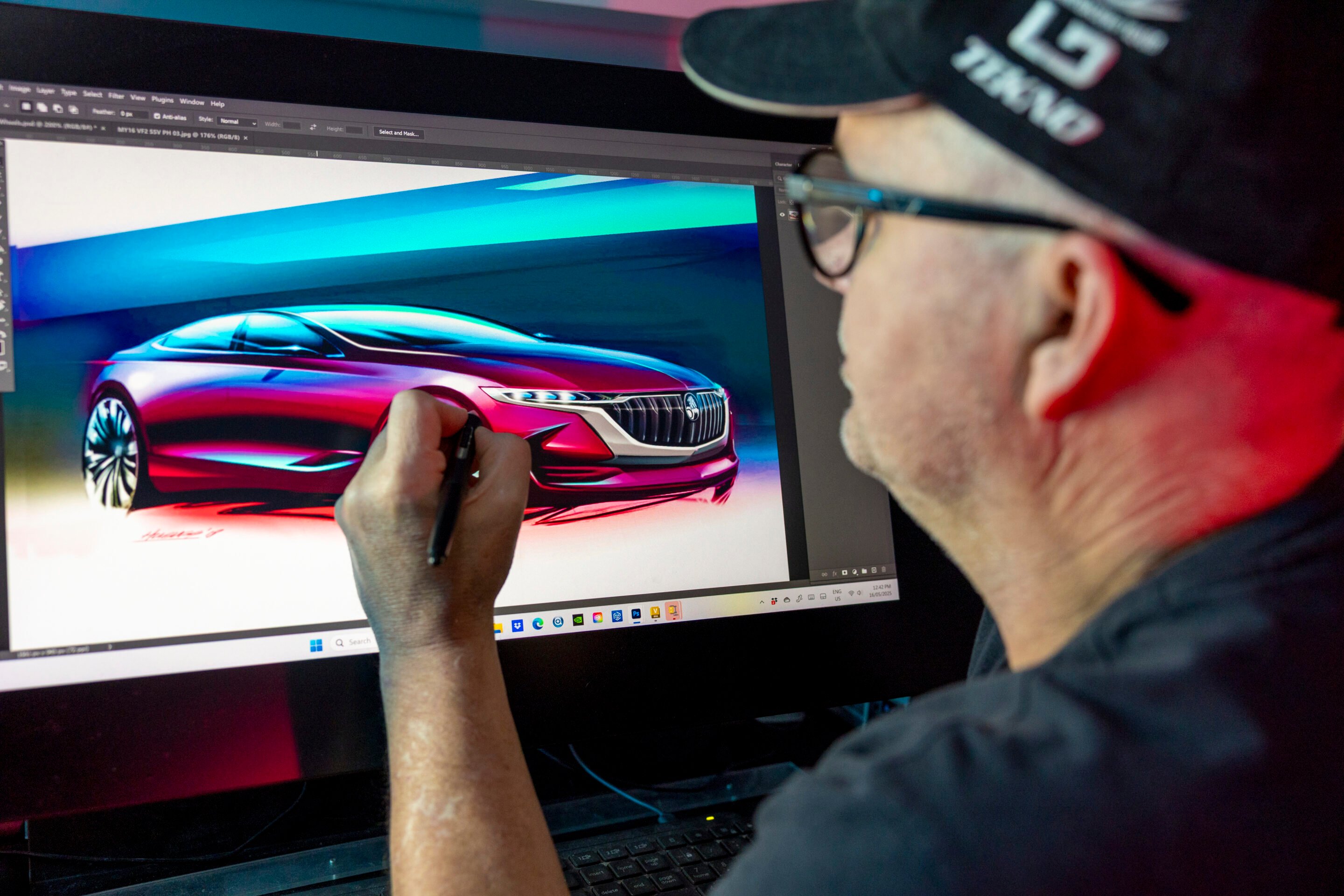
“When Holden shut, everyone wanted a piece of the nostalgia. I made a fair bit of money in the first couple of years. I had my little business selling prints for about five years. I was doing lots of motorsport stuff, which I enjoyed.”
He is closing on 60, works from a home studio, and has a car collection including a Lotus Exige and a 1971 Alfa Romeo Spider.
“I reckon I’ve still got a good decade me. Mike used to say there is no age limit to good design. You have got to keep stretching yourself. Reinventing the role and doing new stuff.”
So, how does he look back at his three decades with Holden.
“My thoughts now are grateful. I got to design a Holden. I got to work on everything. Looking back,
I cannot believe what I did. I was always busy. Ah, good times. Great times,” he laughs as he signs off.
This article originally appeared in the June 2025 issue of Wheels magazine. To subscribe, click here.
Jaguar has thrilled attendees at the 2025 Goodwood Festival of Speed with the global unveiling of its bold new concept car, the Type 00 – a striking all-electric grand tourer that represents the luxury marque’s next chapter.
Positioned as the forerunner of Jaguar’s new electric model line, the Type 00 breaks sharply from past designs. It introduces what the brand calls ‘Exuberant Modernism’ – a design philosophy rooted in geometric purity, dramatic proportions and unapologetic flair.
Gone are traditional Jaguar cues like rear windscreens and chrome grilles. Instead, the Type 00 wears a sweeping fastback silhouette, exaggerated rear overhang, and an uninterrupted brass-finished tail that conceals integrated rear-view cameras.
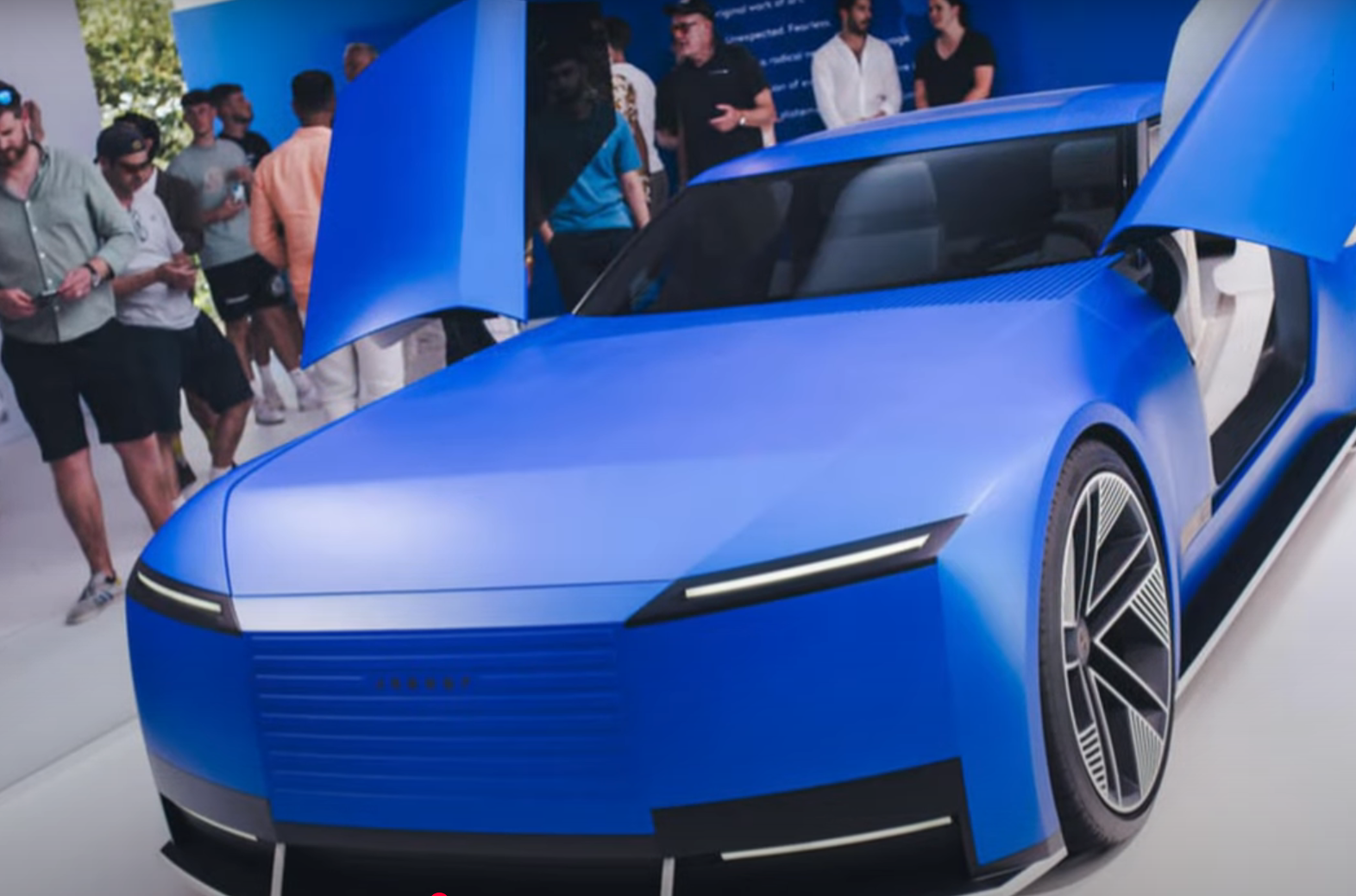
Built on the company’s forthcoming Jaguar Electric Architecture (JEA) platform, the four-door EV is a production-intent concept, previewing the flagship GT model expected in late 2025. This will be followed by two other ultra-luxury EVs as Jaguar shifts to a fully electric line-up by mid-decade.
Festivalgoers were treated to the concept’s striking 23-inch wheels, full-width “Strikethrough” lighting and a cabin design hidden from view – designed to enhance mystique. The model appeared in vibrant Miami Pink and rich London Blue paintwork, both celebrating Jaguar’s British heritage while embracing future-facing vibrancy.
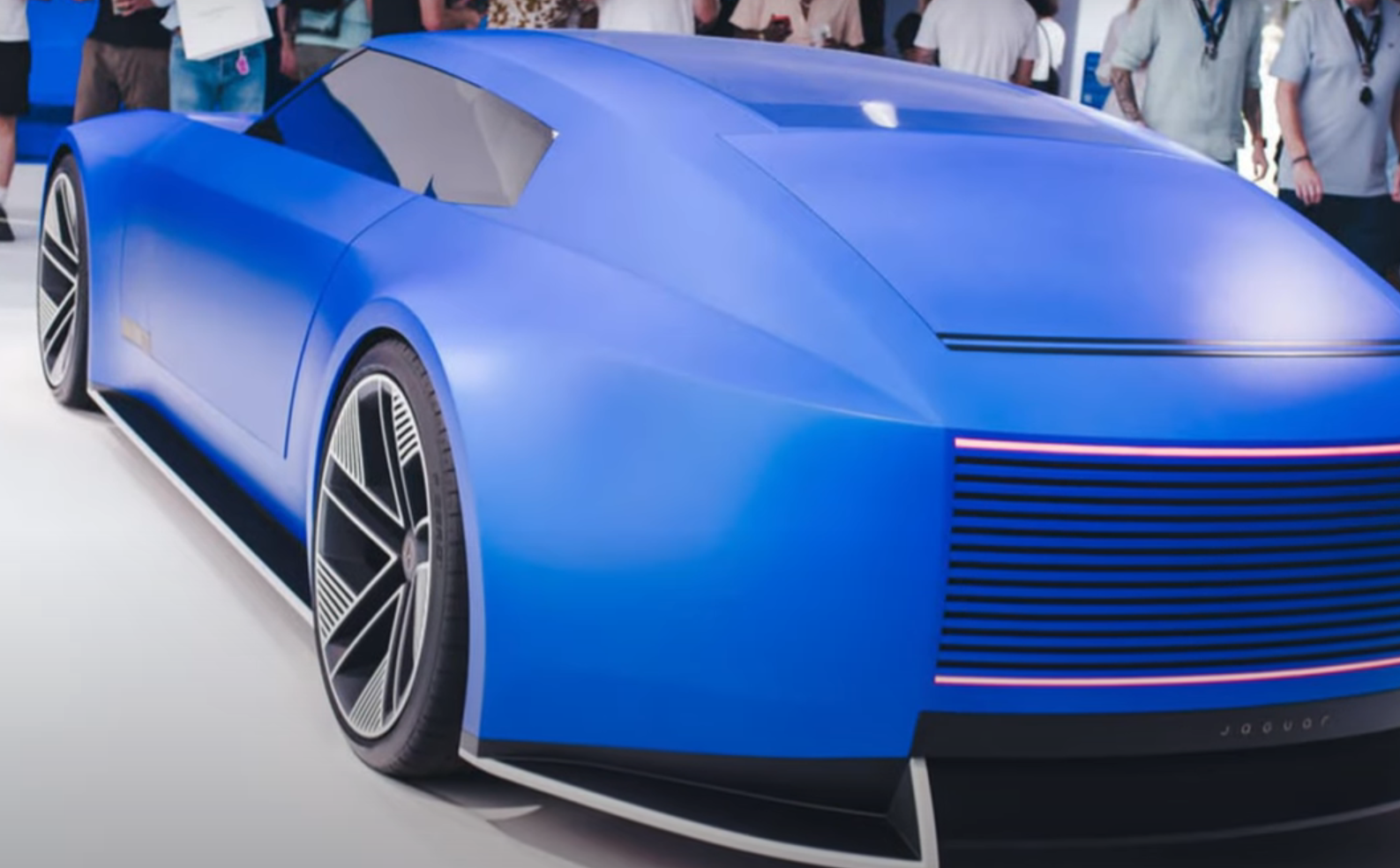
“Type 00 is a statement of intent,” Jaguar CEO Thierry Bolloré told media. “It’s about making bold decisions that reshape the idea of modern luxury and what a British electric performance car can look like.”
Public reception was mixed but impassioned. Many praised the concept’s audacity and originality, while others lamented its departure from Jaguar’s traditionally elegant styling. Yet few could deny the Type 00’s impact – it dominated conversation and social media buzz throughout the Goodwood weekend.
As Jaguar prepares to re-enter the high-end electric space in earnest, the Type 00 signals more than a new model – it marks a transformation of brand identity. With exclusivity, visual drama and electric performance at its core, Jaguar is clearly steering toward a very different road ahead.
| Overall rating |
|---|
Things we like
- Sublime chassis and adjustable all-wheel drive system
- Incredible performance from just three cylinders
- New automatic gearbox adds even more appeal
Not so much
- Expensive to buy and service
- Smaller GR Yaris ultimately more thrilling
- No covered interior storage
Performance car fans have been dealt a difficult hand in 2025.
Thanks to global emissions regulations, the affordable performance car is a former shadow of its once-great self. Performance car options under $100,000 are becoming rarer, with many brands simply not playing in the space any longer.
Thankfully there are still some options available such as the Honda Civic Type R, Hyundai i20 N and i30 Ns, Volkswagen Golf GTI and R and Subaru WRX. Plus, two options from a brand more renowned for middle-of-the-road, mass appeal cars: Toyota.
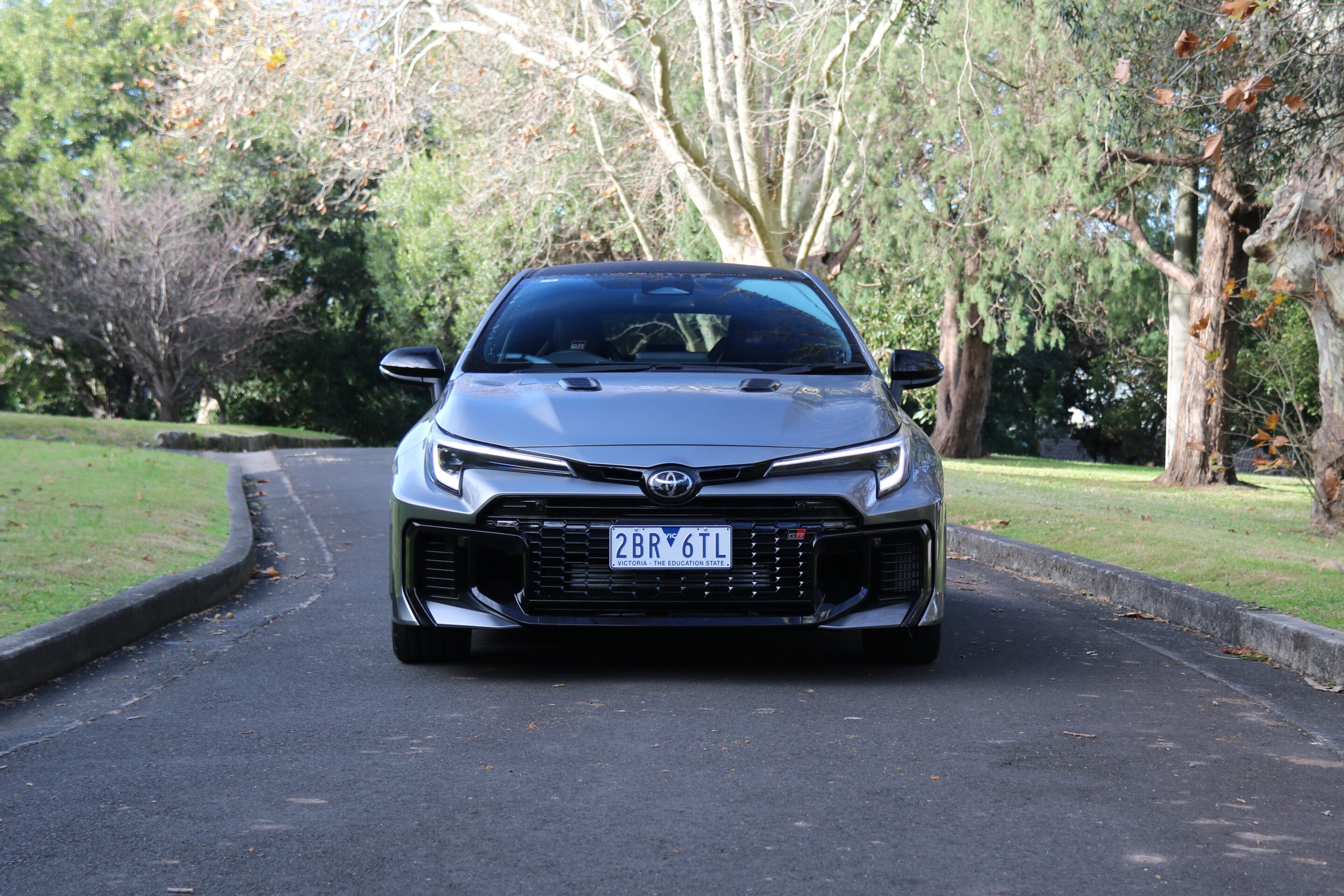
The GR Yaris went on sale in 2020 and was joined by its larger GR Corolla sibling in 2022. Both have just had big upgrades, including a new automatic transmission option, so how does the GR Corolla automatic measure up in the world of performance cars?
Price and equipment
The Toyota GR Corolla is offered in one spec in Australia: the GTS, which is priced from $67,990 plus on-road costs for the manual and $70,490 +ORC for the automatic. That makes it $7,500 more expensive than the smaller and less practical GR Yaris and priced similarly to other hot hatches such as the $70,990 +ORC Golf R.
GR Corolla standard features
- 18-inch Enkei alloy wheels with Yokohama Advan Apex tyres
- Dusk-sensing automatic LED exterior lighting
- Intermittent manual wipers
- Rear privacy glass
- Carbon fibre roof
- Keyless entry with push button start
- Heated and auto-folding mirrors
- Synthetic leather steering wheel, gearknob and handbrake
- Leather and suede upholstery
- Heated front seats and steering wheel
- Dual-zone automatic climate control
- 12.3-inch digital driver’s display
- 8.0-inch touchscreen
- Satellite navigation with live traffic
- Wireless Apple CarPlay and wired Android Auto
- AM/FM/DAB+ digital radio
- Wireless phone charger
- 2x USB-C ports
- 8-speaker JBL sound system
- Head-up display
- Normal, eco, sport and track driving modes
- AWD power split setting select dial: 60:40, 30:70 or 50:50
- SOS emergency call, automatic collision notification and vehicle insights through the myToyota
- Connect smartphone app
- 12 month access to stolen vehicle tracking, status connect, remote connect and multimedia connect through the myToyota Connect smartphone app
GR Corolla safety features:
- 7x airbags
- Autonomous emergency braking (AEB) with pedestrian, cyclist and intersection assistance
- Adaptive cruise control (high-speed)
- Lane keeping assistance with lane departure warning
- Adaptive lane guidance
- Blind-spot monitoring with rear cross-traffic alert
- Auto high beam
- Speed sign recognition
- Front and rear parking sensors
- Reversing camera
- Tyre pressure monitoring
GR Corolla automatic adds:
- Paddle shifters
- Automatic low speed braking (forward and reverse)
- All-speed adaptive cruise control
- 12 month access to remote air-conditioning through the myToyota smartphone app
Interior, practicality and bootspace
The interior of the GR Corolla is much like the standard Corolla: good quality, well featured and comfortable, though it’s hardly the most practical car in the world. While the plastics used aren’t premium, there is more than enough soft touch trims throughout the cabin. The suede and synthetic leather upholstery is appropriately sporty as well, and the sports seats are quite supportive and comfortable, though electric adjustment would be a good addition.
Cabin practicality is not the GR Corolla’s strongest point, it must be said. There are small door pockets, a tray with a wireless phone charger located underneath the dashboard – beware of accidentally activating the heated seats when using it – and some shallow cupholders in the centre console. But thanks to the manual handbrake in the GR, the regular Corolla’s central armrest with covered storage no longer features – instead, it’s just a big open tray, with no covered storage.
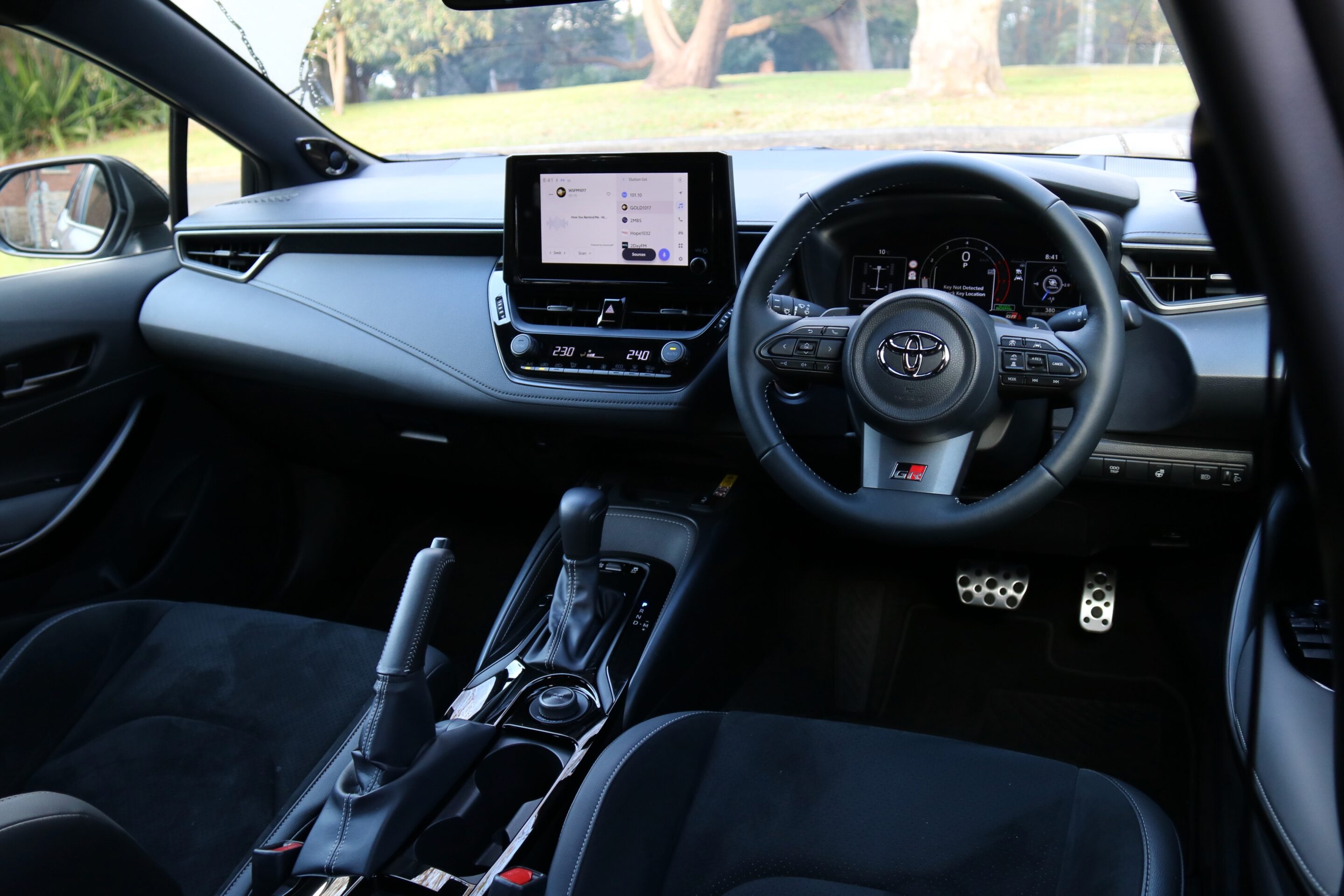
The small 8.0-inch touchscreen in the centre of the cabin is well featured with wireless Apple CarPlay, wired Android Auto, DAB+ digital radio and sat-nav with live traffic. It’s bright and quick, though the menus could be easier to use – for example, the sound settings are buried in the audio menu and not in the settings page. The eight-speaker JBL sound system also leaves a lot to be desired for aural quality, while the digital driver’s display could also be easier to use.
The rear seat of the GR Corolla is, like the front, not the most practical space but it is comfortable and at least it has rear doors, unlike the GR Yaris. Two six-foot adults will fit fine with just enough leg- and headroom, while the map pockets, and bottle holders in both the doors and central arm rest will cover their storage requirements. However, the air vents in the Corolla ZR don’t feature thanks to the aforementioned manual handbrake removing the centre console, though there is a USB-C port and 12V socket now available to rear passengers.
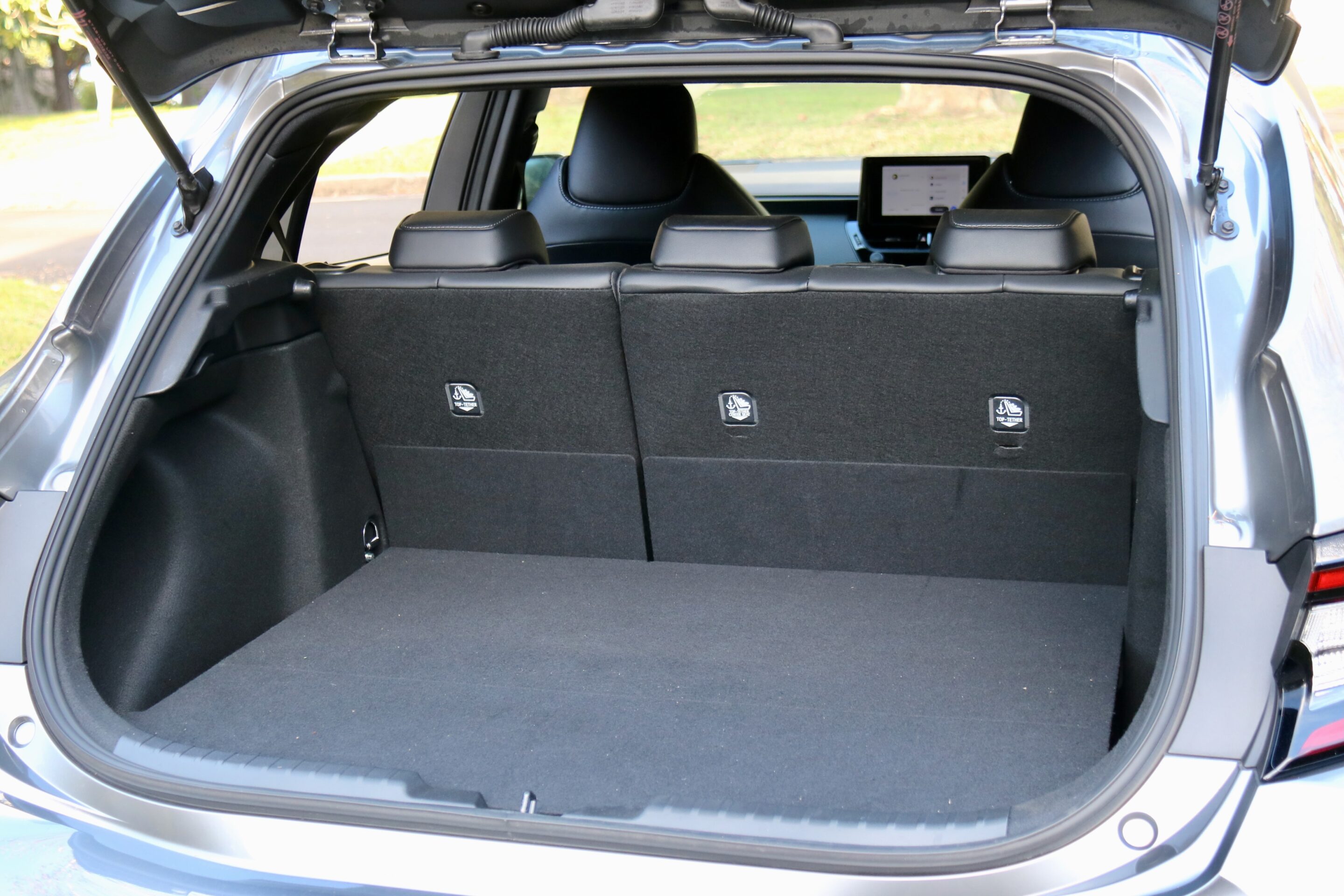
The boot of the GR Corolla measures just 213 litres with the seats up and 503 litres with them folded, and the boot floor is quite high thanks to the rear differential and battery located underneath. There’s also no spare wheel, but the seats do fold completely flat.
Performance and fuel economy
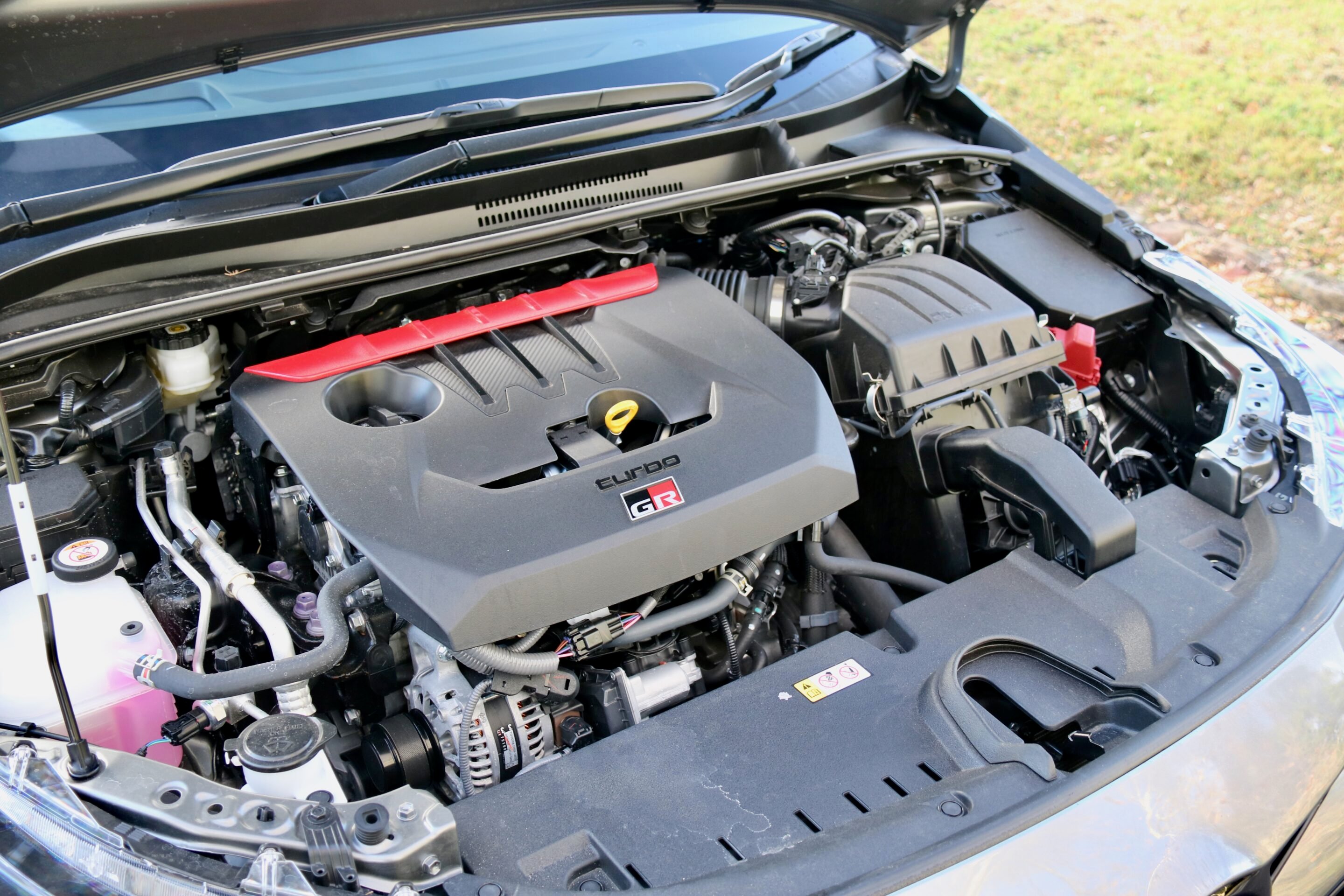
The GR Corolla uses Toyota’s ‘G16E-GTS’ 1.6-litre turbocharged three-cylinder petrol engine that debuted in the GR Yaris, though now it makes even more grunt: 221kW of power and 400Nm of torque, which is some way off the 235kW Civic Type R and 245kW/420Nm Golf R, though they both have more capacity. Previously, the GR Corolla was only available with a six-speed manual but with its recent update, Toyota added a new eight-speed torque converter automatic as an option.
Toyota claims that the auto will use 9.5L/100km of fuel, with claimed CO2 emissions of 215g/km – in our testing with urban, highway and spirited driving, we used 10.6L/100km. Its 50-litre tank must be filled with 98RON premium unleaded.
On the road
When it comes to the driving experience, the Toyota GR Corolla is outshone in some ways by its rivals: the GR Yaris is ultimately more thrilling thanks to its smaller size, the Civic Type R is more focused and the Golf R is more comfortable for everyday use. But the GR Corolla is still an excellent car to drive, with more than ample performance, driver engagement and – thanks to subtle suspension changes in the update – more comfort than before.
As before, the GR Corolla’s chassis is fabulous, with a darty and planted feel. And while the steering isn’t the last word in feel, it’s well weighted and direct. Like the suspension, the all-wheel drive system has also seen changes – the 60:40 front rear split in normal mode continues as before, but the previous sport (30:70) mode has been changed to gravel (50:50) and track (previously 50:50) is now a variable set up where between 40 and 70 per cent of torque can be sent rearwards at any one time.
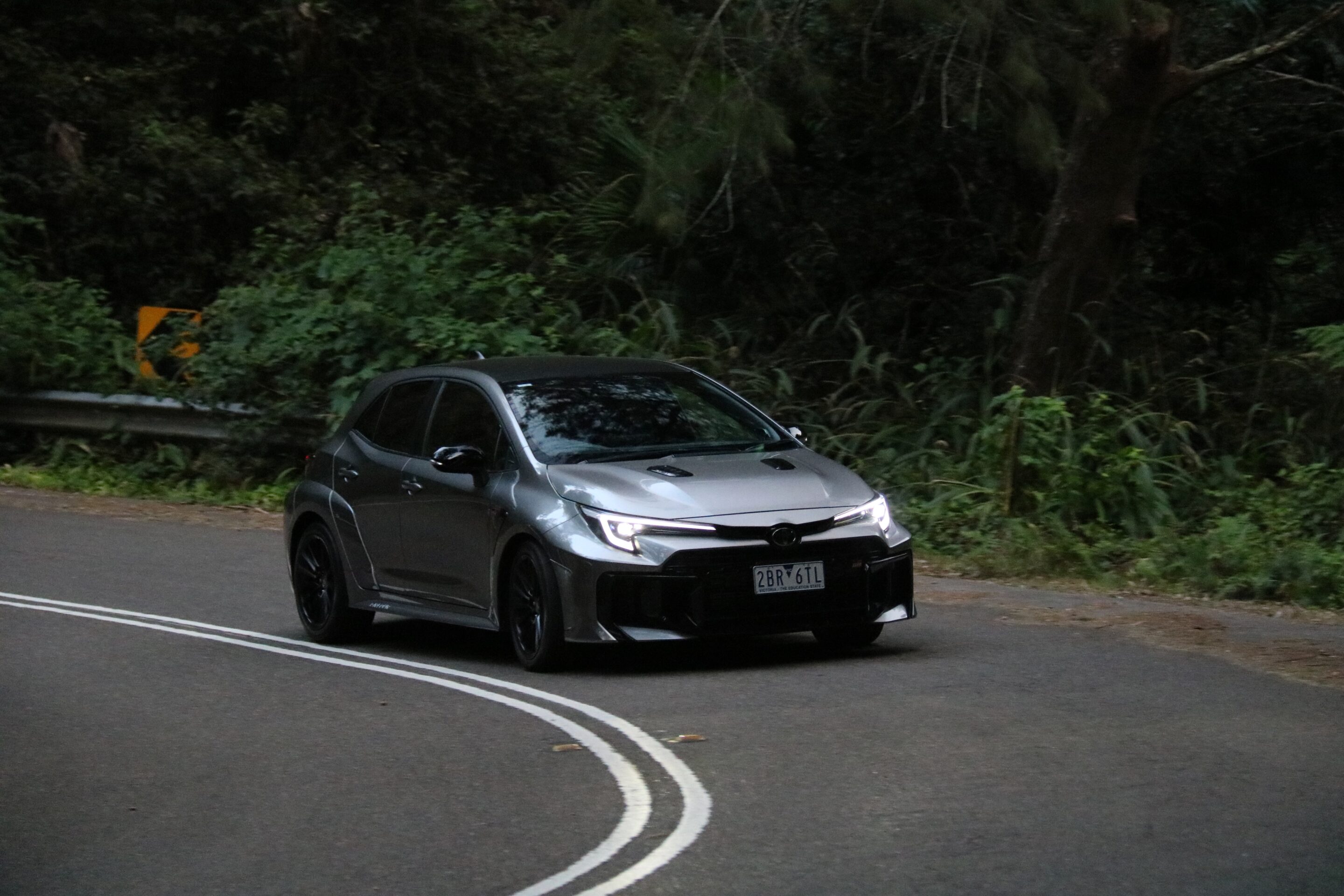
While it doesn’t punch quite as strongly as its main rivals, the GR Corolla’s engine is still a great unit that goes hard and sounds great too, with a meaty three-cylinder roar throughout the rev range. The peak 400Nm of torque hits at 3250rpm, while the 221kW of power then kicks in at 6500rpm, at which point you’re well and truly moving. Toyota doesn’t quote a 0-100km/h time, but we’ve seen overseas reports of a 5.2-second run for the automatic, which feels about right from the driver’s seat.
The new eight-speed automatic transmission has also added appeal to the GR Corolla, and more than just for those who can’t (or won’t) drive a manual. The auto has made it quicker thanks to its eight ratios that are spaced closer together than the six manual gears, while it feels even more like a rally car thanks to the paddle shifters. The transmission isn’t DSG fast and it can shunt a bit at lower speeds when it’s not yet warmed up, but it’s still quicker than expected for an in-house torque converter ‘box, and it’ll even rev to the limiter without shifting up in manual mode.
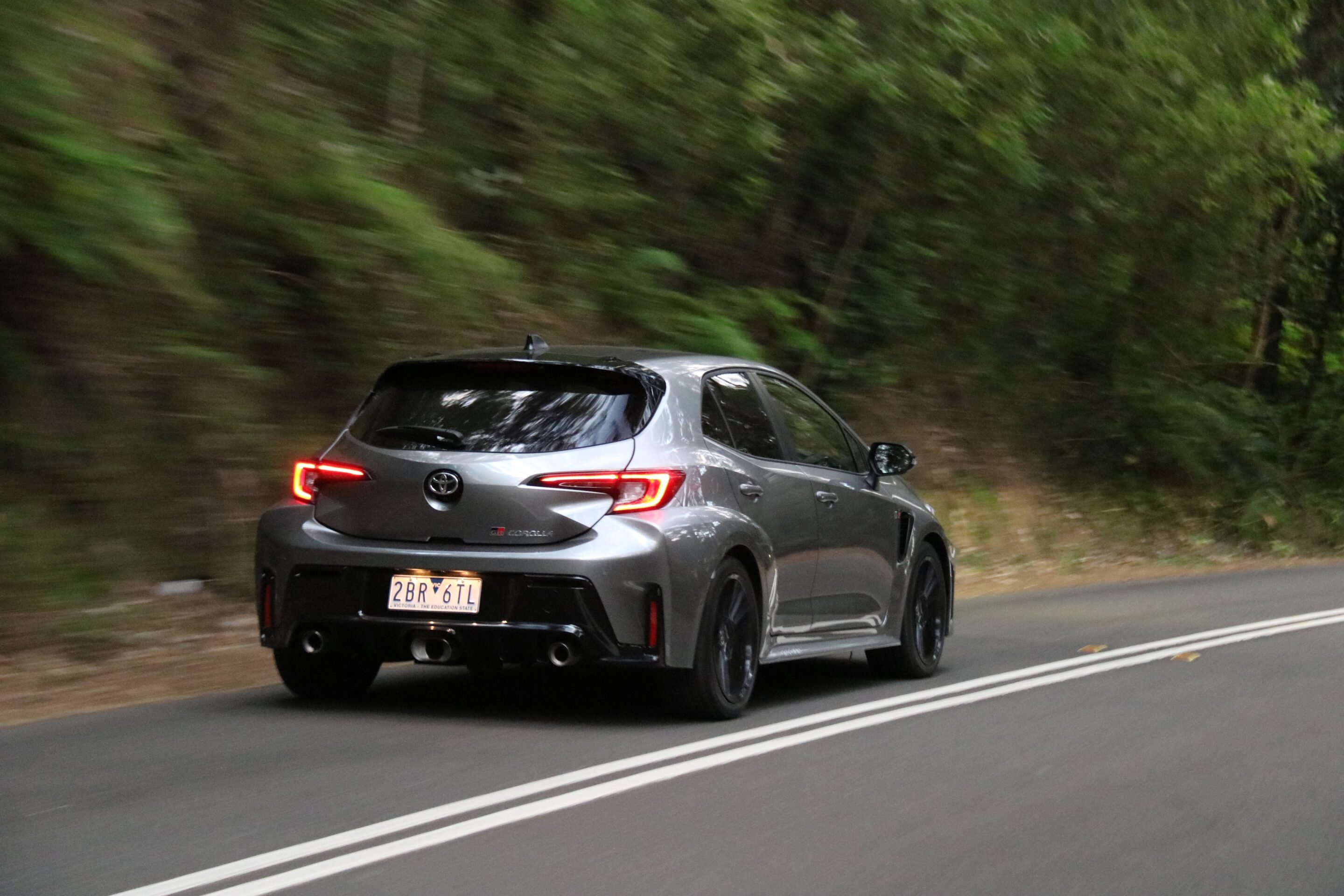
In its new track mode, you can feel the torque being variably split, making the GR Corolla feel more than sufficiently rear-biased sometimes and really helping it exit corners quickly. The 356mm four-piston front and 297mm two-piston rear brakes are impressively strong, even from higher-speed braking. On the track, the combination of the GR Corolla’s punchy engine, short ratios of the automatic, strong brakes, grippy tyres, fluid track mode and limited-slip front and rear differentials make it an absolute riot. Yet even on the road in a less focused driving mode, it’s still great fun, and thanks to the revised suspension, it’s more compliant and comfortable than before as well.
Service and warranty
The GR Corolla is covered by a five-year/unlimited km warranty with extended coverage for up to another two years for the drivetrain if serviced at a Toyota dealership. Roadside assistance is available at an extra fee of $99 annually or $139 annually for roadside assistance ‘plus’.
The GR Corolla must be serviced every six months or 10,000km, whichever comes first, and five years/100,000km of servicing costs an expensive $4206 ($841 per year).
Verdict: Should I buy a Toyota GR Corolla automatic?
Ultimately, while there are many less hot hatch options than there used to be, the Toyota GR Corolla provides a great option for those who want one. Certain rivals do some things better – the Civic Type R is faster and more focused, the Golf R is more comfortable day to day and its GR Yaris sibling is more involving. The GR Corolla is also expensive to buy and service, nor very practical, and it’s missing features such as automatic wipers and covered storage.
But the GR Corolla is still among the best hot hatches made this century thanks to its driver involvement, lovely dynamics, punchy three-cylinder engine and genuine everyday driver ability.
Plus, the new automatic transmission option has opened it up to more buyers, and more of these tenacious hot hatches on our roads is only a good thing. Those wanting a sub-$100,000 performance car be rest assured: Toyota isn’t resting on its laurels to deliver you one.
GR Corolla automatic rivals
Specs
| Model | Toyota GR Corolla GTS automatic |
|---|---|
| Price | $70,490 plus on-road costs |
| Engine | 1618cc turbo 3-cylinder |
| Peak power | 221kW (@ 6500rpm) |
| Peak torque | 400Nm (@ 3250rpm – 4600rpm) |
| 0-100km/h | 5.2 seconds (est.) |
| Top speed | 230km/h |
| Transmission | 8-speed automatic, all-wheel drive |
| Fuel consumption (claimed, as tested) | 9.5L/100km, 10.6L/100km |
| CO2 emissions | 215g/km |
| Fuel type/tank size | 98RON premium unleaded, 50-litres |
| Dimensions (length/width/height/wheelbase) | 4408/1851/1479/2640mm |
| Kerb weight | 1510kg |
| Boot size | 213 litres (seats up), 503 litres (seats folded) |
| On sale | Now |
As whole-life statements go, ‘I’ll never be old enough to play golf’ rates pretty high on my non-existent list of mantras to live by. In the same feeble breath, ‘I’ll never be decrepit enough to covet a Camry’ carries a similar degree of weight.
It must be psychological conditioning – playing golf always seemed like a pursuit best suited to the rich and/or elderly to me (unless Sega Megadrive is involved), while Camrys are the Toyota du jour once your turgid Corona has been crushed into a metal cube, and your care factor has withered to indiscernibility.
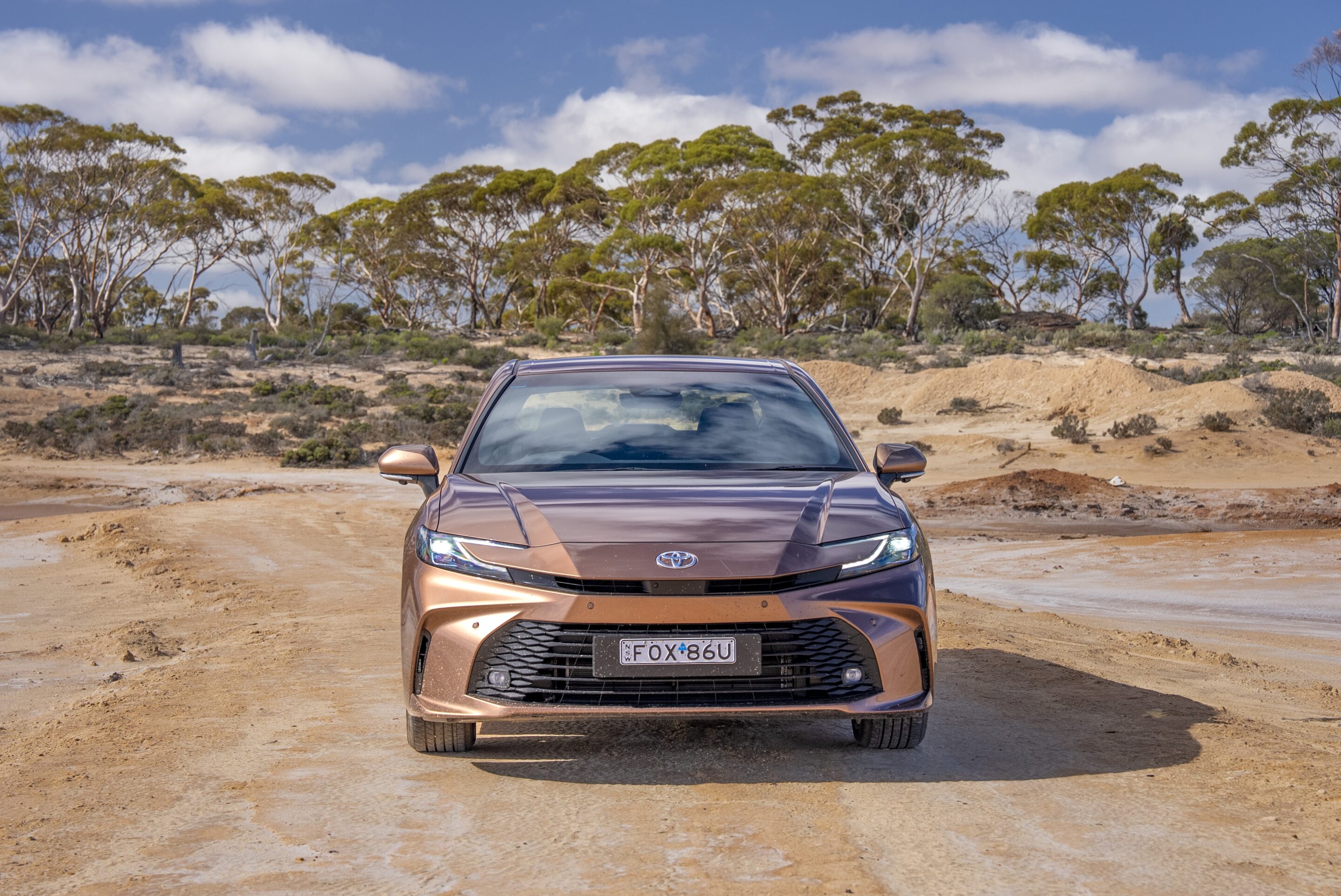
Yet here we are, clubs on standby, tracing the trail of the world’s longest ‘golf course’ while driving what is still the world’s favourite sedan – in this case a ninth-generation XV80 Camry Ascent Sport in desert-friendly Precious Bronze.
The desolate delights of Australia’s Nullarbor Plain are unfamiliar territory to me. Like most people, I’ve never been west of Port Augusta or east of Kalgoorlie – leaving 1850km of unexplored landscape, and about 1000km of Nullarbor Plain plonked somewhere in the middle, roughly spanning Ceduna in SA to Norseman in WA.
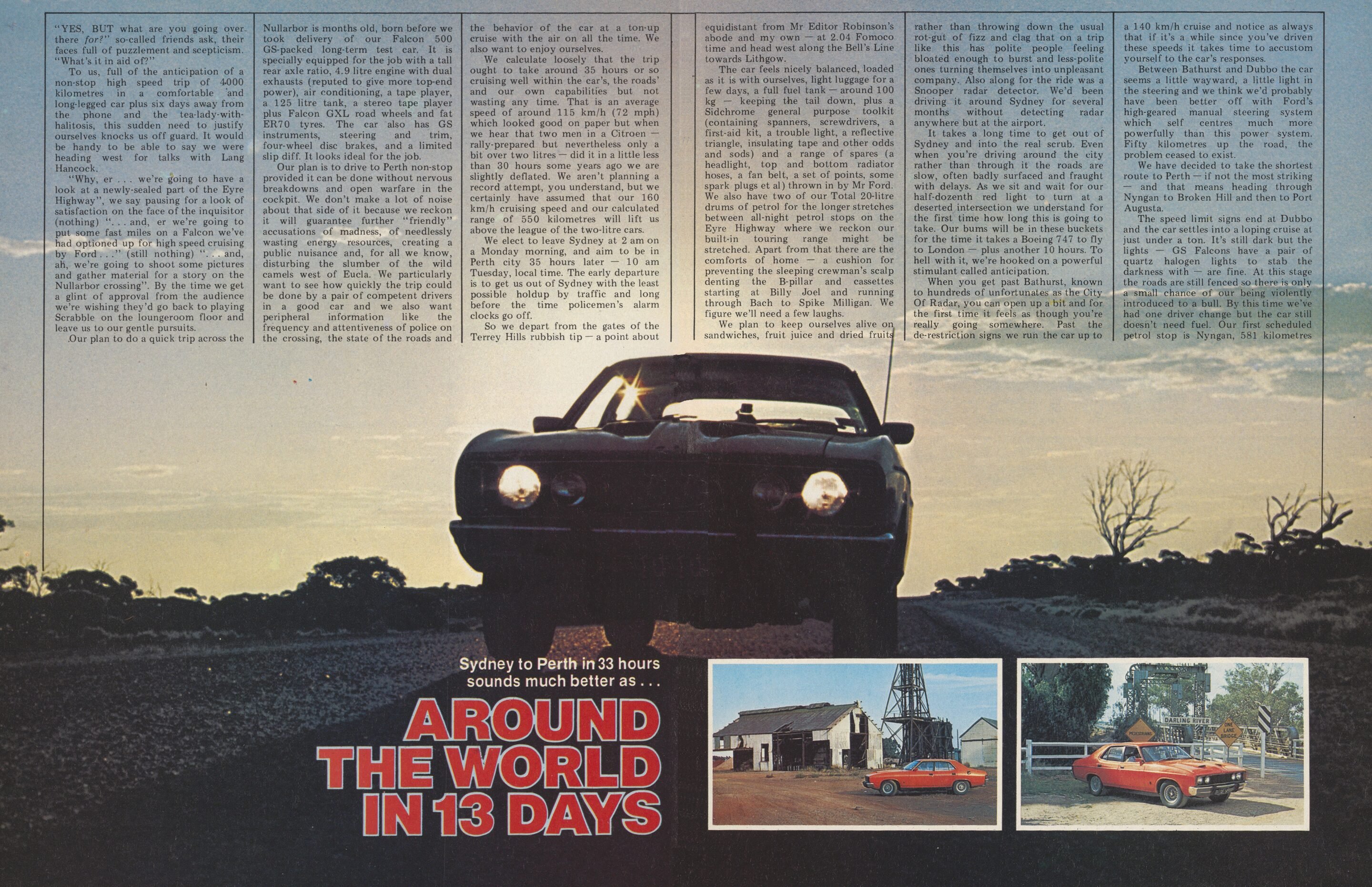
Wheels, however, and any long-time Wheels readers as a result, has traversed this iconic stretch of tarmac on two landmark occasions – once in July ’77 in a Ford XC Falcon 500 GS long-termer, and again in November ’80 in an Alfa Romeo Alfetta 2000. Each time also in a sedan, with each incredibly well-suited to tackling the huge drive all the way from Sydney to Perth (without stopping for sleep!), but in a radically different era.
Editorialised around the Eyre Highway being a freshly surfaced ‘new’ road with bitumen for the first time – yes, it had been a dirt goat track prior – the ’77 drive (below) enjoyed the freedom of no speed limits beyond populated areas, with the thirsty V8 Falcon averaging a scarcely believable 176km/h during one 400km stint. The 1980 rematch, however, was a highly organised, factory-backed affair that saw the twin-cam Alfa reach Norseman in WA having averaged almost 141km/h since leaving Sydney, then arriving in Perth after less than 30 hours of non-stop driving, aside from refuelling.
Our 2025 Nullarbor Plain crossing couldn’t be more different – and not just because we’re allowing four days to drive 1400km from Ceduna to Kalgoorlie. First, while we’re (refreshingly) piloting another four-door sedan, today’s Toyota Camry is a petrol-hybrid with official combined fuel consumption of 4.0L/100km, or 70.6mpg in old money – an impossible-to-comprehend figure 45 years ago. Given its modest 50-litre fuel tank, that calculates to a potential range of 1250km, which is enough to devour the entire signposted stretch on one tank if you drive delicately enough.
The other key difference is something that was hinted at in the ’77 adventure. It was only after becoming bitumen that signage began to pop up along the Nullarbor, suggesting photo locations for tourists and denoting available services such as petrol, motels and food, as well as water tanks, camping areas and emergency phones. Forty-eight years later, you can add solar-powered electric-vehicle charging stations and, if you’re game, the world’s longest, quirkiest 18-hole ‘golf course’.
After a crisp Indian Ocean swim in the netted pool off Ceduna wharf, we head to the Ceduna Golf Course to inspect the first two holes – Oyster Beds and Denial Bay. Each fairway consists of hard-packed dirt strewn with rubbly rocks, fronted by a raised astroturf platform for teeing off – the whole thing is both laughably ridiculous and quintessentially ’Strayan.
And unexpectedly popular. Two other cars pull up to tee off, though referring to a RAM ute towing a ginormous caravan as a “car” rivals the Ceduna “golf course” and “clubhouse” for bending the truth.
For me, it’s the actual driving, not flailing a frigging club, that is the real Nullarbor drawcard. And, perhaps unexpectedly, doing it in a Camry. Having known a multitude of familial sedans for most of my life (apart from an uncategorisable Mini-Moke Californian, and the odd air-cooled Beetle), it’s a bit like coming home for roast pork, crackling and lemon meringue pie.
Two things immediately hit home. The first is the Camry’s excellent ride and refinement. After suffering the continual compromise that is so many high-riding SUVs, not to mention the bafflingly rubbish ride quality of most EVs, being back in a regular passenger car – a leggy medium-to-large four-door riding on a generous 2825mm wheelbase – is an unbridled joy. Supple, sophisticated, relatively light (only 1565kg) and sweetly balanced, the latest Camry feels like a superb evolution of the traditional Aussie sedan … which I write with more than a tinge of sadness, and not just because we don’t build them anymore. It’s because I miss them.
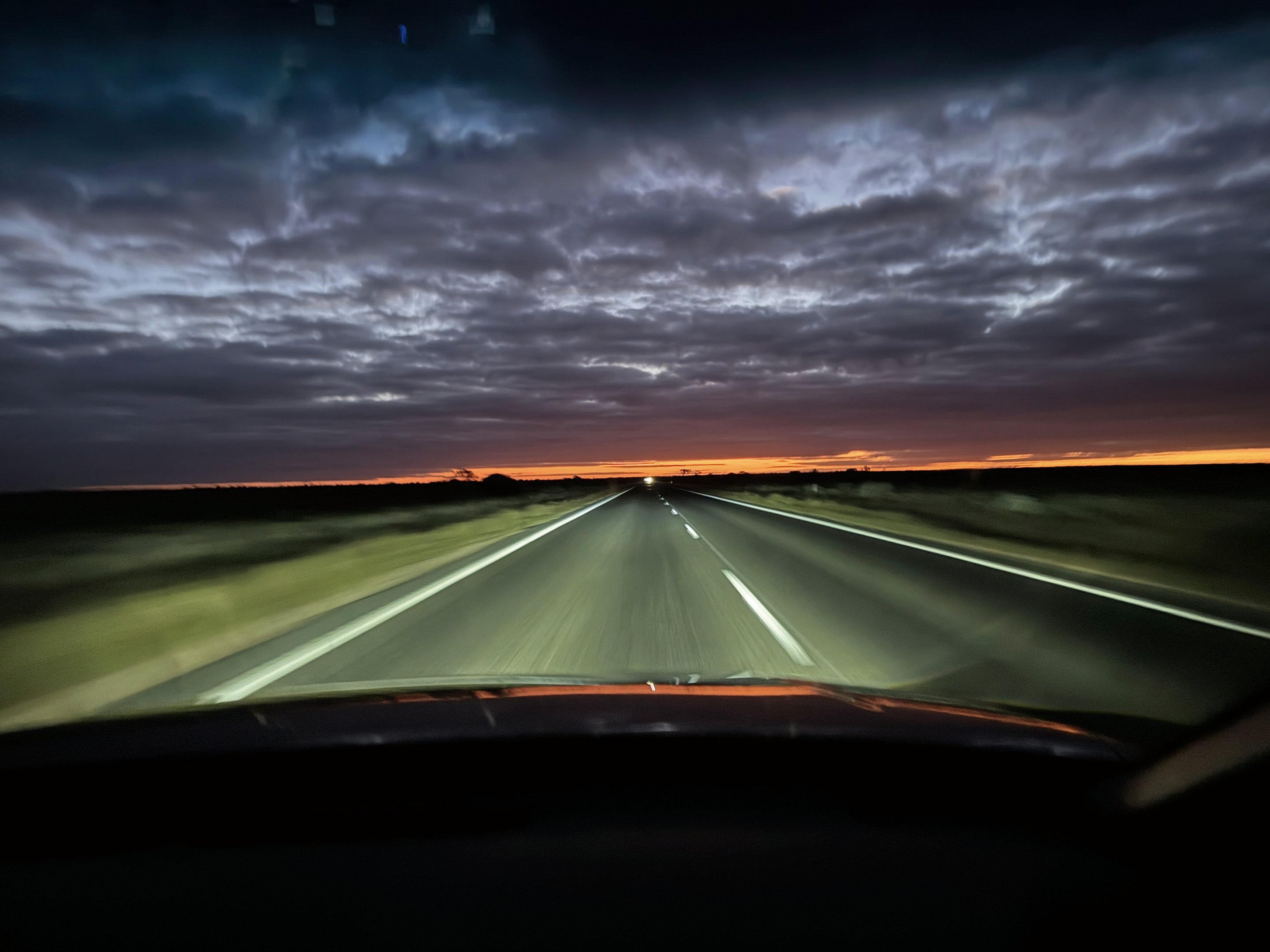
The second is the outstanding vision afforded the Camry’s front occupants. An expansively low cowl is one thing, but there’s an even lower beltline, relatively slim A-pillars and a panorama of riches around the pedestal door mirrors. Compared to a similarly sized SUV, the Camry is almost ’80s-Honda-esque in its visual generosity – providing a great foundation from which to take in the Nullarbor and its surrounds.
Our first stop is Comet Café in Penong which, according to the sign out the front, also happens to be the last proper shop for 1000km. As a warning for first-time tourists, it hits like a kindly administered sledgehammer.
Thankfully for my depressed self and my deeply un-Australian dietaries – no gluten and no eggs (not by choice) – Comet Café’s husband-and-wife team psychically knew I was coming because she’s also a coeliac and makes a great GF burger. The yellow food and meat pies that dominate Aussie roadhouse warmers are now fading memories, though the smell is still a great reminder about why a Chiko roll is never a good idea.
Beyond Penong, I get a chance to test the Camry’s overtaking stonk. Large utes and SUVs towing massive caravan-ish things mostly adhere to a 100km/h-ish cruise – presumably to save fuel though probably because they’re retired and wandering, nomad-like – so I mash the Camry’s right pedal time after time, sending engine revs quickly soaring as the Atkinson-cycle 2.5 makes a statement of intent. Our unassuming Ascent Sport gathers pace with newfound urgency. It feels as strong as any regular six-cylinder Aussie sedan ever did, but with added silkiness.
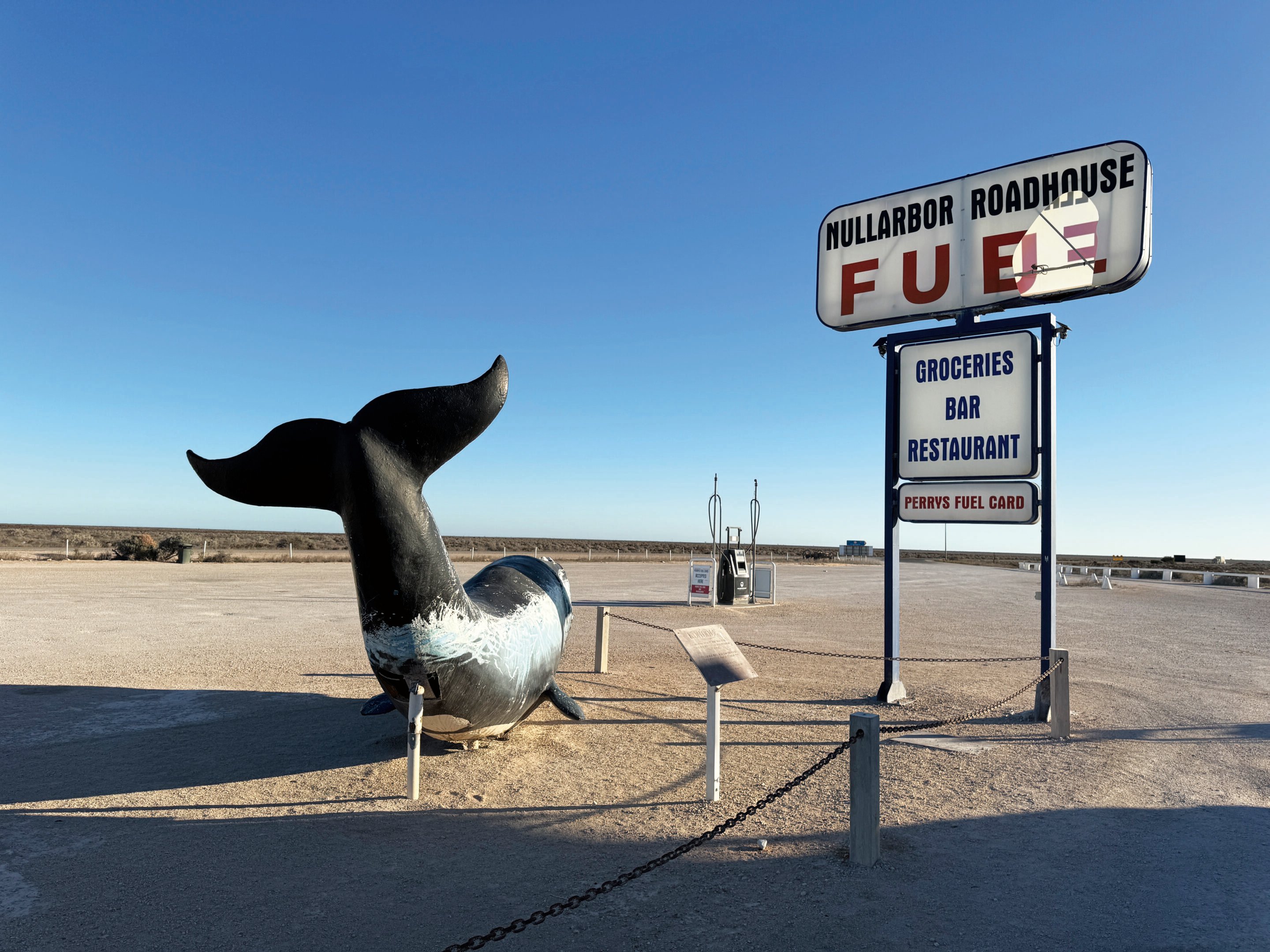
We overnight at Nullarbor Roadhouse, around 300km west of Ceduna – a multi-purpose servo with a bar, restaurant and fuel bowsers, plus a concrete whale out front, some light aircraft round back, a low-rise motel to the side and a broad camping ground adjacent to it.
The motel’s white-blonde bricks turn Besser-block grey inside, but the early-’80s bathroom adds some sparkle with its mustard-swirl vanity, sand-coloured wall tiles and mustard dunny. Nature follows suit with a soft pink sunset in a cloudless sky, graced by a full moon. It’s our entrée to nowhere.
And the gateway to the coast. A mere 50km drive from the roadhouse, the Great Australian Bight Marine Park offers an easy opportunity to gawk at the towering cliffs overlooking the edge of the Indian Ocean, if not the vaguely promised frolicking whales. It’s a breathtaking vista ringed by kilometres of cliffs to the west and fascinating wrinkled sandhills to the east that curve in an enormous arc towards Antarctica and gradually disappear into the sea mist.
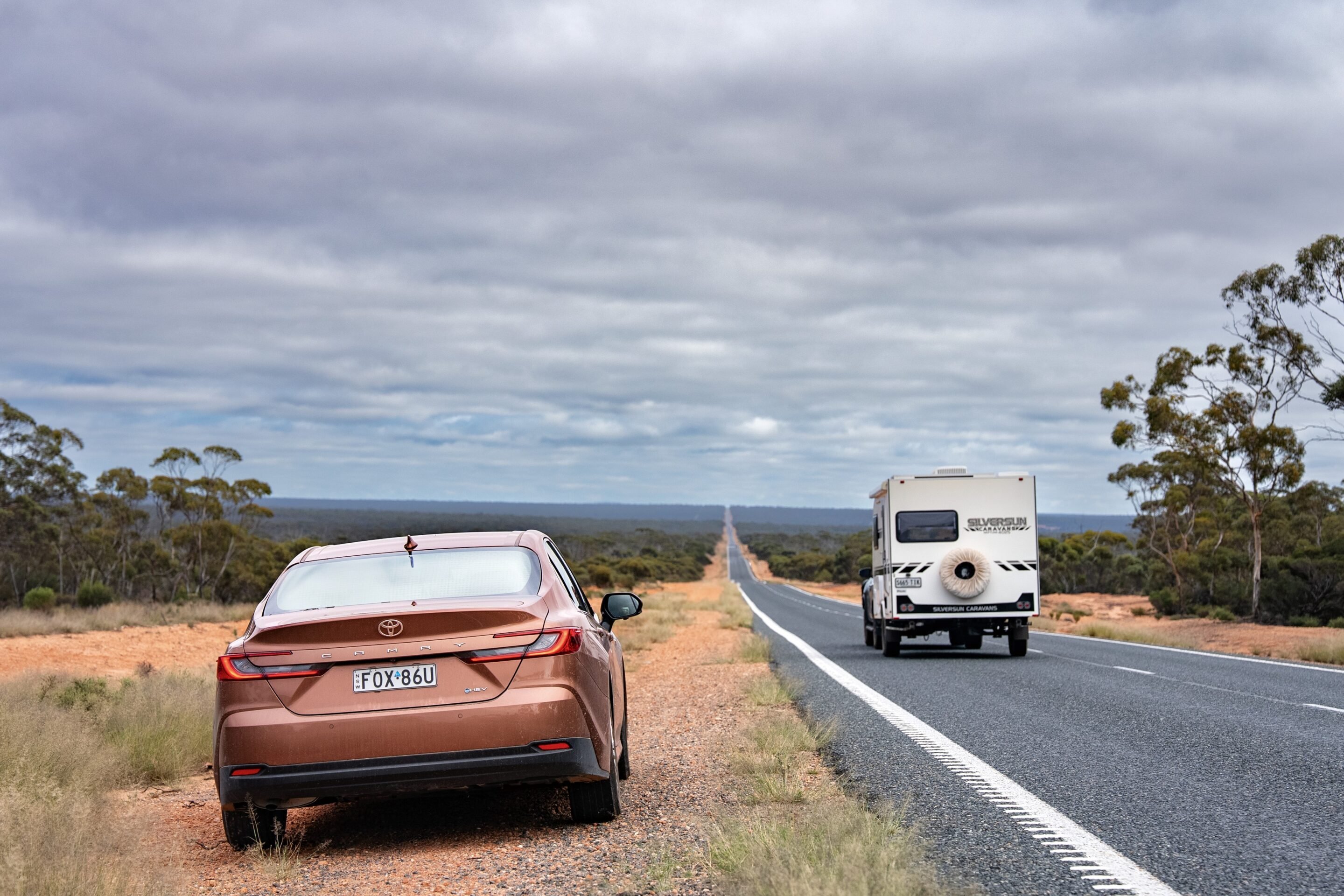
Back on the Eyre Highway, the view is similarly mesmeric. Low-lying scrub frequently fills the view in all directions, yet the highway occasionally brushes the ocean – differentiating the unexpectedly lush Nullarbor National Park from the desolate landscapes of the Northern Territory and Western Queensland. Here, the greenery never fades and the road is rarely dead flat. Instead, it punches its way through the scrub – a rising and falling ribbon of two-lane blacktop, contrasted against sandy dirt edges, that fades into oblivion kilometres in the distance.
Wafting at a lazy, cruise-controlled 120km/h – even though 150km/h would be of minimal threat to humanity – our Camry covers the 184km to Border Village in less time than it would take Bob Irwin to start an OnlyFans page. As its name suggests, Border Village sits about 200 metres east of the SA/WA divide, and thus the WA quarantine station, but it’s the only South Australian town (plus four towns in WA) to operate in the Central Western Time Zone – 45 minutes ahead of the rest of WA and 45 minutes behind SA. Colloquially known as ‘Eucla time’, we have to manually select Eucla on our phones to stop them flicking forward and back in 45-minute jumps – not ideal when you need to set an alarm.
Beyond Eucla, the scenery delivers its first cinemascopic reveal. The first genuine hill of our Nullarbor sojourn feeds into a pair of tempting corners as the road drops and snakes off to the west, skirted by low-lying mountains to the right and inviting ocean to the left, though the British chap that inspected our Camry at the quarantine station said he’d been living in the area for four years and still hadn’t braved the water. “Full of sharks” was his literal warning, though his tone seemed to imply that a quick dip after sunrise might be okay. And so it proves.
Day Three’s casually meandering Eyre Highway provides some appreciation of the Camry’s crisply connected, expertly weighted electric steering tune – a considerable improvement over the previous model – as well as hours of lush electronica to provide a soundscape for the landscape, delivered via a 12.3-inch touchscreen (with wireless Apple CarPlay) that finally buries Toyota’s unenviable reputation for crap multimedia.
The Nullarbor’s western fringe also provides a cornucopia of interesting town names, including Mundrabilla for a coffee, Cocklebiddy for lunch (and a golf hole if you’re in need of a stretch), and Caiguna – plus the famous 90-mile straight (146km), the longest straight road in Australia, before reaching Balladonia for dinner and bed.
Belting towards Balladonia Hotel Motel, we’re greeted by a fluorescent orange-pink sunset lovingly framed by the Camry’s tremendous vision, piercing from beneath dappled clouds. I’m then treated to my third ‘special’ meal of the day – a non-menu chicken curry, orchestrated by our Argentinian barmaids and created by a Filipino chef – which follows a lovely ham salad made by a French lass at lunch. It’s a welcome reprieve from three meals of crispy bacon at the previous day’s roadhouses, as well as a pleasing reminder that the Nullarbor has international appeal.
Indeed, the golf hole at Balladonia is called ‘Skylab’ – honouring the large piece of space junk that crashed into the earth there at 12.38am on July 12, 1979. The day after, US President Jimmy Carter rang the Balladonia Roadhouse to apologise for his country’s satellite debris and offered to pay for any damages – something that would be unfathomable in 2025. Part of Skylab’s airlock door now sits in a small museum adjacent to the roadhouse café, alongside a restored Vauxhall Velox from the 1950s Redex trials that is displayed crashing through the roadhouse wall, perhaps in honour of Skylab and Balladonia’s brief flirtation with fame.
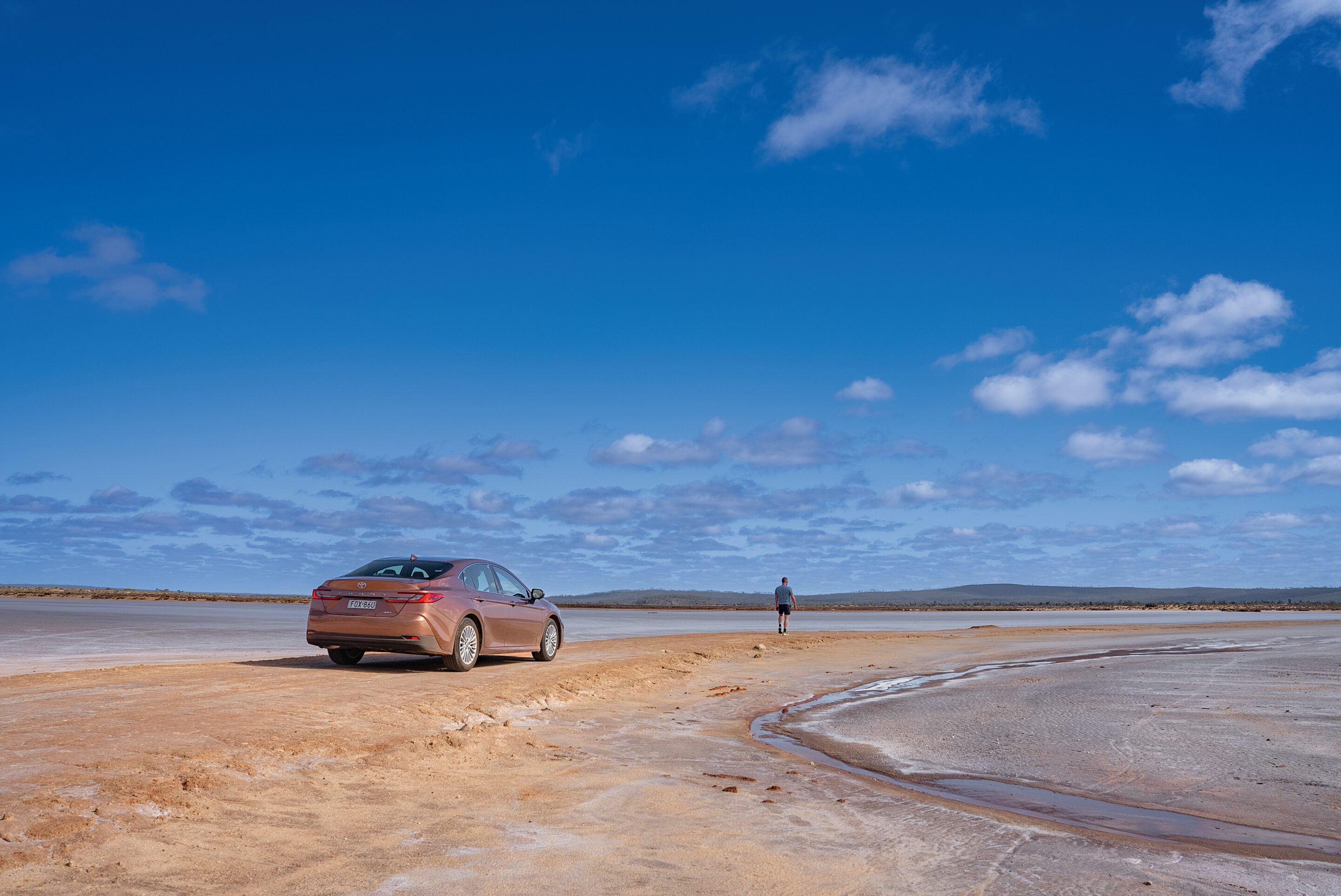
The final stretch of the Nullarbor is a 218km kink to the north-east, up through the Dundas Nature Reserve and Fraser Range before essentially ending at a T-intersection in Norseman. It’s a picturesque final leg, rising and falling between modest mountains and increasingly large trees. But it’s the moonscape-like rock and sand flats skirting the tendrils of Lake Cowan that piques my interest, not playing two holes at the Norseman Golf Club right next door.
After physically inspecting the solidity of the surface, I meander the Camry out onto a rocky meniscus and drink in the vastness. It’s the kind of stuff we often used to enjoy on big Wheels road drives in big home-grown cars, and much like seeing Sydney Harbour Bridge up close, you never grow tired of its grandeur. Out here, the Camry seems almost small.
The immensity of the landscape provides a quiet opportunity to contemplate this car’s significance. As essentially the last remaining link to the large-sedan diet that once underpinned our existence, it deserves to be celebrated. Yet it also deserves the accolades that have been heaped on this latest generation.
This bronze Ascent Sport is essentially $48K driveaway in New South Wales, which is a truckload of Toyota for the money. It’s quietly handsome (though far sexier in range-topping, headroom-robbing SL trim) and immensely comfortable over long distances, yet it’s also eager in corners, light on its feet, and far more athletic than any Camry has ever been. As a handler, it’s a wolf wearing comfy Merino threads.
It has a golf-bag-friendly 524-litre boot and much easier rear-seat access than previous Camrys, though this dynamic surprise still can’t match a VE/VF Commodore for rear-seat comfort or three-person space, despite driving its front wheels. That said, the Camry Hybrid’s combination of 7.2sec-to-100km/h performance and supreme fuel efficiency remains other-worldly compared with what the lead-footed Wheels crew achieved on those epic Nullarbor crossings of the past.
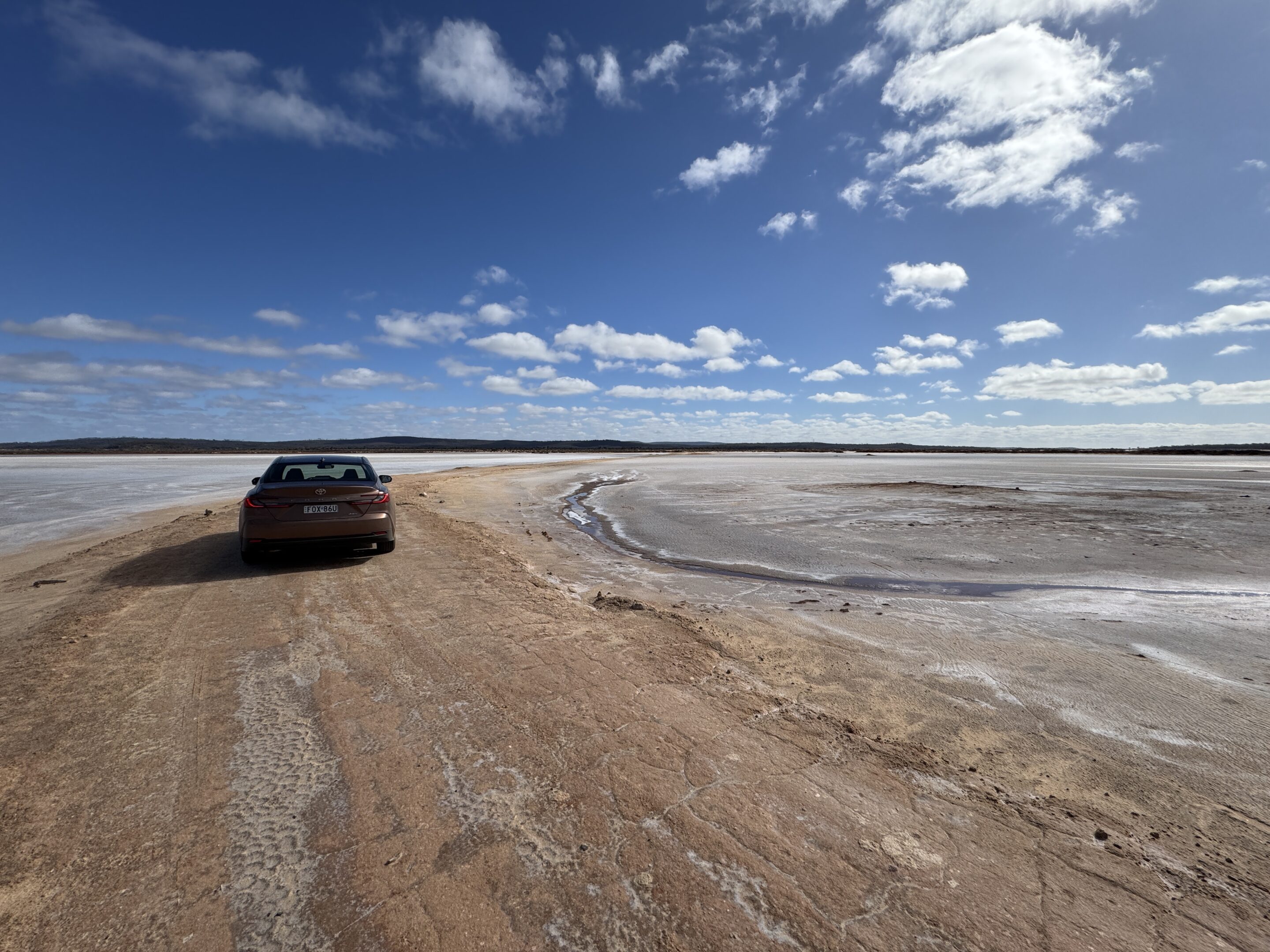
By the time we reach Kalgoorlie Golf Course, the numbers that matter are in. Despite being chockers with luggage and camera gear, and always extended when overtaking, our Camry has averaged an effortless 5.7L/100km – calculating to 877km between gulps of 95RON premium unleaded.
That’s a statistic rooted at the heart of modern motoring, not challenging the limits of man and machine in a cross-continent blast, thrilling as that may sound. Yet there’s arguably never been an Australian-market car better suited to a coast-to-coast thrashing than this Camry – if such an endeavour were still legal. It’s the first covetable Camry, a titan among a non-existent sea of competitors. And perhaps the ideal car to break the monotony of mediocre SUVs.
The other big take-away is that I might actually enjoy perfecting my golf swing. On Nintendo Wii.
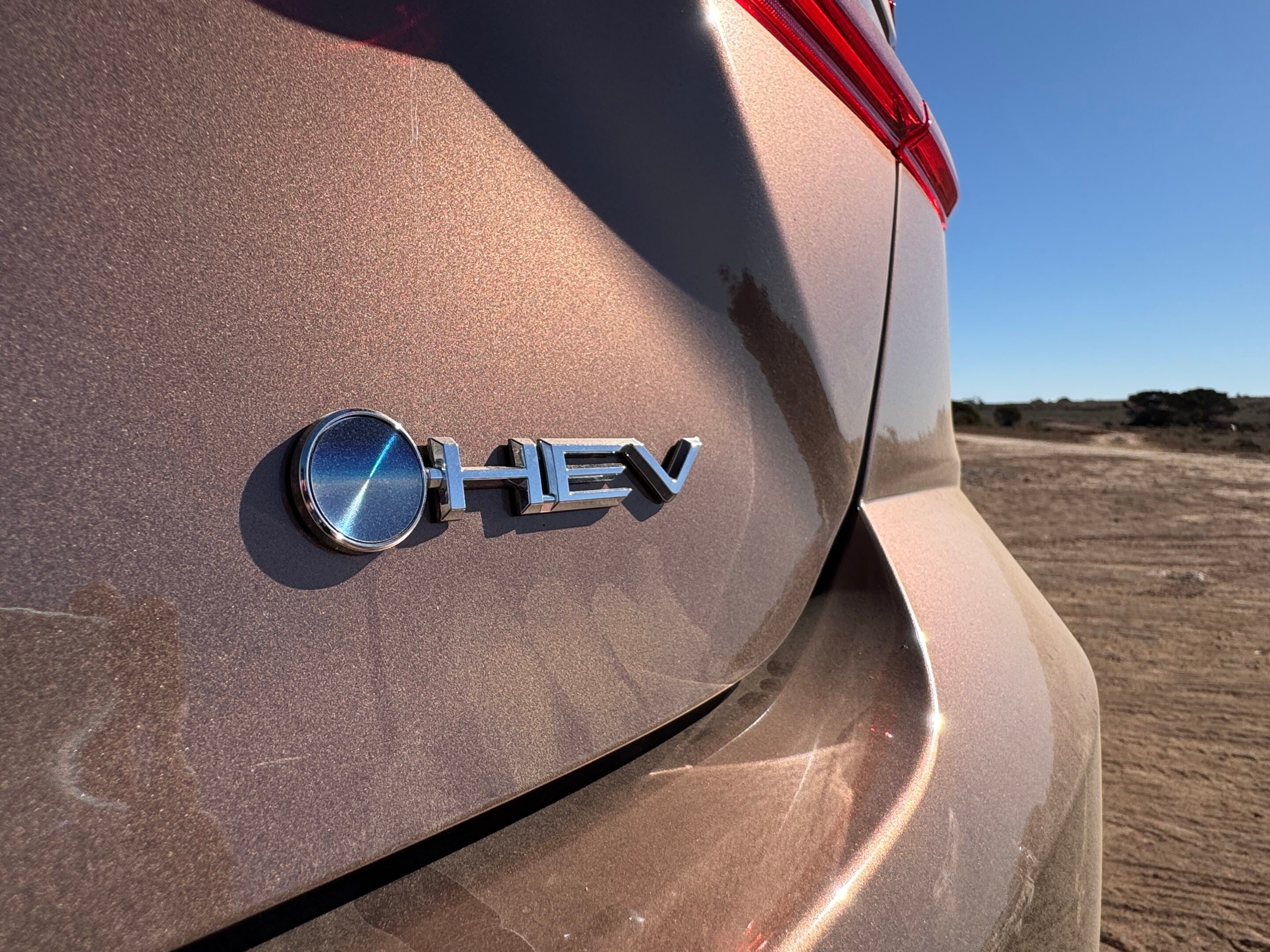
Photos by Leanne Wilson and Nathan Ponchard.
This article originally appeared in the June 2025 issue of Wheels magazine. To subscribe, click here.
| Overall rating |
|---|
Things we like
- A great all-rounder with practicality, efficiency and lots of equipment
- A good size – small on the outside but big on the inside
- Comfortable and refined to drive
Not so much
- Interior quality could be better
- Top-spec models aren’t cheap
- Not cheap to service
Hybrids are all the rage at the moment, with many car makers introducing new ones within the past year or so. Hyundai has come to the party, adding multiple hybrid models across its range including the Santa Fe large SUV, Tucson mid-size SUV and i30 Sedan small car. How about a small SUV? That’ll be the Hyundai Kona Hybrid then.
Price and equipment
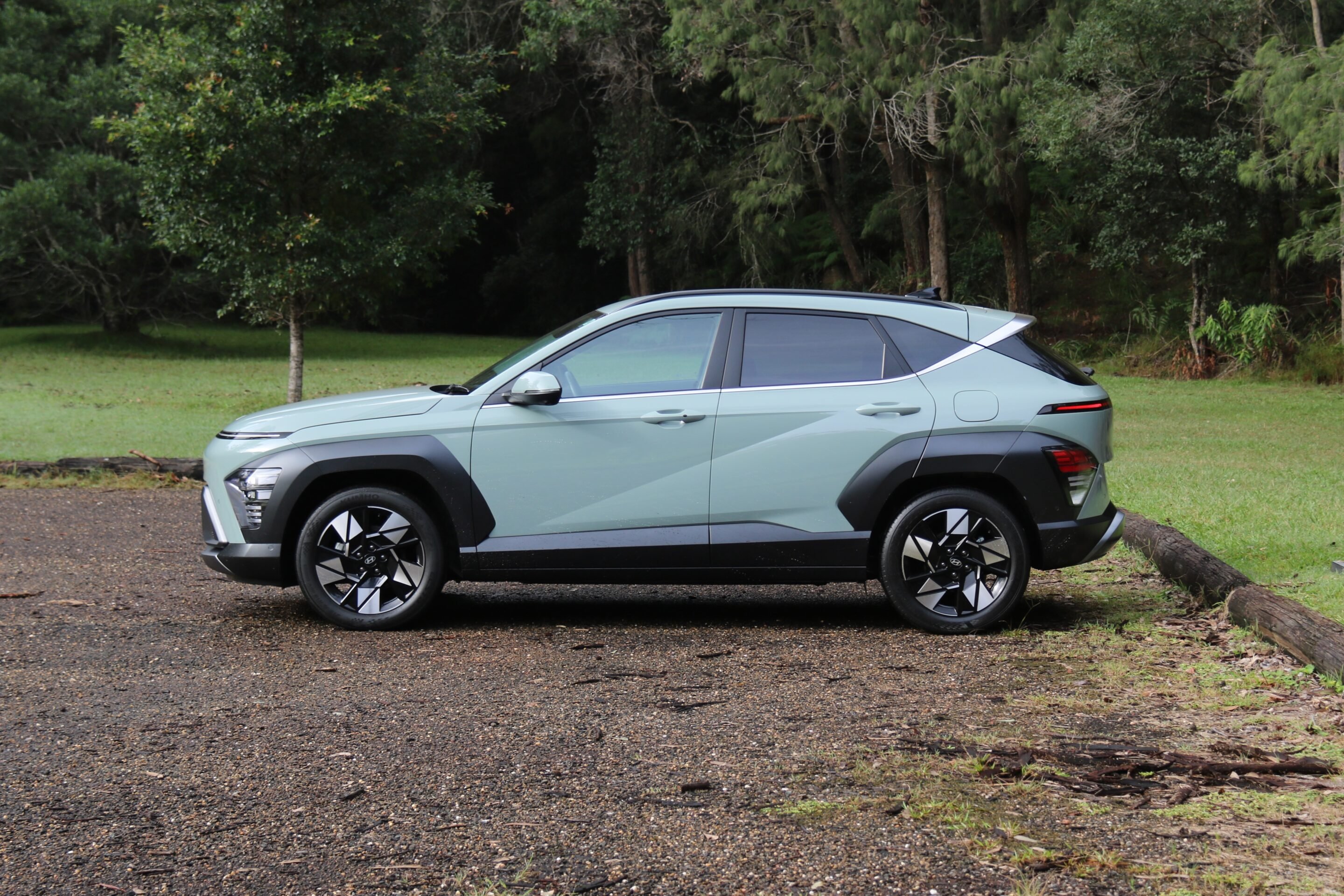
The 2025 Hyundai Kona range offers a lot of choice to buyers, with petrol, turbo-petrol and hybrid drivetrains available, as well as standard, luxurious Premium and sporty N Line models available.
We tested the Kona Hybrid Premium, which is priced from $43,500 plus on-road costs.
Kona Premium Hybrid standard equipment
- 18-inch alloy wheels
- Dusk-sensing automatic all-LED exterior lighting
- Rain-sensing automatic wipers
- Roof rails
- Keyless entry with push button start
- Remote start and remote smart parking functionality
- Rear privacy glass
- Hands-free electric tailgate
- Heated and electric-folding mirrors that drop automatically in reverse
- Dual-zone climate control with rear vents
- Leather upholstery
- Heated leather steering wheel with paddle shifters
- 10-way electric driver/8-way front passenger seats with ‘relaxation’ mode and driver’s memory functionality
- Heated and ventilated front seats
- Heated outboard rear seats
- 12.3-inch digital driver’s display
- 12.3-inch touchscreen with live services
- Satellite navigation with live traffic
- Wired and wireless Apple CarPlay and Android Auto
- AM/FM/DAB+ digital radio
- Eight-speaker Bose sound system
- Wireless phone charger
- 4x USB-C charging ports
- Auto-dimming rear mirror
- Customisable LED ambient cabin lighting
Kona Premium Hybrid standard safety equipment
- Seven airbags (2x front, 2x side and 2x curtain with 1x front centre unit)
- Auto emergency braking (AEB) with pedestrian, cyclist and intersection assistance
- Low-speed automatic rear braking
- Lane keep assist with lane departure warning
- Lane trace assist
- Adaptive cruise control with stop and go functionality
- Safe exit assist
- Blind-spot monitoring with rear cross-traffic alert (both with braking)
- Blind-spot camera
- Auto high beam
- Traffic sign recognition with warnings for speeding
- Driver attention monitoring
- 360-degree camera
- Front and rear parking sensors
- Burglar alarm
- Tyre pressure monitoring
The Kona range earned a four-star ANCAP rating in 2023 with scores of 80 per cent for adult protection, 84 per cent for child protection, 64 per cent for vulnerable road user protection and 62 per cent for safety assist.
Kona Hybrid Premium options
- N Line Package (rear spoiler, body kit, 18-inch wheels and sports seats): $3,000
- Panoramic sunroof: $1,500
- Alternate leather trim colour (light grey or green depending on exterior colour): $295
Interior, practicality and boot space
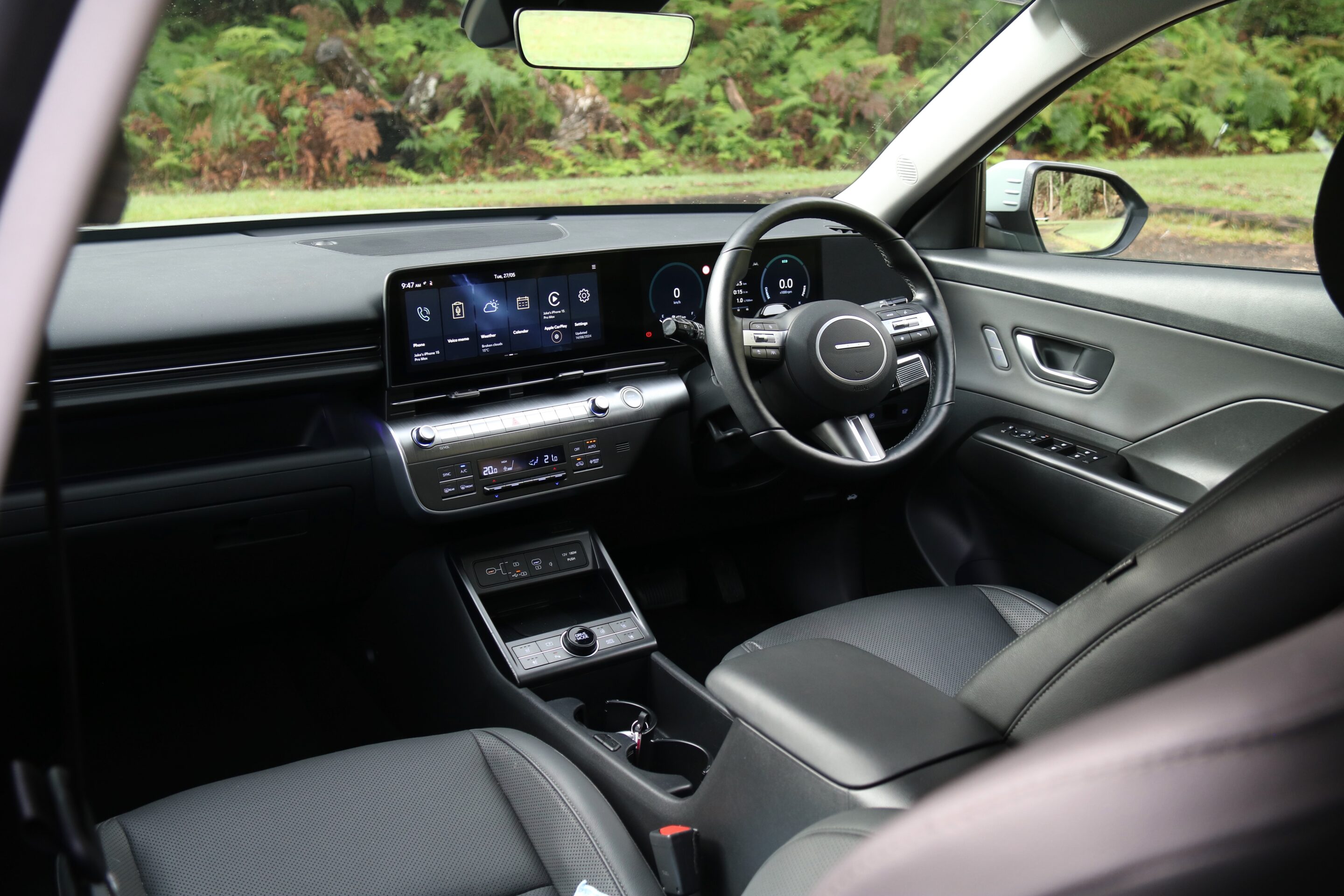
As with the regular Kona, the interior of the Hyundai Kona Hybrid Premium is quite practical thanks to its growth spurt versus the old model. It’s also more comfortable, features increased practicality and has better tech integration throughout the cabin. One area we still think needs improvement, however, is the quality of the materials used, which are still plasticky and the only bit of soft touch is on the door cards.
Centre of the Kona’s cabin is a 12.3-inch touchscreen with Hyundai’s new ‘ccNc’ infotainment software. It’s a fairly impressive system that improves on the already-solid system that’s used in the previous Kona. The Premium adds inbuilt satellite navigation to the base model and, thanks to a recent over-the-air software update, also now features wireless Apple CarPlay and Android Auto smartphone mirroring. The eight-speaker Bose sound system is also punchy.
Storage inside the new Kona is also a big improvement on the last model. We love the open centre console storage, big cup holders and the very effective wireless phone charger. Further back is a centre armrest with storage underneath it, while there are also reasonable door bins, a nicely-sized glovebox, an open tray above the glovebox and an open area where the wireless charger is – itself is excellent thanks to the raised island that accounts for large smartphone cameras. Also pleasingly, in a win for ease of use, the AC controls are separate from the touchscreen and are very simple to use.
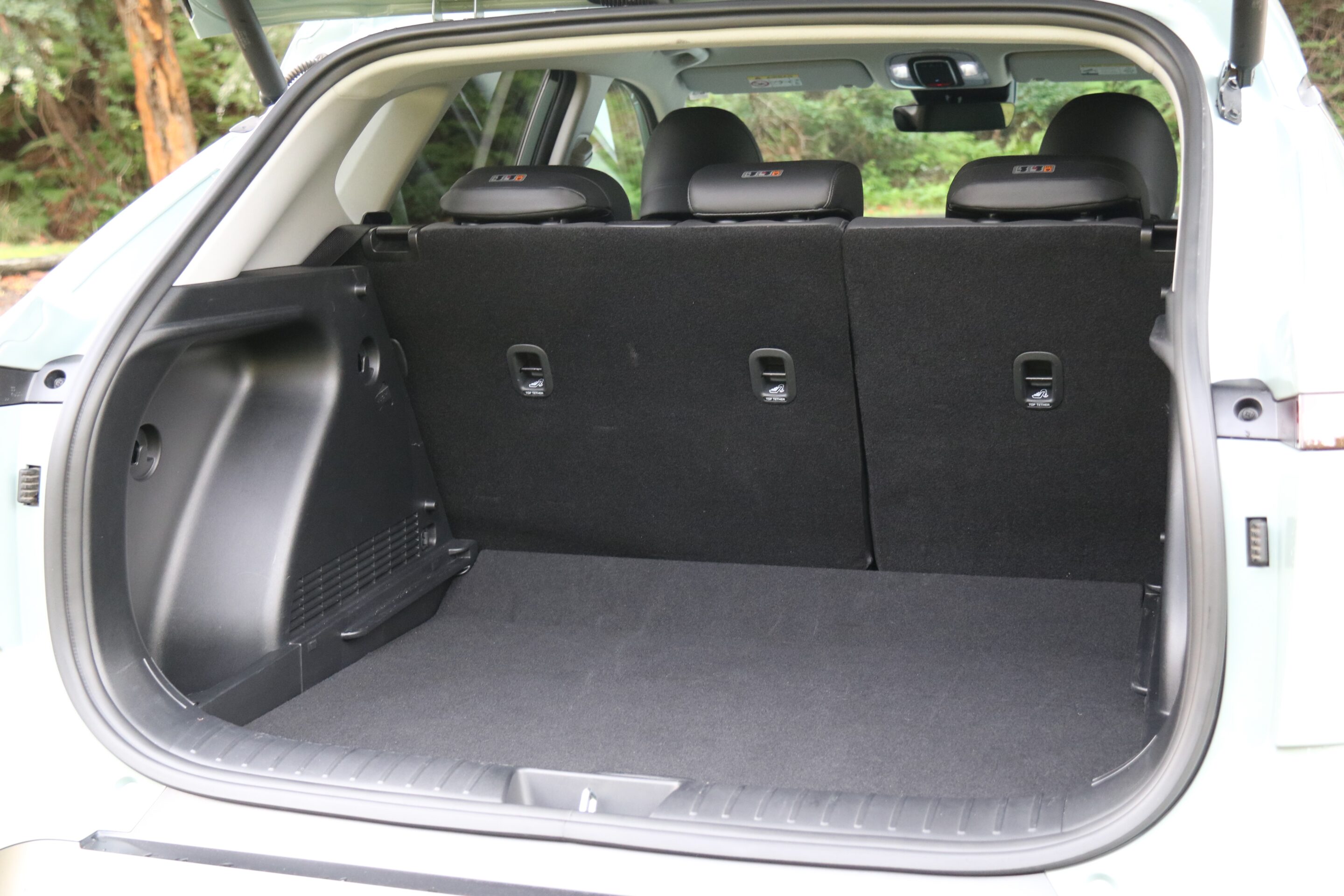
The back seat is also a good improvement over the previous Kona, and is now one of the roomiest in the segment. Two six-footers will be more than comfortable thanks to good knee -and headroom, while the seatbacks recline for greater comfort, and there are also two USB-C ports, as well as air vents, heated outboard seats, a centre armrest with cup holders, two map pockets and reasonable door storage also feature. There are two ISOFIX points and three top-tether points for child seats.
The boot of the Kona Hybrid Premium measures 407-litres with the seats up and 1,241L with them folded – exactly the same as the petrol Kona models, which are a healthy increase on the previous-generation model. There are also handy features like hooks, a boot net, an adjustable floor height and under floor storage. Plus, a space-saver spare wheel lies underneath the boot floor.
Performance and fuel economy
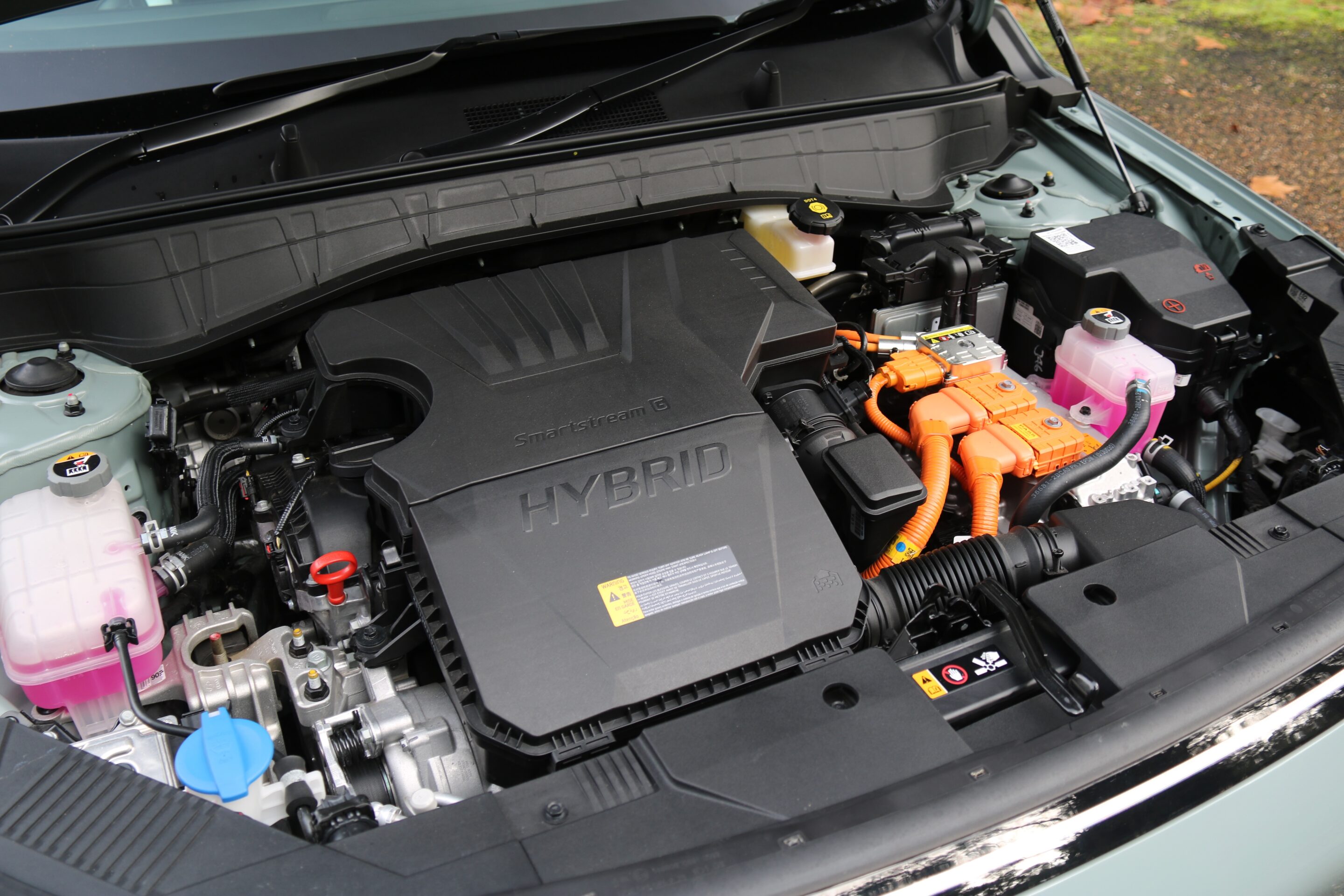
The powertrain that’s used in the Hyundai Kona Hybrid mates a 77kW/144Nm 1.6-litre naturally aspirated four-cylinder engine to a 32kW/170Nm electric motor driving the front wheels that draws power from a 1.32kWh battery. In total, the system makes 104kW of power and 265Nm of torque. It’s mated to a six-speed dual-clutch automatic transmission and sends power to the front wheels only.
The claimed combined fuel consumption for the Kona Hybrid Premium is just 3.9L/100km with CO2 emissions of 89g/km, healthy improvements of 2.7L/100km and 61g/km respectively over the 2.0-litre petrol Kona. In our combined testing, we achieved a positive 4.4L/100km result. The Kona can run on 91RON regular unleaded, while its 38-litre fuel tank is 9L less than the petrol Kona.
On the road
Hyundai’s hybrid systems are some of the best on the market thanks to their refinement and efficiency. The transition from petrol to electric power is sometimes not as smooth as Toyota’s hybrid systems, but that’s also because the dual-clutch transmission’s responses can be somewhat mixed at low speeds. But we think that enthusiasts will like the Kona’s hybrid system more than a Toyota because it feels more natural than the Toyota’s e-CVT gearbox.
Aside from low speeds when the electric motor does a lot of the propulsion heavy lifting and the regenerative braking and engine switching off when braking, the Kona Hybrid feels largely like a regular Kona to drive. The six-speed dual-clutch transmission can be a bit abrupt at lower speeds with an occasional pause moment, but it’s otherwise fine. It’s also more refined than a Toyota hybrid system thanks to the gearbox, which doesn’t send revs flaring when acceleration is called for.
Like the petrol Kona, the Kona Hybrid Premium offers a mature driving experience for the small SUV class, though there are definite differences between it and the petrol model thanks to the hybrid’s 70kg extra weight (1,525kg versus 1,455kg tare). Because of that, the Kona Hybrid’s ride quality isn’t quite as comfortable as the petrol model, despite the hybrid’s independent rear suspension set up (versus the petrol model’s less sophisticated torsion beam).
Like the petrol Kona, road noise levels in the hybrid are a bit louder than some competitors, but its visibility is expansive, and the safety systems are mostly well tuned. The much-publicised annoying active speed limit warnings are now quieter and less annoying than before, though they still annoy because they aren’t accurate. Otherwise, the lane keeping assistance is well tuned and the adaptive cruise control is very easy to set up.
Service and warranty
As with other new Hyundai products, the 2024 Hyundai Kona Hybrid Premium is covered by a five- year/unlimited-kilometre warranty with an eight-year/160,000km warranty for the battery and lifetime roadside assistance if serviced through a Hyundai dealer.
The first five services or up to 75,000km cost an expensive $2639 ($528 per visit) and the Kona has 15,000km/annual service intervals.
Verdict: Should I buy a Hyundai Kona Hybrid Premium?
There’s no doubt that the Hyundai Kona Hybrid Premium is a welcome addition to the small SUV market. New hybrid models are welcome for urban dwellers, where most small SUVs seem to be sold, because their around town efficiency can be so much better than regular petrol models. In addition to that, the new Kona’s newfound practicality, long list of standard equipment and fashionable styling make it worthy of consideration.
For negatives, it’s surprisingly expensive to service, it’s not cheap to buy in top-spec Hybrid Premium, the extra weight of the hybrid is noticeable on the road and the interior quality feels closer to $30,000. Those issues aside, we still think the new Kona is a wonderful product and the hybrid drivetrain only widens its already wide appeal further.
Kona Hybrid Premium competitors
Specs
| Model | Hyundai Kona Hybrid Premium |
|---|---|
| Price | $43,500 plus on-road costs |
| Engine | 1580cc 4-cylinder hybrid |
| Battery | 1.32kWh lithium-ion polymer |
| Engine outputs | 77kW/144Nm |
| Electric motor outputs | 32kW/170Nm |
| Combined outputs | 104kW/265Nm |
| 0-100km/h | 10 seconds (est.) |
| Transmission | 6-speed dual-clutch, front-wheel drive |
| Fuel consumption (claimed, as tested) | 3.9L/100km, 4.4L/100km |
| CO2 emissions | 89g/km |
| Fuel type/tank size | 91RON regular unleaded, 38-litres |
| Dimensions (length/width/height/wheelbase) | 4350/1825/1585/2660mm |
| Kerb weight | 1525kg |
| Boot size | 407 litres (seats up)/1241 litres (seats folded) |
| On sale: | Now |
