Toyota’s motorsports arm, Gazoo Racing, has released the first teaser video of its upcoming Toyota Yaris GR4 hot hatch prototype. Originally scheduled to have its global debut at last month’s Rally Australia, the event and the prototype’s reveal was cancelled due to the devastating bushfires in NSW.
UPDATE (13/12/2019): The Yaris GR4 prototype will be making its official debut as the “GR Yaris” at the next month’s Tokyo Auto Salon. The GR Yaris will be the second global ‘GR’ branded product after the GR Supra. Tokyo Auto Salon will be held at Makuhari Messe from January 10th to 12th.
The teaser video features Gazoo Racing’s “Master Driver” Morizo – the pseudonym used by Toyota’s CEO Akio Toyoda – putting the prototype to its “final test” and launching what appears to be its four-wheel drive (thus the ‘4’ in its name) system on gravel.
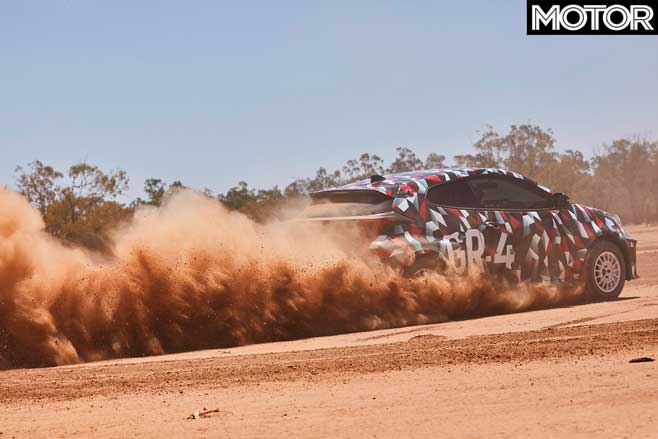
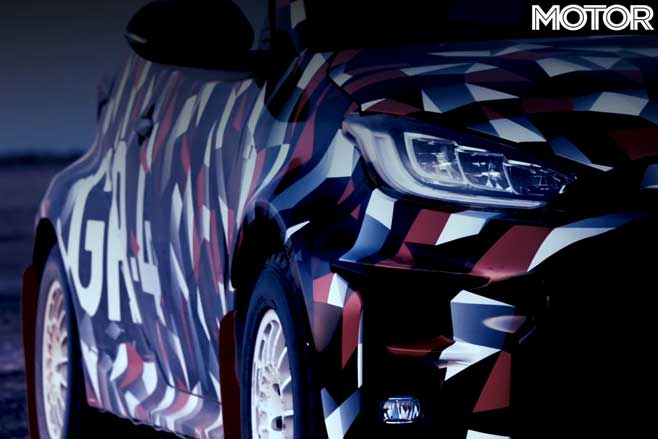
The video doesn’t give much of the prototype’s details and inner workings away, and neither has Gazoo released any further details on the prototype or when it will be officially unveiled.
Rumours have it that the GR4 will be a homologation special of Gazoo Racing’s new generation of Yaris rally cars, and will be equipped with a rally-inspired four-wheel drive system.
A report from Japanese car site, Web Motor magazine (no relation), suggests that the GR4 hot hatch could sport a tiny 1.5-litre turbo three-cylinder mill producing close to 200kW as the TNGA-B platform, on which the production Yaris is based on, is designed for three-cylinder engines. This despite FIA requirements for R5 and WR cars to have 1.6-litre turbocharged engines.
Unlike the Yaris GRMN, of which only 400 were built and sold in Europe, rumours have it that the production version of the Yaris GR4 won’t be in a limited production run and sold in multiple markets besides Europe.
What is certain is that we will bring news of the latest developments on the Yaris GR4 when they come to light. Stay tuned!
Criticism levelled at the previous version of the Mini JCW Clubman often boiled down to it being not quite powerful enough to overcome the fact it’s approximately 1.5-tonnes of Mini and BMW bits.
The new one is here to fix that. In fact, it’s now the quickest Mini you can buy.
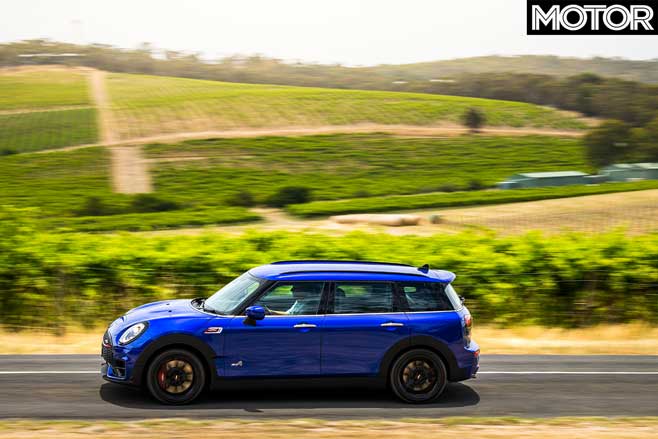
The ‘2020’ JCW Clubman is the first Mini to join the ‘200kW Club’ for hot hatches, as Mini’s product planning head Marlon De Abreu put it, thanks to the newest 2.0-litre turbo engine from its parent company.
With 225kW and 450Nm at its disposal, the new JCW Clubman is able to complete the 0-100km/h sprint in a claimed 4.9 seconds, which feels about right based on the driving conducted during a launch in the Adelaide Hills.
That power, of course, is sent to all four wheels (thus the All4 name) via an 8-speed sports auto, the same found in the likes of the BMW X2 M35i and M135i xDrive, both using the same engine as the JCW.
But first, there’s more that’s new for the updated Clubman. For a start, it’s visibly different in a few key places, including its fresh fascia, larger exhaust exits due to an uprated system, and new ducts for cooling both at the front –two new radiators flank the main one – and at the rear.
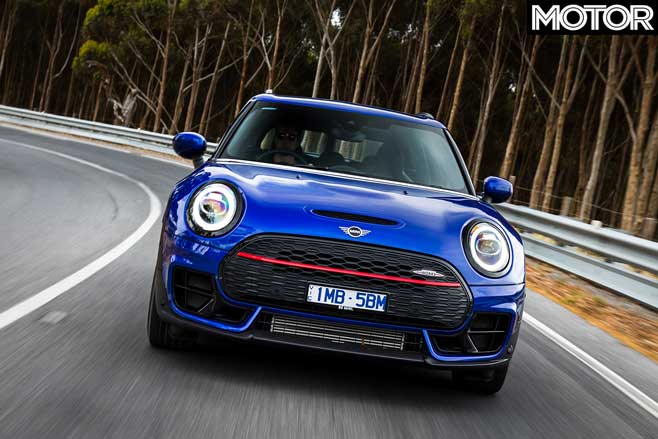
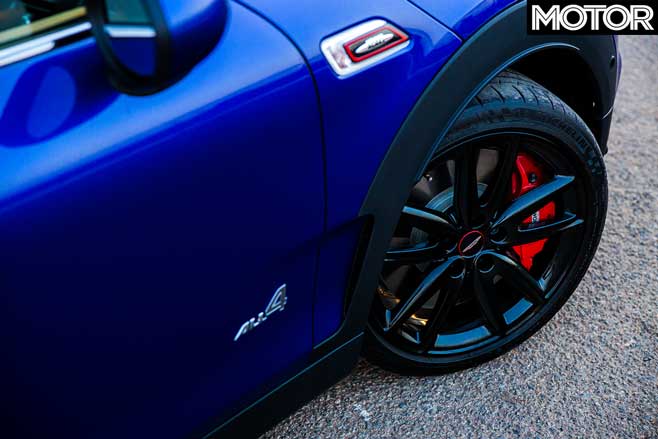
The wheels have also been given a little more camber of the previous version, and the ride height has been lowered by 10mm. It’s had its underside design revised for better aerodynamics, and it’s now sporting JCW-specific steering knuckles. All of this should mean it’s a much better drive than its predecessor, right?
Well, yes, but there’s one more thing that the JCW Clubman really needed – adaptive dampers. And, if you opt for the new ‘Pure’ variant, you get ‘em. Standard. Rolling on 18-inch alloys with Michelin Pilot Super Sport tyres (instead of 19”s with Continental PremiumContact6s), the JCW Clubman is at its best.
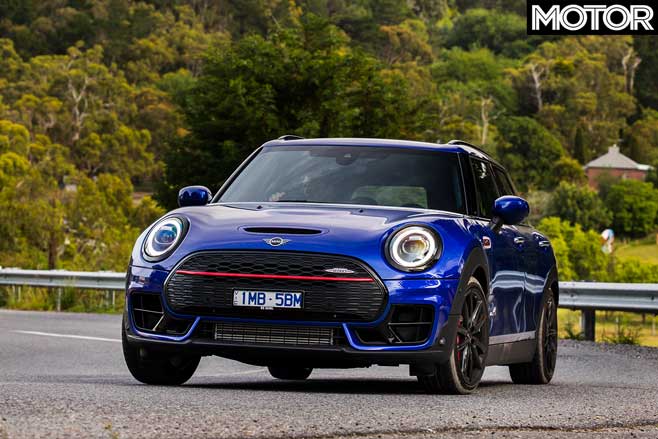
Firstly, despite weighing in at 1550kg (the previous version was 1565kg), the new engine manages to make the JCW feel properly brisk, especially when you consider you’re essentially hauling a small wagon rather than a little hatchback. Its longer wheelbase also provides stability in fast, long corners, though at the expense of sharp, dramatic turns and quick exits.
If you like a little bit of playful road movement, the adaptive dampers and Super Sports can provide the goods, though overcommit and you’re stuck finding a way to round up almost 4.3 metres of ‘Mini’. Its steering will let you do so without much hassle, but feedback feel isn’t abundant. It’s enough, and its steering wheel is quite nice to use, but individual adjustments for steering, dampers, and power delivery would be nice.
As it stands, there are three drive modes: Green, Mid, and Sport. Green is rather tame, as you’d expect, and Mid leaves the dampers in a softer setting while giving you some access to the grunt from its engine without ascending into ‘full attack mode’. Mid is still quite punchy, and can provide enough agility if you bump the 8-speed into its sport setting, but if you want to drive properly fast you need Sport.
The Pure isn’t just about the adaptive dampers and tyres, though. As with the Pure versions of BMW’s M cars, the JCW Clubman is cheaper in this variant, by $5000. While the ‘full-fat’ version of the JCW cops all the gear and more ‘luxe’, it doesn’t have adaptive dampers as standard, and it costs $62,900 before on-roads.
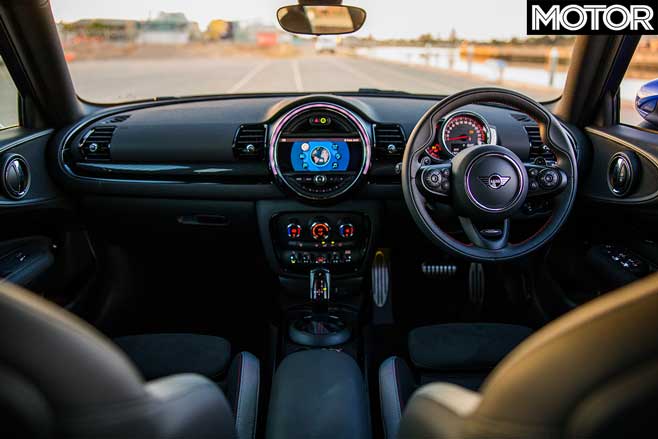
And that’s where the value proposition for the higher spec version comes in. You get a 12-speaker Harman Kardon sound system, a heads-up display, electronically adjusted heated seats, which come in full leather rather than the Pure’s Dinamica microfibre and leather mix. And while $62,900 isn’t too bad for a quick wagon with all of the above, if it’s driving quality you want, the Pure is the way to go.
So, even though the Pure’s $57,900 is more than the previous fast Clubman’s pricetag by $1000, it’s providing a lot more grunt with finesse to match. Sure you could buy something faster and more dynamically capable like a VW Golf R or a for a little less, but if you’re anything like the people I’ve begun this sentence in front of, you’ve already finished it with “but it’s not a Mini.”
Thanks to its dampers and its brute of a four-pot, the JCW Clubman Pure might just be the pick of the Mini range… until the JCW GP shows up, that is.
MINI JCW CLUBMAN SPECS Engine: 1998cc inline-4, DOHC, 16v, turbo Power: 225kW Torque: 450Nm Weight: 1550kg 0-100km/h: 4.9sec (claimed) Price: $57,900 (Pure); $62,900 (Standard)
Likes: Now properly fast; adaptive dampers a must; Pure provides value Dislikes: You could go faster for the money; still heavy; not the most dynamically exciting
Rating: 3.5 out of 5 stars
The Wheels Verdict: If you desire a design-driven SUV with coupe pretences and devastatingly capable performance, the Cayenne Coupe fits the bill. However, if ultimate practicality and a cheaper price tag mean more, stick with the traditional wagon. Either way, the Cayenne Coupe is an impressive proposition that defies all the laws of physics. ‘Fun’ and ‘SUV’ can now be said in the same sentence.
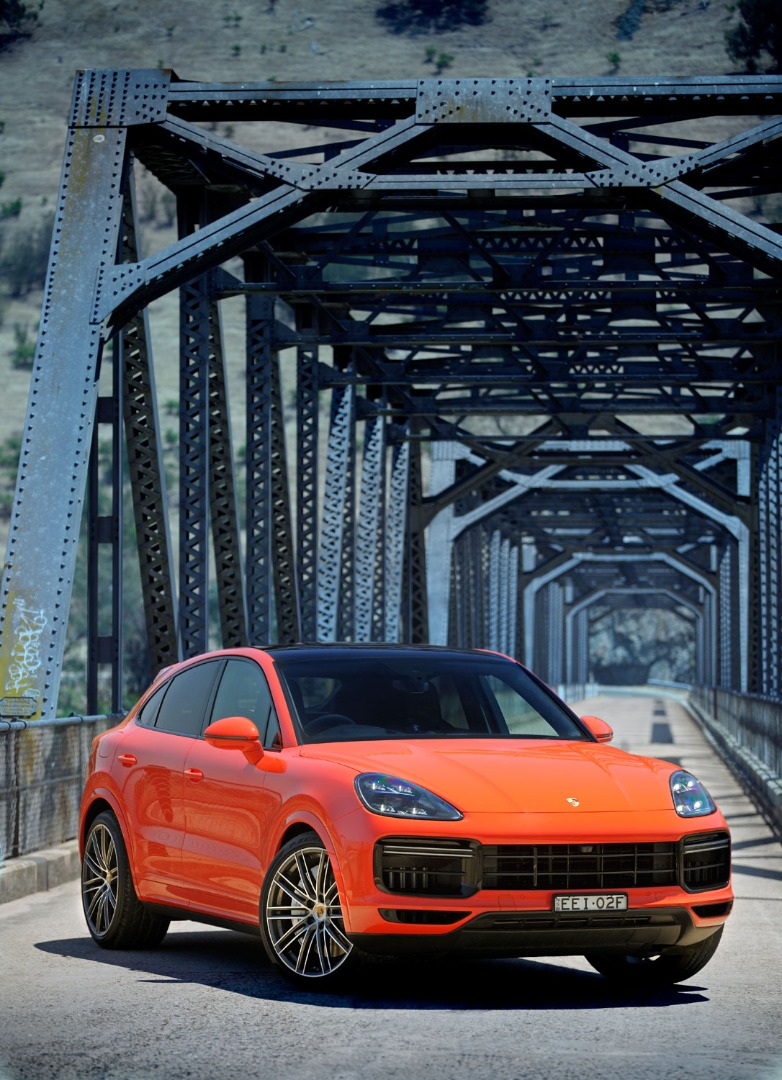
WHAT IS THE PORSCHE CAYENNE COUPE?
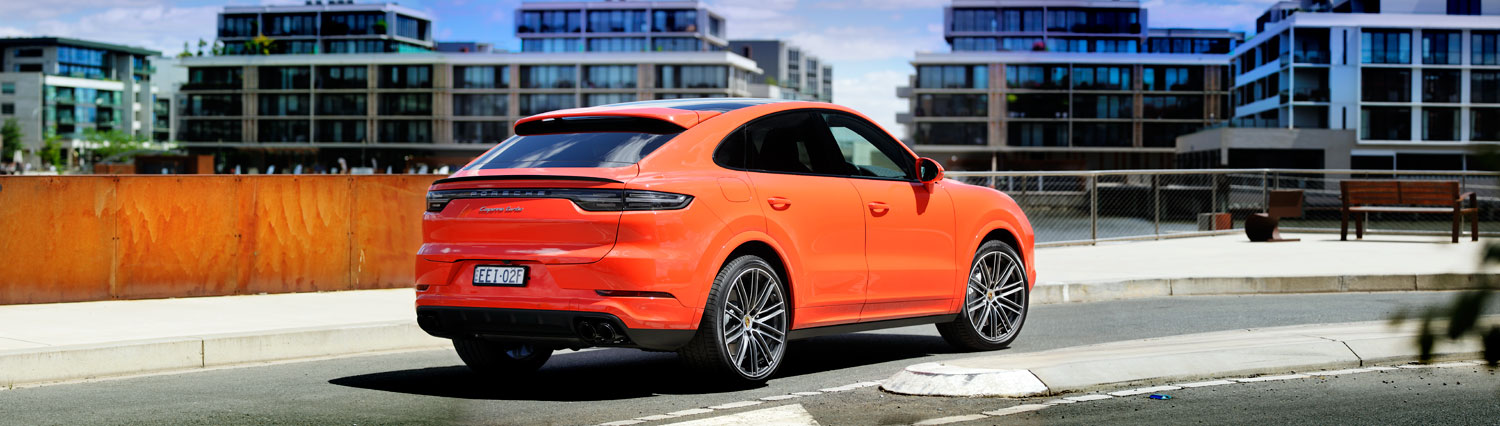
It’s a Porsche Cayenne, just with an in-vogue coupe silhouette with 18mm-wider hips. It comes as a four-seater as standard, but you can option a rear middle pew. So it’s the Porsche SUV to be seen in rather than the one to take the kids to school. Oh, and the Turbo is very fast and dynamically talented – it’s a Porsche after all.
WHY WE’RE TESTING IT
We got behind the wheel overseas, but this is our first chance to test the ‘stylish’ Cayenne on Aussie soil, in Canberra. Porsche has speculated that about 20 percent of Cayenne sales will go to the Coupe, but if early interest is anything to go by, that portion could easily increase.
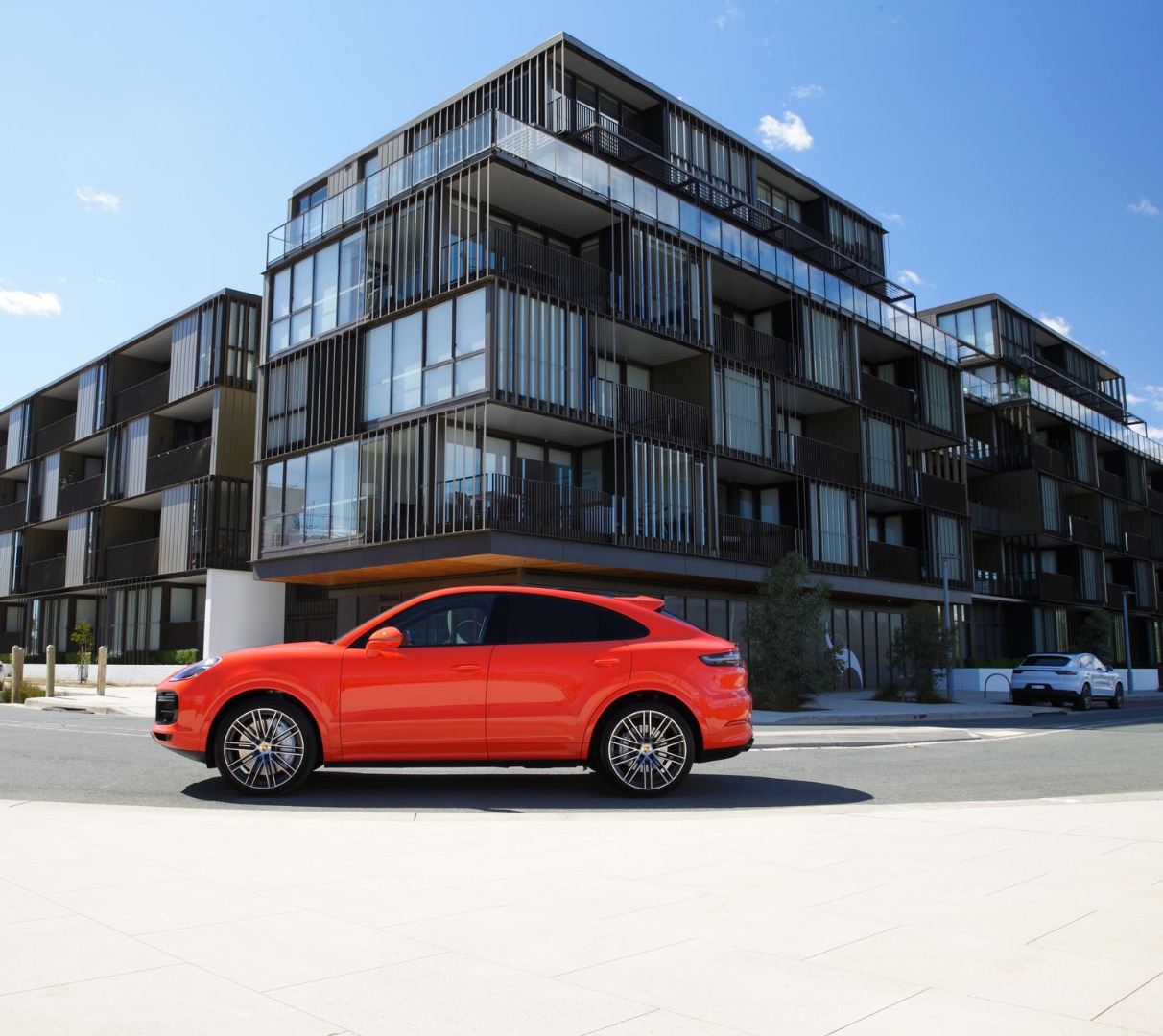
REVIEW
Brand identity is incredibly important. Gaining a favourable one is vital. Simply reference Porsche, or see the famed badge, and it is high-performance road cars and on-track success that immediately come to mind; not a style and market-driven SUV. And no, I haven’t been living under a rock. I’m aware the Cayenne has been with us since 2002. Its success, paired with the smaller Macan, facilitates the halo models we know and love.
However, the Cayenne has proven it fits Stuttgart’s USP. If you want a sporting SUV with enough grunt to scare supercars, a modicum of off-road ability and enough space to carry the kids, few rivals do it better and with this much cachet. Now there is a swoopy, coupe-like version that, according to Porsche, was part of the planning from the inception of the third generation. Opinions on the design vary, but it’s safe to say that Porsche’s attempt at the genre BMW’s X6 created is a good one. Oh, and that Lava Orange hue is a $5000 option.
The Coupe comes in four distinct flavours. The range starts with the $128,000 base car and the $166,200 S before stepping up to the $253,600 Turbo and $292,700 Turbo S E-Hybrid. Four engines are available, including a single turbo 3.0-litre V6 (250kW/450Nm), twin-turbo 2.9-litre V6 (324kW/550Nm), twin-turbo 4.0-litre V8 (404kW/770Nm) as well as a hybridised version of the V8 (500kW/900Nm). All variants feature all-wheel drive and an eight-speed torque-converter automatic.
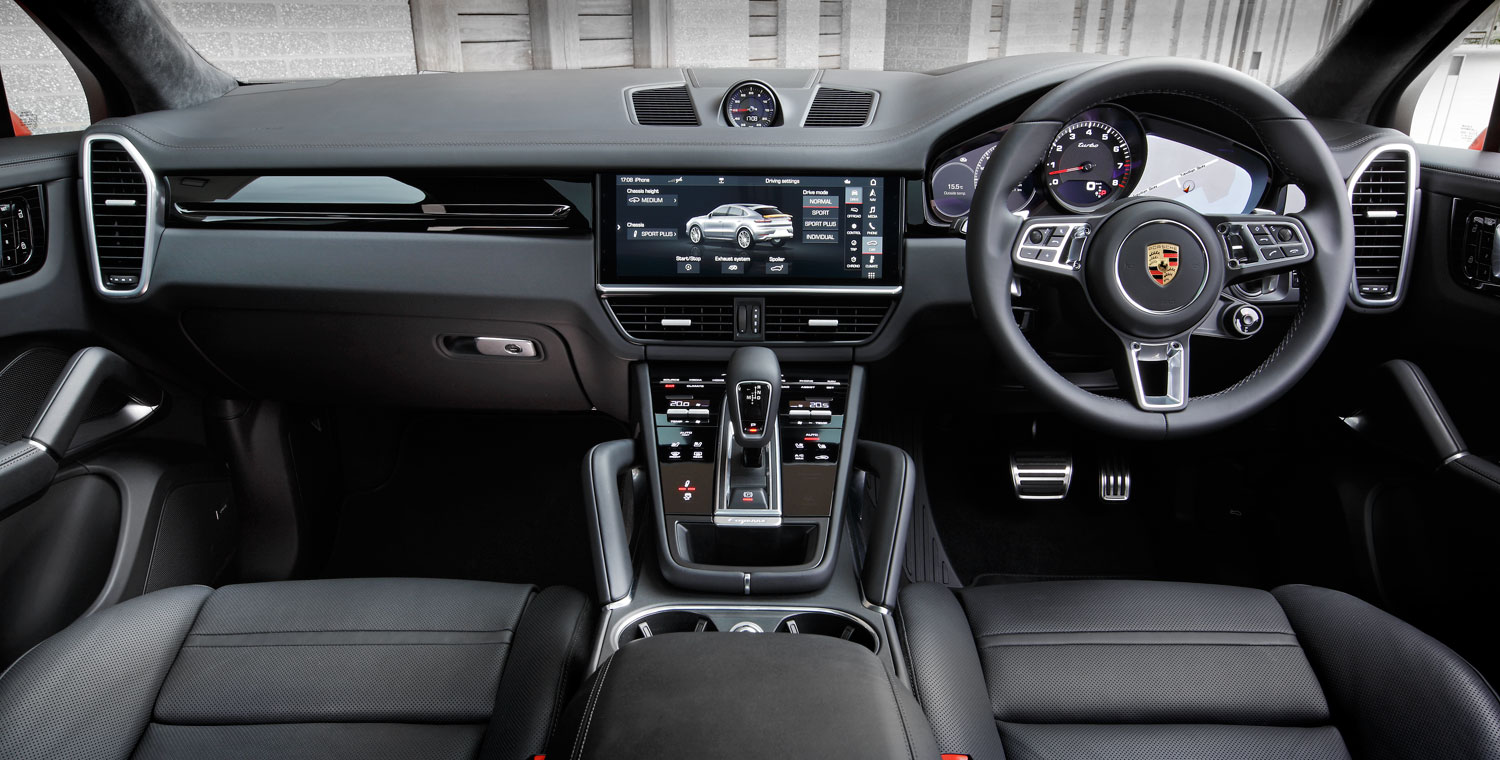
Interior opulence is high, with an array of luxurious materials and tactile controls. The instrument cluster, which favours the tacho like all Porsches do, is a highlight, with the prominent analogue clock signifying the Sport Chrono package (standard on all Coupes). The 12.3-inch touchscreen is intuitive to use and features Apple CarPlay integration – but not for Android Auto. The steering wheel is near perfect and makes you feel like you’re sat in a 911. All the controls are logically laid out, especially the dial for mode selection, but the cruise-control stalk is slightly antiquated.
The eight-way adjustable leather front seats are very comfortable (heated and ventilated), while rear-seat legroom is abundant. Headroom, with the fixed-class panoramic roof, is noticeably tighter than the wagon despite the rear seats being lowered 30mm to account for the 20mm drop in roof height. Boot space has decreased to 600 litres for the Turbo.
Under the Turbo’s bonnet is the ‘hot vee’ twin-turbo V8 producing 404kW and 770Nm. It is an absolute powerhouse and it gathers speed in truly staggering fashion. It’s enough grunt to propel the 2200kg Turbo to 100km/h in 3.9 seconds (all Coupes come with Sport Chrono as standard) and on to a top speed of 286km/h. Combined fuel consumption is a rather thirsty 12.3L/100km, but if you’re worried about that, you’re buying the wrong SUV. It sounds good, too, although it could be louder from within the cabin, and the optional sports exhaust system is $5970.
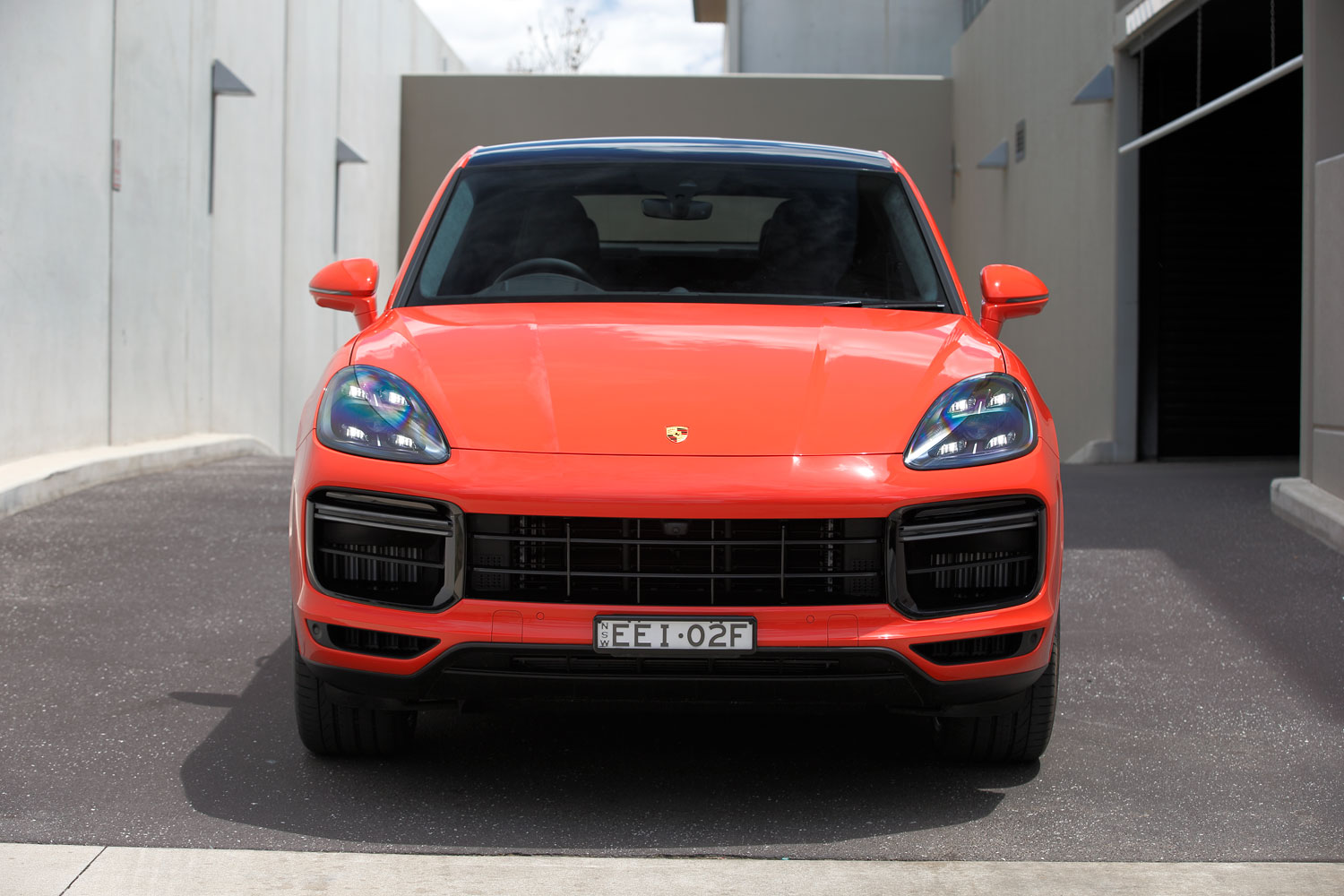
Built on the same MLBevo platform that underpins the likes of the Lamborghini Urus, Bentley Bentayga, Audi RSQ8 and Volkswagen Touareg, the Cayenne Coupe is in esteemed company. And it shows. The way in which the Coupe disguises its heft defies the laws of physics. Seemingly no matter what the velocity, pitch the two-tonne-plus behemoth at an apex and it will hold on vehemently while remaining flat through the arc of the corner.
This is thanks to the three-chamber air suspension and new electromechanical 48-volt roll stabilisation system which keeps body movements in check. Four modes are available – Normal, Sport, Sport Plus and Individual – while you can tailor parameters via the touchscreen. However, the Turbo isn’t infallible, with the large 22-inch alloys skipping over closely stacked, sharp imperfections. It doesn’t deal with our often second-rate roads as well as smooth European surfaces. Still, the damping is well controlled, quelling unwanted vertical movements.
With the optional rear steering ($4300) and Porsche Torque Vectoring Plus ($3120), the wheelbase essentially shrinks around you. The way in which the Coupe can stop, turn and power out of tight bends beggars belief. It feels like a properly sorted hot hatch, not a near five-metre-long SUV (4939mm) that’s 1653mm tall.
Grip is never an issue, especially with 315-section Pirelli P Zero hoops to dig into the tarmac. Yet, it’s not always totally tied down, with ample grunt to induce subtle yaw movements. The steering, in any mode, is somewhat remote, but the brakes are mega. How about 415mm discs with 10-piston calipers up front and 365mm rear discs with four-piston calipers at the rear for size?
Some might say that the heavy, style-driven coupe SUV dilutes Porsche’s hard-earned reputation. However, the Cayenne Coupe disproves this as so much of the company’s traditional DNA courses through its plunging profile.
RIVALS
BMW X6 M50i; Mercedes-AMG GLE 63 S Coupe; Range Rover Sport SVR
SPECS AND PRICE
- Model: Porsche Cayenne Turbo Coupe
- Engine: 3996cc V8, dohc, 32v, twin-turbo
- Power: 404kW
- Torque: 770Nm
- Transmission: 8-speed automatic
- Weight: 2200kg
- 0-100km/h: 3.9sec
- Economy: 12.3L/100km
- Price: $253,600 ($280,830 as tested)
- On sale: Now
Have you ever finished a relationship and then sit there, slightly dazed and bemused, wondering whether you were the dumper or the dumpee? For many of us, that’s how we feel about Holden.
Australians have voted with their wallets and it’s clear that the love has gone and all that’s left are those gnawing feelings of doubt and recrimination.
The rot started in 2004. Holden’s sales have decreased in every year since, bar a post-GFC blip in 2010. Now, with the announcement that Commodore and Astra are to be culled next year, Holden is set to become solely an importer of pick-ups and SUVs. Meat pies and kangaroos will still be available in 2020 but Holden cars will be but a memory.
It’s clear that 2010 was pivotal. Just as Holden looked as if it might recover, General Motors sent a clear signal by killing Pontiac. The G8 shifted 23,157 cars in 2009, that’s still about the same as the last year of Commodore VFII sales, so not insignificant. But axing the G8 in June 2009 as part of GM’s Chapter 11 reorganisation of assets demonstrated to Holden that its export aspirations would be severely curtailed.
The VF was introduced four years later as the Chevrolet SS, but it was a half-hearted effort, that car shifting 12,860 units between 2013 and 2017. Americans found the styling dull, the pricing high and the marketing strategy seemed to be modelled on a Pentagon black project.
By then, the writing was on the wall. The decision had been made to axe local production. Holden had managed to fire several rounds into its own feet by that stage.
Here in Australia the market was shifting and Holden seemed ill-equipped to adapt. When, in 2012, the Commodore was deposed as the nation’s best-selling car after 15 years at the top of the charts, it wasn’t a Falcon, a Camry or a Magna that usurped the throne. It was a Mazda 3, a vehicle that signalled a very different buying intention from Australians. And to make matters worse, Holden had no rival, the Astra not being sold in Australia between 2009 and 2015.
Catastrophic planning decisions such as this, not to mention badging the ZB a Commodore, having no credible rival to the Ford Territory, managing only a half-hearted hybrid toe in the water, retaining a focus on large sedans for way too long, taking its eye off customer service, and many other pratfalls have led Holden to where it is today which, in case you were wondering, is outside the top 10 sales positions in Australia and outsold by Mercedes-Benz amongst others.
“This was just pure mismanagement to let a company down like this,” said father of the Commodore, Peter Hanenberger. “I just couldn’t believe it.” In an interview with GM Authority, Hanenberger was extremely pessimistic about Holden’s prospects, likening GM’s perspective to that of Donald Trump’s ‘America First’ campaign sloganeering.
The engineer views GM as an insular business with little overseas interest. “It’s global,” he remarked of the auto industry. “I think there will be no GM in the near-future,” he added.
So, perhaps, like so many failed relationships, it’s a bit of both sides. A combination of General Motors’ short-sightedness and a toxic blend of complacency, powerlessness and regressive product planning from Holden coupled with changing buyer behaviour left the Lion high and dry. Last month it sold 2668 cars, compared to 5125 in the same month last year. The Commodore sold less than 10 percent of what it could shift in the glory days of 1998. As recently departed boss Dave Buttner admitted this year, “we recognise we’re a challenger brand.”
General Motors deserves its current largely self-inflicted problems. The issue we have at Wheels is knowing that there were very dedicated and very talented people at Holden who, when they were equipped properly, made the business punch well above its weight. Some of them are still there. And while they are, Holden could still show why it became the keystone of the Australian motoring landscape. It’ll take an unprecedented cultural change to turn things around though. Like we said: it’s complicated.
What a year 2019 has been! To cap it off we have gone through the newsmakers of the past 12 months to pick out the highlights in MOTOR Magazine’s Fast Car Awards that headlines the Annual 2019 edition.
That’s not all. The Annual 2019 edition is loaded with titanic comparison tests, the first Australian drives of some of the most exciting track-bred road cars, and special features.
You can find MOTOR at retailers around Australia. Or you can subscribe and save yourself some cash, there’s even a (cheaper!) digital subscription option.
Subscribers often receive their mags earlier, so you’ll get to see what MOTOR has to offer before anyone else.
Follow us on Facebook, Twitter, and Instagram to interact with us, give us feedback, and get a peek behind the scenes.
2019 MOTOR Awards
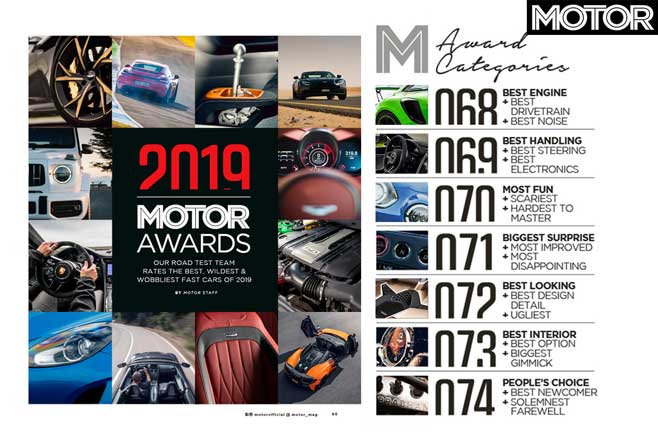
We honour the best, the wildest, and the wobbliest performance cars of 2019.
SUPERSONIC: Ferrari 812 Superfast v Aston Martin DBS Superleggera
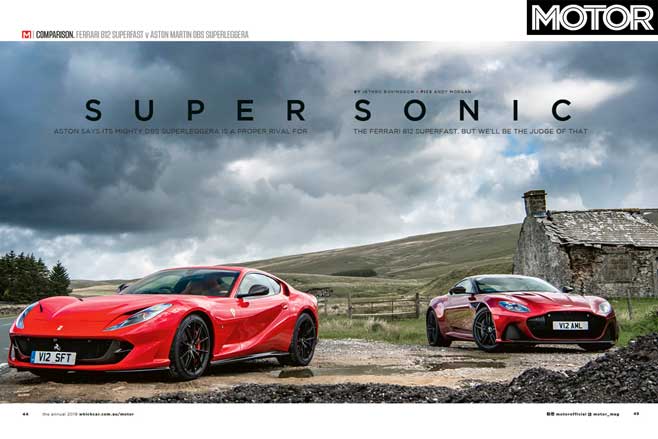
Gloves come off for a super-welterweight battle between the best GTs from Italy and the UK.
DYNASTY OF SPEED: Porsche 996 911 GT3 v 991.2 GT3 RS
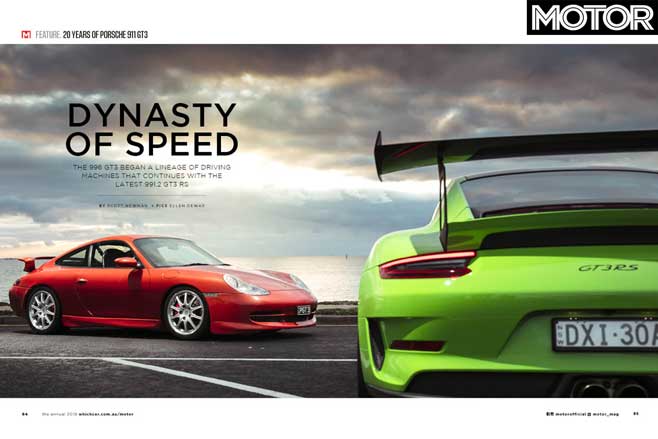
The ultimate 911 as measured through the prism of bookend models separated by two decades.
HARDCORE: Renault Megane RS Trophy-R review
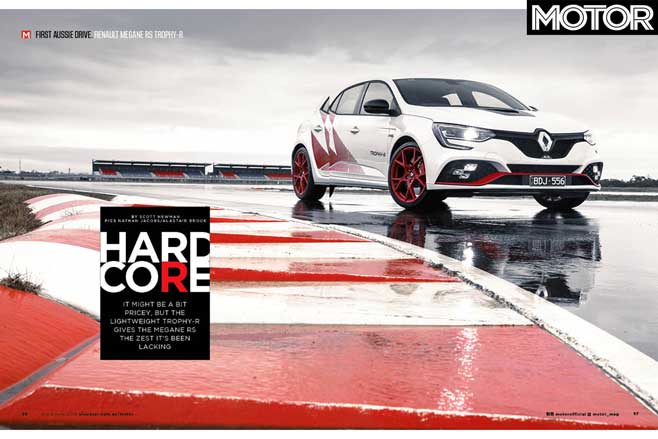
Underappreciated French hatch turns up the track credibility – and price.
NEXT LEVEL: 2020 Nissan GT-R NISMO review
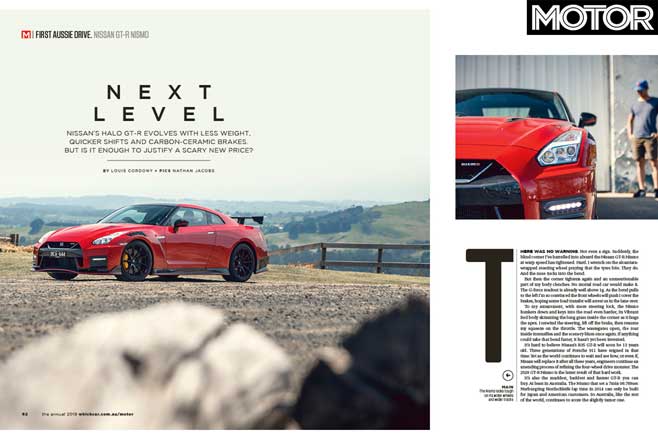
We test the mettle of Nissan’s rebooted big daddy on fast Aussie roads.
RACER-IN-CHIEF: An interview with McLaren’s CEO
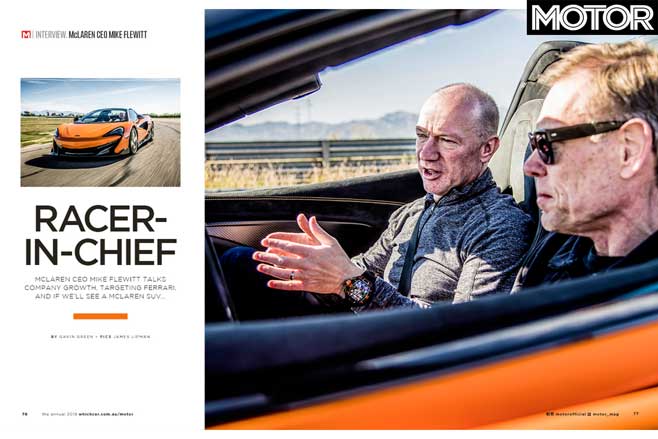
Mike Flewitt talks company growth, targeting Ferrari, and if an SUV is in the cards…
A STAR REBORN: The Italian Job Lamborghini Miura driven
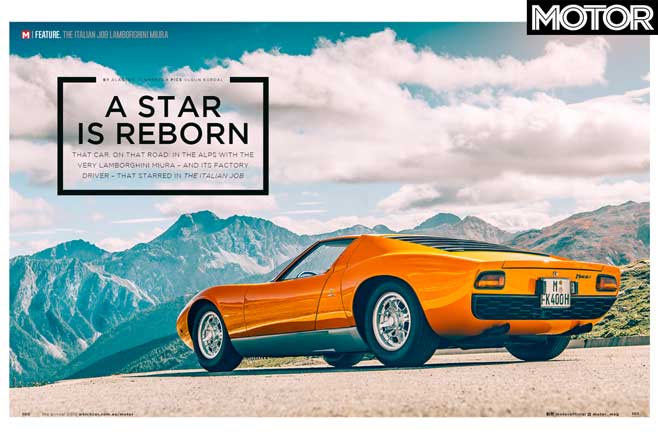
The original car, with the same driver, hits the Alps roads for the first time since the iconic movie.
TECH TALK: Explaining F1’s 2021 regulations
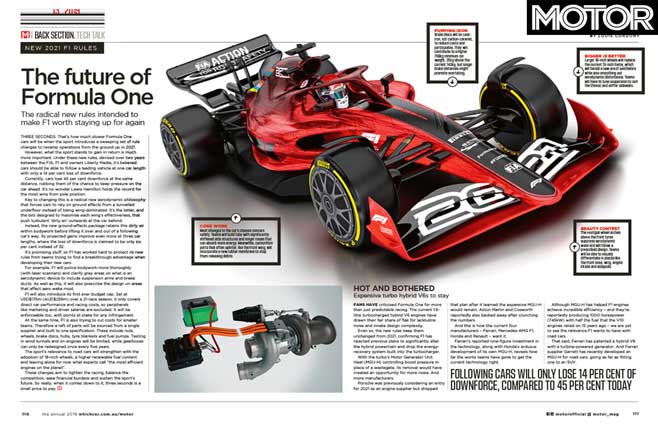
The lowdown on how Grand Prix racing will change under the new regulations
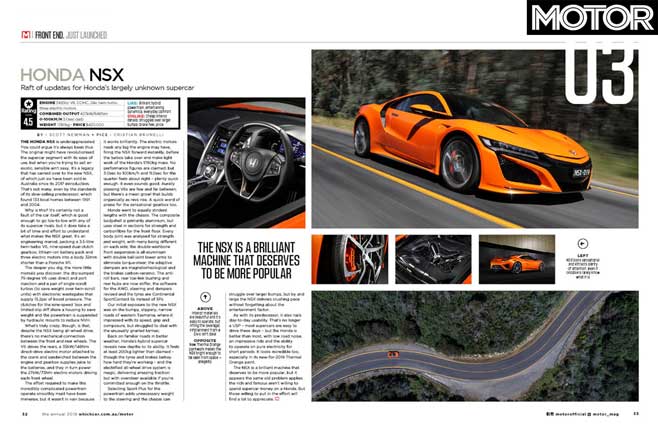
FIRST DRIVES & GARAGE: Alpine gives the A110 more hot sauce, should the Cayman be worried? Does Walkinshaw’s $9990 Power Pack elevate the Camaro’s performance enough? Can the revised NSX revive its fortunes? And Scott gets his Abarth long-termer into a shouting match with a Lambo.
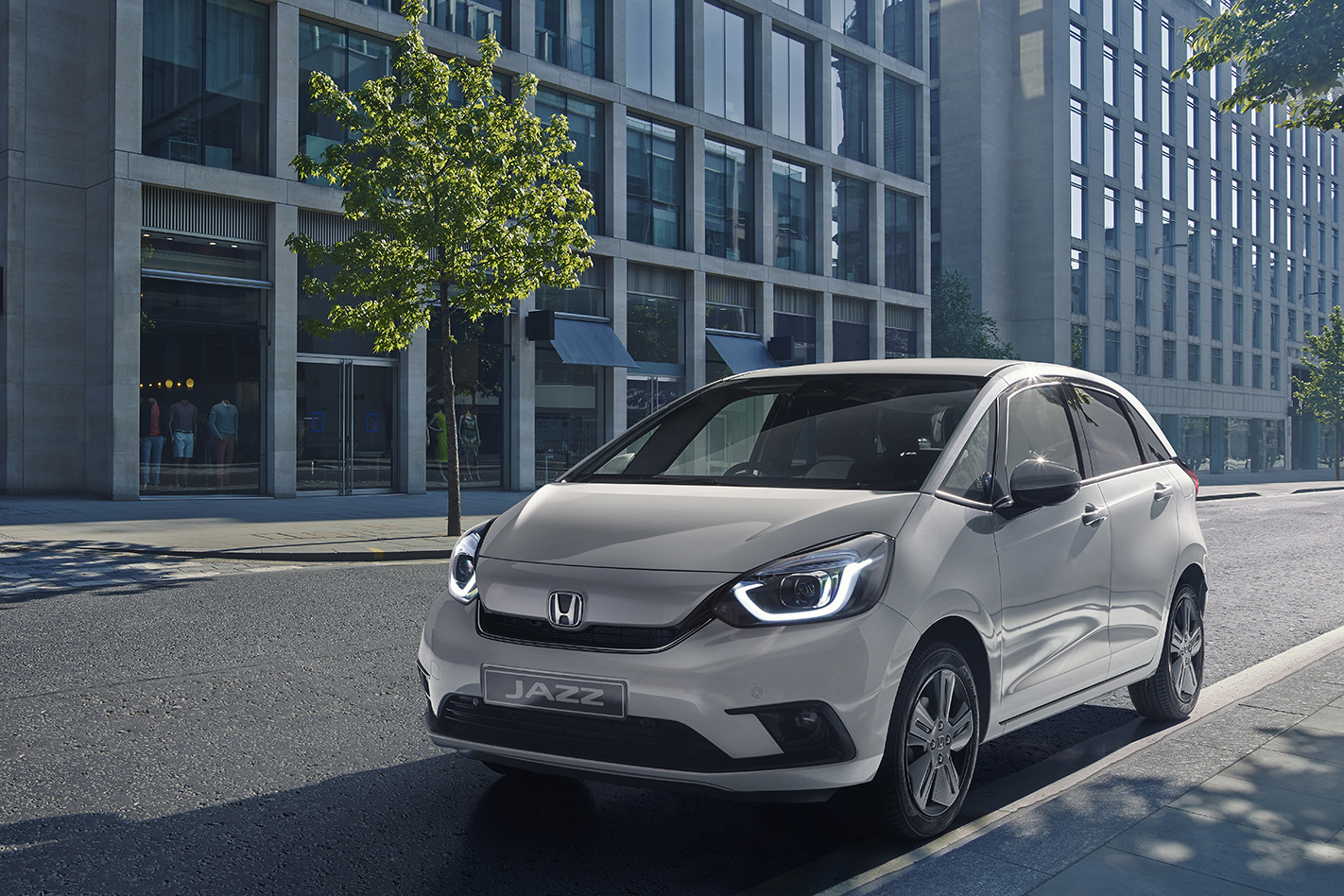
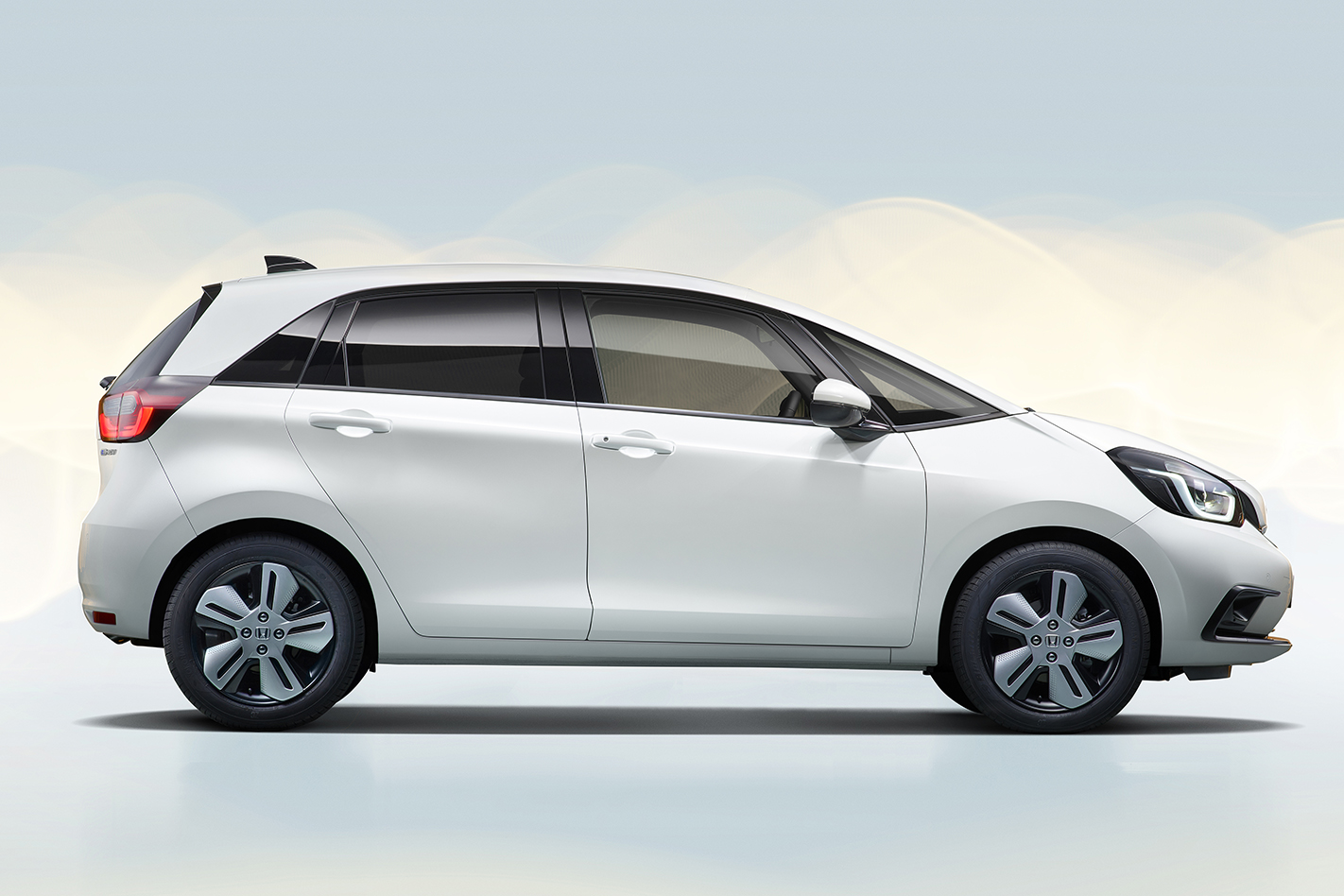
Despite unveiling the all-new Jazz compact hatch just two months ago at the Tokyo Motor Show, a local business case for the latest generation of the capacious-yet-compact Honda Jazz is looking murky – and it all comes down to the exchange rate.
“The current Jazz will certainly continue through 2020, and we’re still working through what will happen with the next generation Jazz. That segment is very, very challenging,” said Honda Australia managing director Stephen Collins.
“It’s possible (it will be discontinued), because it’s a very challenging segment,” Collins continued. It’s a full business model issue, it’s the cost of the car, where the segment’s at, where we can position the car – that’s what we’re juggling at the moment.
“It’s no small decision, and we’re very conscious of that – there are very loyal buyers and it’s the entry to our range.”
Cars in the compact and sub-compact class are widely known to be a problematic product for Aussie car dealers, with slim to non-existent profit margins making them a commercially unattractive proposition. On the other side of the coin, as a low-cost entrypoint to a manufacturer’s range they play an important part in attracting new customers to the showroom. It’s a Catch-22.
But for Honda Australia, the value of keeping a sub-$20K hatchback in the family may be outweighed by the sheer cost to the business of bringing it in. As such, the company’s local office not only says that the arrival of the all-new Jazz has yet to be locked in, but that the Jazz may be discontinued altogether.
“It depends on your long-term assumption of where the Aussie dollar sits, but if it’s sitting where it sits today, I think those days [of $15K light cars] are gone,” Collins explained.
For reference, the Jazz range begins at $14,990 for the base VTi manual and stretches to $22,990 for the VTi-L automatic.
“I think the trend is clear that a lot of manufacturers are moving away from base grades and recognising that the light [car] segment is very challenging. For us when we’re buying 21 Baht to the Aussie dollar – whereas six years ago it was 30, a 35 percent deterioration – we think those days are gone unless it bounces back – and we don’t think it will bounce back.”
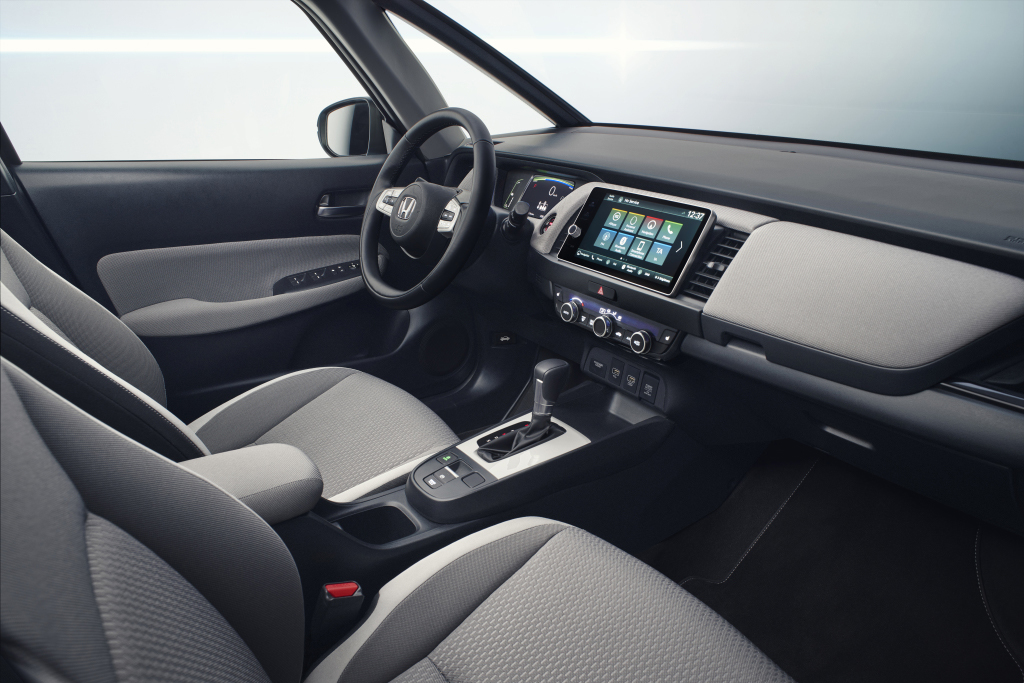
For the Jazz’s sedan-shaped sister, the City, its execution date is already on the horizon. Citing a dramatic drop in light sedan sales, Collins says the Honda City will be dropped in 2020.
“The segment is absolutely dying. This will be the last generation of City, and we’ll stop City towards the middle of 2020.”
Will Jazz get the same fate? Either the dollar’s strength improves dramatically over the next 12 months or Honda pursues a higher-margin strategy of lifting the price of entry and only bringing in high-grade variants – a strategy recently employed by Mazda when it updated the Mazda 2 range earlier this month – or, in the worst-case scenario, the Jazz disappears entirely.
FERRARI REVEALED its first series production hybrid supercar the SF90 Stradale in Australia last night.
The very first car to hit Australian shores was presented before a gala dinner of 250 customers and hopefuls in Melbourne, glistening in classic Ferrari red with black wheels, black roof and curious gold-painted highlights.
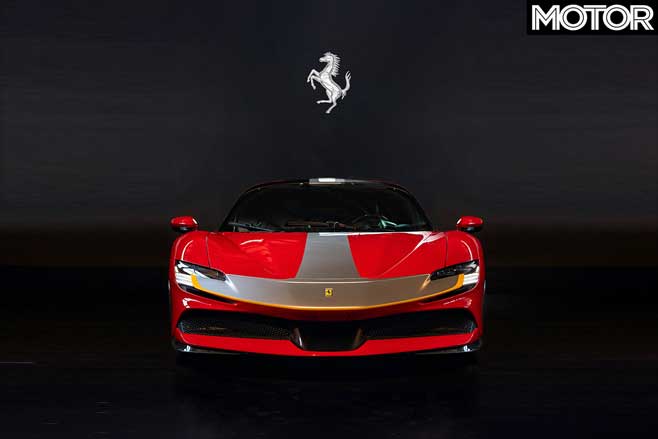
It’s expected to be number one of just 25 cars coming Down Under, with each example reportedly already spoken for, and at a cool $1m after factoring in on-road costs, although the actual price is yet to be confirmed.
Production of the SF90 – the name commemorating the 90th anniversary of Scuderia Ferrari – will commence in Italy next year with timings for first Australian deliveries also yet to be confirmed by Ferrari Australasia.
Built on an all-new aluminium and carbon-fibre chassis, the SF90 Stradale is the most powerful Ferrari road car ever, eclipsing even LaFerrari, its 4.0-litre twin-turbo V8 combining with three electric motors for an incredible 735kW total output. That’s enough to catapult the lowly slung sports car to 100km/h in just 2.5 seconds from rest – or approximately the same as a modern Formula One car.
Two electric motors are mounted on each front wheel – providing all-wheel drive – with one between engine and gearbox, altogether providing 162kW of extra thrust as well as an EV mode with a maximum 25km electric-only range. Overall vehicle weight is kept to 1570kg dry, 240kg more than the similarly sized F8 Tributo.
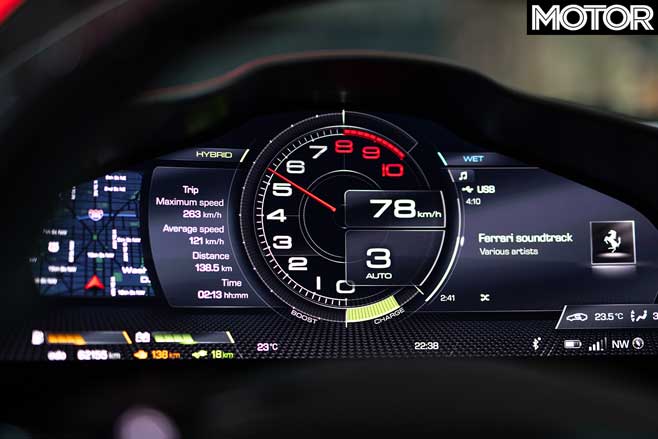
There’s also a brand new eight-speed dual-clutch automatic transmission, 10kg lighter than the current, widely used seven-speed thanks in part to there being no reverse gear, a function now provided by the electric motors. Ferrari says the new ratios of the eight-speed transmission have improved overall fuel consumption by eight per cent alone.
The SF90 Stradale is a brand new addition to the Ferrari line-up – not replacing an existing model – establishing a permanent mid-engine halo model above the front-engine V12 812 Superfast.
SF90 Stradale vs F8 Tributo
| u00a0 | SF90 Stradale | F8 Tributo |
| Length | 4710mm | 4611mm |
| Width | 1972mm | 1979mm |
| Height | 1186mm | 1206mm |
| Wheelbase | 2650mm | 2650mm |
| Engine | 3990cc, twin-turbo V8 | 3902cc, twin-turbo V8 |
| Compression ratio | 9.5:1 | 9.6:1 |
| Transmission | 8-speed dual-clutch | 7-speed dual-clutch |
| Drive | All-wheel drive | Rear-wheel drive |
| Electric motor | Three | – |
| Electric range | 25km | – |
| Engine power | 574kW @ 7500rpm | 530kW @ 7000rpm |
| Engine torque | 800Nm @ 6000rpm | 770Nm @ 3250rpm |
| Electric power | 162kW | – |
| Combined output | 735kW | – |
| Dry weight | 1570kg | 1330kg |
| 0-100km/h (claimed) | 2.5sec | 2.9sec |
| 0-200km/h (claimed) | 6.7sec | 7.8sec |
| Top speed (claimed) | 340km/h | 340km/h |
| Fiorano lap time | 1min 19sec | 1min 22.5sec |
| Price | $950,000 (est) | $484,888 |
The Audi RS5 has undergone a subtle makeover from the designers in Ingolstadt with both the Coupe and Sportback models benefitting from bodywork changes all round.
Chief among which is the decision to redesign the main elements at the front of the car.
The single frame grill now sits lower and wider than on previous models, giving its snout a more aggressive look in following its bigger siblings, the RS6 and RS7. This has allowed the bonnet to incorporate an ‘80s Sport Quattro style, three part air vent above the grill, reminiscent of the iconic car.
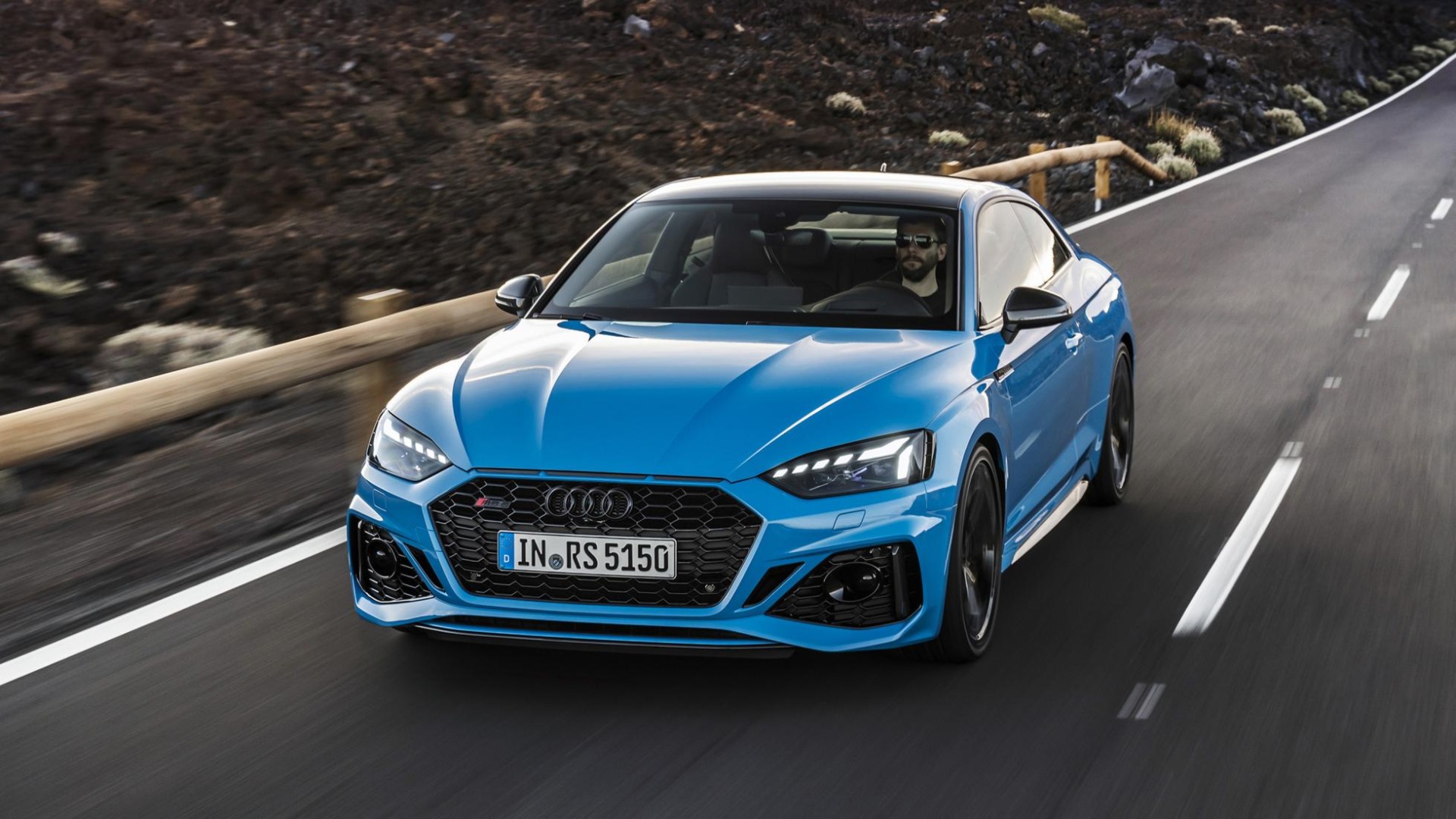
The lower front intakes are now bigger to further emphasise the movement to more grill area. Above these sit the new optional Matrix LED Headlights.
Two new colours are also available, with funky names to match-Tango Red and Turbo Blue; as well as the option to black out the four rings and RS badges on the car. Redesigned side sills and a new rear diffuser finish off the bodywork changes to this update.
Inside, the changes are also visible. A new 10.1-inch touchscreen display replaces the smaller, older spec, screen and if that is too feeble, there is also the option of a 12.3-inch display which gives more RS specific data. Bigger, aluminium paddles are also present.
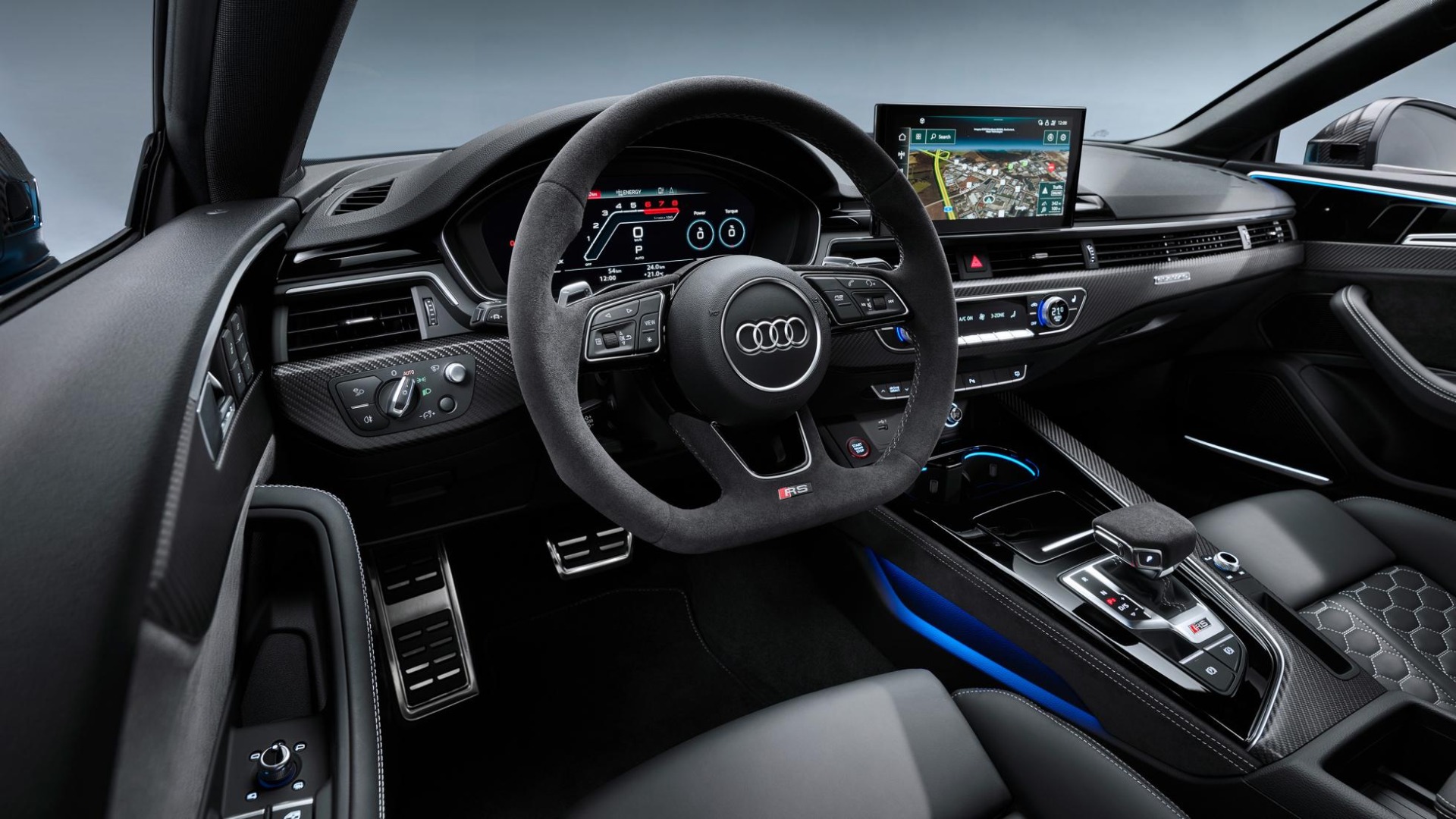
Audi’s love affair with alcantara continues in this facelift with the steering wheel, gear selector, sports seats and more containing aspects of the suede material.
The coupe model now has a carbon fibre roof which, according to Audi, reduces its weight by 4kg. The older 19-inch wheels are standard; however gloss black and matte bronze 20-inch options are available with the facelift.
Mechanically, this car features no changes. It still contains the same 2.9-litre twin-turbo V6 through which both cars utilise their 331kW/600Nm to tackle the 0-100km/h sprint in 3.9 seconds. There is no updated suspension or AWD system.
Australian pricing is not available yet, however it is not expected to be too far north of the current RS5, which costs $157,700 for both the Coupe and Sportback.
Carbon dioxide isn’t the only gas emitted from cars that is causing harm to our atmosphere. Refrigerant gases used in your car’s air conditioning are over 1400 times more potent than carbon dioxide emissions and Australia is doing nothing to stop it, according to a federal government report.
The greenhouse gas known as HFC-134a has been pre-charged into car air con systems by car makers since the 1990s, but since then has been found to be a potent polluter of the Earth’s atmosphere.
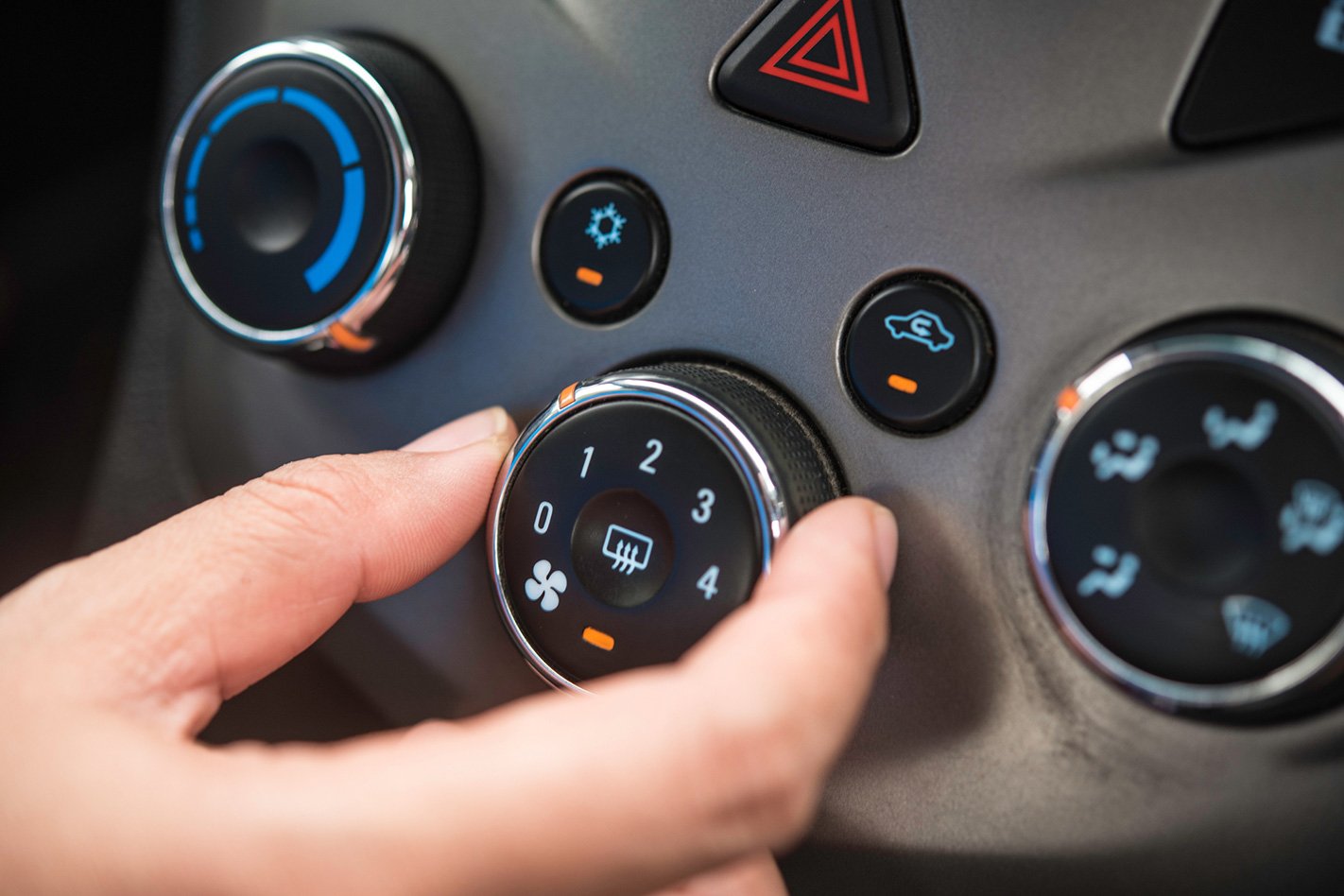
HFC-134a is banned in both the United States and Europe, but Australia has yet to follow, instead relying on automotive manufacturers to import new cars with the latest technology to naturally reduce the abundance of the gas. That hasn’t happened.
The alternative gas that’s now widely used in other countries called HFO-1234yf causes no to the environment but is mildly flammable in some circumstances.
A report issued by the Department of the Environment in September outlined the fact that the expected replacement of HFCs with HFOs has not occurred.
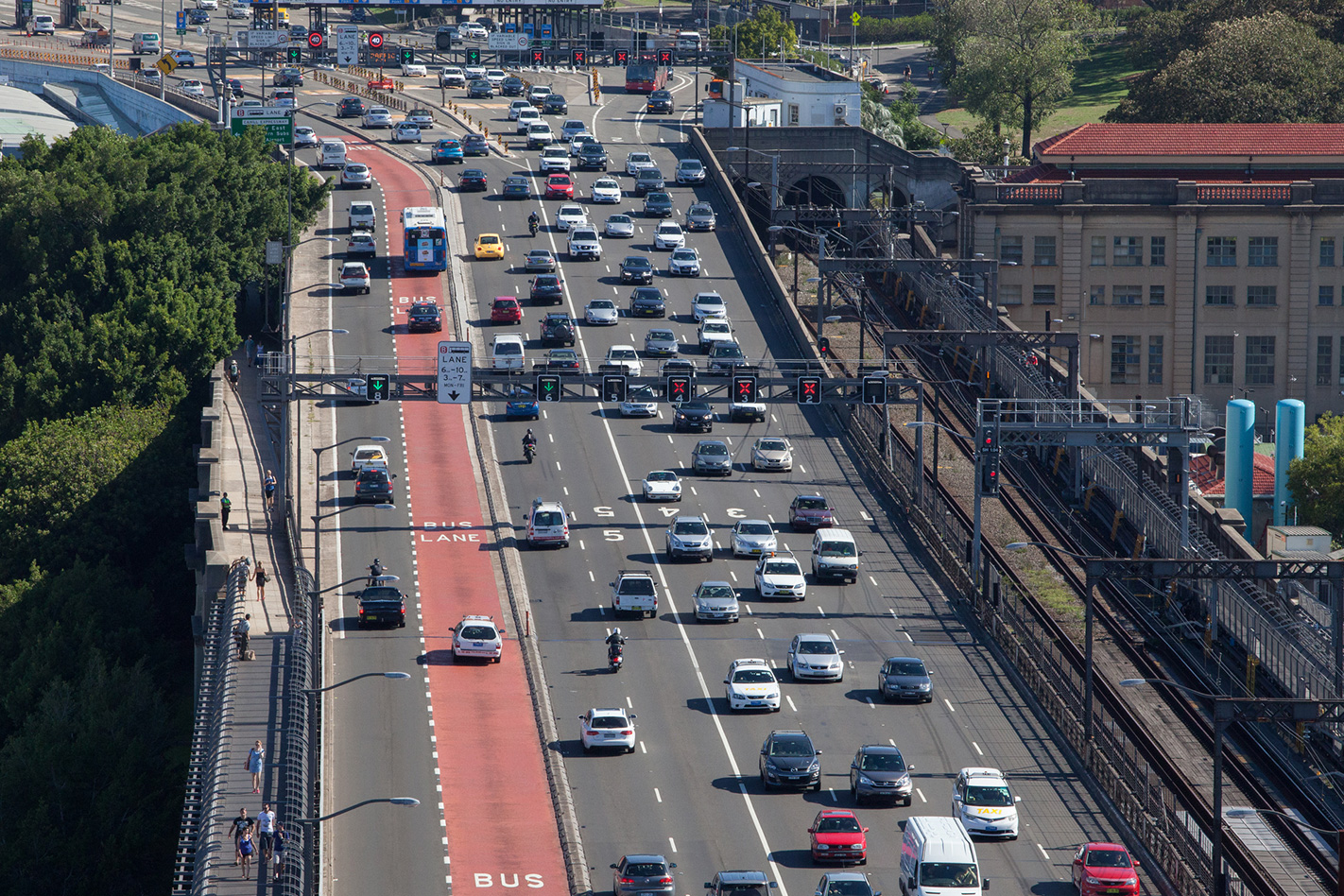
Guidelines under the Montreal Protocol also address the issue with HFCs, but aside from being an early adopter, Australia’s progress in phasing out HFCs in cars has stalled.
“It has to be noted that previous projections of the rate of HFO deployment in [cars] have failed to materialise,” the report states.
The report finds that Australian car importers and service centres do in fact stock the less-pollutant HFO-1234yf gas, but none were selling any volumes worth noting.
“Auto makers appear content to continue to supply models with older generations of refrigerants to any markets that permit HFCs, while making HFO charged models available where they are required to by law.”
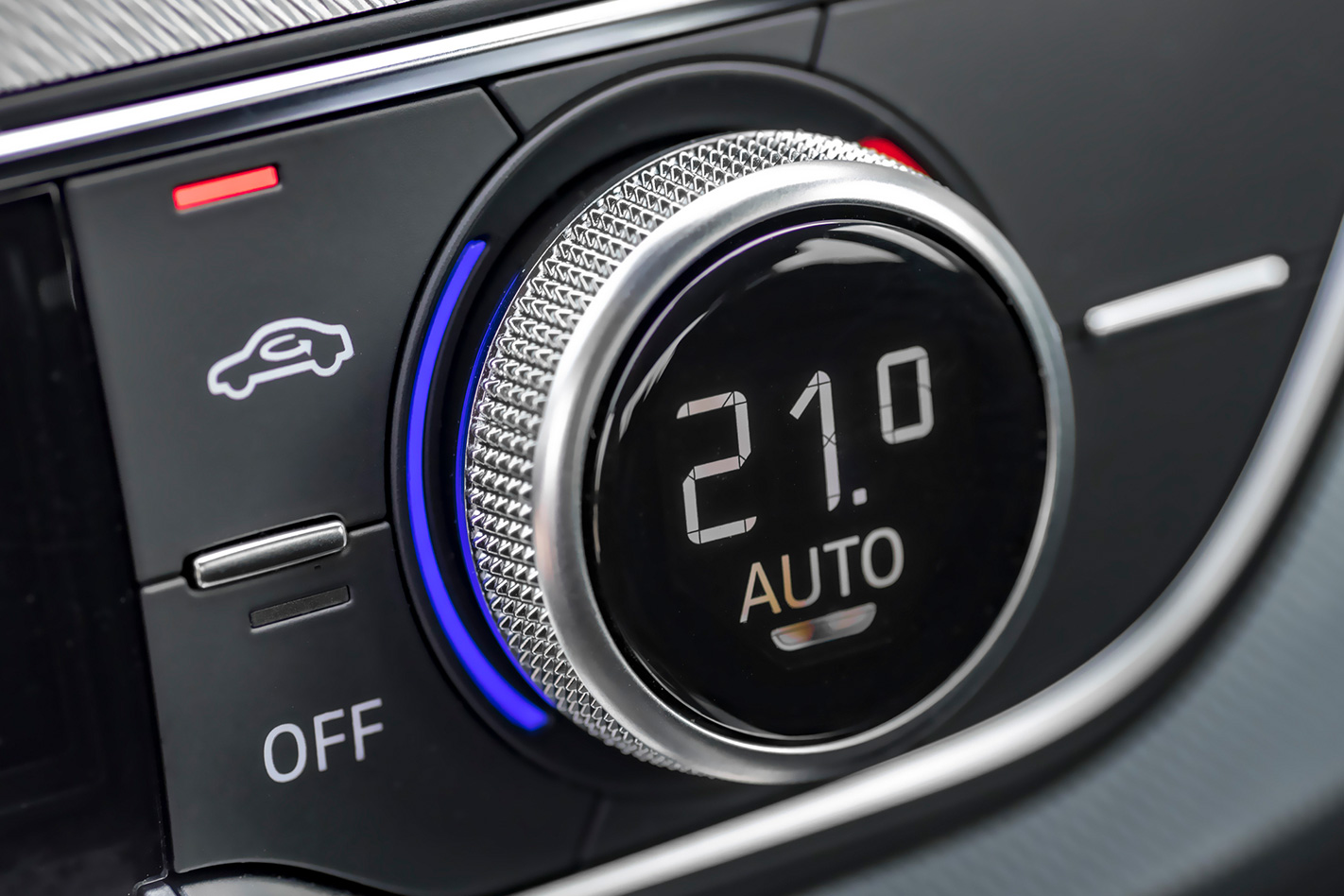
The reason behind this is cost. “At this point in time the cost of the HFO refrigerant system [is] higher than HFC-134a system,” the report stated.
“It is only a matter of time before the Australian fleet starts to see HFO charged [systems] in new vehicle sales. However because existing production lines for HFC-charged [air-con] is clearly still profitable, global vehicle manufacturers are also likely to continue to manufacture and supply HFC charged systems, for as long as regulation allows.”
The lack of government action and the cheaper price of the more harmful refrigerant means importers will continue to exploit the loophole and supply HFC for Aussie air-conditioning systems into the 2020s.
- Cadillac XT6 is twin of Holden Acadia
- Holden boss asked to assess Cadillac return to Australia
- Pivot to SUV sales model could open door wider to import
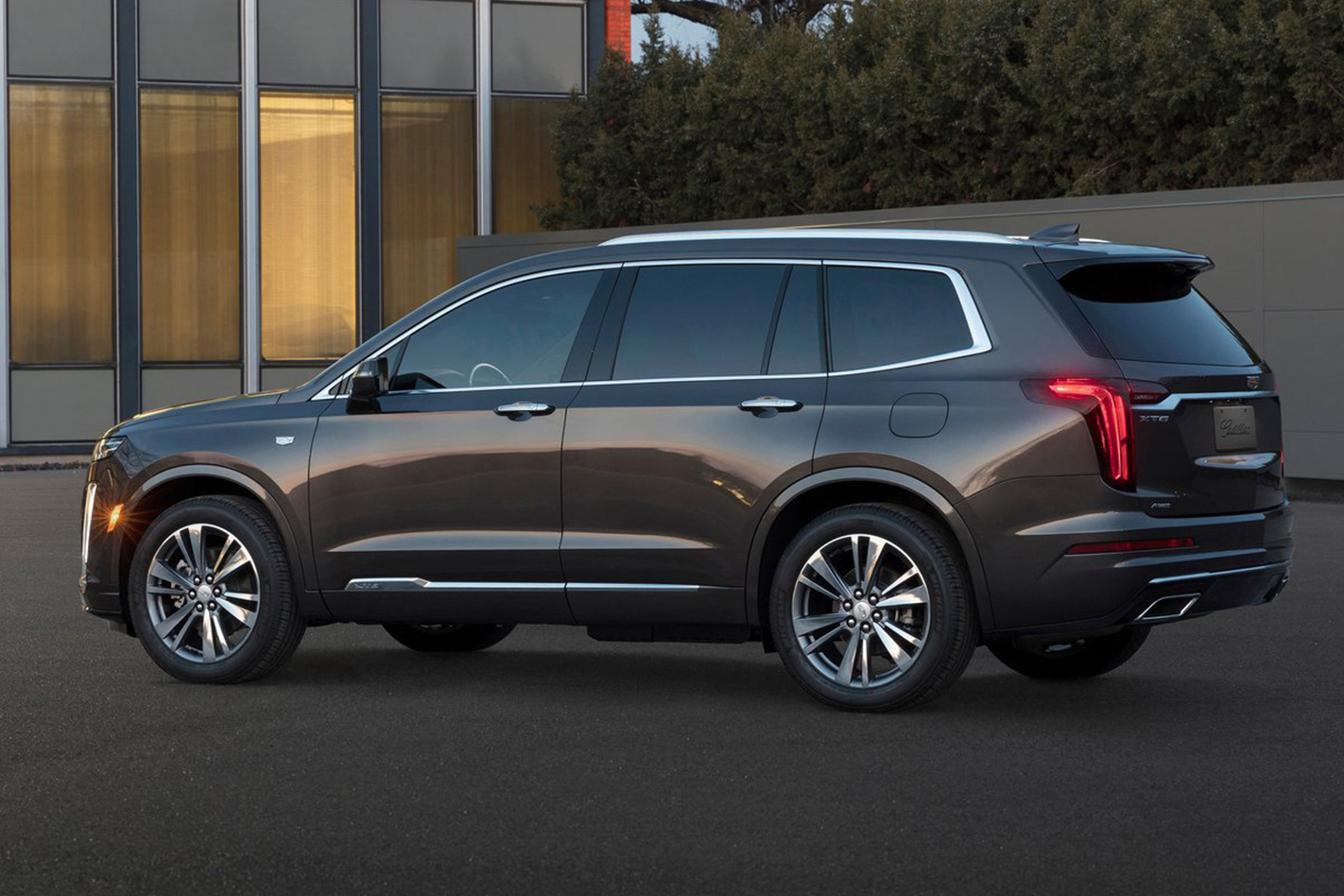
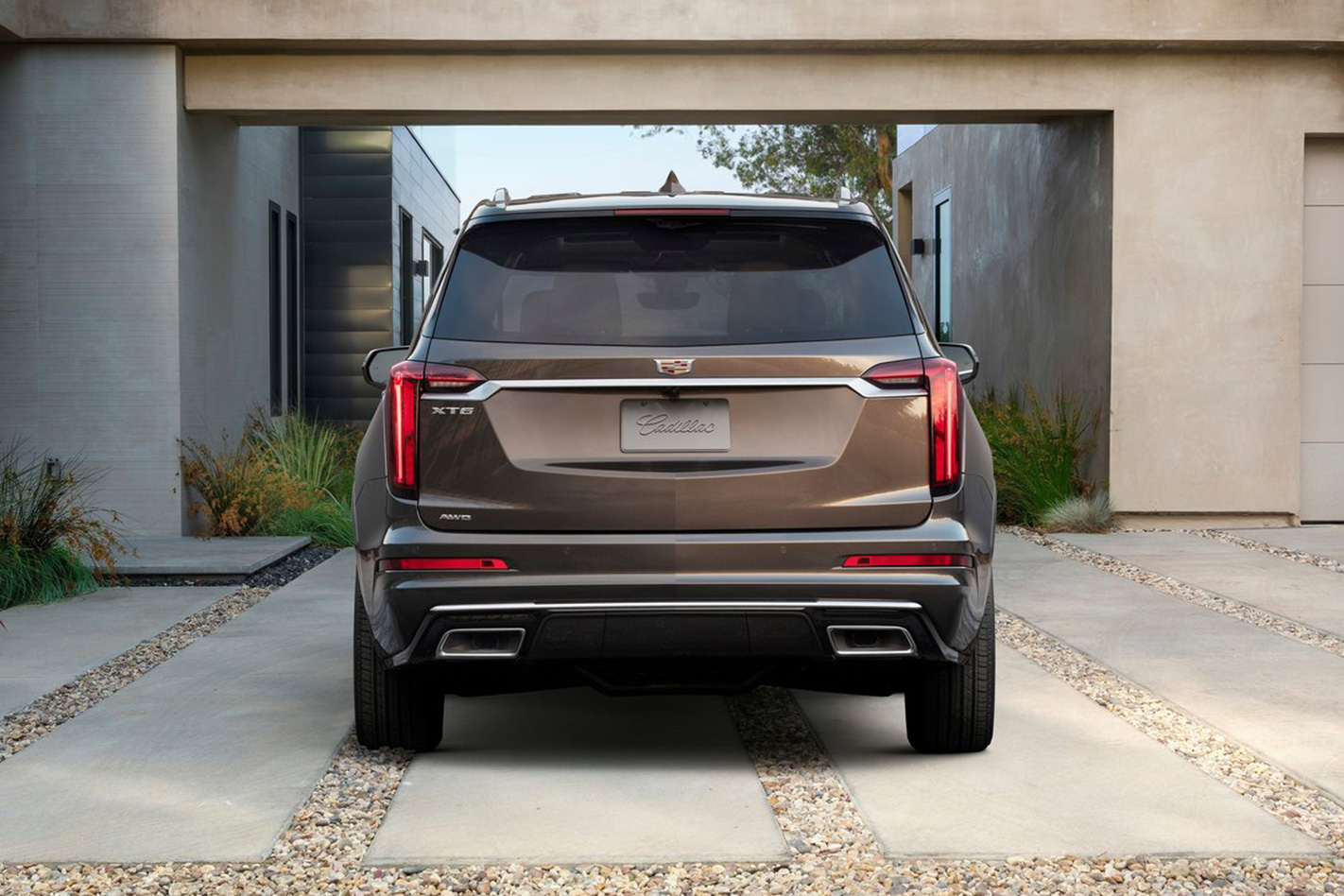
This, for example, is the recently announced Cadillac XT6. Underneath it’s a direct relative of the Holden Acadia. Not only that, the XT6’s list of Australian credentials is long and distinguished.
Its designer, for example, is Andrew Smith, an Australian who rose to the top of Cadillac design by way of programs like the Holden VU ute and the stunning Holden Sandman concept of the early 2000s.
Andrew’s boss is Michael Simcoe, who has risen through the ranks to become the global head of General Motors’ Design across all its brands. Simcoe became the chief of Holden Design back in 1987 and lists both the VE and VF Commodores on his CV.
Legend has it that he sketched up a life-size version of the 2001 Monaro on his lounge room wall.
More Holden news
Why Holden’s mountain of problems just got taller
Potential Commodore replacement lands in Melbourne
Mechanically, the Holden Acadia has undergone a raft of localisation tuning at Holden’s Lang Lang proving ground, which survived a stay of execution when local manufacturing ended in 2016.
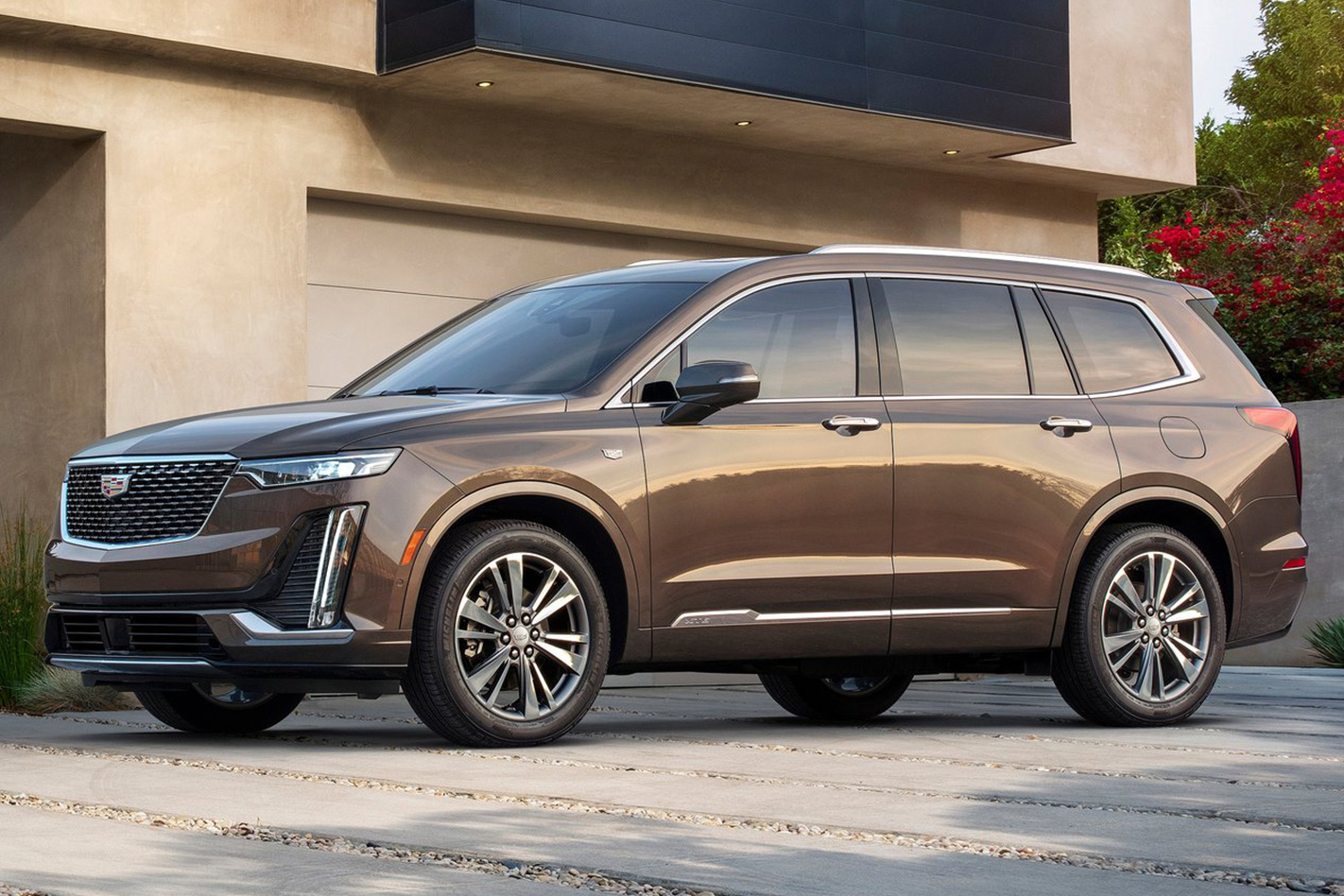
The left-hand-drive Cadillac XT6 ran alongside that same program, a Holden insider confirmed, running thousands of kilometres on Melbourne roads as engineers worked to bake in Cadillac levels of ride comfort and noise suppression into a car that was originally built for GM’s truck brand, GMC.
There haven’t been too many other details released about the three-row XT6 – which was announced alongside GM’s SUV EV (SUEV?) plans – but we know that the 3.6-litre V6 engine will be mated to an all-wheel drivetrain.
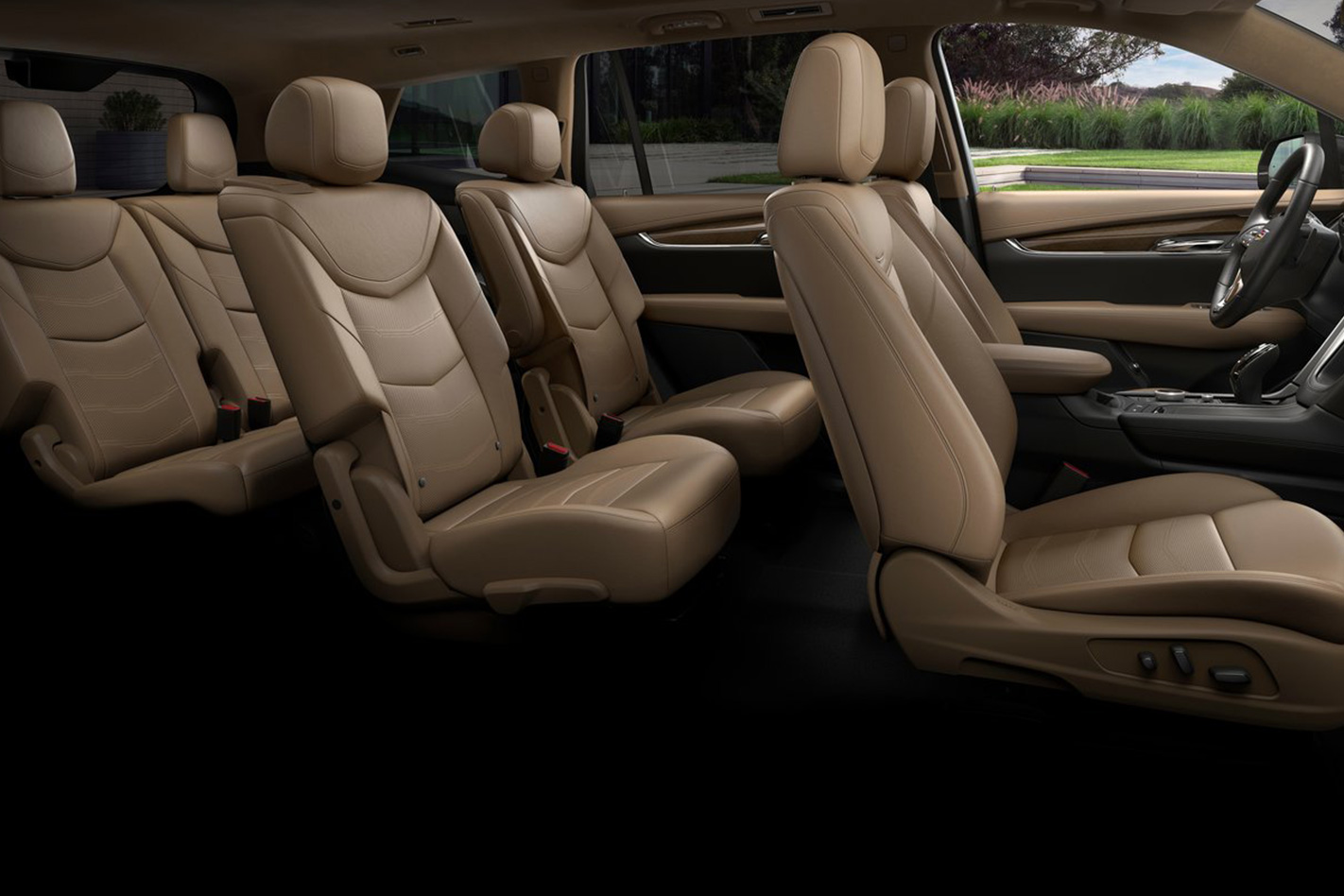
That same powertrain could be fitted to the Holden Acadia across the three-variant range.
Could we ever see Cadillac in Australia? The news out of the US is interesting; former Holden boss and now president of GM, Mark Reuss, asked former Holden head David Buttner to reassess the brand’s suitability for Australia.
Even so, it would be a brave bet to make that the Caddy badge – which came literally hours away from debuting here in 2009 – ends up in a showroom near you any time soon.
Cadillac is playing catch-up in the SUV space; a reported $20 billion reboot in its sedan line-up in 2015 came at the exact wrong moment in history, with customers in the premium space turning to luxury SUVs like the Audi Q7 and BMW X5 instead of Caddy sedans.
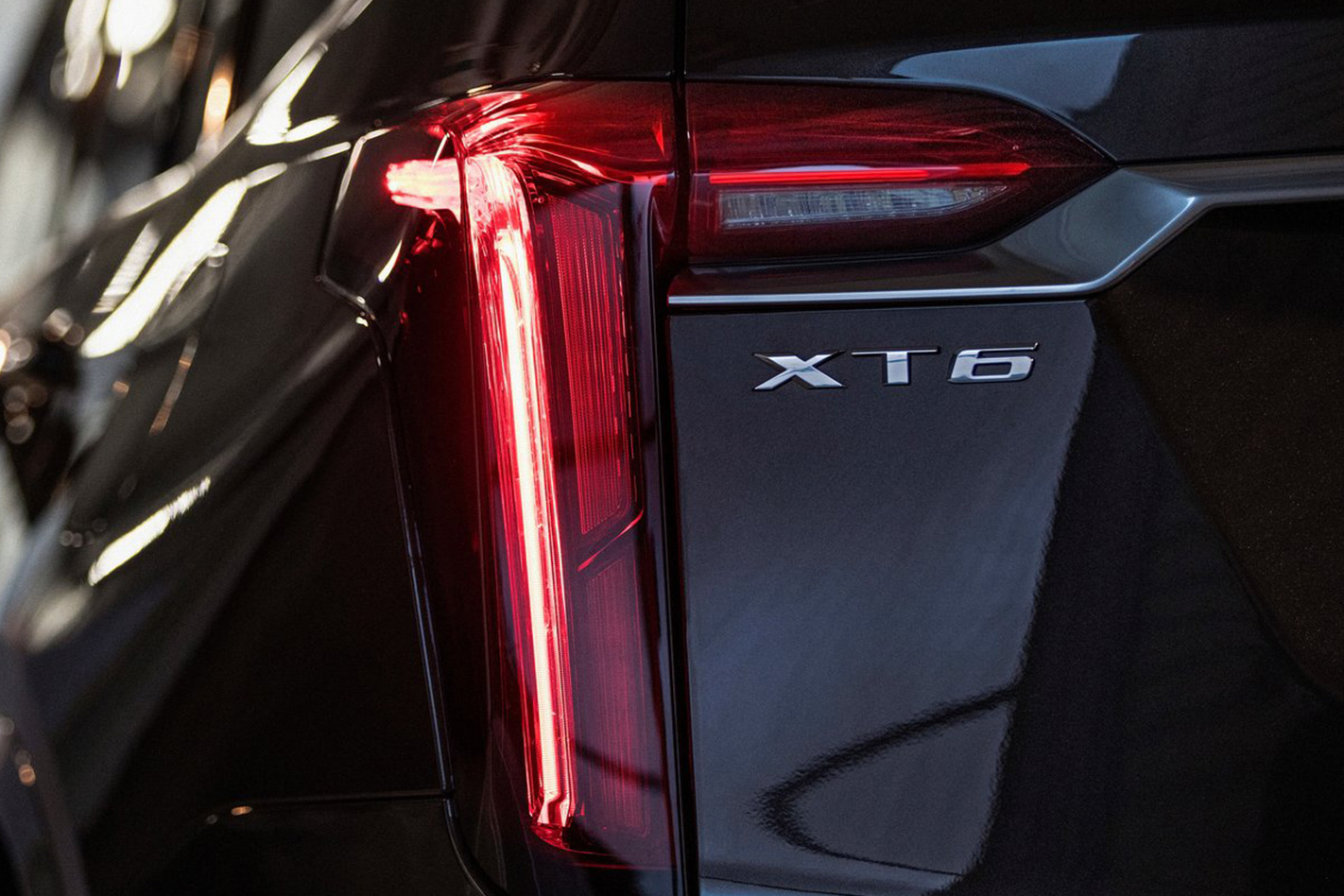
Meanwhile, Holden’s Acadia has had a worryingly slow start to its sales since coming on the market in November 2018.
In its first full year on sale, it’s sold 2900 units, putting it well below cars like the ageing Subaru Outback (6772), Mazda’s CX-9 (6600) and way behind the runaway large SUV leader, Toyota’s Kluger (16,945).