
Right about now, the Victorian cops, government and insurance companies are going ga-ga over the State road toll. Mainly the fact that it’s up 26.3 per cent compared with the same 11 months of 2018.
Read part two of Morley’s opinion piece here
But let’s forget percentages, let’s put it in terms that we can all understand. While 198 men, women and children didn’t make it home for the first 11 months of 2018, for the same period this year, 250 brothers, sisters, mothers and fathers suffered the same fate. And while 198 fatalities are 198 tragedies, 250 is, of course, worse.
The rozzers are pretty fond of hitting the TV news and telling us that its all our fault. We need to slow down and stop driving while we’re pissed or off our scones on meth. Apparently. The pollies generally chime in by announcing that they’re spending another few hundred grand of taxpayers’ money on extra speed cameras and the insurance companies (disguised – poorly – as road safety bodies: You listening TAC?) start making changes to the infrastructure by adding a whole new layer of stupid like the current idiotic fascination with wire-rope barriers. Man oh man; groundhog day. Again.
And yet, we’re still dying in ever-bigger numbers.
It occurs to me, however, that nobody has actually sat down and had a good, long, hard look at what’s really happening. Beyond working out how to turn a tragic turn of events into a budget surplus, that is. I mean, what’s changed in recent years that could be having such an effect on the death toll?
Have speed limits been raised? Nope. Have roads deteriorated? No again. In fact, the recent removal of dozens of level crossings should have had a positive effect on the toll. But it hasn’t. Have drivers become less ept? Well, they’re still largely talentless, but no more than in previous years.
So, for me, that narrows it down to cars that are less life-saving. Now this is counter-intuitive, because cars have never been safer, right? Well, maybe passenger cars, but passenger cars are rapidly losing their dominance in terms of sheer numbers on the road.
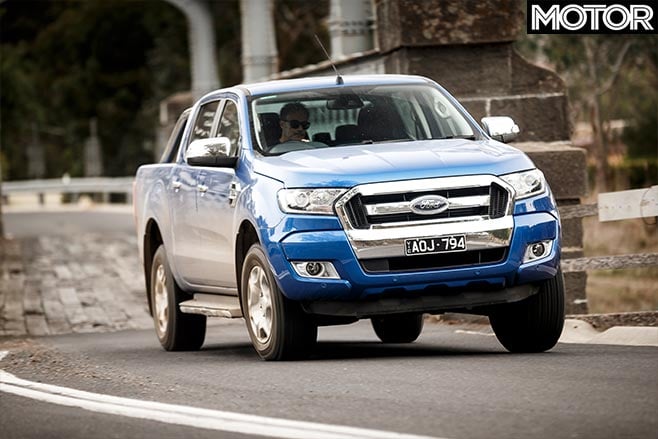
What’s replacing them? Dual-cab utes, Your Worship. In 2018, for instance, the best-selling vehicle in the country was the Toyota HiLux with 51,705 sales. The Ford Ranger was next with 42,144 units sold while the first non-ute was the Toyota Corolla with 35,230 sales putting it last on the podium. Throw in the Mitsubishi Triton with 24,896 units, the Isuzu D-Max with 18,550, the Holden Colorado with 18,301 and the Nissan Navara with 16,459 and you had yourself an extra 172,000 or so utes on the road, and that’s not counting the other makes and models like Ssangyong, Great Wall, and others.
Now, not every one of those new utes replaced a conventional car, but some of them definitely did. And that means the proportion of utes to cars is increasing every year. More utes equals less cars; simples.
So how is that skewing the road toll? Well, it’s pretty obvious aint it? Utes – actually, let’s call them light-trucks, for that, thanks to their ladder-chassis construction and compromise tyres, is precisely what they are – just don’t have the dynamics of a conventional car. Modern utes might have the five-star crash rating we’ve all come to expect (well, some of them do) but that’s only part of the picture.
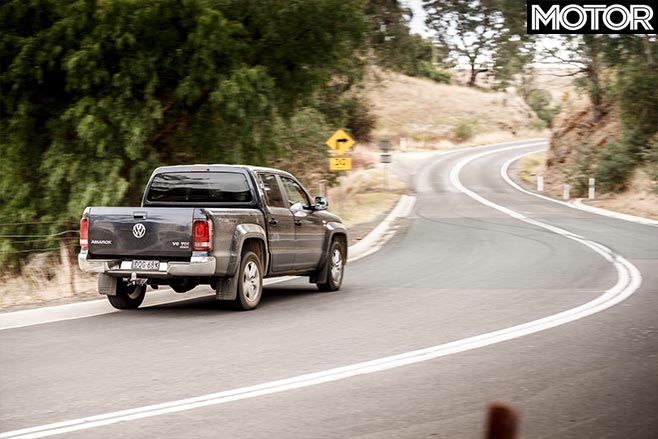
The rest of the safety deal revolves avoiding a crash in the first place. Utes have been late to the autonomous braking (and other safety tech) party and, thanks to their high centre of gravity, slow steering, huge kerb mass, crude pogo-stick suspension and limited tyre grip, they’re just more likely to pile into a bad situation in the first place. Drive one and you’ll soon see what I mean.
And when they hit other, smaller, lighter vehicles, shunts only really come in one size. I’m not saying you shouldn’t buy a dual-cab ute (Lord knows there aint much choice) but don’t tell me that you can take people out of cars, put them in trucks and not expect a change in crash stats.
You need proof that it’s happening? RIP old mate Commodore.
Ed’s note: After the response from you, our readers, to Morley’s column, we asked if he’d like to respond. He did, and the below was published on 18 December 2019.
Okay, let’s just all calm down a little and relax. The original yarn was an opinion piece. Okay? My opinion.
I copped a bashing over the fact that I had no stats to back up the possibility that the recent influx of dual-cab utes into the Aussie car-park was skewing crash stats. Thing is, the figures necessary to confirm or deny this hypothesis don’t appear to exist. I tried the TAC, I tried the State Transport Department.
Eventually I was even contacted by the CEO at ANCAP (who’d read my original column and wanted a chat). But nothing. I can find out what time of day the accident happened, whether it was a rural or urban setting, the conditions, the age and sex of the driver, and probably what colour socks they were wearing at the time. But the type of vehicle involved? Nope.
So I come back to my original thought-bubble: If we have fundamentally altered the national car-park, then surely, we must also have fundamentally changed the average crash signature and the basic dynamics of that car-park.
Look, it’s not even a long-shot when you think about it. And if we can all agree that a modern car with ABS, EBD, ESP, AEB, sticky tyres, accurate steering and four-wheel-disc brakes is, fundamentally, better placed to avoid a crunch than an old dunger with drum brakes and five turns lock-to-lock, then I fail to see what’s so controversial about all this.
Some of you have beaten me up on the fact that there’s simply more vehicles on the road, so there will be more crashes. Okay, but if a lot of those extra cars are dual-cabs utes, aren’t we actually agreeing with each other? Others have suggested it’s all the fault of tourists, driving up the wrong side of the road and gawking at the scenery. I’m not even going to dignify that with a response.
I’m not anti-dual-cab utes. I’m not trying to be controversial. I’m just saying that the type of vehicle we’re driving has changed and that may, in turn, have altered crash stats. I could also be wrong. It’s happened before. But if there is something to this, then we need to act and either change the infrastructure or better educate folks on how to use these vehicles more safely.
There is a road in Japan that plays music as you drive over it. It’s a road that passes by one of the most photographed yet seldom-seen natural wonders of the world.
Further down that road hundreds of people queue for hours to take an Instagram selfie in absolute solitude. Beyond that is a place where 70,000 people sing John Denver’s ‘Take Me Home Country Road’ together, like an impromptu Guinness World Record karaoke.
That all may sound like an acid trip, but this is what passes for reality in Japan, a country that is both exotic and intoxicating.
WhichCar flew to Japan to drive a new Land Rover Discovery variant, one with all the on- and off-road capabilities of a ‘normal’ Discovery large 4WD, with added touches to commemorate the Rugby World Cup taking place in Japan at the time.
Land Rover has been a Worldwide partner of rugby for more than two decades. The company feels that rugby’s passion for life, its commitment to diversity and community, and its core values of integrity and teamwork are all qualities that resonate with the Land Rover brand.
In my mind, rugby has an honesty too that is sometimes lacking in other football codes and which rewards hard work. Two other qualities that every Land Rover vehicle expounds.
This trip through Japan adds another chapter to my Land Rover experiences. I’ve driven Land Rovers and Range Rovers on dirt highways across and around the middle of Australia, through muddy bogs in the Welsh countryside, even through a gutted Boeing 747 whose interior had been transformed into a 4WD playground for a day.
But none of this prepares me for this unique trip through Japanese culture from Tokyo to Mount Fuji and back in time for the Rugby World Cup Final in Yokohama.
As road trips go, this one in a Land Rover Discovery appears to be jinxed from the beginning. By me. Arriving in Narita International Airport a week out from the final, I only had myself to blame for the All Blacks’ shock semi-final loss to England. I’d bragged to my family back in New Zealand about how I was going to watch the ABs win a World Cup.
Anyone who knows a Kiwi knows that rugby is more than that nation’s pastime; it’s a religion worshipped by hundreds of thousands every weekend. The sport regularly makes newspaper front pages in New Zealand. Its finest proponents are deified, and scandals inevitably result in ex-communication. Or worse, emigration to Australia.
So to boast about my good fortune was to tempt the rugby gods, and they unleashed their wrath in the form of pint-sized ex-Australian coach Eddie Jones. The now coach of England devised a strategy that saw New Zealand’s attacking backline neutered and its thundering forwards hobbled.
And so it was that New Zealand, the overwhelming favourite going into the tournament, was bundled out in the semi-final. Which meant I was going to Japan to watch England play South Africa. Well, at least it wasn’t Australia.
I fly into Narita airport to join the mass of humanity that is Tokyo. This teeming metropolis is home to 38 million people, and the two-hour drive from Narita to downtown Tokyo is an endless parade of congested high-rise apartments, heady corporate buildings and raised motorways.
The next day I board a Rugby World Cup 2019 Limited Edition Land Rover Discovery SD6 HSE and headed for Mount Fuji, the world’s most recognisable mountain.
Mount Fuji is far from the tallest – its 3776m peak doesn’t even make the top 100 – but this active volcano’s white-topped cone and the complete absence of any other mountains nearby make it impossible to miss.

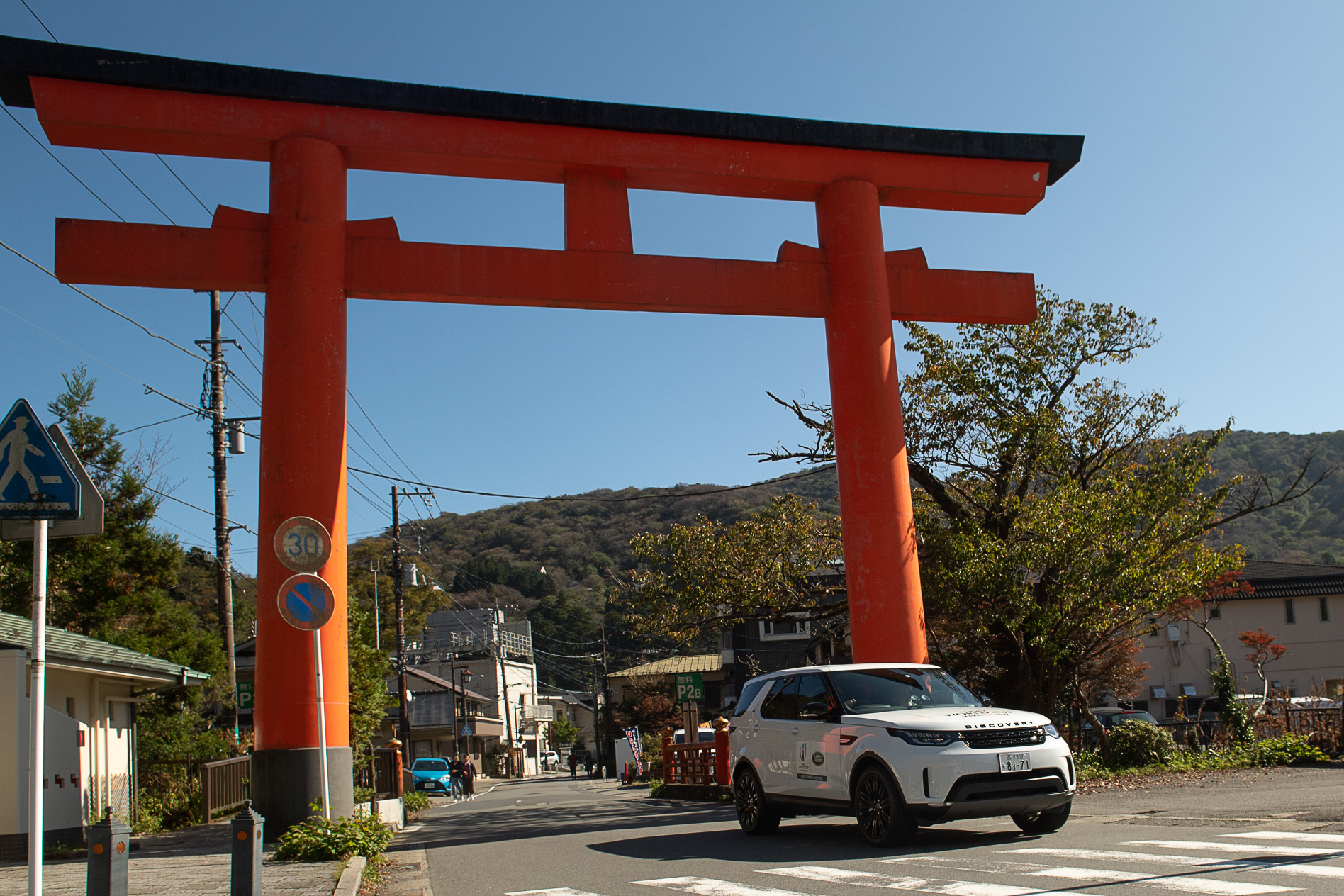
Our first stop on the journey is a lake-side Shinto shrine just outside the town of Hakone. The shrine itself is hidden a few hundred metres away in a dense cedar forest, and there’s an unmistakable feeling of mysticism in the air walking on its hallowed grounds.
The shrine was first built on the summit of Mount Hakone in the 700s before being relocated to its current location in 1667. These days it’s popular with visitors, although most are drawn here by a huge red lakeside gate – or Torii in Japanese – which is the spot for thousands of selfies every day.
https://www.instagram.com/p/B4gcMUgFWfx/?utm_source=ig_embed&utm_campaign=loading
Anyone who’s ever been to Japan knows they are an unfailingly polite nation. Kindness and consideration are at the core of Japanese ethics – it has to be for civility to survive in a country where 127 million people live in an area 1.5 times the size of Victoria.
So it’s no surprise that an orderly queue had formed leading out to the Torii, hundreds of people wait patiently to walk out alone under the Torii and take the ultimate selfie with the lake as a backdrop.
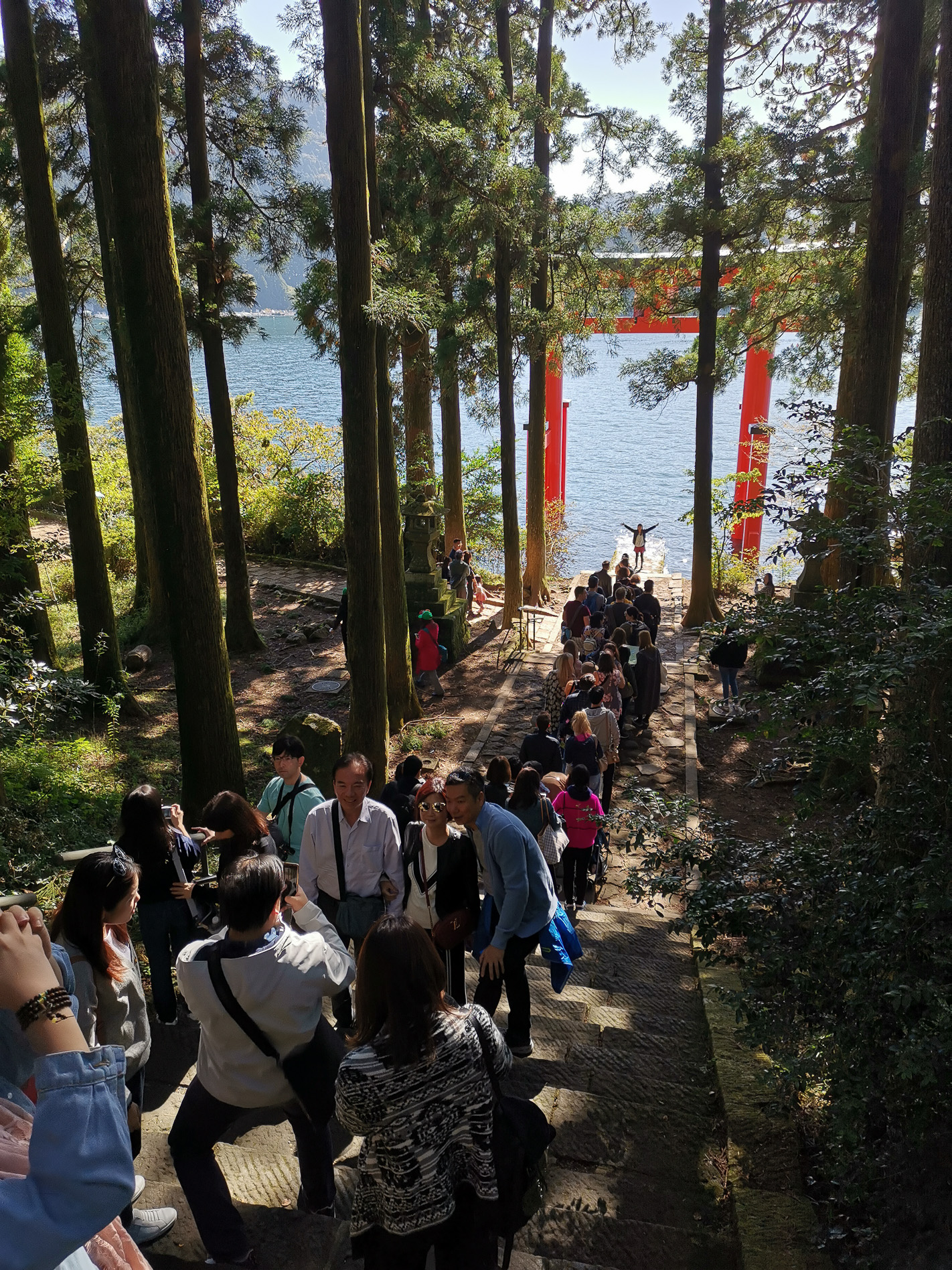
I didn’t have the time or patience to wait my turn, so leaving the Instagram influencers to their vigil, I head around the lake and up onto the Hakone-Ashinoko Skyline proper.
This serpentine mountain road is iconic with car nerds and will be instantly familiar to anyone who’s ever watched the Fast and the Furious. But, just in case you miss its importance to the world’s drifting fanatics, the thick black carpet of drift marks on most corners is a dead giveaway.
The Hakone Skyline is 90km south-west of Tokyo, almost at the foot of Mount Fuji. It’s a tollroad with one unique feature, apart from the spectacular views of Mt Fuji and also Ashinoko Lake. The road plays music as you drive over it.
The Japanese call these Melody Roads, and the country has more than 30. Different depth and width grooves are cut into the road in such a way that they emit musical notes when your tyres roll over them at 40km/h.
If you don’t believe me, watch it below. In case you’re wondering what the song is, its the Evangelion Anime theme song, which you can also hear here played by more conventional instruments.
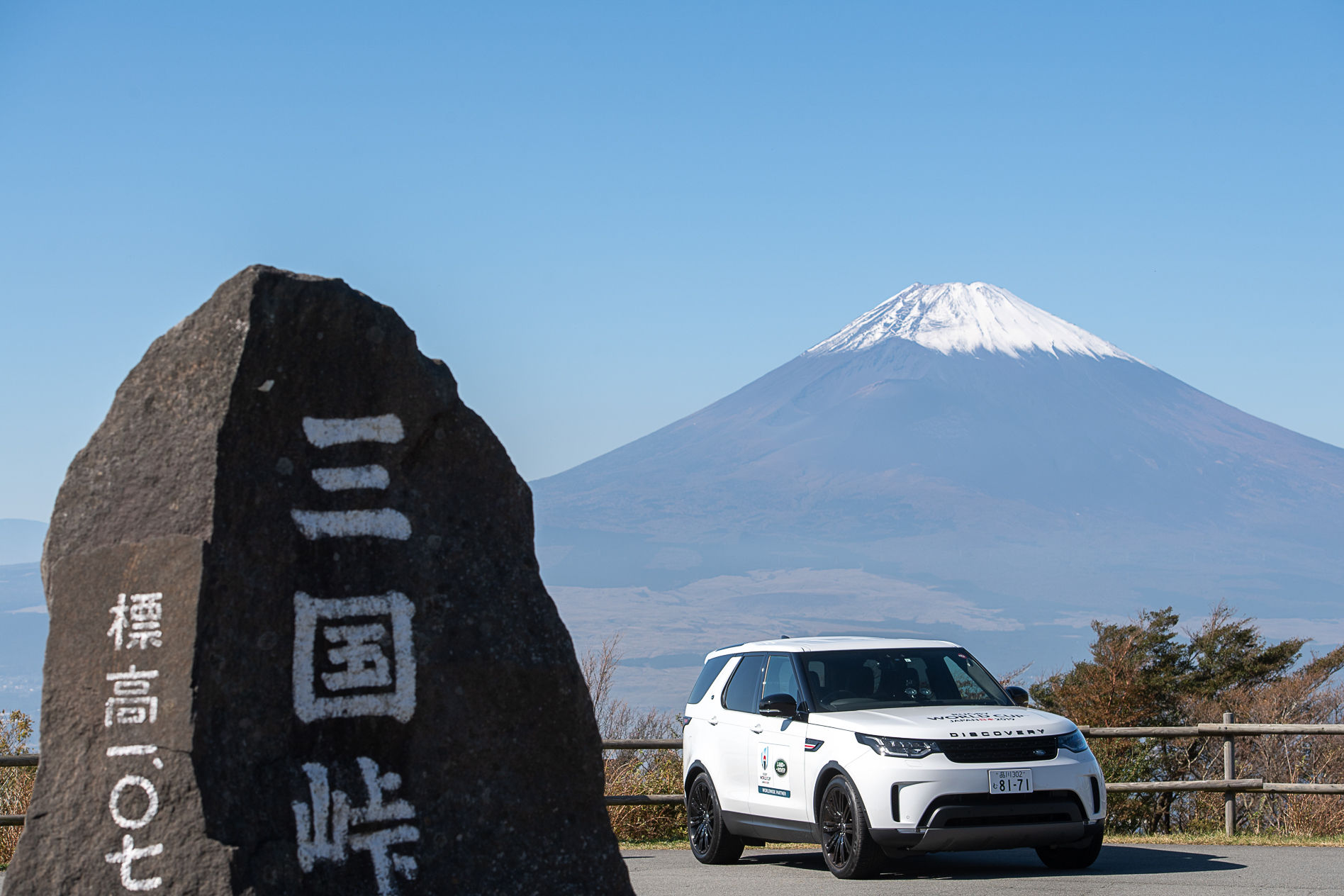
After Melody Road we reach Mikuni Pass, one of the most beautiful locations along the road, and one that affords the perfect view of Mount Fuji.
I’d heard from many friends and colleagues that Mount Fuji isn’t an easy mountain to see; clouds and haze often shroud the iconic white-topped cone from view. But atmospheric conditions on the day we arrived could not have been more ideal. A very comfortable 25 degrees and literally not a cloud in the sky.
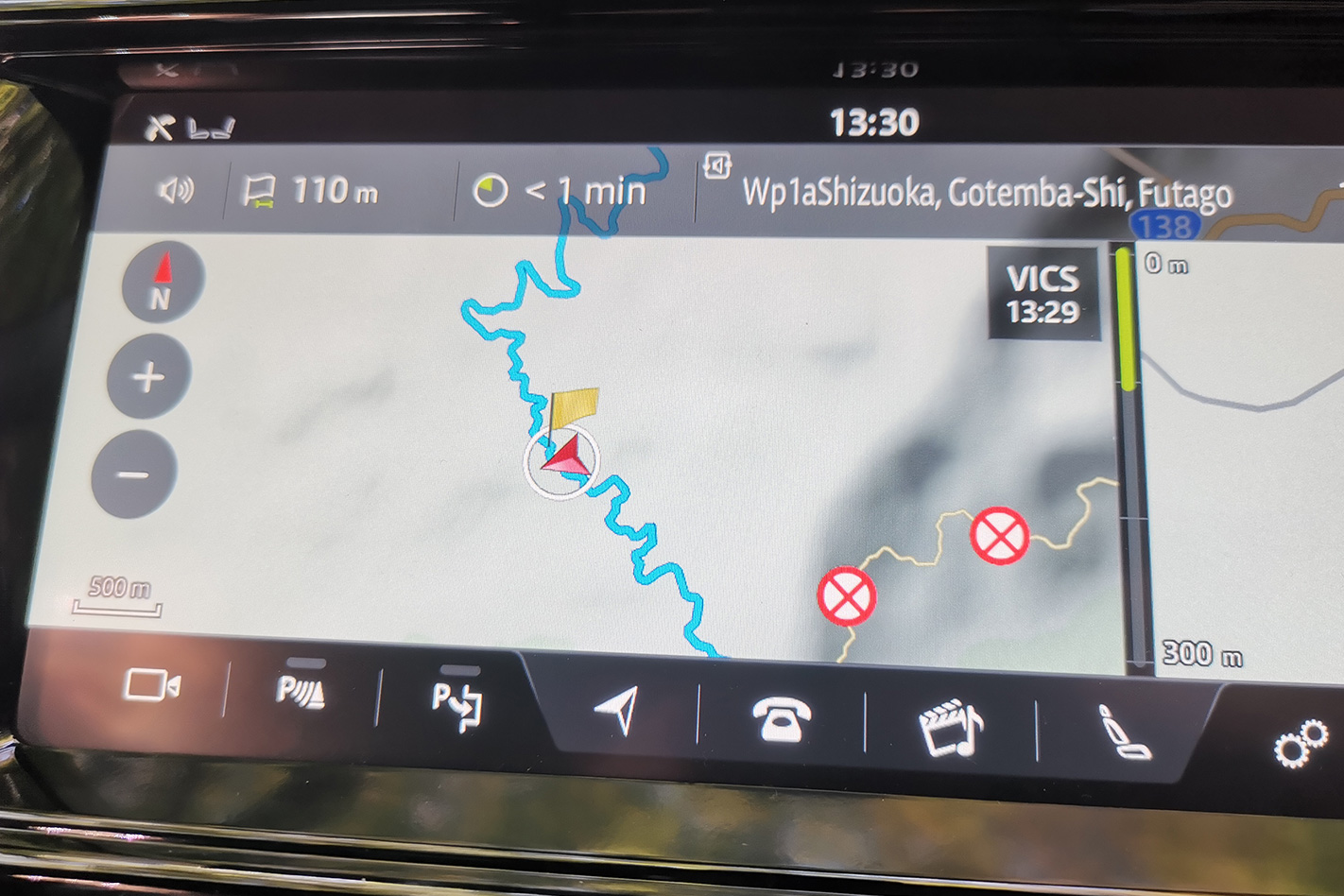
After Mikuni Pass, the Hakone Skyline gets serious. This is not a road suited to high-riding, highly-competent SUVs like the Land Rover Discovery, although the big Brit acquits itself quite well, staying relatively flat through the turns and using its responsive turbodiesel engine to good effect between them.
The Hakone Skyline has dozens upon dozens of turns in its short 5km length tailor-made for popular Japanese sports cars like the Mazda RX-7, Nissan R33 GT-R and Mitsubishi EVO6, and even classics like the Datsun 240Z – all four of which pull up just as we’re about to depart, hot engines ticking noisily after obviously enjoying a spirited run up the mountain.
One of the drivers, it turns out is an Aussie, and he tells me this convoy is a kind of tagalong tour where you rent the car of your choice and a tour guide leads you on some of the best roads in the area.
The next stop on this journey is Lake Saiko, which – surprise surprise – affords yet more stunning views of Mount Fuji. Being greedy, I wished the light breeze wasn’t blowing and the water’s surface was calm enough to fully reflect the mountain in photos, when in fact I should have just been happy to get such a clear day anyway!
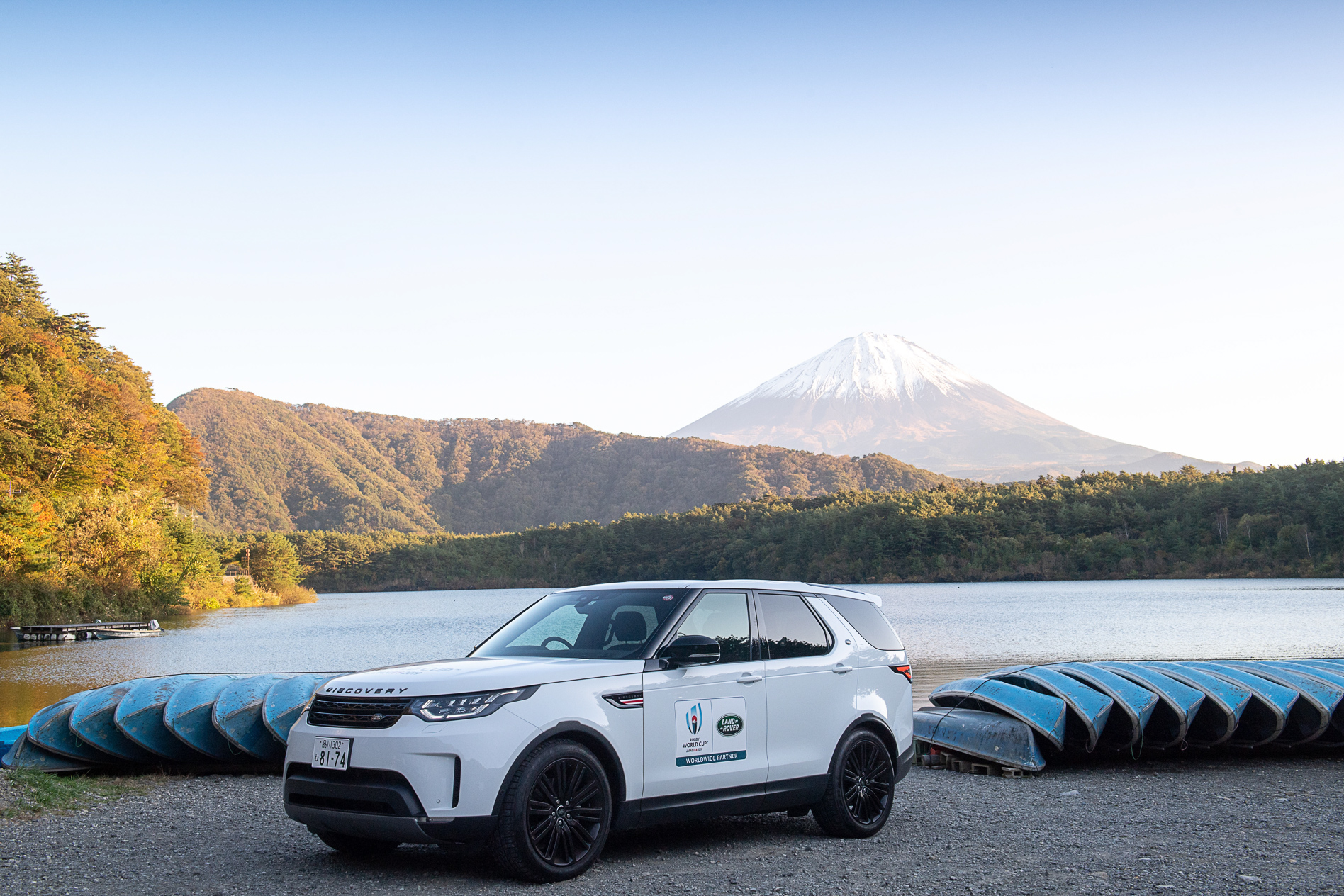
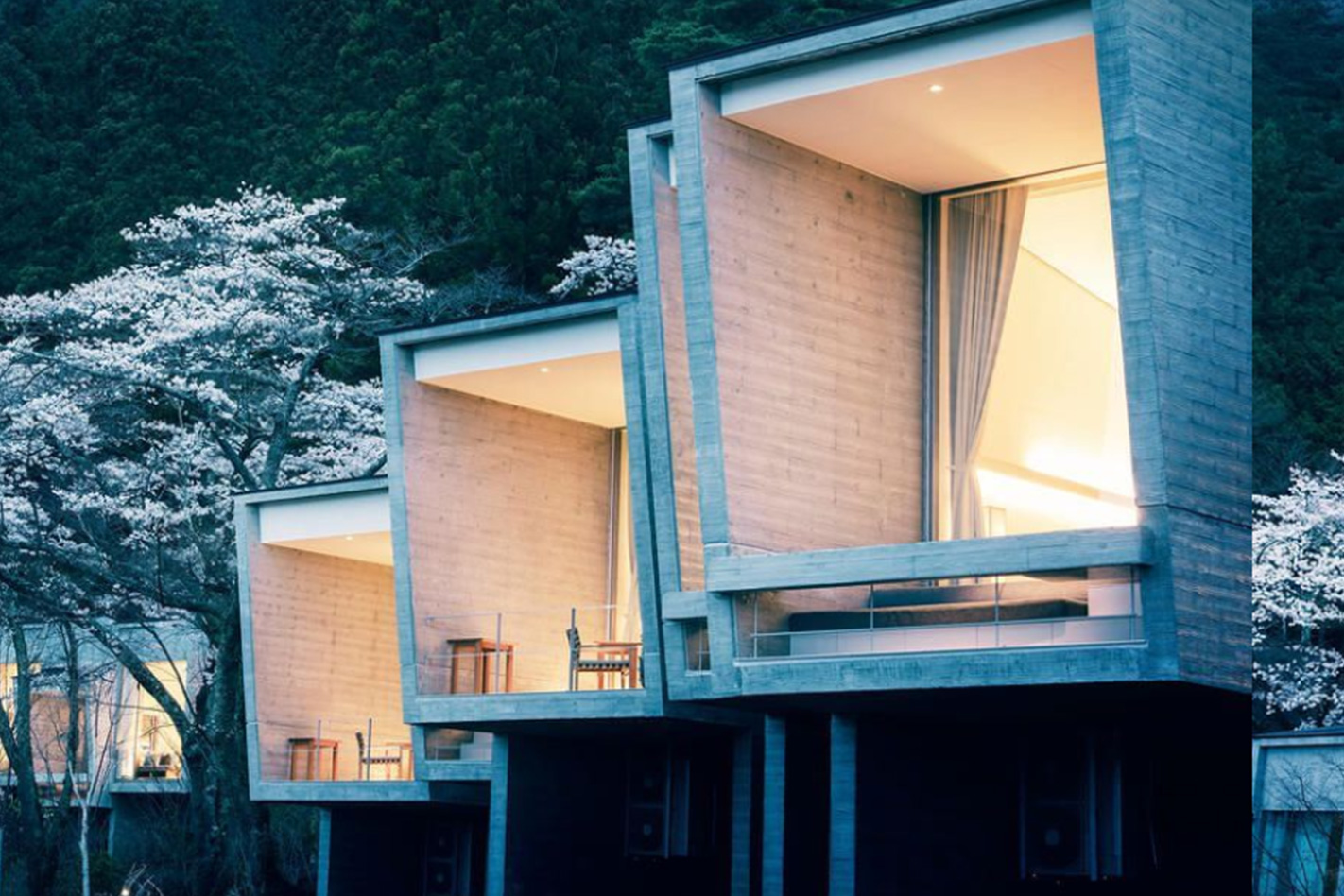
As the sun slowly sets I head for the overnight stop at a campsite with a difference. Hoshinoya Fuji resort is not what Aussies would call camping, because there are no tents, and we’re not exactly roughing it.
Instead, two dozen concrete bunkers sit on the hillside, each luxuriously outfitted with a big bed, lounge and kitchen area – and a big balcony – all angled to give the occupant an uninterrupted view of Mount Fuji.
It’s a fitting end to a day that has been all about the mountain. The importance of Fujiyama – Lord Fuji – to Japan is underscored by the many myths and legends that surround it. None more than the one about its creation, which was said to have happened in a day in 86BC – according to a local farmer who was the sole witness as the earth shook and rumbled.
Geologists put Fuji’s birth closer to 8500BC, although they acknowledge that an eruption did occur in 86BC. The farmer named the ‘new’ mountain the Undying Mountain (Fujiyama), and its immortality is synonymous with the nation.
My night ends with a delicious four-course venison menu at Honshinoya Fuji resort, before falling exhausted into bed. The next day is a rather more direct drive back to Tokyo because there’s a little rugby match planned that I’m keen to witness, despite the absent All Blacks.
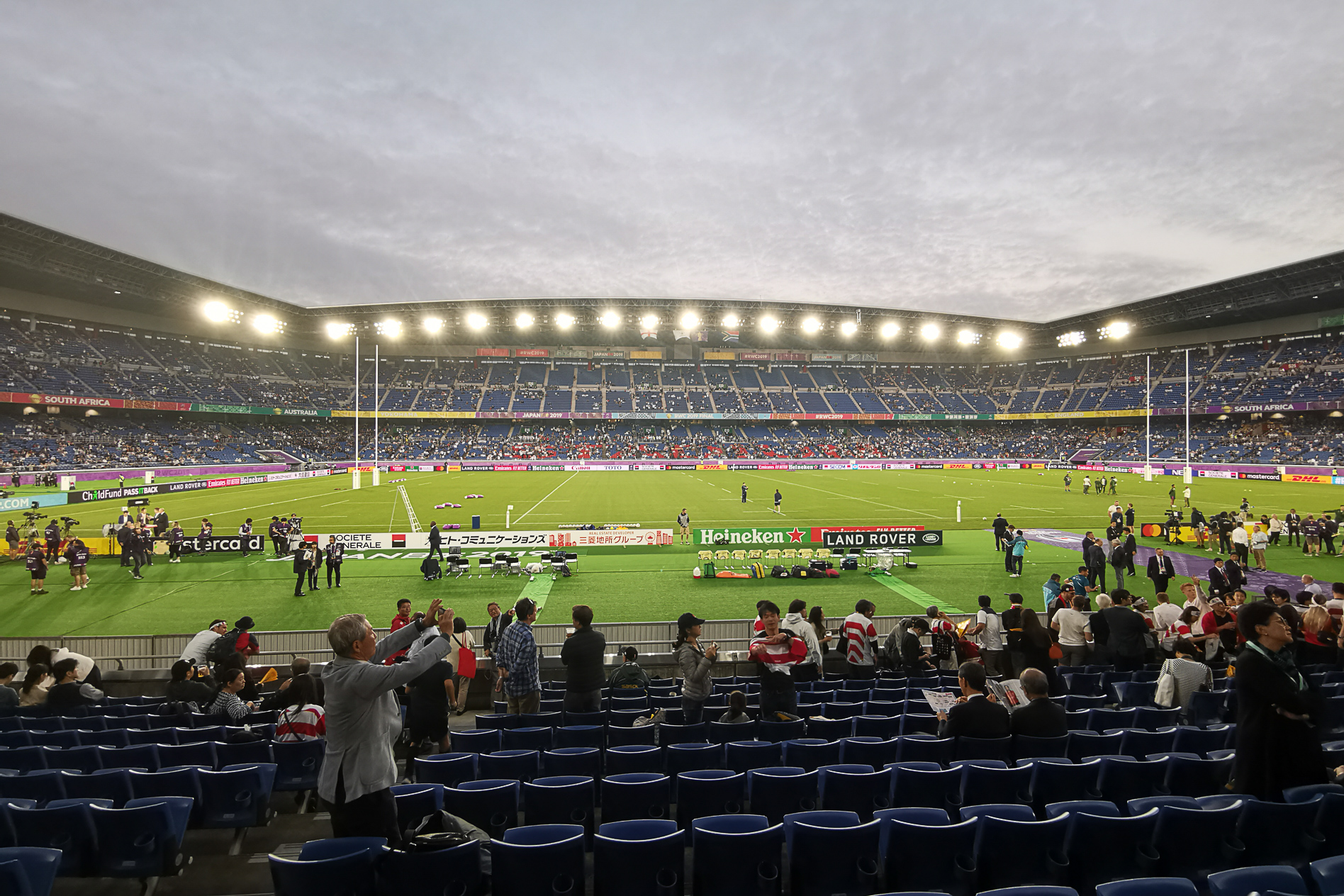
The Discovery eats up the 120km back to Tokyo without fuss, this big and capable SUV lording it over the much smaller Kei cars that dominate Tokyo roads. These diminutive machines two-thirds the size of regular cars were hugely popular in the 20th century because owners received considerable tax breaks. In 2014 much of the tax advantages were reduced, but they still make up 40 percent of all new car sales domestically.
In the land of little cars, the Discovery is king, and there’s no better tourer for serenely covering the distance to our journey’s end in Tokyo. The Disco’s twin-turbodiesel V6 makes the drive effortless, using its 700Nm of torque to push through the air 20-30km/h above the motorway’s mandated speed limit – which we’ve been advised by locals is safe and acceptable.
And indeed much of the other traffic seems to be keeping the same pace, so my licence feels safe.
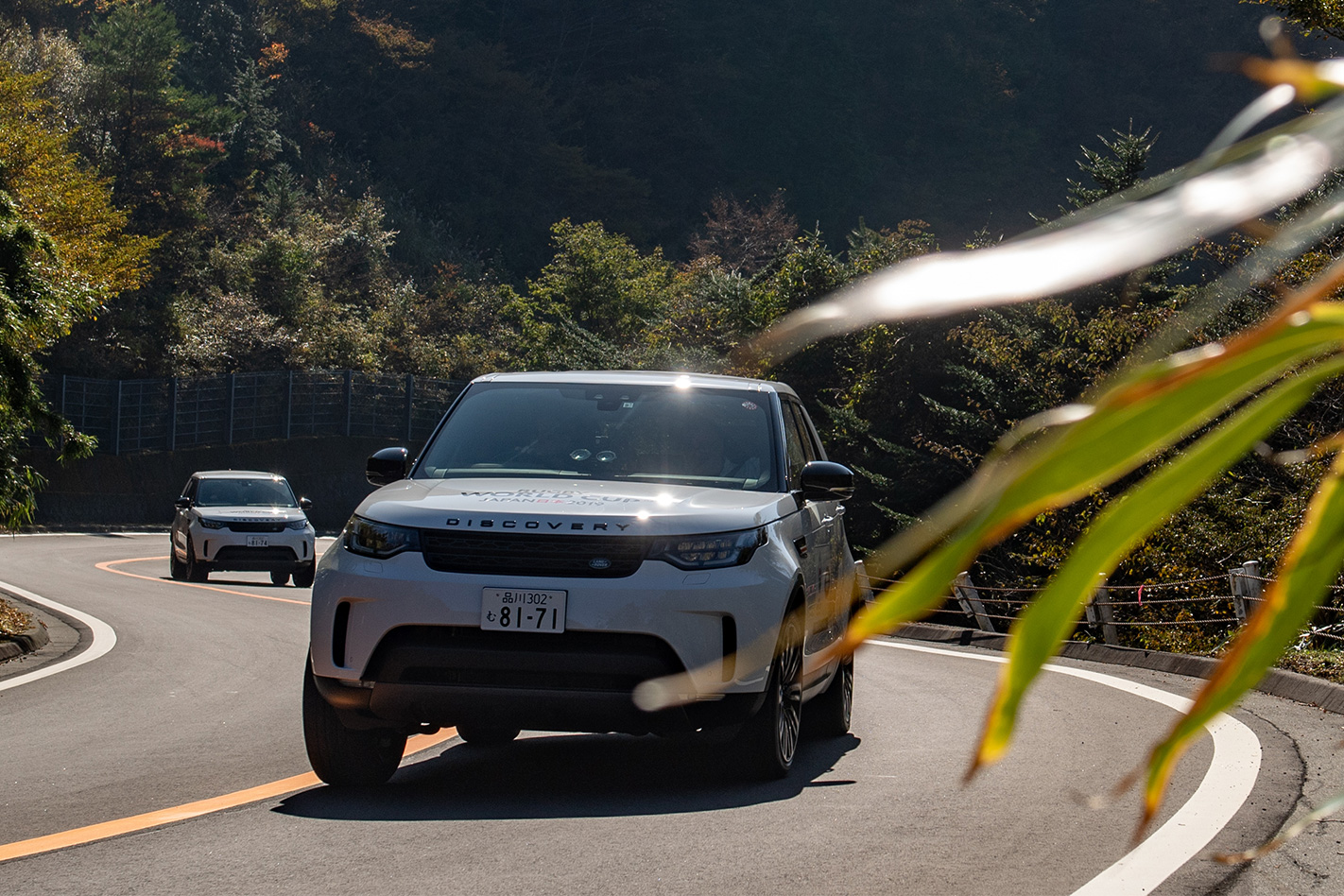
After close to 300km over two days, my respect for the Discovery has not waned. Its credentials as a premium SUV which cossets occupants in a cocoon of calm and quiet are secure. And I was actually quietly impressed with how adroitly and nimbly it handled the tight turns of the Hakone Skyline despite its 2.2-tonne girth and obvious size.
Land Rover’s ability to turn out a vehicle capable of such competence and refinement on-road, and its proven ability to go just about anywhere off the road, make this one of the world’s most unique machines. In a world producing more than 70 million new cars every year, that’s saying something.
Although the trip officially ends for the Discovery at the hotel, my journey has one more chapter to go. And it’ll end in two more surprises. First, the English team that so humbled the mighty All Blacks a week earlier are in turn humbled by an overwhelmingly competent South Africa, who take home their third Rugby World Cup. I did not see that coming.
And second, I also didn’t expect to take part in a 70,000-strong karaoke rendition of a John Denver classic. We all know the Japanese people’s penchant for karaoke, so much so that it’s almost a cliche or stereotype these days. Doesn’t mean it’s not true. So when the call for karaoke comes over the ground’s PA system and massive tv screens, the entire crowd joins in. Me included.
The song’s message is a fitting way to end this one of a kind journey in a Land Rover Discovery through such an exotic land. “Take me home, country road, to the place I belong…”
It seemed so obvious – that the ZB Commodore would be the last of its kind – but it doesn’t make the news any easier to digest.
If you happened to miss it, Holden announced yesterday that it was killing off the Commodore (and Astra) at the end of 2020, marking the end of the line for one of the most iconic nameplates in Australian history.
Thing is, it’s an announcement that has come two years too late. The current ZB generation Commodore should never have existed, it should have been the Australian-built VF that saw off the end of the legendary badge.
Having the Commodore badge live on beyond the VF was a disservice to the nameplate, condemning it to exit on a whimper instead of a roar.
Not only was the Commodore no longer Australian, it didn’t have a V8, and it didn’t send power to the rear wheels.
It’s arguable that the VF was the ultimate Commodore, with HSV’s heroic GTSR W1 its large and muscular zenith. But instead of ending on a high, the nameplate was forced to endure two more years, almost unrecognisable from the Commodore that we had all come to know and love.
Holden’s decision to cease local production is a separate issue, and debate about that continues to rage on, but what really appalled many motoring enthusiasts was the decision to use the Commodore name on an imported model, with the ZB being nothing more than a rebadged Opel Insignia.
Some may have seen the decision to rebadge the Opel Insignia as the Commodore’s story coming full circle, with certain parts of the internet wedded to a revisionist view of history that sees the original VB Commodore as nothing more than a rebadged Opel in the first place. But that take completely dismisses the work put in Australian engineers, stylists, and line workers in making the VB distinctly Australian.
There is no doubt the Commodore name has huge cultural impact in Australia, and you can’t fault a marketing department that may have wanted to cash in on the legend. ‘Why squander all the brand equity of such a household name?’ was Holden’s attitude at the time.
But where it all went wrong was that the Commodore name was more than a badge on a sedan, it was – to us here down under at least – something distinctly and irrevocably Australian; a local hero built by local workers. Putting the name on anything less than an Australian-built car seemed wrong, even offensive and disrespectful, to many motoring enthusiasts.
Putting a shrinking segment aside, the decision to import and rebadge the Insignia isn’t necessarily a bad thing – it is a decent car and deserved to have sold better than it has. But it was not worthy of the Commodore badge, and the buying public gave Holden’s decision to badge it as such the respect it deserved.
While hindsight is a wonderful thing, let’s just be thankful the badge hasn’t been used on an SUV…yet.
Tradies with a serious need for speed can celebrate today, because Shelby has just announced it is putting a 574kW super ute into production.
Shelby’s F-150 Super Snake Sport will go on sale in 2020 due to immense public interest that was aroused by the SEMA concept car.
Based on the Ford F-150, the super ute is built by Shelby American, and has claimed power outputs of 574kW (or 770hp in Yank speak).
This is enough power to hurtle the ute from 0-60mph (0-97km/h) in a brisk 3.45 seconds on route to a 0-160km/h time of 8.3 seconds.
The 5.0 litre V8 under the bonnet has benefitted from the use of a supercharger to achieve these substantial power outputs. There is also a cheaper, naturally-aspirated version pumping out 294kW (395hp). No Performance specs are available on this yet.
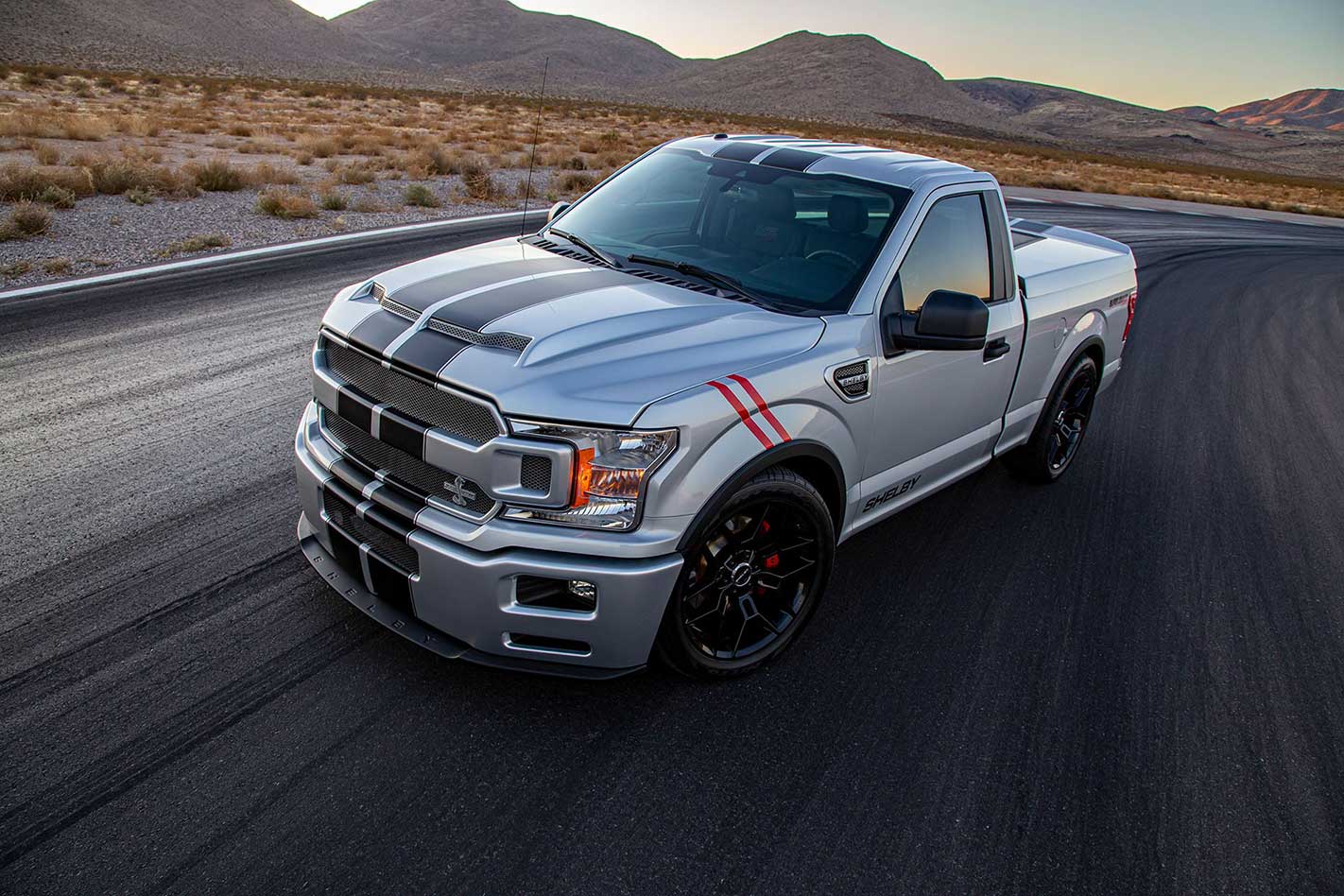
The car has been designed more specifically with handling characteristics in mind thanks to new adjustable suspension which gifts it greater road holding ability and a lower, more aggressive stance.
Even the back tonneau cover has been designed to generate downforce. While this ground hugging philosophy means it should handle well on the bitumen, the super ute may not be the most suitable when heading off road thanks to 22-inch tyres and sports rubber.
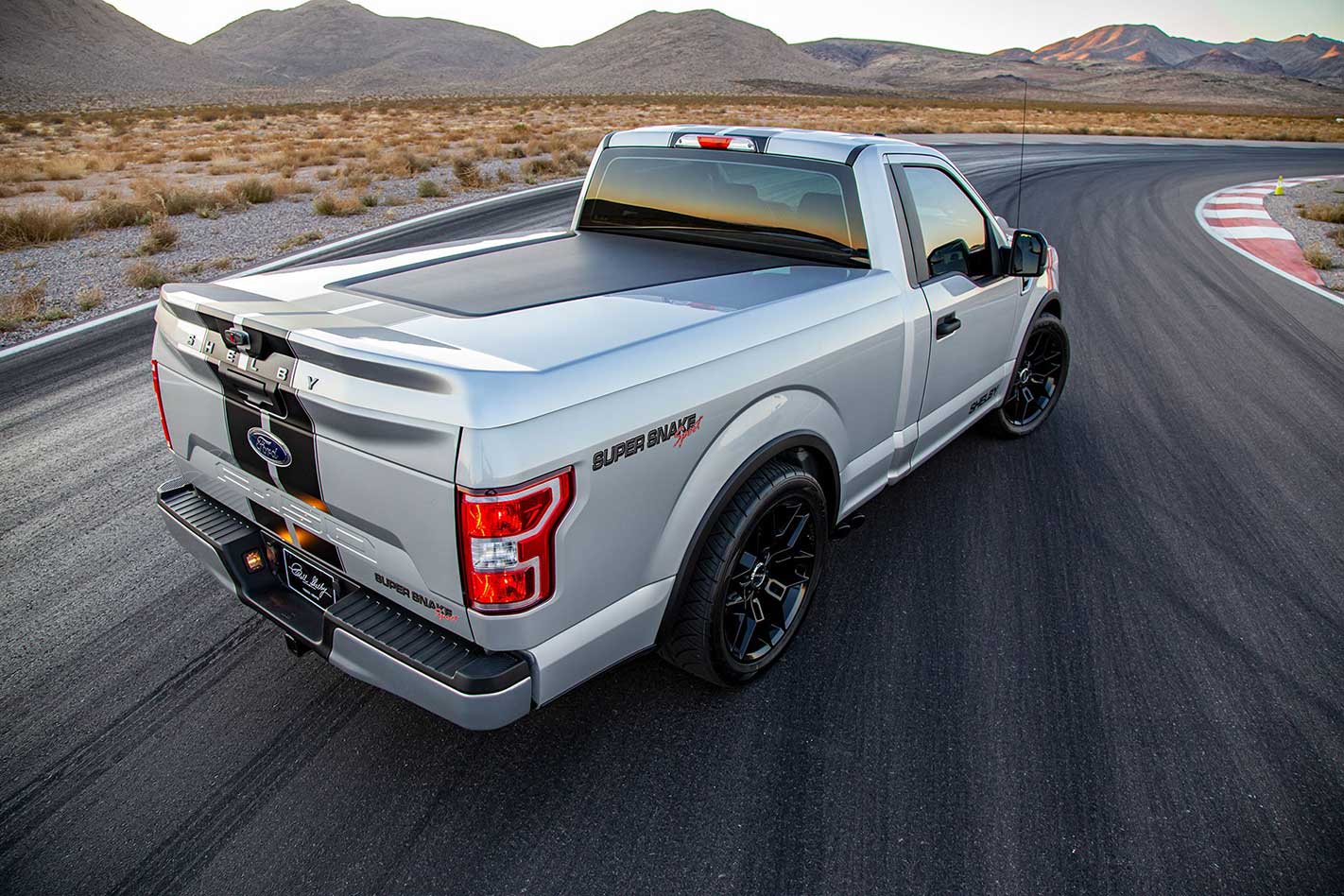
In order to maximise airflow to the engine, the front end of the car was redesigned to include more vents on both the hood and the front grill. This has given the car a much more prominent and aggressive road presence.
The use of an open air carbon fibre performance intake has allowed even more airflow into the engine to maximise power output. A Borla stainless steel exhaust gives the super ute a soundtrack worthy of the performance, for a visceral all round experience.
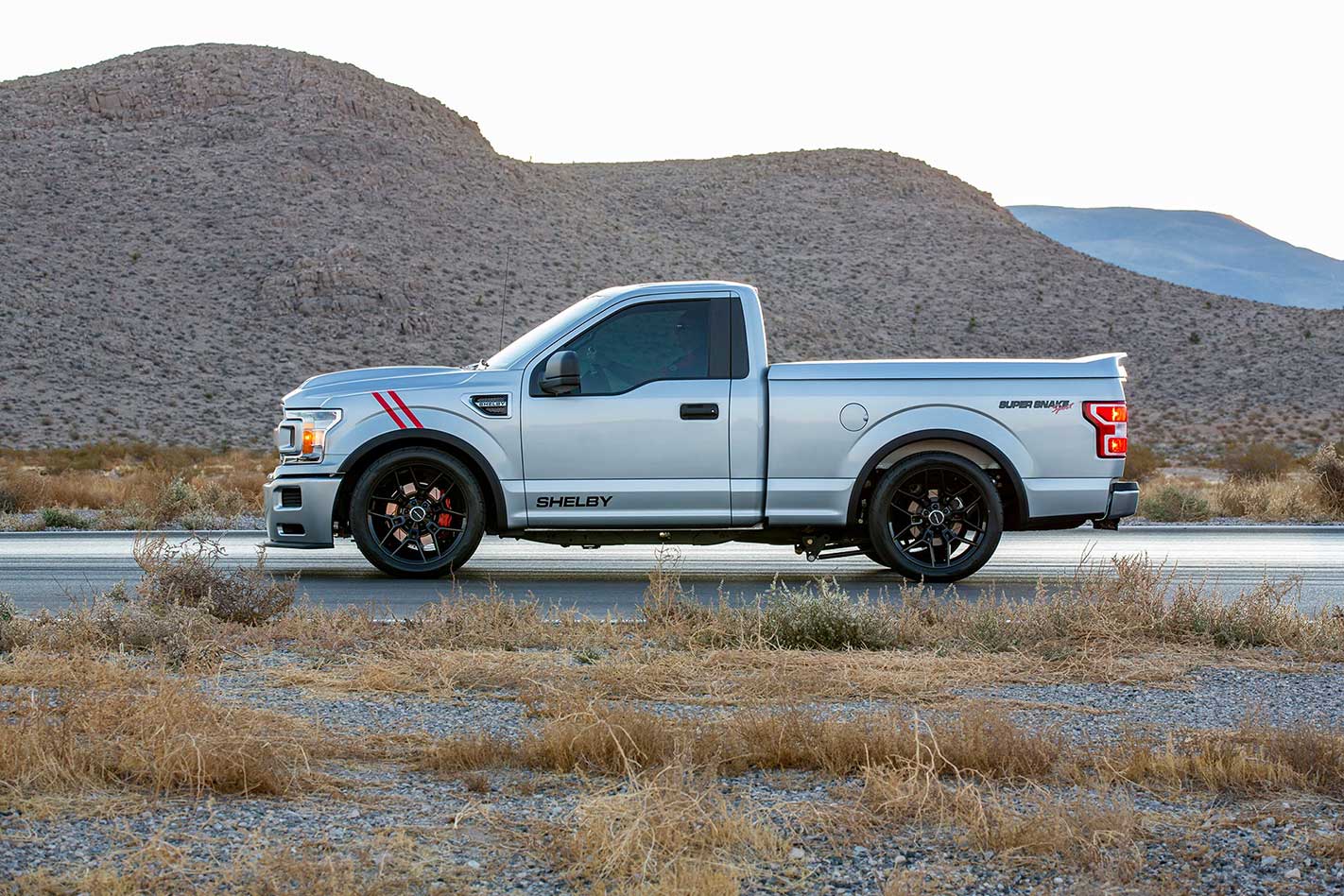
To ensure that the driver has complete control over the American muscle truck, six-piston Baer brakes have been fitted up front with slotted rotors all round.
The styling of the car is distinctly Shelby. An aggressive grill coupled with a high bonnet is very typical of the American company as is the black racing stripes shown in promotional photos. The now infamous Cobra festoons the car inside and out to remind people that this is not just an F-150 with a body kit.
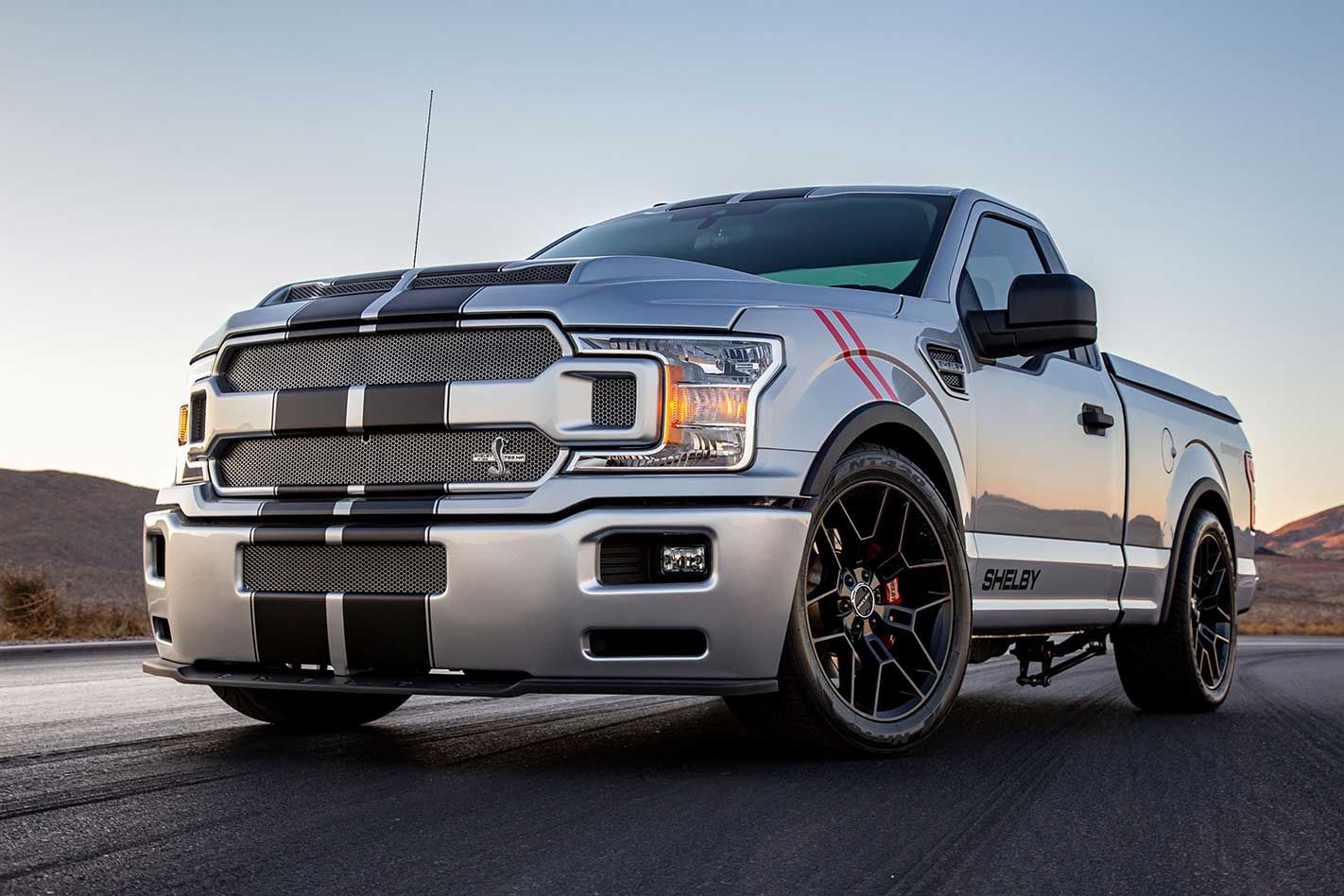
Pricing for the naturally aspirated version is expected at around A$126,000 before taxes but, for around A$10,000 more, you fall into the realm of the supercharged engine with nearly double the horsepower.
Stay tuned for more updates on engine specs and official prices after the production reveal at the Barrett-Jackson Collector Car Auction next month.
IT’S REAL. Despite a seeming eternity of teasing, the Hyundai Santa Cruz ute is a genuine thing and has been spotted testing in California.
Series production will begin at the Montgomery, Alabama plant in 2021, likely riding on a modified next-gen Tucson chassis.
The exterior design is said to be already signed off, the finished article having been shown in secret at a Hyundai U.S. dealer convention.
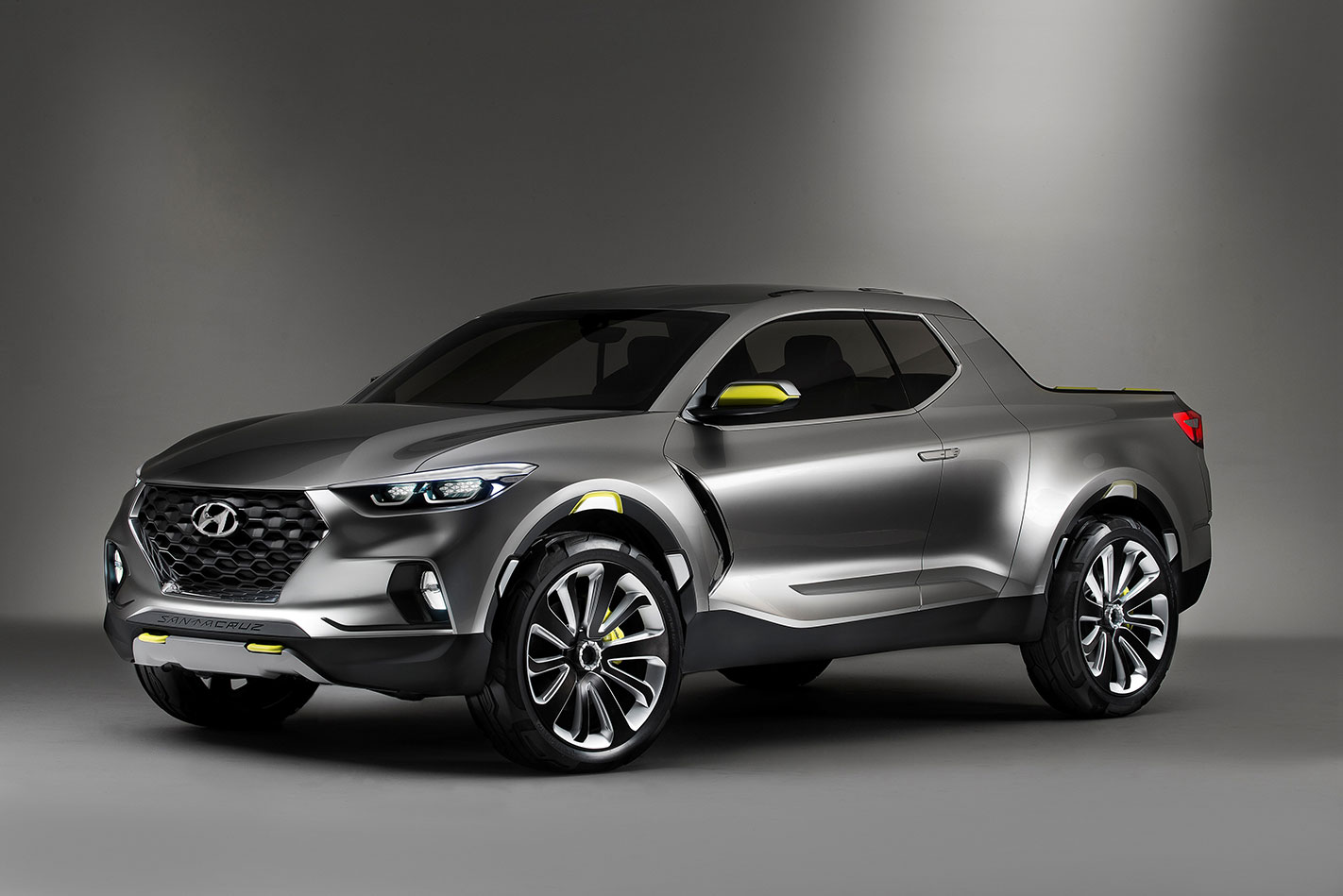
That styling differs from what we’d previously seen in the concept vehicle, losing the suicide rear doors in favour of more conventional front-hinged items. Head of Hyundai’s Design Centre, SangYup Lee has gone on record stating that the Santa Cruz will be “a lot more distinctive” and have “a lot more character” than the handsome concept car.
The mule photographed by a Korean car enthusiast blog looks to retain the bulging guards and shapely but short rear tray.
It’s likely that much of the latest Palisade design language will translate to the Santa Cruz’s frontal treatment.
In the US, the Santa Cruz will challenge the rather staid Honda Ridgeline, but it’s not yet clear whether Hyundai will build a right-hand drive version of the monocoque Santa Cruz.
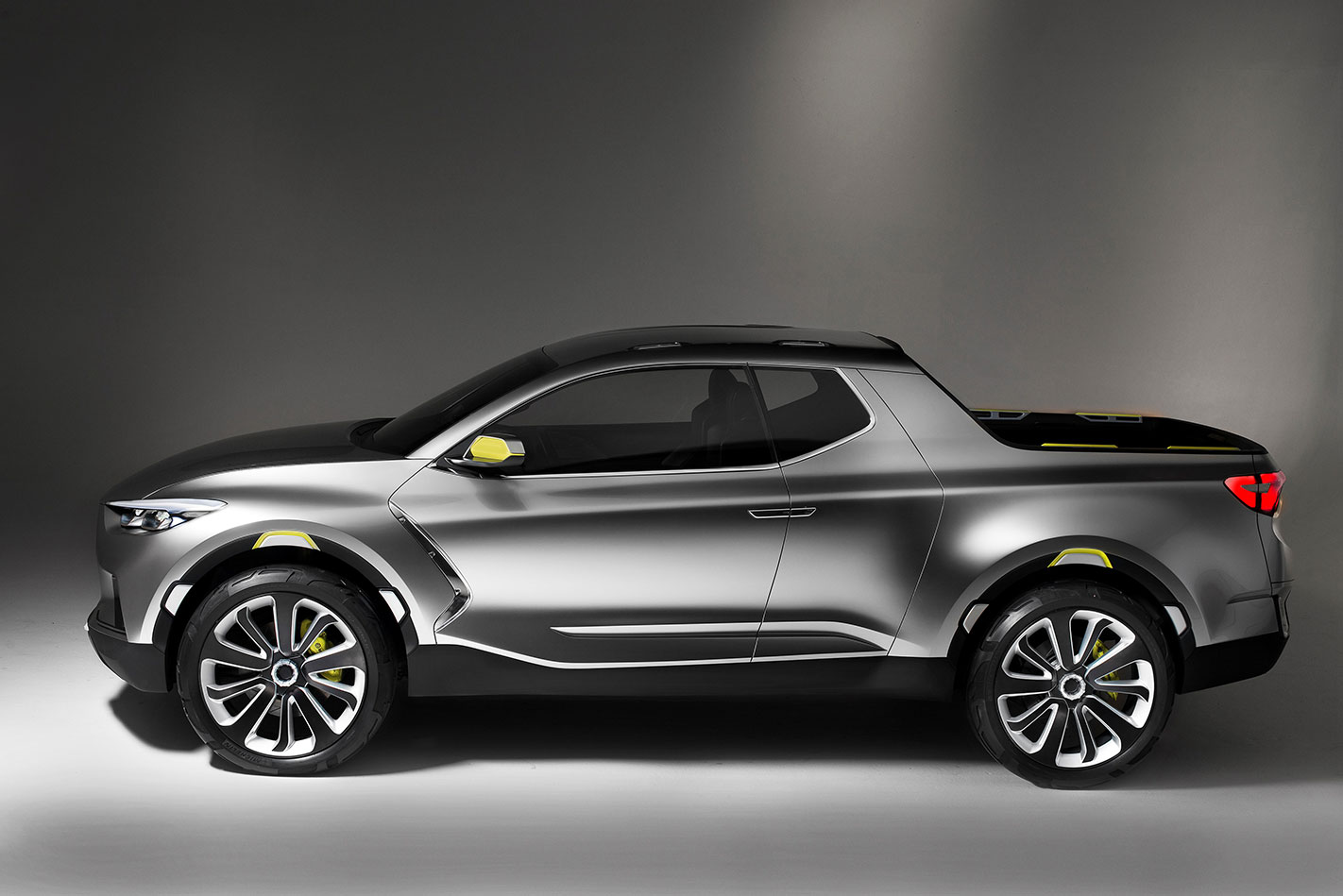
Codenamed NX4 OB, it’s likely that the range will initially hinge around a 2.5-litre GDi Theta III petrol powerplant with a hybrid option also offered. This makes sense as it’ll be the same engine powering the Sonata, also built in Montgomery. A full 1-tonne ‘work ute’ is also in the works, the Santa Cruz initially targeting those buyers who want a more lifestyle-oriented product.
Hyundai Australia has claimed to be studying the business case for bringing the vehicle here. That shouldn’t take long. If it’s available in right-hand drive it ought to come, if not, it won’t.
Where the Koreans have been clever is in developing a model that competes asymmetrically with the existing ute nameplates but isn’t so different to be entirely alien to early adopters.
Expect a first ‘official’ look at the Santa Cruz at the Los Angeles motor show in November 2020. Until then, we’ll bring you any news that leaks.
Jaguar has gifted buyers an early Christmas present in the form of a free software update for the I-Pace. It relies on data directly harvested from JLR’s I-Pace eTrophy series, set up as a support series for the FIA Formula E championship.
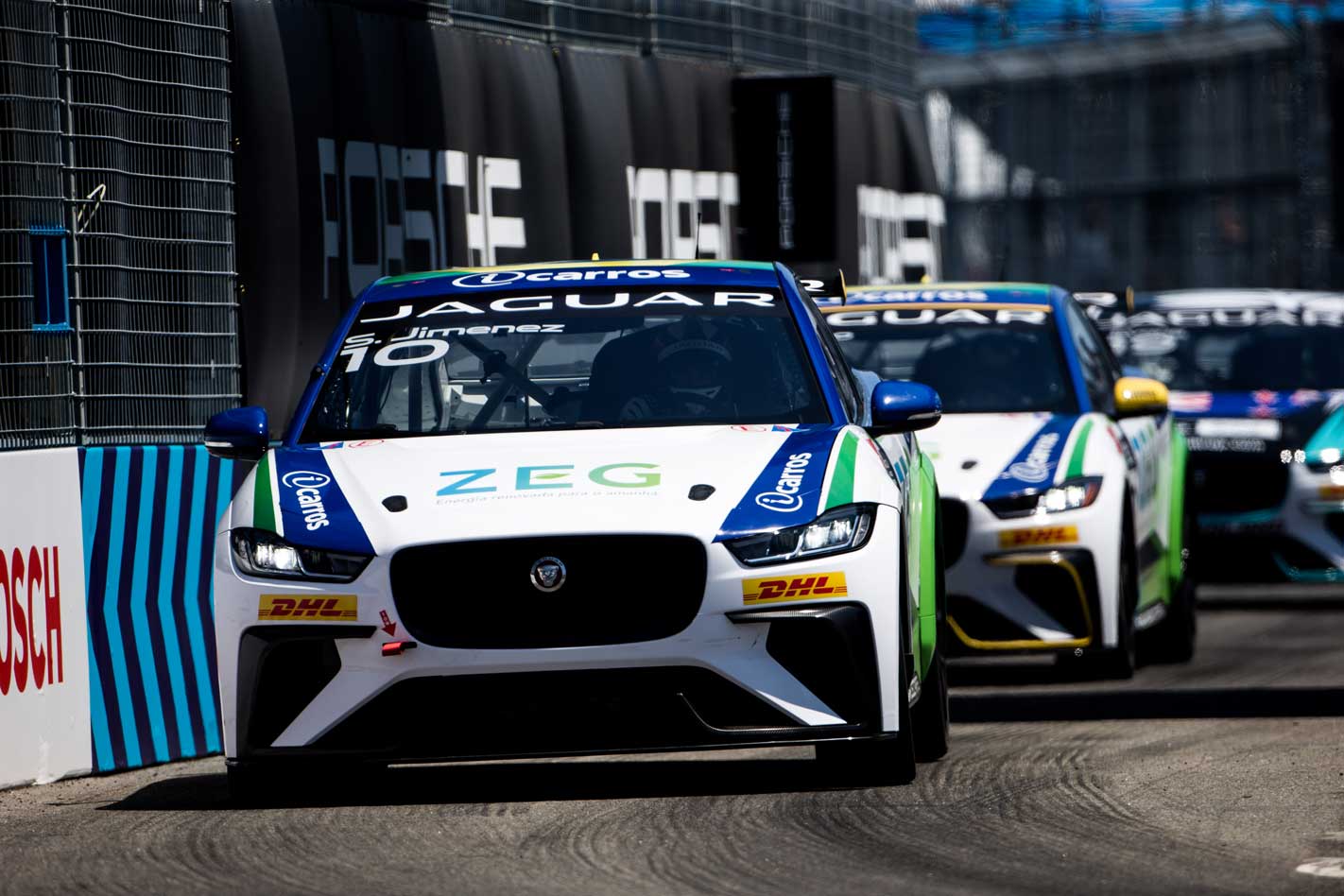
eTrophy drivers compete in a race-spec Jaguar I-Pace developed by Jaguar’s Special Vehicle Operations team on selected Formula E weekends. Jaguar says that the data gleaned from the race series has allowed it to make dramatic improvements to the abilities of the road-going variant.
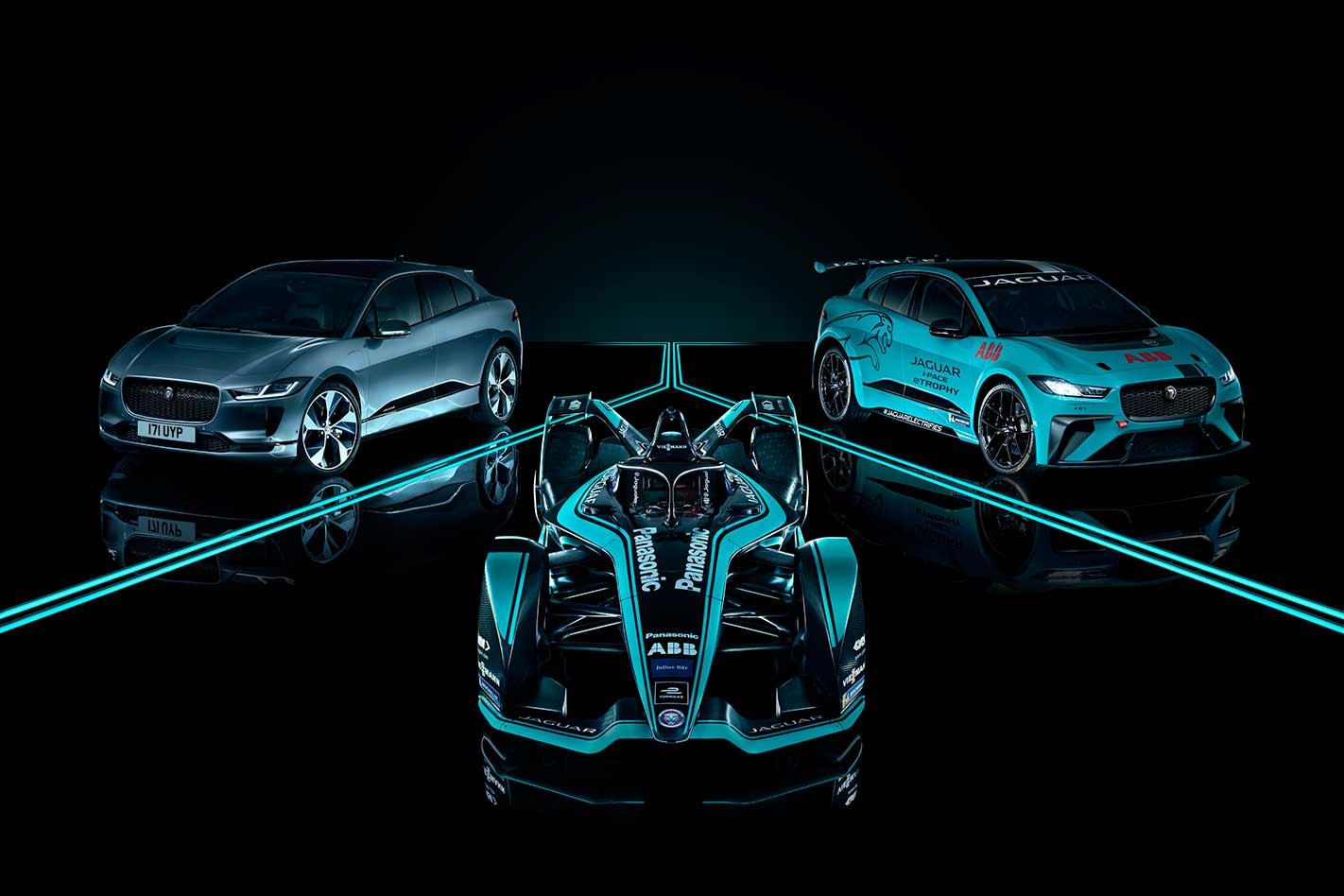
Chief among the racing technology improvements included in the software update is a claimed 20km increase in real world driving range to 470km on the WLTP cycle. Jaguar says this is a result of more efficient torque distribution in the AWD system and better efficiency in Eco mode.
Jaguar says that the I-Pace eTrophy Series has also pushed development that allows the cars to run at much lower battery levels than previously possible without affecting driveability, durability or performance. In addition to this, Jaguar’s race engineers have learned how to better manage battery heat, allowing cooling vents to close more often, reducing overall drag.
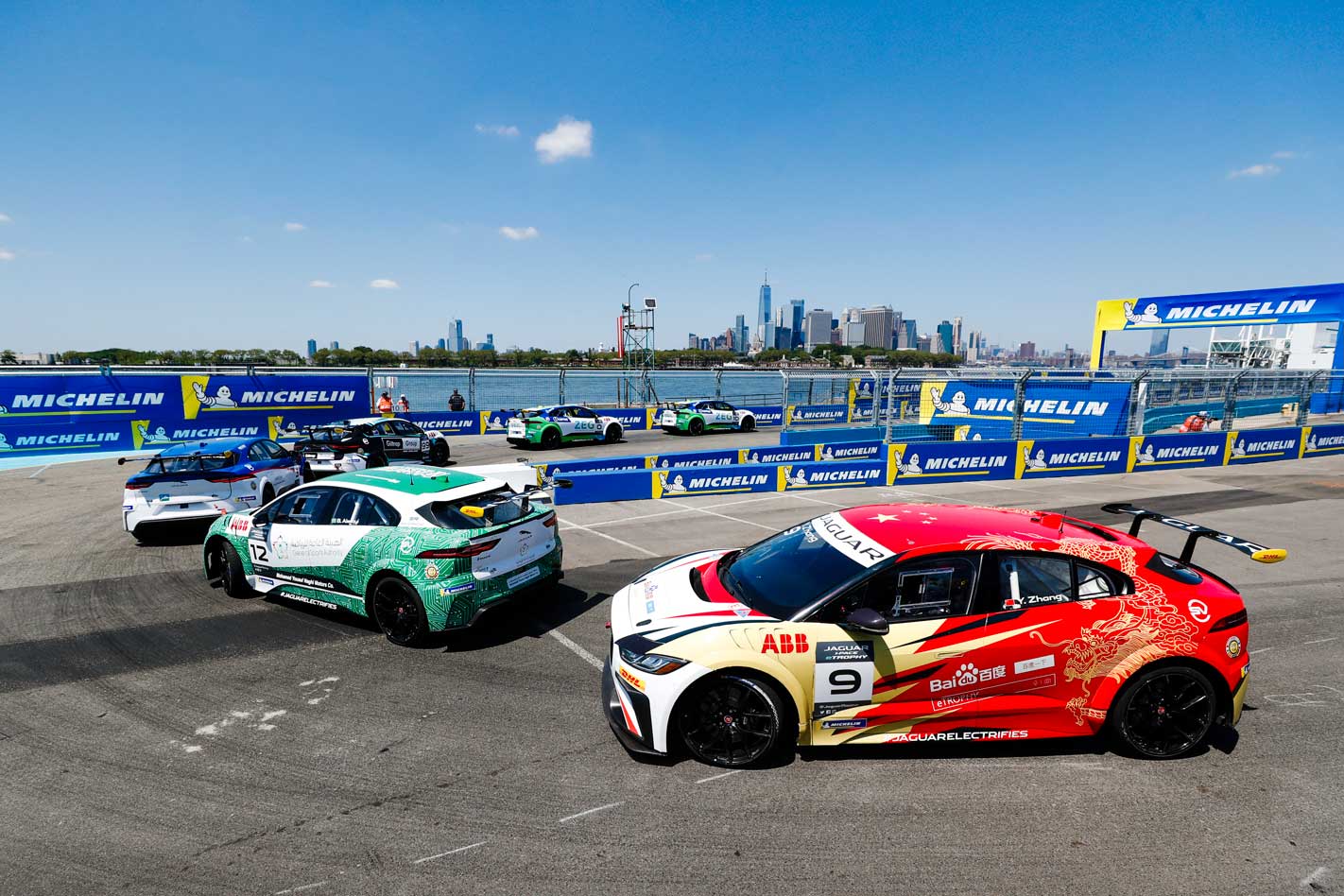
The software update also includes the benefits of research into more than 50 million kilometres’ worth of real-world driving data that enables the I-Pace to take drivers’ driving styles into account in determining range.
Improvements to the effectiveness of the regenerative braking system in recovering energy at both low speeds and high battery levels are also helping to extend range.
I-Pace owners can book their car into a Jaguar service centre or dealer to receive the software update.
And the cherry on top is that the update will set cars up to receive future software tweaks in the comfort of their own driveways by wi-fi, similar to Teslas.
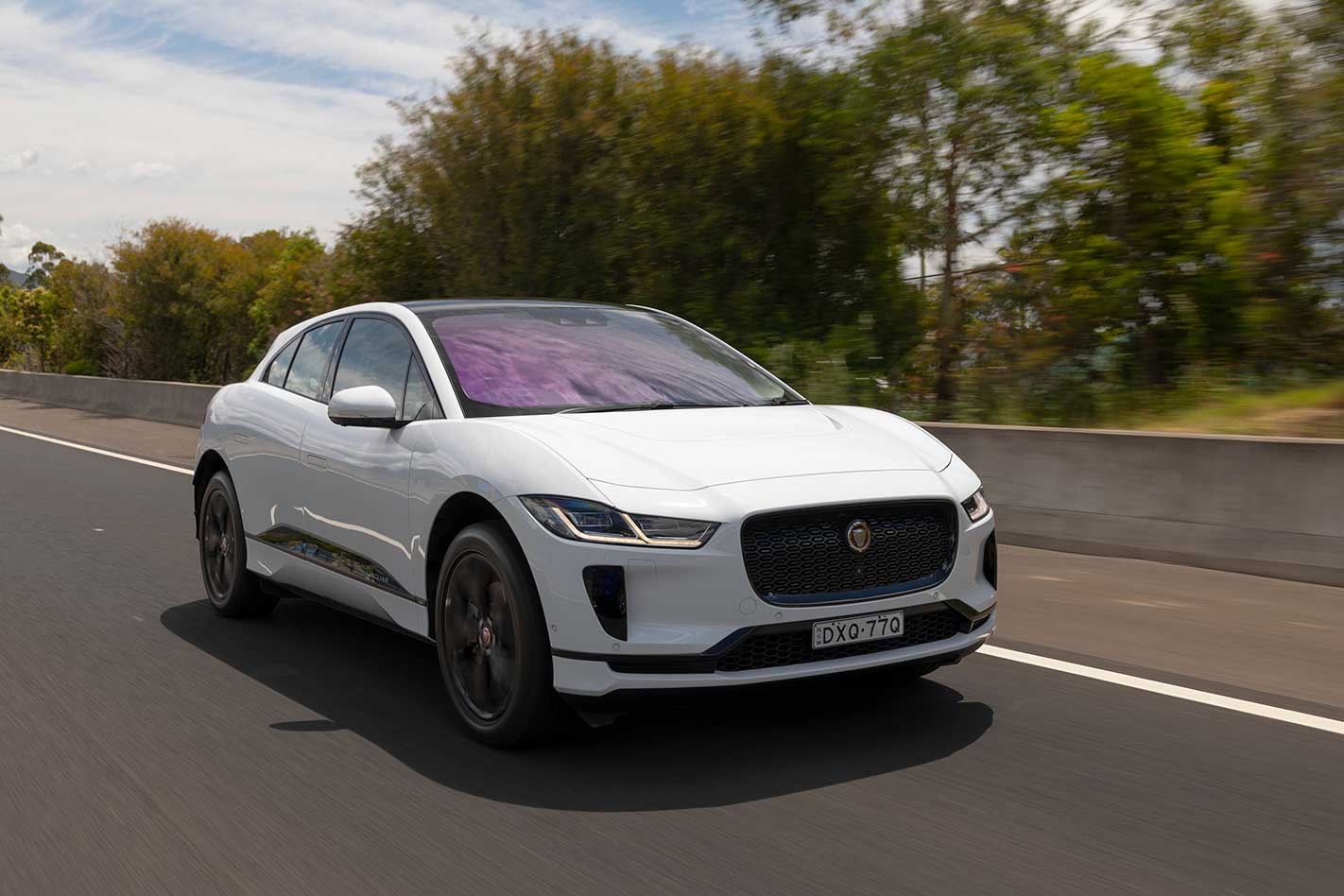
The Jaguar I-Pace is proof that the mantra of ‘road car technology tested on the racetrack’, rings as true for electric cars as their internal-combustion cousins.
Legendary motorsport and automotive designer Gordon Murray has revealed part of the design for his Gordon Murray Automotive T.50 supercar, as well as a technical partnership with Racing Point Formula One team.
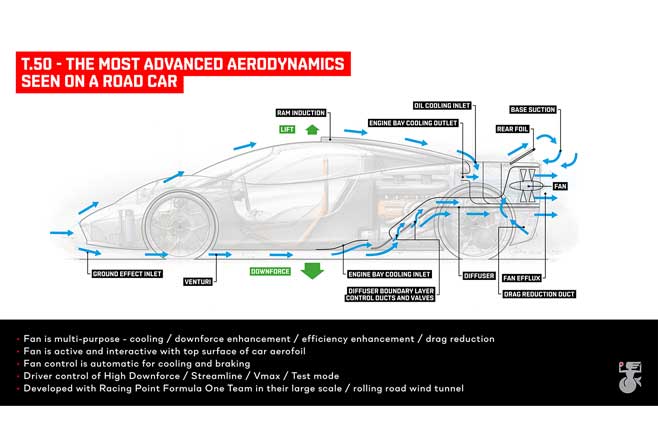
Murray says joining with Racing Point will allow the T.50 to be bestowed with the best aerodynamic technology possible, while working with his ground effect fan design.
“Formula One remains a deep passion of mine, so partnering with Racing Point to develop the T.50 is hugely exciting,” Murray says.
“I’ve dreamt of delivering a road car with a ground-effect fan since I designed the Brabham BT46B F1 racing car in 1978. The system on the T.50 is much more sophisticated than the Brabham’s and will benefit enormously from Racing Point’s expertise and resources.”
But while the fan will make the T.50 (50 for Murray’s 50th road or race car design) a unique design, the primary philosophy behind the car is very traditional.
From its Cosworth-developed, naturally aspirated 4.0-litre V12 to its sub-tonne weight, the T.50 is designed to be ‘pure supercar’ with a focus on engagement rather than chasing power figures or top speeds.
Having said that, 485kW and 610Nm will allow the spiritual successor to the McLaren F1 to dust other supercars, even if the top speed isn’t Koenigsegg material, or its 0-100km/h sprint doesn’t quite match a Nismo GT-R.
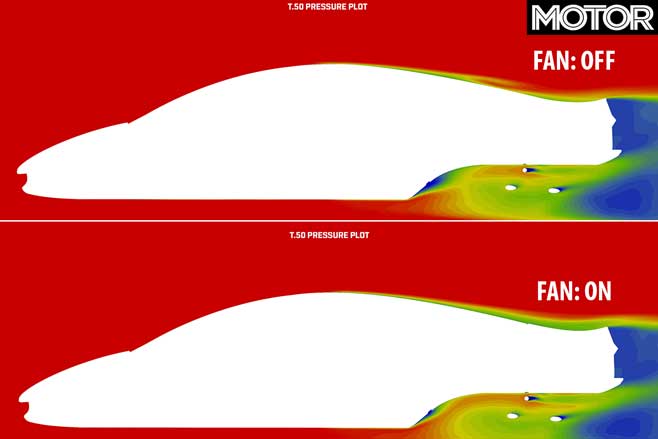
“We were highly focused on achieving the purest possible form for the T.50, an objective we’ve achieved through world-first engineering innovations and active underbody aerodynamics.
“We will reveal the completed design at the T.50 supercar’s global debut in May.”
Its aerodynamics are able to function in six different modes, from the self-adjusting Auto mode – which by default optimises its various functions to best suit the driver’s input – to Test mode which shows off the movements of the aero parts while the car is at a standstill.
The team from Racing Point has allowed this aero to be tested in the real world, using the F1 team’s wind tunnel, rather than just through digital means.
Racing Point team owner Lawrence Stroll says it’s not only a professional privilege for his team to be working with Murray, but a “personal pleasure” to be part of the project.
“Our aerodynamicists will utilise our wind tunnel to harness the very latest Formula One expertise and experience for the T.50 project, ensuring Gordon’s revolutionary fan concept delivers its full potential.
“I have admired the design and engineering skills of Gordon Murray since his earliest days in Formula One, so it is a personal pleasure to support this project, which truly rewrites the rulebook on aerodynamics.”
The full carbon fibre monocoque and body will house the engine and 6-speed manually-shifted gearbox midship, allowing the centrally positioned driver to cop the full brunt of decibels produced by the V12 at its 12,100rpm redline.
“We’ve been taken aback by the enthusiastic reaction of buyers from across the globe.
“The first customer deliveries will take place in January 2022, on schedule, with every customer who has already been allocated their T.50 receiving their car that year.”
What is it?
It isn’t common practice for models to get a drivetrain overhaul on its seventh birthday. But the Mitsubishi Outlander PHEV plug-in hybrid will be celebrating its seventh anniversary on the market with a bigger displacement 91kW 2.4-litre naturally-aspirated inline-four engine, replacing the 89kW 2.0-litre incumbent from the model’s Australian line-up.
Complementing the engine change is a new battery pack with an increased capacity from 12kWh to 13.8kWh, a more powerful 70kW electric motor on the rear axle, and an added ‘Sport’ mode.
Aside from the powertrain changes, occupants would appreciate its improved seat cushions across the range, added safety features and updated infotainment system in the base-model ES variant, and the new TomTom navigation, speed limit information display, and 8-speaker sound system in the range-topping Exceed.
Prices for Mitsubishi’s plug-in hybrid SUV model have also increased with the ES now costing $1000 more at $46,990, the ES + ADAS getting the smallest of increases with $500 bumping it up to $47,990, and the Exceed copping a $2000 raise to $55,990. For this review we drove the base-model ES on a mix of highway and hilly roads around Canberra.
What’s it like to live with?
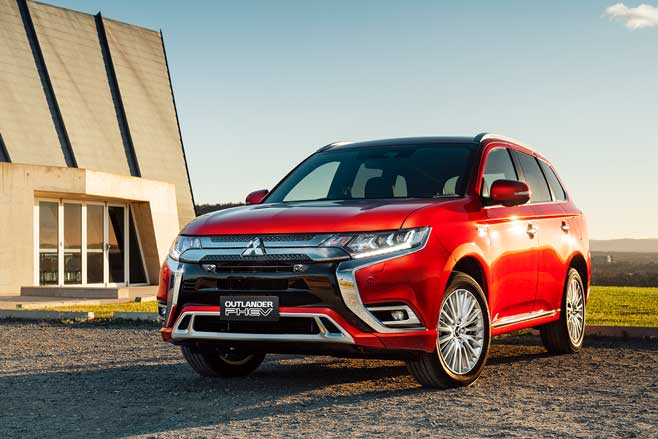
With its electric drivetrain’s quiet and strong performance at town speeds, comfort-oriented suspension, and generous space for its class, the Outlander PHEV continues on course as a mid-size SUV that does a better job at convincing the head rather than the heart, which is no bad thing. Aside from concerns about its aesthetics, it is hard to criticise the rest of the package, the sublime and effortless ease of its electric all-wheel drive system, and its frugality.
The bigger engine does result in a rise in fuel consumption figures, with Mitsubishi claiming a combined consumption figure of 1.9L/100km over the 2.0-litre’s 1.7L/100km. A minor shortfall, though it should be noted that such fuel consumption figures are only possible if you set off with a fully charged battery.
Running the batteries heavily off the 2.4-litre engine would of course make those consumption figures moot, however, our short drive time in Canberra meant that we weren’t able to drain the battery’s 54km all-electric range completely and get a rough idea of how much thirstier the 2.4-litre engine is in real-world conditions. If it is any indication, a comparison between the two engines in the current ASX described the 2.4-litre unit as being “marginally thirstier” than its 2.0-litre counterpart.
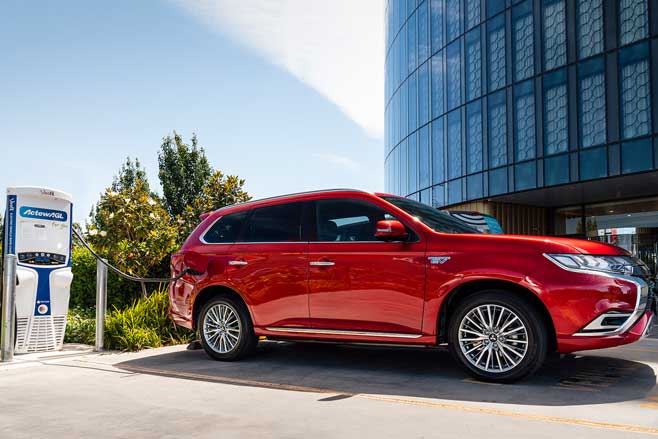
Interestingly enough, the range-topping Exceed comes with a two-way electrical system, which enables the Outlander PHEV to supply power to a home off its battery, a useful feature for households in disaster-prone Japan, though one that has yet to see any wide-spread implementation in Australian homes. Such a system would be useful for suitably-equipped households in blackout-prone regions. Mitsubishi Australia says that inclusion of this feature in the Exceed trim was added to “future-proof” the Outlander PHEV.
As it enters its seventh year, the Outlander PHEV’s interior is starting to feel its age despite Mitsubishi’s best efforts to keep the safety and infotainment systems up to date. The plain dash layout and lackluster material finish won’t inspire compared to its more modern counterparts, but it is well put together with all the basic driver aids and features present.
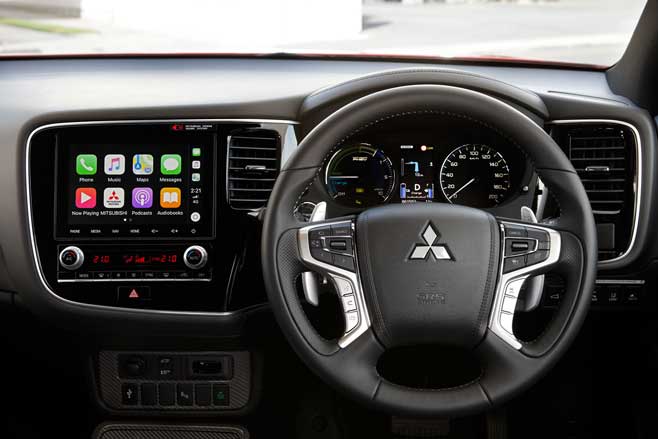
As before, the Outlander PHEV trades the standard models’ third row seating for space to house the electric drivetrain’s control systems and charger. Adding to that the Outlander doesn’t come with a rear lever to fold the second row of seats from the boot, or a one-touch switch to flat-fold the second row of seats; features that are present in many of the Outlander’s competitors.
In terms of day-to-day amenities, the Outlander PHEV’s improved seat cushions do feel more supportive around the lower back than before and the updated infotainment system with Android Auto and Apple CarPlay integration across the range works well too. Unfortunately, the system eschews any physical buttons or switches in favour for small touch sensitive controls, which can be tricky to operate when on the move.
What’s it like to drive?
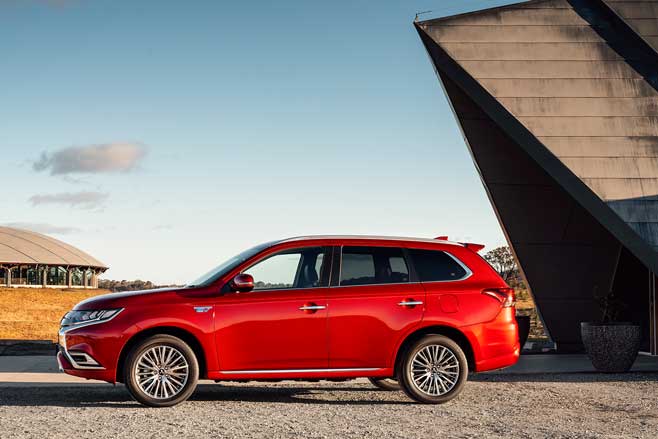
As its “PHEV” tag implies, the Outlander PHEV is predominantly an electric vehicle with the engine riding along as a backup power generator and to assist the motors. With that in mind, most of the time the Outlander PHEV will be paddling around with its two electric motors, dispensing 60kW and 137Nm to the front wheels and 70kW and 195Nm to the rear.
With the electric motors’ immediate torque delivery the Outlander PHEV feels punchier and more responsive off the line any SUV of it size with a naturally-aspirated engine. Mitsubishi says the added power from the electric motors knocks down the 0-100km/h time by 0.5sec to 10.5sec, as the bulk of the torque from the motors are felt in low- to medium-speed pick up.
Where the headline improvements are is in the way the 2.4-litre engine blends seamlessly between all-electric power, acting as a power generator in series hybrid mode, or aiding the electric motors as a parallel hybrid. Where the previous 2-litre engine could be heard stirring into action whenever turned on, the 2.4-litre unit is noticeably more subdued in both noise and vibrations when it activates.
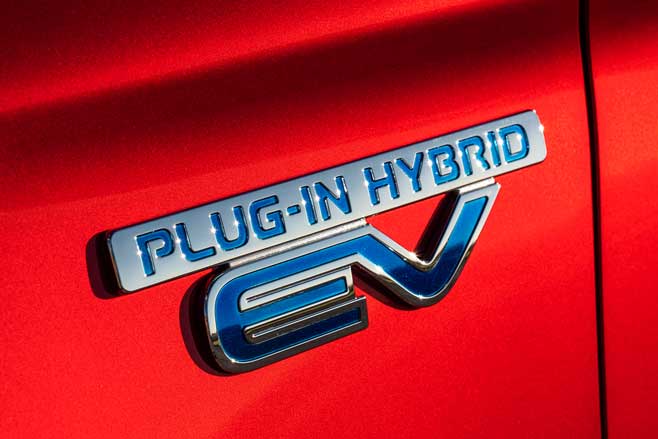
According to Mitsubishi, the bigger engine produces more torque from a lower rpm, which means the engine doesn’t have to rev up that high when charging up the batteries or driving the front wheels, hence producing less intrusive noise and vibrations at low to medium speeds.
The Outlander PHEV’s system will switch between all-electric, series hybrid, and parallel hybrid modes seamlessly, depending on the battery’s current charge and the driver’s accelerator input. If it wasn’t for the PHEV system’s power distribution monitor, it was very difficult to tell if the engine was powering the batteries or the front wheels. That being said, with a single-speed transmission, the engine doesn’t aid the front wheels until the SUV gets to 65km/h and beyond.
Drivers can opt to keep the PHEV system by keeping the system in full EV mode, which will keep the engine from driving the front wheels, until the electric motors run out of puff at a law-breaking 135km/h.
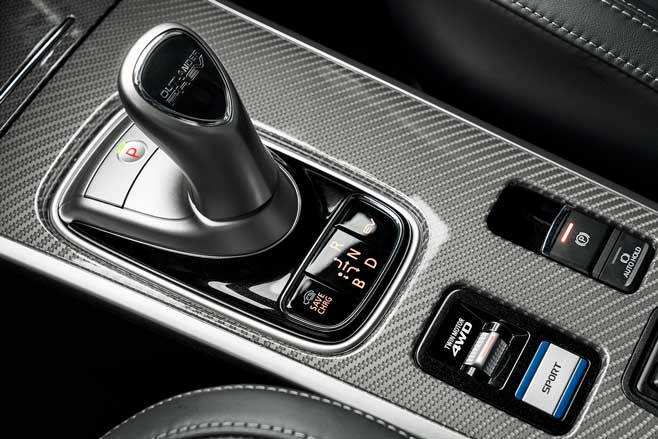
New to the 2020 Outlander PHEV is the inclusion of a ‘Sport’ button, but don’t expect any return of Mitsubishi’s “The Spirit of Competition”. Sport merely sharpens up the throttle response and sets the brake energy regeneration level into the highest of its six settings, which feels like the sort of gentle braking one does when pulling up to a set of lights. As before the brake energy regeneration level can be adjusted through the steering column mounted paddles.
Despite the extensive powertrain improvements, the Outlander PHEV’s ride and handling remains largely unchanged. The steering still lacks feel and the comfort oriented suspension allows a fair bit of body lean, though the PHEV’s responsive turn-in remains, helped with a secure sense of surefootedness in the tighter bends thanks to the electric motors providing permanent all-wheel drive traction. As compared to its 2-litre equipped predecessor, the Outlander PHEV does feel a little tauter in its ride, though it is a minor tweak to the overall drive experience.
Is it worth it?
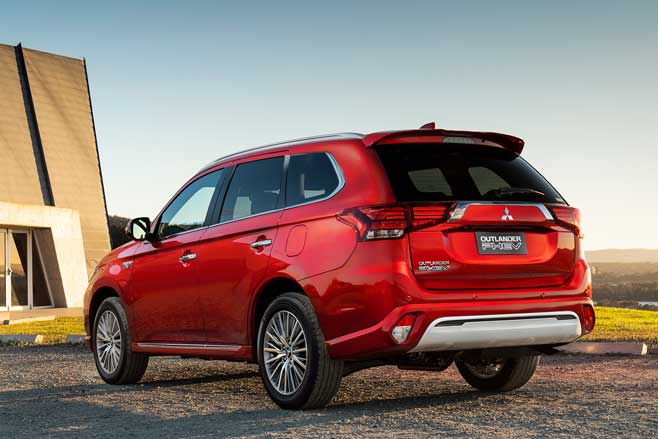
If you really buy into the idea of a plug-in hybrid SUV, the Outlander PHEV is quite literally your only sub-$60,000 option. There are similarly hybrids in the $40-50k region like the $44,640 Toyota RAV4 Hybrid and the $40,990 Hyundai Ioniq sedan. However, the RAV4 doesn’t have the Outlander PHEV’s all-electric range and the Ioniq doesn’t have the ease of entry or rear legroom and boot space that you’d expect from a mid-sized SUV. Its combination of SUV practicality, electric car appeal, and pricing really puts this into a league of its own.
The Outlander PHEV won’t be the right fit for those who don’t have routine access to a car charger, as you’d be paying a hefty “penalty” for lugging around the PHEV drivetrain without reaping its benefits.
While it doesn’t excite in a visceral sense, the Outlander PHEV’s price and package continues through rational conviction, and with the drivetrain update, it is now all the more better for it than it has been in the past seven years.
Pros: Value for money PHEV; engine refinement; sure-footed road holding; ride comfort Cons: Interior really shows its age; lowering the rear seats not as convenient; dull steeringRating: 4/5
Melbourne’s Pakenham is set to welcome a new motorsport complex after local council officially approved development plans for the Cardinia Motor Recreation and Education Park.
Pending final design plans, this will see a 3.6km race track built to FIA Grade 2 specification, like The Bend or Sydney Motorsport Park, that can host categories like Supercars.
As MOTOR originally reported last year on this story, the 128 hectare site will also host pit facilities, a driver education centre, multiple-storey hotel and even a shooting range.
The plan is to also build a drifting, karting and Rallycross track, while a motorcyle and auto club will also use two smaller lots placed on the land.
Predicted to cost project leaders over $200m and start construction within six months on private funding, the project gained final development approval after passing various hurdles, including noise testing and a local feedback tender.
In the end, only 12 submissions were made against the project, including one petition from a nearby housing estate, while 853 submissions pledged support for it to go ahead.
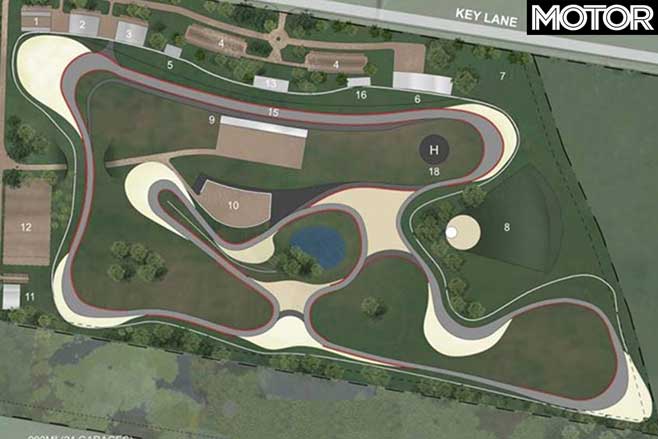
Other community stakeholders such as the Environmental Protection Agency and Department of Transport also supported the project with only a few recommendations.
Councillor Brett Owen during the meeting announced that “motorsports is a legitimate recreation in our shire that has, in my opinion, been forgotten about for a long time.”
“It’s been 15 years in relation to this sit to get where we are now,” he said.
“Council purchased 335 McGregor Road back in 2004 and now the planning process is before us.”
“We have our community motorsports groups and have a history of trying to find a permanent home. And the council keeps that front of mind.”
Edit: since publication we’ve reached out to the project leaders for comment on whether funding has been secured.
This article originally stated that a drag “straight” was planned, but track designers Apex Circuit Design have since confirmed that there “is not enough space for a drag strip and all of the associated safety infrastructure on site”.
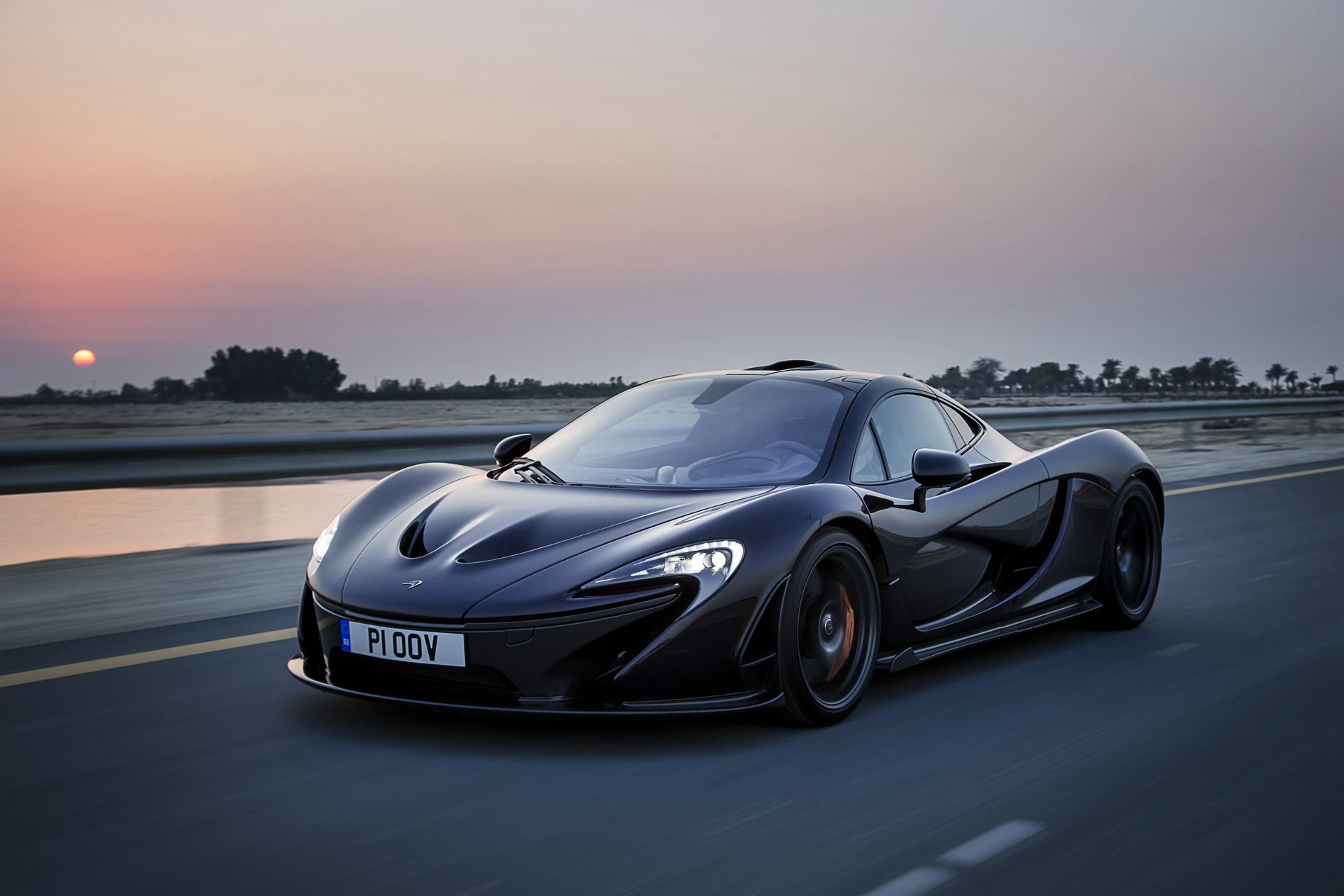
I was recently told the tale of a McLaren designer who spent 10,000 British pounds on a fish. The story goes that while on holiday in the Caribbean, Frank Stephenson became so intrigued by the sailfish that he stopped off at a fishmonger in Miami on the way home, bought one on the company credit card, had it stuffed, and then sent it back to Woking.
“I’m sorry, but what a colossal waste of money,” said a friend when I told her the anecdote. “How ridiculous,” she concluded with an exaggerated eye roll.
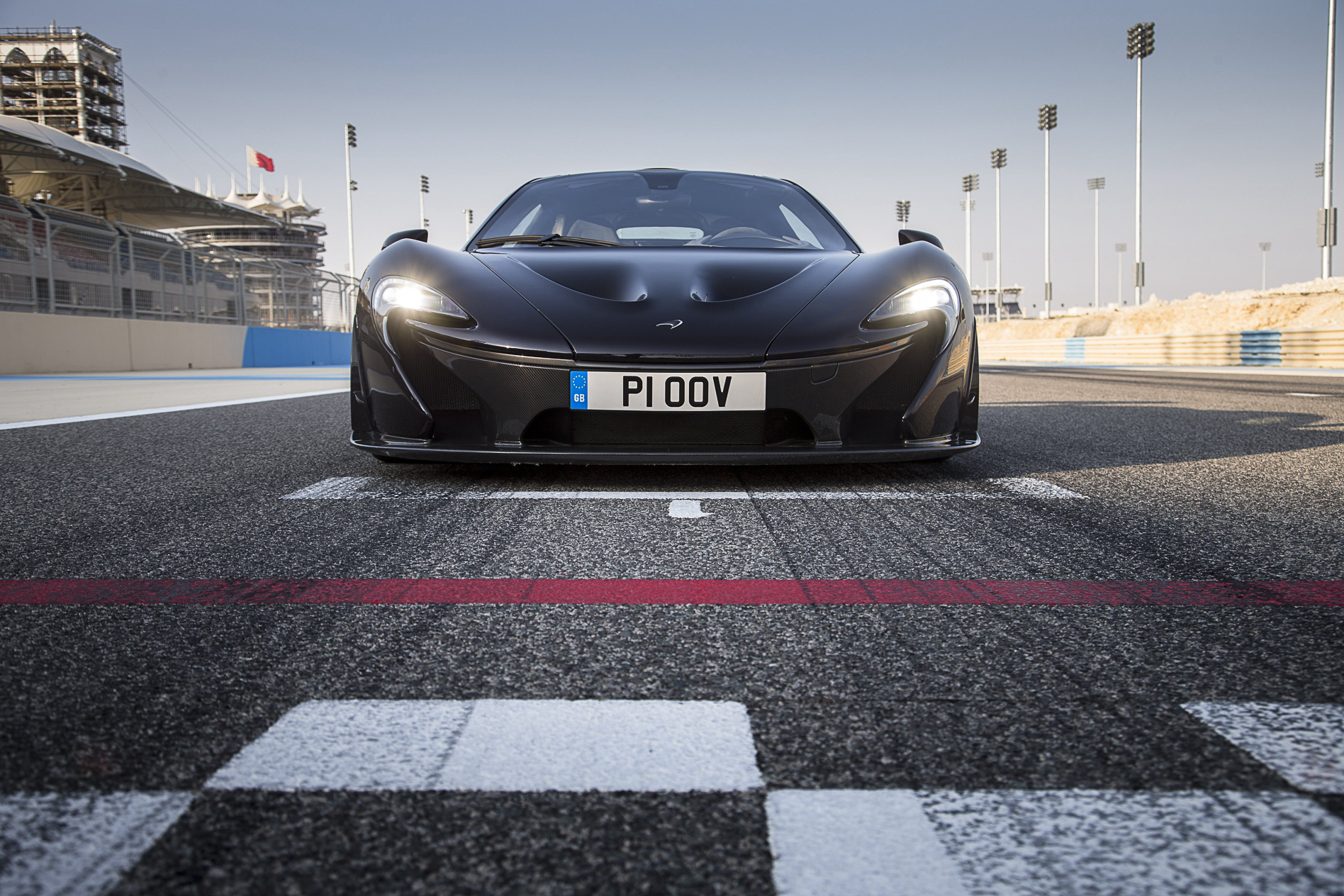
Discounting for a moment that that fish inspired the McLaren P1, which is a design that only seems to be improving with age, it’s a reaction that sums up the sentiment that some people (actually, a lot of people) have towards car design.
You see, it’s easy to get sniffy about car design. Not because it isn’t important – even the most ignorant car buyer has an innate appreciation for good and bad design – but because it’s a concept that can be difficult to pin down.
Unlike the more literal and tangible disciplines of engineering and manufacturing, the world of design is more esoteric. It’s harder to grasp, and harder to measure. You can’t quantify a design’s success in kilowatts or kilograms saved, but instead have to make do with metrics that are subjective and open to interpretation.
“There’s no right or wrong when it comes to car design,” says Richard Ferlazzo, Holden’s long-standing design head and the man who gave us Efijy. “There’s just good and bad execution.”
While we can all broadly agree on whether a car is attractive or not, that doesn’t override the possibility that one man’s PT Cruiser Convertible can be another man’s Jaguar E-Type.
Point is, what constitutes a good-looking car is very personal, which is why the automotive media tends to tread very carefully when it comes to car design. Some choose not to tread at all, which is odd, given research tells us that how a car looks is still the number-one reason for purchase.
Things are different here at Wheels. We’ve long placed a greater focus on car design than most (we even fostered it for years with our Young Designer award), and this month we’ve doubled down to produce our very first ‘Design issue’.
It’s a magazine that strives to shed new light on the rapidly changing world of design, and to explain why you should care about it now more than ever.
To help with that, we turned to one of the industry’s seminal designers. Ian Callum’s contribution to this issue as Guest Editor has brought a multitude of insights and a welcome dose of honesty and authenticity.
Now free from the corporate restraints of Jaguar – the company he helped transform over a period of 20 years – Callum hasn’t minced his words, or shied away from his belief that a designer’s role is now more important than ever.
Consider the move to (and opportunity offered by) EVs, the disruptive influence of Tesla, and the advent of fresh manufacturing techniques, and you’ll appreciate he has a point. In fact, it isn’t a stretch to say we’re at something of a design crossroads; that the future of how our cars will look for the next 50 years is being decided, on the fly, right now.
And excitingly for us, it’s clear no-one has the answer. Audi has gone crease mad, the Koreans are emerging as genuine players, and BMW… well, if McLaren used a fish for inspiration, what’s driving this ill-conceived exaggeration of the kidney grille?
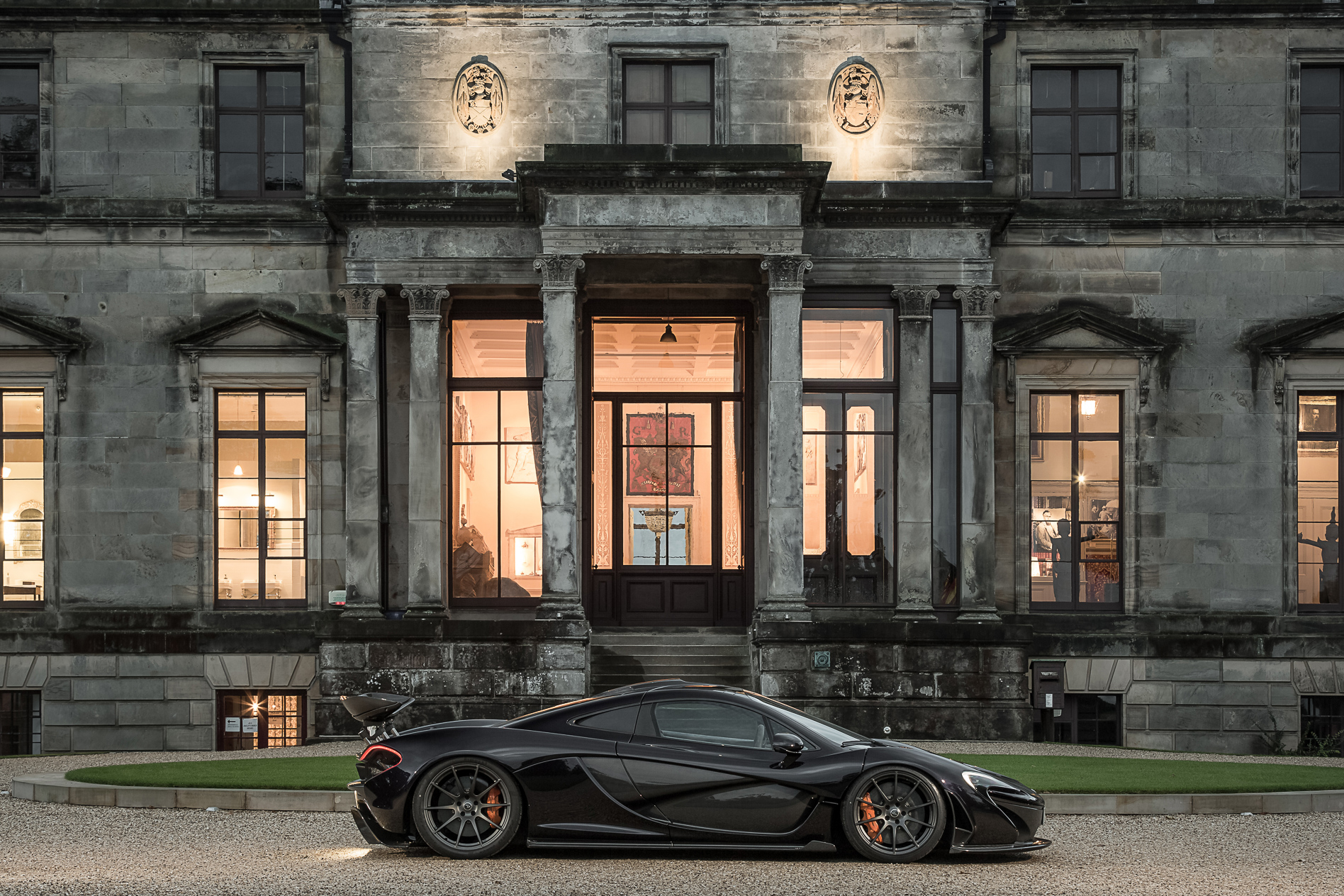
Australia is at the core of it too, for while we might not make cars here anymore, we sure as hell design them. The local design teams at Holden, Toyota and Ford have all grown since the closure of their manufacturing plants, and as you’ll learn on p84, there’s a glut of Aussies in influential design positions around the world.
The real beauty of design, however, is its ability to challenge us. As Ferlazzo says: “If everyone sees a new design and says ‘I love it! I’d buy that’, then you know what? You’re on a loser because their thinking is already five or 10 years old. Our job is to make them think about the future, and they’re not ready for it.
