
With Australian new car sales racking up their 16th consecutive month of negative growth, one would be forgiven for seeing that as a bad economic omen.
After all, car sales are often seen as the canary in the economic coal mine when it comes to gauging the financial health of the global economy. If the world’s motorists are choosing to hang onto their cars instead of trading up into something newer, then odds are there are clouds on the financial horizon.
But while there’s some metaphorical cloud cover in the form of cooling appetite for cars in China and big questions over the UK’s Brexit strategy, the world of supercars seems to be comparatively immune.
And at least one supercar manufacturer definitely isn’t sweating the future. McLaren Automotive’s managing director for the Asia-Pacific region, George Biggs, says while there’s some evidence of a broader slowdown, the longer-term outlook is good, especially as McLaren’s latest product – the less hard-edged and more pragmatic McLaren GT – has the potential to greatly expand the marque’s customer base.
“We’ve got fantastic interest in the brand, and the brand’s been growing at quite a rapid pace for the past six or seven years in Australia,” Biggs told WhichCar from the opening of McLaren’s new dealership presence in Adelaide.
“Sentiment in each market is important, and certainly sentiment hasn’t been as positive as it has been in the past couple of years.
“With McLaren, we are a carmaker, we sell transport, but we also sell more than that: we sell entertainment, we sell a passion. Therefore, for the people that we talk to about buying our cars, the short-term fluctuation in the market sentiment doesn’t necessarily affect their ability to purchase our cars.”
Biggs said that the company is always keeping an eye on the prevailing economic winds.
“It’s something that we monitor consistently, but we’re not overly concerned at this point,” he said. “I can only speak to McLaren and what we see, and through the last period we’ve had growth year-on-year from a global perspective, and we’ve not only had growth in terms of deliveries, but also growth in interest in the brand.”
McLaren is still a relatively new player in the Australian luxury market, but so far this year it has sold 55 cars across the country. That’s two more megadollar supercars than it did this time last year, and enough to put it ten cars ahead of Italian rival Lamborghini.
And though Lamborghini sales have dropped off markedly compared to 2018, Ferrari has gained ground to sit at 147 deliveries for the first seven months of this year – an improvement of 12 cars.
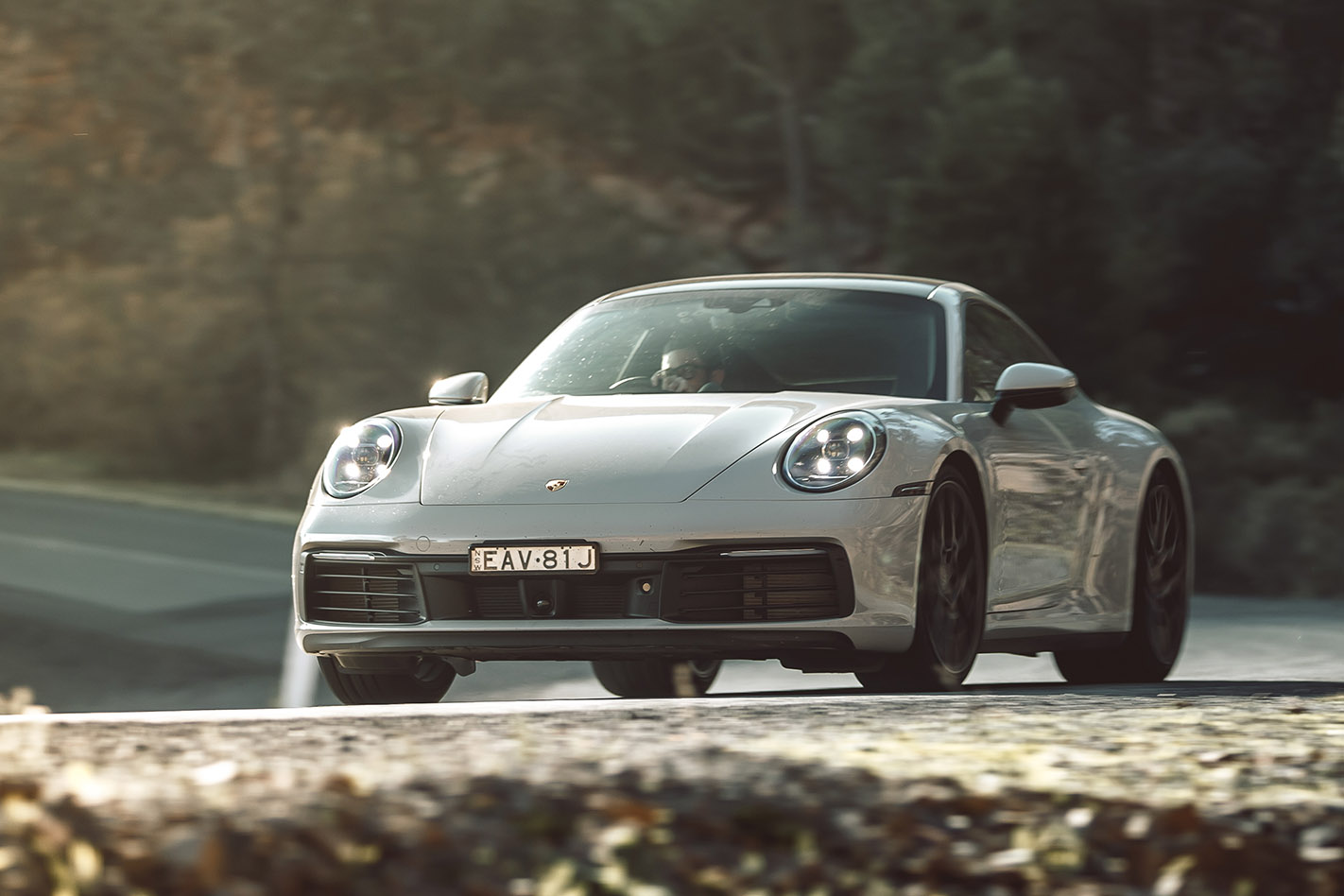
Porsche (above) has also grown its sales of 911s to a segment-leading 362 cars, while Bentley has boosted sales to 69 cars versus just 24 this time last year, which is a whopping 187 percent bump.
Even Rolls Royce is moving more million-dollar metal this year, with 21 cars sold so far in 2019, compared to 17 cars the year prior. Real estate may be suffering, but the nation’s wealthiest consumers certainly aren’t turning away from ‘investing’ in supercars.
For McLaren, it believes its good fortunes in the showroom is linked to the breadth of its product range. The steady cadence of new cars and special editions coming from its Woking factory is resulting in increased customer traffic walking through its doors.
“The products that people are trying to get hold of and really looking for are things like the 600LT,” confirmed Biggs. “That’s a limited-production model and it’s one that people are eager to get a hold of… so that’s certainly turned out to be extremely popular in Australia.
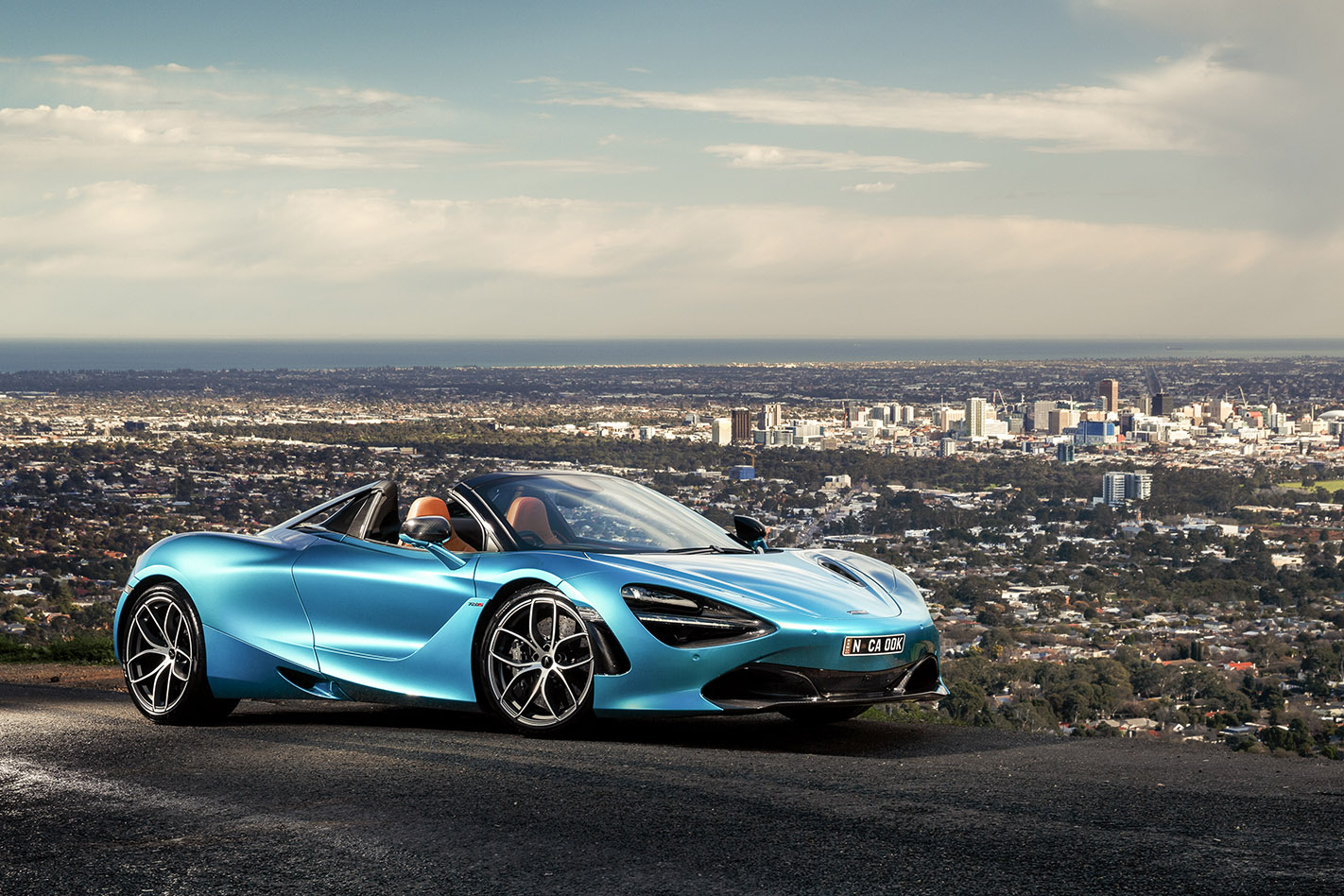
“We’re seeing continued interest in the 720S, and we’ve only just brought the 720S Spider to the market in Australia. And then we’re seeing interest in the new product that we’re bringing. We’re bringing the McLaren GT to market and launching it in Australia next month.
“That one has got people who traditionally haven’t been McLaren customers, people who have gone ‘oh, maybe [McLarens] are a bit too far-out and extreme for me’ and are now going, ‘hmm, a GT product by McLaren sounds quite interesting’. So we’re welcoming those guys in to understand a bit more about our brand.”
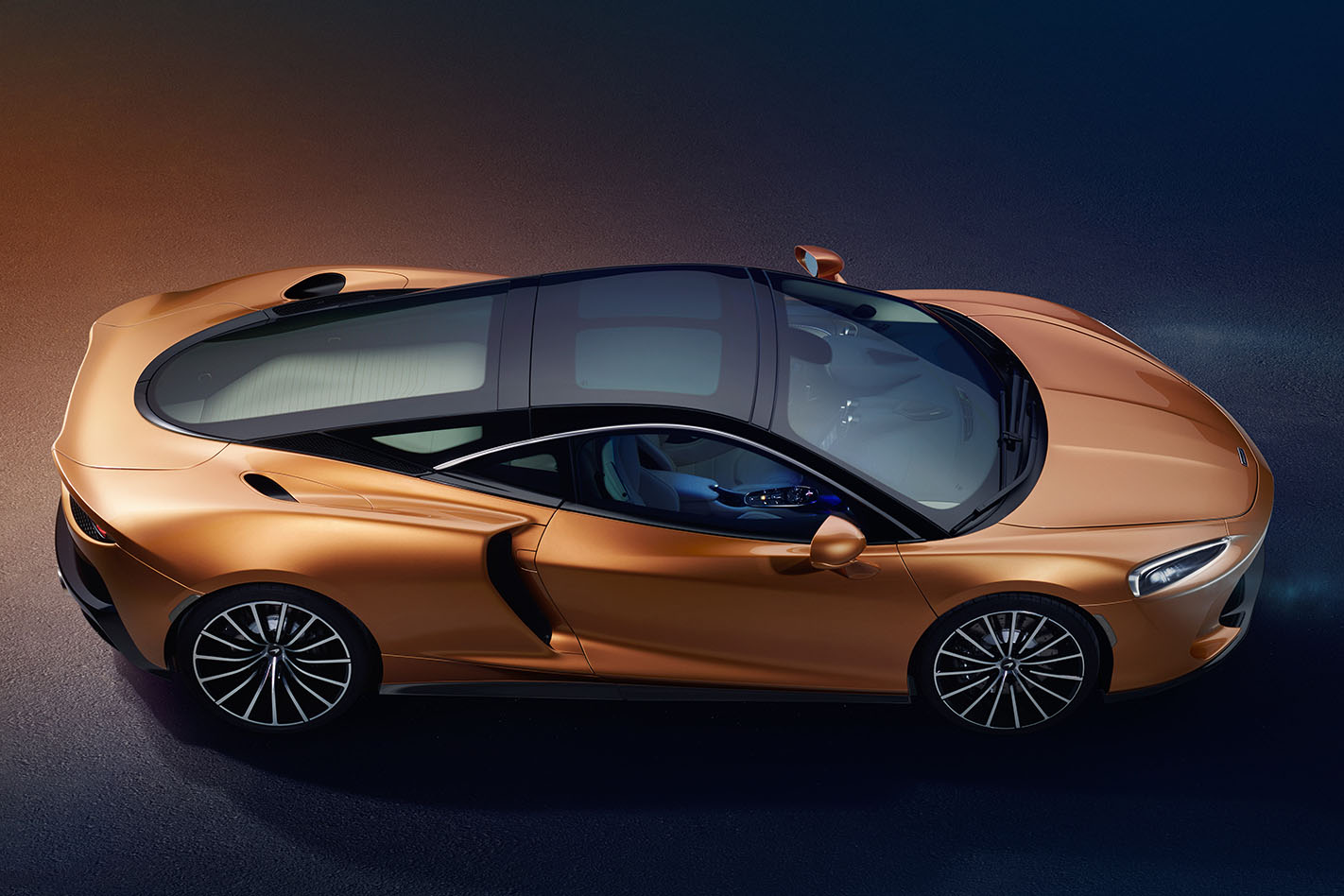
Biggs said that pricing would be released closer to the car’s launch, but indicated that it will be priced towards the Sports series.
“But while the Sports Series is very much about that sports car performance, the GT is really about driving a long distance, very much about providing comfort along with the driver engagement levels that you would expect from a McLaren,” he said.
Biggs says that slight change in ethos will mark a corresponding change in buyer profile, as well. With the McLaren GT expected to pull some customers away from other Grand Tourers like the Ferrari Portofino or the Aston Martin DB11, the type of buyer McLaren hopes to attract will be more accustomed to hanging out at the country club than the race track.
“The GT will move our brand to a slightly different position – a position that we’re still comfortable within since it’s still about driver enjoyment – but something which is a little bit different to what we’ve done before,” he said.
News that IndyCar stars Alexander Rossi and James Hinchcliffe will be coming to Australia in October to compete in the greatest touring car race in the world got us thinking – what other International drivers that have attempted the Bathurst 1000 have actually won?
There’s no denying the talent of the latest overseas imports, with Rossi winning the Indianapolis 500 as a rookie in 2016, and both as front runners in the American open-wheel racing series.
However, it’s not easy for international drivers to adapt to Australia’s unique high-power, low-grip Supercars, and the technically challenging and mentally daunting Mount Panorama circuit.
Here’s a few that have attempted it in the past, with mixed results.
Note: For the purpose of this article, we aren’t including New Zealanders as internationals, as they have a long and storied history with The Great Race.
The Good
An endurance legend makes the perfect debut
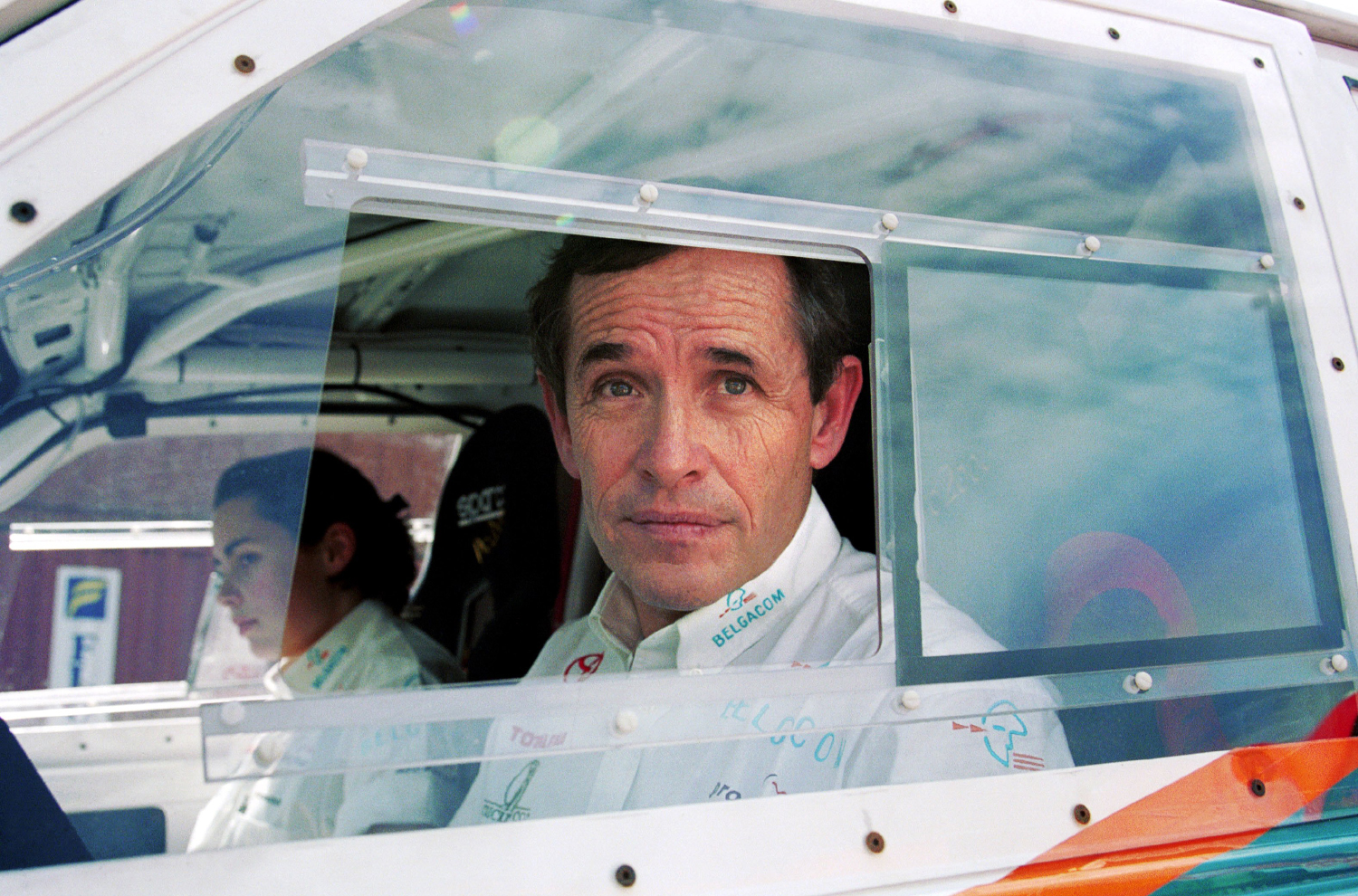
If we are talking about successful international assaults on the Bathurst 1000, at the top of the pile has to be Jacky Ickx’s attempt alongside Alan Moffat in 1977.
Ickx was an eight-time grand prix winner, and at the time a four-time 24 Hour of Le Mans victor – he would later go on to add another two wins to that tally. Needless to say he was a big deal in global motorsport, so his partnership with Moffat in a Ford XC Falcon hardtop was highly anticipated.
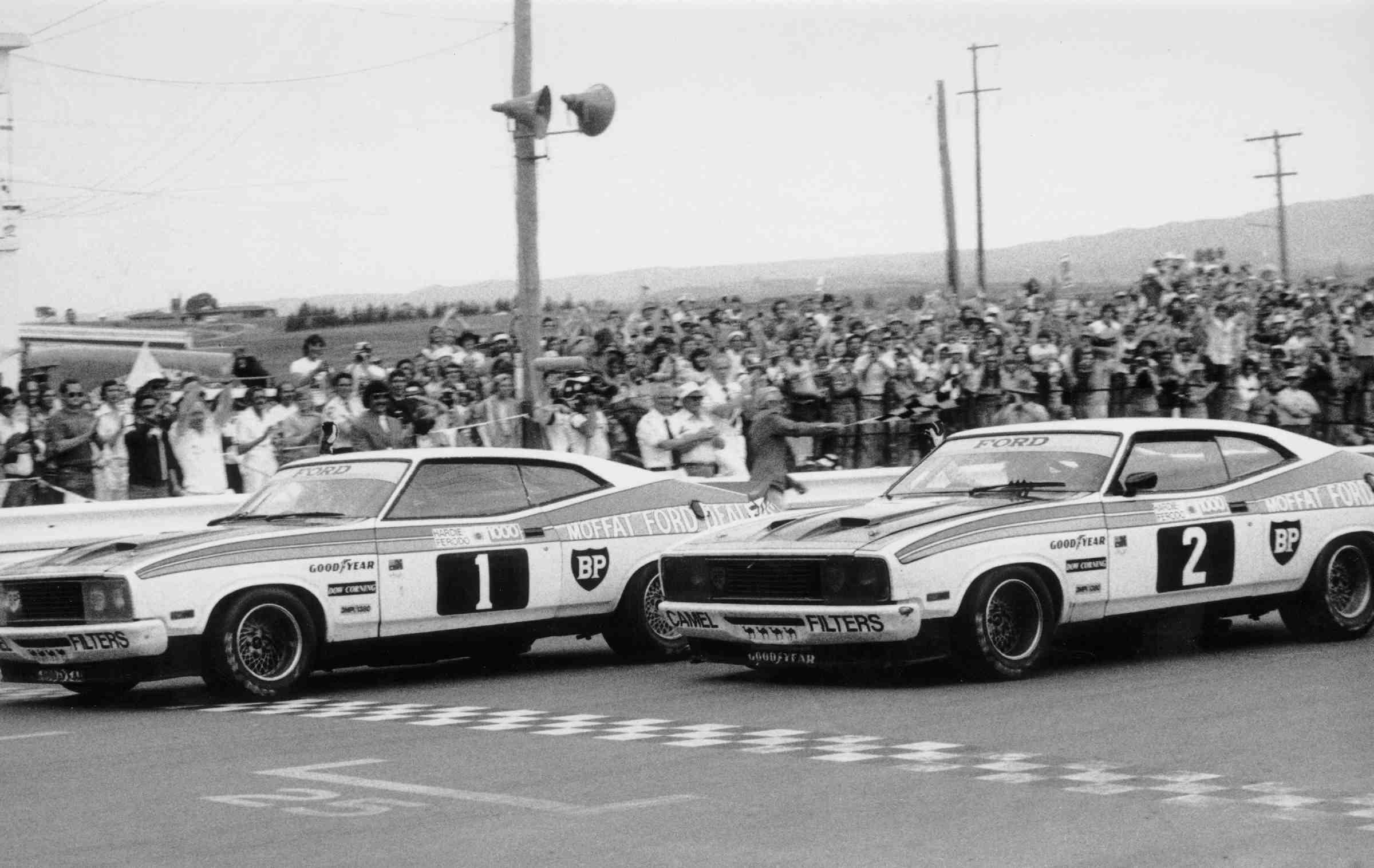
The hype was earned, with the duo winning in the now famous (or infamous depending on who you support) side-by-side formation finish.
It’s the first, and only, time the winning driver pairing for the Bathurst 1000 didn’t include someone born in Australia or New Zealand.
Rauno Aaltonen was the first international to win the 1000, back when it was a 500-mile event in 1966 alongside Bob Holden in a Mini Cooper S, while Moffatt had won previously to pairing with Ickx, most famously winning back-to-back in ’70 and ’71 driving solo. However, the Canadian-born driver was embedded in the ATCC championship full-time, and wasn’t an interloper like Ickx.

Ekstrom almost wins it all
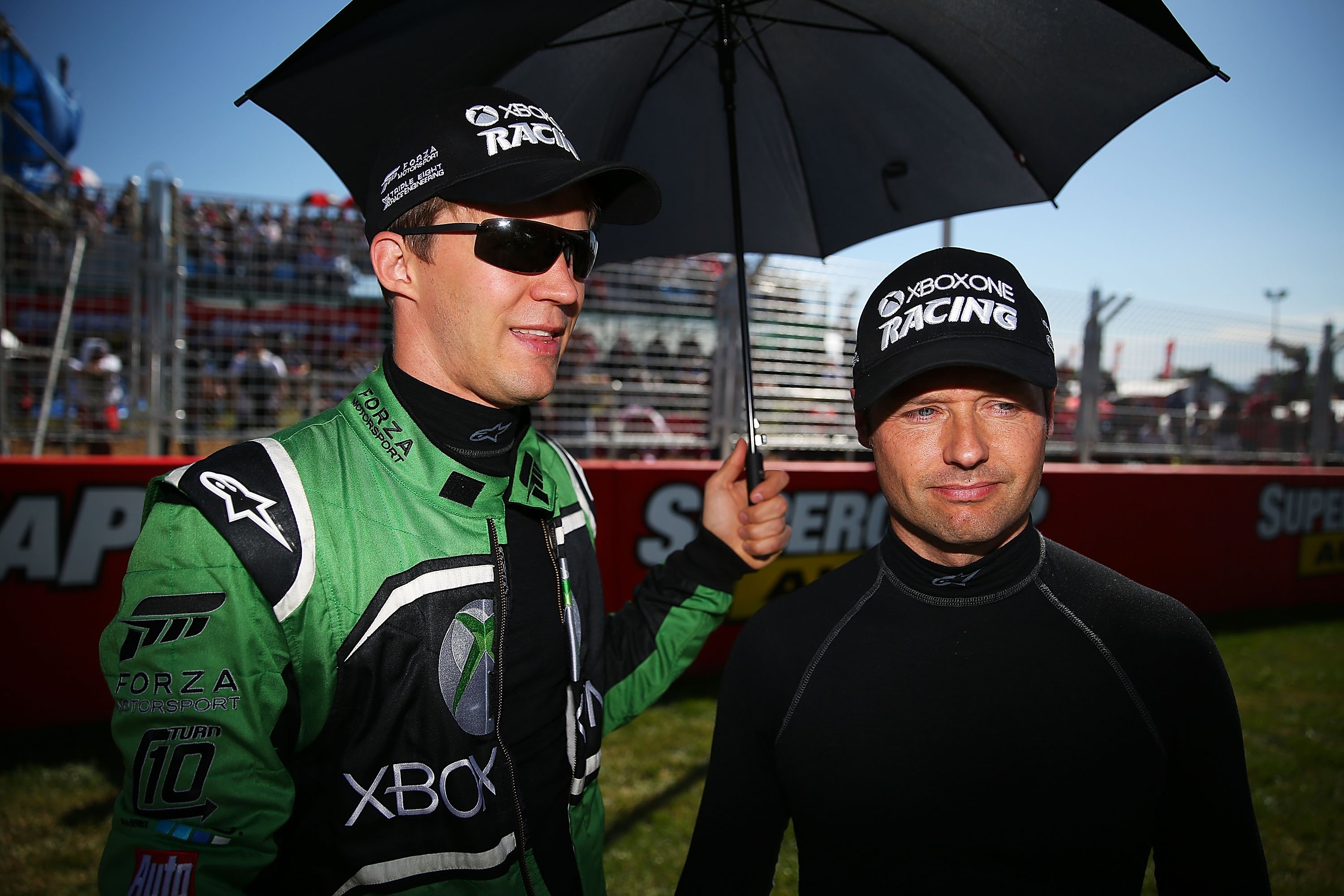
One of the most successful modern international coups at Bathurst was the 2013 wildcard of Mattias Ekstrom and Andy Priaulx in a Triple Eight Racing wildcard entry.
Priaulx was a three-time World Touring Car Champion and ’04 European Touring Car Champion, but it was Ekstrom that grabbed headlines with his storming drive.
The two-time DTM champ had not seen Mount Panorama or raced a Supercar before the 2013 event – unlike his teammate – but that didn’t stop the Swede from qualifying an impressive 18th, in a 28-car field filled with full-time Supercars drivers.
With gun engineer Ludo Lacroix taking care of car setup, the wildcard entry started the race with a trimmed out rear wing which meant it had the edge in straight-line speed down both Mountain and Conrod straight.
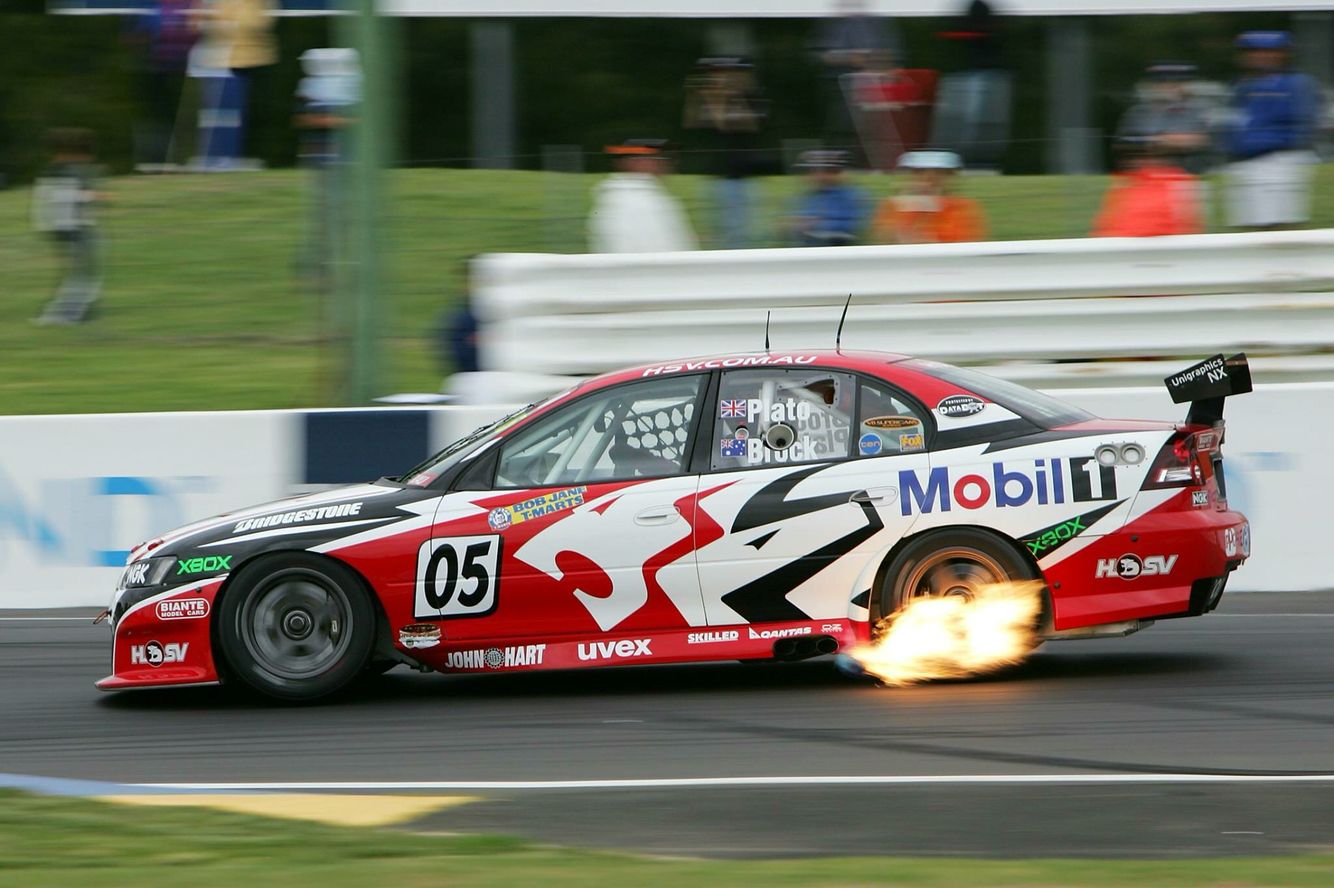
Ekstrom manhandled the Xbox-sponsored VF Commodore masterfully over the top of the Mountain with minimal aero, after his final stint he handed the car back to Priaulx in the lead of the race, and in serious contention for victory.
A lock-up from Ekstrom’s teammate saw those hopes dashed, but the duo still finished an impressive 10th.
The Bad
Brock vs the lads from BTCC
The year 2004 was to be the 32nd and last Bathurst 1000 for the most successful driver in its history, Peter Brock. It was meant to be a final opportunity for fans to wave farewell to their hero.
However, it wasn’t to be, with Brock never taking part in the race thanks to his international teammate Jason Plato, and fellow British Touring Car competitor John Cleland.
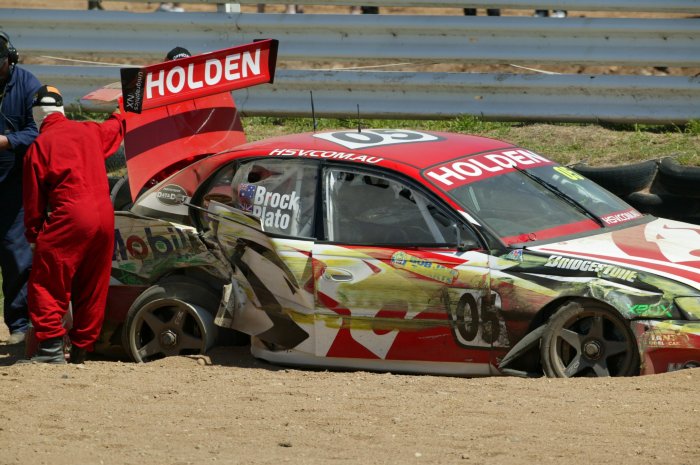
Early in the race, Plato travelled through the gravel trap at the final turn, brushing the wall., meaning he had to limp the #05 Commodore back to the pits for an entire lap. However, as he crawled through The Chase, on the racing line, he was struck by Cleland in a Brad Jones Racing BA Falcon.
Both cars were out of the race on the spot, and the BTCC drivers became enemy number one for Aussie fans for the rest of the afternoon.
Two F1 heroes struggle from the green light
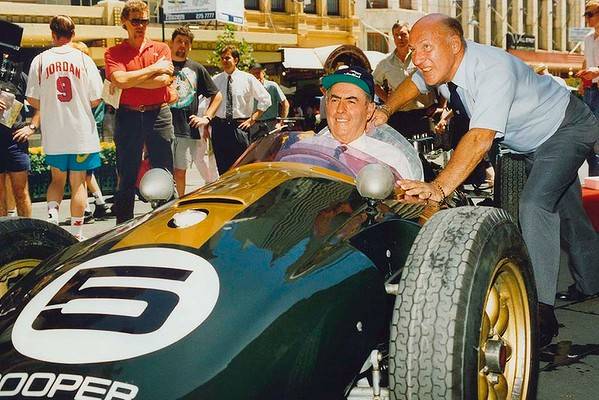
Pairing Australia’s first Formula 1 world champion with arguably the greatest grand prix driver to never win a title and putting them in a Holden Torana for the 1976 Bathurst 1000 seemed like a recipe destined for greatness.
Oh, how wrong it all went.
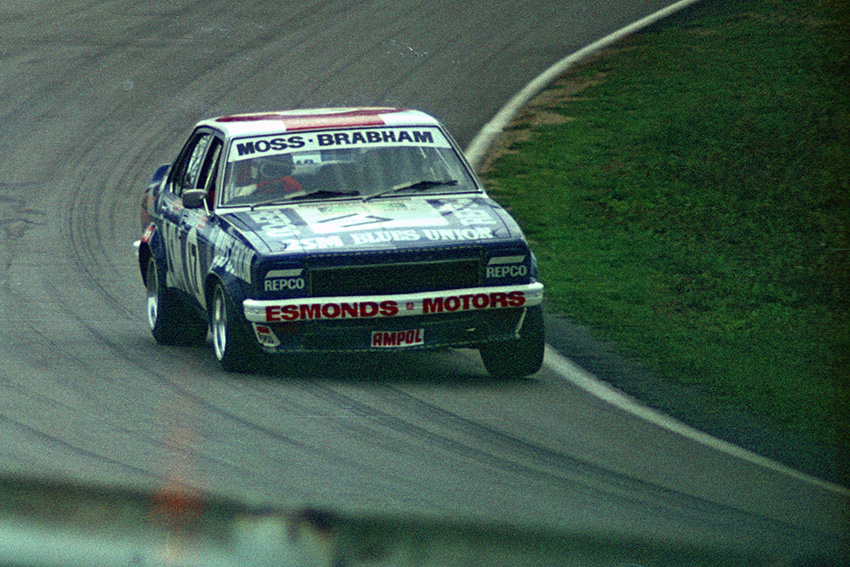
Jack Brabham had been convinced to come out of retirement for the event, sharing a car with his former on-track sparring partner Stirling Moss, who was also coming out of retirement for the event.
Things went awry almost immediately, with the Torana’s gears jamming on the grid, resulting in the car being hit from behind by another competitor. Several hours of repairs meant the duo could return to the track, but luck was against them as the engine gave up the ghost while Moss was at the wheel, forcing the legends to retire.
Chevrolet has revealed US pricing and specification for the 2020 Chevrolet C8 Corvette, providing the first concrete clues as to how Australian Corvettes may be specified.
As promised at the end of its launch presentation, US pricing for the Corvette will start under US$60,000, albeit only just, with an entry ticket of $US59,995 for the 1LT variant.
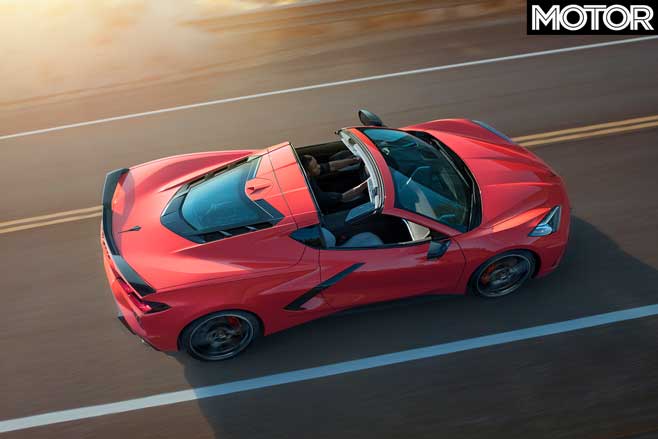
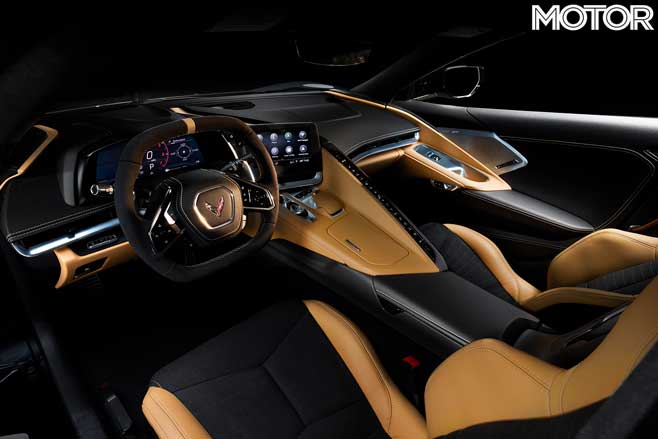
Even the base model comes extremely well-equipped. As well as carrying a 365kW/630Nm 6.2-litre V8 in its middle, attached to an eight-speed dual-clutch gearbox, the 1LTincludes eight-way adjustable electric leather seats, dual-zone climate control, leather steering wheel, 10-speaker Bose sound system, eight-inch colour infotainment touch screen with Apple CarPlay and Android Auto compatibility, 12.0-inch configurable digital instrument display, high-definition rear-view camera and rear park assist and LED headlights.
Stepping up to the US$67,295 2LT adds a full-colour head-up display, heating, ventilation, memory function and powered lumbar and wing adjustment for the seats, satellite navigation, a heated steering wheel, 14-speaker Bose stereo, performance data recorder, a front-view camera, rear camera mirror with auto-dimming and active safety aids in the form of blind-spot alert and rear cross-traffic alert.
Finally, for $71,945 the 3LT includes GT2 seats with Napa and Mulan leather and carbon fibre trim, suede-wrapped upper interior trim with leather wrapping the rest of the interior. All prices are excluding state taxes and on-road costs.
Of huge interest is the $5000 Z51 Performance Package, including a performance exhaust which lifts outputs to 369kW/637Nm, performance suspension, an electronically controlled limited-slip differential, front splitter and rear spoiler, bigger brakes with better cooling, a shorter final drive, enhanced drivetrain cooling and Michelin Pilot Sport 4S tyres instead of the standard all-season rubber.
While all this leaves us little wiser as to the final Australian pricing of the Corvette, it gives a window into the specification levels and the premium each attracts. Currently, one US dollar buys $1.47 Australian dollars, so a straight currency conversion (including 10 per cent GST and 33 per cent Luxury Car Tax) puts the 1LT at around AUD$107,000 before on-road costs.
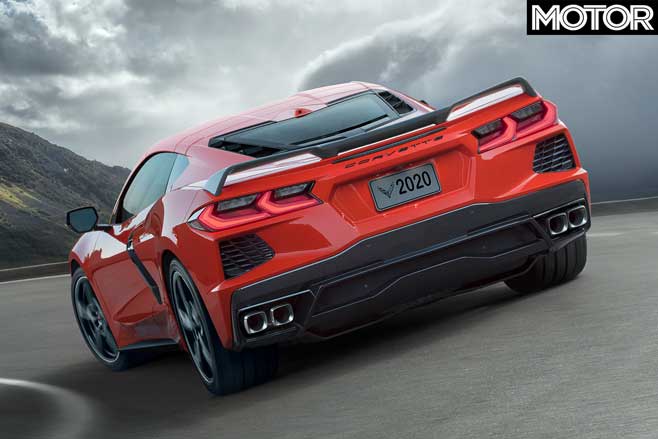
We’d speculate that a more likely outcome will be that Australian cars will be 2LT variants, if only for the added active safety equipment, and possibly come with the Z51 Performance Package standard. Again, a straight currency conversion puts this at around AUD$133,000 before on-roads.
This is an over-simplification, as it assumes that Holden will be paying US retail price for the Corvettes it imports, but it at least provides a ballpark figure to give potential customers an idea of the features they can expect and the price tag the iconic American sports car will attract.
We’ll bring you more information as it comes to light.
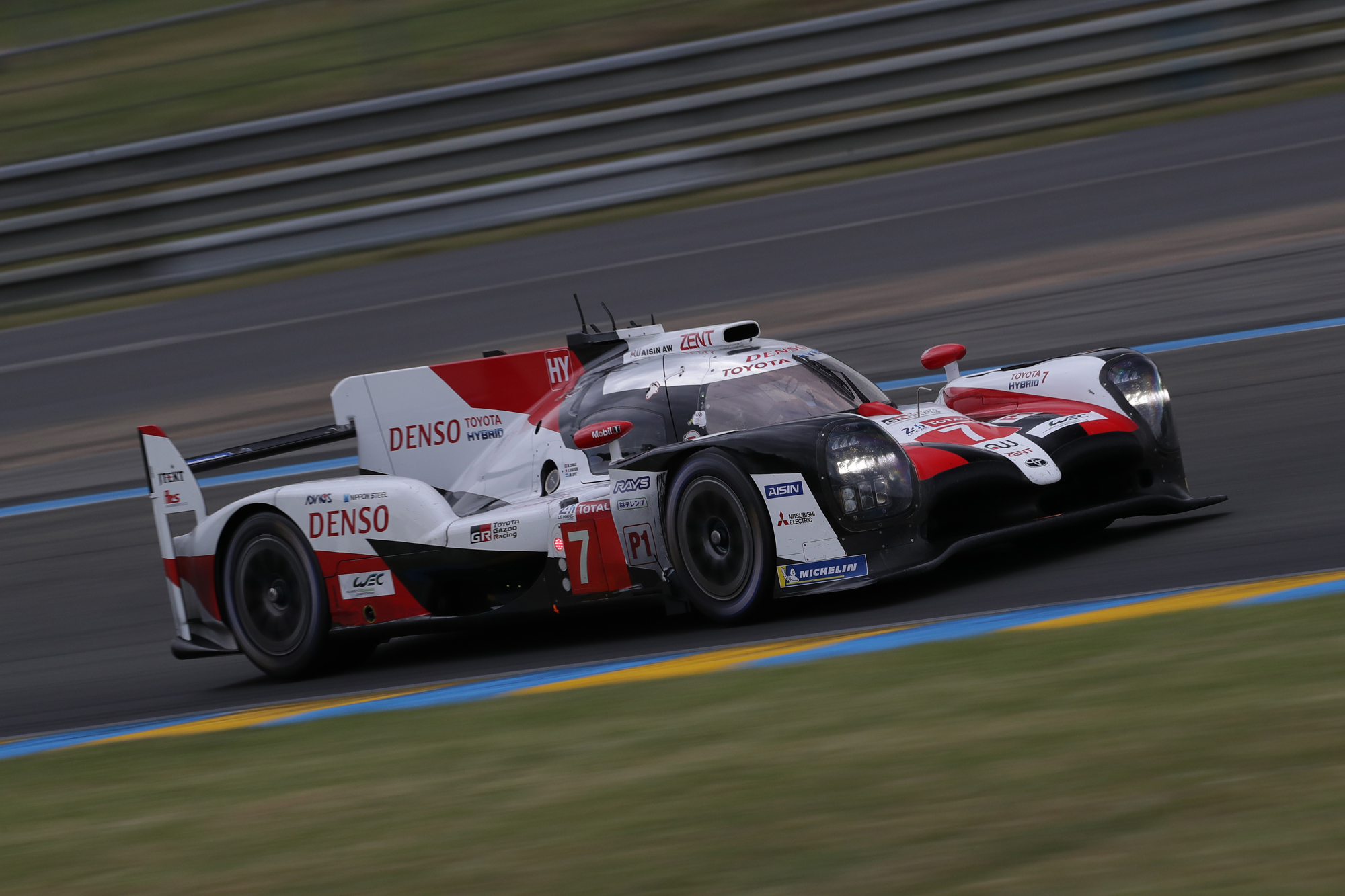
It’s an ambitious idea, but Toyota’s LMP1 team boss would like to have a crack at toppling Porsche’s outright lap record at the famous Nurburgring Nordschleife.
In an interview with motorsport.com Toyota’s LMP1 leader, Rob Leupen, revealed that any potential opportunity to beat the modified Porsche 919 Evo with an upgraded version of the dual Le Mans-winning TS050 Hybrid is enticing.

“I’d like to try that, that would be fun,” Leupen said. “I think this car would be quicker on the Nordschleife than the Porsche.”
The current benchmark is 5:19.546s and was set last year by Porsche works driver Timo Bernhard. The 919 Evo’s reduced weight, extra power and increased downforce helped smash Stephen Bellof’s marker set in 1983 by almost a minute.
However, while it sounds like a fairly straightforward plan, Leupen stressed that it’s just an idea at this stage and that there’s no real proposal to be given a green light as yet.
“You need the budget and the strategy to do it, and right now we don’t have that yet,” Leupen said in the interview.
The 2019/20 season is the TS050 Hybrid’s final fling, with the prototype racer gaining revisions for the 2020 event in the hope of lowering Toyota’s own Circuit de la Sarthe lap record of 3:14.791 held by Kamui Kobayashi.
“Maybe this season we’ll get down to a 3m13s or even a 3m12s,” Leupen said.
Whether or not the la Sarthe goal is achieved, Toyota’s times are set to stick given the introduction of the slower hypercar class, which will make its first 24 Hour appearance in 2021. Despite Toyota being confirmed for the new era, it’s a fact that isn’t lost on Leupen, who believes the current generation of LMP1 cars are something special.
“This year is the end of a beautiful era in which we witnessed the quickest and most efficient cars ever at Le Mans. That doesn’t just include our car, but also Porsche and Audi.
“The [post LMP1-era] car will be slower and look different. We’ll have to get used to it, but they’ll be great,” Leupen said.

MCA’s Silvia S13 time attack machine known as ‘Hammerhead’ has unofficially beaten the outright lap record at Queensland Raceway, setting a 1min 04.03sec lap around the National Circuit.
It eclipses the record time set by Sam Wills in a Formula Holden Reynard 94D back in 1999 of 1min 04.06sec.
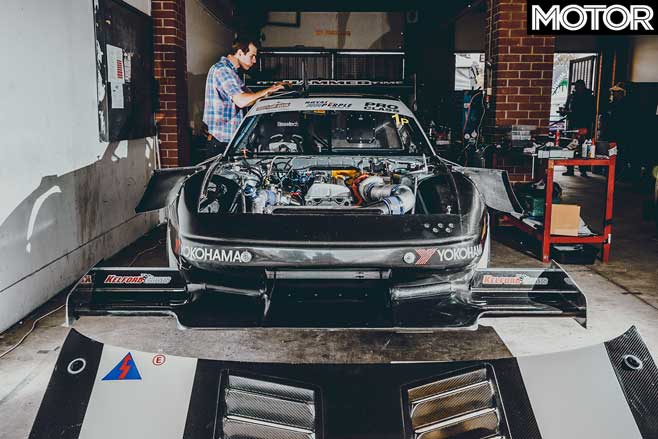
The effort was made during a shakedown session the team used to test different setups on the race car ahead of the upcoming World Time Attack Challenge this October.
Chief among those changes is the trial of a new driver in Andre Heimgartner, Kelly Racing Supercar driver, who was at the helm of Hammerhead for the session.Warren Luff last drove for MCA in the 2018 event.
https://www.instagram.com/p/B1NrBdAg3vl/
While his effort shaves three thousandths off the track’s fastest recognised lap, the time will remain unofficial since it was not set under an actual competitive race – the criteria CAMS needs to certify an official lap record.
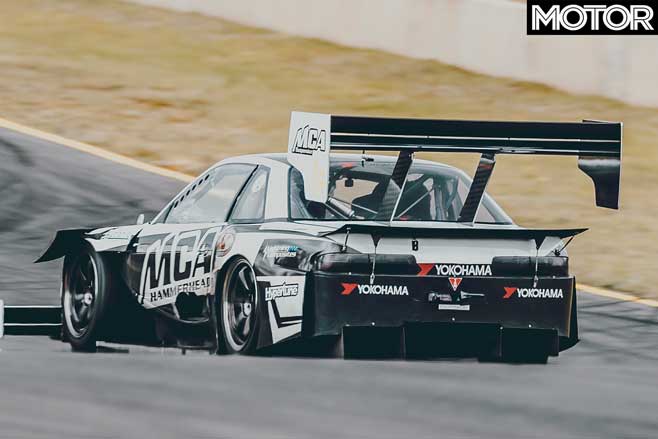
It might not the be fastest unofficial lap, either, with sister publication Wheels previously revealing Brabham Automotive targeted 1min 3sec laps at Queensland Raceway during its development. But this remains speculation and should not take away from the S13’s serious speed.
The heavily turbocharged and winged 850kW-plus Nissan Silvia has previously won the popular WTAC event twice and placed second outright at last year’s event. Clearly, its competitiveness is set to continue after setting this time during a session where the team reportedly focused on different aero, turbo and seat combinations.
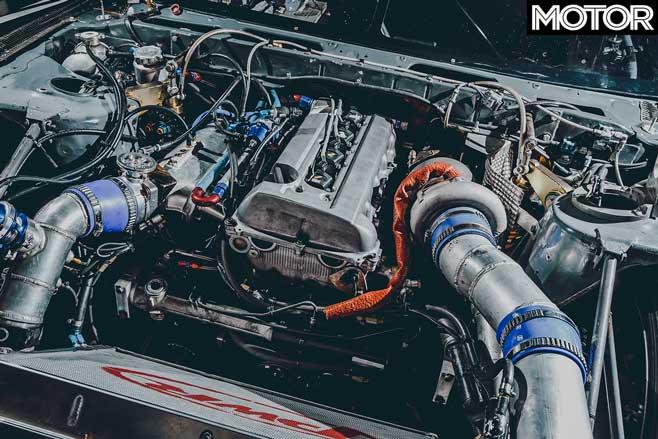
MCA will be holding their second test at Queensland Raceway today, so stand by for any further updates should they come to hand.
*Pictures were taken during the WTAC 2018
It seems even Bugatti can’t keep a secret these days, images and information regarding its Chiron-based Bugatti Centodieci leaking out ahead of its reveal at The Quail show during Monterey Car Week.
Built to celebrate Bugatti’s 110th birthday as a tribute to its original EB110, the Centodieci infuses the Chiron with styling cues from its original quad-turbo supercar, including a triple-deck of slats in the front bumper, smaller horseshoe grille, unique L-shaped lights, squarer side skirts (and the removal of the Chiron’s signature ‘C’), the iconic oval air intakes aft of the side windows and horizontally stacked taillights.
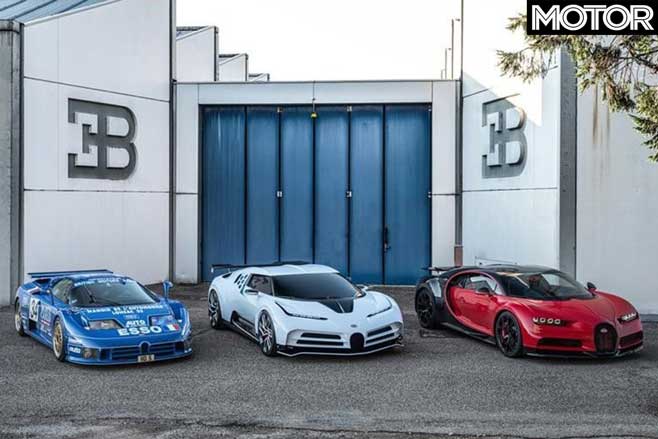
Sitting above these is a massive active rear wing which retracts into the rear bodywork when not required. Performance is said to be identical to the Chiron, no great shame when the claims are 0-100km/h in 2.4sec, 0-200km/h in 6.1sec and 0-300km/h in 13.1sec, though the Centodieci is limited to ‘just’ 382km/h rather than the Chiron’s 420km/h.
This is despite power from the 8.0-litre quad-turbo W16 engine lifting to 1193kW (1600bhp) at 7000rpm, an increase of 73kW over the Chiron, though torque remains at 1600Nm to protect the gearbox.
The EB110 introduced quad-turbocharging to the supercar world, using a 412kW/611Nm 3.5-litre quad-turbo V12, which was later upgraded to 450kW/650Nm for the Super Sport. Performance was incredible, 0-100km/h taking just 3.6sec with a top speed of 336km/h, the Super Sport improving this to 3.3sec and 351km/h respectively.
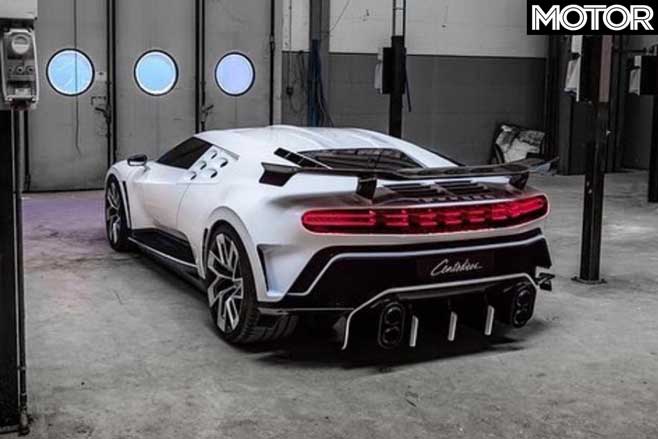
Just 10 Centodiecis will be built and as is the fashion, all have been pre-sold prior to its unveiling, Bugatti finding customers willing to hand over the eye-watering AUD$13.1m (€8m) before taxes.
The Centodieci will be officially revealed at The Quail: A Motorsports Gathering at 5:20am Saturday, August 17.
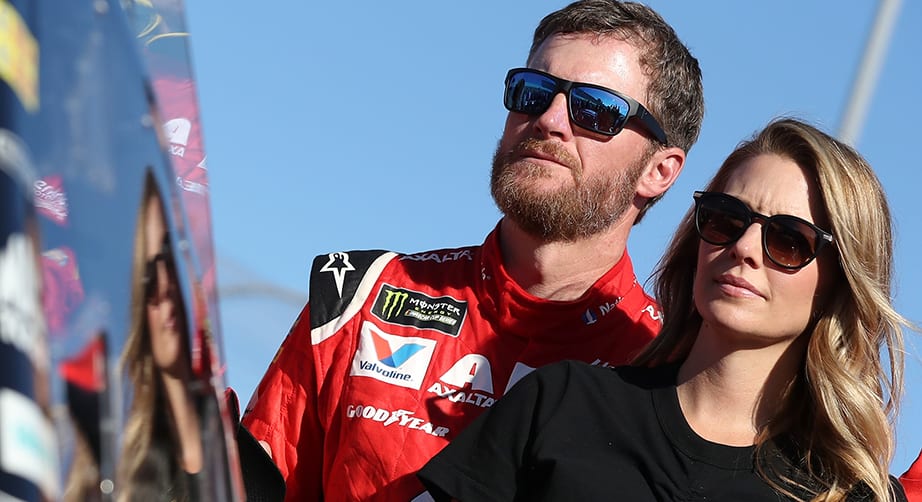
As near misses go, it doesn’t get much closer than this… incredible scenes have emerged from Tennessee where renowned NASCAR team owner and former racer Dale Earnhardt Jr (above) has escaped a fiery plane crash.
What’s more, he, his family and the plane’s two pilots emerged from the wreckage of the downed private jet without a scratch.
Authorities are reporting that the plane – a Cessna Citation – ran off the end of the runway at Elizabethton Municipal Airport in Tennessee after landing, with part of the landing gear collapsing and dropping the plane onto its belly.
Eyewitness video shows Earnhardt, his wife Amy Reimann and the family dog running from the aircraft. The couple’s daughter is just one year old.
Within five minutes, the rear of the aircraft was engulfed by fire.
The family was transported to a medical centre but have since been released.
“I got here within five minutes, and the airplane was fully engulfed (in flames), Carter County Sheriff Dexter Lunsford said during an evening news conference. “All of the people were out of it … Five occupants, no one’s injured. Under the circumstances, we’re extremely blessed and fortunate.”
The Earnhardt name is synonymous with the sport of NASCAR, and it’s a legend that’s tinged with sadness – the family’s patron Dale Earnhardt Sr died during a race in 2001.
Many of NASCAR’s participants fly privately, thanks to the onerous 38-week plus schedule.
Ten members of one team were killed in 2004, when a Beechcraft Super King Air belonging to the Hendrick Motorsports team crashed in Virginia. Four members of the Hendrick family died in the crash.
Former Formula One driver David Coulthard walked away from a crash in 2000 that killed the two pilots.
It’s car heaven for diehard fans, an automotive nirvana akin to a week-long music festival – just with more class and a golf course. Monterey Car Week, for those who don’t know, is a six-day event full of parties, car launches, cruises and the famous Concours D’Elegance as the crowning glory. Laguna Seca is also used to showcase vintage race cars. It’s a must-do trip to sunny California.
One of the biggest attractions for well-heeled buys and onlookers alike are the car auctions. This year will see six auction houses put more than 100 classics up for sale, with a rumoured US$380m-worth of high-end metal available to purchase. Rarity and historical importance is a top priority.
Manufacturer presence for the 2019 event is headline by Bentley, which along with Pebble Beach, is celebrating its centennial year. Both old and new Bentleys are on hand to commemorate the landmark. McLaren is also showing off its GT by MSO, while the Shelby GT350R is there along with the first American viewing of the Bugatti La Voiture Noire. Here’s some of the headline metal to look out for.
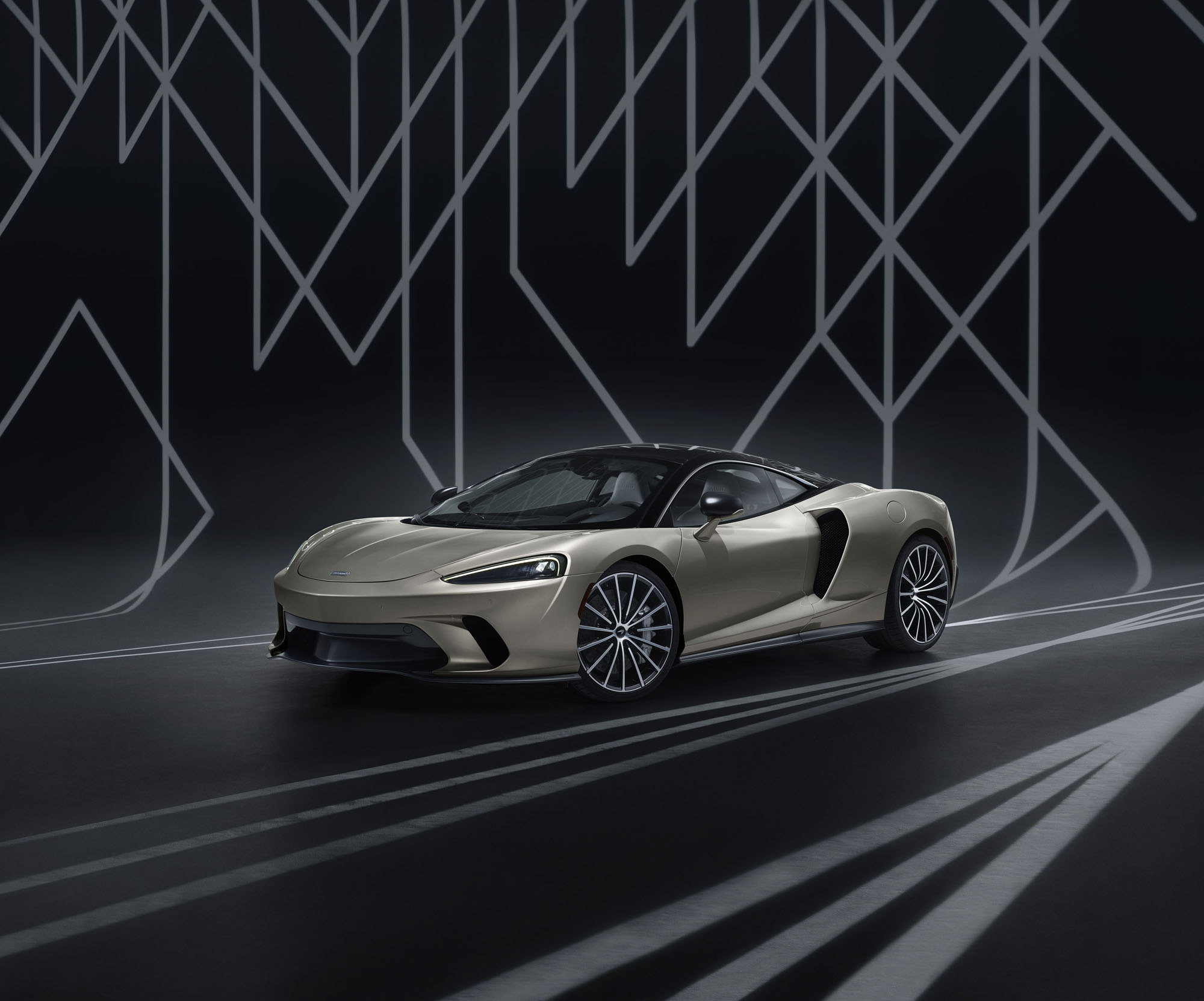
McLaren GT by MSO
McLaren unveiled its Grand Touring variant in May 2019, but now the gurus at McLaren Special Operations (MSO) have turned their hand to making it a little more special.
Mechanically it’s unchanged, but a new hero hue has been developed called MSO Defined Flux Silver, which contrasts with Satin Graphite on the door skirts, wing mirrors, rear diffuser, front splitter and brake calipers. Gloss Black diamond cut wheels feature, as does a Bright Pack that adds chrome window surrounds and a titanium exhaust.
Inside, the Flux White leather is highlighted by MSO Bespoke Geoform Stitching that is inspired by the British Museum in London. It also features on the arm rests, door cards and sun visor. MSO logos, carbon fibre and specific floor mats are also part of the treatment.
Bugatti La Voiture Noire
While we’ve seen it before, Pebble Beach will be the Bugatti’s American debut. The one-off special also holds the envious title of being the world’s most expensive new car sold. That price was $16.7 million Euro, or about $27.4m to us Down Under. It uses the same 1103kW/1600Nm W16 engine found in the Chiron, but gains vast design tweaks, taking inspiration from the Type 57 SC Atlantic.
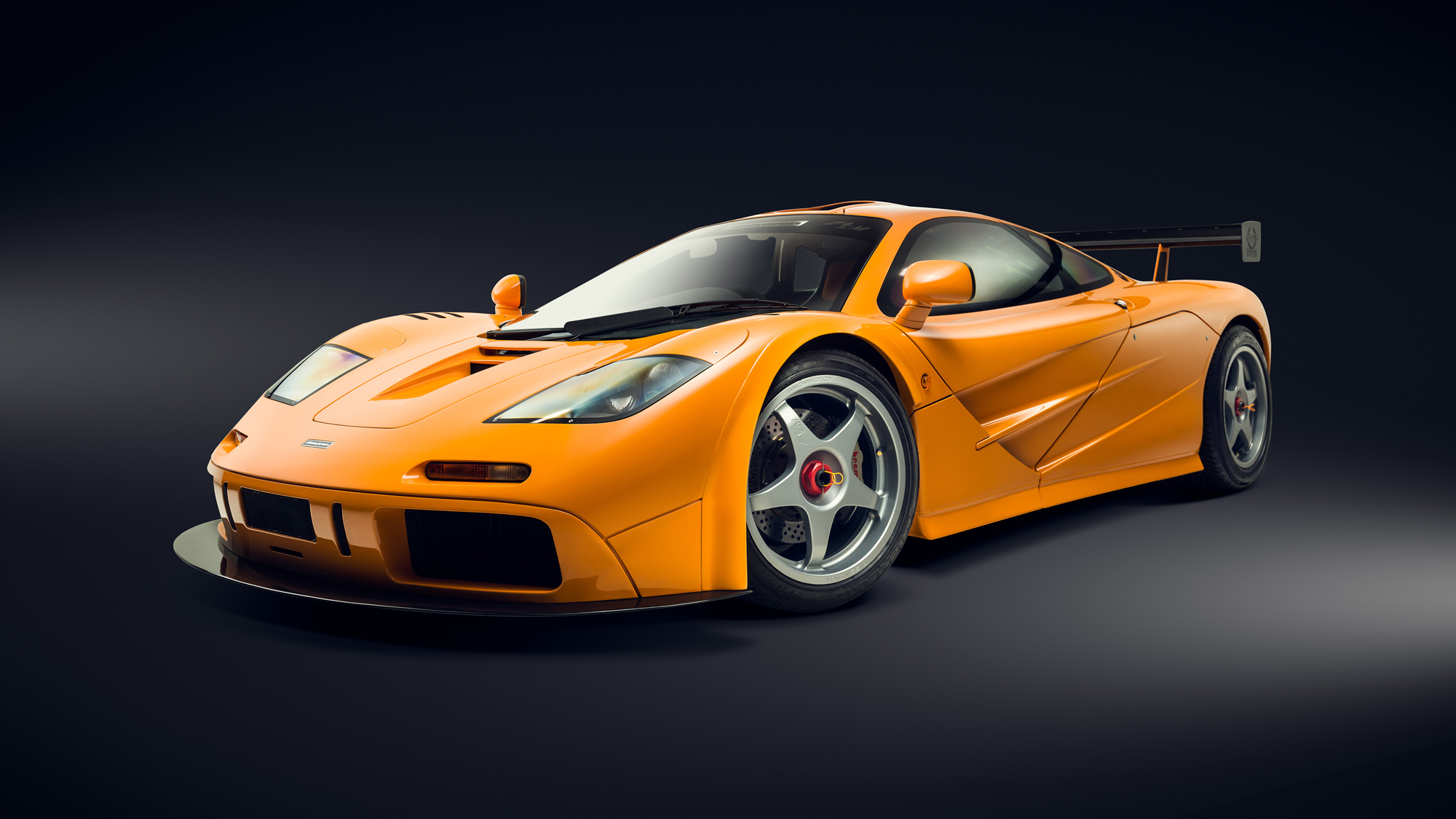
McLaren F1 LM
However, it’s not just cool cars on display by manufacturers. The cars on offer to buy are, in some respects, far cooler. If you’ve got a cool US$20 million, you could own a very special McLaren F1 LM. Although being an auction, it could sell for far more. The car in question is one of only two Le Mans specifications built, and it’s currently on New Zealand number plates.
Porsche Type 64
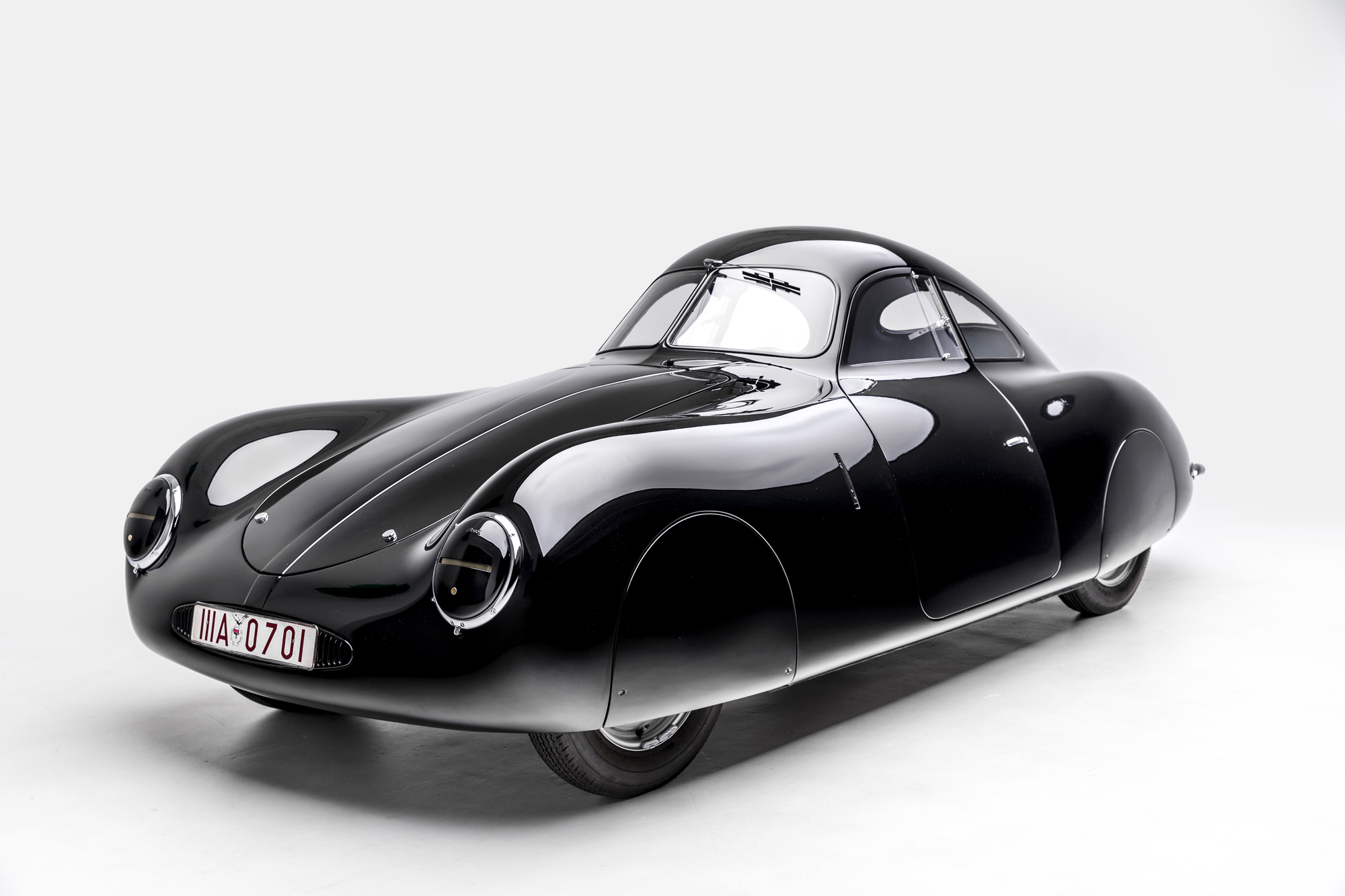
Sharing the auction limelight is the 1939 Porsche Type 64. Rumour has it that this is genesis for the German marque, with the Type 64 being the first car to wear Porsche branding. Justifiably, it’s set to go for more than US$20m. Its roots are Volkswagen Beetle based, but is said to be a precursor to the original 356, which debuted in 1948.
More metal
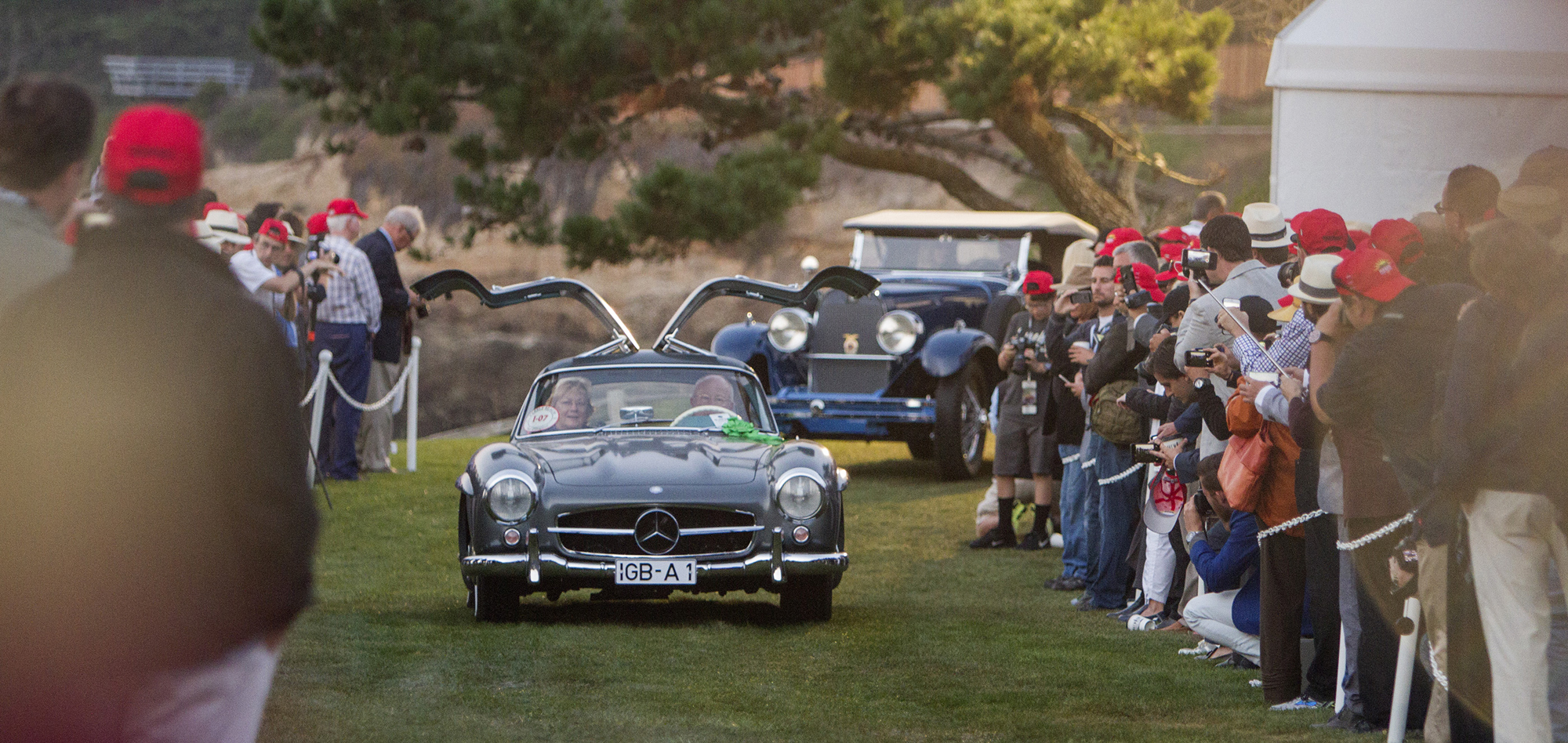
Other drool-worthy metal up for auction is a 1958 Ferrari 250 GT LWB California Spider (as well as a 1962 SWB), a 1953 Aston Martin DB3S Works, a 1955 Mercedes-Benz 300SL and a Ferrari F40. But that’s not even scratching the surface of what is on offer.
Car week concludes this Sunday with the Concours D’Elegance, a finale where more than 100 judges assess all the entries and decide which cars make the cut.
What stands out?
The Honda City is the sedan version of the popular Honda Jazz hatchback, with a longer wheelbase resulting in a spacious interior and cavernous boot space. It feels more planted on the road than most city cars, and has a zippy but frugal engine. Like all Hondas it comes with a five-year warranty.
What might bug me?
Complaints from the backseat from tallish passengers, because sweptback roofline limits headroom.Knowing there are similarly priced city cars with active safety features such as automatic emergency braking, which isn’t even an option on the Honda City.Driving at less than 80km/h on the space-saver spare until you can fix your full-sized flat tyre.
What body styles are there?
Four-door sedan, with five seats.The City drives its front wheels, and it is classed as a light car, lower priced.
What features do all Honda City versions have?
Air-conditioning, cruise control, power-adjusted exterior mirrors, LED daytime running lights.A hill-start assist system, which operates the brakes automatically to make take-offs on hills easier.A multi-information display for the driver that presents the average fuel consumption, range-to-empty and outside temperature, and a programmable speed alarm.Steering wheel controls for the audio system, a Bluetooth phone and the cruise control. A Siri eyes-free voice command function.A 7.0-inch colour touchscreen interface for the Bluetooth phone and the audio system – which has an AM/FM radio, and USB and HDMI sockets.Remote keyless entry, and a 12-volt socket for rear seat passengers to ply in or charge devices.A multi-angle reversing camera that offers normal, wide and top-down views. Rear parking sensors can be added as an option for extra cost.A space-saver spare wheel, with speed and distance restrictions.Six airbags. Electronic stability control, which can help you control a skidding car. (For the placement of airbags, and more on Jazz safety features, please open the Safety section below.)Every Honda Jazz carries a five-year, unlimited distance warranty.
Which engine uses least fuel, and why wouldn’t I choose it?
There is only one engine in the Honda City, a 1.5-litre four-cylinder that, according to official combined cycle tests uses a miserly 5.8 litres/100km in the VTi with automatic transmission, and 5.9 litres/100km with the VTi manual, and slightly heavier VTi-L auto.The auto transmission is a continuously variable type (CVT). The manual gearbox is a five-speeder, and offered only in the least costly model, the VTi.The CVT does a good job in getting the 1.5-litre engine up to speed and includes a Sport mode if you really need to dial in some extra revs.(Power outputs and all other Honda City specifications are available from the Cars Covered menu under the main image on this page.)
What key features do I get if I spend more?
The least costly City, the VTi, comes with cloth-covered seats, manually controlled air-conditioning, and steel wheels with plastic trim. A manual gearbox is standard, or you can pay more for an auto.Spend more for a Jazz VTi-L and auto transmission is standard. You also get a leather-appointed seats, steering wheel and gear knob.The infotainment system gains satellite navigation and audio speakers are doubled to eight, with the addition of four tweeters.The external mirrors can be power-folded out of harm’s way in tight parking spaces.Front fog-lights, and an extra 12-volt socket for rear seat passengers to access.Wheels are made from nicer looking aluminium alloy, dispensing with the plastic trim caps. The wheels also grow an inch in diameter to 16 inches, with the tyre sidewalls shrinking slightly to compensate – again mainly to provide a sportier look.Climate control air-conditioning maintains a set temperature, and a smart key allows you to unlock the car while the key remains secure in your pocket or bag.Paddle-shifters on the steering wheel give you some manual control of the CVT auto.
Does any upgrade have a down side?
No item of extra equipment has a drawback in itself, but the City’s VTi’s excellent value dissipates as you progress to VTi-L.Of five paint colours offered for the City, just one – Rally Red – is standard. All others cost an extra $500.
How comfortable is the Honda City?
The City is quite comfortable to drive and ride in. The longish wheelbase makes it feel quite planted and the suspension is good at dealing with urban speed humps and smoothing out patchy arterial roads.It’s comfortable from a seating and ergonomic viewpoint too. A tilt and reach adjustable steering column and simple yet supportive front seats, with height adjustment for the driver, promote a comfortable position and forward vision is very good. Road and engine noise are well supressed even out on the highway.The City’s cabin materials, including the fabric or leather seat trim, and carpet are of good quality, but are a little undermined by hard-plastic dashboard and door-trim plastics.The interior is well laid out and the dashboard presentation is neat with most displays and buttons intuitively located. The colour touchscreen display is appealingly crisp and is only let down by outdated graphics on the VTi-L’s sat-nav system.Road and engine noise are well supressed even out on the highway.
What about safety in a Honda City?
Every Honda City has anti-lock brakes, stability control, six airbags, hill-start assist, and a comprehensive reversing camera display.The six airbags are in the usual places: two directly in front of the driver and front passenger; one alongside each front occupant at chest level to protect you from side impacts; and a curtain airbag on each side at head level, protecting occupants front and rear from side impacts.The forward location of the City’s A-pillars (those either side of the windscreen) and large, downward tapering front side windows allow good vision for tight corners and roundabouts, increasing primary safety.The City comes standard with LED daytime running lights, which make it easier for other drivers to see you.Automatic emergency braking is not available on a Honda City.The Australasian New Car Assessment Program (ANCAP) awarded the Honda City its maximum five-star rating for safety, in January 2014.
I like driving – will I enjoy this car?
The City is a much nicer car to drive than its more popular Jazz hatchback sibling.The City’s 4455mm length and 2600mm wheelbase is longer than most comparable sedans and hatches, and it feels more planted on the road and handles tight bends a lot better than most city cars. And, unlike the Jazz, you don’t feel like you’re about to be blown away in strong winds.The engine offers very good power and performance for a light car, and the CVT auto does a good job in getting the 1.5-litre engine up to speed and includes a Sport mode if you really need to dial in some extra revs.On the City VTi-L, the CVT auto can be manually operated using gearshift paddles behind the steering wheel, which makes it more fun than some conventional automatics.
How is life in the rear seats?
The City offers decent legroom that rivals some medium cars, but headroom is limited by the sloping roofline.The seat can carry three passengers, with lap and sash belts for all, though things would be a little tight for three adults.If you only have one or two rear-seat passengers, the middle backrest incorporates a fold-down armrest with two cupholders .The City VTi has a 12v socket at the back of the centre console for rear passengers to plug in or charge devices. The VTi-L has two sockets.
How is it the City for carrying stuff?
The City is one of the most practical sedans in its class. Boot space is a cavernous 536-litres, which is better than some SUVs, and its low boot lid makes loading easy.The rear seats fold down with a 60:40 split to take longer loads.
Where is the Honda City made?
The Honda City is manufactured in Thailand.
Are there any rivals I should consider?
The Mazda 2 Sedan also offers a big boot space, is a more enjoyable car to drive and is available with automatic emergency braking. The Hyundai Accent Sport sedan also represents good value, but isn’t as refined.
I like this car, but I can’t choose which version. Can you help?
The City VTi is our pick of the line-up. It is well equipped for the money and while the VTi-L has additional features, they don’t add enough in terms of drivability and comfort to justify the price hike.
Are there plans to update this model soon?
The current-generation Honda City arrived in the middle of 2014 and received a mid-life facelift in March 2017, which included stylish looks courtesy of a revised grille, bumpers and new-look headlights with daytime running lights. Interior enhancements included a new-look instrument panel with a simplified infotainment system and bigger 7.0-inch touchscreen.An all-new Honda City is expected to be revealed in 2020.
The 2020 Toyota GR Supra has been under fire from purists since it was announced that it’d be running on BMW power, more specifically with the B58 engine used in the likes of the M140i and the current Z4.
So when Papadakis Racing, builder of successful drift and race cars, decided to pull one apart they also filmed the whole dismantling process to show off the engine’s impressive engineering.
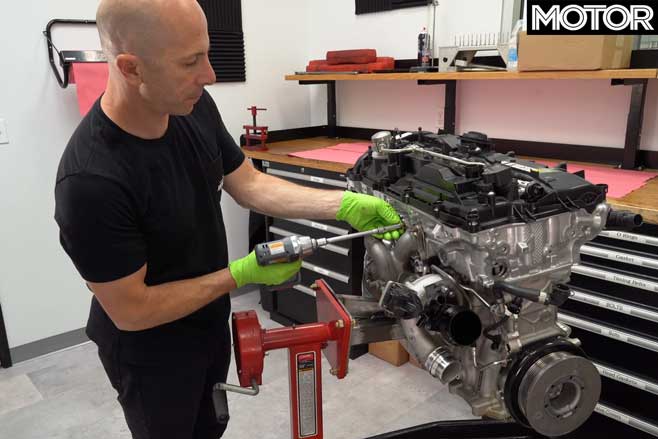
The engine comes off a delivery-mile Supra, and with a goal of turning its engine into a 1000hp+ beast (up to over 746kW from the claimed 250kW it began with), the team got right to work by pulling the thing apart and having a poke around.
Of course, you should watch the video for a full technical rundown of the engine, as it’s pulled apart bit by bit and explained in great detail, but the gist of it is that while Stephan Papadakis (the team and workshop’s owner) doesn’t say outright whether he thinks the B58 is a worthy successor to the 2JZ, he is still quite impressed by it.
And he’d know what he’s talking about when it comes to building a good engine – he’s in charge of one of one of the most successful Formula Drift teams.
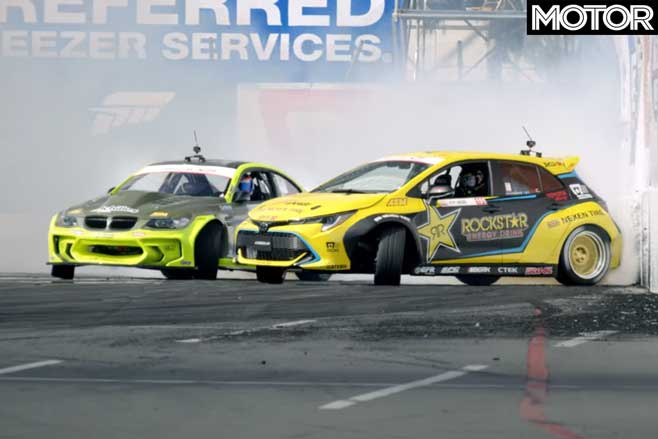
In fact, with Fredric Aasbo at the wheel of the Corolla iM drift car the team built, Papadakis Racing has consistently dominated the sport by staying up the top of scoreboards and taking home the 2015 championship title.
There’s more to come from Papadakis with this particular engine, so it might be worth subscribing to their channel to follow along.
