
We’re still drooling over Porche’s 718 Cayman GT4 and Boxster Spyder announcements this morning, and we’ve got our hands on even more shots to ogle at.
In case you missed it, Porsche’s built an all-new engine just for the duo: 4.0-litres, flat-six, and screaming atmospheric power to 8000rpm. It sounds like a 911 GT3-light engine, but it’s not – check out the full tech details here.

Anyway, we should stop distracting you from checking out more of Stuttgart’s newest mini-supercar. Click through the image gallery at the top and you can check out the Boxster Spyder twin over here.
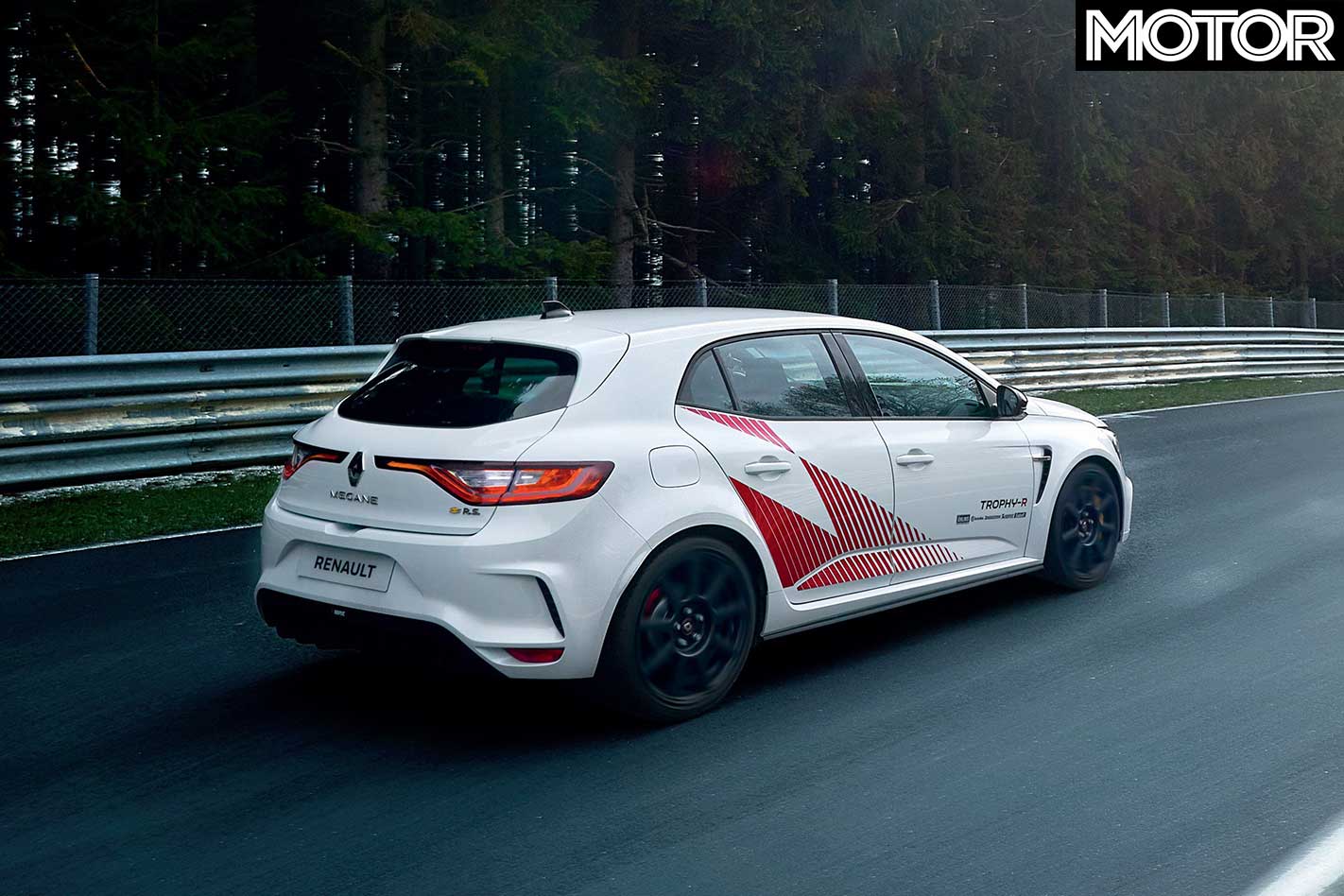
The Renault Mégane RS Trophy-R, current record-holder for the Nürburgring Nordschleife front-wheel drive production car lap record, wears Australian shoes… er, wheels.
Supplied by none other than Geelong-based Carbon Revolution, the wheels are one-piece carbon fibre units. Carbon Revolution says it’s the only supplier of one-piece carbon wheels in the world.
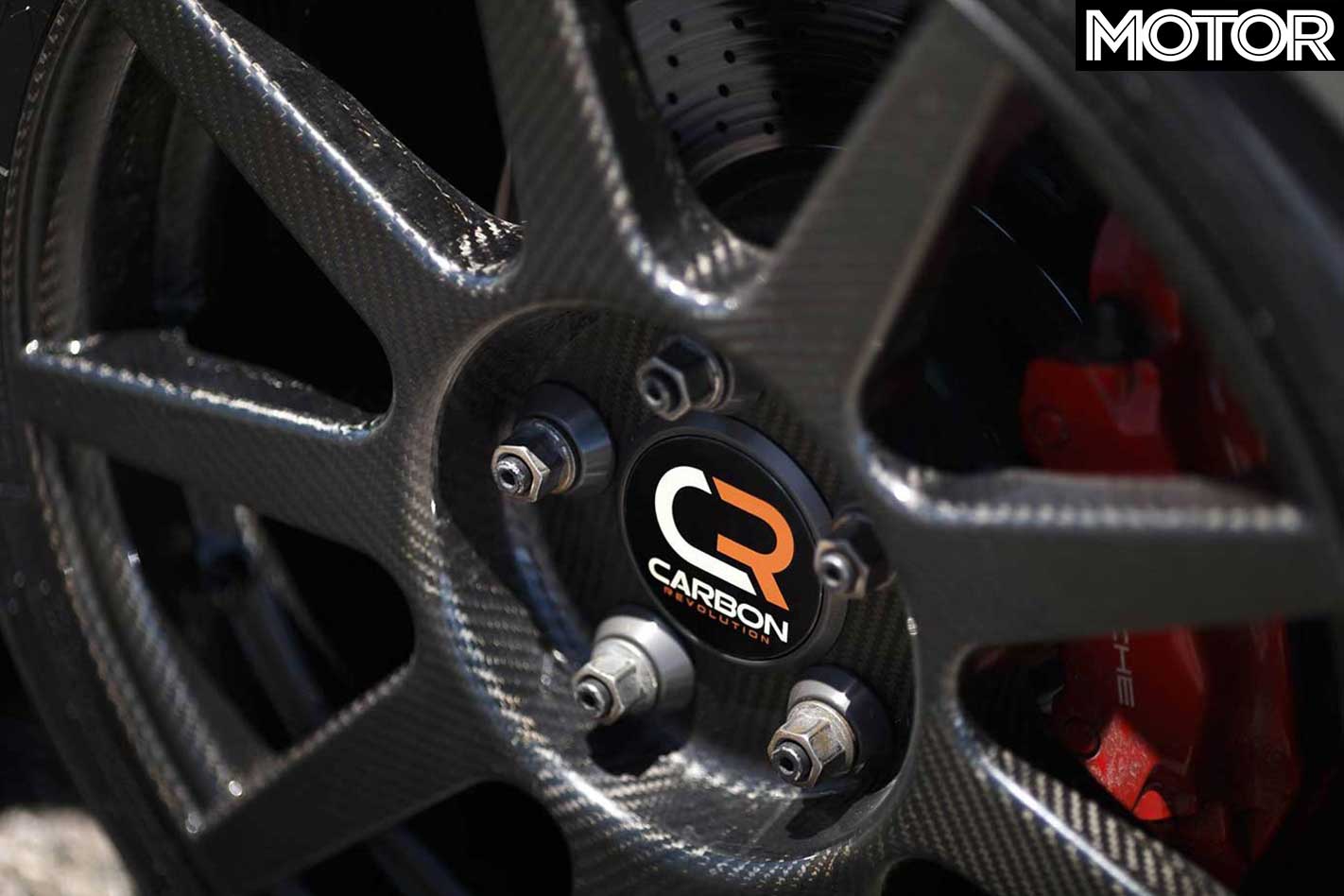
The record, a lap time of 7 minutes and 40.1 seconds, might not have been so cleanly snatched from the Honda Civic Type R without the lightweight exotica adorning each corner.
It’s hard to say how much faster the low unspring weight made the Mégane, and it might not have even needed the wheels to take the record. After all, the Trophy-R boasts 220kW and weighs about 130kg less than the standard RS Trophy.
But Carbon Revolution’s testing suggests that at Willow Springs in the US, the CR-9 wheels saved 1.23 seconds within a lap. The CR-9 is the same wheel the Mégane RS Trophy-R wears.
Carbon Revolution says CR-9s generally weigh just more than 7kg each, which it says is 40 per cent to 50 per cent less than conventional alloy wheels.
“Basic physics tells us the gyroscopic effect requires significant effort to move a spinning object – the heavier it is, the more effort is required.
“Lighter, stiffer wheels allow you to accelerate quicker and change direction more precisely.”
We’re sure Renault’s engineers and Laurent Hurgon, Renault’s development driver, would have been able to find a way to make the car just as fast without the help of a set of wheels from Geelong, but they opted not to. Because of that, a team of Australian wheelmakers can pat themselves on the back.
It was 1990 and the first V12-equipped BMW 8 Series rolled down the line at a plant in Dingolfing. It was the first V12 road car to be equipped with a manual transmission (a six-speed).
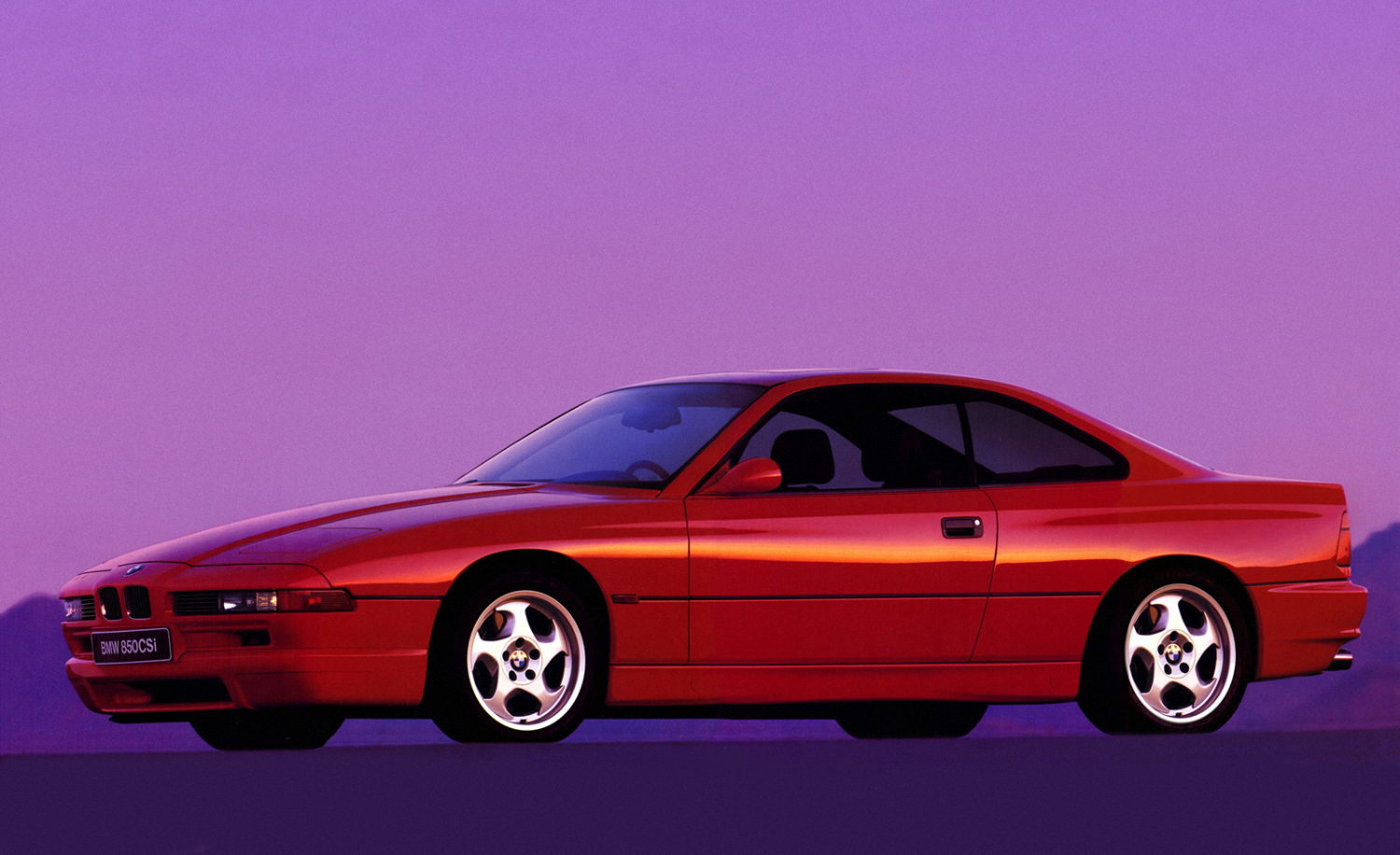
Two years later, the flagship 850 CSi arrived, born from the M8 prototype. It used the same 5.0-litre bent-twelve motor as the 850i, but increased capacity to 5.6-litres, required Bosch Motronic fuel injection to keep up with combustion and increased output to 279kW at 5300rpm and 550Nm at 4000rpm.
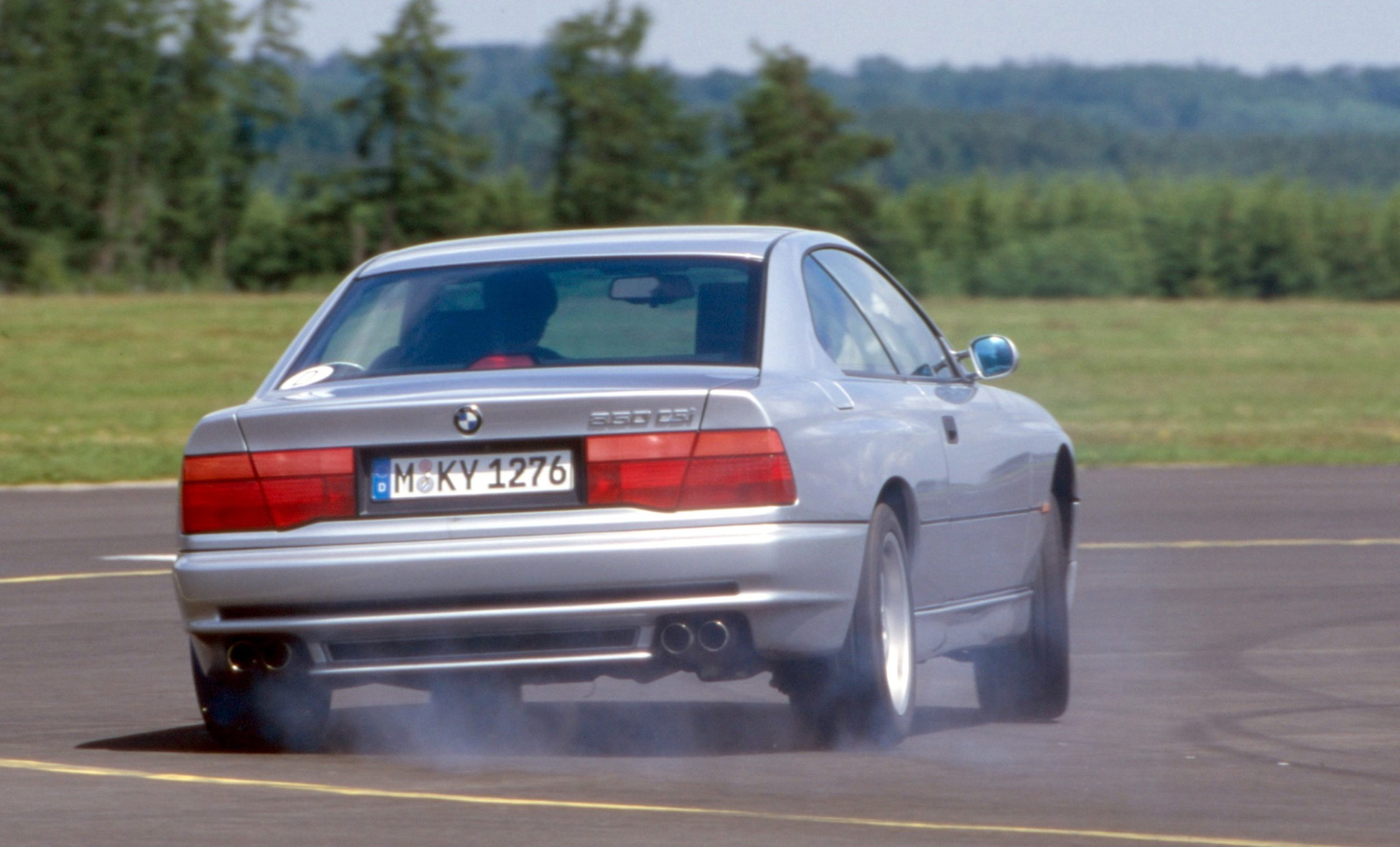
It was so far removed from the V12 it originated from it got its own engine code – S70B56 – and unlike other 8 Series models, was only available with a manual transmission.
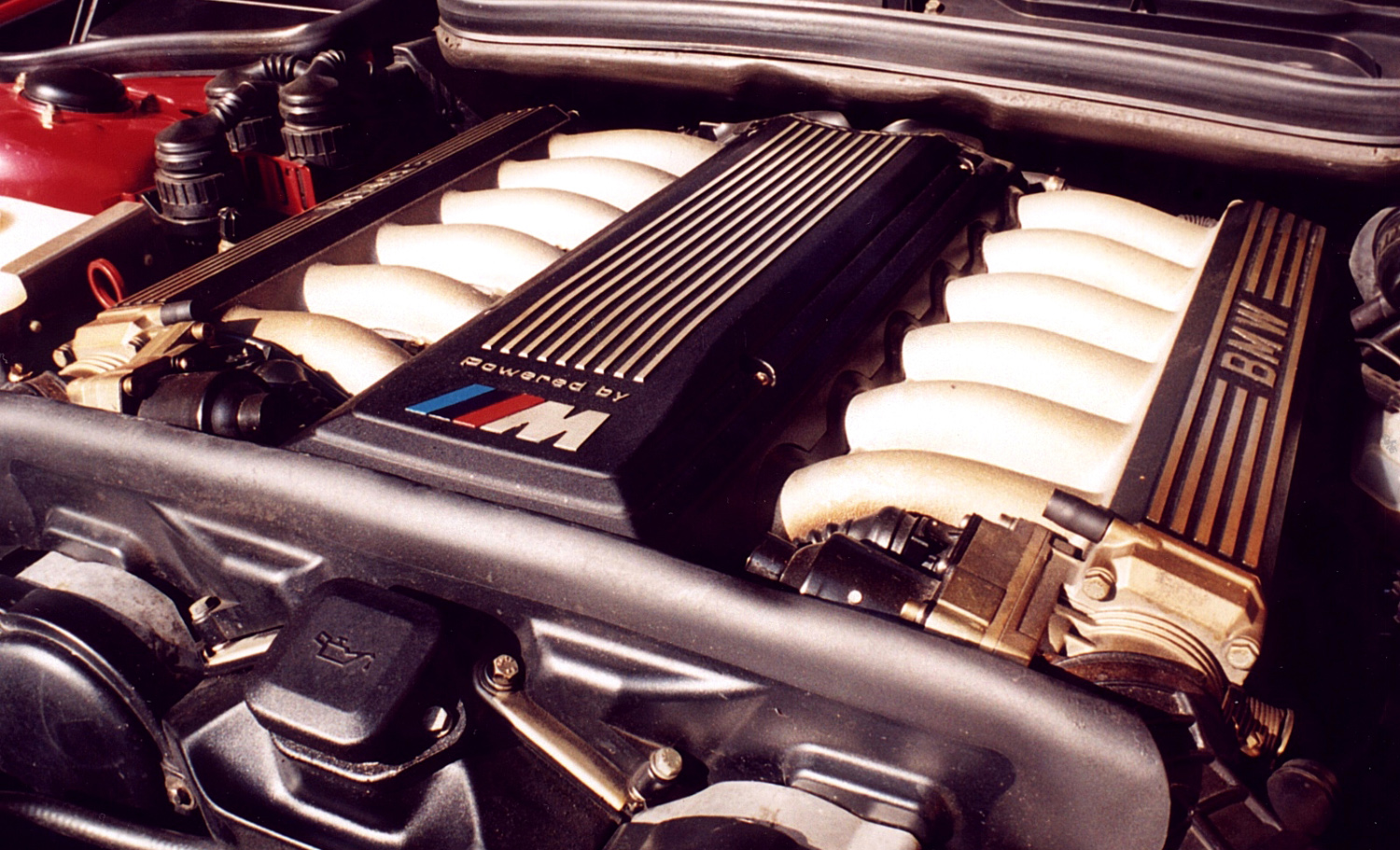
A classic combination now lost forever in car heaven.
Emission targets, electric motors and turbochargers have claimed the scalp of another muscular hero and the Bavarian motor company’s largest engine.
Michael Bayer, head of BMW powertrains, had previously stated that there were no plans to abandon the V12, but BMW M CEO Markus Flasch recently told Autoblog.com that it would not support the low-volume mill anymore.
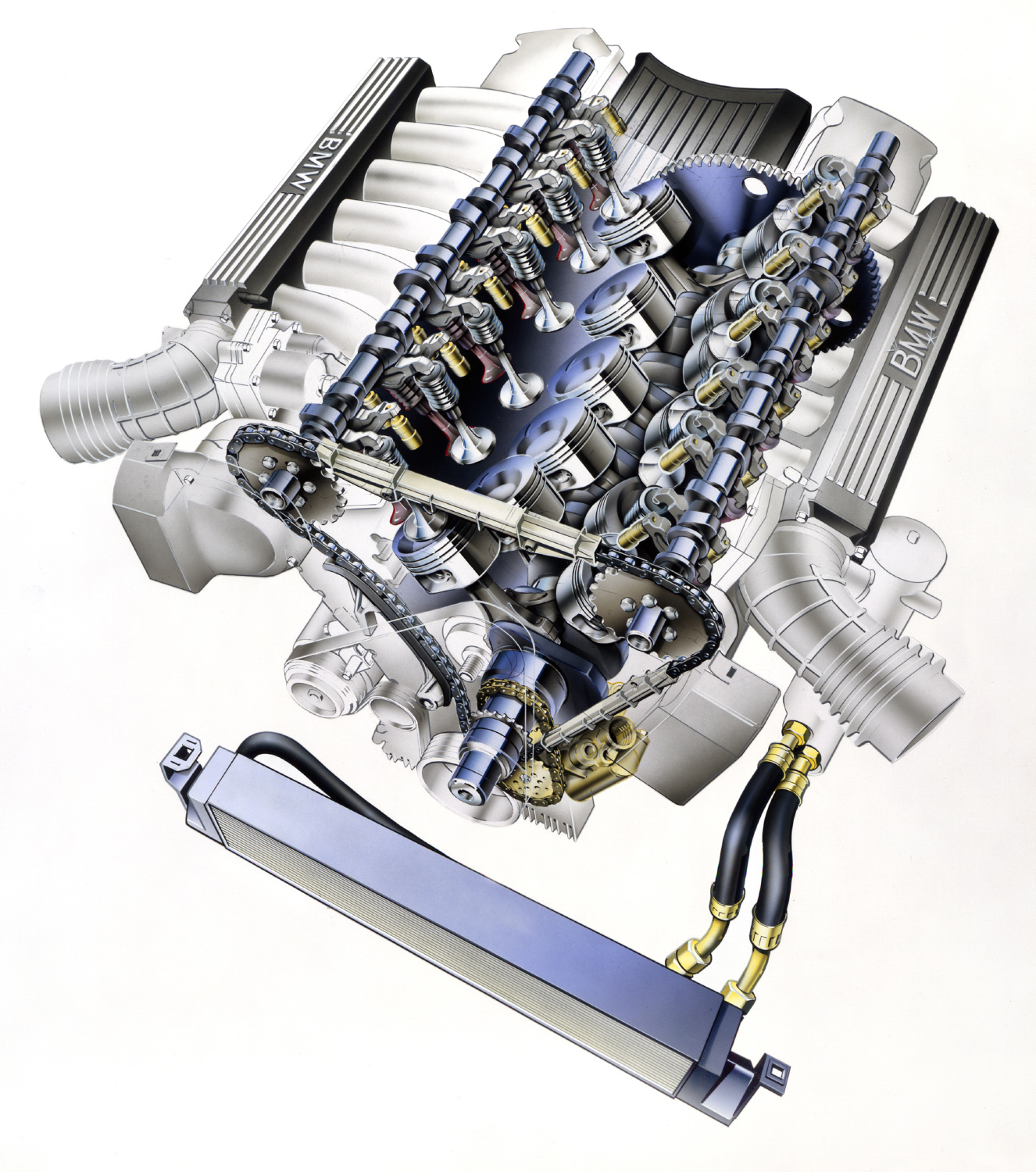
“Beyond what we have, I don’t believe we will see a new twelve-cylinder model in the foreseeable future.” said Flasch.
BMW currently fits a 6.6-litre twin-turbo V12 into its M760Li, which is still on sale in Australia, but it seems this might be the last time we see the great 12-cylinder engine in a BMW before its final departure. It might also leave Rolls-Royce looking for a new supplier, as the British brand has committed to using BMW’s electric drivetrains, however, says it will also keep the V12 alive.
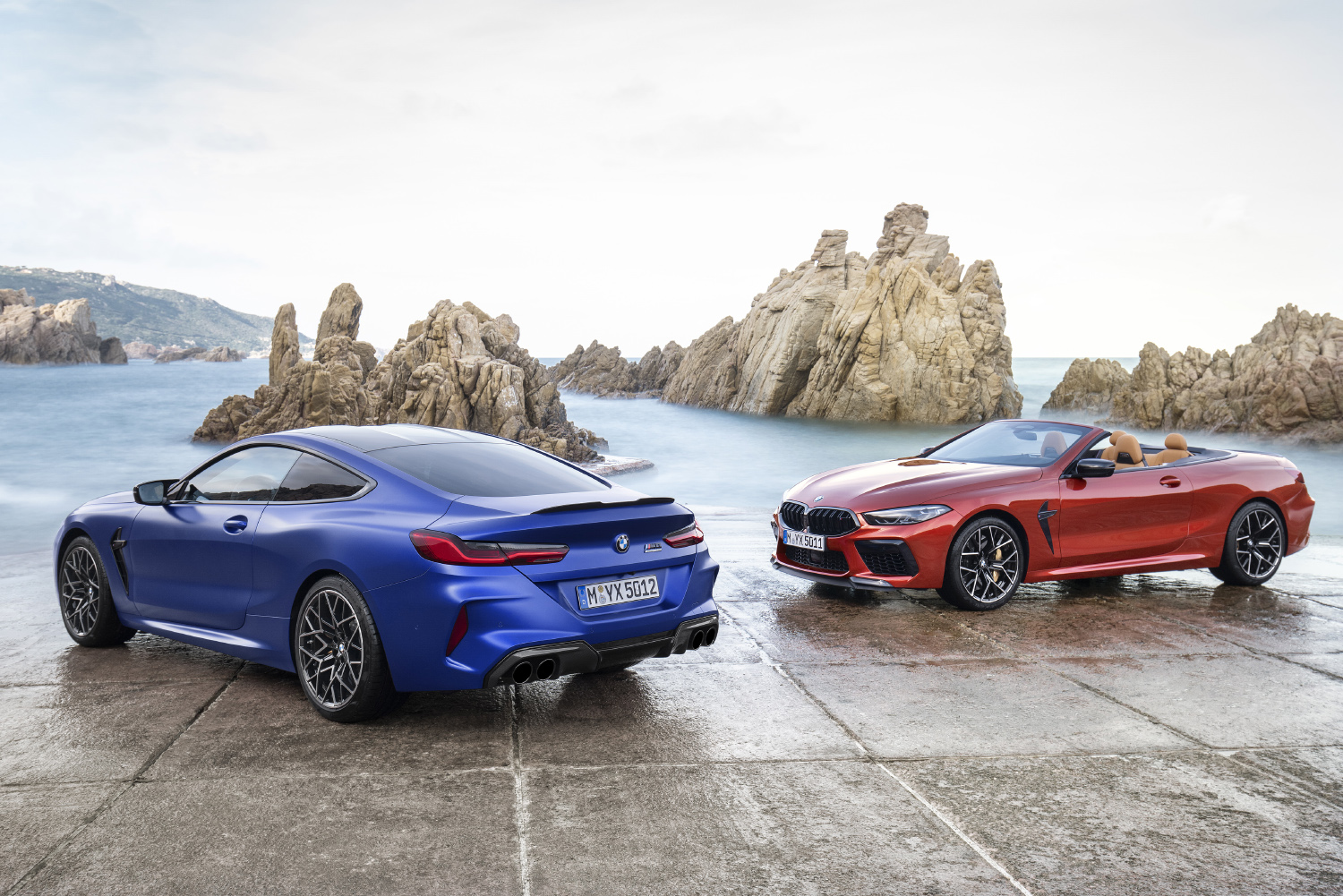
With BMW finally confirming that it won’t invest in twelve-cylinder engines beyond the current-generation 7 Series, there will be no V12 goodness to grace the latest 8 Series – just the second incarnation of that model lineup in BMW’s history. If only BMW had the same enthusiasm (and carbon credits) as Rolls, we might have seen the M8 arrive in its original V12 glory.
For many, the 6.1-litre V12 nestled in the middle of the McLaren F1 is the finest production engine ever built.
What might not be common knowledge is that the test bed for the mighty S70/2 was a BMW E34 M5 Touring, this prototype surely ranking as one of the coolest cars ever created.
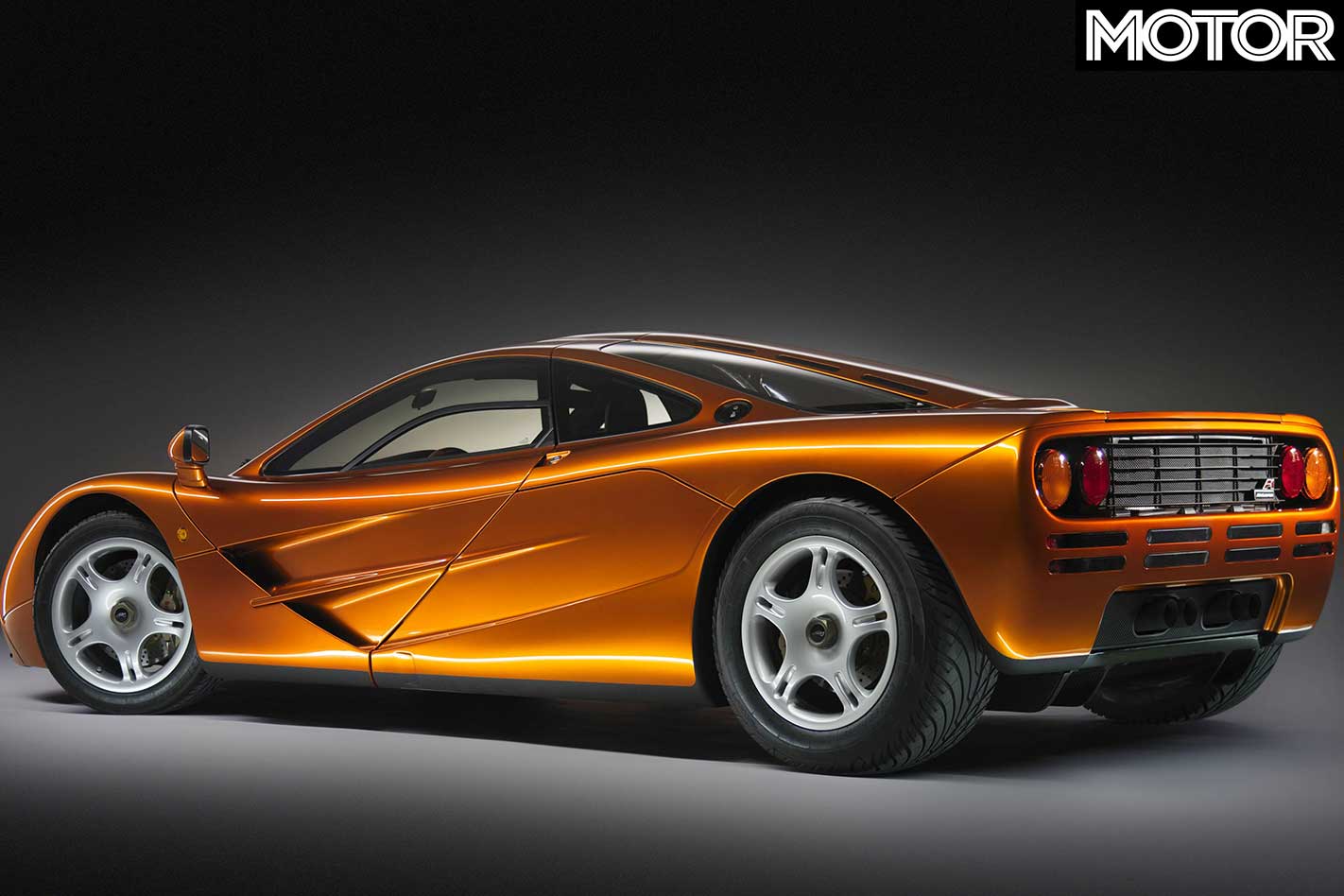
The information came to light on the Collecting Cars podcast, hosted by Top Gear presenter Chris Harris, during an interview with classic car dealer and racer David Clark, who acted as the Director of McLaren road and race cars from 1994-1998.
“When they tested the engine it was in an M5 estate car,” explains Clark. “I’ve driven, it’s an outrageous thing.” This is unsurprising, as shoehorning the McLaren’s V12 into the E34 M5 essentially doubled its performance potential.
Developed by BMW’s engine guru Paul Rosche, the S70/2 developed 461kW at 7400rpm and 650Nm at 5600rpm, a far cry from the M5’s 232kW/360Nm, which itself was extremely impressive at the time for a four-door sedan. Or five-door wagon.
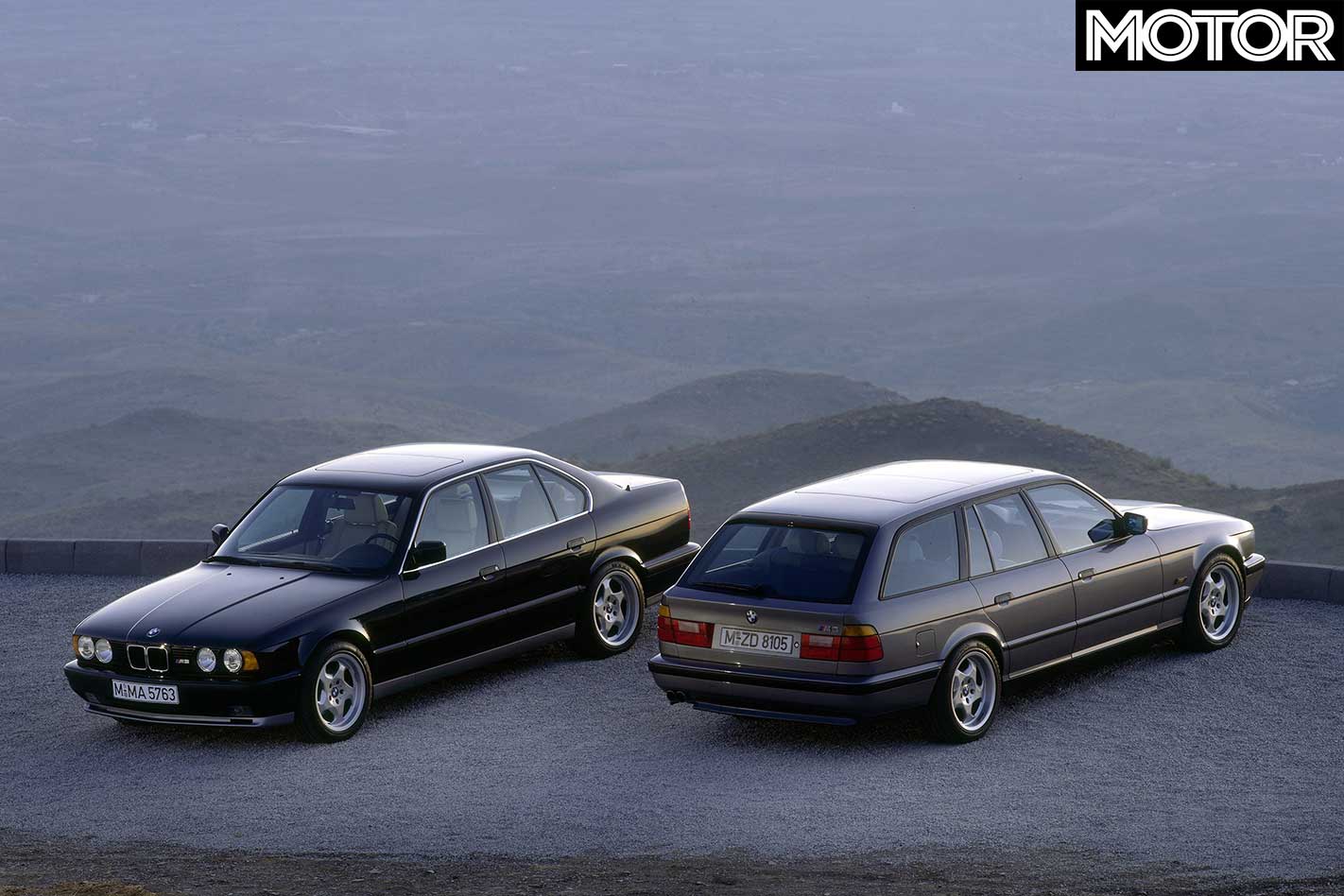
According to Clark BMW still has the car, one of many secret prototypes it has stashed away including the E31 M8 supercar and rear-engined V16 7 Series. The E34 M5 Touring is itself a special piece of machinery, being the last hand-built M car with just 891 produced.
“The engines are so amazing,” says Clark, who remains one of the world’s foremost authorities on the McLaren F1 and has a huge collection of spare parts. “I remember going to see Paul Rosche, I flew back with Gordon [Murray] and said ‘Gordon this is never going to happen, it has to go before the [BMW] board, this is a big, big thing.
“Anyway, it happened quite quickly with [then BMW Motorsport chief Karl-Heinz] Kalbfell and Rosche and the engine just evolved – it could never happen today in the way that it did.”
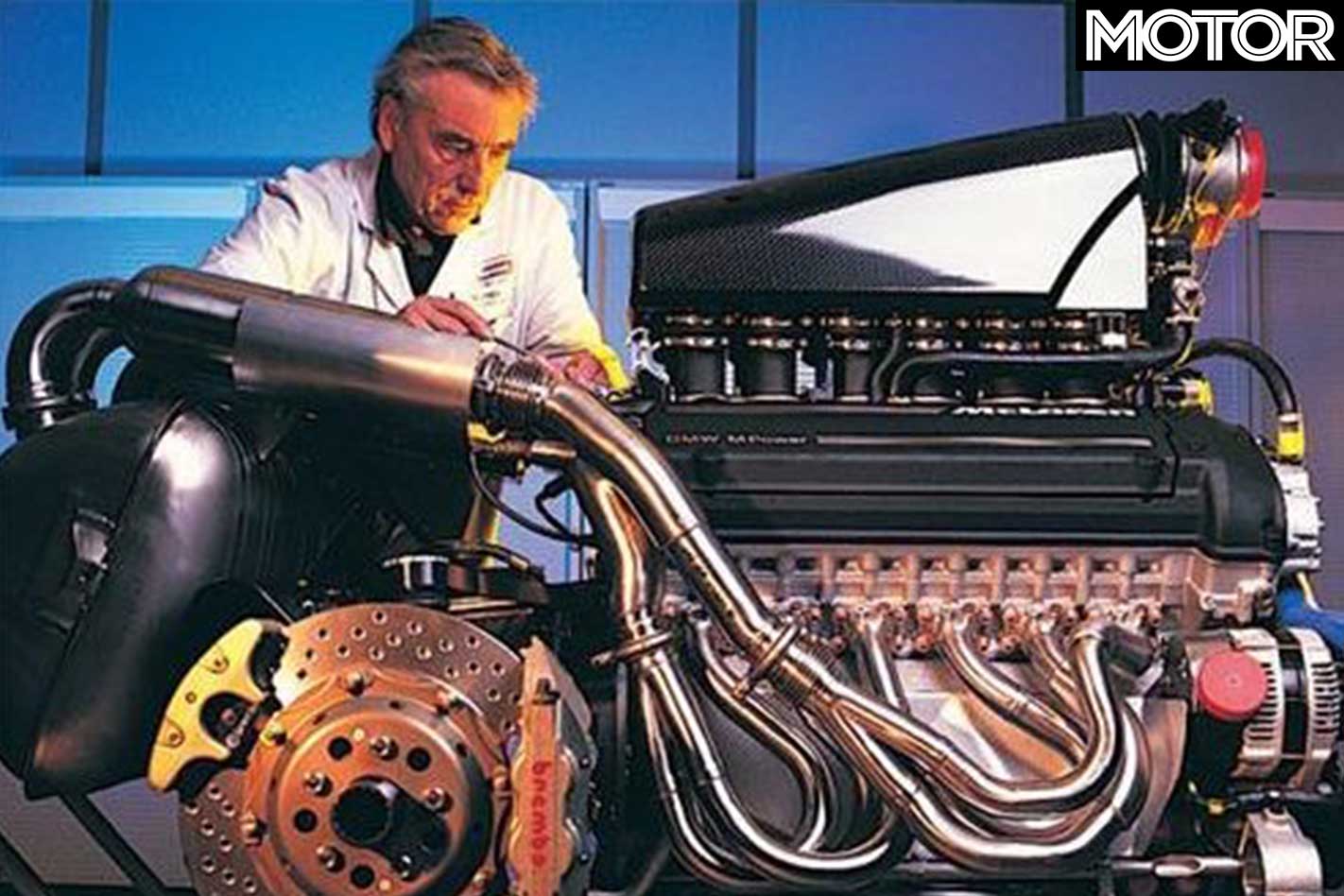
Nevertheless, as amazing as it was, the program was not a financial success. With the F1 launched at the tail of a major recession, Clark reveals one of his first moves was to wriggle McLaren out of the proposed 350-engine contract with BMW. It was a shrewd move, as just 71 road cars were produced with 106 in total.
2019 Jeep Grand Cherokee Trackhawk
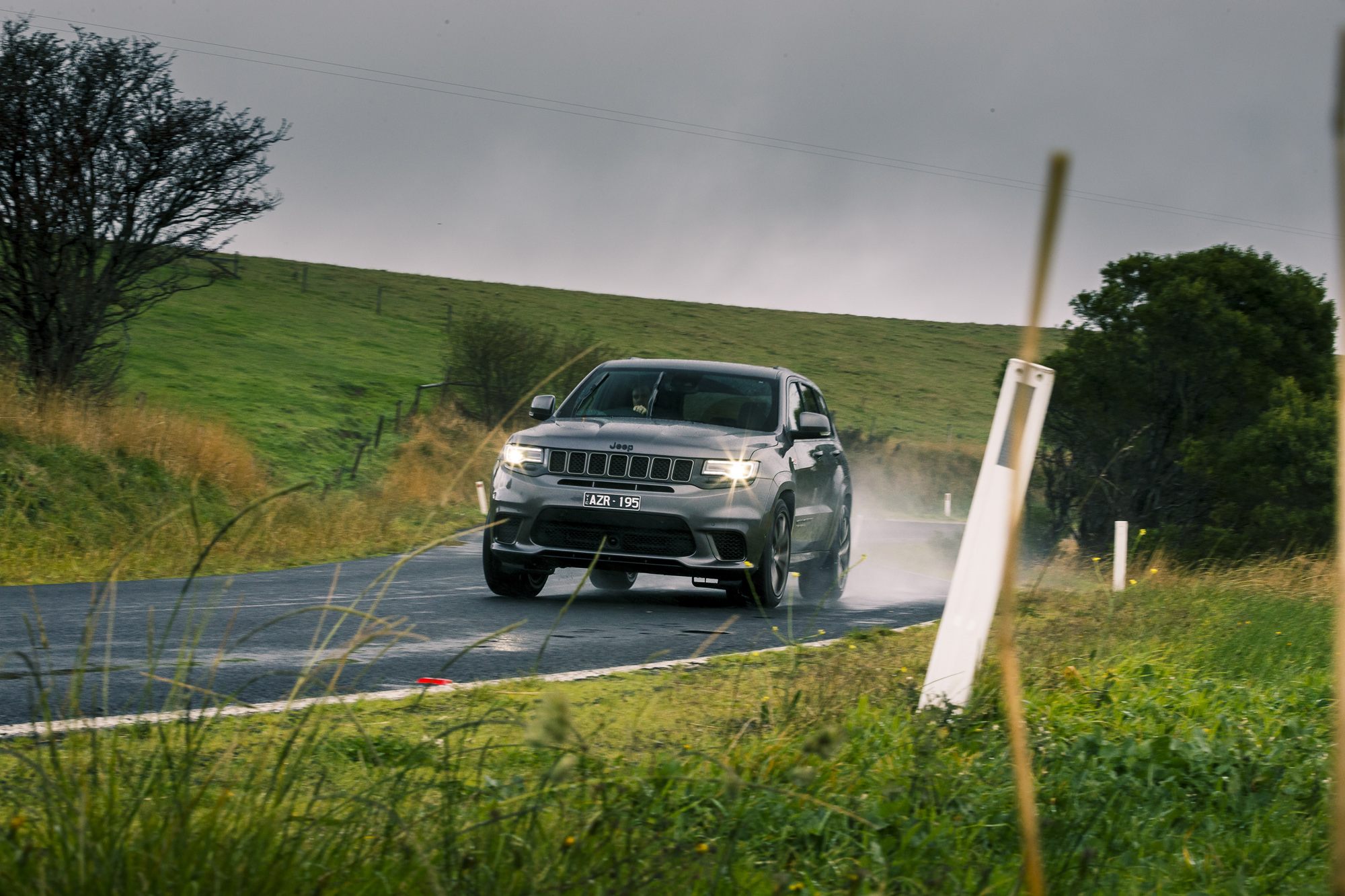
There is no reason that the Jeep Grand Cherokee Trackhawk needed to be built. But we wanted it, and we sure are glad FCA went and built it.
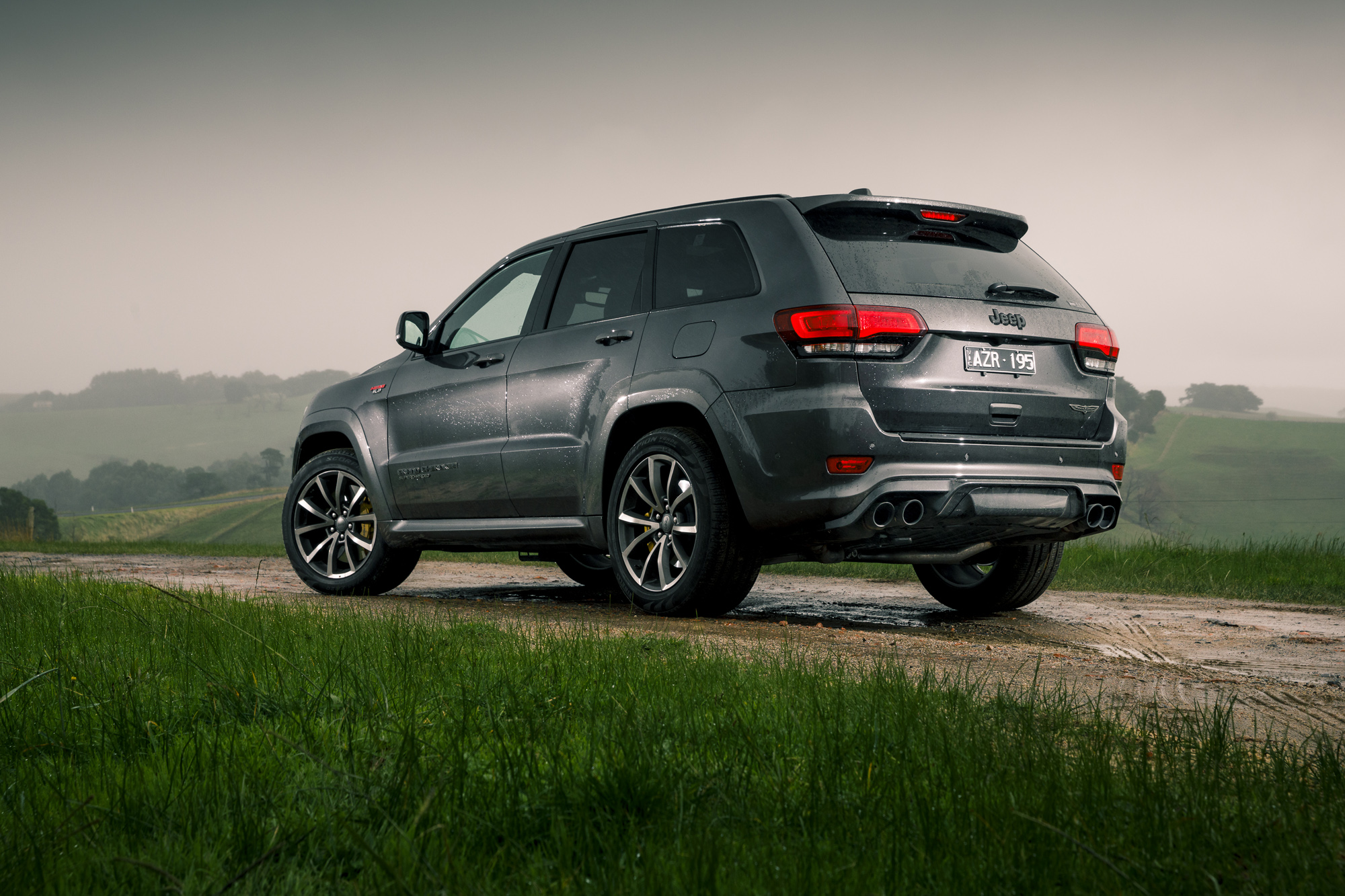
Packing a 522kW/868Nm punch from a 6.2-litre supercharged V8 heart, the Trackhawk is not only the most powerful SUV you can buy but one of the most powerful vehicles you can add to your garage in Australia, full stop. But unlike its 500-kilowatt club rivals that come from the likes of McLaren and Lamborghini, the Jeep won’t cost almost one million dollars to add to your garage. Instead, this family-hauling brute costs just $134,900 brand new.
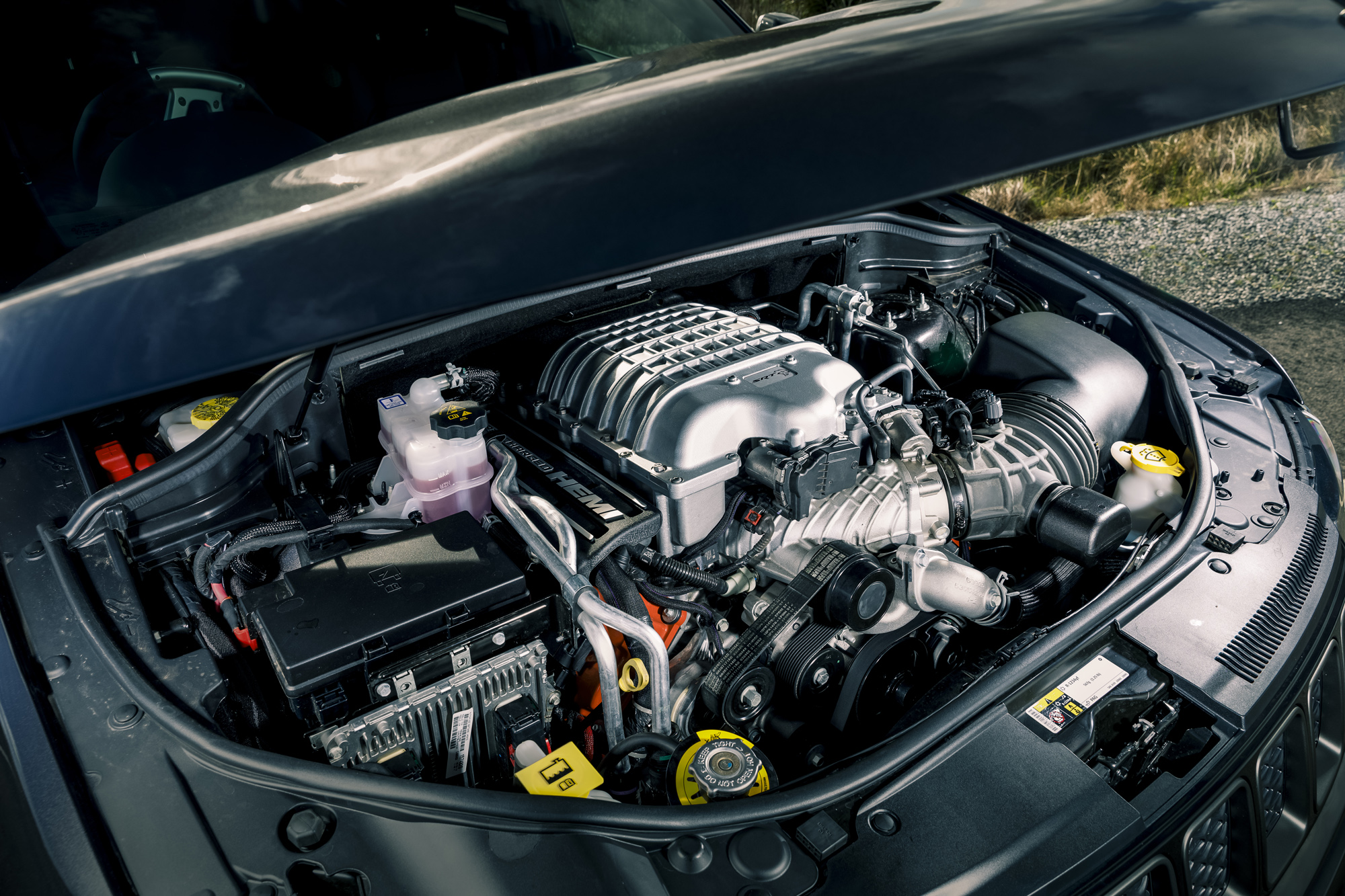
For that cash you get more power than you’ll ever need, along with a very generous equipment specification that would require significant box-ticking from European rivals to match it.
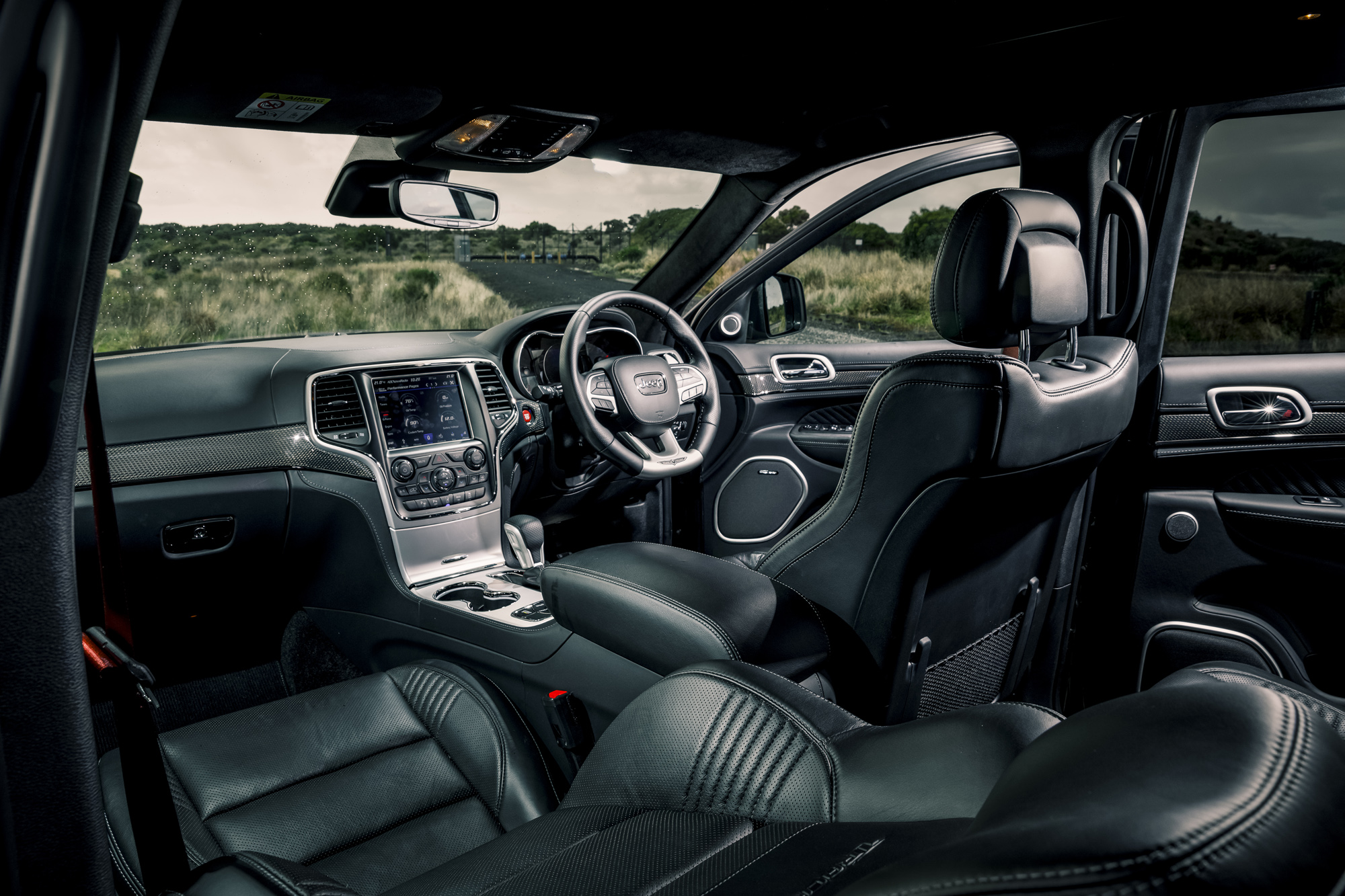
Owning the Trackhawk would be a never-ending game of looking for the nearest set of traffic lights, with the Jeep’s straight-line performance having to be experienced to be believed – it’s an intoxicating drug.
While some might balk at the six-figure sum for a Jeep, just know you’ll be able to shame supercar owners while taking your kids to school – that’s worth the price of admission alone.
2015 Range Rover Sport SVR
Remember those European rivals we mentioned earlier? Well, only one is also fitted with a supercharged V8 – the Range Rover Sport SVR. As 2015-vintage models are now hitting the used market for bang-on what it would cost to buy a Trackhawk, the comparison makes for an interesting proposition.
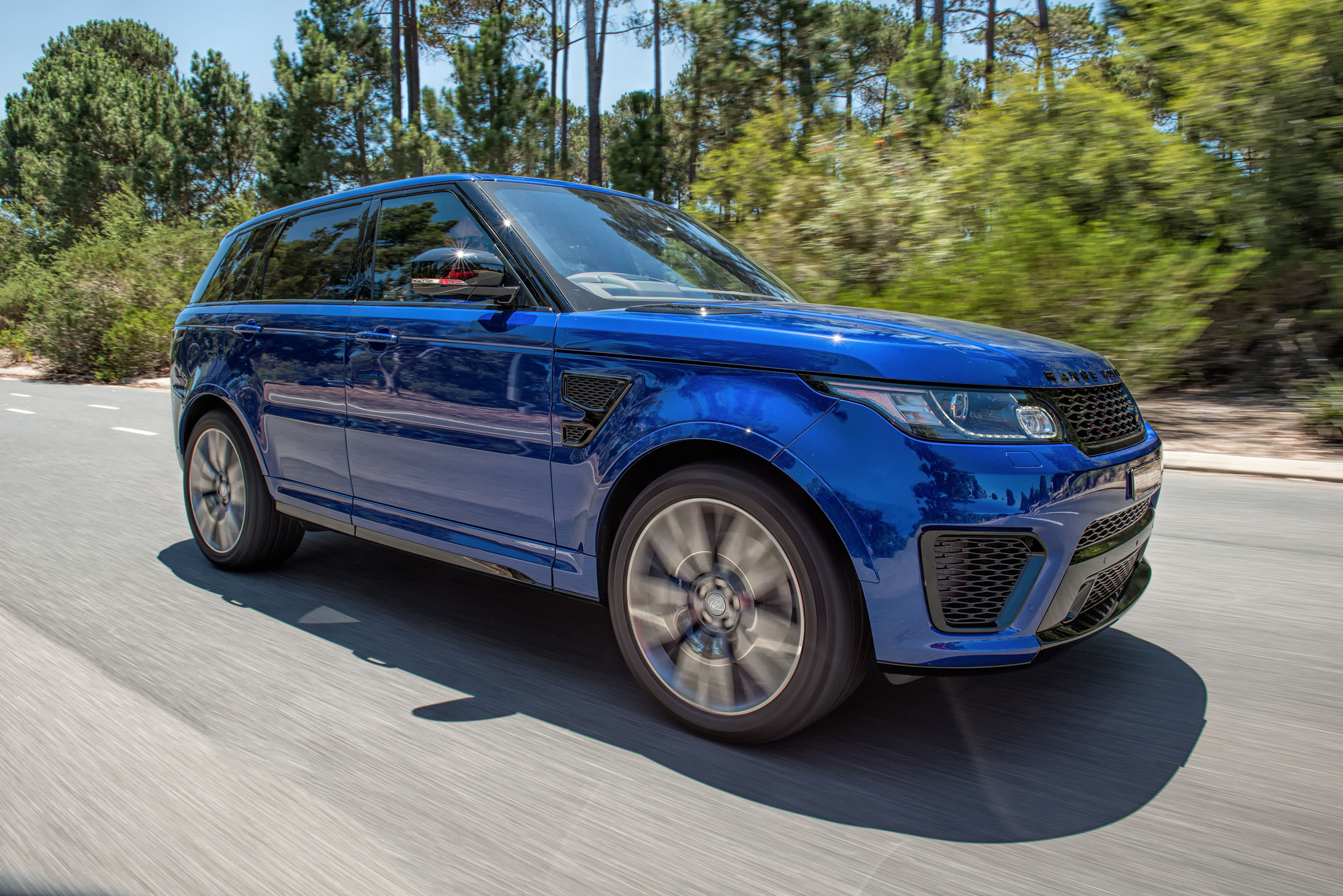
Priced at $218,500 when new, the SVR’s significant depreciation is a curse for new owners and a blessing for used car buyers who can now own a relatively new luxury SUV at a significant discount.
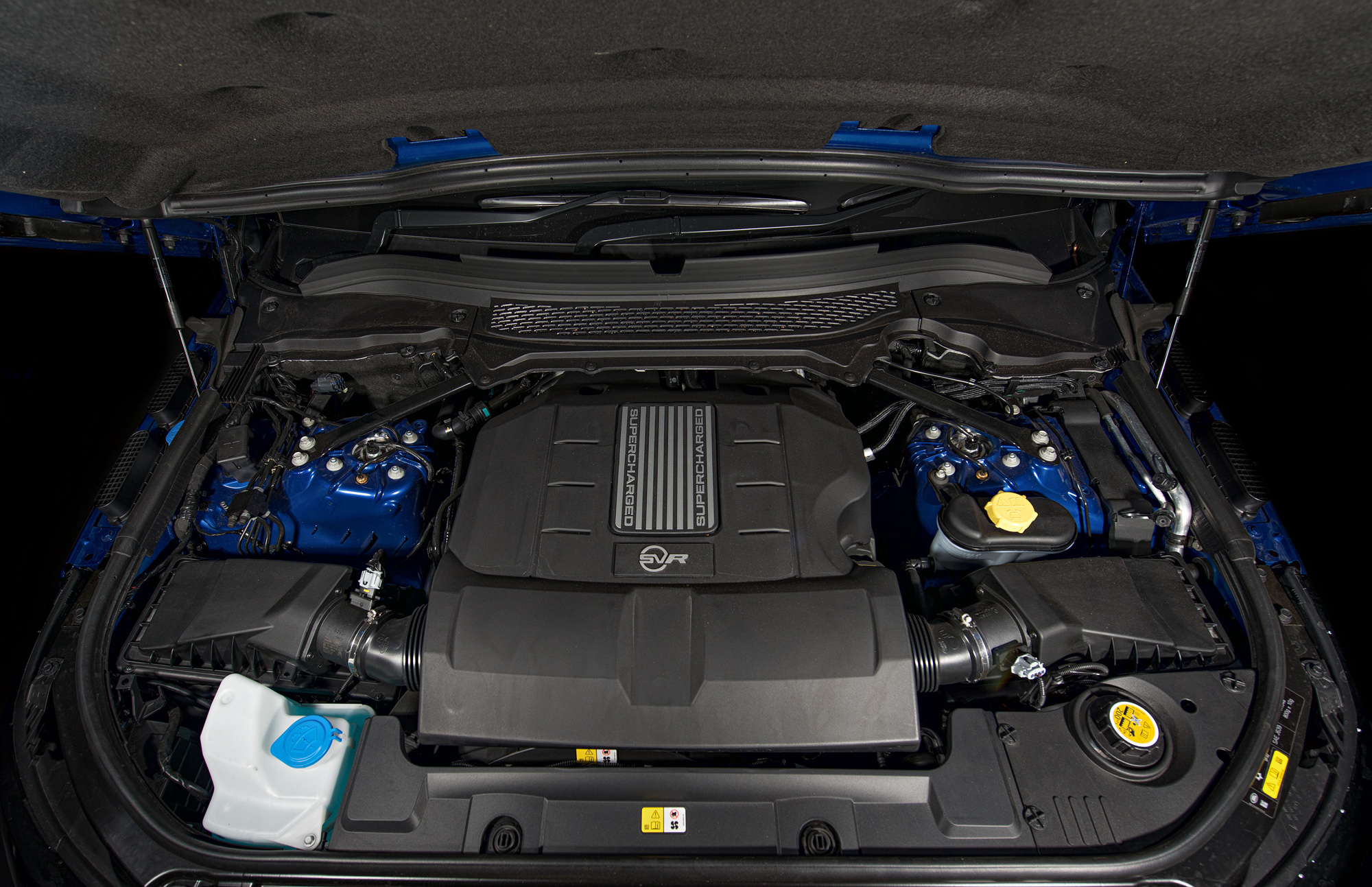
While it lacks considerable power compared to the monstrous Trackhawk’s output, it’s important to remember the wider context when talking about the Range Rover Sport SVR’s performance. It’s still quick enough shame some serious performance cars, and the 5.0-litre unit sounds utterly fantastic.
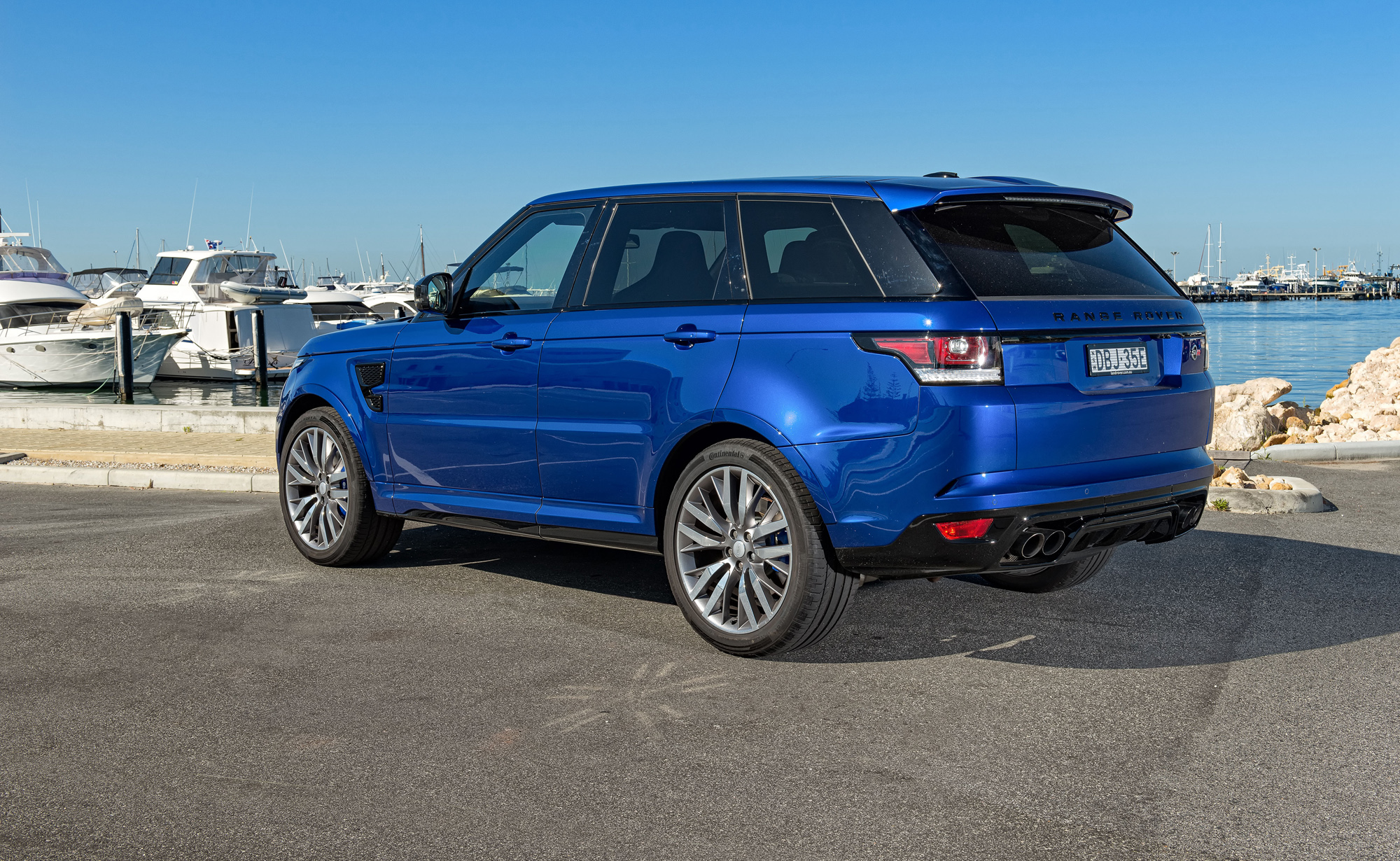
Where the Ranger Rover has an advantage over the Trackhawk is its ability to remain poised in the corners, while also retaining proper off-road chops – not that you’d be taking either far from the blacktop.
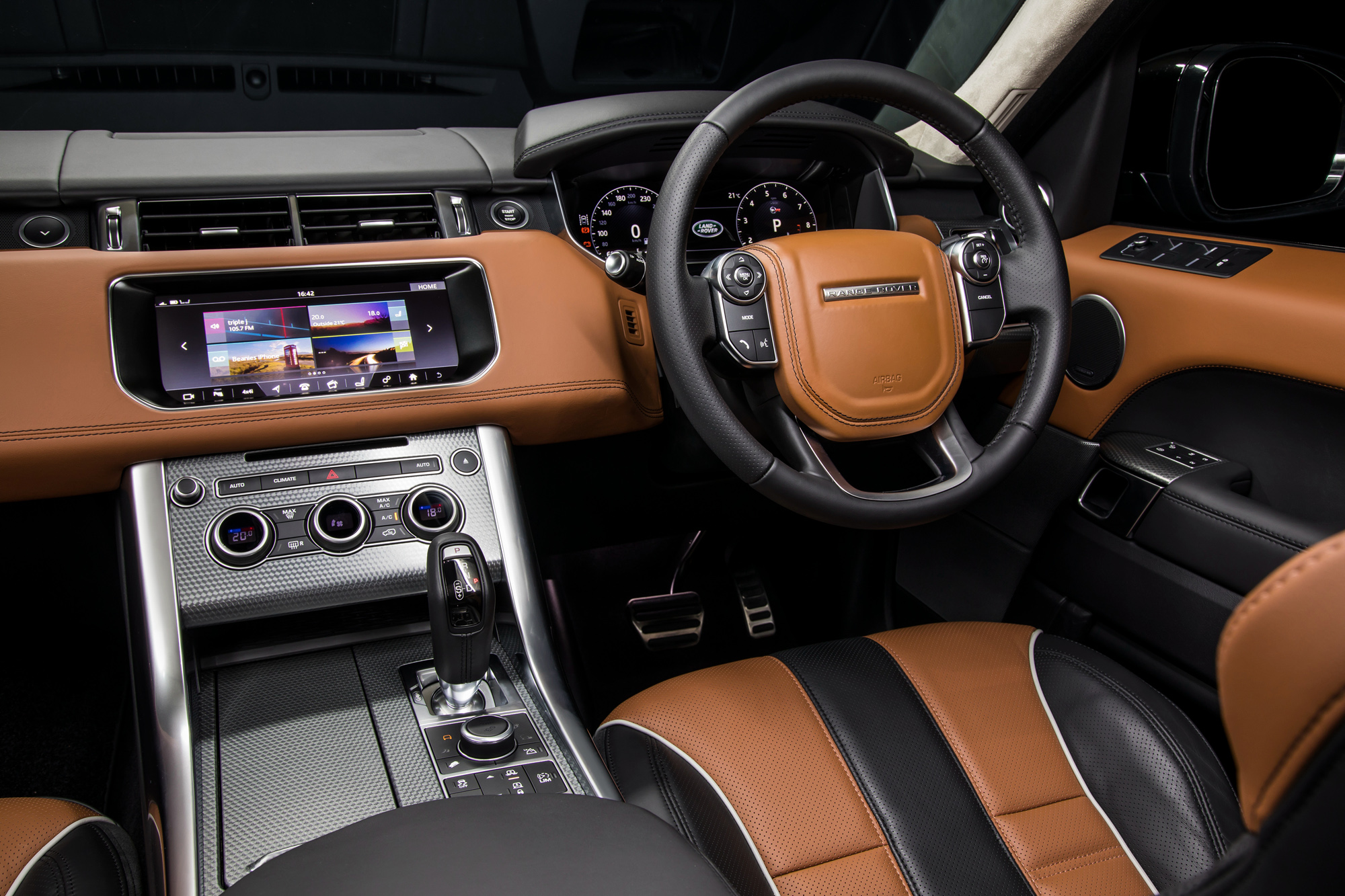
When looking at the tale of the tape, this looks like a very even match. Both have a supercharged V8 pumping eye-watering power levels to all four treads via an eight-speed automatic transmission, each is generously equipped inside for luxurious cruising capabilities, drink fuel at an exorbitant rate, weigh in at over two tonnes, can break the speed limit fast enough to make your license an endangered species, and will set you back in the region of $135,000.
So then, which would you be spending your cash on?
Specs comparison
2019 Jeep Grand Cherokee Trackhawk | 2015 Range Rover Sport SVR | |
Price (new) | $134,900 | $218,500 |
Engine | 6.2-litre supercharged V8 | 5.0-litre supercharged V8 |
Output | 522kW/868Nm | 405kW/680Nm |
Transmission | 8-speed automatic | 8-speed automatic |
0-100km/h | 3.7 second | 4.7 second |
Efficiency (combined) | 16.8L/100km | 12.8L/100km |
Drivetrain | AWD | AWD |
Doors | 5 | 5 |
Seats | 5 | 5 |
Wheel size | 295/45R20 | 275/45R21 |
Weight | 2433kg | 2335kg |
Country of origin | United States of America | England |
Wheels staff picks

Cameron Kirby
Staff Journalist

Alex Rae
Online Editor

Trent Giunco
Staff Journalist
Reckon we’ve got it right? Or are we way off the money (literally)? Find your best and let us know in the comments what you’d buy.
We all know by now that the internet comments, generally speaking, is not the healthiest place to reside. But when it comes to opinions around the Lexus RC F Track Edition, I’m afraid that many of the keyboard warriors have a point.
From the fair ‘this is what the Supra should have been’, to the brutal ‘thank god BMW had nothing to do with this’, ‘Toyota and Yamaha partnership > BMW and Toyota’ (referring to the engine tuning collab that dates back to the early development of the 2000GT in the late 1960s) to my personal favourite: ‘The RC-F looks more Supra than the new Supra.’ I might have to agree.
When it comes to hair-on-end enjoyment, track capability, performance and bragging rights, it is worth wondering if Toyota’s big, luxurious sibling has it in the bag with the RC F, even with an entry-level price difference of around $35k?
If the boxes you’re ticking include ‘livable’, ‘track’ and ‘pure’, most definitely. But hey, maybe the rumoured Celica will make up for it…
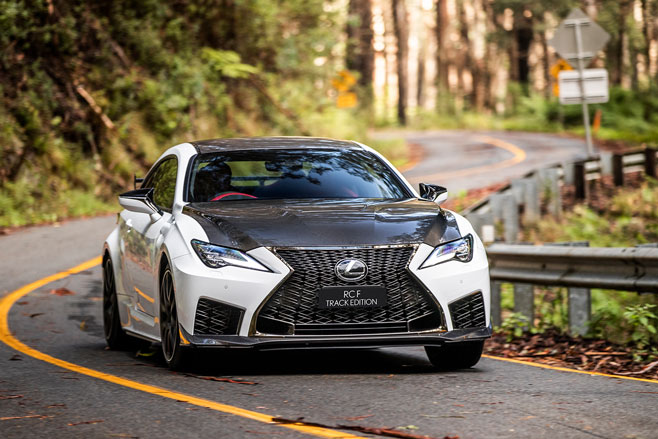
After more than a decade since Lexus first created the F performance line, and almost just as long since we first laid eyes on the magnificent LFA, the RC F Track Edition attempts to keep the flame burning.
It takes the form of a naturally-aspirated, 5.0-litre V8 inspired by the legendary supercar and fitted with tried-and-tested GT3 tech, dripping in carbon fibre reinforced plastic (CFRP), stamped with a luxury pedigree and served on a platform that is a conglomerate of the GS and IS platforms.This is Lexus’ first real attempt at a liveable track car… and for $165,690, it’s lighter, cheaper and in many ways, more capable than its German rivals. Here, we highlight four of the best points to justify its place in your (or my) garage.
LFA DNA
The fabled LFA continues to be the pinnacle of performance and self-indulgent engineering for Lexus. Now worth over a million dollars, the V10 supercar is a rare breed, especially when you take into account that of 500 made, only 10 were ever allocated to Australia.
In fact, next time you hear someone scoff at the idea of an investment car, remind them that value of those 10 vehicles has increased at the same rate as the property market (minus the recent downturn, that is).
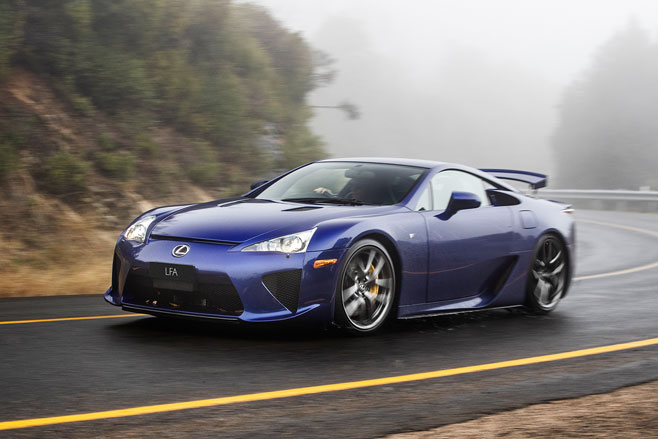
All this considered, it makes sense that when creating a performance car, Lexus would draw inspiration from its own icon. Much like the behaviour of the LFA’s finely tuned V10, the 5.0-litre, naturally aspirated V8 of the RC F is also high-revving and at its most symphonic at higher speeds.
And with a 0-100km/h jump of 4.3 seconds, it is the closest any Lexus production car has gotten to the sub-4second time of the LFA. It is also the first Lexus to offer launch control since.
It has been on a diet
Following on from the above point, the RC F owes a lot of its weight loss to a diet tried and tested by its supercar cousin. Having gone through some extensive weight reductions, the revised RC F includes more carbon fibre reinforced plastic (CFRP), a lighter intake manifold made of aluminium, a smaller air conditioning compressor, aluminium upper support mounts and brackets in the suspension and hollow rear-axle shafts.
Lexus also went through its engine components with a fine-toothed comb to shed any extra kgs while also dropping the centre of gravity. All this resulted in a kerb weight loss of 15kg over the previous generation RC.
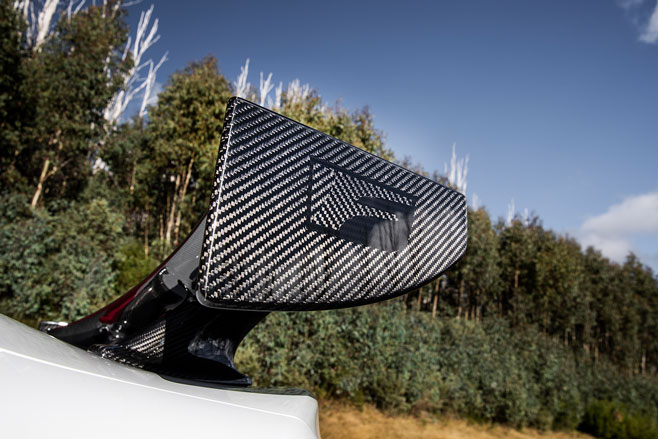
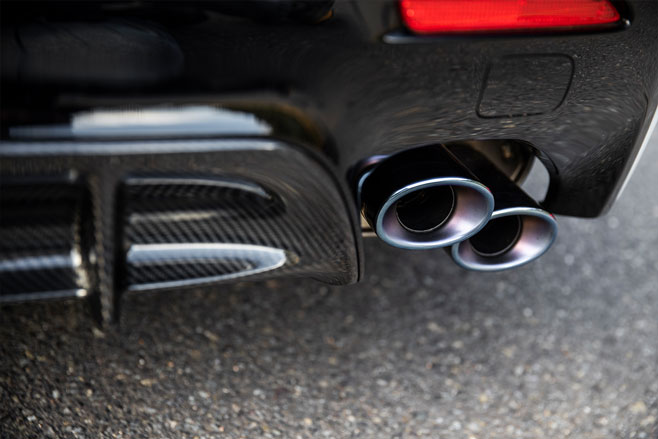
And when you swap in a signature blue-tipped titanium exhaust, CFRP bonnet, roof, rear diffuser, side skirt and rear-seat brace, as well as the first fixed rear wing to appear on a mass-production Lexus (and what a beauty), all crafted from the same woven carbon material found in the LFA, the total reduction of weight comes to a whopping 65kg,
The end result is a kerb weight of 1715kg, 80kg lighter than the RC F before it.
Breathe if you want to go faster
When refining the RC F and RC F Track Editions aero trickery, chief of development Yuichi Tsurumoto looked to Lexus’ GT3 and GT race cars for inspiration, which also helped play a part in reducing understeer and steering responsiveness.
“The extensive aerodynamic knowledge gained from the RC F GT500 and RC F GT3 race cars has been applied to the exterior of the new RC F,” he said. “Every shape has been given function, embodying ‘race-bred design’. Extraordinary effort has been placed on reducing front lift.
“As a result, even at ultra-high speeds around 250 km/h, the front feels firmly planted on the road surface.”
It has made its intergalactic debut
In the spirit of fun facts, last month, the RC F’s 5.0-litre V8 made its interstellar debut as part of a celebration around the car’s cameo in Men In Black: International.
With help from the astrophysics team at Melbourne’s Swinburne University of Technology, experts at decoding radio transmissions from outer space, the sound of the engine was encoded into an audio waveform and beamed into the sky from the Molonglo Observatory Synthesis Telescope (UTMOST) in the ACT.
It was, of course, aimed directly at Orion Nebula, with the message “New Lexus RC F. Earth. We’ve been expecting you.”
Sadly, it may take a few centuries before we know what the aliens think of one of our last naturally-aspirated engines…
One of the devices that the government has used over the last few years to help small business is the instant asset write-off scheme.
For this financial year, it means that you can buy an asset for your small business of up to $30,000 before GST and claim an instant deduction on the amount of tax your company has to pay.
Do you get a $30,000 tax refund? Ah, no. Sorry, it’s not quite that easy! You are able to reduce the amount of tax you’re liable for, though, so if your business is structured as a company, you can claim up to 27.5 per cent (the current company tax rate). It still means that you’ll get a pretty good deal on a work car.
And that part about it being a work car is actually really important, too. If you buy a new van for your café, for example, but you then use it on the weekends to go surfing, then you can only claim the write-off on the business use proportion (say 80 percent). You can log your use through various apps to prove usage.
If you do decide it’s worth tipping in the money, note that the vehicle needs to be ready to use before the end of the financial year in which it was purchased; no pre-ordering this month for pick-up at Christmas!
As always, it’s not a bargain if you can’t afford it, and make sure you check things out with your accountant first.
Here are five examples of cars that you could buy underneath the instant asset write-off scheme. Remember, it has to total less than $30,000, so something that is $29,990 plus on-roads won’t be covered.
Honda Jazz 1.5 VTi (man) $14,990 plus on-road costs
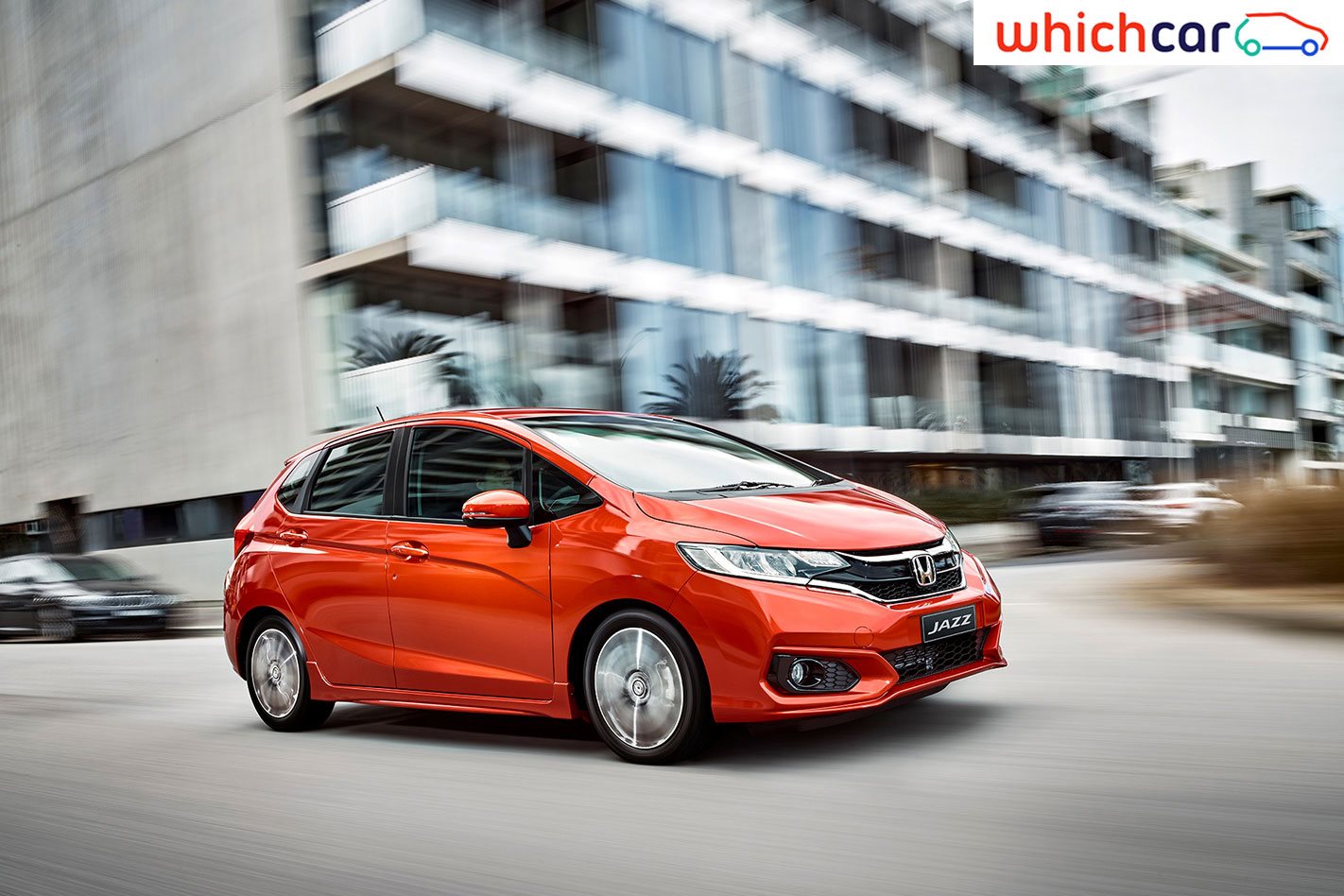
The small, frugal Honda Jazz is getting on a bit, but they go forever, have a surprising amount of boot room for a little car and make for a brilliant inner-city commuter.
It’s also the cheapest Honda by a country mile.
Ideal for: document courier, florist, food delivery
Skoda Fabia Monte Carlo wagon (auto) $25,140 (plus ORCs)
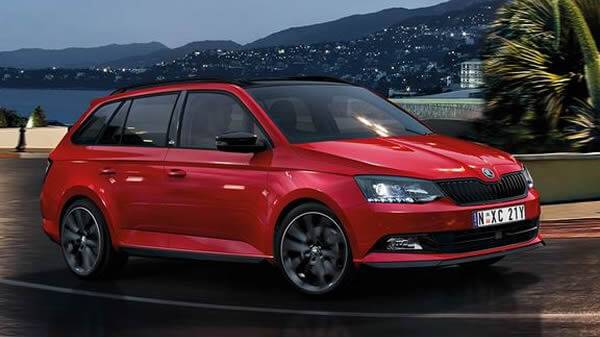
If you have small items to tote but you need to do it in a little bit of style, the Skoda Fabia Monte Carlo wagon might be your double espresso. It has well thought-out storage options, a frugal 1.0-litre three-cylinder engine, and a dual-clutch gearbox… and you can even manage to option in keyless entry and adaptive cruise control for less than $30k driveaway.
As well, Skoda is running out the last of the larger (though not as cute) Rapid Spaceback hatches for $24,990 driveaway.
Ideal for: architects, café owners, web designers
Holden Astra Sportwagon LS+ (auto) $25,740 (plus ORCs)
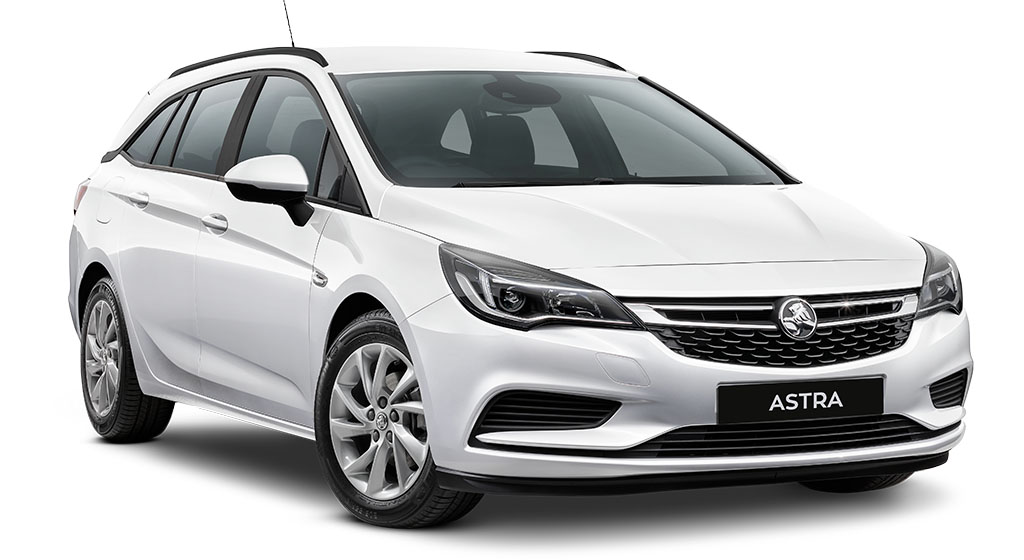
The mid-sized Astra wagon has been culled from the Holden line-up, so you might be even able to grab a better price than the one listed. It offers a very decent 1600-litre cargo space, a 1.4-litre turbocharged petrol engine and a six-speed auto.
Autonomous emergency braking, powered tailgate and keyless entry/ignition is standard, along with Apple CarPlay and Android Auto smartphone mirroring, lane keep assist, a reversing camera and forward collision alert.
Ideal for: couriers, pet store owners
Mitsubishi ASX ES ADAS (auto) $26,990 (plus ORCs)
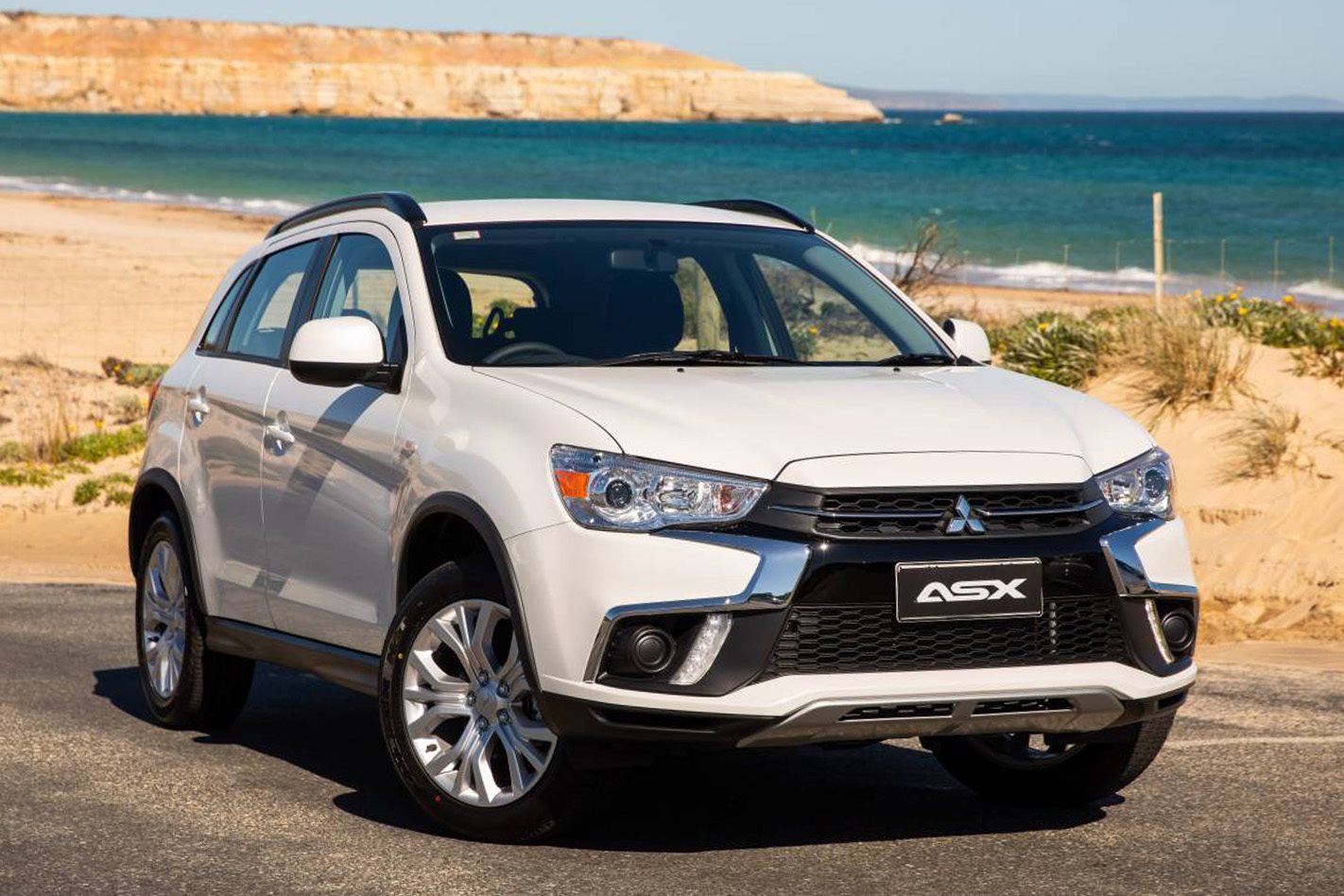
The never-say-die Mitsubishi ASX presents well for a small SUV, has virtually bulletproof mechanicals and what it lacks in ultimate style and substance, it compensates by providing idiot-proof motoring for a variety of tasks.
The ES ADAC is the cheapest variant with an auto gearbox, so it’s possible to go even cheaper if you want to swap cogs by yourself.
Ideal for: service providers, care workers
Renault Kangoo $23,990 (petrol, man) (plus ORCs)
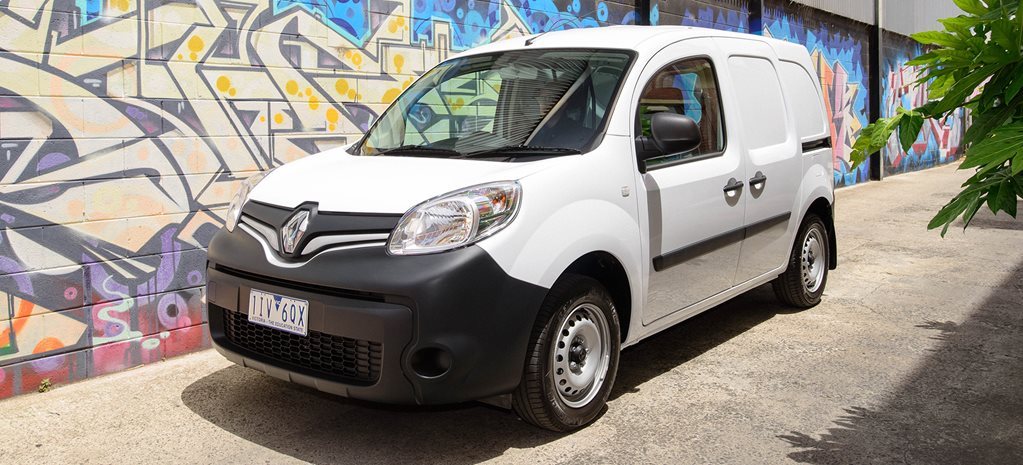
The Renault Kangoo is small, practical, frugal and fun to drive, and it crosses the divide between passenger-style car and full-blown delivery van with ease.
It combines a large, easy-to-access load space with passenger car civilities like side airbags, reversing sensors and a multimedia system.
The 1.2-litre petrol-powered version is cheap as cheaps, as well, coming in well under the $30,000 instant asset write-down cap for 2019.
Ideal for: courier firms, light industrial businesses
LDV G10 van (petrol, man) $25,990, diesel $29,990 (driveaway)
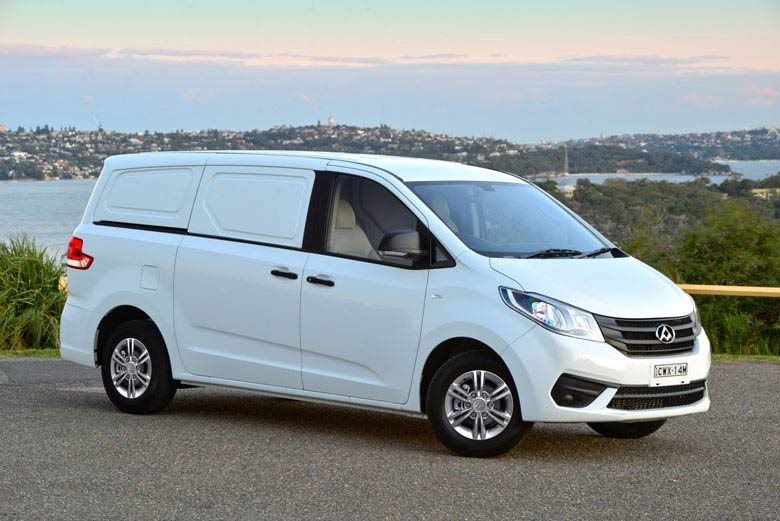
If you need more space, the Chinese-built LDV G10 is as cheap as it gets for a light commercial van. It’ll swallow two standard pallets, comes with the basics like air-con, emergency brake assist, hardboard internal lining and decent load shackling points.
To get under the $30,000 threshold, you’re stuck with a manual gearbox, but there’s nothing else that will take this much cargo for so little money.
Ideal for: courier companies, engineering firms, furniture stores
Mitsubishi Triton 2.4 GLX single cab (petrol, man) $22,490

The Triton single cab-chassis 4×2 is a sturdy little workhorse that’s well equipped with the basics like twin airbags and stability control.
Obviously, you have to factor in the cost of a tray if this is your first cab-chassis, but it’s still easy to come in under the magic $30k mark.
Ideal for: lawnmowing services, construction site workers
Serious off-roading requires serious tyres. WhichCar’s Tony O’Kane explains the merits of having purpose built all-terrain tyres when off the beaten track.
See the video above for more.
Rounding out the show this week, Matt meets 4×4 Australia editor at large Ron Moon who proves that ‘performance’ can be a much longer game. His heavily modified machine has clocked up more than 400,000km and all in his hands. Find out which corners of the globe Ron has conquered overland and what’s on the cards for his next adventure.
See the full episode: Watch at tenplay.com.au (AU) or primetv.co.nz (NZ)
While elegant coupe rooflines and low-slung bodies might embody high-performance, it’s less clear why Ford has slotted the Ranger Raptor into its ‘performance’ line-up alongside more obvious models such as the Focus RS and Mustang. To answer the paradox, Scott has to leave the notion of conventional on-road performance for an altogether dustier world.
See the full episode: Watch at tenplay.com.au (AU) or primetv.co.nz (NZ)
