
For any first-time parent, the baby seat capsule can be a sanity saver. The little tot falls asleep while you’re driving along and then you gracefully unclip the seat from its cradle and plonk them somewhere inside to enjoy some sweet Zs.
Problem is, this is the most common cause of infant deaths in sitting devices.

I know how easy it can be to see the baby capsule as a kind of all-in-one baby sleep minder after owning one myself, but being lax about manufacturer guidelines can result in truly a devastating outcome.
A study conducted by the American Academy of Pediatrics investigated 11,779 sleep-related infant deaths over a decade-long period. Sleep-related deaths include sudden infant death syndrome (SIDS) and accidental suffocation. Truly horrible stuff to grasp, particularly for a parent.
Of all the sleep-related deaths, 348, or almost three percent, occurred in sitting devices. Of that, almost 63 percent happened in car safety seat devices. That’s two-thirds of all sitting-device infant deaths occurring in a car seat.
But the deaths were not a result of a car accident, with the published research paper citing incorrect usage of the seat as a sleeping device could result in potential positional asphyxia. This could be something as simple as moving the little one out of the car and inside the home to continue sleeping.
In one instance, an infant was left to sleep in a car seat during daycare and died.
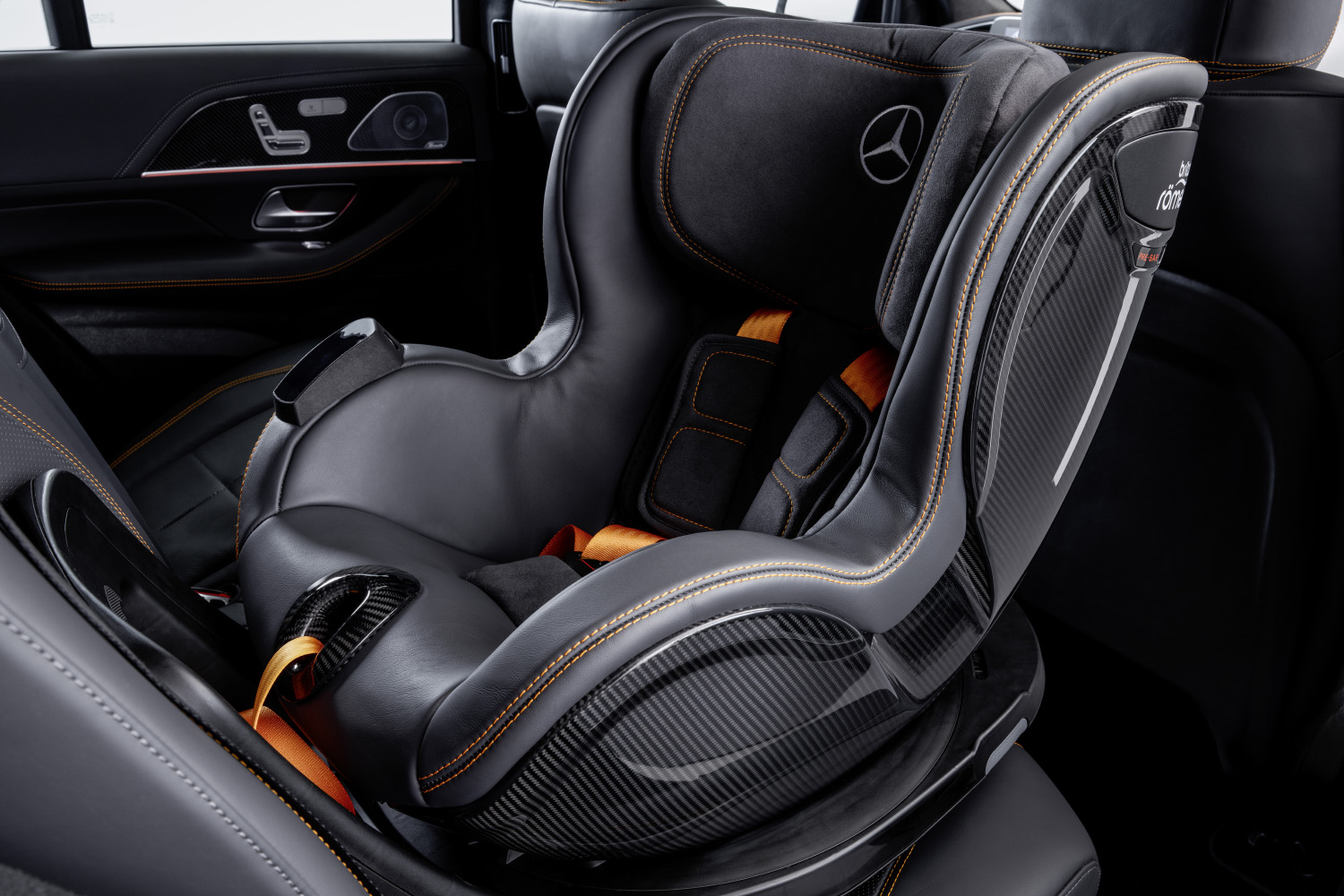
Speaking with Today, Dr. Jeffrey Colvin said that car seats were being incorrectly used “as a substitute for a crib or bassinet.”
“A lot of times we just saw this context where the infant had been left in the car seat for hours and hours, and the supervisor was asleep or intoxicated during the time.”
In all cases of sleep-related deaths in a car seat, the seat was only used as per manufacturer directions less than 10 percent of the time.
Paediatrician Dr. Harvey Karp explains that when a baby is left in a car seat, particularly on an incline to facilitate sleeping, the head can drop, causing suffocation:
“When your baby is seated, her heavy head can fall forward causing difficulty breathing… and even suffocation.”
Of course, the baby seat is a crucial safety device to be used at all times when driving, and it’s important to ensure it is installed correctly as per manufacturer instruction. However, it is equally important not to use a car seat beyond its designed purpose, which means, unfortunately, having to attempt the dreaded ‘transition’ to a proper bed for sleeping.
AUDI is about to kill the TT. The sports coupe that helped develop Audi’s modern design language is set for the chop in favour of an electric model.
Speaking at the company’s annual general meeting, Audi chairman Bram Schot conceded that effort had been too thinly spread, over too many marginal niches.
“Reality shows that we as a company have been involved in too many projects for several years,” Schot noted. “Focusing also includes leaving things out. The Audi TT, for example… In a few years, we will replace the TT with a new emotive model in the same price range: with an electric car.”
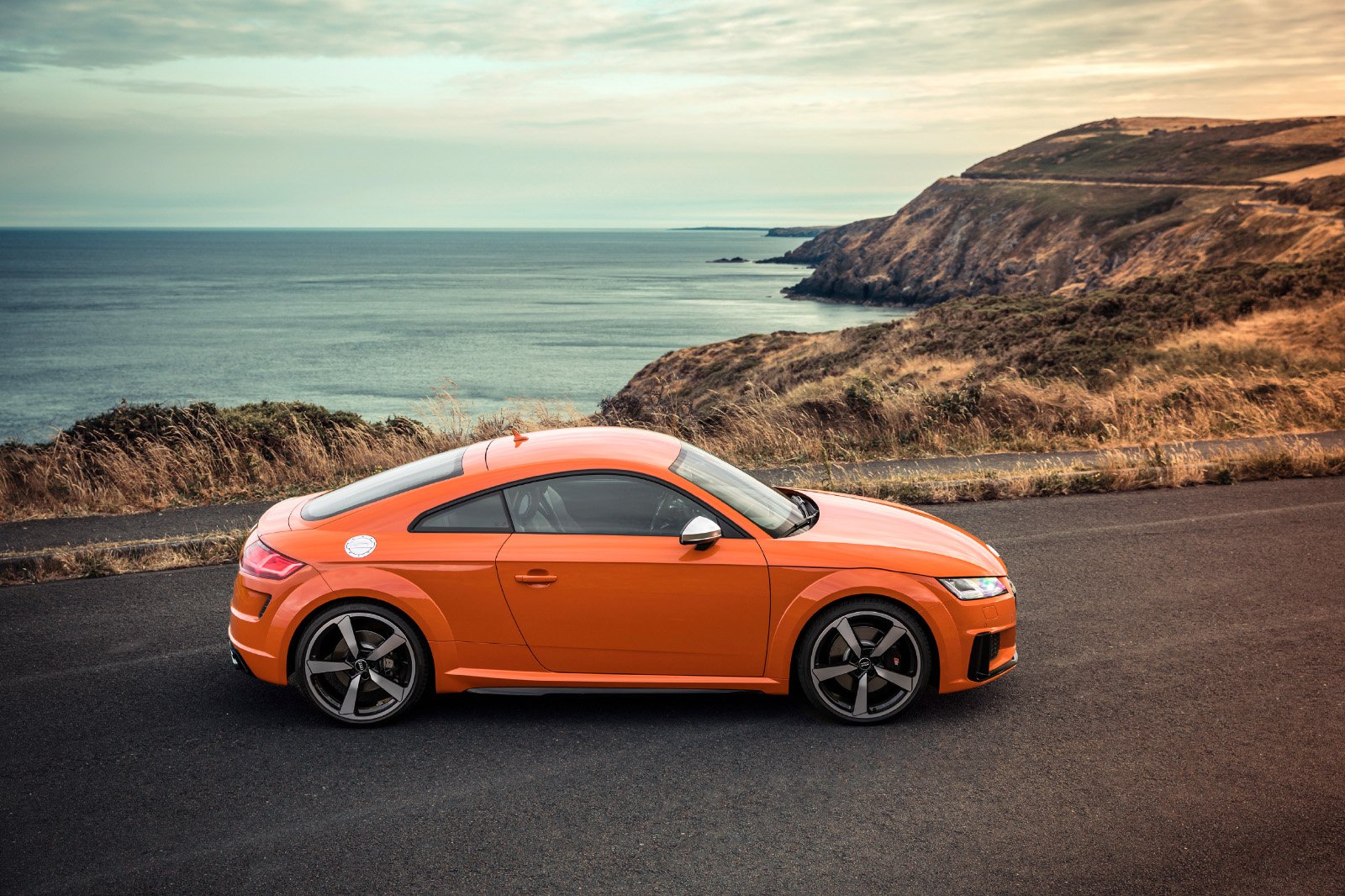
It’s hard to overestimate what an important vehicle the TT was to Audi. Prior to its unveiling in concept form back in 1995, the company had been struggling to develop a sporting model that could continue the momentum and audience traction of the ur-Quattro, which had ceased production some four years earlier. Its designated successor, the S2, had failed to capture public imagination, so Ingolstadt knew that something more radical was required.
Its Bauhaus-inspired design was challenging yet instantly recognisable, hardly surprising given the design talent behind it. Freeman Thomas was the creative powerhouse behind the exterior styling, his stock being on the rise after the warm reception afforded to his New Beetle. The TT concept drew on the styling of J Mays’ Avus concept car of 1991. Other design luminaries who worked on the TT concept included Peter Schreyer, who went on to become design director at Kia, Martin Smith, who assumed the same role at Opel and Romulus Rost, who is now head of interior design at Bentley.
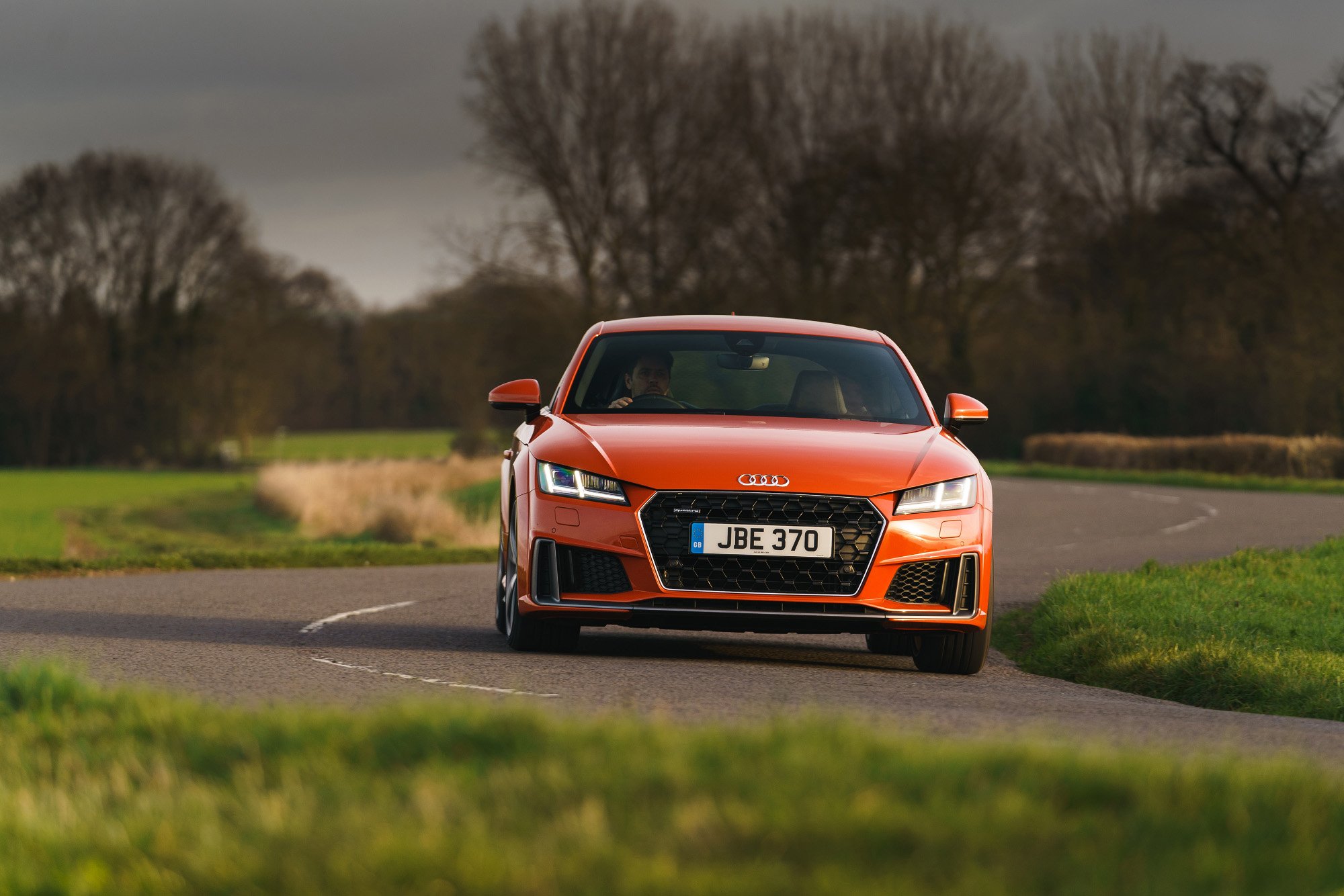
The first world-market car with a DSG transmission, the TT never embraced mechanical conservatism. The original won the 2002 DTM championship, the 2006 second-generation Walter de’Silva designed car featured adaptive damping, while the third generation car reached its apotheosis in 294kW TT RS guise.
While Schot was being deliberately vague on timescales, both prior generations of TT stuck around for eight years and we’re five years into the current car’s life cycle. Given the pace of change now, we wouldn’t bank on being able to order a third generation TT in three years’ time.
Audis’ PB18 e-tron concept, shown at the 2018 Paris Motor Show, drew much critical praise, and in January, Audi vowed to put 50 examples into production within two years. With three electric motors, all-wheel drive, a 95kWh battery, 800v fast charging capability and 562 kW on overboost, the PB18 e-tron is more a replacement for the R8 than the TT, but it shows the direction in which Ingolsdtadt is looking. If the electric TT successor offers a taste of this potential, it’ll be well worth the wait.
Against all the odds, the entire WhichCar Weekly team make it back to the studio alive and well to chat about the automotive world’s most notable moments.
Headlining the convo this week, Andy, Scott and Dan honour the late great Niki Lauda and look back over an incredible life in motorsport, the spotlight and an F1 legend’s unique story. Doubtless, one of the all-time greats and a true ambassador to, not just F1 and motorsport, but sportsmanship all round.
Dan (reluctantly) hands back his long-term review car – the Porsche Cayenne E-Hybrid – this week but takes it on one last road trip in an attempt to understand all of the facets of plug-in hybrid life. A visit to the Mt. Mercer Wind Farm near Ballarat is an eye opening, sobering experience. Why is there still so much resistance to alternative energy? The boys attempt to find out.
And as is fairly typical, Scott has been thrashing a hot car on a track – In more ways than one. Classic Newman. The Ford Mustang at his disposal wasn’t quite as athletic as he had hoped prompting the third discussion in this week’s chat. Should all sportscars be capable of withstanding a track day punishing?
If you’re on the go you can find WhichCar Weekly on all manner of podcast apps including iTunes and Podbean, please rate, subscribe and leave a review! You can also follow the day-to-day happenings of the WhichCar team on Facebook, Twitter and Instagram @whichcarau.
Listened to the show? Help us out:
- Leave a note in the comment section below.
- Leave a review on Apple Podcasts/iTunes
- Subscribe to our podcast
George Lazenby might’ve been criticised for his role role in the Bond film On Her Majesty’s Secret Service upon its release in 1969, but few can do the same to the 2019 Aston Martin DBS Superleggera OHMSS special edition.
To be fair, Lazenby’s popularity has increased since ’69, and the rarity of the incoming special Astons is likely to do the same. 50 will be built, with Aston announcing a £300,007 retail price.
Underneath, the OHMSS is essentially standard DBS Superleggera. A twin-turbo 5.2-litre V12 putting out a massive 533kW and 900Nm, with a 0-100km/h taking a claimed 3.5 seconds. It does, however, weigh 1693kg.
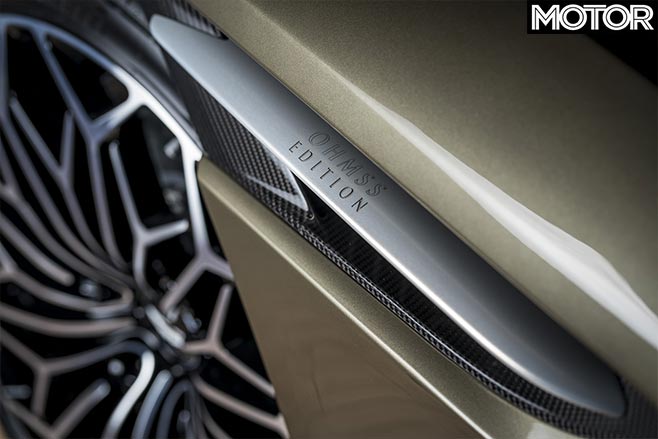
But it’s the design of these 50 cars which will attract the most interest, the Olive Green inspired by that of the original DBS from the film, and the interior finished in black leather with red accents (inspired by the red trimmed glovebox in the original car) and special OHMSS badging and stitching.
Perhaps most notable are the 21-inch OHMSS-specific ‘snowflake’ wheels, designed to mimic the spokes of the original car without breaking its elegant 21st century design.
Aston Martin CEO Andy Palmer says the link between Bond and Aston is too strong to have been able to ignore the anniversary.
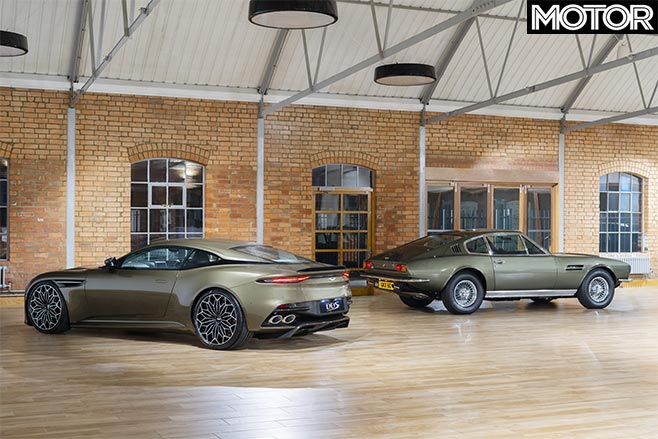
“Aston Martin is synonymous with James Bond and the DBS from On Her Majesty’s Secret Service has provided great inspiration to the team tasked with creating this very special edition.
“This new DBS Superleggera will be an extremely distinguished ‘brute in a suit’, designed to capture the essence of the iconic DBS from the 1969 film but with a 5.2 litre twin-turbo V12, 715bhp engine!”
Aston’s chief creative officer Marek Reichman echoes his CEO’s excitement for the project, and his ‘brute in a suit’ comment.
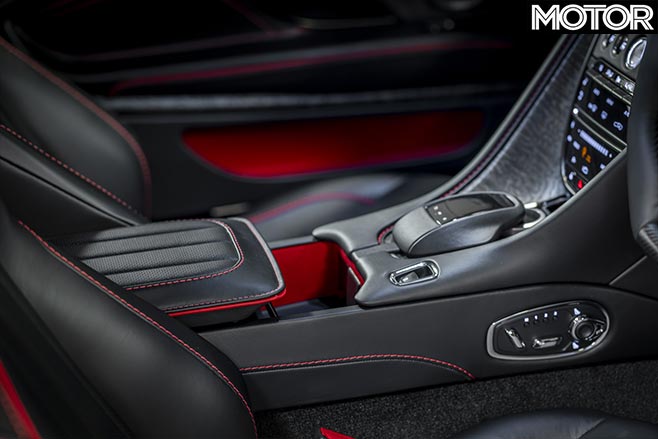
“Creating a James Bond special edition is always an exciting challenge as we work to create a car that embodies the legend of James Bond, and the original movie car.
“The DBS Superleggera is a muscular car that commands attention, but the Olive Green gives it a subtlety that belies the beast beneath.”
While there’s no promise of any showing up on local shores, examples of the Aston Martin DBS Superleggera are arriving, including one which MOTOR has driven. Stay tuned.
Take a look at all the detail shots in the gallery at the top of this page!
Ageing brings changes to physical functions that affect the way we drive. At some point we’ll all experience a reduction in reflexes, movement, hearing, memory, peripheral vision, along with other optical issues such as a loss of colour vision, or seeing floaters or spots.
Then there is a loss of cognitive functions such as distraction and slower reaction times.
However, it’s not all bad news. Not all these symptoms happen at once, you don’t need the lightning-quick reflexes of a rally driver for your daily drive, and many health issues can be treated or managed, and even aided by advanced driver assistance features such as reversing cameras and blind-spot monitoring.
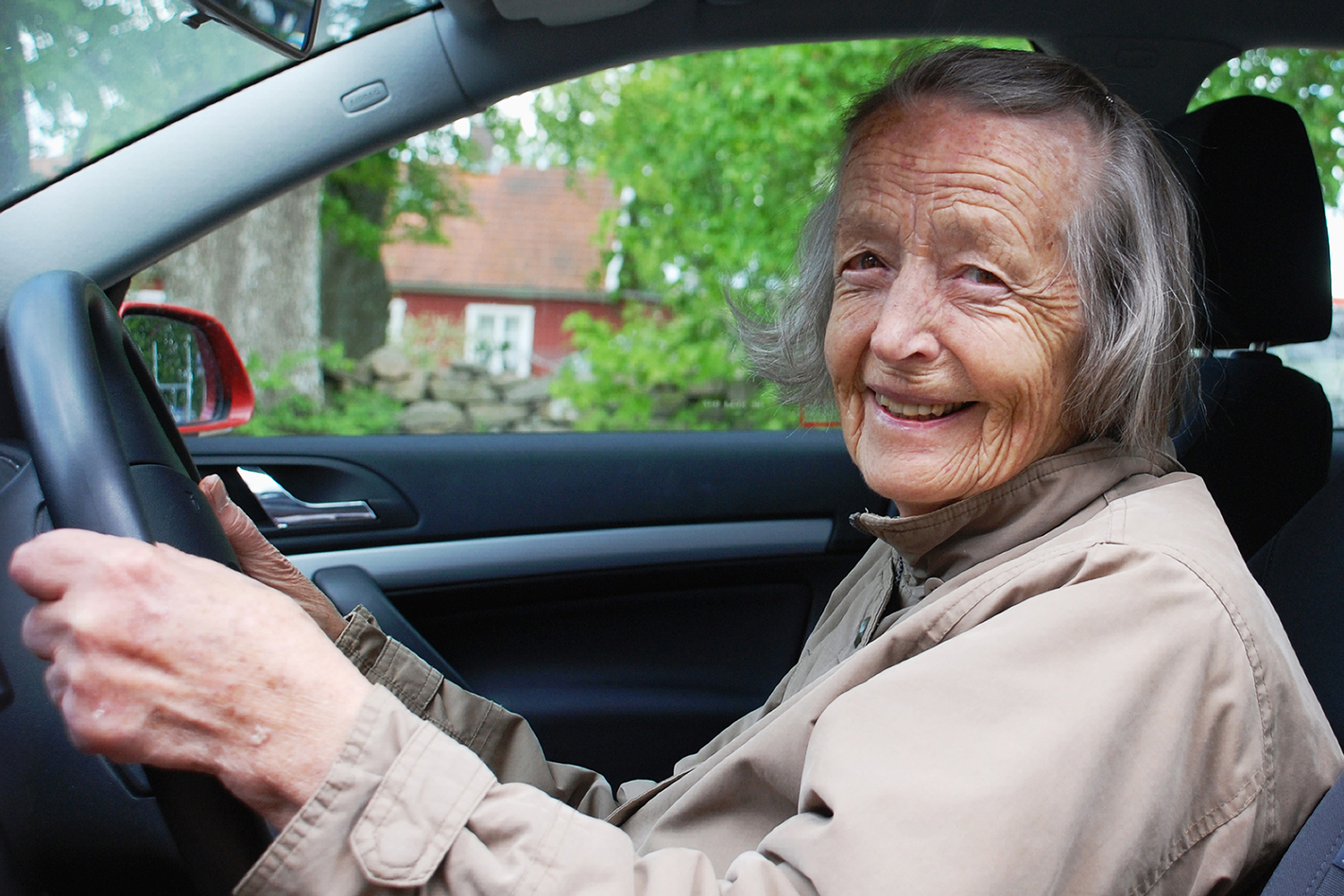
And while everyone eventually loses some cognitive functions, studies have shown others actually improve with age, such as spatial orientation, inductive reasoning and visualising things in 3D.
This means our ability to gain an overall picture of surrounding traffic and recognising the intentions of other drivers can actually improve.
For most people, these cognitive functions peak when they reach about 65, but they can be reasonably maintained through regular driving.
This is why there is no set age for when people need to stop driving. Most states in Australia offer elderly people as much chance as possible to retain their independence, subject to certain conditions.
Senior-driver licencing guidelines by state
Each state has different regulations for older drivers. The following overview relates to holders of private car licences that may be different from conditions imposed on heavy vehicle or motorbike licences and other driving categories. Regulations are subject to change, so always check with your local licencing authority in the first instance.
Australian Capital Territory
ACT holders of a private car licence aged 75 years or older are required to undergo an annual medical examination to assess their suitability to drive.
New South Wales
NSW has a staggered approach to assessing drivers as they get older. Holders of car (Class C) licences aged between 70 and 74 are not subject to any requirements.
Drivers aged 75 to 84 are required to undergo a medical review every year before their birthday to keep their Class C licence.
Drivers who turn 85 years old need to have a medical review every year and successfully pass a practical driving assessment to keep their unrestricted Class C licence.
The practical assessment can be avoided by applying for a Modified licence which, based on individual circumstances, restricts them to driving under prescribed conditions, such as between certain hours of the day or within a certain distance from home.
Northern Territory
There are no special conditions imposed on drivers above a certain age, apart from those relating to medical conditions. This includes self-assessment and declaring a known condition, which may lead to having to complete a medical assessment.

Drivers may also be required to undergo a medical assessment if concerns are raised about their driving by a health professional or concerned member of the public. In some cases, this could lead to a condition imposed on the licence.
Queensland
A driver 75 and older who holds a Queensland driver’s licence must carry a current medical certificate at all times when driving, and comply with any stated conditions – fines can apply if they don’t.
The certificate must be renewed every year and is also necessary to renew a licence. In some cases, the doctor might suggest a licence condition be imposed or altered.
South Australia
When holders of car licences turn 75, they will be sent a form which enables drivers without certain medical conditions to self-assess their fitness to drive. It can be completed independently or with the help of a doctor.
The self-assessment form will be resent every year and is designed to help people think about their health and how it may impact their driving. Of course, it’s a good idea to see a doctor whenever any concerns arise.
Tasmania
Tasmanians who turn 65 are not subject to any licence conditions. However, when they next renew their licence, it will only be valid for five years instead of the usual 10.
Interestingly, Tasmania has stopped requiring drivers aged 75 to have an annual medical assessment, as research shows that age group is “significantly under-represented in crash statistics and are particularly sensible decision makers regarding their driving capabilities”, according to local authorities.
However, because physical changes associated with ageing can increase the risk of a crash, older drivers are compelled to appropriately self-assess their health and driving ability and make sensible decisions as to when and where they should drive.
Victoria
Victorians are allowed to drive up to any age, on the condition they’re medically safe to drive. There is no requirement to pass a practical test, but older drivers are responsible for self-assessing their suitability to drive and monitoring their health for any changes.
Senior drivers must also notify VicRoads of any existing or new medical conditions or disabilities that could affect their driving.
Curiously, older drivers are also encouraged to assess their own driving to identify possible safety issues – as though anyone is capable of honestly assessing their own driving?
In some cases, veteran drivers may be required to undergo a medical review to assess their fitness to drive if someone else has reported concerns about their driving ability.
Western Australia
Drivers aged 80 and older are required to fill in a medical assessment certificate and undertake a medical examination.
In some cases, they may have to undergo a practical driving assessment if the consulting health professional has any concerns.
Reporting other drivers
While most states provide for elderly drivers to assess their own health and abilities, it can be very difficult for people to recognise their own poor habits or inability to drive.
It’s also extremely difficult for people to give up their own independence, which is why many drivers still get behind the wheel even when they know they shouldn’t.
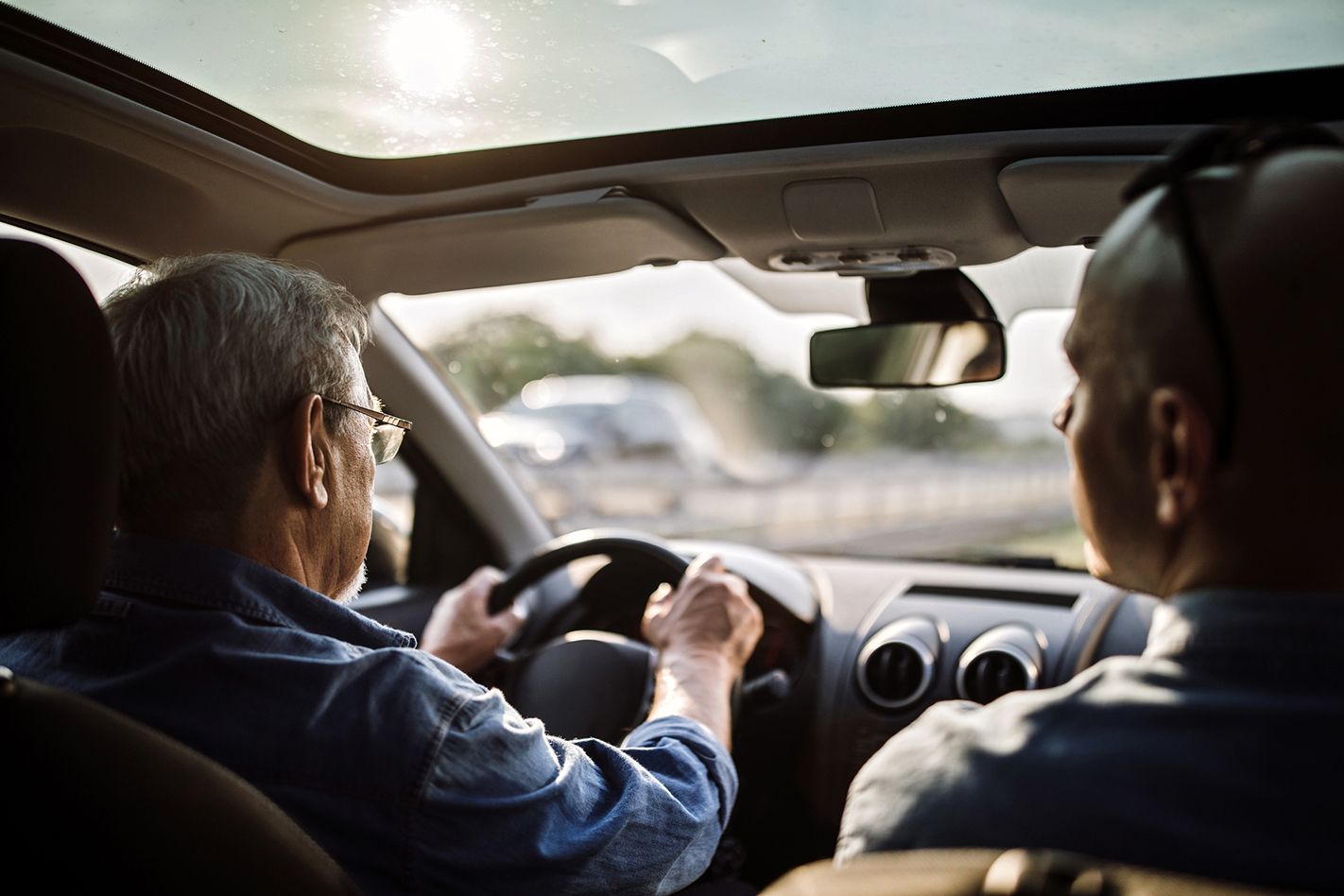
This is why medical practitioners and members of the public – usually concerned family members – can report an elderly driver (or someone with health issues) if they believe their driving is a danger to themselves or others.
If you are genuinely concerned about someone’s ability to drive safely, you can send a letter or form to your state’s licencing authority stating the reasons for your concern. In most cases, genuine reports will be treated confidentially.
Retiring from driving
It can be a very difficult time for elderly drivers once they make the tough decision, or are forced, to surrender their licence or restrict their driving.
Victoria’s licencing authority VicRoads provides the following advice for people faced with losing the convenience and independence that driving provides.
If you’re thinking about reducing or choosing to give up driving, plan ahead to make life easier:
- Gradually transition from regular driving to using alternative transport options, including rideshare services like Uber.
- Think about where you live and how you may be affected if you’re unable to drive. Would it be helpful to move closer to family, friends, public transport, shops or hospitals?
- Talk to your family and friends about how they could help you adjust.
- Explore other services that could help you stay mobile.
- Get support: There are services available to help you with this important life transition. Your doctor will be able to provide you with a list of local community health and council services.
What is it?
The seventh-generation G20 BMW 3 Series arrived in Australia in March this year, starting with an initial range of two sedan variants in a choice of diesel or petrol-flavoured 2.0-litre turbocharged four-cylinder engines.
The 330i petrol is the more powerful of the two, offering 190kW and 400Nm compared to the twin-turbo 330d’s 140kW/400Nm. This makes it the sportiest 3 Series variant on sale at the moment… until the all-wheel-drive M340i arrives in showrooms later this year, that is.
How much is the BMW 330i?
BMW 330i pricing starts at $70,990, which is $3000 more than the 330d. The price of both includes an M Sport exterior and interior bling, while the 330i also gains adaptive M suspension.
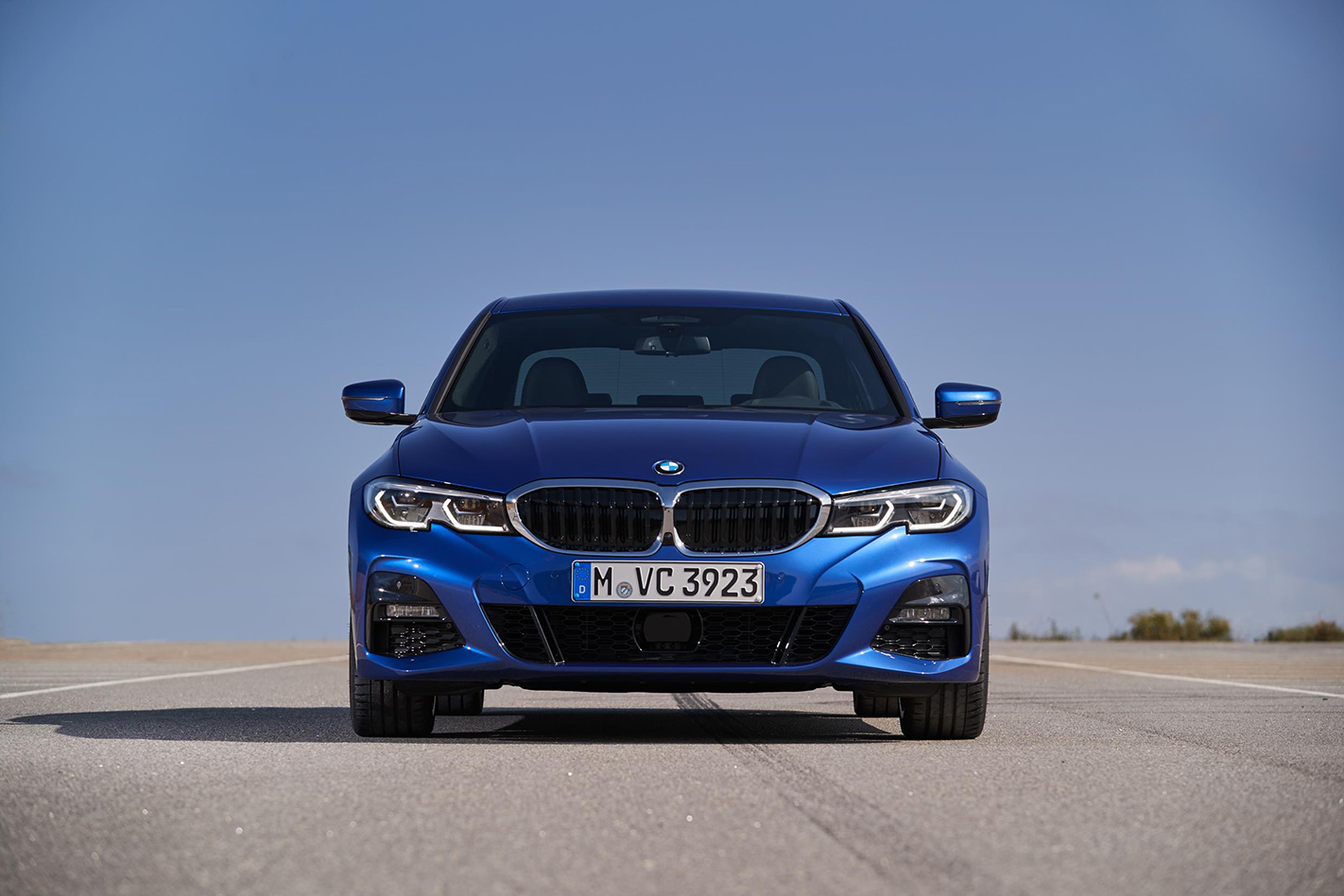
Each variant also comes with the Luxury Line Package as a no-cost option, which brings leather Vernesca upholstery with sports front seats, ash wood trim, sports leather steering wheel, digital instrument panel, LED fog lights and, in the case of the 330i, 19-inch double spoke alloy wheels to the party.
Our test car also featured the extra-cost Visibility Package, which for $5070 includes a sunroof, metallic paint (in this case the stunning Portimao blue), ‘Laserlight’ LED headlamps and interior ambient lighting that took its retail price to $76,060.
The 330i’s base price compares well to similarly-powered rival sports sedans like the Alfa Romeo Giulia Veloce ($72,900), the Audi A4 40 TFSI quattro ($70,300), the Lexus IS 300 F-Sport ($66,820), the Mercedes-Benz C300 ($71,800) and the new Genesis G70 3.3T Sport ($71,000).
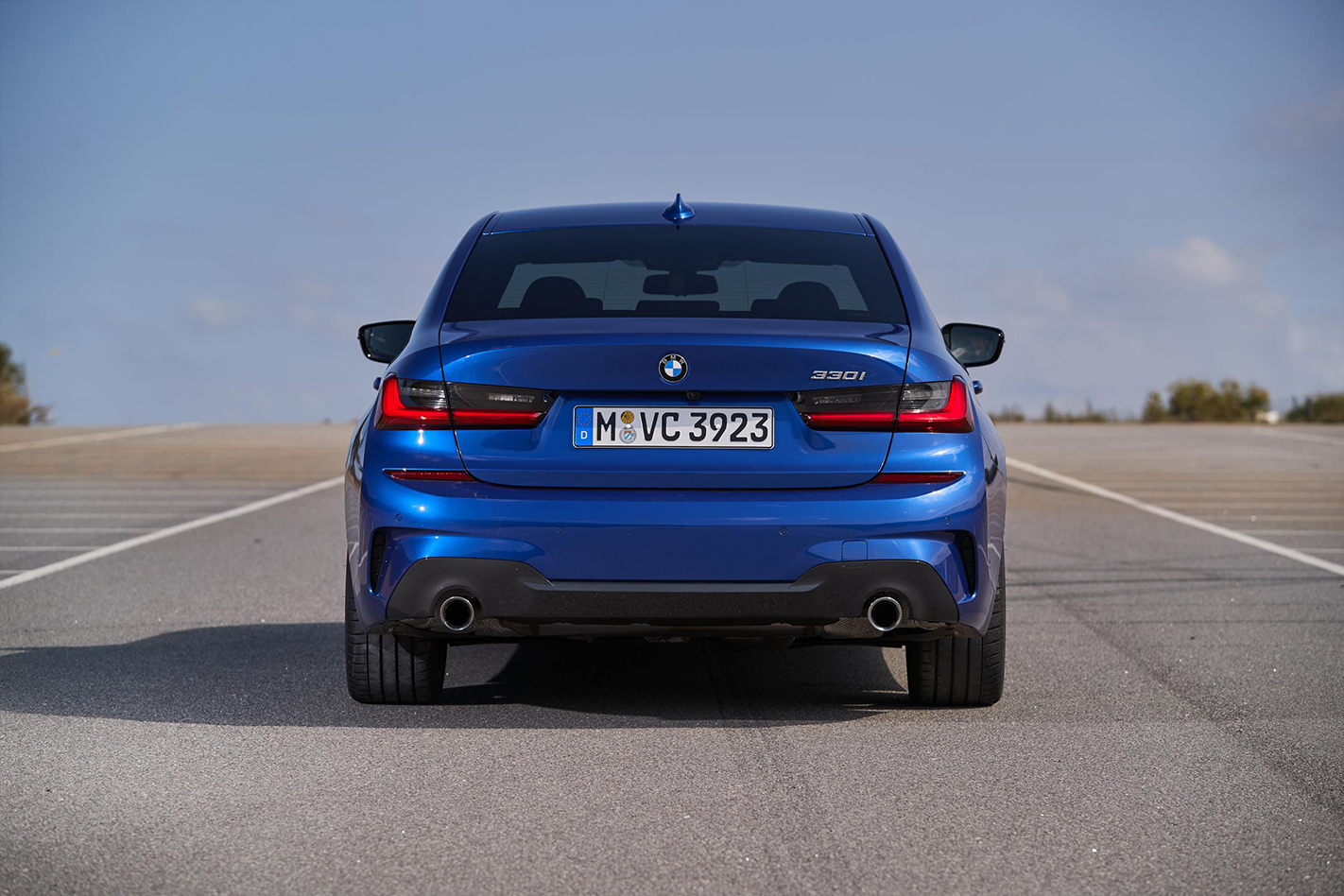
The BMW 3 Series is covered by a three-year, unlimited kilometre warranty, which is two years less than the new industry norm of five years. It does mirror the same warranty period as its European rivals.
Who is it for?
The BMW 3 Series is one of the world’s most popular sub-$100k prestige cars and has broad appeal, particularly with younger professionals.
The 330i is a solid choice for someone looking for an elegant, well-equipped daily driver that can also let its hair down when some spirited driving when desired.
Is the BMW 330i easy to live with?
The 330i is very much a driver’s car, with the comfortable leather sports seats affording an excellent driving position, while the view out the windscreen in conjunction with the well-presented head-up display is terrific.
The interior fit and finish are of the quality you expect from BMW, and the build quality feels typically solid as demonstrated by the solid thud when you close the doors.
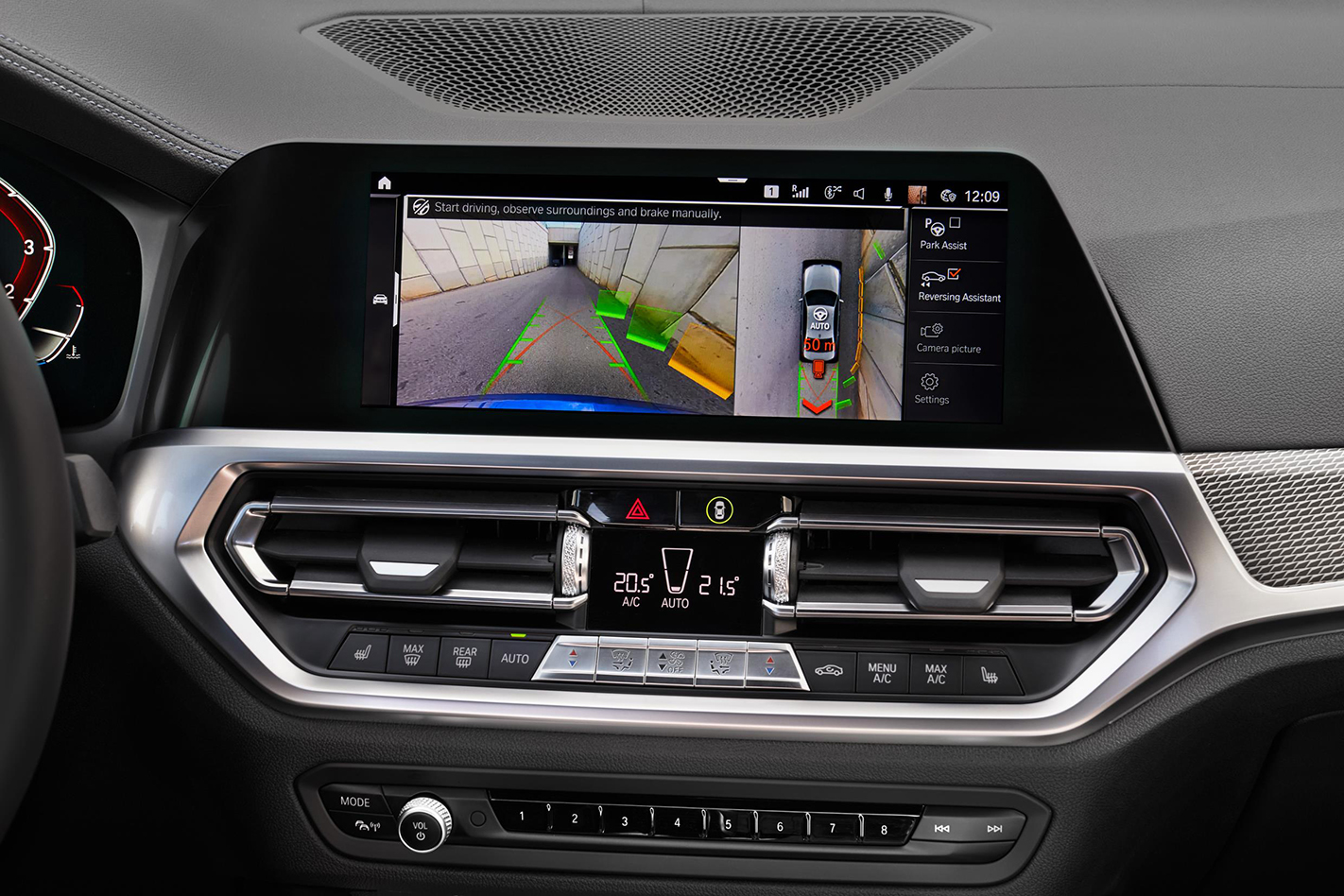
Everything is laid out intuitively, which gives the cabin a sense of familiarity. The digital displays on the 12.3-inch gauge cluster and 10.25-inch infotainment screen look sharp and the system is easy to negotiate via the rotary controller on the centre console, or via the voice control system.
Physical buttons and switches still abound, though, which cover most functions. Most are mounted flush within the black surface on the centre console which avoids clutter and makes them easy to find.
Apple CarPlay is included free for the first year but (somewhat inconceivably) will be an extra cost option after that. Of course, if you buy a Mazda 3, it comes for free forever.
Unlike most cars, you don’t need a cable to pair your iPhone with CarPlay; just the Bluetooth connection. We found, though, that it did cut out from time to time. Android Auto is not yet available.
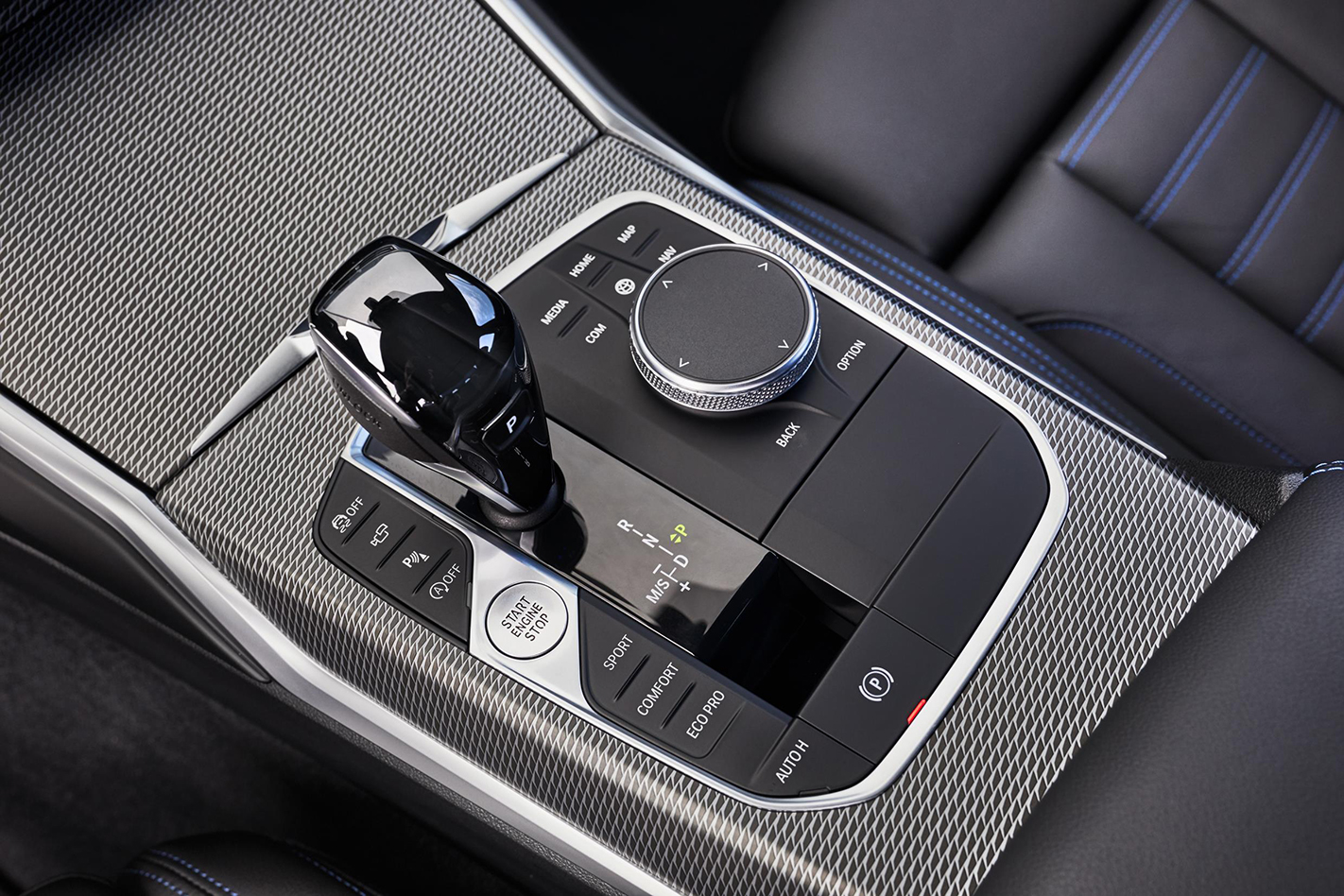
Other notable standard kit includes USB-A and USB-C connectivity, surround-view parking monitor, wireless phone charging, 10-speaker sound system and BMW’s excellent ‘Professional’ navigation with traffic information, while active safety includes autonomous emergency braking, rear-cross traffic alert, blind-spot monitor and warning and lane departure alert are also fitted.
Active cruise control is one notable omission for this price range, though.
The 2019 3 Series has a 44mm longer wheelbase than its predecessor, is up to 43mm wider and sits 10mm lower than the previous model.
The extra space benefits the front passenger, with the seat sitting also able to get down nice and low. Rear seat space is still pretty tight for legroom, and wedging three people across the bench is best reserved for shorter journeys. There is good all-round vision back there, however, and rear-seat passengers benefit from having their own air vents and climate control settings.
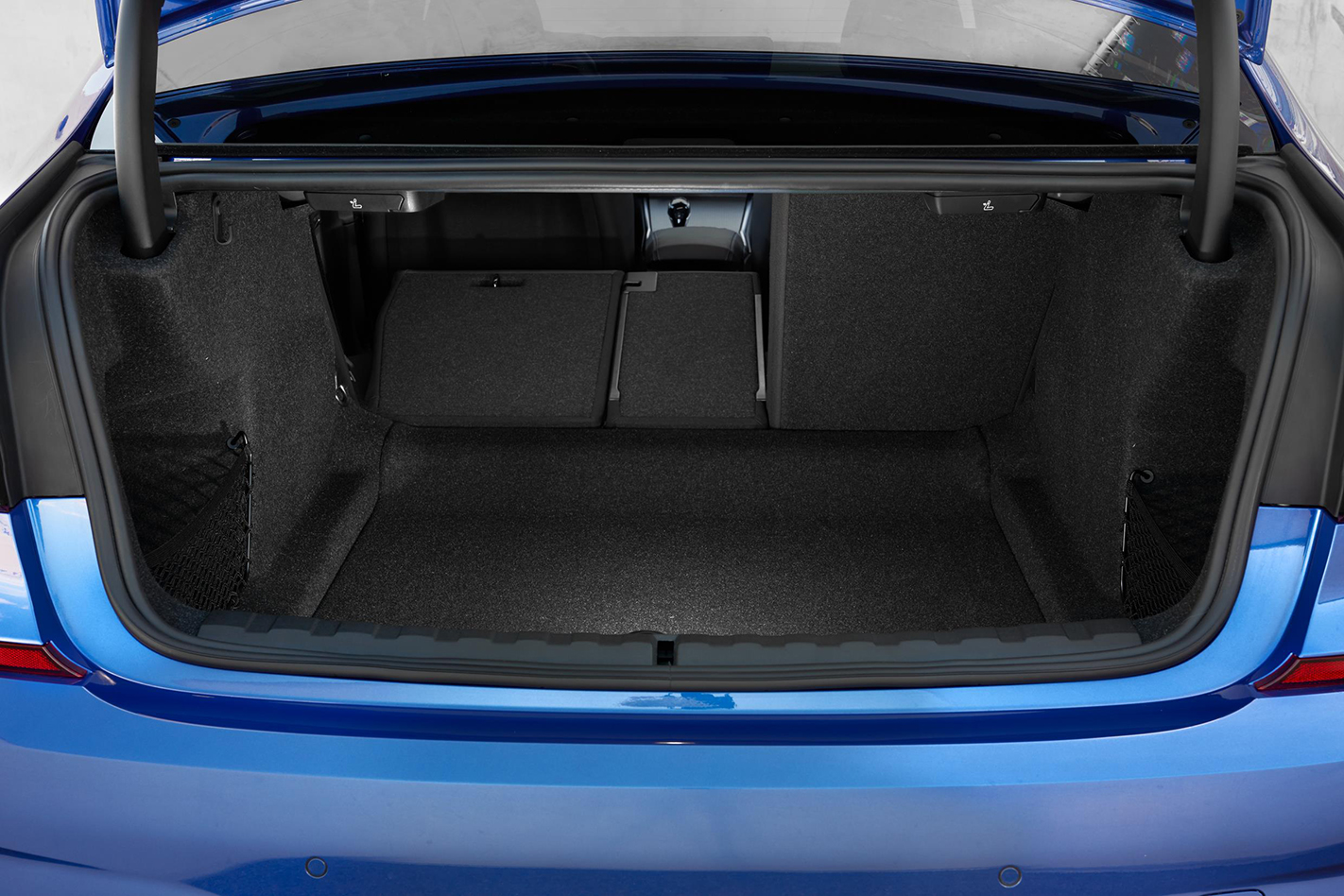
When you’re not filling the back with people, the rear seats conveniently split 40/20/40 to provide flexible expansion to the handy 480-litre boot space.
For all its spirited performance, the BMW 330i consumed premium unleaded at a relatively frugal 6.4L/100km according to the official combined figure.
How does the BMW 330i drive?
Even when the powerful M340i and M variants arrive to flesh out the 3 Series range, the 330i, in isolation, could still be seen as a feisty option, but with an excellent ability to dial things down for urban duties.
The 2.0-litre turbo engine feels responsive through the eight-speed automatic gearbox that’s amplified when selecting Sport mode, which also provides a throaty synthetic engine note.
The eight-speed ‘box cycles through gears smoothly, and is also compliant when shifting gears manually via the paddle shifters.
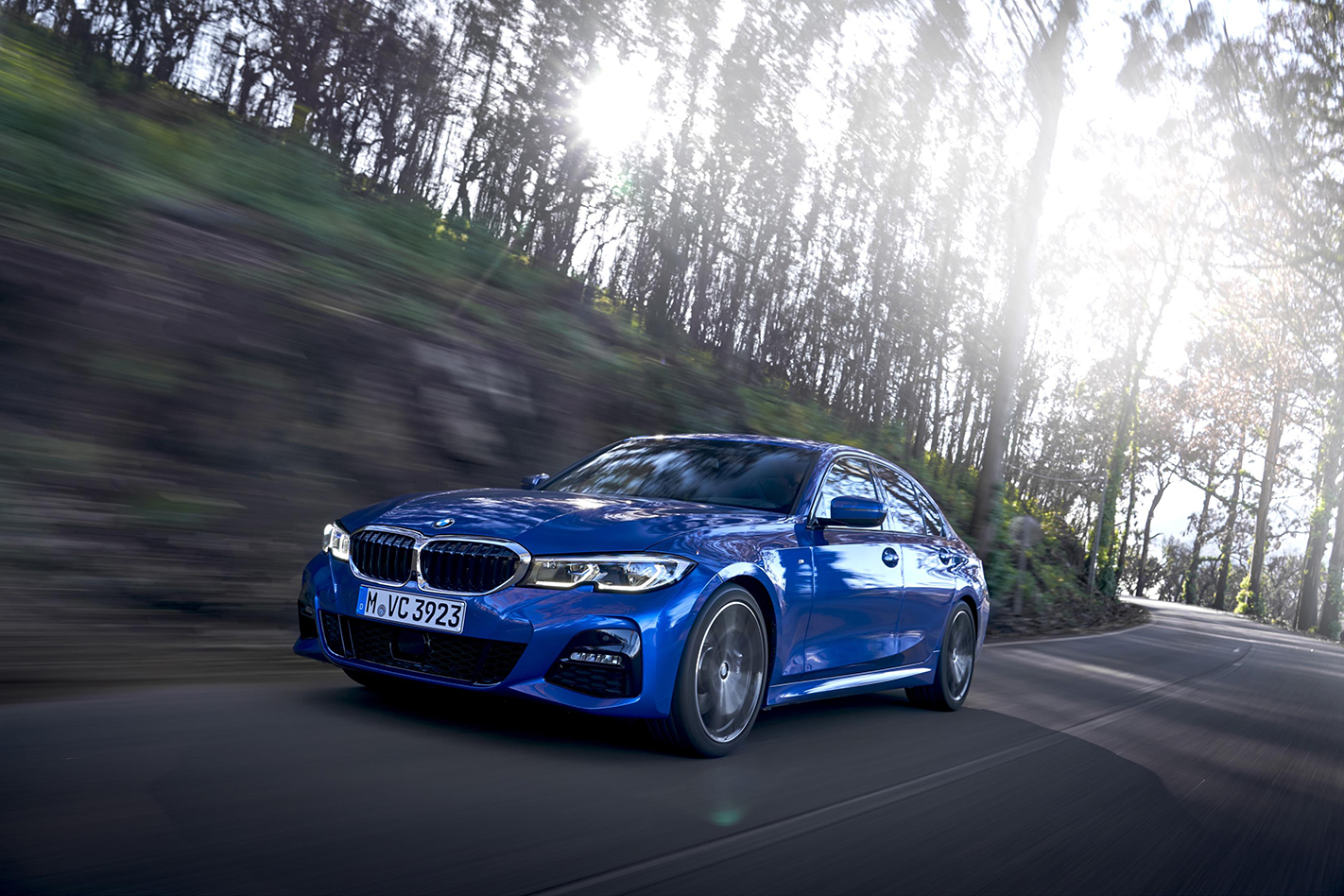
The ride on the 19-inch wheels is firm but helped by the adaptive dampers that reduce the jarring you get when riding over bumps in the regularly suspended 320d. That firmness comes into its own when you require sharper handling, though, which you get in spades thanks to beautifully weighted steering, while the taut chassis feels immune to body roll.
Around town and on the highway, the 330i is a comfortable cruiser that will make the daily drive an enjoyable one.
Verdict
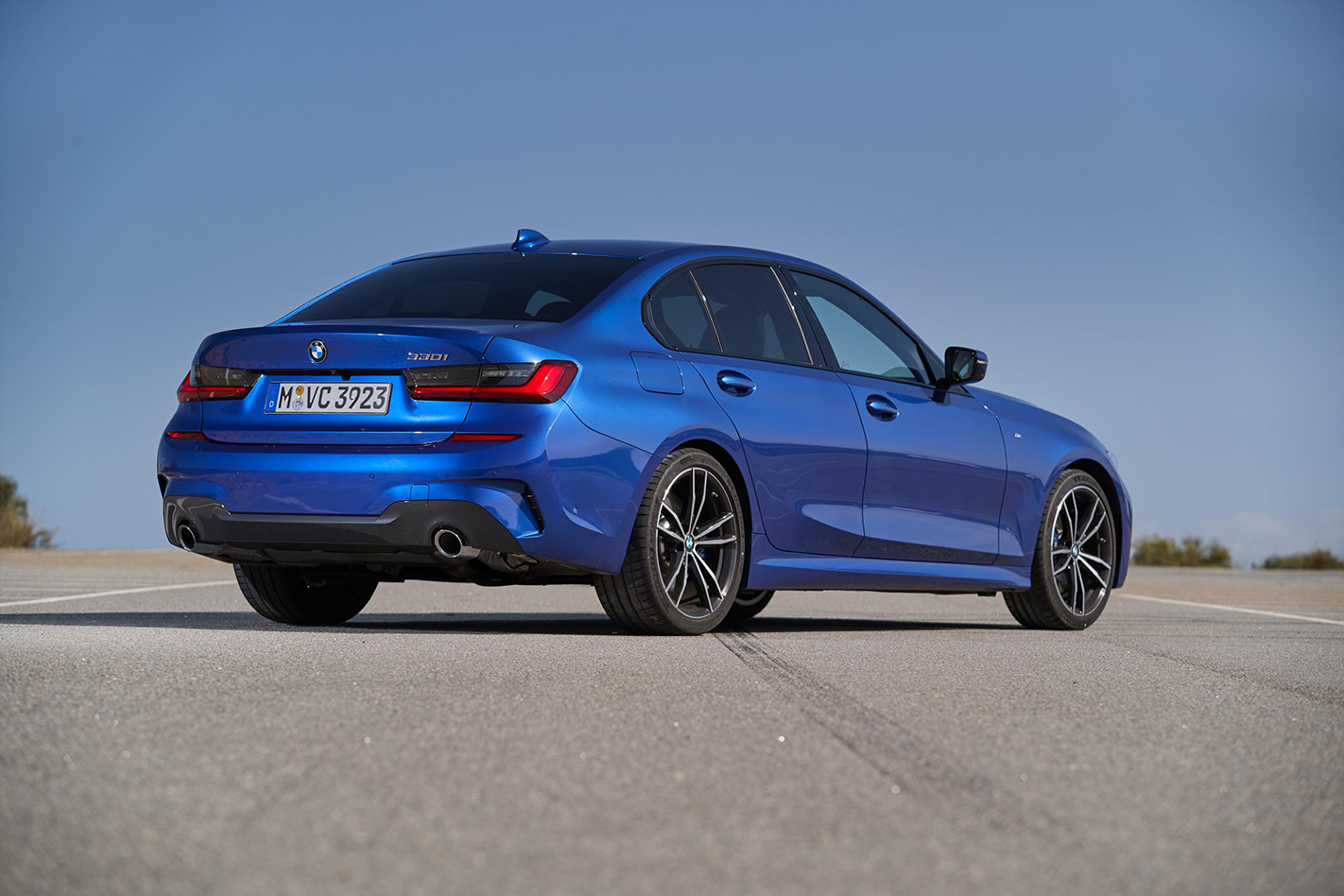
The BMW 330i will soon concede the mantle of performance hero of the G20 3 Series range with the arrival of the more potent M340i.
But its circa-$70k price point and its ability to balance both elegance and performance mean it should easily retain its mantle as the sweet spot of the new 3 Series range.
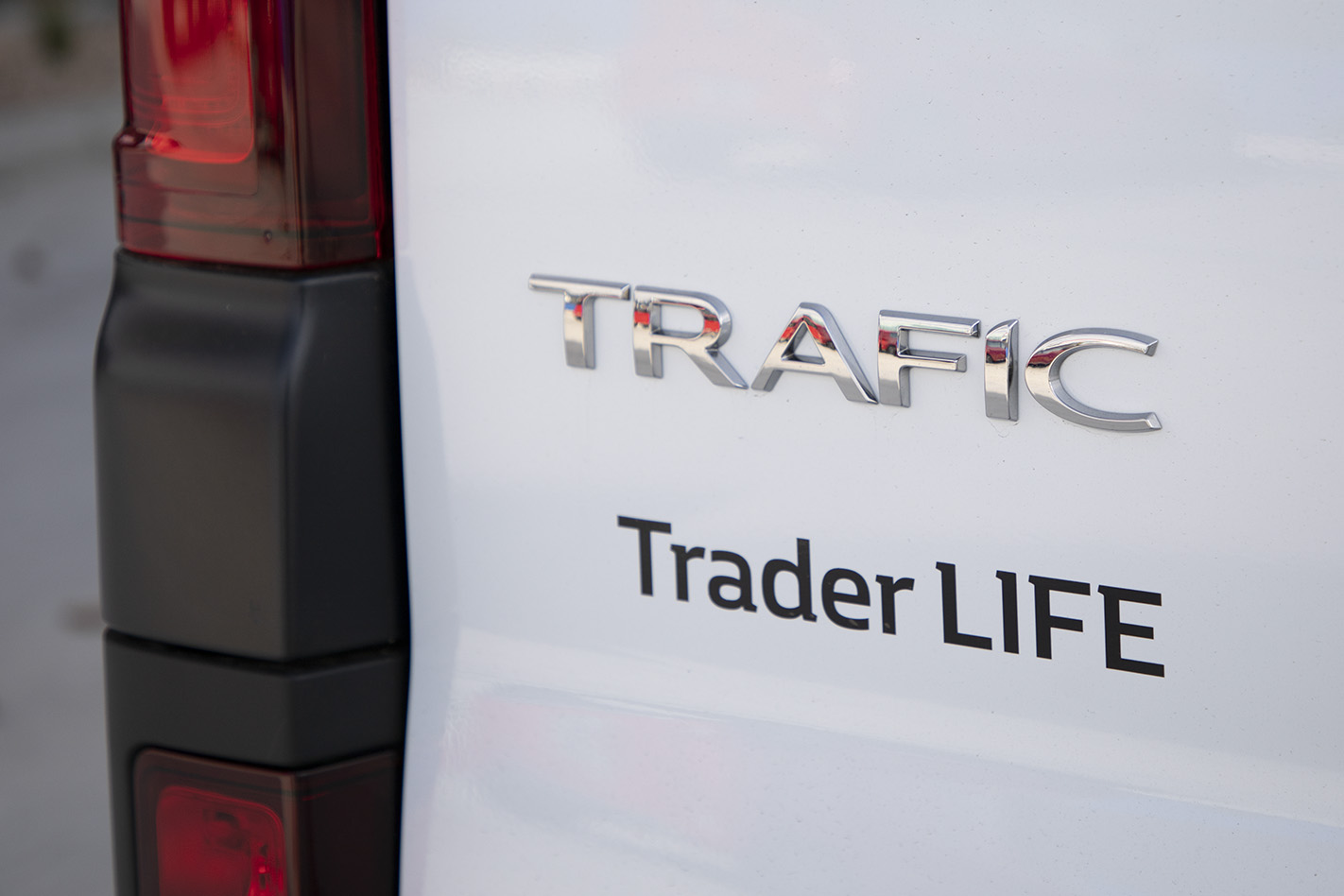
Are you a small business owner with plenty of stock to move, a tradie who’d rather an affordable van than a ute, or a fleet operator that needs as many vehicles as possible for as little cost as possible? Renault’s low-cost Trafic Trader Life has been designed expressly with you in mind.
But does the pursuit of a bargain price mean the $29,990 drive-away (for ABN holders) Trafic ends up being cheap and nasty?
VALUE
Value is, without any doubt, the Renault Trafic Trader Life’s strongest attribute. Being able to exchange less than $30K for a van drive away is something of a steal in the light commercial market, and if you’re a business operator – whether owner-driver or otherwise – that’s looking for a new workhorse that won’t get your accountant riled up, it’s ideal.
Downsides? Well, you don’t get much in the way of choice. Want a colour other than Glacier White? Too bad. Prefer to have barn doors instead of the liftgate? Sorry, the Trafic Trader Life has no such option. You also get a less comprehensive safety fit-out than other Trafics, but we’ll get into that later.
STANDARD FEATURES
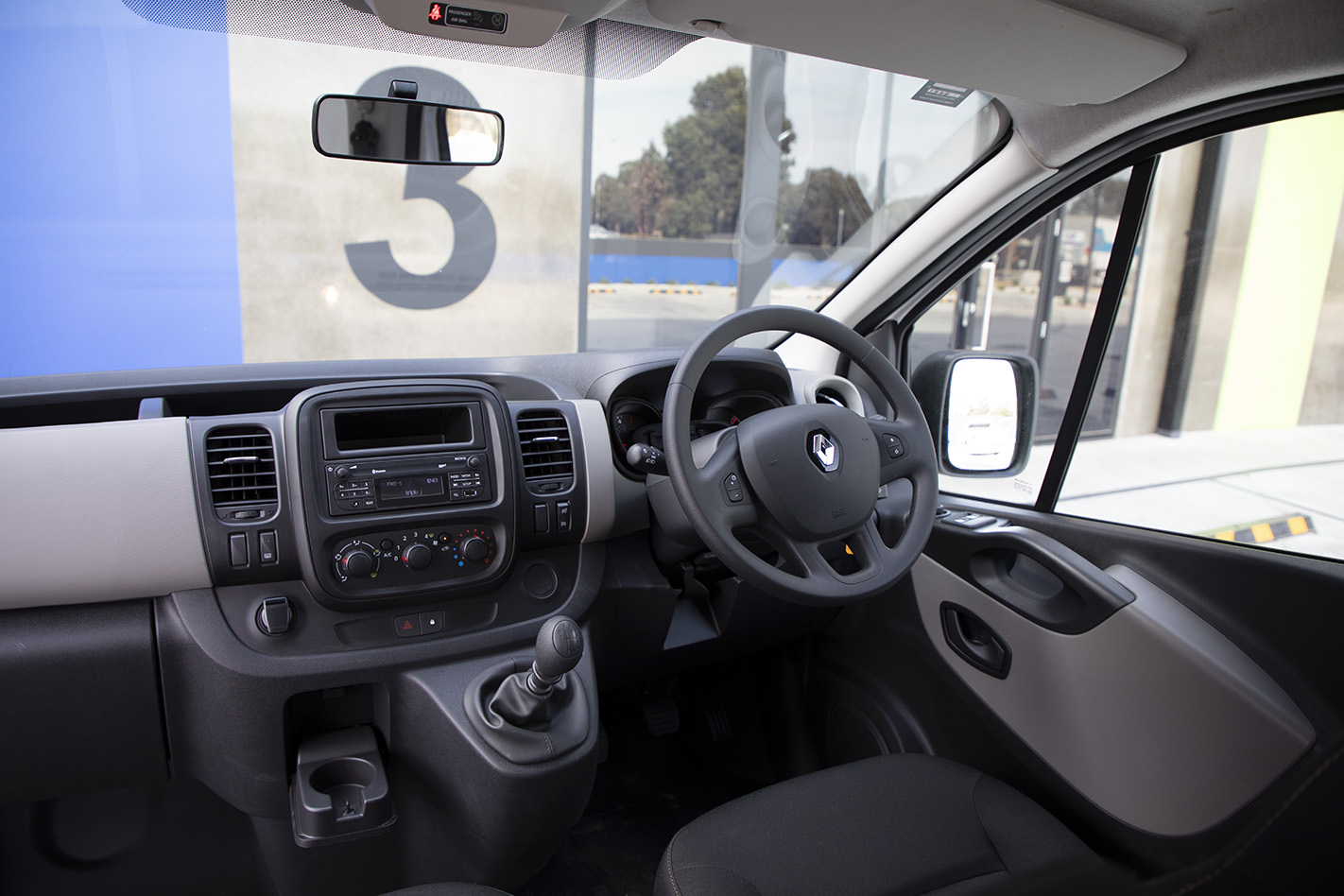
Like we were saying, the budget-friendly Trafic isn’t exactly overburdened with equipment. It’s a basics-only proposition, with a simple single-DIN radio head unit (that does at least have Bluetooth phone and media streaming). A 12-volt socket sits to the left of the gear shifter and a USB and auxiliary audio input can be found within the dash-top storage bin.
Cruise control, a speed limiter, manual air conditioning and power front windows are the other main equipment ‘highlights’, but the missing item that may rankle some buyers is a big one: there’s no automatic option right now, a six-speed manual is your only choice of transmission.
SIZE
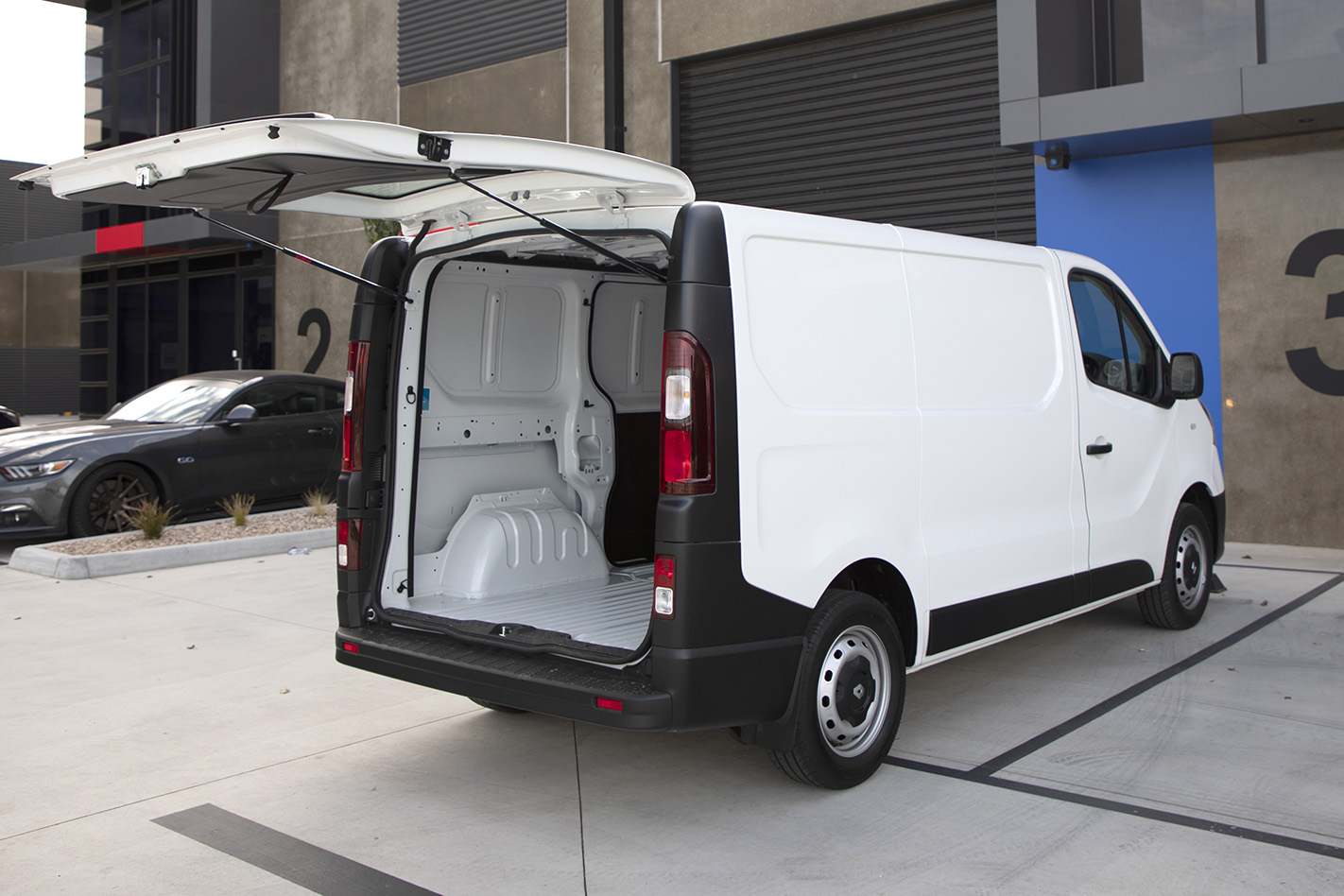
The Trafic Trader Life is available only in the Trafic’s shorter wheelbase length, giving 3098mm between the front and rear axles. Measuring just under five metres long and 1.95 metres wide overall, the Trader Life competes with other midsize vans like the Toyota Hiace, Ford Transit Custom, Volkswagen Transporter, Hyundai iLoad, Mercedes-Benz Vito and LDV G10.
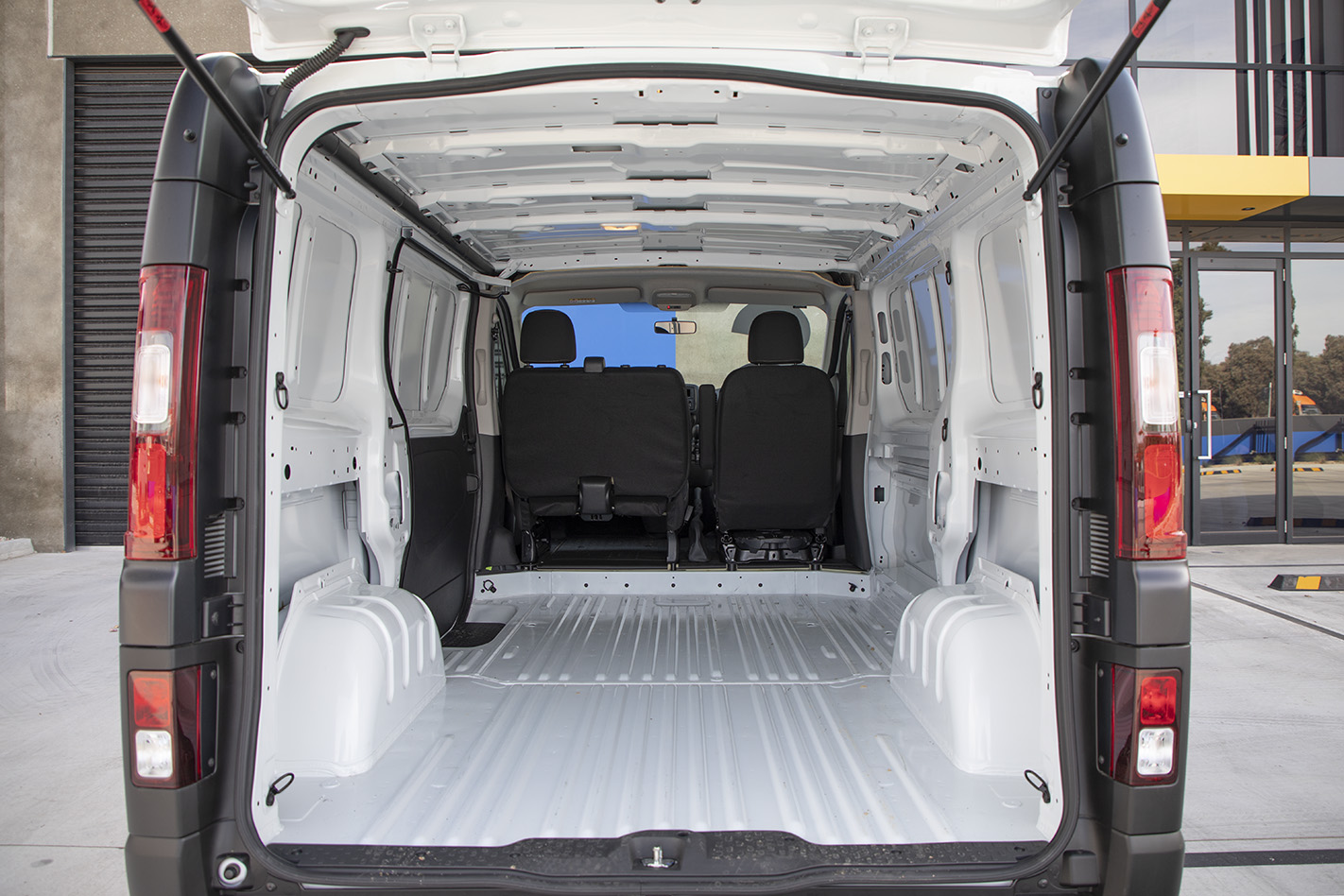
Able to take a payload of 1235kg and boasting a total cargo volume of 5.2 cubic metres, the Trader Life can tote a lot of gear. The load area measures 2537mm long, 1662mm wide and 11387 from roof to floor, with 1268mm between the rear arches. That last figure is enough to slide a standard pallet between the rear wheels, however with the Trader Life’s rear door only being available as a liftgate you’ll have to forklift those pallets in through the single side door instead.
SAFETY
While many vans in the segment are beginning to follow the lead of the passenger car market and offer electronic safety aids like autonomous emergency braking as standard, the Trafic Trader Life is definitely not one of them.
In fact, it lags behind other Trafic variants by not offering more basic safety features like a reversing camera or sensors, and only being equipped with two front airbags – no side-bags.
COMFORT
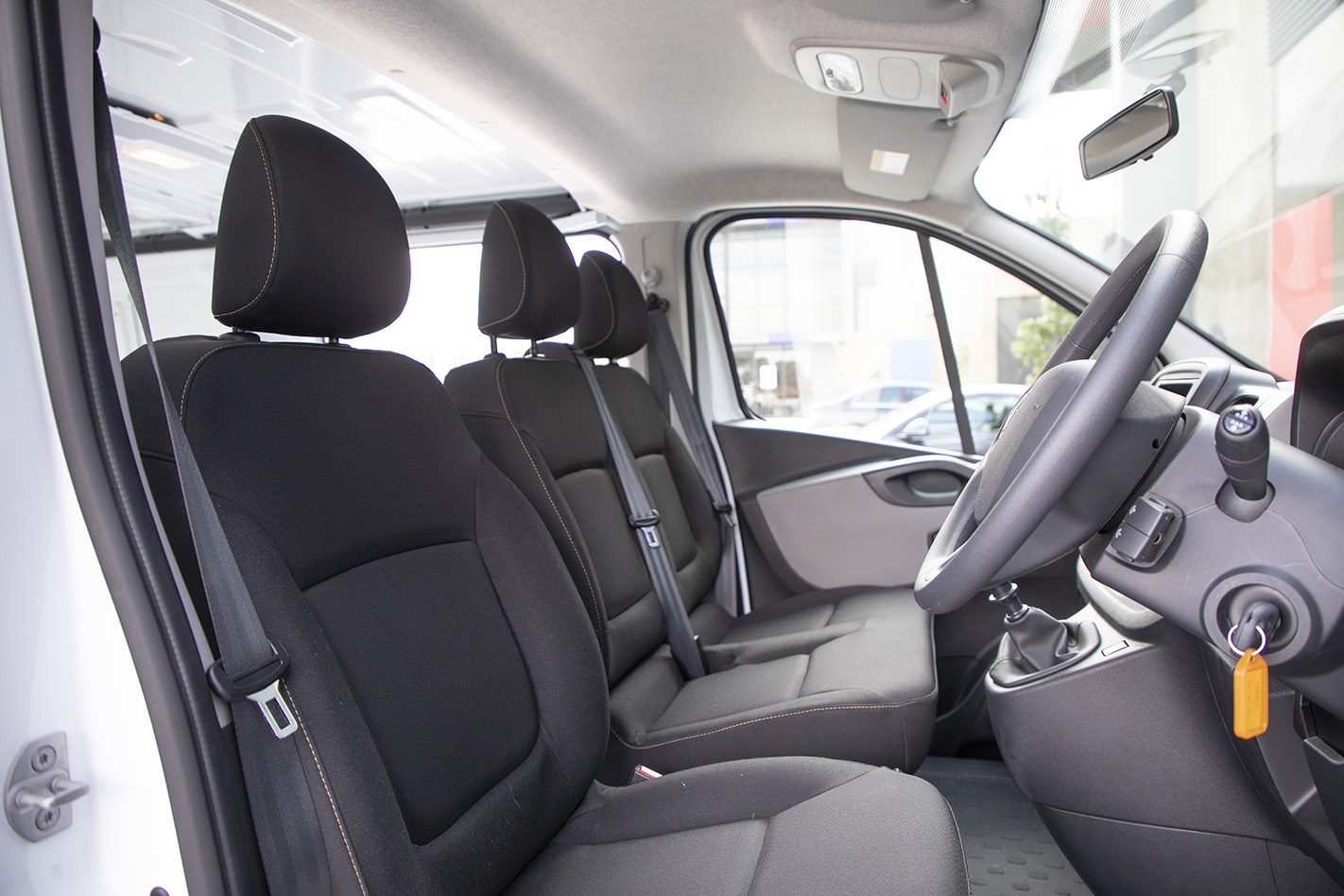
Though it offers a three-seat front row, the Trader Life is realistically more of a two-seater. The centre seat occupant has to deal with the prominent dash hump that carries the transmission’s gear lever, which compromises knee room significantly.
Want to make use of that flip-down centre cupholder? Maybe don’t if you’ve got three people aboard.
That shifter hump also gets in the way of driver comfort, restricting the driver’s left leg from being able to spread – an annoyance on long journeys, especially as there’s no footrest next to the clutch pedal.
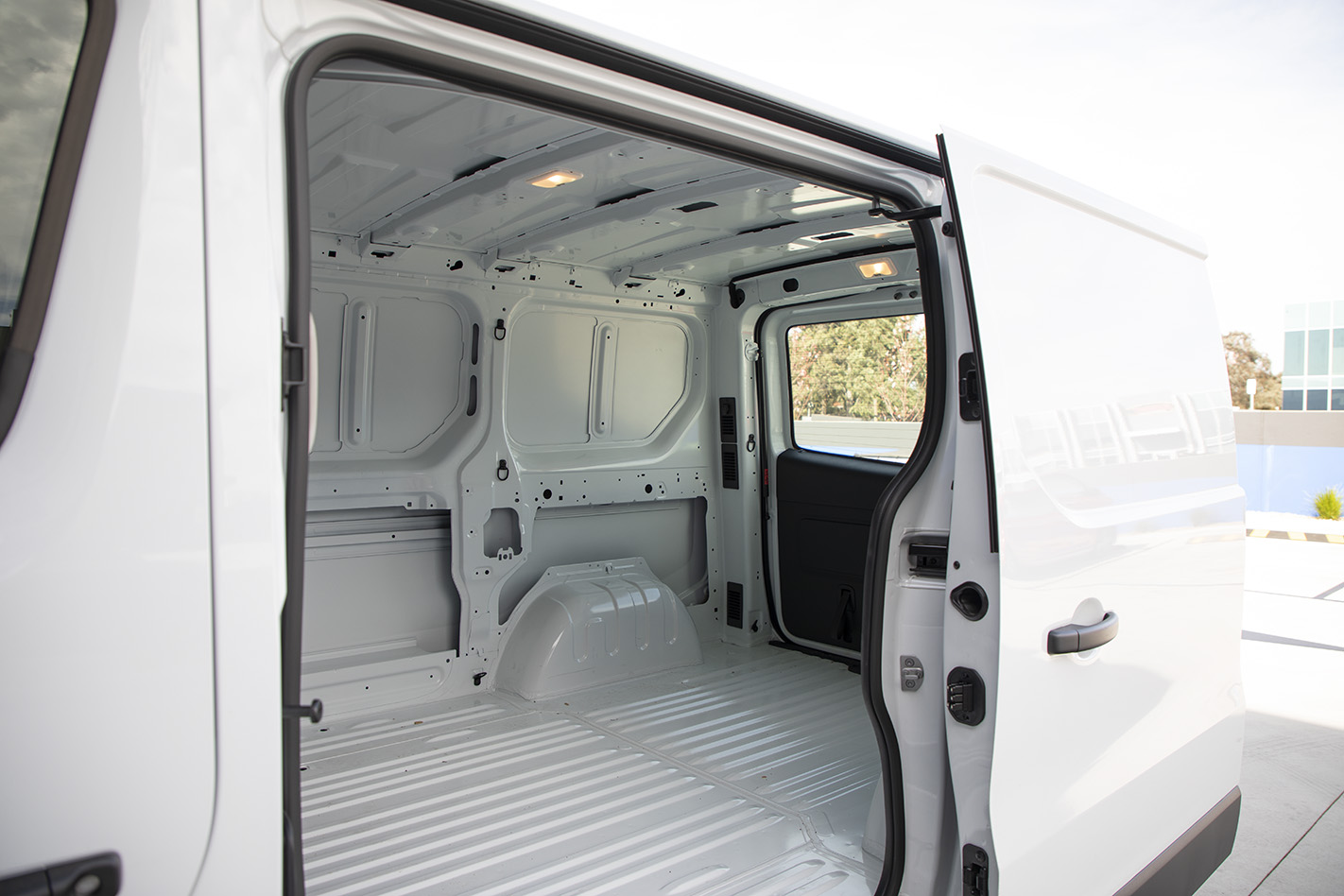
But besides those quibbles, the Trafic is comfortable, spacious and solidly built, with the driver given a great view through the front glass and the big wing mirrors doing their part to eliminate blind spots.
There’s no bulkhead separating the seats from the cargo area, but that’s not unexpected given the Trader Life’s price point.
ON THE ROAD
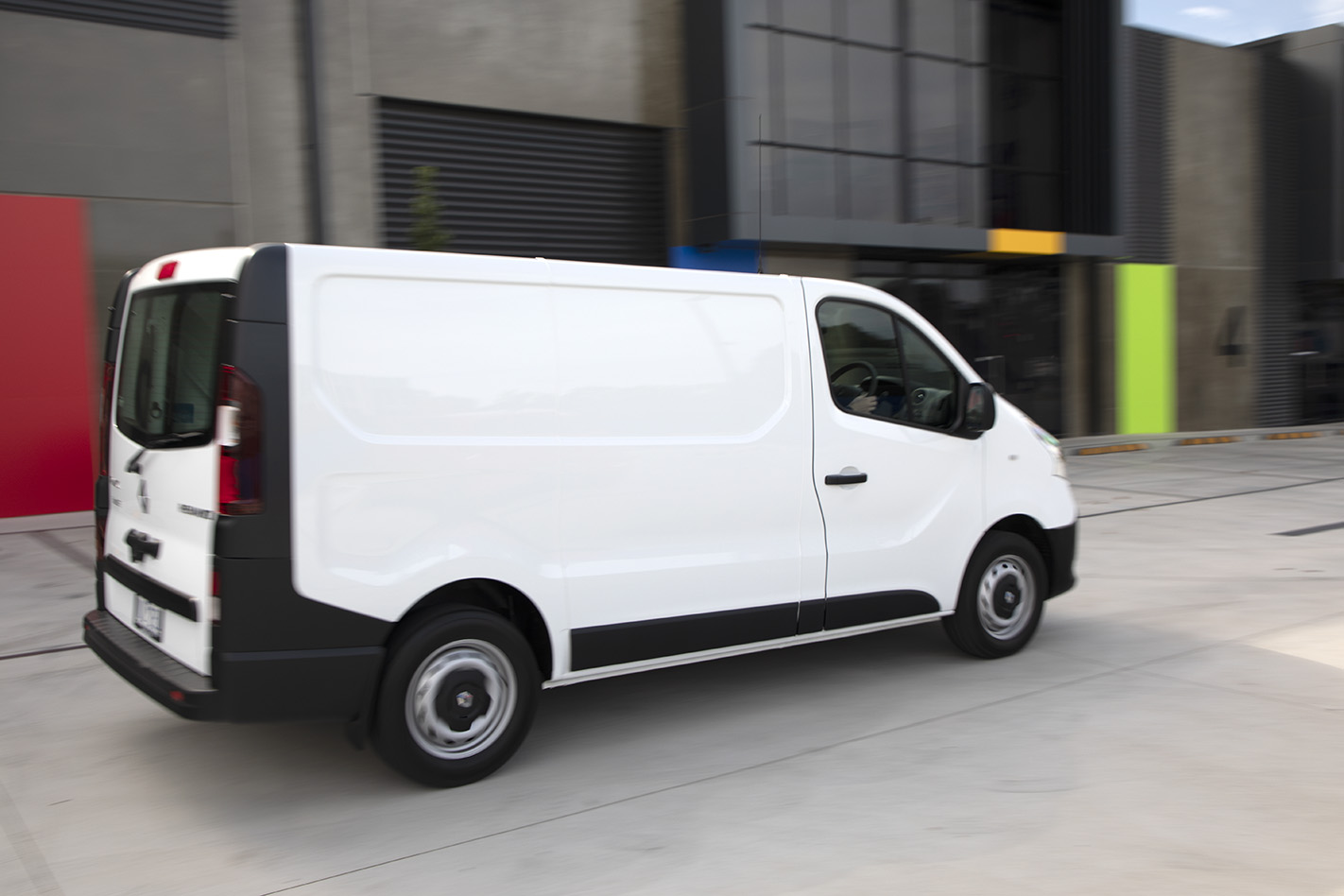
The engine compartment contains the most telling evidence that this is well and truly a budget-oriented van. Rather than the 85kW or 103kW 1.6-litre turbo diesels found across the rest of the Trafic range, the Trafic Trader Life receives an older, 66kW/260Nm version of those engines.
Acceleration is… not great. With a claimed 0-100km/h time of 15.9 seconds without any load aboard the Trader Life is slow, but the engine is nevertheless surprisingly torquey and if you shift frequently enough to keep it in the middle of its rev range it can lope along without feeling overly stressed.
That said, even with just a light-ish 150kg payload (plus driver), the impact of weight upon performance is still felt when going up inclines. Loading it up even more would surely be testing the abilities of that engine, even at half of the van’s 1235kg max payload.
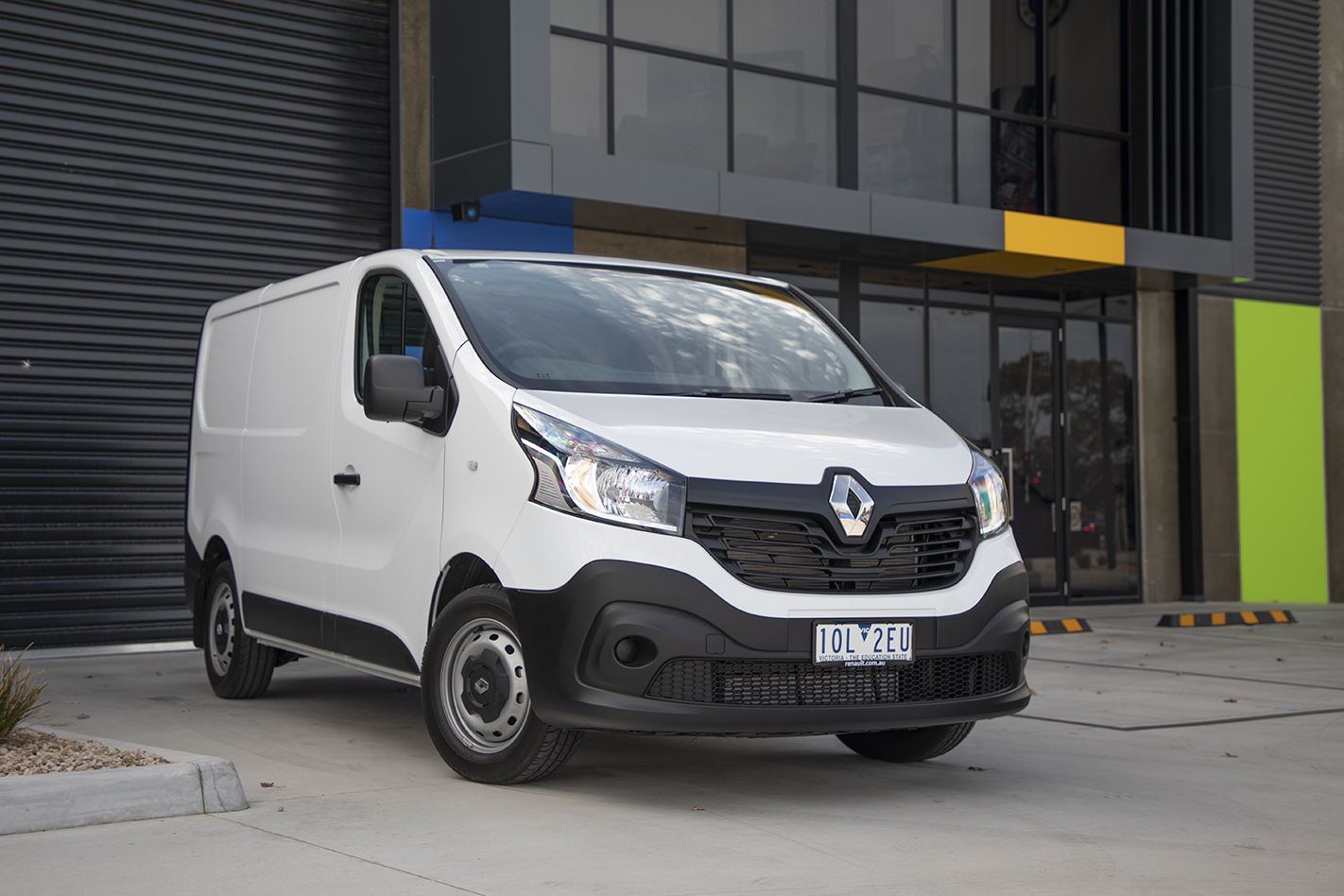
Towing capacity tops out at 2000kg on a braked trailer, but attempting to pull that much weight with the 66kW diesel – nevermind whether there’s any additional weight in the back of the van too – would either be dangerously glacial, or a real test of patience at the very least.
But if you need a parcel delivery van or your work gear isn’t all that heavy, that engine should be sufficient. The absence of an automatic is more egregious, though thankfully the manual shifter is light and fairly precise, with a well-defined friction point for the clutch.
The steering is also light and without much slack between tiller and front wheels, while the 11.84 metre turning circle gives reasonably good maneuverability in tighter streets.
VERDICT
There’s always going to be shortcomings for anything that’s pitched at the bargain-hunting end of the market, and the Renault Trafic Trader Life is no exception. The core engineering is sound, though, and besides some ergonomic miss-steps, a bare-bones equipment list and a powertrain that doesn’t have the muscle to make the most of the Trafic’s load-lugging capacity, it’s a good honest work van.
Some cars seem to live on forever. But, like Game of Thrones and that extra-large chocolate frappe, there comes a time when all good things must come to an end.
Take the local car market, for example. While it’s not an exact science, most car models will last about five to six years before being replaced. Commercially-based vehicles like dual-cab utes and 4WDs may have a longer shelf life, but most cars we know and love will score new engines, platforms and driver aid technology every half-decade or so.
There are a few cars on sale locally, though, that have defied the odds and pushed on into automotive middle age, such is their popularity with Aussie buyers.
There are also a few that, for various reasons, are unlikely to return once their number is up for this model cycle.
Here, we’ve compiled a list of crowd favourites that you should get your hands on sooner rather than later.
‘Cause they’re not gonna be around forever…
Audi TT
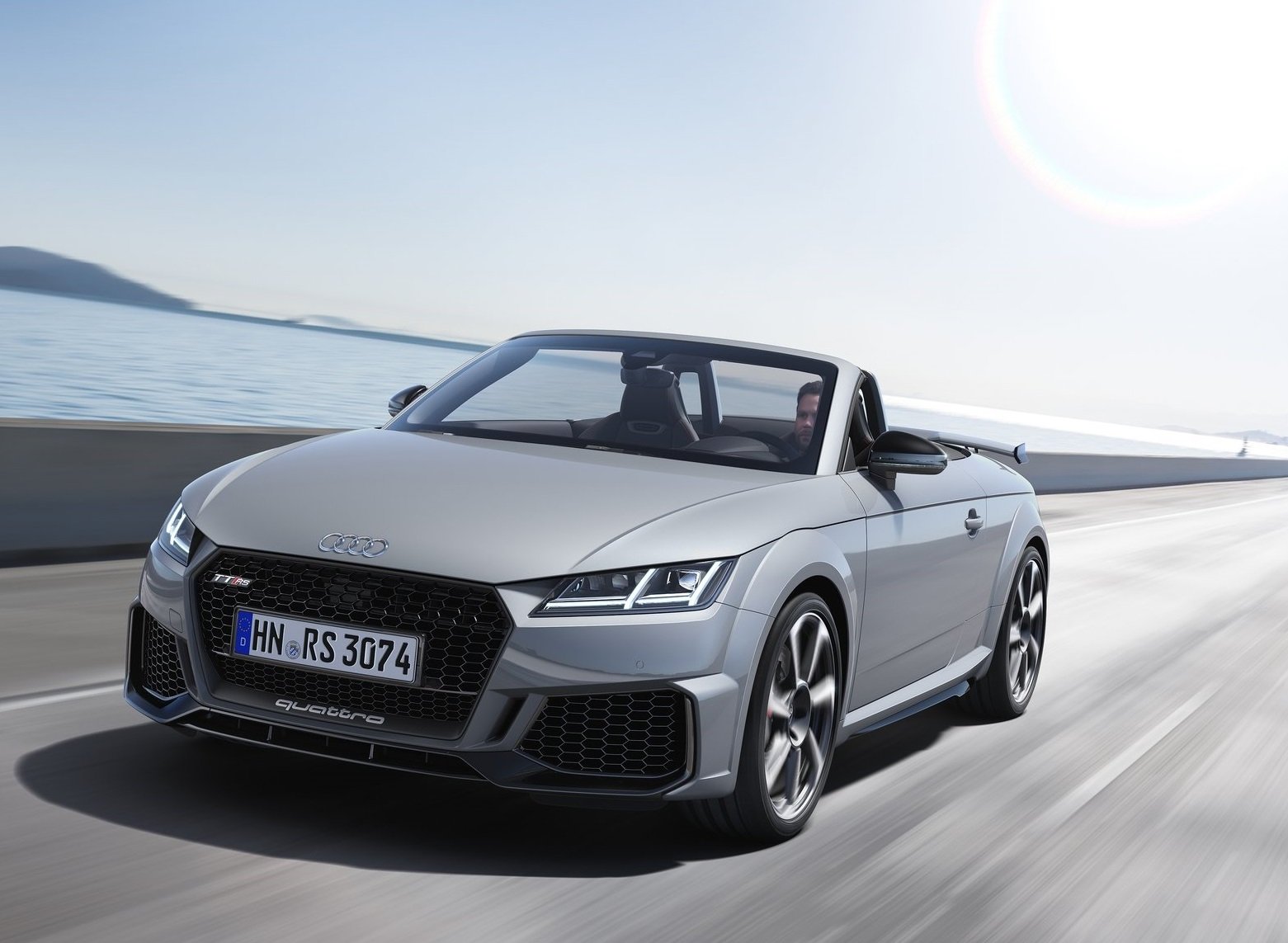
Audi’s 13-year-old coupe/roadster is about to get what could be its final update before the brand potentially puts to rest a classic sports car that loyal enthusiasts have come to love.
A focus on style and performance headlines the update, which includes new front and rear bumpers, an optional body kit, exhaust tips and some other little bits.
There were even talks of a four-door TT variant from the German maker, built on the TT’s current MQB platform. But previous rumours that it could replace its classic two-door sibling have since been put to rest.
But the TT isn’t a top seller for the brand and, according to new Audi chief executive Bram Schot, the TT is unlikely to continue after 2022 as the brand pushes its focus towards electrification and produces more popular models like SUVs and crossovers.
UPDATE: Since publishing, Audi has announced it will discontinue the TT.
Lexus CT 200h
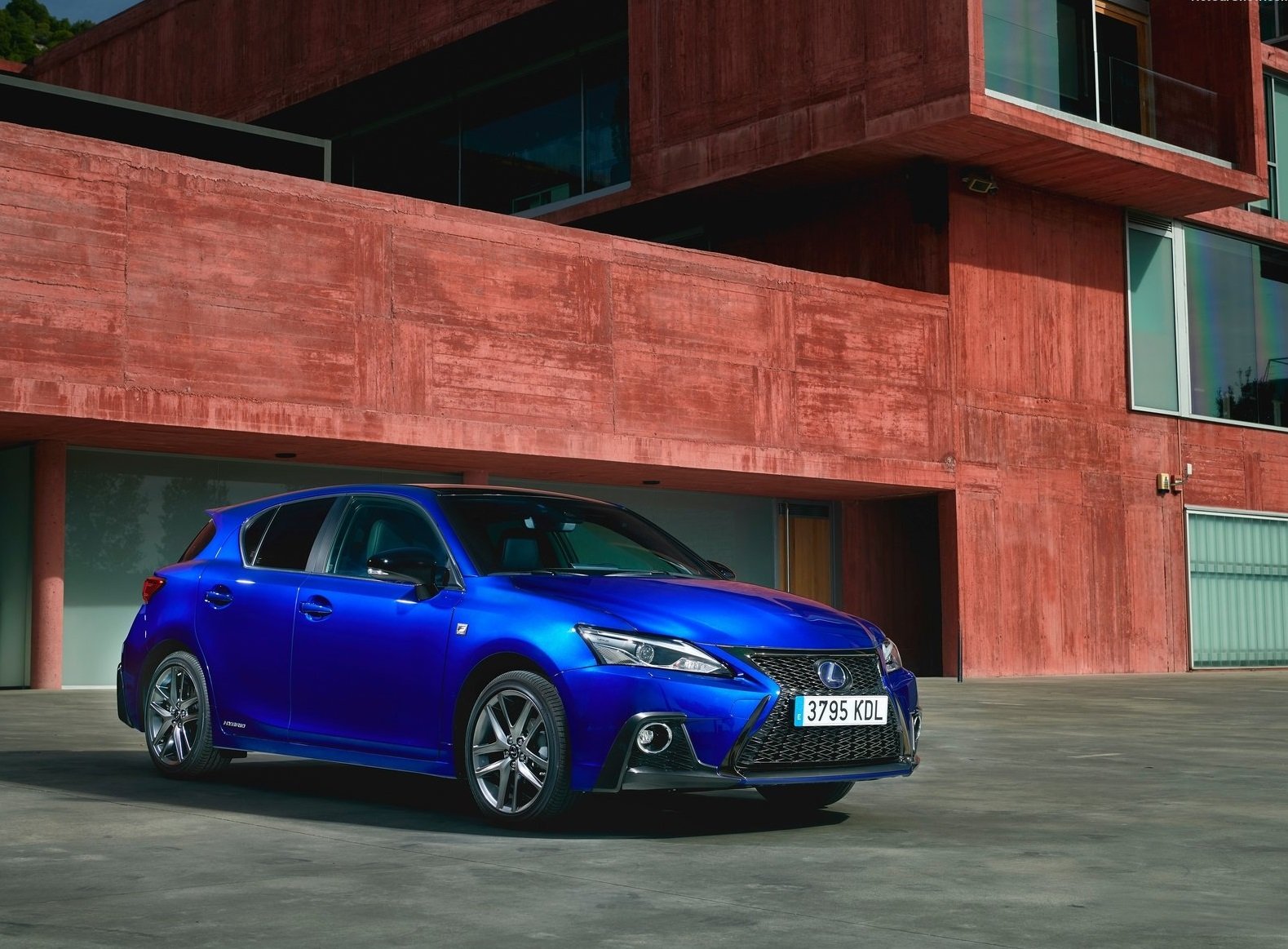
Despite its popularity with bargain hunting luxury car buyers, the Lexus CT 200h hatch is an endangered species. Sharing its hybrid powertrain with sister brand’s Toyota Prius, the CT has seen a decline in sales over the years, selling only 212 examples in 2018.
Those poor sales figures and its old tech – it’s still based on the previous generation Toyota Prius – has pushed Lexus to ditch its cheapest model in order to pursue something new.
Exactly what will replace the CT is yet to be confirmed, but from what we know, the new entry-level model will be based off the brand’s TNGA platform, which is already used under the Lexus UX and Toyota CH-R.
Set to arrive here within the next two years, the new model will sit under the brand’s popular UX SUV, in either traditional hatch or small SUV form.
If the current CT 200h tickles your fancy, you should probably hit up your local Lexus dealer before they’re discontinued and sold out for good.
Mitsubishi Lancer
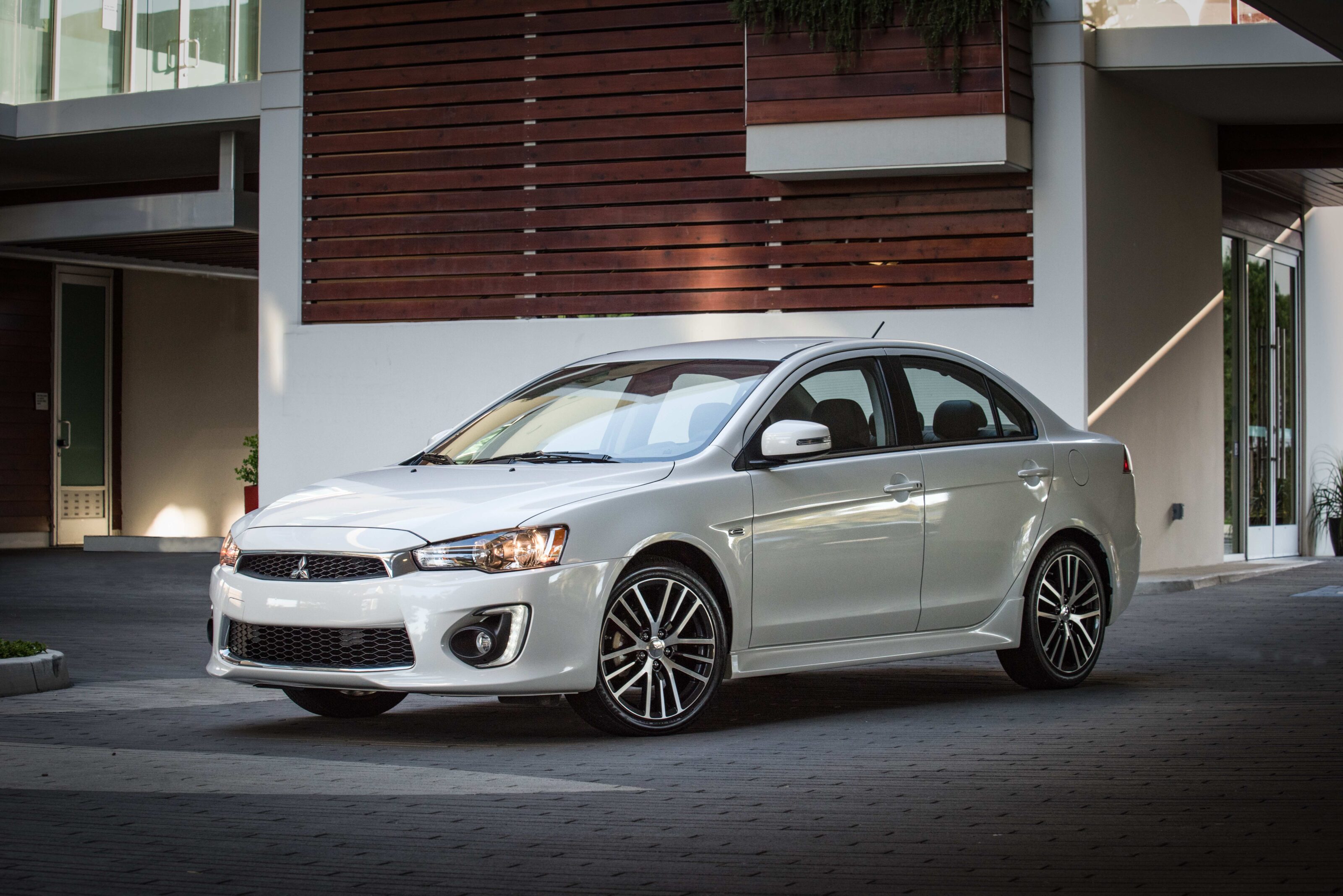
If you love your Lancer and want a brand new one, you’ll need to act fairly quickly. When the Japanese car maker announced it would stop building the popular model, Mitsubishi Australia ordered tonnes in a stockpiling exercise to see Aussie buyers through for a few more years.
Just how many are now left is unknown, but right now you can get your mitts on a 2017-plated sedan in ES Sport spec (2.0-litre manual) for just over $20,000 driveaway, or a Lancer Black Edition sedan for $22,990 driveaway with CVT gearbox.
After those disappear, the Japanese carmaker will only offer one small passenger car in Australia, the Mirage.
Holden Commodore
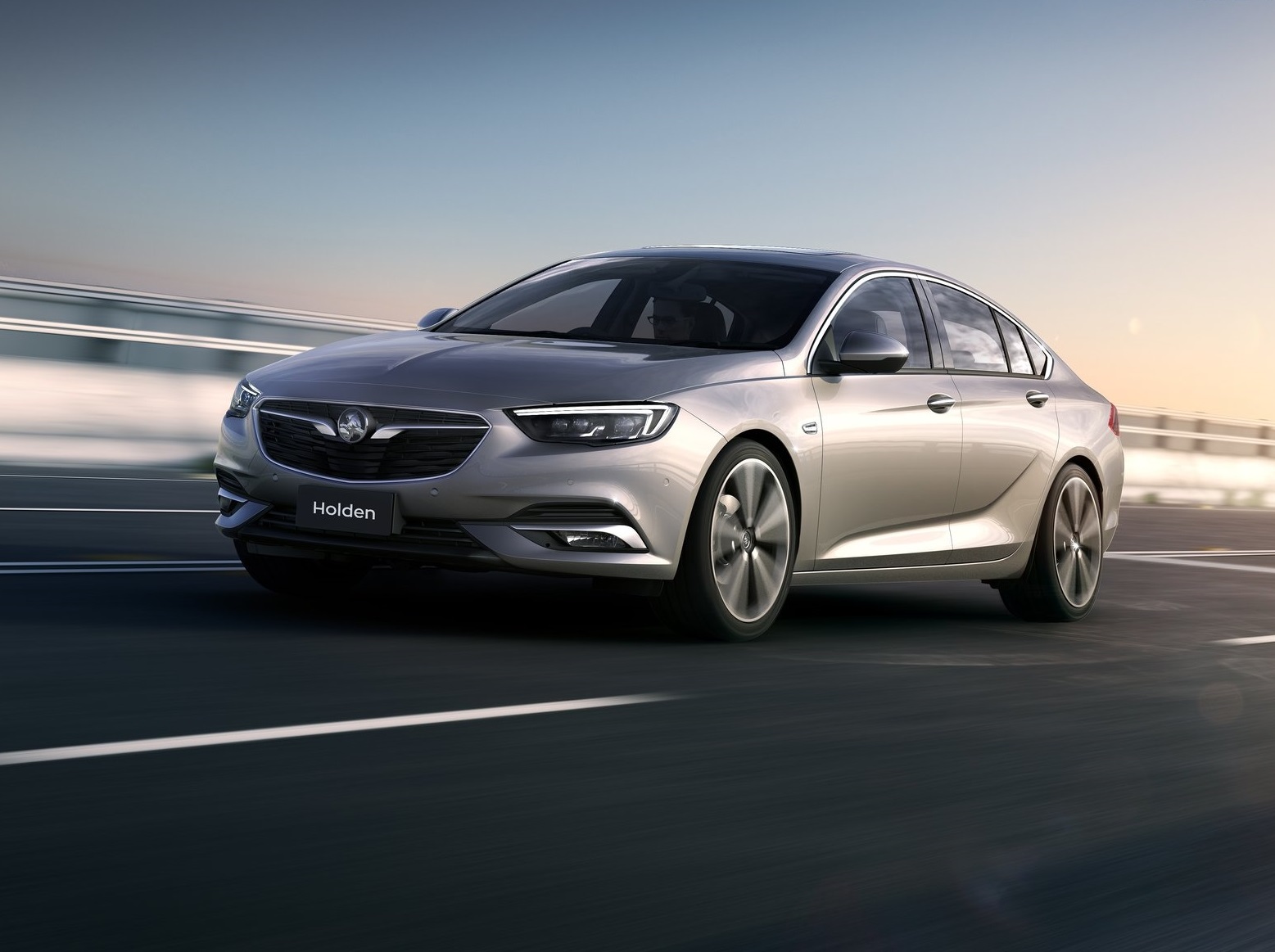
The Commodore itself might not be a dying breed, but for passionate Lion-badge supporters, the brand might already be dead to them.
After the shutdown of Holden’s production plant in Elizabeth, Adelaide in 2017, it was the end for Australia’s longest-serving vehicle manufacturer, and it appears to have taken with it with it a wave of once-loyal, now-disappointed consumers.
All models (bar the Equinox and Colorado 4X4) are recording continuous declines in new car sales numbers – but does this mean the brand and its once-popular Commodore could be reaching the end of its days?
Mitsubishi ASX
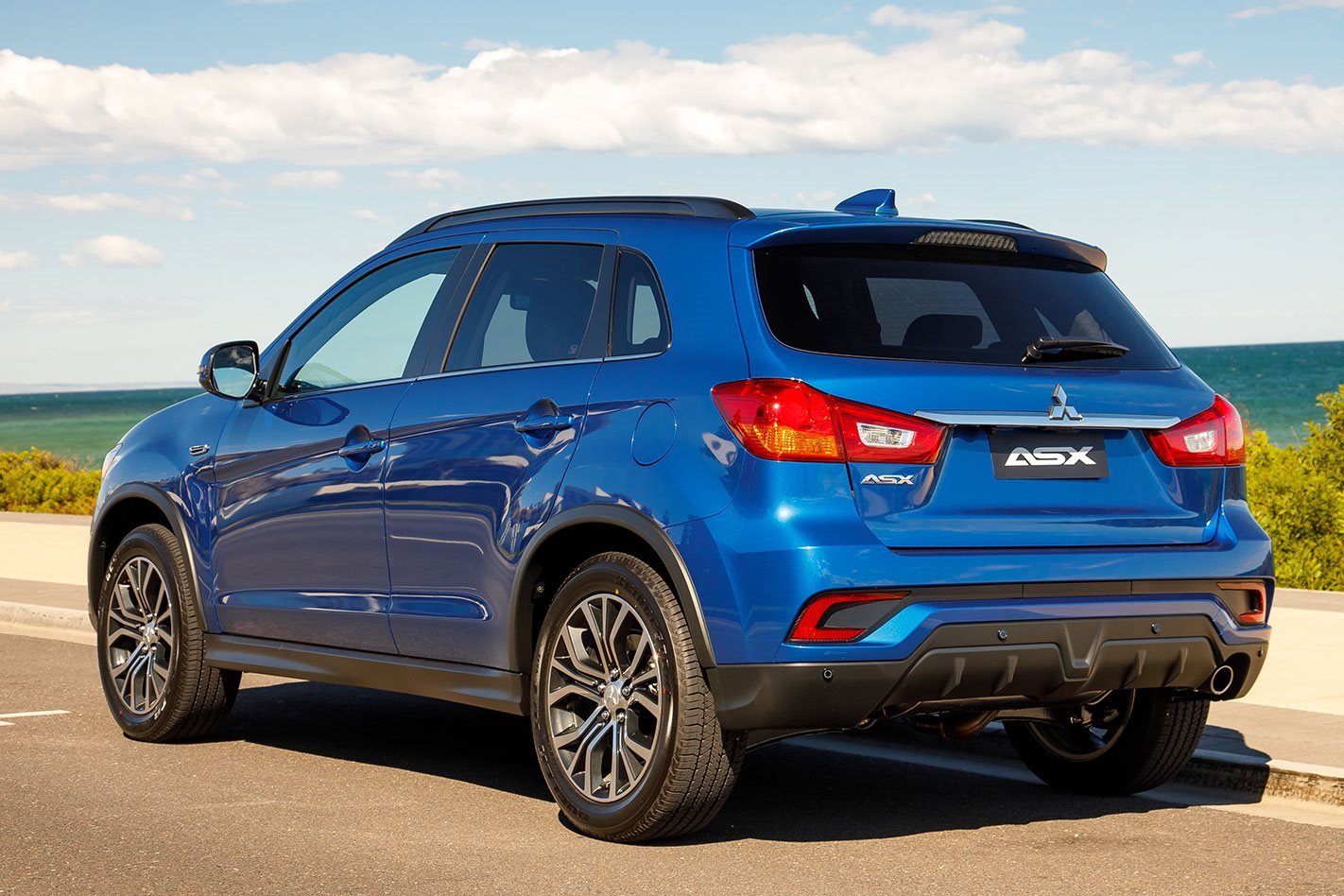
Not much has changed for the small SUV that Mitsubishi introduced in 2010, yet it’s still one of Australia’s best-selling models (it topped the sales in its category last year).
It’s just received a freshen up for 2020, which we’ll see later this year, which includes new technology and some cosmetic updates.
The diesel engined version has been canned, though, leaving you with just one option – the 110kW 2.0-litre petrol engine – and with no major updates appearing to be on the horizon, could the ASX’s life cycle be just about over? Only time will tell.
What’s in the garage?
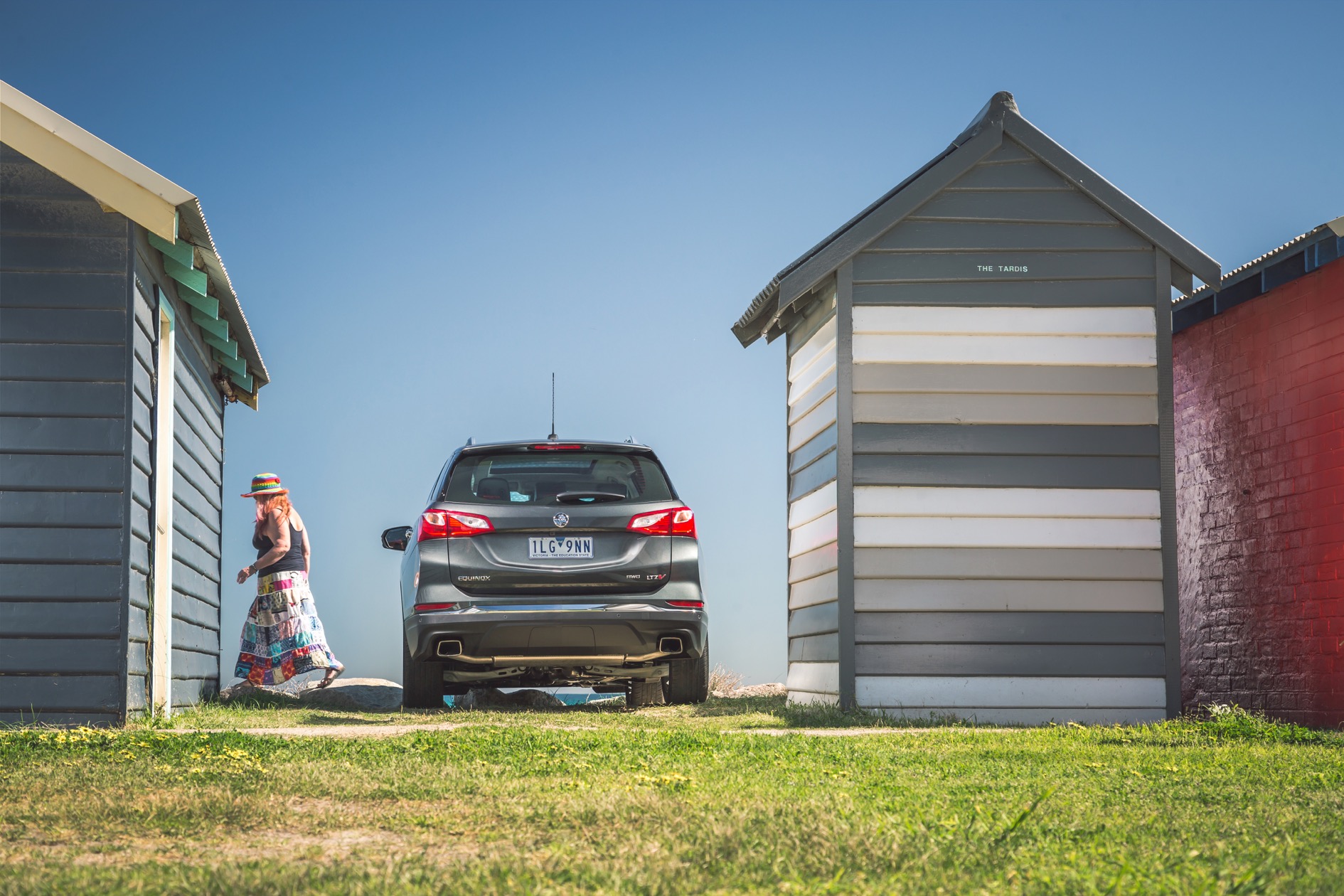
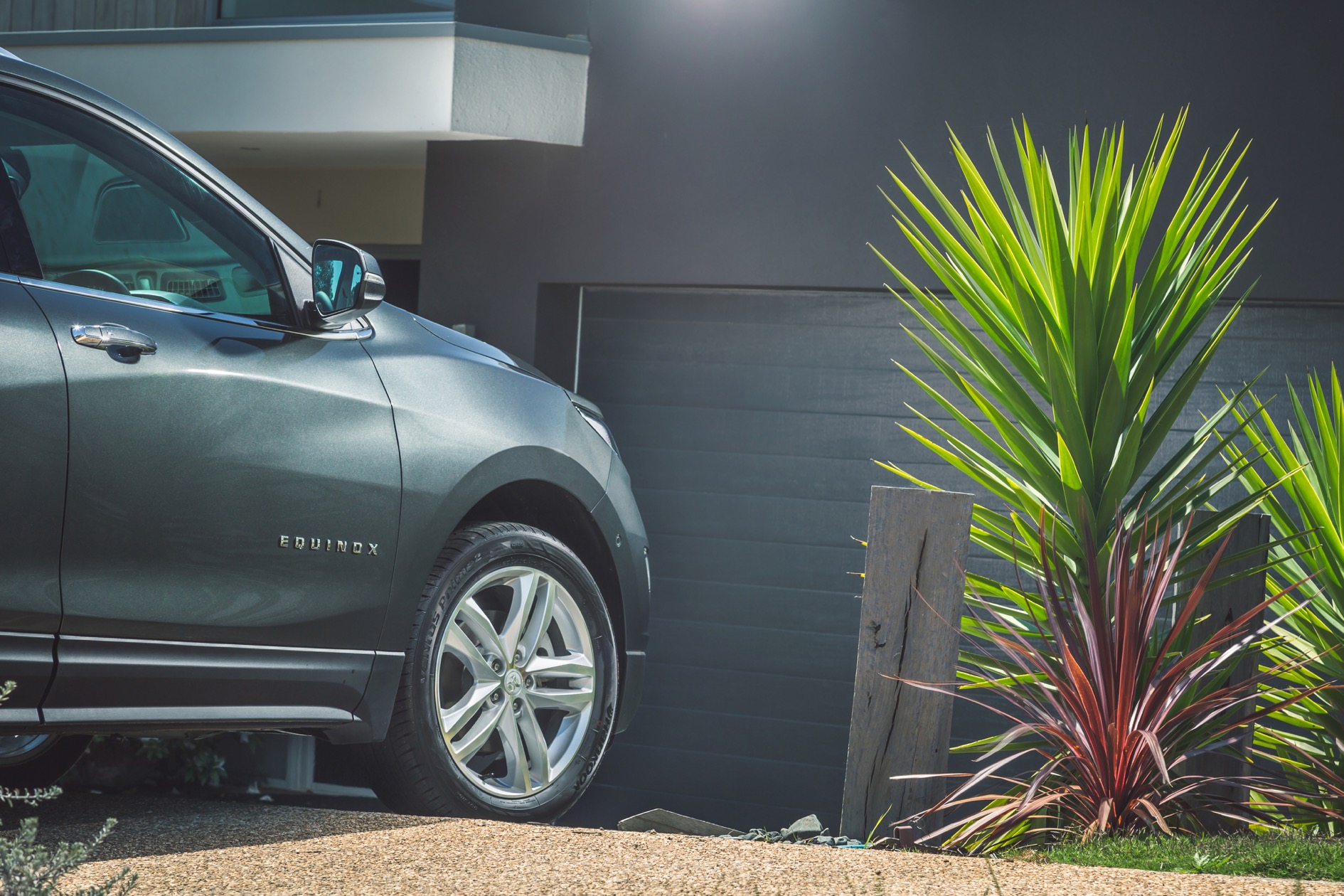
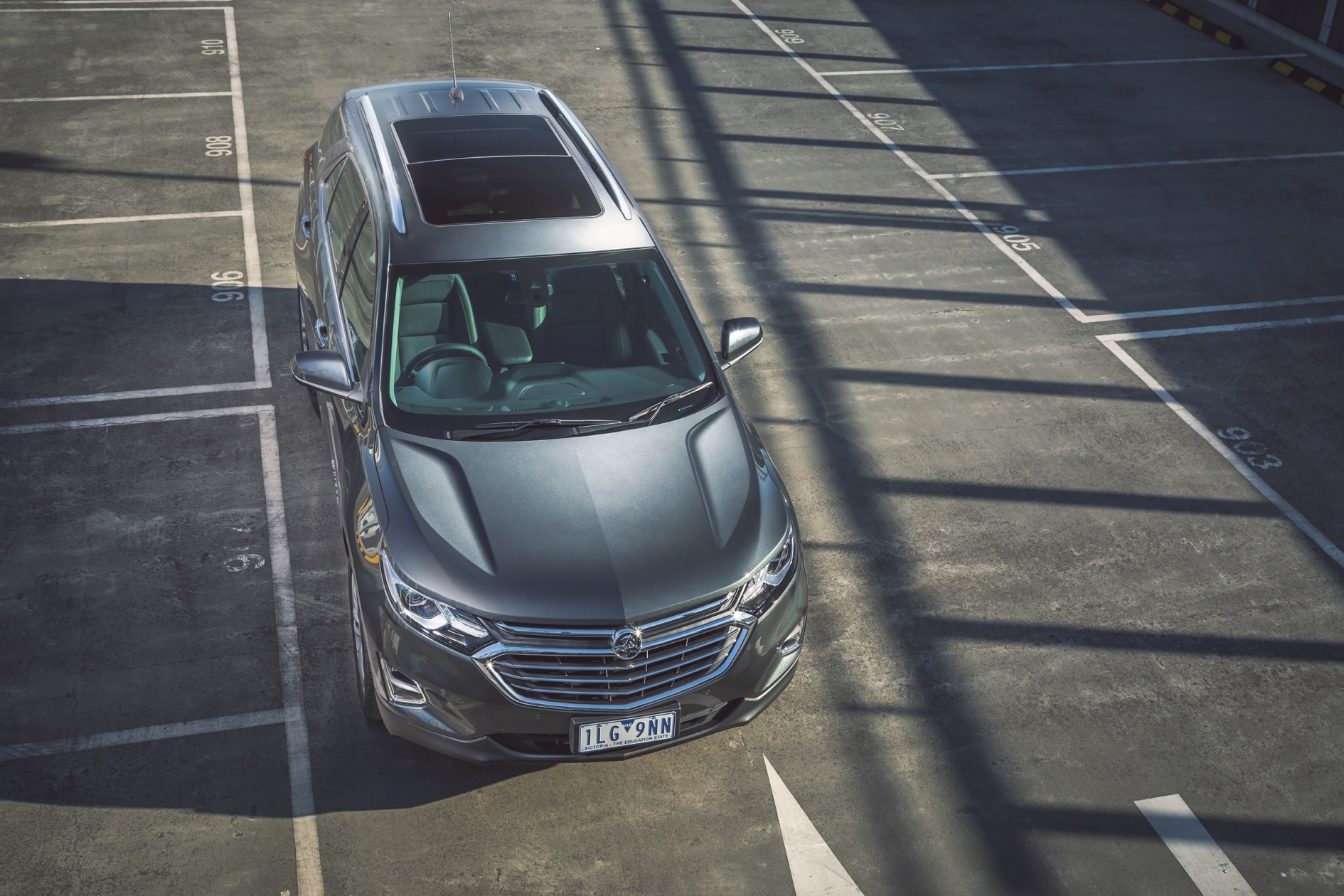
The term sleeper is usually reserved for high-performing cars with unsuspecting visuals, and the Holden Equinox LT is a pretty nice fit for that definition. With a 2.0-litre four-cylinder turbocharged engine producing 188kW and 353Nm, it is the most powerful mid-size SUV you can buy today. While it’s easy to go mad with power, the Equinox’s real purpose is to be a volume seller in one of Australia’s favourite new car segments. We take the pick of the range for a spin to find out if it is up to the task.
What we reckon

Cameron Kirby
Staff Journalist
| The turbo engine in the Equinox is super punchy, and the class-leading power is enough to sometimes overwhelm the front treads. But unfortunately, despite being relatively new to the Australian market, the rest of the Equinox feels a bit tired and old. There are worse options in the mid-size SUV segment, but there are definitely much better choices as well. |

Andy Enright
Deputy Editor
| I have a bit of a soft spot for the Holden Equinox, but it has to be the 2.0-litre turbo. Can you believe that this thing has 188kW and that you can subject the family to all that grunt for just $37 grand? That’s crazy. To put that into perspective, that’s the same sort of power you got when you bought a 2.9-litre Porsche Boxster from 2012. I reckon there’s a lot to be said for a vehicle that can do both sensible and slightly unhinged. |

Alex Rae
Online Editor
| This is the family-friendly SUV that the petrol head in the household gets something out of too. Kudos to Holden for selecting a thumping engine for its mid-size SUV, the turbo mill really is succulent. It rides and steers well too and Holden’s usual local tuning has done plenty to improve the Chevrolet-based product. Interior presentation is nothing special, but it’s functional and comfortable and at $37k, the bang for your bucks quotient is strong. |
Review
Power and performance
Nothing in the class can match the Equinox in terms of sheer power, though the Mazda CX-5 turbo has a few more newton metres. The class-leading 188kW is evident off the line and with an extensive local tuning process, the Equinox isn’t easily embarrassed on twisty roads either. But keep in mind the 2WD variant does have a propensity to serve up wheelspin in large doses if prodded too hard from a standstill – the same engine can be mated to an all-wheel driveline for better grip.
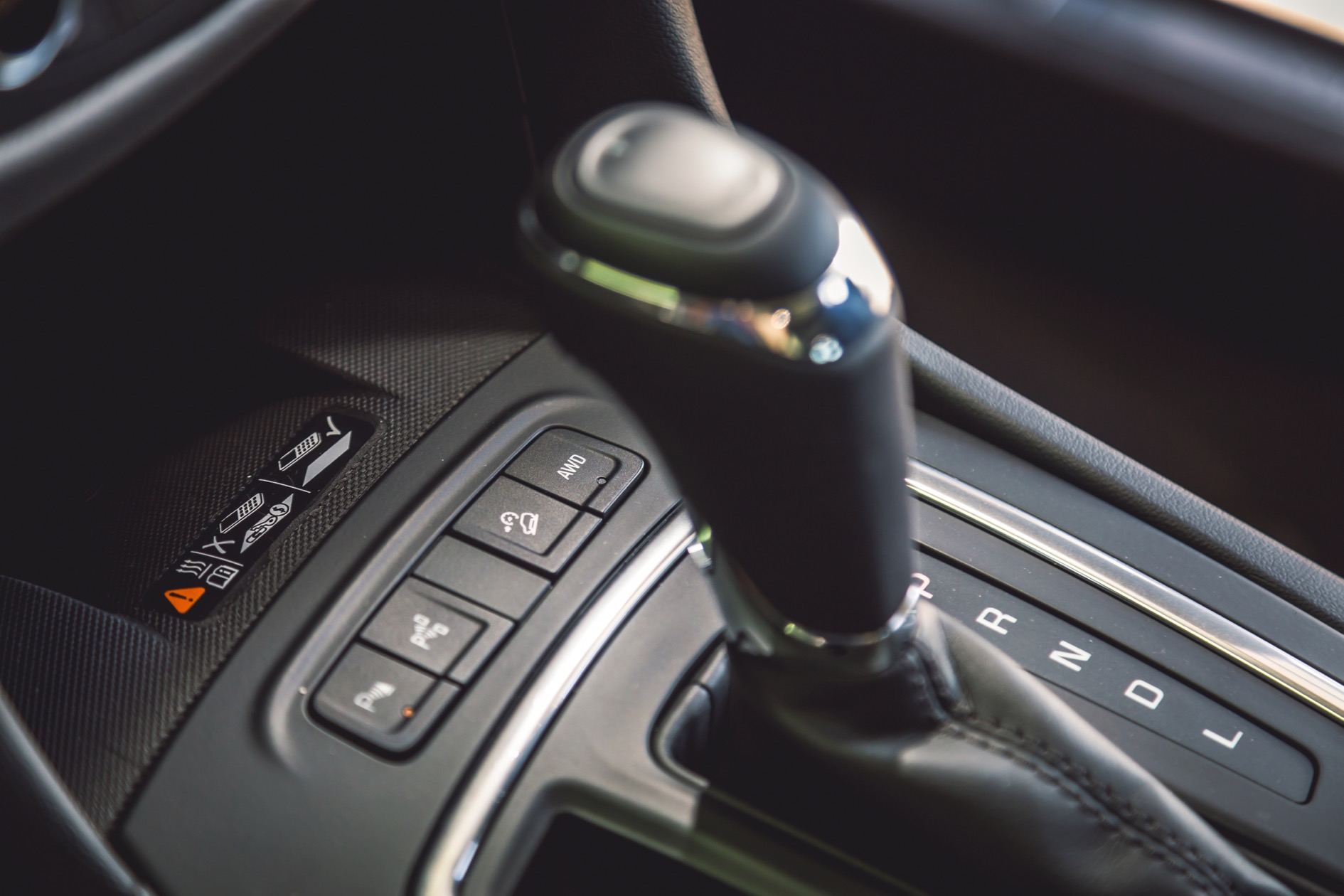
The 2.0-litre petrol feeds power through a nine-speed automatic transmission, with a 0-100km/h time of 7.3 seconds. Only the Mazda CX-5 turbo, which starts at $47,000 (a circa $10k premium), can offer similar performance in this segment with its 170kW/420Nm 2.5-litre petrol motor.
Ride and handling
Holden spent a large amount of time fine tuning the Equinox for Australian conditions, and it shows. The ride is excellent, and walks the line between too plush and too firm nicely. In both urban and rural environments the Equinox is a winner, with a dual personality that is as comfortable on a rat run as it is crushing the miles on the open road. Even on winding back roads, the Equinox can put a smile on your dial with communicative steering and delightful poise.
Interior and comfort
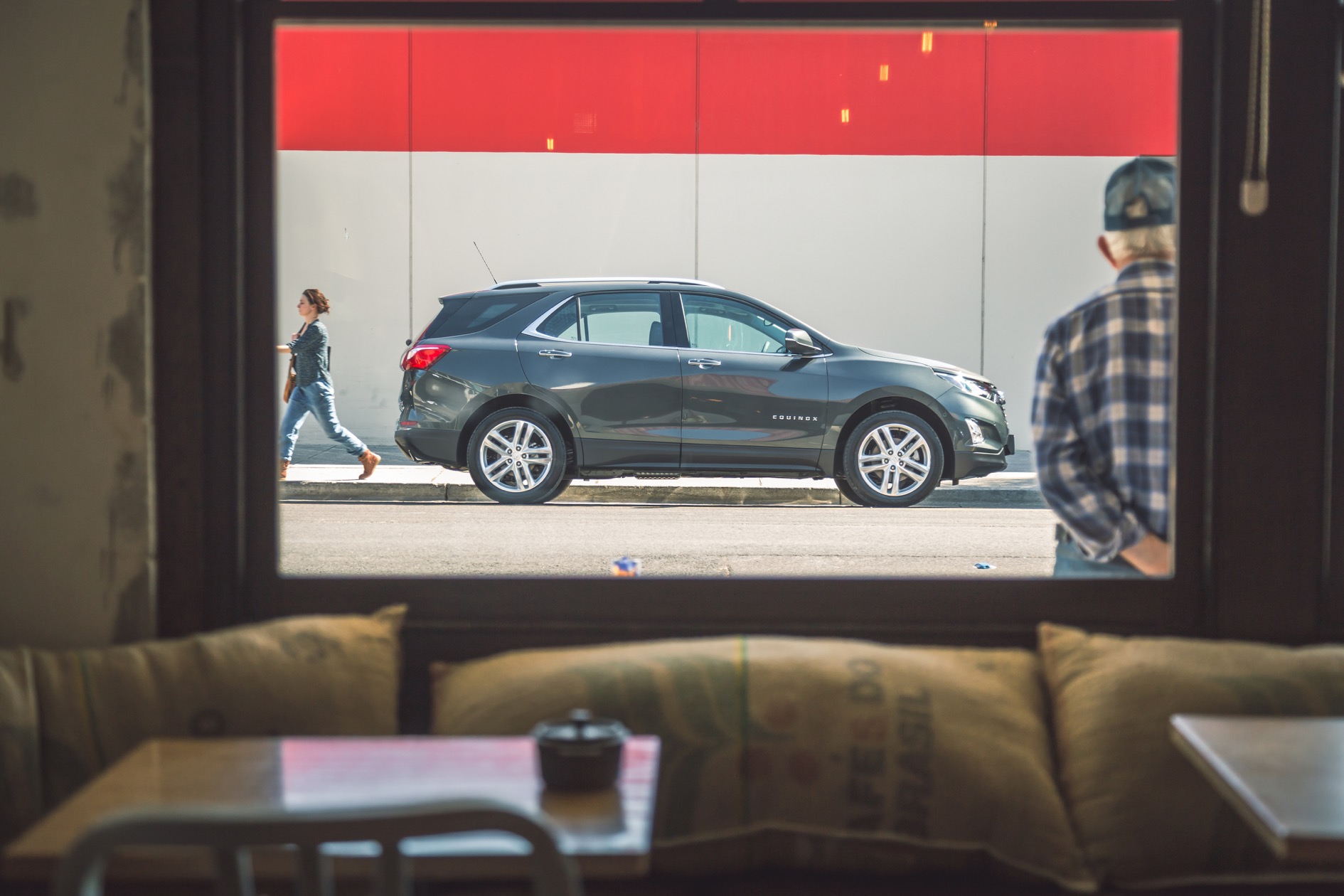
One of the Equinox’s strengths is its interior packaging, with the cabin being both spacious and comfortable.
Rear leg room is incredibly generous while the driver seat has haptic function, which uses vibrating bolsters instead of sounds to warn the driver of obstacles when reversing. It’s a little funky at first but you get used to it.
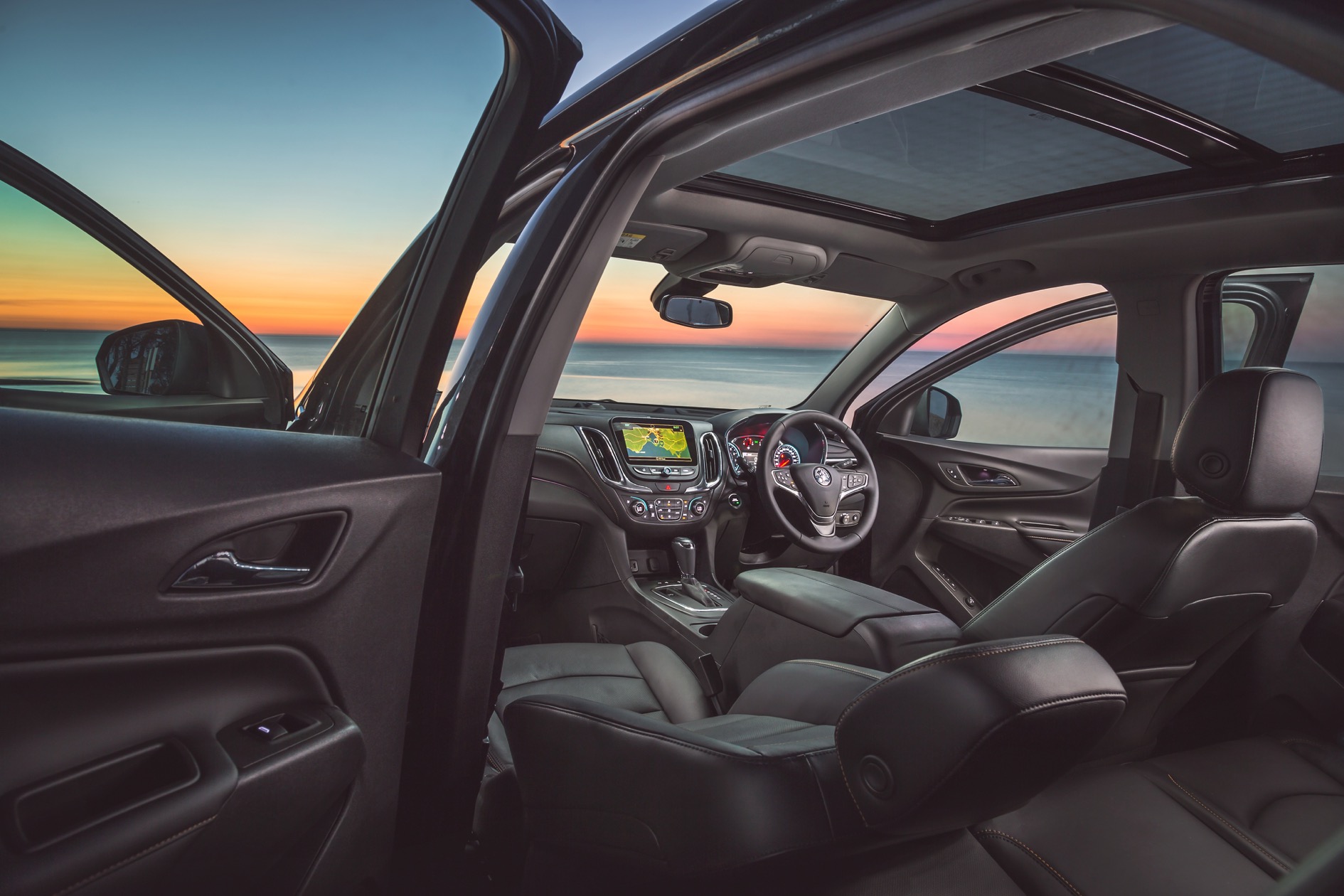
A neat trick used by some manufacturers now, Holden engineers reduced unwanted sounds by using noise cancelling technology found in headphones. It emits a sound wave through the audio speakers that cancels out tyre and wind roar and it seems to help hush noise in the cabin. It also helps clarity from the stereo system which incorporates Apple CarPlay and Android Auto and has some punch to it.
However, these positives are undone by the materials and design of the interior, which are disappointing. Hard and thin plastics dominate the dash, while the centre console sits too high, prompting you to use a claw-like posture to use the gear shifter.
Verdict
The LT 2WD is the pick of the Equinox range, but it still falls short of being a class leader due to the disappointing interior quality. If driving enjoyment is the top of your priority list, then the 2.0-litre Equinox is a must-drive. For those who favour practicality above looks, the Holden is also worth a test drive. But the unfortunate reality for Holden is that many buyers want a car that looks and feels premium as much as a nice driving experience, and it’s here where the Equinox struggles to win any favours.
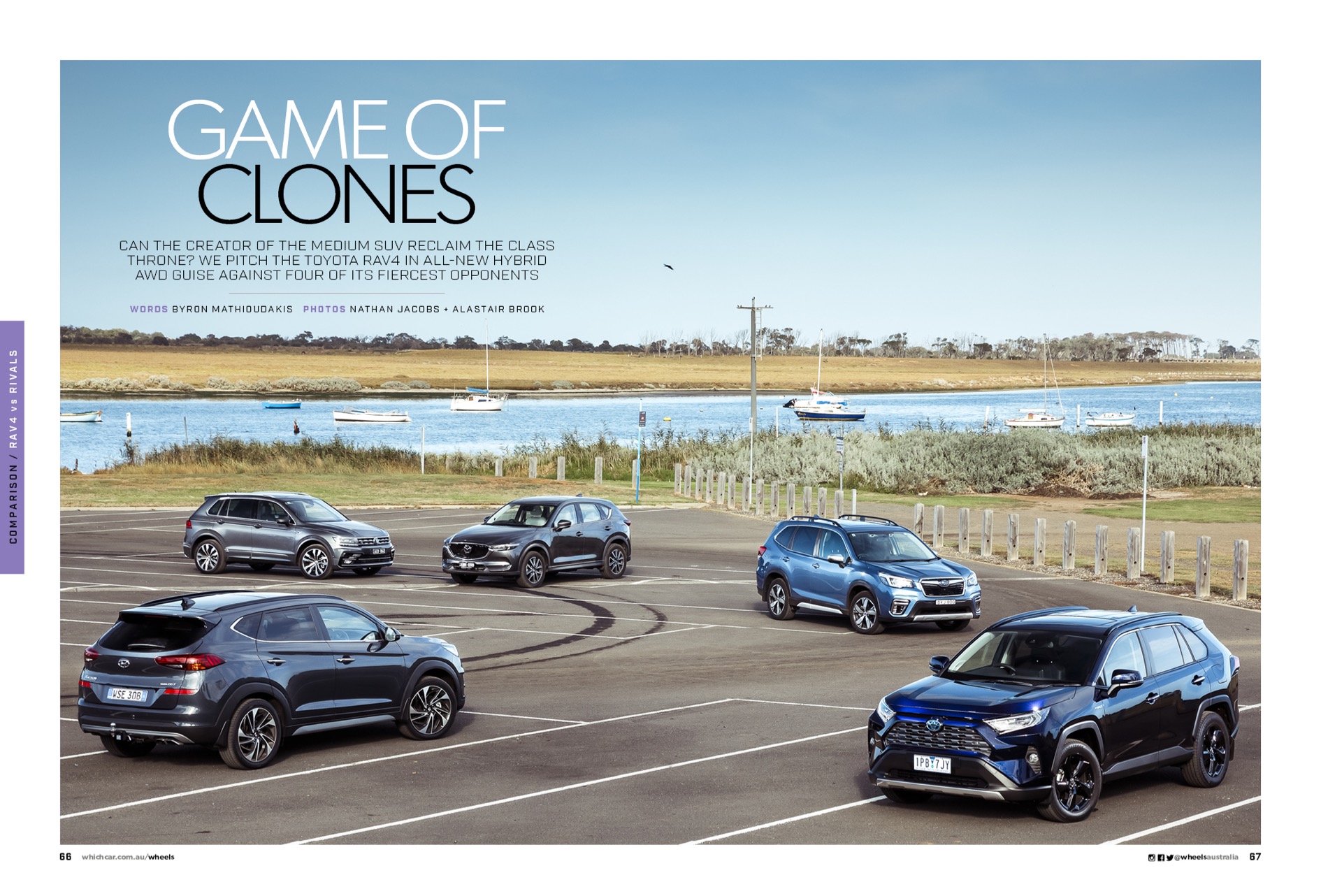
Mid-sized SUVs continue to be the super-heated segment in Australia, so our June issue is your essential reading to learn the pecking order between the all-new Toyota RAV4 Hybrid and its key rivals: the Mazda CX-5, Subaru Forester, Hyundai Tucson and VW Tiguan.
Spoiler alert: the ending is way more climactic than the final ep of Game of Thrones.
Meanwhile, editor Inwood rather fancies himself in a snug-fitting Nomex racesuit, so our hard-pedaling leader hops the ditch to New Zealand to wring the neck of the ultimate track-day weapon – the spectacular, F1-car-on-a-flexi-day Rodin FZed.

Then, reluctant to climb out of a suit that’s so slimming, Inwood jets home to drive the Mercedes-AMG GT4 race car, and gives us the need-to-know on this emerging category.
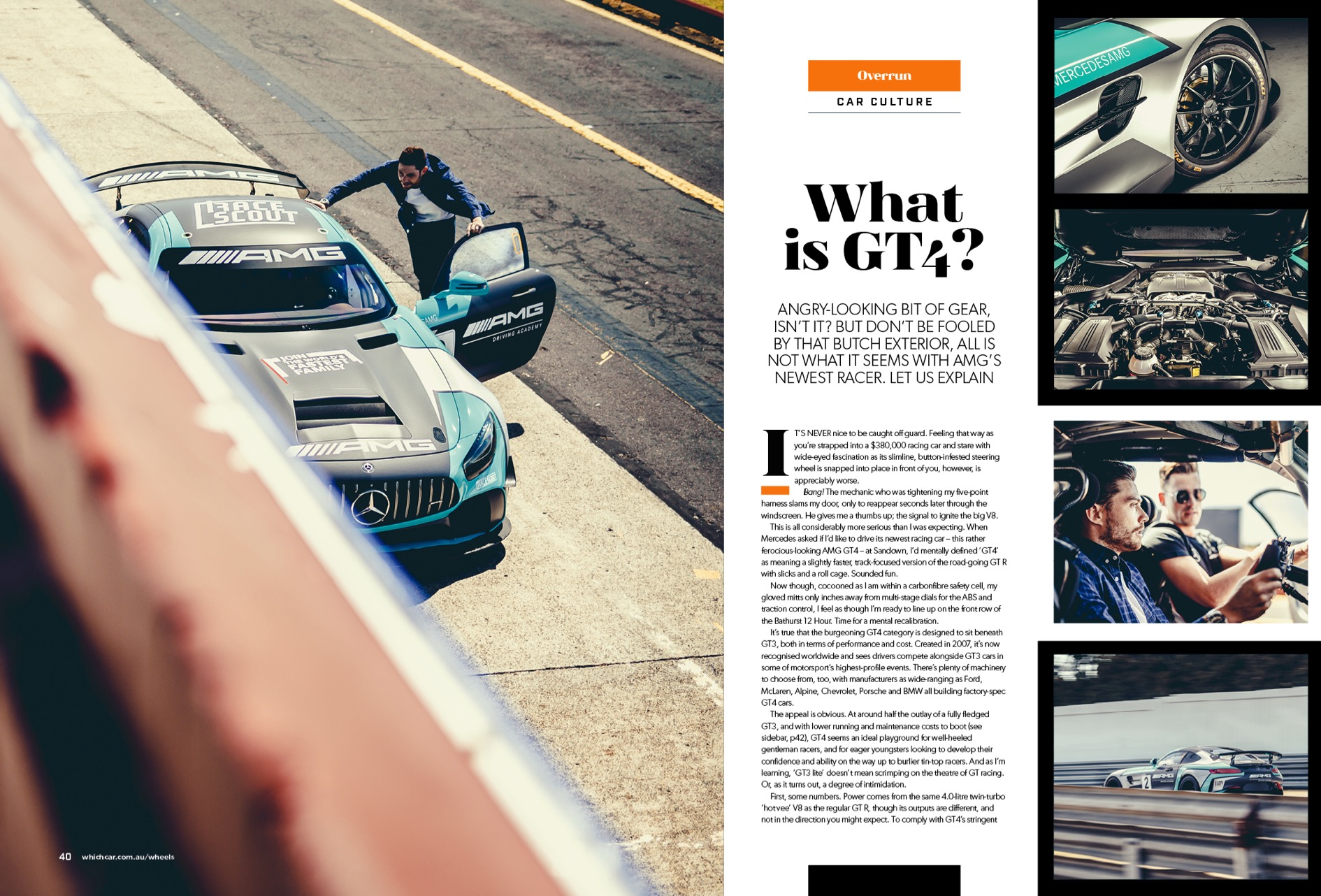
And how about BMW resuscitating the 8 Series badge? We take the M850i, a pulse-raising 2+2 super coupe, to visit the NSW racetracks which were killed off years ago.

As for EVs, we’ve got both ends of the spectrum covered this month. Ged Bulmer takes Hyundai’s battery-powered Kona EV SUV the full length of Queensland’s ‘EV Superhighway’ and finds recharging provides ample time for roadside kebab breaks, while Porsche’s first-ever pure EV sports car, the Taycan, shows its appetite for doughnuts in the Arctic Circle.

What about even more fresh metal? Glad you asked.
We jump into the Mercedes CLA250, a car that’s now bigger than a C-Class, yet shoehorns into a narrow niche. So is it fit for purpose?
Less questions hang over the Cabriolet version of Porsche’s new 992-generation 911. This really is the rag-top sports car you can buy, thrash, and not hate yourself in the morning.
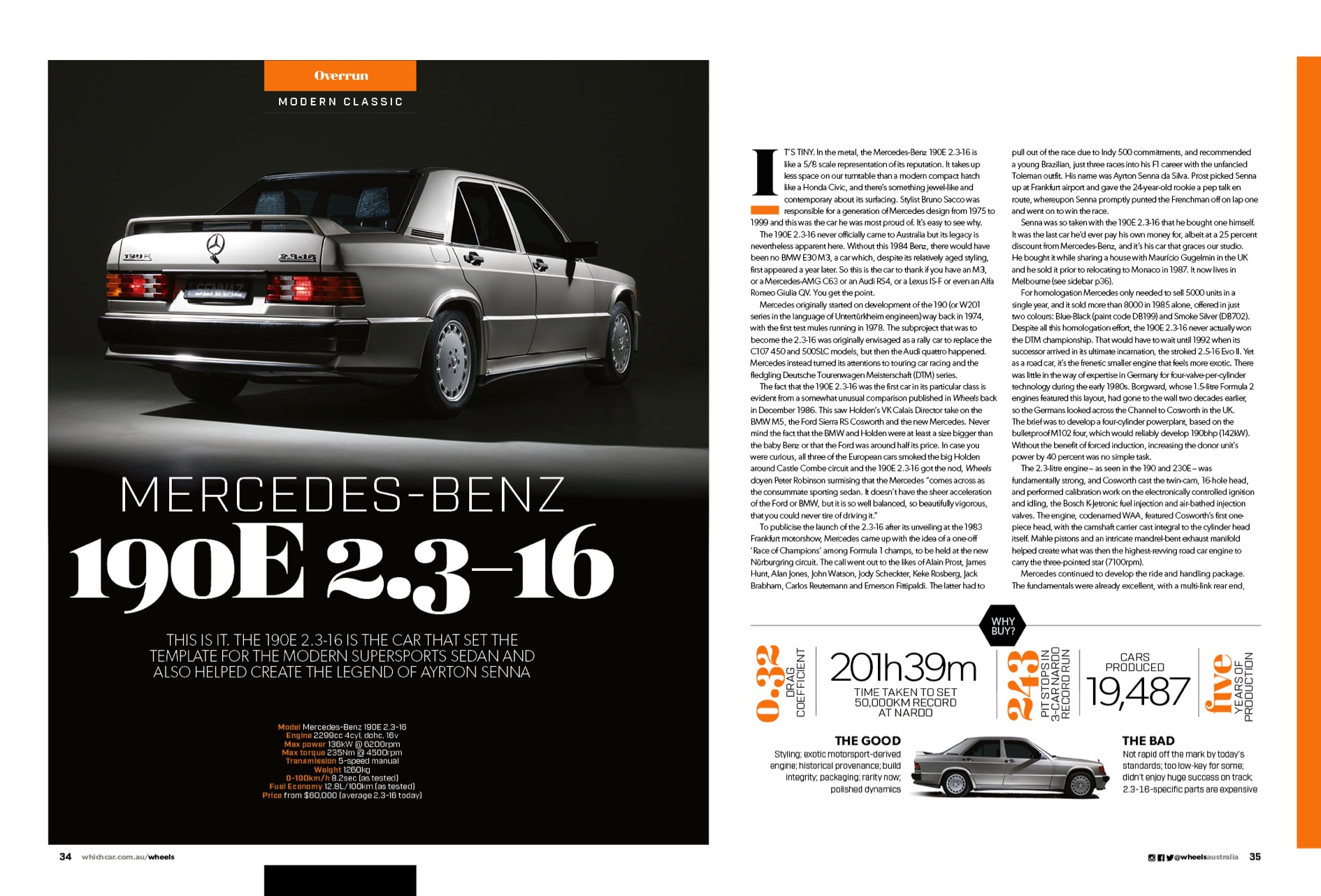
More? Of course there’s more! Some 25 years after his passing, Ayrton Senna’s own Mercedes 190E 2.3-16 graces our studio, as we dissect what made this spiritual forebear to the C63 such a game-changer for Benz.
Oh, and ex-F1 ace David Coulthard fesses up to the four life lessons he should have learned earlier, and we stick cash-rich EV builder Rivian under the microscope to see if it really can be the Tesla of 4×4 utes.
It’s all busting at the seams of the piping hot June issue of Wheels, on sale now or subscribe here.
