The vehicle landscape in Australia has seen big changes in the past 12 months, most notably with SUV sales continuing to overtake passenger cars and the growth of dual-cab utes as family transport.
That change in buying habits and an eye for value has had an effect in the list of top-20 most popular vehicles thus far this year, compared to the same period in 2018.
Here are the cars that Australians are favouring so far in 2019 and how they’ve fared since the first quarter of 2018.
1. Toyota Hilux – 12,909
Q1 2018: No.1 – 12,634
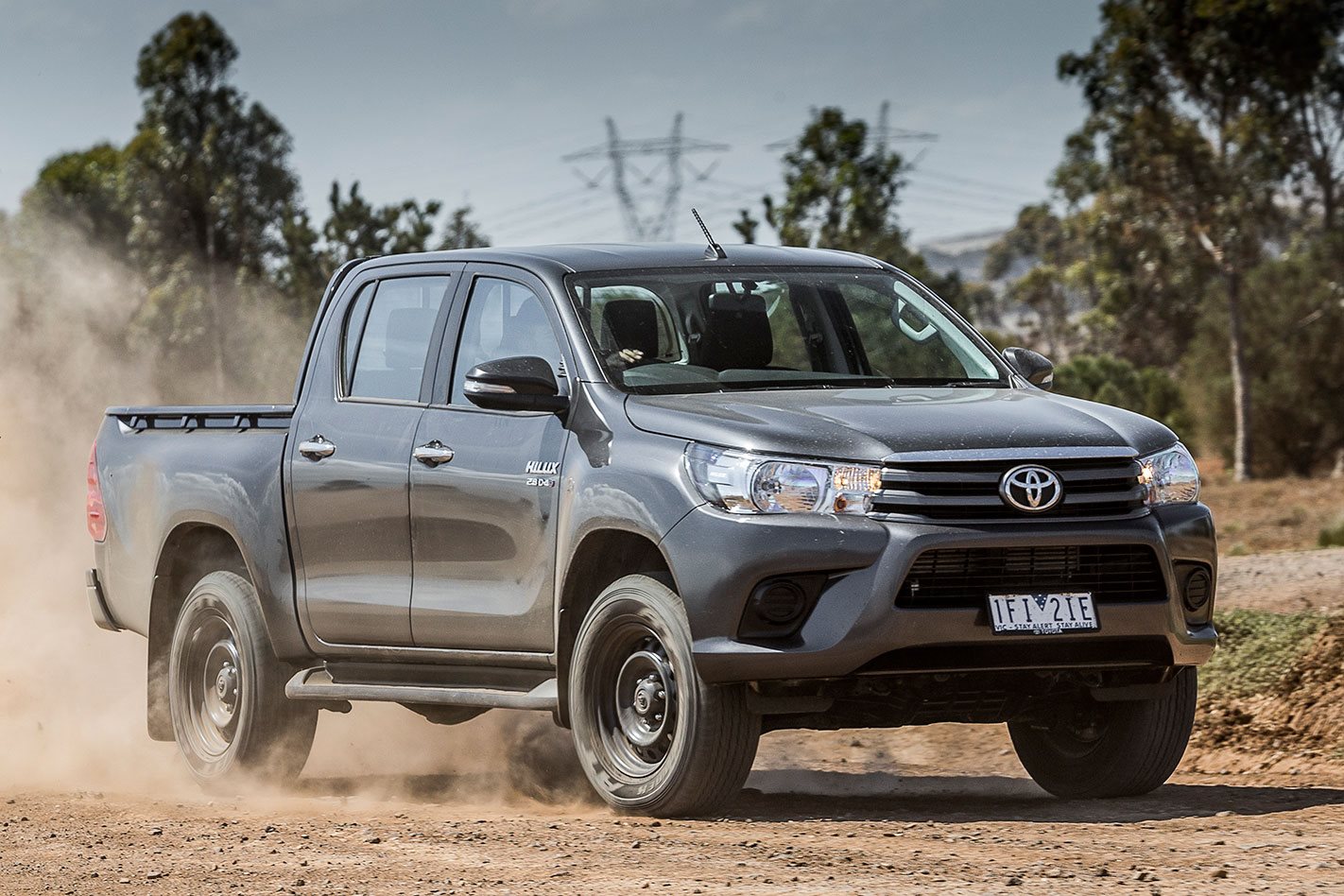
Toyota’s benchmark ute has spent the entire year as the number one nameplate in Australia, one of the few to see an increase in sales compared to the same time last year. A big part of this is due to the resurgence of the Australian mining industry. If the Hilux were its own vehicle brand, it would be number six ahead of Nissan, Volkswagen, Honda and Holden.
Pros: Built tough, good off-road; huge model range Cons: Sparse equipment for the money
The pick: Hilux SR5 4WD Double Cab
2. Ford Ranger – 9662
Q1 2018: No.2 – 10,868
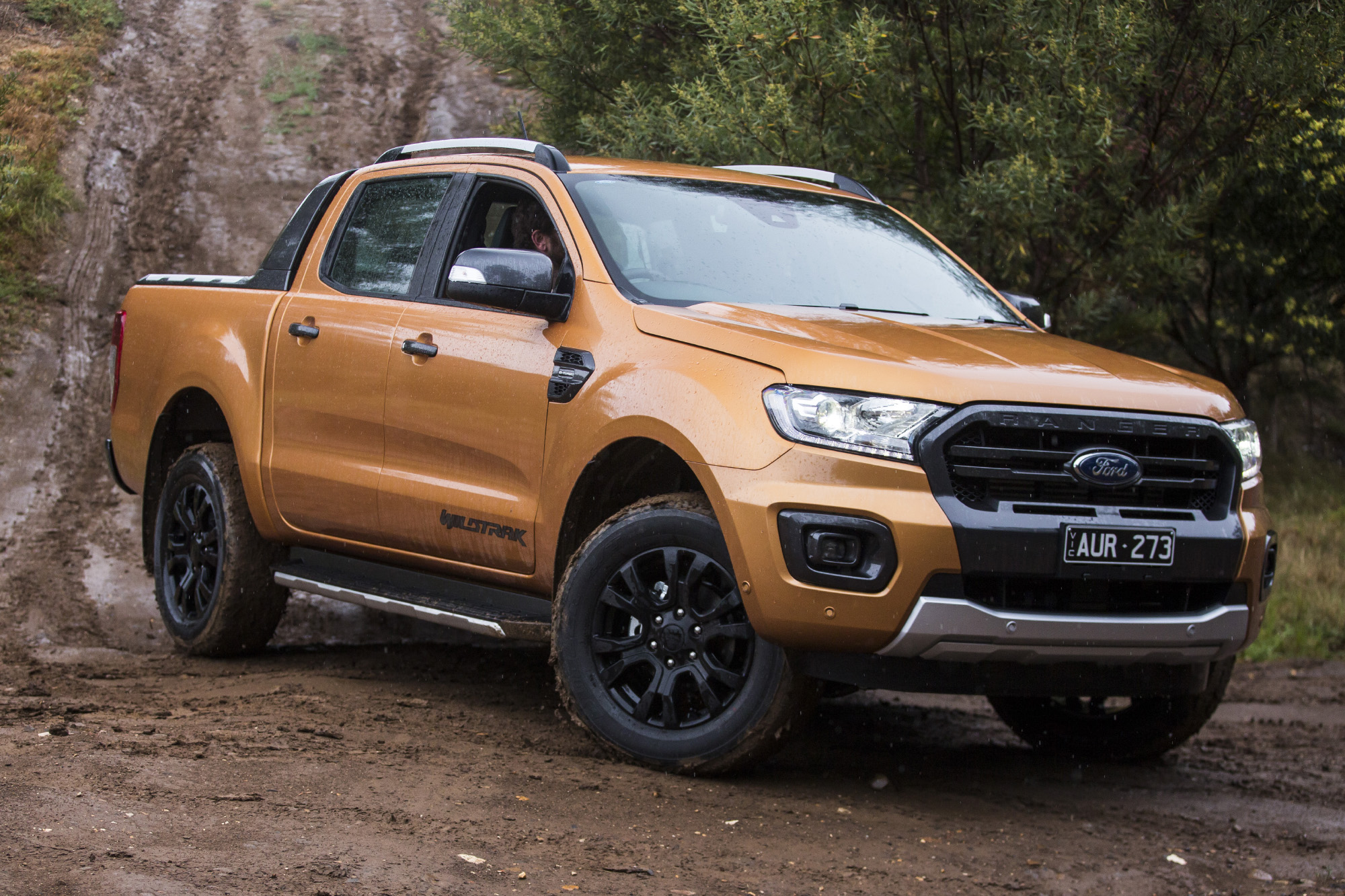
Ranger sales have dropped this year, however it still makes up more than of half of Ford Australia’s sales volume, with plenty of daylight between it, the Mustang and Everest, which each experienced 1303 sales up till the end of March.
Pros: Good to drive; great off road; advanced safety options Cons: Bouncy ride when unladen; pricey
The Pick: Ranger XLT 3.2L 4WD Double Cab
3. Mazda 3 – 8128
Q1 2018: No.4 – 8916

The all-new and revolutionary Mazda 3 has just launched, but this hasn’t stopped the current model enjoying a renaissance that has seen it outsell its old foe the Toyota Corolla to be Australia’s best selling passenger car. The ageing Mazda 3 still stands up well, if not better, than most of its rivals which makes it a great buy if you can snap up a good run-out deal.
Pros: Economical; great driving manners; safety tech Cons: Dated styling; poor vision for rear passengers
The Pick: Mazda 3 Maxx Sport
4. Mitsubishi Triton – 7518
Q1 2018: No.7 – 6535
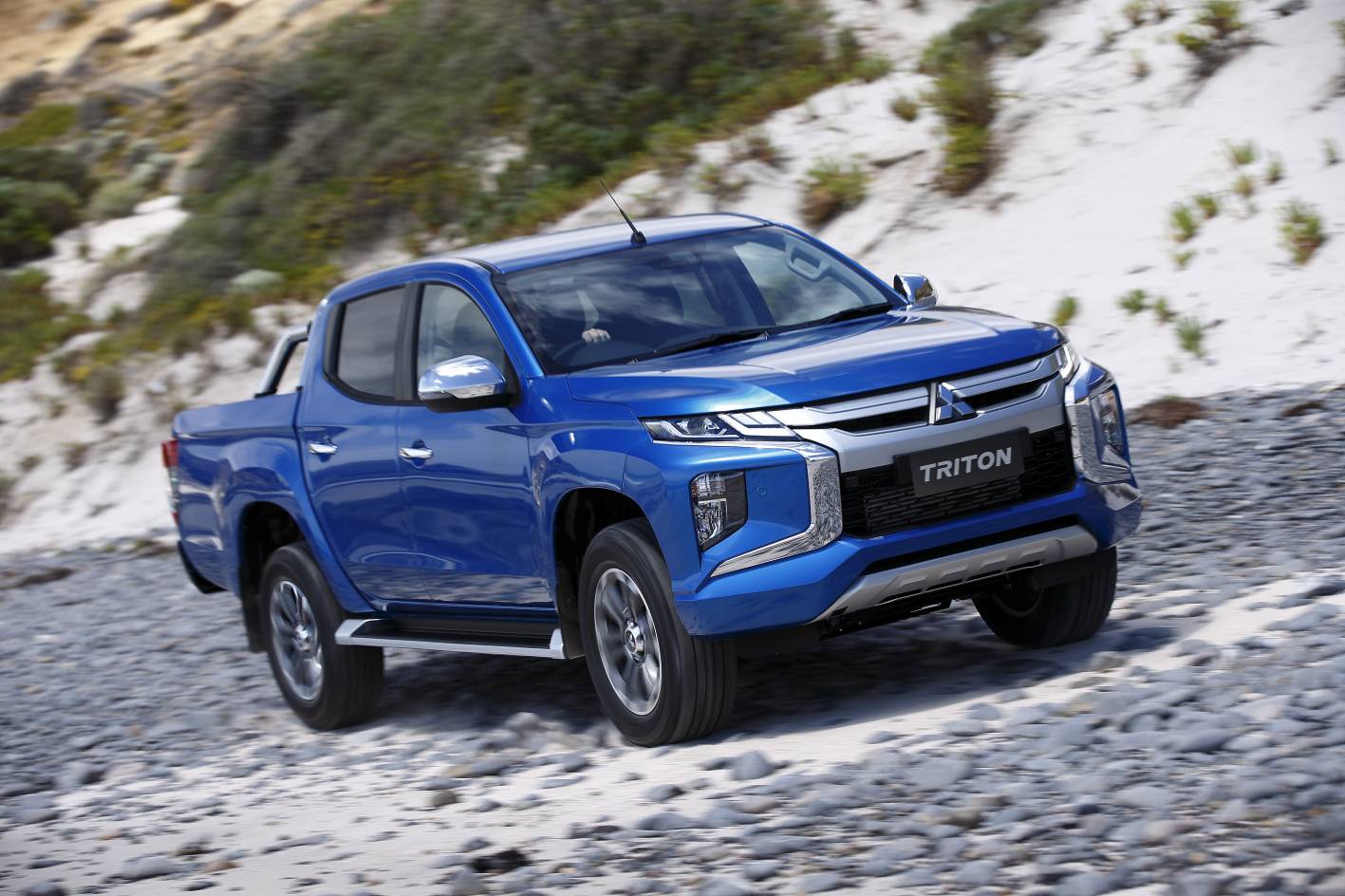
Mitsubishi’s family-friendly ute has also seen a spike in sales this year thanks to a facelift that has brought sharp looks and additional standard safety features across its Double Cab range, including autonomous emergency braking.
Pros: Value, nimble around town, advanced safety Cons: Less cargo size, towing capacity and power than key rivals
The Pick: Triton GLS 4×4 Double Cab
5. Mazda CX-5 – 7118
Q1 2018: No.6 – 6604
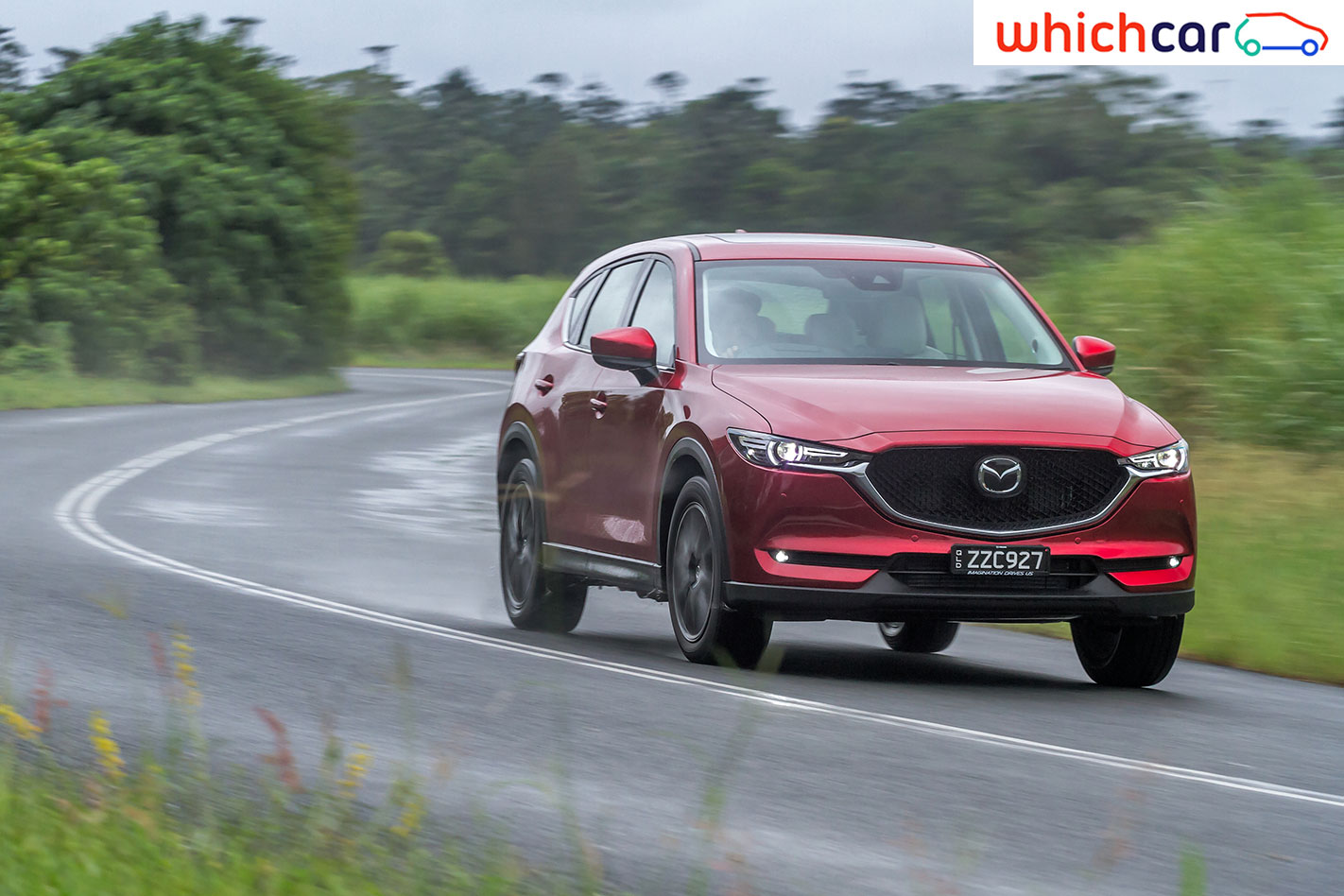
Mazda’s medium SUV remains Australia’s biggest-selling SUV, despite occasionally being beaten for monthly sales by the Mitsubishi ASX. Attractive styling, a comfy cabin, good spread of standard features, and a wide choice of powertrains are just some of the reasons for its enduring popularity.
Pros: Interior presentation; active safety; handling Cons: Ride a little taut
The Pick: CX-5 2.5L Touring AWD
6. Toyota Corolla – 6986
Q1 2018, No.3 – 9264
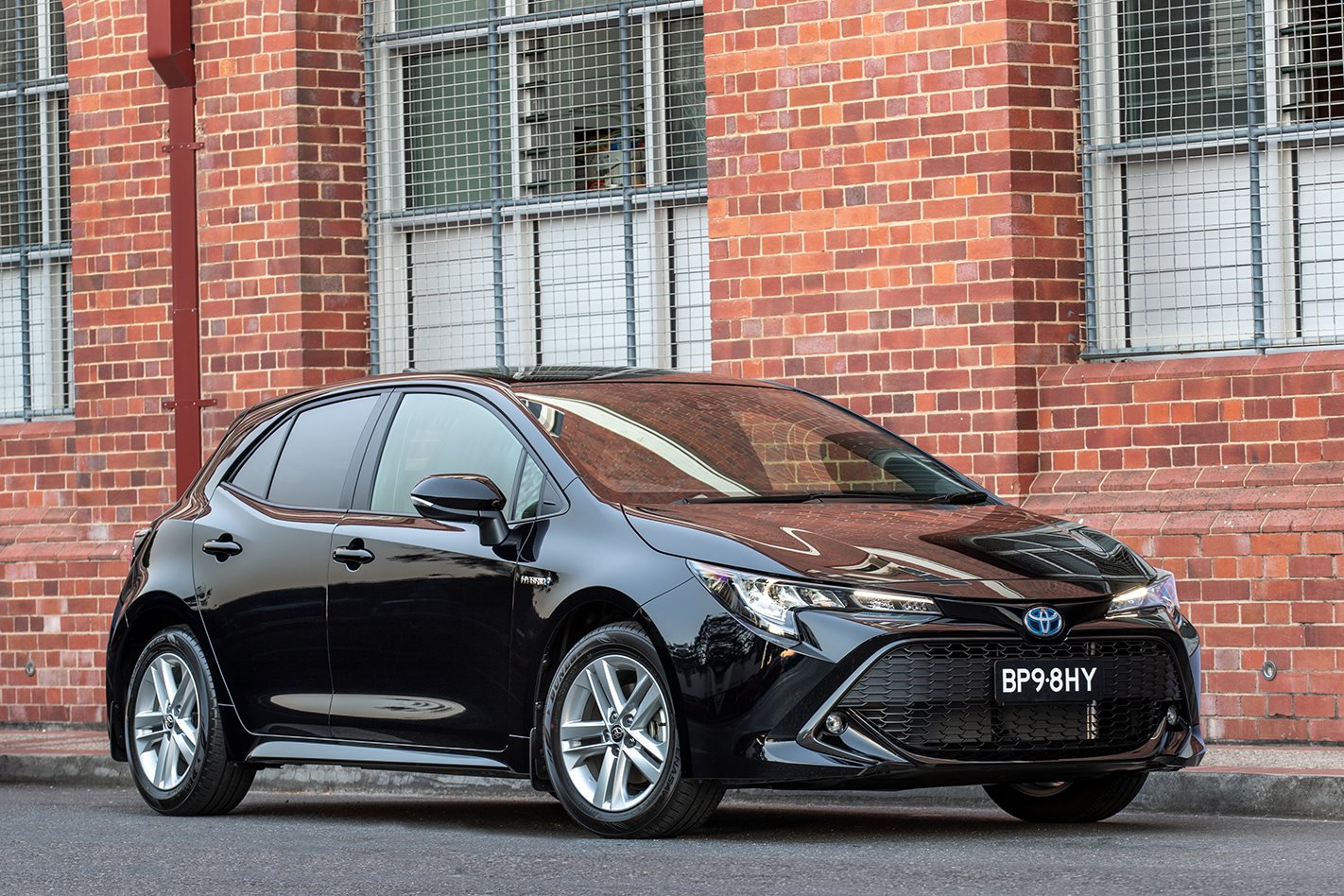
It wasn’t too long ago that the Corolla was celebrating several consecutive years as Australia’s number one vehicle. Even when overtaken by Hilux and Ranger it remained the number one passenger car, but has seen a significant drop in sales since the new model arrived last year. This is a much better car to drive than the previous model but could be suffering from a higher entry-level price and small boot space, as well as the overall drop in passenger car sales.
Pros: Attractive styling; ride and handling; punchy petrol 2.0L petrol engine Cons: Lacklustre hybrid; tiny boot; tight rear seat space
The Pick: Corolla SX 2.0-litre hatchback
7. Hyundai i30 – 6222
Q1 2018, No.5 – 6751
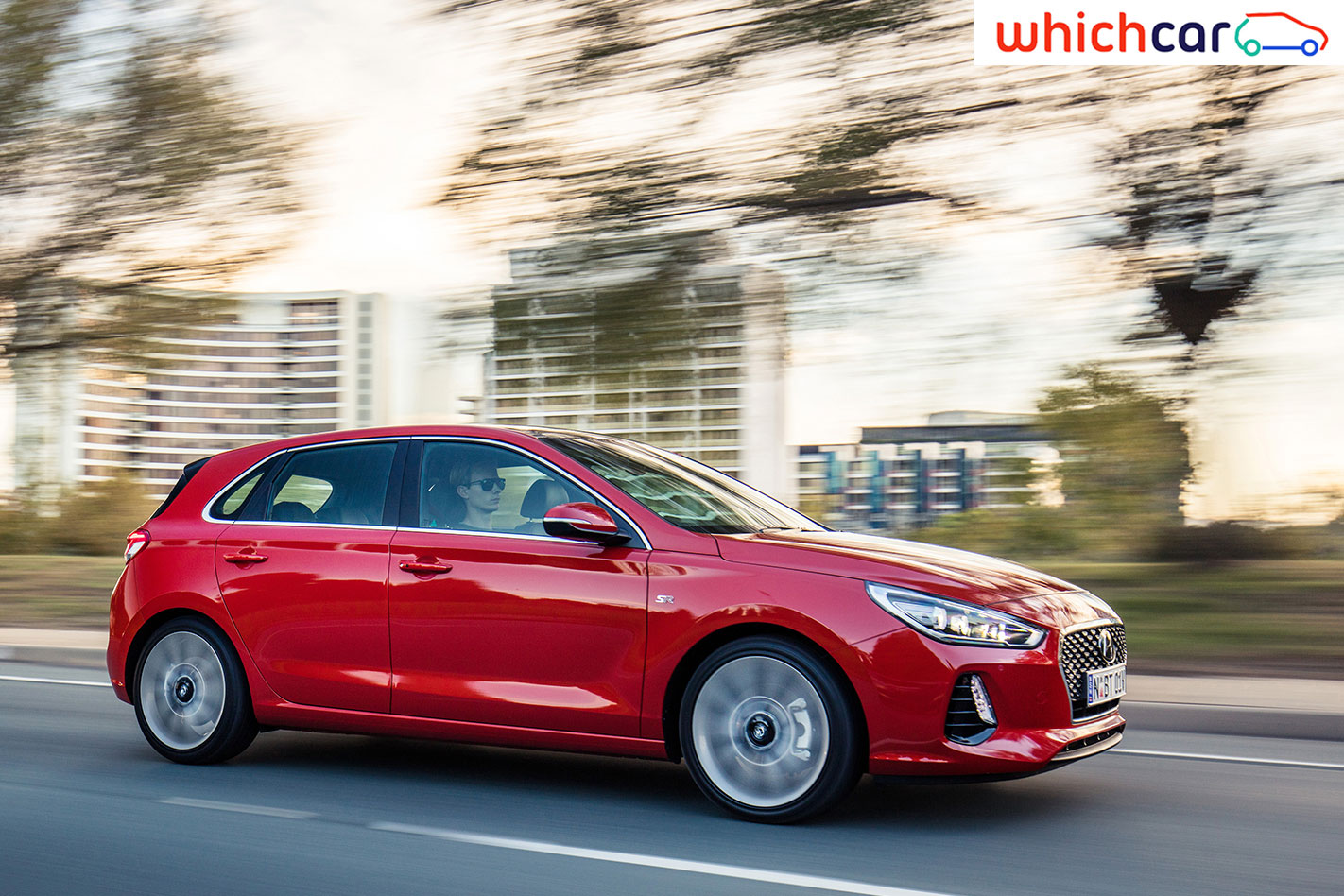
Like the Corolla the i30 has also seen a drop in sales. An excellent car with a diverse range from which to choose, from the budget-priced i30 Go to the incredibly capable but fun i30 N hot hatch. Last year saw most of its rival brands jump on the five-year warranty bandwagon, which was one of Hyundai’s strong points, thus eroding its competitive advantage.
Pros: Comfort; performance; features Cons: Active safety not standard
The Pick: i30 N-Line automatic
8. Mitsubishi ASX – 6167
Q1 2018, No.15 – 4111
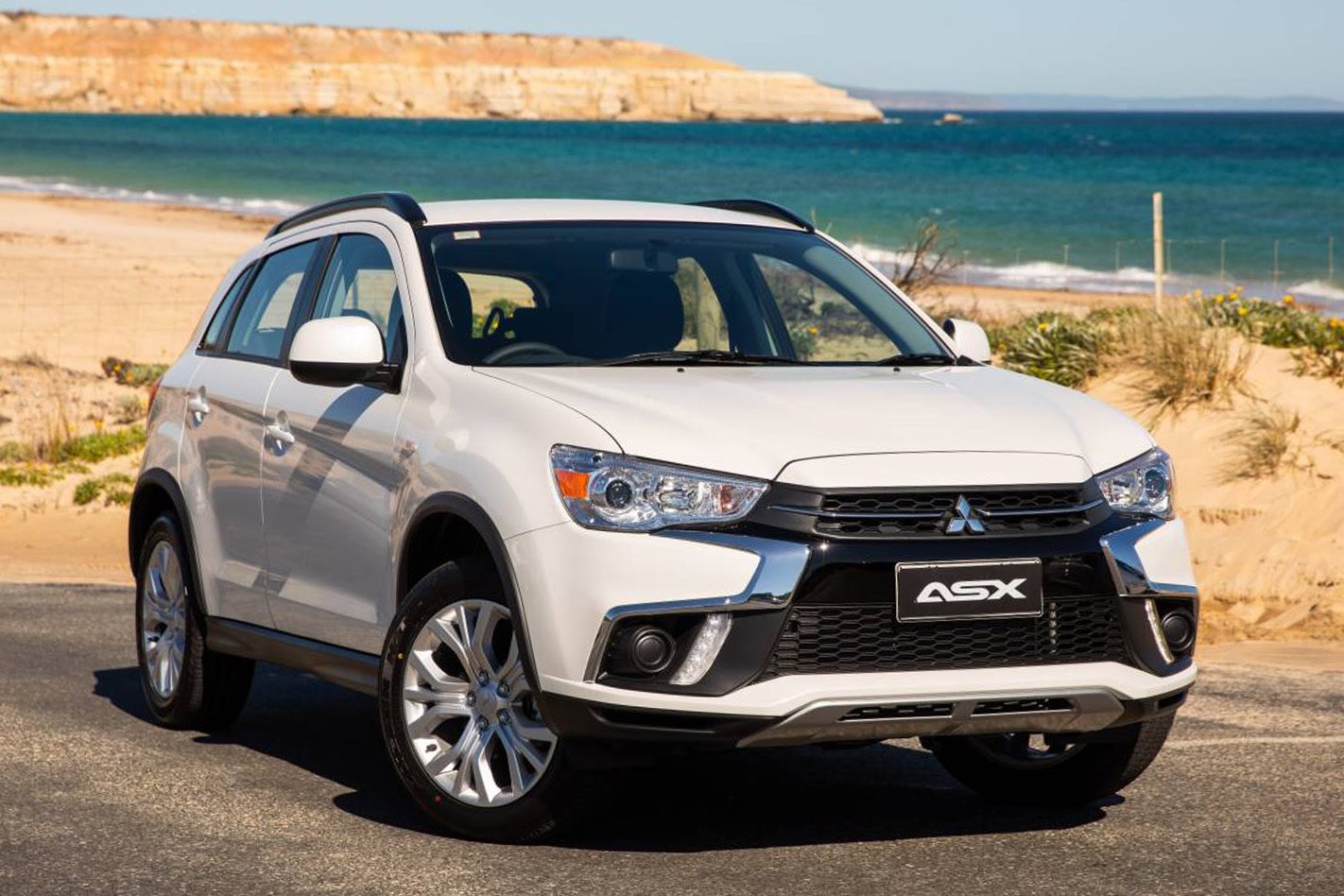
One of the oldest models on sale in Australia, the ASX small SUV has enjoyed a resurgence in the past year, with regular upgrades and consistently sharp pricing giving it plenty of showroom appeal for people looking for a cheap and cheerful new SUV.
Pros: Affordability; spacious interior Cons: Dated styling; cabin noise; lacklustre petrol engine
The Pick: ASX ES ADAS FWD
9. Toyota Landcruiser – 5557
Q1 2018, No.8 – 5445
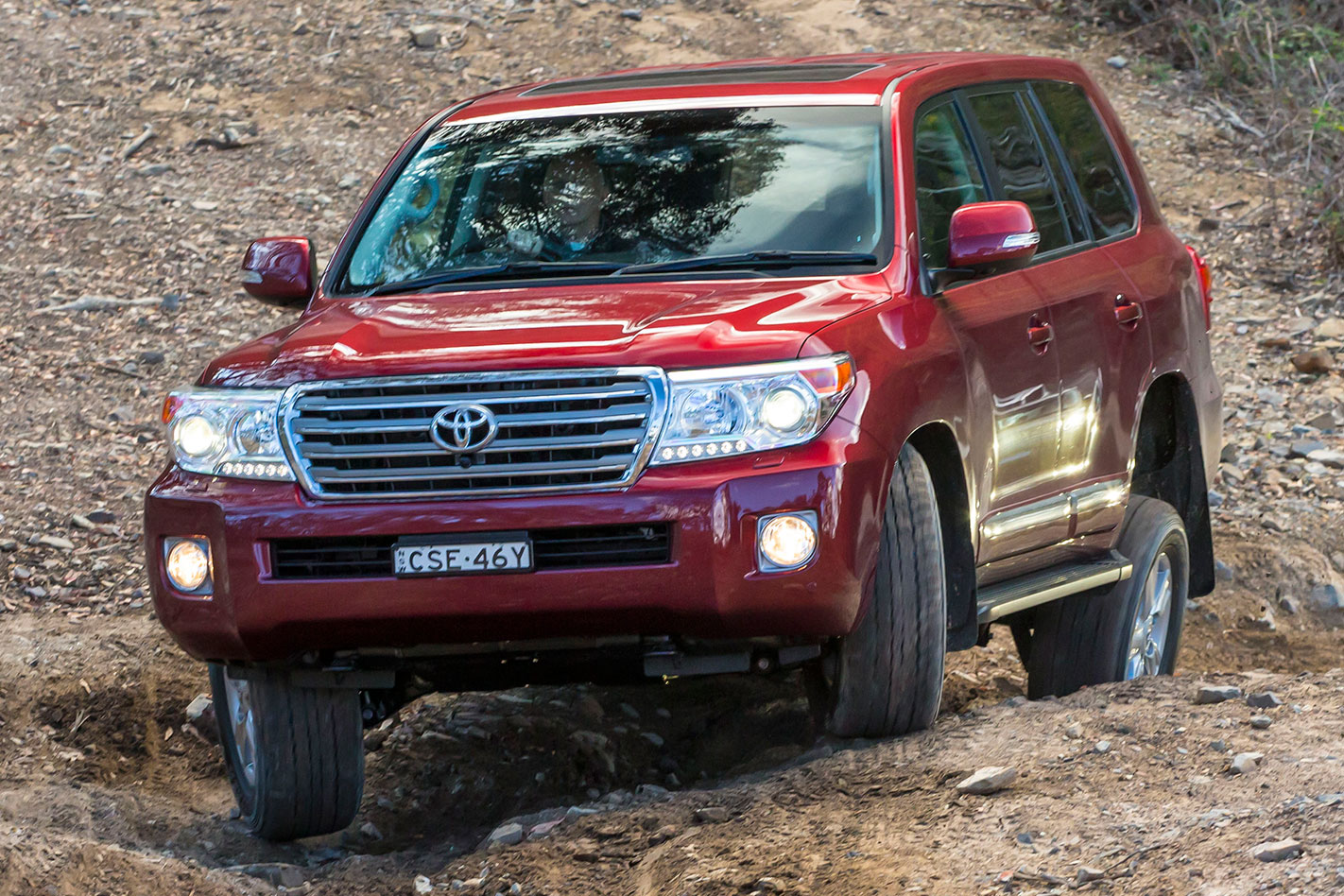
It’s worth noting the above number includes the both the big 200 Series wagon which makes up 2198 of the numbers, and the 70 Series range of 4×4 utes and wagons. Like the Hilux, the Landcruiser nameplate benefits from having a heap of variants, unbreakable image, excellent off-road capability and huge fleet sales.
Pros: 200 Series space and comfort, goes anywhere, tough as nails Cons: Big, bulky and heavy
The Pick: Landcruiser GXL 4X4
10. Mitsubishi Outlander – 4905
Q1 2018, No.18 – 3995
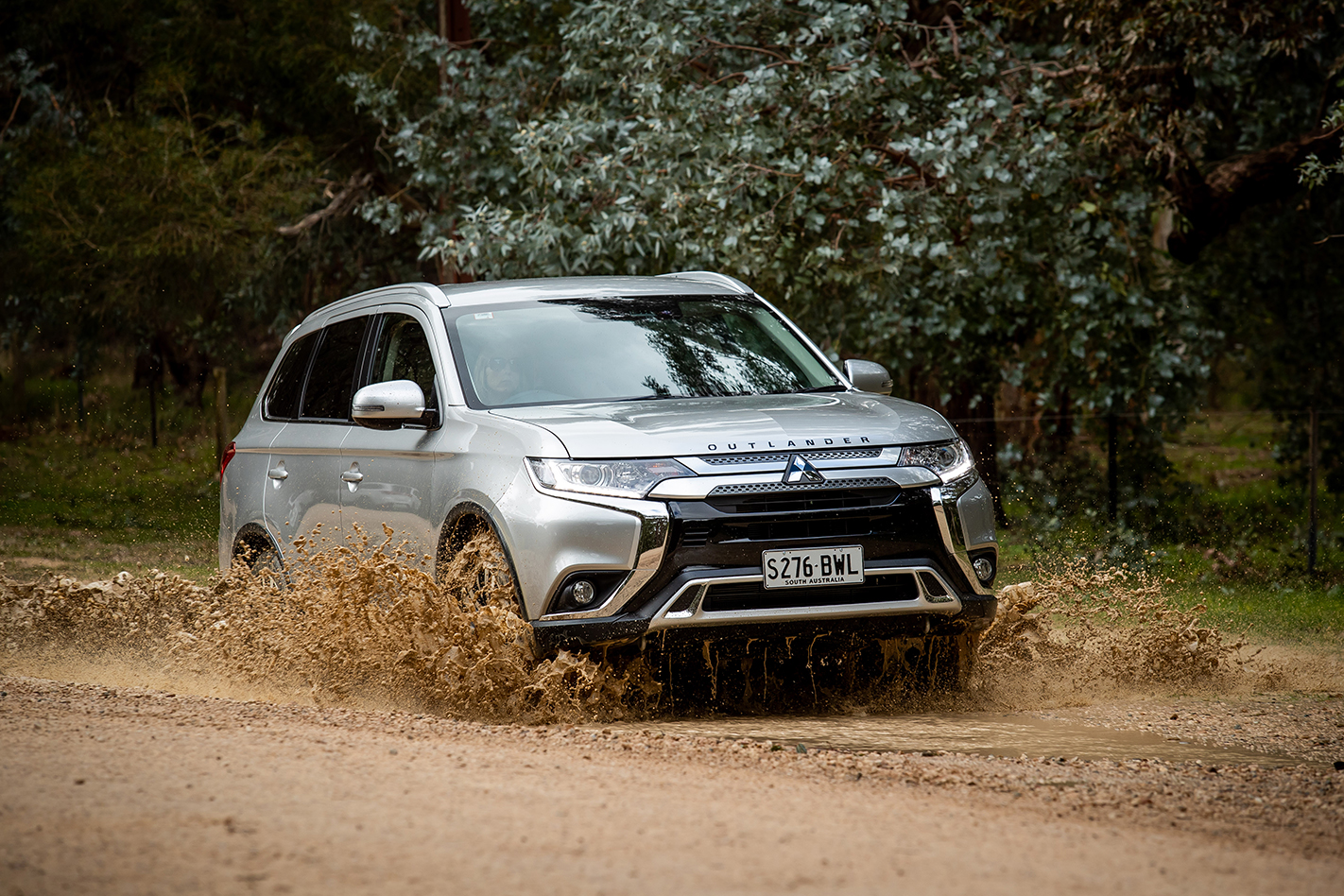
Like the Triton and ASX, the Outlander has also seen a decent jump in sales in the past year, which has made Mitsubishi one of the few brands to be in positive growth territory following the slump in overall vehicle sales. And like the ASX, the Outlander has done well through a combination of a recent facelift, equipment upgrades and affordable pricing. Being one of the few medium SUVs with a plug-in hybrid and seven-seat option also helps.
Pros: Seven seat option; equipment levels Cons: Not as fun to drive as some rivals
The Pick: Outlander LS 7 Seat
Top-10 drop outs
Nissan X-Trail: Q1 2018/2019 – 5794/4800
Hyundai Tucson: Q1 2018/2019 – 4652/3694
Top-10 threats
Kia Cerato: Q1 2018/2019 – 4583/4867
Holden Colorado: Q1 2018/2019 – 3916/4567
Toyota RAV4: Q1 2018/2019 – 5573/4855
Having spent most of my childhood less than 10 minutes walk from the beach, totally blasé about the view of the surf from our back deck, I was always slightly jealous of anyone who grew up on a farm.
This feature was originally published in MOTOR’s December 2008 issue
With not a paddock in sight, and rust an ever-pervading presence, my chances of creating a dream rally track (and having an old Datto to fang around it) were a great big, fat zero. So I gave up on the idea, moved to Sydney and grew comfy in a hand-me-down, three-speed auto Holden Camira.
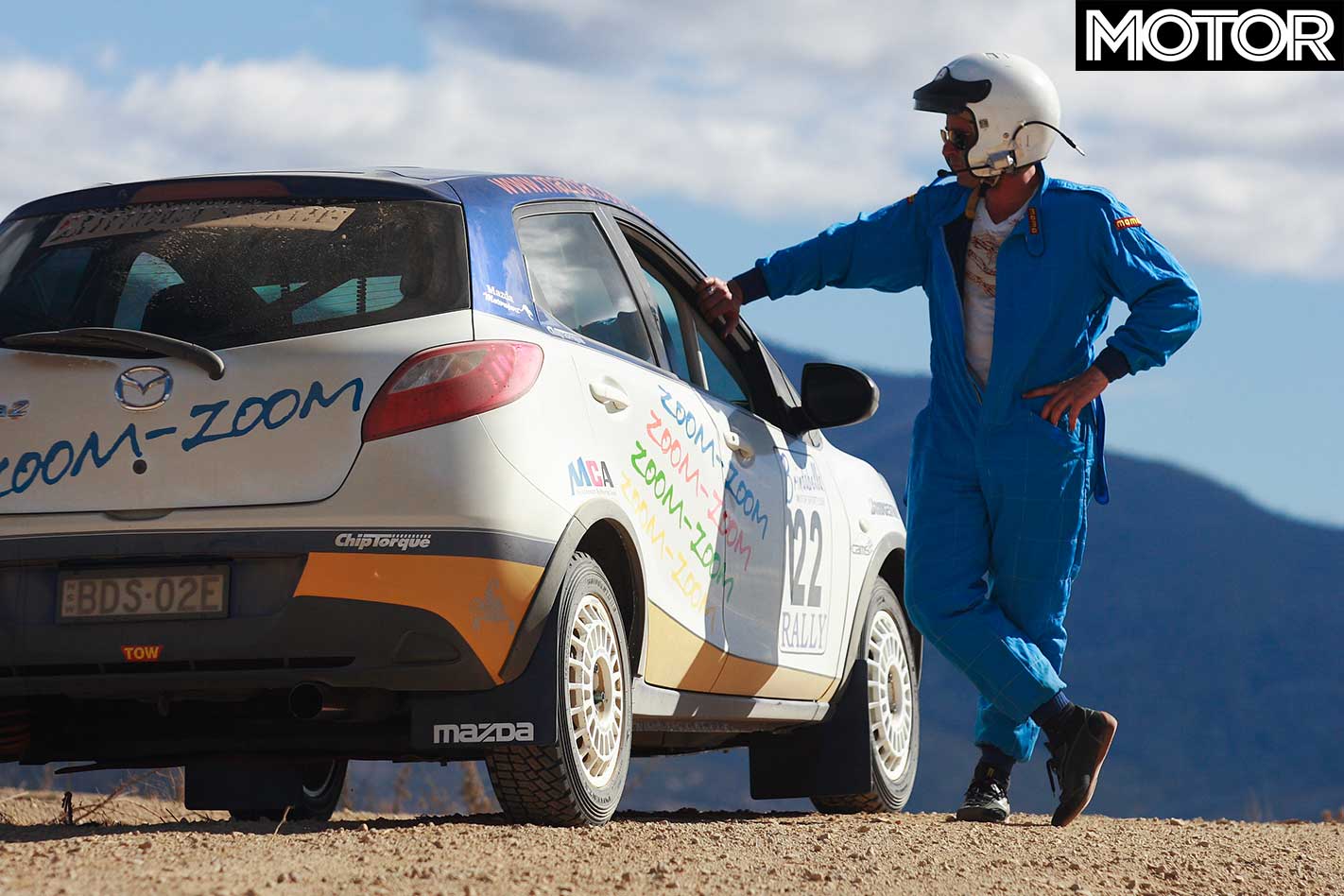
Still, no bailing out now. I’m here with Bates – at Mazda’s request, funnily enough – to score some vital pointers on how to not make a massive shame-job of myself doing something I’ve never done before, badly. So I warn him first. “I’m not out to prove I’m the next Atko. I just want to know everything you know, and I don’t want any sugar-coating. Be honest if my driving’s shit. And it’d be great if I don’t roll it because Allan [Horsley, Mazda’s motorsport manager] will f___ing kill me.”
I’m well aware that Horsley will fashion my fingers and toes into coat hooks if I crush his Mazda 2 ‘Extreme’ into a ball, so it’s head down, bum up as Bates demonstrates discipline one – handbrake turns.
The rally 2 has a simple hydraulic handbrake with no détente, meaning it’s straight up, then down, without worrying about locking it fully on. Rick drives the Mazda down a moderate slope and as he approaches a wider section of the road, grabs the suede Momo steering at nine-o’clock with his right hand, steers slightly to the right, then as he turns back left, rips up the handbrake.
As expected, the Mazda pirouettes on cue and rotates exactly 180 degrees left. It’s Handbrake Turn 101 – the easiest of easy, and even I manage it without appearing like too much of a fool.
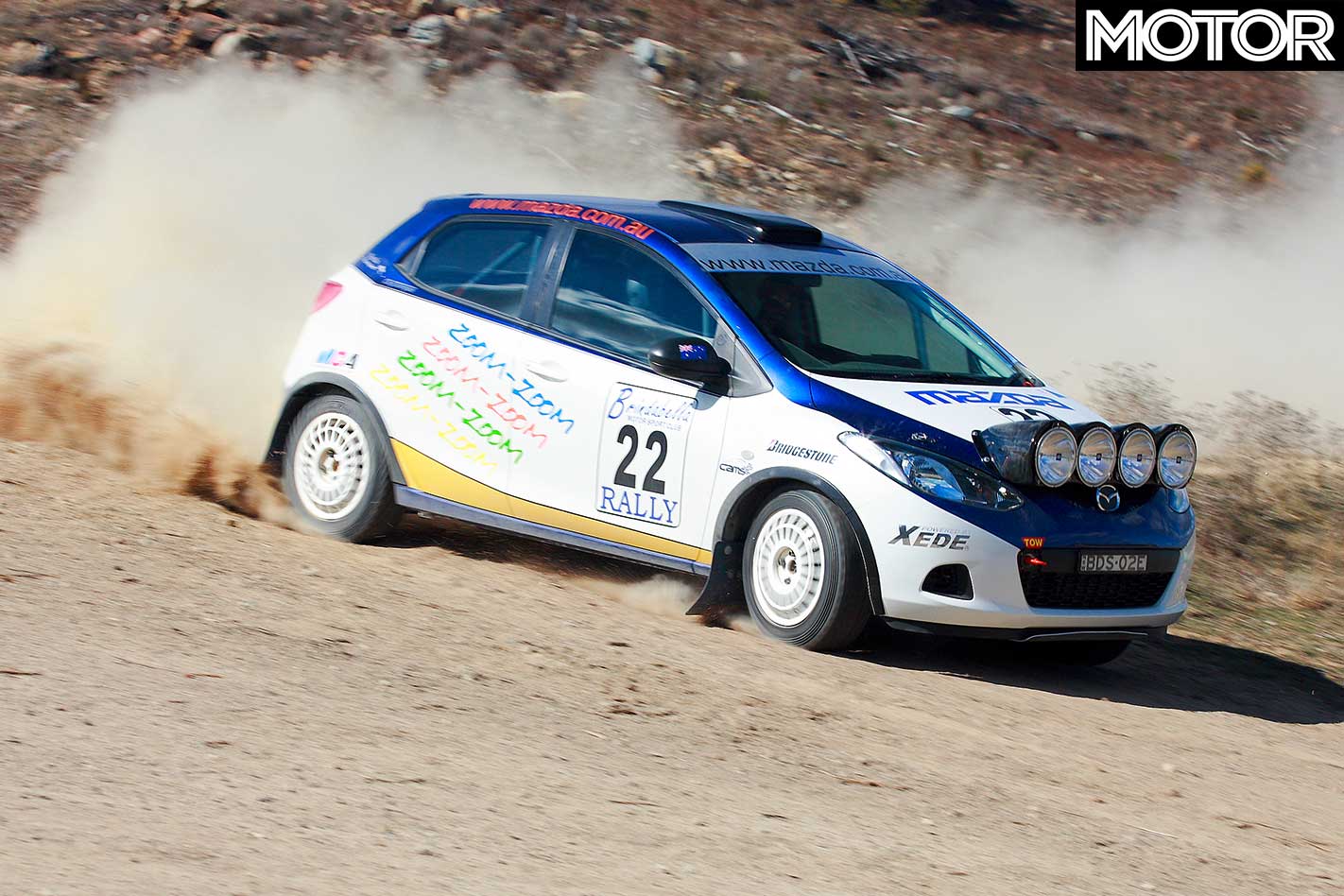
Next handbrake turn is an uphill one – entering a blind left-hander before performing the opposite steering manoeuvre to above, flicking the car right, over an off-camber crest arse-first onto a side road before ending up facing the direction we came from. Rick goes in hard – well, as hard as a Mazda 2 can accelerating uphill – and vaguely Scando-flicks the diminutive beast before grabbing the handbrake and halting it in a shower of dirt and stones right next to a steep drop.
Sitting in the front-left pew, I have a bird’s-eye view of the slip-and-slide we’ll be barrel-rolling down if I overcook things. So I limp-wrist it, breaching the crest and pulling the car up, but well away from the edge and having only covered about 135 degrees. I get a little bit closer next go, and the next, but never quite manage to overcome subconscious self- and vehicle-preservation in order to nail the manoeuvre. Rick writes ‘OK’ on my score sheet, which I suppose is better than ‘useless’.
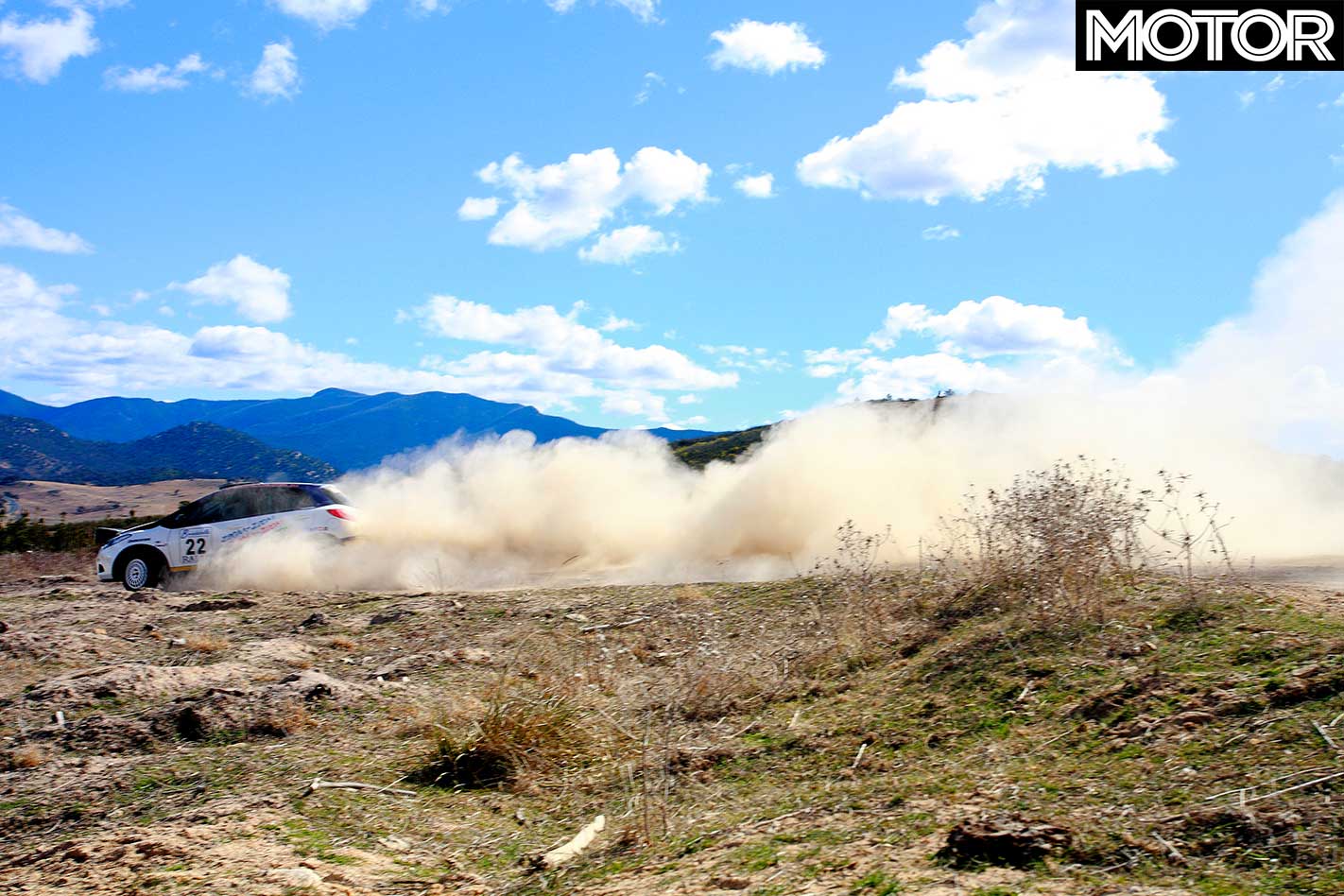
Following my slight humbling, Rick moves on to braking – and decides that there’s something amiss with the rally 2’s brake bias. Twiddling with a dial between the front seats, he performs more than a dozen hard stops, one after the other, again and again, each without warning, and I can feel myself starting to turn green.
Not wanting to project coffee vommie when there’s a cameraman present, I crack a window, direct the roof air vent onto my face and depress the air-con, only to discover it has been removed in Mr Horsley’s own take on Mazda Japan’s ‘gram strategy’.
Once I’m back in the hot seat, facial colour returns. Braking simply involves hitting the picks hard when the 2’s pointing straight, otherwise with such a short wheelbase and responsive handling, it may decide to swap ends. Quickly. With no ABS and proper rally tyres, it’s surprising how effective the Mazda’s basic disc/drum brakes are as the tyres claw into the ground.
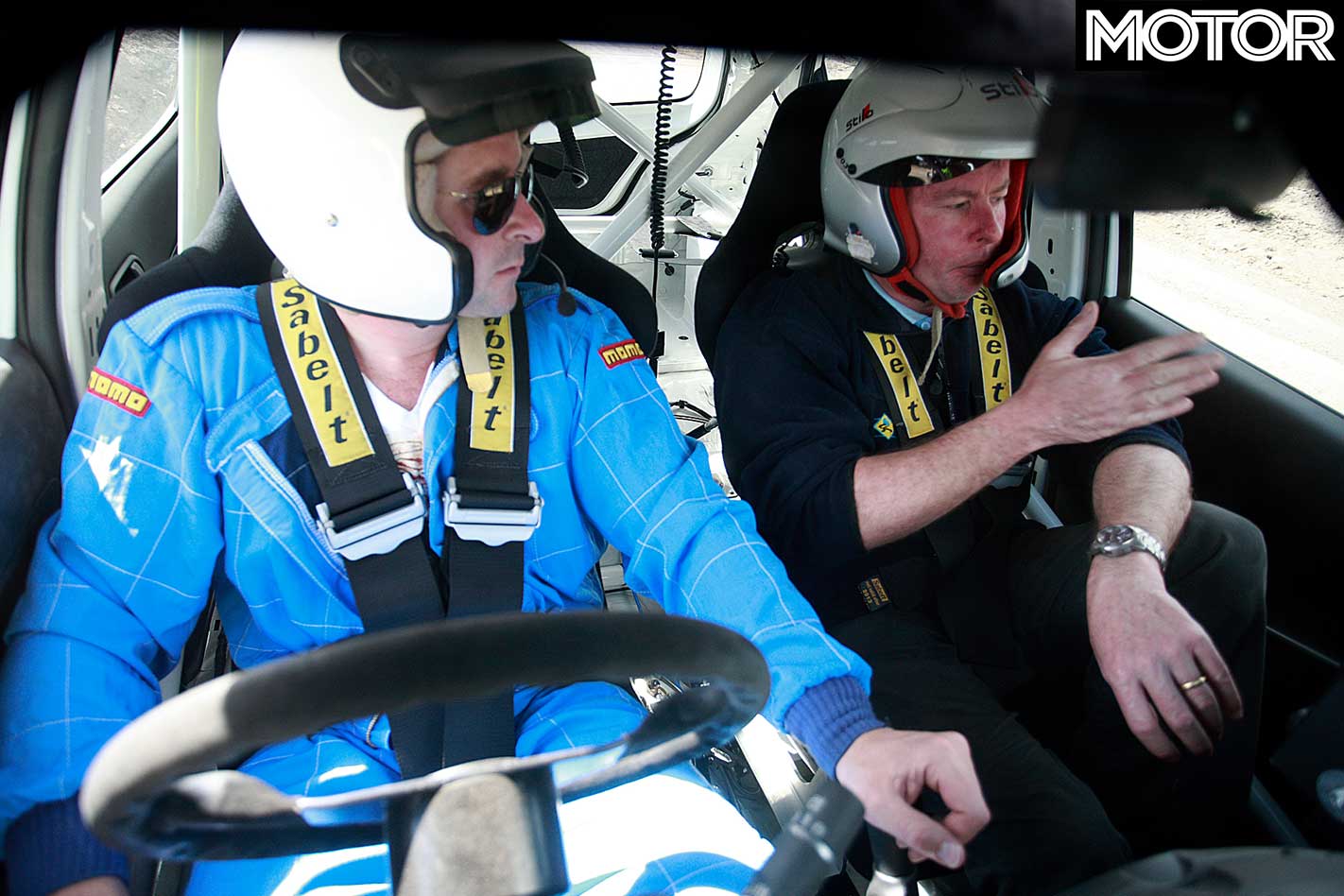
But dirt-road handling is what I’m really here for – Ari Vatanen rooster tails, Scandinavian flicks and all that stuff. Rick pounds through a few corners right on the edge of the Mazda’s cornering envelope, unsettling the bum slightly before drifting through turns with an enviable smoothness, and wringing every ounce of grunt from the 2’s exhaust-fettled 1.5.
Despite the mods, the engine has apparently gained just one kilowatt, raising it to a grand total of 77, and the exhaust is loud a boomy through the naked floorpan. There doesn’t seem to be much torque, either, so bouncing the needle in the 2’s tiny tacho on the 6700rpm rev limiter often seems a better alternative than shifting up and losing momentum.
Speaking of which, it’s my turn. I already know that the rally 2’s driving position and gearstick placement (sprouting from the lower part of the dash, with the stock plastic lever) are both excellent, but I didn’t expect the handling to be similarly impressive.
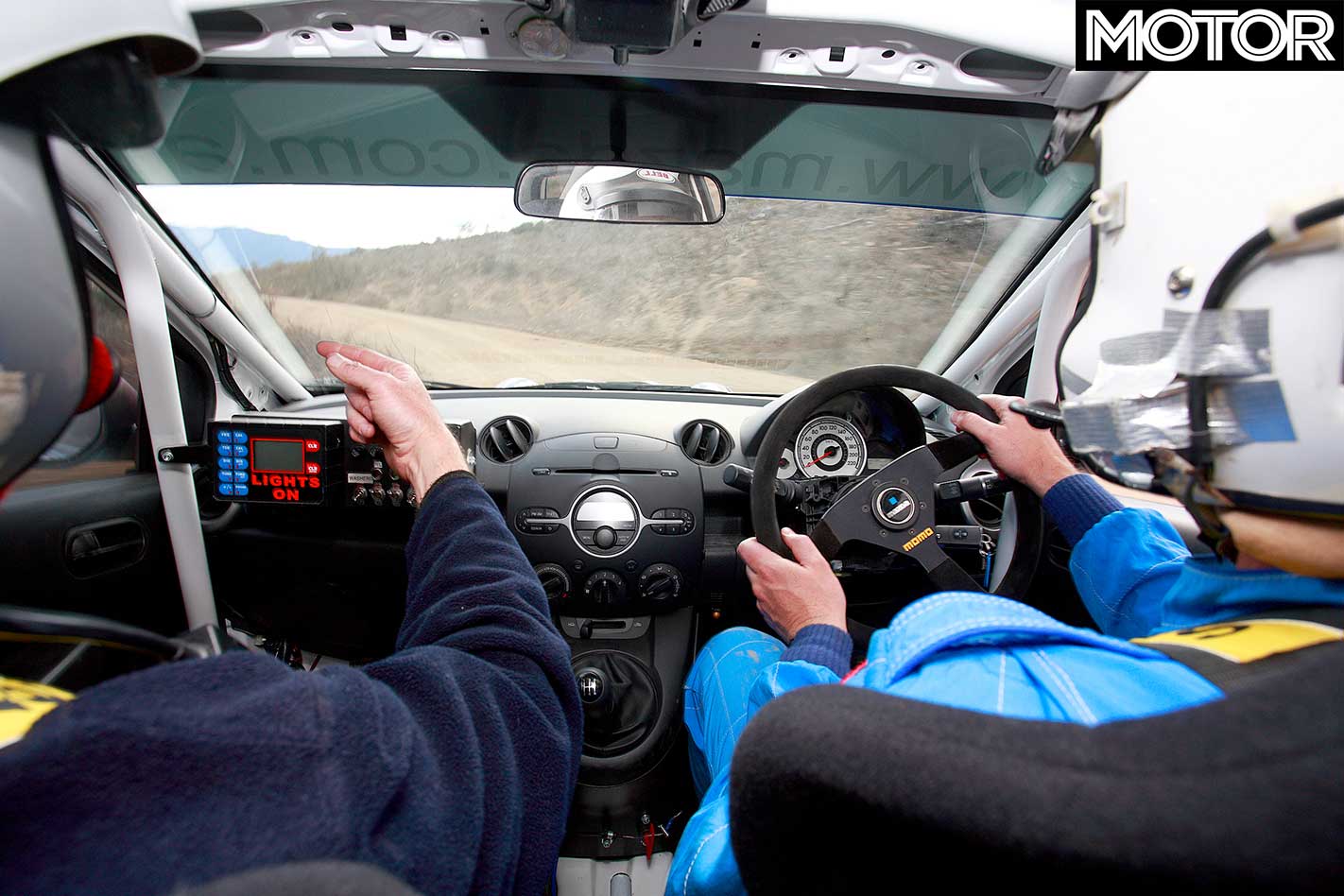
Driving on dirt with proper rally tyres is a revelation, and the Mazda’s balance is brilliant. I don’t even bother touching the handbrake because the tail is so responsive to throttle lifts and trail-braking, and even though the 2 doesn’t actually feel quick – not that you can really tell because the speedo cable has been removed in potentially another radical, weight-saving measure – its ability to hold speed through corners is considerable.
Rick thinks it might actually be a little too taily, but I’m loving it, though hopefully I don’t eat my words in the big event – the National Capital Rally, part of the NSW Rally Championship – by braking too hard with lock on or lifting off after going in too hot and thus spinning off into the mulga.
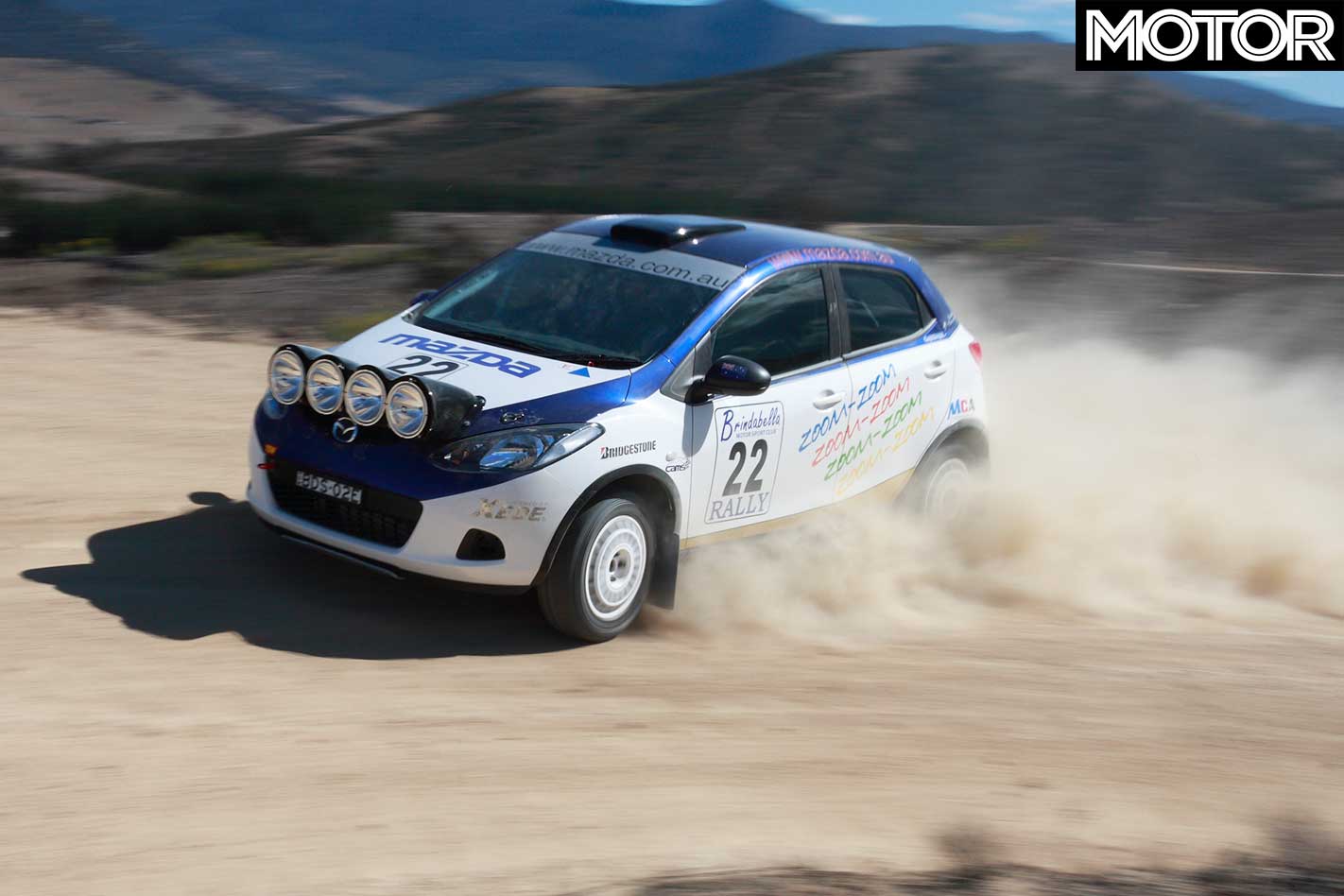
Over the constant buzzing and whirring of the Terraphone (phone of terror?) intercom, Rick offers several pertinent pointers. I’m treating the dirt track a bit too much like tar, steering off the wheel tracks already engraved on the road’s crown and running wide – costing time and upping my chances of kissing a dirt bank. I’m also entering too wide.
Where turning in deep on bitumen promotes understeer and makes a car feel off balance, on the dirt it simply keeps your cornering tight and any balance adjustment is achieved simply via a throttle lift or a brake dab. And just in case everything does turn ugly, Rick has one piece of advice he says you get only from experience – “don’t steer into a bank or you’ll drive up it and probably roll. Keep your wheels straight and you might just bounce off it.”
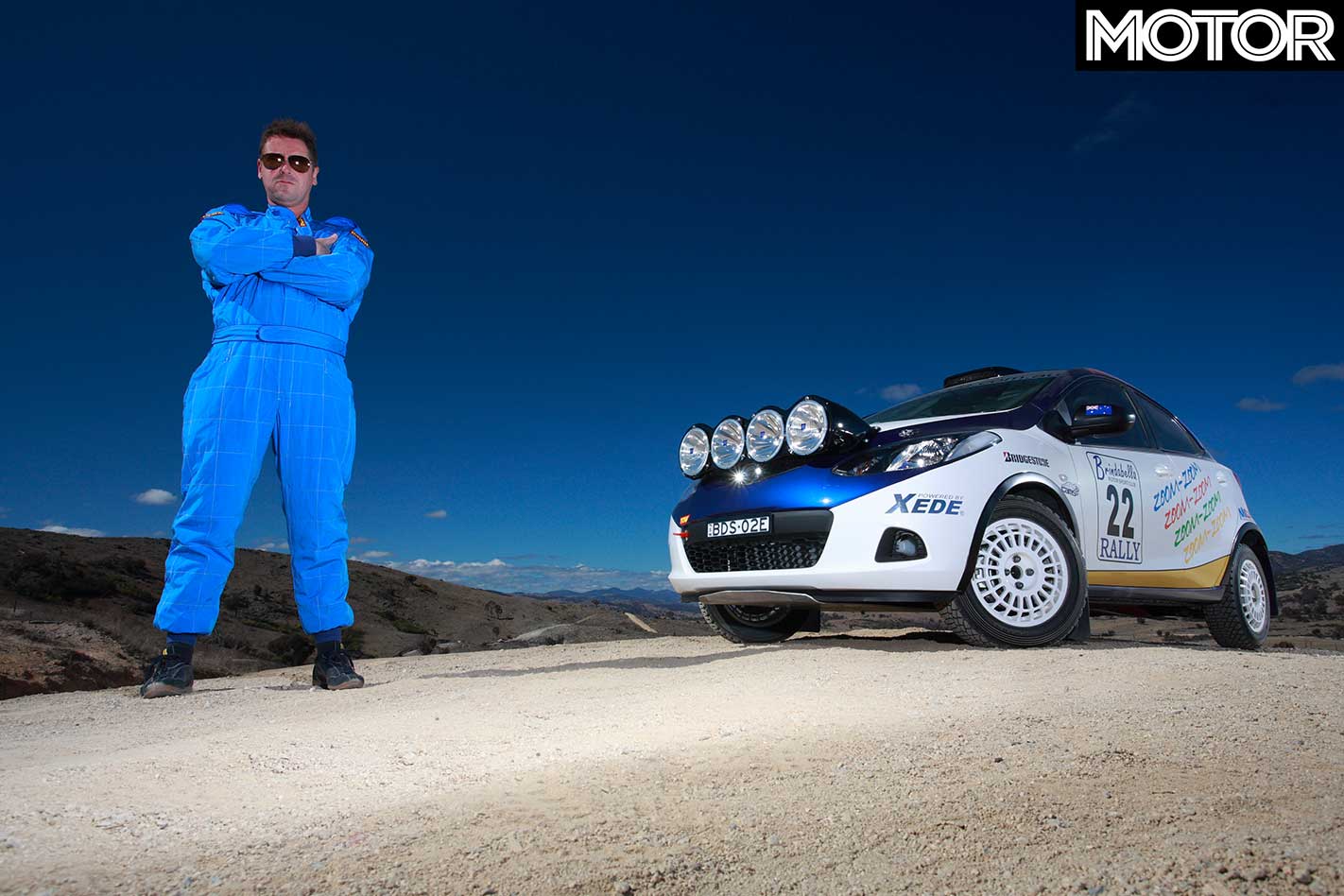
Matching Rick’s level of speed, fluidity and control would be bloody nice, to be honest, and a day’s worth of tuition isn’t going to turn a sow’s ear (or pig, if you ask anyone from work, referring to yours truly) into a rally star.
If anything, the Mazda 2 would be even more fun if it actually had some discernable power, but Horsley has a solution to this. “Lose some bloody weight and stop drinking piss.” He’s been harping on about it for months while doing wonders for my self-confidence, but I’m down to 87.5kg, which apparently still puts me in the ‘fat bastard’ category. Even if I don’t win, at least I’ll be slim.
Mazda is closing in on the next production cycle for its fourth-generation Mazda 3 hatch that could see a hybrid all-wheel-drive version join the line-up after the upcoming Skyactiv-X settles into showrooms.
It is the first indication the Hiroshima car maker has begun talking about a Mazda 3 MPS successor since it started showing the new hatchback and sedan to media.
Speaking with Wheels at the launch of the new model in Australia, program manager for the vehicle, Kota Beppu, said the model was under consideration – including drivetrain details – but that it must first gauge the market’s reaction to the upcoming Skyactiv-X model, which will be the most powerful model in the line-up.
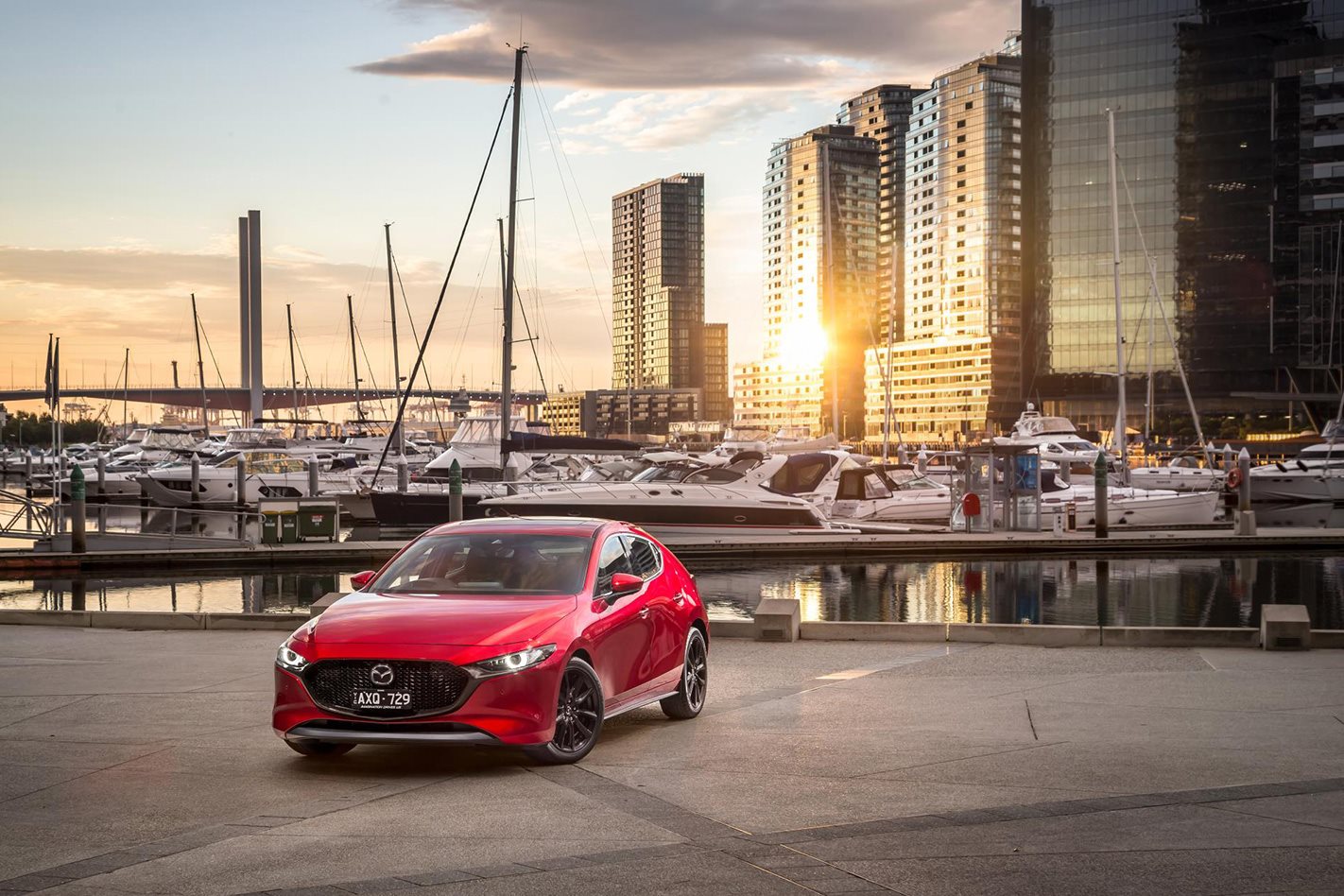
“I myself would love to have it,” Beppu said when asked about a possible Mazda 3 MPS replacement.
“However, there are two huge hurdles. The first one is environment, as we just discussed, yet satisfying our great driving performance. So at the same time, environmental requirement is going to be very difficult and it requires lots of advanced technologies, and we have to develop those technologies. And you need to wait until the technologies are ready.
“Another hurdle is that those customers who have strong desire to purchase a hot version of this model, their mass is rather small in terms of number, so it is very difficult to make a business case with a small volume. So that is another difficulty we have.”
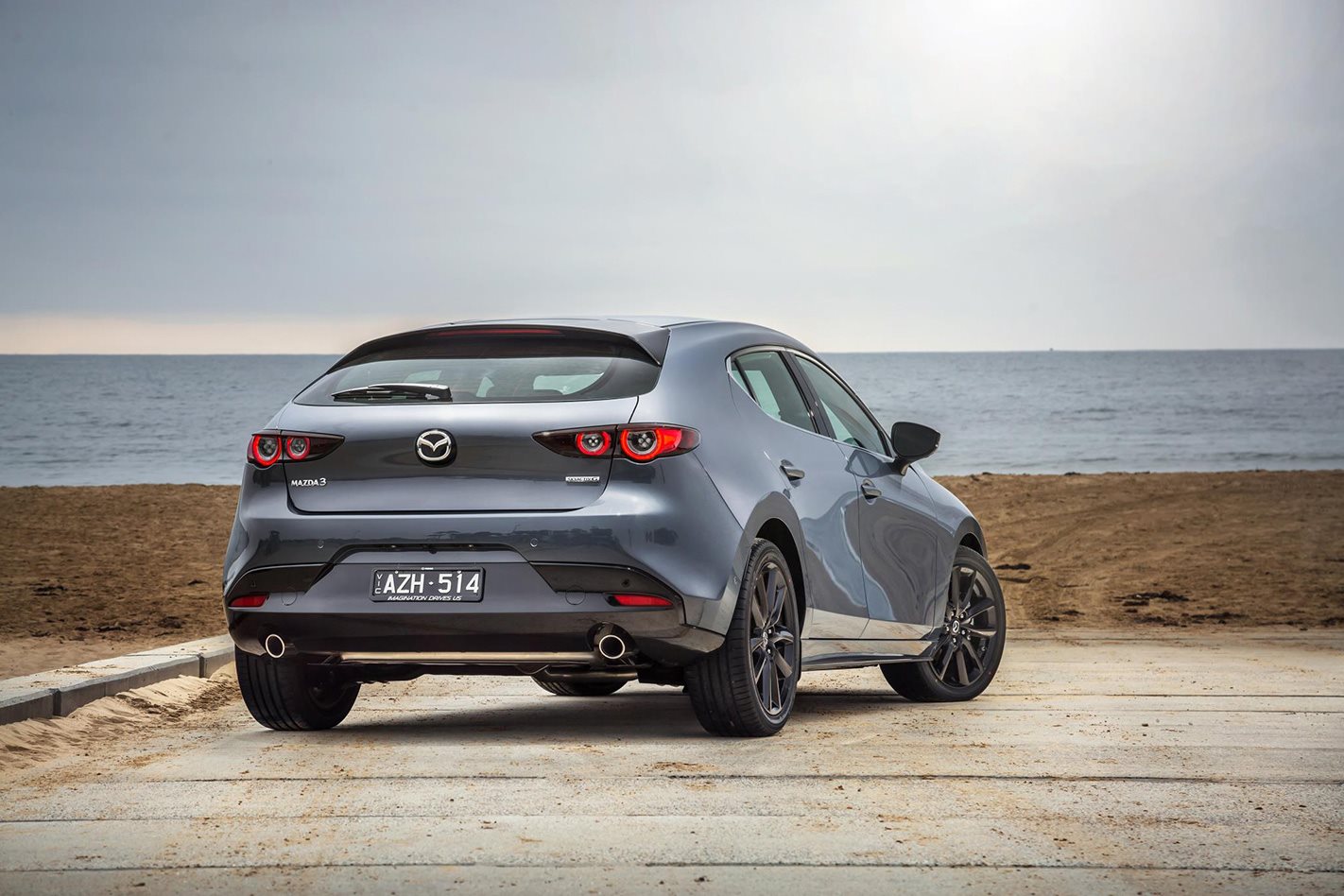
The issue of environmental factors points to Mazda experimenting with a hybrid version of the 2.5-litre turbocharged four-cylinder engine found in the CX-9 and CX-5. Wheels understands from a source at Mazda USA that a mule has been fitted with the engine in California “to see it fits”, which it does.
Discussing hybrid technology and electric vehicle architecture, Beppu explained that Mazda sees performance cars moving onto electrified platforms. So far, Mazda has only very mild hybrid powertrains but a hot Mazda 3 hybrid could be a halo car for the brand.
“Generally speaking, that is the direction I think they are going to go overall. For example, Ferrari in Europe and other makers in Europe are heading to the electrification. And of course we pay attention to EV in terms of environmental friendliness but we also pay attention to EV for other reasons, which is the performance view. We see some possibility of potential to get a better performance feel out of EV.
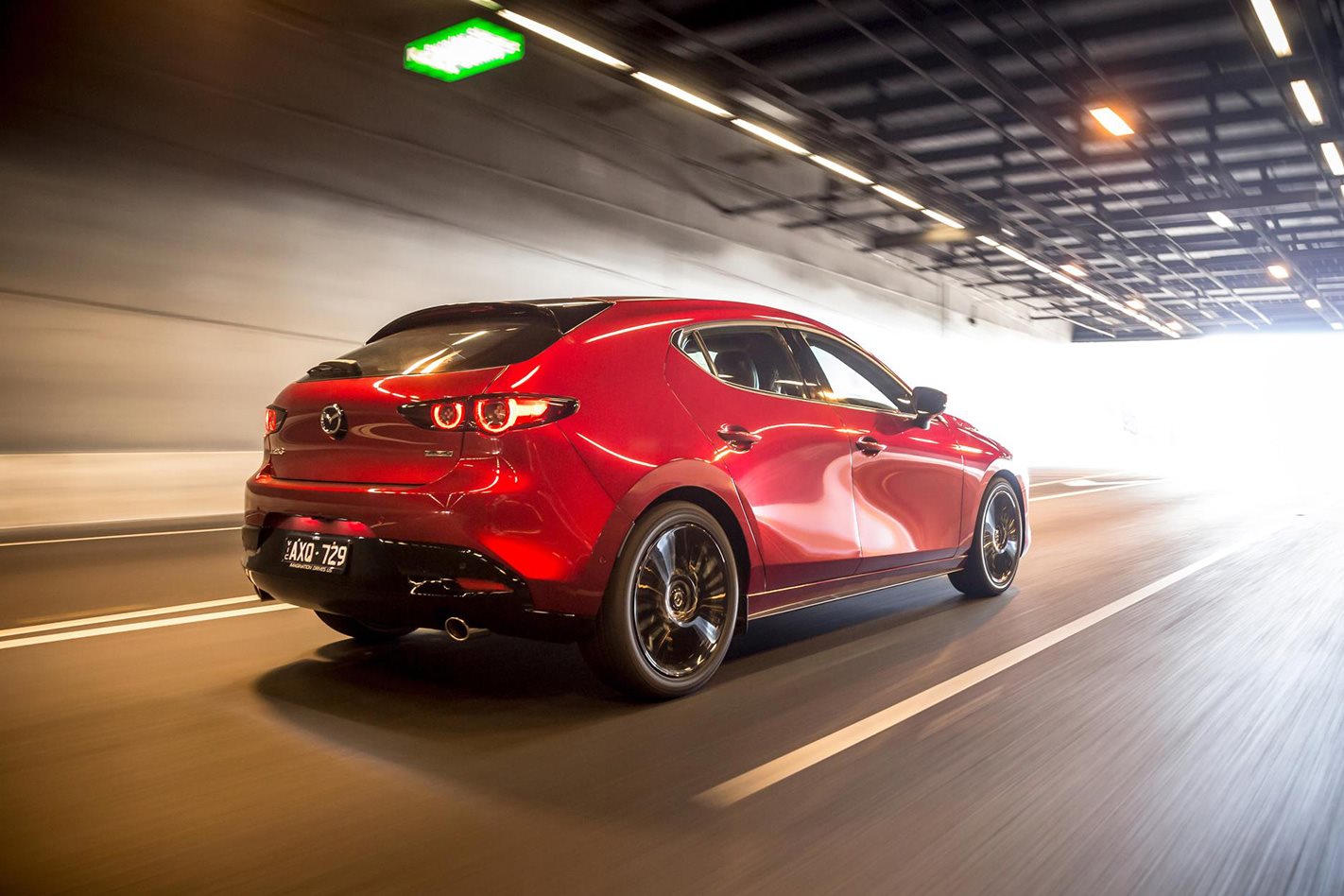
“I myself personally believe that to elevate the Mazda brand up, that kind of high-performance model is something that could be a stronghold for us. That is something I really like to think about.”
However, the return of a hot Mazda hatch to tackle newcomers such as the Hyundai i30 N and seasoned players like the Volkswagen Golf GTI won’t be for a couple of years yet.
“So we will keep making the best efforts [to make a hot Mazda 3] of course, and after we introduce our top range, which is the Skyactiv-X model, then maybe you will be able to appreciate all of that great performance, and I would appreciate it if you could wait until then.”
The Wheels Verdict: The new Mazda 3 has leaped two generations ahead, with class-leading refinement and a considerable improvement to ride and handling. The carry-over engines don’t match the obsessive efforts elsewhere, but the highly-anticipated Skyactiv-X engine isn’t far away.
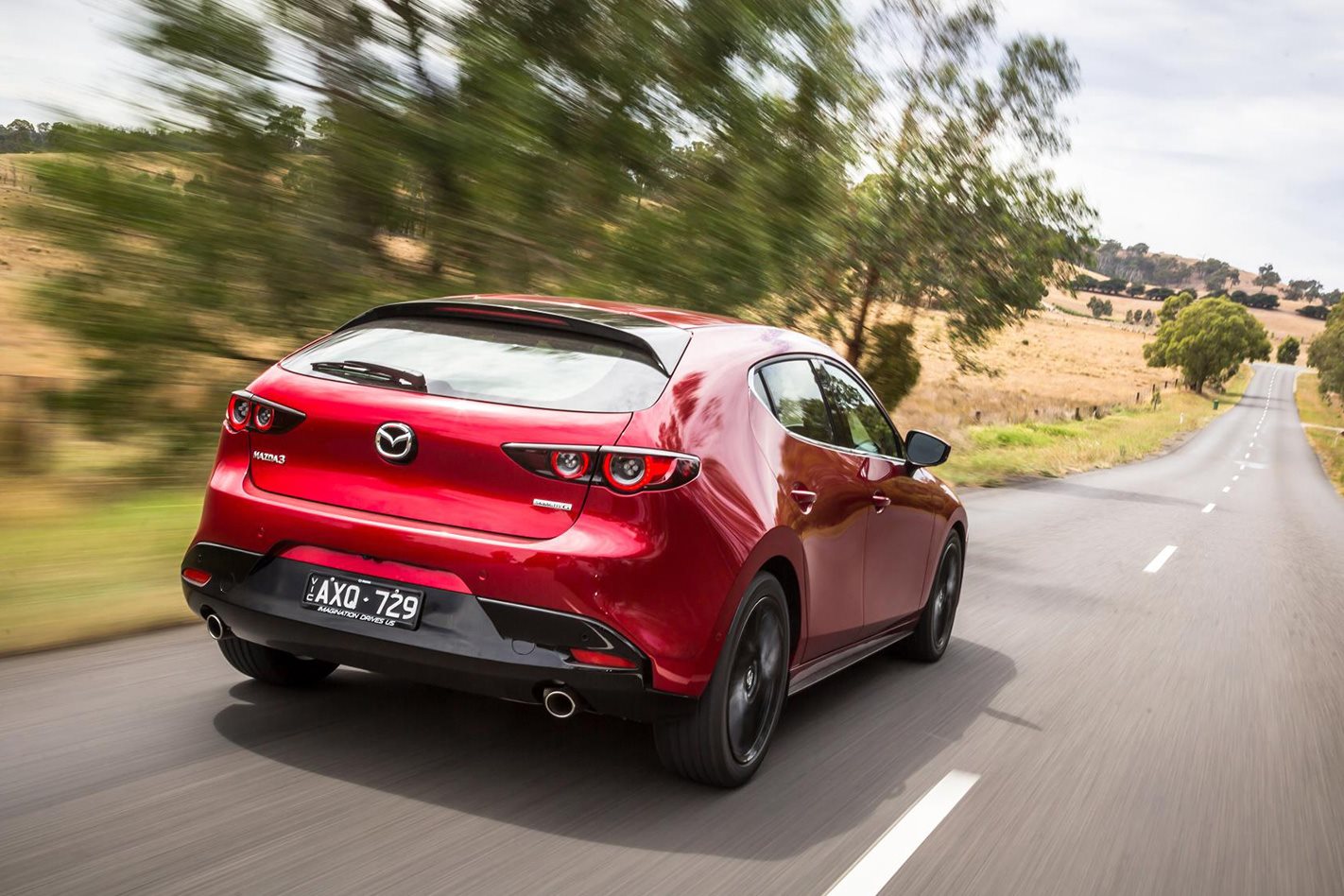
WHAT IS THE MAZDA 3?
A darling hatchback that has filled many first-time car buyers’ driveways, the small Hiroshima car has long been seen as a staple choice for value and reliability. Now in its fourth generation, Mazda has stepped up the 3’s game, seeking to deliver a car that will transform perceptions of both the model and the brand.
WHY WE’RE TESTING IT
Likely to be the sales leader in the new 2019 Mazda 3 line-up, the Evolve G20 is a value-packed blend of creature comforts, big car quality and aspirational styling.
MAZDA 3 G20 EVOLVE REVIEW
You can forget just about everything you thought you knew about the Mazda 3 because this all-new model elevates itself in nearly every measure.
It’s an incredible feat considering the brand’s five-year-old small car recently toppled the fleet-favourite Toyota Corolla as the best-selling passenger car in Australia, which might lead one to think that this latest evolution will tip the scales even further in its favour – but not everything is peachy.
Mazda Australia could be in for a bit of an adjustment – despite this being a game-changer – with the aggressively priced prior generation Mazda 3 enjoying huge reach to private buyers. However, the cost of entry has just gone up, from the old Neo Sport’s competitive $20,490 to the new entry-level G20 Pure’s $24,990 plus on-road costs. But it’s a better car with a lot more kit. And don’t forget the new Toyota Corolla has seen a steep adjustment in price too.
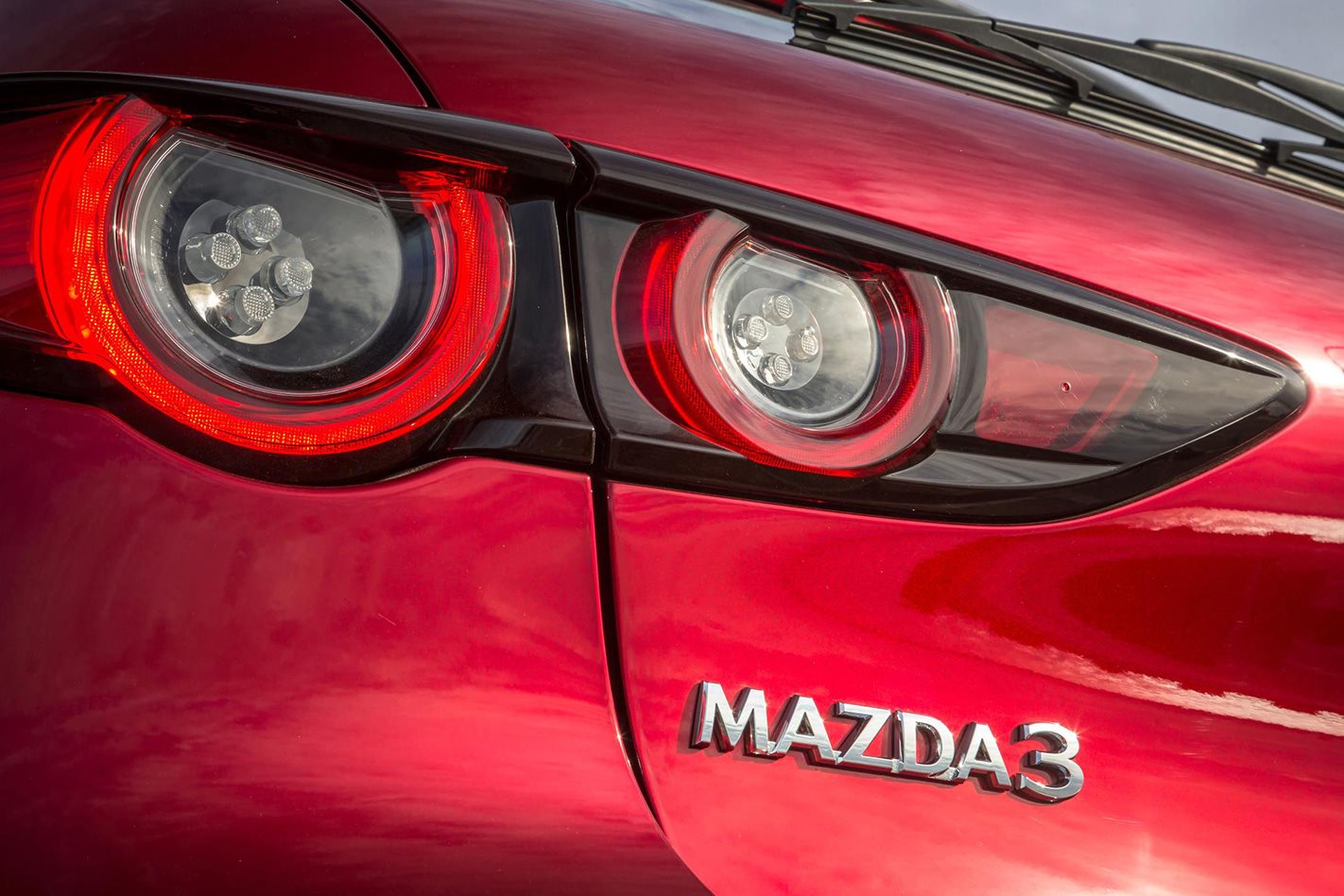
Filling the equipment list from the base model up is a comprehensive ‘i-Activsense’ safety kit featuring AEB, adaptive cruise control with stop and go function, lane-keeping assist, lane departure warning, speed sign recognition, forward obstruction warning, rear-cross traffic brake assist and reversing camera. Some premium-brand models would be envious of that list. There’s also a 8.8-inch widescreen infotainment screen inside with sat-nav as standard, a 7.0-inch driver’s display in the dash, head up display on the windscreen, rain-sensing wipers, and high beam control. About the only lowbrow addition, in contrast to every other model’s sporty look, is a set of small 16-inch alloys – so it’s just as well we were in the step-up Evolve.
It comes with larger 18-inch alloys with a grey metallic finish that are much more appealing, along with a few extra mod cons such as dual-zone climate control, leather-wrapped steering wheel and gearshift, paddle shifters mounted on the steering wheel and a rear centre fold-out armrest.
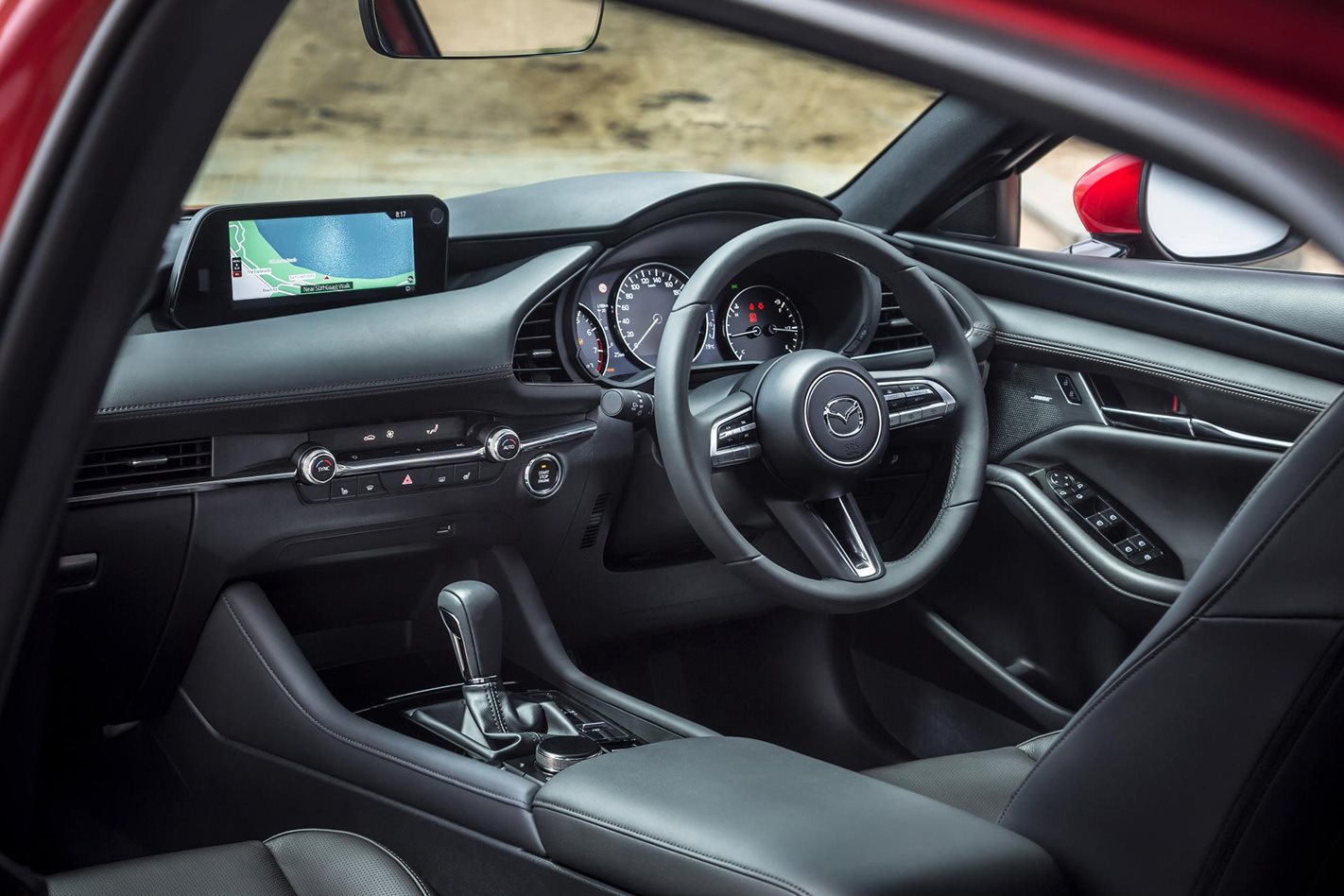
Visually, the exterior of this Evolve is virtually identical to the striking stance of the almost $40,000 G25 Astina range-topper.
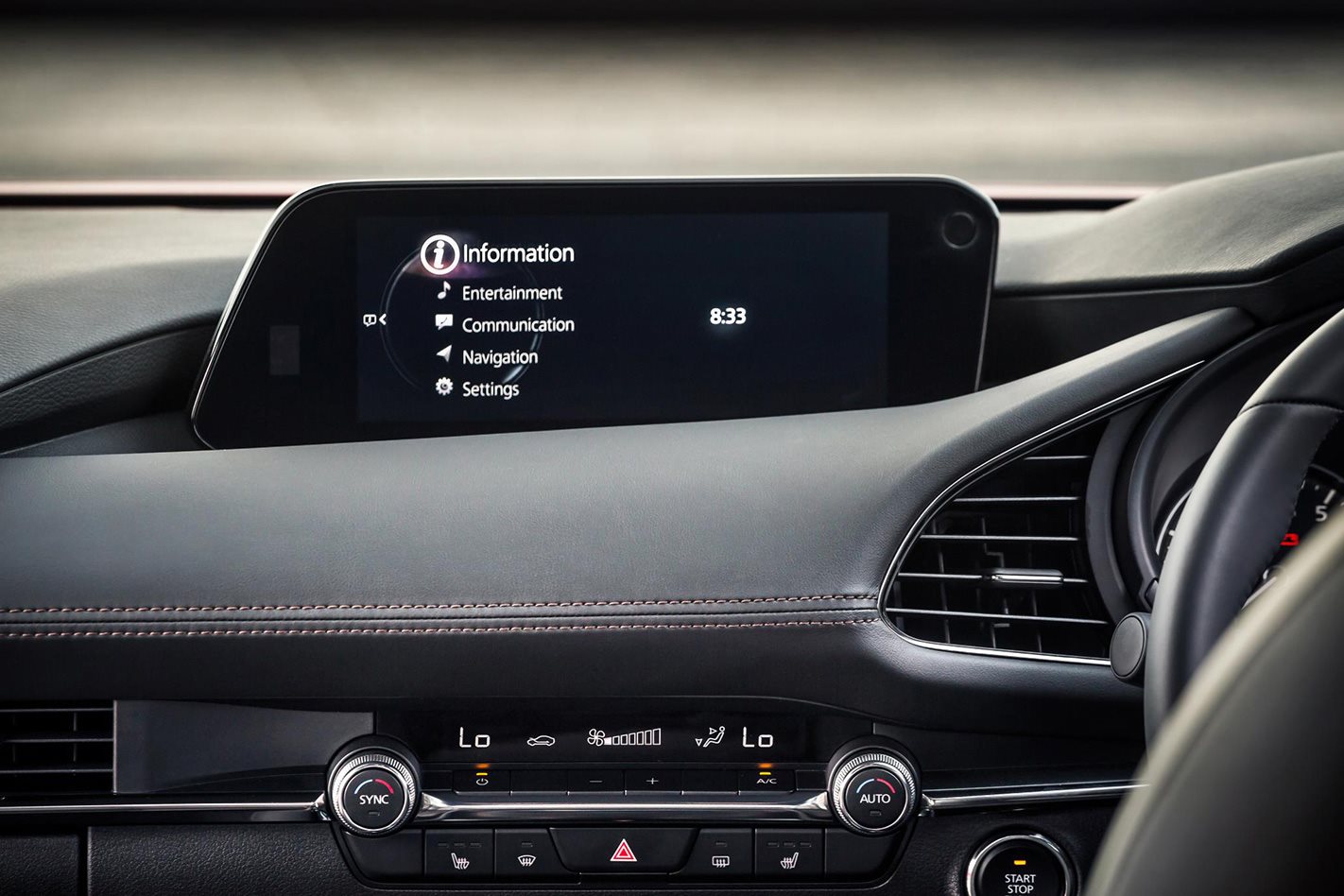
Step inside and there’s also a similar resemblance between all models, Mazda’s designers penning an interior that leaps ahead of simpler rivals into the realm of premium. The soft roll-top gently undulates across the upper portion of the dash where a crisp infotainment system sits neatly tilted toward the driver. Using a high-definition display that features both Apple CarPlay and Android Auto, the infotainment system is a world apart from any Mazda currently sitting on the showroom floor. What puts it in front of competitors is the control system that does away with clumsy touch-screen input to keep driver distraction – moving eyes away from the road – to a minimum (and is also why the crystal-clear head-up display comes standard on every model). Instead of fussing with fingers on the screen, a finely tuned rotary dial teams up with a smaller knob and sensible shortcut buttons that make navigating from CarPlay to vehicle settings effortless. The touch points are all finely finished with a quality feel and tactile response too, and the steering wheel, with its perfectly round rim and logical placement of controls on the spokes is a high-end fitment.
Upper-grade models, with their nicer leather-appointed seats and suite of mod cons, raise the bar in the segment, but this Evolve variant’s cloth seat trim looks rather plain and feels a touch scratchy. The seats’ internal construction, however, is the same across the range and an important factor which leads to fantastic ergonomic support and comfort on a long drive. The driver is further catered to by extensive tilt-and-reach adjustment from the steering wheel and a wide-ranging seat position.
The rear seat is not so spectacular in terms of comfort or entry. While the seats themselves are well cushioned and have enough lateral support, leg room doesn’t seem to have improved despite the wheelbase growing 25mm to 2725mm, and headspace is tight due to that voluptuous styling wrapped around the rear haunches, further squishing the rear-door aperture. Form over function has a further impact on boot space, which disappointingly shrinks from its previous 308-litres (SAE) to 295L. That’s still 78L larger than the Corolla, despite also fitting a space-saver spare tyre underneath a false floor.
However, minor shortcomings will likely be overlooked once you push the ignition.
Mazda has made a big noise about a lack thereof, making a giant leap forward in reducing noise, vibration and harshness (NVH) that tarnished previous models. It claims NVH is class-leading, that sound intrusion has been clubbed to death, and ride and handling has improved by leaps and bounds – all despite the perceived regression from multi-link to a torsion beam rear suspension set-up and just a 20kg heavier kerb weight that doesn’t seem to explain the heavy sound-deadening and stiffness required for its enhancements.
It’s the result, says Mazda, of research into jinba ittai. The basis of Mazda’s explanation reads like Gray’s Anatomy, but the crux of it is about making the vehicle and person feel as one.
The upshot of all this is that the new fourth-generation Mazda 3 should feel lighter on its feet and transmit fewer imperfections and jolts from the road because of innovative vehicle construction techniques.
The explanation behind the quieter cabin is simpler: the usual holes and cavities for things such as speakers and wires to go in have been left uncut, reducing the number of passages through which sound waves can travel. Sitting at 100km/h on a choppy road is much more hushed; on a smooth surface, it’s as quiet as a luxury sedan.
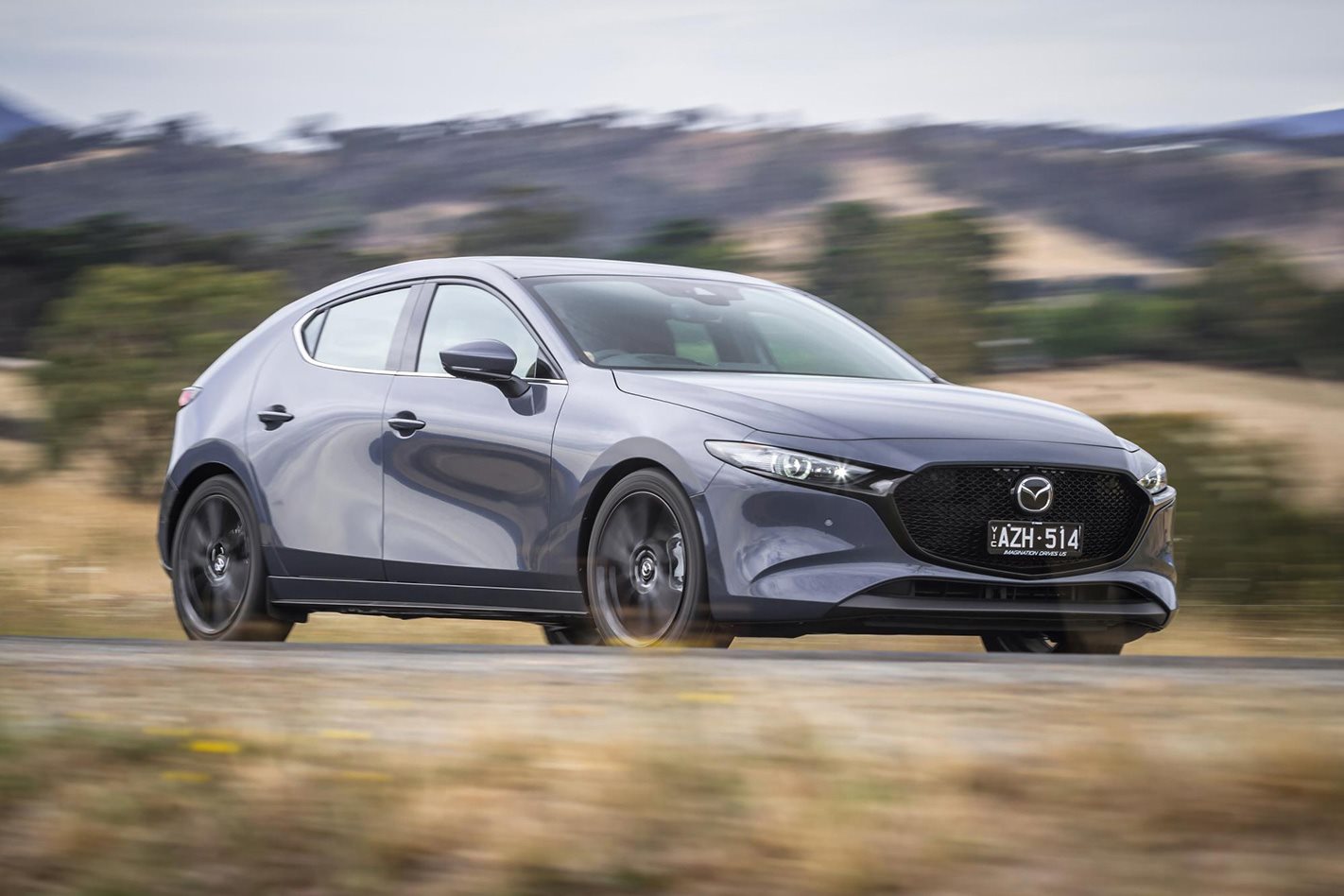
Major improvements are not limited to NVH, with steering that feels oily smooth and body control that is tight and tidy around even the bumpiest of corners. Mazda 3’s program manager, Kota Beppu, justified to us that the move from a sophisticated multi-link rear suspension to a torsion beam set-up was to decrease rear-wheel toe-in when cornering, which in turn reduces understeer. Whatever the reason, the result is much-improved ride and handling.
As ‘all-new’ as Mazda says the BP Series 3 is, the driveline is, for now, a carry-over, save for some revisions to the six-speed manual and automatic transmissions.
The same 2.0- and 2.5-litre naturally-aspirated Skyactiv-G petrol engines power the line-up and are now referred to as G20 and G25 respectively. We don’t yet get the compression ignition 2.0-litre Skyactiv-X mill which promises increased efficiency with improved performance when it lands later this year and is likely the missing cherry on top of an otherwise fastidiously well-planned package.
Producing identical output figures of 114kW at 6000rpm and 200Nm at 4000rpm, the G20 is lethargic and underpowered inside the 1325kg hatch. It takes a long prod on the throttle to liven up, and even then it feels short of breath on hills and overtaking. It is pleasant for urban duties and plodding through traffic, but it never really provides a showcase for the finer points of the 3’s nuanced ride and handling characteristics.
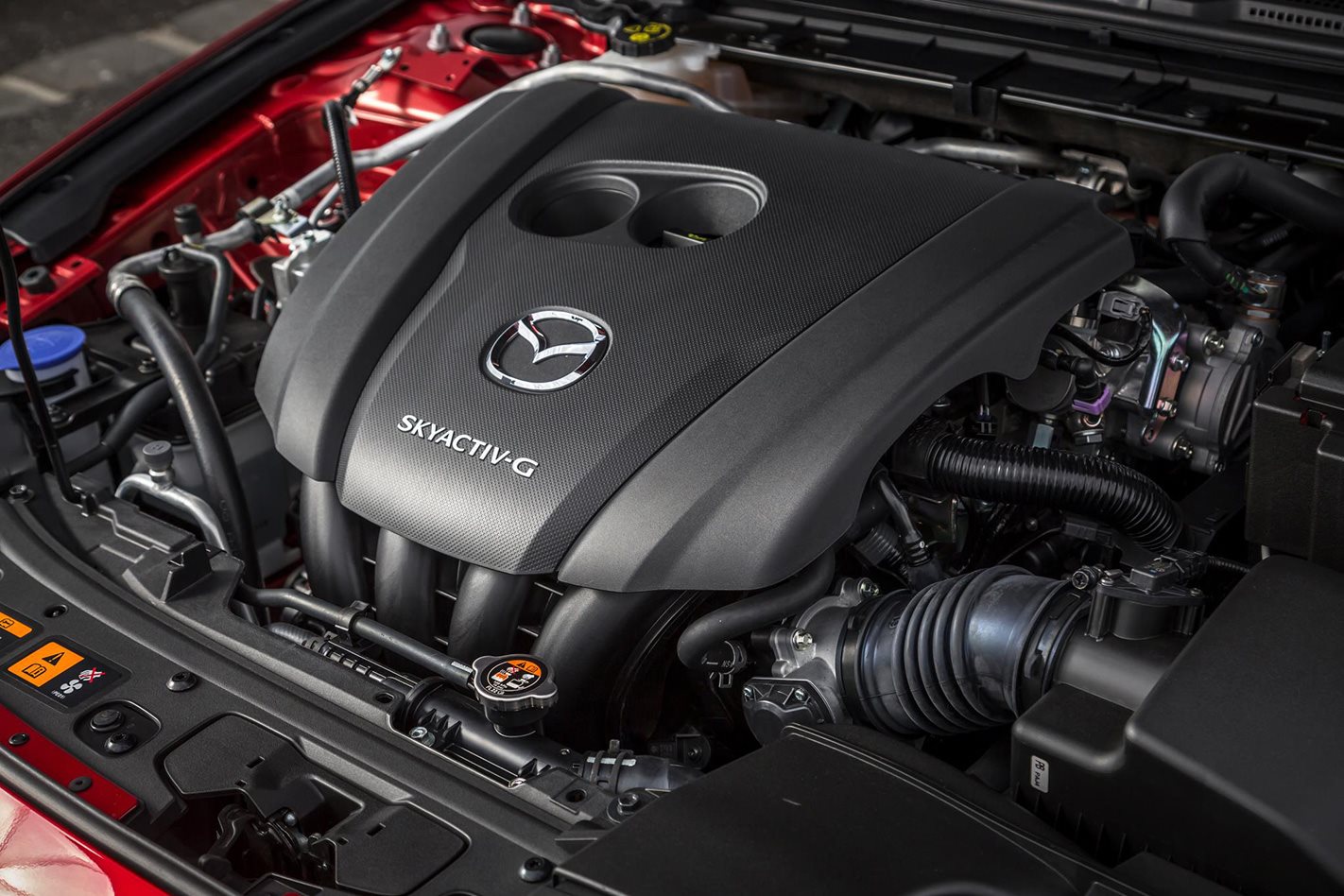
The G25 powerplant, which mirrors its previous 139kW/252Nm figures, is a solid step up in performance for a $2800 premium on the Evolve, and it adds needed punch and certainty. But against turbo rivals it lacks energetic enthusiasm off the line. It leaves us wondering if it would have been better to launch fully armed with the Skyactiv-X, but like the model before it, the lesser engines will still find many loving homes.
MAZDA 3 VS RIVALS
Toyota Corolla, Hyundai i30, Ford Focus, Volkswagen Golf
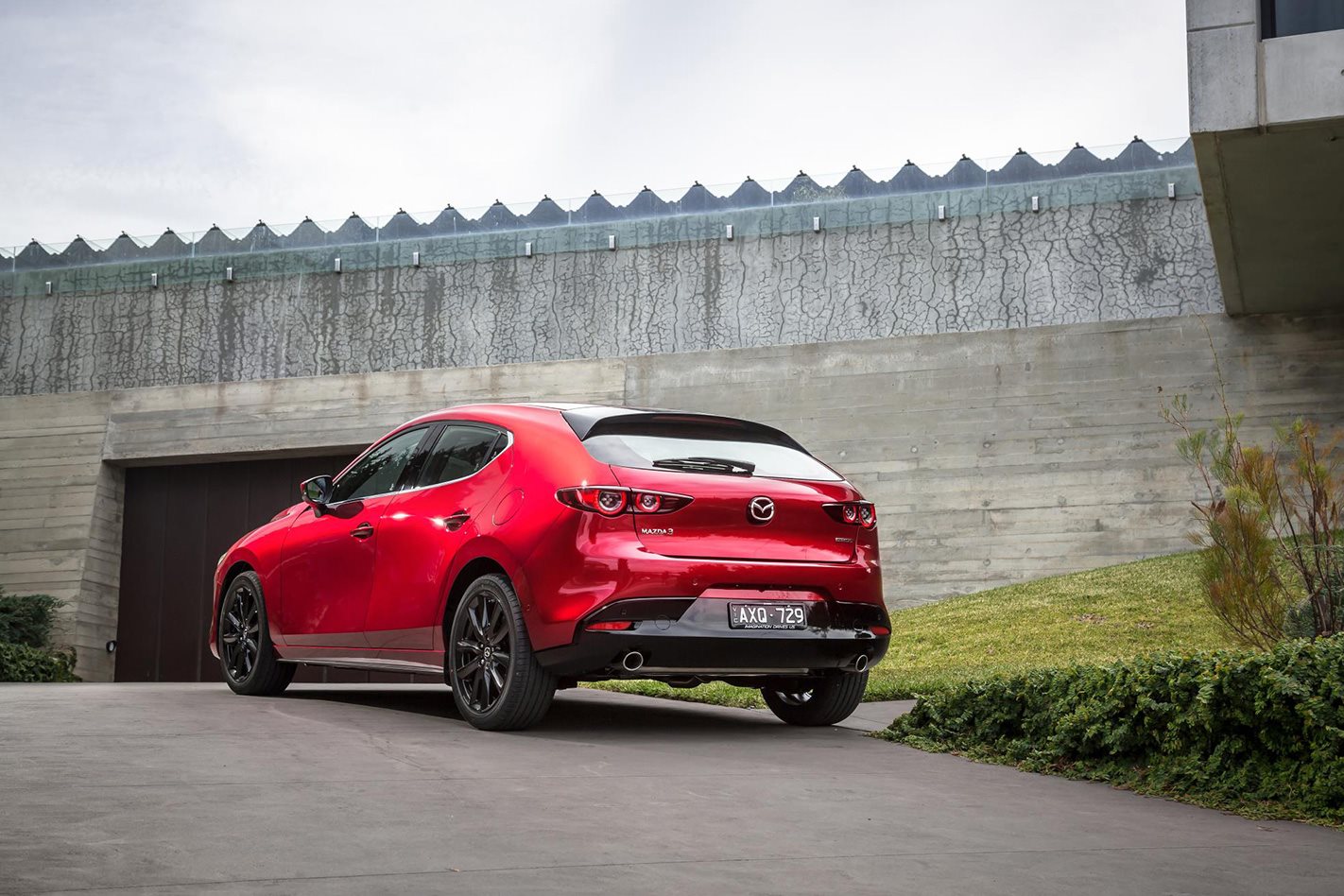
MAZDA 3 PRICE AND SPECS AUSTRALIA
Model: 2019 Mazda 3 G20 Evolve hatch Engine: 1998cc 4cyl, dohc, 16v Power 114kW @ 6000rpm Torque 200Nm @ 4000rpm Transmission 6-speed automatic Weight: 1317kg 0-100km/h: 10.0sec (estimated) Price: $27,690 On sale: Now
With the new-generation Mk6 Golf GTI having just broken cover at October’s Paris Motor Show, Volkswagen Oz is sending out the fifth-generation model in fine style with the 2008 Volkswagen Golf GTI Pirelli.
This review was originally published in MOTOR’s December 2008 issue
Named after the apparently legendary original GTI Pirelli that launched in May 1983 (in Europe) to mark the end of the Mk1 Golf’s nine-year production run, the Mk5 version is meant to be a limited edition, though VW hasn’t mentioned any build numbers.
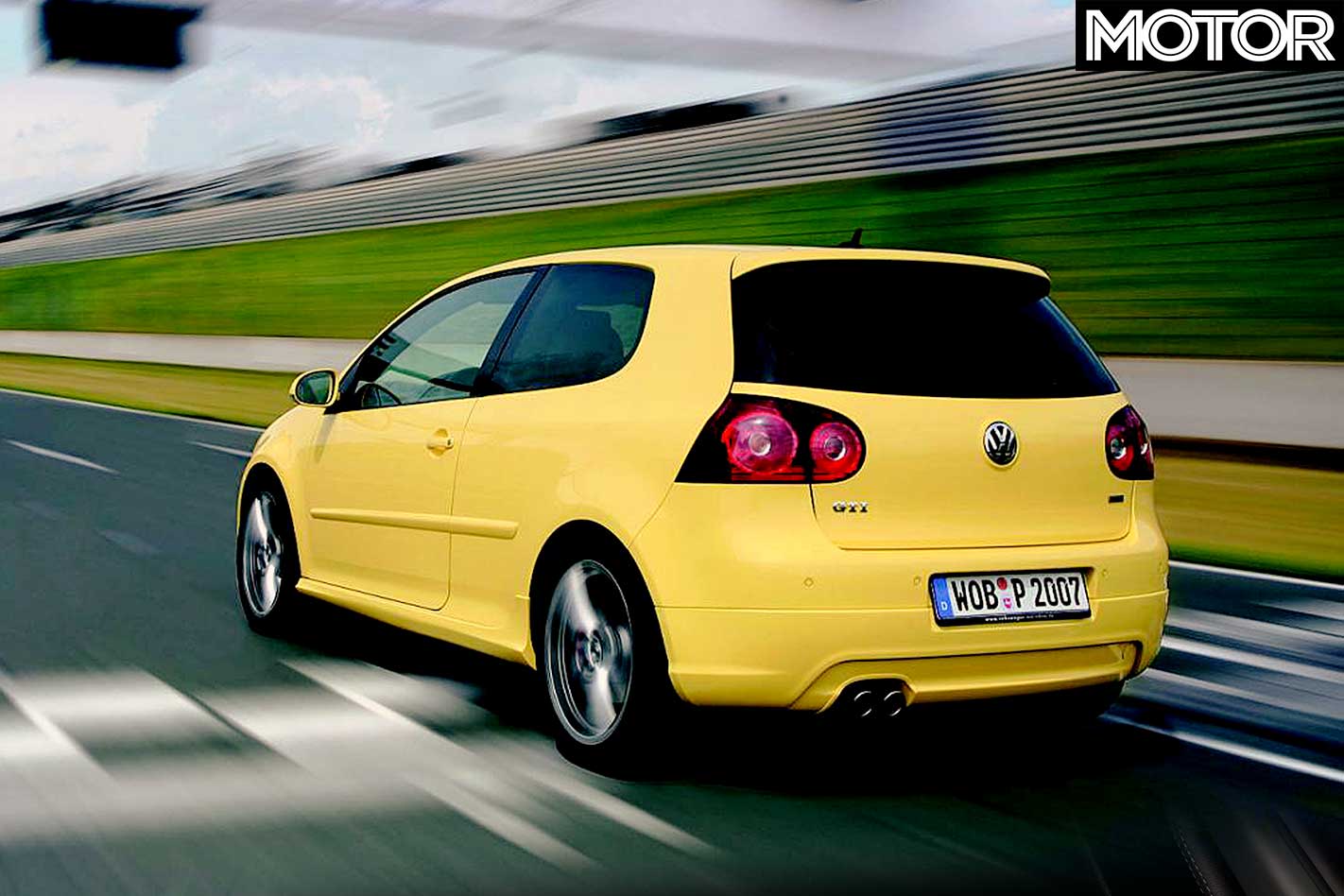
The Pirelli’s biggest drawcard is undoubtedly its uprated engine. Borrowed from the Golf GTI Edition 30 (an anniversary model not sold here). VW’s familiar 2.0-litre FSI turbo four has been tweaked to produce 169kW from 5500-6300rpm (up from 147kW at 5100-6000rpm) and 300Nm from 2200-5200rpm (up from 280Nm at 1800-5000rpm). No details on exactly what has been fiddled with to raise power by 15 percent, but the proof’s in the driving, and the GTI Pirelli is definitely stronger.
The 169kW 2.0 doesn’t rev any harder (the limiter still ends play at just under 7000rpm), but it’s considerably punchier at the top end and has some additional turbo whoosh for those who like their extra grunt garnished. Once on the move, I’d bet the Pirelli is an easy match for the 184kW R32, and possibly even quicker. Certainly feels it.
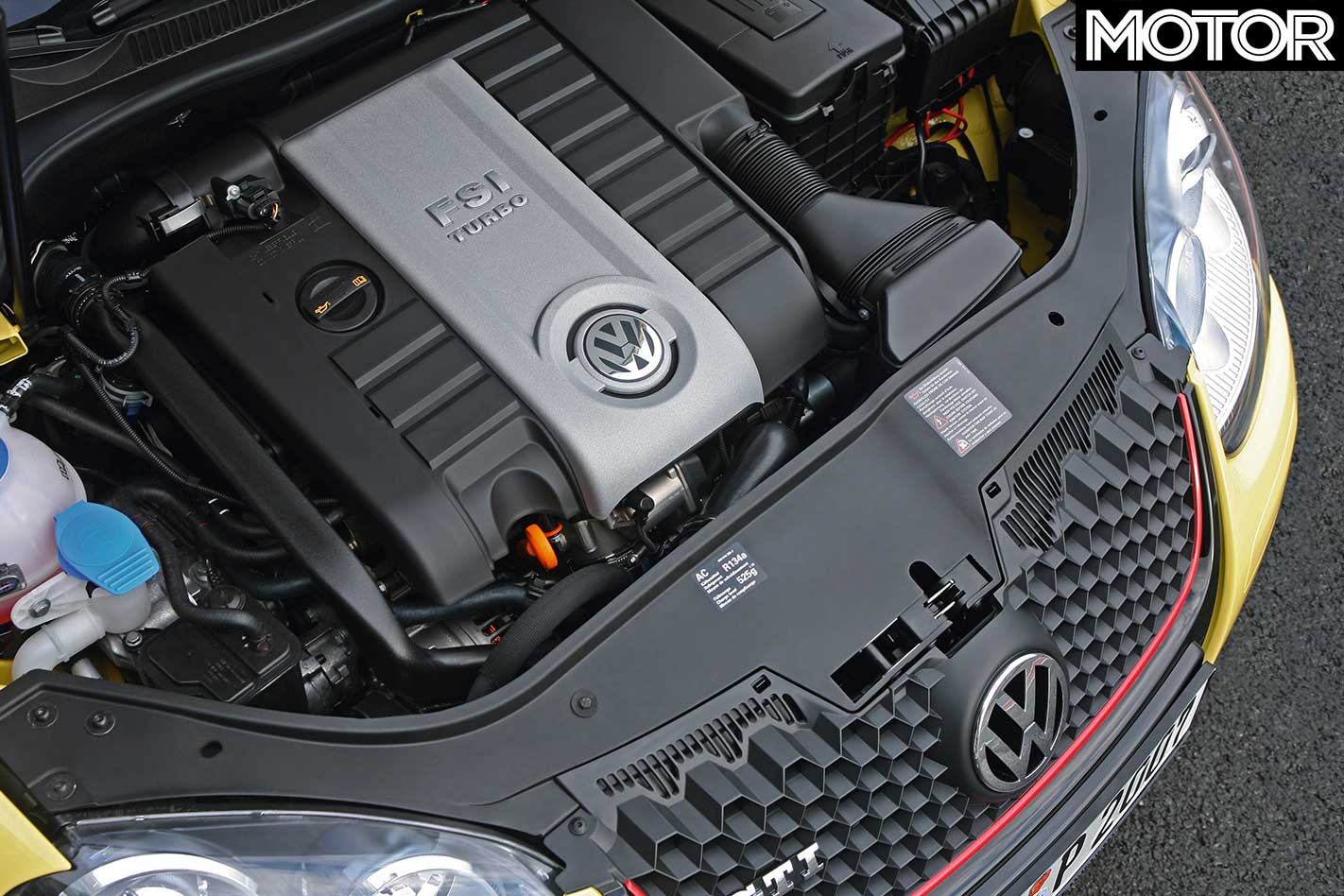
Euro Pirelli’s get VW’s excellent six-speed manual as standard, but ours are lumped solely with the DSG double-clutcher. As an alternative to a traditional automatic, it remains a highly respectable tool, but it’s a real shame Aussies don’t get to try the pumped-up engine with the best gearbox. Sure, the DSG is faster to 100km/h (by 0.2sec) and uses 0.3L/100km less fuel (making it exactly the same as the regular GTI at 7.9L/100km), but unless you drive it manually – which surely defeats the purpose – it never quite manages to consistently select the right gear.
Drive the Pirelli in, er, Drive and it quickly ramps up its ratio spread to the tallest gear it can handle. And that’s a pretty tall one because the torquey GTI Pirelli often sees itself droning along in fifth or sixth at between 1200 and 1500rpm. Go for Sport and it’s a throttle-blipping, downshifting blast, but also a bit too intense for swift-but-chilled motoring.
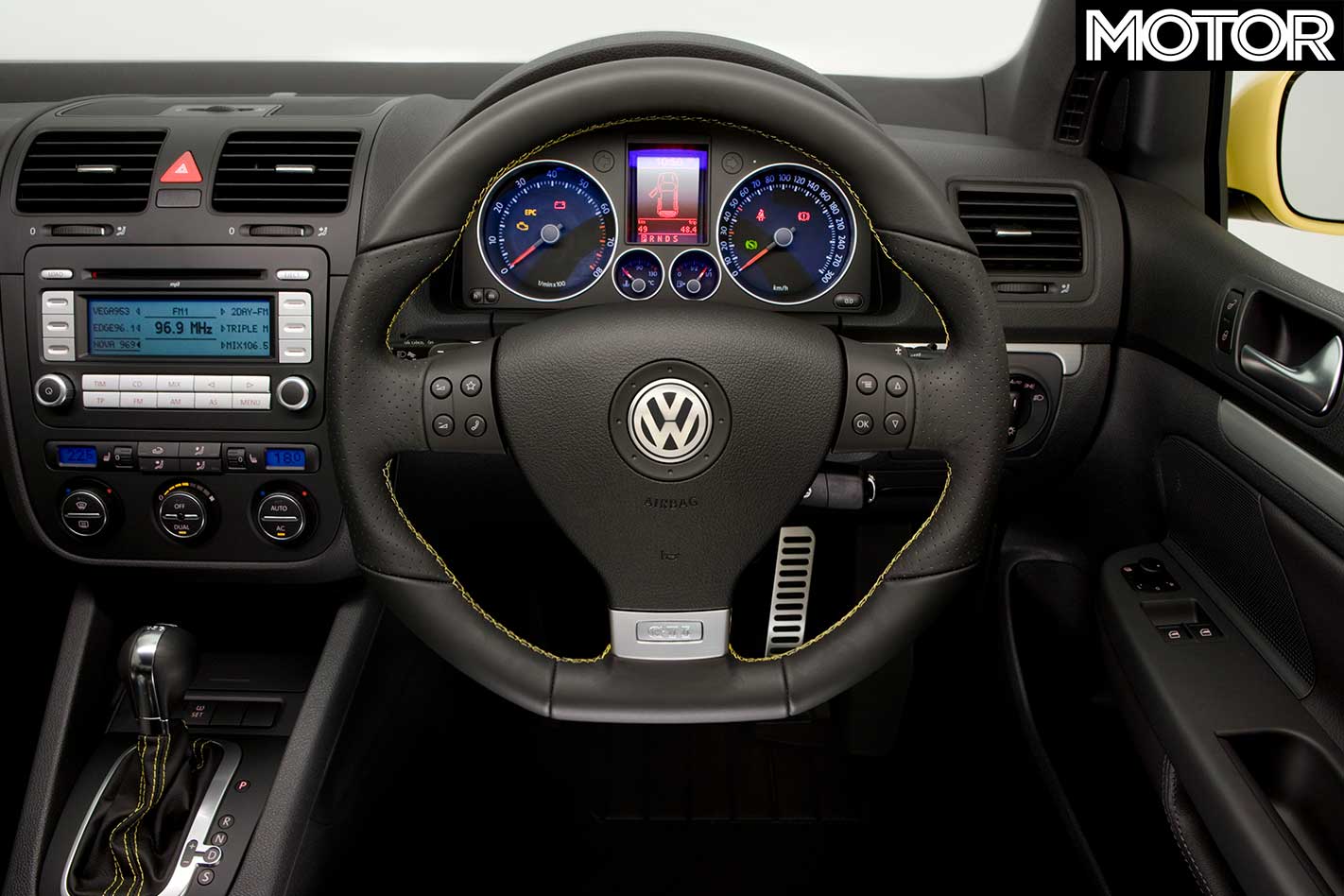
A wiser move was the fitment of 225/40ZR18 Pirelli P Zeros on bespoke, Pirelli-branded 18s. They only serve to highlight just how polished the GTI’s suspension tune is, seeing they take little away from the Golf’s decent ride, but add greatly to its power-down traction and mid-corner grip. Switch ESP off and floor the GTI Pirelli’s aluminium throttle pedal and you’ll be surprised at just how much front-end grip this scorcher has.
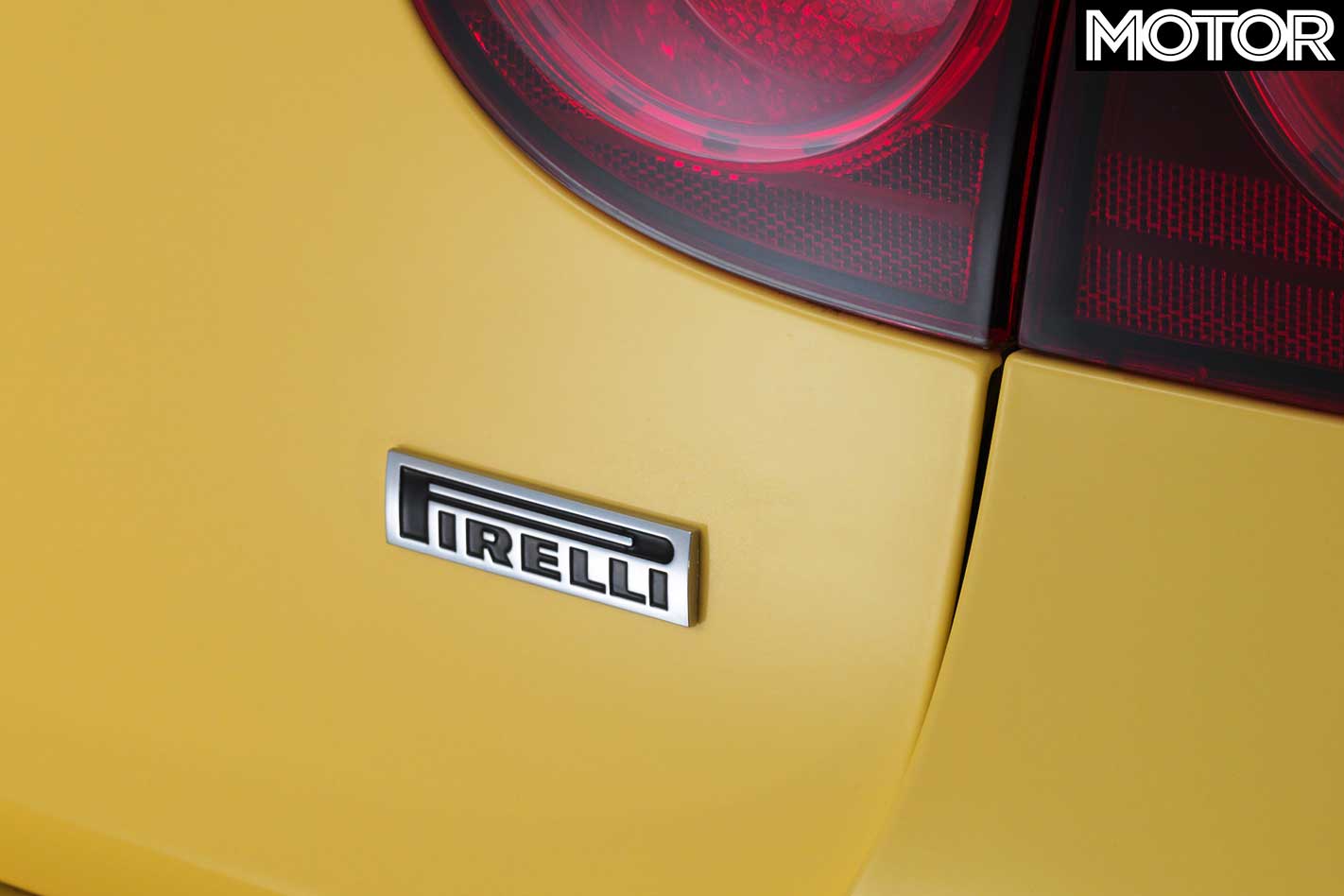
The rest of the GTI Pirelli package is merely tinsel – acres of yellow stitching, tyre-tread microfibre trim inserts by Italian company Miko, full colour-coding for the GTI’s bodykit, and a Pirelli tailgate badge. And a unique colour – Sunflower Yellow.
Thankfully for those older than 25, VW also offers black, blue and silver, but the headline news is all engine and rubber. And here, the Pirelli scores
2008 VOLKSWAGEN GOLF GTI PIRELLI SPECS Engine: 1984cc 4cyl, DOHC, 16v, turbo Power: 169kW @ 5500-6300rpm Torque: 300Nm @ 2200-5200rpm Weight: 1360kg Top speed: 245km/h (claimed) 0-100km/h: 6.6sec (claimed) Price: $47,490 (3dr); $48,990 (5dr)
Like: Stronger engine and more grip makes this the best GTI ever Dislike: No manual option, day-glo yellow an acquired taste
- Commercial biodiesel brewed from waste tyres
- One tyre can produce two litres of fuel
- Queensland company could supply 200 megalitres of fuel
The plant, run by Southern Oil Refineries in Gladstone in central Queensland, has produced sufficient quantities of biodiesel to start trials in a commercial-grade V8 turbo-diesel engine on its $12 million research and development site.
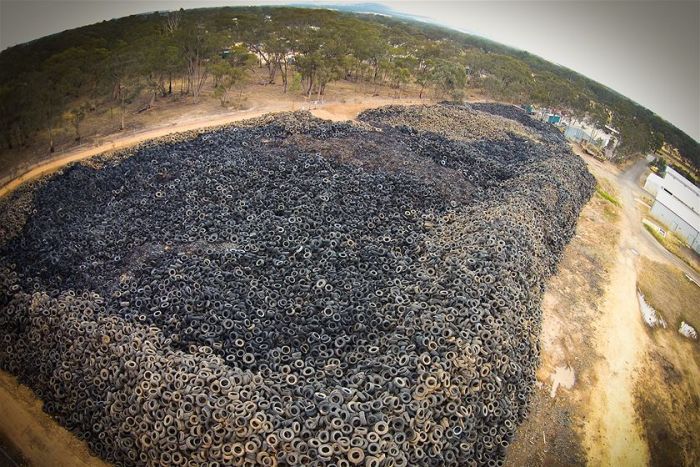
No, it’s not Springfield’s tyre pile: Southern Oil has its own tyre stocks
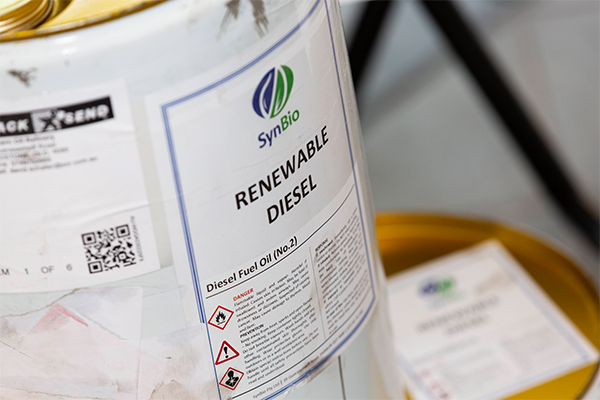
“Today we’ve put renewable diesel made from tyres into this engine,” said Southern Oil Refineries’ general manager Ben Tabulo. “It is a normal engine as you would find in trucks and boats; there is nothing special about it.”
The plant, completed in 2017, uses passenger and commercial vehicle tyres, along with green waste from sugar cane milling and other sources, to produce crude oil, from which the biodiesel is refined.
The base oil product can also be refined into aviation-spec kerosene, as well as engine and gearbox lubricants. The biodiesel can theoretically be used in regular commercial trucks, utes and passenger cars.
One passenger car tyre can produce two litres of biodiesel, according to Tabulo. The company will ramp up production towards the end of 2019 to what it calls ‘demonstration’ levels, where it can produce between 10 and 20 million litres of the biodiesel product.
There are plans to construct a $150 million plant in the Gladstone area, which will potentially be able to produce up to 200 million litres a year.
Even that number is a fair way off the number needed to impact everyday supply, though, with more than 24 billion litres of diesel used in Australia every year. However, it can go some way towards shoring up our currently low levels of what’s known as fuel security.
At present, Australia has only an 18-day supply of petroleum product on hand in the event of a ‘market failure’ (industrial sabotage, war and the like). The ideal figure is more like 90 days.
Southern Oils will also continue to test the product in the on-site Scania V8 to allay fears that the biodiesel will damage engines. “The engine will be run for about 12 to 18 months as we go through several testing stages from basic engine componentry, right up to acceleration and deceleration of the engine,” Tabulo said.
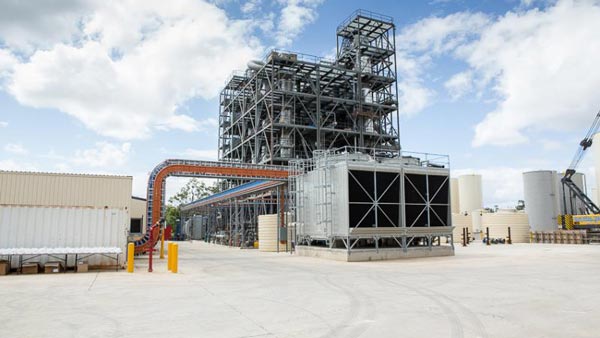
Southern Oil’s Gladstone plant in central Queensland
Biodiesel and diesel are the same product and work in the same way, but the Southern Oils fuel is produced entirely from recycled products. A car tyre has a high crude oil content, which can be recycled out of the used product. It’s then combined with agricultural biomass like bagasse (the pulpy mass left behind after sugar cane juice has been extracted), green waste from regional cities and woody weeds like prickly acacia.
Australians dispose of about 50 million tyres per year, which are very difficult to dispose of in a traditional way.
It has been seven years since Lamborghini floated the idea of a modern SUV with the first appearance of the Urus in concept form at the 2012 Beijing motor show. But for many, that hasn’t been long enough to get used to the idea of a high-riding Lambo.
Others will leap to the defence of the Italian car maker, recalling the monstrous LM002 military vehicle produced by Lamborghini between 1986 and 1993 as evidence that an off-roader is not such an alien concept to the company.
But a vast majority of car enthusiasts are going to take more convincing that an all-terrain model which shares underpinnings and oily bits with models from the Audi, Porsche and even Volkswagen stables truly deserves to wear the raging bull on its nose.
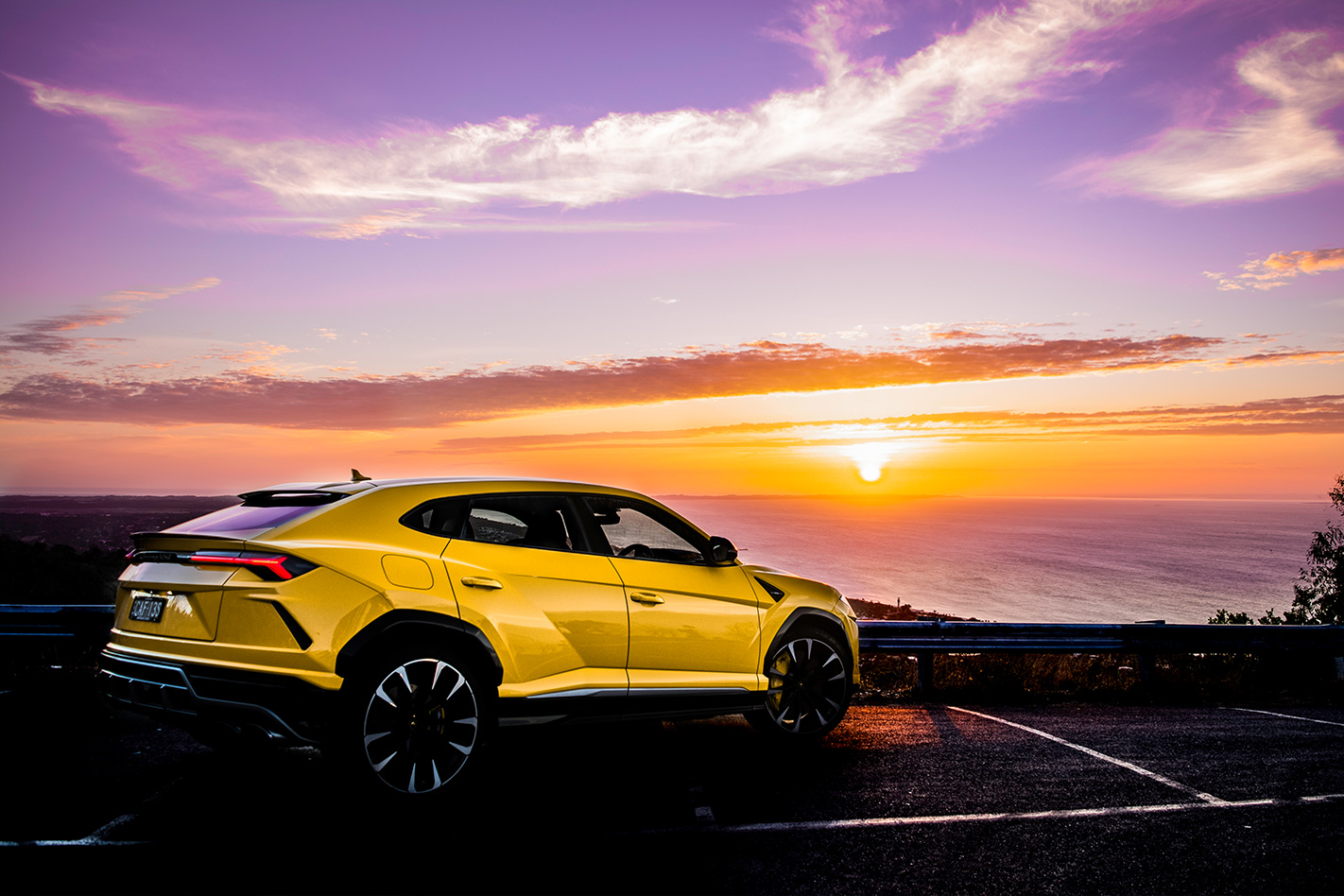
Love or hate an SUV within Lamborghini’s hallowed ranks, it seems the recipe is already working. Local outlets are reporting that many existing customers are jumping out of Aventadors and Huracans into Uruses and there is about a nine-month wait if you order one today.
With a starting price of $390,000 before on-road costs and the deeply tempting (and costly) options list, the Urus is set to become the company’s cash bull.
We saddled up what is arguably Lamborghini’s most significant model to date, to see if it’s more bull run or school run. Here’s our list of Urus features that would cause founder Ferruccio Lamborghini to both nod in approval and simultaneously turn in his grave.
Engine angst
Lamborghini’s current sportscars are powered by naturally aspirated V10 and V12 engines tucked away in the middle of the vehicle, but the Urus has a V8 mounted under its bonnet and this will grind a purist’s gears.
Some previous models have employed V8 power including the Urraco, Silhouette and Jalpa but in all cases (regardless of the model and engine configuration), natural aspiration and the accompanying soundtrack have been a Lamborghini given.
Not the Urus, however, in the name of efficiency without a power compromise, it uses a pair of turbochargers and this won’t sit happily with the traditionalists.
Style and substance?
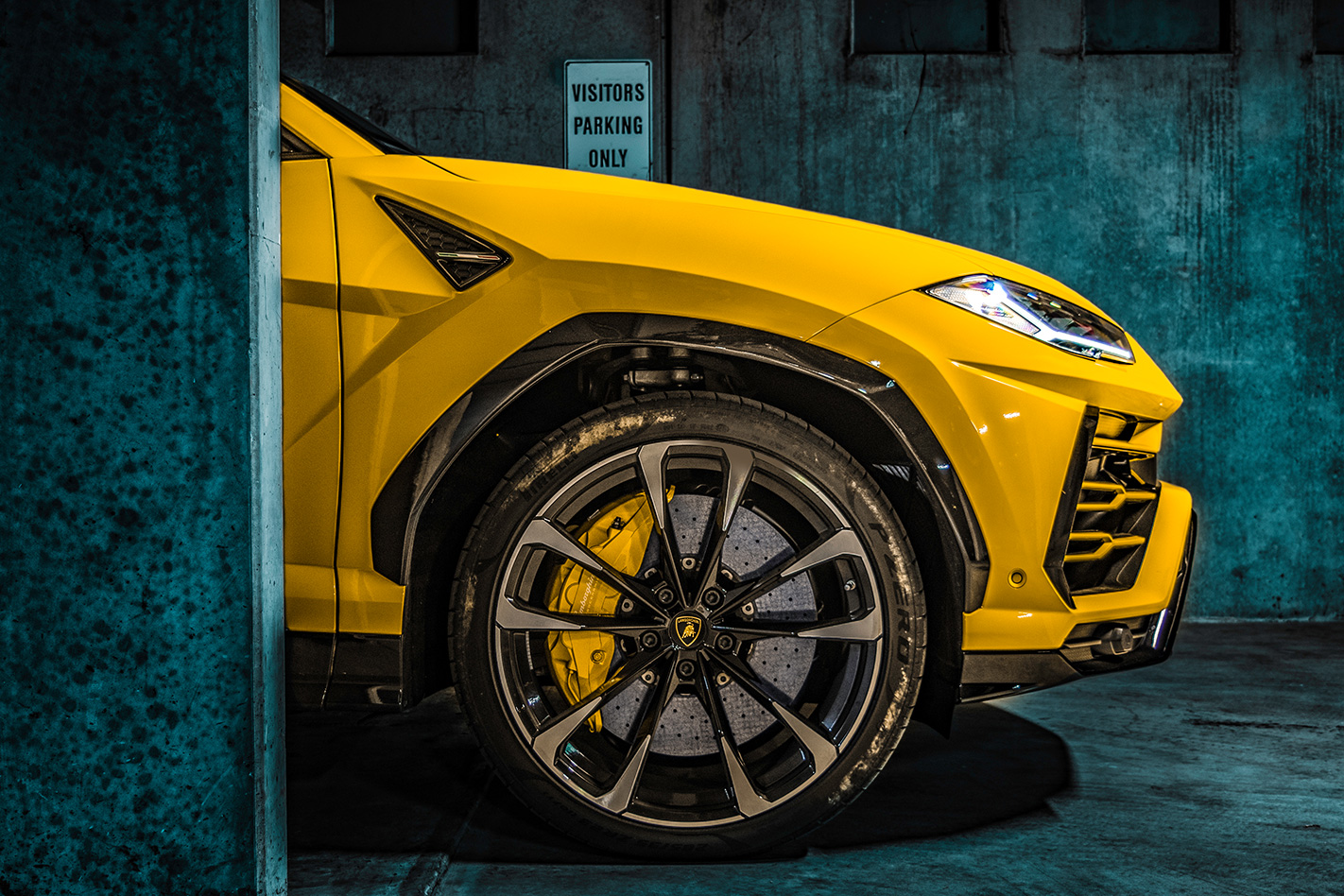
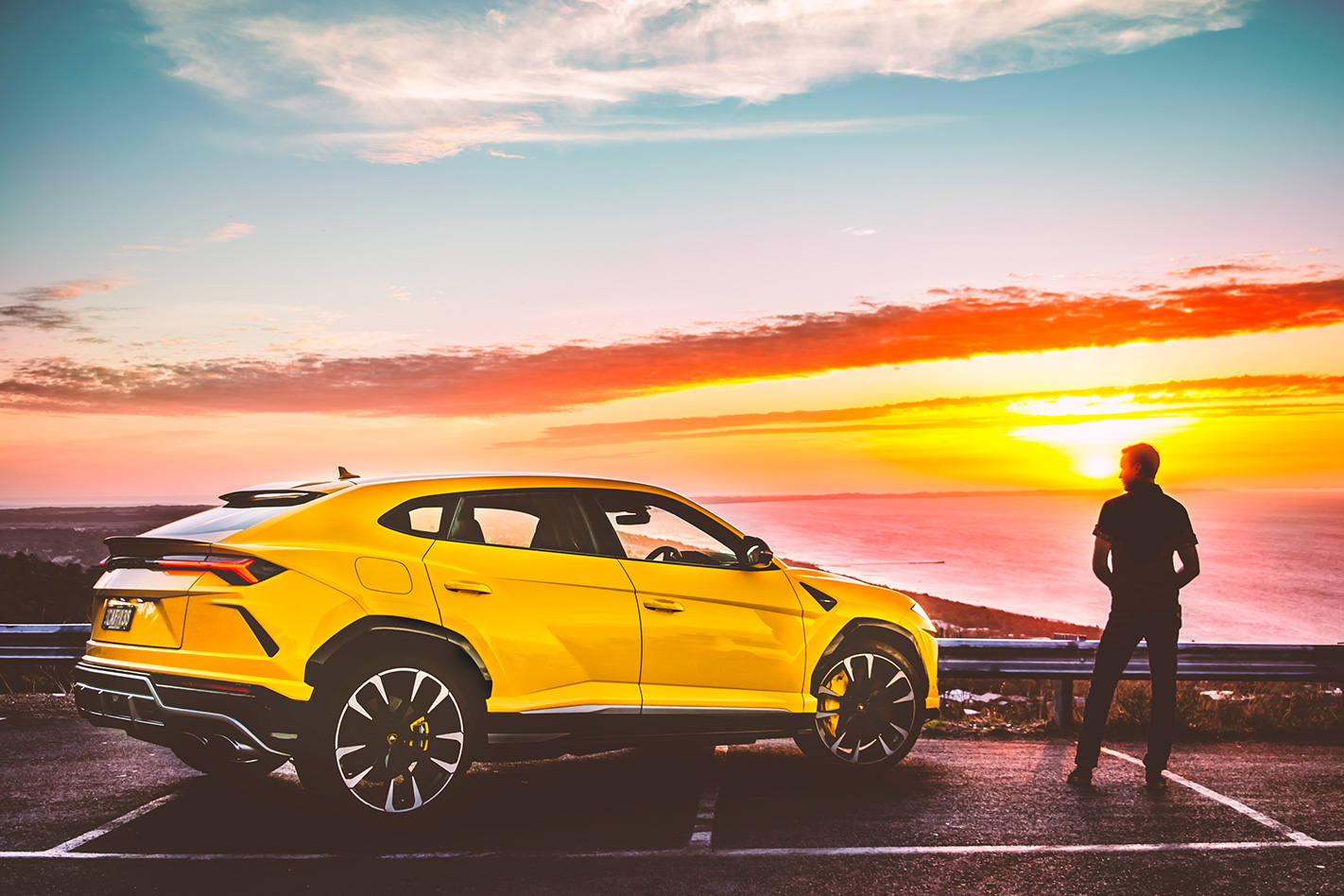
Our test car was dressed up in Giallo Auge with a few extras including massive wheels and a pack which colour codes the front epsilon details and other exterior trims, and adds gloss black throughout.
A bright yellow Lamborghini with massive wheels and sinister black highlights to its already aggressive stance is a very good start at upholding the Lambo look.
Its elegant roofline is about as coupe as any SUV can afford to be without entirely robbing the practicalities of rear seat headroom and boot space, and the overall proportions somehow work as well as they do due to the Urus’ larger than life dimensions.
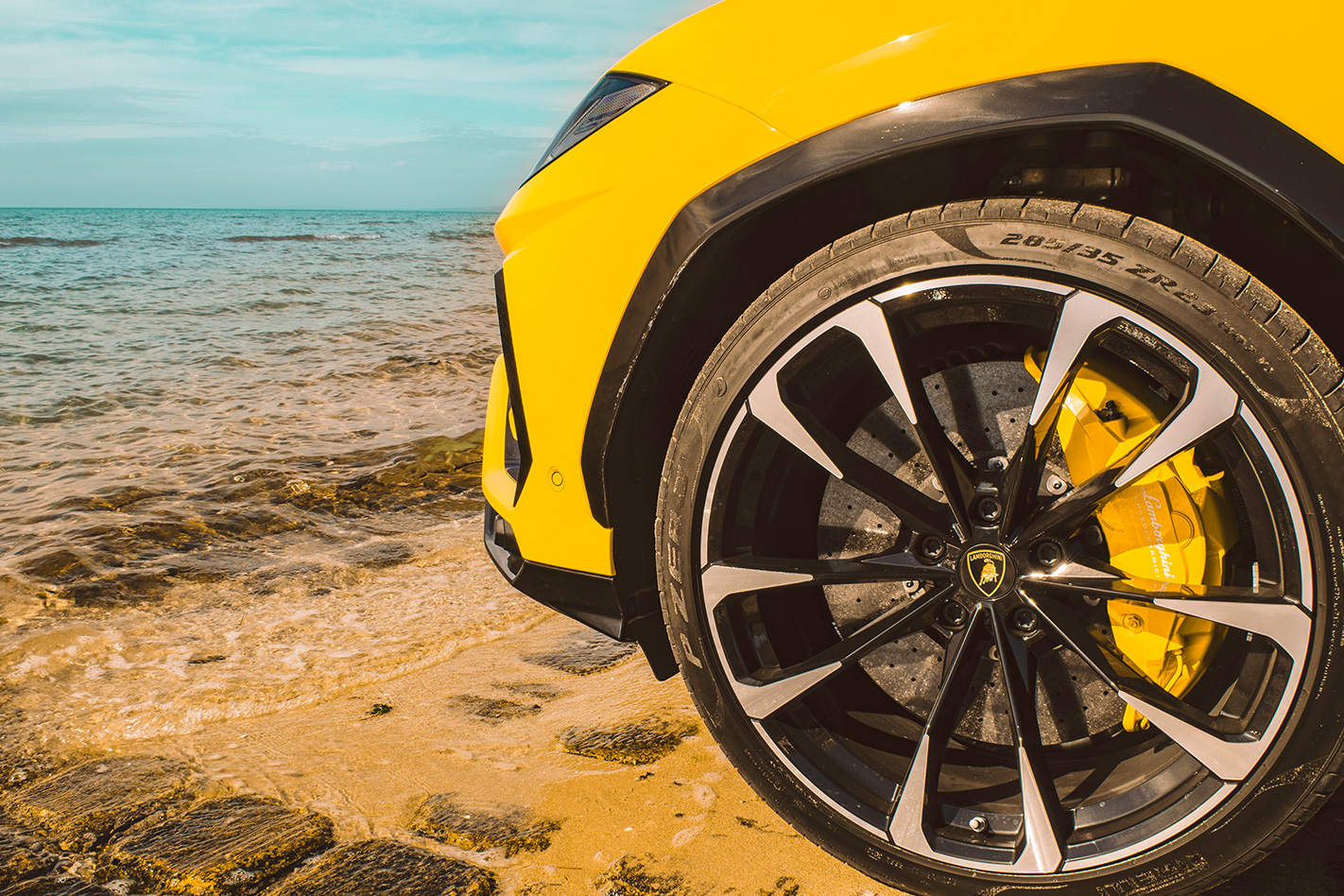
Through a zoom lens, the Urus has all the details, aggressive angles, gulping vents and beautiful design touches of its two-seater siblings, but viewed from a few steps back, the raised ride height, clear air underneath and space in its wheel arches will divide and polarise opinion.
But one area that is certainly typical Lamborghini is the level of customisation on offer. Even at a ‘standard’ showroom level, customers are offered colour, trim and material options that almost guarantee no two Uruses will ever be the same.
Get stuck into the Ad Personam options and the sky really is the limit – as long as you have the budget.
Location, location, location
By locating the engine at the front of the car not mid-ship like its Aventador and Huracan siblings, the Urus has a spacious cabin. There’s room for a second row of seating and even a 616-litre boot behind that, which can expand when the rear seats are folded.
Unlike any Lamborghini of recent years, the Urus is packed full of practical features including various cabin storage pockets and the second row of seating is ample even for tall adults. Standard versions offer accommodation for up to five people, while an optional two-seat second-row boosts luxury and comfort for rear passengers.
There’s no doubt that the Urus is the most versatile and practical vehicle in the company’s history, but are those virtues that fit the Lamborghini mantra?

Straight line performance
The Urus’ 4.0-litre V8 can be found powering other machines in the Volkswagen Group line-up including the Audi RS6 Avant, Bentley Bentayga and Porsche Cayenne Turbo, but nothing has yet packed the punch of the Urus.
Twin turbos have been wound up to lift the power to a monumental 478kW, while torque is rated at 850Nm. Only the Jeep Grand Cherokee Trackhawk can brag more SUV muscle. Subsequently, the Urus accelerates like a supercar with a zero to 100km/h sprint taking just 3.6 seconds.
And it scrubs that speed just as efficiently with exotic carbon ceramic brake discs in every corner and massive ten-piston callipers on the front axle. At low speed the expensive discs have a less than ideal grabby nature – not uncommon with carbon ceramic discs – but with a little heat and use, the huge 440mm front rotors can slow the Urus with incredible ease.
High achiever
In the name of road-holding and outright grip, the Aventador and Huracan sit very low on the road but the Urus measures 1638mm in height and its flexible suspension allows up to 250mm of ground clearance.
That enables the Urus to tackle far more challenging terrain than perfect racetrack asphalt that the Aventador and Huracan are almost exclusively confined to. But it comes at a cost to dynamics. For a large SUV, the Urus behaves surprisingly well in fast corners and is certainly fun to push through twisty roads, but it’s no supercar.
There’s plenty of hot SUV dynamic know-how borrowed from other large SUVs that roll on the same platform (Volkswagen’s MLB) but despite the Urus’ unusually light kerb weight of less than 2.2 tonnes, there’s no hiding its tall stature and mass.
It might wear the same badge, but there’s no comparison between the Urus road manner and its thoroughbred two-seater siblings.
Sounds legit
It might be short a few cylinders when compared with the supercars in its ranks, but it’s clear that significant development was allowed for making the Urus sound as outspoken as the mid-engined models.
In more sedate driving modes – there are six plus Ego in the Anima selector – the quad tailpipes are chatty if not completely mute with a pleasant but distinctly un-Lamborghini note. Flick the lever into Sport or Corsa however, and the Urus produces a report that is somewhere between V8 Supercar and demonic road car.
It might share an engine with some other models, but nothing sounds like Lamborghini’s V8 soundtrack, and if you happen to hear the Urus before you see it, you probably won’t believe your ears or eyes.
- Dutchman travels the world in his electric VW Golf
- Journey takes three years and covers 95,000km and 33 countries
- Crossed Australia from Perth to Sydney
Well, he made it!
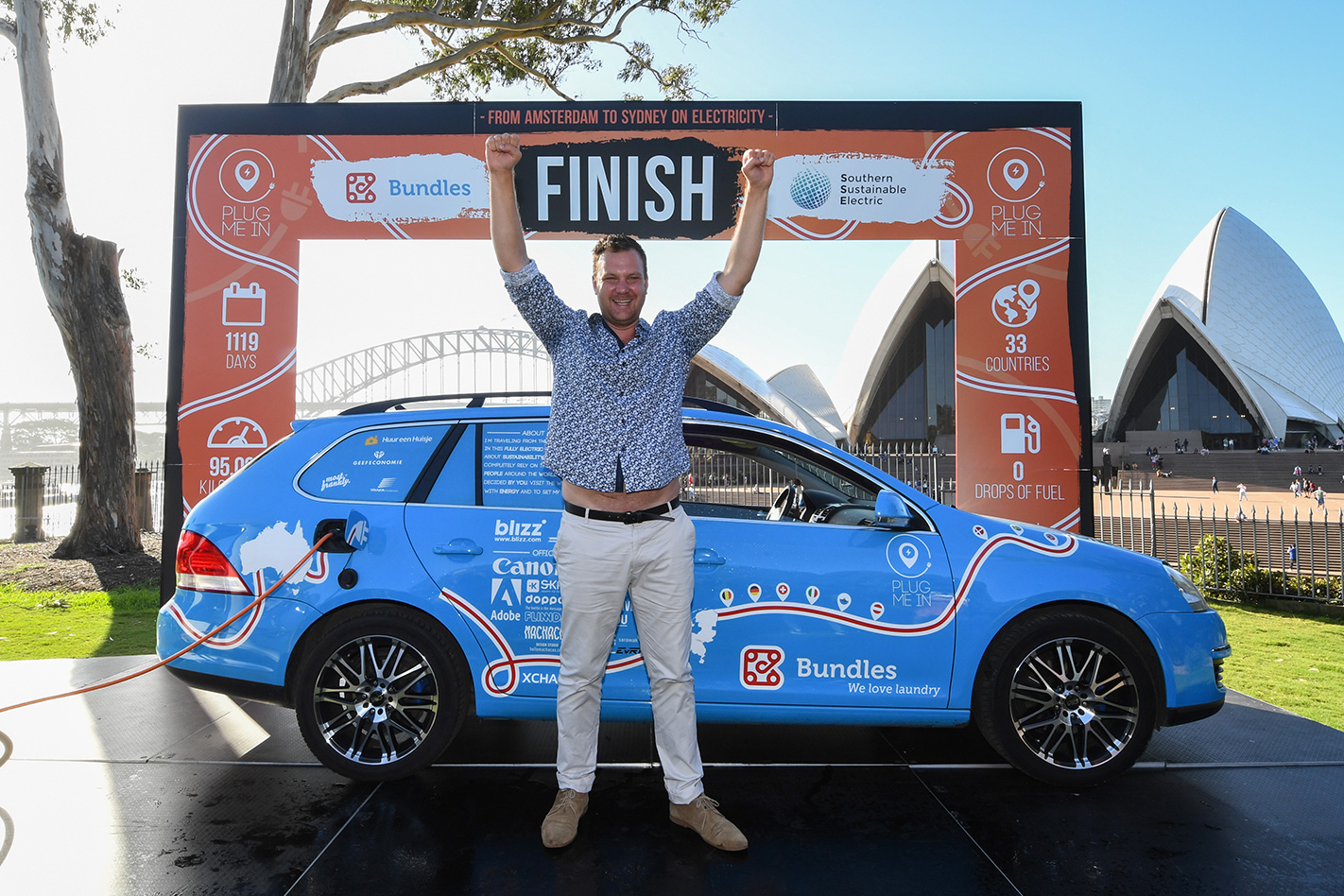
Wiebe Wakker crossed the finish line after his three-year journey on Sunday afternoon at the Royal Botanical Gardens in Sydney, surrounded by supporters of the epic escapade.
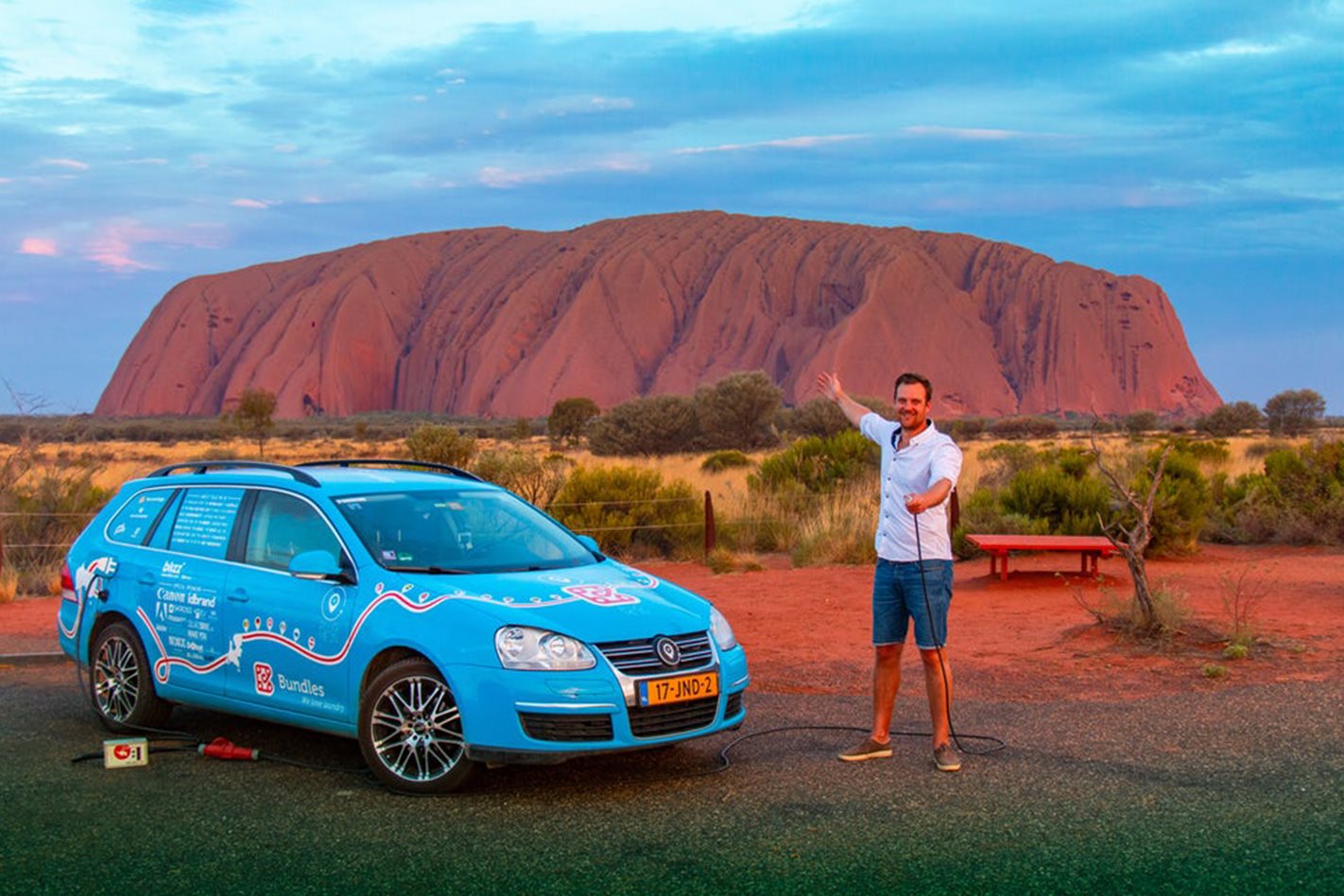
Driving a modified electric Volkswagen Golf station wagon nicknamed ‘The Blue Bandit’, Wakker’s mission was to prove the concept of electric cars around the world.
Travelling through 33 countries, he’s managed to rack up 95,000km in a little over three years, with his travels funded by sponsors and public donations around the world.
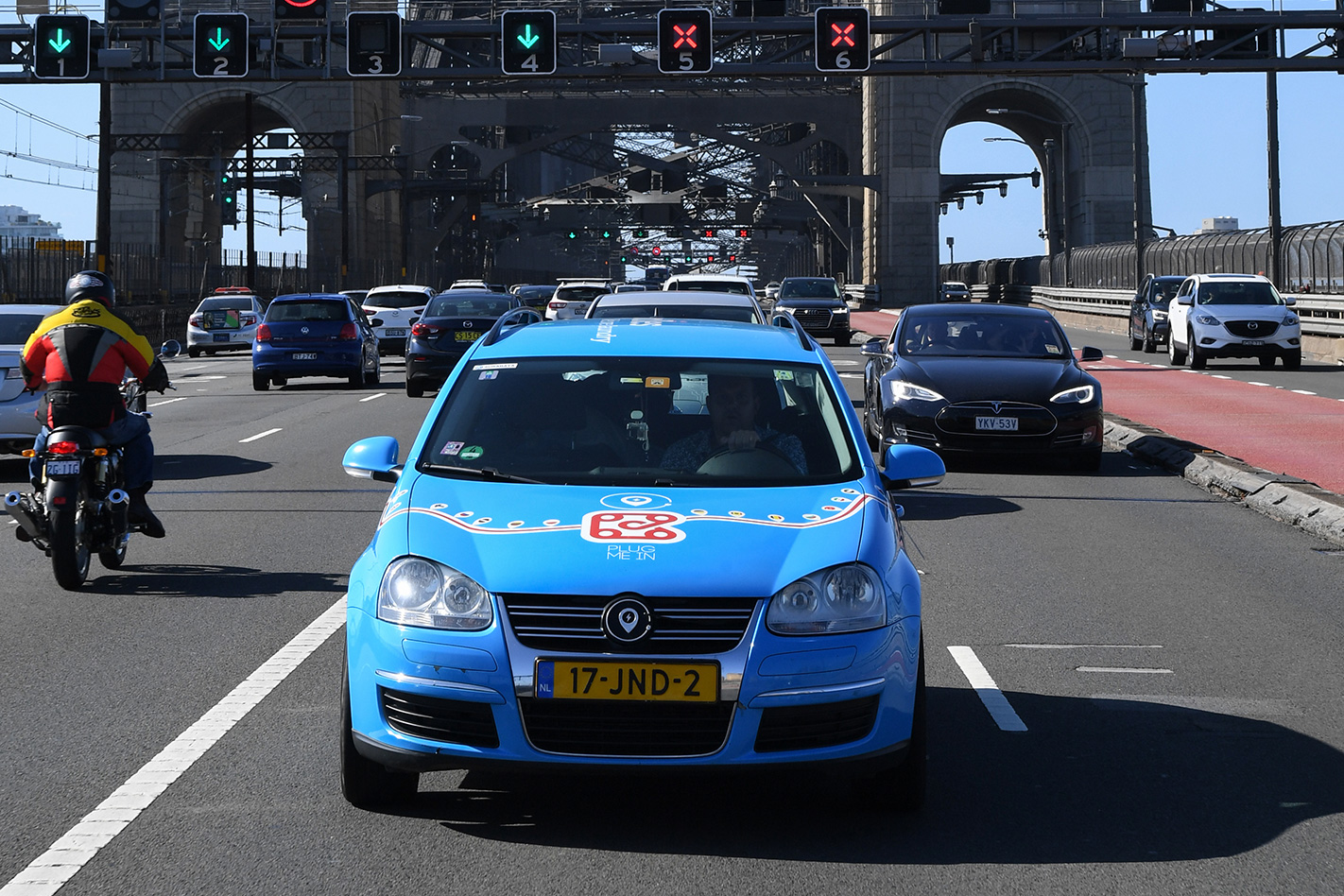
Leaving The Netherlands in March 2016, Wakker set course for Sydney, Australia – his route determined by offers of charging locations, food and accommodation.
“I MADE IT!!!” Wakker posted to his ‘Plug Me In’ Facebook page.
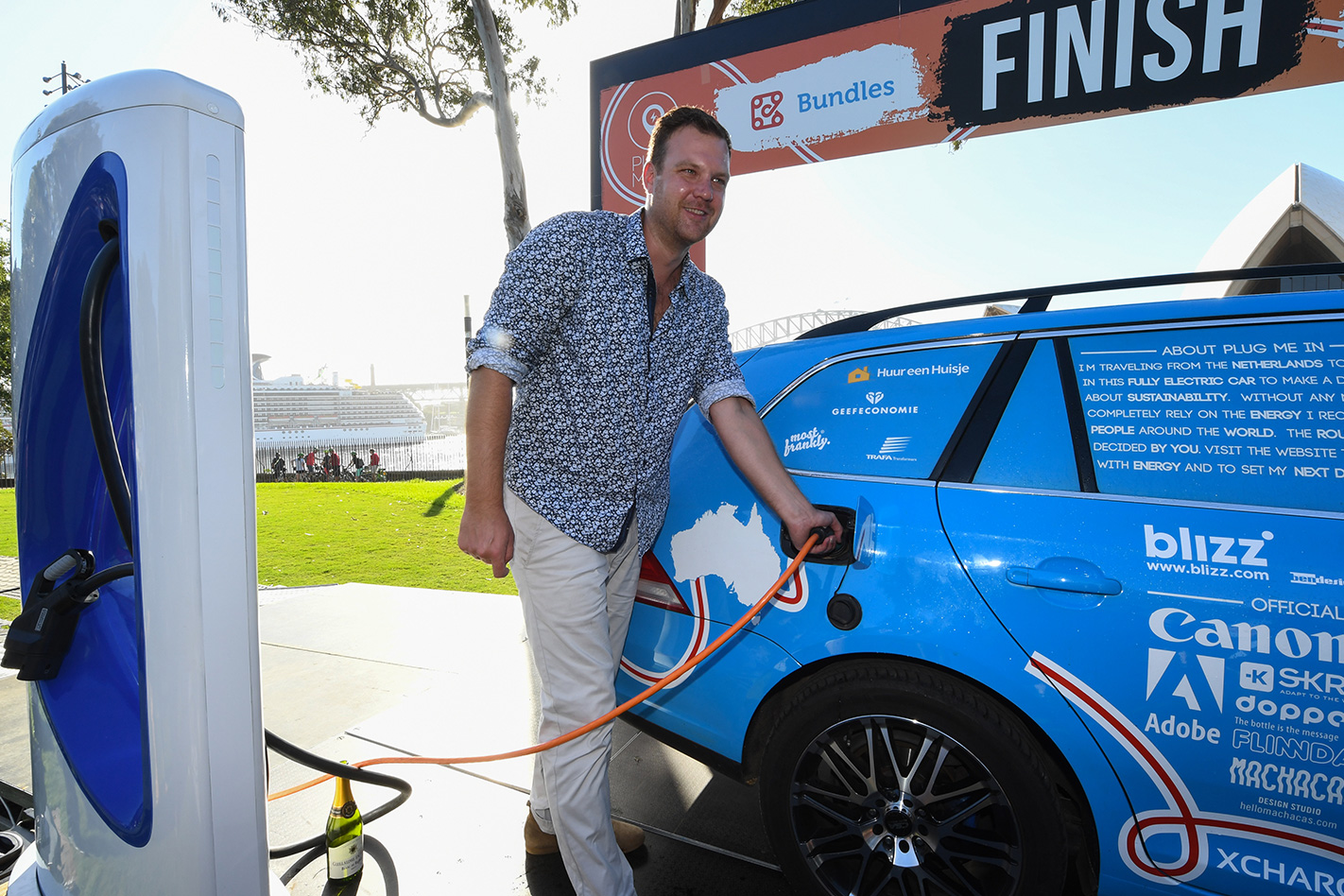
“So glad I made it. It took some effort but overall I had a pretty easy trip, made possible by hundreds of people who signed up on my website, offered help on the way or people online who reached out to help.
“People are congratulating me as I have shown the possibilities of electric cars but I am more happy with all the help I received from people during my journey. Wow, what a trip!”
Cheers to Wiebe and The Blue Bandit for demonstrating the viability of electric cars and check out some more photos of his journey in the gallery above.
Patrick Dempsey is best known for his former role as neurosurgeon Derek ‘McDreamy’ Shepherd in Grey’s Anatomy. Less well known is the US actor’s passion for Porsches, both as a collector of road cars, and as a Le Mans racer and co-owner of Dempsey-Proton Racing – he’s a modern-day Paul Newman.
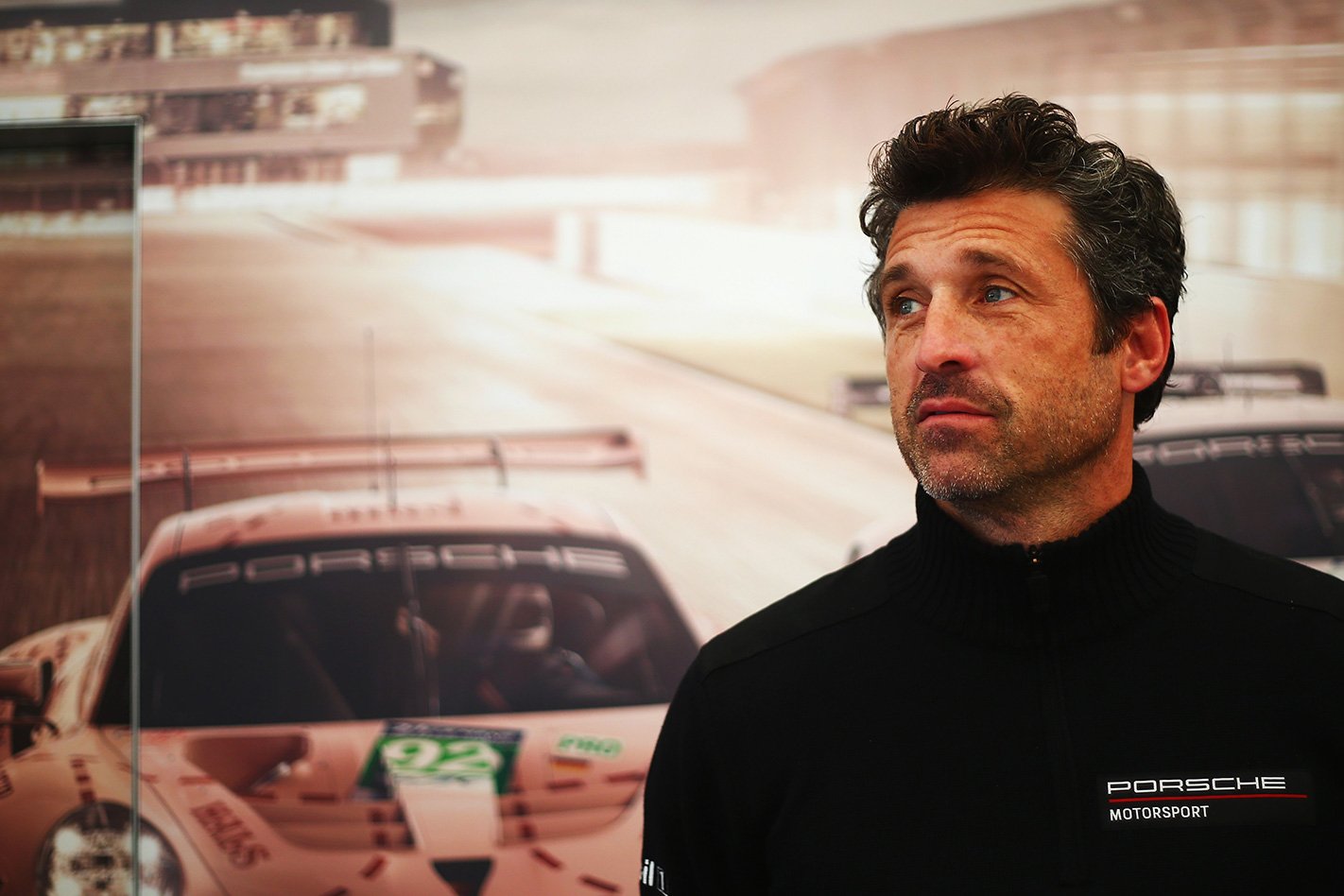
Dempsey inherited his passion for racing from his father, who ran a ‘short-track’ stock-car team. “I remember getting a Matchbox model every Friday night off him, listening to the Indy 500 on the radio in the 1970s, and watching a prototype speeding down the Mulsanne Straight at Le Mans. It just went on and on, so fast, and I thought ‘I want to do that!’ I never thought I’d get there.”
Now 53, Dempsey regrets not racing until his 30s, when he underwent a course at the Panoz Racing School before contesting the 2009 Le Mans in a Ferrari F430, placing 30th overall. Things stepped up a gear in 2013 ahead of a GT campaign in the World Endurance Championship.

“I’ve never spent so much time in a car as that year. [Porsche racer] Patrick Long coached me, and we were in sprint cars, karts, off-roading, testing constantly – it was a lot of seat time.”
Fitness, too, became crucial. “There’s acting fit, which is more superficial, and there’s reality [for racing]. You need the cardio, the core strength, your shoulders, your neck, and you only get that if you’re constantly pounding out laps and training. I don’t think people understand how physically demanding racing is.”
A podium at Le Mans was the ultimate goal. Fourth place in 2013 brought Dempsey and his co-drivers tantalisingly close, and they returned to achieve the dream with second-in-class in 2015. The greatest success, however, came at the 6 Hours of Fuji, where Dempsey, Long and Marco Seefried won GTE Am.
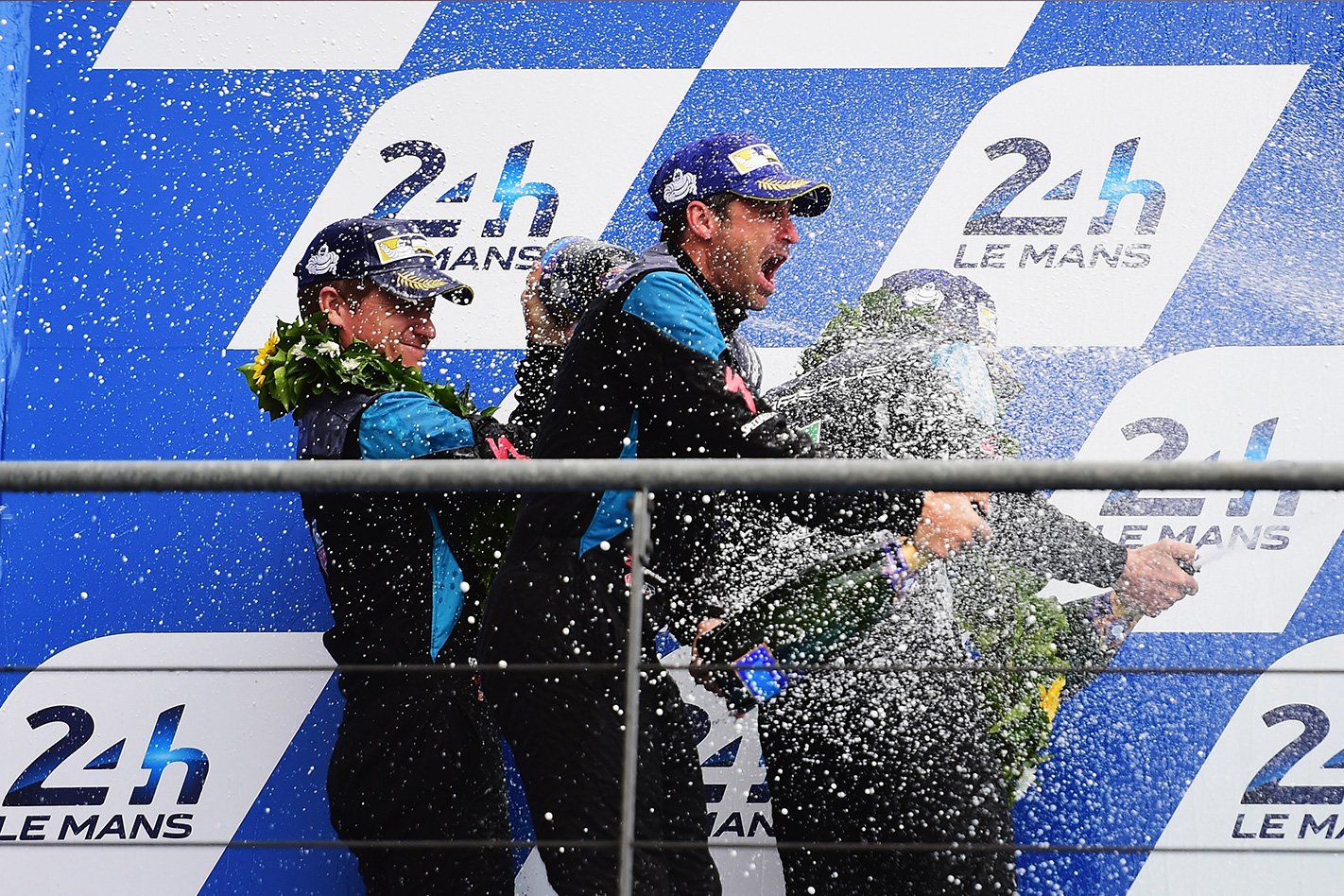
“It was like winning the championship!” remembers Dempsey.
Elon Musk might really be from the future
Achieving this goal also prompted him to step away from driving duties.
“I thought to myself ‘how much faster can I get; what’s realistic?’ But I also wanted to stay in motorsport and being a team owner is absolutely as satisfying.
“One of our guys is Julien Andlauer. He’s 18, French, and raced at Le Mans for the first time [in 2018] – it was special to give him that opportunity.”
Indeed, Andlauer won GTE-Am at Le Mans 2018, alongside Aussie factory Porsche talent Matt Campbell.
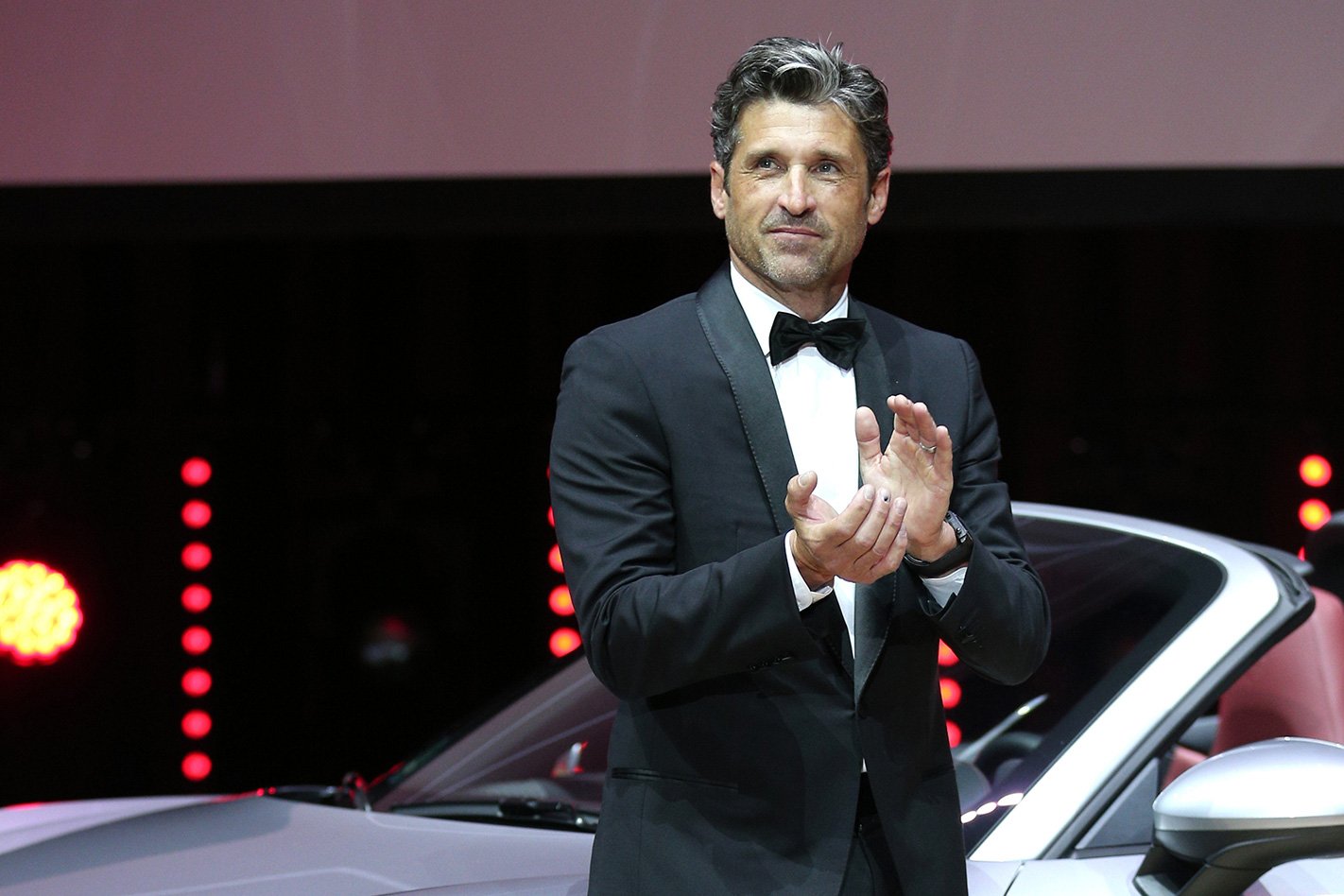
Talk naturally leads to Dempsey’s Porsche collection. “My latest addition is a ’61 Porsche Junior tractor. I also own a ’72 911 T and an ’82 911 SC with a 3.6-litre conversion that I worked on with Patrick Long. I’m also fortunate to own the latest 911 R – to me that’s priceless.”
But it’s Porsche’s first car, the 356, that was Dempsey’s “first significant purchase”, and likely his next.
“I’ll never sell my ’63 356 cabriolet, and right now, I’m looking for an early ’50s 356 coupe.”
Dempsey plans to enter rallies with his future 356. “I won’t be racing at the level I once did, but I’ll still be doing it – some karting, trackdays and race programs in future – because now I’m into it, I just need it for my soul.”
A true-blue Australian-made car might once again be a reality if the Australian Labor Party honours an election promise to invest millions in the local development and manufacture of electric vehicles.
It seems like a far-fetched fantasy when viewed in the light of Australia’s almost complete lack of EV interest, and a notion that gets even harder to imagine as the still-raw wounds of failed local mainstream car manufacturing continue to heal – perhaps indefinitely.
And yet, the opposition says it has a plan to invigorate electric sales to the tune of 50 percent of all new-car registrations by 2030, providing the demand for a locally made EV market that is currently all but non-existent.
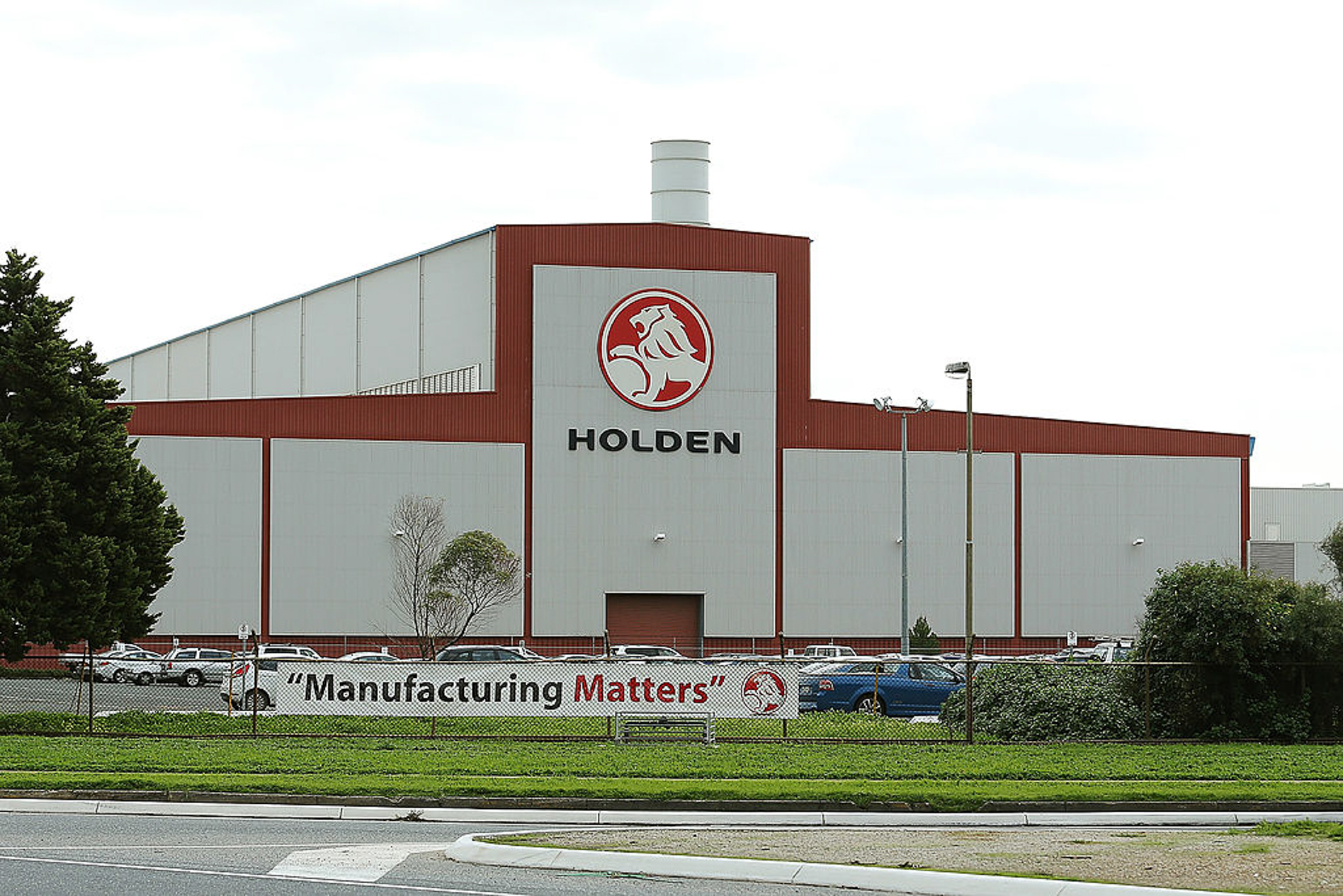
Holden, Ford and Toyota all ceased manufacturing in Australia in 2016/Getty Images
The Labor Party is yet to detail its proposal but says funding for the ambitious plan will be directed from a $1b research and development grant that will be offered to the world’s major car brands as an incentive to launch advanced vehicle development and production in Australia.
Quite how the various manufacturers will overcome the difficulties that spelled the end of traditional mass-produced vehicles from Ford, Holden and Toyota remain to be seen – if it is at all possible.
Immediate road blocks include Australia’s relatively high labour rate – which inflates the end retail cost of goods produced locally – and the lack of ongoing government support that, in-part, spelled the end of local manufacturing in 2017, presumably something Labor intends to address as more details are released.
However, that’s not stopping Labor leader Bill Shorten (below) pushing ahead with a bold strategy that could bundle vehicle development, manufacturing and even battery production into one Australian initiative.
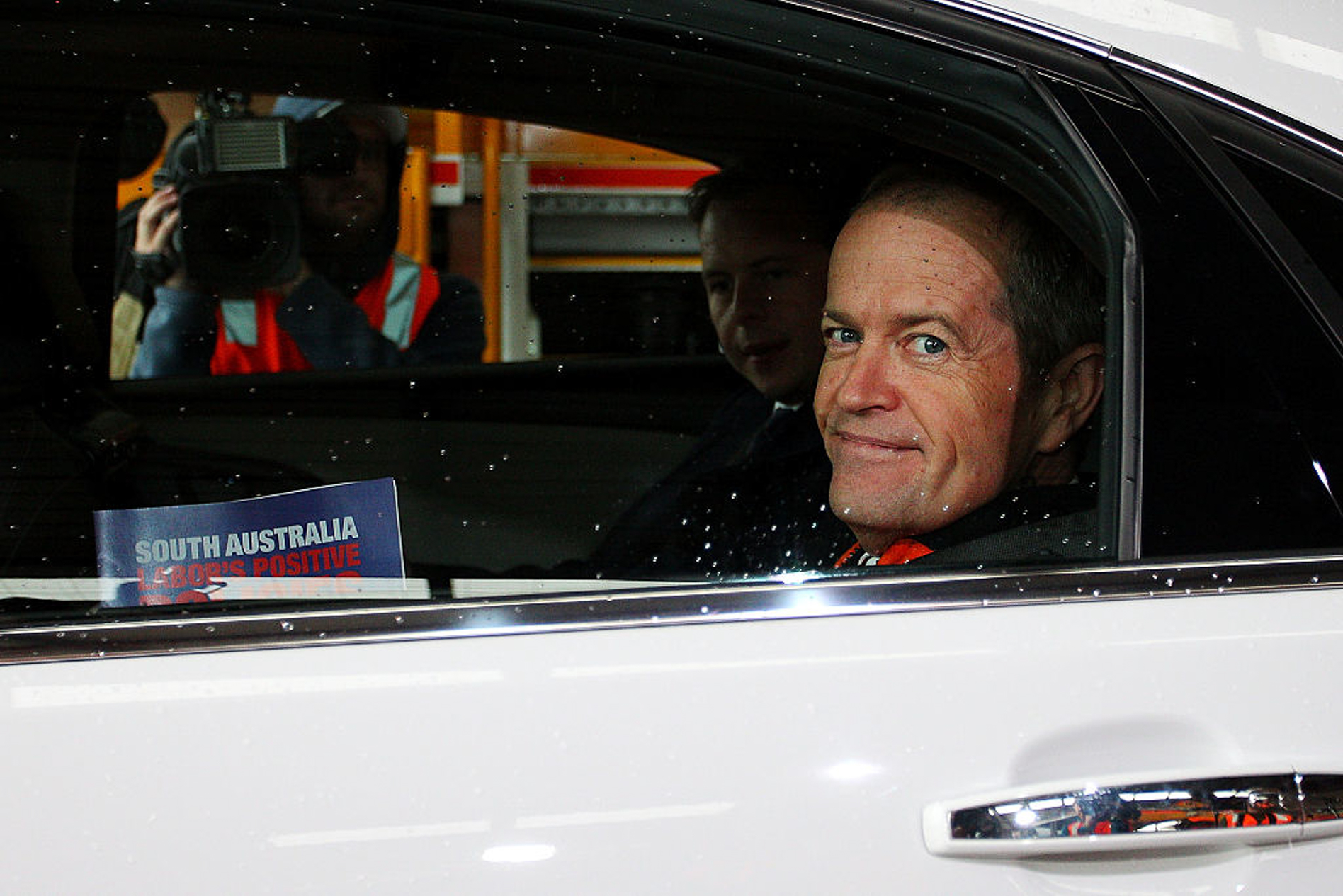
The latter element would draw on Australia’s significant lithium deposits that are, under current industry arrangements, shipped out of the country for use in lucrative value-adding operations on foreign soil.
Mention is also made in the plans for the advancement of Hydrogen powered cars – a fuel form that has even less infrastructure in Australia than electric vehicle charging, but a technology that is proving its potential in other global regions nonetheless.
If the EV opposition is citing long recharge times as a reason to resist battery-powered cars at this stage, fuel-cell electric vehicles that run on hydrogen and can be refuelled in about the same time as a petrol or diesel car offer a potential solution.
Could Australia skyrocket from its position as one of the slowest to adopt alternative energy to a world authority on development and manufacturing on the same turf? The answer might come no sooner than the next election.