
Volvo has upped the ante on its ambitions to make its cars fatality free by suggesting that all of its future models could be fitted with cameras that can detect drunk, drugged or tired drivers – and could even prevent them from driving.
The cameras could be used to monitor Volvo driver reactions and behaviours, and could even intervene to bring the car to a safe stop if required.
‘Volvo Cars believes intoxication and distraction should be addressed by installing in-car cameras and other sensors that monitor the driver and allow the car to intervene if a clearly intoxicated or distracted driver does not respond to warning signals and is risking an accident involving serious injury or death,’ reads a statement from the company.
Those warning signals could include extended periods of non-steering, eye behaviour detection and overly slow or exaggerated driver reactions, like swerving or braking.
If the car thinks that it’s being driven under the influence, it could alert assistance services, warn the driver or potentially even bring the car to a stop.
While not confirming any hard technology, the company says that it will look at adding the tech to its next generation of cars – like the XC40, XC60 and XC90 – when they are updated to a new version of its modular platform.
“When it comes to safety, our aim is to avoid accidents altogether rather than limit the impact when an accident is imminent and unavoidable,” says Volvo’s senior vice president of research and development, Henrik Green. “In this case, cameras will monitor for behaviour that may lead to serious injury or death.”
Of course, this technology already exists in many cars across the automotive spectrum, from luxury marques like Mercedes-Benz right through to more humble machines like the Ford Everest, Skoda Octavia and Holden Acadia.
Because Volvo is waiting to add the tech to the next generation of its cars, however, it gives the company the ability to more deeply integrate detection software into things like stability and traction control systems, driver aid systems like AEB and adaptive cruise control, as well as braking and steering controls.
“There are many accidents that occur as a result of intoxicated drivers,” says professor of driver behaviour at Volvo, Trent Victor. “Some people still believe that they can drive after having had a drink, and that this will not affect their capabilities. We want to ensure that people are not put in danger as a result of intoxication.”
This comes on top of Volvo’s recent announcement that it would limit the top speed of all its cars to 180km/h from 2021.
Hyundai Australia has announced pricing and specifications for its second all-electric model, the Kona Electric, with the battery-powered SUV landing in local showrooms from $59,990.
It represents a hefty $20,990 markup over the most expensive combustion-engined Kona, the $39,000 Hyundai Kona Highlander 1.6 turbo, but for buyers looking for a zero-emissions car which boasts Tesla-equalling range without a Tesla pricetag, it’s the only choice. With a single-charge range of just under 450km, the Kona Electric is without equal at its price point – at least until the arrival of Kia’s 485km Niro EV later this year.
Other mainstream options like the Nissan Leaf, Renault Zoe and Hyundai’s own Ioniq Electric may cost over $10,000 less, but none have the battery capacity to equal the Kona Electric. Besides its SUV form factor and slightly greater interior space, its outright range will be the EV Kona’s real point of difference. With a single-charge range of 449km under real-world driving conditions, the Kona Electric enables the average Australian motorist to drive for an entire week without having to worry about charging their car – while also giving them the legs to take the occasional trip away from big city centres with confidence.
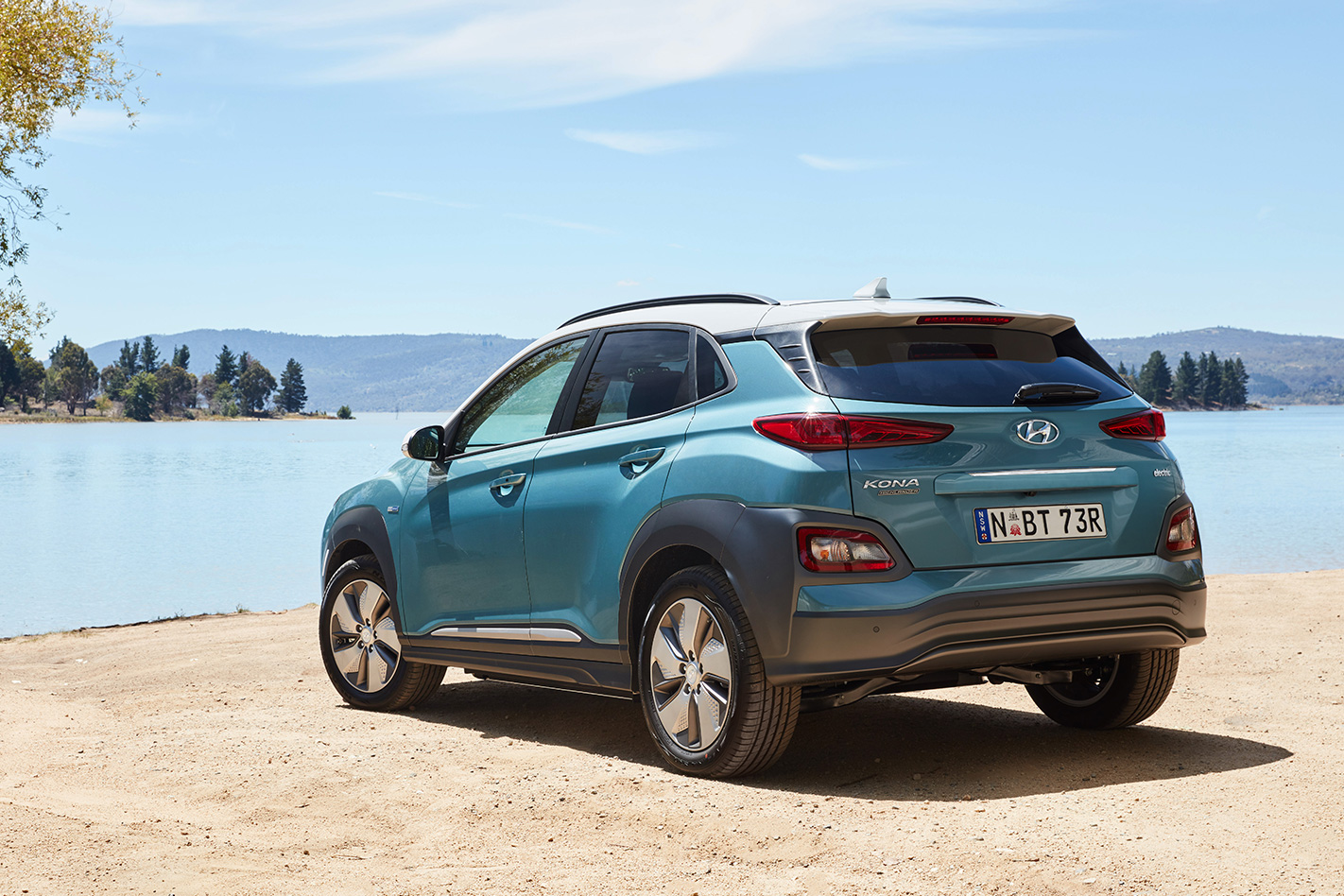
Powered by a single 150kW electric motor and toting a 64kWh lithium-ion battery pack under its floor, the Kona Electric is able to deploy a stout 395Nm of torque to its wheels to enable a respectable 7.6-second 0-100km/h sprint time.
Regenerative braking force can also be changed on the fly via the steering column-mounted paddles – similar to the Ioniq Electric, while the active cruise control also helps maximise regen when driving through traffic – and thus extend range.
As for charging, Hyundai claims an average charge time on the optional home wall box charger of 9 hours and 35 minutes, though thanks to an on-board 7.2kW charger the car can also take power from any ordinary household power outlet – albeit at a significantly increased charge time, which Hyundai does not specify. If you can find a 100kW fast-charger, the Kona EV can restore a depleted battery to an 80 percent charge in just 54 minutes.
The suspension tune has also been tweaked for the Australian market through local testing, with Hyundai’s locally-based engineers imparting a more refined, comfort-oriented ride on the Kona’s electric flagship – to the extent that the rear suspension design is entirely specific to the EV, and the ride differs completely to that of the petrol-engined Kona range.
The Kona Electric is available in two model grades – the base Elite and the top-shelf Highlander. Both variants receive an 8-inch infotainment screen with sat-nav, premium audio, smartphone mirroring and digital radio, while active cruise control, climate control, rain-sensing wipers, dusk-sensing headlamps and heated wing mirrors are also standard. Safety equipment comprises a suite of six airbags along with blind spot monitoring, frontal collision sensing, lane keep assist, rear cross-traffic alert, a rear view camera, rear parking sensors and active cruise control.
Hyundai Auto Link also enables a range of smartphone-accessible functions to allow owners to keep tabs on their car remotely, and is standard on all Kona Electrics.
Stepping up to the Kona Electric Highlander brings LED headlamps, frontal parking sensors, heated/ventilated/powered front seats, a wireless phone charger, a heated steering wheel, head up display and a glass sunroof. A reasonable amount of extra kit for the $4500 premium.
PRICING
Hyundai Kona Electric Elite – $59,990 Hyundai Kona Electric Highlander – $64,490
Premium paint – $595
MORE: Hyundai Kona Range Review MORE: Hyundai Kona Specs, Range & Price
Today an interloper from the northern states invades the WhichCar podcast studio, as Tim ‘the other Robbo’ Robson fills the spot absented by an, um, absent Andy Enright.
Joining Scotty Newman and Daniel Gardner in what Robbo called ‘an unpleasantly small space’, the three tackled the big stories of the week, including a recount of the Melbourne Grand Prix weekend and slightly contentious discussion around the state of Formula E.
All of our podcasts are right here
A lively discussion ensues about automotive Stockholm Syndrome – those cars that you’ve driven that were hated at first sight but you’ve grown to love – as well as some illumination into the best cars to move house with.
As usual, WhichCar Weekly is presented by some of the industry’s brightest and most entertaining talents (Robbo aside, of course), and it’s a podcast that’s perfect for that half-hour purgatory on the elliptical trainer or the ride home on the train next to that… you know… fragrant guy.
If you’re on the run or in the car, find the WhichCar Weekly podcast on iTunes or Podbean and follow the WhichCar team on Facebook, Twitter and Instagram – @whichcarau.
Listened to the show? Help us out:
- Give us a hoy in the comment section below
The Koenigsegg Jesko, a technological marvel yet to reach customers, is headed for Australia.
Four of the Swedish hypercars are Oz-bound, with all units of the car having been sold out before the 2019 Geneva Motor Show, where the Jesko was revealed, even finished.
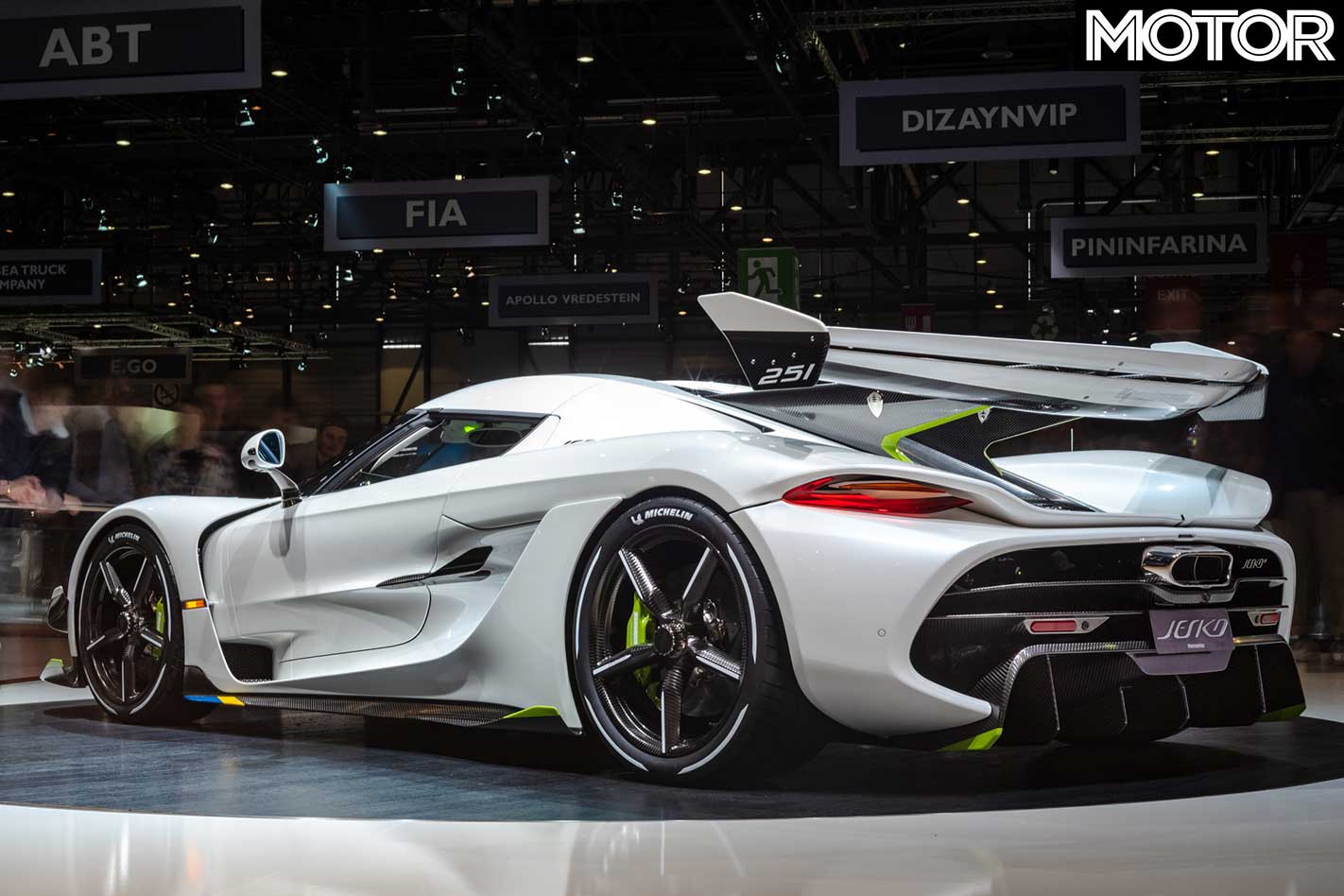
Nicholas Batzialas, the man in charge of Koenigsegg’s local presence, was in Geneva for the reveal of the Jesko, and says customers were keen to get in early.
“We took four orders for the new Jesko, which we are extremely delighted with as this cements the brand’s presence in Australia, especially considering 83 of the 125 units were sold prior to Geneva.
“Australia had placed the very first order on November 17, sight unseen by an undisclosed customer.”
Batzialas says the four buyers will have paid somewhere between AUD$6.5 million and AUD$7m for the privilege of owning one of the 941kW V8-powered hypercars, of which only 125 will be built.
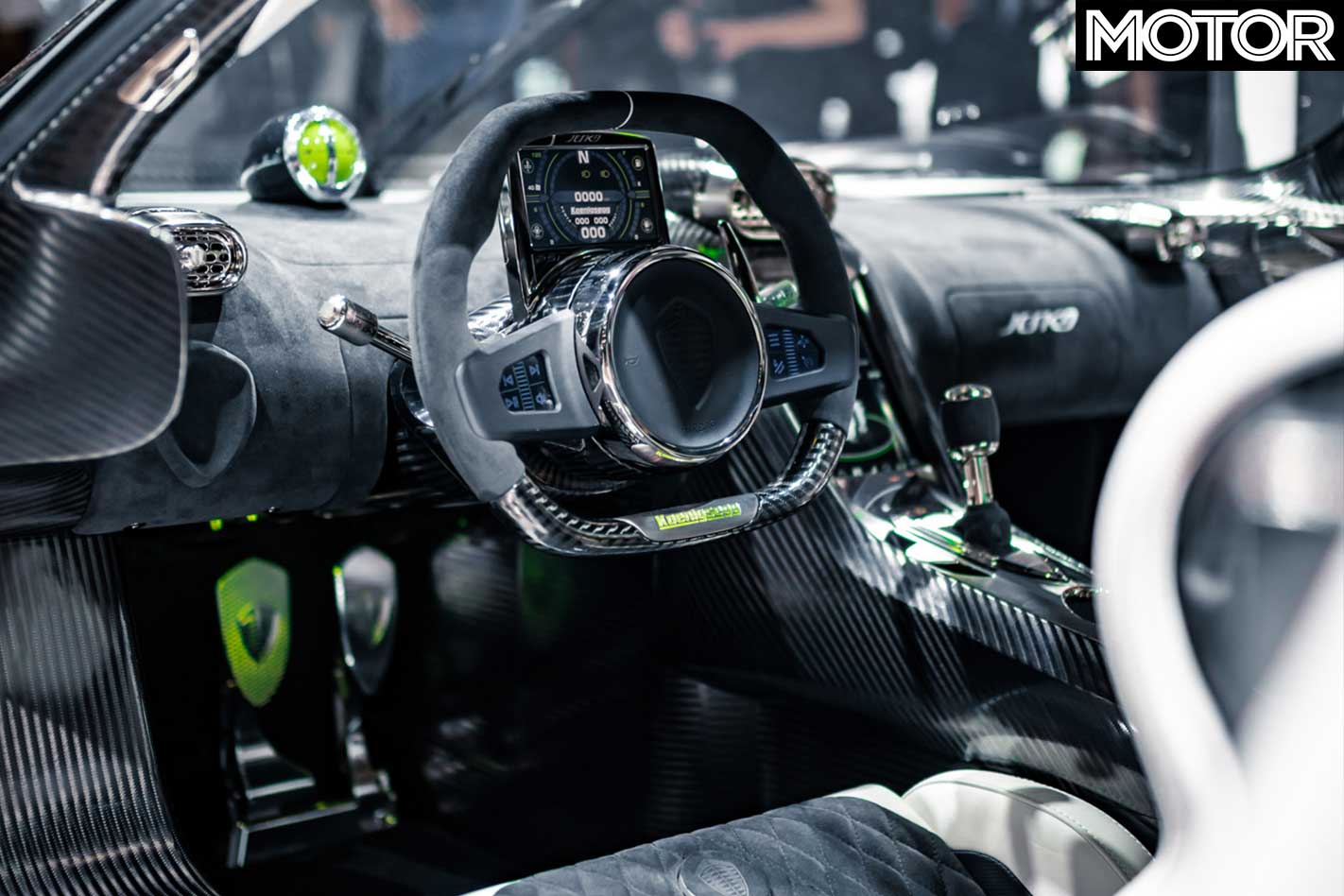
He says he is unable to specify a price given the fluctuation of “currency rates and tax/duties implications and depending if customers decide on track version or ‘300’ variant which is more expensive.
“Our first delivery is expected during the third or last quarter of 2020, heralding a new era of hypercars for Australia and New Zealand.
“The rest of the orders will fall in line with timing of deposits for production schedules. We expect them sometime in 2021 and 2022.”
Koenigsegg’s first Australian dealer opened last year, taking up some of the real estate within the established Lorbek Luxury Car dealership in Port Melbourne.
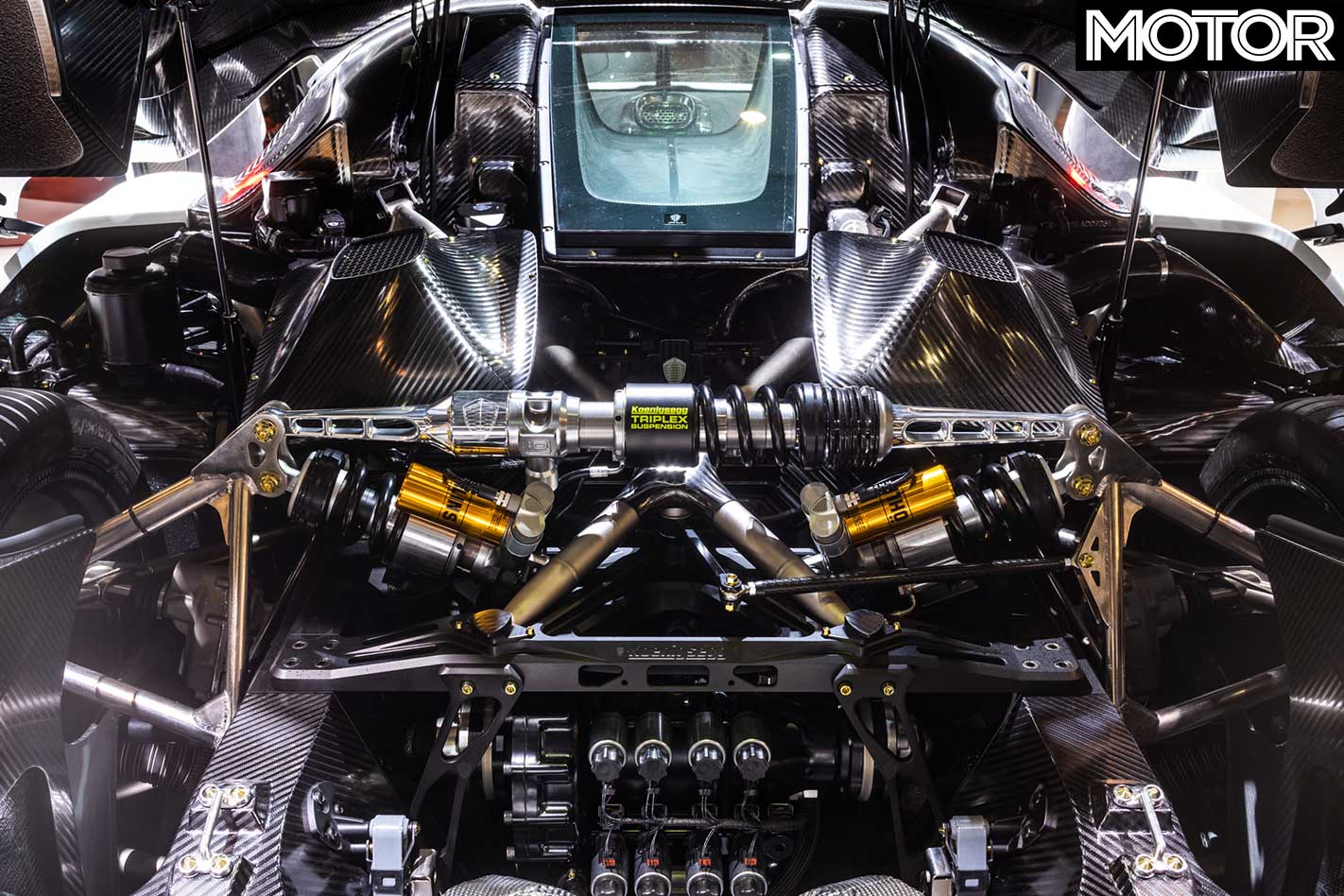
Batzialas says the business’ time in Australia has already been positive, and expects things to pick up gradually as interest builds and Koenigsegg grows its international presence.
“We always believed in the vision of the Koenigsegg brand when we first started this journey late 2016 and are very excited about its future in the Oceanic region.
“The brand has exceeded our expectations and was by far the show stopper of Geneva 2019.”
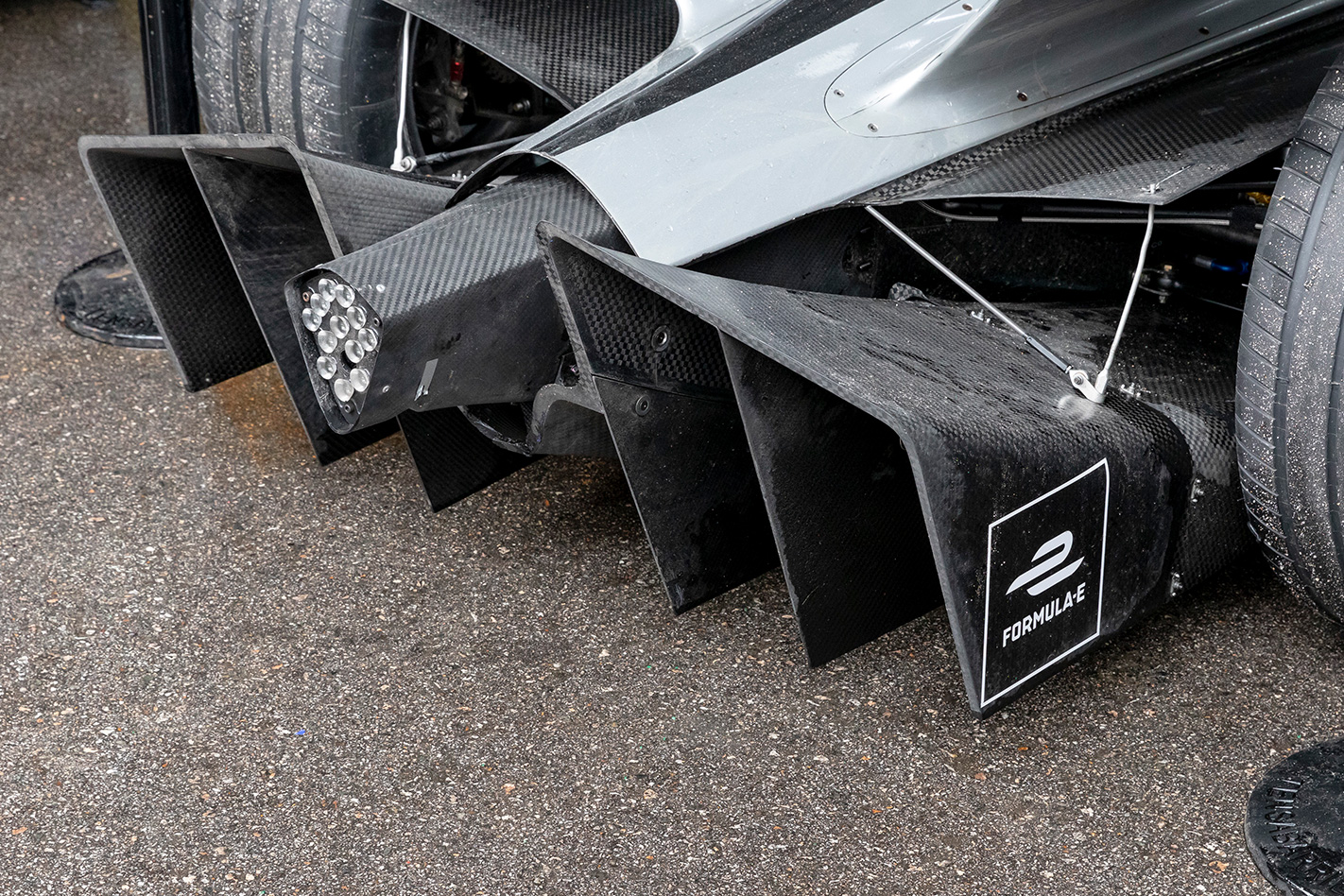
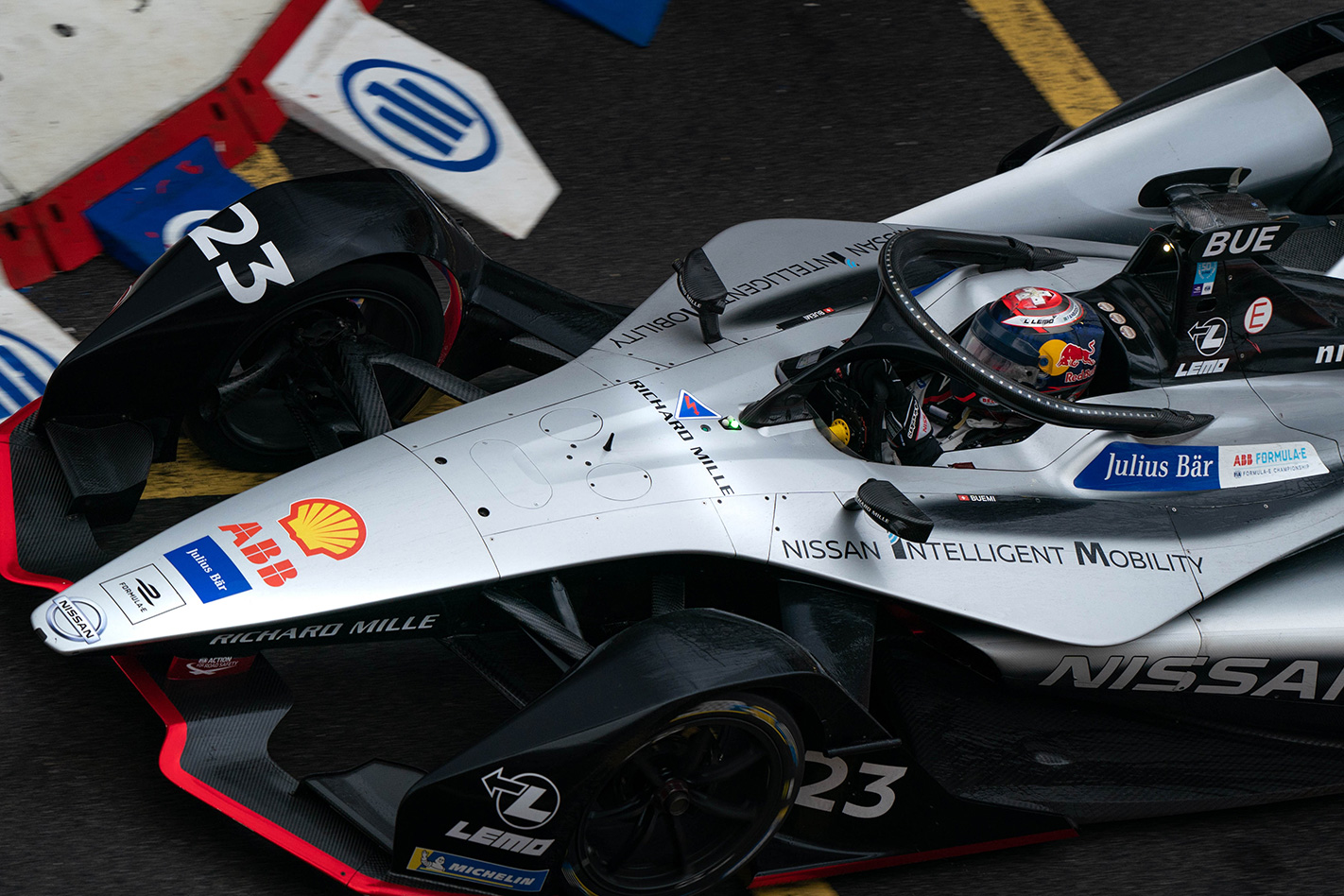
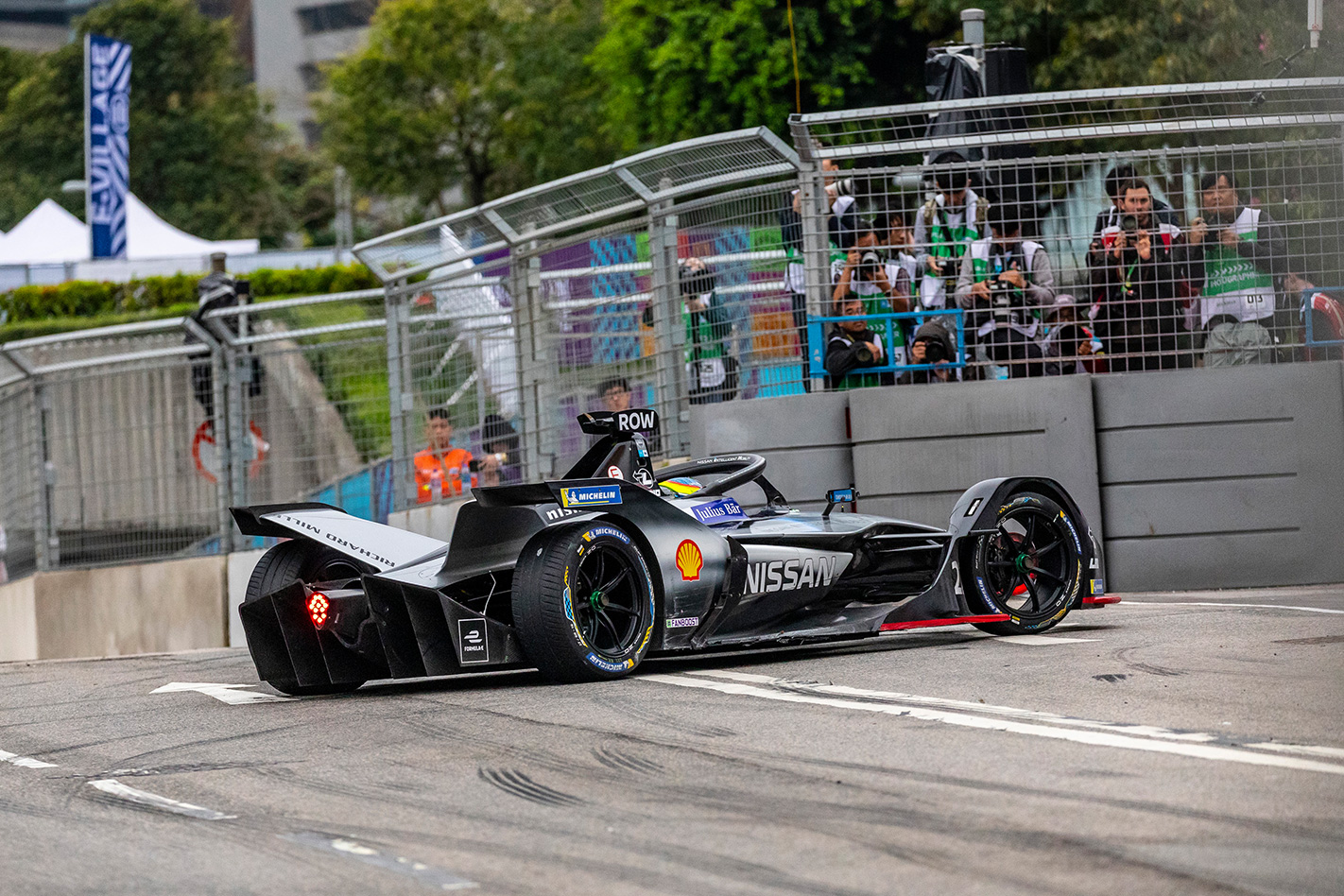
The head of Formula E says that while he would “love” to host a race of the fully-electric championship in Australia, the federal and state governments have yet to support the idea.
Alejandro Agag, the Spanish businessman and former politician who leads Formula E, said at least three Australian cities have had discussions with the racing series about hosting a race.
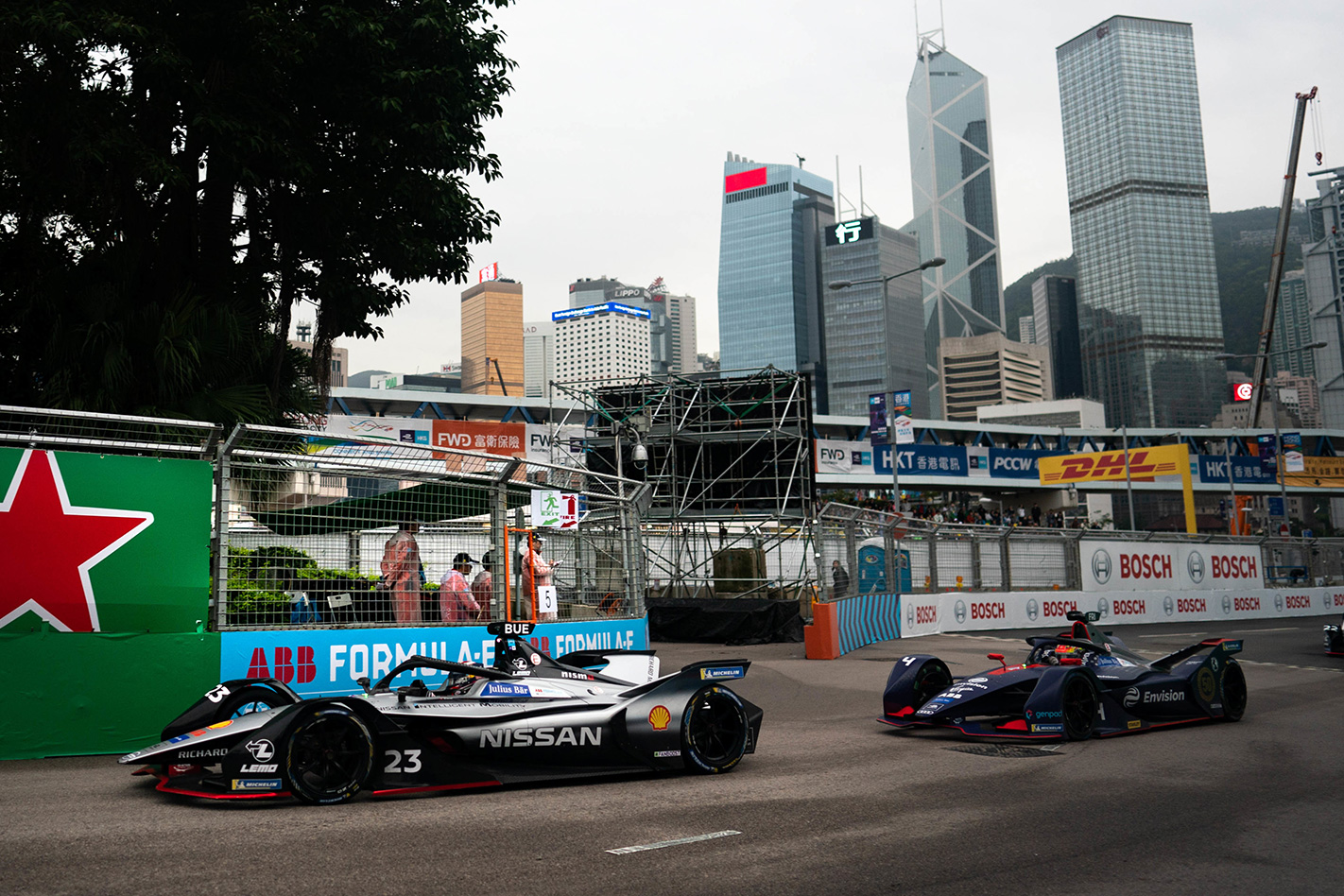
“We spoke to Adelaide a couple of years ago, but there isn’t really a proposal on the table at the moment,” he told Australian media in Hong Kong.
“We would be open [to a race in Australia]. I have been to Australia a few times, and we are talking also to Perth and Sydney.”
But Agag admitted Australia is “not so close” to hosting a race, mainly due to an unwillingness to commit from government.
“We have seen a lot of interest from Australian companies, to bring Formula E there. The private sector is there, but we just need the public sector to also push,” he added.
The comments follow recommendations from the Senate Select Committee Inquiry into Electric Vehicles which pushed for state and territory governments to court the Formula E championship, to bring a round to Australia.
Released earlier this year, the report looked into how Australia should best prepare itself for – and help to encourage – the adoption of electric vehicles.
Agag said his championship would be a good fit for the burgeoning EV market locally.
“Formula E helps accelerate the uptake of electric vehicles, and it really helps change the perception and minds when it comes to electric vehicles.”
Another blockade to an Australian FE race is costs, due to long travel times from Europe, where much of the championship is held.
“It is a big expense, because the flight is a little bit longer, so the logistics cost is a little bit higher; anything between €12-15 million (A$19-24 million),” he said.
“You could do it after Hong Kong or China, but in any case it is still an eight- to nine-hour flight.
“On the other hand, we would love to come, it is a great country, and is a country that is doing a lot with renewables.”
Famed British racing car manufacturer Lister has taken its list of extensive tweaks done to the 497kW LFT-666 coupe and applied it to the F-Type convertible to create the Lister LFT-C.
Limited to just 10 examples, the LFT-C is armed with the LFT-666’s supercharged 5-litre V8 producing the same 666bhp (497kW) output, and equipped with the same wheels, exhaust, suspension, and brake package as the coupe.
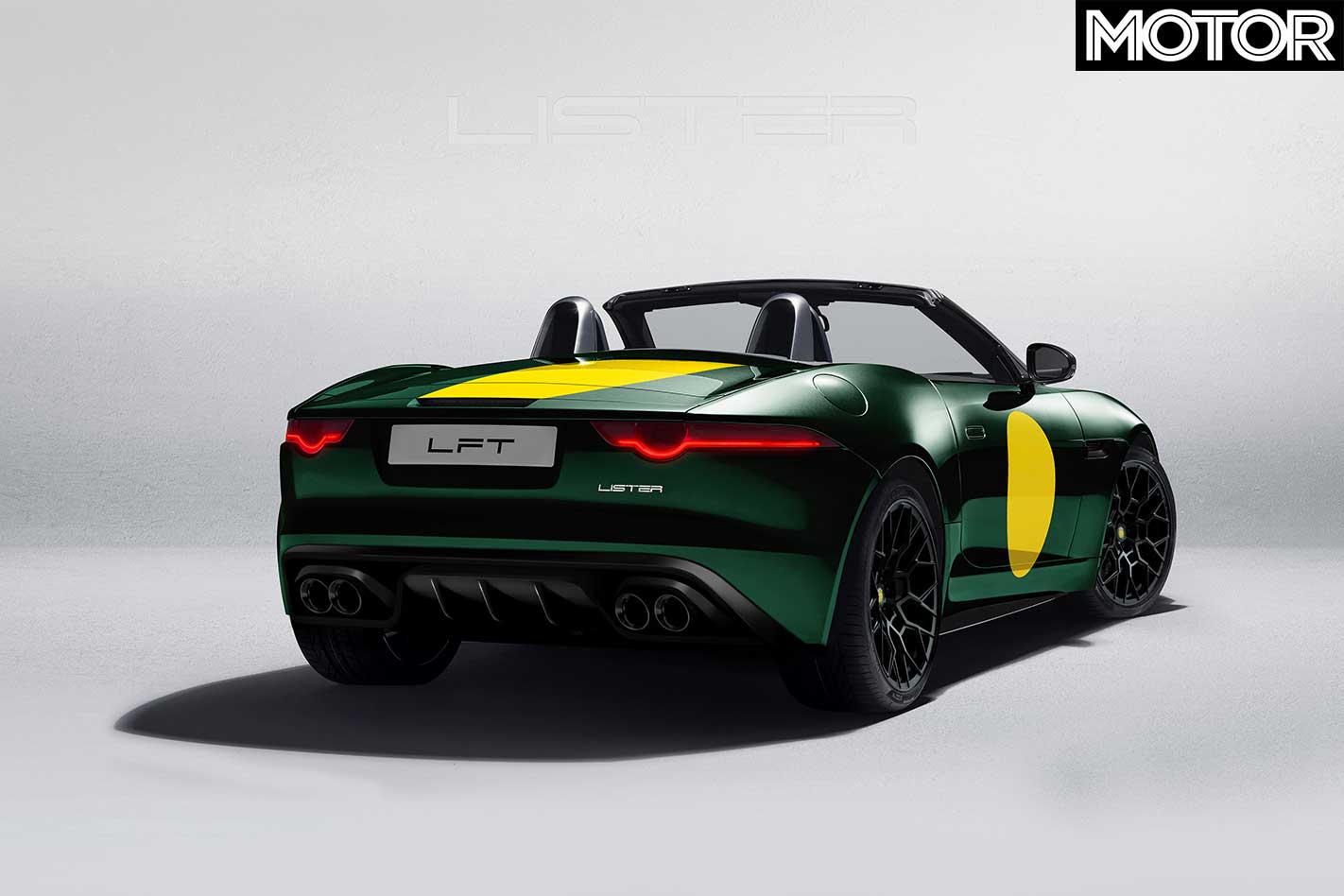
As for the exterior, Lister has also given the LFT-C a similar treatment to its coupe counterpart, outfitting the convertible with their own carbon fibre body panels and bodykit. Each example will be furnished with a solid silver numbered plaque that is attached to the engine cover.
Being a drop-top, the LFT-C does cop a performance disadvantage of a mere 5km/h lower top speed at 330km/h, as compared to the LFT-666’s 335km/h, not that most drivers would care to notice as Lister quotes a 0-100km/h time of “just over three seconds”.
With just 10 examples being made, Lister puts the LFT-C’s starting price at £139,000 (AUD$257,250), an AUD$41,400 premium over the LFT-666, before options and Australian taxes.

If the LFT-666 and LFT-C are out of your price range, Lister will be offering wheel and bodykits for all F-Type models worldwide with kits starting from just £9750 (AUD$18,000).
With the recent opening of Lister’s new £5 million headquarters, Lawrence Whittaker, CEO of Lister Motor Company, there is more in store from the company in the coming months as the company plans to launch at least two new cars in 2019.
The Aston Martin Valkyrie’s mission statement when it launches later this year is to be the fastest thing on the road. Full stop.
Key to this will be a groundbreaking aerodynamic package that will ape F1 levels of performance at a circuit.
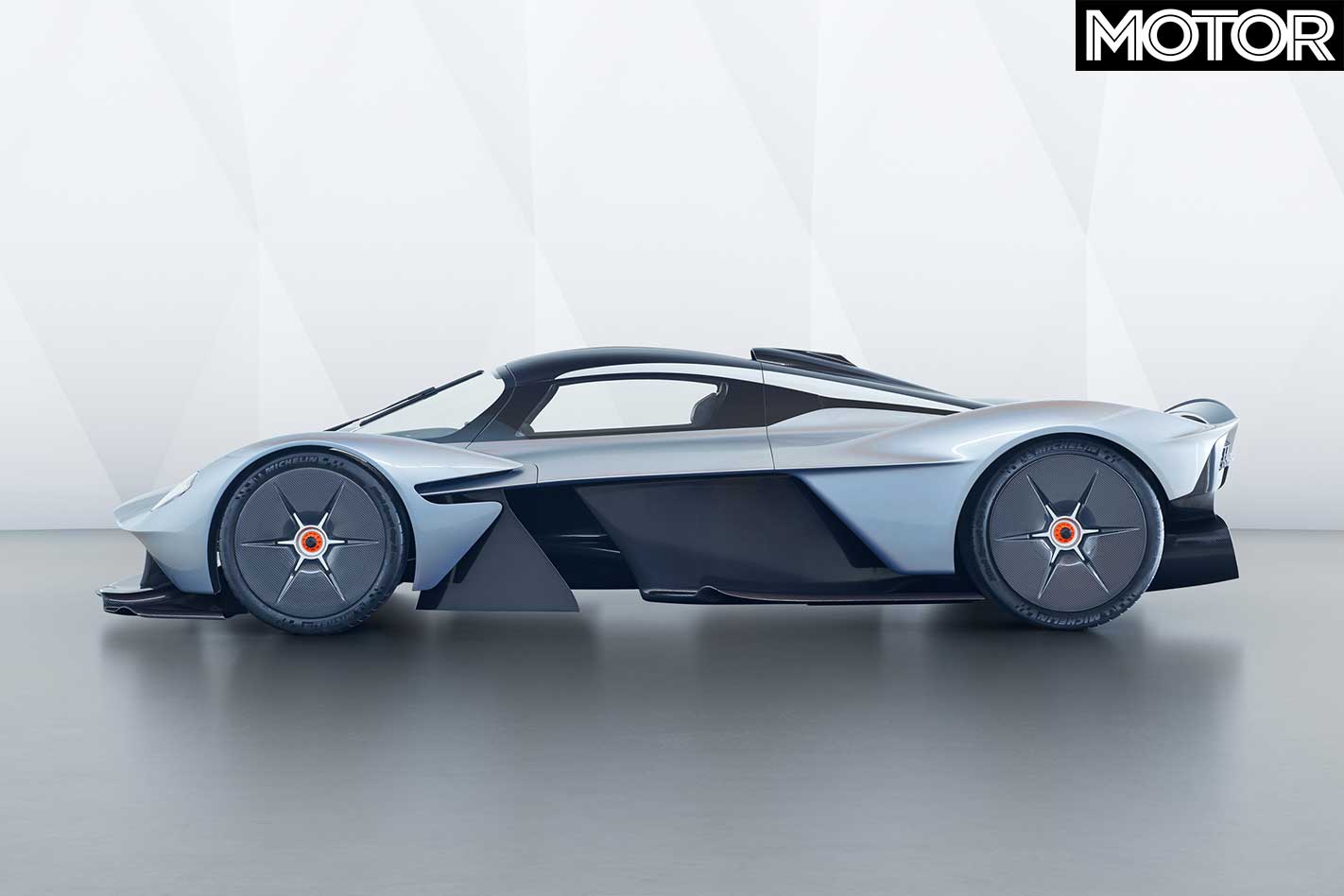
But Marek Reichman, Aston Martin’s Chief Creative Officer, has revealed its humungous levels of downforce were actually a challenge during development.
“The car generates too much downforce at low speeds,” he revealed to MOTOR while in Melbourne for the Australian Grand Prix.
“Imagine, it’s counter-intuitive. It has too much downforce at low speeds so that’s it’s becoming draggy. So you’ve got to vent that air out.”
He explains under channels that feed its massive rear diffuser actually divert air at low speed, instead cooling and lightening the load on the car’s ferocious 6.5-litre V12 hybrid powertrain.
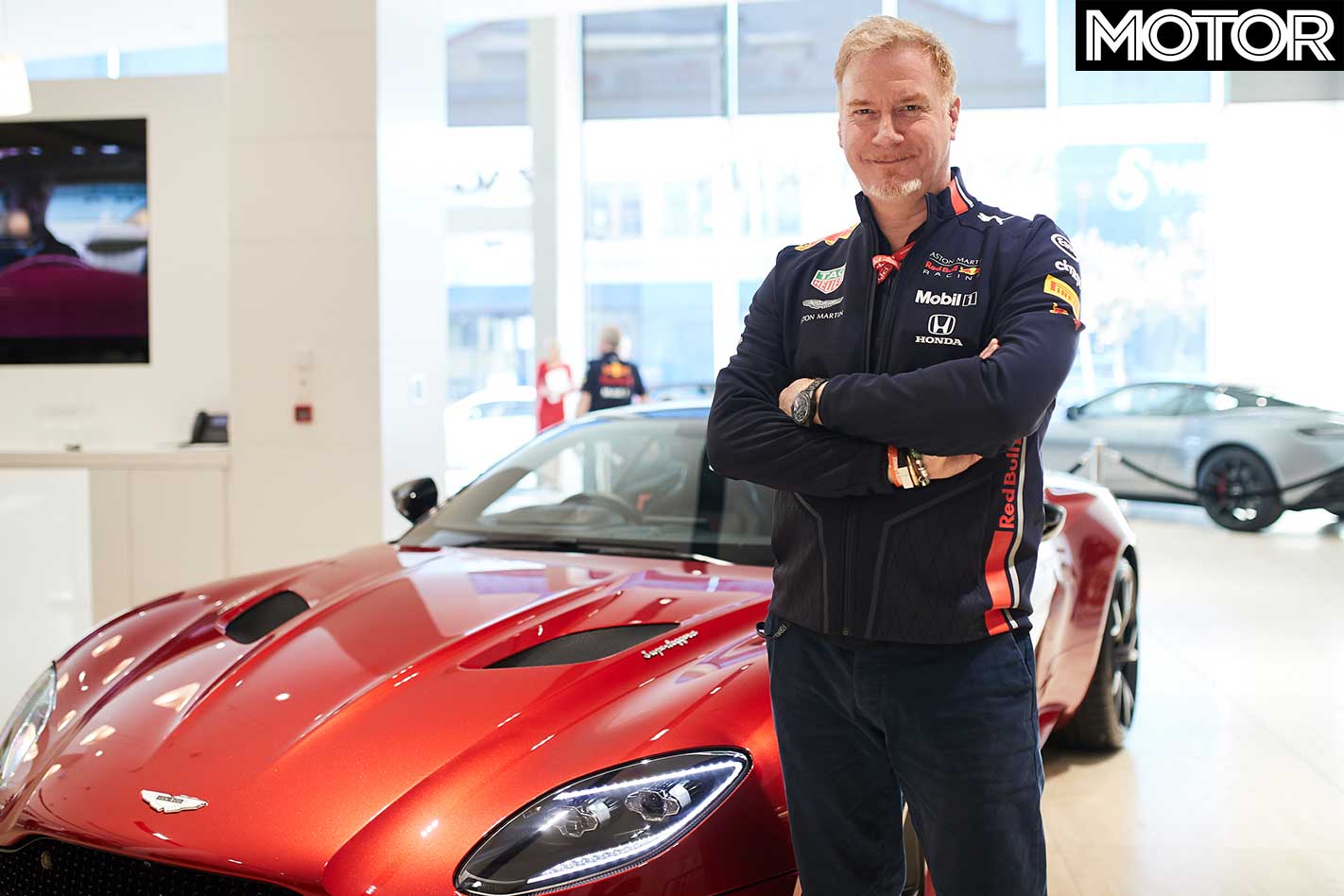
“As you get faster the vent closes and you generate your downforce,” he says. “And because of the speed, you don’t need as much air flow to cool the engine.”
While it’s hard to comprehend that a road car would ever have that problem, the Valkryie will reportedly load its chassis with 1800kg worth of downforce.
This was not his only challenge as the brand’s chief designer. There’s also the obvious need for beauty while accommodating Red Bull Racing F1’s design mastermind Adrian Newey.
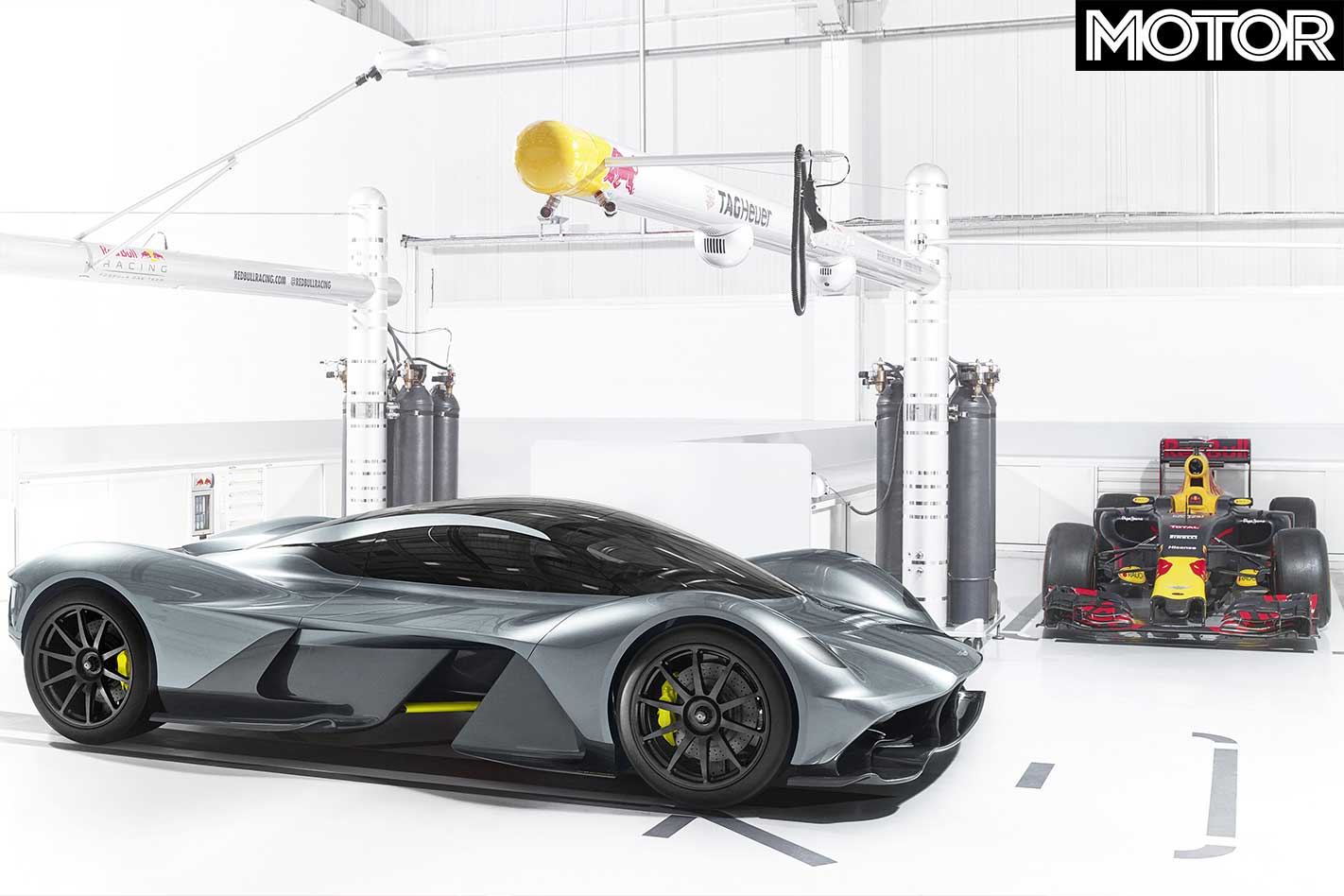
“The one thing that drove Andy [Palmer] insane, it was never the first answer, it was the seventh answer always. Because it would be Adrian, me, Adrian, me.
“The compromise was neither of us wanted to compromise but at the end of the day we had to produce a car.”
While the two had very aligned ideas on the project, there was one little thing Reichman would change from an aesthetic point of view. It concerns the car’s rear fenders.
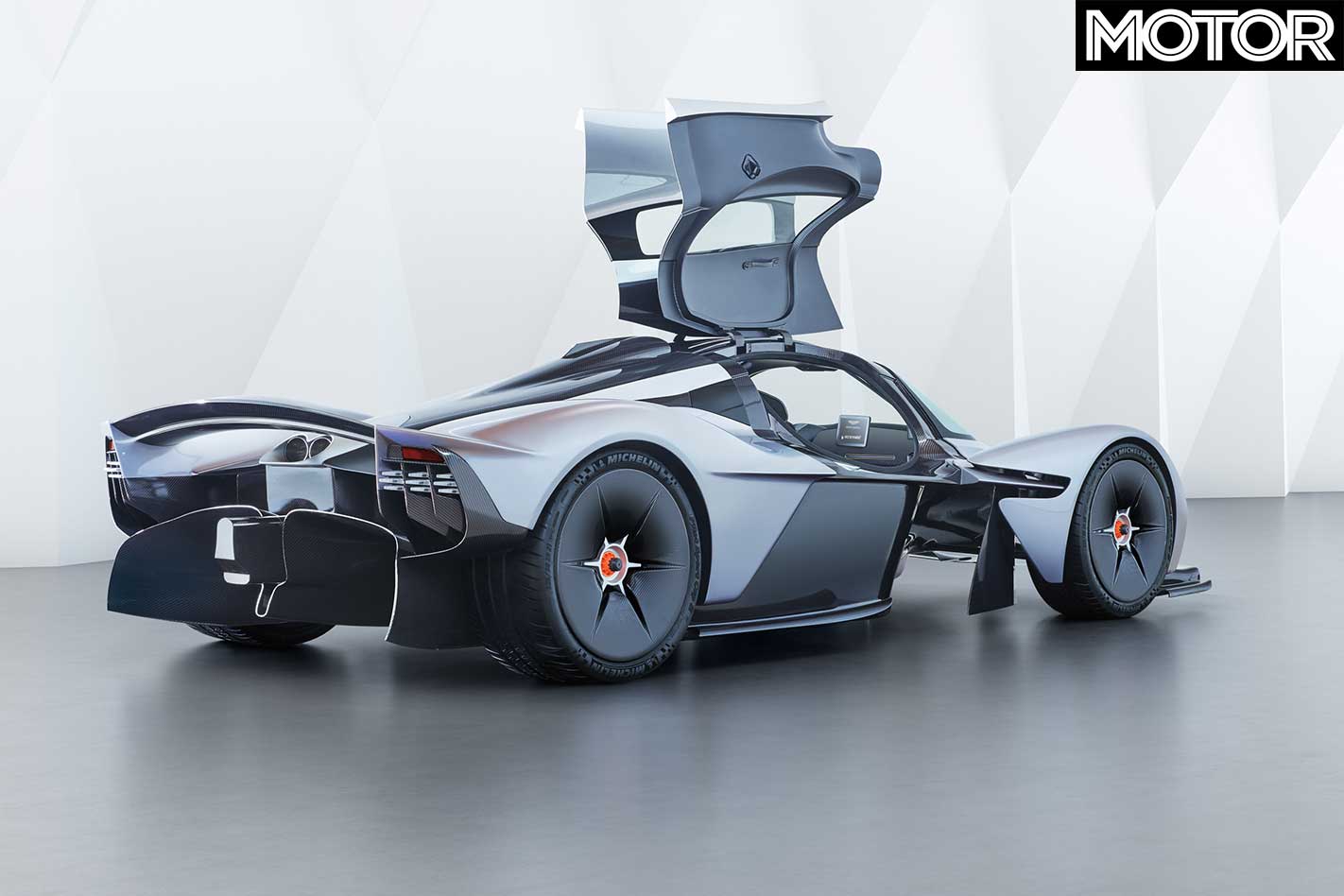
“I would have wanted a little more flow through there but actually what Adrian needed to do was channel the air so you have more of an upright section, a little bit like a Le Mans prototype.
“The more than I looked at it, I thought you know what it’s part of the catch with the car. And that became an accepted compromise, because it came part of the character of the car. Without Adrian I would have had a smoother section.”
It sounds like a small thing, but as he explains earlier in our chat, “every single surface is acting for aero. Every single millimeter, is having an effect, on the underside. Upper. Stability. Cooling.”
“There isn’t one area where you can kind of say, well, that doesn’t matter. It all compounds if one area does something it compounds somewhere else.”
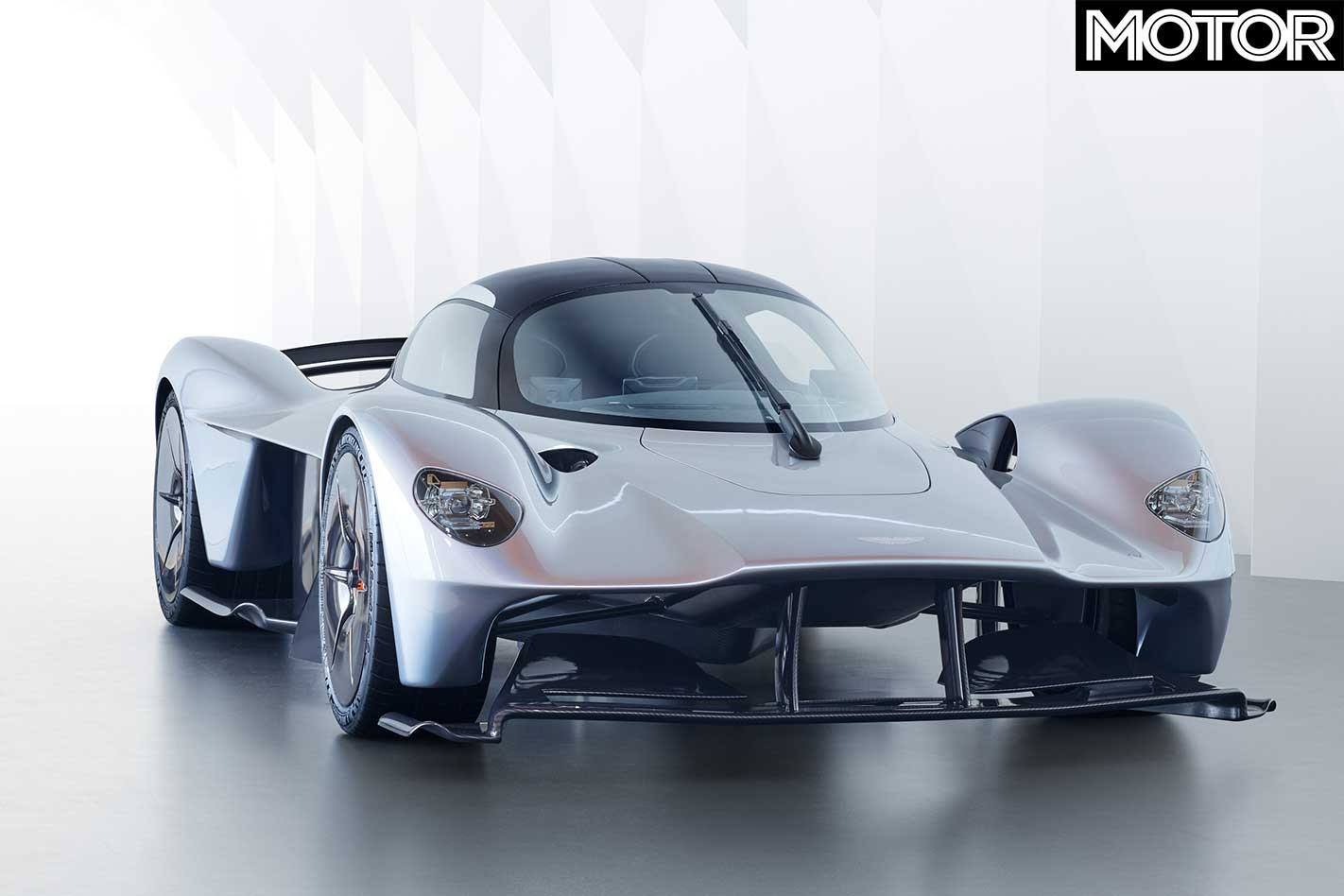
After all, his company has promised the track version Valkyrie, the AMR Pro, will deliver lap times to qualify in Formula One’s top 10.
And while such a claim has only been verified by simulations at the moment, confirmed outputs of 853kW/900Nm and a sub-1000kg kerb weight promises they’ll be able to do it. Bring it on.
BMW has previewed its latest 2 Series spinoff, the Gran Coupe, with a single sketch ahead of its debut later this year. The four-door coupe will finally give BMW a rival to Mercedes-Benz’s CLA in the small-but-classy sedan stakes.
Pitched as an alternative to the four-door sedan, BMW will show off the 2 Series Gran Coupe at the Los Angeles motor show later this year.
The 2 Series Gran Coupe will be built on top of a new small car platform that will be shared with the X1, the incoming 1 Series and the next generation Mini Countryman, and it will be built in both front-and all-wheel-drive.
Given that the new 1 Series is also built on the predominantly FWD platform, it means that the 2 Series Gran Coupe can be regarded as a 1 Series sedan of sorts. The 2 Series coupe and convertible aren’t expected to switch from rear-wheel-drive in the medium term.
BMW Australia has confirmed that it’s looking at the Gran Coupe – which we caught testing last year – for its local roster.
Details are scarce around specifics ahead of its debut in October, of course, but it’s not hard to figure that the four-door coupe – also referred to as a ‘notchback’ in BMW’s release – will share engine tech from BMW’s current small and medium car range.
It will share much of its tech with BMW’s all-new 1 Series, as well, which is set to debut at the Frankfurt Motor Show this year. This is expected to include a digital dashboard/multimedia display arrangement not dissimilar to the Merc A-Class range, advanced driver aids and plenty of turbocharged engines.
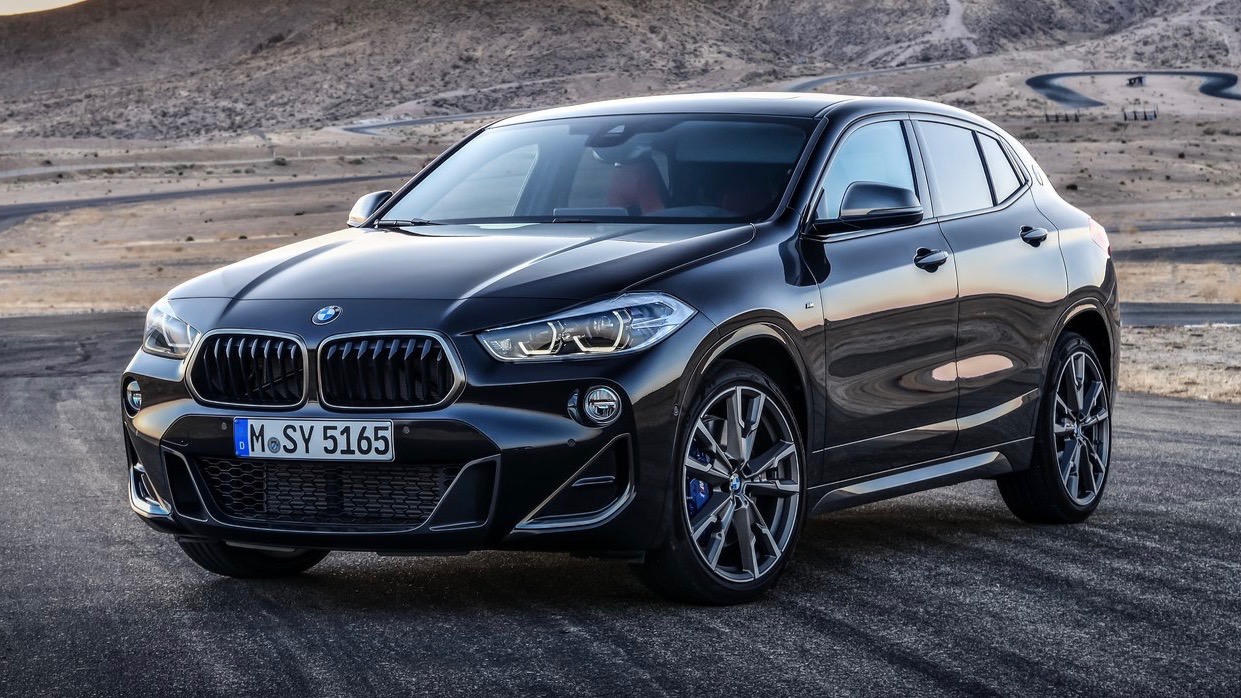
For example, the 225kW/440Nm 2.0-litre turbocharged four-cylinder petrol engine from the X2 M35i xDrive (above) would be a shoo-in, as would its all-wheel-drivetrain, producing in the process a handy rival to Merc’s A45 AMG range.
More pedestrian front-wheel-drive BMW powertrains would include a turbocharged 1.5-litre three-cylinder powerplant with a more civilised 110kW tune.
Lamborghini is set to usher in a new era of electrification, but says it will “never” build a pure electric model.
The first hybrid Lamborghini is to be the Aventador replacement while an electrified Urus is also “in the plan”. Lamborghini’s hand has been forced by emissions regulations, with some level of hybrid drive the only way it can continue to offer high-output 12-cylinder engines.
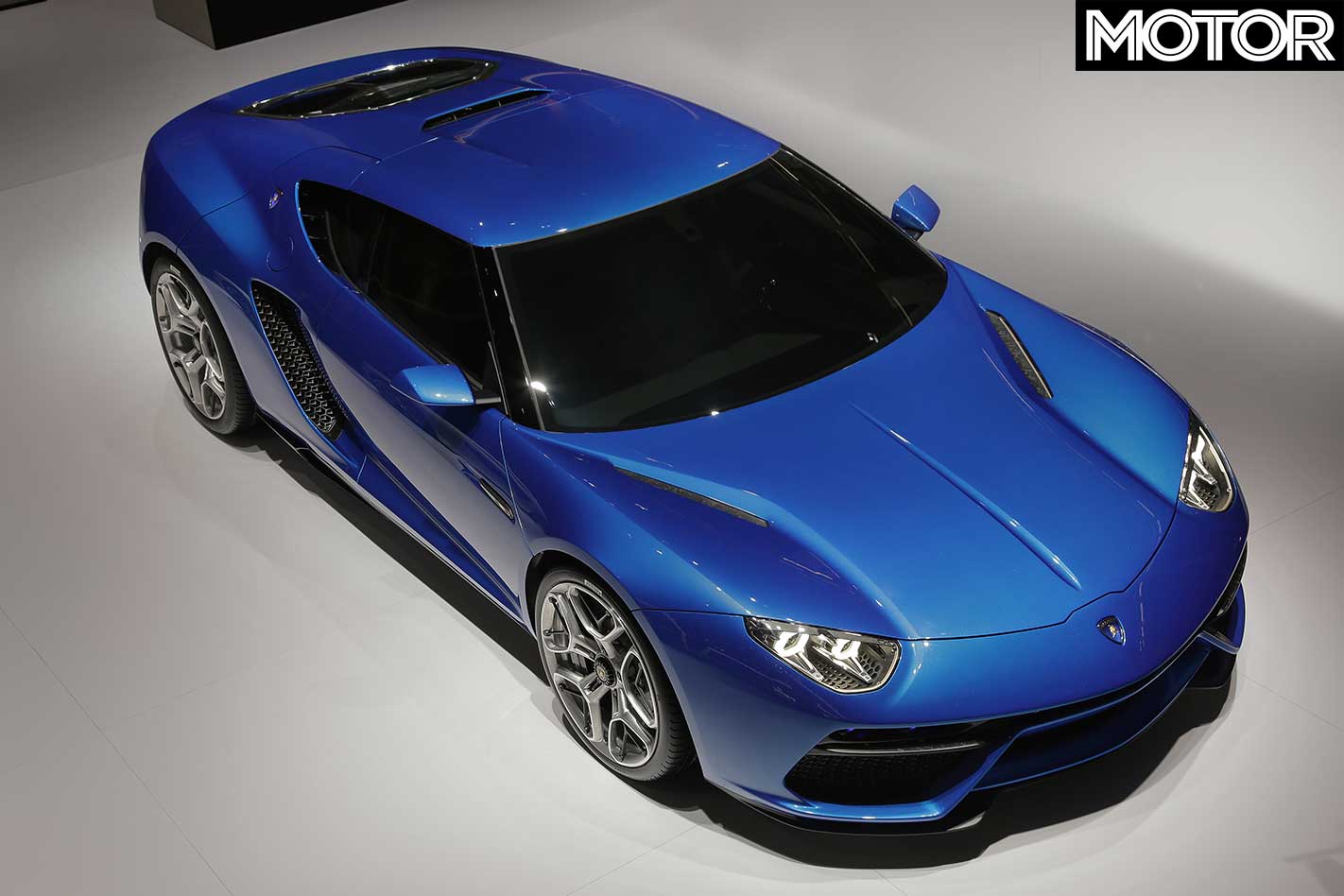
A Lamborghini spokesperson told MOTOR: “We will never give up the V12, we will never give up on sound. There are the two pillars and the [hybrid] technology will be a function of performance and compliance with regulations.” before adding Lamborghini is “confident” it can meet future Euro 7 emissions regulations without the need for a fully electric model.
According to Lamborghini Oceania boss Andrea Ruggiero: “There is some new technology coming into Lamborghini but the direction is not full electrification. Nobody is asking for a fully electric Lamborghini. Our customers still enjoy the sound of our cars.”
Ruggiero was product manager for the original Aventador, released in 2011, and expanded on the key attributes Lamborghini’s flagship supercar should have. “Definitely keep working on aerodynamics, the technology of the carbon fibre – if you remember, one of the pillars of the Aventador was the monocoque in carbon fibre entirely developed by Lamborghini – and the architecture of the engine. We want to keep the V12 as long as possible.”
The Aventador is unusual in that it sits on a bespoke platform, but Ruggiero says that at current volumes developing a brand new platform to incorporate electrification is financially viable. Despite its age, strong demand for the Aventador means a replacement is still some time away.
Sales of the near million-dollar machine continue to hover around the 300 per annum mark for the Asia-Pacific region, bolstered by the release of the Aventador S and sell-out success of the Aventador SVJ.
Lamborghini poured cold water on reports that a limited-edition supercar would appear at the Frankfurt Motor Show introducing the company’s production hybrid technology, stating that the Aventador replacement would debut electrification for the brand and that the market would decide the appropriate time for that car’s introduction.
Kia has let slip its first teaser of its upcoming compact SUV, due to be revealed (and named) later in 2019. It’ll arrive as the Korean company’s entry-level crossover in Europe.
Based on the Ceed hatchback, expect Kia’s crossover to follow the same pattern established by the Subaru XV – in essence, an Impreza hatch with rugged-looking body plastics and increased ride height, but a similar interior and engine line-up.
However, is it for us? Globally speaking, Kia offers two products in the small hatchback space – the Ceed and the Cerato, with the former being sold primarily in Europe and the latter being Kia’s mainstay small car in the rest of the world, including Australia.
With the Ceed hatchback not on offer in our market, it’s unlikely that we’d receive the Ceed Crossover, either. Kia Australia has said as much in the past.
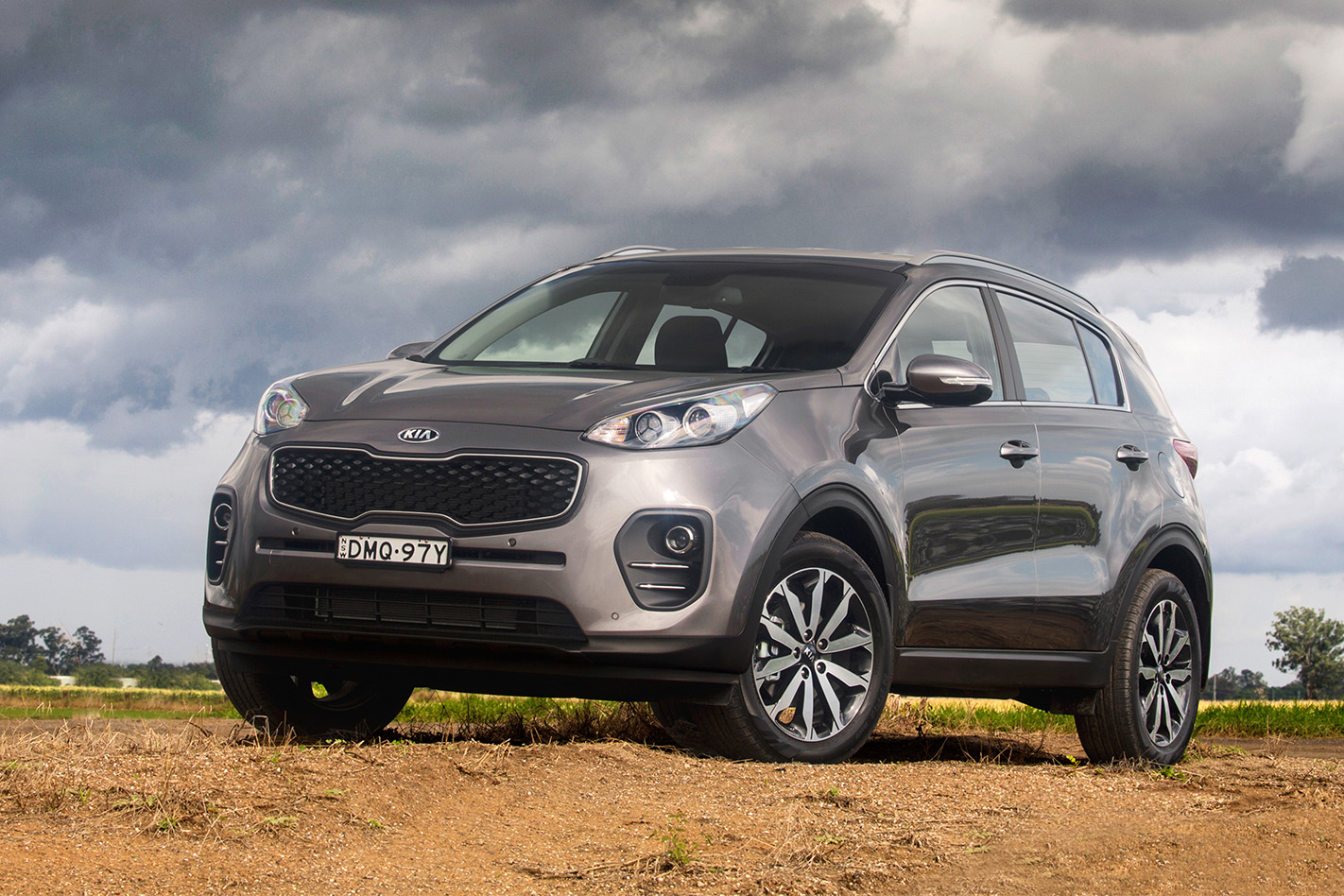
That’s not to say Australian Kia shoppers will be deprived of a Kia-badged compact SUV, however. Those looking for a smaller, more affordable alternative to the midsized Kia Sportage (pictured above), which retails from $29,990, will be served by an as-yet-unseen Asian-market small SUV which, unlike the Ceed Crossover, won’t be based on an existing hatchback bodystyle.
Whatever form Kia Australia’s small SUV takes, it’ll be a critical model for Kia’s local operation. Unlike its corporate cousin Hyundai, which sells the Kona (below), Kia doesn’t presently offer anything in the small SUV category.
It’s an important gap to fill for Kia, given the segment has logged almost continuous growth for several years running as car buyers move away from traditional passenger cars into SUVs – or downsize from larger vehicles but still prefer the high seating position and practicality of an SUV.
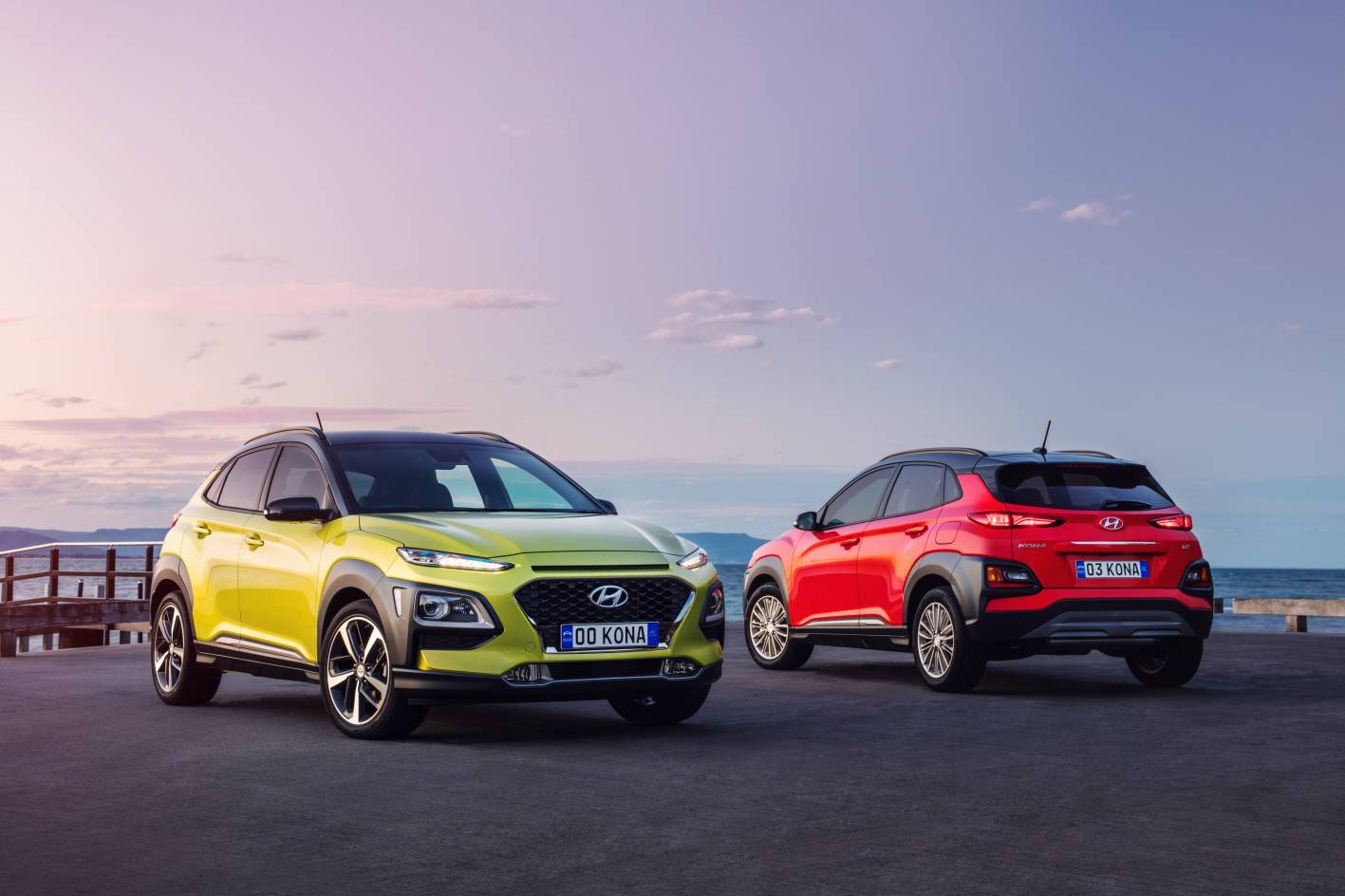
Even the mid-size and large SUV categories have lost ground to the tiny high-riders as overall new car sales have slipped recently, with only small SUVs bucking that trend.
To use Subaru as an example once more, the rise of small SUVs is stark when you look at the example of the Impreza and the XV. Though they share their same basic structure, engines and transmissions, the jacked-up XV (below) has sold roughly 50 percent more cars than the Impreza so far this year – and that’s despite costing significantly more than its hatchback sibling.
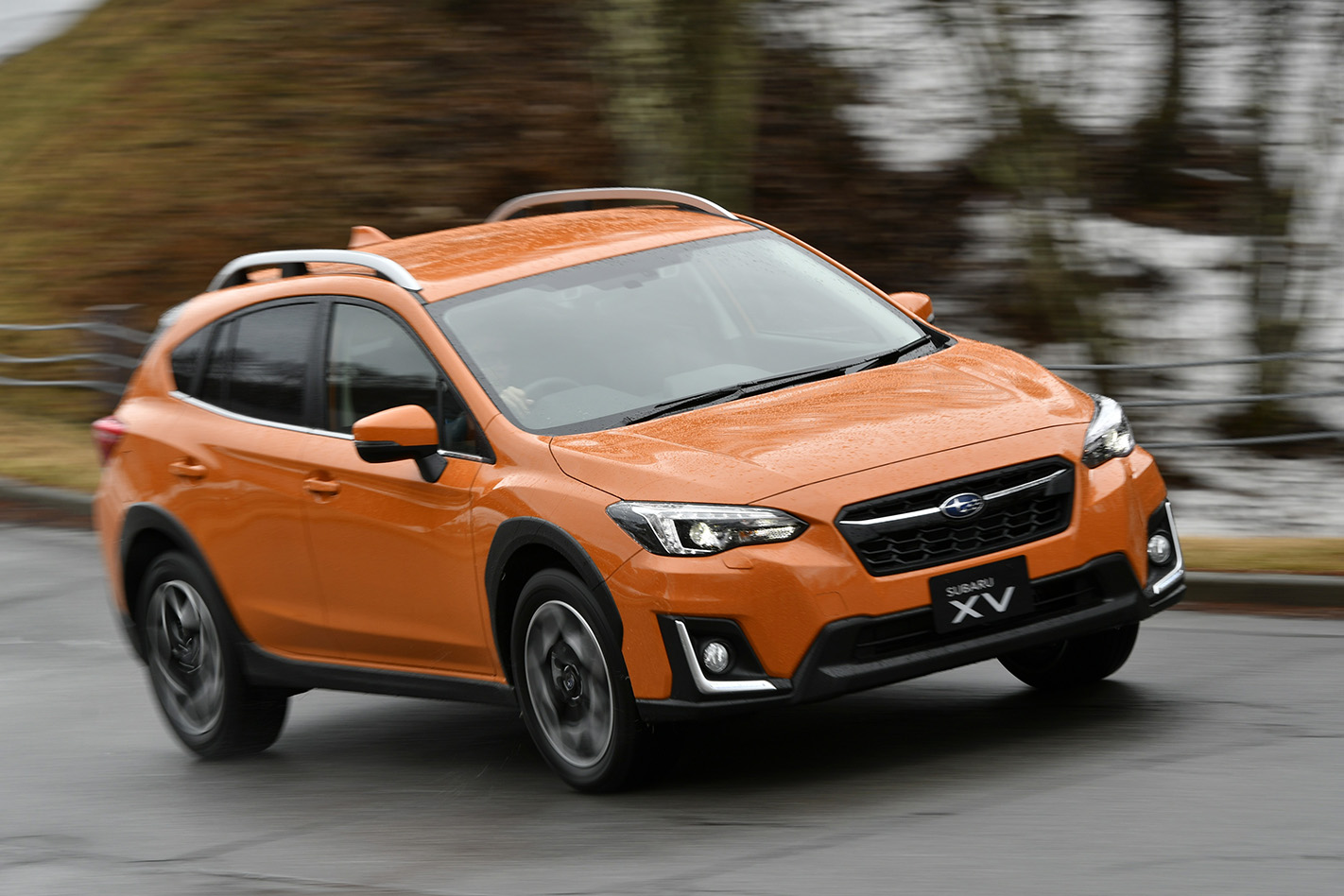
There’s clearly plenty of money to be made, and Kia Australia is on the record as saying that they can’t wait for a more compact alternative to the Sportage and Sorento to arrive.
Exactly what that vehicle will be, however, isn’t expected to be made clear until much later this year.
