
The wildest ever open-top Lamborghini has been revealed at the 2019 Geneva Motor Show.
As night follows day, so the release of a Lamborghini convertible follows the release of the coupe and this is the Aventador SVJ Roadster, for those who want a hardcore driving machine but with the feeling of the wind in their hair.
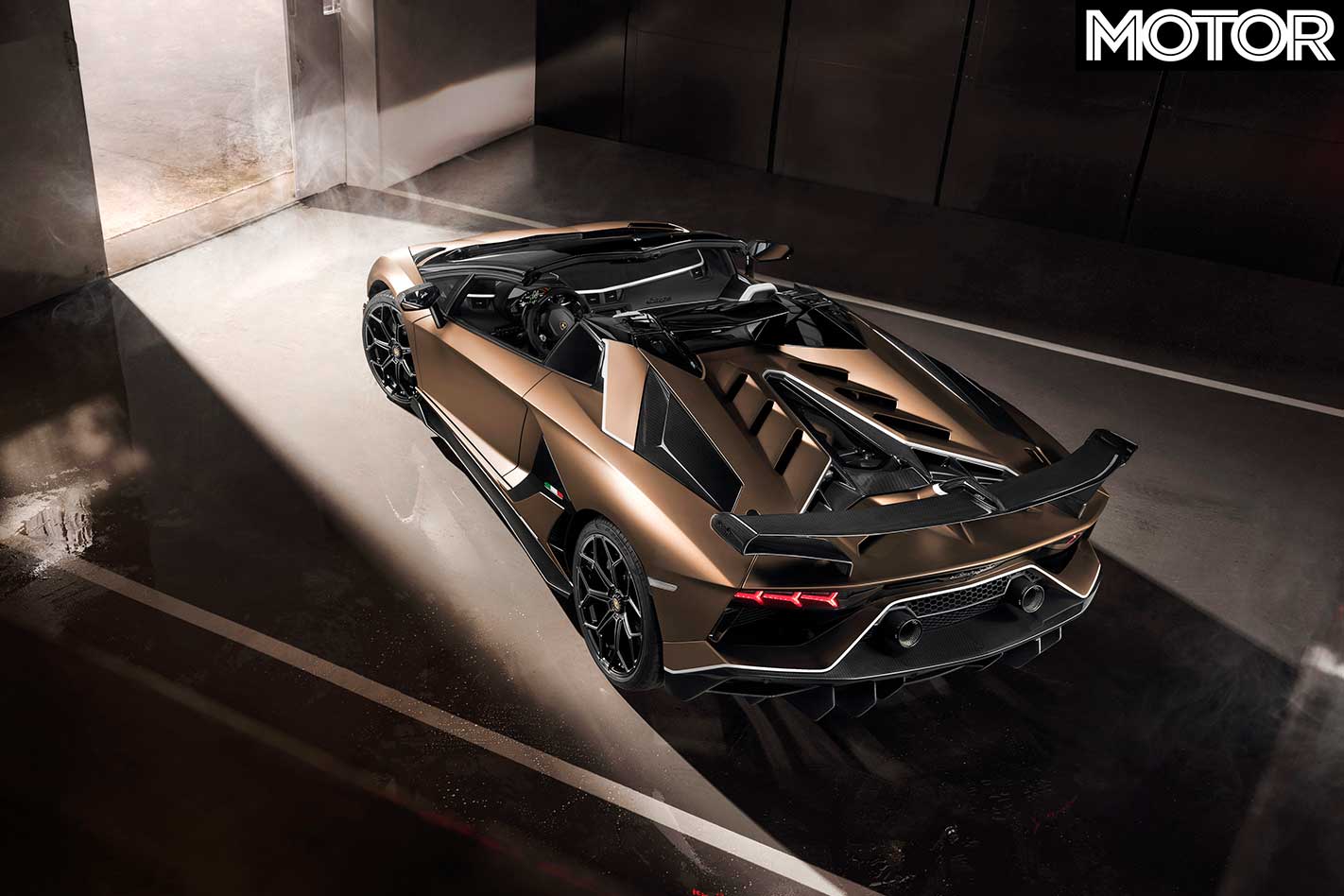
It’s limited to just 800 units globally so you’ll need to get your order in quick. Local pricing has not yet been announced but in other markets the SVJ Roadster attracts a premium of around 10 per cent over its hardtop twin. Add plenty of personalisation options and on-road costs and you’re unlikely to see much change from $1.5million.
For your money you receive all the good bits from the hardcore SVJ. The 6.5-litre V12 produces 566kW at 8000rpm and 720Nm at 6750rpm, the extra power over the 544kW Aventador S coming courtesy of intake modifications, including titanium vales, new runners and modified cylinder head. Maximum engine speed is 8700rpm.
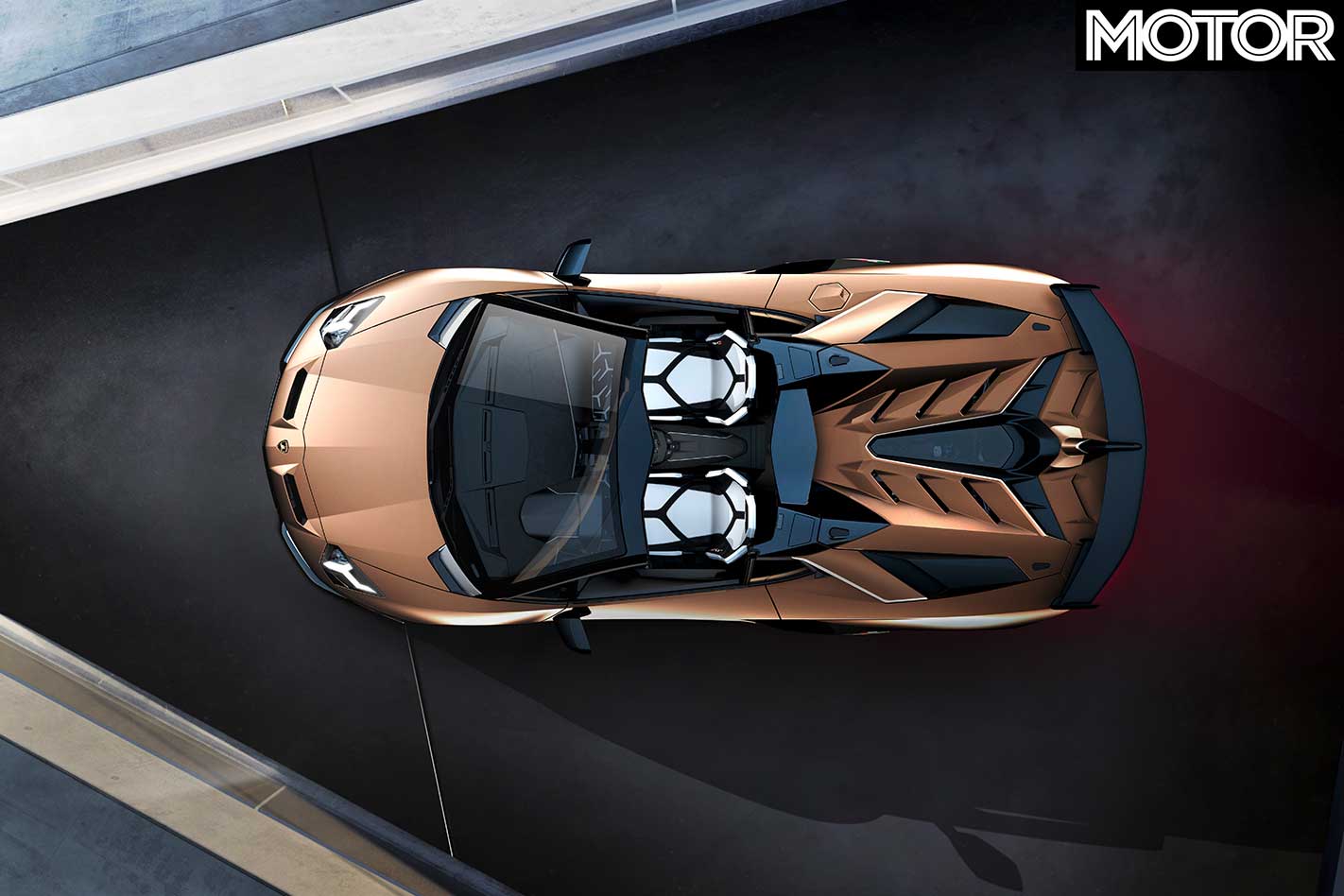
Attached to Lamborghini’s seven-speed ISR (independent shifting rod) gearbox and all-wheel drive, it fires from 0-100km/h in 2.9sec, 0-200km/h in 8.8sec and on to a top speed of more than 350km/h. Brisk.
The Roadster’s roof consists of two removal carbonfibre panels, which are then stored under the bonnet. Weight is up 50kg compared to the coupe, but dynamics shouldn’t be unduly affected due to the Aventador SVJ Roadter’s massive rolling stock.
Wheels are 20 x 9.0-inch front and 21 x 13.0-inch rear wrapped in Pirelli P Zero Corsas measuring 255/30 and 355/25 respectively. For those wanting even more grip Pirelli P Zero Trofeo R tyres are an option.
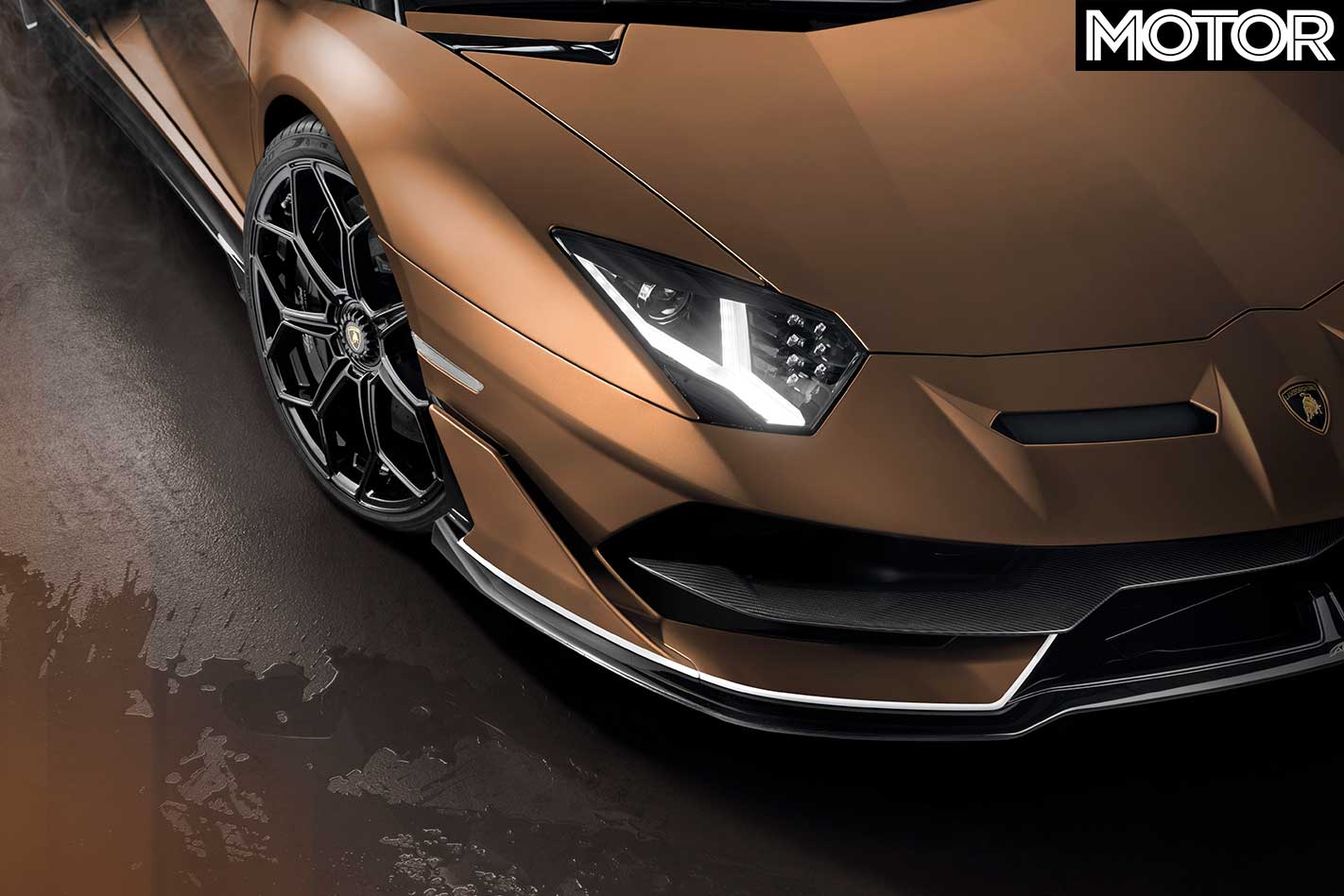
Lamborghini’s clever adaptive aerodynamics system also appears, now in version 2.0. This uses an electronically operated flap in the front bar and one on either side of the rear bodywork, each capable of working individually to reduce drag or increase downforce as the situation demands.
Finally, the Aventador SVJ Roadster debuts a new matt bronze colour dubbed Bronzo Zenas. The first Australian SVJ Coupe recently arrived, but don’t expect to see a drop-top version on local streets until early 2020.
Right from the word go, Rick Kelly just wasn’t grooving on the Alpine. And it took me a little while to work it out. See, while I’m old enough to have read about (if not actually witnessed) the daring deeds of the original Alpine A110 from the 1960s, Rick isn’t.
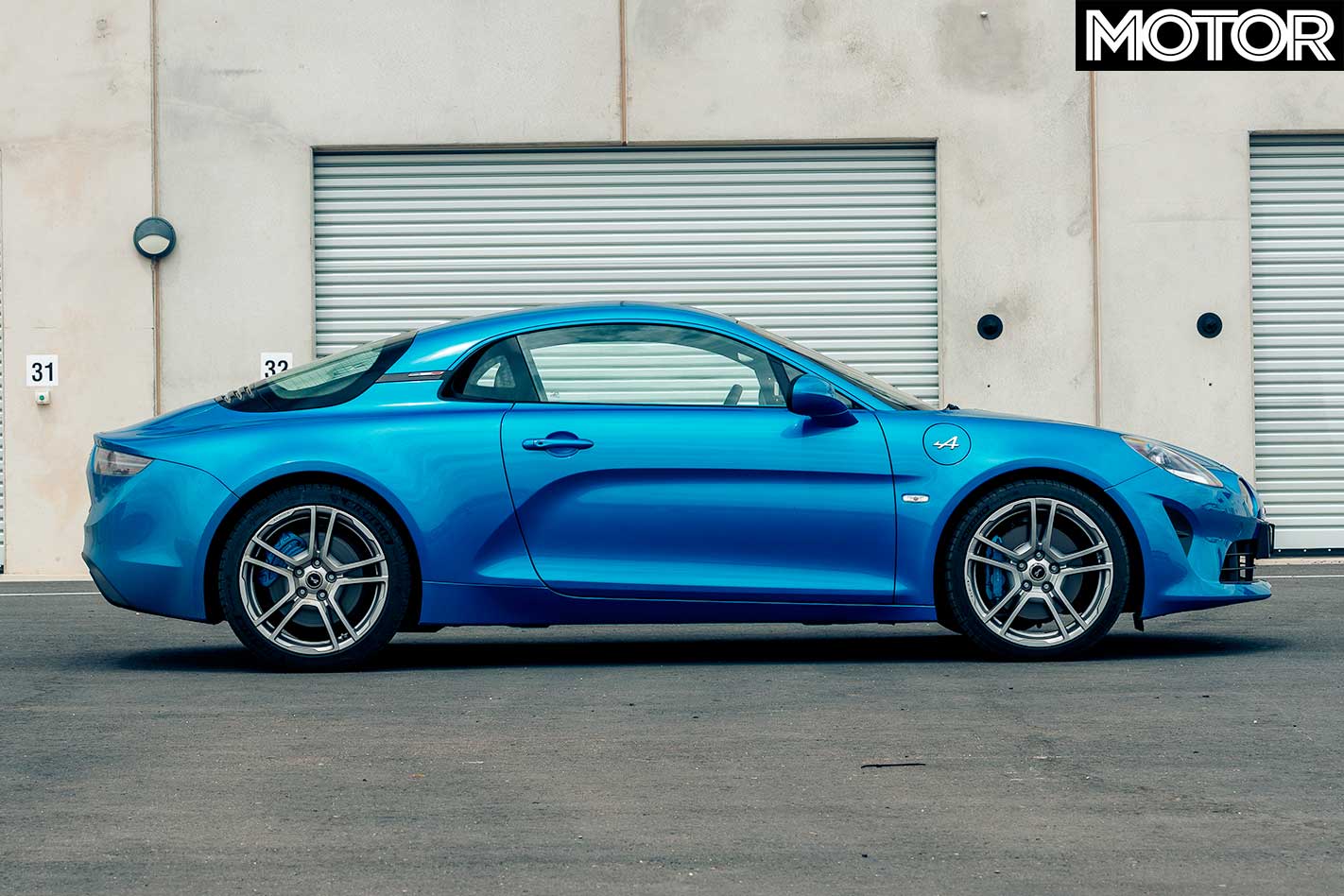
So while I was soaking up the retro details like the frenched-in driving lights and the body-coloured door capping, Rick was looking at the same car wondering why those dopey lights were fitted and why hadn’t Renault finished the cabin properly. Clearly, retro only works if you can relate.

But beyond that, I’ll stand by my assessment that the A110 is one of the finest retro cars I’ve ever driven. It lacks the twee irrelevance of the born-again VW Beetle and it hasn’t subverted the original in the way the 1.5-tonne, all-wheel drive Mini Countryman All4 has. But it does tap into the emotional skillset of the 1960s well from which it’s drinking, yet manages to combine that with a driving experience that is not only contemporary, but also riveting.
That driveline borrowed from a Megane RS is the start of things and with 185kW and 320Nm, it’s fit but not stupid-powerful. And while the original A110 was rear-engined and this car is mid-engined, the other piece of the Alpine magic – a lack of kilograms – has not been forgotten. At 1103kg, the A110 is a featherweight in 2019.
So, despite having less power than either of the trad hot-hatches here, the Alpine was faster than both of them to 100km/h (by a clean second over the Renault and 1.2 ticks over the i30 N).
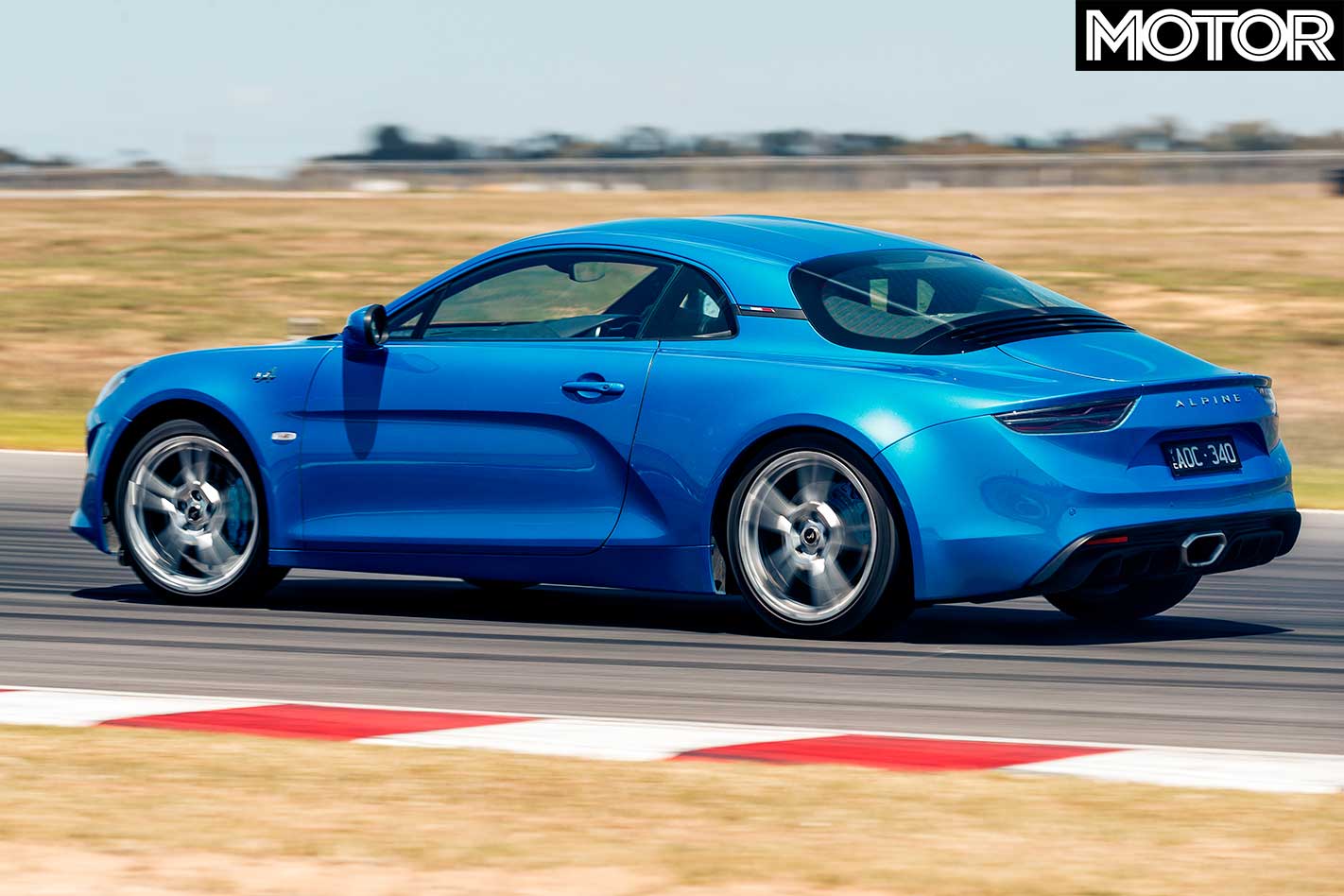
Across 400m, the dainty little Frawg extends its lead even further, beating the Megane past the post by a good 1.2 seconds (and 13km/h in terminal velocity) and the Hyundai by 1.3sec (and 15km/h). That’s handy stuff when you consider the Alpine had to break into the 12s (at nearly 180km/h) for the quarter to dish out such a thumping.
The lap times favour the Alpine over the hatches, too, and while the Megane is a second-and-a-bit behind the A110, the Hyundai needs an extra two-and-a-bit seconds to get around the same Bend layout. Okay, so the Hyundai and Megane both seat five, but you can see where the development money has gone. Which is kind of the point.
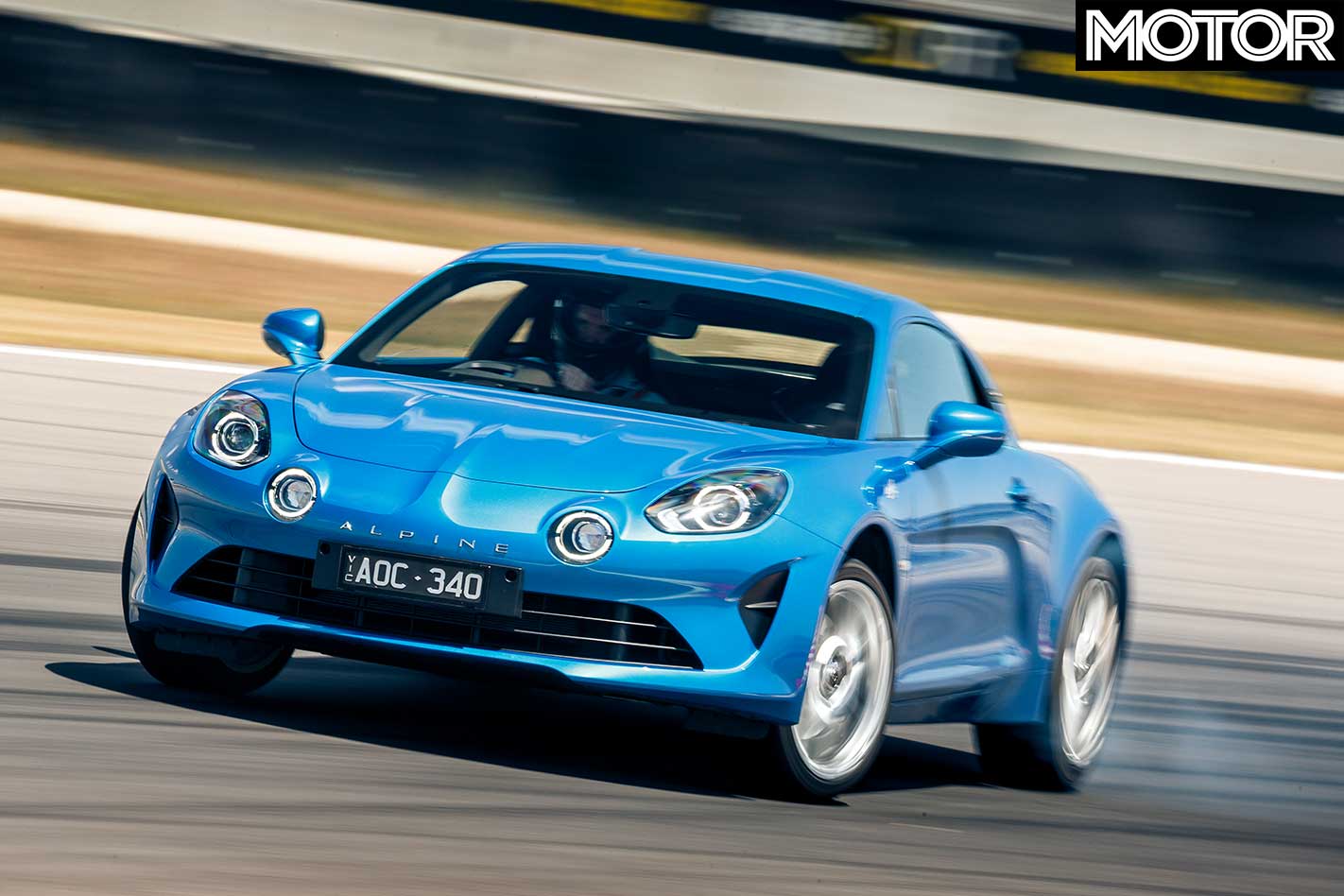
Meanwhile, the Alpine proves in the real world that it’s still, fundamentally, a road car. And a great one at that. The twin-clutch is slick and refined and the engine never seems to give up or run out of enthusiasm for the job of hurling 1100 kegs down the road.
But it’s the way it makes all those special noises right over your left shoulder that completes the package and, combined with lovely, light, precise steering, you are reminded that retro isn’t necessarily a byword for compromised.
The Numbers
2019 ALPINE A110 SPECS: Engine: 1798cc inline-4, turbo, DOHC, 16v Power: 185kW @ 6000rpm Torque: 320Nm @ 2000-5000rpm Weight: 1103kg 0-100km/h: 4.79sec 0-400m: 12.90sec @ 179.84km/h The Bend lap time: 1min 35.2sec Price: $106,500
Judge’s Rank
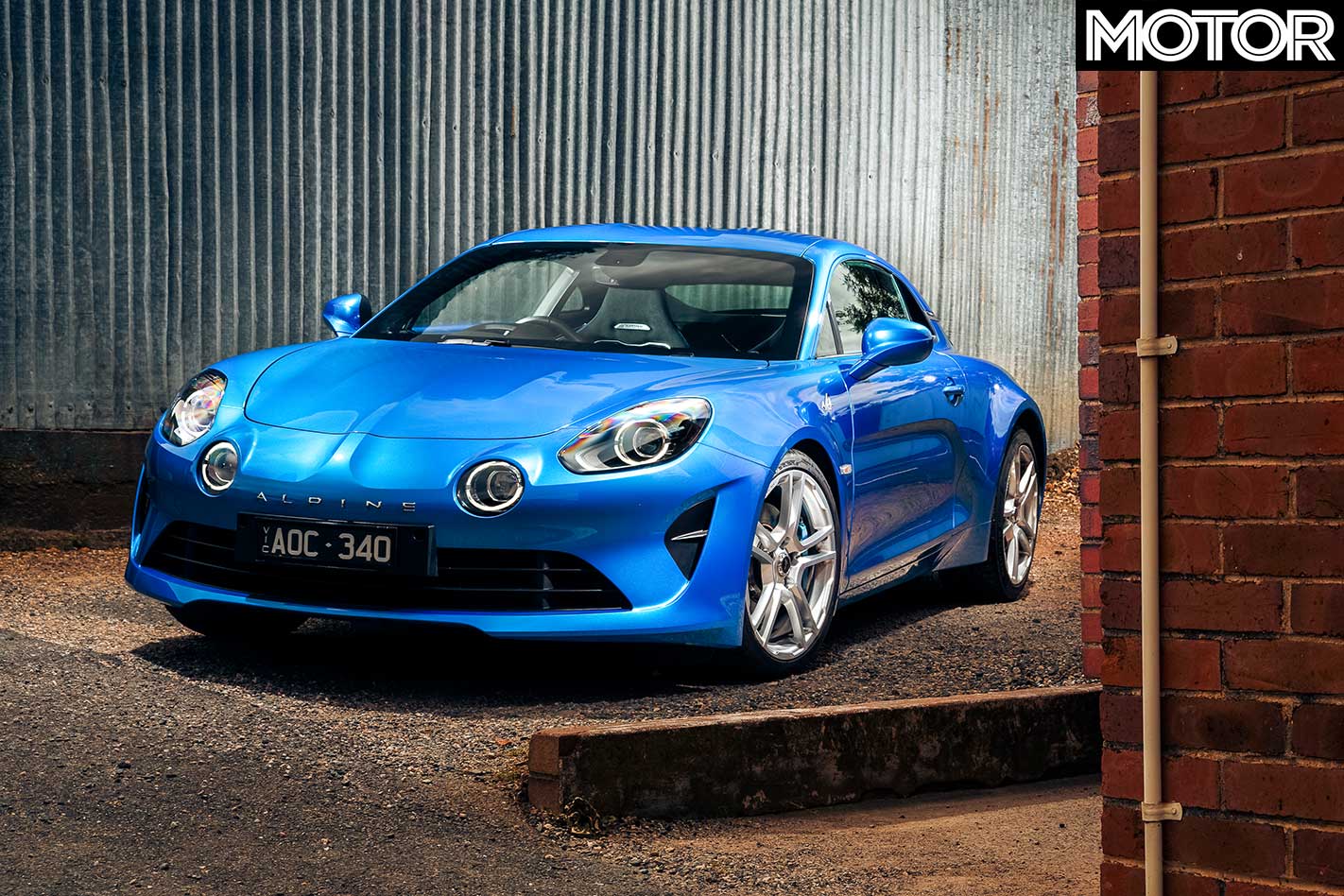
Dylan Campbell – 8th “A very novel drive. Like an ND MX-5 with proper power and a roof.”
Louis Cordony – 4th “Authentic. Pretty. Playful. Just my type.”
David Morley – =3rd “Wanted to cheer when I drove this but I was sideways at the time.”
Scott Newman – 7th “A breath of fresh air in the increasingly polluted fast-car world.”
Rick Kelly – 11th “Not my cup of tea. I think I need a tour down history lane.”
PCOTY 2019 Scoring
| Judges | DC | LC | RK | DM | SN | Total |
| Performance | 16.5 | 15 | 12 | 16 | 16 | 75.5 |
| Dynamics | 17.5 | 14 | 10 | 16 | 16 | 73.5 |
| Accessibility | 6.5 | 6.5 | 6 | 7 | 7.5 | 33.5 |
| Liveability | 7 | 6.5 | 5 | 7 | 6.5 | 32 |
| Value | 7 | 6 | 4 | 8 | 6 | 31 |
| X Factor | 7.5 | 9 | 3 | 10 | 9 | 38.5 |
| Total | 62 | 57 | 40 | 64 | 61 | 284 |
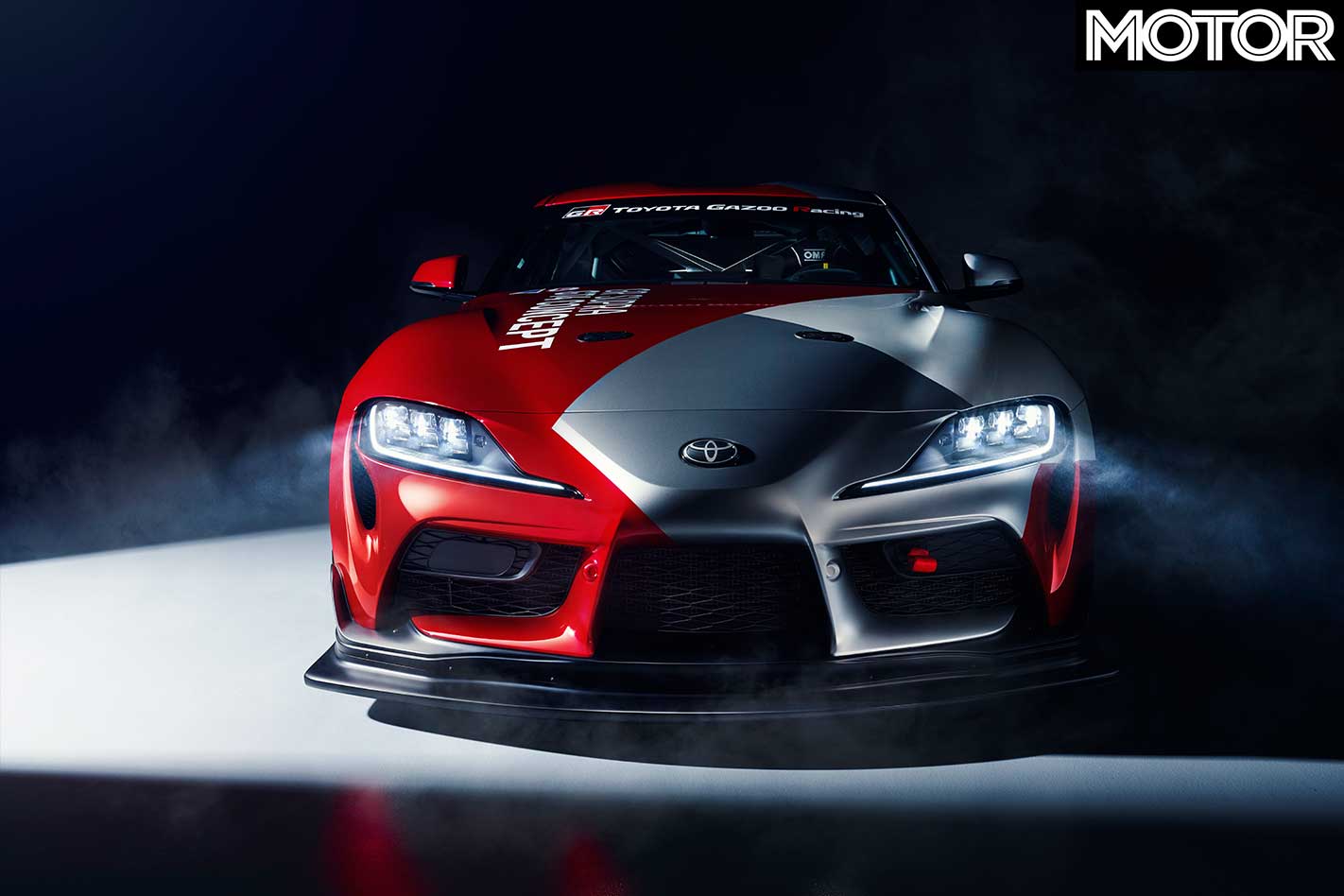
The list of proposed race cars based on the Toyota Supra grows longer as Toyota announces a concept for the GT-spec Toyota GR Supra GT4.
While it’s called a concept for now, Toyota’s plans for other Supra racers (such as the NASCAR and Super GT cars) would suggest that we’ll eventually see the Toyota A90 Supra taking to the track in GT endurance races.
The BMW straight-six engine from the road car forming the basis for the race engine, but Toyota hasn’t yet confirmed what figures the 3.0-litre unit could make in motorsport mode.
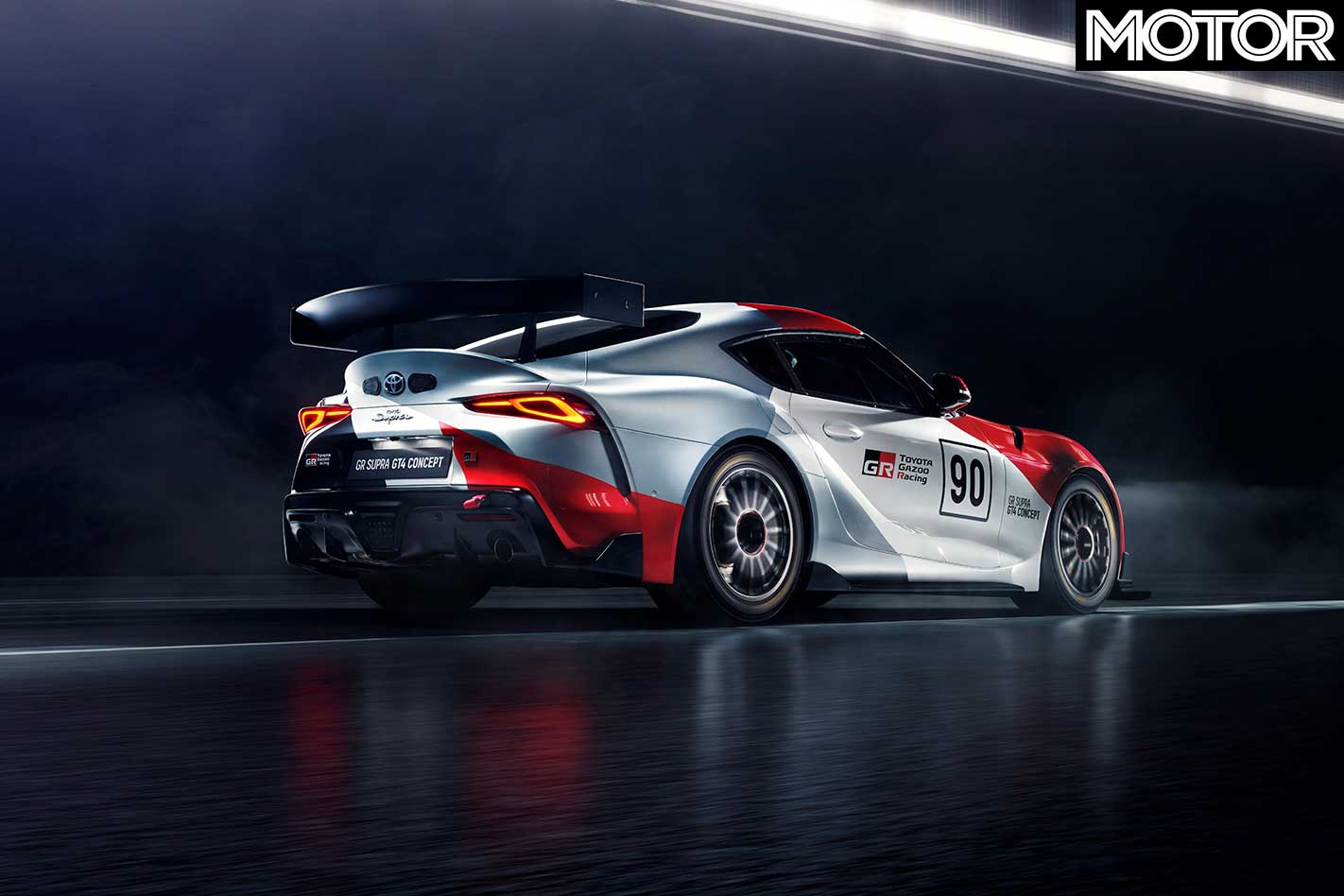
Toyota hopes the “slightly longer and lower” car, designed to comply with GT4 regulations, could provide an affordable entry into GT4 racing.
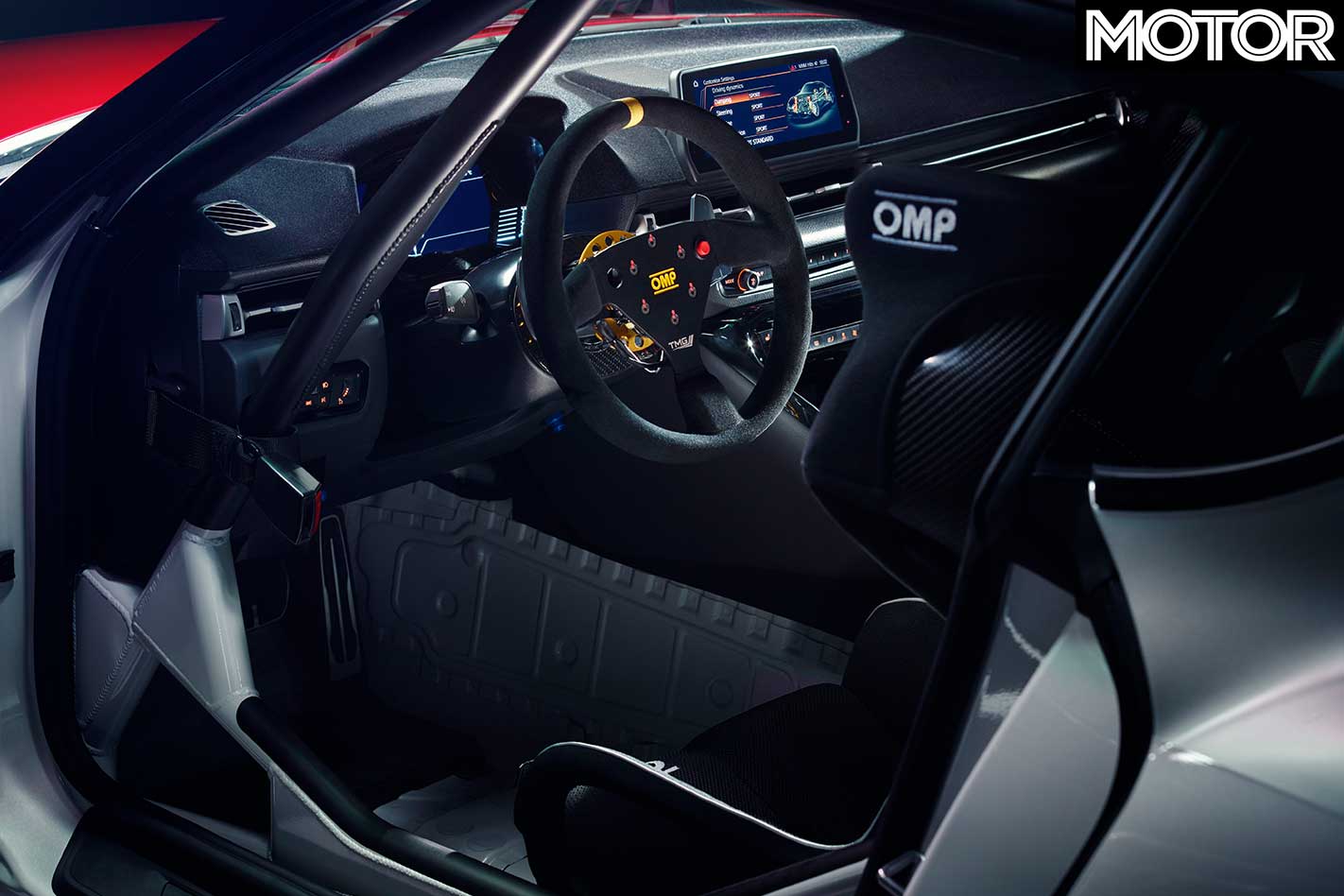
The diffuser, wing, and front splitter are three of the most obvious changes necessary to make the Supra an effective GT4 car, while the caged interior and racing seats are surrounded by a still recognisably stock dash – albeit a very-BMW one.
The materials for these parts are not carbon fibre, but hemp and flax, which Toyota hopes will reduce the environmental impact of its construction.
Toyota Australia chief marketing officer Wayne Gabriel says that, as the Supra was built using Gazoo Racing’s motorsport know how and a lot of track testing, it makes sense to then use that car in a real motorsport setting.
“The dynamic abilities of the upcoming GR Supra have been honed on the track using lessons learned from our global motorsport activities under the banner of Toyota GAZOO Racing,” Gabriel says.
“A GT4 racing version will offer even greater performance, building on the supreme handling and agility from the production car’s front-engine, rear-drive layout, its rigid lightweight body and perfectly balanced chassis.”
Toyota says that if it goes into production, it’ll become another aspect of the brand’s renewed commitment to motorsport.
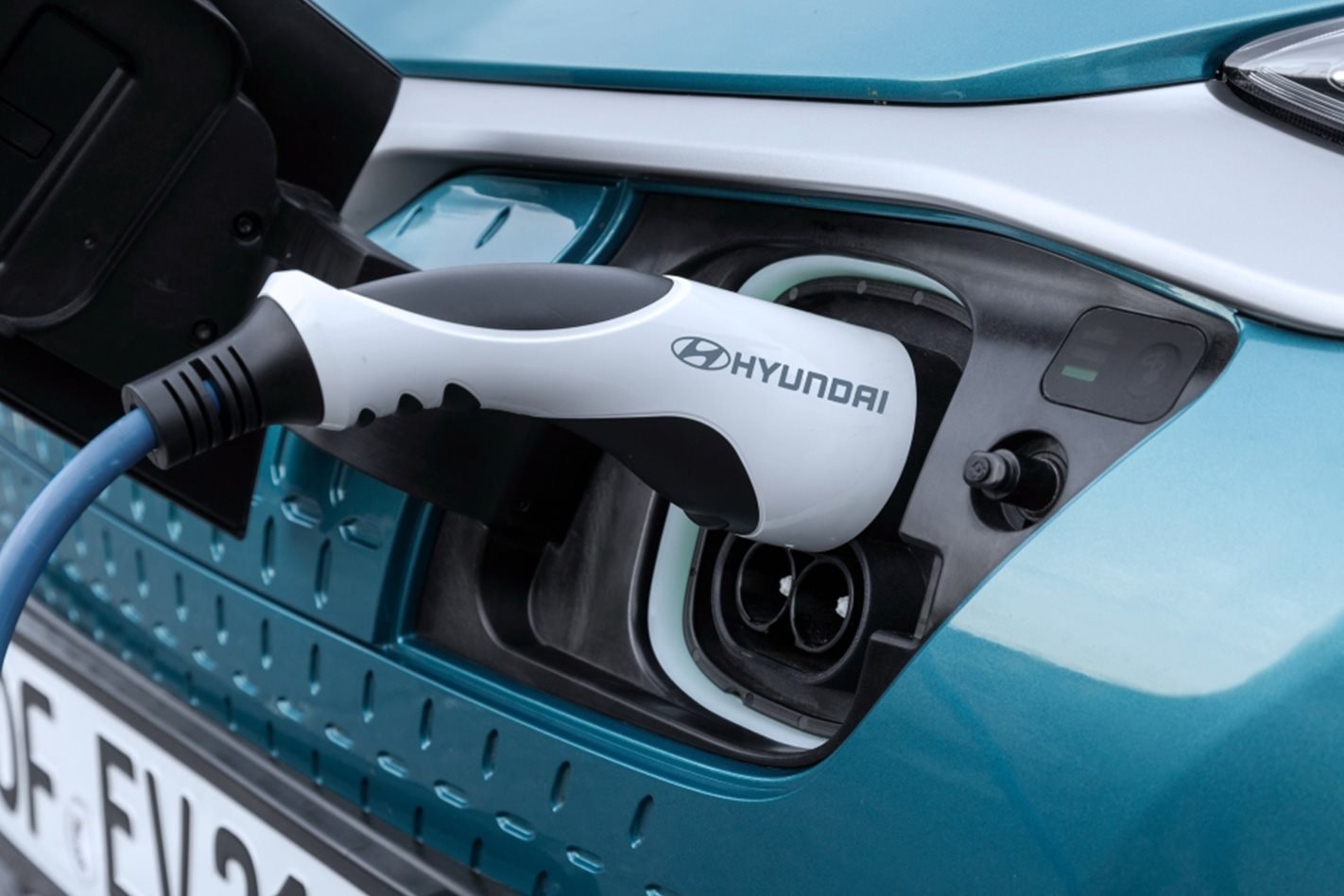
Hyundai has confirmed that the Ioniq electric car will be updated this year. If you think that sounds a bit soon to be updating such a new car, you’d normally be right. The Ioniq, though, is coming up to its second birthday, even though it only went on sale in Australia late in 2018.
The four-door, five-seat battery-electric Ioniq is set to score an external facelift as well as an increase in its battery range. It’s currently rated at 230km from its 28kWh battery, but Hyundai Australia officials have confirmed to WhichCar that the figure will lift to 400km.
“We’ll be releasing an updated Ioniq later this year,” said Hyundai Australia’s marketing director Bill Thomas. “People will get the extra range. Can’t say much more about it.”
The range extension will match Hyundai’s incoming Kona Electric SUV, as well as sibling rival Kia’s inbound Niro. Hyundai has all but confirmed that it will only offer the long-range option of the Kona locally, which features a 64kWh battery and a claimed 470km range.
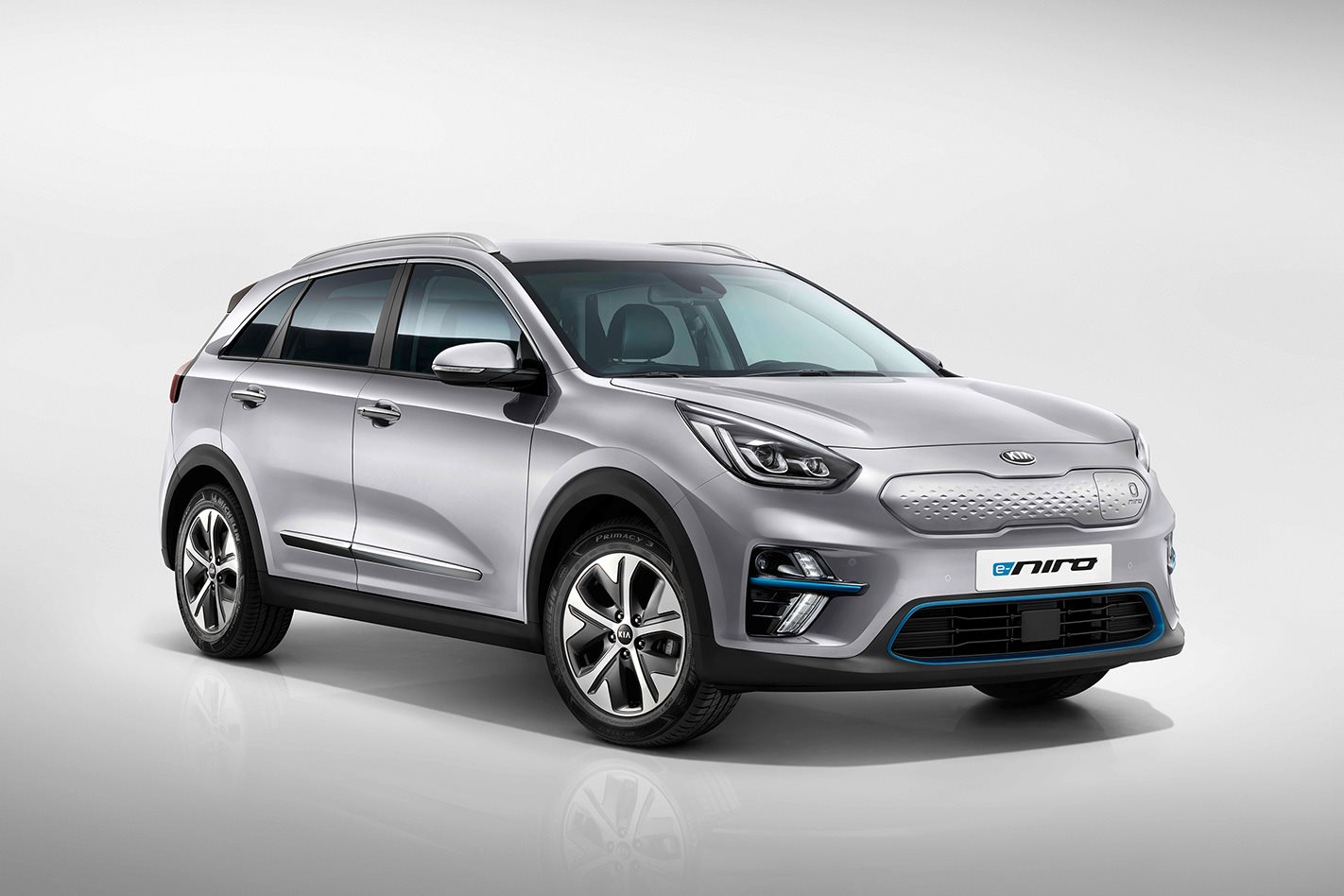
Kia Niro
It uses a different style of battery array (known as a skateboard platform) to the Ioniq, which stashes its batteries under and around the rear seat area. Hyundai wouldn’t confirm how the extra range would be obtained, though documents online suggest the pack’s capacity could be increased to 38kWh.
Tesla’s (currently unavailable) Model 3 Standard, by way of comparison, has a 50kWh battery and a claimed range of 350km.
It’s also anticipated that the Ioniq will receive a nip and tuck to its front and rear bumpers and light arrays, as well as an updated interior treatment.
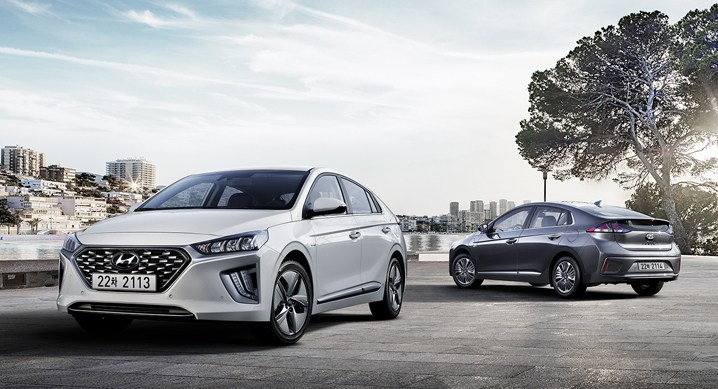
Korean facelift
Thomas told WhichCar that the Ioniq has been selling well, with the company selling all the cars it can order. Hyundai offers the Ioniq in both battery electric and plug-in hybrid guises.
The electric-only Ioniq costs $44,990 for the Elite and $48,990 for the top-spec Platinum. An 88kW permanent-magnet synchronous motor delivers a peak of 295Nm in Sport mode, and 265Nm in Normal or Eco modes.
It can be charged to 80 percent capacity in just over 20 minutes with a 100kW DC charger, or about four and a half hours via a wall-mounted 7kW AC system that can be installed in a garage.
When you think of James Bond, there is only one marque that comes to mind: Aston Martin. Ever since Sean Connery got behind the wheel of the DB5 in Goldfinger, to Daniel Craig driving the DB10 in Spectre, the two go hand in hand.
So it’s no wonder that Bond is inspiring Aston Martin owners to modify their own rides to embody something that looks like it came straight from Q–branch, including the addition of Bridgestone’s new Potenza S007A performance tyres. Fitting.
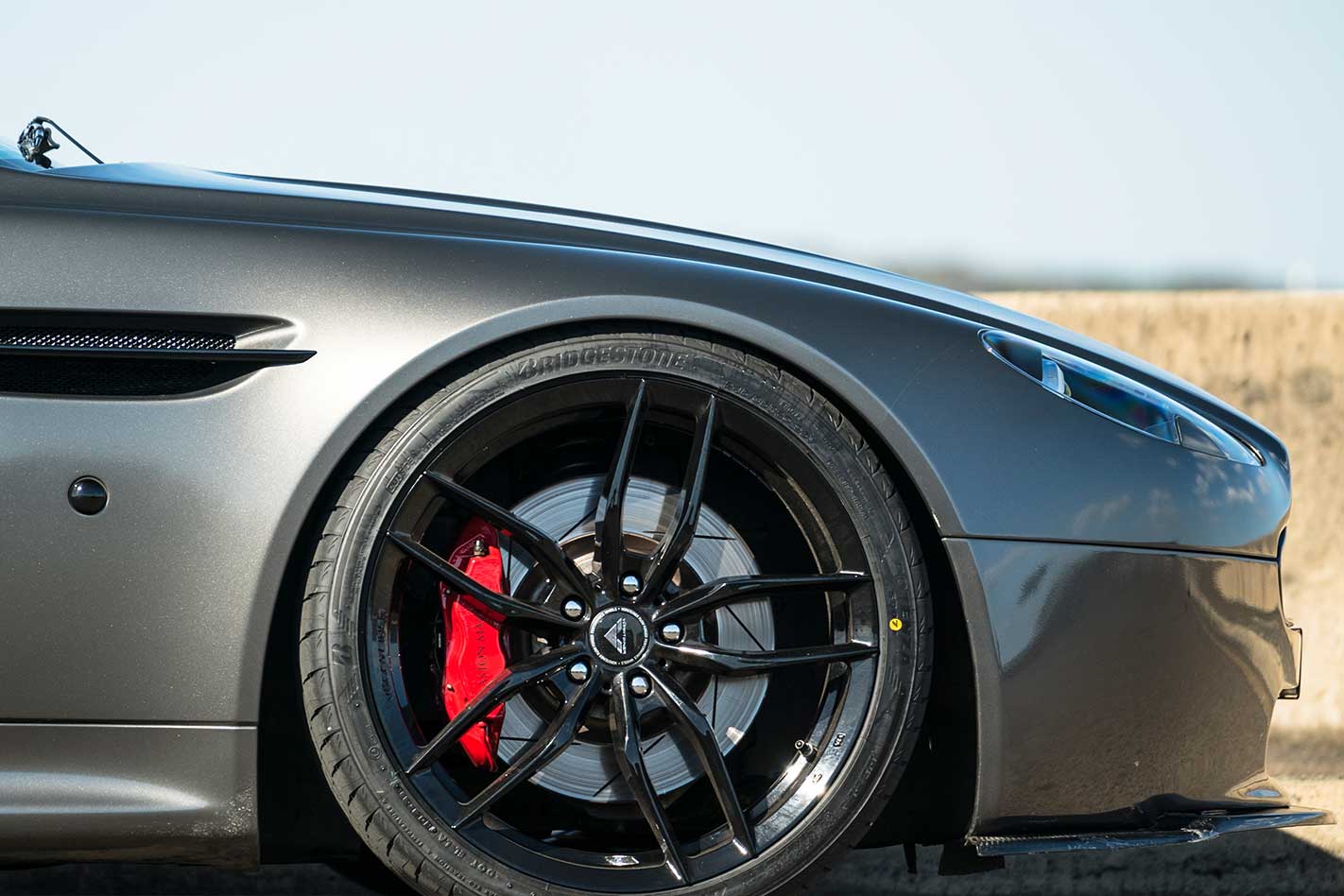
This one-of-a-kind Vantage has had the secret agent treatment, with a respray to a unique ‘Grigio’ grey and the addition of a carbonfibre front lip, grille and rear spoiler.
But the real gains were made through a raft of handling enhancements, converting the Vantage from a comfortable sports cruiser to a sharp shooter through turns: Bilstein dampers, H&R lowering springs and Bridgestone Potenza S007A rubber, resulting in laser precision steering.
The Potenza S007A was introduced as Bridgestone’s flagship performance tyre when it launched. With improvements to responsiveness, new levels of stability for both every day and high-speed applications, heightened grip and cornering ability, improved braking capabilities and increased wear life compared to previous generation tyres, the S007A is ideal for high-end performance cars such as Aston Martins, Mercedes-AMGs and BMW M Series cars.
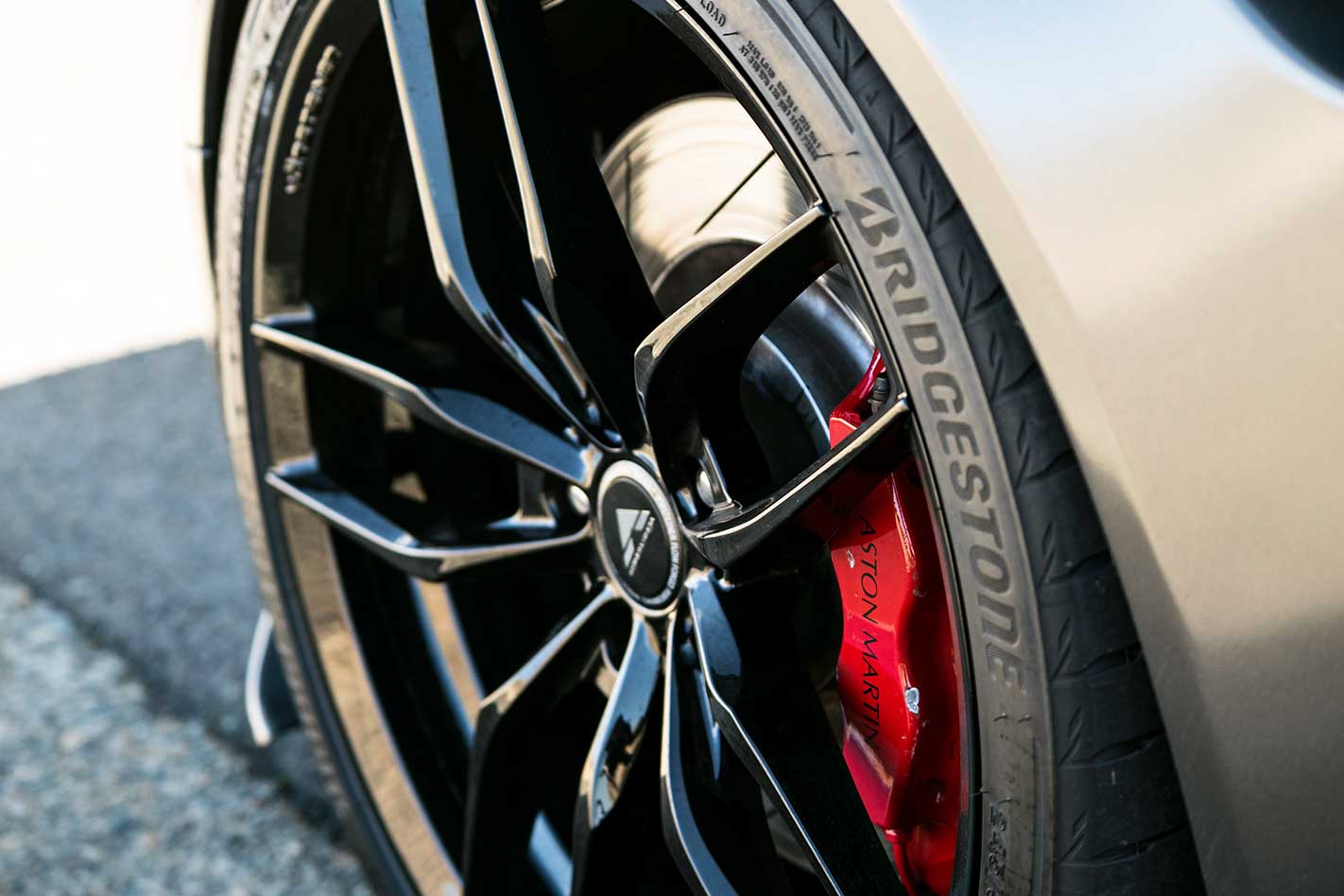
This Aston Martin is featured in Bridgestone’s ‘This is my Build’ series. Check out the series on Bridgestone’s website.
SsangYong’s efforts to re-establish itself in Australia will take a major step forward when its all-new Korando crossover set to arrive in Australia as early as October this year.
Based on the Korean brand’s SIV-2 concept shown at the Geneva Motor Show in 2016, the fourth-generation Korando will be officially unveiled at this year’s Geneva event, which begins this week
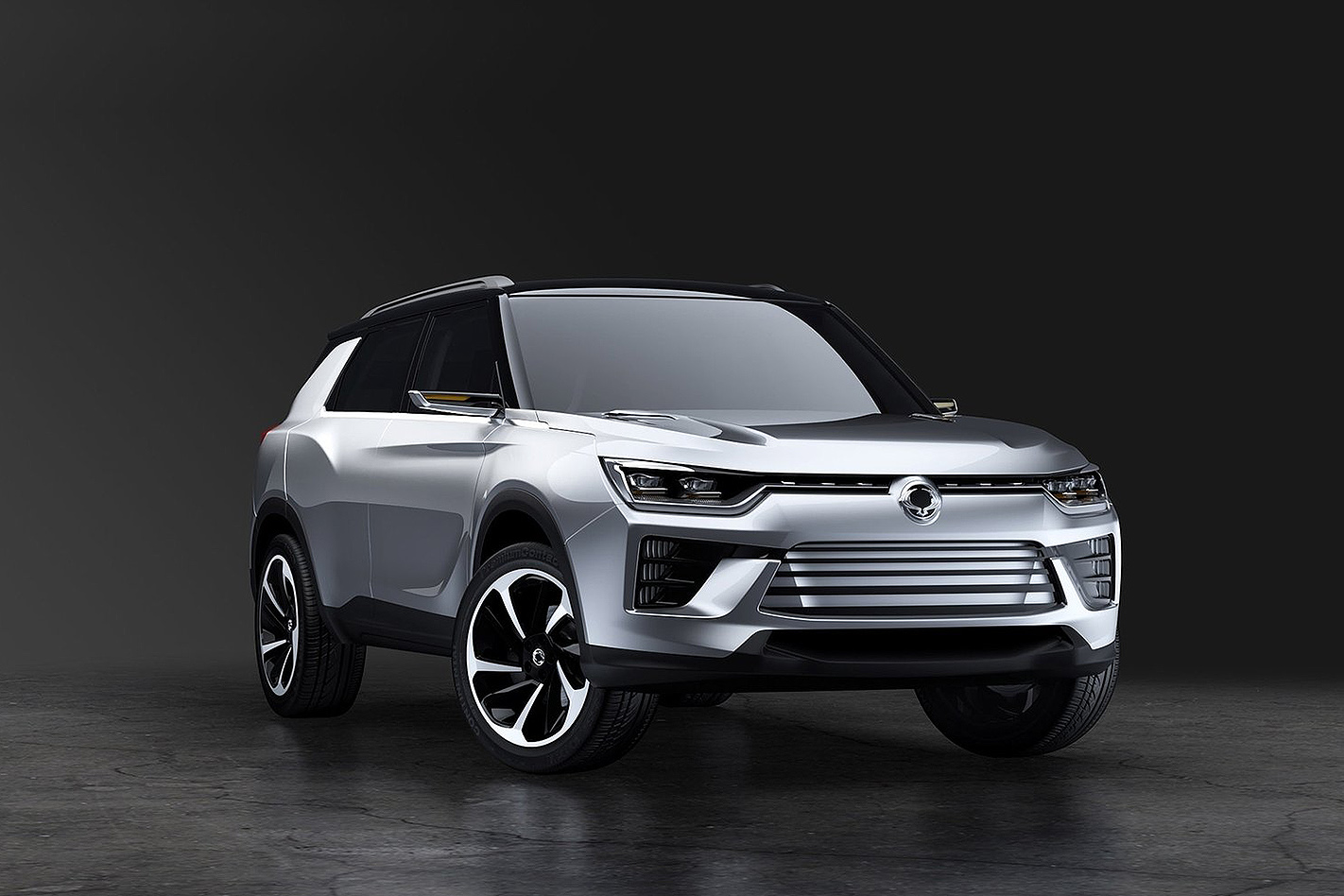
Measuring 4410mm long and 1830mm wide on a 2650mm wheelbase, the sub-compact Korando bridges the gap between the compact Tivoli and mid-sized Tivoli XLV.
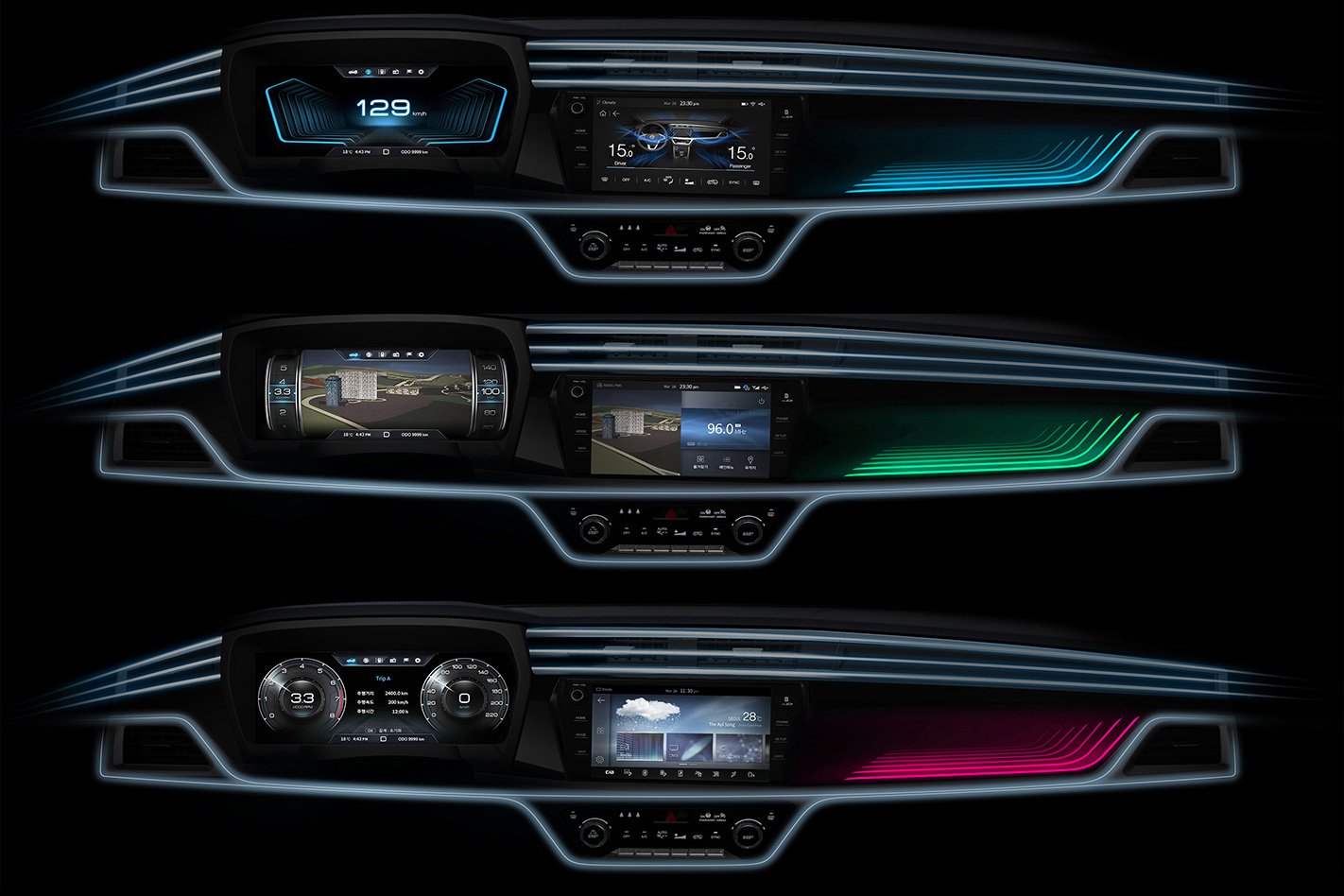
According to SsangYong, those numbers give it one of the roomiest cabins in its class, that includes the Nissan Qashqai, Mitsubishi ASX and Subaru XV, along with one of the most advanced infotainment system displayed via a 9.0-inch touchscreen, and 10.25-inch digital gauge cluster with satellite navigation displayed on both screens similar to the Volkswagen Group’s Virtual Cockpit display.
The 2019 Korando’s exterior closely matches the SIV-2 concept, and looks bolder and more premium than its bland predecessor.
It will be powered by a choice of 1.5-litre turbocharged petrol and 1.6-litre turbodiesel engines with the latest Euro 6d efficiency ratings, “with an EV (electric) version to follow” at some point in the next year or so, according to the company.
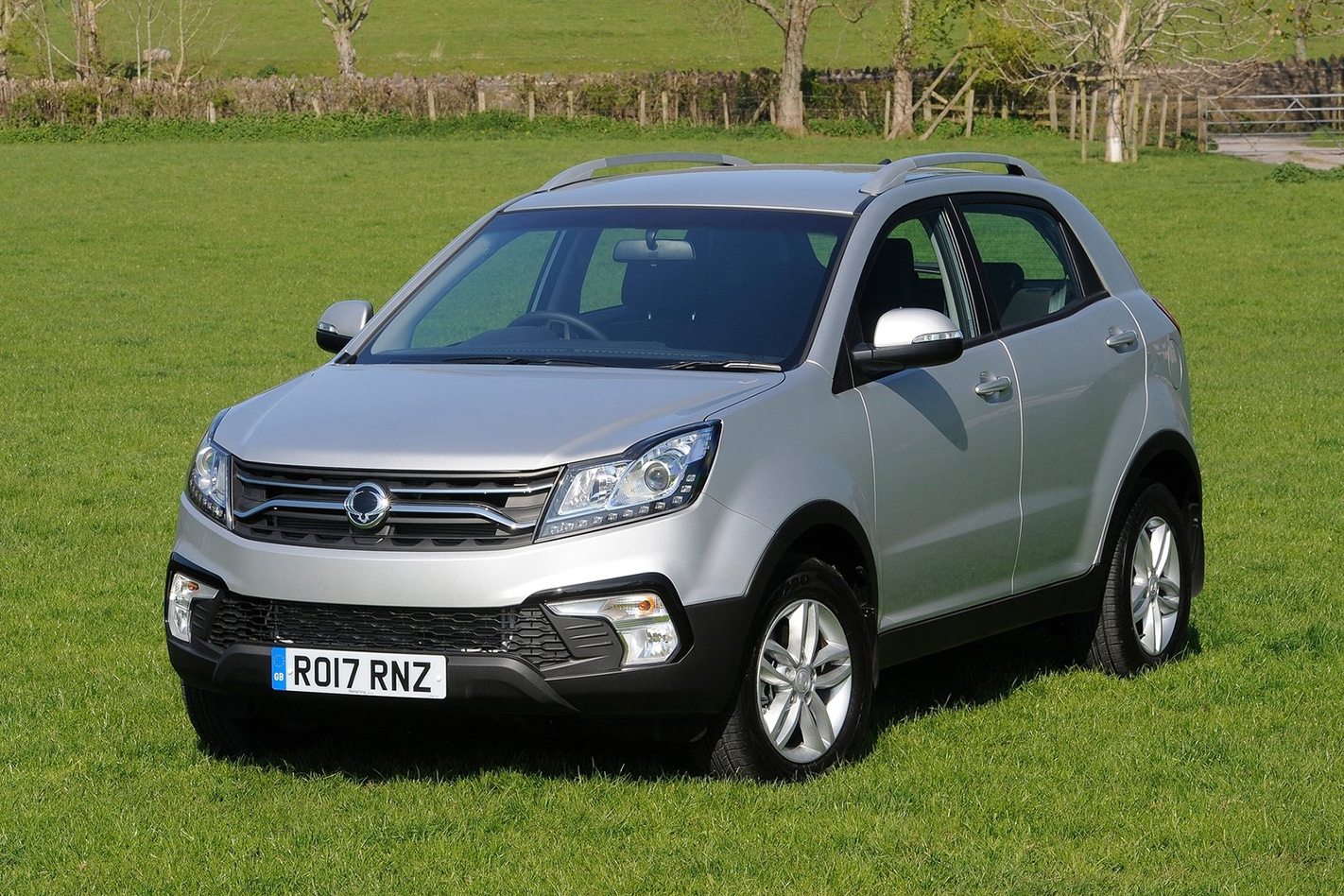
More specifications and features will be released at the 2019 Geneva Motor Show this week. Local pricing will be revealed prior to its Australian launch.
SsangYong fixed price servicing
Meanwhile, SsangYong has revealed new fixed-price servicing for its 2019 range, which sees all checks for each model costing the same during the seven-year warranty coverage – from 12 months/15,000km to 84 months/105km.
Service pricing for each model is as follows:
- SsangYong Musso, – $375
- SsangYong Rexton diesel – $375
- SsangYong Rexton petrol – $335
- Ssangyong Tivoli diesel – $322
- SsangYong Tivoli petrol – $290
- SsangYong Tivoli XLV $322
PORSCHE Australia has welcomed the impending removal of the federal government’s Luxury Car Tax (LCT), but cautioned that any sudden cancellation of the controversial excise could be detrimental to the car industry and consumers alike.
The end of LCT is nearing reality, thanks to the Federal Government’s ongoing negotiations for a free trade agreement (FTA) with the European Union.
It’s likely that any successful FTA would include “reciprocal elimination of barriers to trade and goods” – meaning no more LCT.
Chris Jordan, Porsche Australia’s Head of Public Relations, said that while Porsche welcomed the prospect of an FTA, it was wary of any sudden removal of the LCT, due to its potential to harm resale values.
“Our position is that we would like to see it removed, but in an orderly way,” he explained.
“Not just if you do it, but how you do it, is very important, given that for so many of our cars it (LCT) is such a huge proportion of the sales price.”
2018 Porsche 911 Carrera T vs 1975 911 Carrera 2.7: new vs used
While the elimination of LCT will be a boon for new car buyers, Porsche is concerned that its existing customers are not hit by a sudden, large drop in the value of their existing vehicle.
This is particularly the case “when you are selling cars close to that $400,000-$500,000 mark”, said Jordan.
“At that point LCT is a huge proportion of the sales price, so how that gets phased out is an important topic,” he added.
The concerns are not unwarranted, with LCT adding roughly $2100 to the price of an $80,000 vehicle, with any optional accessories fitted counting toward the amount of tax levied.
The $1.1 million recommended retail price for a Rolls-Royce Phantom, for instance, includes $236,000 in LCT.
An overnight dumping of the LCT would instantly reduce the sale price for many luxury cars in Australian showrooms, with an immediate flow-on effect to used-car values.
Porsche Australia refrained from suggesting a specific model for the removal of LCT, but stressed a well-thought out plan was necessary.
“There are a few ways you could do it; we are not saying there is a single preferred option, but it’s important that there is a discussion around the decision-making process, so you didn’t just wake up one morning and it is wiped out,” Jordan said.
First introduced by the Howard Government in 2000, in conjunction with the removal of sales tax and the introduction of the Goods and Services Tax, the LCT is imposed at a rate of 33 per cent on the purchase price of a car above the threshold of $66,331, or $75,526 for fuel-efficient vehicles that consume less than 7.0L/100km.
LCT has added more than $5 billion to government coffers in the last decade – with almost $700 million added in the last financial year alone.
The Aston Martin Valkyrie hypercar is set to receive a Rimac-developed battery-electric system to complement its wild naturally aspirated V12.
While the Cosworth-developed 6.5-litre combustion engine makes 735kW and 740Nm on its own, but with Integral Powertrain and Rimac’s help the Valkyrie will have a total of 853kW and 900Nm at its disposal.
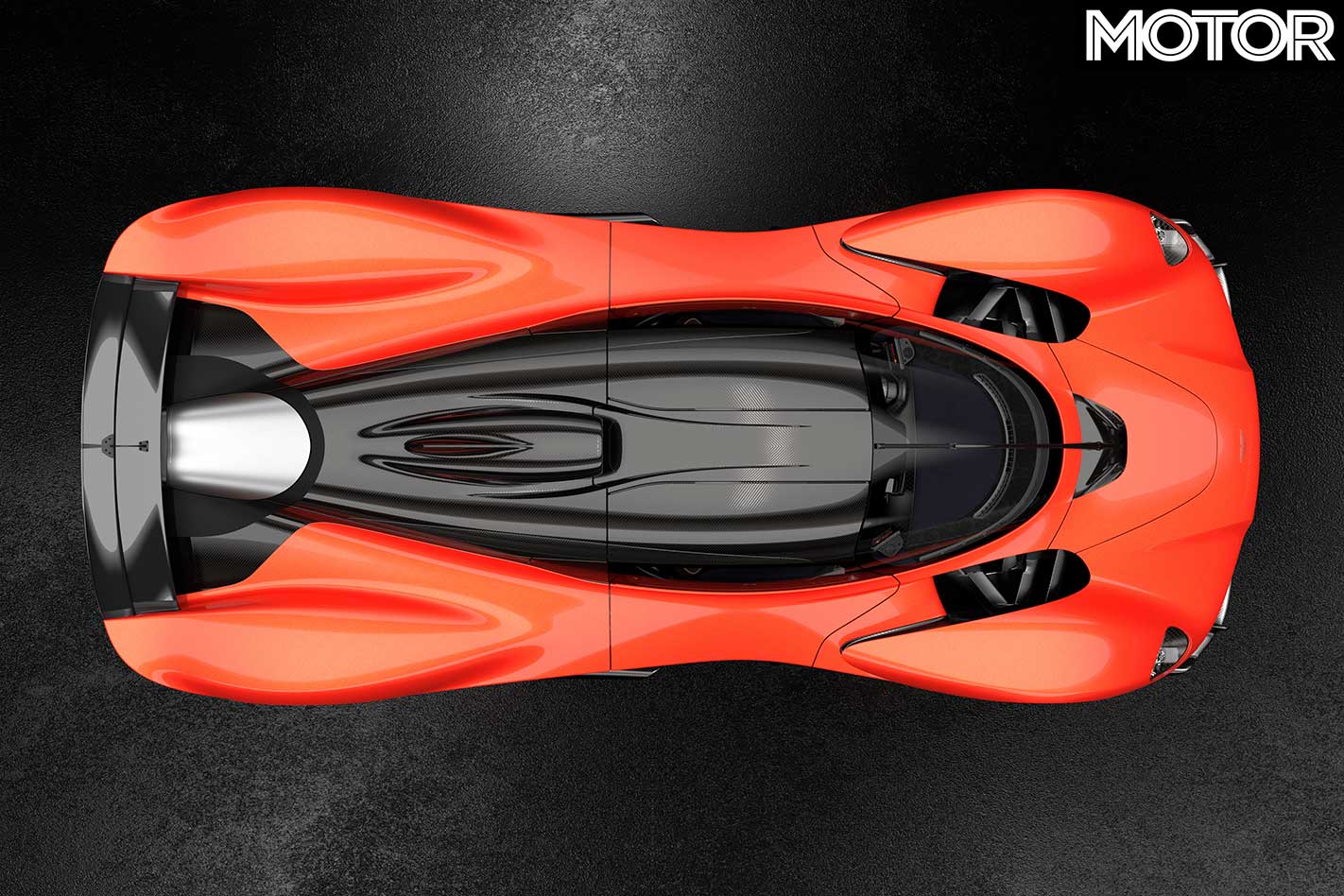
A quick bit of maths confirms the Rimac battery system provides an extra 118kW to the system through the Integral Powertrain electric motor. The Valkyrie’s 900Nm of torque, boosted significantly by the hybrid system, is on tap from about halfway to redline at 600rpm.
While the engine is ‘Cosworth’ and the electric element of the drivetrain is ‘Rimac and Integral Powertrain’, the approach to these two systems working together was overseen by Red Bull Advanced Technologies with the same “meticulous ethos” as is used in its F1 program.
Aston Martin says this means these elements do more than just one job each.
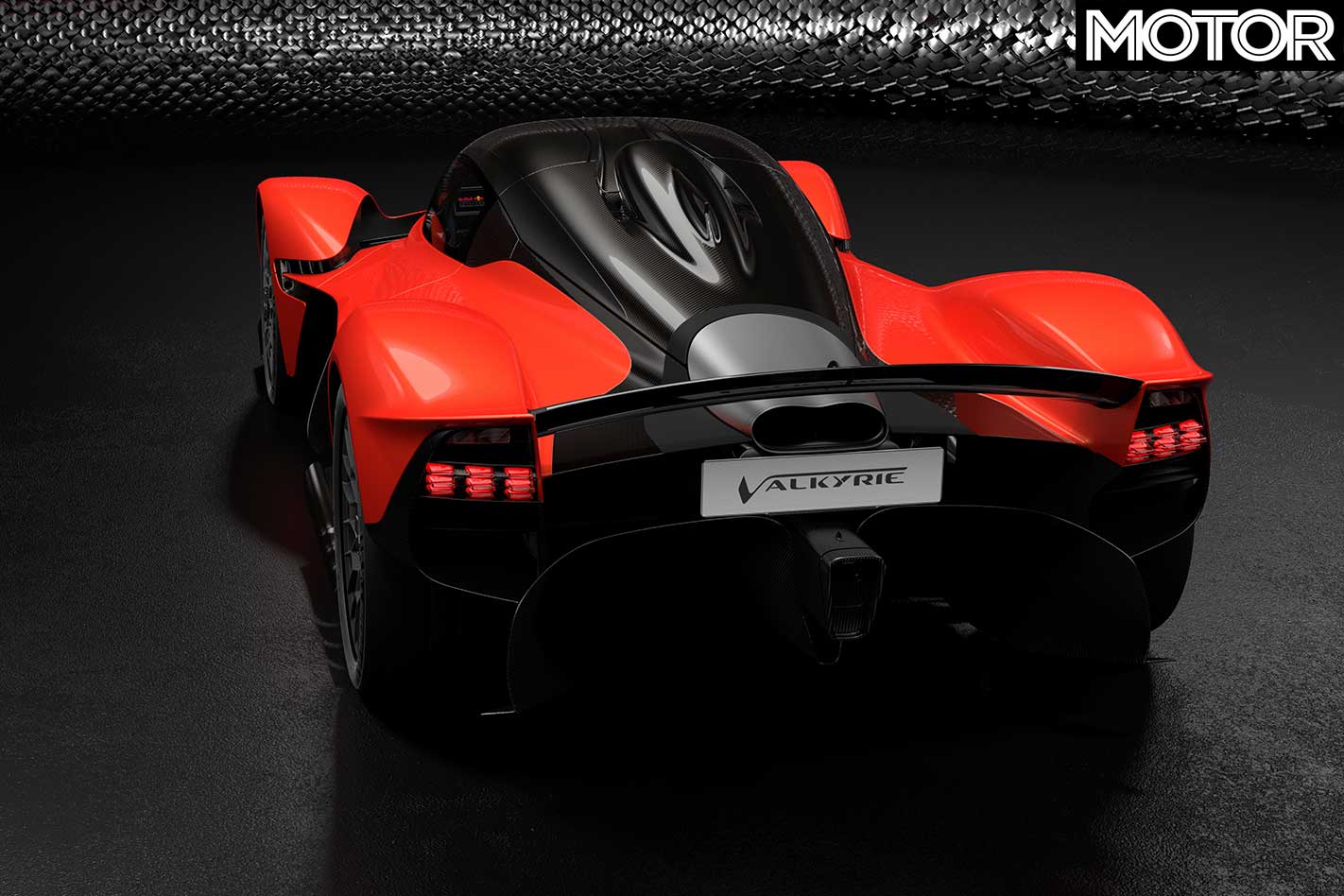
“Using the Aston Martin Valkyrie’s powertrain as an example, both the V12 engine and gearbox casing act as stressed members of the vehicle structure.
“The latter provides rear suspension mounting points, while also helping provide even greater structural rigidity and eliminating the weight of an additional rear subframe.”
Aston Martin’s head of special vehicle operations David King says the drivetrain cements the car, in the brand’s view, as the ultimate hypercar.
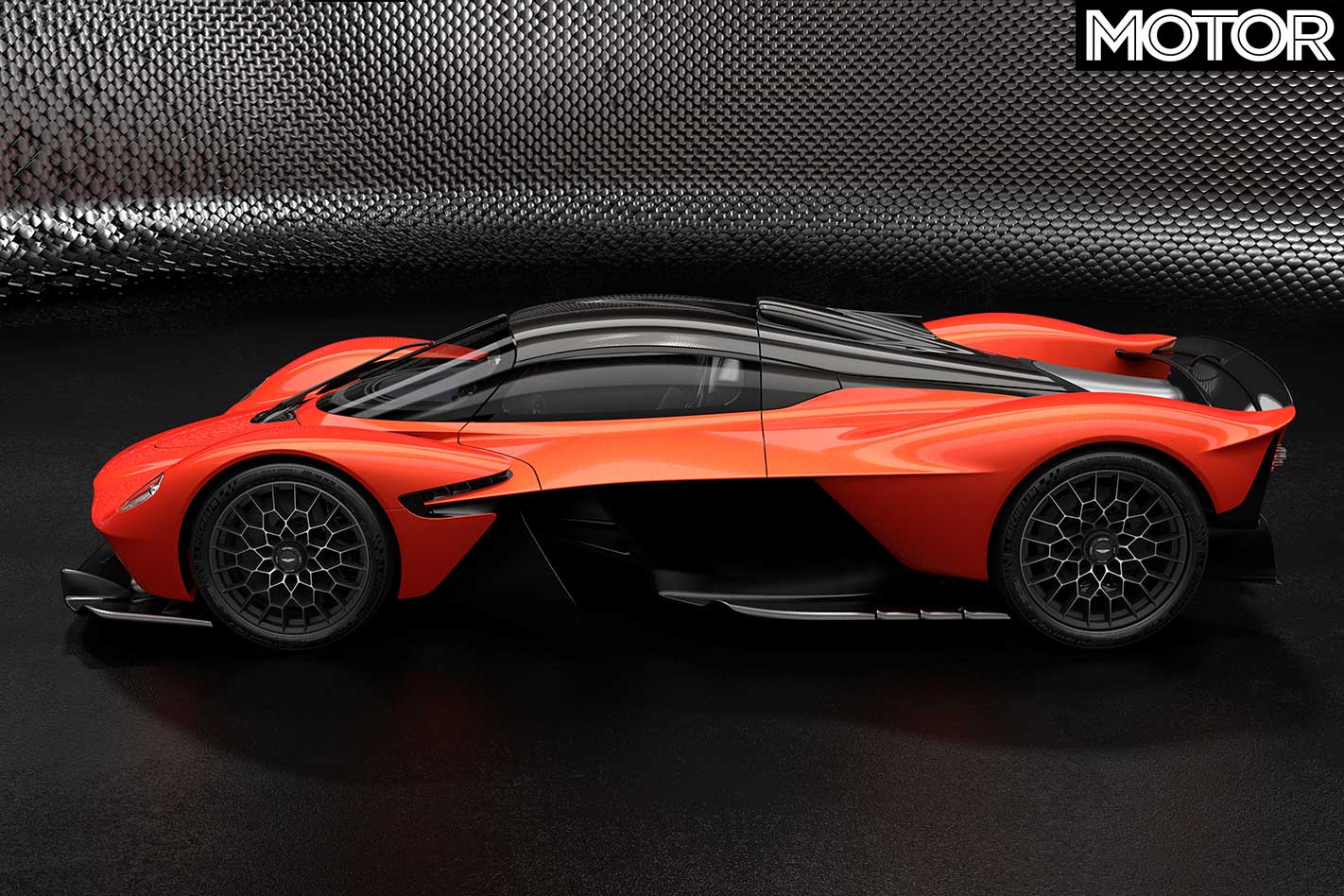
“Aston Martin Valkyrie is set to be the ultimate hypercar in the automotive world and these performance figures underline that statement,” says King.
“Red Bull Advanced Technologies, Cosworth, Rimac, and Integral Powertrain have been fantastic partners in the development of this powertrain, ensuring that we have already created a hybrid system that is emissions-compliant and ready to begin fitting to our first physical prototypes.
“I am, as I’m sure the rest of the world is, incredibly excited to see and hear the first of these cars on track”.
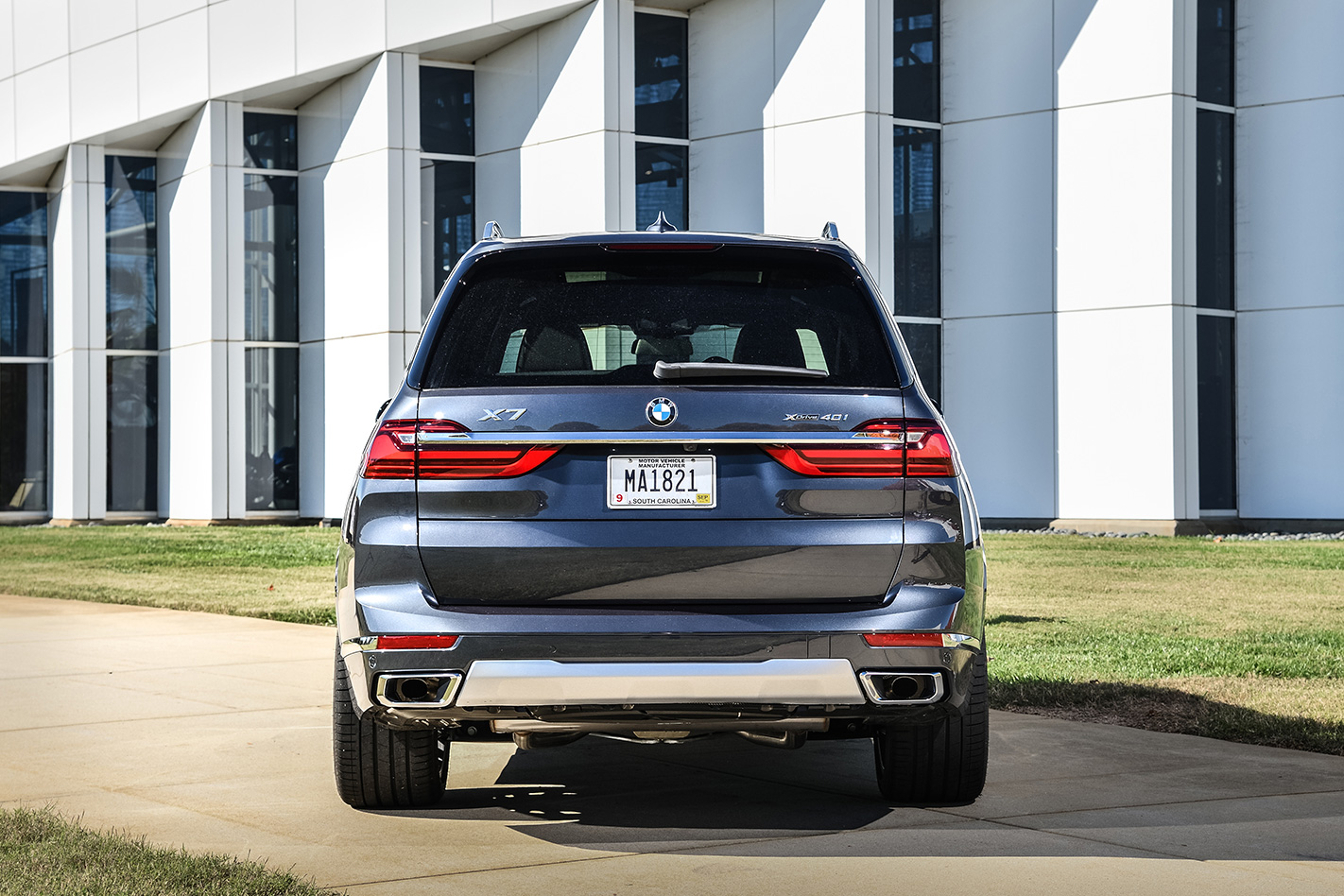
IN A surprise move, BMW Australia has announced that the entry-level variant of its two-strong X7 SUV line-up, due to go on sale in May, will be priced at $119,900; just $12,000 more expensive than the similar-engined X5 xDrive 30d.
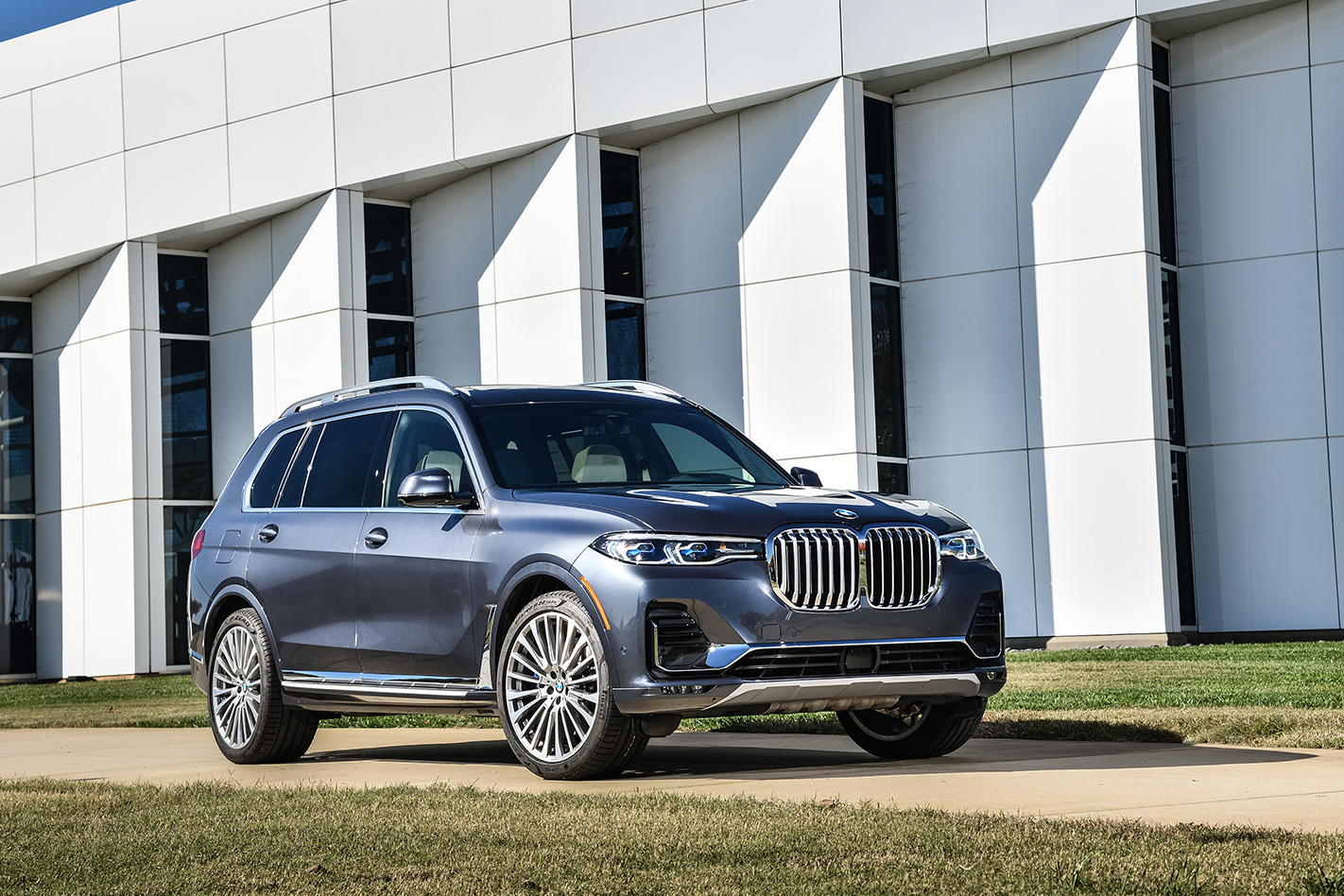
The keen pricing seems set to get the large SUV flagship off to a solid start when sales start in Australia, especially as the 5151mm-long behemoth offers genuine seven-adult accommodation.
By comparison, the X5 only offers a third-row seat as an option, and is 230mm shorter overall on a wheelbase 130mm smaller than the X7 flagship.
Globally, the X7 is offered with four engines -two petrols (a 3.0-litre turbo six and a 4.4-litre twin-turbo V8) and two diesels – but, initially at least, Australia will get only the diesel pair.
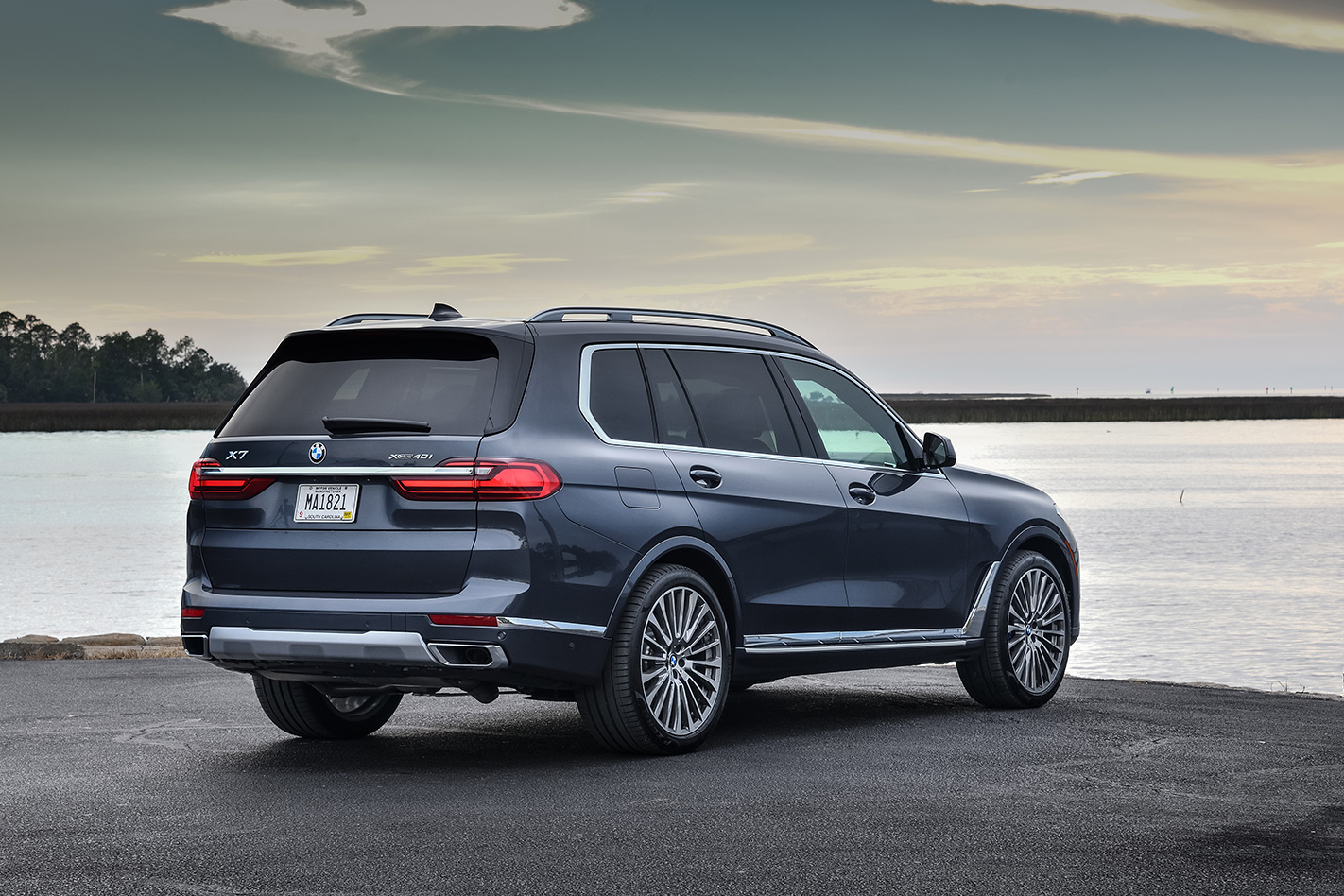
The twin-turbo 3.0-litre six powering the X7 xDrive 30d produces 195kW and 620Nm, giving it 0-100km/h performance of 7.0 seconds and official combined consumption of 6.5l/100km.
Above this sits the X7 M50d running a diesel six also displacing 3.0-litres, but it features four turbochargers – two conventional, two with variable geometry – to boost outputs to 294kW/760Nm, which in (standard-for-Australia) M Performance spec, pushes the price to $169,900.
Claimed 0-100km/h is 5.4 seconds. The M Performance additions include a firmer suspension set-up, faster steering response, bigger brakes, sports exhaust, and M Sport rear differential.
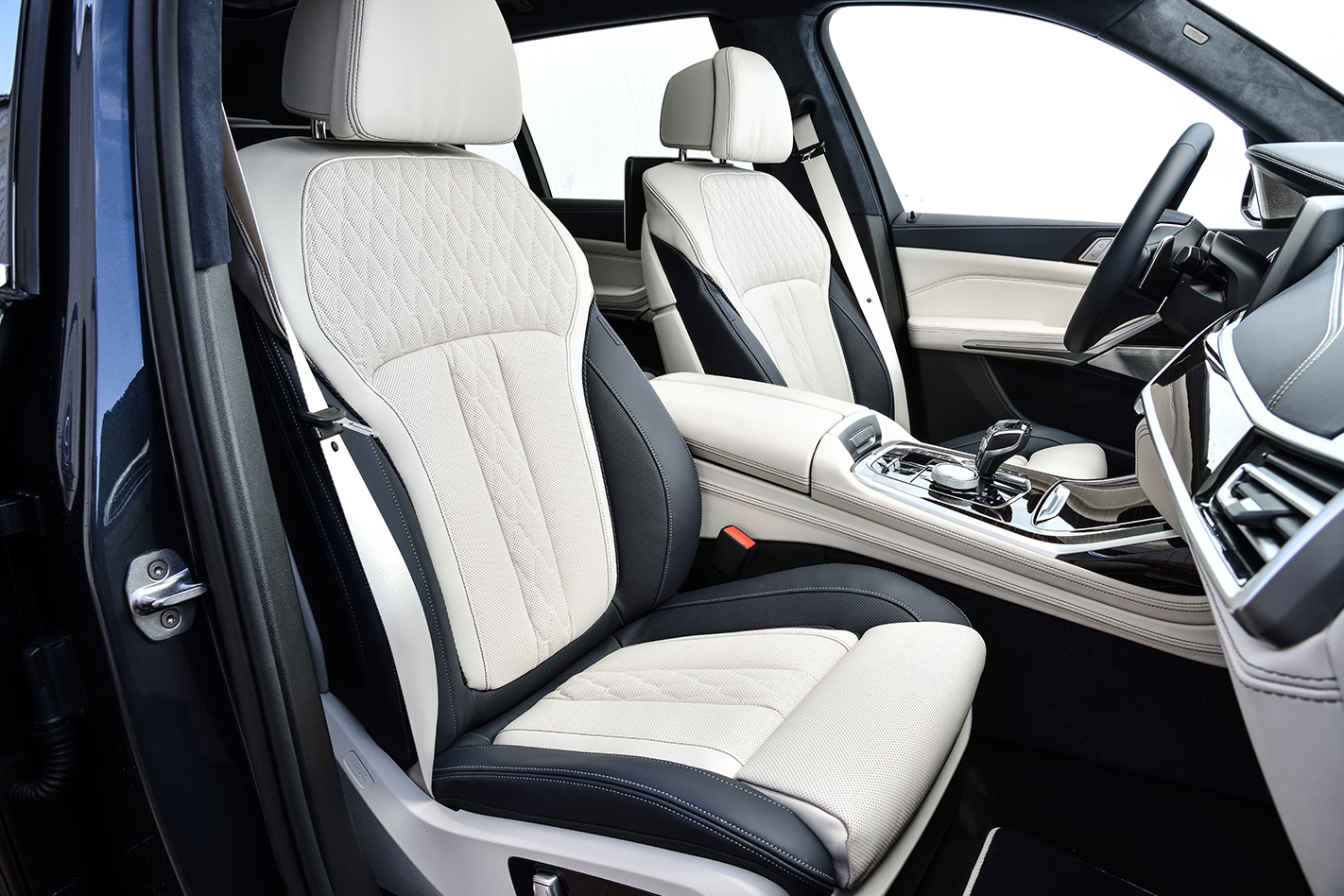
Both models will come standard with self-levelling air suspension, while the M50d adds rear-wheel steering to improve agility – a relative term with a vehicle of this size and weight – and provide a tighter turning circle.
Standard equipment for the 30d includes electric operation of all seats, specific buttons to raise or fold both second and third rows, 20-inch wheels running runflat tyres, soft-close function for all doors, heated front seats, head-up display, digital instrument panel, a 12.3-inch multimedia screen with voice control, and a full suite of safety and driver-assist systems.
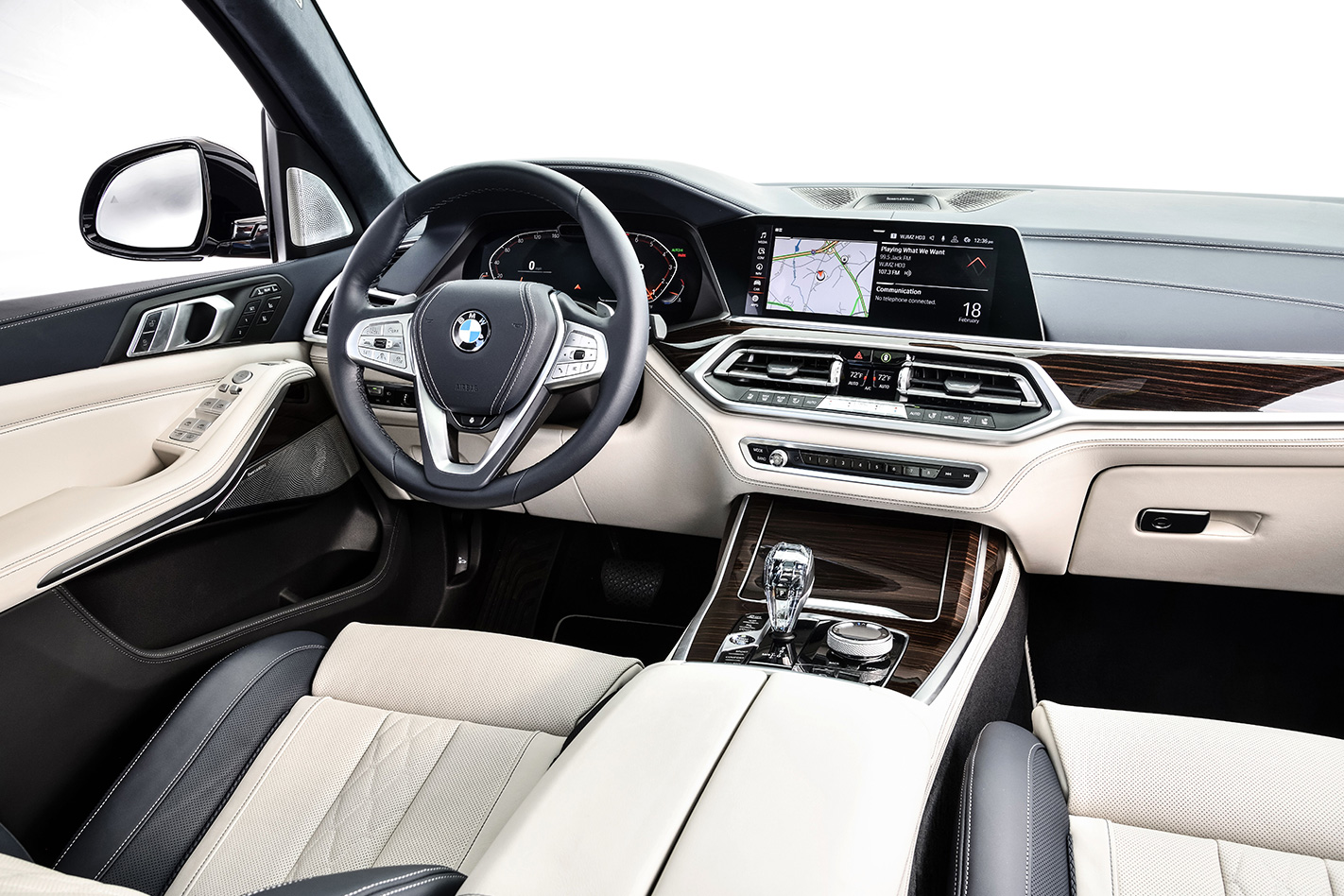
To this, the M50d adds 22-inch wheels, body styling package, Shadow Line exterior trim, Laserlight headlights, extended leather trim, Alcantara headliner, Harman/Kardon audio, plus of course the M Performance additions mentioned earlier.
A full drive impression will appear here on the WhichCar site on Monday March 11, and in the April edition of Wheels.
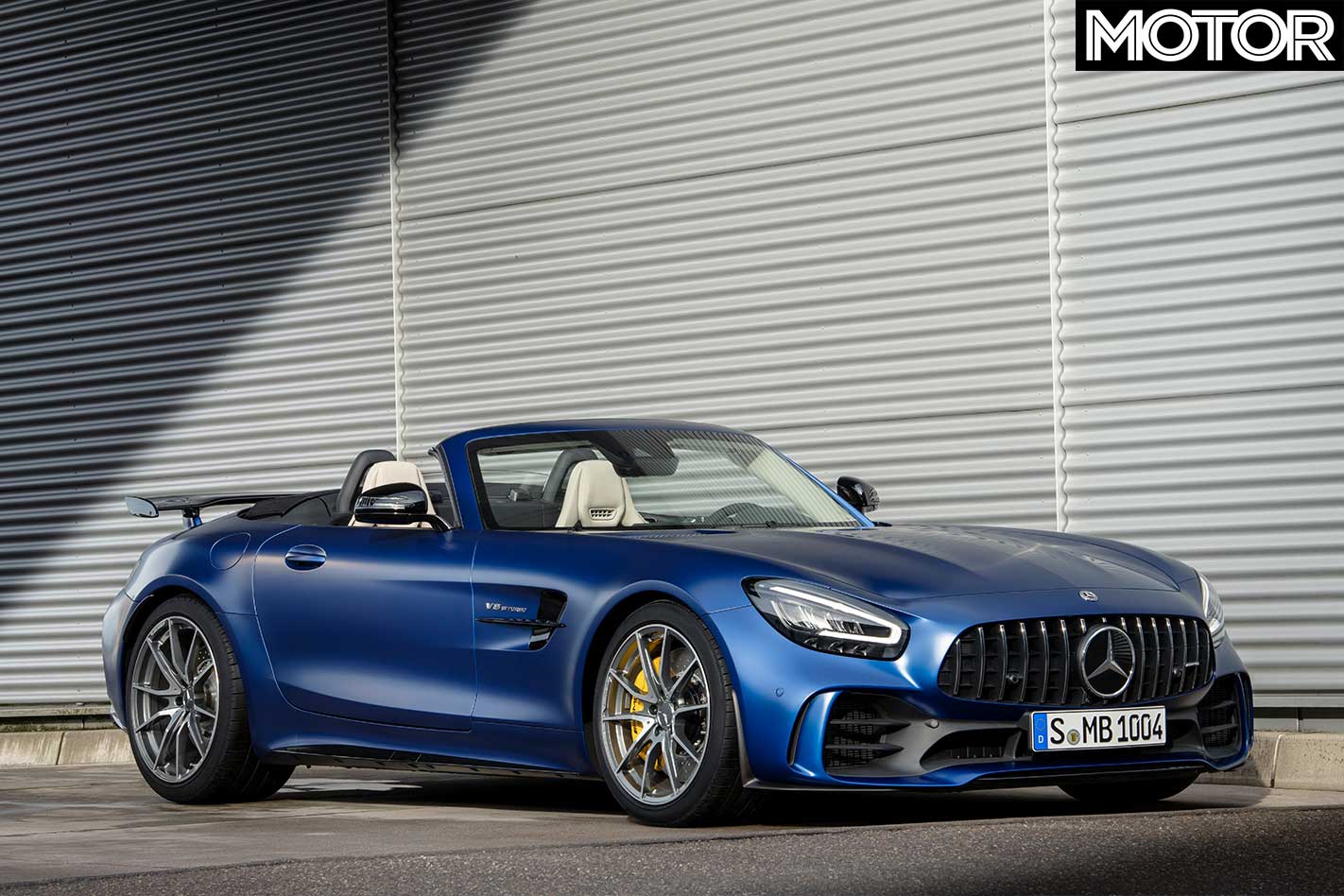
AMG has pulled the covers, and the roof, off its latest model, the Mercedes-AMG GT R Roadster, which it says is the 16th member of the AMG GT family.
Limited to 750 units worldwide, the GT R Roadster shares much of its specifications and styling with the coupe, including its rear wing.
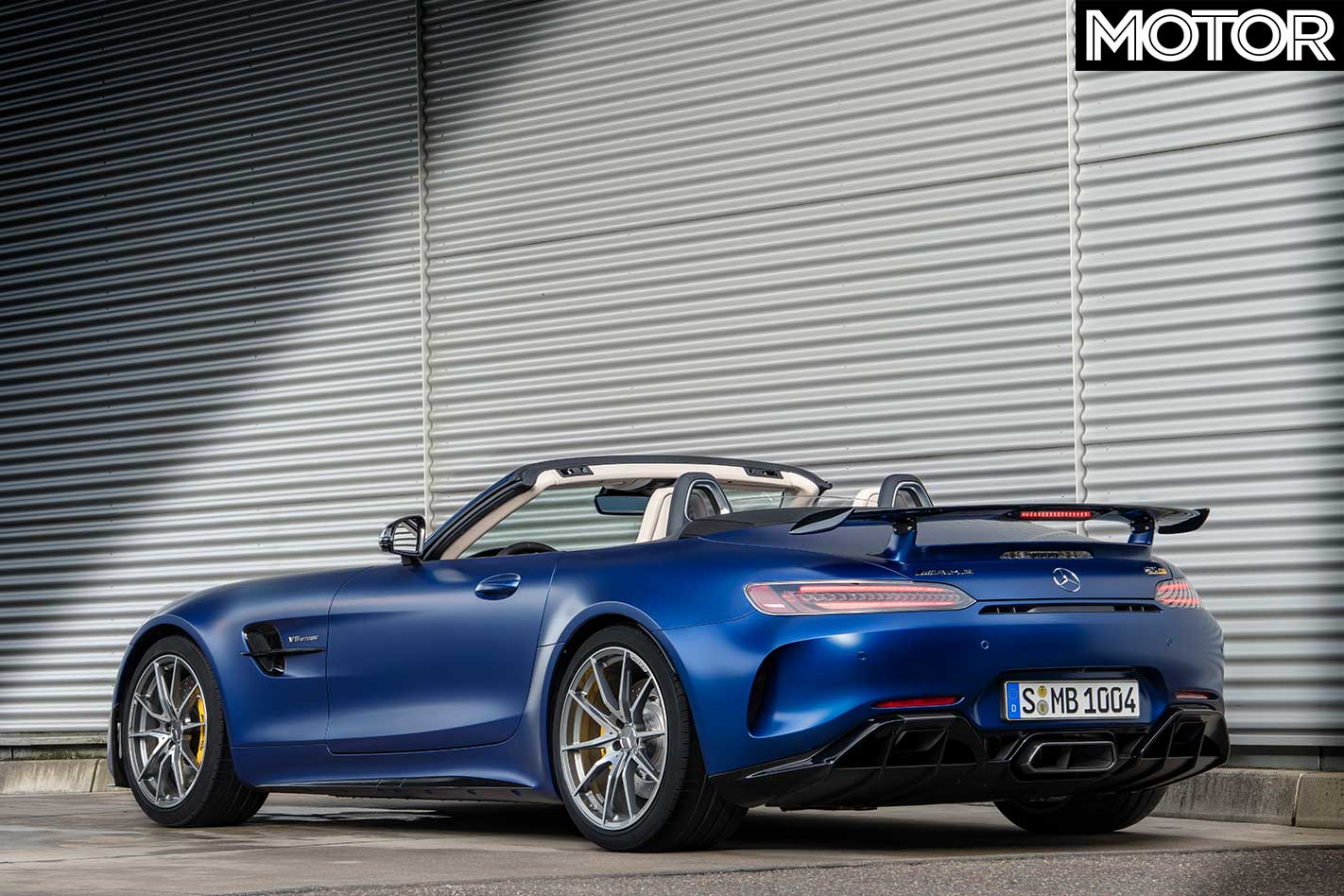
With the same twin-turbo 4.0-litre V8 producing 430kW and 700Nm as its roofed sibling, the AMG GT R Roadster should be held back dynamically by the extra weight required for strengthening the roofless car.
But AMG says the extra 80kg brings no extra tenths, clocking a 0-100km/h time of 3.6 seconds, identical to the AMG GT R Coupe. Top speed for the Roadster is claimed at 317km/h.
Aerodynamic elements such as ‘air curtains’ on the Roadster’s front apron are claimed to calm the airflow over and around the car, limiting the effect its open top has on drag.
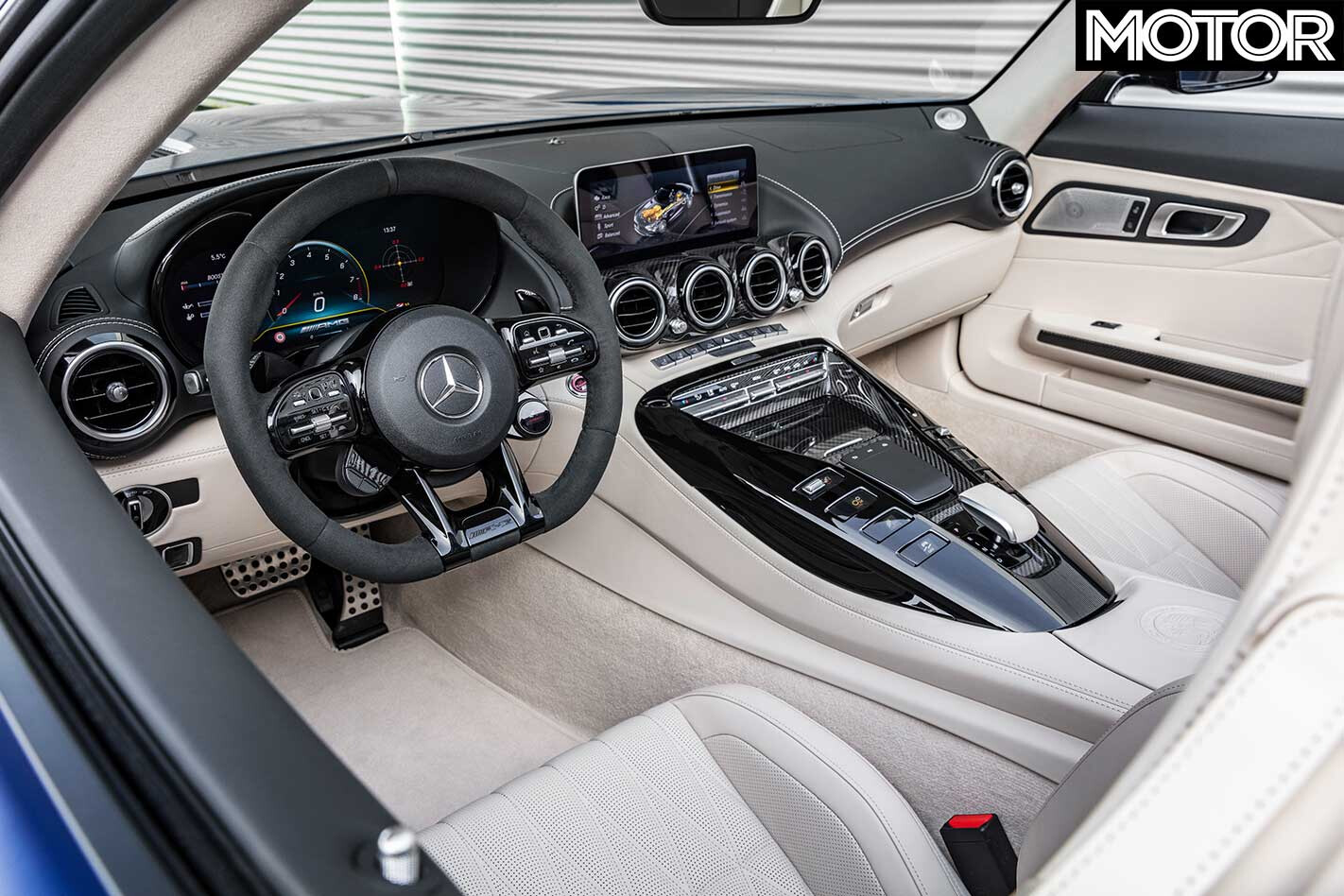
Even with the roof closed, the structure supporting the soft-top was designed to be lightweight to keep the centre of gravity low, so it’s made from a mix of magnesium, steel, and aluminium.
Similarly, rollover protection in the form of an aluminium crossmember is visible on the ‘body in white’ during the GT R Roadster’s production process.
AMG chair Tobias Moers says the AMG GT R is intended to be more than just ‘Roadster style meets GT R performance.’
“With our GT R Roadster we have without doubt once again developed a brand-defining sports car,” Moers says.
“It too embodies Mercedes-AMG in form, function and vehicle dynamics and enriches our GT family with a highly exclusive variant limited to 750 units.”
