“Six seconds is big, that’s a whole other car”. Elliot Barbour, our tame racing driver, is almost picking his jaw up off the gritty Winton garage floor as he is told the difference in lap time between two sets of tyres he’s just tested. This is using the same car, at the same track, on the same day.
Six seconds is stark; that’s the difference between a Mercedes-AMG C63 S and a 991-series Porsche 911 GT3 around one lap here, Winton’s full 3.0km circuit, as we precisely demonstrated at our 2016 Performance Car of the Year.
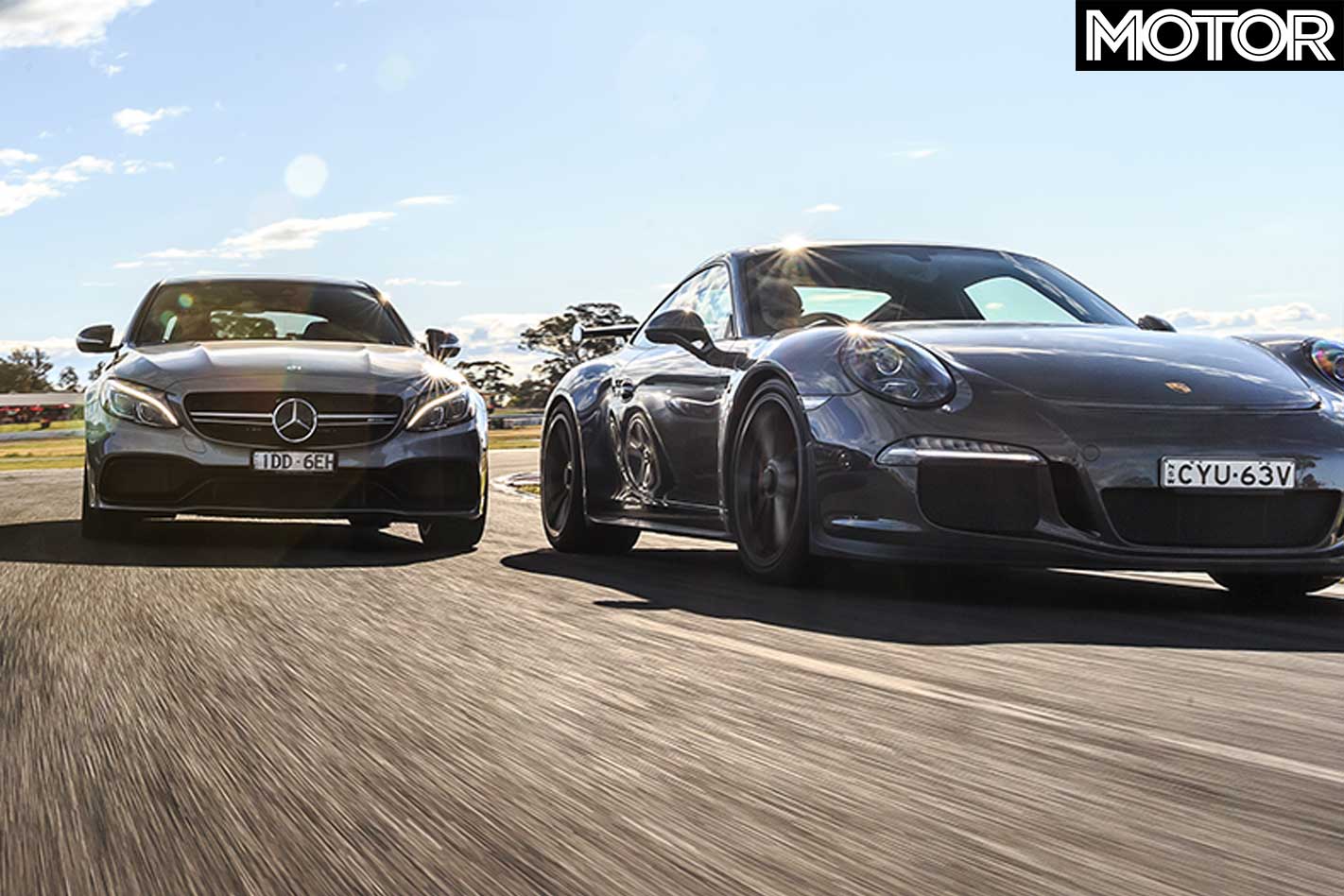
The Porsche might be in another league for performance and speed to the AMG but, crucially, it charges an extra $155K for the capability. So imagine making the same sort of quantum leap with a few hundred dollars, by way of spending extra on the oft-forgotten black and round things beaded on to your probably large and expensive wheels.
Yes, a conversation about tyres could put an insomniac to sleep, but when this topic comes up, you can tell the real thinkers by those who listen alertly. And so listen up, because the results are in of an experiment we’ve been wanting to conduct for some time.
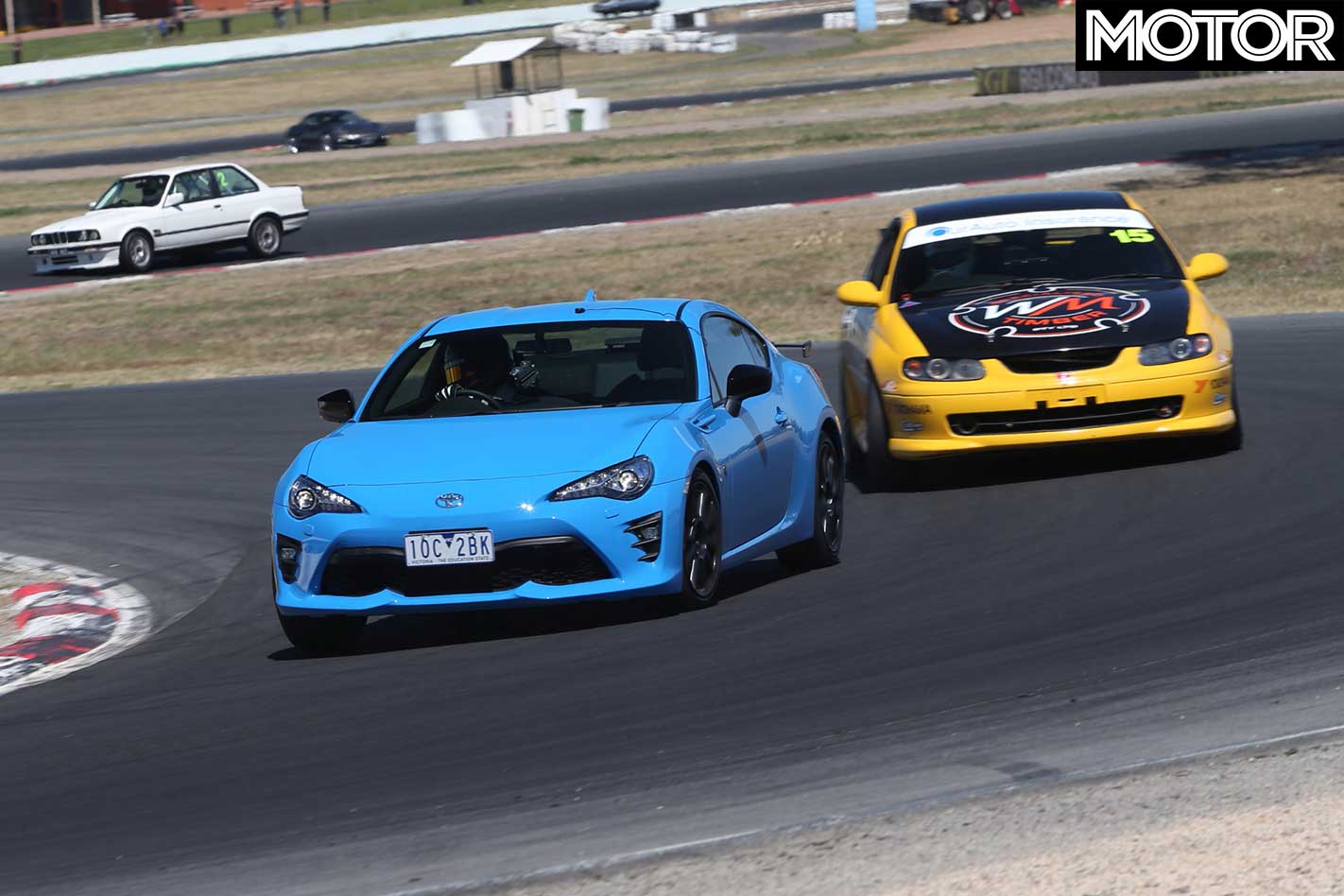
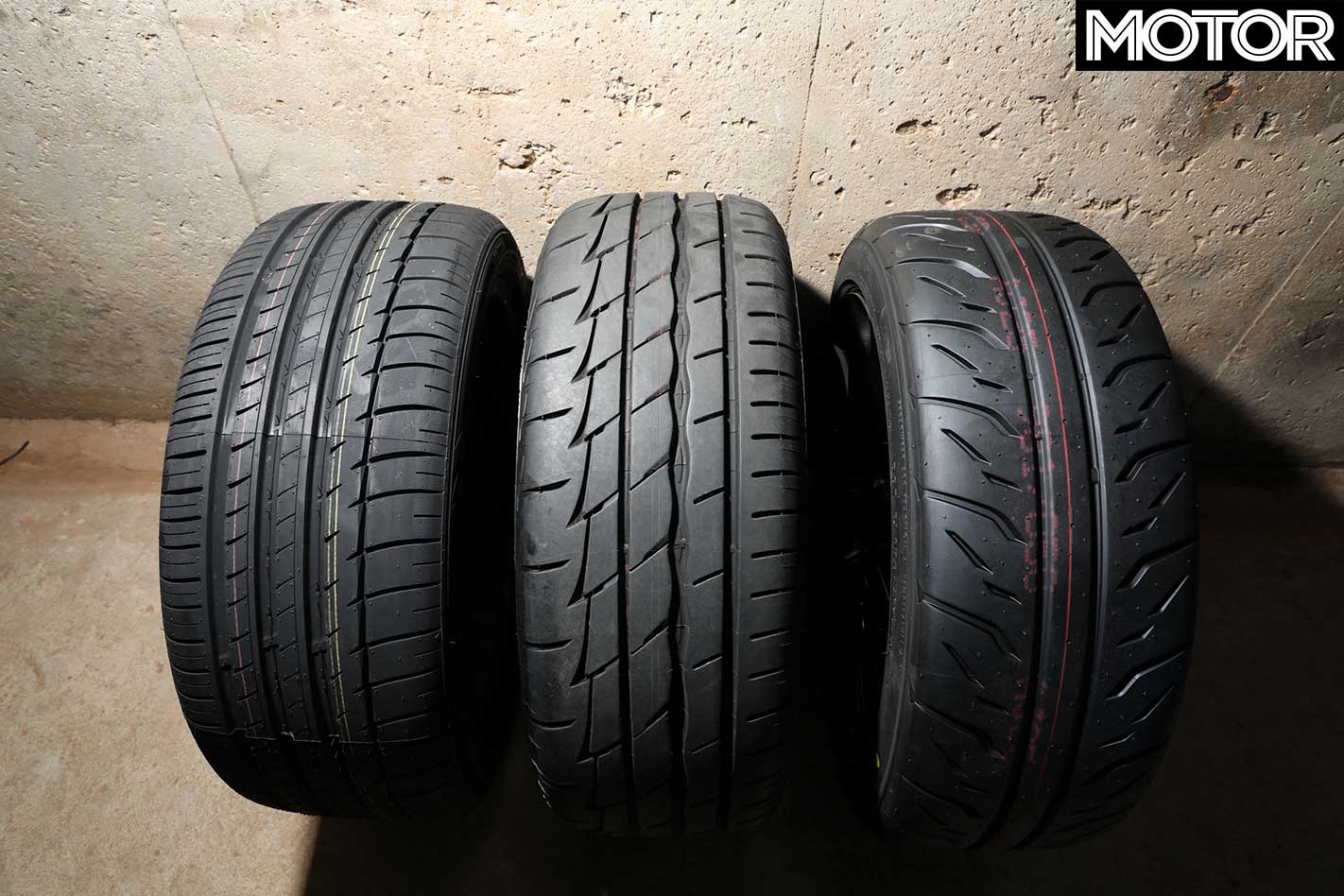
We’ve grabbed a Toyota 86 GTS with the optional Brembo brakes, packed three very different sets of tyres and headed north to Winton. Pattern number one, from El-Cheapo Inc – we won’t name and shame the actual brand – but from a nation that can make things far cheaper than we can. We actually walked into a tyre shop and said what’s the cheapest and nastiest stuff you have in 215/45 R17.
Against the clock around Winton, we will pit this tyre, the kind your mother would warn you against buying, against a ‘regular’ ultra-high performance road tyre. And for laughs, we will also time a more track-focused pattern. At the end, we will compare times, Barbour’s impressions, and draw some sort of conclusion.
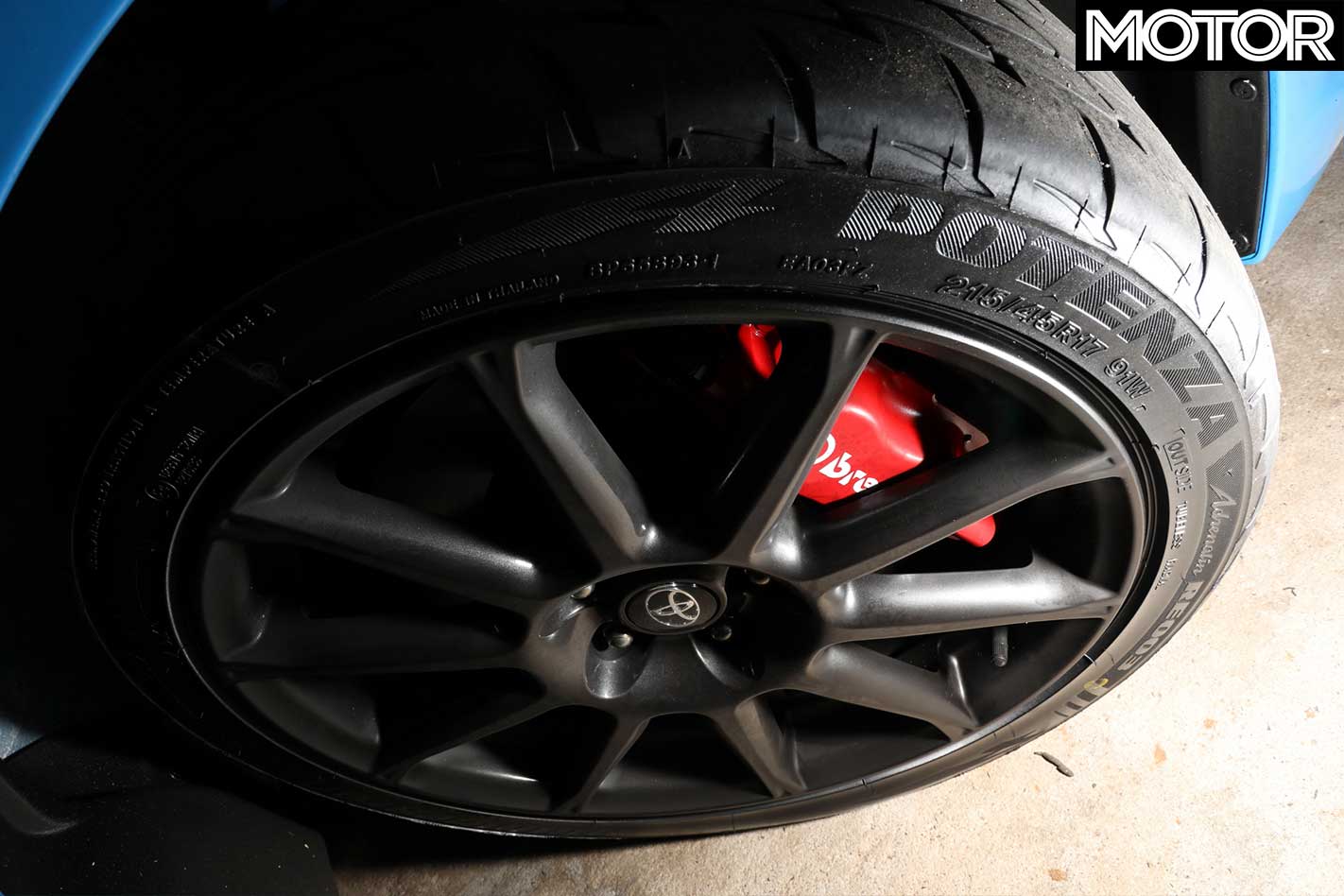
For the non-lethal rubber, Bridgestone has kindly supplied two sets from its Adrenaline range. First up, the RE003. They’re what it calls its “sports performance” tyres. And while they’re not standard on any road car, their availability in diameters 15- to 20-inches suggests they’ll fit most rides. Price? They’re about double our bargain-spec tyre, depending on where you shop.
Last, but certainly not least, are the exotic set. The Bridgestone RE-71R is a road friendly ‘motorsport’ tyre and represent the Michelin Pilot Sport Cup 2s of the world. With a tread wear rating of 200, compared to the RE003’s 220, they’re certainly streetable. But expect to shell out a bit more than the RE003s for the privilege to try them.
To keep things scientific we’ve asked Toyota for the aforementioned 86 GTS. Its rear-drive platform works its contact patches evenly and a bulletproof atmo 2.0-litre boxer should resist heat soak better than a turbo engine. We’ve also ticked the box on the $2200 optional Performance Pack, with uprated 326mm/312mm discs and fixed Brembo calipers.
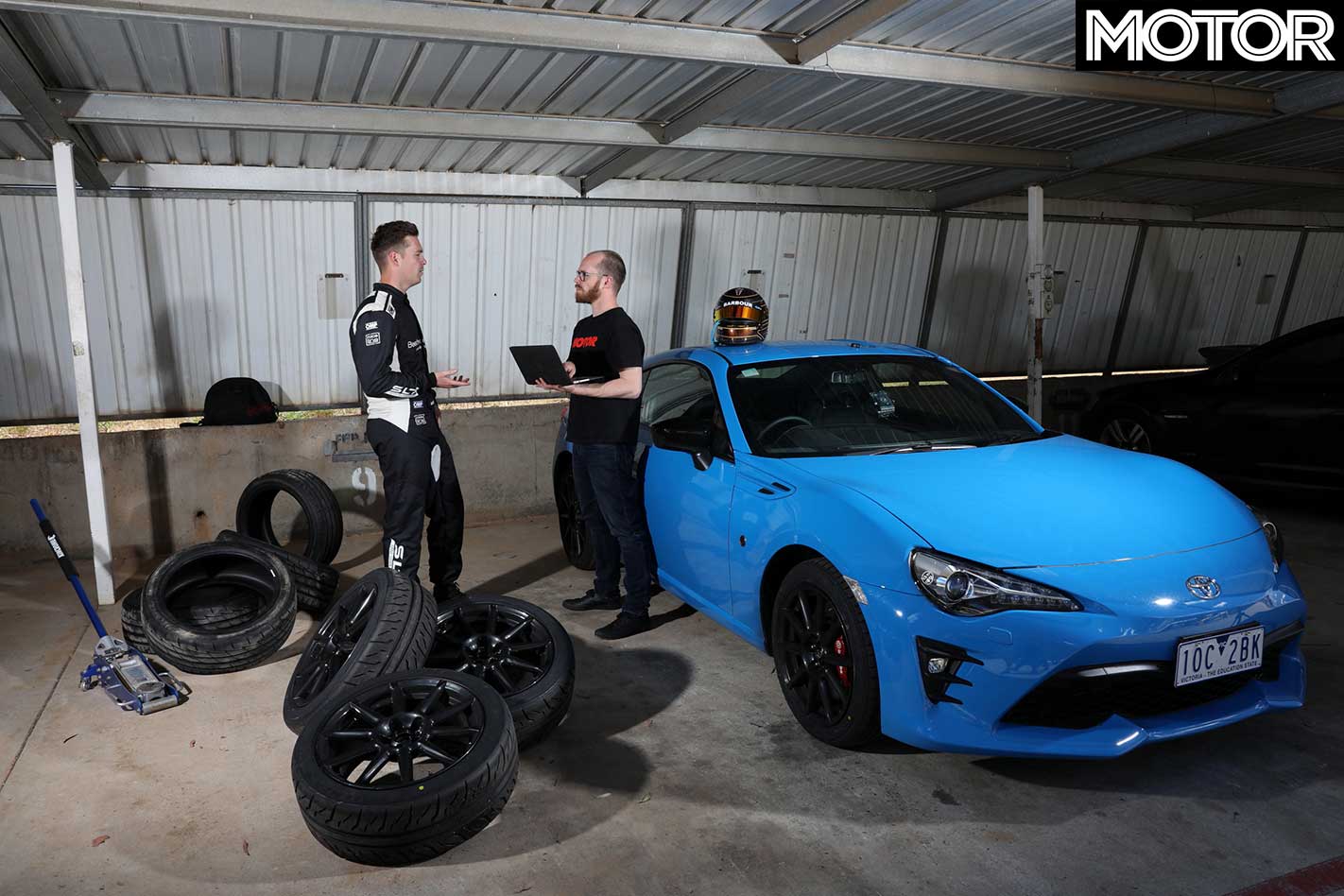
You’ve already met our driver. Barbour has raced everything from Holden HQs to McLaren 650S GT3s since he started professionally competing in cars at 17. Before that he raced karts, but quite literally outgrew the sport. Paired with a Driftbox, he’ll be setting lap times and offer judgement on the less quantifiable things like feel and braking performance.
At a glance, it looks like the El Cheapo’s tread engineers dug the blueprints for the RE003s out of a recycling bin behind Bridgestone’s head office. They have similar lateral sipes on their inside shoulder, then three vertical water channels that sit next to larger blocks on the outside tyre shoulder.
However, something about them doesn’t look exacting or scientific, and Barbour confirms this much once he comes into the pits. “As soon as I left the gate, I put my foot down and it started wheel spinning,” he says, “And I go into turn three there’s just constant understeer, just tyre squeal the whole way around.”
The lap reflects this, as his best time of 1:47.1sec is slower than any 86/BRZ we’ve punted around here. Pressures are up, too, around 42psi, or 7psi higher than cold, suggesting the tread blocks are squirming.
“There is a delay before they actually bite,” he says. “And as soon as you touch the brake, bang, ABS. I was braking up to 30 or 40 metres earlier in other areas, just to get to an apex. You’re going a lot slower at the apex, too, because you’re carrying brake all the way in.”
The RE003s look way more serious, with big blocks on the outside shoulder and centre ribs. It’s not just a tough tread pattern, either. After their laps pressures lower to a maximum 40psi, or 2psi lower than the El Cheapos, because their tread blocks are stiffer. They also slash 2.4 seconds from the lap time with more grip, at least at the rear, allowing Barbour to keep the throttle pinned on exit at turn one and six.
However, they’re not perfect. “You can just jump on the throttle at the apex, traction is really good,” he says, “but the biggest thing is allowing it to flow through the middle of the corner.” They’re still rolling over the sidewall, especially at turns three and four. “If we were to put pressures up to something like 40 cold, that would hold the sidewall a bit.”
With them done, we fetch the next set, and the RE-71Rs are instantly recognisable on their aggressive tread design. Only two vertical water channels straddle its solid centre rib, suggesting this tyre is clearly bent on doing one thing: going fast, at least in dry conditions anyway.
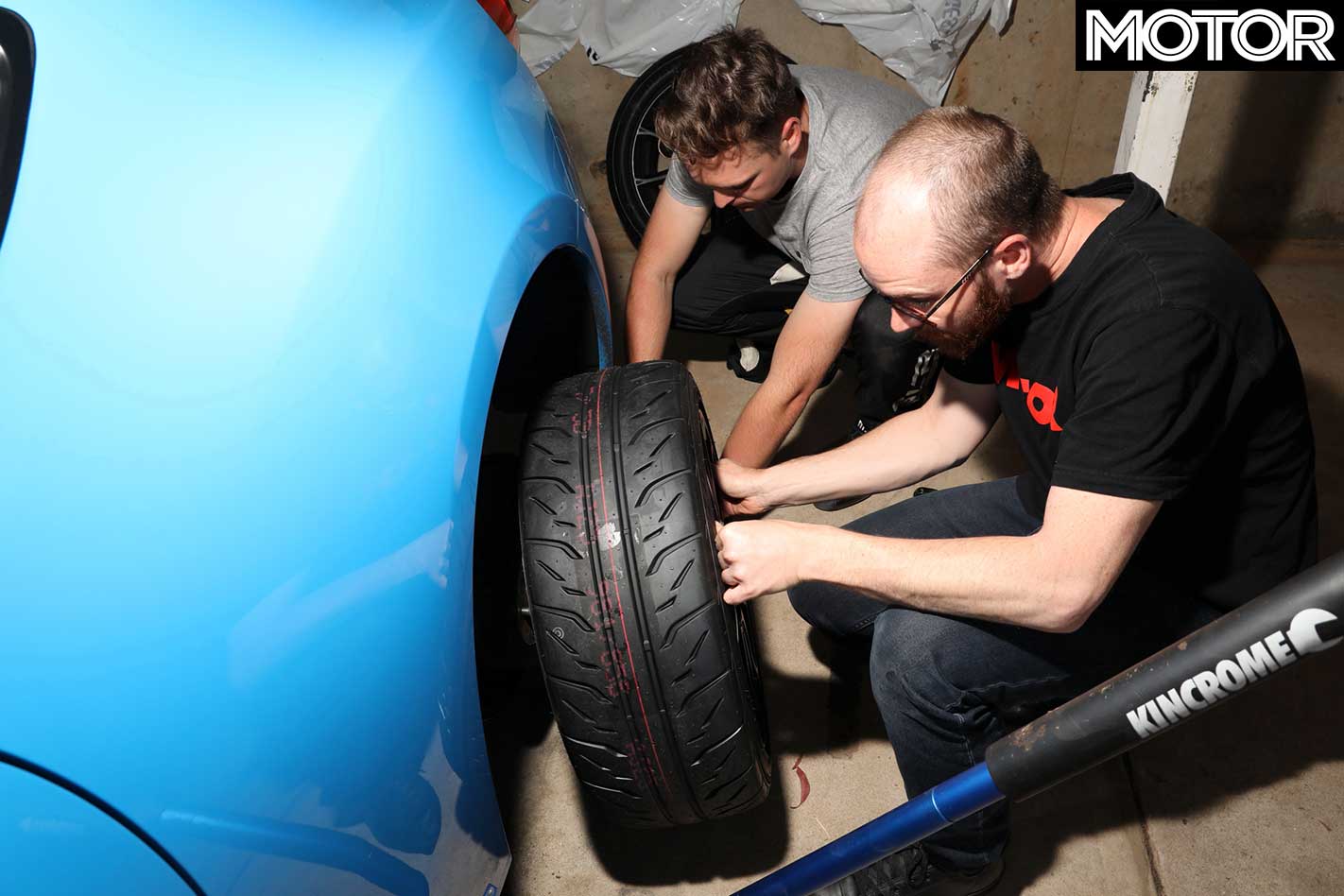
Barbour finds this out first hand. “You can embarrass some other cars on track” he grins. The traces show he’s carrying less brake into turn one than he did on the RE003, committing earlier with speed, but also finding confidence with their compliance to use the kerbs. Barbour reports you can place the car a lot easier. “And you can also adjust it through the corner, you know the directional change is there. Whereas on [the RE003] what you got at the start is what you get to the end of the corner.”
All these improvements piece together a 1:41.8sec lap. The 71Rs produce staggering cornering speeds that shadow the other two. At turn five, Barbour is almost 5km/h faster than the RE003 and 10km/h faster than the El Cheapos. It has to relent some strength, though, “half way through the sweeper around the trees it really rolls the tyre there and it felt very similar to the other ones.”
But the car’s natural grip balance effects how each set feels, too. “The one thing with these tyres, that soft set, is with good grip they induce a lot of understeer.” He then gestures at the El Cheapos, “it will actually turn better in some of the slower corners because it’s got less grip in the rear and will start bringing the rear around a little bit, which I couldn’t make it do on the other tyres.”
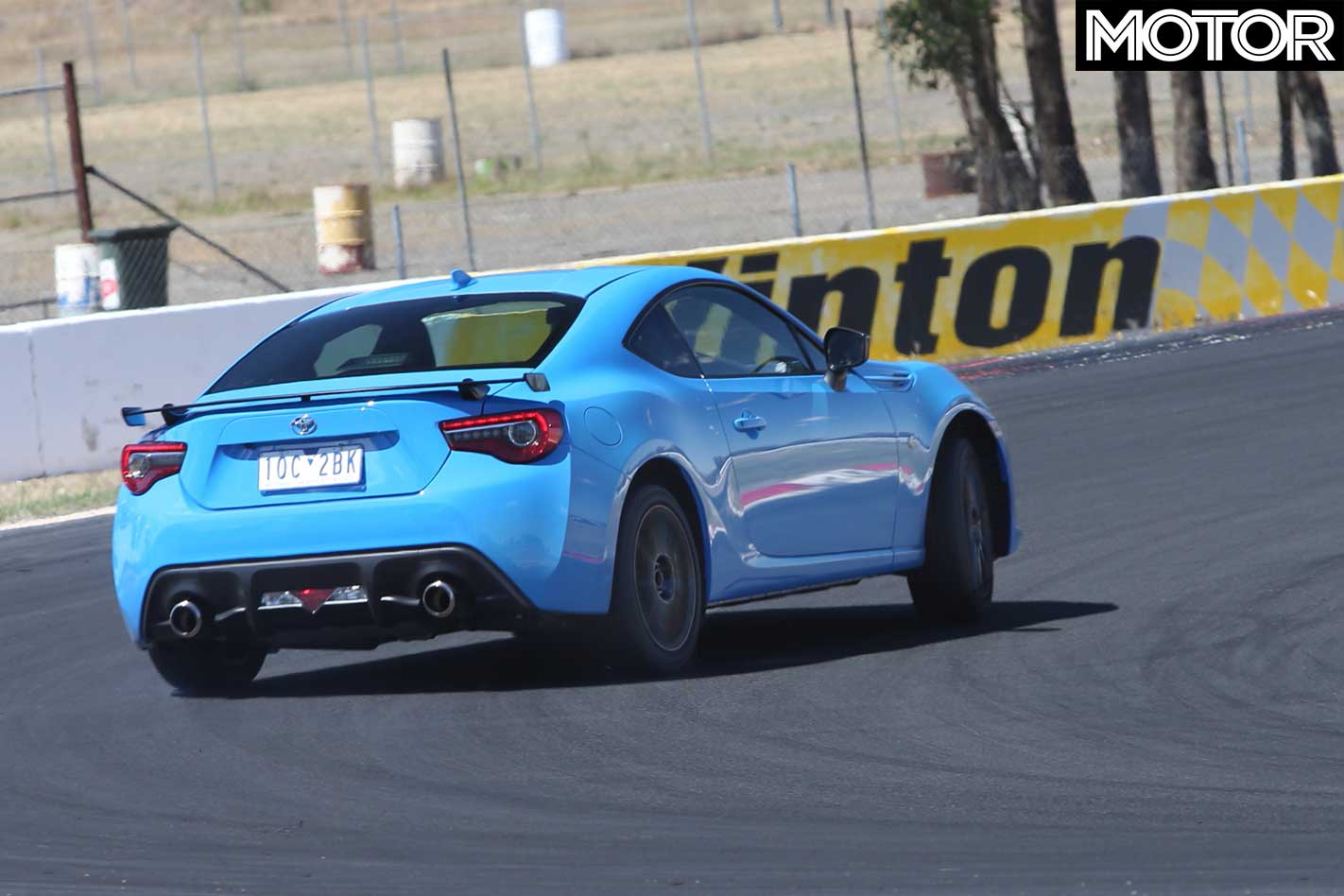
He’s right. Through corners seven, eight and nine the El Cheapos start reeling in the RE003s, beating them through corner seven and 10. Ideally, for a more playful setup, he even suggests putting the El Cheapos on the 86’s rear and the RE003s on the front.
But there are less obvious downsides to our revoltingly cheap contender. “You would smoke through a set of brakes in a day on those,” he warns, as you’re constantly in the ABS.
Sure, you could step up to the RE003s, but for such a small improvement, it really only leaves the RE-71Rs. Barbour agrees. “The most fun I had was on that set because you could really hustle.” These take-home lessons might not be surprising, but they’re worth remembering.
Cheap tyres are fun to burn on the throttle, but spending more on good stuff pays off in more ways than one. You’ll save your brakes and, who knows, might unlock speed that makes it feel like you’re driving a whole other car.
The Results
So, what advantage was gained by running first, rather than last? According to Barbour, not much. Although the track was slippery, by the day’s end he declared conditions consistent. He admits there might have been a second’s difference between the day’s start and end, but most of it would be down to heat soak in the engine. Not enough to change the finishing order.
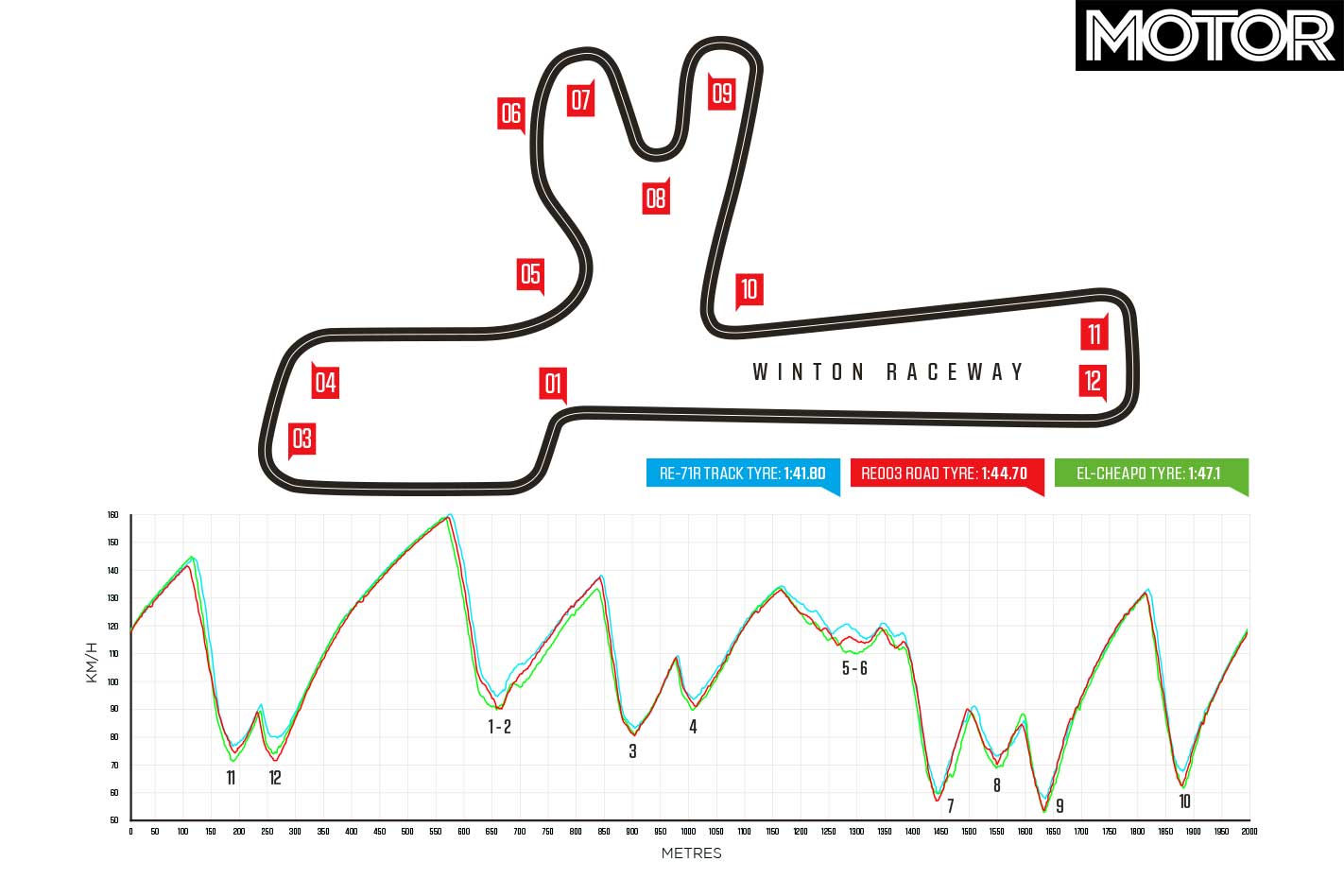
| u00a0 | Potenza RE-71R | Adrenalin RE003 | El-Cheapo tyre |
| Turn 1 | 94.47km/h | 90.33km/h | 89.83km/h |
| Turn 3 | 84.26km/h | 80.78km/h | 78.14km/h |
| Turn 4 | 94.33km/h | 91.30km/h | 83.14km/h |
| Turn 5 | 117.90km/h | 112.95km/h | 107.69km/h |
| Turn 6 | 115.84km/h | 111.81km/h | 111.58km/h |
| Turn 7 | 60.63km/h | 57.84km/h | 57.89km/h |
| Turn 8 | 74.10km/h | 70.78km/h | 67.26km/h |
| Turn 9 | 59.04km/h | 54.29km/h | 53.73km/h |
| Turn 10 | 68.90km/h | 63.11km/h | 65.15km/h |
| Turn 11 | 77.80km/h | 74.58km/h | 72.66km/h |
| Turn 12 | 80.58km/h | 71.90km/h | 70.40km/h |
| V-max | 160.43km/h | 158.23km/h | 157.87km/h |
| Lap time | 1:41.8sec | 1:44.7sec | 1:47.1sec |
THE MAZDA 3 will be more expensive for 2019 as a new generation hatch and sedan arrives in Australia.
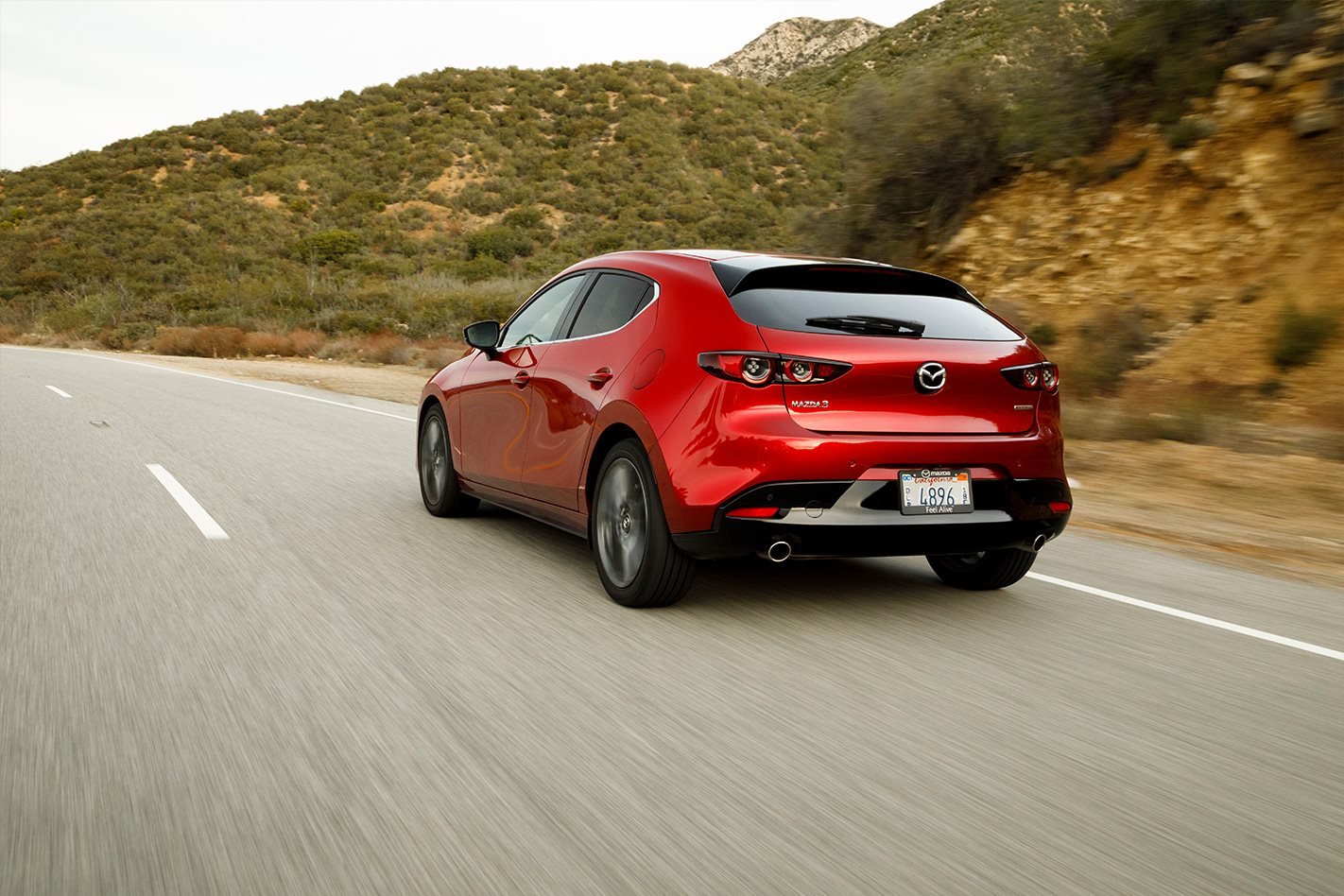
Official pricing and specifications for Australia have been released, with a new naming convention and all variants accompanied by a bump in prices.
The increased entry cost isn’t a senseless cash grab, with Mazda offering more equipment as standard.
This new generation of Mazda 3 will go on-sale in Q2 this year, with the entry model Neo Sport and Maxx Sport models being replaced by Pure and Evolve badges respectively.
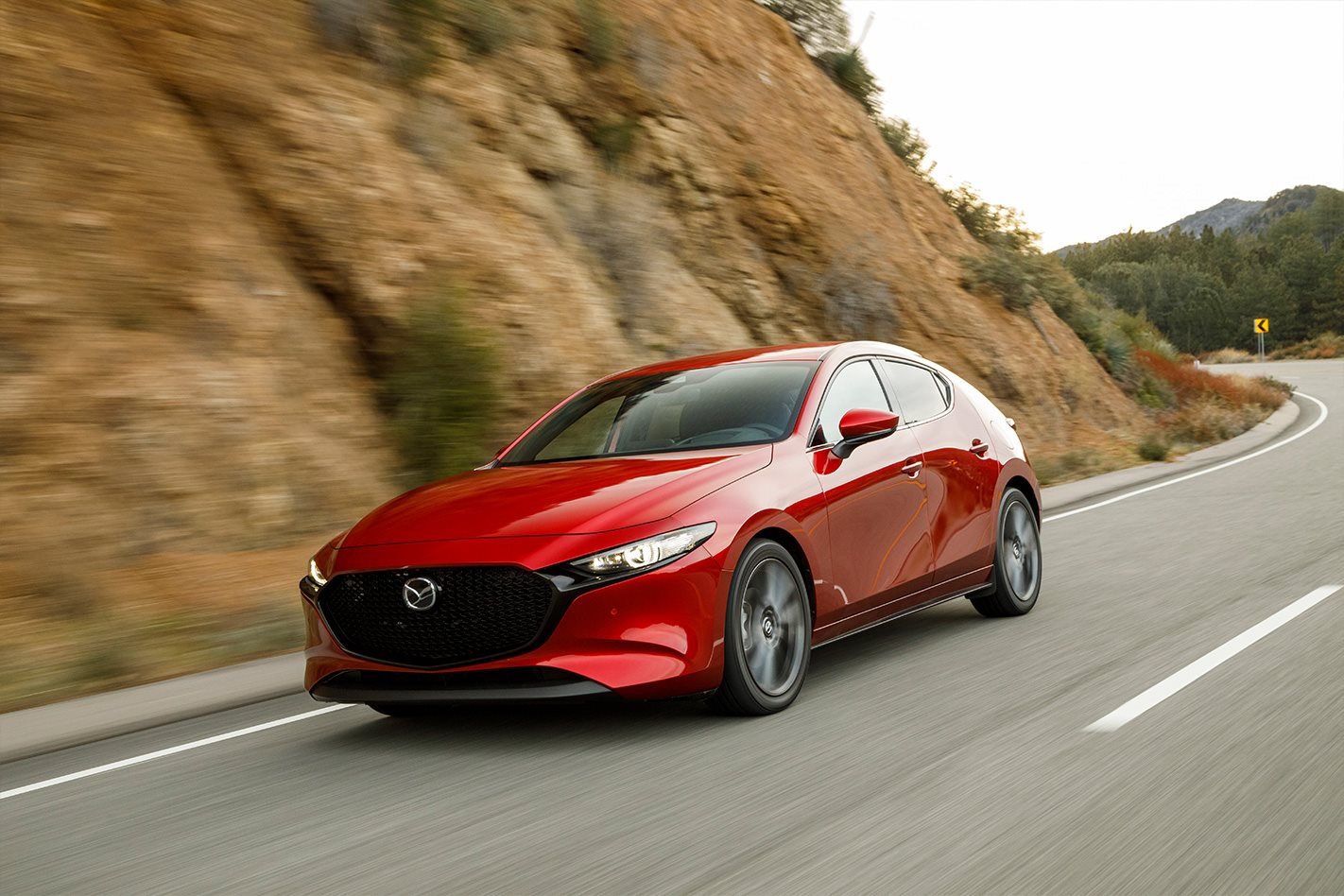
Entry into the 2019 Mazda 3 range starts at $24,990 for the G20 Pure manual, with the flagship G25 Astina manual wearing a $37,990 sticker price.
We’ll rewind a little here because that G20 and G25 naming convention is also new. It denotes the capacity of the engine fitted to the car. Mazda has retained the 2.0-litre and 2.5-litre naturally-aspirated SkyActiv-G units from the previous generation 3, but with the mildest of tweaks. There’s no diesel option on offer.
Cars fitted with the 2.0, identified as G20, have 114kW and 200Nm, the same as the previous-gen vehicle.
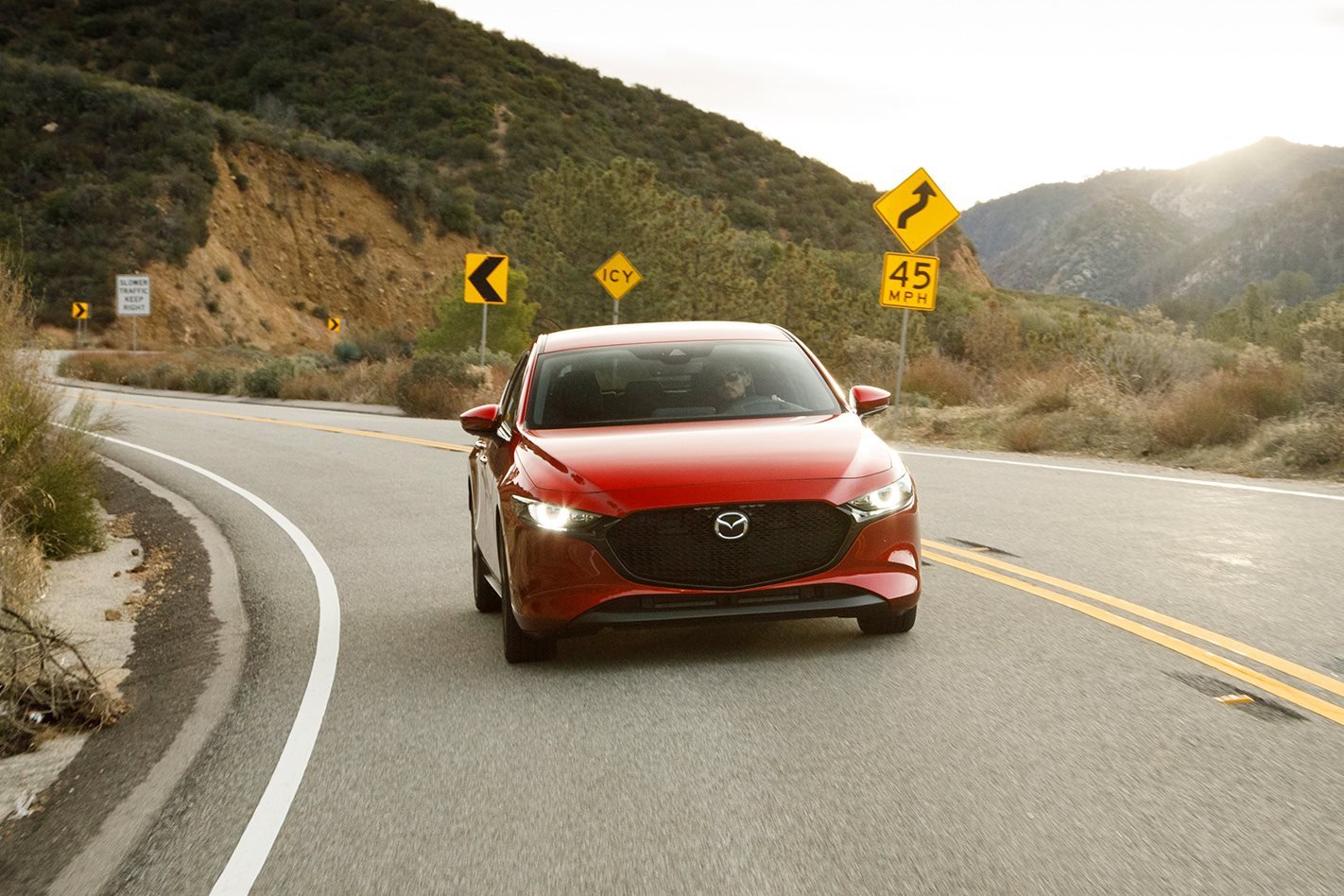
Those with a 2.5-litre under the bonnet – yep, identified by the G25 prefix – now make 139kW and 252Nm (an increase of 1kW/2Nm).
Each engine can be fitted with either a six-speed manual or automatic transmission, sending power to the front wheels.
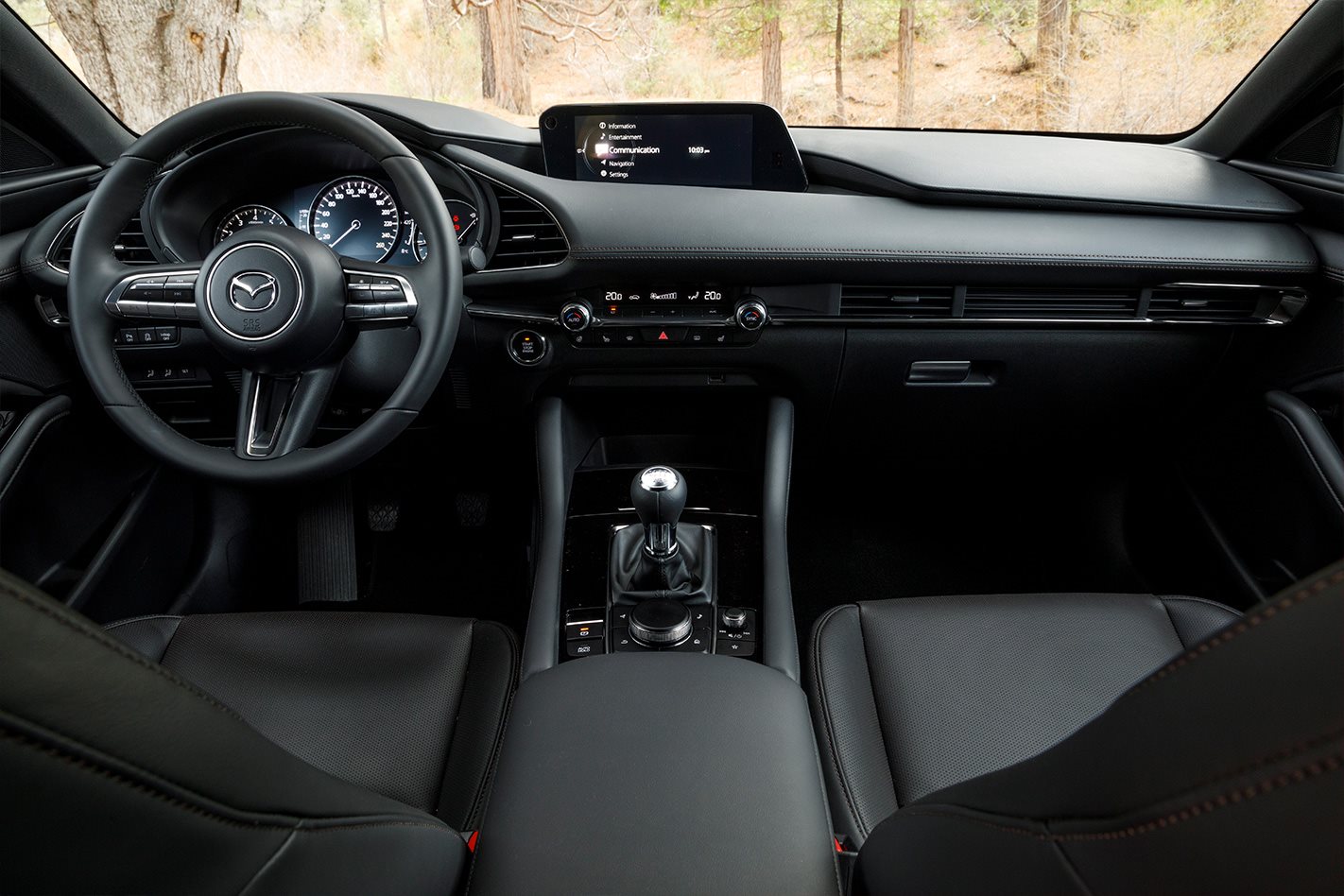
Mazda is yet to confirm when the ground-breaking SkyActiv-X compression ignition engine will be available locally, but assures us it is on its way before the end of the year.
The cost difference between manual and automatic variants has been trimmed to $1000, essentially lessening the blow the price-hike will have on sales, with just 10 percent of buyers projected to opt for a three-pedal variant.
Prices for the sedan and hatch will continue to be matched, however the booted Mazda3 isn’t due to arrive locally until later in the year.
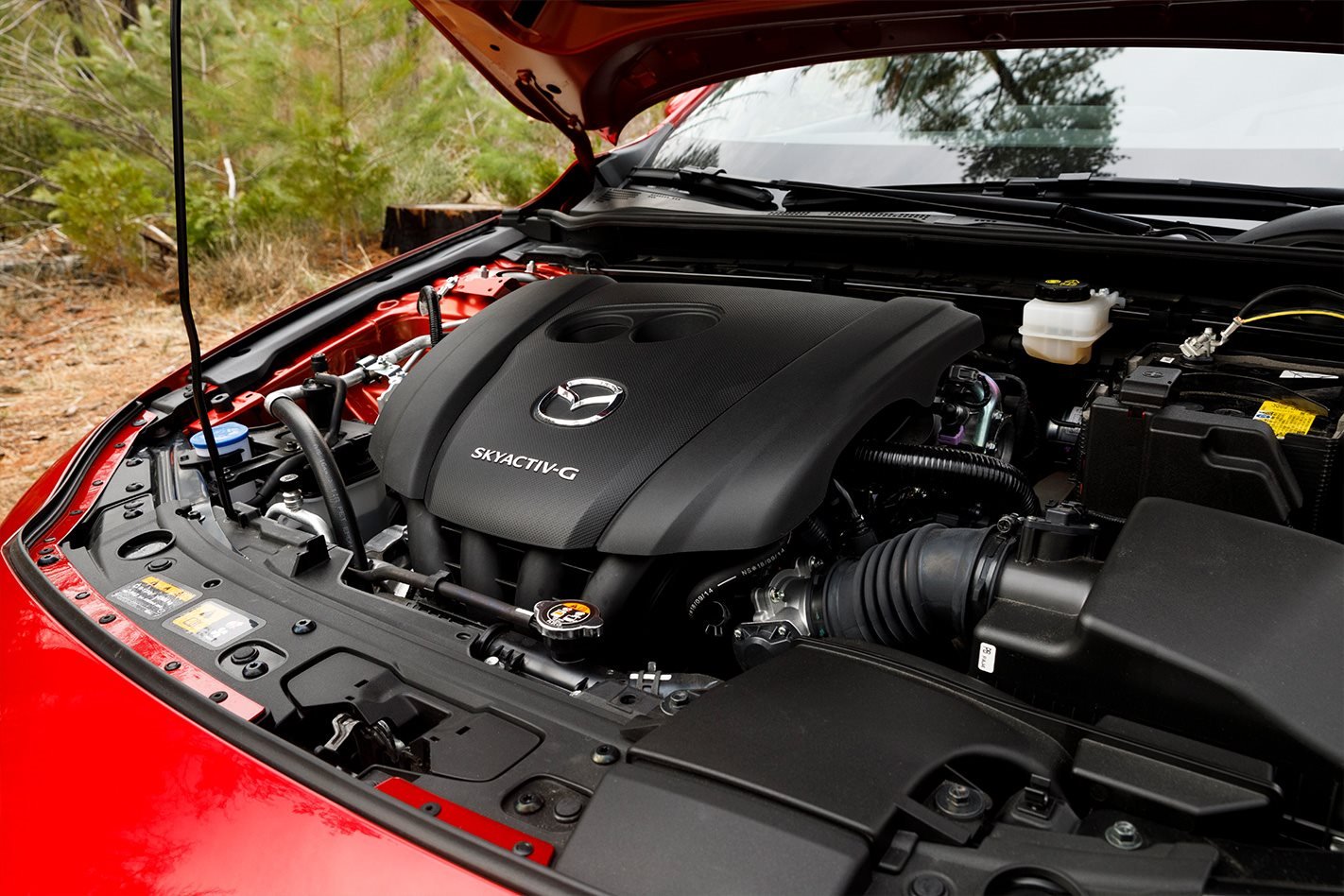
While some buyers will be deterred by the increase in price – as much as $4000 for some variants – Mazda has added new safety tech across the range, as well as additional features for each variant.
For this latest generation hatch and sedan, Mazda has made a number of active safety technologies standard across the range.
Intelligent speed assistance, blind-spot monitoring, traffic sign recognition, lane-keep assist, lane departure warning, driver attention alert, radar cruise control with idle stop, along with smart brake support front and rear are all fitted to the Mazda 3, regardless of variant.
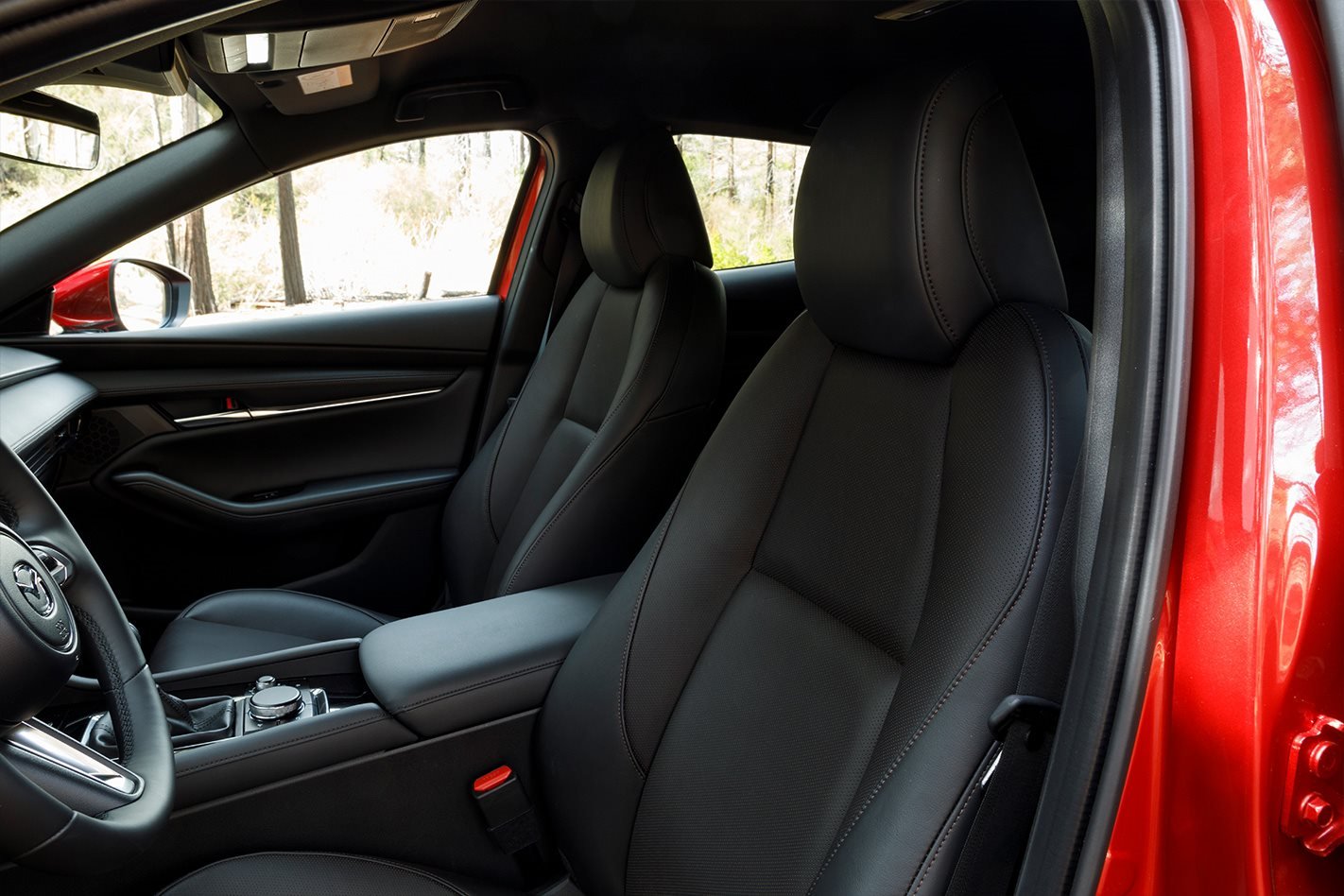
The entry-level G20 Pure has a 7-inch TFT LCD infotainment screen, heads-up display, keyless push start, Apple Carplay and Android Auto, automatic LED headlights, reversing camera, black cloth seats, 16-inch wheels, and tyre pressure monitoring system as standard.
The G20 Evolve, predicted to be the most popular model with 30 percent of sales in the first year, adds 18-inch alloy wheels, dual-zone climate control with rear vents, an auto dimming rear view mirror, leather wrapped gear-shift and steering wheel, paddle shifters when fitted with an automatic transmission, and a fold down armrest for the rear seats.
Stepping up to a G25 Evolve adds keyless entry and power-adjustable driver’s seat compared to the 2.0-litre.
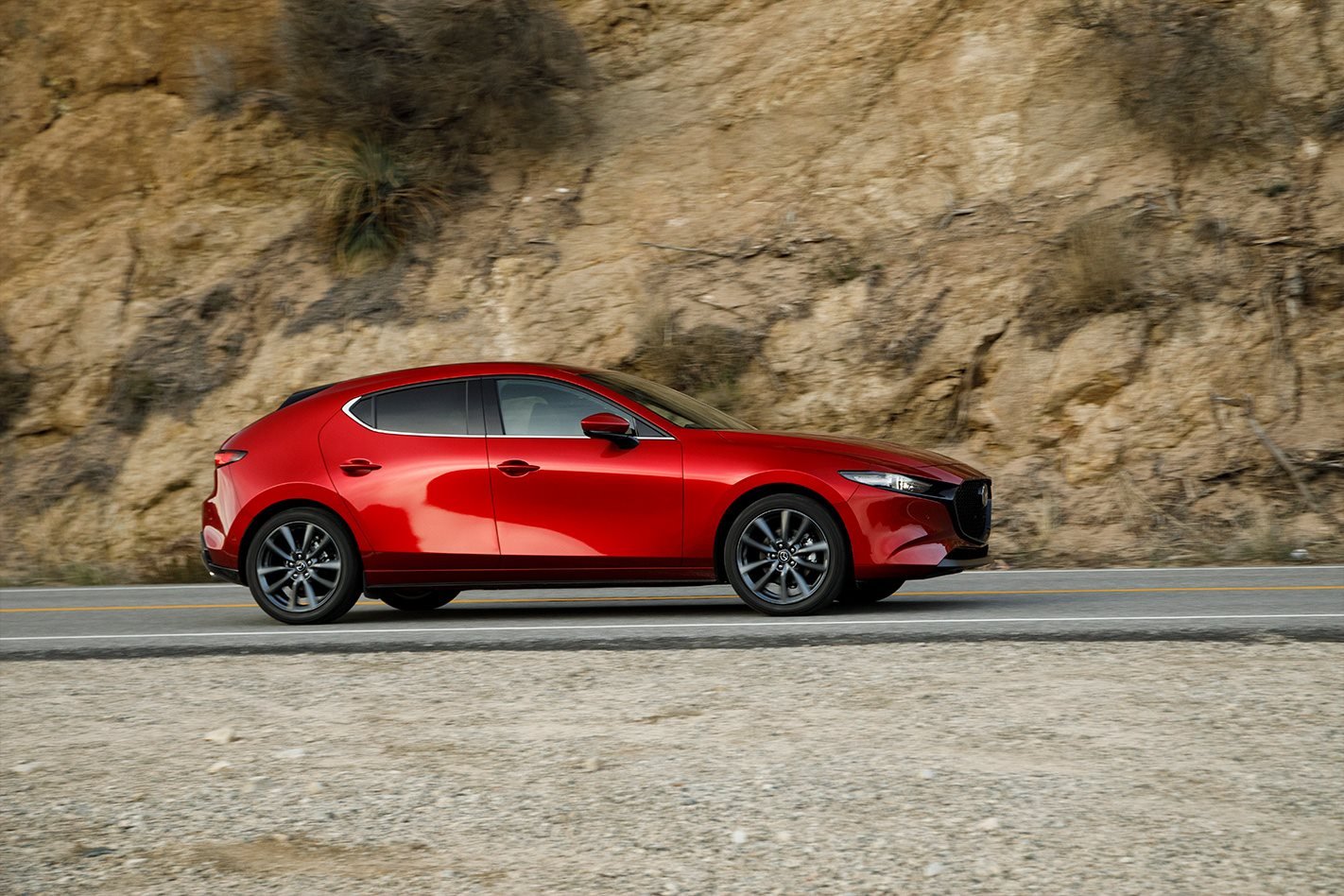
G20 Touring owners add, auto dimming driver’s side rear-view mirror, black leather seat trim, and 10-way power adjustable seats for the driver.
G25 GT adds heated front seats, power mirrors, a premium 12-speaker bose sound system (instead of the standard 8-speaker set up), and a heated steering wheel.
The flagship G25 Astina adds a sunroof, as well as extra safety equipment that is optional on all other models as part of a $1500 Vision Technology pack.
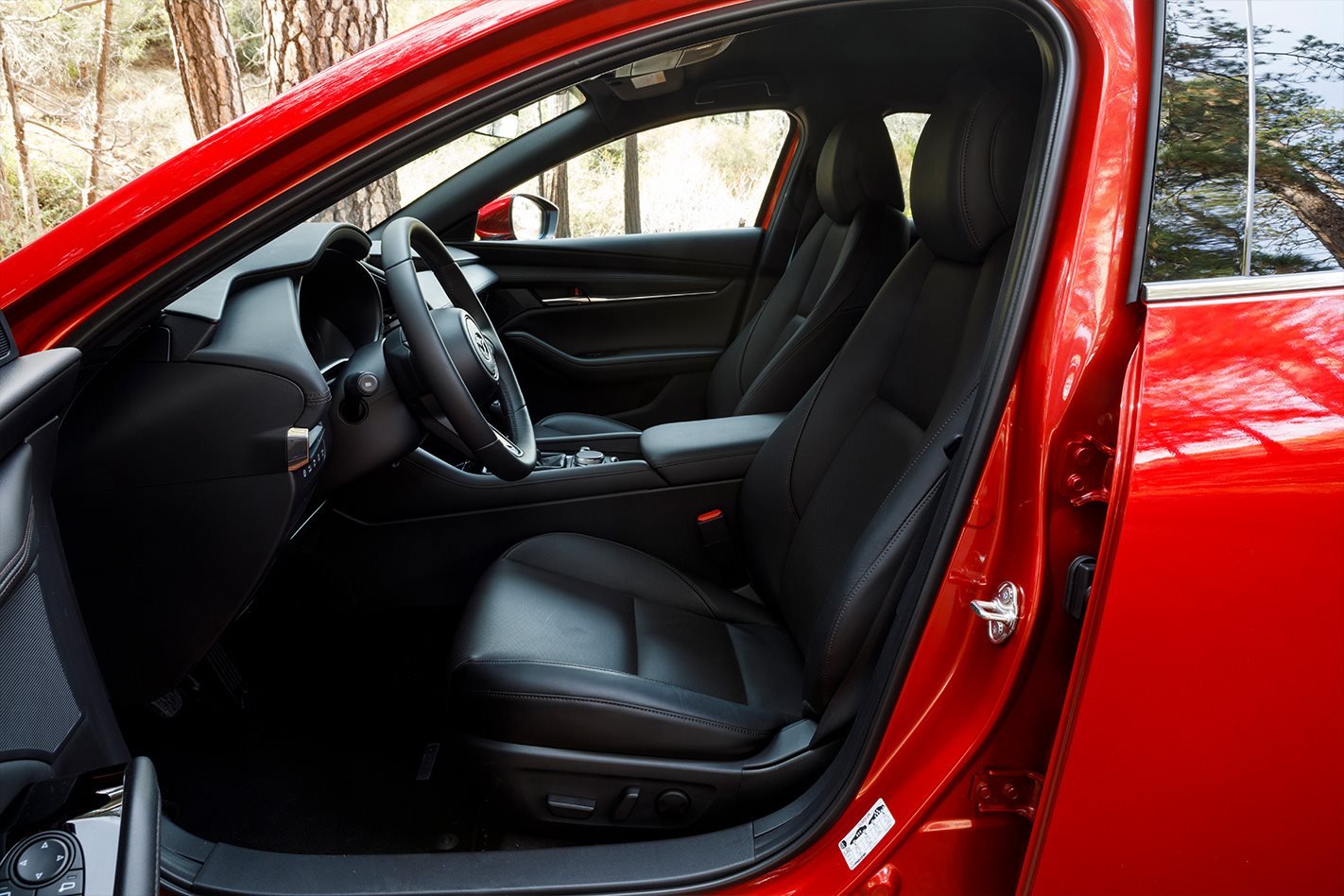
Ticking this box adds a 360-degree monitor, adaptive LED headlights, cruising and traffic support, driver monitoring, front cross traffic alert, and rear crossing smart braking.
No launch date has been confirmed, however Mazda is expected to have press vehicles available in early April – customers are likely to have vehicles available at a similar time.
2019 Mazda 3 price:
- G20 Pure Manual: $24,990
- G20 Pure Automatic: $25,990
- G20 Evolve Manual: $26,990
- G20 Evolve Automatic: $27,690
- G20 Touring Manual: $28,990
- G20 Touring Automatic: $29,990
- G25 Evolve Manual: $29,490
- G25 Evolve Automatic: $30,490
- G25 GT Manual: $33,490
- G25 GT Automatic: $34,490
- G25 Astina Manual: $36,490
- G25 Astina Automatic: $37,990
OFF the back of record low sales in 2018, recently appointed Holden chairman and managing director Dave Buttner admits attitudes inside the decimated company have changed.
The frank admission puts Holden in a similar position to Korean brand Kia, which has spent years battling to be recognised by new car buyers – to the point where it almost matched Holden’s sales last year.

“We recognise we’re a challenger brand and we need to do things that epitomise what a challenger brand would do,” says Buttner, formerly president at Toyota Australia.
While at Toyota, Buttner adhered to that brand’s internal philosophy of “think like number one, act like number two”, which was designed to ensure a humble and competitive nature.
He says accepting Holden’s current position is part of moving forward and rebuilding the brand.
“If you don’t admit where you are, you won’t solve the right problems,” he says. “If we admit that up front we’ll do things very, very differently than with arrogant and complacent thinking.”
Buttner says that challenger mentality is now part of life within the smaller Port Melbourne head office of Holden.
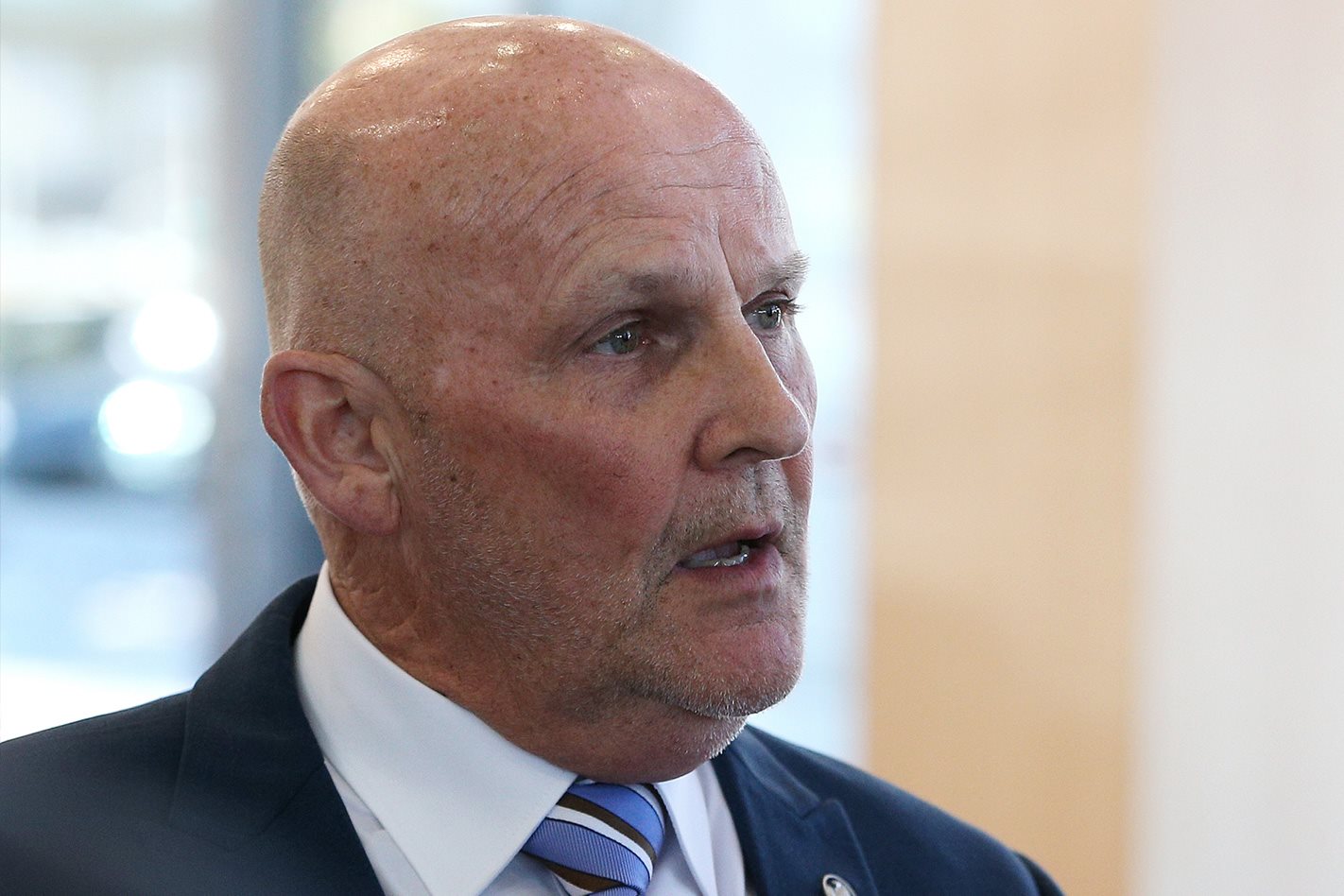
“It’s very much now part of the vernacular inside Holden and also in our dealer network that we are a challenger brand.”
Marketing director Kristian Aquilina says there has been a complete change of attitude internally that now drives thinking and motivates staff.
“Getting to this point has been painful, no question, for us, for our dealers, and for every passionate Holden person out there,” he says.
“We’ve been through the most painful bits and once we embrace this new reality that we’ve got it’s actually a pretty exciting time to be a custodian of such an important brand to this country.”
Holden’s sales in 2018 plummeted 33 percent with the annual tally of 60,751 pushing the brand to sixth on the sales charts – its lowest ever finish.
It was the eighth straight year of decline for Holden, but Buttner believes the brand has hit rock bottom.
“It’s still early days … there were positive signs (late in 2018),” he says, cautious of any over-reaching forecasts.
“This year we want steady state. We’re not shooting for the stars, we’ve got to land the product, get the brand health positive again, get everybody’s minds right and make just sure that we’re selling the portfolio products we’ve got now.”
The brand that created cars such as the don’t-bother-knocking Sandman and the loud-and-proud Monaro is planning to lean on its heritage in the way it deals with customers and the way it presents itself.
In announcing the new direction, newly appointed chairman and managing director Dave Buttner says marketing the Australian-ness of Holden is “a delicate balance” that cannot be overegged but that it is an important component in reinventing the only Australian car brand – albeit one that now imports all its vehicles.
“It’s not enough just to stand back and say ‘hey, we’re Australian’, we have to demonstrate it through the way we act.”
And he says it’ll be more about how the brand behaves and responds as much as marketing words.
“Living these values, we challenge convention, give everything a crack. We stand for something and persevere until we get what we want, all with the laconic humour synonymous with our culture.”
Marketing director Kristian Aquilina says Holden is a brand that invites opinions and inspires passion.
“It’s never going to be one of those brands that’s 5 out of 10 [in people’s opinion]; it’s either 1 out of 10 or 10 out of 10,” he says. “It’s a brand that everyone – everyone – has an opinion on.”
In emphasising the Australian connection Aquilina made some bold statements no doubt set to reignite debate about the brand.
Holden Acadia tipped to miss GMC facelift
“There’s only one brand, one company, one dealer network that gets out of bed every morning to make the drive better for all Australians and for all New Zealanders,” he says. “None of the other global brands share that purpose.
“We have something very unique here … the only one born here, the only one that truly gets Aussies and Kiwis better than any other automotive company.
“That’s what differentiates Holden from the rest.”
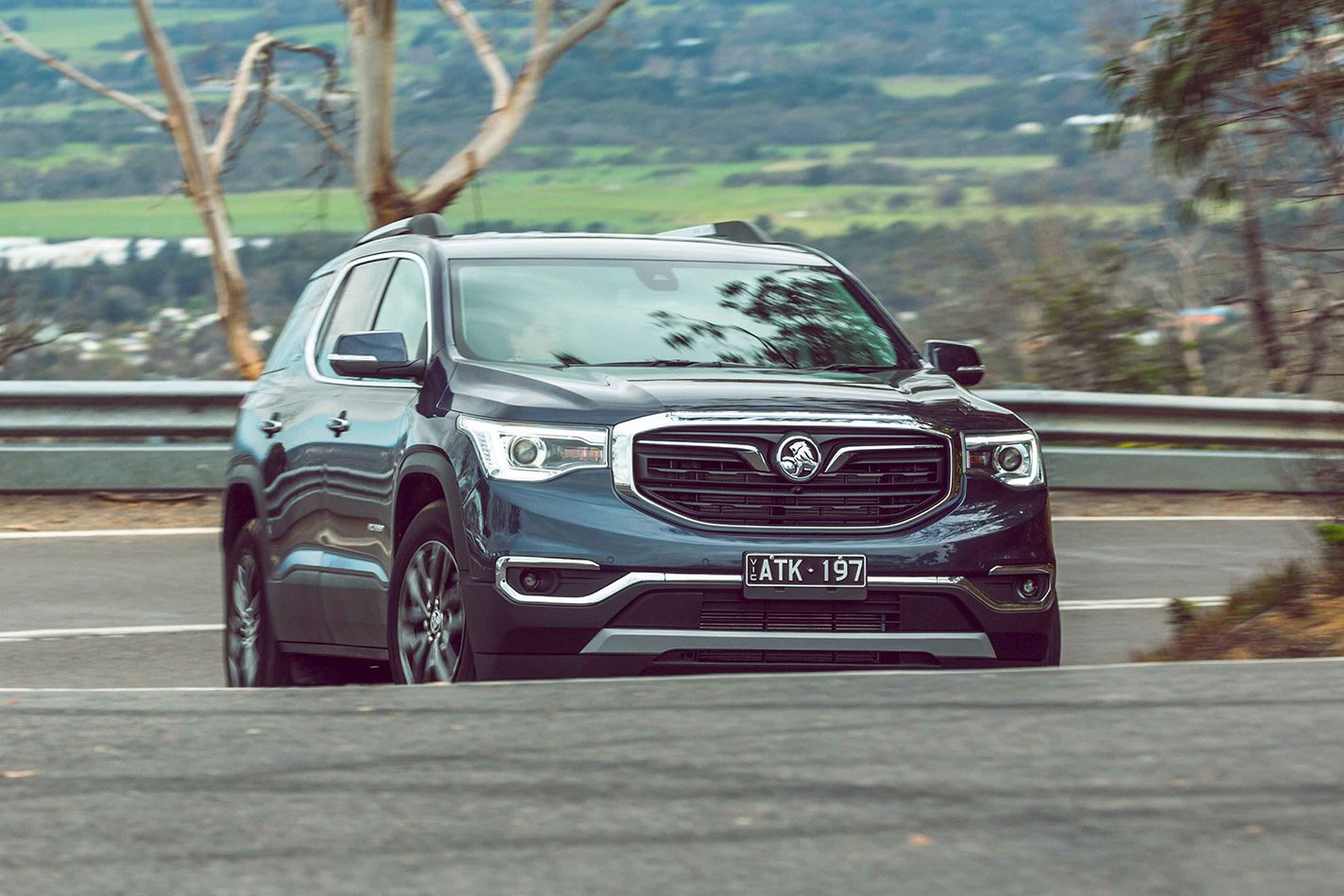
But Aquilina says the Australian connection won’t necessarily be overt in above the line advertising.
“It’s not shouting from the rooftops ‘we’re Aussie’ … it’s just us being Aussie and representing the Aussie character and personality. It’s about us behaving in a way that is reflective of Australian culture.”
Don’t expect any “oi, oi, oi”, either.
“Us being Australian is not going to be delivered through stereotypes of locations and ockering up.”
Think subtlety and restraint.
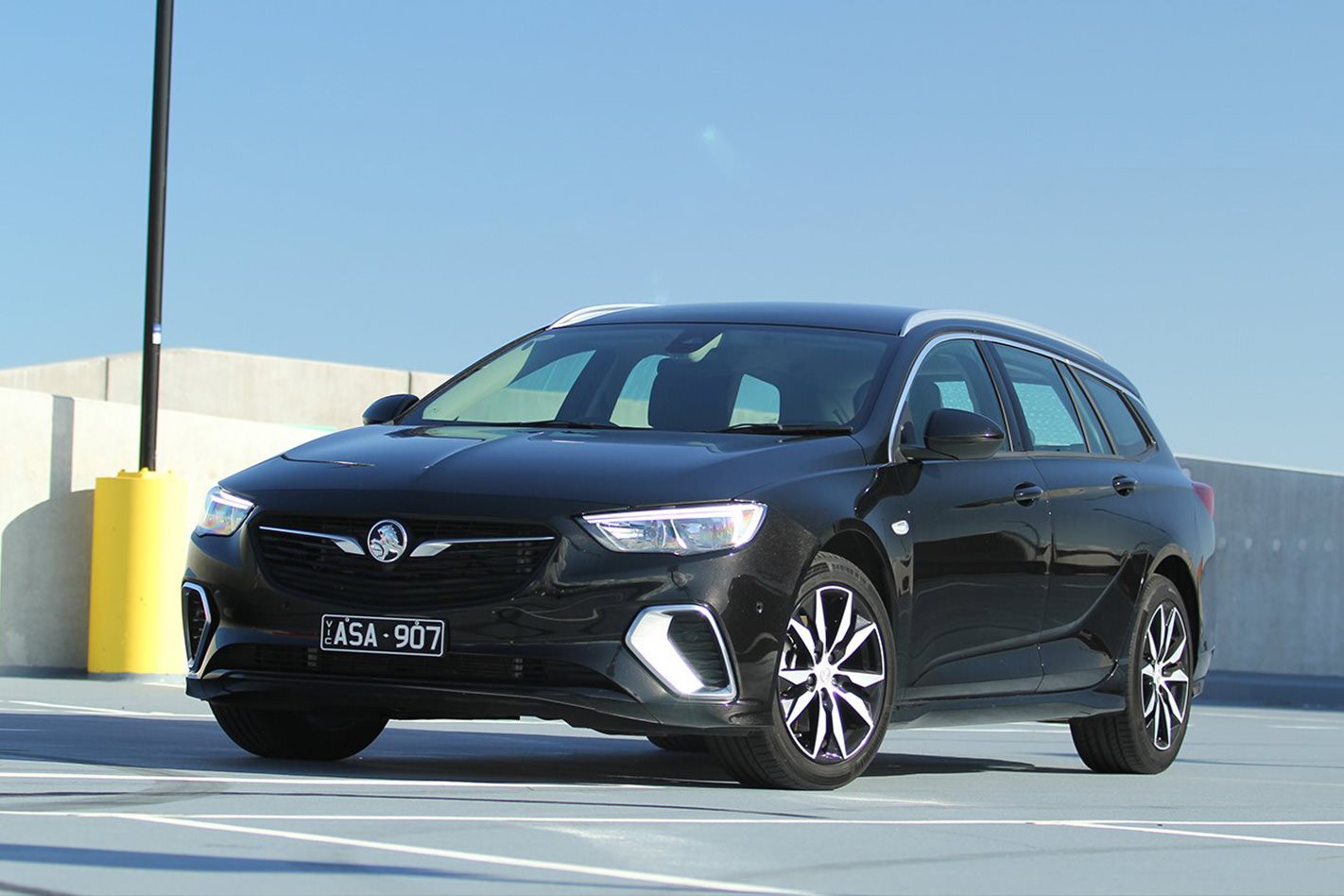
“We want to bring out our personality, a bit of cool, a bit of swagger and our style of humour in everything that we do.”
He points to a recent change in direction in dealing with negative commenters on social media.
“We decided to fight back, fight back with that sass, vigour, confidence and swagger, take on those many keyboard warriors out there – and there are plenty of them – and what that’s done is bring our fans to life also in support of Holden, get behind us where they once stood silent.”
He says the results have been positive.
“Social sentiment has moved very positively towards Holden.”
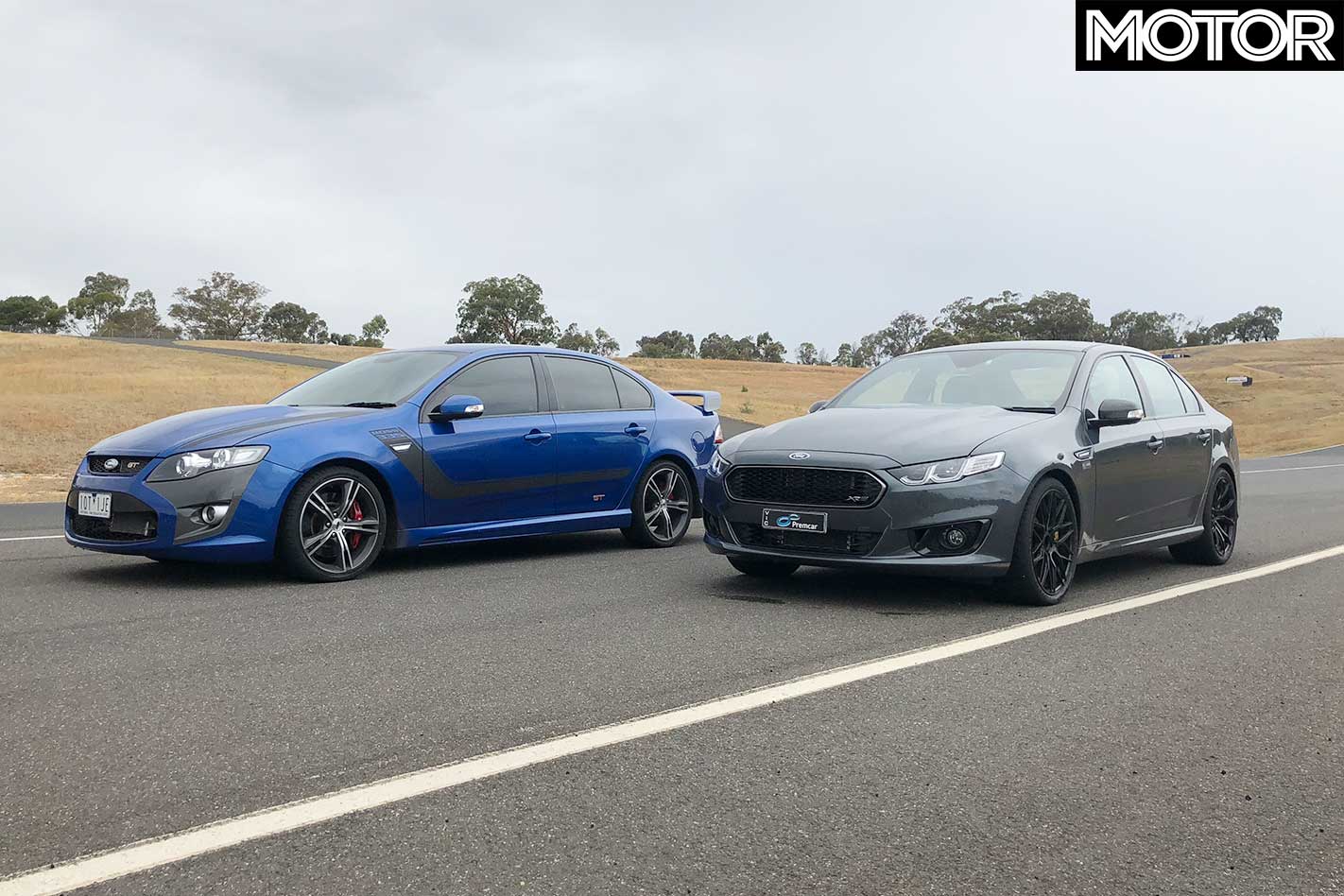
Behold, the Premcar Holy Grail. This is, depending on how you look at it, either the ultimate interpretation of the Ford Falcon platform, an outdated irrelevance or, for the starry-eyed among us, the spiritual successor to the mighty Falcon GT-HO.
The official line from Bernie Quinn, engineering boss at Premcar (a consulting engineering business formed after the break-up of Prodrive) is the former. And he won’t be drawn on the latter (wink, wink, nudge, nudge).
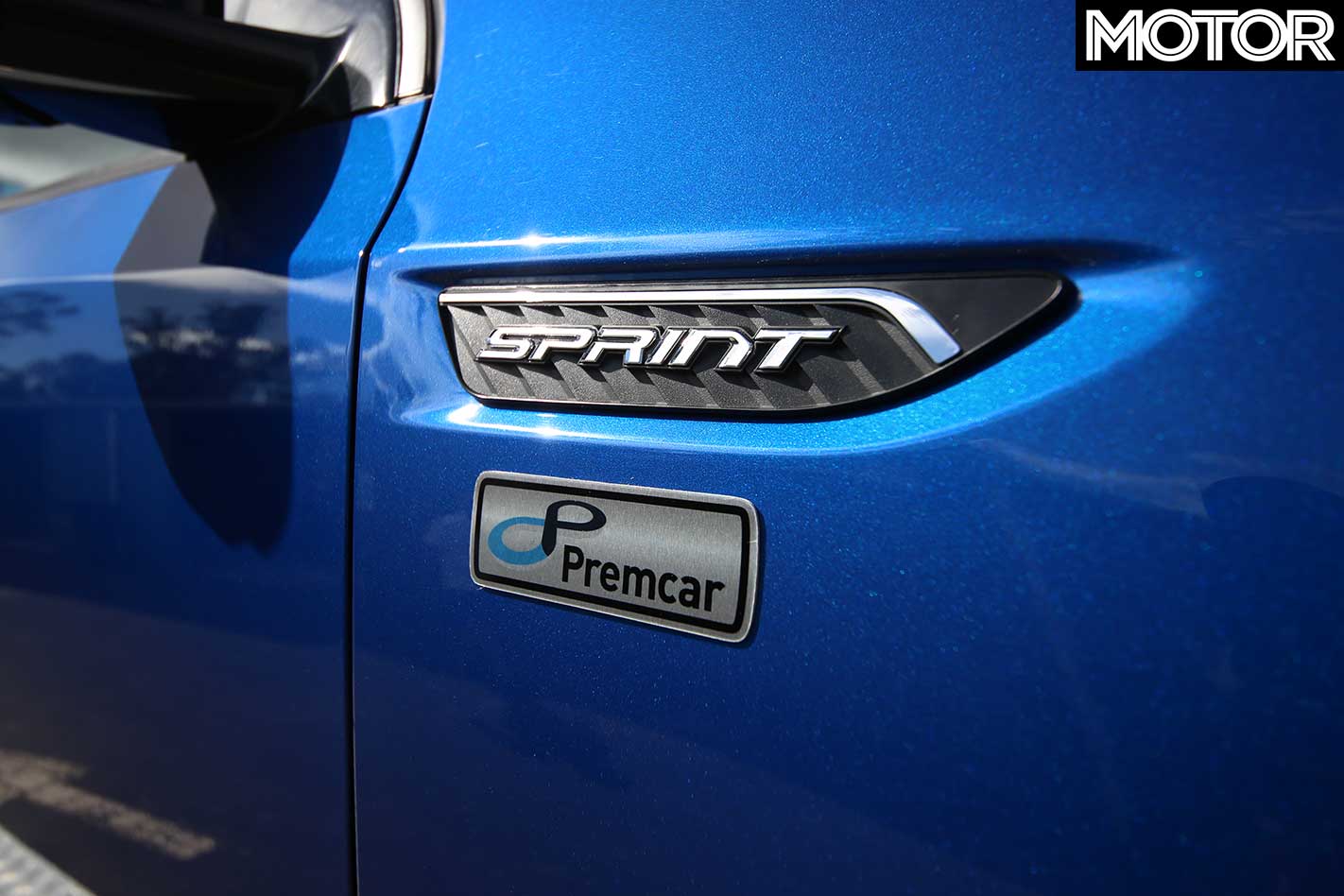
See, this really, truly is the best Falcon we’ve ever driven.
True, it comes along more than two years after the lights were turned off at the Broady assembly plant, but in terms of the actual metal, it’s pretty damn amazing.
Essentially, the Holy Grail package (as Premcar has knighted it) amounts to a kit that bolts to your existing Miami (supercharged Coyote) and takes the auld dear to completely new heights dynamically.
The fun starts with the engine which has been fitted with a bigger intercooler (that actually cools the intake charge twice) changes to cam timing, a retune, different exhaust and the engine can now rev to 7000rpm (up from 6000) thanks to a revised power-steering pump that will cop the revs.
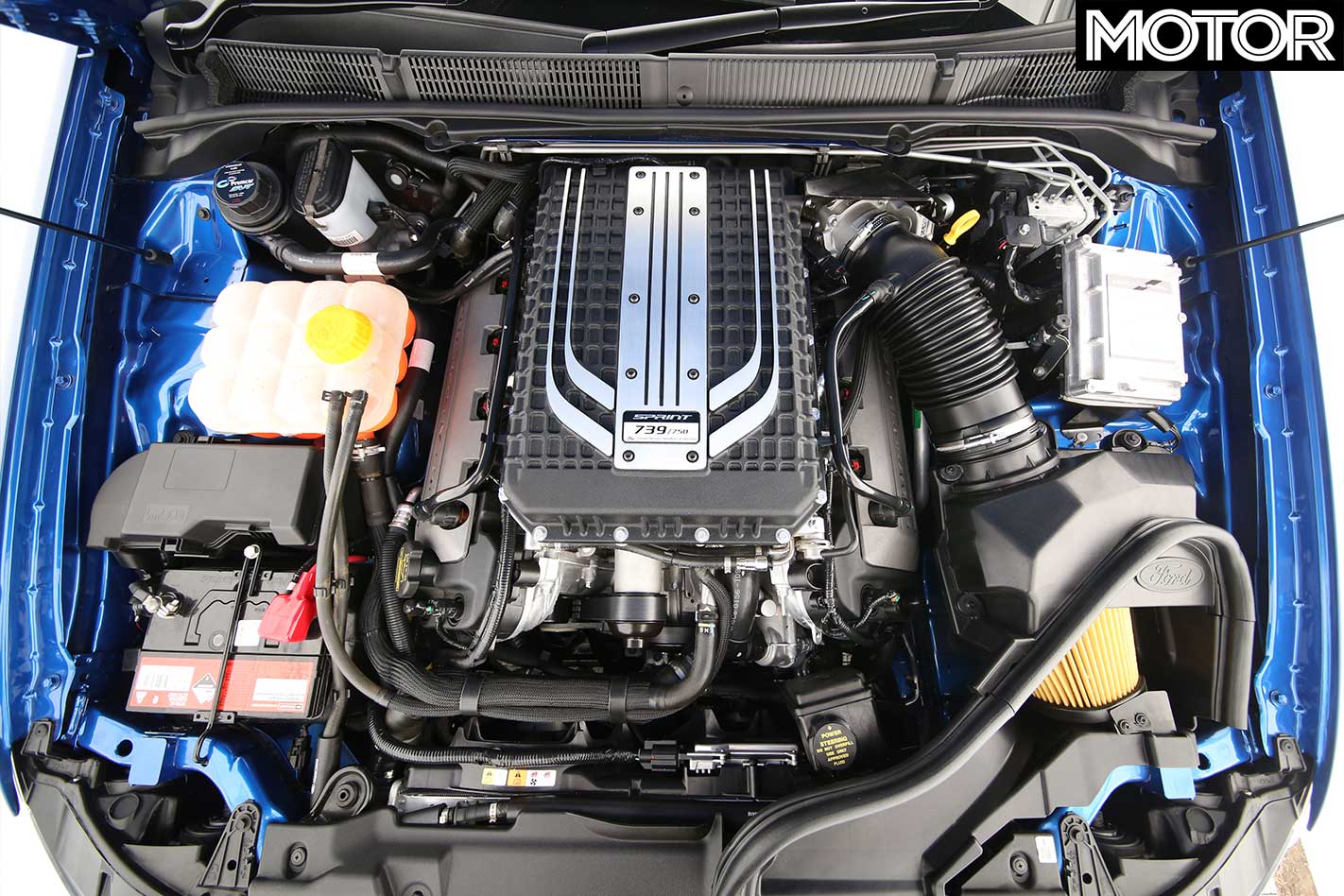
“We’ve uncorked the Miami engine,” Bernie explains. Uncorked indeed; the bugger now cranks out 483kW and 753Nm, so that jump seems huge. But let’s not forget that, back in the day, FPV was being very, very coy about the true output of the blown five-litre.
But at least as many gains have been made to the chassis which fixes that original Falcon drama of a clumsy, oafish feel when you started pushing it.
With lots of input from Melbourne-based specialist Shockworks, the solution was to start with the best tyre around for this application and tailor a package around it.
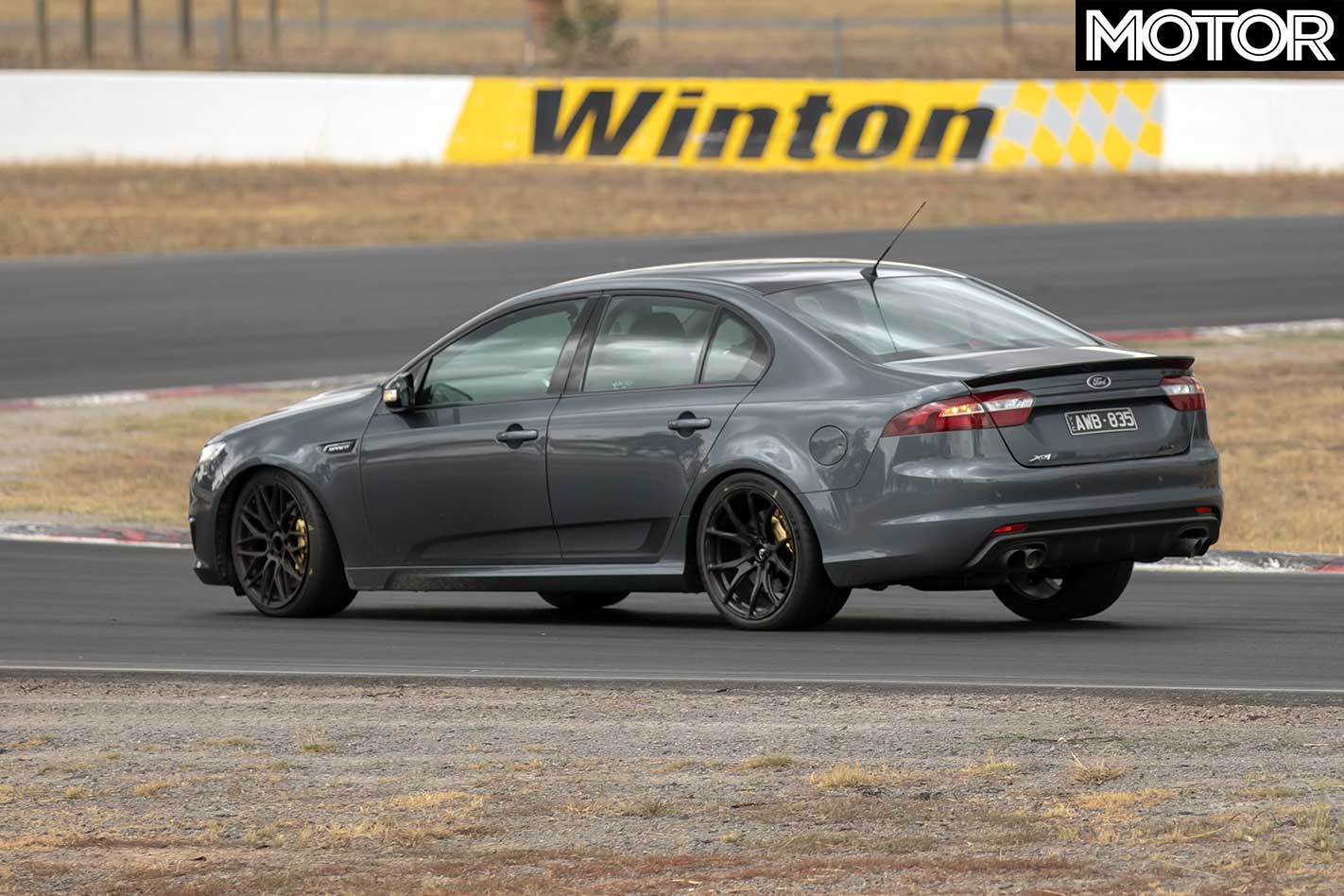
So, Pilot Cup Sport 2s were bolted on (with a 295 at the rear) while Shockworks came up with a hand-made, Holy Grail-specific set of dampers and springs that allow full adjustment for good measure.
Does it all work? Does it what. Back to back with a stock FPV GT, the difference is amazing. As well as loads more grunt, the Falcon now wants to steer properly and is totally forgiving should you wish to alter your tack at any point in the corner.
And it’s so stable, it’s suddenly a drift-meister. Premcar claims the Grail is a full 10 seconds faster around Winton than a stock FPV GT. It’s actually believable.
You can read the full road test of the Holy Grail in the next issue of MOTOR, but in the meantime, take it as read that this truly does raise the bar.
Okay, it’s the bar that doesn’t exist in showrooms any more, but with just 100 examples to be built, Premcar believes the OE quality of the package (not to mention the 12-month/20,000km warranty) will put a smile back on Falcon owners’ faces. And have them beating a path to Premcar.
And you know what’s even more impressive? I managed to tell you all this without a single Monty Python reference.
HOLDEN chairman and managing director Dave Buttner says Holden is “not for sale” and that no discussions have taken place regarding the distribution of the brand.
Despite reports and growing speculation, Buttner vehemently denied there were any discussions – or plans – to hand distribution of the iconic Holden brand over to private importer Inchcape, in turn extricating General Motors from a market it has been part of since 1931.
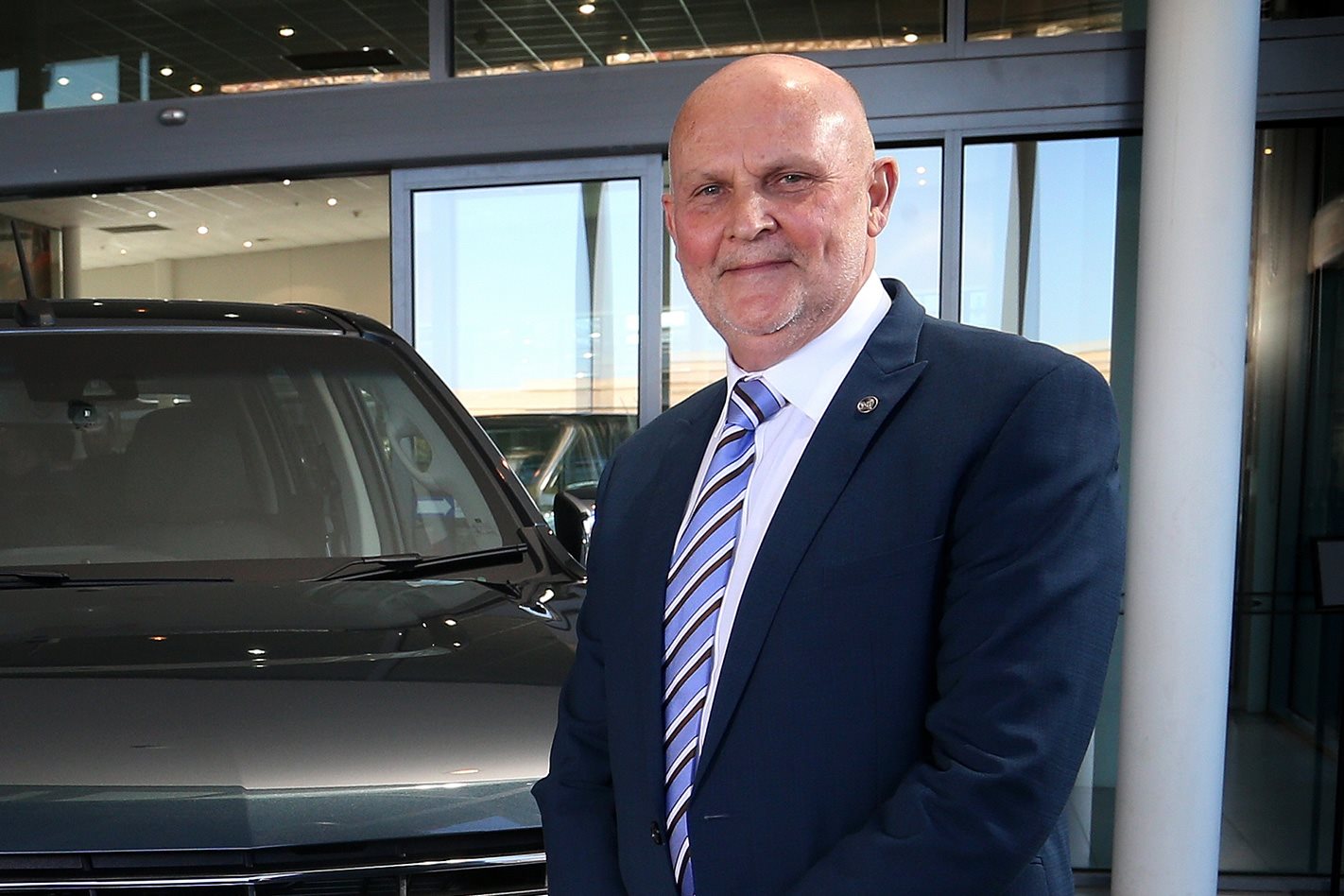
“We’re not for sale,” Buttner said at a media function aimed at turning attention on the Holden SUV lineup. “I didn’t come to sell the company down; I came out of retirement to work with people to rebuild this fantastic brand.”
His comments come two weeks after Holden released a generic statement that did little to quell rumours that it could be handed to Inchcape, an experienced importer that also distributes Subaru, Peugeot and Citroen in Australia.
While firmly stating he had not taken part in any discussions with Inchcape, Buttner also said he was unaware of any discussions within GM’s top brass.
“There’s been no discussions with me with Inchcape,” he said, adding: “To the best of my knowledge, no discussions have transpired. I keep very close to GM, I speak to them on a regular basis and I’ve got their absolutely outstanding support.
“I don’t know about any discussions at any level.”
Buttner would not theorise on how or why the initial speculative story was published in The Australian Financial Review, instead focusing on the mammoth job of rebuilding the Holden brand, which in 2018 posted its worst market share following a 33 percent slump in its first year it didn’t produce any vehicles in Australia.
“I just want to get on with the job. Those sort of distractions don’t do anything to the confidence inside Holden and the dealers…”
When pressed, Buttner said it was no one’s business who spoke to who, when.
“Who I contact … is my business. I speak to a lot of people every day.”
Buttner also defended the statement that appeared to pour fuel on the speculation fire.
“The statement we put out was pretty much what I’m saying. GM are committed to Australia, they’ve brought me in to work with all the stakeholders to regrow the brand, land our product and be a proper leading contributor back to the GM world.
“I thought it was a very honest statement.”
He said all dealings with GM since have reaffirmed the United States head office commitment to Holden.
“I speak to them weekly, daily and their commitment is resolute.”
This is the ‘Concept 508 Peugeot Sport Engineered’, a new performance hybrid concept from Peugeot Sport.
It’s touted as the introduction to the French brand’s electrification onslaught, with a dedicated model line for hybrid and electric performance vehicles on the way.
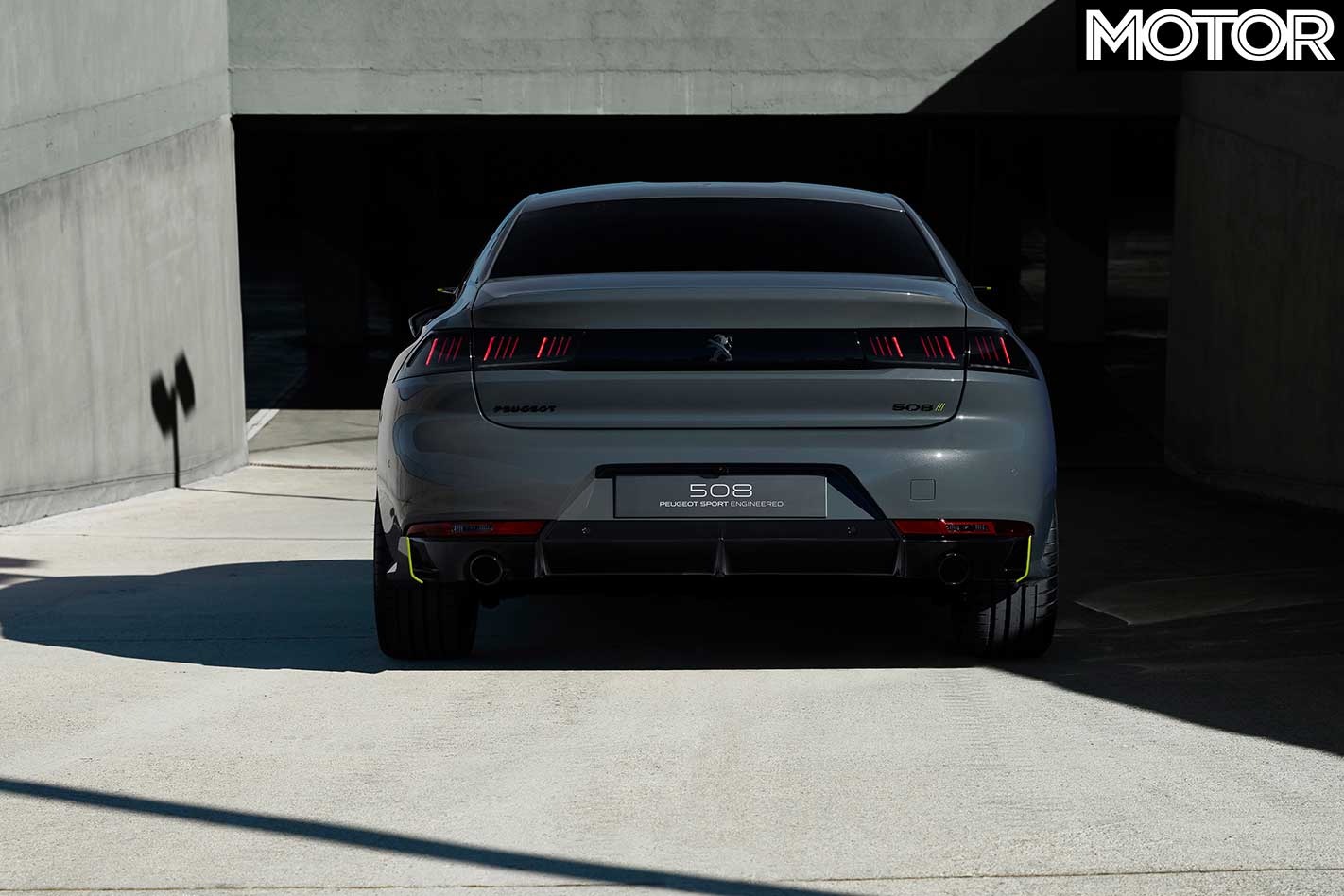
Peugeot Sport says it took the learnings from previous electric concepts like the 368kW 308 R Hybrid, and used them to develop this hybrid 508 to be a proper performance car, which it will unveil in mid-March at the Geneva Motor Show.
The headline point for the Concept 508 is its 294kW-equivalent drivetrain, comprised of a PureTech (Peugeot’s three-cylinder engine family) combustion engine assisted by an 91kW electric motor driving the front wheels, and a 147kW electric motor driving the rears.
Those three motors allow the Concept 508 to achieve a 0-100km/h sprint in 4.3 seconds, Peugeot claims, with 80-120km/h possible in 2.5 seconds. Top speed is a claimed 250km/h.
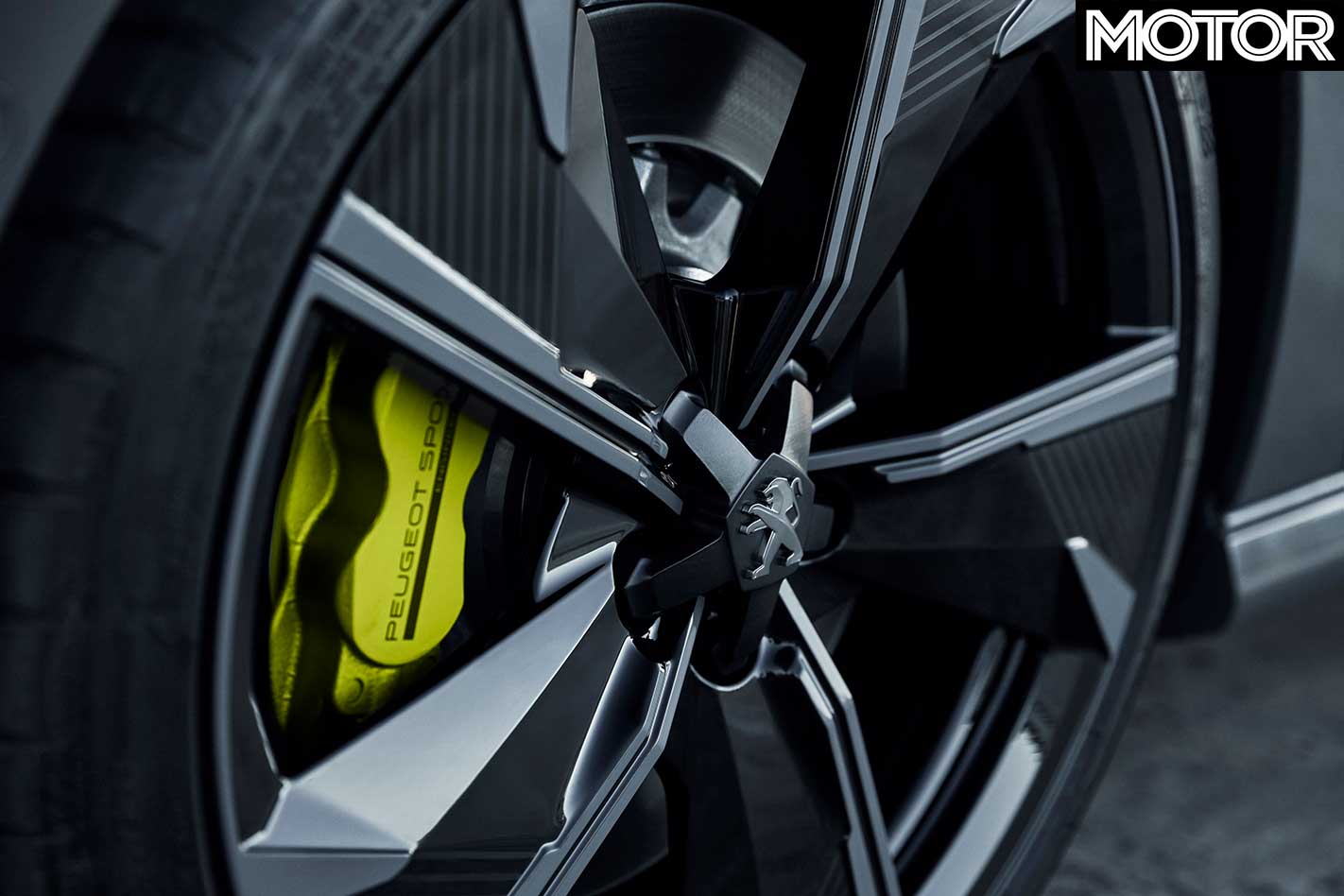
A lower, wider 508 body is stuck to the ground via Pilot Sport 4S, wrapped around 20-inch wheels, over 380mm ventilated discs at the front.
Aerodynamics were also a target for the designers and engineers, with Peugeot Sport adding a sharper front bar and blades to direct airflow to the radiator, as well as winglets on the quarter panel and a lack of rear spoiler.
Peugeot CEO Jean-Philippe Imparato says the march of electrification is something that needs o be embraced by the performance car world, and it’s something that Peugeot is prepared for.
“Electrification provides a marvellous opportunity to develop new driving sensations. We are creating a “neo-performance”, new energy sources, new features, new territories, new challenges.”
While no production announcement has been made for the Concept 508, the list of details released by Peugeot is longer than would be normal for a concept without production intentions. Stay tuned…
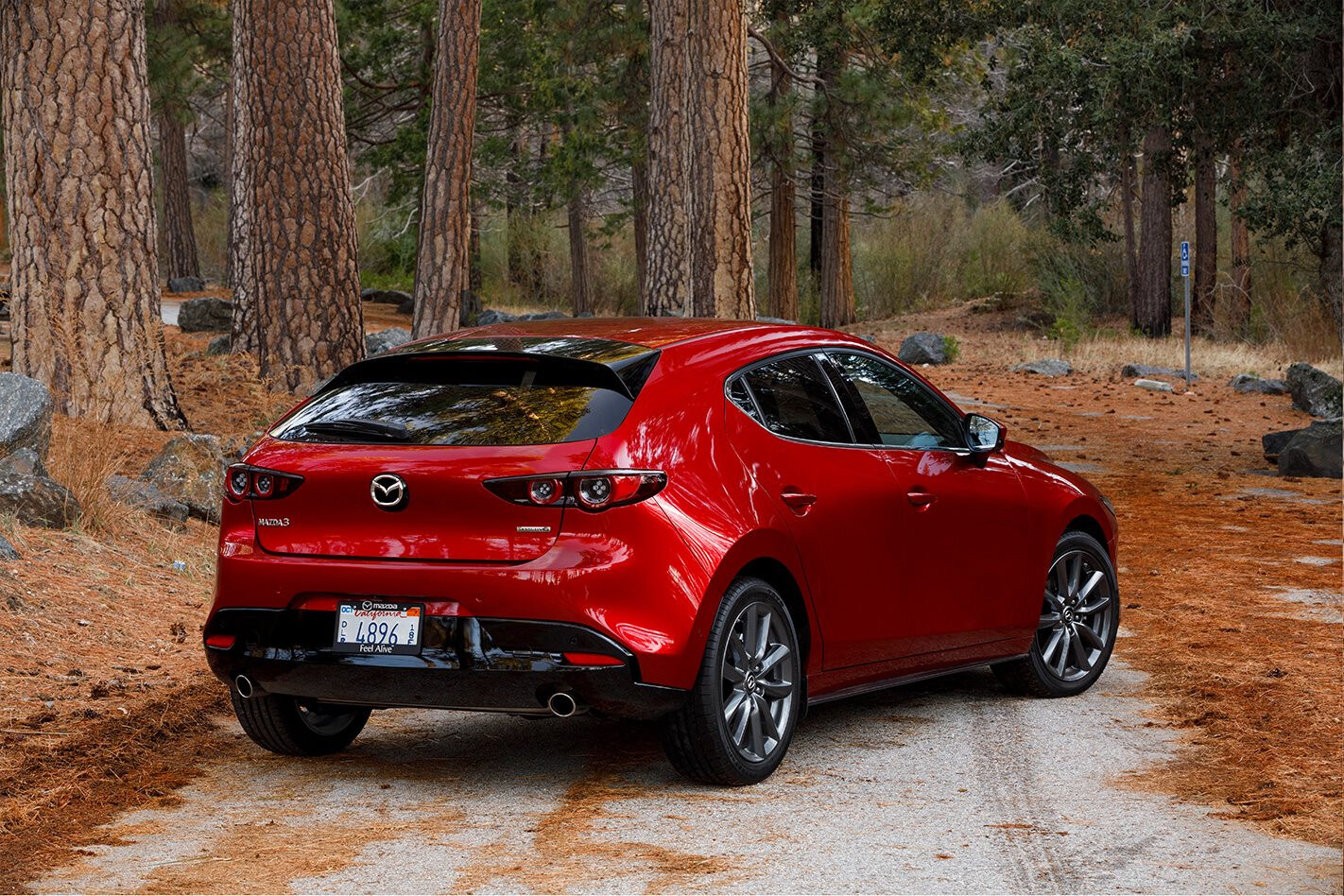
THE ALL-new Mazda 3 is shaping up to be this year’s most significant new car launch for Australians. But how does it stack up against Hyundai’s evergreen i30?
These two hatchback rivals are significant because they’re both tilting at knocking the Toyota Corolla off top spot. While we’re extremely familiar with the i30’s qualities, the Mazda 3, due to the fact that it’s yet to arrive in dealerships, is more of an unknown quantity. Fortunately, we’ve driven the car overseas, seen it here in Australia and even tested the next generation of engines due to arrive under the 3’s bonnet. Therefore, we reckon we’re in a pretty good place to preview how it stacks up to the doughty Korean favourite. We’ve selected four categories for consideration.
ON THE ROAD
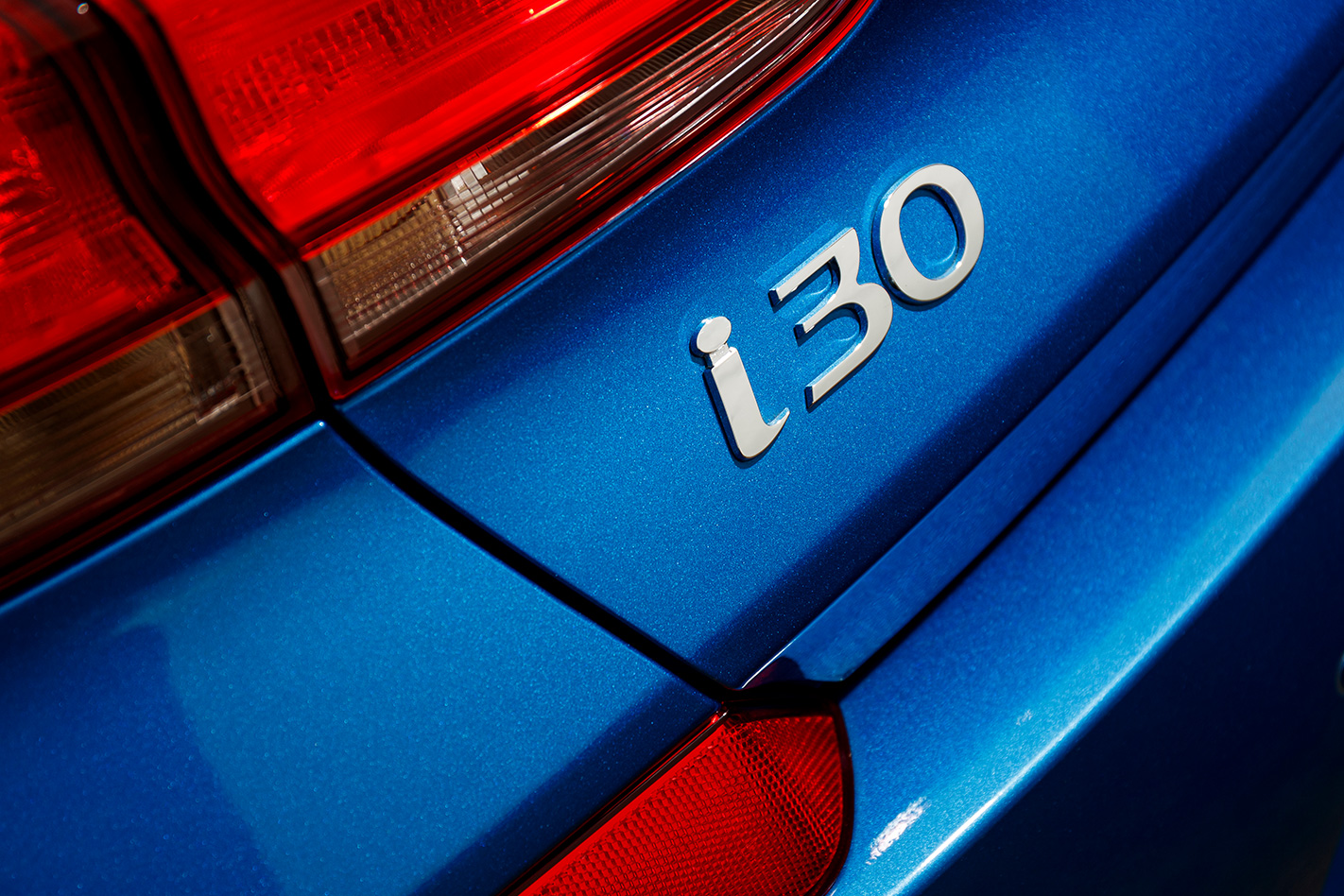
The old Mazda 3 always had a bit of an issue with refinement. Sure, it was great down a twisty road, but the flipside of it being built light and agile was that it wasn’t the quietest. With the latest model, Mazda has fitted noise absorbing rubber nodes into the chassis and increased the amount of sound deadening material. In his first drive report, Ash Westerman claimed that it could rival the Golf 7.5 as the most refined car in its class. Advantage Mazda there, then.
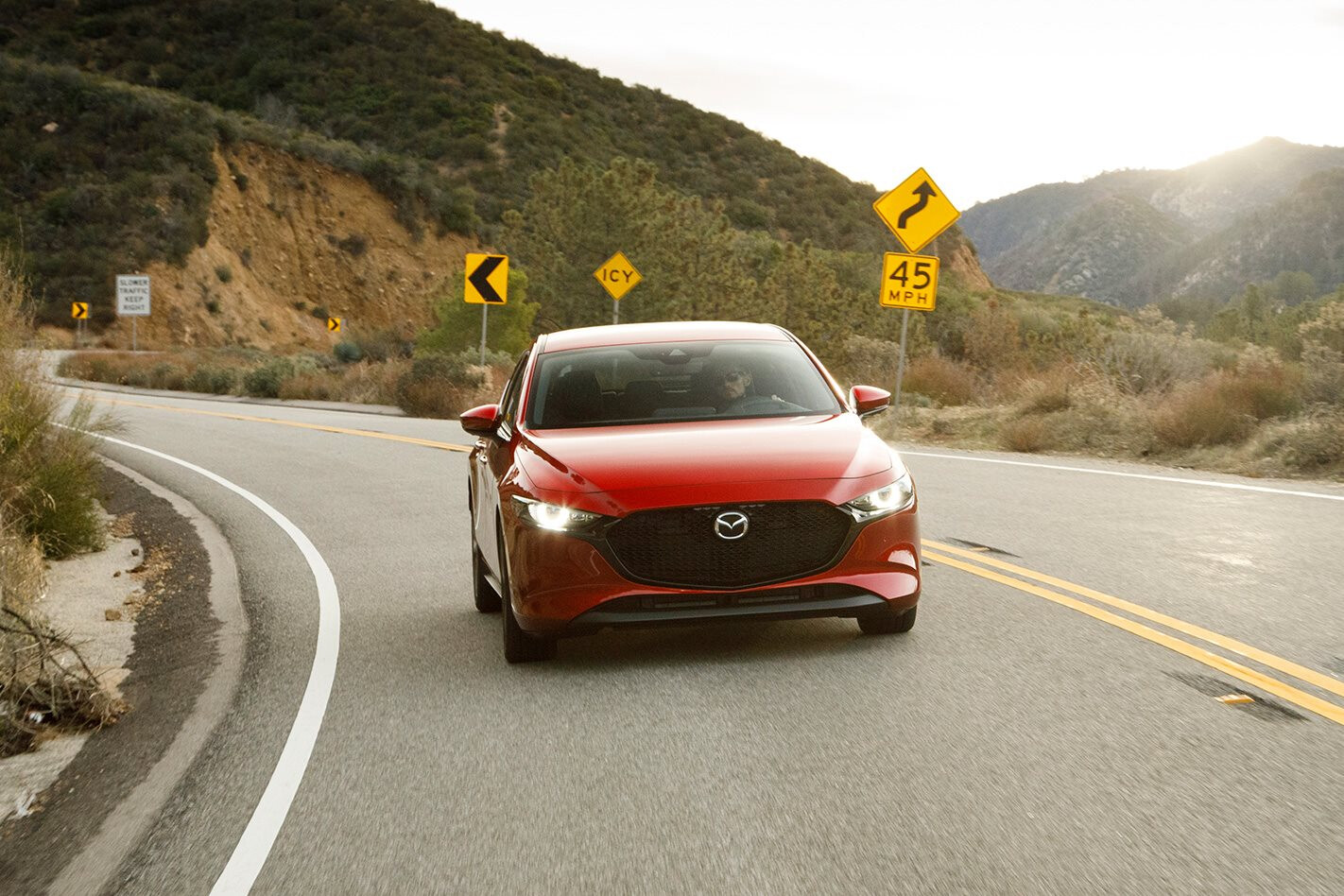
Where the Hyundai counters is with sheer power. Should you opt for the 150kW N-line or the full-strength i30 N sports model that fronts up with 202kW, Korea presents an argument that the Mazda3 is completely unable to counter. As sweet as the Mazda’s basic dynamics are, the Hyundai has the advantage of bigger numbers.
At the bottom end of the range, keener drivers will probably prefer the Japanese car, despite the fact that this generation of the 3 has gone from a slick multi-link rear suspension setup to a more rudimentary torsion beam. Still, as Renaultsport among others have shown, a good torsion beam tune can be very good indeed. Both have excellent manual transmissions although the software logic of the Mazda’s auto ‘box might well tip things in its favour.
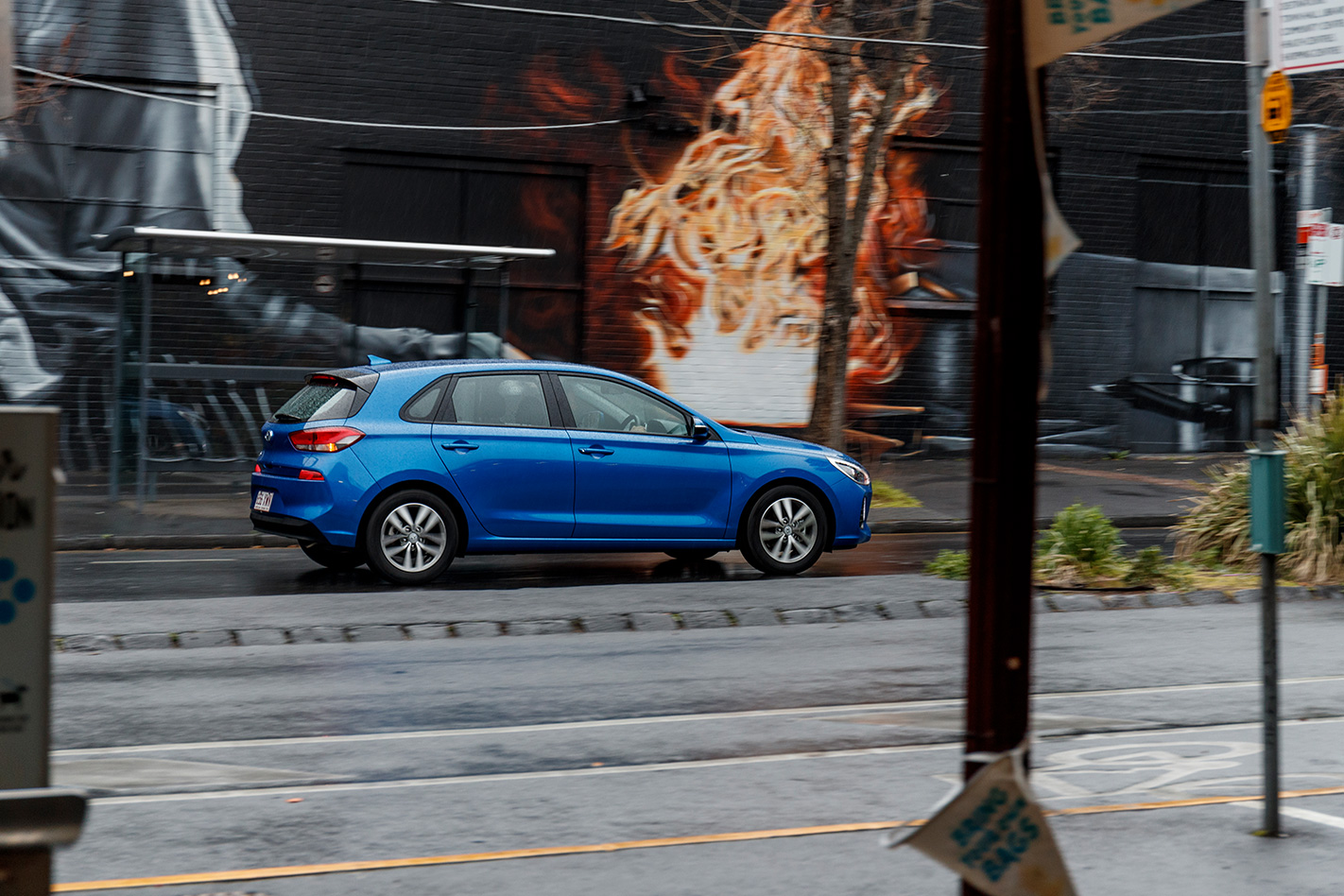
VERDICT: Mazda (just)
INSIDE THE CARS
The outgoing Mazda 3 still looked a class act inside and the latest car retains the same design direction but improves quality. The upper spec models are particularly plush, with a stitched leather dash top and a padded lid to the centre console box that feels like a Tempur mattress. The Hyundai is a class act, but time has moved on quickly since its launch and the Mazda shows just how far.
Where the Hyundai counters is with sheer space. It’s huge inside the i30, something that the launch of the rather pinched new Corolla only throws into stark relief. Despite getting a 25mm stretch in its wheelbase, the new Mazda 3 isn’t appreciably bigger than the outgoing car. What’s more, the boot has actually become smaller, dropping from 308 litres to 295 litres, largely because of packaging requirements for a lithium-ion battery for a hybrid model that Australia doesn’t get. The i30’s hefty 395-litre boot and its advantage in rear head and legroom probably makes it a better pick for families.
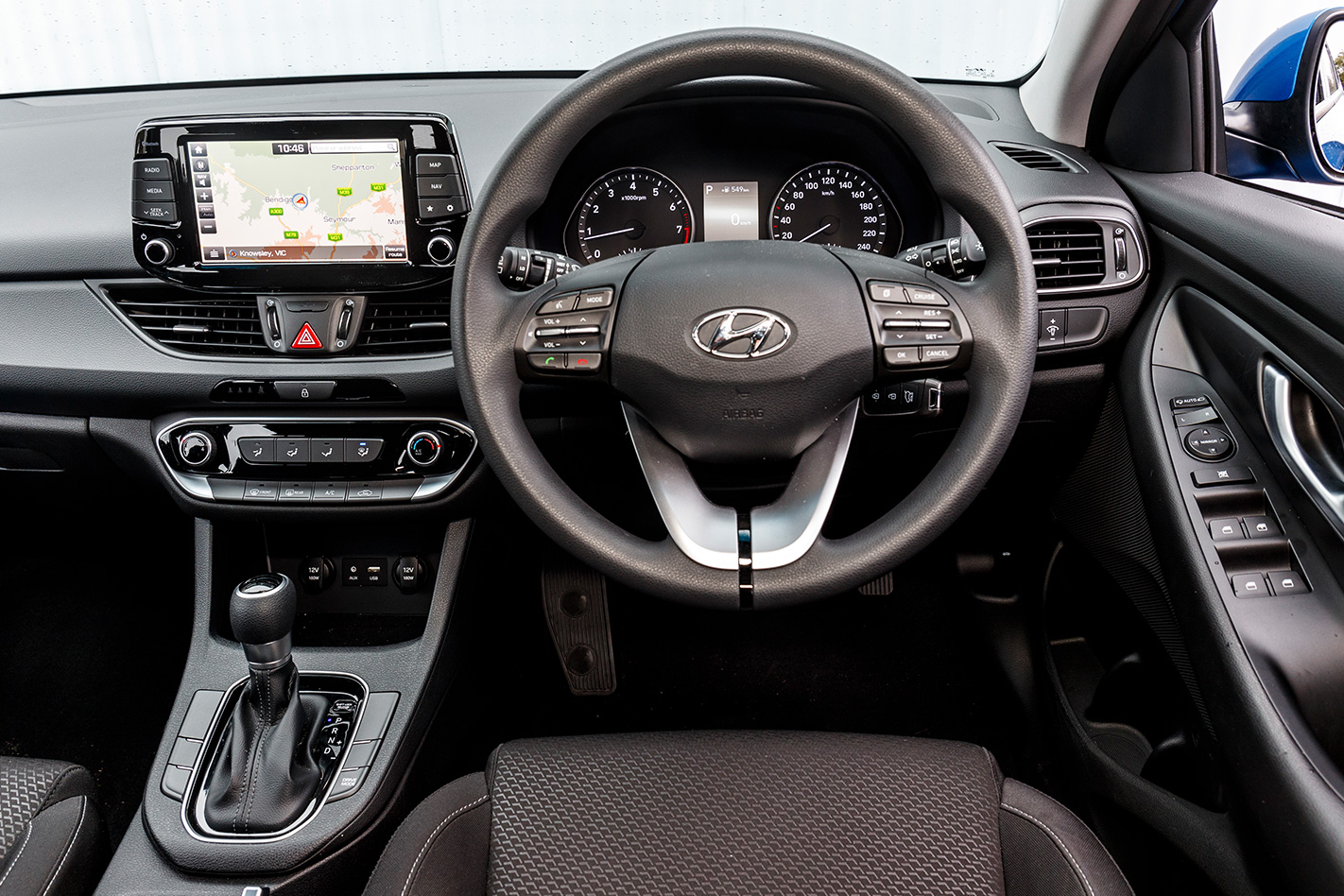
Which car wins this one? That depends very much on your priorities. Singles and childless couples will prefer the sassy Mazda, but those of a more practical bent will doubtless go for the Hyundai.
VERDICT: Draw
BUYING AND OWNING
Full pricing and specifications for the Mazda 3 is yet to be released, but early indications suggest that the 3’s prices will nudge up quite significantly, marking a move upmarket. Mazda has joined Hyundai in offering customers a five year, unlimited kilometre warranty, so there’s nothing much to separate them there. The Hyundai’s attractive initial asking price, seasonal special deals and the fact that even entry-level models are extremely well equipped gives it a big advantage here. The Mazda delivers a counterpunch with more fuel-efficient engines and a brand new shape that ought to prop up residuals nicely. In terms of metal for your money, a key indicator for many customers in this class, the Hyundai gets the nod.
VERDICT: Hyundai
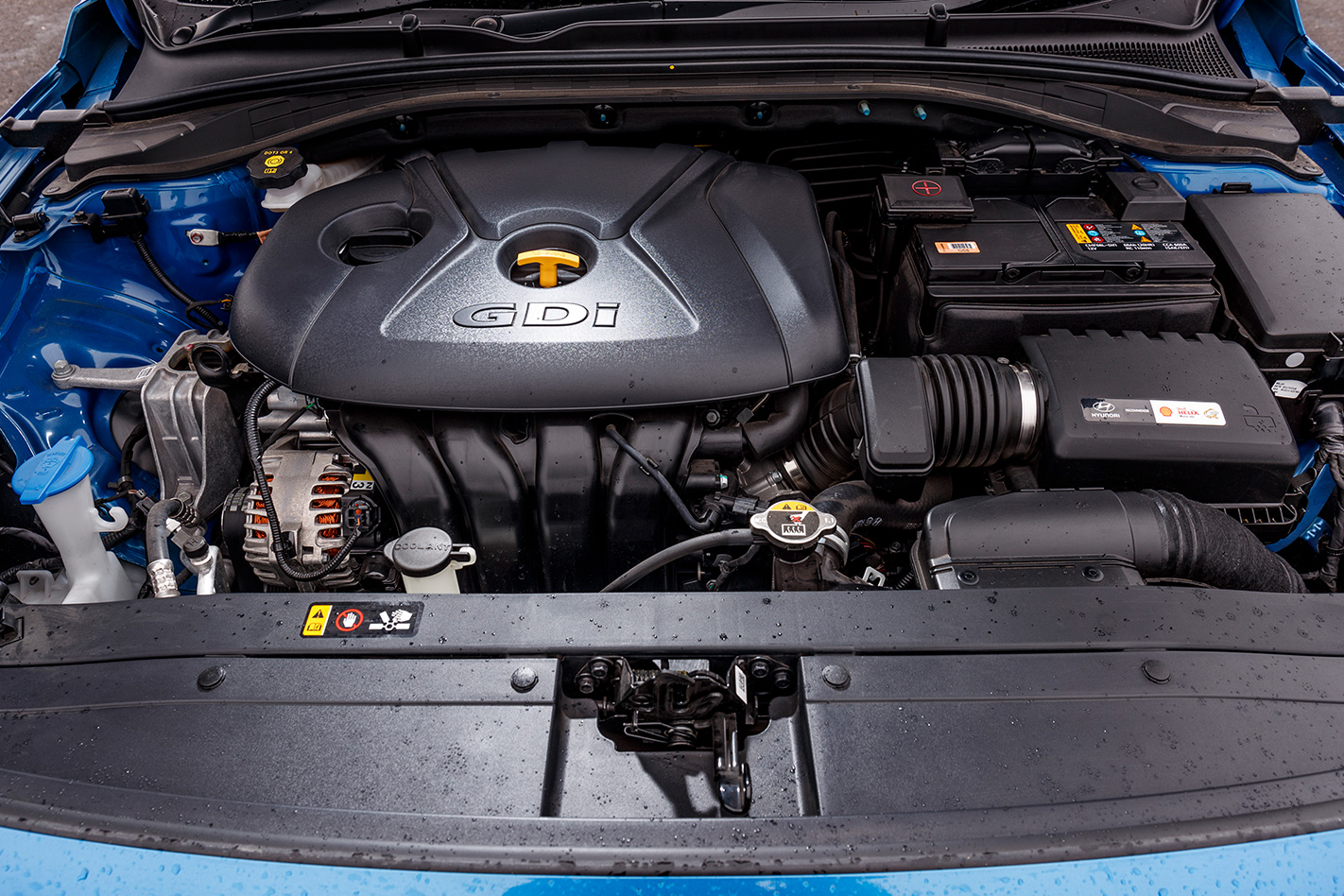
TECH
It seems a bit Neanderthal of Mazda to include smartphone mirroring without offering a touchscreen, so expect plenty of passengers prodding icons on the 8.8-inch screen to no effect. The Hyundai’s 8-inch system looks as if it has ripped the graphics capability from a Nintendo 64, but it’s simple, intuitive and works really well. The hard keys situated either side of the screen also provide a welcome instant access facility. The Hyundai’s steering wheel controls are also more logically configured than those of Mazda.
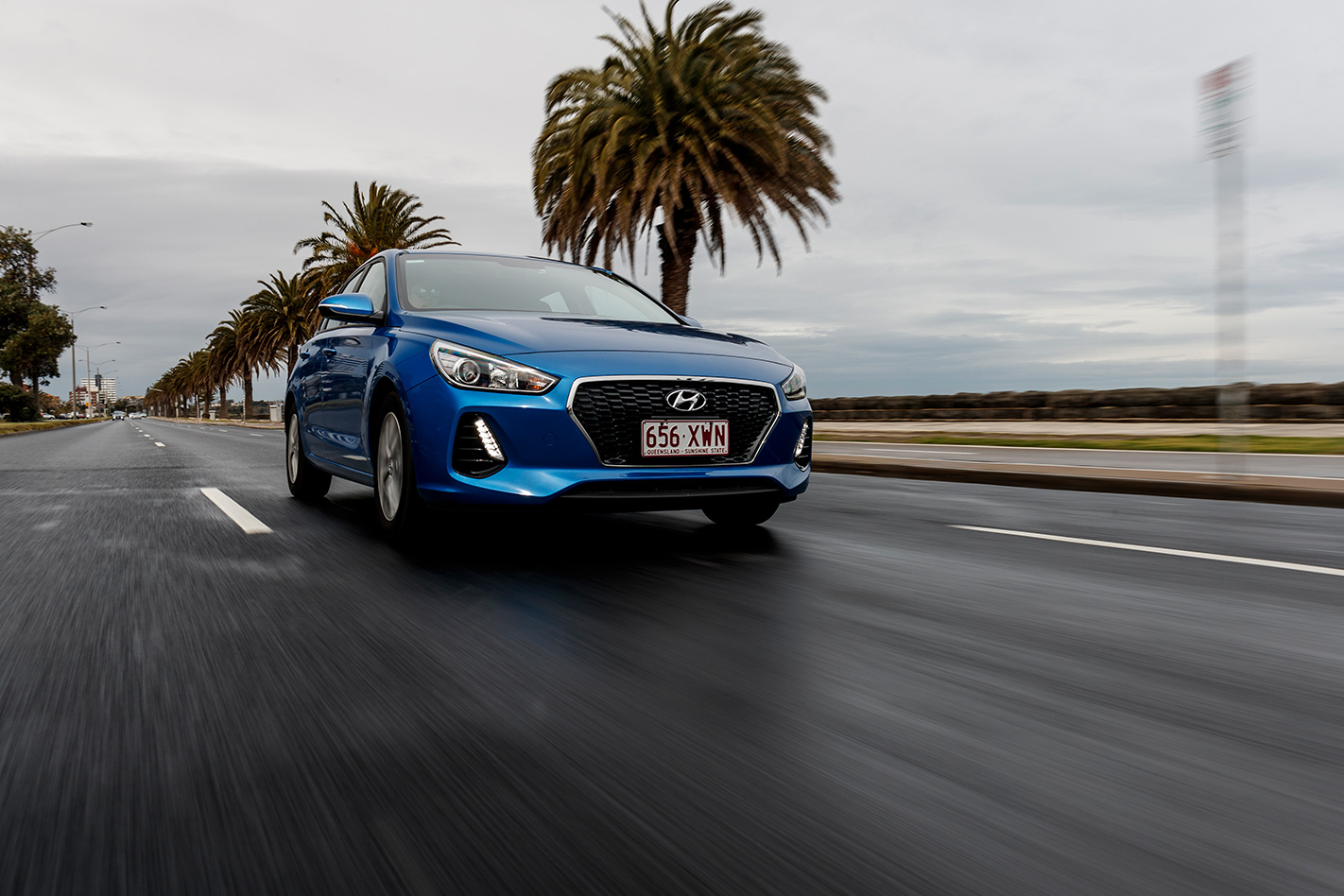
The killer blow for Mazda comes with the launch of the SkyActiv-X compression ignition engine. This, in effect, squashes petrol to ignite it in a process much like diesel combustion. The promise is the response and refinement of a petrol engine with the efficiency of a diesel lump. Sounds too good to be true, and Mercedes-Benz tried to get this technology to work for many years before giving up. Mazda’s built this engine and I got to drive a prototype version and it does seem to make good on their promises. A version is due for the Mazda 3 later next year, rumoured to generate 133kW and more powerful versions will subsequently proliferate across the Mazda range.
VERDICT: Mazda
OVERALL
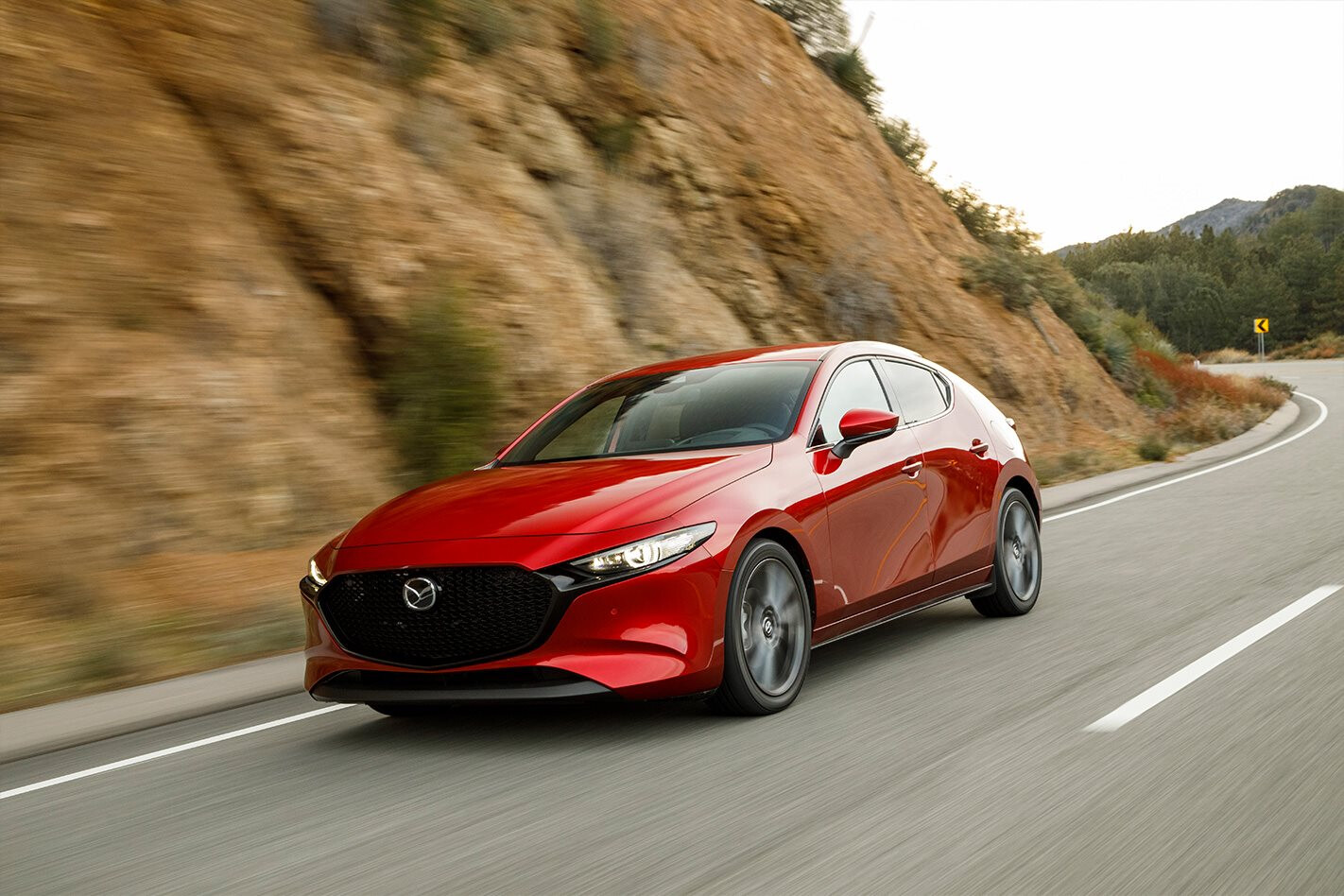
The Hyundai i30 still has a great deal going for it, but it’s hard to avoid the fact that we’re pitting a car that is now three years old against something box fresh. The Mazda 3 feels like a newer car and brings some formidable technology to bear in a package that looks great and which carries a name badge with clout. Mazda now offering a five year warranty negates Hyundai’s big trump card so, contingent on final specs on pricing and features, the Mazda looks to wield the advantage for us in this pre-fight tale of the tape.
VERDICT: Mazda
Aston Martin has revealed a new image of its Project 003 hypercar, reportedly known internally as the ‘Son of Valkyrie’.
As reported by MOTOR in 2018 upon the Aston Martin Project 003’s announcement, the third of its kind (beside the Aston Martin Valkyrie – 001, and the Valkyrie AMR – 002) will draw on developments form those cars to become a road-legal, hybrid hypercar. The point of difference, however, is that 003 will be turbocharged.
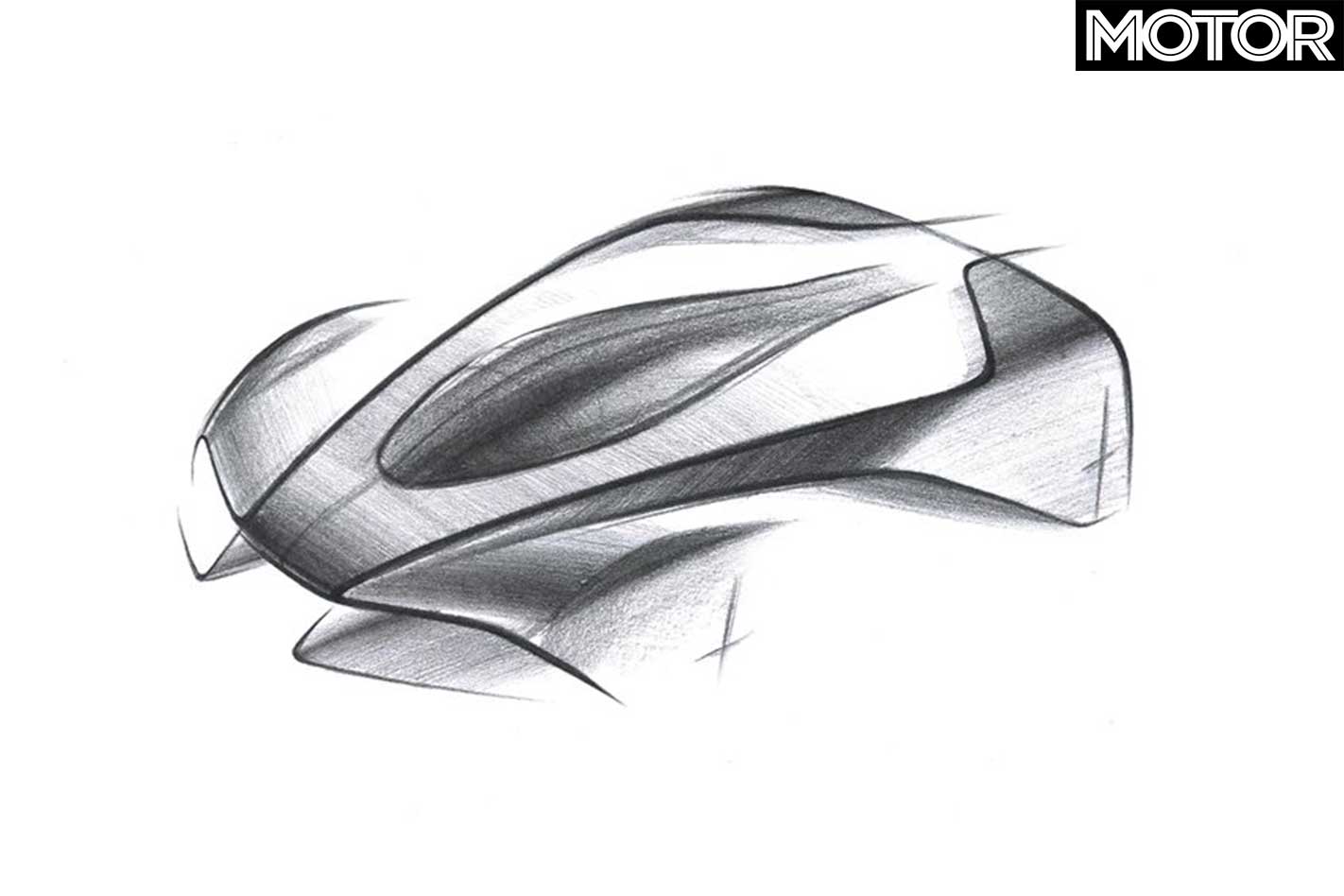
Arriving in 2021, the car will be limited to a 500 unit run, available worldwide in both left and right-hand drive.
From what Aston Martin’s teaser image show, the third of its hypercar ‘projects’ will take on a more traditional road car shape. Aston Martin adds that this car will also be more practical, with “concessions to road use, including space for luggage.”
Speaking with MOTOR last year, Aston Martin design boss Marek Reichman said that an upcoming road-going car would rival the equivalent mid-engined supercars of the today – namely the Ferrari 488 and McLaren 720S.
Given Aston Martin’s slow burn of information regarding Project 003, it’s safe to say this is it.

“The vision and the jigsaw puzzle, when you fit it all together, there’s a reason we entered into F1 originally, there’s a reason we now have title sponsorship,” he told us in 2018.
“Valkyrie sits as a very important part of that, the track-going Valkyrie, all of that lineage feeds down into the road-going car.”
“What I can tell you is that, in terms of its performance capability it will be a true competitor to the market set at the time – whatever the 488 is, whatever the McLaren 720S is, wherever Lamborghini is.”
Working at Aston Martin on this project is a veritable dream team of mid-engined supercar experts, including chief technical officer Max Szwaj and engine boss Joerg Ross, both formerly of Ferrari.
Joining them are dynamics expert Simone Rizzuto from Maserati, head engineer Matt Becker (formerly Lotus), and former McLaren test driver Chris Goodwin.
- Single variant known as Launch Edition
- Digital dash and 15in multimedia screen available
- 190kW/600Nm turbo diesel V6
The new Volkswagen Touareg goes on sale here in May, and replaces the almost nine-year-old model which bows out with three models and two engines, including the now-deleted 4.2-litre V8 turbo diesel.
The 2019 VW Touareg Launch Edition will retail at $89,990 plus on-road costs and will be powered by a 190kW/600Nm version of its 3.0-litre V6 turbo diesel engine.
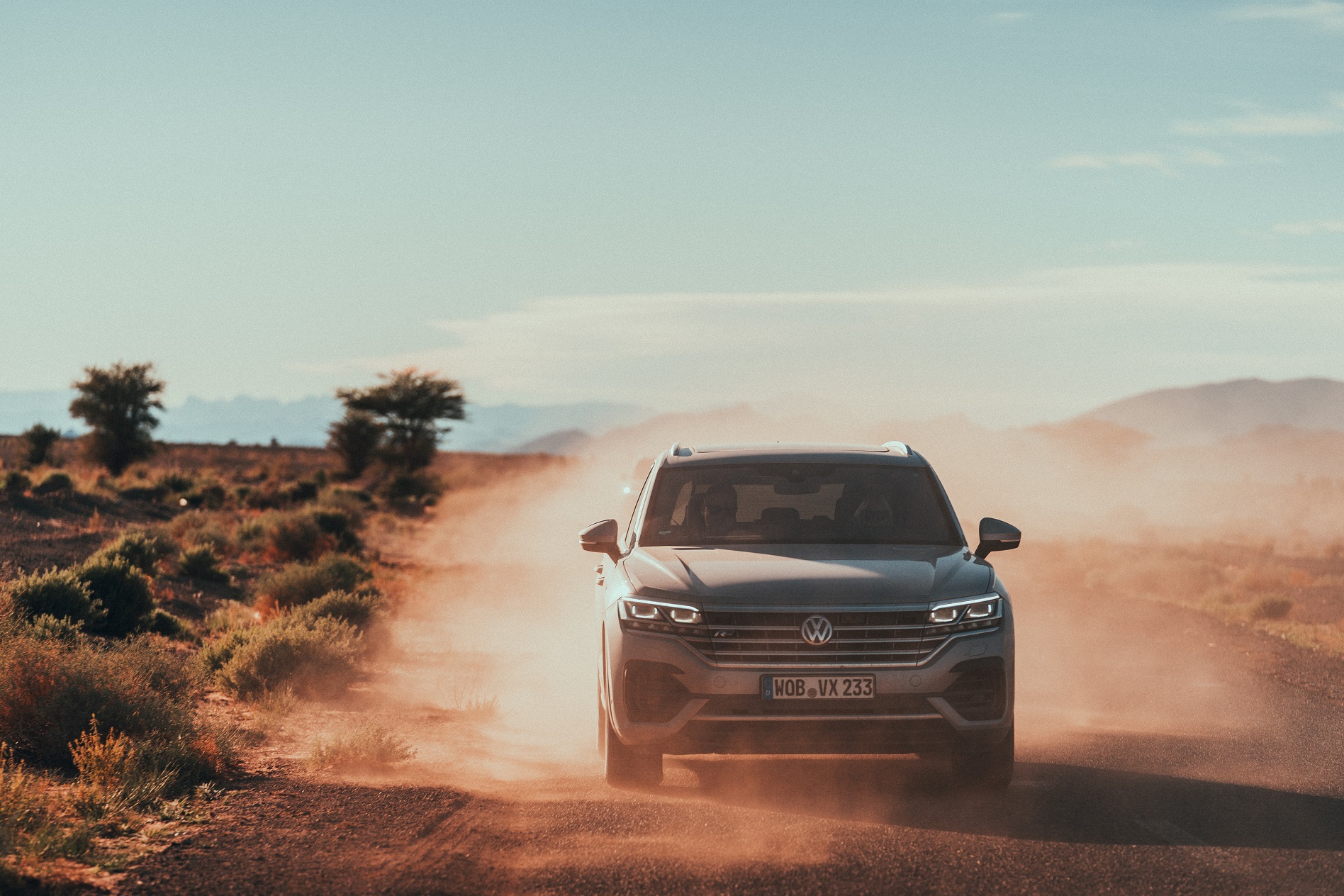
Its 4Motion all-wheel-drive set-up is backed by a traditional eight-speed automatic transmission, while multiple on- and off-road drive modes – including descent control – are available via in-cabin dials.
The Touareg’s chassis – known as the MLB platform – is shared with VW Group cars like the Audi Q7 Bentley Bentayga and Porsche Cayenne, and is equipped with adaptive air-sprung suspension, while 20-inch rims are standard fare.
There’s also a powered rear tailgate, powered exterior mirrors, auto hill hold, keyless entry and start, high-grade leather trim and tinted glass aboard the Launch Edition.
As well, Volkswagen reckons the single-spec Touareg tops the outgoing range for price and features.
“It’ll come in with more power and more equipment, and at a better price, than the outgoing model,” said passenger vehicles product manager Glenn Reid.
“Once you get inside, you’ll understand why it’s going to put a scare into the other German manufacturers.”
VW won’t be able to flesh out the Touareg line any further for at least six months, which the company says is a result of “homologation issues” with its 110TDI and 210TDI V6 diesels.
The large five-seat, five-door SUV is uniquely positioned within the large SUV space. It’s priced beneath the entry-level versions of the BMW X5 and Audi’s Q7, it’s on par with top-specced mainstream competitors like Toyota’s LandCruiser Kakadu, and below other European entrants like the Volvo XC90.
The Touareg Launch Edition comes very well equipped out of the box, with LED matrix headlights that can automatically dim several of 128 individual globes to reduce glare while maximising light spread. It’s a first for any Volkswagen.
It’ll also come with a vast array of new-generation driver aids, including front cross-traffic assist, high- and low-speed autonomous braking, traffic jam assist and camera-controlled predictive pedestrian/cyclist detection.
Seats will offer eight massage functions, as well as heating and venting elements that can be mixed and matched on the seat backs and base. Wireless phone charging, a 9.2-inch multimedia screen with Apple CarPlay and Android Auto and an analogue dash are all standard.
There is the option to add a massive 15-inch display with gesture control and a customisable home screen that integrates with an Active Info Display digital dashboard and heads-up display system, as well as more ambient interior lighting. Known as the Innovision Package, it costs a not-inconsiderable $8000 extra.
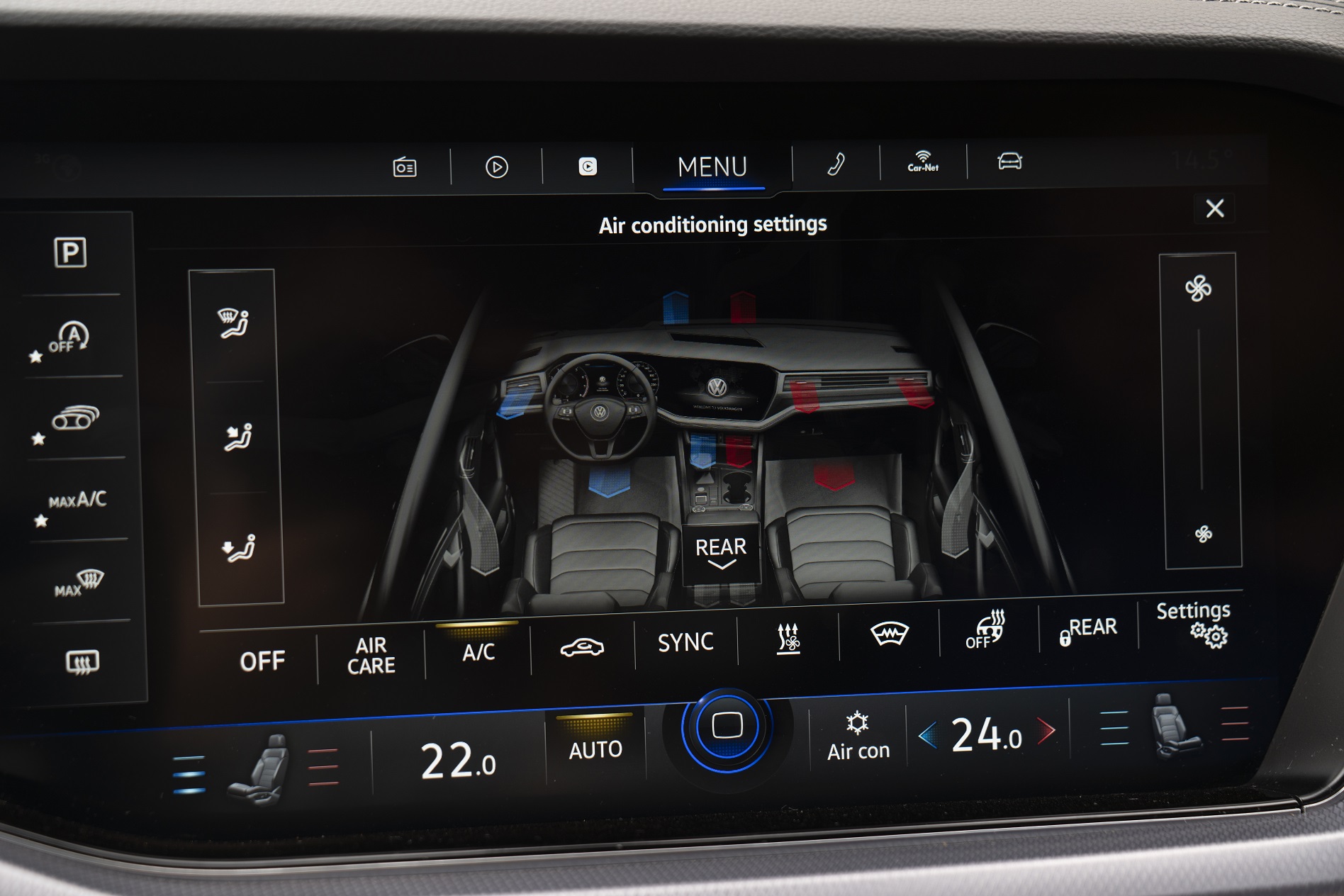
The only other option for the Volkswagen Touareg is a $3000 sunroof.
Four colours will be offered at no extra cost, including white, black, blue and grey.
“Spec for spec, it’s around $900 cheaper than the outgoing [V6 TDI] model,” said Reid.