
What is it?
Mercedes-Benz has taken the upmarket, sophisticated essence of its E-Class range and baked it into a stylishly underplayed large SUV that offers an abundance of top-flight tech in a non-daunting package.
The GLE 450 will arrive in Australia in April of this year and will top the GLE range – at least until the arrival of the stove-hot 45 and 63 AMG versions in 2020.
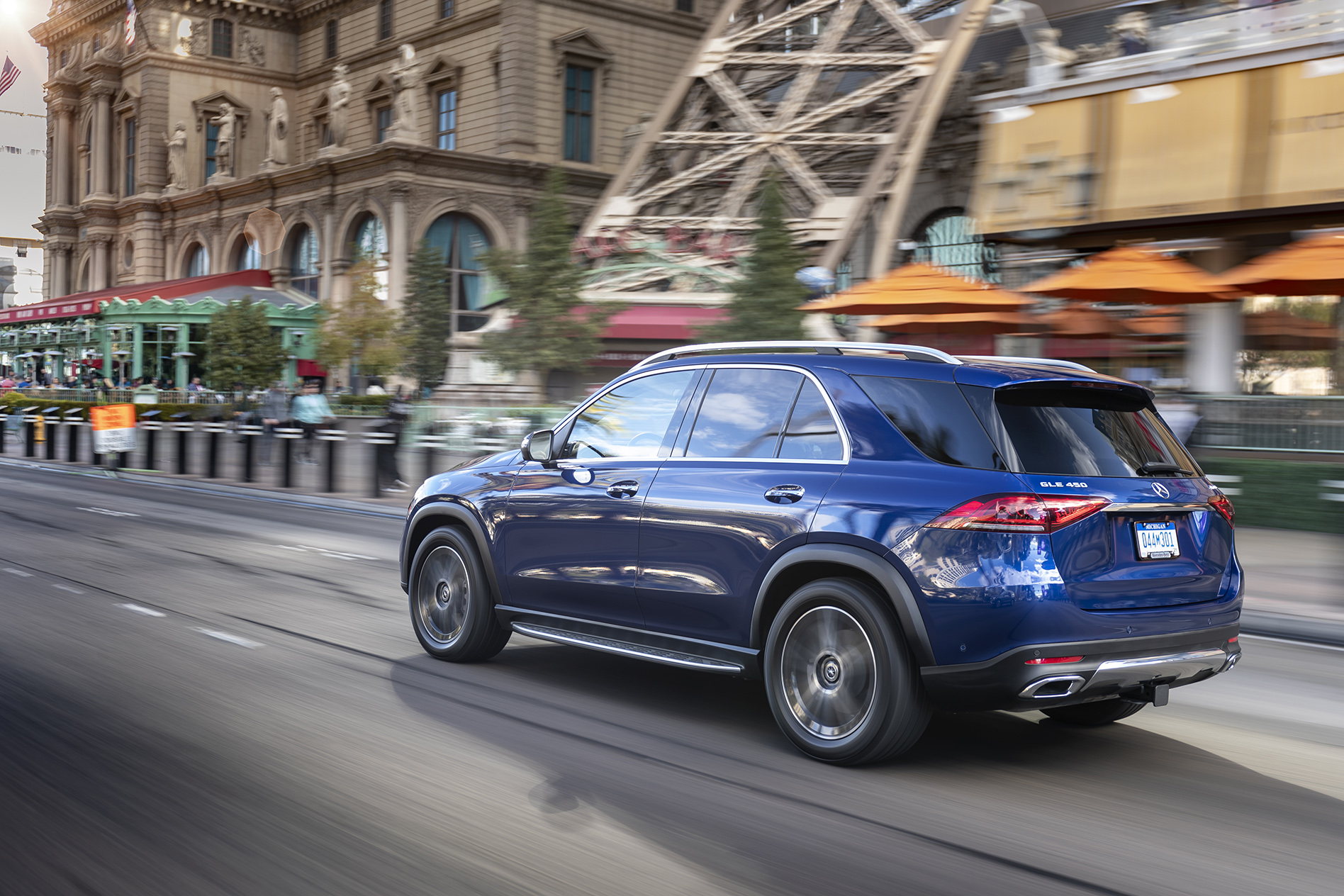
How much is the Mercedes-Benz GLE450?
Pricing and spec for the new fourth-gen GLE line up hasn’t been announced yet, but we’d guess that the 450 – which is powered by Merc’s brilliant 3.0-litre inline six petrol engine – will set you back around $150,000 before on-road costs.
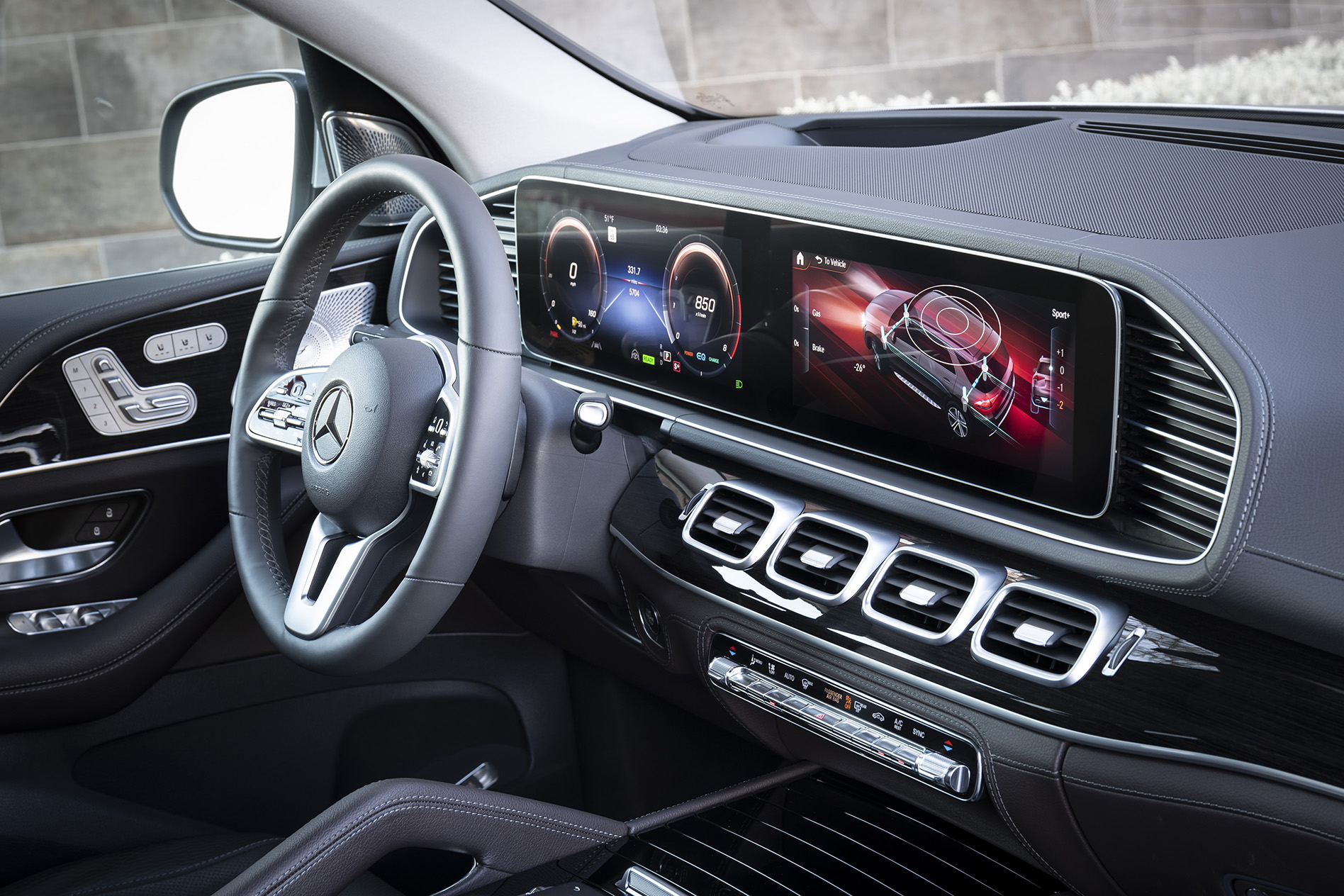
This gets you AWD, twin 12.3-inch multimedia screens, a nine-speed auto, a 48-volt mild hybrid system and lots of safety tech as standard… but beware the options list, which will be as long as both your arms.
Fuel-cost wise, Merc rates the GLE 450 at 9.4L/100km. Filling its 93-litre tank with premium will be a $120-$140 exercise on average, and you should get close to 1000km of range from a tank.
Who is the Mercedes-Benz GLE 450 for?
If you’re looking to step your premium SUV experience up a notch, or you’re graduating from a luxury sedan, then the GLE is definitely in your window. It’s stylish rather than showy, too, which will appeal to a more mature clientele – though its large size may be a turn-off here.
Is the Mercedes-Benz GLE 450 easy to live with?
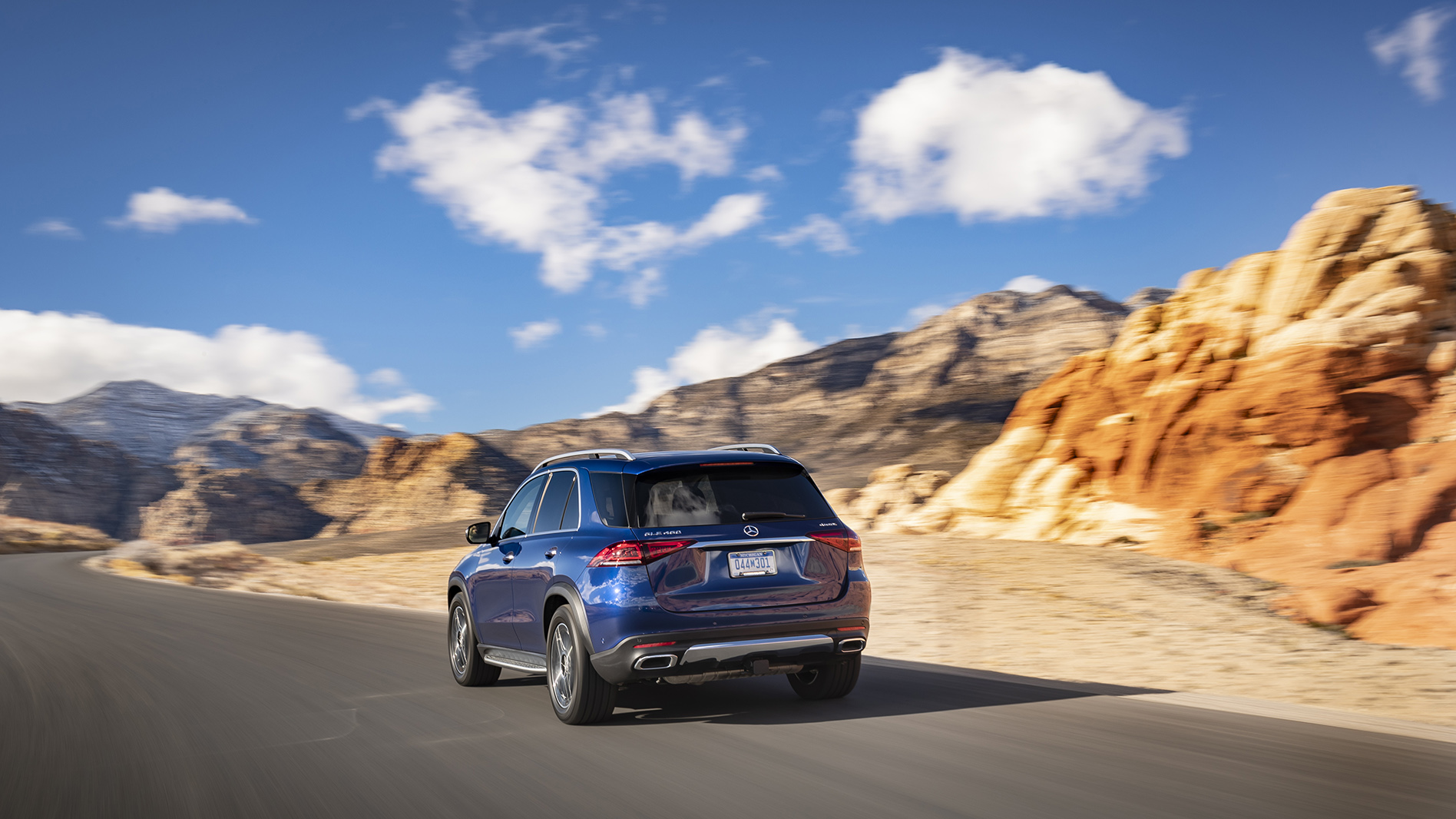
A quick afternoon’s jaunt around the tourist haunt of Las Vegas and into the desert beyond reveals the GLE to be quiet, quick and comfortable, with a cabin that’s every bit as amazing as the E-Class upon which it’s based.
In fact, there’s a level of familiarisation needed to get a handle on the GLE that surprised me. All functionality is driven through the wide screen in front of the driver, and the steering wheel controls aren’t especially intuitive straight out of the blocks.
However, the majority of essential functions – like seat movement and climate control – are still accessible by good old-fashioned buttons.
There’s a host of storage room, the rear seats are roomy and the wagon-like shape of the GLE gives it a big cargo area, too.
How well does the Mercedes-Benz GLE 450 drive?
The main reason for our brief Las Vegas sojourn is to sample Merc’s new e-Active suspension system, which uses stereo cameras to read the terrain ahead of the car to instruct the adjustable air suspension to keep the car as level as possible.
Merc says it’s not a handling aid as much as it is a comfort enhancer for passengers, and we’d agree. It can be set at one of three levels (from low to high), and it’s easy to detect the system loading up the outside front suspension mid-corner to keep the car itself as free from body roll as possible.
Otherwise, the GLE is a neutral, easy, comfortable car to drive.
Benz’s sweet 270kW, 500Nm turbo six is boosted by a 48-volt mild hybrid system, which uses a small electric motor to add 16kW and 250Nm when required. At more than 2220kg, the GLE is a big bus, but the powertrain is a great match for the mass.
Verdict
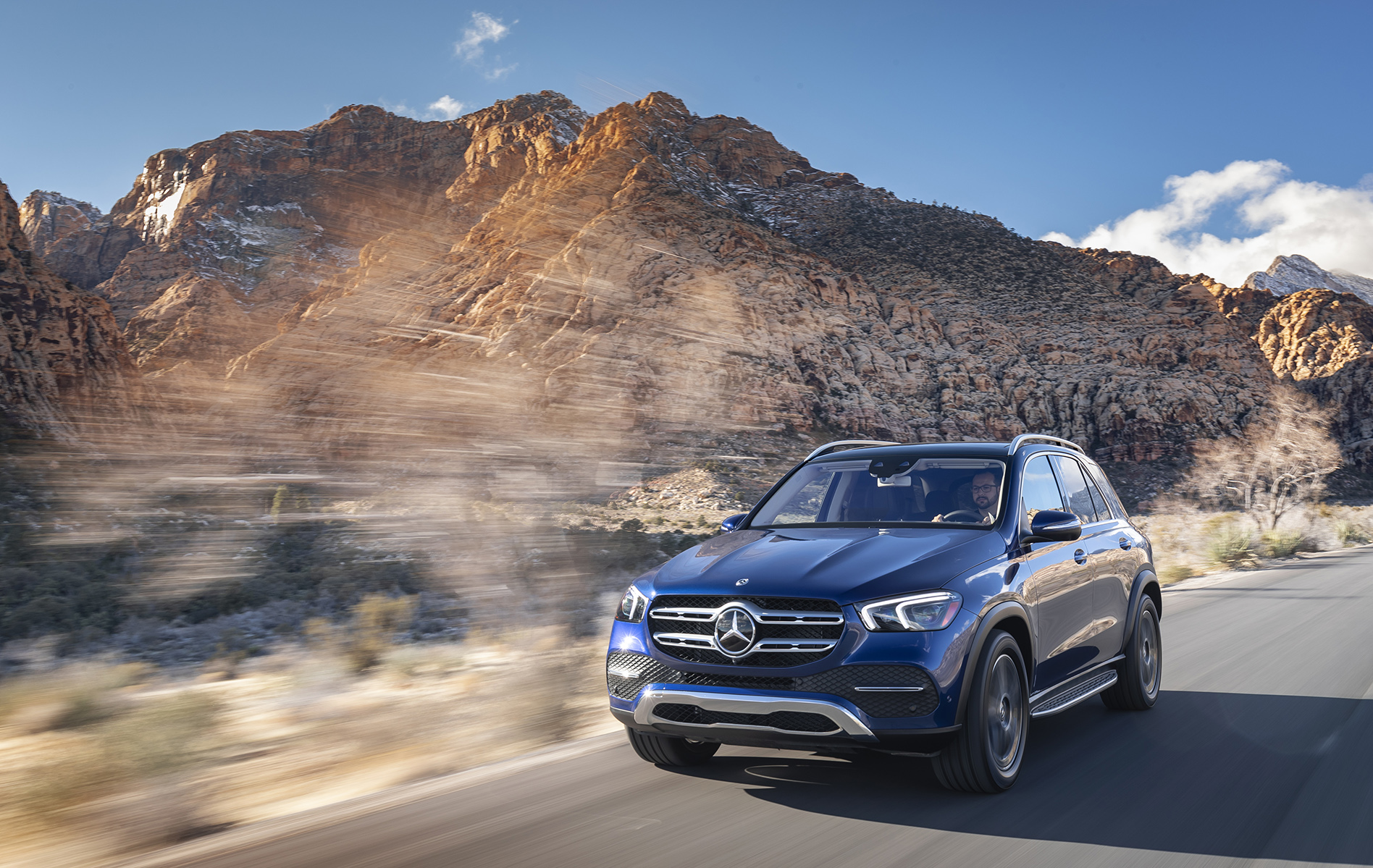
The rollout of Merc’s new interior architectures and technologies – like the AI-enabled MBUX in-car assistant known as Mercedes Me, and the sat-nav that super-imposes street names on a live image – continues apace, and the GLE is an excellent example of making that tech a mainstream reality.
It’s a large, roomy, capable wagon-like SUV that can be accused of lacking visual zing, but not everyone wants or needs a flashy show pony. It tows 3500kg, it has a massive boot, can be optioned with seven seats and doesn’t even use much fuel… what’s not to like?
We’ve made it to week 2, which in our eyes makes the new WhichCar Weekly podcast an unqualified success.
This week the WW host, WhichCar Senior Journalist Dan Gardner, is joined by once again by MOTOR Magazine Associate Editor Scott Newman and a new face, 4×4 Australia Editor Matt Raudonikas, to discuss what’s happening in the automotive world.
In a high-octane episode two the trio discuss the seemingly never-ending teaser campaign for the Toyota Supra, which culminated in its public reveal last week at the Detroit Auto Show. Also breaking cover was the Shelby GT500 monster Mustang, which has Dan somewhat hot under the collar.
Closer to home, Matt has been driving the bruising Mercedes-AMG G63, which leads Dan to remember its somewhat unusual international reveal, while Scott returns fresh from sampling the McLaren 600LT earlier that day. You can’t get a more up-to-date assessment than that!
If you’re on the run or in the car you can find the WhichCar Weekly podcast on iTunes or Podbean and you can follow the movements of the WhichCar team on Facebook, Twitter or Instagram @whichcarau.
We look forward to joining you next week when Dan will be fresh from the international launch of the new Lamborghini Huracan, Scott will preview the World Rally Championship and the team will offer thoughts and opinions on everything car-related that’s happened in the last seven days.
Listened to the show? Help us out:
- Leave a note in the comment section below.
- Leave a review on Apple Podcasts/iTunes
- Subscribe to our podcast
Anyone who’s ever played Gran Turismo has a soft spot for turbocharged Kei cars like the Suzuki Alto Works or Daihatsu MIRA TR-XX Avanzato R – sub-1000kg ankle-biters that never came to Australia but aroused the fast car imagination regardless.
It was with these cars in mind we learned of the new Kia Picanto GT, a micro-class car with a turbo three-cylinder, direct-injected, twin-cam engine, five-speed manual, front-wheel drive and a dash of styling mongrel. With a GT badge comes expectations – after all, in the world of Kia, the GT moniker has been reserved for properly respectful devices such as the 272kW twin-turbo V6 rear-drive Stinger, or the late, Michelin-shod Proceed GT, one of the most underappreciated hot hatches we’ve driven in recent times.
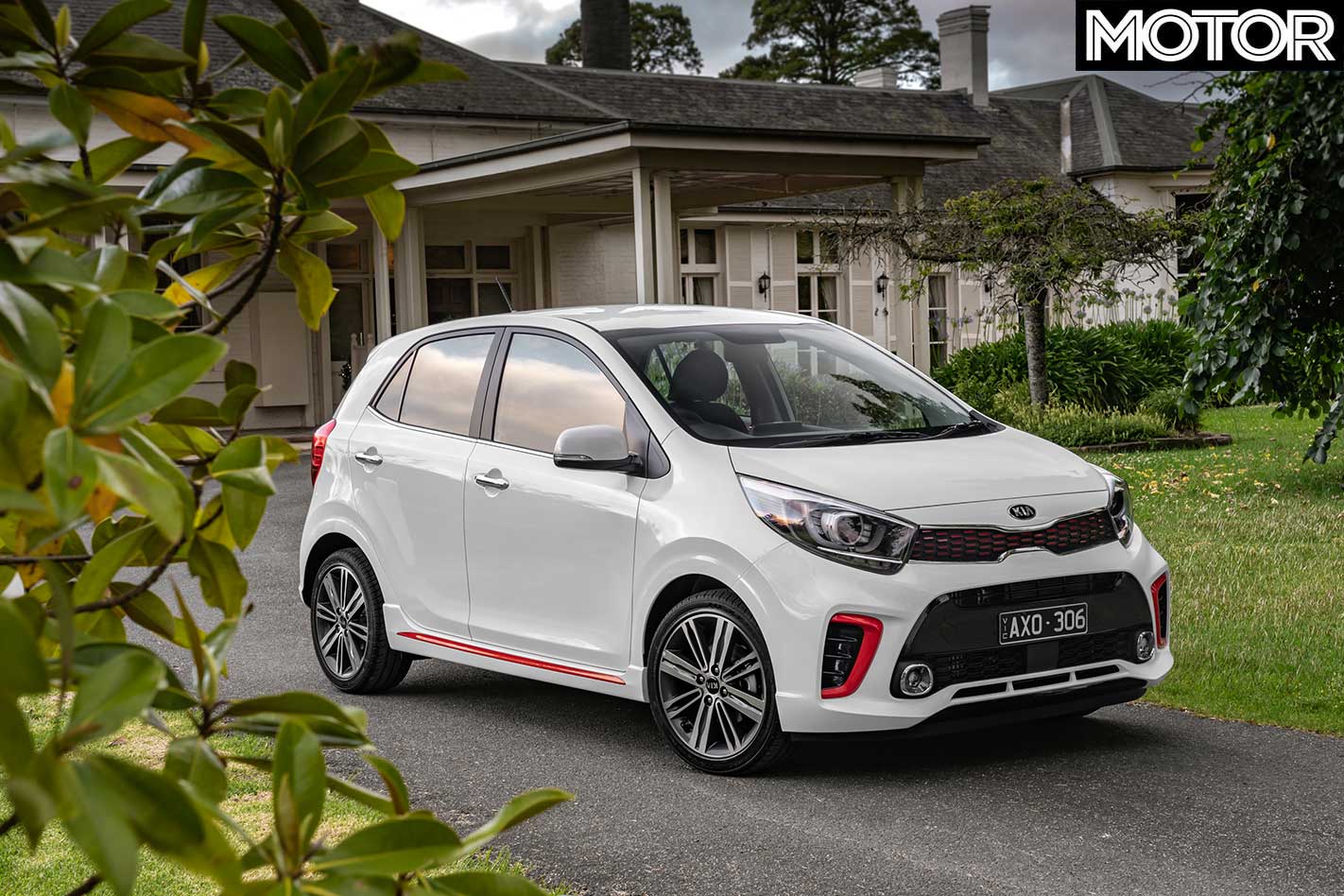
In giving its pint-sized Picanto the GT treatment, Kia has fitted a 1.0-litre triple with an itty-bitty single-scroll turbo, stiffened the suspension and remapped the electric power steering. It only comes with a five-speed manual, no auto, which works to the Picanto GT’s advantage in our books, but will seriously limit its sales potential. Outputs are 74kW and 172Nm, and you might guess that it does weigh 900kg, but actually it’s 1007kg, quite portly for a car this size (a Suzuki Swift Sport is a class of car larger and 970kg). Indeed the Picanto GT’s 73kW/tonne is the lowest power-to-weight ratio of any car we would ever test in MOTOR magazine – by quite a margin.
But that’s okay. Cult classic performance cars are born when the engineers sneak a cheeky chassis tune past the execs, and it was with this optimism we slid into the Picanto’s compact and neatly laid-out interior, rubbing shoulders (literally) with our passenger (who was not helping the power-to-weight ratio).
Our mind raced with optimism. Perhaps the puny Picanto has a playful chassis and loves to dance? Perhaps the engineers have really brought the personality out of that turbo triple? Could Kia have snuck a cult new-age Kei car on to the Australian market, a car that will have its own forum and owners’ club in five years?
Well, we quickly learned the answer to all those questions, and it starts with an “n”.

Let’s get one thing out of the way early, the Picanto GT is fun – once you’ve got it moving. It is seriously slow; Kia doesn’t quote a 0-100km/h time and for good reason – you’d need a calendar. We would estimate well over 10 seconds, somewhere around the 11.0sec mark. A Toyota 86, a supposedly underpowered car, will hit 100km/h in about 7.2 seconds. Mums in V6 RAV4s will be picking you off at the lights while smacking their kids in the back seat and not even realising.
There’s a thrummy, characterful three-cylinder engine that sounds great, right? Sort of. There certainly is a nice thrum low in the revs, and a bit of turbo whistle under load, but the Picanto GT shuns any sort of rorty exhaust. What engine noise does exist is soon drowned out by the tyres and wind as speed rises. Cracks, pops on the overrun? No chance. However, we steadfastly believe an awesome three-cylinder note is buried in there somewhere – an aftermarket exhaust on this car would be worth the money.
Once the little five-door Picanto has piled on a bit of speed, it’s fun, in a hire car kind of way. The 195/45R16 Nexen N’Blue eco tyres hang on optimistically, but it’s always the fronts that give up first. If you enjoy friendly, easy understeer, you’ll enjoy belting this car. And you’ll never wear out the tyres or brakes given how much it weighs.

We asked Kia’s Australian suspension guru Graeme Gambold about the chassis tune, and why it wasn’t more playful, and he said they were limited by the stock rear torsion beam which can’t be stiffened easily – limiting the possible stiffness of the front end, too. And so an understeer bias was unavoidable.
You also can’t turn the ESC all the way off and it has a very conservative tune, intervening aggressively when you try to poke the Picanto GT into doing something a little naughty. It’s well before this point the Picanto is wondering what it’s done to deserve such abuse, but also it seems to secretly enjoy it.
It’s a shopping trolley with a bit of grip, basically.
GALLERY: See more of the 2019 Kia Picanto GT in the gallery above
How to improve the Picanto GT for a keen driver? Where do we begin? More power (an 88kW version of this engine exists in the Rio, but possibly with a bigger turbo), better tyres, a more neutral chassis balance, ESC with a Sport mode or that can be turned off, a sports exhaust. Better gearing, too, as the five-speed manual’s first two ratios are short and close, but there’s a yawning gap to third seeing you fall right out of the power band every time you shift into this gear. And this is not a car in which you want to be falling out of the power band…
In fairness if you made all those changes, you’d have a $25K car without anywhere near the polish of even the worst baby hot hatch. And that’s one thing to really dig about the Picanto GT, its price – $17,990, driveaway, is pretty sharp.

You get a good amount of gear for that. Nice leather steering wheel (most of the interior materials are hard, scratchy, cheap plastics), seven-year warranty, it looks kind of cool, active emergency braking, six airbags, reversing camera, cruise control, automatic headlights, alloy pedals, 7-inch touchscreen with Apple CarPlay and Android Auto… there’s a lot of kit for the money. And it would be seriously cheap to run, with a claimed combined fuel consumption of 4.8L/100km. In fact, of all the things you could do with a Picanto GT it might just be the most fun seeing how low you can get the fuel economy. Maybe that’s just us…
The Picanto GT would be a good, honest runabout car that fits five people at a pinch, is comfortable enough, is easy to get into parking spots and gives you a little cackle when hurled through a roundabout. But modern day turbo Kei car – future cult classic hot hatch – of the ilk that might appear in a future driving game? Unfortunately not.
2019 KIA PICANTO GT SPECS
Engine: 998cc inline-3, turbocharged, DOHC, 12v Drivetrain: 5-speed manual, front-wheel drive Power: 74kW @ 4500rpm Torque: 172Nm @ 1500-4000rpm Weight: 1007kg 0-100km/h: 11.0sec (estimate) Top speed: 180km/h (estimate) Price: $17,990 (driveaway) Rating: 2.5 out of 5 stars
If you’ve ever wondered why many manufacturers charge more for a sedan over their otherwise identical hatch, then you’re not alone. Kia’s product planners have clearly given this some thought too, and come up with a response: it’s bollocks.
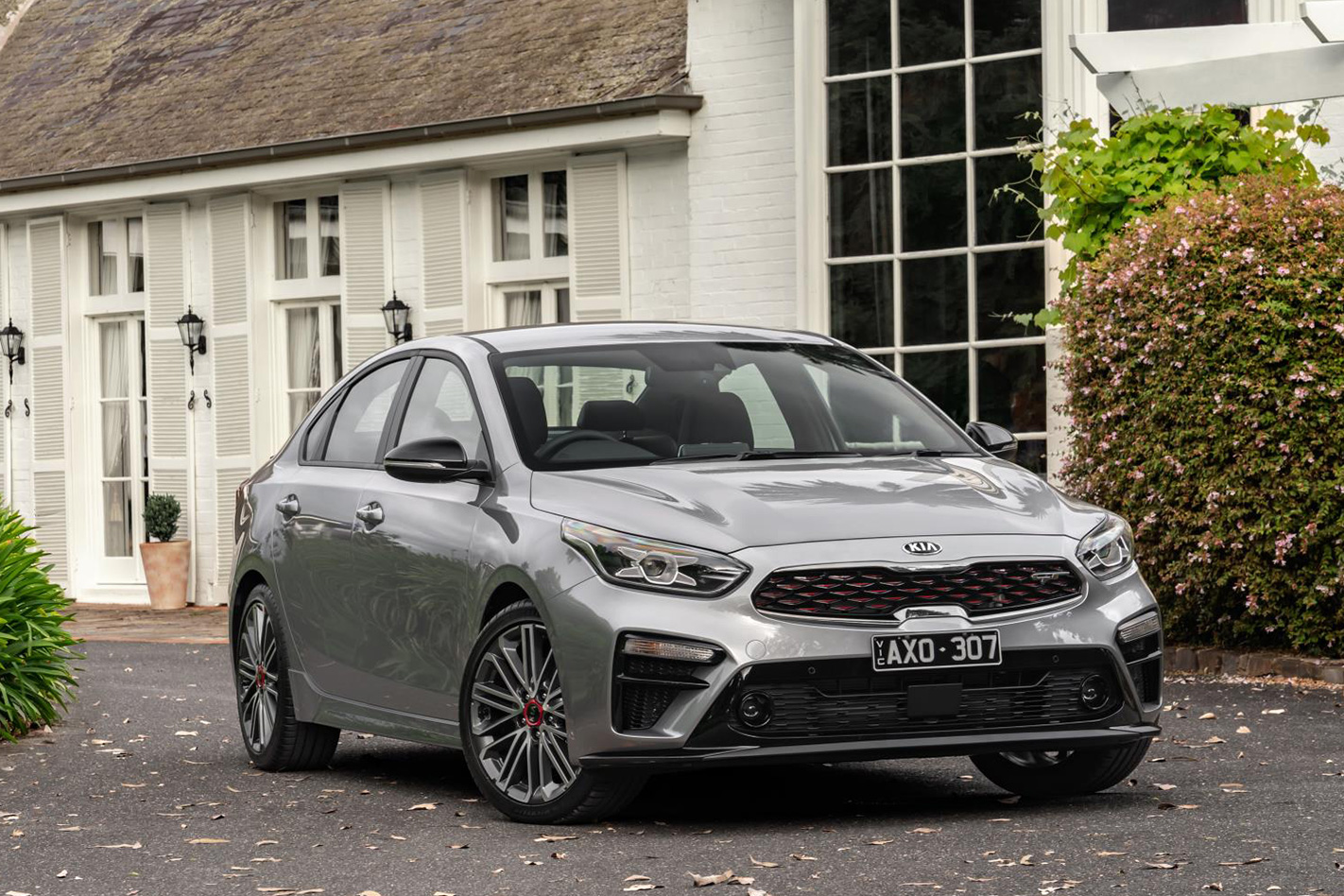
Which is the why the Cerato hatch range, which joins the sedan that launched in the middle of last year, is priced identically, model for model.
The one we’re interested in, however, is the newly launched flagship GT. Rather than just a glitter and equipment range-topper, the GT is a genuinely improved, higher-performance variant deserving of the GT badge, and likely deserving of your attention. Its $31,990 drive-away pricetag is certainly compelling, in itself.
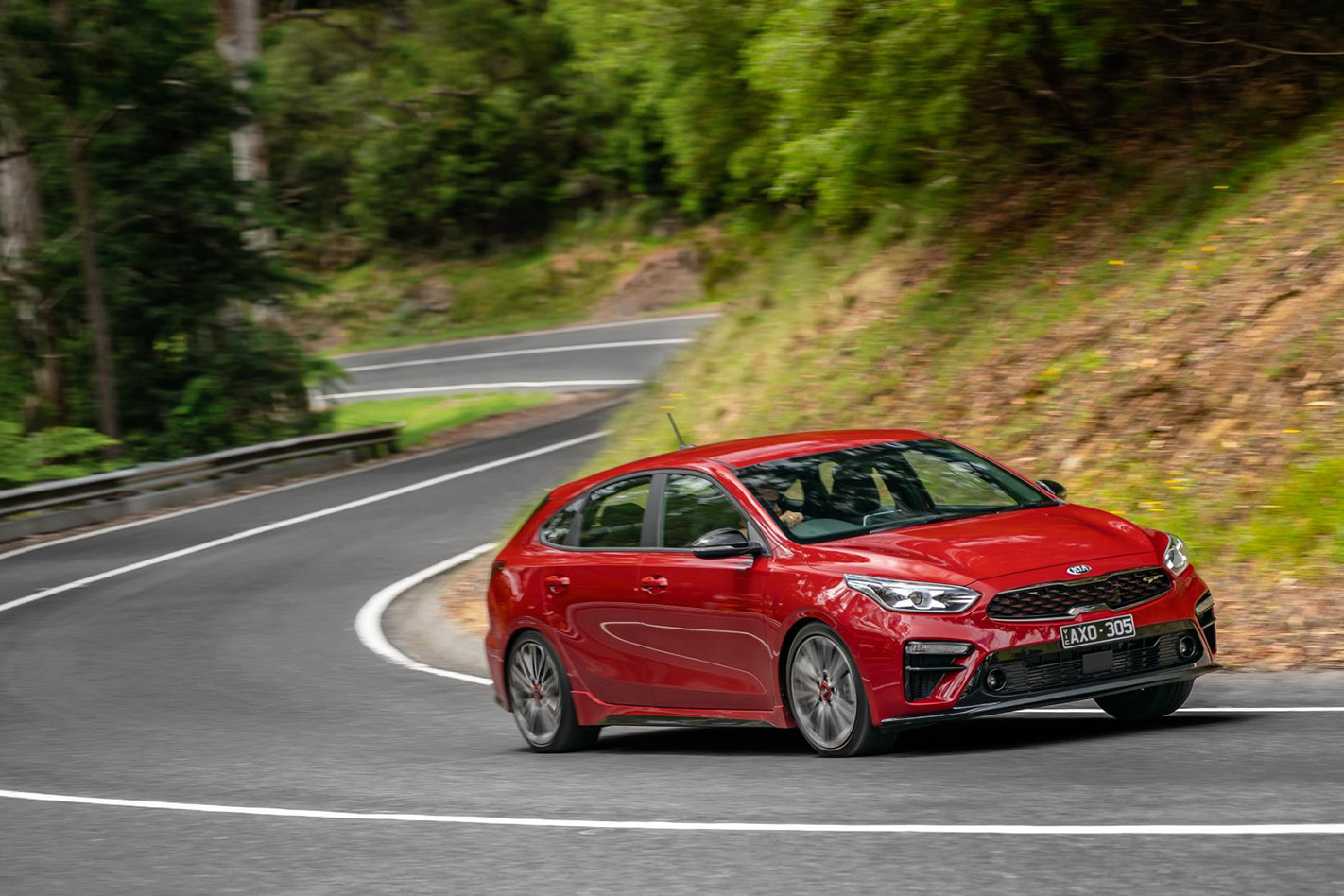
But perhaps more alluring is the engine change. Rather than running the dated, noisey atmo 2.0-litre petrol four used across the rest of the range, the Cerato GT is fitted with the the so-called Gamma 1.6-litre, direct-injected turbo-petrol four that is used in the Hyundai i30 N-Line (formerly known as i30 SR.) It produces 150kW and 265Nm, and makes a world of difference to how the Cerato drives. Instead of a fairly hollow and languid midrange delivered by the 2.0 atmo, the 1.6 turbo digs in early and feels eager and strong. Also aiding its response is the move to a seven-speed dual-clutch transmission, replacing the six-speed conventional automatic used elsewhere in the range (a six-speed manual is offered only on the entry-level S model).
Further driver satisfaction comes from the revised chassis tune and improved wheel and tyre package. Regarding the former, Kia’s local suspension tuning division arrived at a set-up that is significantly firmer than that run by the rest of the line-up, featuring stiffer springs, upgraded dampers, and thicker anti-roll bars. The software for the steering power assistance has also been recalibrated to deliver more weighty, driver-centric feel through the wheel. Appreciably more grip is delivered by larger 18-inch wheels (up from 17s on the Sport+ model one model rung below) running 225/40 R18 Michelin Pilot Sport 4 tyres.
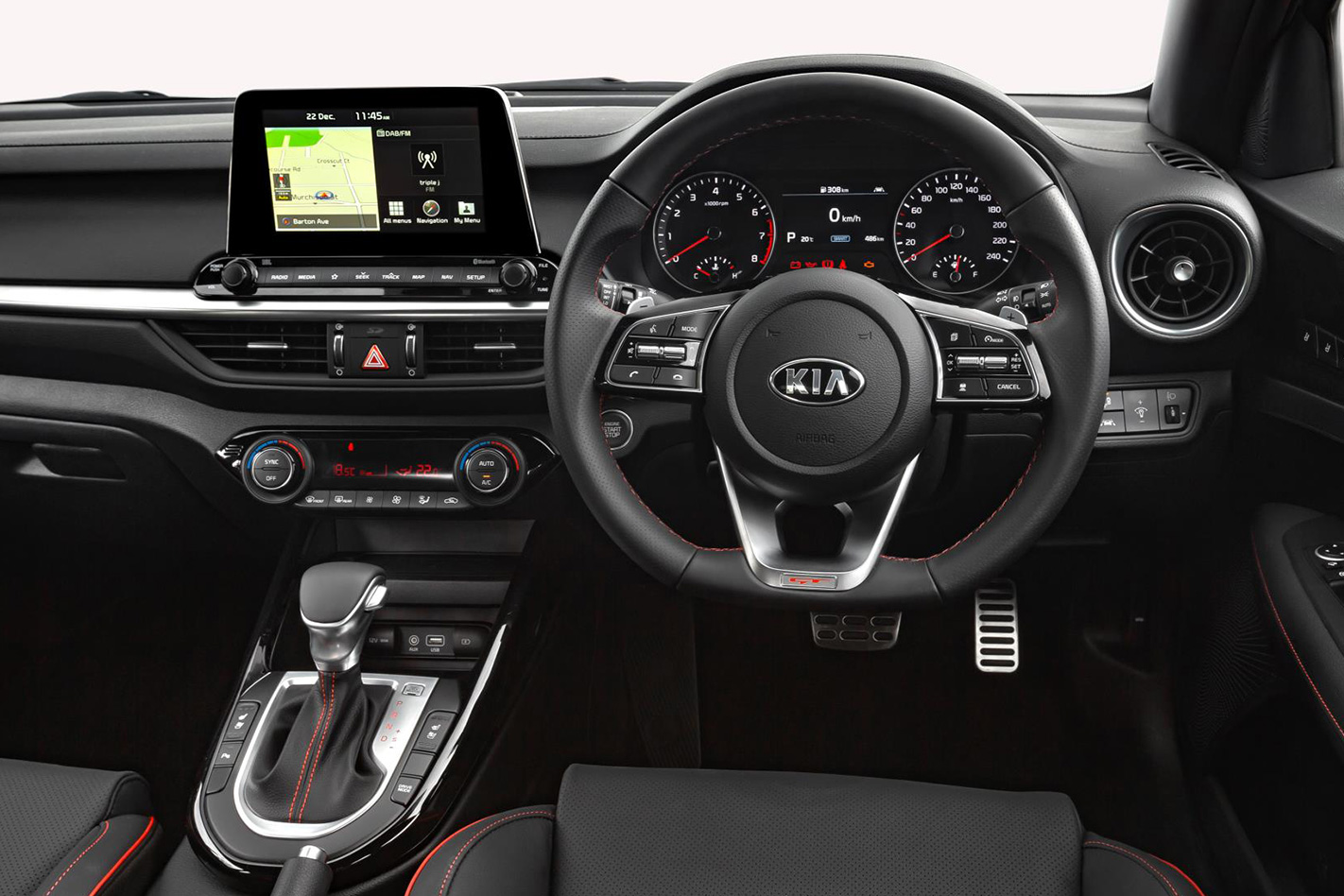
In terms of exterior changes, you’ll quickly pick the GT via its body-coloured sideskirts with black accent strips, a revised rear fascia with twin exhaust tips, while the spotters will note the move to LED headlights at the front and the high-gloss-finished exterior mirrors.
Inside, the GT is an appreciably more sporty, visually appealing offering. The seats are far more deeply bolstered, trimmed in perforated leather with red accent stitching, and offer extra adjustability and two-position memory function. They also also feature three-speed ventilation (as well as the heating provided in the Sport+ spec.) The wheel is a nicer flat-bottom item, the pedals are finished in aluminium, and wireless phone charging is there to avoid cable-spaghetti syndrome. Music fans will also instantly hear the improvement delivered by the eight-speaker JBL audio system, which replaces the regular six-speaker set-up, and features separate amplification and rear-mounted subwoofer. The 8.0-inch central touchscreen is home to factory satellite navigation.
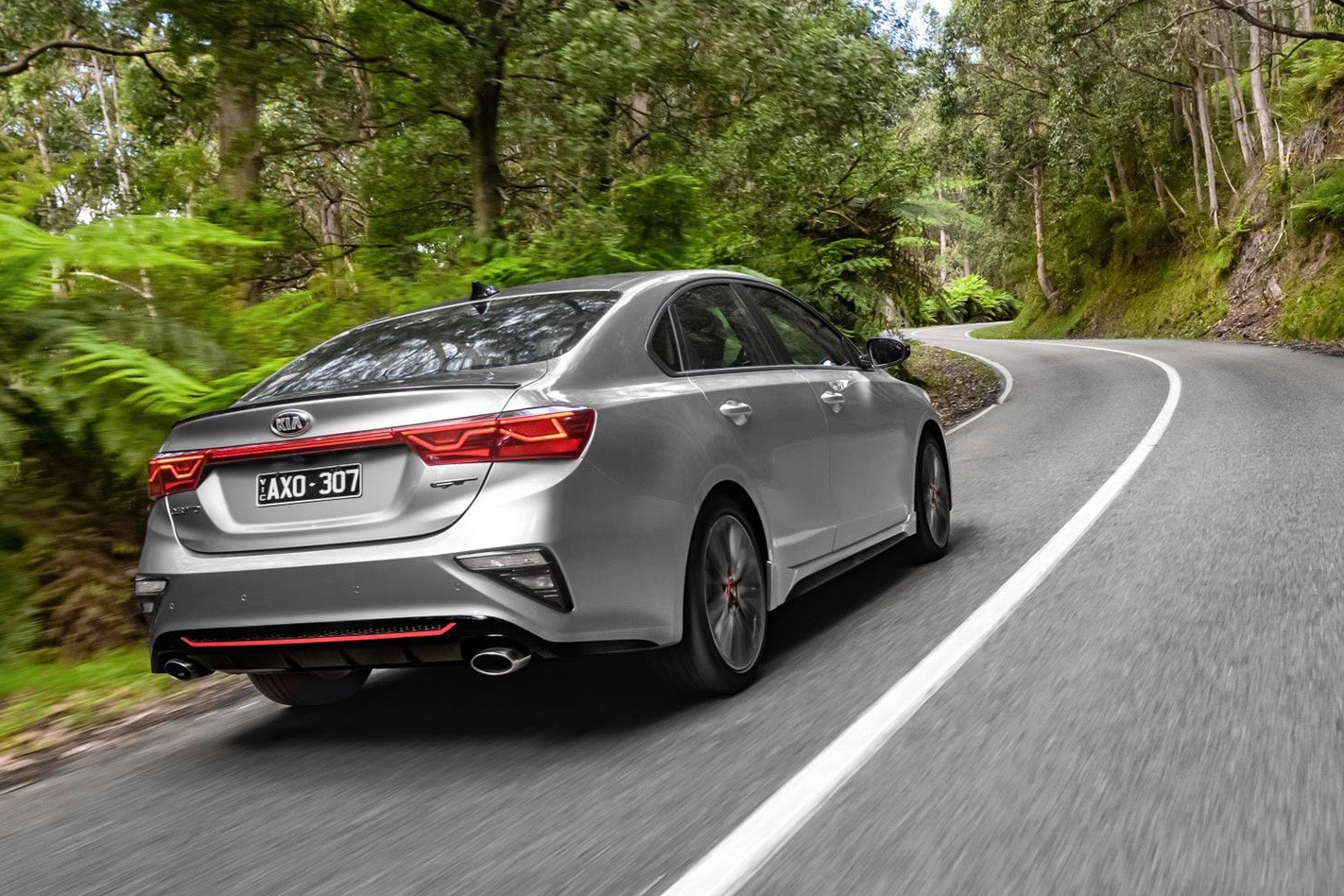
As with the Sport + model (or lower-spec cars fitted with the optional safety pack), the GT gets autonomous emergency braking as standard (the more advanced system using radar and camera that detects pedestrians and cyclists) along with rear cross-traffic alert, blind-spot monitoring and lane-keeping assist.
For the regular Cerato hatch range, specification levels mirror those of their sedan counterparts.
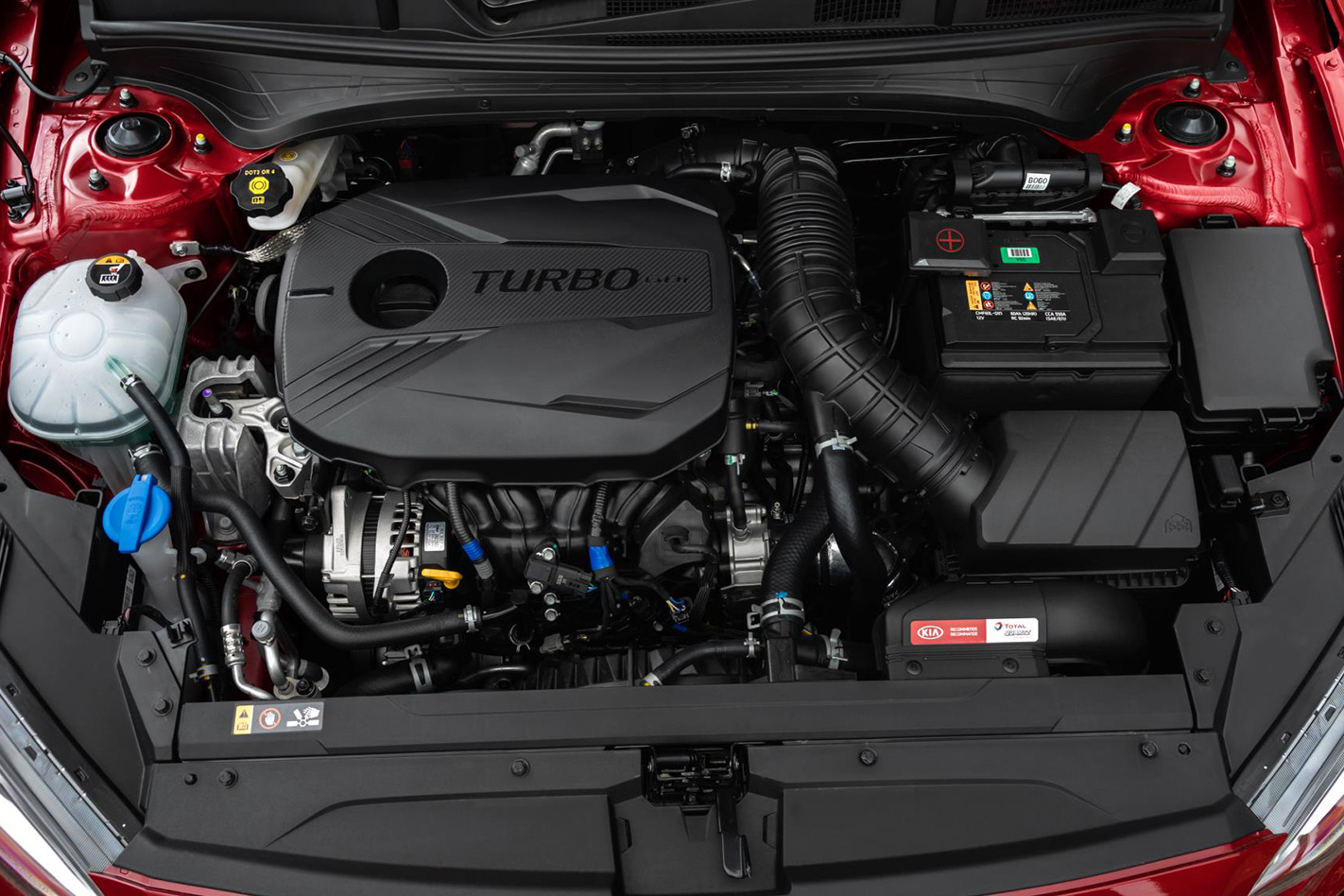
So GT is fairly well loaded, leaving metallic paint, at a reasonable $520, the only item on the option list.
2019 Kia Cerato pricing
Note: all prices are drive-away, with seven-year warranty.
- Cerato S manual – $19,990
- Cerato S auto – $21,990
- Cerato Sport auto – $24,190
- Cerato Sport+ auto – $27,740
- Cerato GT – $31,990
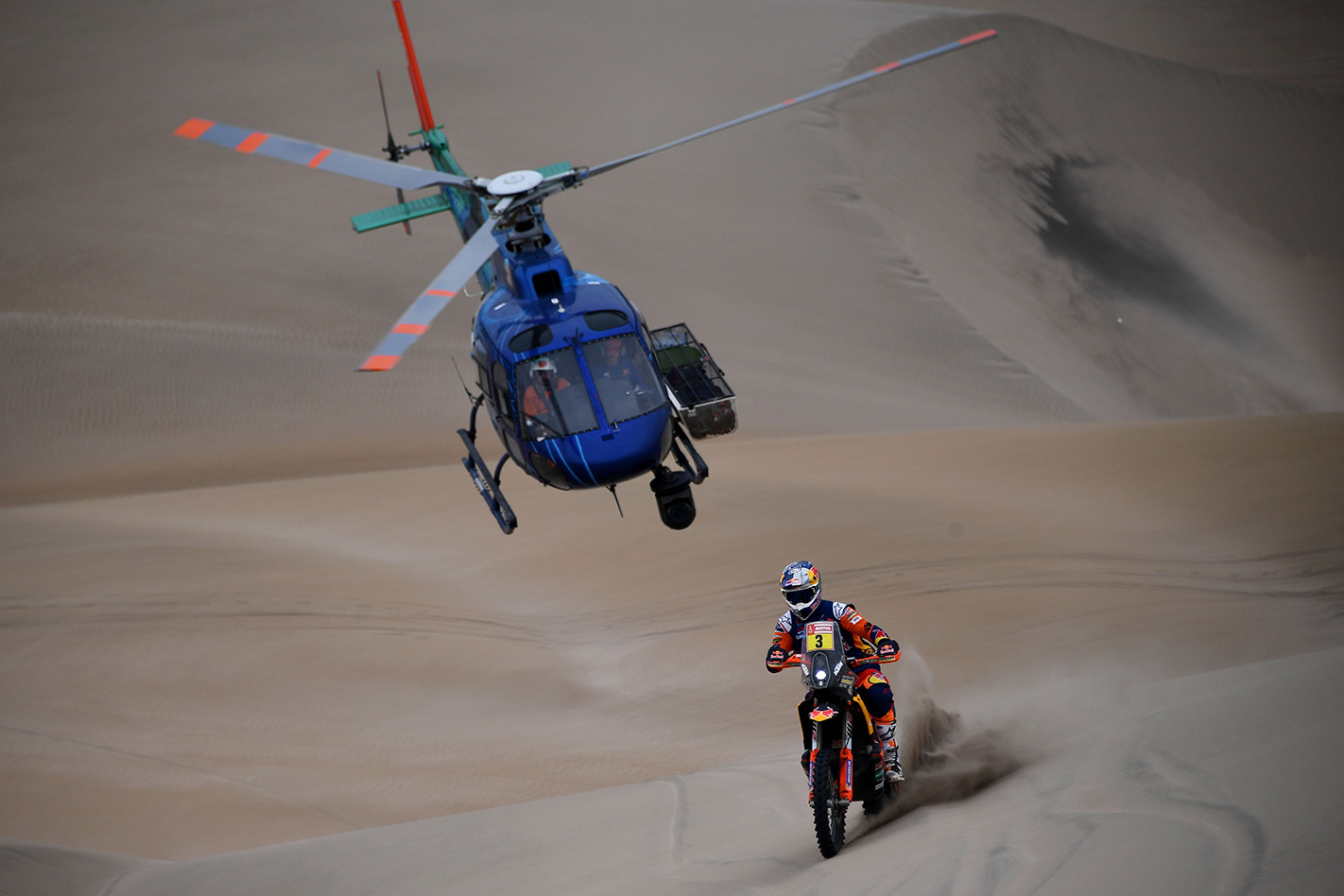
TOBY PRICE has secured his second Dakar victory overnight, winning the 2019 event despite breaking his wrist just weeks before the rally started.
The Australian rode a controlled race, maintaining pace with the leaders throughout the gruelling event, before jumping to the lead in the final days.

Price inherited the lead after those in front of him encountered mechanical issues or crashed, and the Aussie entering the final stage of the event with just a minute lead over his main rival Pablo Quintanilla.
However, Quintanilla fell on the final day while trying to chase down the Aussie, who secured KTM its 18th consecutive victory in the bikes category.
Richard Sainct was the last man to win Dakar’s bike category on anything other than a KTM when he rode a BMW to victory in 2000.
It looked like 2019 would be the year that KTM was finally dethroned, with Honda riders leading much of the rally, with Husqvarna’s Quintanilla also in the fray.
However, both of Honda’s riders failed to finish the rally, with one rider suffering an engine failure, while the other was slapped with a three hour penalty for carrying illegal route notes.
Meanwhile, in the cars, Nasser Al-Attiyah gave Toyota its first ever Dakar victory, dominating the 2019 event in a Hilux.
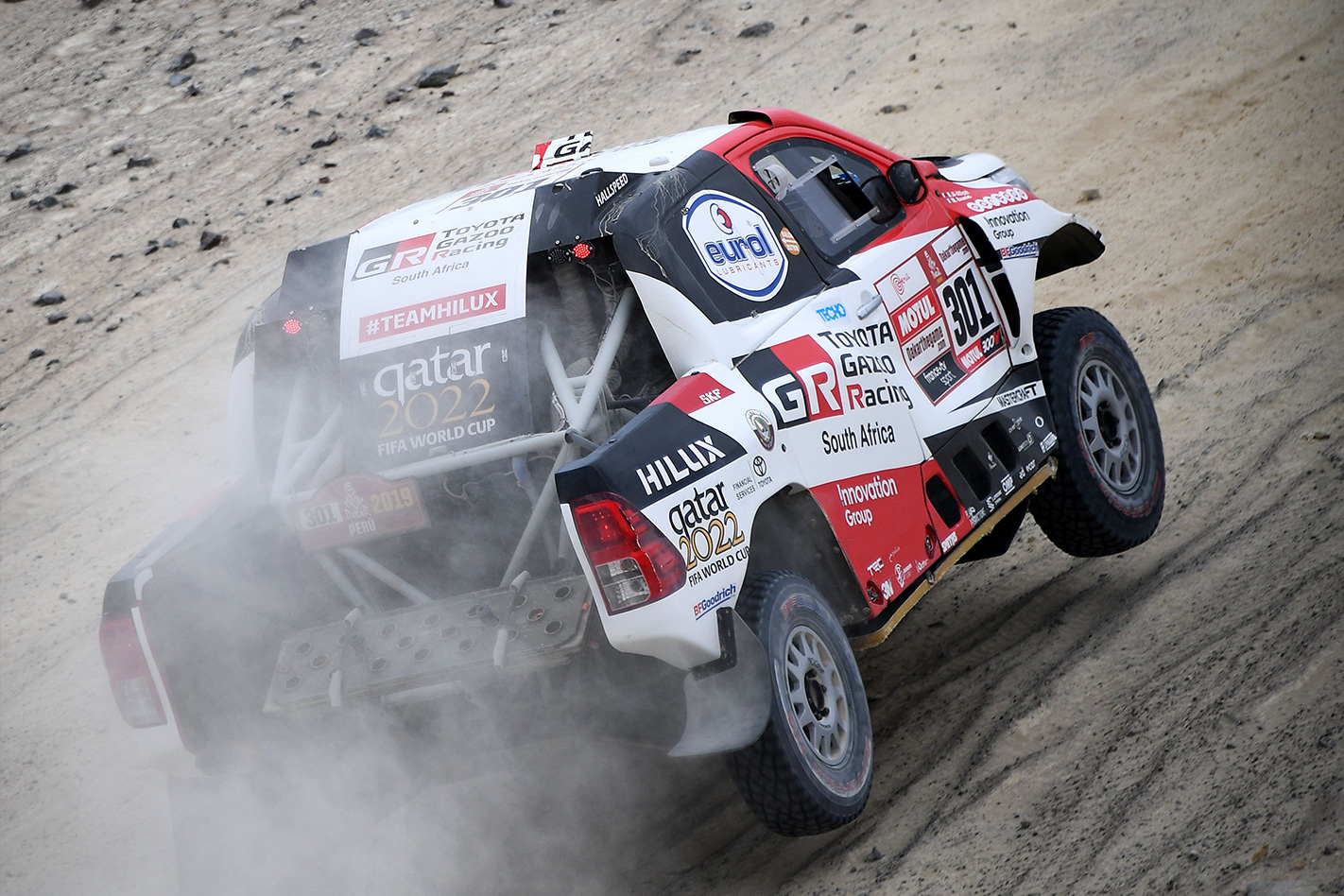
Al-Attiyah controlled the pace of the rally from the outset, only surrendering the lead outright once on the second day.
While Al-Attiyah cruised to victory, his main rivals encountered numerous problems, with his margin of victory over second-placed Nani Roma ballooning to 46 minutes.
Roma went the entire rally without a stage win in his X-Raid Mini, but was consistent enough to finish on the podium for the first time since his 2014 win.
Nine-time WRC champion Sebastien Loeb rounded out the podium, competing in a privateer Peugeot 3008 DKR.
Loeb was fastest on road multiple times throughout the event, however mechanical problems and a major navigational issue dropped him almost two hours behind Al-Attiyah by the end of the rally.
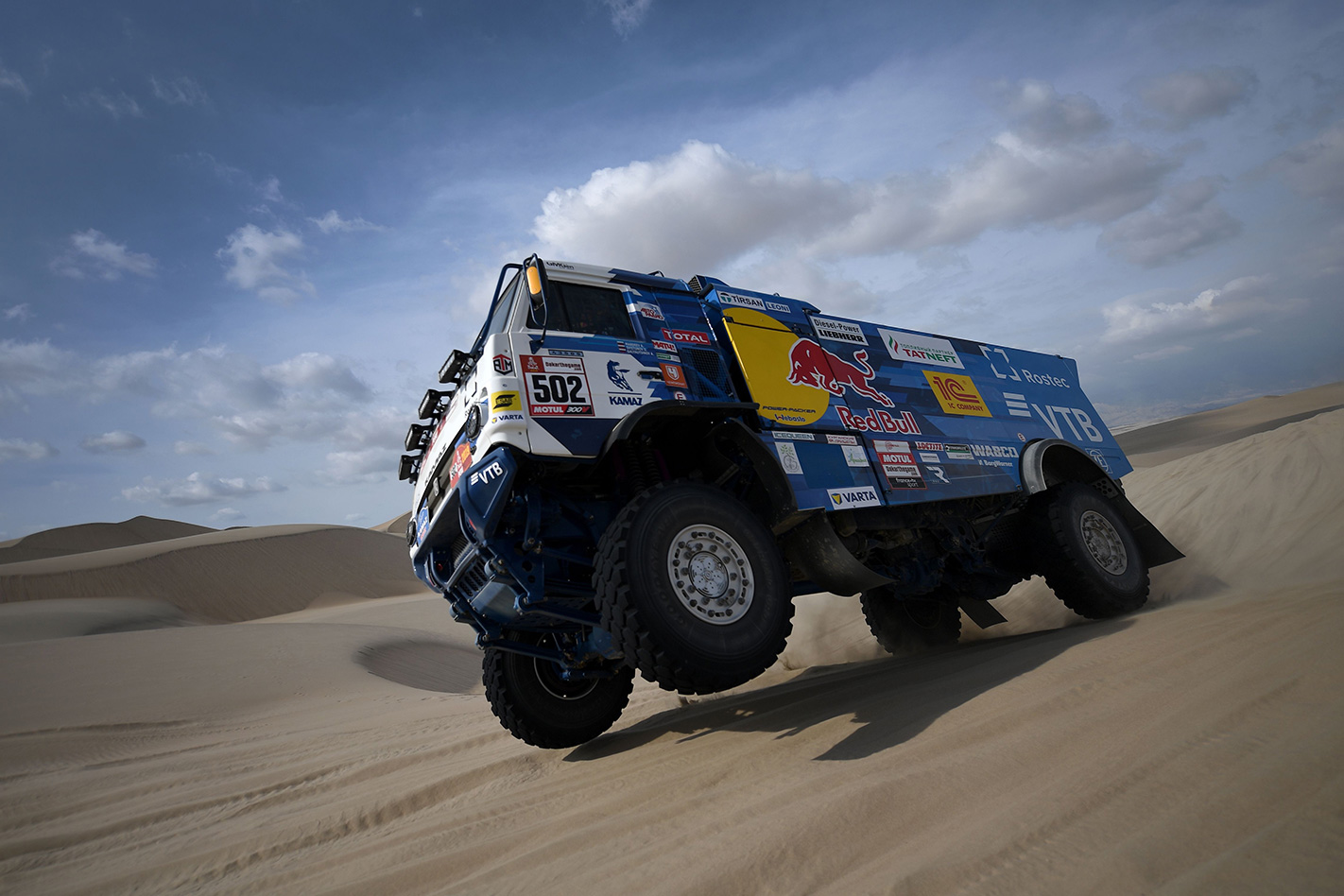
Eduard Nikolaev won his third consecutive Dakar Rally in the trucks category driving for Kamaz.
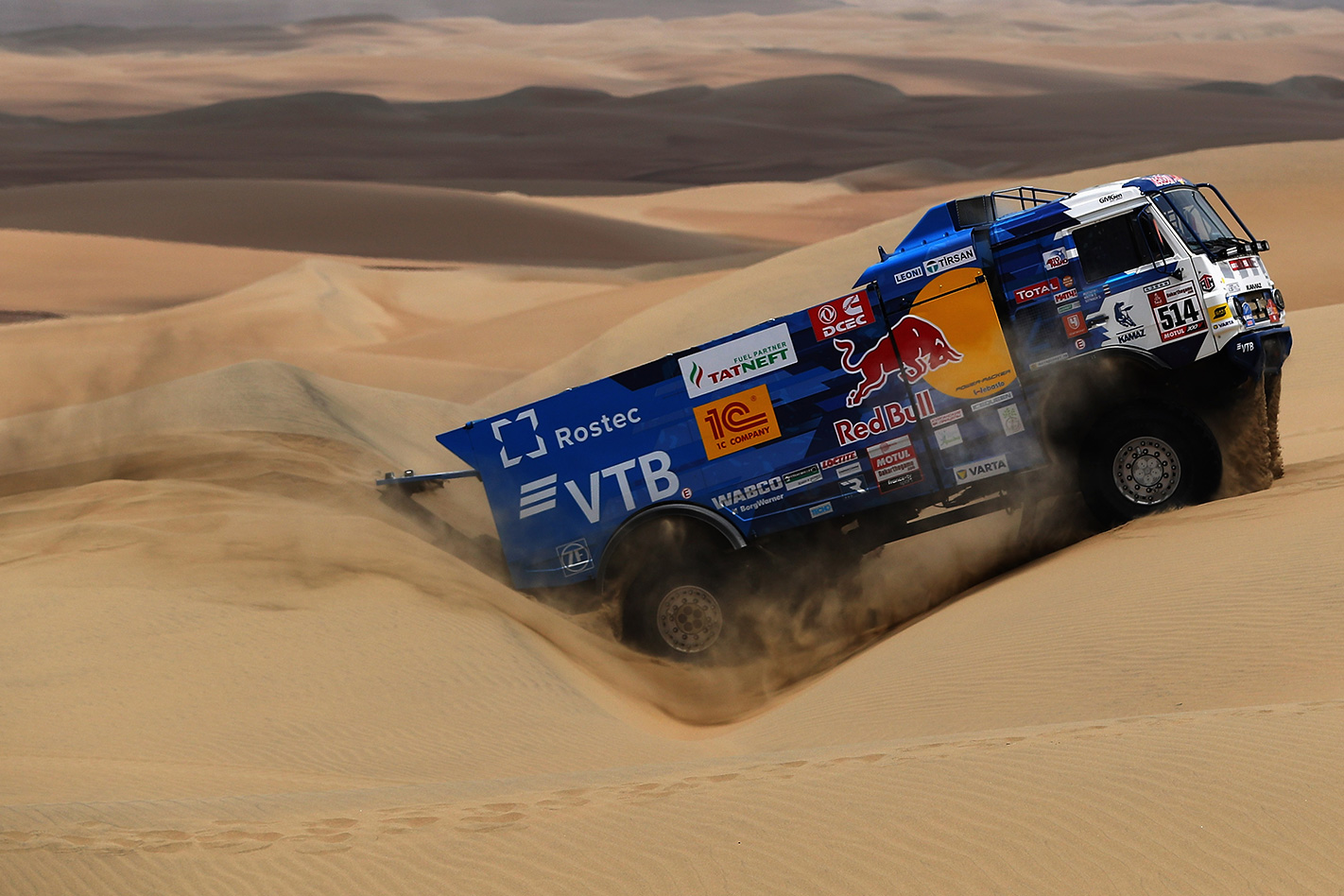
Price finished the rally with a time of 33 hours, 57 minutes, and 16 seconds, while Al-Attiyah crossed the line after 34 hours, 38 minutes, and 14 seconds of driving. Nikolaev and his Kamaz completed the event after 41 hours, 1 minute, and 35 seconds.
It feels wrong to sit in the driver’s seat of an MX-5 and find yourself faced with a paddle-equipped wheel, and only two pedals. And that’s before setting off.
There’s nothing objectively wrong with the six-speed automatic gearbox Mazda has made available for its roadster, it works smoothly in other models. But it doesn’t suit the MX-5’s character particularly well.
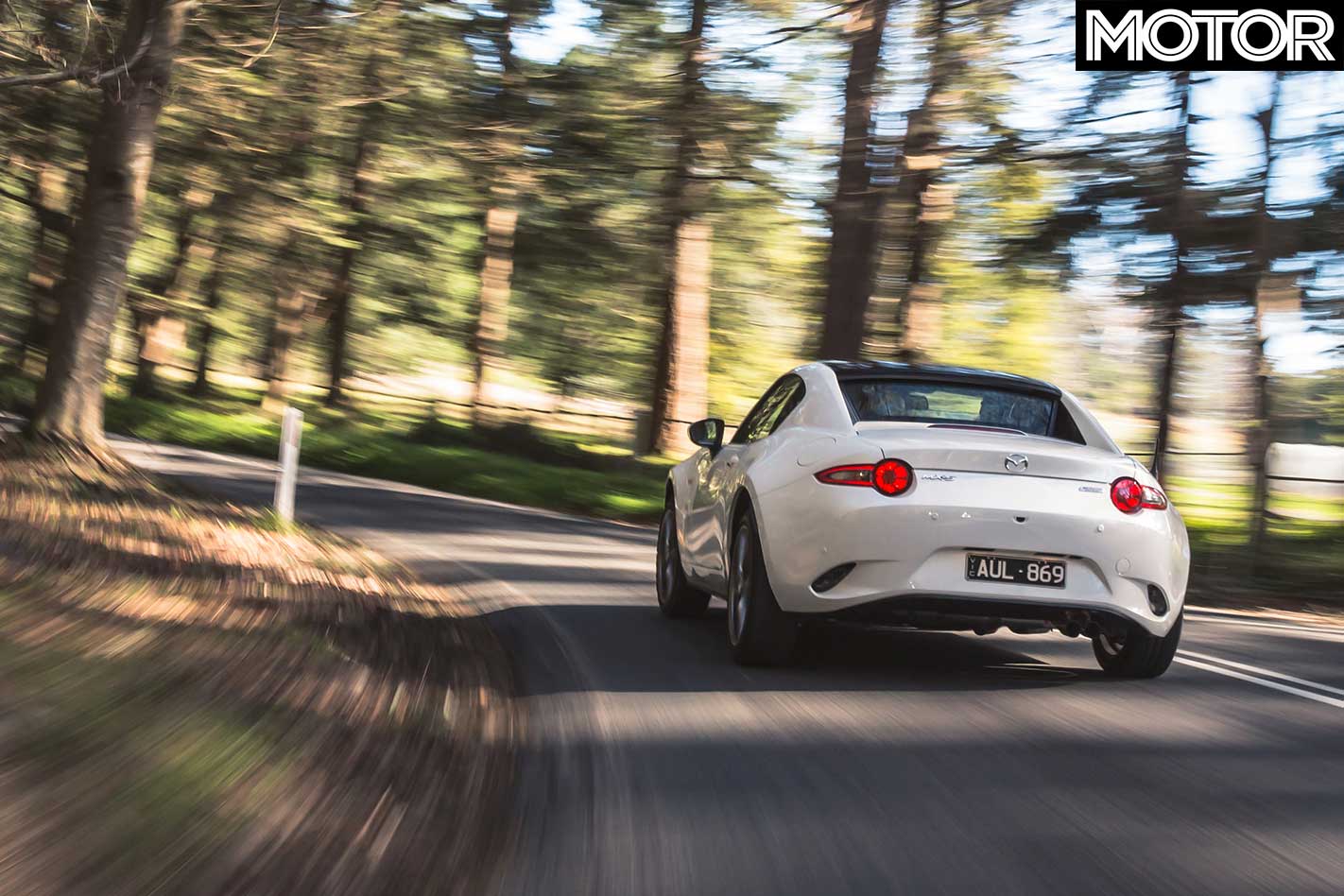
Using the car as a more sporting commute than a standard city car makes sense for the auto MX-5, but its lack of LSD (a manual-only feature) and involvement make it harder to vibe with when the Sunday drive comes around.
While you can still find the right rhythm on a lively drive, the gearbox is sometimes slow to change and can throw the car off balance if you’re not prepared for the small lurch as acceleration dips for a moment.
If left to its own devices in its Sport setting, it will generally sit you in the sweet spot (high in the rev range) for acceleration, but holds it there for too long when you don’t need it. Even when you’re getting stuck in, it feels slower than the manual.
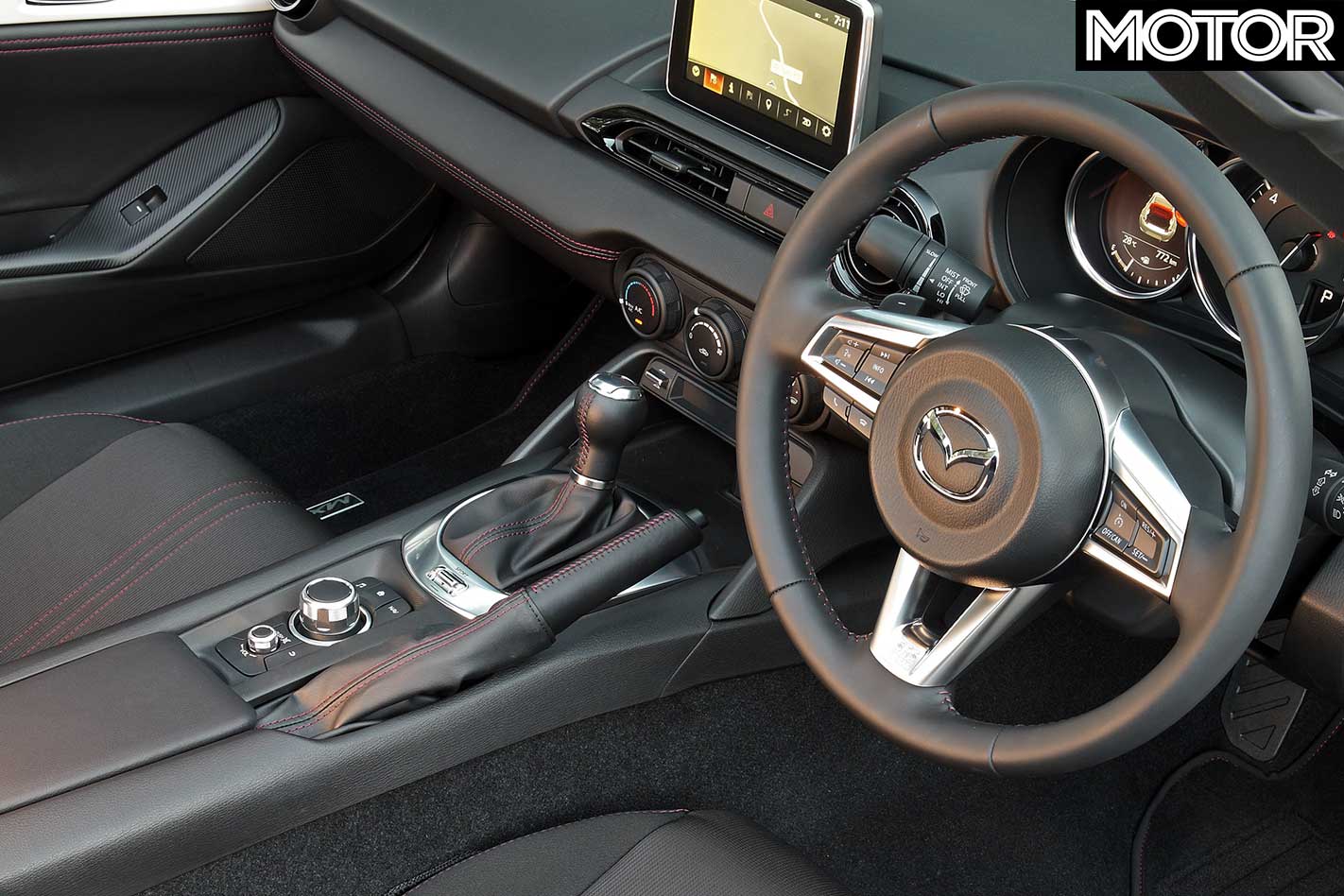
If Mazda’s MX-5 philosophy of jinba ittai – horse and rider as one – is to hold up with its roadster, you need the manual gearbox to create a more fluid connection between human and machine.
The manual is also $2000 cheaper, which is nice.
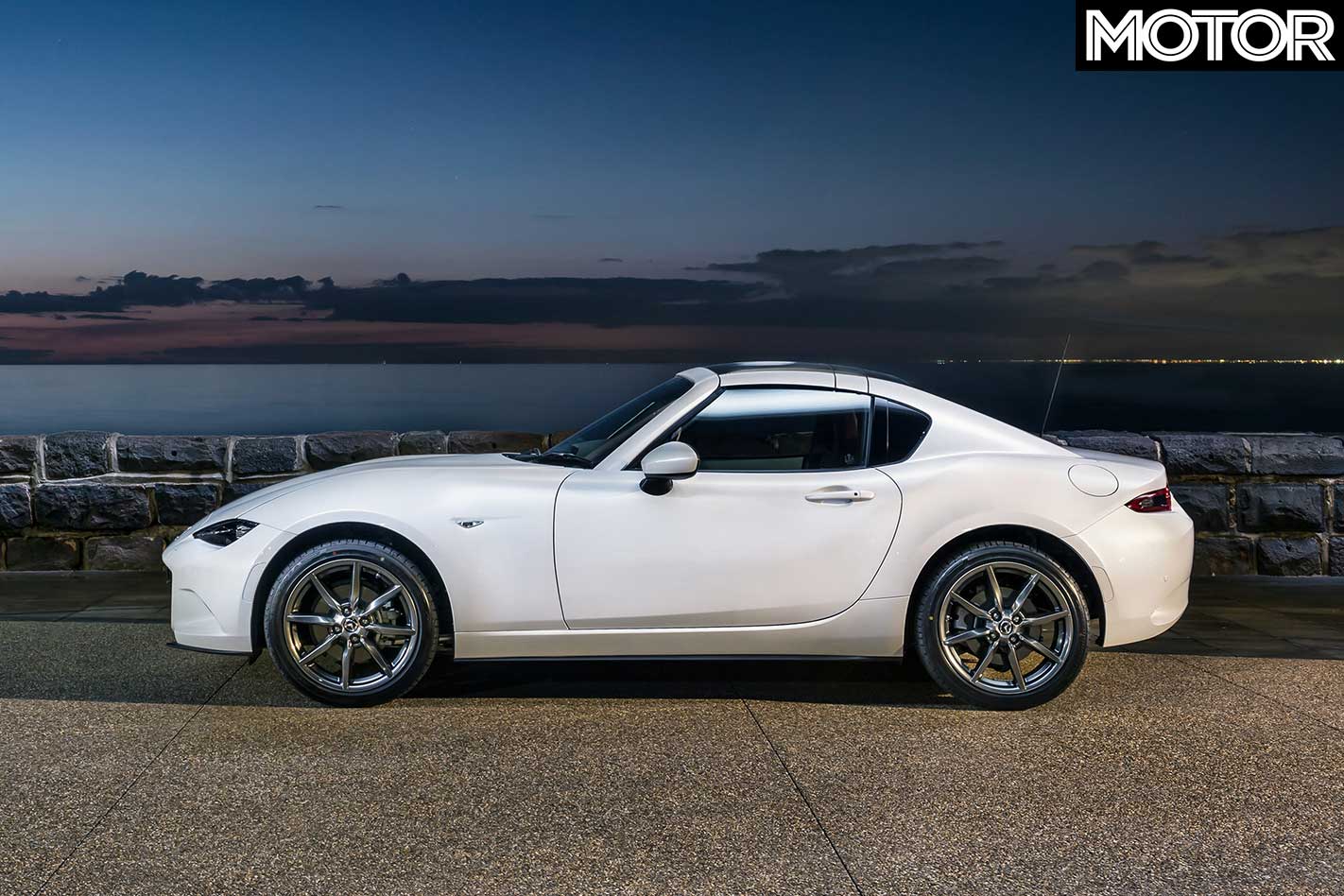
2019 MAZDA MX-5 RF (AUTO) SPECS Engine: 1998cc inline-4, DOHC, 16v Power: 135kW @ 7000rpm Torque: 205Nm @ 4000rpm Weight: 1112kg Drive: rear-wheel Suspension: A-arms, coil springs, anti-roll bar (f); multi-links, coil springs, anti-roll bar (r) L/W/h: 3915/1735/1235mm
THE BMW 7 Series is the latest model in the Bavarian range to go under the knife in a ‘Life Cycle Impulse’, or facelift, to non-BMW folk.
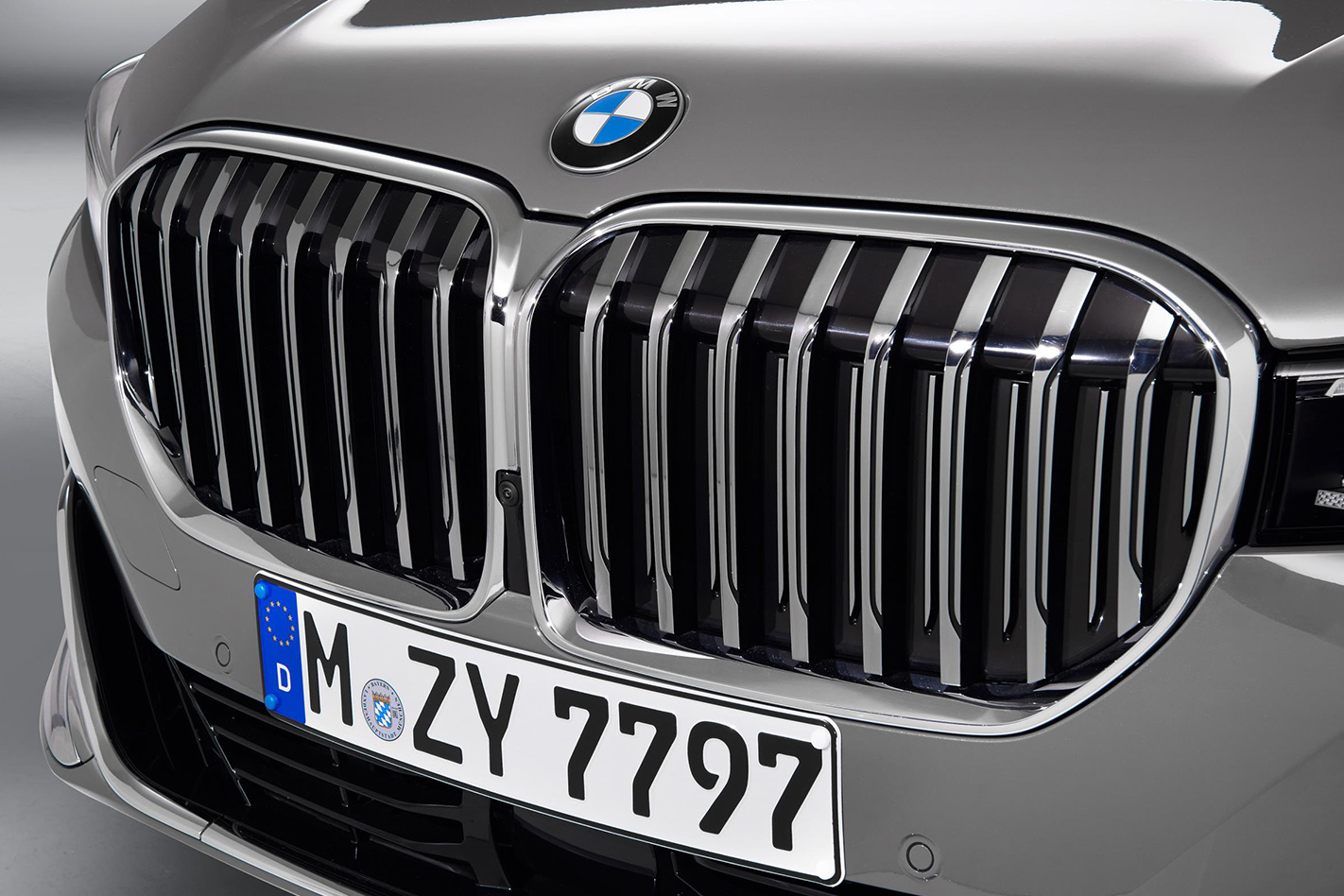
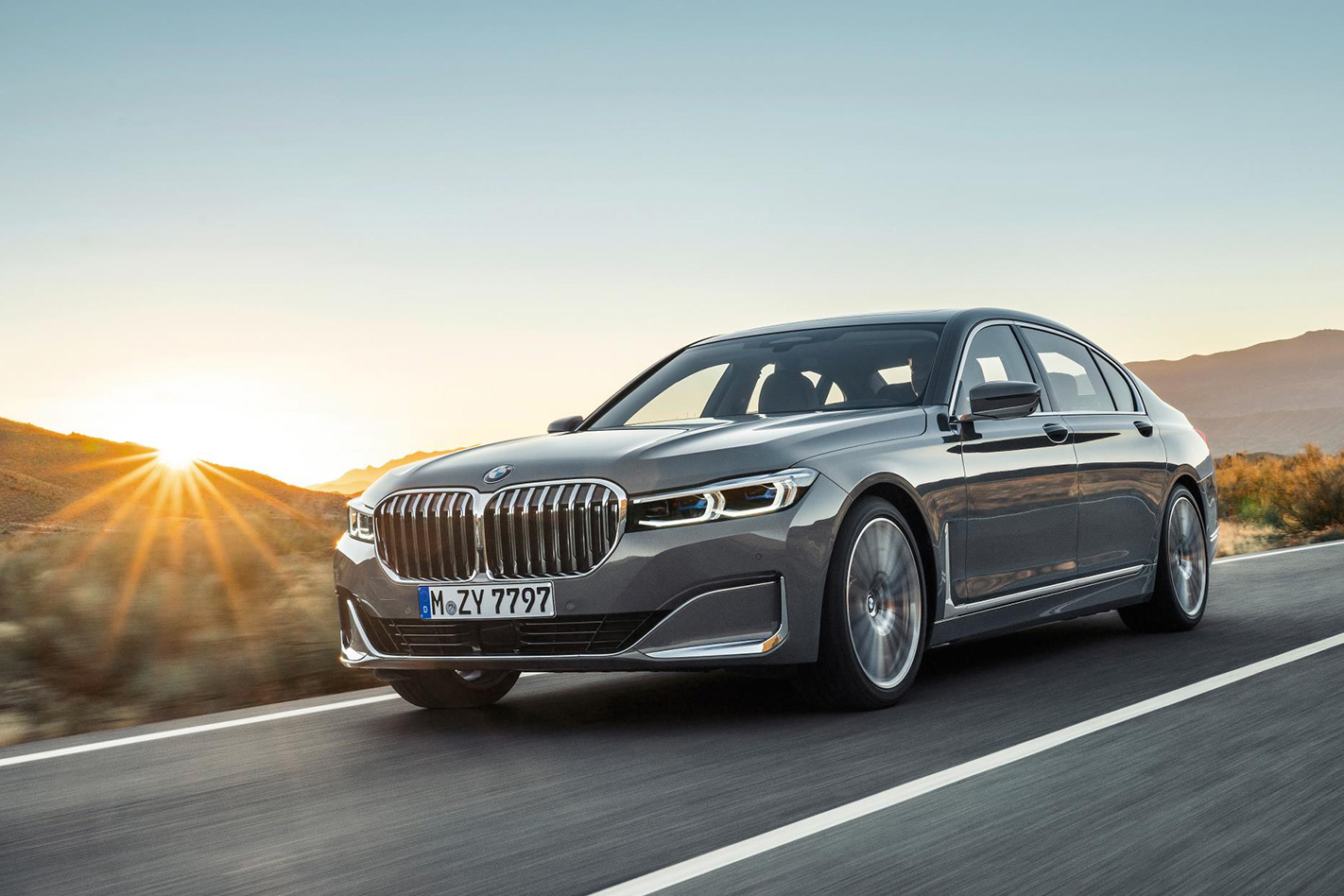
At the forefront of the long list of changes is a newly designed front fascia, featuring a gargantuan-sized, 40 percent bigger kidney grille.
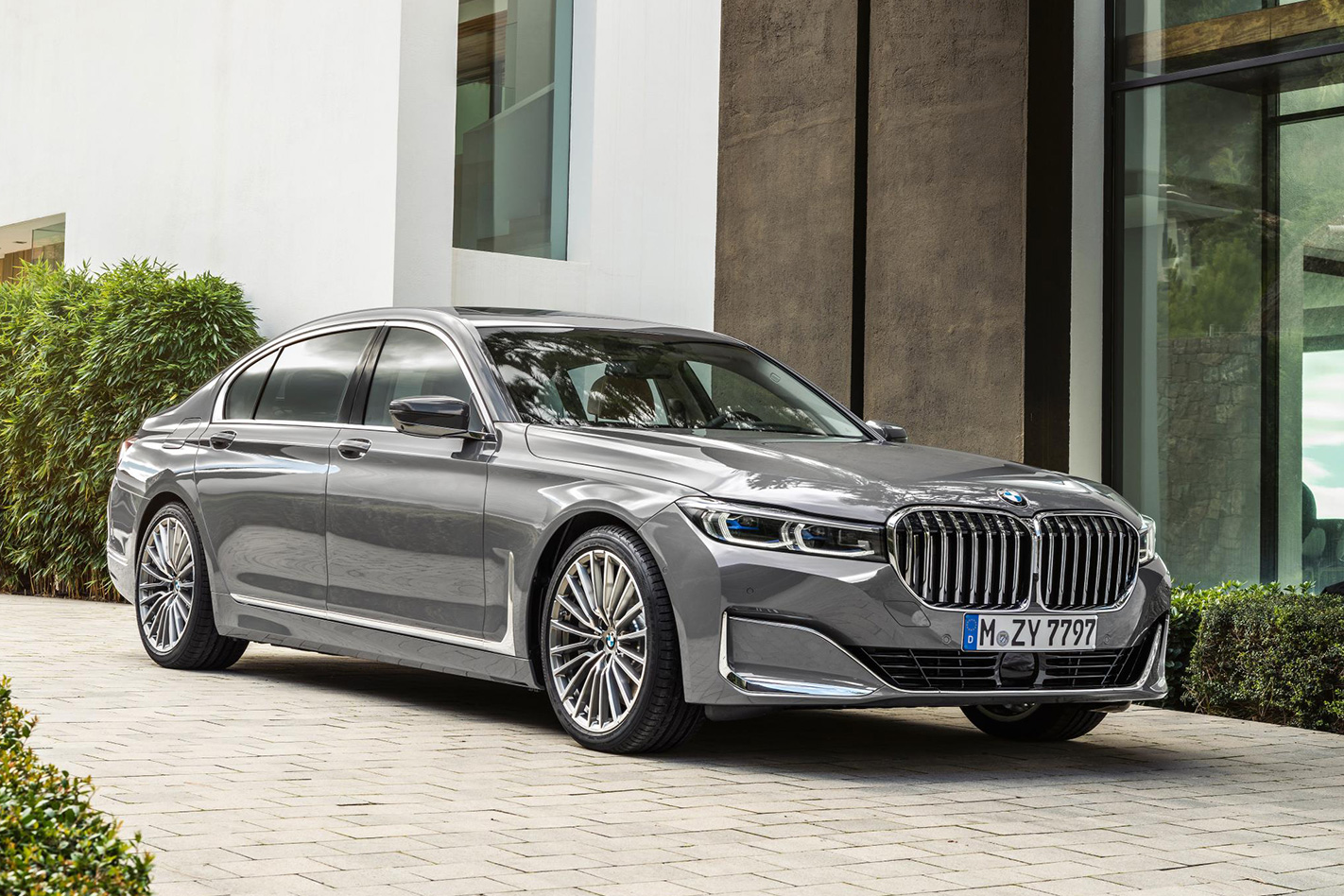
Together with a 50mm-raised bonnet-line, the new 7 Series sports an imposing look to ensure no one dares get in your way.
Headlights and taillights have been slimmed and house LED lights as standard, with optional BMW Laserlights on offer which can throw a 560-metre-long high beam.
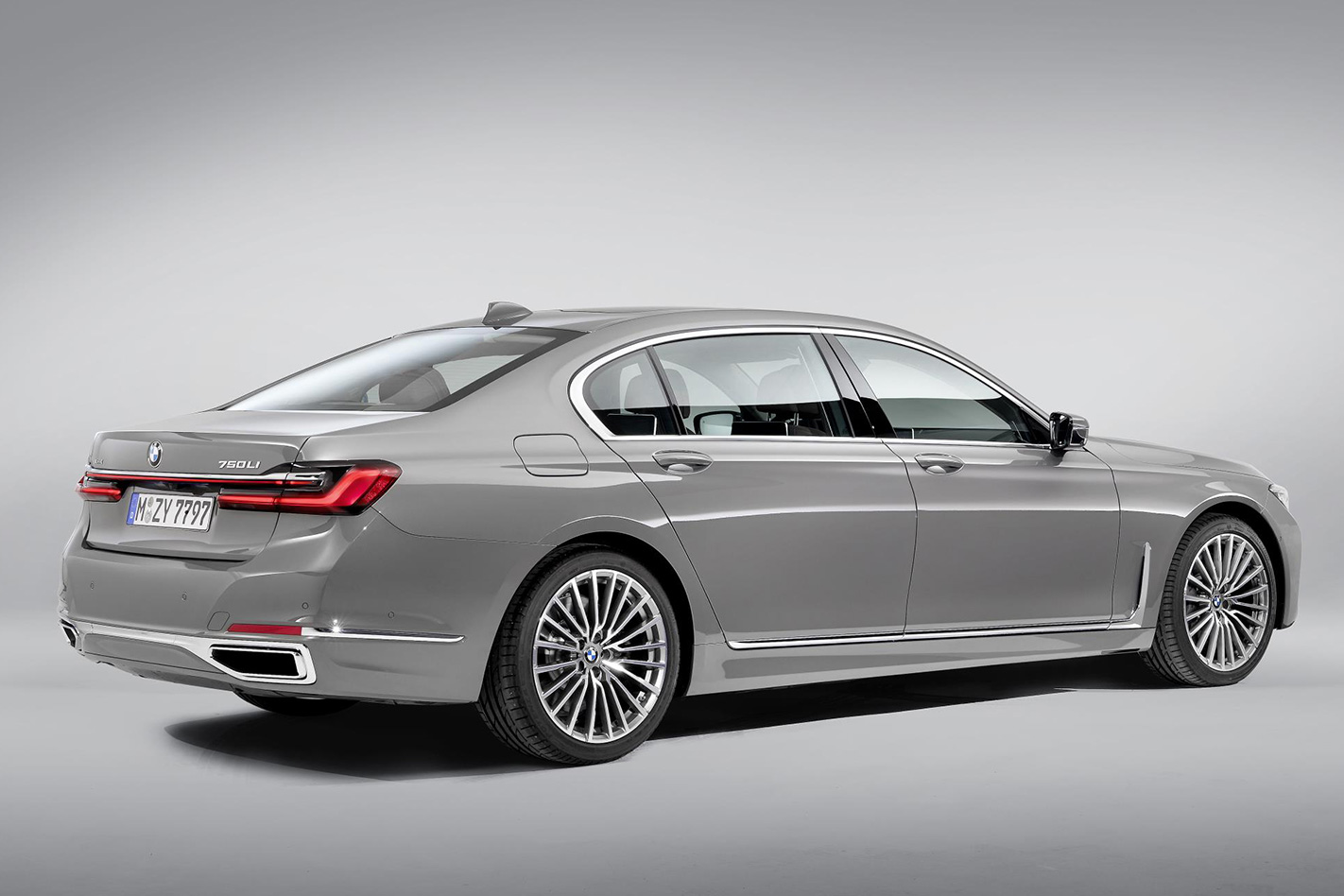
Chrome edging lines the bumper trim, and continues along the body and around the back to where a full-width light strip now exists, similar to that of the Audi A8.
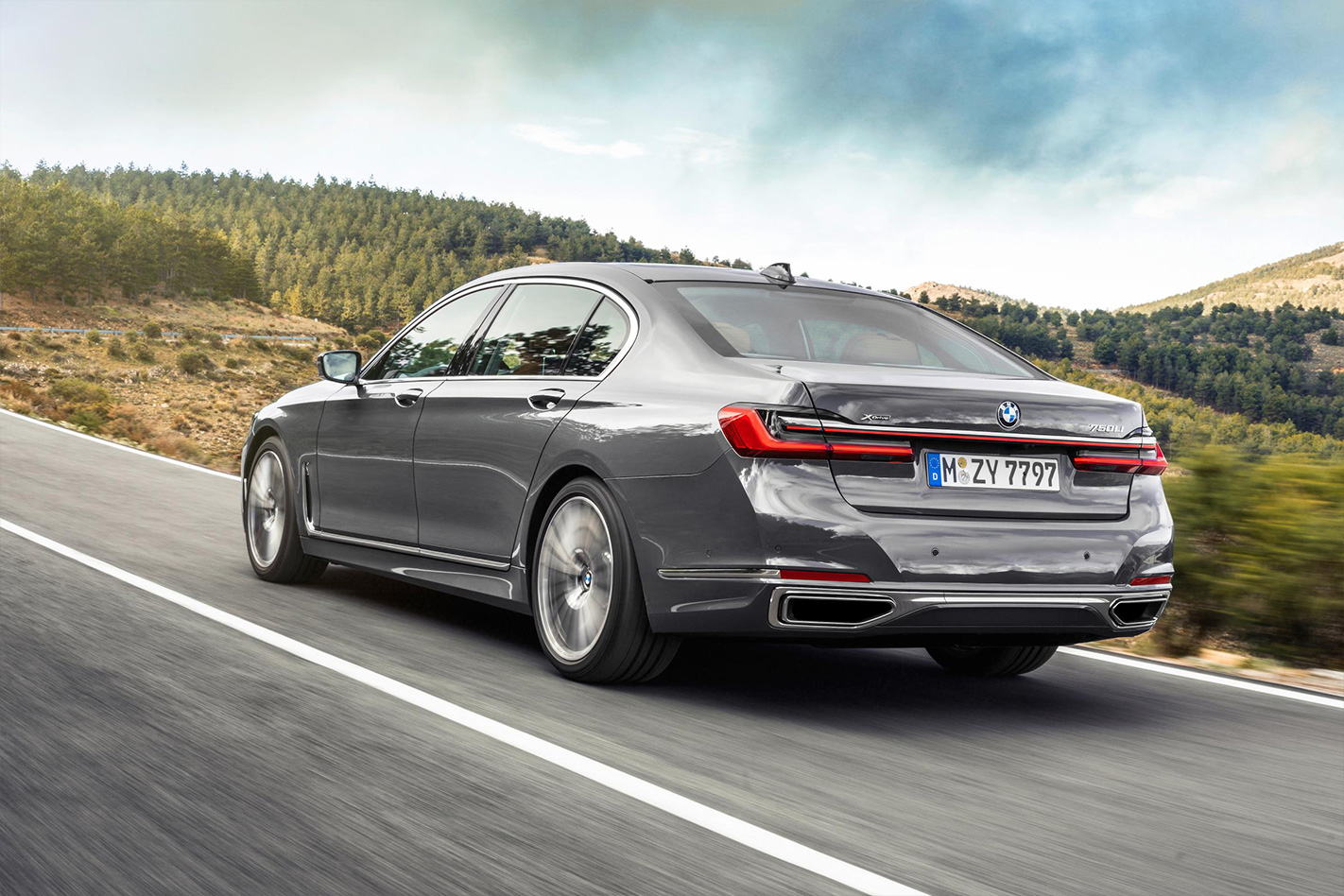
The 7 Series will exist in two body shapes, retaining short and long wheelbase versions which measure 22 millimetres longer each, and extend 5120mm and 5260mm long respectively.
As always, an M Sport package will be on offer, adding a sports body kit and relevant style touches, but a new line now exists called Design Pure Excellence.
This adds chrome in place of satin aluminium around the exterior, but the luxurious package steps up on the inside where swathes of Alcantara line the roof and deep-pile floor mats soothe your feet.
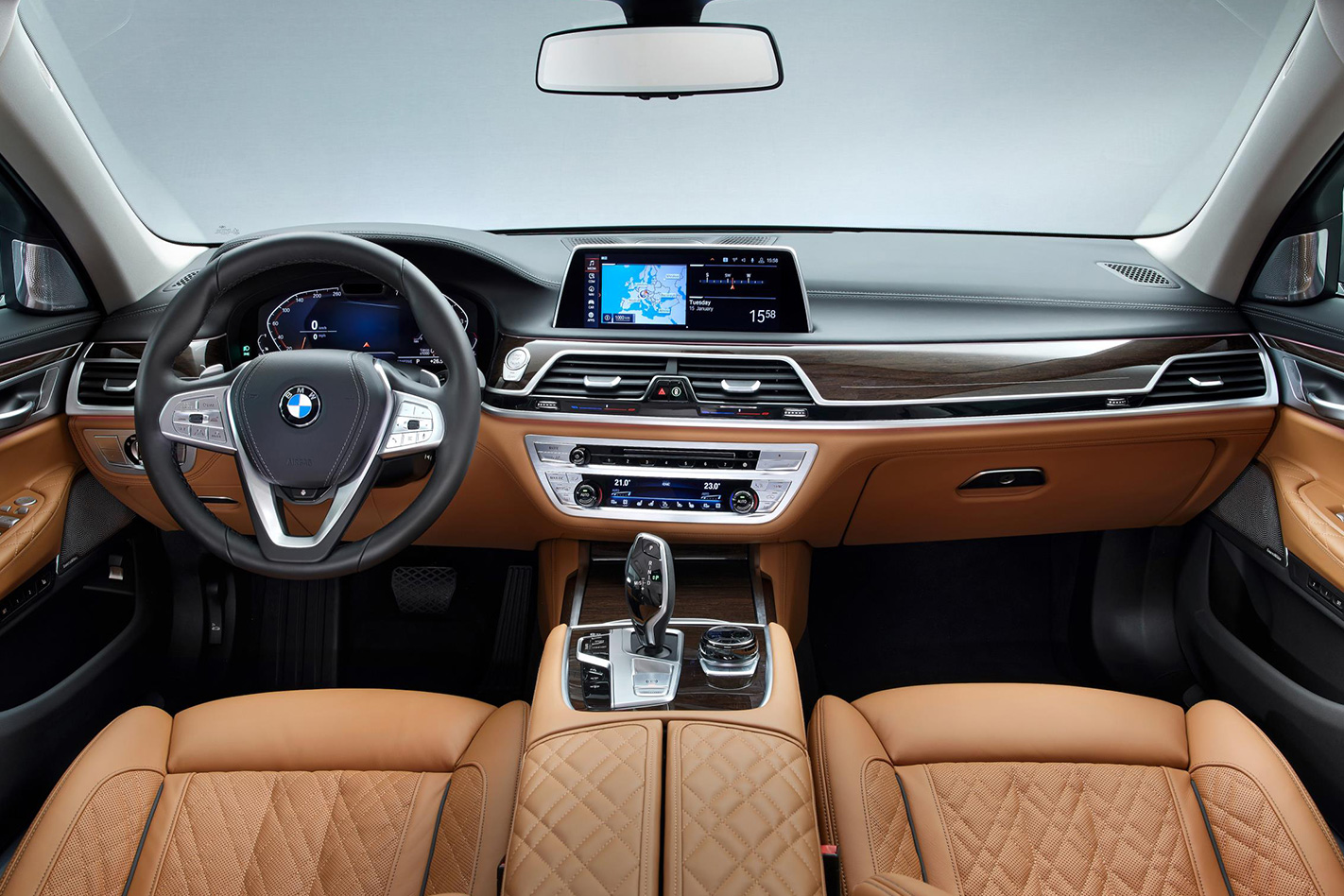
The interior also boasts BMW’s new iDrive 7.0 infotainment system which was debuted on the latest BMW X5.
Together with the voice-activated BMW Intelligent Personal assistant, which acts like Apple’s Siri, the 7 Series’ infotainment technology is brought back onto a level playing field with its newer competitors.
Save for moderately redesigned woodgrain trim and a new leather steering wheel, the interior design hasn’t changed a great deal in comparison to the outgoing 7 Series.
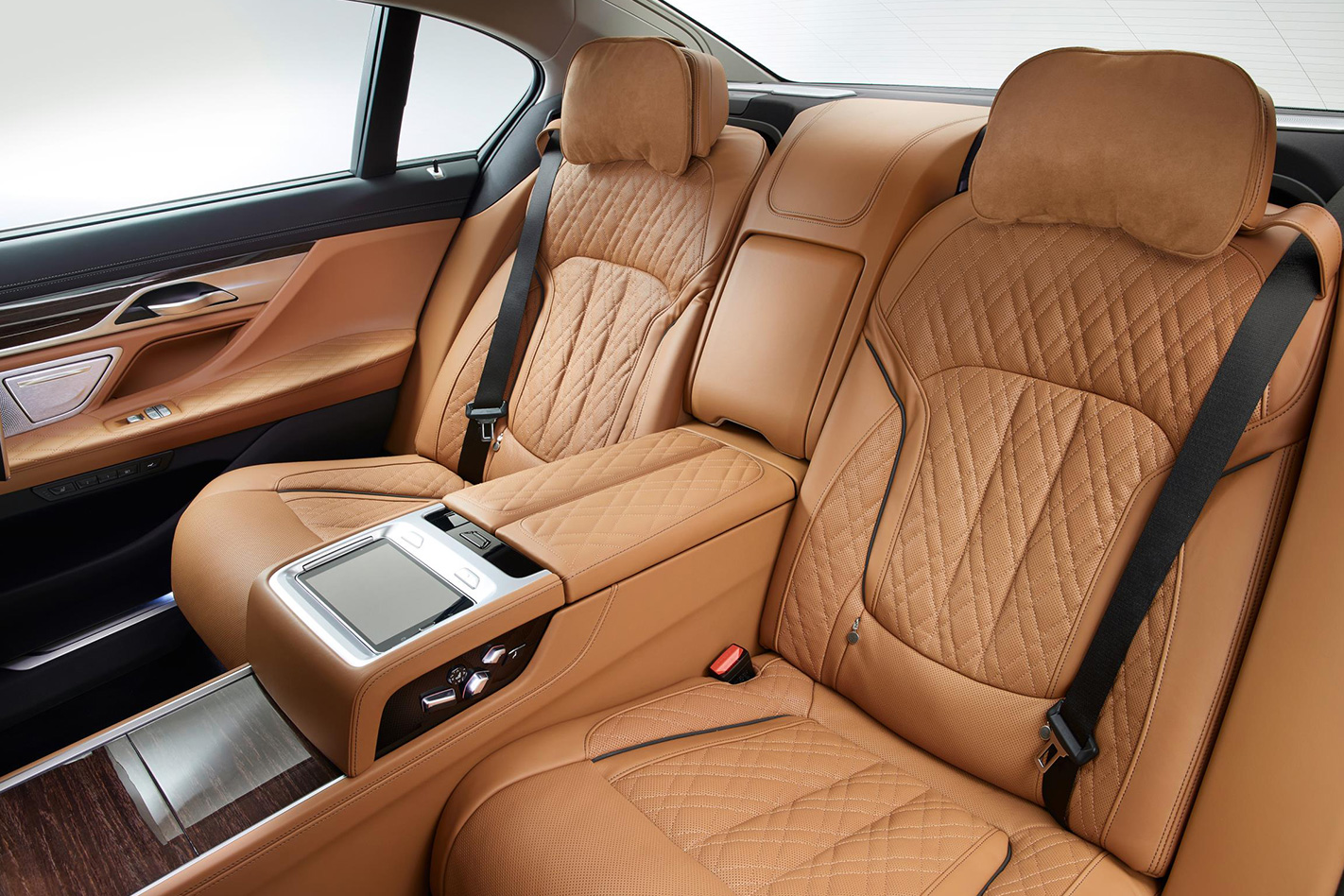
Nappa leather quilted seats team with a redesigned ambient lighting package to add to the luxo-limo’s exquisite cabin. Wireless smartphone charging is offered for the first time too.
A refreshed line-up of power units will usher in the new 7 Series, with a new V8 joining the existing range of six-cylinder, eight-cylinder and twelve-cylinder engines.
At the top of the model tree is the M760Li XDrive, with a 6.6-litre V12 producing 430kW and 850Nm, with a new petrol particulate filter to keep fuel economy down to a still-large 12.5L/100km.
A twin-turbo 4.4-litre V8 can be found in the 750i and 750Li variants, which produces an extra 60kW compared to last time, with 390kW and 750Nm on tap.
Along with the regular inline 3.0-litre six-cylinder diesel engines that will be offered on the 730d, 740d and 750d, a specially-developed petrol inline six-cylinder will also combine with battery power for the plug-in hybrid 745e, which is claimed to sip fuel at a rate of 2.1L/100km.
All these variants are offered with long-wheelbase bodies, and a majority of the range is expected to come to Australia, with pricing to be announced closer to the mid-year launch date.
The 213kW Volkswagen Golf GTI TCR, inspired by and named for the international Touring Car Racing series, has launched in Europe with initial sales and pricing announced, though its Australian arrival is yet to have a date stamped on it.
In June 2018, MOTOR confirmed the GTI TCR would arrive on Aussie shores during 2019, with VW Australia now estimating a Q3 arrival, if not slightly later in Q4 2019. At least 400 units are expected.
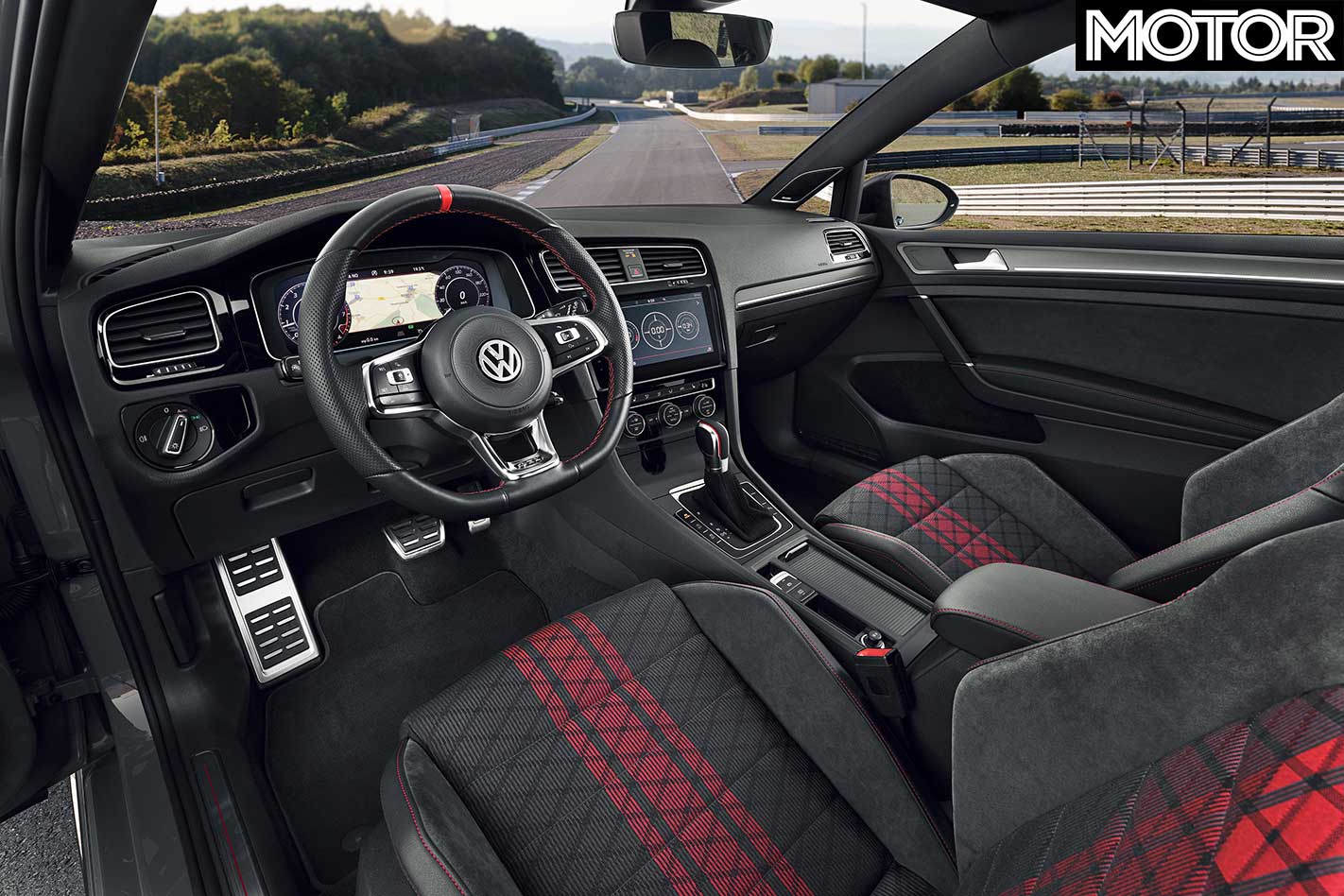
The 213kW/370Nm GTI TCR’s 2.0-litre four matches the Golf R for power (and almost torque) output, but is front-driven rather than all-wheel drive via VW’s 4Motion system.
This should make the GTI TCR a better match for higher-powered rivals such as the Civic Type R and Mégane RS Trophy, though it’s available with a 7-speed DSG only. Its claimed 0-100kmh time is 5.6 seconds.
It’s able to hit a 250km/h top speed, though VW strangely offers to raise this to 260km/h as part of an option pack worth the equivalent of AUD$3700, or another pack worth just more than AUD$5000.
Whether these packs will be made available in Australia isn’t certain, but both contain a different set of 19-inch wheels, sports-tuned rear suspension, and the Vmax upgrade, while the pricier pack add semi-slick tyres to the mix.
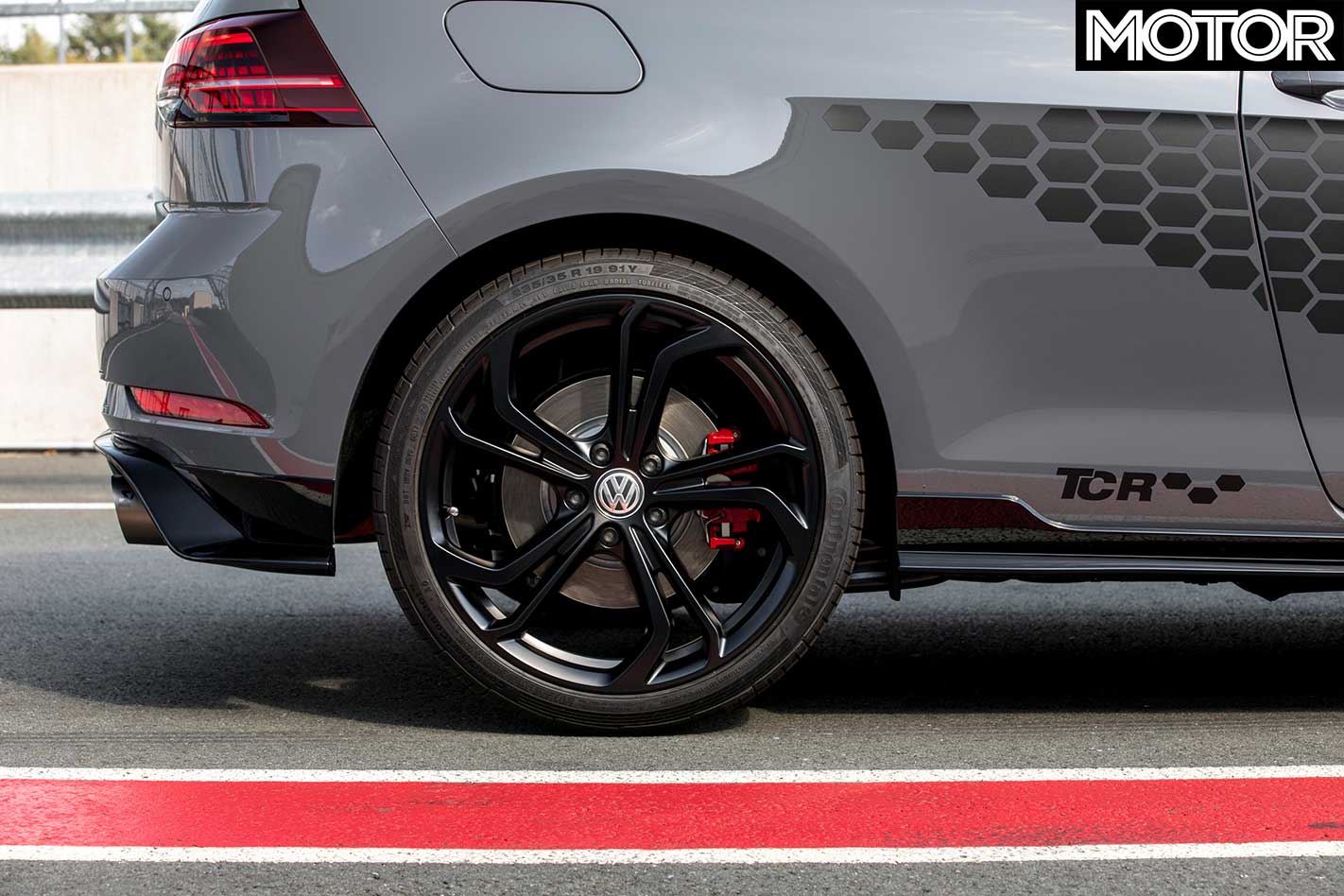
Pricing for the car itself sits at 38,950 Euro in Germany including VAT, which converts directly to AUD$61,900. Don’t expect it to be a cheap purchase, especially as it’s likely to be a very limited run.
Initially the GTI TCR was expected to arrive between “early and mid-2019” with VW Australia saying it would “do all we can to get our hands on it.”
This year marks 60 years since the British Motor Corporation unveiled its revolutionary Mini compact car, that went on to be considered arguably the most influential car of the 20th century after the Model T Ford.
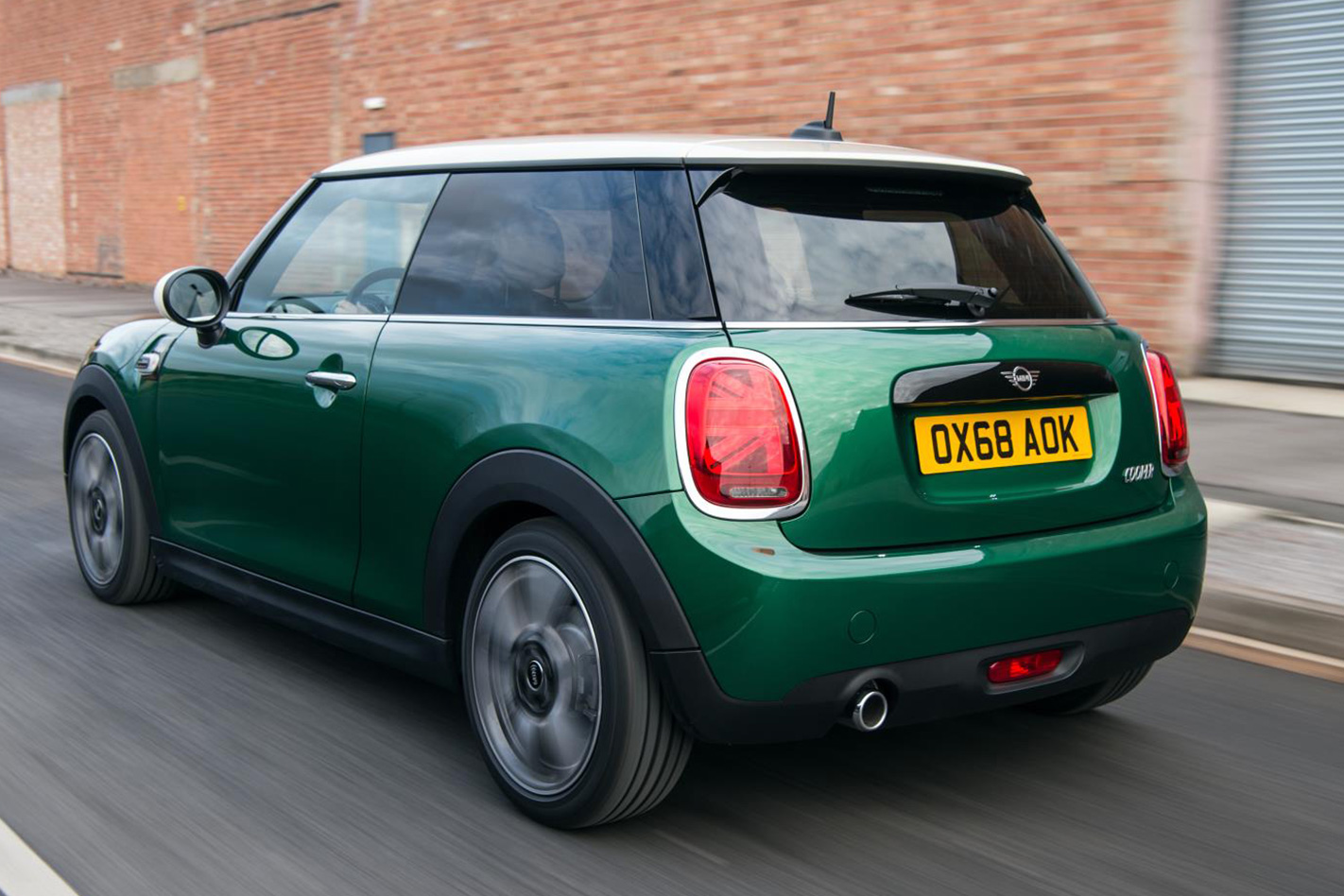
To celebrate the brand’s diamond anniversary, Mini has introduced limited edition 60 Years Edition, featuring a range of interior and exterior enhancements that hark back to its origins and subsequent racing success.
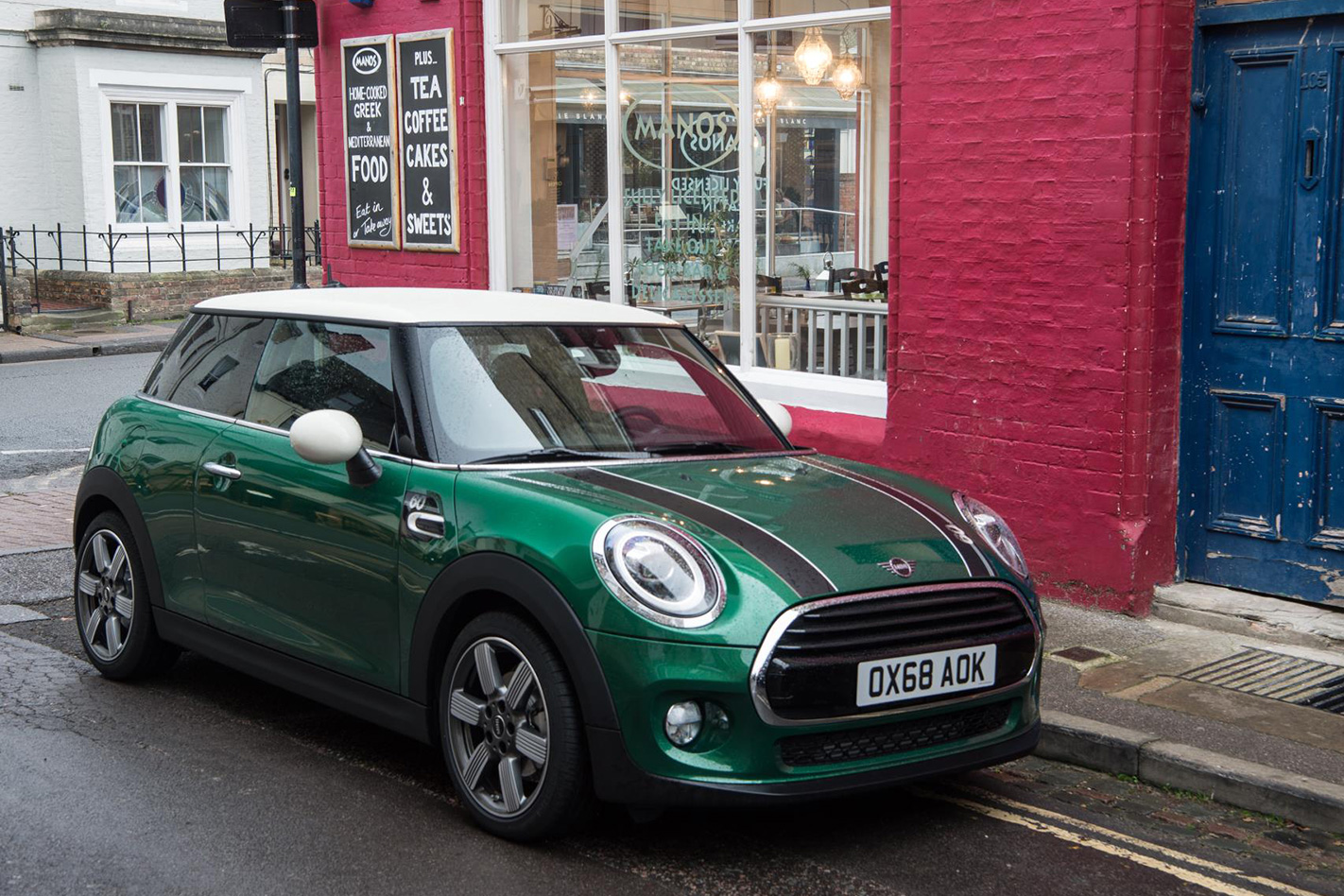
The Mini 60 Years is painted in classic British Racing Green IV with four other colours, Midnight Black metallic, Moonwalk Grey metallic, Melting Silver metallic and Mini Yours Lapisluxury Blue, also available.
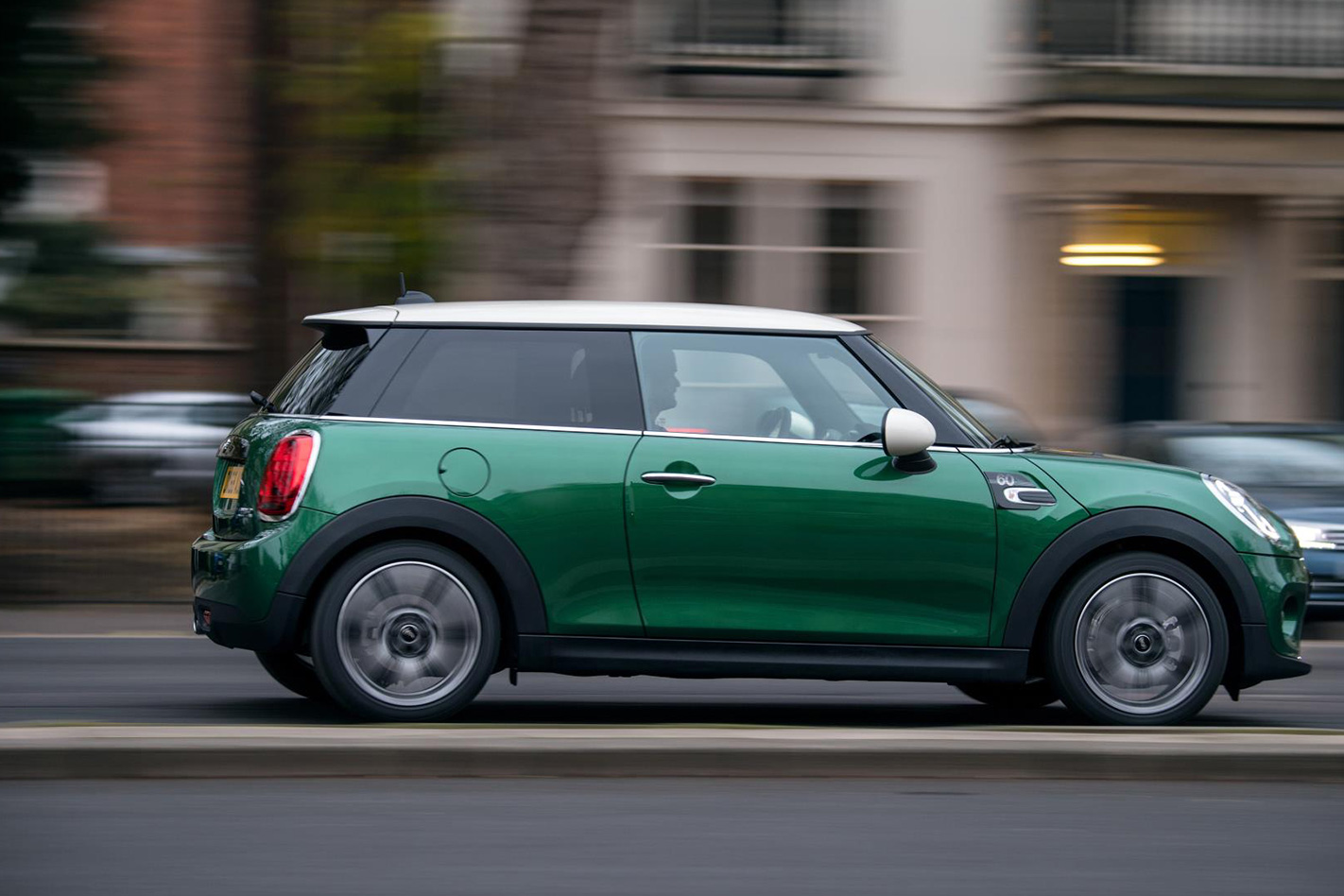
All colours can be contrasted by a choice of Pepper White or black roof and exterior mirror caps, with bonnet stripes, 60 Years logos and a bespoke 17-inch alloy wheel design completing the look.
The unique logo also shows up inside on the front headrests and steering wheel, and LED puddle light projection when the driver’s door is opened.
Sports leather steering wheel and exclusive Dark Maroon leather finish seats are also standard.
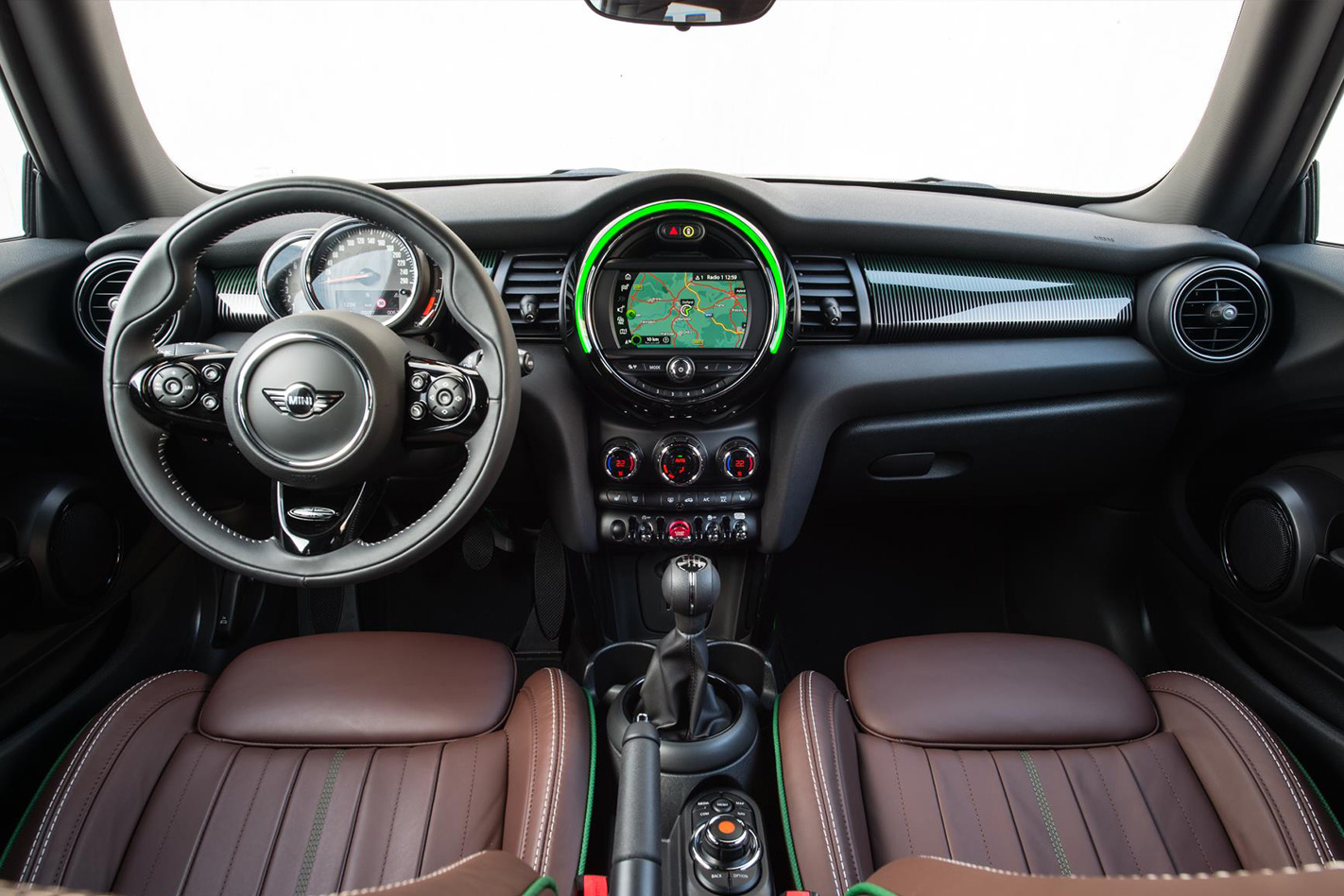
All Mini 60 Years versions also feature LED headlights and fog lamps, ‘Union Jack’ LED tail-lights, while the Mini Excitement Package adds ambient lighting. There is also an onboard computer, automatic air conditioning, a rain sensor and a storage package as part of the deal.
The Mini 60 Years will be available in Europe from March, and Mini Australia is yet to reveal local availability, specifications and pricing.
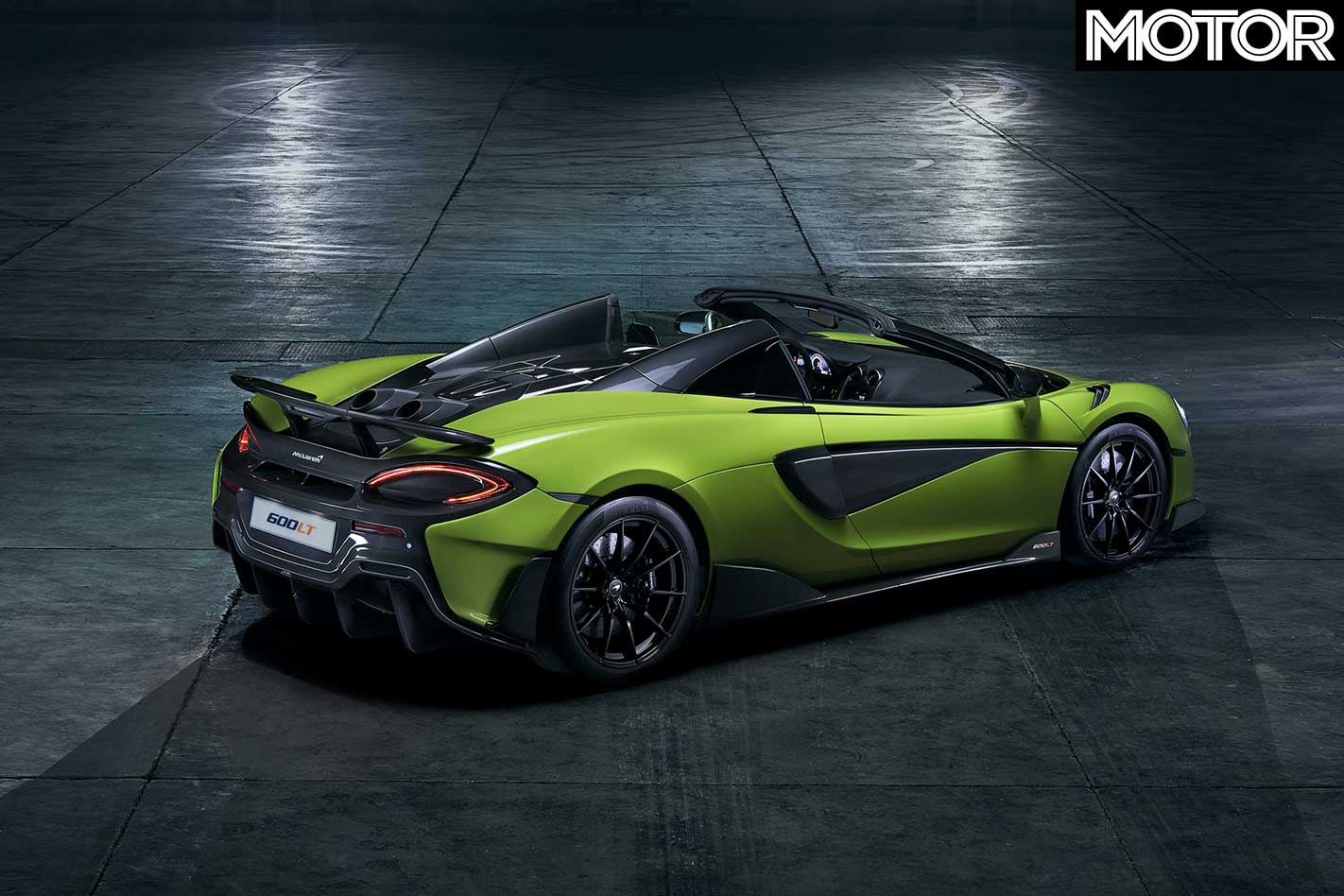
McLaren’s 600LT has been decapitated to create the 2019 McLaren 600LT Spider, the fifth model to wear the Longtail badge.
With the same 441kW/620Nm twin-turbo 3.8-litre V8 as the Coupe and an almost negligible weight penalty thanks to McLaren’s carbon fibre chassis construction, the Spider represents what should be a very capable topless supercar.
With a dry weight of 1297kg, McLaren claims the 600LT Spider is only 50kg portlier than the Coupe, putting its kerb weight close to the 1400kg mark and still lighter than the McLaren 720S.
McLaren claims the 600LT Spider will hit 100km/h in the same 2.9 seconds as the Coupe, while 200km/h comes along two tenths after the Coupe at 8.4 seconds, with the same 7-speed dual-clutch providing quick shifts.
McLaren also says it handles as well as its sibling thanks to the construction of its carbon fibre MonoCell II chassis, developed from McLaren’s motorsport experience, which retains the structural rigidity of the roofed car.
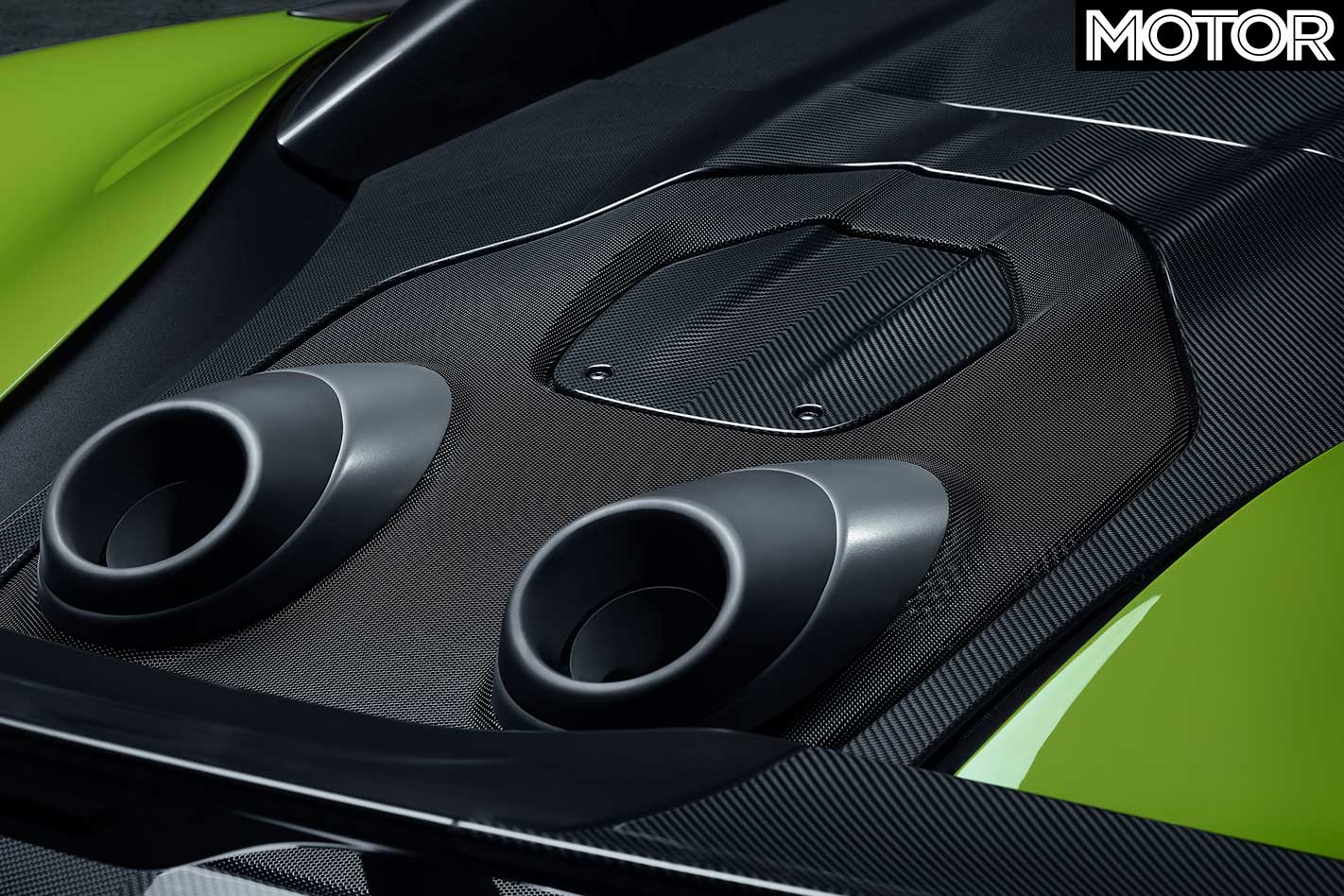
The hardtop roof allows the car to be used the same way as a Coupe, while being stowed under a tonneau with the windows down provides a more visceral drive – and better access to the top-mounted exhausts’ soundtrack.
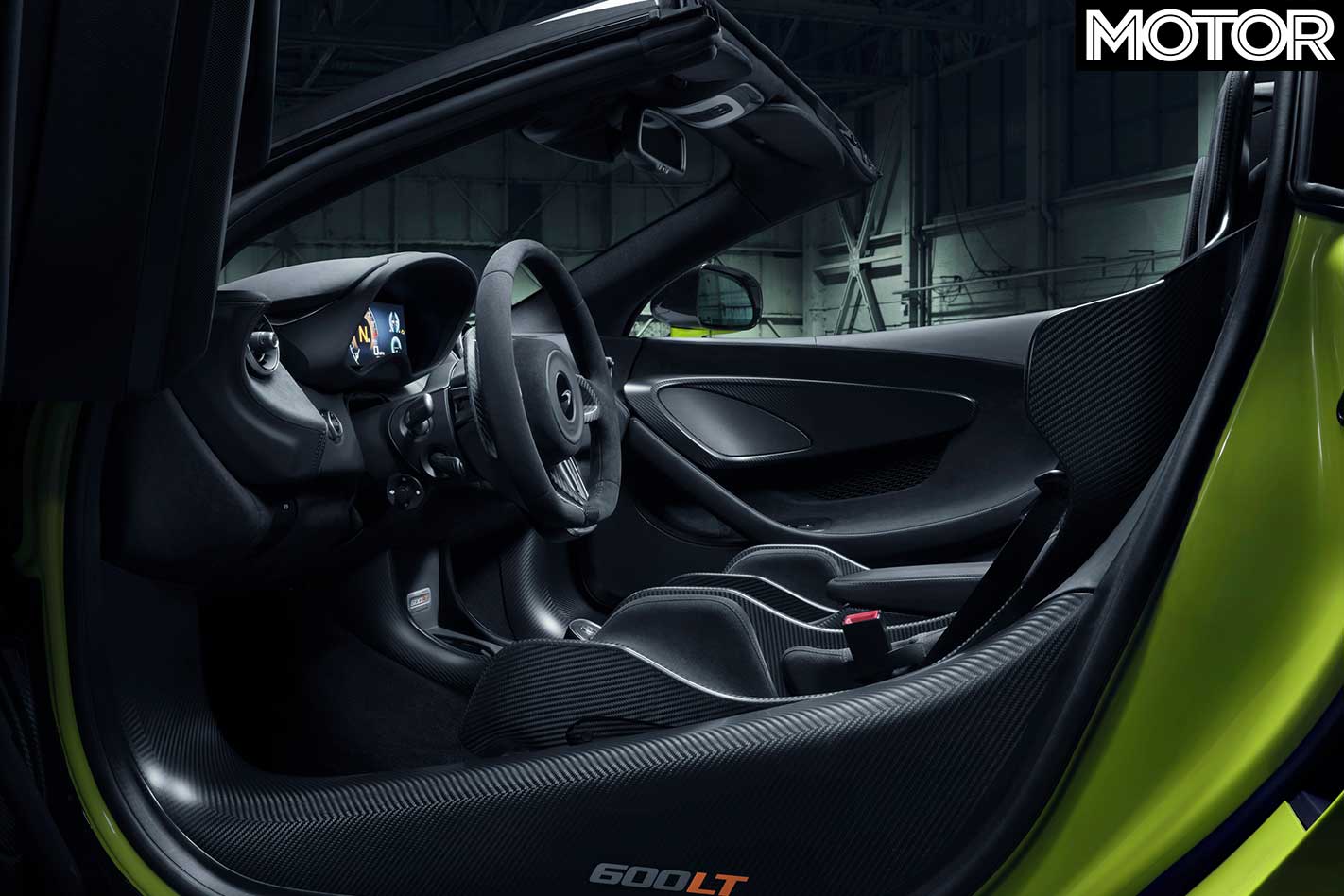
McLaren Automotive CEO Mike Flewitt says the Spider version of the 600LT adds “a new dimension of excitement” to the top Sports Series model.
“Taking full advantage of the strength of the carbon fibre MonoCell II chassis has ensured that the new Spider has dynamic abilities and performance on par with the 600LT Coupé, for a weight premium of just 50kg and with no additional structural strengthening required.
“In addition to our weight advantage over competitors, we have also retained the top-exit exhausts that debuted on the Coupé – and I’m pleased to report that they sound and look even better with the roof or rear window of the Spider lowered!”
McLaren has used the same rear wing on the Spider as used on the Coupe, but says downforce isn’t penalised and that the Spider still produces 100kg of downforce at 250km/h.
Pirelli P- Zero Trofeo Rs can be found on each wheel, designed specifically for the 600LT, and assisting the 600LT Spider in hitting 324km/h with the roof up, or 315km/h with the cabin opened up.
McLaren says the 600LT Spider is available to order now, though Australian pricing hasn’t been confirmed. Those interested shouldn’t be surprised by a base price north of AUD$500,000.
