
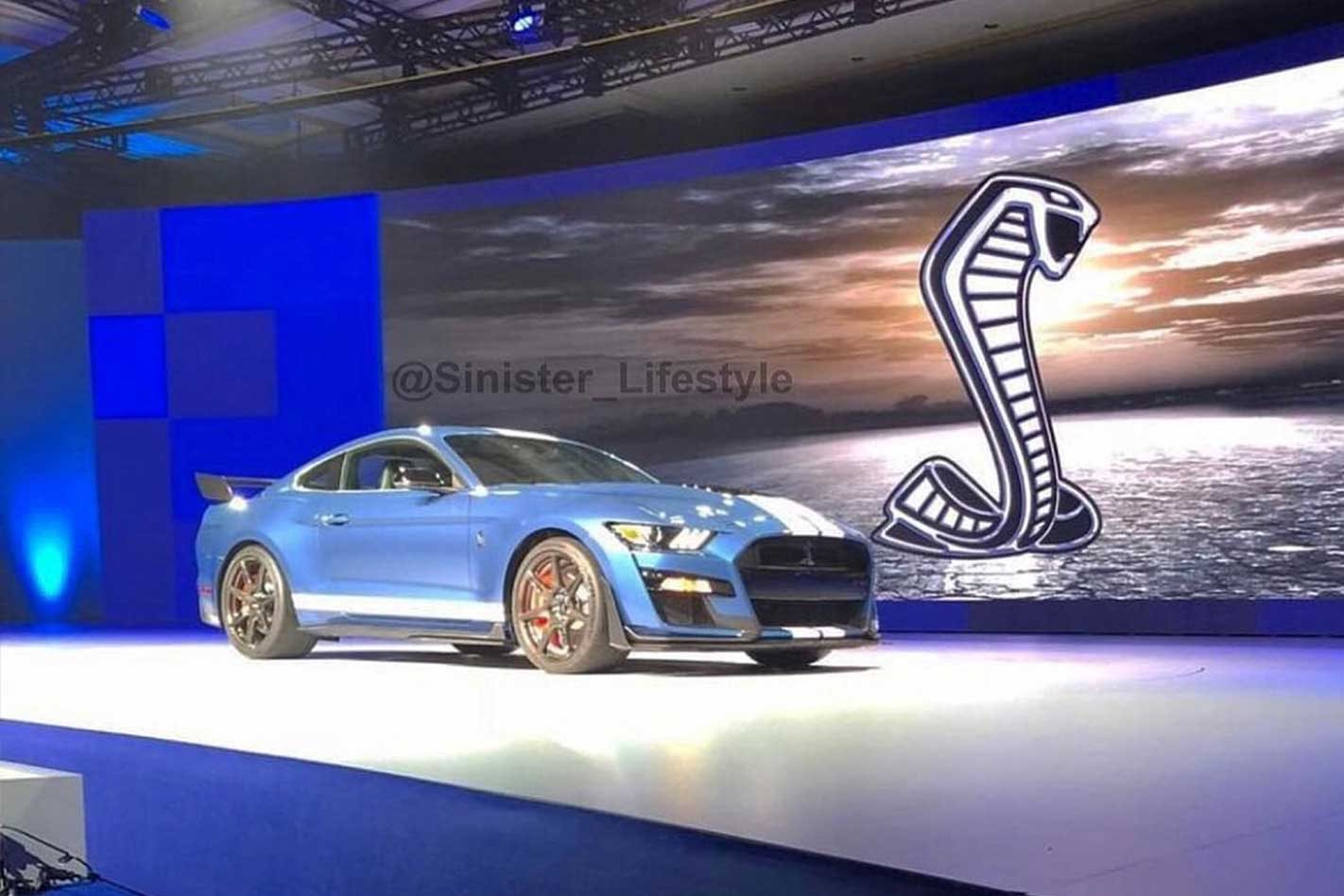
Two of the biggest reveals of the upcoming Detroit Auto Show have already been diluted by leaks, first the Toyota A90 Supra and now the Ford Mustang Shelby GT500.
The latest information regarding Ford’s pumped up muscle car comes from Justin Young of Motor Mod Mustangs on Facebook, further publicised by motorsport workshop Chicane23.
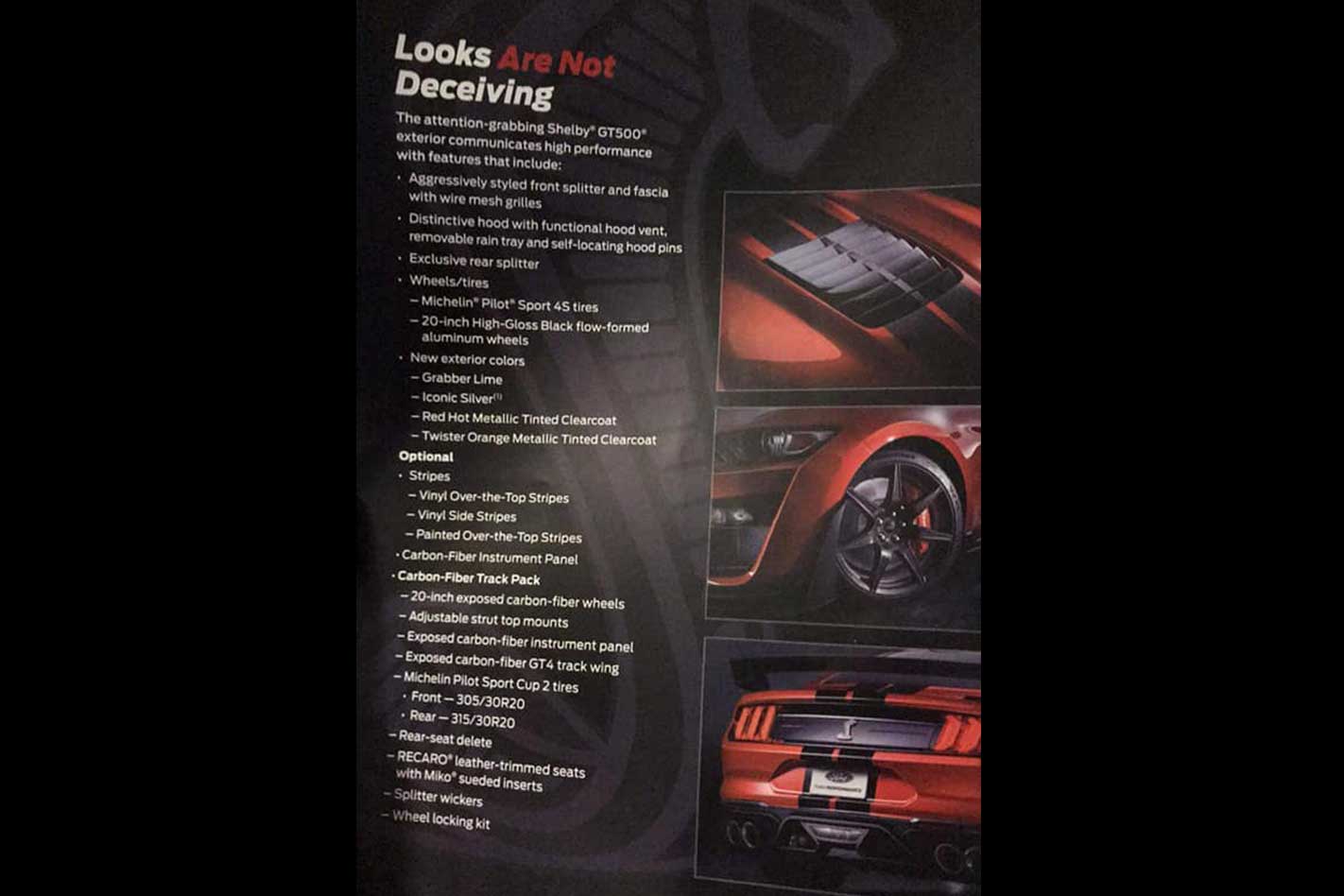
For the most part, it confirms several previous rumours and suspicions about the GT500, as well as showing us that the car we saw late last year via an Instagram leak is how the final product will probably look.
In the form of images taken from a Ford Performance brochure, the leak highlights many of the GT500’s features though omits one rather important detail, its power figure.
Previous leaks has suggested the GT500 will cop a 720hp (537kW) version of Ford’s supercharged 5.2-litre Voodoo V8, with 881Nm and a redline of 7500rpm.
That leak also claimed the GT500 would weigh in at 1916kg, which is almost 200kg north of the Standard Mustang GT.
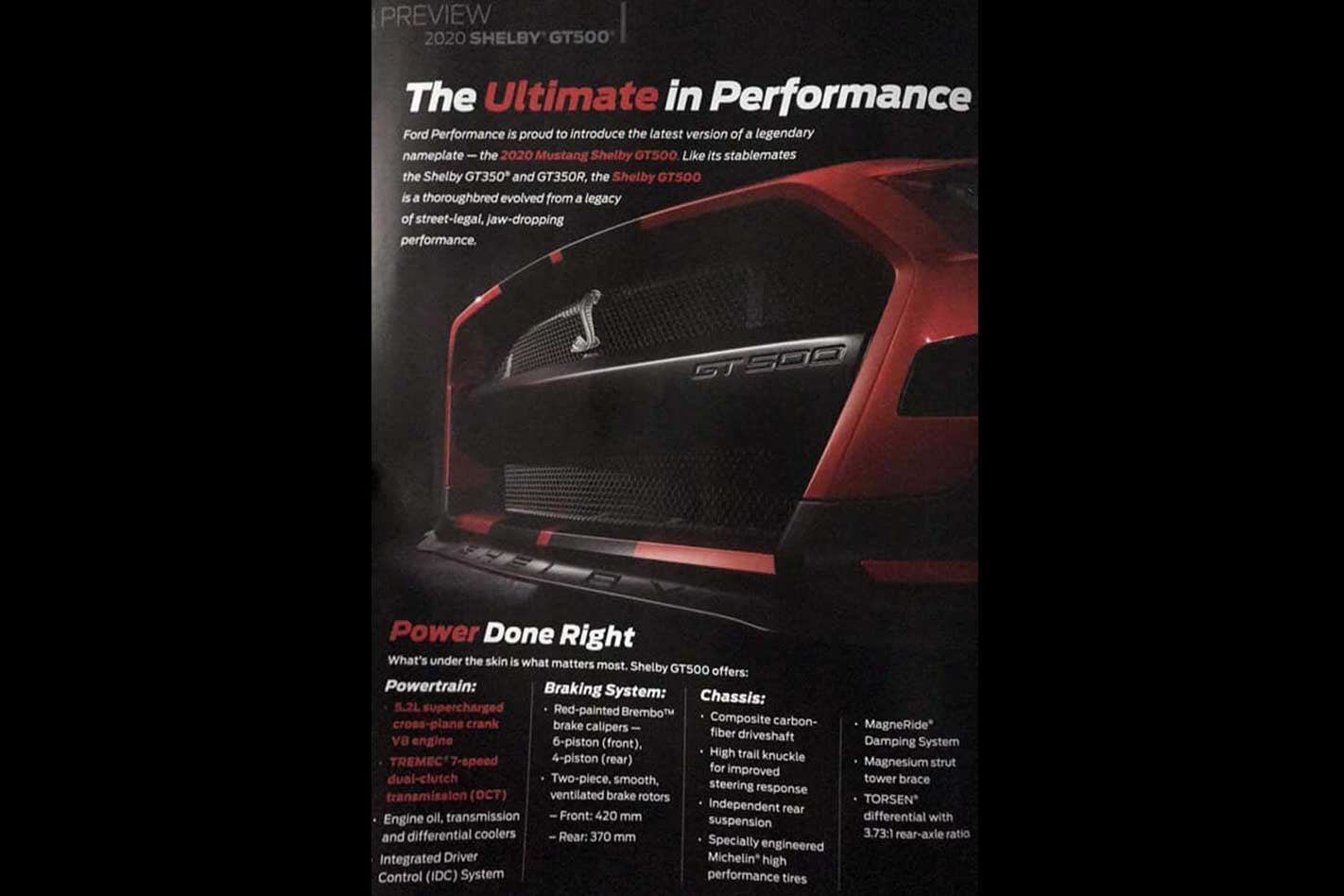
The most recent document shows that the 5.2-litre V8 will be hooked up to a 7-speed Tremec DCT, with no mention of a manual option, and that the engine will feature a cross-plane crank rather than a flat-plane.
Braking is by Brembo, with 6-pot fronts and 4-pot rears, discs are 420 and 370mm respectively. Those big brakes will be needed if the power and weight figures all stack up to be true.
Tyres are claimed to be either Michelin’s Pilot Sport 4S, or Cup 2 as an extra option. Those tyres will – again, according to the brochure – measure in at 305/30R20 for the front, and 315 wide at the rear.
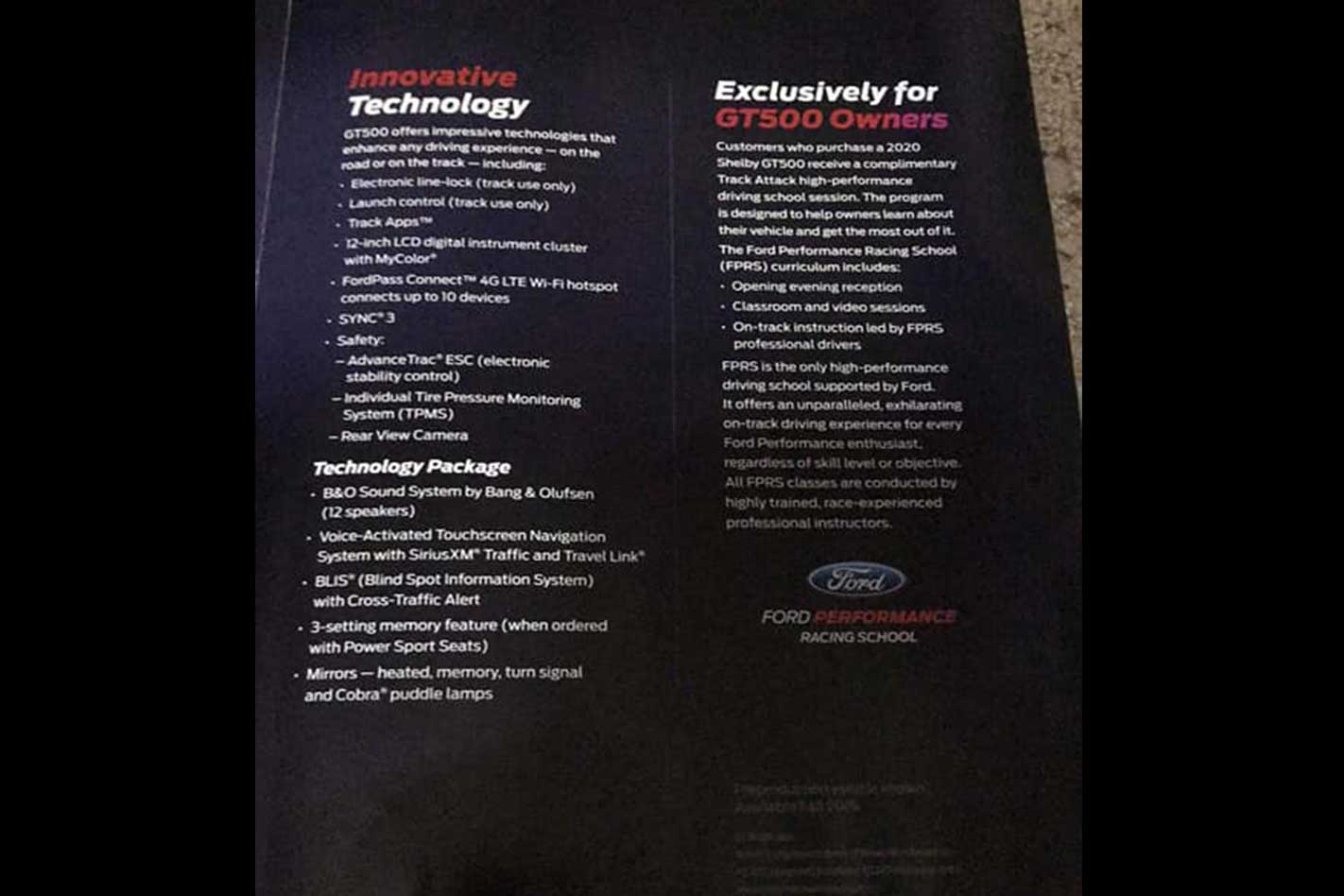
A carbon fibre driveshaft, MagneRide adaptive dampers, and a Torsen differential are all also listed on the brochure as standard, though pricing and performance specs are absent.
Ford Performance also notes that GT500 customers will be invited to attend a track driving course specified for the GT500 at Ford Performance Racing School.
Stay tuned for the reveal of the Ford Mustang Shelby GT500 at the Detroit Auto Show, which is now only a day away.
Five minutes is all the Alpine A110 needs to convince you that, yes, this is worth the dollar sum it’s asking. Renault’s mid-engine coupe is small, but its $106,500 ask is larger than an Alfa Romeo 4C’s and Lotus Elise’s prices, each set at around $90K.
But this car is about more than numbers. It’s trying to revive a brand. Alpine used to be much like what HSV is to Holden. It built race and road cars, and won things, but then ran out of money before being absorbed by Renault (which hasn’t been HSV’s fate).
The A110 is a statement that this hardcore sportscar brand is back, in a big way, by modelling itself on the 1970s rear-engine A110 that won the very first World Rally Championship.
The most obvious link is its looks. Festooned with retro details like those quad headlights, fastback roofline and ridged bonnet, they’re striking, seductive and sure to fill any young petrolhead with awe. Like the original car, the new A110 shares parts with other Renaults. Its turbo 1.8-litre four-cylinder engine is in the Megane RS and its paddles are plucked from a Clio RS. But it’s actually more of a clean-sheet design.
Those paddles are wired to a new wet seven-speed dual-clutch transmission, and there’s a unique aluminium chassis at its core. There are also bespoke double-wishbone suspension assemblies front and rear, a new active exhaust, and brake calipers beautiful enough to display in a gallery. In fact, that’s just what happened on the car’s international launch last year.
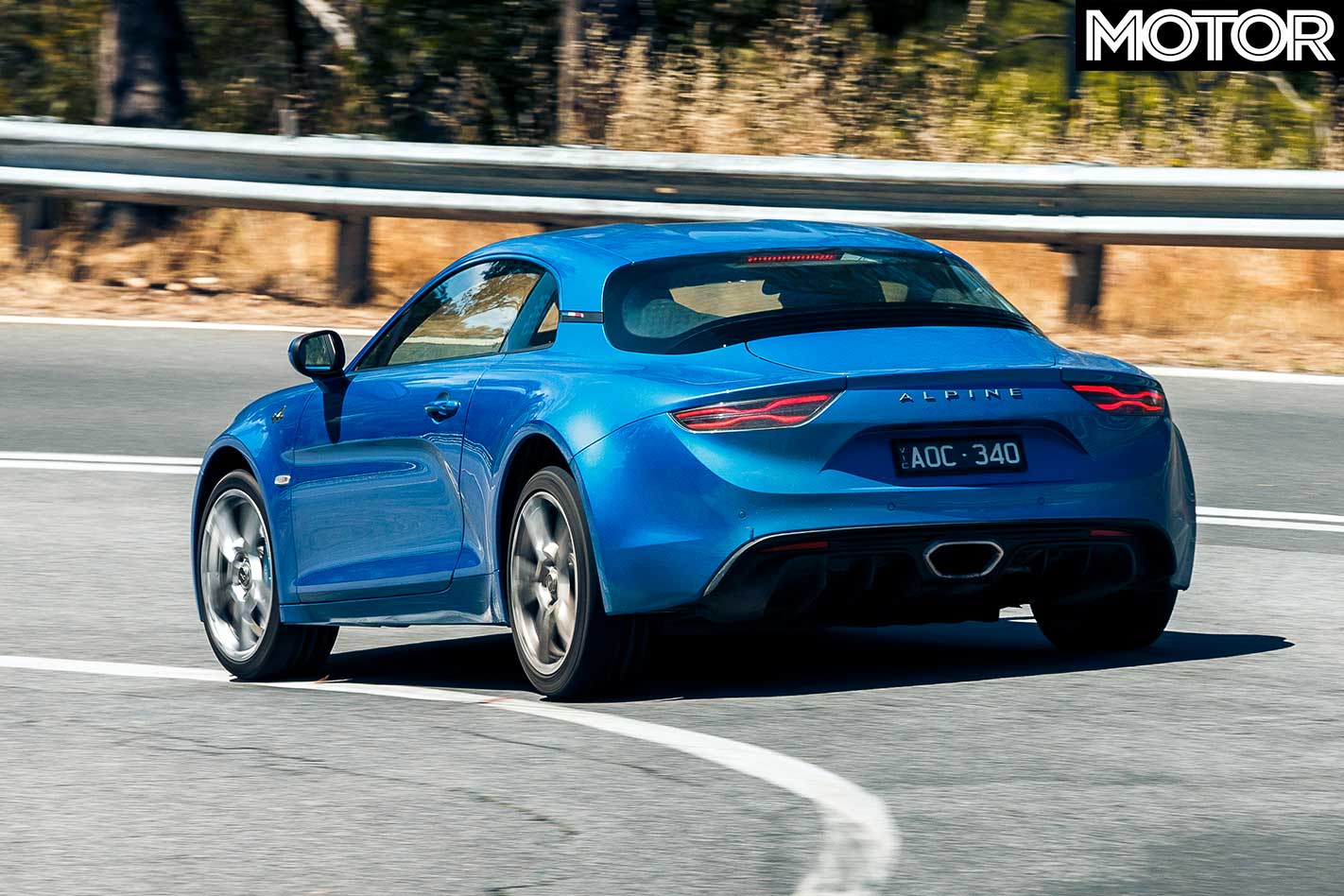
Renault wanted to stress the effort its engineers poured into delivering a pared-back, lightweight driving experience. But while back in Alpine’s original days this would have been ultimately to beat Ford Escorts or Abarths, the witch hunt for kilograms is now about fighting flab. Its kerb weight is 1103kg.
Almost the entire body is aluminium, and the one-piece Sabelt bucket seats weigh 13.1kg each. They’re not stripper items, either. The quilted stitching on their deep bolsters, matched to Alcantara cushion inserts, show how well lightness blends with luxury here.
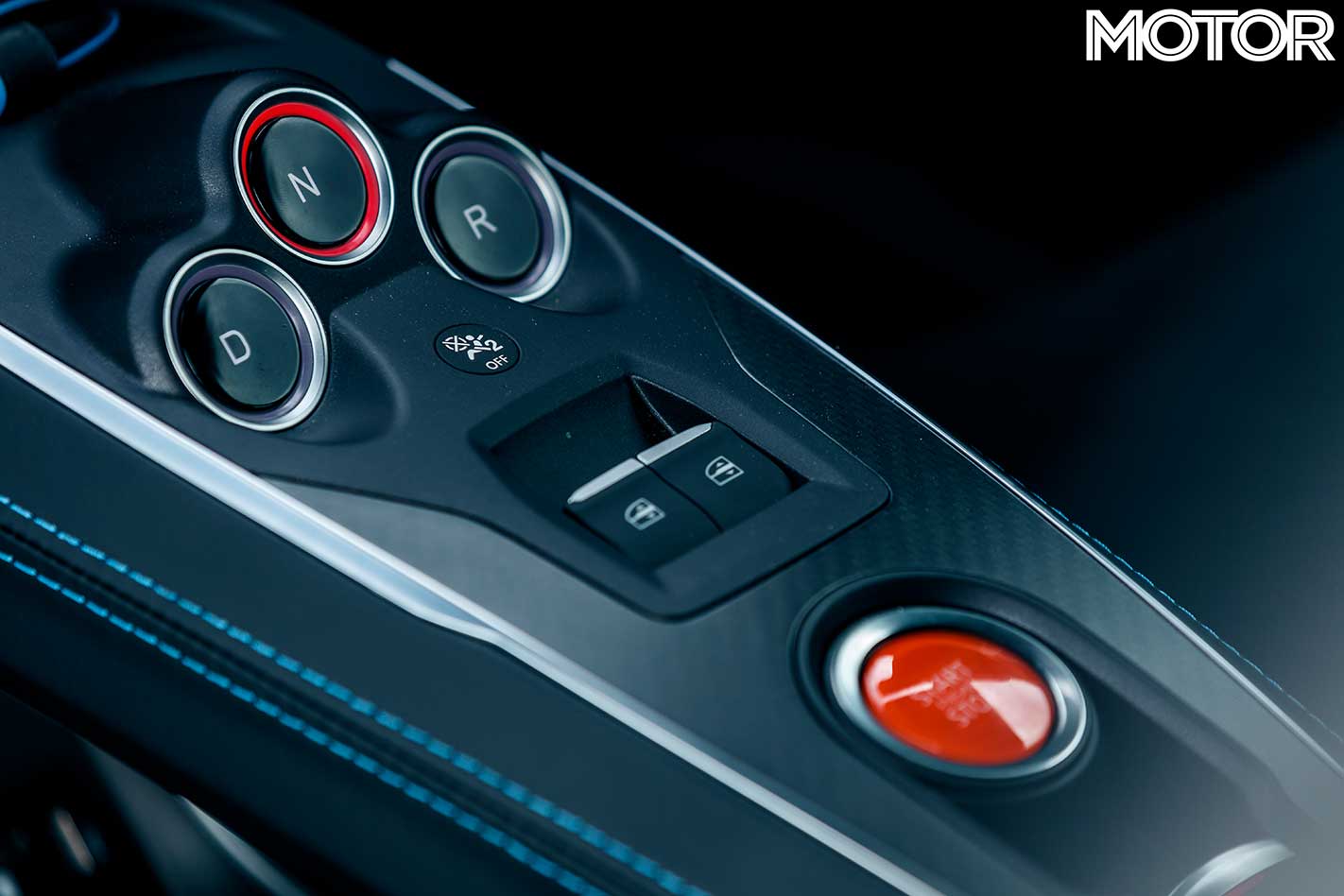
The interior isn’t obviously Renault, besides the steering wheel, HVAC controls, metal pedals and finicky credit card-shaped key. The car’s bright red starter button is plugged into the bridge of the centre console, where you also select gear by pressing D (drive), N (neutral) or R (reverse).
There’s only 185kW/320Nm propelling you forward, but that’s enough. The nose lifts and each gear disappears as quickly as they arrive. The sound is delicious and your eyeballs are entertained by the digital cluster, where big, white numbers displaying the gear rush at you.
Meanwhile, the sound is as if it takes the Clio RS’s turbo noises and the Megane RS’s growl, then turns up the resulting soundtrack by several notches. A deep burp escapes with each upshift. You might also cackle with laughter.
At the first corner the A110 is tugging at your sleeves, begging you for some fun. Brush the brakes and it shrugs its weight forward. Dart the steering off centre and it responds, instantly. Find the throttle, feel it settle onto its outside rear tyre, then squeeze.
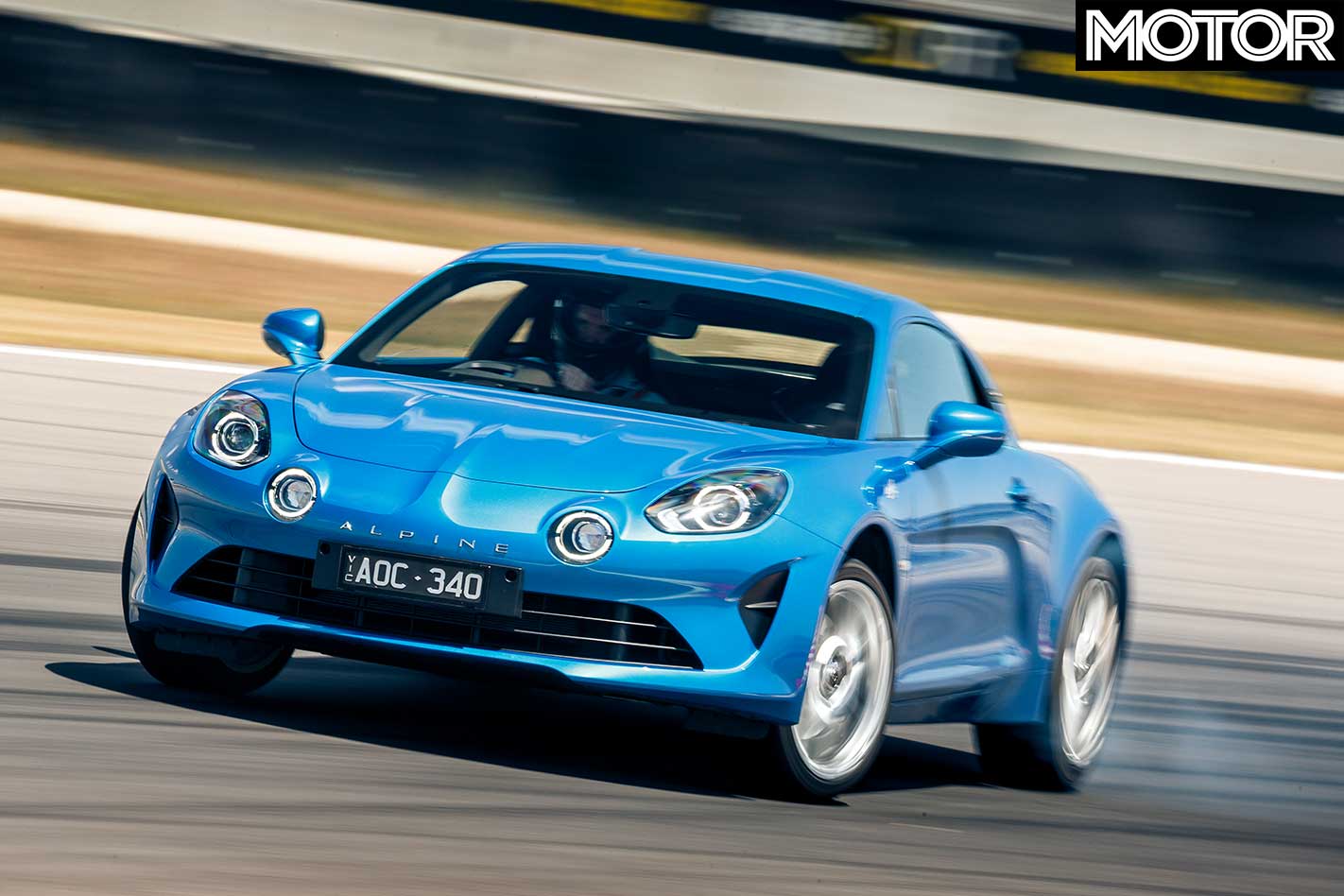
How you exit the corner will depend on how you enter it. Pitch it hard on the brakes, run the soft suspension to its absolute limit, pick up the throttle aggressively, and the open-diff rear axle will step out on its rear 235mm Michelin Pilot Sport 4s.
But you can pivot it on the brakes, or with a bit of lift, just as easily. Its wheelbase is only 2419mm, or 151mm shorter than a Toyota 86’s. But overall it’s only shorter by 62mm.
Even though it has three drive modes – Normal, Sport and Track – ESP is either on or off, and this adjustability can spook you. But it’s also a knife-edged balance between grip and slip that sets the Alpine A110 apart from the stoic composure of a Porsche Cayman or the Lotus Elise’s layered dynamics.
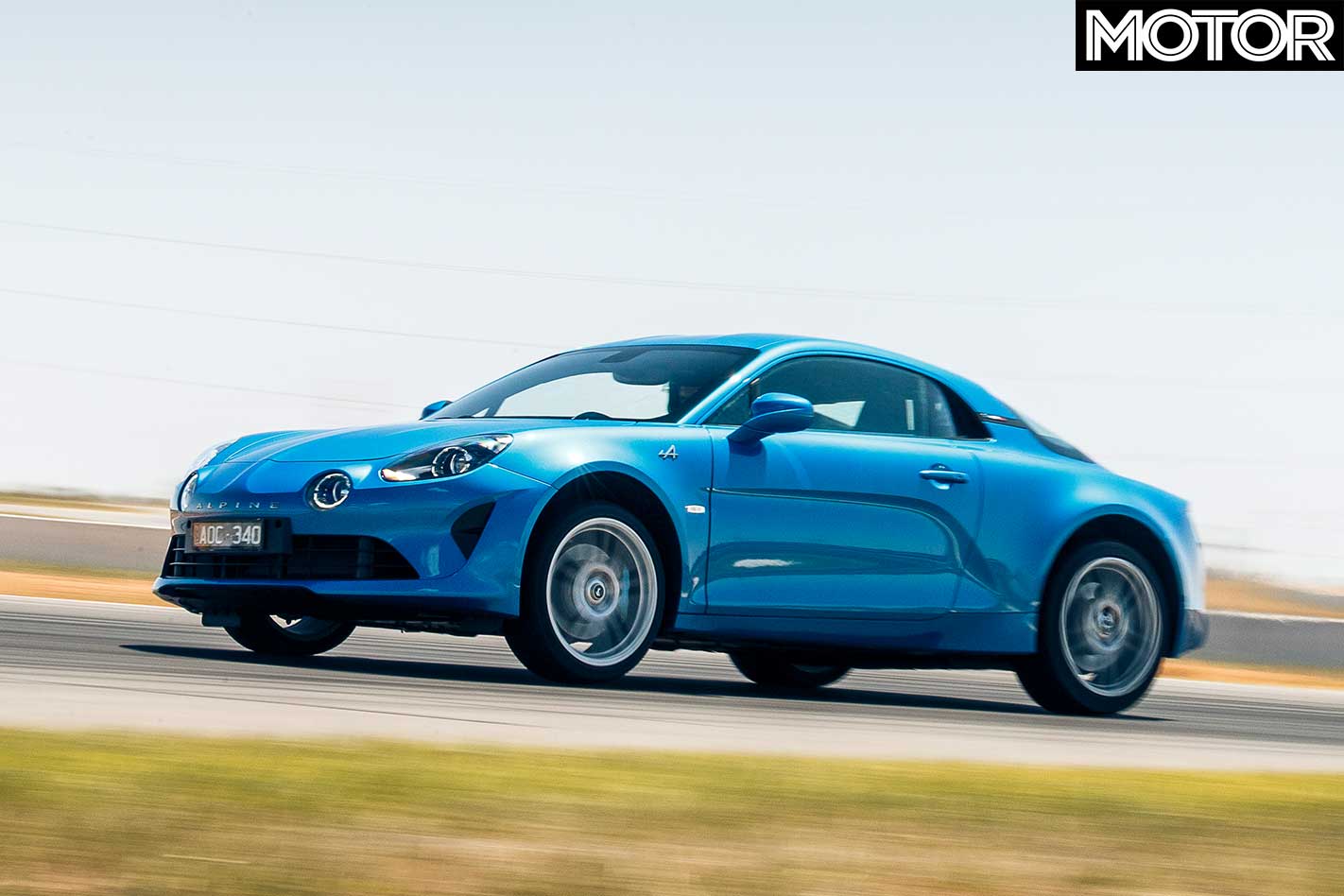
While we tested one of the 60 limited-edition Premiere versions, the range will comprise only the Pure and Legende after it sells out. The Pure will be available for $97K. Or if you want some decent audio thrown in with mod-cons like a rear-view camera and sensors, then you can go for the Legende at $103,500. Both can be optioned with the Premiere’s high-performance Brembos, active exhaust or tasty 18-inch ‘Fuchs’ wheels.
If you’re into lightweight thrills, as we said, they will be worth the ask.
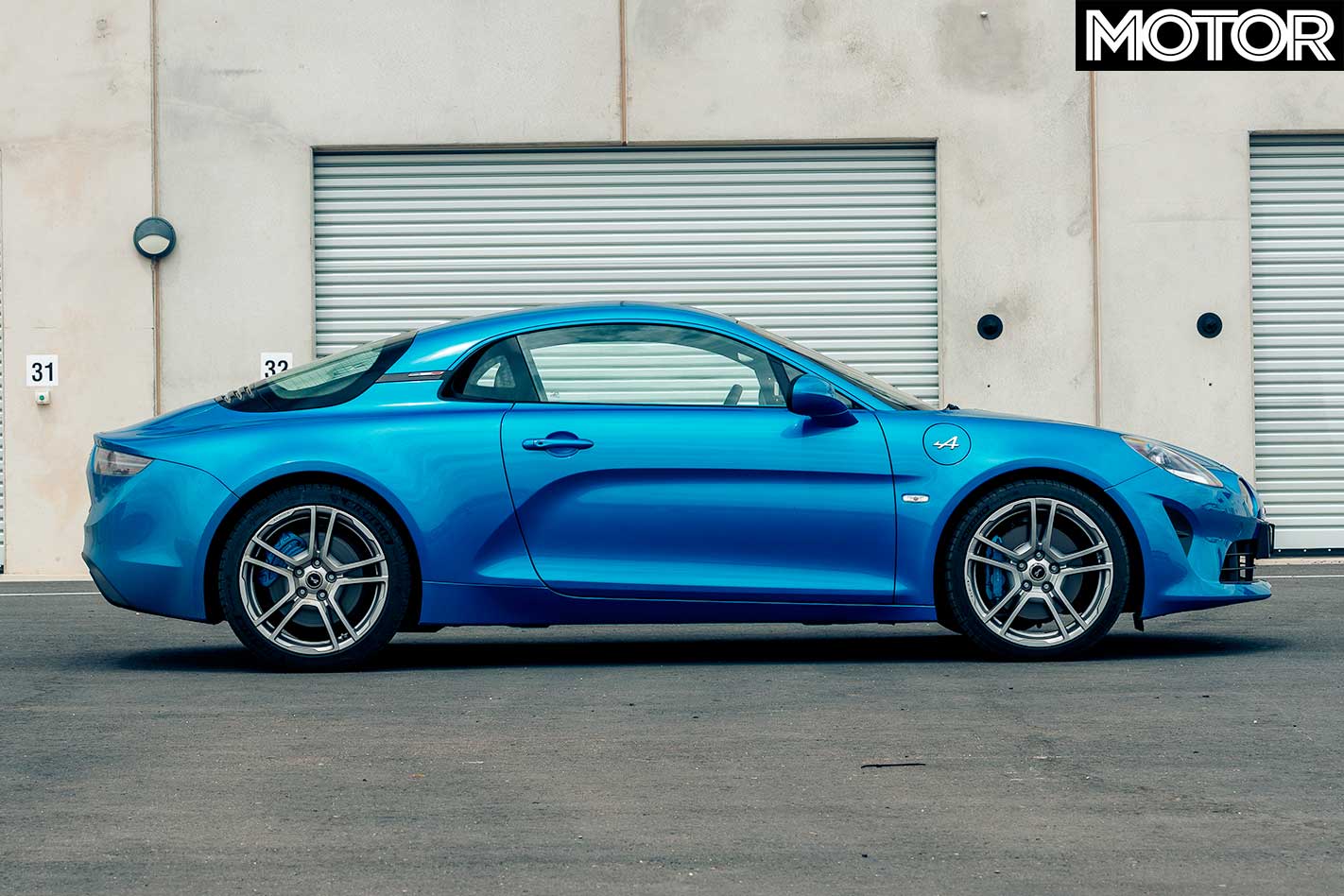
2019 ALPINE A110 PREMIERE SPECS: Engine: 1798cc inline 4, turbo, DOHC, 16v Power: 185kW @ 6000rpm Torque: 320Nm @ 2000-5000rpm Weight: 1103kg 0-100km/h: 4.5sec (claimed) Price: $106,500
Like: Exciting handling, growling engine note, smooth powertrain and amazing looks Dislike: Loose-footed at the limit, no third ESP mode, interior storage space
Rating: 4.5 out of 5 stars
Imagine, for a moment, a race track situated on a Spanish hillside, with only olive trees for company. Imagine that the track is 5.4km long and that it’s composed of 26 corners.
This feature was originally published in MOTOR’s May 2007 issue
Imagine too, that membership of this secret circuit is limited to just 500 people and that each member is entitled to more than a hundred track days each year. Now imagine that for one day only, you’ve managed to gatecrash the party.
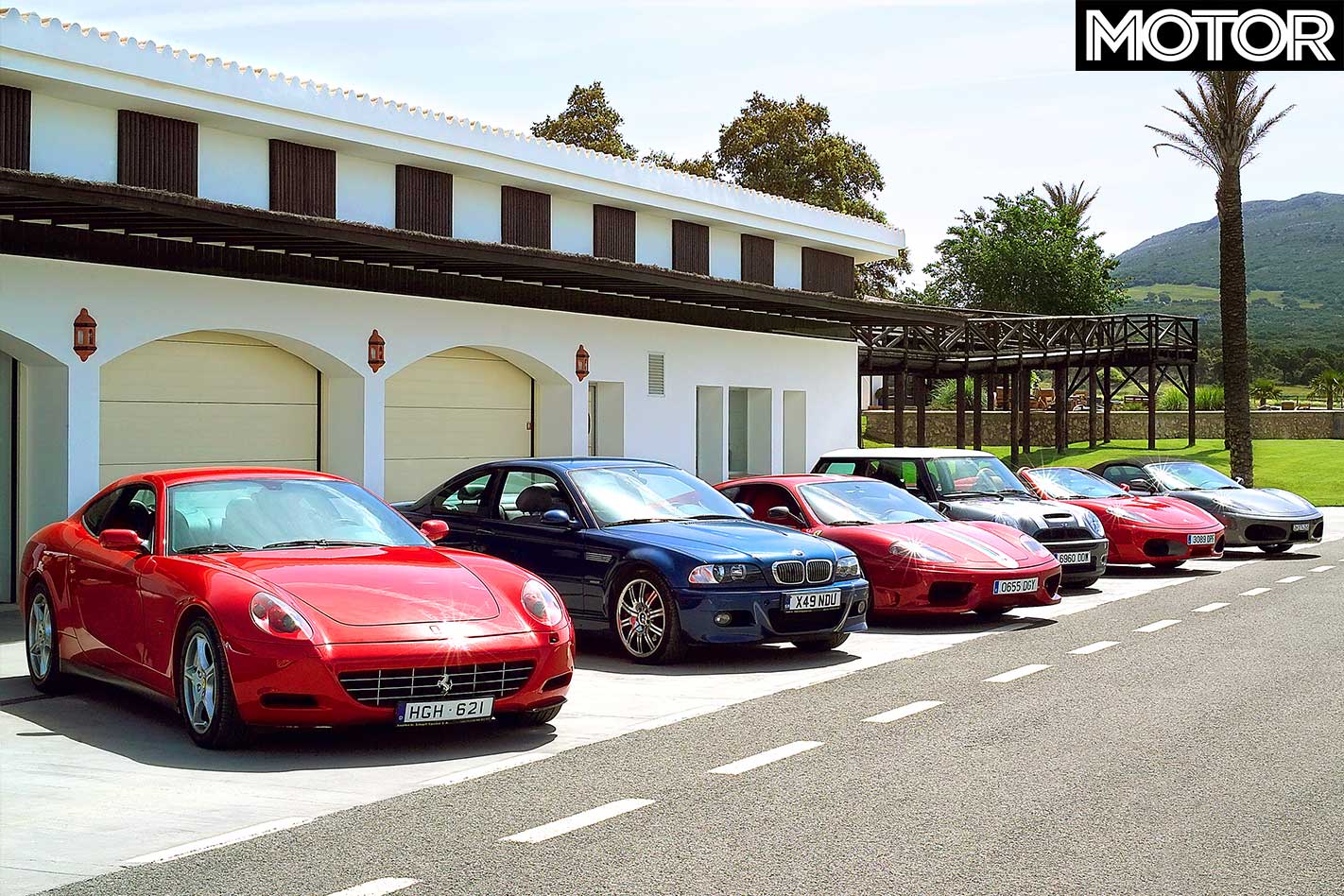
The resort is the brainchild of Klaas Zwart, a Dutch billionaire turned car collector and supercar builder, who spends his leisure time racing old Ferrari F1 cars. Bored of hiring other people’s circuits, Zwart decided he needed his own private playground. He searched for two years until he flew his helicopter over an old sheep farm near the Spanish town of Ronda, which he bought. Two-and-a-half years (and almost $70 million) later, the Dutchman fulfilled his dream.
“After it was finished, Klaas realised that it was much too good just to keep for himself,” says member and sometime CEO, Geoffrey Finlay. “He decided to open it up to 500 members from across the world.” The membership book includes ex-F1 racers Martin Brundle and Christian Danner, musician and car fanatic Jay Kay and Hollywood action man Dolph Lundgren. Wealth is an obvious prerequisite of membership, but decent personal skills are also a must – there’s an informal vetting procedure.
The facilities are absurdly luxurious. In place of the usual mix of rusting doors, shabby concrete and the stale stench of urine (ever been to Le Mans?) are architecturally designed garages with painted floors and electric doors. Ascari has even built an underground car park capable of accommodating 400 cars. It’s probably the world’s most valuable multi-storey.
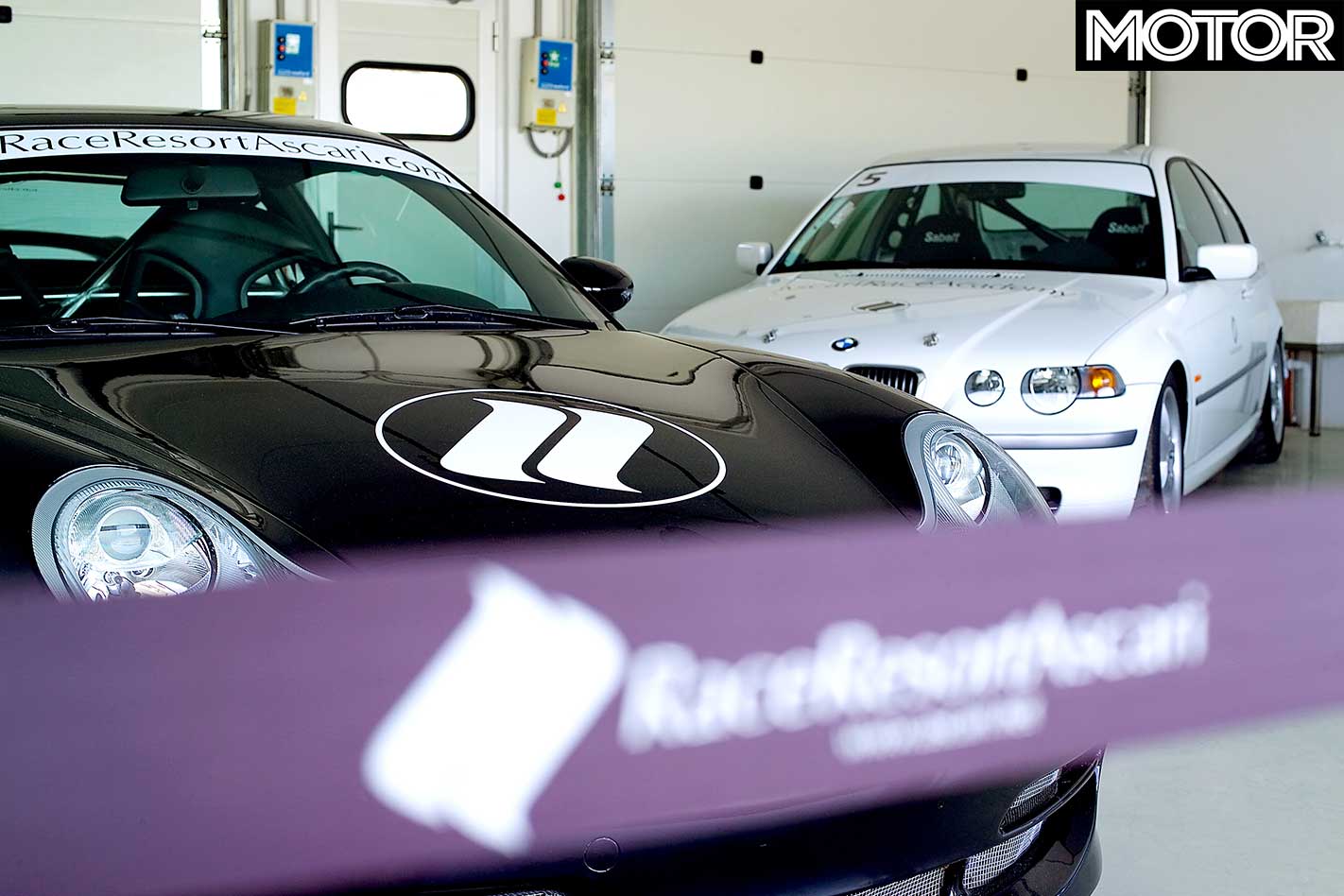
The pits house Ascari’s own collection, which can be hired on a lap-by-lap basis. I’m tossed the keys to a track-prepared BMW 3-series Compact and told to go play.
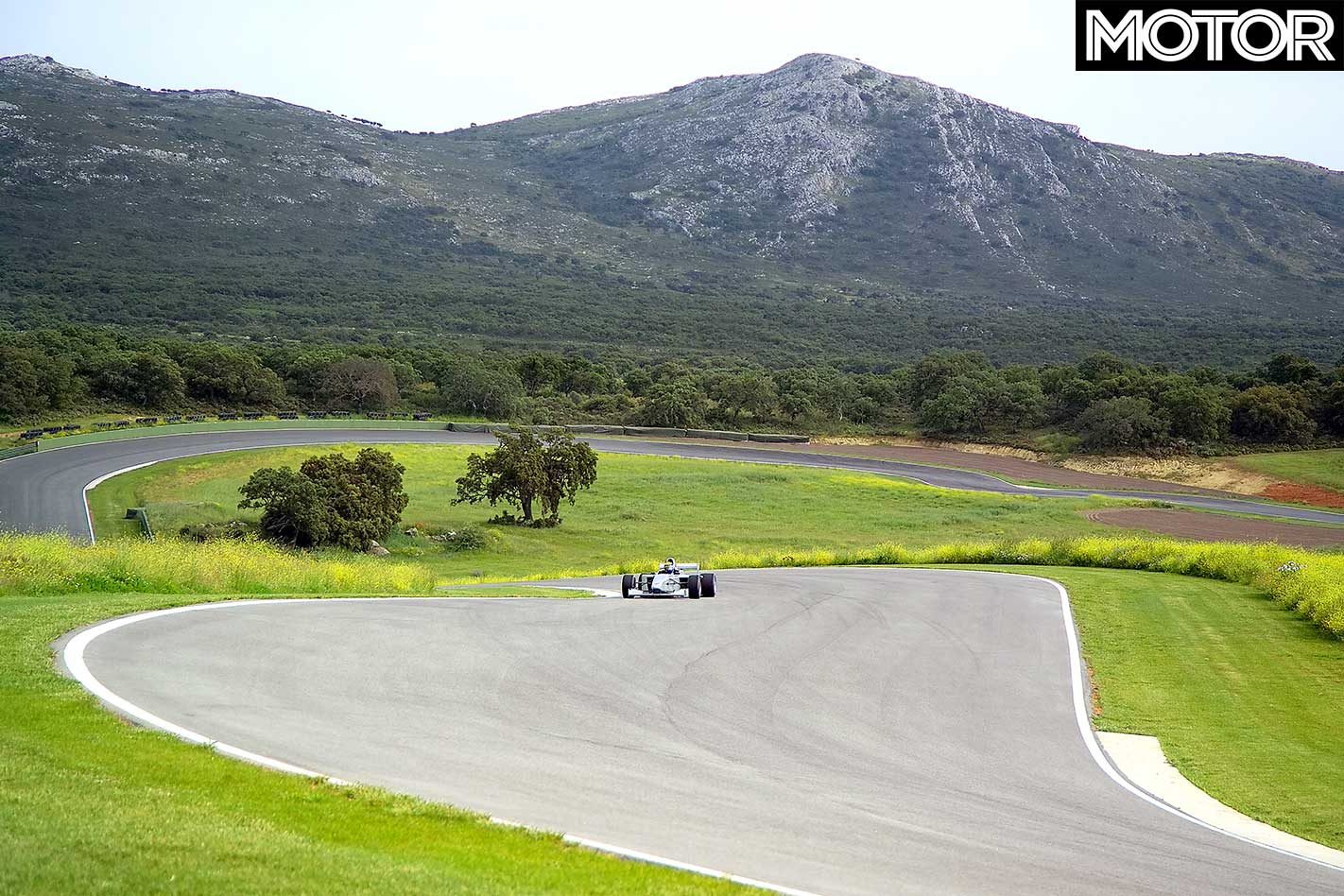
It would have been a tragedy if, having invested so much in the facilities, Zwaat had built a Mickey Mouse circuit. He hasn’t. Instead of paying an architect a squillion dollars to produce a tedious, identikit track, he scribbled some corners on the back of an envelope and set to work.
The net result is a 5.425km track that uses the natural contours of the land to fine effect. If this were a golf course, you’d call it a links. There’s a challenging mix of slow- and high-speed twists that require both patience and sensible racing lines. Switch off your brain and you’ll end up in an immaculately manicured gravel trap.
The circuit’s signature corners are replicas. A banked turn mimics the Karoussel at the Nurburgring Nordschleife, while a downhill left-right-left replicates the Laguna Seca corkscrew. The latter is a hoot. In the BeeEm, you brake late, grab second and turn left without letting the car run too far wide.
A quick burst of power down the hill is followed by a tight-right that leads to the start-finish straight. There are few obvious overtaking opportunities but that doesn’t matter too much – despite the resort’s name, it doesn’t have a licence for racing and any jousting is strictly informal.
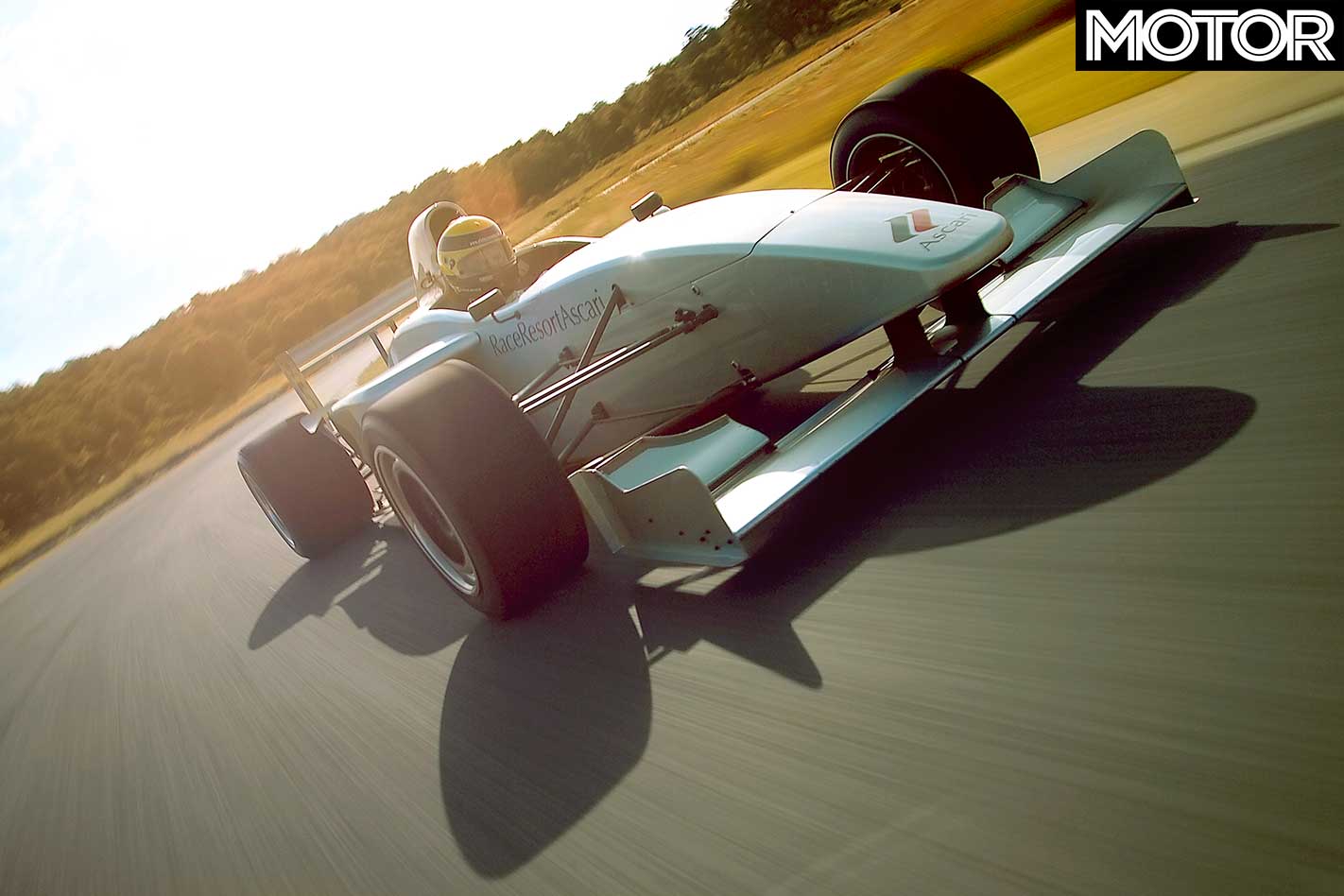
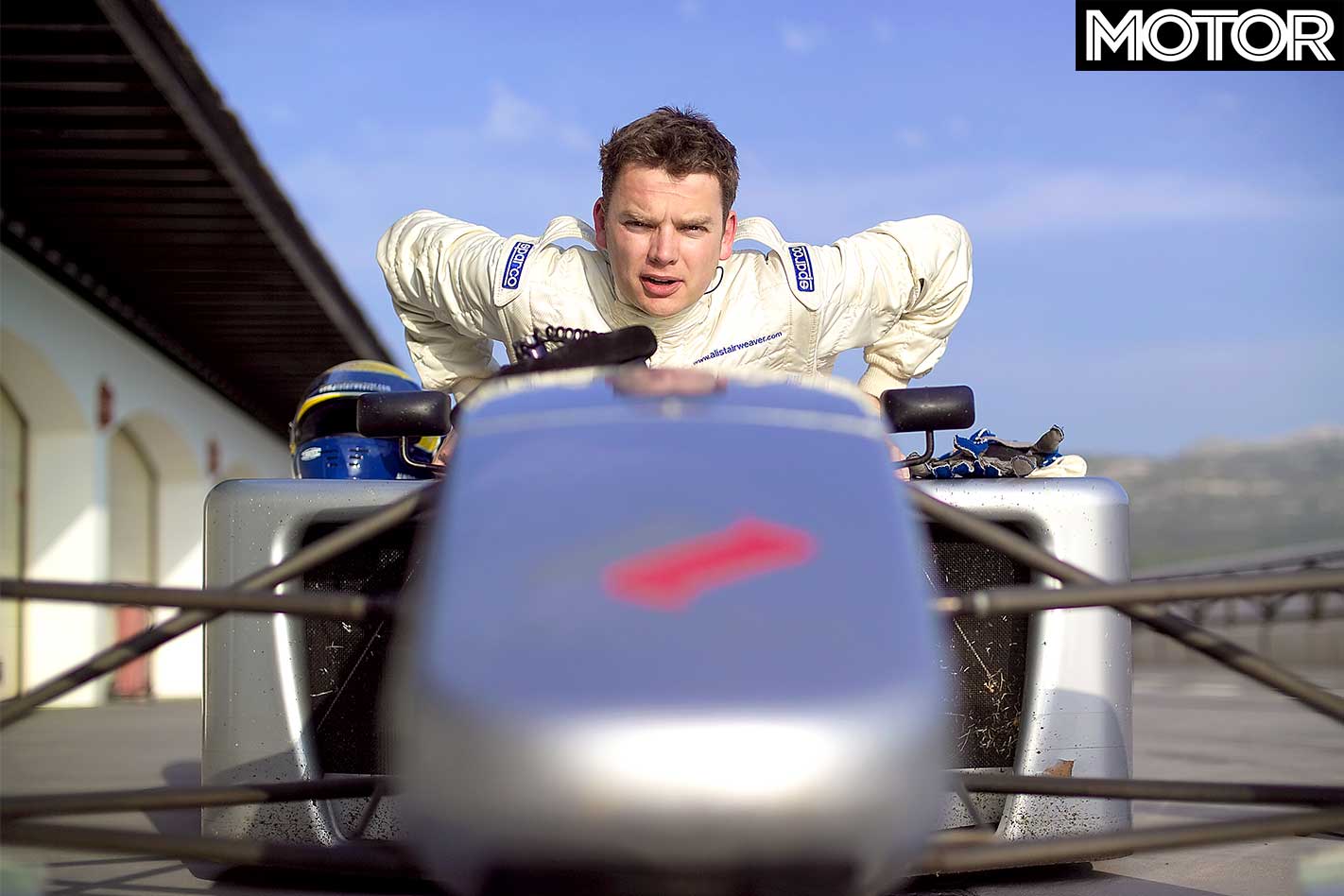
Having proved that I’m not a total muppet, I’m invited to shoehorn my 185cm frame into the Formula Ascari. This is based on an old Reynard F3000 chassis, which is clearly built for the world’s smallest man. We’re forced to rip out the seats and bolt me to the bulkhead, mere millimetres from the 202kW, 3.0-litre V6.
With 324kW per tonne, a sequential gearshift and monstrous grip from the vast slick tyres, this car isn’t short of performance. The Ascari mechanics reckon it’s 23 seconds faster than a Porsche Carrera GT around this circuit – and I believe them. The formula car has a savagery that no supercar will ever match, even if it does give me cramp and a sore arse.
The circuit collection also includes a Radical, but the prize possessions are a pair of Benetton F1 cars that once belonged to Gerhard Berger and Jean Alesi. Now fitted with 559kW, 4.0-litre Judd V10s coupled to manual gearboxes, they were campaigned by Zwart in the EuroBoss Championship for ex-Grand Prix cars. I eye them enviously, but I’m not allowed to touch.
Not surprisingly, the Resort is precious about who gets to play with the ultimate big boys toys. Aspirants must attend specials ‘F1 Days’, which offer training followed by a handful of laps.
The whole set-up is hugely indulgent, but there’s little of the forced machismo or the go-faster egotists associated with most conventional track days. The atmosphere is chilled, laid back. I’m told that this is a busy day, but there are just 12 members in attendance.
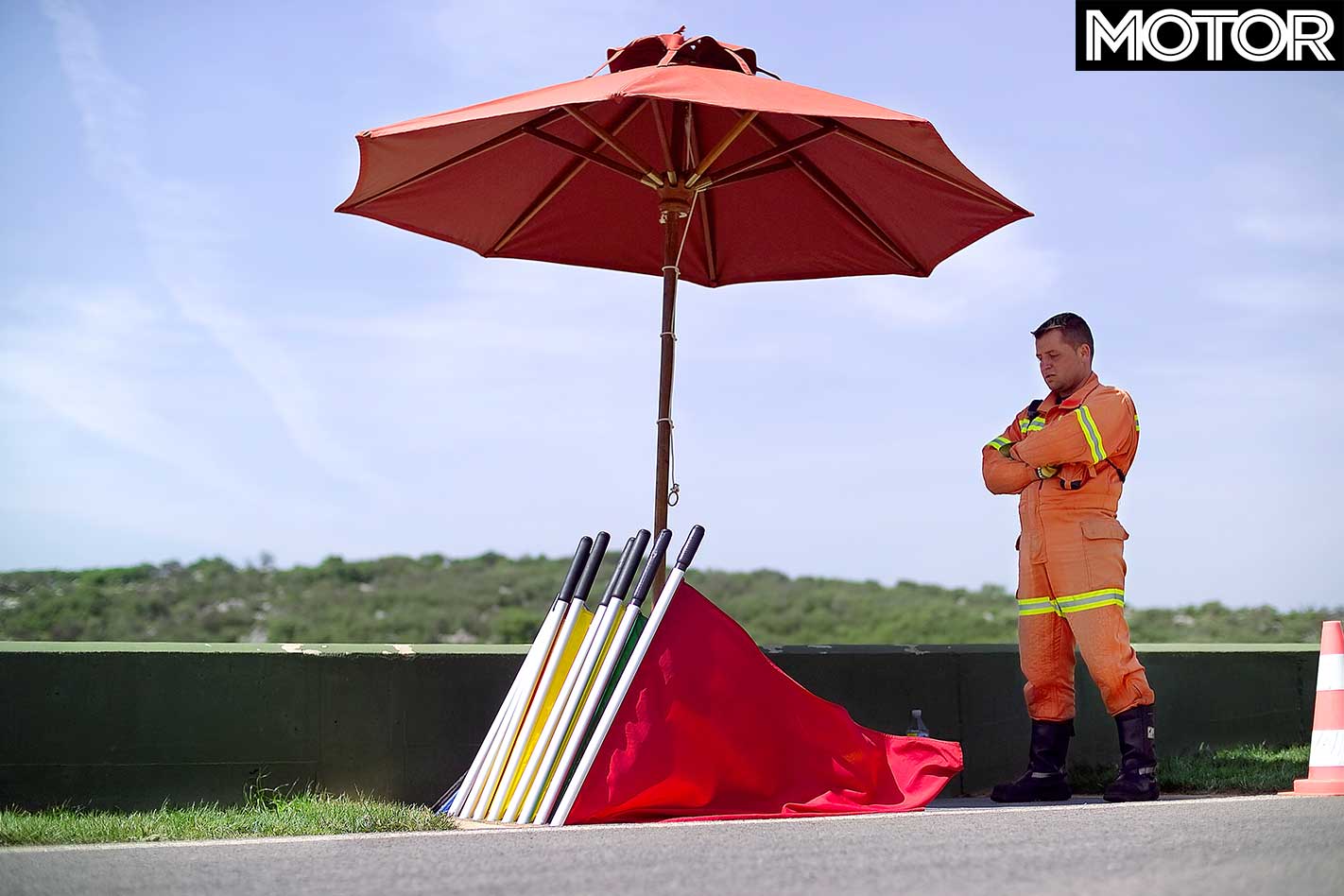
On the pitwall, I snatch a word with Geoff Harding, a British ex-pat who runs a supercar club in Spain. “Nobody has ever been here and not said ‘wow’,” he says. Harding reckons that the Resort’s strength lies in the purity and simplicity of the concept. “He [Klaas Zwart] did it because he wanted to do it.”
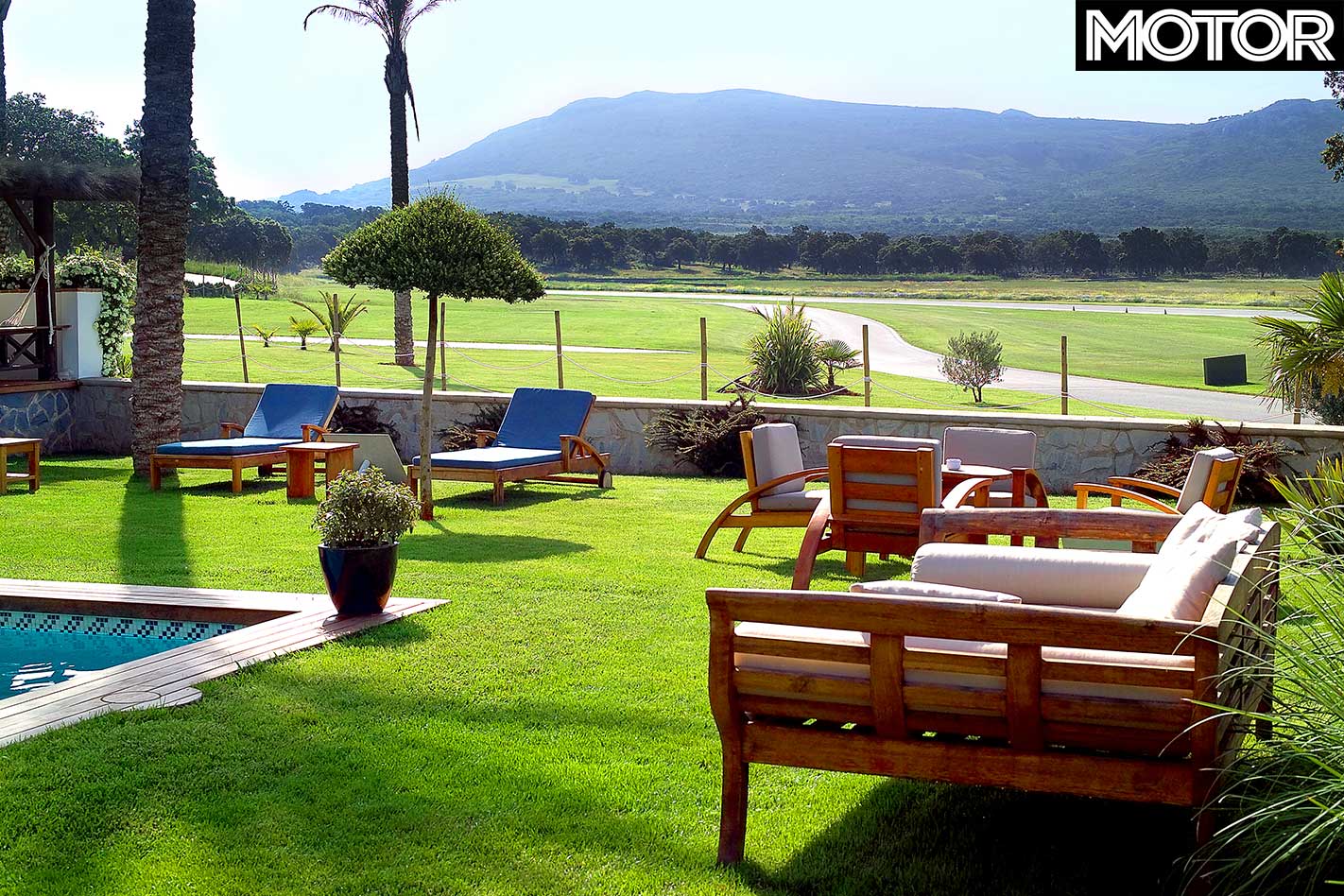
When the action’s over, I’m taken on a tour of the rest of the facility. The ‘Race’ element is just about complete but the ‘Resort’ is just taking shape. A traditional Andalusian Cortijo – think fancy cottage with a pool – will have been joined by a hotel by the end of 2008. It will be to a six-star standard with just 32 individual suites available at a cool $3400 a night.
The hotel’s piece de resistance will be a swimming pool with its own microclimate – guests will enjoy hot air on cool days and cold air on hot days.
More entertainment is planned. There’s already an off-road track populated by hilarious bike-engined buggies and before long there’ll be a golf driving range and clay pigeon shooting. What there won’t be, though, are neighbours. The Spanish ministry of defence own the adjacent land. “There are lots of landmines and now and again you hear the thud of a sheep being blown up,” says Finlay.
As the members clamber back into their exotica and return to their no doubt palatial villas, it’s impossible not to feel a gutful of envy. At first glance, the $211,000 joining and $8500 annual maintenance fees look extraordinarily expensive, but membership is for 30 years.
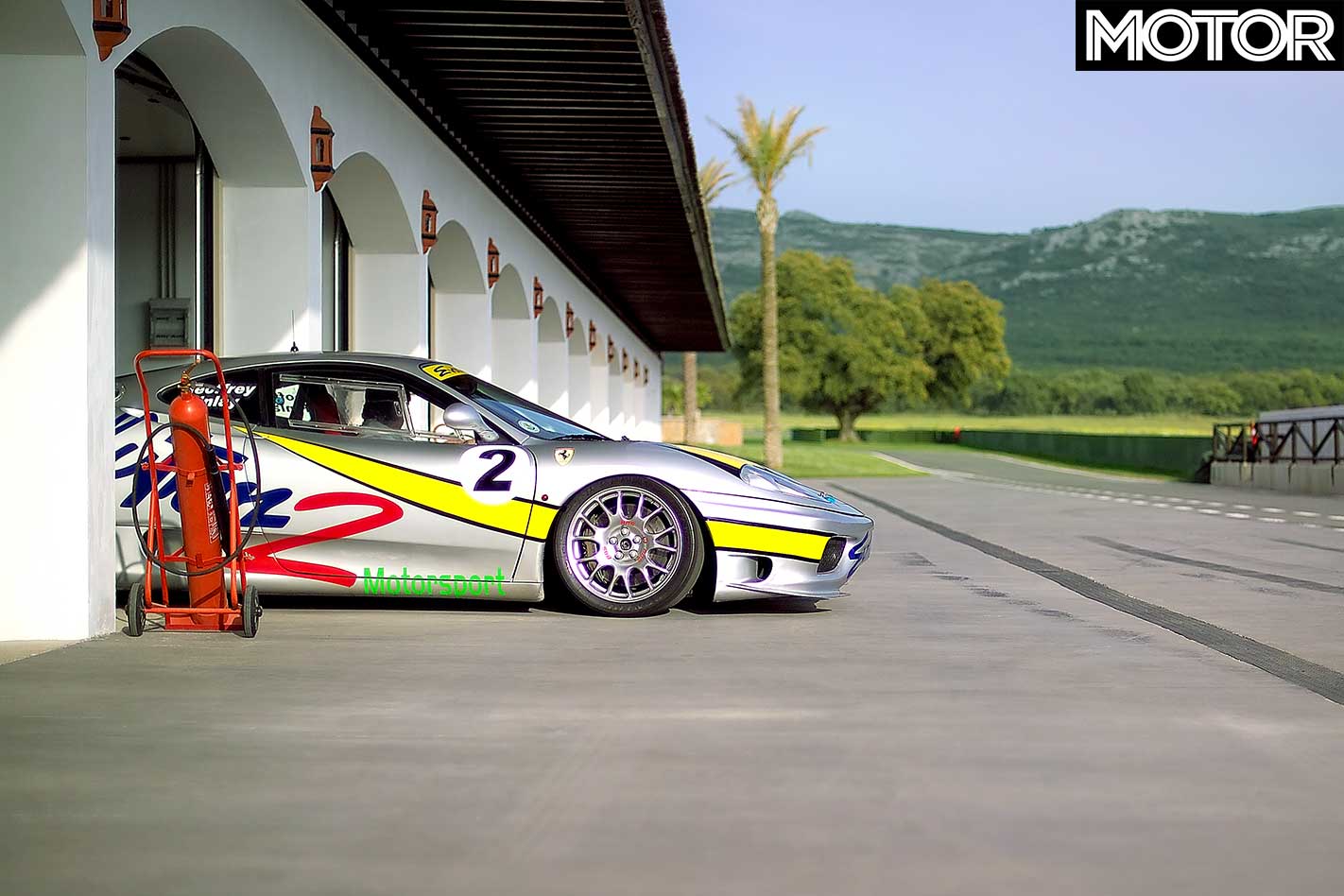
Total up the cost of a hundred track days a year for three decades and it starts to look like decent value. You’ll never be faced with a queue and instead of the usual trackside offal burger, you’ll be fed the finest cuisine.
The Ascari Race Resort could never be described as anything other than a huge indulgence. It is a fantasy island for motorsport enthusiasts with both the time and the money to explore their passion. It’s utterly bizarre, but utterly compelling. The world of the gentleman racer has never seemed so appealing.
Ascari KZ1 – 387kW novelty for the wealthy
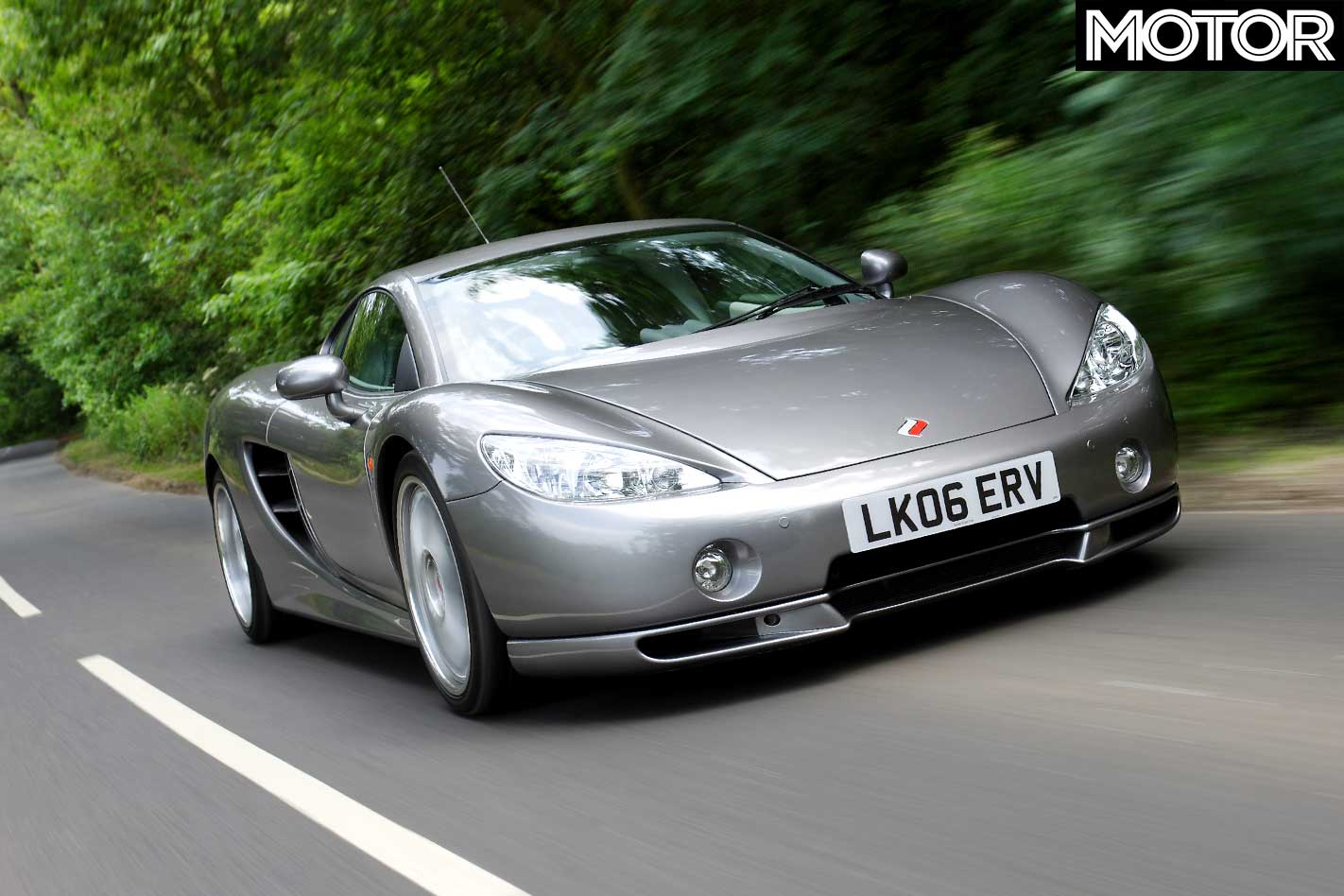
Missing from the Race Resort was Ascari’s own supercar, the KZ1. Costing the not inconsiderable sum of £235,000 ($584,000), it’s built at the Ascari HQ in Banbury, England. Each car takes four people up to 16 weeks to assemble and on our last visit we were handed the keys to chassis number one.
The KZ1 employs a carbon-fibre monocoque chassis and body panels, built by the race car specialists, Lola. It weighs just 1330kg and is smaller than a Porsche 911. In the real world, that’s a key advantage.
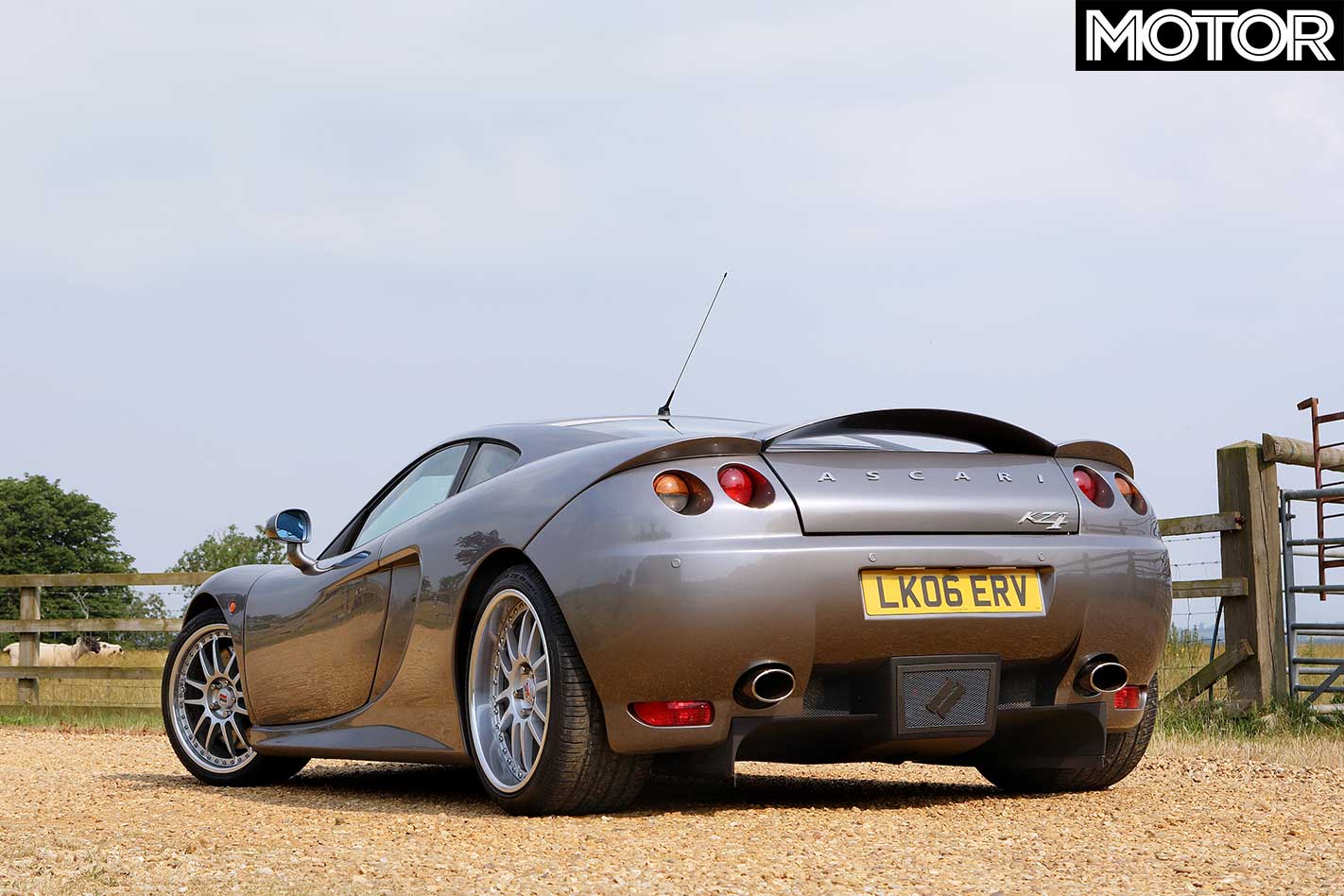
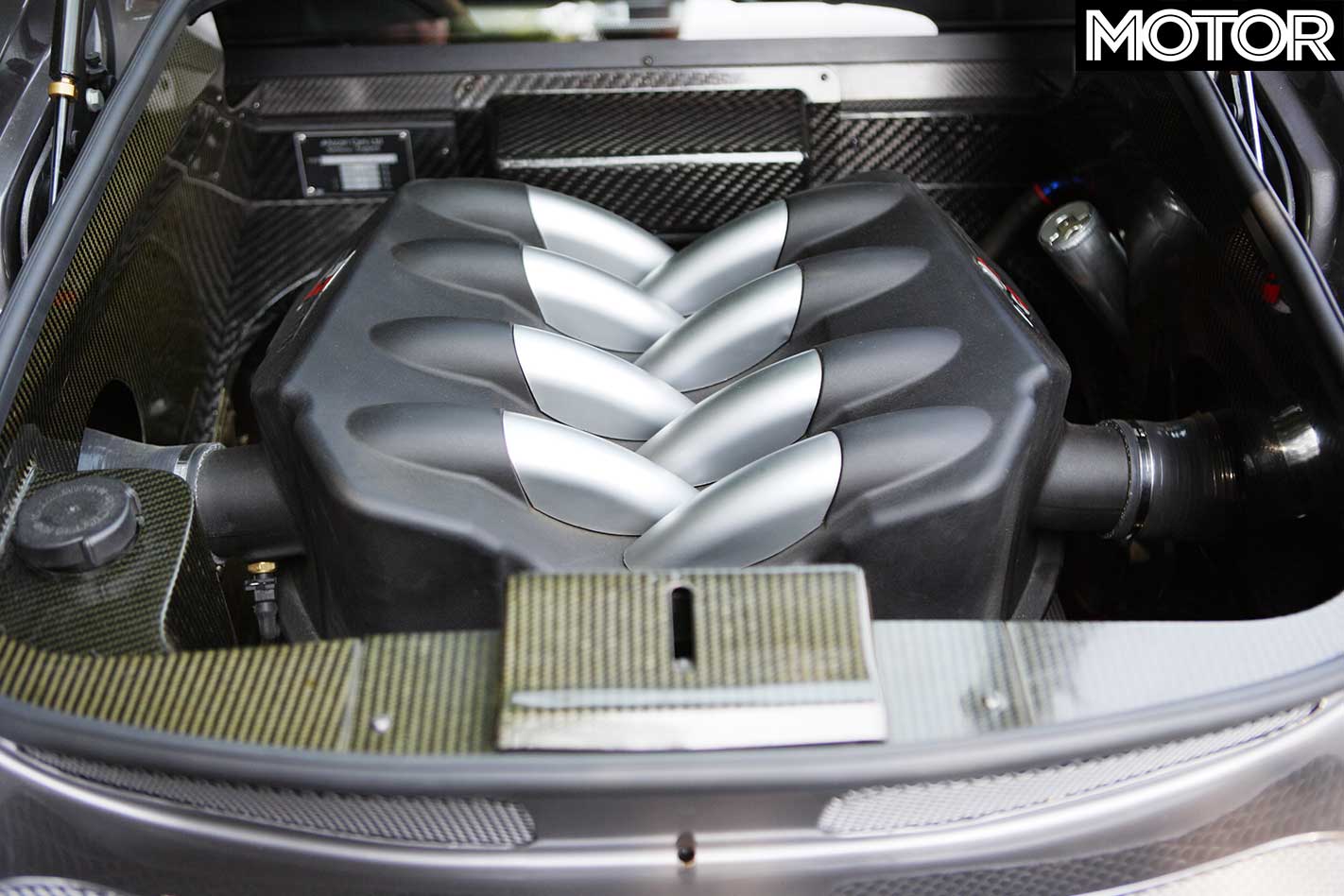
The engine is a 5.0-litre V8, sourced from the 294kW BMW E39 M5 and then tuned to deliver 387kW. The Cima six-speed manual gearbox is the same as that used in the Pagani Zonda. It has a manly, mechanical feel, although it’s irritable when cold.
Helped by the lowly mass and the traction afforded by its mid-engined configuration, the KZ1 will hit 100km/h from rest in 3.7sec and, says Ascari, top 322km/h. At high revs (above 5000rpm) the KZ1’s thrust starts to take on an otherworldly quality. This is a genuine supercar and the engine’s bark is much angrier than the BMW norm. It’s not as cultured as a Ferrari V12, but at least it has presence.
The KZ1 employs a classic set-up of unequal length wishbones and an anti-roll bar at the front and double unequal length wishbones, with an anti-roll bar, at the rear. The set-up was tuned by Lotus’s Gavin Kershaw and he’s done a fine job.
The Ascari is beautifully damped, comprising surprising comfort with a high degree of agility. The grip is prodigious and the only key concern is an ABS system that intervenes much too readily. For a car built in such tiny numbers – production will cease when the 50th car has been produced – the Ascari feels extremely well sorted.
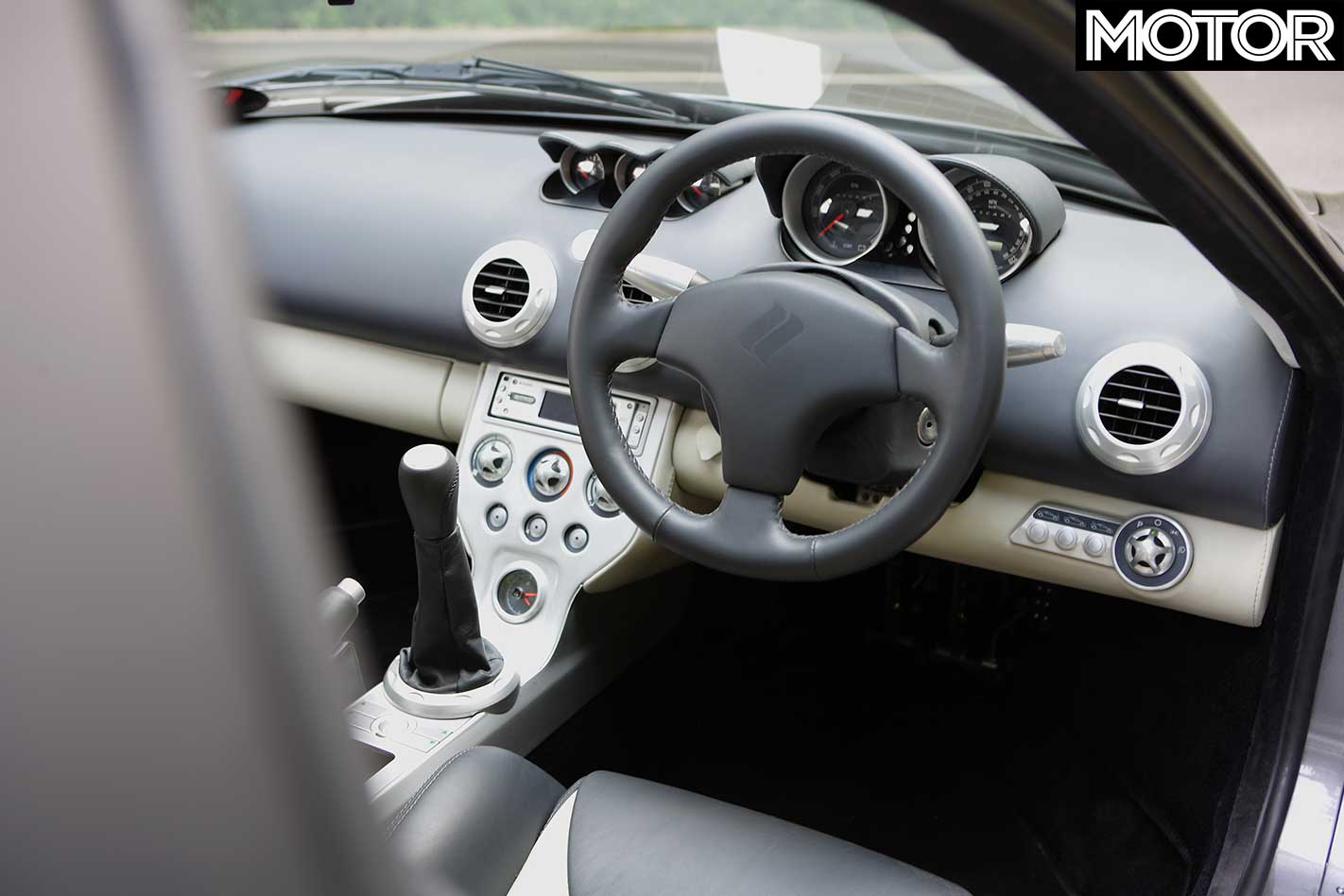
Ascari would like us to describe the KZ1 as a GT car. The interior is an opulent mix of leather and aluminium and all the switchgear is bespoke. It’s well finished but, like the exterior, it lacks a sense of occasion. The driving position is also disappointingly flawed. A straight-armed, bent-legged posture is not ideal when there’s 387kW on offer.
The KZ1 lacks the depth of quality or the sheer desirability of Ferrari’s 599, but in many ways the comparison is fatuous. Ascari’s customers will most likely already own a Ferrari, a helicopter and maybe a jet. For them, the KZ1’s novelty and exclusivity will be the primary draw.
Some will also be looking to add the new Ascari A10 to their stable. This is a road-going version of the Ascari racer that competes in European GT Championships, and it’s the car for those who find the KZ1 too soft-core. The A10’s V8 has been tuned to 447kW and Ascari is predicting a 354km/h top speed. Just 10 will be built and they’ll cost around £350,000 ($869,000). Don’t wrap mine, I’ll eat it here.
The North American International Auto Show (NAIS) is about to throw open its doors for the 2019 running of North America’s largest motor show, offering a sneak peek at some of the models we could see rolling out Down Under in the coming months.
Maybe it’s the frosty conditions or a global shift in manufacturer preference, but the Detroit show has been struggling to maintain traction in recent years, with significant attention being drawn away by the Consumer Electronics Show a week before in Las Vegas.
A case in point is Chevrolet. The much anticipated mid-engined C8 Corvette will not be at the event and nor will any fresh metal from the iconic car maker. The company is yet to officially confirm the new mid-ship engine arrangement or a location for its unveiling. Even without an official word on the C8, the decision to hold back on new model reveals at its hometown event is a surprising one by Chevy.
Cadillac will pull the covers from its latest large SUV – the XT6 – and while the model is yet to be confirmed for markets outside the US, it certainly appears to be a good fit for Australia’s automotive landscape and would be a worthy adversary (or perhaps ally) to the Holden Acadia.
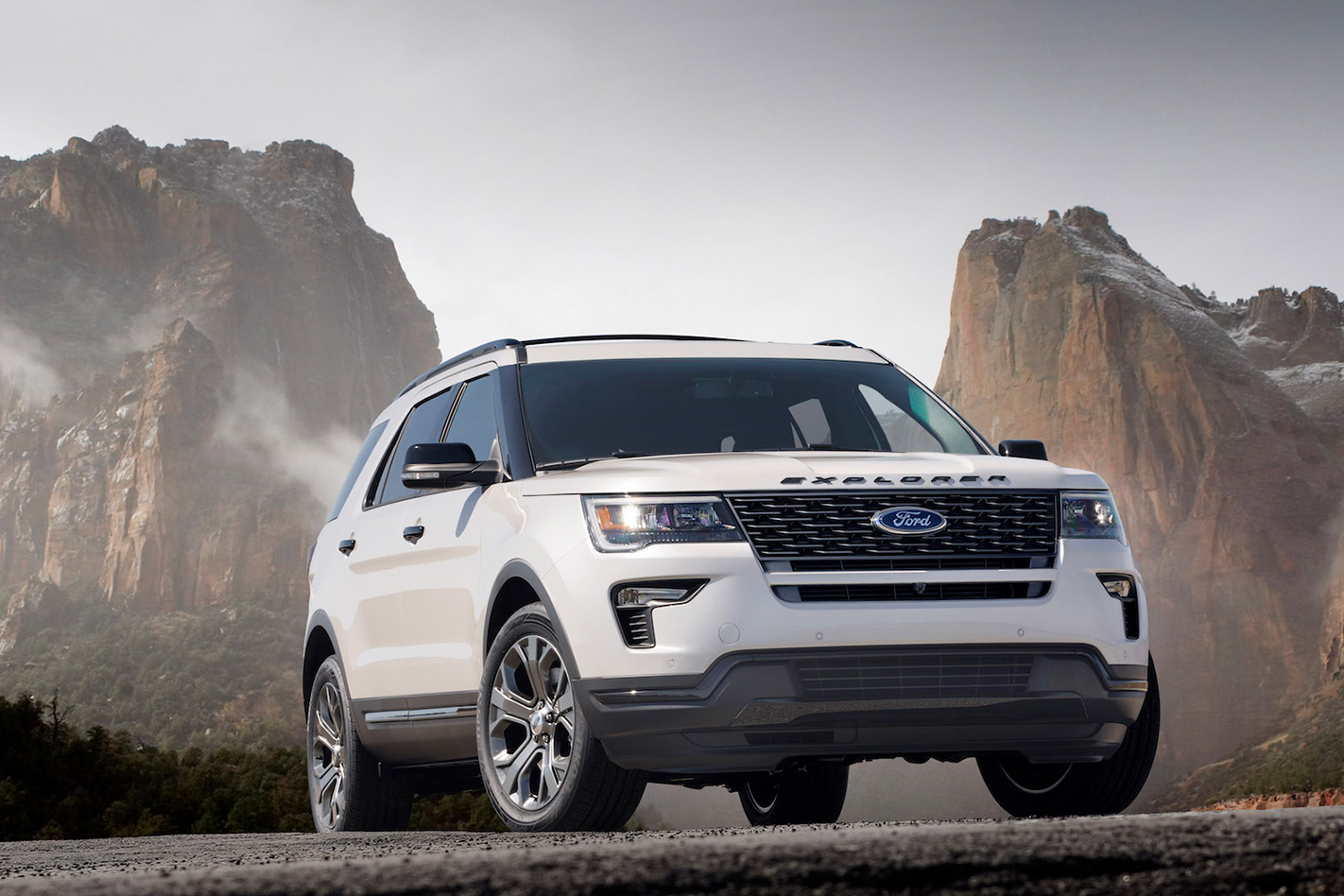
Another model that would likely win a few fans Down Under is the new Ford Explorer which has already been revealed in full, although left-hand drive only for now. It will occupy real estate on the Blue Oval stage alongside a new variant of the Mustang dubbed the GT500.
Reports suggest the Ford Mustang GT500 will have a new engine instead of a modified version of the Coyote naturally aspirated V8 that powers the regular Mustang GT . If it comes to Australia we have everything crossed that it’s a version of the insane Voodoo V8 that powered the previous Shelby GT350, which Australia was also deprived of.
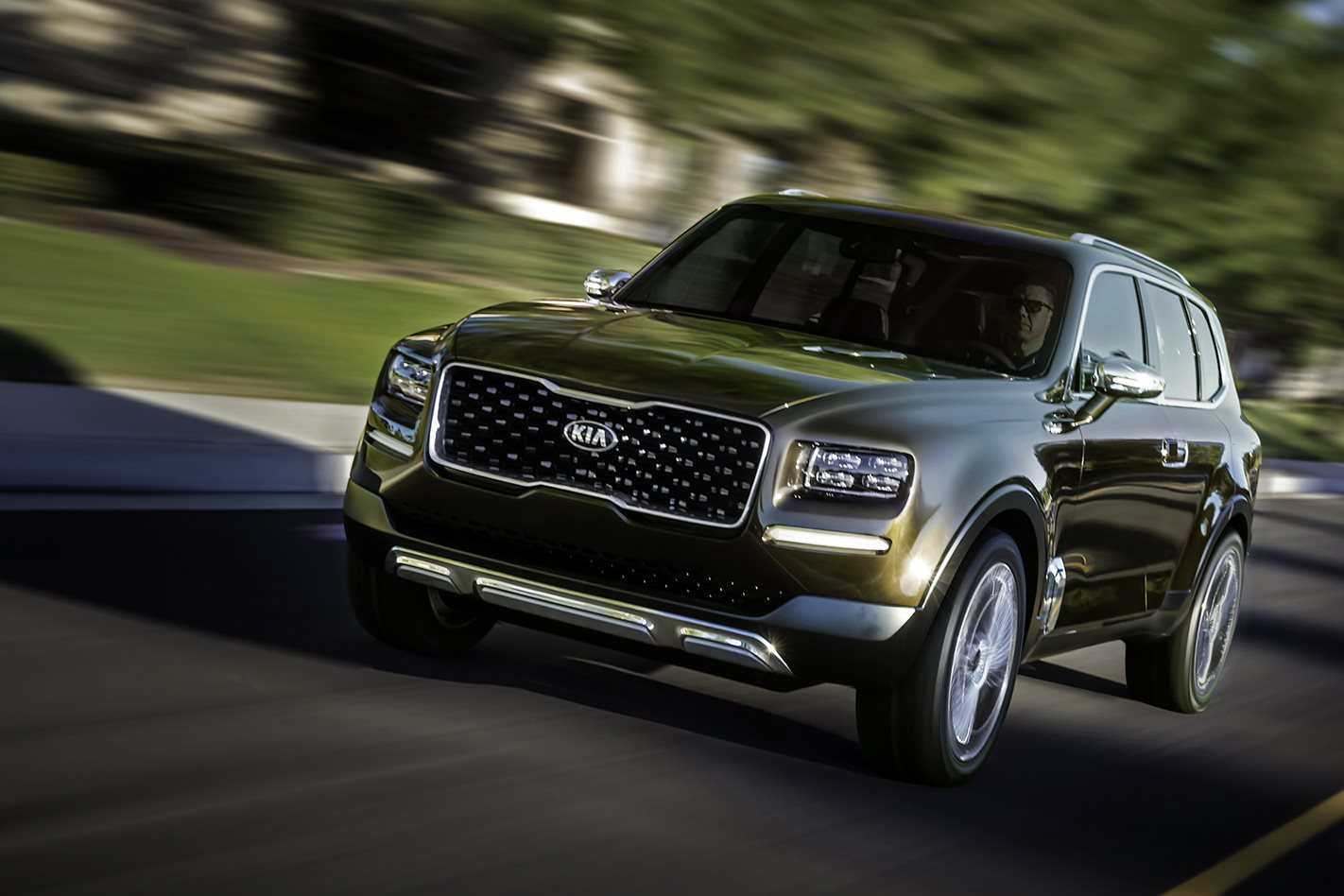
The pattern of bigger-is-better continues over at the Kia stand where the company’s Telluride plus-size SUV will make an appearance. With room for eight occupants and Kia’s rising popularity in Australia, we could see the massive wagon doing well here, however it’s understood to not be for right-hand drive markets like ours.
Lexus will have a limited presence with a no-compromise high-performance version of its RC mid-sized coupe. The RC F Track Edition has had its naturally aspirated 5.0-litre V8 wicked up to a hearty 373kW along with a number of enhancements to push its performance envelope.
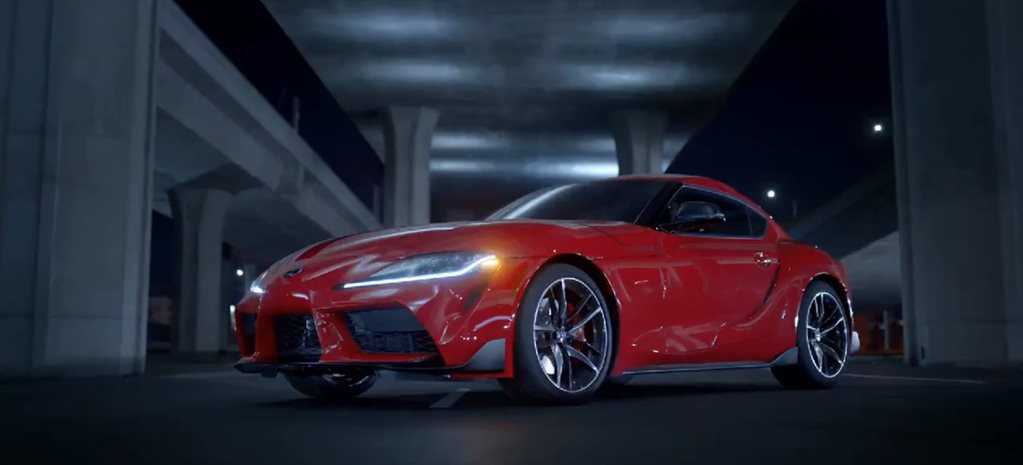
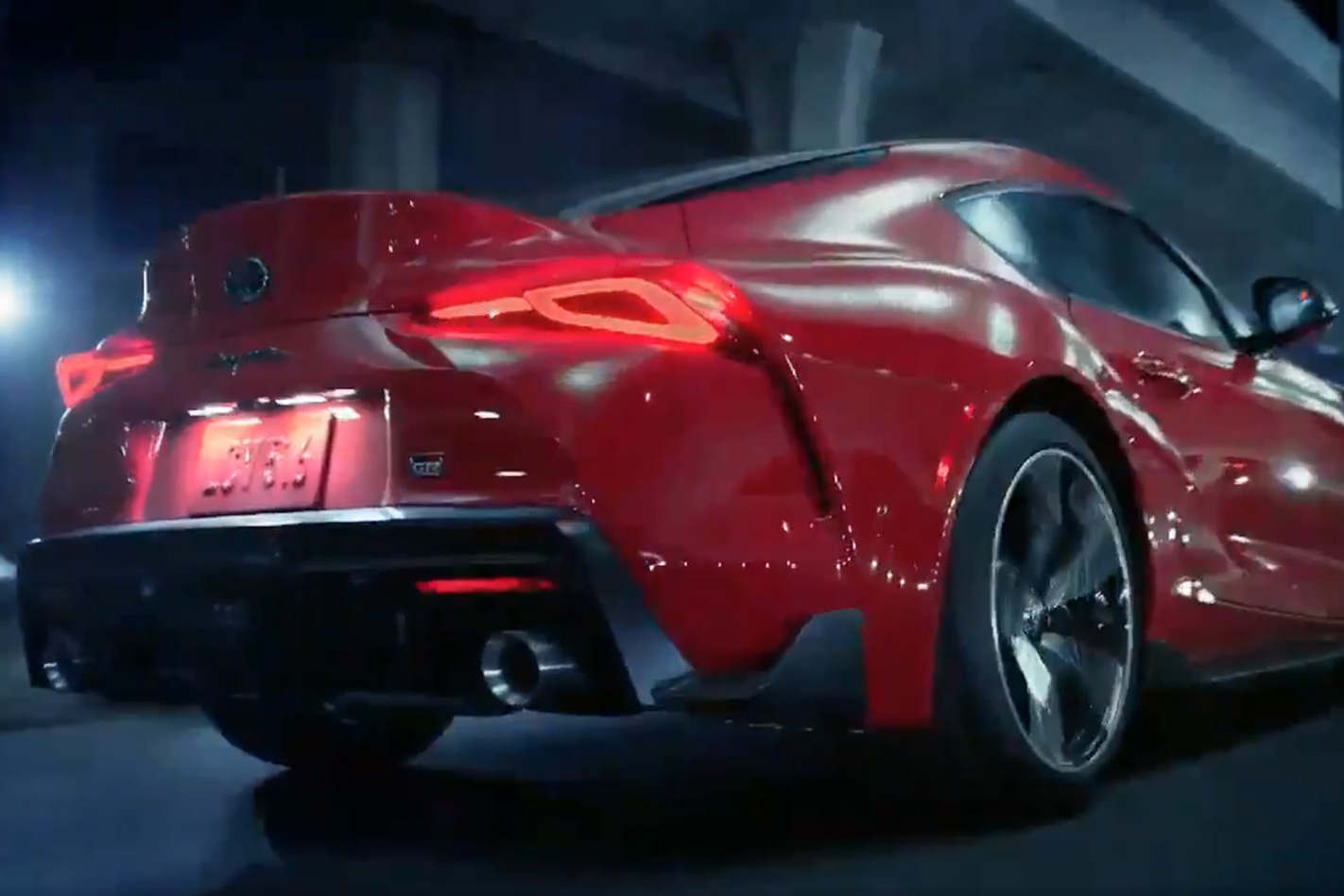
Also: whoops! After more than a year of hype, teasers and spin, Toyota was gearing up to finally unveil its returning Supra sports coupe, but the company went and spoiled its own surprise when the Japanese company’s Mexican division accidentally released the first video of the model undisguised.
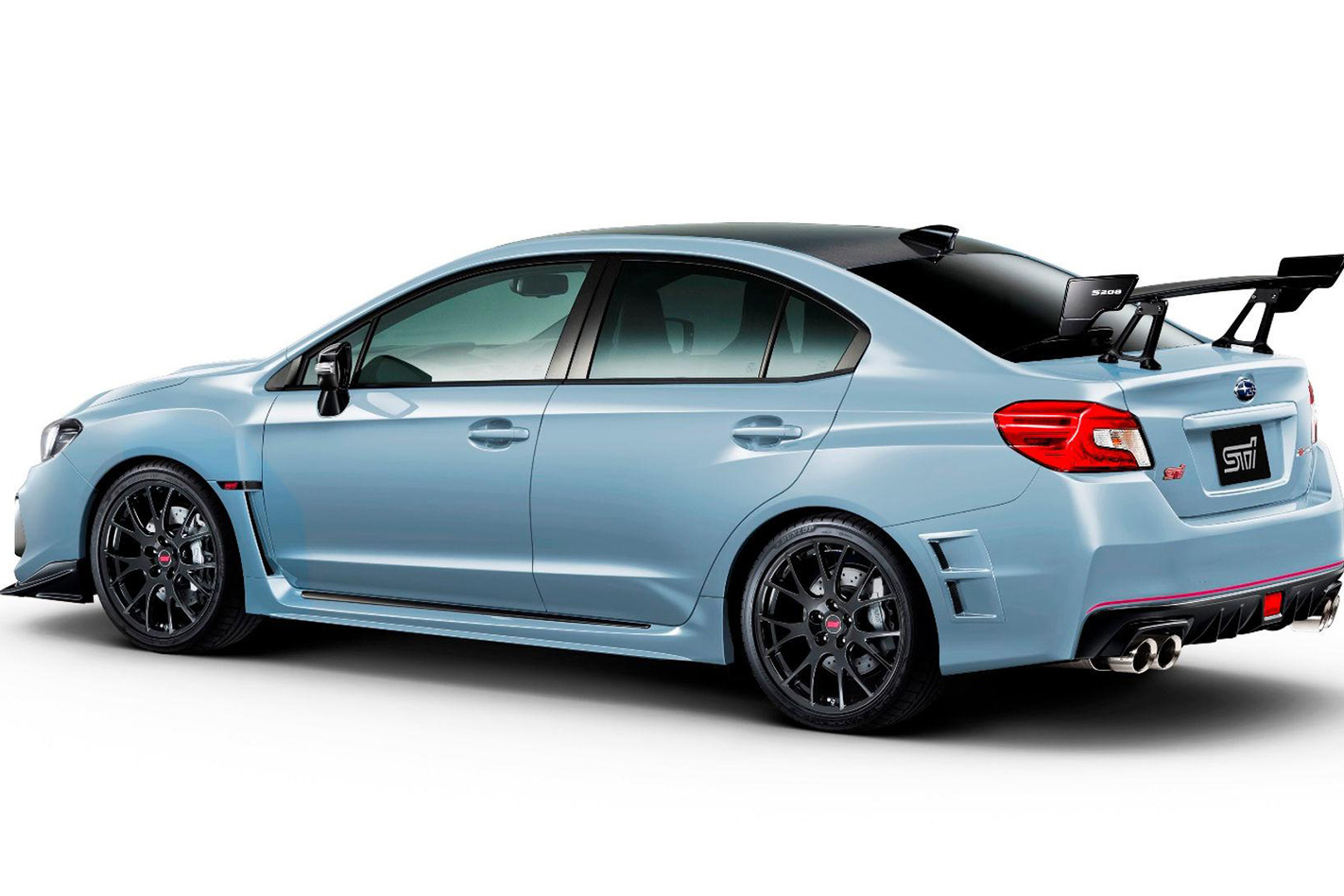
A freshened version of the ageing Subaru WRX would be a welcome sight in Australia and the S209 that’s set to roll out would be the perfect fit. Until now, the variant has only graced Japanese roads but the confirmation for America could mean it’s heading to other nations as well. Cross everything STI fans.
The Volkswagen Passat is another vehicle that has already been revealed in sketch form away from the Detroit show, but the event is expected to be ts first public appearance ‘in the metal’. Unlike many of the other Detroit debutantes, the next-generation Passat is almost certain to arrive in Australia in 2019, where the model already has a modest but loyal following.
As with every year at NAIAS, there’s plenty to see, but the shift of key manufacturers away from the winter event is clear to all – and a telling sign of the shifting auto show landscape.
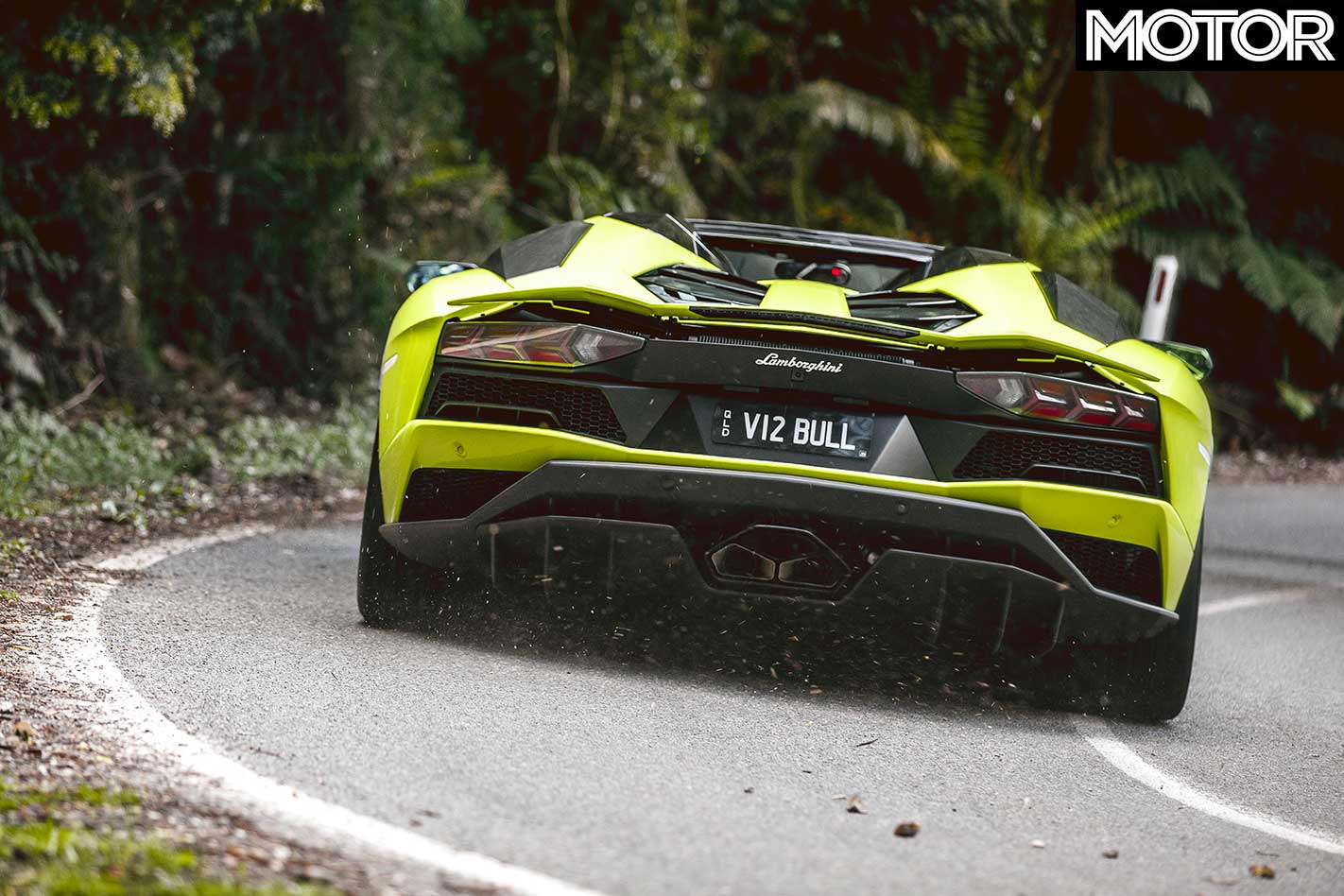
If your car was feathered, on fire, with a dinosaur riding on the roof and AC/DC blasting through the world’s loudest speakers, it would likely still turn fewer heads than a fluoro green Lamborghini Aventador S Roadster.
And in the early days of the Aventador – a car launched eight years ago now – that’s why you bought one. It was a sculpture with a whopping great V12 in the back, a car that felt as if built to do nothing but between 200 and 300km/h, one that found tight and twisty corners a bit of a chore.
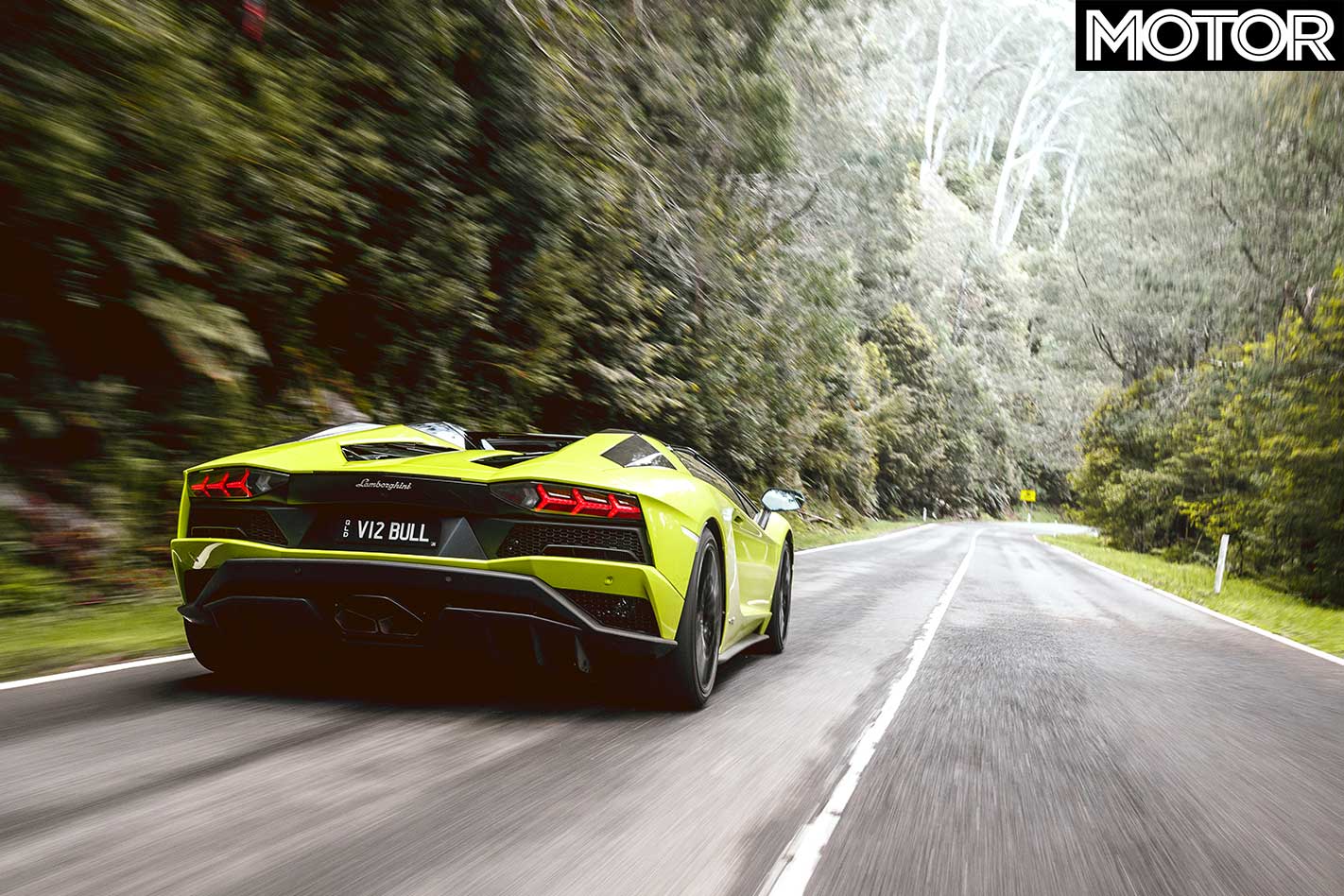
All that’s changed somewhat with the introduction of the S variants, which promise an Aventador with more poise. There’s now four-wheel steering, adaptive dampers and a revised all-wheel-drive system that can send up to 90 per cent torque rearward for, says Lamborghini, more power oversteer.
Meanwhile, that riotous 6.5-litre atmo V12 has also had a tickle, power up 30kW to 544kW at 8400rpm, 150rpm higher than the previous droptop Aventador. Lambo also says the much-maligned roboticised manual is smoother and quicker.
Compared to the Aventador S coupe, the Roadster cops a fairly modest 50kg weight penalty, is 0.1sec slower to 100km/h (now three seconds dead – what a slouch) and the top speed is the same, a hair-thinning 349km/h.
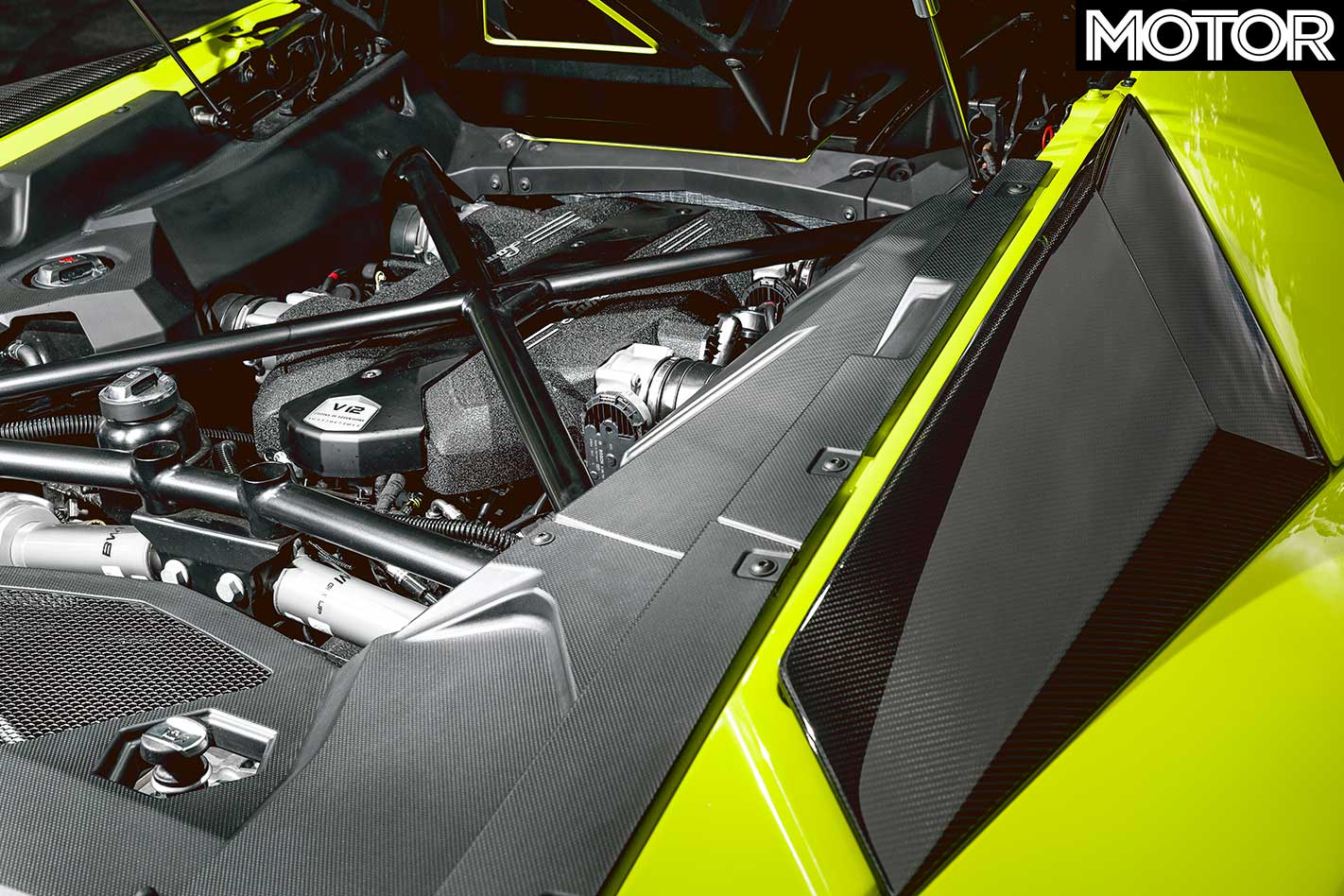
With the two targa-style roof panels manually removed and stored compactly in the ‘frunk’ (at which point there is basically no luggage space other than the passenger footwell), the Aventador S Roadster is one car that takes your breath away just parked in front of you. Can you buy a more extroverted-looking car than an Aventador? I don’t think so.
I would struggle to name one higher on drama, too. Lifting the scissor door and slinking inside, the V12 whirrs loudly to life via the red starter button on the centre console – a crisp, exotic sound unfiltered with the roof off.
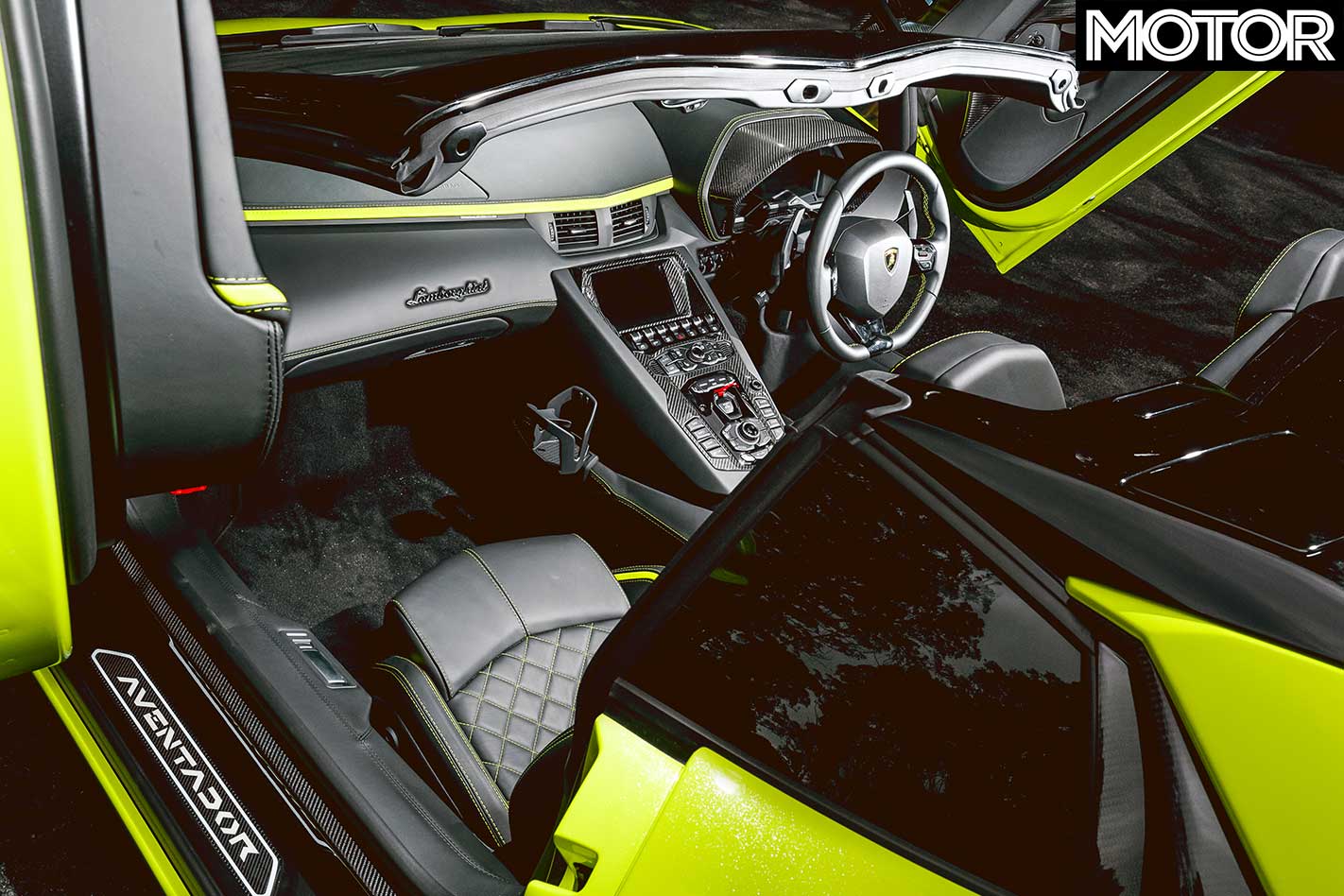
The Aventador continues to be initially terrifying in traffic owing to its great width, price and blind spots, and the fact everyone is looking straight at you. Old Audi switchgear remains all over the centre console, fortunately contrasted against the awesome TFT instrument display.
It’s quite an impractical car, with some low-speed refinement quirks such as clutch judder on engagement and the laboured, slow upshifts. Fortunately the ride is much better thanks to the adaptive dampers.
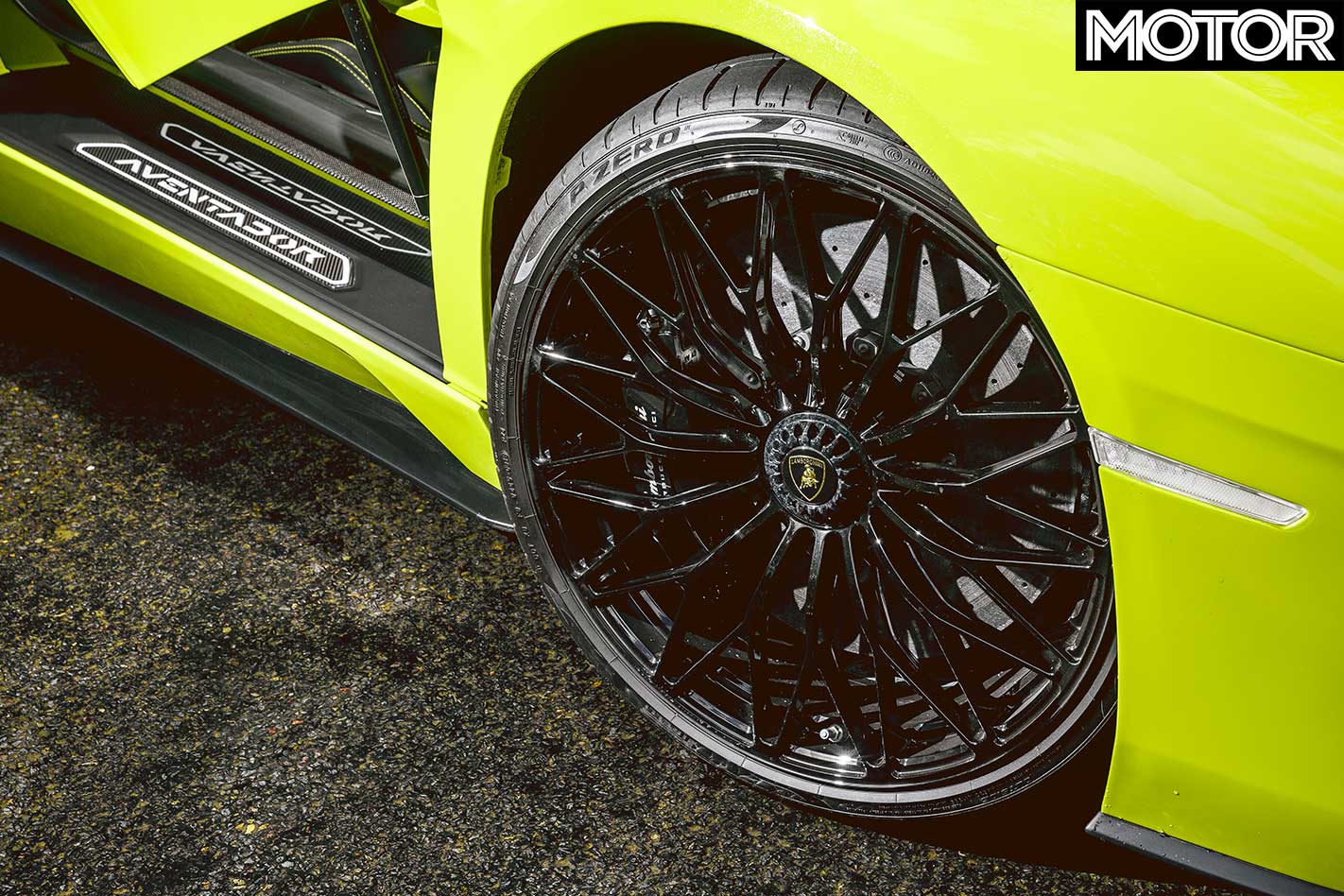
Boot the big S Roadster and you are summoning one of the wildest and most distinctive engine notes in the business. It’s how-is-this-legal loud, the big V12 wailing crisply like an old F1 car. The overrun crackles and booms to the point of bordering on insanity – you can feel it through your heels on the floor.
Full throttle in the Aventador S Roadster remains its number one party trick. Acceleration is obviously outrageous and the shifts, particularly in max-attack Corsa mode, brutally fast. Although, it has to be said, with cars like the 488, 720S and GT2 RS, another league of acceleration now exists beyond that of the Aventador.
Hammering along a twisty road, the Aventador sounds like an evil spirit whooshing through the forest looking for lost souls to take to its lair. And thanks to the S treatment, the Roadster is now an Aventador you will want to take beyond the usual urban habitat.
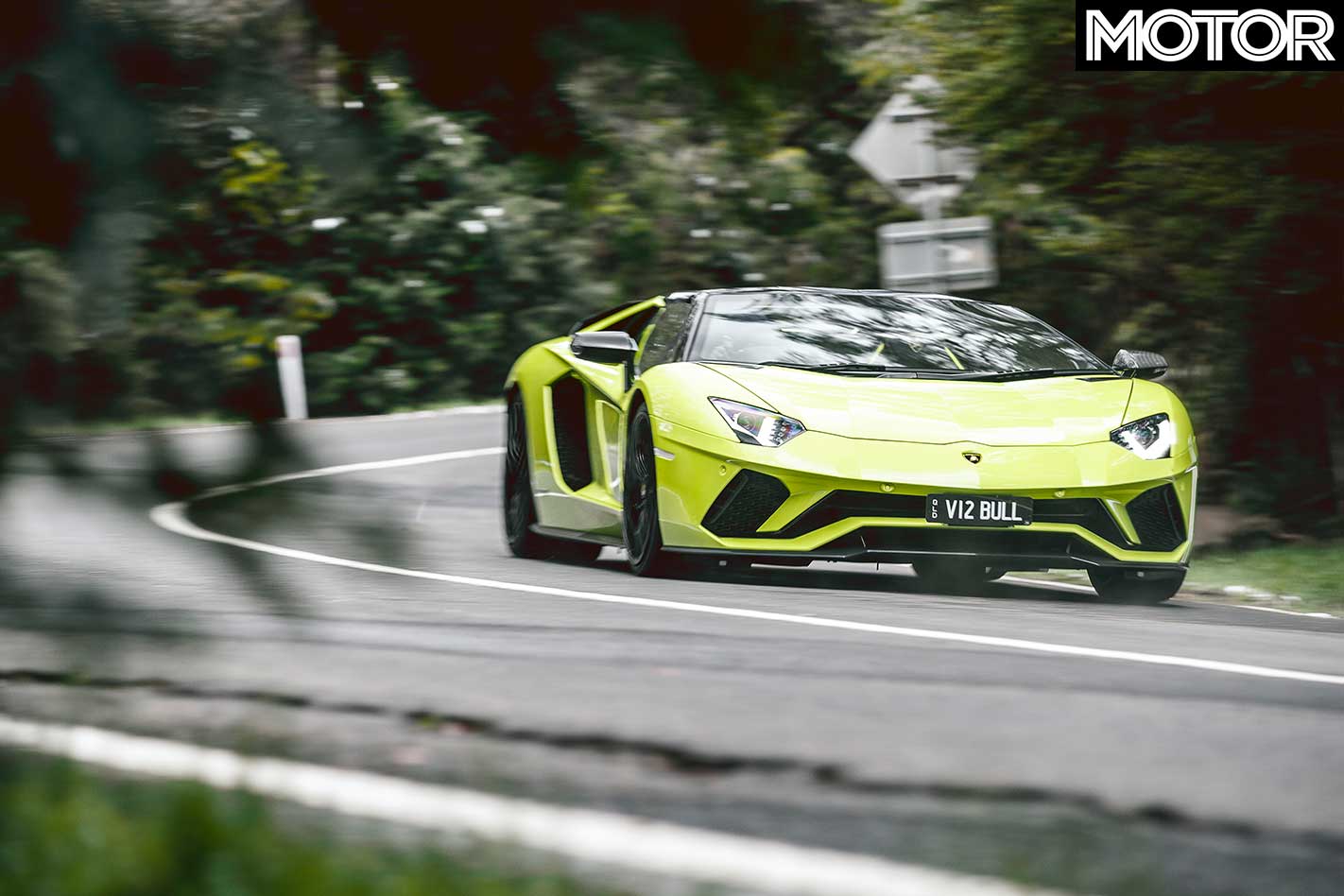
It’s still a big, wide car with a huge footprint, often tricky to place, but dig in and it sits flat with huge grip. The front end is still somewhat forgettable, with not much steering feel, but the S Roadster is fun to belt up a twisty road – if still not the most precise tool in the supercar shed, and always a tad difficult to trust.
This is not really a car whose rear end you tweak with the brakes into corners; nor one you freely deactivate ESP and explore power oversteer. But it wants to be driven harder and deeper into corners – which couldn’t be said of early Aventadors that got upset if you tried as much.
For all its new handling enthusiasm, the Aventador S Roadster still feels made for the highly populated urban strip, attracting unbelievable attention – certainly more than any other car. Feathered or otherwise.
2019 LAMBORGHINI AVENTADOR S ROADSTER SPECS
- Engine: 6498cc V12, DOHC, 48v
- Power: 544kW @ 8400rpm
- Torque: 690Nm @ 5500rpm
- 0-100km/h: 3.0sec (claimed)
- Kerb Weight: 1625kg (dry)
- Price: $825,530
THE HUMBLE Toyota Yaris isn’t what most people would consider a natural starting point for a World Rally Championship winning race car, but Tom Fowler isn’t most people.
Fowler is the technical director at Toyota Gazoo Racing WRT, and is responsible for transforming the Japanese manufacturer’s humble hatch into a world-beating racer in a category known for iconic cars such as the Subaru Impreza WRX STi, Mitsubishi Lancer EVO, Lancia Delta Integrale, and Audi Quattro.
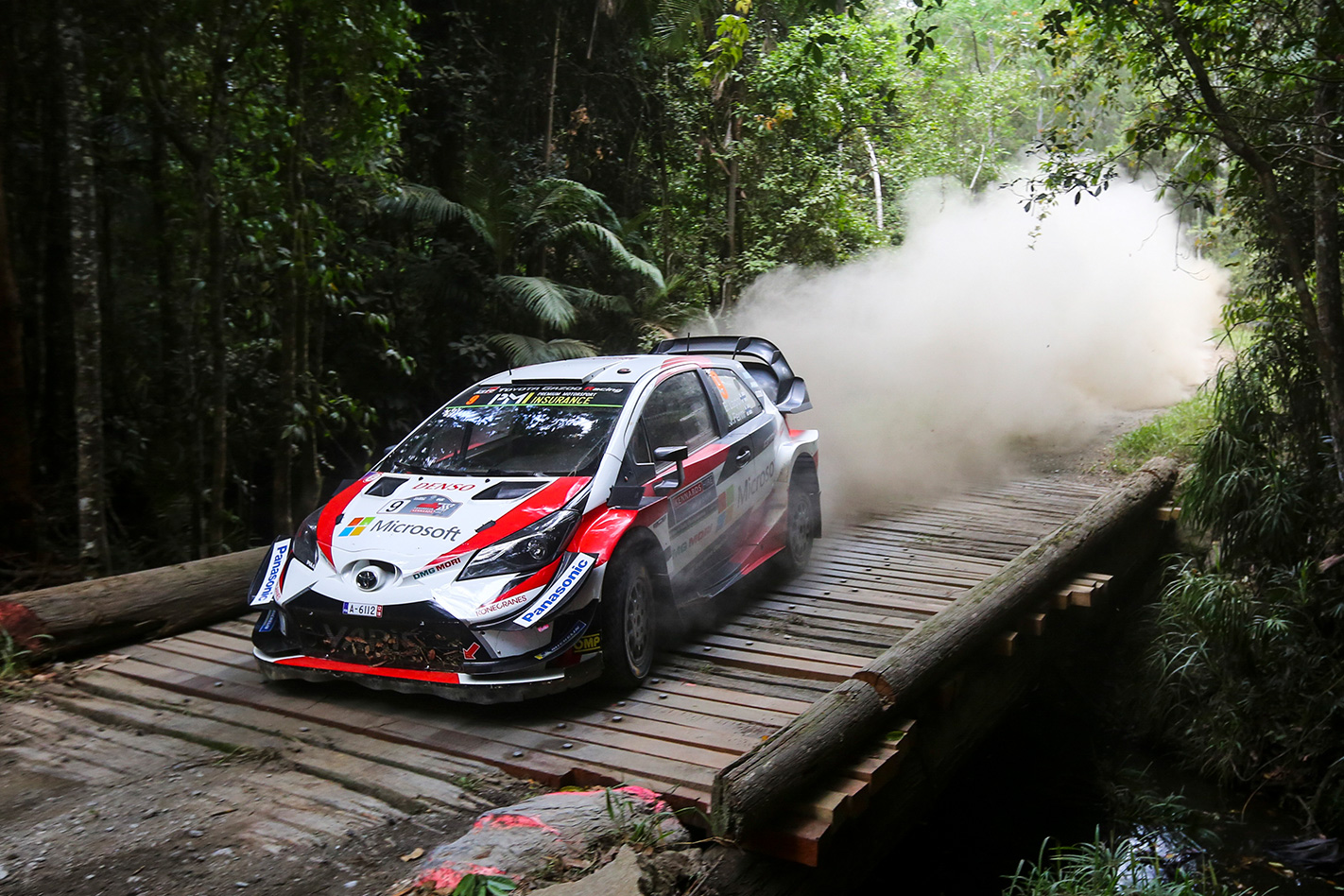
Wheels chatted to Fowler to better understand how he and his team create the fearsome forest monster that won last year’s manufacturer’s title.
“The starting point is to review the base road car that we start with,” he explains.
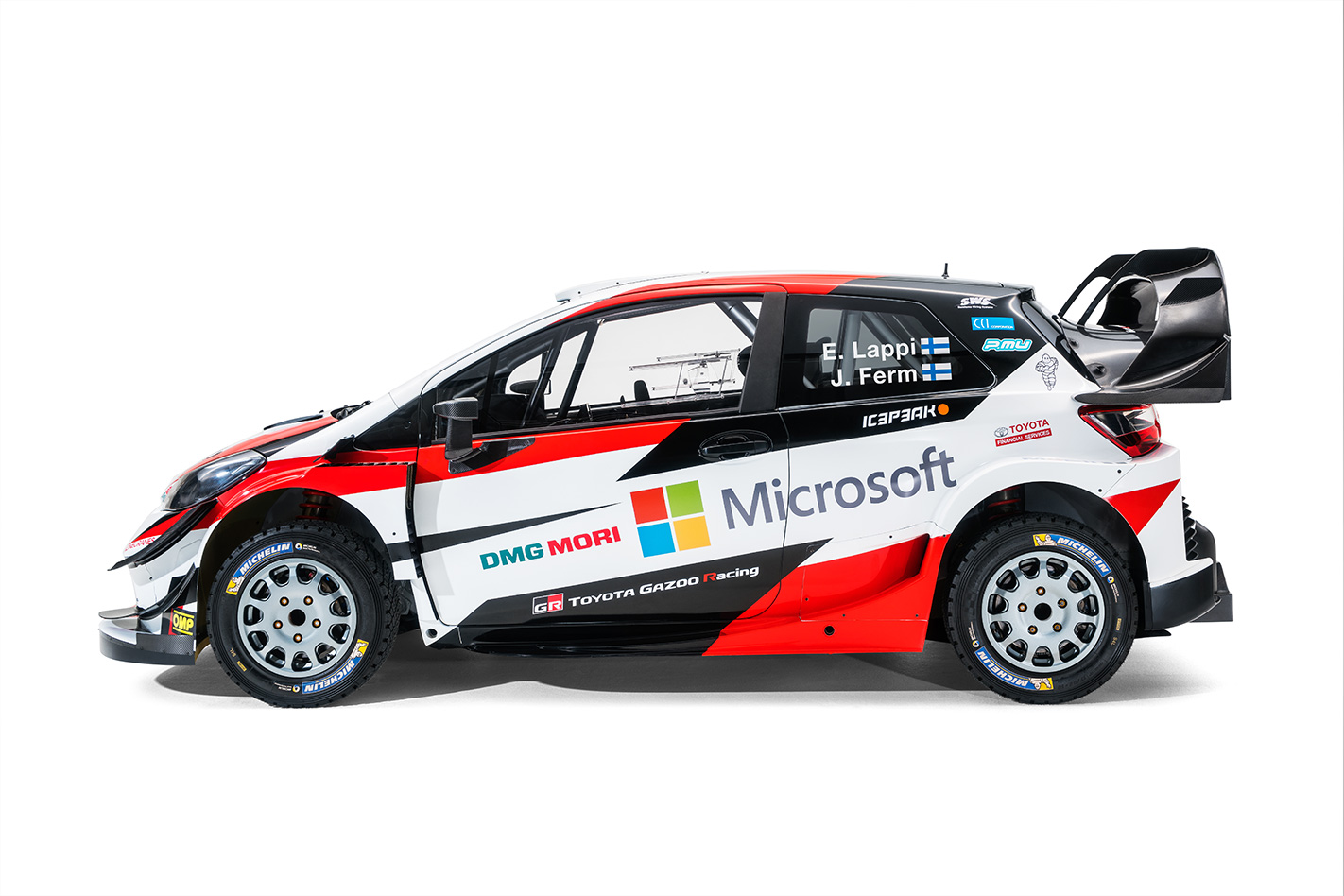
“We have a good look at the regular family roadgoing Yaris from a CAD perspective but also a real car perspective to get a starting point for what you are dealing with and what are going to be the difficult areas and the areas you can exploit with the original car to make the best rally car possible.”
Fowler says the car’s relatively diminutive dimensions give it an advantage on the world’s toughest rally stages, but provides a packaging challenge in terms of design.
Some might be surprised to hear the Yaris WRC doesn’t use a completely bespoke chassis. Instead a showroom-spec Yaris’ chassis forms the basis of the racer, albeit with major modifications.
“By regulation it is known as a production-based chassis. That means when we say chassis it is just the shell or ‘body in white’,” Fowler says.
Toyota announces factory Gazoo Racing Australia team
“That has to be an original production road car chassis that comes from the production line.
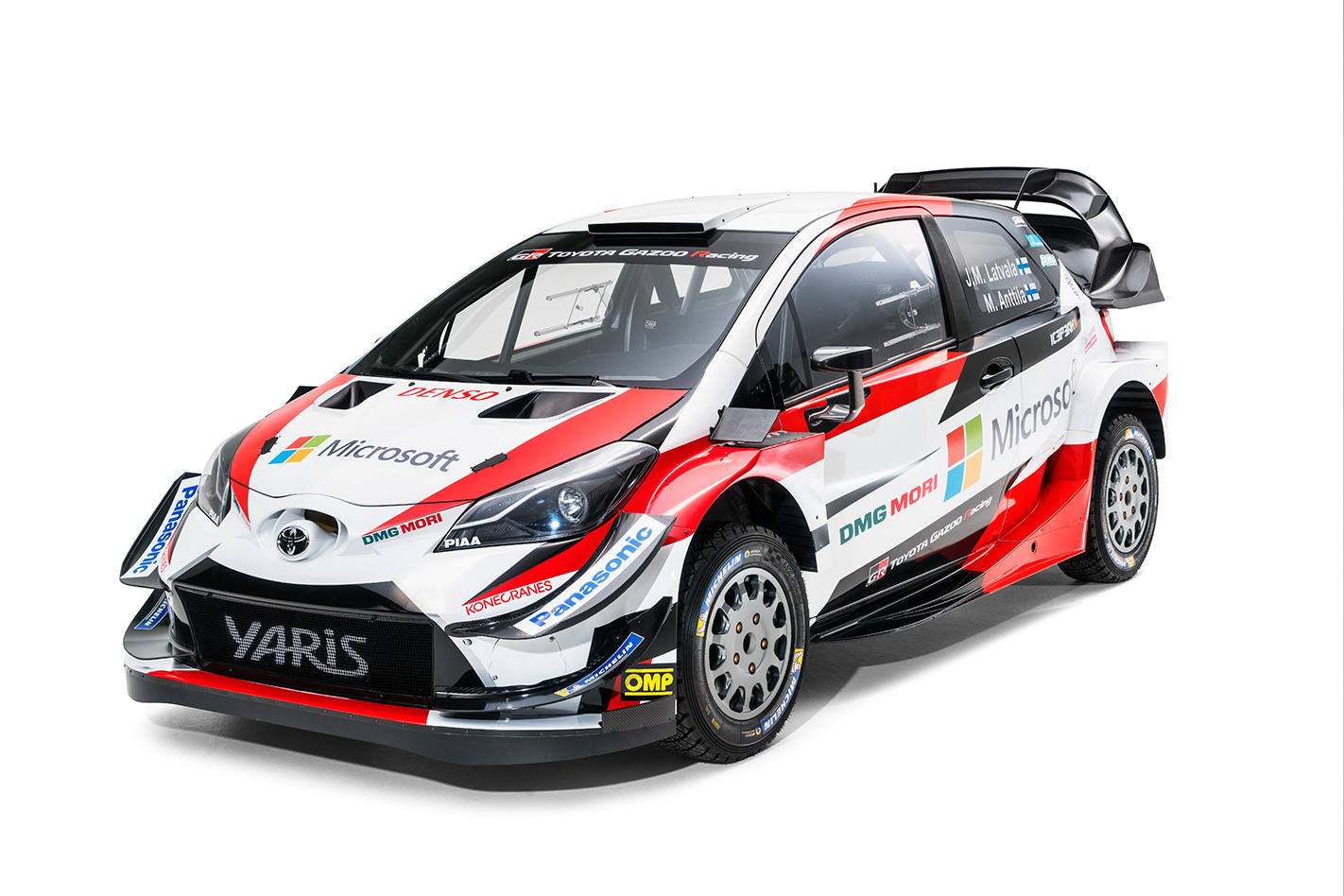
“From a practical point of view we don’t start with a whole car because we would only disassemble it anyway.”
While the roadgoing Yaris delivers power to the front-wheels, the WRC version has four-wheel-drive, with three differentials. Fowler and his team perform a considerable amount of work to allow the new transmission, along with a fully bespoke engine, to be installed.
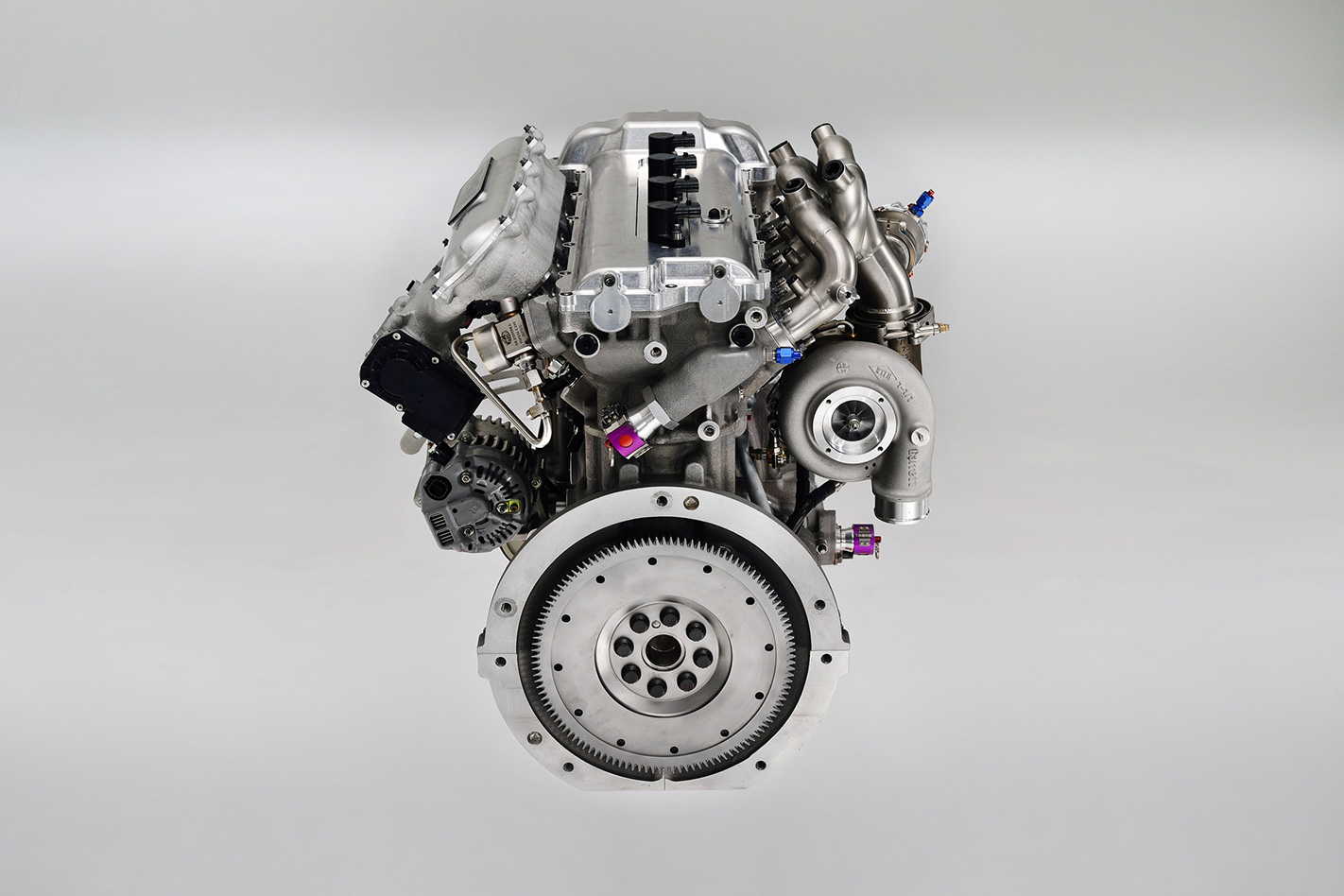
“We have the body of the car delivered to us from the production line, and then there is a lot of work to even just change the chassis, the steel parts of the car, into the rally bodyshell,” he adds.
“This is because we have a huge amount of safety structures we need to instal first of all, and then all the modifications for the engine installation and four-wheel-drive installation. It takes two months to make one bodyshell into a WRC bodyshell. That’s just the welding shop.
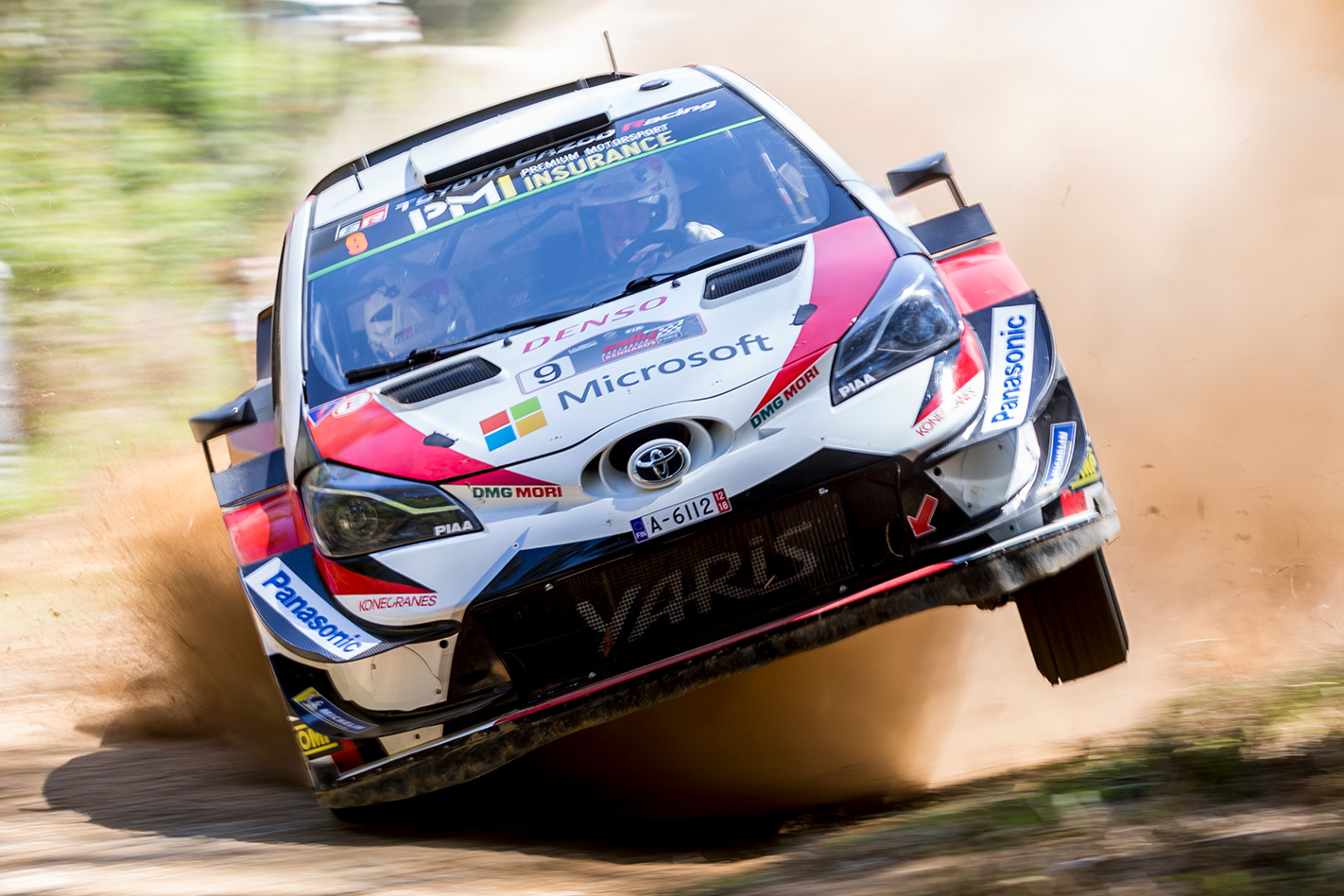
“It is quite difficult to imagine how much we remove until you see it in person in the shop.”
Next is the suspension, which needs to survive being punished on some of the harshest racing surfaces in the world.
The shock and damper units at each of the Yaris WRC’s four corners are as thick as a grown man calves, with their size determined by the punishment dished out by the WRC’s notoriously tough rally stages.
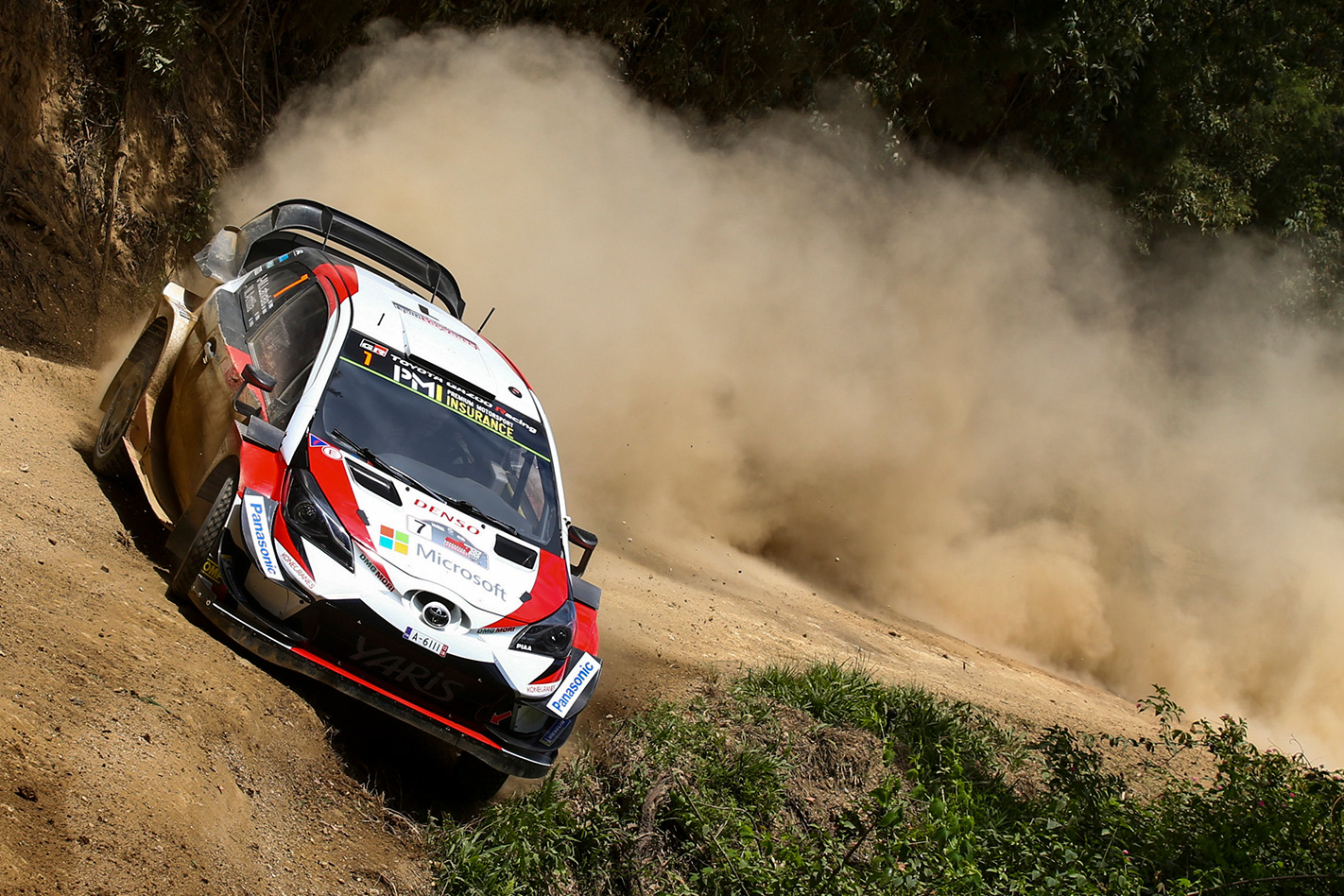
While suspension travel is a closely-guarded secret amongst WRC teams, Fowler did confirm that the team exceeds its target of 300mm. Brake diameters for racing on gravel stages like those found in Coffs Harbour are limited to 300mm.
As with the production chassis, the roadgoing Yaris’ suspension set-up gets a considerable revision during the transformation.
“The geometry is all WRC-specific, so there are some limitations based on the original road car you start with,” Fowler explains.
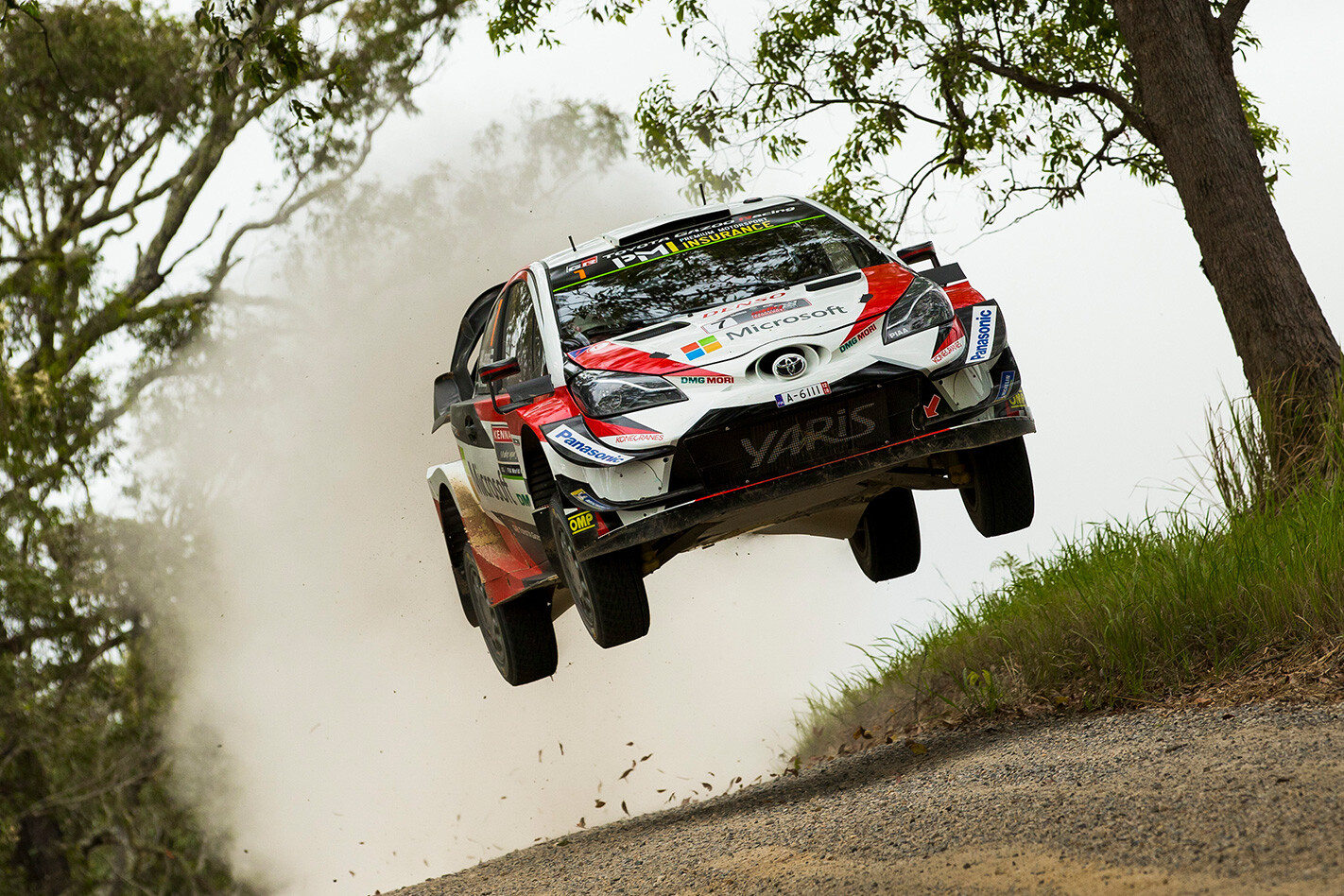
“But basically, we build a whole new suspension kinematic front and rear, which increases the suspension travel and width of the car.”
Powering the Yaris WRC is a 1.6-litre turbocharged four-cylinder, running a 36mm turbo restrictor. Toyota doesn’t release official figures, but power is in the ballpark of 283kW and torque around 425Nm, allowing the car to crack 100km/h in less than four seconds, on virtually any surface.
Co-developed with TMG in Germany, which previously ran Toyota’s Formula 1 team, the Yaris WRC’s engine is completely bespoke.
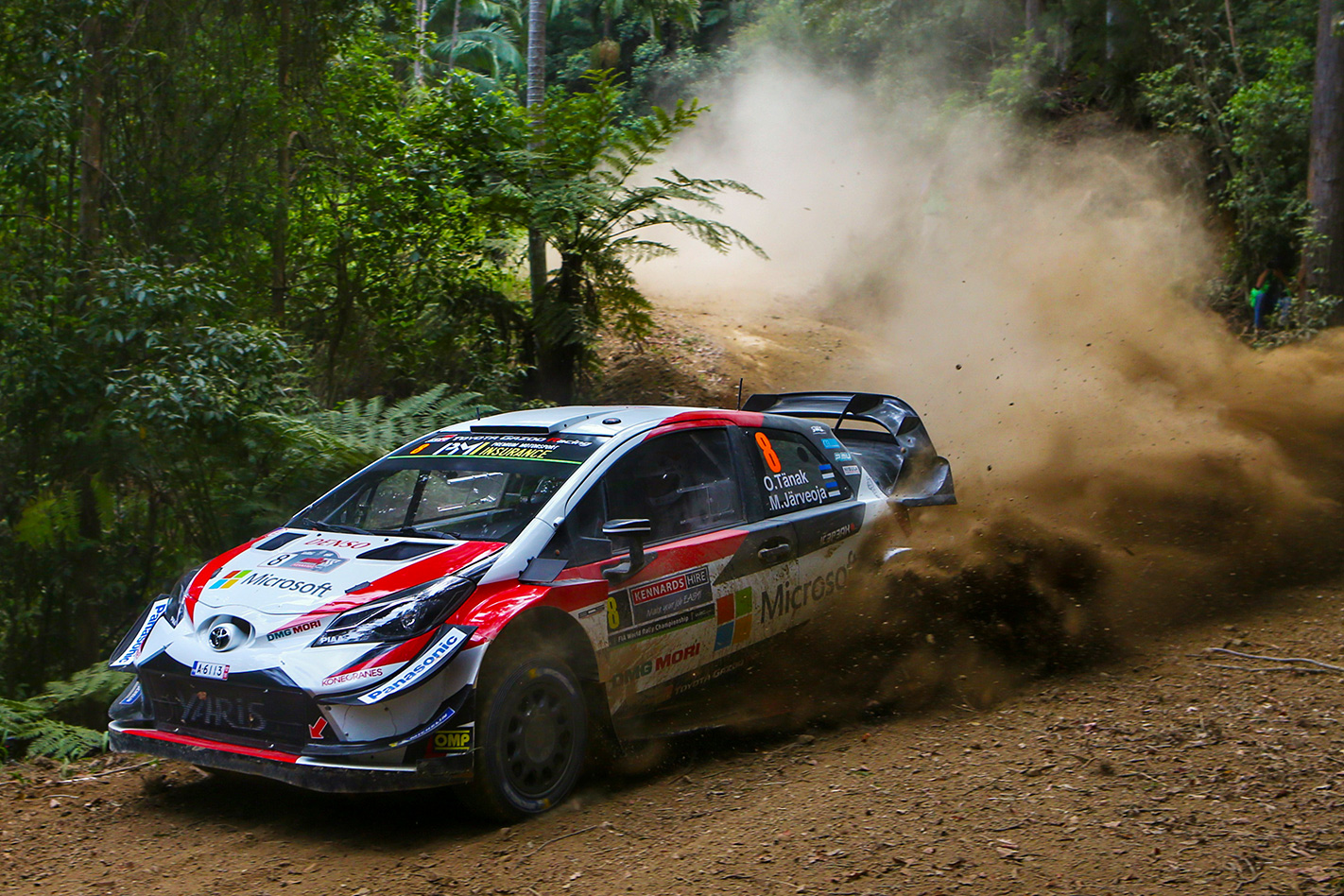
The world’s angriest Yaris will return to the world’s rally stages at the first round of the 2019 championship later this month.
Inspired by Henry Ford, Andre Citroen launched his first car in 1919 and, just 10 years later, was producing more than 100,000 cars and trucks annually. However, the Great Depression of 1929 slammed Citroen, which hung its hopes on a highly advanced new model for 1934.
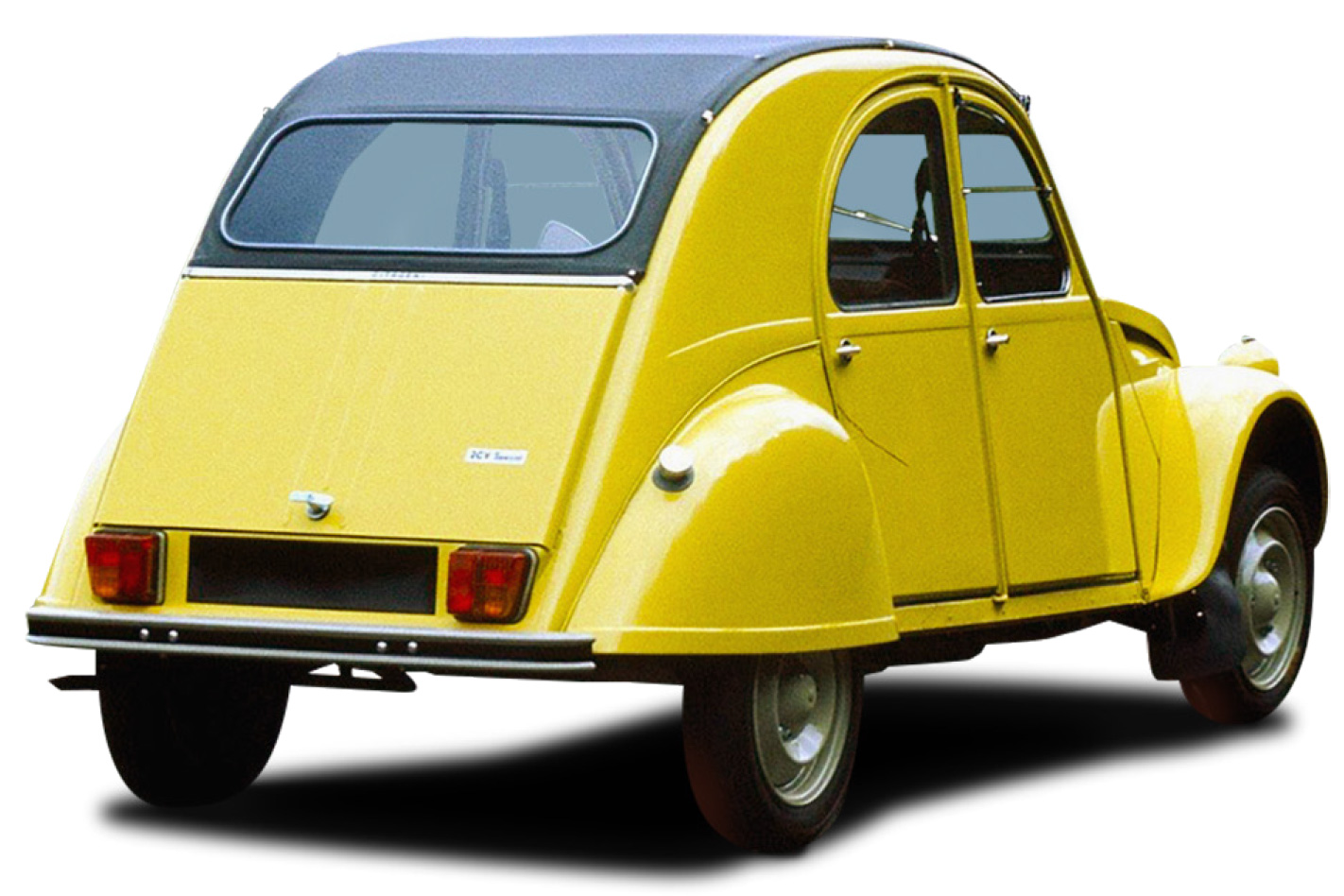
The Traction Avant would remain in production until 1957, but it came too late to save Andre Citroen, who ceded his business to Michelin in late-1934 and died in July 1935.
In 1936, new Citroen boss Pierre Boulanger laid out yet another design so advanced, it too would hold up for decades. Codenamed Très Petit Voiture (very small car), but officially ‘2CV’ (deux chevaux, for two horsepower), only 250 prototypes – with liquid-cooled, flat-twin engines – were built before World War II intervened. Production would not commence until 1949.
Brilliant (and beetle-shaped) in the way of another ‘people’s car’, the 2CV was designed to the brief of ‘four wheels under an umbrella’. The sub-500kg four-door production version had an air-cooled, flat-twin engine (initially of 375cc), long-travel suspension and removable seats. The four-speed manual gearbox was distinctive for its horizontal ‘umbrella handle’ gearshift.
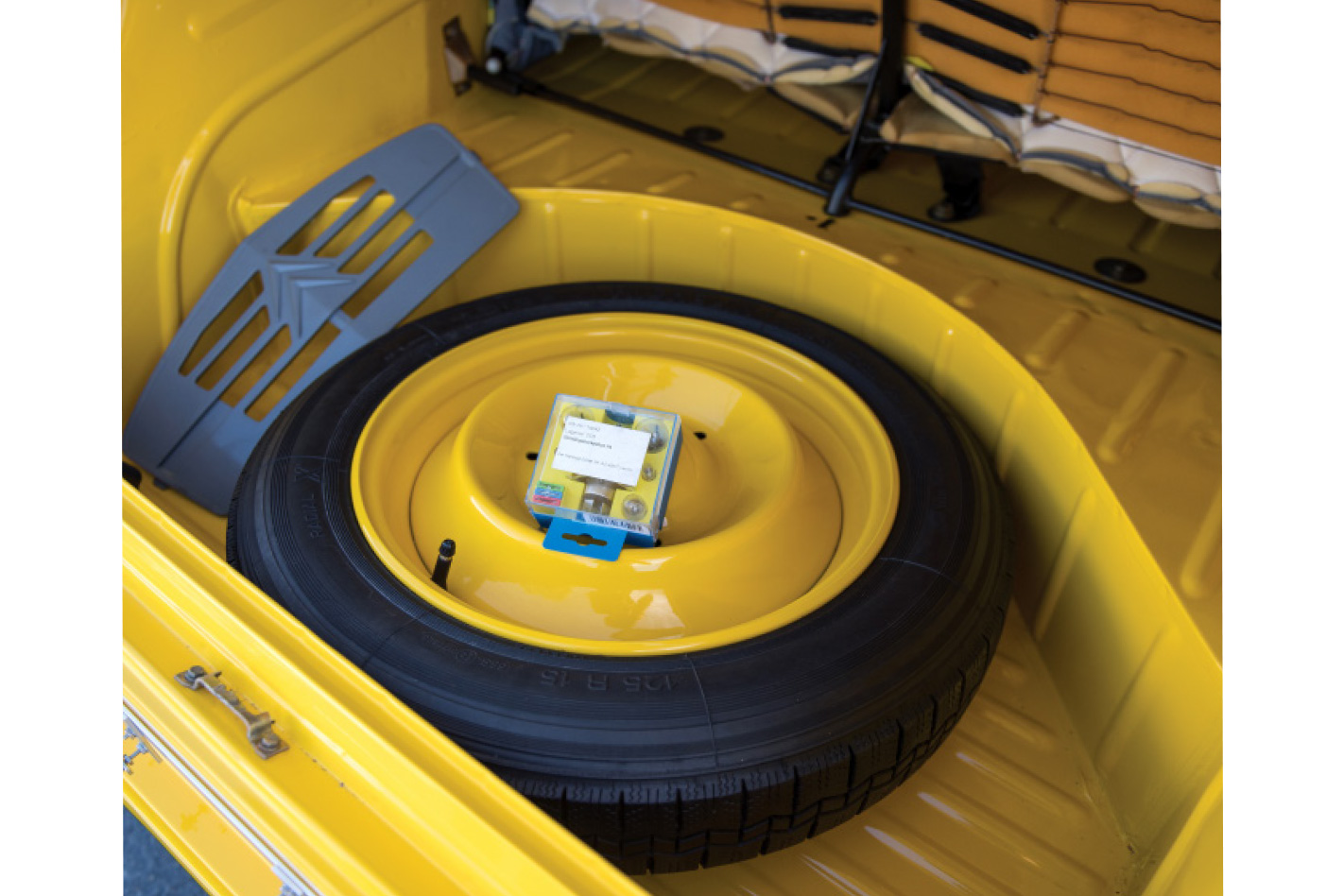
Famously, Boulanger had specified that the 2CV be capable of driving a basket of eggs over a ploughed field without breaking any. Its suspension delivered, with the front and rear wheels each operating (via tie-rods) a longitudinal extension spring. These springs met head-to-head within a sealed cylinder (the ‘longeron’), with pistons at each head maintaining a small air chamber between.
When the front wheel struck a bump, it pulled down on the rear wheel, so the car effectively rode up and over obstructions.
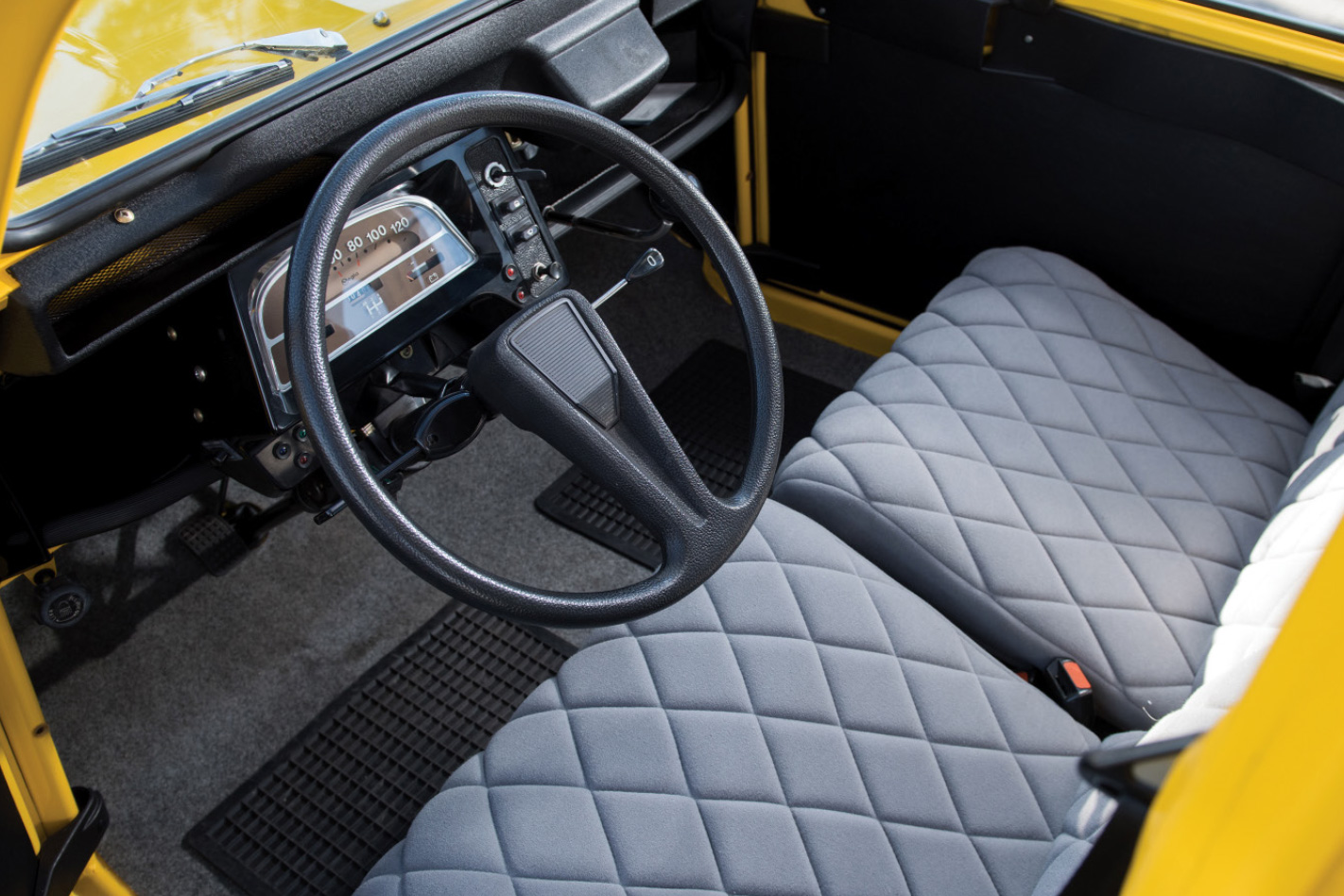
Economy and reliability were paramount: the windscreen wipers were driven by the speedometer cable; the engine cooling fan was bolted directly to the crankshaft; the doors lifted off on vertical pins; the canvas roof rolled back; the seats could be removed in a few seconds.
A farmer could transform the 2CV into a mobile platform and, via the hand throttle, transport hay bales or sick livestock.
The 2CV had minimal evolution over the years, most notable being the engine capacity increasing to 425cc in 1955 and 602cc in 1970. Several body variants were added, including the Fourgonette panel van, the more stylish Dyane and rebodied Ami, the Moke-like Mehari and the military Baby Brousse.
When production ended on July 27, 1990, precisely 3,867,932 2CV sedans had been built, that tally rising to 8,572,216 counting derivatives.
Basic instruction
The 2CV’s unitary chassis had transverse crossmembers carrying the leading front and trailing rear suspension arms. Lightweight, at just 495kg (later models scaled 560kg), the 2CV was incredibly roomy and measured 3780mm long, 1600mm tall and 1480mm wide, on a 2400mm wheelbase. Steering was rack and pinion, brakes by drums until 1981, and tyres were skinny 125mm on 15s till the end.
The skinny on little flattie
The 2CV’s air-cooled, all-alloy, pushrod-ohv flat-twin engine was a study in simplicity. The cooling fan was mounted to the crank, the oil cooler mounted directly in its airflow. Contact breakers on the camshaft served as a distributor. Initial 375cc version made just 6.7kW at 3500rpm and gave 4L/100km; later 425cc stepped up to 9kW and eventually 13.5kW; final 602cc made 19.5 to 25kW, depending on spec.
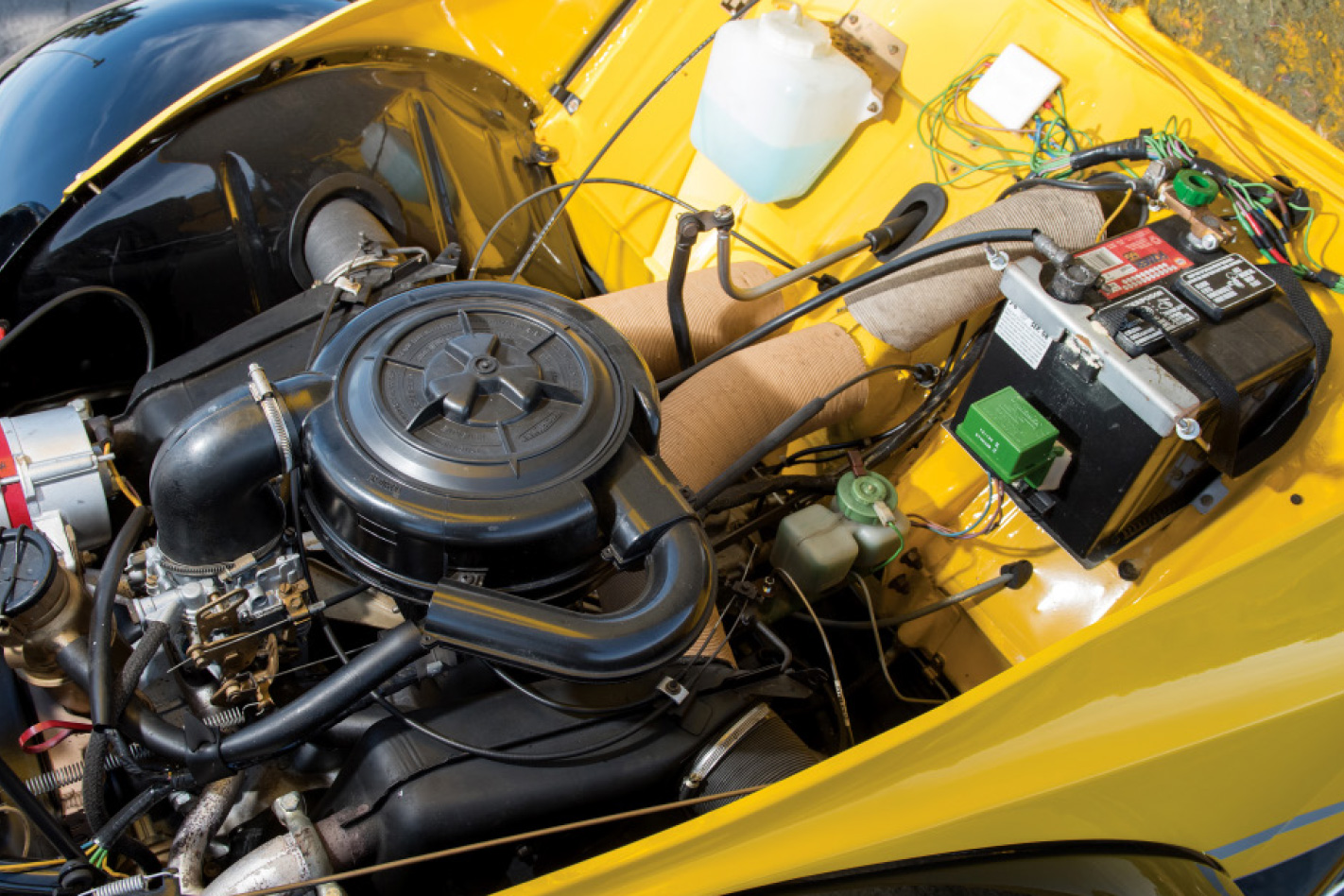
Reign of the brolly handle
If the production 2CV looks sparse inside, consider the pre-war proposal: corrugated steel panels, a single headlight and canvas-hammock bench front and rear. Post-1949 brought revised bodywork with two headlights, better instrumentation, floor mats and (in later models) twin front seats (still hammock-style) replacing the bench. ‘Umbrella handle’ gearshift mimicked an H-pattern (albeit with R-1/2-3/4), but by rotating the lever as one pushed or pulled it.
The Tesla Model S luxury sedan has been caught in the ever-expanding web of the Takata airbag recall, the largest vehicle recall in automotive history, with 1263 of the all-electric cars in Australia now requiring replacement airbags to be fitted.
The affected Model S’ were sold between January 1 2014 and December 31 2016, encompassing three years’ worth of Model S sales in this country. The Tesla Model S was the first volume model to be sold under by the American brand in Australia, which now also offers the Model X SUV and is due to commence deliveries of the mid-sized Tesla Model 3 sedan later this year.
The recall concerns the front passenger airbags for now. According to Tesla, the driver’s frontal airbag, side airbags and curtain airbags are not affected by the recall. The company also says the airbags in question are expected to become unstable (and thus an injury risk to passengers) around the six-year mark, meaning the affected cars aren’t expected to pose a risk until 2020 at the earliest.
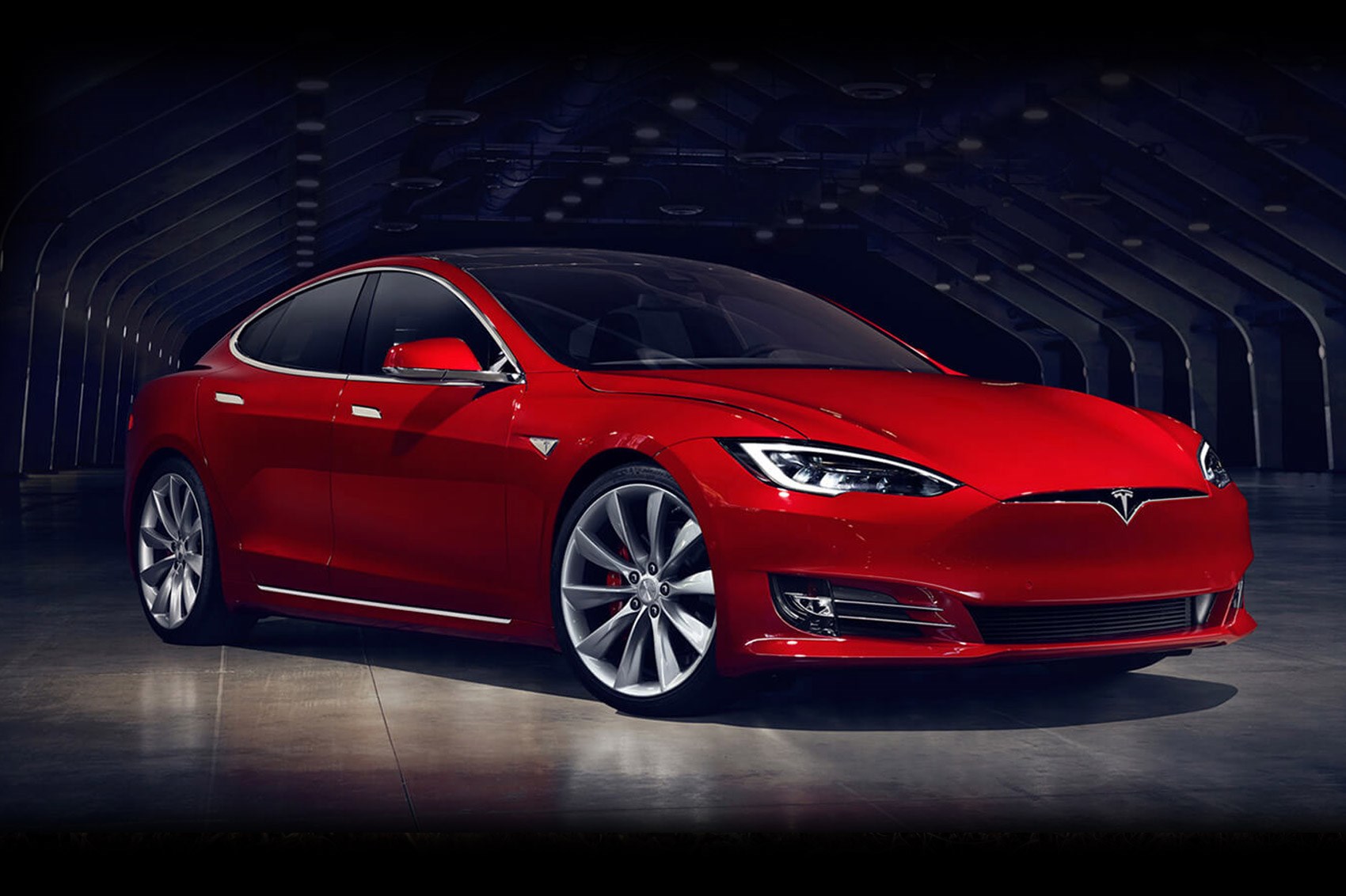
Tesla says “there is no immediate known risk with these airbags”, but urges owners to ensure their contact details are up to date with the company so that it can arrange for a replacement before the airbags become dangerous. Tesla says it expects to have all airbags replaced by December 2020.
Concerned Model S owners can check their VIN against the list of affected cars at Tesla’s website, however those who own a 2017-2018 model (pictured) should be in the clear – those cars use a different airbag.
On-air: Channel Ten, 4pm, Jan 13 (AU) / Jan 19 (NZ)
Catch-up: Watch at tenplay.com.au (AU) or primetv.co.nz (NZ)
The WhichCar TV season kicks off with an aspirational drive through the beautiful Grampians region of Victoria. Alex has clearly drawn the short straw however, as his steed for the adventure is one of the world’s great driving cars, a Porsche 911 GT3.
Ryan then brings the focus firmly back to the masses with a review of the all-new Toyota Corolla hatchback to find that one of Australia’s most popular vehicles has come a long way over its five-decade journey.
After that, we throw the Corolla into a battle royale against its main rivals from Mazda and Hyundai to see if the Japanese stalwart deserves its place when compared with two other popular offerings.
Daniel and Matt round off the show on an equally mainstream, rough and tough note, test driving a pair of plus-sized dual cab utes from America. If you think the Ford Ranger and Toyota Hilux are big, just wait until you see what we got our hands on.
A Ford Mustang soft top is high on many people’s wish list, but with the 5.0-litre V8 GT rag-top being the most expensive Pony Car in the stable at just under $75,000, it is an unachievable dream for most.
Enter the Mustang EcoBoost Convertible, which lacks the legendary grunt and theatrics of the V8 version, but is still enjoyable to drive and be seen in … if not heard.
And for just under $60,000, it’s one of the more affordable open-topped sports cars on the market and guaranteed to turn more heads than pricier rivals including the Audi A5 Cabriolet, BMW 4 Series Convertible and Mercedes-Benz C-Class Convertible.
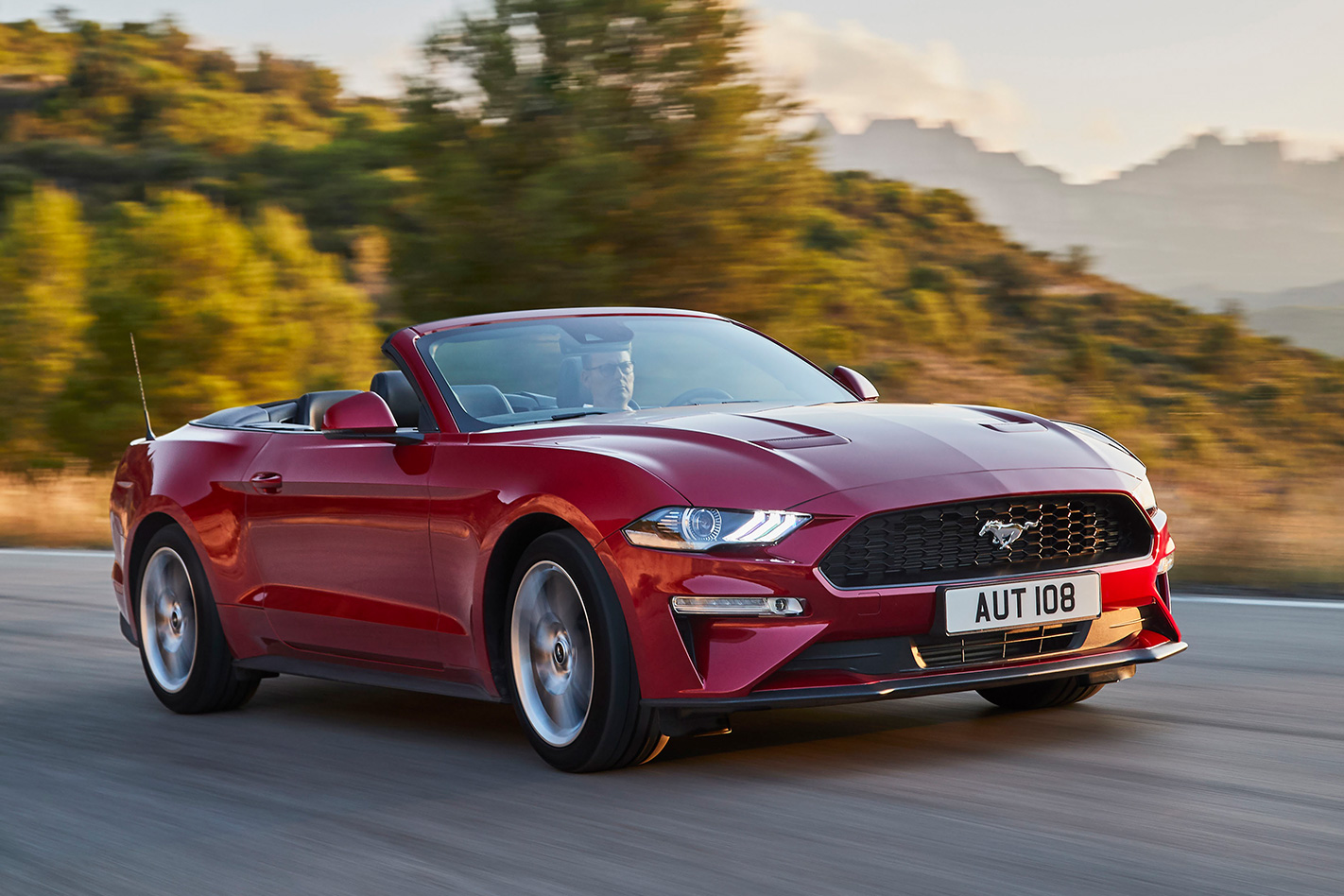
VALUE
The Ford Mustang EcoBoost Convertible – it really should be called the Turbo Mustang – kicks off at $59,490. Unfortunately neither this nor the V8 Mustang Convertible is available with a manual transmission, which would bring the starting price down by $3000.
Having less roof means paying $7000 more than the Mustang EcoBoost Fastback with the same 10-speed automatic transmission. But the smaller 2.3-litre four-cylinder turbocharged engine does bring you plenty of change compared to the auto V8 GT versions, which cost $65,990 and $74,339 for the Fastback and Convertible respectively.
The $15,000 difference between the turbo and V8 Mustang Convertible is all due to what’s under the bonnet, with the two sharing the virtually same equipment levels. That said, many would argue the V8 rumble is worth every cent.
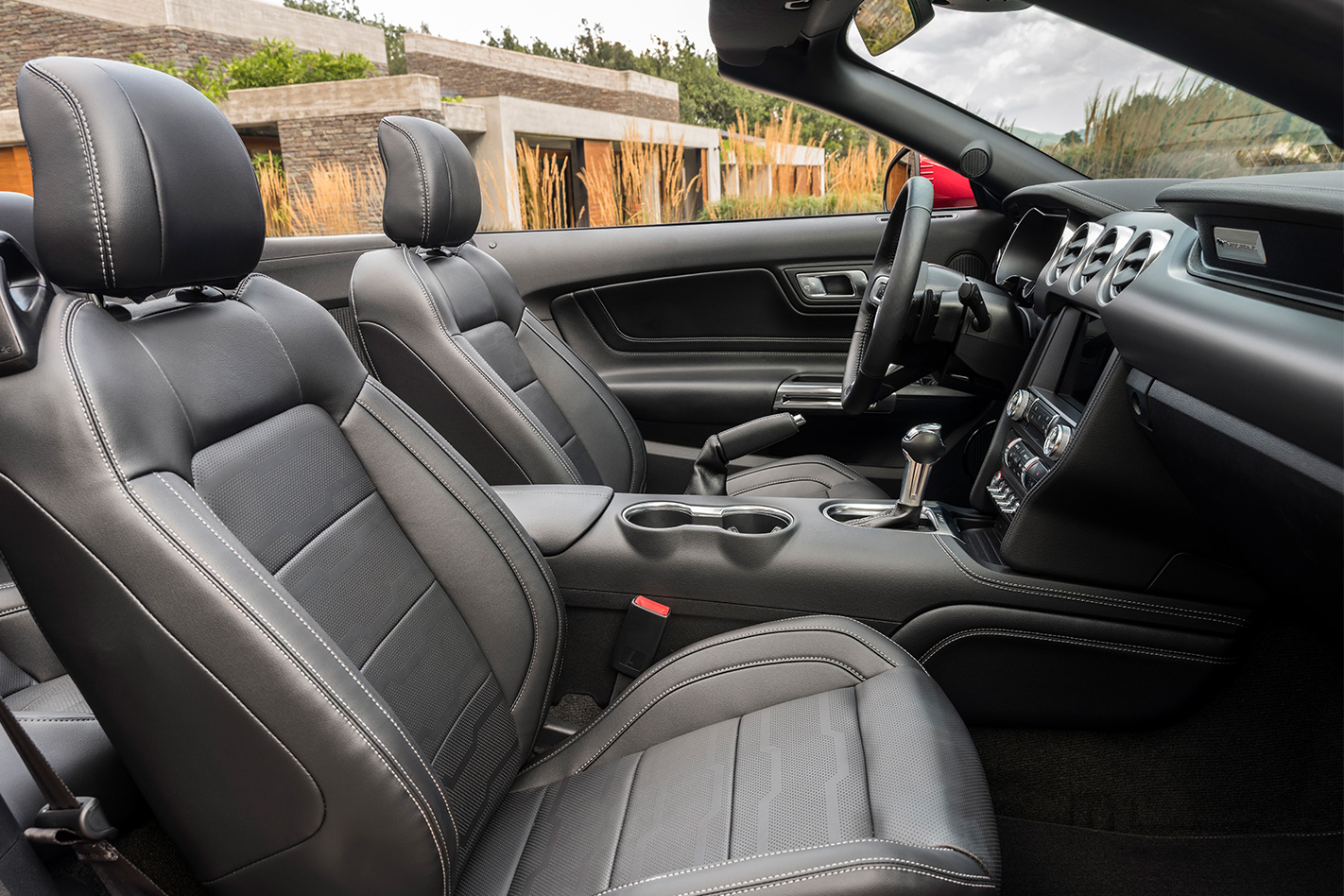
Our test car featured Magnetic (dark metallic grey) premium paint ($550) but was otherwise stock standard.
The Mustang EcoBoost lacks the reverence the V8 GT enjoys, but on the plus side you’re not lumbered with its hefty fuel bill. The V8 Mustangs have an official combined fuel consumption rating of 12.7L/100km though real-world driving will easily see you nudge 20-litres of 98 RON per 100km.
The 2.3-litre turbo on the other hand happily drinks cheaper 91 RON and even E10 at a more respectable 9.4L/100, which makes a far more practical daily driver.
The Ford Mustang is covered by Ford’s five-year unlimited kilometre warranty.
STANDARD FEATURES
You’re not lacking for much in any Mustang; with LED headlights with active high-beam, LED tail-lights, rain-sensing wipers, colour adjustable LED ambient lighting, a four-mode digital dashboard with performance gauges and lap timers, leather-bound heated steering wheel, leather seats with heating and cooling, and dual-zone climate control.
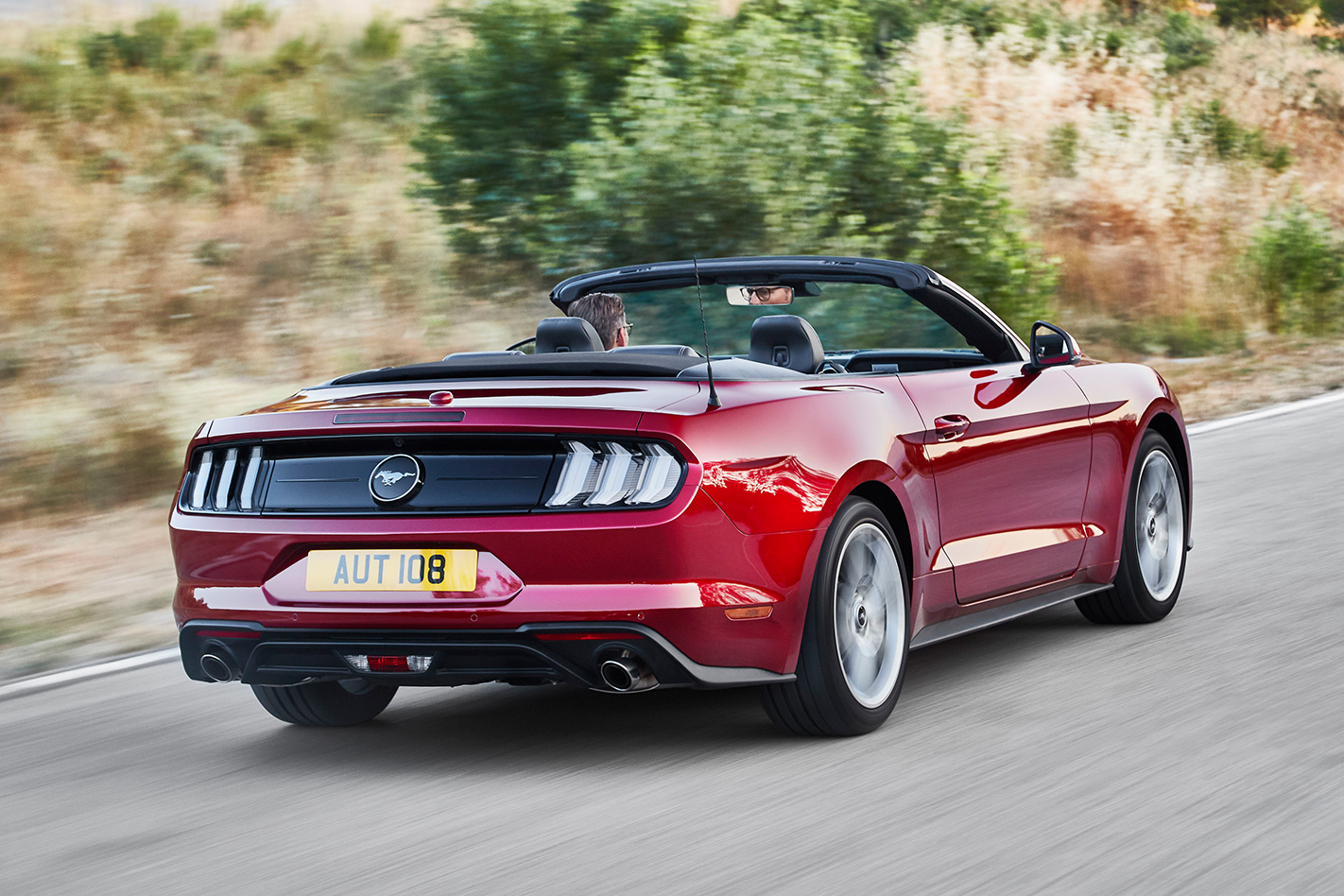
You’re well entertained too, with an 8.0-inch touchscreen displaying Ford’s Sync3 multimedia system with satellite navigation and Apple CarPlay/Android Auto, and a 390-watt 12-speaker sound system that sounds great even when travelling at highway speeds with the roof down.
SIZE
The Ford Mustang feels big to drive mainly because of its 1.93m girth that’s widest over the rear wheels. Its 4.79m length is a little less than most large sedans though, which makes it easy to fit into parallel parking spaces.
A lot of that length is in front of the windscreen, which leaves just enough room for a compact interior with most of the space benefitting the front seats.
With the roof in place it can be a bit of a chore to climb into if you’re on the tall side, but once inside you’ll be met with plenty of leg and elbow room.
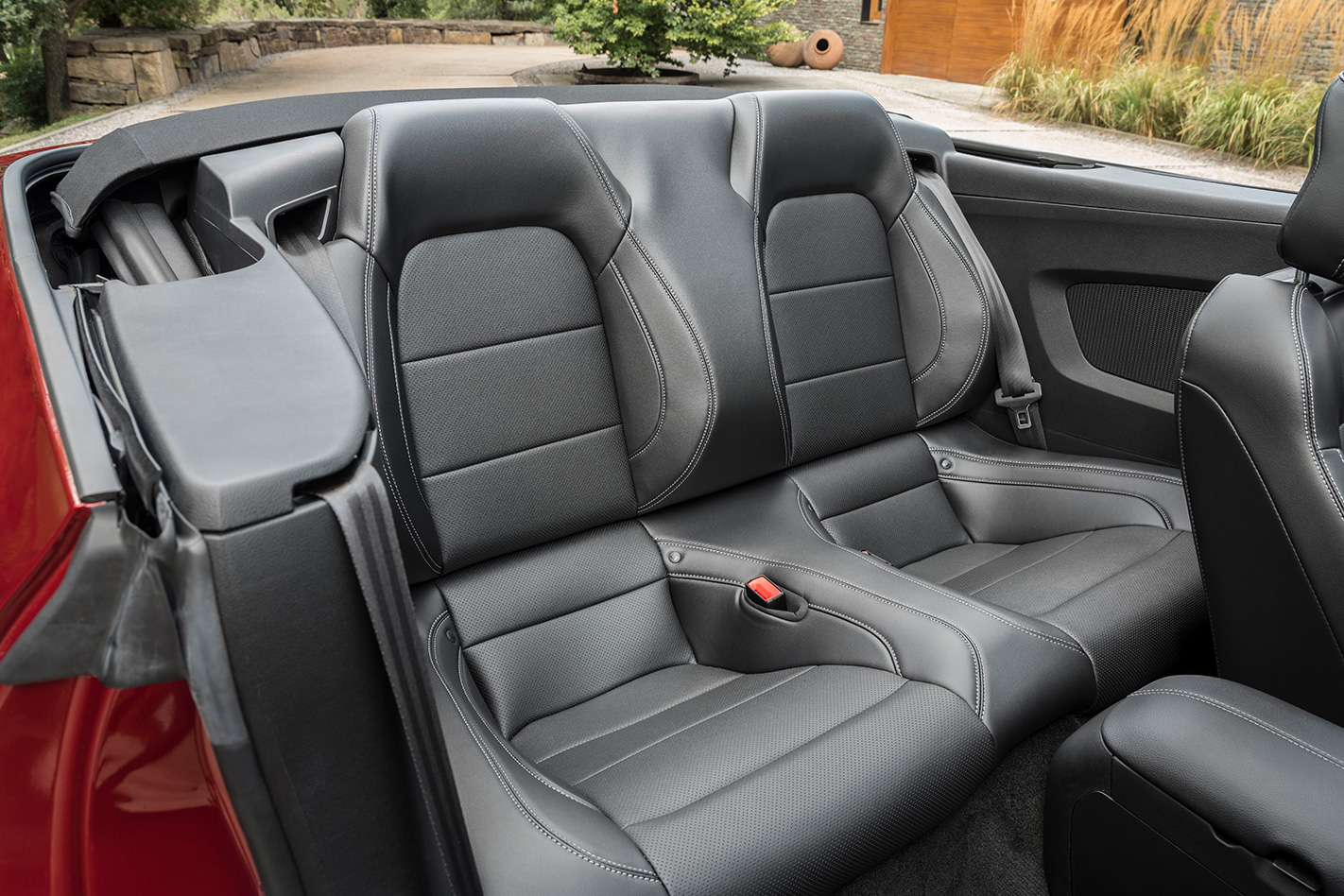
The rear seats on the other hand are token at best and require the front occupants to sacrifice their own legroom in order to accommodate two more bodies. Two children would be pretty happy back there though, especially with the lid down, however you might have second thoughts about putting them after reading the safety section.
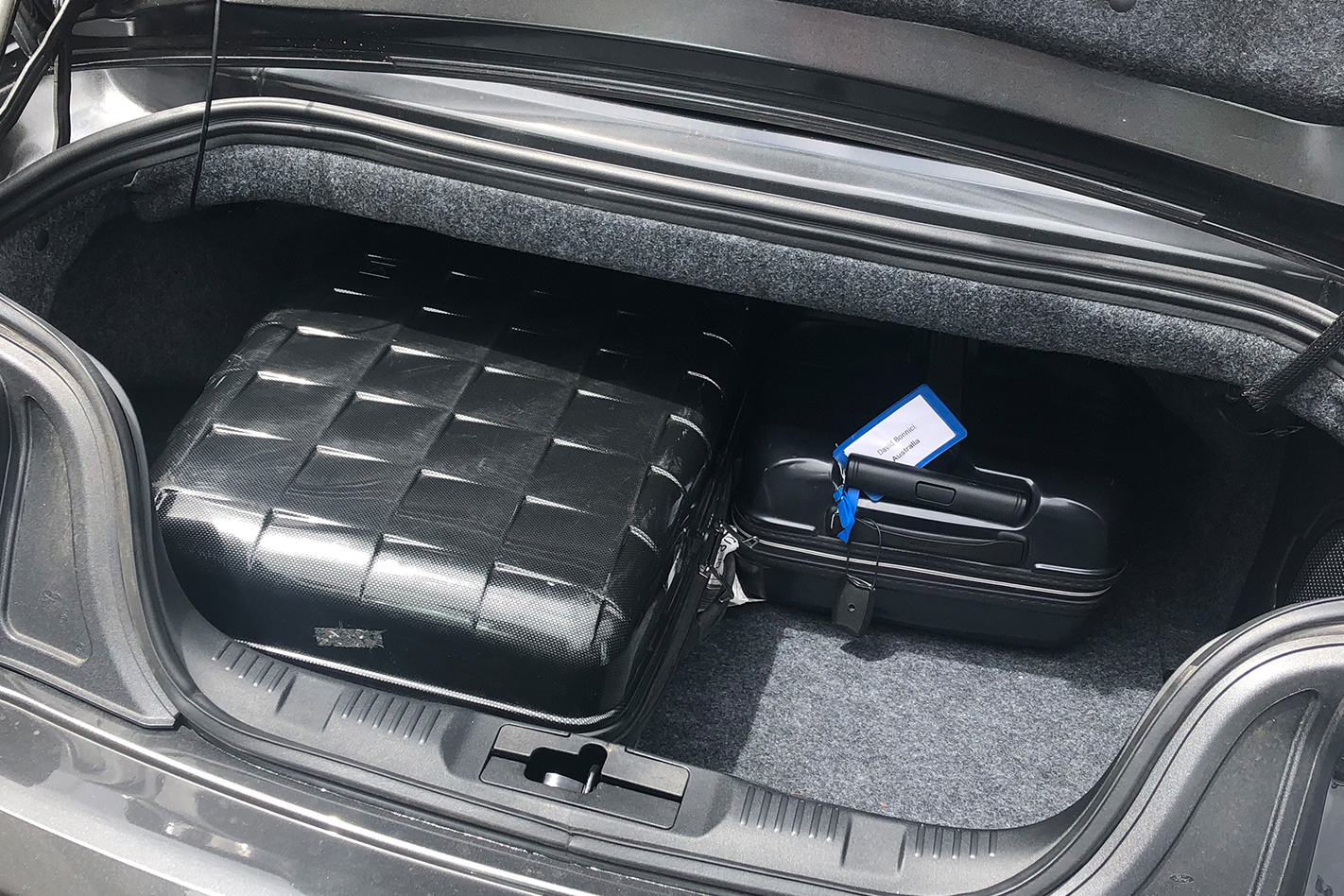
The boot space is bigger than expected, considering the roof folds down behind the back seats. We managed to fit a standard suitcase, carry-on sized case and small car fridge.
SAFETY
The one thorn in the Ford Mustang’s side is its three-star ANCAP safety rating.
The Mustang has all the necessary gear to help prevent accidents, such as autonomous emergency braking, lane keeping assist, adaptive cruise control and rear-cross traffic alert, and it’s equipped with eight airbags. However, it still has the previous model’s structural problems that produced poor results during crash testing for rear seat occupants, particularly children.
COMFORT
The Mustang is a grand tourer and, for front occupants at least, very comfortable on long trips.
The standard leather seats feel plush, but have narrow cushions, which is surprising considering the size of the average American derriere.
The front seats have six power settings including lumbar support, with backrest pitch operated with a manual lever. It’s very easy to find a great driving position.
There are seat heaters and coolers, which help when being exposed to the elements with the roof down. The air flows well over the top and putting the windows up helps contain heating or cooling when needed while bocking out excessive road noise.
If you do need to drive with the roof up, the Mustang doesn’t feel claustrophobic, with headroom and all-round vision on a par with the Fastback. Wind noise is surprisingly low, though you do get road noise seeping through the canvass which sounds like you a window partially opened.
While it’s not as bombastic as the V8, you can set the EcoBoost’s exhaust note to sport for a brash throaty din that’s loud enough disturb your neighbours. The good news for them is you can actually set a timer so the engine starts at a quieter setting within selected times.
The Mustang’s dashboard is an improvement on the previous model, though you still can only toggle through the drive mode buttons in one direction, which can be a pain should you skip past your preferred setting.
The digital dashboard has three display settings, which you can colour customise. It’s vibrant under normal lighting conditions, however it’s very susceptible to sun glare when the roof is down.
ON THE ROAD
The 2.3-litre turbocharged engine does take some getting used to for anyone familiar with the sound and grunt of the 339kW/500Nm V8. However, while having 50 percent of the GT’s cylinders, the EcoBoost isn’t exactly a half-arsed effort with 224kW/441Nm on tap that, in Sport mode, lurches into action with minimal turbo lag.
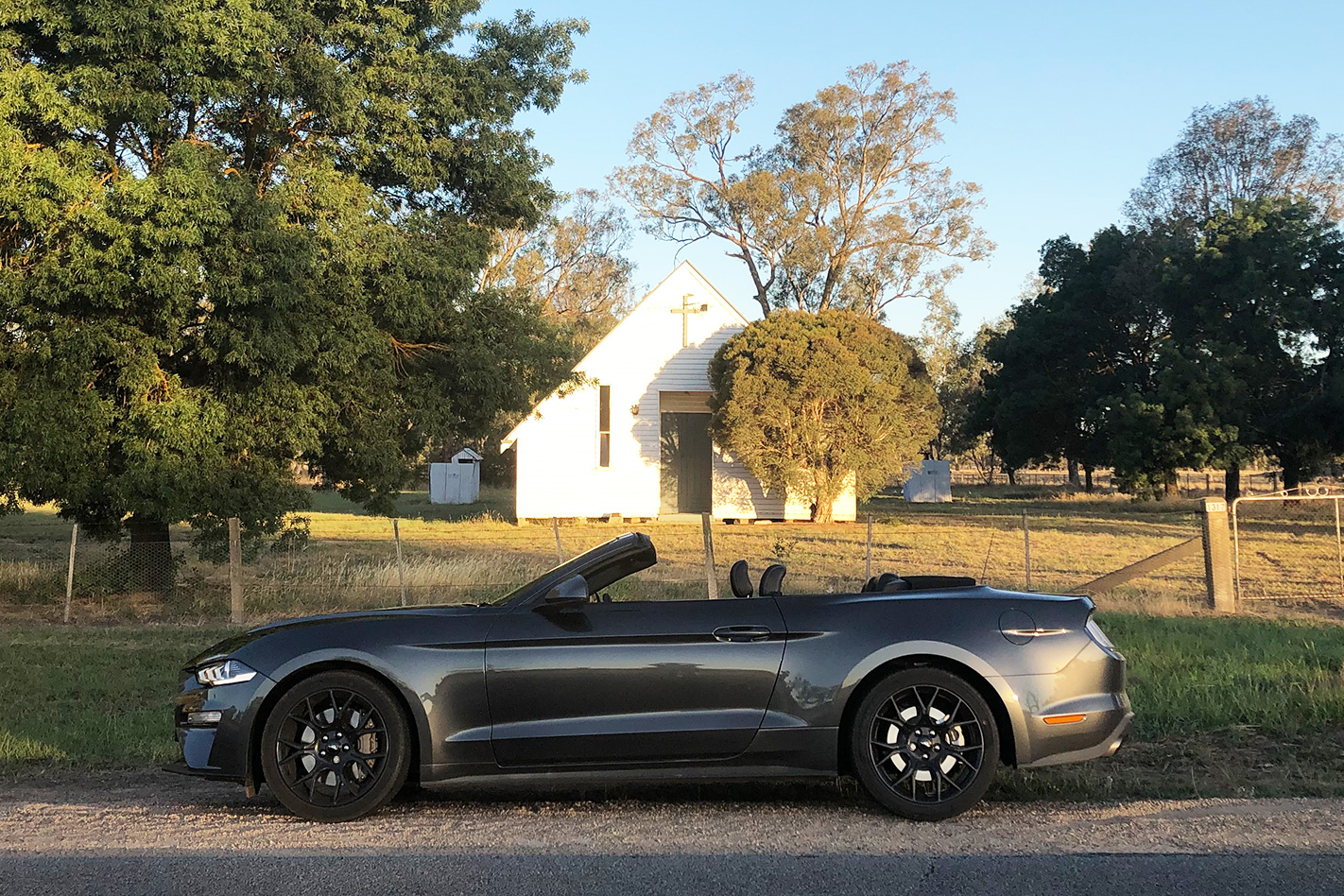
Sadly the EcoBoost Convertible isn’t available with the six-speed manual gearbox, but Ford’s 10-speed automatic transmission is great for touring and there are paddle shifters should you desire some hands-on driving.
In the normal drive setting the auto tends to gear down a bit too soon at lower speeds as though it’s obliged to use all 10 gears. Pulling the gear lever back a peg to S does the opposite, making the engine feel like it’s chomping at the bit with abrupt gear shifts that are jarring at low speeds, but almost flawless when accelerating up to 100km/h.
The standard suspension feels comfortable, and the lighter engine actually improves the Mustang’s already compliant handling. Steering can be a little loose in comfort mode, but there is a Sport setting that stiffens things up for bends.
All that said, you don’t have to be a keen driver to really enjoy driving this once that top comes down.
VERDICT
The Mustang Convertible is the best fit for the 2.3-litre turbocharged/10-speed auto powertrain.
You might have to put up with so-called friends saying it’s not a real Mustang (Ford first released a 2.3-litre turbo Mustang in 1979), but the enjoyment you’ll get from driving top-down does well to compensate for the lack of V8 muscle and acoustic exhilaration.
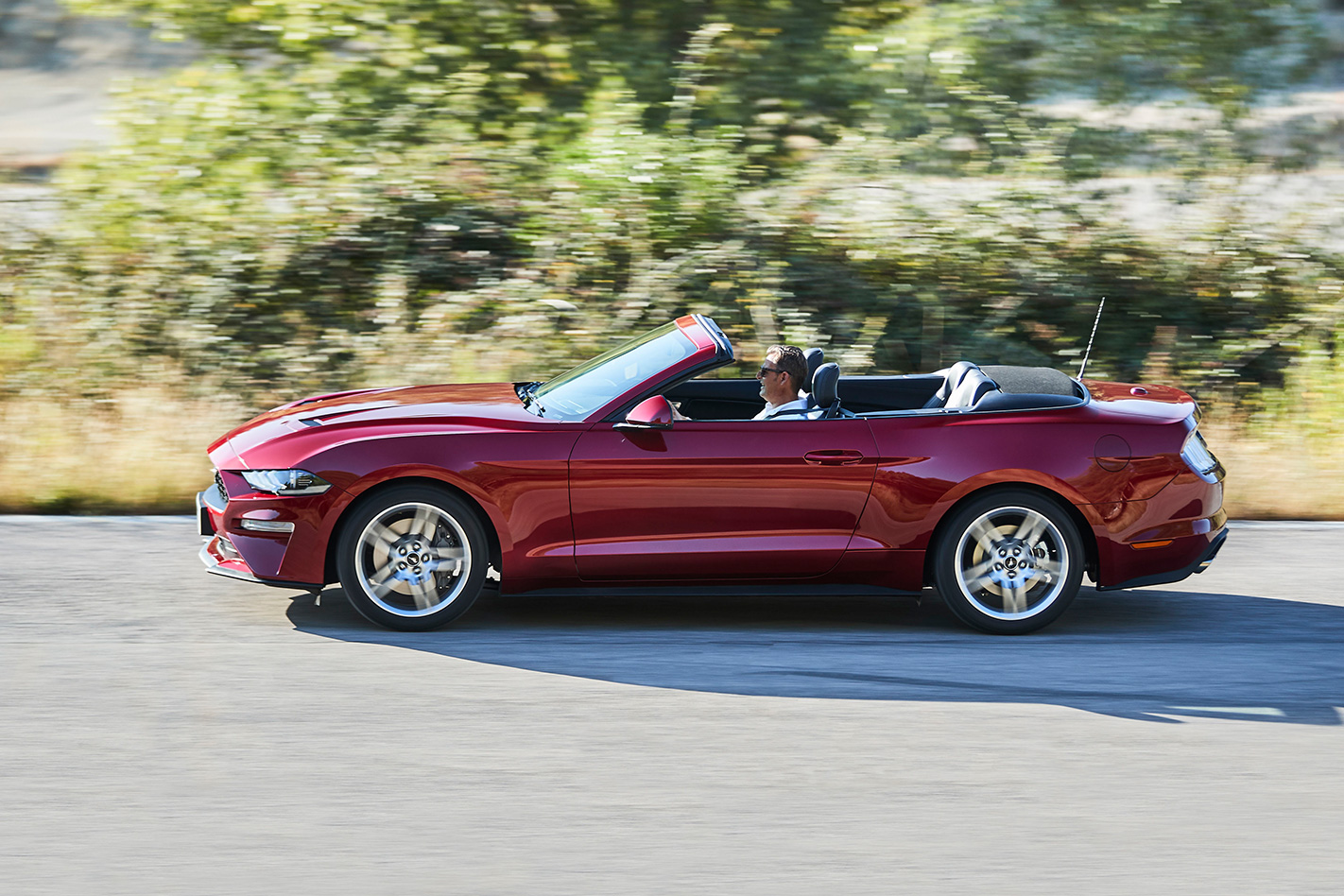
And while it will always live in the shadow of the more powerful car, it’s not without its advantages; including the $15K lower purchase price, cheaper insurance premiums and significantly lower fuel bill.
And it still has the same head-turning looks.
