
THE third generation of Kia’s funky Soul crossover has been revealed at the Los Angeles Auto Show.
Following in the footsteps of its predecessor, the new Soul features boxy exterior styling, with wraparound rear lights, and sleek and slim headlight design.
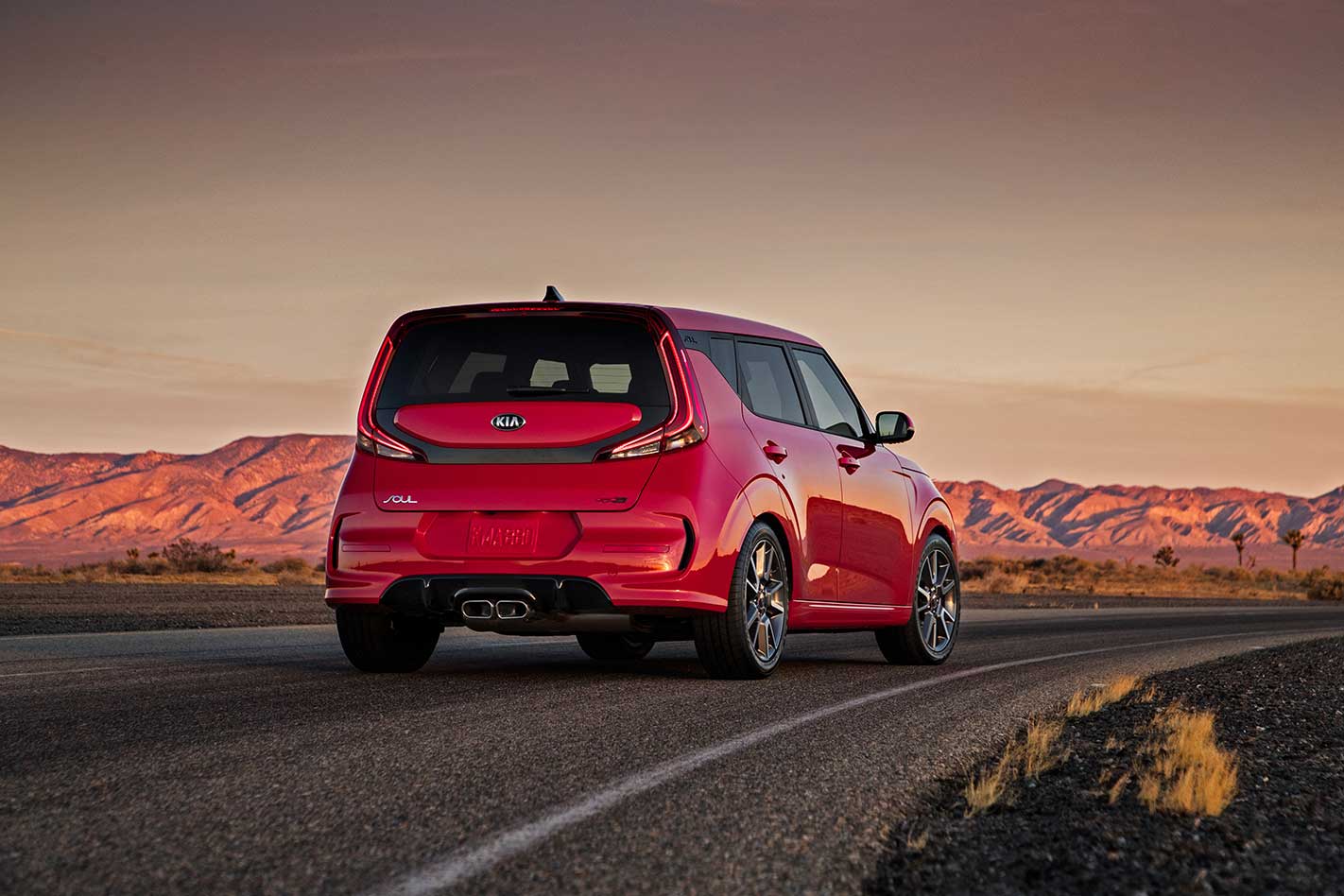
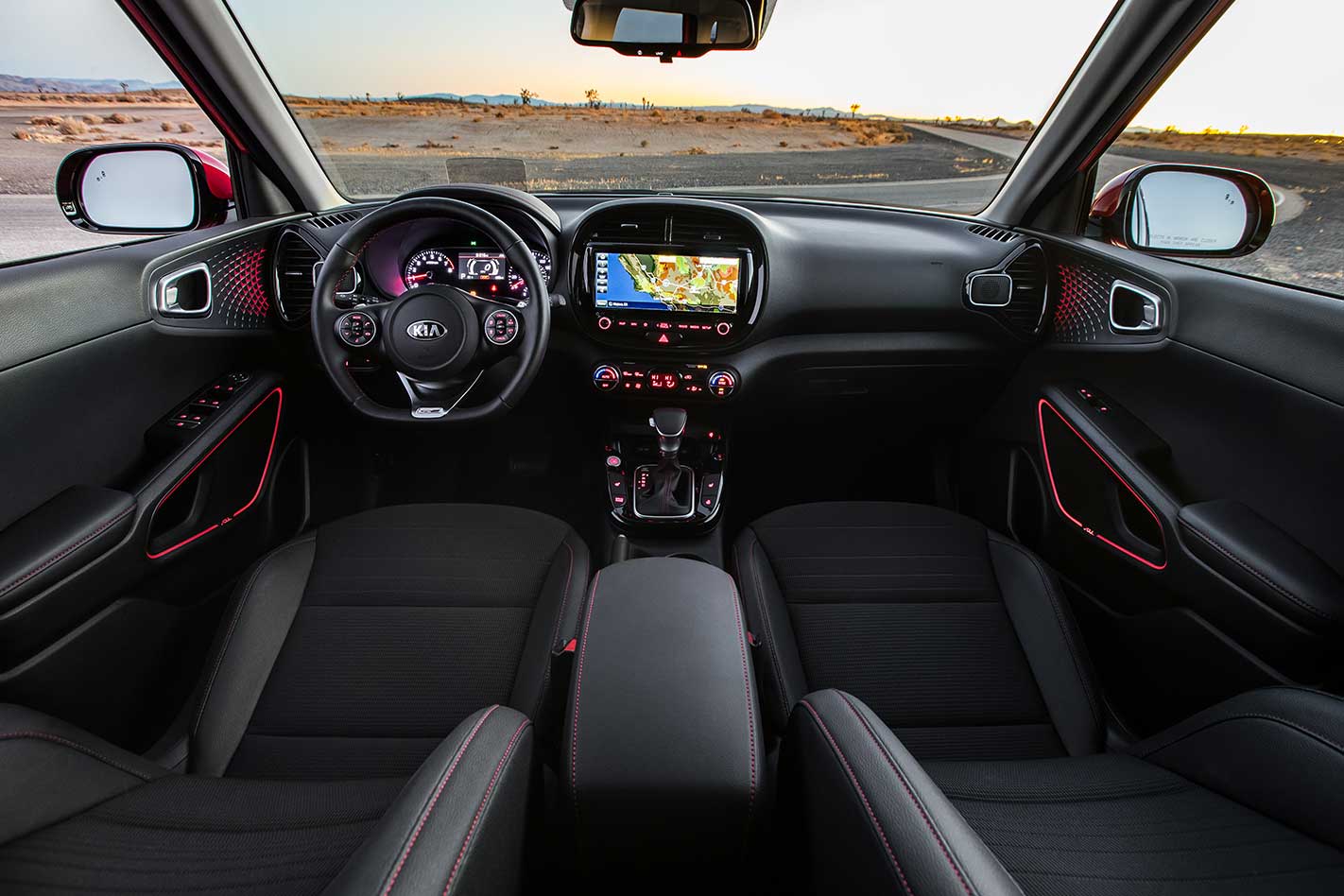
Three exterior designs will be offered by Kia (x-Line, GT-Line, and EX Design Collection), while power in the combustion-powered variants comes courtesy of two powerplants.
The base offering is a 2.0-litre naturally-aspirated four-cylinder producing 109kW and 179Nm, mated to either a six-speed manual or CVT transmission.
A more powerful 1.6-litre turbocharged four-cylinder producing 150kW and 264Nm is also available, paired with a seven-speed dual-clutch automatic. This is the same engine fitted to the Hyundai i30 SR locally.
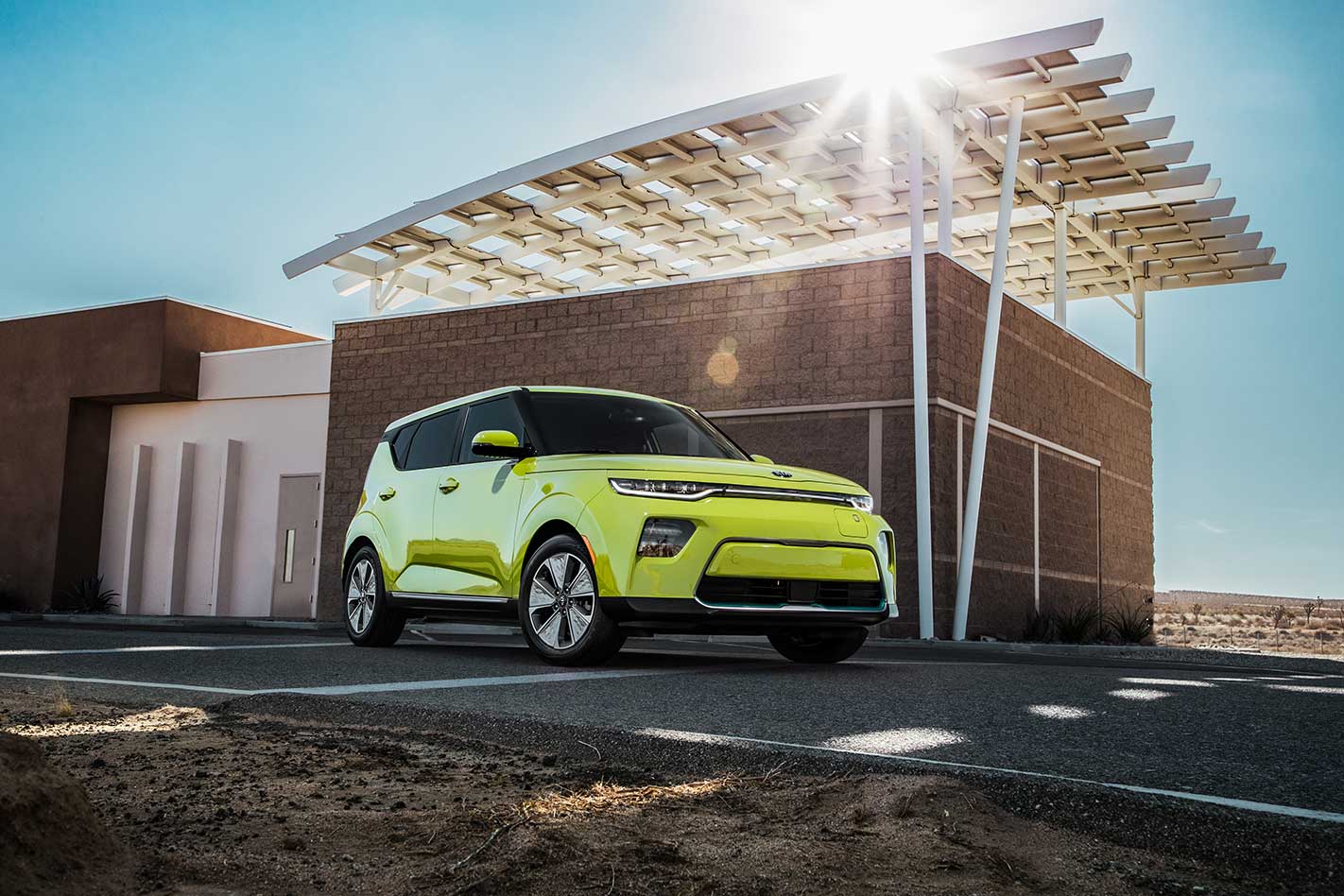
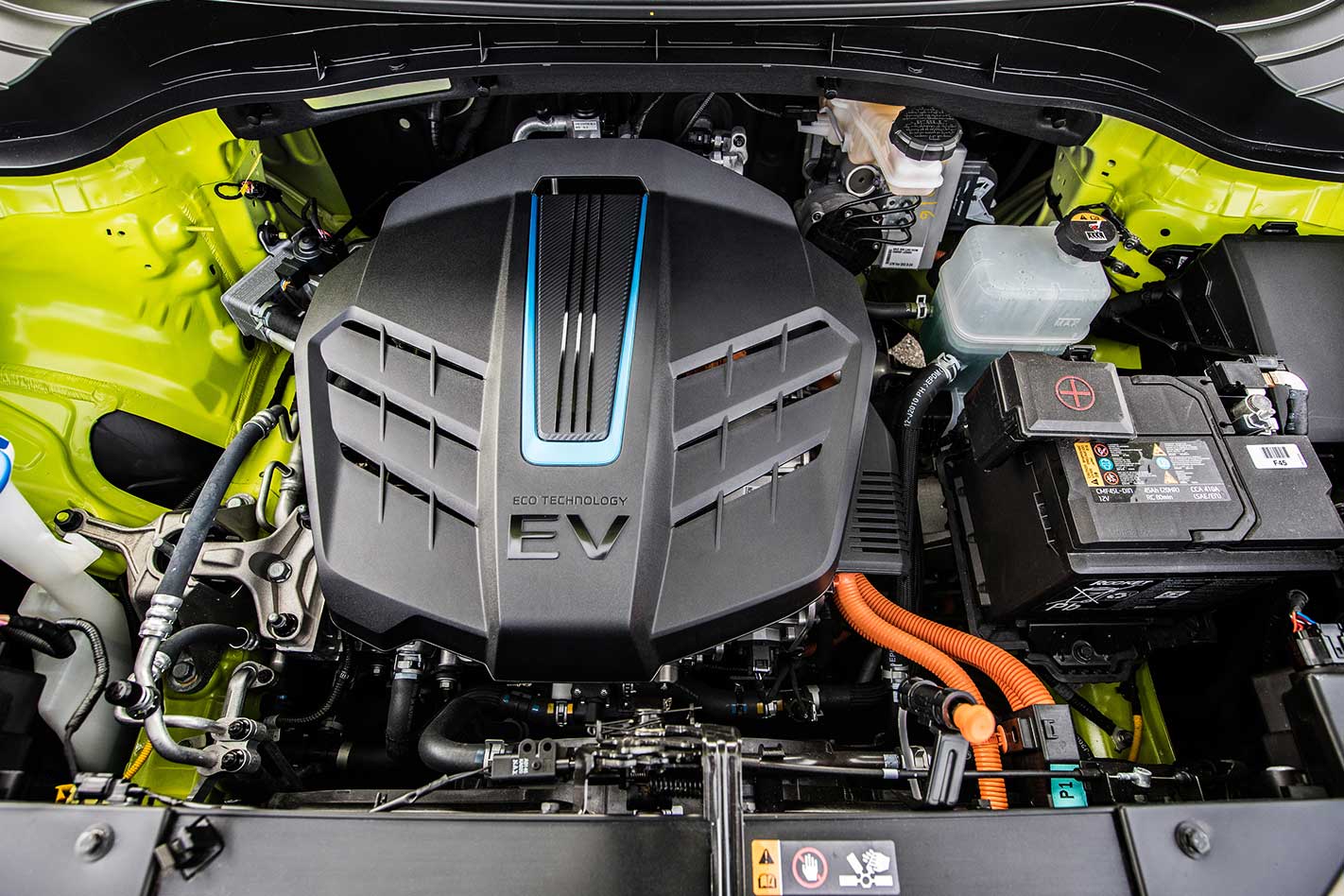
For the second time, Kia will offer a Soul EV for fully-electric driving. Where the original Soul EV had a 27kWh lithium-ion polymer battery pack with a range of 190km, the new model is powered by a 64kWh battery.
This provides 150kW and 400Nm sent to the front wheels, however according to Kia the new battery is currently undergoing testing so no range is quoted.
The Hyundai Kona electric is fitted with the same powertrain, and has a claimed WLTP range of 470km.
The Soul EV is available with two styling trims, EV and EV Designer Collection.
A Kia Australia spokesperson told Wheels that the Soul is still “under review” for Australia, however we aren’t holding our breath, with the funky crossover failing to set the sales charts alight during its years Down Under.
SOUTH Australian police have been forced to abandon 125 prosecutions, and stopped using handheld speed detection laser guns following legal challenges from a number of drivers.
The state’s police force has said that any South Australian that has an unpaid speeding infringement issued by an officer they believe was using a Lidar device can apply to have the fine reviewed.
Despite having to abandon the speed detection method, and throwing out 125 outstanding fines, South Australia police said in a statement they had “no reason to question the accuracy of the laser devices”.
The dramatic move follows legal challenges from three drivers, each represented by barrister Karen Stanley’s law firm. In one case a motorcyclist was detected travelling at 126km/h in a 60km/h zone.
Each of the challenges the court determined a “five-step test” conducted by police failed to prove the speed gun was accurate at the time of the test.
South Australia police minister Corey Wingard told state parliament that the government would introduce amendments to the current laws to bring them in line with those in other states.
Superintendent Stuart McLean told the ABC a number of Lidar devices from across the state have been removed from service.
“Motorists would be unwise to think this decision creates any gap in our attention to road safety, or shortfall in enforcement,” he said.
“Until today there have been a number of Lidar devices in operation at any one time across the state which will be temporarily removed from service.
“However we will continue to use other well-established speed detection options — handheld radar devices, plus fixed and mobile speed cameras.
“SAPOL has chosen this course of action after very carefully considering a range of options to ensure transparency around this issue.”
Speeding fines issued by static speed cameras, red light cameras, and handheld radar devices are not impacted.
WHAT IS IT?
A-Class with altitude. Built on the same platform as Mercedes-Benz‘s new small hatch, the B-Class has the same wheelbase and uses identical core technologies, drivetrains included. While the B-Class’s extra height increases roominess and flexibility, its proportions provide a tough challenge for the design department….
WHY WE’RE TESTING IT
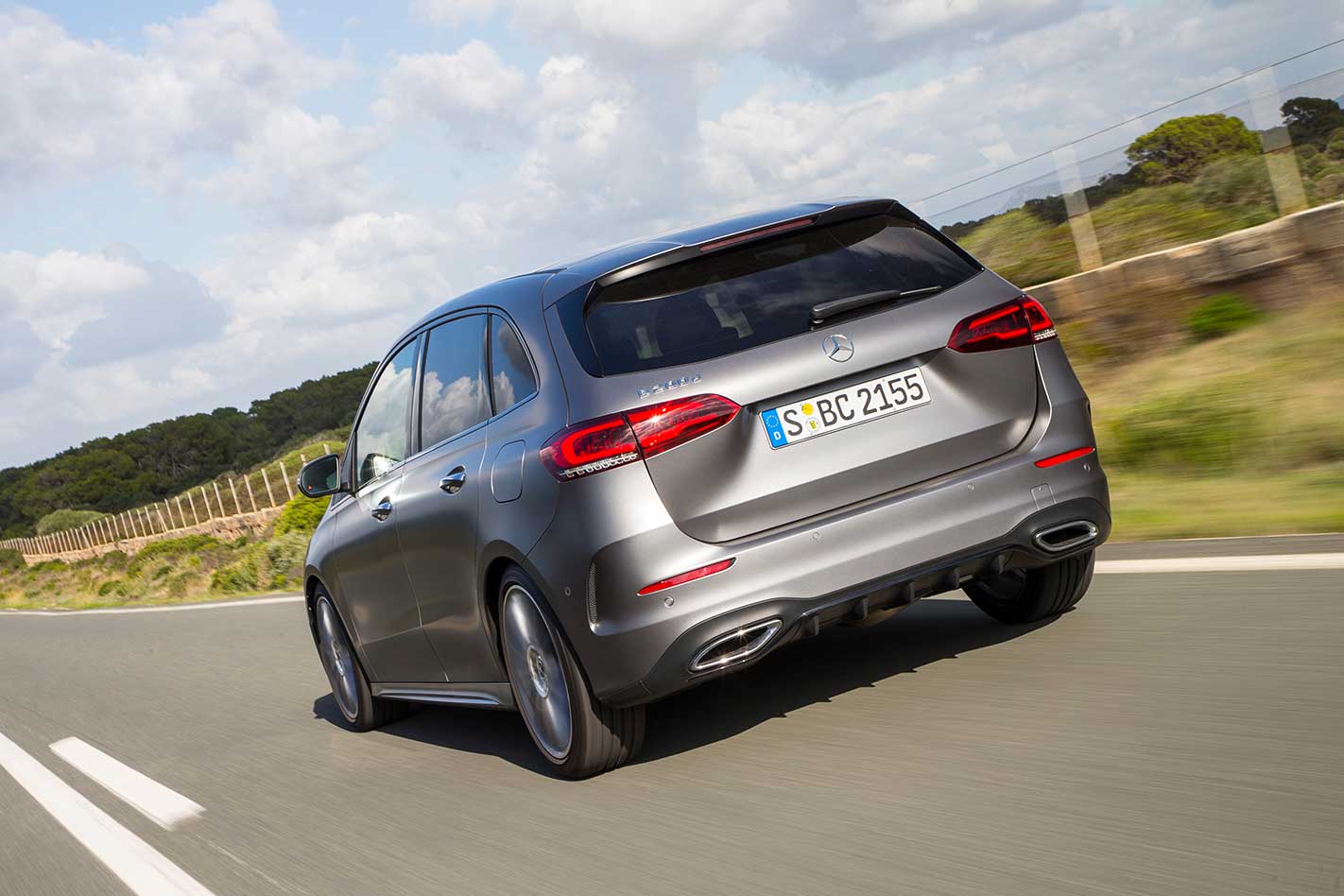
The international launch of the B-Class in Spain was a chance to sample it well ahead of an Australian arrival scheduled for the middle of 2019.
THE WHEELS REVIEW
In Europe, the place of the B-Class is obvious. It’s a premium-brand step up the mini-MPV status stairway. The Mercedes-Benz is classier and more costly than the likes of the Ford C-Max, Renault Scenic and Volkswagen Golf Sportsvan, to name but a few.
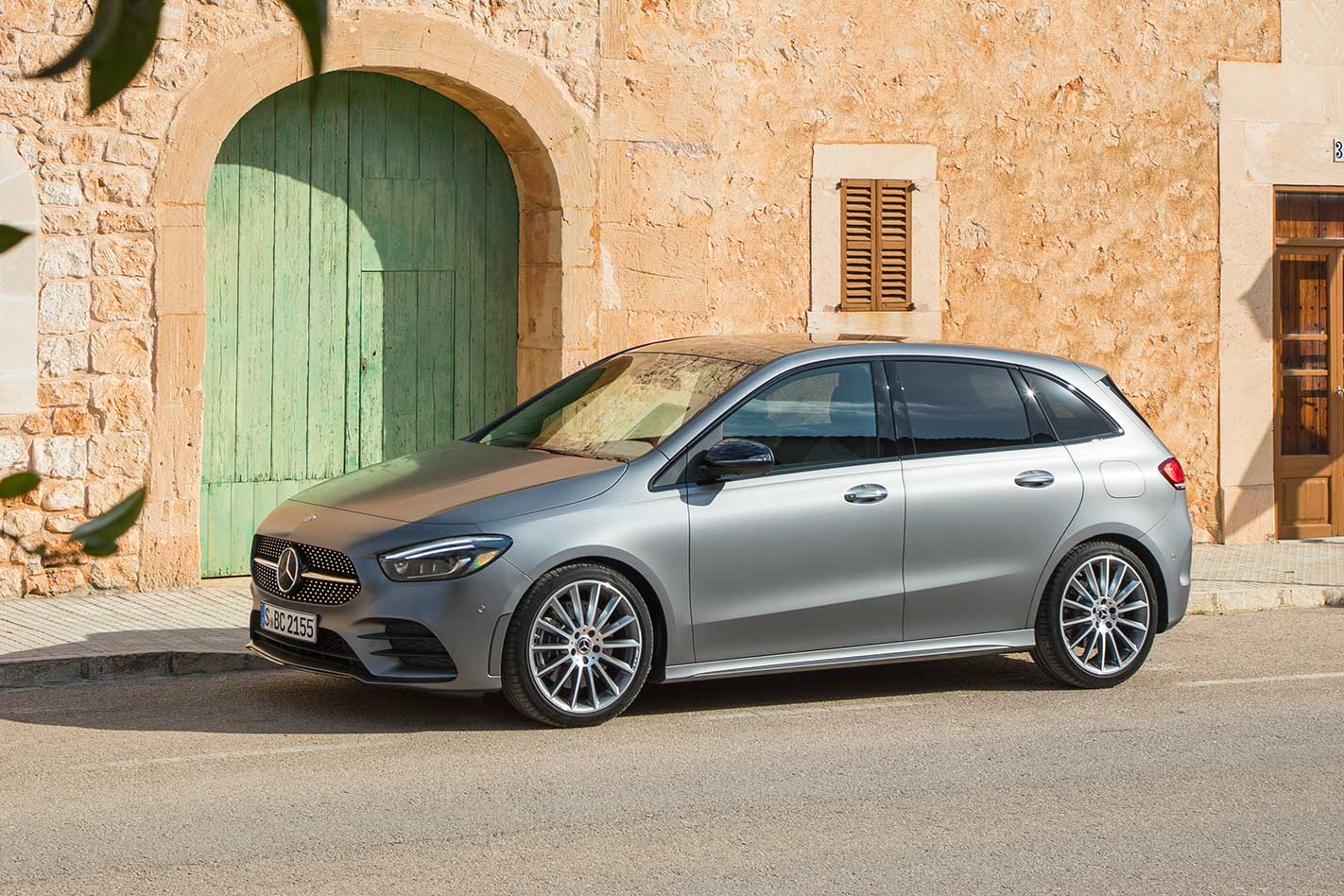
These five-seaters are a common sight from Spain to Sweden and Portugal to Poland, but no mass-market Euro-brand mini-MPV is sold in Australia. Down here the role of the rarely seen B-Class, and BMW’s almost invisible 2 Series Active Tourer, is as non-conformist alternatives to a small SUV.
Though the current B-Class sells at a rate around only 1000 a year in Australia, the third-generation of the mini-MPV is scheduled to arrive in Australia in mid-2019.
Codenamed W247, the new B-Class is very closely related to the new A-Class. It rolls on exactly the same wheelbase and uses the same engines. Mercedes’ main aim was, as one exec put it, “a more dynamic look”. The exterior design is more aerodynamic than before, but there’s only so much designers can do to beautify a tall but short shape.
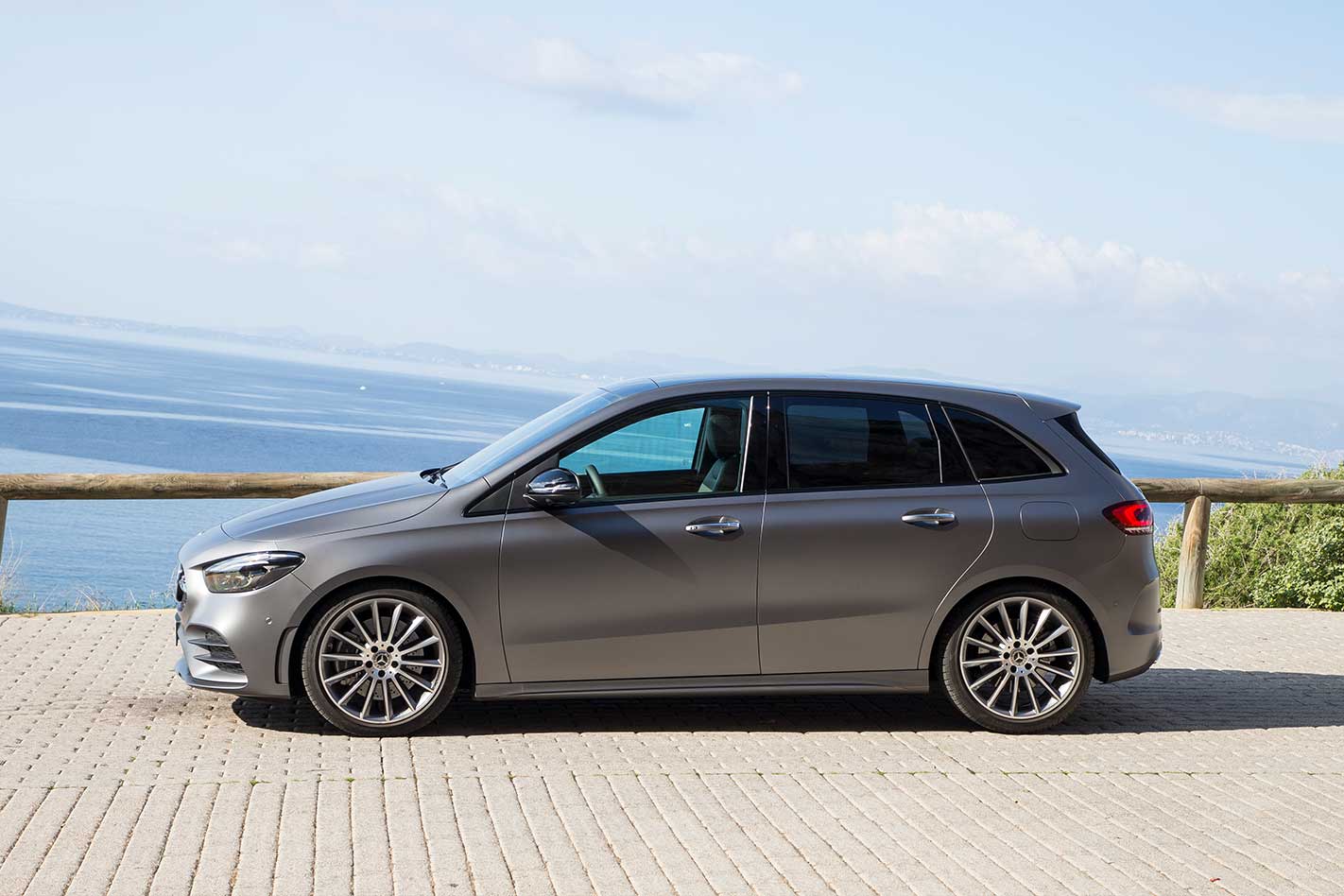
Once inside, those proportions make a lot of sense. The B-Class driver sits 90mm higher than an A-Class driver. The elevated seating creates great legroom. Mercedes’ designers also found a little more cabin width and height for the new model, even though it’s fractionally lower and only slightly wider than before. The feeling of interior spaciousness is enhanced by the new model’s lower beltline and enlarged window area.
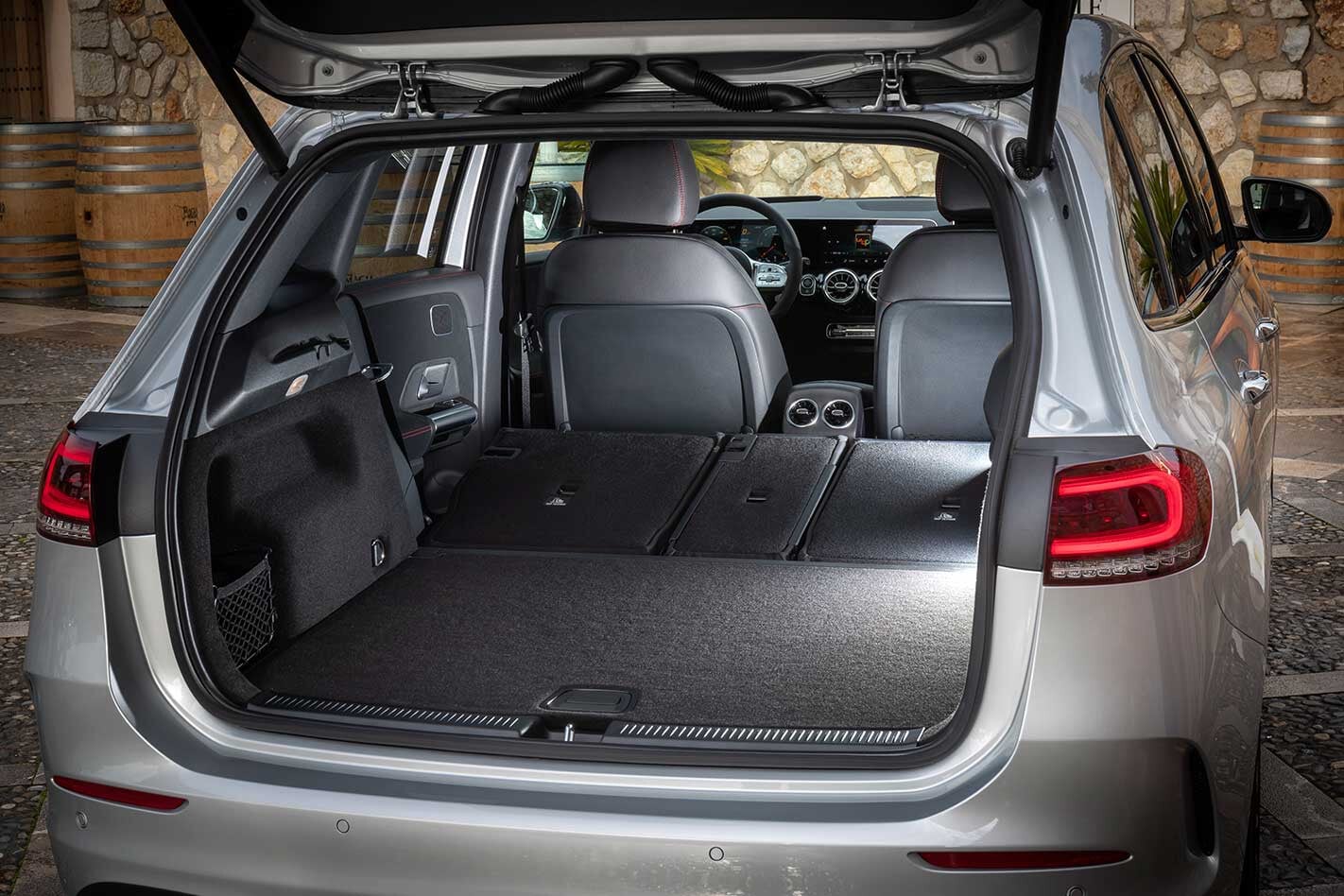
Although cargo compartment volume shrinks a little, the new B-Class’s 455-litre boot is usefully large and a three-piece 40:20:40 split backrest is standard.
The B-Class will launch here in B200 form, priced from around $45,000. It will have the same petrol-burning 1.3-litre turbo four and seven-speed dual-clutch auto drivetrain as the A200. A B250 with 2.0-litre turbo petrol is expected later, but Mercedes-Benz Australia has decided not to import any diesels.
At least on the multilink rear suspension and adaptive dampers which will be part of an option package here, the new B-Class delivers lush ride comfort and fright-free handling. The standard torsion-beam rear-end is unlikely be so impressive.
But the new B200’s great weakness is its engine and transmission. As in the A-Class, the little turbo four lacks both muscle and refinement, shortcomings the transmission tries and fails to conceal.
While the new B-Class has the makings of a fine small-SUV alternative, the B200 falls some way short of clinching the argument. But the B250 could, and should, change that…
WHAT FEATURES CAN WE EXPECT?
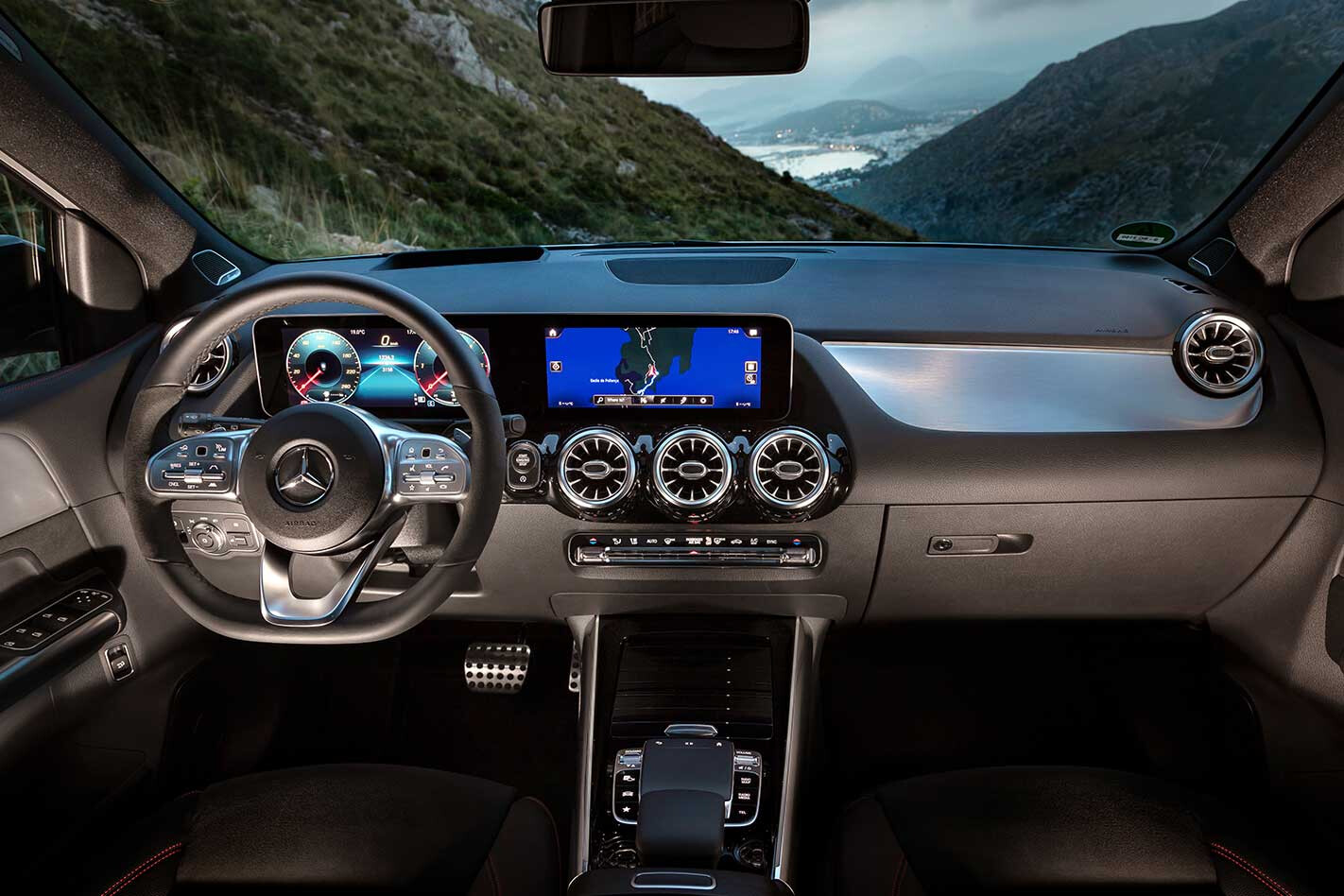
For Australia, the B-Class’s instrument panel will feature the same luscious widescreen instrument and infotainment system display as the A-Class. Standard equipment will likewise imitate A-Class, including the new MBUX user interface with Hey Mercedes voice control. Keyless start, sat nav, reversing camera, nine-speaker audio system and nine airbags will also be standard.
THE WHEELS VERDICT
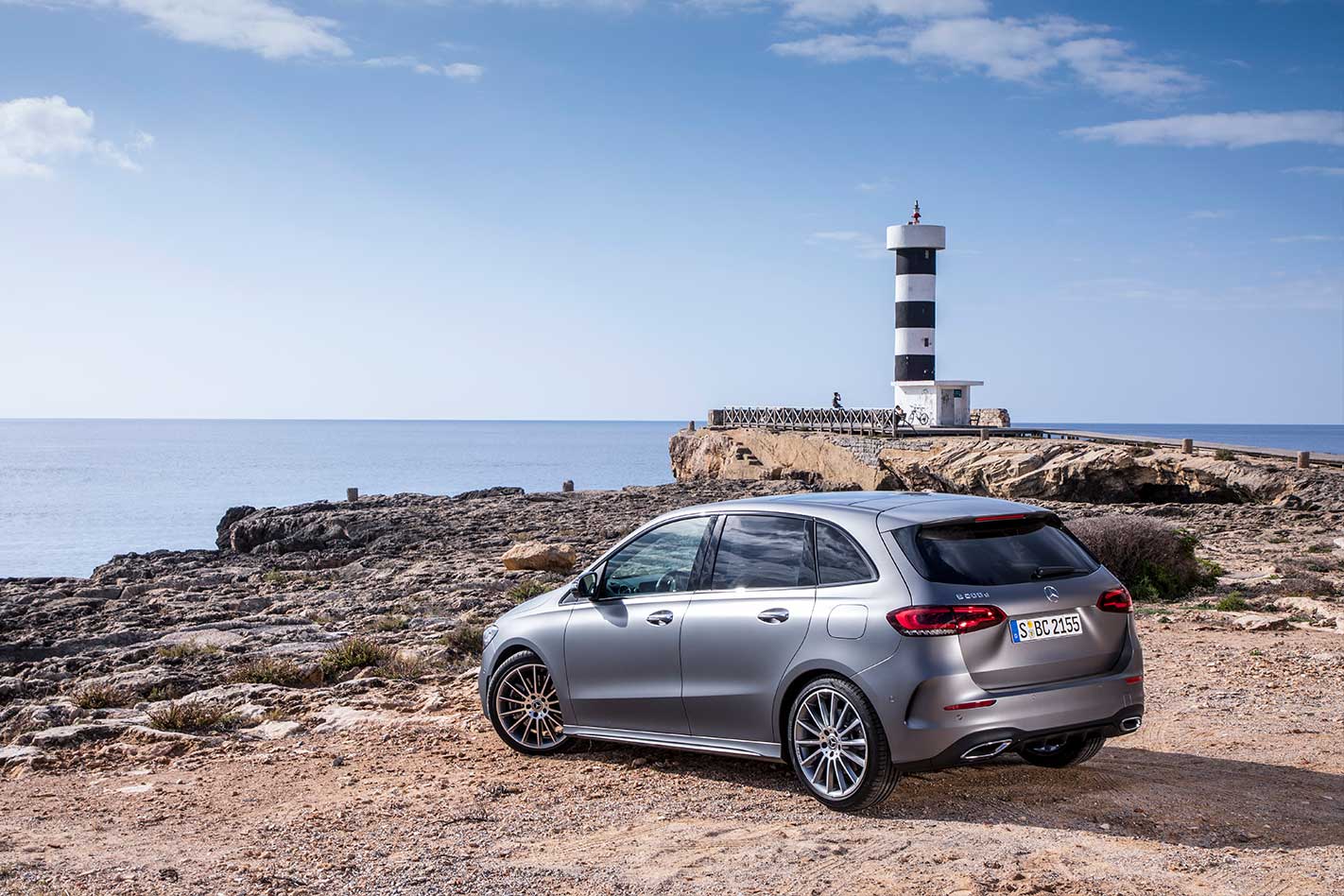
The new Mercedes-Benz B-Class has the makings of a winning small SUV alternative, packing a spacious interior with the brand’s latest and best infotainment, driver assist and safety tech. But the B200’s feeble drivetrain is a fatal flaw.
Plus: Slick ride (with IRS); space; all-round vision; interior design and tech Minus: Weak, unrefined engine and poorly calibrated auto (B200); price
2019 MERCEDES-BENZ B200 SPECIFICATIONS
Engine: 1332cc 4-cyl, dohc, 16v, turbo Max power: 120kW @ 5500rpm Max torque: 250Nm @ 1620rpm Transmission: 7-speed dual-clutch Weight: 1410kg (EC kerb) 0-100km/h: 8.2sec (claimed) Fuel economy: 5.6L/100km Price: $45,000 (estimated) On sale: Mid 2019
Toyota has taken the eraser to the fourth-generation Prius’s exterior as part of its mid-life refresh revealed at the LA Auto Show this week, removing some of the edgier elements of the petrol/electric hybrid’s outlandish exterior.
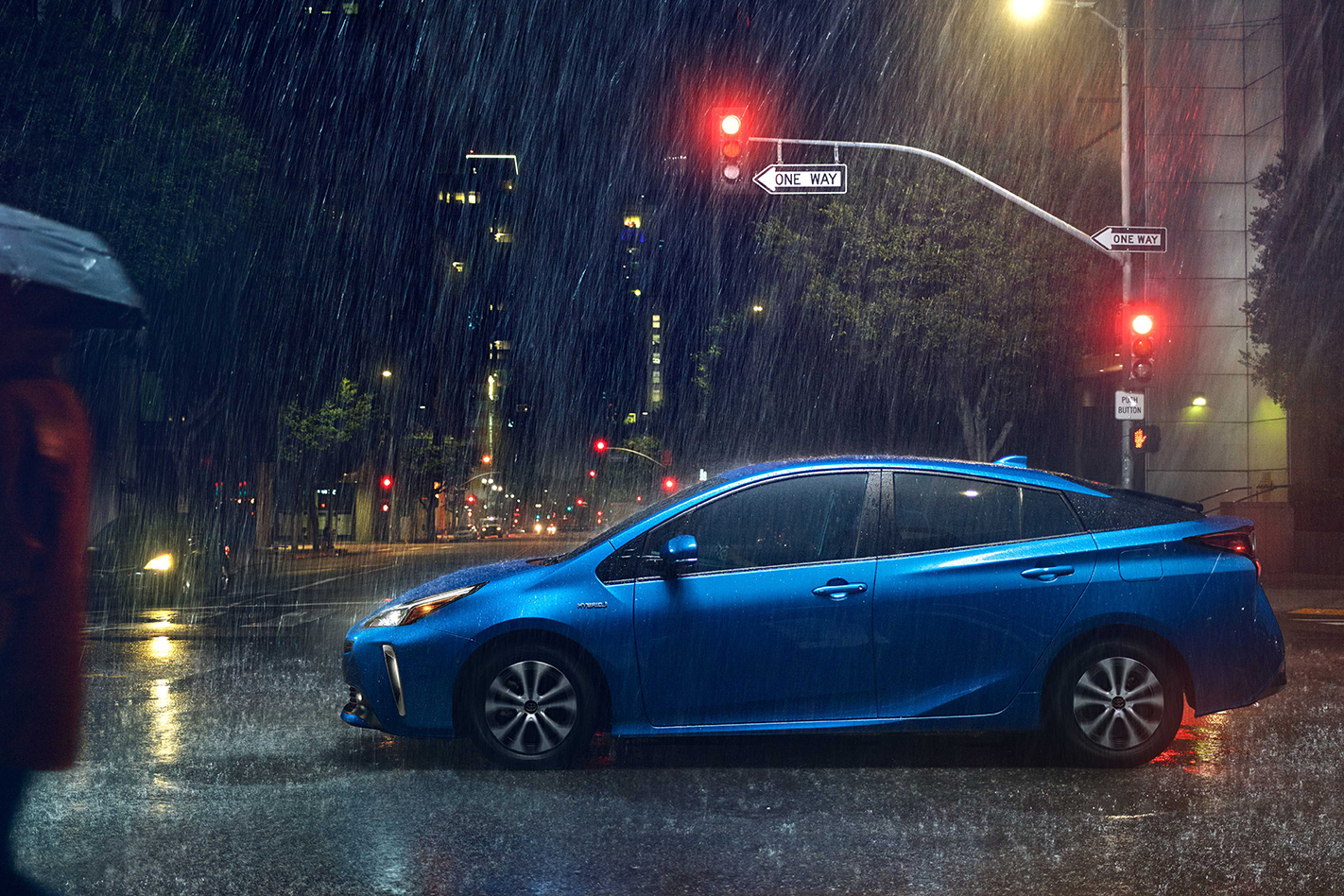
It’s a pretty wholesale change, too, with both the front and rear ends made over, new headlight and taillight treatments, new rims and a slightly revised interior, as well.
And it’s not come a moment too soon for the once-dominant hybrid warrior. Not that long ago, it competed in a class of one, but now has to fight off the likes of siblings like the Toyota Camry Hybrid and Corolla Hybrid.
Hyundai, too, has waded into the space with three versions of its Ioniq coupe – including a petrol/electric hybrid version.
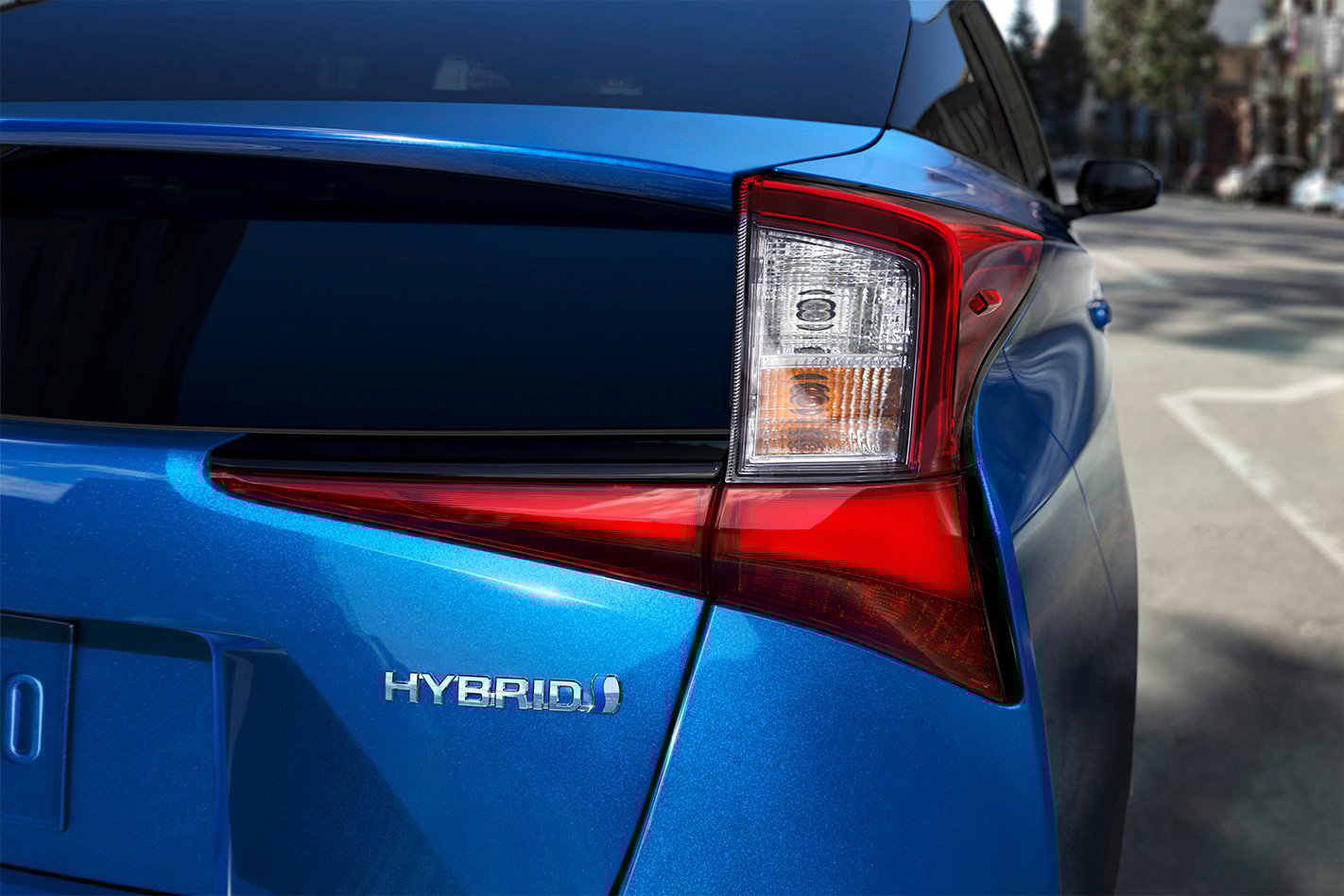
The new-look Prius – which could once count on its Jetsons visage to give owners a visual ‘environmental warrior’ cue – presents a much more sedate vision now, with a less pronounced snout, reshaped headlights with vertical daytime running lamps, and toned-down taillights.
New 17-inch rims are added to the top spec i-Tech while – hold on to your hats – a new hubcap design is offered on the base model car. Toyota has also added red and blue to the paint palette for the Prius, which touches down in Australia in April next year.
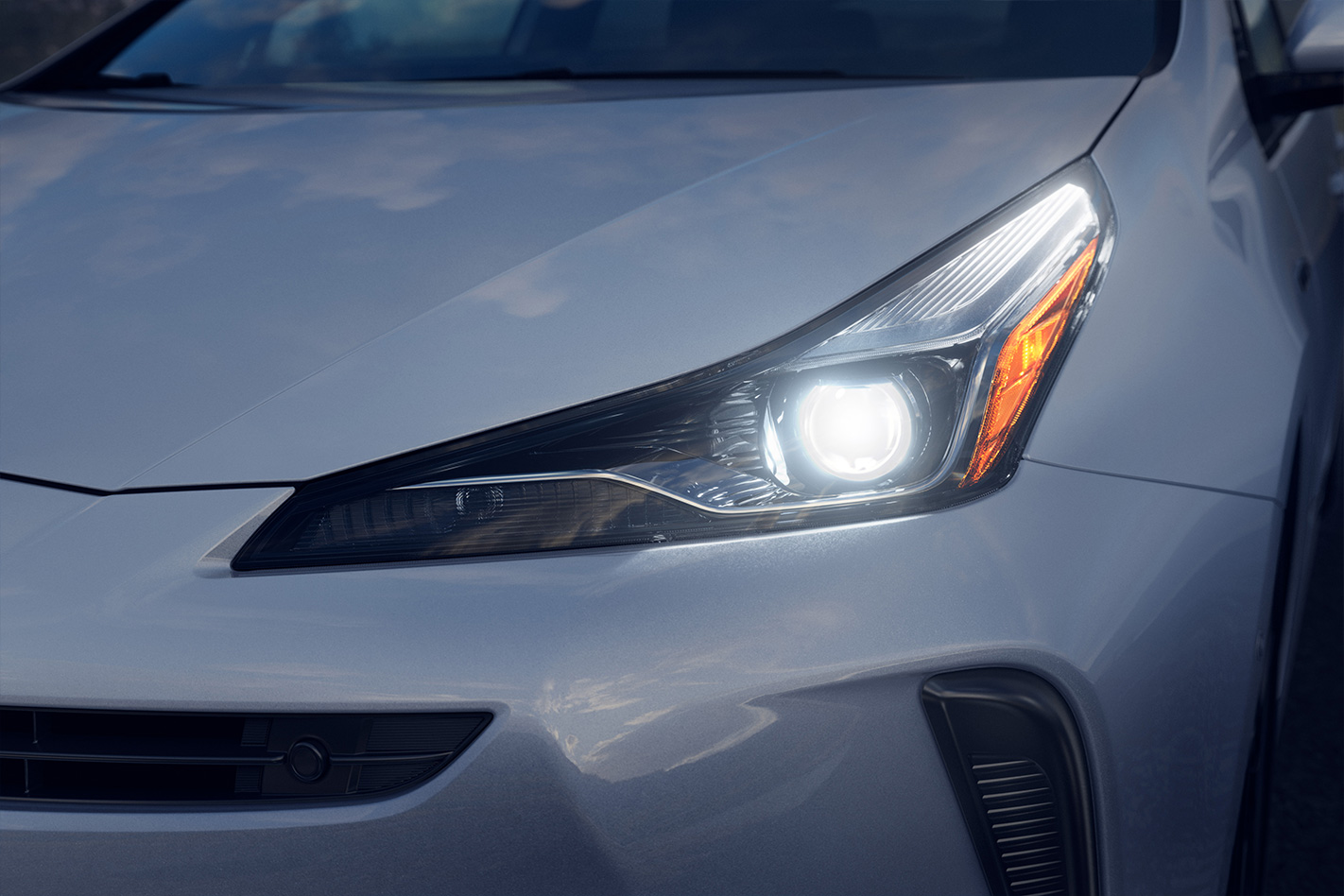
Inside, the centre console has been redesigned to suit a new 7.0-inch multimedia screen, which even though it comes with tactile swipe controls, still misses out on Apple CarPlay and Android Auto capability.
Technically speaking, the Prius retains its 1.8-litre Atkinson-cycle petrol engine/twin electric motor powertrain, backed by a CVT-style transmission. It also retains its 7.4kWh nickel-metal/hydride battery and 3.4L/100km claimed combined fuel economy figure.
Despite countless concepts dating back to the 1950s, flying cars are still only taking to the sky in pie form. However, the drone revolution has given rise to another kind of flying vehicle for the masses; the flying taxi.
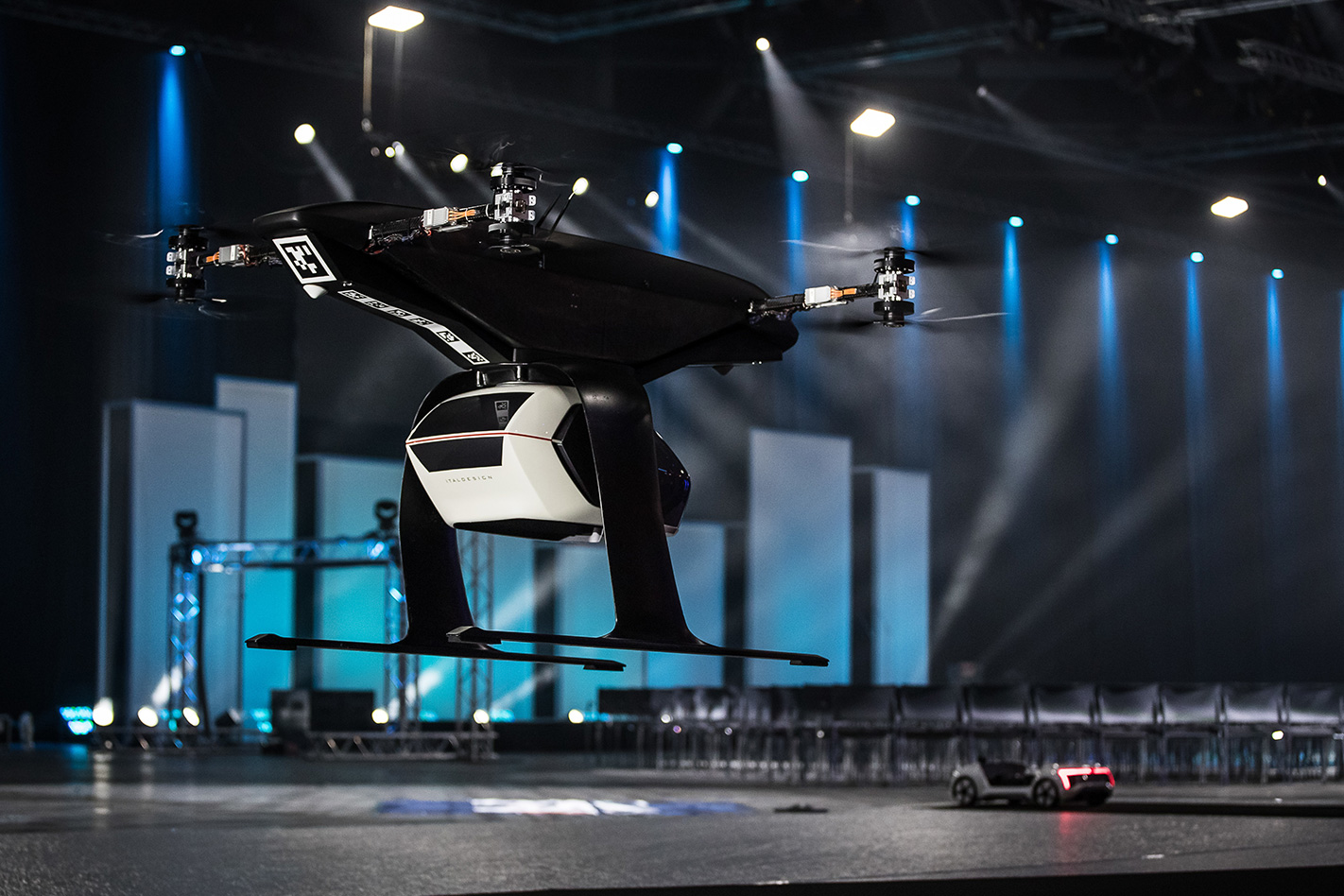
Most flying taxi concepts resemble giant quad-copter drones designed to carry people quickly and autonomously across cities. However, most are simply a new take on helicopters that won’t be able to offer the door-to-door convenience of conventional taxis and ride-sharing services.
So Audi has teamed up with Airbus and Audi subsidiary company Italdesign to create a giant drone that can carry a passenger pod that can, after it lands, turn in to a car to get you to and from landing spot without changing vehicles.
The syndicate revealed a 1:4 scale model of its Pop.Up Next concept at Drone Week in Amsterdam, with Audi board member for sourcing and IT Dr Bernd Martens declaring that “flying taxis are on the way. We at Audi are convinced of that”.
“In future, senior citizens, children, and people without a driver’s license will want to use convenient robot taxis,” he continued. “If we succeed in making a smart allocation of traffic between roads and airspace, people and cities can benefit in equal measure.”
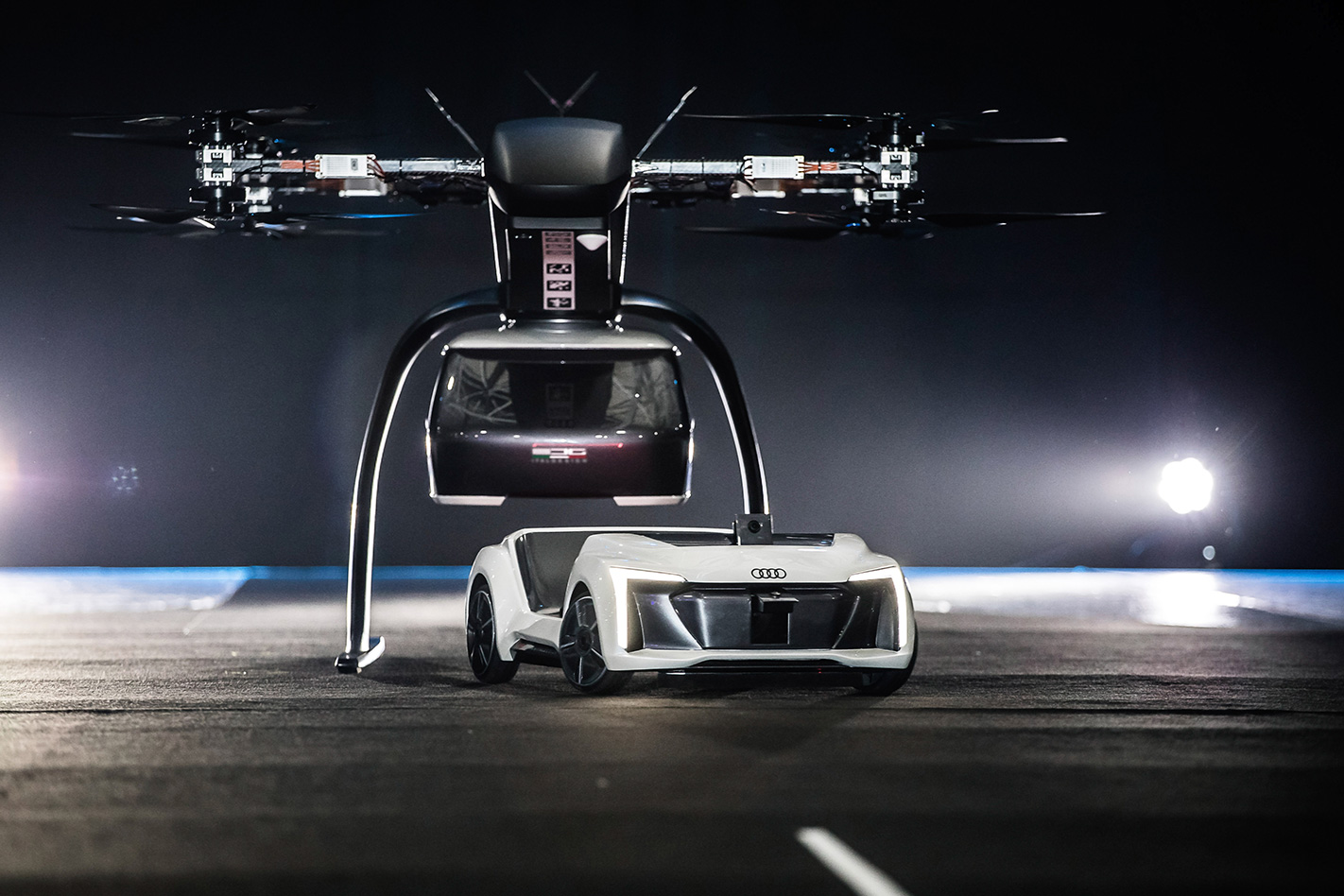
Audi and Airbus subsidiary Voom has already tested the idea in South America, using helicopters to shuttle people across heavily congested metropolises like Mexico City and Sau Paulo, Brazil, while Audi provided a car for the journey to or from the landing site.
“Services like this help us to understand our customers’ needs better,” said Dr Marten’s. “Next we are simultaneously exploring the boundaries of what is technically possible. The next step is for a full-size prototype to fly and drive,” said Dr Martens.
Taxi!
Aaah, motor shows… while grizzled journos can complain about one show looking just like the other, the truth is that each show has its own flavour and feel, dictated through a combination of the locale, the cars on show and the state of the wider car industry at that particular time.
The LA Show, which is held every November in the town’s biggest convention centre, is tiny when you compare it to something like Frankfurt or Paris, even though there’s more than 1000 cars on display.
As a journo, it’s easy to get around the Convention Centre in a day, covering the big releases in a carefully choreographed order that sees a mass of photographers, video teams and journos dutifully shuffle from one car maker to the next, politely listen to a speech by the MD or CEO, and applaud when the sheet/stage door/smoke machine fog lifts to reveal something shiny and new.
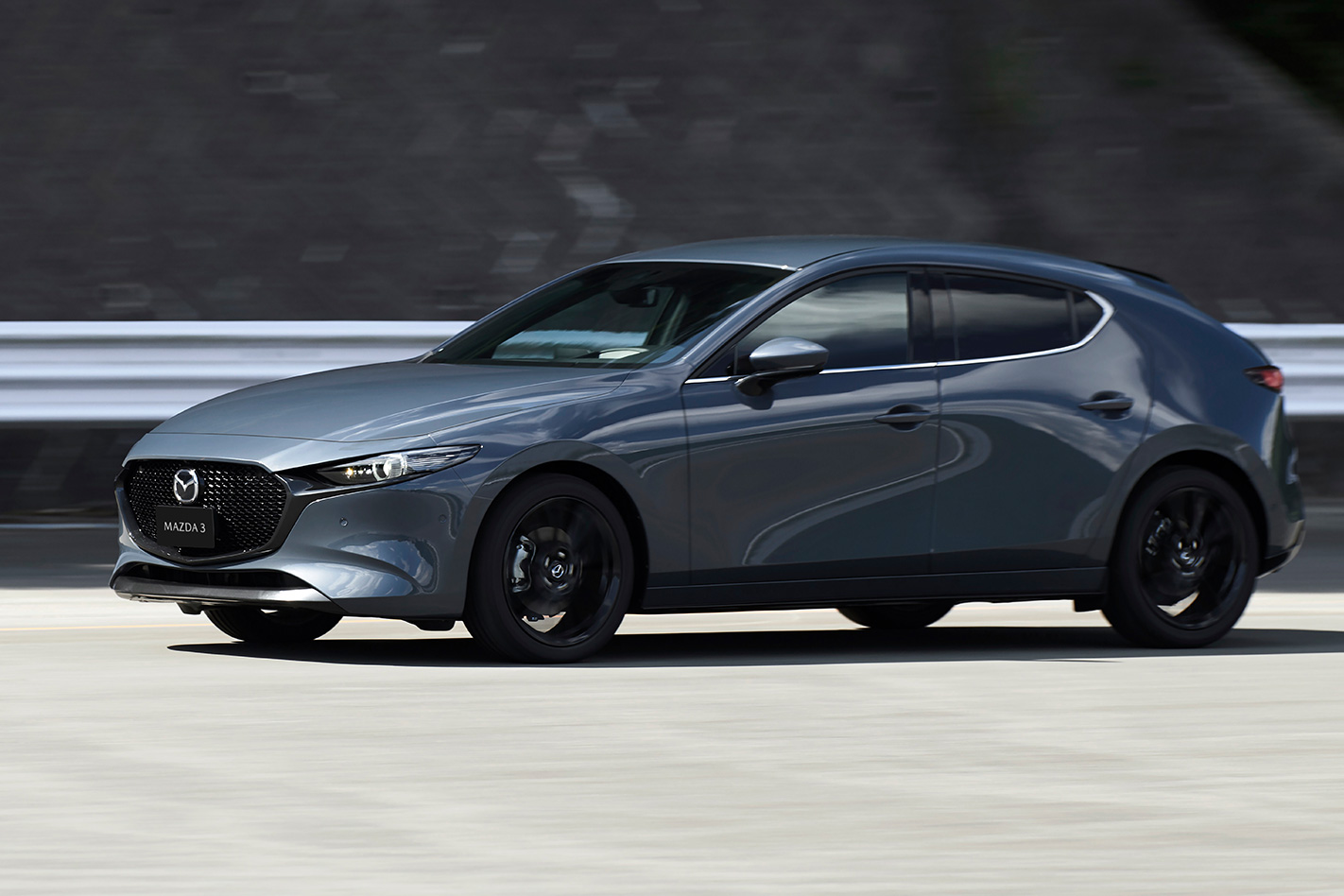
This year’s show belongs – in an Aussie sense at least – to Mazda, which has used LA to reveal important cars like the CX-5 previously. This time it’s the new Mazda 3, which you can read about in detail here. Porsche, too, revealed its latest 911 in one of its strongest markets, while Toyota previewed – not the Supra – but a hybrid Corolla sedan.
We also saw a Subaru kissing booth, a car-less Volvo stand, crazily modified machines from some of the worl’d biggest auto makeover artists and, of course, some really cool cars. Come with us on a stroll through the halls of the LA Auto Show!
Click on the image gallery above to see what’s happening at the 2018 Los Angeles Auto Show
MAZDA’S CEO has revealed in Los Angeles the company’s revolutionary SkyActiv-X compression ignition engine will be fitted to its entire range.
Akira Marumoto, Mazda’s global president and CEO, made the announcement during a speech at the Los Angeles Auto Show.
“I am pleased to announce that starting from the all-new Mazda3, all upcoming new models will be equipped with the Skyactiv-X gasoline engine,” he said.
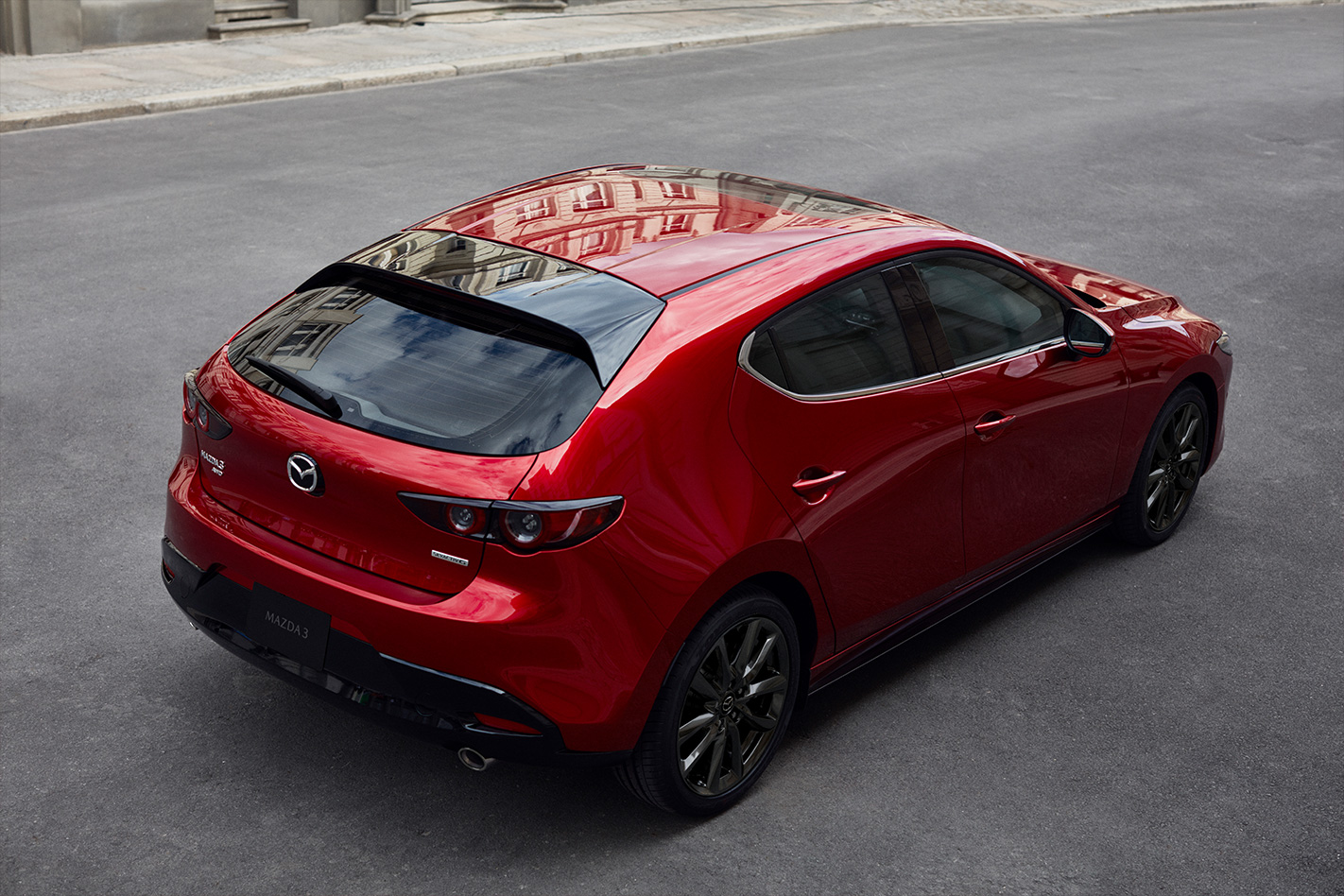
“Skyactiv-X is one of Mazda’s ideal combustion engines. Thanks to SPCCI, which stands for Spark-Controlled Compression Ignition, this revolutionary power plant combines the free-revving characteristics of a gasoline engine with the efficiency, torque and fast initial response of a diesel engine.”
For those of you wondering how the SkyActiv-X engine works, we have a handy explainer here, and you can read our review of a prototype car here.
By ditching conventional spark ignition, Mazda claims the SkyActiv-X engine is able to achieve ground breaking efficiency in both fuel consumption and CO2 outputs.
Marumoto-san’s speech also reaffirmed the brand’s commitment to a well-to-wheel perspective in terms of eco-credentials, to “reduce CO2 emissions throughout the car’s entire life cycle”.
“We are targeting to reduce average CO2 emissions by 50 percent by 2030,” he said.
“To achieve this, we will take a multi-solution approach tailored to each region. Such solutions include Mazda’s ideal internal combustion engines paired with hybrid, plug-in hybrid, as well as battery EVs with and without the rotary range extender.”
Ferrari has completed its latest one-off project, this time an F12tdf-based roadster called the Ferrari SP3JC.
Its donor car’s running gear is still intact, meaning it’s powered by a screaming atmo 574kW 6.3-litre V12, but its design is what makes it special.
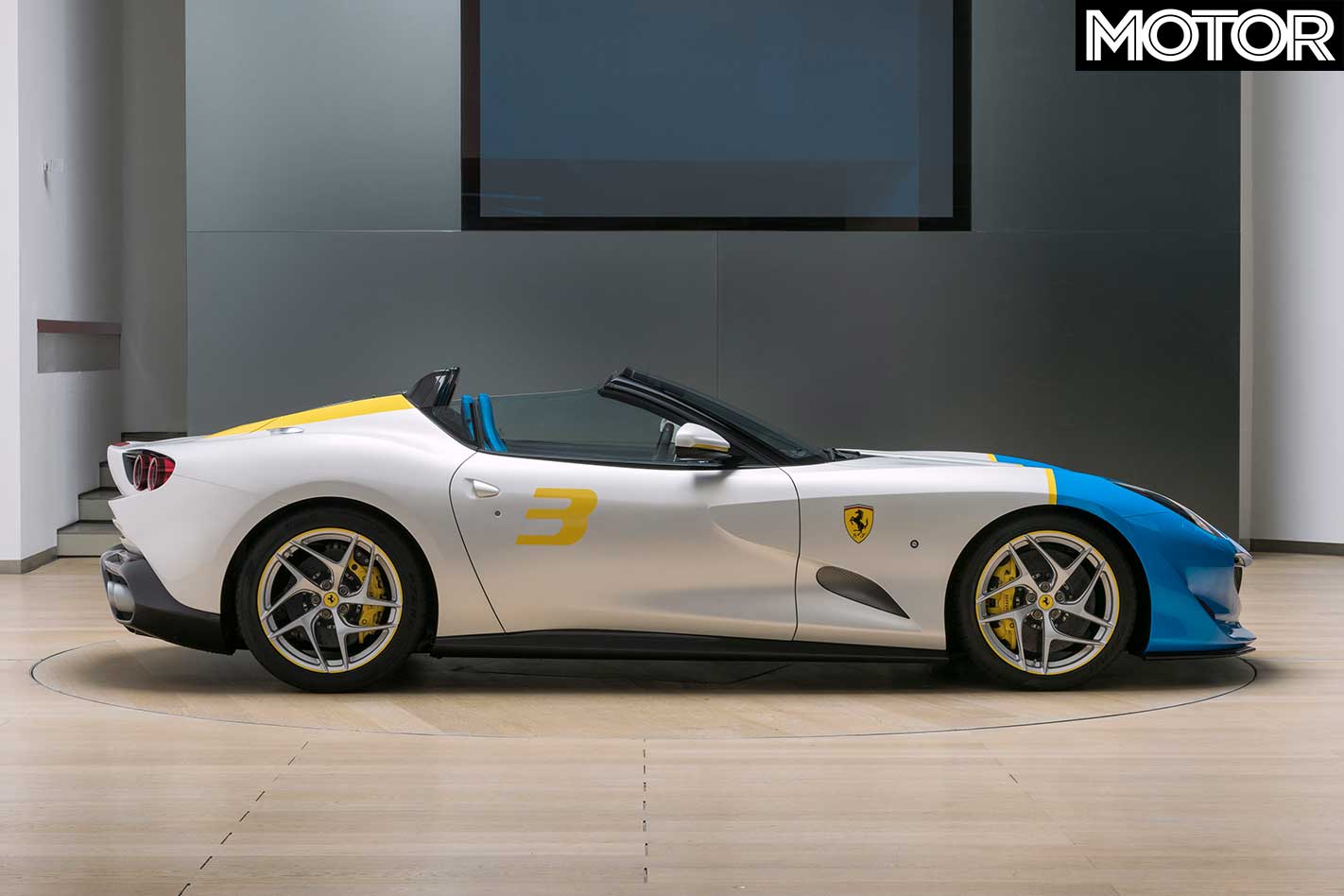
Ferrari says the car’s owner wanted it to be an “uncompromising roadster” with the F12tdf as a base, while its design would be seeped in pop art and Ferrari’s historic design language.
“The sole one-off car to be commissioned on this limited-series special, the SP3JC is the maximum expression of open-air motoring, harking back to Ferrari’s epic V12-engined spiders of the 1950s and ‘60s,” Ferrari says.
“The striking one-off makes an important and individual styling statement and represents the outcome of over two years of intense work, with close involvement from the client throughout the process.”
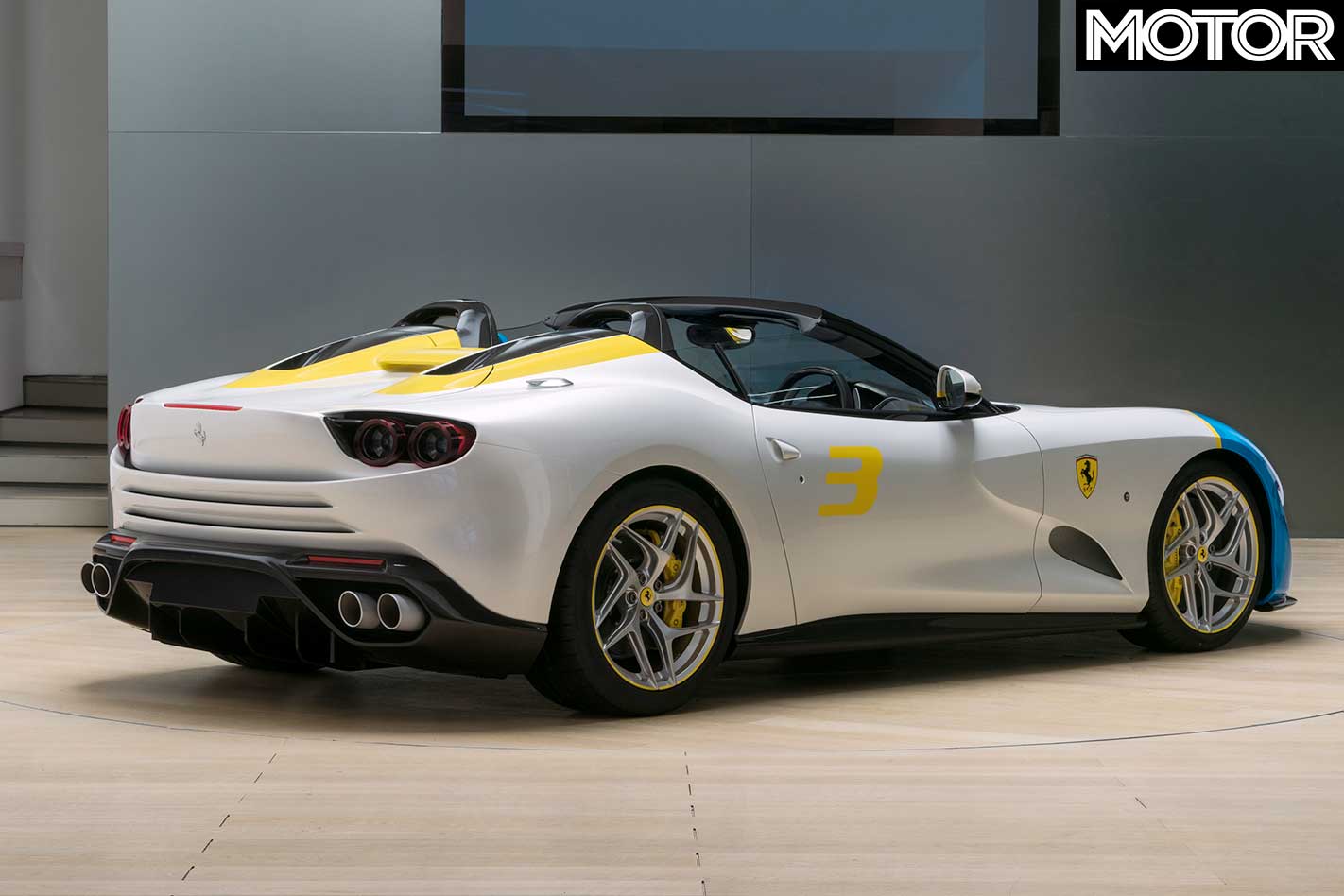
While the F12tdf is still clearly visible in the design of the SP3JC, the specially re-sculpted flanks are, Ferrari says, “designed to emphasise the front-engine layout.”
The air intakes on the front bar, as well as the re-shaped ‘grille’ and horizontally-lined rear bar all intend to give the car a seemingly wider stance.
Its paintwork and livery, however, detract from the otherwise aggressive styling of the bodywork to make the car seem almost ‘friendly’.
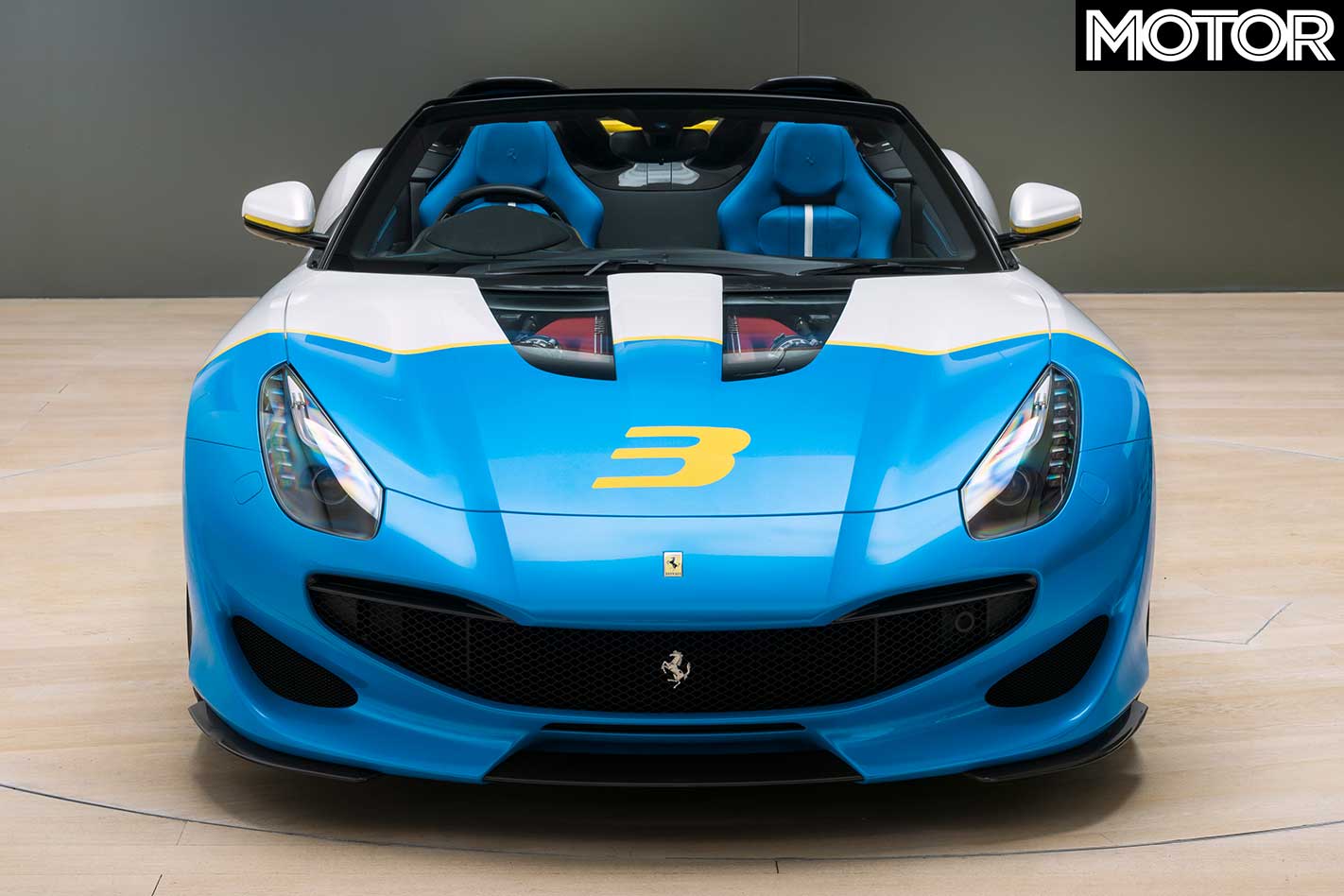
“The client’s passion for Pop Art is reflected in the strong graphics, and the unique combination of the Azzurro Met and Giallo Modena livery over the main Bianco Italia colour scheme underlines the car’s sensual volumes.”
The bonnet features glass panels which make the engine’s heads visible, while other materials such as carbon-fibre and brushed aluminium are found on the roll-hoops and filler car respectively.
Inside, the trim has been designed to complement the livery with seats trimmed in blue leather with white inserts. Blue leather extends to the lower dashboard, and contracting stitching matched that colour theme through the rest of the cabin.
DESPITE a marginal decrease in raised revenue, Victorian motorists injected over $900,000 per day into the state’s coffers in the form of speeding fines last financial year.
During the 2017/18 financial year, Victorians paid out $338m in fines, spread across 1.3m infringement notices.
The most lucrative camera in the state – and country – remains at the intersection of Warrigal Road and Batesford Road, in Melbourne’s south east.
Over the course of the year, the single camera which covers three lanes of 40km/h traffic fined 35,075 motorists to the tune of $8.4m.
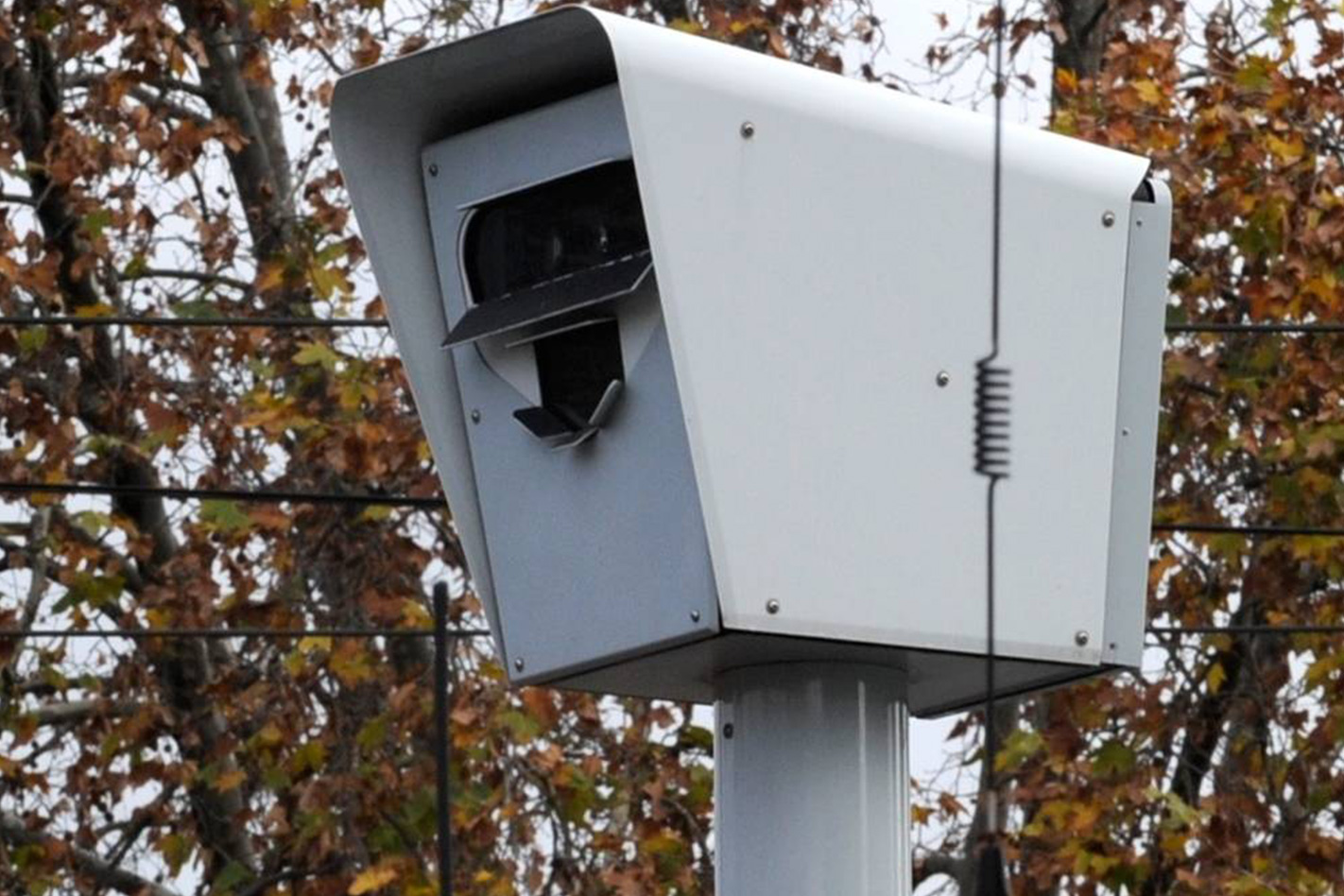
This is a decrease from last year, when the same camera caught 51,519 drivers either speeding or running a red light.
Closing the gap to the Warrigal/Batesford camera was the second most profitable camera in the state (and country), located at the intersection of Fitzroy Street and Lakeside Drive in St Kilda. This camera fined 32,302 motorists to the tune of $7.9m in 12 months.
Despite the eye-watering revenue figure from the last financial year, it is a decrease compared to the $363.1m raised last year. In 2015/16 the figure was $356.4m.
Putting Victoria’s insatiable appetite for speeding fines into perspective is New South Wales, which fined 471,299 motorists for a total of $105m from its speed camera network during the 2017/18 financial year.
Police in the most populous state in Australia were also out in force, handing out 253,673 speeding infringements in person, adding $84m to the government’s coffers.
New South Wales also experienced a downturn in revenue in the 2017/18 financial year, with the $270m collected from speed and red light cameras in conjunction with visible police’s $4.7m together totalling less than the previous 12 months.
In Queensland it has been revealed the 2017/18 estimated actual revenue collected from speed camera fines totalled $160.6m.
However, the state’s government expects that number to increase by 47 percent to $237.2m by 2021/22 as a more aggressive policy is implemented.
“The Camera Detected Offence Program has also been approved to install additional point-to-point cameras, new red light speed cameras and upgrade existing red light cameras to red light speed cameras over the next four years,” a Transport and Main Roads spokesman told the Brisbane Times.
“The increase in mobile speed camera hours and additional fixed cameras are expected to lead to increased infringements and therefore increased revenue projections over coming years.”
JUST a day after revealing it to the world with a lick of camouflage paint, Audi has debuted its e-tron GT concept car at the Los Angeles Auto Show.
The four-door coupe sedan – which looks very similar to an A7 – follows Audi’s e-tron SUV which was launched earlier this year, and is based on the same platform.
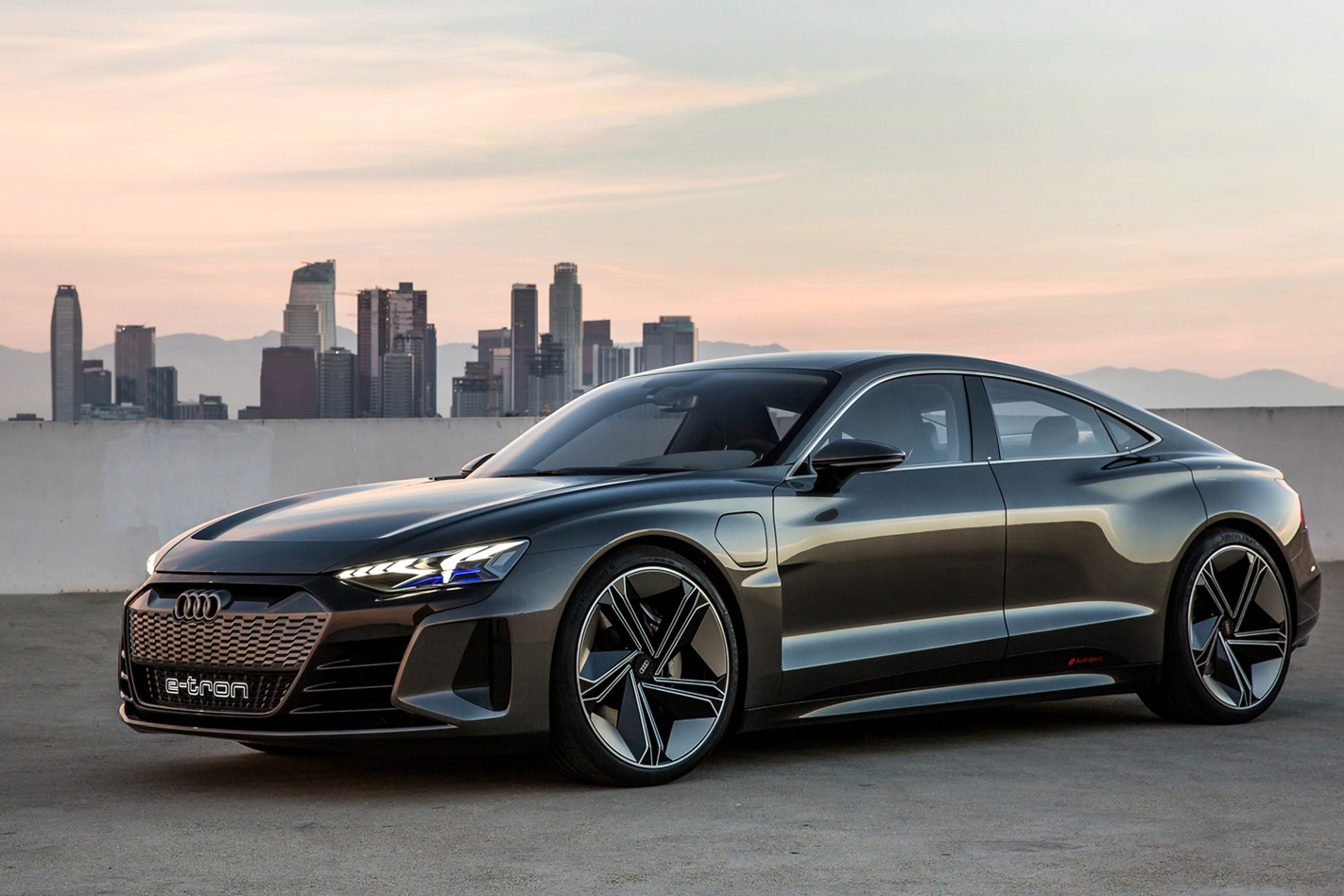
Nestled between the concept’s wheels is a 90kWh lithium-ion battery pack, which sends power to two synchronous motors, which are placed on the front and rear axles respectively for fully electric propulsion.
Audi claims the system puts out a total of 440kW to all four wheels, but it’s the undisclosed torque figure that is going to be the headline act. When Wheels placed a Tesla Model S P100D – the e-tron GT’s natural rival when it makes production – onto a dyno, it cranked out a staggering 1400Nm at the wheels.

We’ve grown wary of outlandish performance figures for concept vehicles, but Audi has remained relatively restrained, claiming 0-100km/h in a healthy 3.5 seconds, and 200km/h in just over 12 seconds. Top Speed? Electronically limited to 240km/h.
While the batteries which provide propulsion mean the e-tron GT is likely to tip the scales at over two tonnes, Audi says it has a comparable centre of gravity to its supercar sibling, the R8. This is thanks to the low placement of the batteries underneath the floor of the cabin in a specially designed cradle.

Audi estimates the e-tron GT is capable of travelling 400km before needing a recharge. However, the concept shares the 800-volt charging system which will debut on the Porsche Taycan, meaning it can be boosted to 80 percent charge (enough for around 320km) in just 20 minutes.
Regenerative brakes are standard, and can help turn wasted kinetic energy into extended range, with stopping power force controlled via paddle shifters on the steering wheel.
Visually, it’s not hard to identify the e-tron GT’s Audi lineage, with a silhouette similar to the combustion-powered A7.
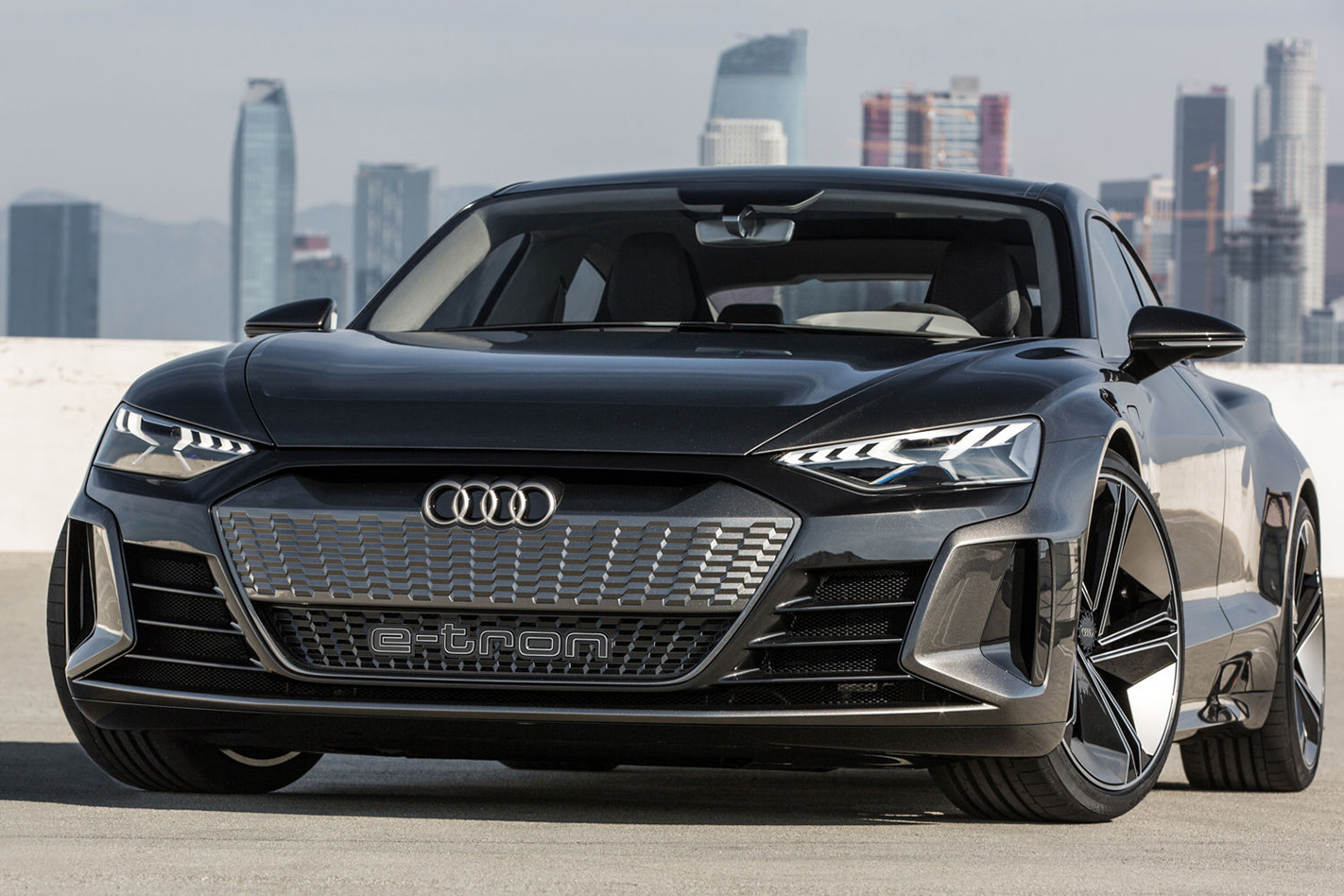
But,m being a concept car, Audi’s engineers have widened the arches, and fitted gargantuan 22-inch rims, wrapped in 285/30 rubber.
The inside of the cabin is allegedly completely ‘vegan’, too, with not a single animal-based product present.
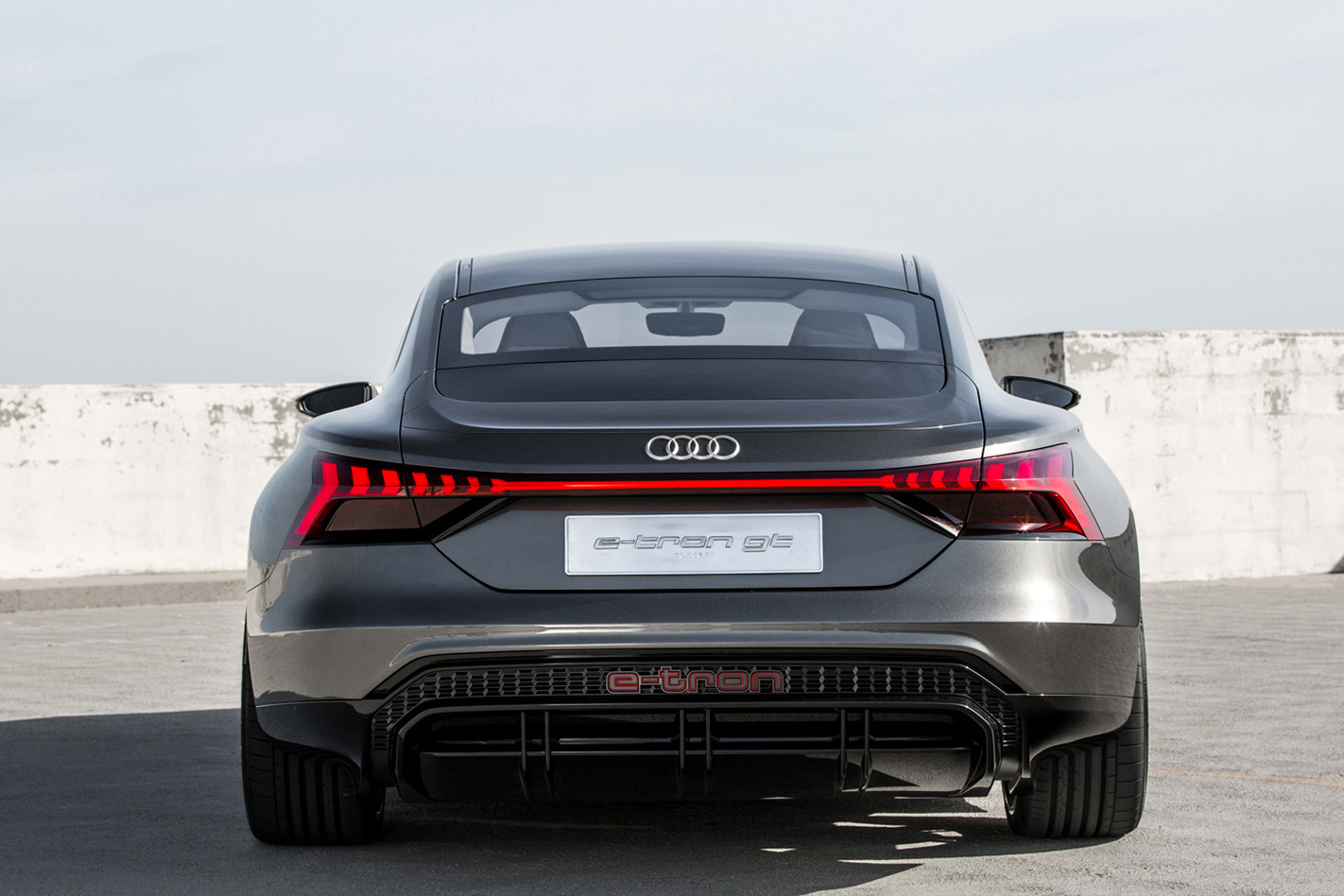
While it’s just a concept for now, Audi has made no bones about putting the sleek sedan into production as a follow-up to the e-tron SUV.
Slated for production in 2020, and set to share a platform with the Porsche Taycan, Audi has stated the e-tron GT will be the sportiest electric vehicle it will offer, effectively ruling out a return of the stillborn battery-powered R8 variant.
Speaking to Australian media in Berlin earlier this year, Peter Oberndorfer, Audi’s Head of Product and Technology Communications, said: “We will have very sporty battery electric cars.”
“With electricity you will have no shortage of power and acceleration, which fits surprisingly well for sporty cars,” he said.
“It is a four-door car, which won’t be a successor to the R8. It will be a very sporty four-door car, and we will have very sporty electric cars in our line-up.”
