
McLaren has revealed it will add make a Track Pack available for its Super Series range-topper, the McLaren 720S.
The 720S’ Track Pack will be relatively similar to other Track Packs that have been offered in the past, though McLaren draws strong links between this pack and the development of the McLaren 720S GT3 racer.
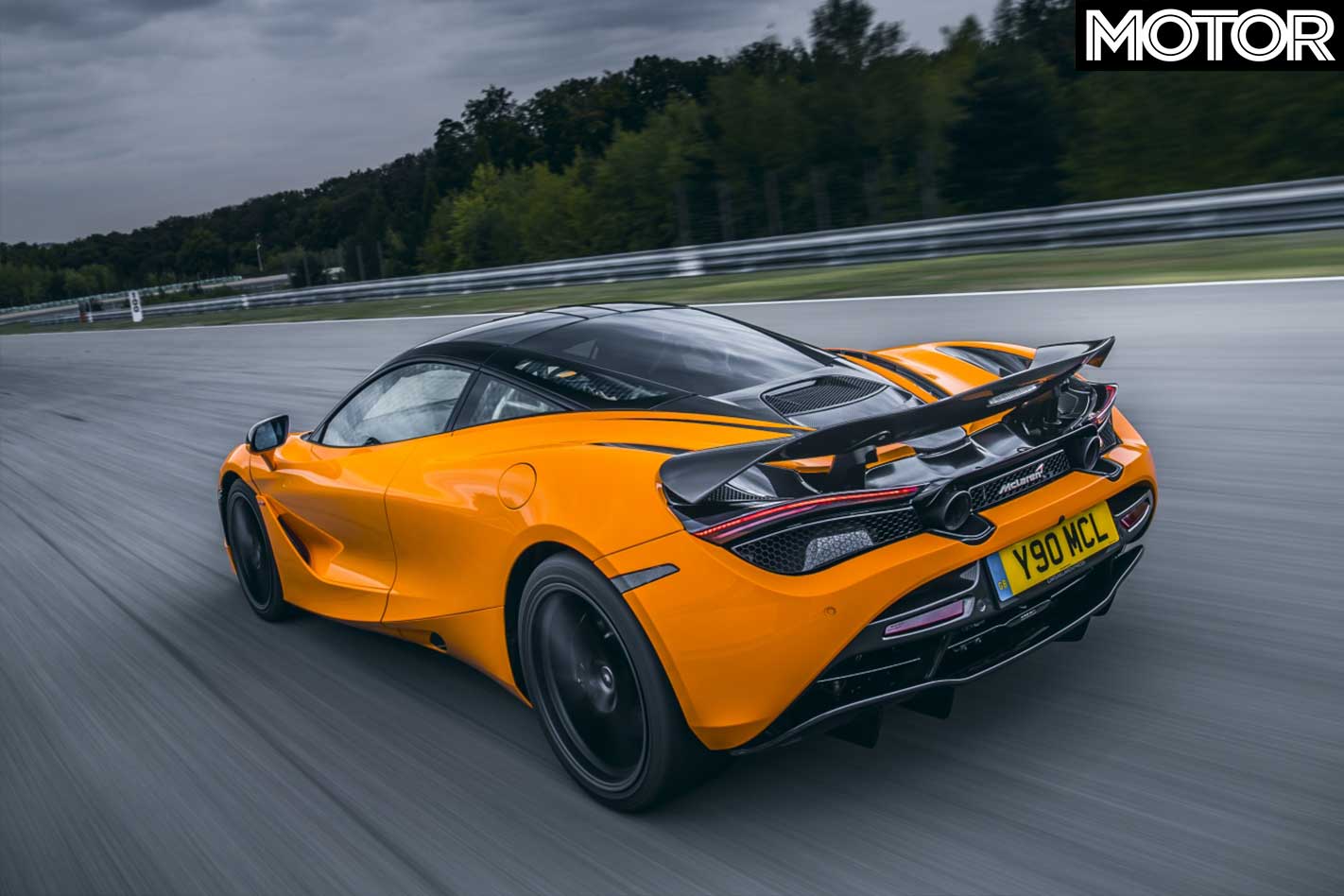
McLaren says the Track Pack comprises both functional and visual elements and saves 24kg from the overall weight of the 720S. This means it would weigh 1395kg rather than 1419kg.
Despite the slight diet and sharpened dynamic performance, the engine outputs remain 530kW and 770Nm for the 3993cc twin-turbo V8. McLaren says 0-200km/h still comes along in 7.8 seconds.
The most visible changes to the 720S with the Track Pack are lightweight 10-spoke forged alloys, an MSO gloss carbon fibre active rear spoiler, and a sports exhaust.
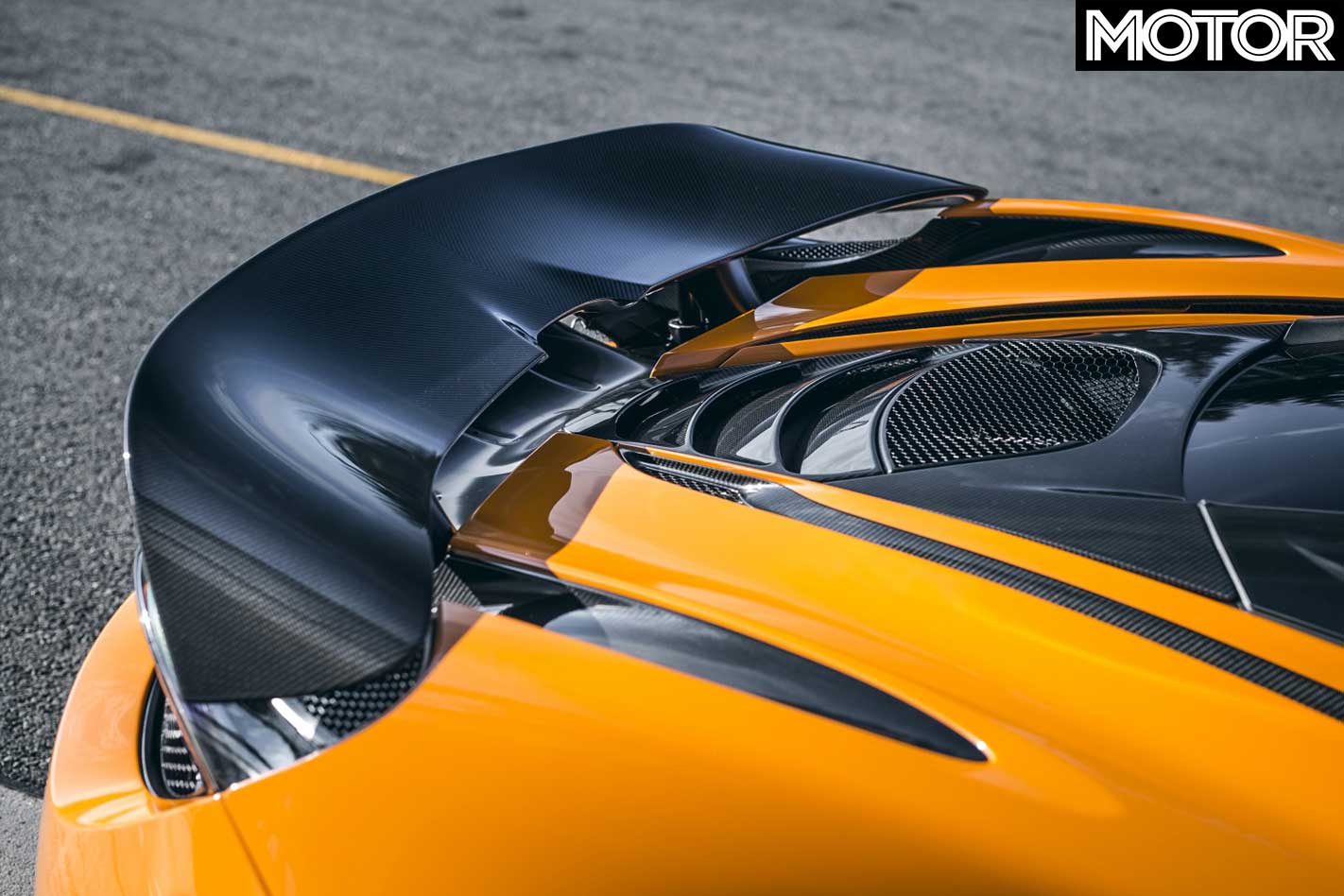
McLaren says it also scores the hood air intakes, rear fender air intakes, and carbon door mirror casings which feature on the 720S Performance edition.
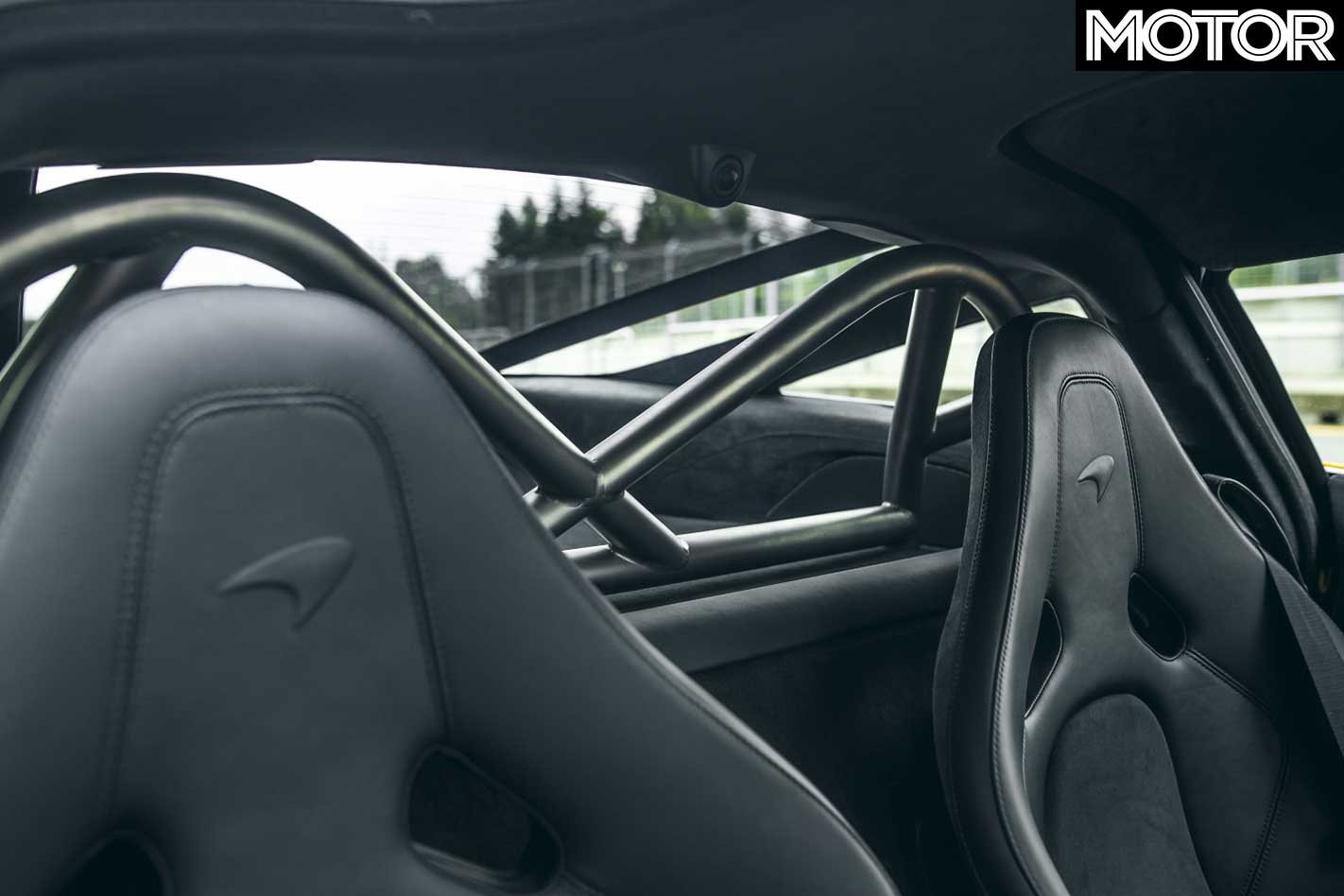
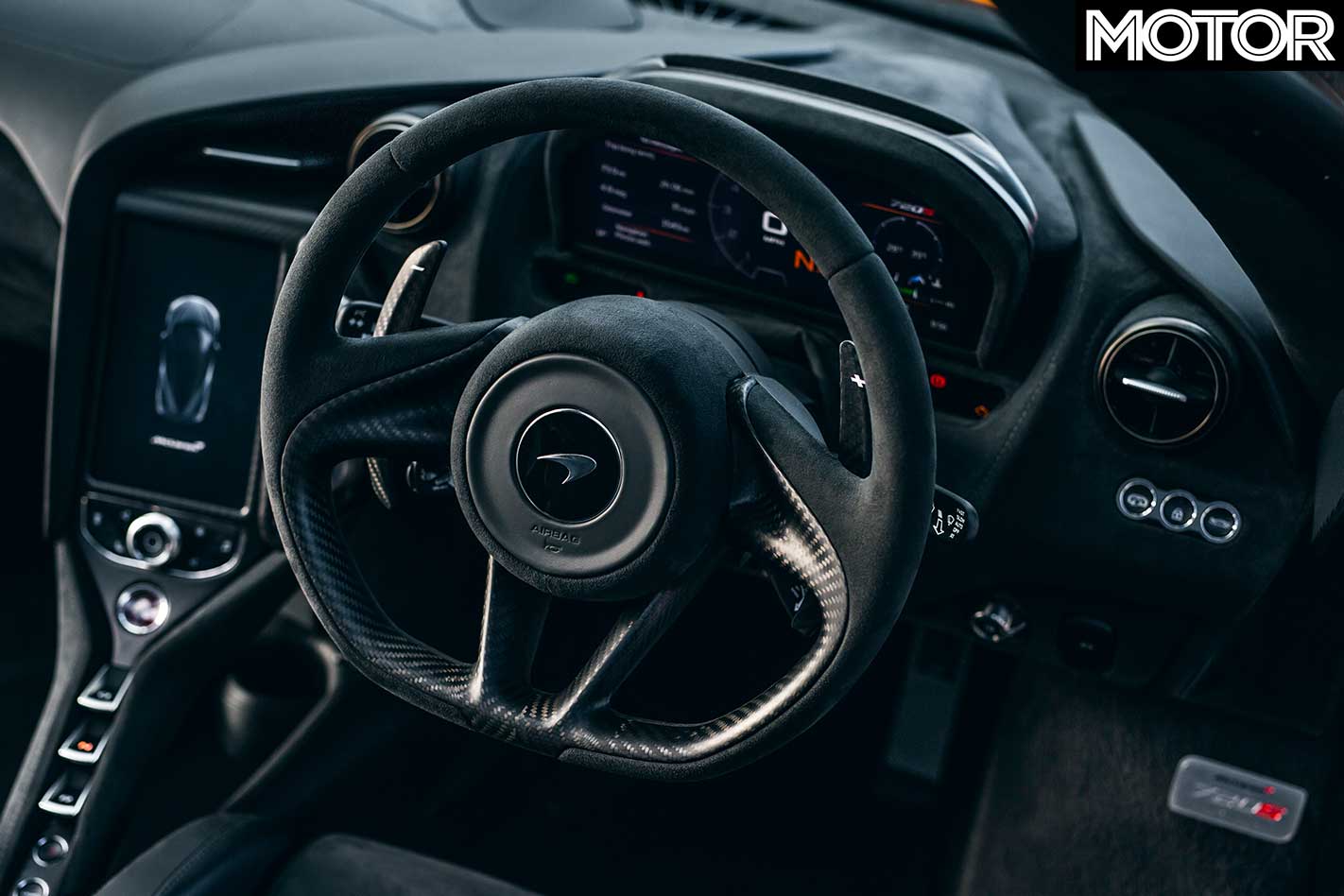
Carbon extends inside the cabin to the seats and shift paddles, while Alcantara trims the wheel, and a bar behind the seats holds 6-point harnesses for both occupants.
A bespoke Track setting joins the 720S’ drive modes, and customers are also able to use McLaren’s telemetry system to monitor their performance and timing data.
MOTOR has contacted McLaren for local pricing and availability for the McLaren 720S Track Pack and awaits a response.
As a guide, in the UK the pack costs £28,360, or £224,700 as an already-built car. McLaren says UK prices for a standard 720S start at £208,600. The McLaren 720S starts from $515,080 in Australia as standard.
PORSCHE Australia’s decision to display the company’s Mission E concept in Sydney’s Barangaroo precinct is about much more than providing some additional eye candy for one of the city’s more vibrant spots.
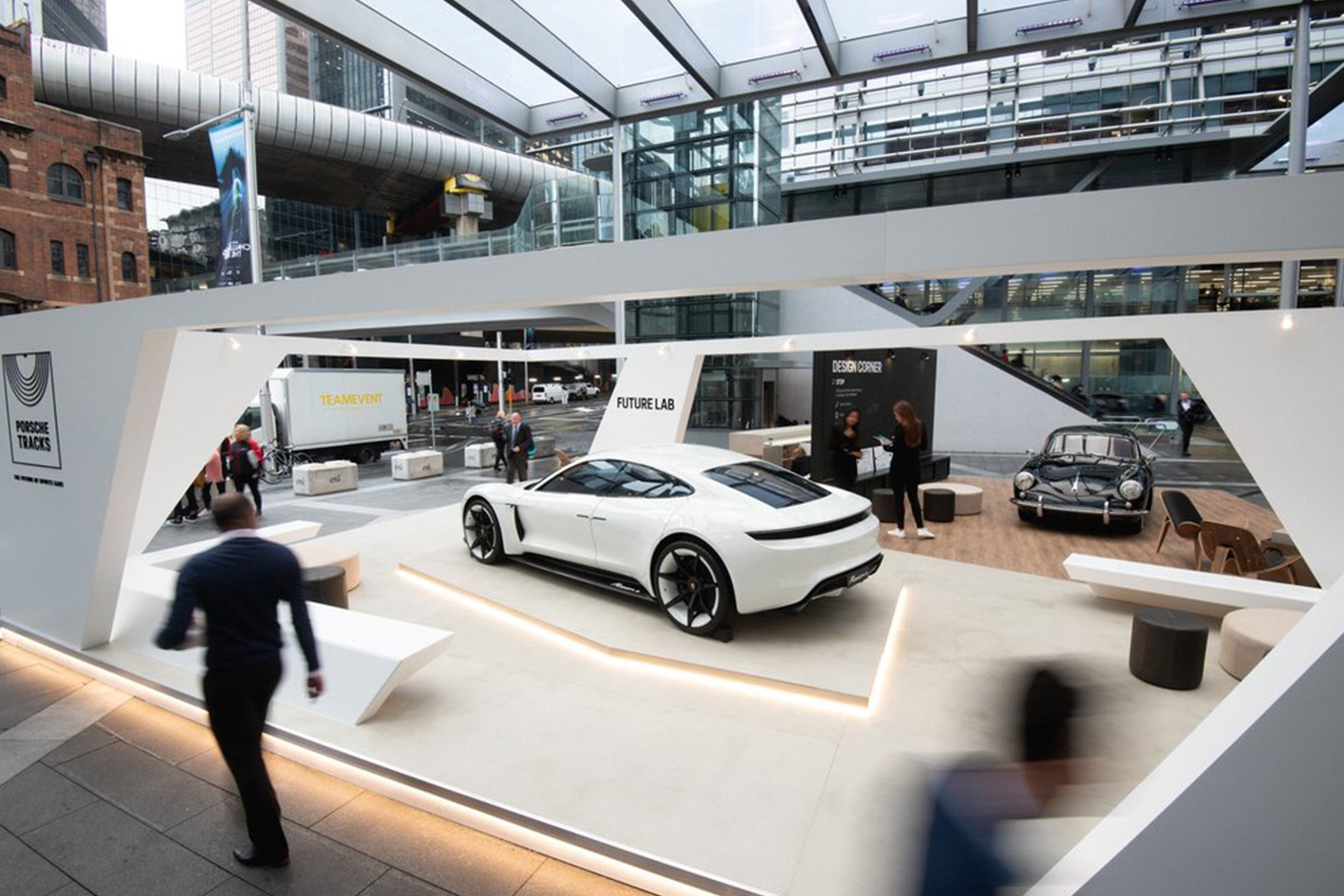
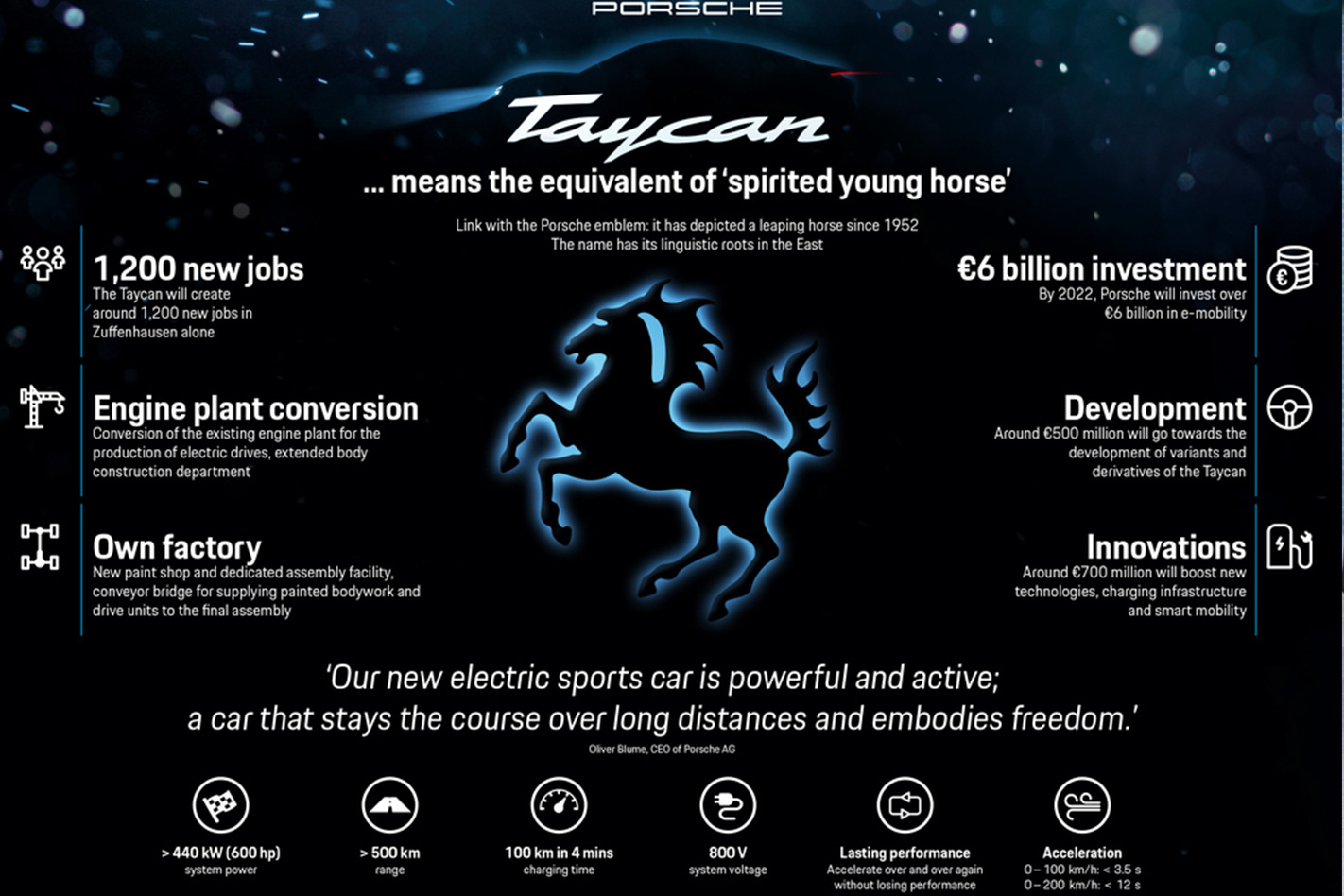
The Mission E, first unveiled at the Frankfurt show of 2015, is the precursor to the forthcoming Taycan (pronounced tie-carn) electric sports car, due in Australia in 2020, and for which Porsche Australia is currently taking ‘expressions of interest’, backed by a refundable $2500 deposit – despite the lack of guidance regarding price or standard spec.
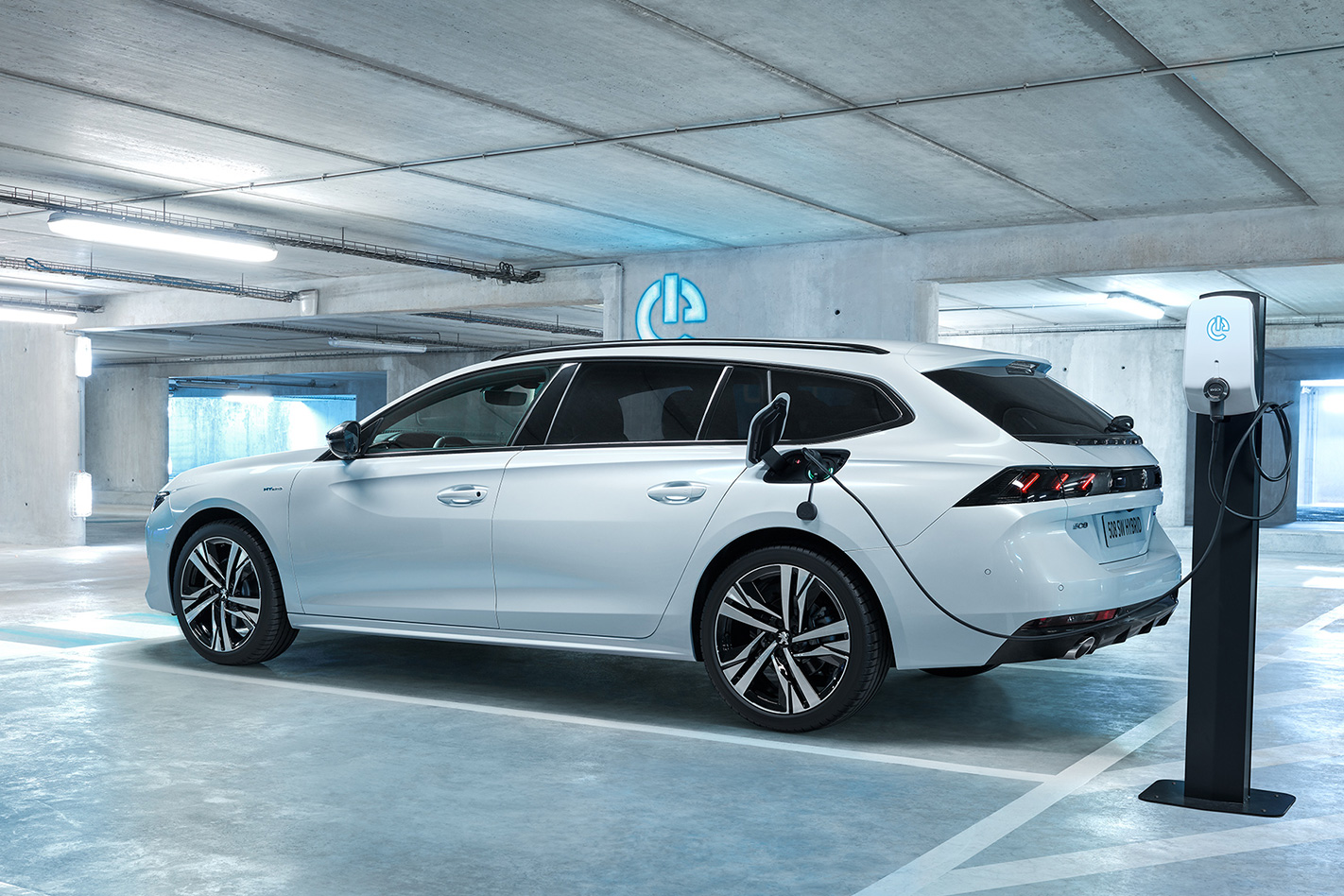
However, the Mission E concept’s arrival provides a few more snippets of info as to how Porsche is preparing to transition itself into a manufacturer of not just internal-combustion vehicles and hybrids, but of high-performance battery-electric models, starting with the Taycan.
A fast-charging network (developed with at least one other OEM brand) along the east coast of the country, and parts of WA, is pivotal to the roll-out plan.
Porsche is yet to announce its charge-provider partner, but Inga Appel, Porsche’s Head of Product and Smart Mobility, claims that the network will set new precedents for charging speed and convenience: “Our chargers will be located in service stations along the main highway route between Adelaide and Brisbane, as well as in Porsche dealerships, so the network will offer the convenience customers are used to, with no need to leave the highway.”
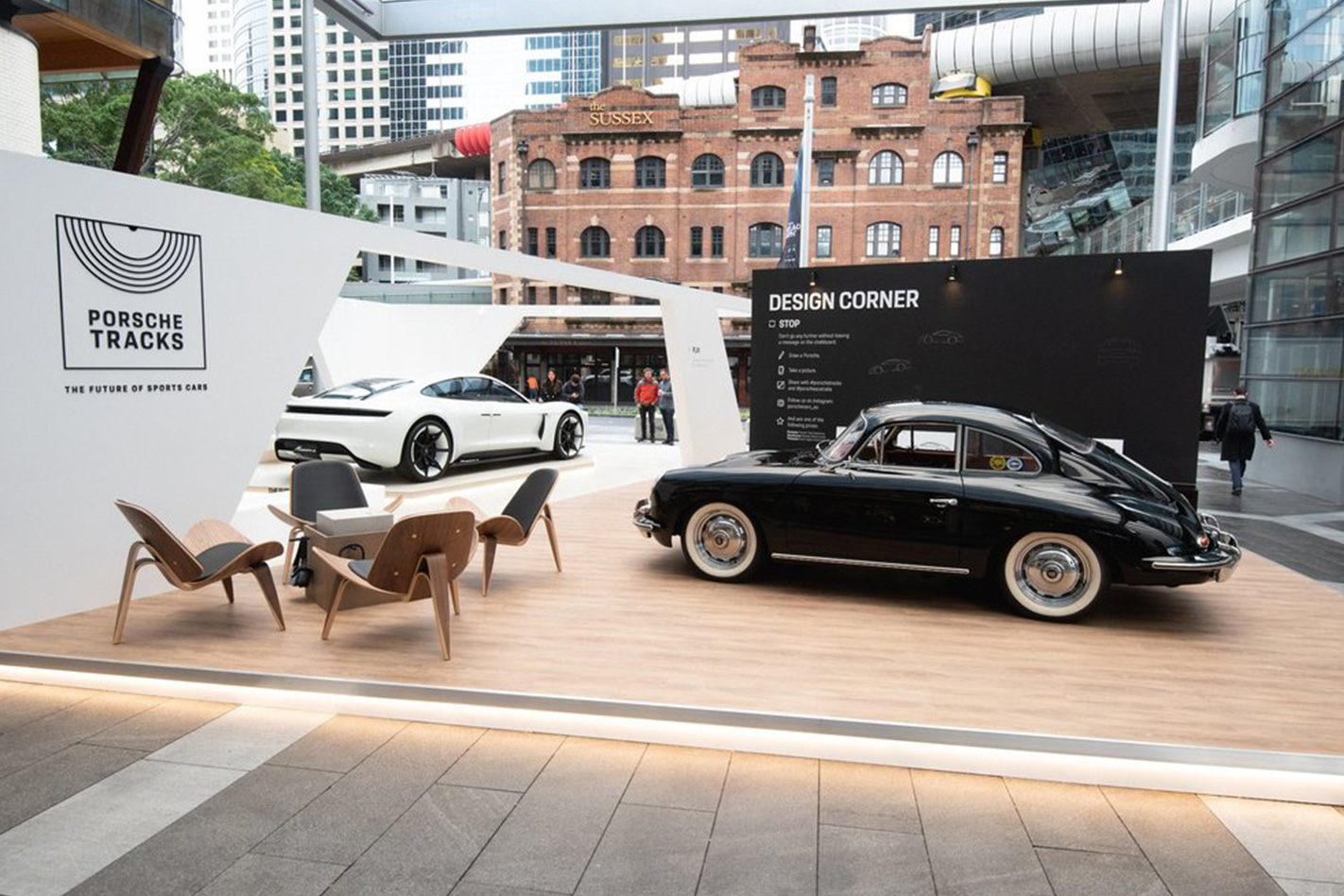
As for speed, Porsche says its set-up will be framed around an 800-volt, 350kW system that can deliver 80 percent of a full charge to the Taycan in just 20 minutes. The company is claiming its new model has a range of 500km (measured on the European standard), so the inference is that 20 minutes charging time should be sufficient for more than 350km. Further, Porsche talks about ‘pit stop’ style charging where a range of 100km can be zapped into the battery in just four minutes.
As for what else we know about the Taycan, it seems set to redefine the performance parameters of any EV short of ultra-exotics from the likes of Rimac, and blow newcomers like the Jaguar I-Pace into the shrubbery. Despite a hefty kerb weight of 2150kg, Porsche is claiming the 440kW Taycan will accelerate from 0-100km/h in under 3.5sec, and to 200km/h in under 12sec.
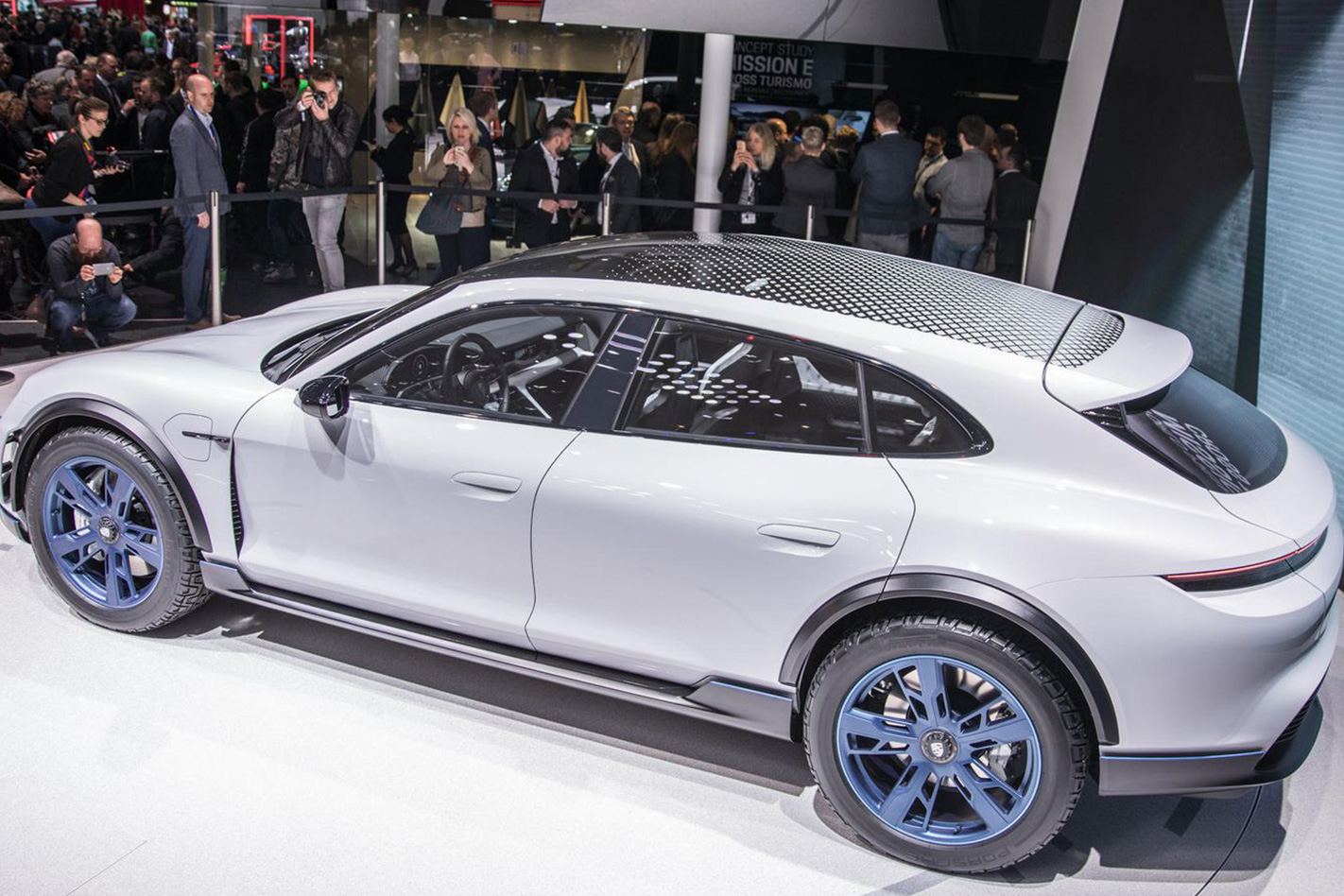
Porsche gave us an insight into how the road-going Taycan could also spawn a crossover model when it showed the Cross Turismo concept at Geneva this year; as for the real deal, the hot tip is the production Taycan will drop at next year’s Geneva show in March.
Last week, Europe’s parliament voted to increase emissions regulations in its member nations – a move that would see average vehicular CO2 emissions in 2030 drop by 40 percent relative to 2021 levels.
The 2021 CO2 targets are already regarded as strict, with automakers compelled to achieve a fleet average – that is, the CO2 output of all of their cars sold averaged out to a per-vehicle figure – of just 95 grams of CO2 per kilometre. To put that into perspective, a Mazda 3 with a 2.0-litre petrol engine emits an average of 134g/km of CO2 (according to the government’s Green Vehicle Guide), while a current-generation Toyota Corolla hybrid misses the 95g/km target by just 2g/km.
Light commercial vehicles are given some leeway, and are allowed to emit an average of 147g/km – still an ambitious figure for that class.
And that’s just for 2020. The proposed limit for 2030 is a mere 38g/km for passenger cars, a figure that would be impossible for most manufacturers to achieve without extensive electrification.
But why are we telling you this, when European laws have limited impact on Australian legislation?
Simple: if demand driven by the European market, which accounts for 15.6 million new cars annually in passenger cars alone, leads to a rise in the availability of more electrified models, it’s a fair assumption that this would eventually lead to greater choice of EVS, PHEVs and conventional hybrids in our market.
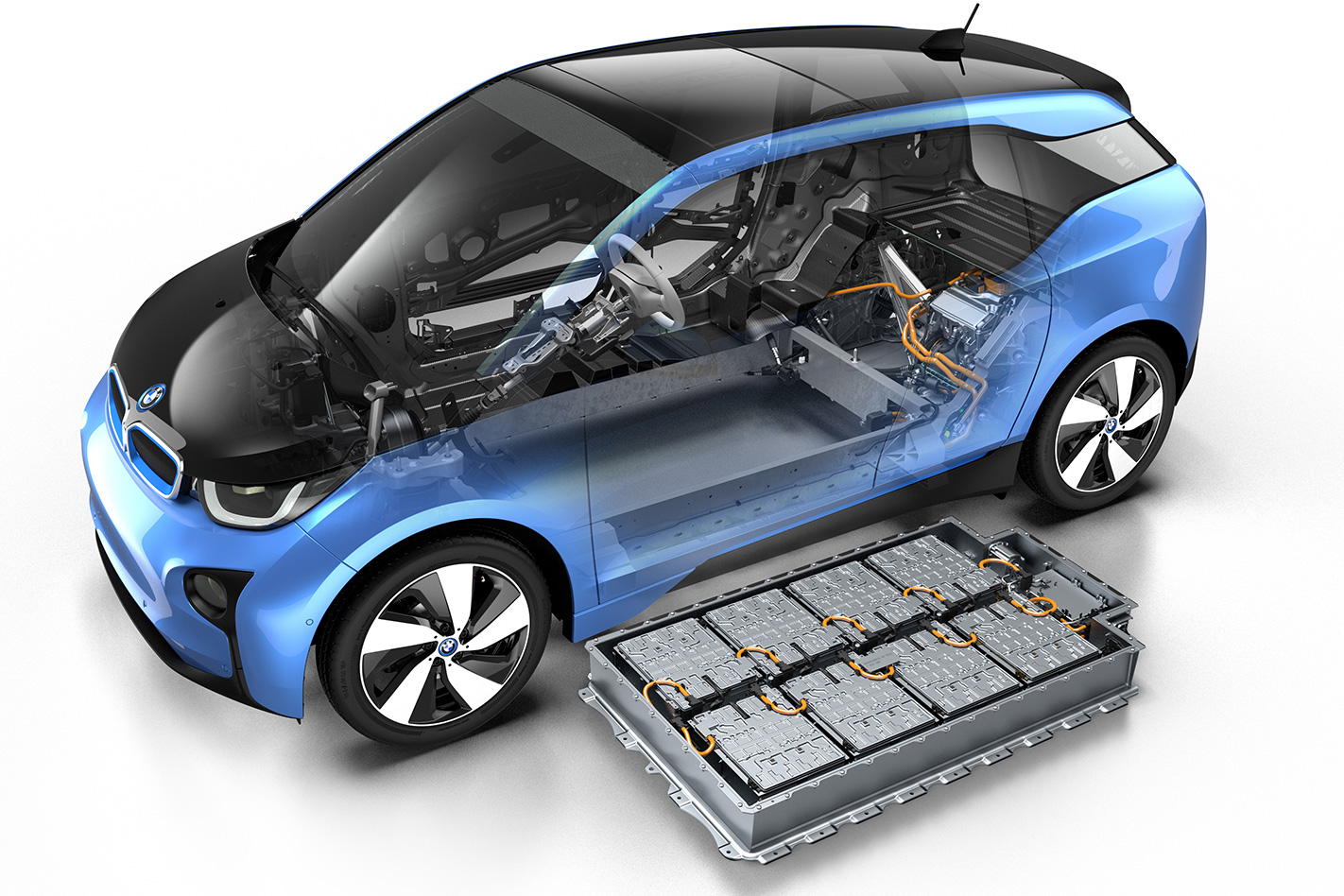
Increased demand for cars that rely on high-capacity batteries will bring economies of scale to that component – the part that makes most EVs more expensive than their combustion-engined counterparts. If production volume drives the cost of batteries down, then electric vehicles will get close to – or achieve – price parity with conventional vehicles. Even in countries that don’t tax vehicles on CO2 output or provide incentives for electric cars, like Australia.
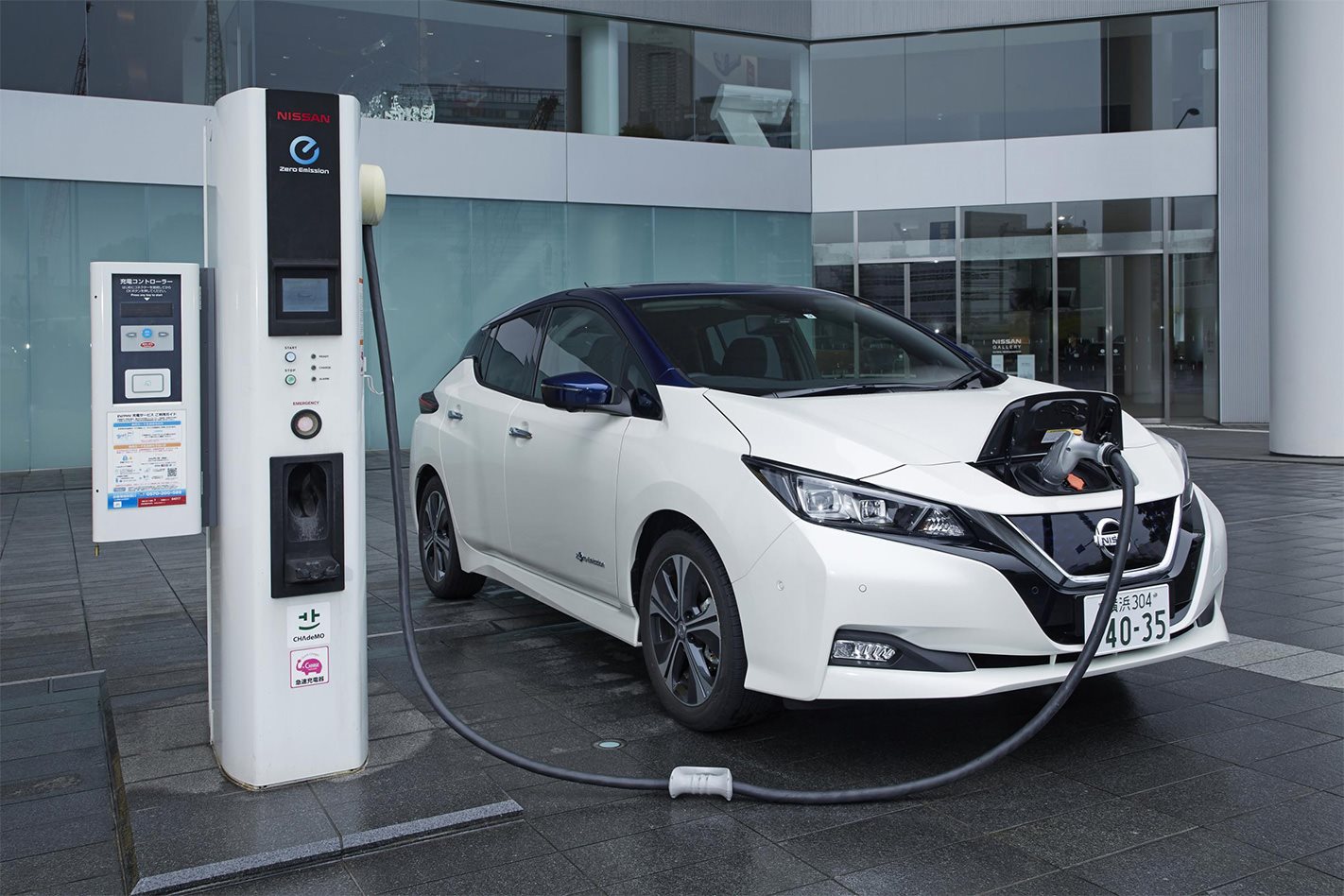
Non-Europe-based carmakers are also planning for a strict CO2 future, with Mazda recently announcing that their entire vehicle line-up will be electrified in some way. [https://www.whichcar.com.au/car-news/mazda-reveals-plans-for-all-electric-model-rotary-powered-hybrid ]. There’s only one hitch – ensuring that the industry as a whole will have adequate supplies of the raw materials necessary to produce electric vehicle battery packs.
“Right now there is a shortfall in batteries,” said Renault CEO and chairman Carlos Ghosn to the Financial Times at the Paris Motor Show last week, “we need more capacity”.

“It’s no question that we have the capacity to assemble the cars, but there are not enough batteries, not enough motors. We are already in the situation where we cannot fulfil demand.”
Ghosn’s words carry gravity, as the Nissan-Renault-Mitsubishi alliance he helms accounts for the lion’s share of global EV sales. And as the supply/demand equation dictates, a shortage of the former and an abundance of the latter means prices will remain high until that relationship equalises.
The issue is compounded by European motorists moving away from diesel engines, previously seen as low-emission heroes but now tainted in the wake of Volkswagen Group’s ‘dieselgate’ drama. High uptake of diesel passenger cars in Europe helped bring down fleet average emissions, but with consumer appetite for them waning in favour of petrol powerplants there’s now upward pressure on CO2 output. Wide-scale electrification is the only way of achieving the proposed emissions targets.
A diesel downturn is a trend we’re seeing in Australia as well. Sales of privately-owned diesel passenger cars have slumped by 31.3 percent so far this year. Even sales of diesel SUVs – a segment where diesel has long enjoyed healthy market penetration – have dropped by 8.8 percent relative to 2017 levels. It seems even Australians are leaning toward alternatives.
There are clearly some hurdles to be overcome before the European parliament’s vision of an ultra-low-emissions transportation sector can become reality, but if all of this talk about forcing automakers to cut back on pollution has you concerned, don’t be. It should eventually mean Australians will have better access to cleaner cars that pollute less and cost peanuts to run.
Just how long that will take is the real question.
The Apollo Automobil Intensa Emozione (or Apollo IE for short) has been track testing again as it gets closer to production.
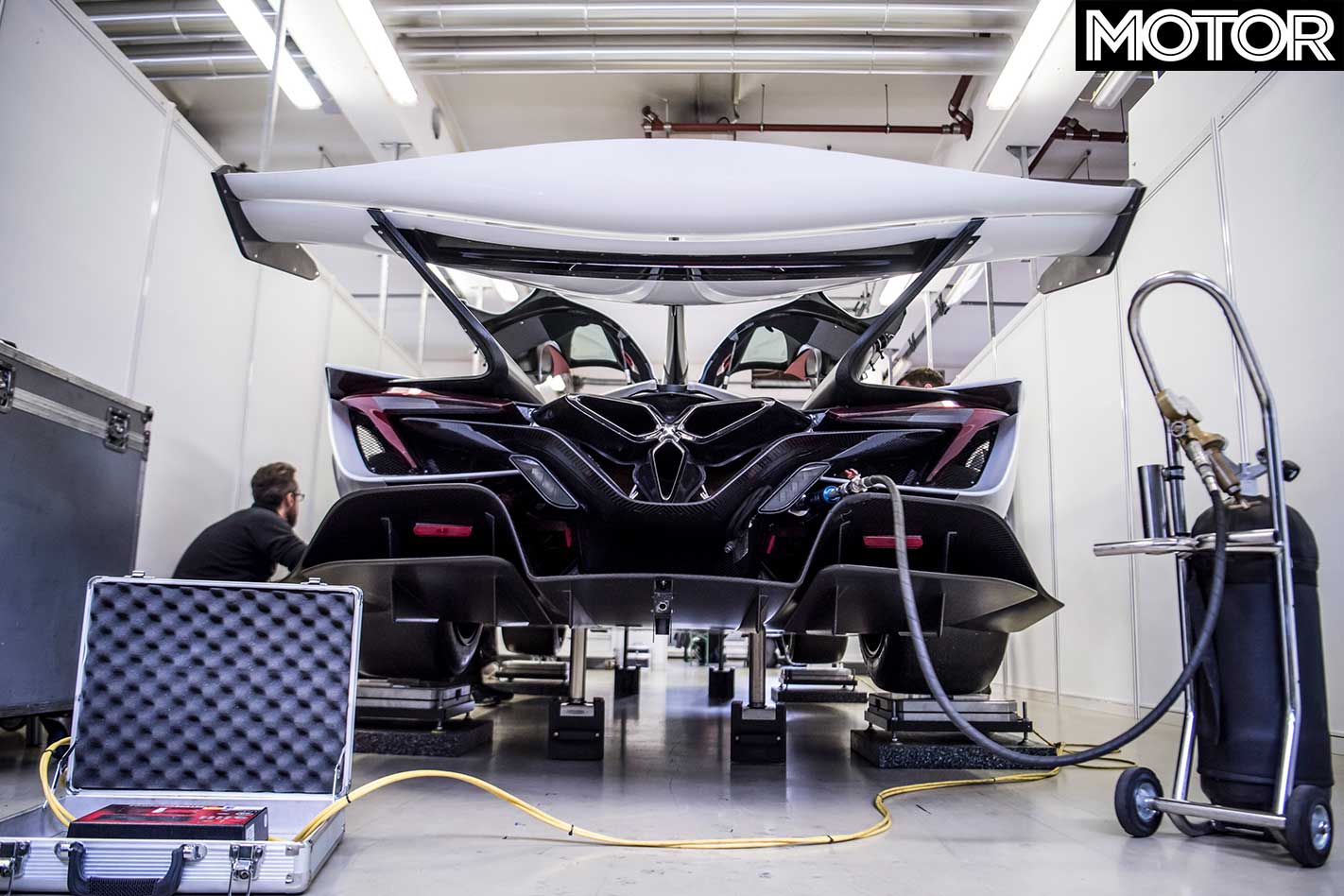
This time, Apollo released a set of images of the two test cars (road and race configurations), giving us a good look at the design and how it looks with a racetrack – in this case the Lausitzring – as the setting.
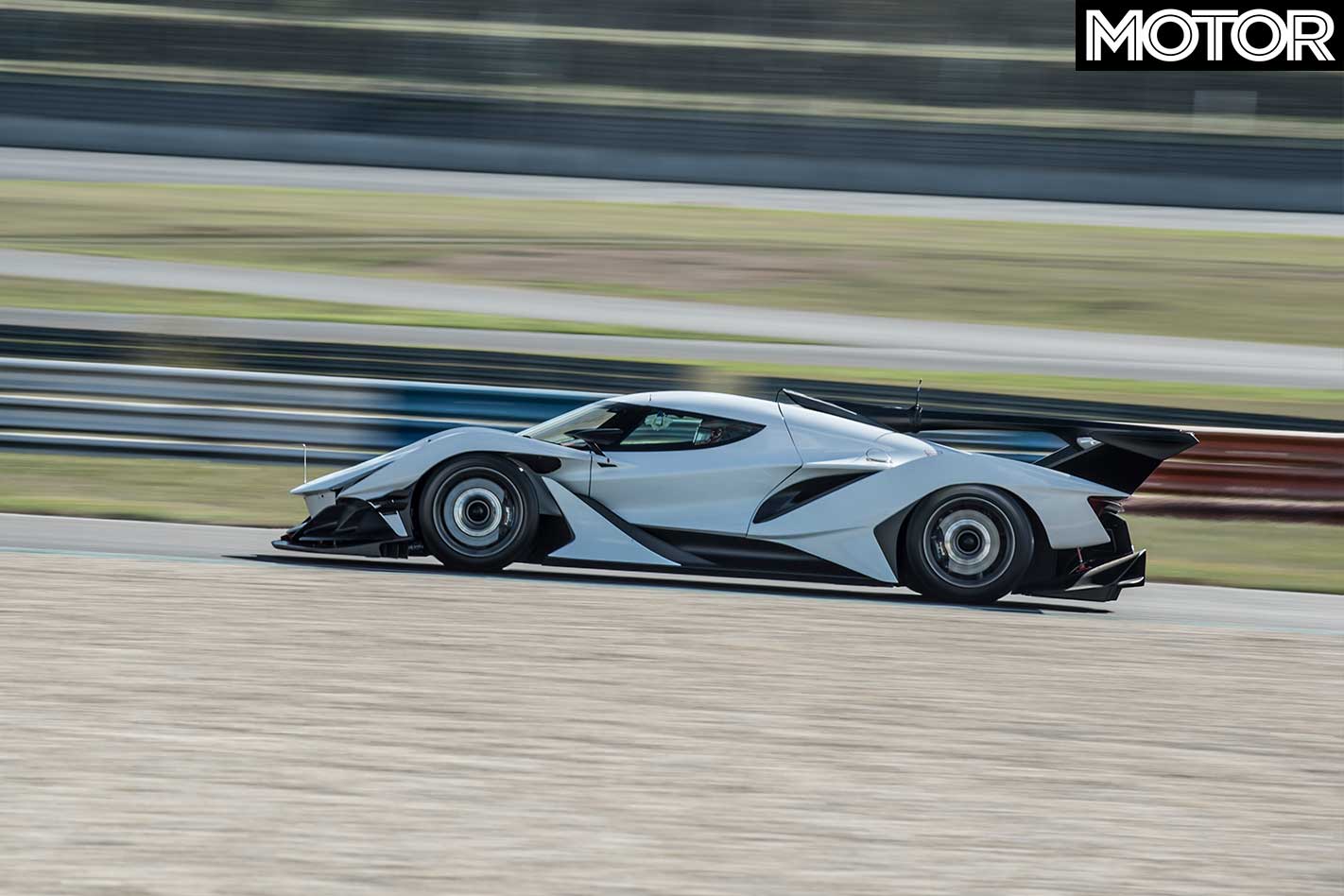
The atmo V12 supercar has been specifically undergoing testing for its heat management and aero this round, with HWA present as development partner and motorsport guru outfit.
The Apollo IE’s V12 is actually the 6.3-litre Ferrari engine from the LaFerrari, though modified for use in the car and producing 582kW and 760Nm with a 9000rpm redline.
This isn’t the first time we’ve seen the car itself rather than design sketches, but now there are also a few videos getting around the web which reveal how the car will sound, and what it looks like in action.
The first is an official video by Apollo which features the IE ‘cruising’ around Cremona Circuit in Italy, about halfway between Milan and Bologna – and not far from Modena.
While many companies would rather keep these sessions under wraps, Apollo is all too happy to share, says company chair Norman Choi.
“It is a pleasure for us to share a peak behind the scenes to the public and our many fans so they can get a better sense of the magnitude of the program and the process.”
As well as the footage from the track, and a cheeky clip from the streets of Hong Kong which shows the IE being rather raucous (above), we’ve also had a listen to the car under hard acceleration thanks to one of our go-to ‘spy video’ YouTubers, Bozzy.
He says the best runs are at 2:22 and 3:00, though we reckon the whole video is worth a watch.
Only 10 of the supercars are to be built, with further details still unconfirmed.
IF YOU’RE on the lookout for a new home, it might be worth expanding your search. Got a karting addiction as well? Walk this way.
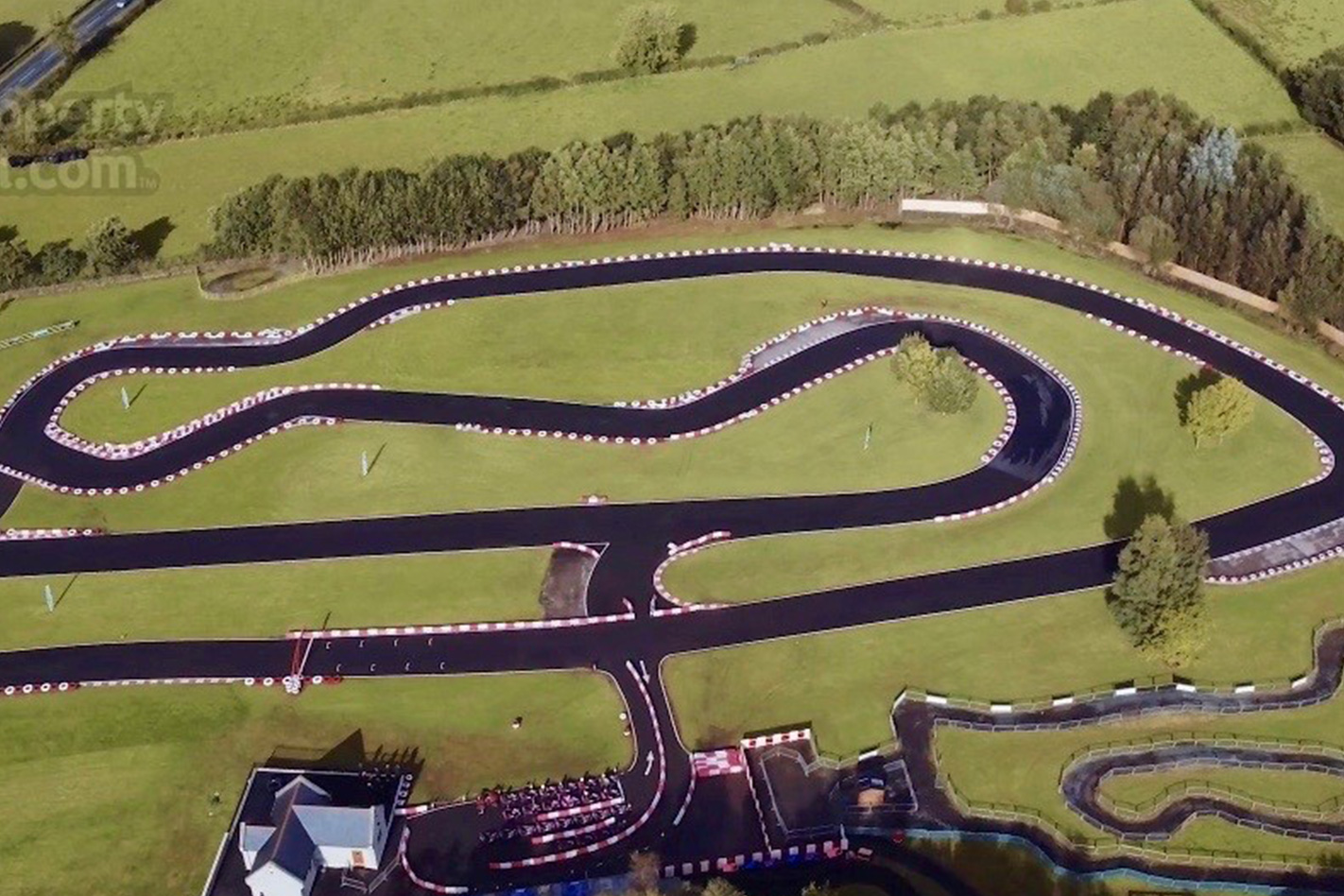
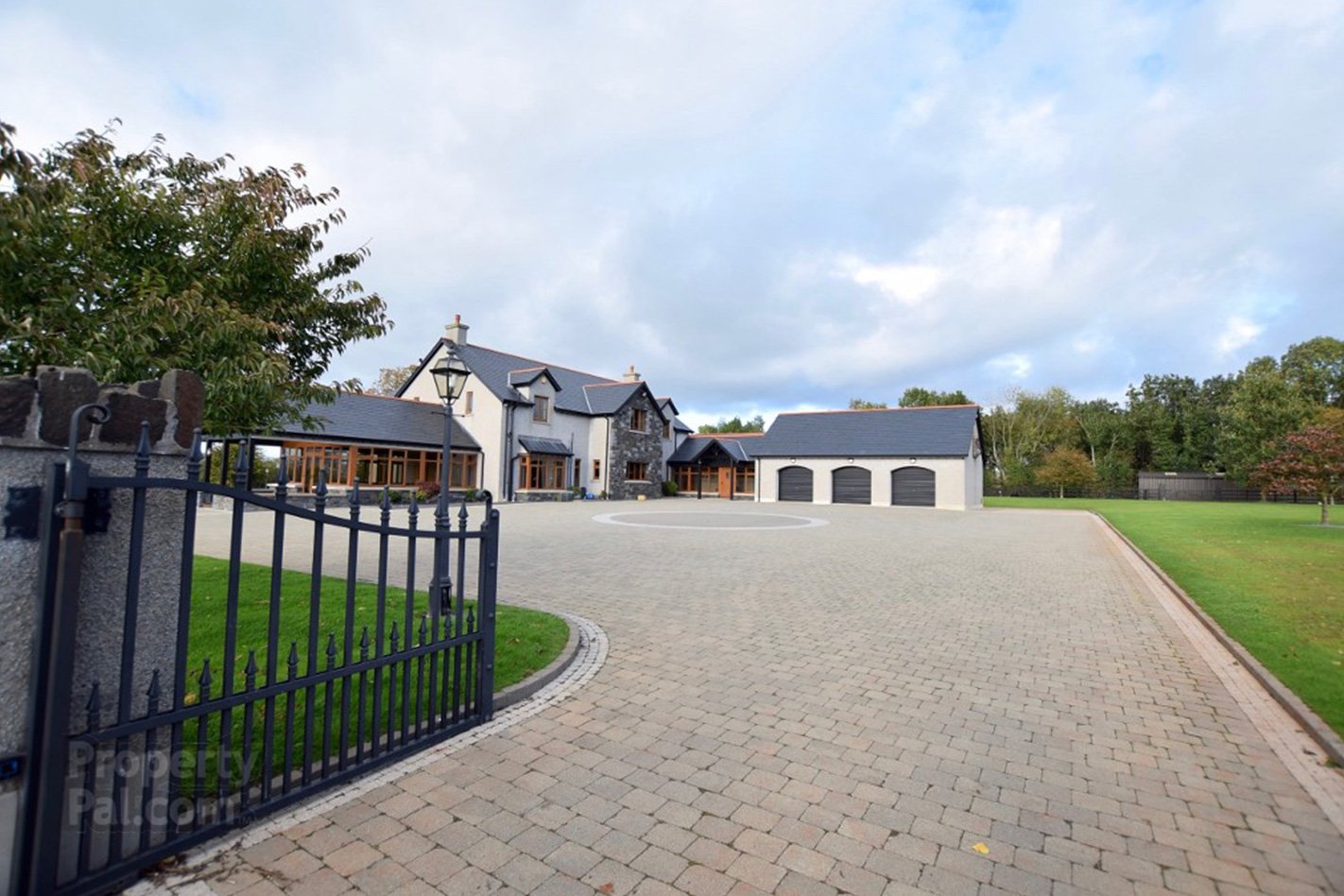
Located in Northern Ireland, this property currently on the market ditches manicured lawns for beautiful bitumen in the form of a private karting track.
A lap of the circuit measures in at just under a kilometre (980 metres to be specific), and is about the ultimate backyard accessory. Who needs water features when you can race your buddies any time?
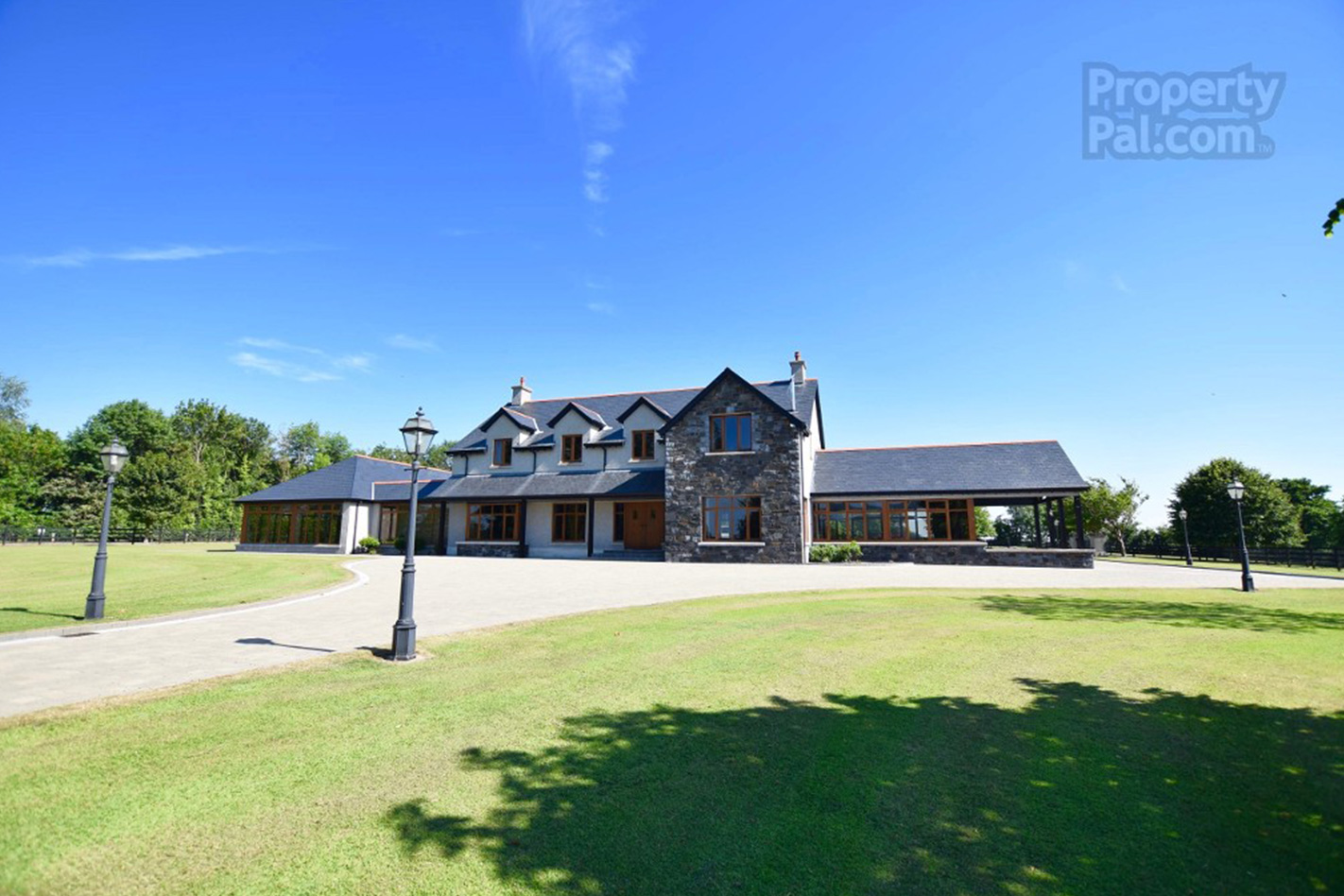
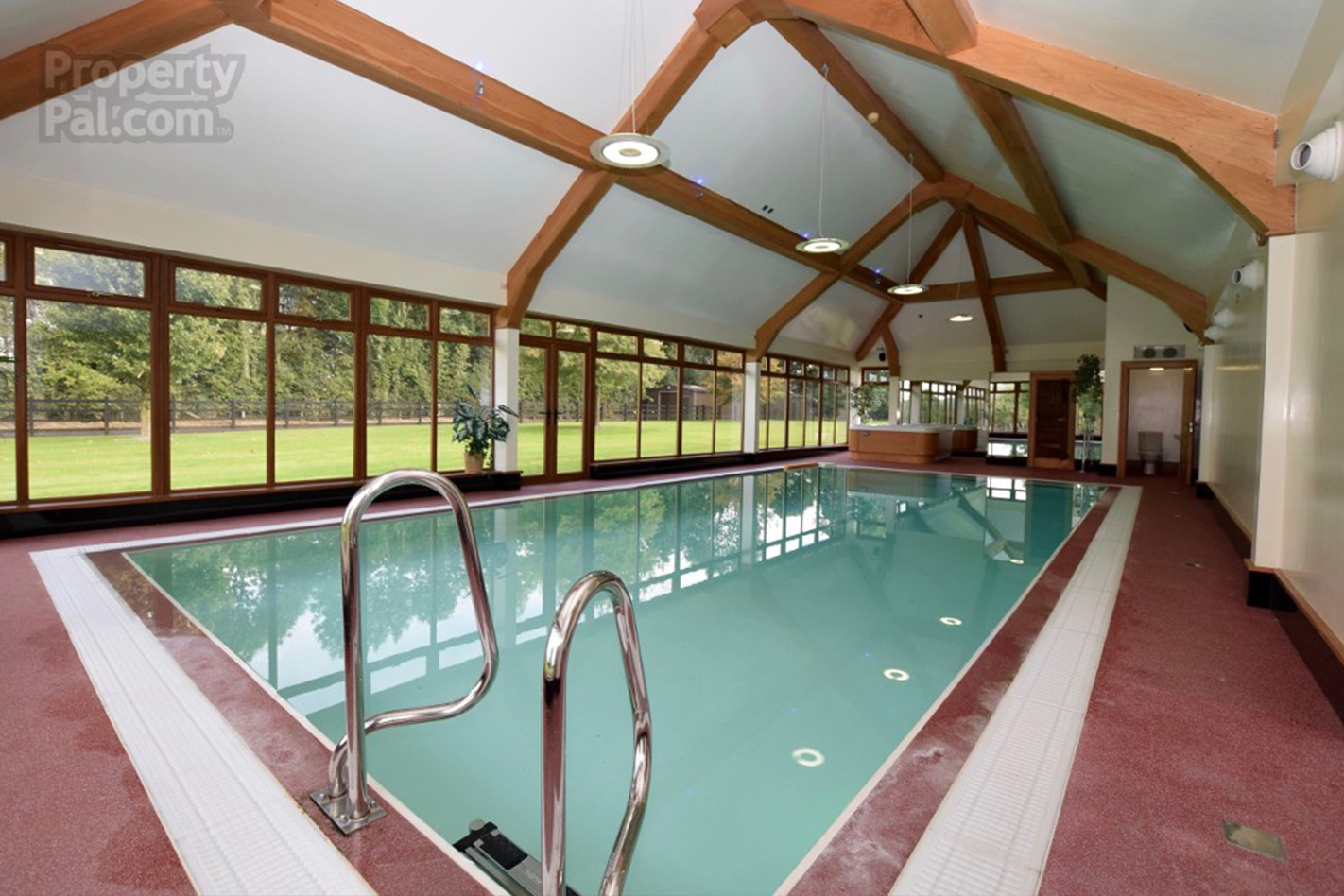
In total, the property sits on approximately 28 acres, and boasts other features in addition to the kart track such as an indoor swimming pool, gym, cinema, and a helicopter landing pad. We’re not sure who needs all that when you have your very own kart circuit, not to mention race control offices and accompanying workshops and garages.
The real-estate agent in Mid Ulster, Stanley Best, is currently advertising the property online, calling for ‘offers around £2,250,000’. At current exchange rates, that equates to roughly A$4.1 million.
Should you be wondering what sort of person they’re targeting, the listing states: “the residence offers easy commuting via road or air.” The final part of that sentence should give you a clue.
While the Irish property is properly cool, it has some tough competition in the Southern Hemisphere thanks to Tony Quinn.
The former pet food and chocolate mogul has a penchant for fast cars, owns two race tracks and loves to spend his spare time racing GT3 cars.
Quinn has a personal apartment at his Highlands Motorsport Park complex near Queenstown, on New Zealand’s South Island. It’s located directly atop the race control building on the pit straight, and features a hot-tub overlooking the 4.1-kilometre circuit.
Shopping at the more affordable end of the scale? Enter another New Zealander, Takesi Teruya, who built a 130-metre drift track around his Hamilton home.
But if we had our own pick, it’d be 505 Conrod Straight, on the mighty Mount Panorama.
Regardless of which is your personal favourite, these house owners are all living their best life.
From Panorama’s pit lane you can hear the lap unfold corner by corner. The sacred sequence between Hell and Murrays can’t be seen, but the mind’s eye puts pictures to the sound of every heel and toe downchange, every slammed home upshift.
Grainy black and white pictures from the high shelves of the mental archive. The 1971 Falcon GTHO Phase Ill is alone in this fearsome foursome, audible the whole way round Bathurst’s 6.213 km circuit. Still winter air carries the sound of the dozen year younger HDT Commodore SS Group 3, too, but there’s a break in transmission over the top of the mountain.

The present day HSV Club Sport Commodore and the Ford Falcon XR8 Sports Pack 3, unless they’re on Conrad, Pit or Mountain straights you look at the stopwatch and guess. Australia’s homespun brand of V8 performance cars have had their voices muted in the course of 21 years. And interior sound meter readings only serve to prove what is obvious from outside. But what else has changed? That’s the question we set out to answer.
Using modern methods, how would the legends stand up to scrutiny? Would myths explode in the face of the thorough objective analysis allowed by modern technology? And driven back to back round Bathurst, by drivers who were contemporary then and still are now, which would prove quickest?
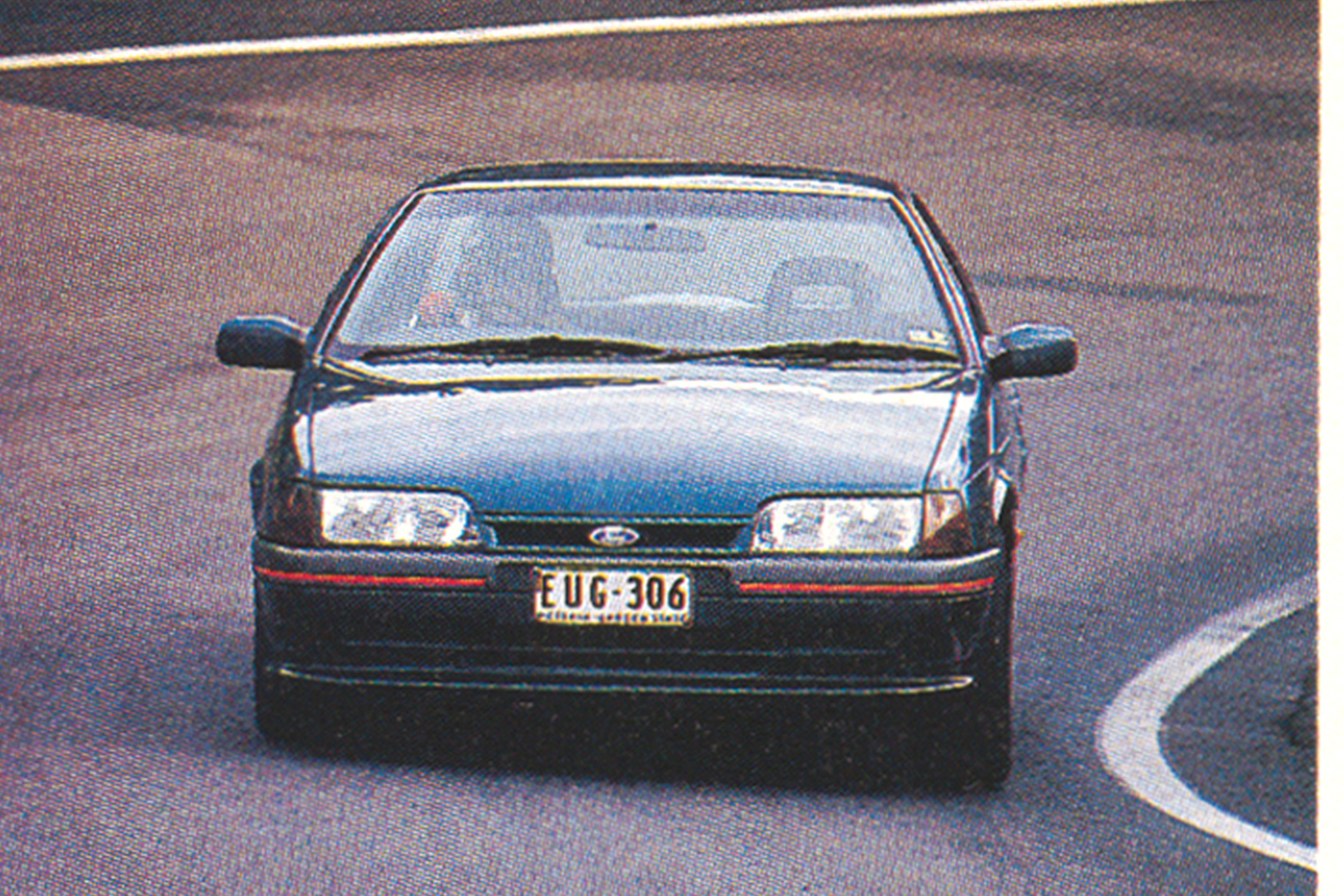
Choosing the moderns wasn’t difficult. Holden Special Vehicle ‘s Club Sport is the rawest sporting Commodore today. Its equipment level is basic, sparse even. HSV begin the creation of a Club Sport with an Executive specification car, although it does get the optional independent rear suspension that became available when VP replaced VN. HSV endows it with a 180 kW engine – 15 more than stock – sporting suspension and sticky 225/50ZR 16 Dunlop 040 M2 tyres. And some aerodynamic additions.
The XR8 Sports Pack 3 is – at least until the arrival of the new GT later this year – the most sporting Falcon money can buy. Like the Club Sport, it proclaims its role with a body kit. Also like the Holden, the Ford has 16 inch alloy wheels wearing high quality low-profile rubber – 225/50ZR16 Michelin MXX – and lower, stiffer sporting suspension.
Although no badge proclaims the fact, all the extras are installed in the Ford by Tickford Special Vehicle Engineering. Unlike the Holden its engine is standard, producing 165 kW – the same as an unmodified Holden 5.0 litre V8. Against this present day pair would be pitted a GTHO Phase Ill and a Brock modified SS Group 3 Commodore. Landmark cars both.
Curiosity was sharpened by the knowledge that our predecessors at Wheels had played crucial roles in manufacturing the reputations of the Phase Ill and Group 3. There’s Uwe Kuessner’s famous over-the-shoulder photograph of Mel Nichols driving the HO from the October 1971 issue, headlined The Biggest Stick. Tacho needle nearer 7000 than 6000 and speedometer face retouched to make it look as though the car was in third. It was actually in fourth.
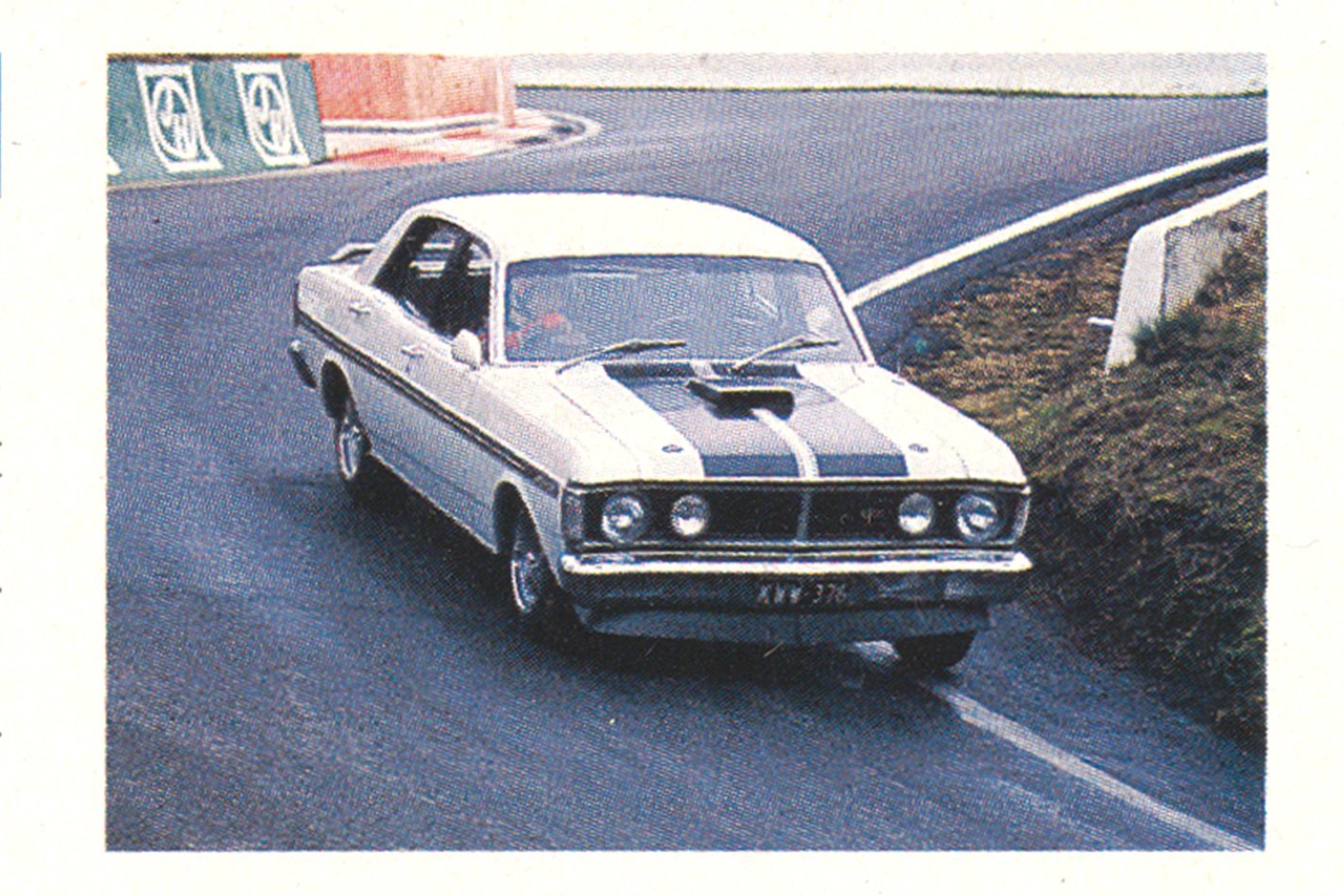
True speed? Around 220 km/ … on a public road. Offence might have been taken in some quarters. Fast forward to December 1982 and read Bob Murray’s closing words on the Group 3 “And if it’s not the best sports sedan for the money in world, I’ll stand rooted”. There are people who treasure the cars which provoked such candid admiration. Like Paul and Vince, owners of Phase Ill and Group 3 respectively.
The Phase Ill must be one of the most original around. With wide ratio gearbox and 3.25 differential , it matches exactly the car Wheels tested in 1971. It has a genuine 40 ,000 miles on its odometer, and the only departures from standard are silicone brake fluid and 15 inch Globe wheels almost identical to those offered to all GTHO owners by Ford to homologate the larger diameter alloy wheels for Bathurst ’72.
A set of 205/70VR15 Pirelli P5 tyres were fitted for the comparison. Expert advice indicated these were the closest available modern equivalent to the car’s period lyres. With hot laps of Mount Panorama on the agenda, the use of correct vintage rubber – even if it could have been found and bought – was unconscionable.
The same course was taken with the SS Group 3, which had a set of 225/60VR15 Bridgestone S340 Eager tyres on its lrmscher al loys. This 65,000 km car is original, save for a pair of adjustable Koni rear dampers And although it was built in ’83 and bought in ’84, its specification is the same as that first released from HOT in ’82. But even before owners willing to aid our exercise had been found , two things were clear.
First, the size of the Australian high performance VB has remained pretty well constant over 21 years. Variations in wheelbase, length, width and height have not been huge. Each of the four cars would fit in a box 4900 mm long, 1900 mm wide and a little more than 1400 mm high, without much slack to spare. Second, today’s cars are more expensive.
Comparing new price with average gross weekly earnings reveals an upward trend. The GTHO cost just 52 weeks of then current wages. That’s cheap compared with the 70 required to purchase the Group 3. Even though the most recent accurate statistics presently available are from 1990, the 1992 prices of the XR8 Sports Pack 3 and the Club Sport translate to 7 4 weeks and 82 weeks of wages.
From ’71 GTHO to ’92 Club Sport represents a rise of at least 55 per cent in relative price. The extra cost does pay for an elevated level of sophistication. Just how much more became apparent when the four were rolled in turn onto the dynamometer and connected to a four-gas exhaust analyser at the NRMA Vehicle Inspections Department in Sydney. Tested at idle and at dynamometer simulated loads equivalent to 60 km/h and 100 km/h, the modern cars convincingly demonstrated the benefits of electronic engine management and exhaust catalysers.
The results give a clear idea of comparative efficiency. The hydrocarbons and oxygen present in the exhaust gas represent fuel and air that have passed through the engine unburnt. Carbon monoxide is a toxic product of combustion, one that a catalytic convertor lowers to more acceptable levels by turning it into carbon dioxide.
Although carbon dioxide isn’t at all toxic , it is the major contributor (by volume) to the greenhouse effect. Put bluntly, the modern cars were clean and the old cars were filthy. The Club Sport was slightly richer than the XR8 at idle, with a higher level of hydrocarbons. Both produced little carbon monoxide. Little oxygen remained in their exhausts, evidence of very accurate fuel metering.

Higher carbon dioxide levels mean their catalytic convertors were working properly. The results, according to the NRMA engineer who conducted the tests, were representative of unleaded cars with catalytic convertors. The lumpy idle of the GTHO meant its hydrocarbon output and oxygen count were extremely high. As the big V8 got into stride, however, the HC readings fell to levels slightly lower than the SS Group 3.
Both cars produced significantly more carbon monoxide and left more unused oxygen in their exhausts than the modern V8s.
The readings – aside from the GTHO’s idle hydrocarbons – are typical of cars of their age. Now consider that over the course of this comparison the GTHO consumed leaded fuel 70 per cent faster – and that’s no misprint – than the most economical car, the XR8 Sports Pack 3.
The SS Group 3 had a 15 per cent greater thirst than the modern Falcon, although the old Commodore actually returned an average slightly better than its Club Sport descendant. Part of the explanation for the fuel consumption of the older cars is that they have only four speed gearboxes, as opposed to the five speeders of both Club Sport and XR8.
The much better consumption of the SS Group 3, compared with the GTHO, is partly accounted for by its lightness. As measured on a recently calibrated weighbridge, the old Commodore was easily the lightest of the four cars. Each was weighed in its trim for the performance tests at the Eastern Creek Raceway dragstrip. That is, with a half filled tank.
Rounded to the nearest 10 kg, the SS Group 3’s weight was lightest by 130 kg. The GTHO was heaviest, with the XR8 and the Club Sport not far behind it. On the dragstrip that weight proved no handicap for the conservatively estimated 260 kW of the GTHO’s 5.8 litres.
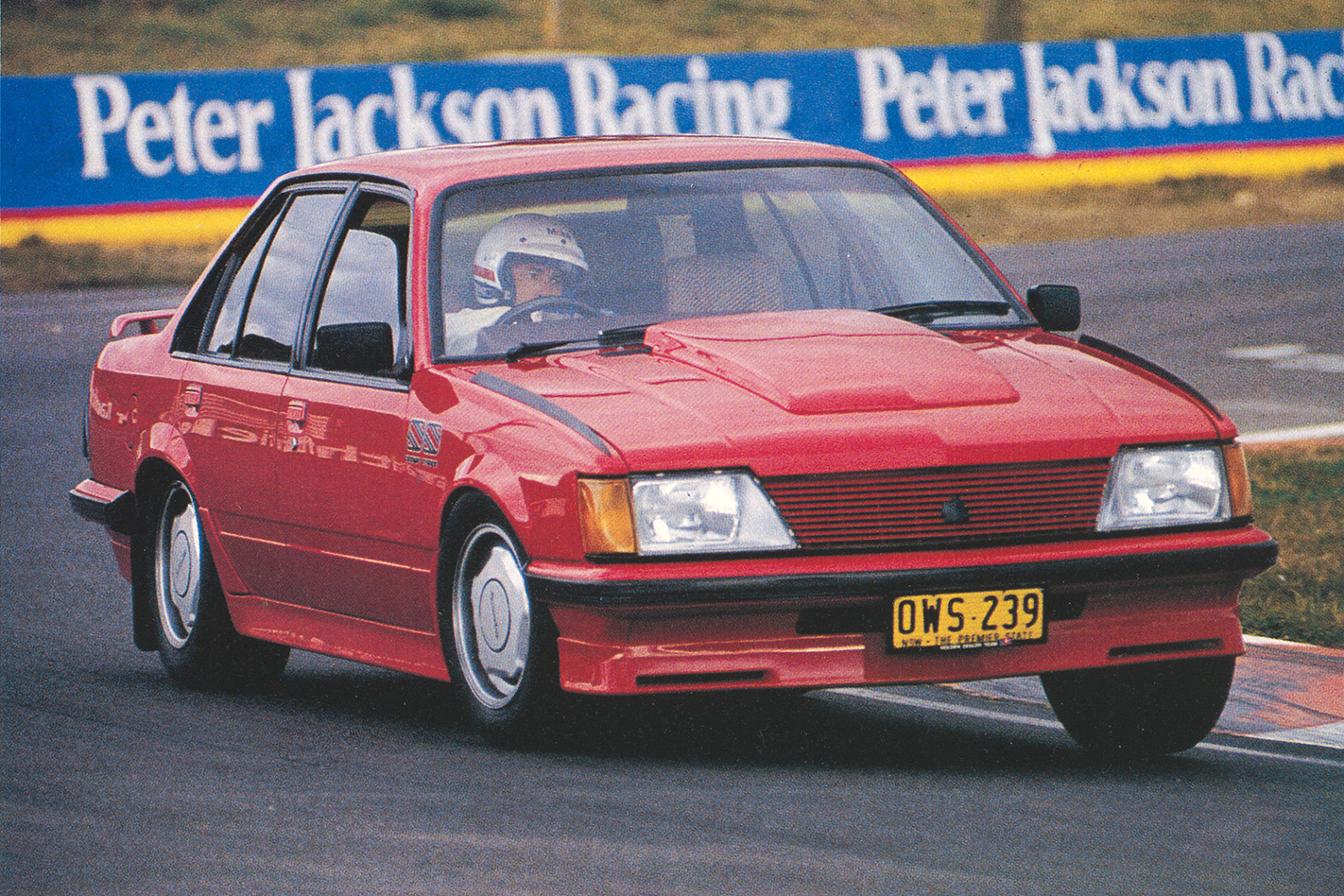
The 21-year-old car was in a class of its own when it came to acceleration. Its best of several one-way runs – observing the valuable car’s 6000 rpm redline- was a 14.9 second 400 metres. The next quickest car, the SS Group 3, was almost a full second slower, with the Club Sport and XR8 hot on its hammer.
Colin Bond, who drove the cars for all the instrumented tests, including the Correvit timed acceleration runs, found it easy to overwhelm the grip of the GTHO’s Pirellis. The Falcon turned rubber into smoke without any apparent effort.
And despite the GTHO’s leaf sprung rear end, axle tramp was never apparent. Once correct launch revs had been established, quick runs proved effortless. “I was amazed how fast the GTHO is in standing start runs ,” Bond said later. “The way it just gets off the line and does it easily.” The car’s 6.8 second 0-100 km/h time – more than a full second faster than anything else – affirmed the ferocity of the Phase Ill ‘s take off. The only independent rear suspension car of the four, the Club Sport, was also the sole car to exhibit any tendency to tramp during the acceleration runs.
Bond also discovered the old gearboxes better to use than those of the modern cars. “You don’t even think about missing a gear in either of the four speed cars whereas with the five speed cars, particularly the Ford, you have a bit of a wander in no man’s land,” Bond said .
The tables were reversed in the next phase of testing at Eastern Creek – Correvit recorded cornering speed and timed agility exercises , with tyre pressures raised to appropriate levels for the racetrack. Around the two left handers Wheels has used for past handling comparisons, the GTHO was slowest. The Group 3 was quicker than the old Falcon, but trailed both the modern cars. “The SS wanted to slide more than the others … the Club Sport and XR8,” said Bond.
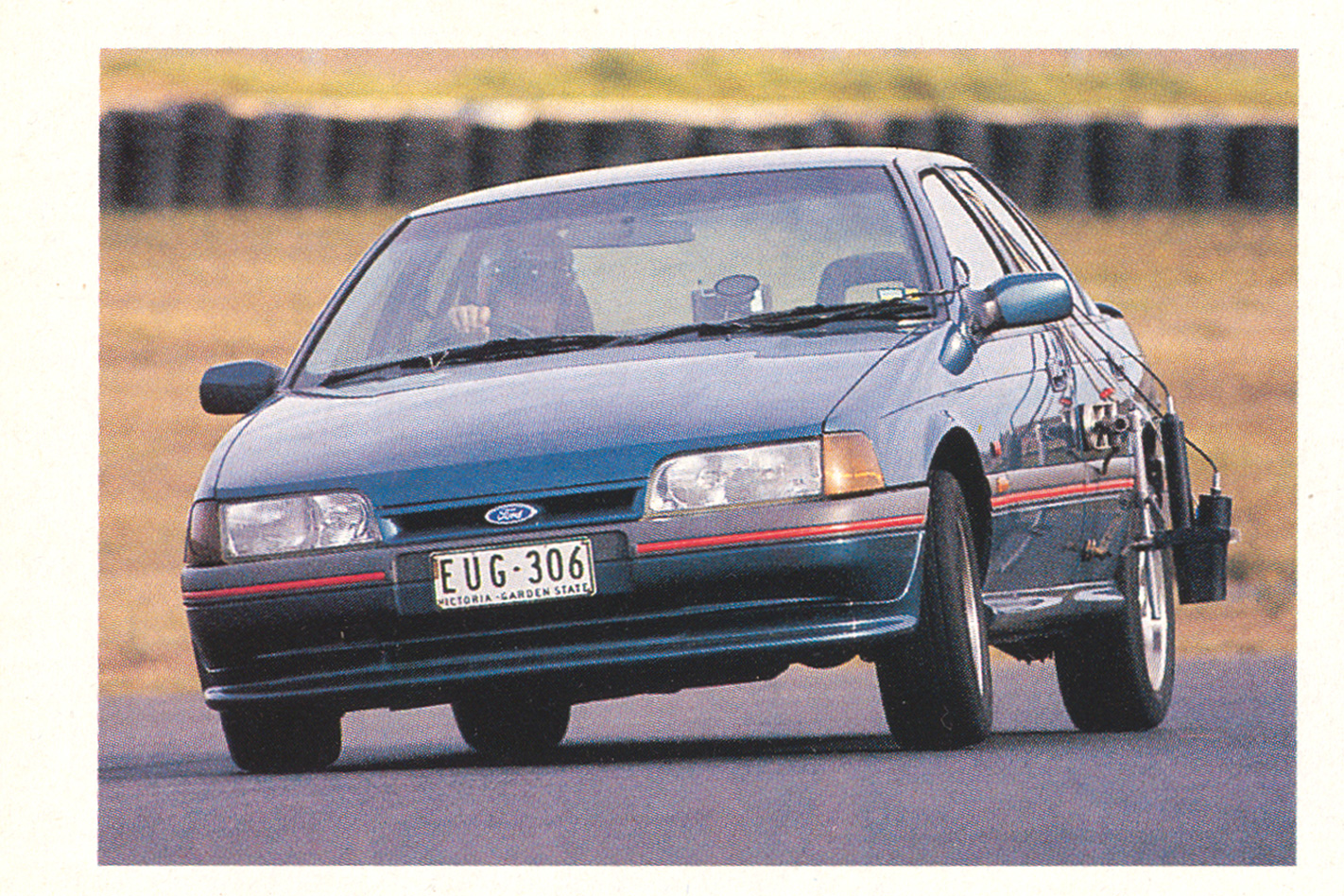
Of the XR8 Sports Pack 3 and the Club Sport, the racer preferred the Falcon. He disliked the sharpness of the Holden’s steering, which made it difficult to place the car accurately. “I just feel the steering ‘s a little bit snappy for me and that makes the car a bit harder to place where you really want to place it ,” Bond said. “On the road, at normal speeds, it isn’t a problem. But you notice it in these exercises.” Brock’s analysis of the Club Sport’s steering the next day was remarkably similar.
Bond thought, however, the Club Sport had possibly the better chassis balance of the modern pair. “Near the limit the XR8 wanted to understeer, and there’s not that much you can do about it ,” he said. ” The Holden didn’t do that. It would turn into a corner and if you went too fast the whole car would slide … like in a four-wheel drift situation ” The basic handling traits of the XR8, SS Group 3 and GTHO, Bond found basically alike, despite the differences in speed.
“They’re a bit inclined to understeer on the long sweeping corners,” he said , before noting that Eastern Creek was an understeer circuit. A similar order emerged in the times the four cars recorded through the double lane change and slalom manoeuvres. The International Standards Organisation lane change manoeuvre was entered at 100 km/h, the five cone slalom at 80 km/h. Both tests give an indication of how well a chassis copes with an accumulation of abrupt direction changes that demand fine transient responses from a chassis and accurate throttle response from an engine.
The modern pair were fastest, with identical best times. Next came the SS Group 3, with the GTHO again trailing. “The new cars are easier to drive because the throttles are a lot more progressive,” said Bond. “In the HO particularly the throttle is jerky. ” This made the Phase Ill visibly more difficult to hustle through the slalom. At Bathurst the following morning the cars were fitted in turn with electronic equipment for measuring G forces generated by each of the cars while cornering and braking.
Tyres were again inflated to suitable levels for these laps. The G-analyst was set to record direct to the memory of a laptop computer strapped in the passenger’s seat. Rain the previous night meant the circuit was still damp in places when Bond ventured out at the start of the first two hour session at Mount Panorama, arranged with the co-operation of Bathurst City Council.
The modern cars went first – the routine; a warm up followed by a flying lap. Despite the slick sections over the top of the mountain, Bond recorded times between three minutes and three minutes 10. The circuit had dried by the time the SS Group 3 was fitted with the G-analyst and the threatening weather held off for the GTHO’s run.
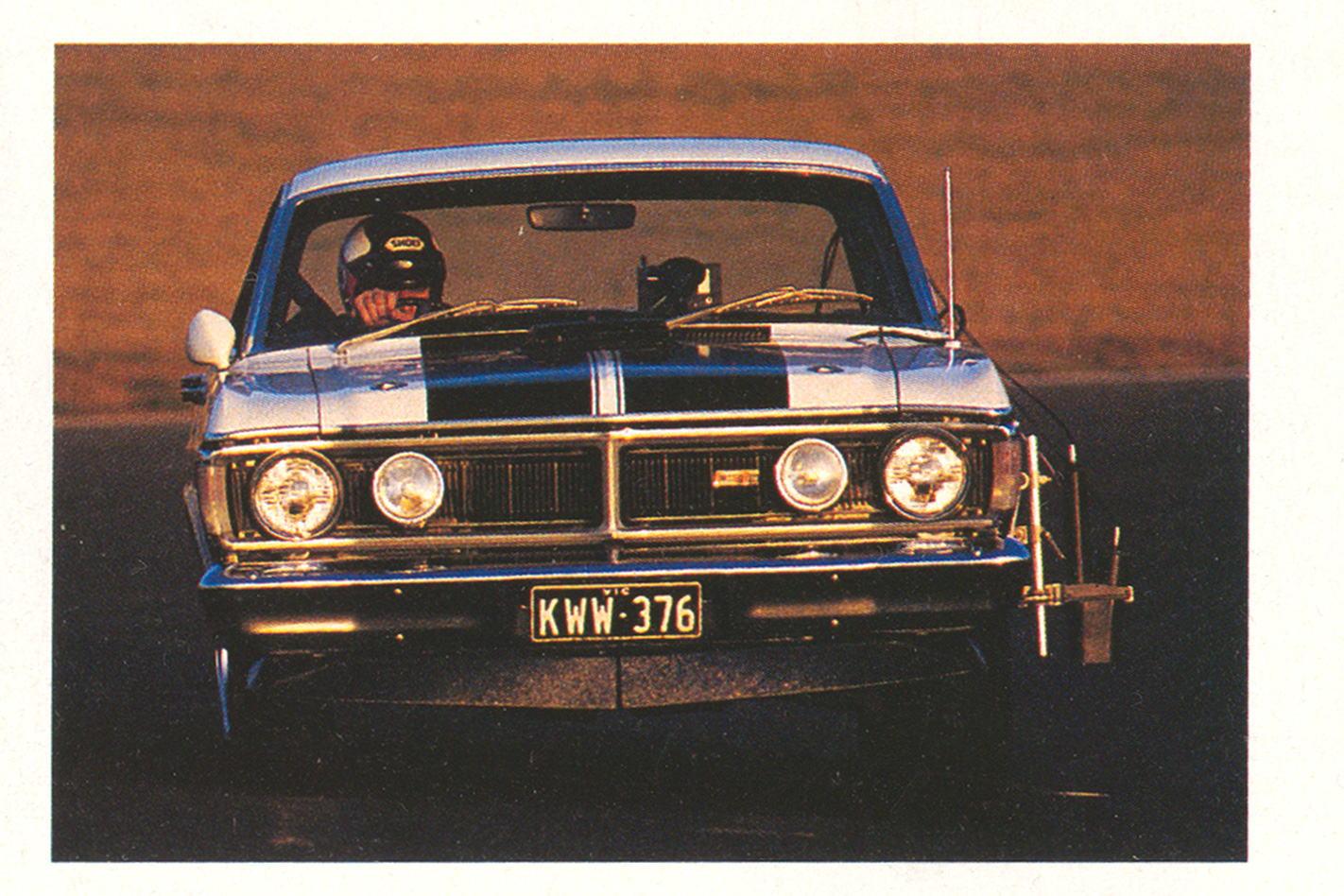
In order for the G-analyst’s results to be consistent, Bond repeated the experiment at the beginning of the second test session in the afternoon, before Peter Brock drove what proved to be the fastest flying laps in each of the cars. Although the Club Sport did prove Bond’s assessment that the present day Commodore had the best cornering grip, the XR8 trailed it by only a small margin 1.20G compared with 1.15G. The Falcon proved, however, to have the better brakes.
It was able to brake consistently harder than the Commodore. As at Eastern Creek, Bond found the XR8 the easier of the modern pair to take to the limit. The SS Group 3’s lap time was affected by its gearing. Bond reported the car was hitting the 5000 rpm redline quite early during the blast down Conrod. “There may be a second in it if you could have gone a bit faster,” he said. The ’80s car was able to muster the same braking force as the Club Sport, although its cornering G force peak was 1.0G, similar to the GTHO.
Unsurprisingly the GTHO’s ’70s combination of front discs and rear drums – the others had four discs, and the XR8 anti-lock as well – proved least effective. Under hard braking the GTHO developed a tendency to lock its rear brakes, and Bond was forced to compensate with early and relatively gentle braking. Fade was noticeable in all four cars, although the race driver thought the XR8’s stoppers superior. He estimated the Ford might be good for two fast laps of Mount Panorama, while the others were good for only one.
“It’s a combination of these cars having standard pads and standard brake fluids in them, ” Bond said. He also noticed an uncomfortable jumpiness in the rear suspension of the SS Group 3 under power, traced later with the aid of Brock to the hard settings of the adjustable rear dampers. Bond’s overall impressions? “Basically, the main difference you notice between the old cars and the new cars – just when you sit in the things – is that in the new ones the seats and seatbelts fit you better,” he said. “In the Phase Ill you’re hanging on, sliding across from one side to the other. ” The big, shapeless vinyl covered buckets were a contributor to his lack of confidence in the oldest car.
There was no doubt, however, that the GTHO was fast on the circuit’s straights, able to pull its redline revs in fourth for 220 km/h plus. Both the GTHO and SS Group 3 registered higher G-analyst values than the modern cars for acceleration than the modern cars – further evidence of the Commodore’s good power to weight ratio and the Falcon ‘s brutal power.
Peter Brock, after his laps in the four cars, agreed with Bond. He ranked the XR8 easiest, the GTHO most difficult, with the Commodores somewhere in between. The amazing fact is that the Mountain King recorded similar times in the XR8, Club Sport and GTHO.
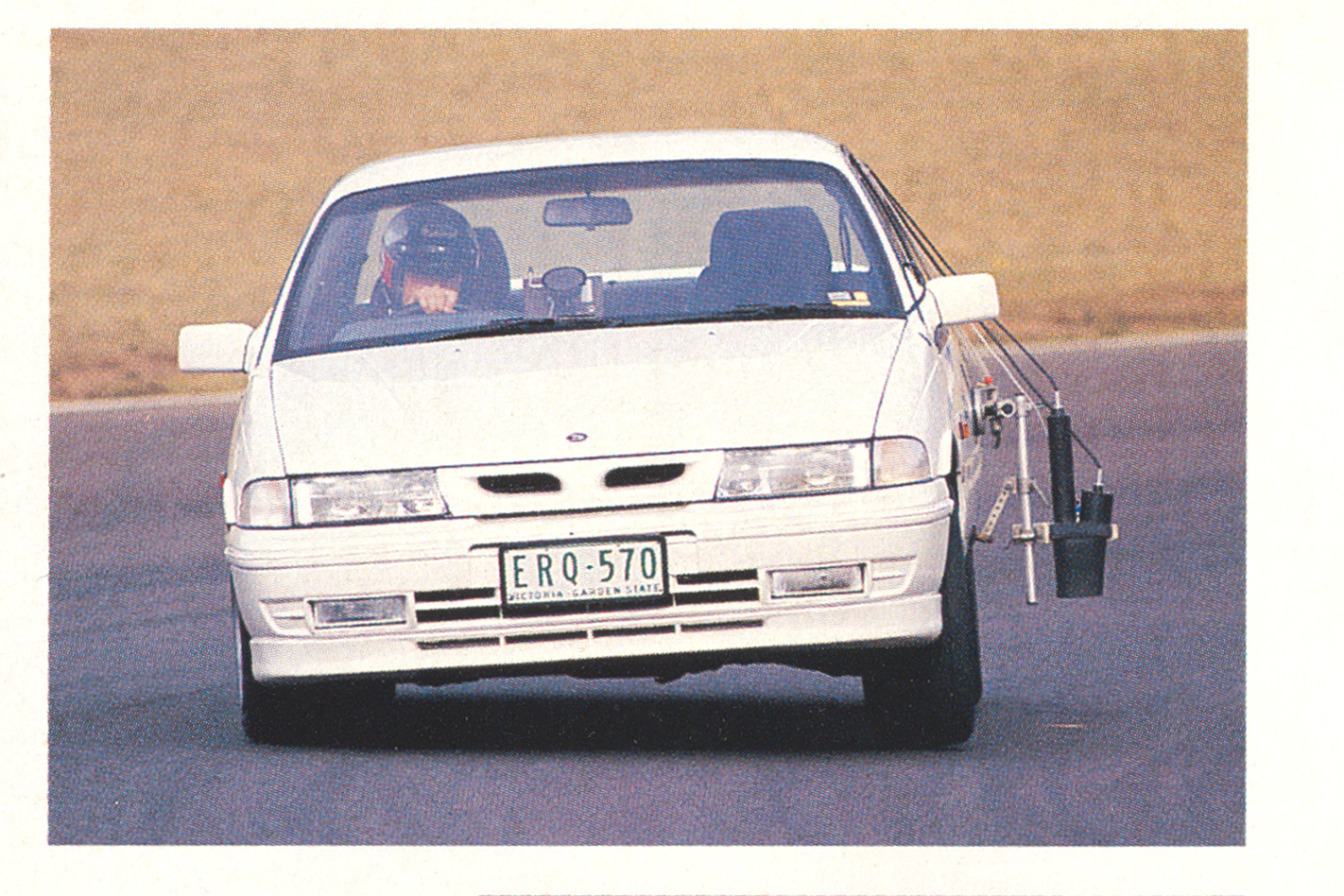
The SS Group 3 was the second slower that Bond judged its short top gear would cost. An aside here. We don’t believe that hand timing is accurate to more than tenths of a second, but stopwatches do give times to hundredths of a second. the car that recorded the outright fastest lap in Brock’s hands – by a handful of hundredths – was the GTHO.
But when numbers were rounded to the nearest full tenth of a second , the XR8 and GTHO ended with identical lap times. So the progress we set out to measure and define can’t be told by lap times around the spiritual home of the Australian V8 performance car. It’s the host of changes demanded by legislators and consumers – for clean exhausts, comfort, quietness, safety – that have wrought the real changes. Consider this – the XR8 can lap Bathurst in the same time as the GTHO with at least 95 fewer kW, using much less fuel, spewing out a fraction of the pollutants as it does so.
It’s also quieter, brakes better, grips better and handles better. The same is true of the XR8 in comparison with the SS Group 3. It’s just that the gulf is not so wide. And as well as being clearly superior in so many ways compared with the old cars – price is the only major factor where the moderns lose badly – the XR8 also beats the Club Sport. Just.
Despite the modern Commodore’s excellent balance, it’s impossible to ignore the criticisms level led by both Bond and Brock at the car’s on-the-limit steering response. Both of them rated the Ford’s handling the most accessible. That, and its superior brakes, are enough to make it the better of the modern pair and the best of the four. And the legends? They bellowed … around the track and across the years a reminder that performance V8s used to be more thrilling, more dramatic than they are today.

BROCK SOLID ASSESSMENT
BROCK AND BATHURST. Synonymous, like bacon and eggs, Laurel and Hardy, peaches and cream. After nearly a quarter of a century and nine Bathurst titles, the man and the mountain are inseparable.
Panorama Pete is also Peter Petrolhead. So the mere mention of The Mountain and three generations of Aussie muscle cars had Brock hooked. Seeing him put his boot into a HO around Mount Panorama is memorable. Picture this. Murrays Comer at the end of Conrad Straight. The sound of thunder approaches as Brock brakes and downshifts for the abrupt left tum. As he turns into the corner, he gives it the big boot.
The HO lurches sideways, motor bellowing and the inside rear wheel spinning in a pall of tyre smoke. Bevvdy, Brocky! The small, school holiday crowd visiting the track museum clap and cheer. They love it – and so does he. As Brock guns the HO past the pits, you can see his helmeted head bobbing with laughter. Later, back in the pit lane, Brock is exerted and animated, crossing his arms as far as they will entwine to show you how out of shape you can get in the HO.
What he really enjoyed, though, was the sound of sheer horsepower. ‘What a noise! Sounded like a tape-recording. You know, was that really me? Thought it was a CD! It was a lovely noise and the engine revved out to 6000. She was wheelspinning and I’m thinking ‘Well, I don’t want the thing to grip and then just buck me off’ because it’s the sort of car you have to grab by the scruff of the neck and say ‘Hey, I’m in charge’.” And Brock was definitely in charge of the beast.
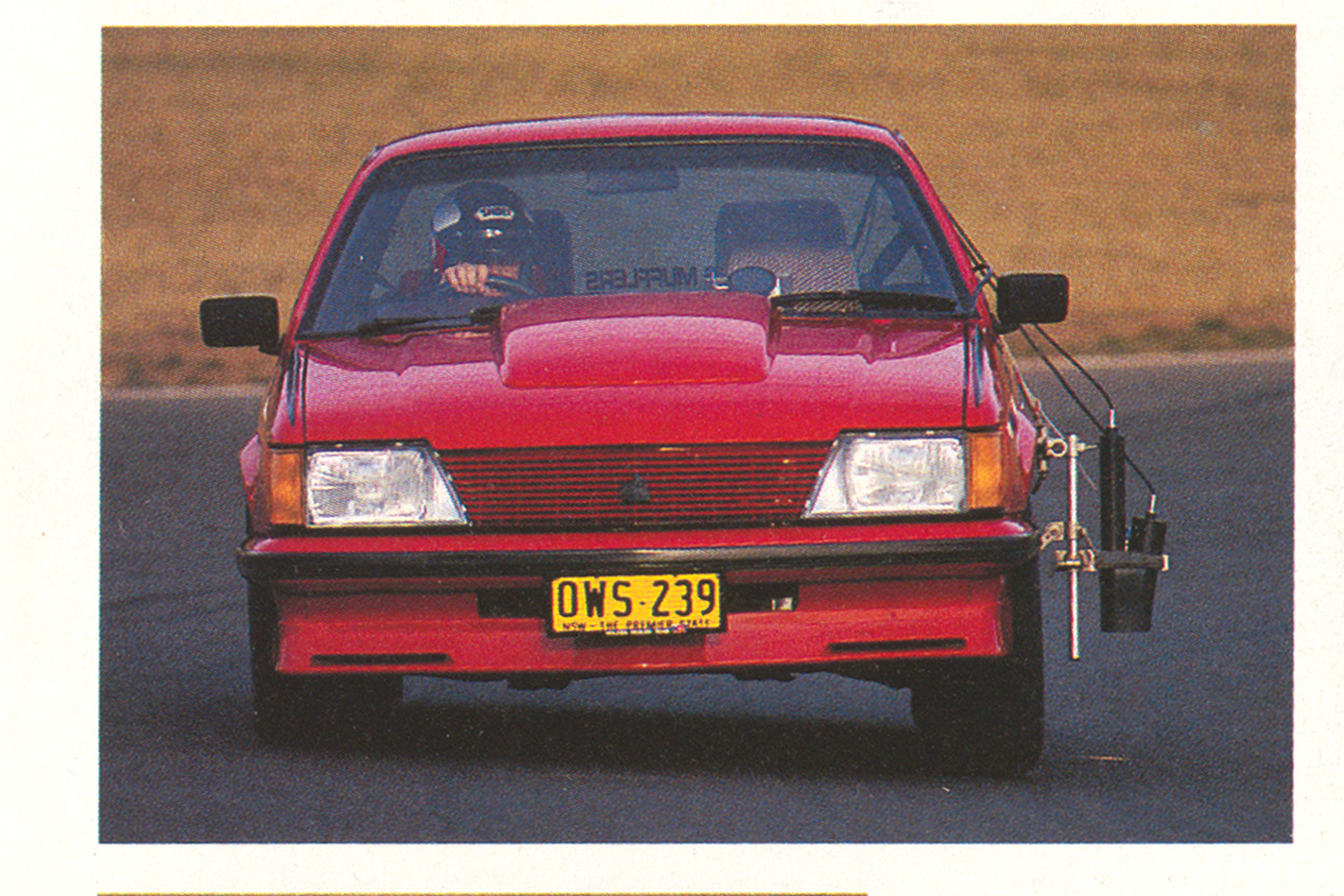
Can you believe this? His fastest lap – only just – was in the HO! Up and over the mountain, jumbo mumbo still reigns. In the order that he drove them, here’s how Brock rates the greats:
HSV COMMODORE CLUB SPORT: Could be touchy this one. After all, if Brock has any axe to grind it would be with HSV, which took his hot Holden business. But Brock is too professional for that. He compliments the Club Sport’s power and poise, the latter with reservations. “It’s very fast in terms of engine power up the straights. The brakes are not adequate to cope with that engine output. You have to be very careful or she just fades away very quickly. It felt like it was turning in too easily, which can promote oversteer. I had to be very gentle on steering inputs. It’s a bit twitchy. Because of its oversteer, you had to watch it going through the right-hand bit, but through the Dipper it was a delight, as it was at Forrest’s Elbow because you want turn-in on those corners. “It’s the first time I’ve driven a factory IRS Commodore, and it felt more roly-poly than the standard one. But it has quite good traction; you can flatten it and it just puts the power down.”
FALCON XRB SPORTS PACK 3: Brock’s first exposure to the new fast Ford. He was impressed with the car’s composure, deciding that its only drawback was lack of straight-line speed. ”You hop in the Falcon and straight away it’s balanced and you find the limit and it’s easy. You can come around the top of the mountain there absolutely flat. ”I’m sure there’s a lot more horsepower lurking under that bonnet. It kept on revving out to about 6000 indicated and I was waiting for some sort of rev limiter to come in there and it never ever arrived. But I changed at about 5500, generally, because it felt like it’d run out of steam. The brakes were quite good. You could rush it into corners and it was very well mannered. CNer Skyline and down into the Dipper, it was very easy.”
HOT COMMODORE SS GROUP 3: Memories. A 1982 Brockmobile, .verging on collector classic status. What would the man think of his machine a decade later? Slight disappointment and surprise that it didn’t put up a stronger performance. However, Brock was happier when he found out that the owner had fiddled with the non-standard adjustable rear dampers. Allowing for that, he felt it was representative of the best home-grown technology of its time. “I thought it should’ve been a little up in the speed department, but maybe that’s progress! I was looking at the speedo thinking ‘Well, look I know there’s always speedo error in cars [it was actually very accurate]’. but going up the back straight there it seemed as if I should’ve been doing 150-160 kays earlier. “It could do with a five-speed gearbox. That’s the first thing you notice when you hop into the others. You think ‘Gee, we should’ve built more of these with five speeds’. But, basically, still pretty good. If I could just take out the mental picture of what the shocks were doing to it, it’s a very pleasant car to drive. It’s a good example and despite the shock settings, it has quite a pleasant balance around the top of the hill. I was really scooting there.”
FALCON GTHO: Brock was like a kid with a new toy. He just loved all that grunt and grumble, which makes up for its HO-hum brakes and suspension. Even so, despite its dynamic deficiencies, Brock was mightily impressed with its pace and controllability. After all those years of wondering, he now knows the HO legend is not a myth. “It’s a fascinating car to drive. You drive it and you think ‘I don’t know’. This is a big wide motor car, very skinny steering wheel, so the first impressions you get are that it’s vintage. ”Turning in initially, there’s a trace of understeer. I thought ‘Ooh, this is a bit unusual’.
So I just booted it … felt all right, bit of understeer, we’ll live with this. And then you find if you tramp it, this thing’s got some grunt. She’s got some power because the tail starts to come out and the inside back wheel’s got smoke coming out the wheel arch. Now, there are plenty of Wheels readers who will recognise that it’s fairly handy being able to drive a car doing 70 mph, maybe 80 mph … it has a mile an hour speedo, remember … with a billow of smoke from horsepower! They probably think, ‘Haven’t heard this for a while’. So she has plenty of snap. ”The brakes are very, very dicey in today’s terms. She shakes a lot, but then again, it’s a 20-year-old car.
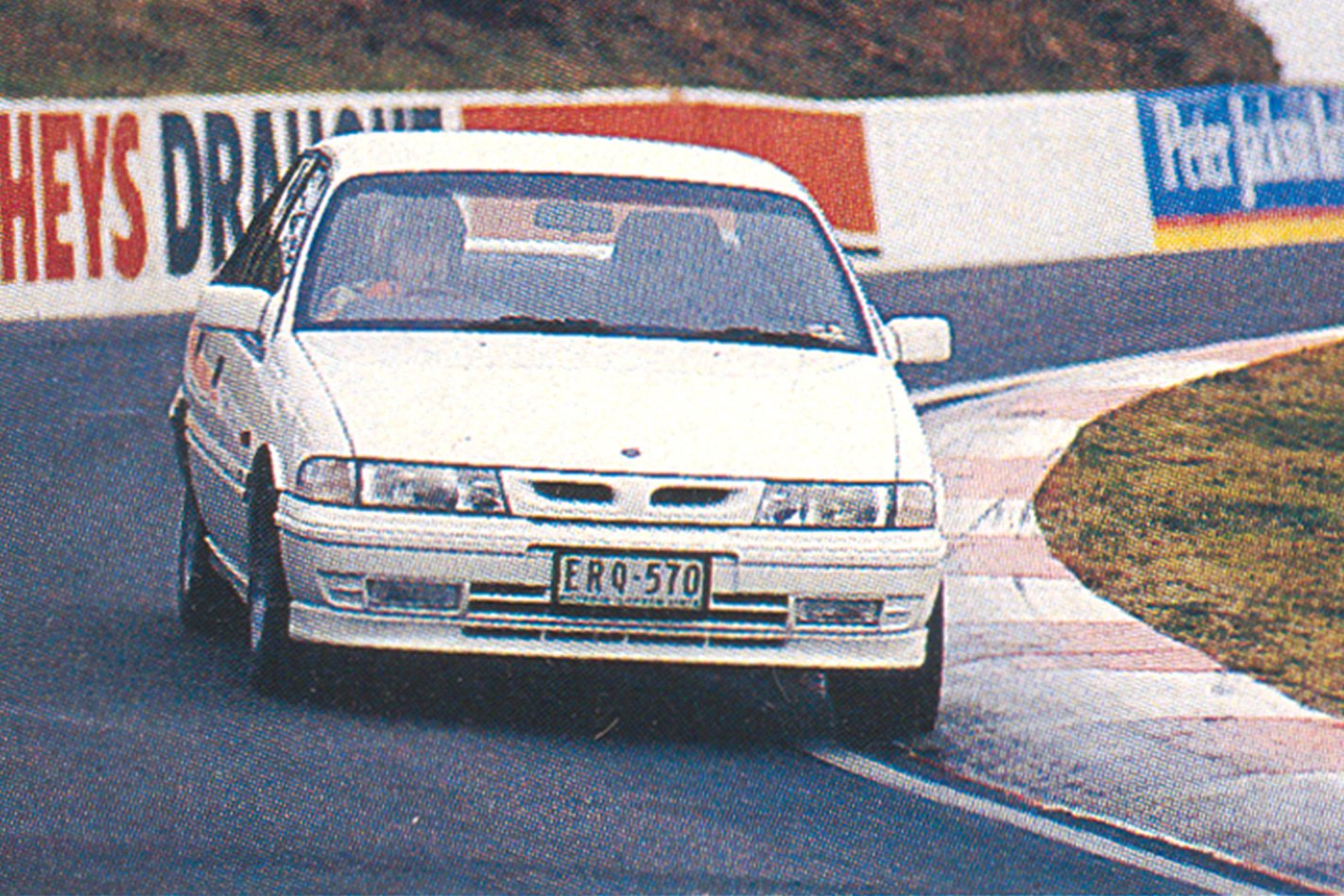
Going across the top of the mountain, as long as you don’t try and brake – you know, you’re just sort of lifting on and off the throttle to float it through – the car’s very balanced, very easy. In fact, down through the Dipper, I thought it was quite nice. But I was very careful over the top of Skyline … Coupled with a big rear bar and quite a heavy rear springing, if you brake going into a corner, she’ll dirt-track around like a speedway car.” So how much progress have muscle cars made since 1971 ? According to Brock’s lap times, very little.
There was only a second difference between the quickest car – the HO – and the slowest – the SS. Where the moderns beat their predecessors is in smoothness, refinement and sheer stop and stick. ”The refinement and the ease that you can do the lap times in the latest Falcon versus the HO is staggering.
But it just shows you that these cars had muscle, which is something the latest Falcon lacks. “As far as the Commodore’s concerned, I think it was twitchy to drive, but very fast. ”The old Commodore felt like you could rush into a corner and you had that trace of understeer which was a bit reassuring.” The verdict, 0-21 years? Brock has to think about that. How about brain over brawn? “Ah, yeah … by a short half-head!”
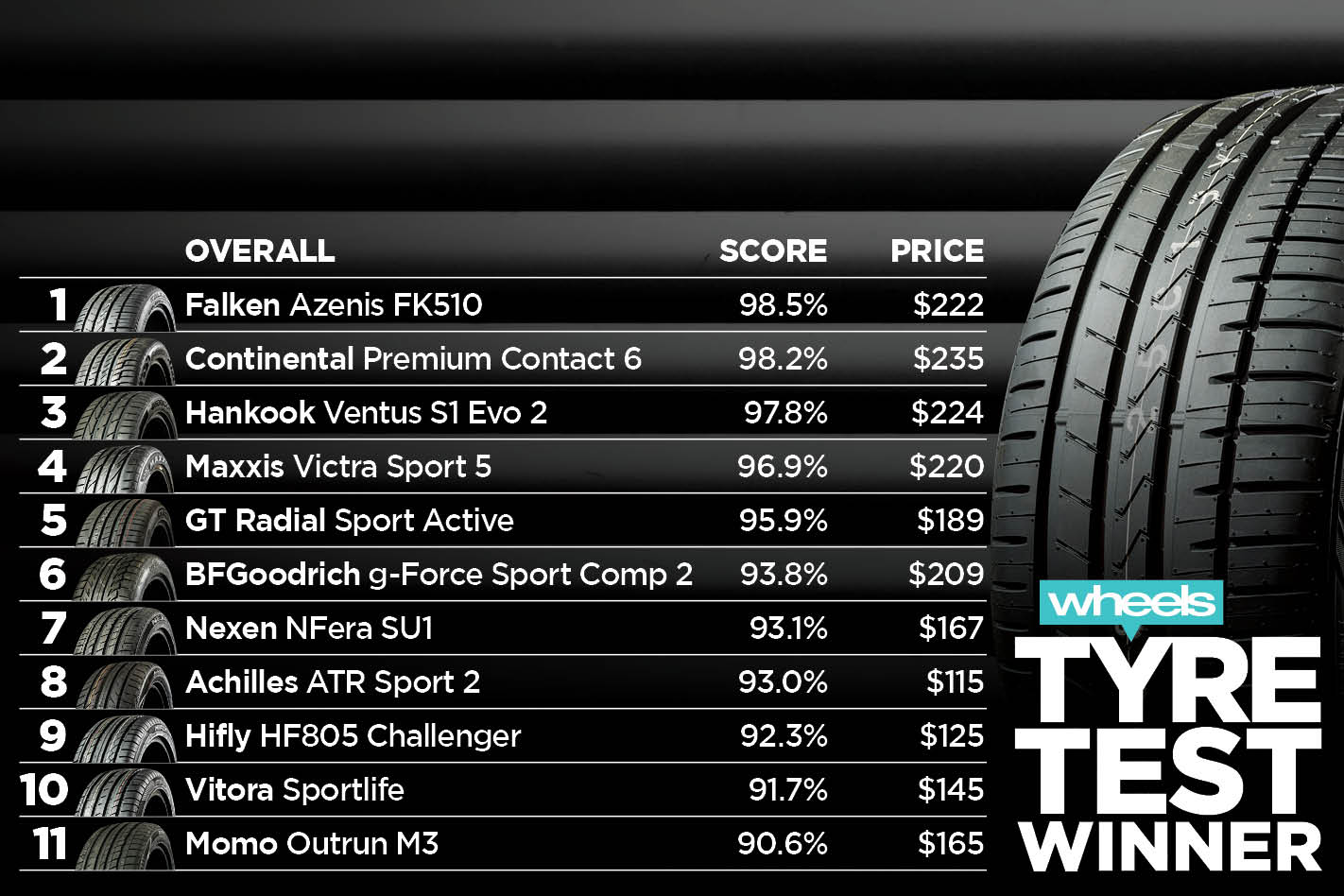
From the outset, it was clear the Falken Azenis FK510 was in with a real shot. “Extremely consistent; feels like a real high-performance tyre,” was Renato’s initial comment about this year’s winner, and the data consistently backed up that seat-of-the-pants assessment. With a 98.5 percent total score, the Falken Azenis FK510 is one of the strongest performers we’ve ever had in a Tyre Test.
Close thirds in the Slalom and Dry Braking were merely the entree for its wet-surface performance, which was consistently superior to the rest of the field. “Super-consistent the whole way through,” was Renato’s succinct summation of its many talents, and at an average online price of $222 per tyre, it’s smack-bang in the pricing ballpark of the top four tyres (spanning $220 to $235 each).
Looking at price versus performance, it’s obvious you get what you pay for in a 245/45R18. The Falken, Continental ($235) and Hankook ($224) were the three most expensive tyres in the field, and clearly the best-performing. The Hankook blitzed the Dry Braking in much the same fashion as the Falken did in the wet, yet the Falken never finished out of the top three placings.
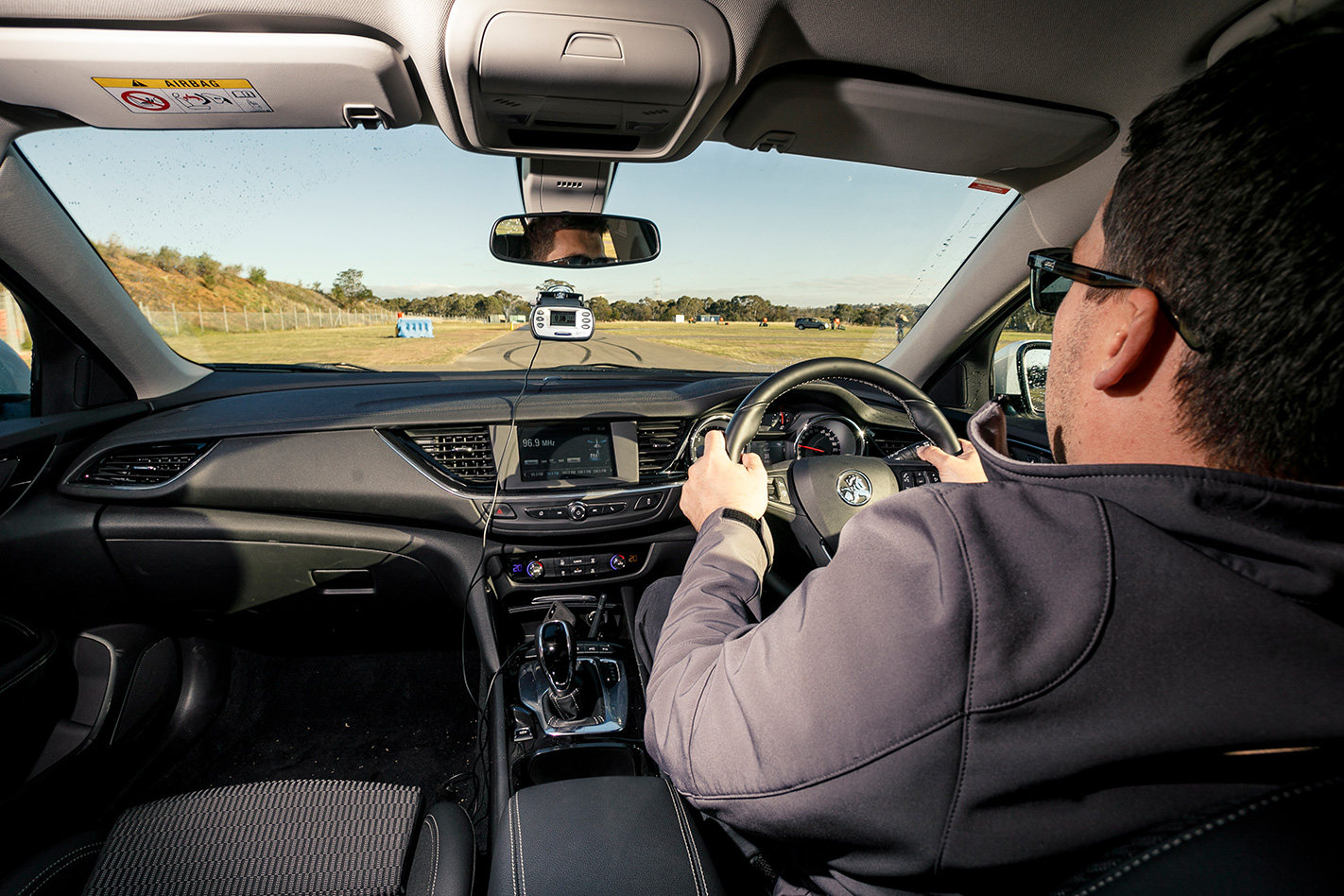
And while the Continental failed to grab the top spot in any discipline, its three silver medals and an excellent 98.2 percent final score see it nipping at the Falken’s treads for overall ability. “It feels like it actually has grip, yet when pushed it can be controlled on the limit”, said Renato. Ability, control and feel – exactly what you want from a tyre.
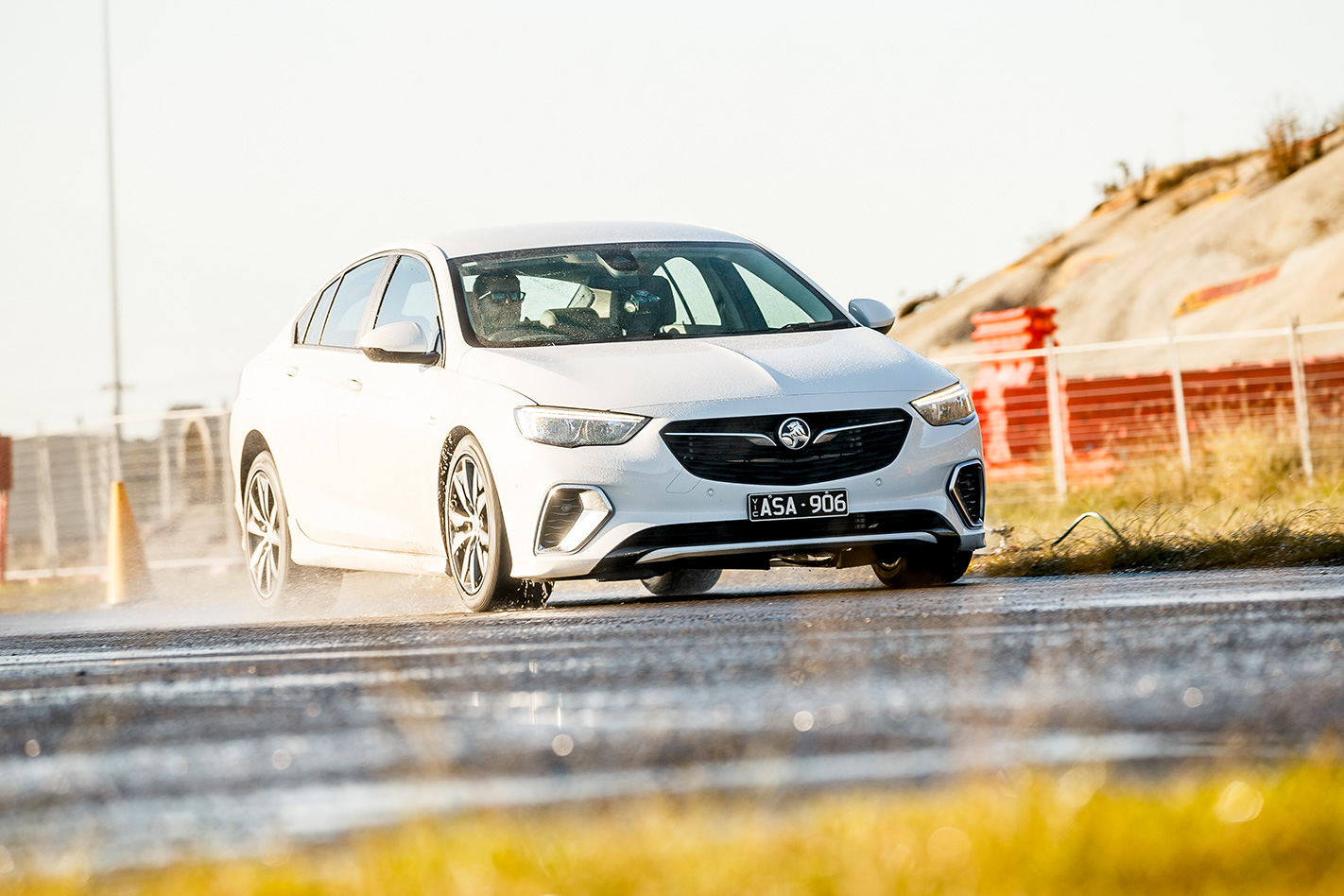
At the other extreme, we probably wouldn’t be chucking a set of Momos onto anything that lives in areas of high rainfall, due to its lack of progression in wet conditions. The Hifly managed to replicate that sudden change of attitude in dry conditions as well. So while you’ll be paying nearly double the price of the Hifly or Achilles for 2018’s Tyre Test winner, the Falken’s breadth of ability means that for a $430 set-of-four premium over the cheapest tyre here, your 245/45R18-wearing vehicle will feel like a completely different (meaning much better) car.
“Super-quick and consistent, in both lateral G and stopwatch results”, combined with competitive levels of road noise, sounds like the sort of tyre we’d happily recommend to anyone.
THE TYRE TESTS
 Slalom
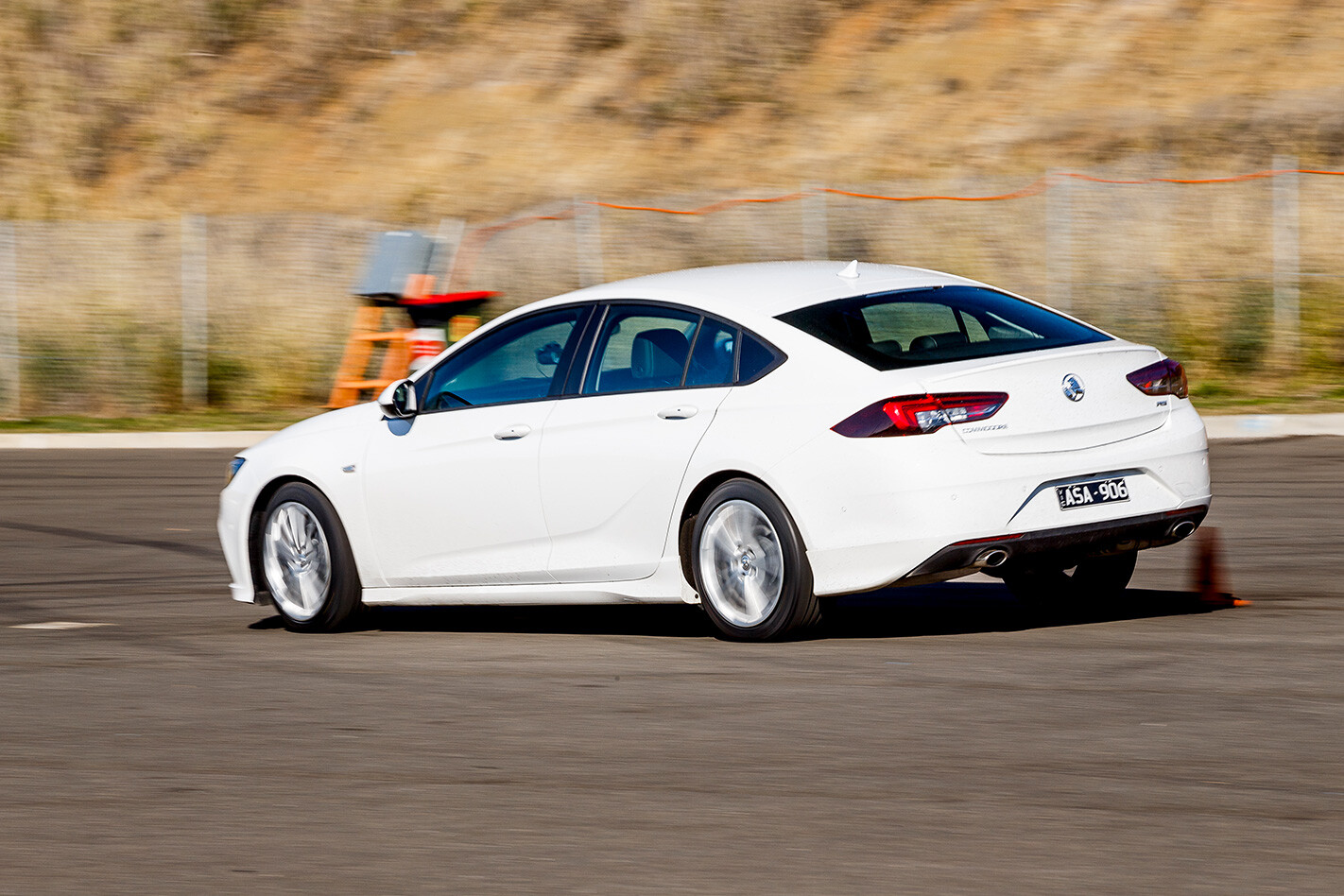
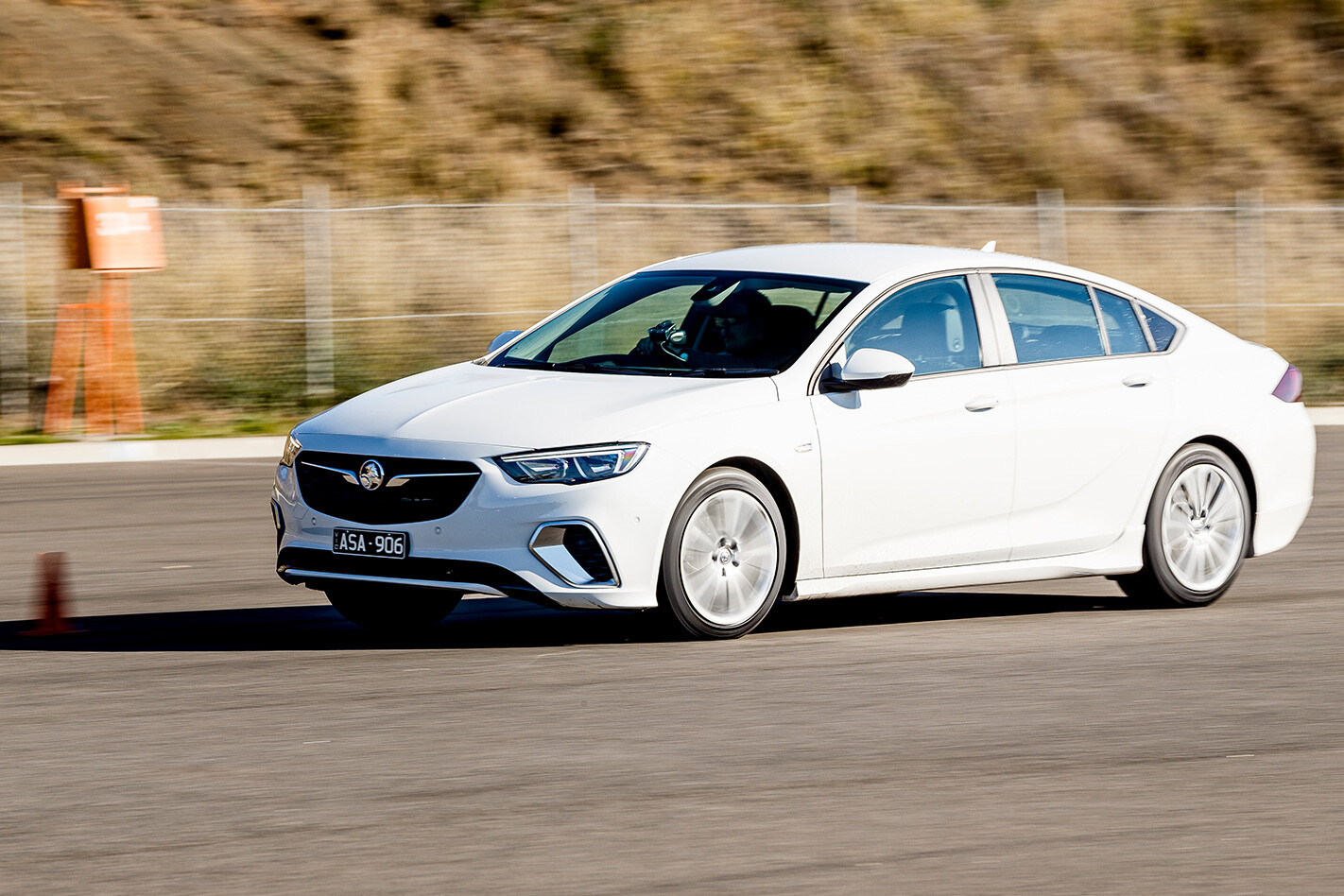
The swerve-and-recover test, or slalom – just like the skiing event – is an efficient way to gather meaningful data on a tyre’s transient grip level in less than 10 seconds.
 Dry Braking
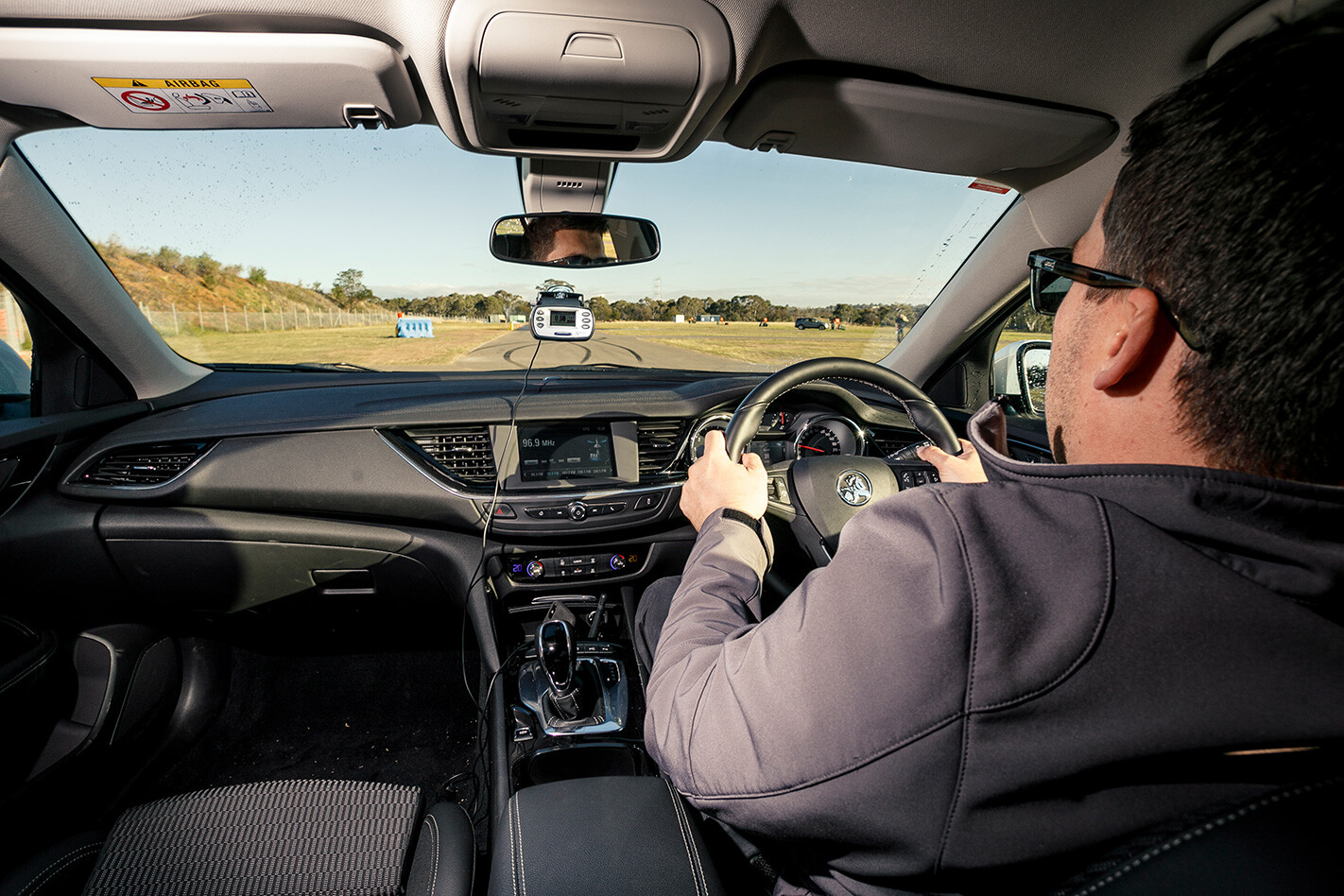
You would’ve thought that simply jamming on the picks as hard as you can and letting the anti-lock braking system (ABS) sort out the rest was a given in a modern car. And it is, but not without one big variable – tyres.
 Wet Cornering
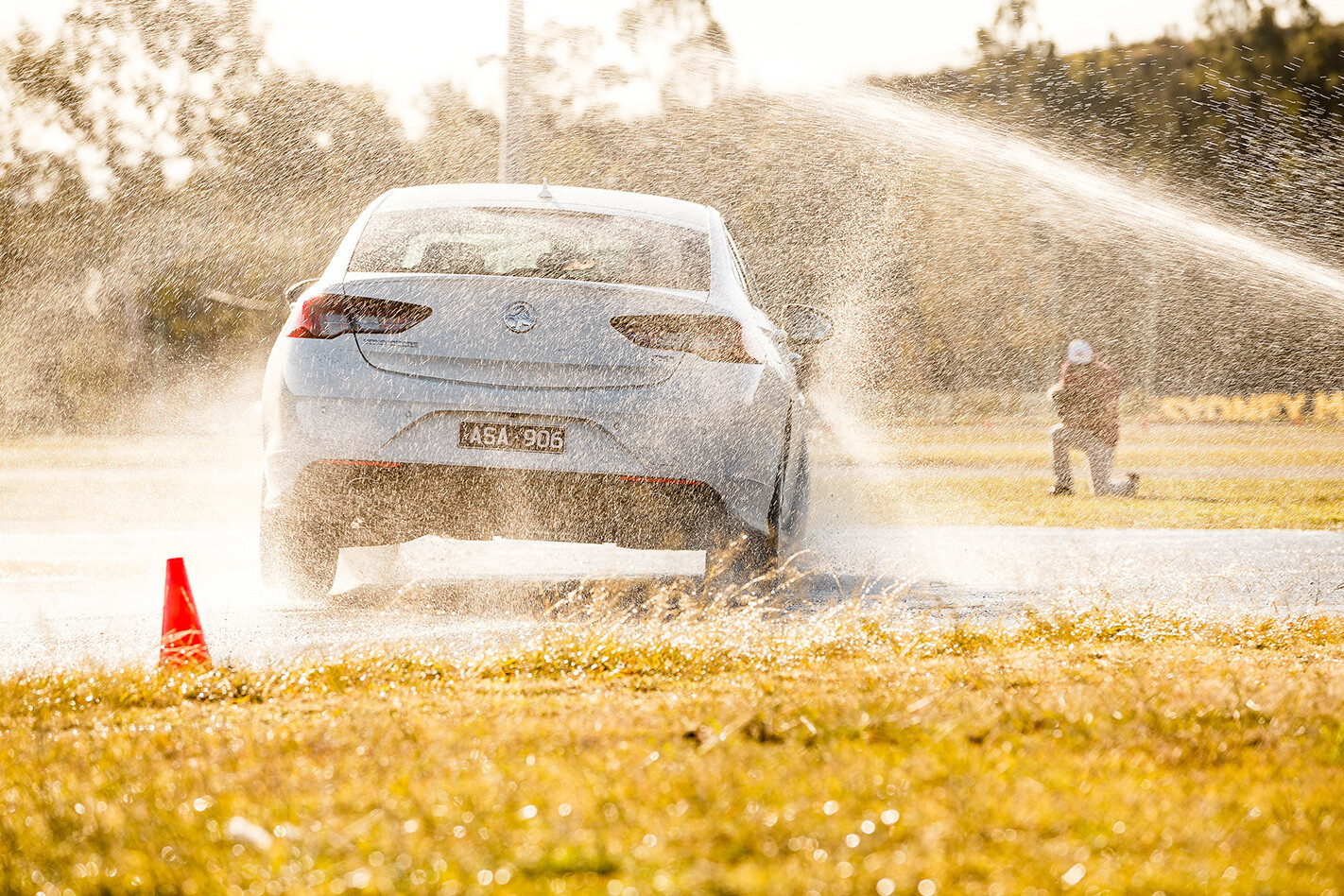
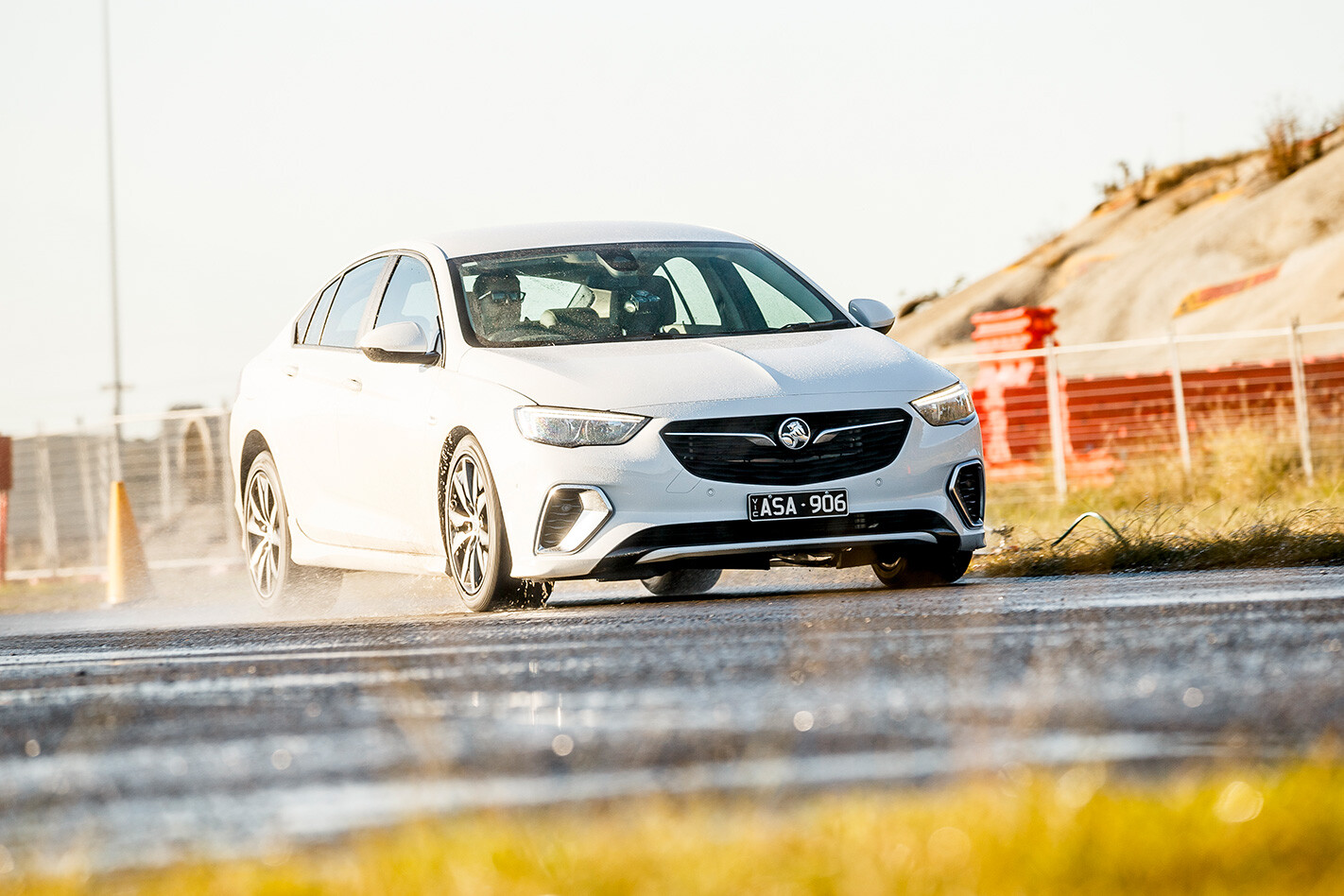
Wet Cornering proved a definitive differentiator between the greats and not-so-greats of the group.
 Wet Braking
It’s the one discipline that separates the mighty from the mediocre by a big margin … and we’re talking about brand new, correctly inflated, high-spec tyres here!
 Tyre Noise
Few surfaces in the world can match the noise generation of an Australian coarse-chip road, so tyre noise does play a vital part in the driving performance of your vehicle.
2018 WHEELS TYRE TEST
 Introduction
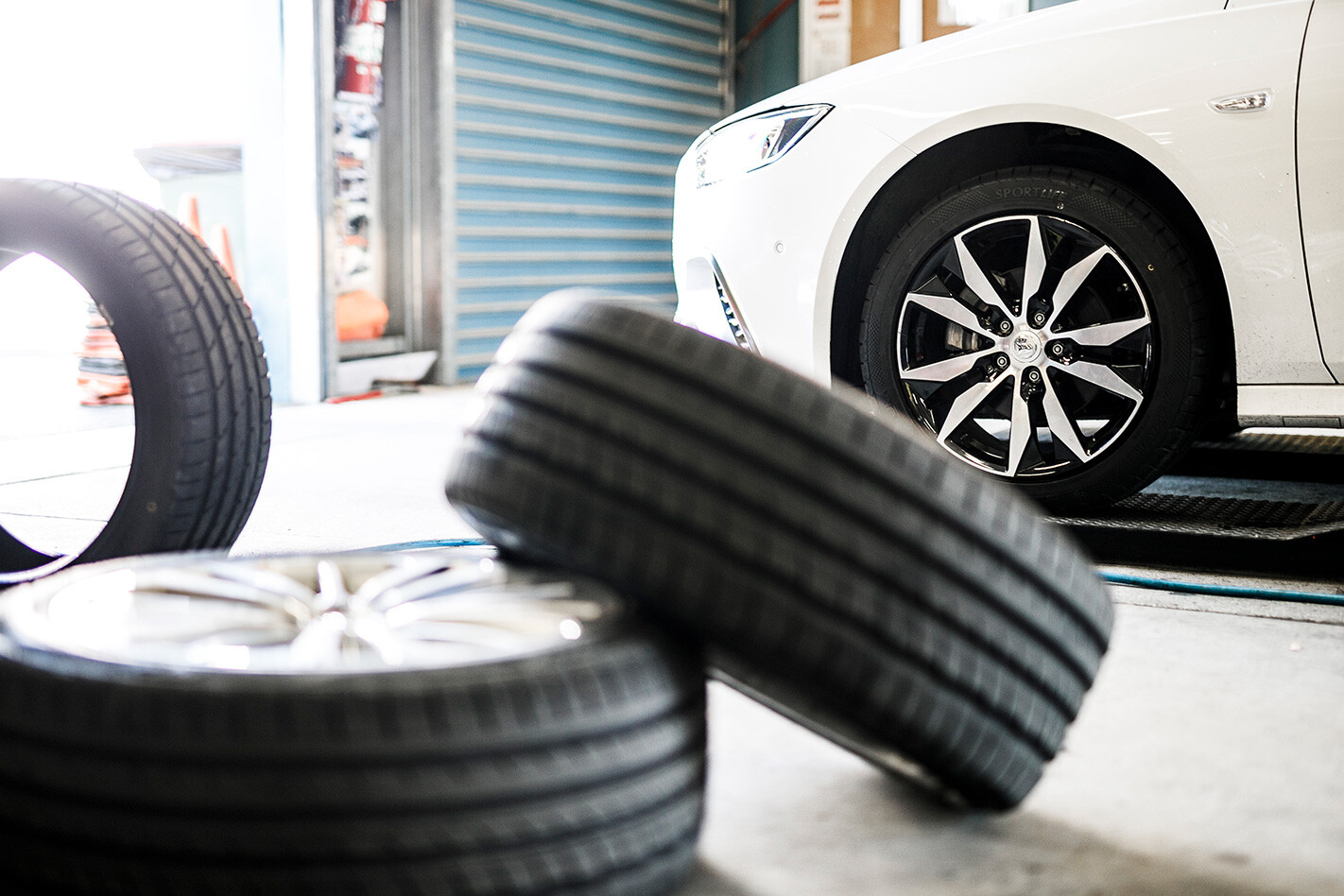
Upping your car’s cornering G-force by 10 percent is the stuff of a sports suspension upgrade, right? And cutting a car-length from your braking distance is the work of a set of Brembos? Nope, you just need a great set of tyres
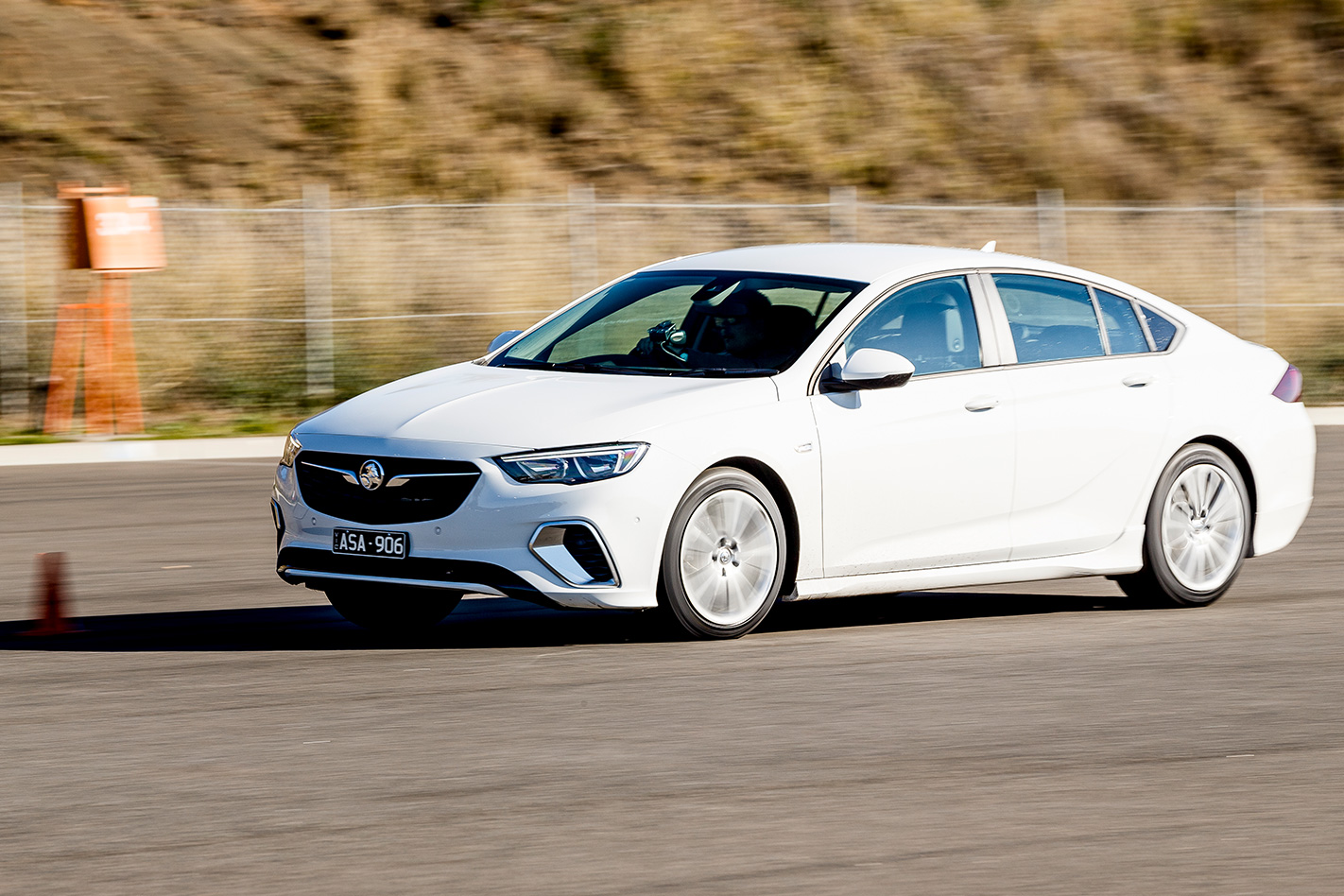
Few surfaces in the world can match the noise generation of an Australian coarse-chip road, so tyre noise does play a vital part in the driving performance of your vehicle. Indeed, the test Commodore RS’s original-equipment Continental ContiSportContact 5 tyres each feature a layer of foam coating inside the tyre to cut down road noise – something that’s instantly evident when comparing those 245/45R18 tyres to the more aggressive 245/35ZR20 Michelin Pilot Sports on the up-spec VXR.
One of the ways low-rolling-resistance eco tyres save fuel is by turning comparatively little of their kinetic energy into road roar, and the opposite was definitely true of the grippy Hankook.
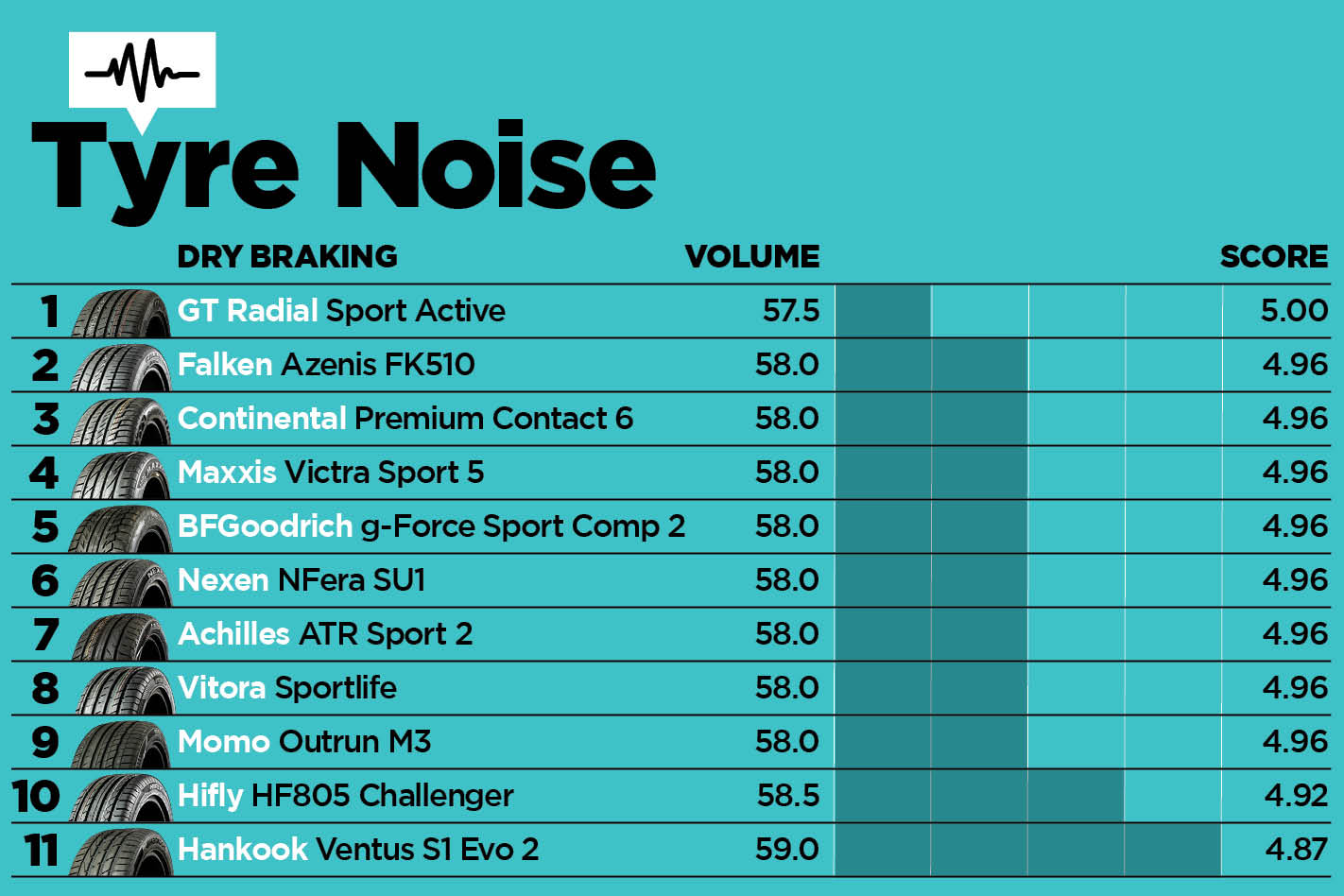
The best-performing tyre in the dry – the Hankook Ventus S1 Evo 2 – also proved the loudest at 60km/h on the relatively smooth bitumen section heading out of the Tyre Test pits, as measured in decibels (dB) using a Sound Pressure Level (SPL) meter set to hold a peak value.
The Hifly, on the other hand, compounded its mediocre straight-road tyre noise by also adding “quite a bit of tyre squeal” in the dry-road dynamic disciplines.
RESULTS
GT Radial Sport Active – Winner
Praised for its “all-round great driving performance”, the GT Radial was notably quiet from the get-go. “Not squeally or schreechy in turns, a very consistent feel, and quiet,” remarked Renato of the GT Radial’s hushed manners. Indeed, it was the only tyre that prompted any seat-of-the-pants comment about its perceived refinement, backing up the SPL meter’s winning findings. The next eight tyres – Falken, Continental, Maxxis, BFGoodrich, Nexen, Achilles, Vitora and Momo – all recorded an identical 58.0 dB, which perhaps says more about the lack of a really rough, country-road-rivalling surface at our test facility than any real-world equivalence.
THE TYRE TESTS
Slalom
The swerve-and-recover test, or slalom – just like the skiing event – is an efficient way to gather meaningful data on a tyre’s transient grip level in less than 10 seconds.
Dry Braking
You would’ve thought that simply jamming on the picks as hard as you can and letting the anti-lock braking system (ABS) sort out the rest was a given in a modern car. And it is, but not without one big variable – tyres.
Wet Cornering
Wet Cornering proved a definitive differentiator between the greats and not-so-greats of the group.
Wet Braking
It’s the one discipline that separates the mighty from the mediocre by a big margin … and we’re talking about brand new, correctly inflated, high-spec tyres here!
TYRE TEST RESULTS
 WHEELS TYRE TEST 2018: The Results
From the outset, it was clear the Falken Azenis FK510 was in with a real shot.
2018 WHEELS TYRE TEST
Introduction
Upping your car’s cornering G-force by 10 percent is the stuff of a sports suspension upgrade, right? And cutting a car-length from your braking distance is the work of a set of Brembos? Nope, you just need a great set of tyres
It’s the one discipline that separates the mighty from the mediocre by a big margin … and we’re talking about brand new, correctly inflated, high-spec tyres here! Not the worn, flaccid, often terrifying treads (or lack thereof) so often seen in the carparks of Australia.
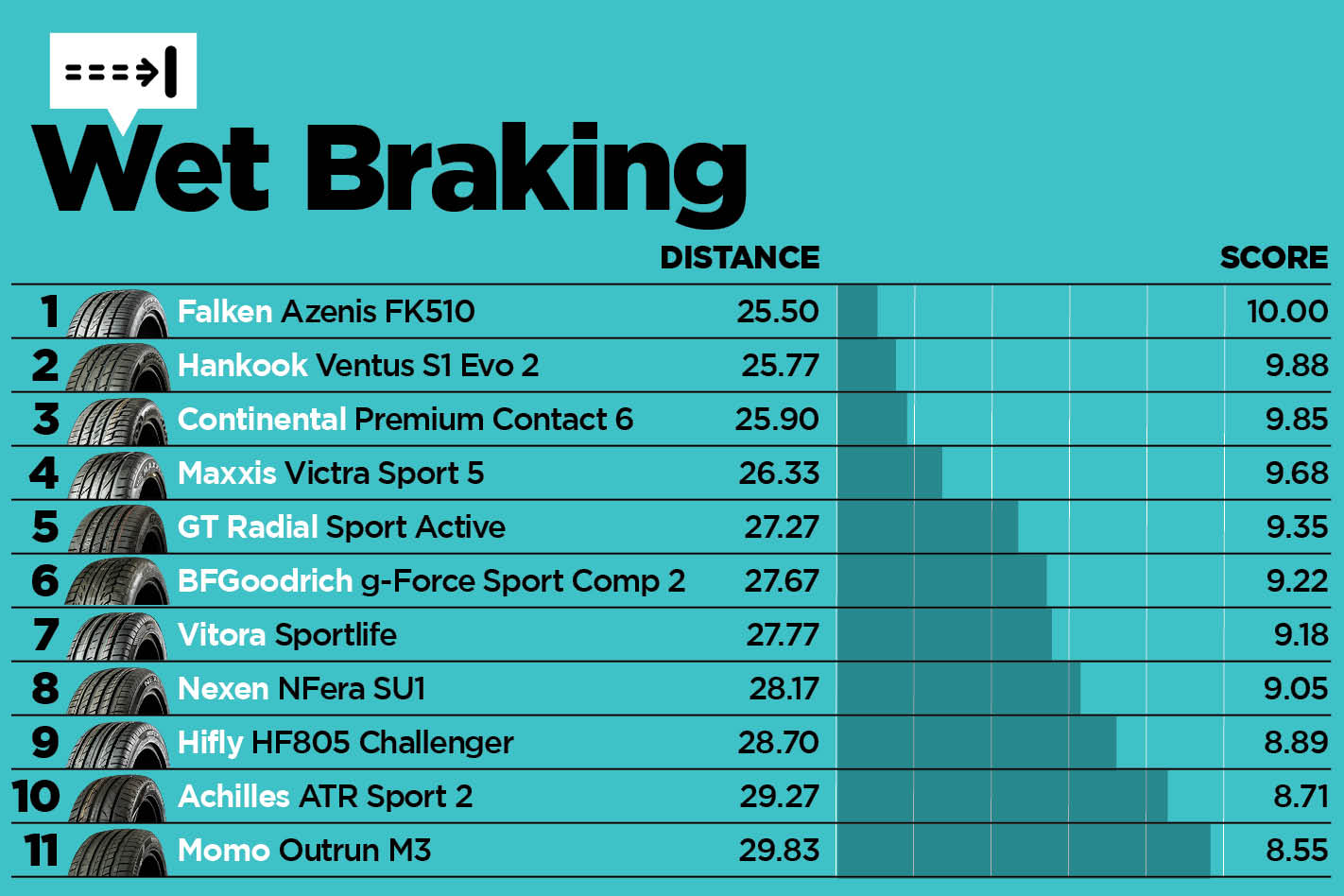
Much as it played out last year, the worst-performing tyre in the wet took more than four metres longer to stop than our braking champion, the Falken Azenis FK510. The Momo actually felt good and performed dependably during the braking tests. “Braking performance in both wet and dry was consistent,” reported Ren. It turned out the stopping distance was consistent too – consistently long. Yet it was the wet braking discipline that betrayed the final finishing order of our bottom five.
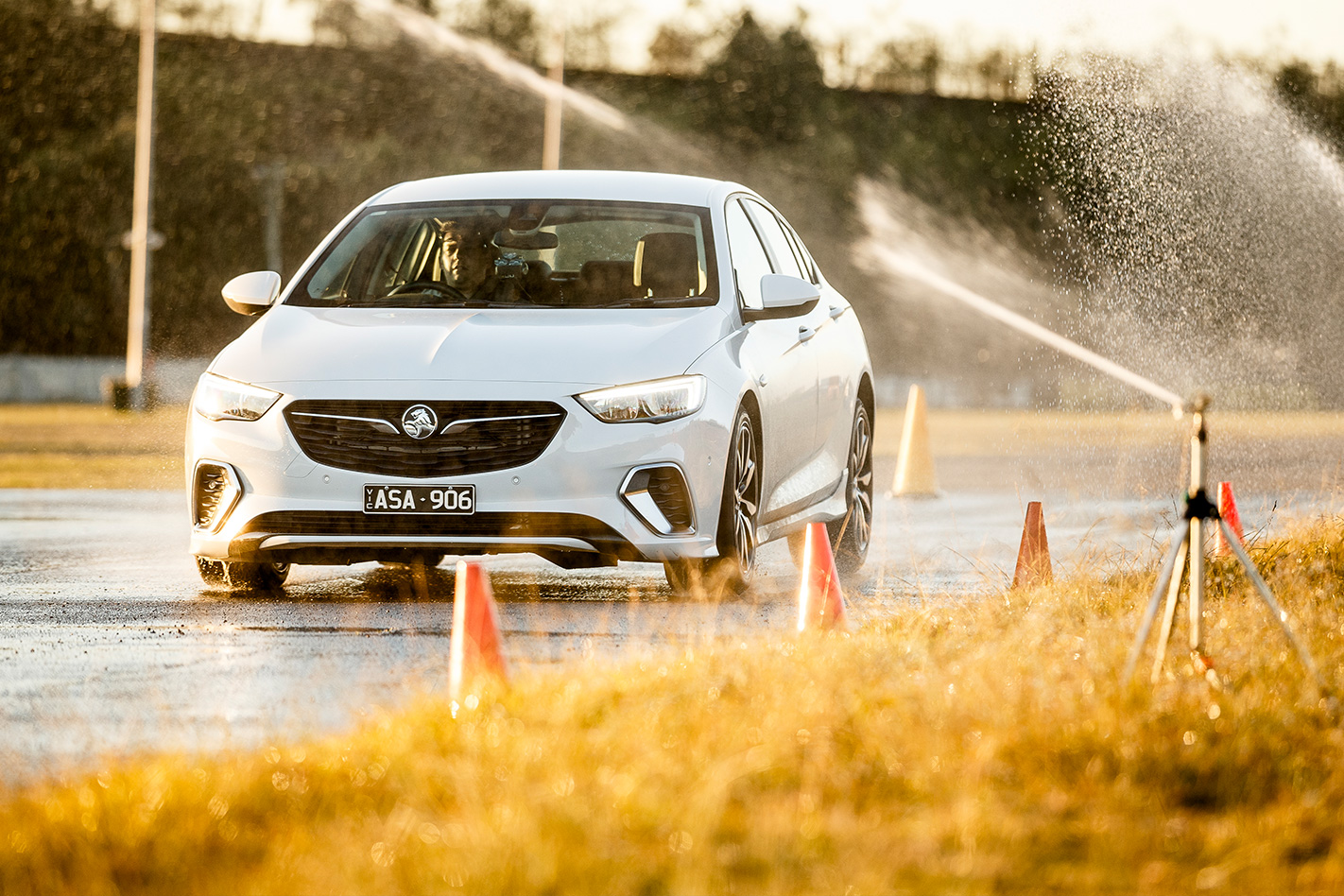
The top four wet brakers – Falken, Hankook, Continental and Maxxis – all marked their territory by finishing well ahead of the rest. Not surprisingly, that’s almost how the podium played out in the final wrap-up. Consistency is the key to braking success, an area where the Vitora failed to rate, with a 1.3m variance between its wet stops and “a long ABS hit on initial pedal application”.
RESULTS
Falken Azenis FK510 – Winner
The Falken proved “incredibly consistent”, managing to clock a stellar wet braking performance only marginally longer than its dry braking distance. How much? Try just 33mm! And it kept improving with each wet stop, clocking 25.8m first time out and a field-beating 25.1m on its final wet run, eclipsing the highly capable but not quite as consistent Hankook’s best run by 0.3m. Just like its dry braking, however, the Continental topped the field with just half a metre between its best (25.7m) and worst (26.2m) wet-braking stops. The GT Radial and Achilles matched the Continental’s consistency, but added braking distance with each run, whereas the Conti improved.
THE TYRE TESTS
Slalom
The swerve-and-recover test, or slalom – just like the skiing event – is an efficient way to gather meaningful data on a tyre’s transient grip level in less than 10 seconds.
Dry Braking
You would’ve thought that simply jamming on the picks as hard as you can and letting the anti-lock braking system (ABS) sort out the rest was a given in a modern car. And it is, but not without one big variable – tyres.
Wet Cornering
Wet Cornering proved a definitive differentiator between the greats and not-so-greats of the group.
Tyre Noise
Few surfaces in the world can match the noise generation of an Australian coarse-chip road, so tyre noise does play a vital part in the driving performance of your vehicle.
TYRE TEST RESULTS
WHEELS TYRE TEST 2018: The Results
From the outset, it was clear the Falken Azenis FK510 was in with a real shot.
2018 WHEELS TYRE TEST
Introduction
Upping your car’s cornering G-force by 10 percent is the stuff of a sports suspension upgrade, right? And cutting a car-length from your braking distance is the work of a set of Brembos? Nope, you just need a great set of tyres
Even more so than the wet braking discipline, Wet Cornering proved a definitive differentiator between the greats and not-so-greats of the group. Measured by entering a consistently soaked double-apex left-hander at 60km/h, the Commodore revving hard in third gear, Renato would squeeze on power and build G-force during the first part of the corner before truly testing the wet threshold at the slippery second apex.
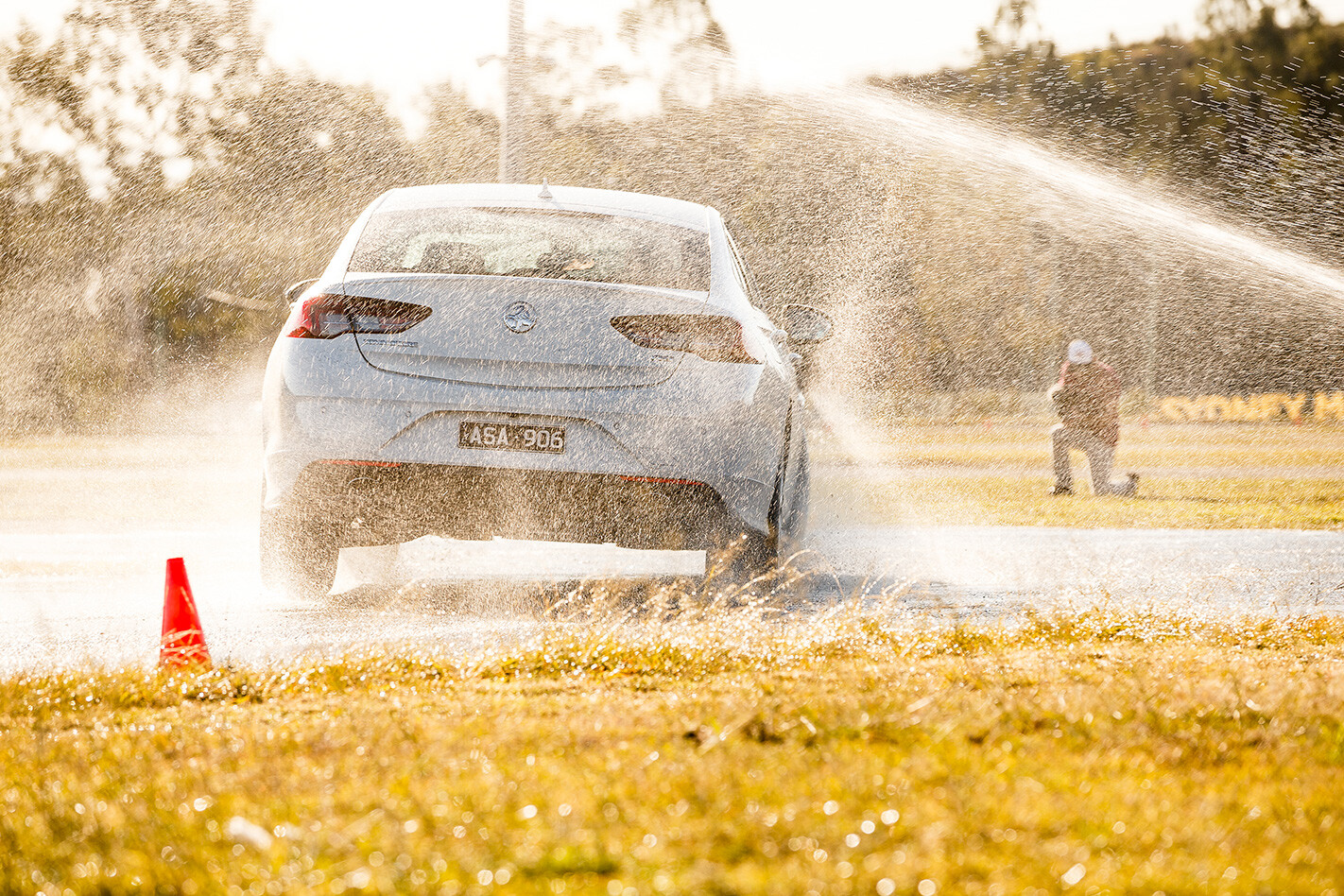
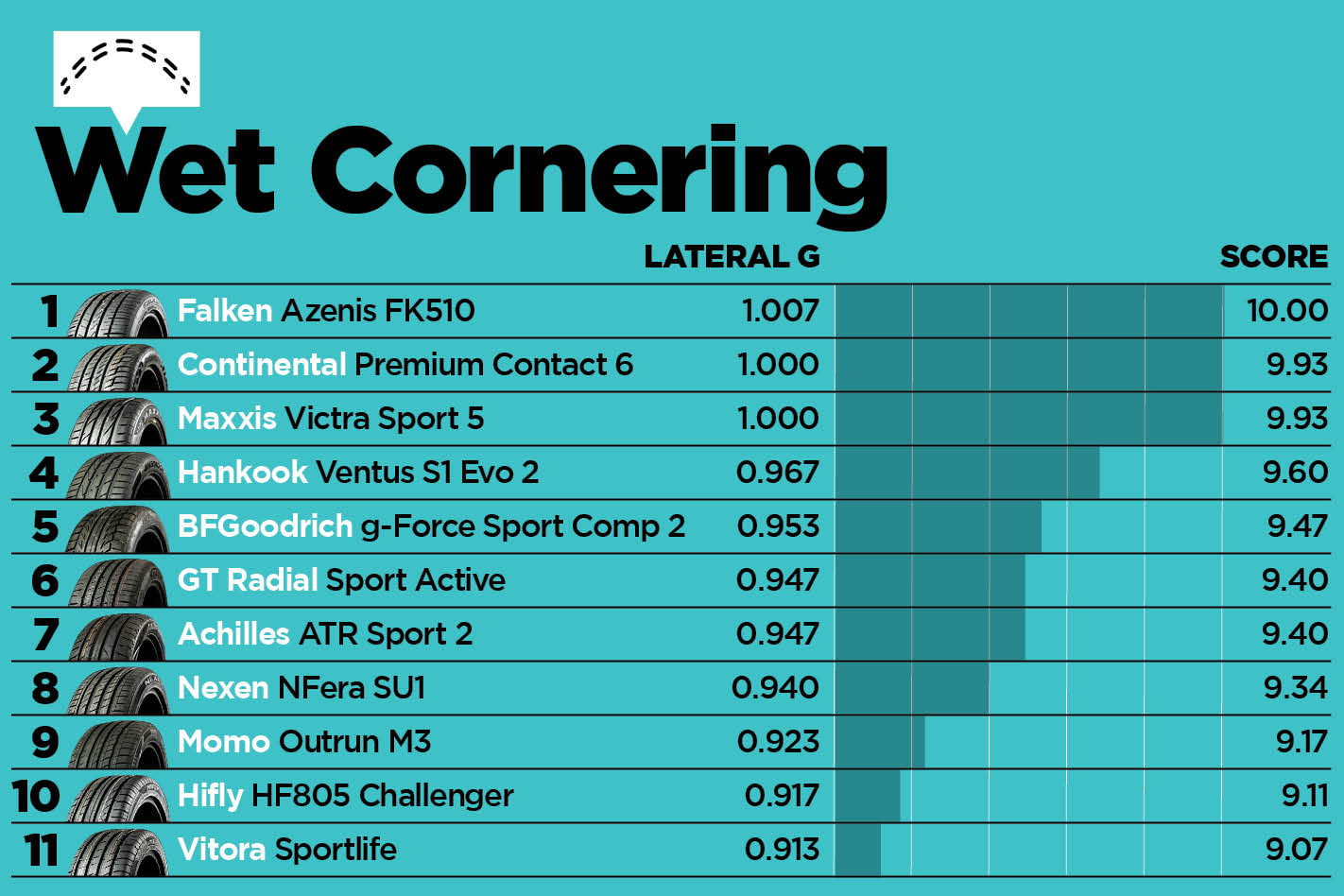
While the Momo achieved a higher limit than the Hifly and Vitora bottom-enders, it compounded a below-par wet braking performance by giving up when push came to shove. “At 0.92G it was fine and controllable; at 0.93G it massively understeered,” commented our testing ace. The GT Radial clearly telegraphed its limit of grip (with a 0.95G average), however “the transition from max grip to slip is a very small window,” said Renato.
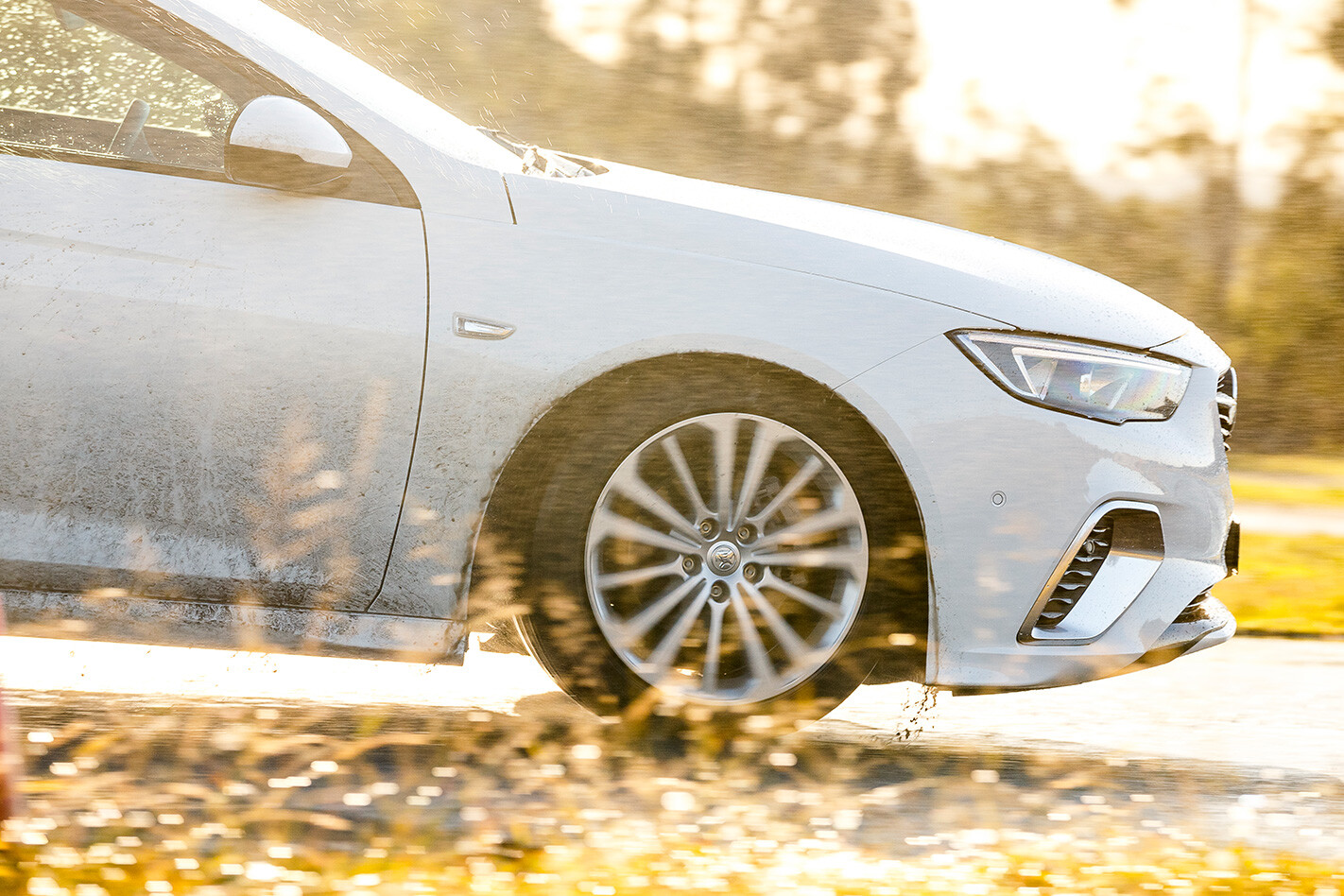
In contrast, the last-placed Vitora offered “good slide warning on the limit”, however its limit was well below what the exercise-winning Falken could achieve.
RESULTS
Falken Azenis FK510 – Winner
Only three tyres managed 1G or greater in the wet-cornering exercise and, once again, the Falken proved its worth in challenging conditions. With the highest peak G (1.020, on its first and last runs) and an overall average of 1.007G, the Falken underscored why it’s such a superlative all-rounder – “incredible grip in wet cornering; almost no sliding at all doing 73km/h” commented Renato, even though it only needed to complete the exercise at 60km/h. Renato could keep adding power and the star wet-cornering tyres – Falken, Continental, Maxxis, and Hankook – could cop the greater load before transitioning predictably into the inevitable front tyre slip.
THE TYRE TESTS
Slalom
The swerve-and-recover test, or slalom – just like the skiing event – is an efficient way to gather meaningful data on a tyre’s transient grip level in less than 10 seconds.
Dry Braking
You would’ve thought that simply jamming on the picks as hard as you can and letting the anti-lock braking system (ABS) sort out the rest was a given in a modern car. And it is, but not without one big variable – tyres.
Wet Braking
It’s the one discipline that separates the mighty from the mediocre by a big margin … and we’re talking about brand new, correctly inflated, high-spec tyres here!
Tyre Noise
Few surfaces in the world can match the noise generation of an Australian coarse-chip road, so tyre noise does play a vital part in the driving performance of your vehicle.
TYRE TEST RESULTS
WHEELS TYRE TEST 2018: The Results
From the outset, it was clear the Falken Azenis FK510 was in with a real shot.
2018 WHEELS TYRE TEST
Introduction
Upping your car’s cornering G-force by 10 percent is the stuff of a sports suspension upgrade, right? And cutting a car-length from your braking distance is the work of a set of Brembos? Nope, you just need a great set of tyres
