
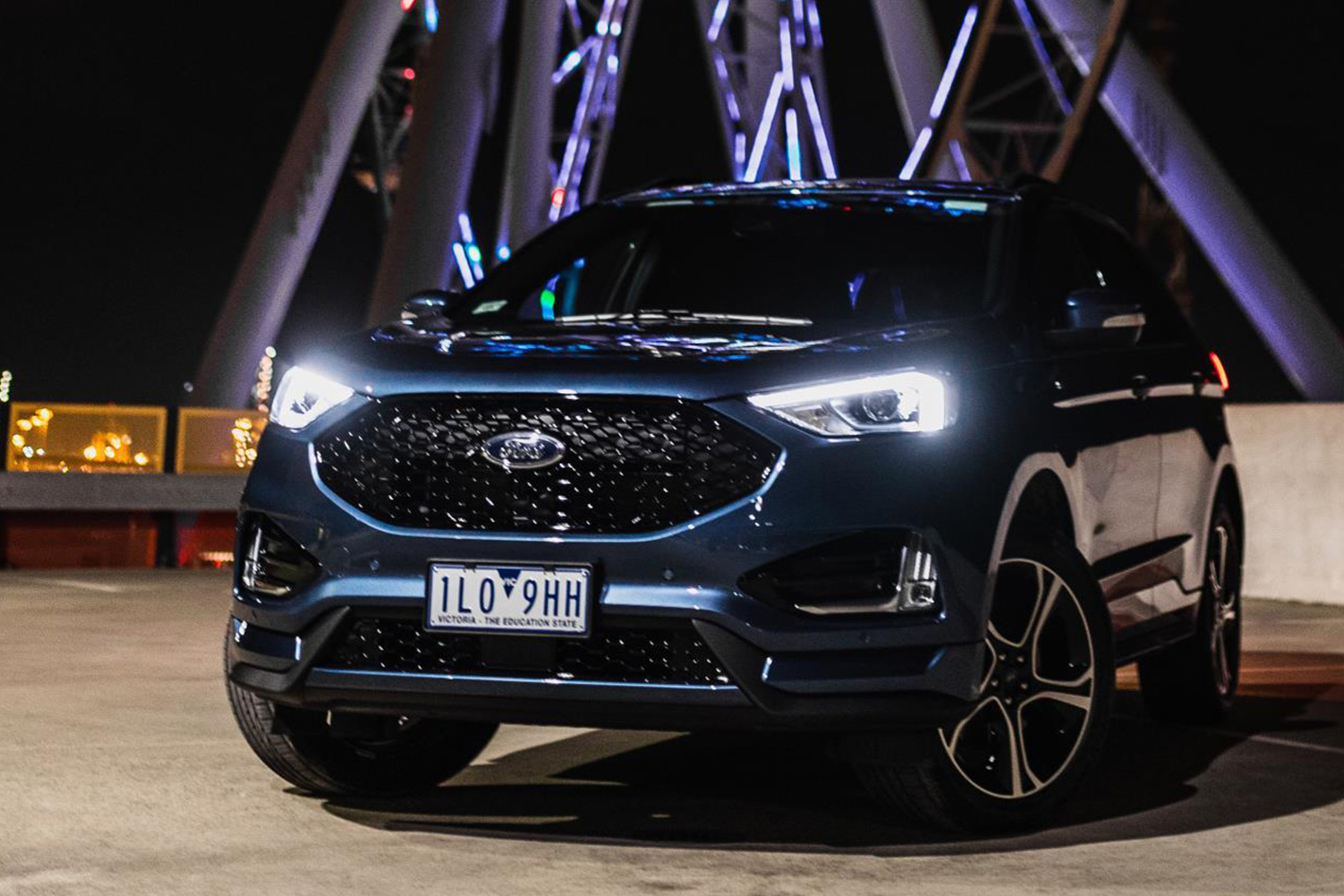
Ford has shimmed a slim gap in its SUV range between the mid-sized Escape and seven-seat Everest, with a three-variant Endura range priced from $44,990.
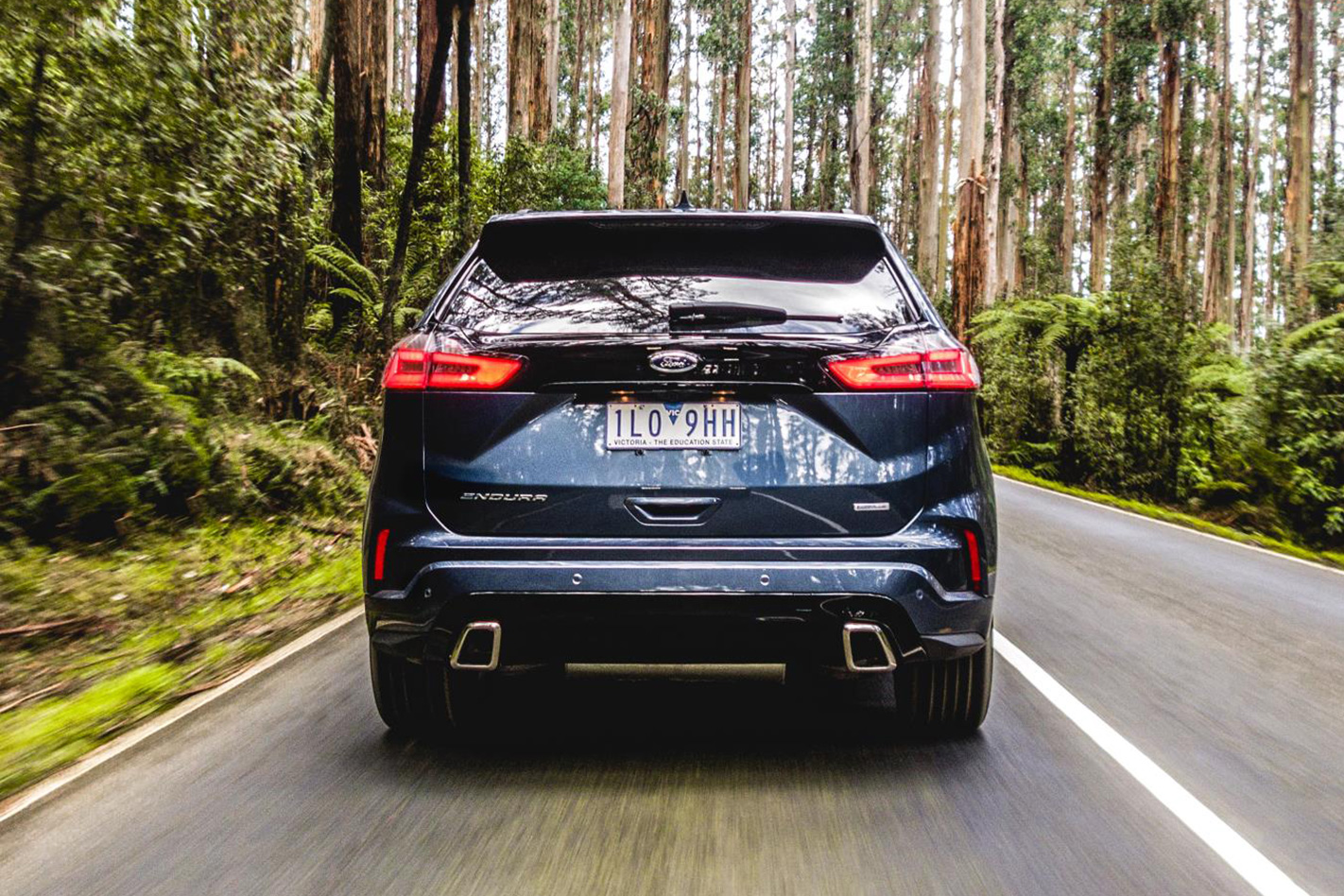
The five-seat Endura range starts with the Trend, with a mid-range ST-line offers a more sporty option from $53,990, while the range topping Titanium rounds out the fresh-faced high rider with more comfort and driver assistance features from $63,990.
All versions are powered by a 2.0-litre four-cylinder diesel engine that sends 140kW and 400Nm of torque to the front wheels via an eight-speed automatic transmission. Customers can choose to upgrade to four-wheel drive on any variant for $4000 extra.
Acceleration figures have not yet been provided but Ford says the Endura will return fuel economy of 6.7L/100km regardless of the transmission while offering a maximum braked towing capacity of 2000kg.
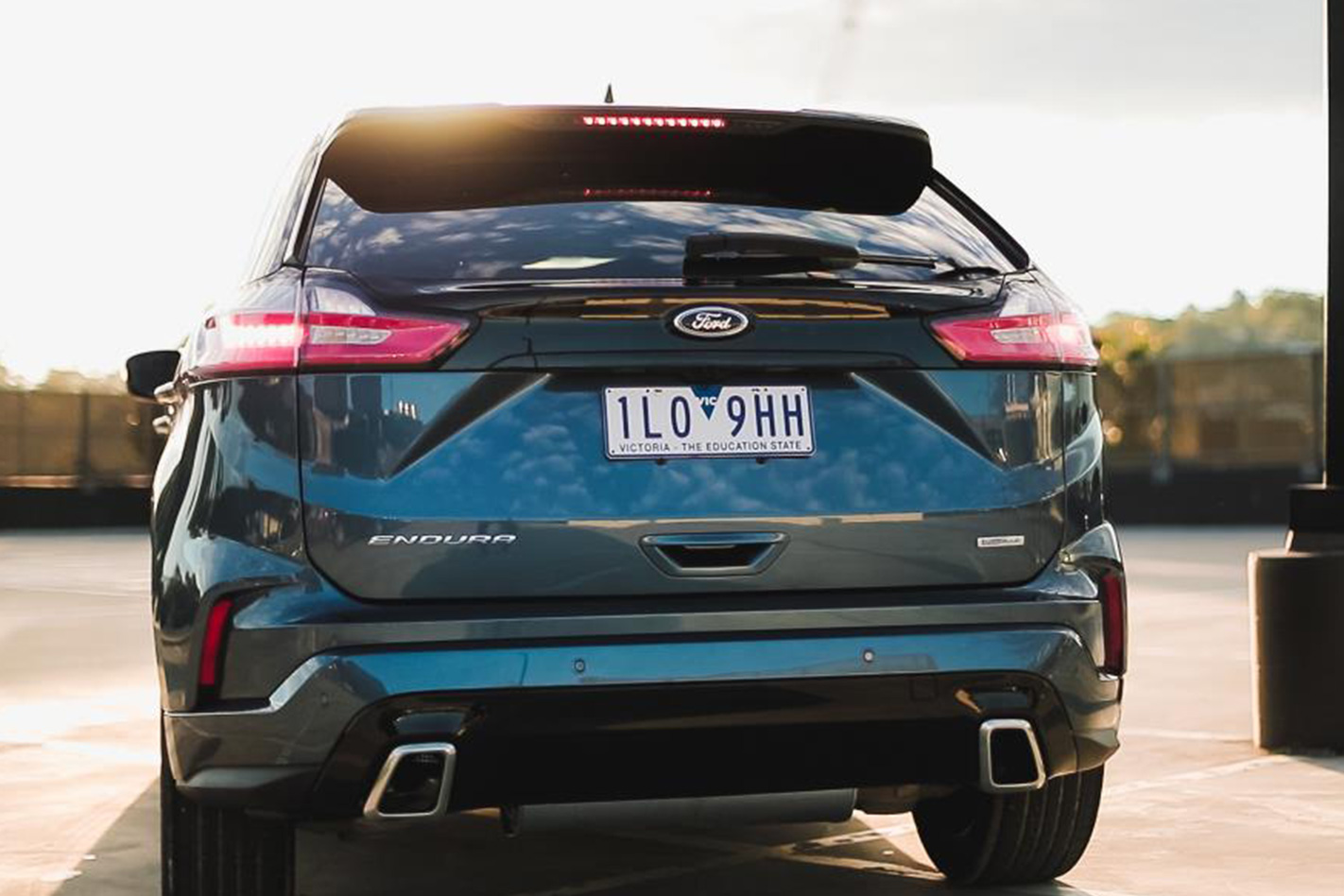
The Endura has the same 2849mm wheelbase as the seven-seat Everest, which according to Ford makes it “one of the most spacious SUVs offered in the Ford line-up” with a generous 800-litre boot
The entry-level Endura Trend is $4000 cheaper than the equivalent Everest, but on the pricier side compared with strong rivals in the segment, including the $42,490 Mazda CX-8 and $43,000 Hyundai Santa Fe, both of which offer seven seats and comparable diesel/auto drive.
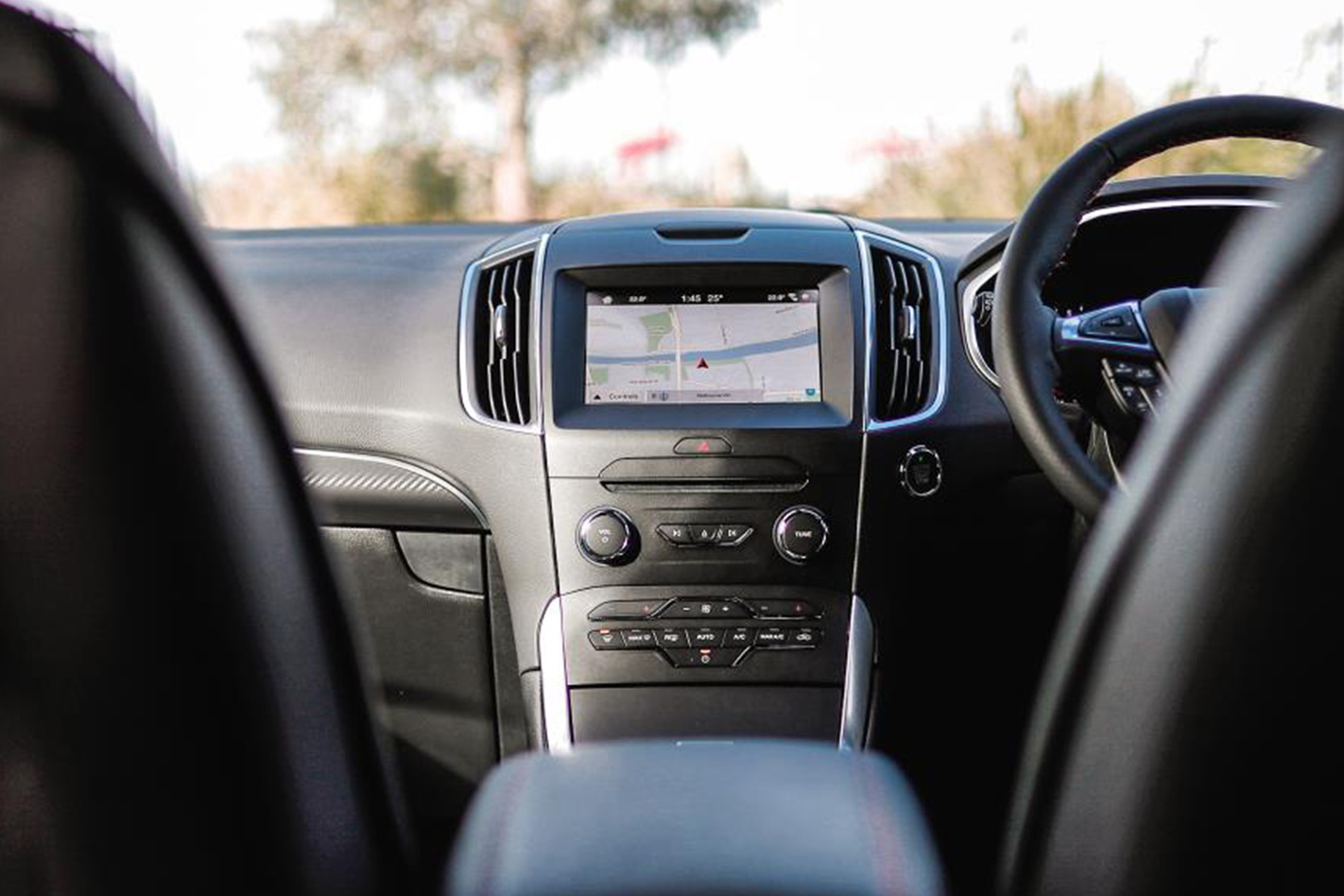
All Endura variants offer an 8.0-inch Command Centre touchscreen for accessing Ford’s Sync3 infotainment system with in-built navigation and voice control, 10-way electric driver’s seat adjustment, and keyless entry and start.
Standard safety features include eight airbags, autonomous emergency braking, front and rear parking sensors, evasive steering assistance, reversing camera, adaptive cruise control, speed limit sign recognition, 18-inch alloy wheels and tyre pressure monitoring.
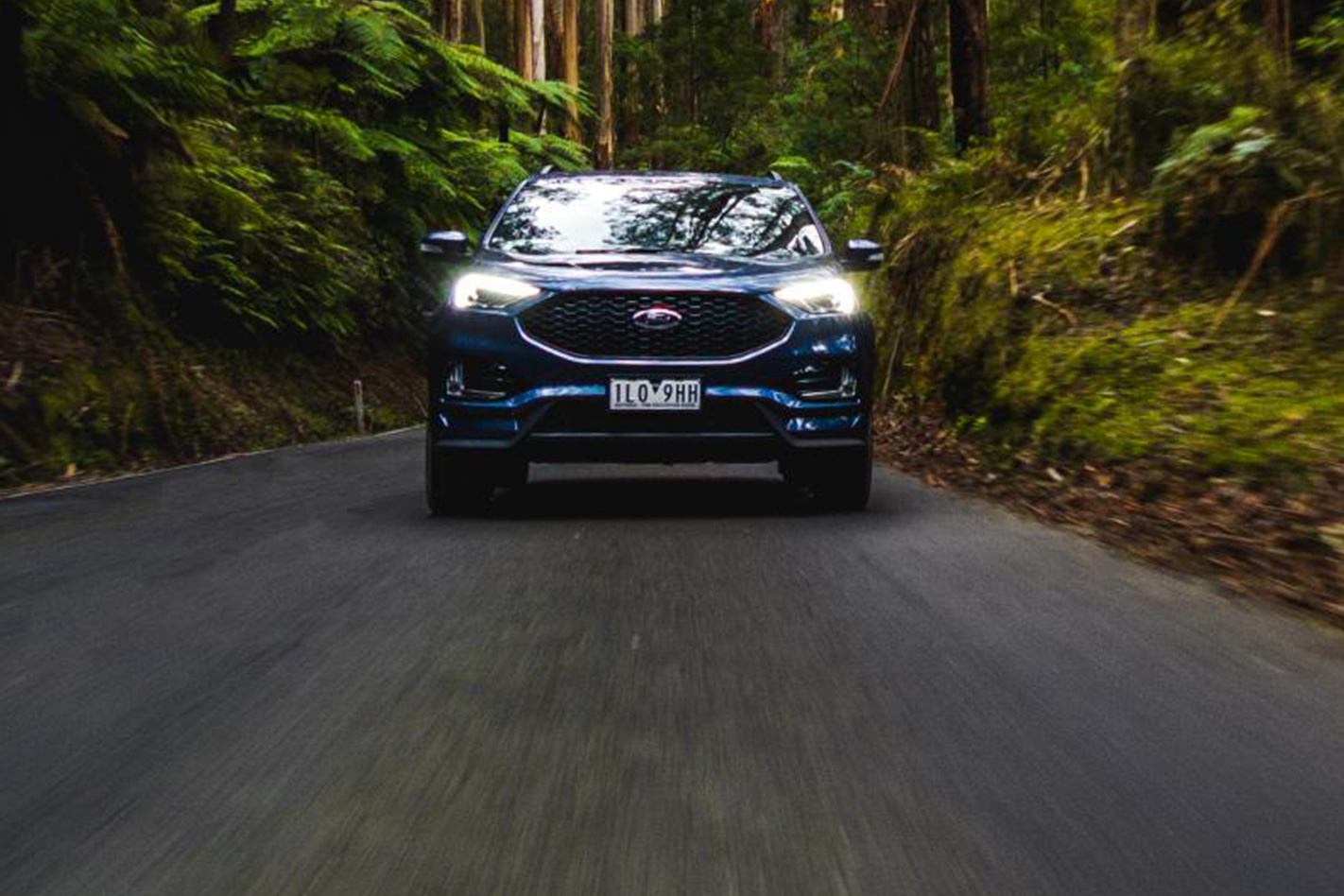
Stepping up to the ST-Line brings a selection of driver-focused features including sports-tuned suspension, 20-inch wheels, and fatter bodykit with black trim, while the interior gets Miko Suede perforated upholstery with leather garnishes, and heating and cooling for the front seats.
Opt for the Titanium and you’ll also score full-LED headlights, heaters for the rear seats, higher-quality leather interior, a panoramic sunroof, blind-spot monitoring, rear-cross traffic alert, and parking assistant.
The Ford Endura range will arrive in showrooms in December.
2019 Ford Endura pricing
- Trend FWD – $44,990
- Trend AWD – $48,990
- ST-Line FWD –$53,990
- ST-Line AWD –$57,990
- Titanium FWD – $63,990
- Titanium AWD –$67,990
- Prestige Paint (all models) – $600
- Tow bar (all models) -$1000
- 19-inch alloy wheels (Trend only) -$1000
- Dual-panel Panoramic Glass Roof (deletes roof rails – Trend and ST-Line) – $2500
- Twin head restraint DVD rear entertainment system (all models) -$1600
- Enhanced Active Park Assist (ST-Line only) -$1000
- Premium B&O 12-speaker stereo and front split-view camera (ST-Line and Titanium) – $1000
BELIEVE the headlines prior to this year’s Paris Show and you’d imagine that it was a bit of a disaster.
Big-name manufacturers like Volkswagen, Alfa Romeo, Volvo, Ford, Jeep, Mazda, McLaren, Nissan, Mitsubishi, Subaru, Vauxhall/Opel and Aston Martin had all turned down their invitations to attend.
We expected tumbleweed and a down-at-heel atmosphere at the Expo centre, and while some of the halls felt a little airy, there was plenty going on. Join us as we take a look at the cars, the people and the events that caught our eye as we wore out some shoe leather at the show halls.
Click through the gallery above to read a behind the scenes run-down of the 2018 Paris Motor Show
WHAT IS IT?
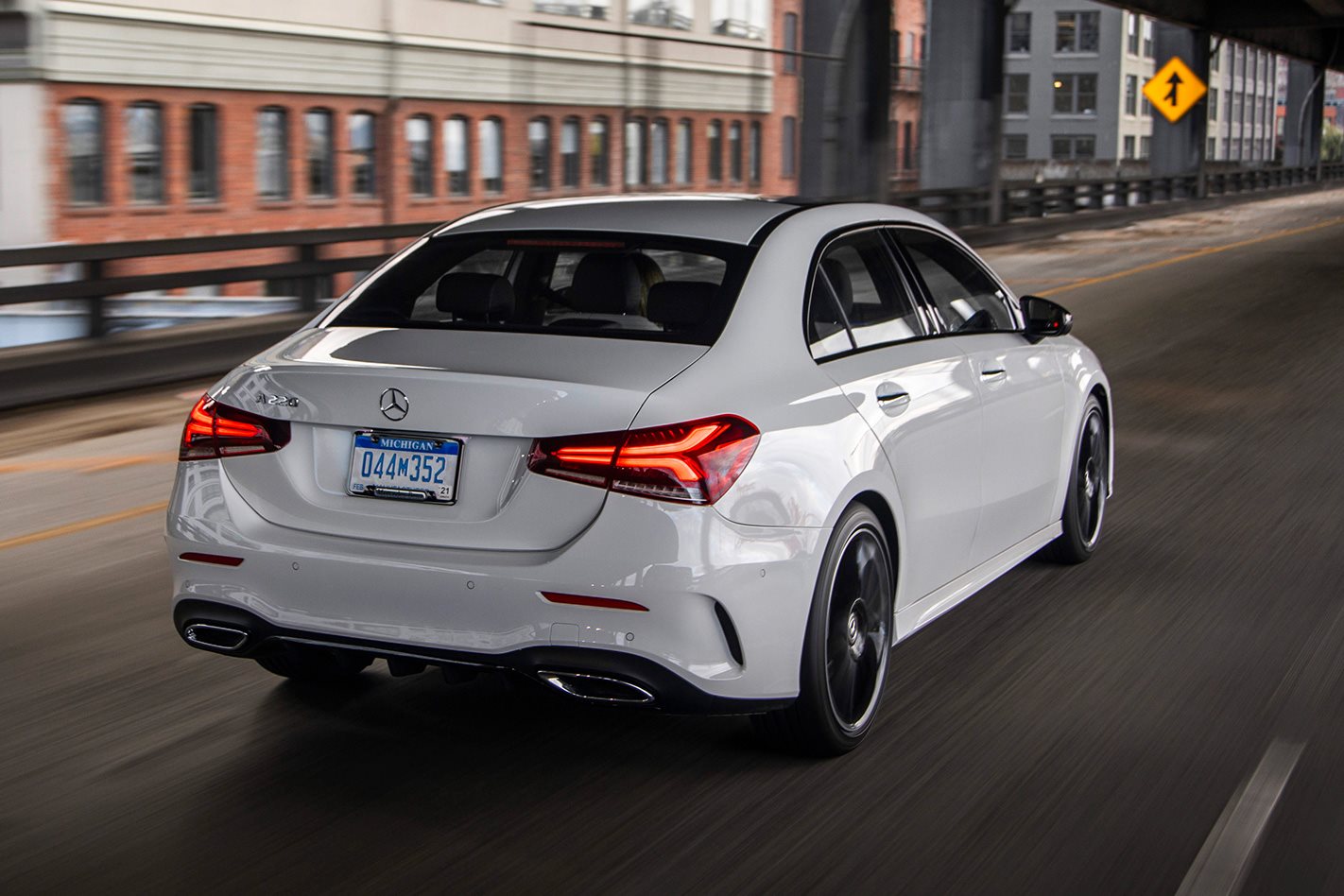
The sedan version of Mercedes-Benz’s all-new fourth-generation A-Class, due in Australian in the second quarter of next year.
WHY ARE WE DRIVING IT?
The international launch was held in Seattle, USA, and gave us a chance to try the A220 (a spec we won’t see in Oz) but which was still instructive in terms of packaging, interior; transmission, dynamics and NVH.
MAIN RIVALS
THE WHEELS VERDICT
Given the cars we drove were fitted with an engine spec we won’t get in Australia, and the suspension was a blend of IRS with passive dampers which we won’t see on the A200 which kicks off the sedan line-up in Australia, it’s not possible to deliver a definitive verdict. But what we can say is the A-Class sedan delivers a persuasive blend of crisp styling, intelligent packaging, class-leading safety; real interior wow factor, and solid driving dynamics. The (small) question marks which remain will be answered when we drive Australian-spec cars in the second quarter of next year.
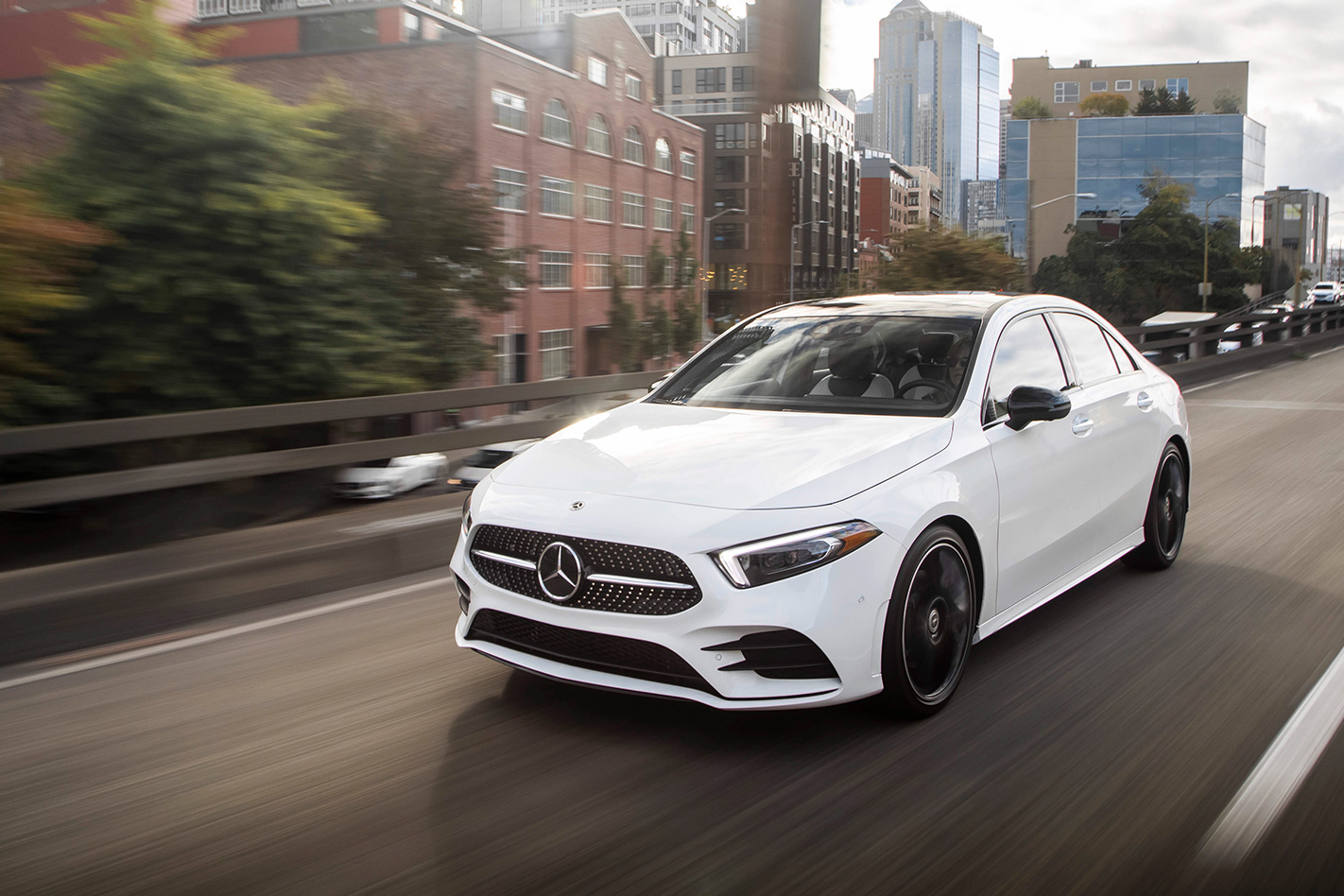
PLUS: Exterior and Interior design; aerodynamics; safety; technology; twin 10.25-inch screens MINUS: tyre noise on 19s; numb steering; MBUX voice recognition not always on point; torsion-beam rear end
THE WHEELS REVIEW
PERHAPS it’s a reflection of the human condition, rather than an issue specific to the Chinese, but as wealth and the standard of living have increased in the world’s most populous country, so has status anxiety. For the burgeoning upper-middle class, premium brands rule, and make it a sedan, please – a boot brings a level of cachet those shopping-trolley hatches just can’t match.
Other countries aren’t immune – Australia included – all of which helped shape the business case for Mercedes-Benz to break with tradition and produce the fourth generation of its premium compact as both hatch and sedan.
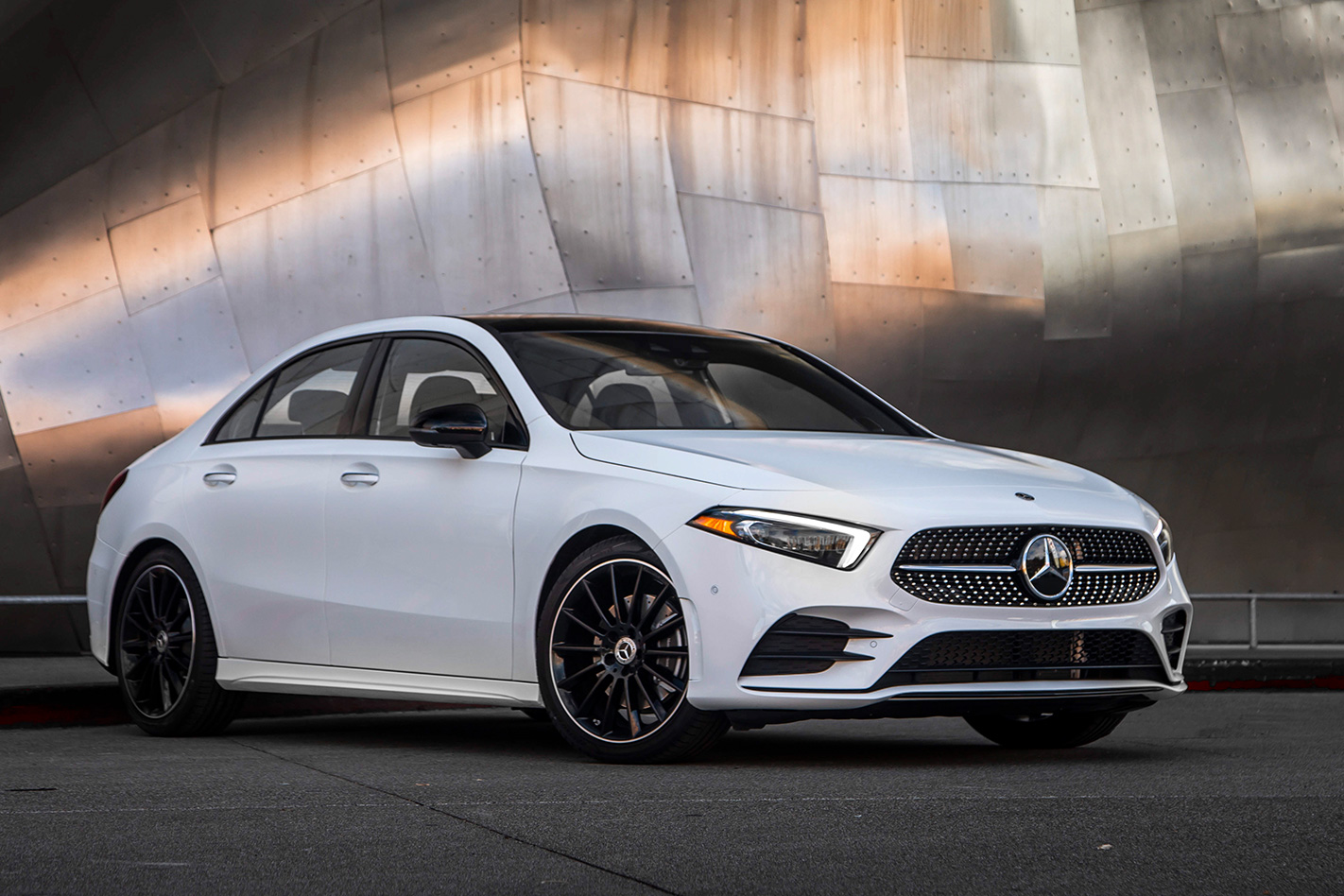
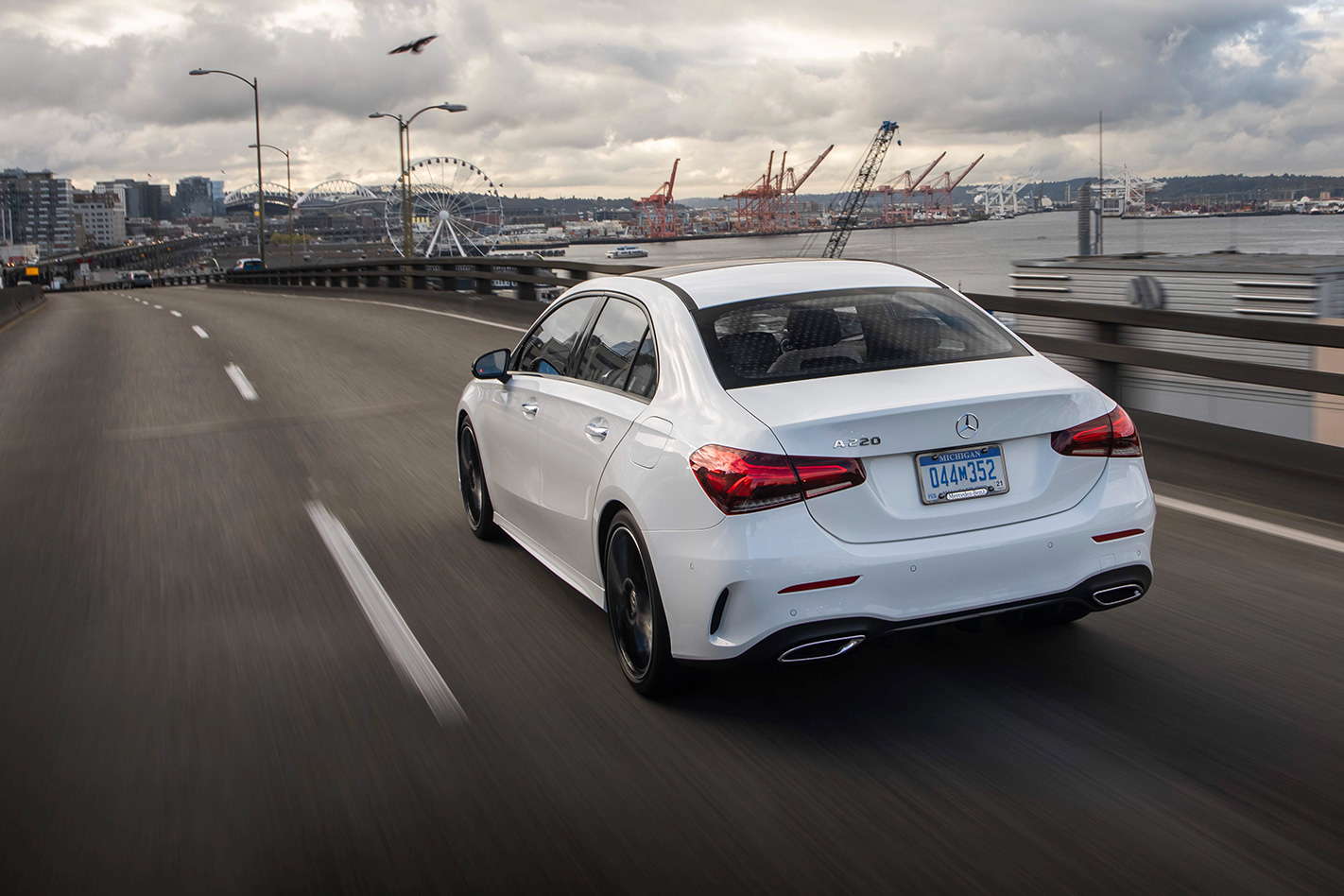
It’s easy to see the appeal when viewed in the metal. The booted A-Class has a youthful pertness that’s lacking in the slightly dour C-Class. The overhangs are tightly drawn, and there’s a rightness about its size and proportions that makes you wonder if you actually could do without the added practicality of the hatch.
In reality, the hatch’s advantage amounts to a removable parcel shelf and the extra load height that allows, because otherwise, the sedan doesn’t give much away in pure capacity. The claimed figure is 420 litres (obviously a stack more with the rear seats folded), accessed via a 950mm-wide opening.
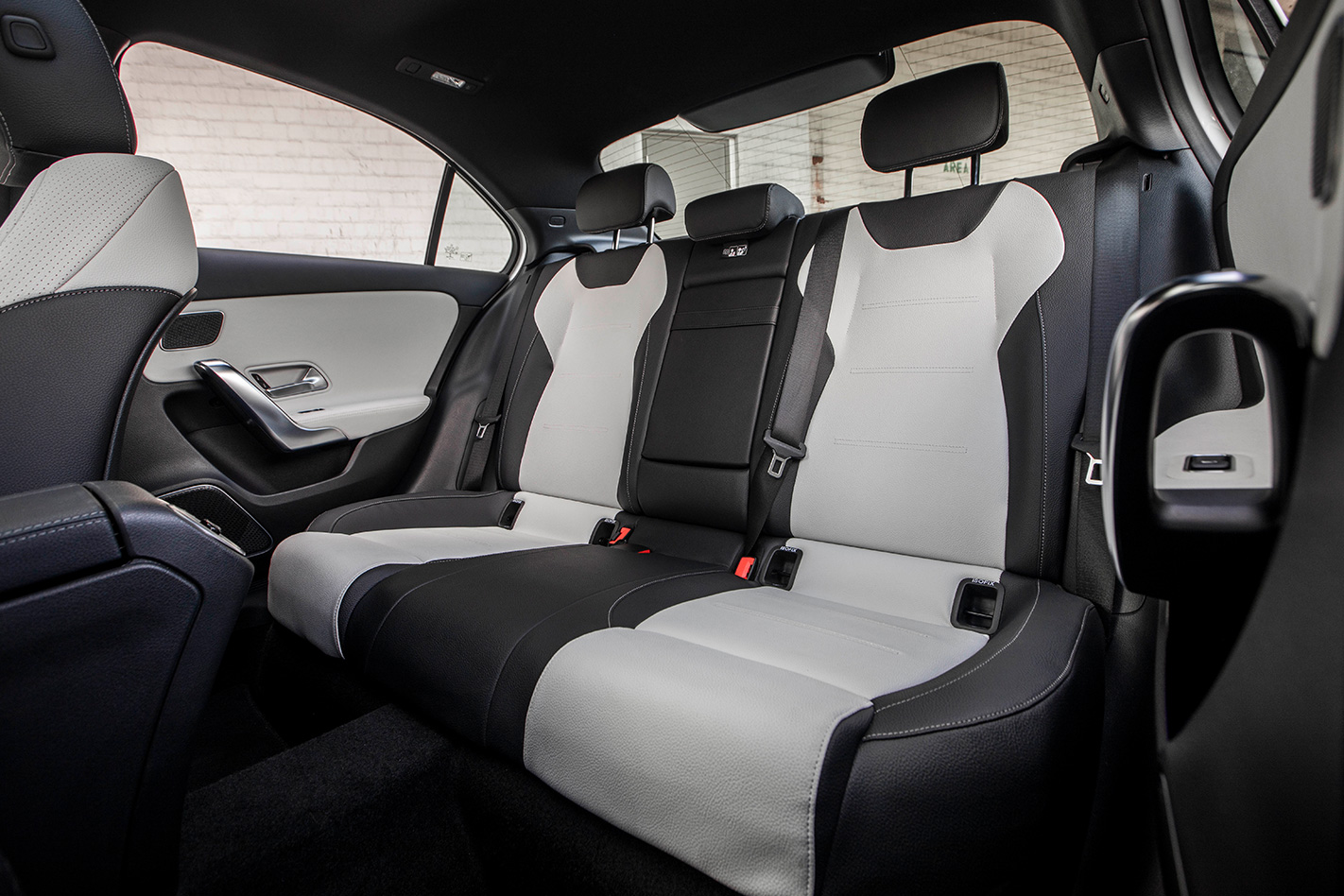
Likewise, rear-seat packaging will be fine for most young families. I needed to make a concerted effort to duck my head when folding my six-foot frame in behind a driver’s seat set for my position, but once in, I was snug but not cramped.
As we detailed in our first local drive of the A200 hatch, (Wheels September) three suspension set-ups are offered, and this will likely be replicated for the sedan. Our drive was in an all-wheel drive (4Matic) A220 with an independent rear end, so not representative of Aussie spec. Our A200 sedan will come with a torsion-beam rear end (and passive dampers) unless customers opt for an AMG Exclusive pack (circa-$3200) that includes IRS with adaptive dampers.
We’re keen to see how the variations work on Aussie roads, as the passive-damper IRS set-up tended to be a bit edgy and reactive on the US roads we drove, with this broader demeanour exacerbated by road noise from the (optional) Pirelli P Zero 225/4019s.
On the upside, there’s a level of body control and front-end incisiveness that will keep keen drivers involved, even if the steering is not especially feel-rich.
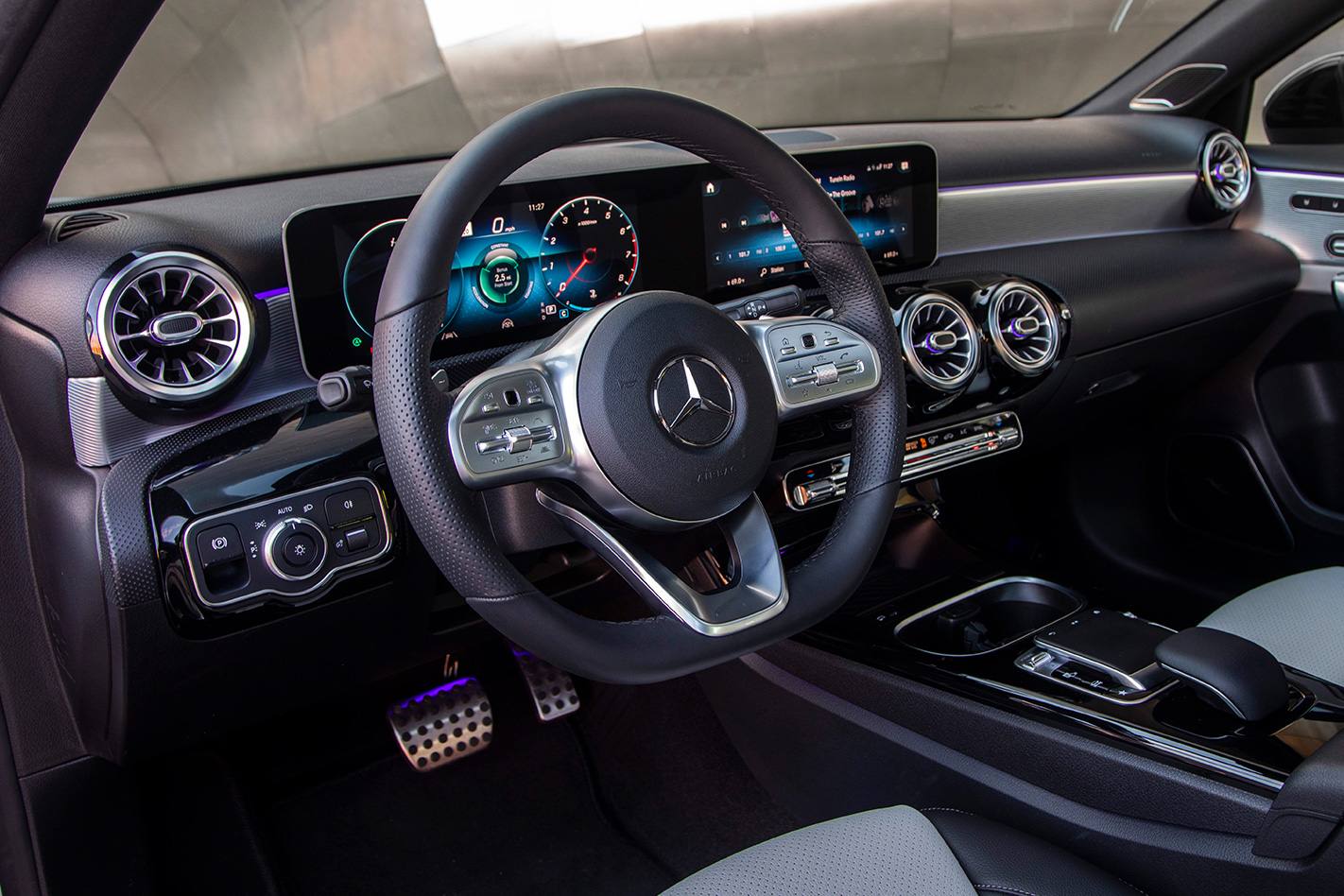
But wait for potential buyers to get an eyeful of the interior glitz, with those vast twin screens, turbine vents and mood lighting. Stand well back and watch junior sedan seduction in full force.
SPECS
Model: Mercedes-Benz A200 Sedan Engine: 1332cc 4cyl, dohc, 16v, turbo Max power: 120kW @ 5800rpm Max torque: 250Nm @ 1600rpm Transmission: 7-speed dual-clutch Kerb weight: 1375kg 0-100km/h: 8.0sec (claimed) Economy: 5.7L/100km Price: $49,000 (estimated) On sale: Q2 2019
I never know what to expect from Toyota these days.
This feature was originally published in MOTOR’s December 2006 issue
The unloved Avalon was a classic example; homely looks but a reasonably sharp drive given its position in the marketplace. In contrast, generations of Camrys have taught me that Toyota really knows how to incorporate conservatism, both visually and dynamically.
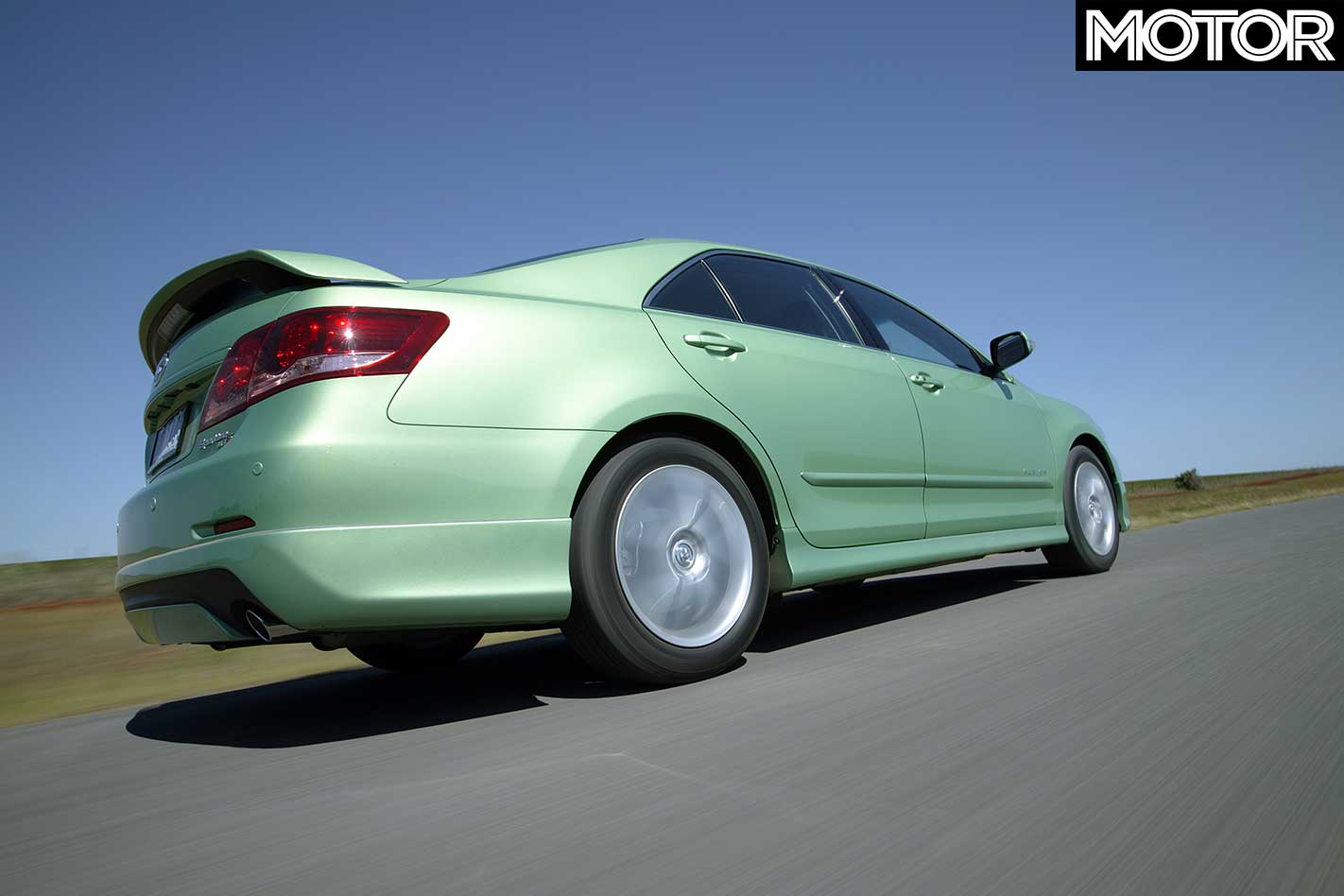
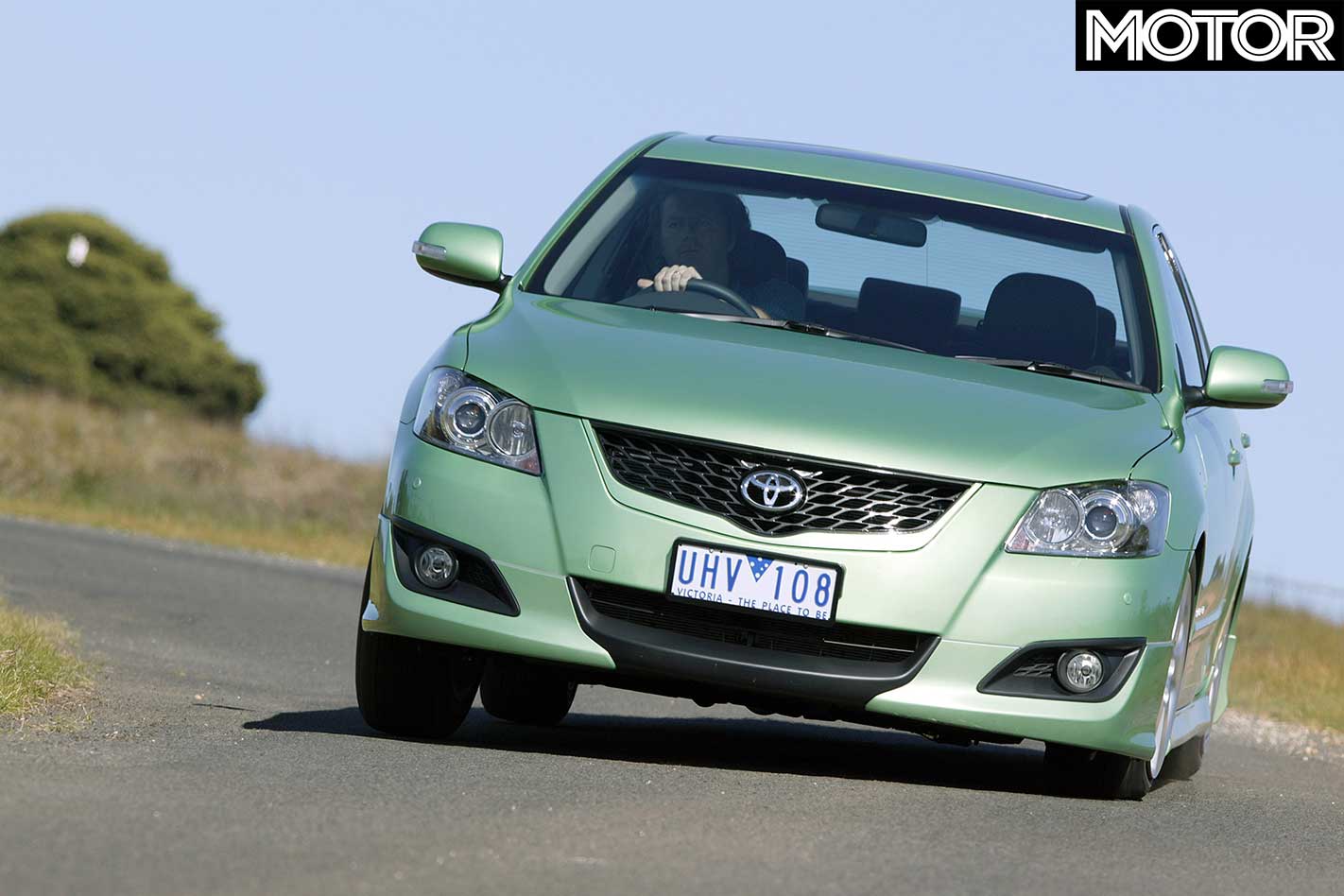
For starters, the Aurion looks nothing like an Avalon, although there’s more than a hint of Camry in its design. But it’s different enough to be accepted as its own entity, and more importantly, looks damn good in a don’t-frighten-the-horses kind of way. Exterior stylist Nick Hogios might still get his lunch money tied in the corner of his hankie, but he’s done a great job of making a mainstream car look pretty muscular – and balanced.
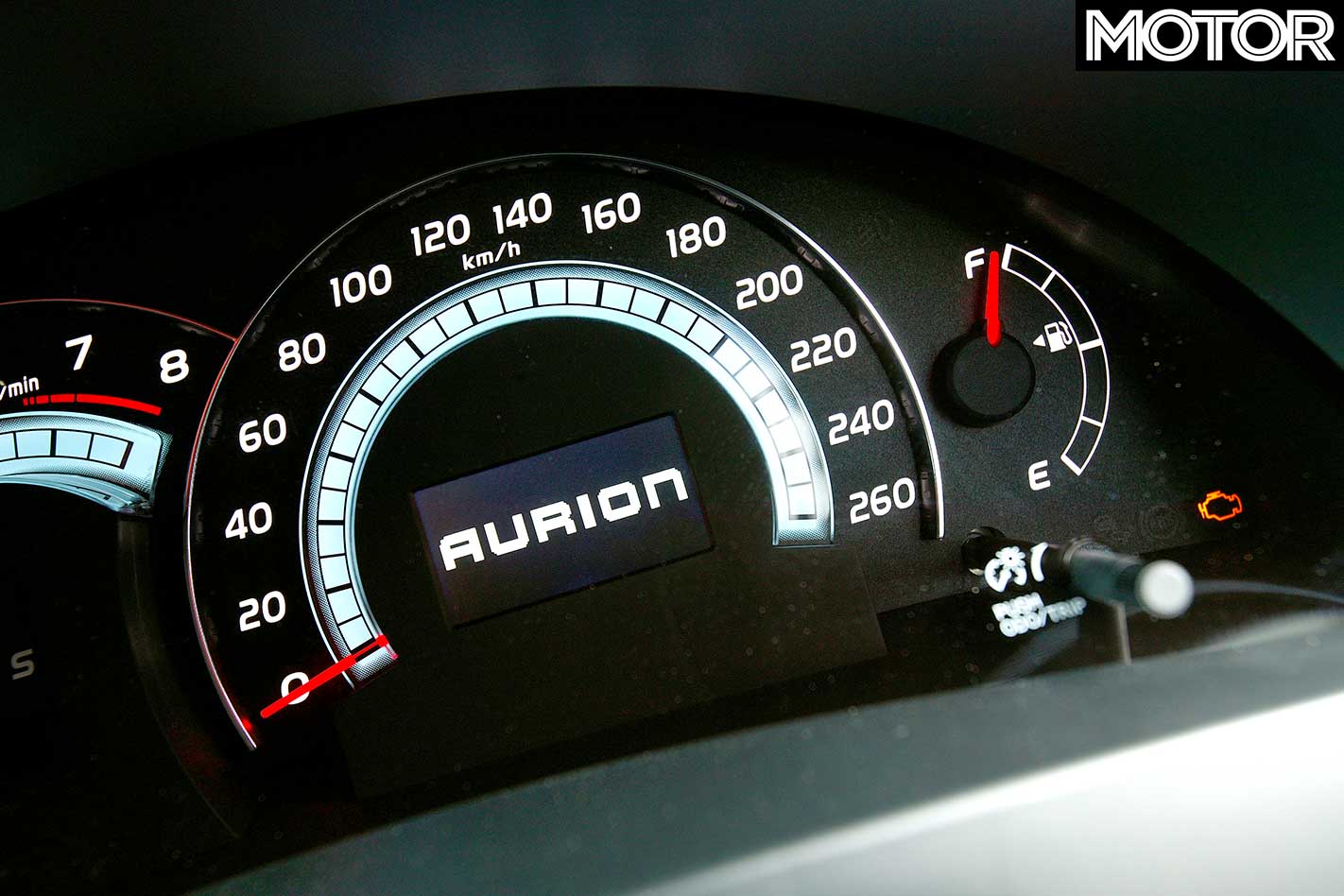
Inside, the electronic instruments are classy but the speedo markings sit half-way along the needle instead of beside the numerals, different to what most cars in this age of roadside Kodaks do.
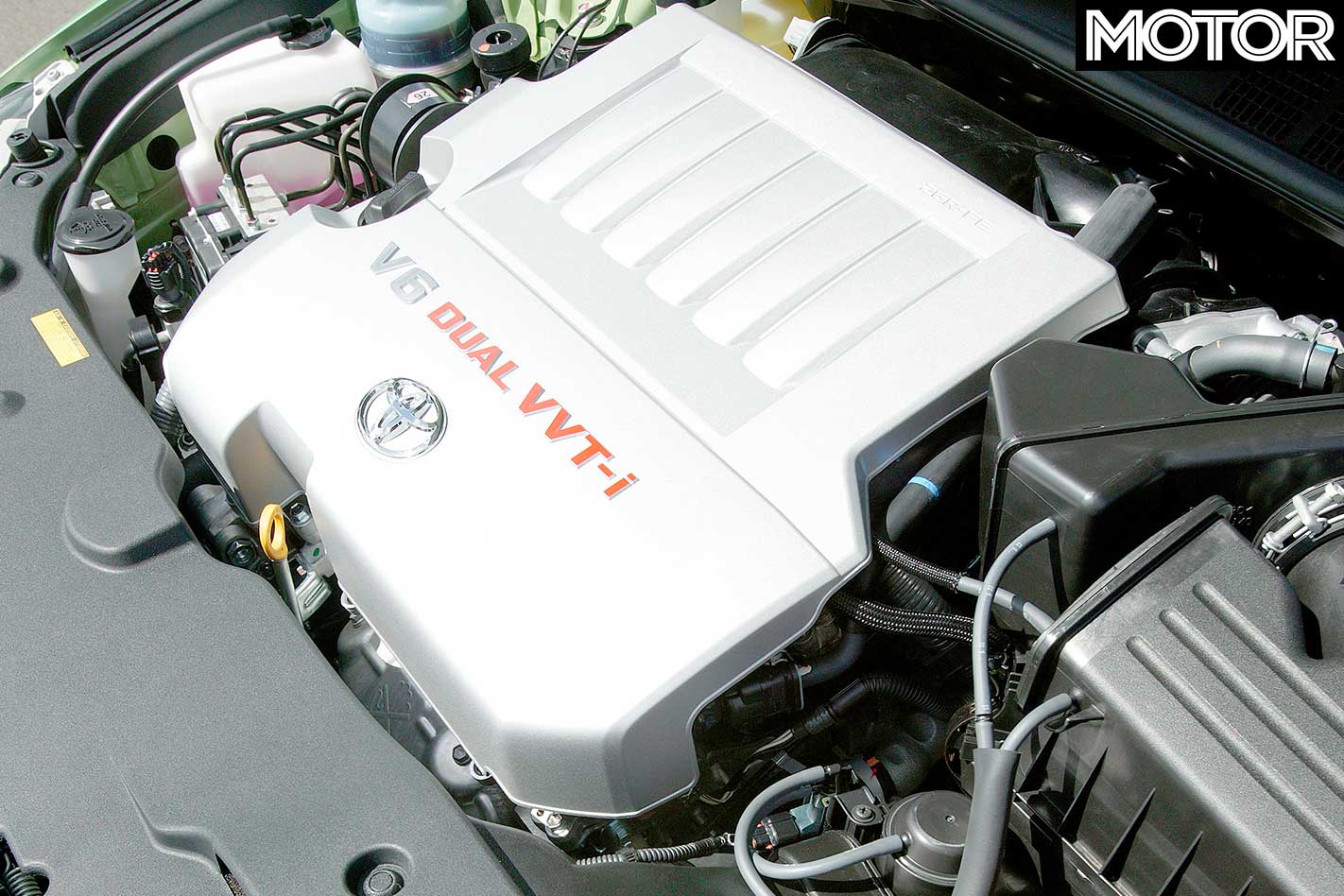
Starting the Aurion makes anyone who’s ever driven a modern V6 feel at home. The 3.5-litre is smooth and quiet, with the kind of soothing soundtrack that suggests high-tech on board.
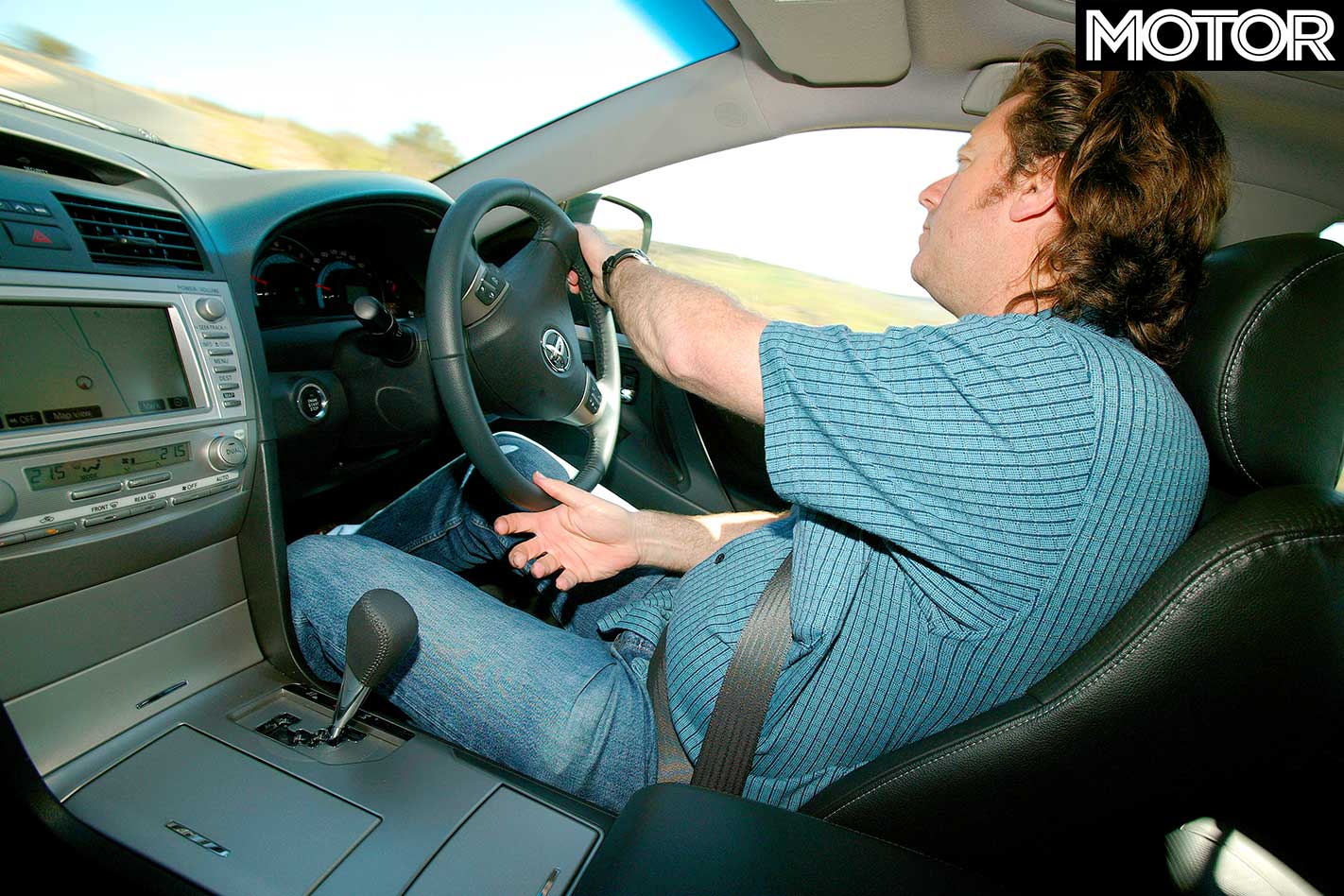
The crooked-gate shifter is easy enough to get comfortable with, yet in manual mode (more of which later), my personal preference is to push the shifter away from me for downshifts. The Aurion is the opposite, but my own barbeque research suggests the planet is split about 50-50 on this one.
While the old three-litre V6 was known for its mid-range, the new engine ups the ante, offering a pretty impressive top-end rush into the bargain. Mid-range thrust is still there, but get stuck into it and the variable valve timing enables the V6 to really come alive at about 4000rpm.
Some of the engine’s composure is lost when you do, and there’s a bit more thrashing than I expected, but there’s no doubt you’re really under way. I’m also being picky. Stay below 4000 (as most owners undoubtedly will) and there’s plenty of refinement and mechanical silence, allowing you to concentrate on what a bloody good gearbox this new six-speeder is.
With fuzzy logic, the box can ‘learn’ what you’re up to and tailors its shift patterns to suit. Doing so smoothly and seamlessly, it makes a good fist of full-throttle kickdowns – a skill not all autos manage in such a no-fuss manner. Full marks for the gearbox.
Well, full marks except for the pointless manual mode. For reasons still not fully explained to me, Toyota has set the manual mode so the gearbox does whatever the hell it wants to. Flick the shifter to the manual plane, stab it to select, say, fifth gear and put your foot down.
Does it hold fifth like it should? Does it my arse. And depending on the speed, it’ll kick down two or even three gears. Dammit, if I wanted it to choose its own gears, I’d have left the bugger in D for Drag.
Even more unfathomable is there’s no manual-gearbox Aurion, and as it stands, Toyota is pretty much saying to me “listen Bucko, we know what’s best for you”. Bollocks to that.
Torque steer is impressively absent for the most part and only full-throttle launches allow it to rear its ugly little head. Even then, there’s not much of it and it really amounts to the tiller going dead, rather than the car wanting to change lanes. Steering feel is par for course for a big front-driver, but it’s accurate and turn-in is sharp without ever making the Aurion feel twitchy.
The two suspension tunes seem fairly similar at first, but a back-to-back on a bumpy road brings the difference into focus. The softer, luxury setting is more likely to axle tramp over stutter bumps with the power applied and there’s a touch more body roll. The pay-off is in ride quality, although I’d take the slightly firmer sport setting every time for the extra feeling of security.
Let’s be honest, neither set-up is a bone-shaker, yet both manage to give the sensation of being planted on the road. It may not be in the Aurion’s brief, but the thing can be hustled along pretty hard until the ESP calls it quits.
Then again, maybe it’s not in the Aussie version’s brief. You can thank the Middle East markets’ penchant for blasting away at 200km/h all day for the fact that the Aurion is so dynamically adept. Bless those lawless Arabs.
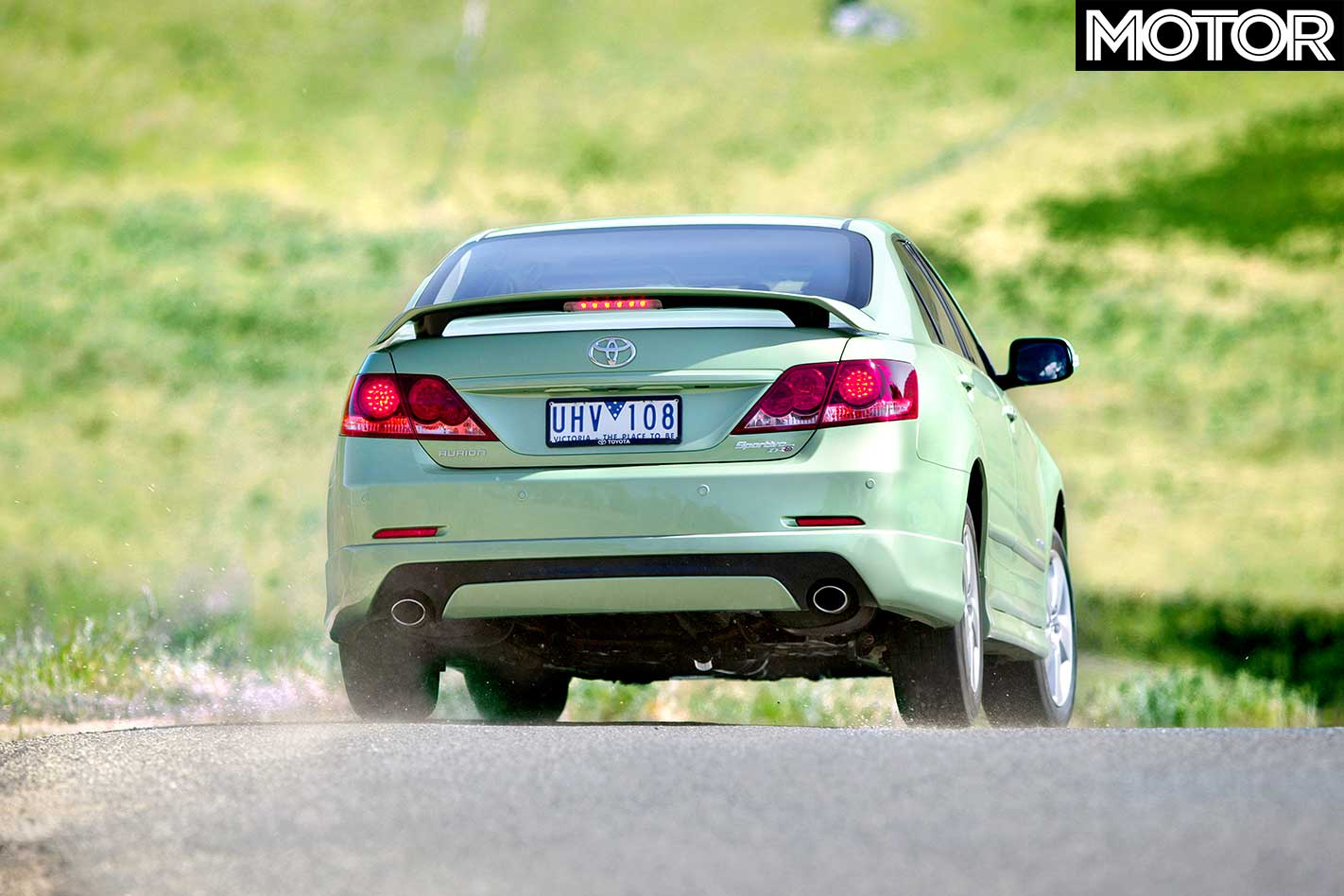
Toyota has turned out plenty of boring, locally made sedans in the past, but the Aurion has moved well beyond that. It’s Toyota’s most convincing effort yet. The revvy V6 and slick auto give a sportier-than-expected feel and the suspension is all class.
However, there are a couple of little pointers to Toyota’s conservative psyche. The unswitchable ESP is one (though we hear there’s a way to turn it off), the lack of a clutch-pedal option is another, and the dopey manual-mode in the otherwise excellent gearbox is the third.
Beyond that, there’s a hell of a lot to like.
FAST FACTS 2006 Toyota Aurion
BODY: 4-door, 5-seat sedan DRIVE: front wheels ENGINE: 3456cc V6, DOHC, 24-valve POWER: 204kW @ 6200rpm TORQUE: 336Nm @ 4700rpm BORE/STROKE: 94.0mm x 83.0mm WEIGHT: 1585-1615kg POWER-TO-WEIGHT: 129kW/tonne TRANSMISSION: 6-speed automatic 0-100KM/H: 7.4sec (claimed) TOP SPEED: 228km/h (limited) SUSPENSION: struts, L-arms, anti-roll bar (f), struts, dual lower links, trailing arm, anti-roll bar (r) L/W/H: 4825/1820/1470mm WHEELBASE: 2775mm BRAKES: ventilated discs (f), solid discs (r), ABS, EBD, BA, VSC, TC WHEELS: 16- or 17-inch alloys TYRES: 215/60R16 or 215/55R17 FUEL: 70-litre tank/91-95 octane PRICE: $38,500 (Sportivo SX6), $42,500 (Sportivo ZR6)
Aurion Development Creating Toyota Oz’s first saleable big-six contender
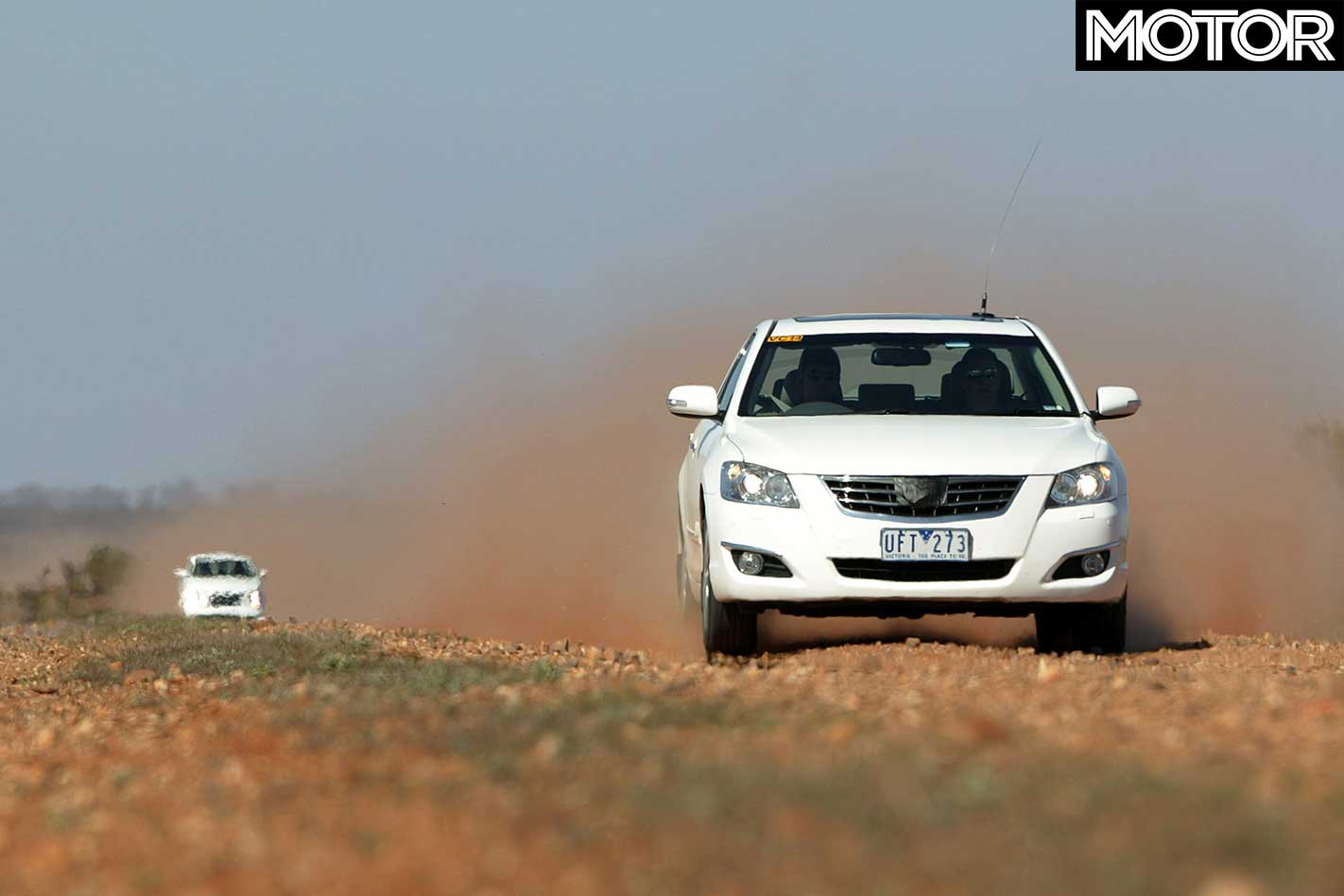
In 2001, Toyota Australia asked itself the hard questions. Top priority was: What is needed for it to remain on top in this country?
According to Max Gillard, vice-president of Toyota’s local technical centre, the company needed a large car to enable it to participate in the one market sector it didn’t have stitched up.
“The problem was,” says Gillard, “there was nothing in the Toyota catalogue that would do the job”. There was also the small issue of the flop that was the Avalon, a car even Toyota Australia’s John Conomos admits “we learned a lot from”.
Around the same time, freelance designer Paul Beranger was putting the finishing touches to a large concept sedan called 380L. While never intended for production, it was designed with production in mind, so it was no pie-in-the-sky deal.
Nick Hogios, Toyota Oz’s young styling team leader for the Aurion, remembers the 380L being presented as the premium-six design to Toyota management both here and in Japan in 2002.
“Australia was invited to contribute to the design task in Japan under Mr Sugawara (the bloke responsible for the second-generation MR2, among others),” says Hogios. “And eventually, the Australian team was chosen to go forward.”
Gillard recalls: “We had 50 Australian engineers head for Japan to start development work and TMCA [Toyota Oz] was completely integrated into the process. That’s the first time that has happened.”
Don’t underestimate the gravity of that move, either. Toyota head office is, like any big, ultra-conservative company, very careful about where and to whom it hands design (or any other) responsibility.
So, it was game on for Nick and his crew. He says there are a few key elements to Aurion’s exterior styling – namely a long wheelbase and short overhangs. If you can see a bit of Camry in the finished product, that’s not surprising. From underneath, the pair is indistinguishable and they share a common roof, door skins, rear quarters and glass.
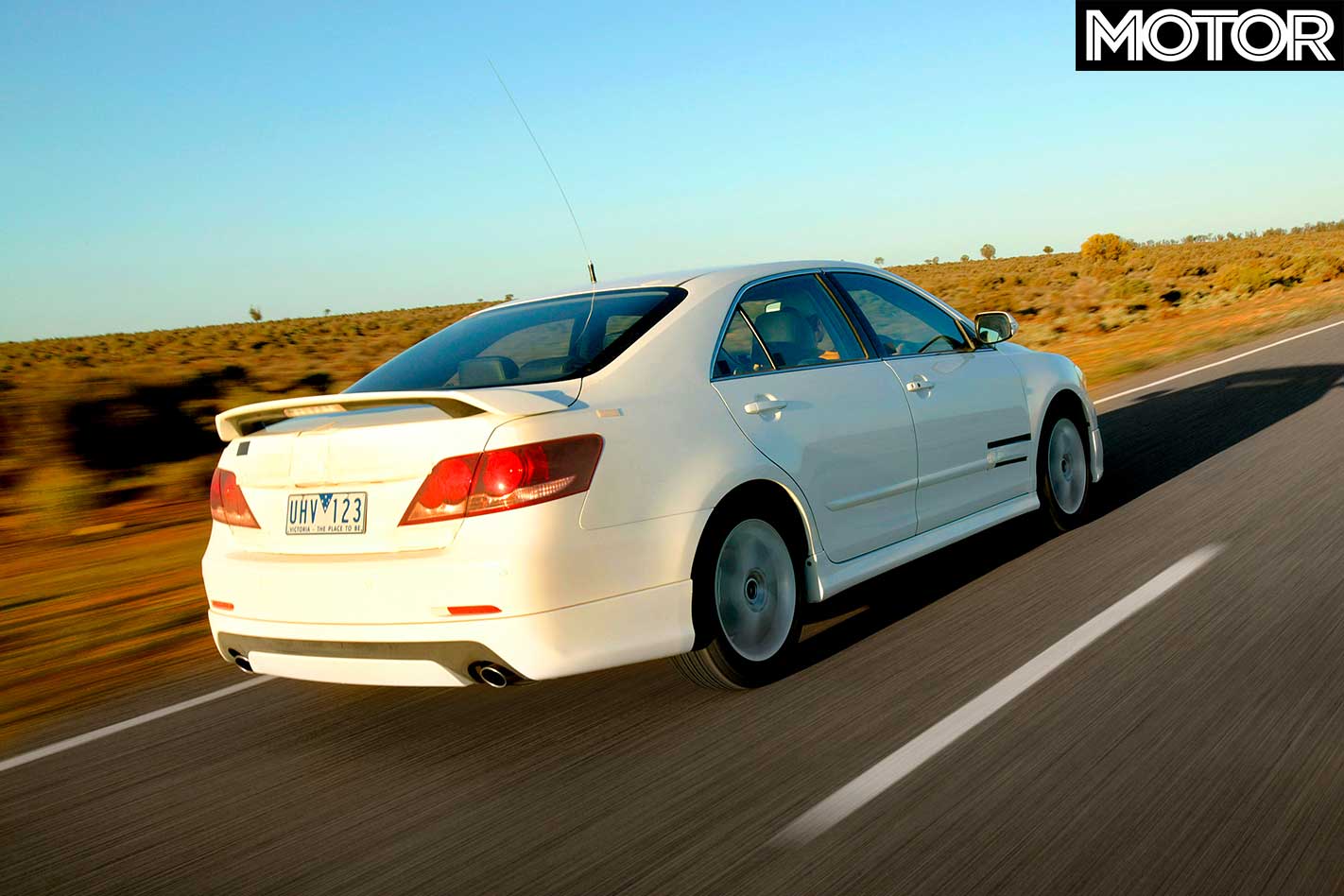
But the bits that matter to a stylist, including everything forward of the A-pillar, boot lid and bumpers, are all Aurion-specific. Design highlights include swivelling headlights, LED tail-lights, and even mirror-mounted indicators.
Under the bonnet is an all-new Toyota V6 – unrelated to the old three-litre that served the company well for over a decade. It’s a quad-cam unit with variable valve-timing on both inlet and exhaust cams, but most significantly, it’s a 3.5-litre engine with the ability to be bored out to more than four litres. The engine will also be used in future Lexus SUVs, among others.
There’s no manual gearbox option, and while Max Gillard reckons he’d love to have one, the volumes just don’t compare to development costs. Don’t worry, the standard auto is a quality six-speeder with tiptronic.
Suspension is significant for being a global setting (making the Aurion a truly world car), and according to evaluation engineer Paul Diamandis, has built-in anti-dive and anti-squat properties. There are two suspension tunes, one for the luxury range and one for the sportier cars. Changes to springs, dampers and sway-bars give each version its own flavour.
Aurion also gets Toyota’s Viscolastic dampers (that use a combination of hydraulic and friction damping), and bigger-than-ever brakes. A full aero package also incorporates a rear diffuser and aero-spats under the car.
On the safety front, you’re talking six airbags (front, side-front and side-curtain), anti-whiplash head restraints, brakes with ABS, EBD and BA, plus stability control and traction control (neither of which are switchable).
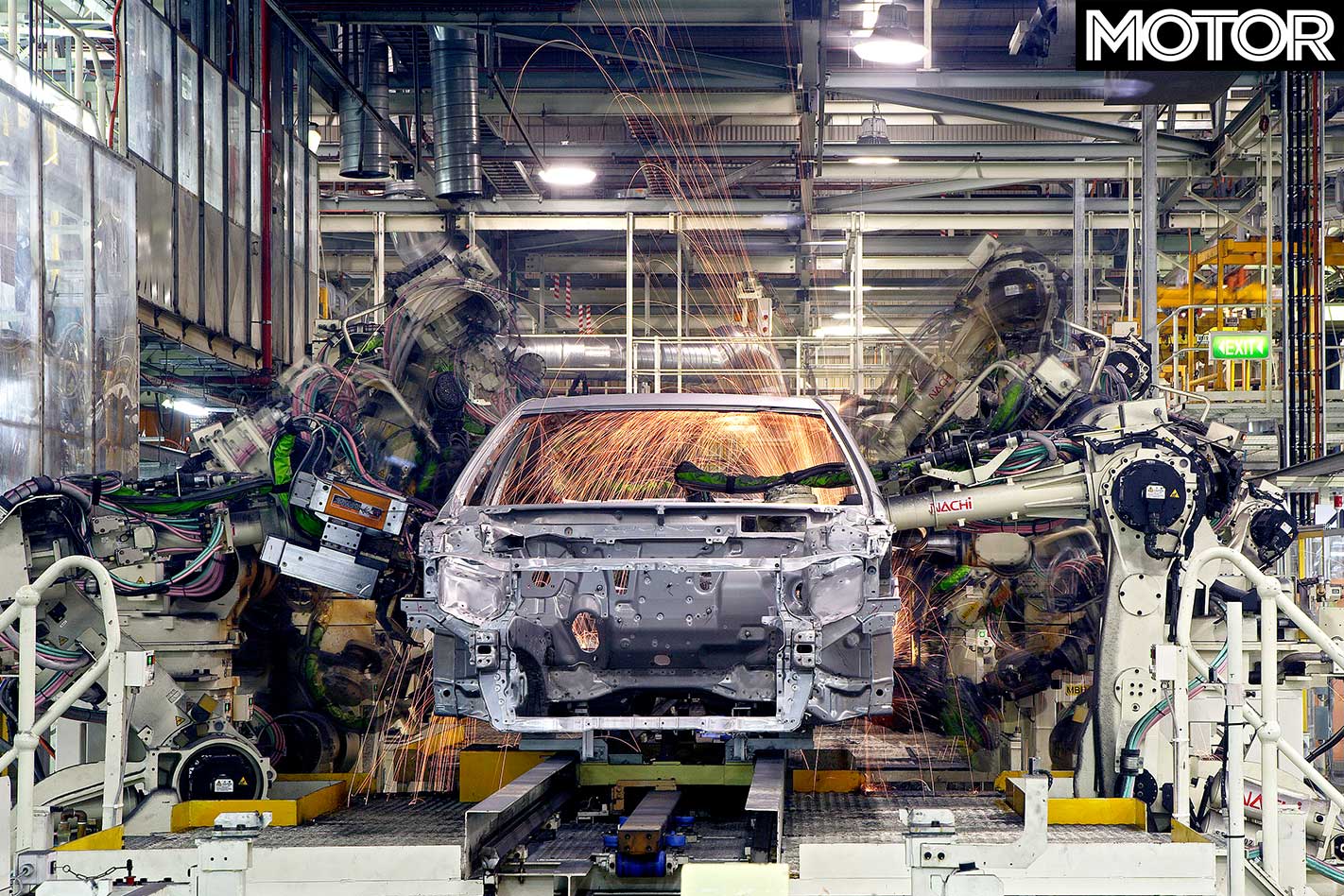
All up, Aurion consumed two-and-a-half years and $450m, with exports to the Middle East and New Zealand helping Toyota Australia to meet its volume targets. At the moment, Aurion and Camry production at Toyota’s Altona plant in Melbourne is around 110,000 a year, but that will reach 140,000 once both cars are built in left- and right-hand-drive forms.
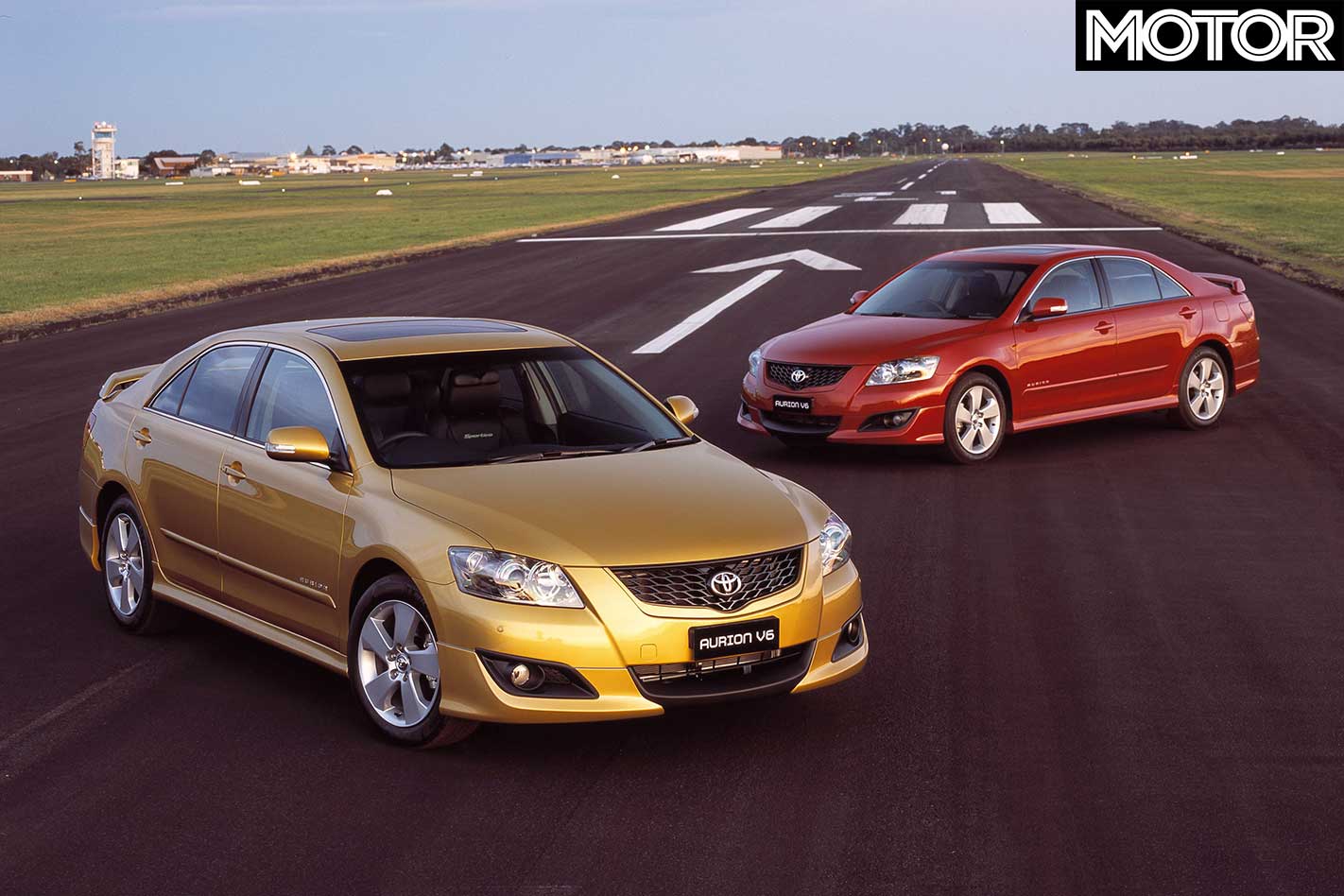
The Range In an attempt to appeal to all parties, Aurion comes in two distinct flavours
AT-X
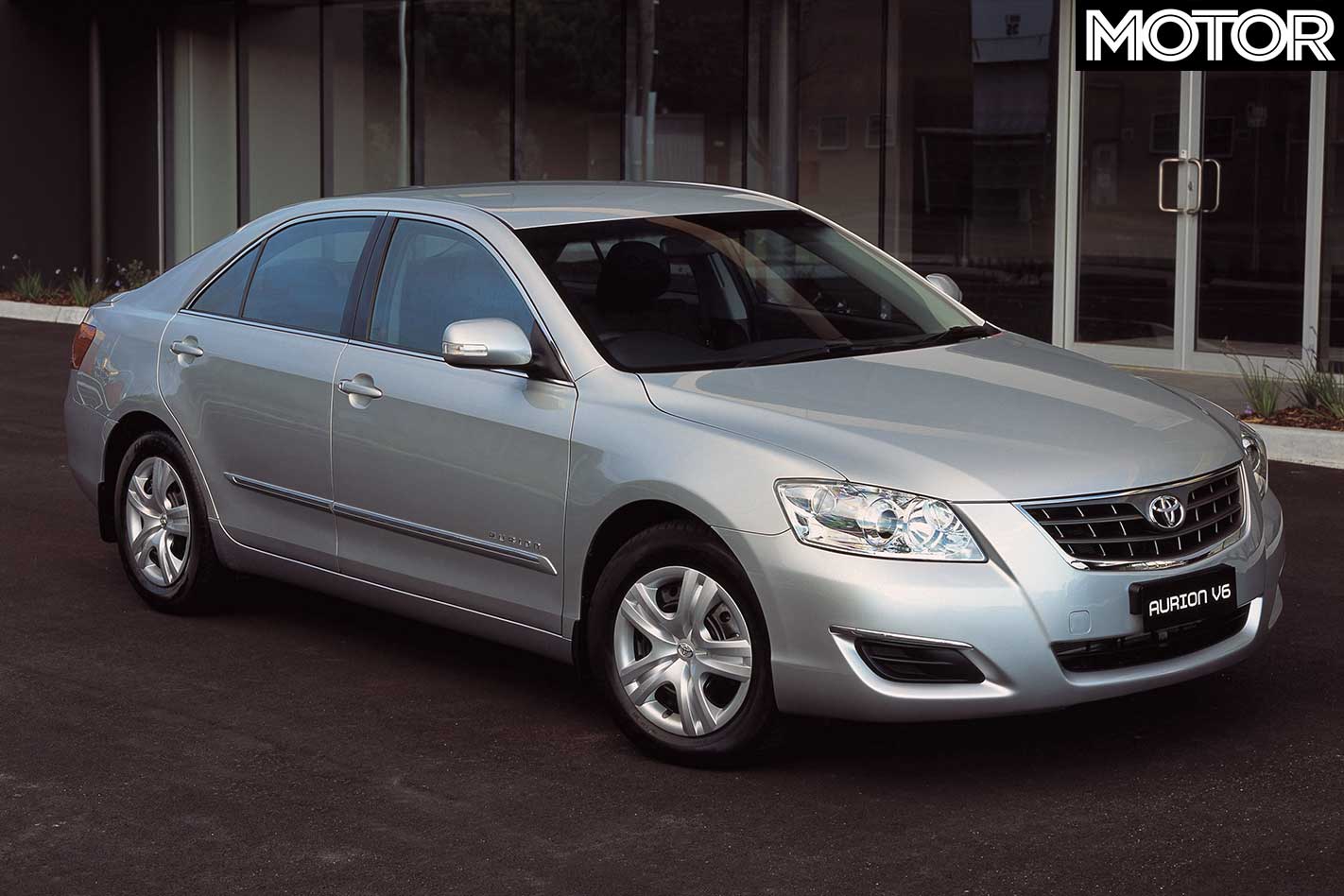
The base dunger, the AT-X, falls into the luxury camp. Like all Aurions, it gets standard ABS, ESP, traction control, air-con, cruise, eight-way power driver’s seat (with electric lumbar), six airbags and a full-size spare. It also gets 16-inch steelies, and will set you back $34,990.
Prodigy
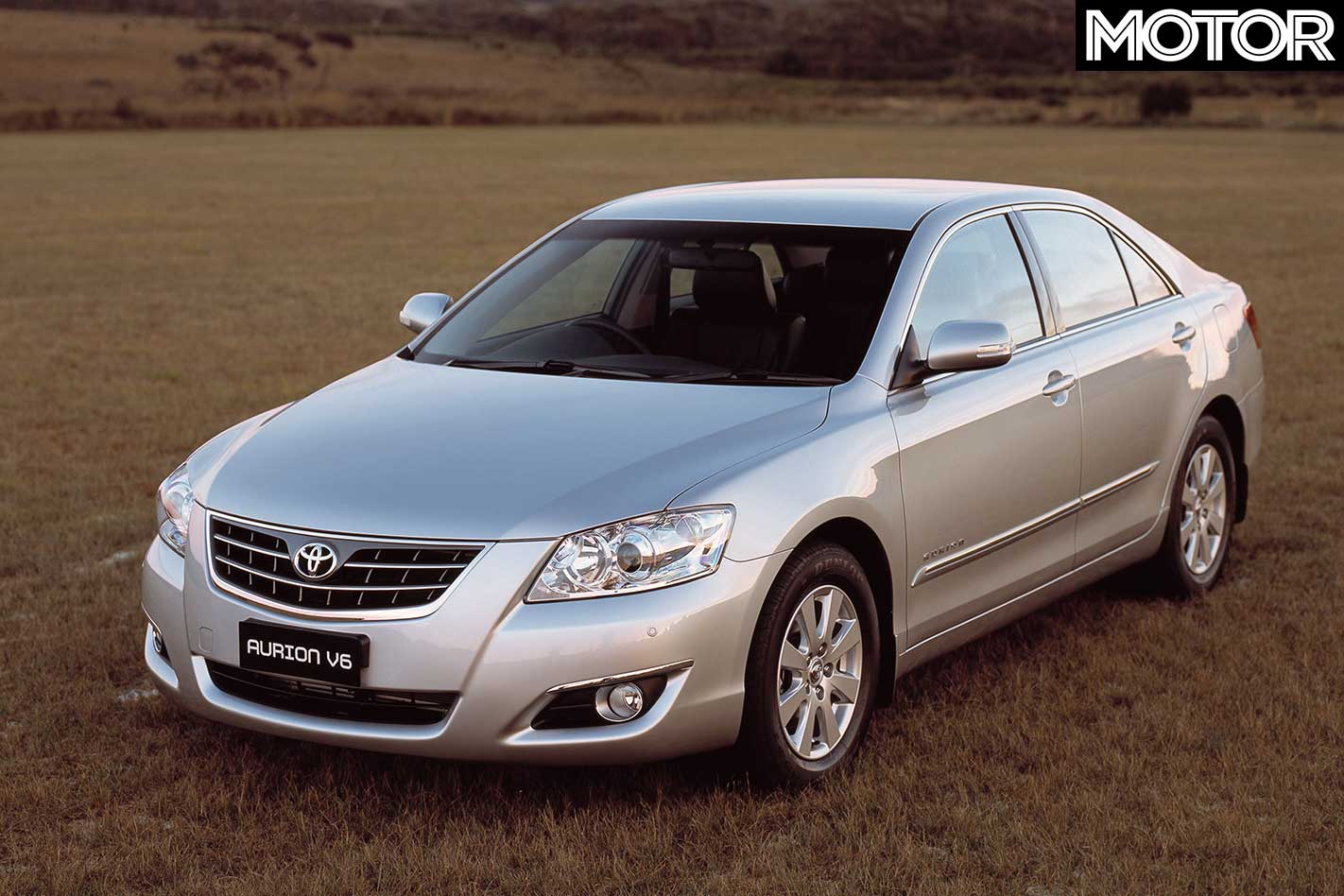
Next rung on the luxury ladder is (believe it or not) the Prodigy. Over and above AT-X spec, the Prodigy has dual-zone air-con, leather interior, fog lights, 16-inch alloys, a six-stacker, power adjust for the passenger’s chair, a trip computer and plenty of woodgrain trim. Sticker says $39,500.
Presara
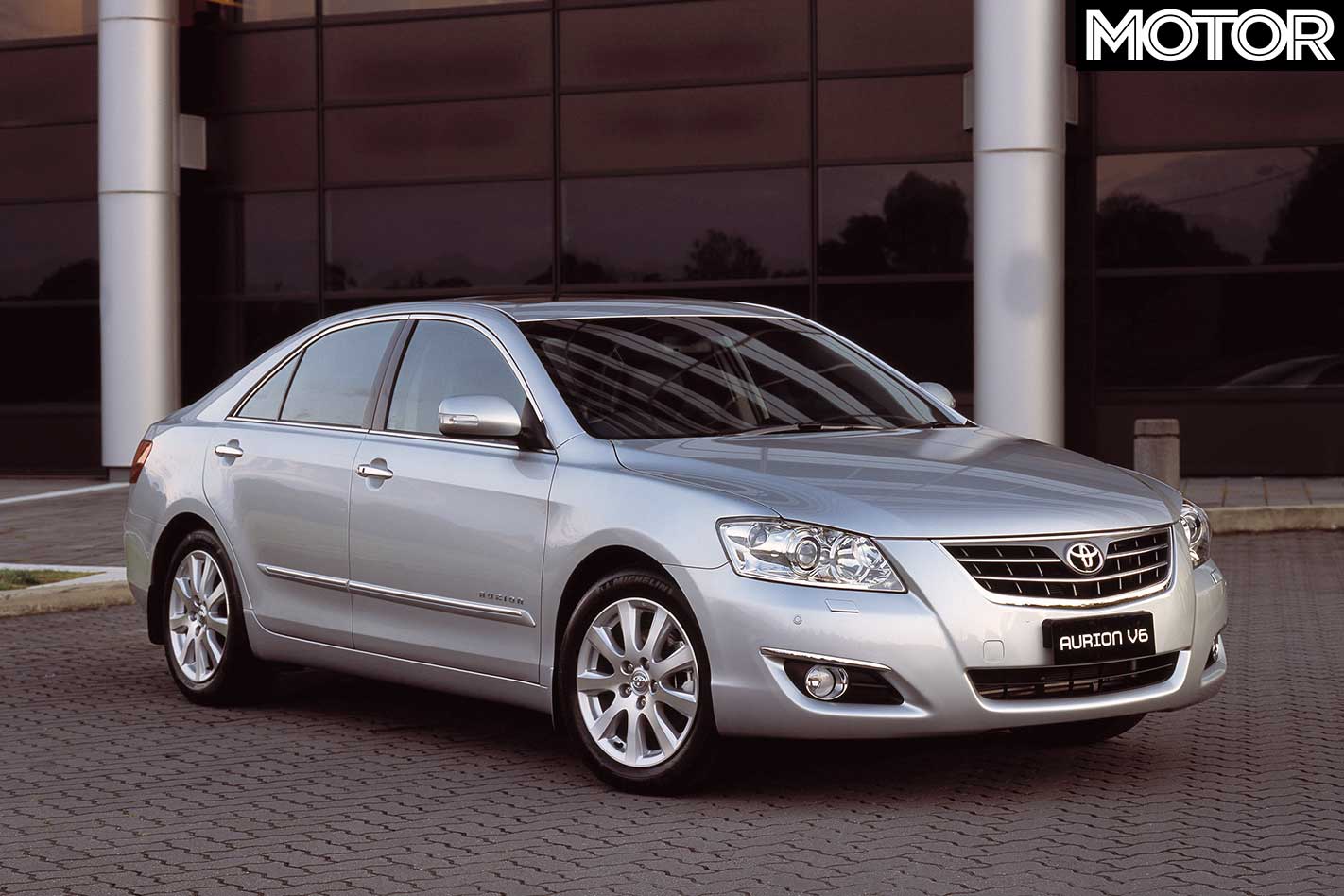
Top of the luxo heap is the Presara which adds a proximity key, reversing camera, 17-inch alloys, self-levelling bi-xenon headlights, rain-sensing wipers, front and rear sonar, sat-nav, sunroof, a powered rear sunshade and telematics tracking. Yours for $49,990.
SX6
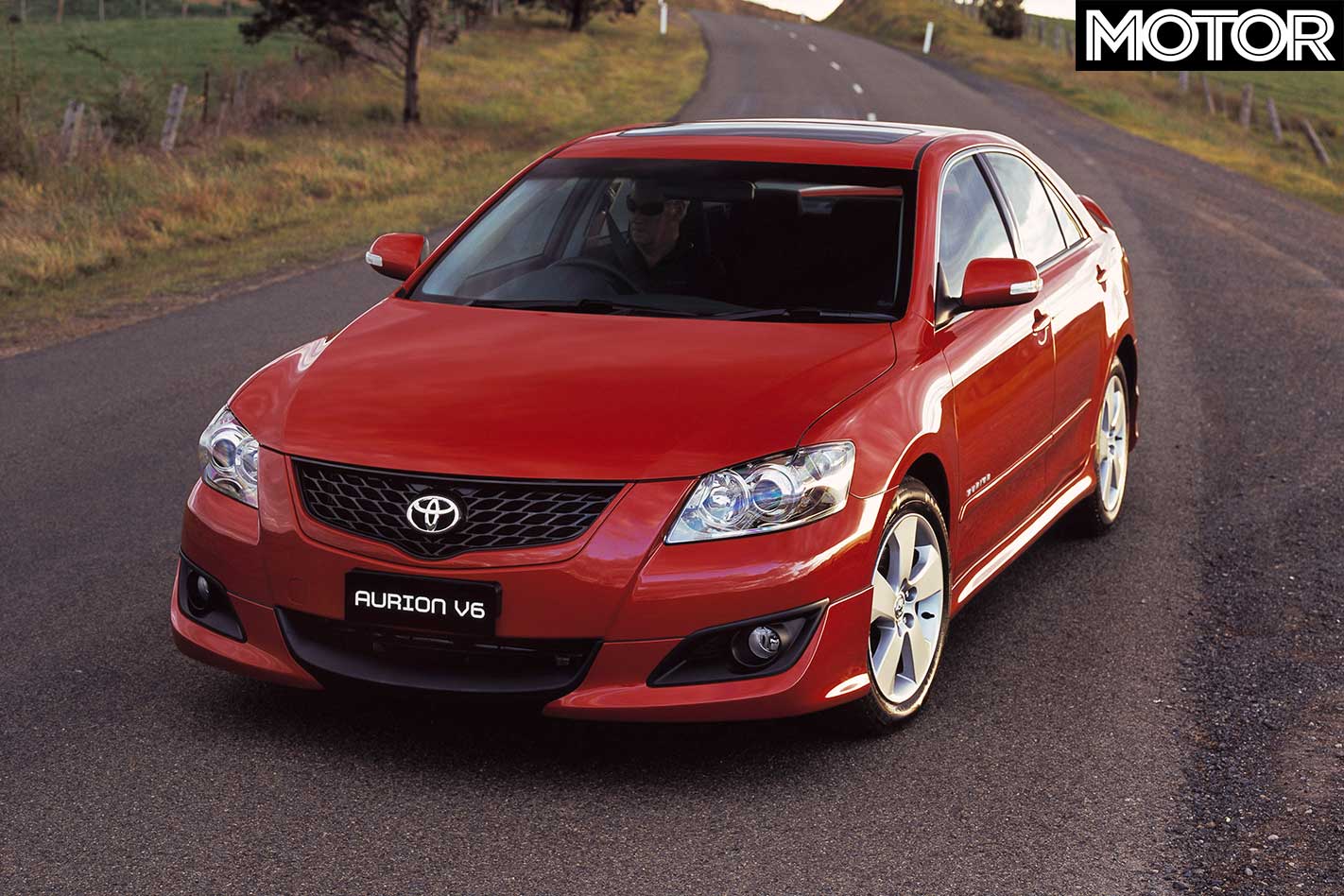
In the sport corner, the range kicks off with the Sportivo SX6. As well as a sportier suspension tune, it gets 17-inch alloys, sports seats, bodykit, fog lights and a six-stacker CD player. All for $38,500.
ZR6
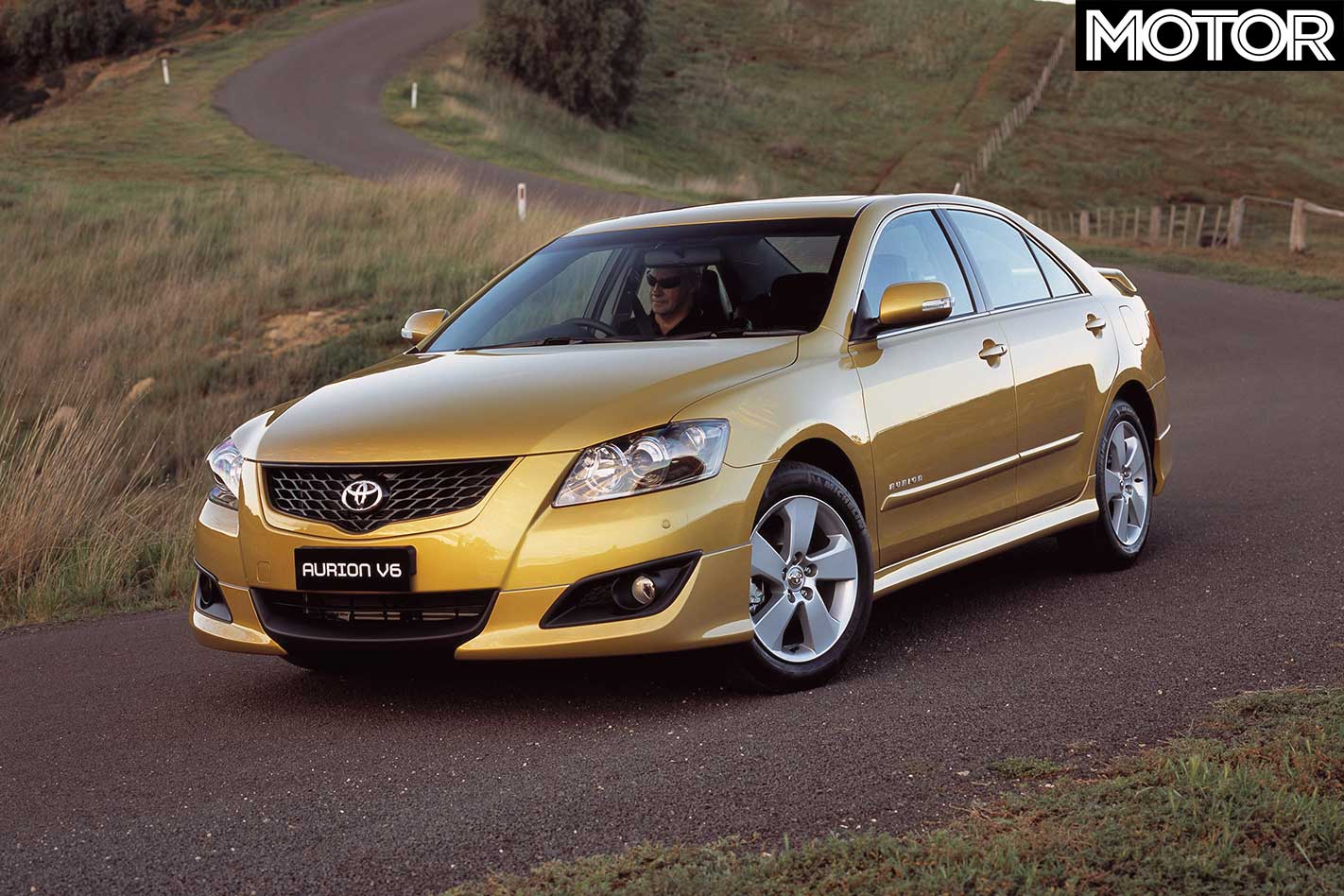
The top-shelf Sportivo is labelled ZR6 and adds dual-zone air, Presara’s proximity key, sonar at both ends and leather. And it’s a $42,500 proposition.
The newly revealed BMW G20 3 Series has already got a growing list of optional accessories, with the announcement of M Performance parts available for the new model.
The parts are available for the whole range, though they’ll likely be most at home on an M340i – the most potent of the new 3 Series so far.
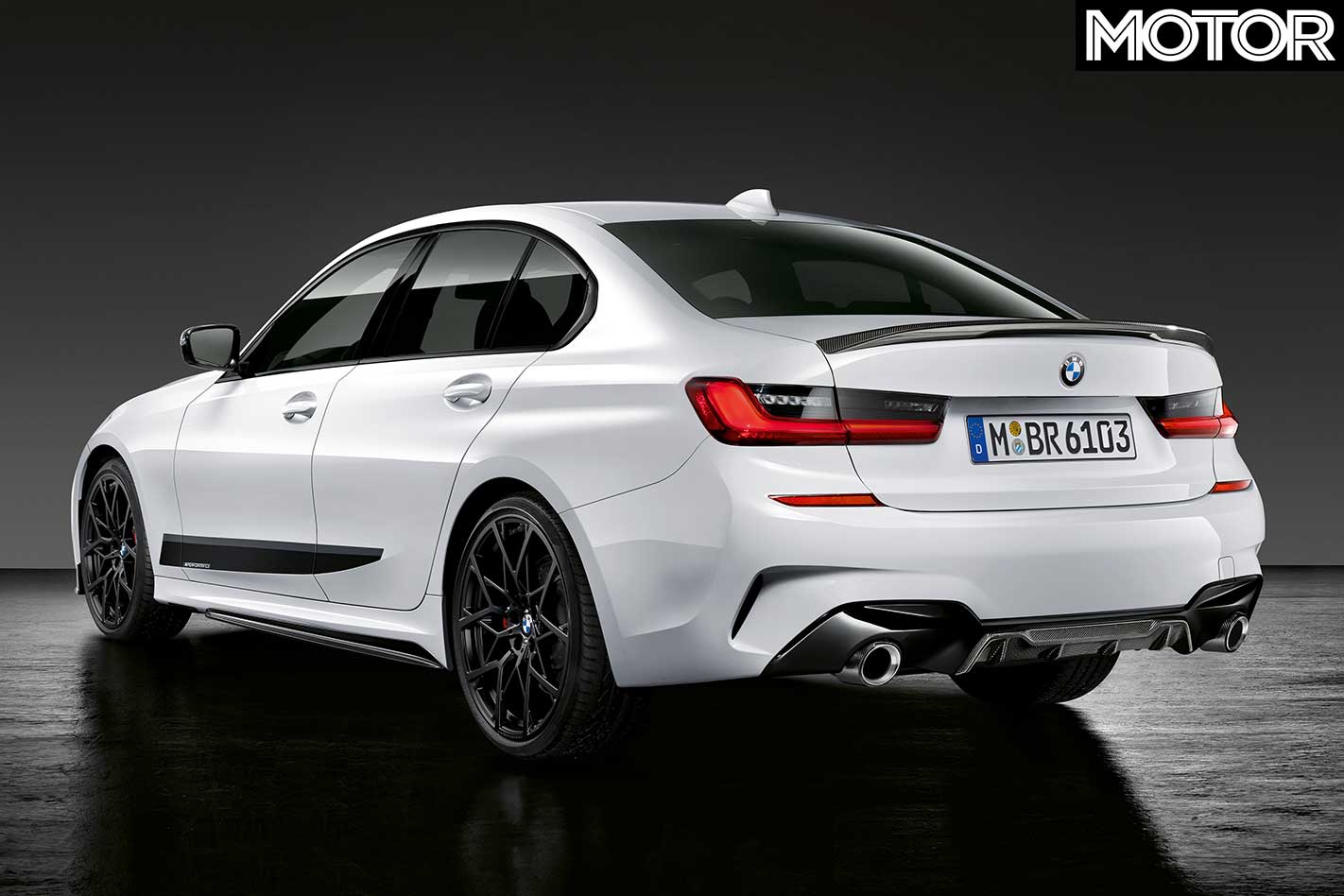
Improved aero, reduced weight, and/or stronger braking are all on the menu for the M Performance parts list, which includes exterior styling elements which can be optioned in carbon or gloss black.
These items also have influences on the car’s aerodynamics and its weight. For example, the optional front splitters optimise air flow to direct it around the car and reduce lift on the front end, keeping the front wheels tied down and steering more responsive.
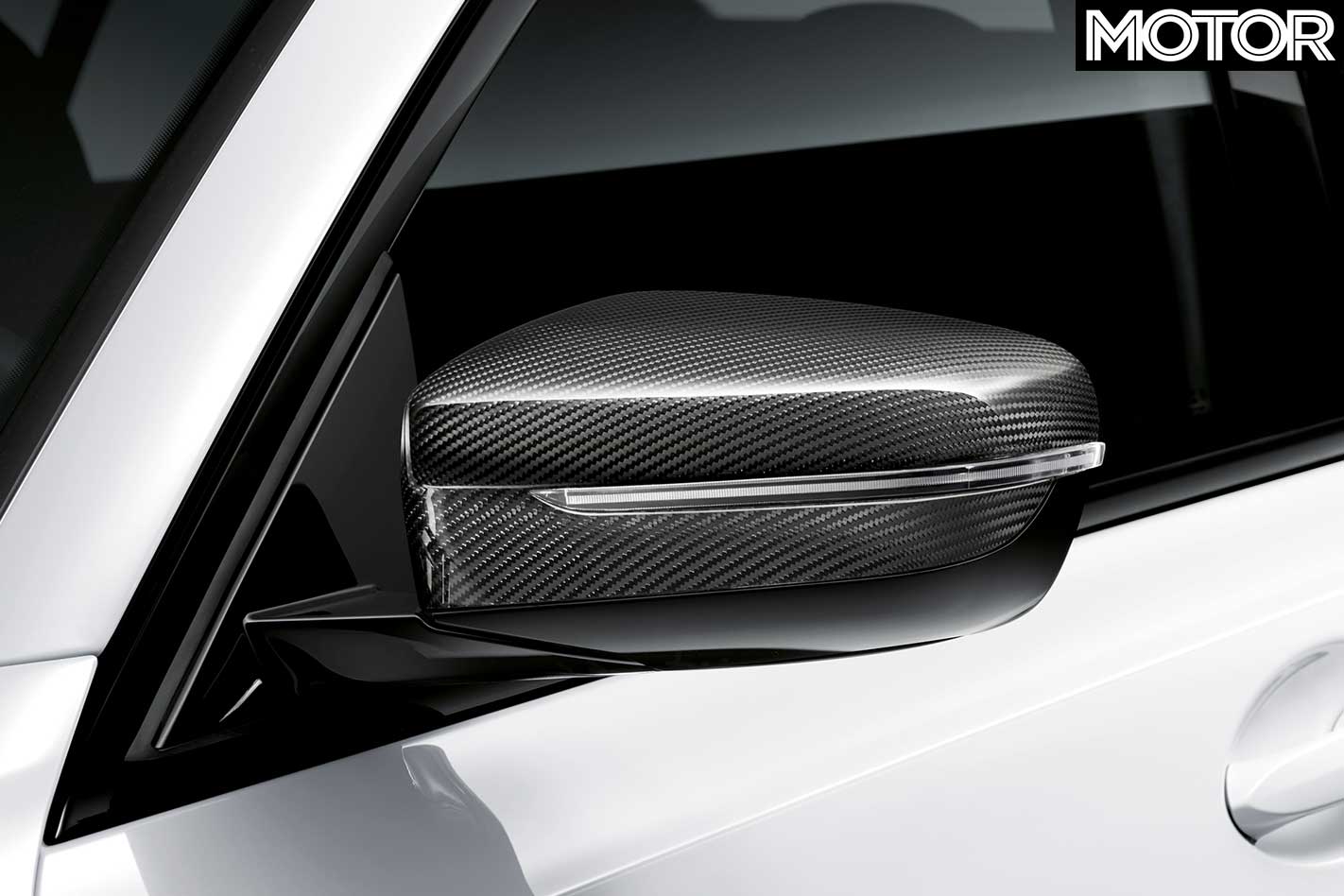
Other carbon parts are less effective for altering performance, such as the carbon fibre mirror caps or side sills. Tail lights can also be tinted to appear darker.
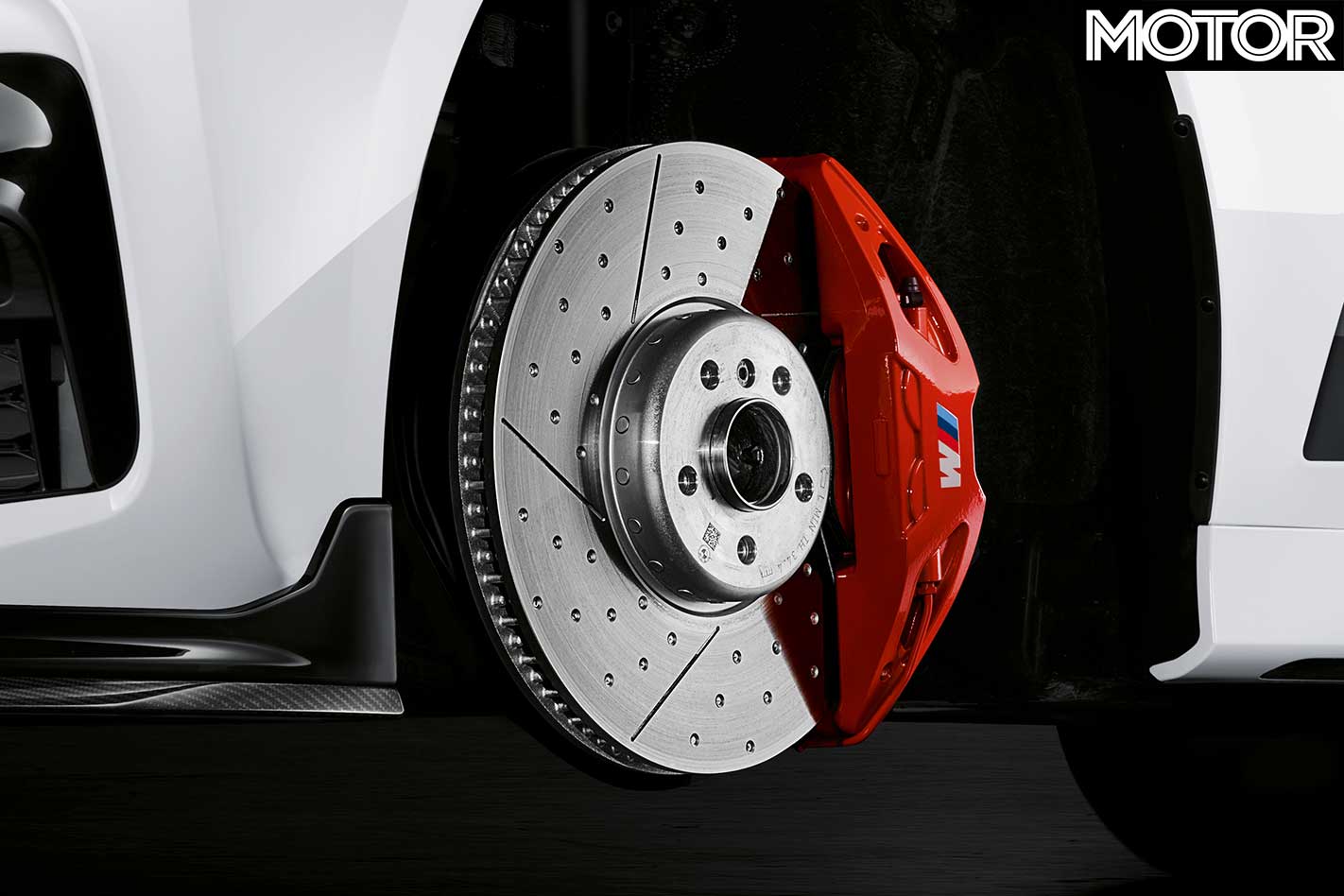
An M Performance braking system is arguably the biggest change to the way the car drives, with 18-inch brake perforated and grooved discs available as an option to vastly improve braking.
Red four-pot calipers make the brakes more easily recognisable, while providing the gripping power to decelerate faster.
A set of 20-inch M Performance forged cross-spoke wheels are available to accommodate these larger brakes.
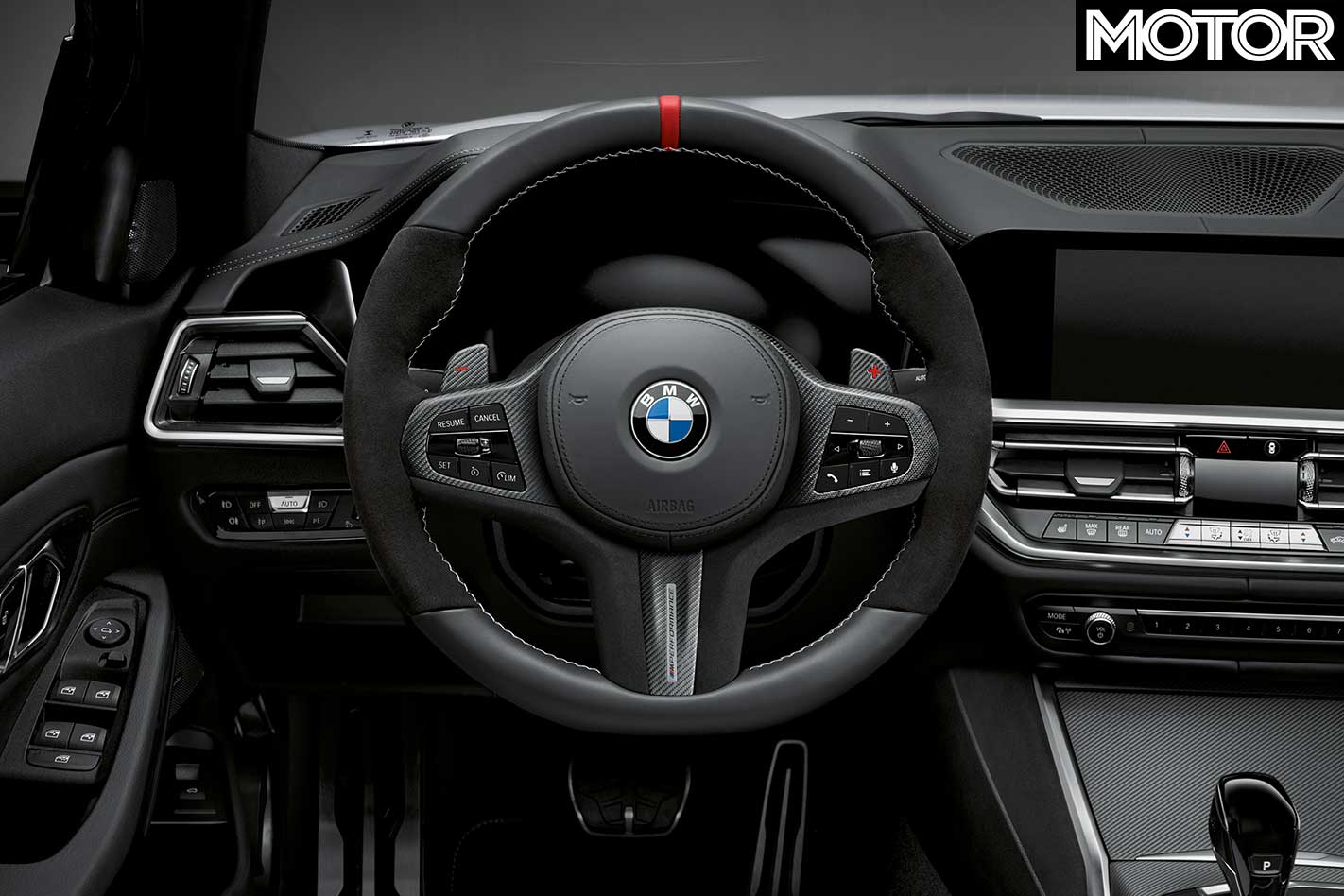
Inside the new 3 Series, an M Performance steering wheel, carbon-fibre interior trim, and even floor mats are available to differentiate from a standard cabin.
Renault announced this week that it would be pushing the accelerator on its electrification plans, with at least three new electrified models set to roll into Renault showrooms around the end of this decade.
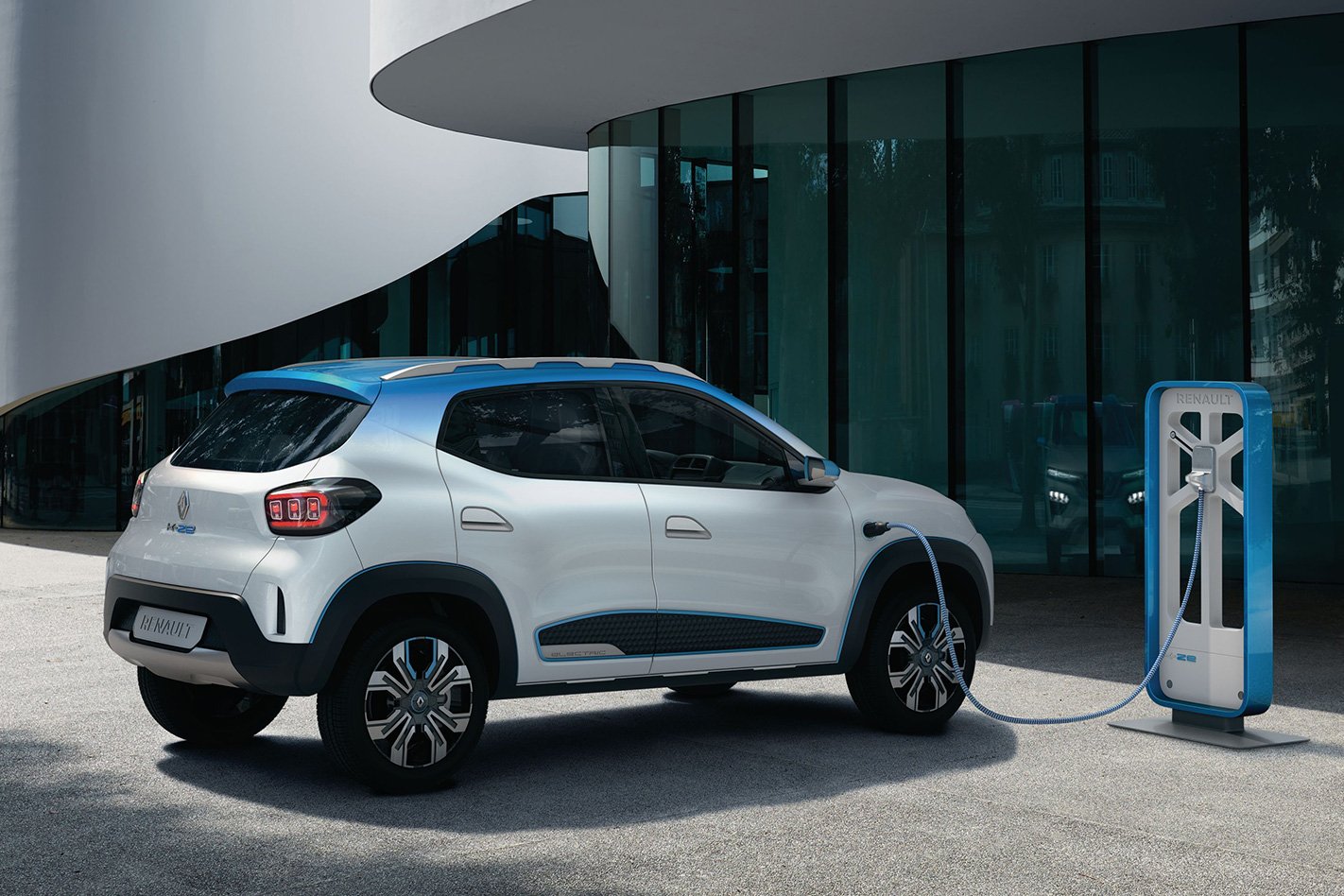
What’s more, the French automaker went to lengths to point out that unlike most EVs or PHEVs to date, its incoming alternative energy options will be “affordable”, with that word appearing no less than five times in Renault’s press release.
The company already sells the Zoe all-electric city car, which went on local retail sale just a few months ago, but that car is set to be joined by a new A-segment crossover dubbed the K-ZE. Slightly bigger, riding taller and looking more rugged than the Zoe, the K-ZE will offer 250km of range on a single charge and will launch first in China next year before spreading into other markets.
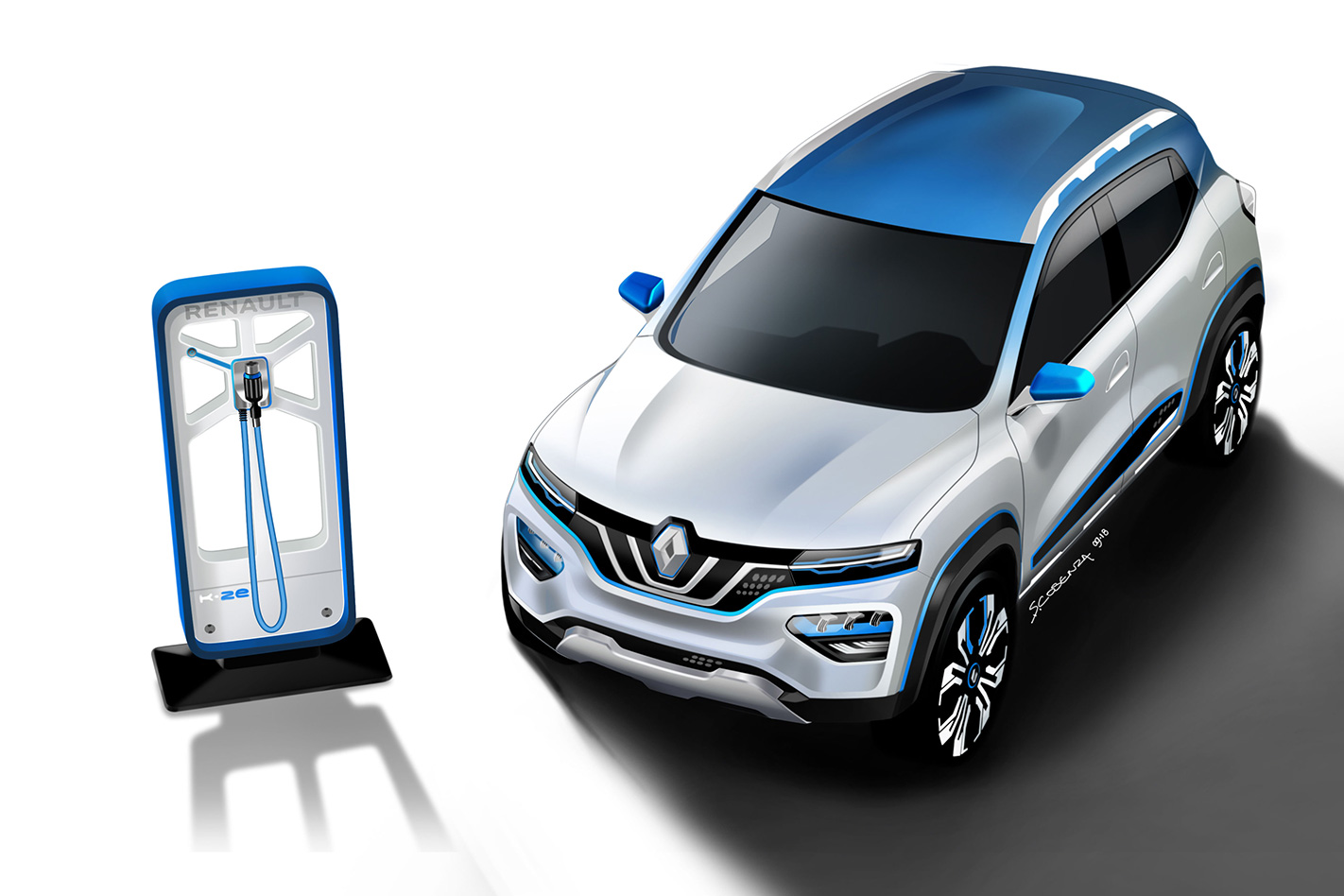
It’ll be joined by plug-in hybrid variants of the Megane and the next-generation Captur in 2020, while the next-gen Clio will gain a conventional hybrid option around the same time. Specific technical details of those cars have yet to be announced, however Renault says it will phase in the electrified powertrains for those models either during a full-model change (Captur and Clio) or a to coincide with a range update (Megane).
Unfortunately, if you were intrigued by the idea of parking a Zoe-style battery electric in your garage, we have bad news: it’s not likely to come our way.
“For us, obviously SUV is the way of the future with electric,” said Renault Australia spokesperson Elena Woods, “but we’re not sure with the size of this SUV – because it’s A-segment – that it’s well-suited to Australia.”
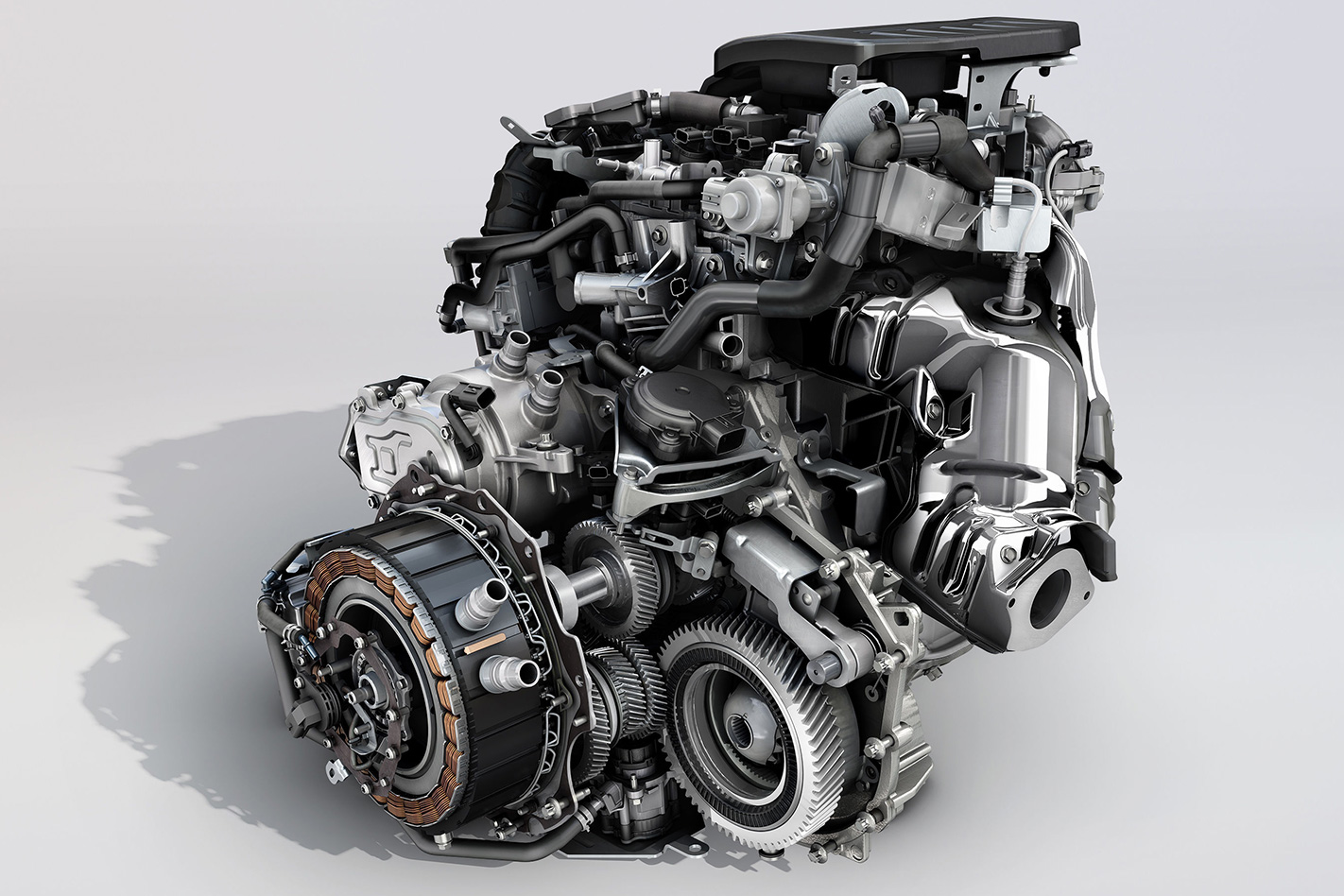
“We’ll review it further, but at the moment we believe the technology would be better suited to a larger SUV for this country.”
However the plug-in hybrid version of the Captur, which likely won’t be able to touch the K-ZE’s 250km EV range, but would boast the flexibility to run on petrol for longer journeys, is something the company is keeping a keen eye on for our market.
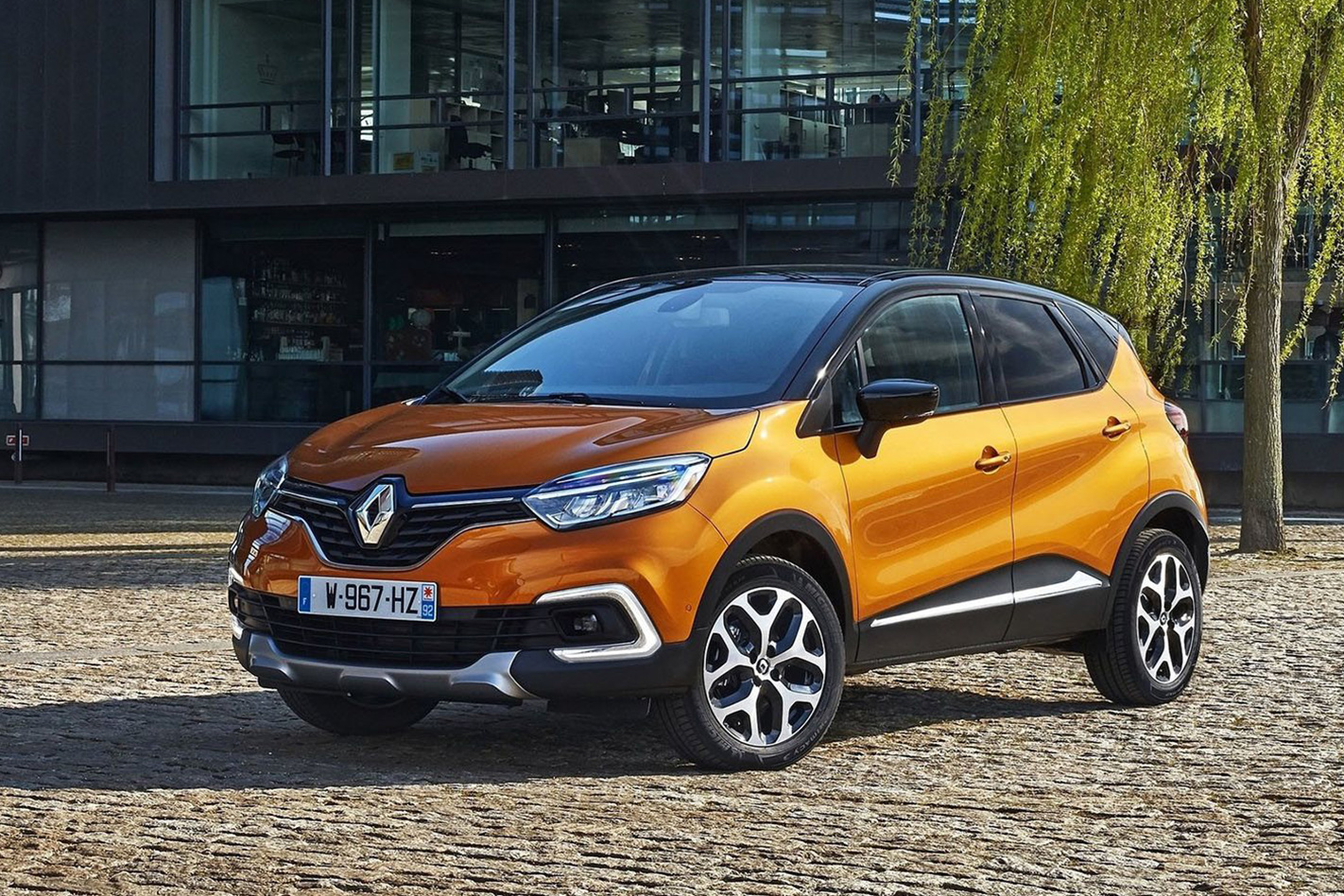
“For the PHEVs, we’re looking at the version of the Captur,” Woods confirmed. “At the moment the only alternative powertrain we’d be considering of those would be the plug-in version.”
PASSENGER SEGMENT
Small
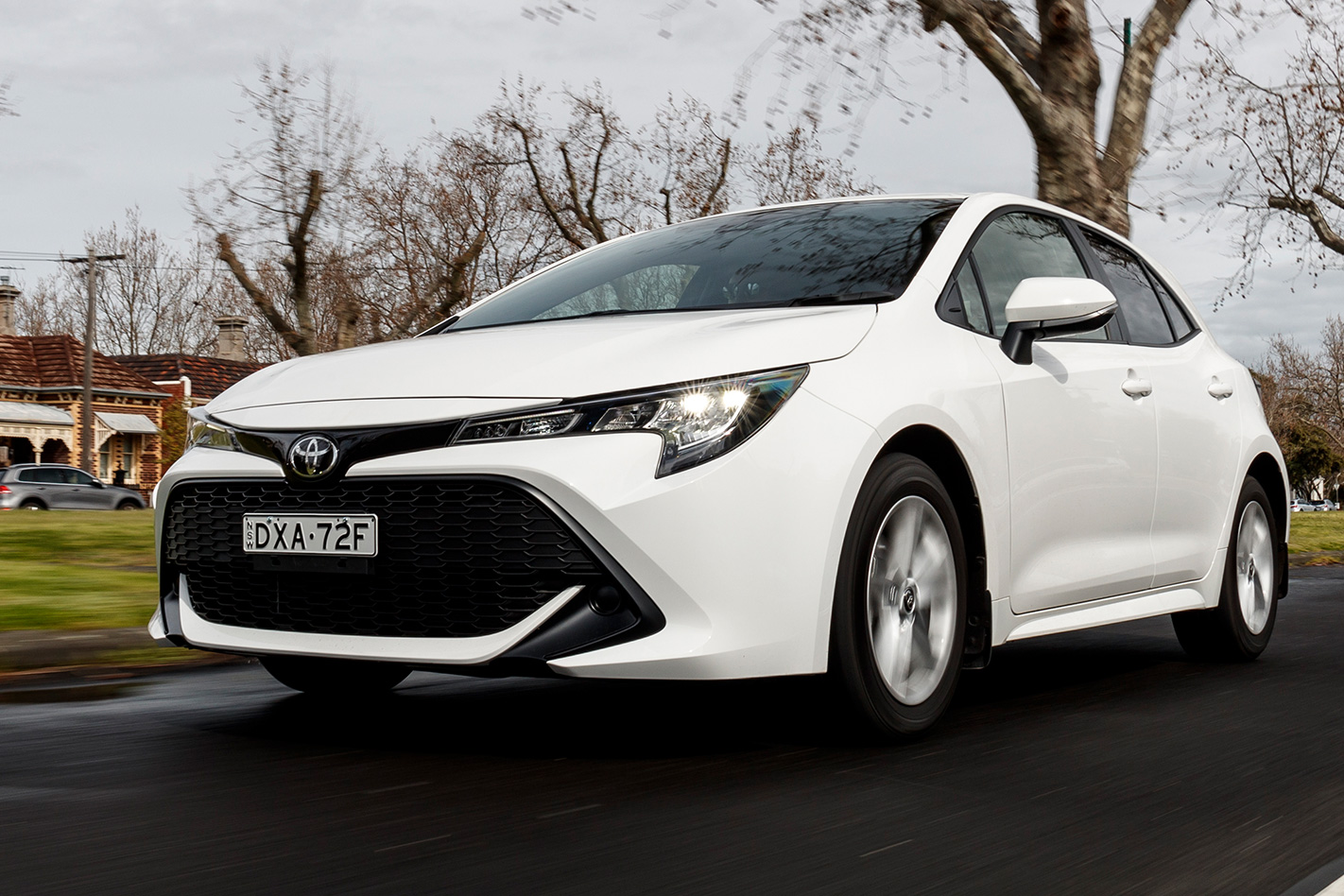
The small car segment continues to be one of the most popular in Australia, despite the steady erosion of its market share by the inexorably rising sales of SUVs. As is the norm, the Toyota Corolla sits at the top of the small car sales sheet with 2917 cars sold in September, handily ahead of second place-getter the Hyundai i30 (2508 sales) and the more distant Mazda 3 (1842 sales). It’s perhaps worth noting that in terms of year-to-date figures, the second and third positions are switched – Mazda takes the runner-up spot and Hyundai sits in third.
At the premium end of the segment the Audi A3 defied its age by outselling the considerably fresher A-Class. The A3, which is now in its sixth year of production, has the crucial advantage of being available as both a hatch and sedan, no doubt helping Audi sell 364 of them in September. The A-Class, which only launched in all-new form in August, sold 328 copies – a respectable showing considering supply may still be constrained post-launch, not to mention its hatch-only bodystyle for now. Trailing them both was the BMW 1 series, with 224 sales.
Medium
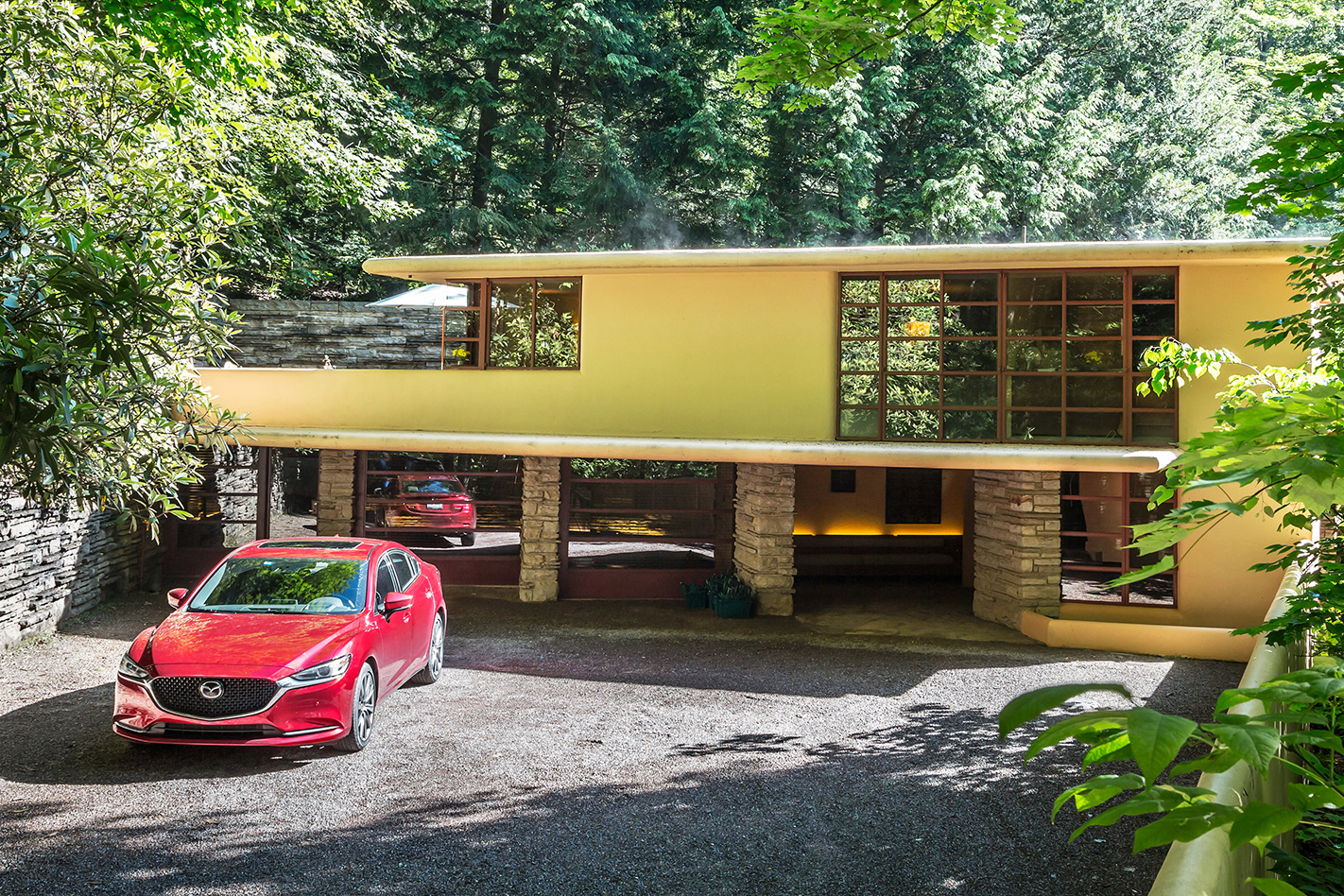
Midsize passenger cars continue to slide deeper into unpopularity, though the seemingly evergreen Toyota Camry seems somewhat immune to that trend. Toyota’s midsizer recorded 1145 sales last month, miles ahead of the Mazda 6 (213 sales) and the Ford Mondeo (168 sales). A strong showing for sure, but with the Camry now fully imported, sales last month were nearly half what they were in September 2017 – and we expect that to become the new norm for Toyota’s popular sedan.
The Mercedes-Benz C-Class is another mid-size stalwart (and frequently outsells almost all midsizers in the non-premium segment), however last month it placed second to its stablemate, the CLA-class with the CLA notching up 363 sales and the C-Class coming in just seven cars behind. Trailing both of the Benzes was BMW’s 3 Series at 296 sales – with an all-new generation model just around the corner, expect the Bavarian’s showroom performance to lift next year.
Large
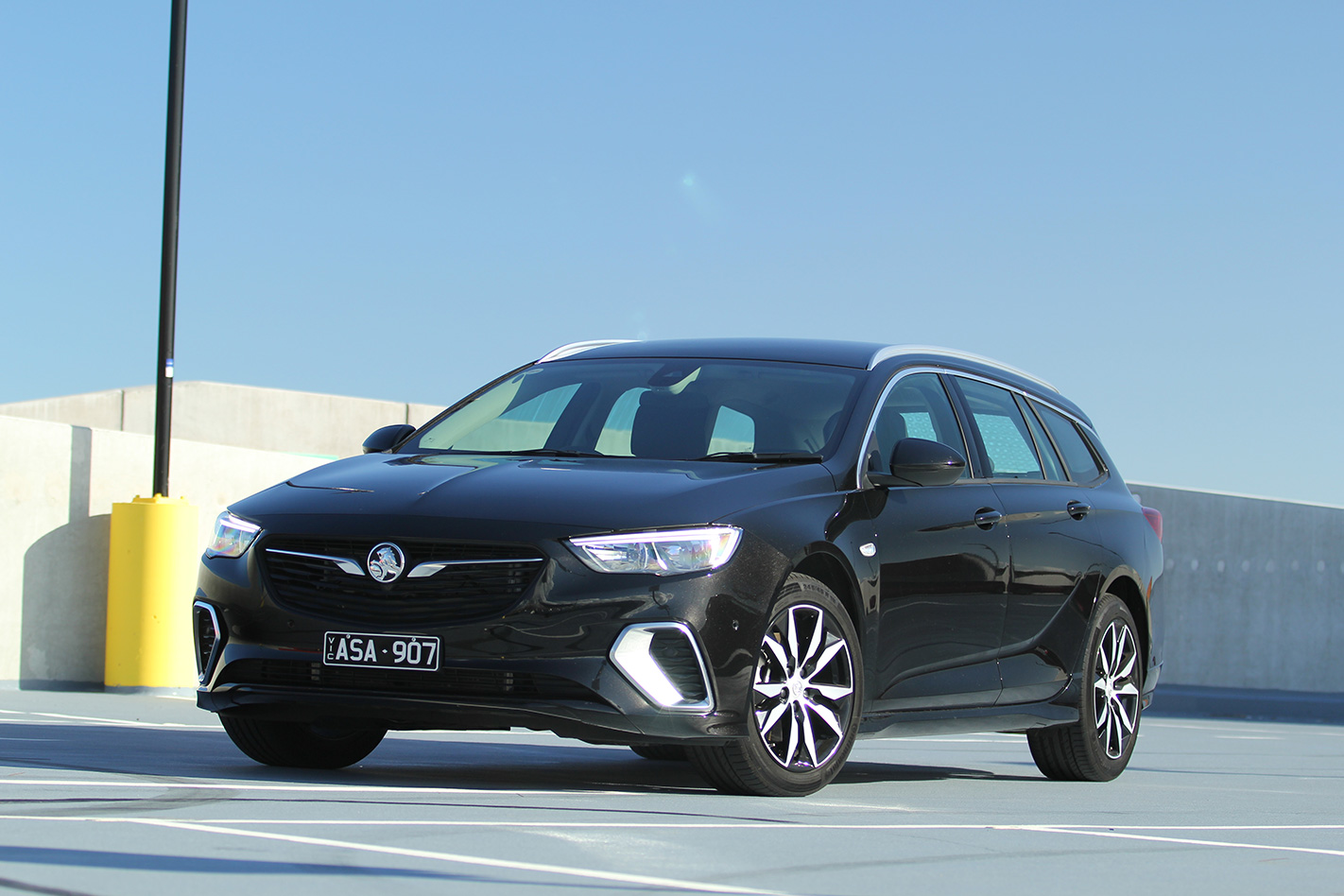
Now fully imported and based on less performance-oriented underpinnings, Holden’s Commodore sells a fraction of what it used to. Even so, with 672 of them leaving showrooms last month, the Commodore range nevertheless took top spot in the large car segment, well ahead of the Kia Stinger (130 cars) and Skoda Superb (63 cars).
In the more densely-populated premium end of the large car market, it was Mercedes-Benz’s E-Class that scored highest, with its 190 sales accounting for just under half of segment sales in September. It was followed by the BMW 5 Series in a distant third place with 75 cars sold, while the Jaguar XF came in third with 65 sales.
SUV SEGMENT
Small
Small SUVs continue to be one of the new car segments showing the most potential, with growth up 25.7 percent compared to September last year. The continued momentum appears to be a shift from small passenger models – once the king of volume – to the high-riding equivalents that are often based on the same platforms.
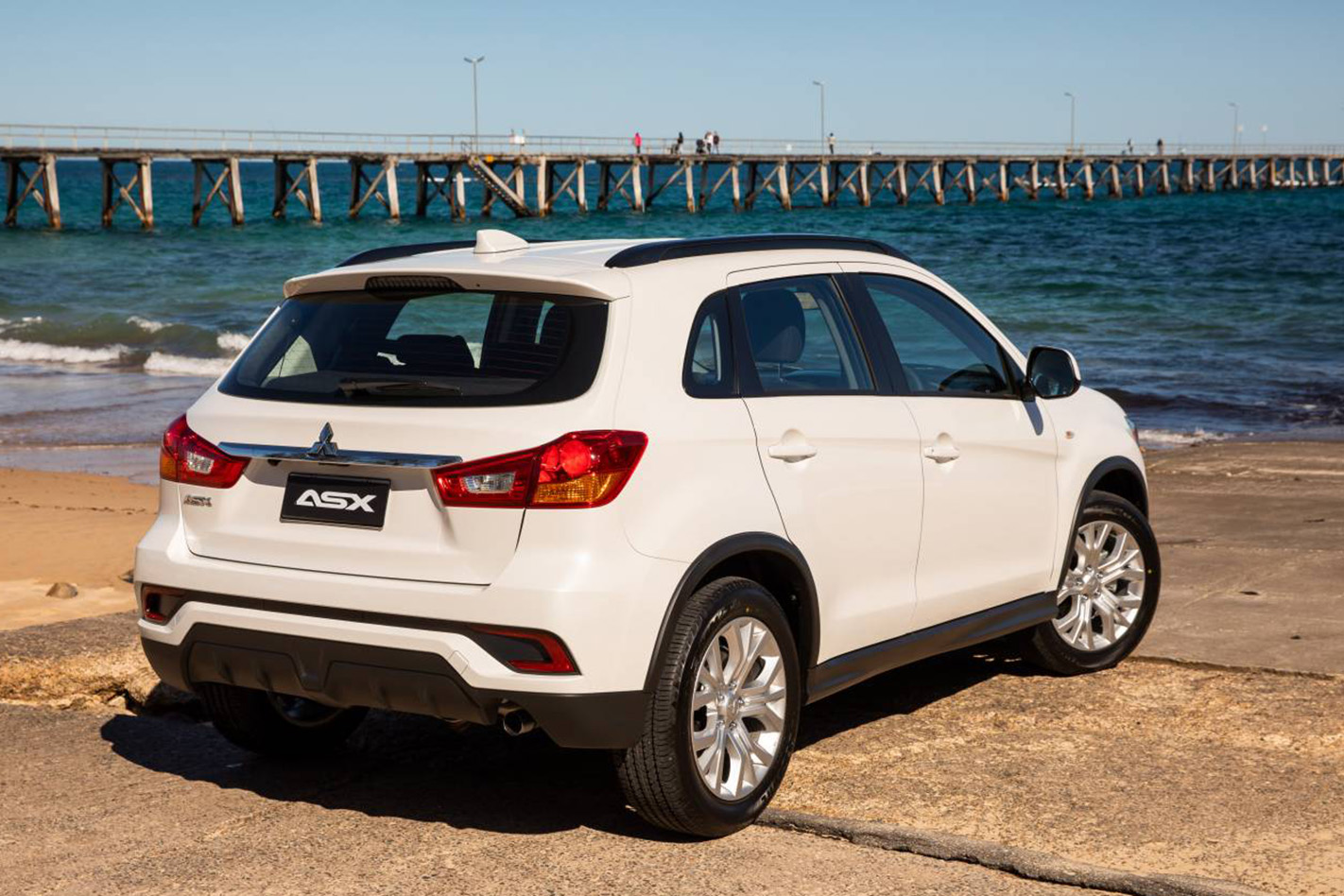
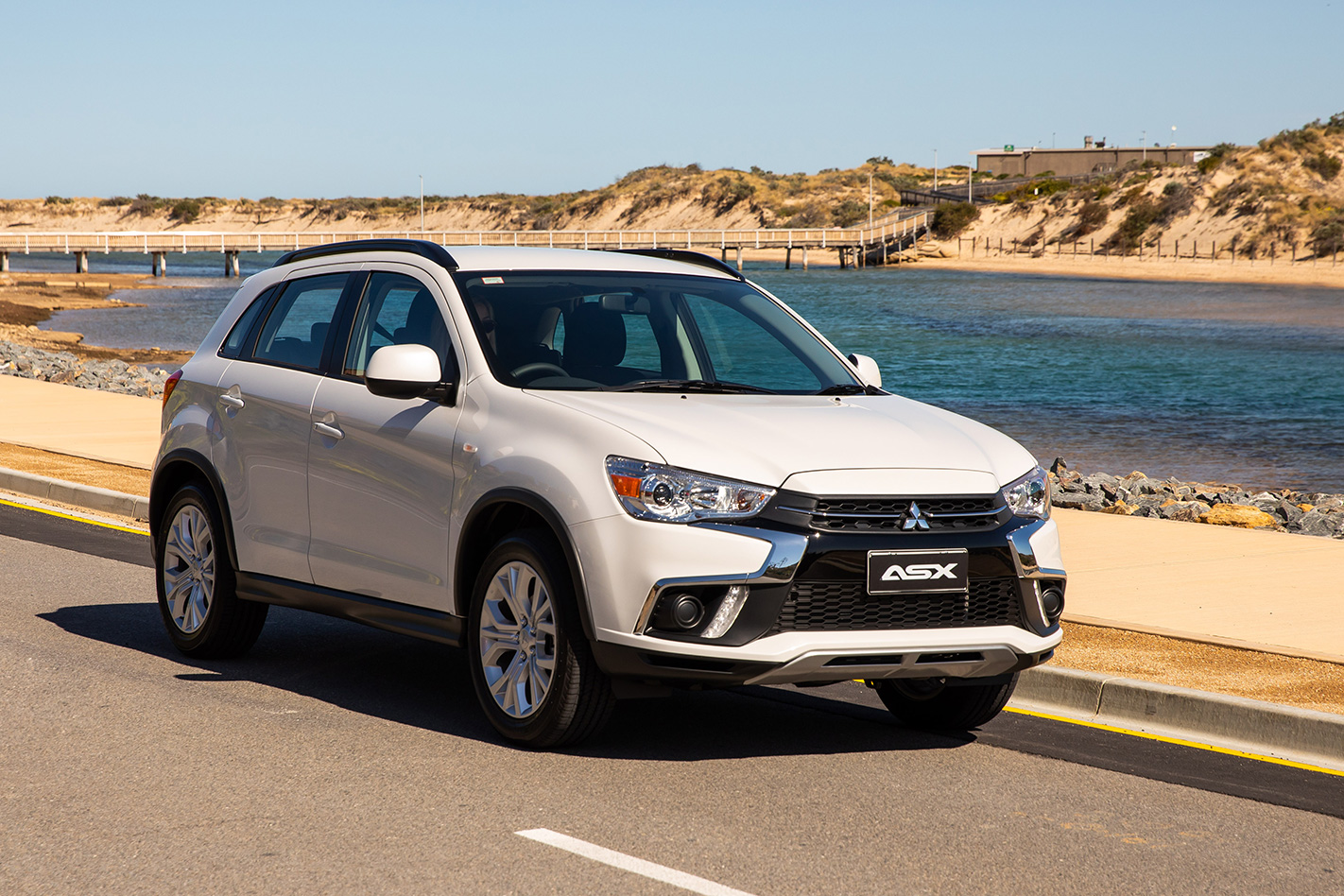
Driving that increase are models like the seemingly immortal Mitsubishi ASX, which takes out the month’s sales high score of 2138 and accounted for 18 percent of the sub-$40,000 segment – despite clocking up eight years of sales.
In second place, the Hyundai Kona continues to surf a wave of popularity following its launch nearly a year ago, with 1513 registrations during the month of September. Third, fourth and fifth place is a closer call with Honda’s HR-V keeping its rivals at bay with 1247 finding homes, versus the Subaru XV (1224) and the Mazda CX-3 (1214).
At the more luxurious end of the small SUV segment, Mercedes-Benz’s GLA leads the over-$40,000 race by a furlong and racked up 392 registrations for a 28.5 percent stake. Next best was the BMW X1 with 220 sales and a 16 percent share, followed by the Audi Q3 with 203 sales.
Medium
It might be Australia’s most popular individual vehicle segment, but mid-sized SUVs cannot beat the growth of small SUVs, climbing 17 percent. A number of models showed particularly strong growth, including the Jeep Cherokee which jumped a massive 117 percent following a new model introduction, but total sales of 63 for that model are more an indication of the stagnant sales of the pre-update vehicle. Nissan’s X-Trail also made a gallant effort rising 43.1 percent to 1908 registrations, earning it the title as favourite medium SUV overall.
Behind it, the Toyota RAV4 played second fiddle with 1611 rolling out of showrooms for 11.8 percent of the market, while the Mazda CX-5 came in third with 1506 and 11 percent.
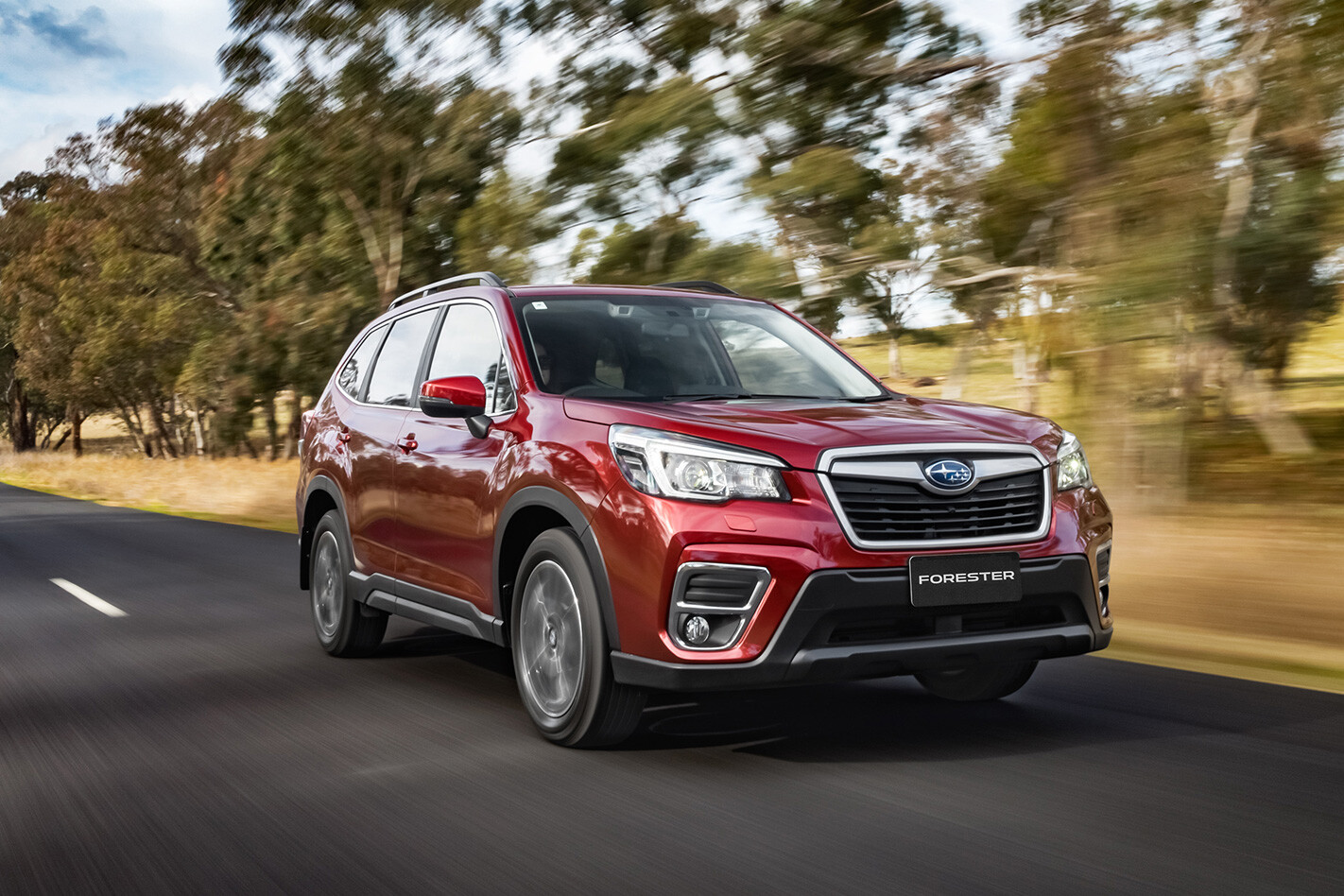
Customers with more than $60,000 to drop on a mid-sizer again liked three-pointed star more than any other premium contender, with the GLC totting up a healthy 681 sales. If you add in its Coupe sibling, that figure rises another 61 snagging more than a quarter of the over $60k market.
Behind the GLC were the other two Germans – Audi with its Q5 (425 sales) and BMW’s X3 (324 sales). Combine the sales of the X3 with its coupe cousin, the X4, and BMW’s slice of sales rises to 515 cars or 17.5 percent.
Large
The large end of the SUV market saw overall sales climb 11 percent. A majority of that upward trend comes from the below $70,000 end of the market, where Toyota reigns king.
Its Prado took pole position with a 16.5 percent share of the segment and 1518 registrations, but if you factor in the second-place Kluger (1042) and Hilux-based Fortuner (336), the Japanese brand owned 31.4 percent of the sub-$70k large SUV segment in September.
In third place, the Subaru Outback snared a 10.2 percent share with 936 registrations.
BMW’s X5 was the highest-selling individual model in the premium large SUV segment with 211 cars registered in September, however if you combine sales of Benz’s GLE wagon with those of the GLE Coupe it’s the three-pointed star that takes top slot (234 combined). Doing the same with BMW’s X5 and X6 twins sees a tally of 230, meaning Mercedes scores a hat trick in the premium SUV sales race – but only just.
Micro Cars
| Rank | Vehicle | Registrations this month |
| 1 | Kia Picanto | 640 |
| 2 | Mitsubishi Mirage | 223 |
| 3 | Fiat 500 | 55 |
Light Cars
| Rank | Vehicle | Registrations this month |
| 1 | Hyundai Accent | 1288 |
| 2 | Toyota Yaris | 832 |
| 3 | Suzuki Swift | 794 |
Small Cars < $40K
| Rank | Vehicle | Registrations this month |
| 1 | Toyota Corolla | 2917 |
| 2 | Hyundai i30 | 2508 |
| 3 | Mazda 3 | 1842 |
Small Cars > $40K
| Rank | Vehicle | Registrations this month |
| 1 | Audi A3 | 364 |
| 2 | Mercedes-Benz A Class | 328 |
| 3 | BMW 1 Series | 224 |
Medium Cars < $60K
| Rank | Vehicle | Registrations this month |
| 1 | Toyota Camry | 1145 |
| 2 | Mazda 6 | 213 |
| 3 | Volkswagen Passat | 174 |
Medium Cars > $60K
| Rank | Vehicle | Registrations this month |
| 1 | Mercedes-Benz CLA | 363 |
| 2 | Mercedes-Benz C Class | 356 |
| 3 | BMW 3 Series | 296 |
Large Cars < $70K
| Rank | Vehicle | Registrations this month |
| 1 | Holden Commodore | 672 |
| 2 | Kia Stinger | 130 |
| 3 | Skoda Superb | 63 |
Large Cars > $70K
| Rank | Vehicle | Registrations this month |
| 1 | Mercedes-Benz E Class | 190 |
| 2 | BMW 5 Series | 75 |
| 3 | Jaguar XF | 65 |
Upper Large
| Rank | Vehicle | Registrations this month |
| 1 | Chrysler 300 | 36 |
| 2 | Mercedes-Benz S Class | 22 |
| 3 | Porsche Panamera | 11 |
People Movers
| Rank | Vehicle | Registrations this month |
| 1 | Kia Carnival | 591 |
| 2 | Honda Odyssey | 140 |
| 3 | Volkswagen Multivan | 86 |
Sports Cars < $80K
| Rank | Vehicle | Registrations this month |
| 1 | Ford Mustang | 422 |
| 2 | BMW 2 Series | 101 |
| 3 | Toyota 86 | 69 |
Sports Cars > $80K
| Rank | Vehicle | Registrations this month |
| 1 | Mercedes-Benz C Coupe | 82 |
| 2 | Mercedes-Benz E Coupe | 60 |
| 3 | Porsche Cayman | 29 |
Sports Cars > $200K
| Rank | Vehicle | Registrations this month |
| 1 | Porsche 911 | 57 |
| 2 | Bentley Coupe/Conv | 36 |
| 3 | Aston Martin Coupe/Conv | 21 |
SUV Small < $40K
| Rank | Vehicle | Registrations this month |
| 1 | Mitsubishi ASX | 2138 |
| 2 | Hyundai Kona | 1513 |
| 3 | Honda HR-V | 1247 |
SUV Small > $40K
| Rank | Vehicle | Registrations this month |
| 1 | Mercedes-Benz GLA | 391 |
| 2 | BMW X1 | 220 |
| 3 | Audi Q3 | 203 |
SUV Medium< $60K
| Rank | Vehicle | Registrations this month |
| 1 | Nissan X-Trail | 1908 |
| 2 | Toyota RAV4 | 1611 |
| 3 | Mazda CX-5 | 1506 |
SUV Medium > $60K
| Rank | Vehicle | Registrations this month |
| 1 | Mercedes-Benz GLC | 681 |
| 2 | Audi Q5 | 425 |
| 3 | BMW X3 | 324 |
SUV Large < $70K
| Rank | Vehicle | Registrations this month |
| 1 | Toyota Prado | 1518 |
| 2 | Toyota Kluger | 1042 |
| 3 | Subaru Outback | 936 |
SUV Large > $70K
| Rank | Vehicle | Registrations this month |
| 1 | BMW X5 | 211 |
| 2 | Mercedes-Benz GLE | 189 |
| 3 | Lexus RX | 147 |
SUV Upper Large > $100K
| Rank | Vehicle | Registrations this month |
| 1 | Toyota LandCruiser | 929 |
| 2 | Nissan Patrol | 88 |
| 3 | Mercedes-Benz GLS | 45 |
4×2 Utes
| Rank | Vehicle | Registrations this month |
| 1 | Toyota Hilux 4×2 | 1000 |
| 2 | Isuzu DMAX 4×2 | 391 |
| 3 | Ford Ranger 4×2 | 358 |
4×4 Utes
| Rank | Vehicle | Registrations this month |
| 1 | Toyota Hilux 4×4 | 3338 |
| 2 | Ford Ranger 4×4 | 2870 |
| 3 | Mitsubishi Triton 4×4 | 1674 |
The facelifted evolution of the Audi R8 LMS race car has landed at the Paris Motor Show, providing what could be a hint at an imminent facelift for the road-going version.
With a race-modified dry-sump version of the 5.2-litre naturally aspirated V10, the 2019 Audi R8 LMS makes up to 430kW and more than 550Nm – depending on FIA restrictions per race – regulated with standard restrictors.
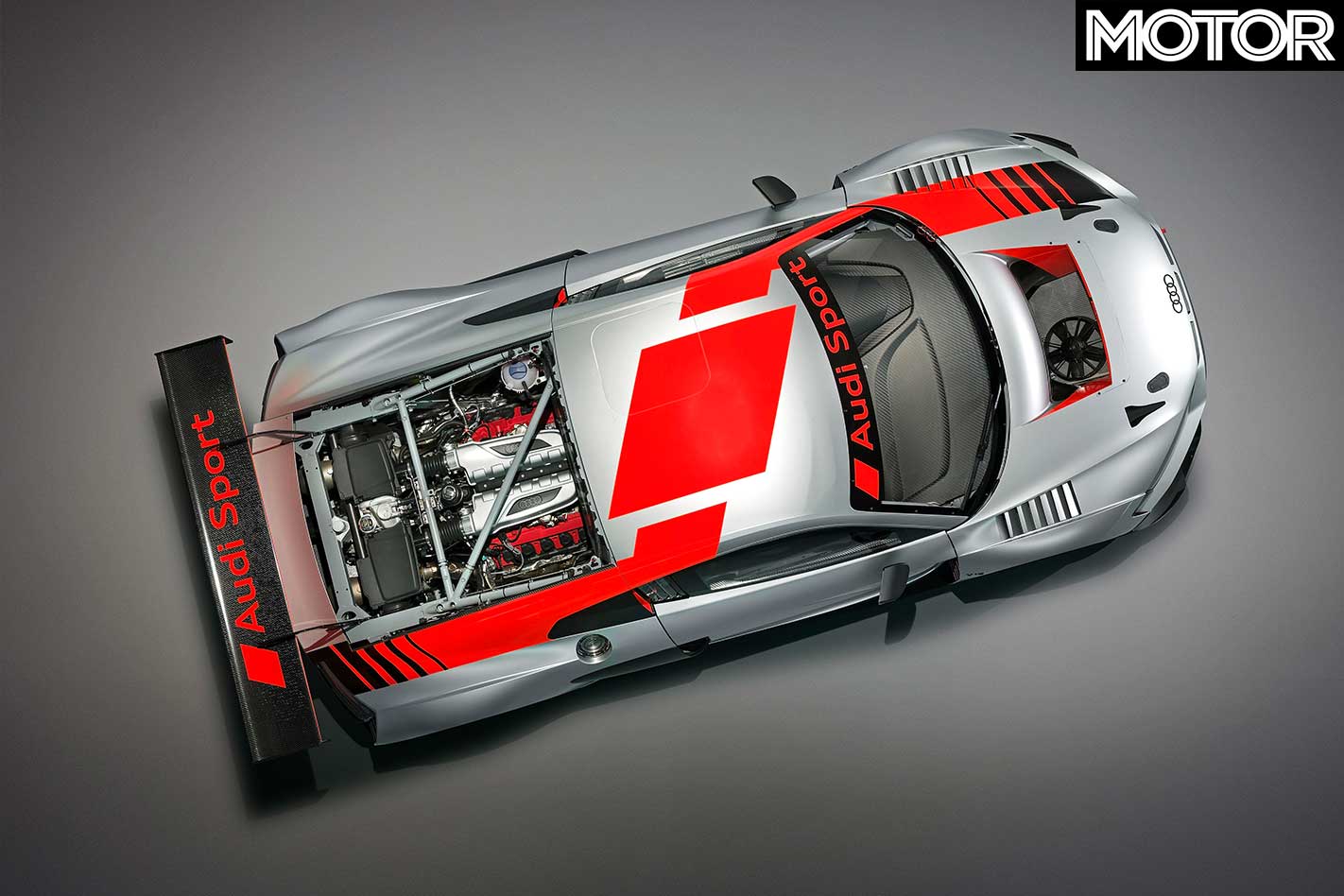
The 2019 car isn’t just a visual facelift, says head of Audi Sport customer racing Chris Reinke, adding the changes for this evolution of the car makes it easier to drive.
“In developing the evolution of the car, we’ve put even greater focus on our customers and their needs,” says Reinke.
“The pre-design stage for the second evolution of our current model generation centred on many discussions with our teams.”
More specifically, he says the facelifted R8 LMS features a new aero pck which makes it more stable in “various conditions.”
“When it came to cooling, we also looked at the details. For example, the hot rear brakes have quite an influence on the actual tyre temperature. By cooling the rear brakes better, we have a more stable rear axle.
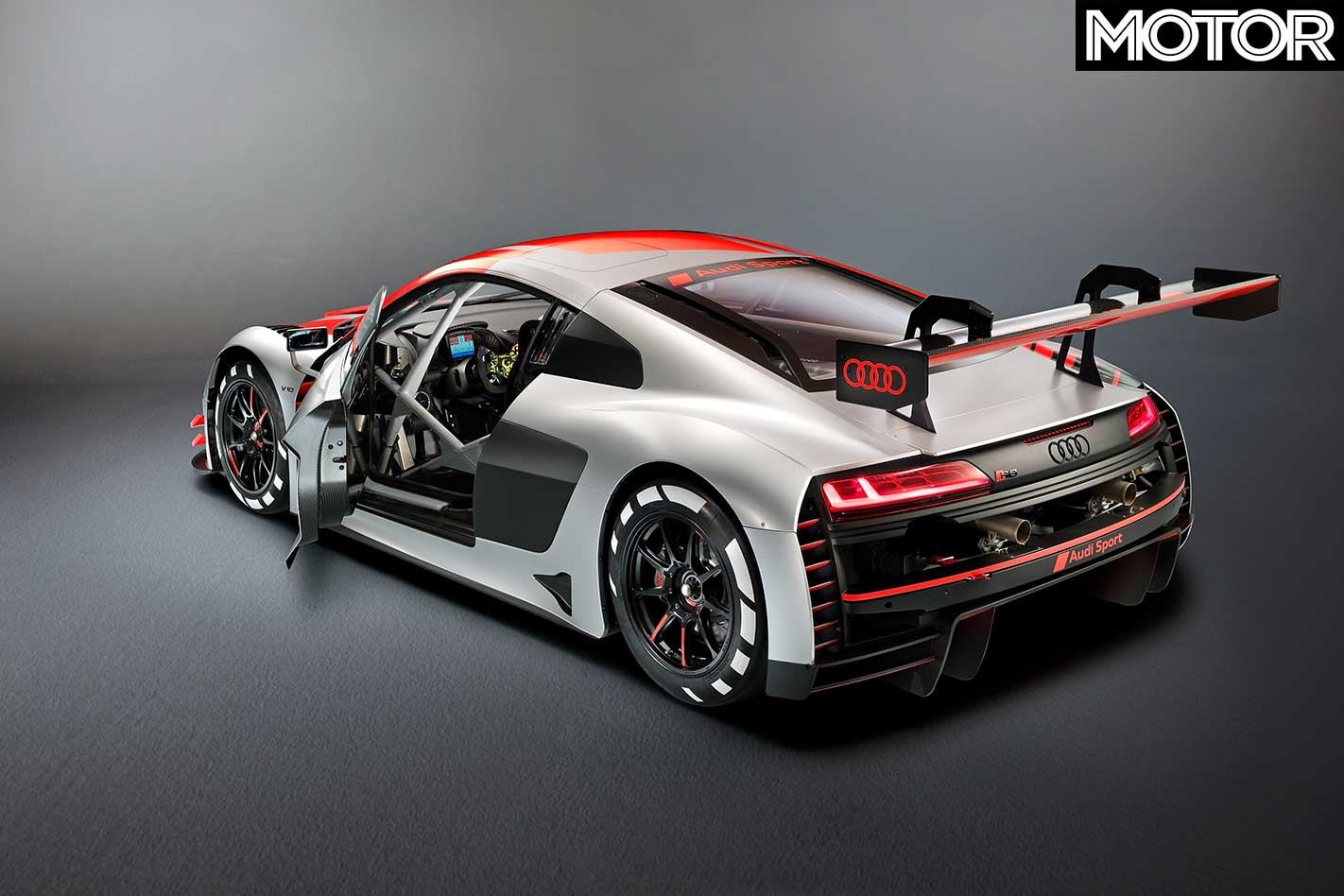
“When focusing on customer desires, priority one is always running costs. Running costs go together with service intervals. With the clutch and the gearbox, we’ve tried to extend these even more by using different bearings on the gearbox.”
If you want one in Australia, you don’t have to try hard to find one. Melbourne Performance Centre, official partner to Audi Sport and supplier of 25 R8 LMS cars currently, will offer the facelifted model locally for approximately $735,000 landed, and is well equipped to help manage and maintain the car.
Buried in a press release that surfaced yesterday outlining an ‘electrification and connectivity strategy’, Mazda quietly confirmed what had been suspected since the demise of the RX-8 in 2012: The rotary engine will return.
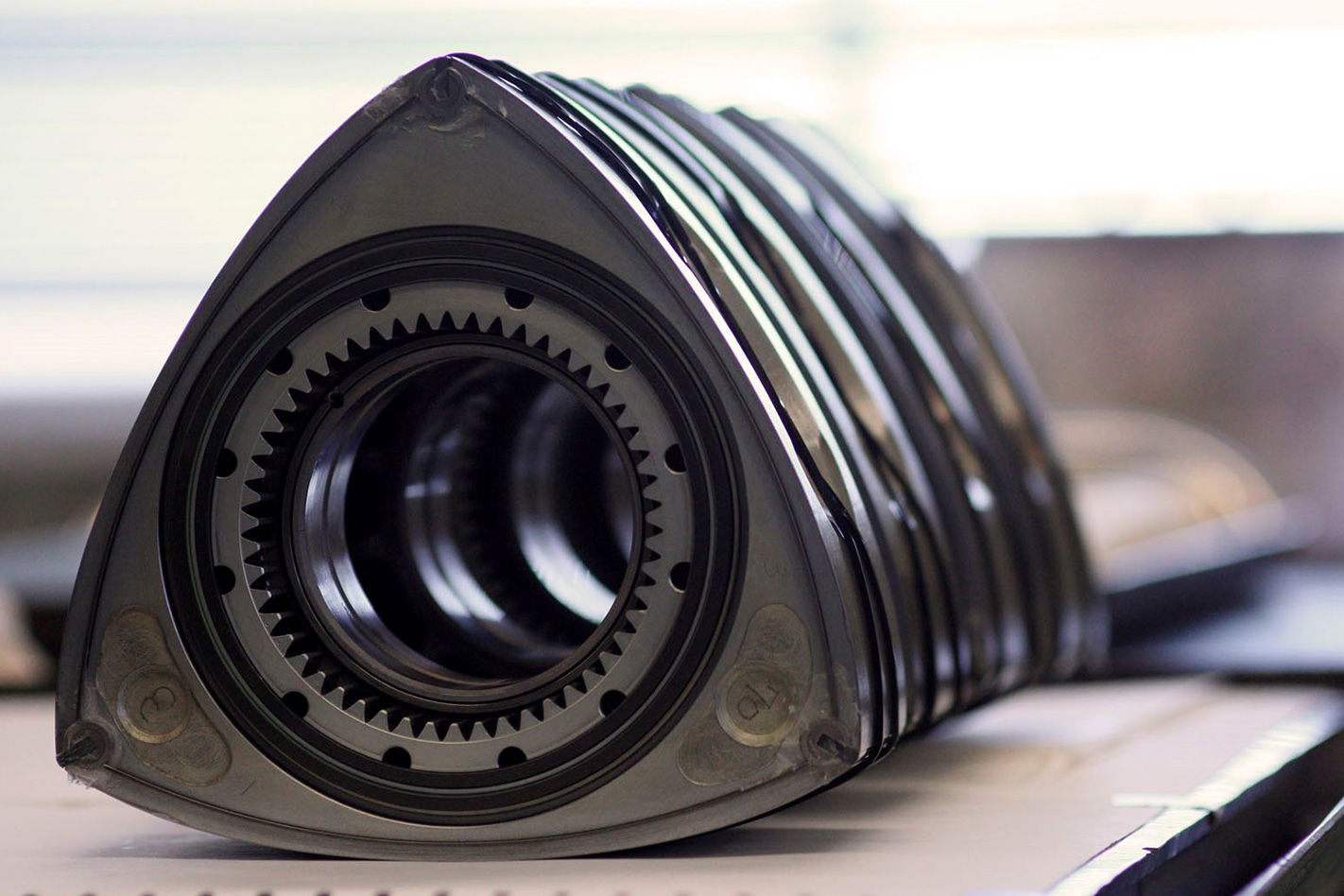
But the initial euphoria and excitement for many Wankel enthusiasts rapidly subsided to apathy as the release went on.
“Mazda will develop two battery electric vehicles, one powered solely by battery and another that pairs a battery with a newly developed range extender powered by Mazda’s small, lightweight and exceptionally quiet rotary engine,” it read. Quiet and electrified, hmmm…
Last week, I made the mistake of standing near a twin-rotor Mazda rotary powered drag racer as its owner revved the 1.3-litre, 900kW, methanol-fuelled RX-7 to the limiter, and the resulting tinnitus is a souvenir I hadn’t planned on bringing home from Japan. Consequently though, I can confirm the reason people love the Wankel engine is not because it’s quiet and fuel efficient.
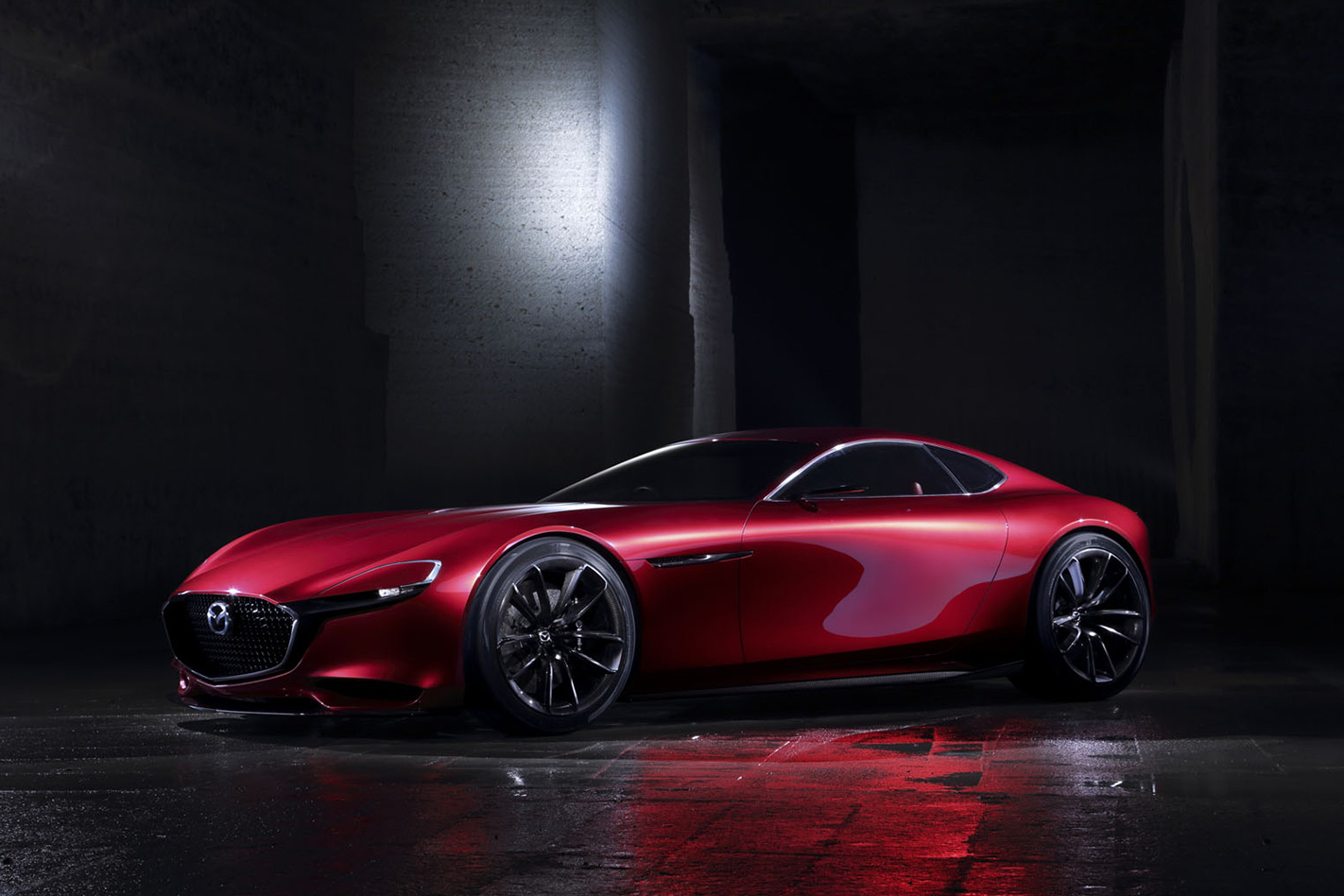
However, it appears the revenant rotary will not invoke the wailing 600kW, Le Mans-demolishing quad-rotor found under the 1991 787B’s engine cover, or the many iterations of the unapologetic 13B which powered numerous high-performance Mazdas until the swansong RX-8, or the drag racer that robbed me of hearing for a few hours.
But don’t be disappointed because, not only was Mazda’s strategy to reforge the rotary as a softly-spoken hybridised powertrain inevitable, it’s also very, very good news.
Let’s start with what forced a rotary hiatus. Not long after my ears had stopped bleeding from the incident at Fuji Speedway, I shared a car with MX-5 program manager and, in a previous role, rotary engine development engineer Nobuhiro Yamamoto.
As we discussed the respective reasons the rotary engine had to be shelved, tantalisingly, Yamamoto listed the solutions to each problem.
Perhaps the most notorious of the rotary’s weaknesses – apex and face seal wear – has been solved by expensive but extremely hard ceramic components now widely used for racing applications, said Yamamoto.
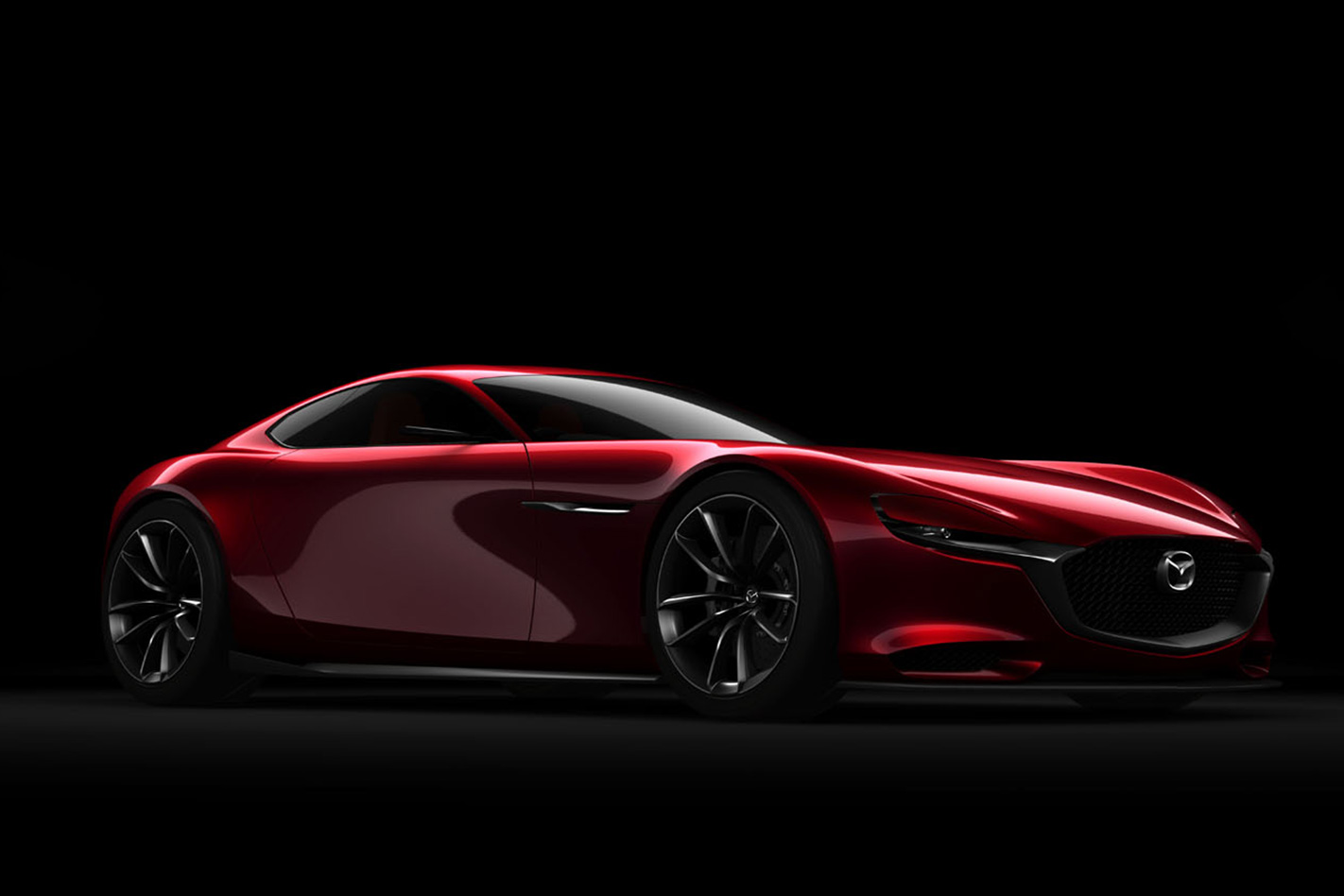
Emissions? Those can be slashed by beefy (also expensive) catalytic converters and as for CO2 emissions, the use of sophisticated turbocharging and downsizing is the key or, as Yamamoto put it “right-sizing”.
At the time, the rotary engine expert made no mention of hybridisation as a solution to the hobbling rotary CO2 problem, but following the announcement this week, I suspect he was probably thinking it.
When asked if the hurdles that shelved the engine in 2012 could now be jumped using modern technological advances, Yamamoto initially answered “yes” but quickly changed his response to “maybe”.
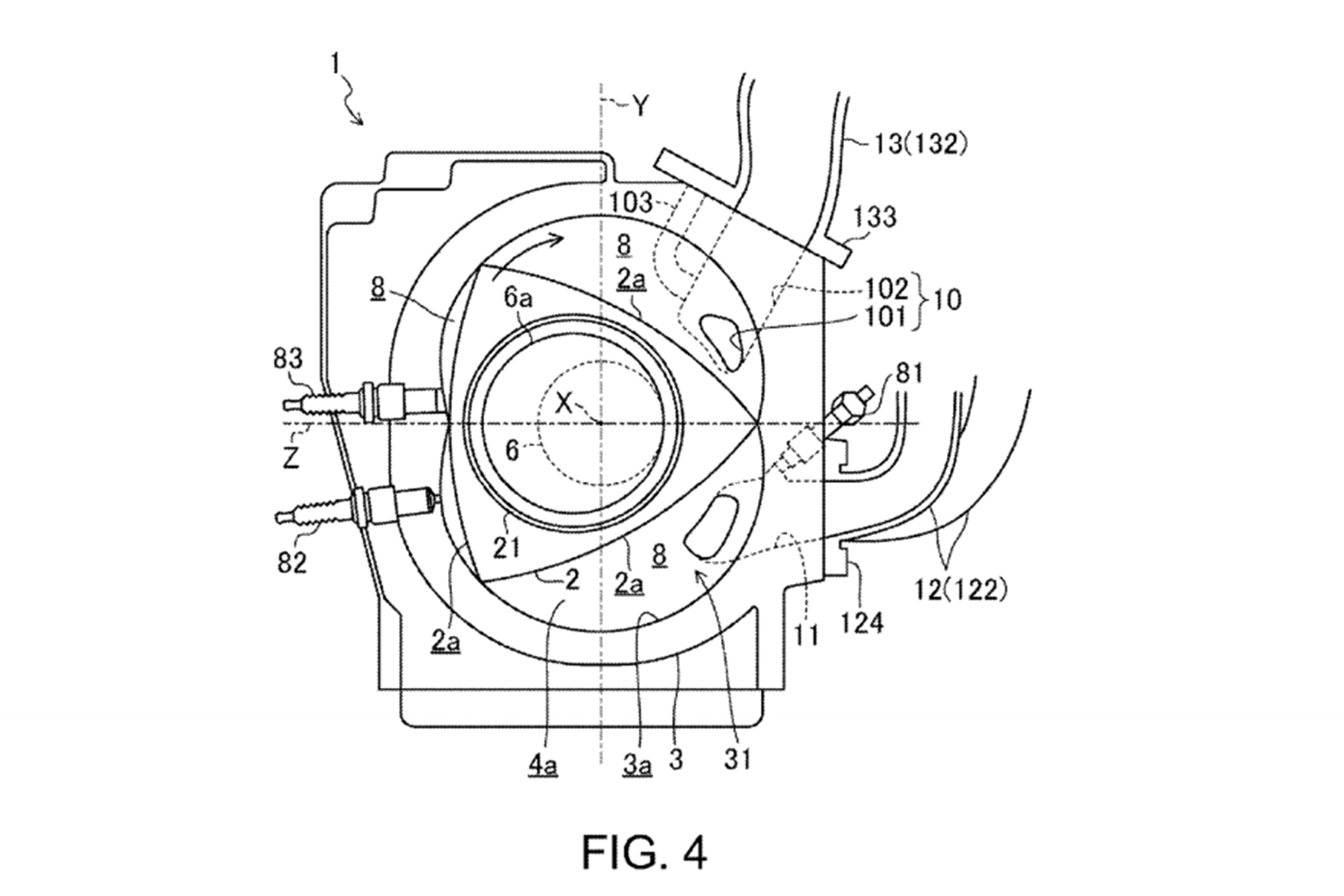
Now it is clear the rotary really can be resurrected for a catalogue of advancements Mazda is yet to detail in full, including its electrification approach but, while the news is not confirmation of a fire-breathing, ear-shattering demon many of us were hoping for, it is a glimmer of hope.
When Toyota – a leader in hybridisation – jumped into the electrification realm, its first mainstream model was the deeply soporific Prius, but today, a bloodline of furious development has lead to majestic models such as the Lexus LC500h, a car that is more about speed and glamour than fuel economy and carting children.
To take another example, Honda’s 2010 CR-Z might have begged for a few more kilowatts to be a true hot hatch like the CR-X it paid homage to, but it coupled a manual gearbox to a hybrid powertrain for a truly involving driving experience – imagine if Mazda did the same.
Insert a long list of hybrids here that go like a cut cat and sound great to complete the optimistic distant gaze, if you need any more convincing.
As a broader point, more engine variety among the numerous brands in some part reverses the trend of modular engines and a reduction in under-bonnet options. For example, BMW’s E34 5 Series of 1987 to 1996 was sold with an astonishing 14 significantly different engines. Today, the G30 5 Series has a third as many engine options.
Gaining an entirely new engine type in the automotive landscape is an injection of fresh DNA, and if the new car market were the Royal Family, Mazda’s rotary would be Meghan Markle.
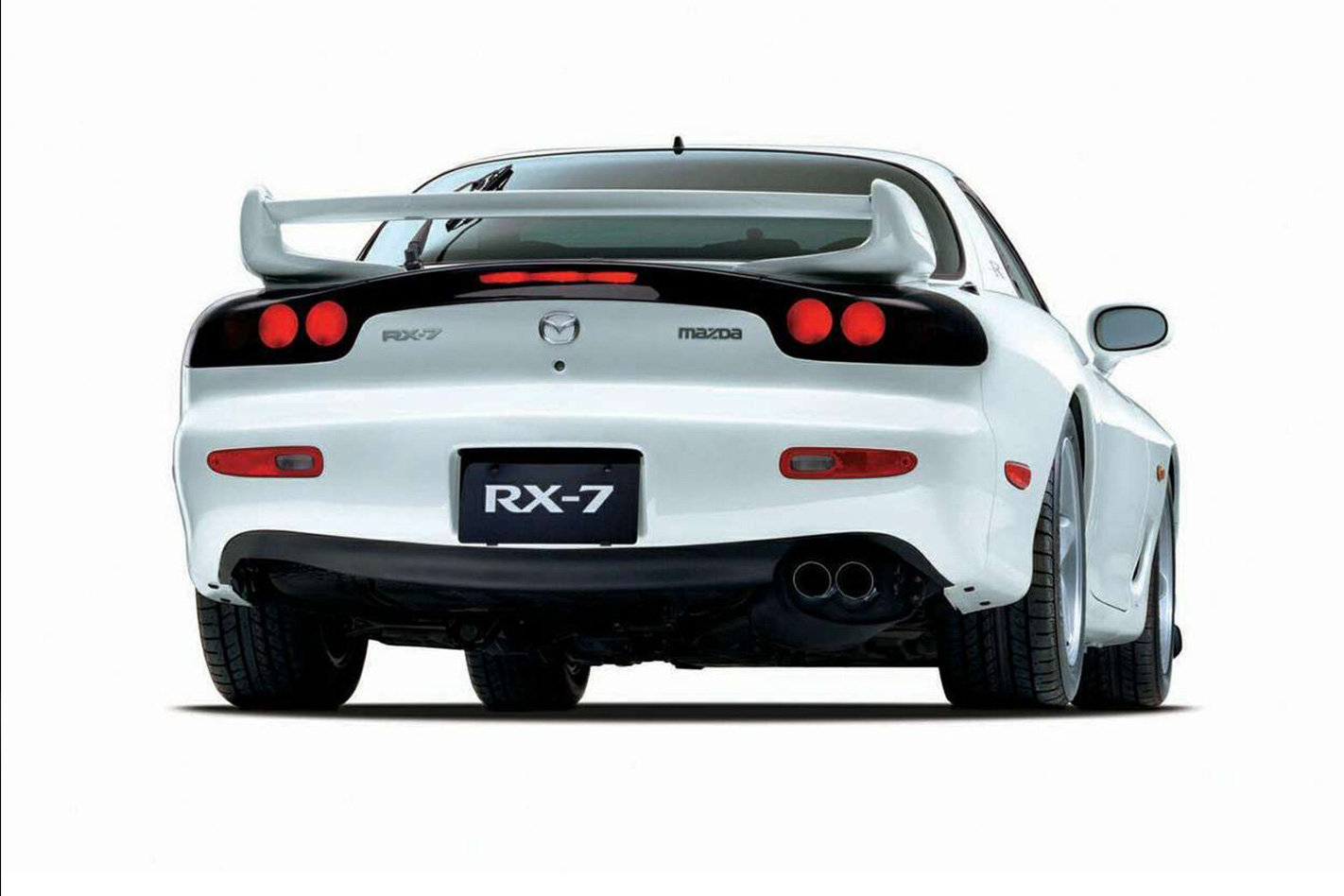
And there’s still the potential for a rotary sports car to return – although don’t count on it arriving any time this decade. Speaking at last year’s Tokyo Motor Show, Mazda’s senior managing executive officer and head of R&D Kiyoshi Fujiwara told Wheels that the company sorely wants to see a brand-new rotary-engined performer return to its showrooms, but the company’s balance book needs to be able to support the development of one first.
And while Mazda’s newly-announced plan to electrify all of its models by 2030 might sound like the death knell for a resurrected RX-7, Fujiwara said hybridisation was already being factored in for its future sports car. Performance and economy won’t be mutually-exclusive in Mazda-land.
But while the timing on such a vehicle has yet to be ironed out, Mazda’s commitment to keeping its beloved rotary engine within its portfolio gives us cause to breathe a sigh of relief: Mazda’s rotary engine will be back.
TOYOTA continues to dominate the new car sales race in 2018, with almost double the number of registrations so far this year compared to its closest competitor.
A total of 164,998 Toyotas have been registered year to-date, with Mazda the second-most popular brand with 86,074 cars rolling off showroom floors around the nation.

Toyota also dominated in terms of cars sold during September alone, with 17,386 registrations against its name, however Hyundai leapfrogged Mazda to be the best-of-the-rest with 8,110 sales for the month.
Meanwhile Mazda dropped below Mitsubishi, with Mazda’s 7070 sales easily eclipsed by Mitsubishi’s 7622 across the month.
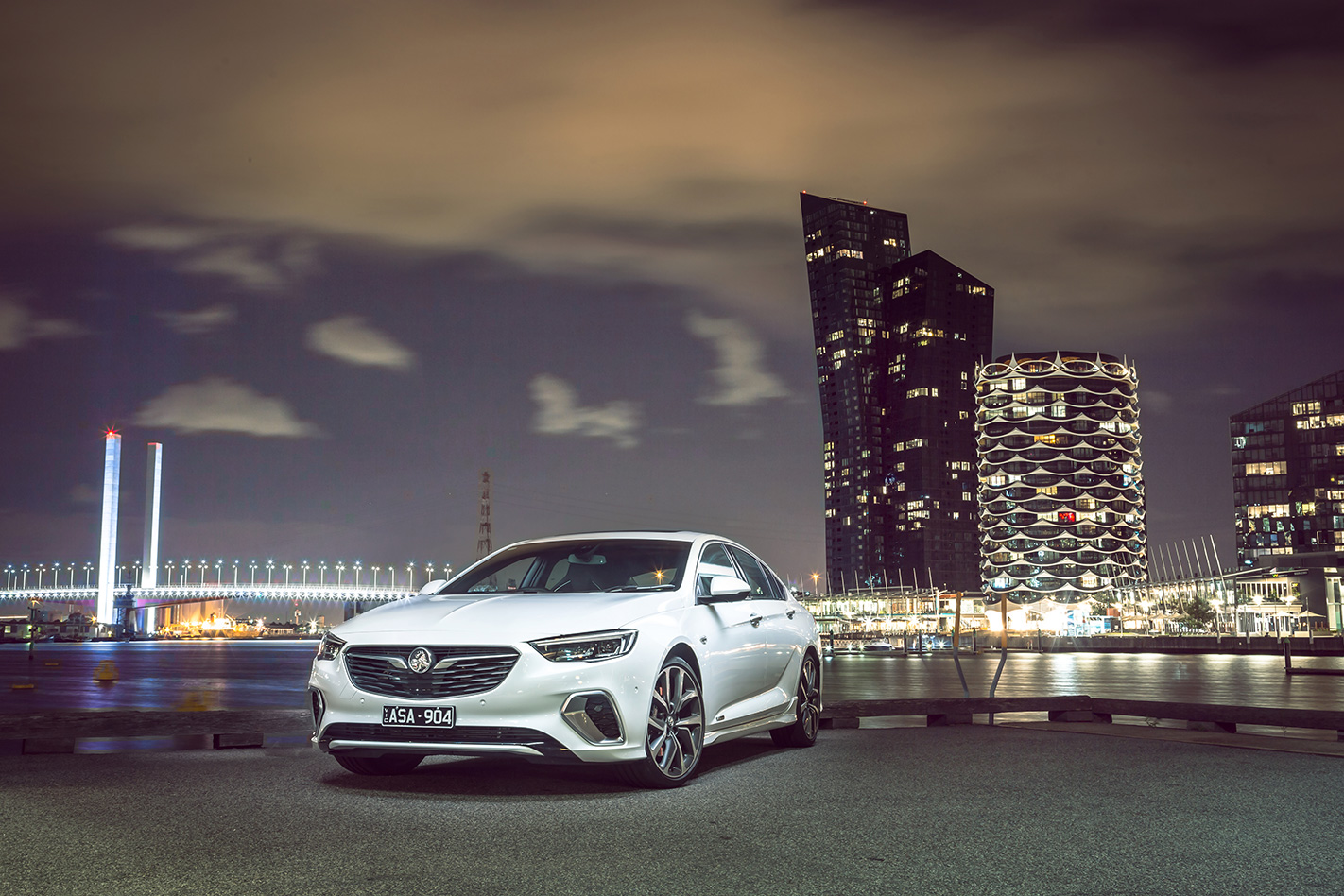
While Holden is recovering from its all-time low of 3927 sales in July, the Red Lion is still limping. The company managed to shift 4651 cars during the month of September to slot into ninth place, (it currently sits in sixth in year-to-date metrics), but this time last year Holden was sitting in a far more respectable fourth place in both monthly and YTD sales.
Compared to the same point last year, Holden is down 14,898 sales overall.
The best-selling vehicle for the month was the Toyota Hilux, which stomped home with 4338 registrations, over 1000 more than the second-placed Ford Ranger (3228). That means if the Hilux was a car company, it would have placed 11th for monthly sales, just behind Honda which had 4528 registrations across its entire range.
Reinforcing Toyota’s stranglehold on the market was the Corolla, which racked up 2917 registrations to be the best-selling passenger car in September
The Mitsubishi ASX was the best-selling SUV for the month, sitting fifth on the top 10 list with 2138 sales. This is a 40 percent increase on the same month last year.
Overall, the new car market softened in September, down 5.5 percent to the same time last year. However the SUV segment as a whole remains strong, bucking the national trend to increase sales by 6.2 percent.
This is largely due to the strength of the small SUV class, which is undergoing a boom lately with an increase of 25.7 percent in year-on-year sales.
Passenger cars continue to decline in popularity, now only accounting for one third of the total market.
