
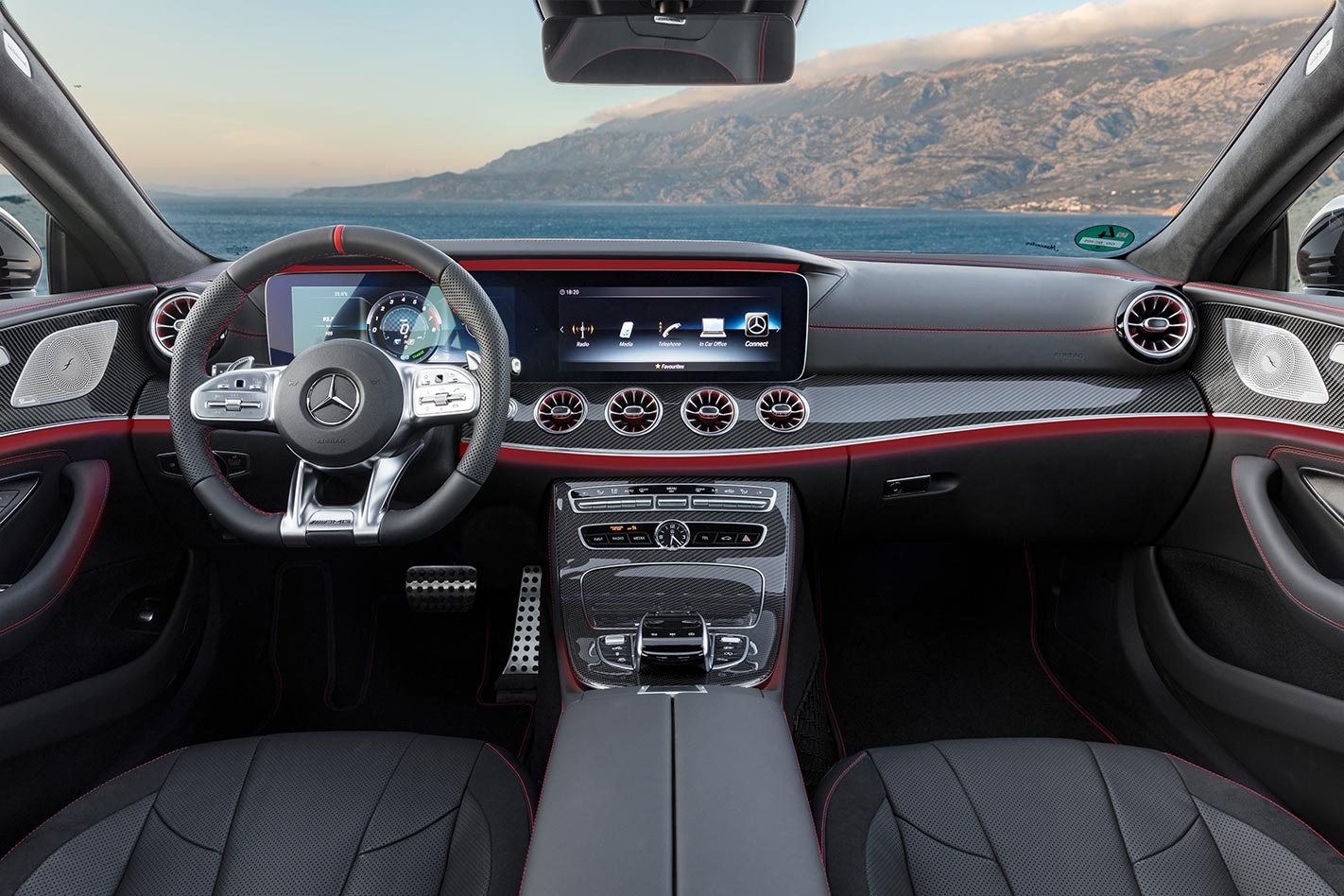
Mercedes-AMG’s model onslaught continues with the release of the CLS53, as does its diversification into new powertrain solutions.
Debuting at the Detroit Motor Show, the CLS53 returns to Mercedes’ roots by using an inline six-cylinder engine, while also casting one eye to the future thanks to its mild hybrid system.
The 3.0-litre turbocharged inline-six produces 320kW/520Nm of its own accord, however, the ‘EQ Boost’ electric motor, fitted between the engine and transmission, adds an extra 16kW/250Nm, operates as a starter-alternator, generates power for the 48-volt electrical system and allows the use of an electric compressor to effectively eradicate turbo lag.


Visually, the CLS53 can be identified by the twin-blade grille in silver chrome, which also adorns the front splitter and fins in the outer air intakes, while at the rear there are twin tailpipes and a boot spoiler.

NISSAN has dropped a concept crossover at the Detroit Motor Show that provides some hope that even something as prosaic as a battery-powered SUV can look exciting.
Roughly the same size as an X-Trail, the three-row, six-seat Nissan Xmotion concept fuses Japanese culture and traditional craftsmanship with American-style utility and Nissan’s ‘Intelligent Mobility’ tech.
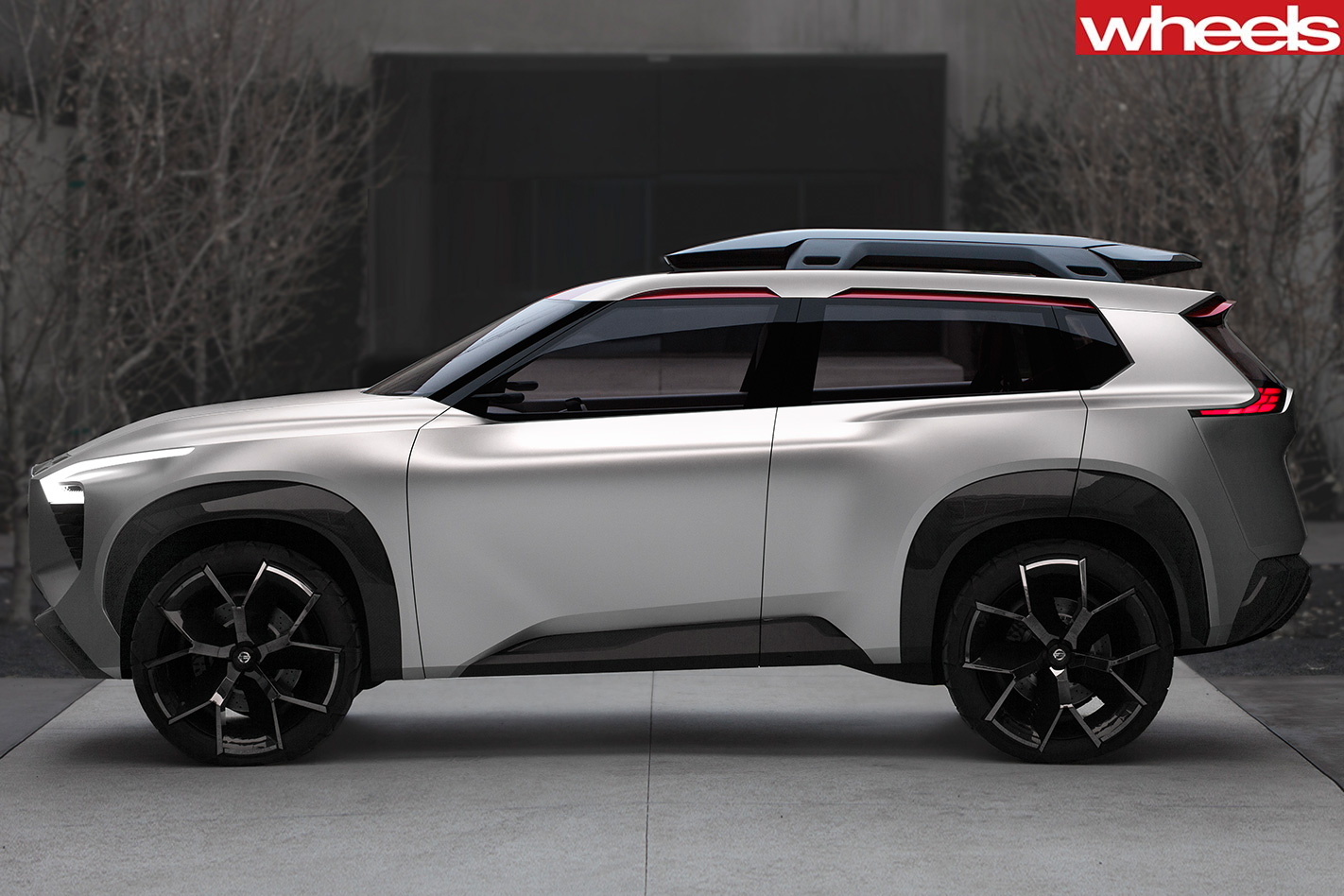
However the emphasis of the concept is mostly on its design, with no mention of specific autonomous capabilities or powertrain details beyond the fact that it’s electric. Nevertheless it’s a show stopper.
Nissan’s designers have put its traditional SUV design language through boot camp, where it’s been beefed up with bulky fenders and razor sharp lines complemented by not-so-subtle garnishes around the cavernous front intakes. A set of huge 21-inch alloys don’t exactly fly under the radar either.
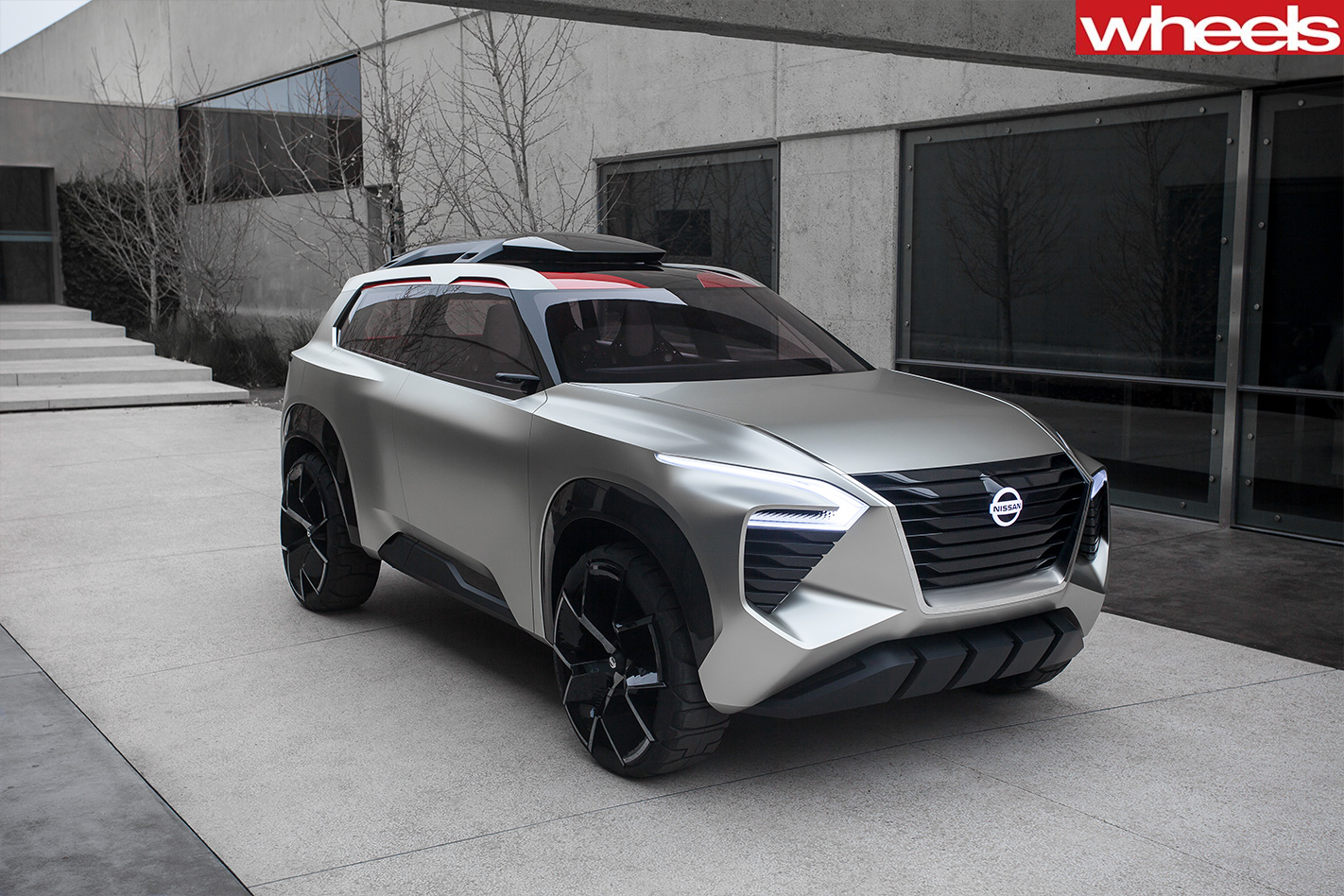
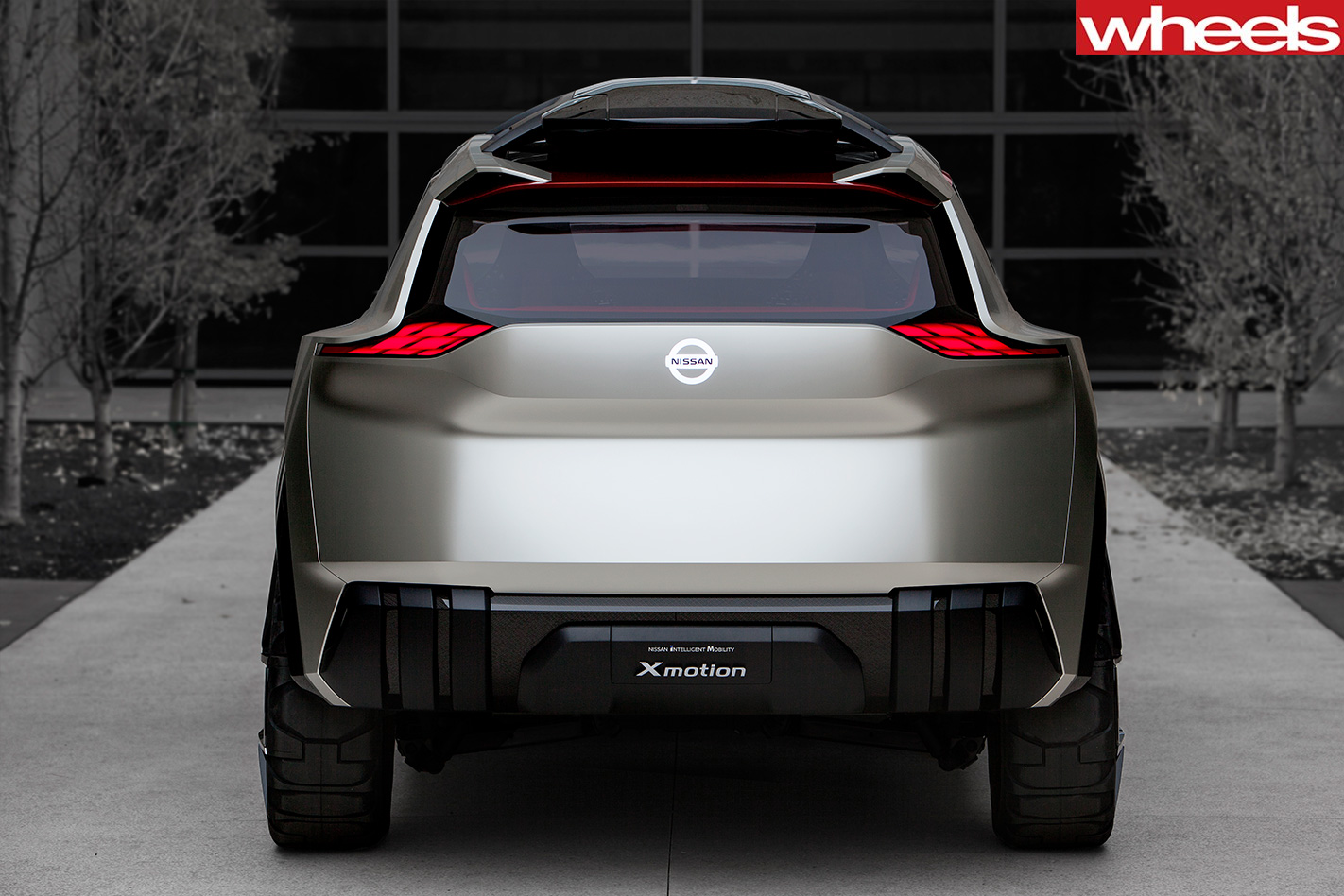
There are also bold extrapolations of current Nissan design cues like the company’s V-motion grille and signature “boomerang” headlamps. Down the back, the Xmotion’s tail-light design, which uses hologram technology, was inspired by the detail and warmth of Japanese kumiko woodwork.
The designers were also inspired by the notion of “purposeful strength” and penned the car’s ‘outer’ as protective armour for the high-tech interior and its occupants.
The doors open jaw-like, with the aperture sans centre pillar to reveal an equally-dramatic interior with three rows of side-by-side individual seats. Called a ‘4 +2’ layout, it’s designed to provide a perfect space for “a young couple, another couple and two children or pets in the third row”. Active yuppies appear to be the target demographic of this one.
In order to accommodate the third row of seats while still providing plenty of cargo capacity, the Xmotion concept includes an aerodynamically designed retractable “rooftop box” to carry extra gear.
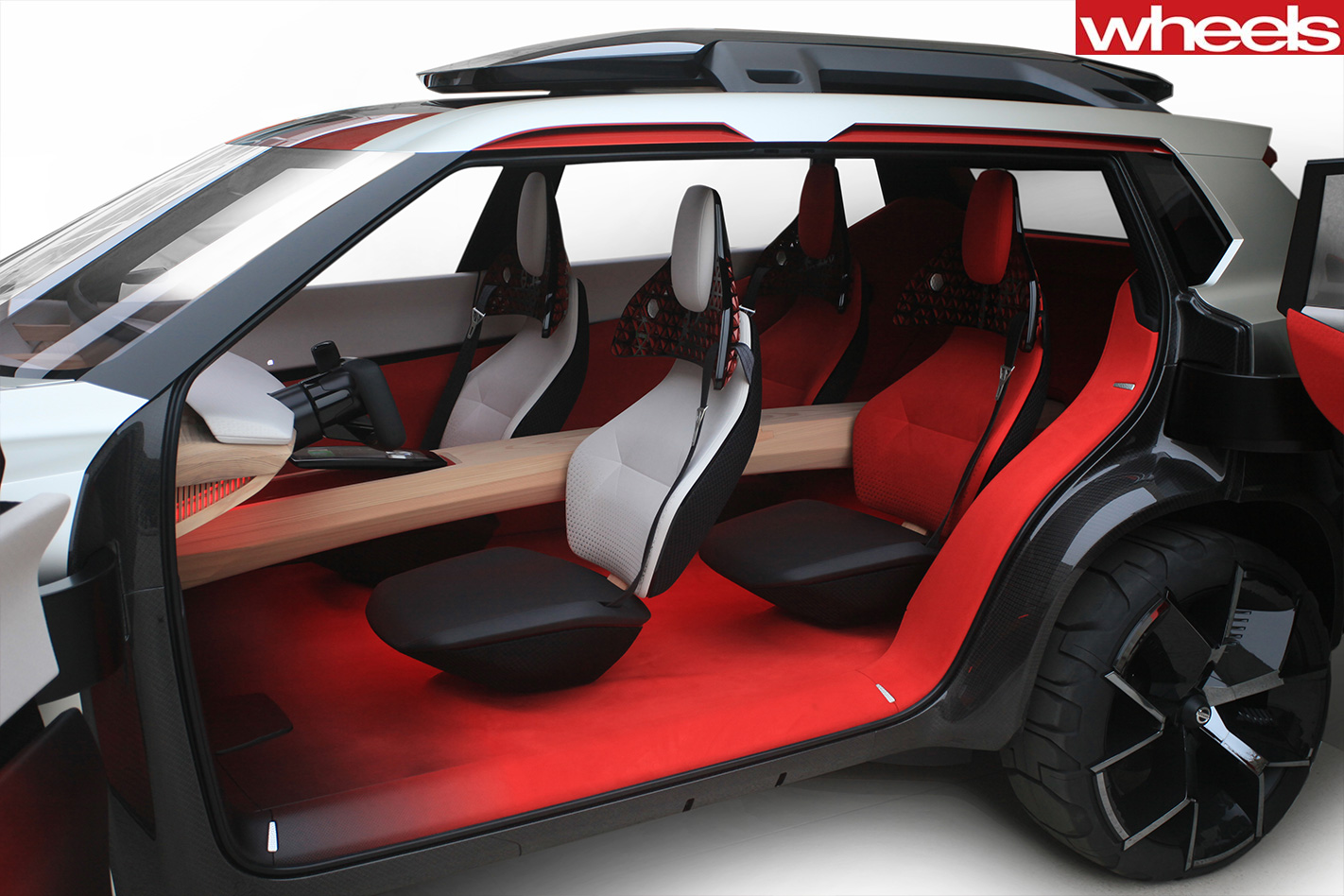
The interior is inspired by traditional Japanese elements combined with futuristic trends. Chronologically contrasting styles are evident, from the starship-esque dashboard to the hand-crafted timber centre console that runs along the length of the car. The latter is meant to represent a bridge over a river that connects the front and rear passenger areas, but it looks more like the driver is trying to get a length of timber home from Bunnings without roof racks.
The Xmotion concept’s instrument panel design is a modern interpretation of traditional kigumi wood joinery, and houses no less than seven digital displays which can be controlled by gestures and eye movements.
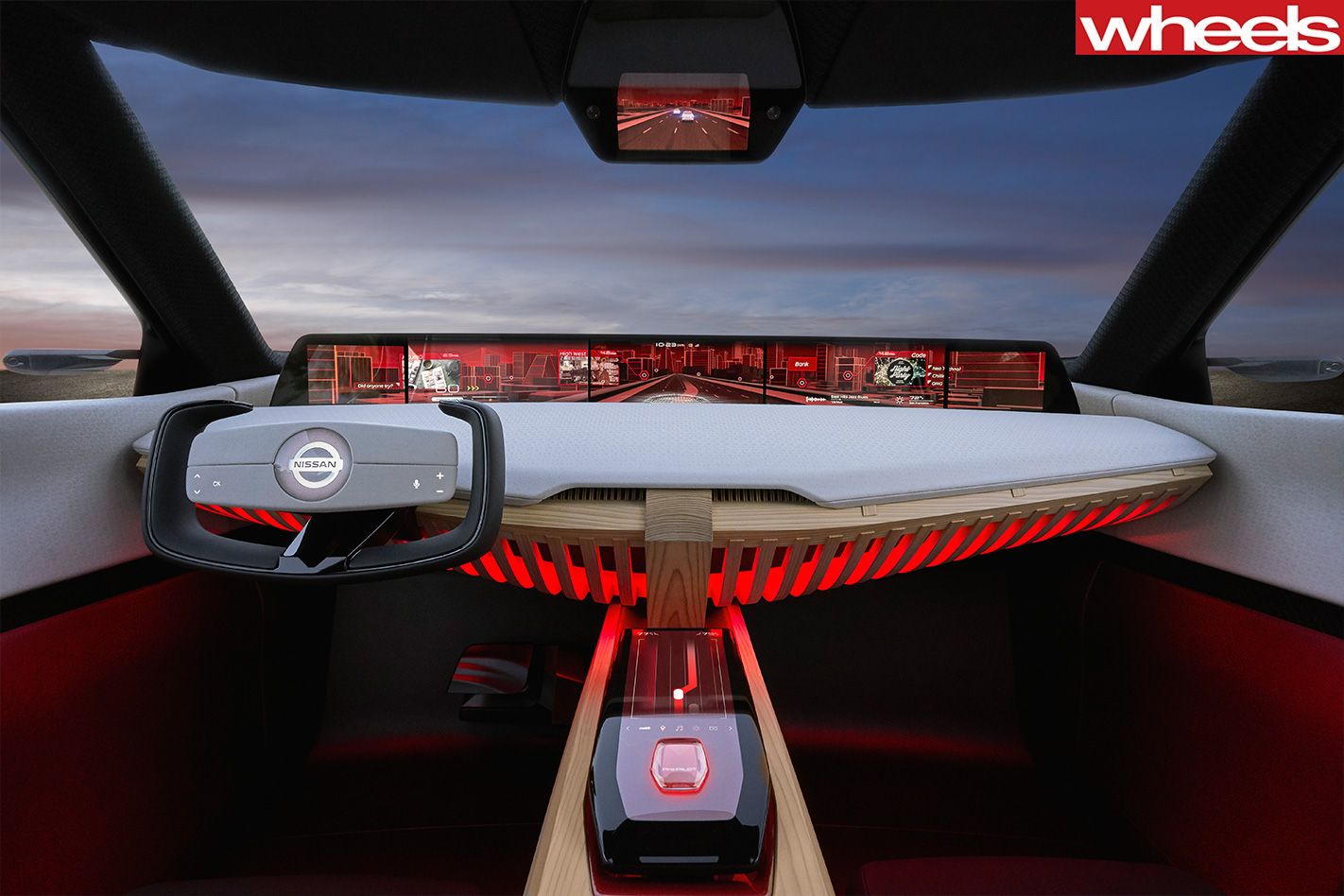
Intuitive controls and a voice command system allow drivers to focus on driving, helping them access various information in a smart, easy and safe manner.
“We envision the Xmotion concept to be a highly functional SUV that can be driven every day, yet can take the owners and friends to a national park or recreation area on a whim,” said Nissan’s vice president of global design Alfonso Albaisa
“With its combination of style and technology, this concept fulfills Nissan’s mission of moving people to a better world.”
Motorsport legend and pioneer of modern open-wheeled racing Dan Gurney, born 1931 in New York, has passed away, aged 86, due to complications from pneumonia.
The man who most prominently raced in Formula 1, Indy, and NASCAR was also a racecar builder and team owner, having started motorsport team and manufacturer All American Racers (AAR).
Most notably, Dan Gurney is one of a handful of American drivers to have won a Formula 1 race, and his four GP wins are second only to Mario Andretti’s 12 for American drivers.
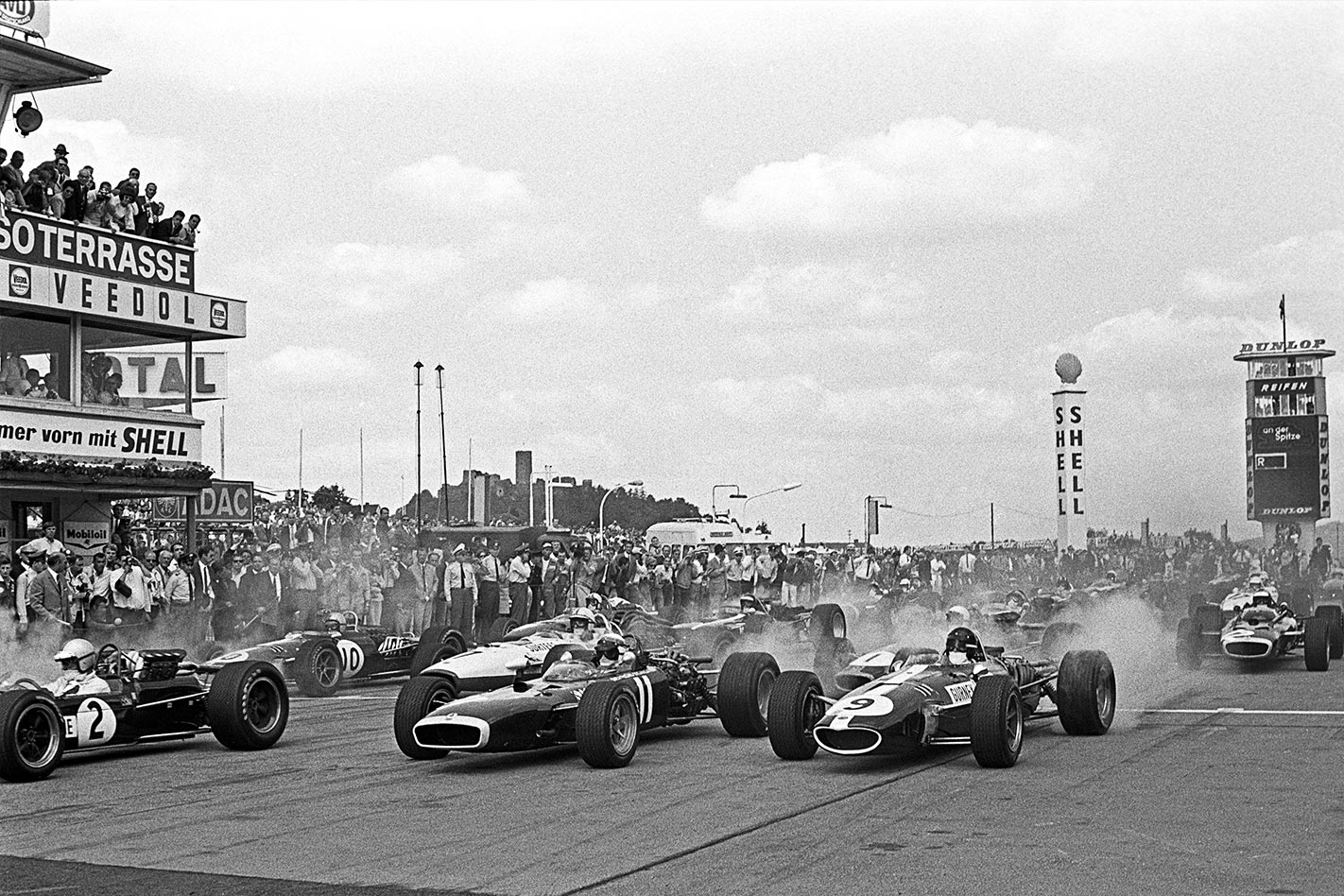
Gurney had built cars – badged ‘Eagle’ – which were raced by the likes of Bruce McLaren and Geoff Brabham across F1 and Indy respectively, as well as having driven them himself.
He is the most recent Formula 1 driver to have won in a car of his own construction. As well as this, Gurney has a couple of ‘firsts’ to his name.
It is believed Gurney was the first F1 driver to spray champagne from a podium, after his 1967 24 Hours of Le Mans victory.
Gurney also created the Gurney flap, a small addition to a car’s rear wing which can noticeably improve cornering speed and downforce without creating significant drag.
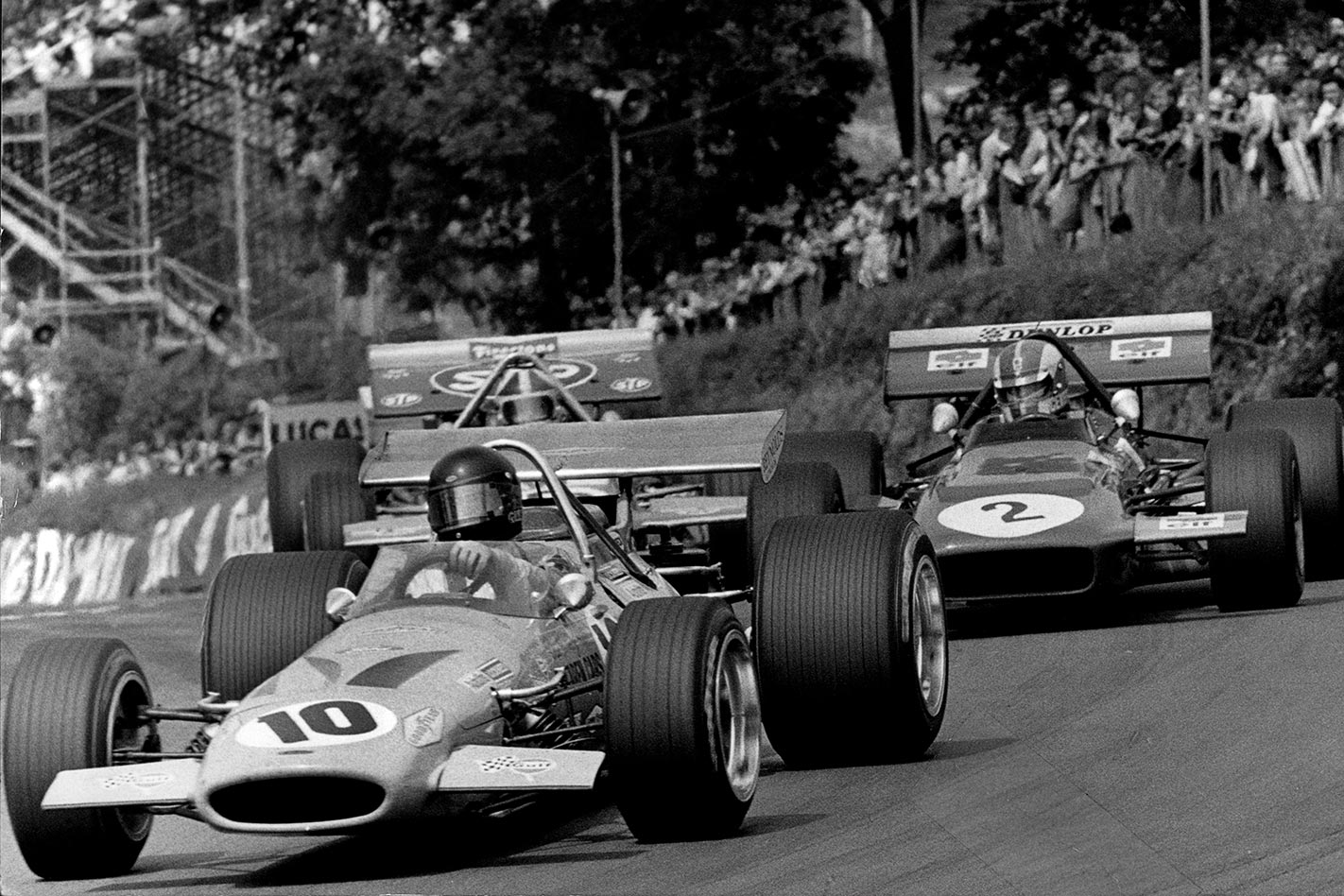
Gurney was also the first driver to win a Formula 1 race for Porsche, Brabham, and his own AAR team.
As well as his many achievements and influences in F1, Gurney can be credited with helping create the organisational system (Championship Auto Racing Teams, or CART) which makes Indy racing what it is today.
In its early days, poor organisation and struggling teams prompted Gurney to pen a ‘white paper’ which resulted in team owners (notably Roger Penske) creating the CART organisation.

Gurney’s achievements are too great and varied to list, but it’s clear the motorsport world has lost one of its greatest contributors today.
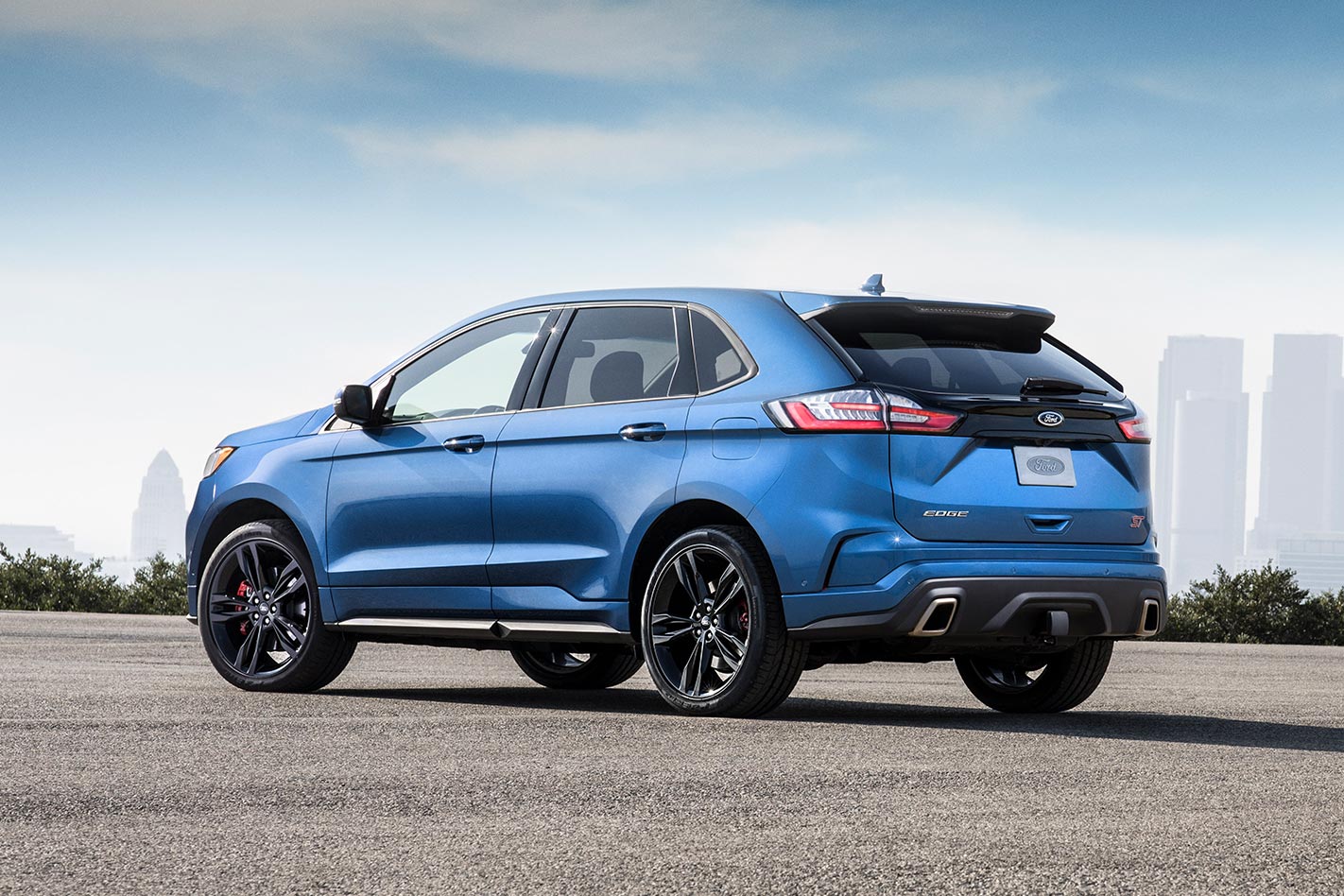
Ford has given one of its new cars the ‘ST’ treatment, but it’s not a little blaster like the Fiesta.
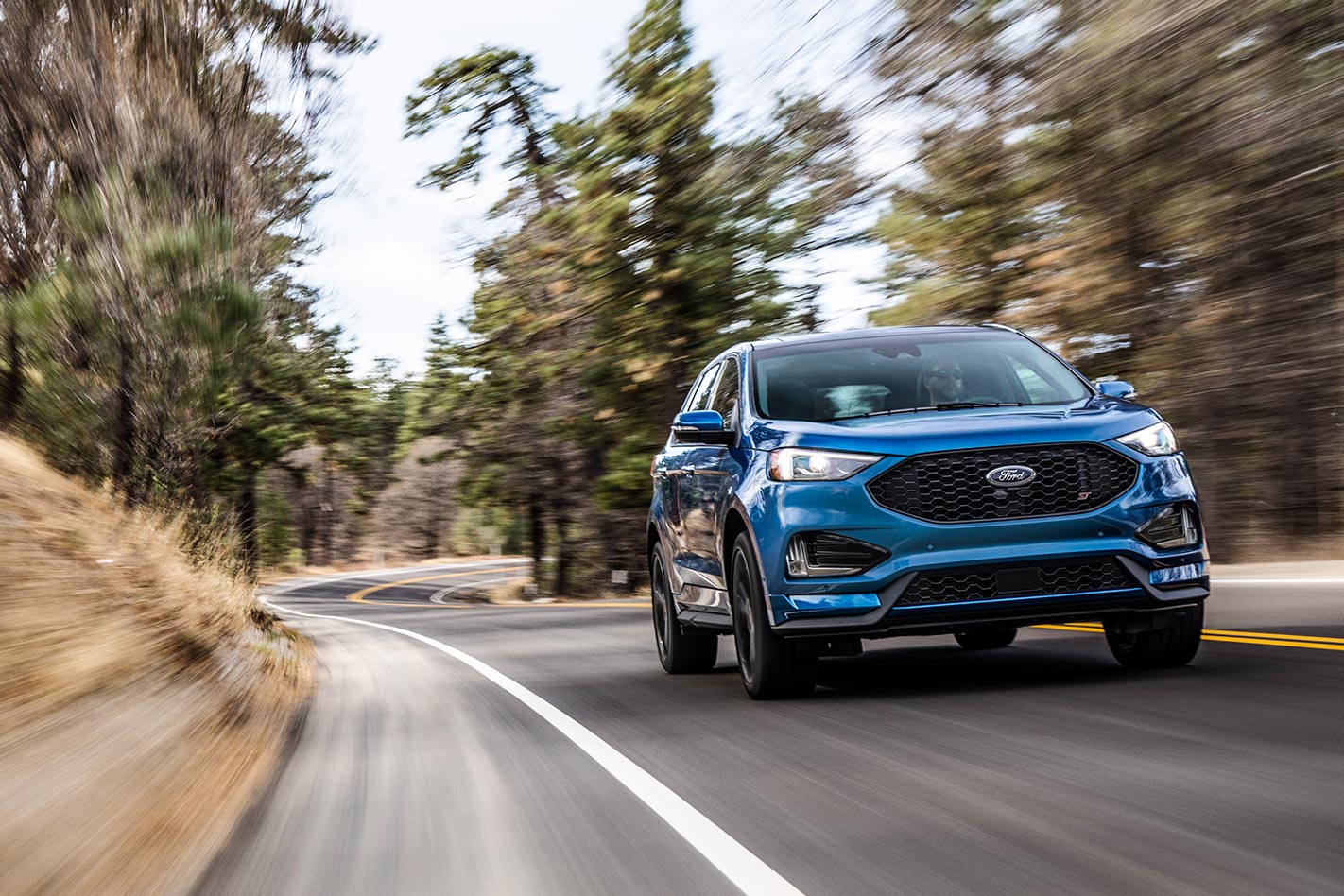
This is the Edge ST, an all-wheel drive SUV with 250kW and 515Nm to play with.
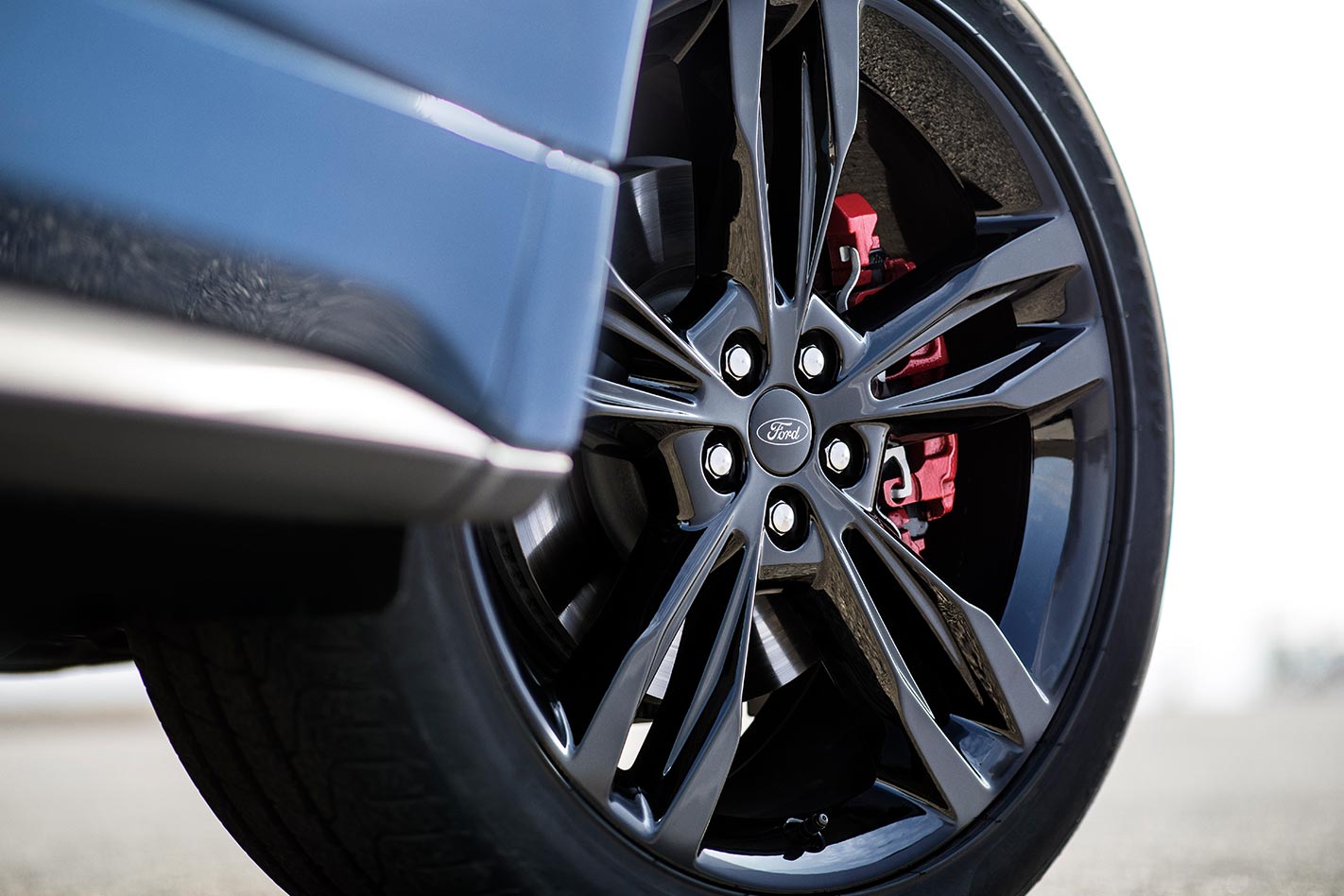
But the ST doesn’t just score a power upgrade – it’s also been given a new suspension setup thanks to Ford Performance, as well as an optional performance brakes pack.
“Edge ST puts a new animal on the road – a performance SUV with a track mentality,” Thai-Tang says.
“From a performance standpoint, and with its SUV silhouette and versatility, it sets a new standard Edge fans will love to drive.”
Engine braking also becomes more prominent, as does the Edge’s exhaust note.
Visually, the ST scores a mesh grille which looks more aggressive than the standard one, as well as tougher-looking side skirts and dual-exhaust outlets.
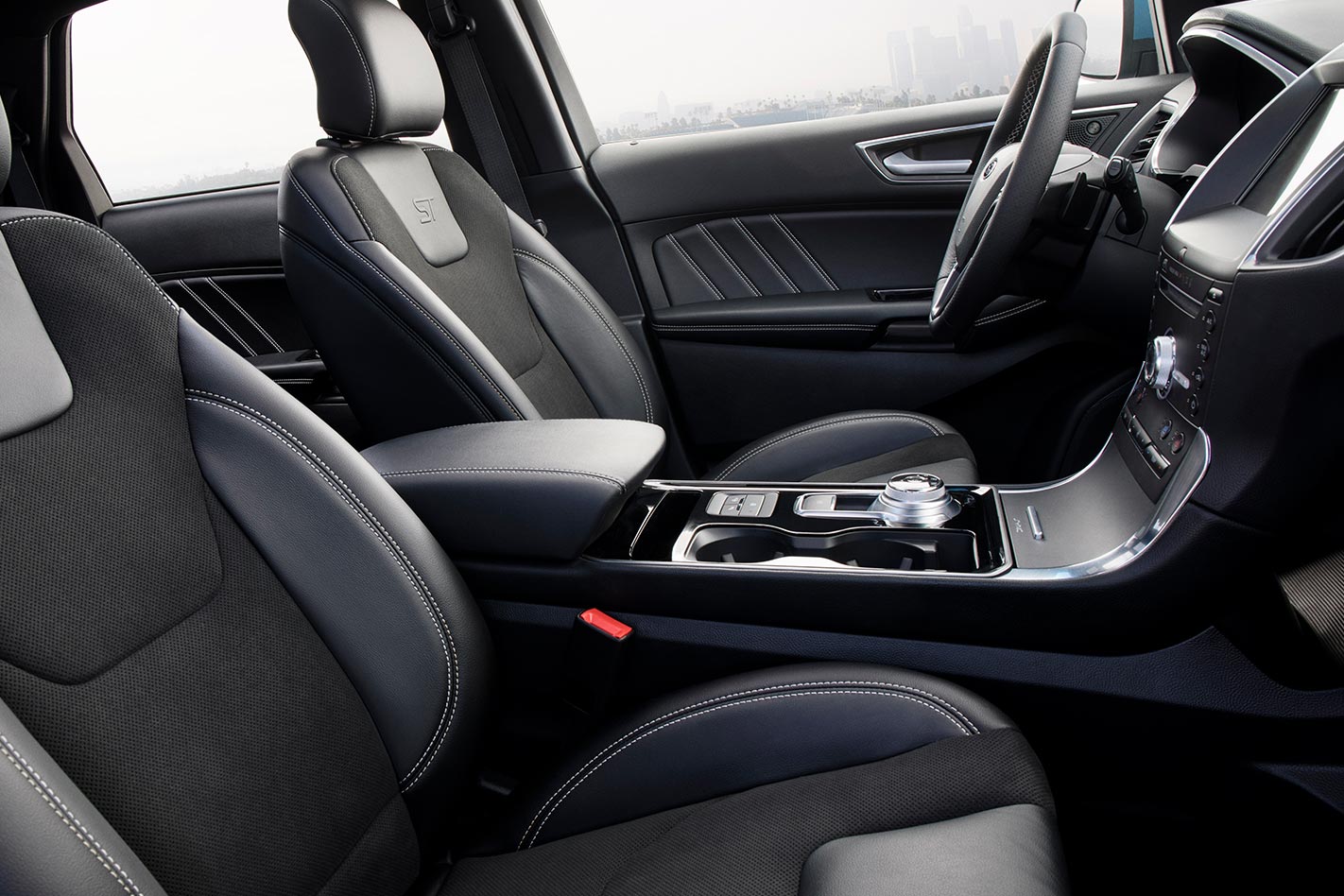
Optional 21-inch wheels are available, unique to the Edge ST, and extra badging appears on the uniquely-bolstered Edge ST seats, as well as the scuff plates and steering wheel.
FORD has revealed that it will bring the “Mach 1” badge out of retirement, and slap it on an all-new “performance battery electric vehicle” due in 2020.
Ford’s global executive vice-president, Raj Nair, confirmed the SUV would be built on an all-new platform, ruling out the idea that the vehicle would be based on the same underpinnings that will go underneath the Ford Ranger-derived Bronco, also due in 2020.
It was also confirmed via Ford’s North American communications manager Mike Levine, who posted “Is that all the news? Heck no. High performance battery electric SUV coming soon!” to Twitter, including an image of the Mach 1 logo.
The announcement sparked a big reaction from Ford fans online. “Don’t do it,” wrote one on Twitter. “You will have ruined the prowess of the Mach 1 name! Give us an electric fastback/hatchback Mustang instead to compete with the Tesla Roadster at a fraction of the price!”
“That is messed up… an electric Ford Mach 1? Why would they do such horrid things?” asked another. “We must stand against this proposed abomination! The Mach 1 is a two-door Ford Mustang and should always be a two-door Mustang!” was another reply.
The hi-po electric SUV project is also likely to be the first product from Ford’s Team Edison, a battery-electric vehicle skunkworks formed late last year with the single-minded purpose of fast-forwarding the US-based global car maker’s EV development. Ford has also recently consolidated all its future battery-electric platform development in Detroit.
At the time, the car maker announced that Sherif Marakby, its vice-president of autonomous vehicles and electrification and a Ford veteran who first joined the company in 1990, would lead the team.
“Ford is focused on driving its electric vehicle business forward, both with hybrid vehicles and full battery-electric vehicles with research led by Ford’s Team Edison,” Ford said. “The team is working to accelerate both the development and adoption of electric vehicles.”
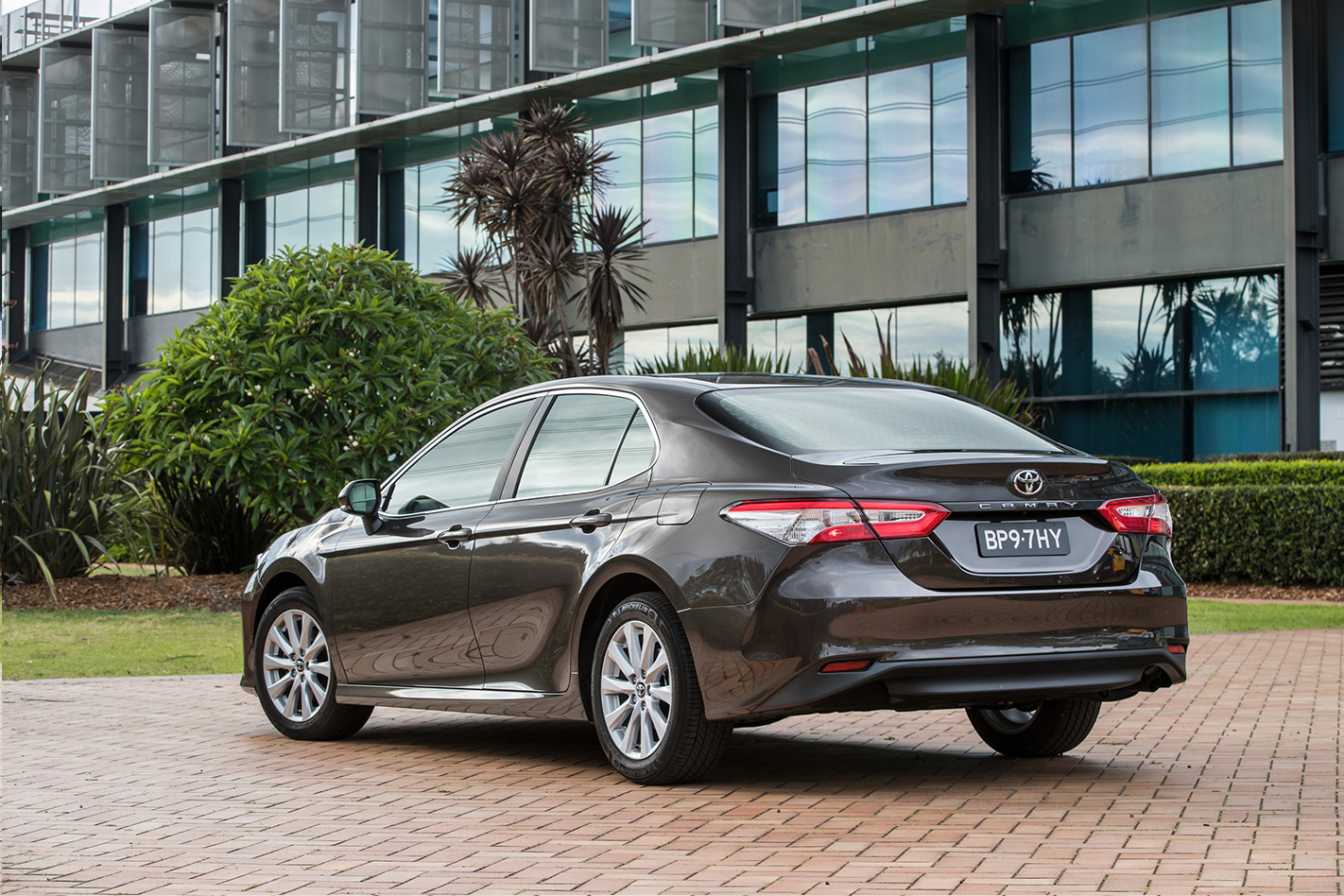
In the wake of the loss of Australian manufacturing, Toyota has replaced the formerly Australian-made version of the Camry Hybrid with a fully imported Japanese one.
TELL ME ABOUT THIS CAR
While it’s sad to think we’ve lost the ability to make things here, it has allowed Toyota to bring in the most advanced version of the Mazda 6 rival yet, featuring safety standards the locally made one sadly lacked.
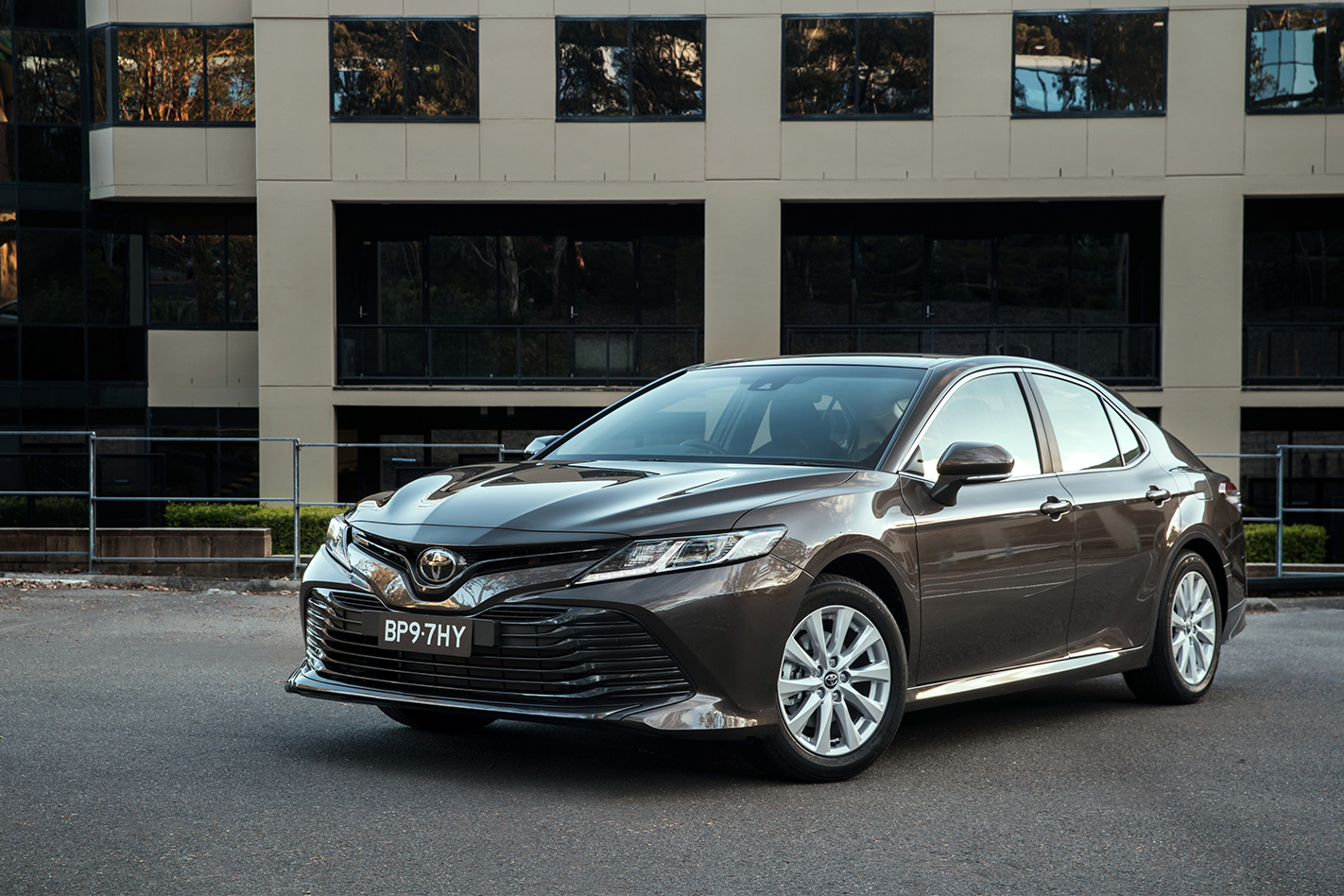
Here, we’re testing the Camry Ascent Hybrid, which at $29,990 is the cheapest petrol-electric powered Camry you can buy.
STRENGTHS
- It’s the most advanced Camry we’ve driven yet. The latest generation of the Camry, its eighth, moves to what is called the Toyota New Generation Architecture. It brings big advances in terms of crash safety, the driver aids that Toyota can build into the car, and the way it drives.
- Parts of the Camry are really well built. The panel gaps and shut lines – the gaps between a closing door and the rigidly fixed panels around it – are tight and consistent. It’s almost luxury car in its measurements.
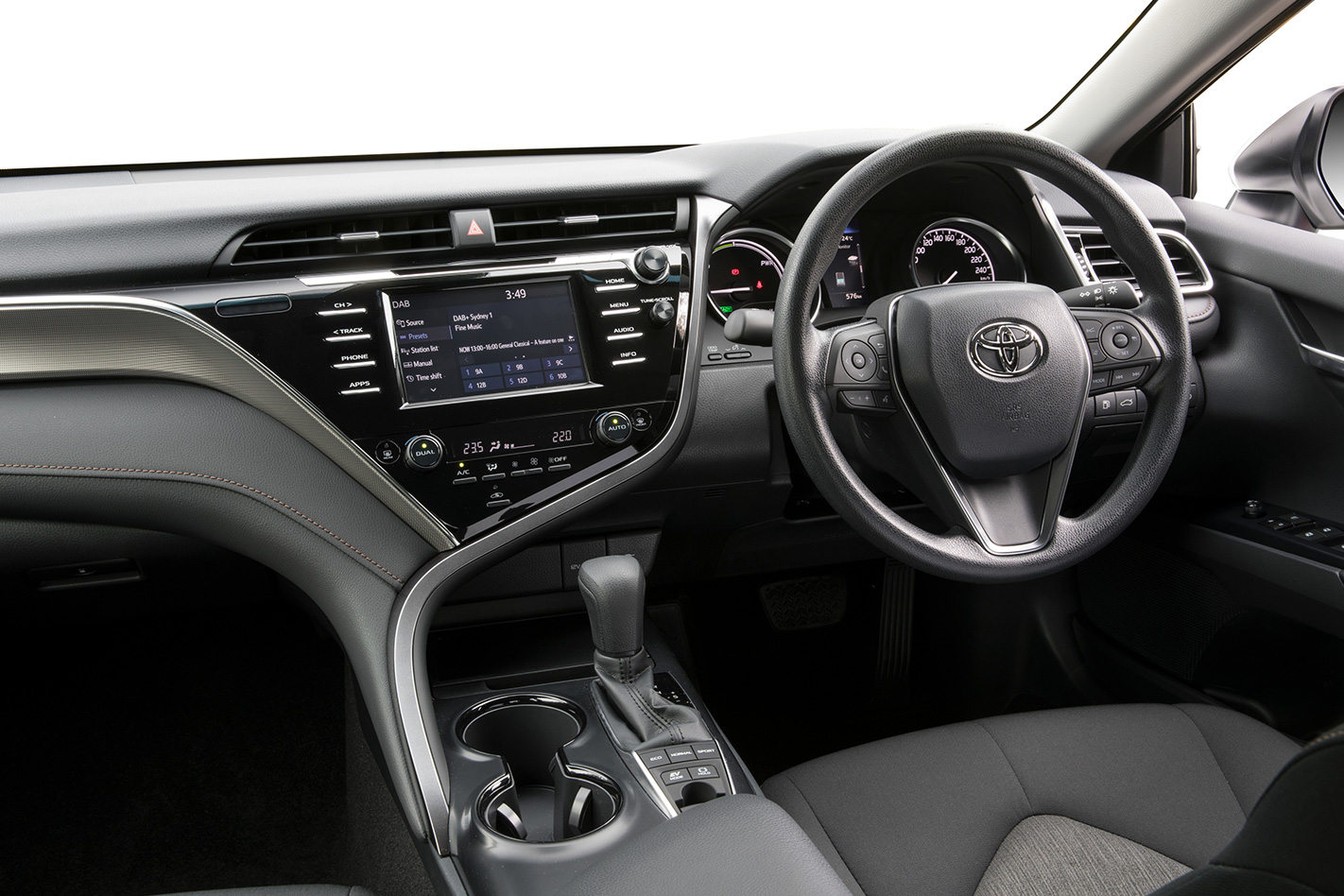
- It’s much more comfortable inside than before. Soft-touch surfaces – either plastic or fake leather – cover almost every area that a hand or elbow falls.
- Interior space is generous. The Camry will seat five adults in comfort. The driver’s seat includes electric lumbar adjustment.
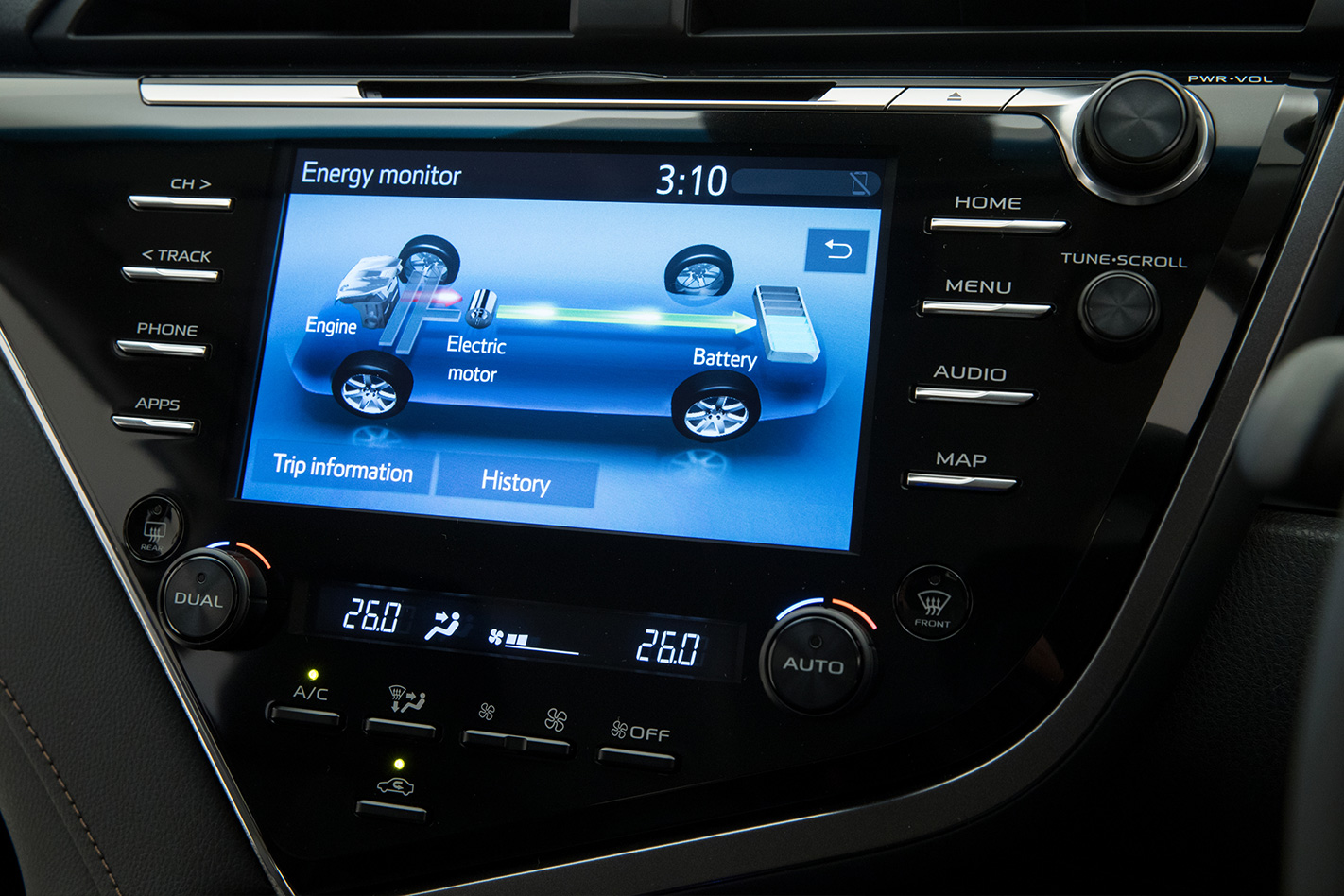
- The hybrid drivetrain is a powerful combination. Jump away from the traffic lights, and the combined 160kW 2.5-litre petrol four-cylinder engine and its electric motor feels more like a V6 in the way it builds speed. In the wet, you may even spin the front wheels.
- It rides and handles very well. The Camry is able to soak up all the imperfections of the road surface, and it’s even a bit of fun to tip into a corner. That’s very un-Camry-like.
- Fuel economy is very good. On test, we averaged 4.9L/100km according to the trip computer.
- It’s well kitted out for a relatively cheap car. The Camry Ascent Hybrid has keyless entry and push-button start, an electric handbrake, a digital speedo, active cruise control, and a system that will beep at you if the Camry starts to drift out of its lane.
- The six-speaker audio system is good. Sound reproduction is better than you’d expect in what is, in the scheme of things, a cheap sedan.
- The steering feel is much improved over the previous version. The Australian-built Camry’s overly assisted steering was never a strong point, but in this version you feel more of a connection with the front wheels.
- It’s quiet. The cabin is a step-up for suppressing road noise, and the 17-inch alloys wrapped in 215/55 profile tyres are a relatively quiet combination.
- Rethinking the way the batteries are packaged means the rear seats can now split-fold 40:60 via levers in the boot. It adds versatility – the Aussie-made car couldn’t fold its rear seats down.
WEAKNESSES
- The hybrid system still feels very second-generation Toyota Prius. You get a sense the Camry Hybrid uses hand-me-down technology rather than the latest and greatest reserved for its environmental poster car.
- The brake pedal is awkward to use. The Camry uses regenerative braking to mop up energy normally lost through braking, and converts it into electricity that is stored in the batteries housed beneath the rear seat. However, the electronics that scrape the braking power come in rather suddenly, making smooth braking difficult. It feels as though you’re either pushing the pedal too much, and then in the next moment too little.
- The multimedia system doesn’t support Apple CarPlay or Android Auto. Instead, you have to register online and then download a Toyota app to your phone, and use software that feels more at home running on a desktop computer with a CRT screen.
- It feels a bit cheap from the driver’s seat. The cloth on the flat front seats feels like someone has turned a wetsuit inside out, while you grip a plastic steering wheel.
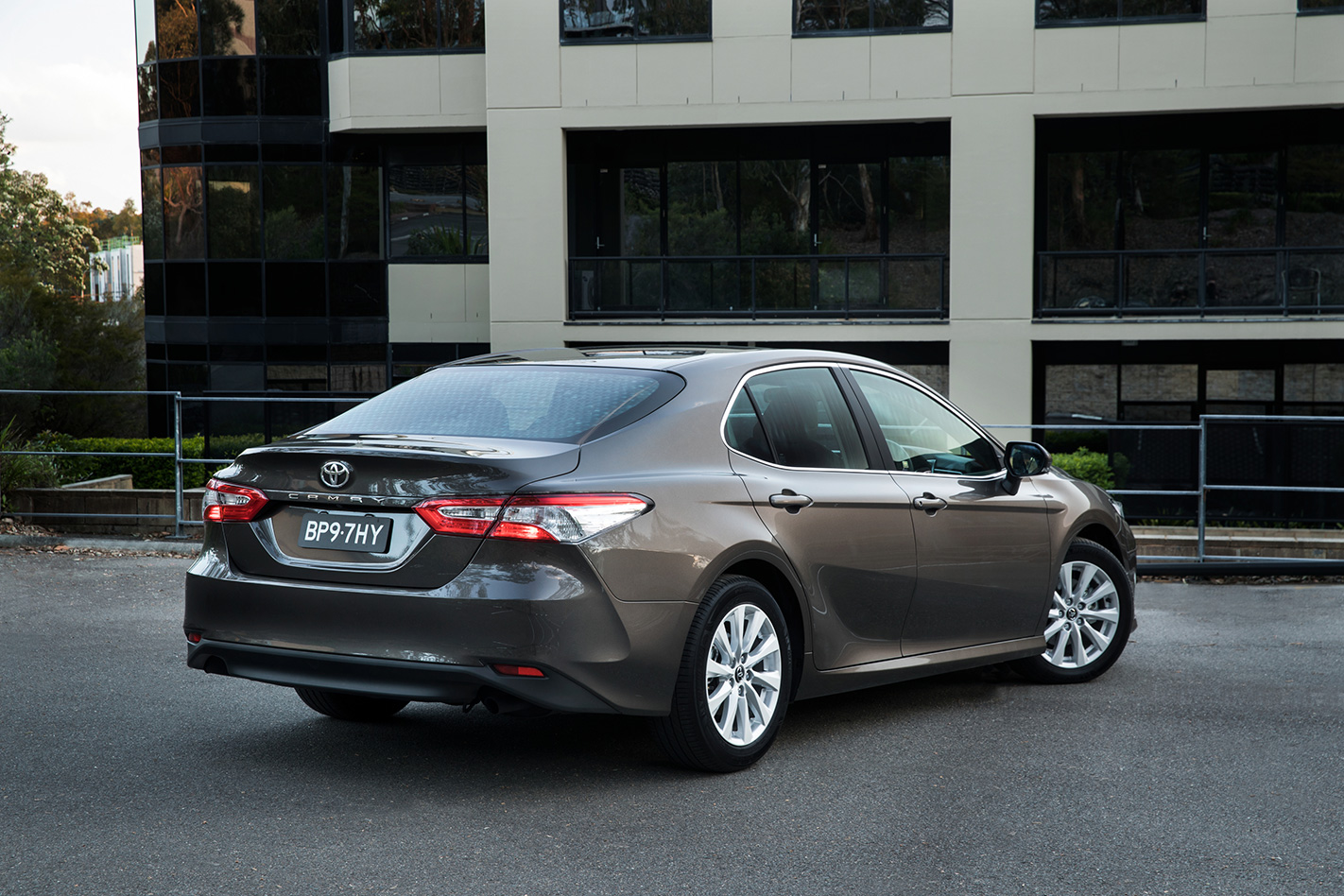
- Parts of the Camry aren’t built so well. We found a large gap between panels on the centre console, and even the way the rocker cover on the door sill integrates with the front panels looked a bit off. Toyota quality is usually better than this.
- Only the driver’s door would unlock when you pulled on the inside door lever. It meant front- and rear-seat passengers had to unlock their door before opening it. I could not find a setting that would switch that feature off.
- The headrests in the rear seats are fixed rather than adjustable. It means they don’t offer any active whiplash support that can minimise neck injuries in a rear-end shunt.
ANY OTHER RIVALS I SHOULD CONSIDER?
The Toyota Camry is the only hybrid-engined midsize sedan in its class. However, you may also want to consider the Volkswagen Passat, Mazda 6, Skoda Octavia, Honda Accord, Kia Optima, Ford Mondeo, Hyundai Sonata, Holden Commodore, and Subaru Liberty.
Let’s talk about Jamie Whincup. You probably don’t like him, but you should.
Whincup is a great guy. You only see him when he wins races. Which he does a lot. More than anyone else in Supercars history. And when he’s up on the podium or talking in media conferences, you’d swear he’s had a charisma bypass.
So while you respect his achievements – he’s now a seven-time Supercars champion – you are unlikely to warm to Whincup. He’s not bubbly and fan-friendly like Craig Lowndes. He’s not as engaging as Scott McLaughlin. And he’s definitely not as colourful as David Reynolds. Whincup is admired, but not loved. Throughout his decade-long domination, most fans have regarded him as clinical and arrogant. While they are right about the former, the latter is a misconception.
He’s actually thoughtful, respectful, honest and incisive. Intense and driven, sure, but there is a lighter side to J-Dub. It’s just that he doesn’t show it in public. Away from the track, he’s fun-loving and relaxed. He can also be disarmingly introspective.
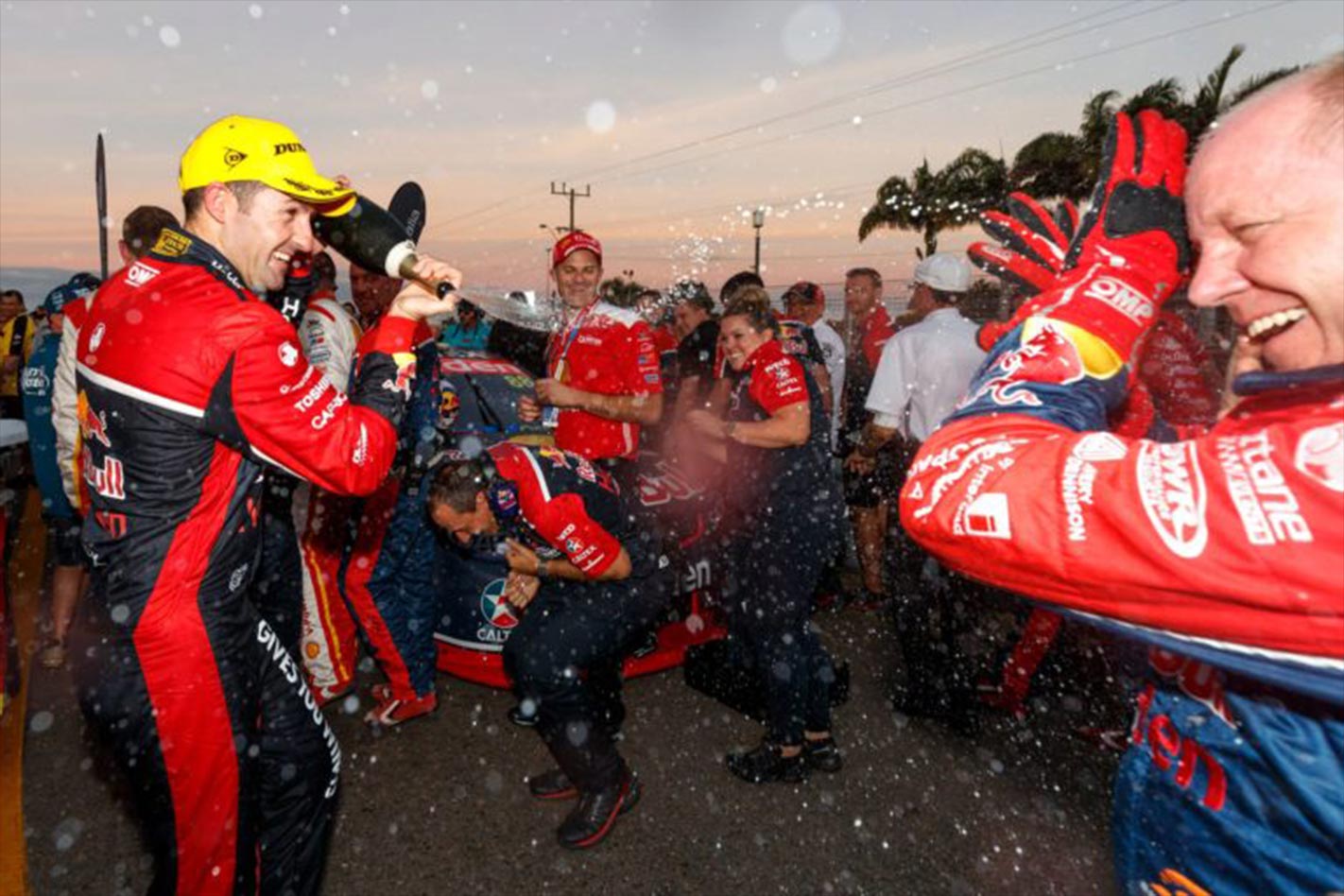
Mind you, his lack of rapport with the fans is his own fault. He tried so hard to be humble that it had the reverse effect. The fact that he was the underdog in 2017’s title fight may have improved his image. There were signs that people warmed to him as he stayed in contention through sheer grit against a faster opponent. He and Triple Eight weren’t the ones to beat as Scott McLaughlin and DJR Team Penske emerged as the top combination.
As well as winning support as he gamely fought on, Whincup changed some perceptions with a more relaxed demeanour out of the car. His external reaction to the relative adversity was composed and genuine, as was the emotional relief he displayed after claiming the title against the odds. But while his public persona showed signs of thawing, don’t expect his race-driver personality to change. He will never be a colourful character. He takes his racing too seriously.
Whincup is a winning machine. And even when he is not winning, he is relentless. Never gives up. Ever.
Which is how he won the 2017 Supercars crown in extraordinary circumstances. Honestly, you couldn’t have come up with such a dramatic ending. When it all fell apart for McLaughlin on the brutal Newcastle street circuit, Whincup did what he had to do – the only thing he could do – to snatch the title. He won the race.
It was only his fourth victory of the season, but it was the one that really mattered. He hung in with the same tenacity that kept him in contention despite being outgunned by McLaughlin and DJR Team Penske, scoring podiums and points with metronomic consistency.
While McLaughlin had stunning speed and Roger Penske’s takeover of Dick Johnson Racing finally made the reorganised team the formidable foe it was always going to be, there were still enough errors to undermine their clear advantage. That was never more apparent than in the fateful final race. After an early pit lane speeding penalty, McLaughlin became the architect of his own demise. His fightback was heroic, but flawed.
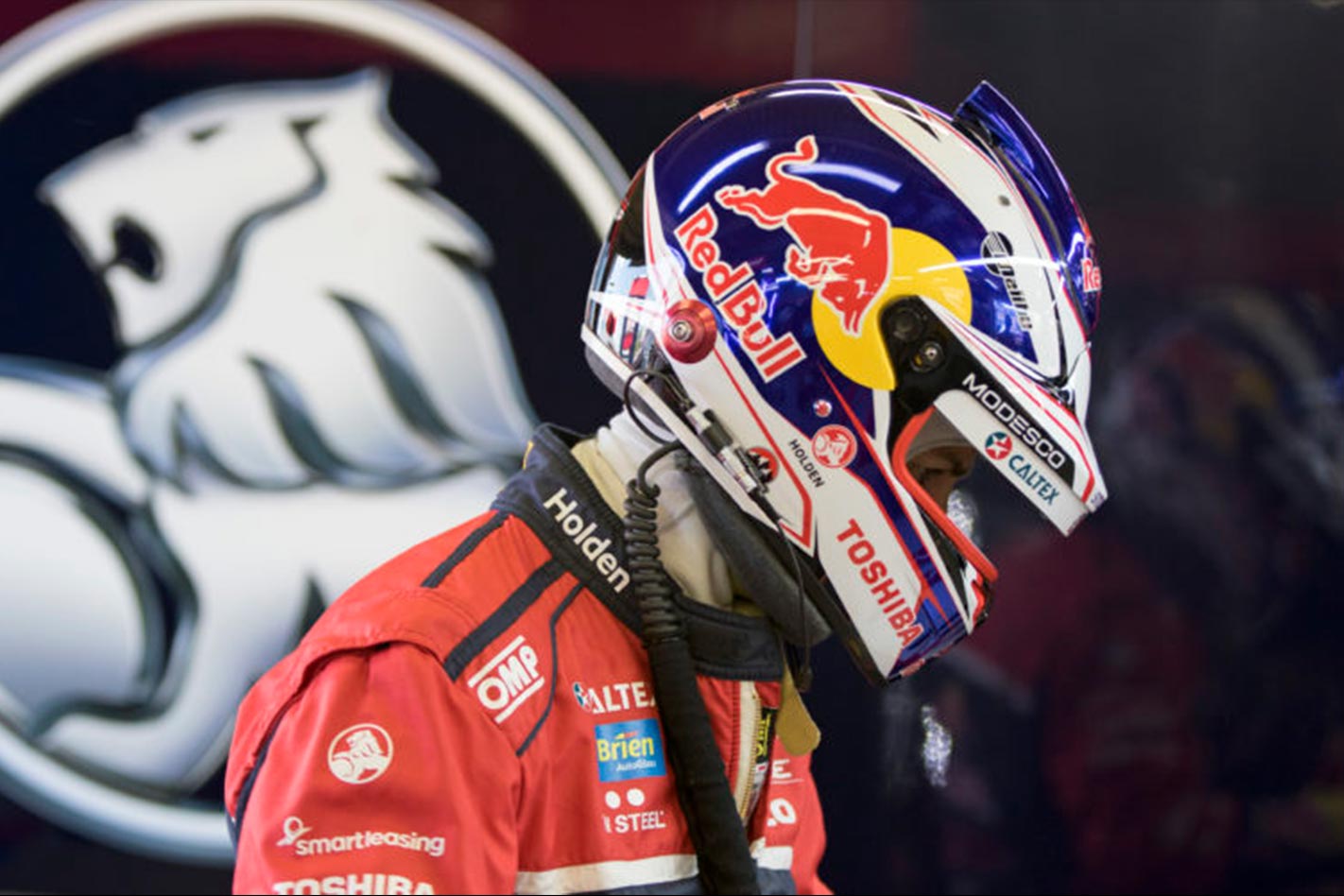
His gutsy effort was later tarnished by DJRTP publicly disputing the speeding charge that began the charismatic Kiwi’s spiral to defeat, releasing its own on-board data to show he didn’t exceed the 40 km/h pit lane limit. The passive-aggressive posturing smacked of sour grapes and was at odds with the fair play that has traditionally characterised Penske’s approach. It also ran the risk of exposing the team to a charge of bringing the sport into disrepute. Nothing should be taken away from Whincup’s unlikely triumph. His resolve and resilience were the marks of a true champion. He may never be as fondly remembered as a Brock, a Johnson or even a Moffat, but his achievements must earn him serious consideration as Australian touring car racing’s Greatest Of All Time.
Arguments will of course rage about who that is exactly, but consider this. J-Dub will have only just turned 35 when the 2018 season starts in Adelaide on the first weekend of March. His quest for more success is far, far from over.
Main image credit: Getty/Daniel Kalisz, Stringer
COMPETITION NOW CLOSED. CONGRATULATIONS TO:
Major prize winner: Fiona M. QLD Runner up prize winners: Adam G. NSW, Alistair F. NSW, Luke G. NSW, Vas. S. NSW, Vanessa. H. NT
WHEELS readers are some of the most dedicated automotive enthusiasts around, so we wanted to give you a chance to have your voice heard regarding the 2018 Car of the Year.
It’s simple. Just cast your vote and tell us why you think it deserves to win the 2018 COTY title for a chance to win a $500 Visa card, plus five lucky runners up will receive a 12 month Wheels magazine subscription.
Unlike our panel of expert judges, you may not have had the chance to drive all 22 cars. But we’re sure you’ve read the reviews, seen our videos and maybe even considered their pros and cons. To help you make your decision, we’ve linked each contending car to their review. Just hover over the images and click through. Voilà.
Our Wheels COTY panel judge the contenders under five strict criteria: function, efficiency, value, technology, and safety. Below are some handy hints to keep in mind when making your selection:
- Function – How well the car does what it is intended to do.
- Efficiency – The car’s use of resources in manufacturing, design, and ownership.
- Value – How does it stack up against its rivals and against the wider new car market?
- Technology – Does it offer an advancement or advantage over its rivals?
- Safety – Both passive and active features that keep occupants and pedestrians safe
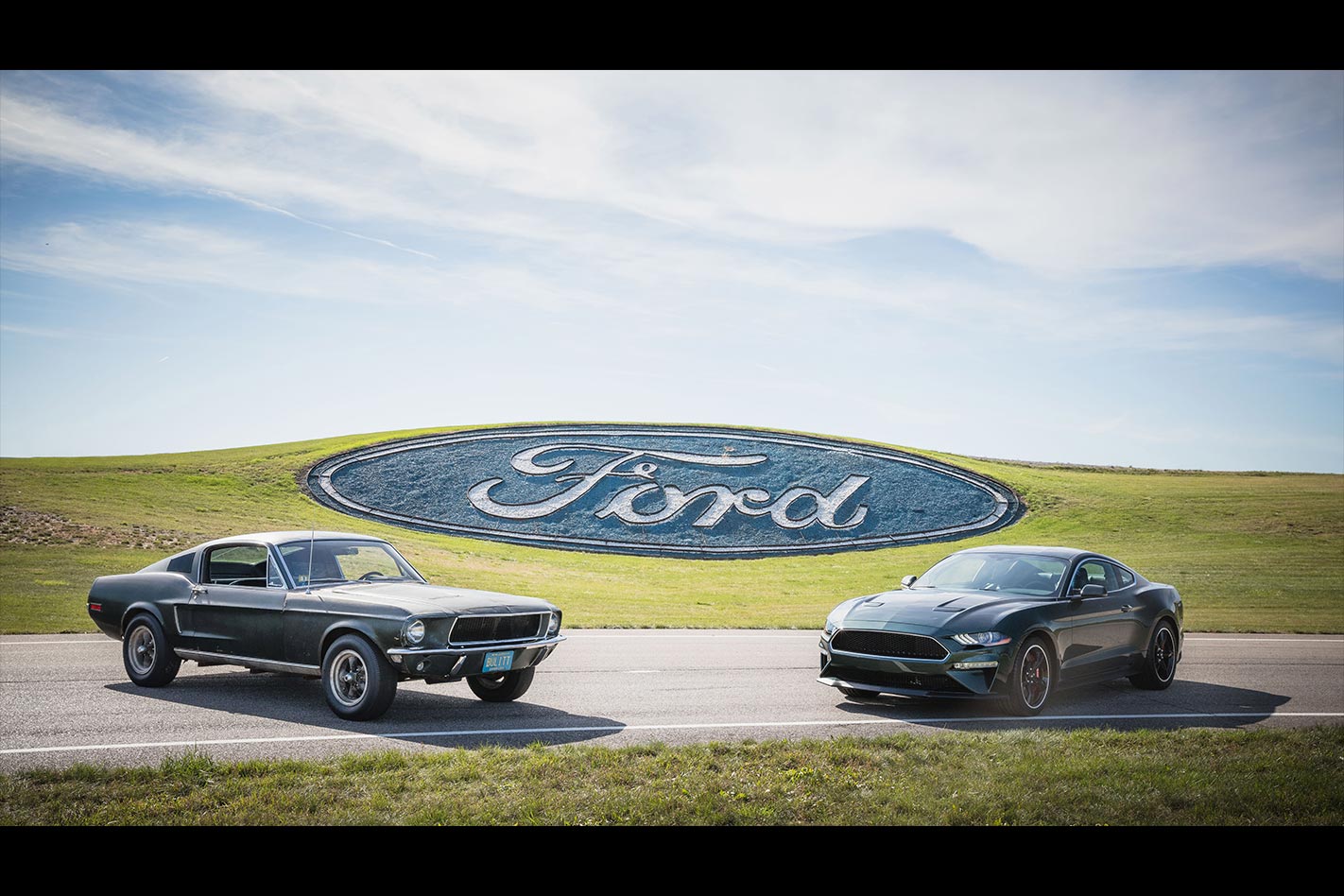
With the announcement that a 2018 Mustang ‘Bullitt’ is on its way, it seems a fitting time for Ford to reveal that it’s also found the original Bullitt car.
The stunt car from the film was found in the US last year (though it had originally been sent to a salvage yard after filming), but the one driven by McQueen was believed to have been lost to history.
The Dark Highland Green 1968 Ford Mustang GT which starred alongside, and was driven by, Steve McQueen was sold to Warner Bros. employee Robert Ross. It was then bought from Ross by a detective in New Jersey, before the detective then sold it on to the Kiernan family, which has owned it since 1974.
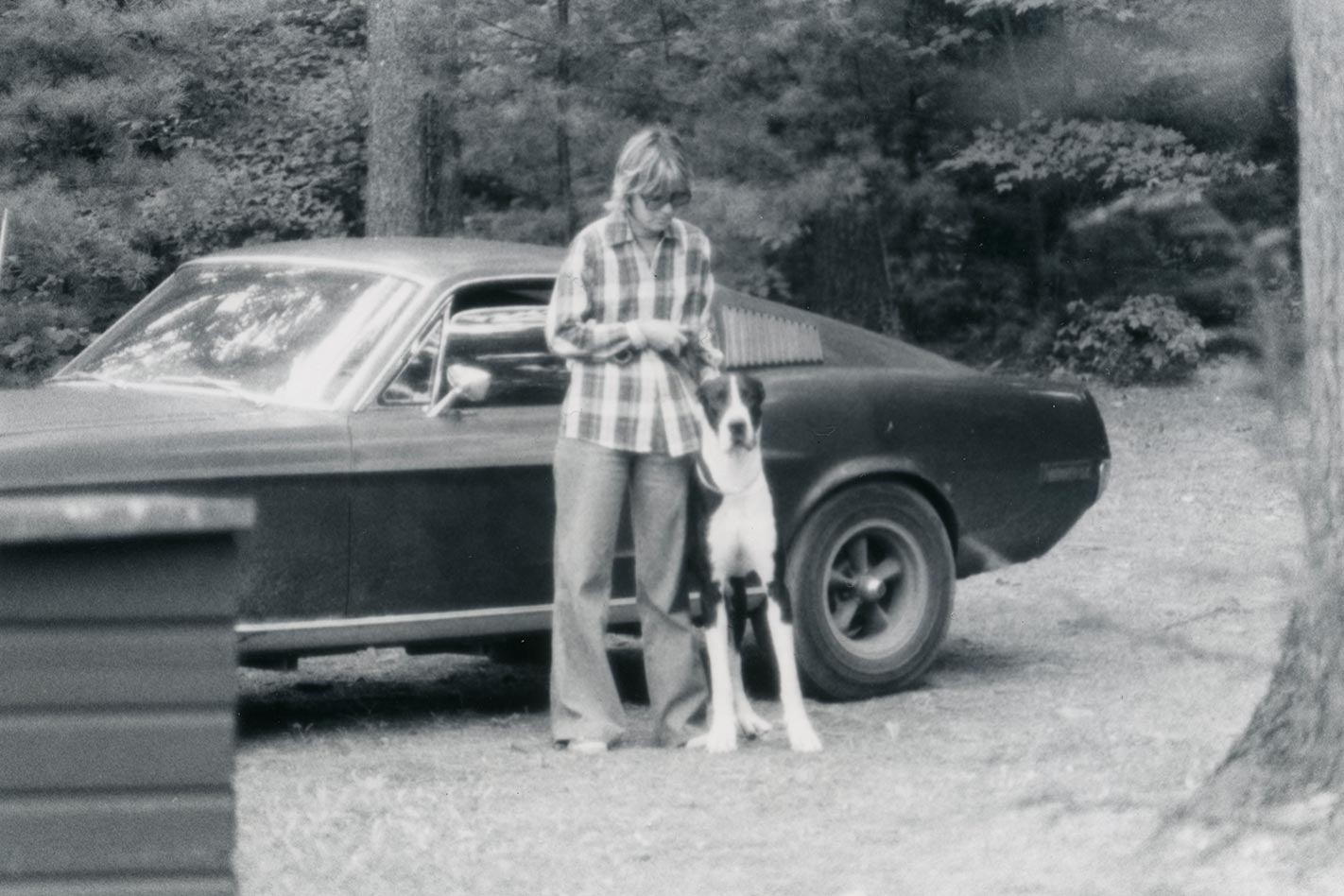
Before the car was put away as a future restoration project, then owner Robert Kiernan was gifted ‘BULITT’ number plates for the car by his wife.
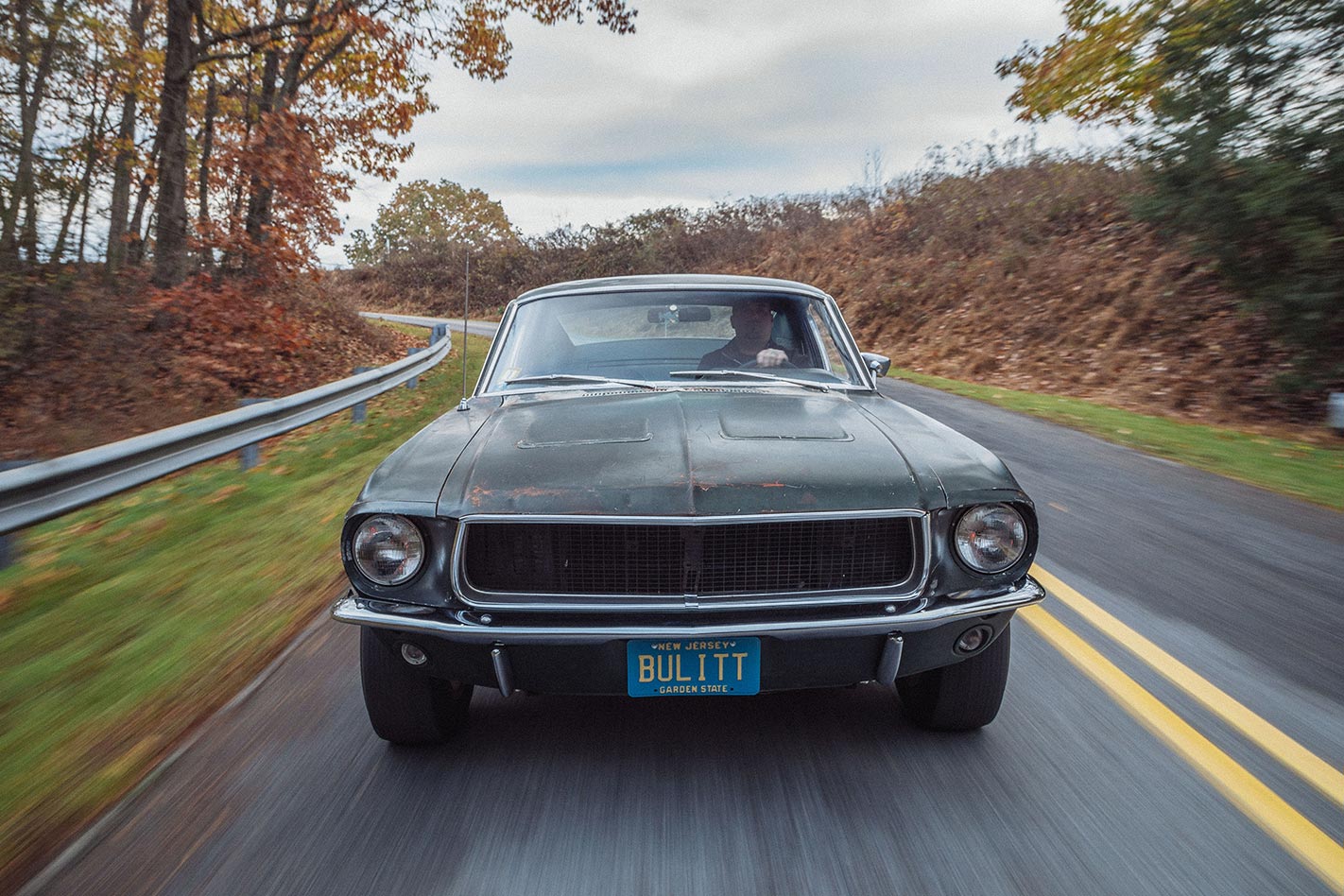
Now the owner of the car, Sean revealed the car to McQueen’s granddaughter, Molly McQueen, in a video released by Ford.
“It’s all original… there’s been about eight people since your grandfather that have sat in the car,” Kiernan tells McQueen.
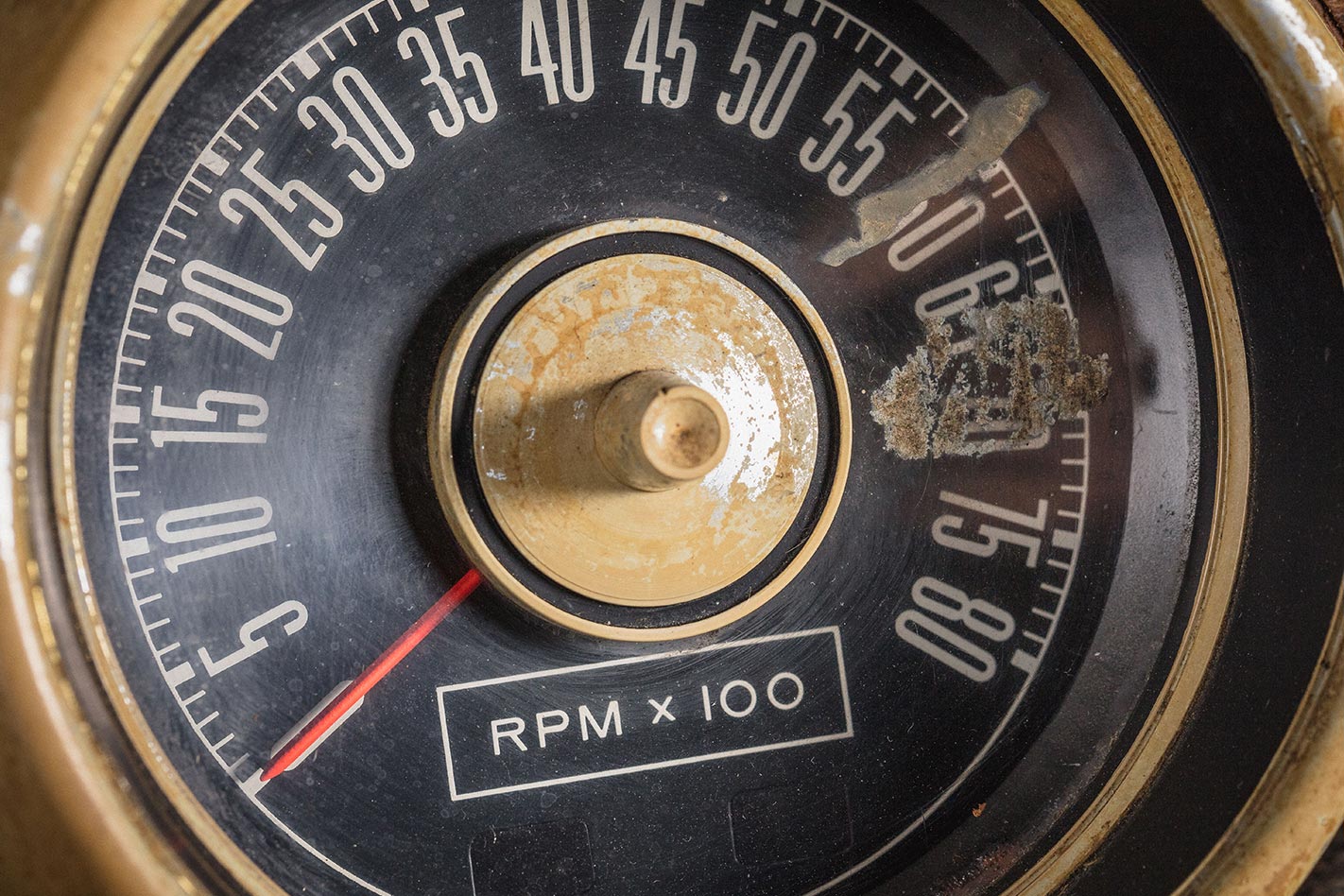
He also points out the marks left by the makeshift redline on the tacho, as there wasn’t one on it and the car’s builder didn’t want McQueen to blow the engine. Kiernan says the car was never meant to be a secret, but kept it quiet once the plan came together to reveal it with the new Bullitt Mustang on the film’s 50th anniversary.
LAST year will go down as the one in which the rise of the SUV became complete. It all started in February, when the number of SUVs sold nationally narrowly outstripped the number of traditional pasenger cars, bolsterd by the arrival of fresh-faced metal including the all-new Toyota C-HR and the secon-generation Mazda CX-5.
Here are the top five high-riding best-sellers from last year.
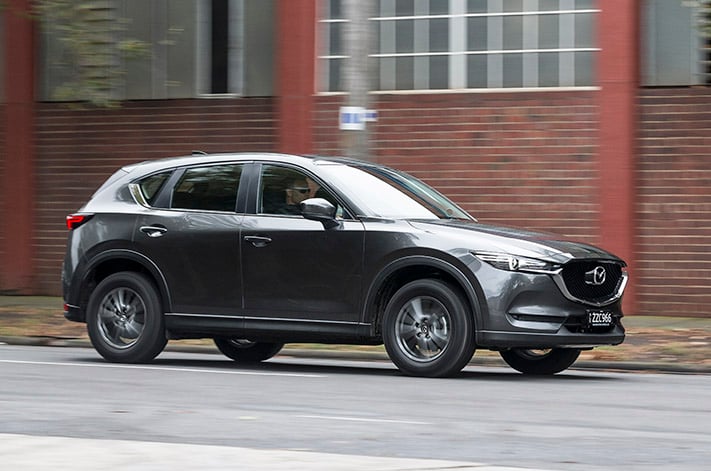
Mazda CX-5: 25,831 sales
Mazda’s popular medium SUV is the Japanese brand’s second-biggest seller after the Mazda 3. The second-generation CX-5 launched early in 2017 and improved on its popular formula with more room, quiter ride and enhanced handling. Of note, too, was a bigger boot.
Price range: $28,690-$49,990
Standard features: 7.0-inch touchscreen, LED headlights, reversing camera, rear cross traffic alert, auto braking, blind spot monotoring
Boot space: 442 litres
Warranty: 3 years, unlimited km
Hyundai Tucson: 23,828 sales
Second only to the i30 in Hyundai showrooms, the Tucson is a good looking, well-equipped and comfortable medium SUV that offers a diverse engine range including a powerful diesel and a smooth and swift turbocharged petrol. It also has the best warranty here.
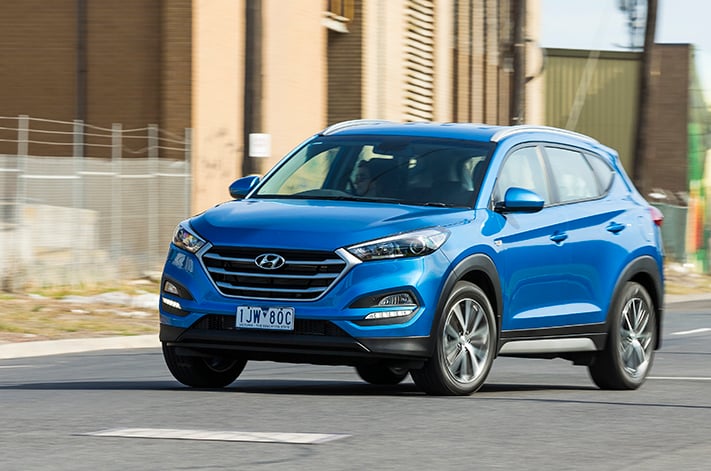
Price range: $28,590-$47,450
Standard features: 7.0-inch touchscreen, reversing camera, rear parking sensors, LED daytime running lights, Apple CarPlay/Android Auto, roof rails, hill-start assist, full-size spare alloy wheel
Boot space: 488 litres
Warranty: 5 years, unlimited km
Toyota RAV4: 21,077 sales
Toyota’s biggest-selling SUV is credited with kicking off the whole city-focused SUV craze, and it has grown into a mid-sizer that rides nicely, corners well, has great front seats, huge boot, and now comes with automatic emergency braking as standard.
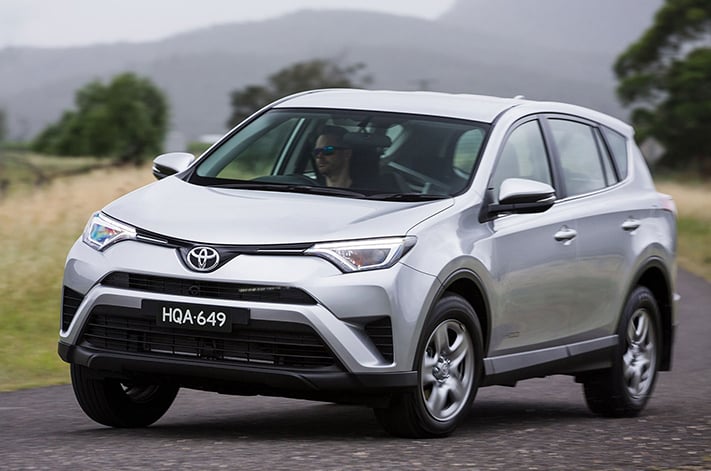
Price range: $29,450-$50,500
Standard features: 6.1-inch touchscreen, reversing camera, rear parking sensors, active cruise control, auto braking, lane departure alert, auto high beam, LED headlights, LED daytime running lights, roof rails, hill-start assist.
Boot space: 577 litresWarranty: 3 years, 100,000km
Mitsubishi ASX: 19,403 sales
The Mitsubishi ASX is one of Australia’s biggest-selling small SUVs down largely to its sharp pricing and one of the roomiest cabins in its class. It drives nicely on country roads, and has plenty of power – especially in diesel form.
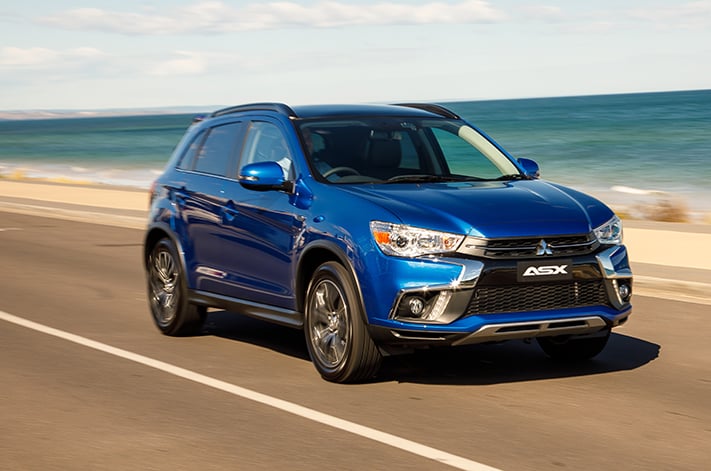
Price range: $25,000-$37,500
Standard features: 7.0-inch touch screen, reversing camera, Apple CarPlay/Android Auto, LED daytime running lights, roof rails, hill-start assist.
Boot space: 393 litres
Warranty: 5 years, 100,000km
Nissan X-Trail: 18,955 sales
Nissan’s most popular model has a roomy cabin with adjustable rear seats for better load versatility. It has one of the biggest boots in its class, and is one of the few medium SUVs with a seven-seat option.
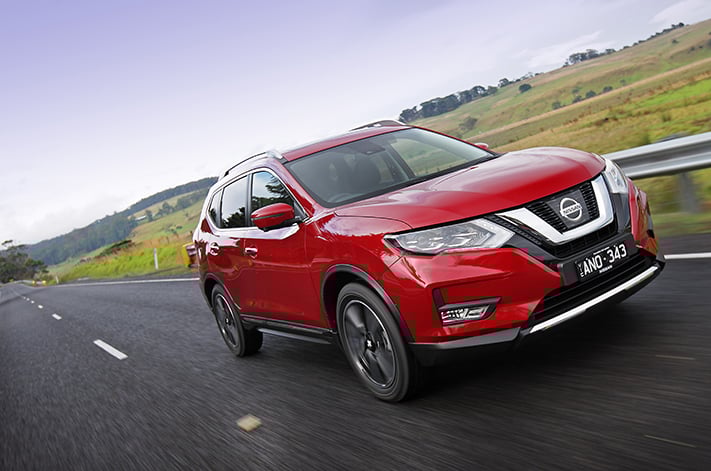
Price range: $27,990-$47,290
Standard features: 5.0-inch touchscreen, reversing camera, smart-key entry, LED daytime running lights, hill-start assist, Intelligent Ride Control, auto braking.
Boot space: 565 litres
Warranty: 3 years, 100,000km
