
Remember when The Simpsons was at its best?
You know, a few seasons in. After the animation had been cleaned up and Homer had handed over to Bart as the main culprit in the show’s misadventures. But before the feature-length film cash-in (Geez, what a turkey), and before Peter and Lois stole the show. Remember? Yeah, well that period was to The Simpsons what the GTS badge is to any Porsche of the last decade. It was a purple patch, the sweet spot, where every swing was a hit and every hit was out of the park.
And now the GTS badge is about to make a return on the Boxster and Cayman 718. Having just driven the Cayman S at PCOTY, I have questions.
Typically, Porsche started with the powerplant. Staying at 2.5 litres, the unit is fundamentally the S model’s engine, but with some important tweaks. Those start with a revised intake tract with greater volume. And with a new snail with variable vane-geometry tech, boost has jumped from a max of 1.1 bar to 1.3 bar.
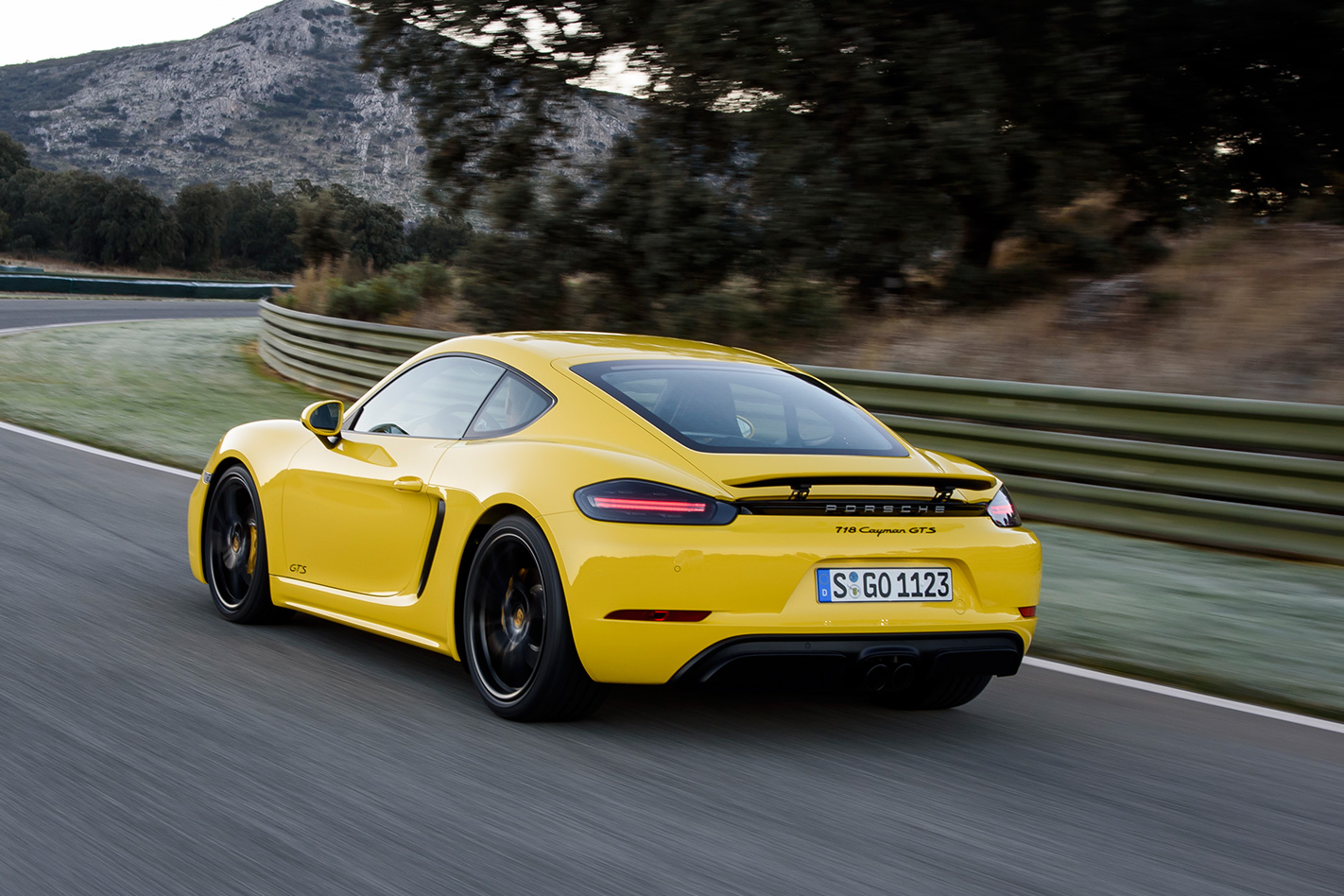
The handling side of things is covered off with a revised version of PASM, while PASM Sport is optional and lowers the whole shebang another 10mm. There’s also Porsche’s PSM stability program and, since the Sport Chrono package is a GTS-standard fitment, you also get PSM Sport mode which allows for a rather larger degree of yaw angle when you’re up it for the rent. You also get standard torque vectoring, a mechanical diff lock and Porsche’s active engine mounts.
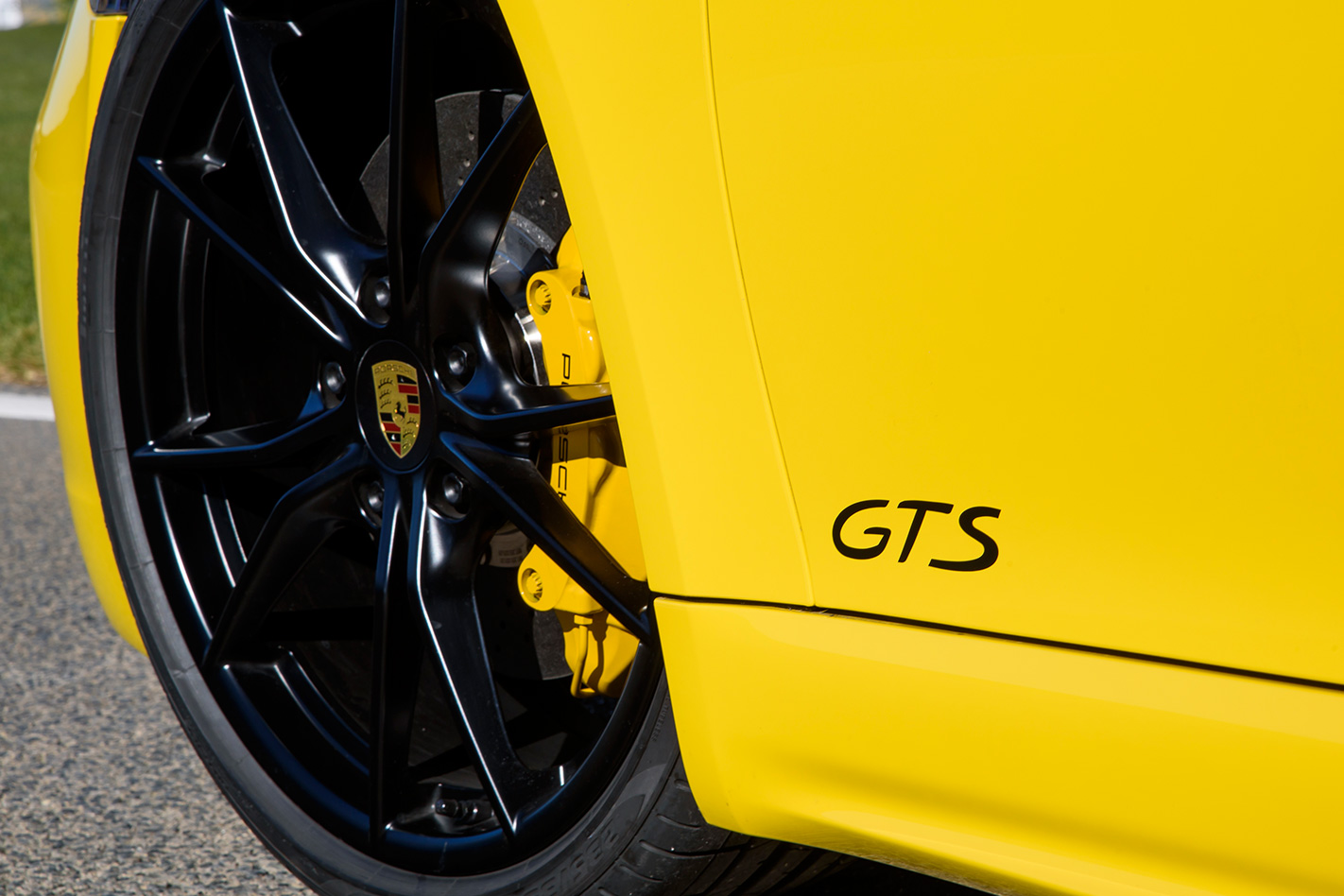
Stock stoppers are iron rotors with a 330mm front and 290mm rear unit and four-pot calipers with the option of ceramic-composite anchors with bigger discs and six-piston fronts, painted, of course, bright yellow.
I know the GTS is going to be quicker than a Boxster or Cayman S, but what I really want to know is if the new engine tune has given back any of the yowling refinement that was lost with the switch from an atmo flat-six to the turbo flat-four. Because that’s the deal breaker. I understand that fuel consumption and emissions concerns rule the world these days. But somehow, for a bloke like me, that was never justification enough to dump the flat-six. But knowing Porsche, there’s bound to be a way to make the new four-banger excite me like the old six did. Is this it, then?
Just for starters, there’s a bit more bite built into the chassis. Where the Cayman S will tend to understeer just a fraction at the limit, the GTS is a tad more likely to wag its tail.
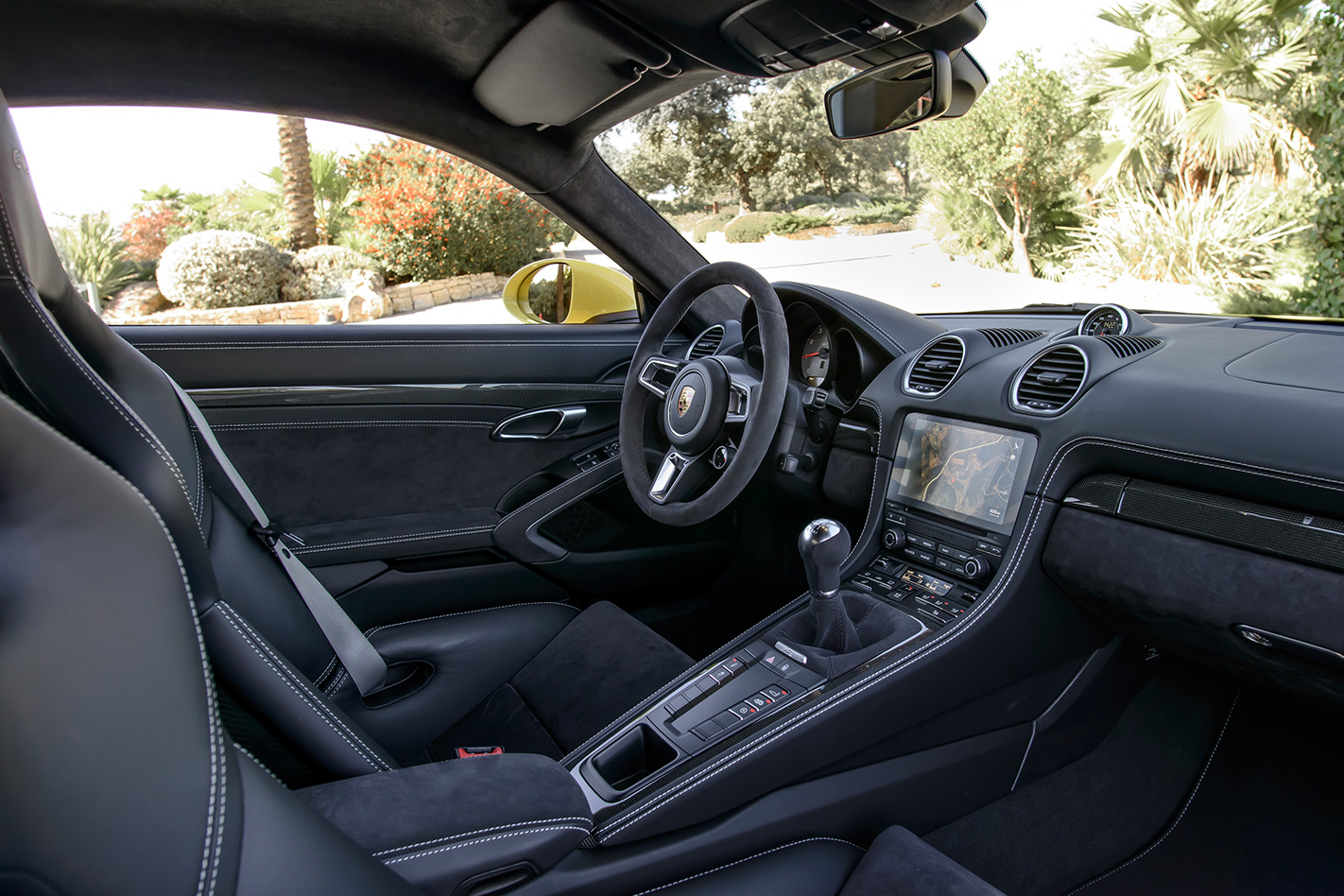
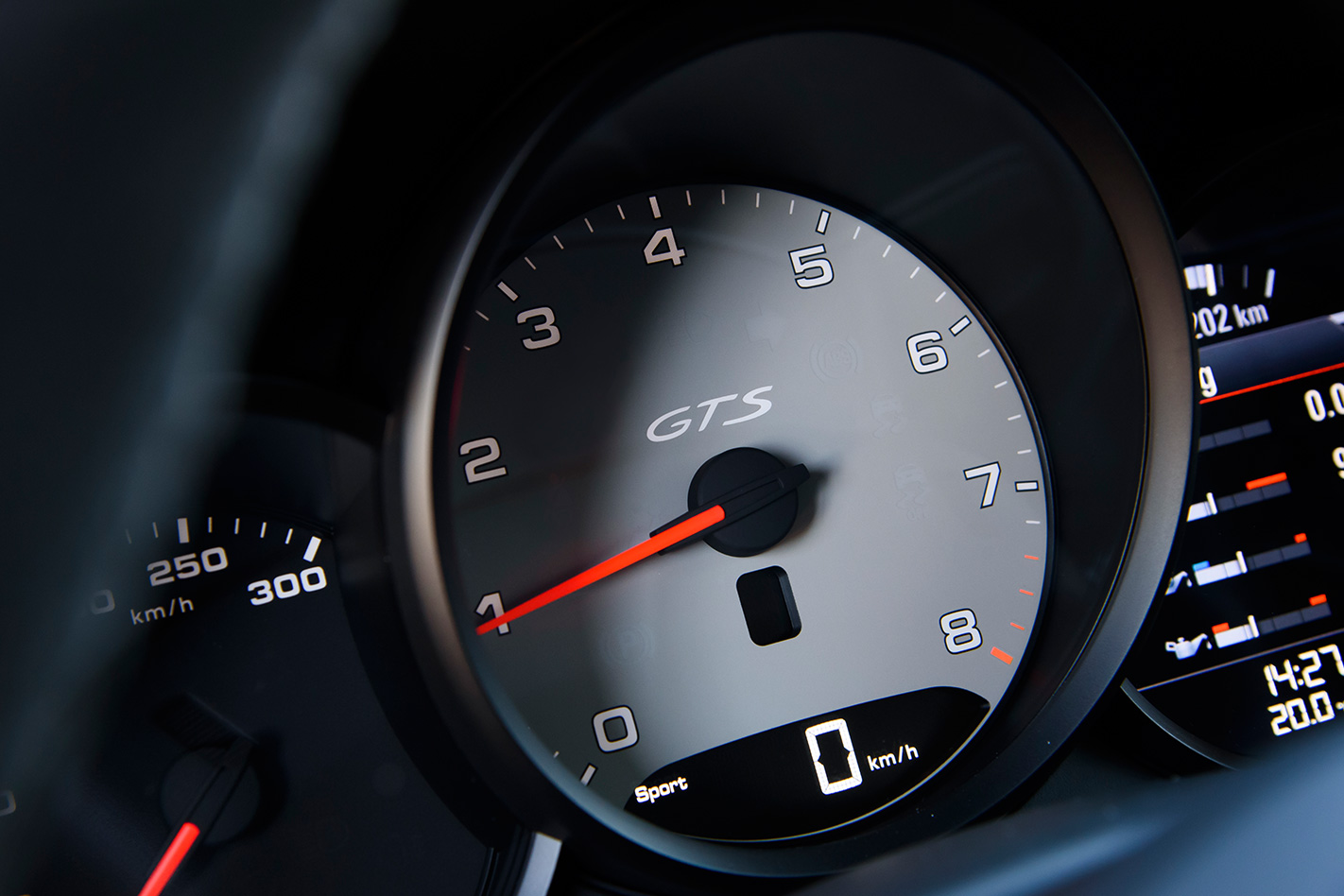
It’s still syrupy smooth, but now there’s a hint of that plaintive, seductive, moaning, wail that comes through the bulkhead at you. Suddenly, I’m interested again, because with the GTS, I can have the visceral noises and horsepower I love along with the emissions and fuel economy I (and Mother Earth) need.
STAR RATING 4.5/5
Like: All the stuff you loved with a much raunchier soundtrack Dislike: Massive price jump over the S
2017 PORSCHE 718 CAYMAN GTS SPECS
Engine: 2497cc flat-4cyl, DOHC, 16v, turbo Power: 269kW @ 6500rpm Torque: 430Nm @ 1900-5000rpm Weight: 1375kg 0-100km/h: 4.1sec (claimed) Price: $173,100
ONCE considered the populist performer among the hot hatchback crowd, the Volkswagen Golf GTI and R have been challenged by BMW, Mercedes-Benz and Audi this year.
It isn’t that the GTI and R are less popular – they remain so with 1440 sales and 1201 sales (all figures given between January and November 2017) respectively.
That’s 2641 combined, accounting for 16 per cent of the Golf’s 16,695 sales. But the pricier R’s stellar performance also reverberates through its price-point rivals. BMW has shifted 662 examples of 125i and 506 units of M135i/M140i, representing 59 per cent of the 1 Series’ 1976-unit haul.
Sales of 230i (256) and M235i/M240i (352) account for 97 per cent of the 2 Series’ 628-unit tally, and the quartet combined total 1776 sales, or 865 behind the Volkswagen hot hatchbacks. It takes a Benz trio to beat the Golfs, meanwhile.
The A250 Sport alone comes close to the GTI with 1324 sales – only 116 behind. Then add 638 for A45, although it is actually beaten by the CLA45 (648) that also ousts GLA45 (290). The tables turn lower down, with GLA250 (1059) outselling CLA250 (648).
All also represent 45-to-50 per cent of A/CLA/GLA-Class sales, and their total tally of 4607 is tough to beat. Audi’s figures are harder to dissect, because RS3 Sportback (141) hasn’t been on-sale for the whole year and S3 Sportback (524) switched to a facelifted model. But RS3 sedan (440) exploded, despite only going on-sale in June – equating to a CLA45-beating 880-unit annual forecast.
So how many buyers have shopped for small performance cars between $40,000 and $90,000 this year, between Audi, BMW, Benz and Volkswagen? 10,370 on the figures available. By comparison sub-$80,000 sports cars achieved 15,922 sales over the same period – 8714 of them being Ford Mustangs.
MOTORSPORT nerd alert: how many times has an Australian F1 team won the drivers and constructors world championships?
If you answered “twice” – thinking Brabham-Repco, 1966 and ’67 – you’re sort-of right.
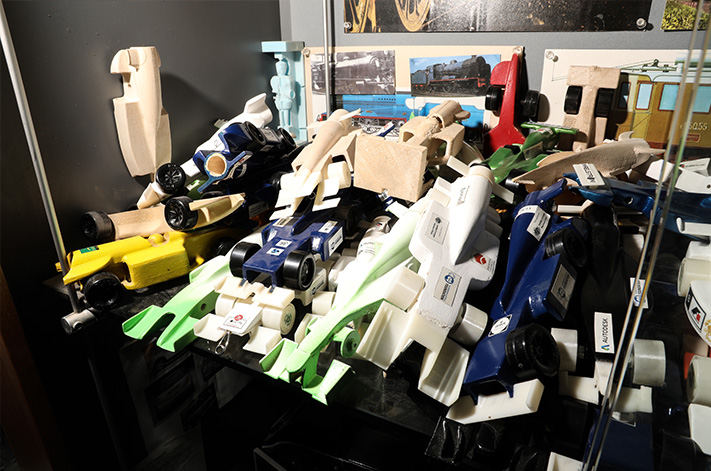
But step down to the 20cm-long, CO2 cartridge-powered cars of the brilliant F1 in Schools program, and Australian teams have won no fewer than five of the 13 world championships since the series’ inception in 2004.
“Australia is the most successful country in the world at this,” says 17-year-old Kyle Winkler – one of the four members of the Hyperdrive team from Trinity Grammar School, Kew (Vic) that beat nine million other students, from 20,000 schools, to claim the 2017 title at the world finals in Malaysia in September. Hyperdrive also won Best Engineered Car.
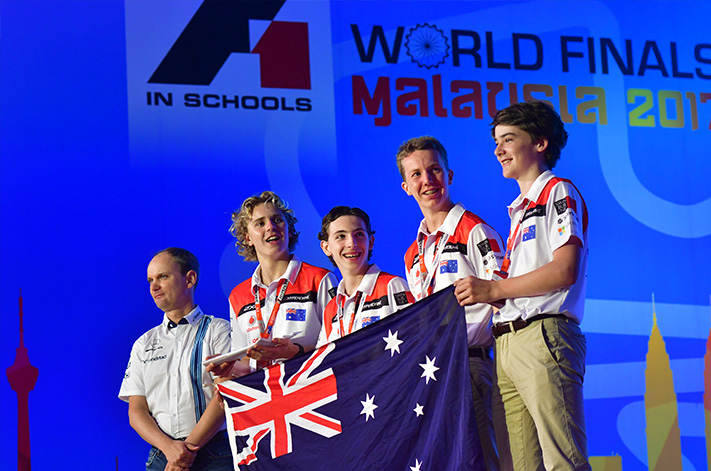
Hyperdrive, the second world-champion team from Trinity Grammar (under the guidance of Design and Technology teacher, Peter Clifton), comprised schoolmates Hugh Bowman as Team and Marketing Manager, David Greig as Aerodynamics Engineer, Alec Alder as Social Media Manager, and Winkler as Head Engineer.
“We approached real companies and raised upwards of $20,000”, Winkler says, “and we had one of the smallest budgets … The Austrian team raised 160,000 Euros!”
They’re not playing with toys. “We used CATIA for our CAD program and ANSYS for our tool in tunnel testing,” Winkler says. “These are real industry programs, I believe the same ones used by McLaren, Boeing, Airbus and Toyota.”
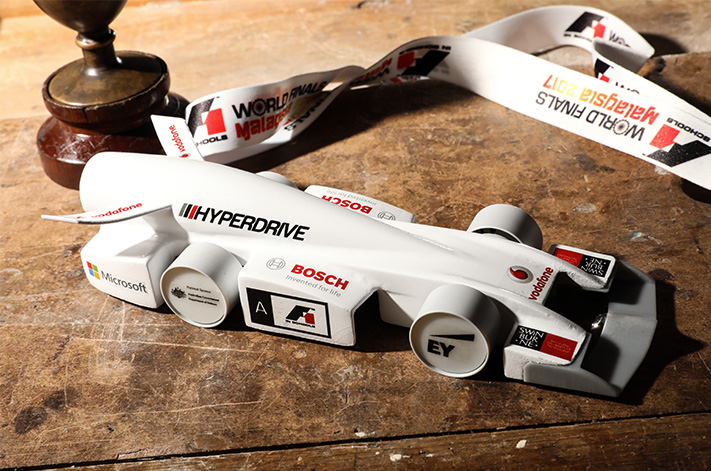
Along with the points awarded for the team’s efforts thus far, the driver’s reaction time is a factor as, of course, is the car’s performance.
“They hit 80 kilometres an hour in about 0.3 seconds – you blink and you miss it,” Kyle says. “We actually had the sixth-fastest car – 1.109 seconds at the 20-metre mark, which was 0.02-sec off the fastest car. Yeah, watching the car run is always really exciting.”
That wasn’t the only source of stress for Kyle at the World Finals. On offer to the winning team were fully-paid mechanical engineering scholarships at University College London. And Kyle was one of just 25 applicants being put through assessment for the Williams F1 team’s Randstad Engineering Academy.
Kyle was one of just eight selected for the seven-year, competitive RAE internship, a process that will begin early next year. It could deliver him right to the door of a top-line F1 engineering career.
“It’s online, we’re given a mentor from within the [Williams] team and we’re given tasks to complete. It’s competitive, though – they’ll cut one or two kids each year.
“I want to work in Formula 1. I’m looking at taking up the UCL scholarship in London, as a more concrete path to Formula 1 with Williams. I just have to get the grades in school and I’m there. Before Formula 1 in Schools, I always wanted to work in motor sport, but I didn’t quite know how. It’s a lot more focused now.”
Hybrid vehicles are becoming more common on Aussie roads and, while the Toyota Prius is the best known, there are a growing number of electrified SUVs that are hard to differentiate from conventional models.
Large vehicles such as SUVs benefit from hybrid technology because the electric motor not only helps reduce fuel use but boosts power, thus reducing the need for larger engines. Some of these are plug-in hybrid electric vehicles (PHEV) whose batteries can be charged while parked, allowing for considerable distances to be travelled without consuming a drop of fuel.
There are several hybrid SUVs available in Australia including relatively affordable models such as the Nissan Pathfinder Hybrid, Mitsubishi Outlander PHEV and Lexus NX300h, through to six-figure luxury models such as the Lexus RX450h, Volvo XC60 T8 PHEV and XC90 Inscription Hybrid, Mercedes-Benz GLE500e, and Range Rover Sport SDV6 Hybrid ($187,900).
Expect plenty more by 2020 once the strict new Euro 7 Emissions standards come in effect.
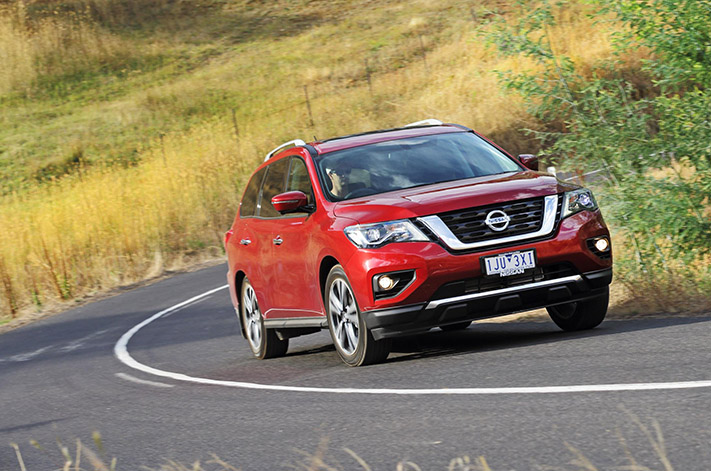
Nissan Pathfinder Hybrid – from $44,490
Nissan’s large SUV comes with 2WD and 4WD hybrid variants, with the latter featuring range-topping creature comforts. Both feature a 2.5-litre four-cylinder supercharged petrol engine and electric motor powered by lithium ion batteries that are charged by both the engine and regenerative braking, the latter of which harnesses and stores the car’s kinetic energy when the vehicle slows down.
The reduction in fuel use isn’t as dramatic as with plug-in hybrids – 8.6L/100km compared to around 10L/100km for the V6 non-hybrid models – though it’s pretty economical compared to other big seven-seat SUVs.
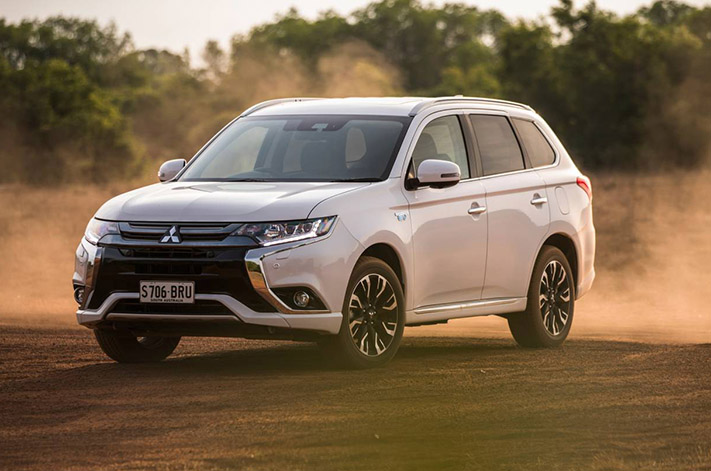
Mitsubishi Outlander PHEV – from $50,490
There are two AWD Outlander PHEV variants including the LS and range-topping Exceed. Both feature a 2.0-litre four-cylinder petrol engine and two electric motors powered by lithium ion batteries. It can travel up to 54km on batteries alone when fully charged and has a combined fuel economy rating of 1.7L/100km, about four times less than standard 2.0-litre petrol Outlander models.
The need to fit batteries under the floor mean the Outlander PHEV has five seats instead of seven like some of the petrol and diesel variants, so the greenest Outlander isn’t entirely without compromises.
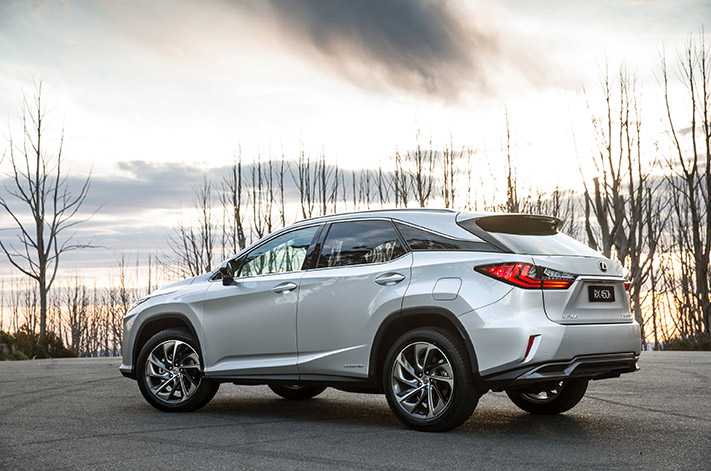
Lexus RX 450h – from $90,160
Luxury and performance carmakers see hybrid technology as a way to increase performance as well as save fuel. This is demonstrated in the RX450h range, which uses the same 3.5-litre V6 as standard RX models connected to three electric motors which increase power from 221kW to 230kW and shave 0.3sec off the 8.0sec 0-100km/h time while reducing fuel economy from 9.6L/100km to a hatchback like 5.7L/100km.
In the 1980s Japan was riding the crest of a wave.
Its strong economic growth and electronics leadership led to tremendous confidence, which was nowhere more apparent than in the vehicles it was creating.
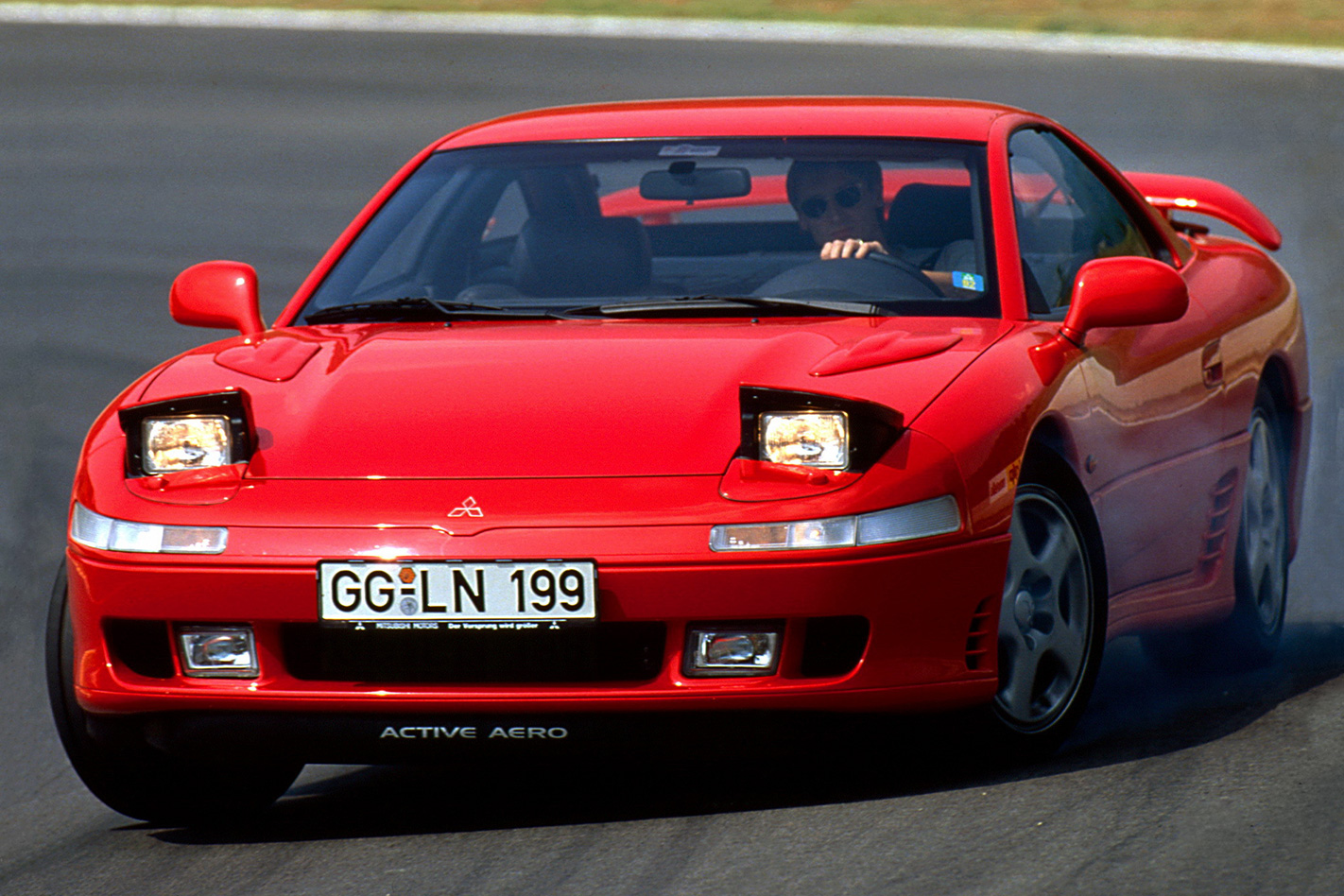
Standalone luxury brands Eunos, Infiniti and Lexus sprang up from Mazda, Nissan and Toyota respectively, while in the performance sector Japan’s first supercars arrived in the form of the Honda NSX and Nissan Skyline GT-R. The likes of Subaru, Mazda and Mitsubishi were also making a name for themselves in rallying by embracing all-wheel drive and turbocharging.
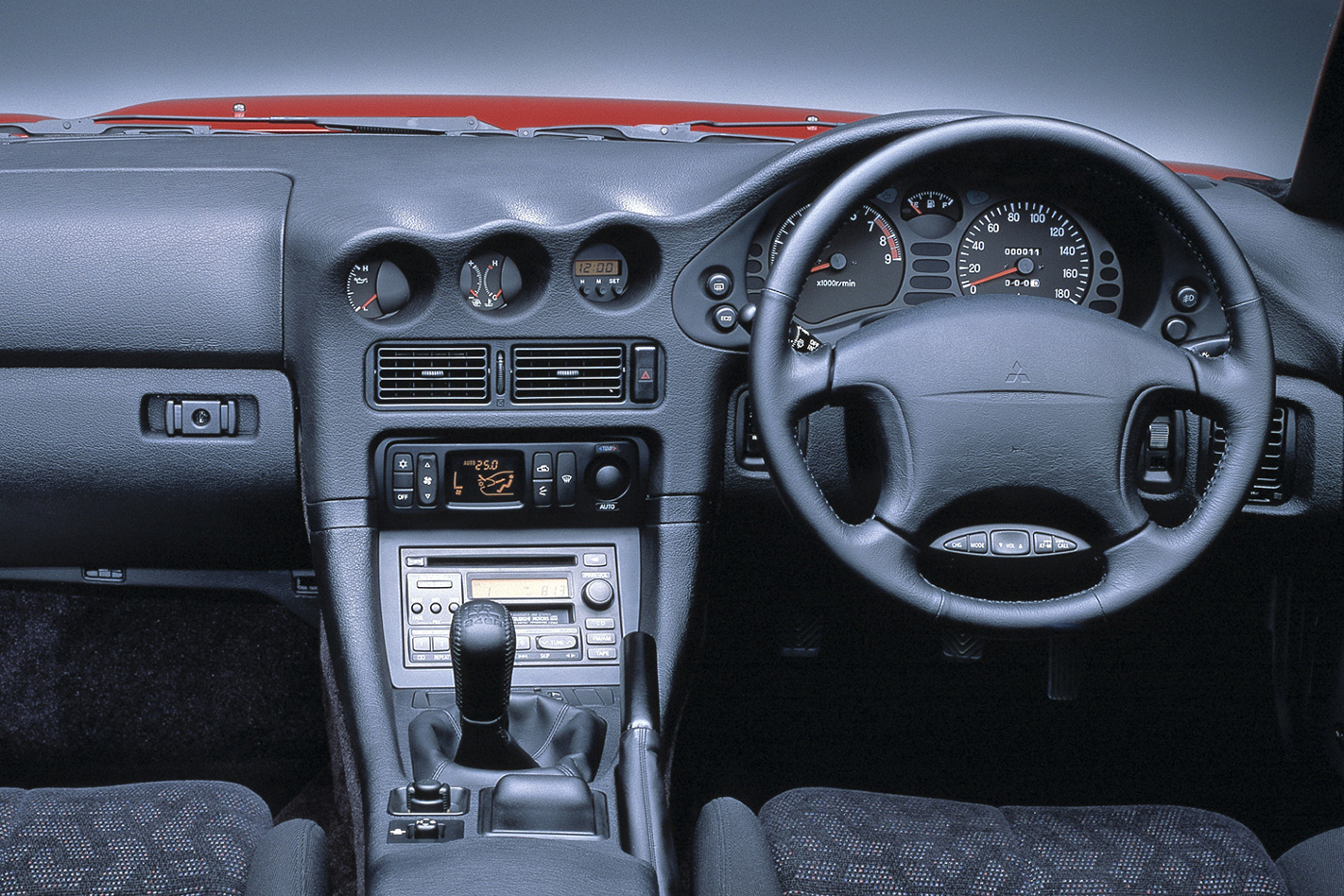
Heady stuff for the era, but the 3000GT went even further with adaptive dampers, all-wheel steering and active aerodynamics, which could alter the angle of the rear wing by 15 degrees and lower the front airdam 80mm at speed to increase downforce.
Overseas markets had the choice of an atmo version of the 3.0-litre V6, however, Australia only gained access to the range-topping twin-turbo monster, which produced a hefty 210kW/407Nm, 4kW/52Nm more than an R32 GT-R.
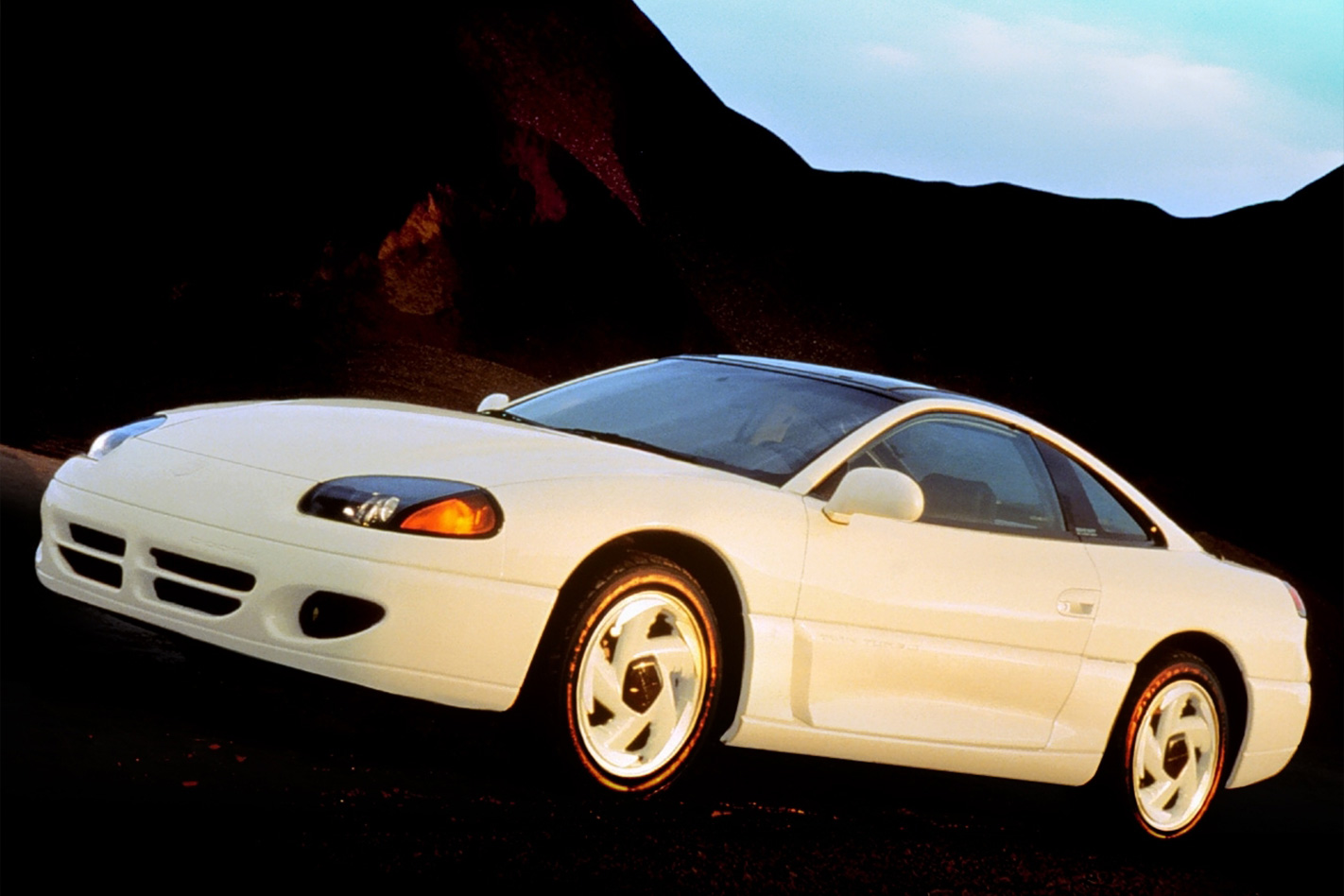
Unfortunately, all that technology came at a price – in fact, it came at two. The first was a kerb weight of 1720kg (at a time when an M5 weighed 1670kg), which not even that clever suspension could adequately control.
The second problem was the price. Nissan got away with the GT-R’s $110K ask due to its racetrack success, but at almost $90,000 (soon to rise to more than $117,000) the GTO failed to seduce many Aussie customers.
THE SPECS
Engine: 2972cc V6, DOHC, 24v, twin-turbo Power: 210kW @ 6000rpm Torque: 407Nm @ 3000rpm Transmission: 5- or 6-speed manual, 4-speed auto Weight: 1720kg 0-100km/h: 5.9sec (tested) Price new: $89,950-$118,940
Three 3000GT gems
1. Costume Change
2. Weight problem
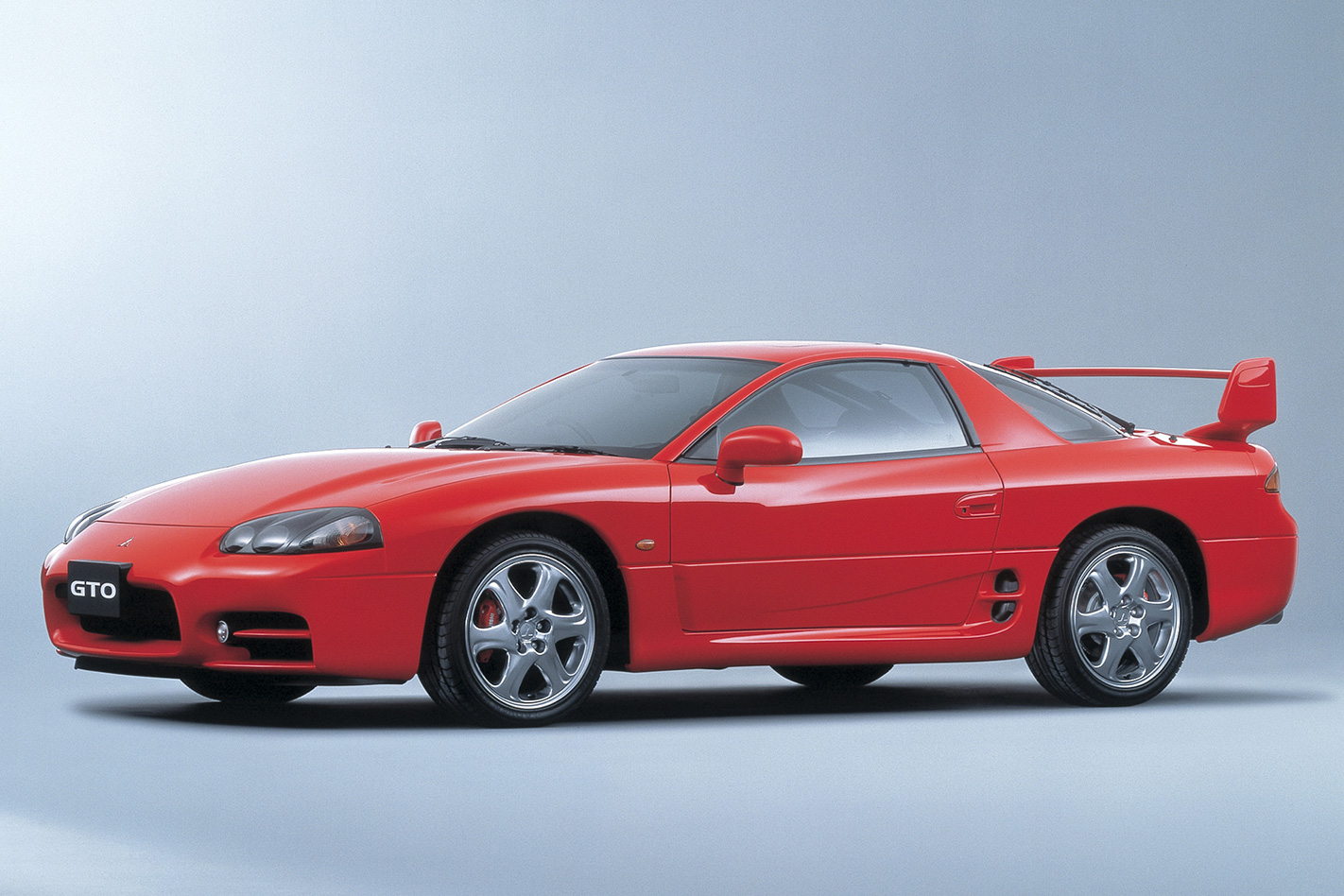
3. Nip ’n’ Tuck
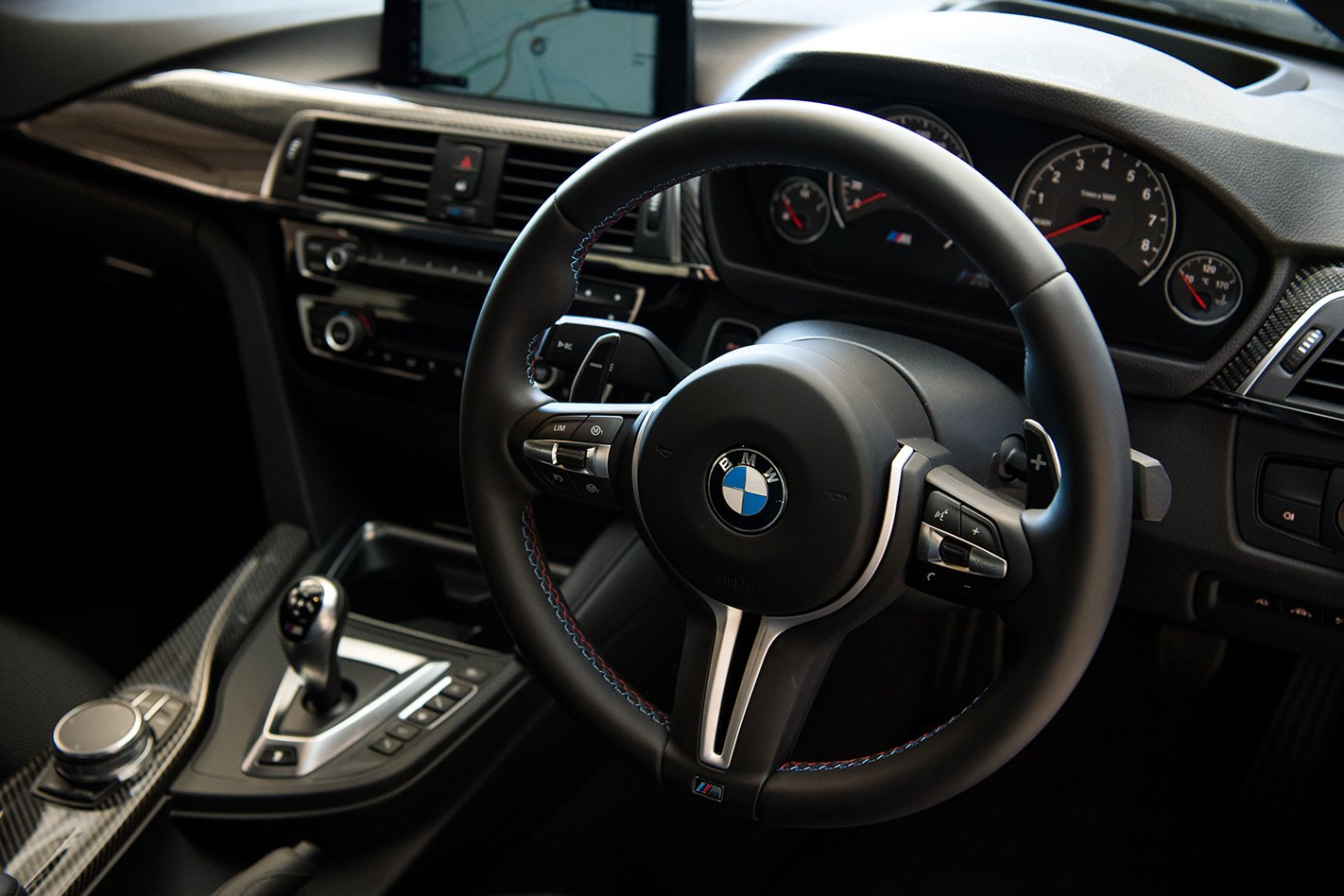
Like a fine wine or cheese, the BMW F80 M3 is getting better with age.
Unlike a fine wine or cheese, though, you don’t have to pay a premium to enjoy it – quite the opposite, in fact. The M3, and its M4 two-door twin, has received the ‘Pure’ treatment, first introduced on the previous-generation E92 M3 and has since rolled out across the M5 and M2.
Essentially, BMW Australia deletes a bunch of equipment and slashes the price, in this instance to a faintly ludicrous $129,900 ($139,900 for the M4). Remember this is a car that cost $156,900 when it was introduced in July 2014. The good news continues, as none of the deleted kit is anything you really need; you lose leather upholstery and heated seats, the flash Harman Kardon stereo, adaptive LED headlights and high-beam assist. That’s it.
This is no stripped-out bargain-basement special. Some may baulk at the lack of leather, but the combination leather/cloth seats look and feel great and it’ll otherwise take a trainspotter to notice you’ve bought the ‘cheap’ M3.
Ask for Continental ContiSports rather than Michelin Pilot Super Sports and what you might lose in ultimate racetrack performance you’ll gain in more predictable responses and much-improved wet-weather performance on the road. Thus equipped, the Pure is arguably the sweetest road-going M3 while retaining the super-sharp front end and love of oversteer that makes it such an exhilarating drive.
The Competition tweaks also give the 3.0-litre twin-turbo straight-six a more sporting voice, something you’ll notice more than the extra (but welcome) 14kW. It’s still not a tuneful noise, but it is aggressive, a serrated growl with lots of burbles once you lift off the throttle and unless your daily driver is a 911 Turbo, it’s difficult to imagine anyone stepping out of an M3 wanting more performance.
In fact, this level of grunt is virtually unheard of at this price point. If this package was the regular M3’s $141,610 it would be impressive – at $130K it’s a steal. It almost gives BMW a problem; it’s tough to imagine anyone forking out extra for a normal M3 when the Pure offers more performance for less, and when you can equip an M4 Pure with carbon brakes and Cup tyres for a total outlay of less than $160K the more exclusive, but less practical CS struggles to justify its premium.
The F80 M3 is in the twilight of its career – a new M3 is expected in 2019 – but BMW’s constant process of refinement (not to mention discounts) has made it tastier than ever.
STAR RATING 4.5/5
Like: Crazy performance for the price Dislike: Steering still iffy; challenging in slippery conditions
BMW M3 PURE SPECS
Engine: 2979cc inline-6cyl, DOHC, 24v, twin-turbo Power: 331kW @ 7300rpm Torque: 550Nm @ 1800rpm Weight; 1560kg 0-100km/h: 4.0sec (claimed) Price: $129,900
The 2018 WRC season is upon us, and with it come the announcements of driver line-ups and new car tweaks.
So we’ve gathered all the info you’ll need to be up to date when the time comes for the Monte Carlo Rally on January 25th.
Toyota Gazoo Racing World Rally Team
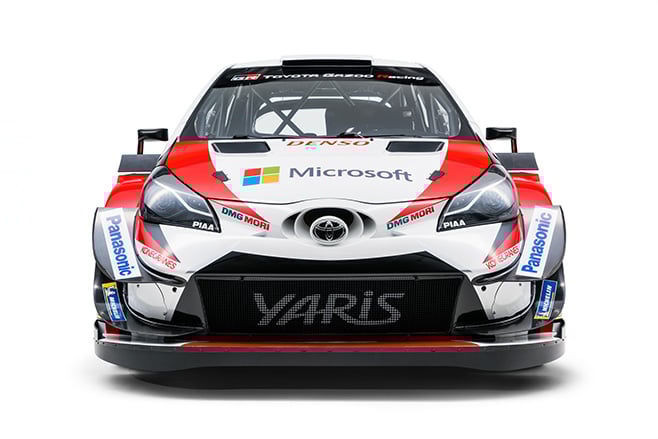
Gazoo has announced its new Yaris WRC will feature new aerodynamics on its front (something other manufacturers have also done), as well as new cooling systems to cope with rallies in hotter climates.
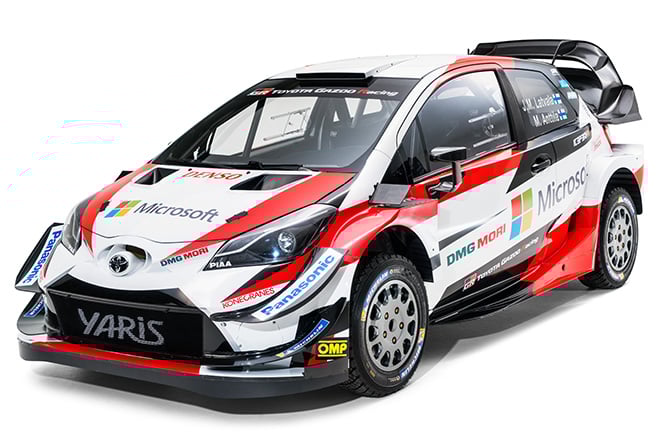
Last year was its first season back in the WRC, so to finish third with a driver in fourth place overall was impressive, as is the competitiveness of its Yaris.
Behind the wheel of the cars this year, will be carryover drivers from 2017 Jari-Matti Latvala and Esapekka Lappi, as well as former M-Sport driver and two-time event winner Ott Tanak.
Team principal and rallying legend Tommi Makinen says the team learnt a lot last year, and is keen to continue to build on its performance.
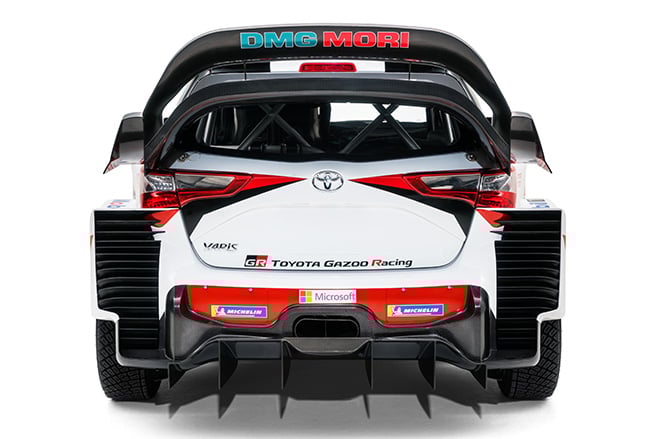
“This was a great achievement by the team, but the competition also allowed us to discover areas where we can improve.
“With more time and learning, we have been able to update the aerodynamics and improve the engine cooling.
Hyundai Motorsport
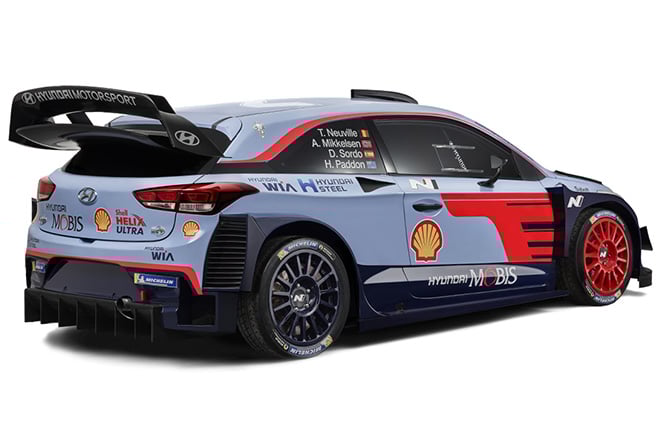
Heading into its fifth season of WRC, Hyundai Motorsport’s four drivers (Hayden Paddon, Thierry Neuville, Dani Sordo, Andreas Mikkelsen) will continue to comprise the increasingly competitive team.
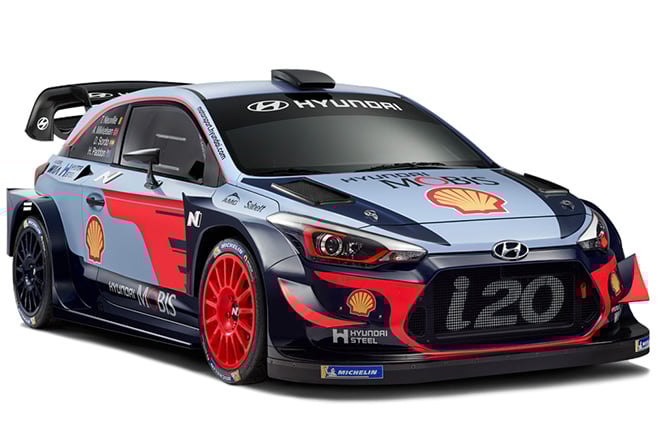
Defending Rally Australia champ Neuville says he’s looking forward to another season.
“Taking four wins in 2017, and being competitive in many other events, gives us real motivation to go one better,” says the overall runner-up for 2017.
M-Sport Ford World Rally Team
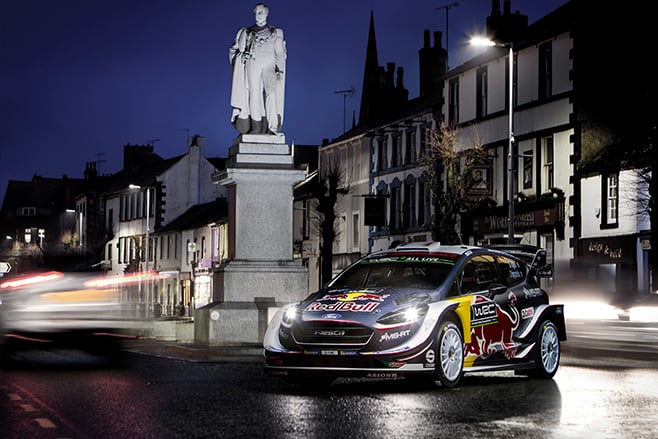
With increased backing from Ford, current WRC dominator and M-Sport looks to be the strongest team heading into the 2018 season, despite being the only (technically) private ‘manufacturer’.
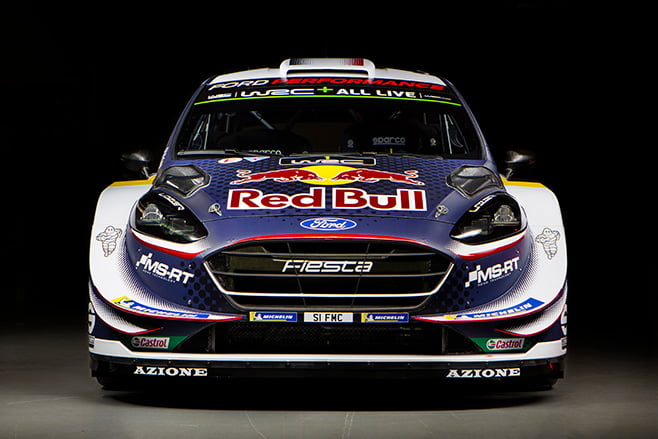
Its Ford Fiesta WRC cars cop a slightly tweaked Red Bull livery, though the team loses a strong driver in Tanak.
“We’ve enjoyed a fantastic relationship with Ford over the years and it’s great to see that support increase as we look to defend our FIA World Rally Championship titles in 2018,” says Malcolm Wilson OBE, M-Sport managing director.
“In Sébastien and Elfyn we have another strong line up and the added technical support will allow us to progress the development of the Ford Fiesta WRC.
Citroen Total Abu Dhabi World Rally Team
Though mostly unsuccessful in recent years, Citroen’s string line-up of drivers means it shouldn’t be ruled out for some success in 2018.
Kris Meeke and Craig Breen remain the team’s main drivers, while Khalid Al Qassimi will compete in some 2018 rounds.
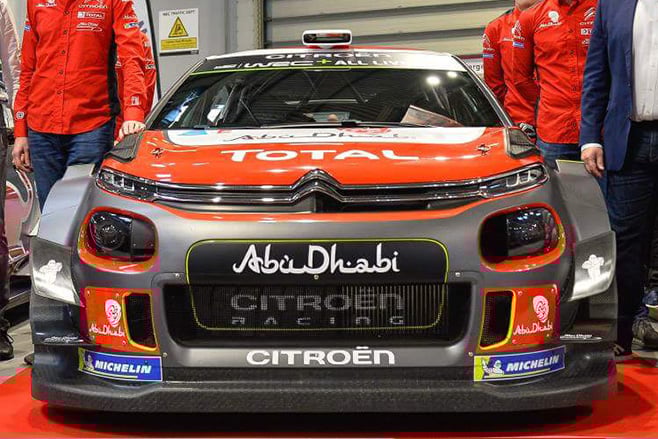
The strongest driver in 2017 for the team was Meeke, taking 7th place overall.
“We learned a lot during the first season with the Citroën C3 WRC and we’ve gathered a lot of information to help us do better in 2018. Despite a few tough moments, we managed to show our potential,” Meeke says.
Taking centre stage at Subaru’s display at the Tokyo Auto Salon is a car that’s been anticipated since it was first teased – the Subaru Viziv Performance STI Concept.
A full set of detailed images have been released, too, so those unable to see it in the metal can get a proper look at what will likely evolve into Subaru’s WRX STI replacement.
Specifications are scarce but we know it’ll be all-wheel drive, as a fast Subaru should be.
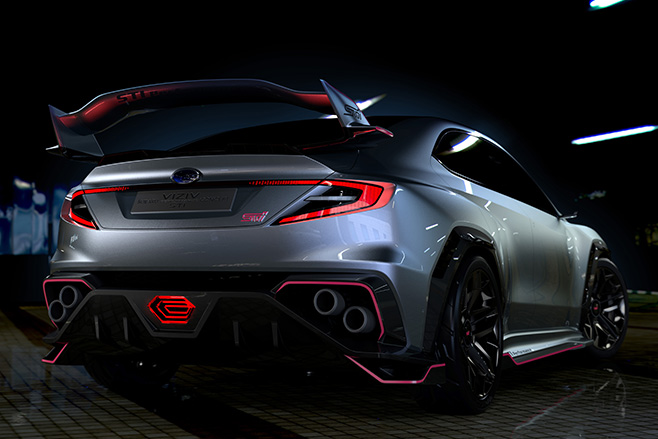
“Based on the Subaru Viziv Performance Concept exhibited at the 45th Tokyo Motor Show 2017, STI showcases its expertise on enhancing driving performance by developing exclusive exterior parts.
“The front bumper, side sill spoiler and trunk spoiler evoke STI model’s superior aerodynamic performance.
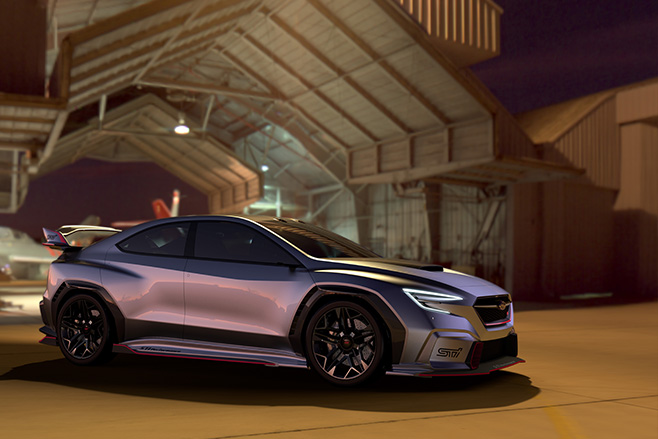
“In sports sedan form, it conveys the concept of driving enjoyment that Subaru will continue to pursue.
“In anticipation of widespread future deployment of automated driving technologies, advanced driver assist functions combining the next-generation eyesight system with other devices have been installed in a sedan body encouraging active enjoyment of driving, to express Subaru’s distinctive worldview of driving with enjoyment and peace of mind.”
THE Ford Endura is likely to become one of Australia’s safest SUVs to own, if it’s US-spec driver assist technology is rolled out to versions sold here.
Due later this year, Ford has packed its heavily facelifted Edge – it will wear an Endura badge here as Toyota already holds the trademark to the name – with electronics that will help the mid-size SUV’s occupants in a crash.
This includes post-collision braking that can automatically apply the brakes to prevent a secondary crash and a steering system that can automatically steer the Edge out of trouble if a vehicle in front is stopped or slowing and the driver doesn’t notice.
It also has smart adaptive cruise control that will bring the vehicle to a complete stop in heavy traffic, restart it once the traffic starts flowing again, and keep the SUV centred in its lane.
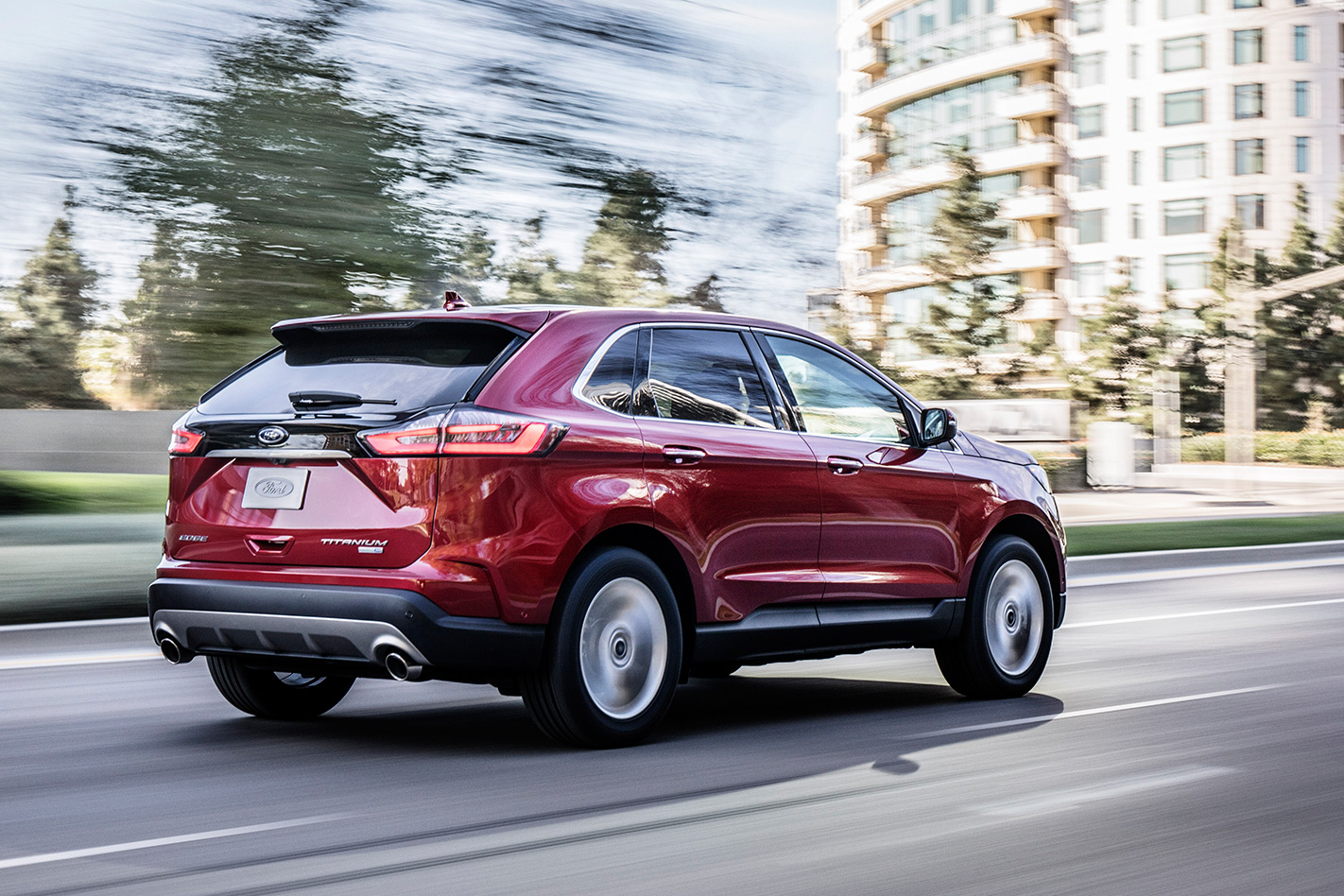
Ford Australia is yet to announce pricing and specifications for the Endura, so it is not yet certain that all the safety features rolled out to US customers will translate to right-hand drive.
We’re yet to see what the Endura will look like, either, with Ford so far only giving us a look at a high-end ST-badged version that won’t make it here.
Other significant safety features planned for US market customers include automatic emergency braking that extends to unwary pedestrians that step out in front of the Edge, blind spot monitor and high-beam headlights that will automatically dip for oncoming traffic.
The Edge will also come with a glove box-mounted knee airbag for the front-seat passenger.
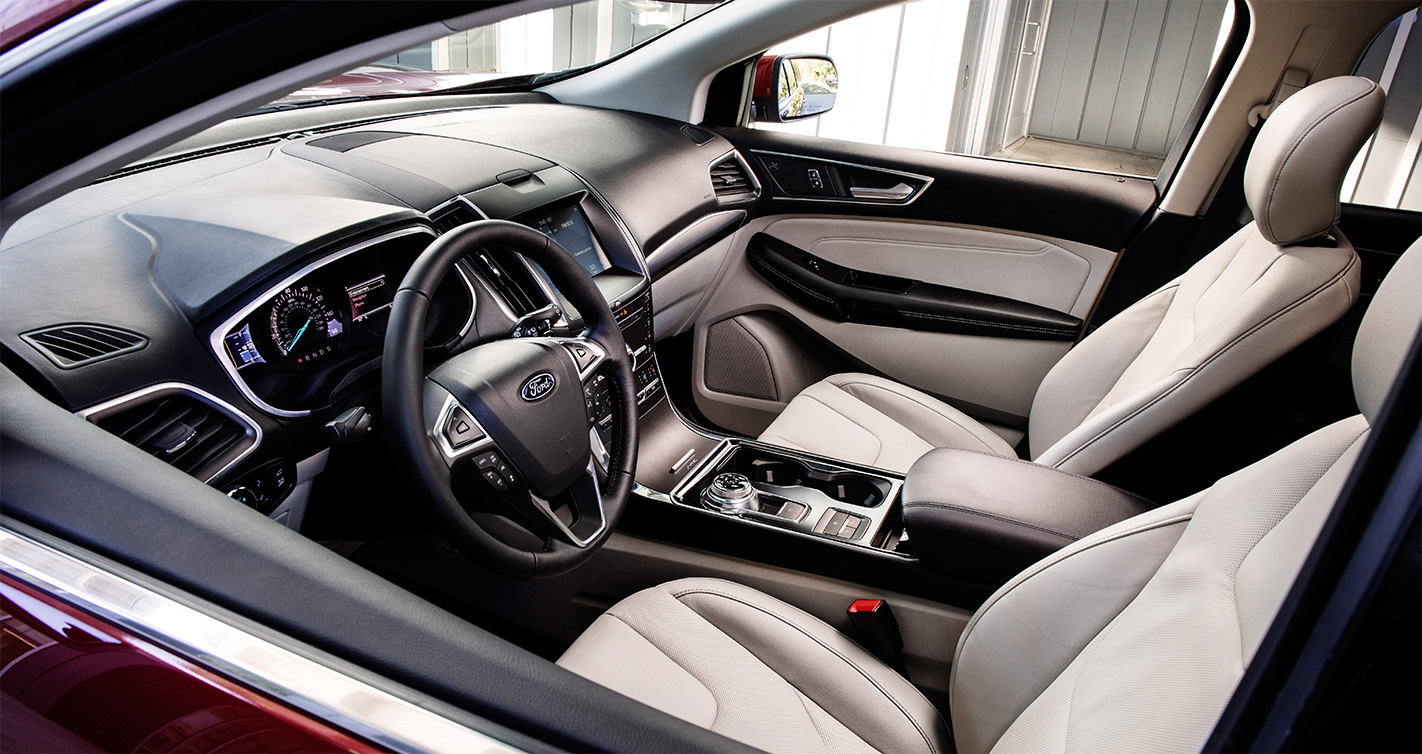
Ford says the Canadian-built Edge will also sell in the US with rain-sensing wipers and a reversing camera as standard. Front and rear parking sensors and a surround-view camera system are also standard, as are LED headlights, although LED fog lights and “signature lighting” are on the options list
It’s also going to be very owner-friendly, with a wireless recharging pad for mobile devices, and the option of a 12-speaker premium audio system.
The US version will also allow owners to lock and unlock their Edge, start the engine, and even find it in a crowded car park, all via a smartphone app. The traditional centre console-mounted gearshift lever has gone, replaced with a Jaguar-like interface that allows drivers to dial up Park, Neutral or Drive – although unlike Jaguar’s version, it doesn’t rise up to greet you when you hit the engine’s start button.
Owners wanting to use the latest generation of Sync 3, the multimedia interface that allows them to set everything from the cabin temperature to the radio station using voice alone, will need to pay more for an upgraded eight-inch touchscreen.
The Ford Endura will launch in Australia late this year.
It was bound to happen. One lucky punter is scoring a unique HSV GTSR W1 painted in XU3 Yellah, the iconic colour that adorned the original HSV VS GTS-R.
MOTOR understands that the car was not painted within HSV, as the company was adamant it would not be doing special colours throughout the W1 build, however MOTOR sources indicate HSV helped facilitate the request of a long-standing customer by introducing them to a trusted supplier.
The eye-catching XU3 Yellah hue has become iconic, despite its impact being lessened at the time due to then-Victorian Premier Jeff Kennett’s decision to paint the entire Victorian taxi fleet a very similar shade of yellow.
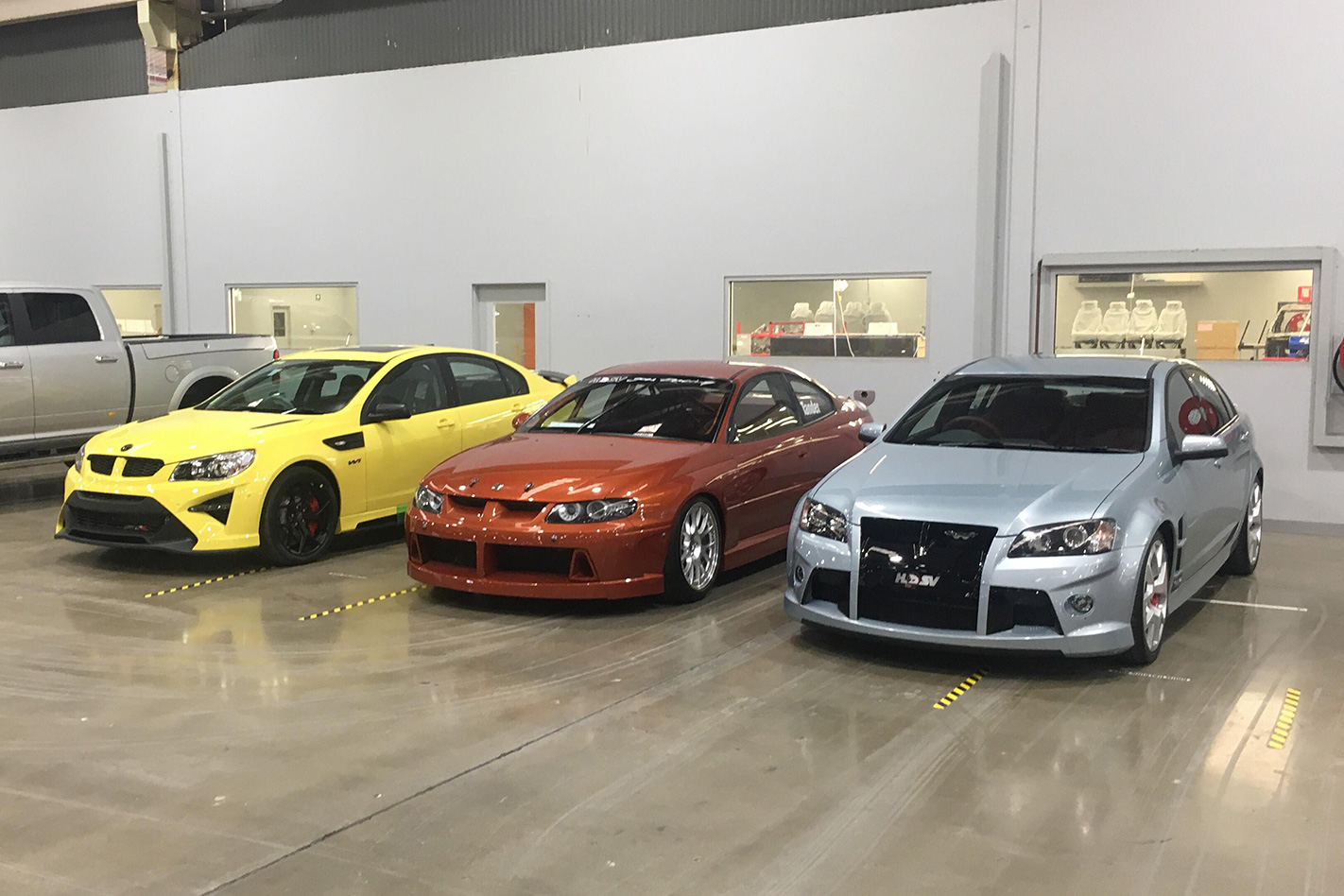
HSV wrapped up its local manufacturing on December 29, with the last vehicle completed officially being a GTSR W1 painted in Light My Fire – number 275 for the Australian market, while another 23 went to New Zealand. Both the first and final W1s will be retained by HSV.
HSV now moves into the next stage of its operations, including relocating to its new premises and the release of the Holden Colorado SportsCat by HSV as well as conversion of the Chevrolet Camaro and Silverado.
