
Someone has just bought the first Bugatti Chiron.
The ‘1 of 500’ Chiron, which was the first one ordered for the US market, has just sold at an RM Sotheby’s auction in New York for $4,996,110 AUD (or $3.773 million USD).
But this Chiron is actually new, never having been owned before. As owning the first of something so prestigious sometimes commands quite a premium, we would have expected it to sell for a little more than its ‘regular’ price (if there is such a thing) of 2.4 million Euro, or $3.61 million AUD.
Essentially, by that measure, the Chiron has just jumped by almost 1.39 million AUD in value. You could buy several W1s for that difference.

As the very first Bugatti Chrion offered at a public auction to be sold at a public auction it has set quite a precedent in terms of Chiron prices, one we mere mortals will likely struggled to comprehend for some time.

RM Sothebys says: “The successful buyer of this Chiron will be treated to a personalized visit of the Bugatti factory in Molsheim, France. This includes lunch, a factory tour, and a test drive with a noted test driver.”
Though the Koenigsegg Agera RS has stolen most of the Chiron’s record-breaking thunder, this is still a very special vehicle.
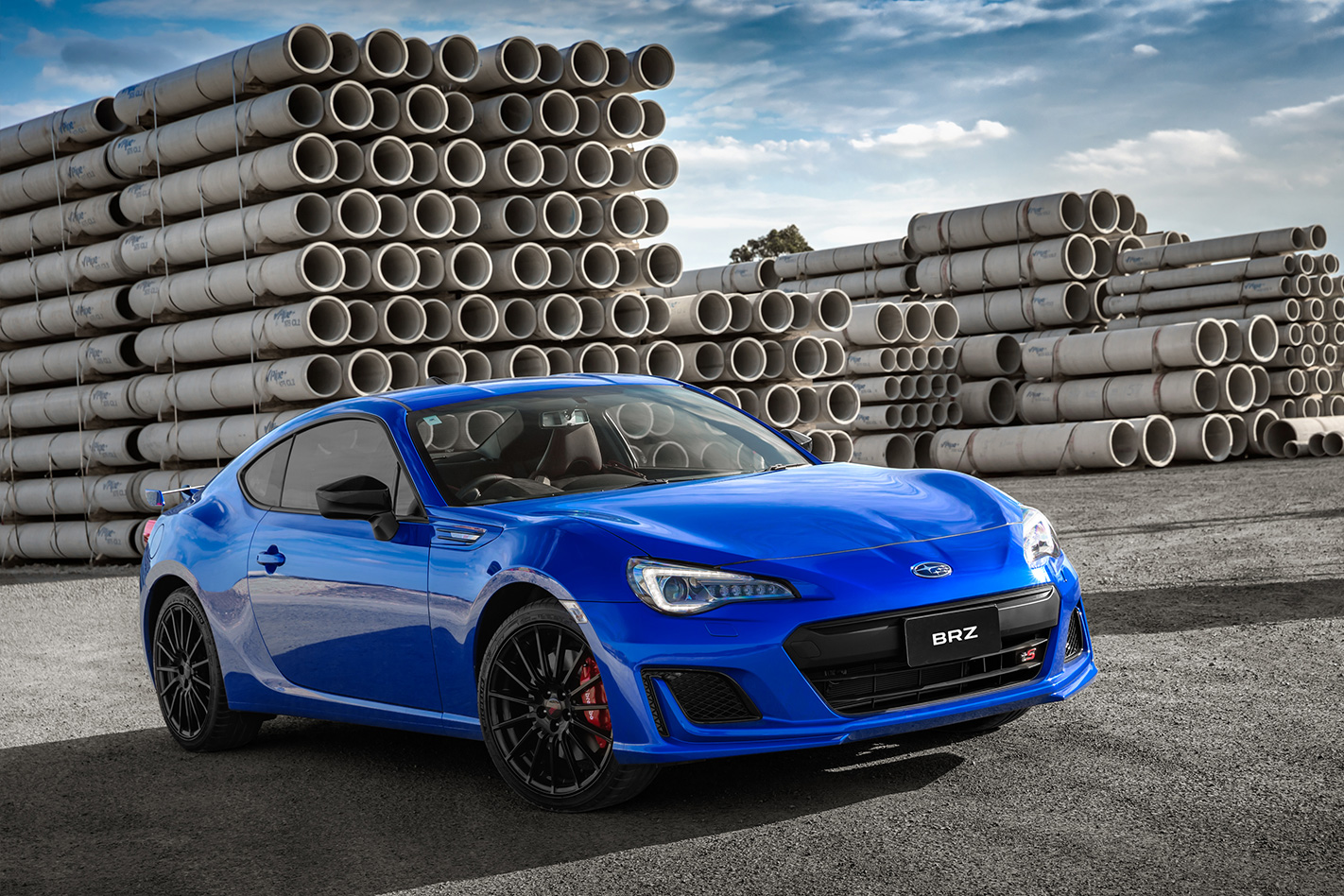
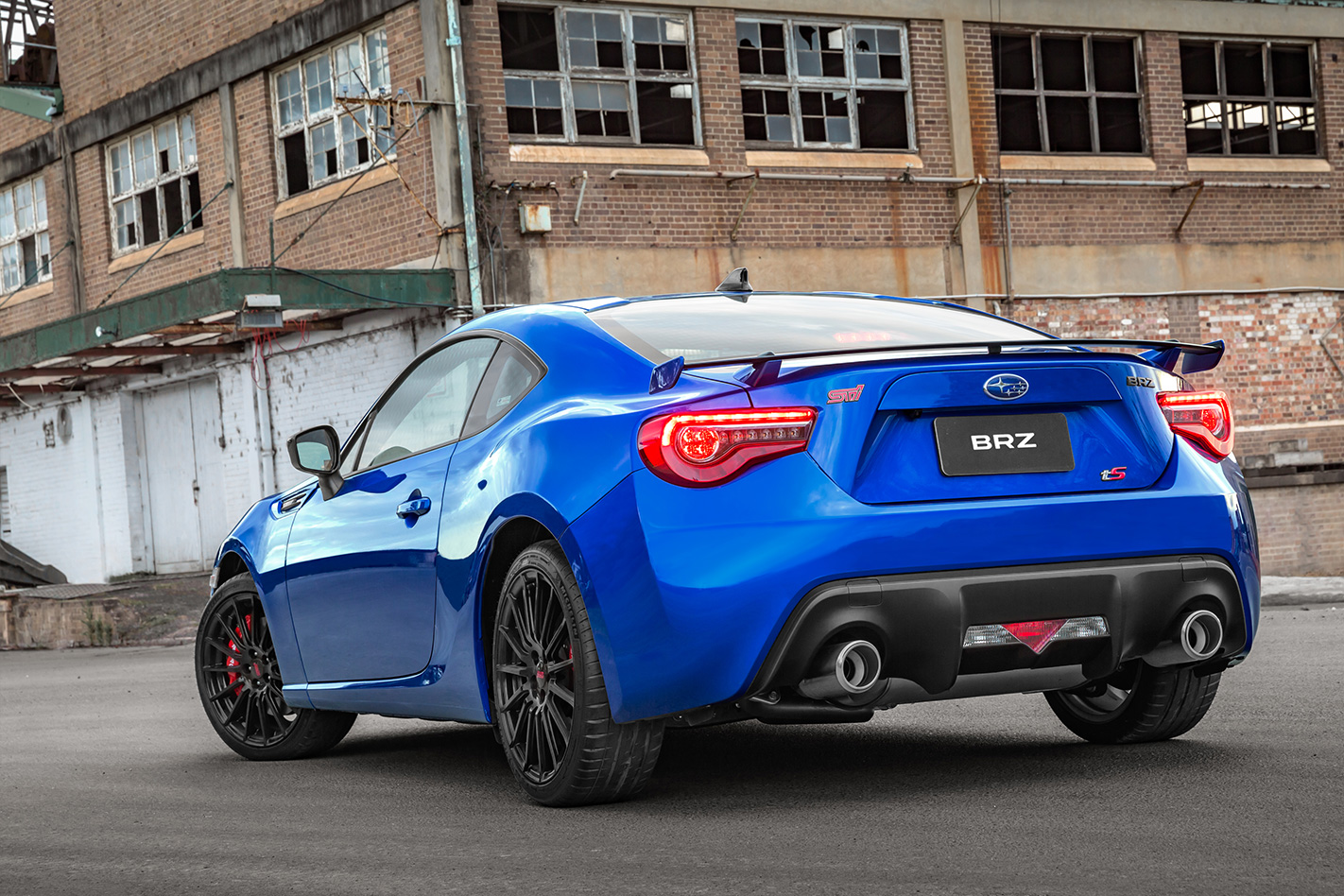
The Subaru BRZ tS will sit at the top of the Japanese brand’s two-door, rear-drive coupe line-up, adding a much-needed dose of performance to the range.
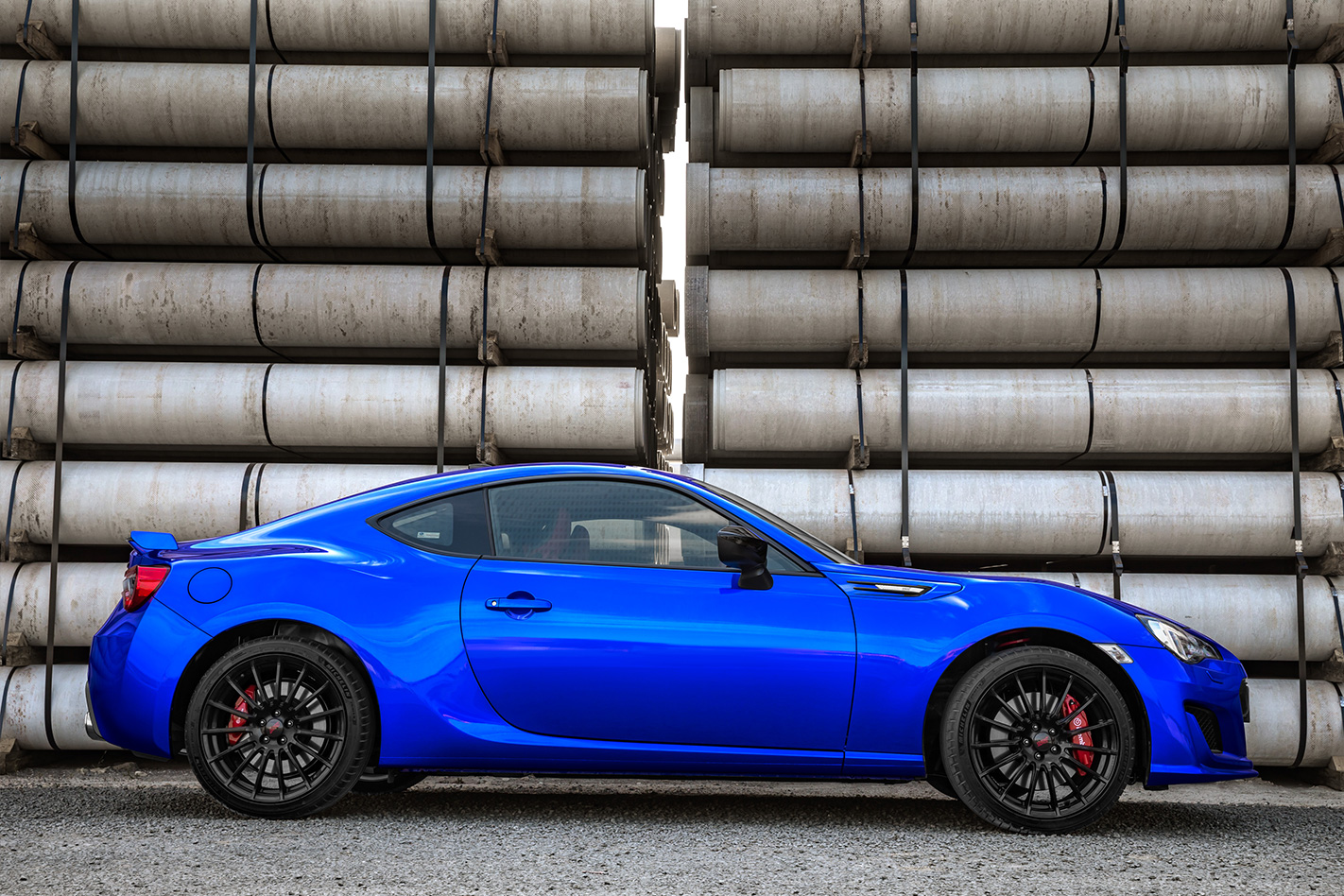
Dubbed the BRZ tS – the “tS” badge has appeared previously on Subaru products as a sort of warmed-over version featuring some STi-based enhancements – the new flagship of the range features Sachs suspension dampers, Brembo brakes with red callipers, STi coil springs, extra stiffening under the bonnet and 18-inch alloys are all standard on the new variant.
The tS also gains special badging, an exclusive front bumper and grill, and a black rear spoiler.
Inside, red highlights are added to the Alcantara seat trim, while the tS features an exclusive steering wheel, red seat belts, and a push button starter with the STi logo.
Subaru Australia managing director Colin Christie said the tS was a worthy flagship for the BRZ range.
“BRZ has earned a strong following since its launch in 2012, and the addition of the tS to the range will help maintain momentum for this fun sports coupe,” he said.
“The combination of suspension, brake and cosmetic enhancements make it an appealing package for sports car fans looking for a bit more edge from their BRZ.
“Also, the significant improvements to infotainment right across the BRZ range literally make it an even more entertaining drive.”
That last bit reflects that the entire Subaru BRZ range was updated with a seven-inch infotainment screen, along with Apple CarPlay and Android Auto as standard.
The tS costs $39,894 for the six-speed manual, and $41,894 for the six-speed automatic.
The Subaru BRZ is a front-engined, rear-drive sports car developed in collaboration with Toyota, and is closely related to the Toyota 86 coupe.
The BRZ is the only rear-drive product in the Subaru showroom – all other models feature all-wheel drive as standard.
Toyota BRZ recommended retail pricing
- BRZ six-speed manual – $33,990
- BRZ six-speed automatic – $35,990
- BRZ Premium six-speed manual – $35,490
- BRZ Premium six-speed automatic – $37,490
- BRZ tS six-speed manual – $39,894
- BRZ tS six-speed automatic – $41,894
Let’s get one thing straight. The Octavia RS230 never needed more power.
That front driven axle could struggle to handle what its turbocharged 2.0-litre inline-four was pumping.
But here comes the new RS245. Which, if it isn’t obvious, scores another 15 horsies under the lid, or 11kW, thanks to some software fiddling.
Torque’s climbed too, by 20Nm, for 180kW and 370Nm in total. Putting its outputs line-ball with the VW Golf GTI Performance.
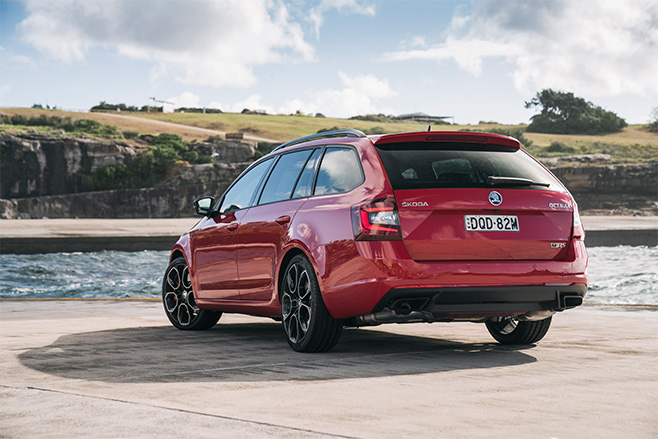
The grunt comes as part of a 2018 update for the whole range, which includes a facelift, more interior fruit, and adaptive dampers on the options list.
Skoda’s also introduced the RS245 full time in both transmissions and body styles. We tested the new hero at a ‘secret’ location on New South Wales central coast.
The private circuit, that’s confusingly littered with speed signs, offered tight hairpins, rising straights, and extremely technical sections revealed much hasn’t changed.
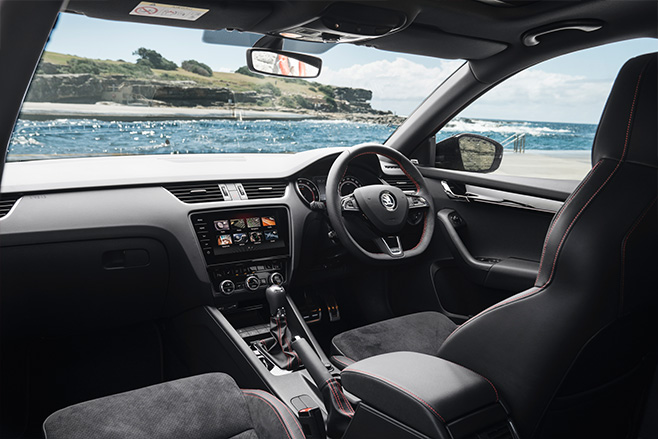
Besides a wider rear track and new adaptive dampers, the car’s supple composure remains. It’s comfortable, yet controlled, and feels up to it until about eight tenths.
Beyond that the car’s fairly neutral into the corner, but starts to push under power. It’ll easily spin the inside front, too, provided traction control hasn’t shut down the party.
Pro driver Steve Owen, who was on hand at the car’s launch, suggests rotating the Octavia into the corner. This helps square the corner and quell wheelspin.
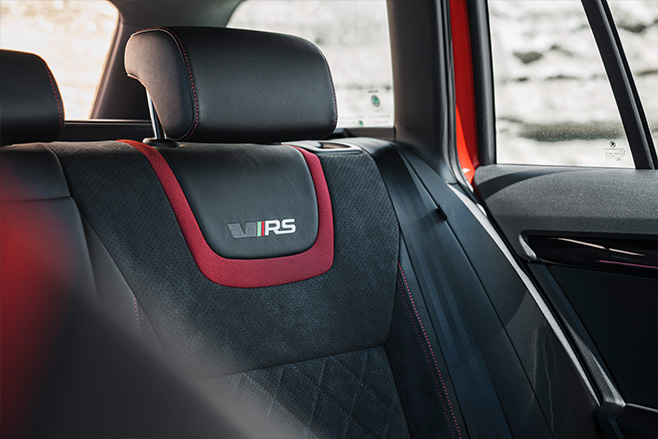
There are still some great tools in the Octavia RS245’s arsenal. That steering is accurate as a laser aligner and the added rear track helps free the rear end under brakes.
The engine’s powerband has been stretched by 500rpm over the RS230, and 200rpm beyond the Golf GTI Performance, meaning the Skoda wrings everything from higher 6700rpm redline with a meaty, hard-charging soundtrack.
It’s a great match for a DSG ’box, the six-speed manual’s still the entry point and quoted as quicker to 100km/h, but the seven-speed lacked a perfect ratio between second and third for tight, low-speed corners.
We’d pick the sedan if you insist on going ten-tenths on a regular basis, along with better pads, discs, and fluid. But overall the RS245 remains great value, even with a $1700 price hike.
With that sting comes a new brilliant 9.2-inch touchscreen that’s infinitely better than the old smaller unit. While auto folding black mirrors are thrown in. The wagon body (for an extra $1500) remains an IKEA-devouring warrior. While both cars on the stretched MQB platform feel compact, yet genuinely roomy. The only markdown is dull tip-in during stop-start driving.
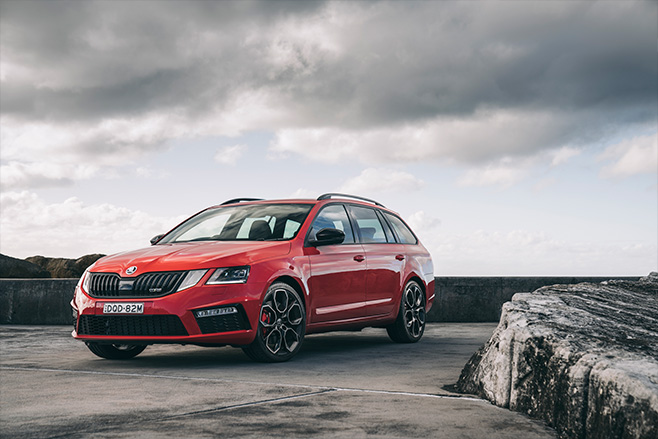
The RS230 fell over at Bang For Your Bucks last year, and the RS245 hasn’t fully corrected its shortcomings. Yes, it pulls harder up high in the rev range, but the grunt’s worsened traction issues. And the optional dampers haven’t injected much needed stiffness into to the mix.
We suspect the story might be different away from red-mist environments, because the RS230 was a brilliant road car. And the RS245’s new adaptive dampers suggest it might even have improved its urban manners or when taking it on a brisk punt.
For now, it’s not as entertaining as it is practical, which would be a lofty achievement in this case, but it comes close. The Skoda RS245 remains a thinker’s lead-foot chariot. But we’ll reserve final judgement on its complete abilities for the road drive.
3.5 stars out of 5
2018 Skoda Octavia RS230 specifications: Engine: 1984cc inline-four, DOHC, 16v, turbo Bore and Stroke: 82.5mm x 92.8mm Power: 180kW @ 5000-6700rpm Torque: 370Nm @ 1600-4300rpm 0-100km/h: 6.7 seconds Weight (tare): 1346kg (manual, sedan), 1366kg (auto, sedan); 1380kg (manual, wagon), 1400kg (auto, wagon) Transmission: six-speed manual or seven-speed dual clutch Price: Sedan Manual $43,390 – DSG $45,890 / Wagon Manual $44,890 – DSG $47,390
HSV will unveil the plans for its future tonight with what appears to be a modified Holden Colorado – but a Victorian Government announcement provides a vital clue as to what its post-Holden Commodore future will look like.
The state’s Minister for Industry and Employment, Ben Carroll, used a visit to Holden Special Vehicles’ soon-to-close Clayton factory – the workshop is currently moving to a new site nearby – to announce that 16 businesses “impacted by the closure of automotive manufacturing” would share in $662,000 worth of government grants.
“Assistance through the program has enabled Holden Special Vehicles, an automotive design and engineering business, to look at diversifying its vehicle lines through expansion into the modification of imported vehicles,” the release said.
“Through the Automotive Supply Chain Transition Program, we are helping companies like Holden Special Vehicles identify future markets, plan for transition and ensure their workforce is sustainable,” Carroll said.
Under the terms of the program, HSV would have been eligible for up to $16,000 to develop a transition plan, and an extra $55,000 to implement the changes, the government said.
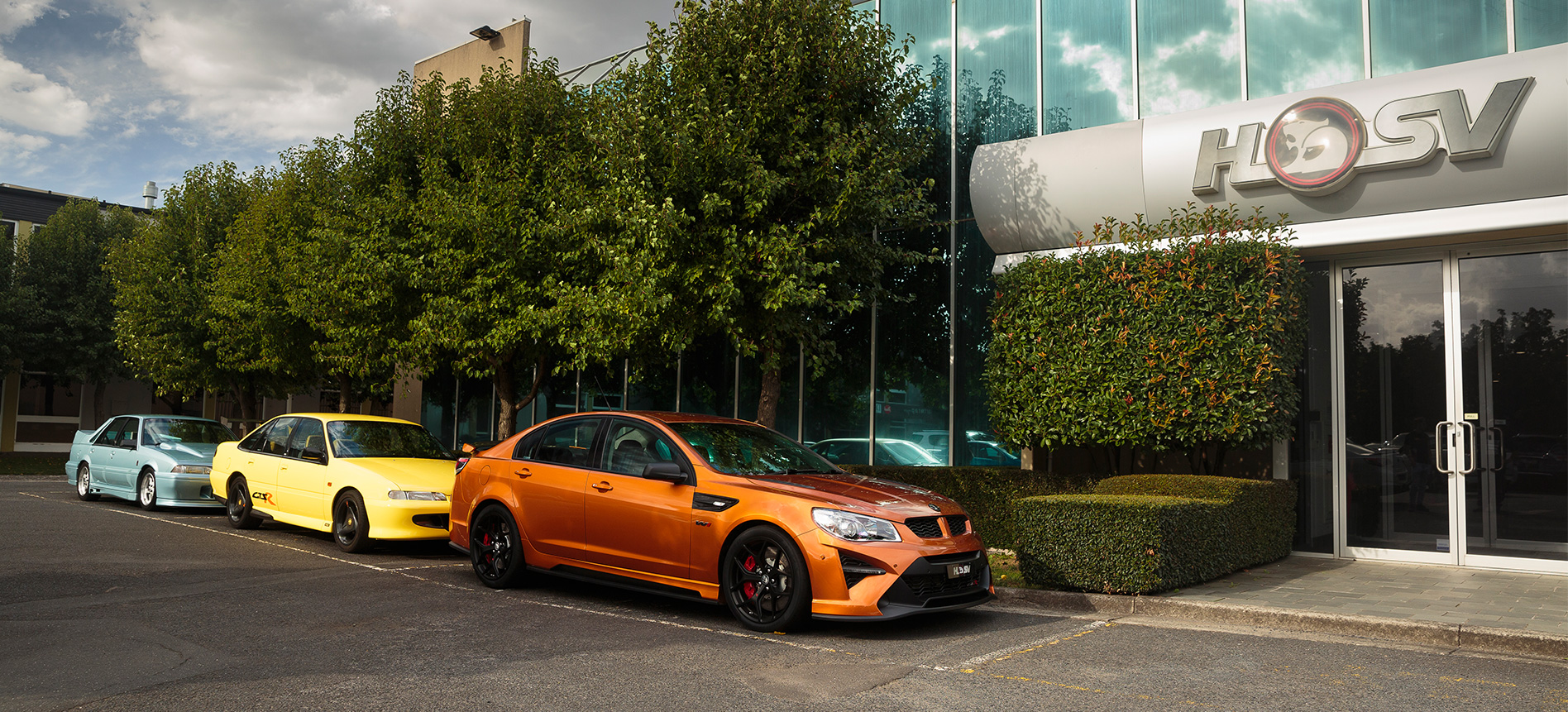
HSV’s future is believed to be tied up in modifying existing Holden products to enhance their performance, although a heavily modified version of the Holden Colorado featuring a 300kW-plus 3.6-litre twin-turbo V6 will wear the badge of HSV’s licence holder, Walkinshaw.
The funding also suggests the HSV-badged version could feature fewer engine and performance modifications than its Walkinshaw cousin, and potentially use either an atmo V6 or a tweaked version of the current Colorado’s 2.8-litre four-cylinder diesel engine.
As well, HSV is expected to convert versions of the Chevrolet Camaro to right-hand drive for the Australian market.
MERCEDES-BENZ Energy – the division of the German car giant charged with mastering home battery tech – has fixed its sights on the next chapter in sustainable domestic electricity, with vehicle-to-home systems just around the corner, it says.
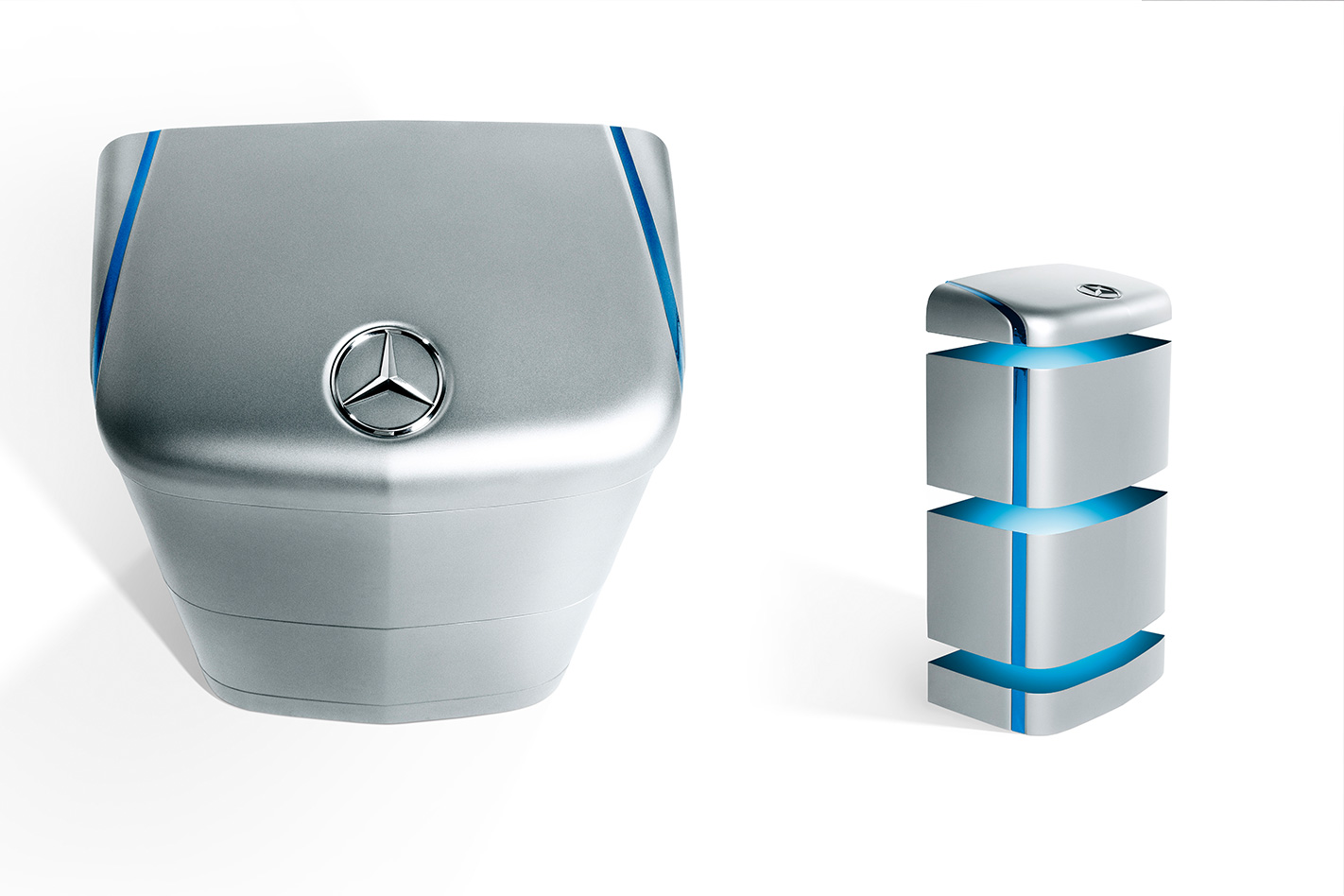
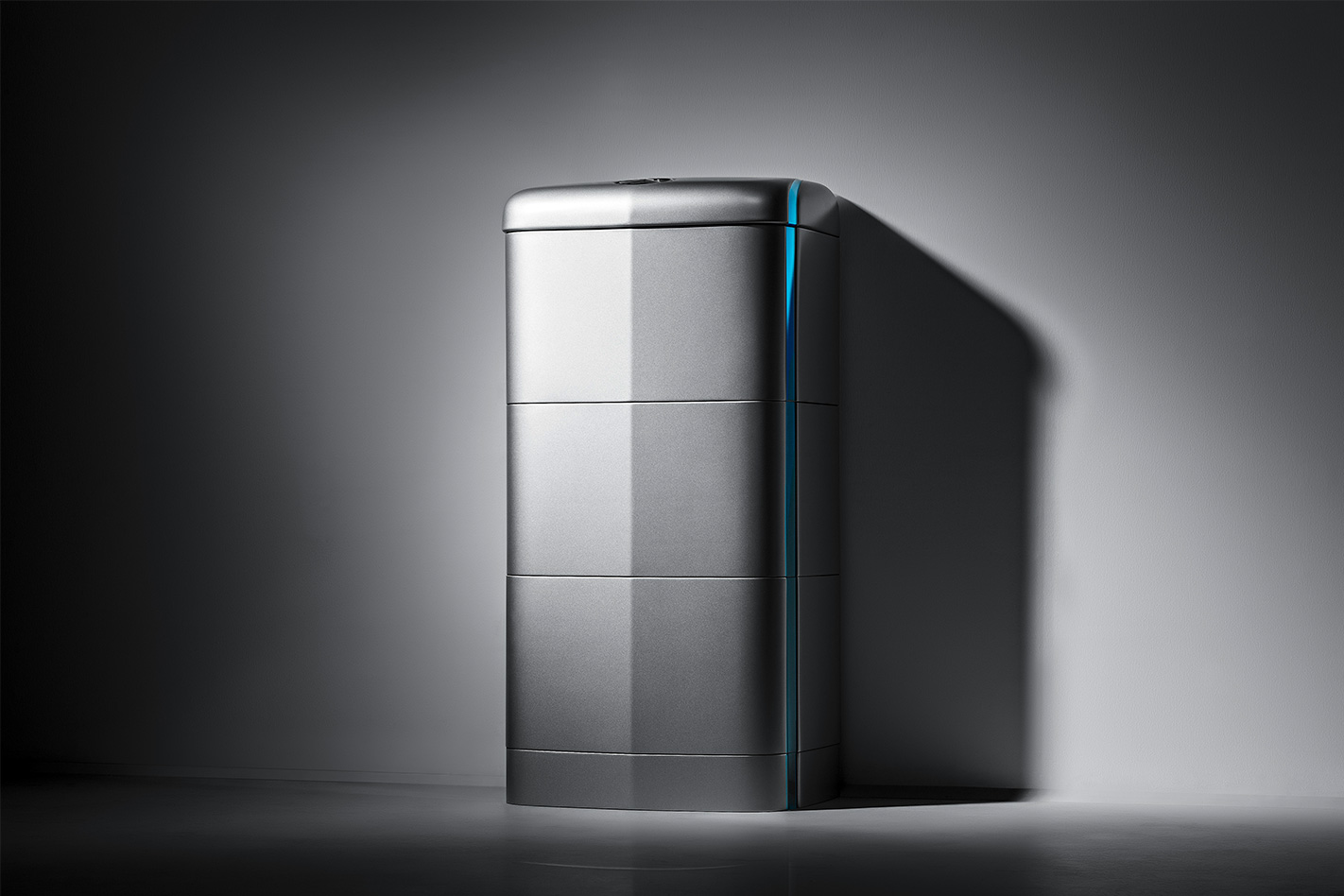
The company’s initial focus has already introduced Mercedes power wall home storage batteries to rival the units developed by tech start-up Tesla, but with the systems now gaining momentum through global trials, the next step introduces vehicles to the grid.
When the evolution of the home energy system hits households in the near future, owners of electric cars will have the option of lighting, heating and cooling their house using the battery of the car parked in the garage.
Traditionally, an electric vehicle must be charged at the end of the day at the owner’s residence but, Mercedes-Benz Energy CEO Boris von Bormann explained that as EV batteries increase in capacity and charge infrastructure grows, the roles will be reversed.
“What we’re also looking at is vehicle-to-grid or vehicle-to-home,” he said. “So basically – where you could use your vehicle to power your home.”
“That’s why a lot of companies do have that work benefit of free charging, for example.”
For a user to be completely independent of electricity retailer supply, a permanent home battery would also be required to run systems that need constant power while the vehicle is away from the house, such as the fridge or security.
The future car-to-home layout could also be expanded to even earn cash for the homeowner. With a vehicle-to-grid expansion, the owner could sell electricity back to retailers during times of high demand. In the future, power outages such as the recent incidents in South Australia could be avoided if enough EVs are connected to the grid to meet peak demand.
“You can actually make money by trading the energy or the capacity that you have in the vehicle on an energy market and get a return on the investment on the capacity that you have in the car. And then, if there’s power outages, you basically have a 100kWh battery sitting outside that can power you at home.”
While Mercedes-Benz Energy is working to develop the various systems in all global regions, a majority of the progress is happening in areas that have strong renewable energy sources, high demand for low emissions cars and a significant EV car park, but Australia might not be that far behind.
The Benz power wall is not officially on sale Down Under at this stage, but Wheels understands a number of the three-point star badged power units are on red dirt for trials, and Mercedes is actively looking at the Australian market.
Mercedes’ first EQ fully electric vehicle will arrive in 2019 and it will be followed by a consistent roll-out of more electrified cars and SUVs under the new EQ family banner, increasing the feasibility of homes that connect to vehicle power supplies as well as the traditional grid.
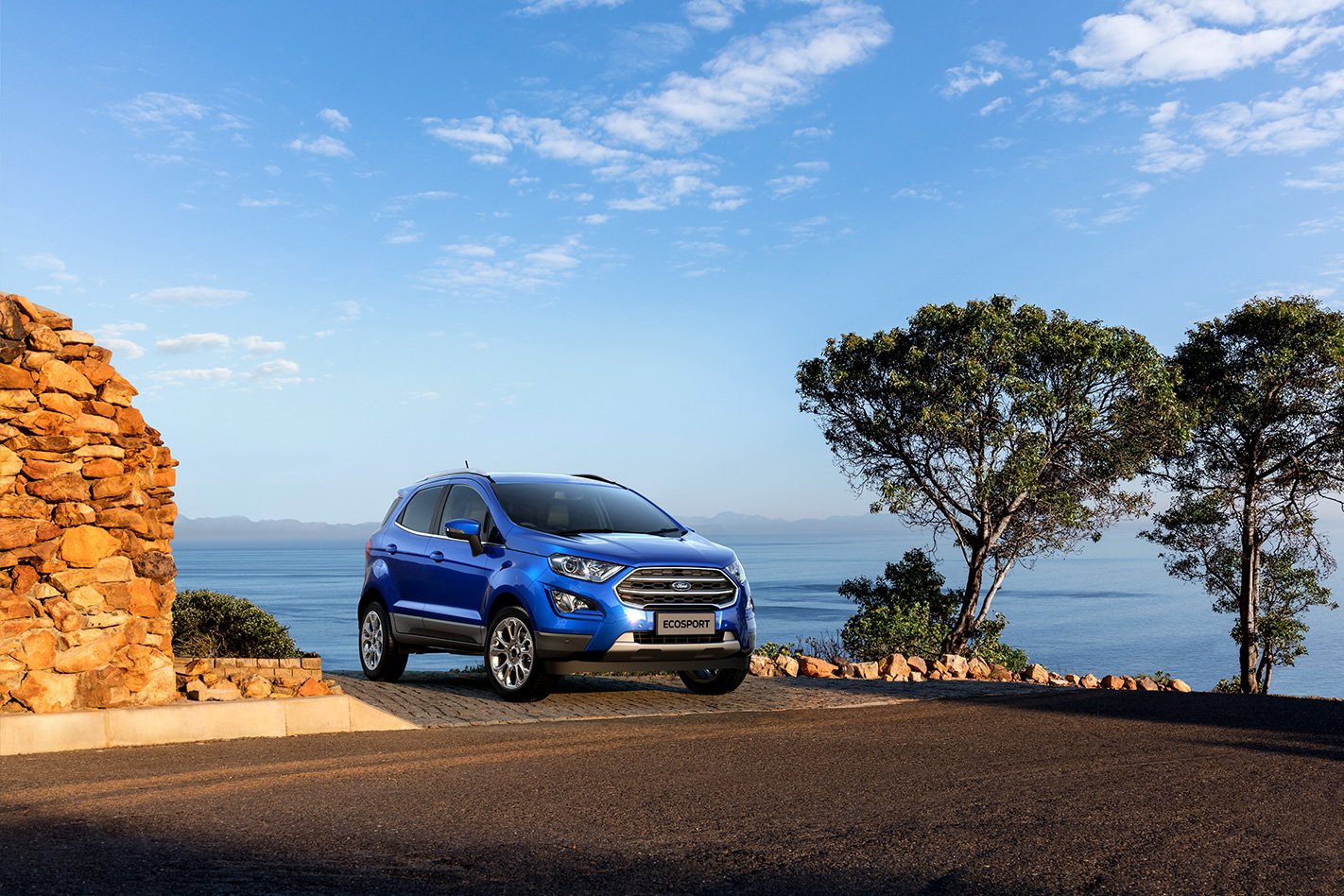
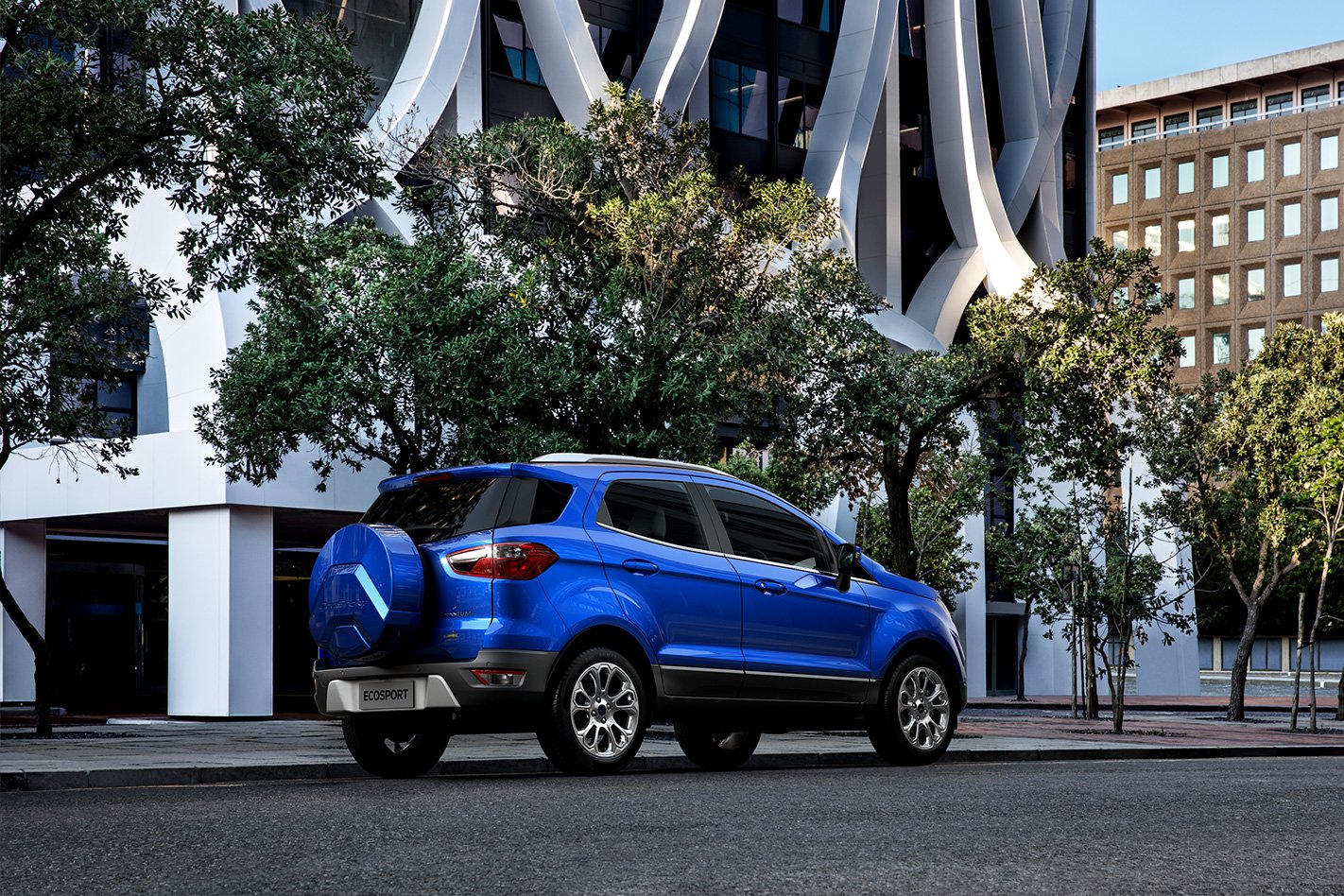
FORD has ditched the controversial dual-clutch gearbox from its EcoSport line-up as the introduction of a traditional torque converter opens up more choice for buyers.
There’s a catch, though, as the shift to the new auto transmission will cost you more at the pump via increased fuel use. Oh, and in adding the auto, Ford has also taken the decision to dump the six-speed manual gearbox.
The former six-speed Powershift gearbox – the subject of a class action from disgruntled Ford Fiesta, Focus and EcoSport owners who claim the dual-clutcher isn’t up to the job – makes way for a more conventional six-speed automatic as part of a significant facelift for Ford’s compact SUV.
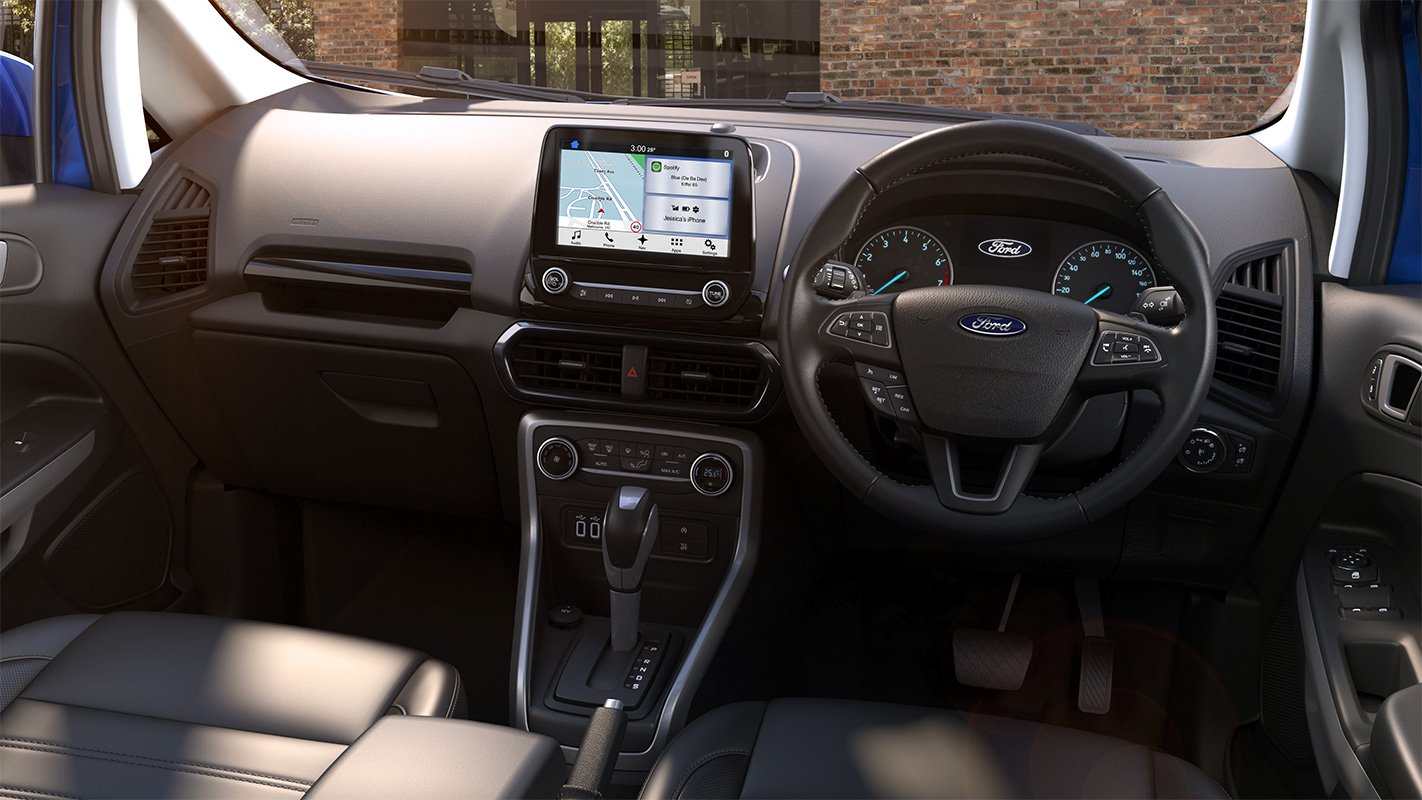
Inside, the rehashed interior features “fresh materials”, and a more useful centre console that includes an armrest and a “media bin” with a pair of USB ports. A storage tray also finds its way under the driver’s seat.
The other item that will be a big tick with buyers is the swap to the more traditional six-speed auto now allows buyers to opt for something other than a six-speed manual in cars fitted with the 1.0-litre three-cylinder “EcoBoost” turbocharged engine.
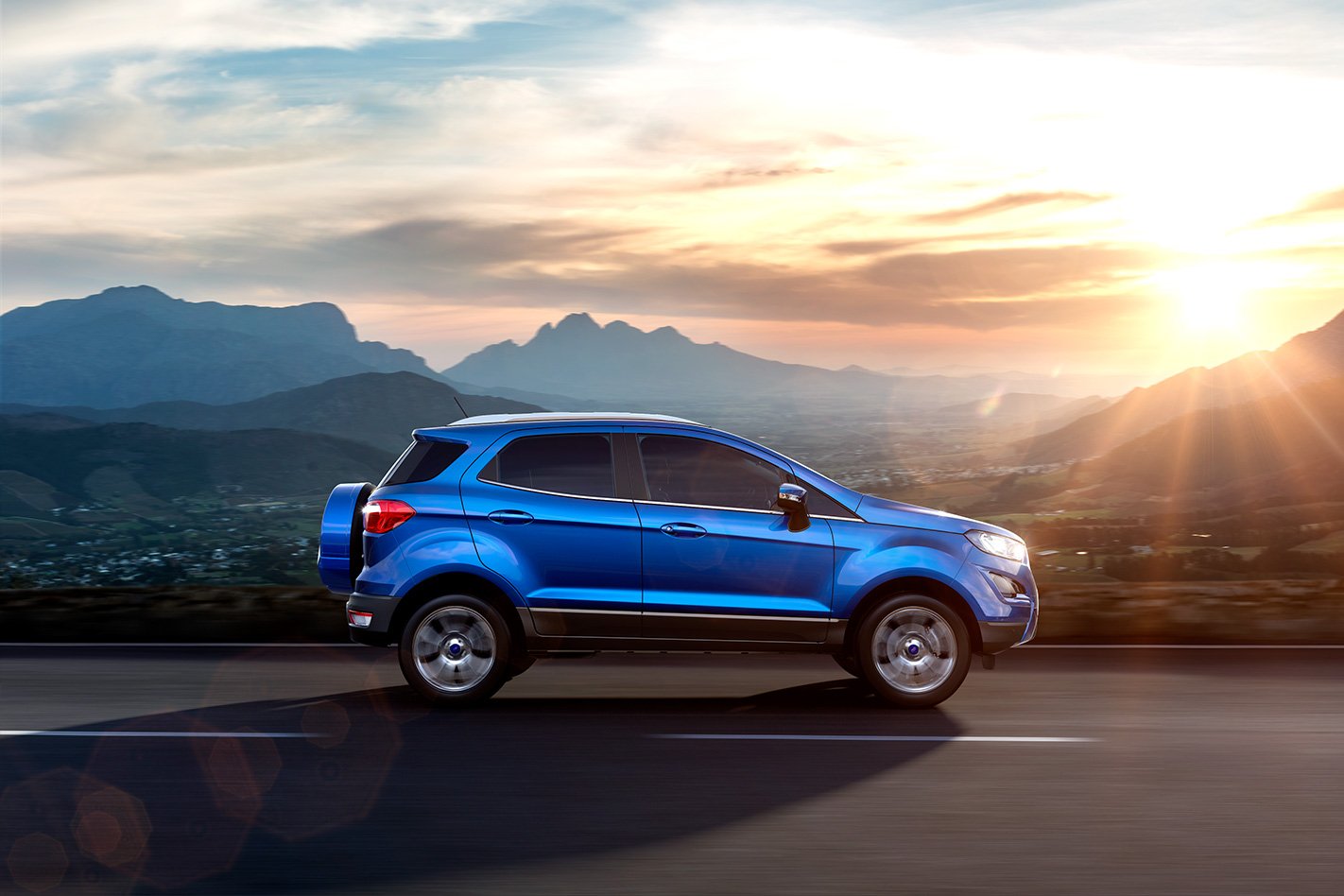
But the extra poke comes at the cost of fuel economy, which rises from the old model’s 6.5L/100km to 6.9L/100km. The 1.0-litre triple, fitted to the mid-spec Trend and range-topping Titanium, sticks with its 92kW/170Nm power output, with fuel use rated at 6.7L/100km compared with the former manual version’s 5.7L/100km.
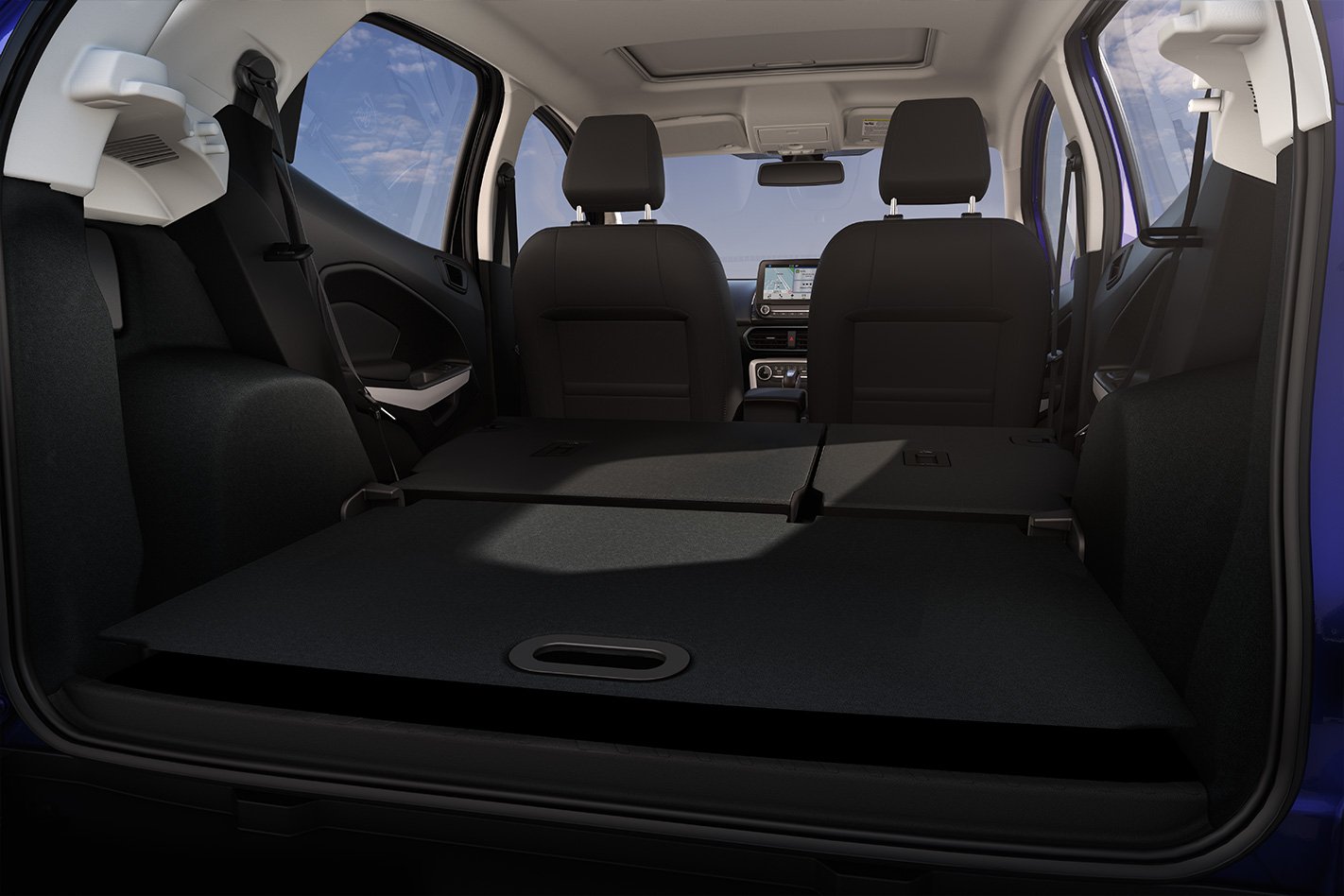
However, with no price-leading $20,790 manual version, expect the fresh-look entry-level soft-roader to up the cost of joining the EcoSport club.
Dutch sportscar manufacturer Spyker has announced it is ending its current generation of car, the Spyker C8 Aileron, with three special editions to commemorate the badge.
Each of the three final editions, named Aileron LM85, will be clearly unique from each other.
The LM85 moniker comes from Spyker’s 2008 C8 Laviolette LM85, which itself was inspired by Spyker’s factory GT race team’s number 85 Laviolette GT2R.
The C8 Aileron is ending its 6-year run with the LM85, as well as ending the use of the supercharged Audi V8 which puts 391kW and 600Nm through the Spyker’s drivetrain.
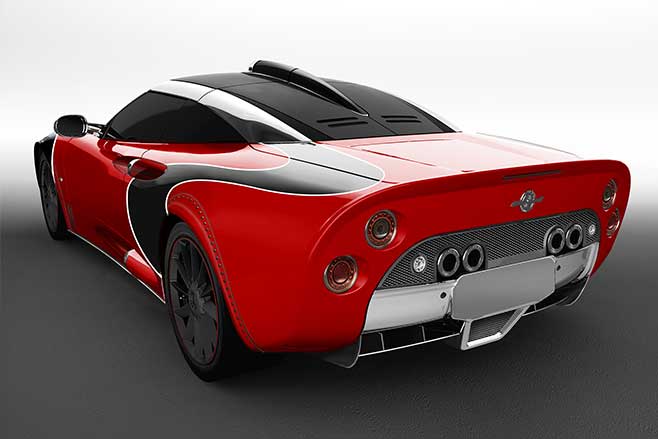
Each will have a race-inspired livery, too. One will be black with red, another will be those colours reversed, and the third will be black and gold.
They’ll also feature the signature exposed gearshift mechanism.
Spyker CEO and founder Victor Muller says even though every Spyker is different, these three Aileron LM85s are particularly special.
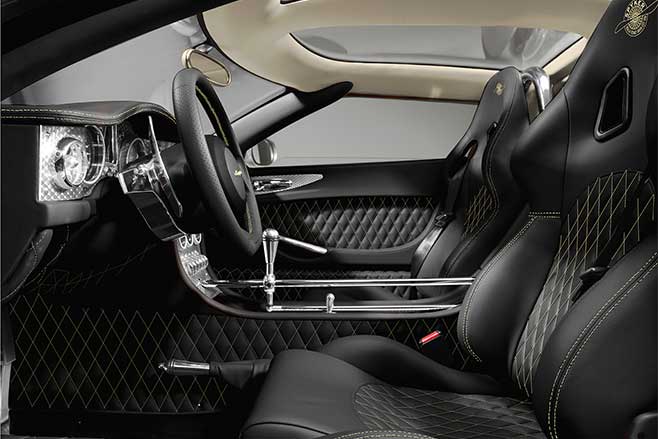
“It is a dignified departure of the Audi-powered Ailerons and a worthy step toward the third generation Spyker, the Spyker C8 Preliator.
“We designed these three cars in partnership with Milan-Morady of Luxembourg and the result is exceptional.”
The next generation of Spyker, the C8 Preliator, will reportedly house an engine built by Koenigsegg rather than the supercharged Audi V8 used by its predecessor.
First things first, this is not an HSV Colorado. Instead, it is a Holden Colorado SportsCat by HSV.
It’s an important distinction as HSV felt disingenuous to apply its full branding to a vehicle that lacks its traditional power upgrade. Yes, the SportsCat retains the same 2.8-litre turbo diesel four-cylinder as the standard Colorado, producing 147kW/440Nm in manual guise with the auto adding another 60Nm.
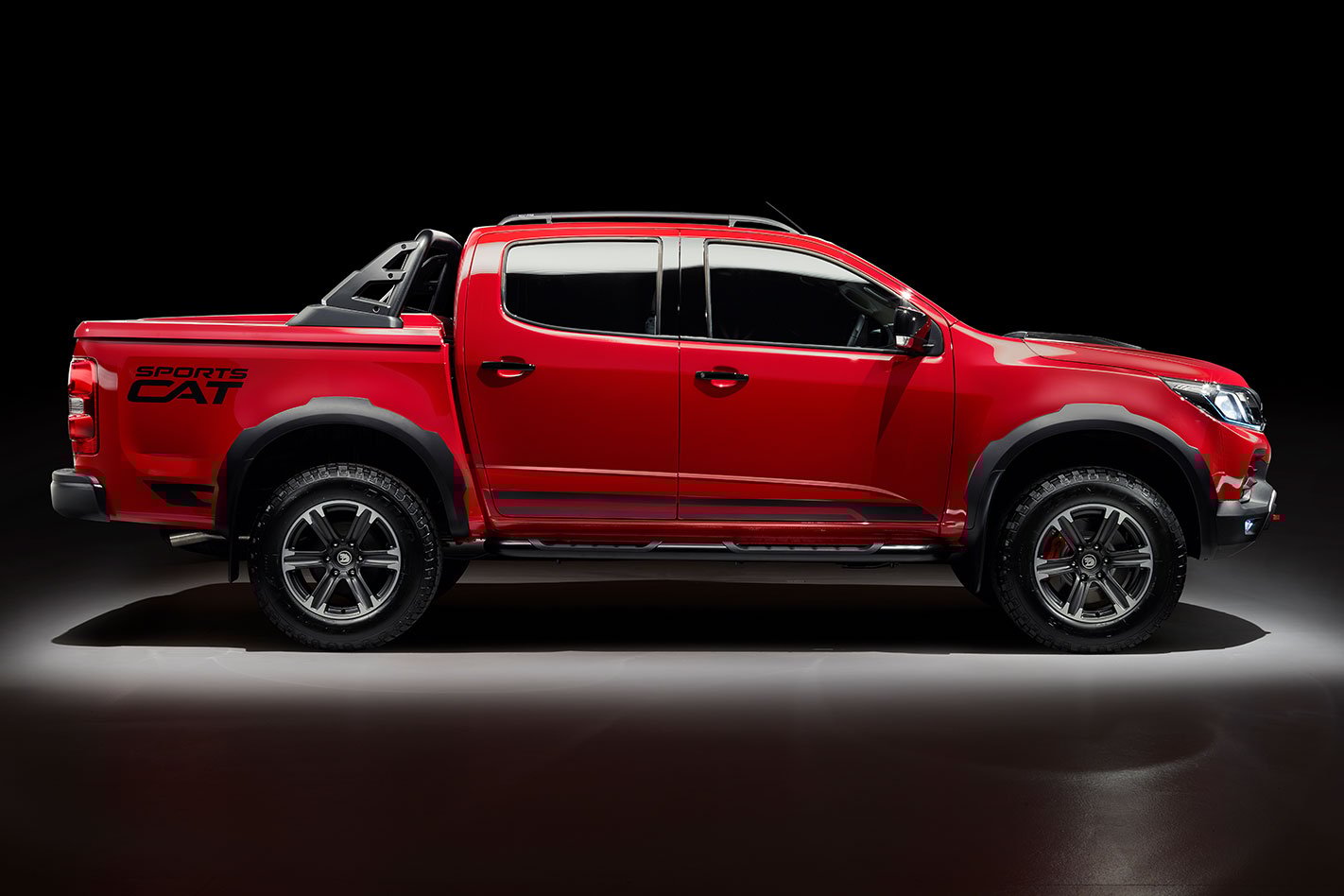
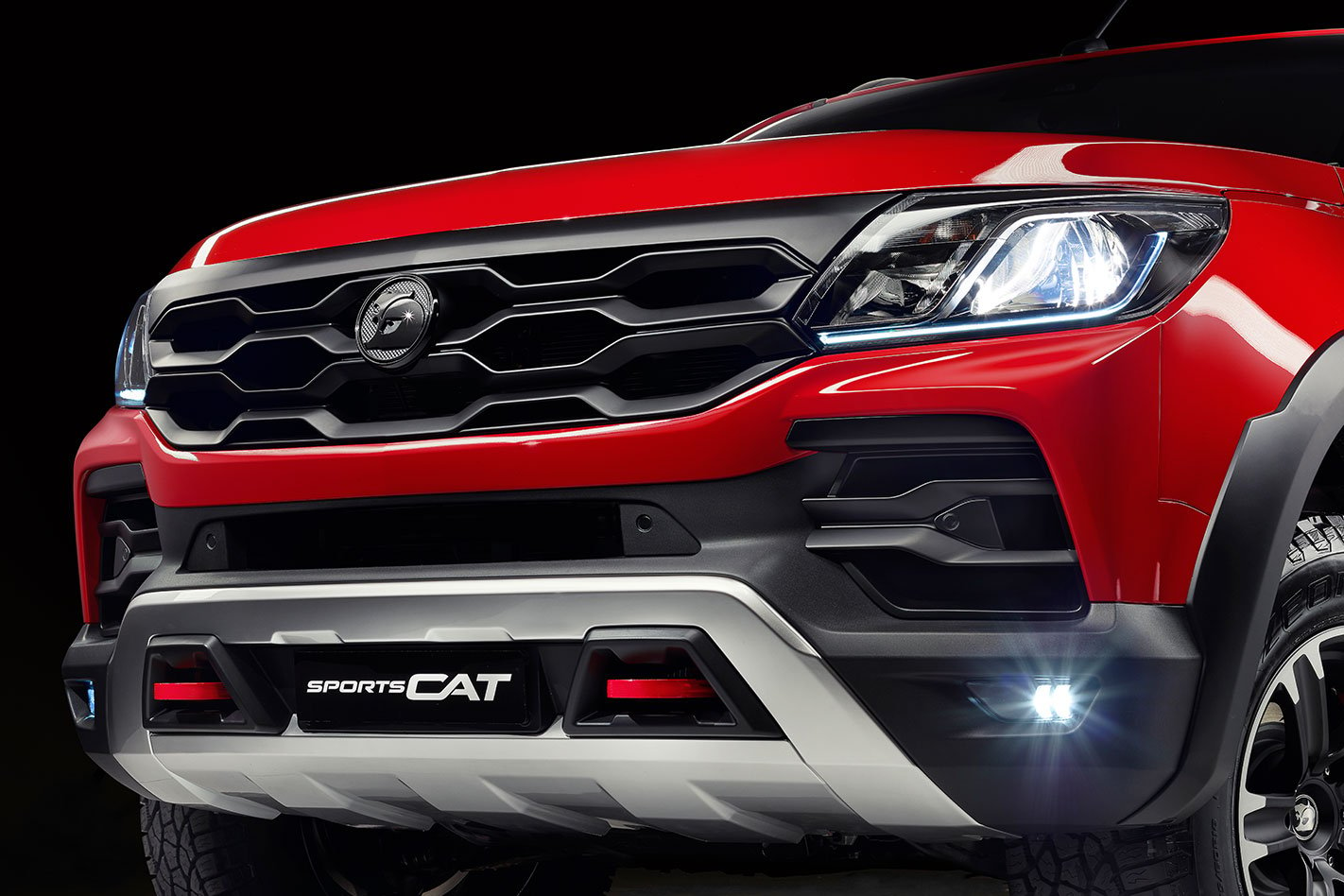
Most obvious are the SportsCat’s visual enhancements, consisting of a new fascia and grille, LED fog lamps and tow hooks, hard tonneau, rear sports bar, tailgate applique, wheel arch flares and 18 x 10-inch forged alloy wheels. The range-topping SportsCat+ adds a bonnet bulge and a ‘casselated’ treatment for the wheel arch flares.
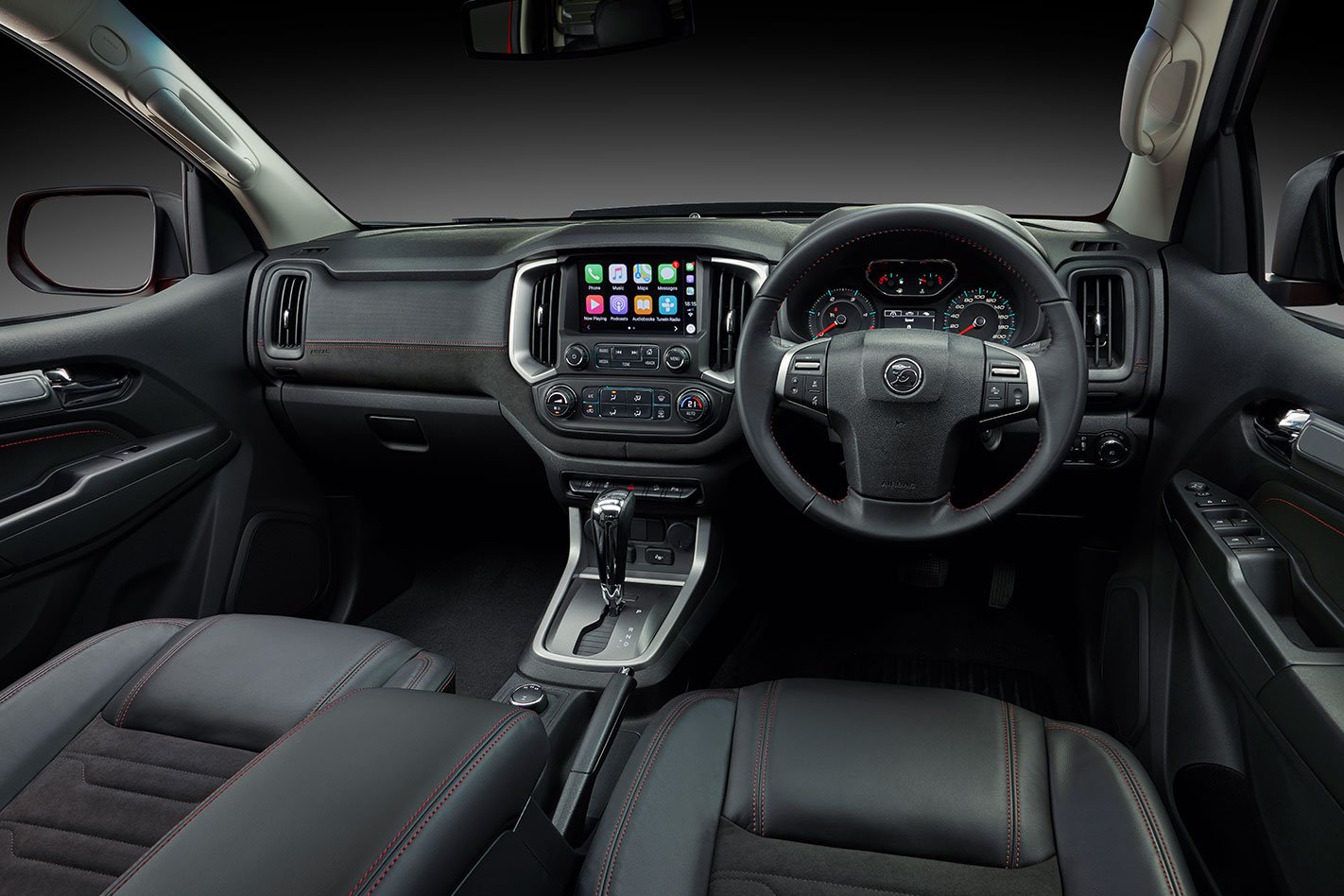
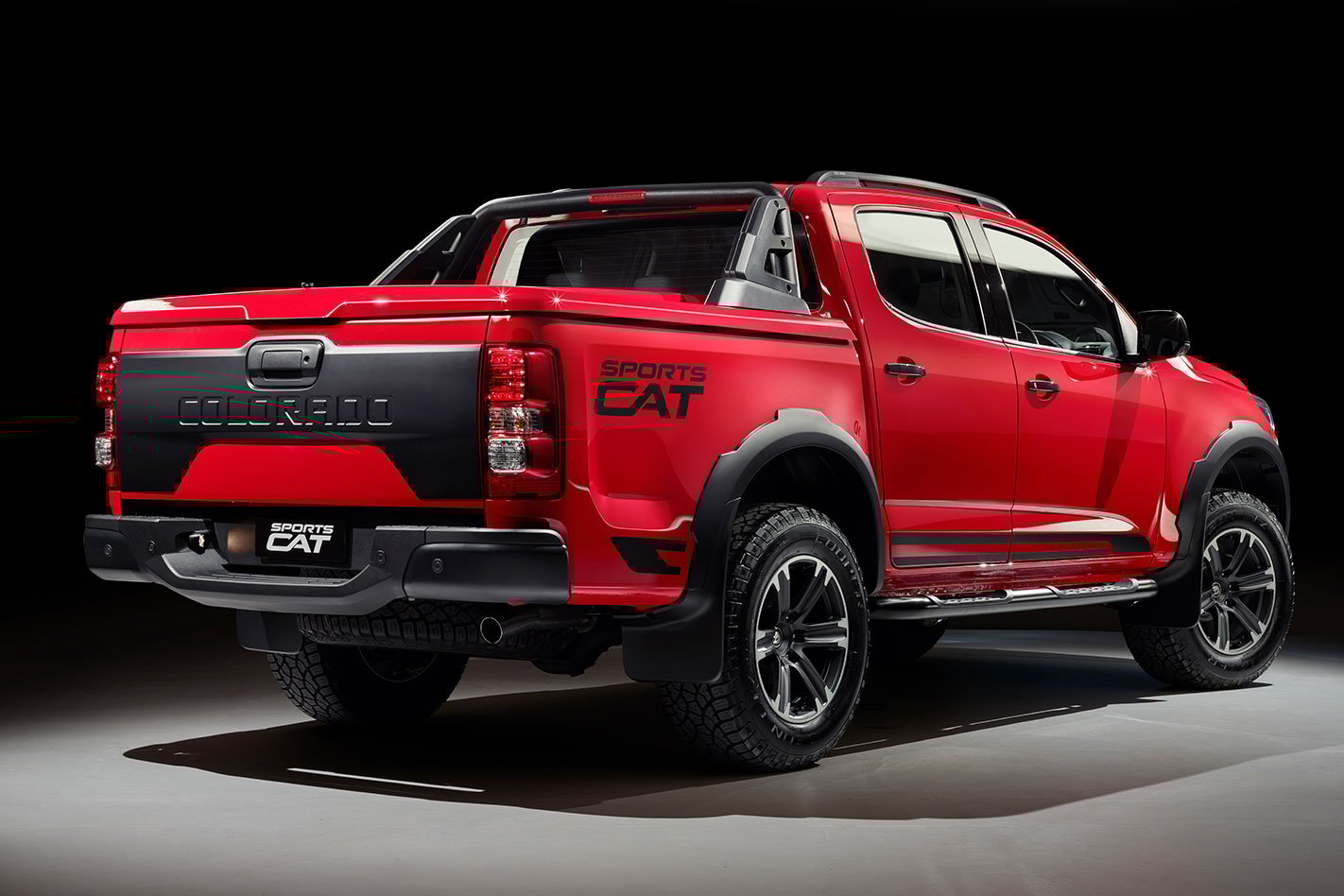
Production of the SportsCat models is scheduled to start in January at HSV’s new production facility in Clayton with pricing to be confirmed closer to the release date.
It just got a little cheaper to buy the most powerful version of the Volkswagen Tiguan, with a new 162TSI variant wedged into the model range.
Powered by a 162kW 2.0-litre four-cylinder turbocharged engine derived from the Golf GTI, the 162TSI is now available in Sportline spec for $45,990.
This is no bargain basement model though, with just $2500 separating it from the range-topping petrol Highline, which was mostly achieved by replacing the leather seats with ArtVelours microfleece/cloth trim.
Even without the price drop, the 162TSI Sportline has some decent showroom appeal, with 20-inch Kapstadt Grey Metallic alloy wheels, LED headlights and chrome roof rails.
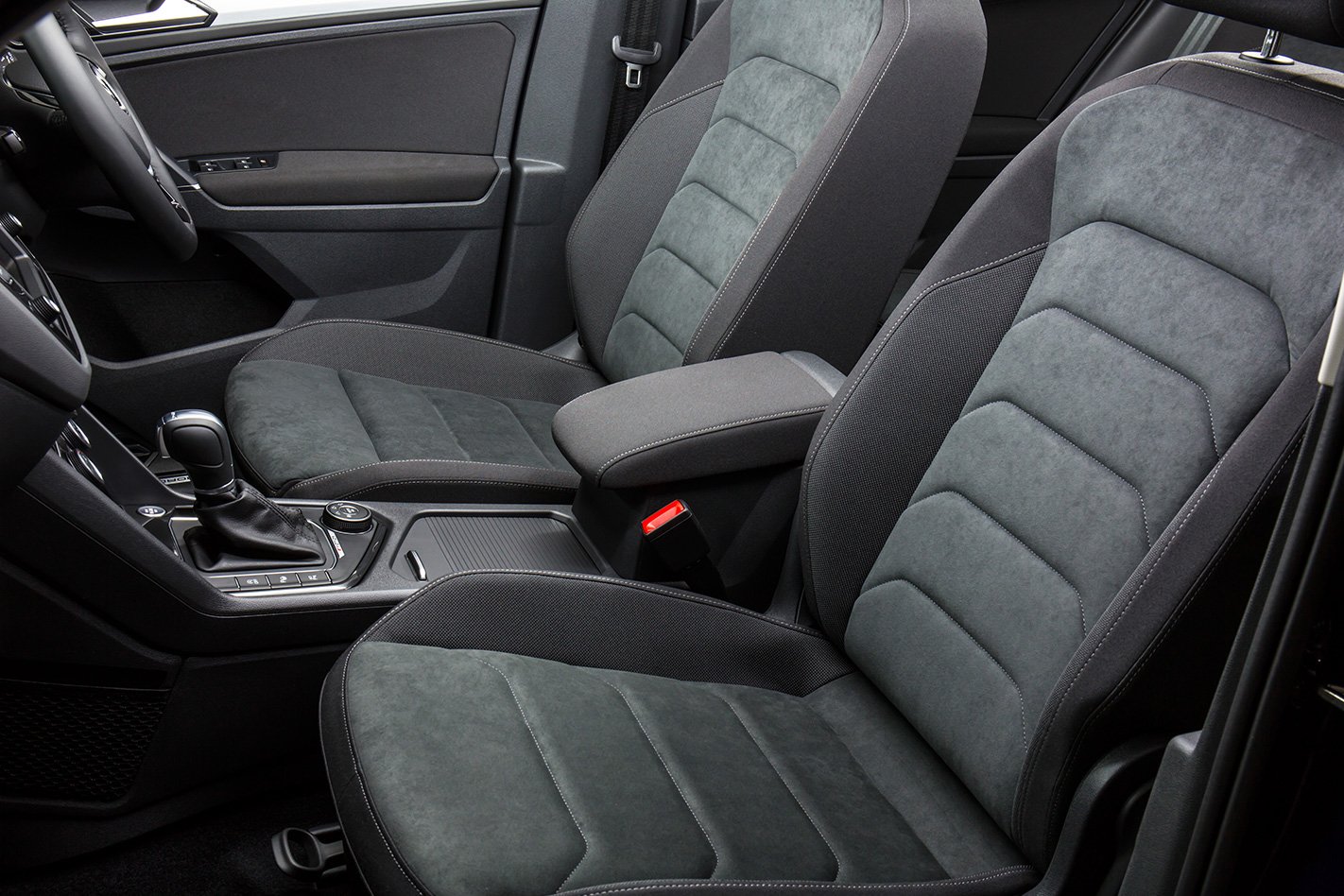
It’s also equipped with an eight-inch infotainment screen along with VW’s Discover Media infotainment and Apple Carplay and Android Auto smartphone mirroring.
The 162TSI Sportline also has a range of driver assist functions as standard, including adaptive cruise control with traffic jam assist, blind spot monitoring and emergency assist.
Like the 162TSI Highline it’s equipped with a seven-speed dual clutch transmission sending power to all four wheels, and adaptive chassis control which adjusts the suspension based on different driving modes.
The retail price is all inclusive, with the only optional extras being metallic paint ($700) and a panoramic sunroof ($2000).
The Tiguan Sportline is available now at Volkswagen dealers.
Motor insurer Allianz has revealed the most frequent motor insurance claims for each Aussie state between 2015-17, and it makes for some interesting reading.
In New South Wales, the most frequent claim was being hit in the rear, making up 19 percent of claims from that state. Suffering damage while parked and glass damage tied at 15 percent, followed by damage suffered while reversing (13 percent), and failing to give way (11 percent).
Victorians also suffered being hit from behind more than any other claim, but at a higher rate compared to NSW (23 percent). Claims for damage while parked (17 percent) beat claims related to reversing (14 percent), failing to give way (13 percent), and glass damage (12 percent).
South Australians know that sinking feeling of returning to your car and finding a note and bent metal all too well, with damage while parked the number one claim in the state, making up 19 percent of the total. It narrowly beat out claims from reversing damage (18 percent), being hit in the rear (17 percent), glass damage (13 percent), and failing to give way (10 percent).
In Western Australia it was glass damage which was most frequent. Allianz attributes this to the state’s extensive rural road network, where the risk of stone chips is increased. Glass damage contributed to 27 percent WA’s claims, 10 percentage points more than the next biggest claim, damage while parked. Next was reversing and being hit in the rear at 15 percent, while failing to give way made up just 8 percent of claims.
In Queensland glass damage, made up a quarter of claims. Being hit from the rear (17 percent) was second, ahead of reversing damage (15 percent), damage whilst parked (14 percent), and failing to give way (8 percent).
Of the ‘bad driving’ claims, Victorians were the worst offenders, with more issues relating to ‘failure to give way’ and rear-end collisions than any other state.
South Australians may need a lesson in reversing; filing the highest percentage of claims for damage suffered heading rearward.
