
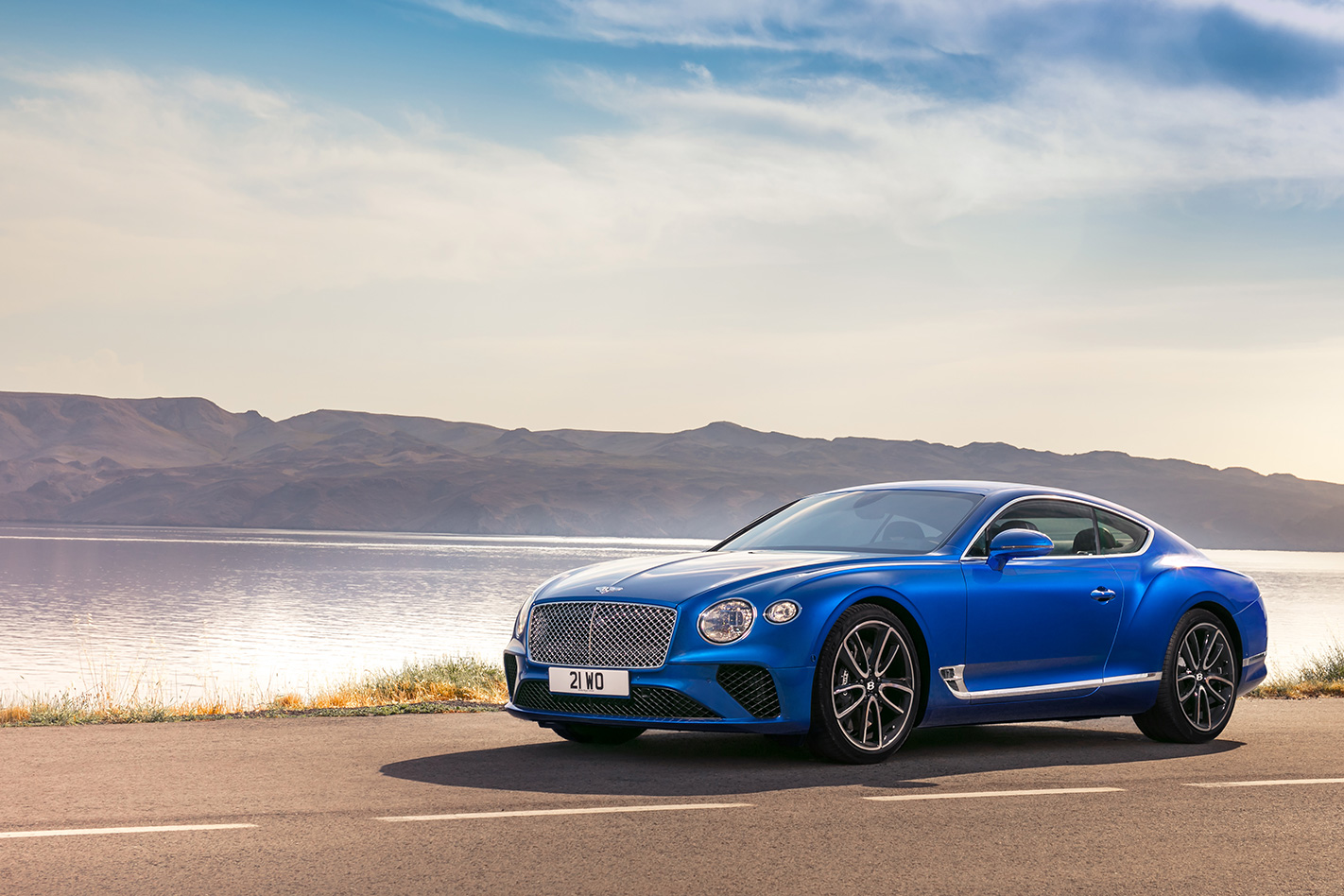
BENTLEY has pulled the covers from its eagerly awaited third-generation Continental GT super coupe, ahead of a public debut at the Frankfurt motor show next month, revealing a design heavily inspired by the company’s most recent concept cars.
While the EXP 10 Speed 6 and the more recent EXP 12 Speed 6e remain unconfirmed as possible small sportscar additions to the Bentley fold, the positive feedback from the show car brace has influenced the look of the new Continental.
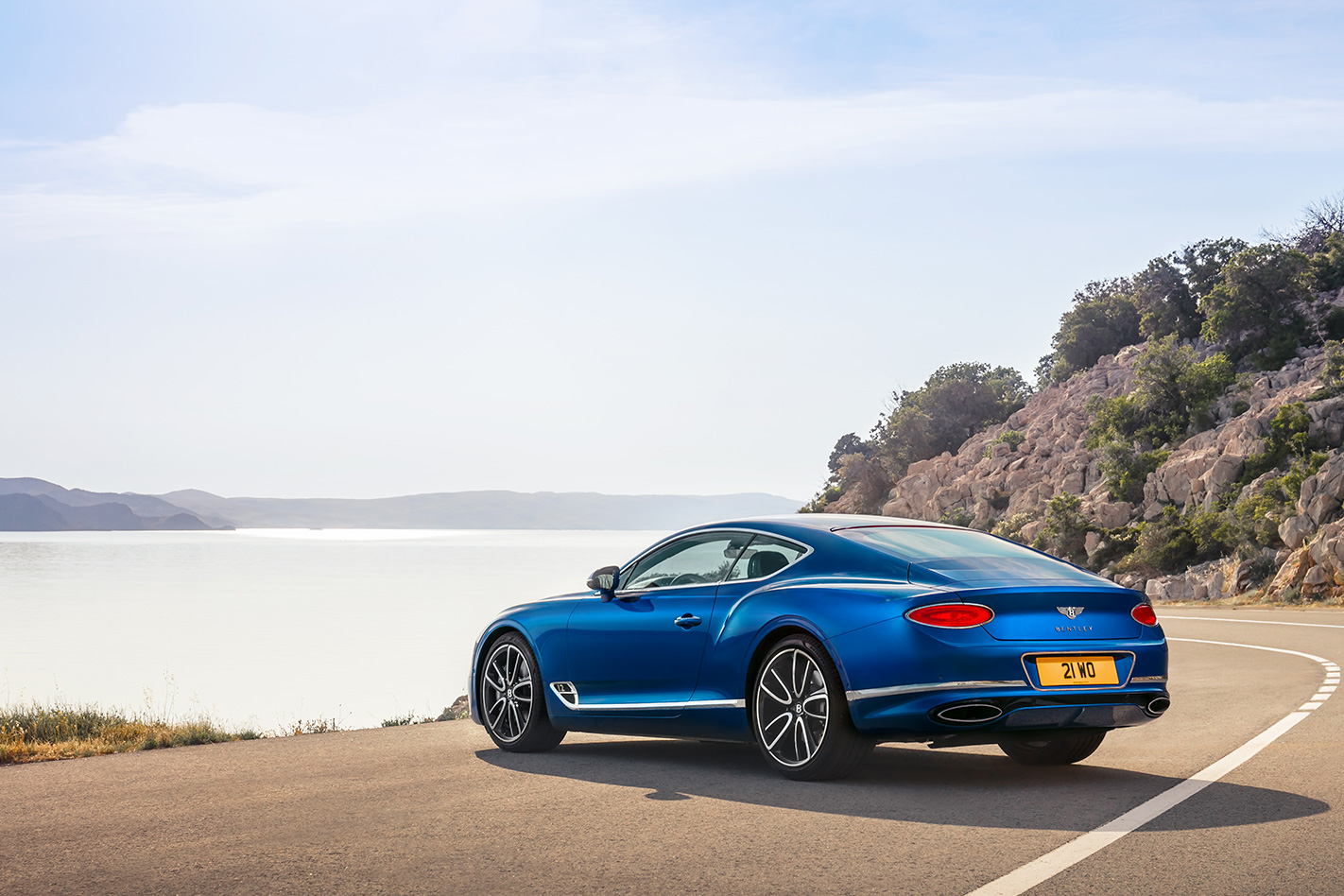
With four seats, the new Continental is not the production version of the EXP concept which accommodates just two, but if the British car maker does give a Porsche Cayman and Boxster competitor the green light, the popular design language will be given another new canvas.
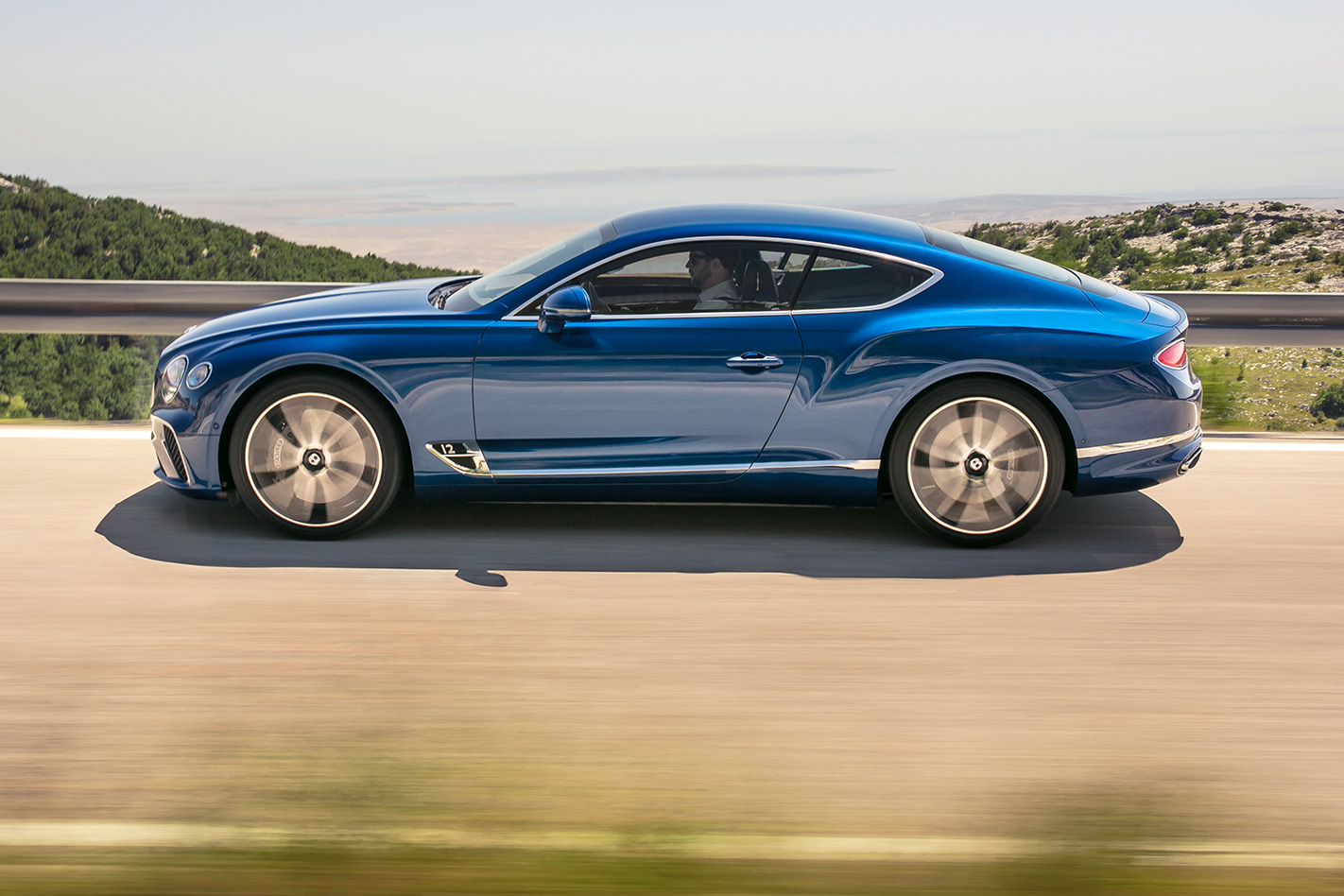
Despite its significant stature, Bentley says the new Continental feels smaller and more dynamic to steer compared with its predecessor thanks to a weight reduction of 80kg, a 48-volt active anti-roll bar system, and enhanced electric power steering.
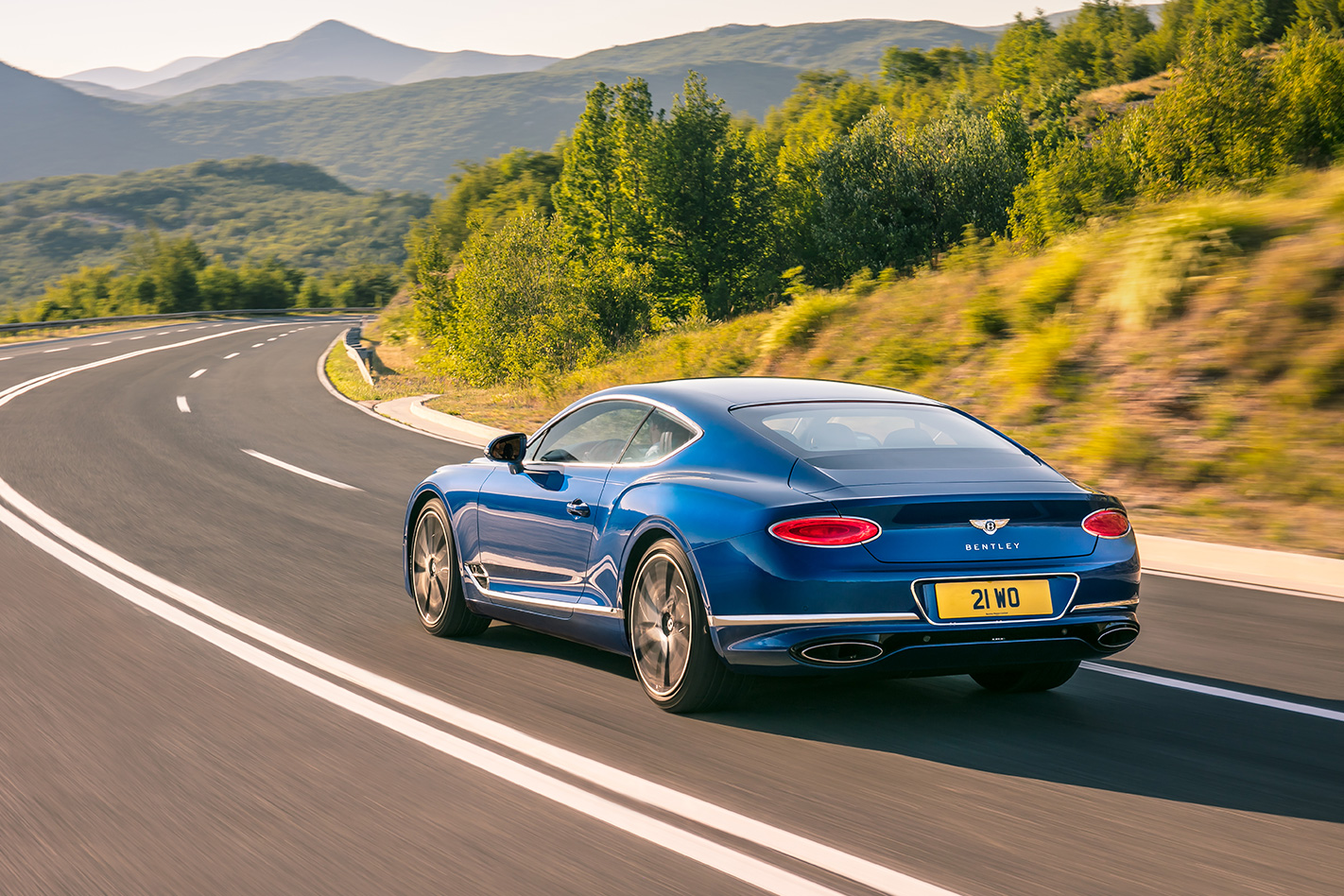
A shared platform with Porsche’s Panamera will certainly have played a key role in the new Bentley’s handling and comfort standards, although the British car maker points out that 82 percent of the Continental is unique to the model.
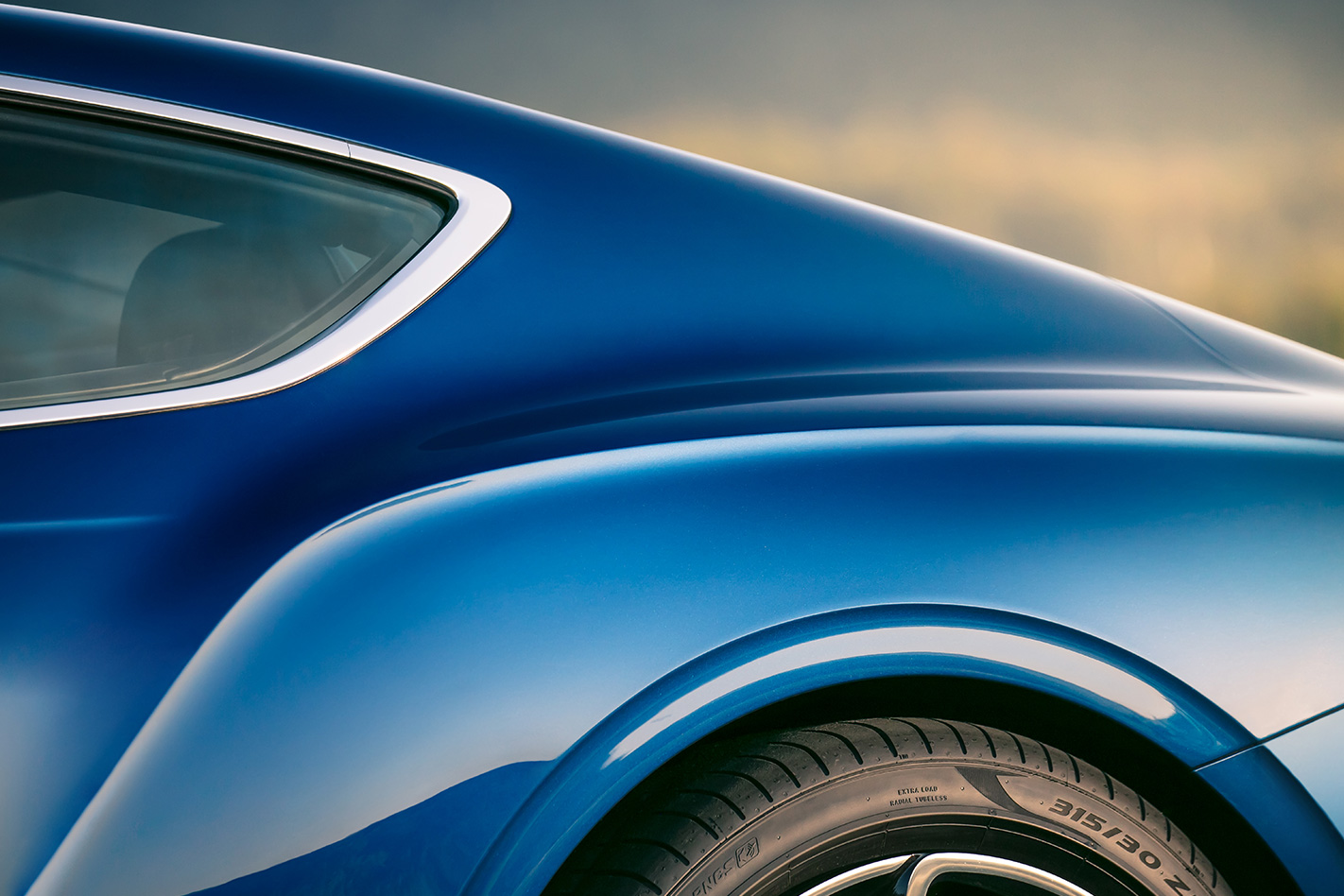
Like the outgoing model, the new GT is powered by a 6.0-litre twin-turbocharged W12 pumping out 467kW and a hearty 900Nm of torque, which is up 44kW and 200Nm over its equivalent predecessor, but can’t match the massive 522kW/1017Nm output of the Supersports that sent the second-generation model out with a bang.
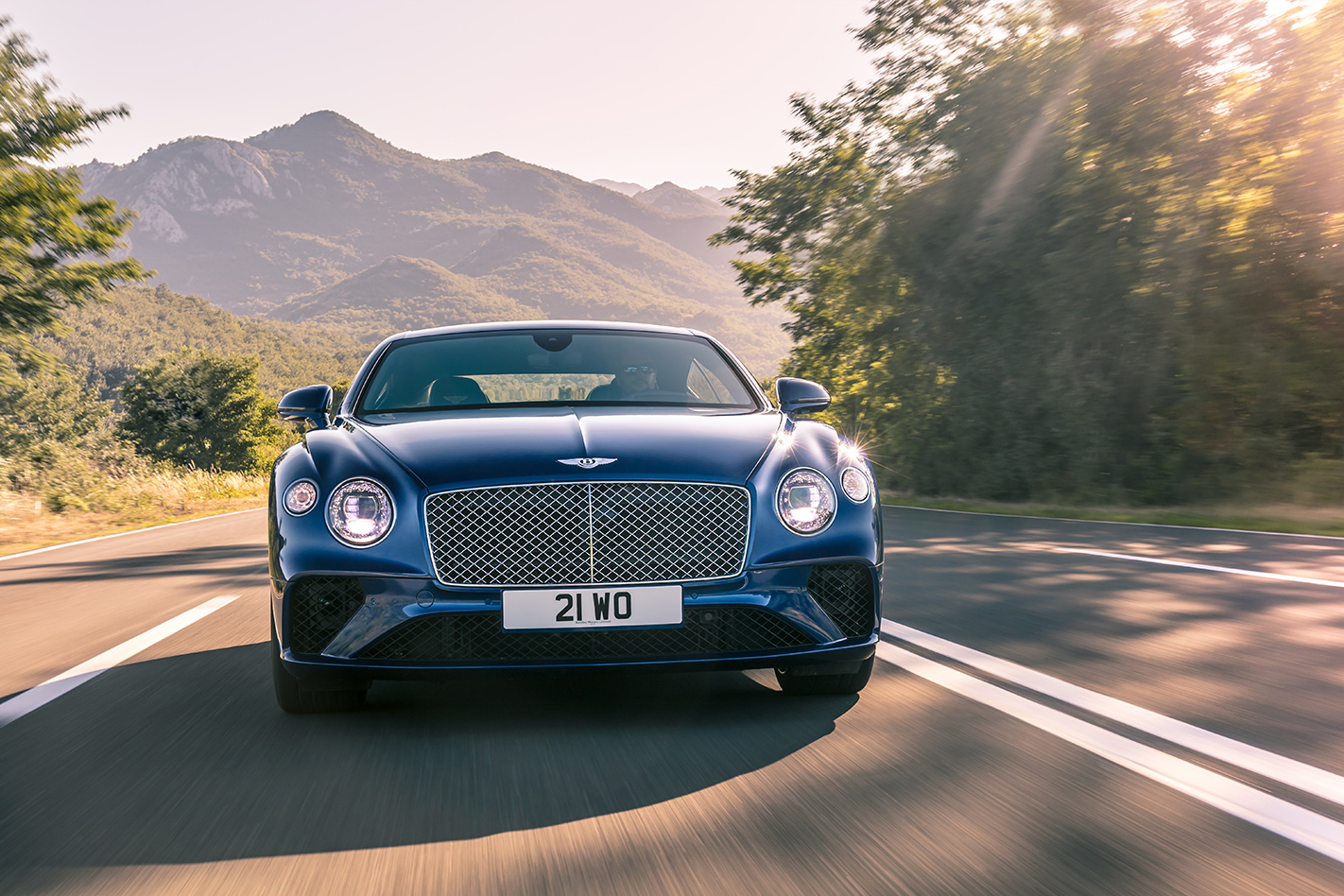
While the engine size and layout is unchanged over the predecessor (albeit positioned further rearward for improved weight distribution), the new car has an eight-speed dual-clutch automatic transmission in place of the outgoing torque-converter unit.
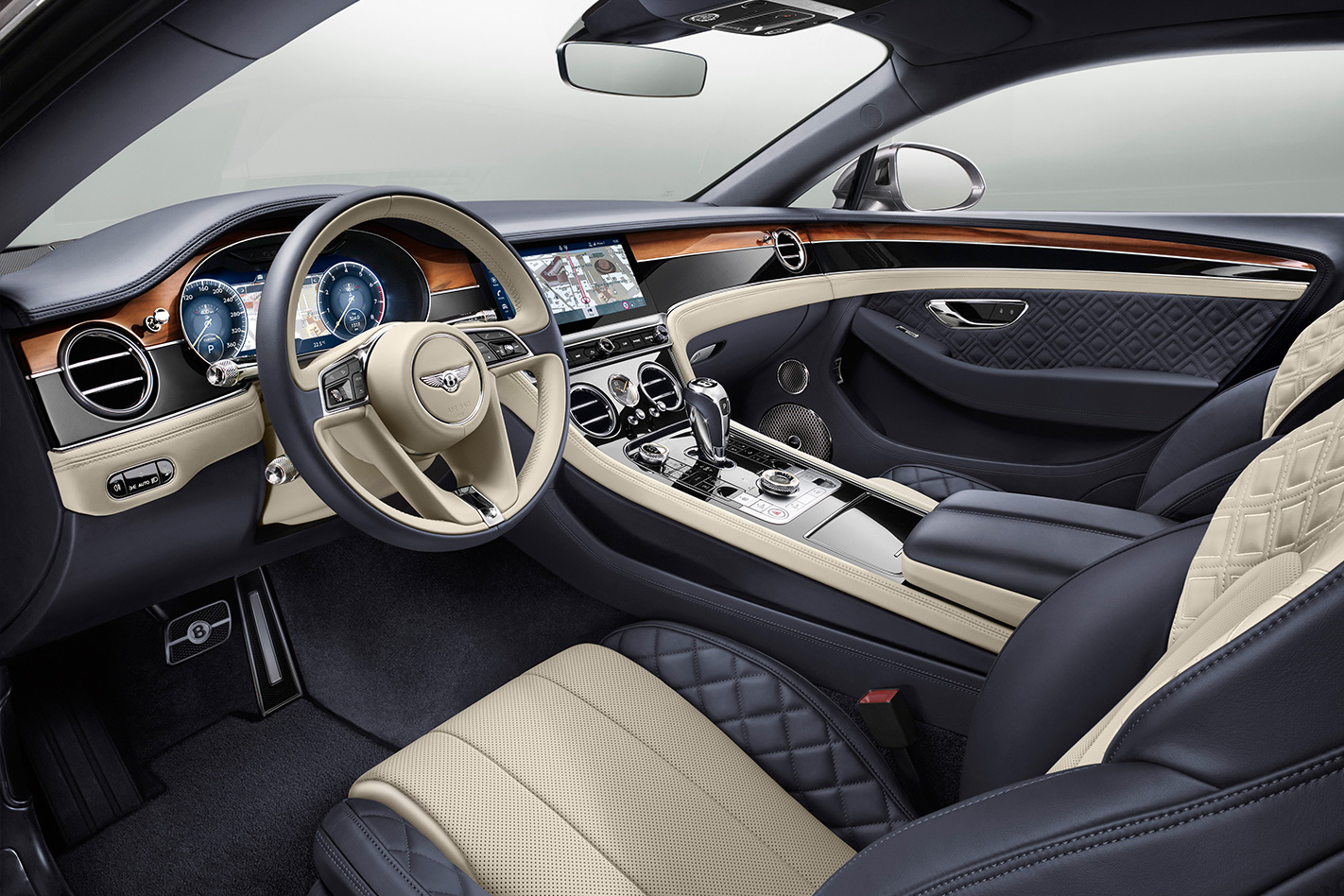
Ten square metres of wood are crafted into the Continental’s cabin, requiring nine hours of meticulous fitting and finishing, and the timber is only upstaged by the diamond-quilted leather coverage, which is everywhere and feature 712 stitches per diamond.
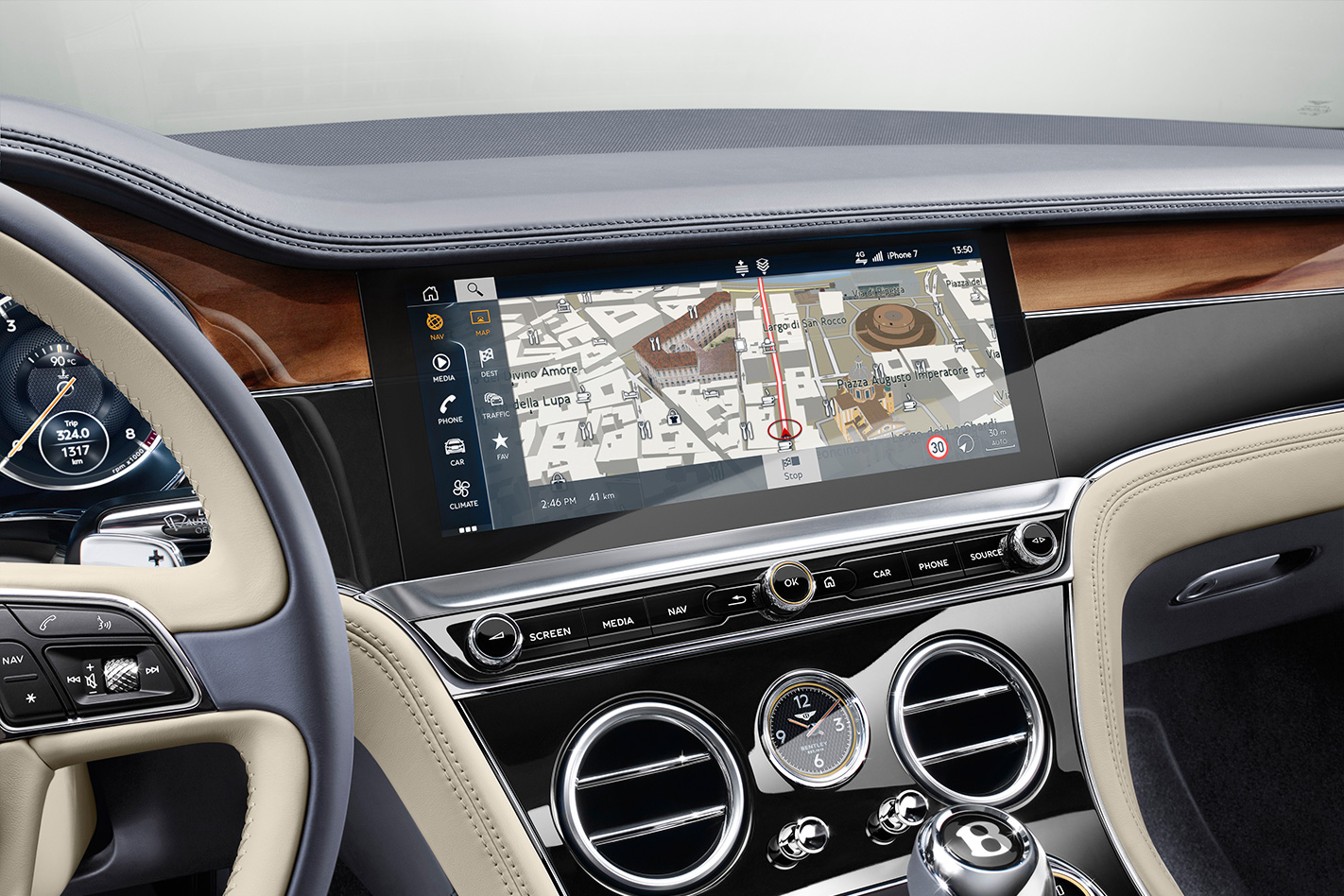
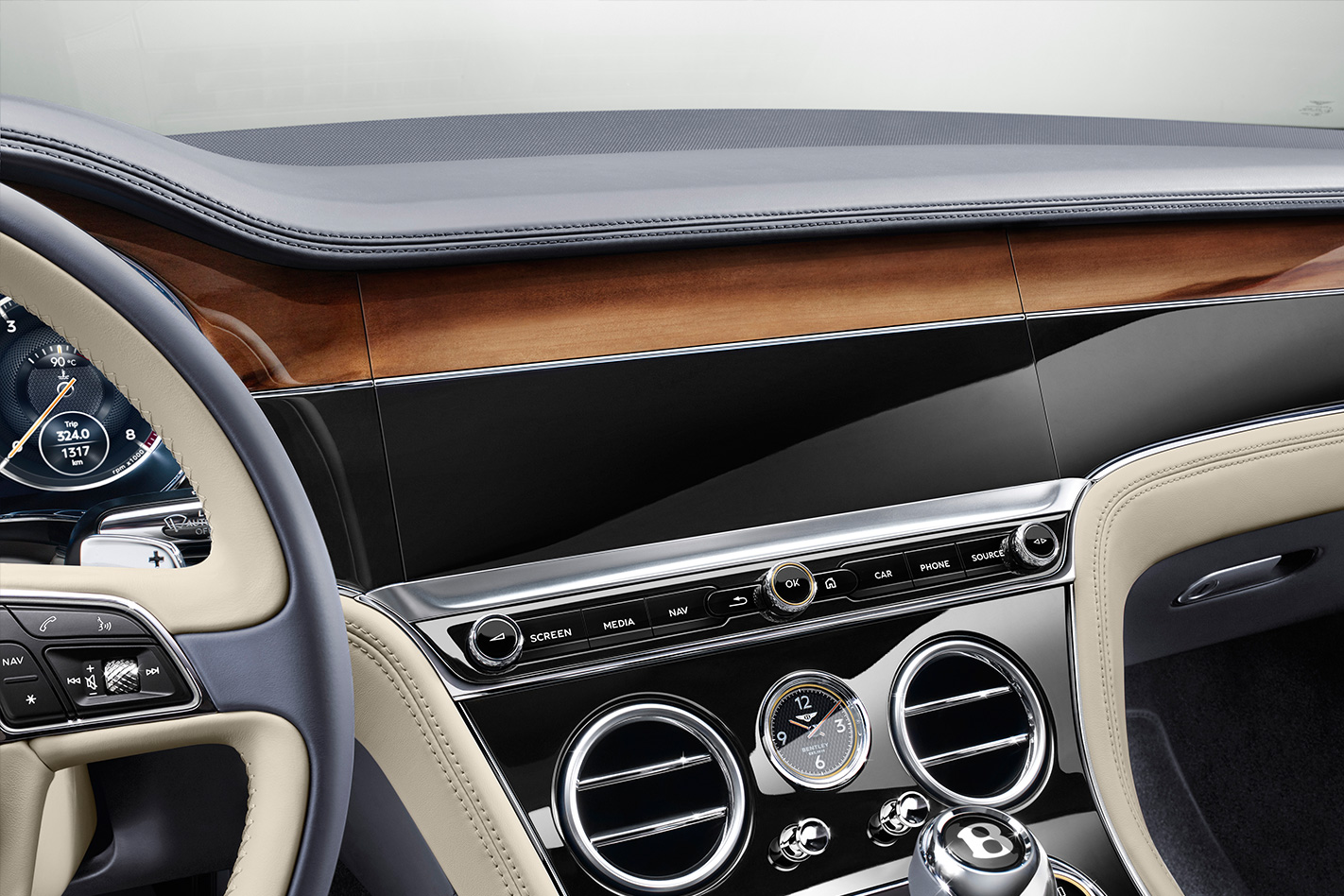
The cabin centrepiece is a new Bentley Rotating Display, which houses a 12.3-inch touchscreen for displaying the information and entertainment system options and controls, but if the occupants feel the large screen is spoiling the purity of the elegant interior it can be electrically rolled out of sight and into the dash.
No mention has yet been made of a convertible version or a V8-powered Continental variant, but more engine options are likely to follow the initial show car in both hard-top and cabriolet forms, mimicking the roll-out of the previous GT. A hybrid variant is also expected.
There’s plenty happening in America’s south lately so this truck driver could be forgiven that people will be distracted enough to not notice his cargo of fully exposed US-built second-generation BMW X4 prototypes on the back of his rig.
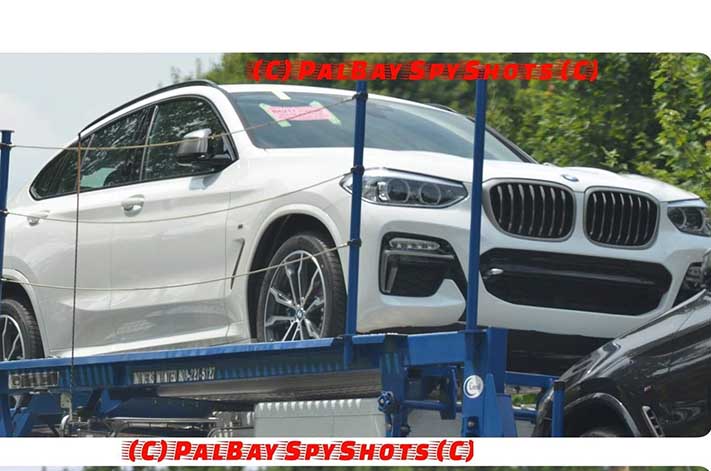
However, South Carolina motoring pap Palbay was on the ball and snapped these detailed images of the new X4’s exterior, which shows its new swooping roofline that is more pronounced than the current model to really differentiate it from the BMW X3 small SUV on which it’s based.
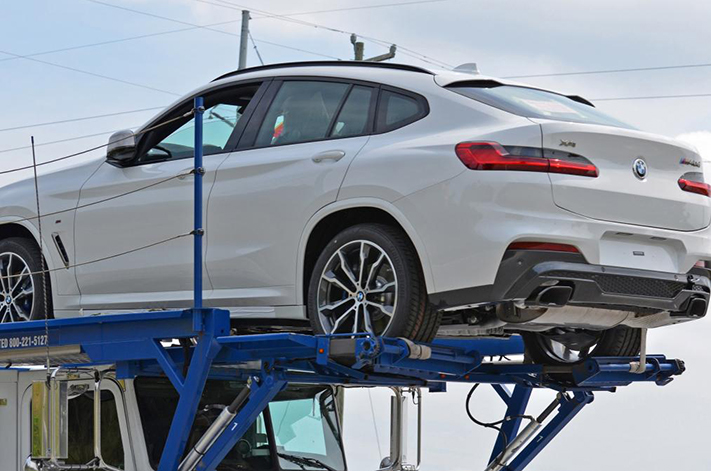
A broader rear end features a newly designed tailgate and slim-line LED headlights that wrap around to the sides a little.
Its kinship with the recently unveiled new X3 is more evident at the front, which looks more aggressive with its slimmer headlights and larger kidney grille treatment.
Though its launch is still far off, expect the X4 to share the X3’s powertrains including two turbo diesels with the xDrive20d 2.0-litre in-line four and xDrive30d 3.0-litre turbo diesel in-line six.
A rumoured X4 M variant might feature a 265kW/500Nm 3.0-litre straight-six turbo petrol engine with sub-5sec 0-100km/h boast.
Two other petrol variants, the xDrive30i and xDrive20i should also be available both with rear-wheel drive and all-wheel drive specifications.
The second-generation BMW X4 will go on sale in 2019.
The next Porsche Cayenne has had the covers pulled off, with Porsche claiming the third-gen model bears a closer resemblance to the 911.
The Cayenne now completely ditches the V8 and has been launched in two guises, the Cayenne and the Cayenne S.
Both feature a turbocharged V6, with the 1985kg Cayenne producing 250kW/450Nm, and being capable of a charge to 100km/h in 6.2s, or 5.9 with Sport Plus mode active.
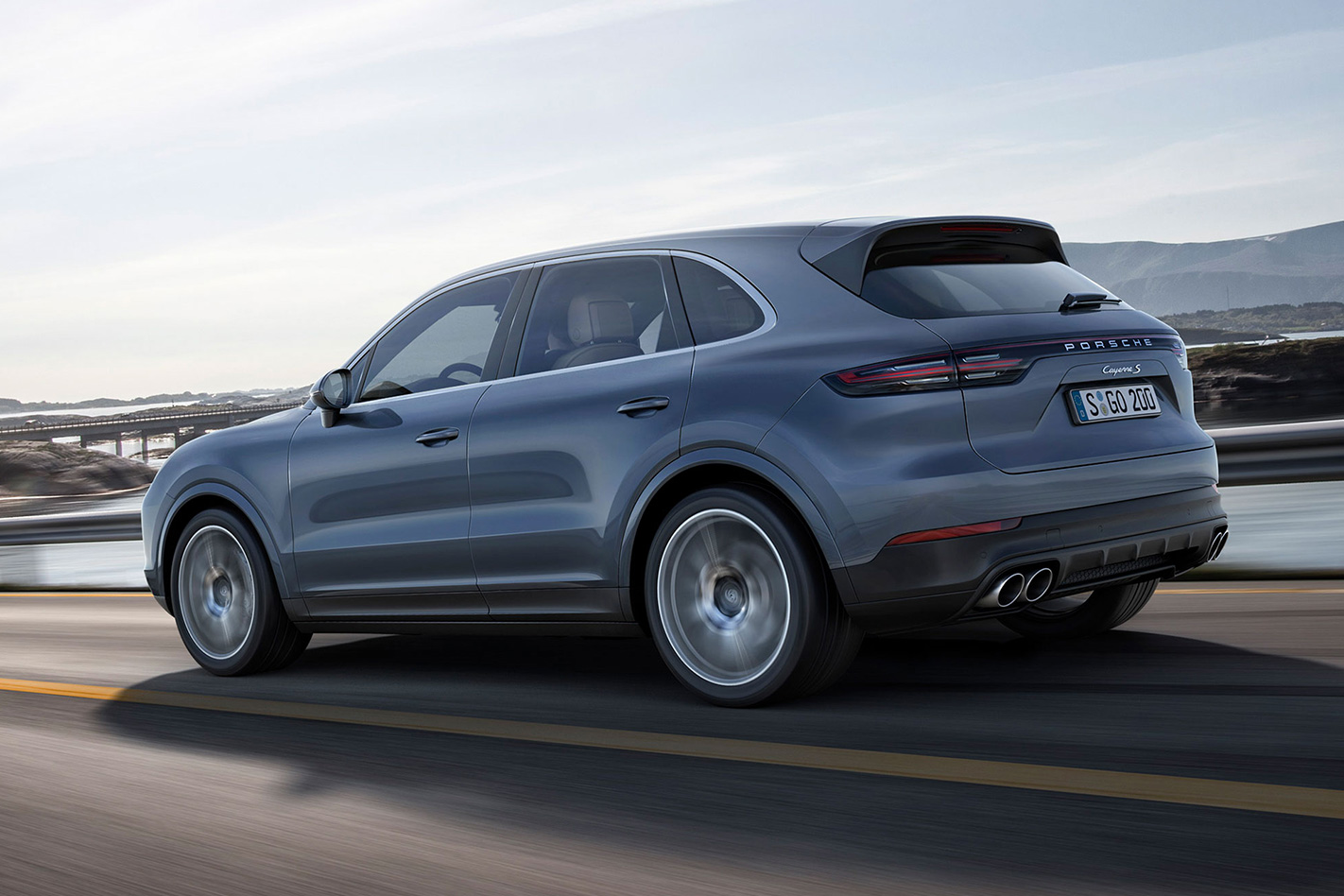
The update also sheds up to 65kg from the vehicle’s overall weight due to a build combination of alloy and steel, plus an exterior is made entirely of aluminium and a lithium-ion polymer starter battery.
The Cayenne also scores rear-wheel steering to help the AWD Porker tackle tight turns.
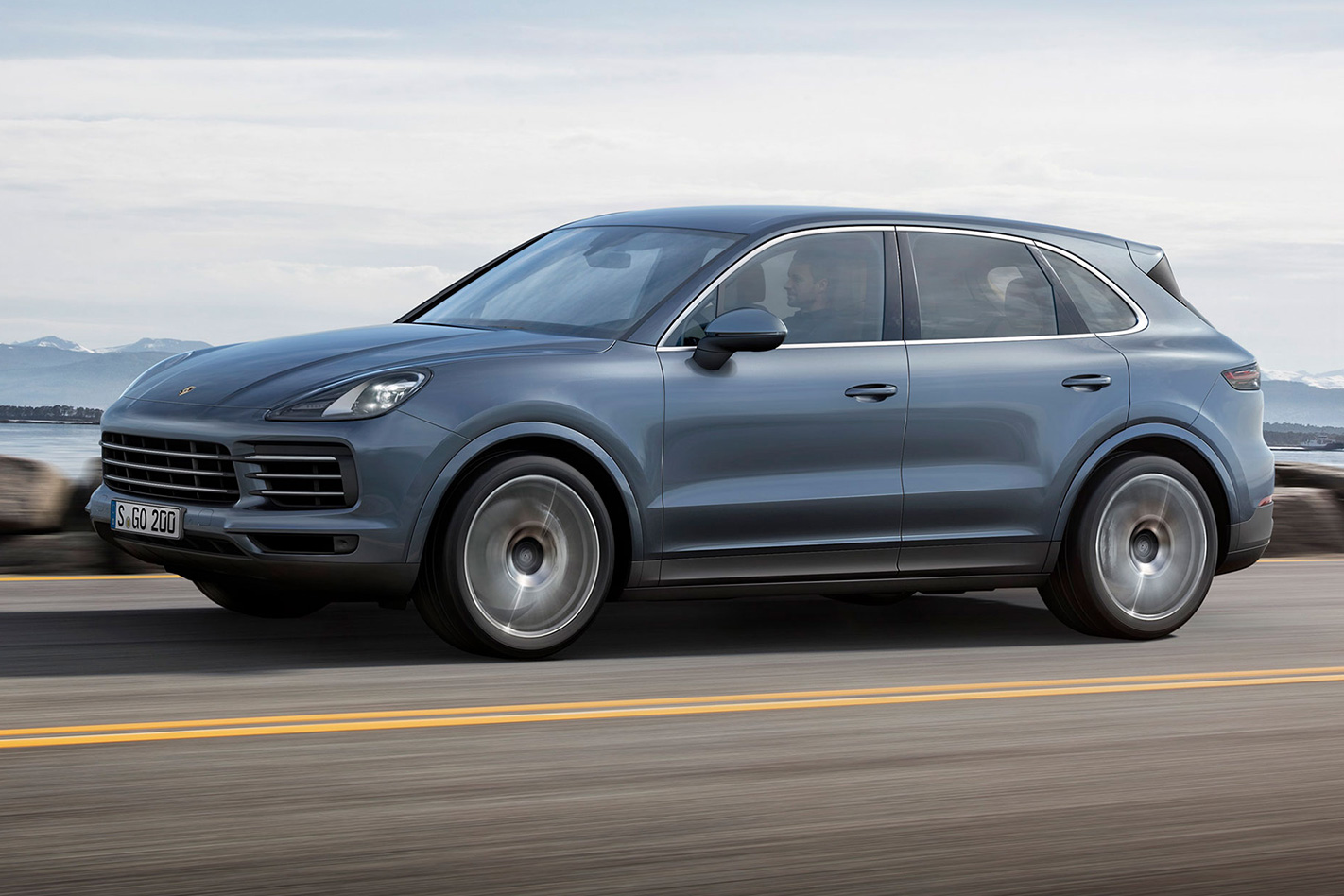
Porsche’s most commercially important model has also undergone a redesign, which executive board chair Oliver Blume says reflects its updated underpinnings.
“We have completely redeveloped our successful model,” Blume says.
“It has been visibly and tangibly improved and perfected in all respects. The Cayenne has also been digitalised and networked throughout to give it a forward-thinking design.”
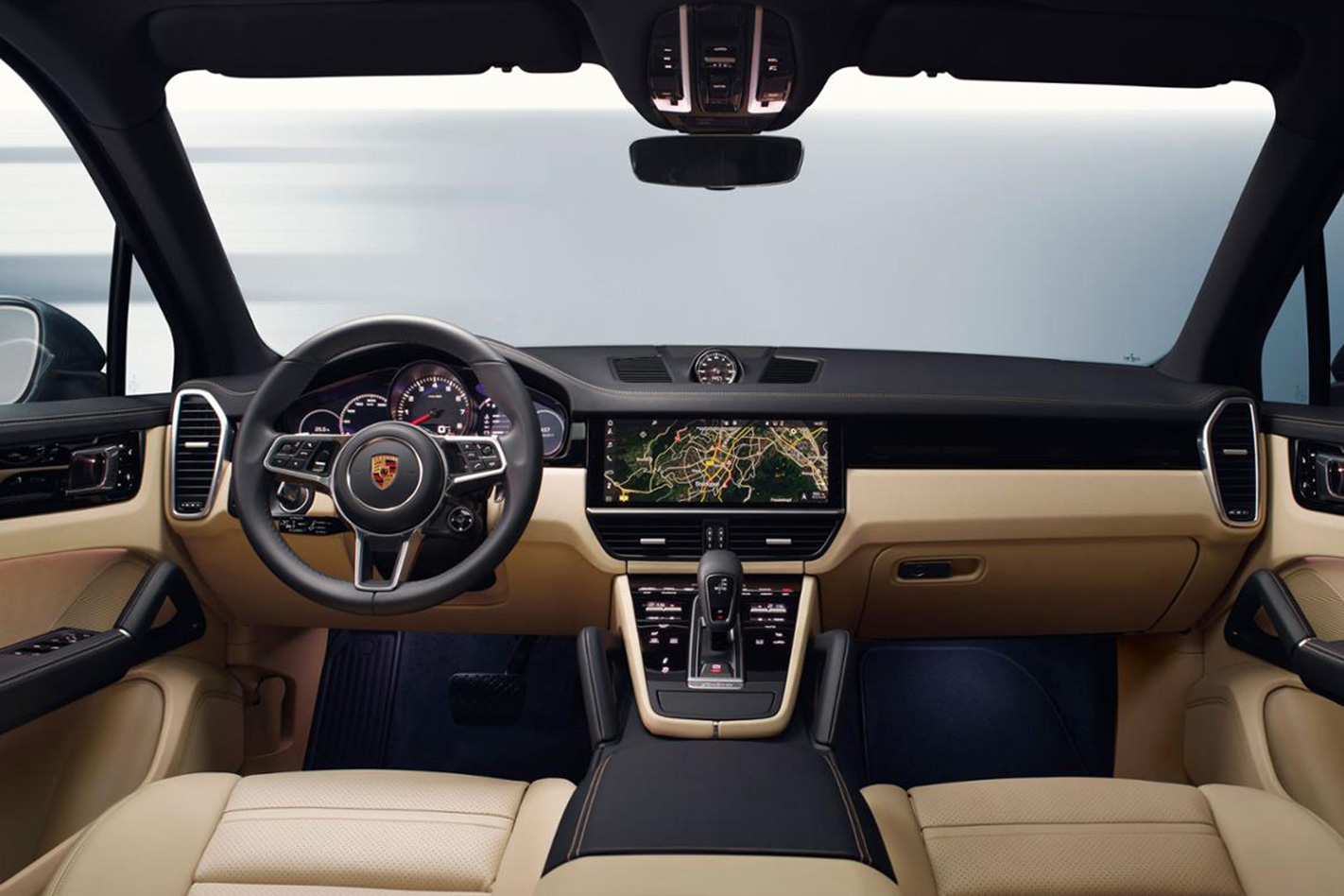
Australian-specific pricing and spec have not been confirmed, but the new Cayenne is available to order now in Europe.
Deliveries are expected to commence in Oz from mid-2018.
NOT to lose touch with reality – $2.45 million is a bonkers amount of money.
For that amount of cash, you could buy two Rolls-Royce Phantom Dropheads and still have enough left over to splurge on Mercedes-AMG C63 S and a HSV GTSR.
Or, you could buy a single-digit number plate at a public auction.
That was the case for Australian-Chinese billionaire wine collector and sex toy magnate Peter Tseng.
The businessman has added the NSW “4” number plate to his collection after buying it at the 2017 Shannons Sydney Winter Classic Auction earlier this week.
The $2.45 million selling price is believed to be the largest amount ever paid for a number plate in Australia. Plates also exchange hands privately, meaning someone out there could have paid more than this to join the single-digit club.
Tseng’s new single-digit plate will join the “2” NSW plate – which adorns his red Ferrari 458 Italia – along with the Hong Kong “1” plate, and a personalised NSW plate “ONE”, which is registered to a 2001 Mercedes-Benz convertible.
The $2.45 million plate was believed to be first registered in 1910, with Tseng acquiring it from its most recent owner, online entrepreneur Steve Shelly.
Shelly is reported to have bought the plate about 18 months ago for up to $900,000, and had it registered to his Toyota Tundra.
Bidding for the “4” plate started at a cool $1 million, with the price guide expected to land between the $1.2 and $1.4 million mark.
Domain reported that bidding rose by $100,000 increments, with Tseng and an anonymous party going back and forth until Tseng raised his hand at the $1.35 million mark, and didn’t put it down until he came out on top.
Tseng’s “2” plate was bought for $750,000 in 2008 – a record which was later surpassed when the “6” plate, which is not currently in use, sold for $800,000.
The coveted NSW “1” plate is owned by the family of Sir Frederick Stewart, a prominent politician and the founding chairman of Australian National Airways, since it was acquired in the 1920s. Shannons auction administrator John Manea estimated that if it ever came up for sale, the plate could be worth up to $5 million.
The NSW plate “3” is currently registered to a Porsche 911. Another desirable number, “10”, is believed to be owned by Fire and Rescue NSW, but is currently displayed on a two-year-old Holden Commodore.
The Victorian “1” plate is reportedly owned by former Foster’s Group chief Peter Bartels.
If you think $2.45 million for a number plate is excessive, it’s alleged a British businessman turned down $13.8 million for the plate “F1” in the UK.
Fürstenfeldbruck airfield, a stone’s throw away from the famous Hofbräuhaus.
This article first published in MOTOR Magazine November 2004.
We’re number three in a row of silver M5s, waiting for the flagman’s thumbs up. This is the right place to try launch control, the quickest way to accelerate from standstill to maximum velocity.
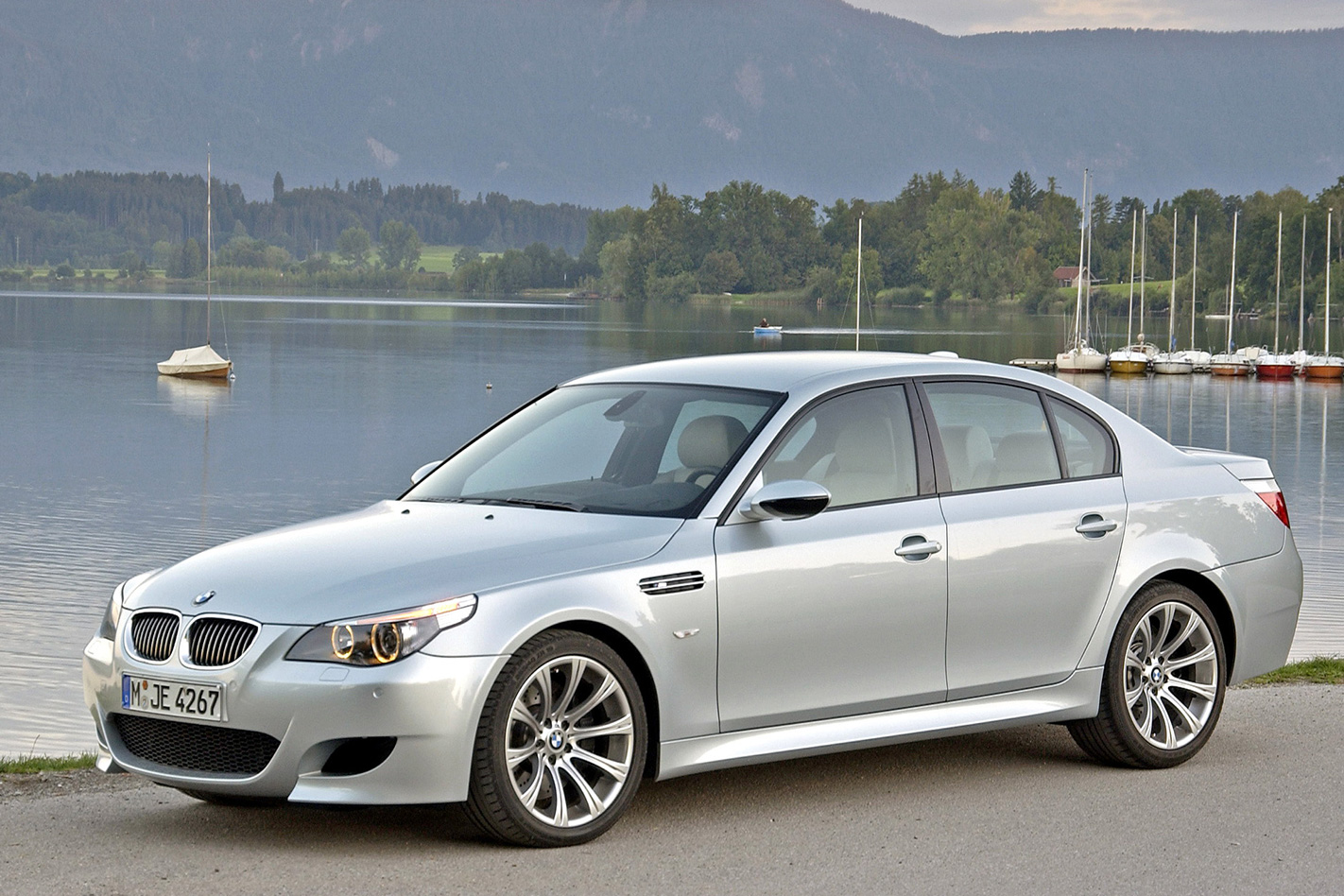
The BMW lifts its nose, squats its tail and spins the rear tyres in a relatively controlled mix of grip and blue-grey smoke. Before you can breathe out, the computer whips in second gear at 8250rpm sharp, then third, fourth, fifth, sixth and seventh. That’s right: there are seven forward ratios to choose from, a world-first for a manumatic.
About two-thirds down the airstrip, the rev counter overrules the driver’s pedal-to-the-metal effort. Although the new M5 could easily exceed the 306km/h (190mph) mark, the Bavarians decided to stick to the voluntary restriction of 250km/h (155mph). Thanks to an unexpectedly tolerant ECU, v-max equals an indicated 274km/h (170mph)…
Against the stopwatch, the 378kW M5 is in the same league as the 336kW Audi RS6 and the 355kW Mercedes E55. All three cars can storm in 4.7sec from 0-100hm/h, and all three are not allowed to go as fast as they are capable of, in theory.
What the BMW does differently has to do with heartbeat, passion and involvement. Putting the M5 through the its paces is a spine-tingling, goosepimple-producing, pupil-widening experience. This is definitely not a ‘one-size-fits-all’ sports sedan. Instead, the Munich power brokers have created a high-performance five-seater which can be fine-tuned to meet individual preferences and individual driving styles. And we’re not just talking about a brisker transmission setting here.
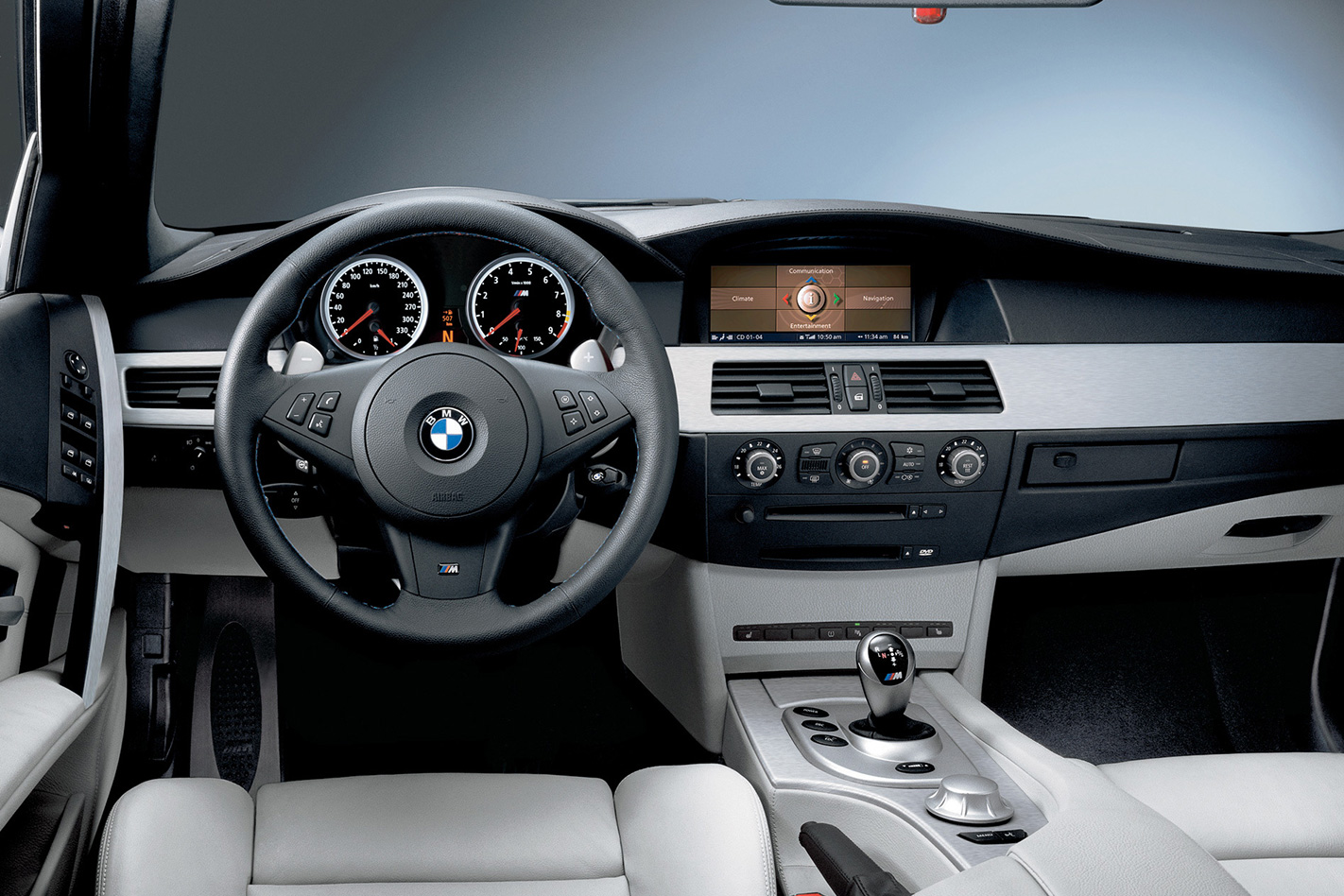
That’s the good news. The bad news concerns the accessibility of some of these functions. To crack the system, you first need to get a hang of iDrive, the on-board mouse which will turn into a poisoned rat in the wake of one wrong twist or push.
Right above its control is the even more significant M button. Push it, and the power output will automatically jump to 378kW, Dynamic Stability Control (DSC) will switch to M Dynamic Mode (MDM known as track mode in the M3 CSL), Electronic Damper Control (EDC) will stiffen up the dampers, and Drivelogic will set your preferred shift speed.
Although the new top-of-the-line 5-series looks like 545i on steroids, it breaks plenty of new ground beneath its gung-ho skin.
Through the cones, the relatively conventional rack-and-pinion two-stage Servotronic device is not quite as zig-zag-sharp as the variable-rate unit, but it is more fluent and better balanced overall; it feels more positive and less artificial, and it is beautifully progressive in terms of gearing and effort.
As soon as DSC takes a rest, the bespoke Z-rated 19in tyres work overtime. In the dry, there is full-throttle wheelspin in first (unlimited), second (plenty) and third gear (enough to change the colour of your hair in the middle of a fast bend).
Where grip greets gravel, the second-generation Conti Sport Contacts which have been developed especially for this car blend a narrow slip angle – vital for precise turn-ins – with a creamy breakaway behaviour – good for those long second-gear slides.
Like the M3, its bigger brother is fitted with the progressive M diff lock which automatically diverts the lion’s share of the torque to the wheel that can make the most of it. In extreme conditions, the locking ratio increases to 100 percent. Up to 550Nm of torque are relayed to the M differential via a new seven-speed sequential transmission.
Why did BMW stick to the SMG principle when just about everybody else switches to DKG twin-clutch arrangements?
But even the singing-and-dancing seven-speeder SMG falls short in some departments. The most controversial issue concerns the shift paddles, which are attached to the steering wheel, not the steering column. This may be an advantage on race tracks, but it does not work so well in real life, which is dotted with 90-degree corners and hairpin bends.
After two days and over 500kms in the new M5, I would vote for a pair of large fixed actuators. I would also encourage Gerd Richter and his team to further hone the automatic mode.
This is the first M car which drives reasonably smoothly in D – but only as long as you stick to a rhythm which is familiar to the SMG brain. Unfortunately, the chips are still struggling to cope with out-of-the-normal manoeuvres, like sudden kickdowns or aborted overtaking attempts. For best results, choose a medium shift speed. Slow is valiumesque lethargic, fast is jerkingly abrupt.
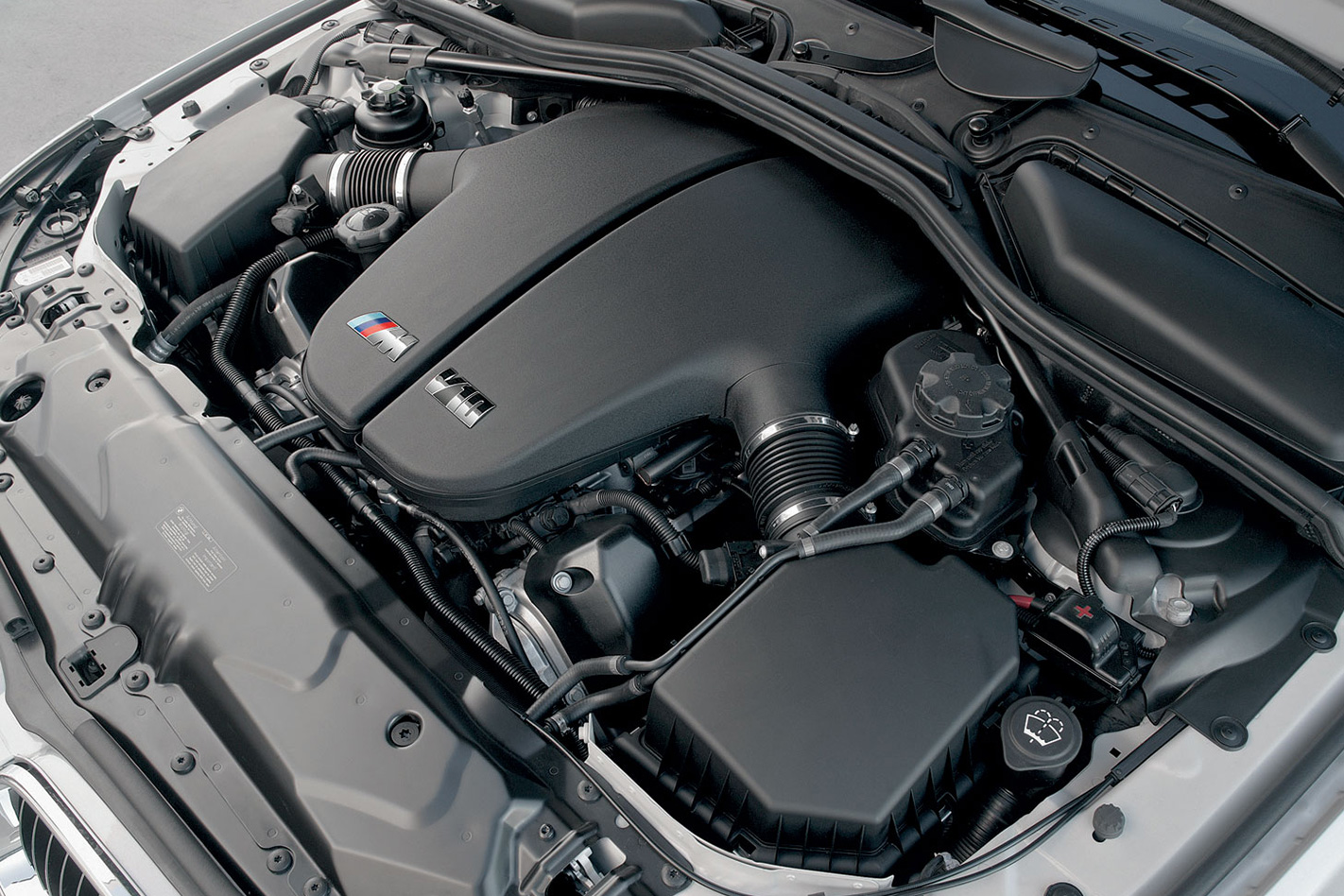
Under the hood, only two pounds heavier than the now-defunct V8, the new V10 is in many respects a remarkable engine. Its only inherent oddity is that it comes in two kW configurations. When you turn the key, you activate P400 which stands for 400bhp (298kW).
Not enough grunt? Then press Power or hit the M button. Now there are precisely 507bhp (378kW) on tap. While both modes achieve the same top speed, there is a distinct difference in acceleration: 0.7sec from 0-100km/h (5.4 instead of 4.7sec) and 3.6sec from 0-78 km/h (125mph – in 18.0, instead of 14.4sec).
“Absolutely not!” protests Richter. “Every conceivable development programme was successfully absolved in P500. But in today’s busy traffic, you just don’t need 500bhp (373kW) all the time. I drove to the ‘Ring in P400 the other day, averaging over 100mph and 13.9l/100km.“
The man has a point. Our test car, which was pushed hard in P500 over nine-tenths of the way, returned a sobering 23.5l/100km.
Like all M engines, the V10 is a normally-aspirated, high-revving unit. Although redlined at 8250rpm, it will briefly tolerate 8500rpm during full-throttle upshifts. As far as the peak twist action of 520Nm is concerned, the V10 does at a glance no better than last year’s V8. But look closer, and you will see that 80 percent of the maximum torque is available over a wide range of 5500 revolutions.
By extending the rev limit from 6600 to 8250rpm, the M5 engine has longer legs; by adding a seventh gear, it can spread its power more evenly; by putting the emphasis on high revs and low weight, there was no need to beef up the rest of its driveline in the way it is mandatory to complement an even brawnier turbocharged or supercharged unit.
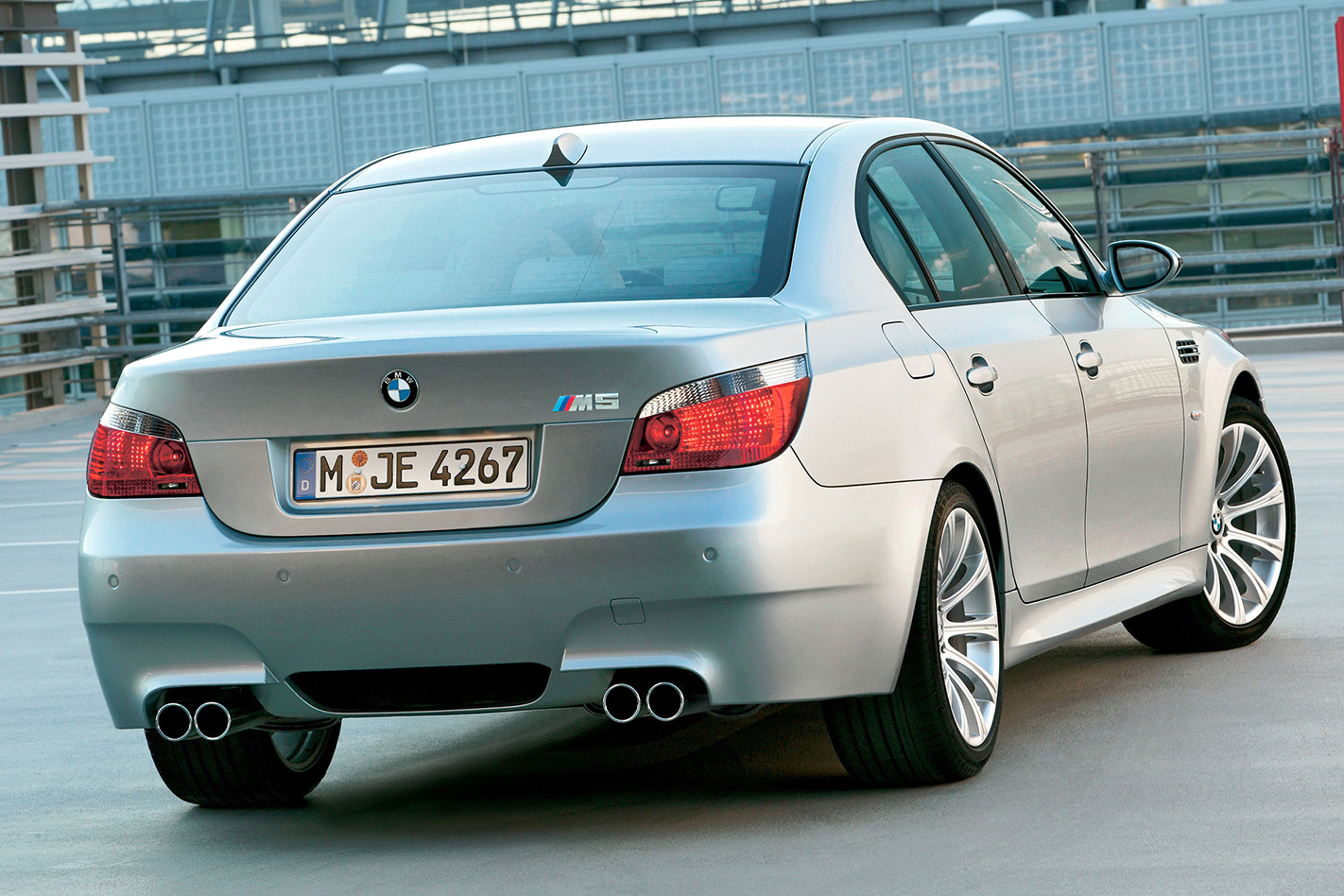
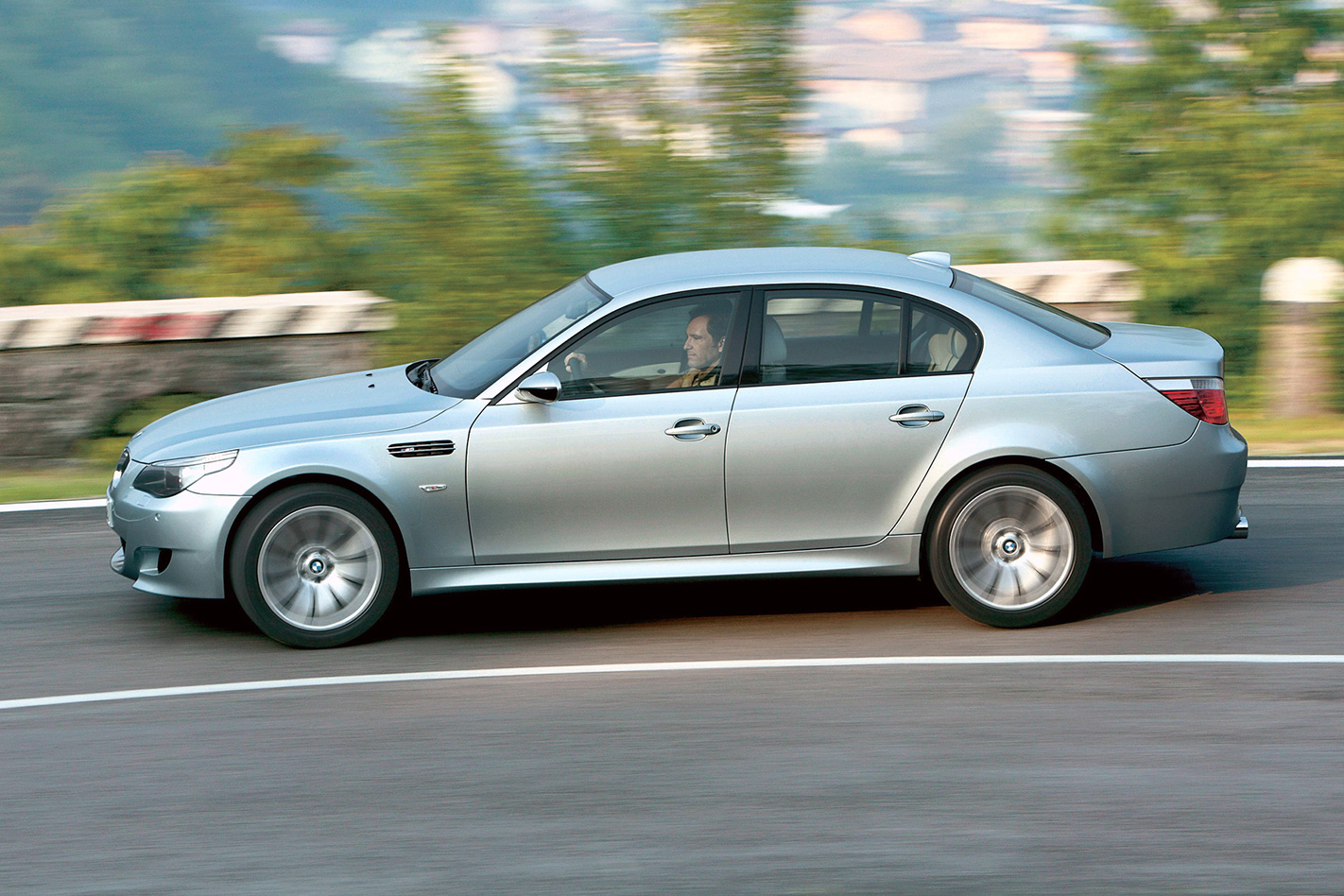
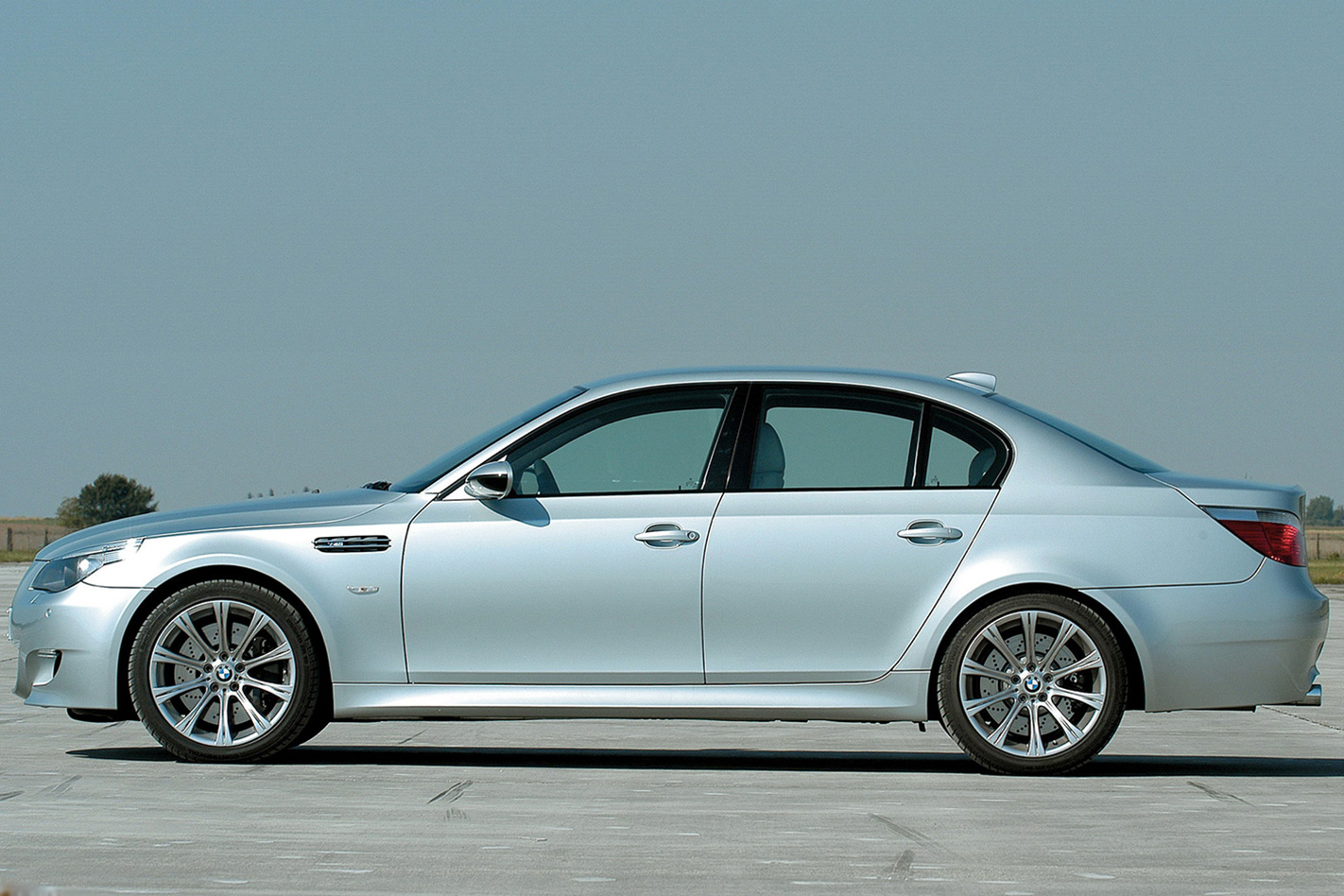
Tipping the scales at 1755kg/3861lb, the 2005 M5 is not one pound heavier than the model it replaces. Particularly prominent are the trademark design elements such as ten-spoke alloy wheels, the four chromed tailpipes, the ellipsoid low-drag door mirrors and the sculptured ground-effect front and rear aprons which minimize axle lift.
A neat detail touch is the well positioned head-up display. Like in a BMW Williams F1 racer, the driver faces a colour-keyed sectored analogue rev counter (green, orange, red), a gear indicator and a digital speedometer. When the satnav is on duty, the HUD shows instead a visual guidance by arrows and street names/numbers.
Priced around $150,000, the new M5 is quite well equipped, but they still make you pay extra for a hole in the roof, for the useful adaptive cornering lights and for the infotainment pack with navigation, digital TV, phone and CD changer.
Amazingly enough, you don’t have to rev the engine hard to enjoy it. Ninety seven km/h (60mph) in seventh is a perfectly acceptable combination for flowing with traffic, and when you put the hoof down at 1800rpm in top gear there won’t be any gulps, hiccups or excuses.
While most comparable powerplants emphasise either power or torque, the 5.0-litre unit from the Bavarian Motor Works can play both instruments, and it plays them exceptionally well. As a result, its sweet spot ranges almost from standstill to top speed. There are virtually no dents in the torque curve and no deflections in the rpm ladder, there is no ratio too short or too long, and there is relentless dynamic and acoustic stimulation.
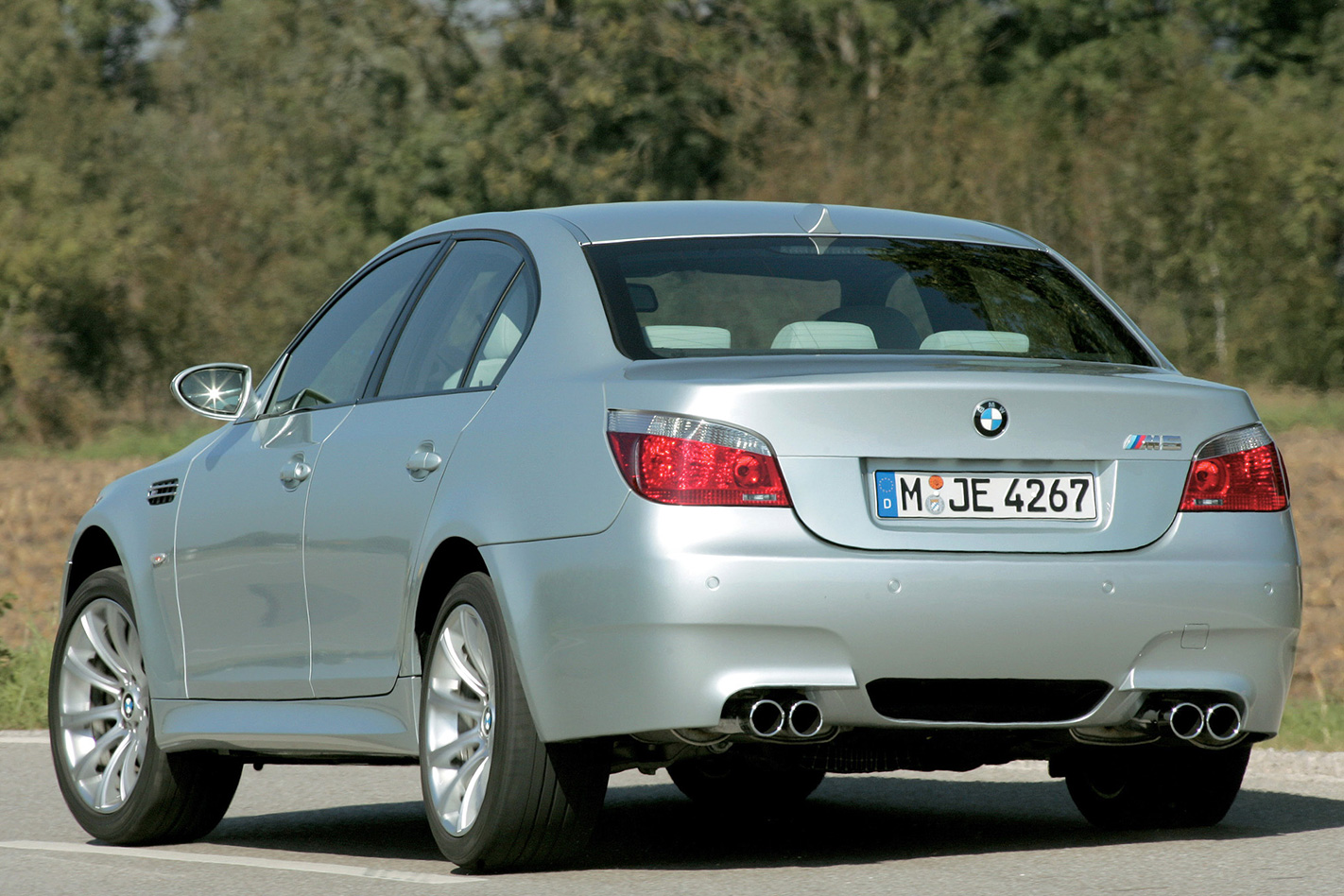
The new BMW M5 is all about involving performance and inituitive action. It is as stable as its rivals in a straight line, but it does not penalise you with an inert and lifeless steering. It is as fast through corners, but the handling balance is always transparent and unambiguous. It is as strong on the brake and as energetic on the throttle, but it never forgets to generate feel and feedback.
Although the same could be said about the outgoing M5, its replacement introduces a new dimension of power and an even better-balanced chassis. Take, for instance, its ride, which is sufficiently compliant even on critical surfaces. Consider the steering action which is even more accurate and communicative.
Check out the composure at the limit, which is immensely confidence inspiring. Gone are the initial understeer, the body roll and the hardening of the steering during brisk changes of direction.
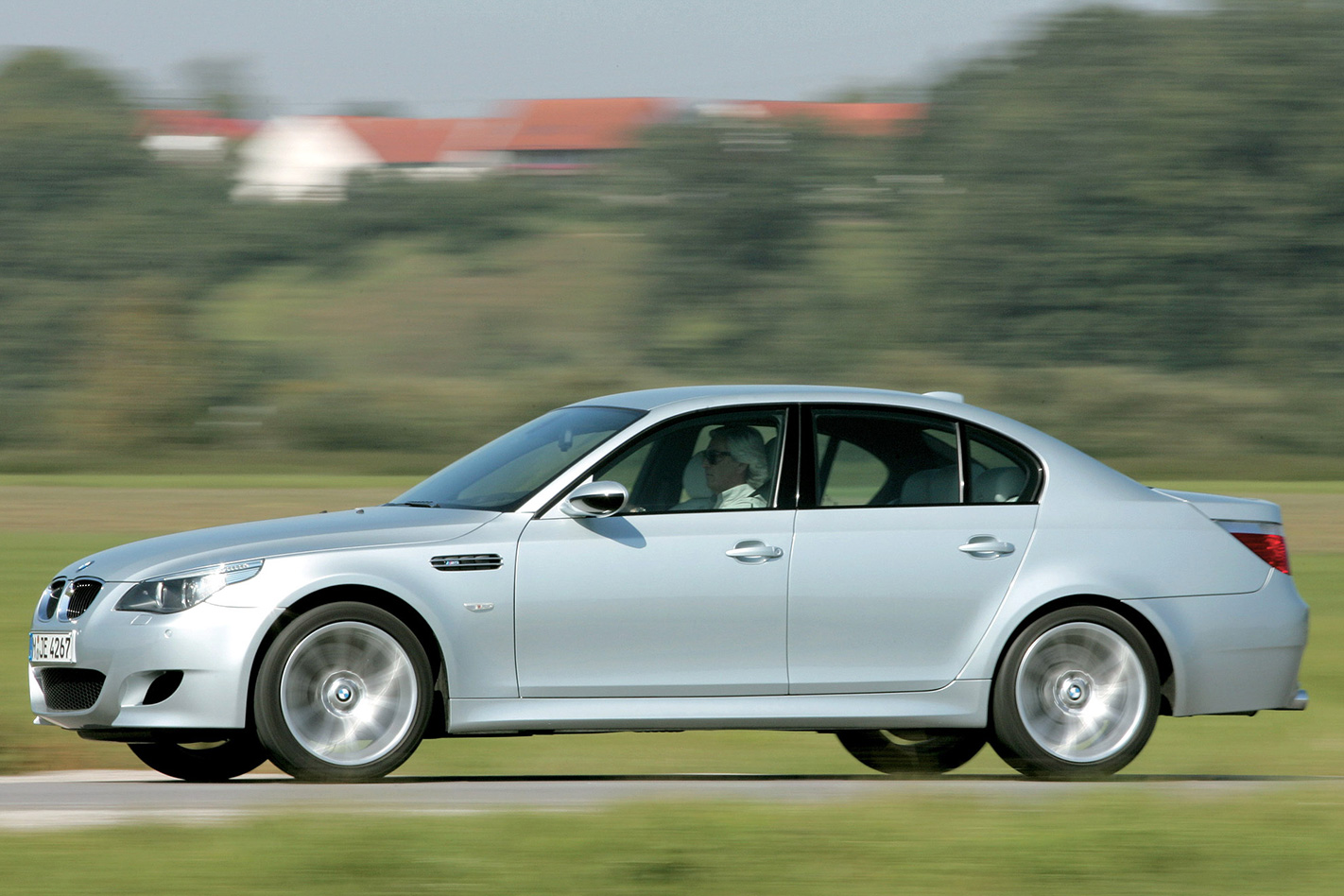
The Porsche costs roughly the same money and it may rank even higher on a street-cred scale, but the BMW offers five seats, a family-size trunk and a less challenging attitude when pushed.
I’m afraid I want one: this car is the most sensible anti-depressant you can buy, and one does not even require a prescription to obtain it.
The new Bentley Continental GT will soon be upon us, with its W12 engine still firmly in place.
However, the beastly donk has now been uprated to pump out a formidable 467kW/900Nm which should keep the British bourgeois moving quickly.
After all, getting more than two tonnes of grand tourer to hit 100km/h in a claimed 3.7 seconds requires a lot of grunt. It’ll then go on to reach a top speed of 333km/h.
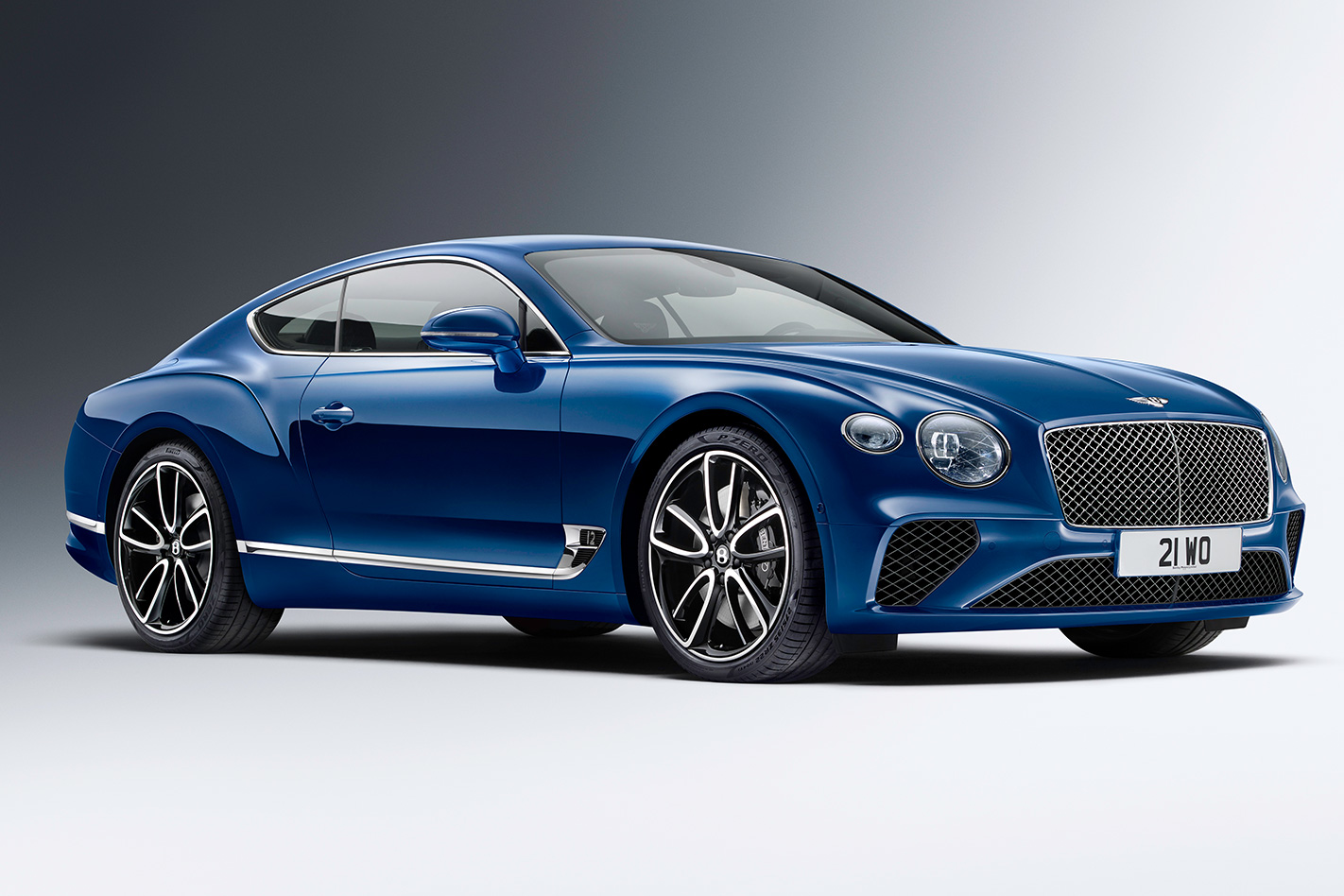
This means the Continental GT has had some slight tweaks since we drive the pre-production prototype, which claimed 0-100km/h In 3.9s, though we think our weight estimate of 2100kg would be close considering the diet the new version has gone on.
Part of that weight reduction is down to aspects such as the lightweight aluminium axles found front and rear, and new build materials that cut 80kg from the body alone.
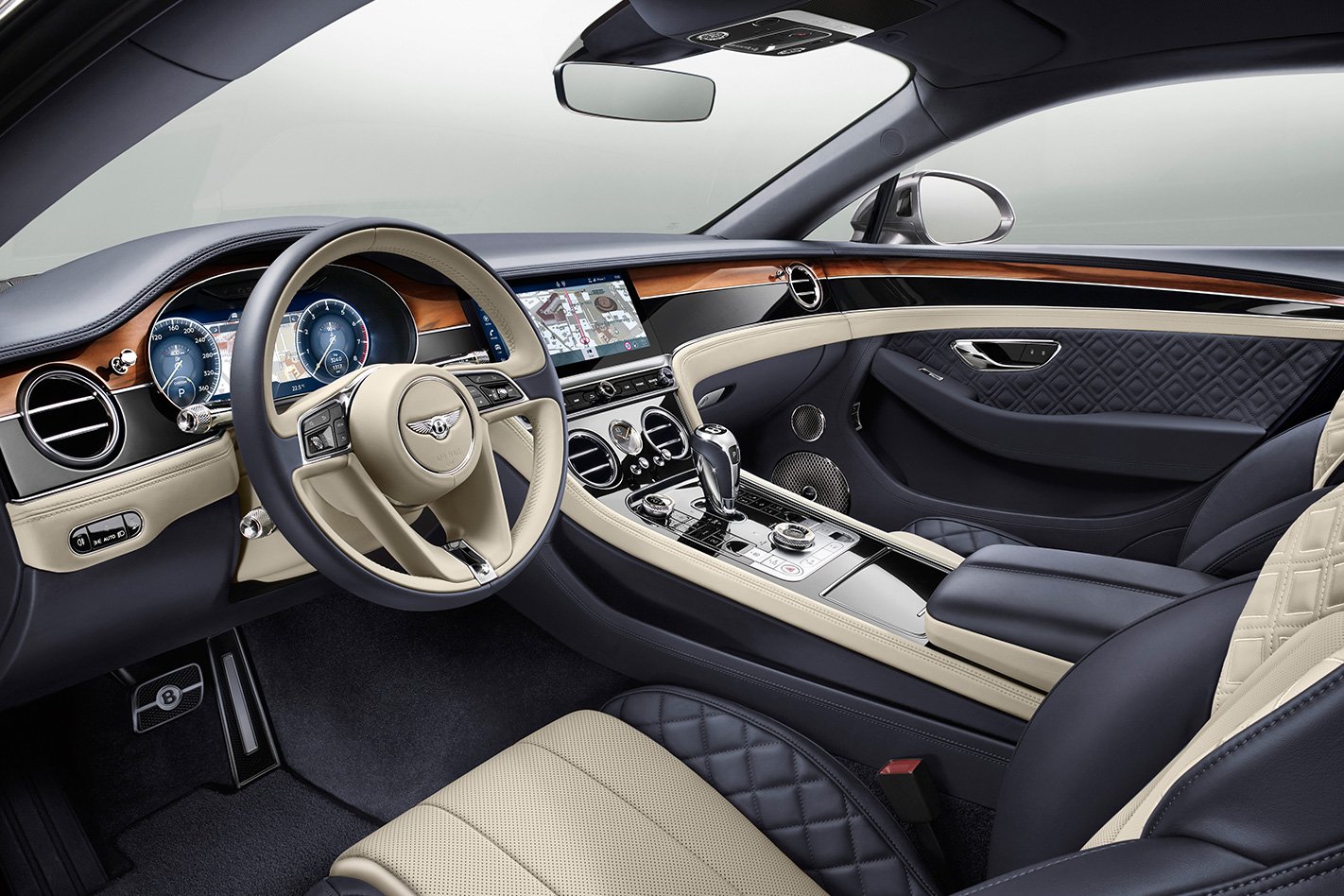
Bentley says: “At first glance there appears to be no screen in the centre of the dashboard. Instead, the veneer flows uninterrupted across the dashboard, while a thin chrome bezel behind the steering wheel surrounds a digital instrument display.”
“When the engine start button is pressed, however, the veneer in the middle of the dashboard glides silently forward and rotates to reveal Bentley’s largest-ever touchscreen, a 12.3” retina-quality digital MMI display, elegantly designed by Bentley with a customer-configurable home screen with three windows able to display the driver’s preferred functions, for example, navigation, media and telephone.”
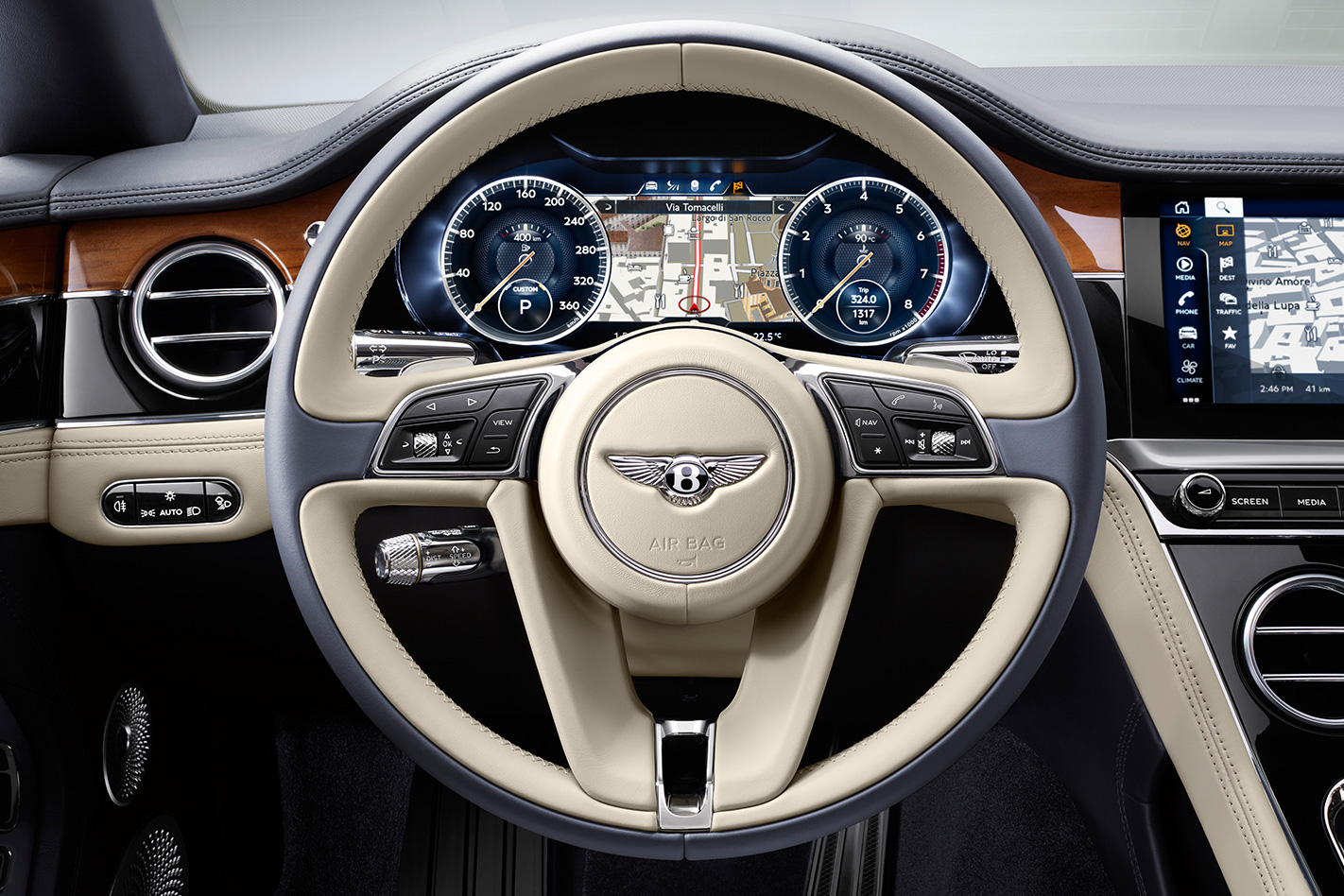
Underneath the Continental, Bentley Dynamic Ride takes over the task of body control from anti-roll bars, which Bentley says “instantly counteracts lateral rolling forces when cornering and ensures maximum tyre-to-road contact.”
Air suspension is also upgraded to give the car 60 per cent more air volume in the softest setting than the previous model.
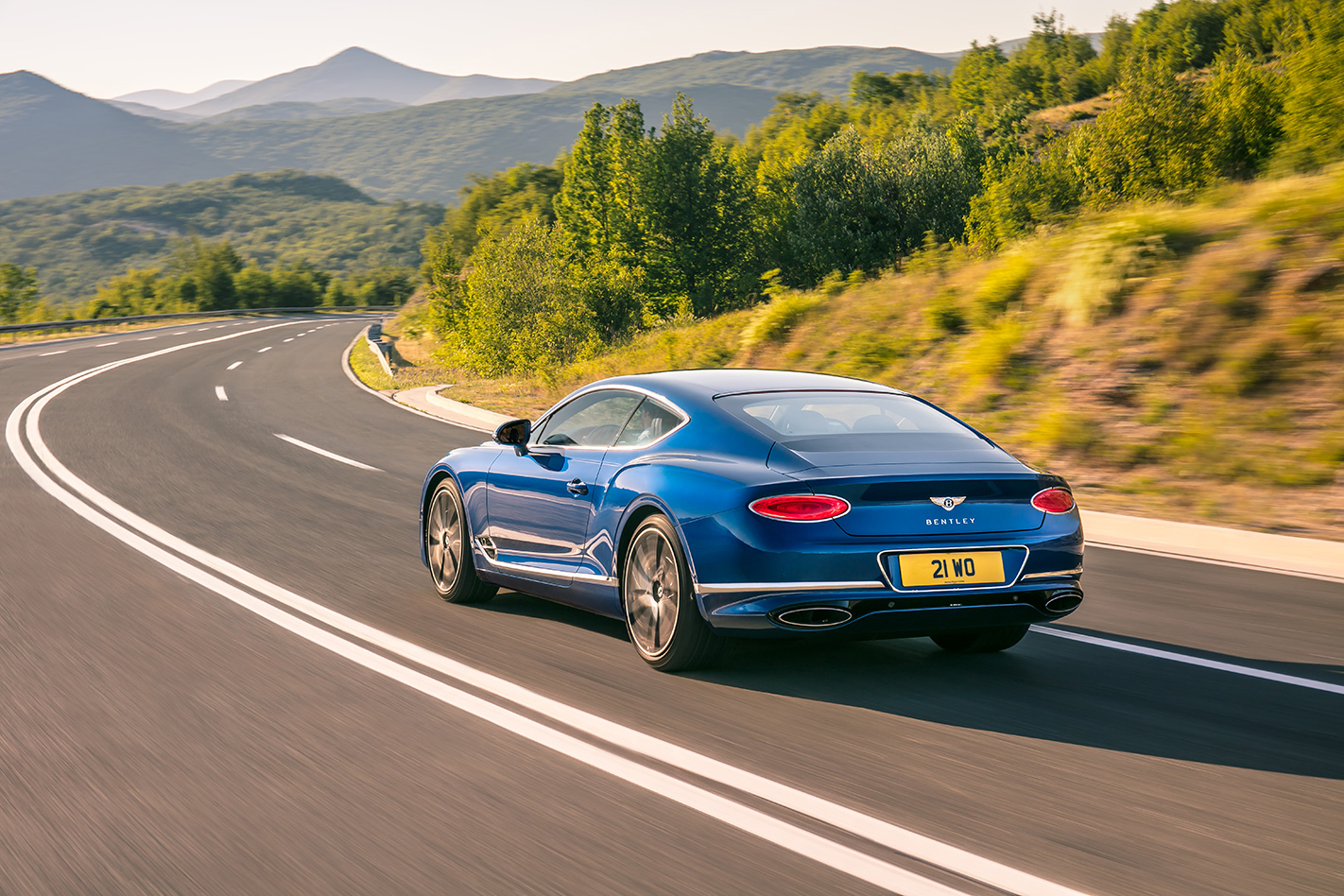
“Bentley has been at the forefront of luxury Grand Touring for nearly one hundred years,” Dürheimer says.
“The new, third-generation Continental GT is the pinnacle of our design and engineering achievements and marks the next step in Bentley’s journey.
“The new Continental GT encapsulates our desire to innovate as well as celebrate our heritage and take the Bentley ownership experience to the next, unparalleled level.”
Welcome to episode two of the Performance Car Podcast.
In this episode MOTOR Magazine Editor Dylan Campbell and Associate Editor Scott Newman will be discussing performance SUVs. Every premium manufacturer now either has at least one of these in its range or has one under development and it seems that they are a guaranteed hit with the buying public.
We discuss how the trend emerged, why we think it’s so popular, ones we’ve driven that have impressed us and ones that we’ve found have fallen short.
Our studio this episode is the Audi SQ7, the new performance flagship of Audi’s Q7 SUV range. It typifies the genre by using an enormous amount of technology – active anti-roll bars, all-wheel steering, electric compressors on the 4.0-litre twin-turbo V8 diesel engine – move a huge, heavy car extremely quickly.
You can listen to an audio version of this podcast on iTunes or Podbean so feel free to subscribe and leave us a rating. Feel free to let us know your own thoughts on performance SUVs in the comments below. Good idea? Bad idea? Do you own one?
Equally, if there are any cars or topics you’d like us to cover please let us know!
THE third generation of the Porsche Cayenne SUV has become even more like a jacked-up, roomy 911, revealing an evolutionary design makeover but the promise of even sharper dynamics.
The heavily Macan-influenced Cayenne, due on sale in Australia midway through next year, will feature a newly developed eight-speed dual-clutch gearbox, and for the first time introduce staggered tyre sizes, electronic suspension, trick new brakes and all-wheel steering wrapped inside a new-look aluminium skin that doesn’t differ too much from the old one.
The range will initially feature two “newly developed” six-cylinder engines: a 3.0-litre turbo in the entry Cayenne developing 250kW, up 29kW over the model it repalces, and the Cayenne S with a 2.9-litre twin-turbo V6 — a variation of the one that will power the new Audi RS4 — producing 324kW/500Nm, a 15kW gain over its predecessor, and sprint from 0-100km/h in 6.0 seconds with a top speed of 265 km/h. Porsche says the version of the Cayenne S equipped with the optional Sport Chrono Package will hit 0-100km/h in 4.9 sec. Without it, that drops to 5.2sec.
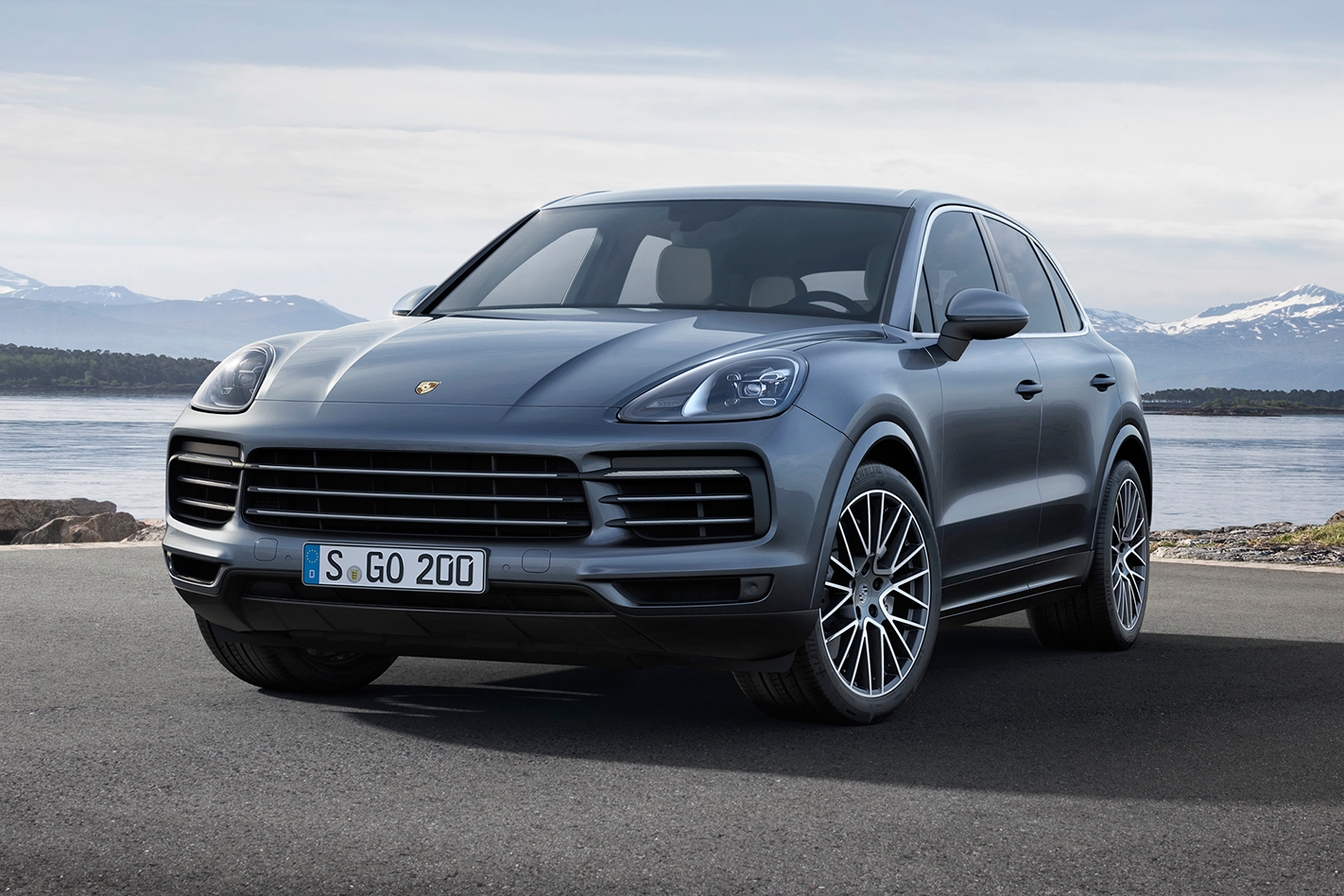
A severe weight loss program, including an all-aluminium panel body and alloy parts for the floorpan, front section and suspension system, as well as a lithium-ion battery, help to shed 65kg compared with the old model.
The move to the Cayenne’s lighter chassis has introduced a front axle featuring a separated link design and a multilink rear axle. The electric rear-axle steering system, which Porsche says was “tried and tested both in the 911 and the Panamera”, will help with cornering agility around and stability when changing lanes at high speeds. The reduced turning circle also makes everyday handling easier, it said. Mixed tyres – ranging from standard 19-inch to optional 21s – adopt a sports car attribute by staggering wheel sizes to also help improve dynamic ability while cornering.
While the new Cayenne sits on the same 2895mm wheelbase as the model it replaces, the overall length has grown 63mm to 4918mm. This has had an impact on interior space, with the boot alone growing in volume by 100L to 770L over the old Cayenne.
As an option, Porsche has developed a tungsten-carbide coating for its cast-iron disc brakes. Buyers who opt for the Porsche Surface Coated Brake system will stand out from the crowd with white calipers wrapping around discs that porsche says will develop a unique gloss after bedding in.
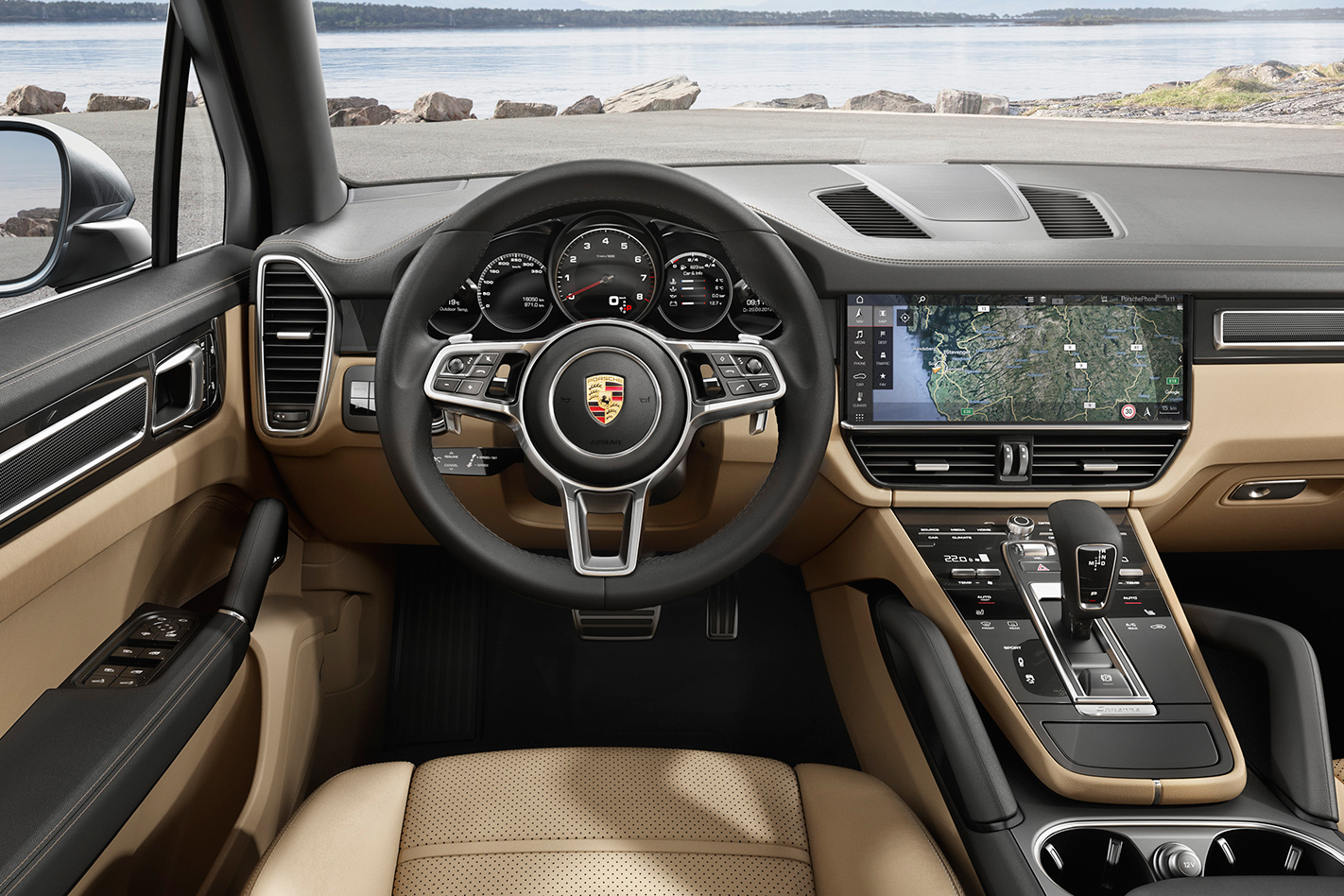
Inside, the Cayenne will gain the multimedia system developed for the Porsche Panamera, including a 12.3-inch touchscreen. An analogue tacho remains in front of the driver, but to either side are 7.0-inch screens that display all other relevant driving data, as well as additional information selected using the multi-function steering wheel.
The Cayenne also adds a thermal imaging camera that will spot animals – and wayward pedestrians – in the dark.
The third-gen Porsche Cayenne is available to order now in Europe. Porsche Australia says pricing and specification for the Cayenne and Cayenne S have not yet been finalised, but should be announced in early in 2018. Australian deliveries will start from mid 2018.
The new Volvo XC60 range will arrive in Australia in October with prices starting from $59,000.
The all-new version of Volvo’s medium SUV will be available in three main spec levels – Momentum, Inscription, and the sporty R-Design.
While both Momentum and Inscription specs will be available for the 187kW T5 turbo petrol and 140kW D4 turbo diesel variants, the 235kW T6 turbo and supercharged petrol and 173kW D5 turbo diesel with Power Pulse technology variants will come fitted with the R-Design spec.
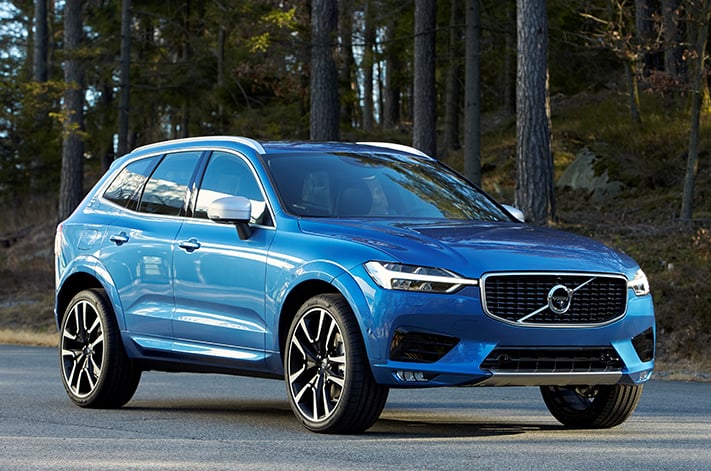
There will also be a range-topping T8 Twin Engine petrol plug-in hybrid available in R-Design spec which produces a combined 300kW and boasts a 0-100km/h acceleration of 5.3sec.
The 2018 XC60 will come available with state-of-the-art safety technology including Steer Assist as part of its Blind Spot Information and Cross Traffic Alert system (BLIS), which takes over the steering to evade a head-on collision should the driver stray into the wrong lane.
The XC60 also features Pilot Assist, which takes care of steering, acceleration, and braking on well-marked roads up to 130 km/h.
Both BLIS and Pilot Assist come as standard equipment in R-Design models, with the latter also packaged as part of the Inscription spec.
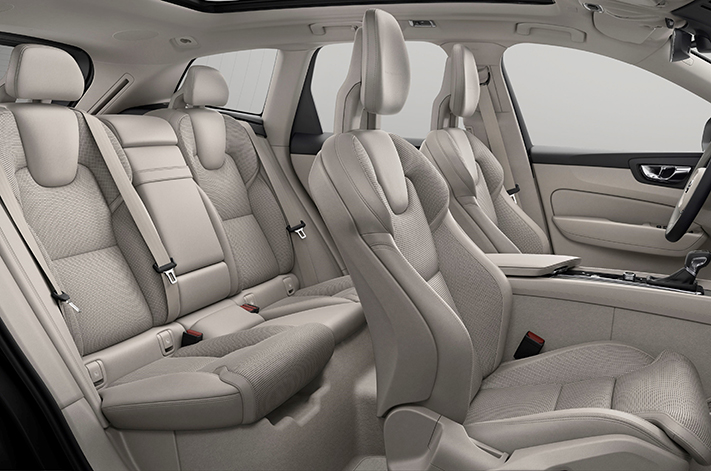
The XC60 also features Clean Zone four-zone climate control, which removes harmful pollutants and particles from outside the cabin to ‘deliver Scandinavian-fresh air’ on the inside.
2018 Volvo XC60 pricing
Momentum D4 $59,990 T5 $62,990
Inscription D4 $66,990 T5 $69,990
R-Design D5 $73,990 T6 $76,990 T8 Twin Engine Plug-in Hybrid $92,990
Volvo’s performance arm, Polestar has added extra kit to its souped-up S60 and V60 models including a new aero kit that increases downforce by 30 percent.
The new carbonfibre aerodynamic exterior package was developed jointly by the engineers at Polestar and its motorsport partner, Cyan Racing based on knowledge gained from its World Touring Car Championship (WTCC) programme.
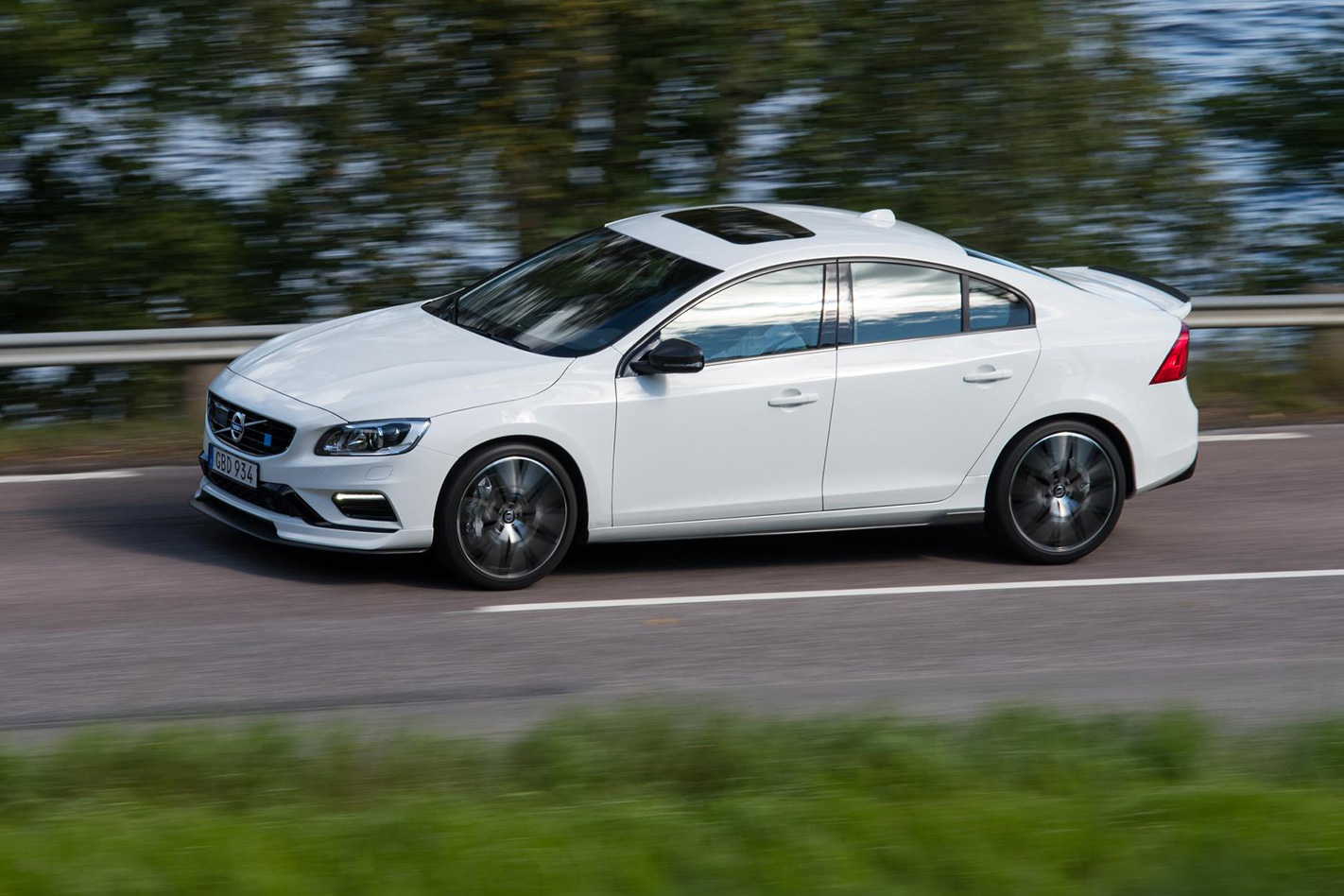
Many of these components were developed and tested during Polestar Cyan Racing’s recently-revealed secret Nürburgring test, where a Polestar S60 claimed the record for the fastest four-door road legal car around the infamous Nordschleife circuit.
Needless to say the aerodynamic enhancements, which include a new front splitter, side sills, and a rear spoiler extension, help increase grip and high-speed stability.
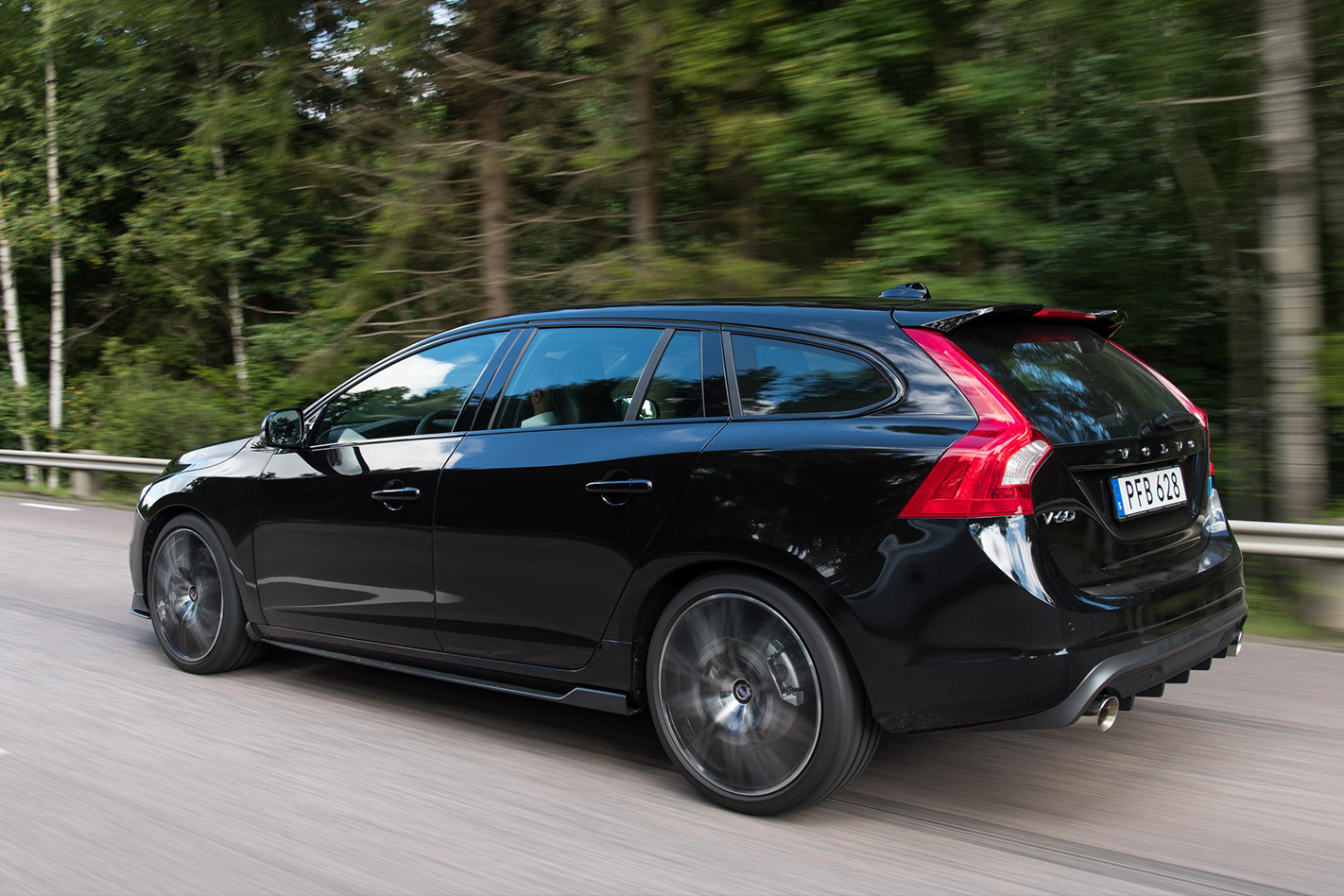
Other visual changes include high-gloss black Polestar diamond cut wheels, carbon fibre door mirror casings, and a new colour; Bursting Blue Metallic.
The interior has also been updated with new seat upholstery, blue contrast stitching, and Polestar embroidering.
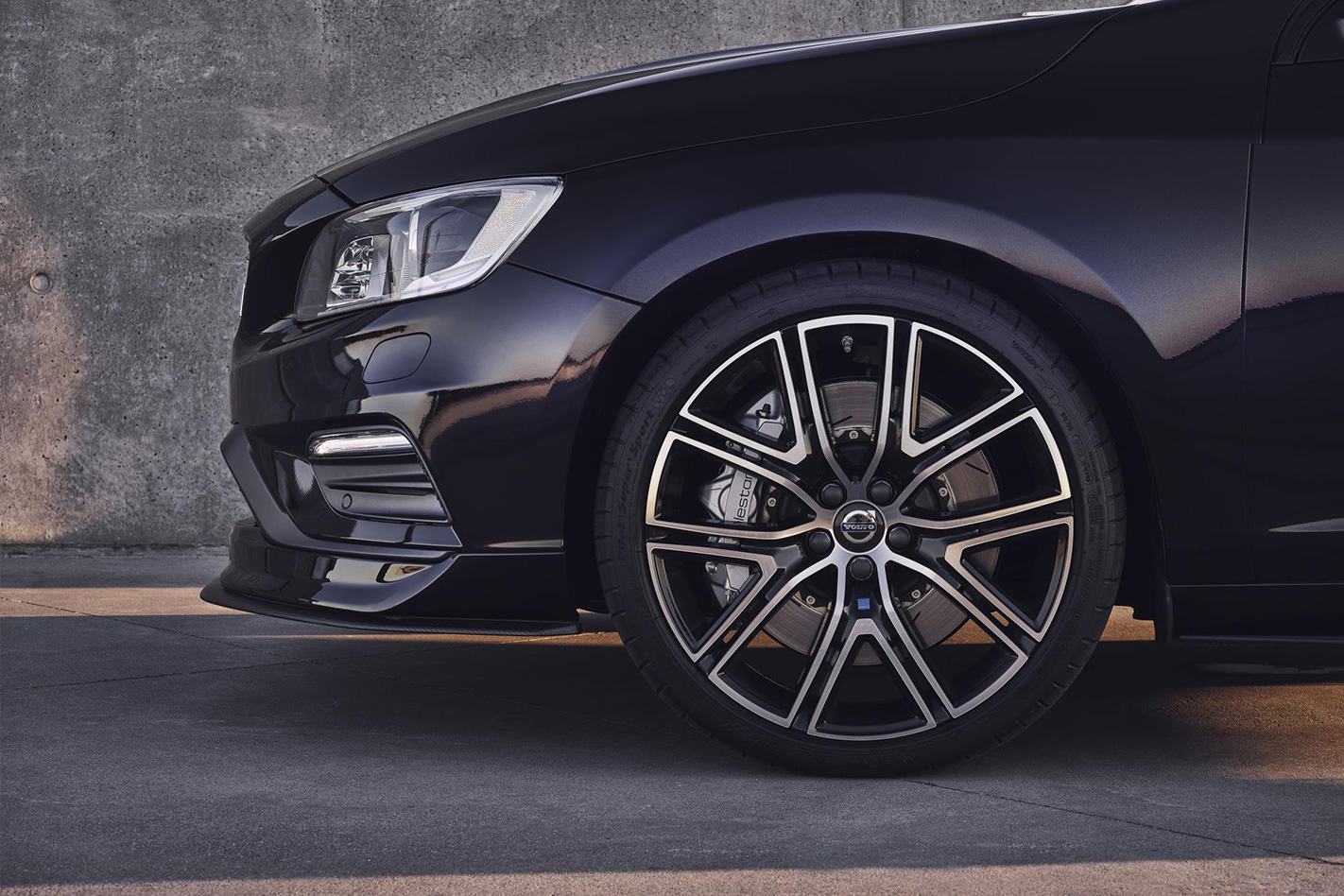
More than 250 components are unique to the Polestar S60 and V60 over the standard Volvo models including the adjustable Öhlins shock absorber system and six-piston Brembo brake callipers with 371mm discs.
Both models retain the powerful 270kW/470Nm Drive-E engine four-cylinder engine with an eight-speed automatic transmission sending power to all four wheels.
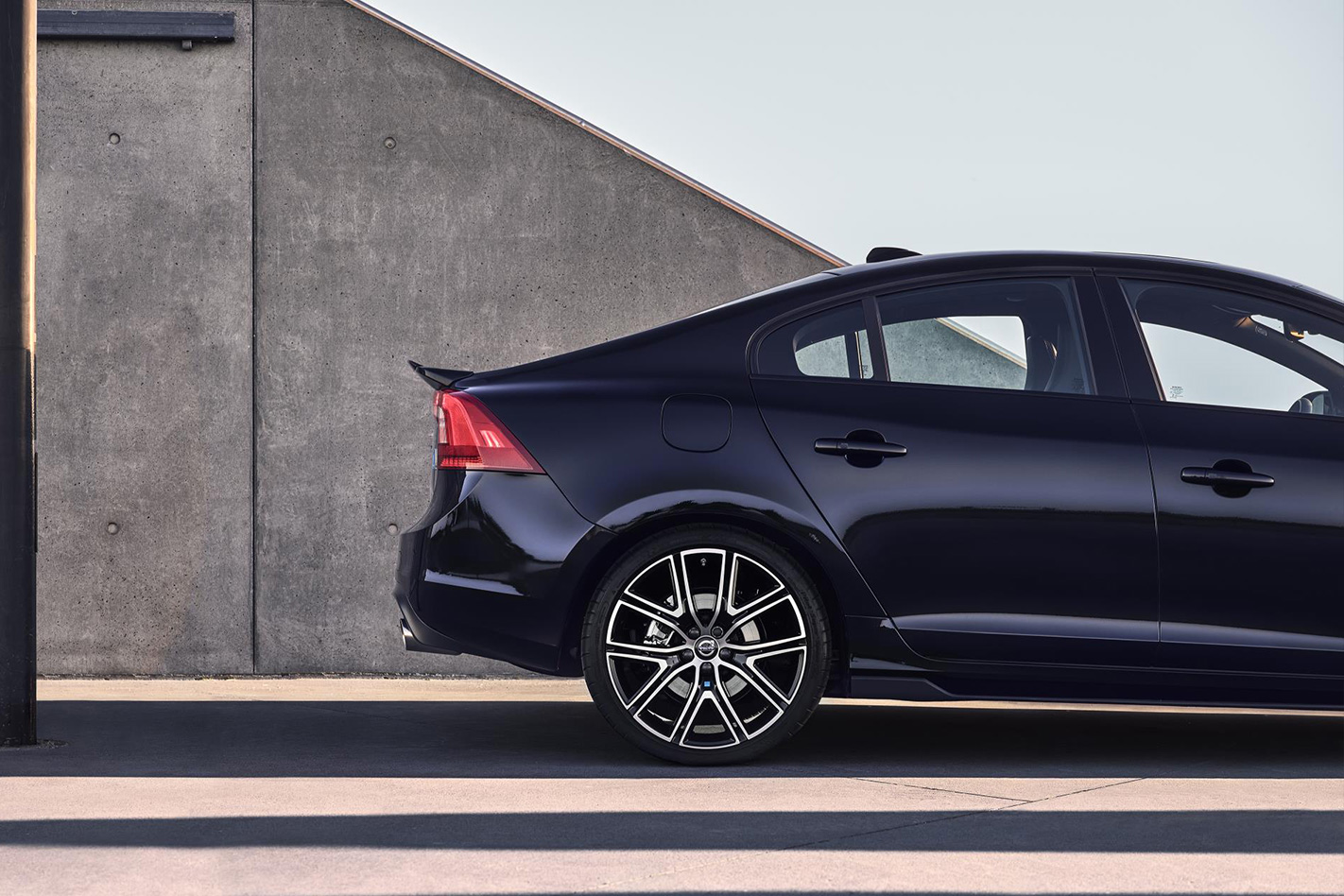
A combined total of just 1500 S60 and V60 Polestar models will be produced for the global market, with all cars receiving a unique build number on the tread plate.
Volvo Australia told WhichCar 10 will be made available for Australia from January, with the mix likely to be four sedans and six wagons with pricing not yet confirmed.
The current S60 and V90 Polestars retail for $89,990 and $102,600 respectively.
