IT’S taken a while, but the Nismo-enhanced version of the Nissan 370Z that has been available overseas for a number of years now is on the cusp of entering Australian showrooms.
Wheels confirmed its imminent arrival last month, but we now know that it will be cheaper than expected.
The word “cheap” is a relative term, of course, but at $61,490 in six-speed manual form ($63,990 for the optional 7-speed auto), the 370Z Nismo is set to offer a compelling alternative to the similarly-powerful $74,900 BMW M240i. If you want a real bargain sportscar, however, take note that Nissan has also taken the opportunity to drop the price of the regular 370Z Coupe to just $49,990 for the manual.
“The impending arrival of the Nissan 370Z NISMO allowed us to re-look at pricing across all variants,” said Nissan Australia managing director Richard Emery.
“The NISMO version naturally sits at the top of the Nissan 370Z range, but we wanted to maintain competitive pricing. This re-positioning offers a range of price points that will be attractive to a wider group of customers.
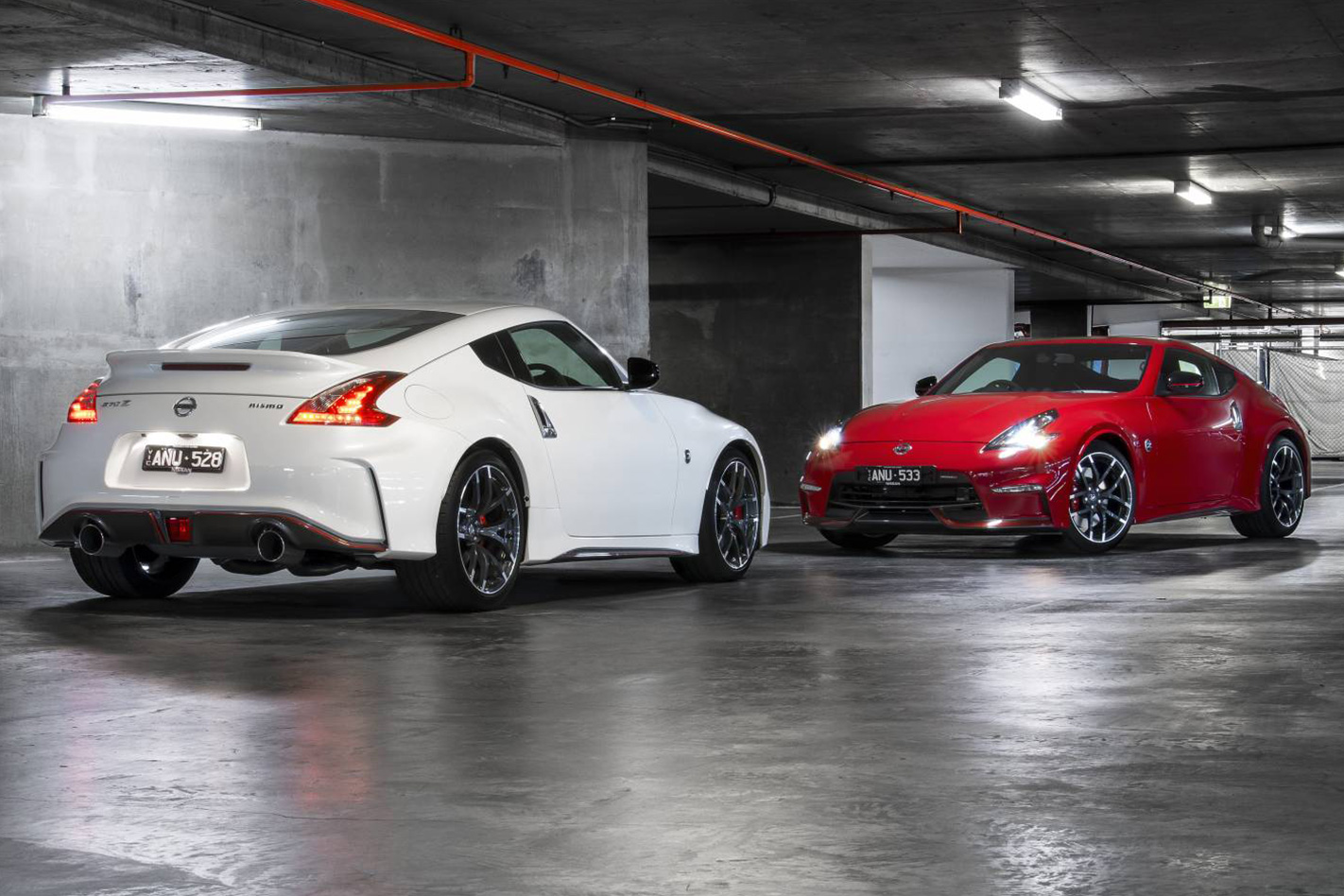
Propelled by a lightly warmed-over version of the regular 370Z’s 3.7-litre atmo V6, the 370 Nismo will make 253kW and 371Nm, with all of it going to the rear wheels via a six-speed manual or seven-speed auto.
That’s only an 8kW, 8Nm gain over the non-Nismo 370Z’s outputs, but while full specifications have yet to be announced, other Nismo touches like a racy bodykit, unique lightweight alloy wheels, wider rubber, a Nismo exhaust, additional structural bracing, track-honed suspension hardware, Nismo-branded instruments, and body-hugging Recaro seats should give the 370Z Nismo more than a few points of difference over the standard car.
Speaking of which, the regular 370Z range will continue to offer both manual and auto variants across coupe and convertible bodystyles, with 245kW and 363Nm emanating from its 3.7-litre V6.
Full range specifications – as well as our first drive review of the 370Z Nismo – will come at the end of August.
PRICING
Nissan 370Z Coupe manual – $49,990
Nissan 370Z Coupe automatic – $52,490
Nissan 370Z Convertible manual – $60,990
Nissan 370Z Convertible automatic – $63,490
Nissan 370Z Nismo manual – $61,490
Nissan 370Z Nismo automatic – $63,990
The first Mini petrol-electric hybrid is looking increasingly likely for an Australian launch next year. The Cooper S E Countryman ALL4 has appeared on the brand’s local website, inviting potential buyers to register their interest.
Mini is also set to import two evaluation cars, with the first customer cars likely to arrive in Q4 of 2018. Mini Australia spokesman Tony Sesto has said “It’s probably not a question of if, but a question of when.”
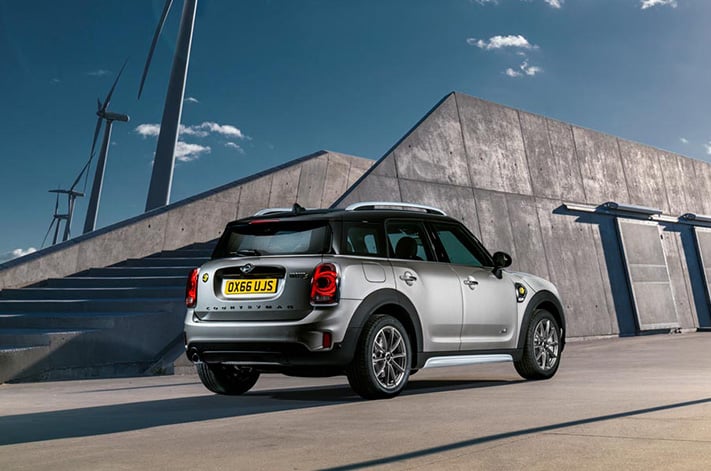
Powered by a combination of a 3-cylinder petrol engine and a synchronous electric motor which together generate a system output of 165kW, the plug-in Mini Countryman registers a combined fuel economy figure of 2.1L/100km.
That comes with the caveat that plug-in hybrids are extremely good at gaming the EU fuel test, but nevertheless, it should prove a very economical means of attaining that much power and a chunky torque figure of 385Nm.
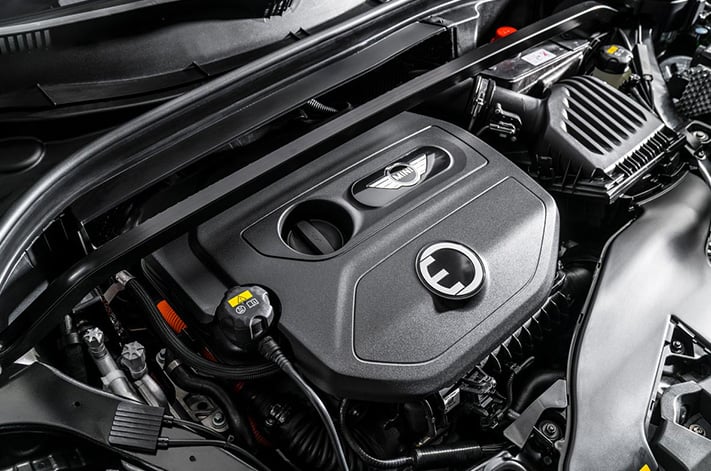
The all-wheel drive system works by powering the front wheels with the combustion engine and the rears by the electric motor. The car is also able to run solely on electricity, with a range of 40km and a top speed of 125km/h.
Mini claims that the lithium-ion high-voltage battery can be charged at a wallbox in 2hr15m and that the car offers three operating modes, selectable via the eDrive toggle switch, which in turn bring up hybrid-specific displays.
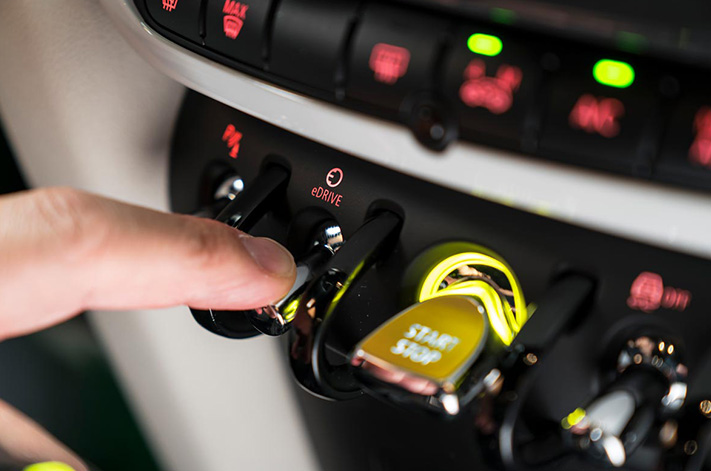
The original Mini was renowned as a technological innovator, and while BMW has embraced hybrid and electric tech, Mini has latterly lagged behind the field in offering alternative power sources to loyal customers. Pricing is likely to be in the region of $56,000, which doesn’t look bad value when the Countryman JCW flagship can generate just 5kW more and is pitched at $56,900.
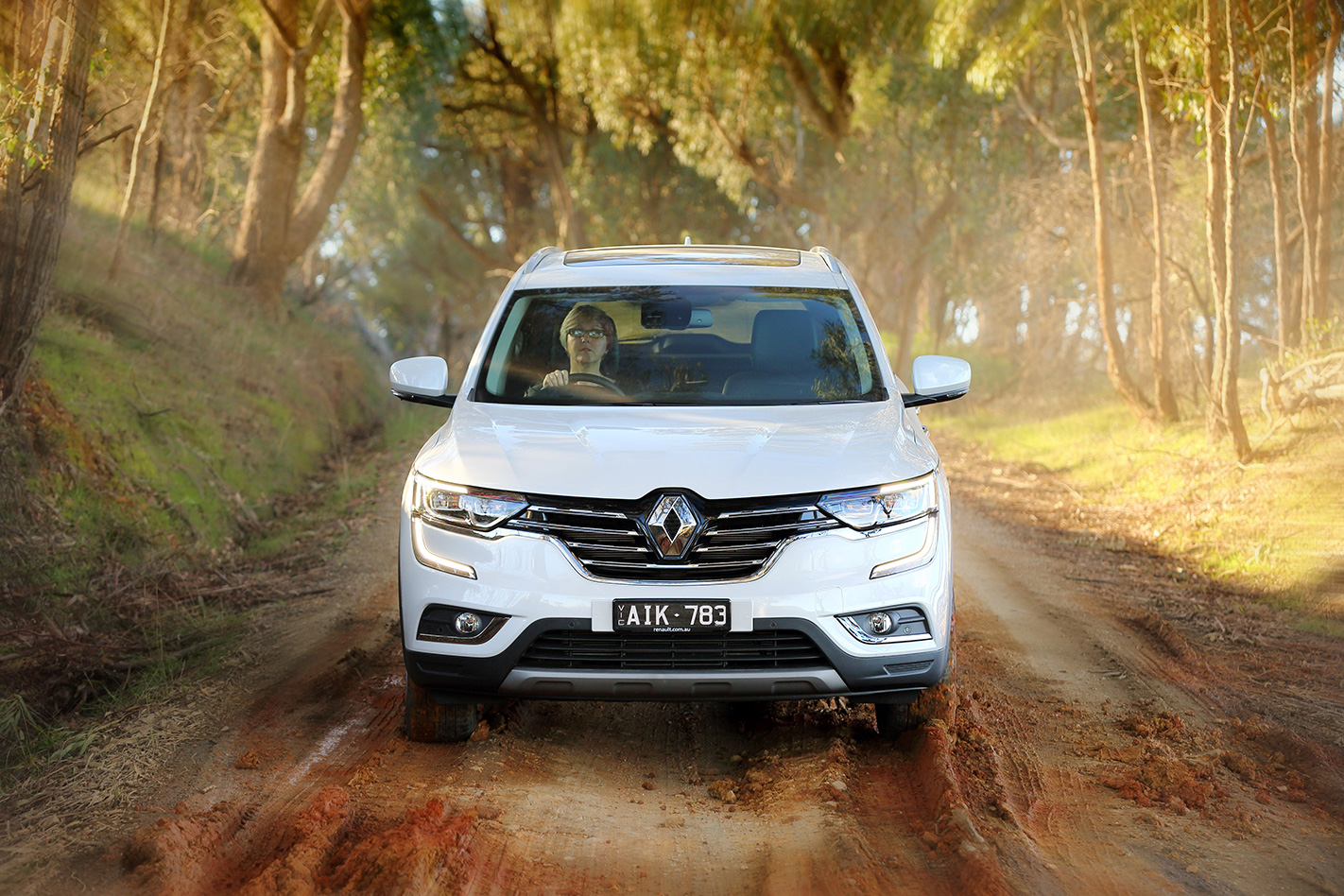
Renault is adding a new range-topping, diesel variant to its Koleos medium SUV range.
The Renault Koleos Diesel is powered by a 130kW/380Nm 2.0-litre four-cylinder turbo diesel engine taken from the Nissan X-Trail, which also shares the same underpinnings thanks to the Renault-Nissan corporate alliance.
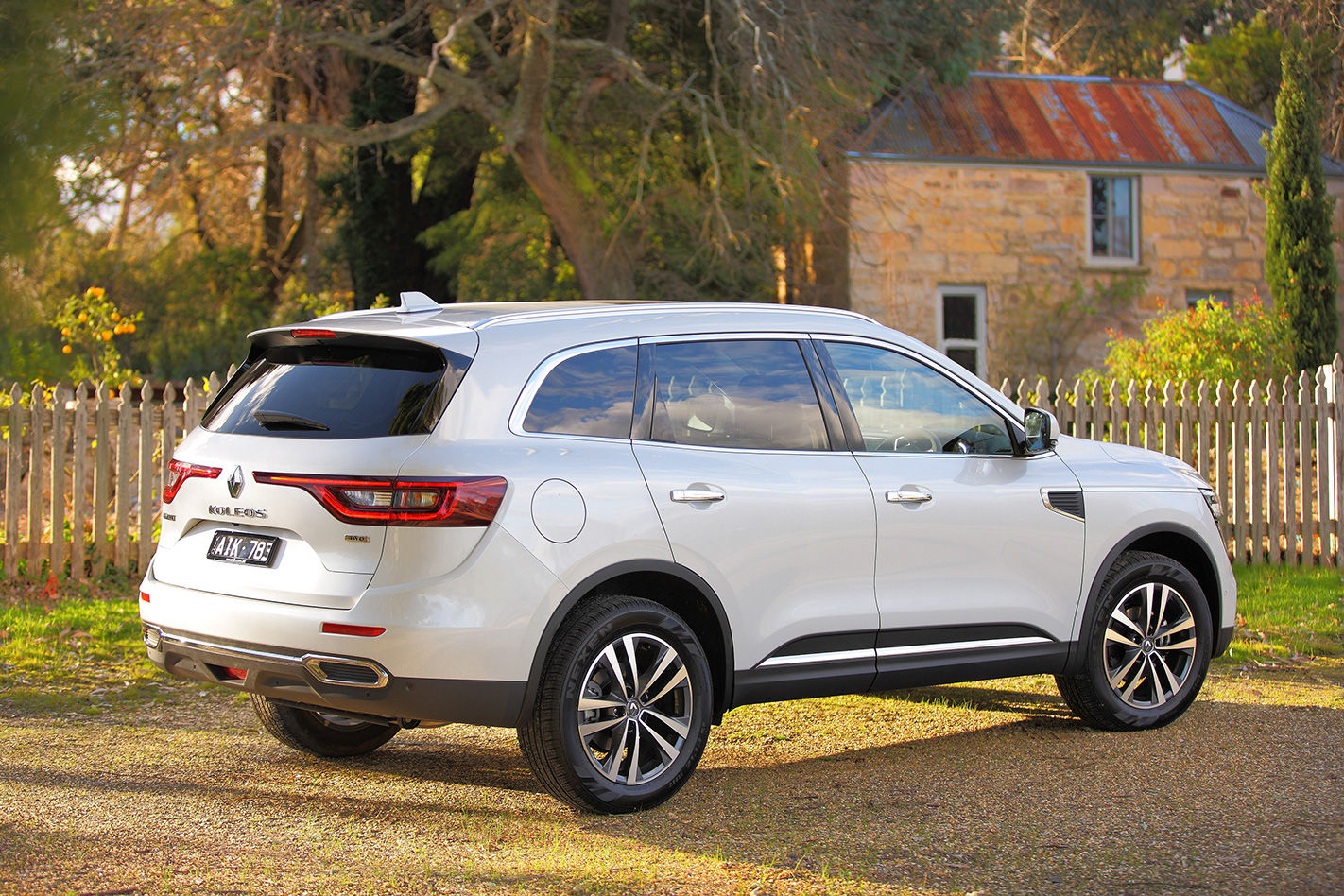
It also shares the Nissan’s XTONIC CVT transmission and All-Mode 4X4-i technology that adjusts torque and grip at each corner depending on conditions.
As well as being more powerful than the 126kW/226Nm 2.5-litre naturally aspirated petrol engines across the Koleos range, the diesel drinks around 38 percent less; just 6.1L/100km compared to 9.8L/100km.
Unfortunately, it’s only available in the one, premium grade which matches the Intens petrol range topper, albeit with a $3500 premium attached.
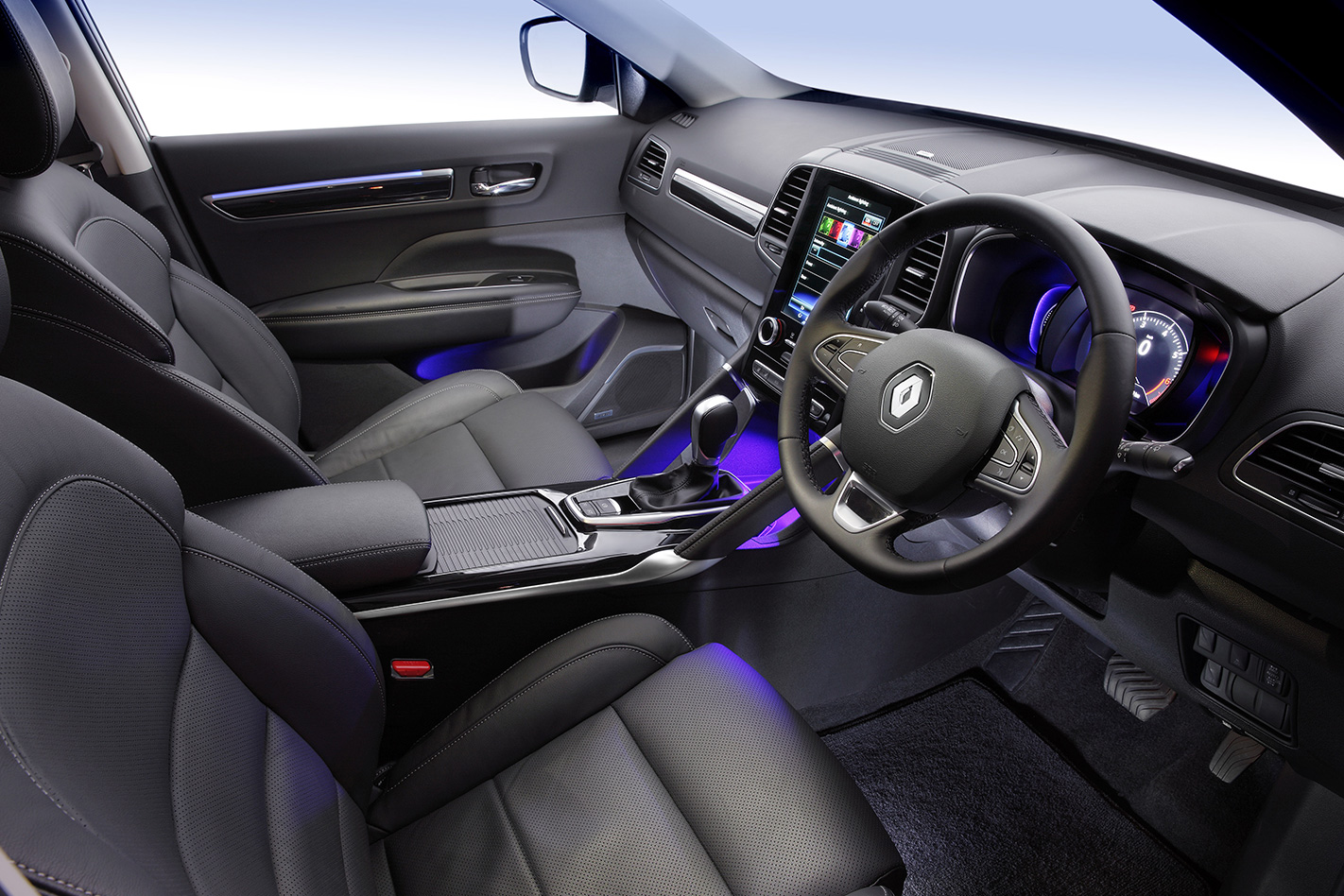
The Koleos Diesel’s $46,990 price tag includes a long list of features that includes automatic emergency braking, blind spot monitoring, forward collision warning, park assist, LED headlights with auto high beam, panoramic sunroof, 12-speaker BOSE audio system, leather interior, and front heated/ventilated seats.
Despite the higher price, Renault expects the Koleos Diesel to sell well. The Koleos is the French brand’s biggest seller here with most buyers choosing the Intens. The option of a turbo diesel variant would simply add to its premium appeal.
The Renault Koleos Diesel will arrive in showrooms in September.
2017 Renault Koleos manufacturer list pricing
-Koleos Life 4×2 – $29,990
-Koleos Zen 4×2 – $33,990
-Koleos Zen 4×4 – $36,490
-Koleos Intens 4×4 – $43,490
-Koleos Diesel 4×4 – $46,990
SKODA’S updated Octavia RS performance halo is rolling into showrooms this month, bringing with it a power boost to the petrol versions and additional specification for all sedan and wagon variants.
A manual 169TSI sedan kicks off the six-car RS range with prices starting from $38,890, before on-road costs, representing a $1000 increase over the outgoing equivalent. For the price hike, the new version arrives with a 7kW increase in power and a more generous list of standard equipment.
For those customers who miss the more exclusive, but now discontinued RS230 special, an even more potent version will be arriving in November, packing 180kW and an RS245 badge with either a manual or an auto box.
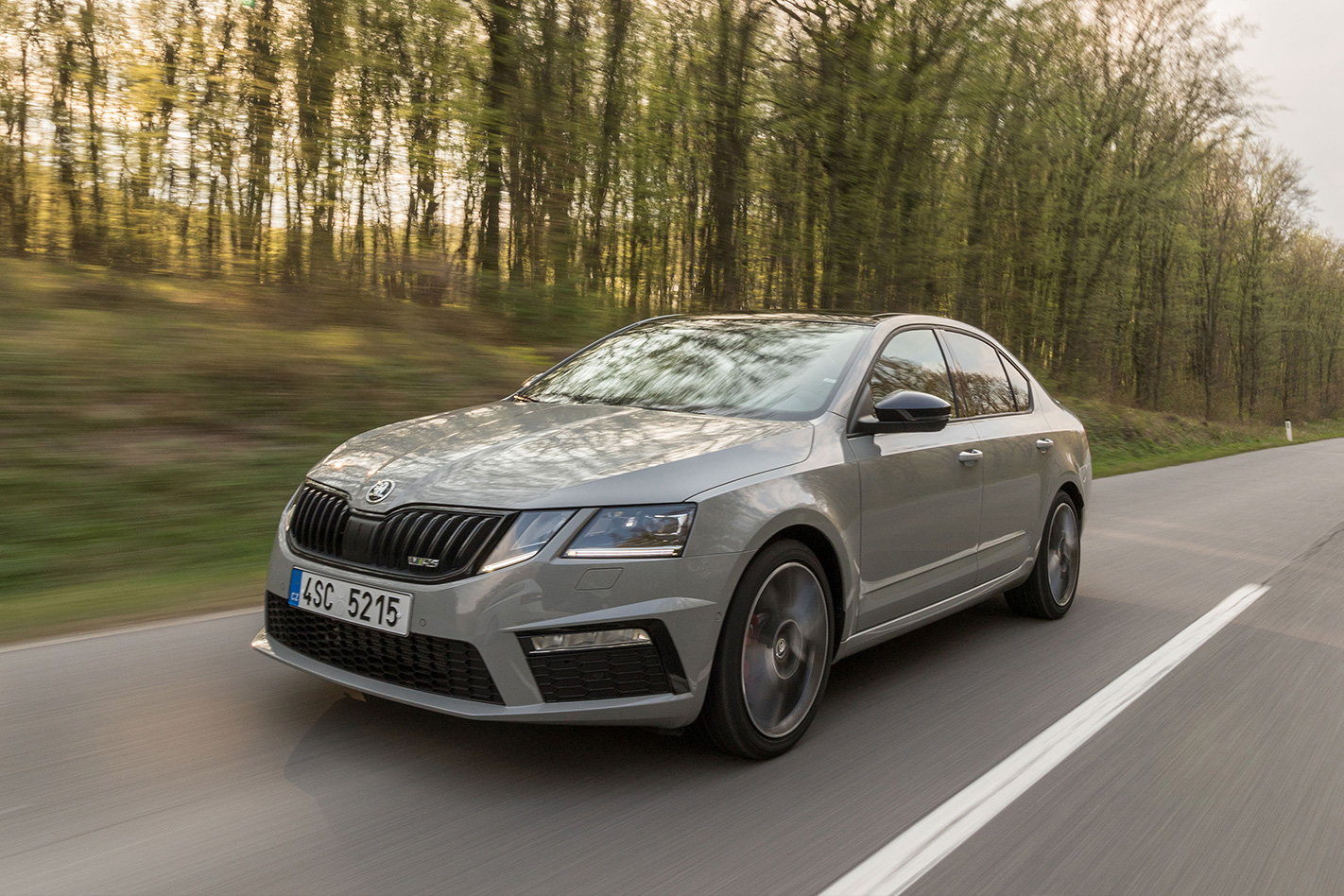
Included in the price of the updated range is a larger 9.2-inch media screen, and Black Pack gloss black exterior trims, which previously added an extra $500 to the bottom line when picked from the options list.
On top of that, all Octavia RS variants now have the option of having blind spot monitoring and Adaptive Chassis Control, which is part of the $2300 Tech Pack and $2800 Luxury Pack respectively.
Previously, customers wanting the full-fat 169kW output from the 2.0-litre turbo petrol had to stump $41,490 for the RS230 special edition or $43,190 for the equivalent wagon, but all petrol versions now get the maximum power figure under the 169TSI moniker.
Fans of the boot-boosted and more practical 169TSI wagon will be asked for $40,390 (an $800 increase over the previous entry manual version) but get the same value-adding features as the sedan.
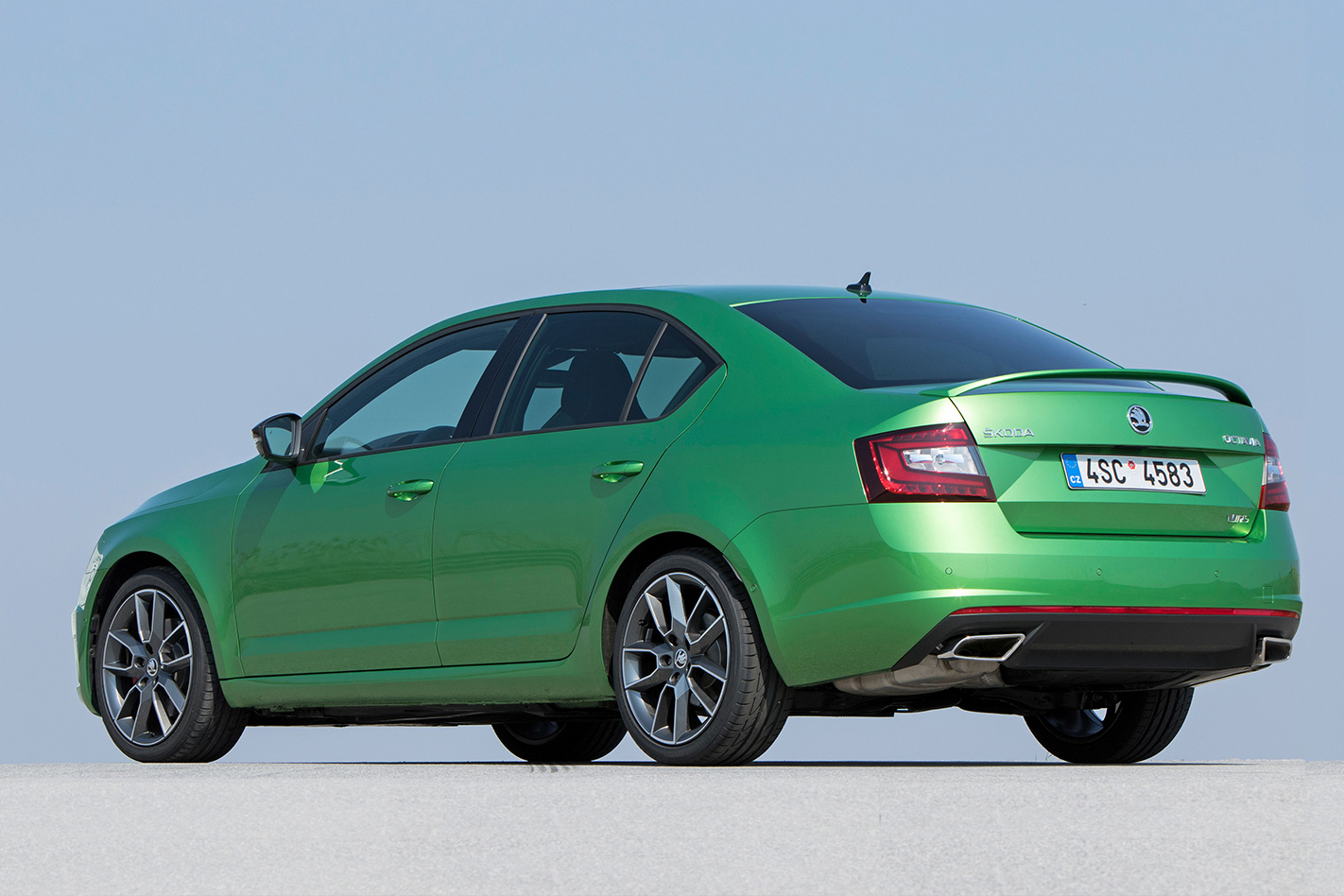
Opting for the twin-clutch DSG automatic transmission in either variant pushes the price up by $2500.
As before, the Octavia RS 135TDI is also on offer, which is powered by an unchanged 135kW/380Nm 2.0-litre diesel coupled to the DSG only for $42,490 in sedan form or $43,990 for the wagon – an increase of $1200 and $1000 respectively.
With the power tune up, performance matches the outgoing RS230 with a zero to 100km/h dash in 6.7 seconds for the manual sedan or a tenth slower for the wagon. Unusually, autos forfeit some pace with a figure of 6.8s for the DSG sedan and 7.0s for the wagon.
Diesel performance is unchanged with sedans doing the benchmark dash in 7.9 seconds, while the wagon needs 8.0 seconds to crack 100km/h from standstill.
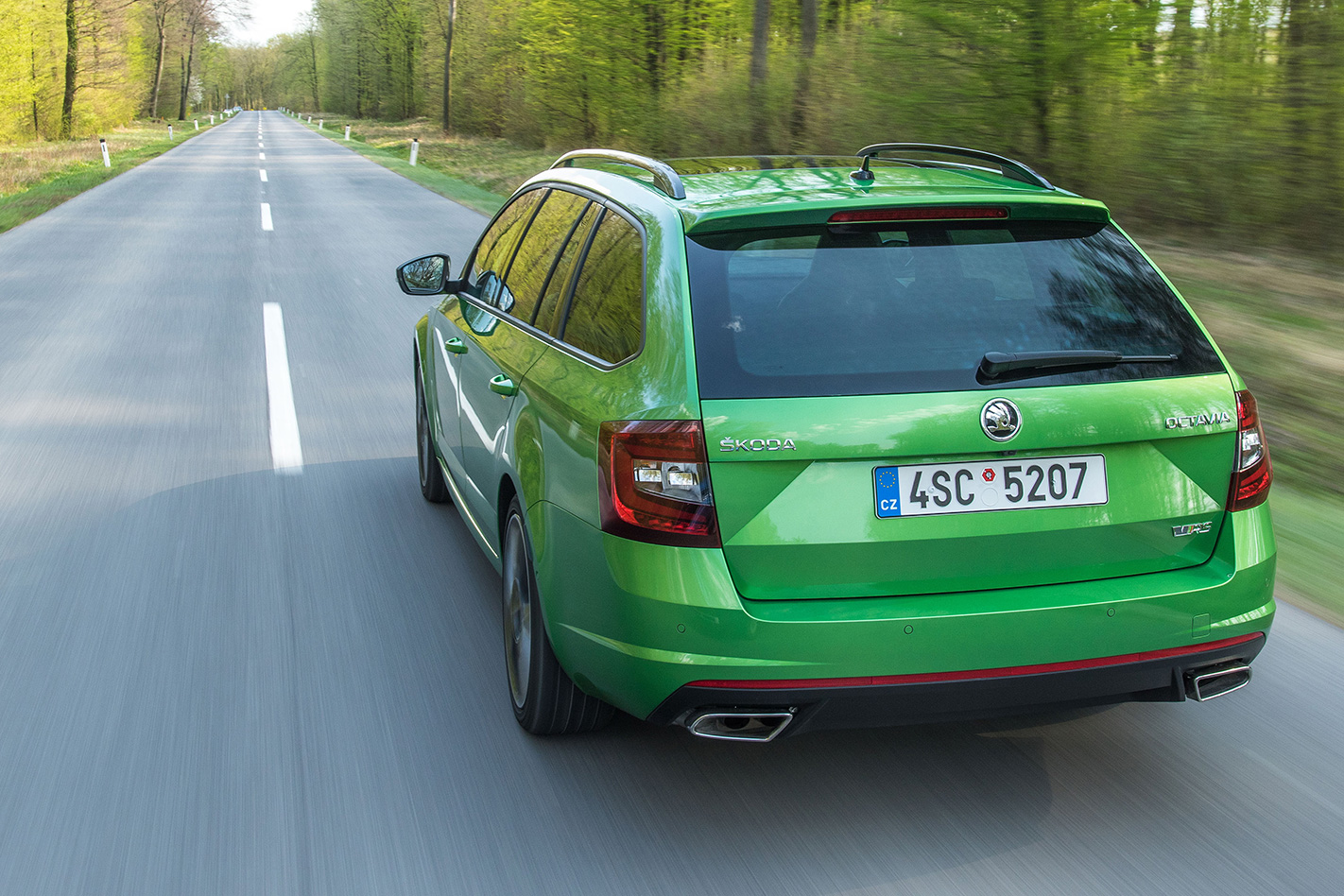
In addition to the new safety equipment, ten speakers, adaptive headlights, parking assistance, keyless entry, rain-sensing wipers and switchable driving modes are included as part of the Tech Pack.
A blend of leather and synthetic suede with red-stitched seat upholstery is included with the Luxury Pack, as is front seat electric adjustment and heating, lane assistance, two more airbags for a total of nine, Passenger Protect Assist and folding door mirrors.
Other options include a wagon panoramic sunroof for $1700 or smaller version for the sedan at $1500, metallic or pearlescent paint for $500, 19-inch Extreme wheels in black cost $700, while a power boot for the wagon adds $500.
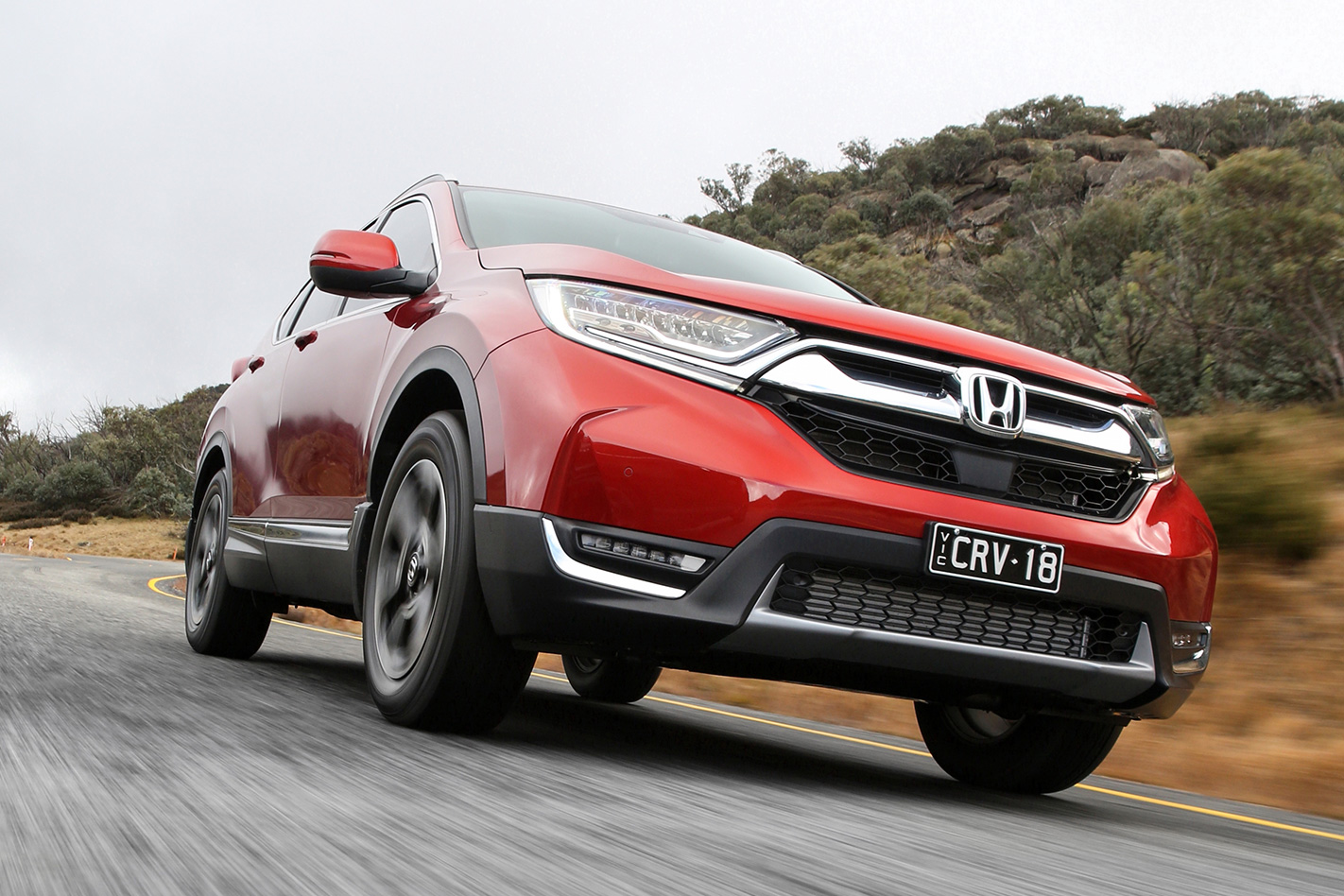
The fifth-generation Honda CR-V launches into one of Australia’s most contested and important vehicle segments, with mid-size SUV sales continuing to grow in popularity among Aussie motorists.
For that reason, it’s a vital vehicle for Honda Australia. Beyond the mechanical improvements that have come with the move to an all-turbocharged engine range and significant suspension and structural changes, the range itself has been bolstered by the arrival of a seven-seat option – a first in the CR-V’s history.
Want to know how the CR-V drives? Read our first drive report here. Just want to know which one to buy? Read on.
VARIANTS
First things first: all CR-V models are powered by the same 1.5-litre turbocharged petrol inline four, which produces 140kW and 240Nm, and all use a CVT automatic transmission. There’s no more manual-equipped base model, and no more diesel-engined option. That simplifies things somewhat.
As for the models themselves, the naming system should be familiar. The base CR-V VTi opens the range, followed by the VTi-S, VTi-L and VTi-LX grades.
The base model VTi opens with a $30,690 pricetag. That puts every CR-V variant above the $30k barrier for the first time, but that’s largely a consequence of the disappearance of a manual transmission from the range.
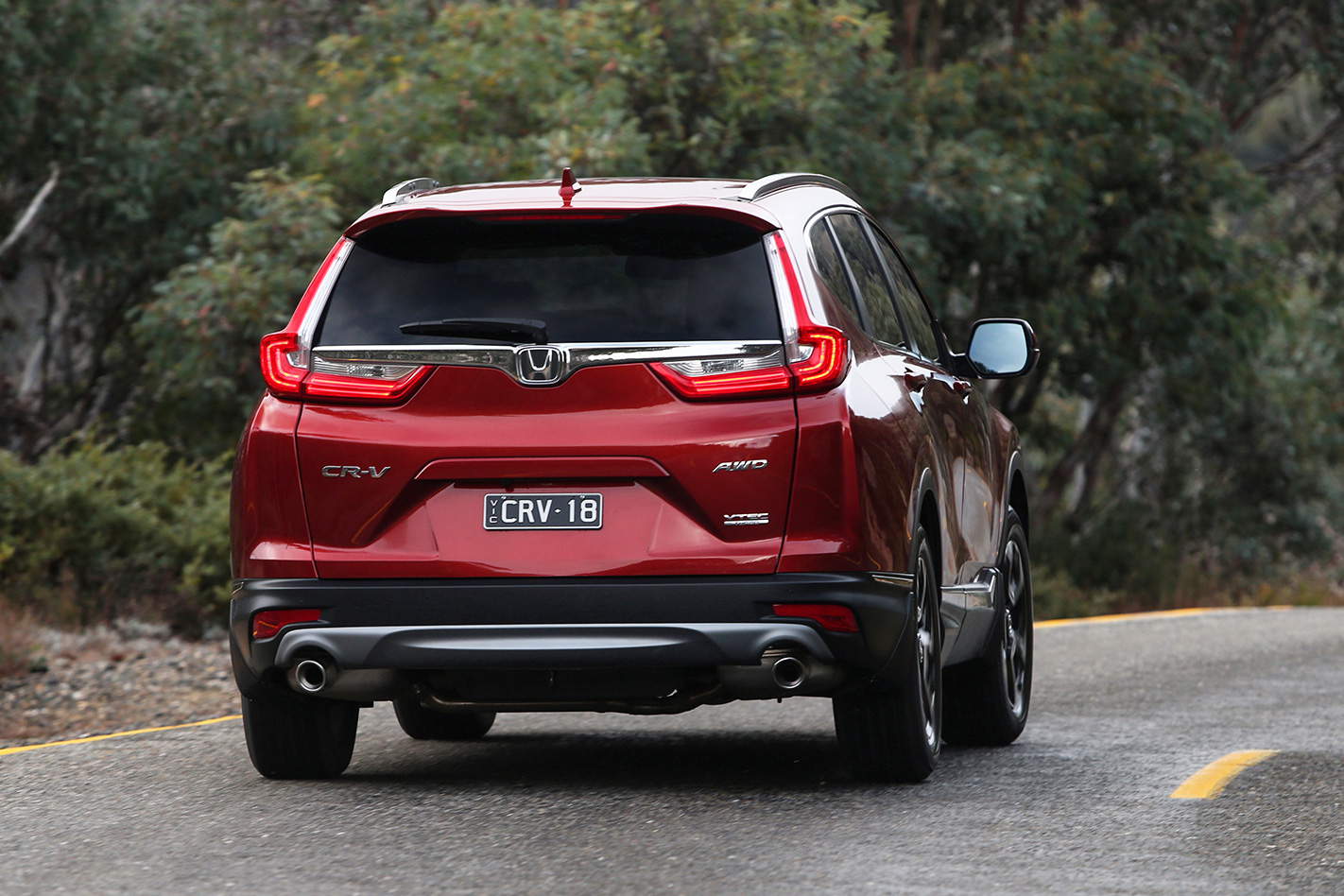
With keyless entry and ignition as standard, plus dual-zone climate control, a 7.0-inch colour infotainment display, an electronic parking brake and reversing camera as standard from the base model VTi, there’s plenty of equipment on offer, even considering the $30k pricing.
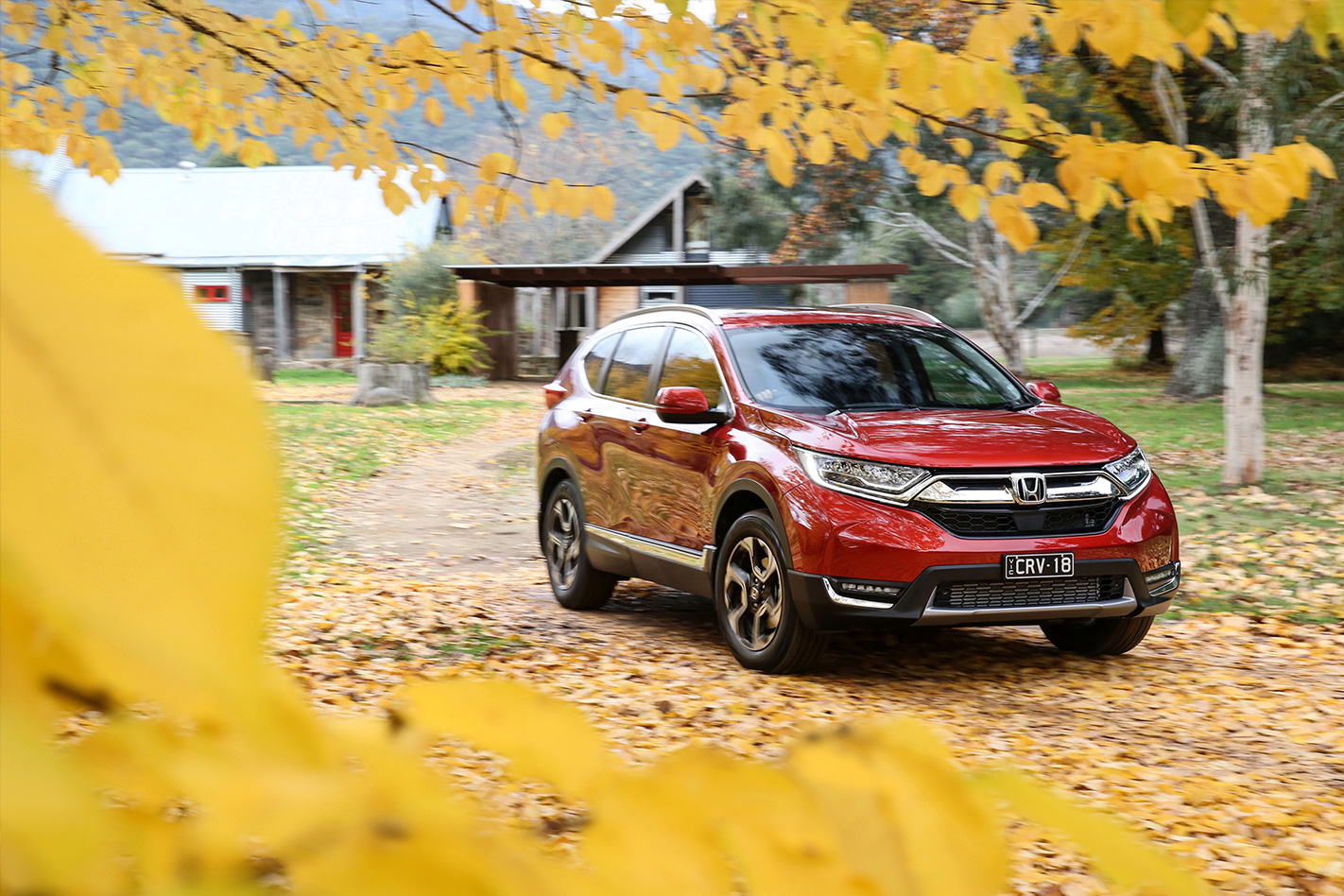
Move up to the VTi-S and the 17-inch wheels of the VTi make way for 18-inch alloys, while a power tailgate, front and rear parking sensors, dusk-sensing headlamps, a passenger-side external camera, built-in satellite navigation and the option of all-wheel drive make their way onto the spec sheet. The CR-V VTi-S costs $33,290 in 2WD form, and $35,490 with the AWD option.
The VTi-L grade sits one rung above, and is the only variant to come with seven seats. It also brings a panoramic glass sunroof, leather upholstery, heated front seats with power adjustment for the driver, rain-sensing wipers and a sliding second row. The CR-V VTi-L will set you back $38,990 before on-roads.
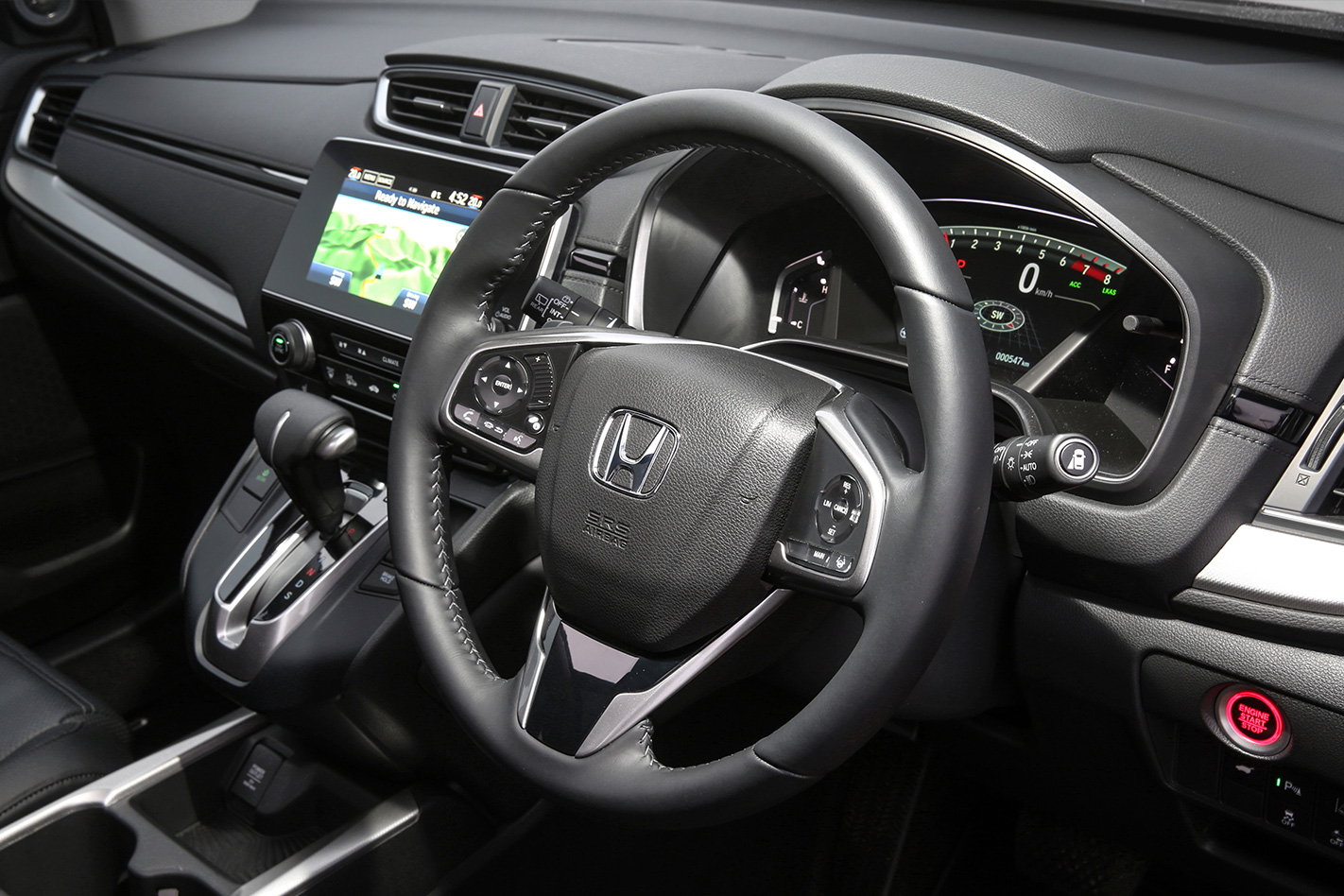
At the top of the tree is the VTi-LX, which reverts back to a five-seat layout yet adds features like autonomous emergency braking, active cruise control and lane monitoring, along with LED headlamps, a digital radio tuner, privacy glass and a self-dimming rear view mirror. The absence of a 2WD variant (the VTi-LX is strictly an AWD-only model) helps explain its high $44,290 retail sticker.
OUR PICK
The CR-V VTi-S represents the best value in the range.
Its shiny cloth upholstery may not be the nicest fabric around, but the balance of equipment for price makes the VTi-S the best buying in the CR-V family. Having key comfort and convenience features such as satellite navigation, a power-operated tailgate, front and rear parking sensors and Honda’s nifty Lanewatch camera means the VTi-S is more than a little bit easier to live with than the base CR-V VTi grade. The option to choose between 2WD and AWD means those who regularly venture away from sealed roads can select a more suitable driveline.
It’s worth pointing out that the CR-V range is a somewhat inconsistent one, though, what with a seven-seat configuration being limited to the fairly expensive VTi-L grade and AWD only being available on the VTi-S and VTi-LX, but not the intermediate VTi-L.
The lack of autonomous emergency braking on every model except the range-topping VTi-LX must also be pointed out, given the increasing availability of key safety technology in rival SUVs.
If a three-row layout is a non-negotiable for you, then your hand is forced into selecting the VTI-L. If safety is paramount and AEB is a core requirement, then the VTI-LX is the only one that’ll tick that box. If you need both of those features in the same car, then the CR-V simply can’t cater to that.
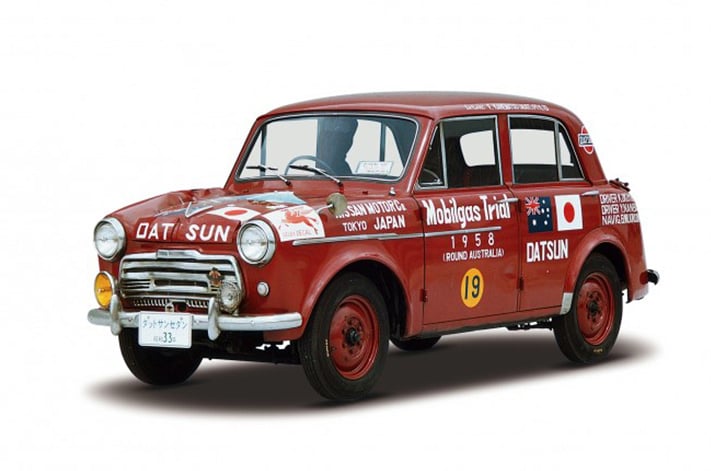
IN 1958, the car became a global commodity, and Australia wanted a slice of the action.
Despite being a far-flung former British outpost, we signed up to the so-called “Agreement concerning the adoption of uniform technical prescriptions for wheeled vehicles, equipment and parts which can be fitted and/or be used on wheeled vehicles and the conditions for reciprocal recognition of approvals granted on the basis of these prescriptions”, the framework that set worldwide standards for how future cars would be built, and is still in use today.
Ford, too, was having a go with the locally designed and developed Zephyr wagon, which was not only a uniquely Australian take on the comparatively more sophisticated and refined British large car, but also set the stage for more Australianised Fords once the Falcon and its derivatives arrived in 1960. However, it was struggling with heavy import taxes on the parts it needed to modify the cars.
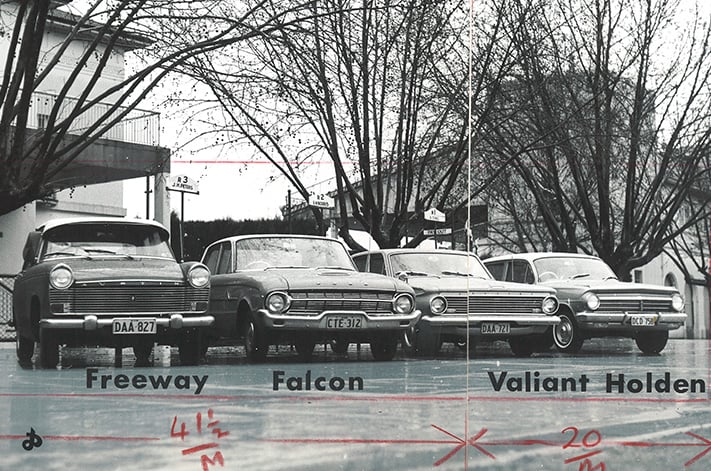
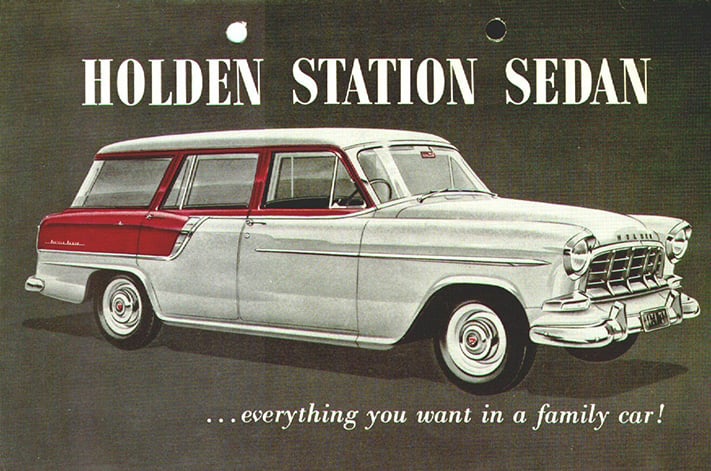
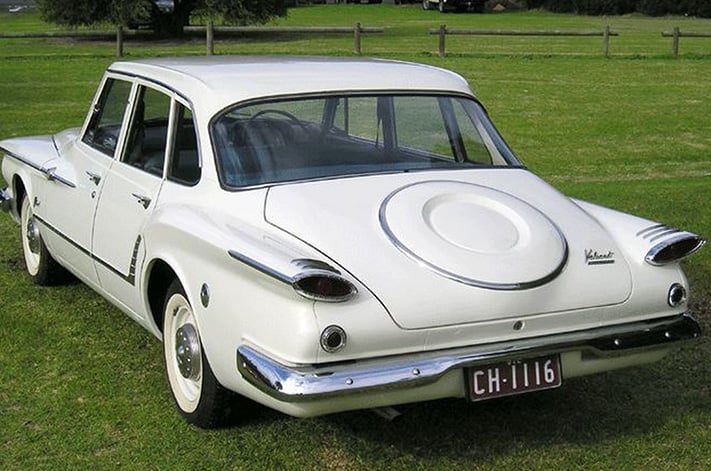
In contrast, GM-H’s decision to rehash the big-finned and dog-leg windscreen designs of the mid-’50s for the 1960 FB Holden made it look outdated the instant Ford’s low-slung XK Falcon appeared in September 1960. The latter, which was basically a lightly made-over version of the American compact of the same name, was an instant hit. However, within 18 months word had spread that country cars in particular couldn’t handle the harsh Australian conditions, resulting in collapsing front suspensions and other durability issues. Ford’s high-flying bird was almost fatally wounded by the lightweight design that made it so appealing against the comely FB.
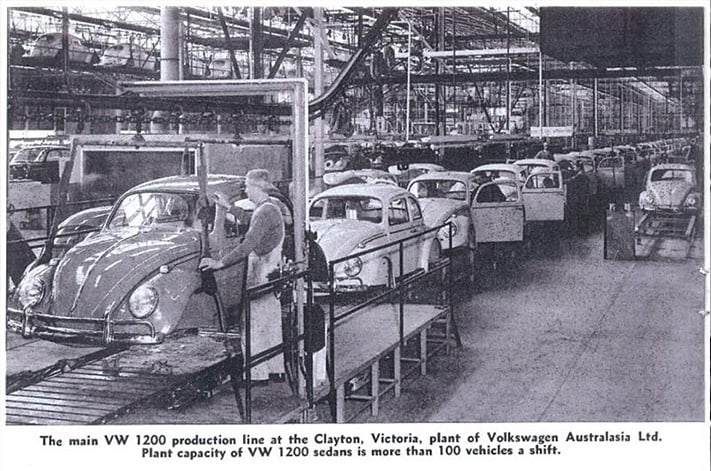
BMC was also doing well at this time with the Morris Major (and later Elite), a one-time mooted replacement for the Morris Minor, but was later developed as a compact premium sedan wearing Wolseley and Riley badges in Britain. For Australia, however, it evolved into a well-priced, nicely equipped mid-sized 1.5-litre sedan from 1958, plugging a gaping hole in the market between cars such as the Beetle and Holden. Though hardly contemporary in design and utterly conventional in execution compared with the front-driving Mini, the Sydney-built Elite proved sturdy and spirited.
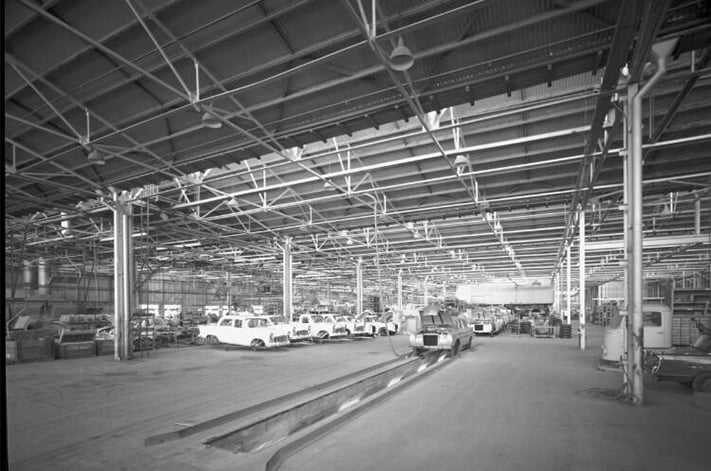
Standard/Triumph cars had been built in Port Melbourne since the late-1920s, but the decision by the Australian half of the joint venture, the Crosby brothers, to assemble some Mercedes-Benz models from 1958 led to the name change Australian Motor Industries (AMI), which then went on to make AMC Ramblers.
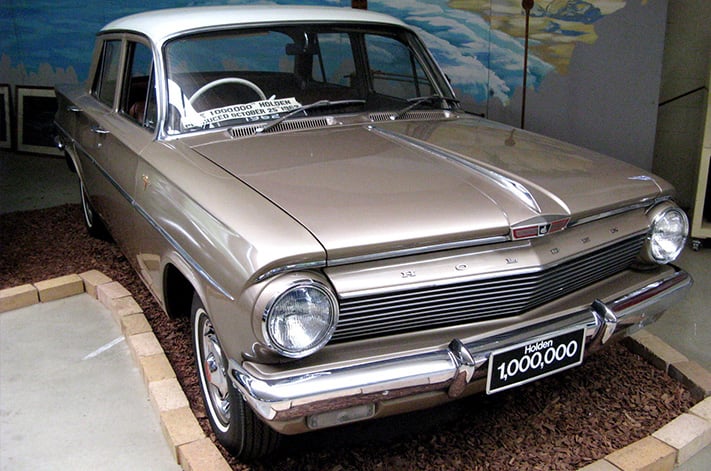
In 1961, Holden released the EK, followed a year later by the EJ. In June 1962, a gold-coloured EJ Premier became Holden’s millionth car off the production line – Australia’s annual sales had grown to 206,061 cars and 60,647 station wagons.
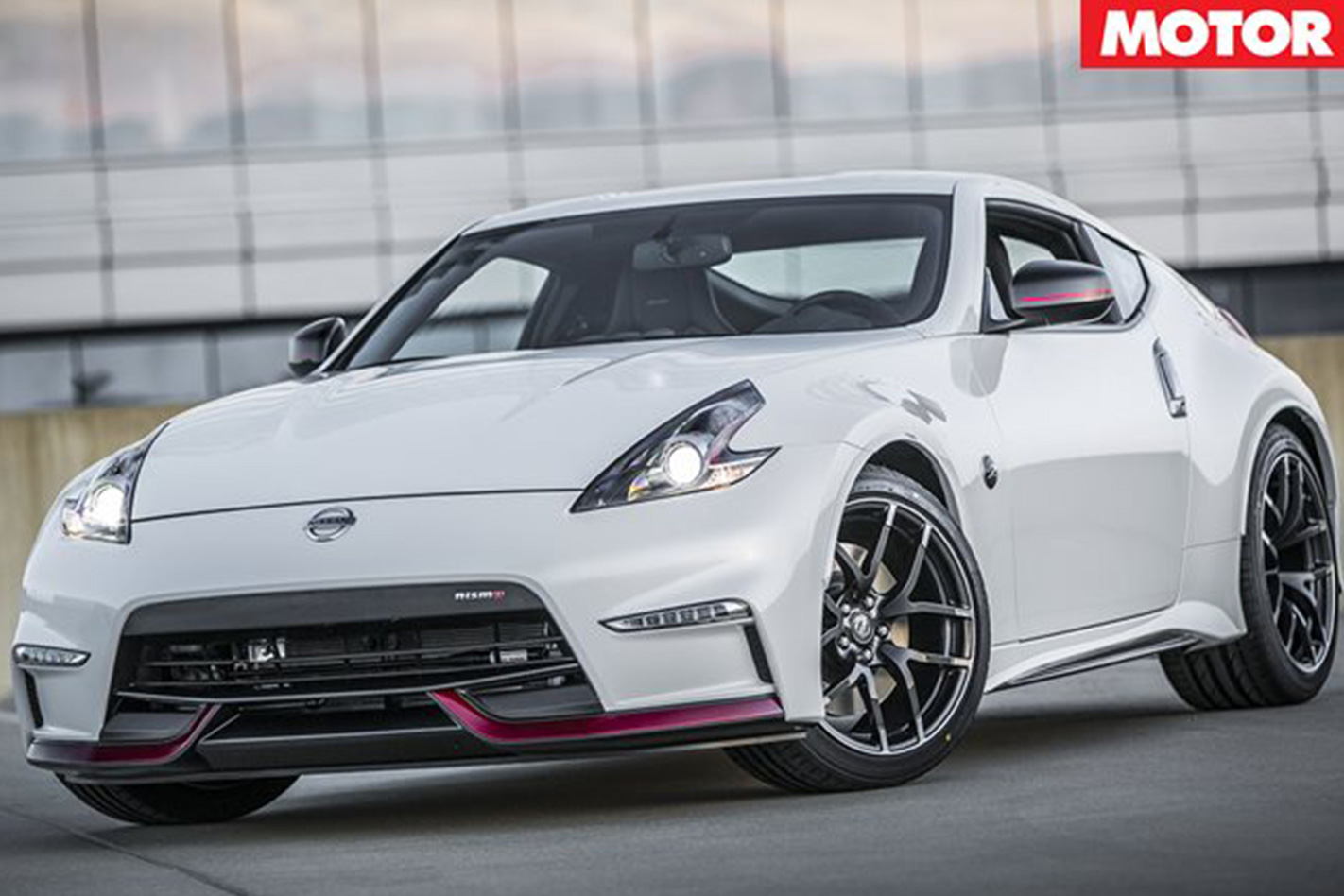
The arrival of the 370Z NISMO will also herald a significant price drop for regular Zeds.
With the Standard 370Z now priced from $49,990, Australians will only need to pay a small premium over what that car previously cost to get one with a NISMO badge.
From $61,490 in six-speed manual guise, the 370Z NISMO will only cost around $5500 more than a standard 370Z as of a few months ago.
Roadster variants of the regular 370Z will still set buyers back $60,990 (manual) and $63,490 (auto), almost as much as the upcoming NISMO.
The range-topping 370Z will launch in Australia soon, with arrivals scheduled for early September.
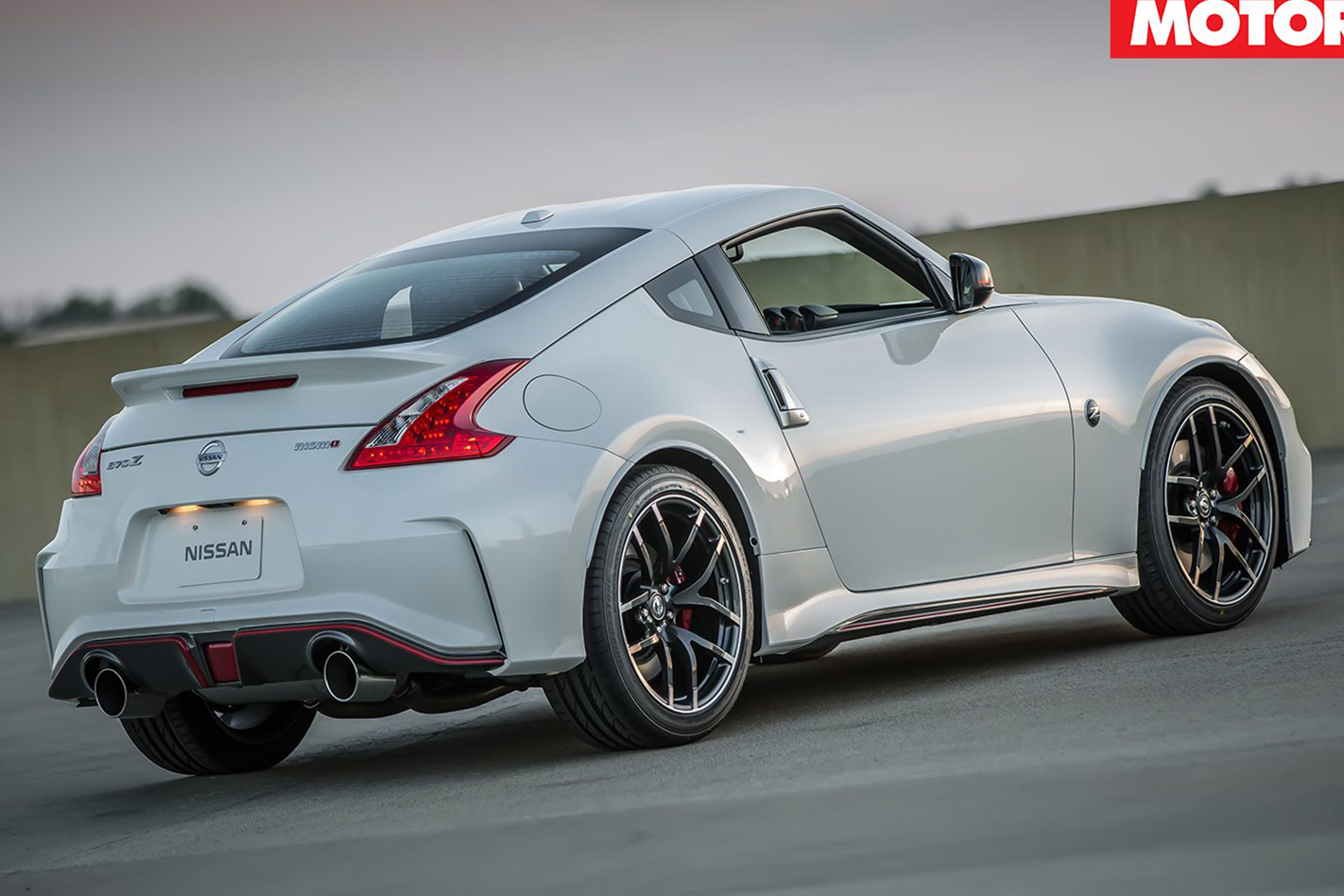
“The NISMO version naturally sits at the top of the Nissan 370Z range, but we wanted to maintain competitive pricing. This re-positioning offers a range of price points that will be attractive to a wider group of customers.
“We hope this will drive sportscar buyers into Nissan showrooms, giving them more choice and offering significantly more value for money.”
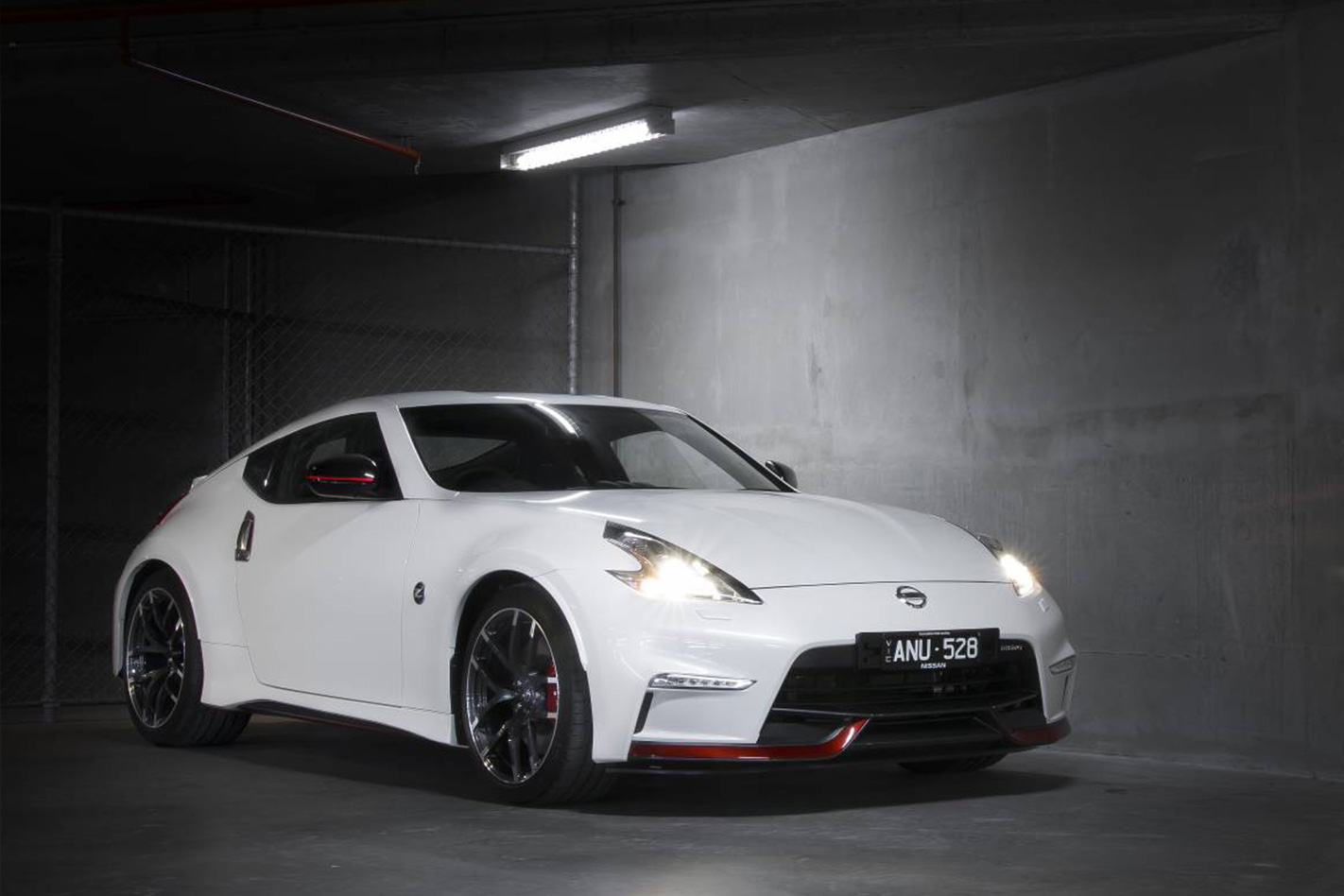
Nissan Australia says it has sold almost 4200 units in the course of almost a decade.
Fire it up, select first gear and this car is clearly the work of Subaru’s designers rather than Toyota’s.
Should this make any difference? Probably not, but subconsciously some of us probably relate to the Suby version as the real deal. Philosophically speaking. Regardless, this is a Subaru design. The other fact that I’m reminded of after any length of time without a drive in one is just how damn good the little buggers are.
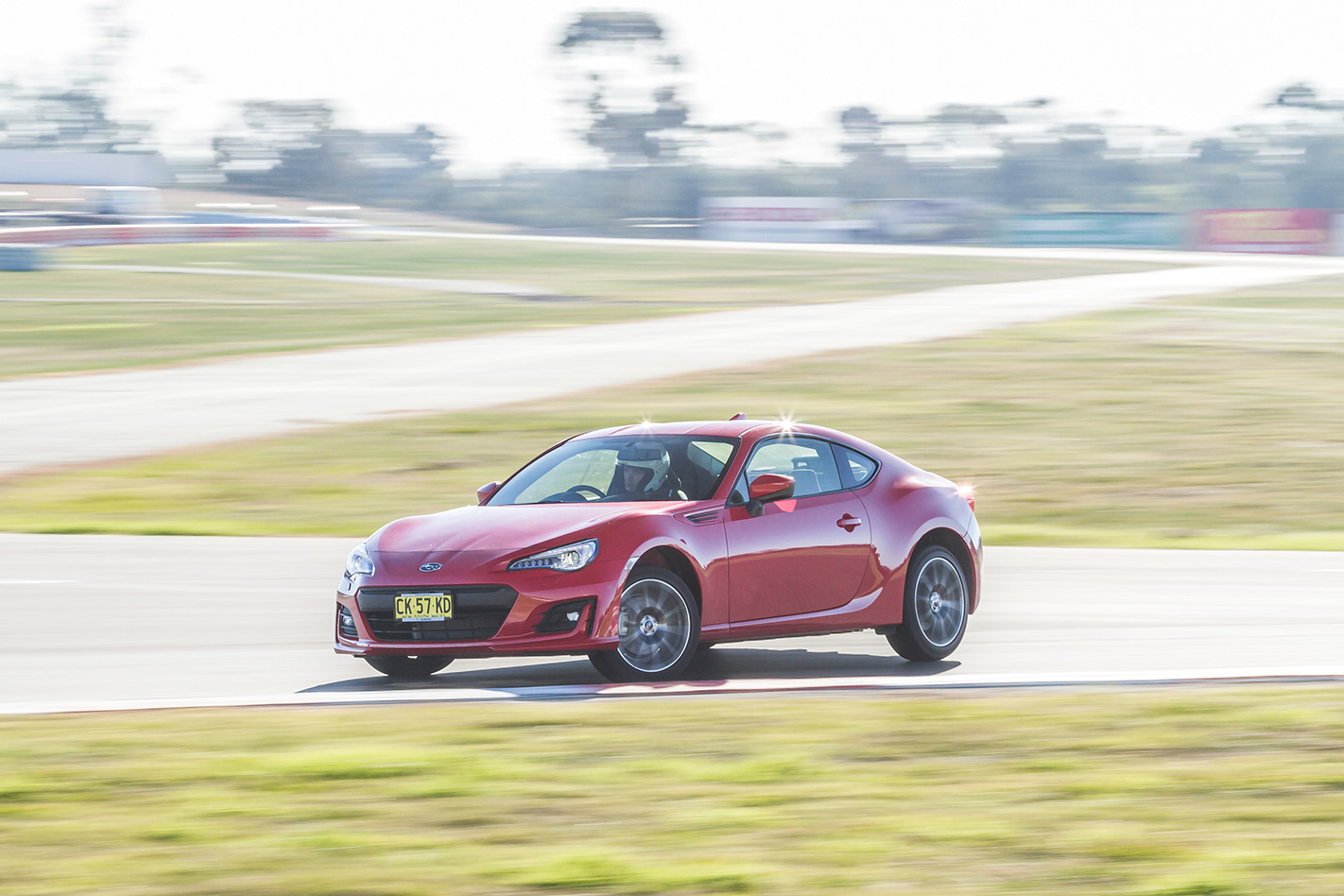
Mind you, to get any real pace out of the BRZ, those are exactly the tactics you must employ because the original criticism of the thing back in the day – that it was lacking a good serve of torque – hasn’t really changed. Fact is, in 2017, that two-litre flat-four is starting to reveal itself as a bit of a nail.
Not that it doesn’t deliver if you get fair up it, rather that time has moved on and smaller capacity engines with turbochargers are simply doing a better job than ever. And even though it’s staunchly an atmo deal, you don’t ever get that addictive spike in power as the engine rides up on to the camshaft and really starts to hammer.
To be brutally honest, the BRZ’s mill feels flatter than a Monday morning. But the brilliance of the chassis more than saves it. Seriously, this thing doesn’t give a damn what you do to it or how ham-fisted you are in the process. You can throw it at an apex, it won’t care.
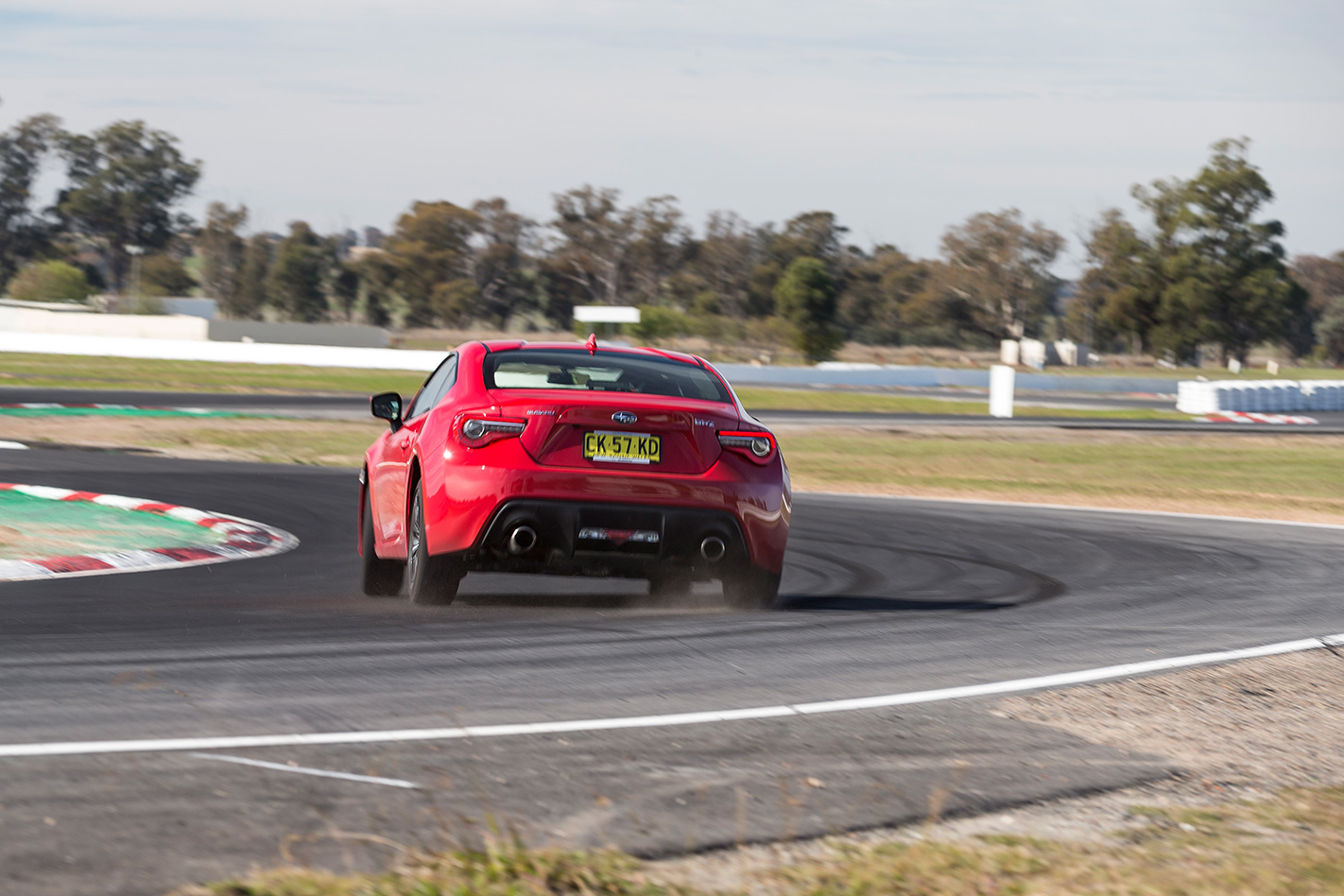
Obviously, this is the quick way around a track, but hurling it about like a madman is almost too hard to resist. The steering is your friend, too, and as well as being sharper than a good stand-up routine, there’s loads of feel and feedback to help you make sense of it all.
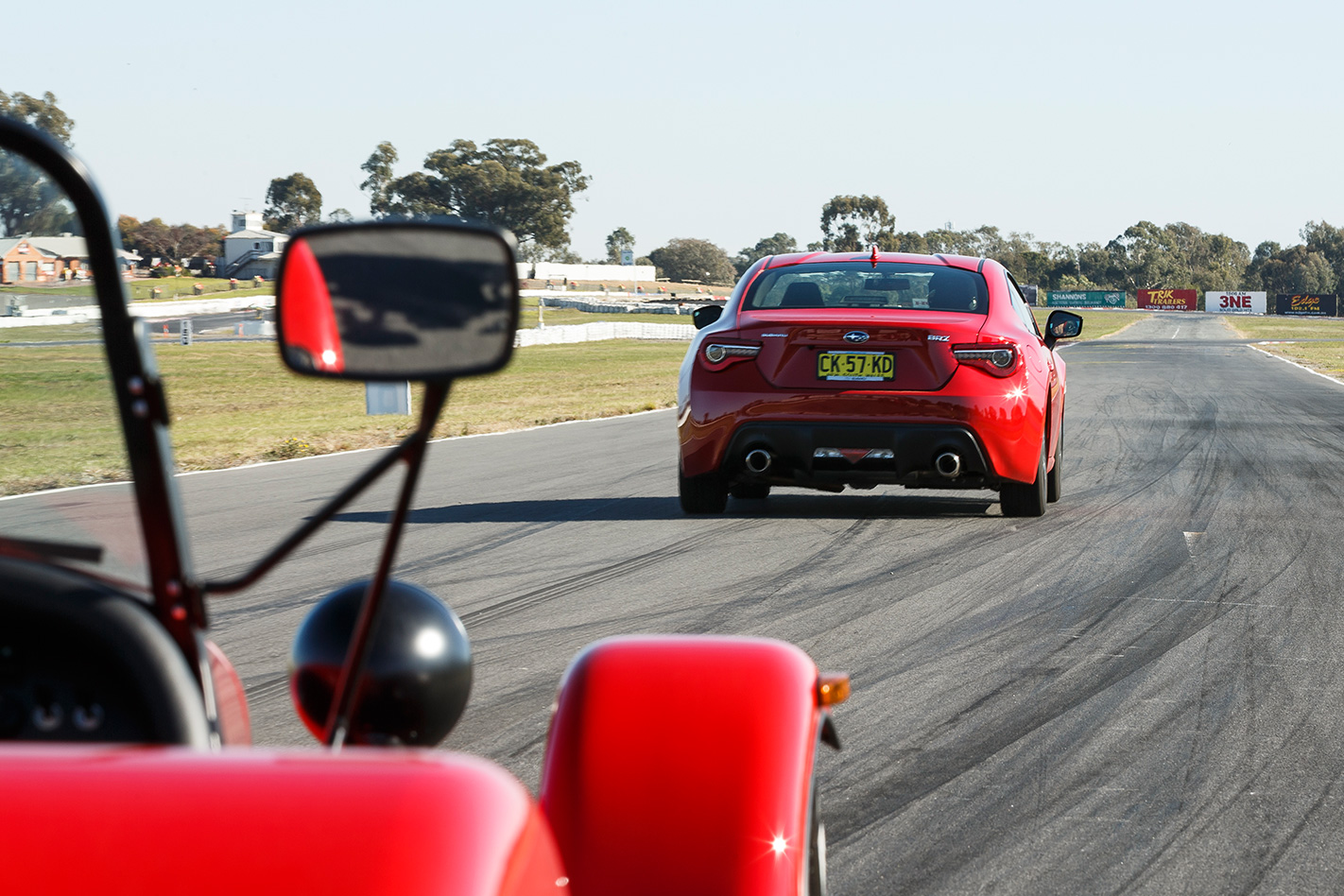
SPECS Engine: 1998cc flat-four, DOHC, 16v Power: 152kW @ 7000rpm Torque: 212Nm @ 6400-6800rpm Weight: 1282kg
TIMES 0-100km/h: 7.12sec (4th) 0-400m: 15.08sec @ 151.13km/h (4th) Lap Time: 1:44.3sec (7th)
SCORES Price: $32,990 Bang Index: 74.7 Bucks Index: 102.7 BFYB Index: 85.9
WARREN LUFF SAYS “The Subaru (and Toyota 86) platform is so much fun out here on track.
“You don’t have much power with them but the chassis dynamics on the tight confines of this circuit does suit the car well. You can really point the rear of the car, but it’s not going to catch the average driver out.
“You can have a lot of fun and get away with it. And obviously there’s so much more you can do in terms of improving the car. But as a base car it’s a great fun thing for Bang For Your Bucks.”
JUDGES NOTES David Morley – 4th: “Still great fun, but the motor is feeling its age” Dylan Campbell – 2nd: “Fast? Not especially. Fun? About as much as you can have in a car” Louis Cordony – 2nd: “The grown-up’s Toyota 86. Solid brakes, too” Tim Robson – 5th: “How can the BRZ feel so different? Expected more from the update”
Holden Special Vehicles will be the last Australian car manufacturer standing with the final model expected to leave its Clayton production line in December, 2017.
Ford Australia closed its manufacturing facilities on October 7, 2016, Toyota will do the same on October 3, 2017 and Holden will follow suit on October 20. HSV’s exact manufacturing end-date is yet to be confirmed, with General Manager of Marketing and Product Planning, Damon Paull, telling MOTOR many details are yet to be finalised.
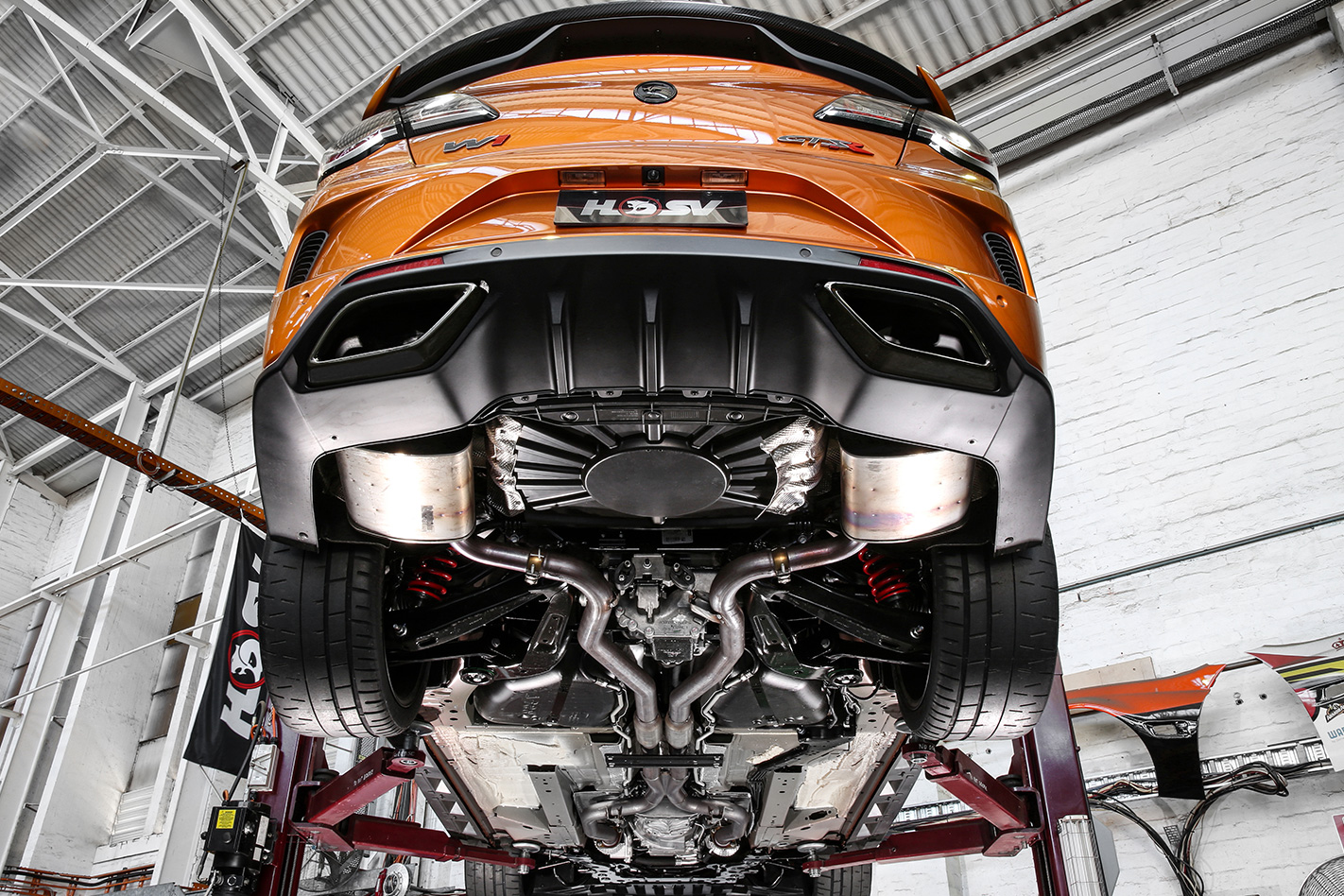
Paull confirmed the final model will be identified as the last of the line in a similar manner to the final Grange and GTS, “but our creative execution is still to be confirmed.”
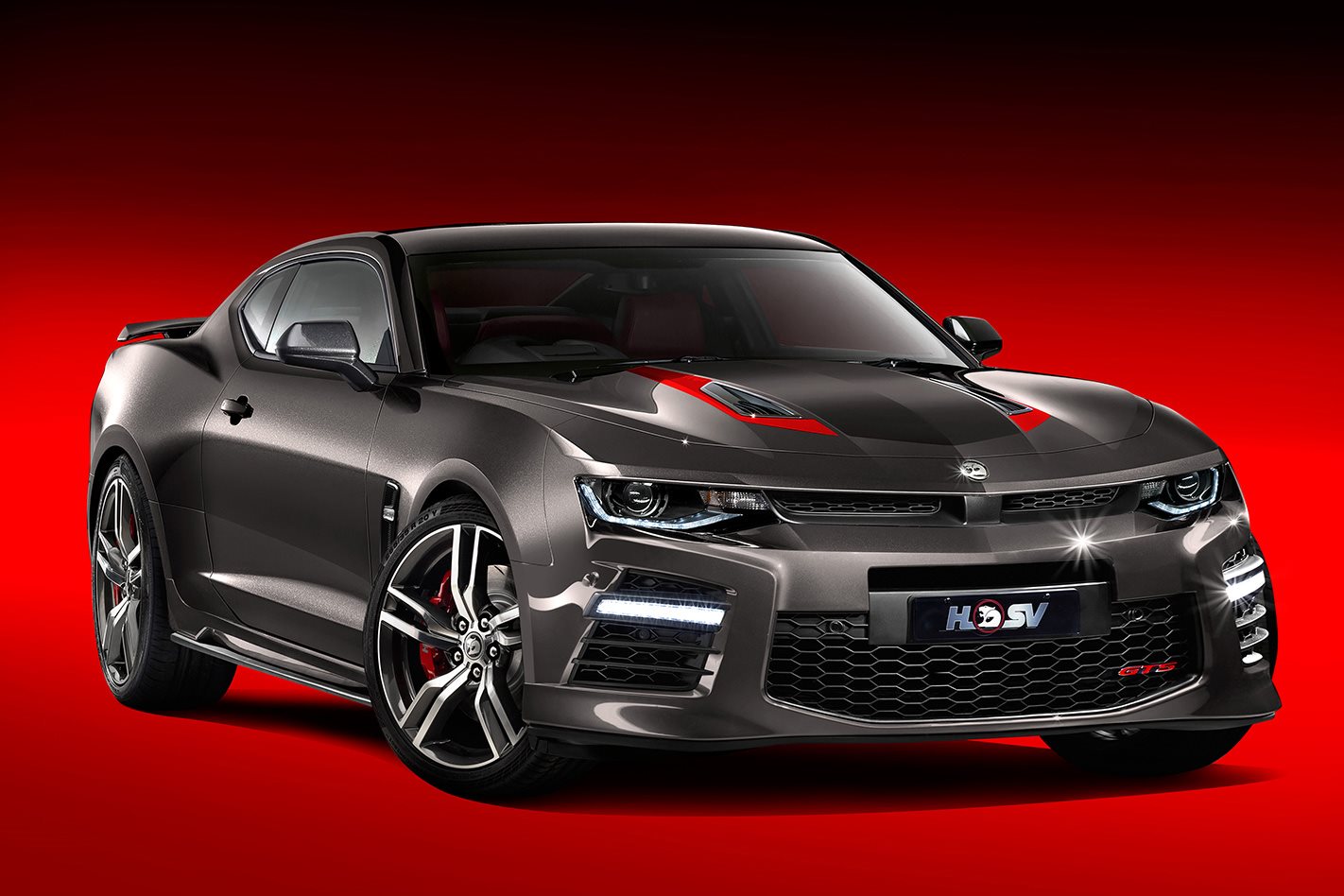
What’s next for HSV is currently unclear, with an announcement on the company’s future expected towards year’s end. Recent rumours suggest a possible name change to Walkinshaw as the business transitions to its new model, which includes moving to a fresh facility close to its current Clayton headquarters.
FANS of Holden race cars, prepare your wallets, because one seriously awesome car is currently up for auction.
The first ever factory-backed Holden racecar is being put under the hammer in an online auction by Lloyds Auctioneers and Valuers.
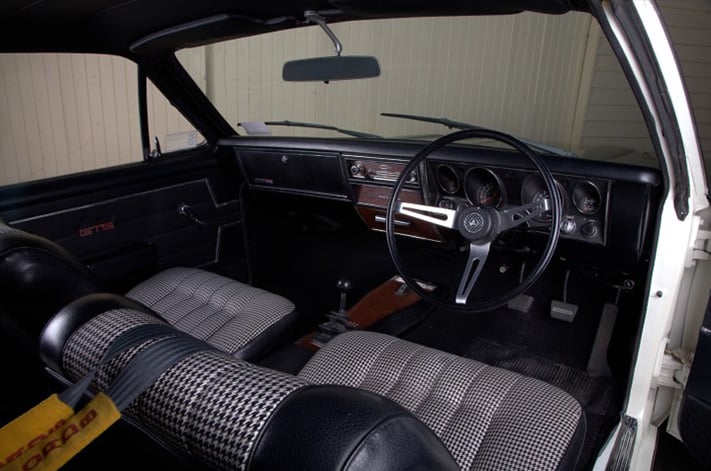
The 1969 Holden HT Monaro was the first factory supported racing car with a Holden badge.
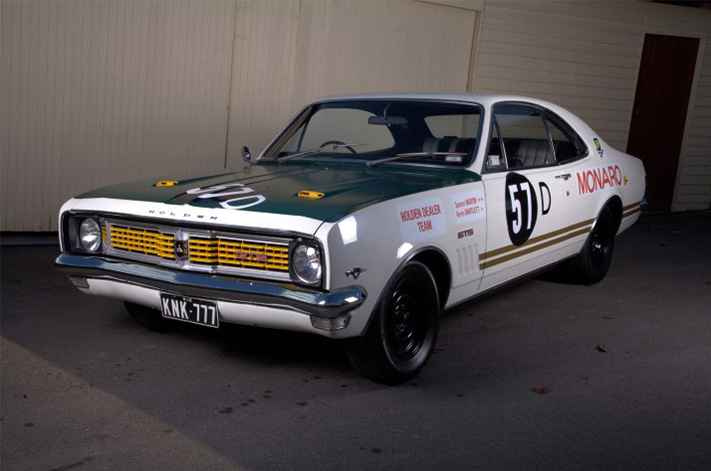
Ironically, being the first didn’t mean it would end up getting endowed with racing glory.
“This is the car that entered into the Sandown 300 in 1969 to be driven by Spencer Martin and Kevin Bartlett,” the auction description reads.
“The car failed to finish after a brake failure led to a fiery crash, but had it not been for the crash, the three other HDT Monaros would not have tasted Bathurst glory a short time later.”
In 1969, Colin Bond and Tony Roberts took victory in the Hardie-Ferodo 500 at Mount Panorama in a HT Monaro, with Des West and a young rookie known as Peter Brock finishing third.
“This car is a hugely significant piece of Australian motorsport history which not only shaped the success of Holden as a company, but also set the stage for domination by Holden and Peter Brock for the next two decades,” the auction description continues.
If you want to add the car to your garage, you’re likely going to have to fork out some significant cash if the recent classic auction in Brisbane is any gauge. In that instance, a pair of iconic Ford racers sold for more than $400,000 apiece.
Bidding for the 57D sits at $53,000 at the time of writing, but with 10 days left in the auction, that figure is sure to rise.