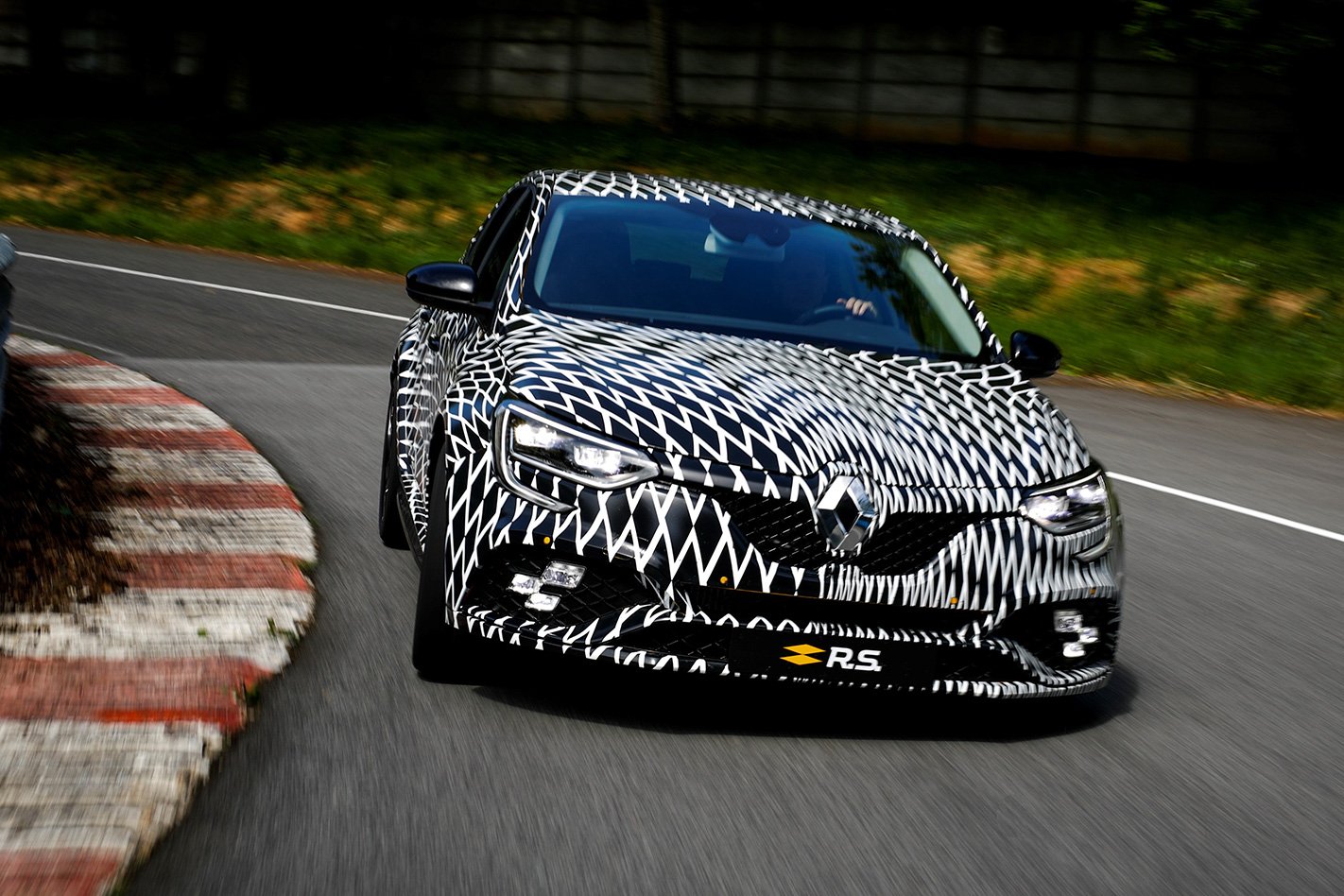
You’d have to be pretty picky to accuse the Ford Focus RS of lacking grip.Its clever Twinster all-wheel drive system combined with torque vectoring offers almost total traction, however Ford Europe clearly feels there is more to be found, revealing details of a new option pack aimed at further sharpening its dynamics.
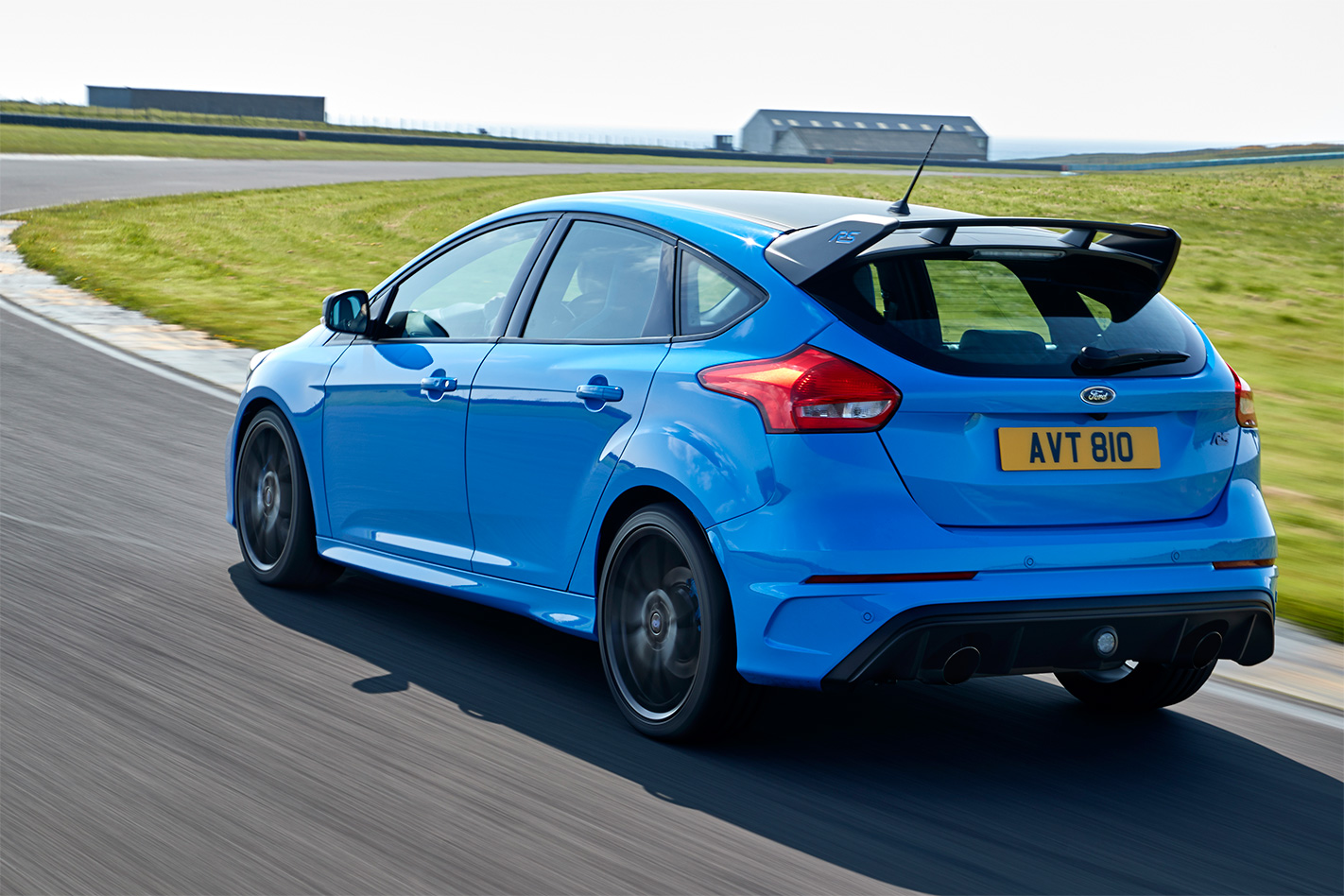
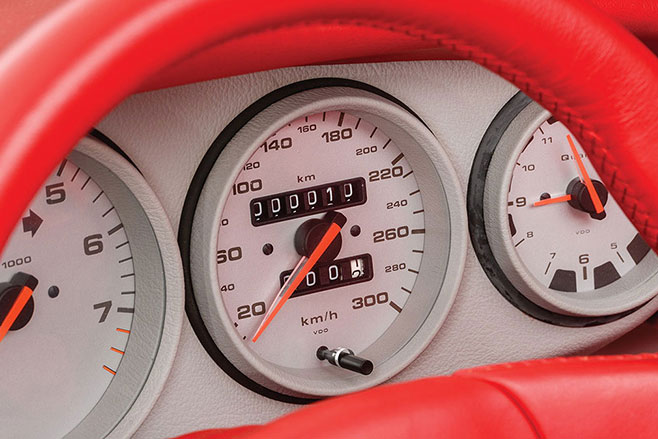
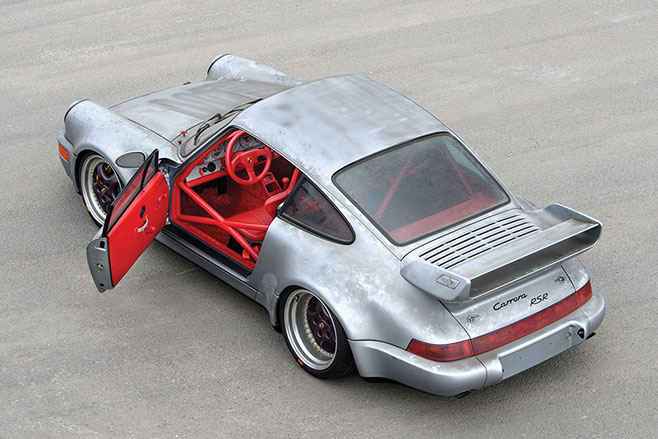
ONE of the rarest and most desirable Porsche 911s to ever pass through an auction house was sold over the weekend for a monumental $3.02 million (€2.02 million).
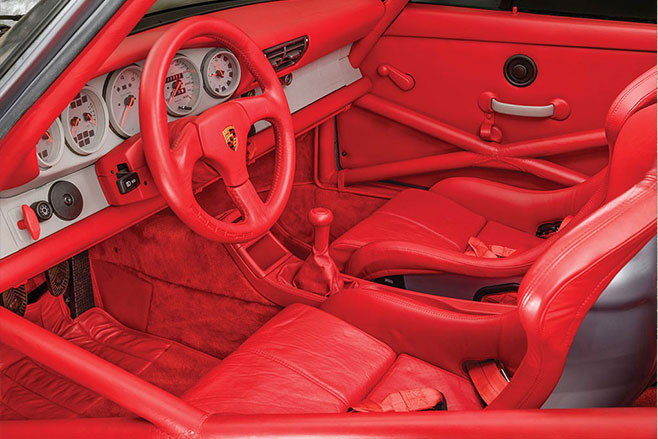
The 1993 Porsche 911 (964) Carrera RSR 3.8 is one of 51 ever built, and one of only two to be sold new with a fully trimmed interior, as opposed to the typically stripped down RSRs that were built to race.
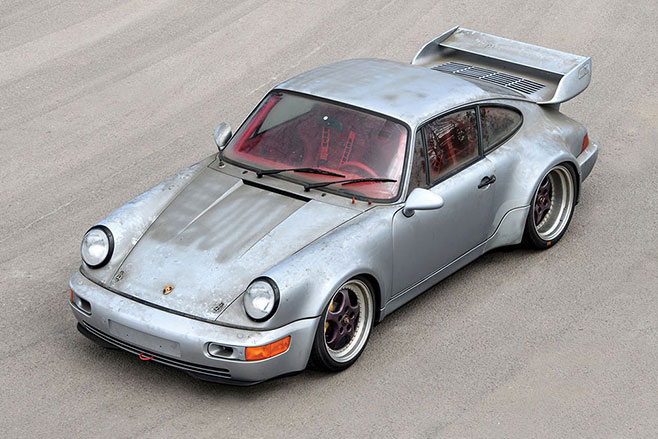
The Polar Silver Porsche attracted huge attention prior to its sale at RM Sotheby’s Villa Erba auction on Saturday, where it went under the hammer alongside a number of other high profile lots.
Notable Ferraris at the event included a 1990 Ferrari F40 which sold for $1.60 million, only a little more than half the price of the 911 RSR.
Two vintage cars from the 1930s were the most expensive to sell. A 1935 Bugatti Type 57 Atalante Prototype fetched $4.53 million and a 1937 Talbot-Lago T150-C SS cleared at $5.04 million.
Since the middle of last century, many manufacturers have dabbled with rotary engines.
However, while most gave up at the prototype or concept stage, Mazda has been the only one to persist with the fickle technology – and successfully too.
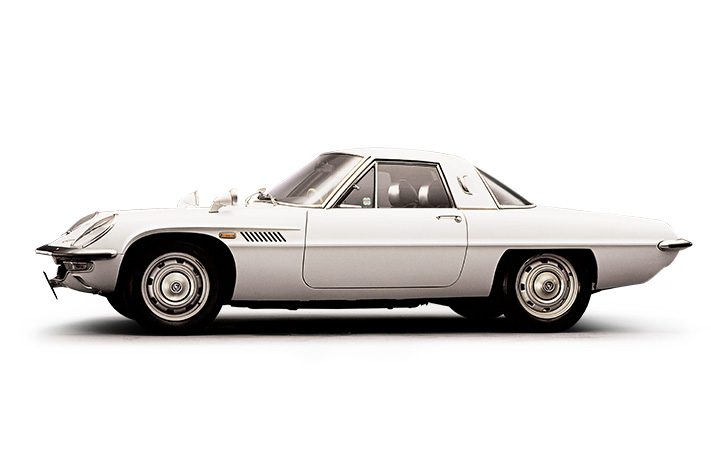
To celebrate the 50th anniversary of Mazda’s unorthodox powerplant we’re delving deep into the Wheels Archive and digging up our past coverage of Mazda’s rotary-engined heroes. To kick it off, here’s our retrospective on the car that started Mazda’s long-running relationship with the rotary – the Mazda Cosmo 110S of 1967.
What was the world’s first rotary-engined production car?
Poindexter-points for naming the NSU Wankel Spider of 1964-’67.
The pretty, tail-finned two-seat roadster had a 498cc single-rotor engine that required inordinate attention and vibrated horribly at low revs.
As for the world’s first production two-rotor car – NSU nerds, sit down. With its May 30 1967 launch, the Mazda Cosmo Sport beat the NSU Ro80 sedan to market by just over three months.
NSU had signed a technical agreement with Dr Felix Wankel in 1951; the KKM (kreiskolbenmotor) rotary engine, forerunner of today’s design, appeared in 1958. Two years later, Mazda president (and son of the company’s founder) Tsuneji Matsuda received a letter from a German engineer friend, urging him to look into this “epoch-making invention”.
Matsuda soon learned that more than 100 other companies were already knocking on NSU’s door; 34 of them Japanese. High-level schmoozing from Germany’s ambassador to Japan got Mazda to the contract table.
Mazda soon ditched the “unstable” single-rotor and by July 1963, had running prototypes of a 798cc, two-rotor L8A engine. Twelve months later, this had evolved into a prototype side/peripheral-port 10A (982cc).
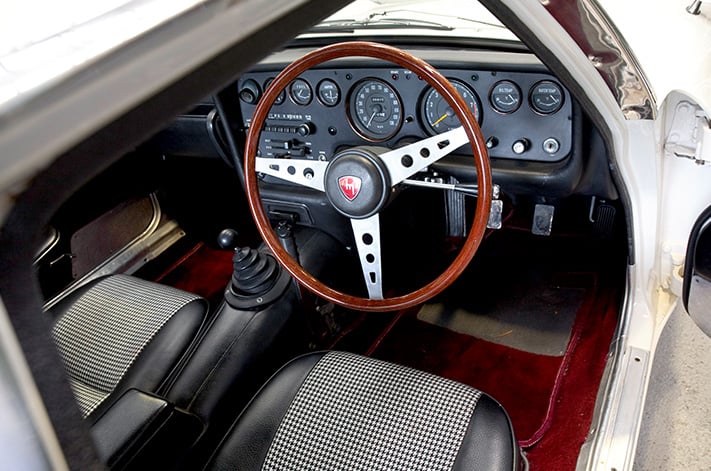
Company president Matsuda personally drove the glass-roofed Cosmo Sport prototype (aka Project L402A) home from the show.
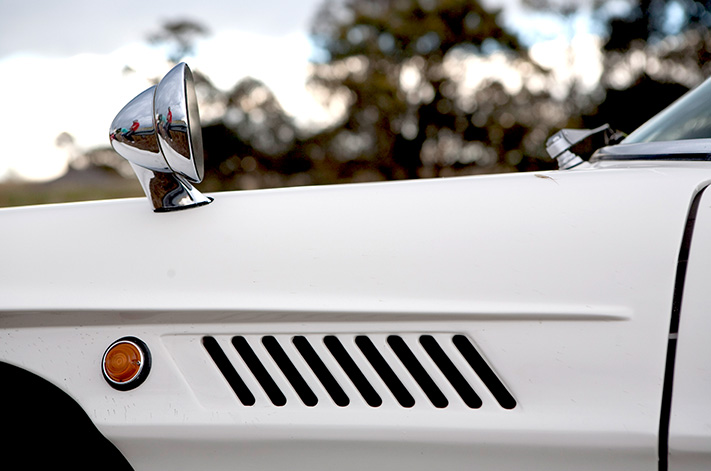
Mazda’s development would now embrace not only the production ‘0810’ 10A rotary engine, but its host coupe.
Matsuda presciently had 80 examples built in 1965-’66, specifically for real-world testing. Sixty of them went through the hands of more than 1000 customers.
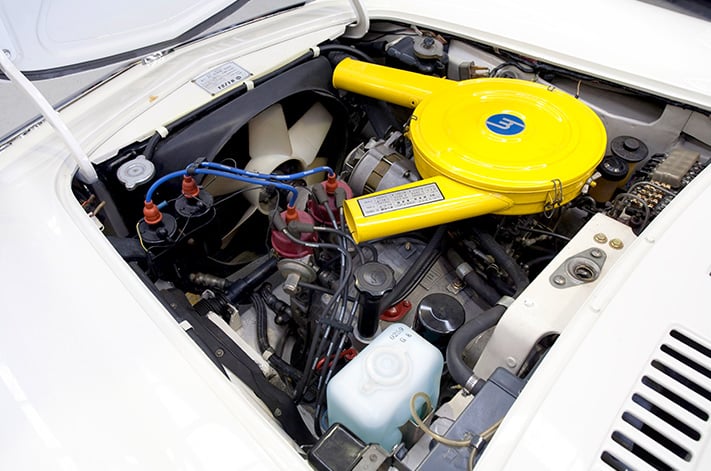
Weighing 940kg, and powering through a four-speed gearbox, the Cosmo Sport would get from 0-100km/h in 8.8 seconds and cover the standing 400m in 16.3 seconds; figures that put it on a par with another famous Mazda two-seater that would follow two decades later.
A Series 2 Cosmo (L10B) was introduced in July 1968. It sat on 15-inch wheels and a 150mm longer wheelbase and, in Japan, offered the 95kW/140Nm ‘0813’ 10A and a five-speed ’box.
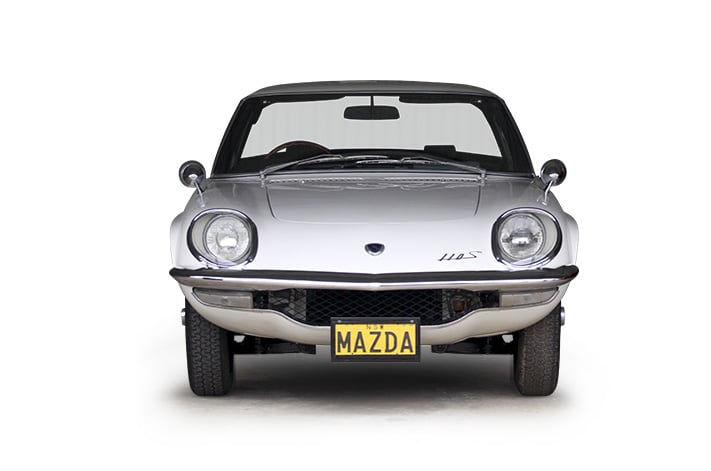
It could do the standing 400m in a claimed 15.8sec. However, the ‘110S’ sent to right-hook export markets retained the earlier L10A (110bhp) model’s mechanicals. Mazda built only 343 examples of the L10A in 1967-’68, and 1176 of the L10B before production ended in September 1972.
Mercedes-AMG is attempting to do what no other manufacturer has managed, install a Formula 1 engine in a road-going production car.
Nestled midships in AMG’s forthcoming hypercar, codenamed Project One, is, in essence, the same turbocharged V6 that has powered Mercedes F1 cars to three straight drivers’ and constructors’ titles.
First presented as an idea at the 2016 Paris Motor Show, ahead of the recent Nurburgring 24-Hour AMG boss Tobias Moers went into more detail about the ambitious project alongside a static model of the Project One’s mechanical layout.
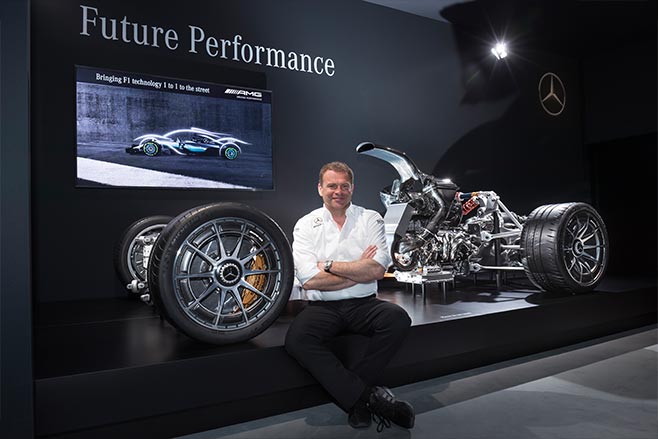
Powering the electric motors will be 100kg of lithium-ion batteries nestled behind the front wheels which use the same cell technology as the F1 car, though with four times the storage capacity.
Combined system output is claimed to be more than 735kW (1000hp) and despite the heavy reliance on electricity, the hybrid component exists almost purely to boost performance, with Project One expected to have an electric-only range of just 25km. The V6 itself will have a life of around 50,000km before major work is required, according to AMG boss Tobias Moers.
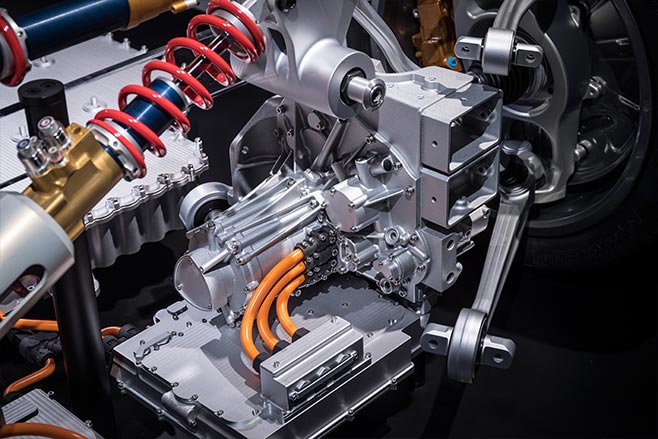
Instead, “outstanding dynamic driving capability” is the design target according to Moers. The engine and gearbox are fully stressed parts of the chassis, while Project One uses five-link suspension at both ends with electronically-controlled inboard coilover suspension.
There will be a number of drive modes, the most aggressive, track-focused of which drops the car to the ground to make best use of the active aerodynamics.
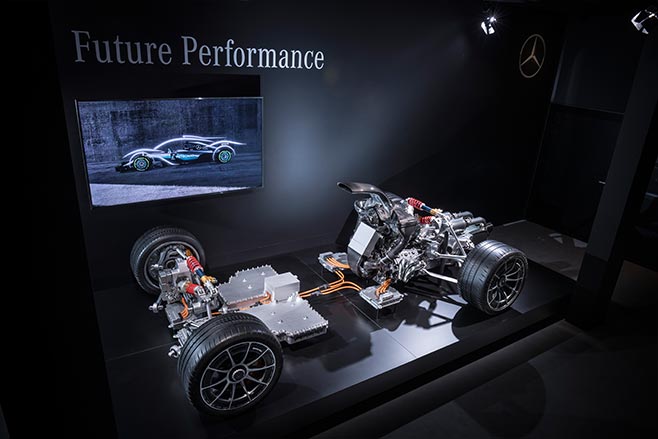
Tyres are bespoke Michelin Pilot Sport Cup 2s measuring a whopping 335/30 at the rear and 285/35 front, wrapped around staggered rim sizes (19-inch front; 20-inch rear).
Just 275 Project Ones will be built with a price tag of 2million Euros and currently nine of those will be coming to Australia, with Mercedes-Benz Australia battling to increase its local allocation as it holds a further seven expressions of interest.
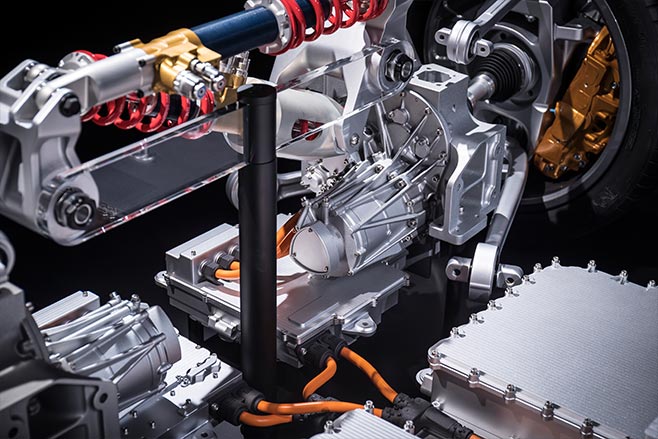
Questions remains as to how AMG will manage to make the engine meet international sound and emissions regulations and produce acceptable levels of noise, vibration and harshness, not to mention get it to idle at 1100rpm rather than the 3500-4000rpm of the F1 car.
These details and more, including the car’s styling, will be revealed at the car’s public debut at the Frankfurt Motor Show in December.
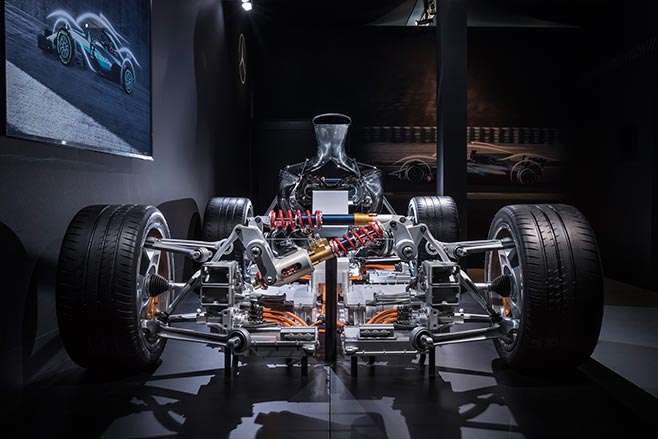
Ultra-exclusive hypercars like the Project One might traditionally be all spoken for before production begins, however as the ultimate expression of their respective makers’ engineering might, it’s arguably even more important to be seen to be the best.
The Project One’s main competition will come from the Aston Martin Valkyrie, a car with a similar F1 connection. Red Bull Racing’s aero wizard Adrian Newey is the brains behind the project and Aston claims on slicks the car will be able to lap at 2016 F1 race pace.
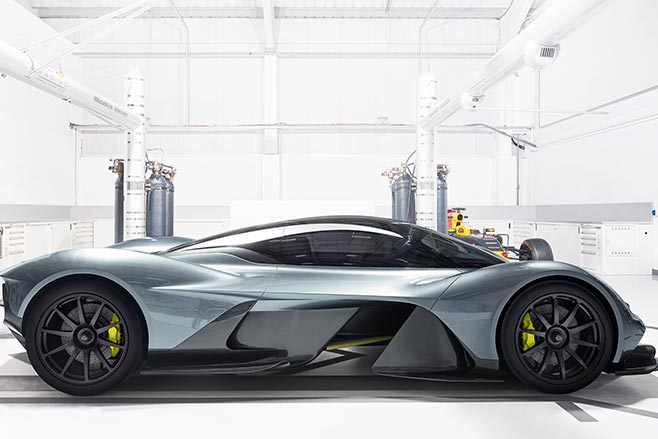
Also landing in 2019 is the McLaren BP23, a three-seater homage to the original F1. Far more road-focused than either the Project One or Valkyrie, McLaren nonetheless claims the BP23 (not its final title) will be the fastest car it’s ever built. The world’s billionaires have never had it so good.
Hyundai first released its Genesis luxury car in Australia in 2014, yet the enigmatic V6 sedan with the winged grille badge continues to attract surprised looks from people unaware of its Korean origins.
While the car first appeared in South Korea and North America in 2008, its introduction here was ahead of its time with Falcons and Commodores still on tap. Rather than target aspirational families, Hyundai Australia identified its key market as limo companies that either wanted something cheaper than BMW 5 Series and Mercedes-Benz E-Class but an alternative to the similarly priced Holden Caprice.
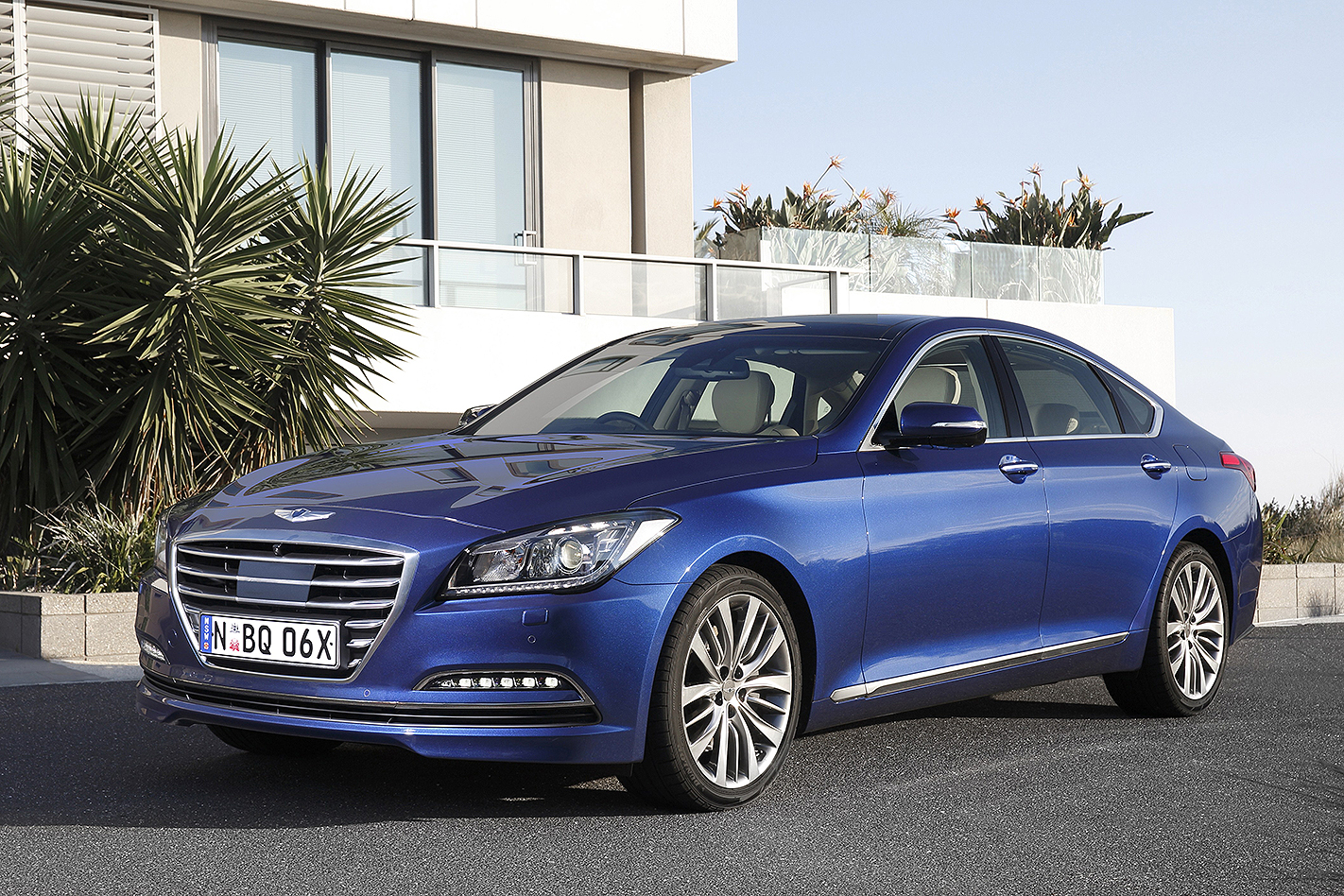
It has done well in that market, spurred on by the introduction of Uber Black, but now Hyundai is expanding the Genesis brief by making it a brand in its own right to take on the Germans in the luxury and performance segments. Of course we’ve seen this before with the likes of Lexus and Infiniti, so what will be different?
For a start, Lexus in particular paved the way in wearing down badge snobbery, but while people were quick to acknowledge Lexus’ quality, it’s cars didn’t exude the sex appeal of anything rolling out of Munich or Stuttgart. The Toyota sub brand took decades to address this and is only now producing standout models that will make even the staunchest teutophile consider it as an option.
Then there’s the growing respect for Hyundai and fellow Korean brand Kia, whose soon-to-released performance cars such as the i30 N and Stinger are eagerly anticipated throughout the motoring world without a hint of irony.
And, with just nine months before the last Commodore is applauded off the production line by mournful workers and customers alike, the timing couldn’t be better.
This planetary alignment means Hyundai is now in a situation where it can hit the ground running with Genesis branded twin-turbo V6 halo coupe packing 350kW and no one, not even the Germans, is laughing.
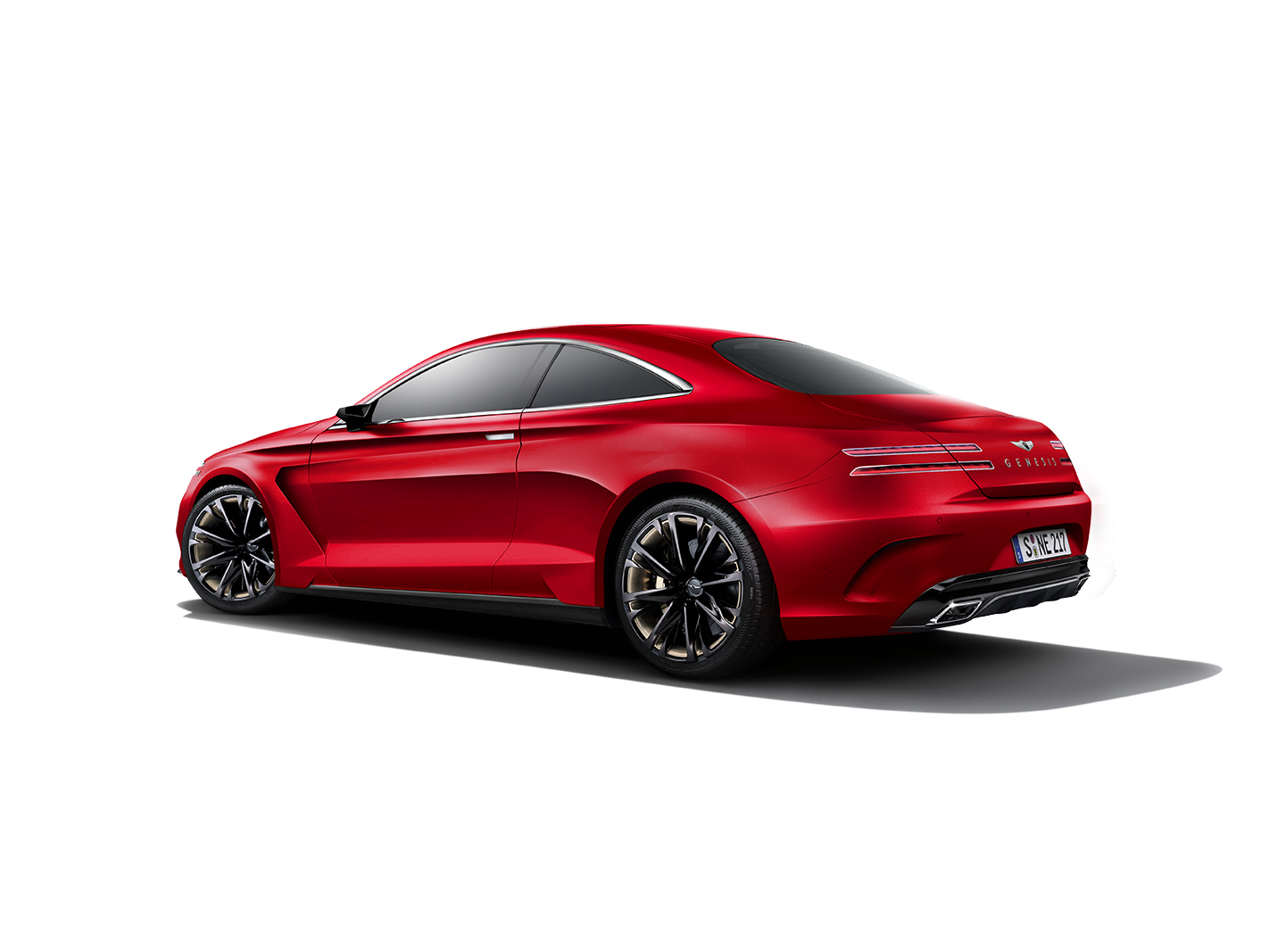
This car will be part of the G70 range, which will come to Australia alongside the G80; an updated version of the luxury sedan.
The BMW 3-Series rivalling model will be based on a small sedan, which will be powered by a 3.3-litre 276kW twin-turbo V6 donated by the Stinger, and there’s a performance plug-in hybrid version also in the works. It’s expected to spawn a cabriolet version; possibly named the GC70, while the GT70 coupe will headline the range with the BMW 4-Series and Mercedes-Benz C-Class in its sights and a price tag about the$60,000 mark.
The G70’s continued gestation means Hyundai Australia has delayed the launch of the Genesis brand so it can be introduced here later this year with the G70 and G80 duo to ensure broader appeal.
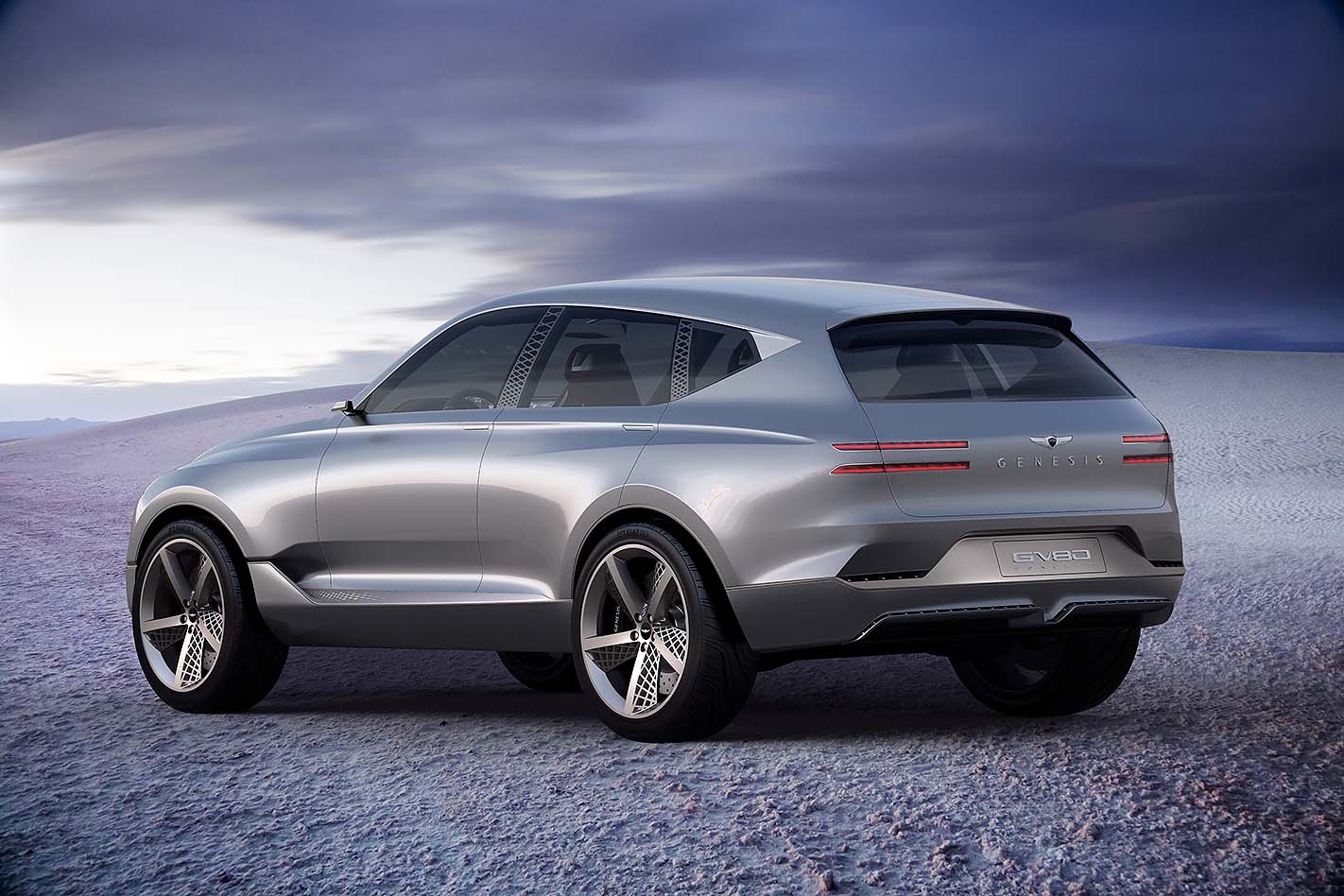
These are expected to be joined in coming years by other current and future Genesis models including:
- GV80 – Due in 2019, the BMW X5 rival will be the first Genesis SUV and is expected to be priced in the region of $70,000.
- G90 – a Mercedes-Benz S-Class-rivalling flagship that is currently sold in the USA but will lack a right-hand-drive until the next-generation is due in 2022.
- GV60 – a proposed Audi Q5 rivalling SUV with four-cylinder, V6 and hybrid drivetrain options.
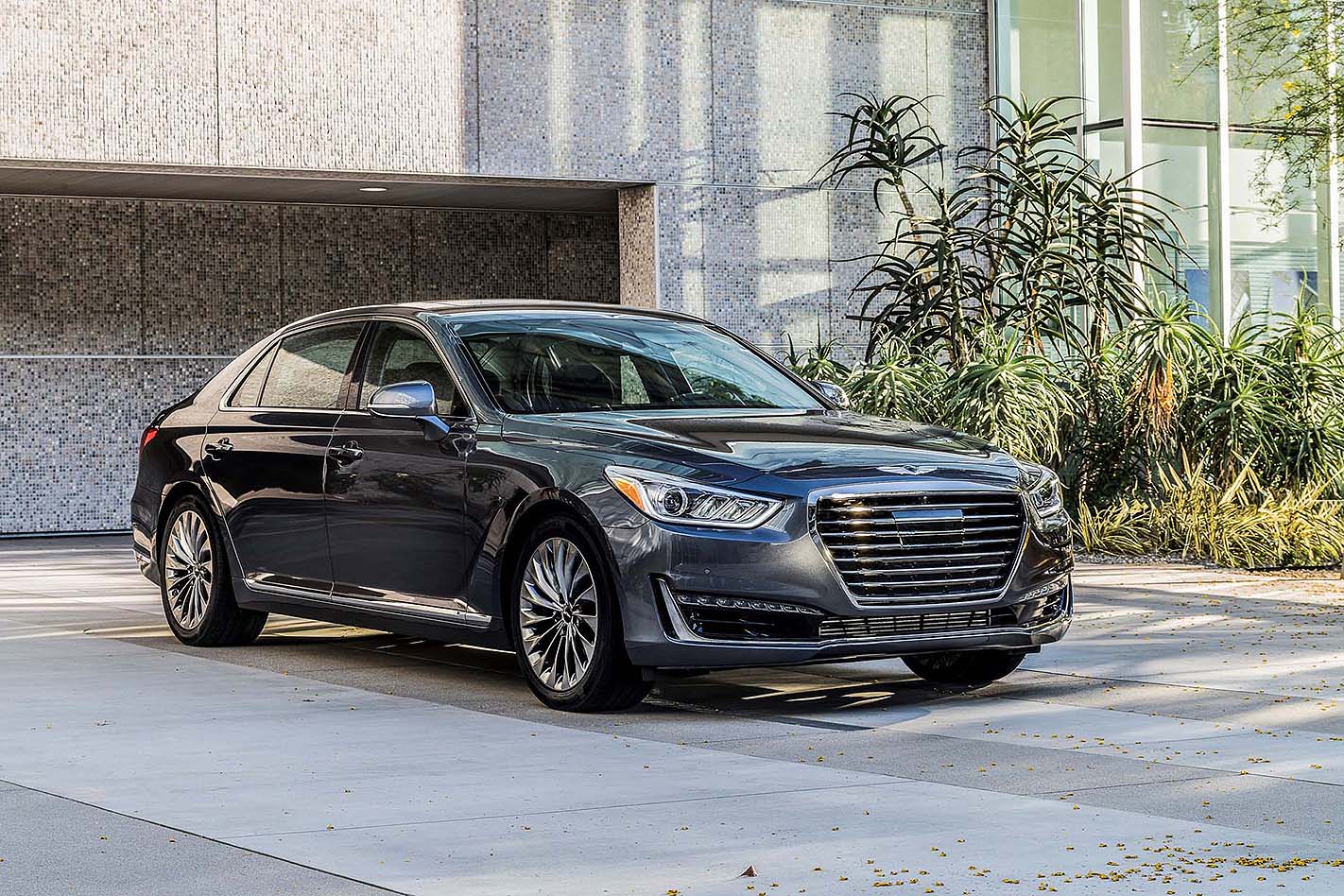
If the company’s strategy comes together as planned, that winged badge won’t be mysterious for much longer.
The genesis of Genesis
2007 – Hyundai reveals the Genesis concept at the New York motor show as a ‘premium sports sedan’. Hyundai picked the name to reflect its entry into the luxury segment.
2008 – First generation production [BH] Genesis is marketed internationally including the Americas, though not in Europe or Australia.
2014 – The second-generation [DH] Genesis is launched worldwide including Australia. The Australian model underwent an extensive local tuning program before its November release.
2015 – Hyundai announces the creation of Genesis Motors as a separate luxury division.
2017 – Genesis reveals its G70 concept at the New York Motor Show.
2017 – Hyundai Genesis luxury sedan renamed the Genesis G80. Genesis Motors to launch in Australia at the end of the year.
After last year predicting this wouldn’t happen, BMW Australia has confirmed that the baby M2 has finally ousted the M3 as its top-selling M division model – and it has started begging Munich for an even higher allocation of the entry sports coupe model for 2017.
Last year BMW Australia had secured 300 M2s from factory following its April local launch, but only one month later huge demand saw global headquarters add another 100 units for our market. This year the annual allocation is 550 units – but local execs still want more.
BMW Australia sold 171 M2s in the first four months of 2017, with 25 per cent Pure Editions for $89,900 (plus on-road costs) with manual gearbox, and the remainder $99,900 dual-clutch transmission versions – bar a couple of per cent who opted for the top-spec manual.
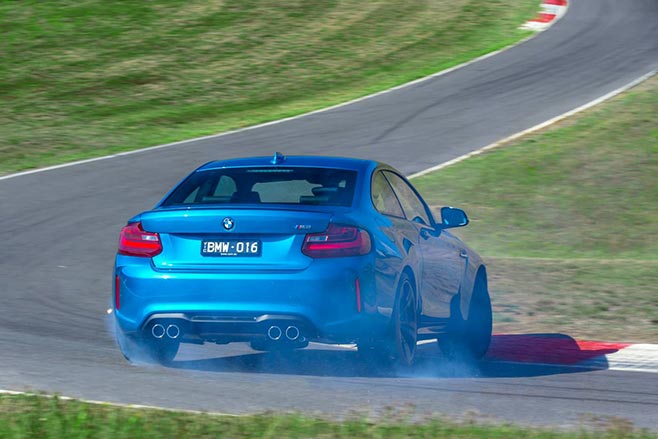
Illuminating the M2’s rise, last year 390 were sold versus 459 M3s, while this year the baby M-car has added 50 per cent to the year-to-date total of its long-time best-selling brother.

“For this year we’re talking about 550 [units of M2 allocated] but we’re pushing for additional allocation as well,” he exclusively told MOTOR.
“The demand is still there. It’s basically the M car guys here want to continually up it because there’s demand that dictates there is potential beyond 550 units.”
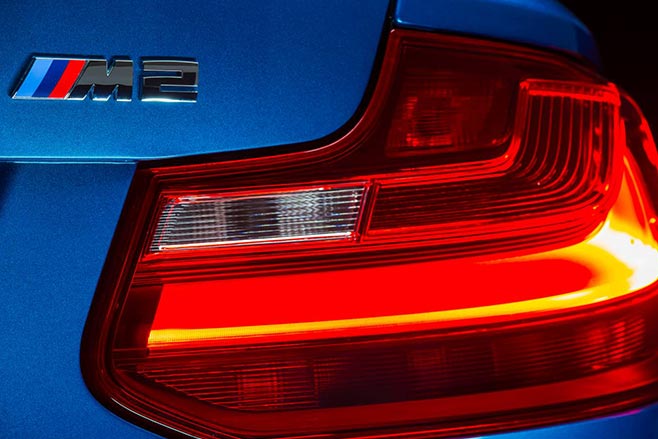
Add in 240 units of CLA45 – AMG’s top-selling four-potter – and another 100 sales of GLA45, and the cumulative total of sub-$100,000 German performance models sold in the first four months of this year is exactly 800 units all told.
By comparison, Subaru sold 804 units of WRX and WRX STi over the same period. Oh, how times are changing.
A REAL-DEAL STI version of the Subaru BRZ seems to now be a matter of not ‘if’ but ‘when’ with the Japanese car maker following up spy shots of a mysterious disguised car that emerged last week with an official post on its social media pages.
The single image shows the same STI-branded carbon-fibre spoiler that was spotted riding on the boot of a black prototype outside Subaru’s North American headquarters, which also wore a poorly concealed STI boot badge and a number of other aesthetic tweaks.
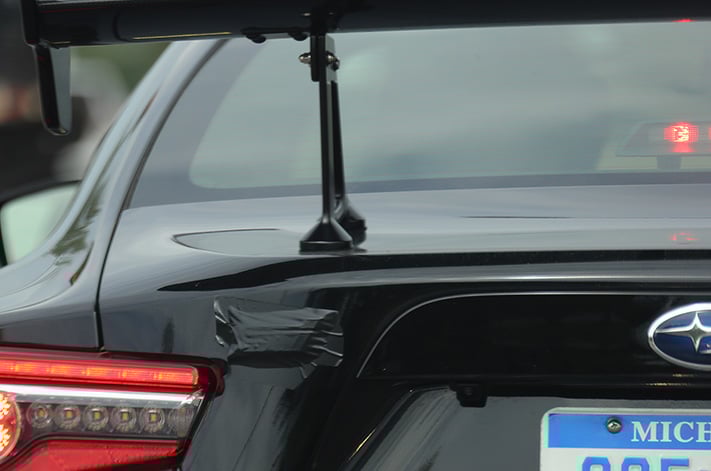
Little information accompanied the Twitter post to suggest how deep the STI changes go, other than an apparent reveal date: “Stay tuned…6/8/17. #STI,” it reads.
On the one hand, it is possible the car is another light chassis and aesthetics overhaul that we have been periodically subjected to over the model’s life, but the point in the BRZ’s lifecycle adds fuel to the fire that this could be the first significantly tuned version.
Sportscars generally have a longer lifecycle when compared with more regular passenger models and with approximately two to three years remaining in the typical 10-year span, now would be a reasonable time to introduce a full-fat STI variant if the company is ever going to make the move.
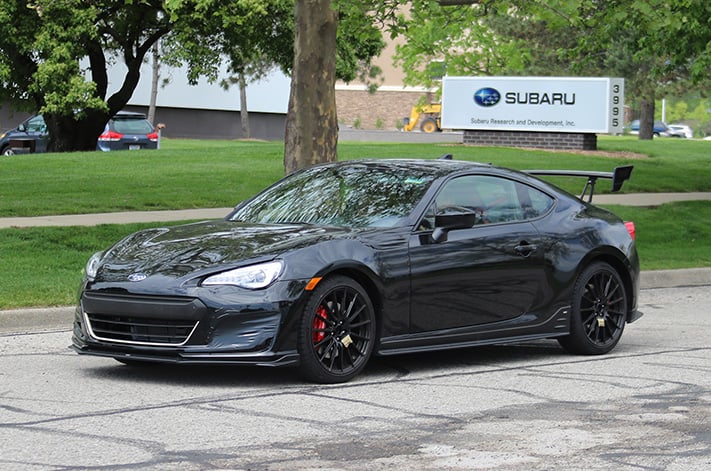
Is the staunch resistance to respond to the voice of the consumer a sign of arrogance from Toyota and Subaru or have they been saving the best for last?
If a more powerful version is on the horizon it is almost certain Australia’s power-hungry punters would be offered the BRZ STI but, while Subaru Australia had nothing to add to the social media release, it said another special edition or kit package was not out of the question.
“We’ve done a small number of specials on BRZ over the last five years and you can’t rule out there may be some accessory and cosmetic tweaks along the way, but at this stage not aware of anything mechanical,” said national corporate affairs manager David Rowley.
Since fans started calling for a more powerful version of the BRZ and 86, its makers have explained the decision to stick with a modest output as a combination of engineering limitations and the need to preserve the car as a purist’s machine.
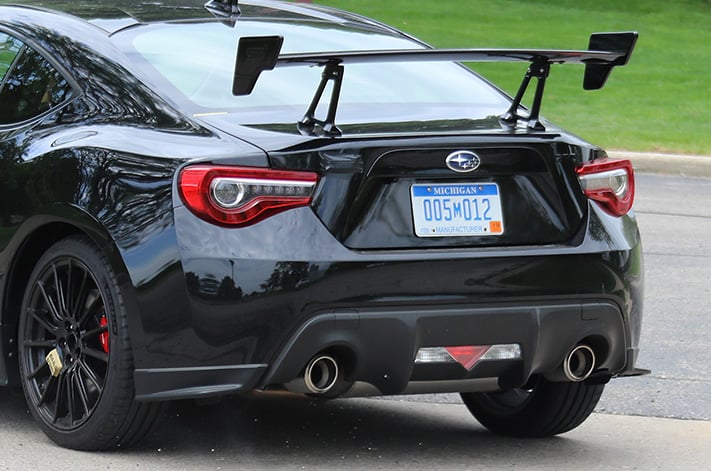
While a number of onlookers continue to ask for more grunt, the car continues to attract a strong audience, particularly in Australia where it was given a modest mid-life update late last year.
“Year to date to the end of April [BRZ] was up nearly 42 per cent. Last month alone it was up 87.9 per cent. It’s been a very pleasant surprise – the ongoing interest and success of the car”, explained Rowley.
If the STI does turn out to be yet another wheels, brakes and spoiler job, a more potent BRZ or 86 will continue to exist exclusively in the aftermarket arena, where demand has spawned everything from mighty Nissan GT-R and Ferrari-powered one-offs to a plethora of forced-induction cars.
The new time to beat for a World Touring Car Championship lap of the Green Hell is 8m 34.813s.
In Polestar Cyan Racing’s Volvo S60-based WTCC car, young Dutch driver Nicky Catsburg set the record lap time during the second practice session for the fourth round of the 2017 season.
Though the WTCC version of the track includes the GP circuit, and is therefore longer, it’s appropriate that the record was broken just one day after Volvo’s announcement that it had held the Nordschleife record for a four-door car for a short while.
With a time of 7m 51.110s, the S60 Polestar made it around the track faster than any production car with four-doors before it. Until the manual Alfa Romeo Guilia QV came along and blew it away by about 12 seconds.
Of course, that was then beaten by a Porsche Panamera, until the Alfa came bac as an auto and blew it out of the water again. The fastest lap for a sedan now stands at 7m 32s, almost 20 seconds quicker than the Polestar.
Still, it probably would have been beneficial for Volvo to have been able to announce that the S60 Polestar held a world record.
This still doesn’t diminish the effort put in by Catsburg on his incredible lap. We found an onboard video from a slightly slower lap he undertook.
The track is hazardous at the best of times, and though it’s apparently quite sunny during this run, getting a time so low would certainly leave the adrenalin rushing.
The 2017 E-Class Coupe is actually the first Mercedes-Benz to truly deserve its moniker. The previous-generation E-Class Coupe might have carried the proportions of the E-Class sedan that sat alongside it in showrooms, but it rolled on the underpinnings of the C-Class.
For the new version though, the elegant two-door shares the DNA of the E-Class sedan.
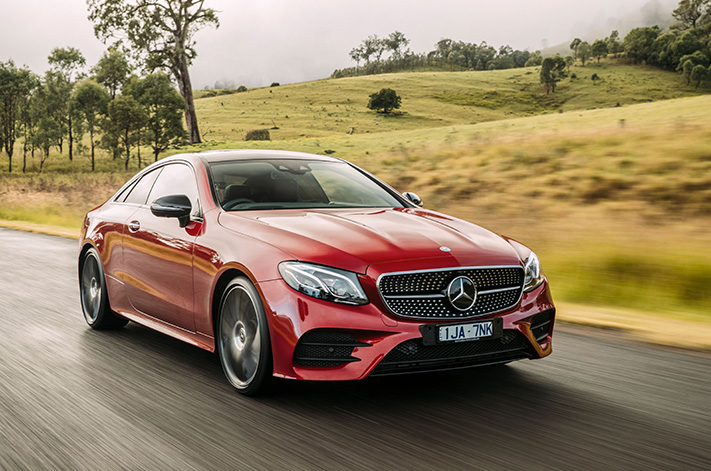
The range kicks off with the $96,000 E220d Coupe diesel, an E300 Coupe looks after the middle of the range with a four-cylinder petrol, but our focus is on this – the E400 Coupe which costs $145,900 before on-road costs.
STRENGTHS
- Let’s start with the greatest strength of the E400 Coupe and the key element that sets it apart from the sedan – its looks. While the C-Class Coupe has slightly distorted aesthetics in the transformation from four-door to coupe, the E-Class equivalent has a muscular but restrained appearance that harks to its gorgeous S-Class Coupe big sister.
- While the current E-Class sedan flagship has traded ride quality in exchange for outlandish performance when wearing the esteemed AMG E63 S badge, the performance flagship in the E-Class Coupe range has done no such thing. Ride quality is exemplary and piloting it is like pulling a silk scarf over a putting green.
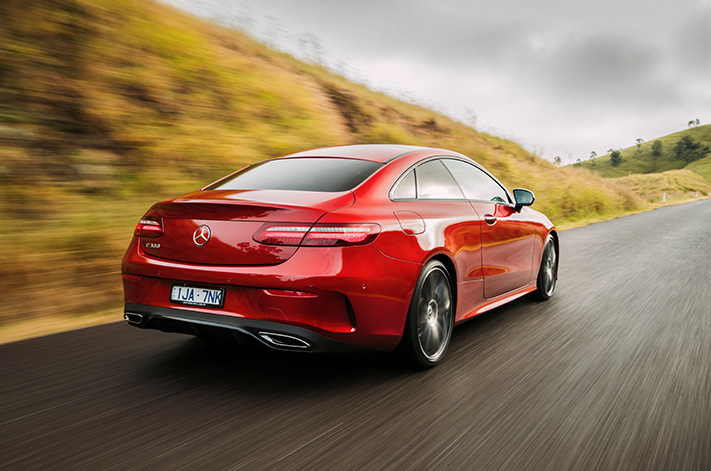
- It may not have been built by hand at the Affalterbach AMG factory, but the 3.0-litre turbocharged V6 still has adequate punch to drag off most contenders at the lights while returning respectable fuel economy – 8.5L/100km on the combined cycle, says Mercedes.
- The nine-speed automatic transmission is snappy when it needs to be but secretive and smooth when cruising up through the cogs.
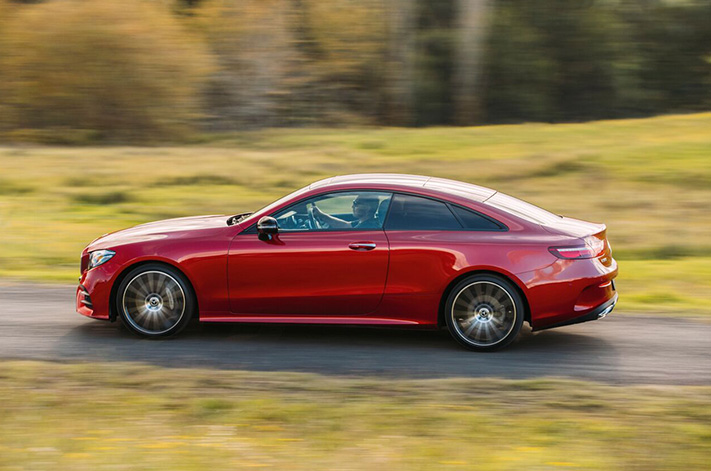
- Despite the E400’s cosseting ride, its careful suspension tune is also fun with responsive steering and a light nature. Flicking the drive modes into a sportier setting firms up the dampers, sharpens the steering and boosts the dynamic enjoyment.
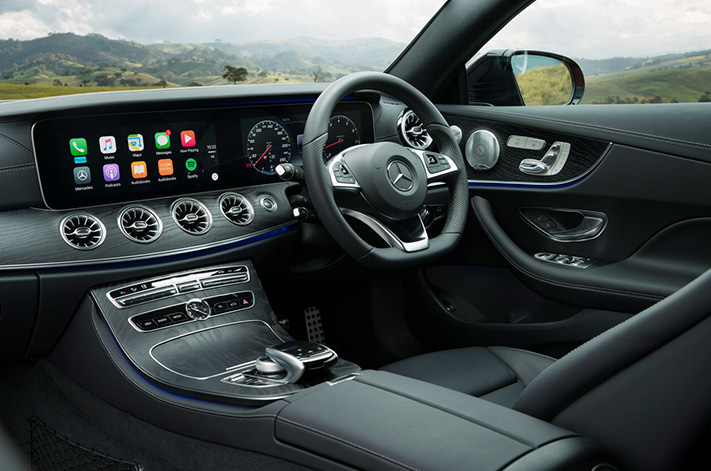
- On the inside, the E400 Coupe has a minimalist but beautifully designed cabin with notable features including delightful mood lighting, four striking air-vents in the centre of the dash and the biggest digital display in its class.
- It’s more good news in the back, where two adults are comfortably accommodated by a pair of supportive seats that match the front row and provide enough headroom despite the diving roofline. Entry and egress is also surprisingly un-coupe-like – easy, in other words.
WEAKNESSES
- A gorgeous profile comes at the cost of a shallow-raked rear window, which reduces rearward visibility to a letterbox-like slit.
- The elegant profile is best appreciated with all windows down to show off the absent B-pillars, but a small triangle of glass at the base of the C-pillar that does not roll down spoils the complete effect.
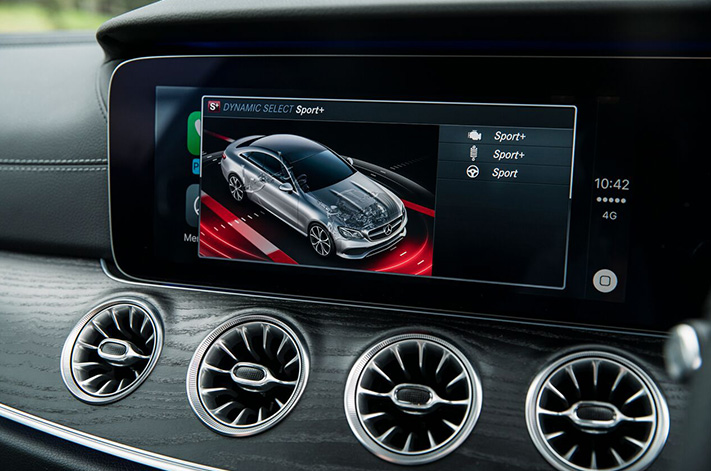
- Frustrating information and entertainment controls are still not intuitive. Four different buttons skip a music track which is deeply annoying when part way through a podcast. Protracted sub-menus and tabs are a maze.
- Even in sports driving settings, the V6 exhaust note cannot be made to bark. Other Mercedes models equipped with the same engine manage a more vocal soundtrack so why not for the E400 Coupe? We may have to wait for an E43 Coupe for that capability.
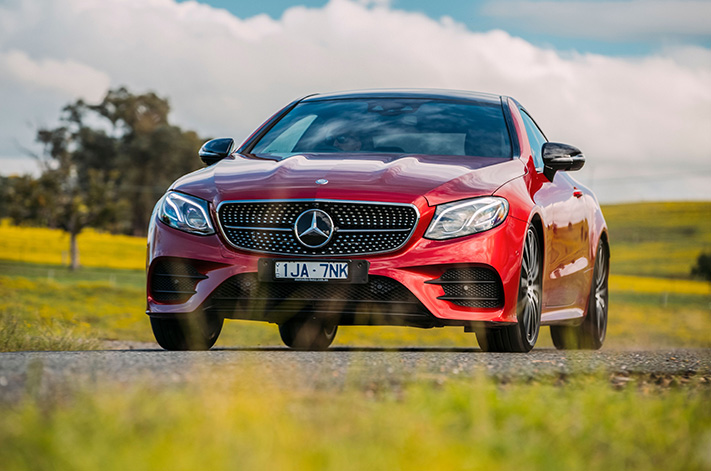
- Traction is bountiful thanks to the 4Matic all-wheel drive system but it might be overkill. In the case of pumped-up AMG variants the added grip is doubtless a bonus, but we think the combination of rear-drive and 245kW/480Nm as in the case of the E400 would be a lighter and sharper proposition.
ANY RIVALS I SHOULD CONSIDER?
The E400 Coupe sits with a fair personal space around it. BMW’s 6 Series is similar in proportions and size but costs $179,500 for the equivalent turbocharged 3.0-litre version.
Beyond that, BMW’s smaller 440i and the Audi S5 offer turbocharged six-cylinder performance wrapped up in a suave coupe package but are smaller and play in a more affordable market place. The Lexus is also worth a look for another sexy coupe with a range of performance offerings.
Insisting on a Mercedes coupe? The C-Class Coupe can’t match the looks of the E-Class version but will save you some cash at the expense of space and comfort, or you could extend your budget to $327,000 and drive hone in a jaw-dropping S-Class Coupe.
A FRENCH RenaultSport enthusiasts’ website has stumped up a tanatalising taste of how the 2018 Renault Megane RS will shape up when it arrives in Australia sometime in 2018.
Clio RS Concept, a forum dedicated to French-speaking fans of the smallest hot hatch in the Renault line-up, has posted a single image of a side profile of a production-ready Megane RS from what is believed to be deep inside the Dieppe factory.