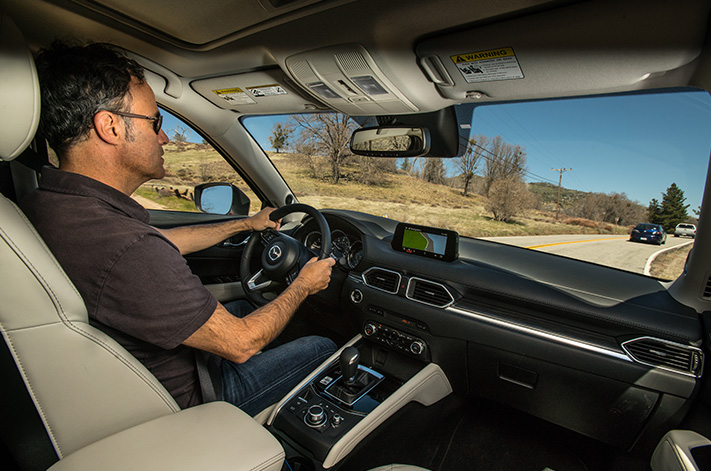
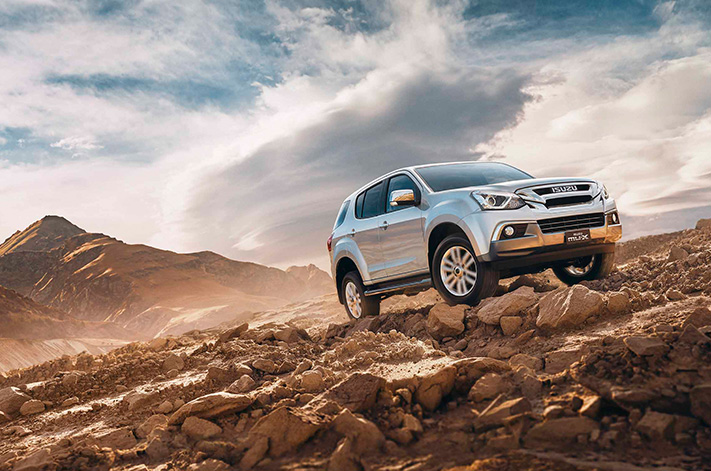
The 2017 Isuzu MU-X seven-seater SUV follows less than three months after its D-Max ute twin, sharing the same improved turbo diesel engine and adding some of its own new features.
Isuzu Ute’s significantly upgraded 3.0-litre turbo diesel is exclusive to the Australian market, bringing increased torque and lowered fuel consumption. Improved emissions also permit it a Euro 5 rating.
Maximum pulling power jumps from 380Nm to 430Nm, available from 2000 to 2200rpm. Fuel consumption is 8.1 litres per 100km virtually across the board – a 0.3L/100km improvement for 4×4 variants and 0.1L/100km lower for 4×2 models.
The LS-M base model, the only MU-X with a kerb weight below two tonnes, is the most efficient, with an official 8.0L/100km.
The 130kW engine is paired with a choice of two new six-speed gearboxes that replace the former five-speeders. The manual is an in-house Isuzu transmission available only on the 4×4 LS-M and LS-U variants, while the auto standard on 4×2 models and the 4×4 LS-T is sourced (again) from Aisin.
Isuzu says it has aimed to improve cabin refinement beyond the quieter diesel by introducing a greater level of sound and vibration insulation to the vehicle.
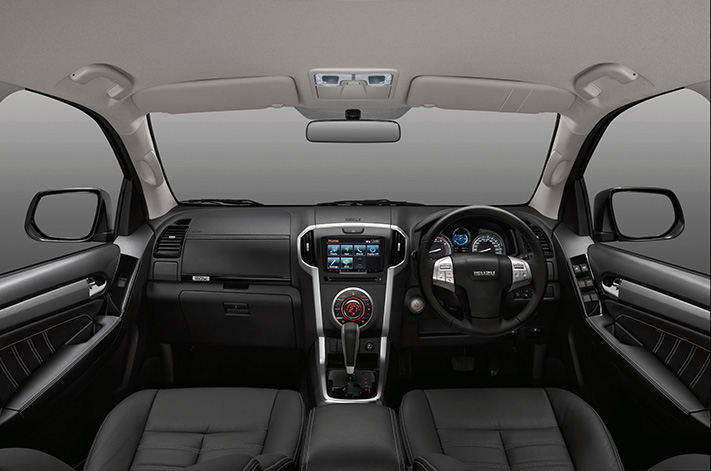
The MU-X’s interior gains a dual-tone dash, new chrome and piano black trim, and softer surfacing – including new soft-touch armrests and console coverings. The range-topping LS-T variant includes new leather-accented seats in quilted design, and continues with a roof-mounted drop-down 10-inch DVD screen.
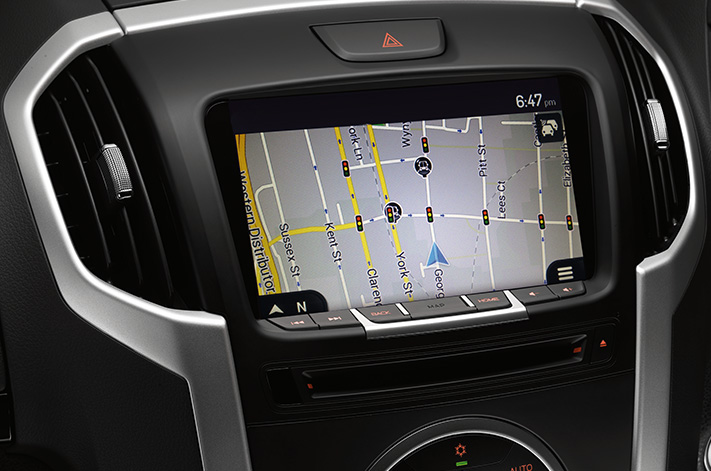
The LS-T and mid-spec LS-U adopt an 8-inch touchscreen with integrated navigation; the base LS-M features a 7-inch touchscreen and adds a rear-view camera, while the USB port count increases to three. All models come with rear parking sensors.
Hill-descent control is now available on all variants where previously it was included only on 4×4 autos.
Isuzu’s Terrain Command 4WD system continues with low range and shift-on-the-fly 2- and 4-high up to 100km/h. Towing capacity remains 3000kg.
A new front fascia distinguishes the MY17 MU-X. It comprises a revised double-decker grille, fresh foglight housing design (for LS-U and LS-T models), and new headlights featuring brighter, auto-levelling bi-LED projector lamps.
Wheel sizes are 16-inches for the LS-M, while the LS-U and LS-T move up from 17s to 18s – and all rim designs are new. Tyres are an all-terrain type, and there’s a full-size spare wheel.
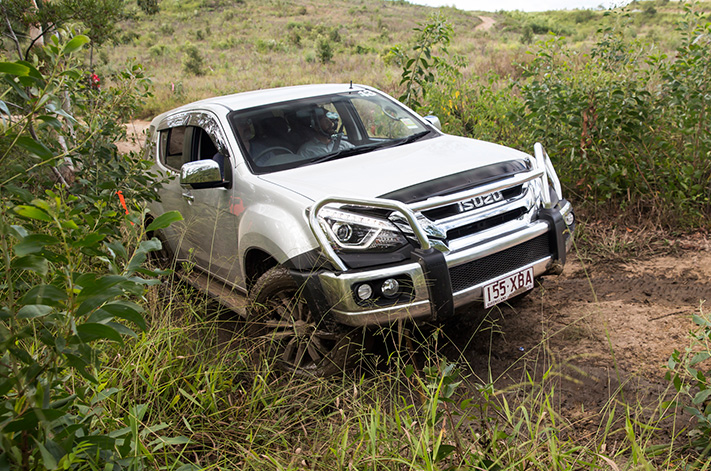
Other extras for models above the LS-M entry model include climate control, aluminium sidesteps, privacy glass for rear side and tailgate windows, and rear vents.
LS-T exclusives in addition to those already mentioned include roof rails, rear roof spoiler, keyless entry and engine start, and electrically adjustable driver’s seat.
Pricing has increased by up to $3100 on models since the MU-X debuted in late 2013, with the starting point now $42,800 for 4×2 or $48,000 for a 4×4 variant.
The MU-X, like the D-Max, is supported by a five-year warranty and roadside-assistance program, while Isuzu Ute’s capped-price servicing restricts costs to $1500 for five years (or 50,000km).
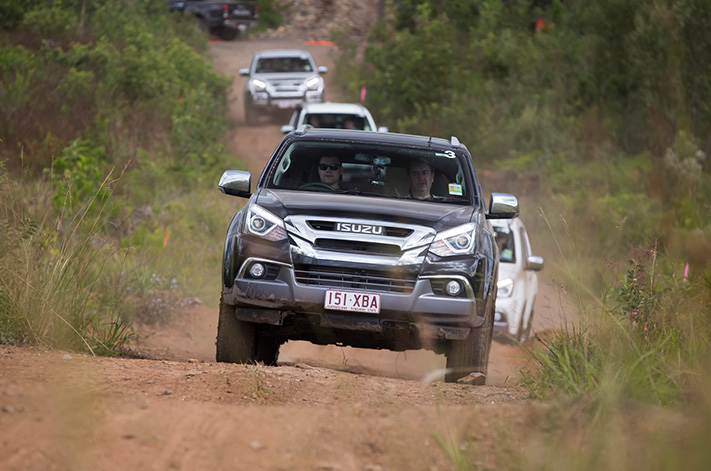
MY17 Isuzu MU-X pricing
Isuzu MU-X LS-M 4×2 auto $42,800 Isuzu MU-X LS-M 4×4 man $48,000 Isuzu MU-X LS-M 4×4 auto $50,100
Isuzu MU-X LS-U 4×2 auto $45,100 Isuzu MU-X LS-U 4×4 man $50,300 Isuzu MU-X LS-U 4×4 auto $52,400
Isuzu MU-X LS-T 4×2 auto $48,800 Isuzu MU-X LS-T 4×4 auto $56,100
HOLDEN outsold Ford by only two cars as private buyers didn’t just take a back seat in April, they refused to get in, unofficial sales data for the month reveals.
The Federal Chamber of Automotive Industries is later today expected to release official sales figures that show the Australian market dipped sharply last month compared with the same month last year as some mainstream car brands struggle to reel in new buyers.
The data is expected to show only about 83,100 new vehicles were sold for the month, down more than five percent compared with the same month last year. It also drags the market’s overall performance so far this year down almost three percent compared with last year’s record pace.
Holden sold 5804 vehicles for the month, compared with Ford’s 5802 – a difference of just two units. Both brands’ sales were down sharply on the same month last year, with Ford falling more than 15 percent and Holden 13.5 percent.
Ford’s dip can be attributed in part to continuing lacklustre sales of the Fiesta small car, which at 104 sales for the month has struggled so far this year to meet half of last year’s volume, and the loss of the Falcon large car and ute. Just seven Falcons were sold, suggesting stocks of the locally made sedan are just about tapped out nationally.
In a flip from the previous two months, passenger cars once again outsold SUVs, suggesting it’s the fleets and volume buyers reaching for the chequebook rather than SUV-hungry private buyers dipping into their wallets and purses.
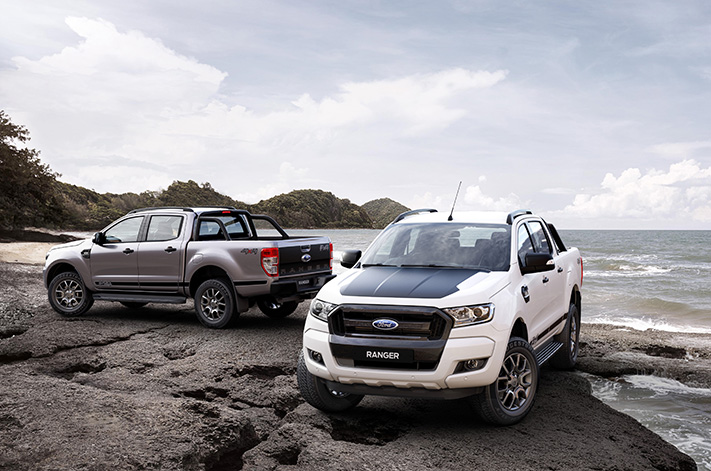
But trade utes were once again dominating the market. The Toyota Hilux (3430 sales) dominated the Ford Ranger (3120) as the best-selling vehicle on the Aussie market in April. However, strip away the 4×2 sales to expose the 4×4 side of the market that private buyers play in, and the Ranger (2708) edges out the Toyota (2607).
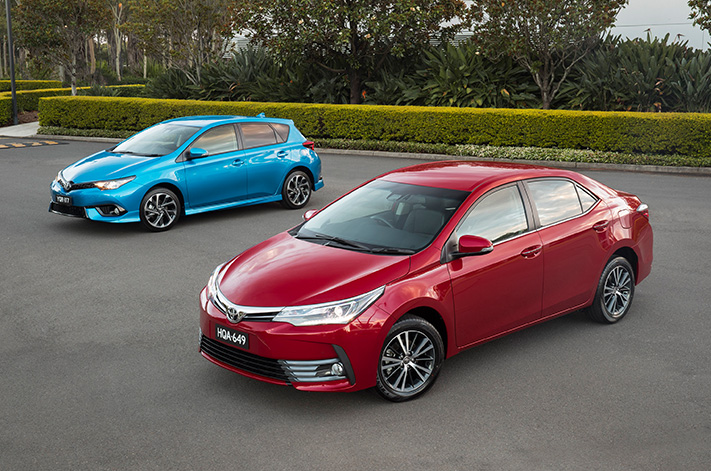
The Toyota Corolla remains Australia’s best-selling passenger car, with 2555 sales for the month, down 13.7 percent on April last year. Snapping at its heels for the other places on the podium were the Mazda 3 (2313, down 7.9 percent) and for the first time, an SUV – the Mazda CX-5 (2166, up 29.3 percent) as buyers pick up a run-out bargain.
Luxury brand Mercedes-Benz (3312), meanwhile, outsold both Audi (1391) and BMW (1802) combined.
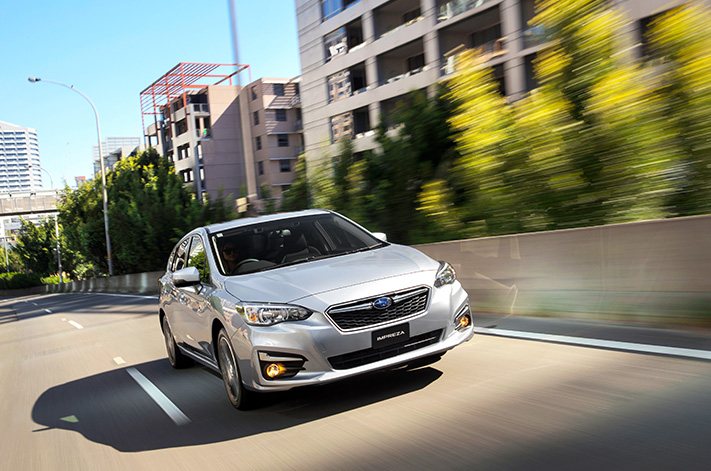
But the big winners for the month were the Asian car brands. Mitsubishi leapt more than 30 percent to end the month less than 400 units behind Ford as SUV sales – particularly the ASX (1451) and its larger Outlander sibling (1343) both jumped out of the blocks for the month. Subaru, meanwhile, leapt 22.1 percent in the sales stakes as the Impreza small car caught buyers’ attention. Likewise, Honda (2827) leapt 34.2 percent despite only having one car – the Civic – in the top 20 list of bestsellers.
Down the lower end of the market, Czech brand Skoda held ground to sell 374 cars as it awaits the arrival of the Kodiaq seven-seat SUV due late this month. It aims to use the big $42K bear’s popularity to bump sales beyond the 5000 mark for the first time this year.
Porsche, meanwhile, moved 371 cars to end the month up more 10 percent compared with April last year.
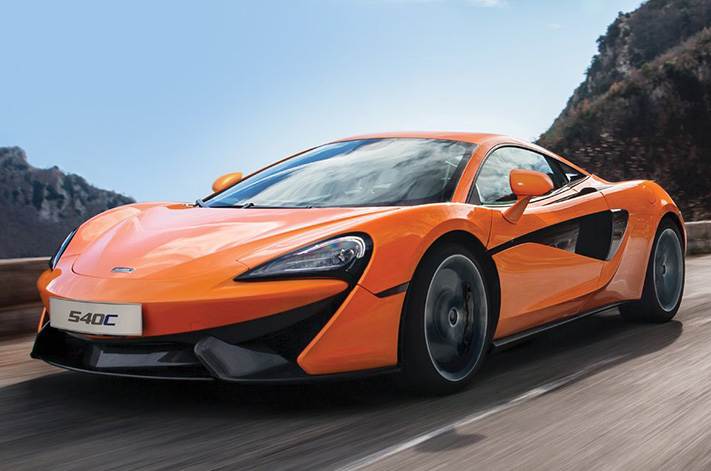
But we have to dig down to the bottom of the new car market to find the big winner from April: McLaren. The introduction of the cheaper 540C and 570S models helped swell the Brit supercar brand’s monthly sales to 10, a 400 percent jump on April last year.
| RANK | MODEL | Sales | Change (%)** |
| 1. | Toyota Corolla | 2555 | -13.7 |
| 2. | Mazda3 | 2313 | -7.9 |
| 3. | Mazda CX-5 | 2166 | +29.3 |
| 4. | Hyundai i30 | 1979 | -52.2 |
| 5. | Toyota Camry | 1885 | +24.8 |
| 6. | Hyundai Tucson | 1530 | +17.5 |
| 7. | Kia Cerato | 1490 | +40.8 |
| 8. | Mitsubishi ASX | 1451 | +57.7 |
| 9. | Holden Commodore | 1441 | -24.5 |
| 10. | Toyota RAV4 | 1389 | -8.9 |
| 11. | Mitsubishi Outlander | 1343 | +124.6 |
| 12. | Toyota Prado | 1301 | -2.1u00a0 |
| 13. | Mazda CX-3 | 1195 | -25.5 |
| 14. | Hyundai Accent | 1186 | -23.7 |
| 15 | Volkswagen Golf | 1151 | -36.4 |
| 16. | Subaru Forester | 1054 | -3.0 |
| 17. | Subaru Impreza | 1022 | +177.0 |
| 18. | Kia Sportage | 1001 | +38.3 |
| 19. | Honda Civic | 985 | >100.0u00a0 |
| 20. | Toyota Kluger | 939 | -0.7 |
*Unofficial VFACTS data. **Compared with April 2016
TOP 20 BRANDS IN APRIL*
| RANK | BRAND | SALES | CHANGE (%)** |
| 1. | Toyota | 16,090 | -2.9 |
| 2. | Mazda | 8603 | +2.0 |
| 3. | Hyundai | 6850 | -20.7 |
| 4. | Holden | 5804 | -13.5 |
| 5. | Ford | 5802 | -15.2 |
| 6. | Mitsubishi | 5407 | +6.7 |
| 7. | Kia | 4120 | +36.2 |
| 8. | Volkswagen | 3867 | -18.3 |
| 9. | Subaru | 3854 | +22.1 |
| 10. | Nissan | 3350 | -17.2 |
| 11. | Mercedes-Benz | 3312 | +0.3 |
| 12. | Honda | 2827 | +34.2u00a0 |
| 13. | BMW | 1802 | -26.6 |
| 14. | Isuzu Ute | 1665 | +4.2 |
| 15 | Audi | 1391 | -19.4 |
| 16. | Suzuki | 1191 | -10.3 |
| 17. | Lexus | 689 | -14.1 |
| 18. | Jeep | 677 | -36.7 |
| 18. | Renault | 677 | -31.5u00a0 |
| 20. | Land Rover | 552 | -40.4 |
*Unofficial VFACTS data. **Compared with April 2016
What is it?
McLaren’s new supercar, replacement for the 650S and proof that Woking marches to a techno drumbeat. The company claims across-the-board improvements to performance and efficiency, and a radical new design direction emphasises the scale of the changes made. On paper, this is a car that makes the Ferrari 488 GTB (and Ford GT) look seriously under-gunned.
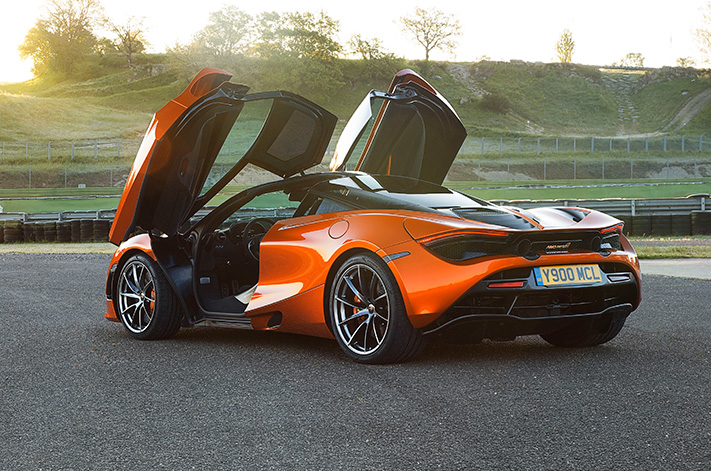
To see if McLaren has managed to deliver emotional appeal to match the enormous performance. While the 650S was a fine car, it struggled to match the emotion and desirability of its Italian rivals. The 720S more powerful and faster, but has it made the breakthrough on want-it too?
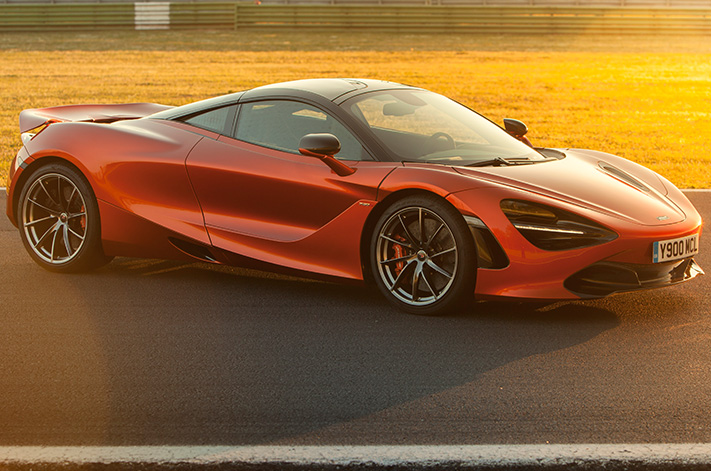
The Ferrari 488GTB is definitely the one ringed in red on the McLaren’s list of targets to beat, but it also faces a stern challenge in the form of the Lamborghini Huracan and also the nearly-here Ford GT.
The Wheels verdict:
McLaren has delivered a supercar with an astonishingly breadth of skills. The 720S can cruise with the composure of a Grand Tourer and demolish a track like a GT3 racer. Performance is in a different league to almost anything else out there, the biggest question is how the company is going to find more for the inevitable LT version.
Plus: Huge performance, ease of use, design, steering feel, cabin ergonomics
Minus: Almost too composed under gentle use, never sounds amazing, laggy touchscreen, drift control feels like a gimmick.
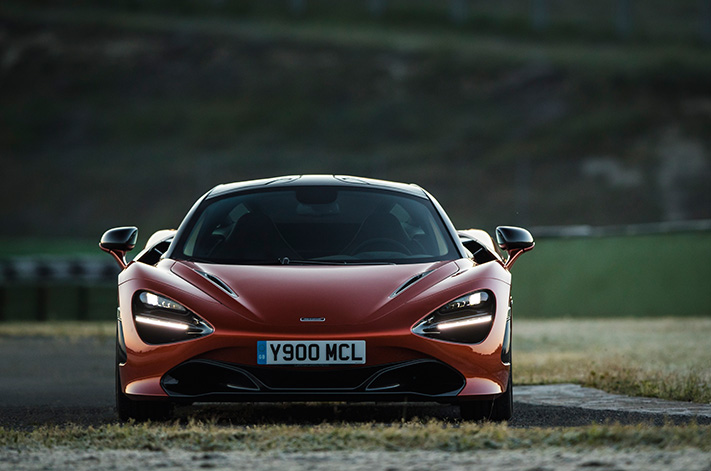
People don’t tend to buy supercars on purely rational grounds, which is has long been McLaren’s biggest problem. While the original MP4/12C and 650S – which was basically a heavy facelift – both led their segment on power-to-weight ratios, they struggled to deliver the sort of emotional appeal that persuades people to drop condo-in-Bali sums on something with four wheels and no jet engine. So while the new 720S has indeed become faster and lighter, the more important question is probably around that less immediately measurable metric: how much tingle it puts in your tail.
The fundamentals remain as before: McLaren’s entire road-car programme has been built around using a shared architecture to cover everything from the 911-rivalling Sports Series to its million-plus Ultimate Series hypercars. That means the 720S sticks with the combination of a carbon tub and a mid-mounted twin-turbo V8. But pretty much everything has been tweaked. The new MonoCell II tub now incorporates a carbon upper structure, with the windscreen surround and central roof spar both made from the material. The 650S used aluminium for its upper pillars and screen rail, and all of its structural strength was in the lower tub. The fuller cage adds cost, but has also made the car stronger, allowed for a cooler-looking top-hinged door and trimmed weight, taking 17.7kg off the bodyshell.
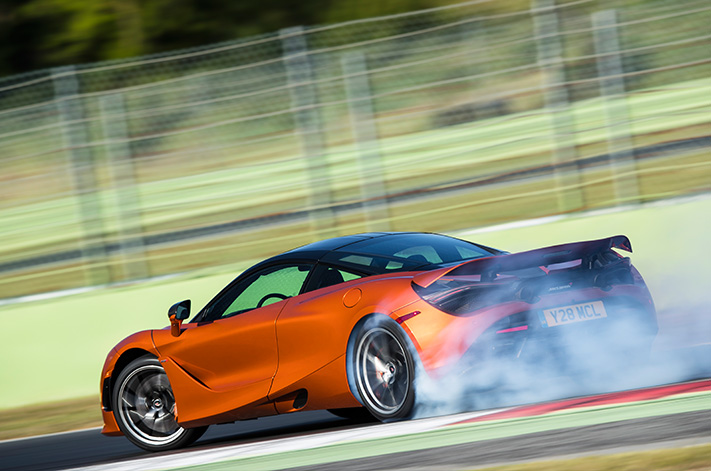
Visual differences are considerably greater; but for badges you’d be hard-pressed to see much of an aesthetic relationship between the 720S’s muscular form and the slightly bland shapes of the MP4-12C and 650S. The 720S has lost the side air intake of its predecessors, and indeed of pretty much every other mid-engined car, with air channelled to the motor and radiators through a well-hidden channel next to the rear windows. It looks great; especially from the rear where – with the deployable wing raised – it does a good impression of McLaren’s P1 hypercar. The headlight apertures incorporate well-hidden air ducts as well as lighting elements, but in lighter paint colours their size and darkness gives the 720S a dead-eyed look, slightly reminiscent of the fish counter.
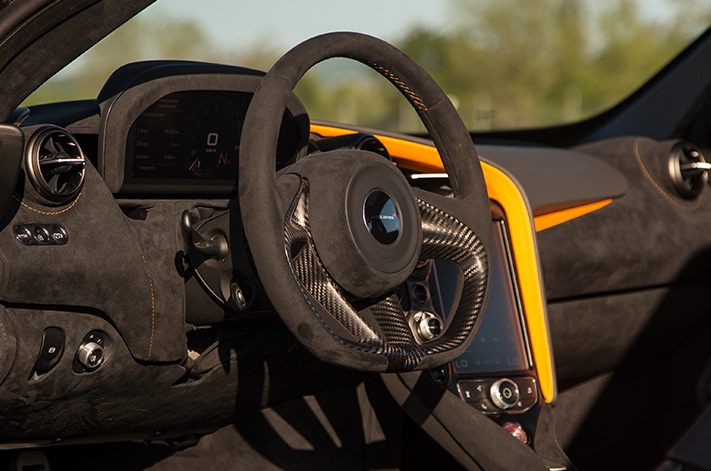
It’s the same story to the rear, too, where glazed panels on each side of the back screen pretty much eliminate the over-the-shoulder blind spots that have been as much as hallmark of mid-engined supercars as their owners acquiring much younger second wives. Switchgear has been rationalised, with most functions – including heating and ventilation – now incorporated into the tall touchscreen interface in the middle of the cabin.
McLaren P1 LM spied vying for Nurburgring lap record, shooting sparks
Sadly, this lacks sensitivity and feels surprisingly laggy –but that could just have been down to my sweaty fingers. There is a bit of theatre in the form of the power tilting digital instrument display, which folds down to reveal a minimal revs-and-speed readout when the car is put into Track mode.
McLaren has previously proved capable of engineering an impressive breadth of differences into its range of cars, all of which share the same core architecture. But the 720S manages to pull off an even neater trick, combining the qualities of pretty much the entire range. It’s a greatest hits collection: as civilised as the 570GT when cruising yet faster than the seminal track-spec 675LT on a circuit. This is a car with more bandwidth at its disposal than Telstra.
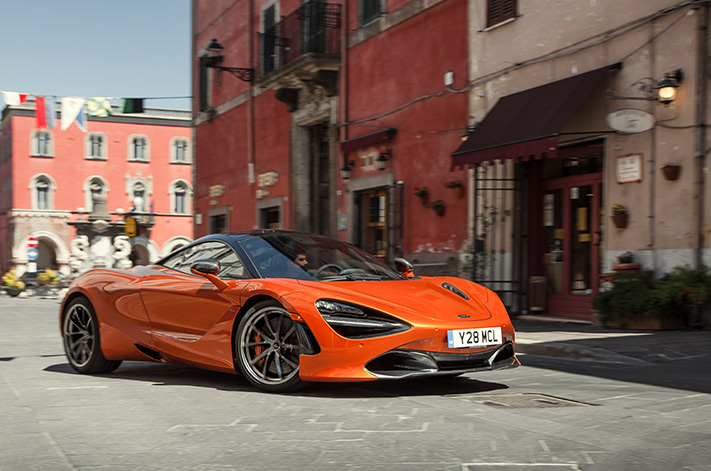
Don’t worry, the furniture-chewing side of the 720S’s split personality is never more than a flexed toe away. This V8 feels slightly more turbocharged than the last one did, the forces are higher and it takes a fraction longer to gather momentum, especially with less than 3000rpm showing on the tacho. But once on boost it pulls like it should be wearing door numbers. The engine is happy all the way to the 8500rpm limiter – deliriously so – but although it sounds better than its predecessors it still lacks the vocal range of the Ferrari 488 or (especially) the Lamborghini Huracan.
The steering is superb. McLaren has stuck with hydraulic assistance and the wheel retains much of the low-speed chatter that electric systems filter out as unwanted noise, while weighting up nicely when required to deliver real grip-or-slip feel. While the toweringly high limits will rarely be encountered on the road, the Macca still delivers plenty of sensation when being given a moderate dose of whip.
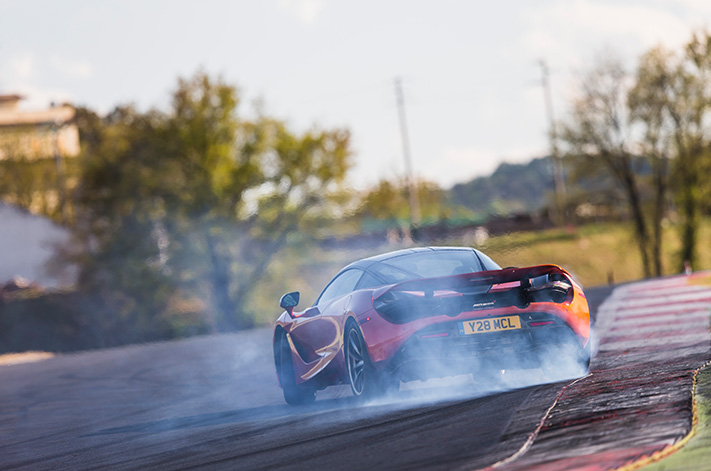
But to experience the 720S at more than a scant percentage of its potential it needs a track. Which is why McLaren laid on the Vallelunga circuit near Rome. Faster use confirmed it could compress the track’s longest straight as easily as it squeezes internal organs into interesting new shapes under both longitudinal and lateral loadings. It can’t match the hair trigger response of the 675LT, which was pretty much a road-legal racer, but it does feel much more stable under braking and less skittish under power, lapping at huge speed while barely breaking a sweat. It can generate smoke for the cameras on demand – there’s even a drift mode for the not-so-handy – but its greatest skill is just going enormously quickly. Haydn Baker, the 720S program manager, says that his car is actually faster than the 675LT on track, and would even beat the 673kW McLaren P1 around most circuits. That fact alone sums up the astonishing rate of progress Woking is making.
Specs:
Model: McLaren 720S
Engine: 3994cc V8, DOHC, 32V, twin turbochargers
Max power: 530kW @ 7250rpm Max torque: 770Nm @ 5500rpm Transmission: 7-speed twin-clutch
Weight: 1284kg (with lightweight options) 0-100km/h: 2.9 sec
Economy: 10.7l/100km (EUDC) Price: $489,900 On sale: TBC
WITH values of prized Porsche models breaking all records at present, buying into a bit of Weissach’s back catalogue could well pay dividends. If, like us, you don’t have a bank balance like Gina Rinehart, it’s worth keeping your eyes peeled for some of the company’s lesser lights.
If you’re not absolutely set on an engine in the boot, there’s still plenty of value to be found, especially if you know what you’re looking for. Here are six options that will leave you change from $50k, put a big smile on your dial on a sunny weekend and which still look to be solid future investments.
PORSCHE 986 BOXSTER 2.7 Years made: 1999-2004 Typical pricing: $21,000-$28,000
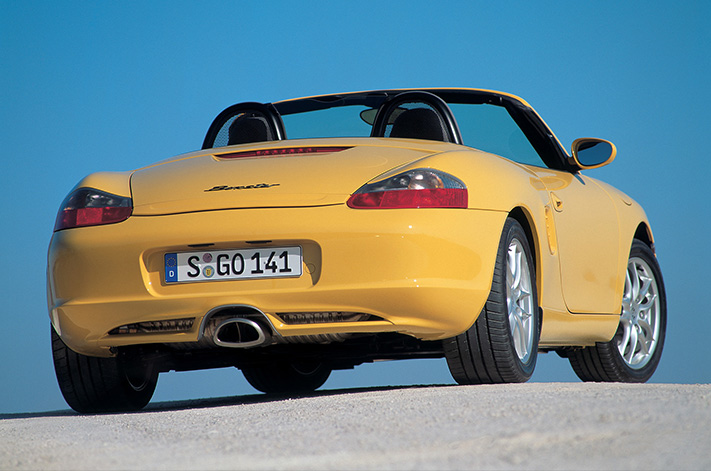
The 3.2-litre Boxster S is a big draw, but the smart money might well be a manual 2.7-litre. It’s arguably a sweeter engine and it’s one that you still need to work a little to put big numbers on the clock. Post 2002 cars are particularly choice, with glass rear windows, better-looking alloys and clear rather than amber indicators.
PORSCHE 924 TURBO Years made: 1979-83 Typical pricing: $25,000-$45,000
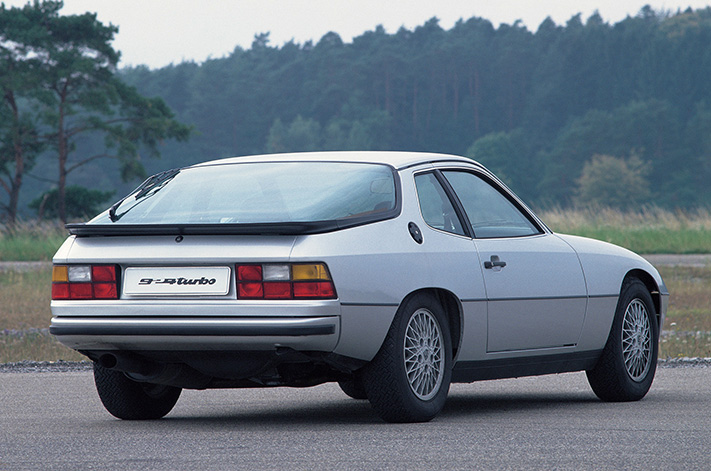
These days, 924 Turbos are attracting a bit of a niche following. Purists may prefer the later atmo 924S with its Porsche-sourced 2.5-litre engine, but the Turbo is a more characterful thing. Avoid early US imports which feature a crippleware 107kW lump.
PORSCHE 928 S4 Years Made: 1987-91 Typical Pricing: $32,000-$50,000
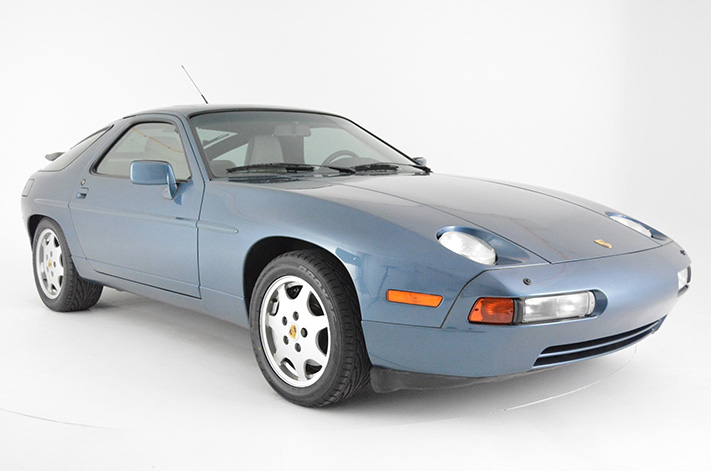
Fear of engine damage due to Australia’s lower-grade unleaded fuel saw local cars restricted to 221kW while European deliveries had 236kW. Pay particular attention to timing belt maintenance. With quad cams and such a complex motor, failure of the belt will write off most surviving 928s as the repair cost can exceed their value.
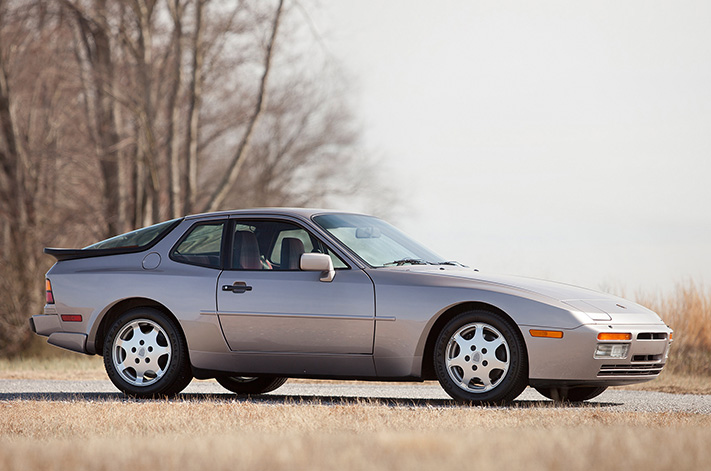
PORSCHE 944 TURBO Years made: 1986-91 Typical pricing: $32,000-$50,000
PORSCHE 968 Years made: 1992-95 Typical pricing: $42,000-$50,000
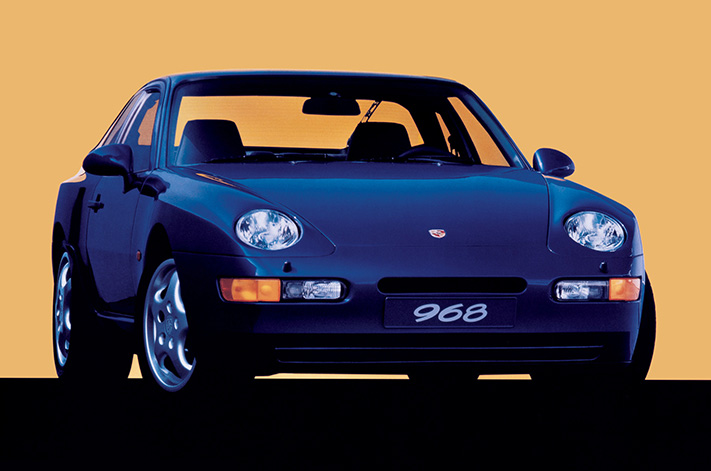
Avoid autos and drop-tops if you want to make the most of your investment.
PORSCHE 914 Years made: 1969-76 Typical Pricing: $25,000+
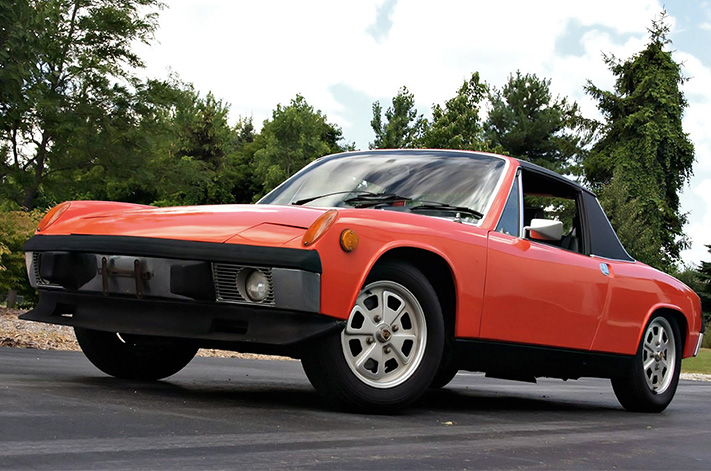
Alternatively, hunt down one of the limited edition US-market 914s in either Bumblebee or Creamsicle colourways. Forget about the six-cylinder cars; they’re way beyond this price point. When inspecting a 914, just look for matching numbers and avoid unmanageable levels of body/frame corrosion.
THE sixth-generation version of the flagship 5 Series due here in early 2018 will offer drivers three selectable modes, according to an informed contributor on the BMW Blog website.
The modes are said to comprise AWD, AWD Sport and RWD, changeable at the touch of a button – presumably an M one.
It follows the rival Mercedes-AMG E63 S released last year, which can switch out of its standard all-wheel-drive set-up with a pull of the paddles to instruct the car’s 450kW to go only to the rear tyres.
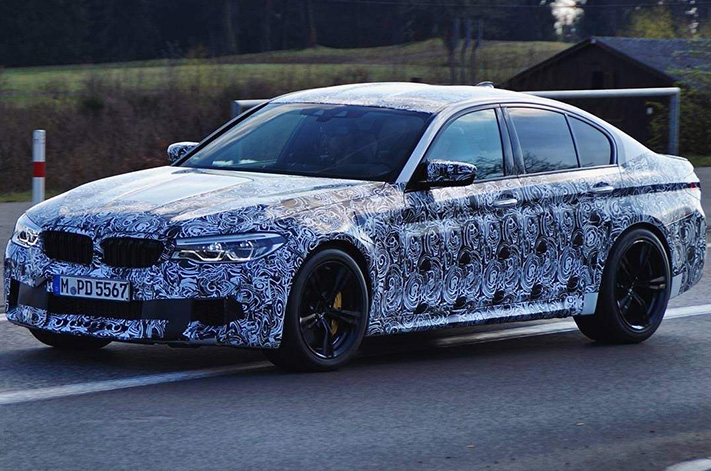
The M5 is expected to generate similar power to the Benz from its carried over but uprated 4.4-litre twin-turbo V8, which will also switch from the former seven-speed dual-clutch set-up to a more conventional eight-speed torque converter auto.
BMW M550d gets quad-turbo engine
It will reportedly use the advantage of all-wheel-drive traction to complete the 0-100km/h sprint in 3.6 seconds.
That falls two-tenths shy of its Stuttgart nemesis, though at least restores order in the BMW world, as its current fastest-accelerating car (3.7 seconds) is the M760Li limo.
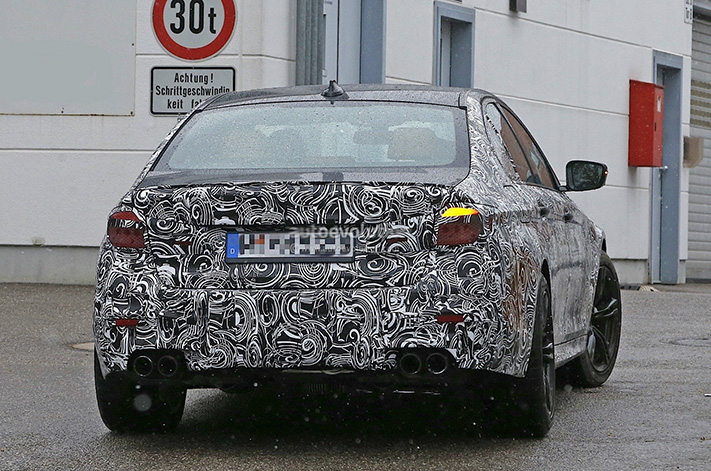
The G30 BMW M5 is set for a public debut at September’s 2017 Frankfurt motor show.
Bonus: Watch the next-gen M5 testing at the Nurburgring below!
TURBOCHARGING is, today, associated as much with efficiency and economy as it is with performance, which makes it easy to forget the technology debuted as the enfant terrible of the automotive world.
Gone are the days when a new turbo car wore unapologetic TURBO decals on its flanks and offered bountiful power in exchange for horrific fuel consumption, almost weekly service intervals and a manic wheezing soundtrack.
Here’s our look back at eight automotive legends that each lit a fuse on the turbo era and blew the science into the 21st century.
1973 BMW 2002 Turbo
Often incorrectly sited as the first series production turbocharged passenger car, BMW’s mental 2002 (shortened by fans to ‘O2’) Turbo demonstrated in spectacular fashion the phenomenon of turbo lag and the importance of observing the tachometer if you don’t like very expensive engine rebuilds.
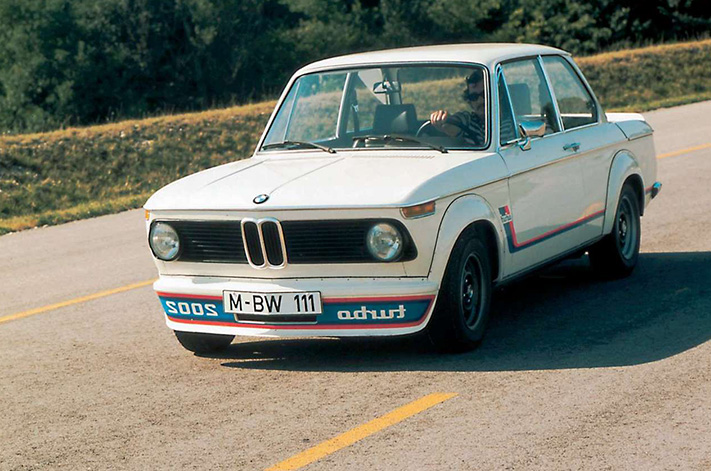
A mere 127kW might not sound like much but it was dumped in the driver’s lap after a seemingly never-ending delay and arrived perilously close to the red line. BMW didn’t realise it at the time but its first turbo car heralded the company’s all-turbo line-up today.
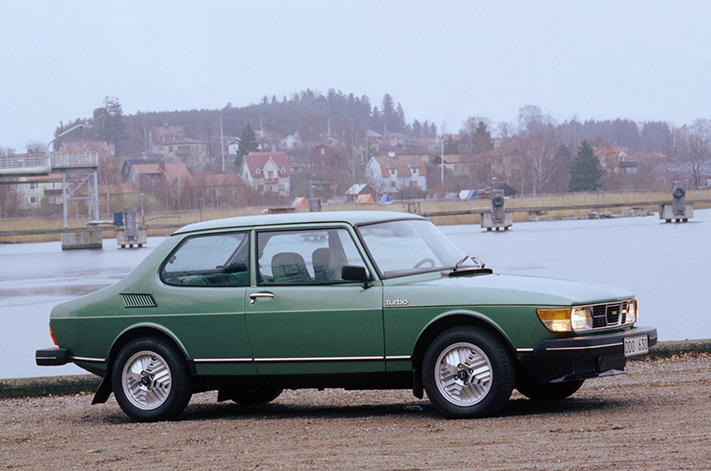
1978 Saab 99 Turbo
Until the late 1970s, Saab was regarded by some as a little stuffy and conservative, but the 2.0-litre turbocharged 99 changed that and lead on to a long line of high-performance turbo and Aero models.
Inside BMW’s South-Korean driving paradise
Its alloy wheel design mimicked the turbocharger’s turbine and impeller blades and a later Turbo S delved into water injection and the same principle applied to BMW’s modern day M4 GTS, for example.
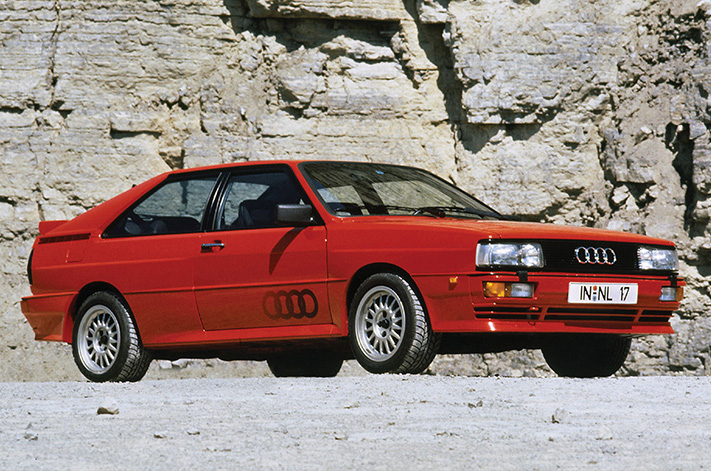
Like turbocharging, four-wheel drive systems are commonplace in passenger vehicles today but back in 1980 the combination of both in the original (Ur) Quattro raised an eyebrow or two. Add to that a weird five-cylinder engine and the Quattro was one seriously odd ball.
Sceptics said the engine wouldn’t balance, its turbo would be unreliable and the all-paw system was a ball-and-chain. And they kept saying that right up until the car took eight world rally titles in four years.
About a decade later, the Subaru Impreza WRX pulled a very similar stunt to Audi’s, when it combined four-wheel drive with an unorthodox turbocharged engine to produce rally dominating results.
When the homologated WRX rolled out to high-street showrooms, its potent and highly tuneable boxer four-cylinder and attainable price tag made it an instant cult classic among performance car enthusiasts, and continues to attract a loyal following today – albeit minus the Impreza moniker.
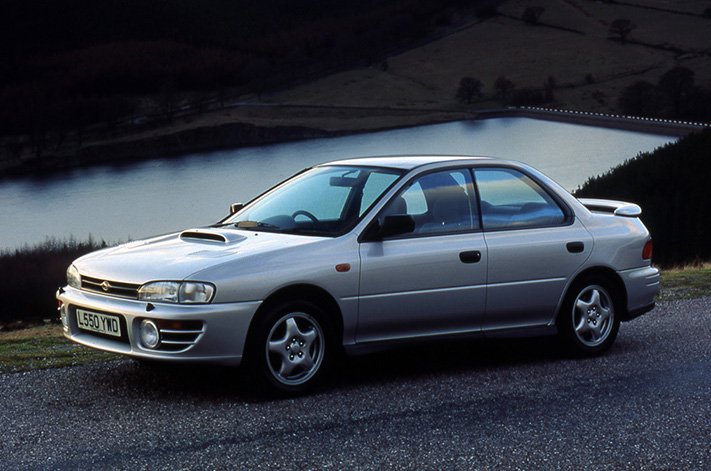
During the 1980s, a number of manufacturers were experimenting with turbocharging to generate massive supercar power outputs in the quest to smash the magical 200mph (322km/h) ceiling including Jaguar’s XJ220 and Ferrari’s turbo interpretation.
Ferrari F40 prototype burns to a crisp
While the Jag started with 3.5 litres and six cylinders, the F40 used just 2.9 litres of V8 to produce an astounding 352kW thanks to sophisticated forced induction. For comparison Alfa Romeo’s 2017 Giulia QV only manages an extra 23kW from the same capacity and with the latest engine technology.
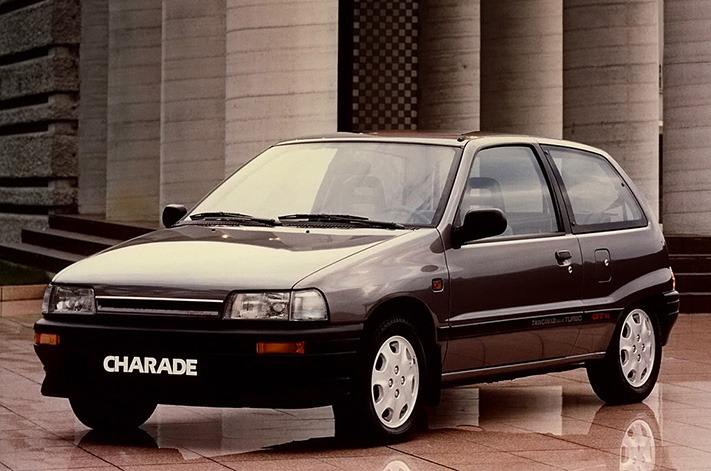
1988 Daihatsu Charade GTti
It would be easy to focus only on the axle-snapping horsepower heroes of the emerging turbo era but Daihatsu’s diminutive Charade GTti is deserving of a mention despite only having 1.0-litre of displacement under its little bonnet.
With just three cylinders and 993cc at its disposal, the GTti made up for its tiny engine with some serious tech for the time. Four valves per cylinder, twin cams, fuel injection and high-capacity intercooler resulted in the holy grail of 100bhp per litre (74kW).
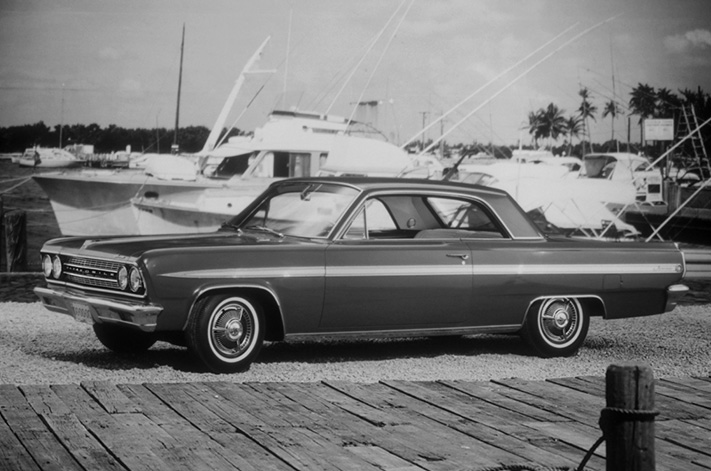
The one that started it all – Chevrolet’s Corvair Monza missed out on the title by weeks, leaving the Oldsmobile to make history with its single-turbo 160kW V8 and a mix of ethanol and water ‘rocket fuel’ injection to suppress the diabolical cylinder detonation.
Its exhaust plumbing piped gas from one bank under the engine to meet the other manifold and the turbo arrangement that pumped already mixed air and fuel would curl the toes of any modern day engine designer, but it proved the turbo principle and is the father of every turbo car on the road today.
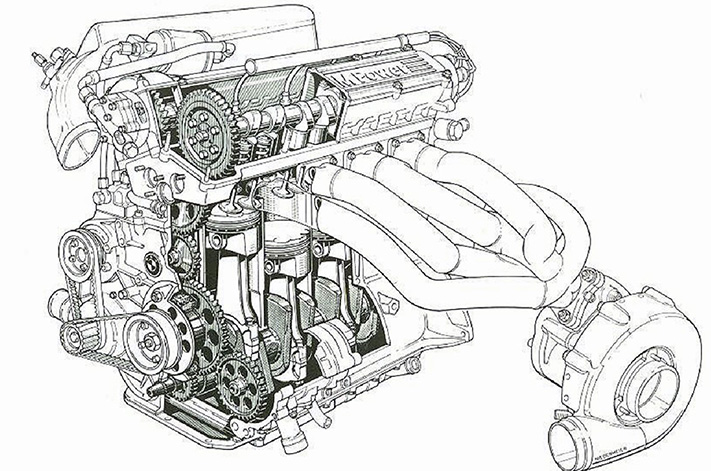
The pivotal road cars listed above convincingly proved the potential of turbocharging for performance with impressive power outputs and charismatic delivery, but nothing can even come close to arguably the most extraordinary turbo engine in motorsport.
By the 1986 F1 season, BMW’s tiny 1.5-litre turbo engine had evolved into a monstrous boost beast, powering both the Benetton and Brabham cars. The engine ran on almost pure toluene, had a two-second lag between the throttle opening and maximum boost and could only be tamed by a handful of legendary racing drivers.
How much power? No one really knows because the only available dyno stopped reading at around 1200bhp but it is thought that during qualifying the engine was wicked up to an incredible point somewhere between 800kW and 1000kW. Now that is some serious turbo boost.
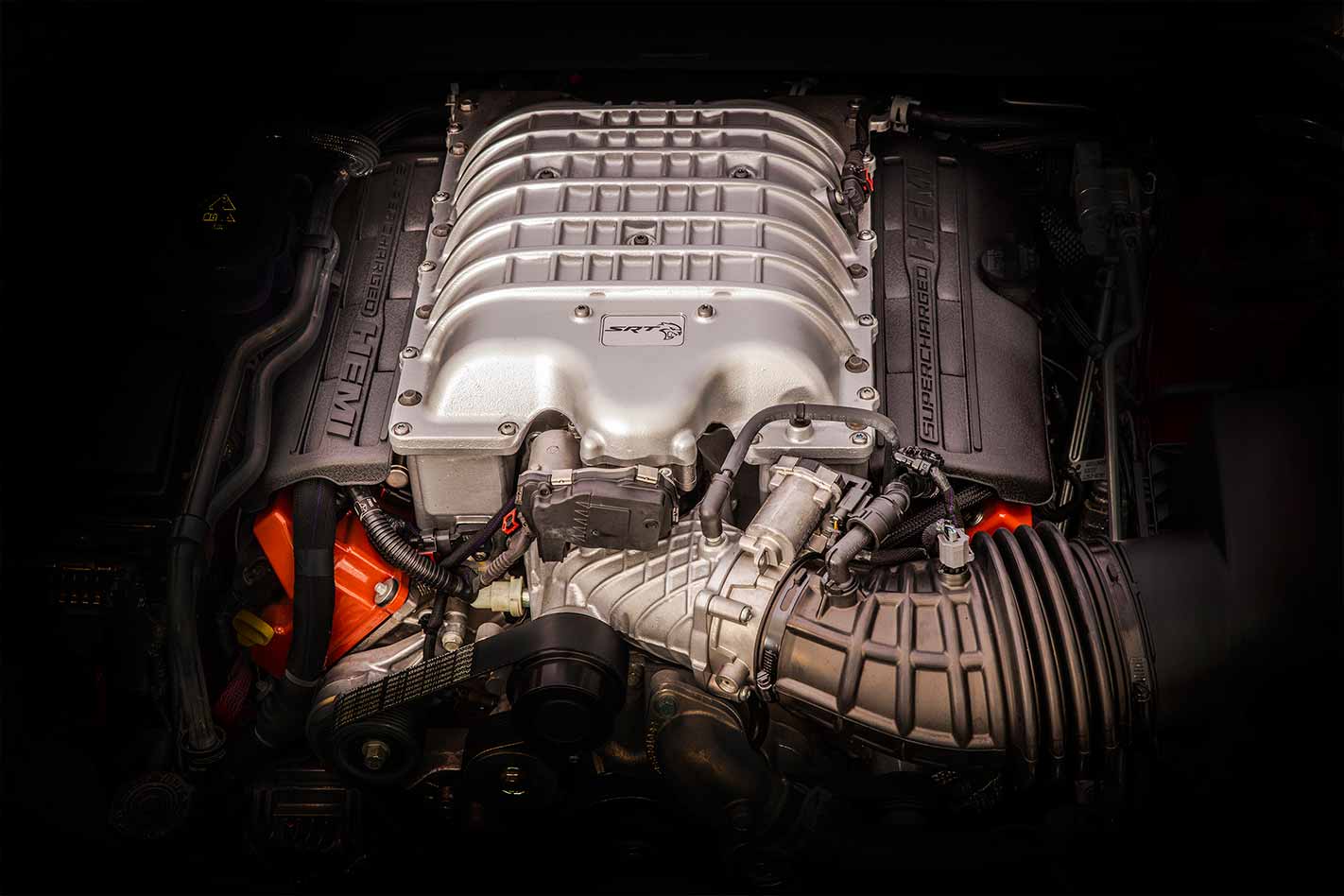
The 527kW/874Nm Jeep Grand Cherokee Trackhawk is looking increasingly likely to reach Australian showrooms, giving local enthusiasts their first taste of Hellcat power.
Local Mopar enthusiasts have been denied access to the Charger and Challenger Hellcat, except through specialist importers, due to the lack of right-hand drive compatibility, however there are no such issues with the Grand Cherokee and Jeep Australia says it is currently evaluating the model.
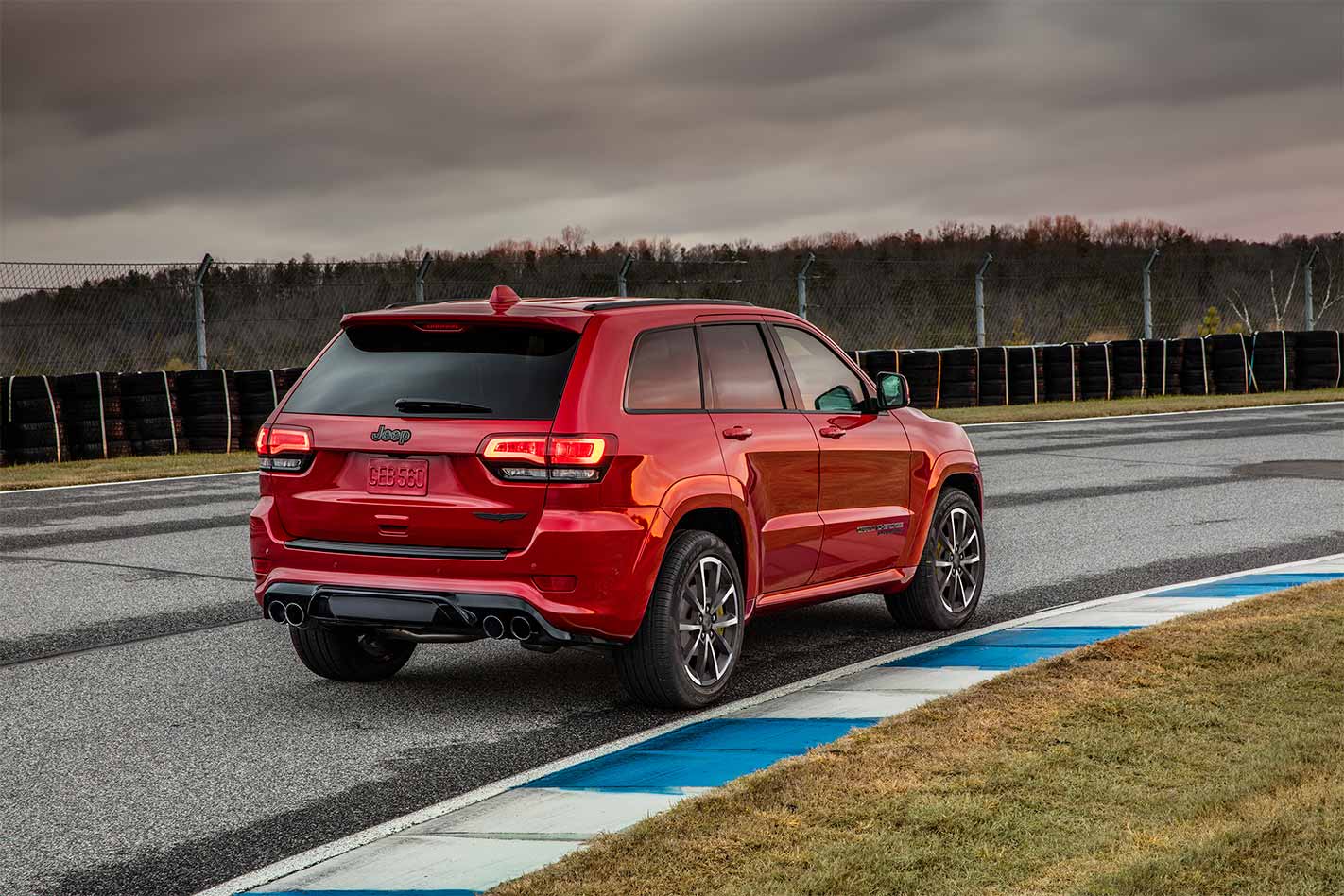
MOTOR also understands that Jeep dealers are currently taking substantial deposits from potential customers, with one buyer saying he was tipped off by an FCA employee that the car was coming.
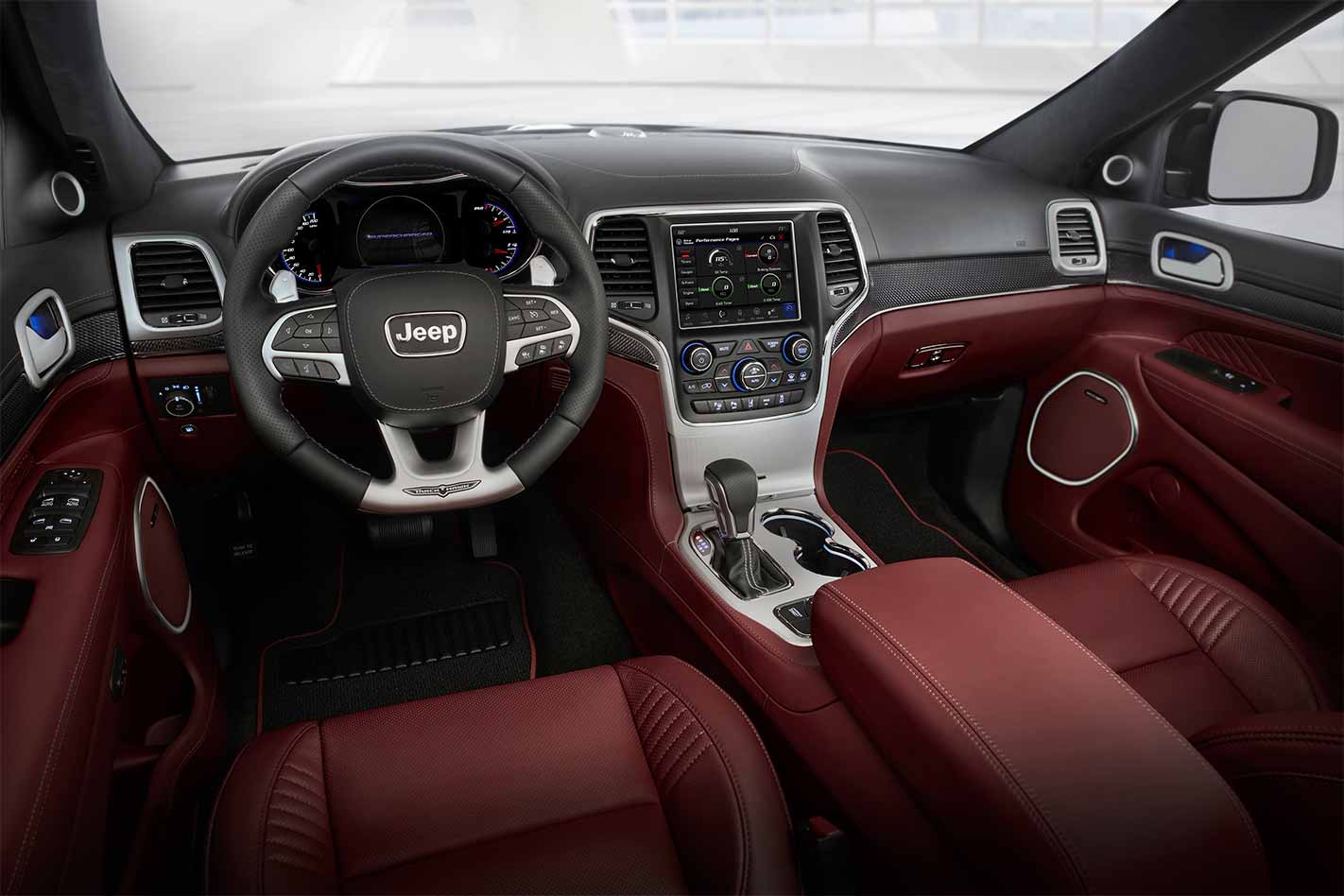
If the mighty Jeep does make it to local shores, it’ll be the fourth-most powerful vehicle on sale in Australia, behind the 568kW Tesla P100D twins, 545kW Ferrari F12 Berlinetta and 544kW Lamborghini Aventador S.
You might not know who Tyler Witte is. We didn’t, but we certainly do now.
It turns out you don’t need a huge budget to be Ken Block, or at least do some of what he does.
Okay, he’s not as fast or precise as Block, and there’s not as much smoke, but consider that Witte is in a relatively basic Impreza. Not the Hoonicorn.
It turns out Witte has been doing this for a little while now, though he’s also got onboard rally videos going back five years on his channel.
And he’s come a long way. From a thirty-second video of him doing donuts to a stunt team credit in the Fate of the Furious film.
It would also appear, according to his IMDb page, that he’s got a stunt driving role in the upcoming heist film by Edgar Wright, Baby Driver.
In one of his older videos, it becomes more apparent how Witte has evolved as a driver. It’s also clear that he’s very honest about his stage in the learning process.
Titled Driver, the above video has our young Block-alike take a jump at the wrong angle and nosedive into the ground.
It’s refreshingly honest that he left that footage in.
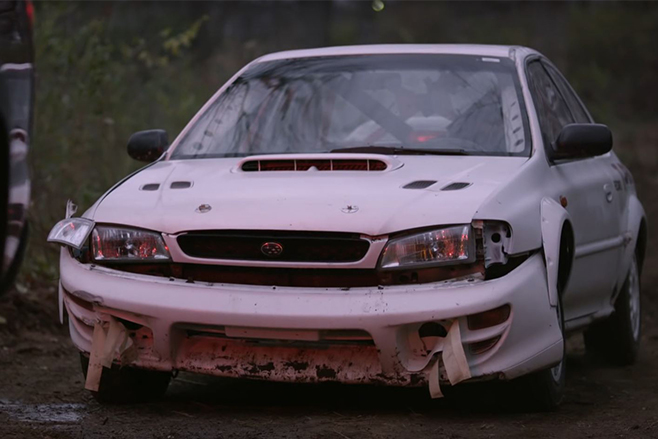
If we haven’t got you convinced, you should check him out for yourself. Oh, and there’s an excavator. For donuts.
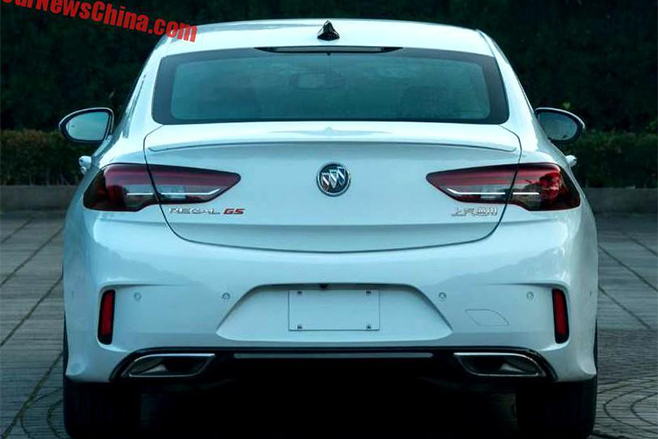
Images have leaked of the soon-to-be-released Buick Regal GS as Holden drops two of its sportier offerings from its Euro-import lineup.
First seen on Chinese auto-site CarNewsChina, the Regal GS is based on the 2018 Opel Insignia/Commodore.
It’s likely that styling cues seen on the GS will translate into the more performance-oriented Commodore variant that will eventually attempt to fill the void left by the departure of the SS.
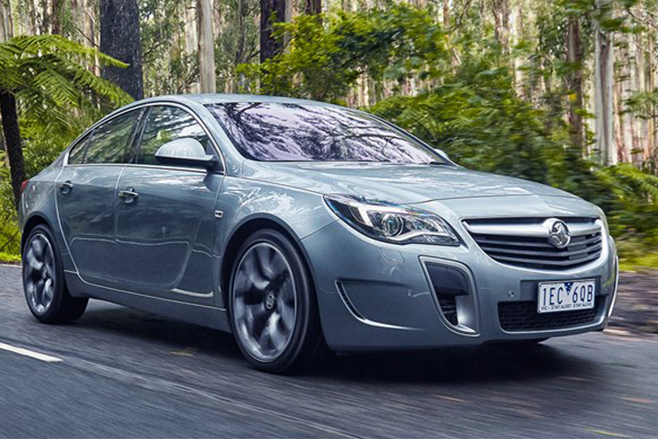
Holden recently dropped its imported Insignia and Astra VXR performance models from its line up, with the new Commodore ‘VXR’ intended to replace both the hot Insignia and – a tougher task – our local V8 Commodore SS.
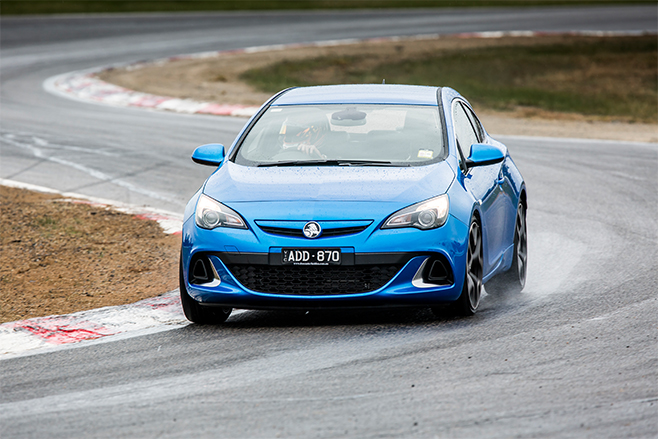
The writing was on the wall for the Astra VXR as the all-new hatch model launched in Australia in late-2016, with the previous-generation ‘Coupe’ models soldiering on. The hottest current hatch offering is the 147kW Astra RS, however a VXR replacement is expected in time.
As vehicle technology becomes increasingly advanced and reliable, longstanding features that have been commonplace in cars for years are gradually being made redundant.
Go back to the origin of the motor car and all manner of critical controls were left up to the driver including ignition timing adjustment, hand signals for other road users and even the elbow grease necessary to get the engine started.
Things are very different now though and technology is continuing to supersede ageing tech. Here’s a look at some car features that could be on their way out.
Gauges
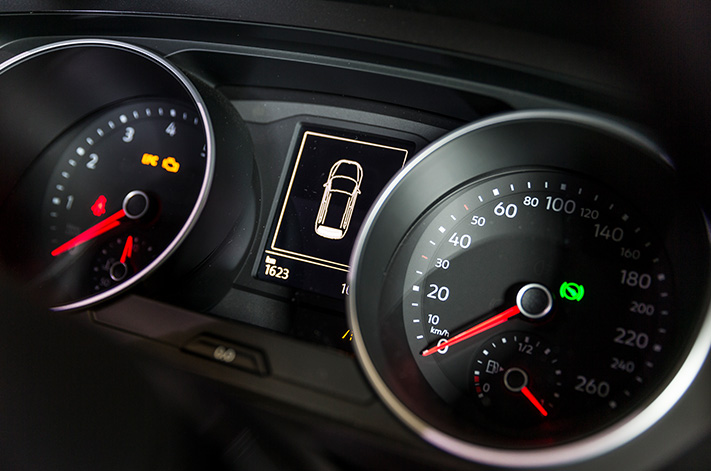
A majority of drivers wouldn’t know the correct operating temperature of engine coolant under normal circumstances, what pressure the oil should be or how many volts the charging system should maintain so what’s the point in bombarding the driver with all that superfluous information?
Most manufacturers are realising that you only really need to know about the critical systems when something goes awry and that a simple warning light will suffice in most circumstances.
Expect to see cleaner and tidier dashboards as gauge readouts are buried deep in electronic menus and replaced with blinking lamps.
CD player
With the rise of electronic music sales and transfer, the decline of the humble compact disc is already in full swing and the various car makers have spotted a potential cost, space and weight saver for new models.
A simple USB and auxiliary socket allows occupants to listen to music from electronic devices such as phones and USB drives, while Bluetooth technology allows the same without a physical connection at all. Internet connectivity is also allowing direct music streaming into cabins.
Just as the cassette deck went west some years ago, fewer cars are now offered with a CD player, particularly cars targeted at a younger audience.
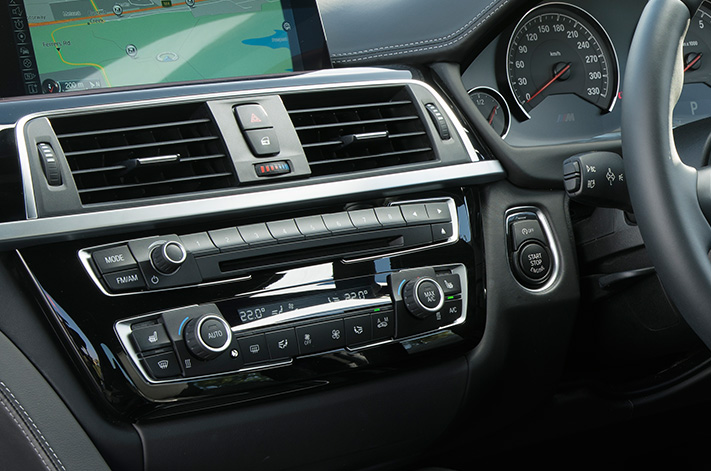
Switches
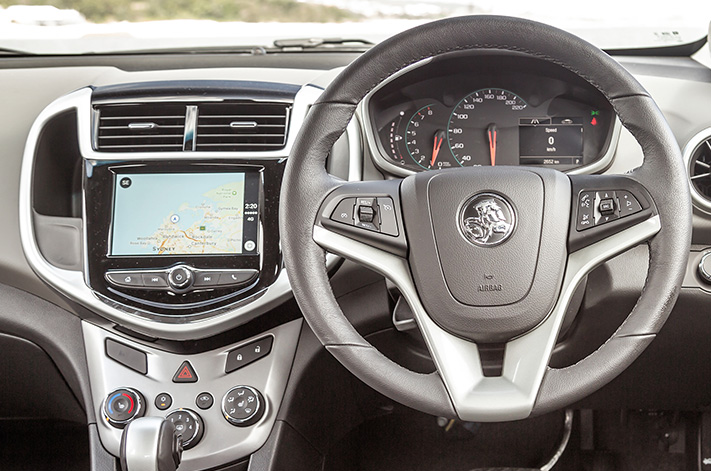
Dipping headlights, turning on the windscreen wipers and applying the park brake all used to be a part of day-to-day driving regardless of which car you owned, but with more intelligent vehicle and environmental monitoring systems, all of these tasks can be handed over to the car.
As voice activation, touchscreens and gesture controls become more sophisticated and intuitive, more and more switches and buttons will be disappearing from your car’s interior.
Manual gearboxes
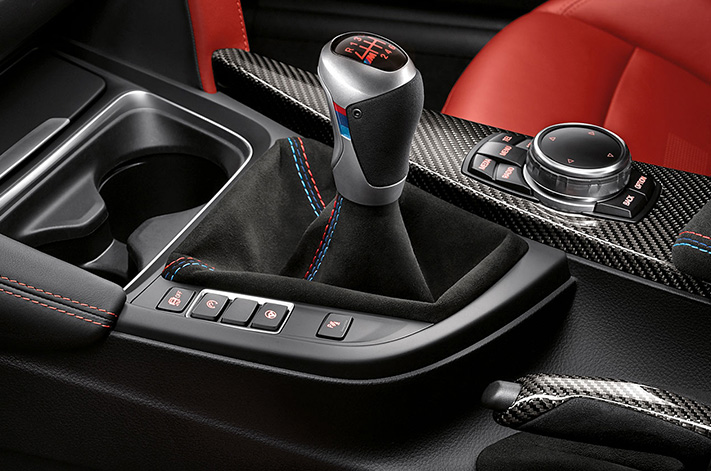
Australians already favour automatic transmissions over the manual gearbox by a vast majority and the trend is not slowing.
The handful of driving purists that still opt for the traditional self-serve may not be enough for the various car makers to continue offering manuals within their ranks forever.
Most dual-clutch autos and torque converters now offer steering wheel paddles for independence of manual gear selection and it’s also worth considering that there is no such thing as a manual electric car.
Full-size spare wheel
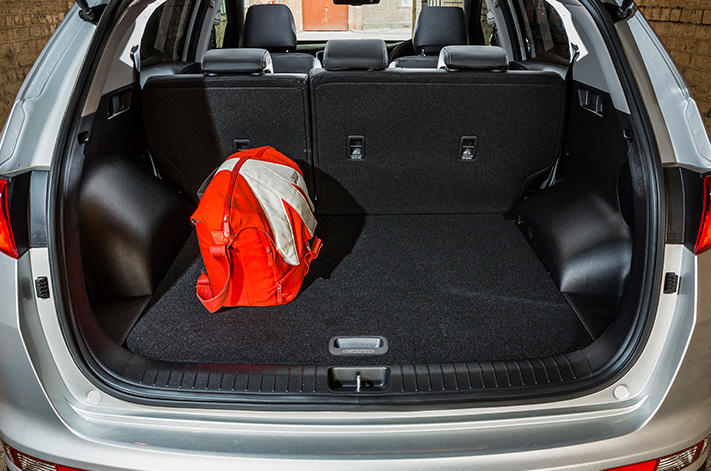
In the constant pursuit of weight reduction and space maximisation, car manufacturers are increasingly replacing full-sized spare wheels with special slimline space-saver versions that occupy less boot space and can reduce overall vehicle weight, which in turn has a beneficial effect on fuel consumption.
Removing the spare wheel altogether is also becoming a more popular option with only a special tyre sealant and air compressor kit to help you out on the side of the road if you get a flat.
Solid tyres and run-flat rubber are two other relatively new areas of development that could remove the need for any puncture repair equipment in the vehicles of the future.
Real leather
Sticky, sweaty vinyl used to be the only alternative to real animal hide, but there are now a number of convincing alternatives that don’t require Daisy to make the ultimate sacrifice.
The various car makers have their own brand names such as Sensatec, Artico and Maztex to name a few imitation leathers as well as suede alternatives including the well-known Alcantara.
In many cases, the man-made versions are more durable, more consistent in quality than a natural material and cheaper to produce, which makes the business case easy for car makers with only the high-end models and brands expected to stick with traditional leather.
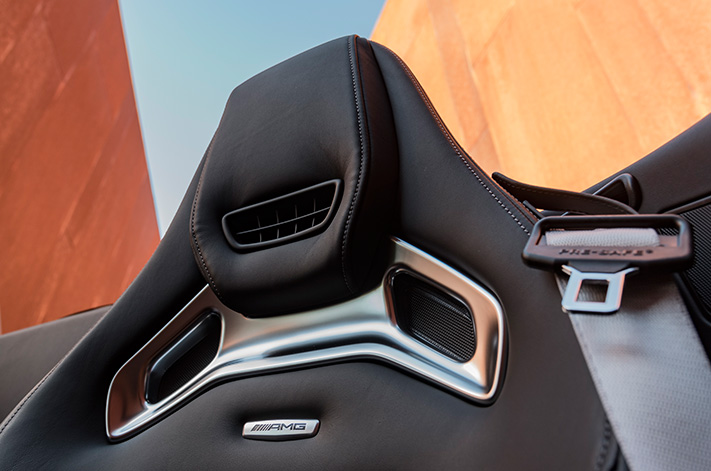
Cigarette lighter
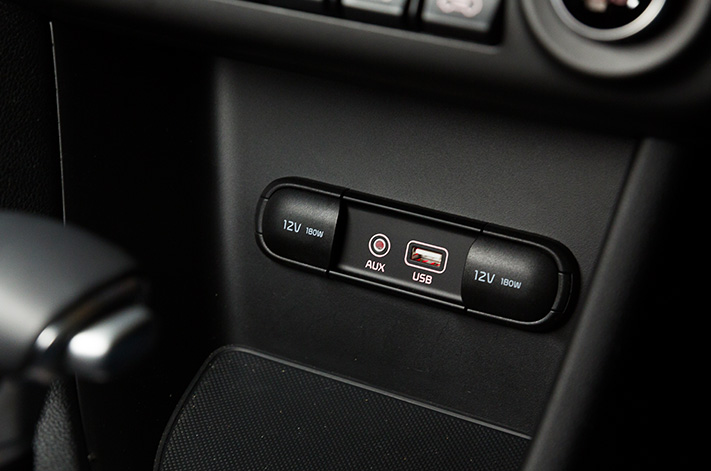
Smoking is bad for you. Didn’t you know? Car manufacturers are helping you live longer by deleting the once-standard ash tray and electric cigarette lighter from the 12-volt socket in favour of a blanking plug and accessory tray.
With a strong demand for electrical device charging, the remaining 12-volt socket still has plenty of life in it.
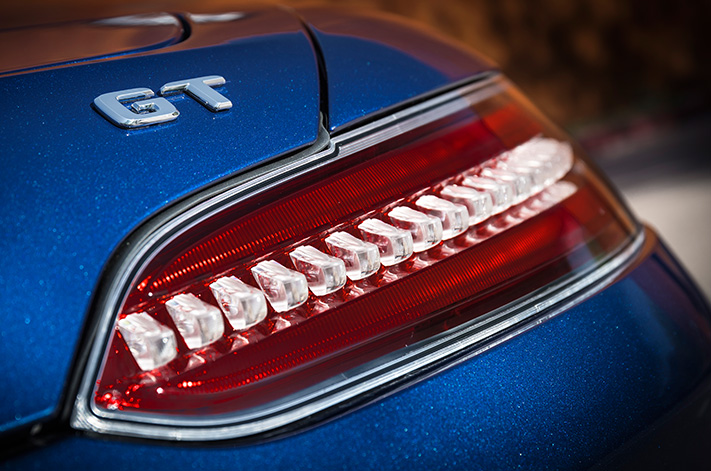
Incandescent globes
The person responsible for inventing the blue light emitting diode (LED), Shuji Nakamura was awarded the Nobel Prize for Physics in 2014 because it allowed the subsequent development of white LEDs.
The energy-saving potential of white LEDs has enormous global implications and these advantages are rapidly proliferating in vehicle development. Some models have already made the transition to LED lighting from halogen or xenon headlights, also encompassing interior illumination and LED interior screens. Other brands are sure to follow suit.
You
It may sound like an ominous view of a distant future but with the advent of autonomous cars, even the driver may be a thing of the past.