Last time, it started with a phone call and culminated in a story called Convoy! I wrote for CAR (the magazine I was editing in London) and Wheels’ sister magazine, Sports Car World. It told how four of us drove a Countach, Silhouette and Urraco flat out from the Lamborghini factory to England.
First published in the March 2017 issue of Wheels magazine, Australia’s most experienced and most trusted car magazine since 1953
On a Thursday afternoon in October 1976, Roger Phillips, the UK’s Lamborghini importer, phoned to say he was flying to Italy with two pals (Steve Brazier and David Jolliffe) to collect three Lamborghinis for the Earl’s Court Motor Show. If I got to Heathrow in two hours I could join in.
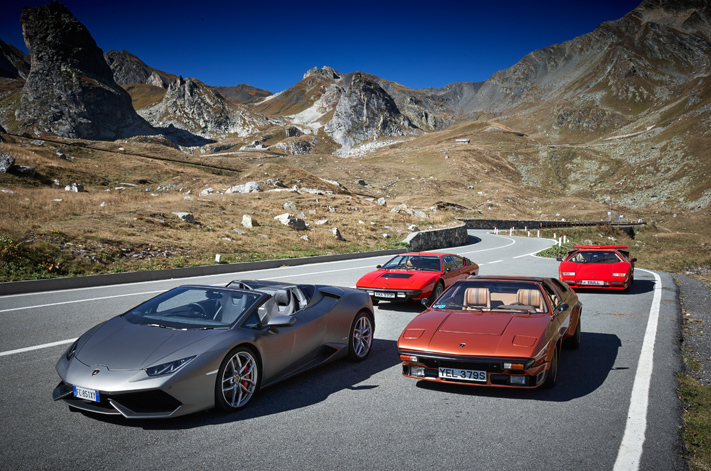
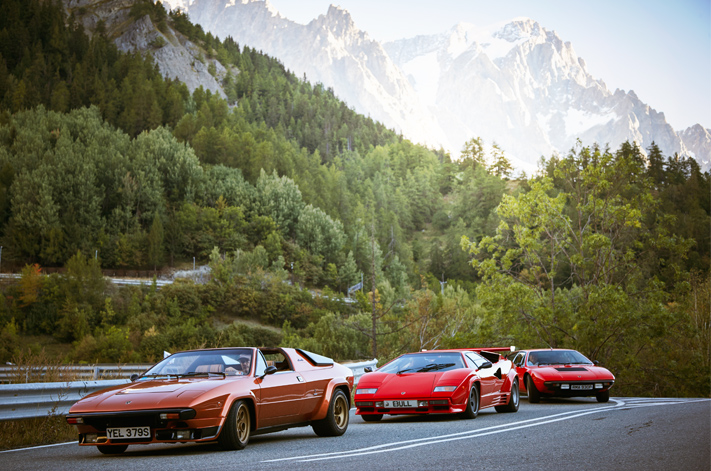
We fired up the Lamborghinis at six the next morning. They were properly warm when we struck the D979 that swoops in and out of the River Ain valley. It’s the kind of road you dream about. And that day it was magical: mist turned the valley below us silver, and as we zoomed down we stayed nose-to-tail, windows open, relishing the thunder of a 4.0-litre V12 and two 3.0-litre V8s – 28 cylinders, 12 camshafts, 14 Webers and eight exhausts – bouncing off the banks in the still air. It was an anthemic prelude to the glories ahead.
We stopped at the next service area. He pulled in, sauntered over, nodded hello and admired the cars. Two more bike cops did the same and then a group of gendarmes from a bus came over to look. Word was spreading, but we knew we were going to be okay. France was still without motorway speed limits and the cops’ demeanour said “fair enough, chaps”.
After breakfast, we accelerated away and gobbled the long, lazy curves where the A6 climbs through the Cote-d’Or’s soft hills. While David was driving the Urraco, I took the picture of its speedo on 160mph (258km/h) from the passenger’s seat, with the Silhouette and Countach drifting along ahead. It was a surreal experience seeing those dramatic bronze-gold shapes glittering in the sun as they ate the empty pale grey ribbon of motorway and speared into the blue of that Sunday morning.
Roger Phillips: “We were lucky to be in the right place at the right time. It was truly epic.”
THIS time, it begins with Silhouette owner Richard Head. At his house near London, he re-reads the Convoy! story and realises it was 40 years ago. Over a bottle of red, Richard and fellow Lamborghini enthusiast Alan Robb hatch a plan for a re-run with a Countach, Silhouette and Urraco. Alan is after-sales manager for Super Veloce Racing, a high performance car sales, service and events company outside London. Alan emails me, starts talking to Lamborghini owners keen to participate, and we put together a plan for Convoy! 2.
We need a different route. In 1976, the fastest way was through the Mont Blanc Tunnel to Geneva, then west to Nantua and along the D979 to Bourg-en-Bresse for the A6 at Macon, and on north via Paris to Calais. Now, there are several all-motorway options. We want as many miles on pristine roads as possible – and I have two in mind. Peter Robinson, my friend who lived in Italy for 16 years, reckons the SP85 up to Monte Bondone, near Trento, is Italy’s best driving road. And those epic opening scenes with the Miura in The Italian Job were filmed on the SS27 Colle del Gran San Bernardo north of Aosta. Irresistible.
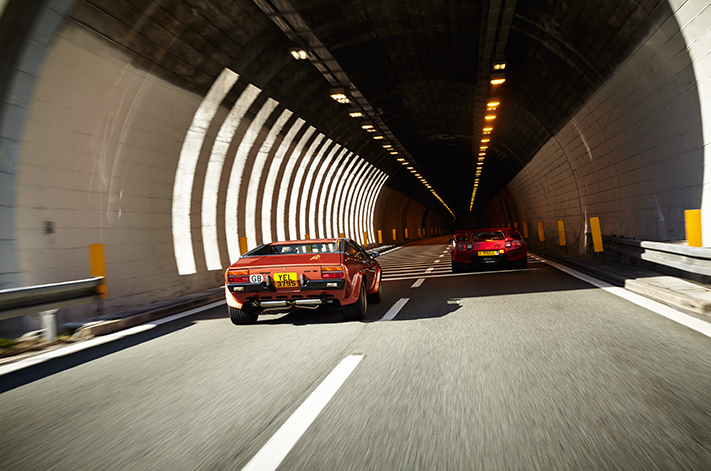
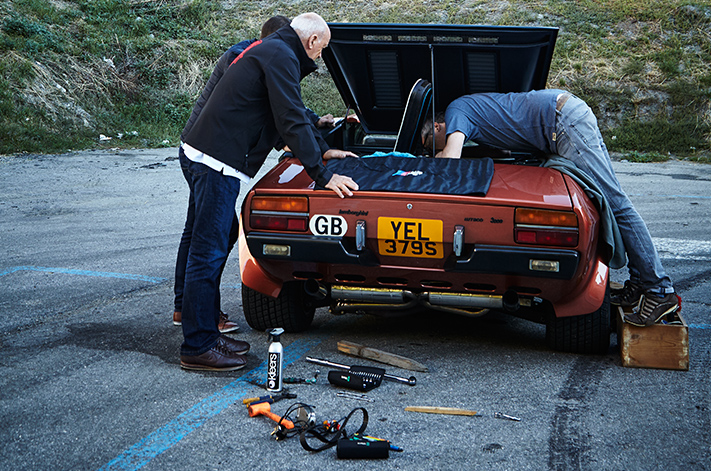
They say bad things happen in threes. Before we get to Sant’Agata Bolognese, we lose the first of the cars, Tadek and Verna Lipinski’s Countach. A coil lead has started arcing. A recovery truck takes it to former Lamborghini engineer Vigorito Biagio’s garage Autofficina Bielle. Then the front brakes on Richard Head’s Silhouette start binding; and the very moment we reach the factory, Chris and Sandra Notley’s Urraco dumps its clutch fluid. Old cars…
Meanwhile, we have a date with a road 200km north, the SP85. The Huracan, Diablo, Murcielago, and Espada head for Riva del Garda, our base for the SP85 jaunt. As we sit down to dinner, we hear the Countach arrive. One back, two to go.
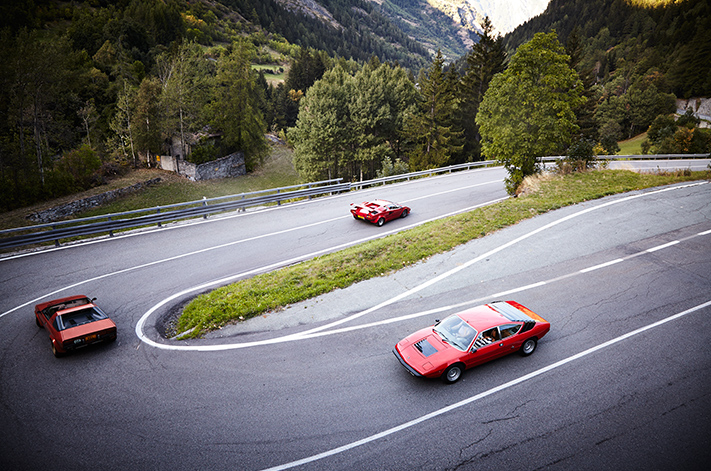
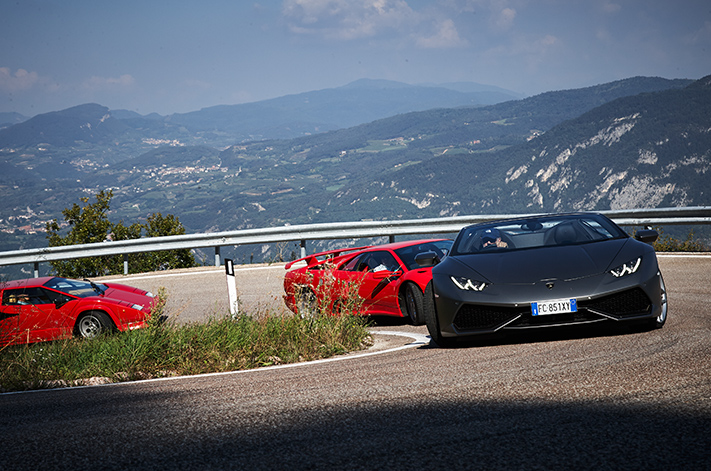
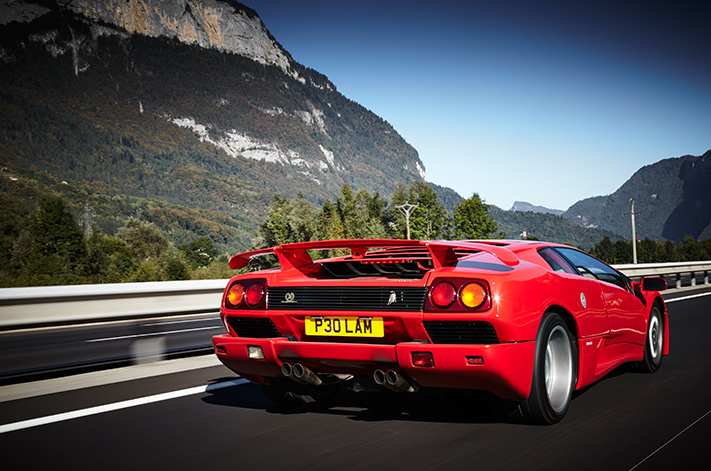
Next morning, the SP85 shows us its delights – a 60km mix of visually clear hairpins, zigzag sequences and fast open bends interspersed with straights. We soon have the stirring sight of the Countach, its exhausts spitting sparks on the over-run, hounded by the thunderous Diablo and sinister Murcielago, braking hard into the bends, squatting onto their fat rear tyres to power out and bolt through the gears to triple-digit (mph) speeds.
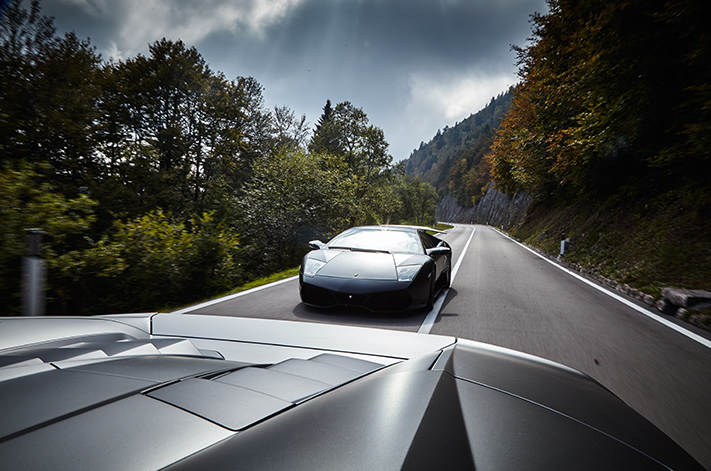
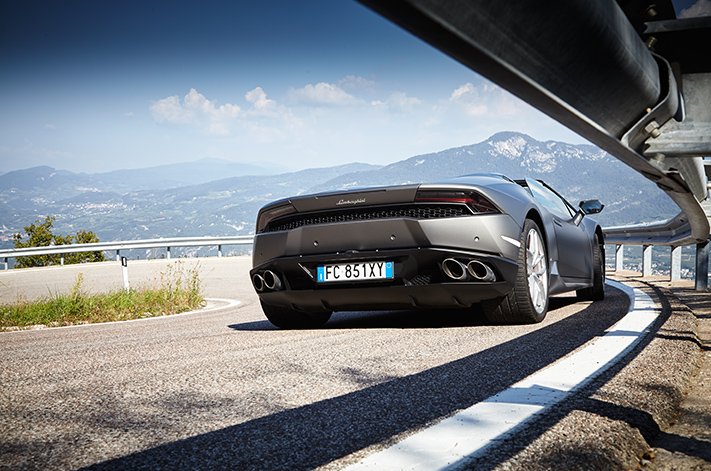
But it is coming back from the top of SP85, on the 18km-long stretch that’s been one of Europe’s best hillclimbs since 1925, that I learn what the Huracan is about. Switching the ANIMA setting from Strada to Sport sharpens the engine mapping, seven-speed gearbox, Haldex all-wheel drive, steering and stability-control systems. The exhaust note snaps to spine-tingling, with fortissimo pops and crackles on the over-run, and ferocious ‘toe-and-heel’ blips on the downshifts.
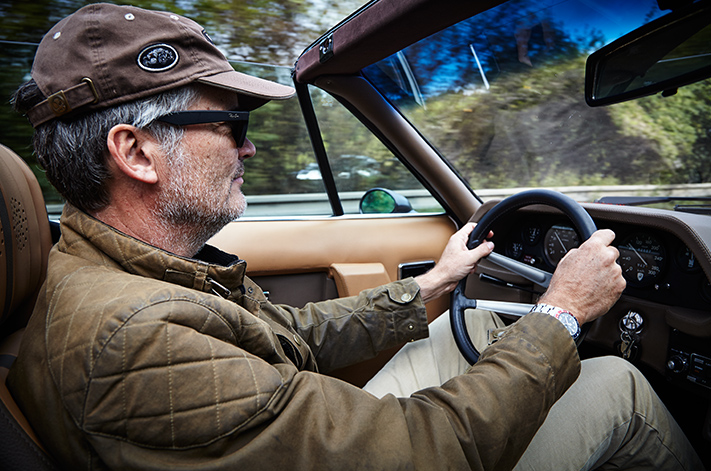
For a while, I flick the paddles manually but, frankly, I can’t do it as fast or perfectly as the system itself. It is very different from driving an old-school manual like the Countach or SE30. Without time to shift so often, you stay in second or third and utilise the V12’s huge flexibility and engine braking. Same in the V8s had they been here.
Life with a Lamborghini Huracan
I’d been mindful of comments that early Huracans understeered. With the Spyder’s introduction, Lamborghini recalibrated the front-rear torque split. In Strada, the settings are still towards understeer but I’m not getting run-out at the nose.
The grip at both ends matches the speed and power and the Huracan flows around accurately. In Sport, where Lamborghini anticipates a higher level of driver skill and desire for fun, the attitude will tighten to the verge of oversteer, and if there’s enough room and power the tail will move. But not much.
Back in the bar, Nick Tranter reckons it was the best day’s driving he’d ever had. He’s discovered new aspects of his 386kW Diablo SE30. “Given the Diablo’s size, the thing that surprised me,” he says, “was how nimble it was through the hairpins and how quickly it restored balance under full power out of them.
That huge whoomph of torque kicked in early and stayed there all the way to the limiter. Second’s versatility was fantastic for acceleration and engine braking – so different from moderns like the Huracan or my Porsche 991 Turbo, which would have gone up several gears on the short straights too. It’s an analogue experience versus a digital experience.” Glenn Brooks in the Murcielago SV, with its paddle shifts, was using the gears more as he laid down all of his car’s 493kW and, not surprisingly, found it just as soul-stirring.
High up, its bends are so compressed the Huracan’s speed is governed by how fast I can spin the wheel from lock to lock. There’s little feel in the electric steering but its variable ratio seems to match it to each corner, with always enough lock on hand. In the tunnels on the way up and down, the rich orchestration of the V8s, V10 and V12s is an utter delight. Sant’Agata has always understood that kind of music.
And so, next day, to the Gran San Bernardo. If you’ve never driven it, find a reason. Linger just past Saint-Oyen where the old SS27 veers off the new T2 to the Tunnel. It’s here you’ll see the breathtaking Dardanelli Viaduct which the Miura drove across so evocatively in The Italian Job.
As we gaze down onto it from one of the SS27’s hairpins, the sound of Matt Monro singing ‘On Days Like These’ – from the film’s soundtrack – wafts down the hillside as Richard cranks up the volume on the Silhouette’s tape deck.
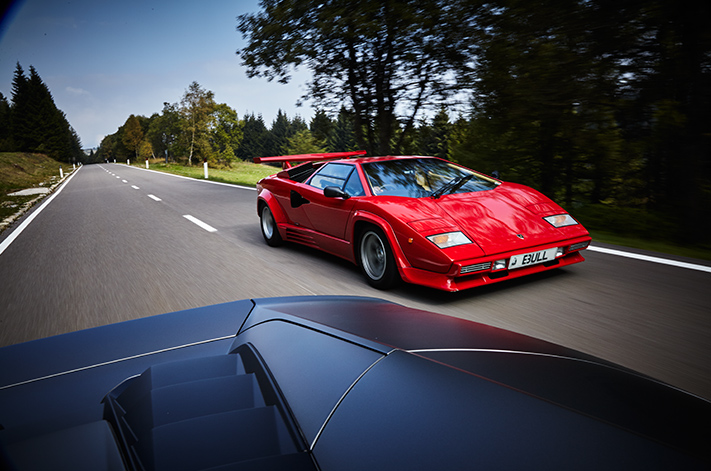
The QV’s rack and pinion, heavier than earlier Countachs’, demands muscle. The reward is fingertip-fulfilling feel. The brakes need commensurate effort. As with the SE30, the Countach stays in that monumental second gear, and occasionally third, and works up and down its rev range. With a grin, Tadek says: “It’s certainly a driver’s car; you have to keep going to the gym to have the strength to drive it on an epic road like this.”
Glenn puts Alan Robb, who rates the Murcielago SV highly, into his SV for the climb. “In Corsa, I could lean on it and use the weight to set it up through the corners,” Al says gleefully. “Left foot braking kept it balanced, either using just the grip or pushing on to get the four-wheel drive to help. At one point, it was so eager and confidence-inspiring I went into fourth and took the following corners as fast as I dared. Savouring every new push of power from the V12 on the way to the redline on that road, with no traffic and perfect weather, goes down as one of my all-time great drives.” This journey is kind of like that.
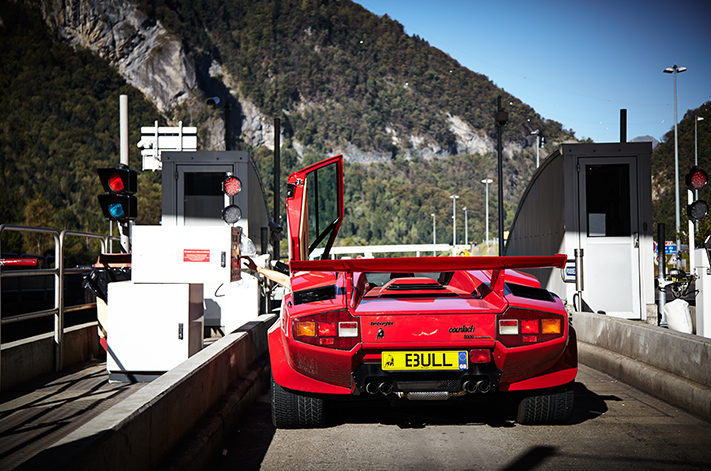
Towards Martigny the highway broadens into sequences of fast, open bends that are meat and drink to all the cars, but especially the V8s. They always were most impressive in these conditions. “The Silhouette is awesome on those sweepers and responds so well to being driven hard,” Richard reckons. “I needed to pinch myself: in front of me was a Urraco and behind me a Countach, and we are in the Alps.”
There are interesting differences and similarities between the Urraco and the Silhouette developed from it: lighter steering in the Urraco on conventional Michelins against the Silhouette’s Pirelli P7s; meatier feel in the Silhouette, a lower driving position and tighter seats; in both, modest oomph from the 3.0-litre V8 to 3500rpm then a brisk climb to the 186kW power peak at 7500rpm.
Strong directional stability, comfortable ride and clean, dependable handling. Chris Notley, able to stretch his Urraco’s legs for the first time, says: “It surpassed our expectations. It’s an elegant, remarkably comfortable and surprisingly quick and economical sports grand tourer.” Our run finishes on the Route de la Forclaz/D1506 from Martigny to Chamonix, another cracker that provides the perfect ending to a perfect day.
And then it is the 1030km haul to Paris, with the D979 on the way. Now that you encounter barely a car or truck there, it’s hard to imagine how busy this road was before the Autoroute des Titans bypassed it to and from the Mont Blanc Tunnel.
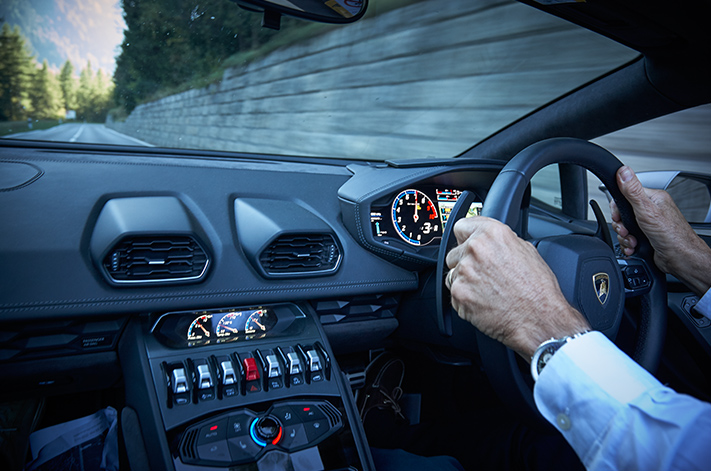
It’s properly fast and its Piattaforma Inerziale control system lets you access its pace with extraordinary ease. The three accelerometers and three gyroscopes shoot real-time high-speed data about roll, pitch and yaw to the ESC, AWD, dampers and steering systems. Lamborghini’s R&D boss Maurizio Reggiani says it lets the car get close to the point of no return while checking and controlling its attitude.
I like being able to drive as fast as I can with that kind of confidence, while having the option to switch off the ESC and get physical if I feel like playing. Down this amazing road into the Ain Valley, there is an inhibitor though: under brakes to the apex in the tighter hairpins, the pan under the nose scrapes the bitumen. A dashboard switch lifts the height for car parks and speed humps.
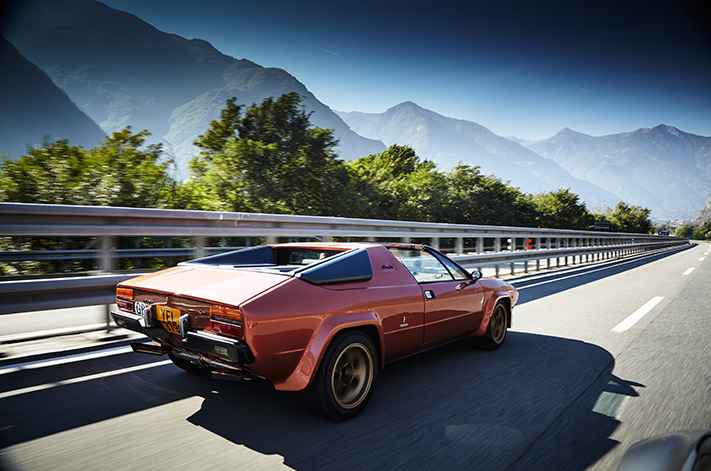
But I do have the seat against the firewall, so taller drivers mightn’t be so comfortable. All this makes long stretches like the run up the A6 to Paris a pleasure. Loping along near Beaune, I smile when I see in the mirror a low, wide shape closing fast. It could only be an Espada. Richard and Lynne Bull’s immaculate Series III sweeps past. It is in its metier. Earlier in 1976, I’d tucked away 1700km in 11 hours in an Espada and know full well its ability on open roads.
After a night at Versailles, we have just the 300km run up the A16 to Calais. Again, we are lucky: once we clear Paris, there is little traffic and all of us can enjoy long-legged cars running freely.
While we wait for the Eurotunnel train, I go over the fuel consumption. On the day that the trip computer said the Huracan had maxed at 268kph, its consumption was 12.7L/100km. Overall, it is 12.1. Pretty impressive.
Most of the crew agree it’s been their best week’s driving. With the original Convoy! trip in my memory bank, could I say that?
This was a less intense experience with more variety in a different kind of Lamborghini. Far more powerful than even the Countach, very much faster, and notably more refined – and with a touch of the Urraco’s sweetness – the Huracan Spyder gave me a week of total, unalloyed joy. I only wish it had a bigger boot in the nose for more than two small carry-ons, and better cabin storage. It’s so liveable in every other way, an admirable combination of grand tourer and hillclimb eater.
When I switch off in London after 2345km, I’m left with nothing but a hunger to drive it more. The other drivers feel the same about their cars.
It’s been a hell of a week.
With technological developments and today’s increasingly eco-minded social climate, car makers are increasingly ditching the extra cylinders and squeezing more and more grunt out of the classic six-banger. Here are the five most powerful six cylinder engines on sale today.
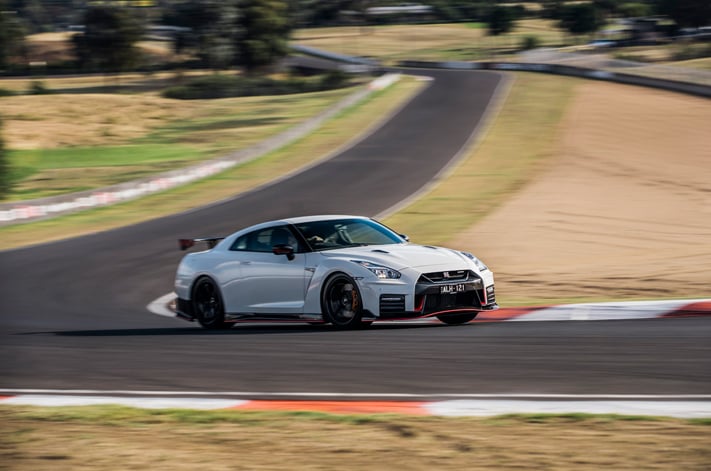
1. Nissan GT-R Nismo
441kW Torquey and powerful 3.8-litre twin-turbo V6 defines Nissan’s explosive GT-R, made even better with the recent arrival of flagship Nismo model, which ups power from 419kW in regular models.
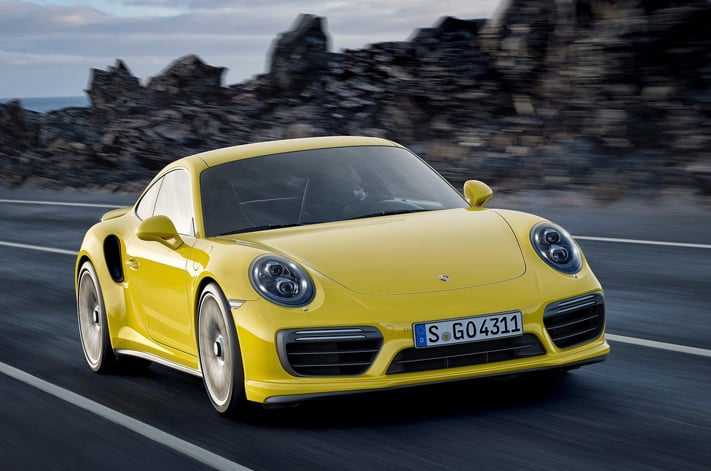
2. Porsche 911 Turbo S
427kW One of the few petrol engines with variable-geometry turbochargers, the 911 Turbo muscles up early with prodigious torque before unleashing its ferocious power peak high in the rev range.
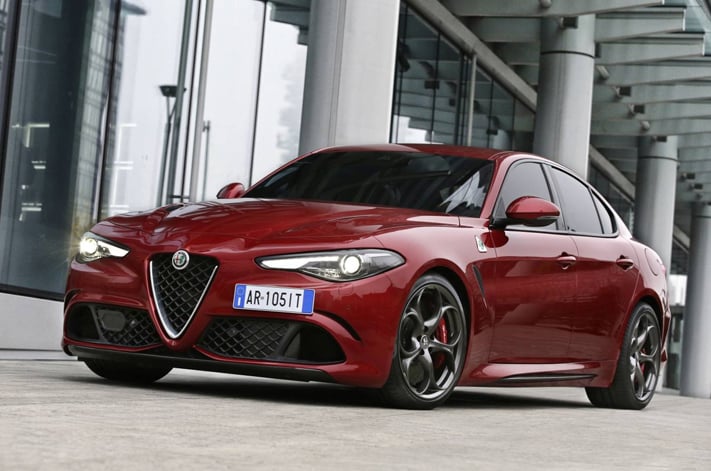
375kW ‘Ferrari inspired’ 2.9-litre lump ramps up its torque delivery as you ascend through the gears to deliver potent performance. Can also shut down a bank under part load to save fuel.
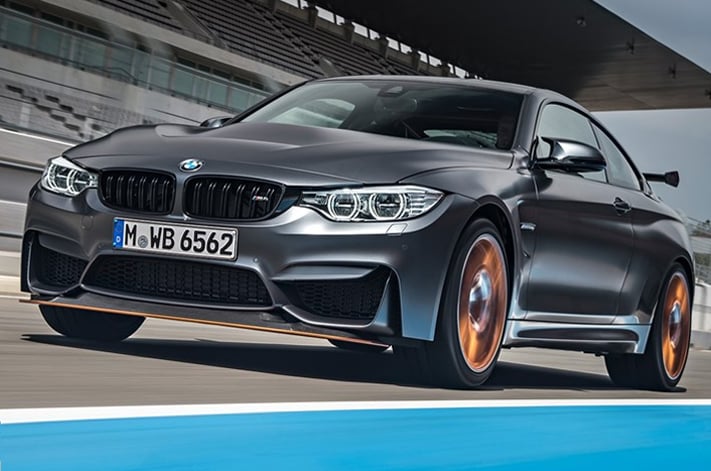
4. BMW M4 GTS
368kW More highly strung GTS wrings a heady 368kW out of BMW’s smooth inline six. Even the 331kW from the Competition models or 317kW from the regular M3/M4 make for good – and quick – times.
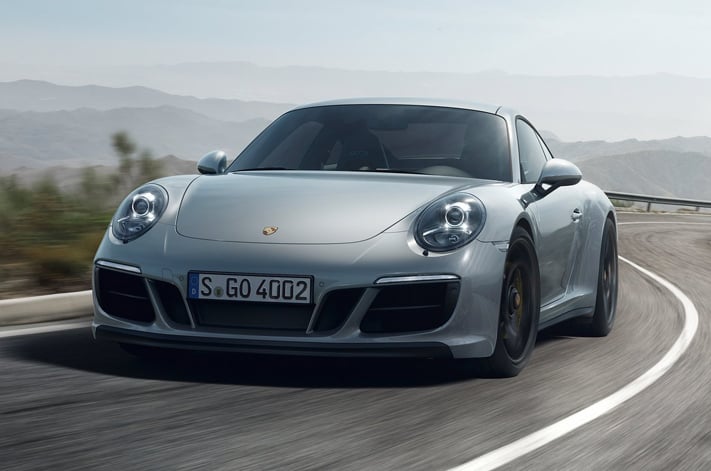
5. Porsche 911 Carrera GTS
331kW Now the shrieking 368kW GT3 RS has disappeared it’s the muscular 331kW GTS that powers onto this list. Bigger turbos bring more muscle than a regular Carrera S.
This article was originally published in Wheels Magazine April 2017.
THE $88,900 Infiniti Q60S Red Sport arrives as the Japanese carmaker’s performance-oriented halo model, equipped with a twin-turbo V6 and flexing a sizable 298 kilowatts.
WHAT IS IT? The Q60S Red Sport is the flagship sports coupe offering for Nissan’s luxury arm Infiniti, fitted with a powerful twin-turbo 3.0-litre six-cylinder that shares some features with the muscular 3.8-litre V6 of the Nissan GT-R.
WHY WE’RE TESTING IT While the four-cylinder Q60 that launched locally late last year failed to excite us, its high-performance brother, the Q60S Red Sport, has on-paper stats which suggest it’ll deliver more thrills and a more engaging drive as well as a pricetag that promises exceptional value for money.
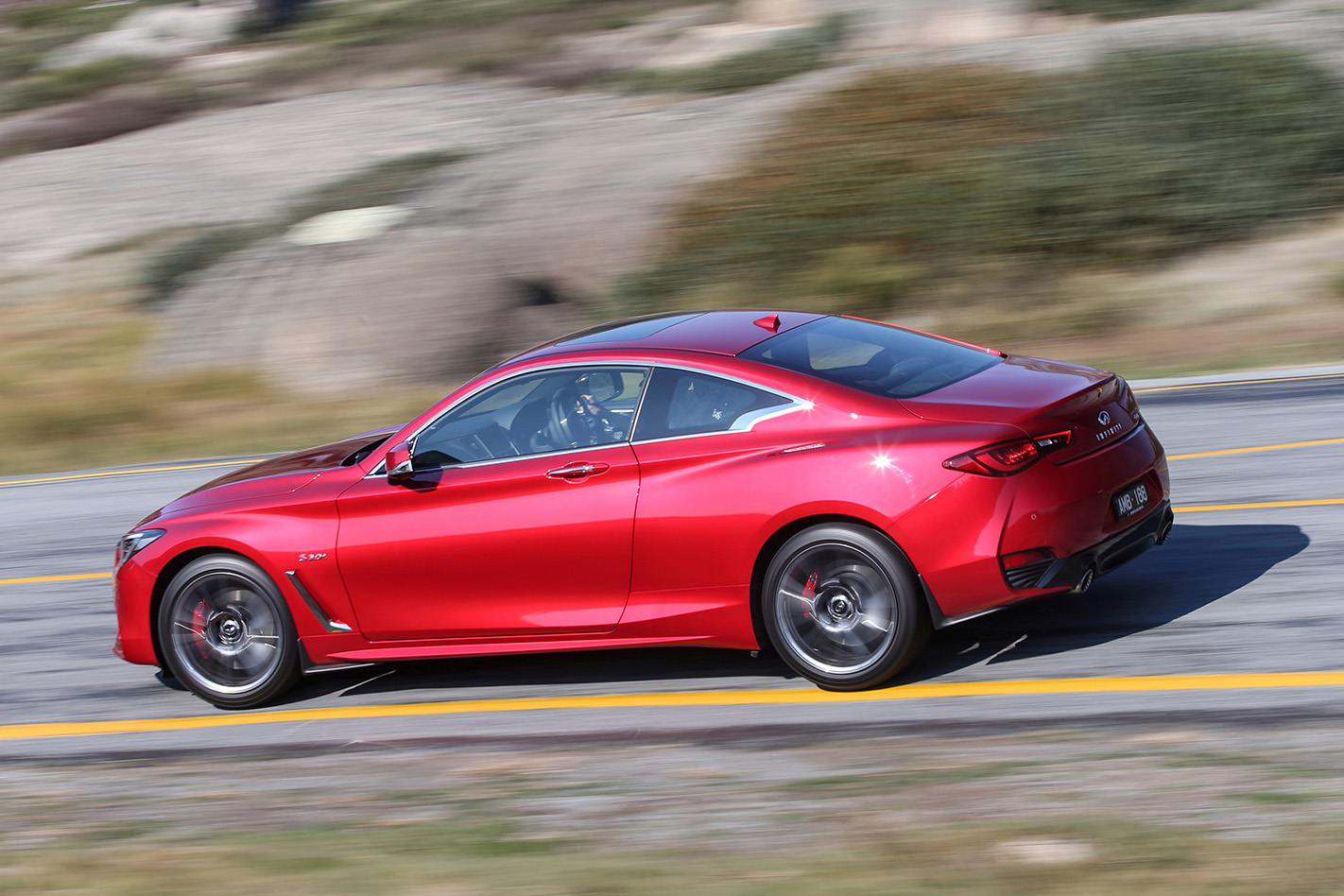
THE WHEELS VERDICT THE WHEELS VERDICT: The Red Sport recipe definitely adds some much-needed spice to the Q60 experience, but sub-par steering lets it down somewhat. A capable machine, but there’s still some scope for Infiniti to sharpen what is otherwise a very swift coupe.
PLUS: Strong engine, exceptional value equation, best Infiniti design yet MINUS: Steering devoid of feel, sharp ride, road noise, oddball switchgear layout
THIS is a fantastic six-pot. It’s something you discover approximately halfway up the tachometer, when its two turbochargers are well and truly on song and you’re in the meatiest part of the Q60S Red Sport’s seemingly relentless wave of torque.
But is that any great surprise? Infiniti’s parent company Nissan has a long history of making stellar sixers, most recently with the supercar-shaming VR38DETT of the mighty R35 GT-R, the multi-award-winning VQ-series V6s of the 350Z and 370Z and right past the silky RB26s of the R32, R33 and R34 Skyline GT-Rs through to the L24 of the vaunted 1969 Datsun 240Z.
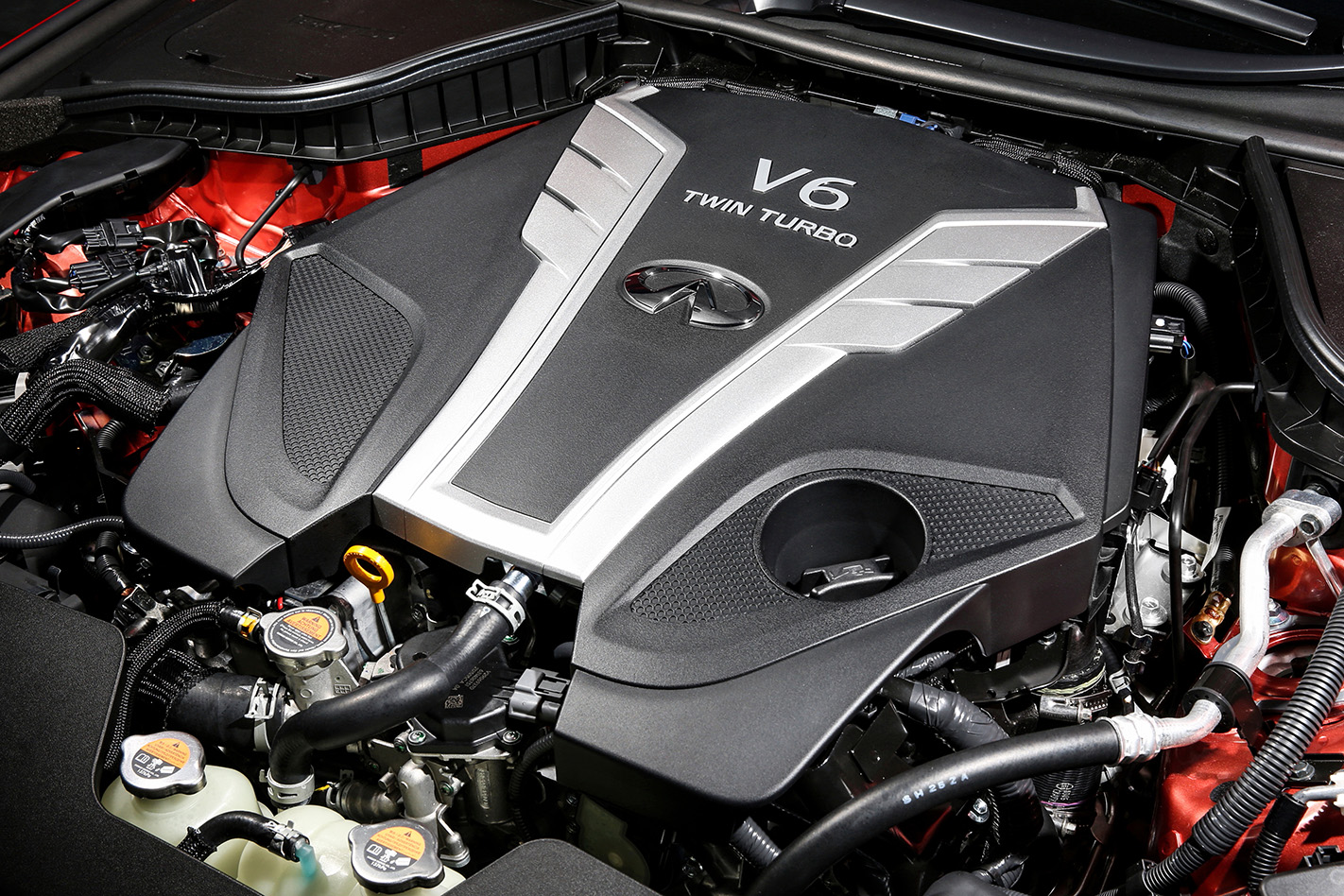
It makes an appealingly throaty V6 growl too, mimicking its powerlifting GT-R cousin. Hooked up to a slick seven-speeder and driving the rear wheels, the only real downside of the Red Sport’s powertrain is the fact the auto will self-upshift 200rpm shy of an indicated 7000rpm redline when in so-called ‘manual mode’. Irritating, but not necessarily a deal-breaker.
And it’s quick too. It may tip the scales at nearly 1.8 tonne, but the Q60 Red Sport dashes to 100km/h in roughly 5.0 seconds – on par with a BMW 440i for straight line speed.
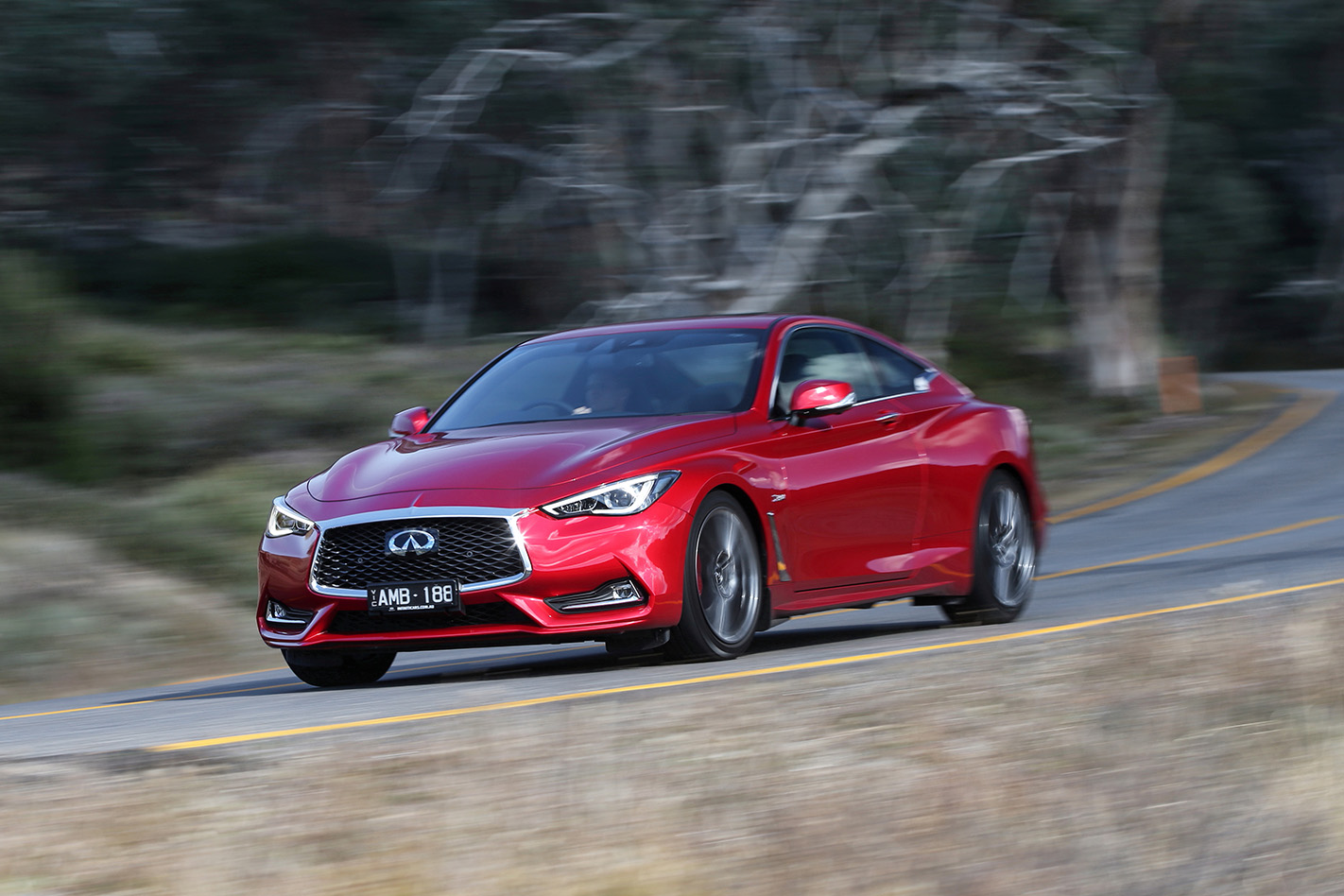
However a bigger black mark is the steering. Infiniti may have added another steering mode relative to the Q50 Red Sport, but even the Sport Plus mode that’s touted as the most natural-feeling doesn’t quite give the Q60’s steer-by-wire system the tactility a performance car requires.
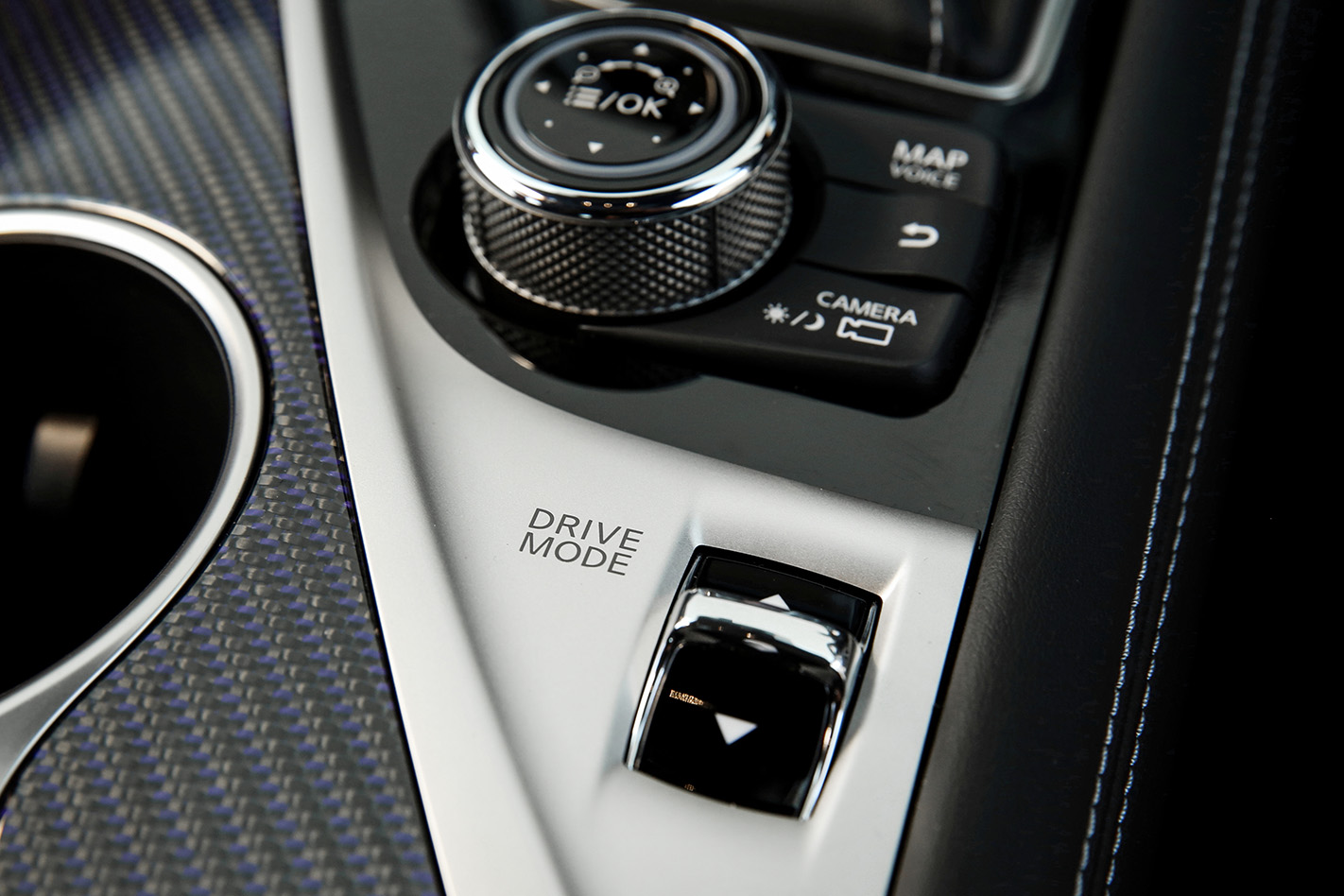
That said, the steering is certainly accurate. It goes where it’s pointed without much fuss, and the Dunlop SP Sport Maxx rubber grips well. It’s just a bit of a video game experience, is all. A shame, given Infiniti has elected to make performance the raison d’etre of its brand.
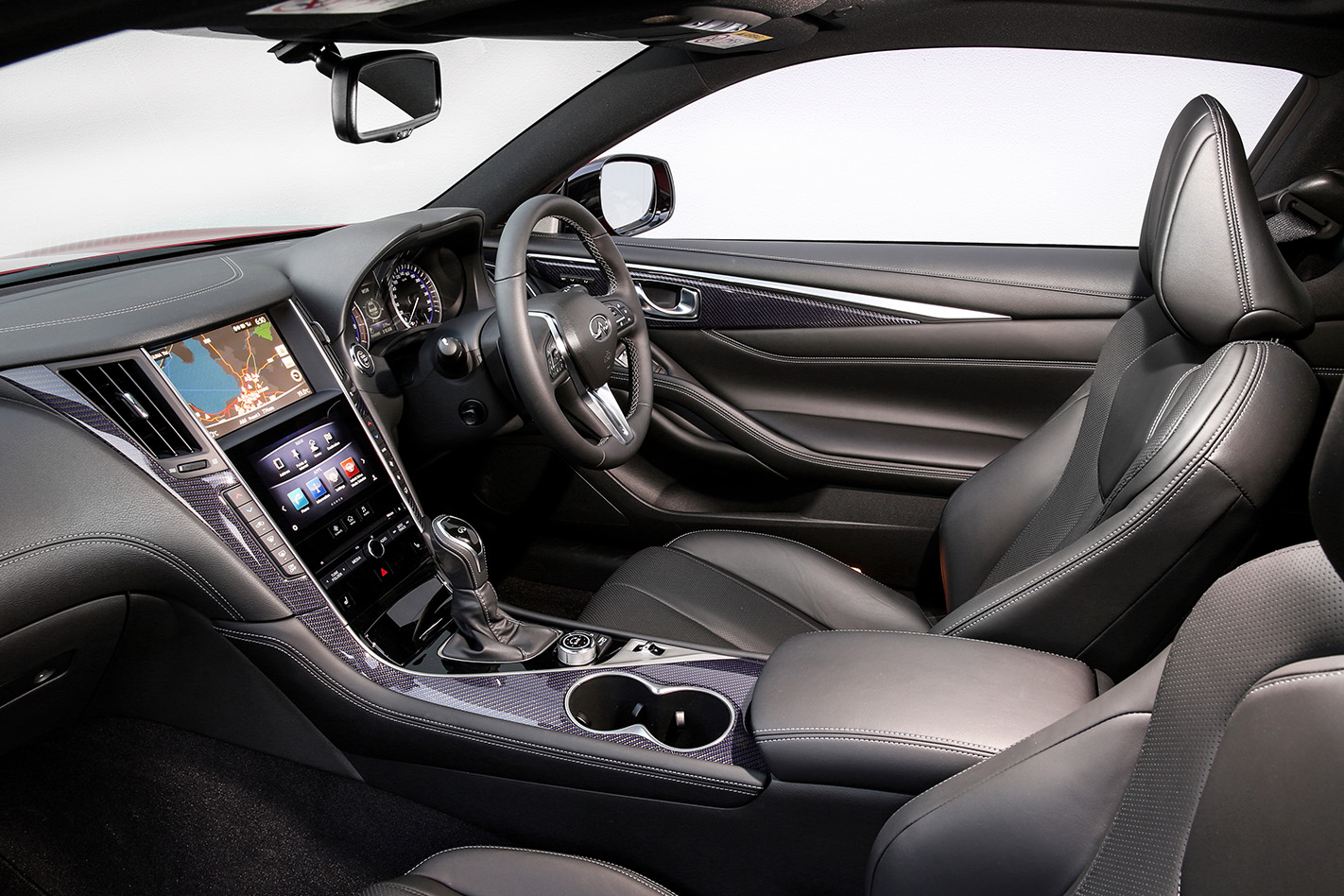
There’s loads of active and passive safety equipment as standard as well, with lane keep assist, forward collision warning and blind spot monitoring on top of the usual suite of airbags and stability/traction control aids.
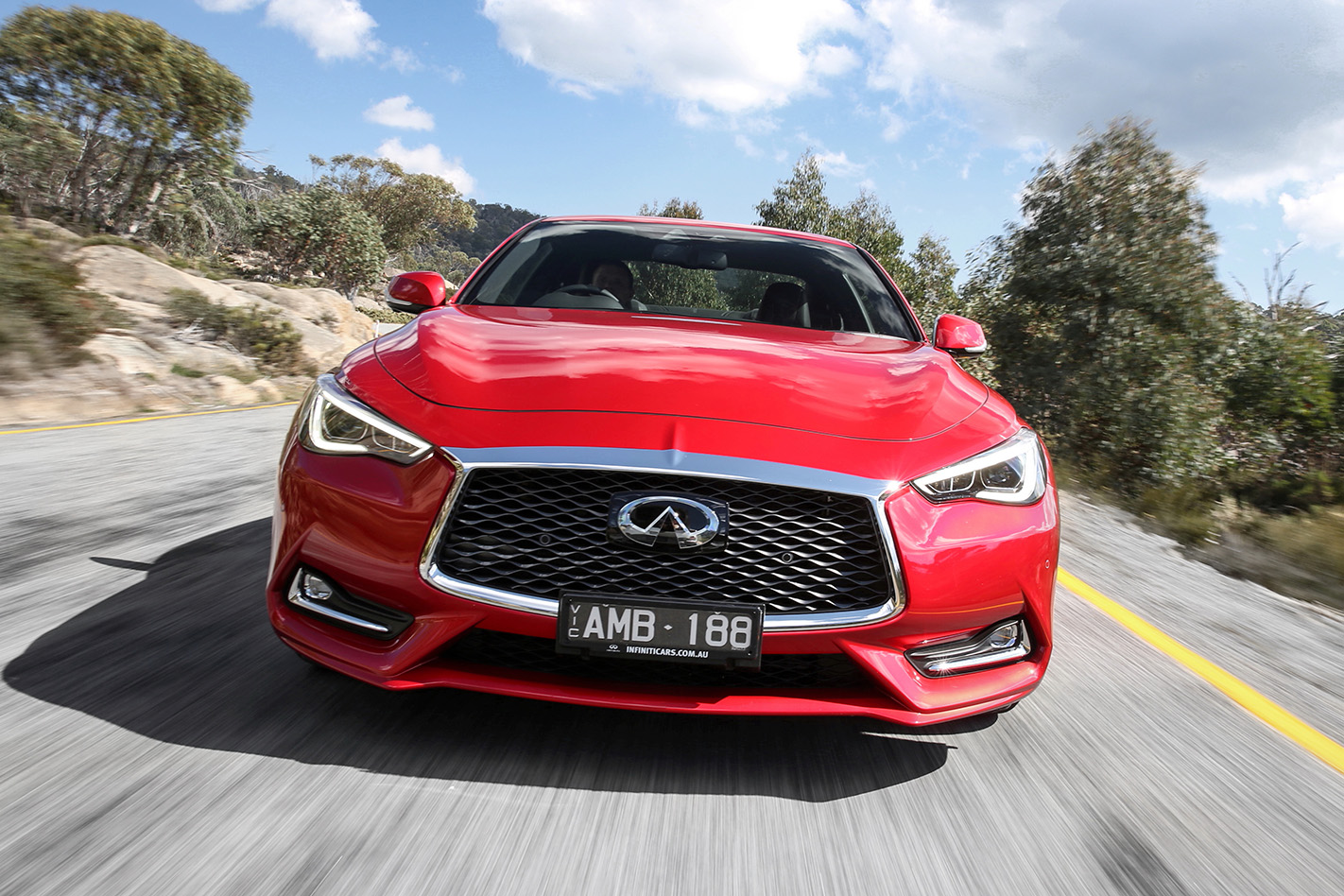
On balance though, the Q60 Red Sport is a far more resolved product than the underwhelming four-pot that arrived here late last year. Its price-to-performance quotient is exceptional and there are plenty of mod-cons to enjoy on the inside. And to be fair, our steering complaints feel like they could be solved if Infiniti threw a few savvy engineers at a laptop to sort out that electric rack’s code (again). Keep at it, Infiniti, you’re getting close.
SPECS Model: Infiniti Q60S Red Sport Engine: 2997cc V6, dohc, 24v, twin turbo Max power: 298kW @ 6400rpm Max torque: 475Nm @ 1600-5200rpm Transmission: 7-speed automatic Weight: 1784kg 0-100km/h: 5.0 sec (estimated) Fuel economy: 8.9L/100km Price: $88,900
Often, though not always, a long-term test will end with you feeling more positive about the car in question than when it began. In a road test or comparative environment flaws are often brought into sharp focus, but over a longer period of time they can seem less of an issue.
Maybe your rear end becomes more accustomed to the ride quality, or you find a way to drive around that annoying lump in the power curve, or you discover that with practice you can successfully navigate the confusing infotainment – whatever the shortcoming, extended exposure and the human ability to adapt usually means it becomes less of a problem over time.
But what about the reverse? Would a car that impressed mightily on first acquaintance lose its lustre when subjected to the day-to-day grind? In effect, it’s attempting to turn a whirlwind holiday romance into a longer-term relationship, which is seldom a good idea.
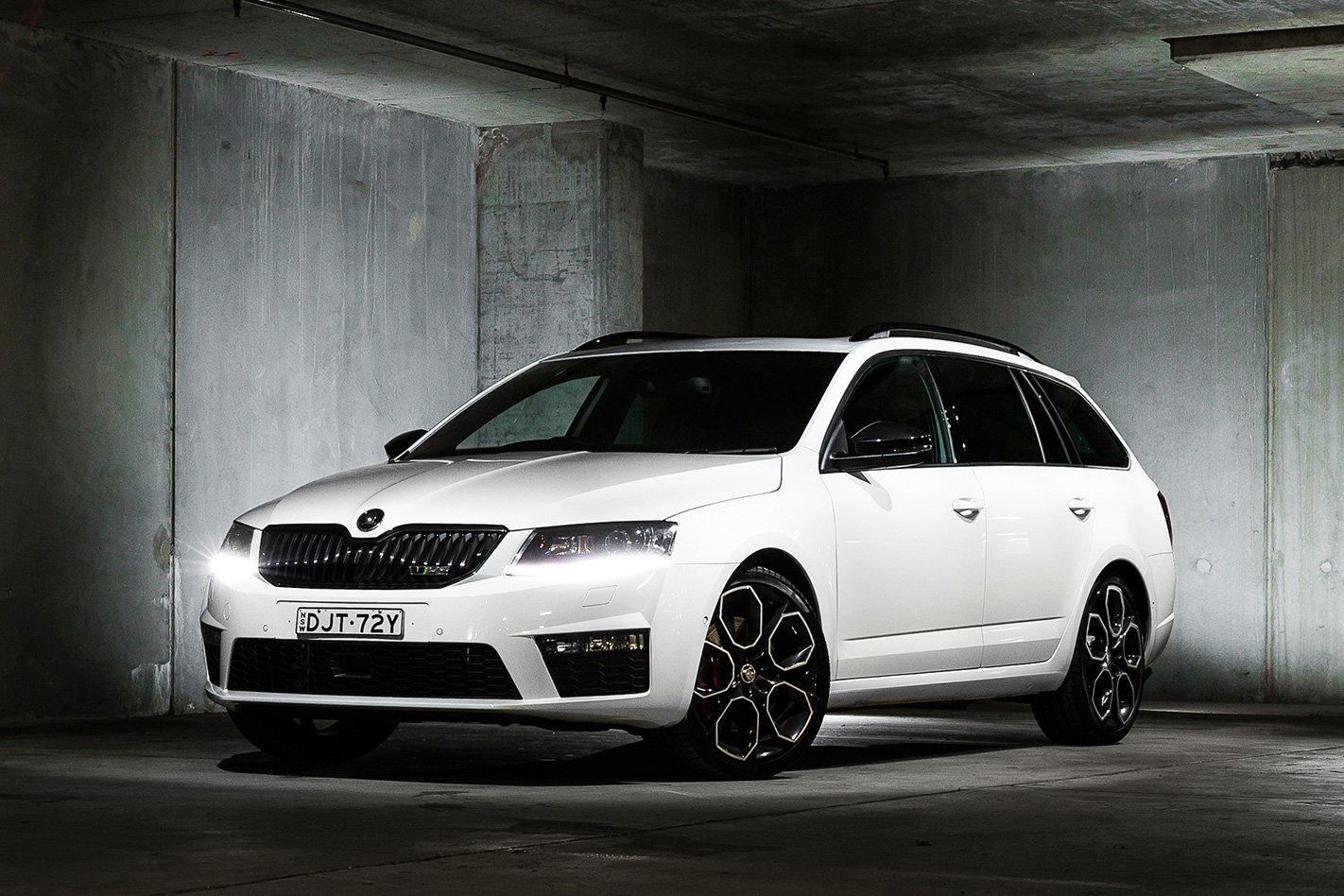
The car in question is an RS230 wagon in Moon White, one of two metallic hues that ask for $500 extra. Black is the other, but if it were our money we’d stick with one of the standard colours (red or that weird battleship grey that seems to randomly pop up on VW Group products) and pocket the change.
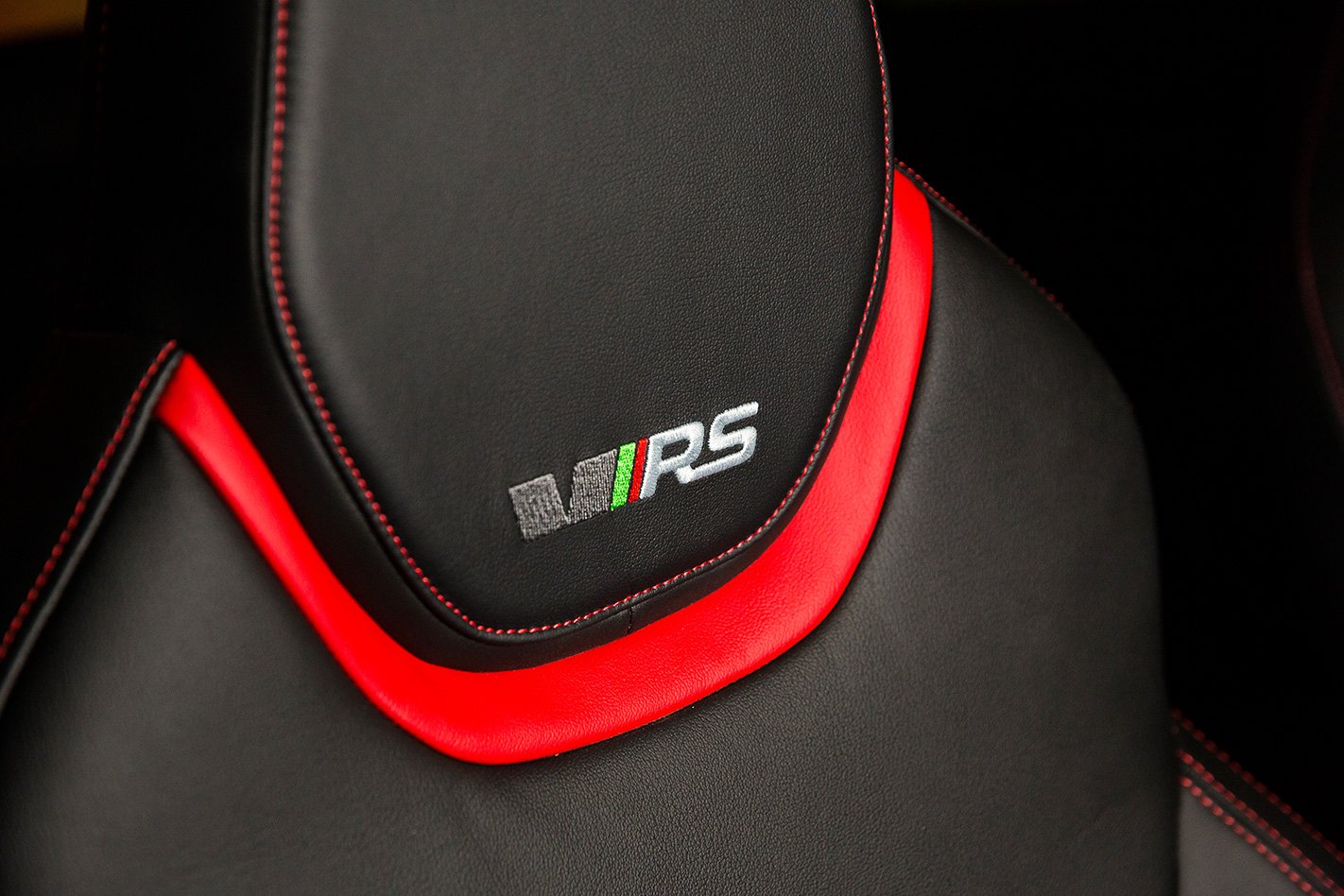
The automatic tailgate is handy, though anyone with arms wouldn’t miss it, but the Tech Pack is a worthwhile addition, for reasons I will go into in a future update. All up, the Skoda Australia website quotes a driveway price of $50,680 with a five-year extended warranty, though that price could vary slightly from state to state. A sedan in red with only the Tech Pack optioned drops that to a reasonable $46,290.
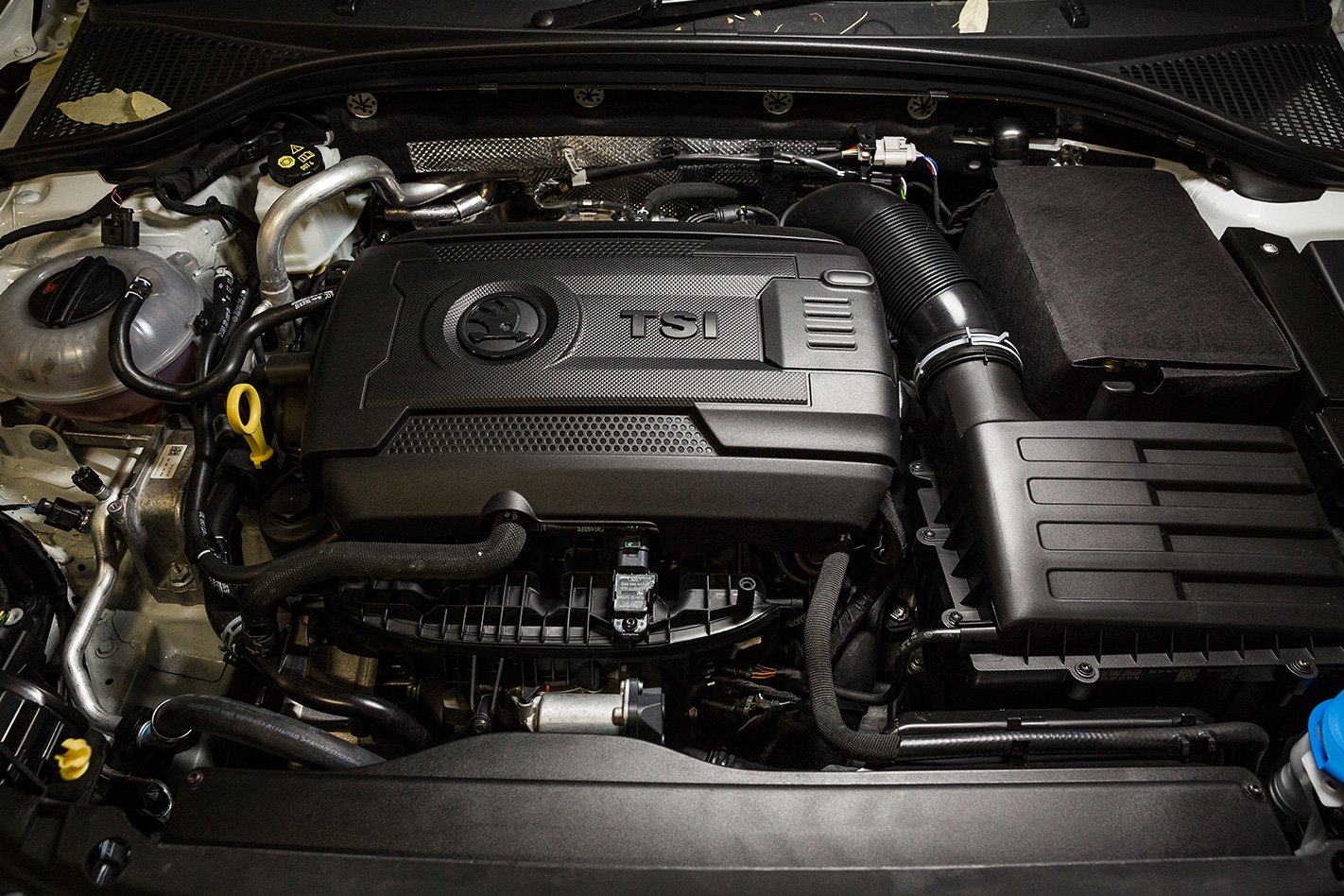
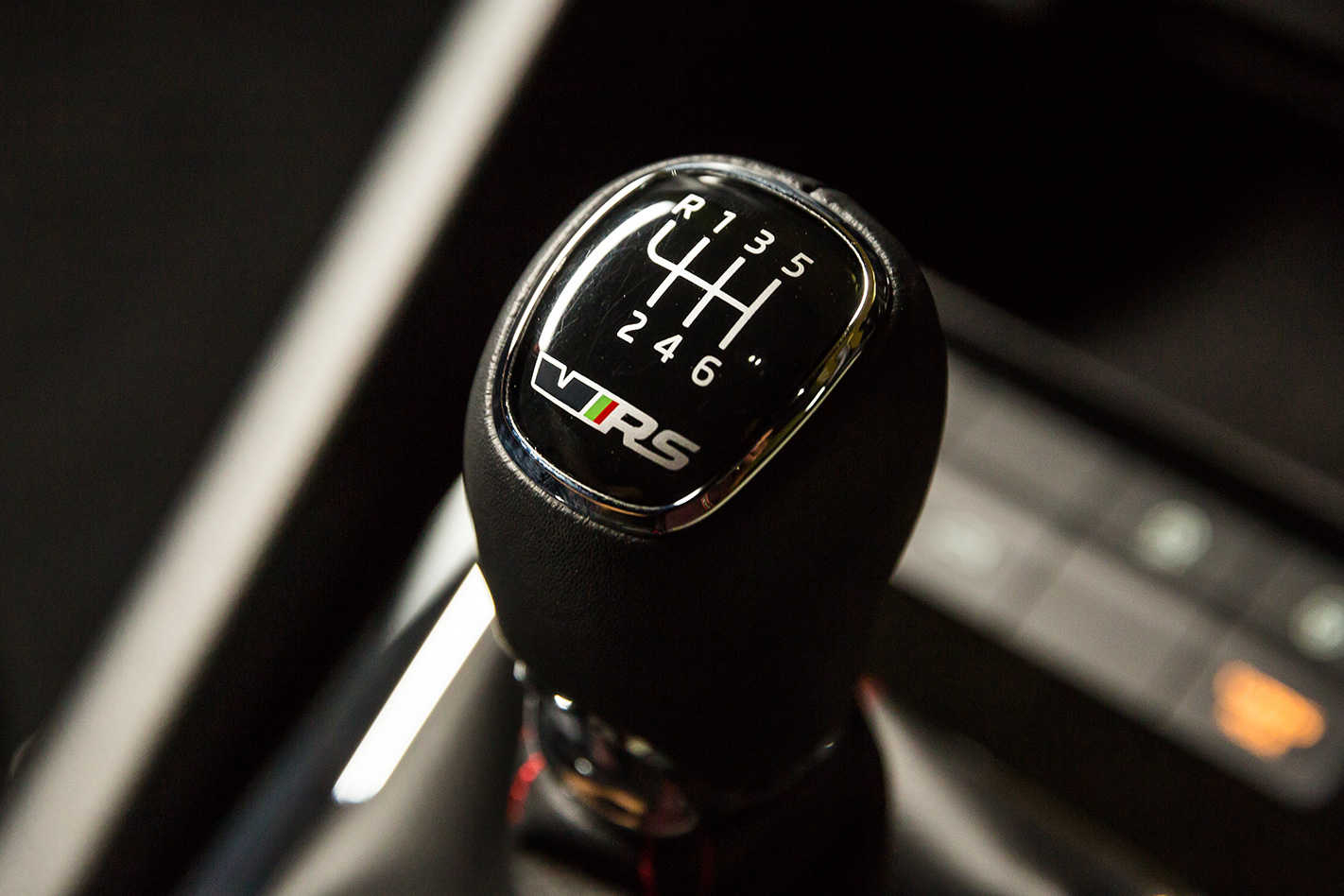
Liked Performance wagons are cool
Disliked Time already going quickly
Favourite moment Using the light, easy gearshift on an everyday basi
Claimed Combined Consumption: 8.04L/100km Startin KMs: 2718km Duration: 4 months
FOR every Porsche 911 there’s a whole welter of cars that failed to sidestep the manufacturer’s axe. Does that make them bad cars? Not at all. Some of the models you’ll see in this list are acclaimed as some of the most iconic vehicles of recent years. There are a few that aren’t but they carry their own stories.
Here are the final six of a dozen cars that we reckon died before their time.
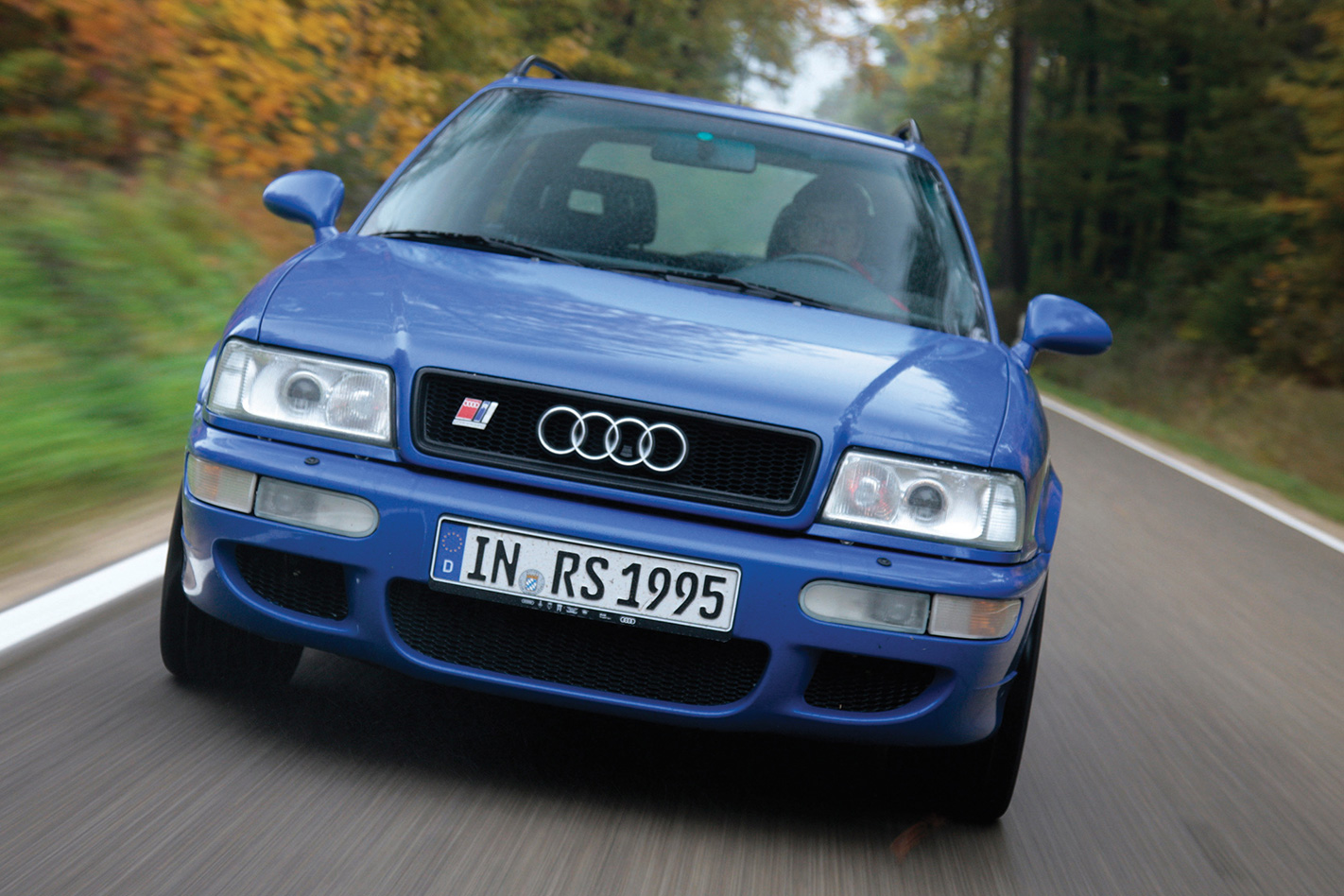
Audi RS2 (1994-95) Porsche’s Zuffenhausen manufacturing plant lies in the northern suburbs of Stuttgart, and its inner sanctum is the Rossle Bau factory. This is the birthplace of the mighty 959, a special skunk works reserved for Porsche’s nobility. Yet not all of the cars that have emerged from the gates have borne the Porsche badge. The Mercedes 500E was one and the other was a very special car – the Audi RS2.
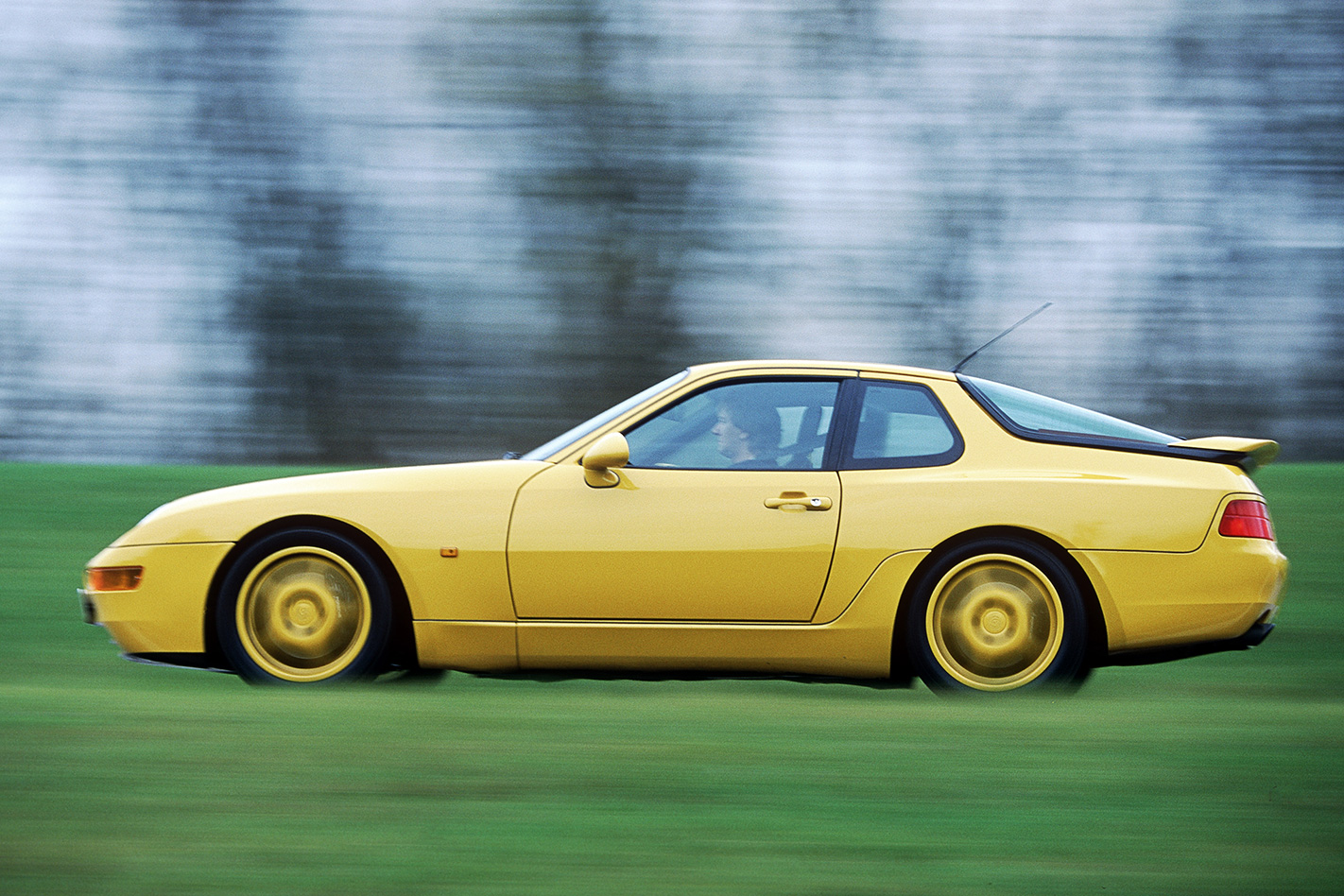
Porsche 968 Turbo (1993-94) The reason for the axing of the Porsche 968 is glaringly obvious. It was replaced as Porsche’s entry-level sports car by the Boxster in 1996. Yet as much as we tend to view the lovely Club Sport as the alpha and omega of all things 968, a little forced induction proves otherwise. The 968 Turbo S was never officially sold in Britain but you’d gladly sit on the wrong side to pedal a car with the cylinder head from a 944 Turbo S and a 3.0-litre 944 S2 engine block. It demolished the 0-60mph sprint in 4.7 seconds and made 153kW. Sadly, only 16 were produced.
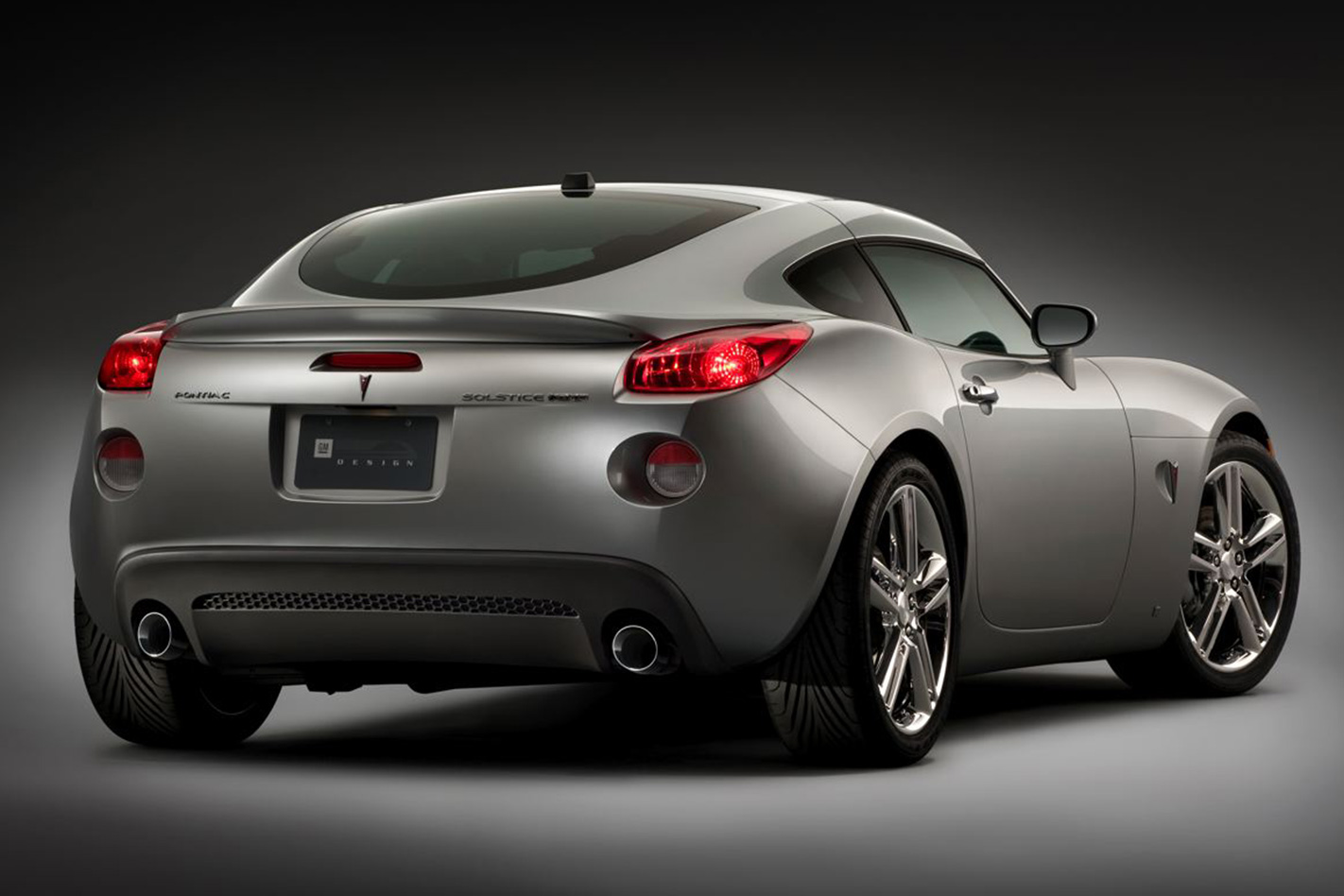
Pontiac Solstice Coupe (2009-10) The Pontiac Solstice Coupe probably doesn’t register large on the radars of Aussie car enthusiasts but it’s a salutary tale that demonstrates that even well-received cars can disappear down the gurgler with nary a trace if the brand’s not doing the business. The Solstice was originally launched in late 2005, and the open-topped car was loved by the media and public alike. The first year’s planned production run of 7000 cars quickly expanded to 10,000 units. But as the 2008 global financial crisis bit hard and discretionary purchases such as cars were amongst the first budget items to be chopped, the US government cut its handouts to General Motors. Despite Pontiac being GM’s third-largest selling brand with 278,000 sales in 2008, enjoying the youngest average age of any GM brand and bringing the lovely Solstice Coupe to market in 2009, the company whose tagline was “We Build Excitement” shut the doors on its Wilmington, Delaware plant, the sun finally setting on the Solstice – and the Holden export program that was sending rebadged Commodores Stateside.
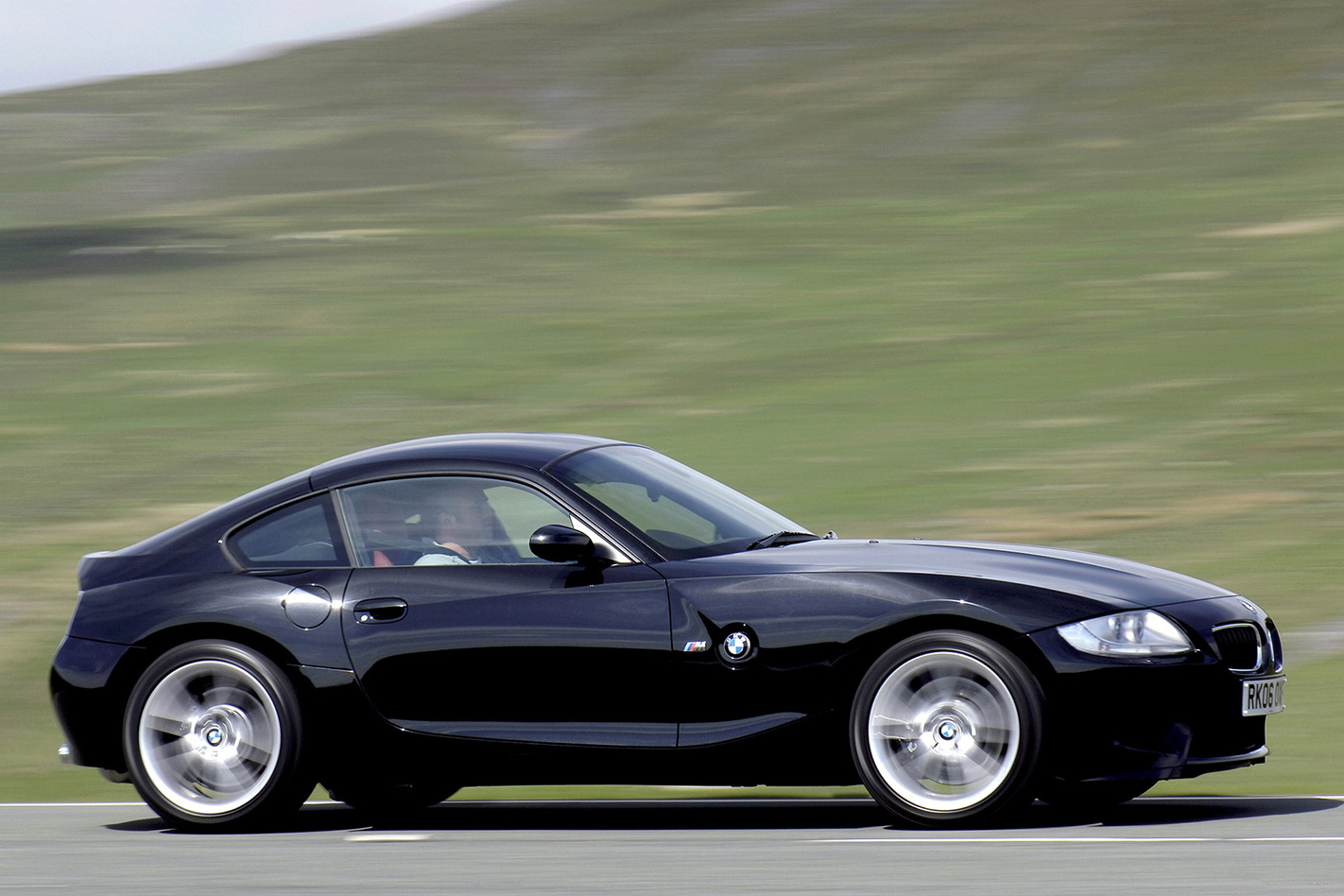
BMW Z4 M Coupe (2006-08) You know the BMW Z3 M Coupe right? You know, the bread van, the clown shoe, the weird-looking thing hatched in a basement? Well this isn’t it. This is its successor, the Z4 M Coupe. It didn’t get any nicknames because it never really generated much traction with the public. The Z4 M Coupe should have been off to a flier. It was introduced to the public in a gap between the end of the E46 M3 and the introduction of the E92 M3 so it was, for a short while at least, the most focused sports car in BMW’s line up. Despite all this, it always felt like a car that could never live up to its predecessor.
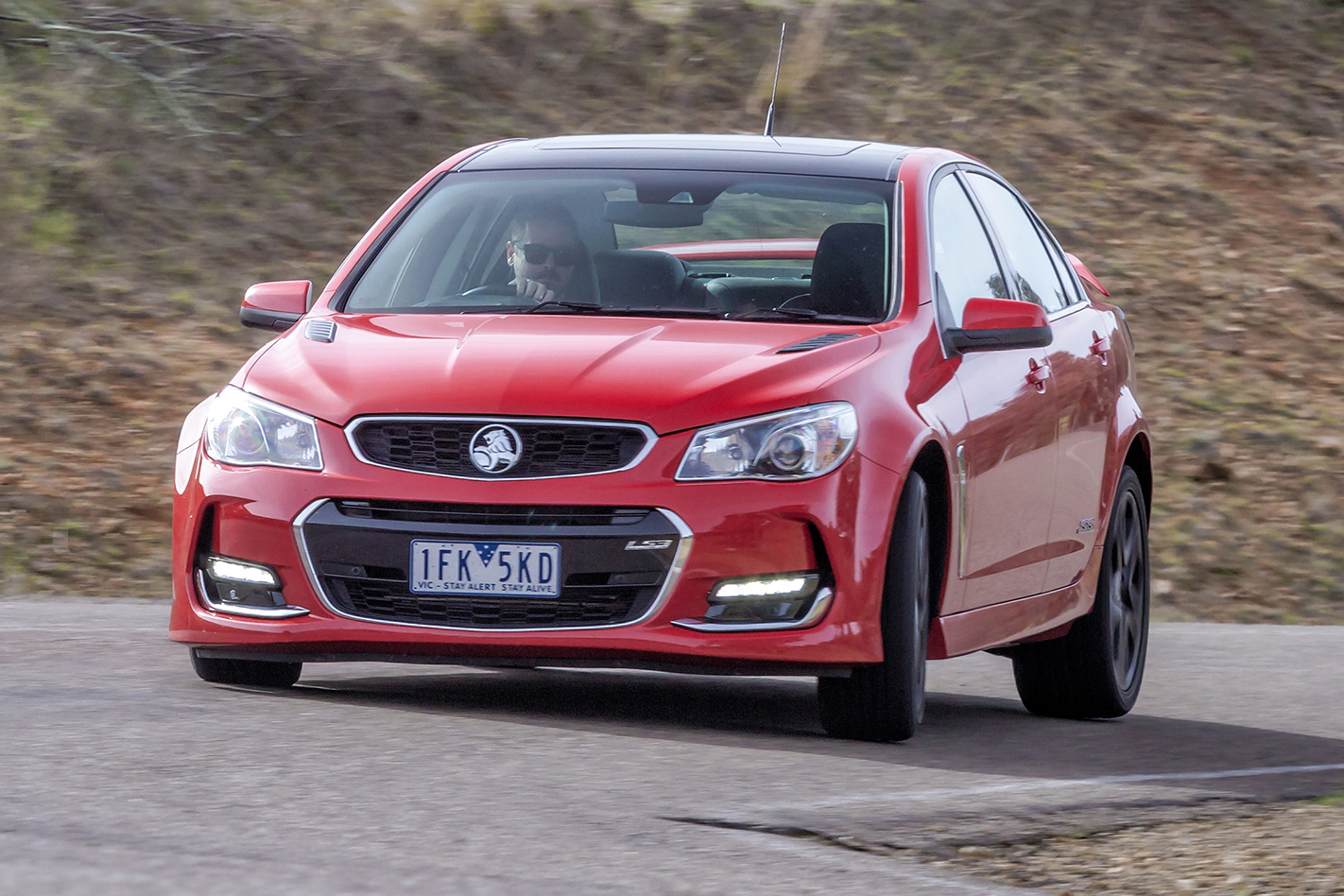
Holden Commodore VFII (2015-17) Yep, the good ol’ Commo, a car that really got into its stride in VFII guise is one that’s facing the chop way too early. How many other cars can you think of that still register in the top 10 best sellers and then get the chop. Of all the cars here, the Commodore is the one that leaves the biggest hole, will cause grown men to cry into their beer and which will represent the biggest change in culture. Sceptics will say that bankrolling the VE did little for Holden’s chances and that our market is too small for a car such as this, despite a recent export rally to the US.
Delorean DMC-12 (1981-82) We end with a car that was never any good. The Delorean DMC-12 was, is and will always be an awful car to drive. It was a lash-up from the start. Originally designed to house a lightweight mid-mounted rotary engine, the DMC-12 was produced with a rear-mounted anvil of a Renault V6 that managed an asthmatic 112kW. John Delorean had gathered investment based on the assembly facility being located in Puerto Rico but switched to Northern Ireland, while Colin Chapman set about redesigning his car to something remotely capable of making production.
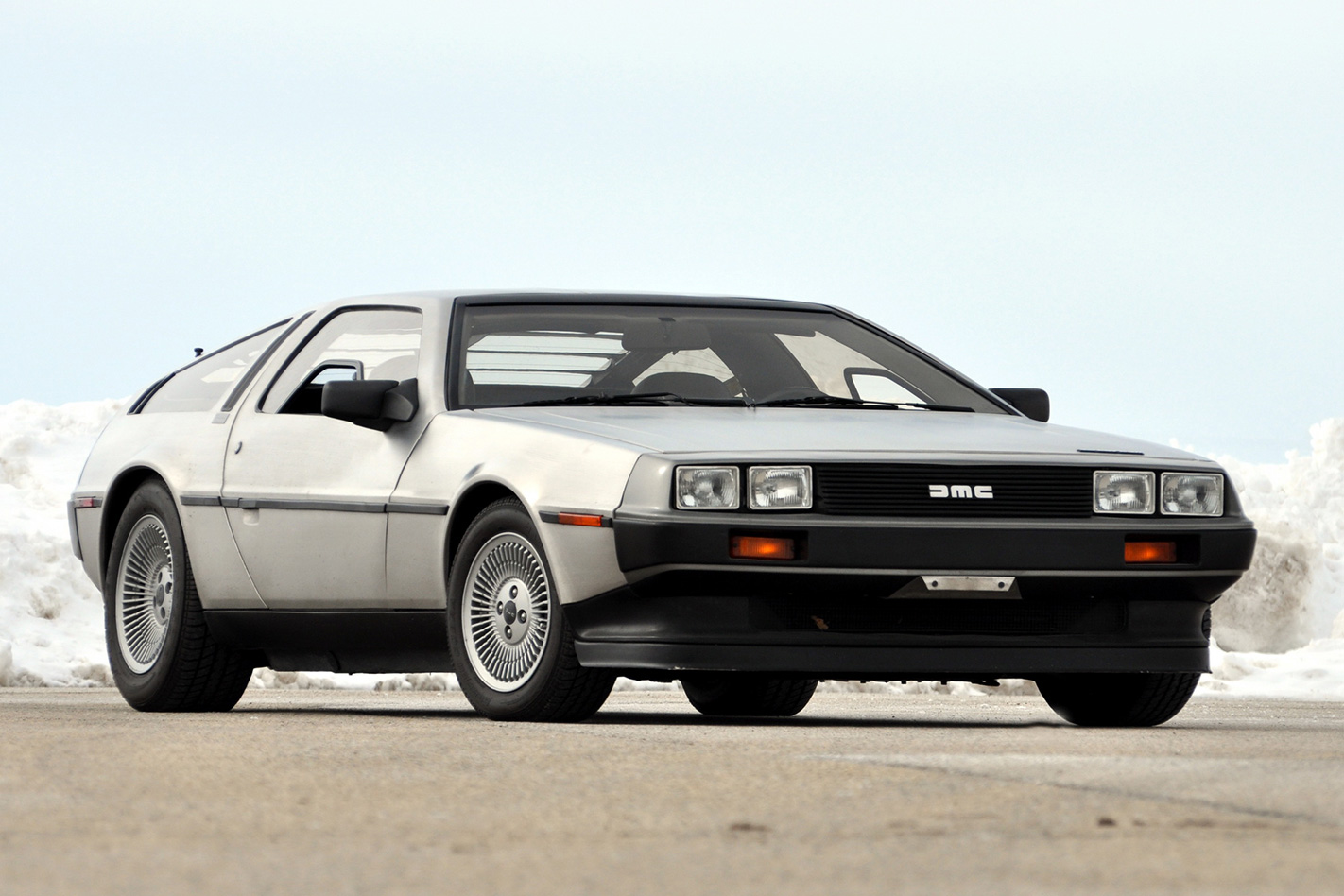
Any cars we’ve overlooked? Let us know!
THE second-generation Subaru XV takes its Impreza-on-stilts foundation a step further with a Forester-style AWD system and greater points of difference.
WHAT IS IT? The classic ‘Outback’ treatment for Subaru’s latest-generation Impreza hatch, creating a new-generation XV. Slightly larger outside and significantly roomier inside than before, it gets the X-mode all-wheel-drive system from the larger Subaru Forester (when fitted with a CVT automatic), making it potentially more useful off-road too.
WHY WE’RE TESTING IT? On the cusp of its Japanese on-sale, and two months before it lands in Australia, we’ve been given a ‘preview’ drive of the new-gen XV up in the mountains three hours from Tokyo. But this is no ‘here’s the car, go for your life’ launch drive. It’s a carefully planned on- and off-road loop with little opportunity for real-world dynamic assessment.

THE WHEELS VERDICT Despite its small boot and mediocre performance, the old XV sold up a storm in Australia. Given the new car’s big step up in room and cabin finish, not to mention refinement and general driving smoothness, the 2017 XV should bolt from Subaru showrooms. The biggest letdown is its lack of drivetrain choice. A car with as much potential as the new XV deserves more muscle.
PLUS: Imposing exterior styling; stylish and roomy interior; capable AWD system; confident handling with effective ESC calibration; smooth drivetrain; bright colour palette
MINUS: Some ride firmness on 18-inch wheels; engine lacks the muscle to take advantage of the XV’s AWD chassis grip; no manual for Australia
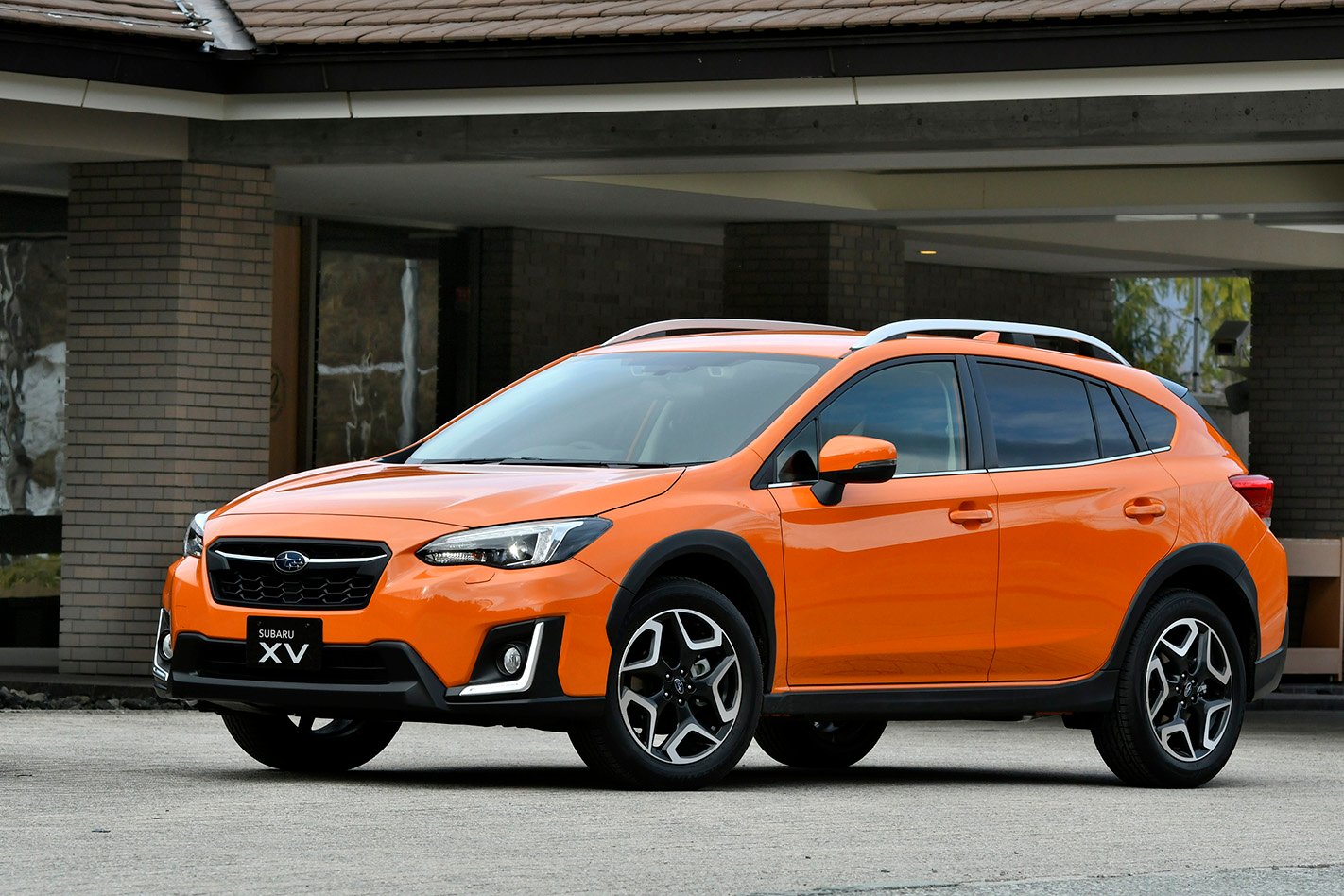
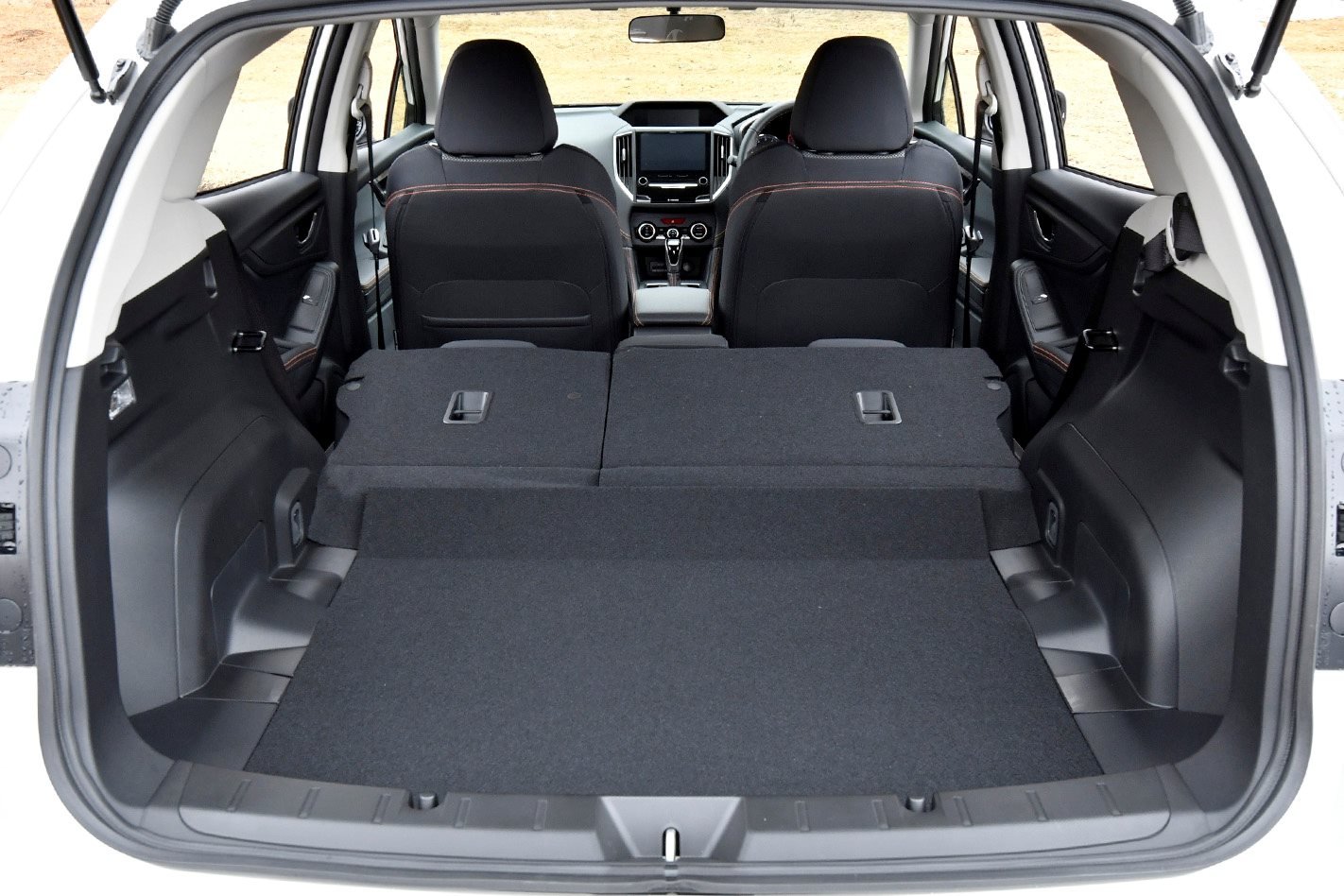
That’s the Subaru XV formula. As with the previous model, it’s an Impreza hatch in thick-soled hiking boots with more air beneath its floor, additional body cladding and a unique name. But XV Version 2.0 is based on the brand-spanking-new fifth-generation Impreza, meaning a lighter yet stronger platform, external dimensions expanded just where they needed to be, and a sizeable improvement in packaging efficiency. This one has space, even in the formerly emaciated cargo area.
Chief improvements include 100mm additional boot width and 350-litre volume (enough for three golf bags to lie flat, apparently), 26mm extra from rear hip point to floor, and another 20mm in body width without expanding the overall mirror-to-mirror measurement.
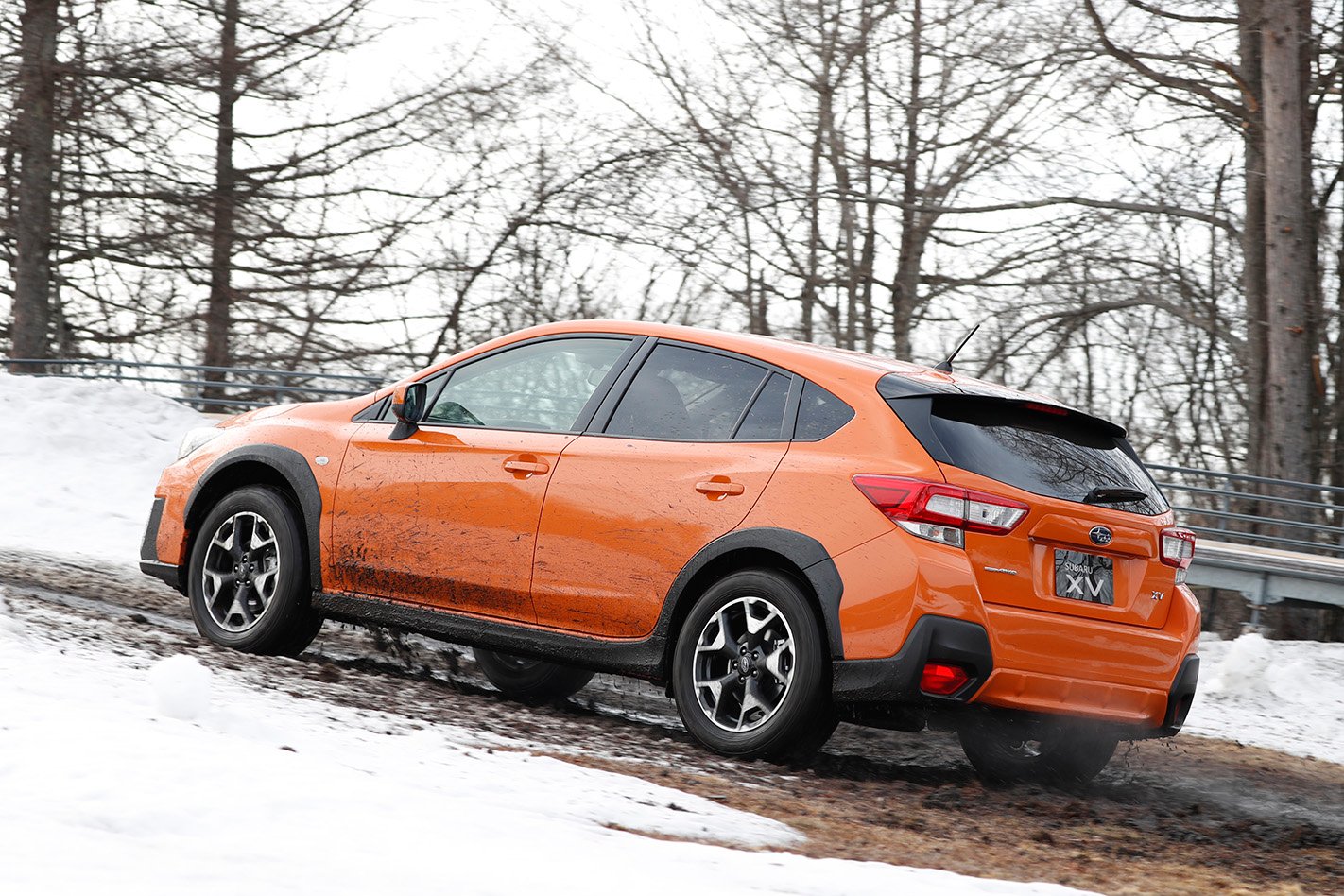
That said, on a muddy and snowy off-road course at a Japanese ski resort, the XV’s ability to claw itself through the rough stuff remained unquestioned, X-mode or not.
The new XV also debuts Subaru’s ‘Eyesight’ safety system (in mid-range and top-level models), with multiple cameras supporting front and rear AEB, and adaptive cruise control.
The rest of the XV’s spec sheet reads like a virtual facsimile of the new-gen Impreza. That means the same 115kW/196Nm 2.0-litre direct-injection flat four mated exclusively to a CVT automatic (despite the fact that 12 percent of previous XV buyers chose a manual, and that a six-speeder is still offered to Americans), and the same mediocre level of performance.
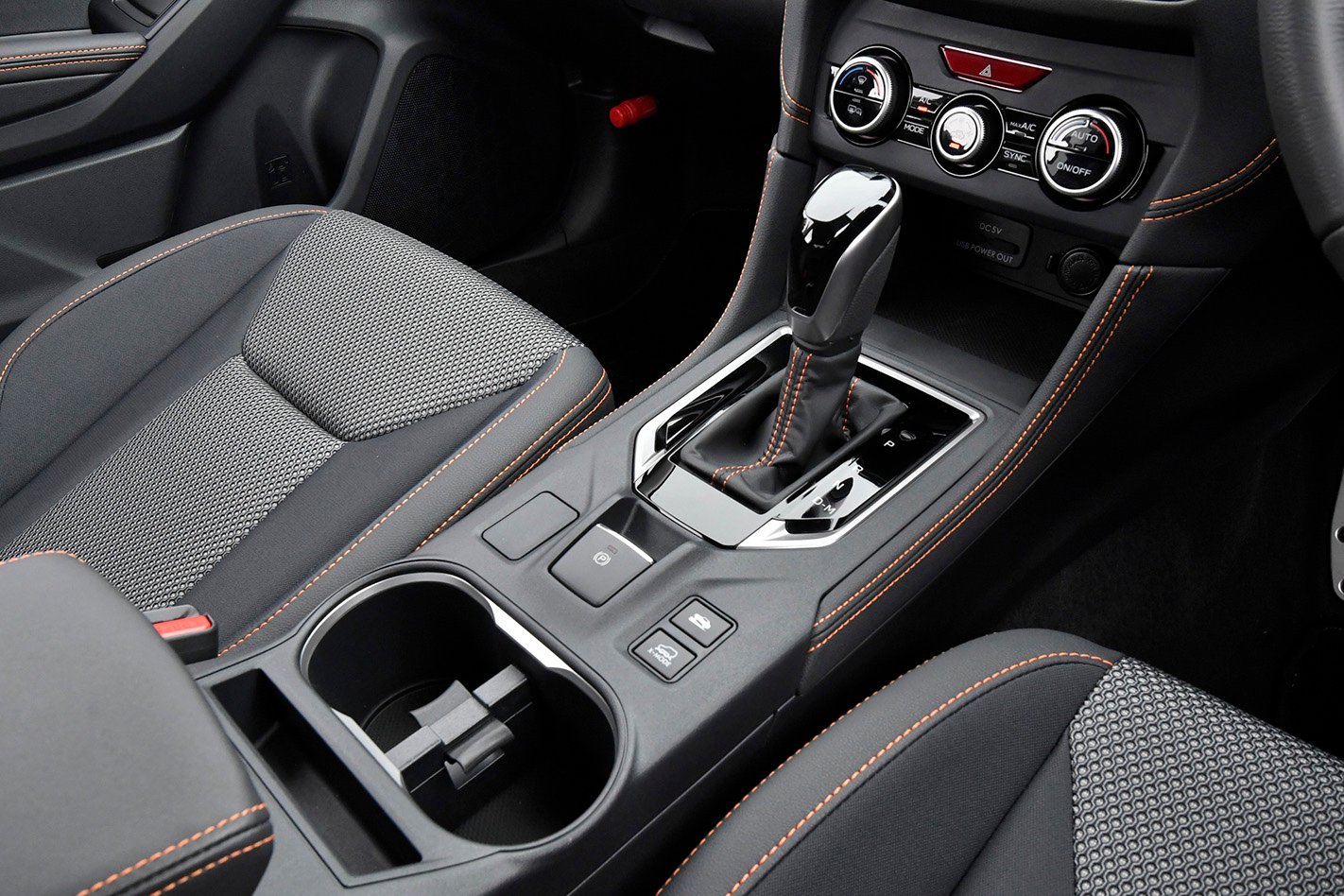
In the meantime, it’s situation normal for the XV. Its casual acceleration allows plenty of time to admire its roomy, quiet, comfortable and high-quality interior, and its chassis feels closely aligned to the Impreza’s, meaning sweetly balanced handling, superb grip and an effective, yet nuanced ESC calibration.

There’s also the caveat that the JDM-spec XVs we drove sat 20mm lower than what Australian cars will. When the new-gen XV lobs in June – mirroring Impreza’s 2.0i, 2.0i-L, 2.0i-Premium, and 2.0i-S spec levels – ours will offer a Forester-matching 220mm of ground clearance, mitigated slightly by the XV’s greater front overhang.

As for outrunning a murderous John Jarratt in the dead of night, best head for the (hopefully not-too-steep) hills. That’s the XV’s starring role.
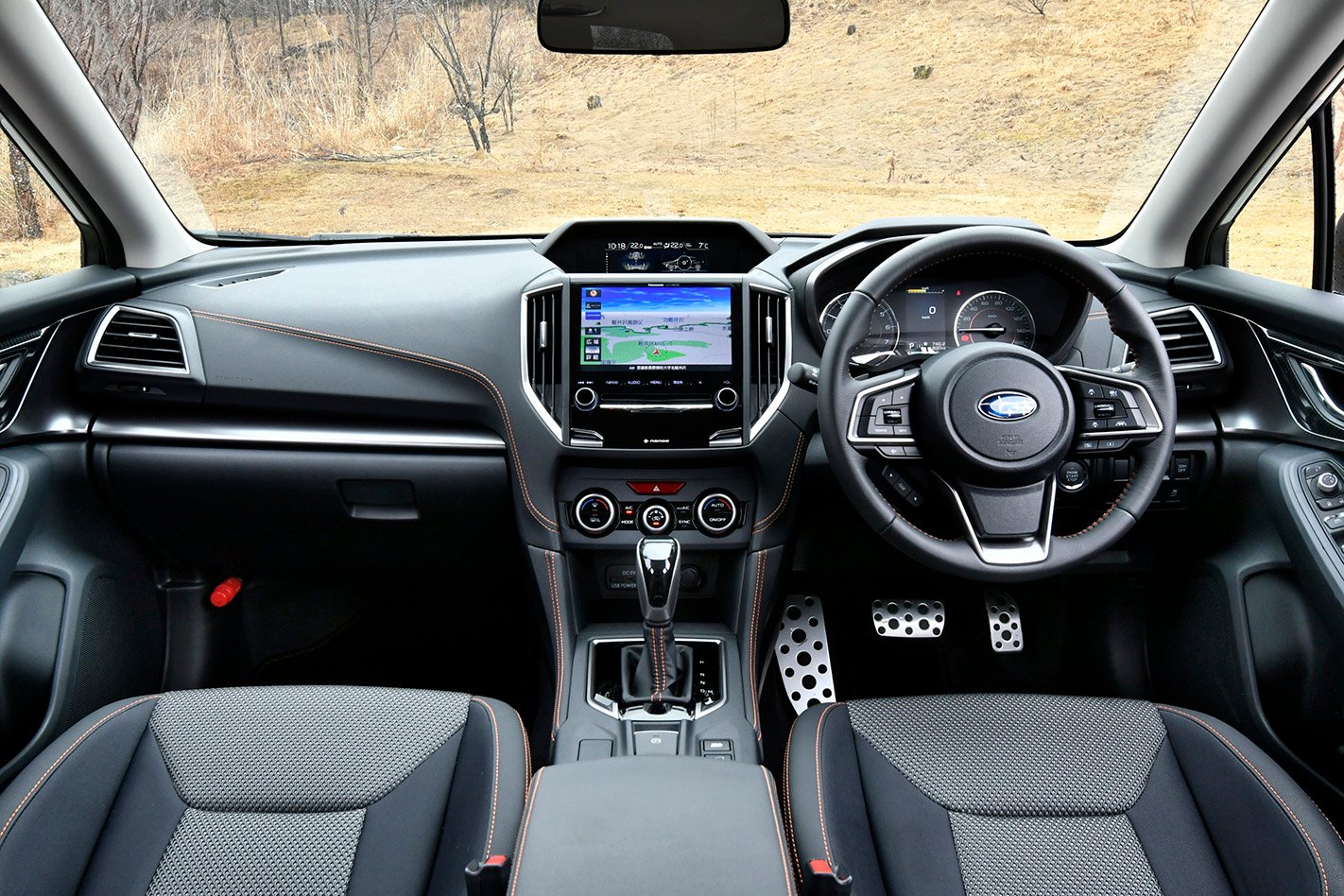
SPECS Model: Subaru XV 2.0i-S Engine: 1995cc flat 4, dohc, 16v Max power: 115kW @ 6000rpm Max torque: 196Nm @ 4000rpm Transmission: CVT automatic Weight: 1460kg* 0-100km/h: 10.0sec* Economy: 7.4L/100km* Price: $35,000* On sale: June
* estimated
Lamborghini HQ in Sant’Agata Bolognese, Italy is temporarily home to a full-house collection of Ayrton Senna’s cars and other goodies as part of an exhibit being held until October.
Every car Senna has ever raced will be displayed at the museum, despite none of them being Lamborghinis.
Still, it’s impressive (in terms of both effort and cost) that Lamborghini was able to acquire every one of Senna’s cars for the exhibit.
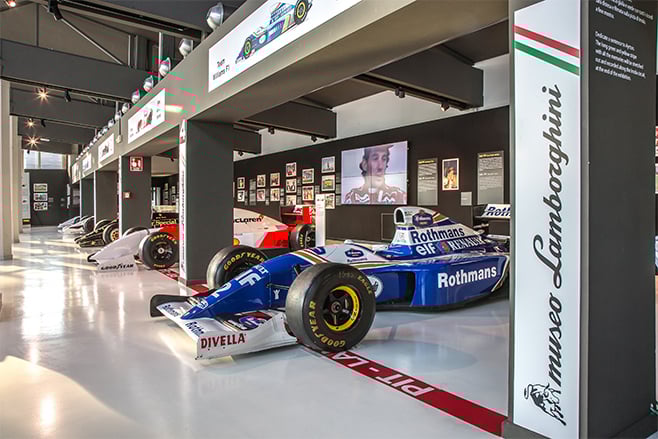
The latter both attended the Lamborghini-engined McLaren test drive in 1993 on the Estoril circuit, were also there for the opening.
The cars on display include the white MP4/8, identical to the one tested at Estoril, along with its engine.
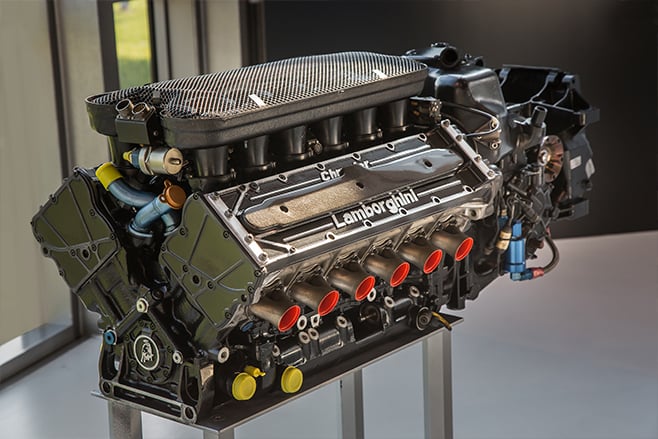
Sadly, the FW16 he raced for Williams would be his last car, as during the infamous 1994 San Marino GP, the then 34-year-old lost his life in a horrific crash.
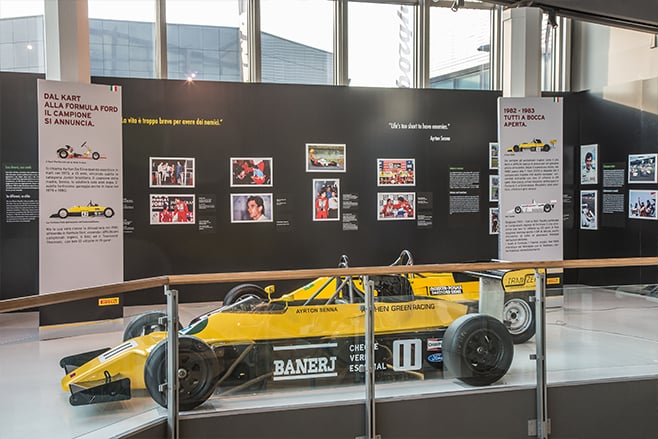
The exhibition is open daily from 12 April to 9 October, alongside the Lamborghini Museum’s permanent collection.
New design for a drivers’ protective shield looks to be aimed at form more than function.
As first reported by motorsport outlet Autosport, the new canopy-style design was shown to drivers in a briefing ahead of the Chinese Grand Prix in Shanghai.
The outlet’s technical editor Giorgio Piola created an artist’s impression (pictured) of the design, which appears to be more focused on deflecting small debris from in front than large debris from above.
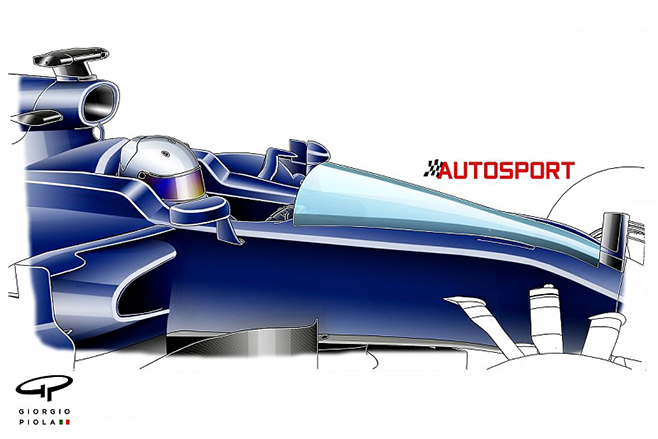
“It’s beautiful compared to the halo, but I don’t think we need to go for how beautiful it is, but how better it is for the safety,” Massa said. “That’s the only answer we gave to them.”
After Massa’s encounter with a spring during the Hungarian GP in 2009, he’d be the first person you’d want to ask about any new cockpit protection.
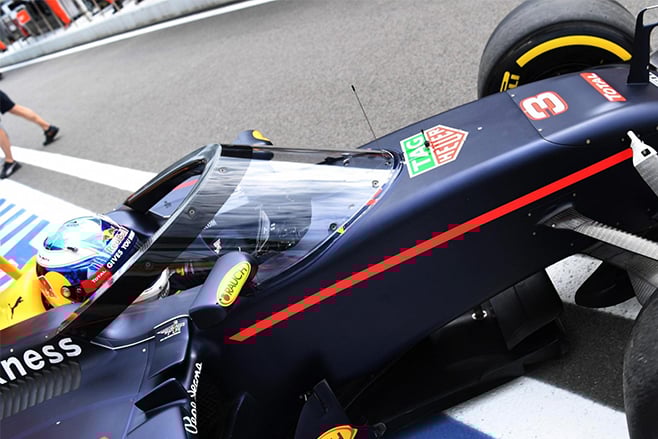
Australia’s own Dan Ricciardo drove a car with the aeroscreen fitted, saying his first fang with the new design was promising.
“It was different, not having the wind rolling on me and the engine sound was different as well,” Ricciardo said after his test last year. “The visibility was pretty good, so first impressions were fine, it was driveable.”
Despite his prise of the new system, ESPN reported rival Lewis Hamilton as having called the screen “like a bloody riot shield”, and calling for a fully-enclosed cabin if design changes were to take place.
The 2017 Skoda Octavia mid-life update for the Czech brand’s most popular car brings a revised line-up with extra equipment in return for price increases.
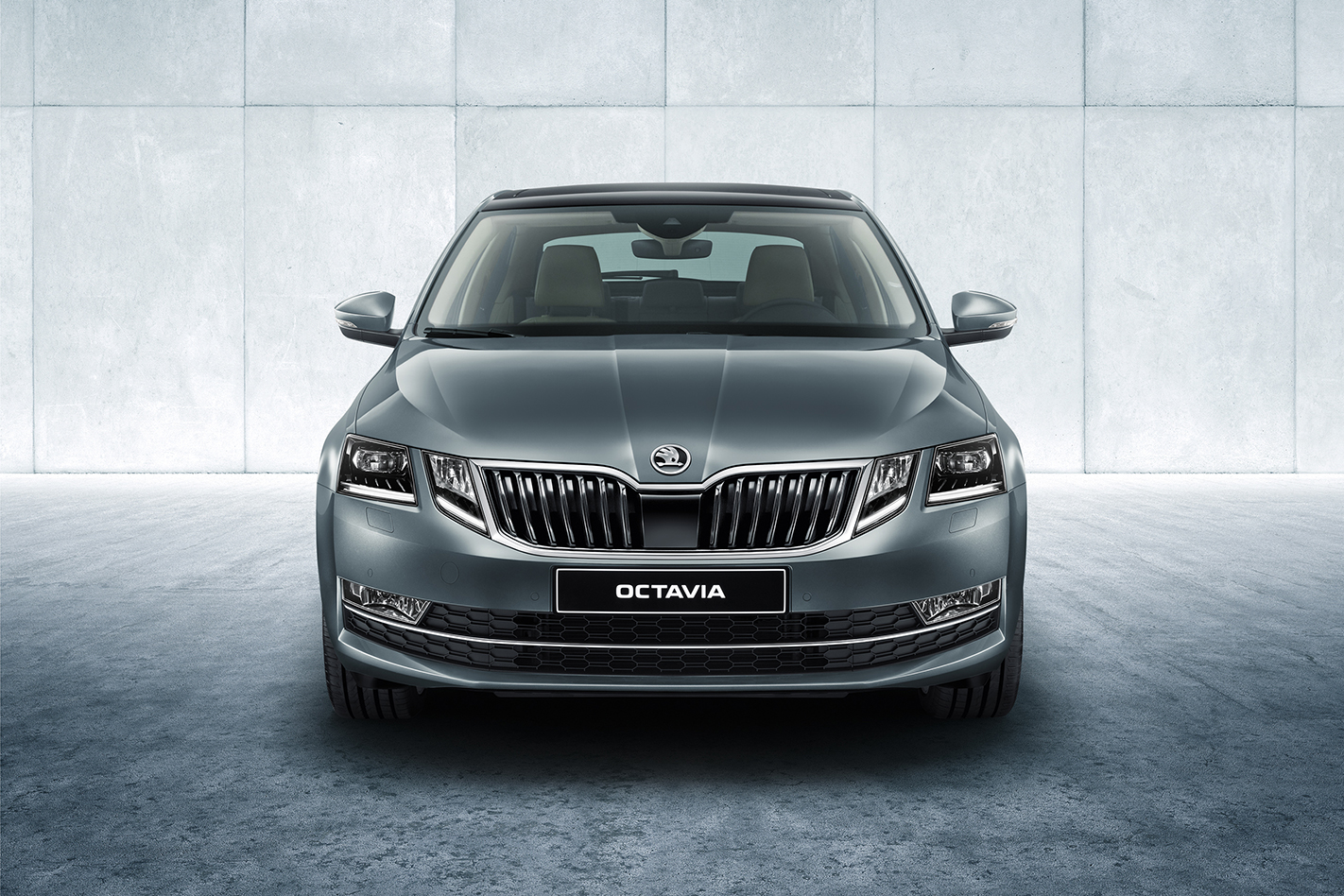
Skoda has pared the number of Octavia variants on offer, ditching the Ambition and Style trim grades – as well as the higher-riding Scout model (at least for now), but all variants continue to be available in liftback sedan or wagon guise.
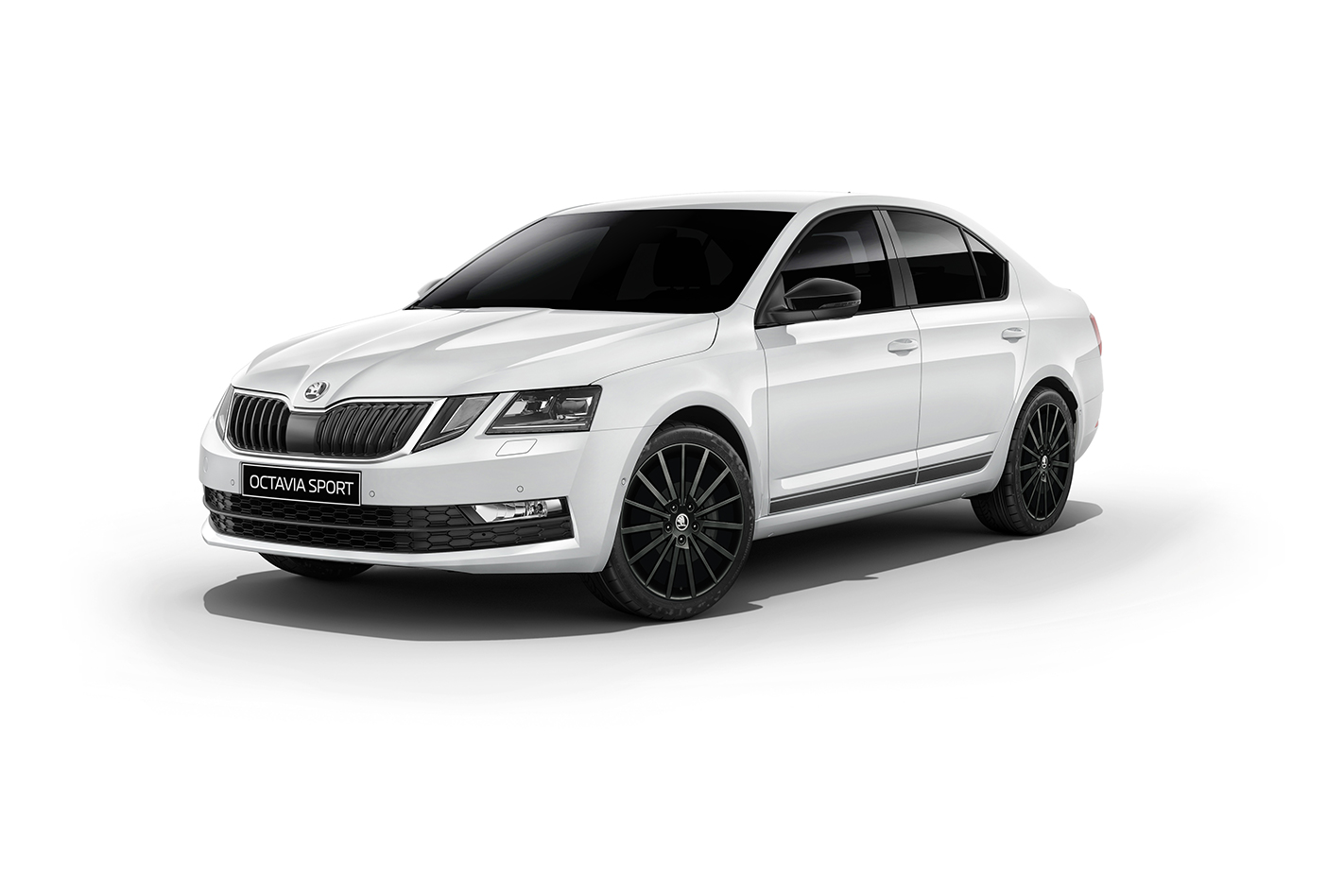
The new entry-level variant of the third-generation Octavia first released in 2013 is now priced $500 higher – from $23,490 before on-road costs – though is based on the former mid-grade Style.
Standard equipment includes low-speed autonomous emergency braking, fatigue detection, adaptive cruise control, leather sports steering wheel, dual-zone air conditioning, LED tail-lights, multi-view rear camera, smartphone holder, an umbrella under front passenger seat, and rear seats that can be folded remotely from the boot.
The Octavia 110TSI is powered by a 110kW turbocharged four-cylinder engine, paired either with a six-speed manual or ‘DSG’ seven-speed dual-clutch auto transmission.
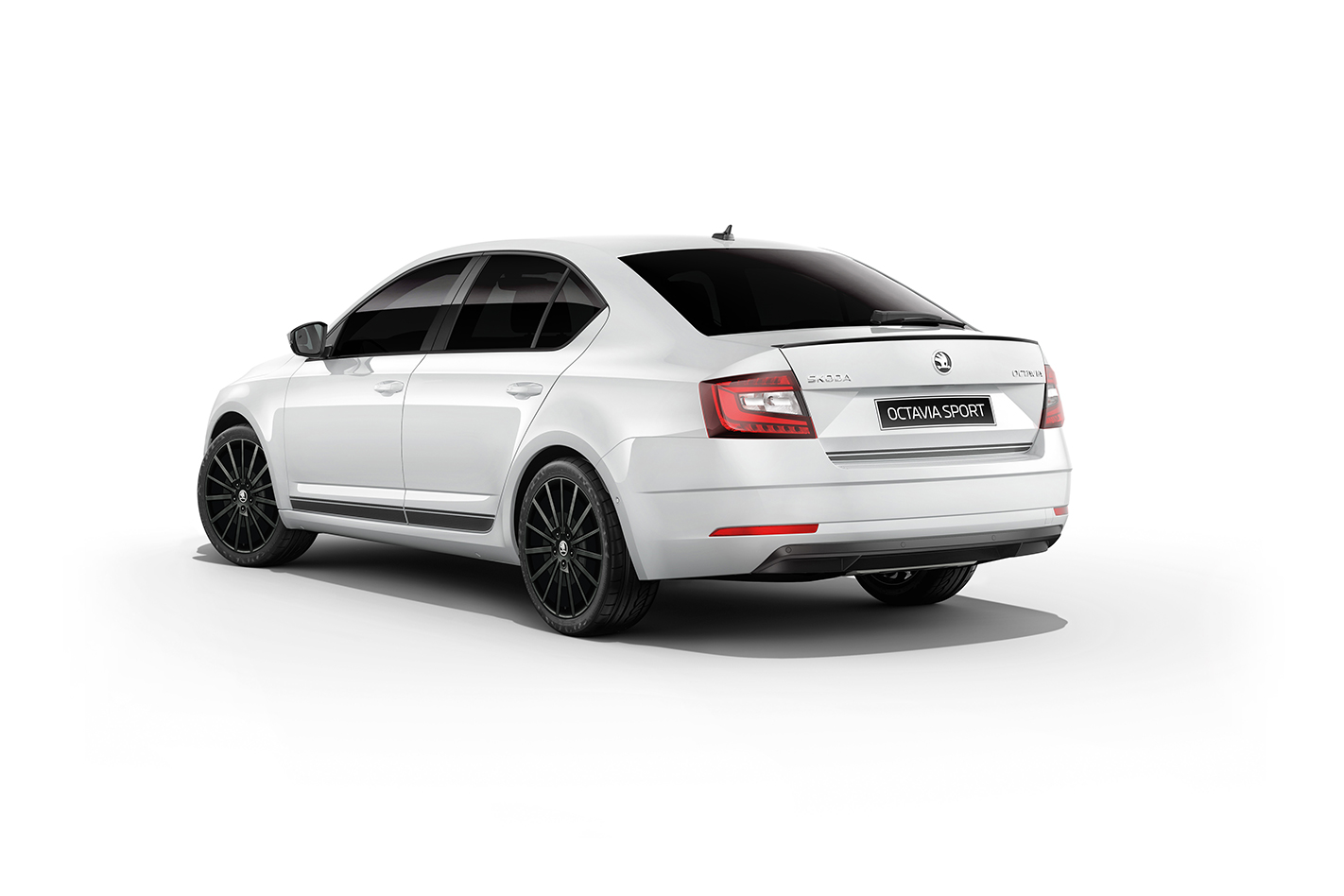
Skoda’s Octavia Sport, featuring the same 110TSI engine but with DSG only, adopts the previous model’s popular Sport Pack to become a trim grade in its own right.
Starting from $29,990, it adds full LED headlights, rain sensor and Light Assist, while sportiness is dialed up with 18-inch Turini dark alloy wheels, lowered sports suspension, sports seats, and rear spoiler, tailgate foils and mirror caps in black.
Pricing for the performance Octavia RS lifts by between $1000 and $1500. The pay-offs include a slightly more powerful, 169kW turbocharged 2.0-litre four-cylinder, again borrowed from the Golf GTI of parent company Volkswagen and previously used in the limited edition RS130. A 135kW/380Nm 135TDI RS also continues on unchanged.
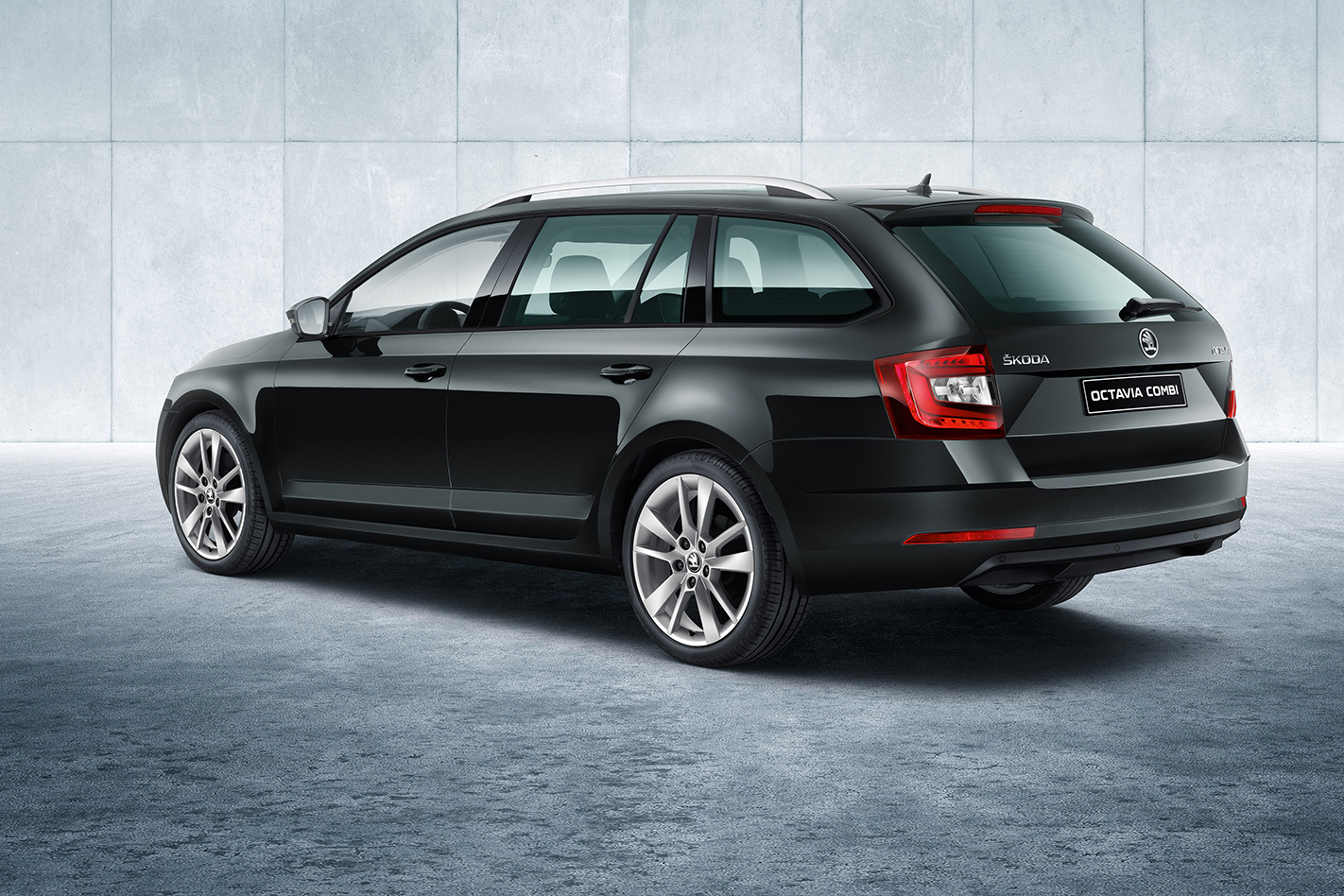
The RS also features a widened rear track, Columbus sat-nav system with 9.2-inch screen, Apple CarPlay and Android Auto, while a standard Black Pack brings 18-inch Gemini black alloy wheels and black body-trim elements.
All models are available with optional Tech or Luxury Packs, which vary in cost depending on the variant.
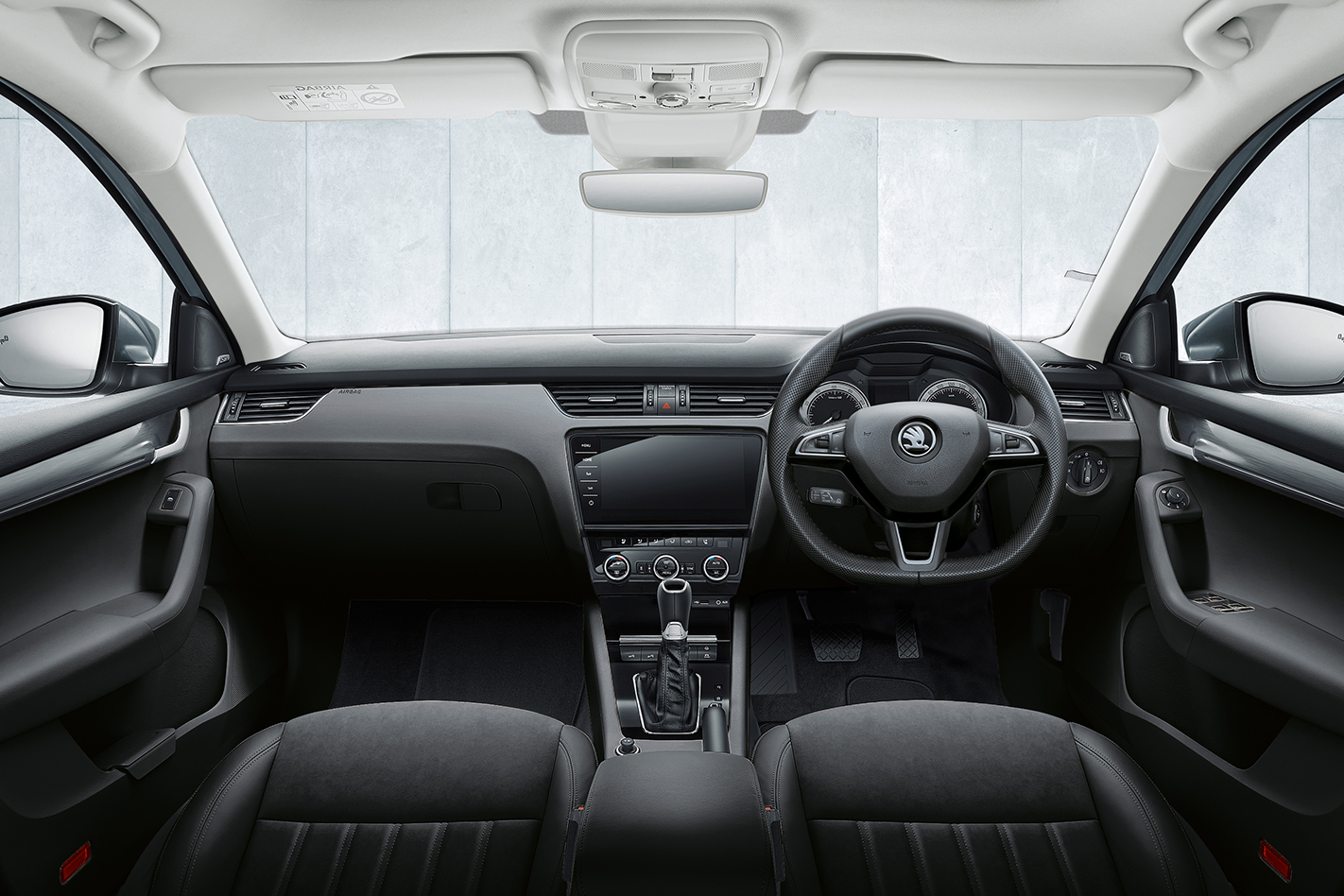
Read below for WhichCar’s convenient, at-a-glance guide to the new 2017 Skoda Octavia range with pricing and option pack costs.
2017 Skoda Octavia – Pricing
Skoda Octavia 110TSI sedan 6-speed manual – $23,490 7-speed DSG – $25,990 Tech Pack – $4,900 Luxury Pack – $4,200
Skoda Octavia 110TSI wagon 6-speed manual – $24,990 7-speed DSG – $27,490 Tech Pack – $4,900 Luxury Pack – $4,200
Skoda Octavia 110TSI Sport sedan 7-speed DSG – $29,990 Tech Pack – $3,900 Luxury Pack – $1,600
Skoda Octavia 110TSI Sport wagon 7-speed DSG – $31,490 Tech Pack – $3,900 Luxury Pack – $1,600
Skoda Octavia RS 169TSI sedan 6-speed manual – $38,890 6-speed DSG – $41,390 Tech Pack – $2,300 Luxury Pack – $2,800
Skoda Octavia RS 169TSI wagon 6-speed manual – $40,390 6-speed DSG – $42,890 Tech Pack – $2,300 Luxury Pack – $2,800
Skoda Octavia RS 135TDI sedan 6-speed DSG – $42,490 Tech Pack – $2,300 Luxury Pack – $2,800
Skoda Octavia RS 135TDI wagon 6-speed DSG – $43,990 Tech Pack – $2,300 Luxury Pack – $2,800
Tech Pack features (Octavia 110TSI sedan/wagon) 9.2-inch Columbus sat-nav system with 8-speaker audio Full LED headlights with adaptive lighting Auto parking assist Keyless entry and start Driving Mode Selection Light Assist and rain sensor Manoeuvre Braking Assist Vehicle set-up personalisation via key
Luxury Pack features (Octavia 110TSI sedan/wagon) Leather seats Electric front seats Lane Assist Side Assist with Blind Spot Detection Heated front and rear seats Extra airbags for total of 9 Auto folding and dimming side mirrors
Tech Pack features (Octavia 110TSI Sport sedan/wagon) 9.2-inch Columbus sat-nav system with 8-speaker audio Auto parking assist Keyless entry and start Driving Mode Selection Manoeuvre Braking Assist Vehicle set-up personalisation via key
Luxury Pack features (Octavia 110TSI Sport sedan/wagon) Lane Assist Side Assist with Blind Heated front and rear seats
Tech Pack features (Octavia RS sedan/wagon) Adaptive Chassis Control Premium Canton 10-speaker audio Auto parking assist Keyless entry and start Manoeuvre Braking Assist
Luxury Pack features (Octavia RS sedan/wagon) Leather seats with red stitching Lane Assist Side Assist with Blind Heated front and rear seats
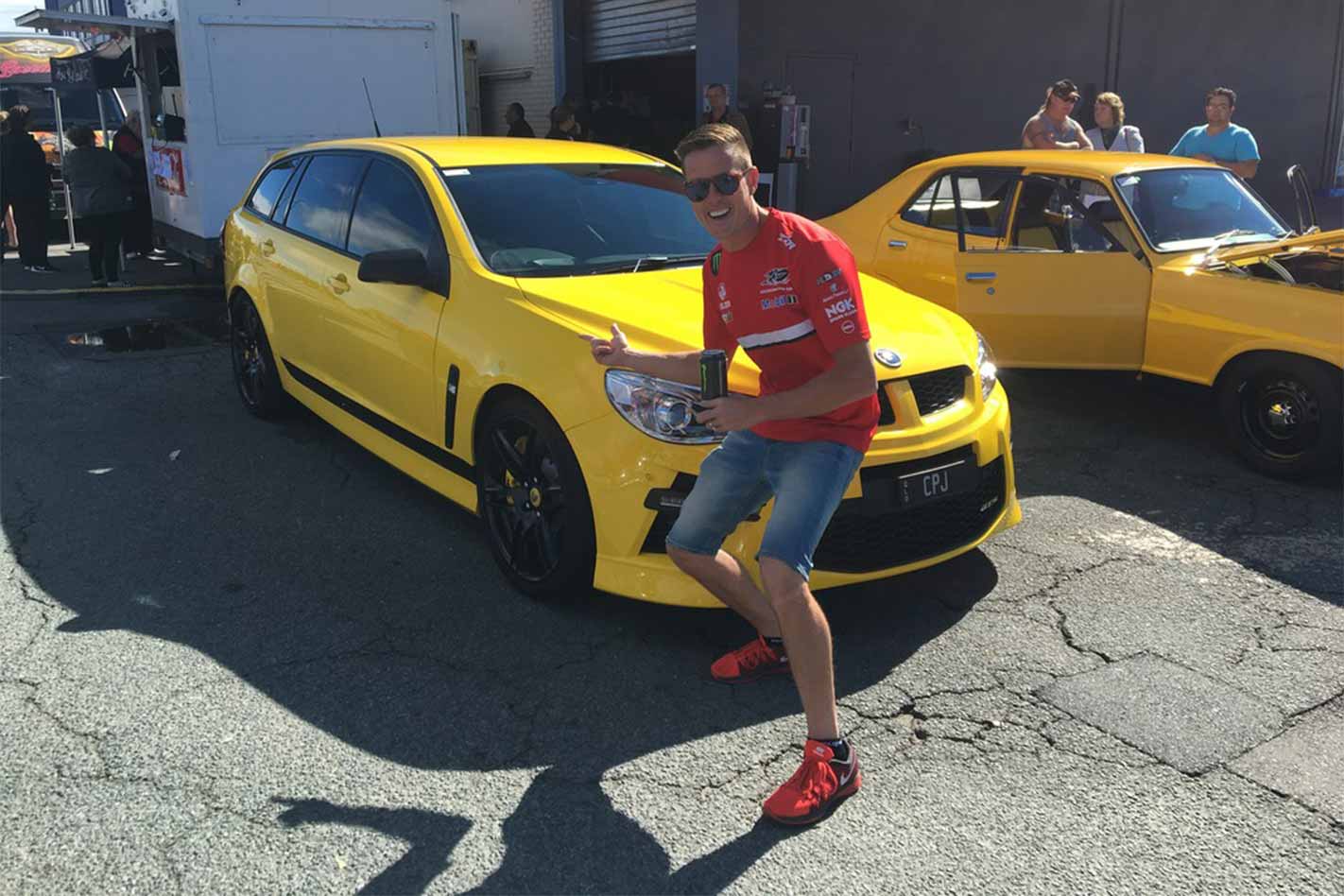
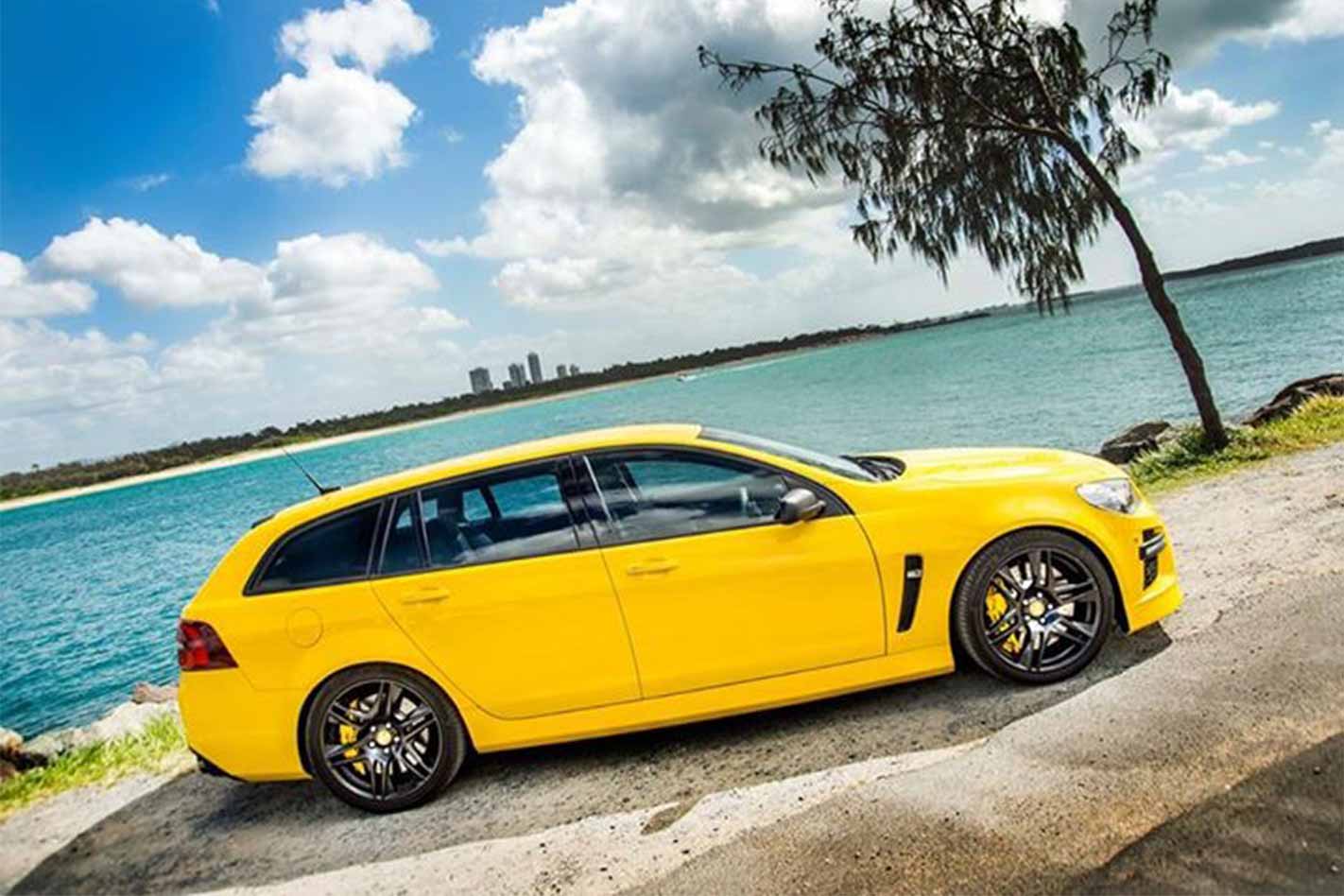
What happens when you really need 430kW and 740Nm combined with wagon practicality, but HSV refuses to build it? Simply create your own GTS Tourer, of course.
HSV may have lobbed its GTS-R and GTS-R W1 sedan swansongs, but for many VE and VF Commodore buyers the Sportwagon is the tastiest bodystyle of all. Yes, HSV already builds a Clubsport R8 Tourer with a 6.2-litre supercharged V8 engine and 410kW/691Nm, but then that’s 20kW/49Nm off the pace, isn’t it? For one bloke it just wouldn’t do.
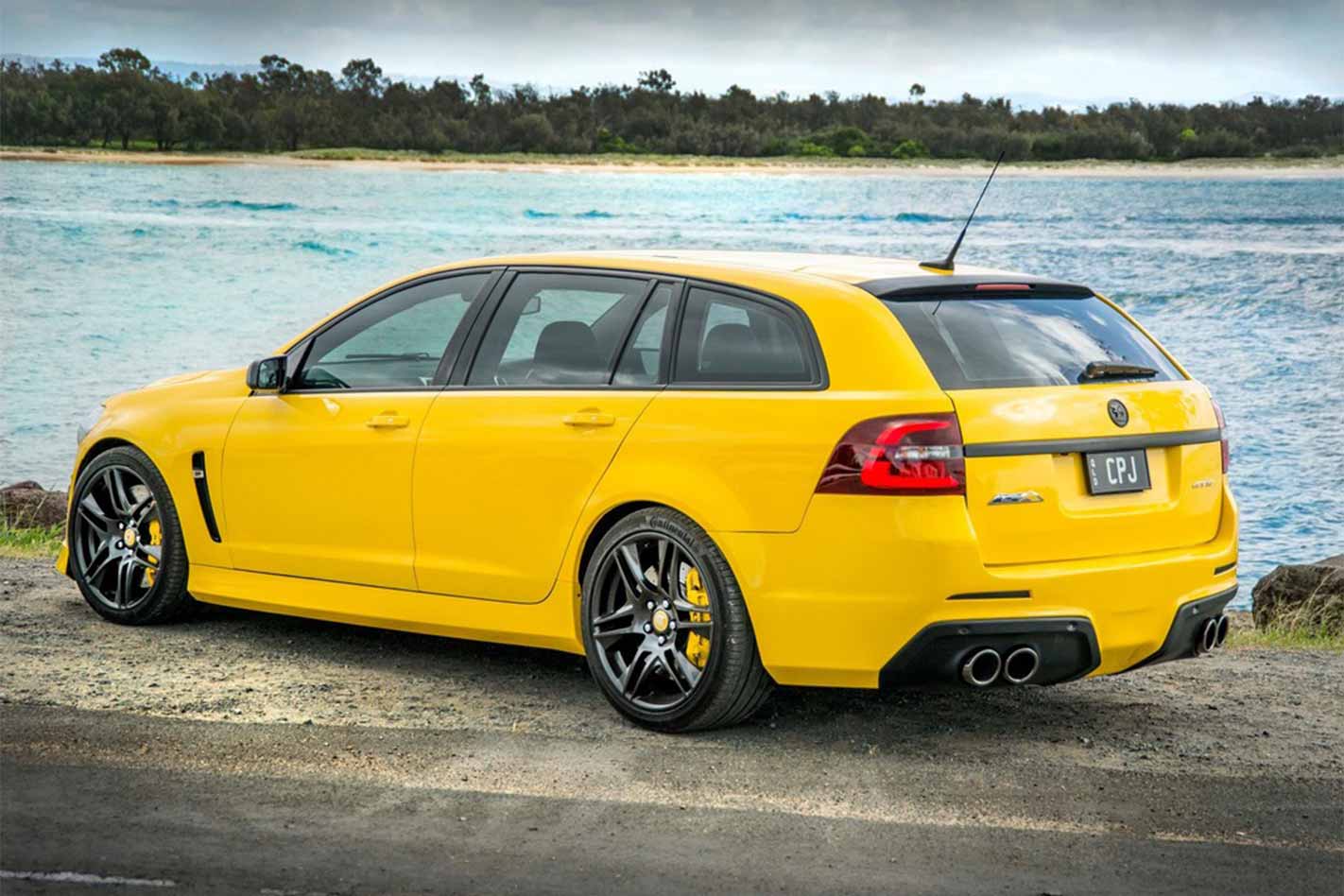
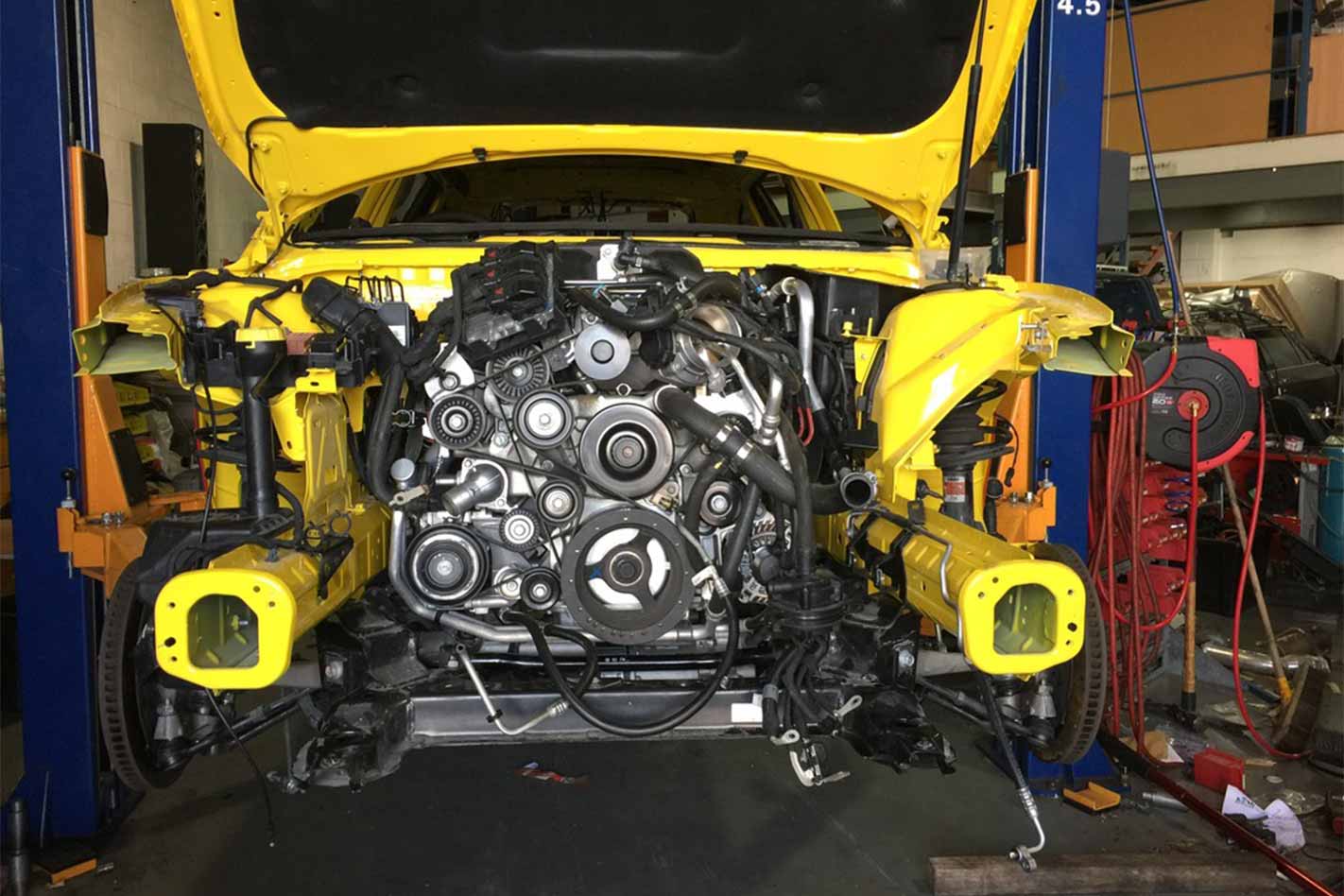
A $3000 VE Commodore Omega Sportwagon was first purchased from auction and stripped clear of everything beyond the bodyshell. A $30,000 Gen-F GTS was also bought, lightly damaged at the rear only but with the tyres and chunky differential intact.
Painstaking attention to detail has been catalogued on the Australian LS1 and Holden Forums right down to overcoming the problem of the body control module thinking it’s a sedan, and therefore refusing the activate the rear wiper unique to the Sportwagon. And poaching paddleshifters from a later Gen-F2 update model and then syncing them up.
At a recent Muscle Car Masters event, Supercars driver James Courtney awarded the bright yellow GTS Tourer as pick of the show and best modified VF (or Gen-F) model. HSV apparently told Courtney – who has had his fair share of Sportwagon family cars – it couldn’t be produced. But one bloke has done it, and it’s bloody convincing.