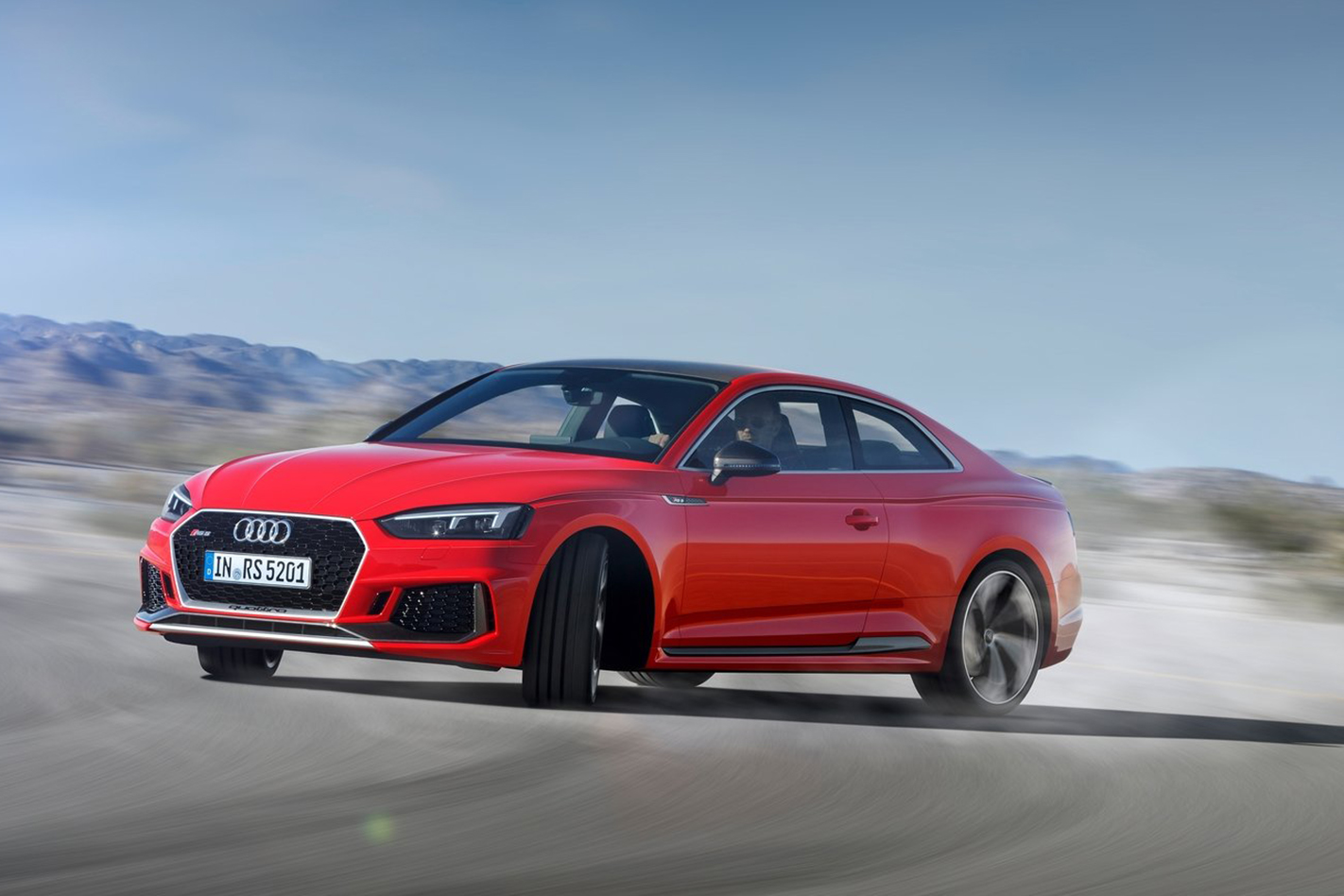
When it’s revealed in production form later this year – potentially as early as the New York Motor Show next month – the 2018 Audi RS4 will be returning to its roots after enjoying a decade of atmo V8 power by reverting back to a turbocharged six-cylinder powerplant.
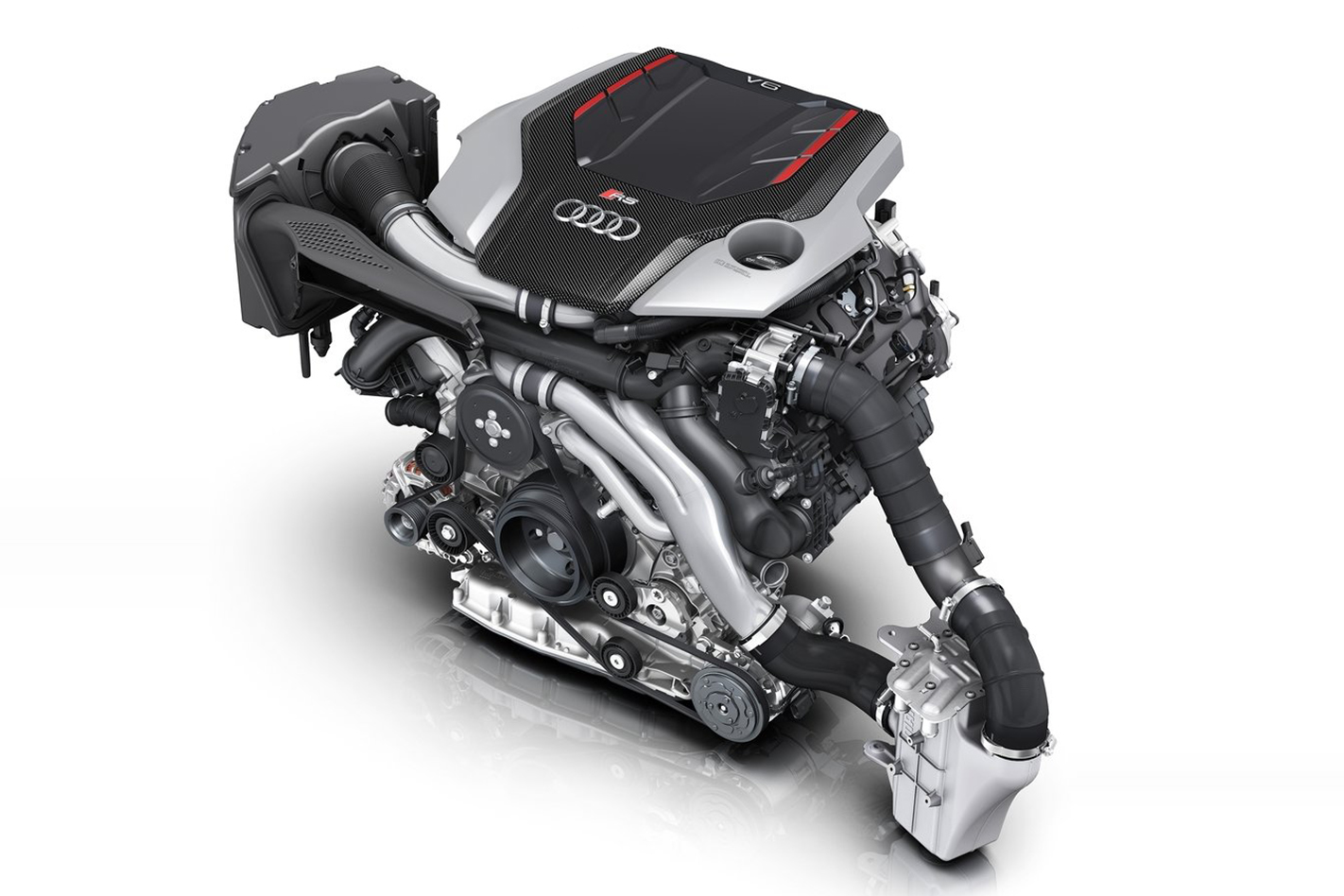
It’ll be the same 2.9-litre turbo twin-turbo V6 as used by the just-unveiled RS5 coupe , and with a stout 331kW and 600Nm of power and torque it’ll have the same amount of power as the outgoing 4.2-litre V8, but with a huge 170Nm increase in peak twist.
But will it be as thrilling as Audi’s now-extinct atmo V8?
The head of Audi Sport, Stephan Winkelmann, seems to think so. Asked whether the new RS-tuned 2.9-litre V6 would deliver on the emotional expectations set by its naturally-aspirated predecessor, his response was succinct:
“It has to be, and it is,” he said.
And Winkelmann should know about stoking the coals of automotive enthusiasm. Before joining Audi Sport in March 2016 (then known as Quattro GmbH), Winkelmann spent 11 years as President and CEO of Lamborghini. If being top dog at an Italian supercar specialist doesn’t teach you how to make cars that excite the soul, nothing will.
“If it would not have been the case we would not have opted for doing it,” Winkelmann continued, while being careful to note the reasons why the high-revving V8 was replaced in the first place: emissions.
“It is clear that saving CO2 is one issue which is important, so the connection between ‘sportivity’ and sustainability is an important one and has to be credible.”
However while Winkelmann was adamant the V6 would provide plenty of excitement, he squashed rumours that the same engine would find its way into the Audi R8 supercar – that particular model will remain a V10-only device.
It’s a tough ask for a turbocharged V6 to match the visceral appeal of a V8. With no turbos muffling the exhaust note, the bellow of an atmo V8 is always going to have a harder edge and more appealing sonics. Plus let’s face it: V8s almost universally sound better than V6s.
The dearly-departed V8 was also an exceptionally high-revving unit. The fuel cut came in at a stratospheric 8250rpm. Its six-cylinder replacement, by contrast, redlines at a mere 6800rpm. Engines tend to sing a better song the harder they rev.
And then there’s the question of response. With 1.3 litres of less capacity the RS4’s new V6 would naturally have lazier throttle response than the bigger V8 of the old model. Turbos may compensate for the V6’s smaller displacement and enable it to outgun the 4.2’s torque figure, but they need a moment to gather their breath. Turbo lag is nowhere near as glacial as it used to be these days, but good luck finding something turbo with the sharpness of that 4.2 V8’s accelerator.
Winkelmann’s confidence is reassuring, but will the 2.9-litre V6 adequately replicate the 4.2-litre V8’s adrenalin-inducing character?
We’ll find out when we drive it for the first time later this year.
A VIDEO has emerged showing the record-breaking Nürburgring Nordschleife lap by an electric-vehicle.
The NextEV NIO EP9 completed the iconic 20.8km circuit in 7 minutes 5.12 seconds with British racing driver Peter Dumbreck at the wheel, almost 15 seconds quicker than the previous EV record.
Before thinking “wow that’s quick for a glorified milk float” bear in mind that it’s less than 8 seconds slower than Porsche 918 Spyder and quicker than the Ferrari 488, Pagani Zonda F Clubsport, Lamborghini Aventador, and Nissan GT-R Nismo.
And while its 13 seconds slower than the recent record set by the Lamborghini Huracan Performante, the lap is nowhere near as contentious.
Despite the lack of screaming pistons, the lap is no less exciting to watch, with the letter box view providing a dramatic sensation of speed. Unfortunately there’s no real-time driving data apart from a map showing where the car is on the course.
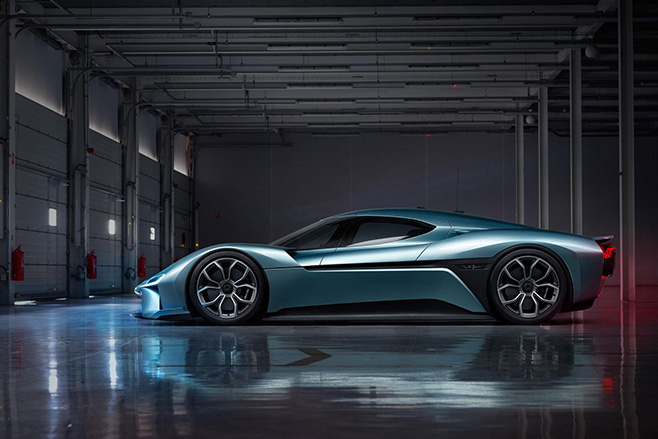
The NIO EP9 features four inboard motors with their own gearbox that send an impressive 1000kW/1480Nm to the wheels and use torque vectoring to get through corners.
Power comes from two gigantic lithium-ion batteries and despite their weight it can accelerate from 0-100km/h in 2-7 seconds on its way to a top speed of 313km/h.
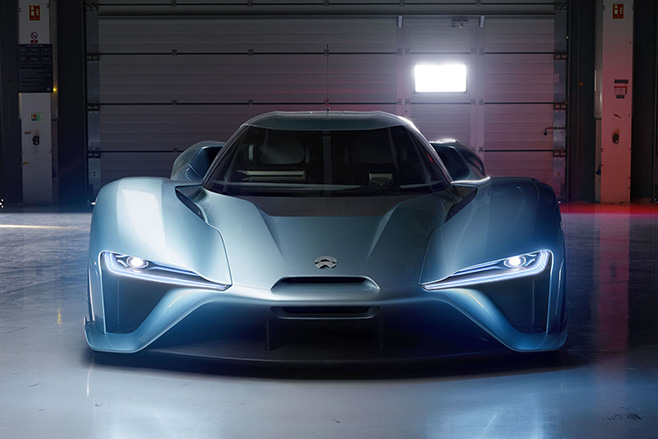
The price tag is projected to be well north of $1 million, though it’s expected this will simply be a halo model for the Shangai-based company, which intends to build autonomous electric vehicles while maintaining an involvement in the Formula E racing.
Australian muscle car prices are again booming in the final year of local manufacturing, with a duo of restored Ford Falcon GT-HO Phase II examples selling for $500,000-plus.
Chris Dent from Falcon GT Restorations confirmed to MOTOR that following the sale of a ‘surfer orange’ 1970 XW – in conjunction with the Muscle Car Sales retailer – for $500,000 last month, another ‘tru blue’ example with factory sunroof has now exceeded that figure.
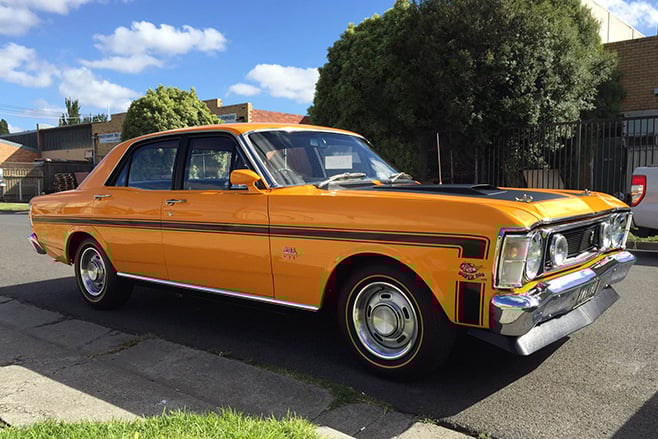
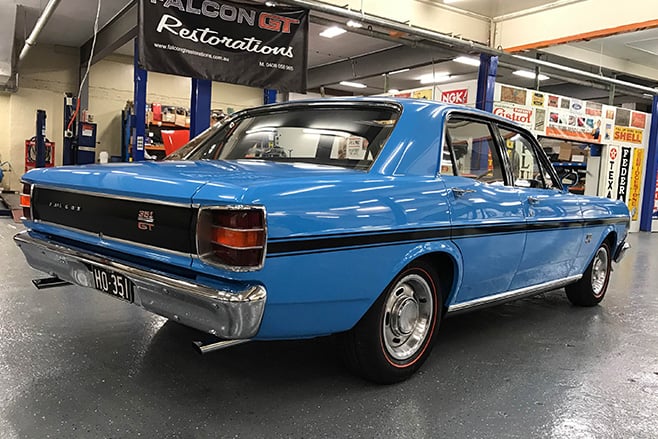
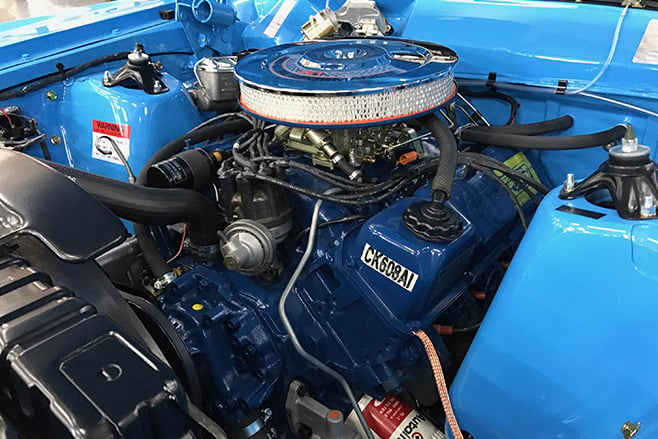
Although rarer than these just-sold 1970 XW GT-HO Phase II examples, with only 300 produced, in 2007 a 1971 XY GT-HO Phase III sold for an astonishing $750,000 – eclipsing the previous record of $683,000 for a similar example sold earlier in that year.
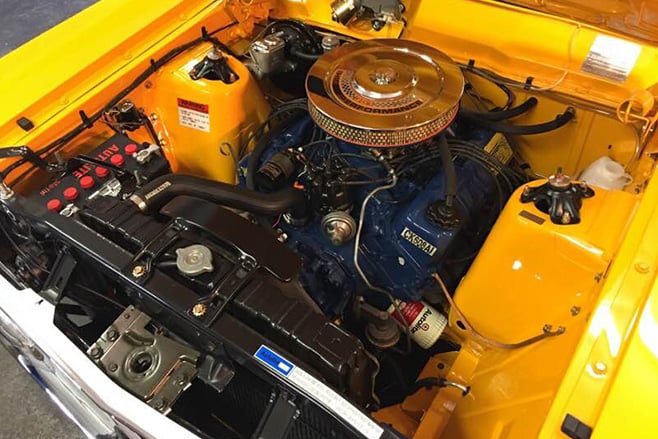
Whether nostalgia for these Bathurst-conquering limited edition Australian muscle cars spurs pricing even further remains to be seen, although the October 20 end date of local manufacturing could spur along proceedings.
After Holden sponsored the Sydney Gay and Lesbian Mardis Gras, Brad Jones Racing has followed its manufacturer’s footsteps by adopting a rainbow livery for Nick Percat’s #8 supercar.
BJR’s ‘Supporting Equality’ livery will be a temporary addition to the #8 car, as Percat’s car has no full-season sponsor.
Still, BJR says the design is an important one for the team, as it wants to support equality of all kinds, inluding race, gender, and sexuality.
“The unmissable rainbow colours on the #8 Holden Commodore is all about supporting equality of people, no matter their race, gender or sexual preference,” a BJR spokesperson says.
Revealed in a BJR tweet, the car features manufacturer branding on a rainbow-striped backing. “Holden. Supporting equality,” is emblazoned across the colours.
It’s done the rounds on social media after being shared by Brad Jones Racing and Nick Percat to a shower of positive feedback.
“When Brad Jones Racing had the idea to run the ‘Supporting Equality’ livery, Holden were happy to be on board,” BJR’s spokesperson adds.
“Having done a similar campaign recently, Holden stands up for equality and supports their community in this space.”
In early March, Holden supplied the ‘Official Mardis Car’ – a similarly-rainbowed Colorado – for Australia’s most well-known pride event.
The company aims to show support for a community which has experienced intolerance in the past.
“At Holden, we believe in equal rights for all and to be in solidarity with a community our employees are already a part of means a lot,” Holden human resources director Ashley Winnett says.
BJR team boss Brad Jones says he’s looking forward to seeing how the Grand Prix weekend pans out.
“I’m hoping Nick will continue his fast form at the Grand Prix,” he says.
“We had a car that is more than capable of running inside the top ten so I’m looking forward to a competitive weekend at the Grand Prix.”
Want more?
Top 5 F1 innovations that made it to road cars
Formula One dream comes true for young Australian engineer
Top 11 hottest drivers of Formula One
Ferrari turns the ripe old age of 70 this year.
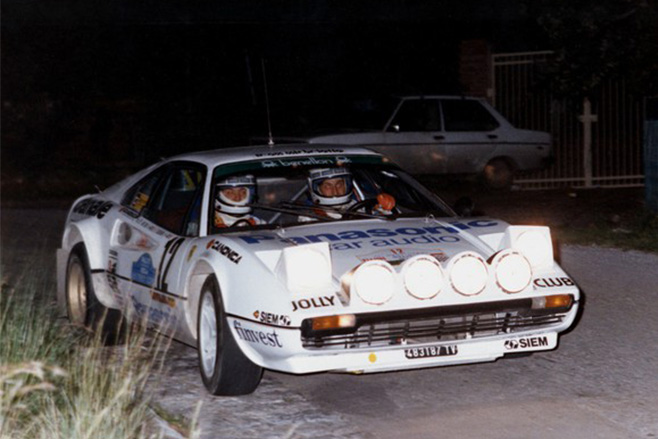
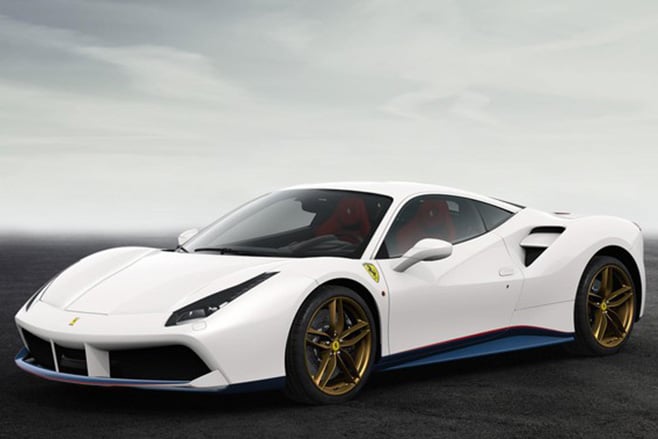
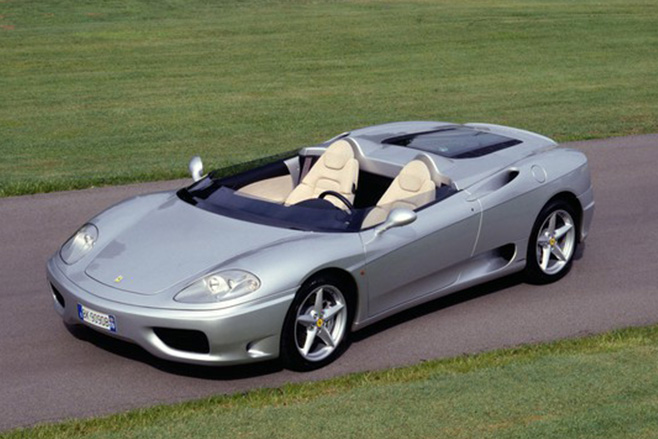
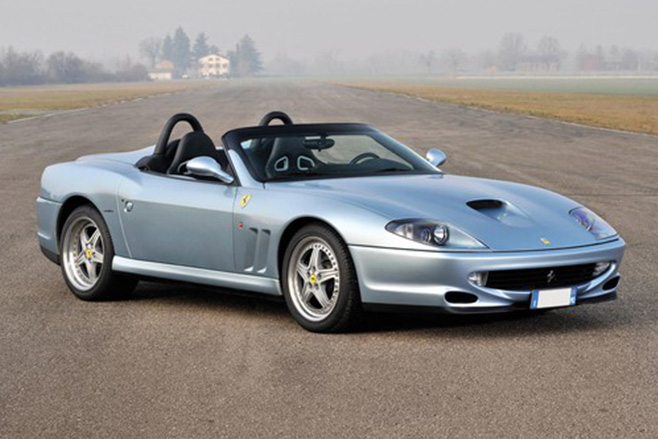
To celebrate the occasion, the most famous of all car makers has released 70 liveries which will be applied just once to each model in the current range: California T, 488 GTB and Spider, GTC4 Lusso and F12 Berlinetta.
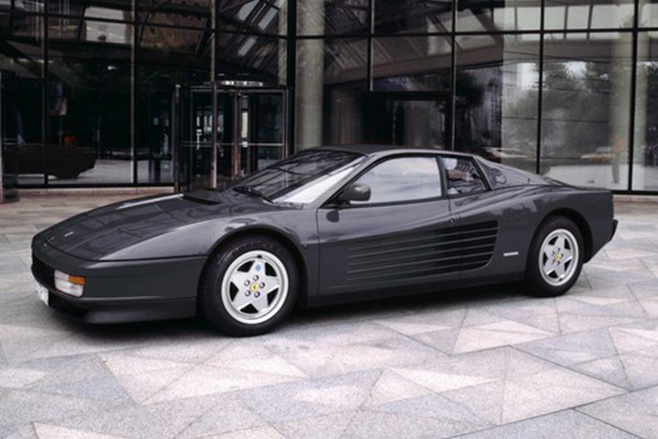
There are no mechanical modifications, with each car identified by its unique paintwork, 70th Anniversary logo and ID plate with the name of the model that inspired it. Nonetheless, in the current collector car market, no doubt Ferrari aficionados will be clambering over one another in an effort to secure these models.
Below you’ll find the 10 liveries inspired by Ferrari models from 1982-2003. Let us know your favourite in the comments below.
51. 1982 Ferrari 308 GTB Rally
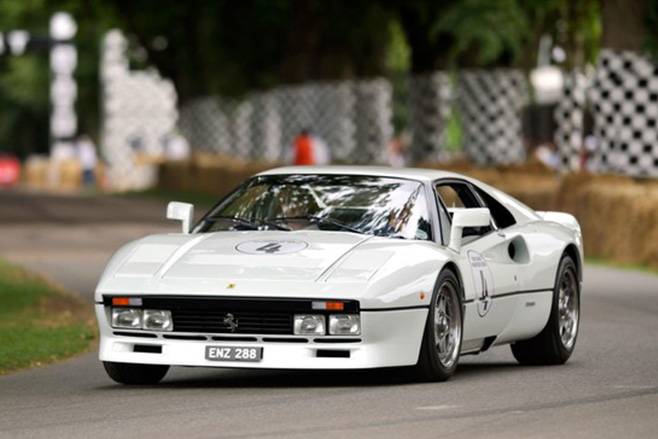
52. 1984 Ferrari GTO
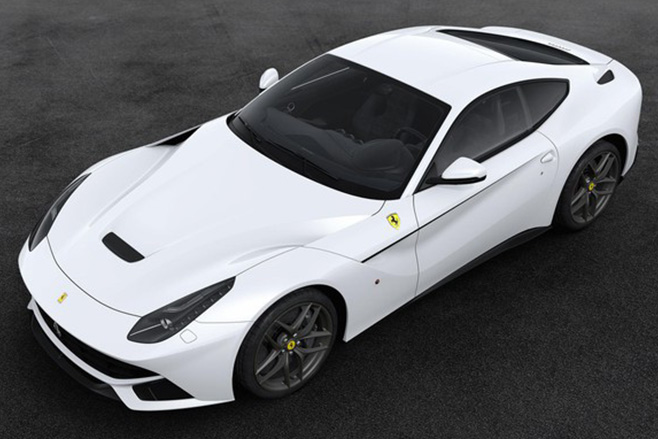
53. 1984 Ferrari Testarossa
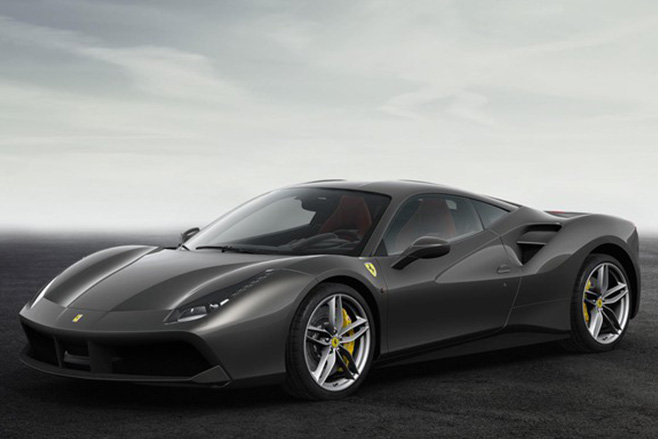
54. 1987 Ferrari F40
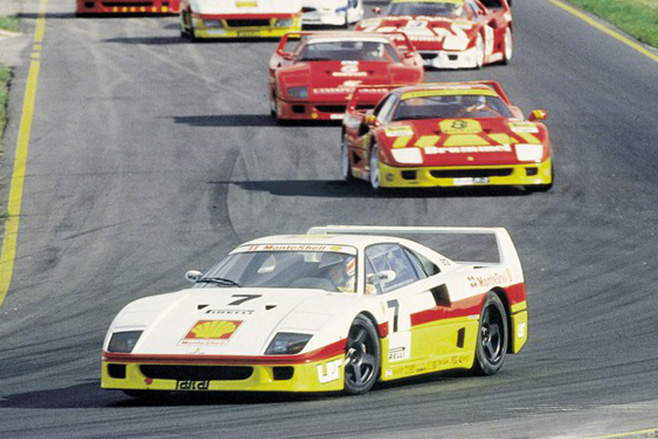
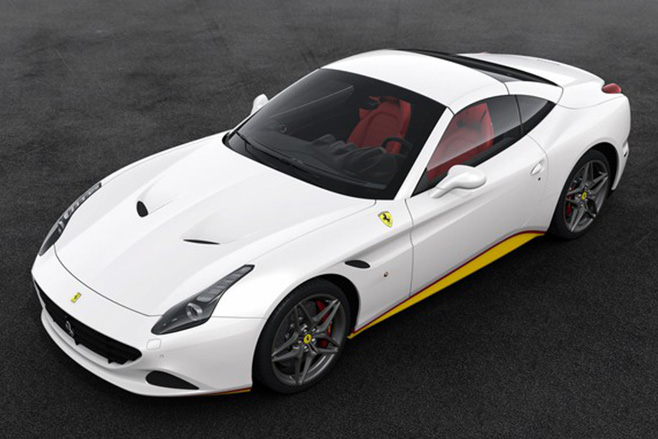
55. 1995 Ferrari F50
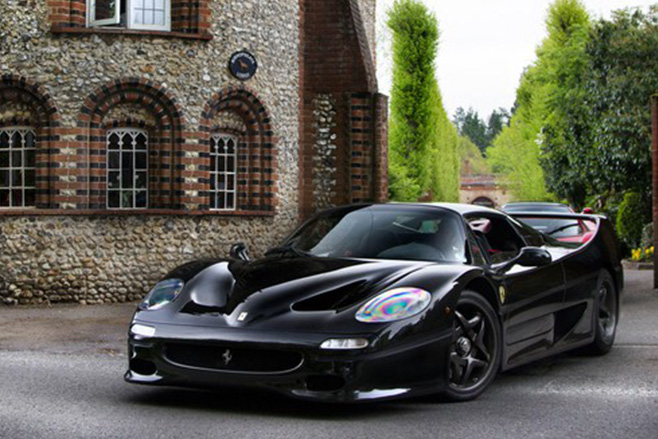
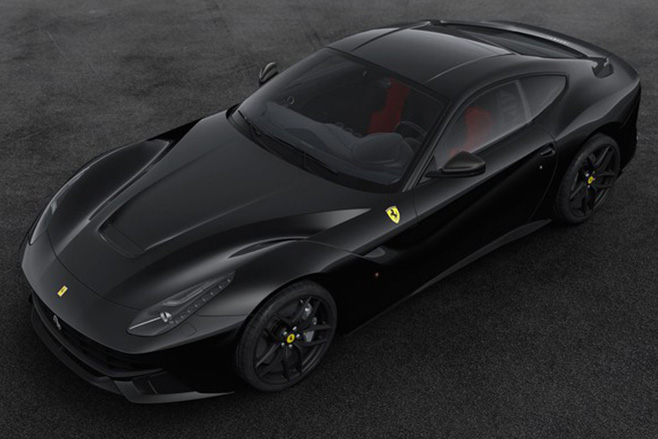
56. 1998 Ferrari 456 M GT
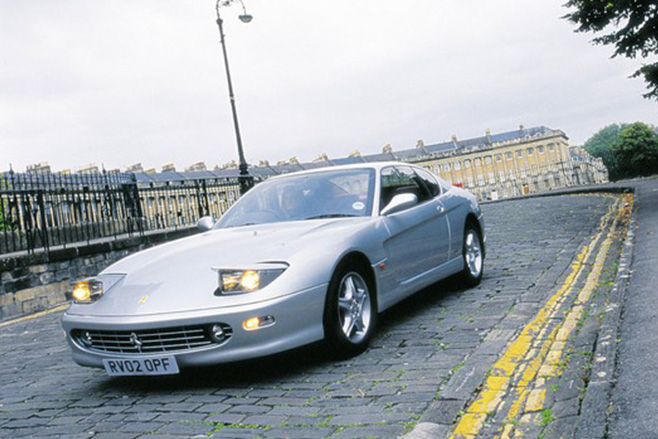
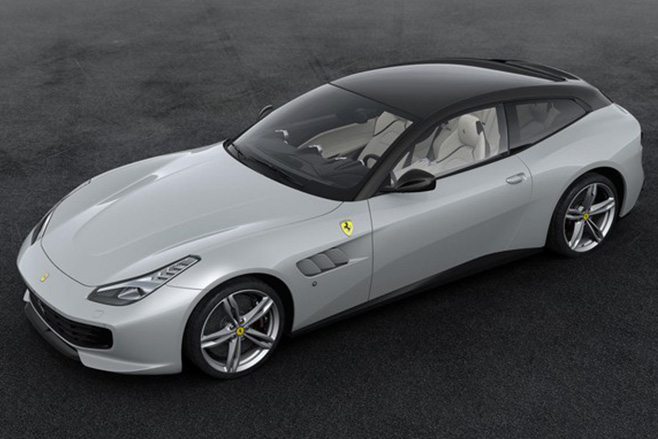
57. 2000 Ferrari 360 Barchetta ‘Agnelli’
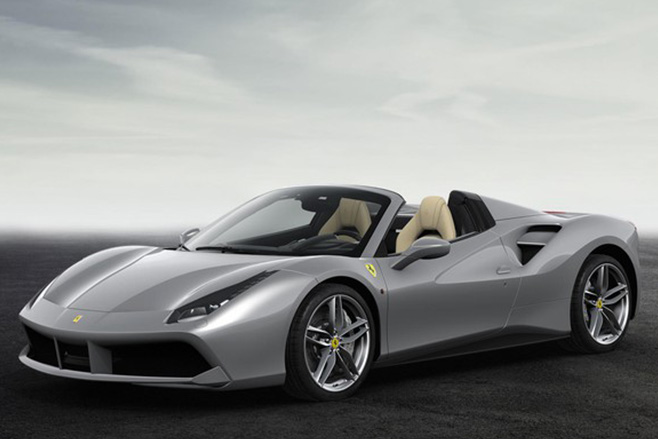
58. 2000 Ferrari 550 Barchetta Pininfarina
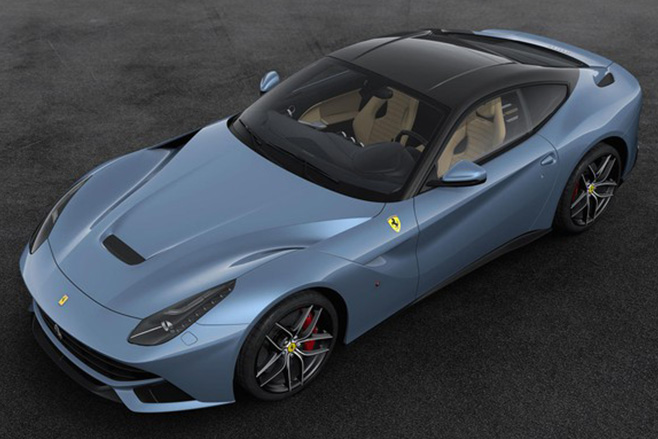
59. 2002 Ferrari Enzo
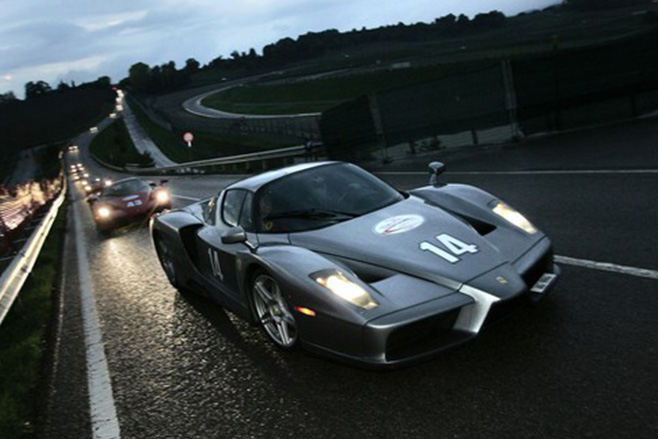
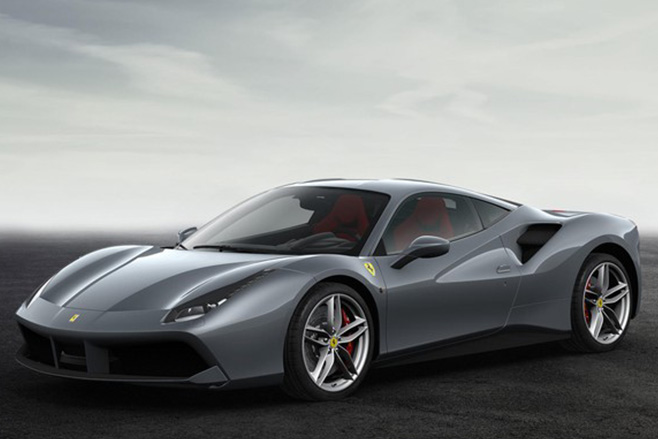
60. 2003 Ferrari F2003-GA
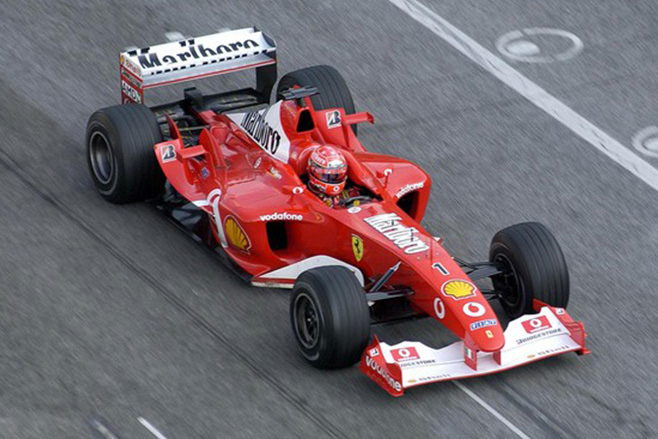
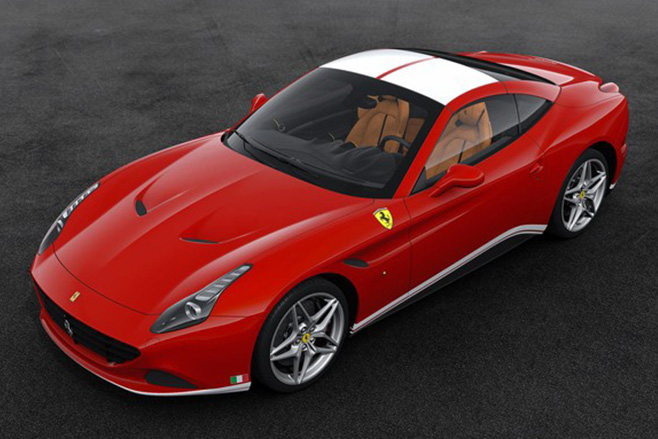
View more 70th Anniversary limited edition liveries inspired by past Ferrari models.
Formula 1 is the foremost breeding ground of cutting edge car technology, and though much of it is shrouded in secrecy, there are things in our everyday road cars that have their roots in the most advanced motorsport on the planet. Here are five of them:
Paddle shifters
Almost every automatic new car today has paddle shifters attached to its steering wheel to help provide a bit more of a hands-on and sporty driving experience. The idea was pioneered by Ferrari from the late-1980s for its F1 cars, to allow drivers to change gears faster without taking their hands off the wheel.
Lubricants
TV ads showing how the motor oil for humble commuter cars was developed on Grand Prix racetracks around the world are generally true. There’s no better stress test of engine lubricants than Formula 1 racing, which requires oils to operate with minimal warm up time and at high revs and temperatures.Shell has long worked with the Ferrari F1 team to develop its range of oils for our daily drivers, which in some cases are even more advanced because of their need to operate at much lower temperatures as well. Cleaning agents in fuel, which assist with lubrication and keep fuel injectors clean also originated in Formula 1.
| From Grand Prix novice to Formula 1 fanatic
Carbonfibre construction
In 1981 F1 driver John Watson was involved in a horrific crash at the Monza Grand Prix which saw his McLaren MP4/1 car virtually disintegrate in a puff of smoke. Watson attributed his survival to the car’s revolutionary carbonfibre monocoque frame. F1 cars had aluminium monocoque frames but McLaren went with carbon fibre because its strength and light weight made it easier to design a wider, more streamlined car. As well improving torsional stiffness it increased safety, as spectacularly demonstrated when Watson lost control and hit a fence.These days carbonfibre monocoques are the norm for all F1 racers as well high-performance production supercars including various McLaren models, the Porsche 918 Spyder and Carrera GT, Lamborghini Aventador, Ford GT and others. They are also found within the bodies of the BMW i3 and i8 electric vehicles and will probably make their way into more mainstream production cars in the future.
Aerodynamics
Aerodynamic surfaces on cars go way back to the 1950s when cars started to become much faster but less stable. Swiss engineer and driver Michael May fitted an inverted wing to his Porsche Type 550, which worked opposite to an aeroplane wing to provide downforce. This improved stability, traction and handling and the car beat all other Porsches in its first race at the Nürburgring in 1956.May’s wing was banned after protests but the idea returned with an adjustable aerofoil that provided downforce at turns but then reduced drag on straights. Soon, production cars such as Porsche roadsters and coupes were being built with aerodynamic bodies.Formula 1 racing again came to the fore in the 1970s when Lotus, led by engineering guru Colin Chapman, discovered that adding side skirts to its Type 78 trapped airflow under the car resulting in constant downforce and low drag known as ‘ground effect’.Today’s Formula 1 cars still follow this design principle while many road cars, including everyday sedans and SUVs, are using spoilers and wings to make them slipperier through the air for improved performance and fuel efficiency.
Adaptive suspension
Colin Chapman’s Lotus team also developed a way for the suspension to maintain the car’s ride height over bumps, while keeping ground force effect to maximise grip and aerodynamic efficiency. Other manufacturers including Williams followed, but after a decade the use adaptive suspension was suddenly banned in 1993 because of safety concerns over increasingly high cornering speeds and hydraulic parts prone to leaking. The systems were also technically in breach of a rule prohibiting ‘moveable aerodynamic devices’ on cars.
| Car suspension: what is it and how it worksAdaptive suspension has been banned from Formula 1 ever since but has found its way into production cars including many affordable models. Also known as active suspension, it works automatically or via the selection of different driving modes such as Comfort and Sport.
HYUNDAI has reintroduced its 2WD V6 Active X to its seven-seat Santa Fe SUV lineup to sit between the four-cylinder base model Active manual and automatic variants.
Offering a 3.3-litre V6 powered front-wheel drive option, the Active X will offer more for large SUV buyers.
The Active X features extra gear not featured in the current Active variant, including 19-inch alloy wheels, tyre pressure monitoring, rain-sensing wipers, rear privacy glass, heather leather front seats, dual zone climate control and smartphone comparability as standard.

Until now engine options in the Santa Fe included a 2.4-litre 4 cylinder in the Active, and a 2.2-litre 4 cylinder turbodiesel across the rest of the range.
The new Active X will feature Hyundai’s all-aluminium 3.3-litre MPi petrol V6 Lambda-II engine under the bonnet, producing 199kW of power and 318Nm or torque, which is slightly less than the turbodiesel engine.
Exterior details include chrome door handles and dark grey rims while inside there’s the usual 7-inch touchscreen infotainment offers smartphone compatibility with Android Auto and Apple CarPlay. Glovebox cooling is also included.
Like the rest of the range, the Active X is rated with a 5-star ANCAP and includes safety gear such as seven airbags, brake assist, downhill brake control and hill-start assist, as well as rear-view camera and rear parking sensors.
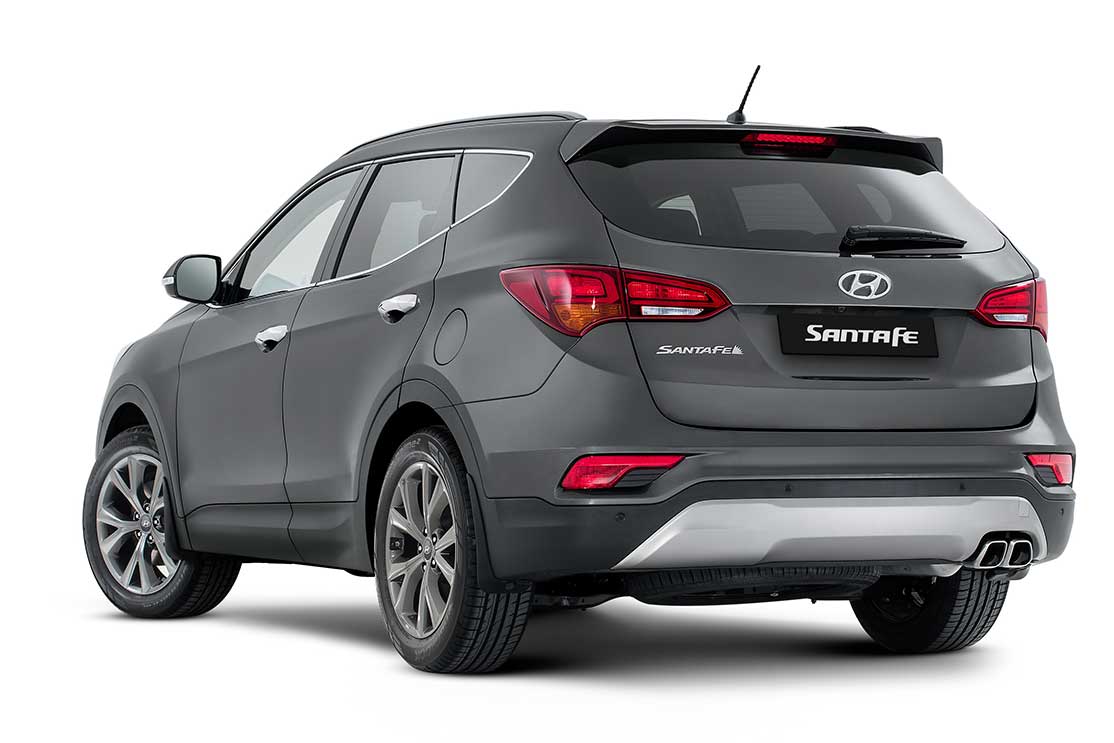
“New Santa Fe Series II Active X packages V6 power and smoothness with a host of desirable features at a surprisingly affordable price,” Hyundai Motor Company Australia Chief Operating Officer, Scott Grant, said.
“For buyers who don’t need all-wheel-drive, Active X is a capable and exceptionally well-equipped Hyundai large SUV for under $41,000.”
The Active X is priced at $40,990 Active X and bridges the price gap between the Active manual ($39,350) and automatic ($41,850).
Multiple V8 Supercars and Australian Touring Car Championship holder Mark Skaife was at Sydney Motorsport Park recently for the launch of the 2017 Toyota 86 Racing Series, where every car is the same race-spec Toyota 86 GTS, and the only difference is the skill of the driver.
It brings back fond memories for Skaife; in the mid-1980s he raced in a Ford Laser series. His long touring car career started after he was talent-spotted at the Laser series by Nissan-backed ATCC team owner Fred Gibson.
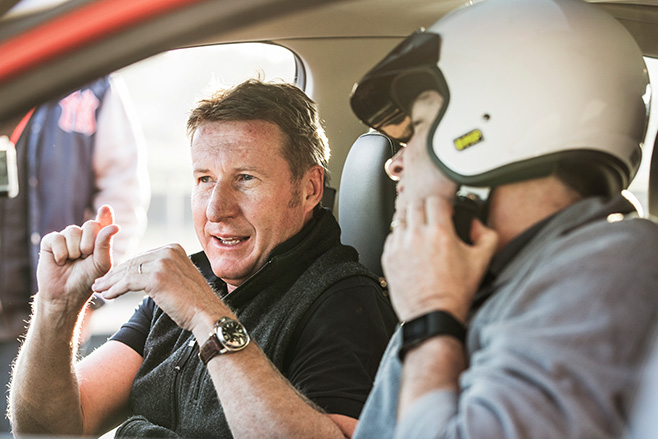
Wheels: What was your first car? Skaife: My first car was a Holden ute, a WB Holden ute. I kept it for a fair while. In fact, when I moved to Melbourne I used it in Melbourne but it was still all sign-written with our family business on it (Skaife’s father sold tyres). Dad bought it from me and then I had to deal with Nissan on a company car.
W: How about the worst car? S: I did a comparison with a Mitsubishi Magna, Holden Commodore, a Ford Falcon and a Toyota Avalon, and the Avalon wasn’t very good.
W: Most hated rival? S: Russell Ingall, by a mile. (Ingall, nick-named “The Enforcer”, drove a Ford Falcon while Skaife drove a Holden Commodore. Their intense rivalry, both on the track and off it, was infamous.)
W: Favourite track?
S: Well, it’s everyone’s favourite track, Bathurst. But if you take the anomaly of the mad track around a mountain, probably Phillip Island after that. It’s just a big, fast European-style circuit. I love this joint too (Sydney Motorsport Park), this is a really good place.
W: First car crash? S: My first car crash was just before the Laser series. I’d bought a car, started to prepare it, and I crashed it on the road before I got to the race track, so I actually had to get another car. I wasn’t driving it to the track; I was playing when I shouldn’t have been playing.
W: Best time on the road in a road car? S: I’ve had lots of these, because I did lots of test driving with Holden and HSV, and we did a lot of car comparisons with European cars of the day. Probably the best one was [Mercedes-Benz] E55, BMW M5, [HSV] GTS comparison, which wasn’t just in Australia. We actually went to the Nurburgring and did a European comparison, which was with Wheels, I think. But that was probably the most fun because it was different sorts of cars and having a serious go.
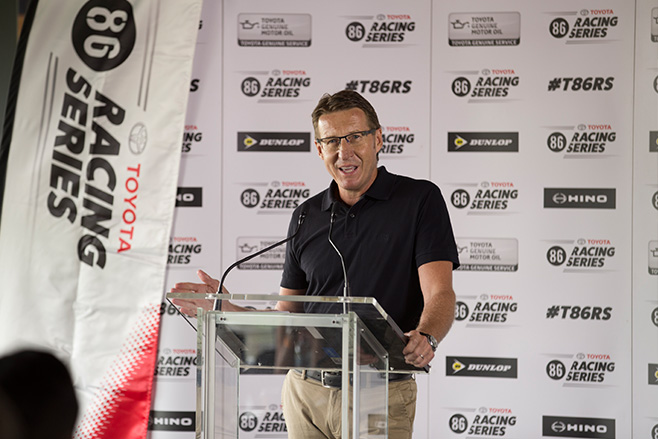
W: Best road trip? S: I did a fun ride to get my son his 120 hours up (Victorian road rules require learner drivers to rack up 120 hours of driving experience in mixed conditions), so I took my two girls and my wife. My son drove for half the way in a Porsche Cayenne from Melbourne to Sydney and that was the only way that I could get his 120 hours up to meet the timeframe. It was fun. It was a lot of fun. What it did show me was the mad road laws between states, because of those mad, mad laws on L-plates, the differences between Victoria and NSW (The speed limit for learner drivers in Victoria is the posted speed limit, while in NSW it is 80km/h). I could have been on the front page of the Herald Sun if I didn’t go online and look.
Holden Special Vehicles turns 30 this year, and we’re currently working on a special issue to commemorate this occasion.
Until then, here are our picks for the three coolest HSVs; not necessarily the fastest or the best, but ones that will earn a subtle nod of appreciation from those in the know. Disagree? Let us know in the comments below.
1. 1988 HSV SV88

2. 2000 HSV VT II GTS 300
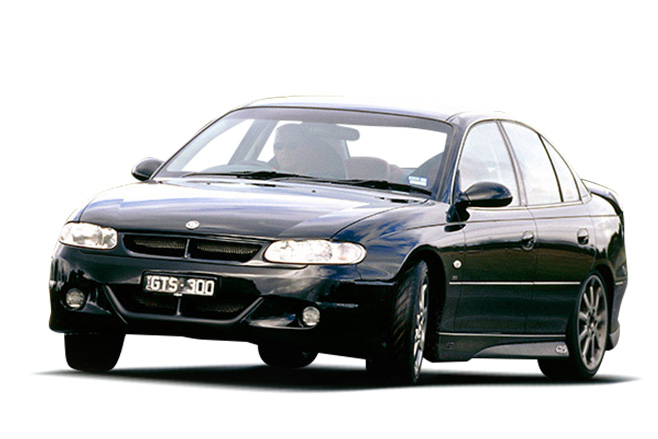
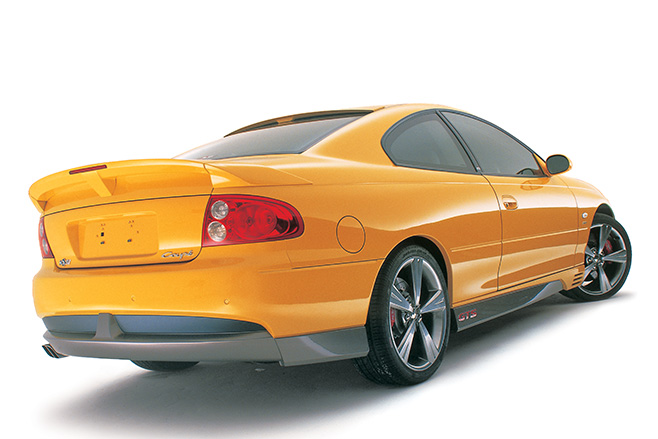
3. 2002 HSV GTS COUPE