
THE V6 building line from Holden’s shuttered $400 million engine plant could be yours for less than the price of a brand-new house. But you’re going to have to be quick – bidding in the bargain-basement auction closes in a week.
The assets of the carmaker’s former Port Melbourne engine casting and assembly line had been listed as a job lot in August last year ahead of the last engine rolling off the line in November. However, it appears no one was interested.
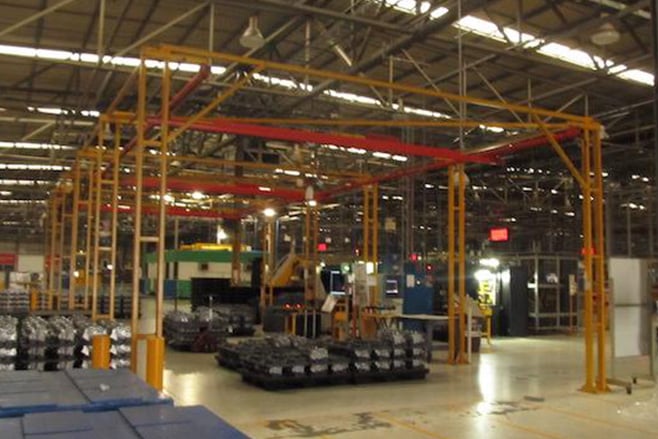
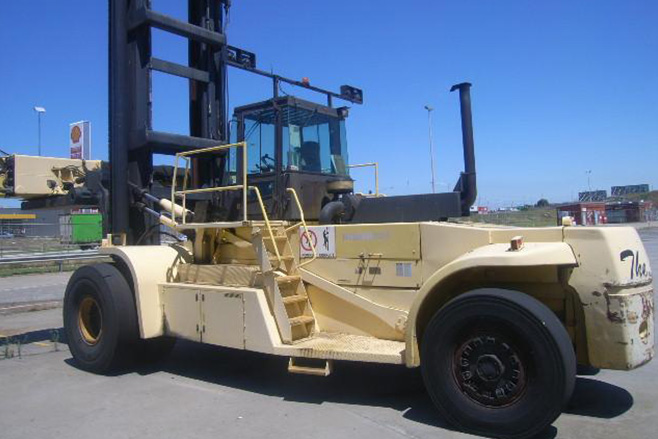
Almost 160 separate items, ranging from an industrial-size container forklift currently selling for the bargain price of $25, to LED displays, CNC mills, assembly lines and hoists, are listed on the Maynards Industries auction website. Hurry though, as bidding closes on March 16.
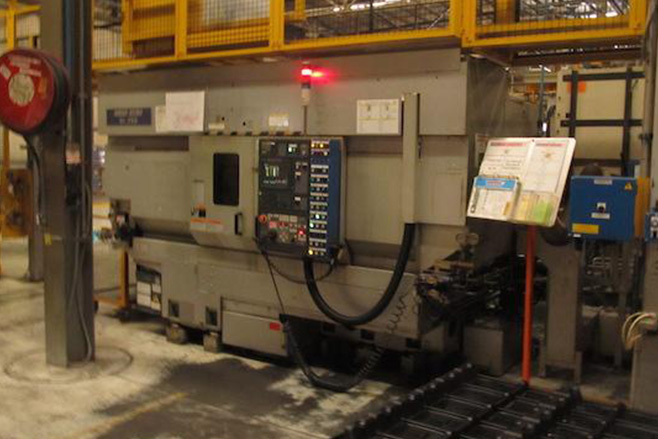
Likewise, the V6 cylinder head line with 18 separate machining cells fed by an automated conveyer rated at 78 parts per hour is an extra $110,000 if you match the minimum bid.
There’s other bits and pieces you’ll need to chuck if you want to machine your own engine bits, but they’re priced at between $25 to $1000 – a bargain compared with the bigger, more complex items – and you’ll still need to work out where to source the cast engine blocks and heads to feed into it.
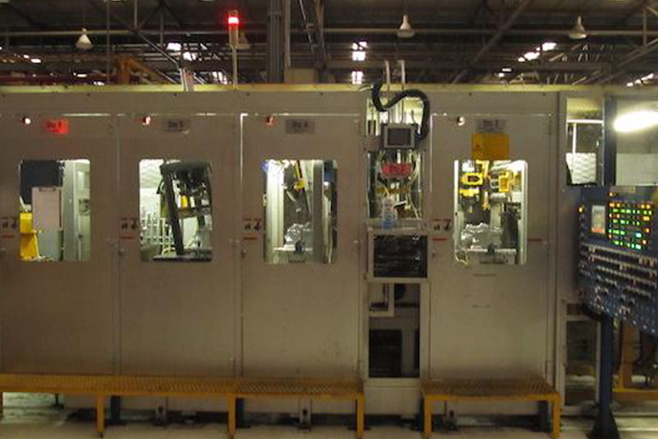
The 3.0-litre SIDI engine – codenamed LF1, it was the smallest engine offered in a Commodore in more than 20 years when it launched in 2010 – and the 3.6-litre SIDI engine codenamed LLT were both cast and assembled on-site.
In 2014, the engine plant officially built its millionth V6 engine.
The engine plant was a vital part of GM’s plans to globalise its production process – ultimately, though, one that marked the Holden VE Commodore as the last of the Australian designed, developed and built cars.
To build the new-generation Alloytec, the engine plant had received a $400 million investment, marking the Global V6’s engineering and manufacturing project as “the most significant engine program ever undertaken by an Australian vehicle manufacturer”, GM says.
However, E85 versions of the engine, able to run on a mix of petrol and up to 85 percent ethanol, was quietly withdrawn from the Australian market after buyers largely ignored the fuel.
Holden has built engines at the 37-hectare Fishermans Bend site since 1936. It is also the site where the 2.15-litre six-cylinder “grey” engine was built for Australia’s first locally made production car, the 48-215.
Last year, the Victorian government bought the land the engine plant sits on for $130 million. It plans to convert the site into an innovation and employment hub – including an automotive design precinct.
Holden’s sales team, and GM’s global design centre, will remain at Port Melbourne as part of the deal.
HYUNDAI’S mid-sized Sonata sedan has undergone a metamorphic update, with a host of visual enhancements and the addition of advanced safety systems.
In keeping with the Sonata’s understated image, the upgrade was quietly announced in Korea while the motoring world’s gaze was on Geneva. However the new look is anything but modest, with bold lines and styling cues that reflect Hyundai Motor’s latest design language, as we’ve seen in the all-new i30 hatch.
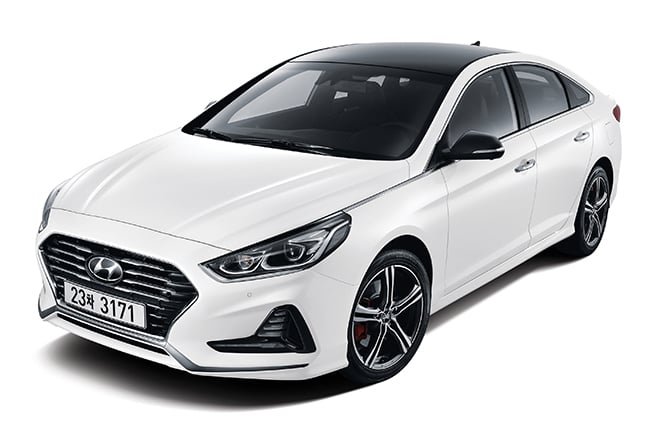
The front has been extensively remodelled with a larger, single ‘cascading’ grille that provides a sleeker nose-to-the-ground appearance and a much closer family resemblance to the Elantra small sedan.
The grill is flanked by narrower headlights with vertical daytime running lights (DRL) over deep triangular air intakes.
The hood had been reshaped to counterbalance the lower, wider front grille, making it appear longer and sleeker which also changes the side silhouette.
The side view is further enhanced by new wheel options including 17-inch directional spoked wheels and a choice of two new 18-inch alloy wheel designs.
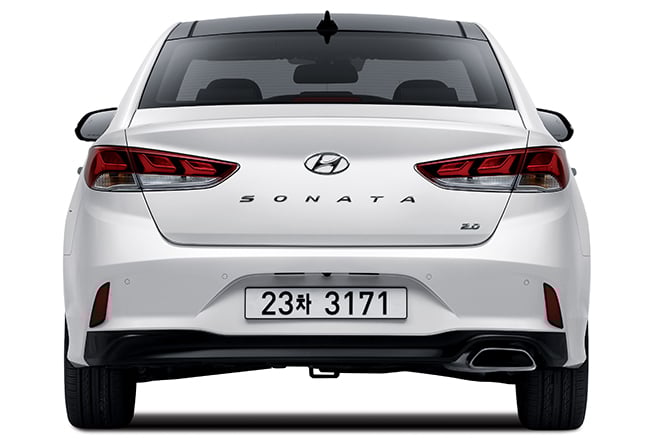
Down the back there are narrower horizontal taillights and the license plate holder has been moved from the boot lid to the lower bumper which gives the rear an elegant look.
The 2.0L Turbo petrol model receives additional enhancements including a sporty mesh radiator grille that is augmented by black bezel headlamps, black DRL surrounds, black lower front bumper, black side mirror casings plus chrome rear diffuser and exhaust tips.
Inside, you’ll find a bigger centre console stack and a new fascia containing revised audio, and heating, ventilation and air conditioning controls. It comes with a 7-inch touchscreen as standard, with an optional 8-inch Audio Visual Navigation (AVN) system.
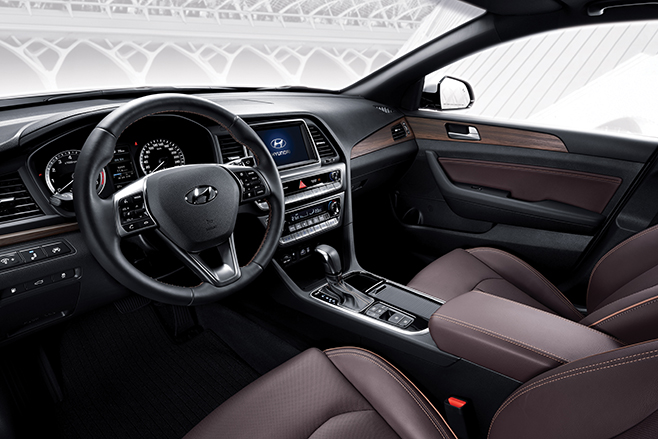
All variants have updated steering wheels with a sportier three-spoke design, with a flat bottomed version in the 2.0L Turbo.
The range-topping Premium Turbo also benefits from more aggressively bolstered front seats and sporty gear knob that allows the driver to select one of four drive modes – Comfort, Eco, Sport and Smart. Smart mode switches automatically between the first three options depending on the driver’s current style of driving.
Apple CarPlay and Android Auto are standard and there’s an extra USB port for connectivity.
Available advanced safety features include Lane Departure Warning system assisted by a Lane Keep Assist function, Blind Spot Detection with Rear Cross-Traffic Alert and High Beam Assist and Dynamic Bending Lights that are designed to make driving at night easier and safer.
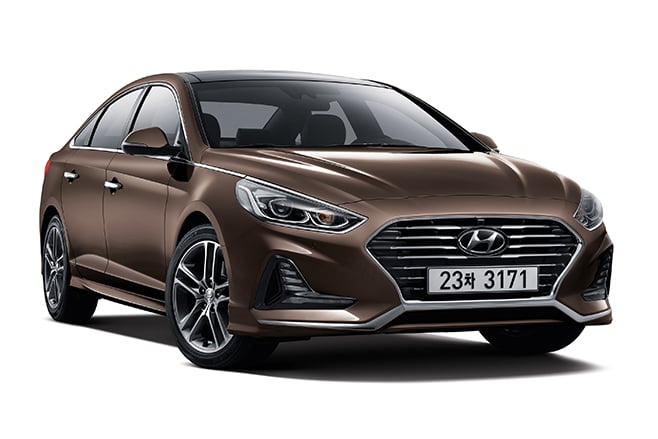
This will make the Sonata one of the more advanced vehicles in its segment, though it’s not clear yet what features will be standard or optional across the Australian lineup.
Powertrains, including the 2.4-litre petrol and 2.0-litre turbo petrol available in Australian models carry over, the only difference being an eight-speed automatic being coupled to the 2.0L Turbo model instead of the six-gear box.
Hopefully this will address the relatively high 9.2L/100km fuel consumption, which has been the major criticism of an otherwise good car.
The updated Sonata is currently planned to launch in Australia around the middle of this year, with pricing and specifications to be revealed closer to its arrival.
RENAULT has cranked up the kilowatts on its all-electric grocery getter, gifting the tiny Zoe hatchback a dual-motor powertrain with a monstrous 340kW of total output.
Dubbed the Zoe e-Sport Concept, Renault says the compact three-door hatch can sprint to 100km/h in a supercar-shaming 3.2 seconds.
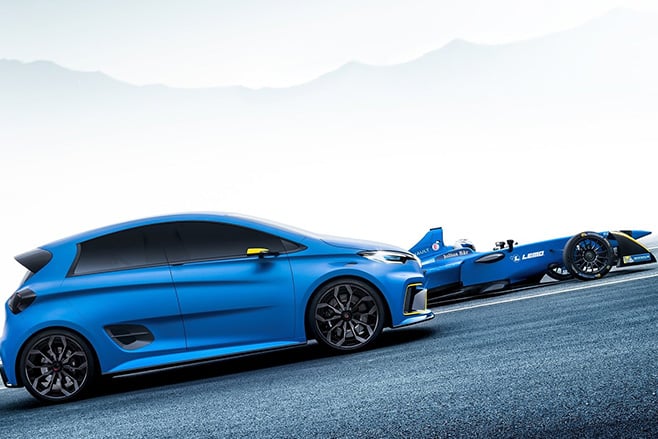
It looks the part too. Bulging bodywork encloses the Zoe e-Sport’s custom tube-frame chassis, widened track width and Formula E-derived mechanicals, and side vents feed air to its 40kWh battery pack. The blue and yellow paintjob is a homage to Renault’s e.dams Formula E team, and looks particularly fetching on the Zoe’s pumped-up bod.
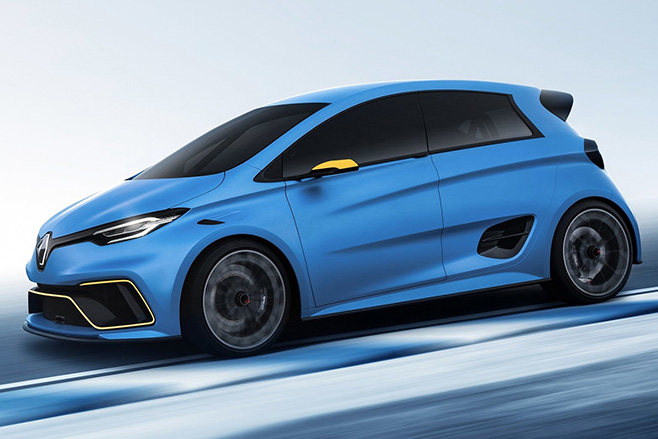
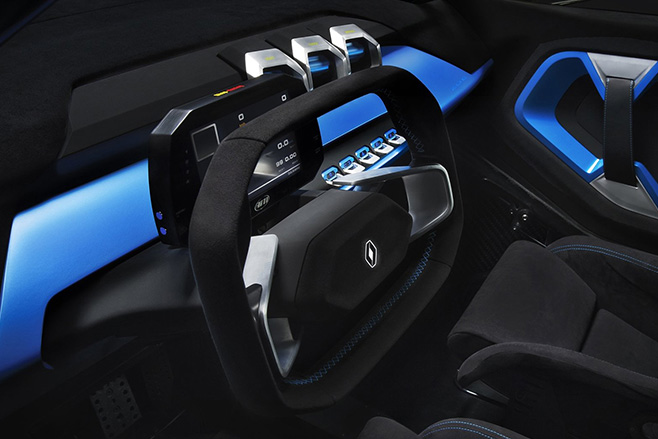
Handling hasn’t been ignored either. Fat race rubber is mounted to 20-inch centrelock rims, with adjustable race-spec Ohlins suspension at each corner. A flat floor and what appears to be a functional diffuser help keep it glued to the tarmac.
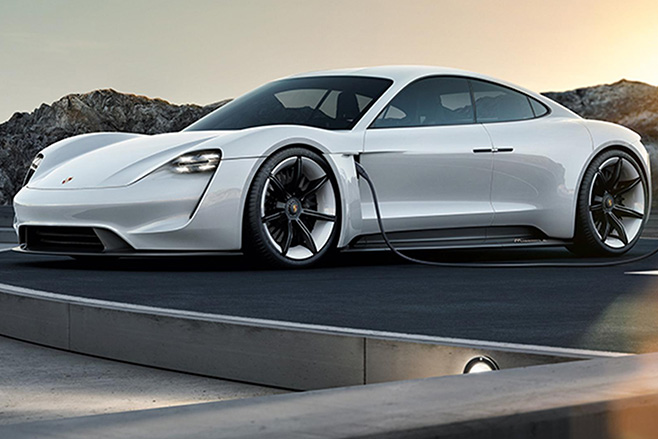
Porsche’s Mission E all-electric Tesla fighter could spawn an electric high performance family as the brand looks to capitalise on its investment in a new vehicle architecture and battery technology.
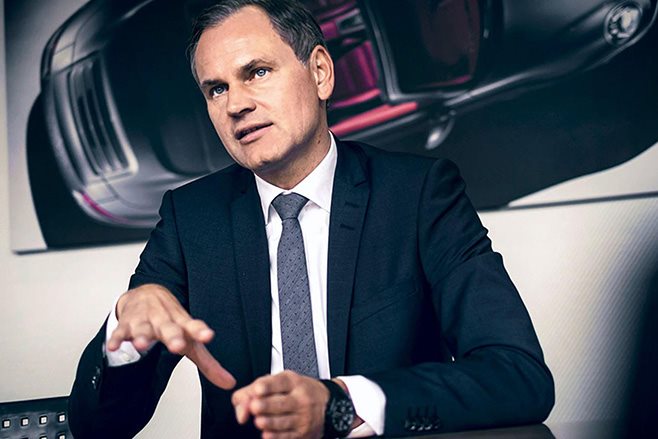
Speaking at the 2017 Geneva motor show, Porsche CEO Oliver Blume confirmed the company was considering other options to spin off the bespoke Mission E platform that positions batteries along its floor.
“We will start with the Mission E, but there are more and more options,” said Blume. “We can do a lot because we have a flat battery structure and this flat battery structure we can think about various options you can do with this technology.
“For us it is the first step but we will think about the second and third step.”
SUV sales are booming globally and in some countries – including the United States – they comfortably outsell regular passenger cars. In February 2017 official sales figures showed the Australian market hit a milestone, with SUVs outgunning passenger cars for the first time.
Blume also didn’t rule out a dedicated electric sports car.
“There are a lot of options for future,” he said. “The first step is Mission E. With experience then you can think about everything.”
However, he said anything in that electric space would not impact the existing sports car models, suggesting the two could co-exist in a broad future model strategy.
“What we will do always in combination between combustion engines … and electric cars.”
Blume said Porsche is thinking a decade or more into the future about how electric and hybrid cars will mix with the more traditional models.
“Last year we had a very big activity to build our Porsche strategy, so called 2025. And one important pillar to this strategy is the product strategy,” he said.
“We don’t think only about the year 2020, we think about the year 2025 and 2030.
“We have a very detailed cycle plan of what we want to do and this cycle plan also has flexibility.”
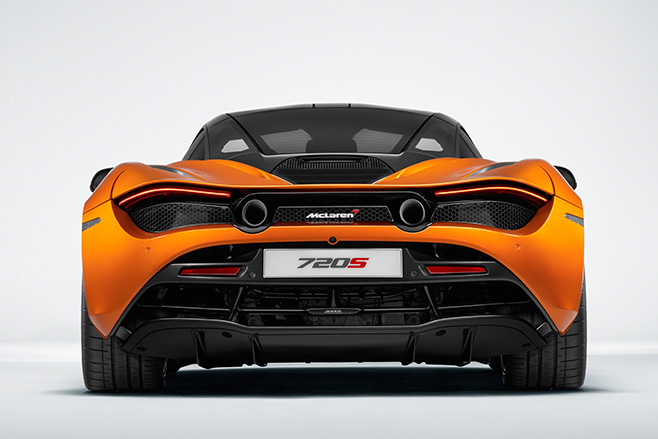
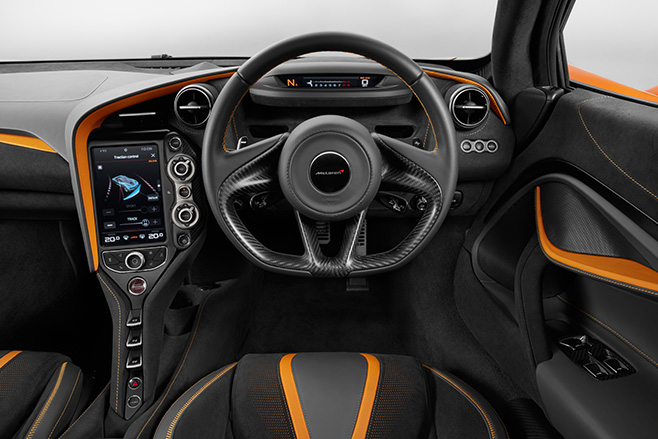
McLaren’s move to a modular carbonfibre platform for its McLaren 720S super sports car has the brand considering additional body styles, including a 2+2 seater to rival the Ferrari GTC4 Lusso and even a single-seat track special.
McLaren’s announcement about the opening of a new factory in England to build future carbon tubs was pretty much ignored in the excitement of the 720S debut, but it looks set to dramatically change the way the company’s cars are made.
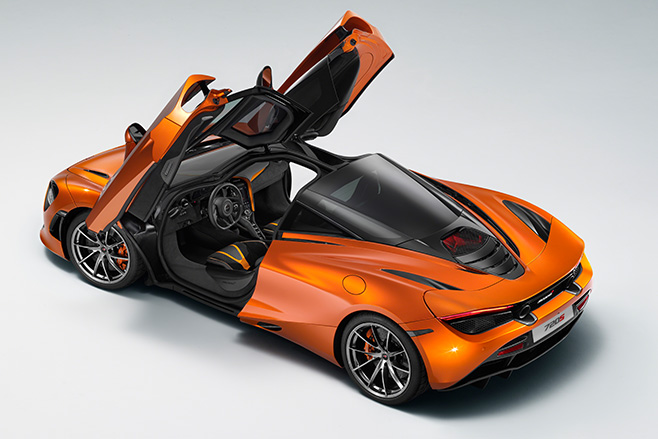
When Wheels spoke to company CEO Mike Flewitt at the Geneva motor show he confirmed the new tub will be much easier to adapt and even to resize.
Flewitt further admitted to the possibility of building differently sized McLarens, including those with extra seats. While the company is already working on a three-seater, the McLaren F1-inspired BP23, we might be seeing other variants.
“We’ve had people internally speculating about a single seater as a track car,” he told Wheels. “Would we go to a 2+2 or a four-seater? I wouldn’t rule it out.
“It isn’t on the plan today, but as the brand grows maybe. If you look at the 570GT that we launched last year it’s a superb GT car. In that segment maybe there’s scope to grow and offer more occupant space.”
McLaren’s tubs have previously been made in Austria by contractor Carbotech, but the company has decided to bring next-generation production in-house with the switch to a more flexible architecture. The tubs will be made in a facility in Sheffield, which will employ 200 people.
Every modern-era McLaren road car so far has been built around a version of the same basic structure. The new one, however, will offer vastly more flexibility.
“It’s going to evolve,” he said, “[the platform] is lighter and stronger and there’s more opportunity for different forms and different packaging.”
In the short term, having the ability to move previously fixed hard points will only be used to help package different powertrain configurations, most obviously the battery packs that will be used by McLaren’s forthcoming hybrid powertrain, which is believed to be an e-motor assisted V6 engine.
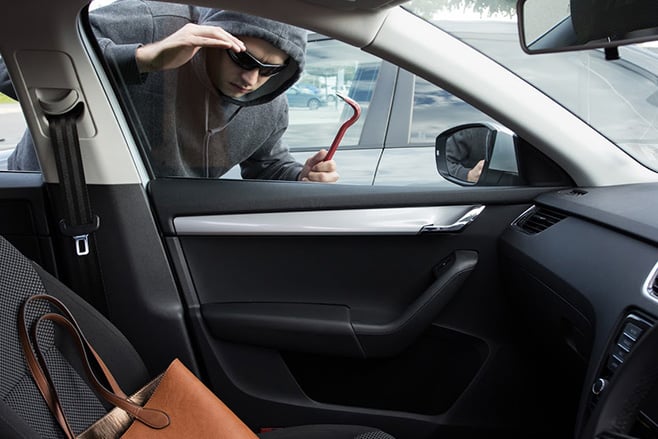
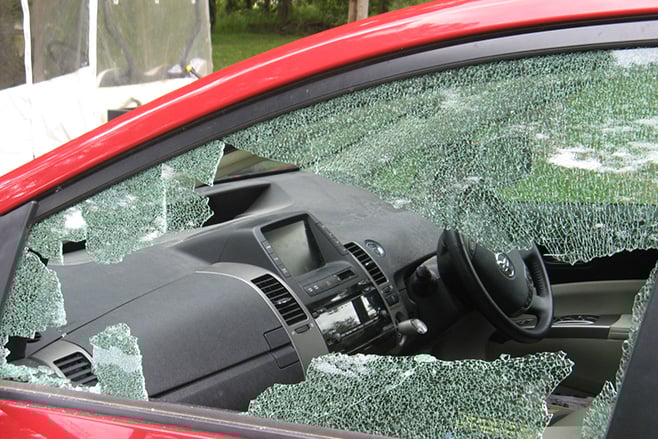
IT’S A truly awful feeling to find your vehicle missing from where you parked it, or to return to it and see shards of broken glass on the ground and your personal belongings missing from inside.
The Australian Institute of Criminology lists Australia as having one of the highest rates of motor vehicle theft in the world, and minor break-ins can feel even more invasive.
Here are some steps to help deal with a vehicle break in, should it happen to you.
1. File a police report
Calling the police is important. Vehicle break-ins aren’t an emergency – unless you see the culprit breaking in – so call a police assistance line rather than 000. But do it before you touch the car or move anything inside it. Take photos at this stage in case they are needed later. Having the police attend is worthwhile as an incident number will be needed if you make an insurance claim. It’s also a good idea in case there have been other break-ins in the area, because the police may dust for fingerprints if they think they can link the crimes together, or link your break-in to a known thief.
If the police can’t attend, you may need to visit a local station and file a report yourself. Take photos of the car at the scene, and show them along with your registration details, and any information you have about when and where it happened, plus a list of what was damaged or stolen. This last part is important if the culprit is caught, as it will assist police in returning your belongings to you and/or claiming for your loss.
2. Check for your garage remote/wallet/personal information
Burglars can be crafty and ruthless. If they have managed to steal a wallet or handbag from inside the car, call your bank and cancel your cards immediately. Same goes for anything else they may have that could be used negatively against you.
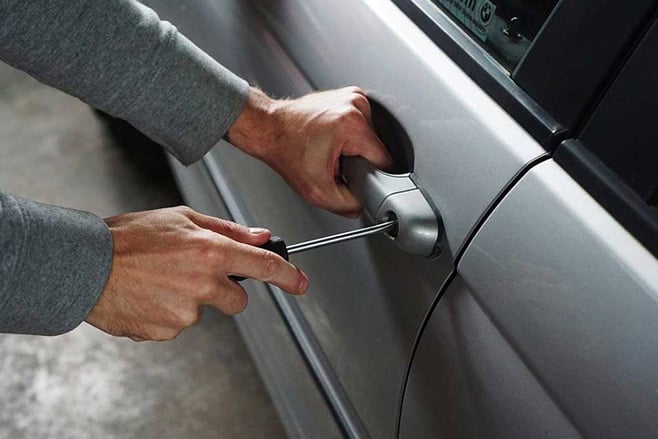
As a precaution, try not to leave anything in your car that has your home address on it. Check inside your vehicle logbooks and make sure there is no way to link possessions in your car with your house. This is especially important if you keep a garage door remote in your car. Thieves have been known to break into cars parked long-term and use a garage remote found inside to gain access to a home and steal from there. Don’t let that happen to you.

3. Look for witnesses
Was your car parked in a public place? Are there people around who may have seen somebody acting suspicious? Better yet, are there security cameras nearby? Police attending should cover these bases, but ask around while you’re waiting for them to arrive if you can.
4. Assess the need to call your insurance company
If there is significant damage to your vehicle, enough that you can’t drive it away, a call to your insurance company should help with tow truck arrangements. It will also get the ball rolling as far as repairs are concerned, and should have you back on the road sooner.
It may be that the damage is relatively minor, in which case a call to your insurance company may add unnecessary complication in future, including a potentially more expensive premium or denial of cover. If you consider organising your own repairs, take the car to a secure place and start your research before contacting your insurer.
If your car was parked at home when the incident happened, your home and contents insurance may cover items stolen from inside, though it’s unlikely to cover damage to the car itself.
5. Get your car repaired
If you’re insured, and you have chosen to leave the repairs to your insurer, this part will be easy.
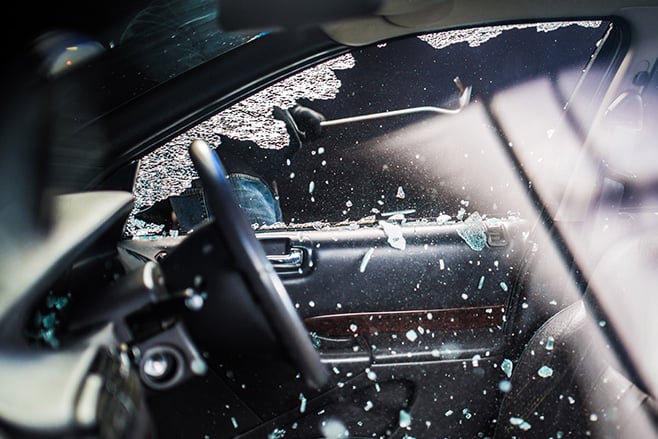
Where damage is limited to a single window or a door lock, it may be more cost effective to handle the repairs yourself rather than pay your insurance excess. This will also be the way to go if you do not have comprehensive insurance. Get the vehicle to a safe place and call a couple of workshops for a repair quote. Then compare that cost with the price of going through insurance.
If taking care of your own repairs is something you’re not confident with, leave it to your insurance company, which should be able to book your car into a repairer near you so that you can drop it off and get it back as good as new.
6. Take steps to prevent another break-in
Try to not to park anywhere a thief will find it easy to hide from view while breaking in. Dark corners, spots far from other people, and things like that. Does your car have an alarm? Is it working? An alarm won’t stop a criminal if they really want to steal from you, but they are a deterrent, and could reduce the impact of a break-in.
Old-school methods like club locks are another type of deterrent that make it harder to drive away in a car, so if a modern security system is out of reach this is an option to consider.
Another obvious strategy is to make sure no valuables are left in view from outside the car. Petty thieves will smash a window for a few gold coins in a cup holder, or a cheap GPS unit left on a dashboard. Put them out of sight.
FORD is hoping the arrival of an FX4 special edition version of its Ranger trade ute will provide the sales kick it needs to claim the title of Australia’s most popular pick-up in 2017.
Ranger is currently locked in a vicious battle with its long-time rival, the Toyota Hilux, with the Japanese contender taking out the sales race last year in a final-round sucker punch in December.
Hilux pipped the Ford Ranger in the 4×4 segment by just 196 units in 2016, on its way to taking the crown for Australia’s Most Popular Vehicle with 4×2 sales combined, but the locally developed Ranger is aiming to bounce back with the help of an FX4 Special Edition, released last month.
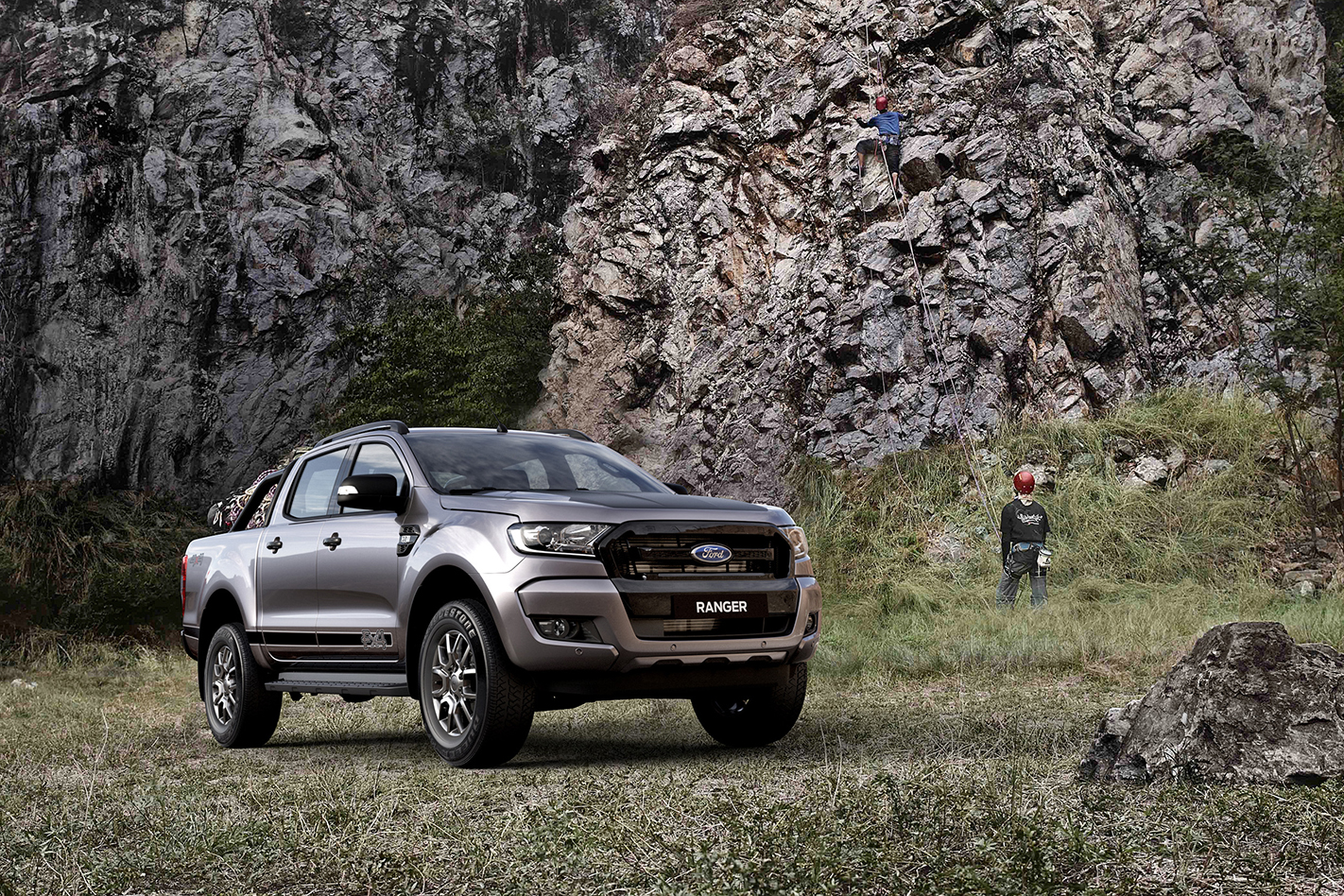
FX4 has been slotted in between the XLT and flagship Wildtrak – the more expensive variants that have contributed to about 60 percent of Ranger sales.
As with the Ranger’s last special edition, the XL-based XLS that became a permanent fixture in the line-up, the FX4 is a visually enhanced model with no mechanical changes despite the badge’s off-road focus on the US F150 ute.
Costing $3500 above the XLT from which it’s derived, the $58,915 FX4’s more aggressive exterior brings larger, 18-inch wheels with exclusive Stark Grey colour and horseshoe-spoke design, black-wrapped bonnet centre and tailgate, matt-black sports bar, with the heavy black theme completed by the custom grille, foglight surrounds, rear bumper, side steps and doorhandles.
There are also ‘FX4’ decals on the flanks, and four paints exclusive to the variant.
The FX4 features the first black leather interior for a Ranger, which Ford Australia says has been particularly well received by customers. Seats featuring ‘FX4’ logo on the headrests are joined by front and rear carpet mats and black interior trim highlights.
FX4 is powered by the same 3.2-litre five-cylinder turbo diesel as the XLT, with $2200 charged for the automatic gearbox alternative to the standard six-speed manual.
This is a limited-edition Ranger for now, though Ford Australia will no doubt re-assess the situation if the FX4 helps extend the 4718 v 4344 sales lead the Blue Oval has established over the Hilux after the first two months of 2017.
A wider, reverse gap in the 4×2 segment means Ford has a tougher assignment ending the Hilux’s three-decades reign as Australia’s best-selling ute, but a win in the vastly more popular all-wheel-drive class would certainly give Toyota a big black eye.
Porsche’s fastest car – the upcoming 911 GT2 RS – won’t have the manual gearbox option that’s made a return on the GT3.
However, the sports car maker has confirmed it plans to offer a self-shifting gearbox for a long time yet, bucking the trend set by supercar rivals such as Lamborghini and Ferrari, each of which has dropped a manual option.
Speaking at the 2017 Geneva motor show, Porsche boss Oliver Blume confirmed a long mooted 911 GT2 RS was around the corner, adding that it would continue the GT2 tradition of “big power”.
“GT2 – I know this model,” he joked when asked about the car. “In the past it was a very famous, famous model and maybe in future we will have a GT2 as well.”
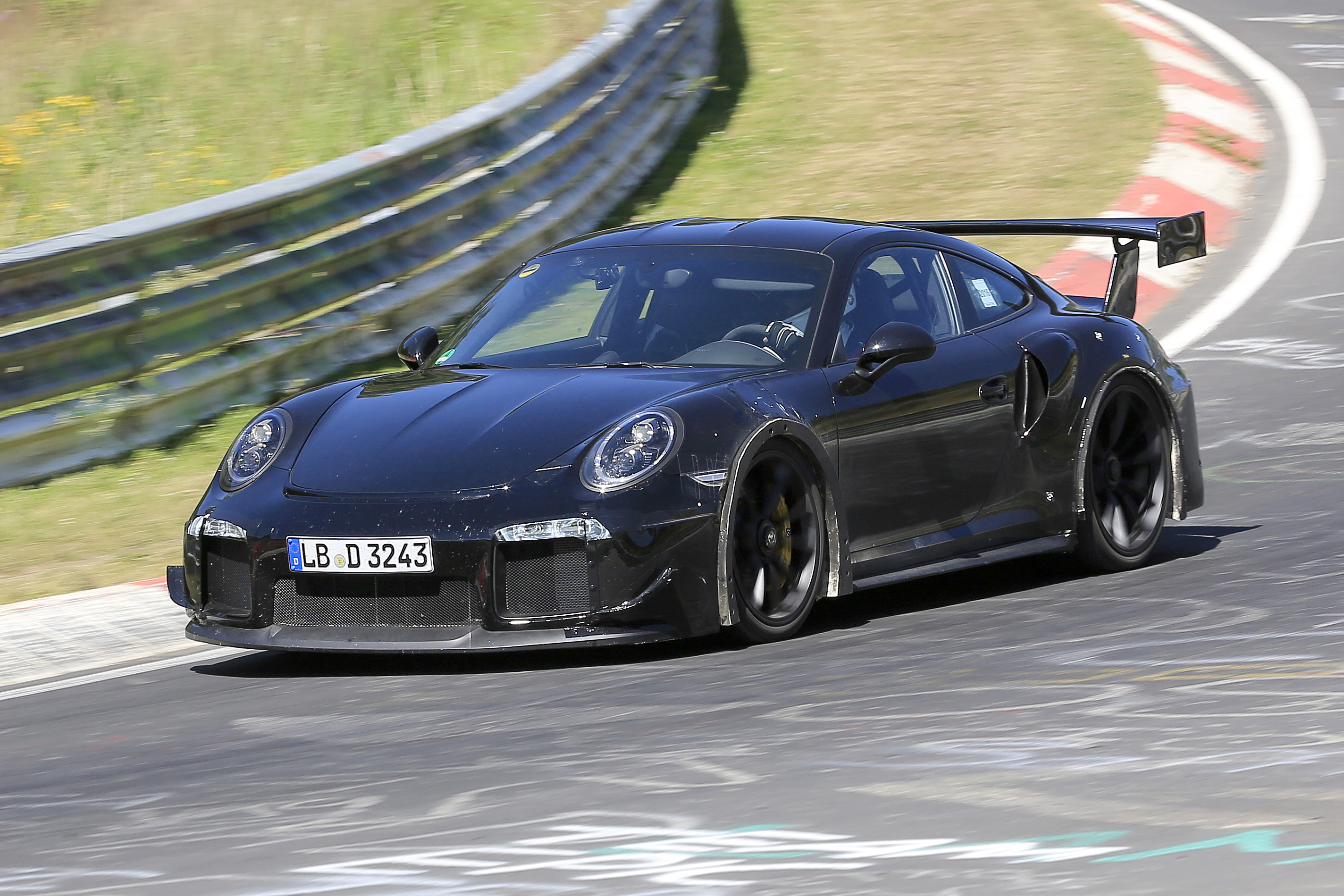
However, whereas the 911 GT3 uses a naturally aspirated horizontally-opposed six-cylinder engine, the GT2 will get a twin turbo version.
Like the GT3, the new 911 GT2 will drive only the rear wheels.
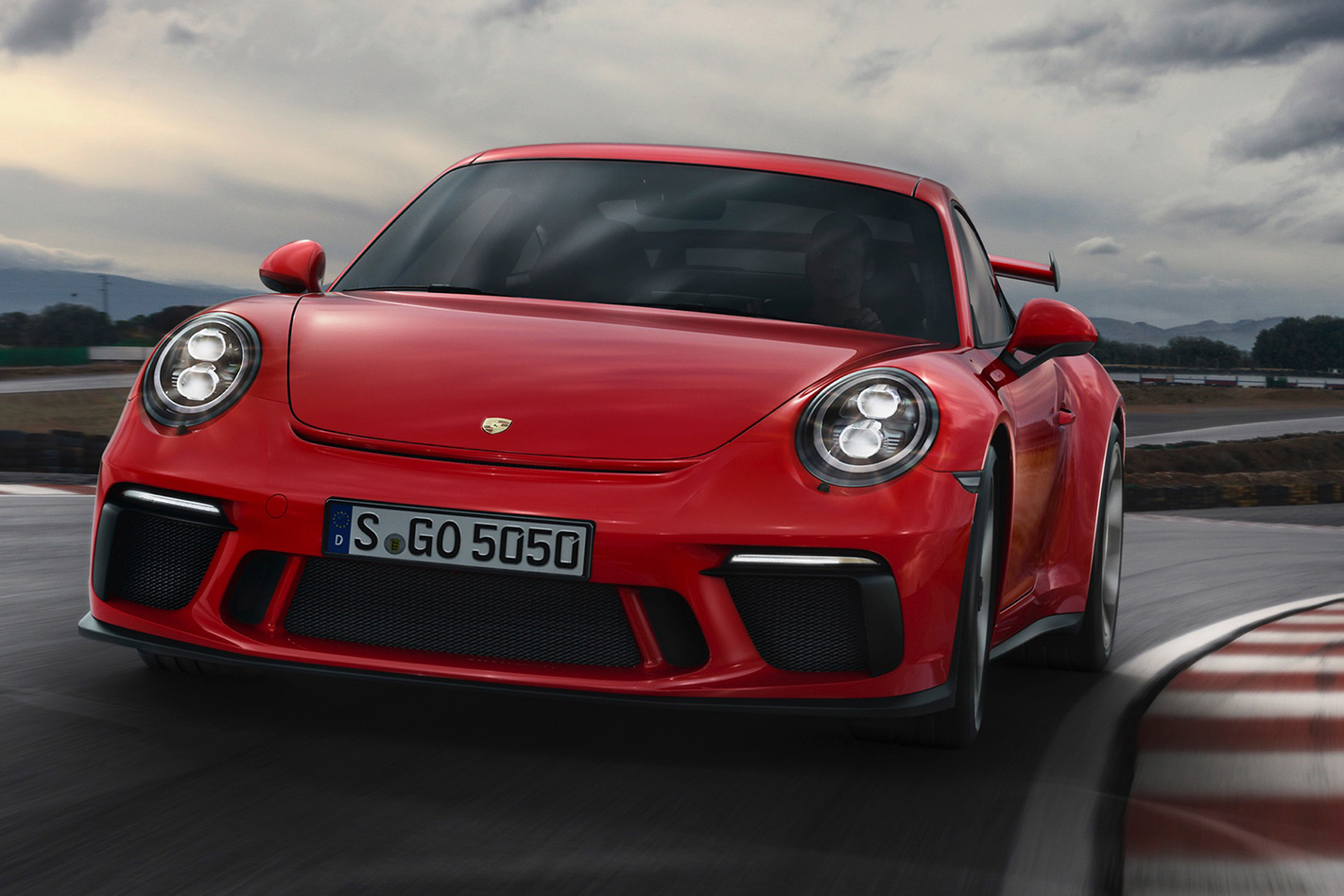
But whereas Porsche has just reinstated a manual option for the 2017 911 GT3 (below)– it’s half a second slower to 100km/h than the PDK auto – Blume confirmed the GT2 would stick with the PDK.
As for power outputs, no word yet from Porsche.
However, you can guarantee it will be comfortably more than the 427kW from the 911 Turbo S, currently the most powerful version of the 911.
“For the GT2 it is very typical to have big power,” said Blume. “Today we can’t talk about power but when we launch the car I think you will see at which level we can get to with the car – and we’re still working at it.”
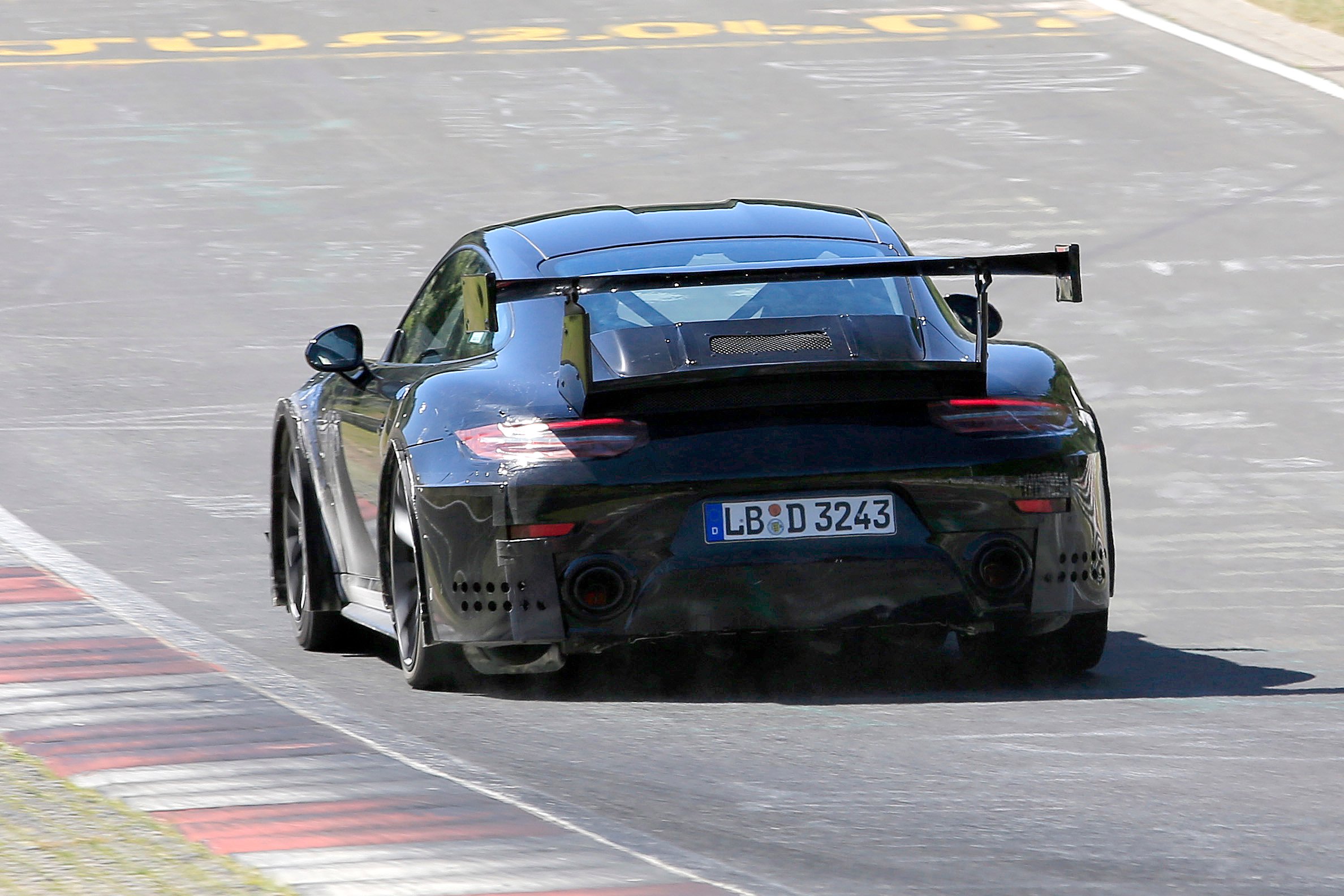
It will be a fitting last hurrah for the current capital-T “Turbo” engine used in the 911.
For the major update to the 991 version of the 911 – which is expected in 2018 – the 911 Turbo family will pick up a larger version of the new turbocharged engine family used across the rest of the 911 range.
Bentley Motors has revealed its Bentley EXP 12 Speed 6e concept at the Geneva Motor Show.
The uncovering of the concept car is more than a prototype reveal, instead acting as an example of Bentley’s future design direction and aspirations to lead the way in the electric luxury segment.
The drop-top 6e concept showcases the brand’s intentions to head to an all-electric future, with plans to ensure its every bit as practical as current fuel-powered vehicles.
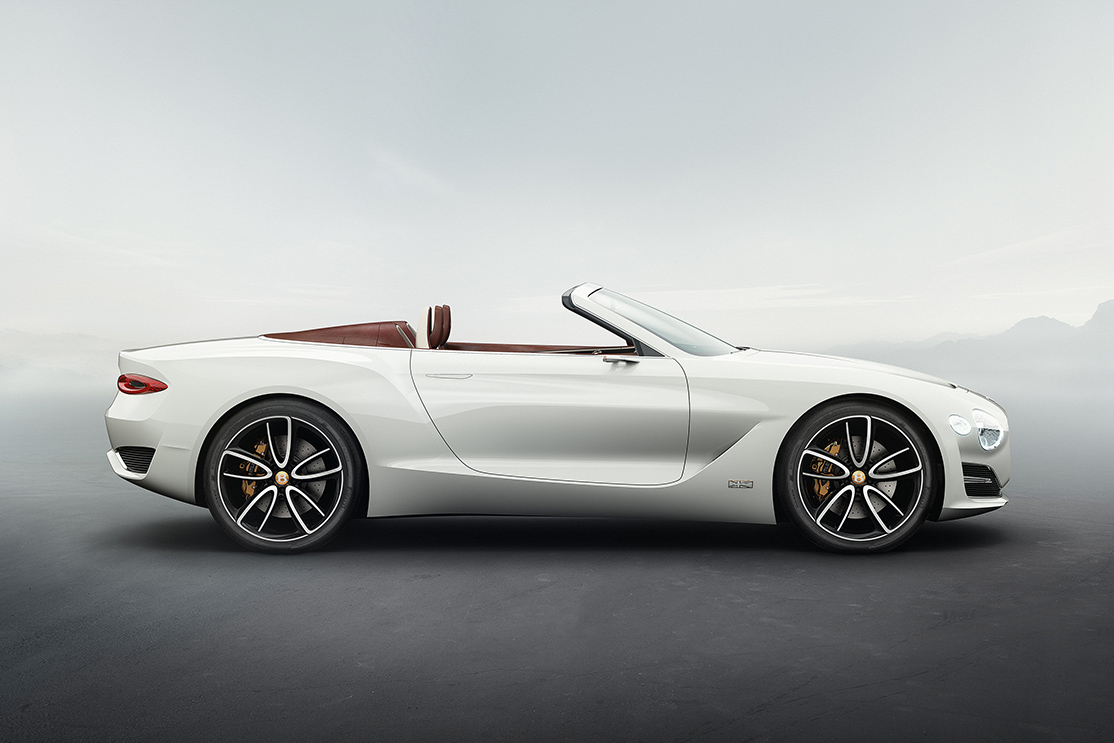
Including an on board concierge-style service and rapid inductive charging, Bentley said the Speed 6e will provide enough range to accommodate its customer’s grand-touring aspirations.
“An electric Bentley would, for example, be able to drive between London and Paris or Milan and Monaco on a single charge and the on board experience will be enhanced for both driver and passenger,” the brand states.
While the rapid inductive charging technology eliminates the needs for charging points, the 6e still offers the choice to connect to a power supply by auxiliary for the instances inductive charging is not available.
The engine will deliver enough torque to ensure the drivers still get the same enjoyment from driving as they do from Bentley’s current engine line-up. Although there’s not much more detail on the concept’s powertrain.
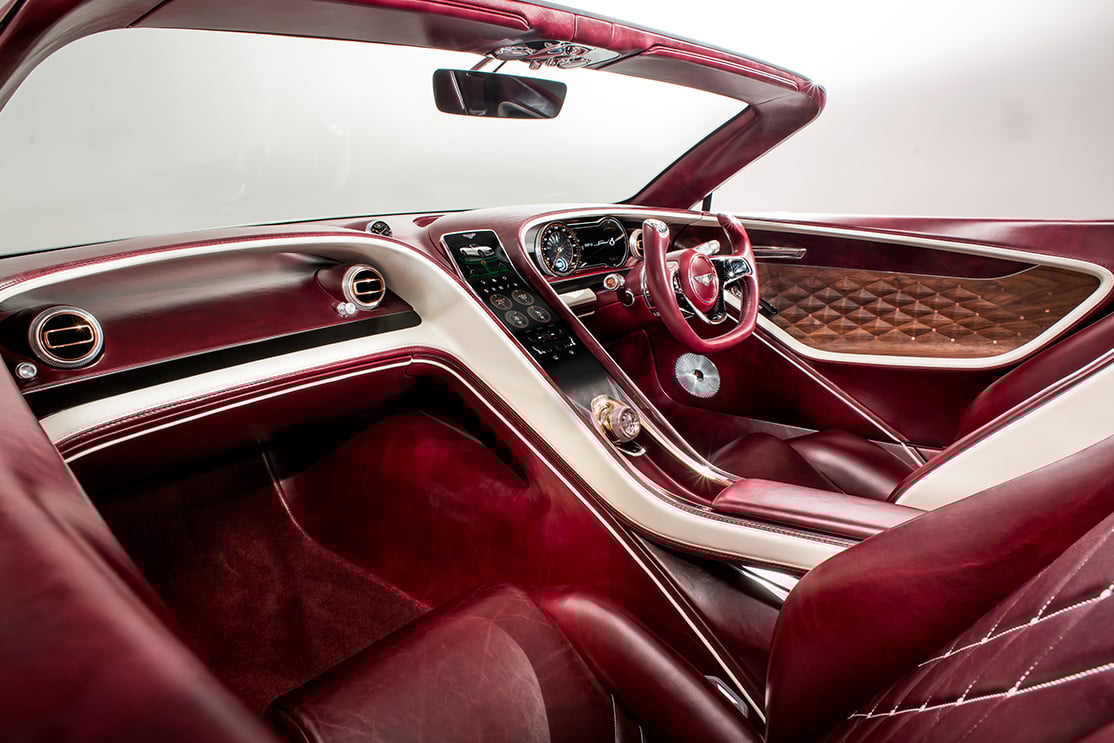
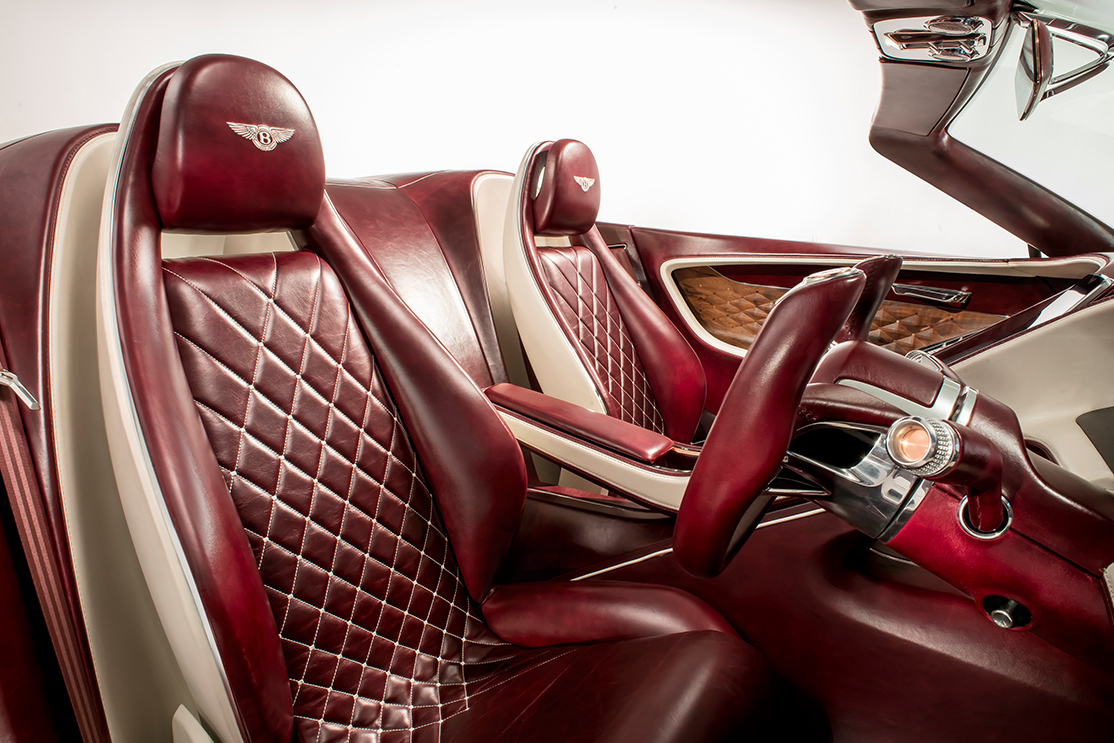
The interior of the Speed 6e plays to a futuristic and traditional design aspects of the brand, using leather, copper trims and “elegantly curved glass” around a high-definition OLED screen. The copper trims of the gear selector, dials and door panels extend to the concept’s exterior.
Bentley’s iconic mesh grille is featured, highlighted by a “complex 3D geometry and smoked finish” with copper accents. The 6e on the grille illuminates in white when the car is running.
“It represents a natural evolution of Bentley’s design DNA and signifies future design direction,” Bentley said.
The Bentley EXP 12 Speed 6e concept shows some similarities to the EXP 10 Speed 6 coupe revealed at the 2015 Geneva Motor Show.
Bentley insists this car is a means to gather consumer information and feedback, and will continue its electric car strategy of releasing PHEV models, which we will first see in the Bentley Bentayga next year.
You can’t go out to dinner in Geneva without tripping over a supercar or two – but even in this carbon fibre drenched berg, this one is kinda special.
The Fittipaldi EF7 Vision Gran Turismo gets its name from two-time world Formula One champion and two-time Indy 500 winner Emerson Fittipaldi, who has teamed up with the world’s best known design house and the brains behind the Mercedes-AMG racing program to produce this… stunning device.
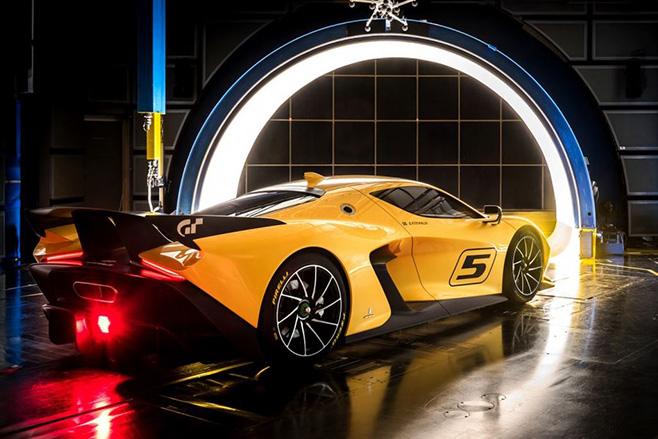
It’s designed and built by Italian stylemeisters Pininfarina, whose catalogue of exotica is as long as your arm. And the other one. Words like ‘shark’ are being bandied about, but I reckon it’s combined form, function and emotion into one thoroughly modern, yet strangely nostalgic shape that instantly attracts the eye.
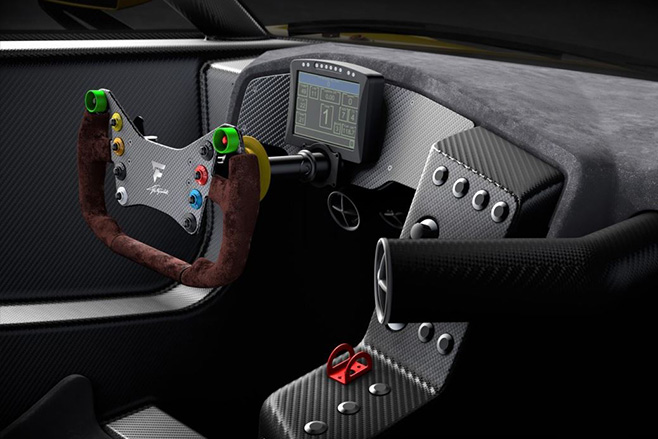
The carbon body is built to the FIA’s most stringent crash test standards, with a fully integrated roll cage and custom fixed back seats, a movable pedal box and adjustable steering column.
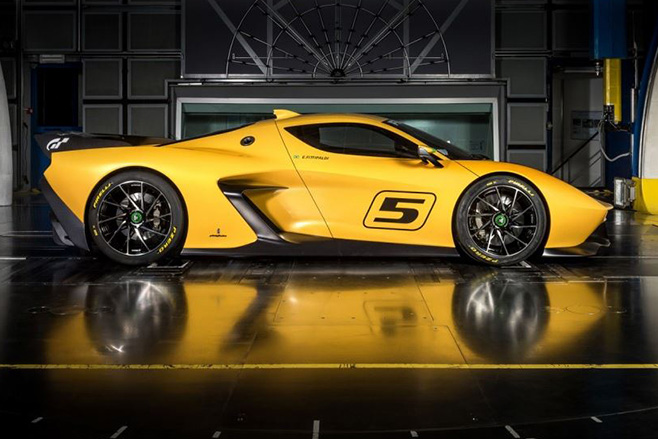
It delivers it power to the back end via a two-way limited slipper and a six-speed sequential gearbox, which, like the engine, is bolted directly to the carbon chassis.
Underneath, it’s surprisingly un-exotic, with steel double wishbones all round and steel brakes – but HWA builds all of Merc’s DTM cars, so there’s smarts in the simplicity.
Just 39 – one for each of Emmo’s F1 wins – will be built, and no price has been set. And for the likes of us, we’ll be able to have a go of it when Sony and Polphony add to the roster of Vision Gran Turismo cars on GT4.
