
QUESTION – SIMON: We are starting a family and I’d like a safe and comfortable SUV with great fuel economy and the best resale. I like to update my car every 2 years or so to ensure we always has modern safety gear. That’s the most important thing.
I have been looking around and had in mind a Mazda CX-5 GT Diesel. Having said that, I’m concerned that the new CX-5 model arriving next year may harm the resale value of the current car.
BUDGET: $50,000
RESPONSE – SAMANTHA: You are on to a good thing with the Mazda CX-5. We often recommend the model, and the GT Diesel is a great variant. If you do need to buy a car in the short term and opt for the CX-5, be sure to add the Safety pack for $1060. It includes blind spot monitoring, rear cross-traffic alert, auto-dimming rear-view mirror and Smart City Brake Support (forward collision warning and auto-braking).
If you don’t need to buy right away, it is worth waiting for the new model since you’re quite concerned about resale values. The CX-5 will be significantly updated within your two-year ownership period, and this will affect the resale.
The current car was launched in 2012 and updated early last year, so it is admittedly getting older. The resale on this vehicle is currently one of the highest in the compact SUV market; it is a popular seller, and the diesel is handling depreciation well, so it’s a small risk if you do choose to buy now.
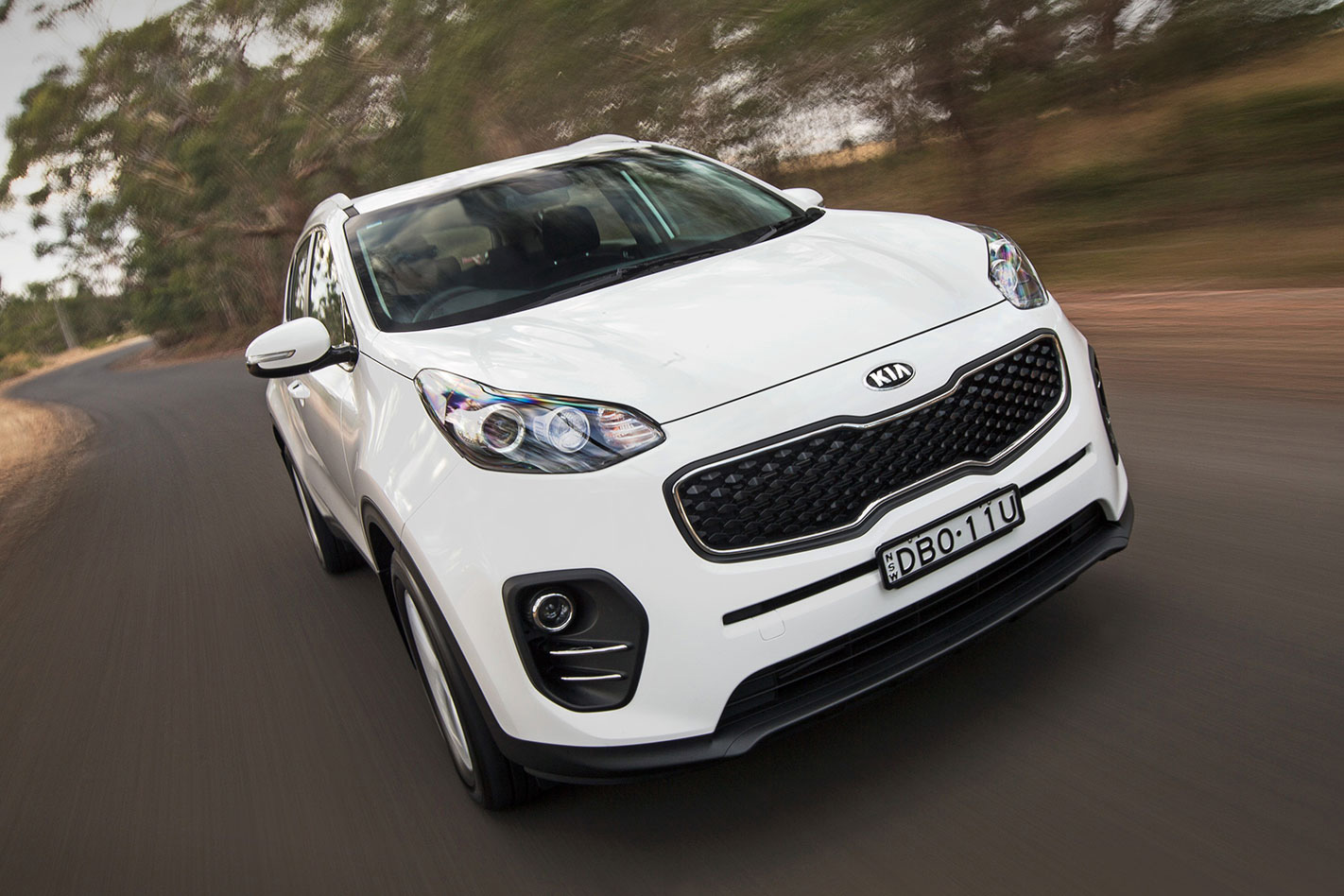
The new Hyundai Tucson and the Kia Sportage Platinum are also excellent, though resale is not as outstanding in the Korean corner. The new VW Tiguan 110TDI gets the nod for safety and economy, but resale is also somewhat unknown. It is a very new model, meaning it won’t be superseded during your two-year ownership, however VW’s issues with its older diesel engine emissions has affected general buyer confidence to some degree. Whether or not that will remain long term remains to be seen.
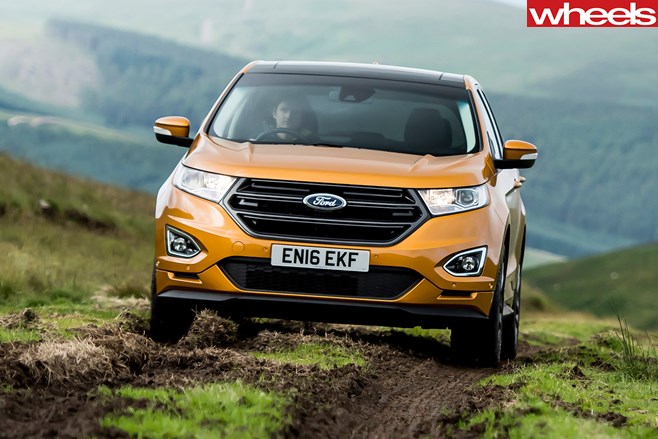
Others you may want to investigate that have excellent safety and fuel economy would be the Ford Kuga Titanium ($45,190 2WD, or $47,190 AWD), and if your budget can stretch or you don’t mind buying a near-new demo, the Lexus NX200t Luxury 2WD ($53,550).
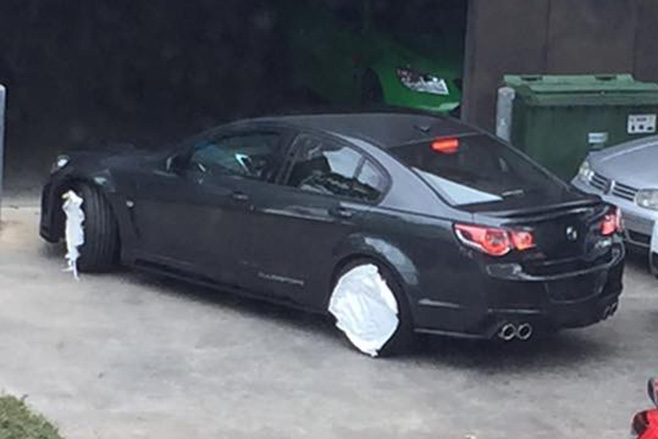
IMAGES of what are believed to be the last Holden Commodore-based HSVs to roll out of the company’s Clayton-based skunk works have appeared online – including one featuring what may be the 476kW GTS-R W1.
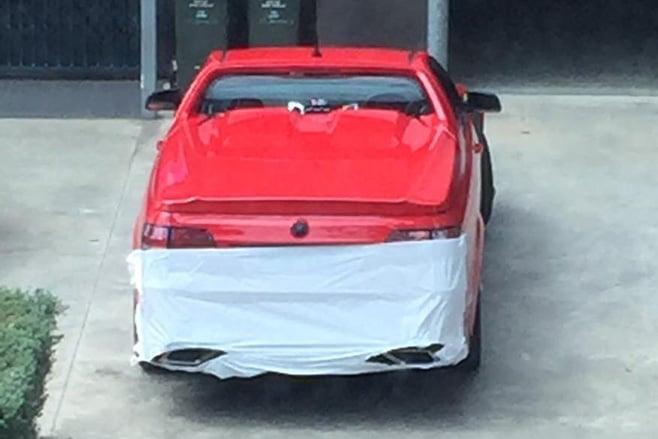
The series of images posted to social media include sedans and utes with the front and rear features, wheels and front guard-mounted badges under heavy disguise.
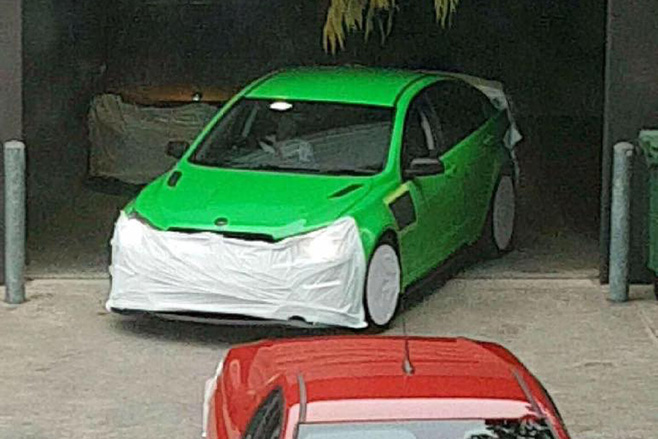
Three of the cars, posted to Photobucket, allegedly show new colours that will be introduced to the HSV range as part of the last hurrah for the Zeta-based performance range – Spitfire Green, Light My Fire Orange and Son of a Gun Grey.
But it’s the gold-coloured car that has the most interest for us – it appears to have significantly more disguise down the rear than the other cars snapped, potentially hiding an amped-up rear wing that will become the signature feature of the throwback R-badged car.
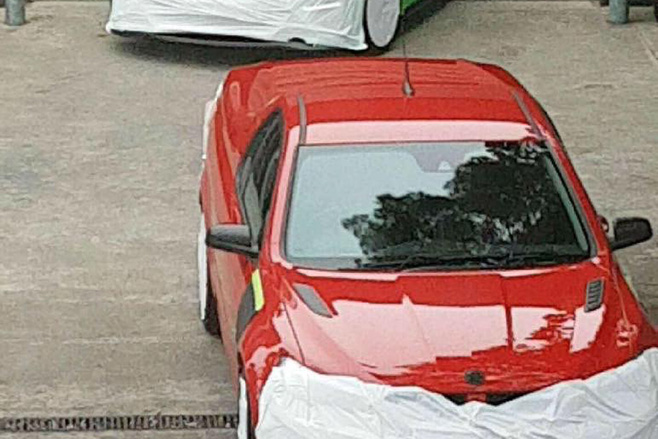
It also features much more disguise around the side air vent built into the front guard, suggesting the car will gain special badging compared with the more pedestrian versions in HSV’s final model line-up.
HSV has remained tight-lipped over plans it has to sign off on its 30-year association with the locally made Holden Commodore, although rumours leaked late last year that as well as a GTS-R, the final line-up will also feature a monstered GTS-R W1. However, HSV’s network of specialised dealers are believed to have already taken pre-orders for the cars, confirming the final batch of the fastest, most powerful HSV-badged cars ever.
The W1 will be powered by the Chevrolet Corvette ZR1’s LS9 engine, with a power output in the region of 476kW and a massive peak torque number of 820Nm. The cost? It’s rumoured to be as high as $170,000, which would make the GTS-R W1 the most expensive and powerful Holden Commodore ever made.
Production is expected to be limited to just 250 GTS-R W1s due to limited availability of the LS9 engine. However, the GTS-R will remain available as long as Holden’s Elizabeth plant remains operational, and will sit between the W1 and the $96k, 430kW, 730Nm GTS in terms of performance and price.
Having the LS9 wedged under the bonnet should make the W1 the fastest production vehicle ever made in Australia, with a 0-100km/h sprint of four seconds (and quite possibly less), and a quarter-mile timeslip close to 12-seconds flat.
There will only be a manual transmission available, with the automatic allegedly too costly to integrate with the chassis.
The previous most-expensive Commodore available was the W427, which was powered by a 7.0-litre LS7, and cost almost $150,000.
Aston Martin’s Rapide is rarer, Benz’s CLS63 AMG more extrovert and the BMW M6 Gran Coupé has tail-happy grunt. But the second-gen Panamera sits above any high-end four-seater ‘coupe’ rival.
This is Gran Turismo par excellence – prettier than its frumpy predecessor, it folds sports car performance and handling into long-distance comfort with innovation and high-level refinement, materials and build quality.
It’s the first model based on the modular MSB architecture; developed by Porsche, the RWD/AWD platform will also underpin Bentley’s Continental and Flying Spur in 2017.
The front-mid engine layout gives sweet handling and the aluminium-intensive body is lighter, stiffer and easier to adapt – a shooting brake is confirmed and there may be a 929 coupe/cabrio. It’s over five metres bumper to bumper, and at 1995kg matches the Bugatti Chiron’s mass.
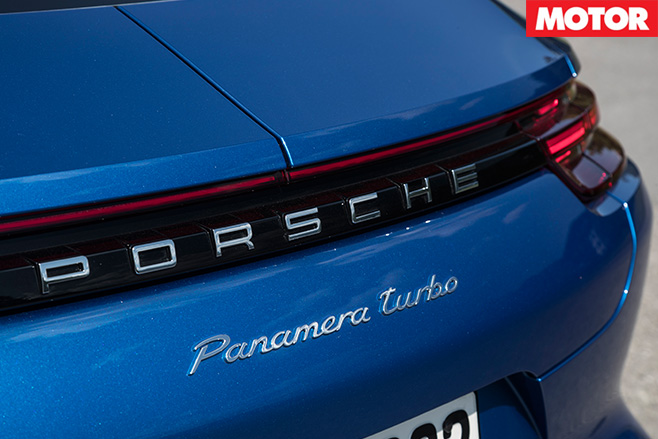
Launch-controlled take-offs are serious events in a car this massive. The initial urge hurls you to 200km/h when it gets its second wind and doesn’t let up until about 280km/h. From there it takes a while to climb to the 306km/h v-max.
Drive this car with enthusiasm and the transmission adapts, ignoring 7th and 8th, shifting down earlier, holding gears longer. Seventh gear on the autobahn lets you max the beast but while the official average consumption is 7.3L/100km, when the devil got the better of me the on-board computer admitted it was drinking 16L/100km. Though with a list price of $376,900, who cares?
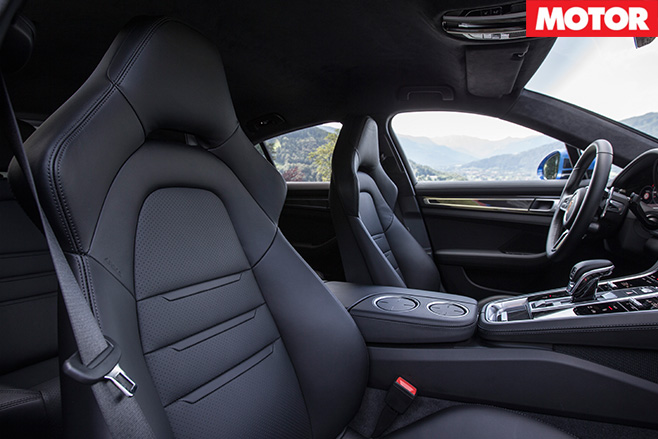
Still, it’s not perfect; tip-in is rougher than you’d expect from a world-class GT, throttle response is painfully slow when you move the shifter to reverse or back to drive, there’s a small dip between idle and the torque surge, and pronounced low-gear upshift kicks in sportier modes are more GT3 than GT.
And while it’s bristling with innovation, goodies such as rear-wheel steering, adjustable anti-roll bars, compound brakes and wide wheels cost extra.
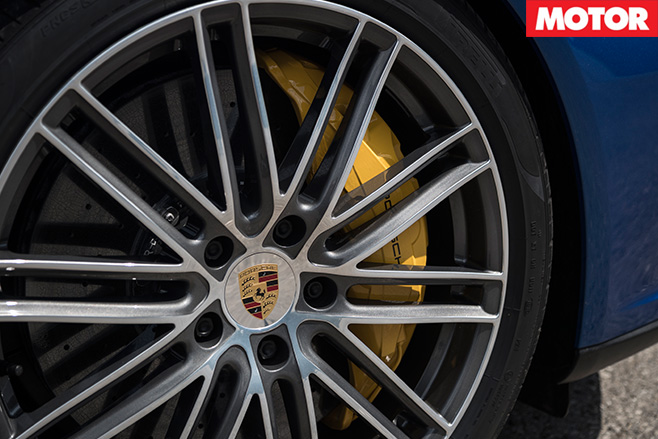
Despite extra-wide 21-inch wheels, the test car wasn’t unduly harsh and didn’t tramline excessively. Rear-wheel steering isn’t something you’d miss – until you tried it. By tightening the turning circle below 50km/h, parking is less of a chore.
At the other end of the speed range, directional stability is less of an issue now. And while the optional carbon-ceramic brakes seem like an unnecessary race track trinket, they are nice to have on normal roads, though the brutal power often requires full ABS assistance and a firm grip on the wheel.
The most critical man-machine interface – steering – has seen some electro-mechanical systems developing lives of their own. Not in the Panamera, with its fixed-rate steering; what you feel is what you get, without amplifier or filter. The car turns in swiftly, oozing confidence, and stays on the ball as you wind on more lock. The steering is precise and well damped. It’s a compelling level of involvement.
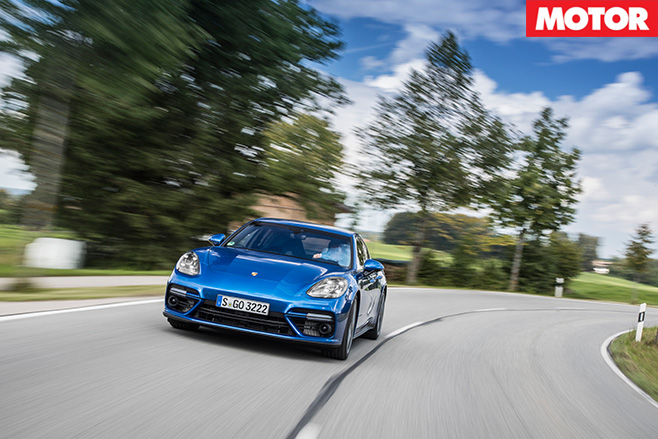
This car combines grand cruiser and sports coupe traits at will, which means your drive can be as relaxed or focused as you want. It’s easy to picture a sportier GTS version with four bucket seats, more aggressive software, manual transmission and rear-wheel drive but that’s not the way Porsche wants to go. Instead, the new Panamera offers technology and luxury, fine materials, rear-seat entertainment and the biggest panoramic roof in its class.
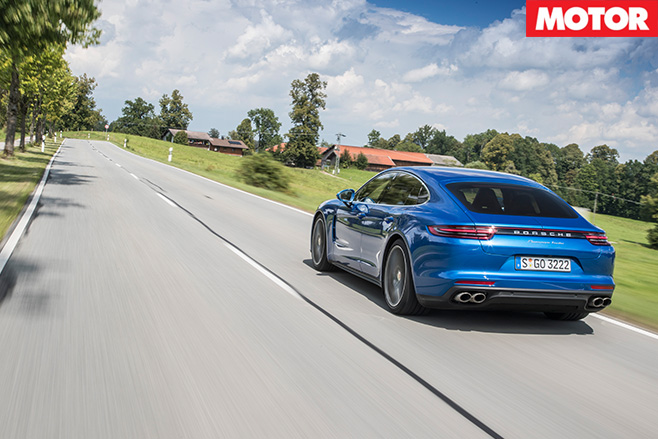
The choice of engines elicits similar thoughts. The 404kW powerhouse is nice but ‘social acceptance’ starts nagging. Still, the V8 runs on four pots part time. The sole diesel now is a 4.0-litre eight that needs all-wheel drive to lay down its grunt.
The smartest choice may be the 328kW 2.9-litre V6, which will be in the 2017 hybrid, with a 102kW e-motor. It’s more responsive, more eager and more exciting, yet weighs and consumes less. Yet for purists, the turbo V8 is sure to remain the favourite and bugger the cost.
WHAT has already been confirmed and what can we expect for 2017? We detail everything we know ahead of another exciting year for the world of motorsport.
Dakar
The Dakar 2017, run from January 2-14, starts for the first time in Paraguay’s capital, Asuncion before heading into Bolivia and Argentina. Bikes 2016 winner and Aussie Toby Price is back to defend his 2016 triumph.
World Endurance Championship
Having announced its withdrawal from sports car racing earlier in 2016, Audi will now concentrate its motor sporting activities on electric power in the FIA Formula E Championship, a kind of dramatic-looking, faster golf carts and a way more affordable campaign than WEC and Le Mans.
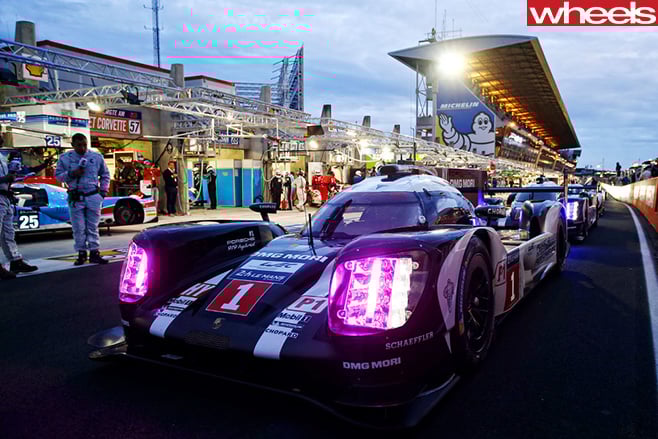
For 2017 it will be Porsche versus Toyota at the pointy LMP1 prototype end of the grid.
Bathurst 12 Hour
Boosted by the similar growth of Tony Quinn’s trans-Tasman Australian GT Championship, the Bathurst 12 Hour for 2017 has attracted a circa 60-car international entry laden with exotica – four Bentley Continentals, seven Audi R8 LMSs, five Mercedes-Benz/AMG, two BMW Team SRM M6 GT3s, four Nissan GT-R NISMO GT3s, four new Porsche 911 GT3 Rs, plus Aston Martin, Ferrari, Lamborghini, McLaren.
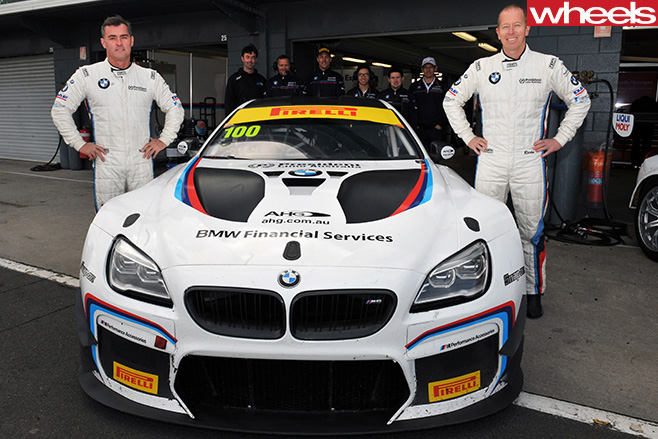
The quality of drivers matches the cars. International Timo Glock, Marco Wittmann, Patrick Long and new WEC champ Marc Lieb have already been locked in with many more to be confirmed. Stars from the Australia Supercars championship include Jamie Whincup, new champion van Gisbergen (who has abandoned McLaren and Tekno to drive a Mercedes), Craig Lowndes, Mark Winterbottom and Chaz Mostert.
Maro Engel will bolster an already imposing crew after being confirmed to drive the Scott Taylor Motorsport Mercedes AMG GT3 in the Liqui-Moly Bathurst 12 Hour from February 3-5. As previously reported, Shane van Gisbergen vacates his McLaren factory role in 2017 for the STM Mercedes alongside Craig Baird.
Along with securing Engel, STM recently received confirmation that it will be embraced as a fully supported AMG factory team at the 12 Hour.
Past Bathurst champs Mark Skaife, Russell Ingall, Tony Longhurst and Steven Richards are also set in their resplendent new BMW suits.
World Rally Championship
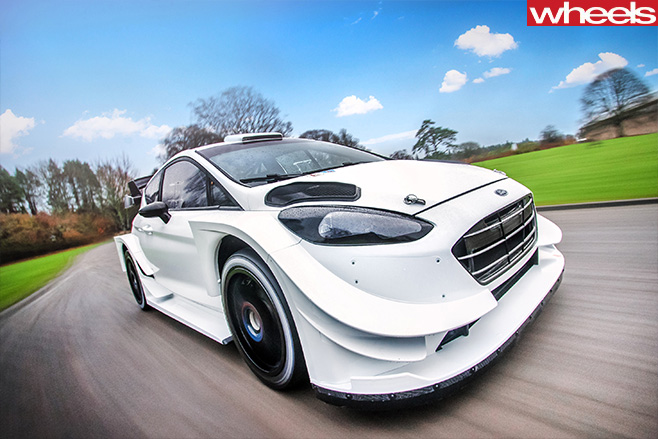
While VW has certainly disappeared as a factory team, back for 2017 are automotive giants Citroen and Toyota with dramatic new-look challengers boasting extra power, less weight, bigger rear wings and more noise – all designed to improve the roadside action for fans.
Craig Breen and Stephane Lefebvre joins veteran Kris Meeke to spearhead Citroen’s full-tilt return to the WRC in the aggressive-looking C3. Meeke will drive in all events, with Breen and Lefebvre alternating in a second car until the team elects to run a third C3 WRC mid-season.
Spearheading the Yaris campaign in 2017 will be experienced Jari-Matti Latvala, formerly with VW, and Juho Hanninen, who has been handling much of the testing for Toyota ahead of the Japanese manufacturer’s return after a 16-year absence.
After first testing a Toyota Yaris WRC and then the new Ford Fiesta, free agent four-times world champ Ogier settled on the M-Sport drive for 2017. Ogier will lead the M-Sport team with Estonian, Ott Tänak, the campaign starting at Ralleye Monte Carlo in January.
Volkswagen Group motorsport boss Wolfgang Durheimer says a priority is to get the Polos back into the WRC with the help of private backing. The bottom line is that VW doesn’t intend to be spending a dime on rallying any more.
Durheimer explained that VW Motorsport’s technical expertise is available for anyone with the budget. His aim is to see Polos on the startline at the Monte Carlo event in January, and then tackling the whole WRC.
All of that is conjecture, but certainly a possibility.
MotoGP
The MotoGP grid in 2017 will look quite different, with Lorenzo accept huge money to try to help Ducati break its drought and win another world championship. Joining Valentino Rossi at Yamaha is talented Maverick Vinales, who also claimed a maiden GP win in 2016 (with Suzuki). Edged out of Ducati to make way for Lorenzo, Italian Andrea Iannone has re-emerged at Suzuki.
All of which makes for a potentially compelling season ahead.
Things are brewing at Honda. It’s back fighting in Formula One after a nine-year absence. The NSX reportedly lives as a very proud successor to the last. There’s also a Type R in its ranks that’s doing damage to respected stalwarts in the hot-hatch segment.
While the Civic Type R has put this performance offensive within reach of mortals, we believe the trickle-down effect isn’t yet complete and there’s untapped potential in the bustling supermini battle for Honda to stake a claim.
After all, what better way to rebuild a brand’s reputation than by recruiting new loyalists who don’t remember, and therefore can’t make comparisons to, the loftily remembered past?
That’s right, we’re suggesting a Type R based on the cheap-as-chips Jazz.
Ford does it with the Fiesta ST, as do VW, Peugeot, and Renault. So if Honda really wants to take on these players, it’ll need to do so at every level. A Jazz hasn’t ever been the focus of its go-fast division but tuners have proved just how apt and easy a hotter version would be.
This is how we’d go about it:
Power Up
Unfortunately, Frankenstein fans, there’s just no way the Civic Type R’s monstrous 2.0-litre turbo four would fit in the Jazz’s engine bay. There is, however, enough room for the brand’s new 1.5-litre turbo four. While an ‘eco’ engine in the next-gen Civic, with 134kW and 240Nm, the reworked unit’s a total powerhouse in the tiny Jazz.
Cog-Swapper
Matched only to a six-speed manual, the engine will drive front 215mm-wide tyres through closely-stacked ratios. Honda will pay close attention to shift feel if it’s to continue tradition. A strict diet will see less than 1000kg to drag along, and it’ll claw its way to 100km/h from rest in 6.9sec, and hurry on to a 225km/h top speed.
Tighter Tub
Power’s one thing, but if it’s to really makes its mark, the Jazz Type R will need a sorted chassis too. Stiffer springs drop it by 10mm, while firmer bushes at every major suspension link sharpen its reflexes. More negative camber at the front and an ESP-based front ‘LSD’ complete the transformation.
On the Picks
The stock rear drums are binned and Brembo brakes give the Jazz Type R class-leading accuracy and retardation on the picks. They’re hiding behind Civic Type R-aping 17-inch rims, while an optional aero-honed body kit (pictured) signals the Jazz Type R intent.
Red Room
Inside, dials glow red and the gear-knob is polished alloy. Keeping it under $30K, Honda ditches alloy pedals but keeps grabby Recaros. Finishing the transformation is a red LED background to the ‘H’ badge on the steering wheel.
Ford Focus RS: Why the Nanny State is out of control
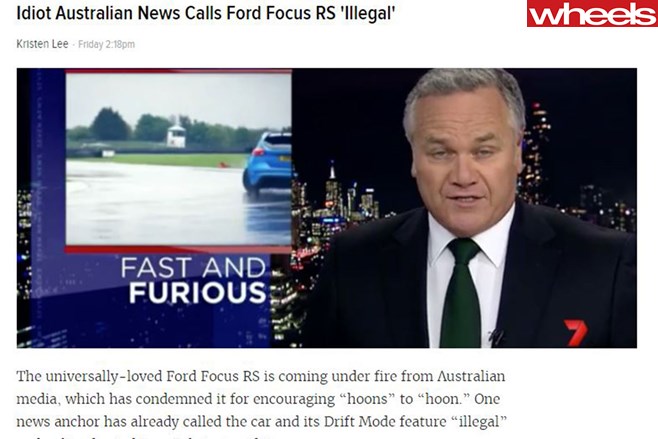
People like to tar all media with the same brush, so it’s little embarrassing when our colleagues at other media outlets come up with stories such this effort slamming the Ford Focus’s Drift Mode as “illegal” and encouraging hoons. Stephen Corby was a little more incensed than embarrassed when he bashed out this rant at those members of the media, who he deems to be in cahoots with “officers of the Nanny State”.
Corby maintained the rage in this piece where he explained how if you drive like a normal person, you’re basically hanging on to that precious piece of plastic in your wallet by the thinnest of threads – particularly if you live in Victoria.
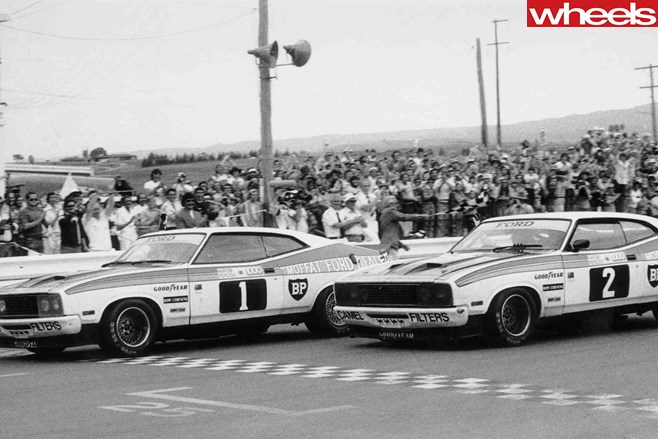
The final Ford Falcon rolling off the Broadmeadows production gave us a glimpse of our motoring life in Australia once local vehicle manufacturing finishes by the end of 2017. And, according to Toby Hagon, it’s not pretty.
Glenn Butler questioned Ford Australia’s diary-keeping abilities and canned the company for scheduling the closure of its local manufacturing on the same weekend as the Bathurst 1000 – a sacred date for die-hard fans of Aussie cars.
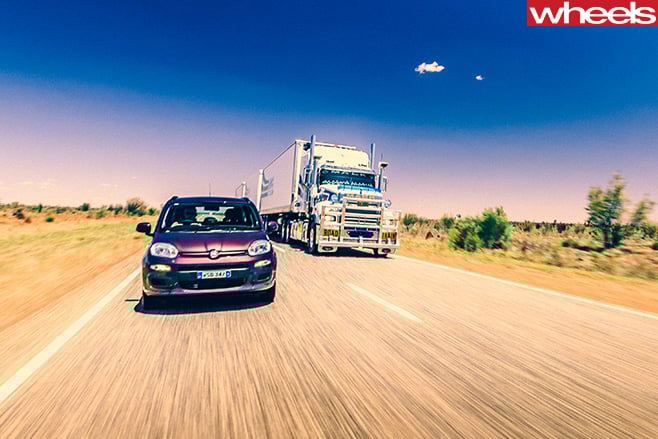
Why scrapping unrestricted speed limits in the Northern Territory is a stupid decision
Corby could have simply written “because it’s stupid”, but instead provided a thoughtful lament on how rare it is when governments get things right, only to have their good work undone by the “Nanny Staters”.
I’m trying to stay calm. I really am. Om… Om… I can feel the side of my head pulsing.
If my brain had a dashboard, all the warning lights would be coming on. I don’t do well with traffic jams. Especially not behind this idiot in the blue Kluger. What’s he doing? Where are you trying to go, Kluger Man? Are you trying to lane-split in a two-tonne ’burbcraft carrier? Om… Om… Omigod.
It’s not a completely irrational reaction. In July this year, 12 people died during a three-day, 20km traffic jam outside Brebes in Indonesia. Some of the victims succumbed to heat and fumes. I imagine the rest died after smashing their heads into the steering wheel repeatedly because the guy in the blue Kluger has tried to swap lanes and has now entirely blocked both of them.
In 2010, China’s National Highway 110 in Hebei province got clogged with a traffic jam that stretched more than 100km and lasted more than 10 days with an average speed of 1km per day. Per day. Probably caused by this guy in the blue Kluger. He is the worst person in the world. He should be tried at the Hague. Never mind the hoon cars: his Kluger should be crushed into a cube, with him in it.
Pollution at intersections is 29 times higher than on the open road. Cars stuck in stopped traffic contain up to 40 percent more pollution than those moving at 60km/h. Traffic jams are literally trying to kill you. Kluger Man is trying to kill me. If I don’t suffer some kind of catastrophic stroke first.
There’s a smartphone app now, called Awake at the Wheel: Mindful Driving, that includes ‘mindfulness’ techniques for when you’re stopped at red lights. “At each red light, pause and return to the present moment,” intones meditation teacher Michele McDonald. (This is really real.) “Take a few breaths. Settle into the stillness. Observe the glow of the stoplight.”
Maybe. But returning me to the present moment and making me observe the glow of the stoplight sounds suspiciously like telling someone being mauled by a dog to observe how glossy its coat is. I think I was more relaxed escaping the present moment, by thinking about dinosaurs fighting each other.
Still, maybe the meditators are onto something. I get twitchy the minute I see the red glow of brake lights up ahead. Some sort of pre-traumatic stress syndrome. Maybe I need to stop demonising traffic jams. In fact, maybe I need to find a way to make traffic jams… desirable. The name is a good start. Who doesn’t like jam? So much nicer than congestion. Right away it makes the whole thing sound a bit more delicious.
And they bring us all closer together. Literally. In this crazy helter-skelter world of social medias and climate changes and trigger warnings, isn’t it nice to just spend a bit of time with your fellow traveller – not rushing about, but just… being.
In fact, maybe there’s enough time for a little nap. Just ratchet the seat back and get a little shut-eye. Maybe we should all consider replacing our horns with more relaxing sounds – whale song, or distant ocean waves. Where was I going, anyway, that is so much better than having a nap and thinking about jam? I’m here, now, in my happy place.
Whuh. Huh? Where am I? I’m so high on traffic fumes that I must have started hallucinating for a second. Oh that’s right – I’m stuck behind Kluger Man. Om. Om. Kill me now.
Over a big glass of Egg-nog, we’ve put our noggins together to count down the five biggest and best motorsport crashes of 2016.
THERE’S nothing quite like a mega motorsport mash to get a rev-head sweaty palmed and biting their nails to the nerve, evoking a feel of both breathtaking excitement and sheer terror at exactly the same time. Only motorsport can do this.
Everyone loves a good overtake, especially when said overtake is carried out by teen F1 sensation Max Verstappen, in conditions that would make Noahs Ark look a dry story. But let’s be honest: Nothing can captivate an audience like cars barrelling through the air (upside down) at 300kph.
“I love a good crash… as long as the driver jumps out ok,” is the usual thought process, so settle down with another slab of beer and Chrissy Pud, and enjoy the best of what 2016 dished up.
5. David Nalbandian, Rally de Entre Rios
In his career as a professional tennis player, Argentinian David Nalbandian picked up 11 Career titles and got as high as number three in the world rankings in 2006. So the fact that most results that come up upon googling the 34 year old involve his crash, really do put in perspective what a scary one it was. Driving for a Rally Team known as Tango in his native Rally de Entre Rios at the start of November, Nalbandian came a cropper in November after becoming airborne over a rise before returning to the ground nose-first. This prompted the little Chevy he was at the wheel of to flip twice end on end before coming to rest. Although the car was bundled out in straight sets, both the Wimbledon runner up and his co-driver emerged unscathed.
4. Christopher Bell, NASCAR Trucks at Daytona
The final lap of the NASCAR Trucks race in February was a very flippant affair for Christopher Bell, in every sense of the word. Firstly, in his over-excitement at the prospect of securing a top three finish, Bell got a little aggressive and ploughed into the side of Tim Peters, before losing control and flipping a dizzying number of times. The fact the incident occurred very near the front of the field magnified the gravity of the situation, resulting in a concertina effect seeing a majority of the 20-odd trucks remaining in the race suffering serious damage.
3. Lee Holdsworth, Hidden Valley, Race 2
Returning home and without a doubt the biggest and most scary moment of Supercars this season took place up in the Northern Territory with the second and final race of the Darwin round in June. To refresh the memory, this was one of the more serious incidents of the year, with Lee Holdsworth coming off a little (read: a lot) worse for wear. On the exit of the turn one hairpin on lap 1 of the race, much of the field was jostling for space which just wasn’t there. Cars were forced from the narrow strip of road left and right, with Holdsworth among them. Copping an accidental hip and shoulder from another car, the Preston Hire Pilot was vaulted drivers-side-on to the inside concrete wall. The 33 year old had to be helped from his car and was later confirmed to have fractured his pelvis. Ouch. Even more painful was the fact he was then forced to miss the following 2 rounds of the championship.
2. Ryan Tveter and Peter Zhi Cong Li, Euro Formula 3, Spielberg
This one was a spectacular moment coming about in circumstances rarely before seen. After getting a little wide at the Red Bull Ring in Austria, Ryan Tveter lost control and spun into a gravel trap. Only trouble was, it didn’t stop him, and he was able to use the momentum of the spin to reverse himself back onto the track. Coming to a complete stop and shrouded in a cloud of his own dust, two unsuspecting cars arrived on the scene with spectacular effect. First was Tveter’s own teammate, Peter Zhi Cong Li, who ploughed square into the back of Tveter’s car. Front aero bodywork well and truly out the window, Li’s car was lifted metres in the air, with several flips ensuing for good measure. As if Tveter hadn’t already had enough, Pedro Piquet was powerless to avoid the mess and likewise collected the back of the stricken car. All drivers emerged in one piece, but Tveter and Li were airlifted to hospital, the former sustaining heavy knee bruising, and the latter four fractured vertebrae.
1. Fernando Alonso, Australian Grand Prix
This one ticks all the boxes: Huge crash, multiple flips, internationally renowned motorsport in the opening race of the season, occurring in Australia, but not to an Australian. That’s right; it’s poor old Fernando Alonso’s Formula One crash at the Australian Grand Prix. On lap 17 of the race, Ferdie went for an overtake around the outside of an unsuspecting Esteban Gutierrez, only for the Mexican to venture a little wide and forcing Alonso into a space that wasn’t there. From here the Spaniard caught the back of the Haas, destroying his front right suspension, and pitching him into the concrete barrier on the outside to remove the left-hand side of the car as well. As the car rebounded off that wall the second-hand McLaren became sideways and turned over, with speed causing it to become airborne. The car flipped several times before coming to rest just inches from another concrete wall. Alonso climbed from the car largely unscathed, displaying the simply remarkable safety standards of modern day F1.
Honourable mentions
Still not satisfied? Below are some similarly spectacular incidents that are also worth a look.
Joseph Newgarten, IndyCar Texas 600
This one came about after Conor Daly (on the inside) lost it, swinging in to Joseph Newgarten on the outside. This resulted in the pair sliding in synchronicity down the track before again colliding with the wall, wiping the top of the car along the edge of the track. Newgarten suffered a broken right shoulder and hand as a result.
Laurens Vanthoor, FIA GT World Cup in Macau
Audi gun Laurens Vanthoor is overtaken around the outside by the Porsche of Earl Bamber heading into the high-speed turn 2. This forces Vanthoor to enter the corner slightly narrow, also copping significant aero disturbance from the passing Porsche. The Audi collects the exit wall on the outside of the track, prompting it to lift up nose-first and land on its top, before sliding about 100 metres down the road. Vanthoor is unhurt, and best of all, still wins the race courtesy of his bringing out the red flag on a race in its closing stages.
Brendon Hartley, 6 hours of Silverstone WEC race
Don’t you just hate it when a car is going so slow it becomes more of a hazard than a hindrance? Kiwi Brendon Hartley experienced such a situation the hard way as his LMP1 Porsche was attempting to overtake a GT-class Porsche. Disaster ensued as the quicker car attempted to overtake around the outside, but without enough room a collision was bound to happen. The LMP was sprung onto its side, riding the GT car before the pair disperse and end up in the dirt – ending the race of both teams.
Hyundai i20 WRC car visits McDonald’s drive-through
Wheels acting editor Alex Inwood decided to take one of the world’s most extraordinary cars, and seeing if it can do something completely ordinary – take it though a Macca’s drive-through to order a burger.
Spoiler alert – it wasn’t that easy.
Daniel Ricciardo had F1’s coolest summer break
As if to cement his place as the coolest driver in F1, Daniel Ricciardo had possibly the raddest summer break from the sport imaginable.
Between calling bullshit on defending champion Lewis Hamilton’s training photos and attending music festivals, Ricciardo visited Los Angeles for a full day of cool cars including authentic lowriders, a bona-fide old-school hot rod and an Aston Martin V12 Vanquish – with a few lucky mates in tow.
Ingall and Skaife: Ford Falcon vs Holden Commodore final showdown
Two V8 Supercar legends bury the hatchet and face off in the final Holden vs Ford battle. But which is faster at full noise around Sydney Motorsport Park? The Commodore SS-V Redline with Skaife at the wheel, or Russell Ingall in the XR8 Sprint?
Place your bets.
Bentley Continental GT Speed does 330km/h on NT road
Bentley was forced to take down this video that showed a Continental GT Speed clocking 330km/h on the Stuart Highway in the Northern Territory, but that doesn’t prevent others from showing it.
Two-time Bathurst 1000 winner, multiple national champion, and veteran of over 1000 races, John Bowe was at the helm of the Bentley during shooting of the film, and hit back at those who complained the ad promoted speeding.
Le Mans cars through the ages
No motorsport starting grid has ever been as diverse as that of Le Mans. The flagship 24-hour race in the World Endurance Car Championship has a history that stretches back to 1923, and while earlier cars may have conformed to a similar format (albeit with variants in cylinder count, and engine placement), modern Le Mans cars differ wildly.
To illustrate just how far the Le Mans field has evolved, Donut Media has put together a brief video showing 10 race-winning cars in profile; going from the Bentley 3 Litre Sport right through to the 2014 Audi R18 – with legends like the Ford GT40 and Porsche 917 in between.
BONUS VIDEO – Ford GT shows off its active aero
It seemed so obvious that Ford engineers would blow smoke up the orifices of the new Ford GT: after all, it’s their creation.
But as it turns out they were literally blowing smoke up the orifices of the all-new Ford GT … in a wind tunnel at a simulated 200km/h to show off its aerodynamic trickery.
Any vision of the svelte but brutish looking 2017 GT is going to be a joy to behold, but it’s watching the usually invisible airflow flowing through and over its carbonfibre form that makes this short video so interesting.
The Volkswagen Emissions scandal, or ‘Dieselgate’ broke way back in September 2015, and is still ongoing to this day. We take a look back on how it’s all progressed this year along with the rest of 2016’s biggest controversies.
Dieselgate fallout
Following Volkswagen’s admission of guilt on September 20 2015, the company has endured significant turmoil including continually falling stocks, the stepping down of various company bosses, a massive scaling back of motorsport commitments and now allegations Audi has had engines rigged.
Coming into 2016 the company was in deep water, having suffered the departure of the brands CEO Martin Winterkorn, along with plans to refit up to 11 million cars with correct software as a result of the scandal.
On March 9, VW U.S CEO Martin Horn resigned, citing a mutual agreement with the company. 500,000 vehicles were affected in the US alone. Then in September came the news that the company would hand out around AUD $20 billion to settle with American customers who purchased affected cars between 2009 and 2015.
October 26 saw confirmation VW owned Audi would terminate its long-running and successful sports car program, and in early November its participation in the World Rally Championship.
A couple of weeks later Audi became further implicated in the scandal, with US regulators finding additional Audi engines were rigged to produce lower CO2.
The PR nightmare has since spread around the world including here, with the Australian Competition and Consumer Commission (ACCC) launching a Federal Court action against the Volkswagen, alleging around 57,000 customers may have been affected, with investigations ongoing.
With further charges and buybacks likely to be aimed at VW the world over in coming years, estimates put the total cost of Dieselgate up to A$116 billion which could possibly bankrupt the company.
Hopefully it doesn’t come to that.
Tesla crash raises questions over autonomous driving safety
On May 7 a Tesla Model S crashed into a truck in the US state of Florida while in autonomous mode, leading to the first fatality involving a self-driving car misjudging a situation. The crash shone a light on the capabilities of these systems and how away we are from them being totally dependable.
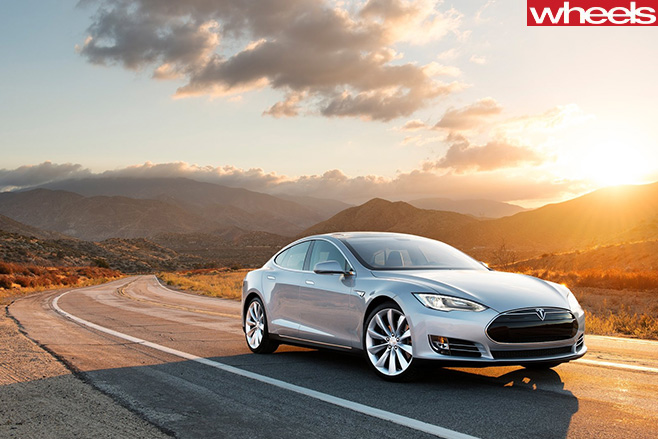
Tesla says Autopilot is still in the testing phase and that drivers are warned it “is an assist feature that requires you to keep your hands on the steering wheel at all times”.
‘Flawed’ Australian emissions testing
The Australian Automobile Association revealed that as part of its own real-world emissions testing of 30 cars, three breached the legal limit for greenhouse gases. One was found to produce double the limit for the nitrogen oxides, and another four times the legal limit of carbon monoxide.
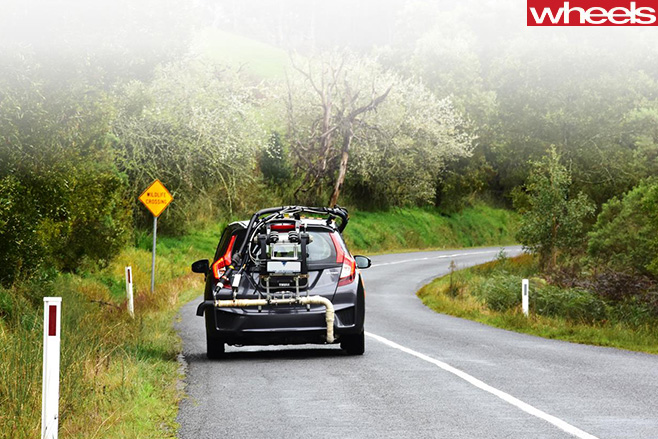
It was found real-world emissions and fuel use were up to 35 percent higher than figures shown on government-mandated labelling, with an average being 20 percent higher.
AAA chief executive Michael Bradley said the alarming show the lab testing regime may need to be dumped in favour real-world analysis.
“These results suggest that as emission regulation around the world becomes more stringent, auto manufacturers are producing vehicles that limit emissions in the laboratory, but not necessarily in the real world.”
Michigan legalises unmanned autonomous cars
Companies can now bring their self-driving cars to Michigan, with a bill passed allowing cars without a steering wheel or even a driver onto public roads.
Under the bill, should an unmanned car crash it would be governed by the states no-fault insurance laws that require each driver’s insurance to foot the repair bill. Furthermore, it has also been suggested car companies involved may be susceptible to suing under product liability laws.
Officials, including Michigan Transportation Director Kirk Steudle said that while there would be crashes and even a likely fatality, it was worth the risk in order to hone future technologies.
The bill also allows a taxi network of unmanned cars to be set up, but is limited to vehicle manufacturers only – ruling out Apple, Google and Uber.
Uber versus taxis
Founded in 2012, Uber exploded in popularity in the US in 2015 and burst into prominence in Australia this year. While popular with users, the fact that its business model involves undercutting taxi fares means it will continue to be dogged by controversy.
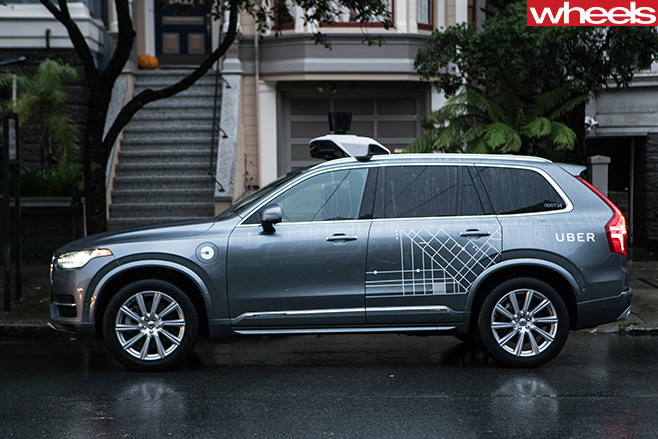
The company is persisting however and has begun to put self-driving cars on the road while launching UberMOTO, a bike-sharing service.
