
Peugeot has wiped its range clean of the 308 GTi 250.
The French brand has slimmed its 308 line-up and the 184kW Golf GTI killer has been cut along with the GT 1.6-litre turbo petrol.
This leaves the more powerful GTi 270 as the range leader and the $42,990 turbo diesel GT as the sole Golf GTI rival.
The entry-level Access and top-shelf Allure Premium trims have also been cut to show another nine variants the door. Only six remain.
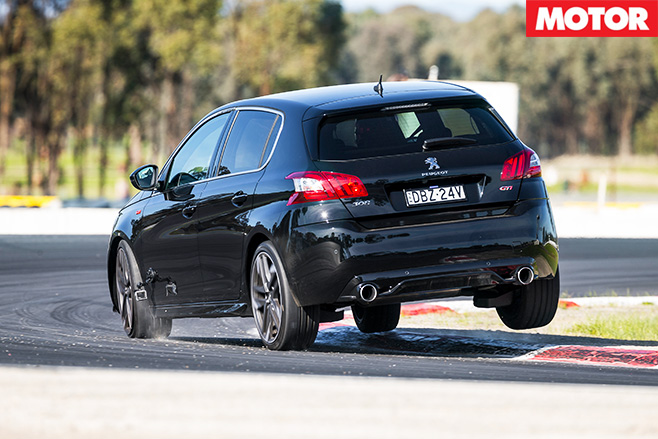
But what do MOTOR-folk now miss out on with no baby GTi? The GTi 250 may have packed only a turbo 1.6-litre, but it punched well beyond its litres.
With just 1205kg to hurry, its 184kW and 330Nm proved a swift ticket at BFYB 2016.
It could slash 100km/h in 6.42sec before passing the quarter mile in 14.41sec at 167.17km/h, almost two tenths and six clicks quicker than the Golf GTI we had along.
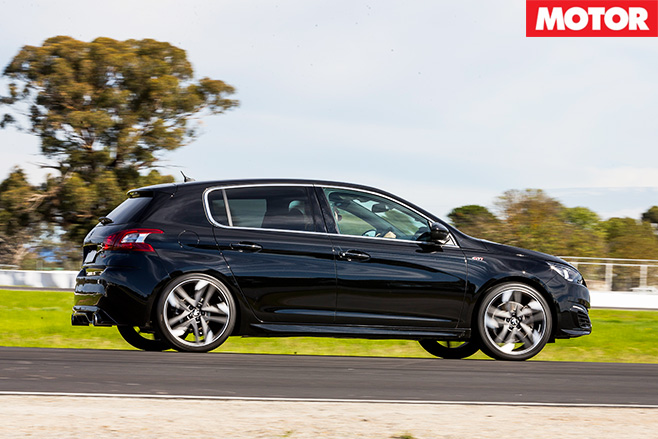
Away from racetracks, too, the 250 was refined, classy, and comfy.
However, maybe its case didn’t stack up for Peugeot. At $6K more than a Golf GTI, it would have been hard for it to attract buyers from the VW brand.
And when you could have the GTi 270 for another $3K, with its bigger wheels, proper diff, and huge brakes, the 250 didn’t benefit from the same halo appeal.
Steering’s quite personal. Unless you drive a Tesla Model S it’s the only thing you control full time in the driver’s seat.
Only slightly tweaked this year, the system in the Toyota 86 and Subaru BRZ remains a standout. You still know exactly where the front wheels point and no variable rack technology muddies its speed or weight. Both these aspects respond accordingly to any change in grip, giving it Porsche levels of feedback and making it a perfect partner to the car’s oversteer-loving nature. The best thing, perhaps, is you only need $29,900 to experience it. It truly is the best steering around.
Best Chassis Electronics of 2016: Porsche Stability Management
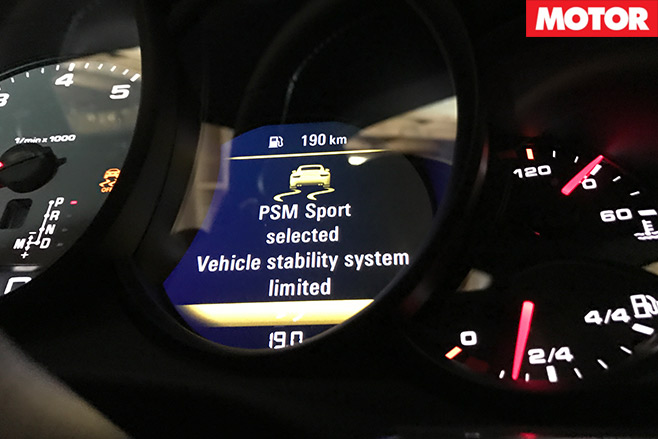
That was the case until the 991.2 911 and 718 Boxster/Cayman, in which Porsche introduced an excellent ‘ESP Sport’ setting. The latitude it allows means you still have to drive and control the car, yet it’ll almost imperceptibly steady the ship if it feels your ambition is outweighing your ability. More fun with less risk is a win in our books.
Honourable mention: HSV Electronic Stability Control
Lenient enough to allow some classic rear-driven fun but will step in if you overcook it, HSV’s chassis electronics are some of the best in the performance car business.
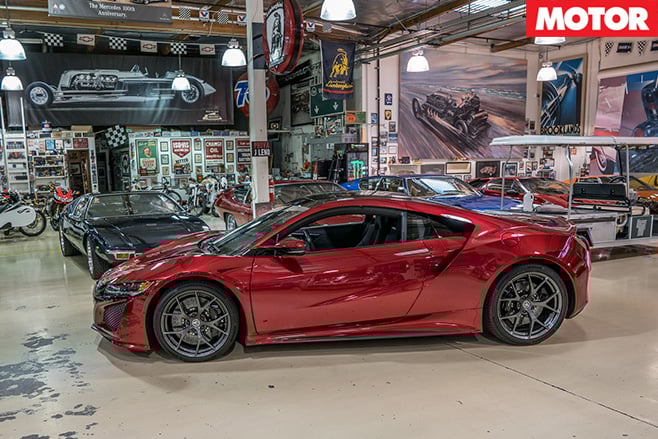
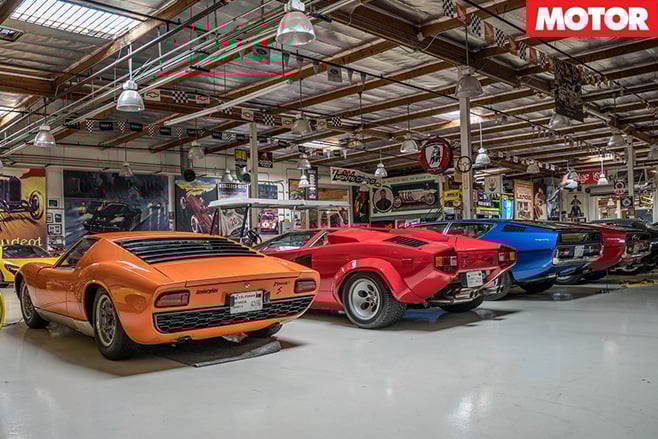
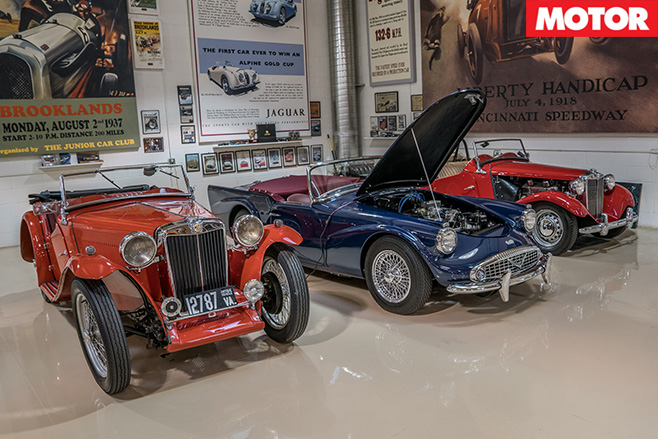
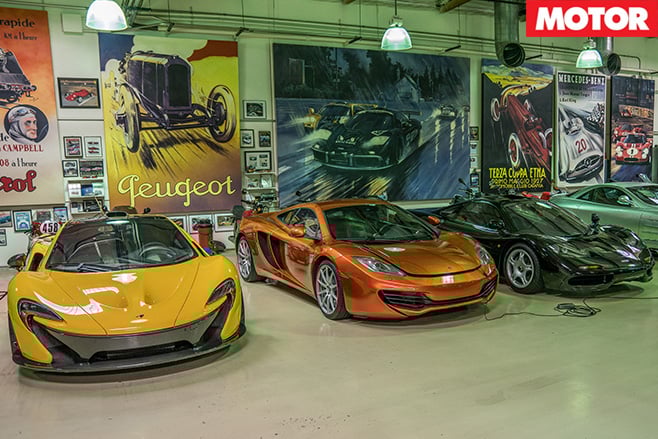
Everyone has some notion of what heaven might be like, but car buffs already know it closely resembles the jam-packed garage of American TV legend Jay Leno, whose eye-popping collection of drool-worthy machines makes it very hard to avoid the sin of galloping jealousy.
Actually, make that turbo-charged envy, because the former Tonight Show host’s decades of bringing together the best and rarest things on wheels have built what may well be the world’s most awesome private collection of automotive excellence, excess and, as the lantern-jawed revhead concedes with a smile, motorised eccentricity.
The visitor’s first surprise is that the home of these wheeled wonders is anything but wondrous – at least from the outside. Separated by a tall fence from the main runway of Burbank airport, not far from the NBC studios where the comic made his name and his fortune, Leno’s pride and joy appears to be nothing more remarkable than a pair of anonymous, pre-fab storage hangars. “My living-room is my garage, so my wife always knows where to find me,” jokes the celebrated gagster as we step inside.
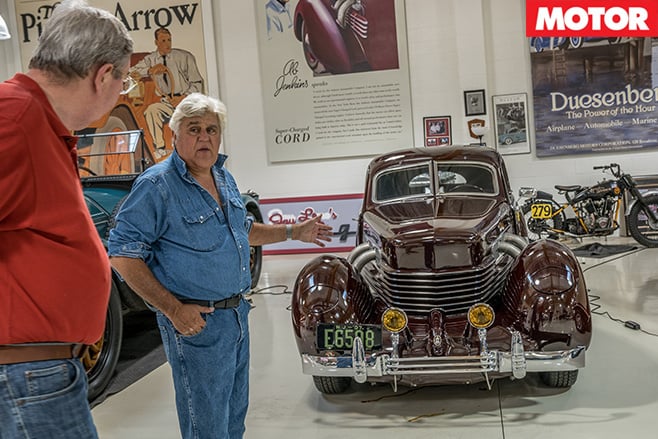
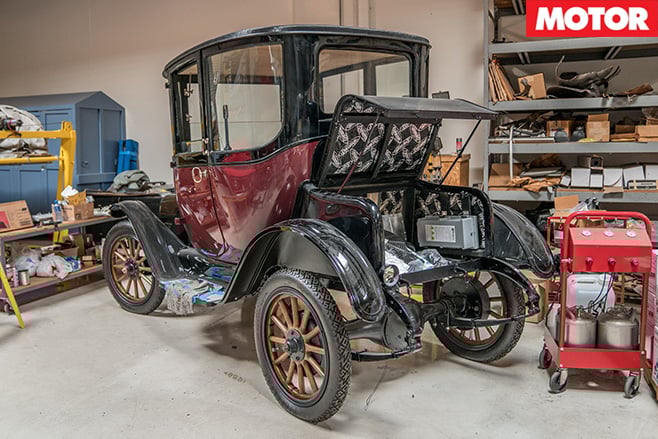
He is the perfect and gracious host – and very much the proud proprietor as he offers a few suggestions about vehicles he thinks it would be fun for me to take for a spin. The 5000-pound Doble steamer – yes, it has a boiler and the pistons in its twin cylinders are driven by water vapour – is his first offering. It is also a chance to observe not only his love of arcane engineering but his mastery of their operation.
“They only made about 40 units in total before the company went out of business in 1931.” With a full 24 gallons of water aboard, the red-on-grey four-seater – an E20 model, for the information of those who share Leno’s passion for steam – could cover 1500 miles (2414km) without stopping to take on additional gallons of nature’s elixir, thanks to the innovative condenser Abner Doble perfected to re-use water. If one of his Dobles doesn’t appeal (he owns two of the elegant beasts), would a jaunt in one of his Stanley Steamers tickle my fancy?

When your collection boasts vehicles whose marques, in some cases, have not been seen on the open road in a century or more, spare parts can be hard to track down. That’s where the 3D printer earns its keep. The current job sees it whittling and shaping the shell of a spring-loaded latch needed to bring a recent acquisition up to snuff.

We pass a pair of Shelby Mustangs, two Corvettes and no fewer than four Duesenberg SJ Titans, which 85 years on, still inspire awe. Those marques are familiar, but what of the Blastolene Special? Leno owns the only one in existence. Powered by the 1600bhp (1193kW) engine from a Patton tank mated to a six-speed automatic, there is no need to wonder why it is the first, and last, of its tribe.
The first and most obvious thing about this collector is that he believes cars are not, and never should be, static museum pieces. They are built to be driven, so drive them is what he does.
“Every day I’m taking out a different vehicle,” he says matter-of-factly, as if the choice between, say, a McLaren P1 and a 1930 Bentley powered by a 27-litre Merlin aircraft engine is as unremarkable as deciding if marmalade or Vegemite better suits that morning’s toast.

The second thing to know is that Leno, unlike other well-heeled auto aficionados, refuses to regard his cars as mere investments. They are that and more, of course, appreciating in value with every passing day so that no one seems quite confident in putting a dollar figure on what would be the auction-block value of his entire motorised menagerie. By one estimate his toys are worth $100 million; by another, three times that sum.

By “stuff” he means pretty much everything that moves. Apart from his steam-powered fleet, reflecting the early days of motoring, there is a corner of the hangar dominated by the snaking cords of trickle chargers feeding volts to the comedian’s latest electric-powered fancies, starting with a Tesla Model X.
Next on his to-drive list is a Mercedes 190SL dressed up as Studebaker – or is it a Hawk with a Mercedes front end? Okay, let’s just call it a Mercbaker and marvel at the little-known and seldom-seen model’s story. It was conceived as a desperation measure and sold, but not very often, by Studebaker/Mercedes dealers just before the company went down for the count in 1966. That takes care of Tuesday.
A Lamborghini Miura and a Dodge Challenger R/T, each sprayed bright orange, account for two more days of the week to come. Finally, an extremely rare, alloy-bodied Panhard Dyna Berline and a Wankel-engined Mazda Cosmo coupe round out the coming week’s list. It’s one mixed bag, that’s for sure. The diminutive Panhard, for instance, potters around behind an 800cc engine and a mere 42 French horses, while the Challenger exalts in a supercharged 527kW. That’s the thing about Leno – he just likes cars, all cars and any car, just so long as they are interesting.

You could call it a case of “back to the future”, except that phrase brings to mind the Delorean from the classic movie. Naturally, Leno has a Delorean as well – unmodified for time travel, mind you – and doesn’t hold it in high esteem. “Okay for the movie,” he quips, “but not for much else.”

To prove its worth, he drove it from Alaska to San Diego, and nothing broke.” Bob Shotwell – who became a commercial pilot – covered 150,000 miles (241,000km) in his home-built car and gave it to Leno shortly before he died in 2004, because he wanted it restored, not broken up for parts.

Leno declines to nominate a favourite, so I hope he will pardon an exercise in intuition if I speculate that his 7.0-litre Ford Galaxie may well be closest to his heart. A meticulous work of painstaking detail, it is a recreation of the Leno family’s very first brand-new car. Then again, sentimentality might be trumped by style.
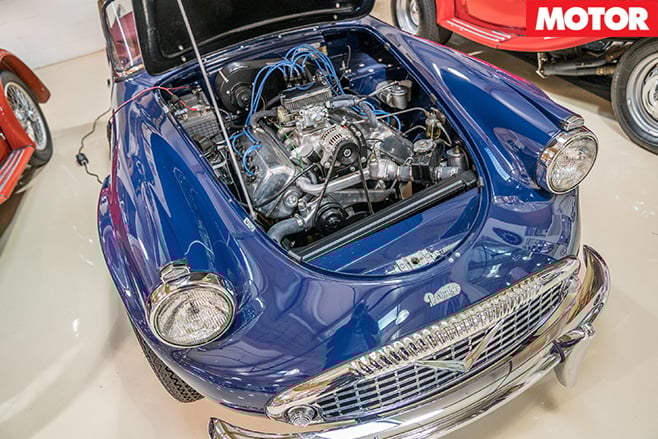
“So, what’s your favourite car in here?” Leno asks at the completion of our stroll through automotive dreamland. I could have picked something worth seven figures, but opted instead to follow my heart to a light-green over dark-green Hudson Hornet coupe. Why such an exotic choice?
The Hornet’s door opens like a vault and the cushy bench seat slides back for comfort. It’s all cabin and almost no windows, a cosy environment clad in dark-green cloth and adorned with plenty of chrome accents. Leno starts the engine, pumps the accelerator, waits a moment until she finds idle, then slides across to watch and advise.

Briefly, he invited me to share a little piece of car-buff paradise and is delighted at my obvious enthusiasm. But then, why wouldn’t he be delighted? I am but a humble visitor to his personal petrol-head heaven. He gets to live here and play with these toys every single day.
IT CAN be a tad intimidating the first time you punt a Porsche Cayman hard.
The weight’s all in the middle which, unless you’ve done a track day or two in a Toyota MR2, could be something quite foreign. Cold-sweat visions of the car swapping ends within its wheelbase or spitting you into a ditch at a moment’s notice are true of many mid-engine machines. Not the Porsche Cayman.
There are few cars quite as satisfying or as easy to punt hard up a bendy road quite like Porsche’s new mid-engine sweetie. And it’s funny, there’s nothing overtly revolutionary about its suspension set-up. There’s no active trickery, no all-wheel steering – just MacPherson struts front and rear, conventional anti-roll bars and some adaptive dampers, proving there’s still plenty of merit in getting the basics right. Which Porsche has very much done with its 1355kg (manual) 718 Cayman S.
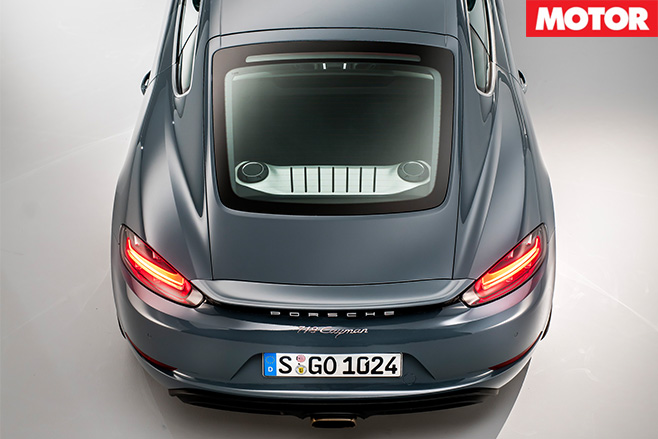
Chassis and tyres live in perfect matrimony and the 718 Cayman gives plenty of notice about what it’s going to do next. In turn, you feel confident. And in turn again, you have fun. This is the 718 Cayman’s simple formula.
It points well, too, thanks to a sublime new steering system pinched from the 911 Turbo. Bolted in for the 718 update, the new electromechanical fixed-rate rack is 10 per cent quicker than the previous 781’s making apexes even easier to lock on to.
The 718 Cayman can be driven fast and clean or dance its gorgeous rump around on the brakes – or throttle, particularly since the fitment of the torquey new turbocharged flat-fours.
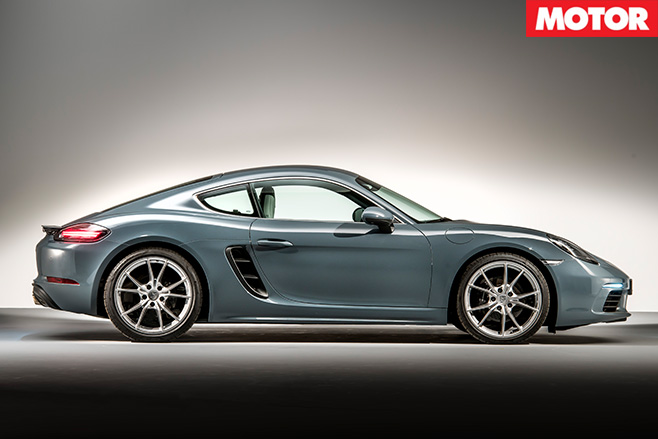
Mostly, though, it’ll have you surfing Google Maps for new roads in far-flung places. It’s that good. Honourable mention: Ford Focus RS. Think of this car’s handling as being ‘multi-dimensional’. Just want to explore the grip of those tenacious Michelin Pilot Super Sports?
Sure. What about dancing the rear around like a loon? Can do. But you ain’t seen nothin’ until you pick up the throttle early and aggressively out of a tight second-gear corner. Yep, it’ll wag its tail. Few new performance cars offer as many different ways to be driven hard as the Focus RS – and it’s possibly the only car under $100K that gets better the harder you drive it. What a thing.
What kind of topsy-turvy world are we living in when the most boldly designed, visually-exciting car from Toyota is a 1.2-litre compact SUV?
To cap off a 2016 that has already delivered plenty of surprises, here’s one more courtesy of Toyota’s tuning arm TRD – a plethora of add-on body bits for the C-HR that actually, dare we say it, inject some real brawn into the little SUV’s already adventurous shape.
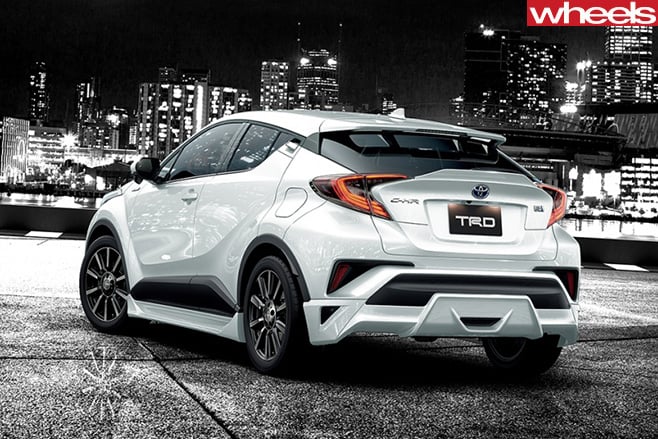
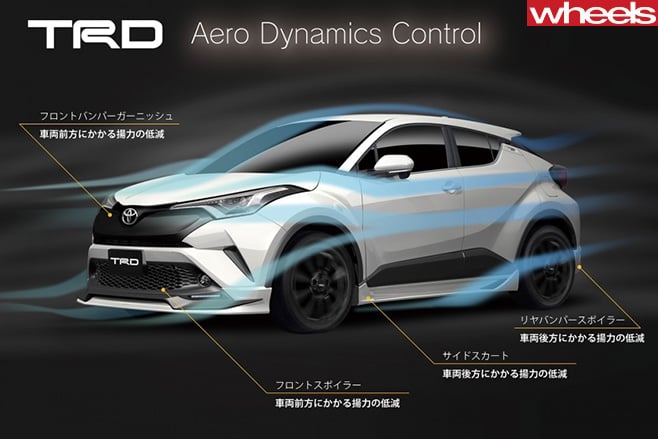
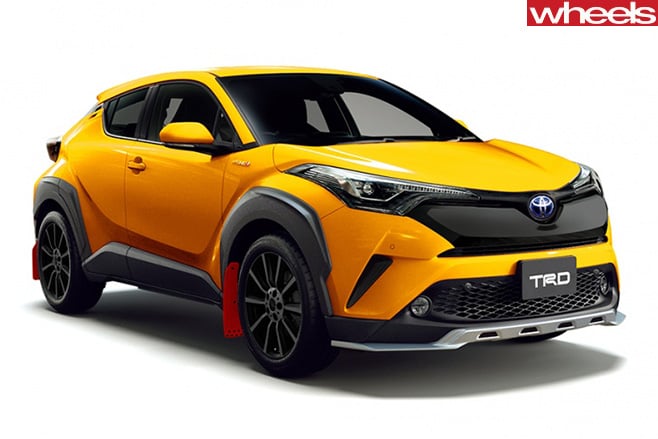

The regular Toyota C-HR range is due to launch in Australia in February 2017, however there’s no clarity on whether these TRD kits will be available for local fitment.
Toyota has revealed more details of its all-new small SUV offering, the Toyota C-HR, two months out from its Australian arrival in February.
And though pricing is still yet to be announced, the latest batch of information shows that the C-HR in all of its variants will be a very highly-specified car.
Two models will be offered – base C-HR and the up-spec C-HR Koba – with both being powered by the same 85kW/185Nm 1.2-litre turbo petrol four-cylinder. The base model will be front-wheel-drive only, and available with a manual or CVT automatic gearbox. The C-HR Koba will be CVT only, but with the option of all-wheel drive.
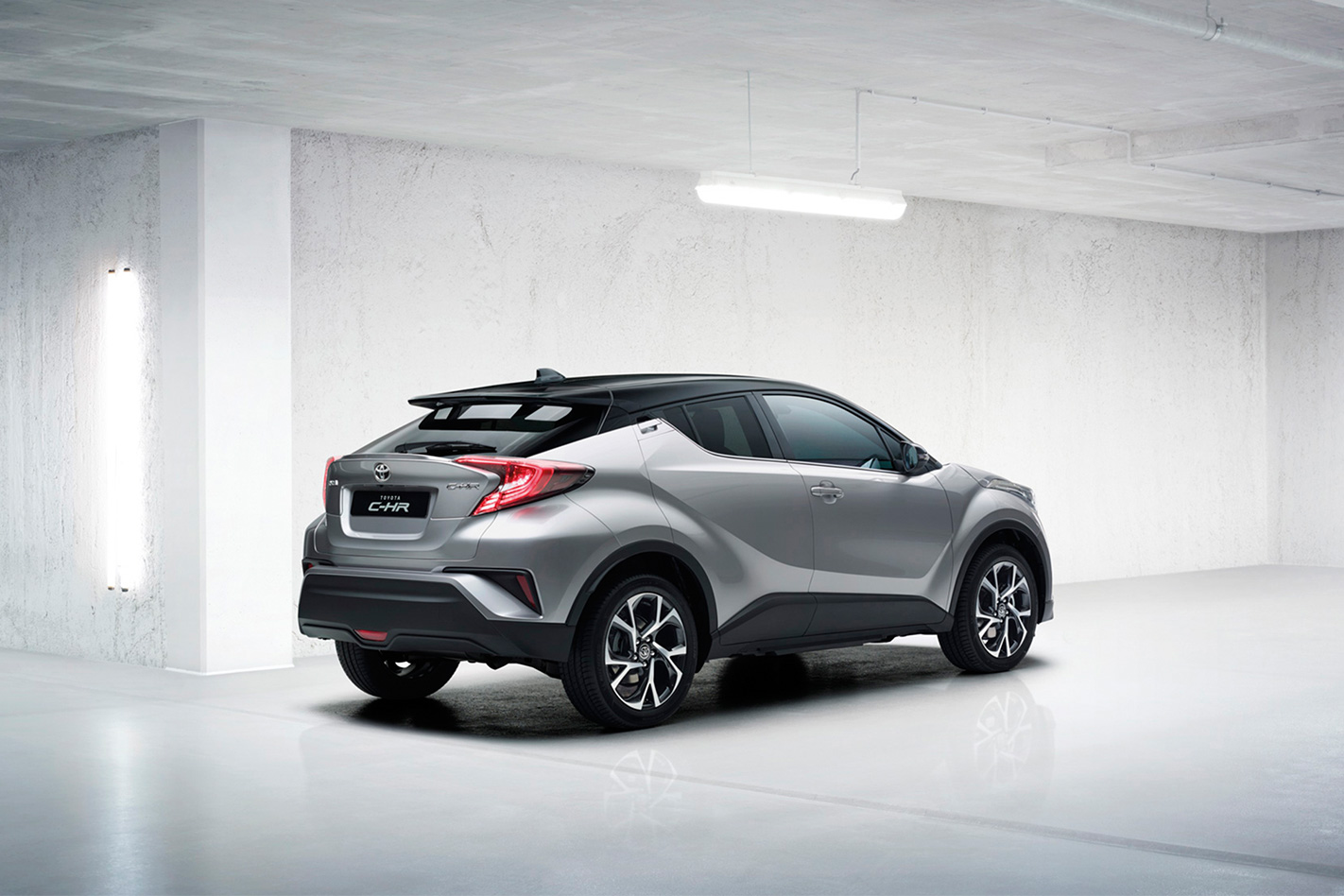
Safety equipment will be comprehensive, with all cars receiving forward collision warning, autonomous emergency braking, blind spot monitoring, rear cross traffic alert and lane departure alert as standard equipment.
In addition, the base C-HR also gets 17-inch alloy wheels, active cruise control, satellite navigation, dual-zone climate control, LED daytime running lamps, auto high-beam, rain-sensing wipers, a self-dimming mirror, front and rear parking sensors and a rear-view camera.
Spend more on the flagship Koba, and keyless entry and ignition, an air purifying climate control system, leather-accented upholstery, 18-inch alloys, LED headlamps and tail lamps, heated front seats, privacy glass and blue interior ambient lighting become available.
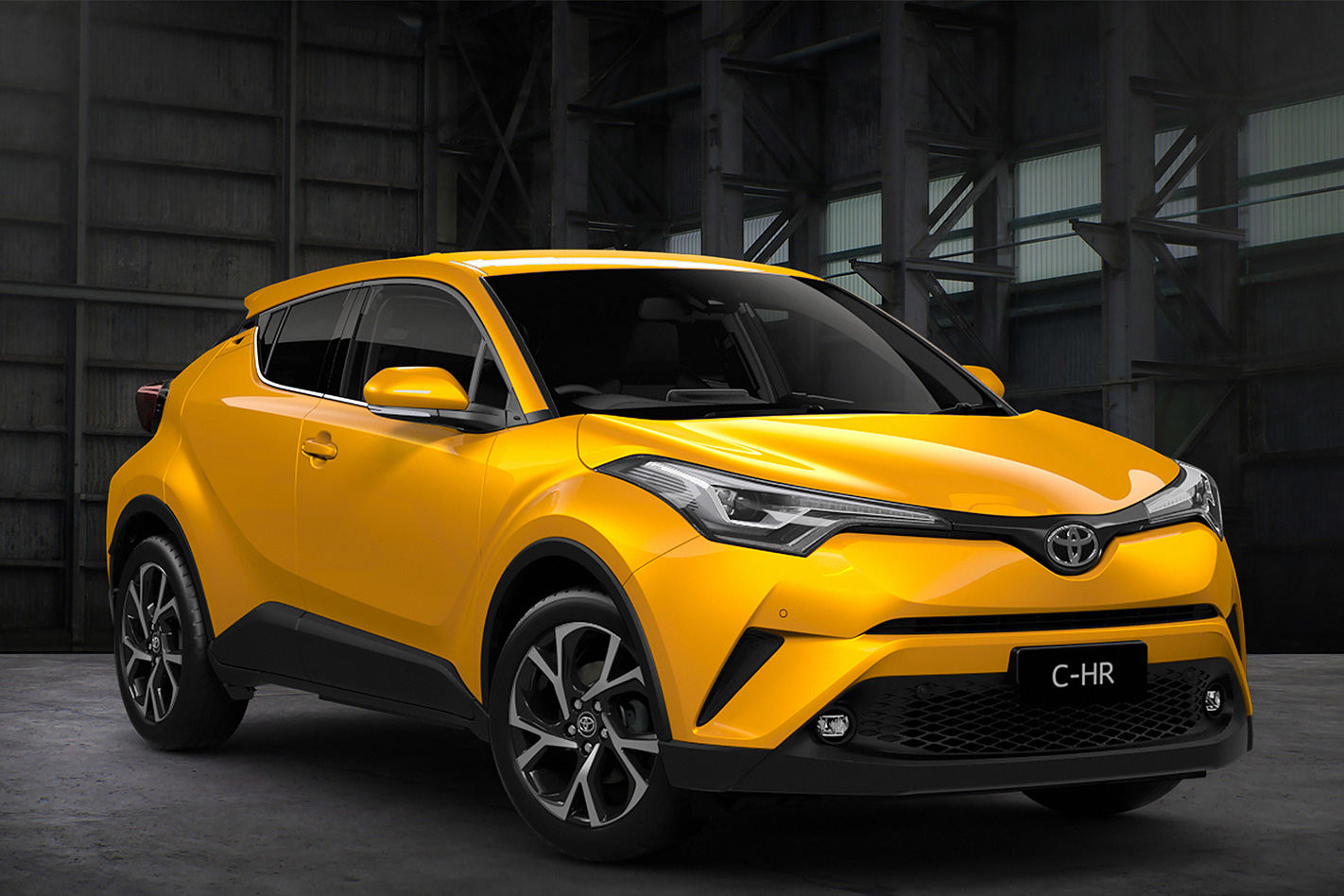
Eight paint colours will be offered in a palette that’s much brighter than the norm, with all but two colours available with at least one alternate roof colour. The bold Hornet Yellow hue can be had with your choice of three roof colours – yellow, white or black.
Traditional colours like black, white, silver and maroon are offered, though it’s the eye-catching Hornet Yellow, deep Tidal Blue, Electric Teal and Bionic Bronze that are the most interesting shades in the line-up. With Toyota’s present vehicle range populated almost entirely by dull but dutiful appliances (the 86 sportscar being the sole exception), the arrival of the C-HR will be a breath of fresh air.
Pricing has yet to be announced, however with Toyota taking a premium strategy with the C-HR’s specifications we can expect a starting price somewhere in the mid-$20k region. Expect further details to be revealed closer to the C-HR’s February launch.
Volkswagen’s SUV expansion will take another step next month when the seven-seat Tiguan Allspace makes its official debut at the Detroit motor show.
Also known by the rather utilitarian moniker of Tiguan Long-Wheelbase, it is 220mm longer than the standard Tiguan with half that length between the wheels and the rest as rear overhang.
Unlike other Volkswagen Group seven-seaters, it is built on a modified version of the Tiguan’s MQB platform, which also underpins the Skoda Kodiak and a host of smaller cars.
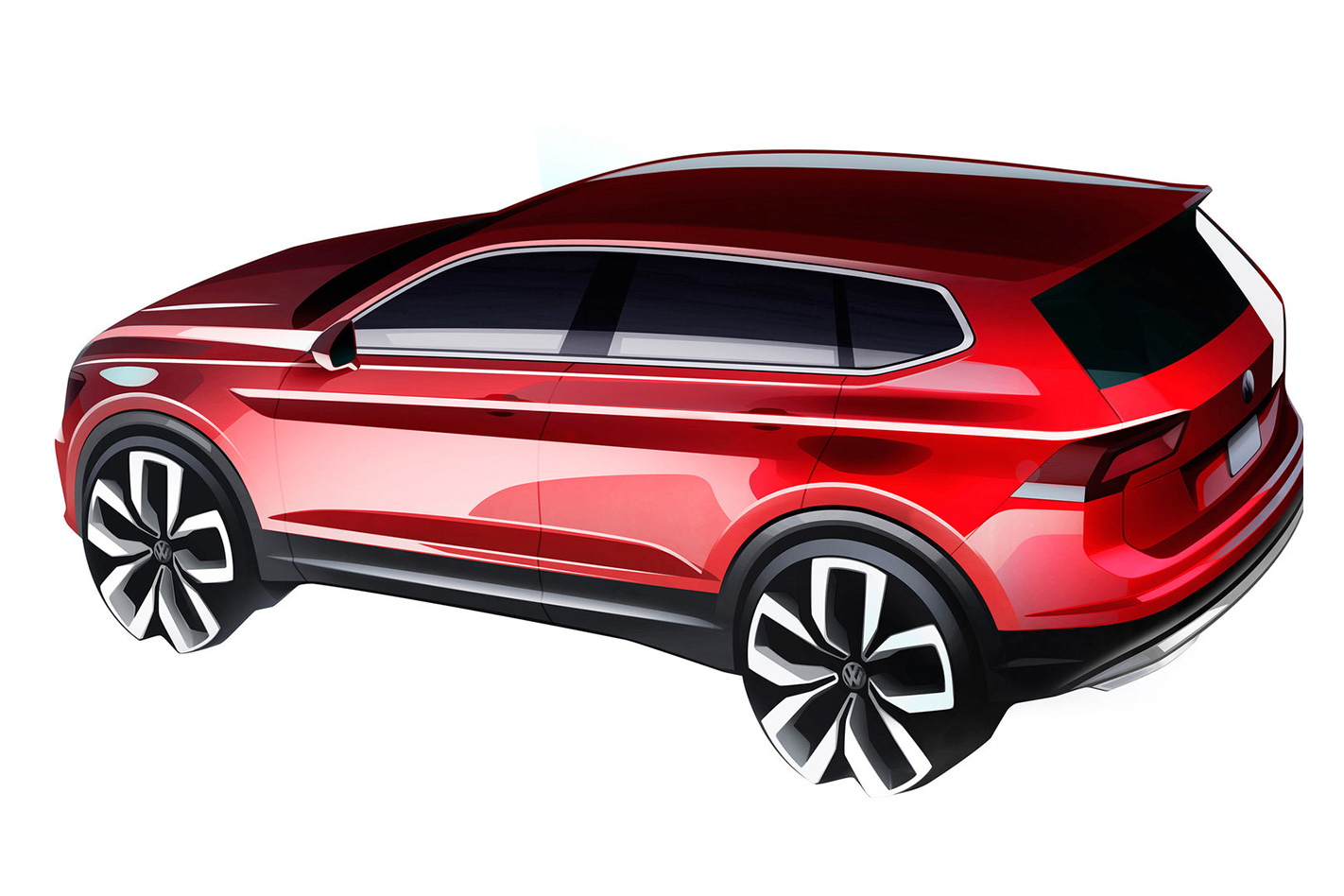
Despite the longer body, changes appear subtle. The rear doors are wider and the window within the D-pillar is slightly bigger with an upward kick along the bottom as shown in the hyped-up teaser sketches.
The interior isn’t expected to be too different apart from a sliding middle row to allow easier access to seats six and seven, and the 110mm of additional length at the rear, which should mean cargo space remains handy even with the rear seats folded up.
Under the skin, the Tiguan Allspace will be available in front- or 4Motion all-wheel-drive form. Engine options will likely include the same 2.0-litre turbocharged four-cylinder turbocharged petrol engine as the smaller Tiguan, and multiple output variants of the 2.0-litre TDI four-cylinder turbo diesel.
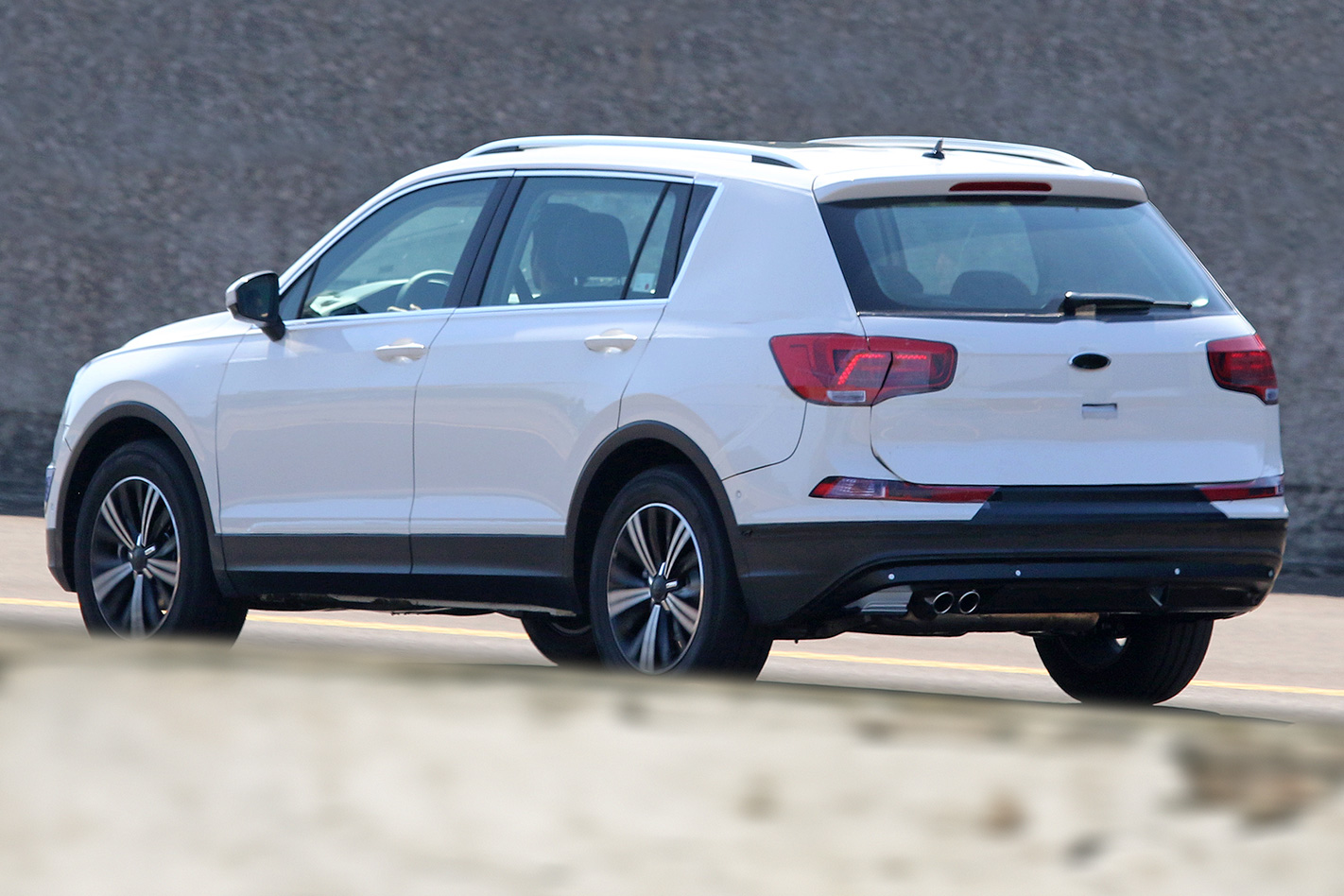
Like the regular 2017 Tiguan, it’s believed the Allspace will gain a plug-in hybrid variant in the near future.
The Allspace is expected in Australia sometime next year as part of Volkswagen’s push to introduce five new SUVs in Australia by 2018.
These include the 2017 Tiguan and Touareg and an all-new crossover based on the next-generation Polo.
Audi’s RS7 has always been a bit of a sleeper. You don’t see many around, with most punters putting down their money on the RS6 station wagon.
To be honest, that’s probably what we’d do too – there’s just something unbelievably cool about a 400kW+ station wagon – but the RS7 does have some unique charms of its own. The styling is an acquired taste but we think it looks pretty classy and while the interior is showing its age in a few areas, it’s still a beautiful place to spend time.
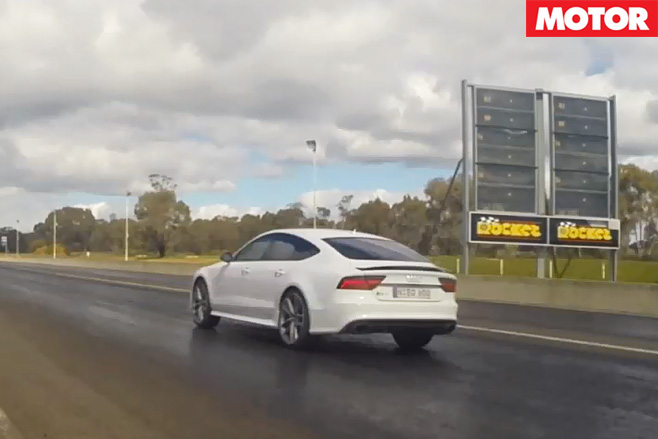
Now, however, there’s an even faster version, the RS7 Performance, lifting outputs to 445kW/750Nm, which is bordering on the absurd. It was only right, then, that for a recent comparison we pointed its nose down the Heathcote drag strip to see what effect those extra ponies had.
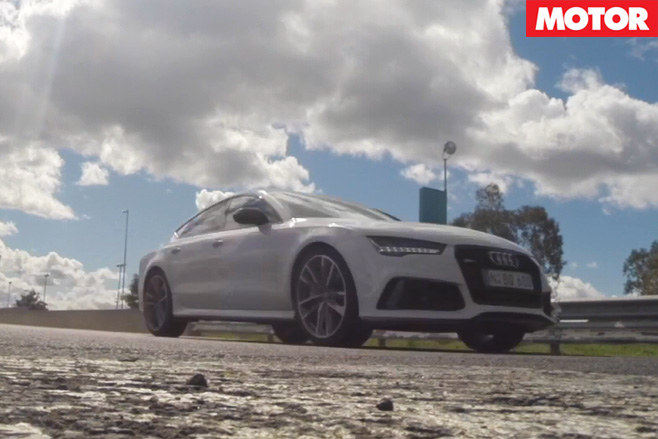
These numbers make it the fastest standard four-door production car we’ve ever tested. Whether it can hold on to that title once the new Mercedes-AMG E63 and BMW M5 arrive next year, we’ll have to wait and see.
MAZDA will show two special editions of the 2016 Wheels Car of the Year, the Mazda MX-5, including a track-honed version loosely based on the tin-roofed RF.
However, both cars destined for an unveil at January’s Tokyo Auto Salon – the hot-tuning cousin to the Tokyo Motor Show – won’t be coming to Australia.
The more exciting of the duo, the Mazda MX-5 RF Custom Style, closely resembles the heavily performance-oriented RF RS coupe.
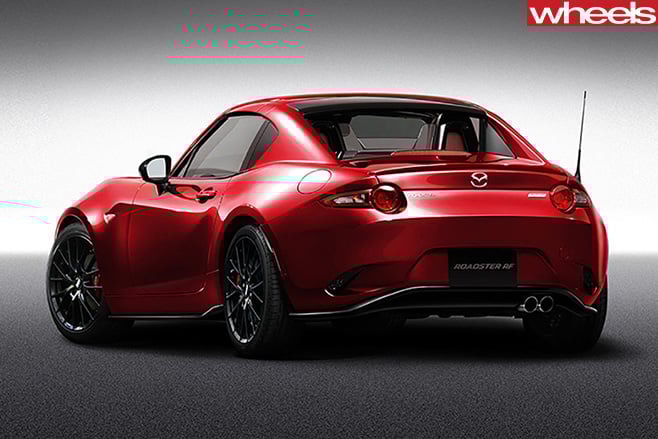
These extra bits and pieces should stiffen the car’s ride and reduce body roll, increasing its handling ability.
It also gains new exhaust tips.
The highlight of the second car is its Classic Red paint; one of three original colours used when the NA launched in 1990.
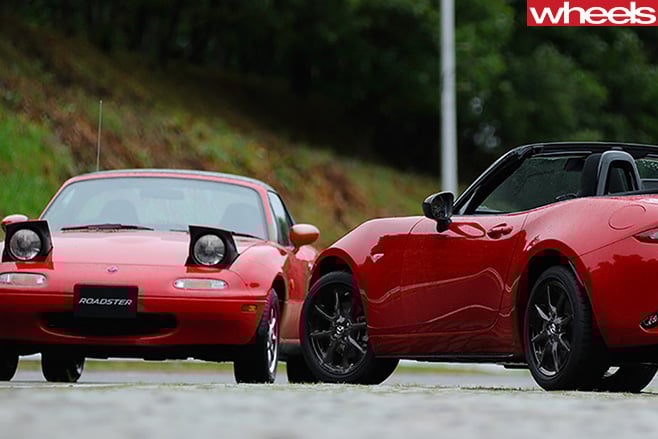
The MX-5 RF will join the rag-topped MX-5 Roadster, which hit a record 1490 sales in Australia in the 11 months to the end of November. It is poised to break the previous sales record held by the third-generation NC, which hit 1498 sales in 2006.
The most popular variant of the current-generation ND has been a manual version of the range-topping 2.0-litre Roadster GT, accounting for almost two in every five sales.
As Las Vegas readies itself to host the high-tech mecca that is the 2017 Consumer Electronics Show, the world’s automakers are also prepping themselves for the biggest and most important showcase of cutting-edge technology.
Nissan and Ford will each hold keynote speeches at next year’s CES, with Nissan expected to announce a “major breakthrough” in its roadmap to a zero-fatality future. Other keynotes will concern electrification, ride-sharing and the latest developments in autonomous technology, while out on the show floor a number of manufacturers will be showing off their latest electronic gadgetry. Here’s what to expect.
BMW – HoloActive Touch infotainment display
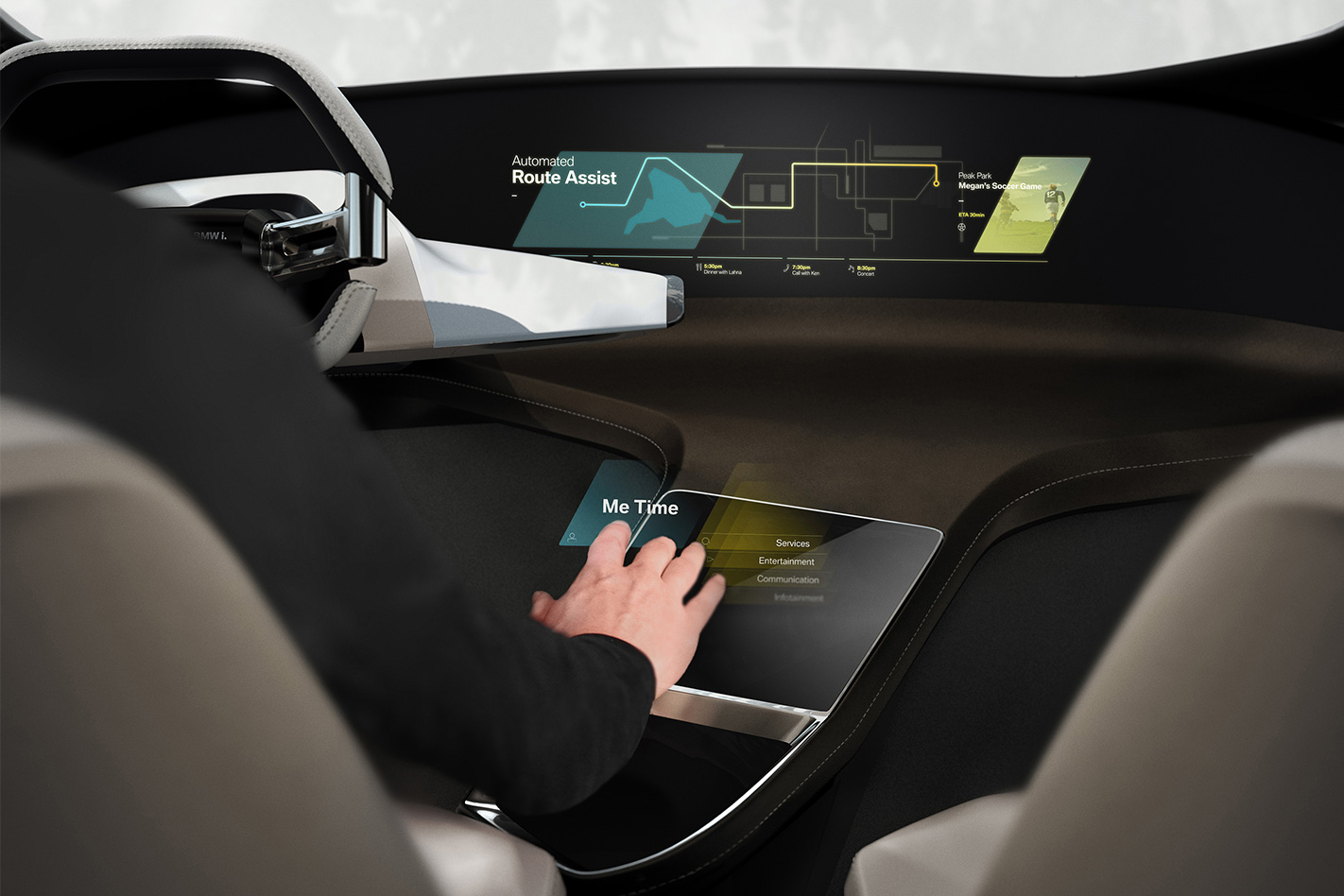
German luxury automaker BMW debuted its gesture-recognising interface in the 7 Series last year, but the company is already looking forward to the next evolution of in-car infotainment: holograms.
The idea of interacting with a hologram hovering just over your car’s centre console might sound a bit sci-fi, but BMW believes it could someday be reality. By combining its existing gesture controls with an image projected into mid-air, BMW reckons its HoloActive display will be an infotainment revolution rather than a cool gimmick.
Hyundai – Autonomous Ioniq and HRL exoskeleton
Hyundai is no stranger to CES, but it will be moving into fresh technological territory in 2017 with two new showpieces.
The first is a self-driving prototype based on the Hyundai Ioniq electric car, boasting level four autonomous capability that allows it to drive completely without human intervention. Not necessarily the newest concept around considering many other manufacturers are already experimenting with highly-autonomous vehicles, but it’s new ground for Hyundai.
The theme of technology assisting people doesn’t end there, however, with Hyundai also debuting a leg-augmenting exoskeleton designed to help the elderly and paraplegic remain mobile.
Honda – NeuV
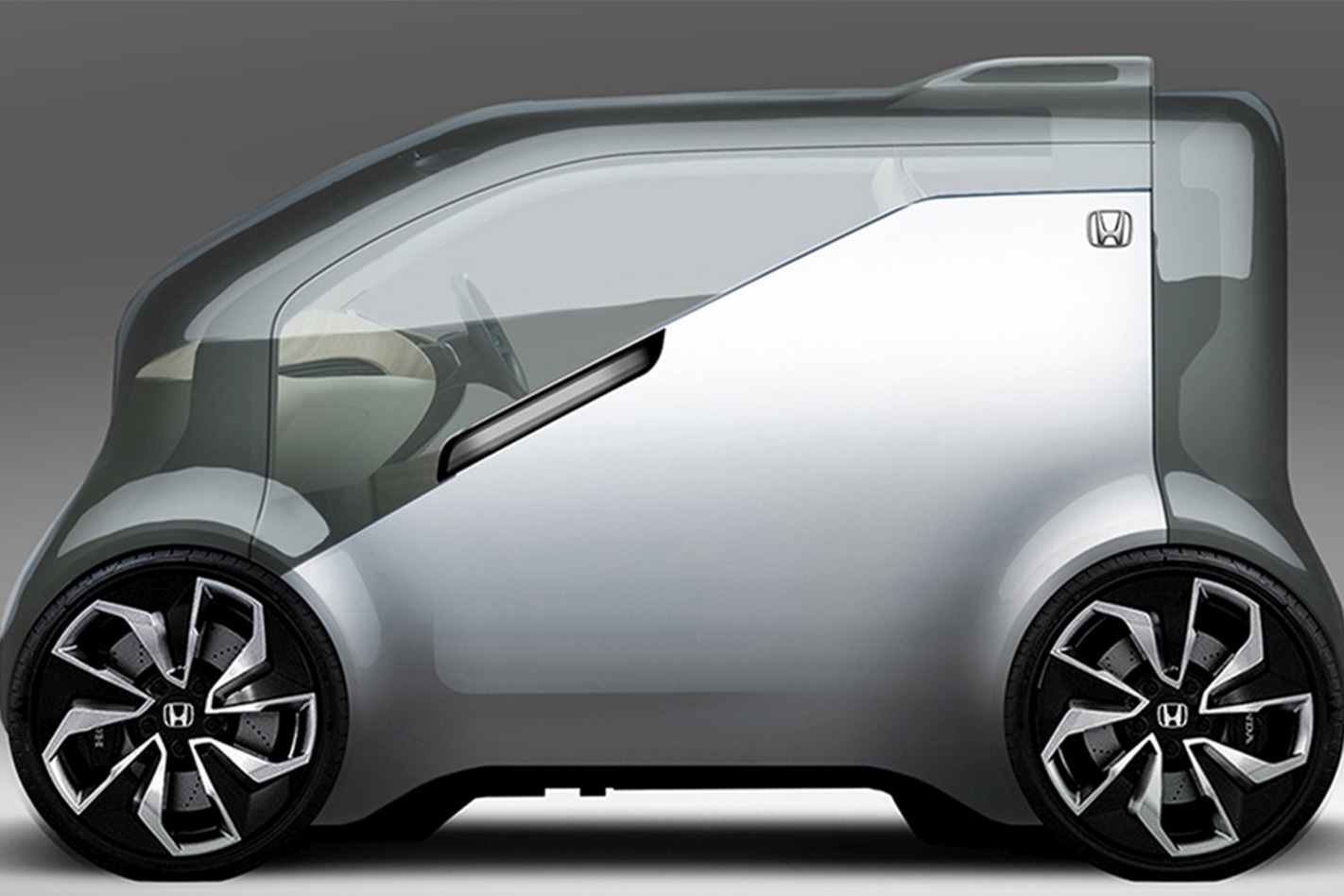
Cars that can drive themselves might be old news by now, but what about cars that can feel for themselves?
Honda is hoping to be a trailblazer in that field, with a concept called the NeuV set to make its public debut at CES.
Details are sketchy, but Honda says the NeuV concept will be powered by a sophisticated artificial intelligence that will enable it to “create new possibilities for human interaction”. What these possibilities are, exactly, remain to be seen. We’ll find out at CES.
Volkswagen – Connected mobility
Volkswagen’s plans for a completely new range of cars based on an electric-only architecture are well known by now, but what’s often overlooked is that this new way of thinking isn’t just about emissions-free motoring, they’re the spearhead for Volkswagen’s wider connected mobility plan.
And that plan will be revealed in full at CES 2017.
VW’s vision sees its new breed of electric cars as the nexus of this plan, with connected devices like mobile phones being the other key component. Autonomous technology also features, but we’ll need to wait until CES to see how it all fits together in VW’s vision for its future.
Mercedes-Benz – Google Home integration
Benz’s presence at CES 2017 won’t centre around a single vehicle, but rather the company’s new telematics system.
Starting later in the year, Mercedes plans to roll out Google Home integration for some of its cars, allowing owners to interact with their vehicle remotely via Google’s mobile interface. Google Now has, up until now, been pitched mainly at linking together whitegoods and allowing remote control over, say, a robotic vacuum cleaner, but Benz wants to extend the technology to cover the biggest appliance of all – a car.
The technology will allow owners to check, among other things, whether their car is locked, the fuel state, or when the next service is due. It can also be used to pre-load an address into the car’s sat-nav, and it can all be done from anywhere on the planet provided there is a data connection at both ends.
FCA – Electric Pacifica
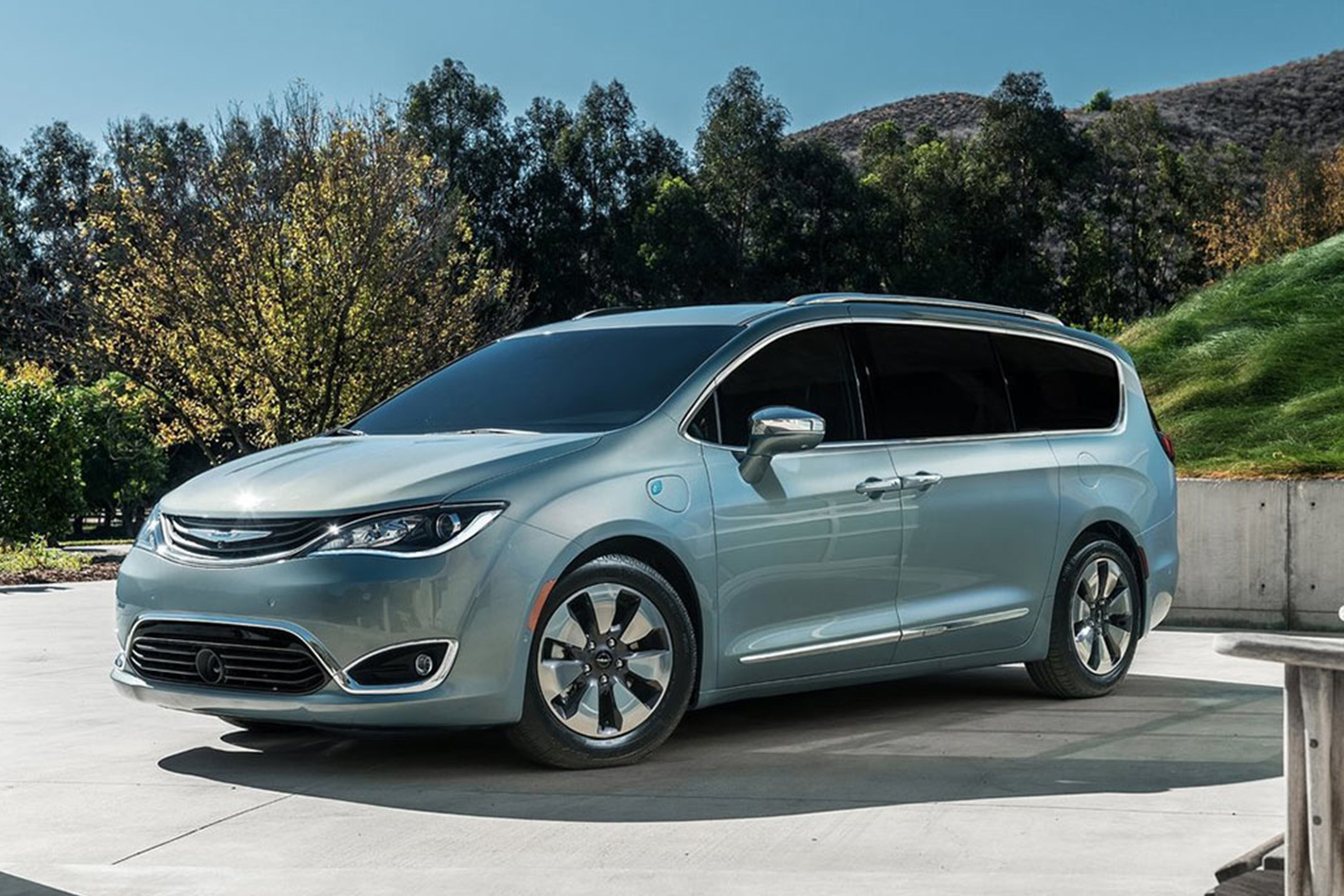
The head of Fiat-Chrysler automobiles Sergio Marchionne is not the most ardent supporter of pure electric technology, but reports are building that Fiat will reveal a completely electric version of its Pacifica people mover at CES 2017.
The relevance for Australia is low. The Pacifica is not likely to ever be sold here and electric cars in general aren’t high sellers Down Under. However, if the rumours are true then it’s a signal that FCA’s opposition to EV tech is softening.
