
The lack of reversing cameras on entry- and mid-spec models of the 2016 Infiniti Q30 small hatch and the base model 2016 Infiniti QX30 small SUV is an omission, the luxury carmaker has admitted.
Infiniti Cars Australia has included a reversing camera only offered in the top-spec Q30 Sport Premium model, leaving the entry-level GT (a $38,900 car, mind you) and mid-spec Sport specification levels to get by on reversing sensors alone.
The same applies for the $48,990 Infiniti QX30 GT.
Company spokesperson Peter Fedeyev admits this is something the company intends to rectify.
“We acknowledge the safety benefits of a reversing camera, and we intend to make this standard equipment in the near future,” Fedeyev said.
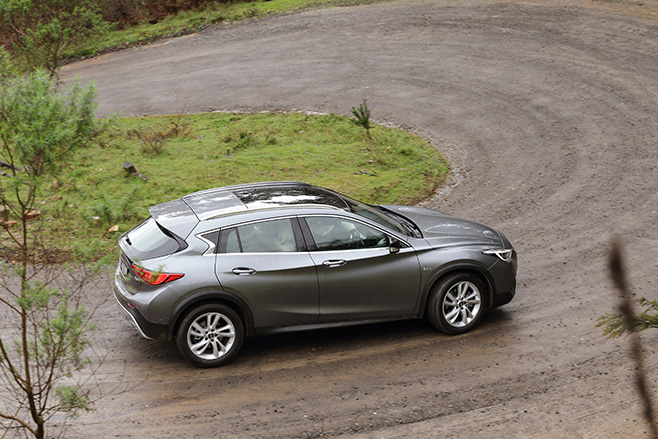
So how did the premium brand make what seems to be such a glaring spec omission?
“We always seek to deliver the highest specification level possible, but that’s not always [the case]. However, we always listen to the market and respond wherever we can,” Fedeyev said.
Infiniti would also not be drawn on the timing of how soon reversing cameras could be made standard on the luxury cars, but suggested it would not necessarily have to wait until the Q30 and QX30’s facelift.
“We can implement running changes,” Fedeyev pointed out.
So once this occurs, will existing customers be able to have a camera retro-fitted?
“This has not been looked at, and is often not possible,” Fedeyev said.
A recent Department of Infrastructure and Regional Development study reveals that 66 children were killed and 380 seriously injured by vehicles in Australian driveways between 2003 and 2010, with 70 percent of them aged less than four years.
Say arrivederci to the basic philosophy of the Mazda MX-5 and ciao to the louder, more powerful and more expensive Abarth 124 Spider priced from $41,990 plus on-roads.
Although still built in Japan, the Abarth near-twin to the latest Mazda roadster attempts to throw softness and subtlety out its open top following the inclusion of quad sports exhausts, Bilstein monotube dampers with thicker anti-roll bar and Brembo brakes as standard.

The result is a stronger 125kW at 5500rpm and 250Nm at 2500rpm for your extra $2500 over the $39,550 Mazda MX-5 GT – and as with that range topper there’s leather seats (with its own Alcantara accents), touchscreen audio, climate control and 17-inch alloys standard.
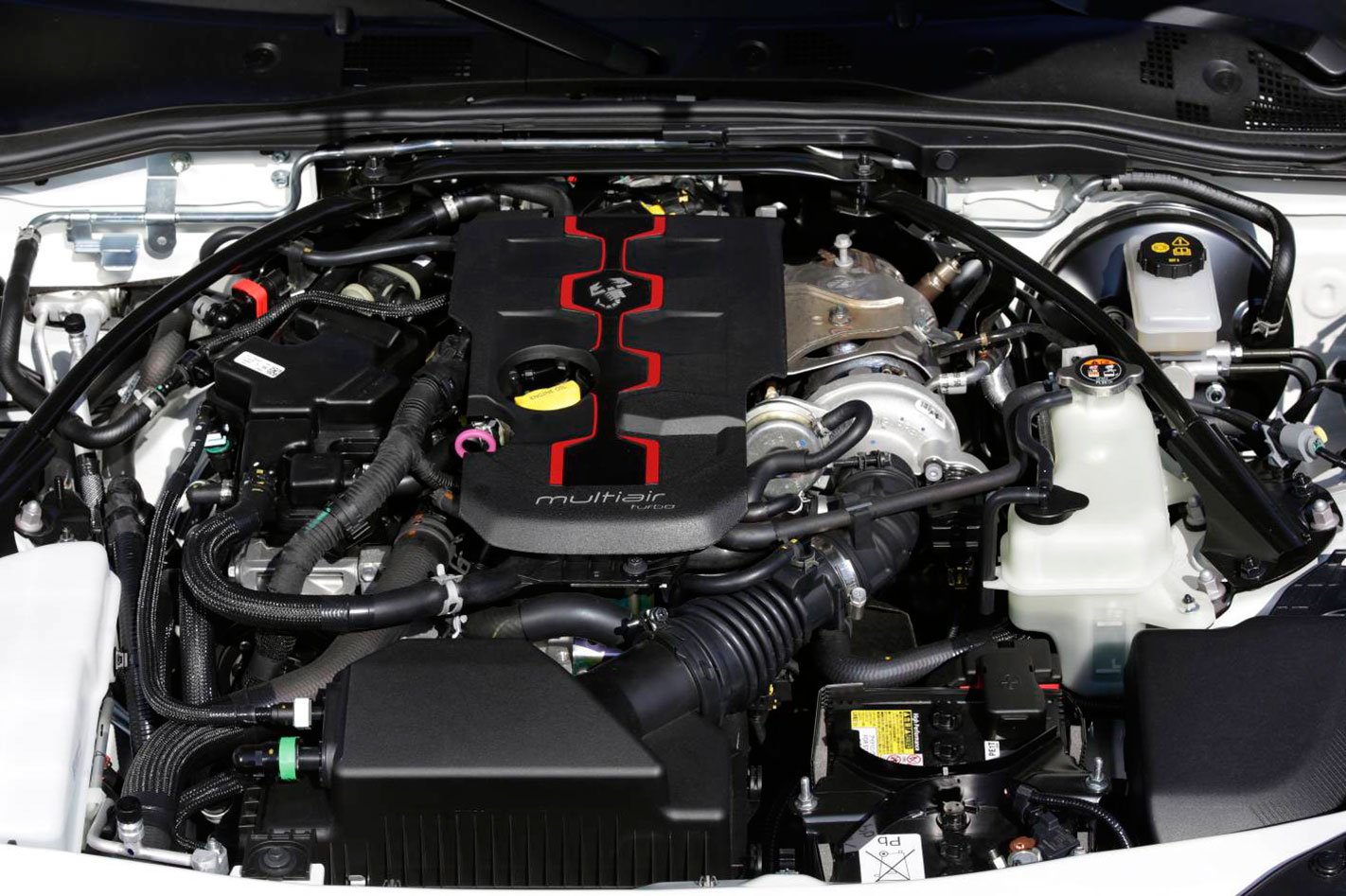
There’s also a Sport mode that firms up steering and reduces stability control intervention, which Hiroshima doesn’t offer, while a dual-mode Monza exhaust is optional and promises to add the extra crackle for which the Italian brand is renowned.
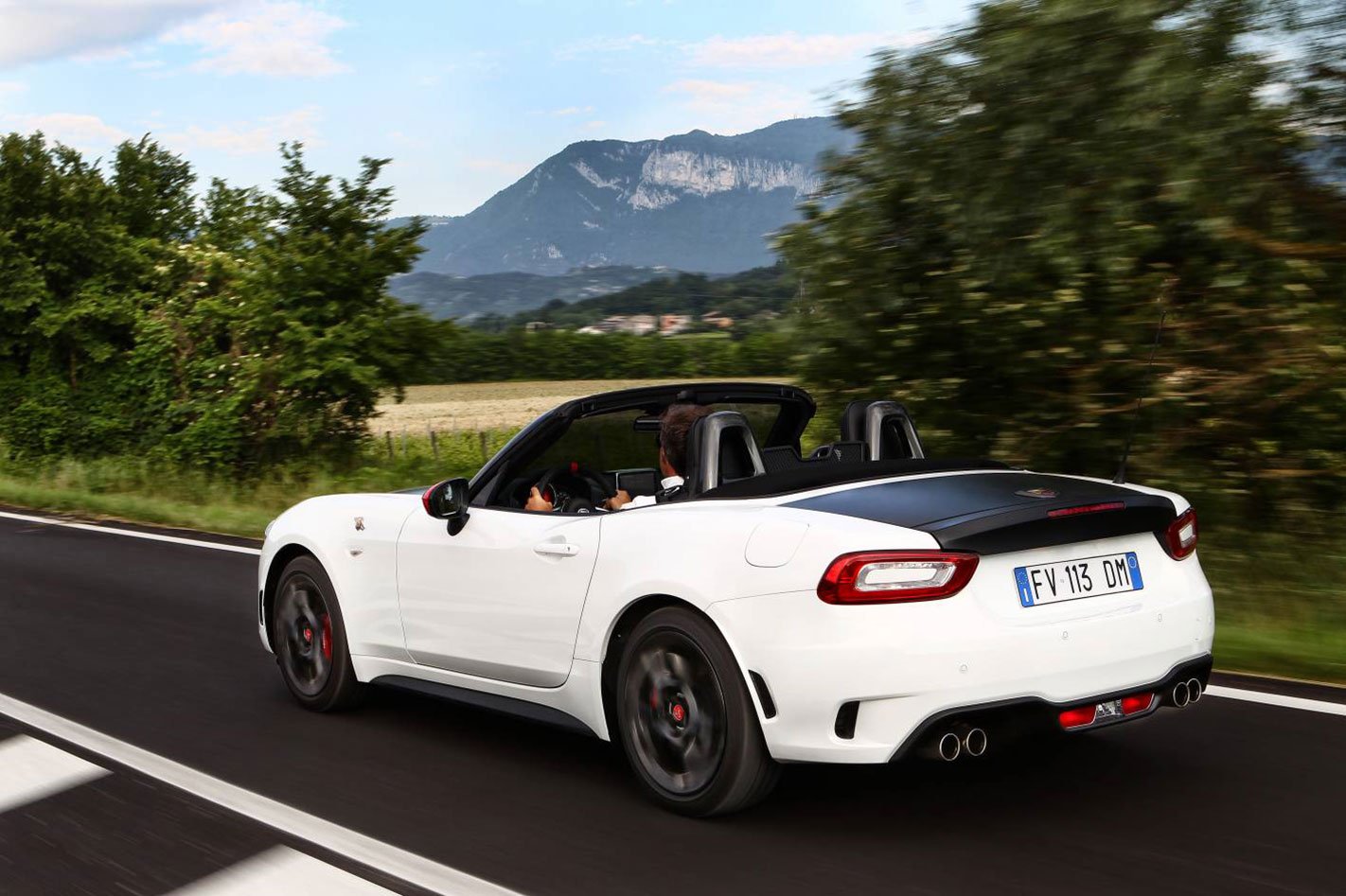
The Abarth 124 Spider starts rolling into local dealerships throughout October, with national driveaway prices of $43,500 manual and $45,500 auto. A 100-unit commemorative launch edition will kick off proceedings with contrast bumper inserts, tow-hook cover, unique mirror caps and ‘1 of 100’ plaque all at no extra cost.
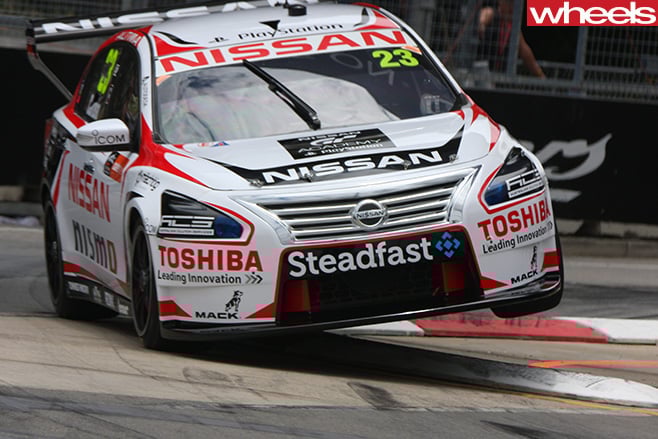
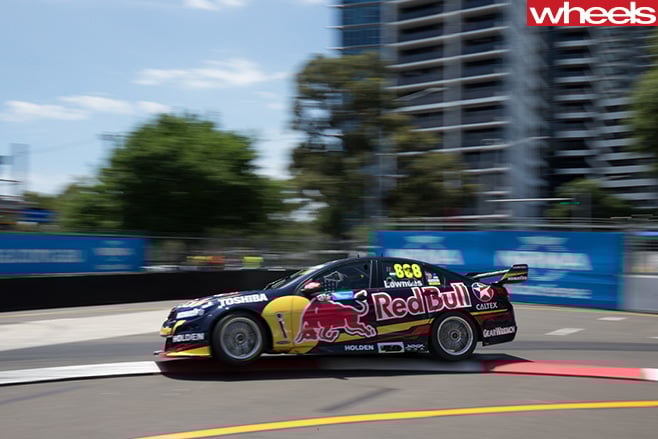
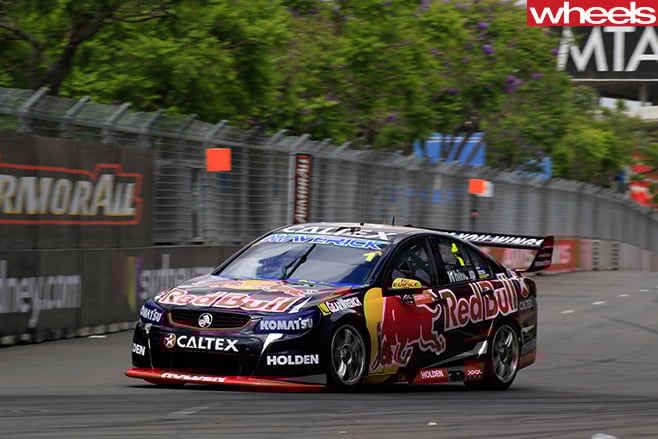
SAY FAREWELL to Homebush, and hello to Newcastle. From 2017, Australia’s V8 touring cars will hold their last race of the year on the streets of Newcastle.
The five-year deal was announced today by NSW Premier Mike Baird, and Supercars chief executive James Warburton.
The series finale will be known as the Newcastle 500, and will follow in the same format as the current Sydney 500 with a pair of 250-kilometre races spread across Saturday and Sunday.
The Homebush race was much maligned, with crowd figures steadily dwindling since its 2009 debut.
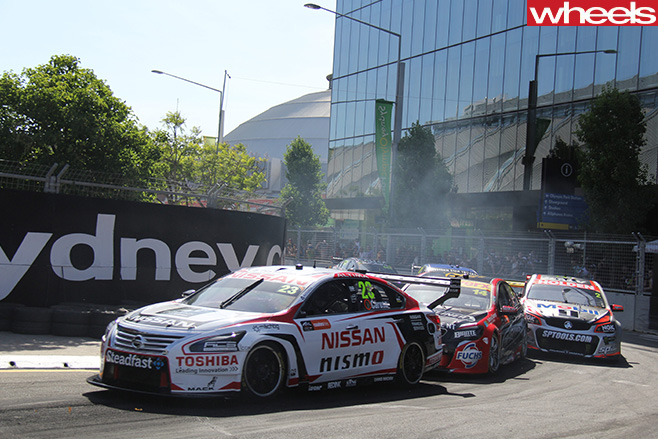
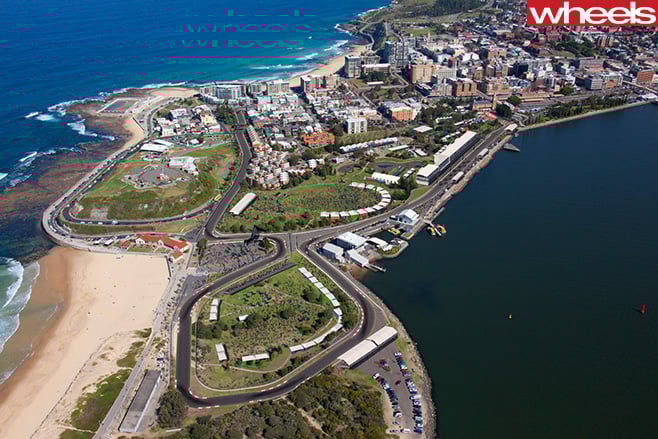
The street circuit will race around the city’s east, taking in parts of the foreshore, and is the first Supercars race to ever be held in Newcastle.
Supercars has tried to make its final round of the championship more of an staple event along the lines of the Clipsal 500, Sandown 500, and Bathurst 1000, since the very first street race at Homebush in 2009.
“To be honest, Homebush was always a dud. It was a poor choice of venue. It worked the first year but it was dodgy from the start, crowd figures were bullshit, it never made money, it was such a blind obsession…,” Warburton told Wheels earlier this year.
The series is hoping the Newcastle 500 doesn’t suffer the same fate.
“The Hunter has thousands of Supercars fans who now have an event to call their own,” Baird said.
NSW predicts the race will bring $57 million to the Hunter region economy over five years, and 81,000 visitors.
The inaugural Newcastle 500 is slated for November next year, however no official date has been confirmed.
Newcastle is NSW’s second most populous city, and is located 160 kilometres north of the capital, Sydney.
Oops. It seems the fearsome Nurburgring is capable of catching even the world’s finest drivers out.
Since 1986, BMW has offered enthusiasts a ‘taxi ride’ around the infamous German circuit, with its high-performance M cars being driven by a roster of racing car drivers including the likes of Sabine Schmitz or Andy Priaulx.
Despite usually travelling four-up and with no helmets, the ‘Ring Taxis usually overtake just about everything on track, throwing in a few cheeky drifts while they’re at it.
It doesn’t always go to plan, however, with this footage showing a BMW M5 ‘Ring Taxi overcooking it on the exit of Brunchen and slamming into the wall, the driver no doubt regretting turning the DSC system off.
Still, with around 30,000 laps completed, the odd accident is perhaps inevitable. Below is a more typical ‘Ring Taxi experience.
With the end of local Falcon production sadly less than two weeks away, it’s time to celebrate its glorious 56-year history.
In our latest issue, which hits stands September 30, we count down the 10 greatest performance Falcons of all time. But that’s our view, we want yours.
Below you’ll find the shortlist in no particular order, and at the bottom is the poll where you can have your say as to what’s the greatest fast Ford Australia has ever produced. Is your favourite not on the list? Let us know in the comments below.
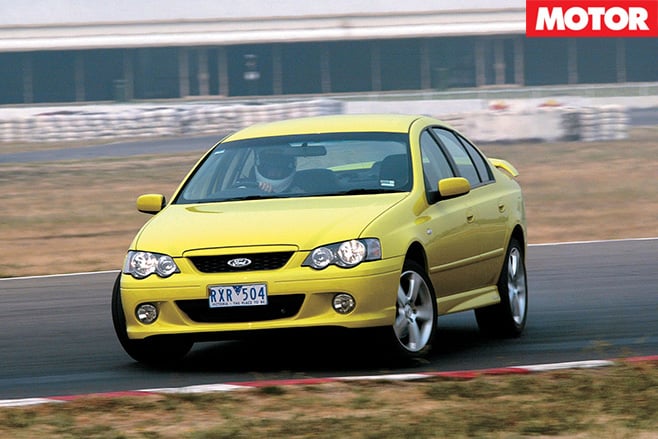
Ford BA Falcon XR6 Turbo
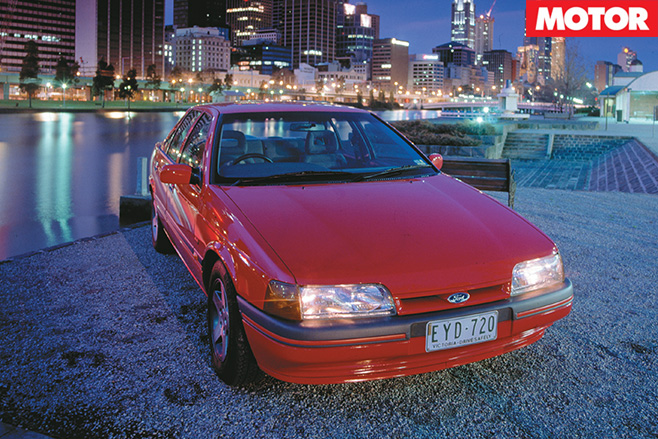
Ford EB II Falcon S XR6
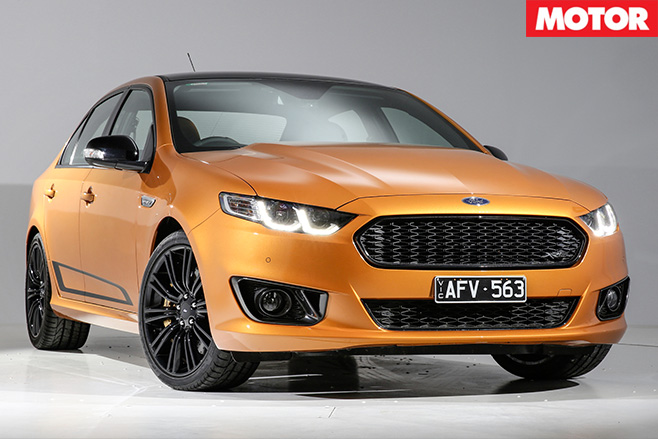
Ford FG X Falcon XR8 Sprint
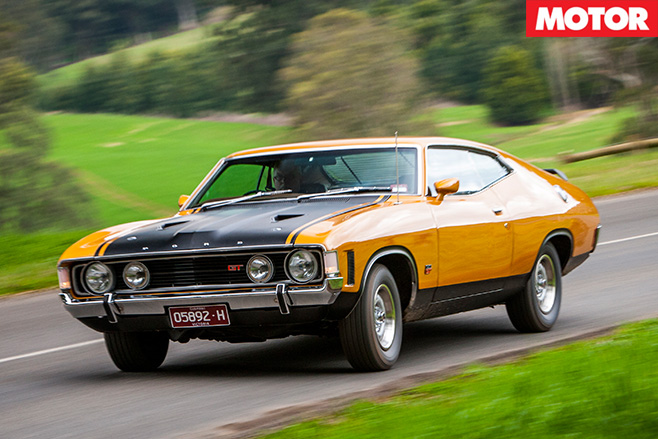
Ford XA Falcon GT Hardtop
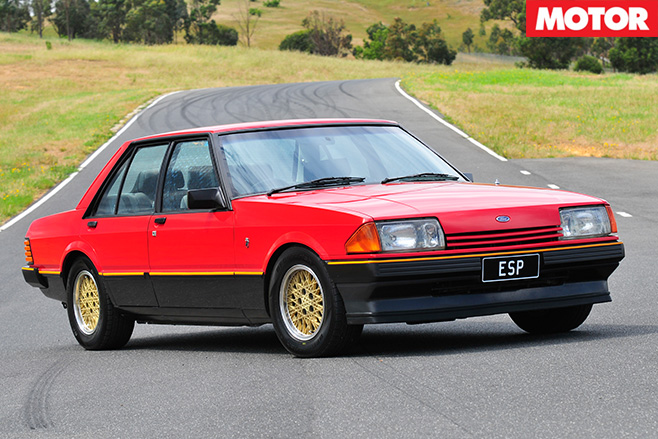
Ford XE Fairmont ESP 5.8
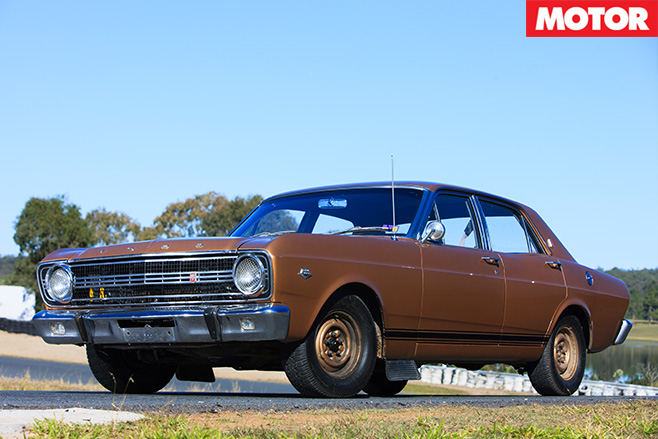
Ford XR Falcon GT
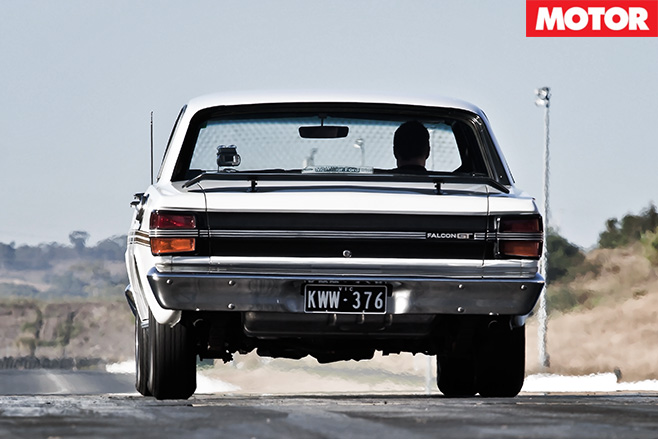
Ford XY Falcon GT-HO Phase III
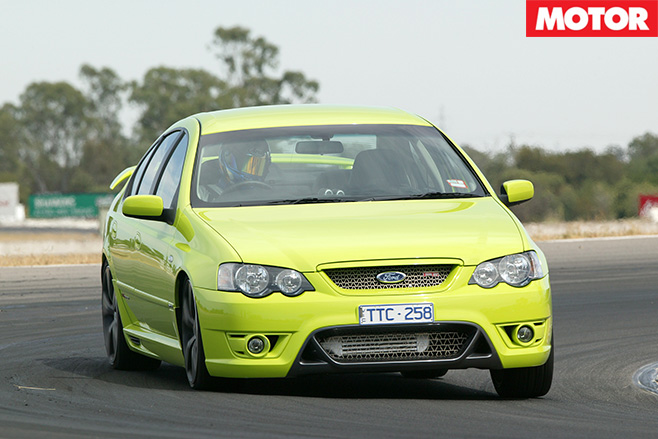
FPV BF F6 Typhoon
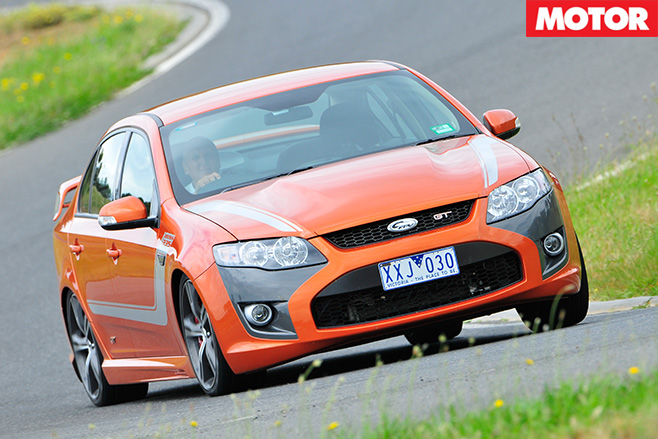
FPV FG II GT
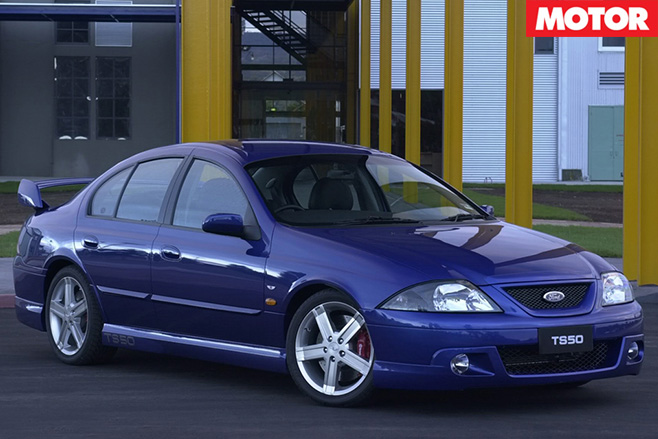
Tickford T3 TE50/TS50
First published in the January 2006 issue of Wheels magazine, Australia’s best car mag since 1953.
FPV’s new GT serves a cunning six-speed automatic, but HSV’s Clubsport R8 is ready with a wicked 6.0-litre LS2-powered return.
AUSTRALIA’S Ford-versus-Holden battleground is vast, with trails of red (and blue) blood spattered across the decades, from Mount Panorama to the front bar of your local pub. And every update from either brand is the signal for another round of hostilities.
This time it’s HSV’s Z Series Clubsport R8 against FPV’s new BF GT. It’s the arrival of the latter’s optional and supremely sophisticated ZF 6HP26 six-speed transmission that prompts a comparison with the four-speed 4L65E-equipped R8 to see which shapes up as the sharpest shooter of Aussie automatic weapons. For the Reds and the Blues among us, these are aspirational models.
HSV and FPV push cars with humble origins to elevated levels of performance, an achievement that the loyal tribes of followers hope their own lives will emulate. And there’s nothing wrong with that.
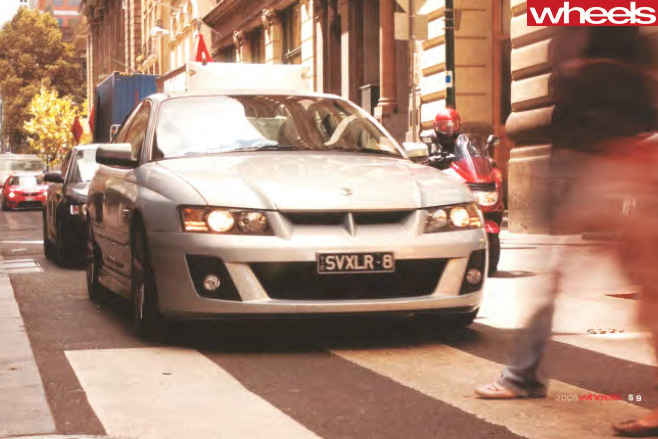
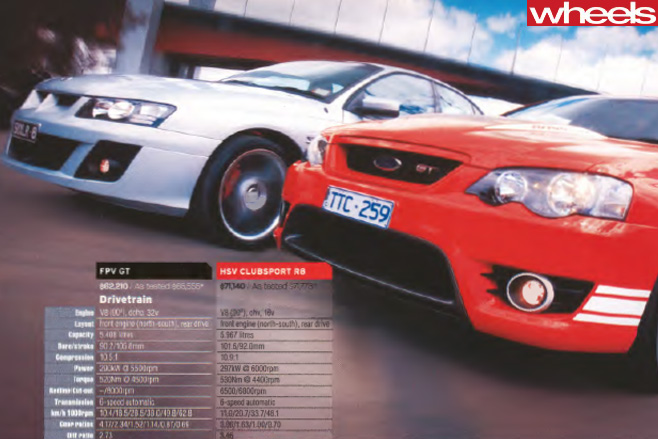
Otherwise they get the same 290kW long-stroke V8 (a close relation of the XR8 engine tested by Micmac a few pages back), the same suspension tune and – of course – the same ZF transmission.
Either way, both FPV GT and GT-P face a formidable foe in the R8, with its all-aluminium 297kW 6.0-litre V8 (a vastly improved relation of the SSZ’s Gen III in the same previous comparo) and standard-fitment performance suspension that features increased-rate progressive springs and recalibrated dampers. The 4L65E four-speed auto transmission is a no-cost option over the M12 Tremec-equipped manual version of the R8.
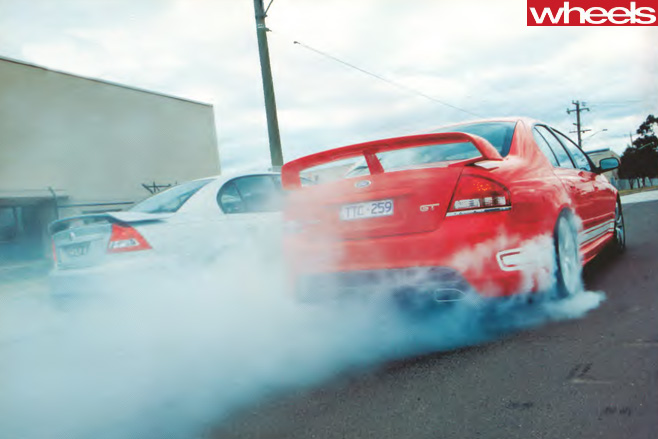
But from specs chart to drag-strip time slips, the contest suddenly becomes one-sided. If straight-line performance is your thing, then the R8 is a killer. With never less than 87 percent of the 530Nm torque peak available between 1600rpm and 6000rpm, R8’s LS2 bellows off the bottom, rips through the midrange and keeps roaring onwards and upwards to its 6800rpm cut-out, giving lustily and eagerly as the scenery vaporises and the GT disappears in the rear view.
It’s at the strip where GM’s old truck transmission is least disadvantaged. For Z Series, the Turbo Hydramatic 4L65E is in the same tune as the Aussie-built Pontiac GTO (aka Holden Monaro), and the Yanks demand max straight-line performance at all costs. So that means it works with a shorter 3.46:1 diff ratio (from 3.27:1) to boost initial response, while the shot-peened gearset in the limited-slip differential and thickened tail shafts are better able to handle the strain of channelling all that muscle.
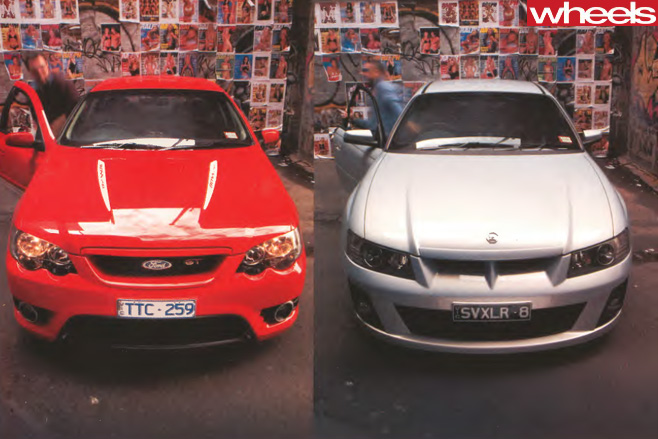
By contrast, the Vbox performance testing equipment exposes the FPV’s comparative shortfall of pace. The Barra 290 will push the GT below 6.4sec and 14.4, but progress becomes harder from there. The Ford engine doesn’t have either the same depth of strength or height of rev ceiling of the LS2, besides which the GT hauls an extra 164kg.
This 600Nm torque-limited version of the ZF (with extra plates in both clutch packs) has no problem coping with the engine’s outputs, but it is hindered by a much taller final-drive ratio that surely negates any straight-line advantage its smarts might deliver compared to the 4L65E. This is despite FPV recalibrating the gearchanges to yield the most aggressive upchange of any Ford Falcon.
The GT races back into contention once some bends are thrown into the contest. The R8’s engine continues to shine, but the transmission is no longer such a willing helper.
The best way to fight this is to pull the shifter manually back to third on windier roads, but the 4L65E still feels old and tired. In stark contrast, the ZF is younger, faster, smoother and much smarter, progressively learning from inputs and getting sharper in the process. Out on flowing and open roads, though, the R8’s transmission is at its least intrusive, and the HSV is capable of generating awesome pace. There are moments – hunkering down into a big sweeping turn, surrounded by a swelling exhaust beat – when you want to be nowhere else than grasping that thin steering wheel while seated behind one of the best engines to ever grace a locally built V8 sports sedan.
But as the going gets tighter and rougher, the R8 displays more evidence of age. The combination of struts, semi-trailing arms and loose body just can’t react as quickly as the engine. The front will push, the steering becomes inconsistent and inaccurate, and bodyroll becomes intrusive. It feels like the Yokohama Advans are doing more than their fair share to keep the R8 off the Armco, while the chassis tune stamps things so firmly that corrugations bang through the rear suspension, rattling the body. It makes progress a little tense and twitchy, and you’re left making a series of small corrections, unsure exactly what comes next.
The GT is more the new-age warrior. It’s quieter, thanks to the new dual-entry ram air intake and dual exhaust needed for tougher drive-by noise levels introduced from 1 January, 2006. Nowadays, that means you’ll have to flatten the throttle to get some aural satisfaction. But the NVH package Ford has introduced across the BF Falcon range also has a role to play in achieving such a calm cabin. Rumble from the low-profile Dunlop SP9000s is now the major intrusion.
It’s certainly quiet, but it also carries a big stick. The GT is a superb high-speed mover, living up to its grand touring tag brilliantly. The ZF is a fine component in an impressive combination, providing the right gear at the right time, with almost clairvoyant perception. Then there’s the wonderfully cogent ride and handling compromise brought on by the beautifully tuned double A-arm front and control-blade rear suspension. It’s capable of calming roads that fluster the R8, while keeping the car’s manners assured and stance flat.
But the GT isn’t entirely happy in the clinches either. That extra flab, some of it located high and forward in the engine bay, tells against it, with understeer eventually showing up. And the less flexible engine means you’ll be hammering the throttle hard and often to extract its best. The ZF does a fine job in this situation in performance mode, but to gain true control you’ll want to slide the lever left and start changing manually.
As confidence-inspiring as the GT is, a touch more weighting and feedback from the steering would help. The brake pedal is about as sensitive as Judge Judy, but the Brembos do keep doing the job impressively. The RS’s brakes offered similarly consistent performance, but with a little more initial pedal sink, plus a tendency to make more noise than an AC/DC concert.
Through all this, there’s one thing these two were united on, and that’s fuel consumption. Both prefer PULP and both drink plenty under duress, the HSV averaging 16.L/100km (against an ADR81 sticker number of 13.3L/100km) during our test loop that included everything from freeways to suburbs to tight winding backroads. The GT was a tad thirstier at 16.5L/100km (ADR81 sticker 15.0L/100km) despite its unarguably more efficient transmission. That’s a reflection of how hard the engine has to be pushed to extract ultimate performance.
Despite that, there’s no doubt the FPV is better. Both cars fairly claim punishing blows, but the decision on points must go to the FPV. HSV’s Z Series is a great engine surrounded by an ageing package, so it’s no surprise the GT feels at least one generation ahead in its handling and refinement. But how much better would it be if the FPV had an engine like the LS2 mated to its sweet ZF auto, lost some flab and was given a shorter final drive?
The Holden’s clear performance advantage will be some consolation to the brand’s many followers. But the Ford proves that on the road, as well as the bloodied battleground, raw firepower isn’t always the deciding factor.
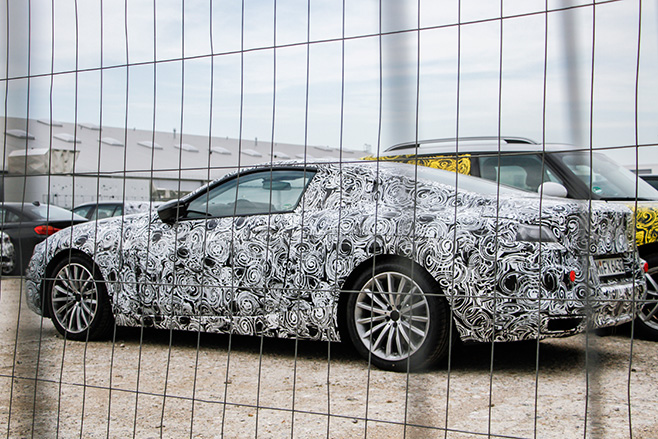
HERE is a next-generation two-door coupe flagship from BMW – but whether it is the expected replacement for the current BMW 6 Series Coupe, or the long-rumoured all-new BMW 8 Series Coupe, nobody outside Munich’s inner sanctum is sure right now.
Snapped earlier this month wearing heavy camouflage, speculation suggests that this imposing and stylish two-door will be badged 8 Series, signalling BMW’s return to the big coupe market vacated when the striking E31 8 Series ended its 10-year run in 1999.
Little is known about this car, other than it would most probably be built on a variation of BMW’s CLAR Cluster Architecture – a rear-wheel-drive platform designed from the outset to support hybrid and full electrification, as well as all-wheel drive. It was first used underneath the G11 7 Series limousine launched last year, and will also underpin the next-generation, G30 5 Series range to be unveiled in the coming weeks.
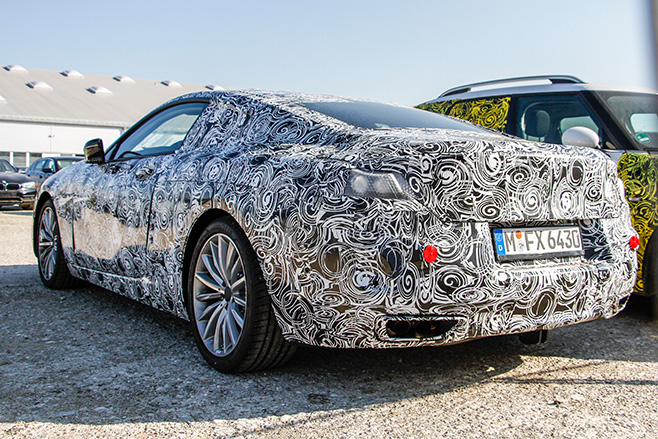
Fuelling rumours that BMW will stick an ‘8’ badge on this sleek prototype’s rump to take on other high-end luxury four-seater coupes such as the Mercedes-Benz S-Class Coupe, Bentley Continental GT, and Maserati GranTurismo, is some similarity to the BMW Pininfarina Gran Lusso Coupe displayed at the 2013 Concorso d’Eleganza Villa d’Este classic car show in Italy.
China and the US would likely be the largest markets for such a brazen personal luxury statement, and there presently isn’t any BMW product between the sub-$300,000 6 Series range and $645,000-plus Rolls-Royce Wraith in a position to exploit that demand.
Fitting its lofty aspirations, the 2018 8 Series may adopt at least some of the latest 7 Series’ more salubrious engine options, including the circa 240kW 3.0-litre in-line turbo six in a likely 840i, a 330kW 4.4-litre twin-turbo V8 (850i anyone?), and perhaps even a 450kW 6.6-litre twin-turbo V12 (that’d be an 860i).
There could also be scope for an M8 Coupe, as well as a properly opulent convertible to challenge the Mercedes-Benz-S-Class Cabriolet.
Speaking of the Three-Pointed Star, for approximate pricing, consider that Mercedes-Benz charges between $327,215 (S500) and a cool $502,216 (AMG S65) for its three-pronged C217-series S-Class Coupe assault in Australia.
If the spy pictures turn out to be the next-gen 6 Series Coupe, then we’re talking replacements for the current F12 640i Coupe (from a comparatively bargain $177,615), rising up to the $292,315 M6 Coupe. Being G30 5 Series-derived, these too would be spun off the CLAR architecture.
Only time will tell when this mysterious coupe’s number comes up.
Have spy pics of your own? We’d love to see them. Just email them to [email protected]
For more than 50 years, a key part of the Porsche 911’s appeal has been its pure, focused driving experience, so it’s tempting to look down your nose at one fitted with a turbocharged engine, an automatic gearbox and a folding fabric roof.
Such preconceptions would be a mistake, however, as while the 911 Carrera S Cabriolet’s image might be more Gold Coast than grand prix, it’s still an incredibly capable and accomplished sports car.
It shares the coupe’s 3.0-litre twin-turbo flat-six, and an extra 70kg isn’t enough to dull the urge of 309kW/500Nm, Porsche claiming 4.1sec for the 0-100km/h sprint when equipped with PDK and Sport Chrono.
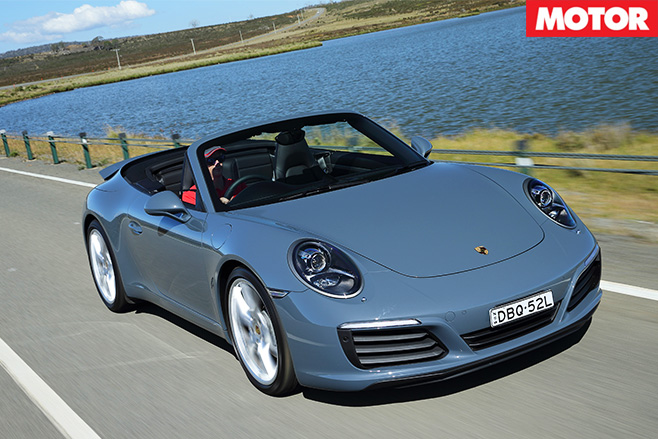
The linear power curve and impressive throttle response might help hide the new 911’s turbo status, but the soundtrack and the speed with which large numbers appear on the speedo are dead giveaways. The signature flat-six exhaust note is now a bit muffled, but the sci-fi whistle as the turbos spool up – particularly noticeable with the roof down – is some compensation.
The seven-speed dual-clutch is a brilliant partner, smooth at low speeds, lightning fast when you’re up it and with a scary sixth sense of knowing which gear to choose when left to its own devices, rendering the paddles almost redundant.
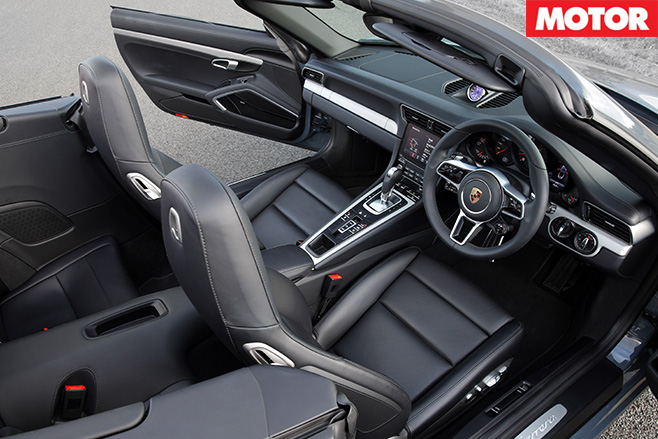
Steering, brakes, traction, body control – every aspect is top notch but it’s so capable that the thrill of driving suffers a little when the car barely feels like it’s trying. The final question mark regards the 911 Cabrio’s price, which as-tested is an eyebrow-raising $326,080.
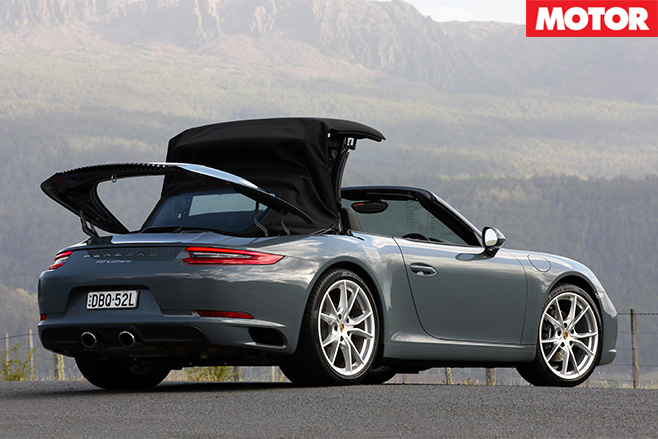
Okay, so that’s a different sort of car, but while the new drop-top 911 is a sensationally polished car, its relative lack of theatre is perhaps an opportunity for the likes of the Jaguar F-Type SVR and forthcoming Mercedes-AMG GT Roadster.
4.0 OUT OF 5 STARS
LIKE: Stunningly competent; upgraded interior DISLIKE: Huge money with options; needs more… fizz
SPECS: Engine: 2981cc flat-6cyl, DOHC, 24v, twin-turbo Power: 309kW @ 6500rpm Torque: 500Nm @ 1700rpm Weight: 1530kg 0-100km/h: 4.1sec (claimed) Price: $274,300
IN THE USA Ford makes a Mustang with a 3.7-litre V6 and on paper at the very least, it is an embarrassment to six-pot donks.
For a start it’s shamed by its four-cylinder Ecoboost sibling, the four-banger belting out 233kW and 432Nm – 6kW and 54Nm more than the nat-atmo six. It’s just as well we got the four over the six in Australia – the latter is pissweak.
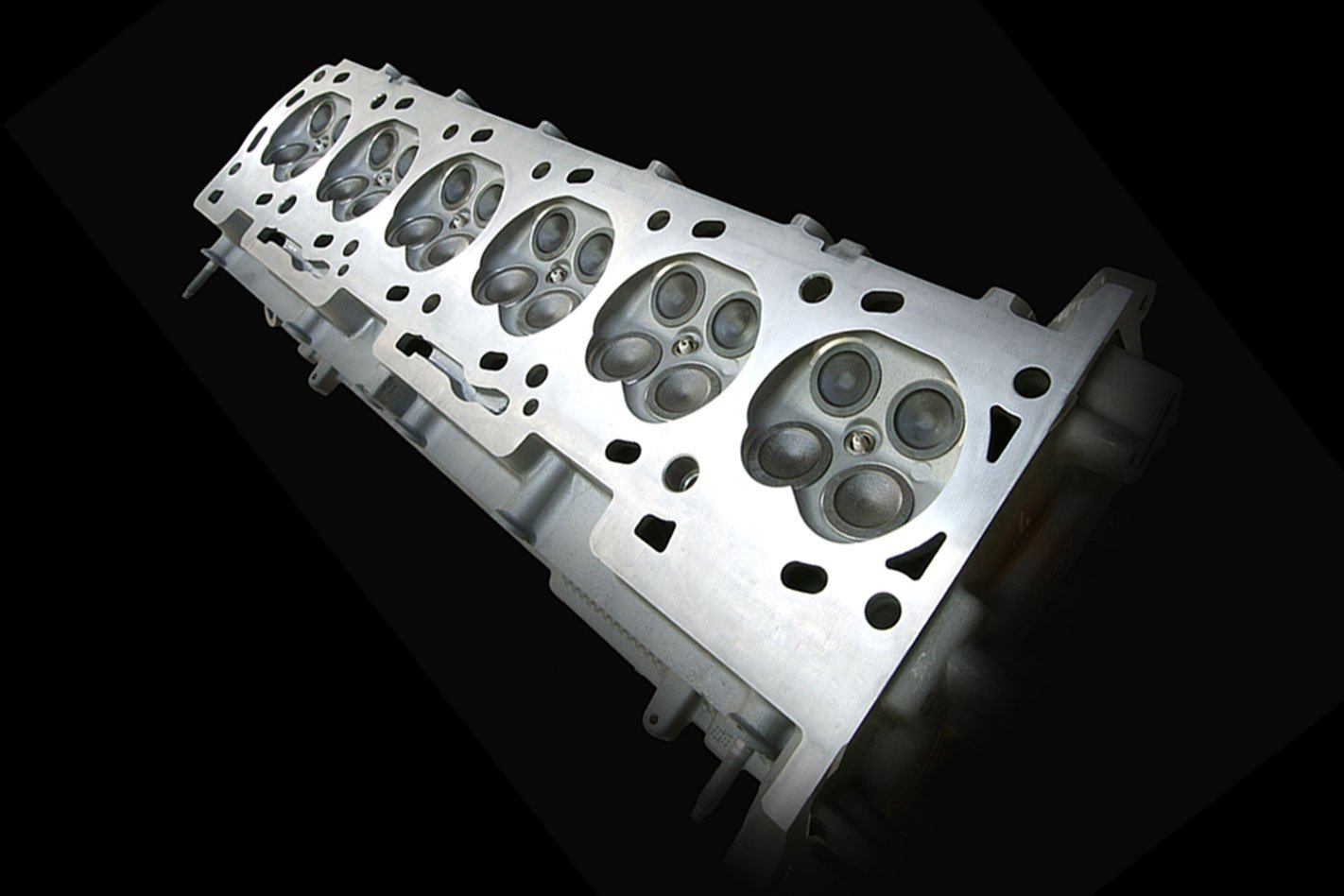
Particularly by local standards. See, blue-bleeding Aussies have long enjoyed one particular engine packing six pistons, twin overhead cams and four litres – one that can pump out an impressive 325kW and 576Nm if it so wishes. And we reckon this locally born and bred mill – The Barra, people – is the one that Ford USA should’ve slotted in the long nose of the Ponycar coupe.
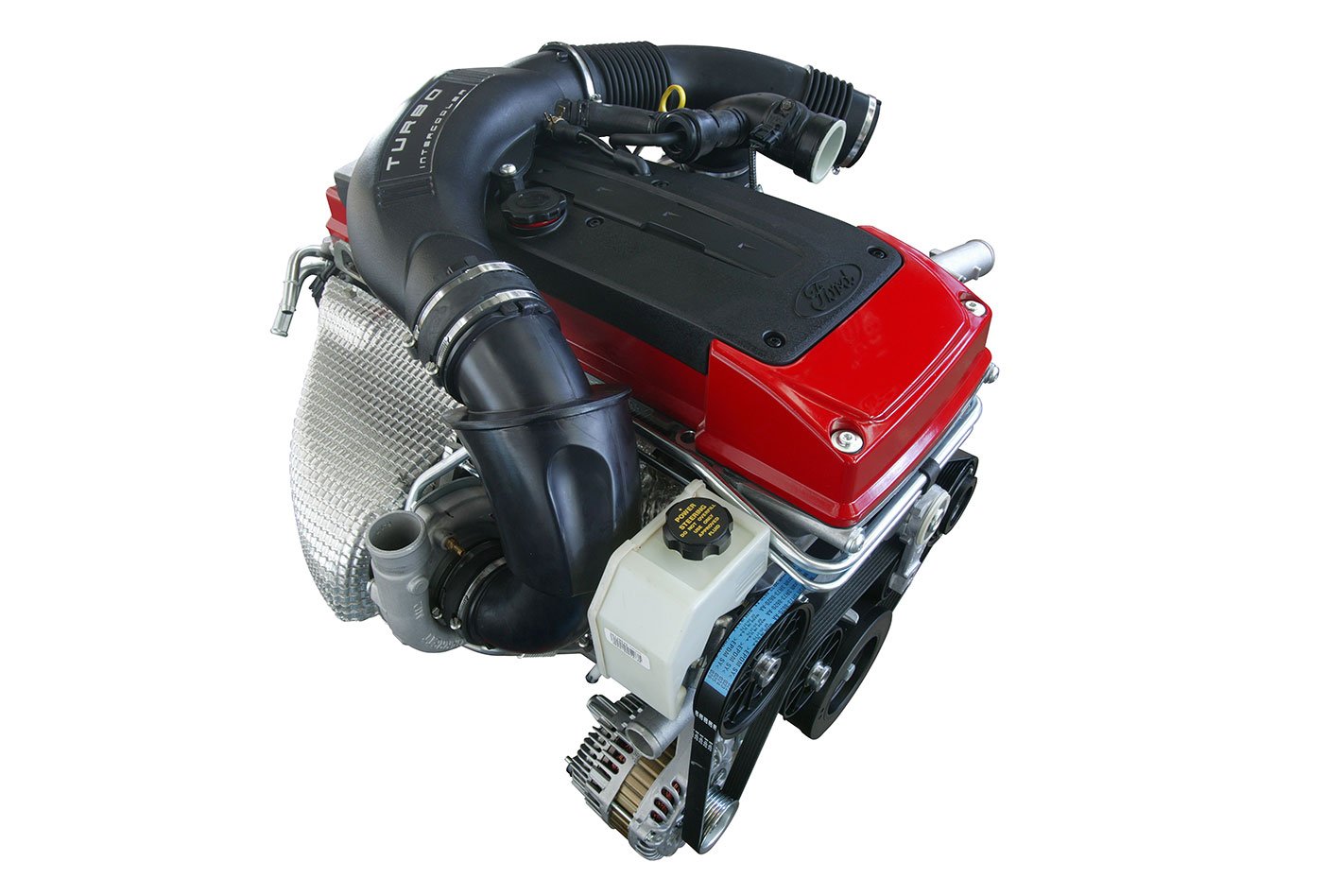
As to where the Barra engine could be made, well, we’ll leave that to your imagination.
ECO UPGRADE The Barra cops a major upgrade courtesy of a cash injection from Ford USA – and led by Aussie engineers. Costs are amortised over a global product and the engine could even slot into pick-ups in the Land of the Free.
XR6T EQUIVALENT The car above is the entry-level performance model – think of it as the XR6 Turbo version. With more compression it runs less boost to make more power and for better or worse, junks the transient overboost software. So it rouses 295kW at 5500rpm and 580Nm from 2000rpm to leave headroom for the V8 model. It’s good for 0-100km/h in 4.9sec and, in Australia, starts from a very agreeable $48K in six-speed manual guise. With Drift Mode.
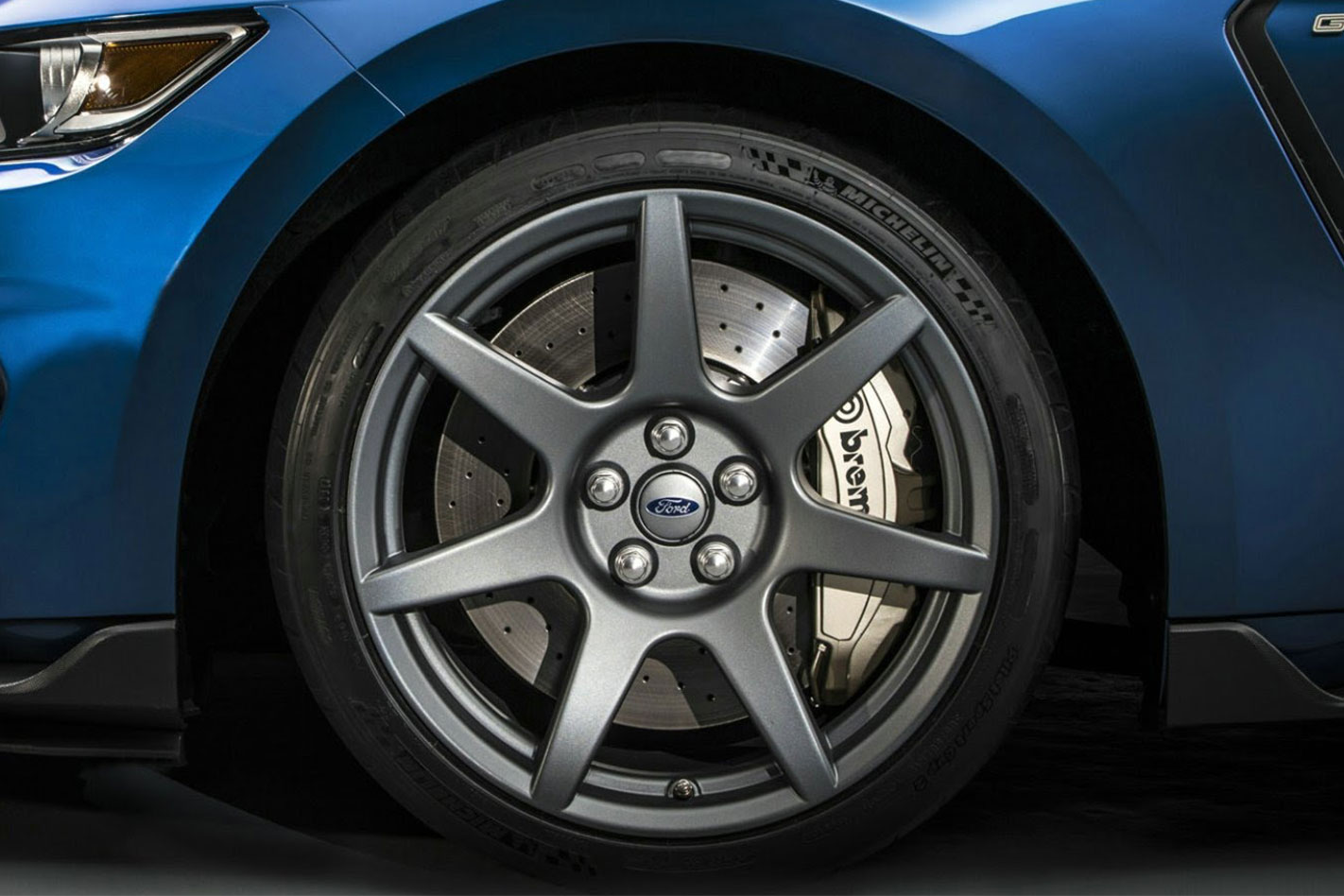
F6 IN THE WORKS But, aha, Ford is easily able to cook-up even hotter versions for the Aussie, US and all other overseas markets. An F6-equivalent variant pumps out a GT350-scaring 370kW and 670Nm. In Oz, we’re talking $65K starting price and 0-100km/h in the mid fours. Carbonfibre wheels made in Geelong an option, just an expensive one.
The more affordable Barra-powered Mustang is a huge hit not just in Australia but in the States, the factory producing the engine – wherever that might be – almost unable to keep up with demand.
TELL ME ABOUT THIS CAR
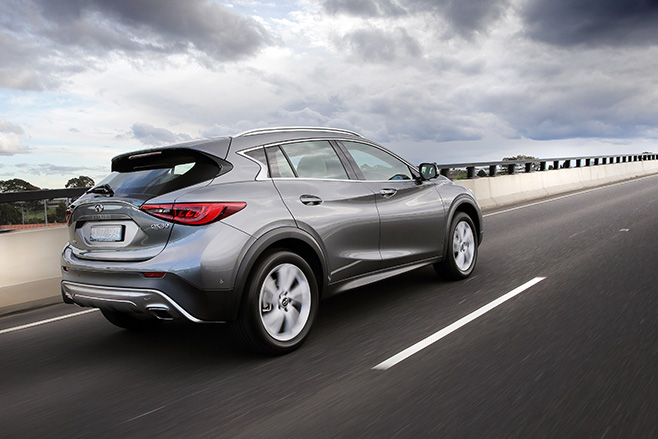
The Infiniti QX30 is a higher-riding, all-wheel-drive variant of Infiniti’s recently launched Infiniti Q30 premium compact front-drive crossover. Like that car, it shares its platform, drivetrain and some interior architecture with the Mercedes-Benz GLA. It’s intended for buyers who occasionally drive on firetrails, or in snowy conditions.
STRENGTHS
- All-wheel drive provides extra traction on slippery surfaces, allowing the car to feel more controllable.
- The QX30 rides 30mm higher than its Q30 sibling, which provides a little extra clearance to potentially negotiate rocky terrain, and may make entry and egress marginally easier.
- Extra body cladding at each end of the car provides more protection against rocks, sticks or anything else off-road that may damage the bodywork.
- The 2.0-litre turbocharged engine provides strong acceleration, while the seven-speed dual-clutch transmission shifts quickly and responds well to either paddle shifters or the driver’s throttle inputs.
- The tall seventh ratio sees the engine turning over at just 1700rpm at 100km/h, which can make for very an economical cruising speed. The car’s combined consumption is 6.9L/100km, which is commendable, albeit 0.6 higher than the Q30, due mostly to the extra weight and drag of the all-wheel-drive hardware.
- The interior imparts a sense of high quality and premium finishes.
- The car is offered with a four-year warranty, one more than Mercedes-Benz.
WEAKNESSES
- The Infiniti brand is relatively new to Australia, so the dealer network is not nearly as extensive as that of the premium European brands.
- The lack of brand awareness may impact on resale value.
- The extra ride height and tyres designed to handle both bitumen and mud means the handling is not quite as sharp and assured as that of the Q30. This is only relevant to hard-driving enthusiasts, however.
- Lack of a reversing camera on the entry-level GT model. (It makes do with beeping sensors.)
- Lack of the latest Apple CarPlay and Android Auto connectivity, meaning your phone’s functionality cannot be displayed on the car’s multimedia system.
- Tight for space in the back with four adults onboard.
Most obvious is the car on which the Infiniti is based; the Mercedes-Benz GLA. If a high power output is not a priority, consider the entry-level GLA 180. If you want the performance offered by the Infiniti, you’ll need to look at the GLA 250, which starts $3K higher at $59,000. Otherwise the Audi Q2 is worthy of consideration; it’s due in February next year and has been well received in Europe. Great equipment, connectivity and cabin quality, and, by all accounts, a lively, engaging drive. Finally, there’s the BMW X1 – roomy and well-engineered, but starts from around $60K for a comparable mechanical spec to the QX30, and needs expensive options to bring it in line in terms of features.
