A victory for common sense this week, as the Northern Territory Government lifted the speed restrictions from yet another section of its highway network.
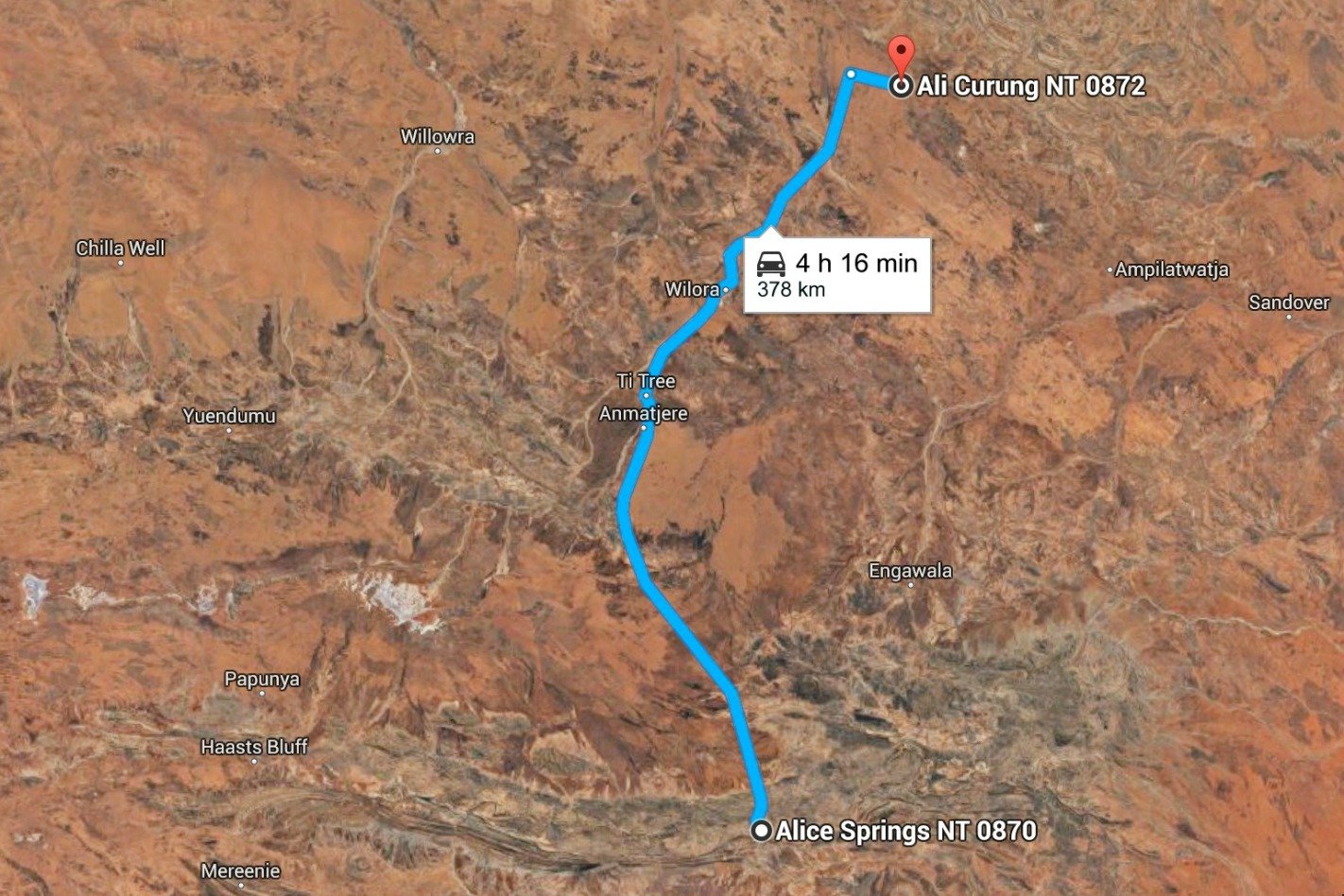
Another 60km long section of the Stuart Highway between Alice Springs and the township of Ali Curung has had its 130km/h speed limit removed, after the completion of more than $3million worth of road works designed to allow drivers to travel at speed.
The additional section, opened today, brings the total amount of derestricted roads to 300km.
Since the derestricted trial began in February 2014, no fatalities have been recorded over 11 crashes, according to government research. Studies found that the median speed travelled was approximately 140km/h.
NT chief minister Adam Giles has told media that the government would like to see the derestricted road extend to Katherine, 1100km north of Alice Springs, subject to widening works on the highway.
The announcement comes just days after Bentley was forced to pull down a YouTube ad that featured its Bentley Continental GT Speed doing 300km/h under controlled circumstances on a derestricted section of the highway.
A single complaint saw the ad pulled, much to Bentley’s dismay and driver John Bowe’s disgust.
We were gobsmacked upon reading in a recent interview by Automotive News with Lamborghini’s Head of Research and Development, Maurizio Reggiani, that Lamborghini’s goal is to have the world’s first production car with carbon connecting rods.
The revelation is just one of several carbon-based technologies that Lamborghini is exploring at its new Advanced Composite Structures Laboratory; an 8000 square-foot facility which opened recently in Seattle.
The use of carbon fibre components in engine bays is by no means a new concept though. A US based company called Composite Castings LLC developed a lightweight carbon fibre composite V4 engine block back in 2011, intended primarily for motorsport applications.
Ford also unveiled a concept engine at this year’s Detroit Motor Show that was 15 percent lighter than their existing 1.0-litre EcoBoost engine. The three cylinder engine uses injection-moulded carbon fibre for some structural parts, including the sump and part of the cylinder head. The motor also uses forged aluminium con-rods and powdered metal steel forgings on highly-stressed key components.
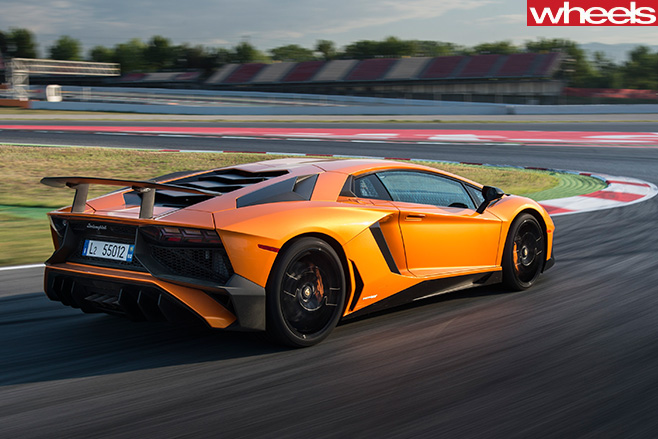
Instead, Lamborghini’s forged composites simply place a premixed amount of carbon fibre and resin into a steel mould and apply both heat and pressure. The finished product is cured in minutes, rather than hours – as it is with traditional methods – and drastically reducing production times. It was this construction method that Lamborghini used on 80 percent of its uber-wild Sesto Elemento supercar in 2010.
While the company only anticipates the components to be available for the successors to their current Aventador in several years, the small facility is intended to intercept new ideas and go from test to design quickly. Let’s hope they succeed and that carbon technology – including those con-rods – finds their way into the rest of the VW Group’s products soon.
In line with their October 2015 commitment to transparency, the PSA Group – who own both the Citroen and Peugeot brands – have published the results of real-world fuel consumption tests for 30 core models, which reveal an average 2L/100km difference from the manufacturer’s claimed tests.
The results come from a testing procedure established with two French non-government organisations; Transport and Environment (T&E) and France Nature Environment (FNE), with the results audited by the French office of Bureau Veritas.
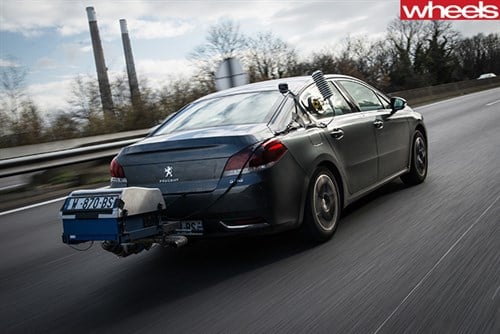
The test procedure was based on the European Union’s Real Driving Emissions (RDE) project and measures fuel consumption by means of a portable emissions measurement system (PEMS) installed on the vehicle. Bureau Veritas, an independent international body has also guaranteed the accuracy of the procedure, stating that it was conducted in line with their specifications and that the results are reliable.
According to a PSA statement, the measurements were made on public roads open to traffic (25 km urban, 39 km rural and 31 km motorway) and under real-life driving conditions, notably with passenger and luggage loads, road gradients, and the use of air-conditioning systems. The measurements taken are also comparable to results achieved by PSA customers that were obtained from independent customer surveys.
Commenting on the announcement, Gilles Le Borgne, Executive Vice President, Research & Development, said: “PSA will publish figures for another 20 models by the end of the year and introduce a simulator allowing customers to reduce their fuel consumption depending on driving conditions, thereby lowering their CO2 emissions. In 2017, the Group will move to the next level by extending measurements to pollutant emissions of nitrogen oxides (NOx) in customer driving conditions.”
While PSA has to be commended on its world first initiative, the EU’s RDE tests have been muted for some time in the automotive industry.
Daimler AG Chief Executive Officer Dieter Zetsche was the first to throw his support behind publishing real world fuel economy numbers after the EU stated earlier this year that the gap between official economy numbers and real world driving was around 40%. In a Wheels interview on fuel standards from the Detroit Motor show, Zetsche commented thatthe automotive industry: “needs real world numbers to end this ambiguous discussion. This (Dieselgate) is a case and discussion where the law has not been pursued. The rest of us are bringing our cars to market according to the rules, but because you have a differentiation between the real world numbers and these rules, we need clear, specific definitions and a more coherent system. And we are totally committed to working on that and arriving at a solution as soon as possible. It will help us all.”

“We have no local plans at this stage, as those tests can only be initiated by our German counterparts” Stamoulis said.
“But all future Mercedes Benz models will be RDE test compliant, beginning with our new Mercedes Benz E220 CDI Bluetech, which is due to be launched at the end of this month.”
Ultimately carmakers will have to follow PSA and Daimler’s lead with more transparency about the way they certify their fuel economy and emission ratings, as regulators step up scrutiny into the gap between laboratory results and real-world driving conditions. It’s important that there is more similarity in the RDE results and the manufacturers claims, so the general public realises the difference between what you measure in the real world to what you measure in the lab.
PSA results by brand
Some drivetrains and specifications listed may differ to Australian sold vehicles.
Peugeot models
| 14 PEUGEOT MODELS | T&E procedure l/100km | Standard l/100km | Difference l/100km |
| 108u00a01.2l PureTech 82 BVM5 15” STD tyres | 6.1 | 4.3 | 1.8 |
| 208u00a01.6l BlueHDi 100 BVM5 16” VLRR tyres | 4.7 | 3.5 | 1.2 |
| 208u00a01.6l BlueHDi 120 S&S BVM5 16” ULRR tyres | 4.7 | 3 | 1.7 |
| 2008u00a01.6l BlueHDi 100 BVM5 16” VLRR tyres | 5.1 | 3.7 | 1.4 |
| 2008u00a01.6l BlueHDi 120 S&S BVM6 16” VLRR tyres | 5.2 | 3.7 | 1.5 |
| 2008u00a01.2l PureTech 82 BVM5 16” VLRR tyres | 6.4 | 4.9 | 1.5 |
| 2008u00a01.2l PureTech 110 S&S EAT6 16” VLRR tyres | 7.1 | 4.8 | 2.3 |
| 308u00a01.6l BlueHDi 120 S&S BVM6 16” ULRR tyres | 4.9 | 3.2 | 1.7 |
| 308u00a01.2l PureTech 130 S&S BVM6 16” VLRR tyres | 6.6 | 4.6 | 2 |
| 308u00a01.2l PureTech 110 S&S BVM5 16” ULRR tyres | 6.3 | 4 | 2.3 |
| 3008u00a01.6l BlueHDi 120 S&S BVM6 17” VLRR tyres | 6.1 | 4.1 | 2 |
| 3008u00a01.2l PureTech 130 S&S BVM6 17” ULRR tyres | 7.6 | 4.9 | 2.7 |
| 508u00a02.0l BlueHDi 180 S&S EAT6 17” ULRR tyres | 6.3 | 4 | 2.3 |
| PARTNERu00a01.6l BlueHDi 120 S&S BVM5 15” VLRR tyres | 6.1 | 4.3 | 1.8 |
Citroën models
| 11 CITROu00cbN MODELS | T&E procedure l/100km | Standard l/100km | Difference l/100km |
| C1u00a0PureTech 82 BVM Feelu00a015” STD tyres | 6.1 | 4.3 | 1.8 |
| C3u00a0PureTech 82 BVM Exclusiveu00a016” VLRR tyres | 6.3 | 4.6 | 1.7 |
| C3u00a0Picassou00a0BlueHDi 100 BVM Confort 16” VLRR tyres | 5.7 | 3.8 | 1.9 |
| C3u00a0BlueHDi 75 S&S BVM 15” ULRR tyres | 4.9 | 3.0 | 1.9 |
| C4u00a0Cactusu00a0BlueHDi 100 BVM Shine 16” VLRR tyres | 5.1 | 3.6 | 1.5 |
| C4u00a0Cactusu00a0PureTech 110 S&S BVM Shine 16” VLRR tyres | 6.1 | 4.3 | 1.8 |
| C4u00a0BlueHDi 100 BVM Feel 16” VLRR tyres | 5.1 | 3.6 | 1.5 |
| C4u00a0Picassou00a0BlueHDi 120 S&S EAT6 Intensive 17” VLRR tyres | 6.5 | 3.9 | 2.6 |
| Grand C4 Picassou00a0BlueHDi 120 S&S BVM6 Attraction 16”u00a0ULRR tyres | 5.7 | 4 | 1.7 |
| Grand C4 Picassou00a0PureTech 130 S&S BVM6 Intensive 17”u00a0VLRR tyres | 7.4 | 5 | 2.4 |
| Berlingou00a0BlueHDi 100 BVM 15” VLRR tyres | 6.1 | 4.3 | 1.8 |
DS models
| 3 DS MODELS | T&E procedure l/100km | Standard l/100km | Difference l/100km |
| DS 3u00a0BlueHDi 120 S&S BVM6 Sport Chic | 5 | 3.6 | 1.4 |
| DS 3u00a0PureTech 110 S&S BVM So Chic | 6 | 4.3 | 1.7 |
| DS 4u00a0PureTech 110 S&S BVM So Chic | 5.4 | 3.8 | 1.6 |
CARS in space are nothing new. The Lunar Roving Vehicle helped Apollo Astronauts roll around the lunar landscape like the boss legends they are.
But the whole zero-gravity and lack of oxygen means an internal combustion engine has never orbited the earth – at least not a functioning one.
That is all about to change thanks to a NASCAR team, as Roush Fenway Racing teams up with the United Launch Alliance’s Integrated Vehicle Fluids (IVF) program.
The program is designed to take a rocket’s multiple fluids and systems and break it down so that just hydrogen and oxygen are needed. The secret ingredient? A good ol’ combustion engine.
Currently, rockets use a very complex combination of pressurised propellants like hydrazine and helium to operate in the vacuum of space. The additional weight of things like solar cells and batteries for electricity and water takes up a decent chunk of space in the rocket (no pun intended) and limits the distance capabilities of the vehicle.
The IVF intends to simplify this system so all those jobs can be completed by limiting fluids to just hydrogen and oxygen, and having a combustion engine do all the work.
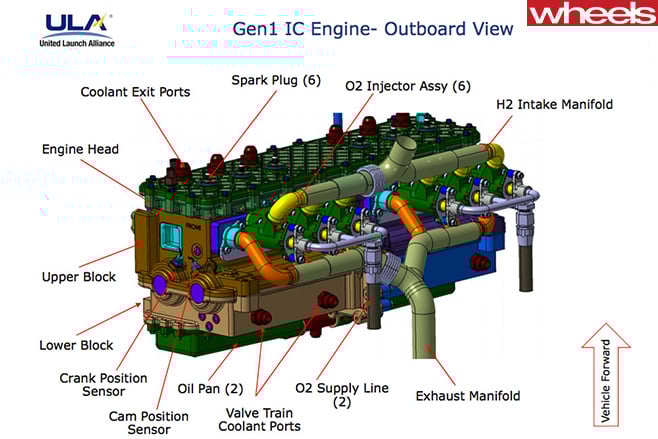
That is all the science behind it, simplified to a layman’s level. In reality, things are much more complicated than we have explained (as you would hope, this being rocket science and all).
The cool thing about the project is the combustion engine doesn’t require fuel, and isn’t stealing oxygen that is being used as air supply. The combustion engine runs off the hydrogen and oxygen that would traditionally be waste in boil-off.
The combustion engine won’t just mean we can get rockets to space more efficiently, it will also allow rockets to last longer, and refuel in space easier.
You would think with all that work to do, and it being developed by a NASCAR team, the engine would be worthy of its racing heritage. But actually, Roush Fenway Racing has put together a 600cc six-cylinder that puts out just 19kW. It is the smallest and least powerful engine the team makes, but probably the most important.
Despite being built to incredible aerospace tolerances, the engine is being built with off-the-shelf parts. The ignition system uses coilpacks from a 5.3-litre V8 built by GM and used in American pick-up-trucks. The same goes with the piston rods and spark plugs, which can be bought at any auto store.
The little combustion engine that could won’t get its first run in space for a couple of years yet, but it’s incredible to think how far the simple technology has come.
Finally we have proof that the fuel economy figures claimed by manufacturers do not reflect real world fuel usage, according to new data released by PSA Peugeot Citroen.
The figures, released overnight from Europe, show that real-world testing of fuel consumption differs from one to two litres per 100km from standard manufacture figures calculated in lab tests.
In a world-first initiative that test fuel consumption in real-life scenarios, PSA has assessed 30 models in a bid to offer buying customers more transparency.
With automaker fuel consumption and CO2 emissions under scrutiny due to Volkswagen’s Dieselgate crisis, PSA announced last year the company would undertake comparative testing between standardised lab tests and real world tests in Europe.
“We’re doing this to be completely transparent and open and honest to the buying public,” said Tyson Bowen, PSA Australia’s PR and Communications Manager.
“These [figures] give you a representative idea of what a real world driving cycle would be.”
The current test system under the New European Driving Cycle (NEDC) conducts urban and extra-urban tests in controlled laboratory conditions. The real-world test, however, takes the ever-changing natural environment and driving of customers into account.
In real-world testing, the protocol has cars loaded with luggage, people and testing equipment while driving in urban (25km), rural (39km) and motorway conditions (31km) on a 100km test loop with the air-conditioner on. Additionally, they’re forced to battle the changing elements of winds, traffic conditions and varying road gradients.
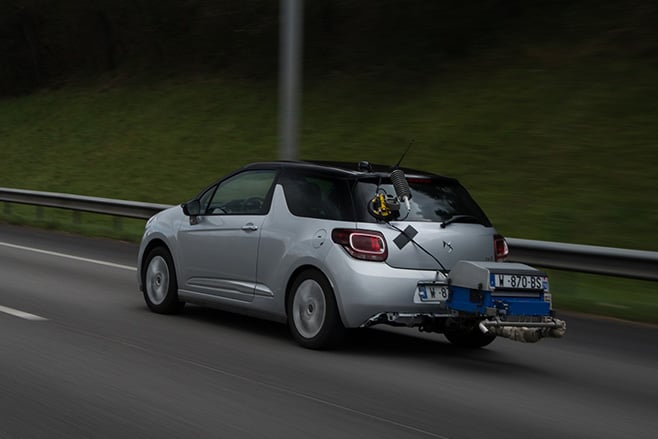
The procedure was developed in partnership with French NGOs Transport & Environment (T&E) and France Nature Environment (FNE), and then examined by the French division of the international auditing agency; Bureau Veritas. The figures drawn from the results were also compared to a customer survey conducted by PSA.
“The results correlated almost perfectly with customer data that PSA gathered last year,”
“Customers throughout Europe were asked to undertake part of a trial to report experience with fuel efficiency in their cars and environment… What people are seeing is consistent across the board.”
The figures, however, are based on European models which will differ to Australian cars given environmental and specification variations.
Payload, tyres, environmental conditions, shape of the car and drivetrains all influence fuel figures, so naturally, Aussies should expect some variations in their car’s true fuel consumption.
Despite slight variations in figures, PSA has said the real-world testing should give consumers increased confidence in the figures.
PSA is the first manufacturer to explore methods outside the NEDC so far, with other manufactures – such as Mercedes Benz – set to follow suit.
“We have no local plans at this stage, as those tests are initiated by our German counterparts,” said PR and Product Communications Manager of Mercedes Benz Australia, Jerry Stamoulis.
“But all future Mercedes Benz models will be RDE (Real Driving Emissions) test compliant, beginning with our new Mercedes E220 CDI Bluetech, which is due to be launched at the end of this month.”
Let’s hope Citroen’s initiative spreads to other brands.
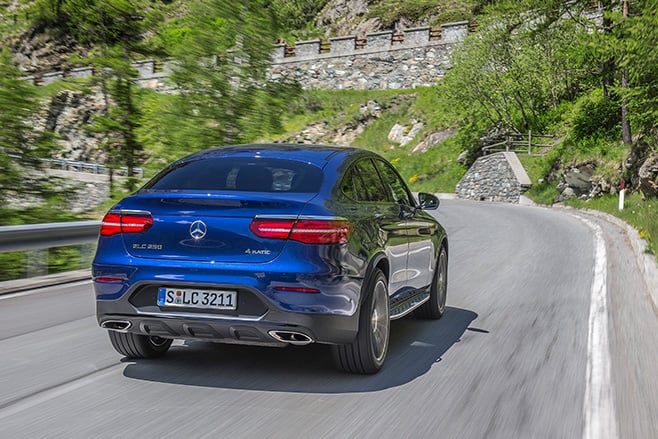
Sheesh – another niche! Mercedes-Benz already has a fastback SUV, called the GLE Coupe; the Mercedez-Benz GLC Coupe is more of the same in a smaller size. The Coupe is aimed at those who care even less for practicality – not that it’s much worse off than its sister GLC SUV – and for the extra $12K it’s asking, ramps up the driving enjoyment considerably. All-wheel-drive, nine-speed automatic, sports suspension, 20-inch wheels and AMG Line exterior and interior styling are all standard across the four introductory variants (220d, 250, 250d, GLC 43). It’s the sports coupe you have when you really need an SUV.
STRENGTHS
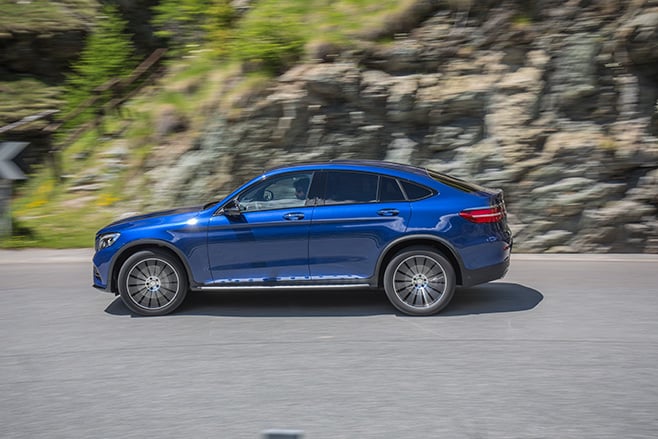
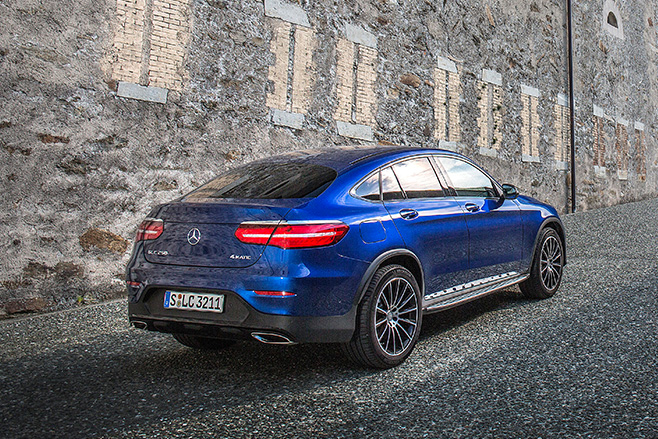
Styling. While on the same 2873mm wheelbase as the GLC SUV, the Coupe is 76mm longer and 37mm lower, most noticeably in the falling roofline. The aggressive nose (with standard “diamond” grille) and pert tail give the exterior a look of agility and purpose, while the interior – different from the SUV – is pure, classy coupe, just higher off the ground.
Performance. The 250 version tested here runs a 2.0-litre, turbocharged four-cylinder, making 155kW/350Nm. It gets gaspy at higher rpm, but mated to a nine-speed auto, it makes surprisingly light work of this version’s 1785kg kerb weight. Fuel consumption (7.1L/100km EU average) betters arch-rival BMW’s rather less potent (135kW/270Nm) X4 20i.
Handling. You really can have an SUV that looks like a coupe and goes a fair way towards driving like one, too. The Coupe’s suspension – standard on steel springs, but with Air Body Control optional – is firmed-up from the GLC SUV’s, and gets five-mode Dynamic Body Control as standard. Taut, sharp steering and grippy Michelin Latitude Sport rubber make it decently entertaining in the twisties.
WEAKNESSES
Space. In the context of a 1.8-tonne vehicle that costs $12,000 more than the mechanically similar SUV, it’s a weakness. While shoulder room and rear legroom are claimed to be identical, the GLC Coupe obviously loses out in rear headroom. It’s adequate for sub-178cm passengers, though they’ll first bang their heads getting in and out. Coupe’s luggage capacity drops to 410 litres (from SUV’s 550).
Vision. Visibility cops it coming and going: forwards, thanks to the energy-channelling A-pillars, and rearwards thanks to the falling coupe roofline, high waistline and tall tail. A standard 360-degree camera gives a bird’s eye view to simplify parking and blind-spot warnings aid in lane changes, but those thick A-pillars constantly get in the way.
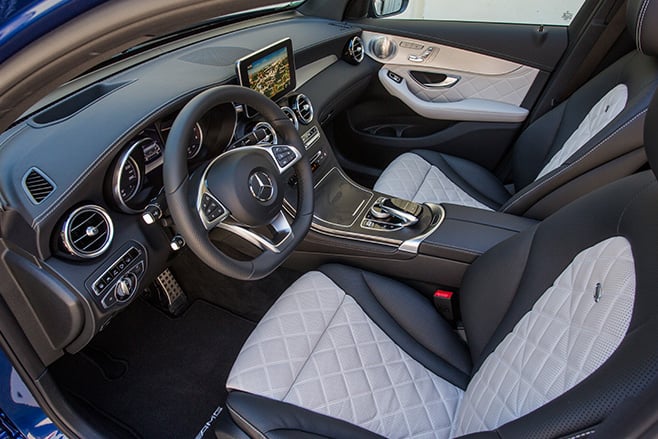
Seating. Not that much of a weakness, as seating quality is pretty darned good, but front seats aren’t quite as laterally supportive as their deep sculpting suggests. Rear seats look fantastic, being styled to suggest a 2+2 coupe, but the head-bruising entry/egress and slightly compromised accommodation for a centre passenger can be gauged against the less expensive, sister GLC SUV.
ANY RIVALS I SHOULD CONSIDER?
If an SUV coupe isn’t niche enough, consider an SUV performance coupe. The GLC family will include a 270kW, twin-turbo V6 GLC 43 by the time of its Nov-Dec launch, which will provide competition for Porsche’s Macan S (250kW, $93,100). If price is more an issue, BMW’s X4 xDrive20i Steptronic ($71,100) matches the GLC 250 Coupe’s 2.0-litre turbo spec and fastback shape, albeit with clunkier styling and less power and fuel efficiency.
This is a pretty specialist subject and attempting to cover it in a few sentences is a sketchy way of going about it. But here’s the Mills and Boon version: Rust can be very difficult to spot in a second-hand car. Some makes and models have known hot-spots for rust which makes it easier to check for, but you’ve got to know where they are.
The general rule of thumb is that any bubbling under the paint, flaking paint, rusty-coloured sweat marks on the paint or cracking of the paint could, indeed, be early signs of rust. The big trap is an older car with a lovely, shiny new coat of paint. It might look good now, but the problem is that it could be hiding all sorts of rust and crummy repairs that will show their heads a few months or years down the track. A second-hand car with its original paint – even if it’s a bit faded or scratched in spots – is a safer buy.
One thing you can do is try to stick a magnet (one of those low-power flexy fridge magnets is best) to the metal of the car. If the magnet sticks, there’s metal underneath. If not, there’s probably filler and that could mean rust. But this is a very general test and shouldn’t be relied on. An independent inspection is the hot ticket if you’re in doubt.
Now find out how to choose the best new car colour.
Mercedes-Benz’s latest GLC Coupe will cost buyers up to nearly $13,000 more than the equivalent GLC wagon on which it’s based.
The new, sportier variant of the Mercedes-Benz GLC SUV is priced from $77,100 for a three-model range that currently replicates the line-up of the regular GLC which starts at $64,500.
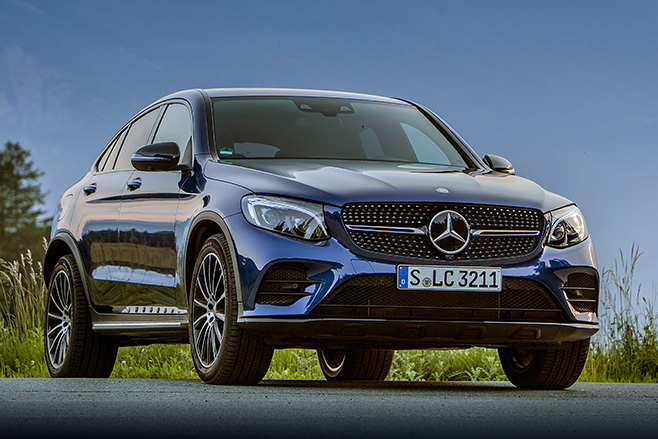
A GLC220d Coupe starts the range with a 125kW/400Nm four-cylinder turbo diesel, a mid-spec 250 turbo petrol costs $80,100 and produces 155kW and 350Nm, with a $82,100 250d topping out the range for now with outputs of 150kW and 500Nm. (More powerful variants, including a GLC63 will eventually come.)
It means the GLC Coupe entry point of $77,100 is $6000 higher than BMW’s rival X4 20i at $71,100, though the coupe-style version of the BMW X3 starts with a petrol engine compared with the Benz’s diesel. The X4’s premium isn’t as high as the GLC Coupe’s over its relative, though X4 variants are still between $5100 and $9100 more expensive than the equivalent X3.
Mercedes-Benz Australia says the price disparity between its two GLC variants comes down to the traditional premium for a coupe body style and a raft of extra equipment.
The GLC220d Coupe, for example, features an AMG Line exterior and interior (a $3500 option on the GLC220d wagon), 20-inch AMG alloy wheels (compared with 19s on the wagon), as well as Dynamic Body Control with adaptive dampers and an intelligent lighting system.
Upgrading to either the GLC250 or GLC250d models brings a Driver Assistance Package, keyless engine start, and swaps man-made leather for the real thing.
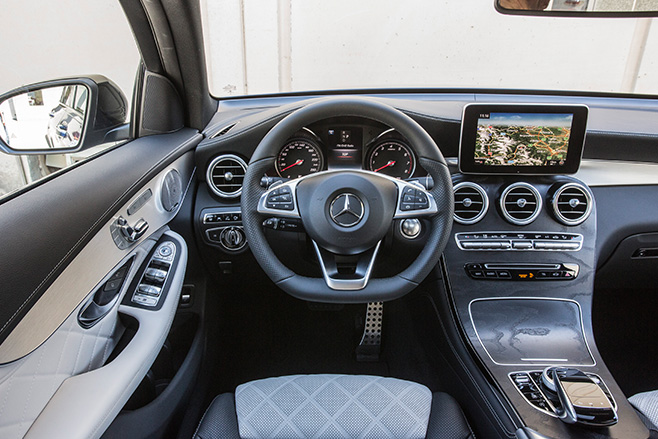
“It’s not necessarily about more spec, it’s about spec for what the segment wants,” said Mercedes-Benz Australia spokesman Jerry Stamoulis. “We believe the GLC Coupe buyer is a person who wants something other than a traditional SUV, and the AMG exterior and interior makes it more attractive.”
The GLC Coupe’s roof is 4cm lower than the wagon’s, though the drooping roof sacrifices some practicality by reducing boot capacity by 59 litres to 491 litres.
The 2016 Mercedes-Benz GLC Coupe adds fastback style and a more dynamic drive to Benz’s compact SUV.
WHAT IS IT? A more sporty variant of Mercedes’ similar-under-the-skin Mercedes-Benz GLC SUV. Fastback roof, “four-seater”-styled interior and firmed-up dynamics compensate for compromised carrying capacity.
WHY WE’RE TESTING IT Mercedes-Benz already has the larger GLE Coupe, so here’s more of the same in a smaller GLC package. Intro 220d, 250, 250d and powerhouse C43v will be joined next year by 300, 350d, 350E plug-in and monster GLC63; volume seller will be the 250 petrol, tested here.
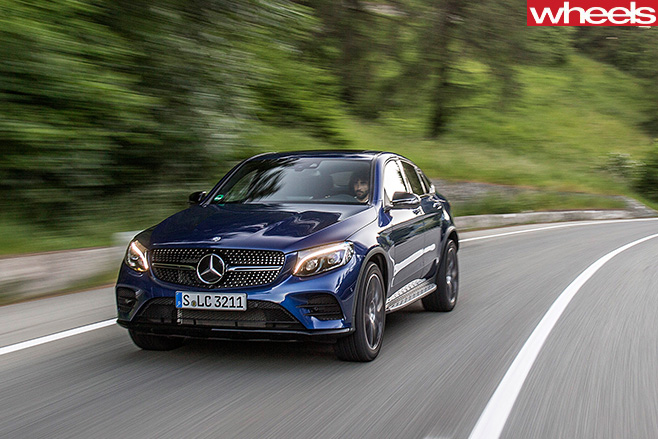
THE WHEELS VERDICT Justifies its practicality sacrifices by delivering a really enjoyable drive
PLUS: exterior and interior styling, sharp dynamics, decent performance, comfortable MINUS: turbo four wheezy at high rpm, compromised headroom, practicality and vision
THE WHEELS REVIEW Oh, how we laughed and teased when, not so many years ago, BMW launched the X6, a Frankenwagon “crossover” of sports sedan, fastback coupe and off-road SUV. “Who the hell would buy such a thing?” we wondered aloud, while our mate who’d become a new dad sold his Boxster and bought one, a serial E-class owner bought one, a tree-changing retired couple bought one…
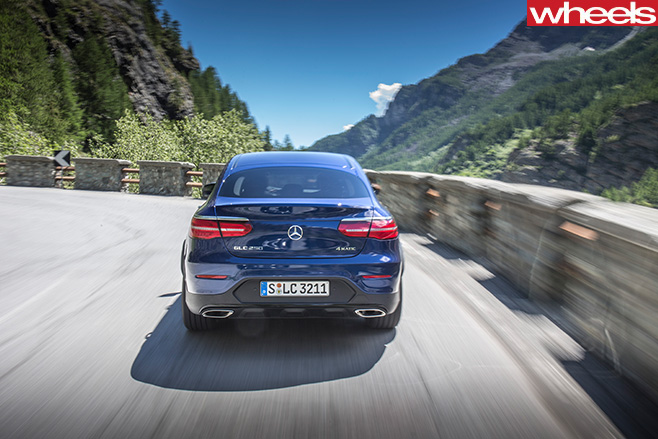
First up, regardless of engine, all Oz-bound GLC Coupes will feature 4MATIC all wheel drive, 9G-Tronic auto, Dynamic Body Control suspension, 20-inch wheels, AMG Line exterior and interior styling, “diamond” grille and 360-degree camera, all in an effort to distinguish the Coupe as the more sporting alternative. The 220d, uniquely, gets Artico fake leather; 250s and up get the real thing.
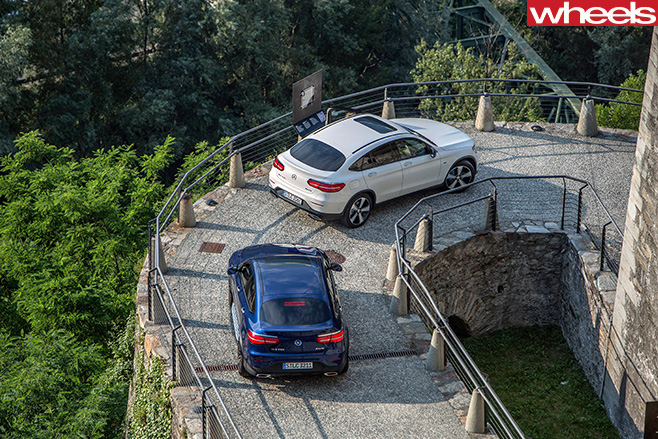
Around mid-2017 will come a 300 petrol, a 190kW/620Nm 350d diesel, a 350E plug-in hybrid and GLC63 AMG.
The announced GLC Coupe launch prices represent a sizeable step of around $12,000 over their respective GLC SUV sisters. However, the coupes do bring substance along with the style, having sports suspension, quicker steering, five-mode Dynamic Select steel suspension (and optional Air Body Control suspension) and a specific coupe interior, along with the AMG tweaks and 20-inch wheels mentioned earlier.
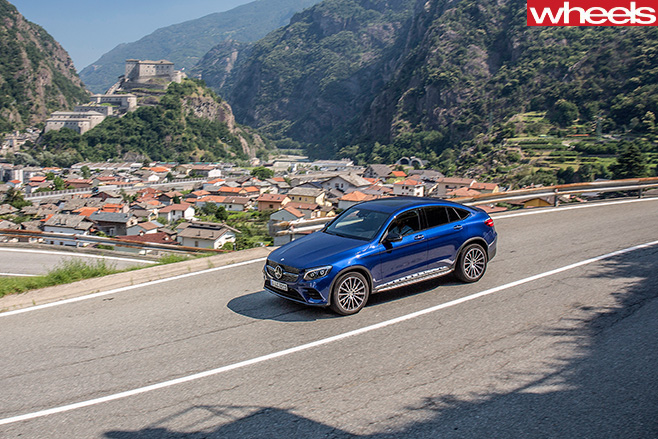
That translates to a comfortable and coupe-cosseting cockpit up front, with deeply sculpted seats that are almost as supportive as they look. The rear bench visually suggests a sculpted two-seater style and offers plenty of knee and foot room; passengers shorter than 178cm won’t have issues once seated, but they’ll likely bang their heads while getting in and out. That sloping roof, high tailgate and thick pillars all conspire to rob visibility.
The 2.0-litre petrol four makes the near-1.8 tonne 250 Coupe feel surprisingly agile, helped in no small way by the nine-speed auto that masks the engine’s quickly tapering top end. Another pleasant surprise is the steering, which is beautifully pointy and is complemented by palpably good Michelin Latitude Sport 3 255/45 ZR20 rubber and a standard suspension whose Dynamic Select brain-box extends all the way to Sport and Sport+ settings.
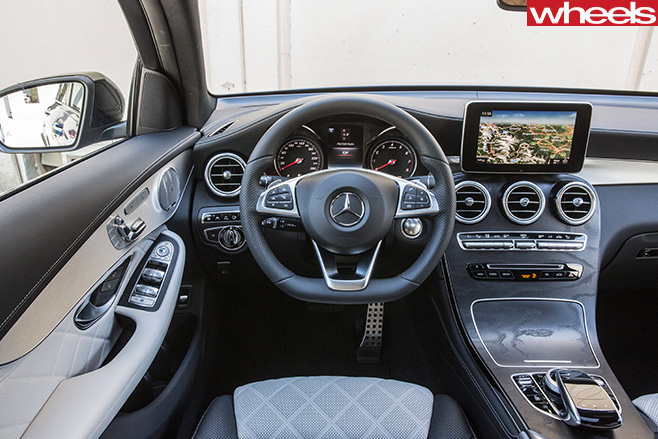
All of which suggests that those who opt for the GLC Coupe over the stock SUV sister can justifiably do so on the basis of a better, more rewarding drive. The concession to style, as described by that sloping roof, perhaps isn’t so punishing; the boot appears quite deep and long, entirely accommodating of typical medium-sized sedan demands – if not, perhaps, the antique coffee tables and inner-city accoutrements of the who-the-hell-buys-these-cars that buy these cars.
SPECS Model: Mercedes-Benz GLC 250 Coupe 4MATIC Engine: 1991cc 4cyl, dohc, 16v, turbo Max power: 155kW @ 5500rpm Max torque: 350Nm @ 1200-4000rpm Transmission: 9-speed automatic Weight: 1735kg 0-100km/h: 7.3sec Fuel economy: (EU combined) 6.9-7.3 l/100km Price: $80,100
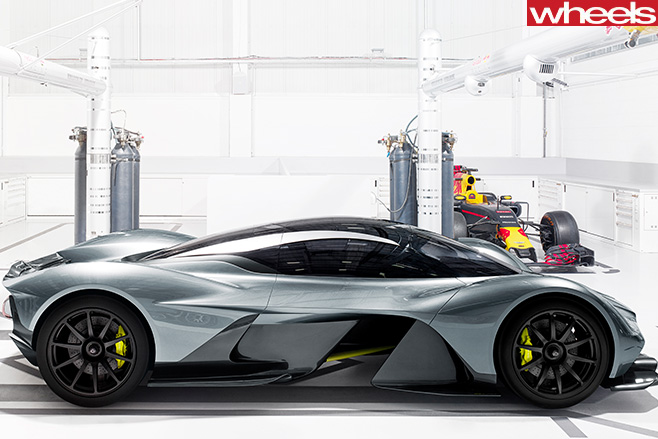
THE AM-RB 001 hasn’t even started production, and it has already been classed in a league of its own.
No car before has had the same ballistic, otherworldly ambition and uncompromising mentality in its design. Or has it?
When you break it down and look beyond the crazy figures Aston Martin and Red Bull are throwing around, there is an obvious choice with which to benchmark the AM-RB against. It’s a car old enough to buy itself a drink: the McLaren F1.
The two cars actually have much in common: Both were born from harebrained ideas cooked up by the greatest designers of their time (Gordon Murry and Adrian Newey); both have the technical prowess of champion Formula 1 teams behind them; both refuse to cheat with forced induction and both are as British as a cup of tea and crumpets with the Queen.
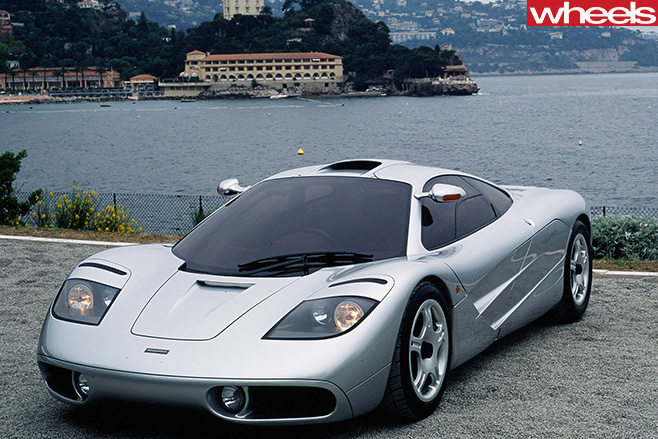
Gordon Murray was uncompromising in his demand for an engine that produced over 410kW, had a 600mm engine block length and weighed no more than 250-kilograms. First approaching Honda, Murray was turned down, and rejected a proposal from Isuzu, before using a 6.0-litre V12 from BMW for the McLaren that was heavier than originally intended, but more powerful.
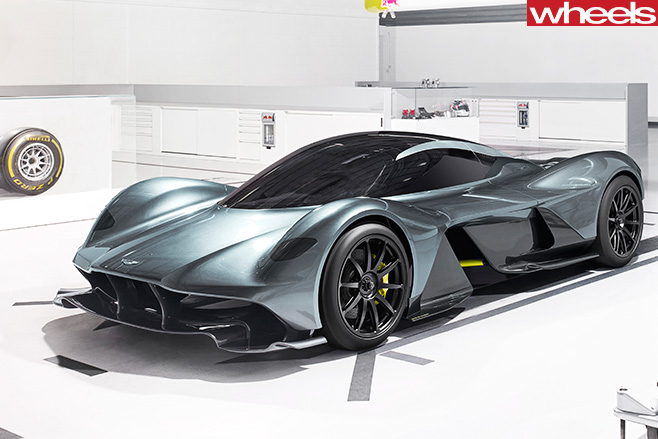
Power-to-weight figures are more important than outright horsepower for both cars, with neither tipping the scales at more than 1200-kilograms.
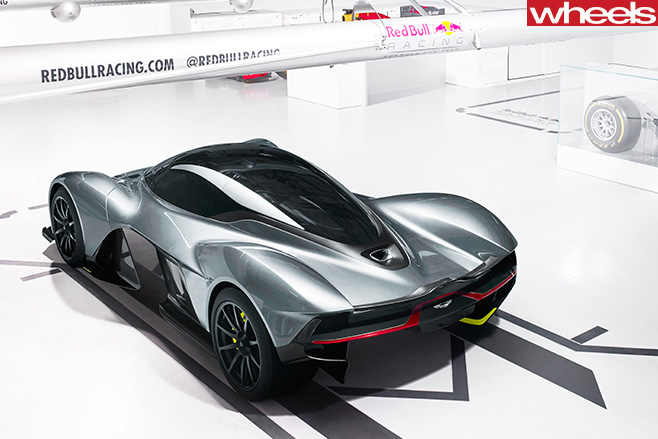
With the technology and engineering advancements available to designers since it was unveiled back in 1992, it’s inevitable that the AM-RB 001 will be faster than the McLaren F1, but it’s the only car worth comparing it against. When it was released – much like the AM-RB 001 did this week – the McLaren F1 melted minds, with claims that no car will ever be as fast. We know now that that’s incorrect, but the F1 changed our perceptions of what a car is, and could be, capable of.